We build and rank every list first. Booking links come after, and only where
a partner sells a ticket, tour or stay for that exact place, so a place with
nothing to book is listed exactly as prominently as one you can book.
So how do we earn? Some links on this page go to booking
partners, and if you book tickets, tours or a stay through
one, we may earn a commission. It costs you nothing extra.
That commission never decides which places make the list, the order they
appear in, or what we write about them. No entry is sponsored or a paid
placement.
40 Best Things to Do in Nashville, Tennessee (2026)
By the City Viking editorial teamPublished 40 places · 26 min read
Fact-checked Checked before launchOct 19, 202639 sources24 publishers4 government & parks1 tourism board12 encyclopedias & research22 venues & other sitesPublished · Oct 19, 2026Researched and checked before it went liveClick for every source and the full change log.
Short answer
Nashville is known for being Music City, the home of country music's songwriters and studios, and Tennessee's capital. Start with the Grand Ole Opry, the Ryman Auditorium and the honky-tonks of Lower Broadway, then add the Country Music Hall of Fame and Museum and the Parthenon in Centennial Park. Two to three days covers it well: one for downtown's music landmarks, one for Capitol Hill, Music Row and the neighborhoods, and an evening at the Opry.
Nashville is Tennessee's capital and most populous city, home to 689,447 people at the 2020 census and to the songwriters, studios and stages that made it Music City. Live music pours out of the honky-tonks all day, the Ryman and the Opry still anchor country music, and leafy neighborhoods hide museums, mansions and parks.
This guide covers the 40 best things to do in Nashville, from downtown's music landmarks to Civil War sites, historic homes and greenways. Plan two to three days, longer if you add Franklin or a loop through Tennessee's small towns.
The Grand Ole Opry is the longest-running radio broadcast in U.S. history — it first went out on WSM on November 28, 1925, as the WSM Barn Dance and took its current name in 1927.
The nickname "Music City" was coined on air in 1950, when WSM announcer David Cobb ad-libbed that listeners were hearing music from "Music City, U.S.A."
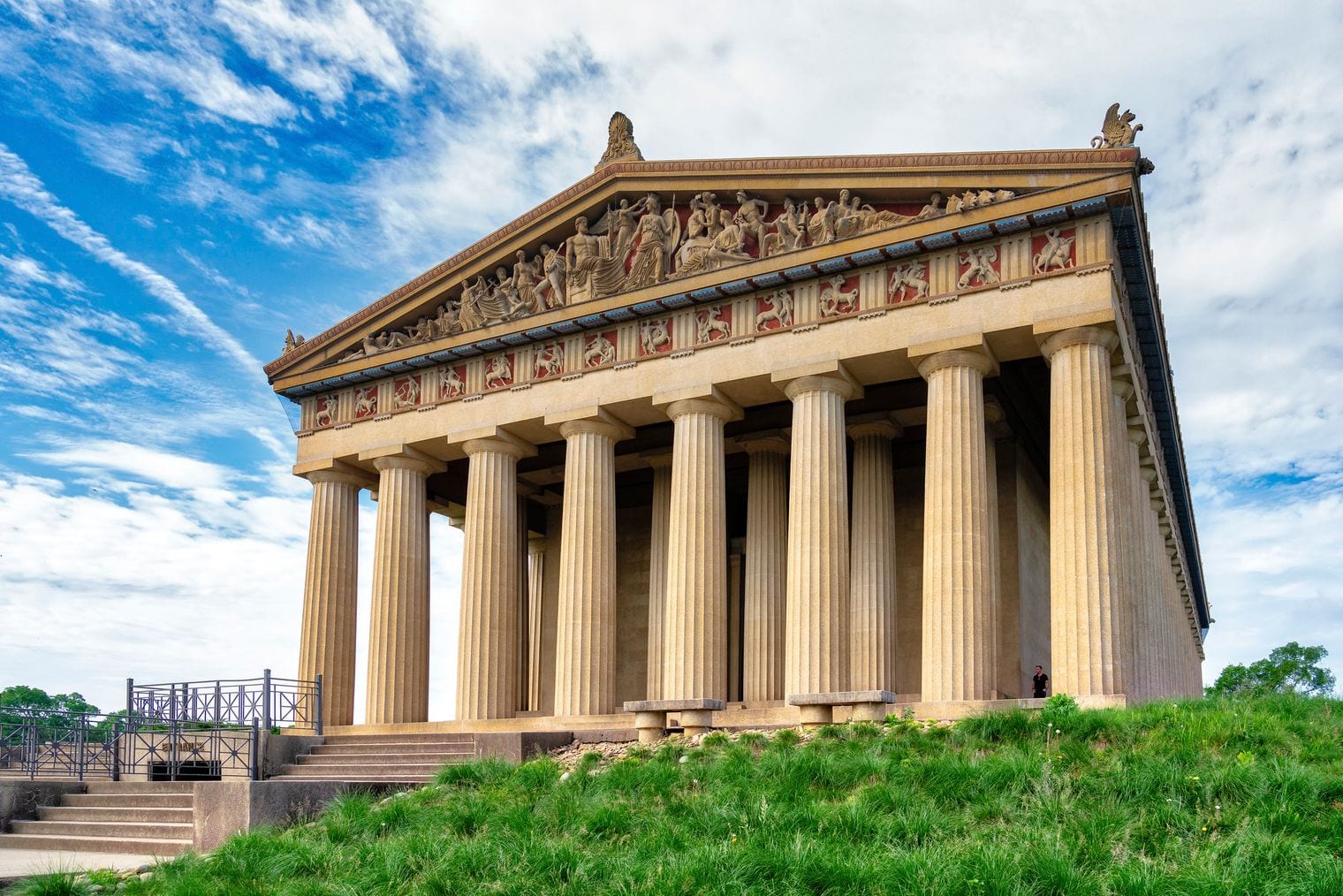
Nashville has a full-scale replica of the Parthenon, built for the 1897 Tennessee Centennial Exposition; the gilded Athena inside stands nearly 42 feet tall.
One sculptor made three of the city's landmark statues — Alan LeQuire created the Athena in the Parthenon, the Musica dancers on Music Row and the Tennessee Woman Suffrage Monument in Centennial Park.
Fort Negley was the largest inland fort built in the United States during the Civil War, and records show 2,768 Black laborers, many of them enslaved, were officially enrolled in its construction.
The architect of the Tennessee State Capitol is entombed in its walls — William Strickland died before the building was finished and was laid to rest inside it.
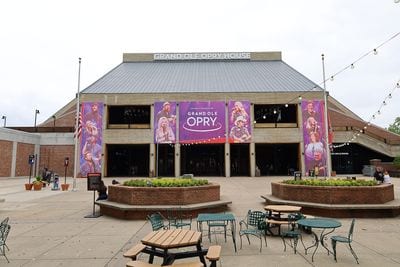
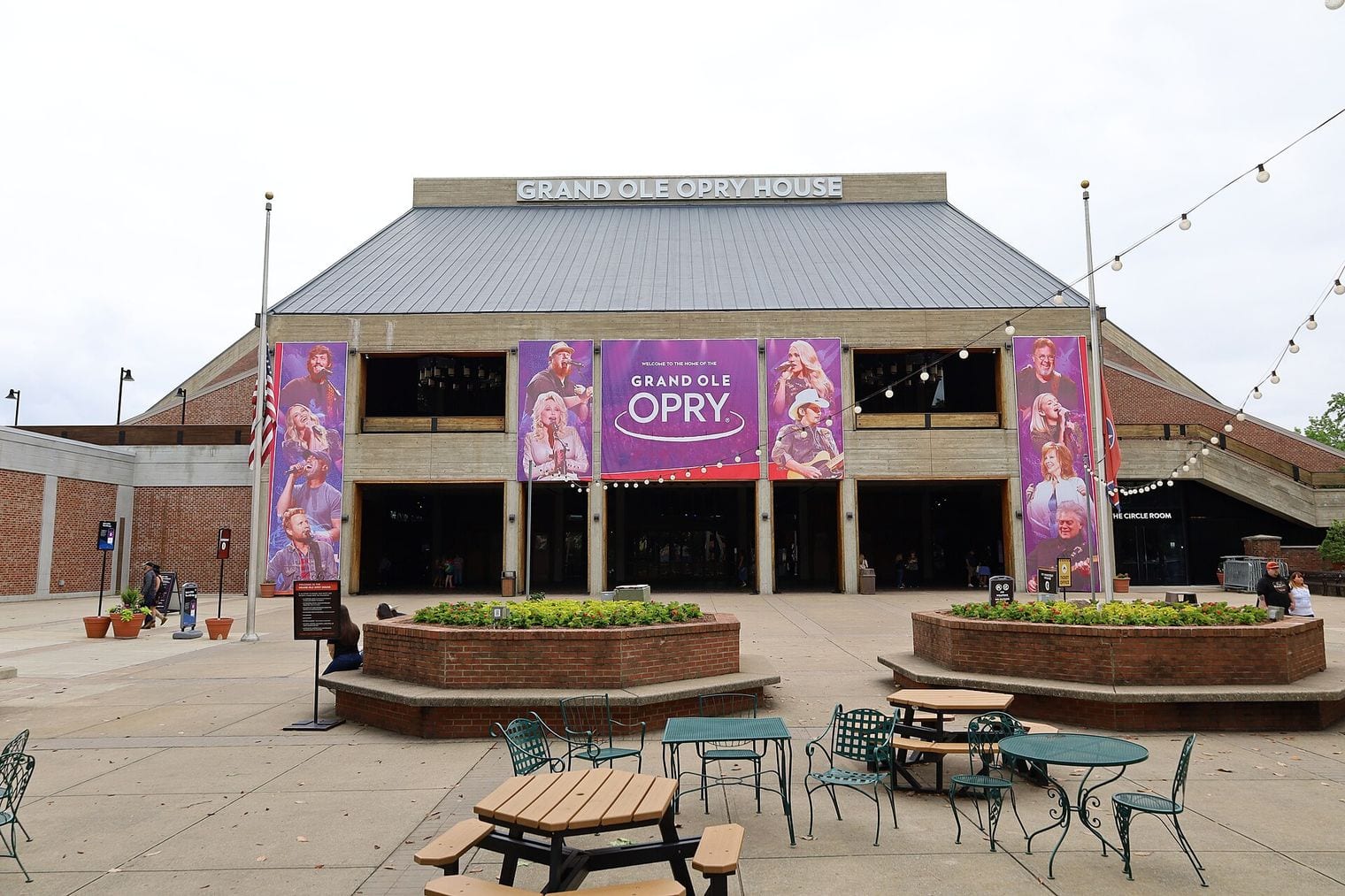
The Grand Ole Opry is the show that made Nashville famous: a live country radio broadcast on WSM that began in 1925 and is the longest-running radio broadcast in U.S. history. It plays two to five nights a week depending on the season, mixing longtime Opry members with new chart names, bluegrass pickers and comedy, several acts to a night, all going out live on air.
Since 1974 the show's home has been the Grand Ole Opry House in Music Valley, about nine miles northeast of downtown, where a six-foot circle of oak cut from the Ryman's stage is set into center stage. Daytime backstage tours walk the halls and dressing rooms and, when it is free, step out onto that famous stage.
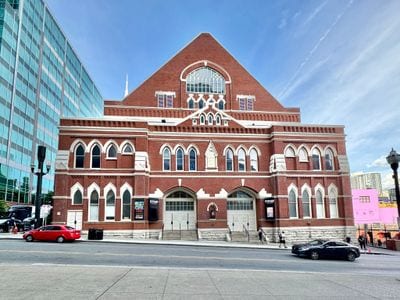
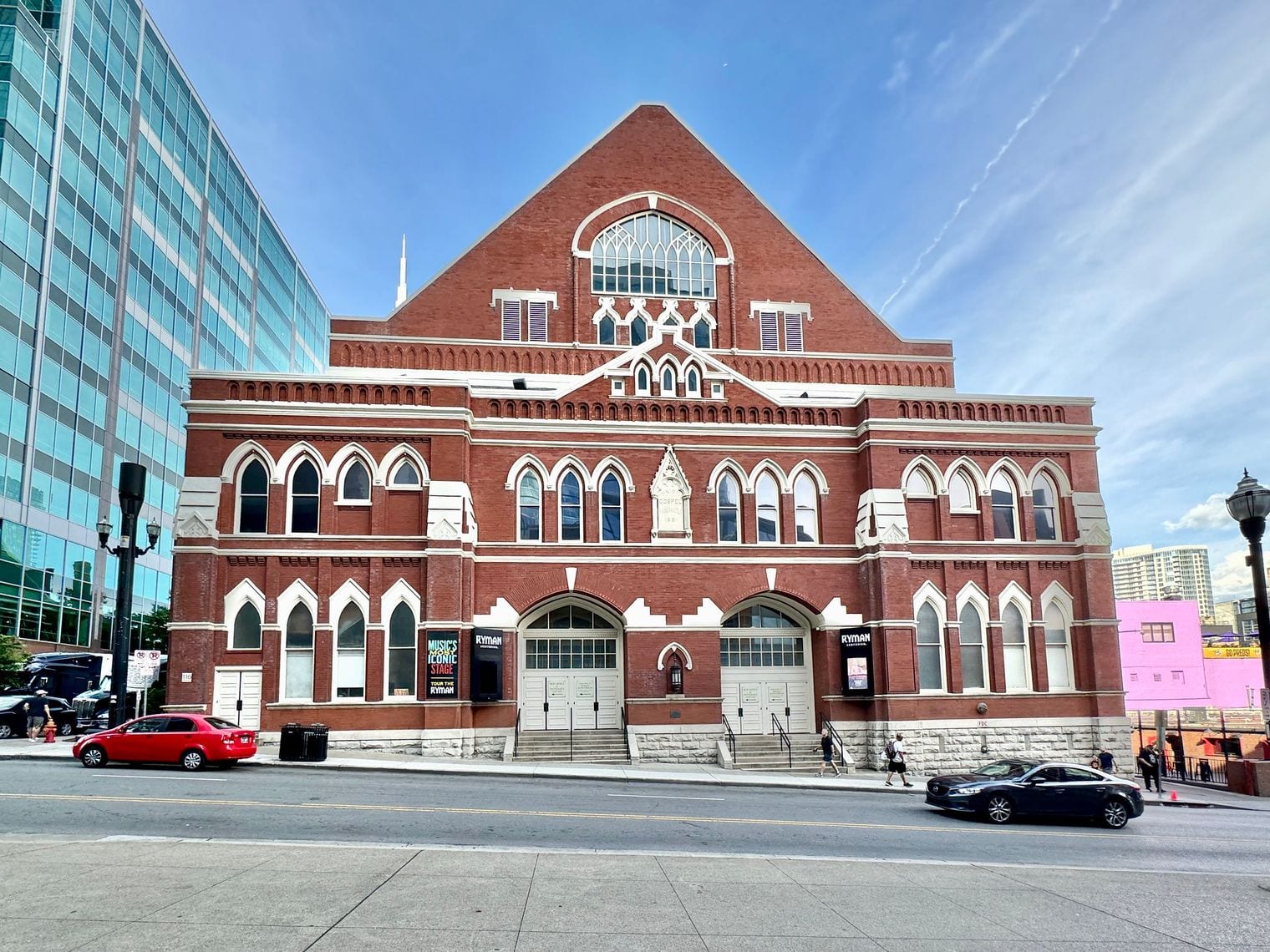
Ryman Auditorium opened in 1892 as the Union Gospel Tabernacle, built by riverboat and saloon owner Thomas Ryman, and its church pews and stained glass explain the nickname it still carries: the Mother Church of Country Music. It was home to the Grand Ole Opry from 1943 to 1974 and is now a National Historic Landmark.
Daytime tours tell the story of the hall and the stars who played it, but the best way to feel the room is at a concert, when every one of its curved pews feels close to the stage. The Opry still returns to the Ryman for a run of shows most winters, a chance to see the radio show in its old home.
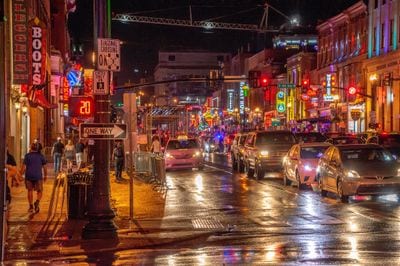
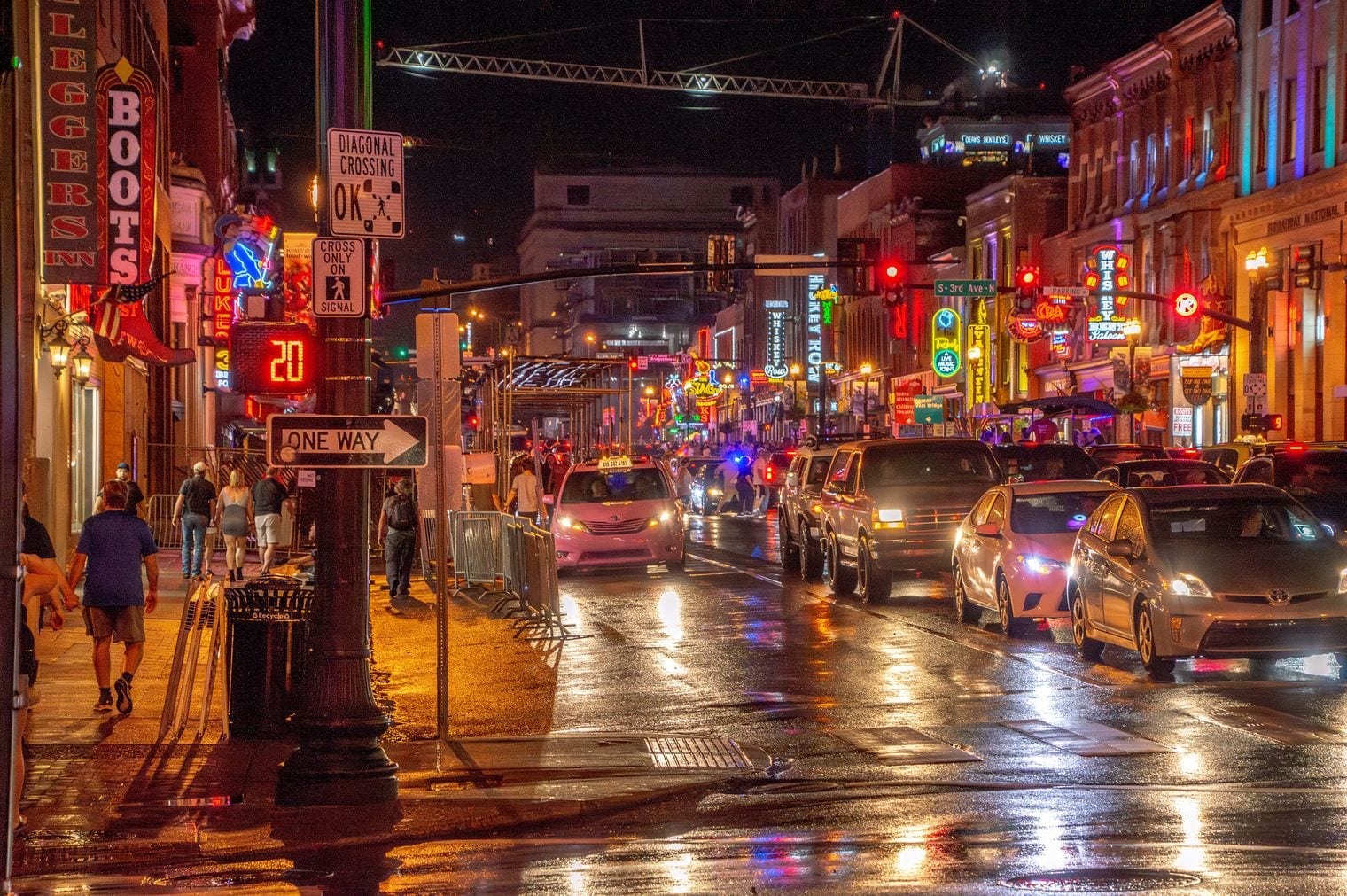
Lower Broadway is Nashville's neon-lit strip of honky-tonks, the blocks of Broadway running down to the Cumberland River where live bands play all day and well into the night. Its historic storefronts were listed on the National Register of Historic Places in 1980 as the Broadway Historic District, and the street is busy from lunchtime on.
Wander in and out of long-running honky-tonks on the strip such as Tootsie's Orchid Lounge, Robert's Western World and Legends Corner, where bands pass the tip jar between songs, then cut around the corner to the brick warehouse blocks of Second Avenue. Afternoons are the easiest time to hear strong players without the late-night crowds.
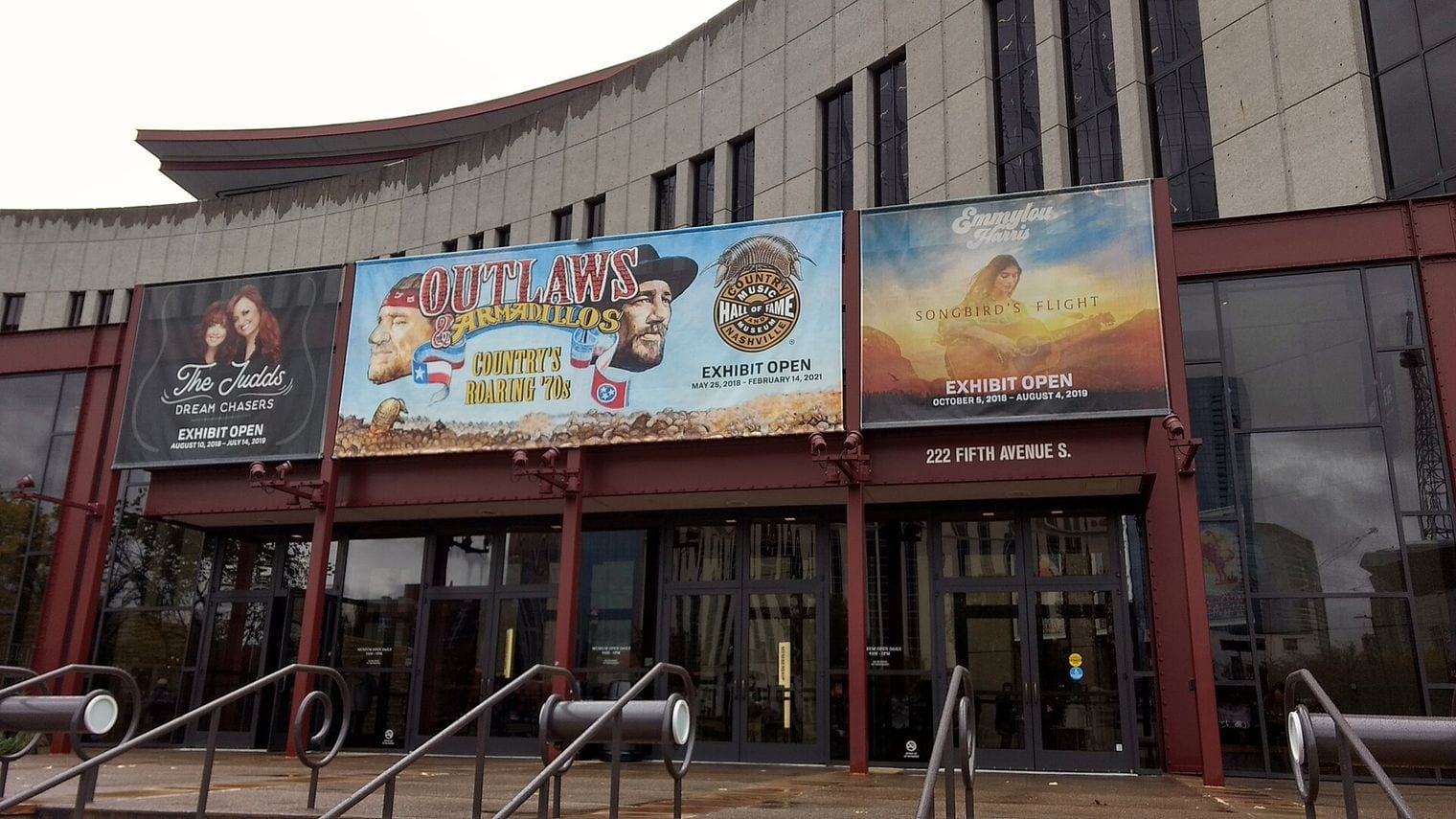
The Country Music Hall of Fame and Museum is one of the world's largest museums devoted to country music, chartered in 1964 and home to a vast collection of instruments, stage costumes, handwritten lyrics, photographs and recordings. The galleries trace the music from its rural roots to today's stars and finish in the Hall of Fame Rotunda, where the members' plaques hang.
The downtown building opened in 2001 and doubled in size in 2014, and its sweeping arch is meant to suggest the tailfin of a 1959 Cadillac. Inside, Hatch Show Print, a letterpress shop founded in 1879, still prints posters from vintage wood type, and tours of Historic RCA Studio B are booked through the museum.
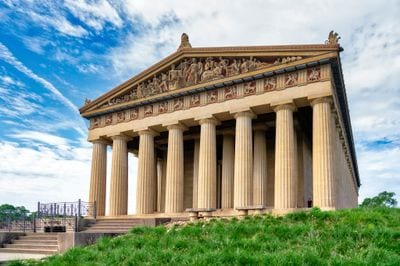
The Parthenon in Centennial Park is a full-scale replica of the Athens original, built for the 1897 Tennessee Centennial Exposition and now an art museum. Inside stands Alan LeQuire's re-creation of the Athena Parthenos, nearly 42 feet tall and gilded in 2002, along with casts of the Parthenon Marbles and a gallery of American paintings.
Centennial Park around it is one of the city's favorite green spaces, with Lake Watauga, walking paths, lawns for a picnic and the Tennessee Woman Suffrage Monument, also by LeQuire. The park is free to roam even if you skip the museum, and the colonnade looks its best in late-afternoon light.
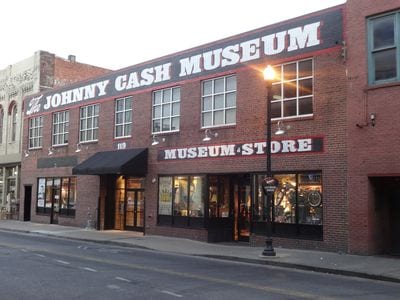
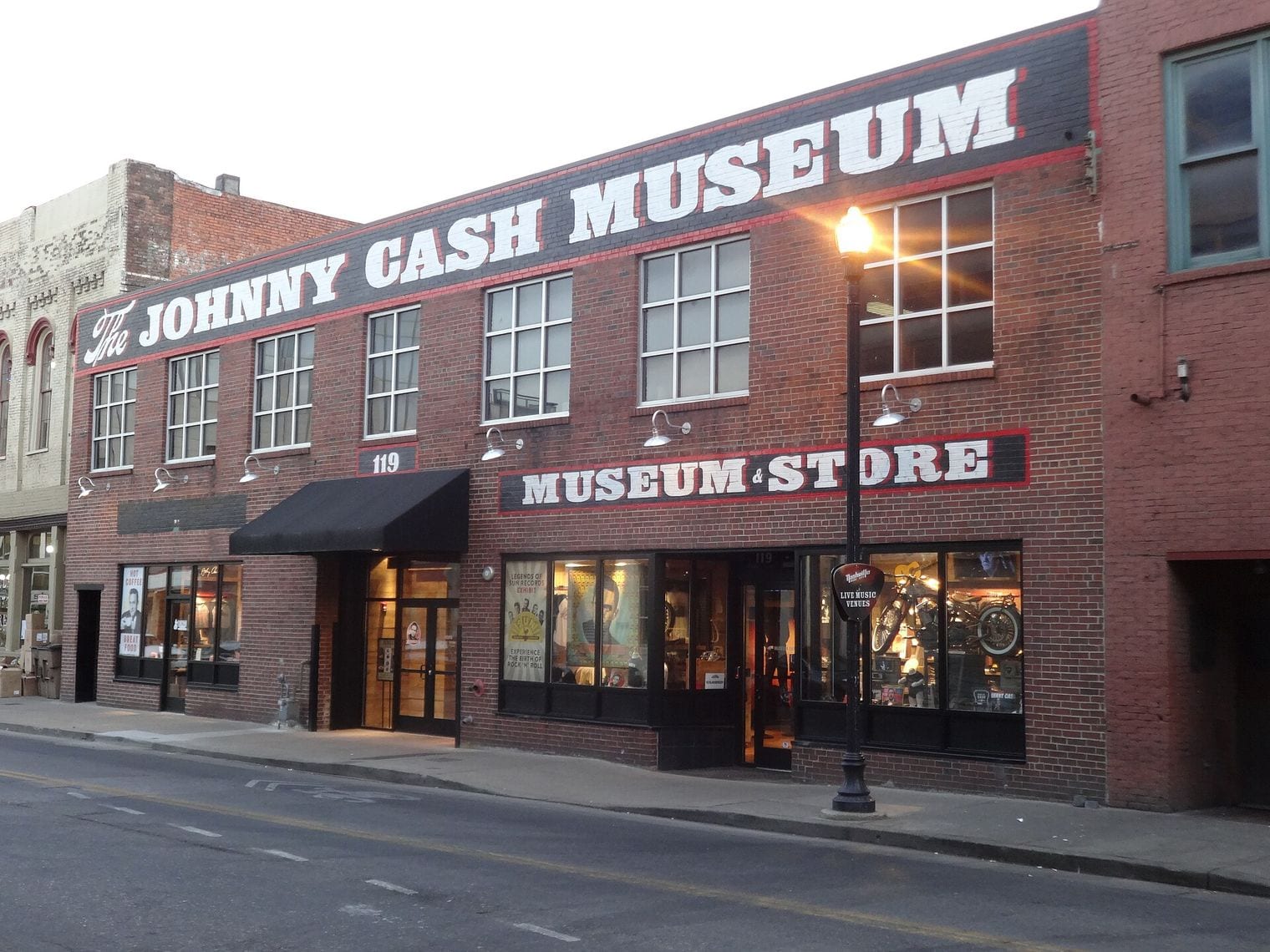
The Johnny Cash Museum opened in 2013 with the blessing of Cash's estate and holds the world's largest collection of memorabilia from the Man in Black. Stage costumes, handwritten letters and lyrics, guitars and family photographs follow his story from an Arkansas boyhood to the height of his fame.
Look for the stone wall taken from his lake house in nearby Hendersonville. Upstairs in the same building, the Patsy Cline Museum, opened in 2017, tells the story of another Opry great, so the two are easy to see together in an hour or two.
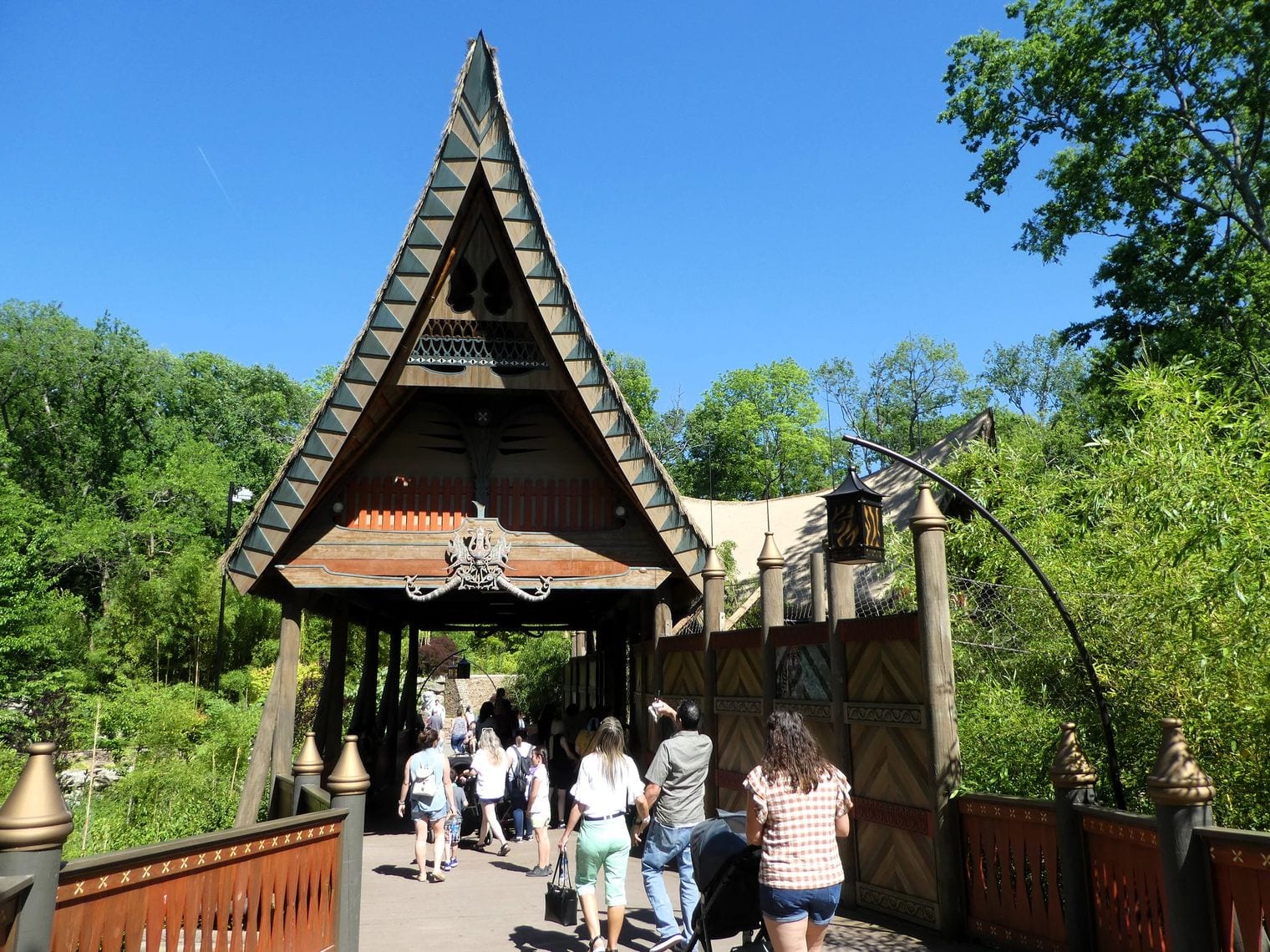
The Nashville Zoo at Grassmere spreads across about 188 acres of wooded hills and meadows six miles southeast of downtown, with animals from around the world in leafy habitats and plenty of room for families to spend most of a day.
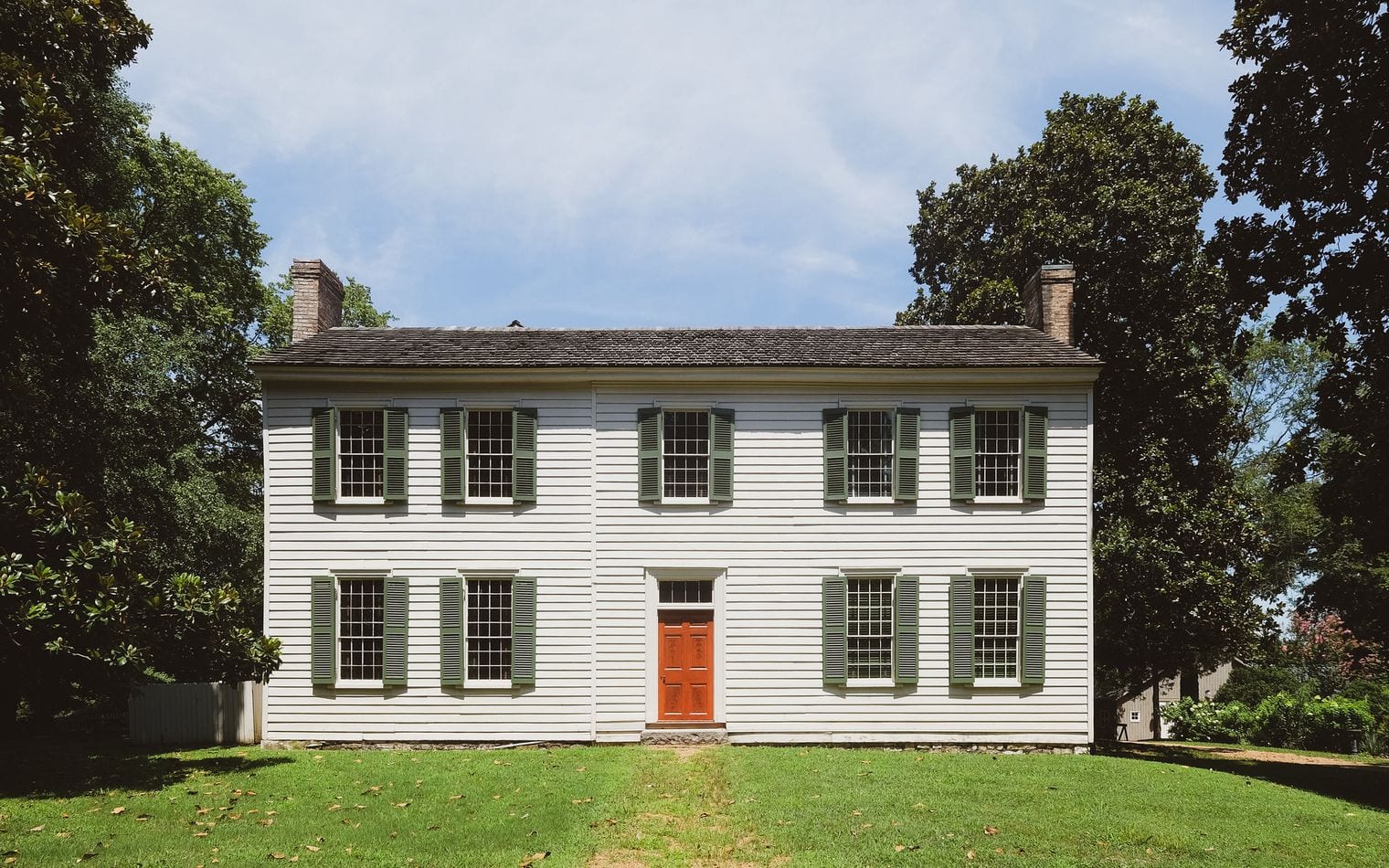
The zoo grew from a historic farm, and the Grassmere Historic Home at its heart was built in 1810 with enslaved labor; the Croft sisters, the last of the family to live there, left the land on condition it became a nature center. The restored house and farm grounds make a quieter, historical stop between the animal exhibits.
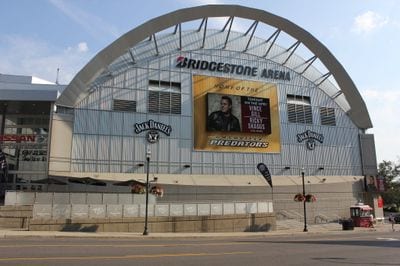
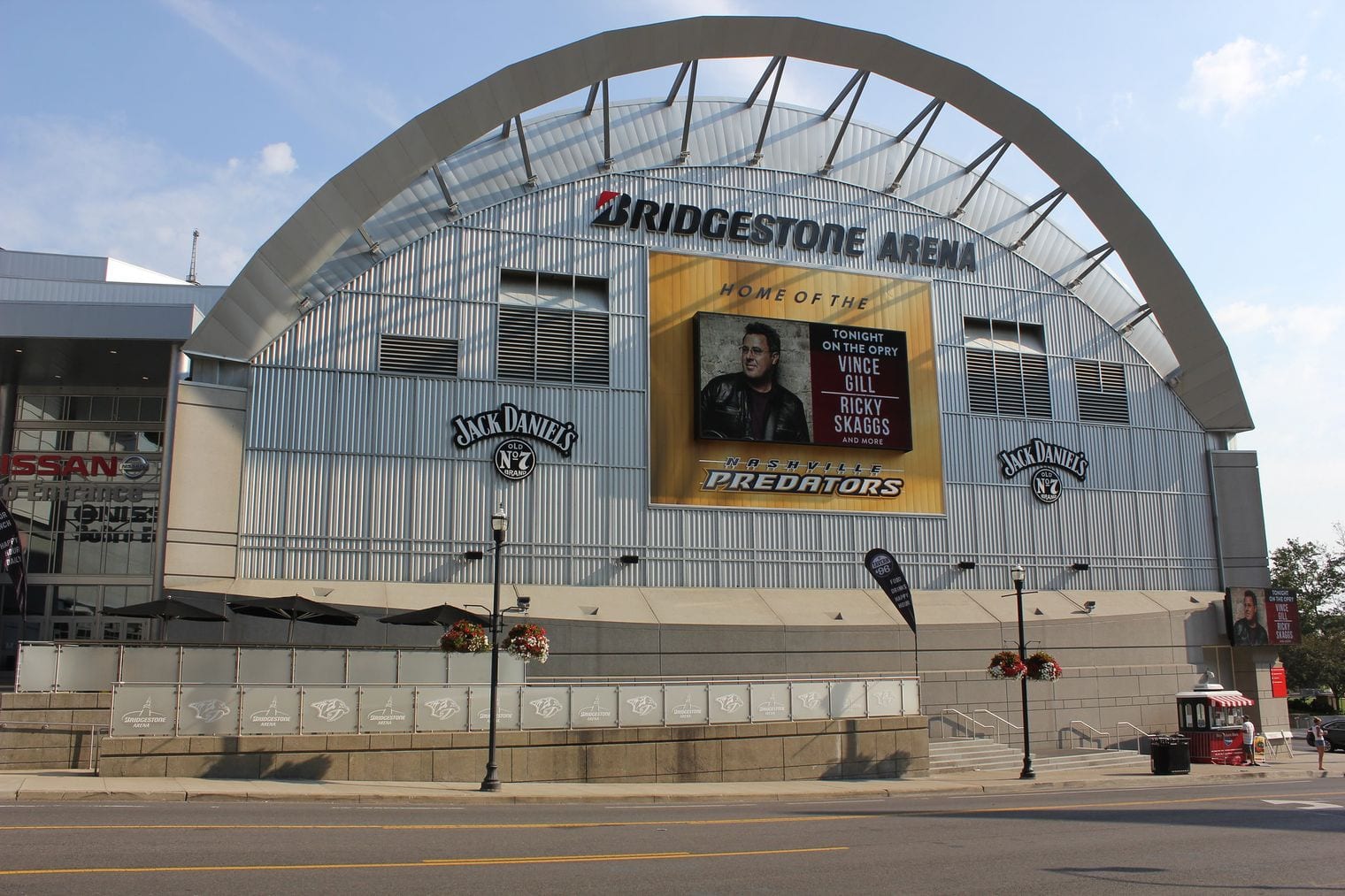
Bridgestone Arena anchors the top of Lower Broadway, a downtown arena completed in 1996 that is home to the NHL's Nashville Predators and a major stop for big concert tours. Hockey nights are loud and festive, with fans spilling over from the honky-tonks before the puck drops.
Even without a ticket, the arena's glass front and plaza are part of the Broadway scene, and award shows, college basketball tournaments and arena concerts rotate through the year. Check the calendar when you plan, as the building is rarely dark for long.
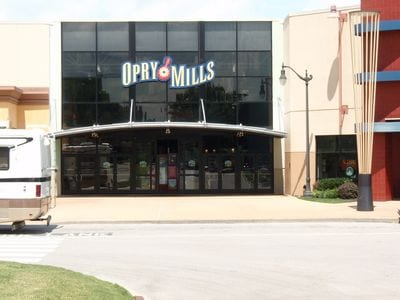
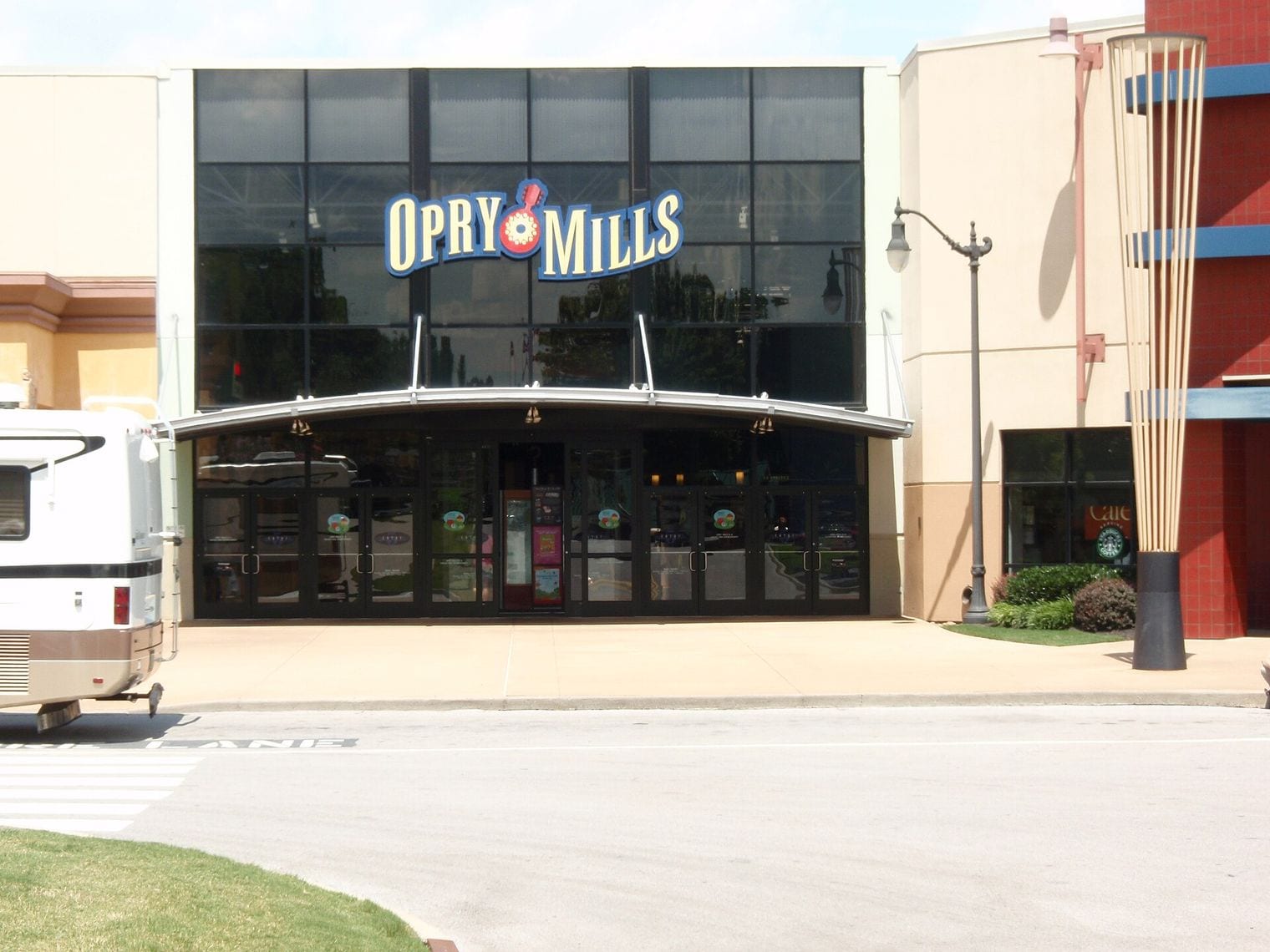
Opry Mills is a huge outlet mall in Music Valley, right beside the Grand Ole Opry House, opened in 2000 on the site of the old Opryland theme park. Its long loop of stores mixes outlet brands with restaurants, a movie theater and attractions, including Madame Tussauds.
The mall was shut for nearly two years after the 2010 Cumberland River flood swept through Music Valley and reopened in 2012. It works best as a rainy-day stop or a place to fill the hours before an Opry show next door.
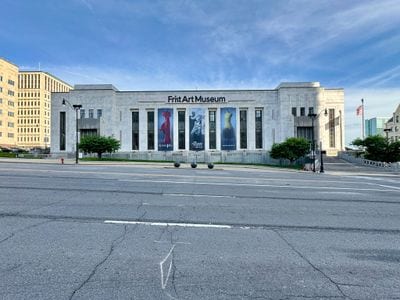
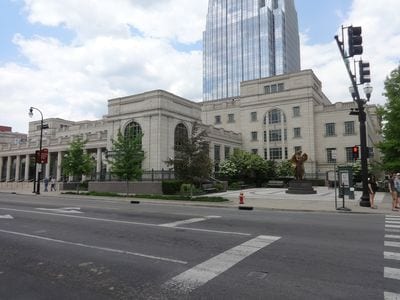
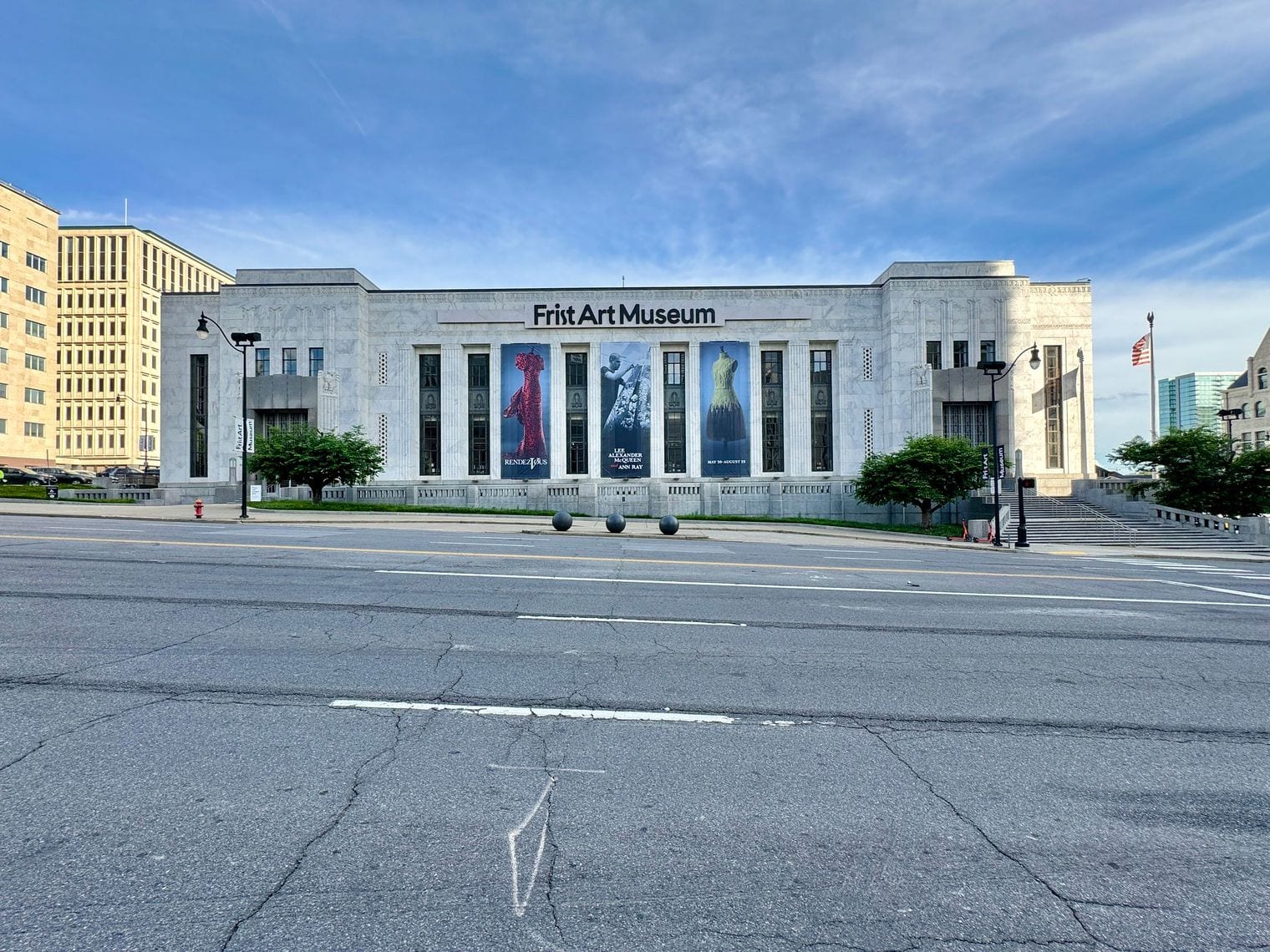
The Frist Art Museum fills Nashville's former main post office, a white marble building from the 1930s in Art Deco and Stripped Classical style on Broadway. It has no permanent collection, so the galleries change through the year with traveling exhibitions of painting, sculpture, photography and design from around the world.
Families should find Martin ArtQuest, a permanent hands-on gallery where kids can draw, print and build. The building is worth a look on its own, with polished stone, Deco details and a grand lobby that still feels like a civic palace.
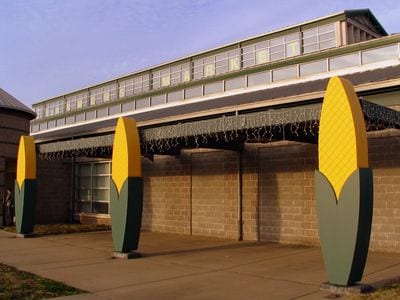
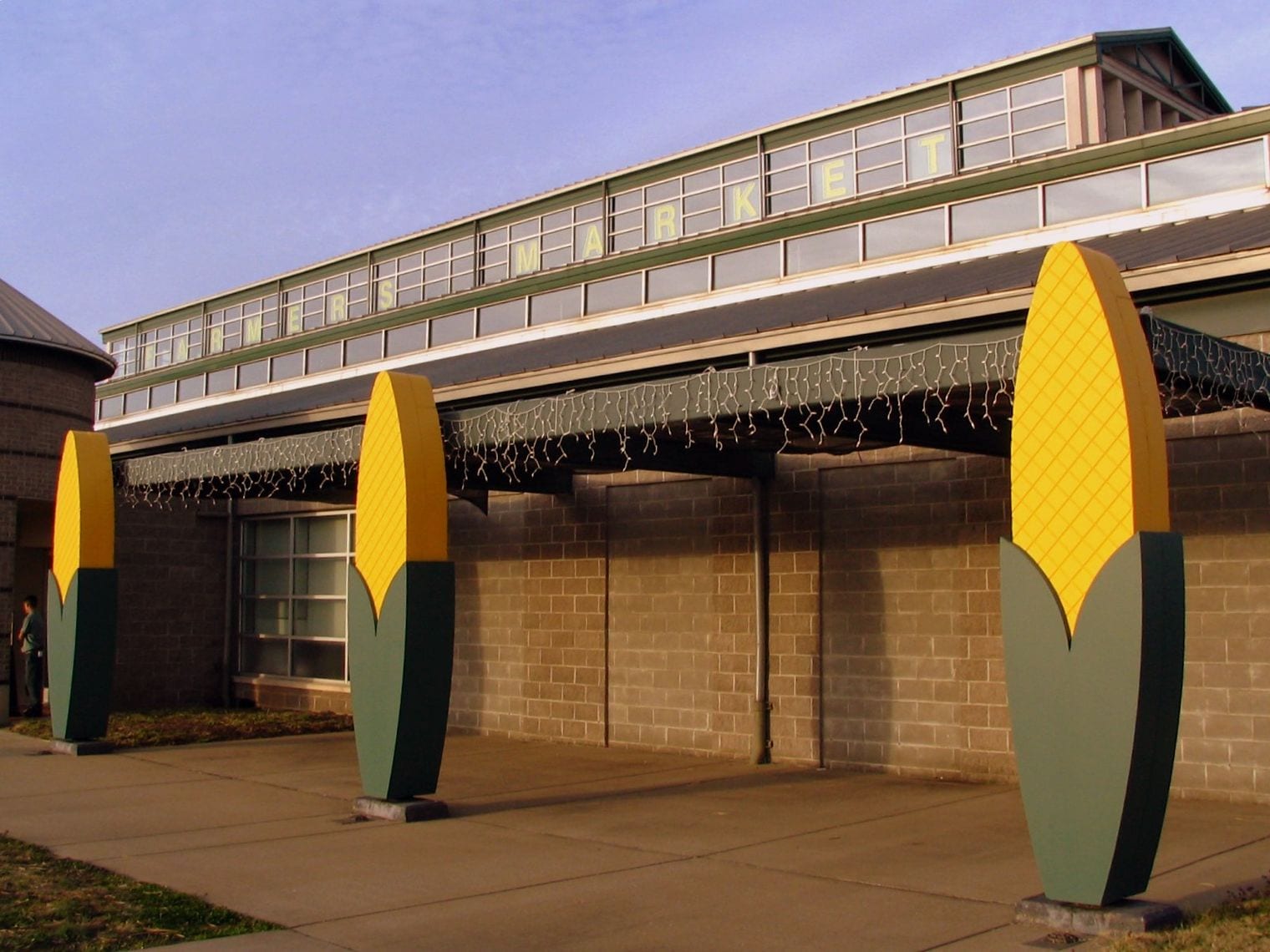
The Nashville Farmers' Market sits beside Bicentennial Capitol Mall State Park and opens year-round, with open-air farm sheds selling produce, plants and crafts, an indoor Market House full of food stalls and small shops, and a garden center.
It is the easiest lunch stop near Capitol Hill: grab something from the food hall, browse the farm sheds, then walk straight onto the mall and up toward the Capitol. Local growers and artisans make it a good place to pick up edible souvenirs.
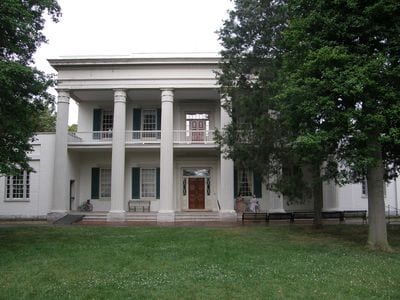
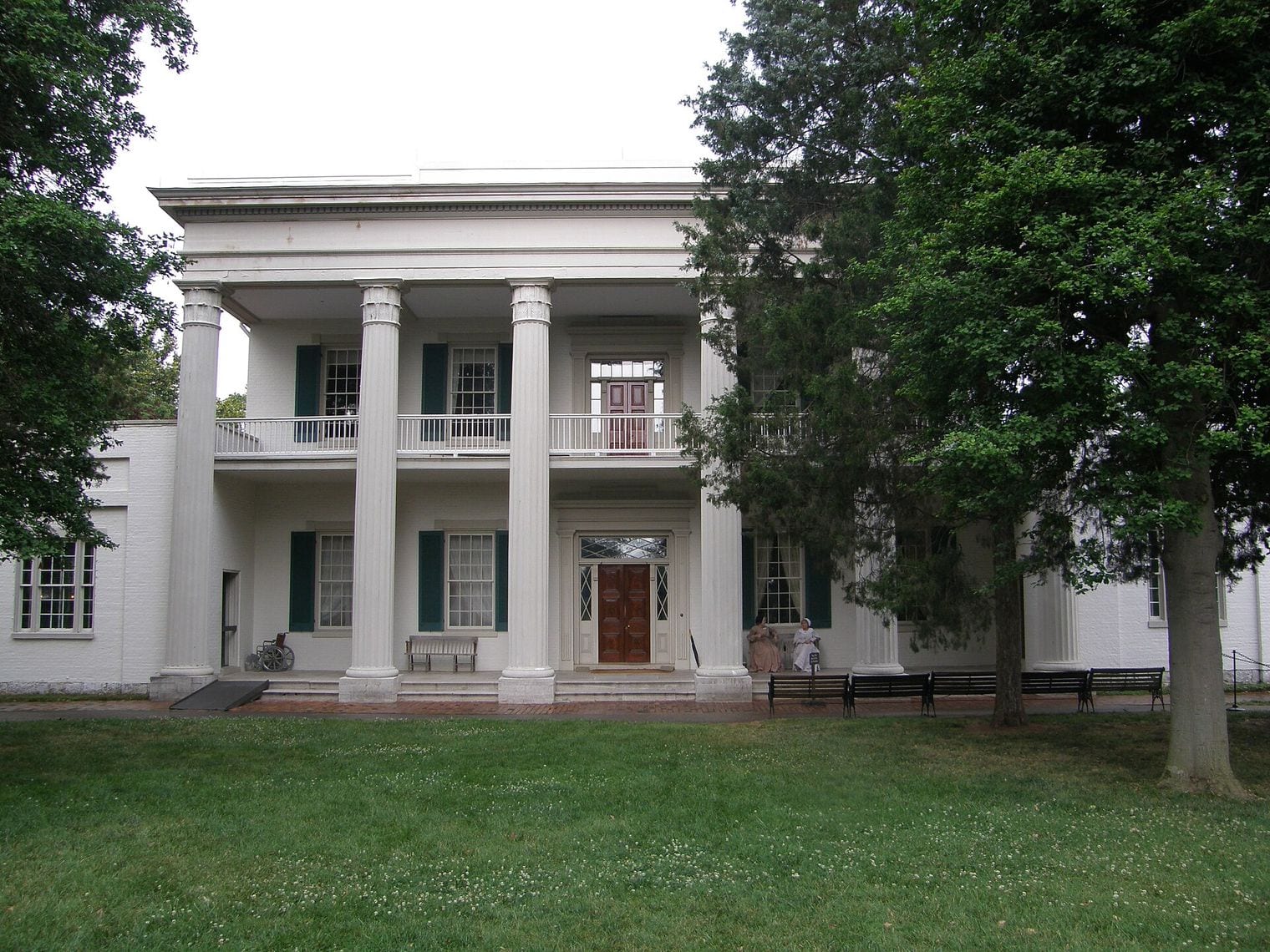
Andrew Jackson's Hermitage was the home of the seventh U.S. president from 1804 until his death there in 1845, and the estate of more than 1,000 acres lies about 10 miles east of downtown. Visits take in the mansion, the garden tomb where Andrew and Rachel Jackson are buried, early log cabins and the farm fields.
The Hermitage also tells the story of the people Jackson enslaved, who numbered nine when he bought the land and 110 at his death, through the cabins, archaeology, exhibits and tours. Allow half a day to see the house, grounds and museum properly.
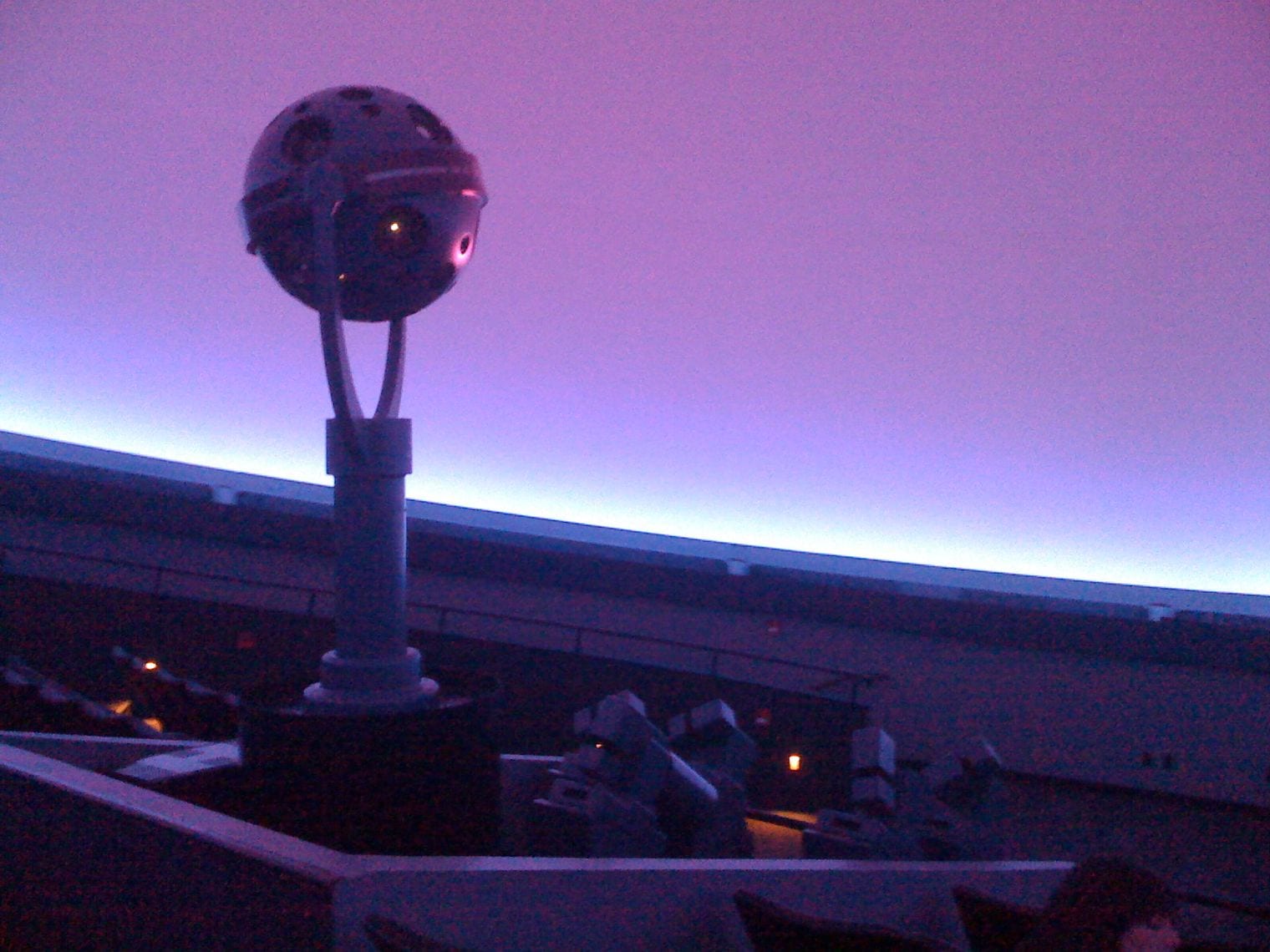
Adventure Science Center is Nashville's hands-on science museum for kids, with more than 175 interactive exhibits on everything from the human body and physics to space and earth science. Its centerpiece is a 75-foot Adventure Tower that children climb through level by level.
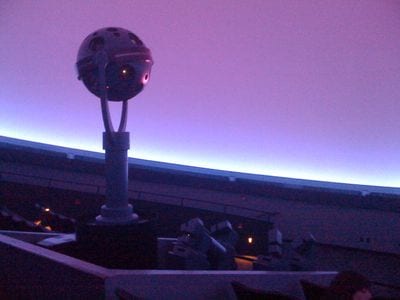
The Sudekum Planetarium inside the building runs dome shows on stars, planets and space, a good way to rest tired legs. The center sits on a hill just south of downtown, next to Fort Negley, so the two pair well.
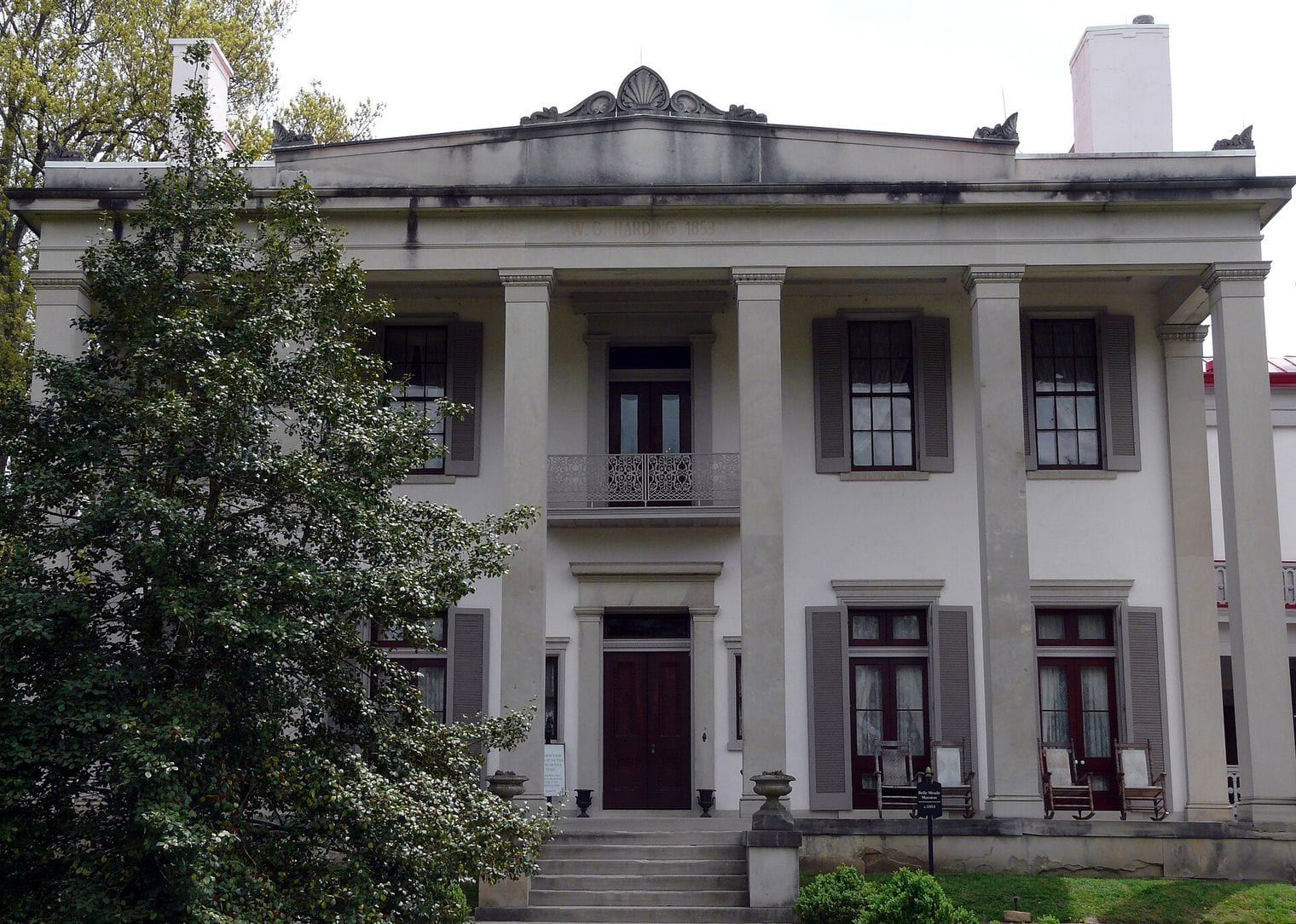
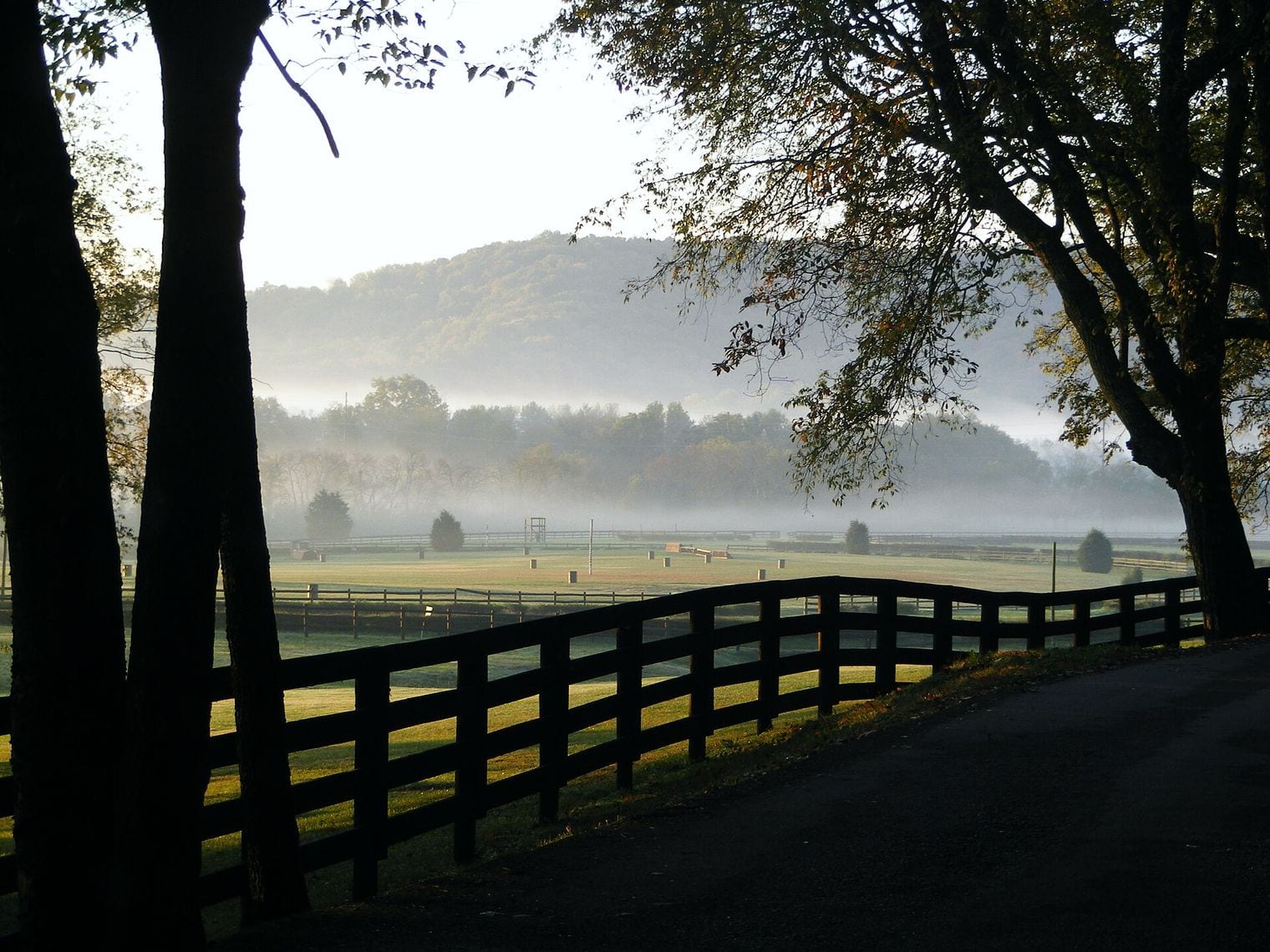
Belle Meade Historic Site & Winery preserves a farm founded in 1807 that won a national name in the 19th century for breeding thoroughbred racehorses, among them the celebrated stallion Iroquois. Guided tours of the 1853 Greek Revival mansion and its outbuildings tell the stories of the Harding and Jackson families and of the enslaved people whose labor built the estate.
The on-site winery offers tastings that make a relaxed finish to a visit. The site occupies the last 30 acres of what was once a 5,400-acre farm, in the leafy Belle Meade area west of downtown.
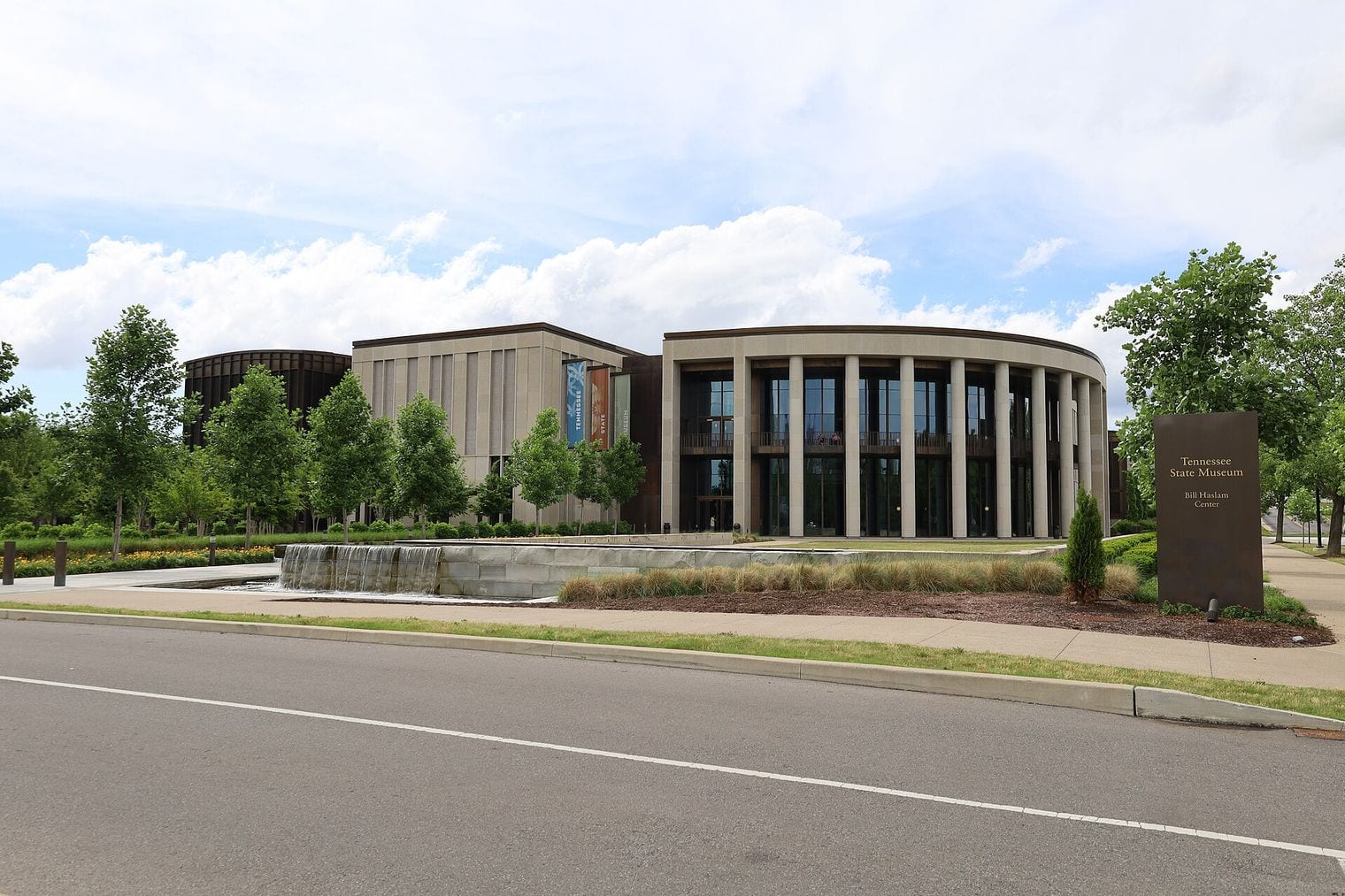
The Tennessee State Museum tells the state's story in a building at the foot of Capitol Hill that opened in 2018, and admission is free. The Tennessee Time Tunnel leads you through the permanent collection in order, from the earliest peoples of the region to the present.
Highlights include Civil War uniforms, battle flags and weapons, quilts, furniture and art made by Tennesseans, a hands-on children's gallery and rotating exhibitions. Pair it with a stroll along the Bicentennial Mall right outside.
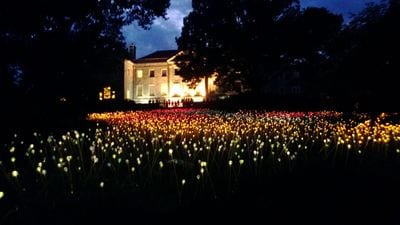
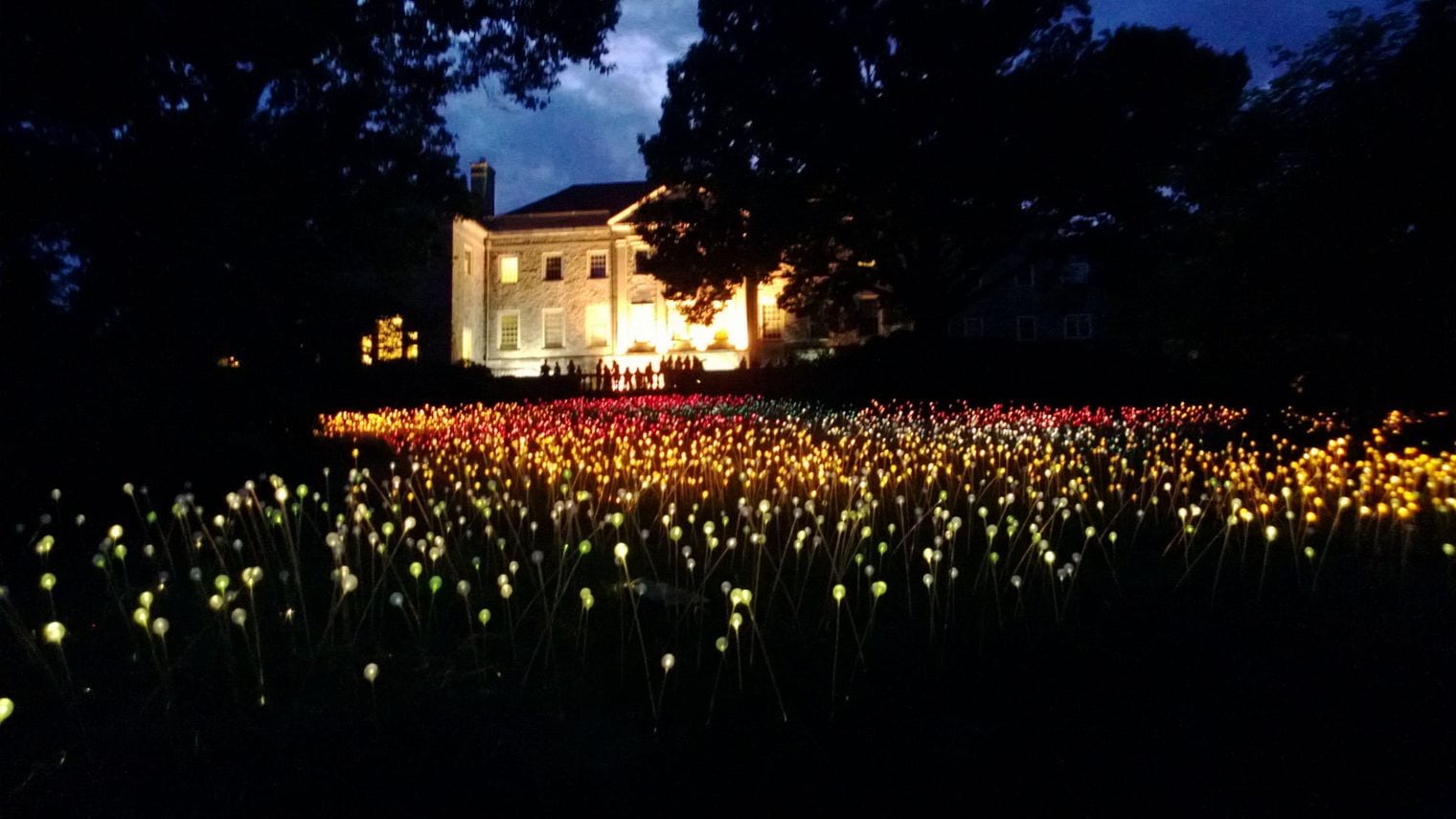
Cheekwood is a 55-acre botanical garden and art museum on Nashville's western edge, built around the Georgian-style mansion of the Cheek family, whose fortune came from wholesale groceries and the Maxwell House coffee business. The house opened to the public as a garden and museum in 1960.
Outside, themed gardens and a woodland sculpture trail wind through the hills, with spring bulbs, summer color and fall foliage in turn. Inside, the mansion's rooms hold American art and decorative arts, so plan to split a visit between the galleries and the grounds.
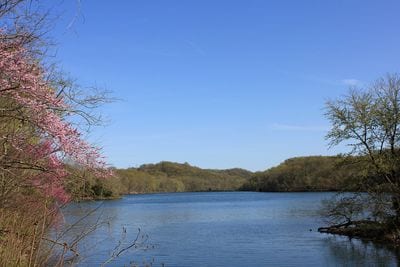
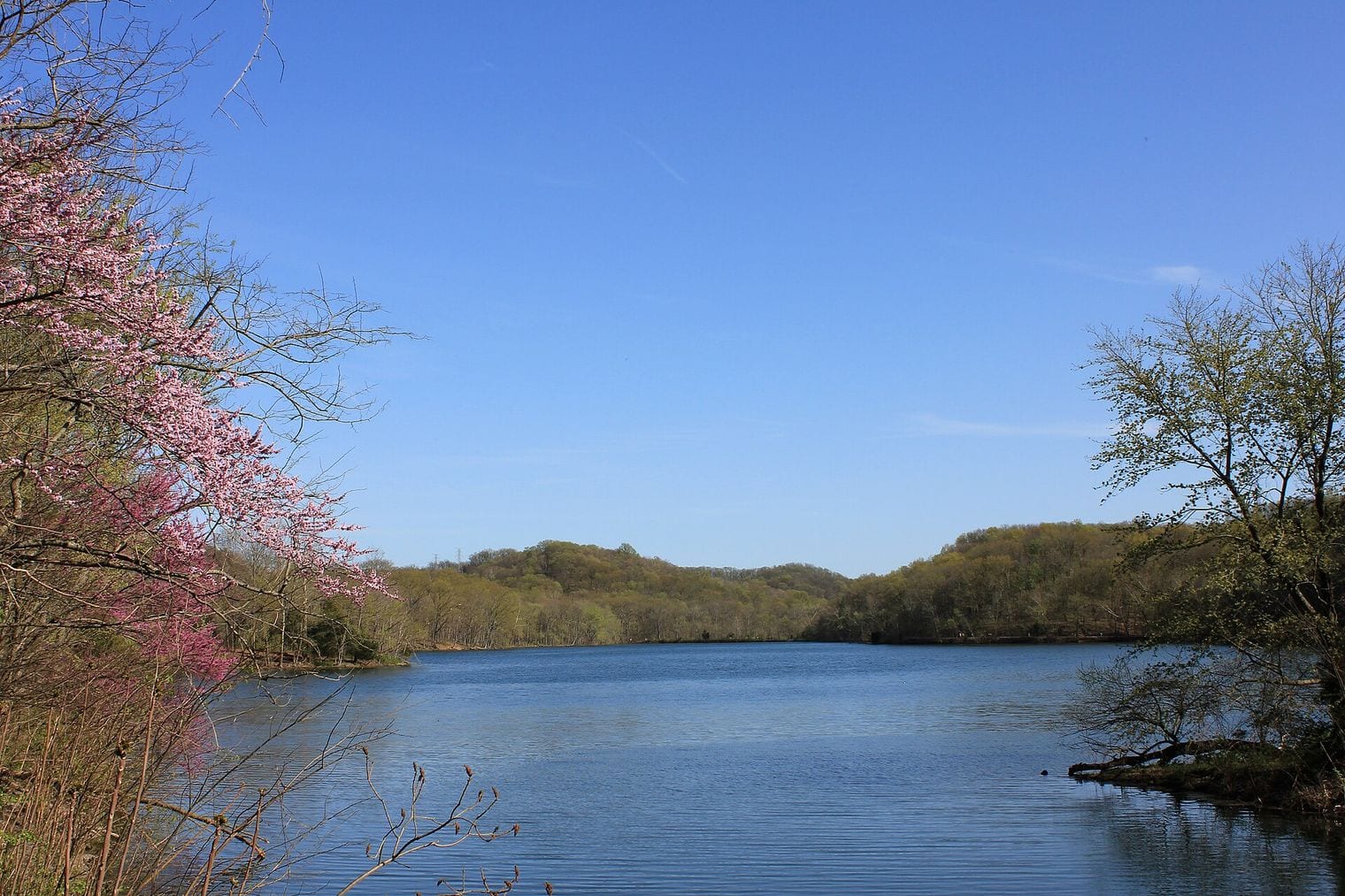
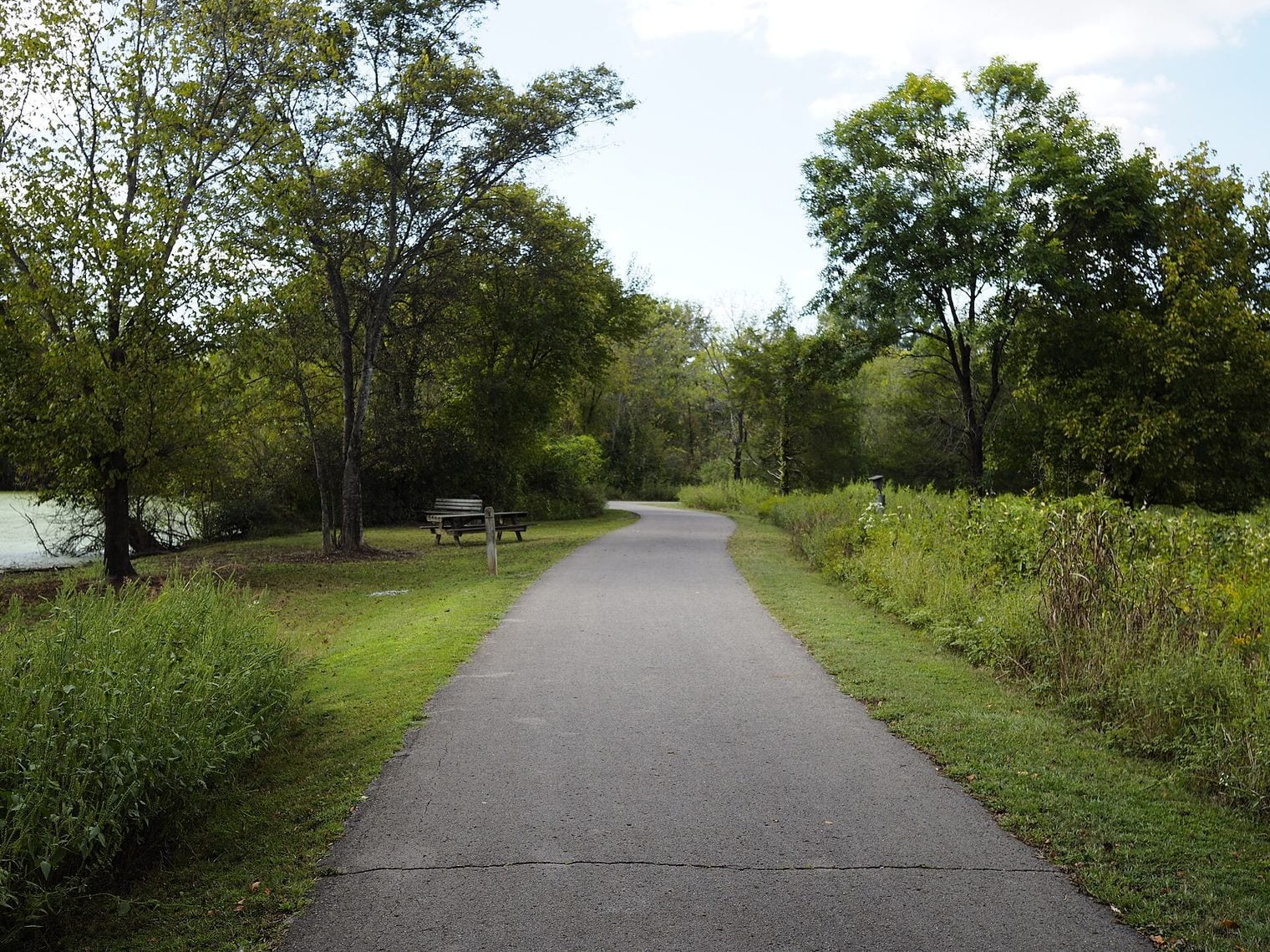
Radnor Lake State Park protects 1,368 acres of woods around a lake in the Oak Hill area of south Nashville, created by the Louisville and Nashville Railroad in 1914 to water its steam locomotives. Otter Creek Road through the middle is closed to traffic, so the park feels far from the city.
It is a place for quiet walks on wooded trails; watch for river otters, beavers, wild turkeys, white-tailed deer and even bald eagles. Parking can fill up on fine weekends, so arrive early.
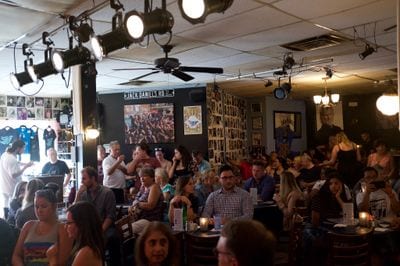
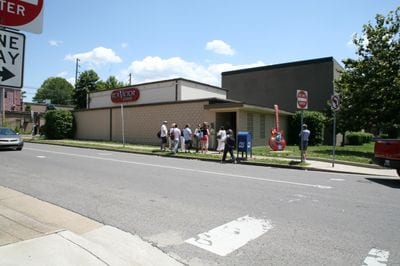
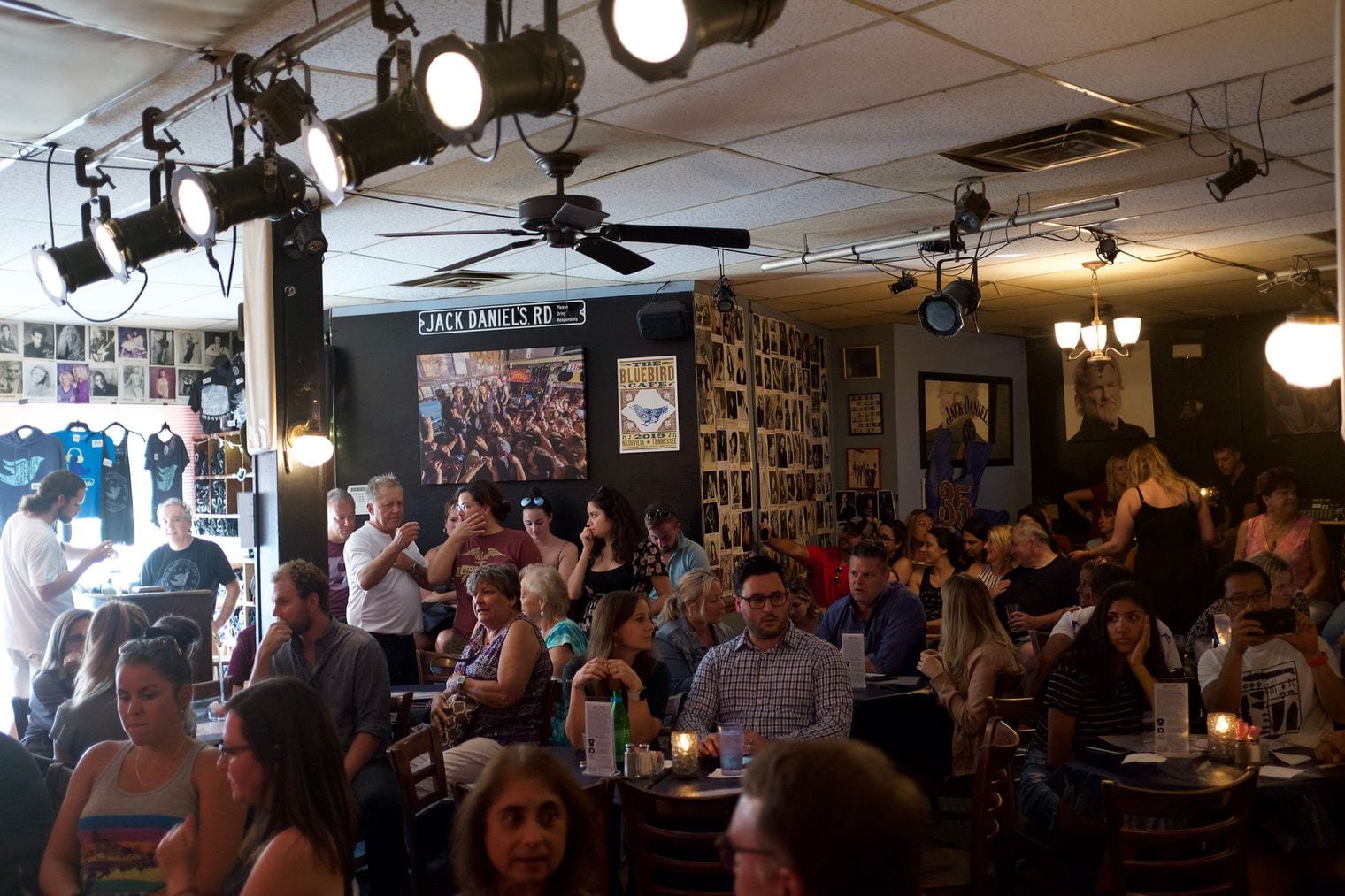
The Bluebird Cafe is a 90-seat listening room in a Green Hills shopping strip, and since 1982 it has been where Nashville's songwriters play the songs they wrote for the stars. Many shows are in the round, with several writers seated in the middle of the room taking turns and swapping stories.
Garth Brooks landed a record deal after filling in on a Bluebird stage in 1988, and Taylor Swift was offered one after a show there at 14. The house rule is quiet while the music plays; seats are scarce, so plan and book well ahead.
Free printable checklist of all 40 places
Tick them off as you go. Confirm your email to download it, plus one email every Thursday with new guides for the places you tick.
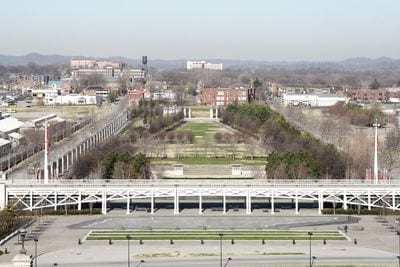
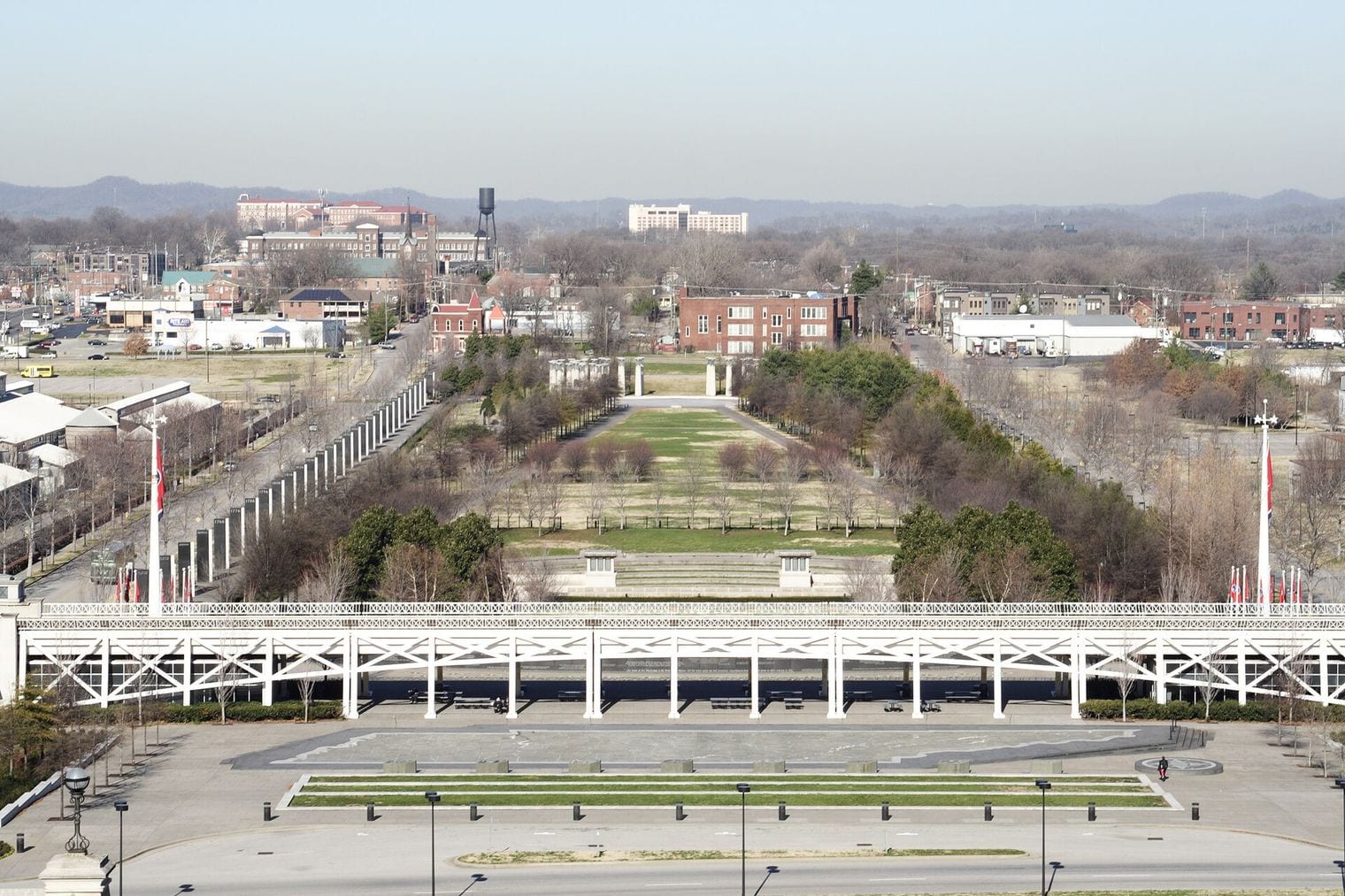
Bicentennial Capitol Mall State Park stretches 19 acres below the State Capitol, dedicated in 1996 for Tennessee's 200th birthday and modeled on the National Mall in Washington. It works as an open-air museum of the state, with a 200-foot granite map of Tennessee you can walk across and the Rivers of Tennessee Fountains, 31 jets for the state's major rivers.
A carillon, monuments and native plantings line the walkways, and the whole park is free. It is an easy walk from the Farmers' Market and the Tennessee State Museum, with the Capitol looking down from the hill.
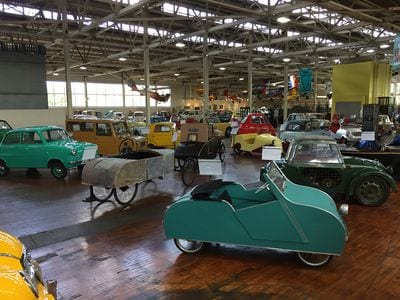
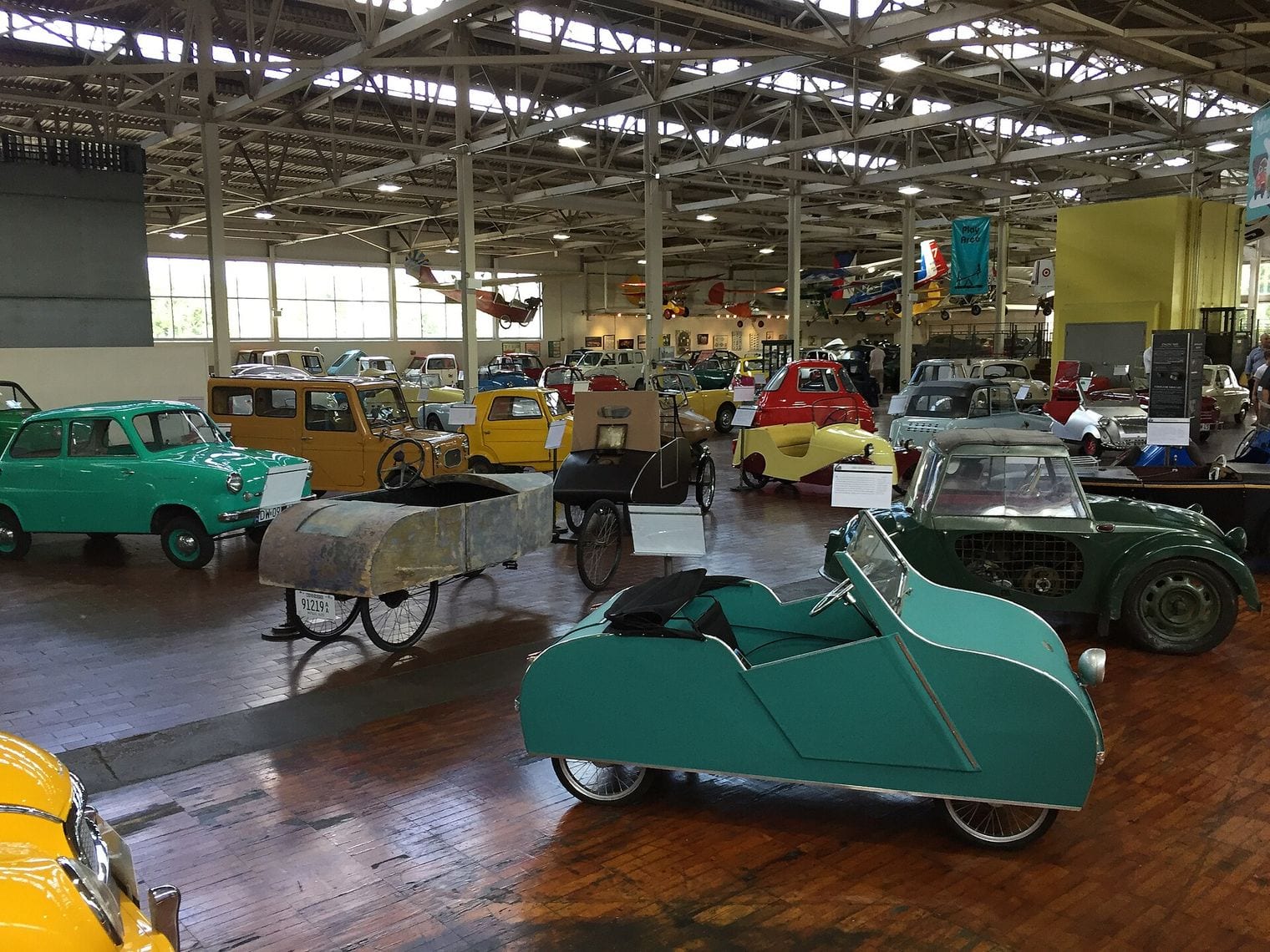
Lane Motor Museum holds more than 500 vehicles, mostly European and gloriously odd, and shows around 150 of them at a time in a former bread bakery southeast of downtown. Expect microcars, three-wheelers, amphibious cars, propeller-driven vehicles, prototypes and a whole row of Czech Tatras.
The collection began with founder Jeff Lane's own cars in 2002, and the bright, open factory floor makes it easy to wander. Even visitors who are not car people tend to leave grinning at the strangest designs.
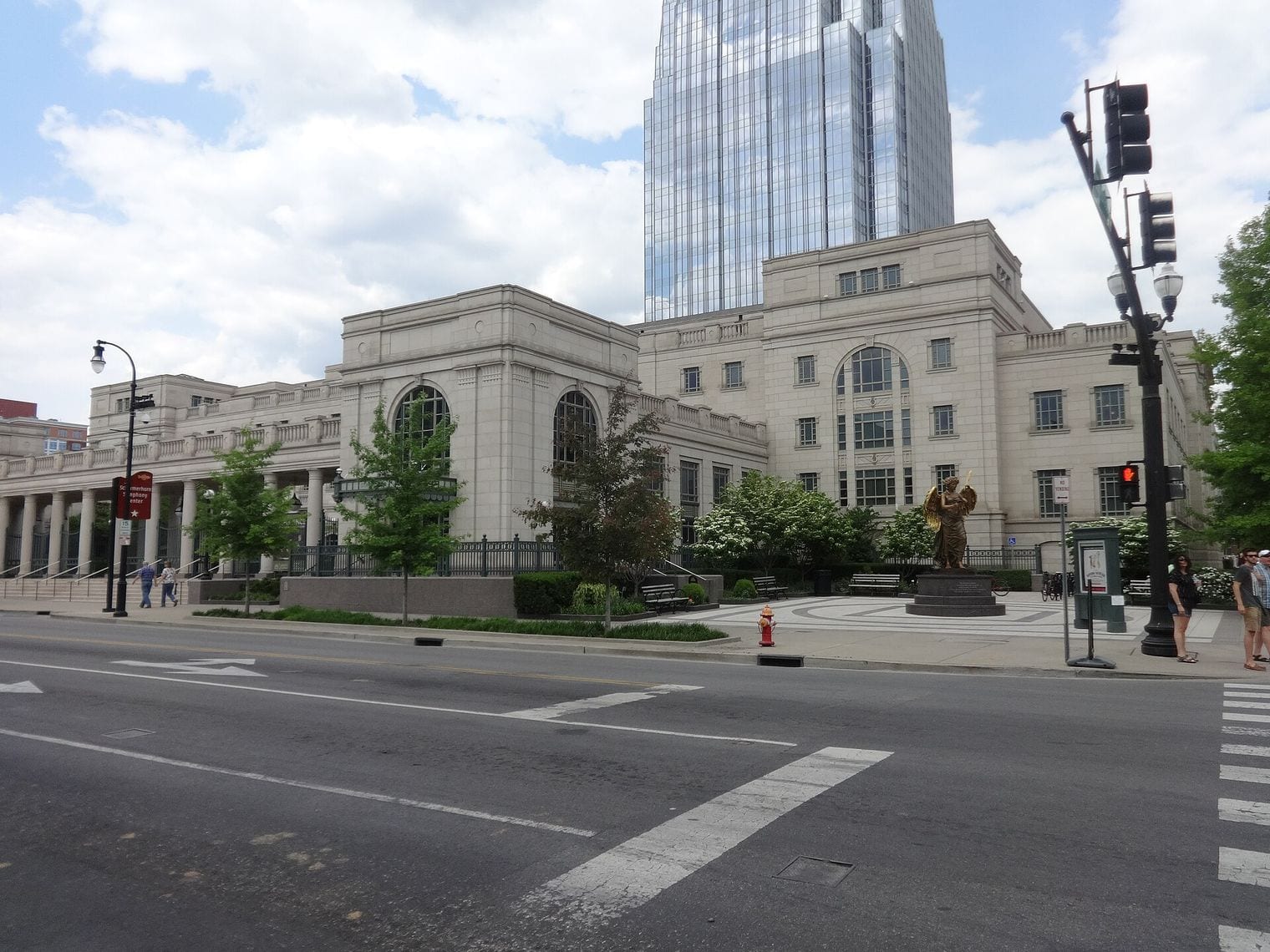
Schermerhorn Symphony Center, home of the Nashville Symphony, opened in 2006 as a classical-style concert hall a short walk from Lower Broadway. Its 1,844-seat Laura Turner Concert Hall is lit by daylight through 30 soundproof clerestory windows.
Programs mix classical concerts with film scores, pops and collaborations with Nashville musicians, so it is an easy night out even if you rarely hear an orchestra. Look for the irises, Tennessee's state flower, and the horseshoes worked into the decoration.
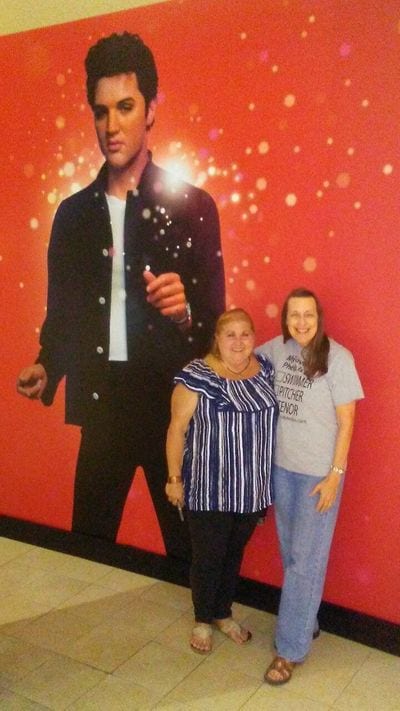
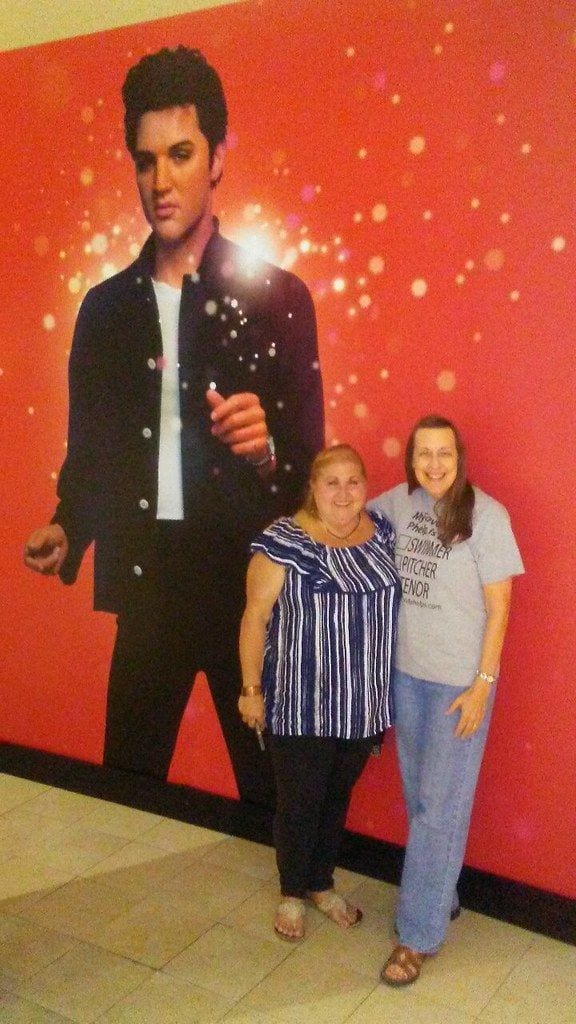
Madame Tussauds Nashville, inside Opry Mills, is the wax-museum brand's music-themed branch, with lifelike figures of country stars, rock legends and pop icons posed so you can step right in for photos. Zones range from music legends and the Million Dollar Quartet to a concert-stage set.
Interactive sets let you play the star, which makes it a fun hour with kids or a rainy-day pairing with the mall and the Opry next door.
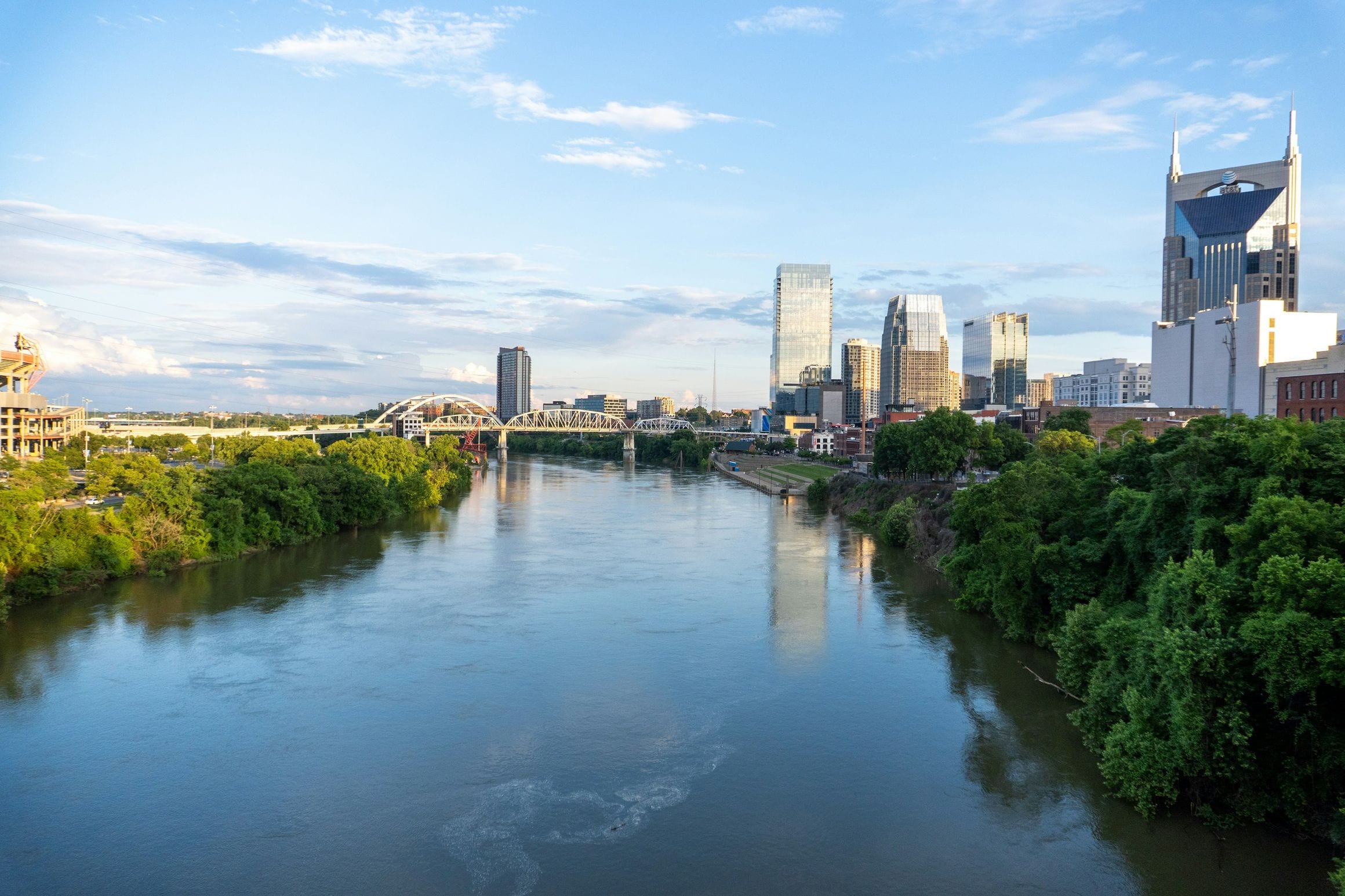
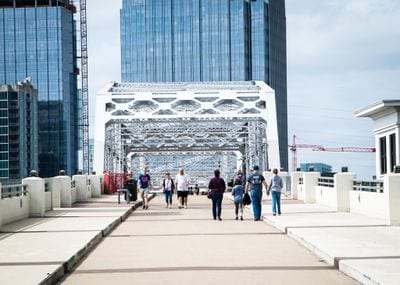
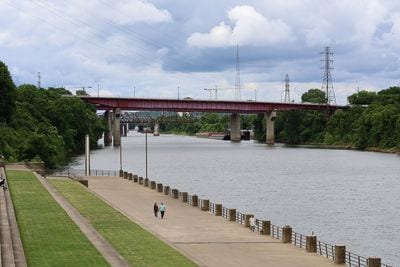
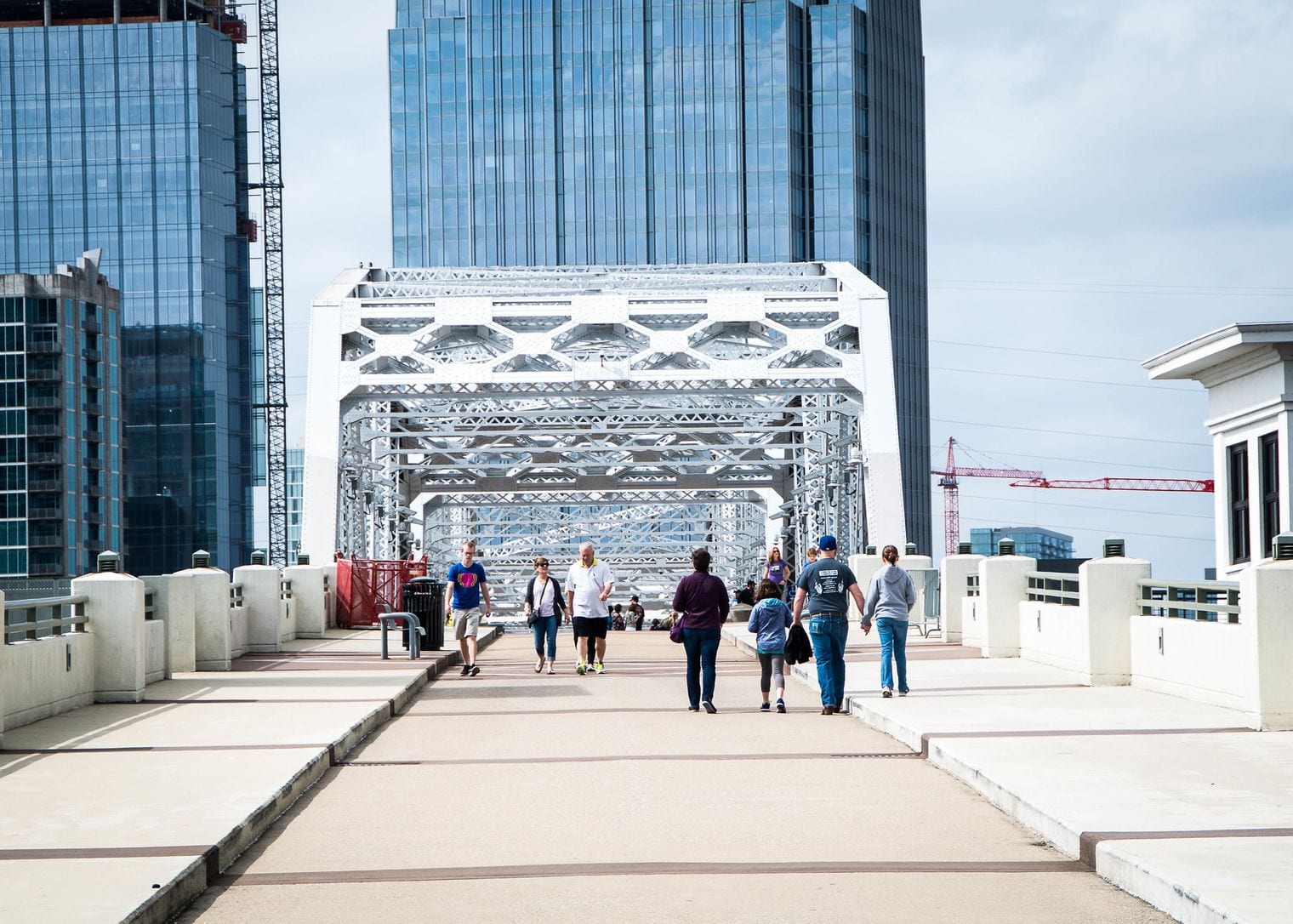
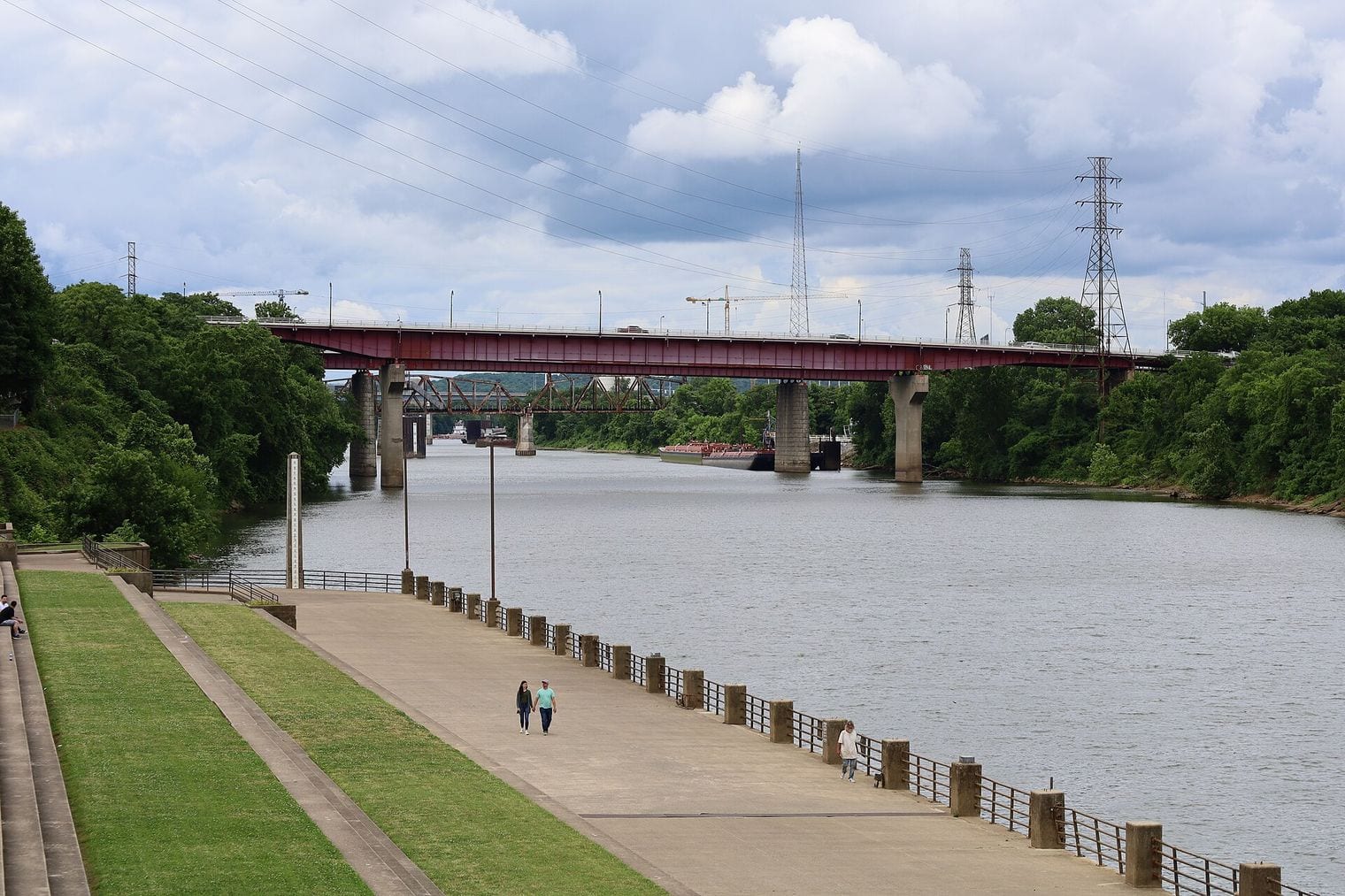
The John Seigenthaler Pedestrian Bridge is a 1909 truss bridge, once the Shelby Street Bridge, that now carries only walkers and cyclists 3,150 feet across the Cumberland River, making it one of the longest pedestrian bridges in the world. Midway across you get one of the finest free views of the downtown skyline.
Walk it at sunset or after dark, when the city lights up, and continue to the East Bank, where stairs and an elevator lead down to Wasioto Park beside the river.
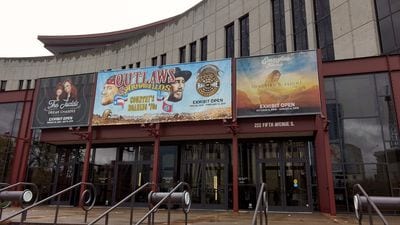
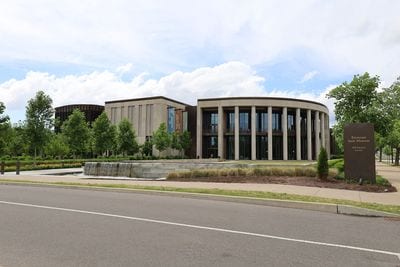
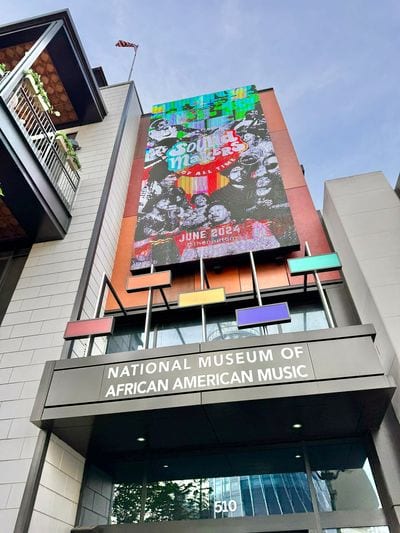
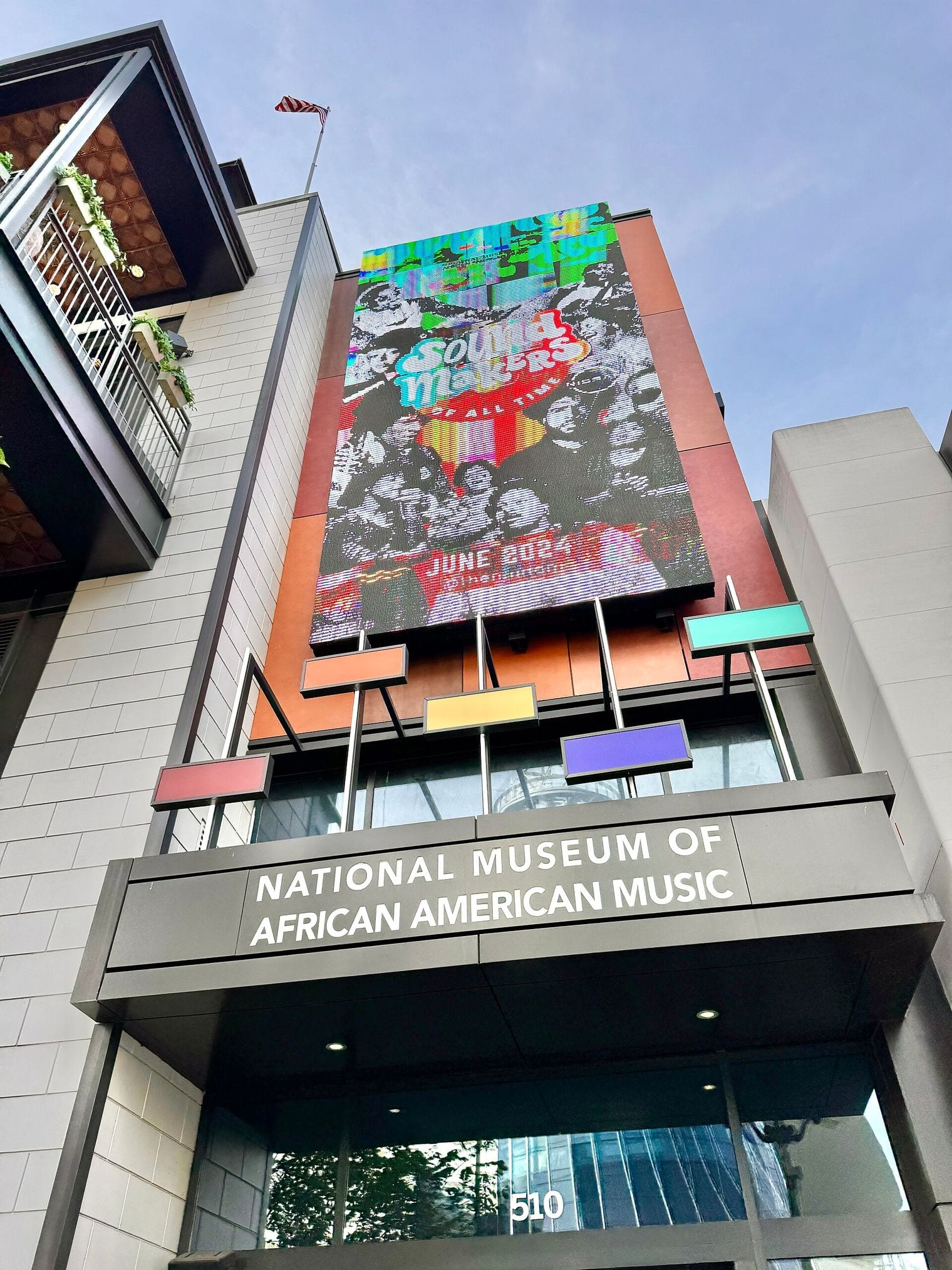
The National Museum of African American Music traces more than 50 genres created, shaped or inspired by Black Americans, from spirituals and blues to jazz, gospel, R&B and hip-hop. Its galleries sit in the Fifth + Broadway complex, across Broadway from Bridgestone Arena.
The central Rivers of Rhythm corridor ties the music to an interactive timeline of American history, and hands-on stations invite you to sing, play and listen along the way. Allow a couple of hours; it is easy to linger.
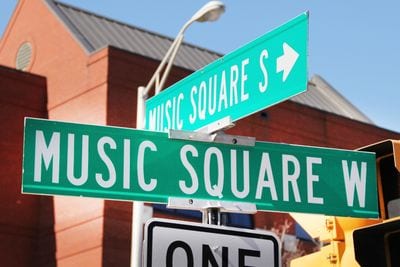
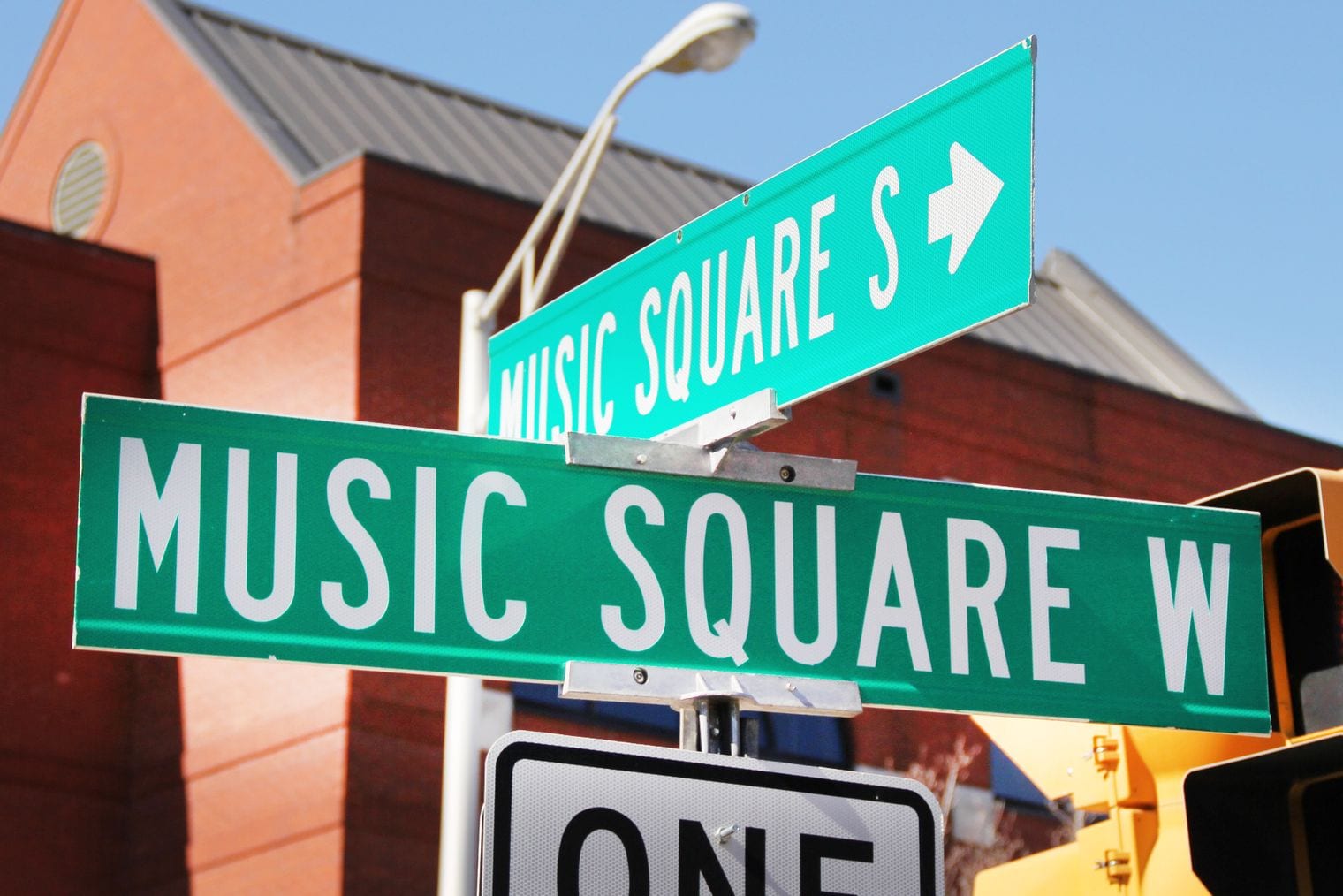
Music Row is the district around 16th and 17th Avenues South, called Music Square East and Music Square West here, where record labels, publishers and studios made Nashville the heart of the country music business. Many of the companies work out of converted houses, so it is more a stroll or slow drive than a sightseeing street.
Look for RCA's historic Studio A and Studio B, tiny Owen Bradley Park, and Musica, Alan LeQuire's sculpture of nine dancing bronze figures, more than 40 feet tall, on the roundabout at the north end of the Row.
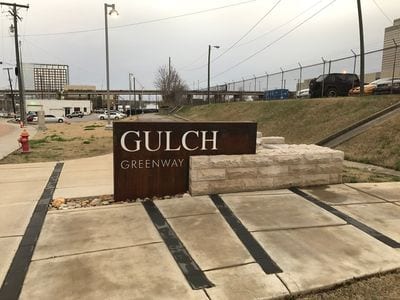
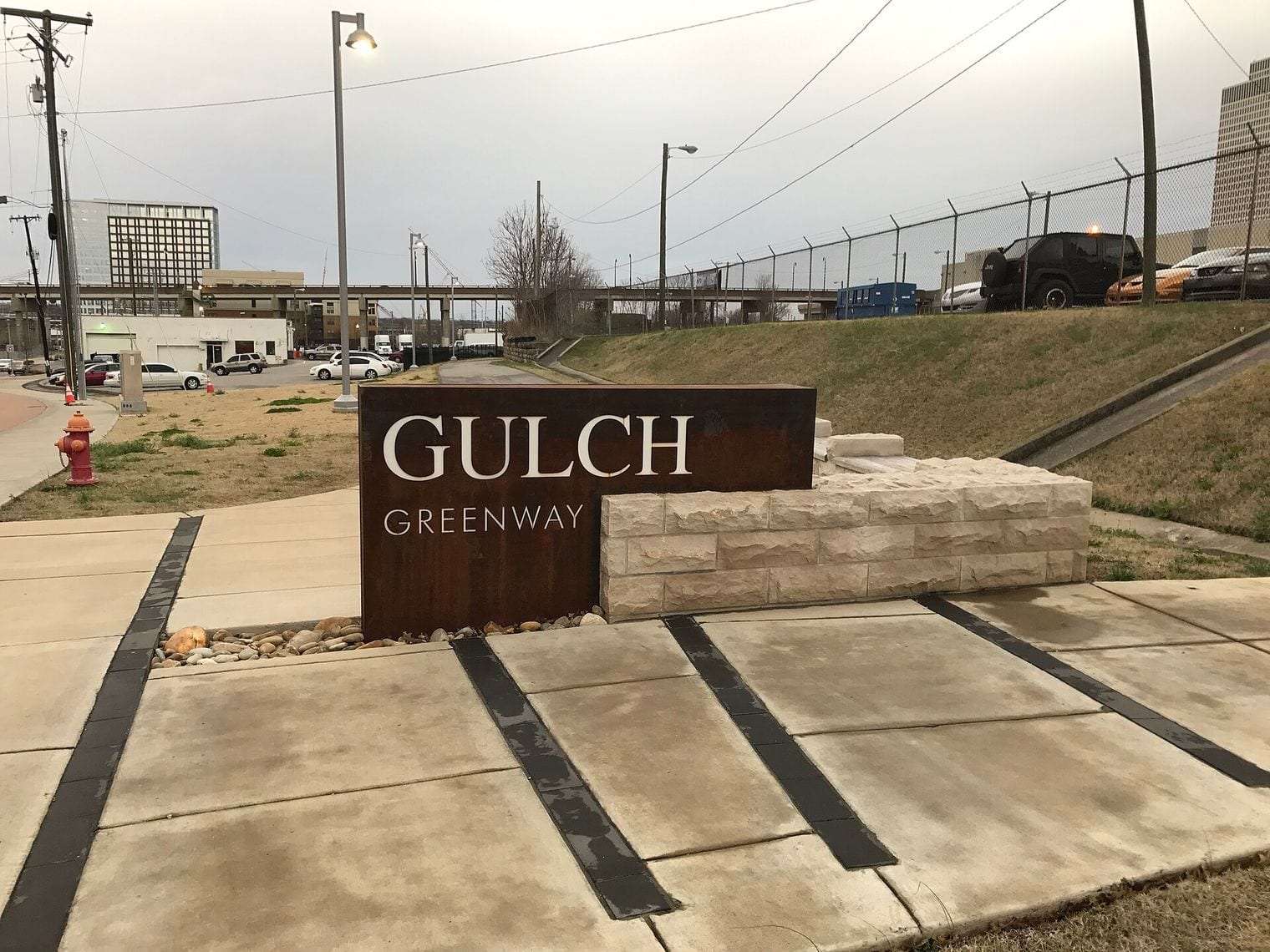
The Gulch is a compact neighborhood on the south edge of downtown, packed with glassy towers, restaurants, boutiques and rooftop bars. In 2009 it was certified as a LEED green neighborhood, and its short blocks are easy to explore on foot.
Its most photographed spot is the WhatLiftsYou wings mural by Kelsey Montague on 11th Avenue South, where there is often a line for a picture. After dark, the Station Inn has been one of Nashville's essential bluegrass rooms for decades.
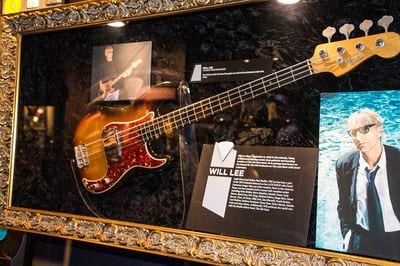
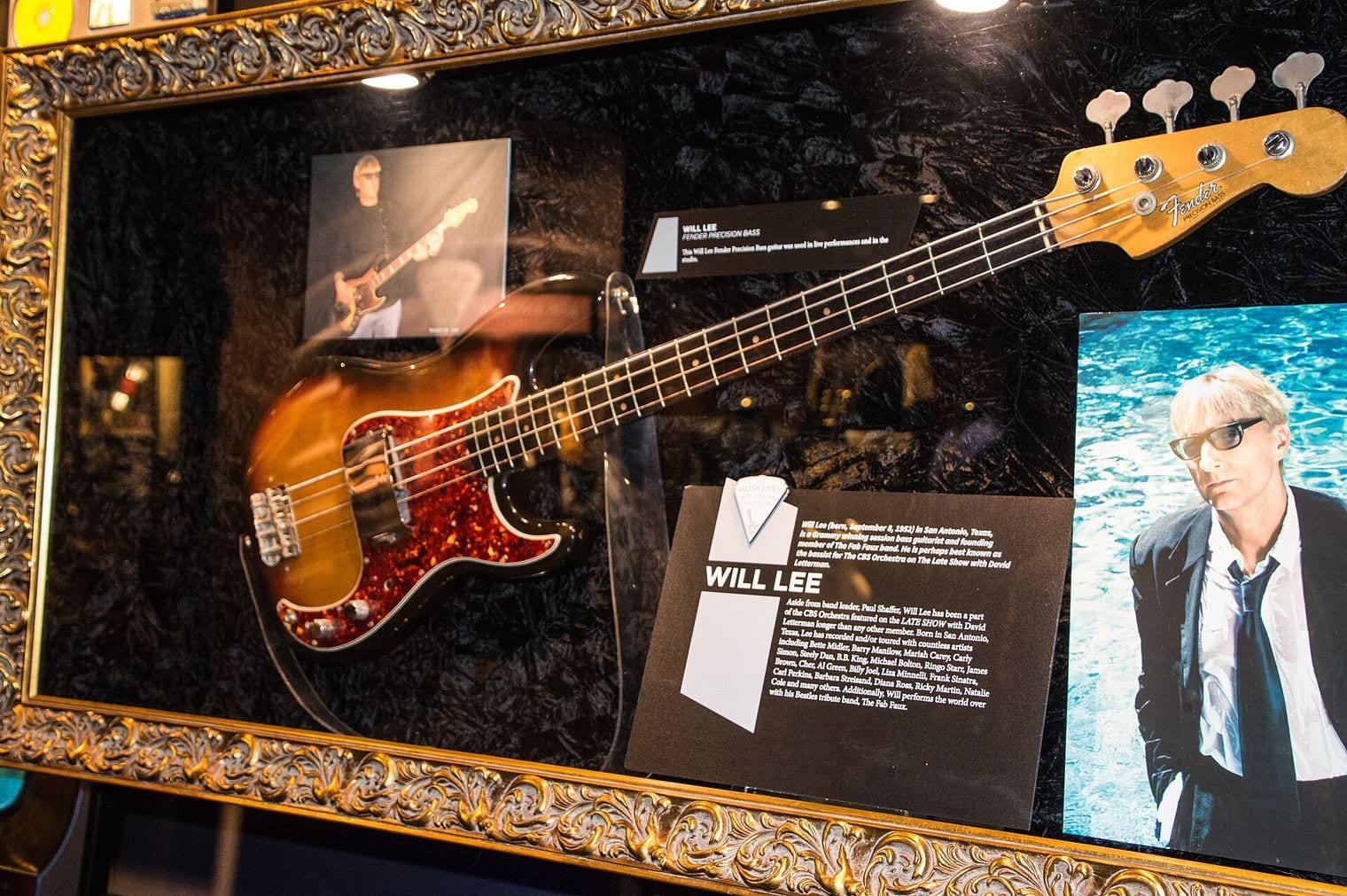
The Musicians Hall of Fame and Museum honors the players you hear but rarely see: the session musicians, producers and engineers behind countless hit records. Groups such as the Wrecking Crew, the Funk Brothers and the Nashville A-Team are among its inductees, and the exhibits show instruments used on famous recordings.
Since 2013 it has filled the old exhibit hall of the Municipal Auditorium, a short walk from the Capitol and Printers Alley. Anyone who plays an instrument, or loves the sound of classic records, will find plenty to linger over.
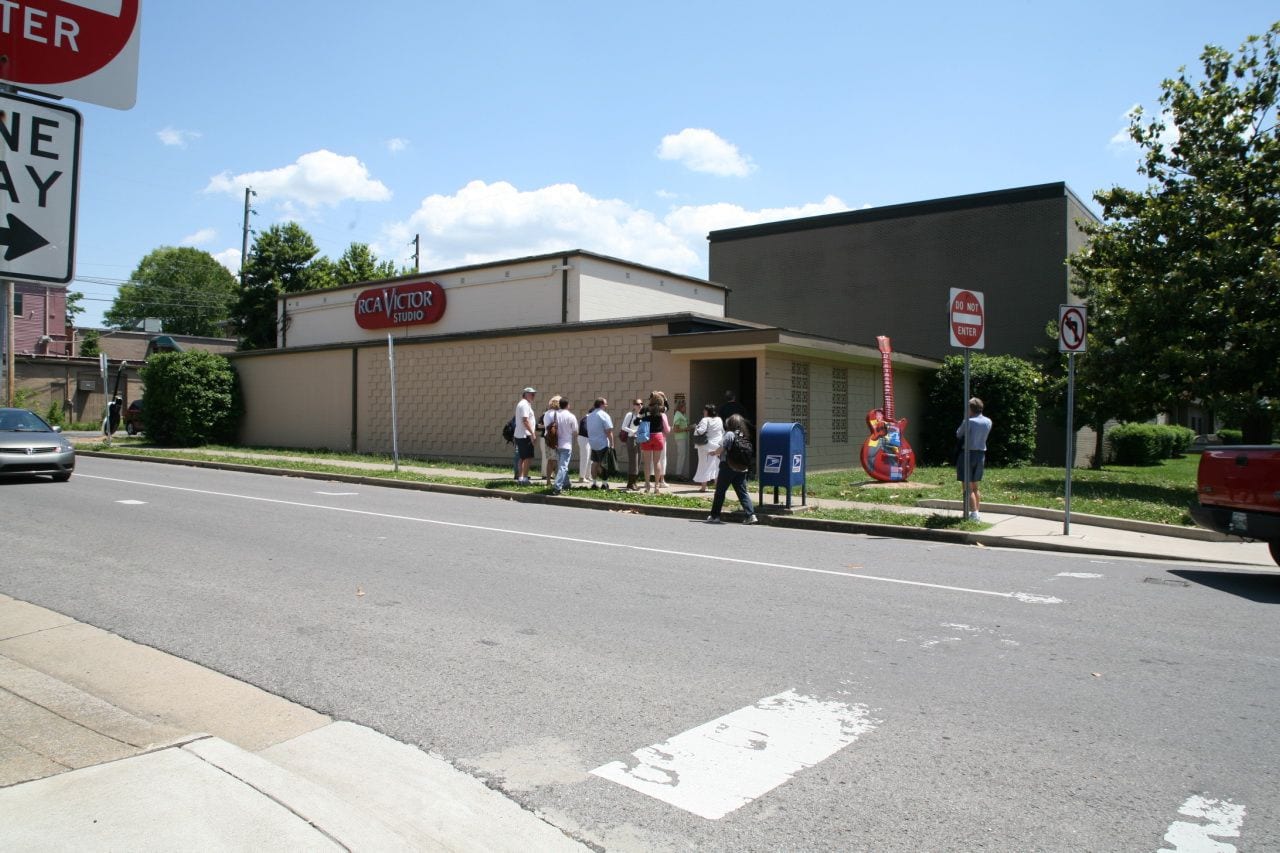
Historic RCA Studio B opened on Music Row in 1957 and became known as the birthplace of the Nashville Sound, the polished style of background vocals and strings that made the city a recording center. Elvis Presley, Dolly Parton and Waylon Jennings all recorded here, and Dolly's Coat of Many Colors was made at B in 1971.
The studio closed in 1977 and is now in the care of the Country Music Hall of Fame, which books the tours. Guides share the stories of the room, including the day a young Dolly drove her car into the side of the building on the way to her first session.
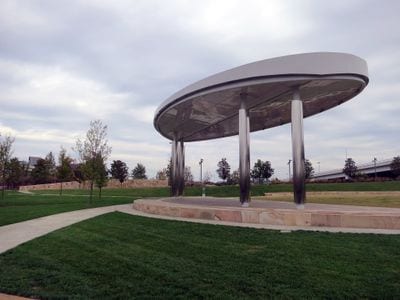
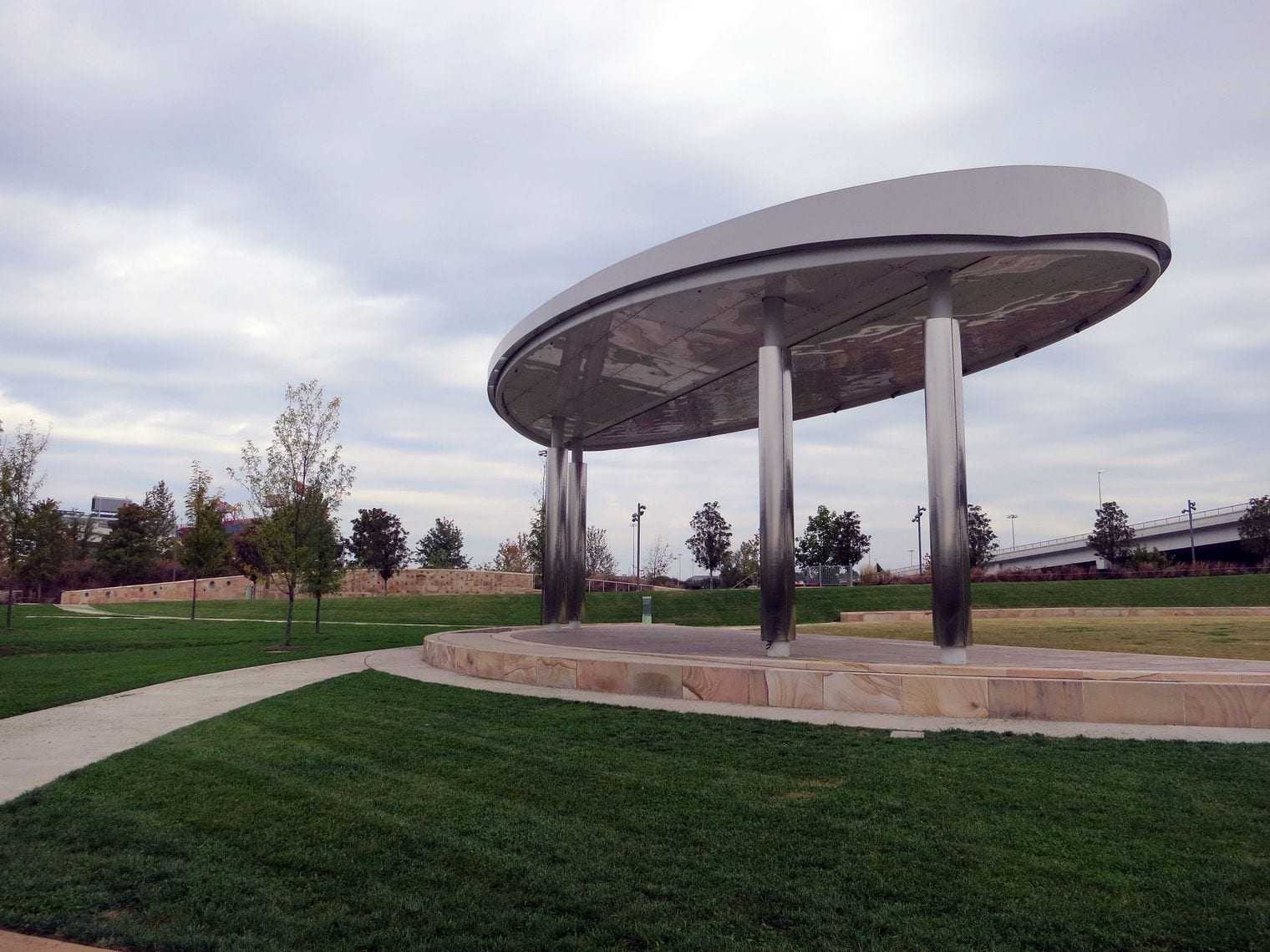
Wasioto Park is a 6.5-acre riverfront park on the East Bank, between the Seigenthaler Pedestrian Bridge and the Korean War Veterans Memorial Bridge, with a skyline view across the Cumberland. Known as Cumberland Park until Metro Parks renamed it in 2024, it now carries the Shawnee name for the river.
Kids head for the Gorge, a stone climbing wall with embedded fossils, ropes and nets, and the nature-play area with sand, a green maze and see-saws, while an amphitheater hosts outdoor events. An elevator and stairs connect the park directly with the pedestrian bridge.
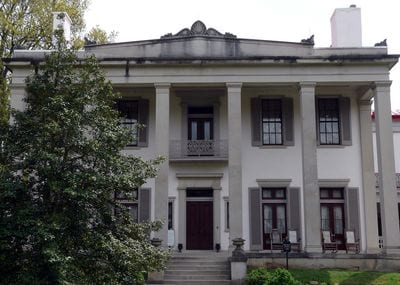
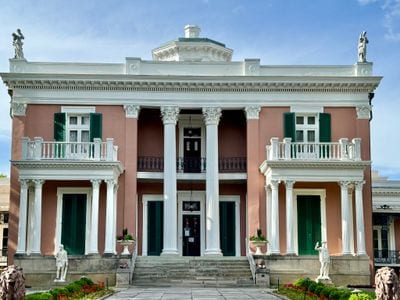
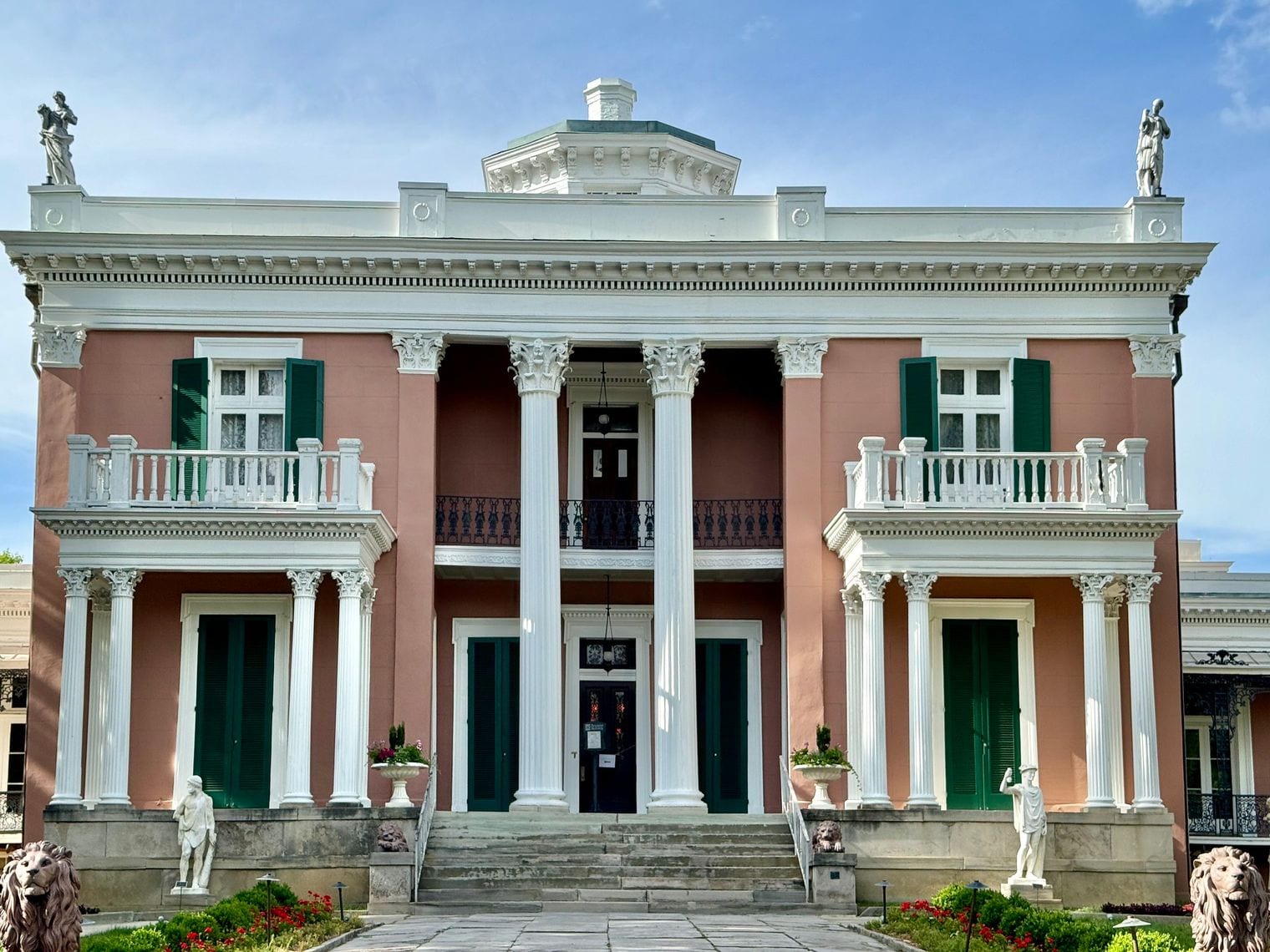
Belmont Mansion was completed by 1853 as the summer home of Adelicia and Joseph Acklen, an Italian villa-style showpiece built with the profits of slavery at the center of a 180-acre estate that once had elaborate gardens and its own zoo. Today the house stands on the campus of Belmont University.
Guided tours explore the lavish rooms and the remarkable story of Adelicia, a famously wealthy widow who ran her own affairs in an era when few women could. It is an easy add-on to an afternoon in 12 South or on Music Row.
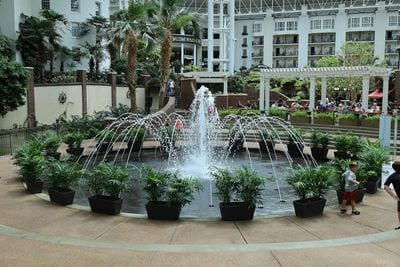
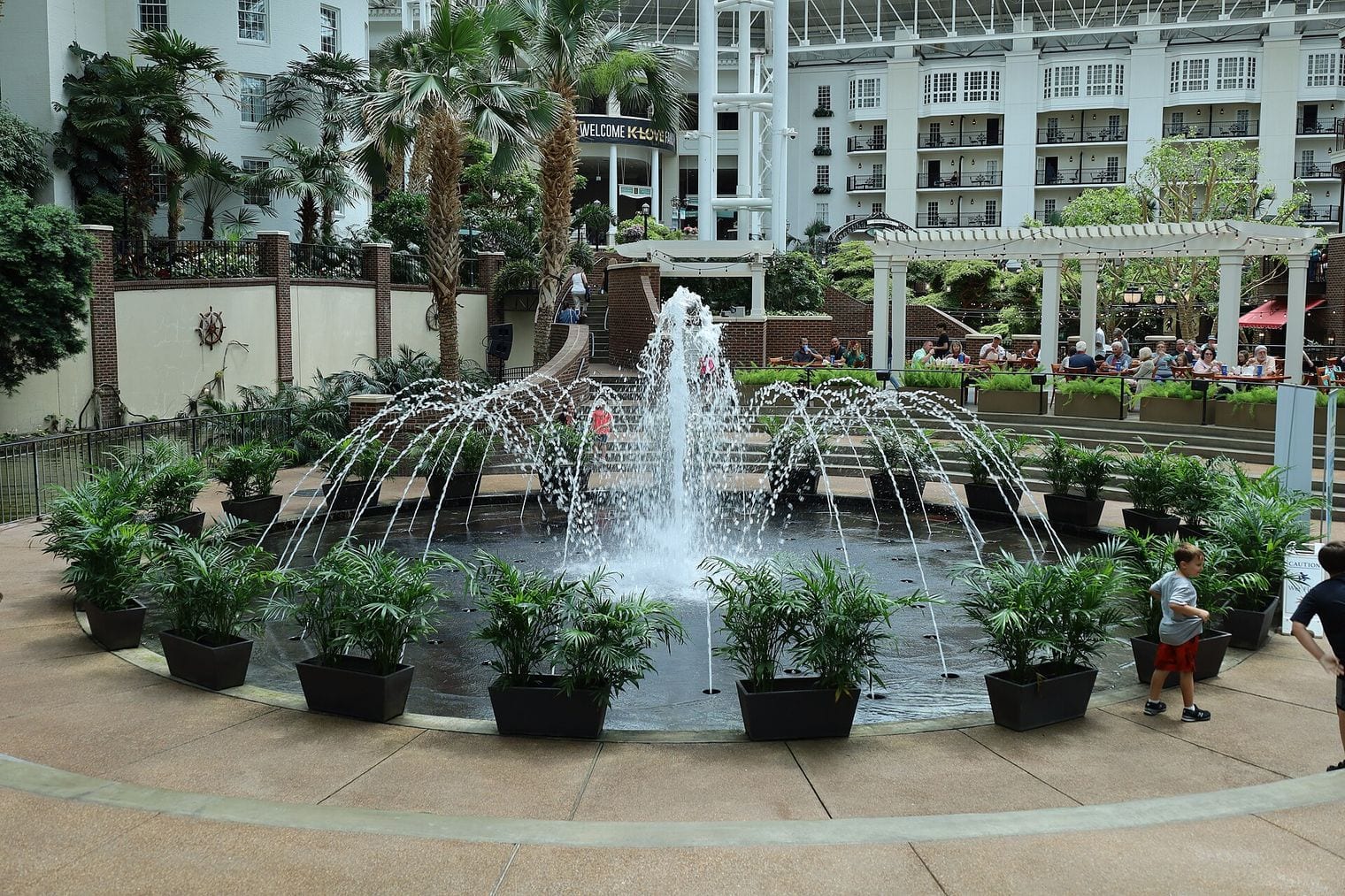
Gaylord Opryland Gardens are the indoor gardens of the vast Opryland resort across the road from the Grand Ole Opry House: about nine acres of tropical plants under glass atriums, free to wander. The Garden Conservatory is a jungle of palms, the Cascades has waterfalls tumbling down a 40-foot rock mountain, and the Delta is a Louisiana-style garden with its own indoor river.
Flatboat rides float along the Delta past palms and fountains, and the atriums are dressed in lights for the holidays. It is an easy free stop before or after an Opry show.
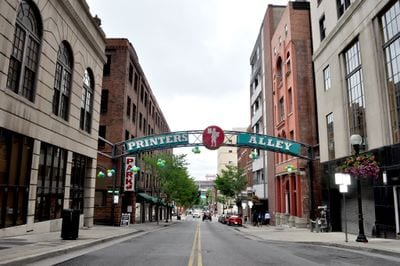
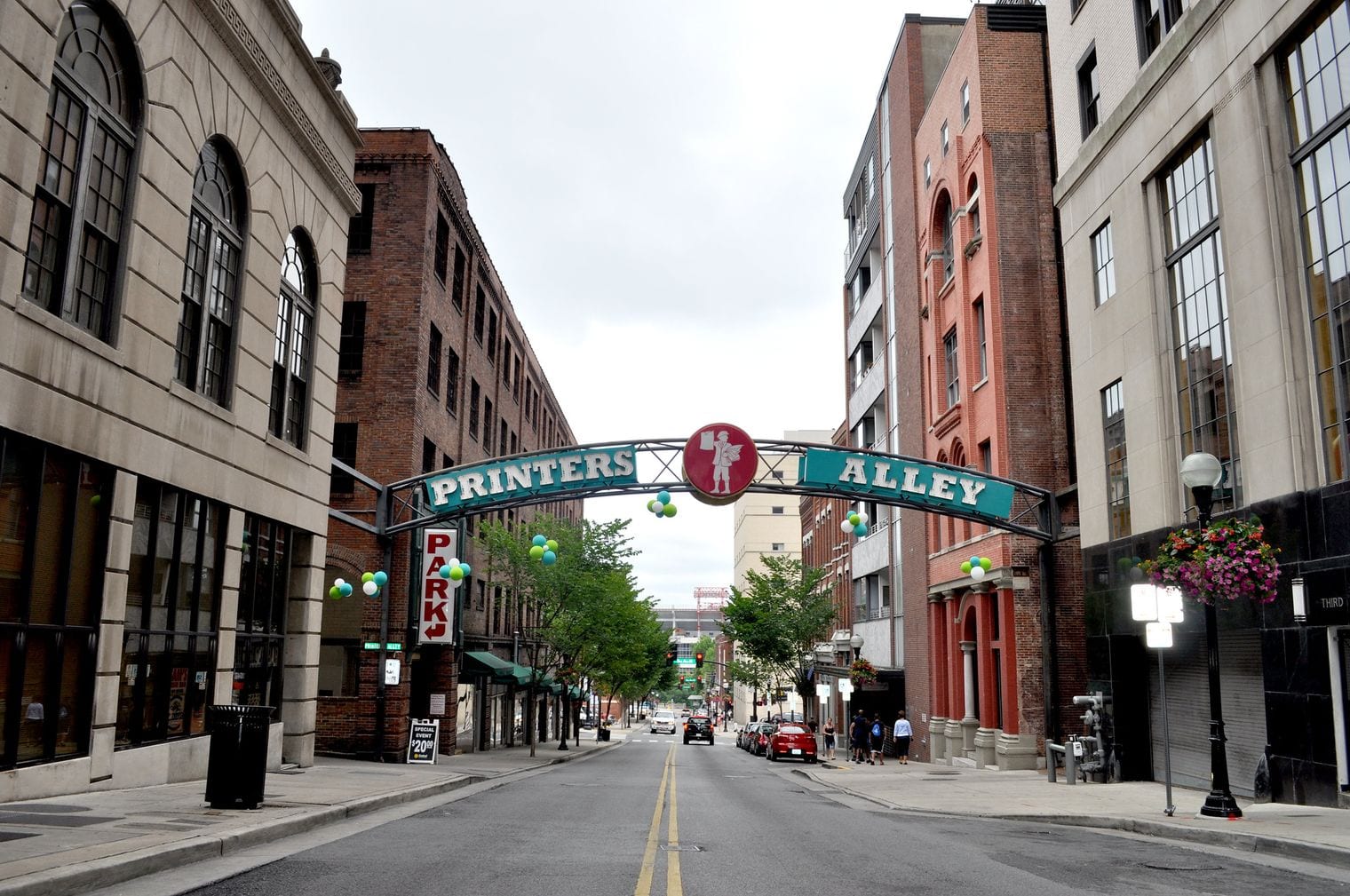
Printers Alley is a narrow downtown lane between Third and Fourth Avenues North that took its name from the printing houses clustered here in the early 1900s. Since the 1940s it has been a nightclub district, and its glowing signs still mark a string of bars, clubs and live-music rooms.
It feels more intimate than Lower Broadway a few blocks south, a good place for a late-night set in a smaller room. Come after dark, when the signs are lit.
3333. Fort Negley
Historical Landmark~1.4 miles (2.2 km) from centre
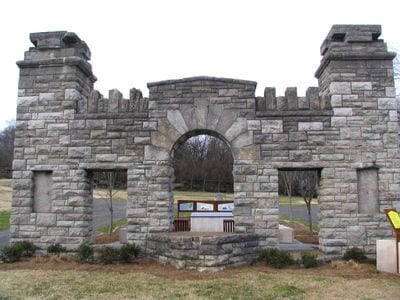
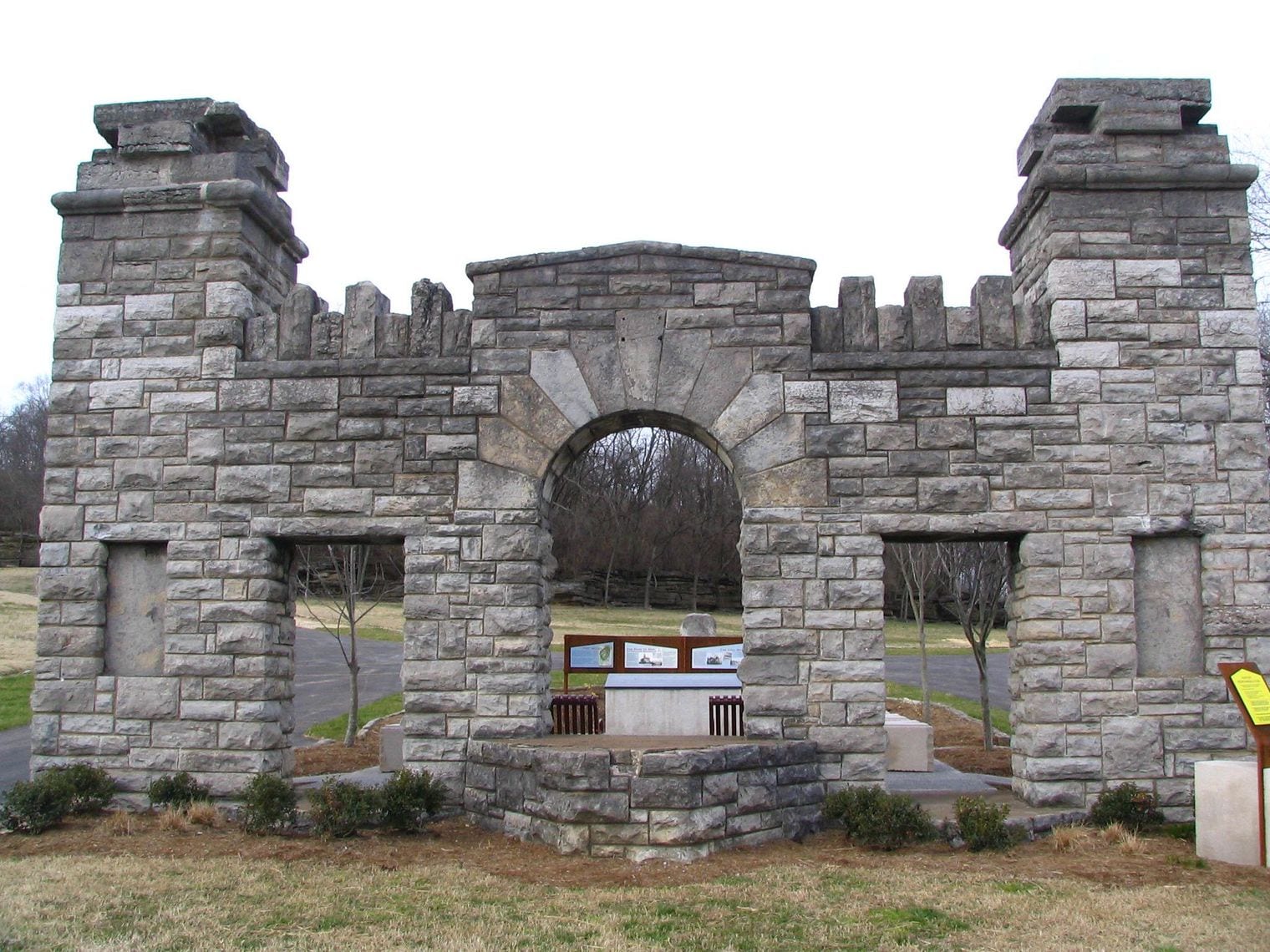
Fort Negley was built by Union forces after they captured Nashville in 1862 and was the largest inland fort constructed in the United States during the Civil War. Its stone walls on St. Cloud Hill were raised largely by enslaved and free Black laborers, 2,768 of whom were officially enrolled in the work.
A visitor center with exhibits sits at the base, and paths lead up through the restored ruins to views over the city. The site is free and run by Metro Parks.
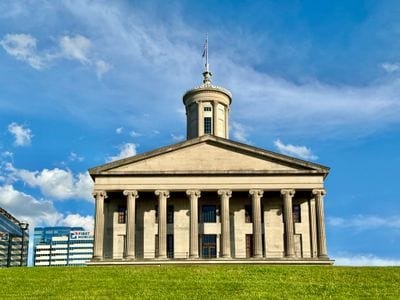
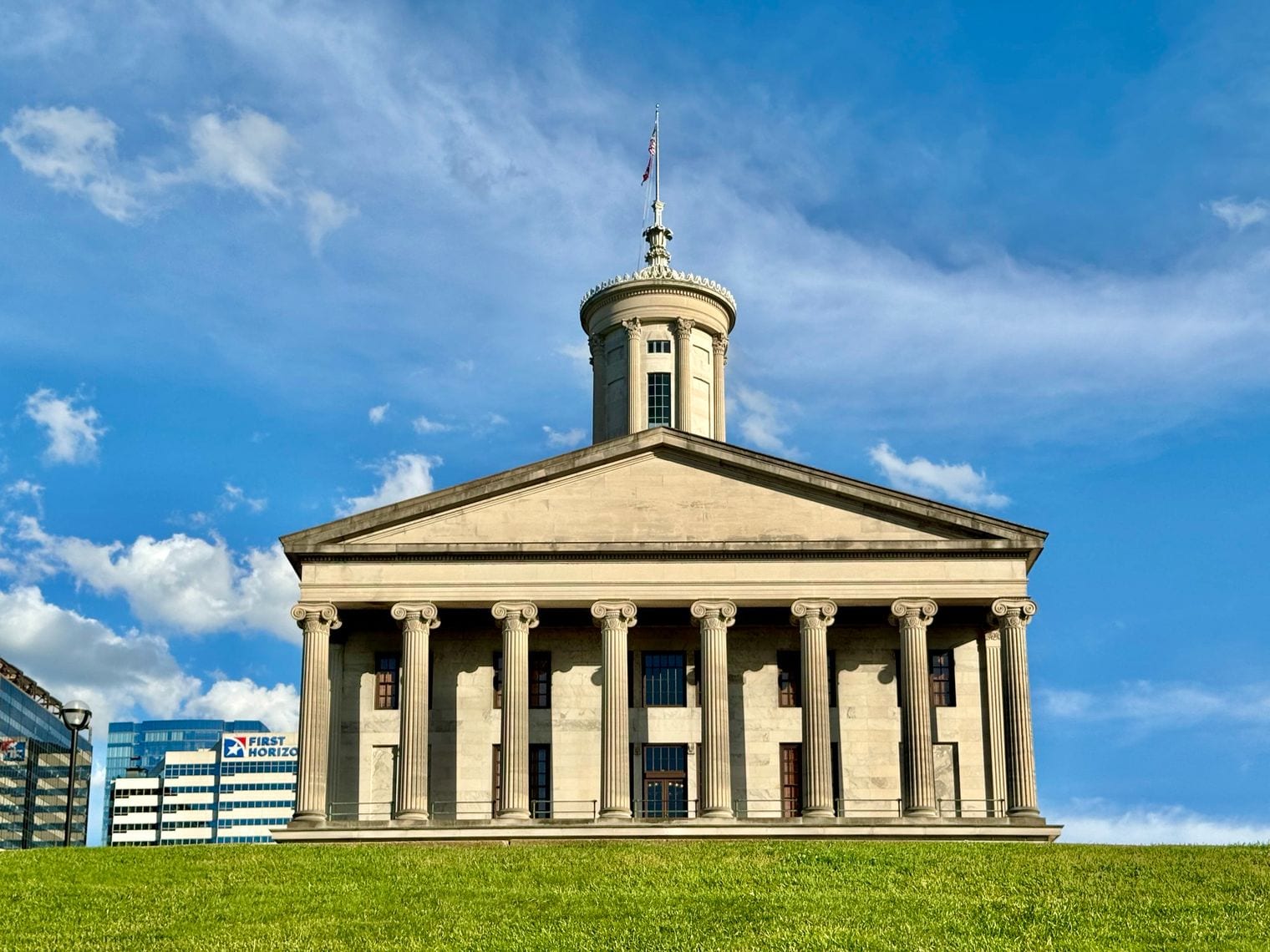
The Tennessee State Capitol crowns the hill above downtown, a Greek Revival temple designed by William Strickland and built between 1845 and 1859 by skilled artisans and by convict and enslaved labor. In use since 1853, it is one of the oldest working statehouses in the country and one of the few state capitols without a dome.
Strickland, who died before it was finished, is entombed within its walls, and an equestrian statue of Andrew Jackson stands on the east plaza. The grounds are open to walk; the Capitol is a working building, so check the state's visitor information for tour times before you go.
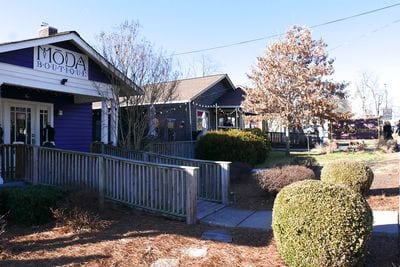
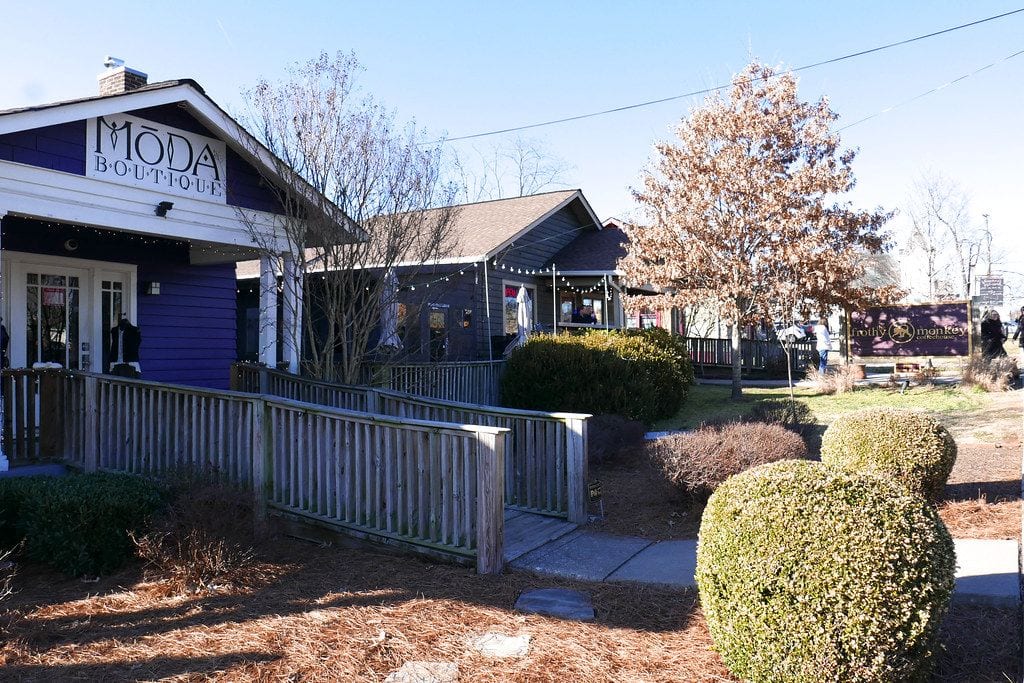
12 South is a walkable stretch of 12th Avenue South lined with boutiques, coffee shops, bakeries and casual restaurants, a favorite for a slow afternoon of shopping and people-watching. The first I Believe in Nashville mural, by local artist Adrien Saporiti, went up here in 2012 and became one of the city's best-known photo stops.
Sevier Park, along the avenue, adds shade, a playground and a historic house, and the neighborhood is a short drive from Belmont Mansion and Music Row.
East Nashville sits across the Cumberland River from downtown, a mostly residential area of historic neighborhoods such as Edgefield and Lockeland Springs with a creative, independent streak. Its hub is Five Points, where Woodland, Clearview and 11th streets meet, ringed with bars, coffee shops, music venues and vintage stores.
Come for an evening of local bars and live music away from the Broadway crowds, or for the Tomato Art Fest, the neighborhood's quirky summer festival at Five Points. Leafy streets of old houses and bungalows reward a wander.
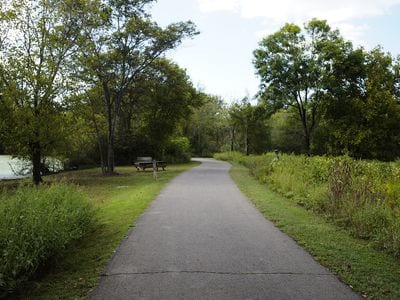
Shelby Bottoms Greenway protects more than 950 acres of bottomland forest, wetlands and meadows along about three miles of the Cumberland River in East Nashville. More than five miles of paved trail and as many miles of primitive trail make it a favorite with walkers, runners and cyclists.
Start at the Shelby Bottoms Nature Center for maps and exhibits on local wildlife, then watch for birds and deer along the river. It adjoins Shelby Park, which adds lawns and playgrounds.
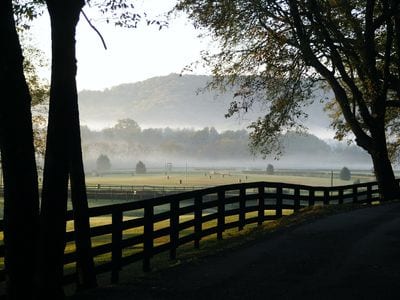
Warner Parks join Percy Warner Park and Edwin Warner Park into more than 3,000 acres of forested hills on Nashville's southwest edge, among the largest city parks in Tennessee. Stone walls, steps and a grand entrance built by the Works Progress Administration in the New Deal era give the scenic drives an old-time charm.
Hike the wooded trails, ride the hilly park roads, or start at the Warner Park Nature Center. Each May, Percy Warner Park hosts the Iroquois Steeplechase, a horse race named for Iroquois, the first American-bred thoroughbred to win the Epsom Derby.
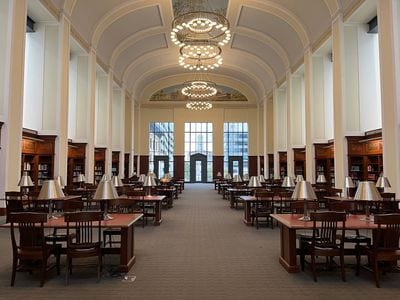
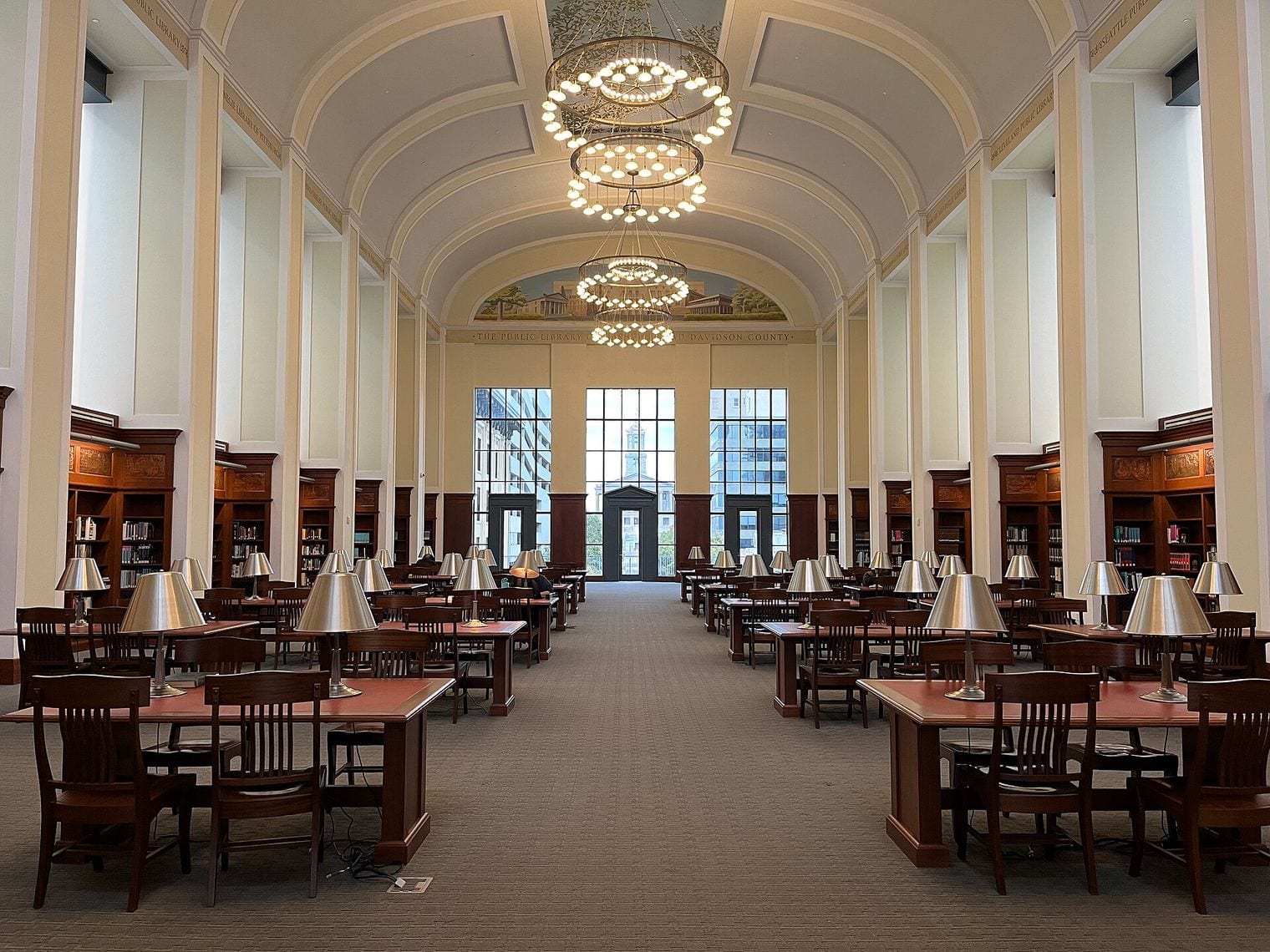
The Nashville Public Library's Main Library is a grand downtown building on Church Street, opened in 2001 to a design by Robert A. M. Stern Architects, with a courtyard, reading rooms and a calm that feels far from Broadway. On the second floor, the Civil Rights Room documents Nashville's 1960 lunch-counter sit-ins and the wider movement in the city.
Families can catch a puppet show at the library's puppet stage, and the building is free to explore. It is a short walk from the Capitol and Printers Alley.
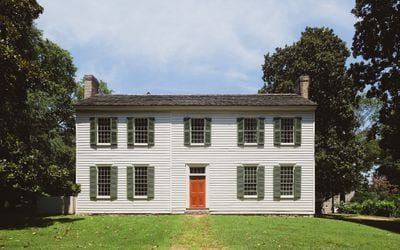
Travellers Rest is the home that judge John Overton, Andrew Jackson's close friend and adviser and a co-founder of Memphis, began building in 1799. Overton first called it Golgotha after the prehistoric skulls unearthed while digging the cellar, then renamed it for the rest it gave him after long rides as a circuit judge.
Tours cover the house, the Overton family and the enslaved people who worked the plantation, along with the much older Native American history of the site. It sits in south Nashville, a short drive from Radnor Lake.
Plan your trip
Best Time to Visit Nashville
Spring and fall are the most comfortable seasons, with mild days for walking downtown, blooms at Cheekwood and changing leaves in the Warner Parks and around Radnor Lake. May brings the Iroquois Steeplechase to Percy Warner Park, and the cooler weeks of fall suit long days on foot between the museums and neighborhoods.
Summer is hot and humid but packed with outdoor music, including CMA Fest each June, when country stars play stages downtown and along the riverfront, and East Nashville's Tomato Art Fest. Winter is the quietest season, with holiday lights in the Gaylord Opryland atriums and at Cheekwood, and the Opry's winter shows back at the Ryman.
Getting to Nashville
Nashville International Airport sits about 15 to 20 minutes' drive southeast of downtown and is the main gateway for visitors flying in. Three interstates meet in the city: I-40 runs east to Knoxville and west to Memphis, I-65 north to Louisville and south toward Huntsville and Birmingham, and I-24 southeast to Chattanooga and northwest toward Clarksville.
Intercity passenger trains do not serve Nashville, so travelers without a car arrive by air or by long-distance bus. Atlanta is around four hours' drive to the southeast, which makes Nashville an easy stop on a longer road trip through the South.
Getting Around Nashville
Downtown is compact and walkable: Lower Broadway, the Ryman, the Country Music Hall of Fame, the Johnny Cash Museum and the Schermerhorn are all within a few blocks, and the Capitol, Farmers' Market and Bicentennial Mall are a short uphill walk north. The Gulch is next door to the south, and the pedestrian bridge links downtown with the East Bank.
Beyond downtown the city spreads out, so a car or rideshare is the easiest way to reach Music Valley and the Opry, the Hermitage, Belle Meade, Cheekwood, Radnor Lake and the Warner Parks. City buses cover the main corridors, and bike share and greenways help on short hops, but downtown parking and event-night traffic can test your patience.
Where to Stay in Nashville
Downtown and SoBro, the blocks south of Broadway, put you within walking distance of the honky-tonks, the Ryman, the Hall of Fame and the arena, ideal for a first visit or a weekend built around nightlife. The Gulch, just south, is a little calmer but still walkable, with a newer, polished feel.
Midtown and the West End, near Vanderbilt University, sit between downtown and Music Row, the Parthenon and 12 South. Music Valley suits a trip built around the Opry and Opry Mills, while East Nashville and Germantown offer a more local, neighborhood stay a short ride from downtown.
Where to Eat in Nashville
Nashville's signature dish is hot chicken, fried chicken coated in a fiery cayenne paste and served on white bread with pickles, and you will find it all over the city. Meat-and-three diners, where you pick one main and three sides, biscuits with country ham and slow-smoked barbecue round out the Southern staples.
For the widest choice, head to Germantown's historic streets north of downtown, East Nashville around Five Points, the Gulch, 12 South and Midtown. Nolensville Pike in south Nashville is the city's international corridor, lined with Kurdish, Mexican and other immigrant-run kitchens, and the Farmers' Market food hall makes an easy lunch near the Capitol.
Day Trips from Nashville
Franklin, about 20 miles south, pairs a handsome historic Main Street with the Civil War sites of Carnton and the Carter House, and the Natchez Trace Parkway's Double Arch Bridge is a short scenic drive beyond. Head southeast about an hour and a half to Lynchburg for the Jack Daniel's distillery and its small-town square, or north about an hour and a half to Mammoth Cave National Park in Kentucky, the longest known cave system in the world.
For a full day out, Huntsville, Alabama, about two hours south on I-65, is home to the U.S. Space & Rocket Center, and Louisville, Kentucky, about two and a half to three hours north, has bourbon distilleries and Churchill Downs. Closer to home, a loop through Tennessee's small towns makes an easy drive from Nashville.
Nashville is best known as Music City, the home of country music. Visitors come for the Grand Ole Opry, the historic Ryman Auditorium, the honky-tonks of Lower Broadway and the Country Music Hall of Fame and Museum, plus the full-scale Parthenon in Centennial Park, songwriter nights at the Bluebird Cafe and a deep bench of music museums.
How many days do you need in Nashville?
Two to three days covers Nashville well: one for downtown's music landmarks and Lower Broadway, one for Capitol Hill, the Parthenon, Music Row and the neighborhoods, and an evening at the Grand Ole Opry. Add another day for the Hermitage, Belle Meade or Cheekwood, or for a side trip south to historic Franklin.
Is Nashville worth visiting?
Yes. Few American cities offer live music on this scale, from the Opry and the Ryman to songwriter rounds and honky-tonks with bands playing all day. Beyond the music, Nashville has strong museums, presidential and Civil War history, big wooded parks and lively neighborhoods, all in a city that is easy to explore.
What can you do in Nashville for free?
Plenty: walk Lower Broadway and listen to the bands, tour the Tennessee State Museum, stroll the Bicentennial Mall and the Capitol grounds, cross the Seigenthaler Pedestrian Bridge and explore Fort Negley. The indoor Gaylord Opryland Gardens, the Main Library's Civil Rights Room and the trails at Radnor Lake and the Warner Parks cost nothing too.
When is the best time to visit Nashville?
Spring and fall bring the most comfortable weather for walking and for the parks, with the Iroquois Steeplechase in May and changing leaves in fall. Summer is hot but packed with music, including CMA Fest in June, while winter is quieter, with holiday lights and the Opry's winter shows at the Ryman.
Sources & updates
How this guide was checked
Checked before launch
Sources cited
39
Publishers
24
Every place on this list was confirmed open and pinned on the map before publication, and what we say about each one was checked against its own website or an official source.
A PDF with a box to tick for every place. Confirm your email to download it, and get one email every Thursday with our newest guides for the places you tick.
Free Nashville printable checklist
All 40 places in one PDF
Tick them off as you go. Confirm your email to download it, plus one email every Thursday with new guides for the places you tick.
We use cookies to analyse site traffic and improve your experience.
You can accept or reject analytics cookies. See our
May we use analytics cookies? See ourCookie Policy.