We build and rank every list first. Booking links come after, and only where
a partner sells a ticket, tour or stay for that exact place, so a place with
nothing to book is listed exactly as prominently as one you can book.
So how do we earn? Some links on this page go to booking
partners, and if you book tickets, tours or a stay through
one, we may earn a commission. It costs you nothing extra.
That commission never decides which places make the list, the order they
appear in, or what we write about them. No entry is sponsored or a paid
placement.
By the City Viking editorial teamPublished 20 places · 17 min read
Fact-checked Checked before launchOct 21, 202620 sources18 publishers6 encyclopedias & research14 venues & other sitesPublished · Oct 21, 2026Researched and checked before it went liveClick for every source and the full change log.
Short answer
Lubbock is known for Buddy Holly, who grew up here, Texas Tech and its role as the Hub City of the South Plains. Start with the Buddy Holly Center, the National Ranching Heritage Center and the free Museum of Texas Tech University, then Prairie Dog Town and the American Windmill Museum. One busy day covers those highlights; allow two to add Lubbock Lake Landmark, the Silent Wings Museum and a winery tasting.
Lubbock is the Hub City of the South Plains, a flat, big-sky college town on the Llano Estacado where Buddy Holly grew up, cotton stretches to the horizon and Texas Tech sets the rhythm of the week.
This guide covers the best things to do in Lubbock, from Holly's museum and grave to ranch heritage, windmills, prairie dogs, Red Raider game days and the wineries of the High Plains. One busy day covers the highlights and two days the rest, or use the city as a base for a wider Texas road trip.
Buddy Holly was born Charles Hardin Holley in Lubbock in 1936. When Decca Records signed him in 1956, the contract misspelled his surname as "Holly", and the name stuck.
Lubbock sits in the largest contiguous cotton-growing region in the world, the farm country of West Texas, irrigated largely from the Ogallala Aquifer.
In August 1951, three Texas Tech professors reported a V-shaped formation of lights over the city. The "Lubbock Lights" made national news and became one of the first great UFO cases of the era.
The city is named for Thomas Saltus Lubbock, a former Texas Ranger and the brother of Francis Lubbock, who was governor of Texas during the Civil War.
The tornado that struck on May 11, 1970, damaged nearly 9,000 homes and was the costliest tornado in U.S. history at the time.
Its nickname, the Hub City, comes from Lubbock's role as the economic, educational and healthcare center of the South Plains.
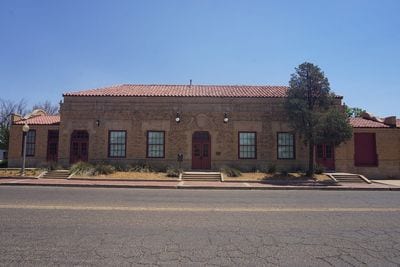
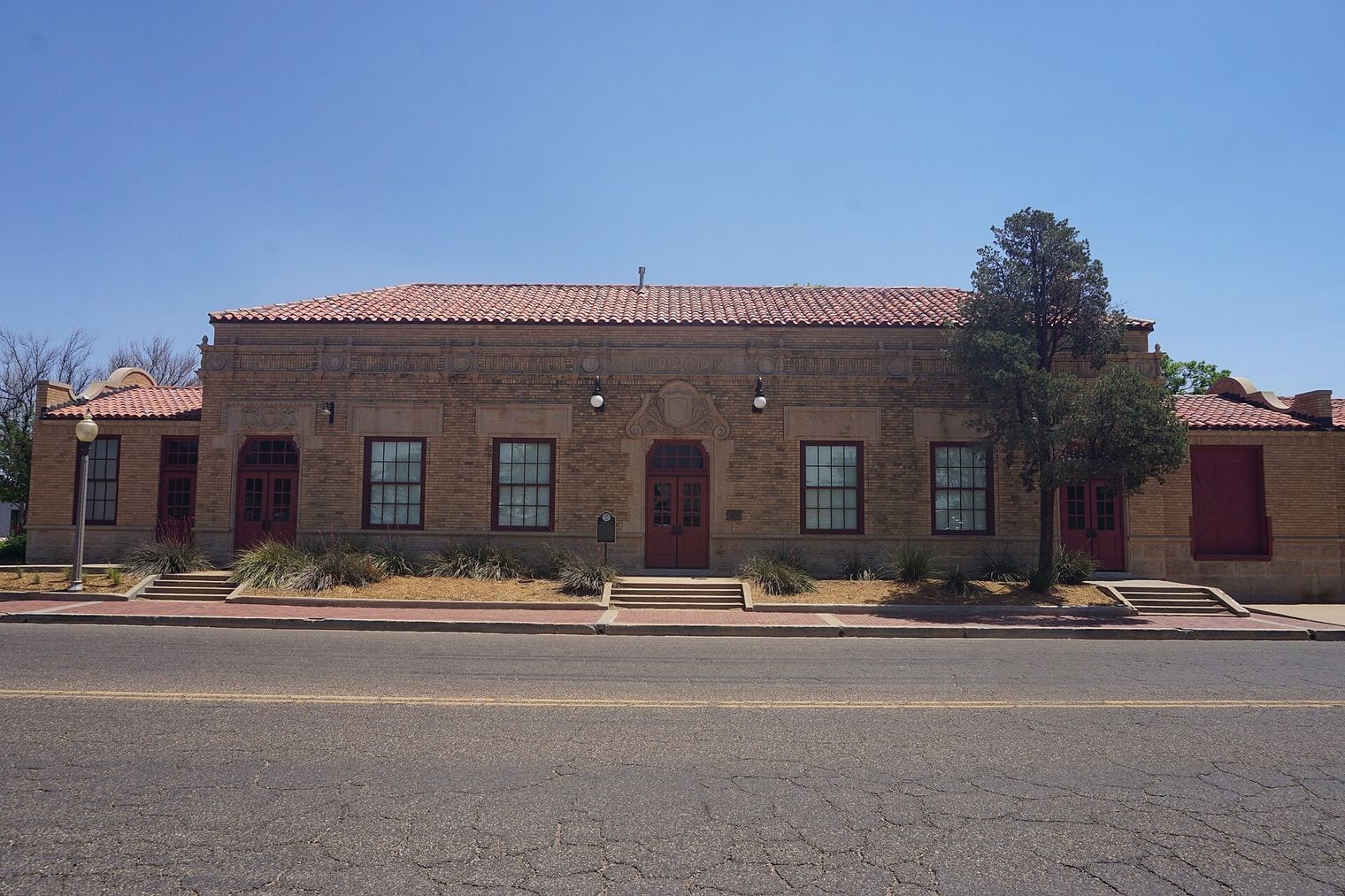
The Buddy Holly Center fills Lubbock's restored 1928 Fort Worth and Denver South Plains Railway depot with the story of the city's most famous son.
The permanent gallery traces Holly from a Lubbock childhood to the records that helped shape rock and roll, with personal artifacts and documents, and the building also houses the Texas Musician Hall of Fame and the free Lubbock Fine Arts Gallery. Look for the oversized horn-rimmed glasses sculpture by the entrance and the restored house of Crickets drummer Jerry Allison, moved onto the grounds in 2013.
Cross Crickets Avenue to the Buddy and Maria Elena Holly Plaza, where an 8.5-foot bronze statue of Holly with his Stratocaster, made by sculptor Grant Speed, stands at the heart of the West Texas Walk of Fame. Its plaques honor musicians from the region, including Waylon Jennings and Mac Davis, and the plaza makes the obvious photo stop before or after the museum.
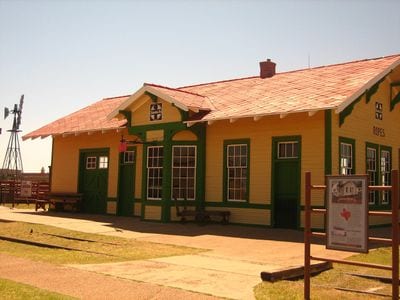
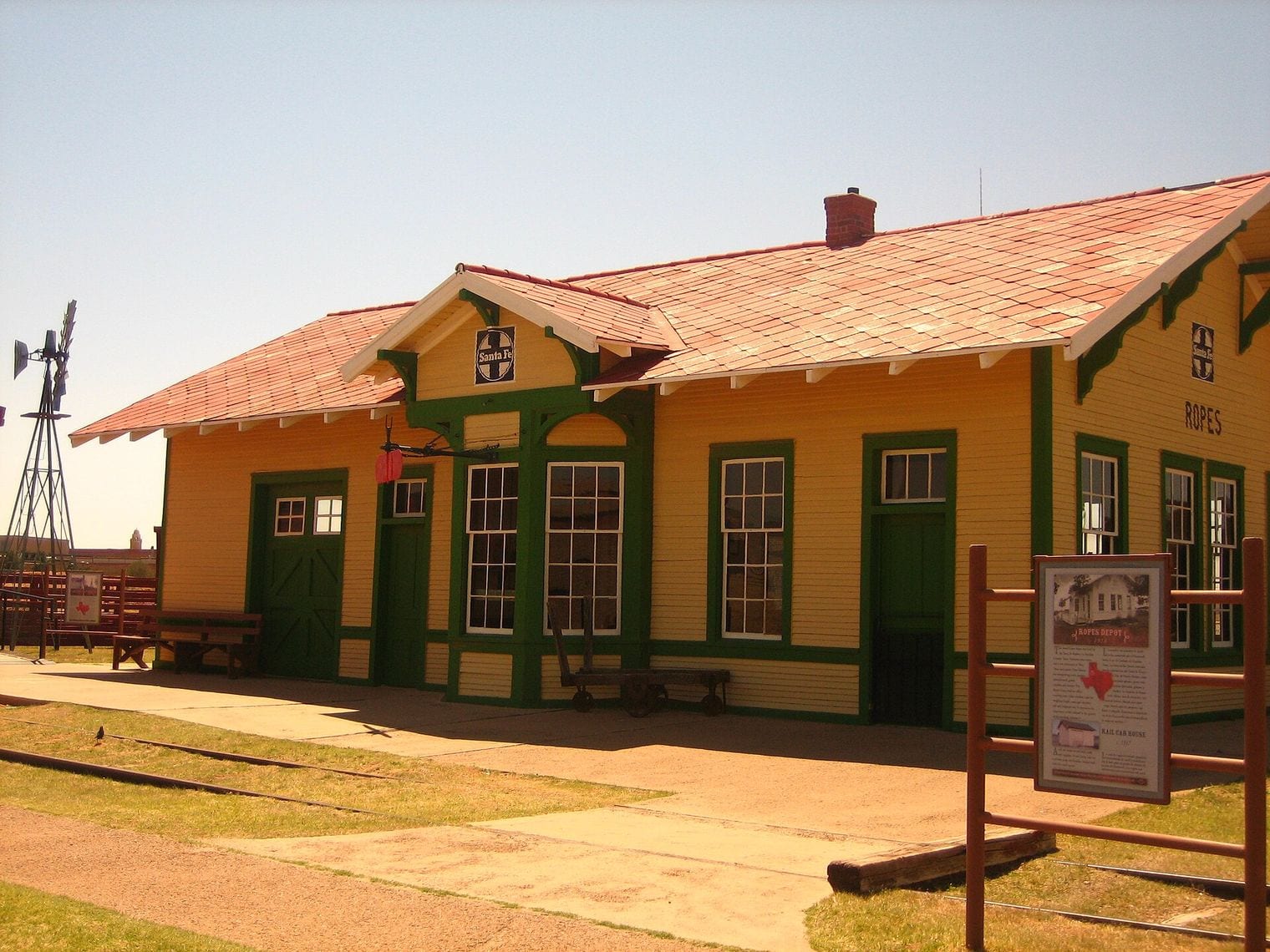
The National Ranching Heritage Center, on the Texas Tech campus, tells the story of ranching through the buildings ranchers actually lived and worked in. More than 50 historic structures, from humble dugouts to ranch houses, barns and windmills, were moved here from ranches across the West and set out in roughly chronological order, from the late 1700s to the mid-1900s.
A paved path of about a mile and a half loops through the 27-acre historical park, so the walk suits strollers and wheelchairs, and the indoor galleries add Western art and changing exhibitions. Admission is free, there is a hands-on learning center for children, and the whole visit fits neatly into a morning before the Museum of Texas Tech next door.
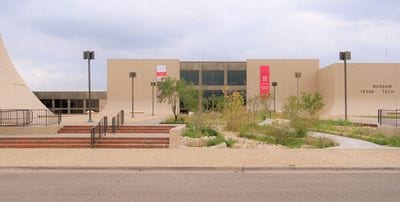
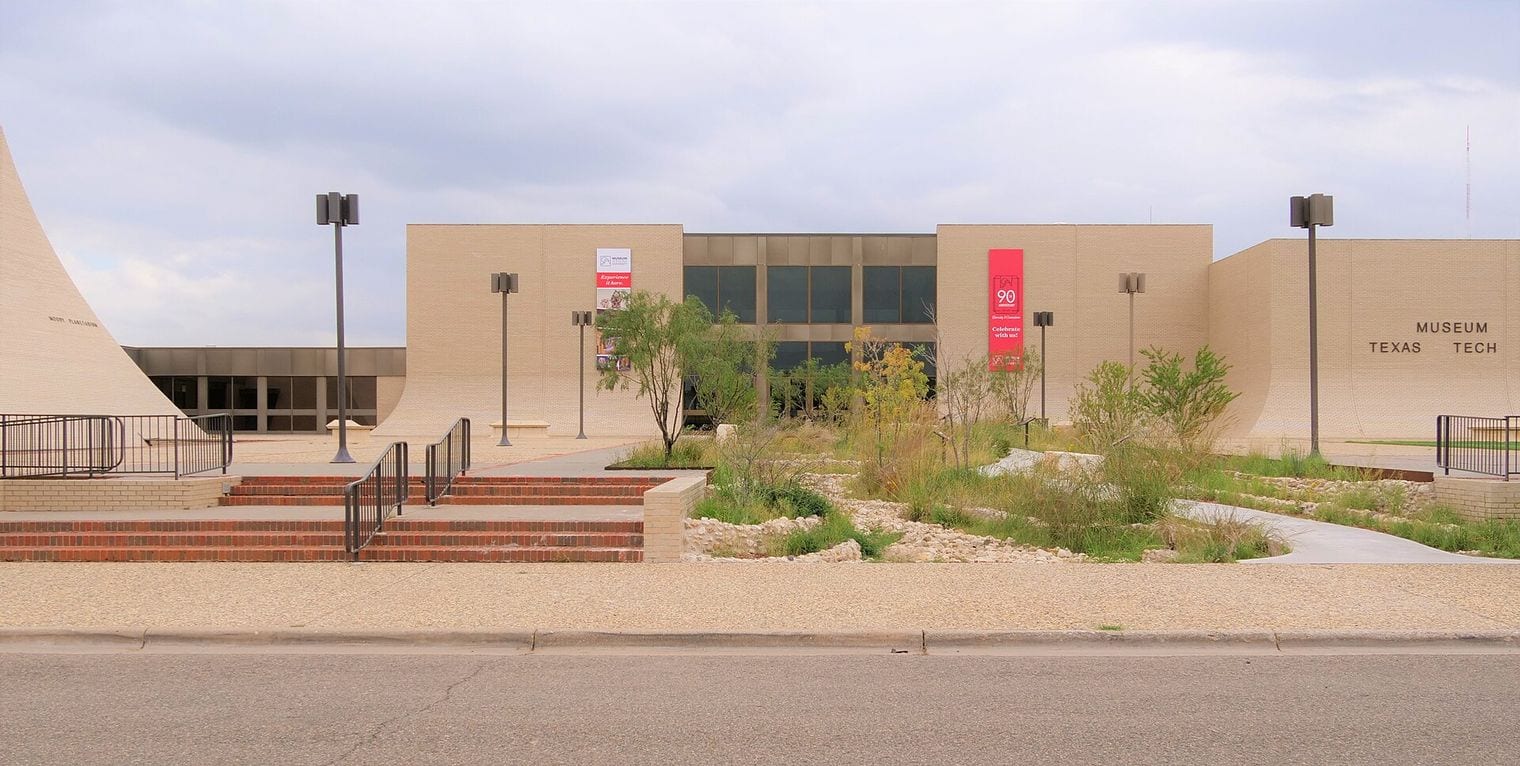
The Museum of Texas Tech University is the city's big general museum, and admission to its galleries is free. Collections run from paleontology and natural history to anthropology, textiles and fine art, with a dinosaur gallery, a gallery on the Ice Age animals of the southern High Plains, Southwest Native American pottery and textiles, and galleries of Western and Southwestern art.
The museum also runs the Moody Planetarium, which presents ticketed shows on the night sky, the solar system and deep space, and it oversees the research at the Lubbock Lake Landmark north of town. Pair it with the National Ranching Heritage Center, right next door, for a full morning on campus.
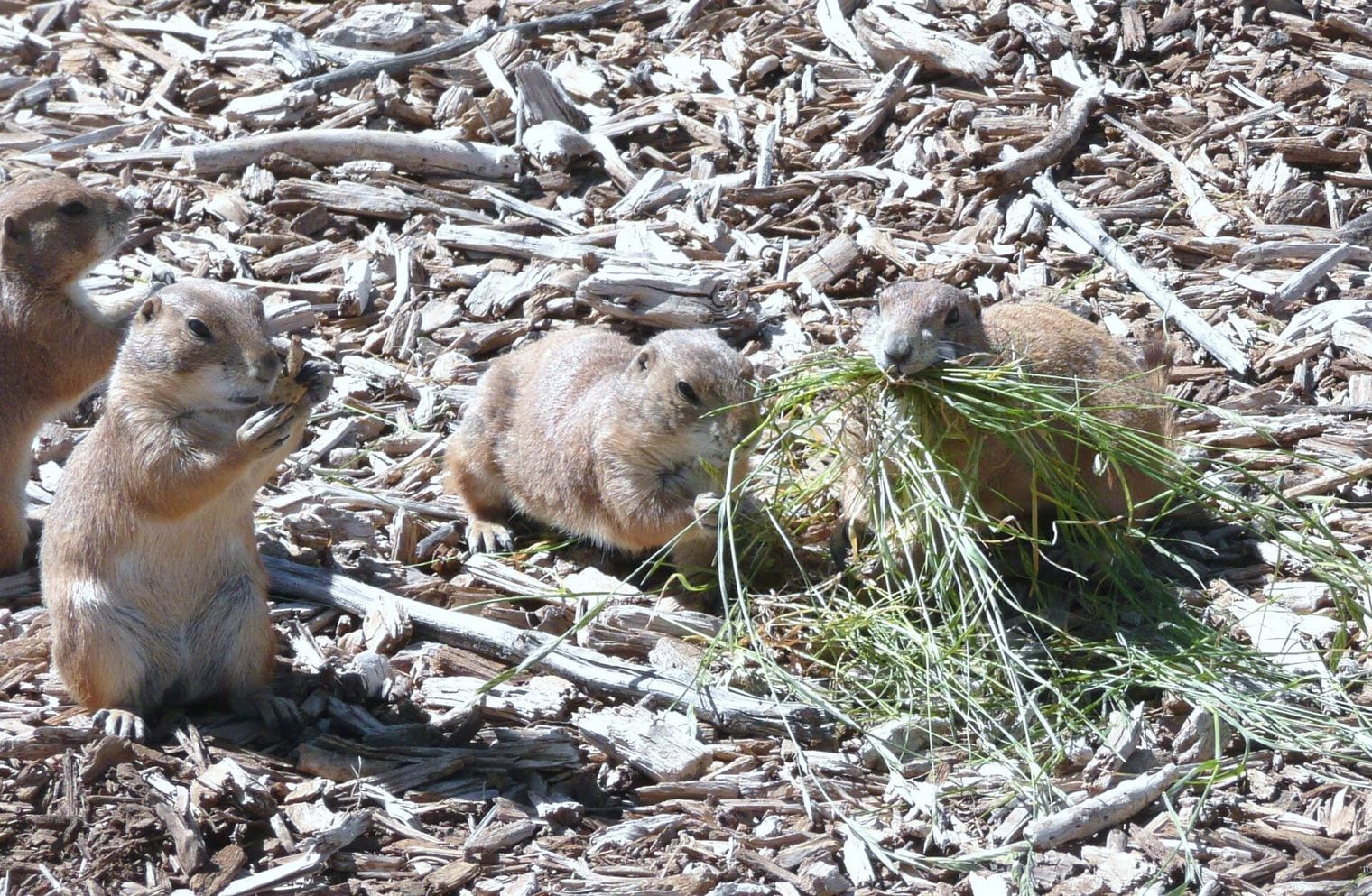
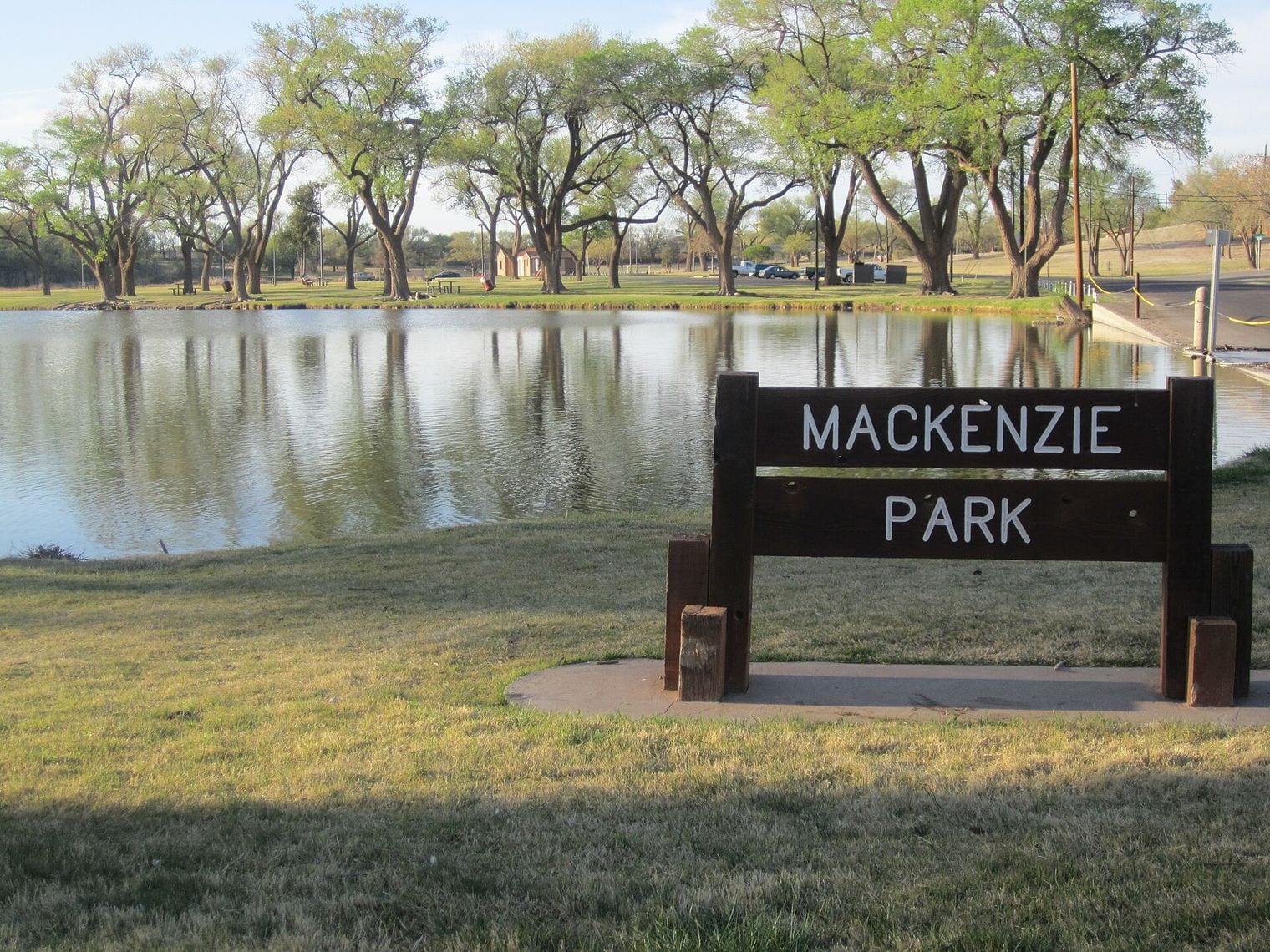
Prairie Dog Town is a fenced colony of black-tailed prairie dogs inside Mackenzie Park, and it is one of the simplest pleasures in Lubbock. It dates back to the 1930s, when cotton buyer K.N. Clapp set it up as a refuge at a time when poisoning campaigns were wiping prairie dogs off the plains, and it was among the earliest protected colonies of its kind.
Today dozens of burrows dot the enclosure, and the animals pop up, bark warnings and stand sentry on their mounds a few feet from the viewing fence. Visiting is free and takes as long as you like; come in the cooler hours of morning or late afternoon, when the colony is at its busiest.
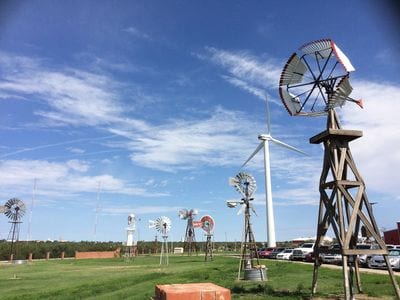
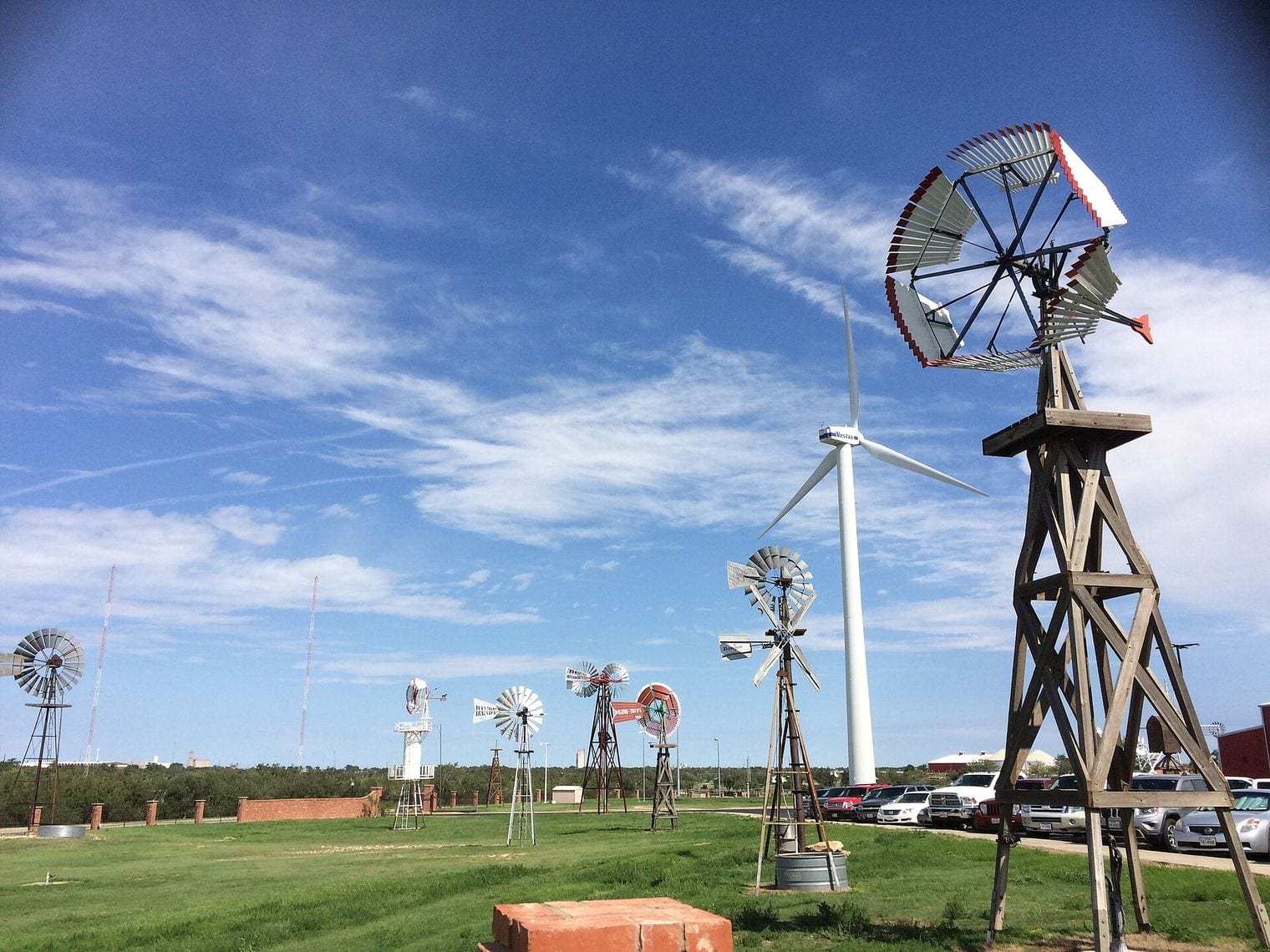
The American Windmill Museum, still widely known by its earlier name, the American Wind Power Center, gathers more than 160 American-style windmills on 28 acres of city park land east of downtown. It grew out of the work of Texas Tech faculty member Billie Wolfe, who spent decades documenting and saving old windmills, and it bills itself as the largest windmill museum in the world.
Indoors and out, rare and restored mills show how wind pumped the water that made ranching and farming possible on the dry Llano Estacado. Rows of windmills turn against the open sky, which makes the grounds one of the most photogenic stops in Lubbock, especially in the low light of late afternoon.
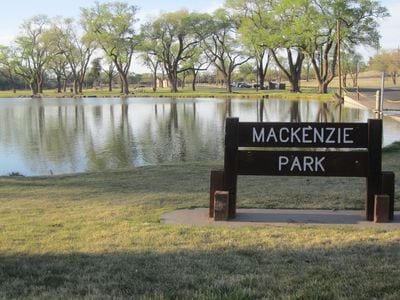
Mackenzie Park is Lubbock's big green escape, spread along Yellow House Canyon on the city's east side and named for General Ranald S. Mackenzie. The canyon floor holds a chain of narrow lakes, walking and biking trails, a dog park and picnic spots, plus the Meadowbrook golf complex and a disc golf course that weaves among the trees and water.
In summer the Moonlight Musicals Amphitheatre stages outdoor musicals under the stars, and Prairie Dog Town sits inside the park too. One thing you will not find any more is Joyland, the small amusement park that operated here for decades and has closed for good.
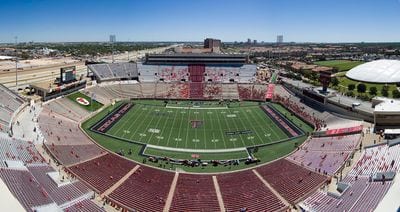
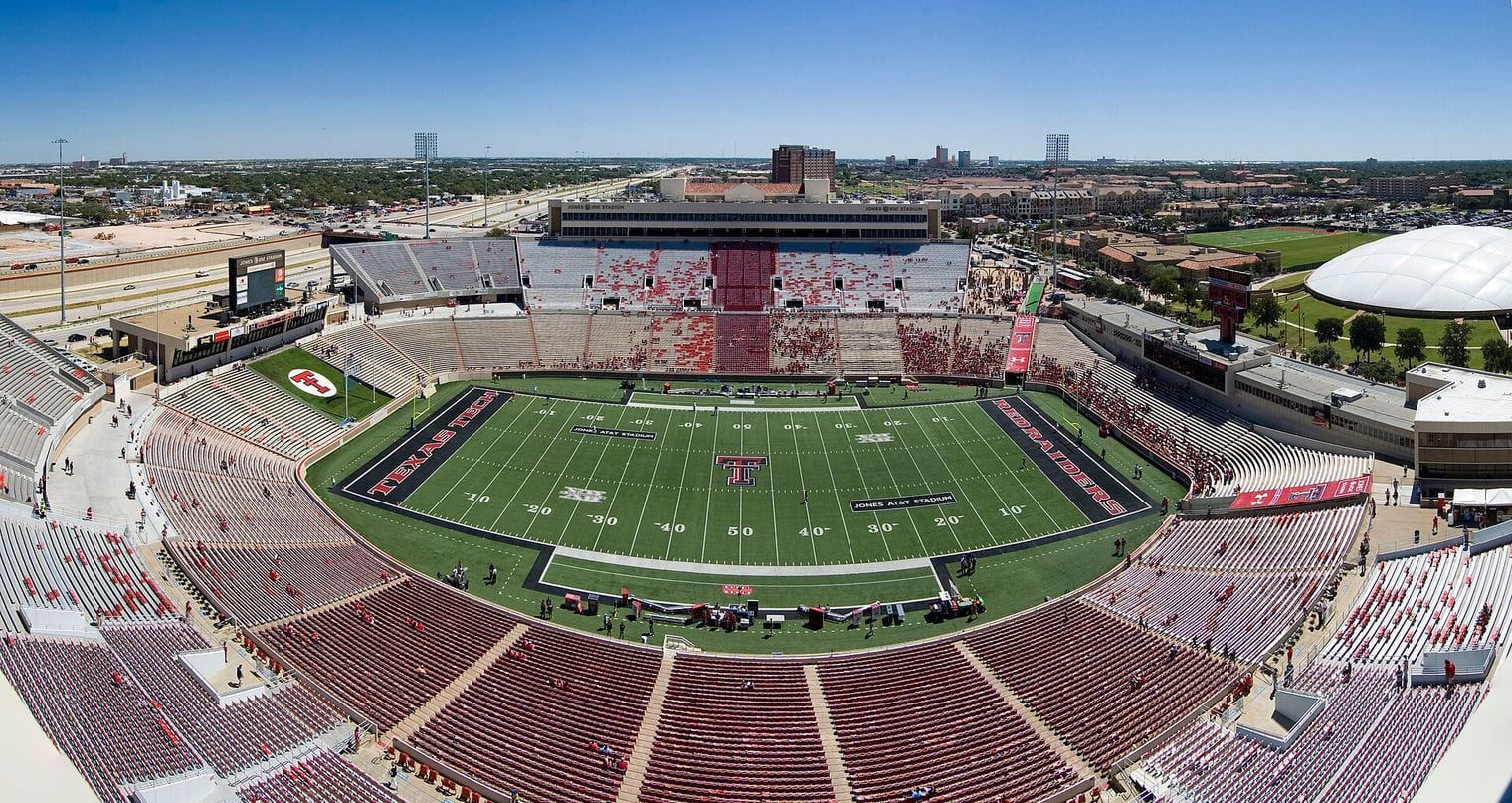
Galaxy Stadium, the home of Texas Tech Red Raiders football and known for decades as Jones AT&T Stadium, took its new name in 2026, though many fans still simply call it The Jones. The stadium opened in 1947 and wears the Spanish Renaissance style of the campus around it, and on a fall Saturday it is one of the loudest places in West Texas.
Game day brings the 400-plus members of the Goin' Band from Raiderland, the Masked Rider on horseback and a sea of fans flashing the Guns Up hand sign. Even without a ticket, the tailgates and the walk across campus give a taste of it, and the stadium's Spanish Renaissance facades are worth a look on any day of the week.
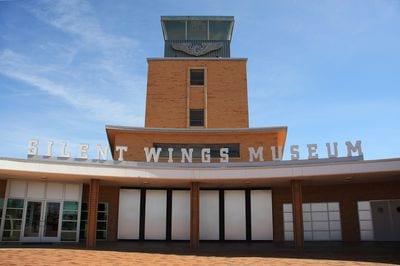
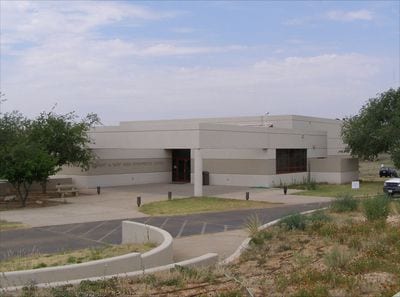
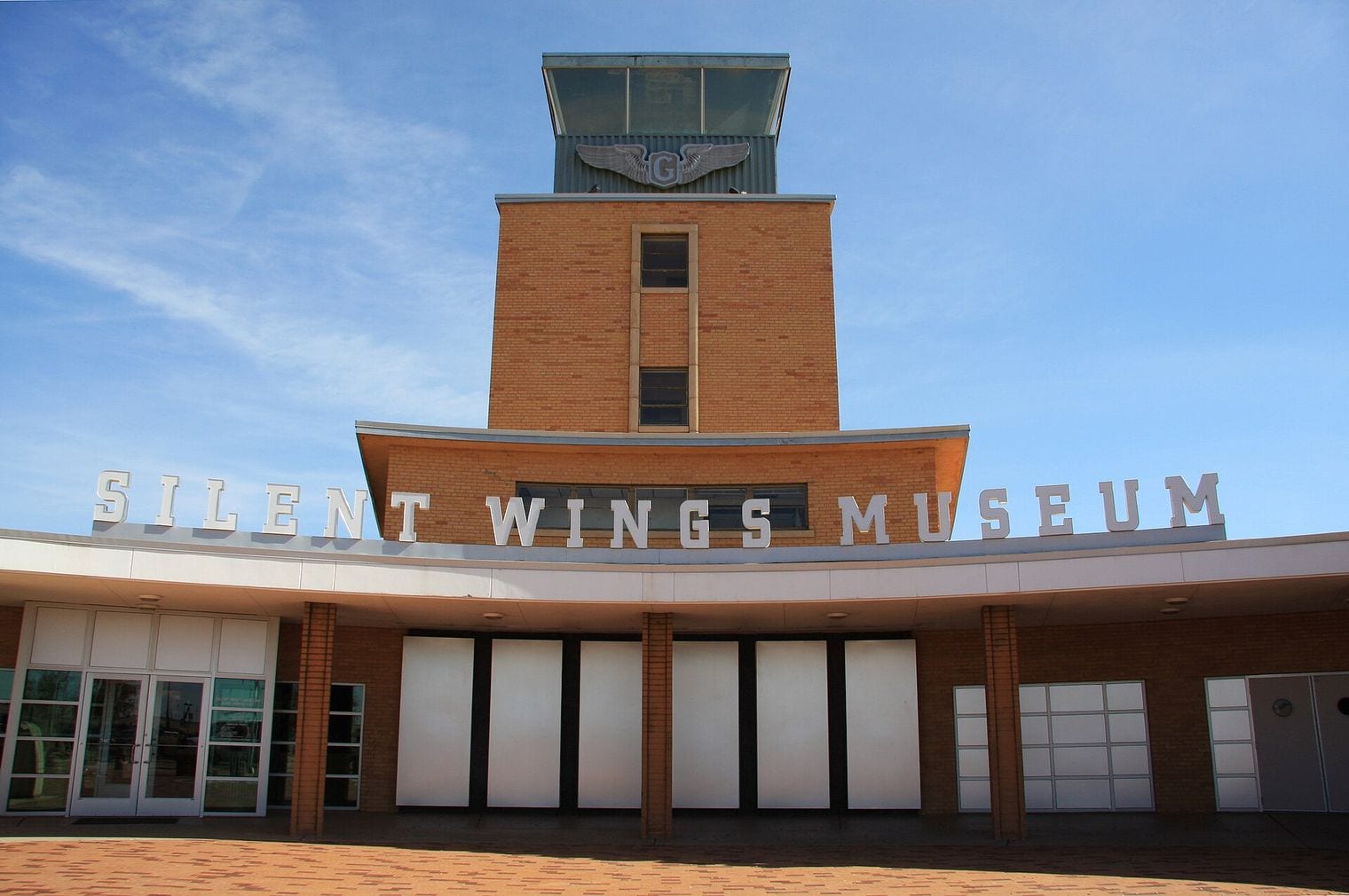
The Silent Wings Museum tells a little-known World War II story from the site where much of it began. South Plains Army Air Field in Lubbock trained glider pilots between 1942 and 1945, and the museum now occupies the former terminal and tower building of Lubbock's old airport on the same ground.
The centerpiece is a fully restored WACO CG-4A, one of the engineless gliders that carried troops and supplies silently behind enemy lines. Around it, a TG-4 trainer, airborne gear, a barracks re-creation, a short film and personal stories explain the men who flew them, and the British Horsa glider restoration lets you see the work in progress.
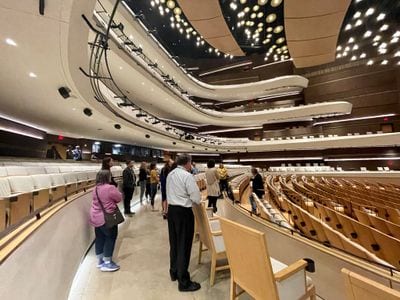
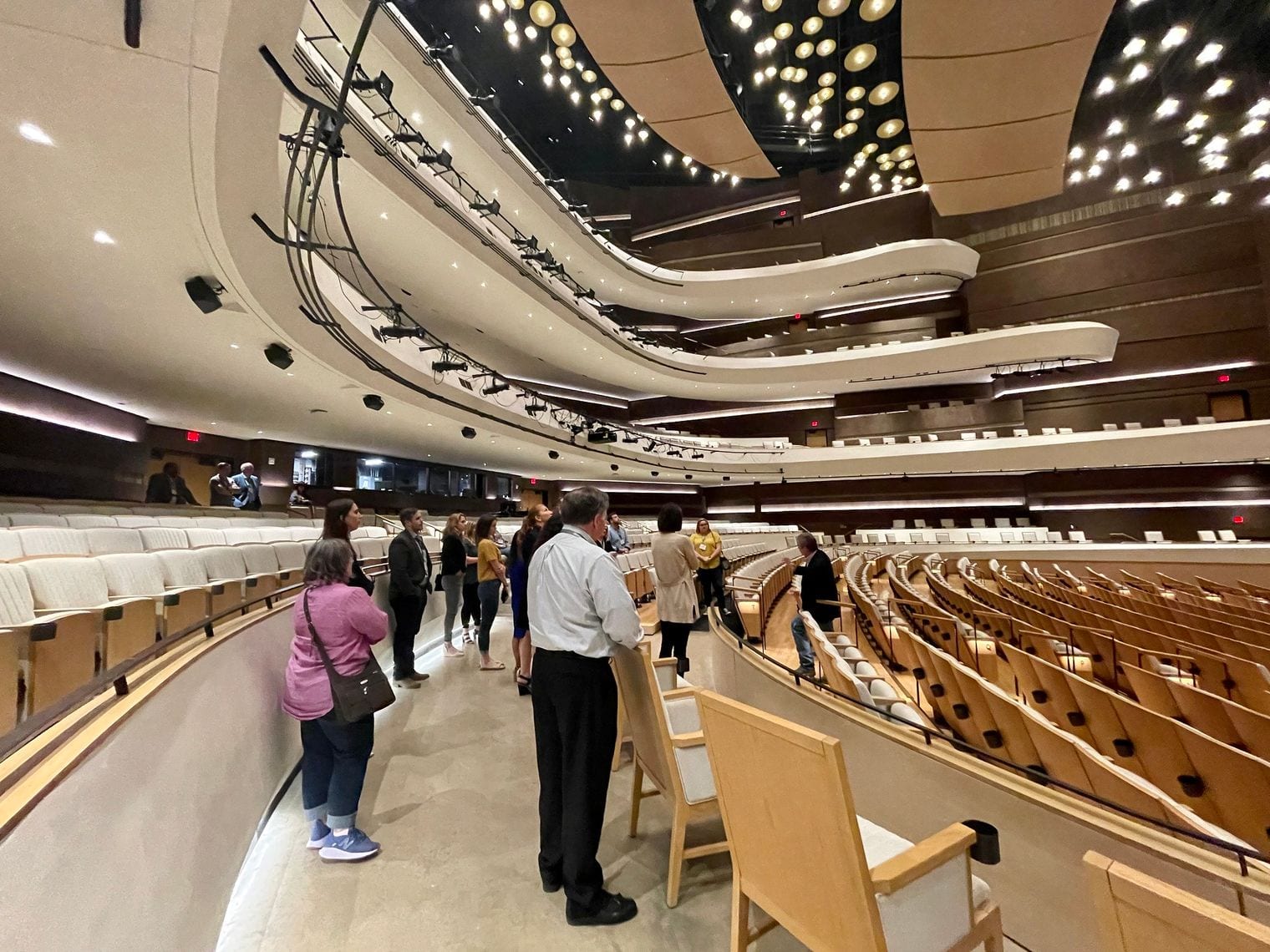
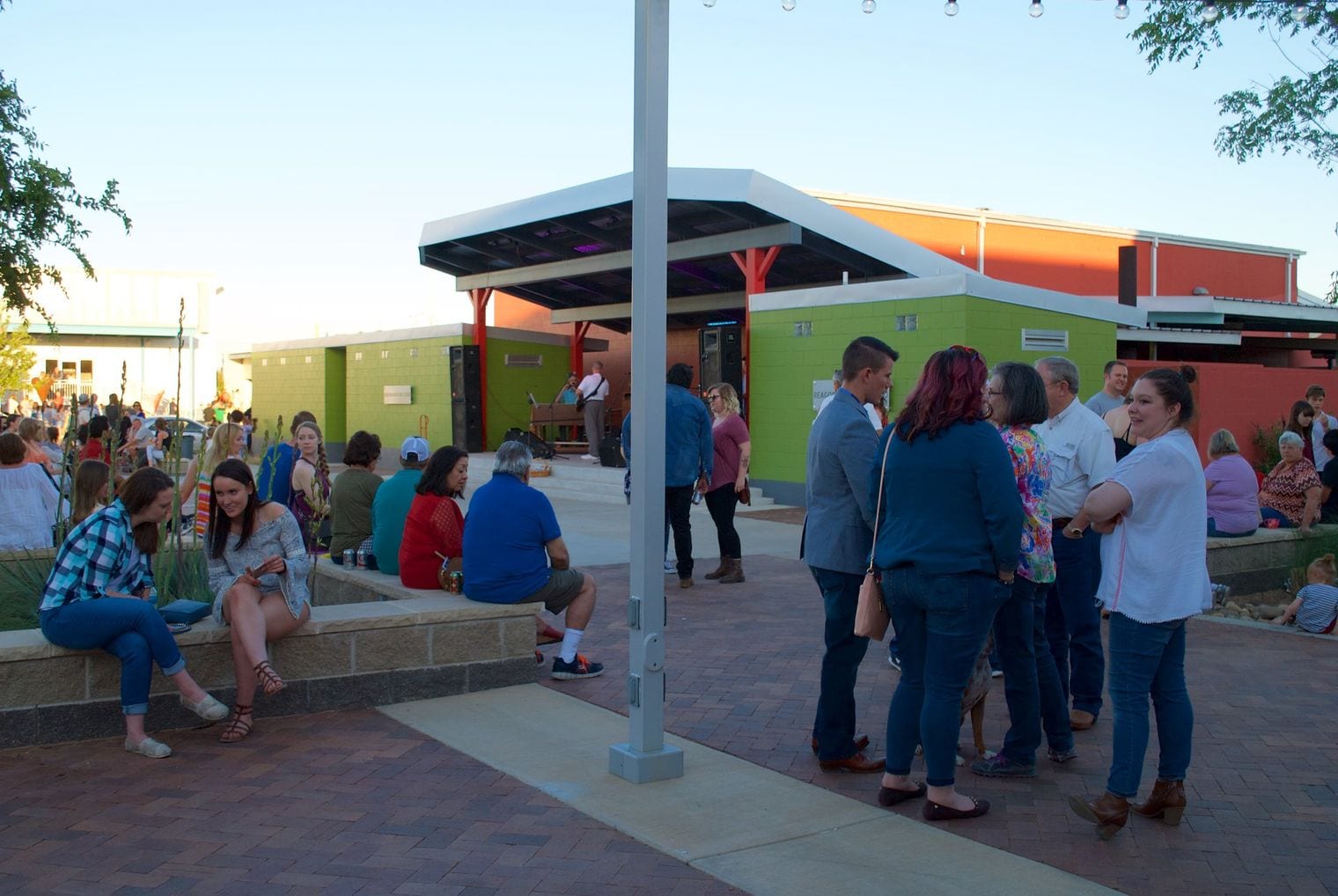
Buddy Holly Hall, in full the Buddy Holly Hall of Performing Arts and Sciences, is Lubbock's showpiece stage, a modern hall on the edge of downtown that opened in 2021. The main Helen DeVitt Jones Theater seats more than 2,000, and the smaller Crickets Theater, named for Holly's band, suits intimate shows.
The calendar mixes touring Broadway productions, concerts, comedy and family shows with performances by the Lubbock Symphony Orchestra and Ballet Lubbock, whose academy is based in the building. Check what is on during your visit; even a walk past the building at night shows how far Lubbock's arts scene has come.
Free printable checklist of all 20 places
Tick them off as you go. Confirm your email to download it, plus one email every Thursday with new guides for the places you tick.
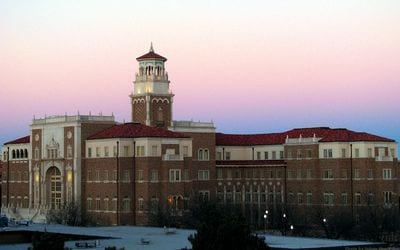
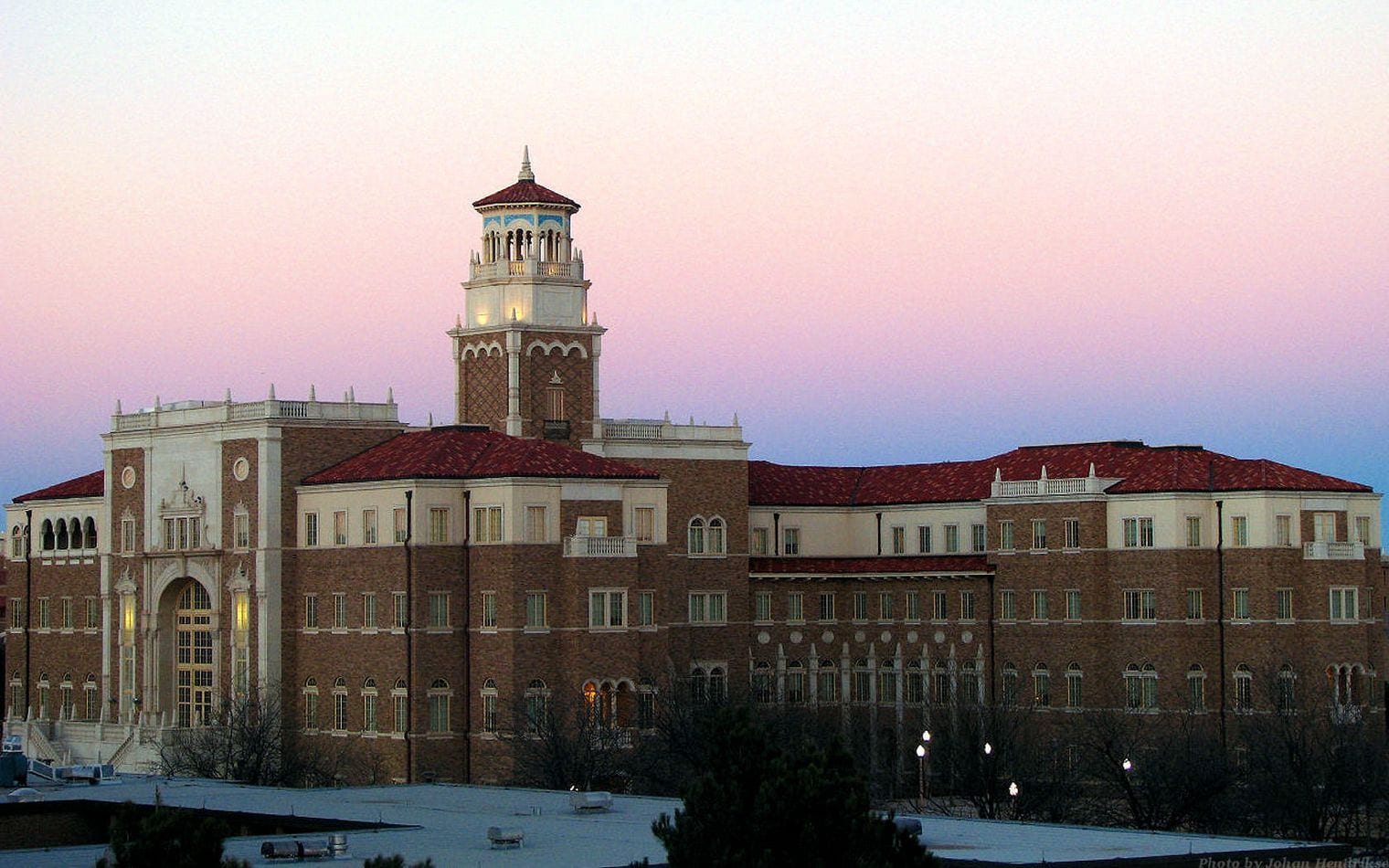
Texas Tech University, founded in 1923 as Texas Technological College, spreads across a huge campus just west of downtown, and its red-tiled Spanish Renaissance buildings make a fine walk. Memorial Circle, the Administration Building and the leafy quadrangles are the heart of it, and the university's public art collection places sculptures and installations around the grounds, many of them easy to find on a self-guided stroll.
Come in early December for the Carol of Lights, a long-running campus tradition when tens of thousands of lights switch on across the buildings and the Masked Rider leads a torchlight procession. The campus also holds three entries on this list, so it is easy to build a full day around it.
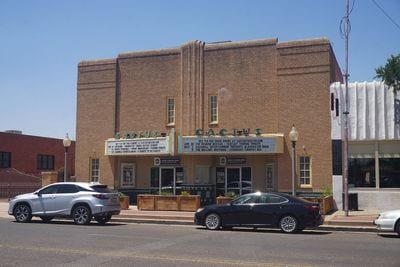
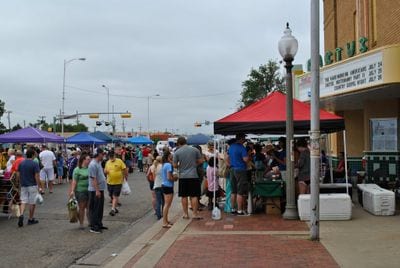
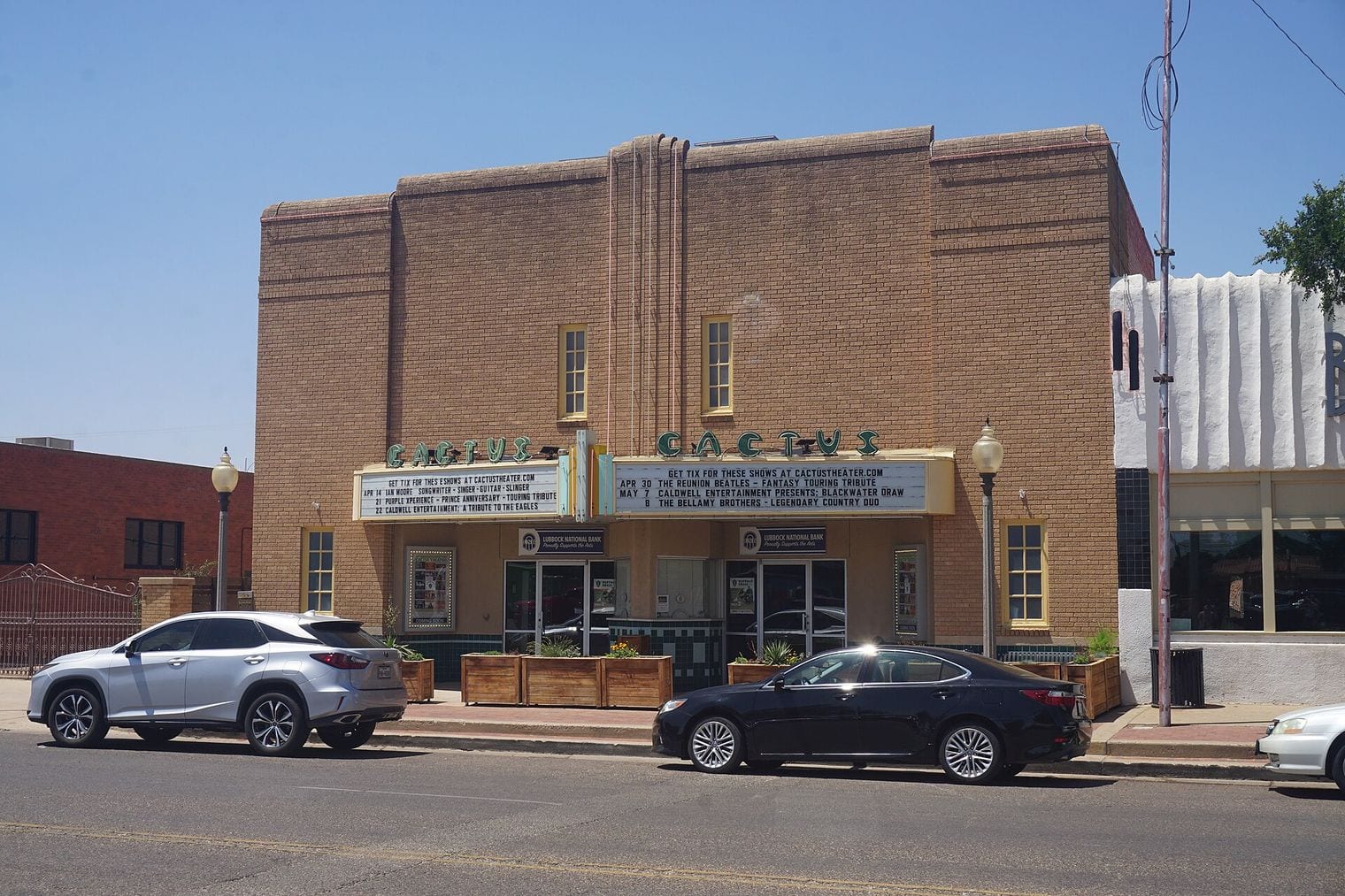
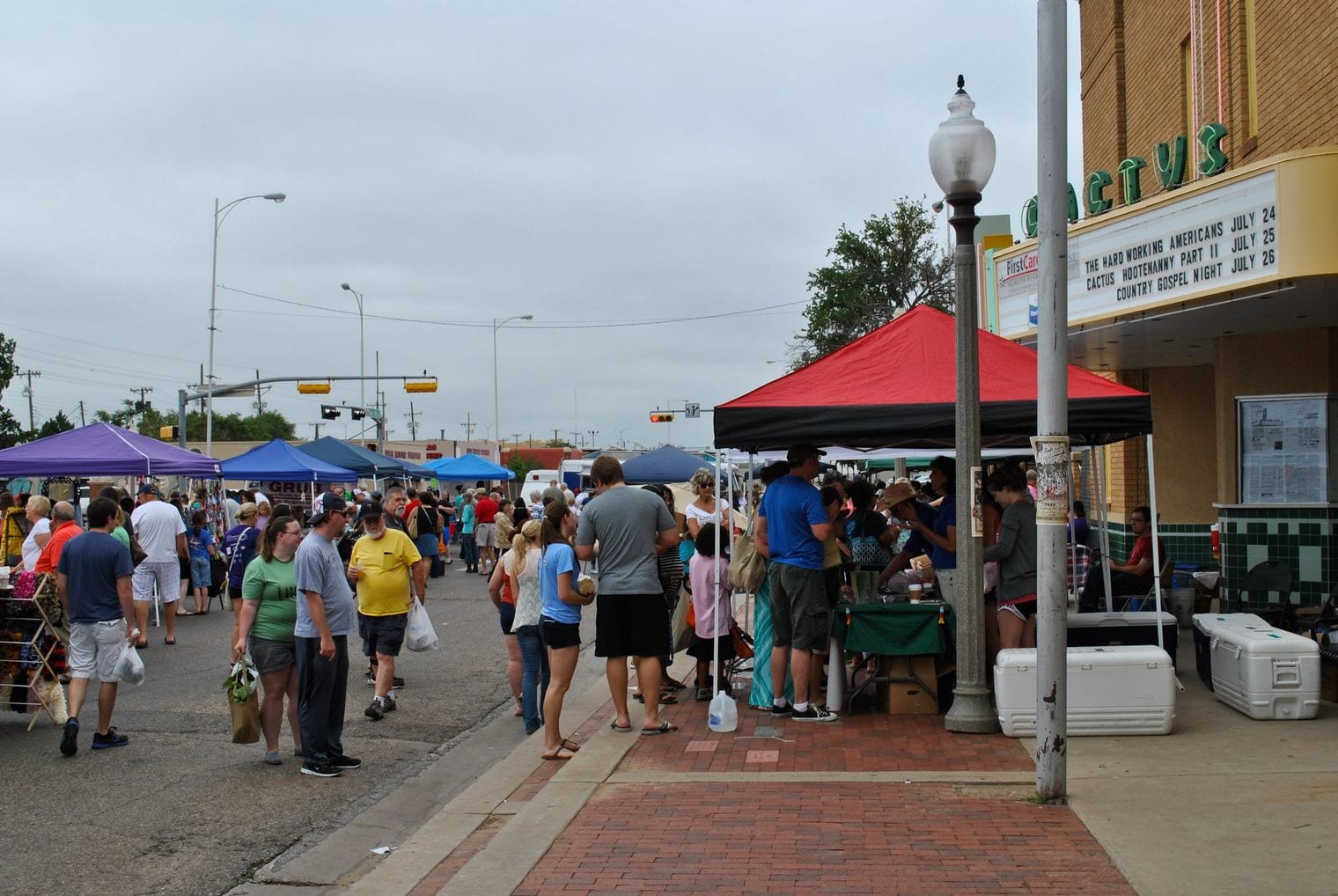
The Cactus Theater opened on what is now Buddy Holly Avenue in 1938 as a neighborhood movie house, and after a revival it became one of Lubbock's favorite live music rooms. The intimate hall hosts country, rock, bluegrass and jazz acts, tribute shows, local showcases and screenings of classic films.
The theater anchors the Depot District, Lubbock's old warehouse quarter, where you can pair a show with dinner, a drink or a wine tasting nearby. Many of the Texas songwriters who came out of the South Plains have played here, so it is the right place to hear the region's music in the city that shaped it.
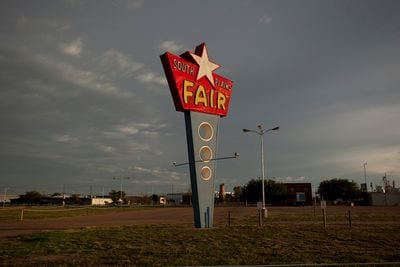
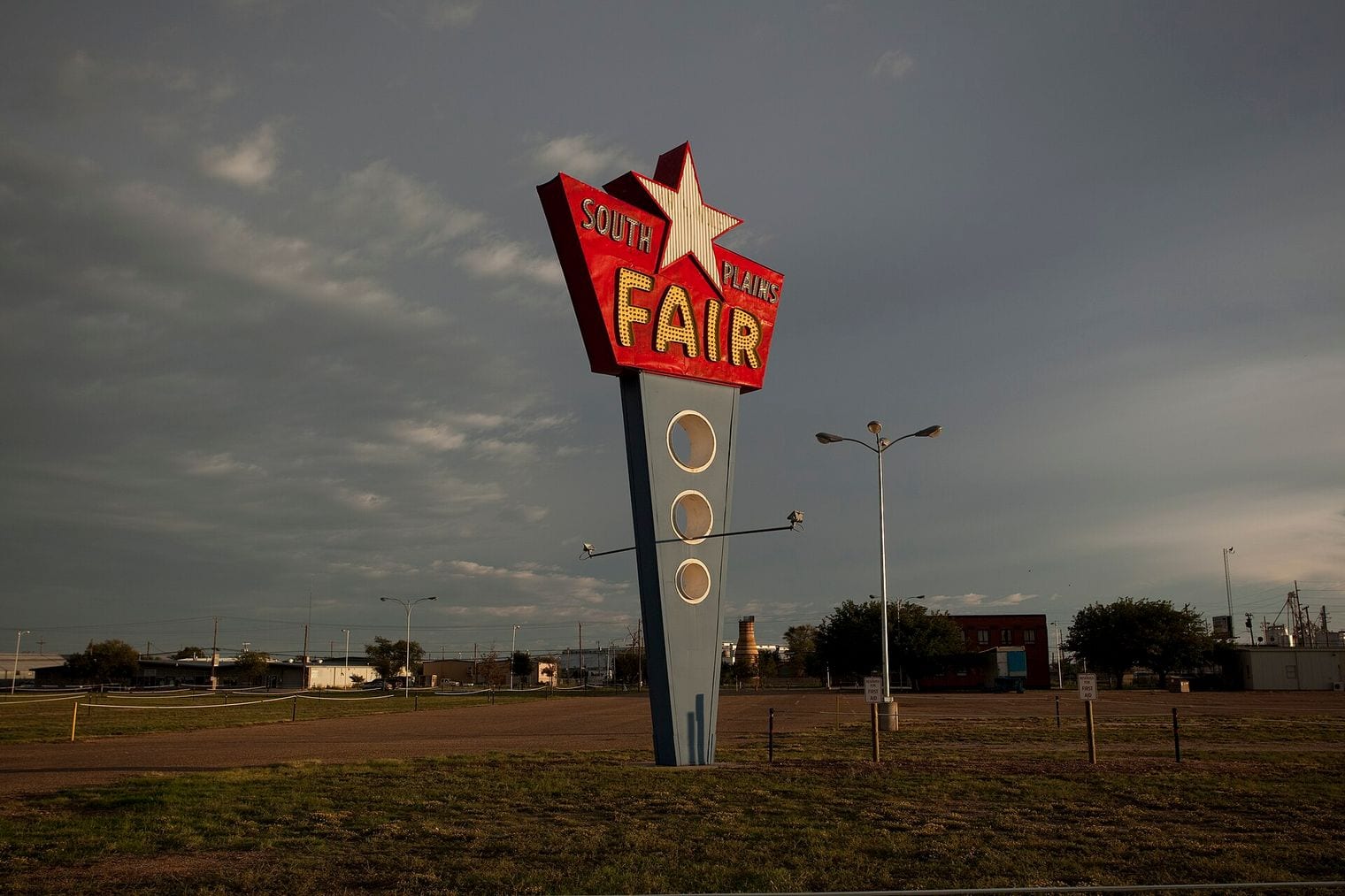
The Panhandle South Plains Fairgrounds, on the east side of Lubbock along the edge of Yellow House Canyon, is home to the Panhandle-South Plains Fair, held every year in late September. Billed as the Granddaddy of West Texas Fairs, it dates back to 1914 and brings livestock shows, midway rides, concerts, fried fair food and agricultural exhibits.
The grounds have their own place in local history, too: they were the first home field of the Texas Tech football team. Outside fair season the site hosts shows and events through the year, so check the calendar if your trip falls in another month.
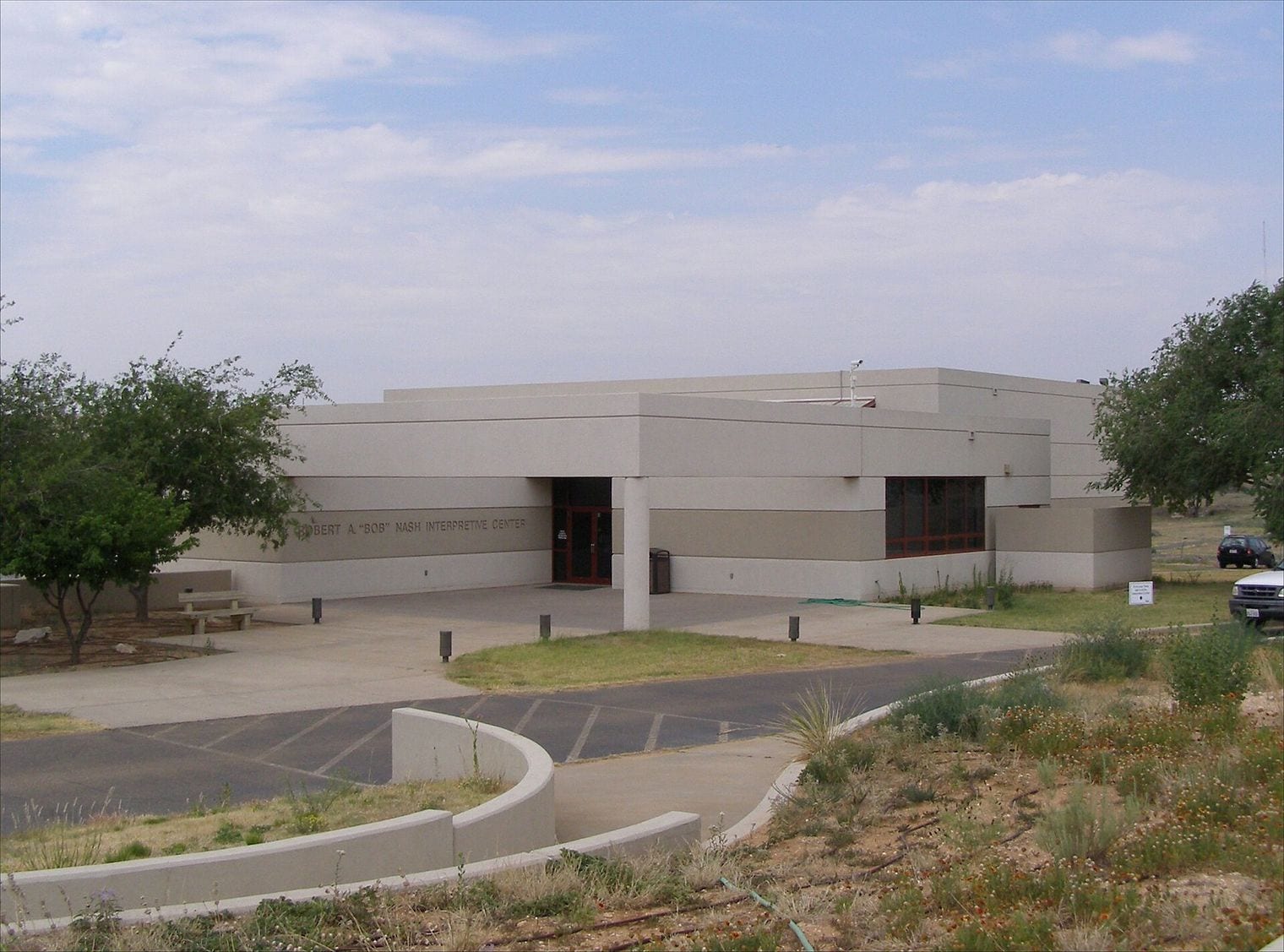
Lubbock Lake Landmark is an archaeological site and nature preserve on the city's north side that holds evidence of nearly 12,000 years of human use on the Llano Estacado. Run by the Museum of Texas Tech University, it has turned up mammoth, ancient bison, camel and giant short-faced bear remains, along with tools left by people from the Clovis period onward, and it is a National Historic Landmark.
Start at the Robert A. Nash Interpretive Center, then follow about 4.5 miles of trails through the meander of Yellowhouse Draw, with signs on the plants, the geology and the digs. Admission is free, and in summer visitors can often watch the excavation crews at work.
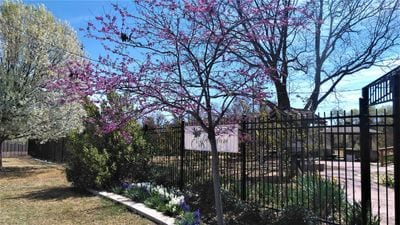
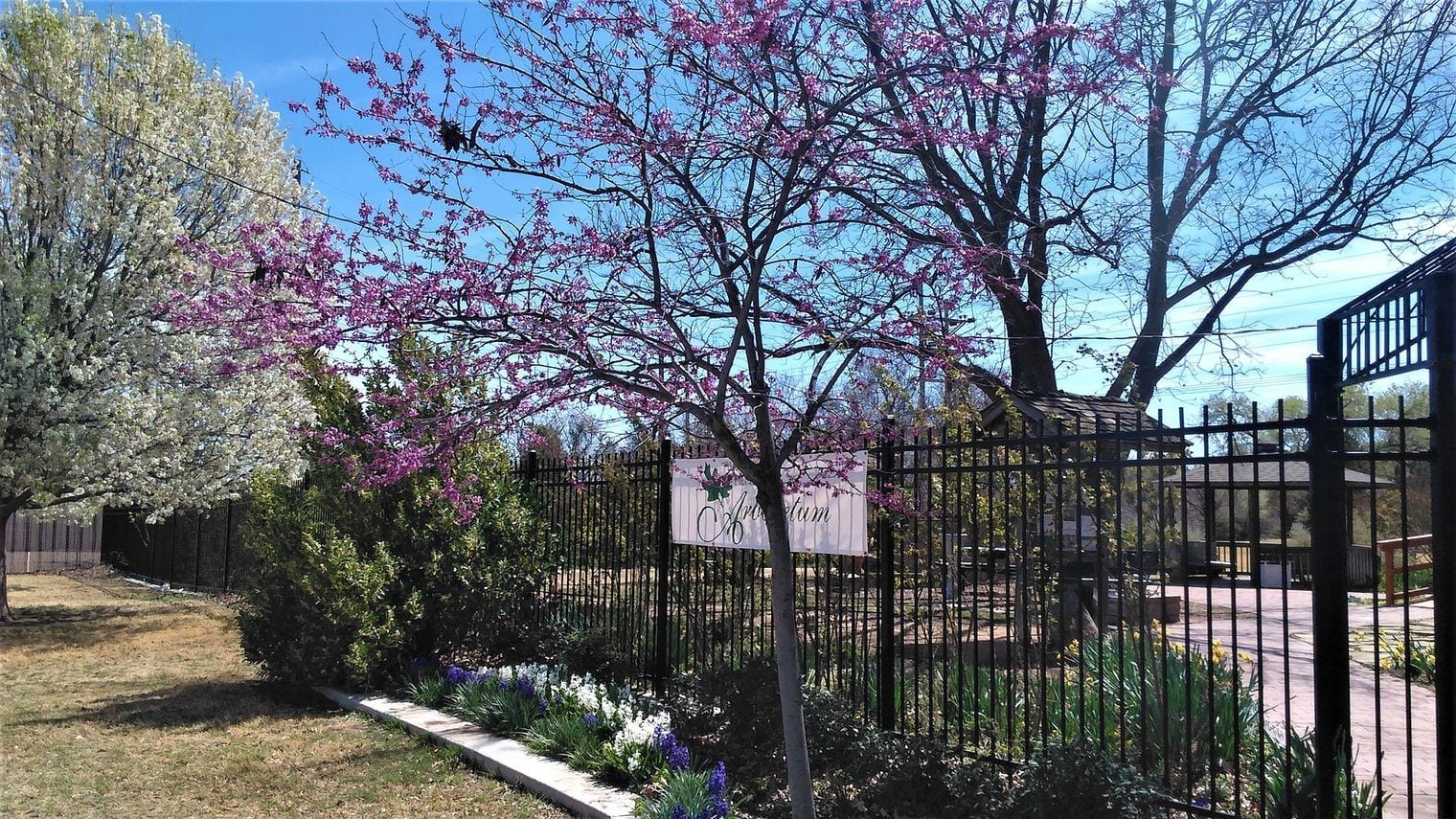
The Lubbock Memorial Arboretum is a quiet green pocket in K.N. Clapp Park in south-central Lubbock, run by a nonprofit foundation and accredited as an arboretum. Trees and gardens adapted to the High Plains climate surround a playa lake, and an accessible trail of a little over a mile loops through the grounds.
It is a good place for an unhurried walk or a picnic, with birds, butterflies and waterfowl to spot along the way. Admission is free, and spring and fall bring the best color and the most comfortable weather.
1515. Louise Hopkins Underwood Center for the Arts
The Louise Hopkins Underwood Center for the Arts, known to everyone as LHUCA, is a downtown nonprofit arts campus with galleries, the Helen DeVitt Jones Clay Studio and the Firehouse Theatre. Its exhibitions change through the year, and admission to the galleries is always free.
LHUCA is also the hub of the First Friday Art Trail, a free, self-guided art night on the first Friday of every month, when galleries, studios and pop-up spaces across the Depot District and downtown open their doors. It is the liveliest night of the month in central Lubbock and a good way to see the city's art scene in one go.
The Lubbock Downtown Farmers Market sets up on Saturday mornings through the growing season, from late spring into fall. Growers from across the South Plains bring seasonal fruit and vegetables, alongside local honey, baked goods, flowers and handmade crafts.
Come early for the best choice and the coolest part of the day, then walk on to the Depot District or the Buddy Holly Center. It is one of the easiest ways to taste how much of West Texas is farmland, and how much of it ends up on Lubbock tables.
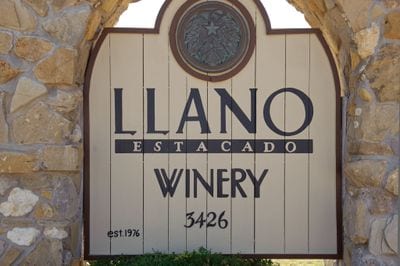
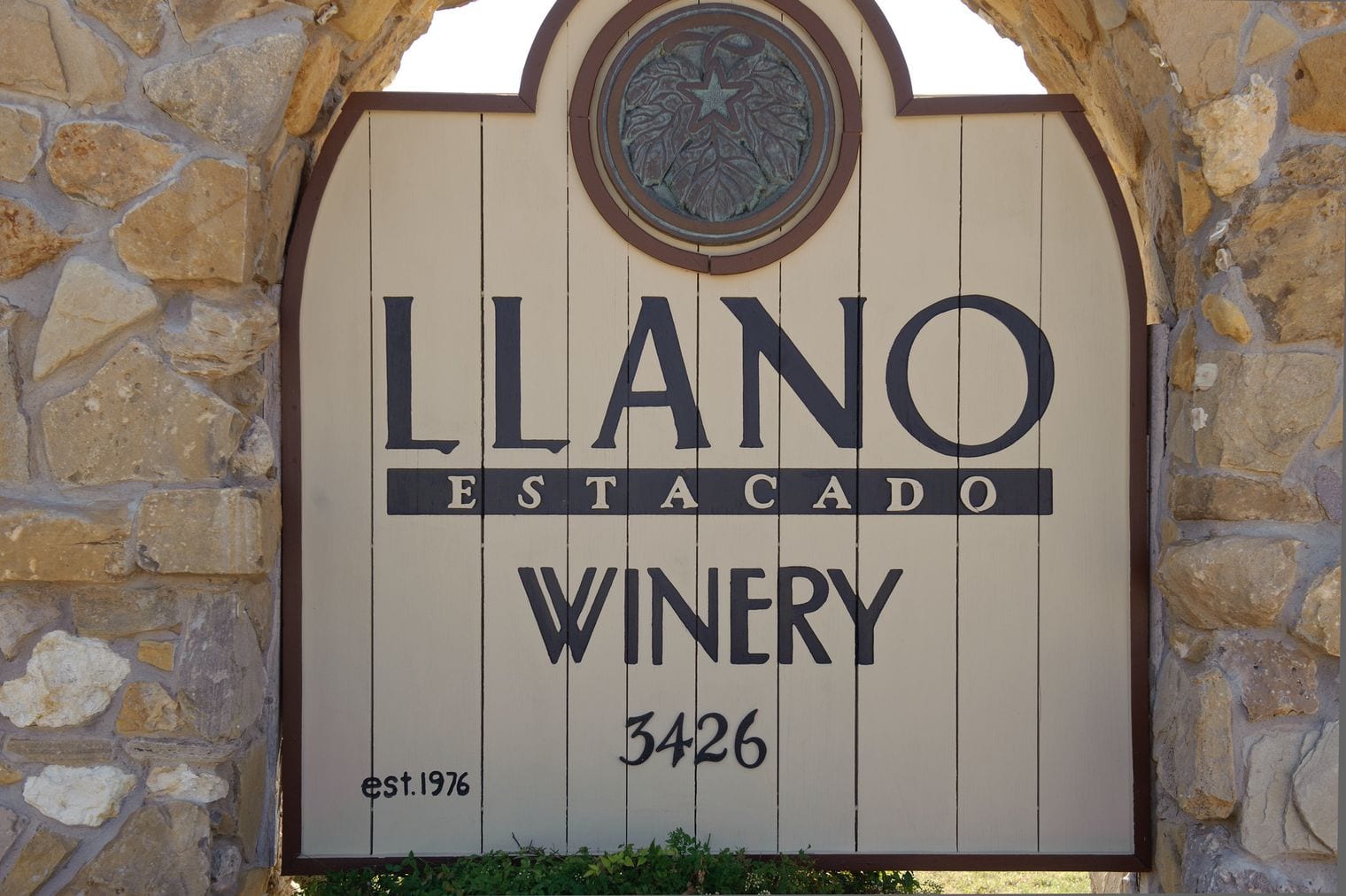
Llano Estacado Winery, founded in 1976 southeast of Lubbock while the county was still dry, is one of the oldest wineries in Texas. It was a pioneer in showing that the High Plains, with their hot days and cool nights, could grow quality wine grapes, and the region now supplies a large share of the state's grapes.
The winery on the edge of town offers tours and tastings of its range, and a second tasting room and wine bar sits in the city. Lubbock has a cluster of other tasting rooms, including in the Depot District, so you can easily build an afternoon around West Texas wine.
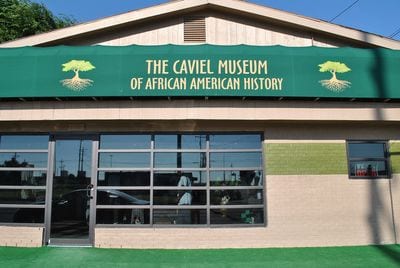
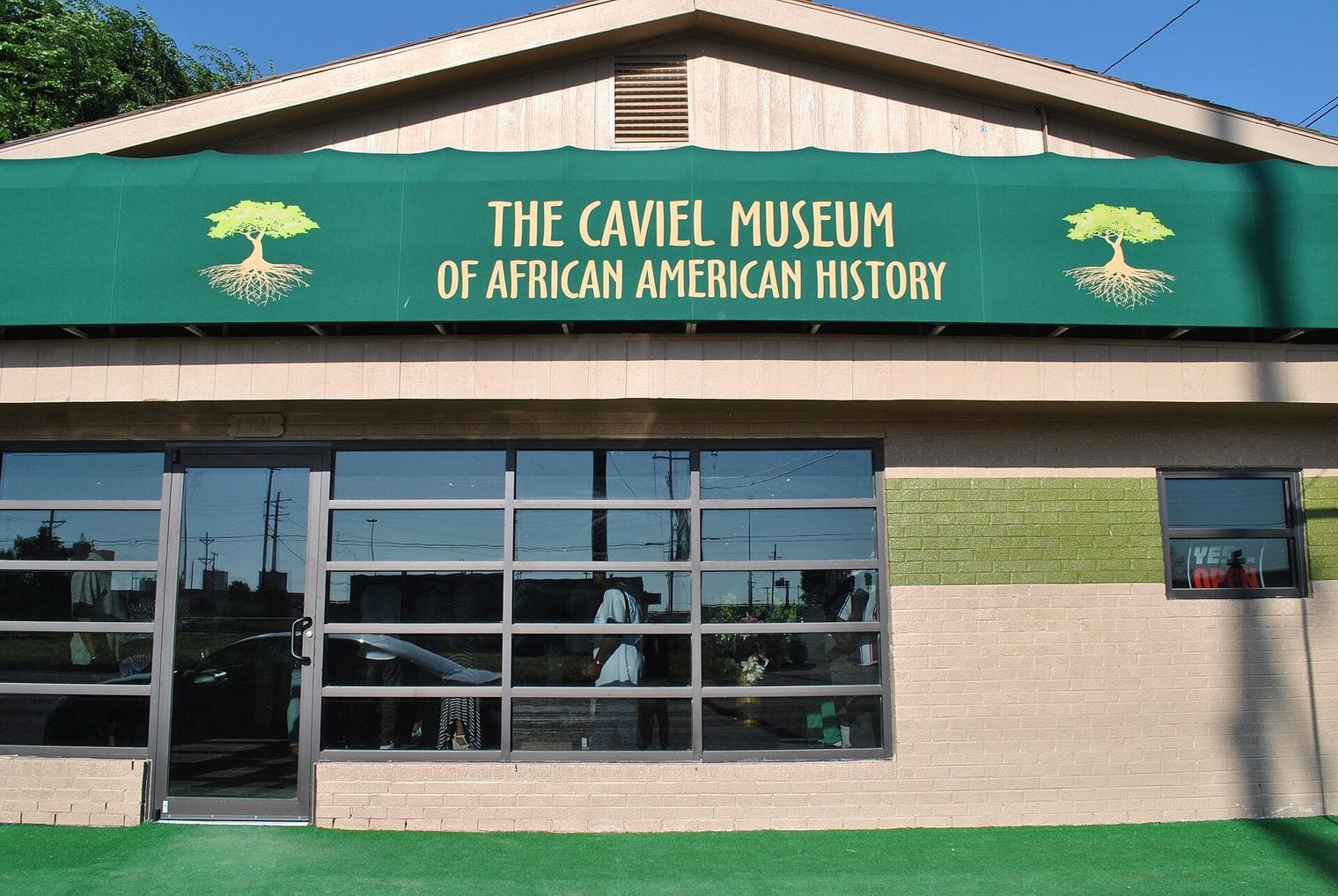
The Caviel Museum of African American History occupies the East Lubbock building that was once Caviel's Pharmacy, run for nearly five decades by Alfred and Billie Caviel. It is described as the first museum in West Texas dedicated to African American heritage, and it is operated by the Lubbock Roots Historical Arts Council.
Exhibits highlight Black medical practitioners, educators, professionals and everyday citizens of Lubbock and the wider region, stories that are easy to miss elsewhere in the city. Opening hours are limited, so check ahead before you go, and it pairs well with an evening on the First Friday Art Trail.
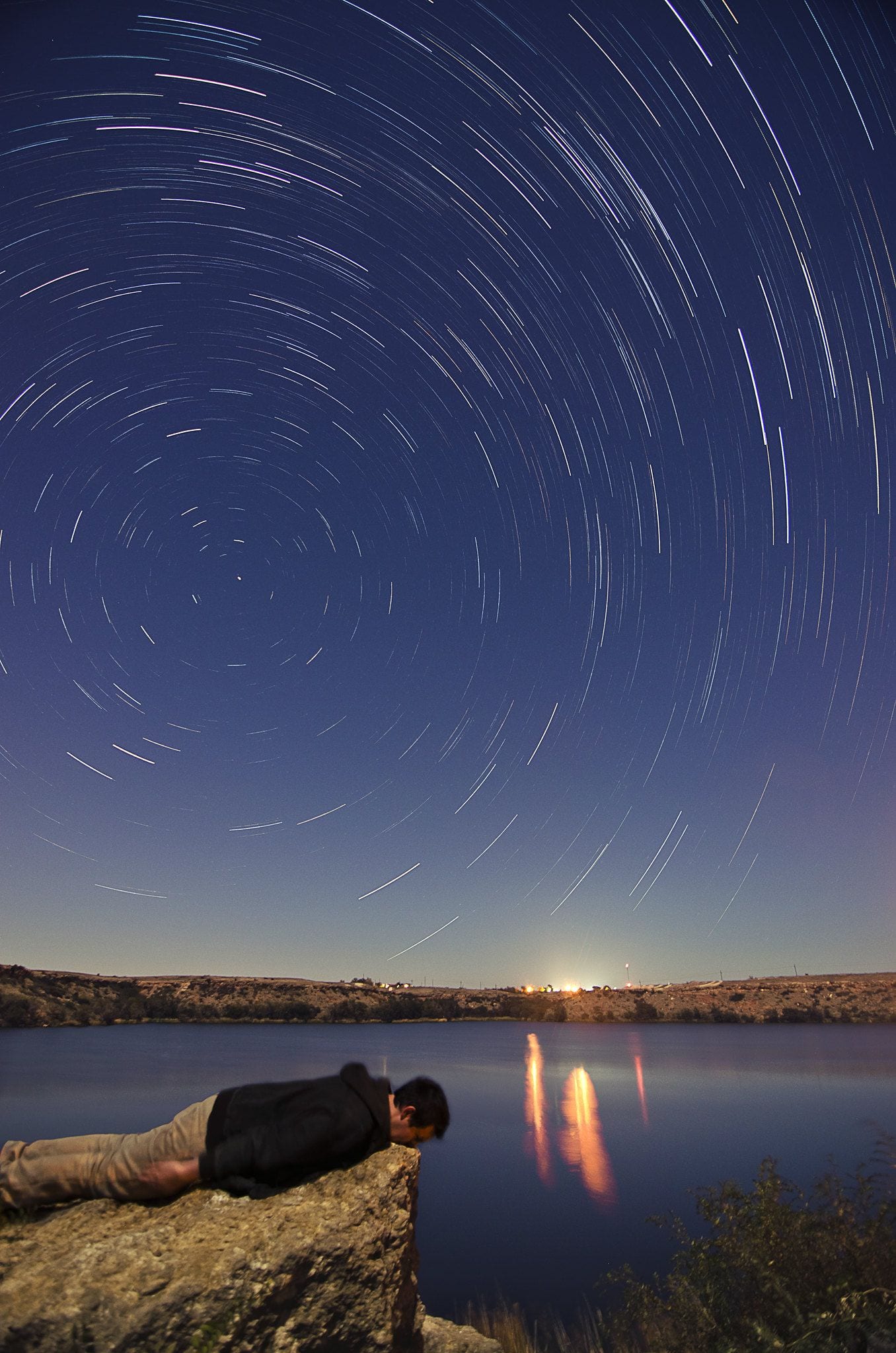
Buffalo Springs Lake is a reservoir in a canyon just southeast of Lubbock, in the small village of the same name, and it is where the city goes to swim, fish and get on the water. It has beaches, boating, camping, nature trails and ATV trails, and the canyon walls make a welcome change from the flat plains above.
The gate is open around the clock and charges an entry fee. Access to McMillan Dam, the nature trail beside it and the fishing areas there is closed during dam construction, which is expected to last to the end of 2026, but the rest of the lake stays open.
2020. Lubbock City Cemetery and Buddy Holly's Grave
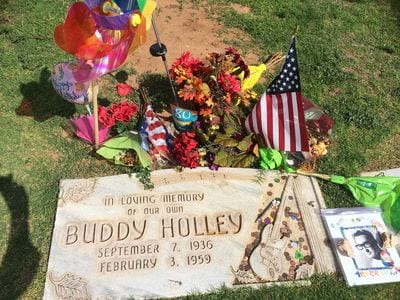
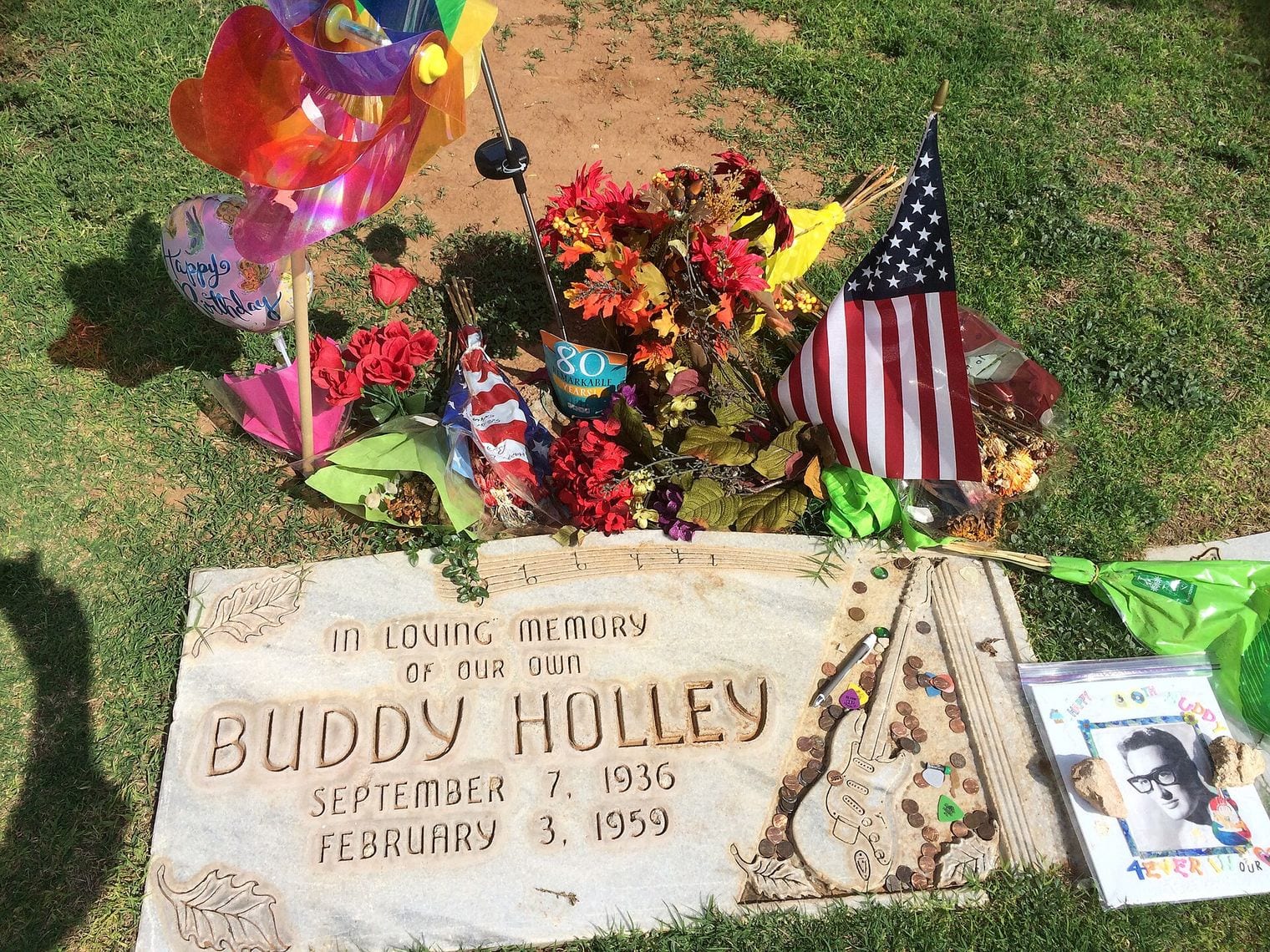
The Lubbock City Cemetery, at the east end of 31st Street, is where Buddy Holly was buried in 1959, beside his parents. His flat headstone carries the family spelling of his name, Holley, along with a carved Stratocaster, and the grave is signposted a short way inside the entrance.
Fans leave guitar picks, flowers and notes on the stone, a quiet tribute that makes this one of the most moving stops on any Holly pilgrimage. The cemetery is large, with more than 60,000 graves, and country singer-songwriter Mac Davis is also buried here.
Plan your trip
Best Time to Visit Lubbock
Fall is the best time to visit Lubbock. The heat eases, Texas Tech football fills Saturdays, the Panhandle-South Plains Fair arrives in late September and the cotton harvest and grape crush roll across the surrounding plains. Spring is also mild and pleasant, though it is the windiest season on the High Plains and the occasional dust storm can blow through.
Summers are hot but dry, with comfortable evenings that suit outdoor musicals in Mackenzie Park and a day at Buffalo Springs Lake. Winters are cool and bright with the odd cold snap or light snow, and early December brings the Carol of Lights to the Texas Tech campus.
Getting to Lubbock
Lubbock Preston Smith International Airport sits on the north side of the city, a short drive from downtown, with connecting flights through the major Texas hubs. Dallas–Fort Worth is the nearest large hub airport, about five hours away by car.
By road, Interstate 27 runs north to Amarillo in about two hours, and US highways fan out from the city toward New Mexico, the Permian Basin and North Texas. There is no passenger rail service, but intercity buses link Lubbock with other Texas cities.
Getting Around Lubbock
Lubbock is a driving city. It is laid out on a simple grid of numbered streets and lettered avenues, wrapped by the Loop 289 ring road, and parking is easy and plentiful almost everywhere. A car is the only practical way to reach the outlying sights, from Lubbock Lake Landmark to the wineries and Buffalo Springs Lake.
The Texas Tech campus and the Depot District are both pleasant on foot once you are there, and a city bus network and rideshare cover the main corridors. Distances are short and traffic is light by big-city standards, so most drives across town take well under half an hour.
Where to Stay in Lubbock
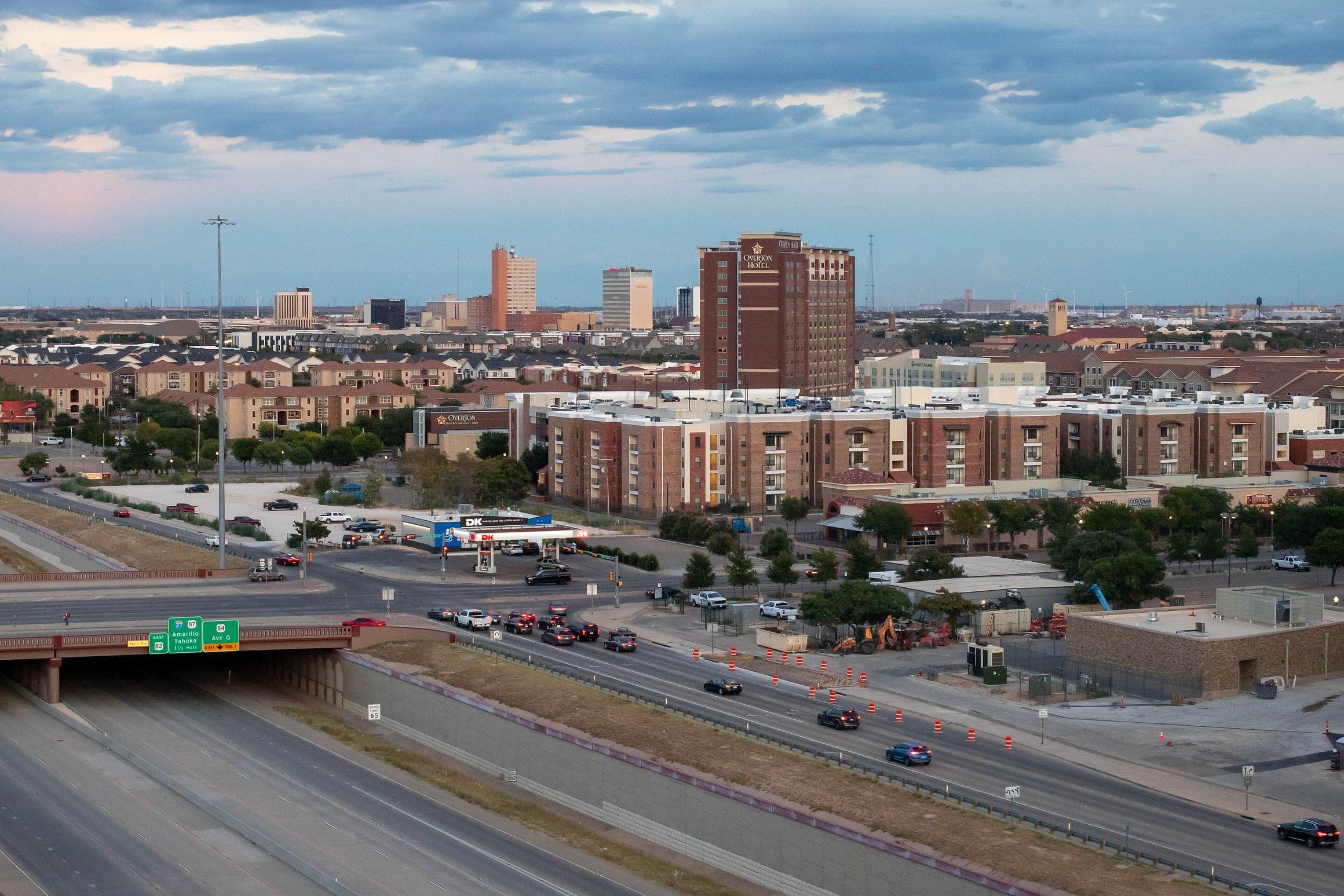
Downtown and the Depot District put you within walking distance of the Buddy Holly Center, the Cactus Theater, Buddy Holly Hall and the First Friday Art Trail, which makes them the best base for a short, music-focused visit. The Texas Tech and Overton area just west of downtown suits game weekends and campus sights, with the museums a short walk or drive away.
South Lubbock, along Loop 289 and the main southern corridors, has the widest choice of chain hotels, easy parking and quick access to shopping and dining. Travelers with an early flight can also find stays close to the airport on the north side.
Where to Eat in Lubbock
Lubbock eats like West Texas: Tex-Mex, barbecue, chicken-fried steak and big steaks are the staples, and green chile drifts in from nearby New Mexico. The Depot District and downtown hold the liveliest cluster of restaurants, bars, breweries and tasting rooms, especially before a show.
Around Texas Tech you will find casual, student-friendly spots, while South Lubbock gathers family restaurants and steakhouses along its busy roads. Leave room for a glass of High Plains wine, since grapes grown around the city end up in wines across Texas.
Day Trips from Lubbock
Ransom Canyon, a small lakeside community about 20 minutes southeast, and Post, the town cereal maker C.W. Post founded in 1907, about 45 minutes southeast, make easy half-day outings. Lake Alan Henry, a little over an hour southeast, is a quiet spot for fishing and boating.
For bigger scenery, Caprock Canyons State Park lies about two hours northeast along the eastern edge of the Llano Estacado, and Palo Duro Canyon State Park, about two hours north near Canyon, stages the outdoor musical drama TEXAS each summer. Midland is about two hours south for Permian Basin oil history, and Roswell, about three hours west in New Mexico, rounds off a longer loop.
Lubbock is best known as Buddy Holly's hometown and as the home of Texas Tech University. Visitors come for the Buddy Holly Center, the National Ranching Heritage Center, the Museum of Texas Tech University, Prairie Dog Town and the American Windmill Museum, along with Red Raider football and the wineries of the surrounding High Plains.
How many days do you need in Lubbock?
One busy day covers the highlights: the Texas Tech museums, the Buddy Holly Center, Prairie Dog Town and the American Windmill Museum. Two days lets you add Lubbock Lake Landmark, the Silent Wings Museum, a winery tasting and an evening of live music in the Depot District without rushing.
What can you do in Lubbock for free?
Plenty. The National Ranching Heritage Center, the Museum of Texas Tech University galleries, Prairie Dog Town, Lubbock Lake Landmark, the Lubbock Memorial Arboretum and the LHUCA galleries are all free, as are the Buddy Holly statue and Walk of Fame and Holly's grave in the city cemetery. The monthly First Friday Art Trail is free too.
When is the best time to visit Lubbock?
Fall is the best time, with milder weather, Texas Tech football, the Panhandle-South Plains Fair in late September and harvest season on the plains. Spring is pleasant but windy, and summer is hot and dry.
Is Lubbock worth visiting?
Yes, especially for music fans, history lovers and road trippers crossing West Texas. Lubbock packs a major rock-and-roll museum, a free outdoor ranching museum, an archaeological site with nearly 12,000 years of history, a windmill museum and a growing wine scene into a short drive of each other.
Sources & updates
How this guide was checked
Checked before launch
Sources cited
20
Publishers
18
Every place on this list was confirmed open and pinned on the map before publication, and what we say about each one was checked against its own website or an official source.
A PDF with a box to tick for every place. Confirm your email to download it, and get one email every Thursday with our newest guides for the places you tick.
Free Lubbock printable checklist
All 20 places in one PDF
Tick them off as you go. Confirm your email to download it, plus one email every Thursday with new guides for the places you tick.
We use cookies to analyse site traffic and improve your experience.
You can accept or reject analytics cookies. See our
May we use analytics cookies? See ourCookie Policy.