We build and rank every list first. Booking links come after, and only where
a partner sells a ticket, tour or stay for that exact place, so a place with
nothing to book is listed exactly as prominently as one you can book.
So how do we earn? Some links on this page go to booking
partners, and if you book tickets, tours or a stay through
one, we may earn a commission. It costs you nothing extra.
That commission never decides which places make the list, the order they
appear in, or what we write about them. No entry is sponsored or a paid
placement.
By the City Viking editorial teamPublished 35 places · 24 min read
Fact-checked Checked before launchOct 18, 202635 sources29 publishers3 government & parks7 encyclopedias & research25 venues & other sitesPublished · Oct 18, 2026Researched and checked before it went liveClick for every source and the full change log.
Short answer
San Antonio is known for three centuries of history, the only UNESCO World Heritage Site in Texas and Tex-Mex on every block. Start with the Alamo, the River Walk and the mission churches of San Antonio Missions National Historical Park, then add Historic Market Square and the Japanese Tea Garden. Three days covers downtown, the missions and Brackenridge Park well, with a fourth day for Six Flags Fiesta Texas or SeaWorld San Antonio.
San Antonio wears three centuries of history lightly: Spanish mission churches, the shrine of the Alamo and a river that runs a level below the streets past cypress trees and café patios. Texas's second-largest city adds thrill parks, strong museums and Tex-Mex on every block.
This guide ranks 35 things to do, from the River Walk and the four mission churches to the zoo, Pearl and the King William mansions. Plan three days for downtown, Brackenridge Park and the missions, and a fourth for a theme park.
The San Antonio Missions are the only UNESCO World Heritage Site in Texas — inscribed in 2015, the listing covers the Alamo and the four missions of the national historical park.
A Spanish expedition named the area San Antonio in 1691 in honor of Saint Anthony of Padua; a mission followed in 1718, and in 1731 it became the first chartered civil settlement in present-day Texas.
The River Walk began as architect Robert Hugman's 1929 plan to save a flood-prone bend of the river from being paved over; Works Progress Administration funding built the first walkways from 1939.
The Tower of the Americas was the tallest observation tower in the United States from 1968 until 1996, when the Stratosphere Tower in Las Vegas took the title.
San Antonio is the seventh-most populous city in the United States, with about 1.43 million people at the 2020 census, second in Texas only to Houston.
The Japanese Tea Garden was built in an abandoned limestone quarry, shaped into ponds, bridges and walkways around 1918 by the city's parks commissioner.
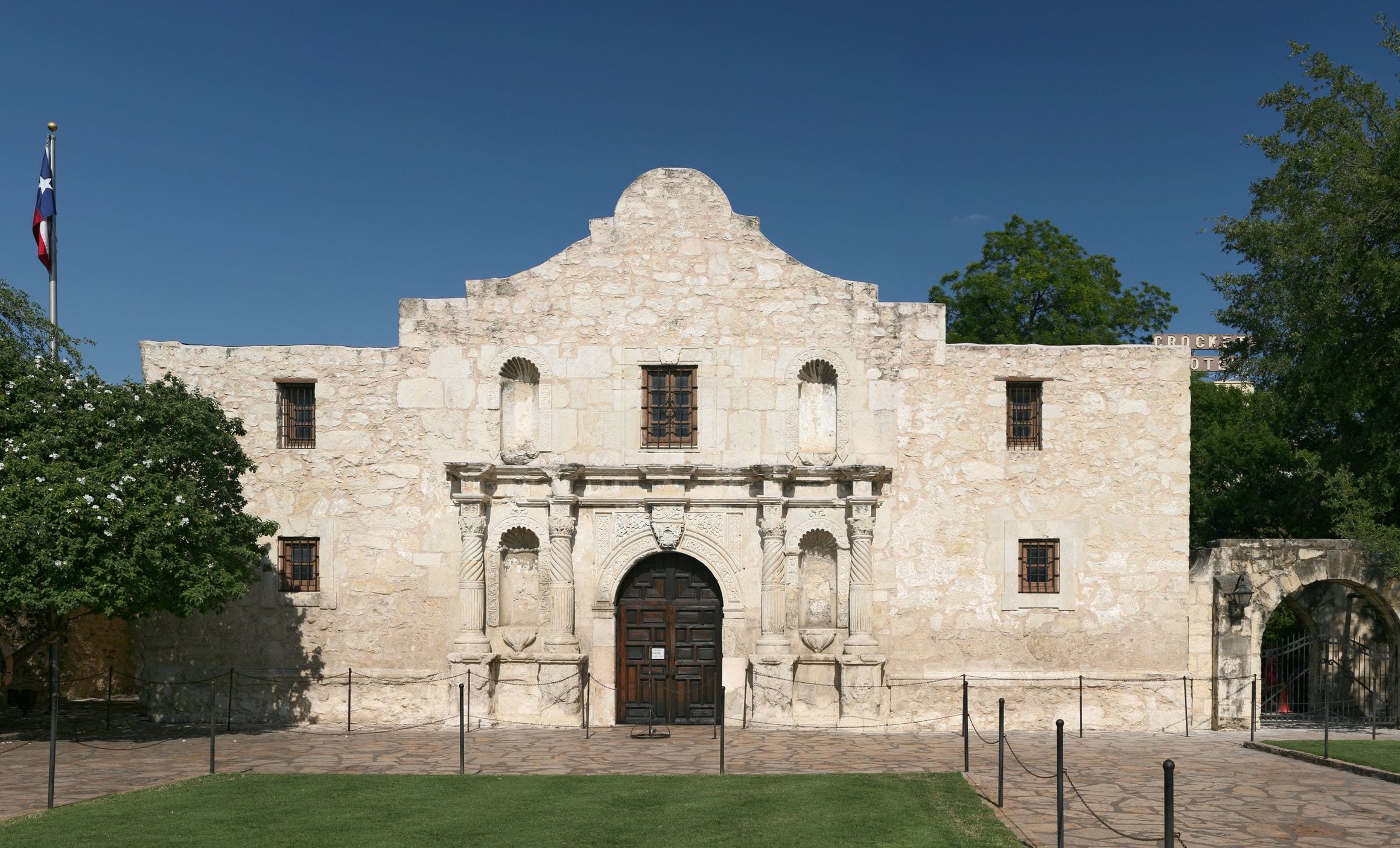
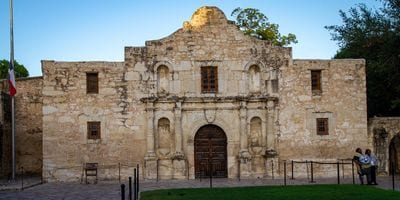
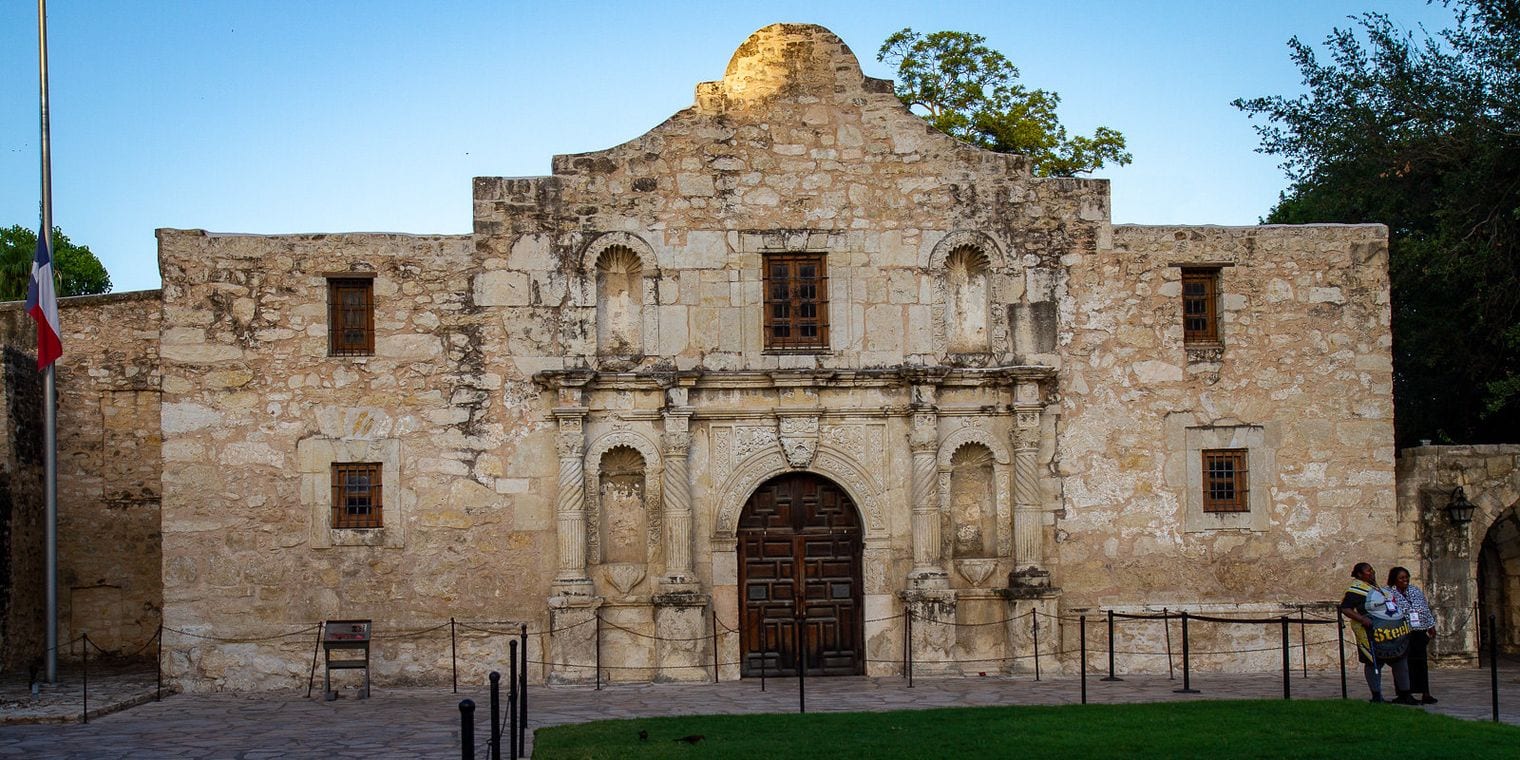
The Alamo began in 1718 as Mission San Antonio de Valero, one of the early Spanish missions in Texas, and moved to this spot a few years later. In 1836 its walls held through a 13-day siege before Mexican troops under Santa Anna overran the Texian garrison, killing defenders including James Bowie and Davy Crockett, and the stone church became the most famous facade in the state.
Today the church is a shrine at the heart of the San Antonio Missions World Heritage Site, with the Long Barrack, shaded gardens and exhibits around it. Out on Alamo Plaza, the tall Cenotaph honors the men who died here; allow an hour or two, and come early in the day to see the church at its quietest.
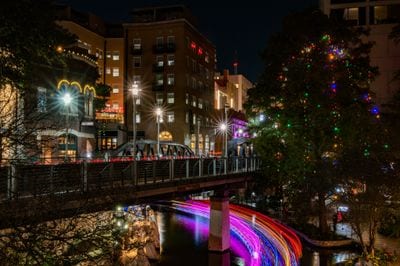
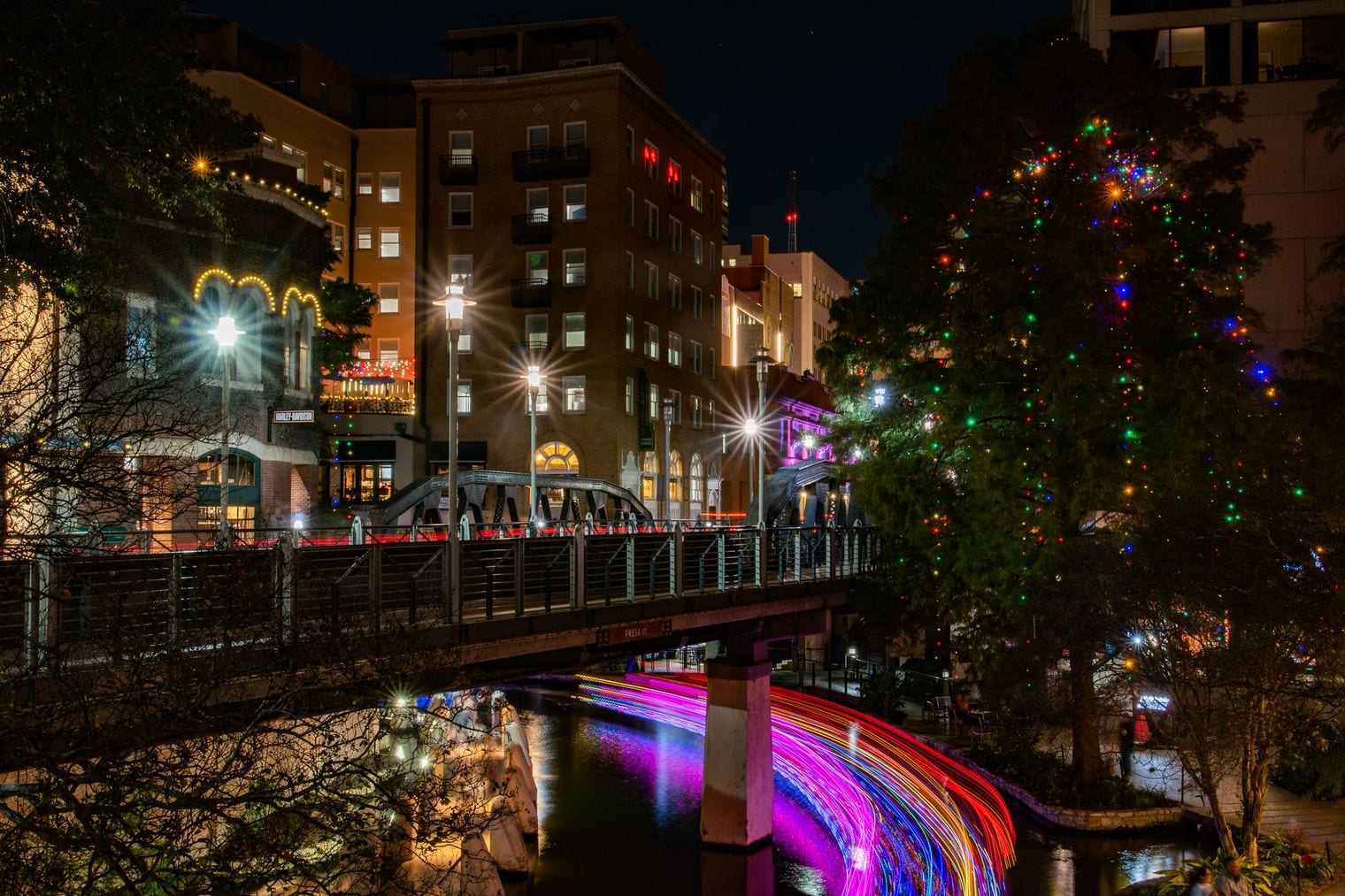
The San Antonio River Walk runs one level below the downtown streets, two stone paths following a loop of the river under cypress trees, arched bridges and café umbrellas. It grew from architect Robert Hugman's 1929 plan, was first built with Works Progress Administration funding from 1939, and now links the city's big draws from Rivercenter to La Villita.
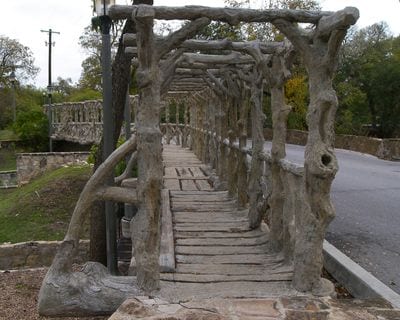
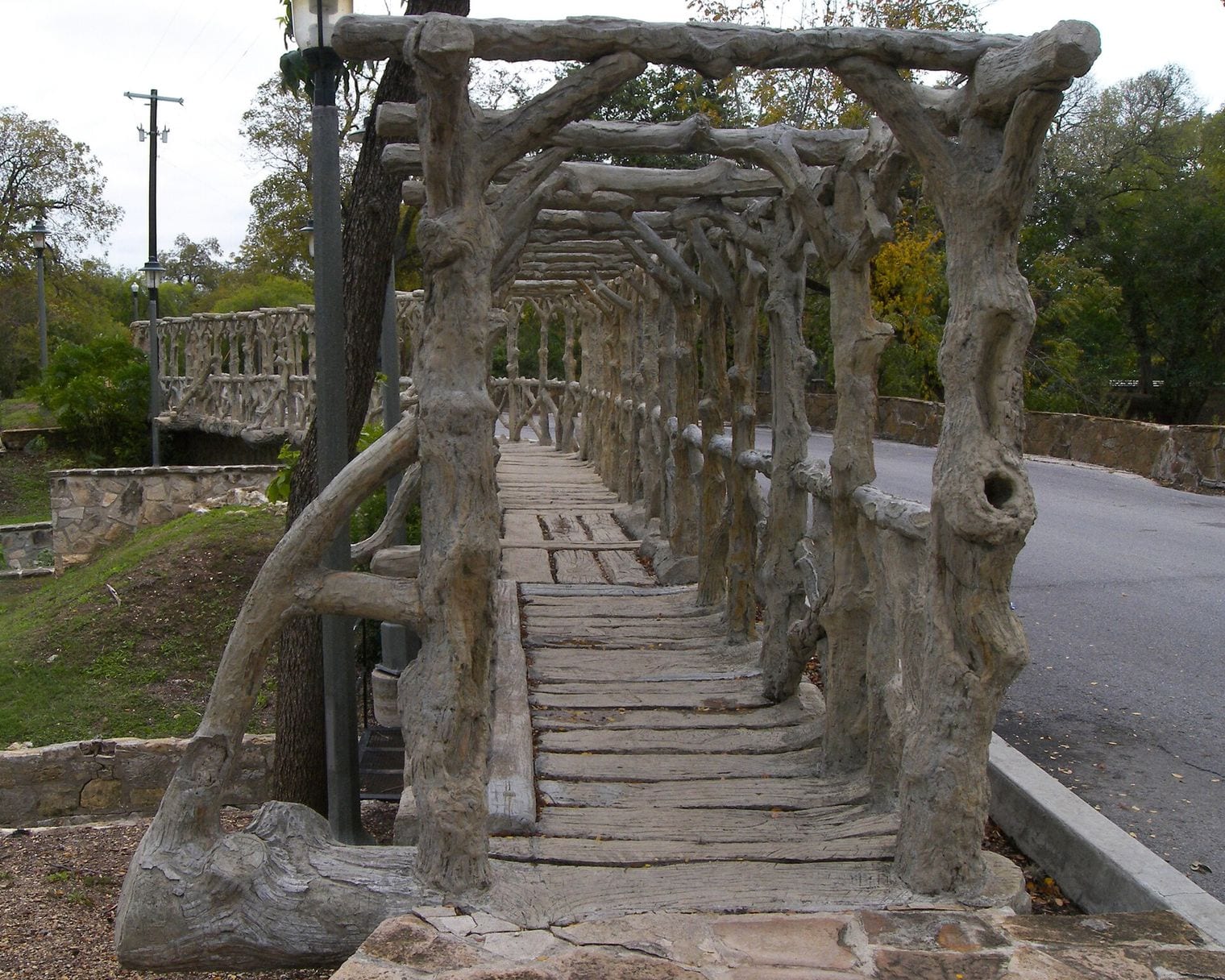
Beyond the busy downtown bend, the Museum Reach heads north past a river lock, a faux-bois grotto and a school of glowing fish sculptures hung beneath the I-35 bridge, while the Mission Reach heads south toward the missions. A narrated GO RIO river cruise is the easiest overview, and after dark the lit bridges and patios make the loop a lovely evening walk.
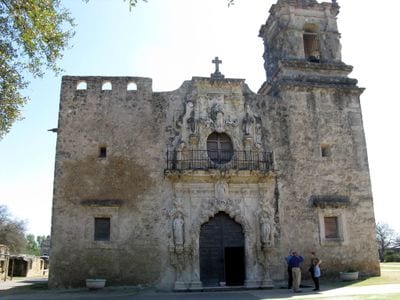
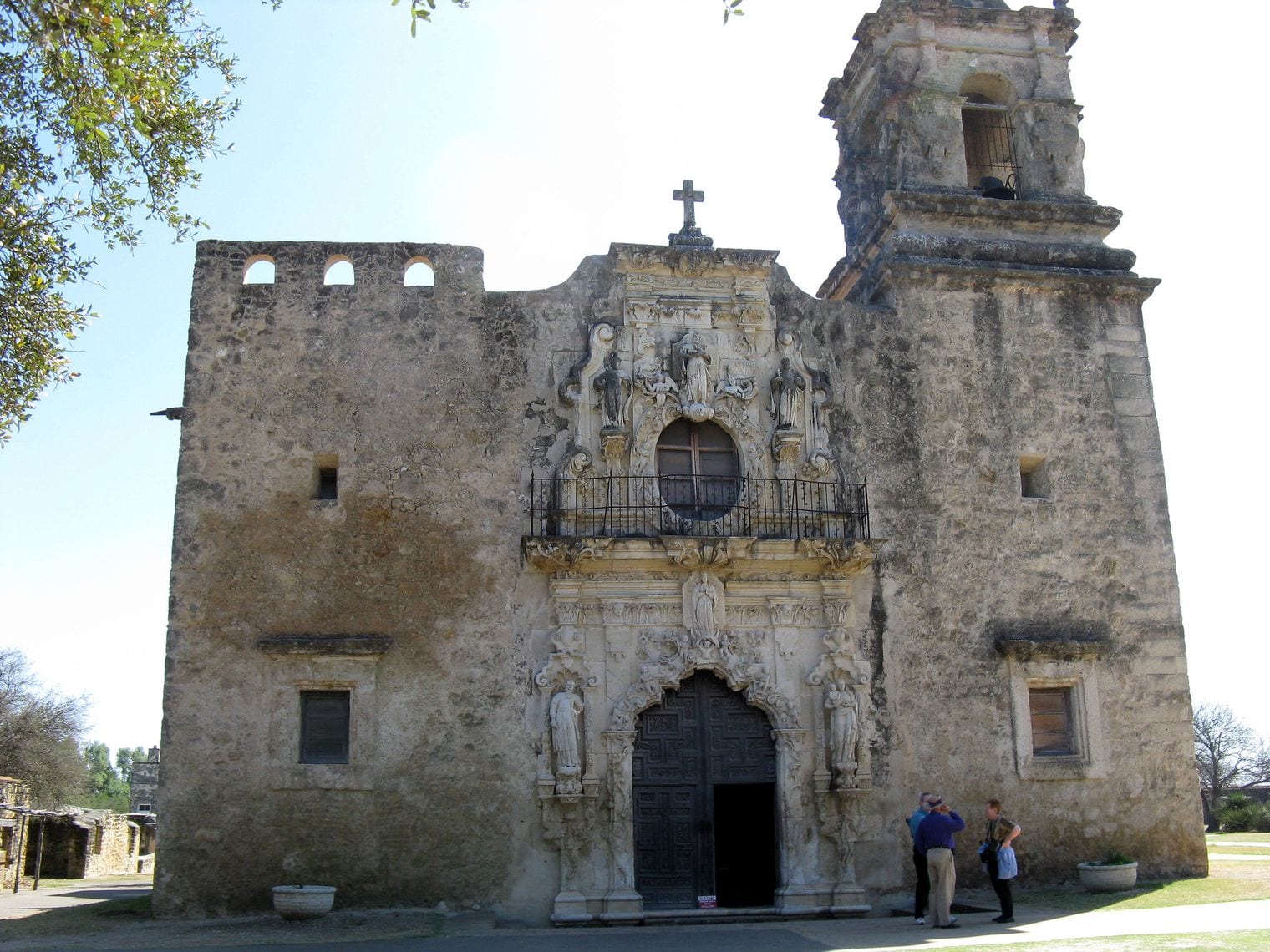
San Antonio Missions National Historical Park protects four Spanish colonial missions strung along the river south of downtown: Concepción, San José, San Juan and Espada. Together with the Alamo they make up Texas's only UNESCO World Heritage Site, and their stone churches still serve as active Catholic parishes.
Start at Mission San José, known as the Queen of the Missions, where the park visitor center and the rebuilt compound walls show how a mission community lived and worked. From there the Mission Reach trail links the sites by bike or on foot, passing the Espada Aqueduct, part of the irrigation system the Spanish built to water the mission fields.
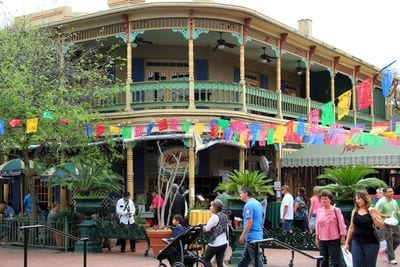
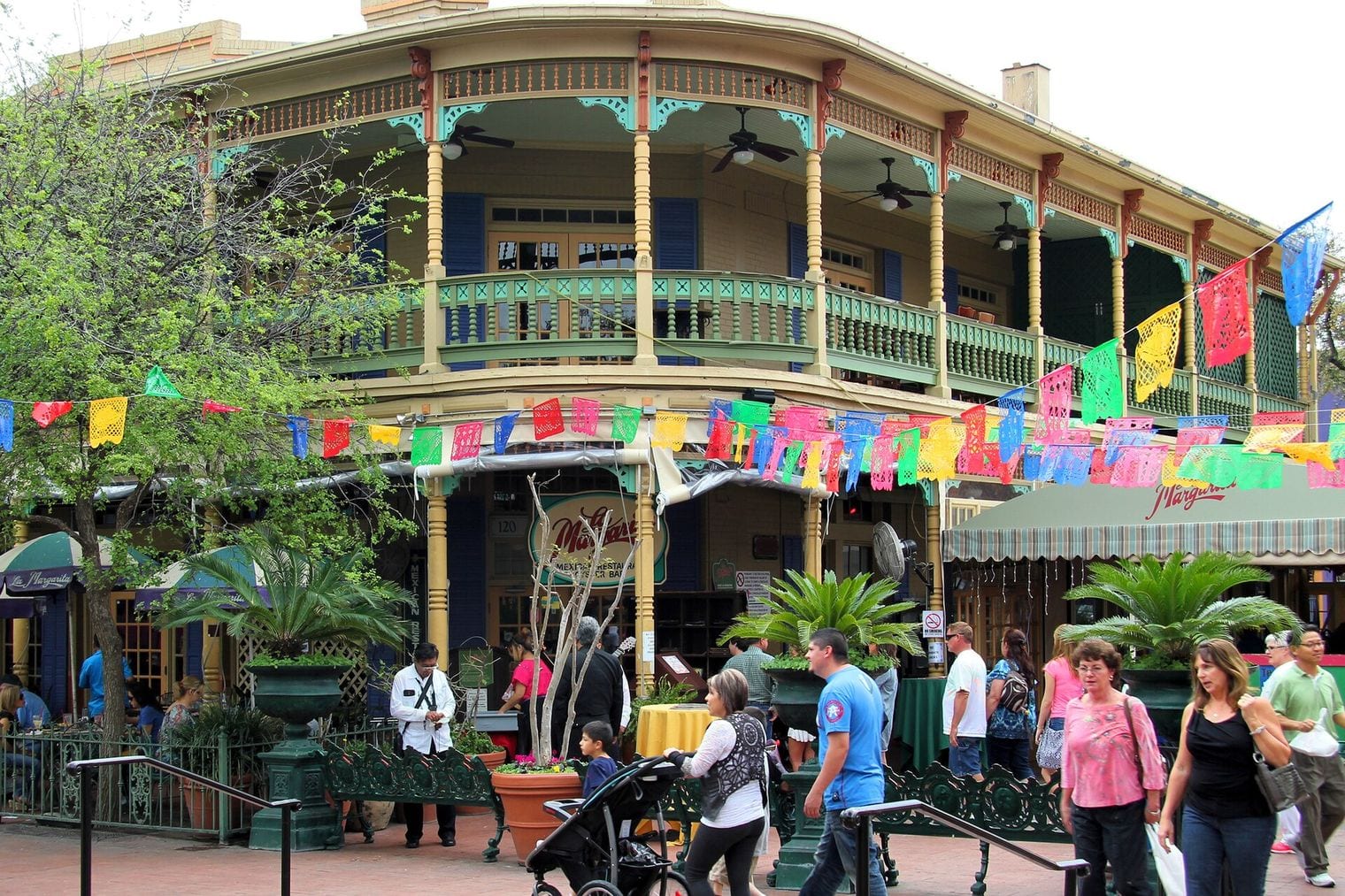
Historic Market Square is a three-block plaza of shops, food stalls and courtyards on the west side of downtown, often billed as the largest Mexican market in the United States. Its centerpiece, El Mercado, fills a market hall built as a Works Progress Administration project in the late 1930s, with dozens of stalls selling pottery, embroidered dresses, silver jewelry and papel picado.
The square doubles as San Antonio's party ground, with strolling mariachis on ordinary days and big crowds for Cinco de Mayo and other fiestas through the year. Come hungry for puffy tacos, aguas frescas and pan dulce, and leave room in your bag for a few souvenirs.
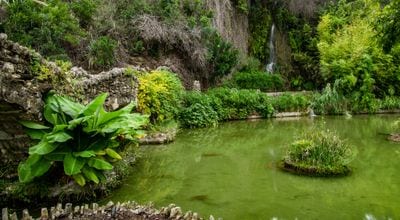
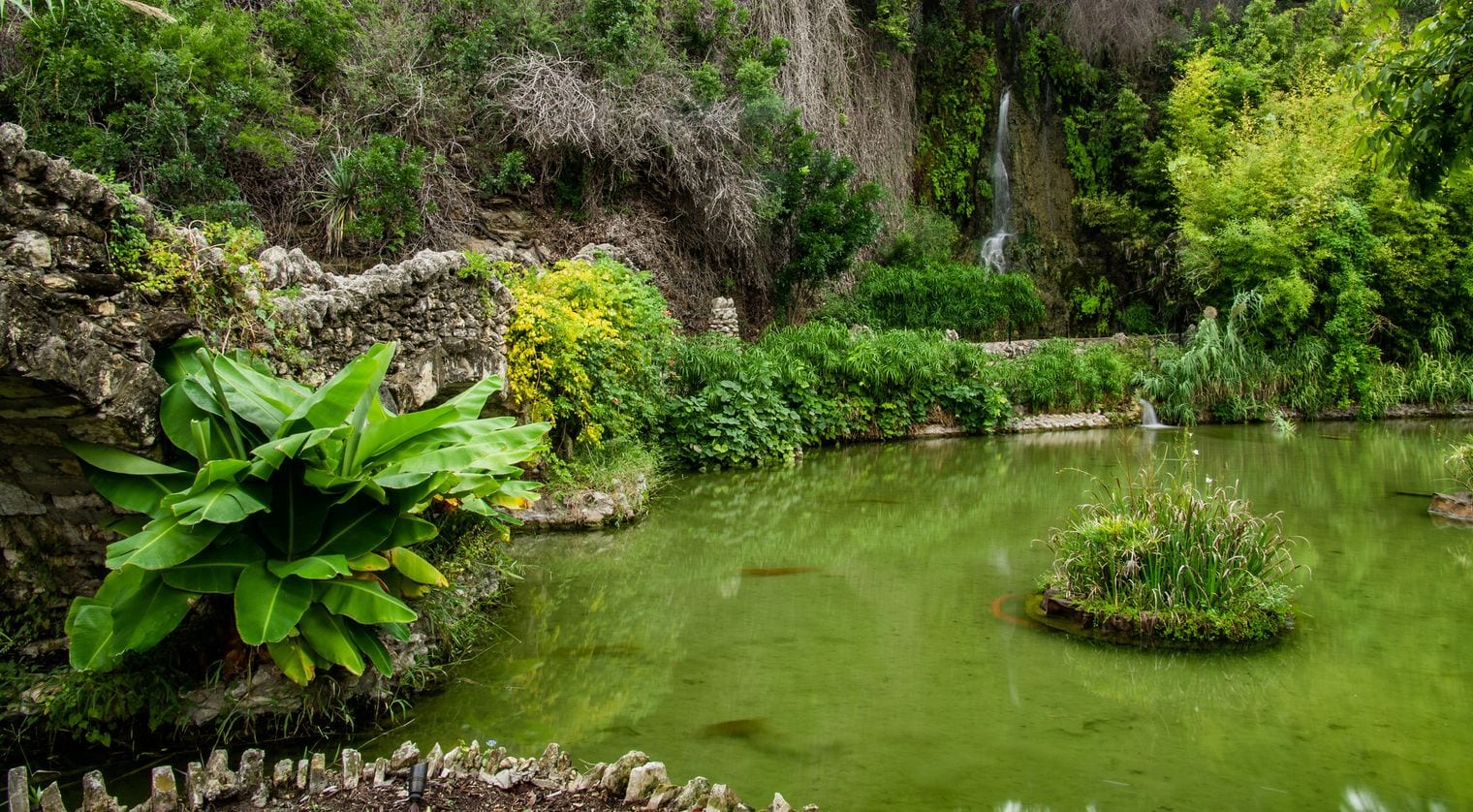
The Japanese Tea Garden fills an old limestone quarry on the northwestern edge of Brackenridge Park, its rock walls softened by ponds, stone arch bridges and a tall waterfall. City parks commissioner Ray Lambert had the pit shaped into a garden around 1918, and the Jingu House is named for the Japanese-American artist Kimi Eizo Jingu, who moved into the garden at the city's invitation in 1919.
Paths drop past koi ponds to the island at the bottom of the quarry, and a pavilion at the top gives the classic view down into the green bowl. Entry is free, which makes it an easy add-on to a morning at the zoo next door; come early, when the light is soft and the paths are quiet.
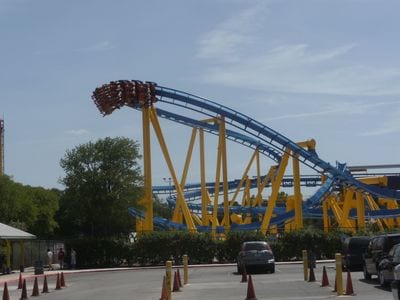
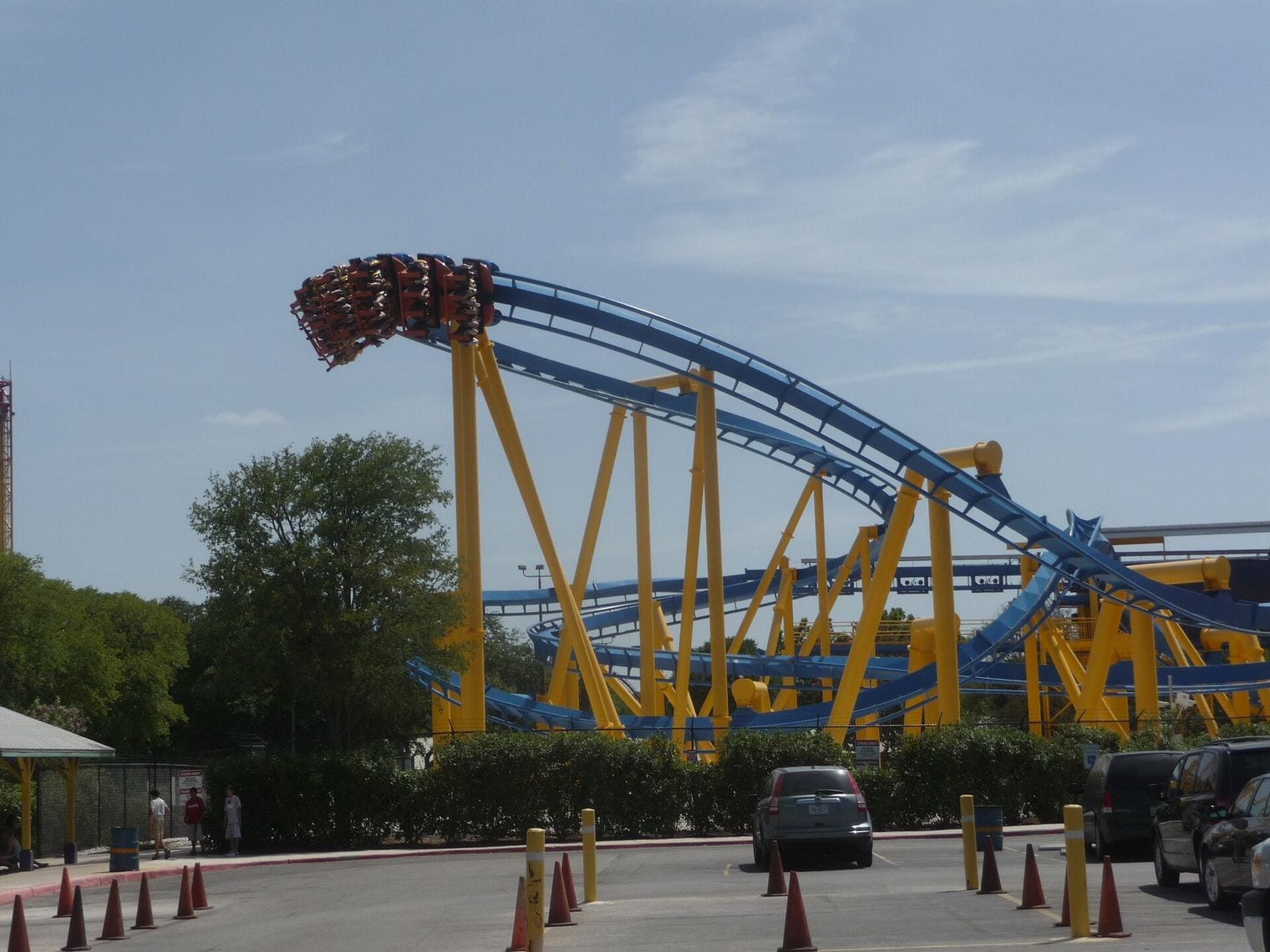
Six Flags Fiesta Texas is San Antonio's big thrill park, tucked into a former limestone quarry on the northwest side so that sheer rock walls rise behind the rides. It opened in 1992 as a show park celebrating the music and cultures of Texas, joined the Six Flags chain a few years later, and its themed sections still carry that local flavor.
Expect a deep lineup of roller coasters, some of them running along the quarry walls, plus family rides, live shows and a water park inside the gate in the warm months. Give it a full day, and arrive at opening in summer to ride the big coasters before the heat and the lines build.
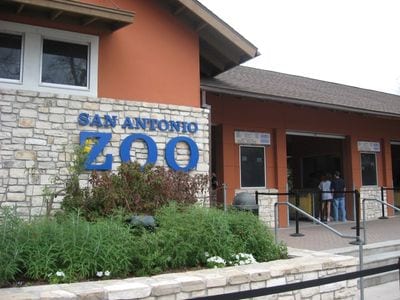
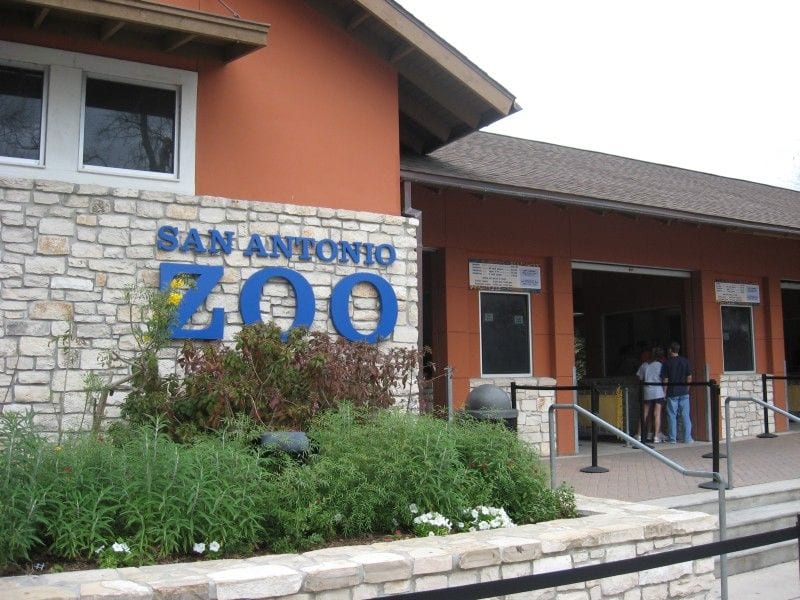
The San Antonio Zoo sits inside Brackenridge Park, home to hundreds of species, from big cats and primates to rare birds and reptiles, several of them endangered. Its aquarium opened in 1948 and was the only one in the city until SeaWorld San Antonio arrived four decades later.
Families can ride the narrow-gauge zoo train, which has looped through Brackenridge Park since 1956, and the shaded paths make a half day pass quickly. Pair a visit with the Japanese Tea Garden and the Witte Museum, both a short walk away.
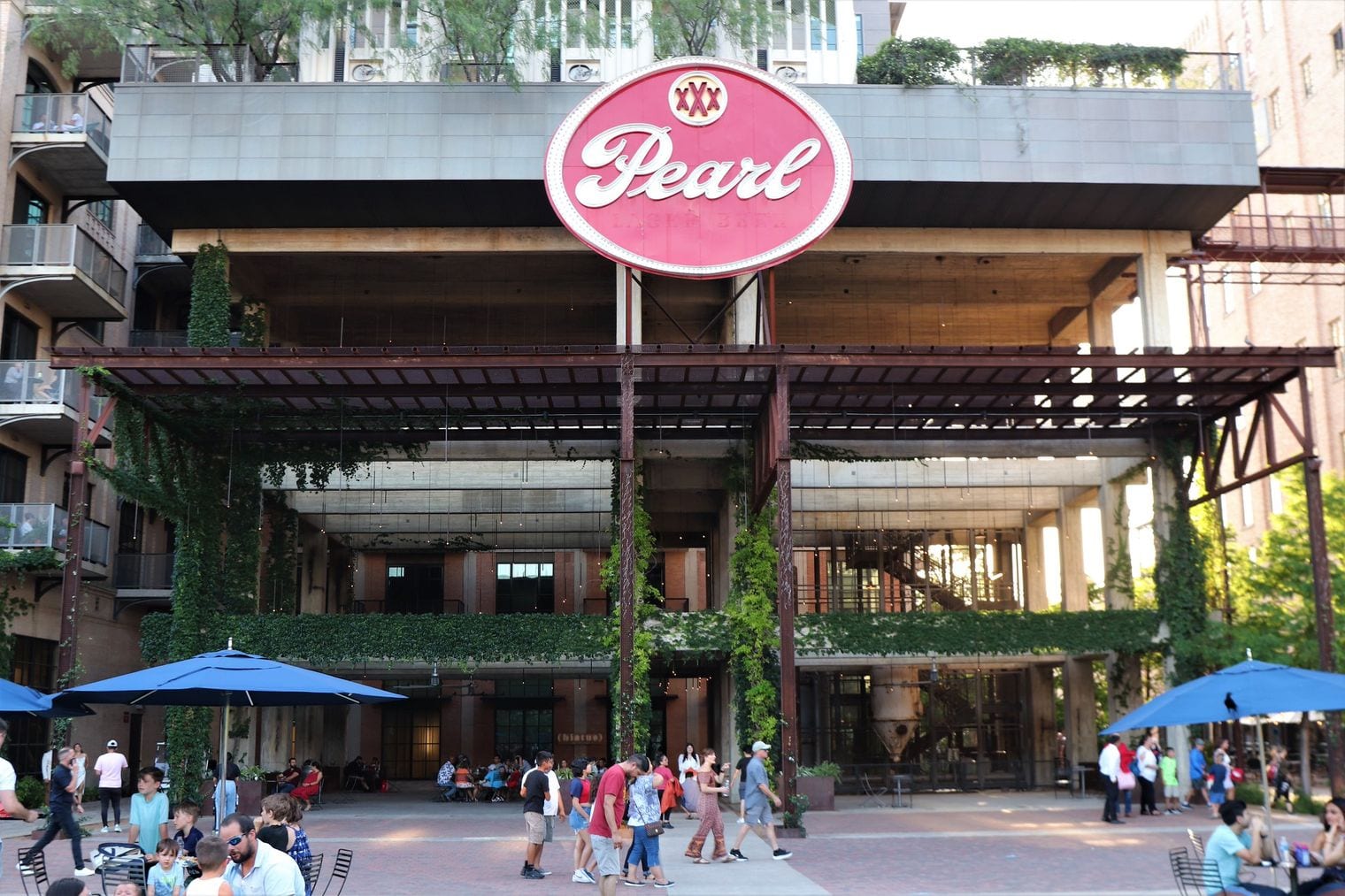
88. Pearl (the Pearl District)
Historical Landmark~1.5 miles (2.4 km) from centre
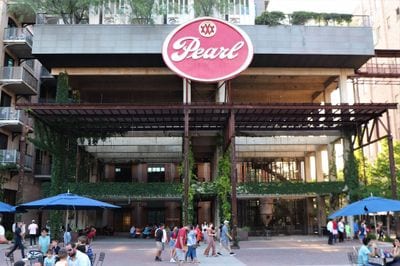
Pearl turns the historic buildings of the old Pearl Brewery, founded in 1883 and closed in 2001, into one of San Antonio's liveliest neighborhoods, with independent shops, restaurants, bars and a grassy park beside the river. It is the place locals take visitors for a long lunch and a stroll.
On weekend mornings the Pearl Farmers Market fills the plaza with Texas growers and makers, and the lawn at the Park at Pearl hosts concerts and events. The Museum Reach of the River Walk ends here, so you can walk or take a river cruise back toward downtown.
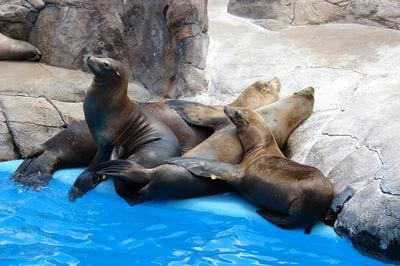
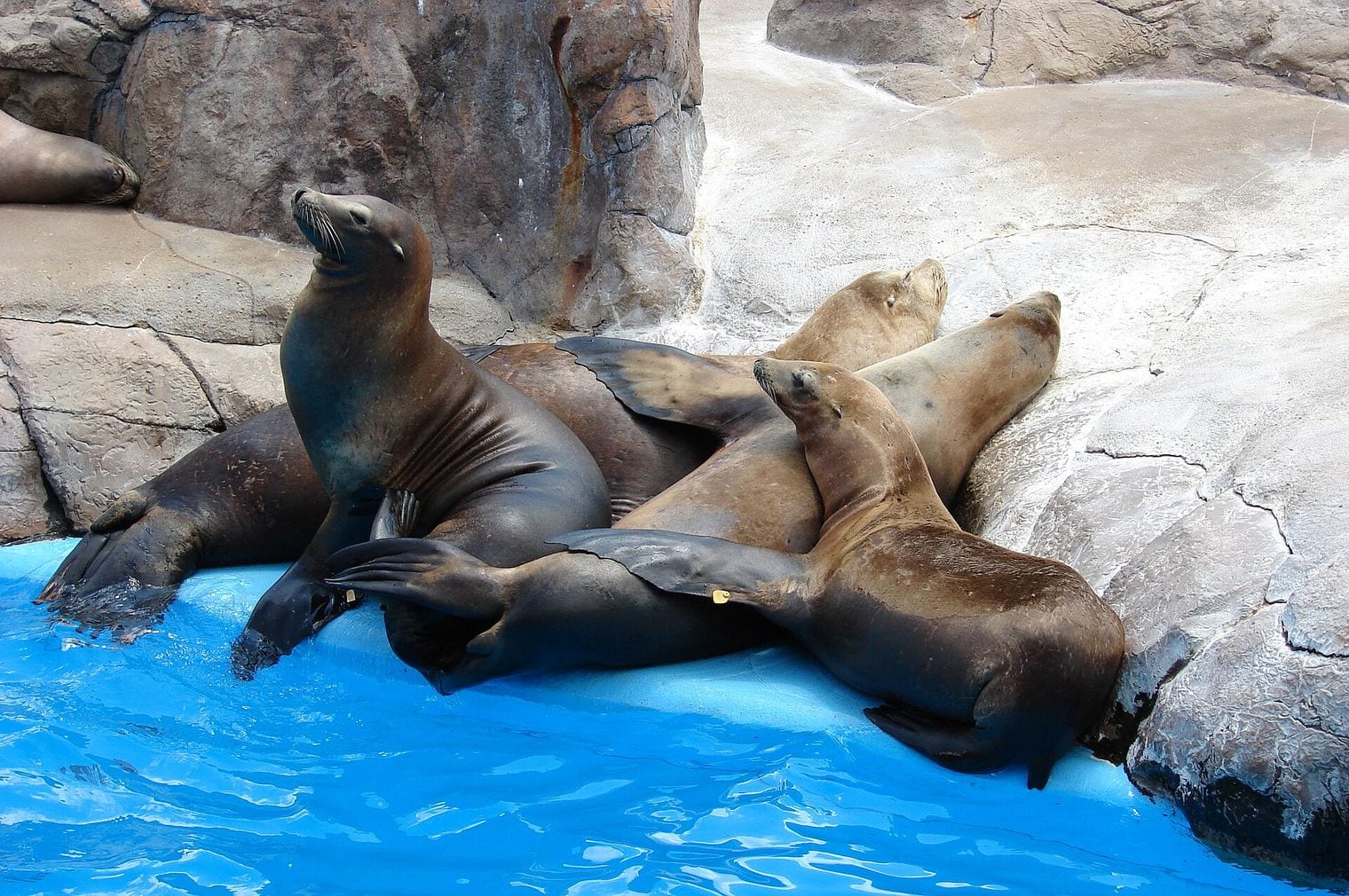
SeaWorld San Antonio is the biggest park in the SeaWorld family, a sprawling mix of marine-animal habitats, shows and roller coasters on the city's far west side. It is accredited by the Association of Zoos and Aquariums and runs an animal rescue program alongside its rides.
Dolphin and sea lion presentations, penguin and shark habitats share the grounds with coasters, water rides and a dedicated area for small children. Plan a full day, and note that its sister water park, Aquatica, sits right next door on a separate ticket.
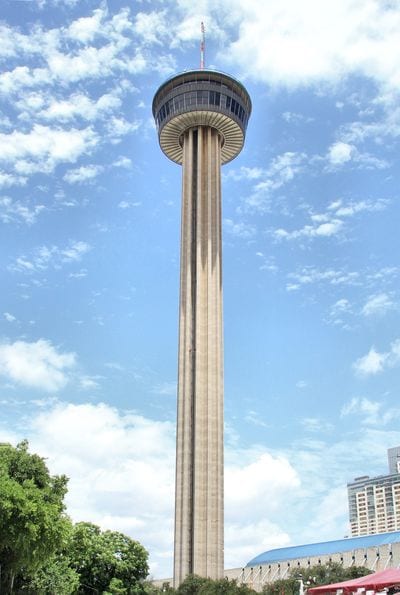
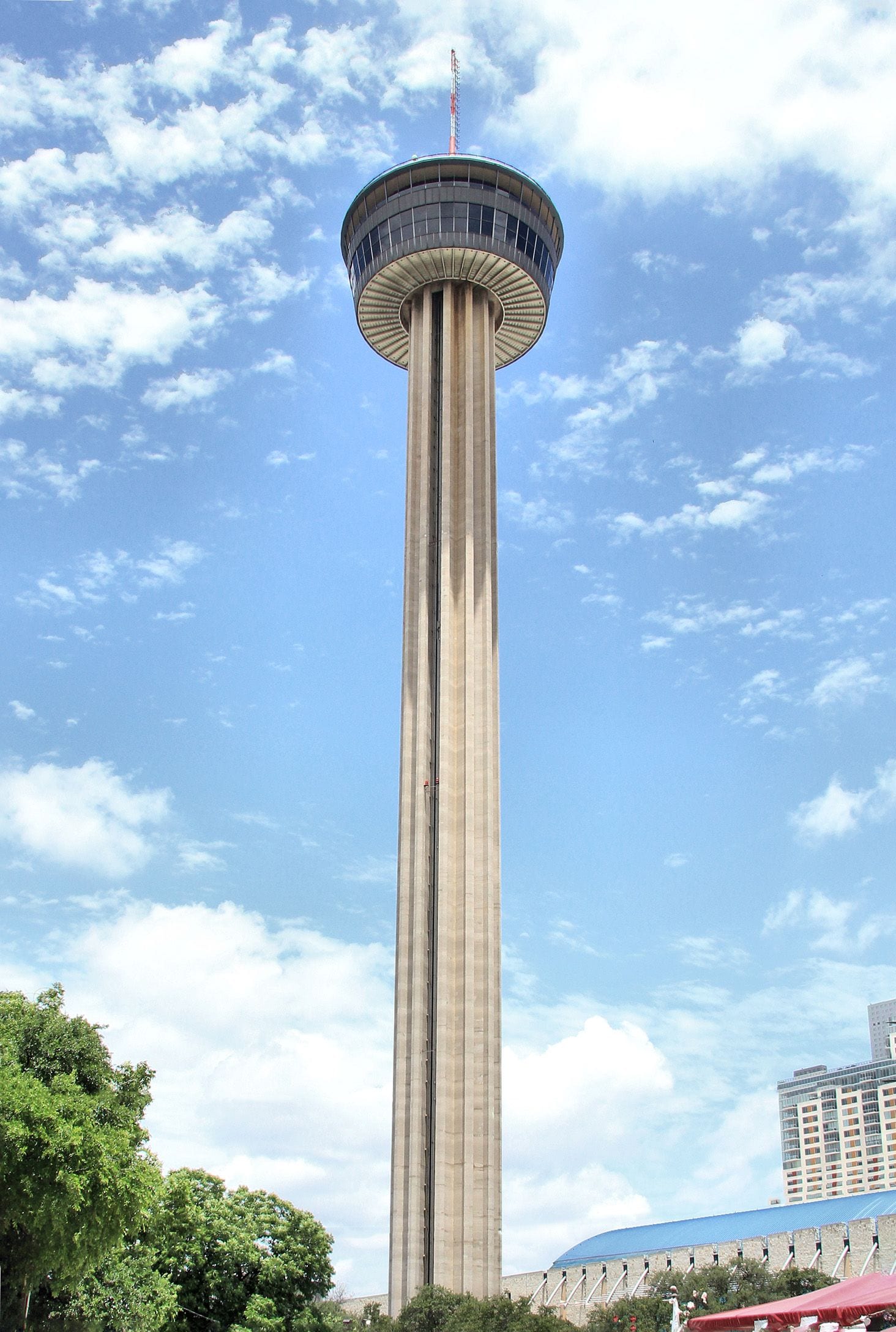
The Tower of the Americas rises 750 feet over Hemisfair, built as the theme structure of the 1968 World's Fair to a design by San Antonio architect O'Neil Ford. It was the tallest observation tower in the United States until 1996 and remains the tallest occupiable structure in the city.
A glass-fronted elevator whisks you to the observation deck for the widest panorama in San Antonio, out over downtown, the River Walk and the plains beyond. A revolving restaurant near the top turns slowly through the view, and sunset is the favorite time to go up.
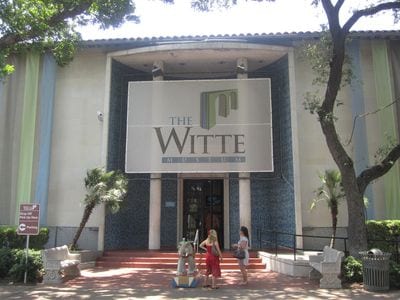
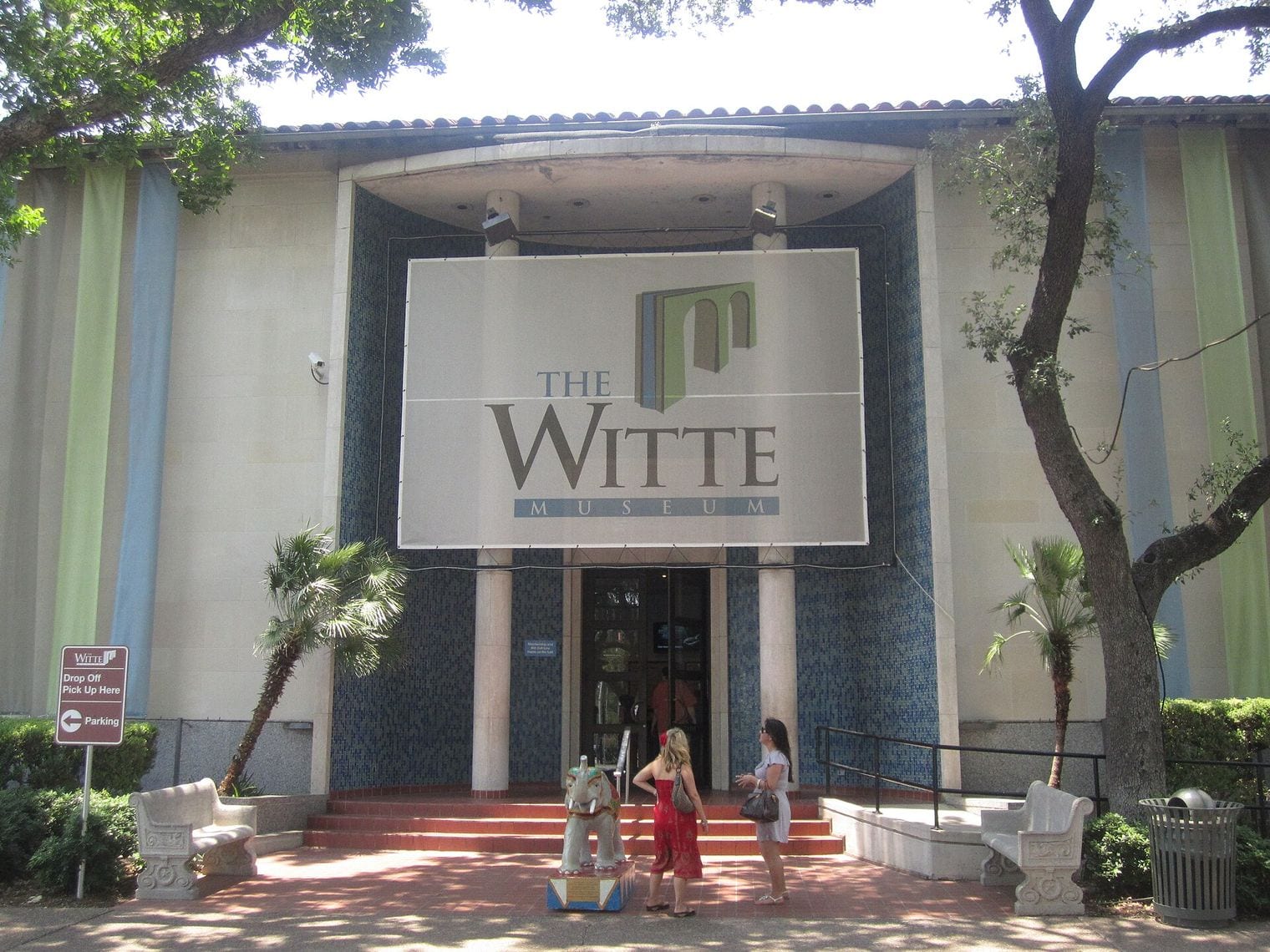
The Witte Museum, open in Brackenridge Park since 1926, tells the story of Texas from prehistory to the present. Dinosaur bones, ancient cave drawings, Texas wildlife dioramas, frontier artifacts and textiles share the galleries, and big traveling exhibitions rotate through.
Hands-on galleries make it one of the city's best picks for families, and the building sits beside the San Antonio River on Broadway. It pairs neatly with the zoo, the Japanese Tea Garden and the DoSeum, all a few minutes away.
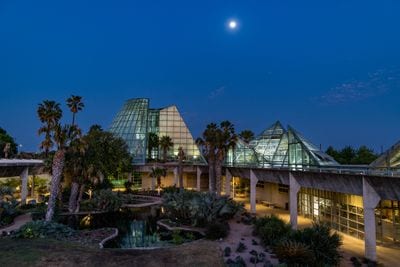
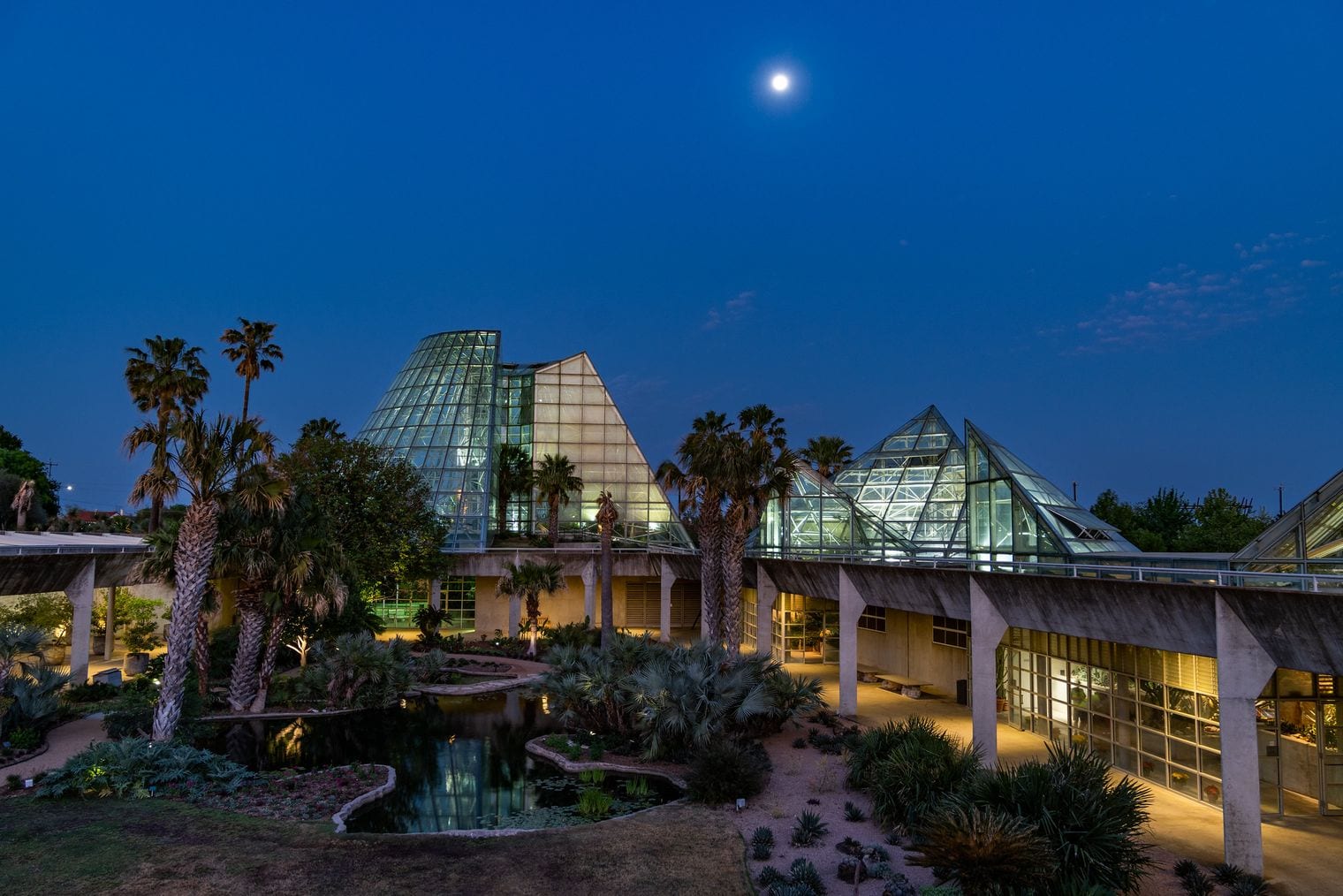
The San Antonio Botanical Garden spreads over one of the highest points within the city limits, just north of downtown, with formal gardens, native Texas plantings, an overlook tower and the historic Sullivan Carriage House. Its showpiece is the Lucile Halsell Conservatory by Argentine architect Emilio Ambasz, a cluster of glass pavilions sunk partly into the ground to shelter tropical and desert plants from the Texas sun.
Wander the formal display gardens around the conservatory, then follow the trails through native plantings drawn from different corners of Texas. Spring wildflower season is the showiest time to visit, but the conservatory makes it a year-round stop.
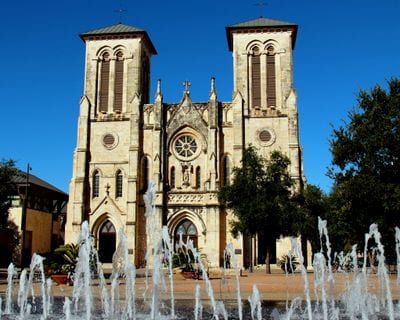
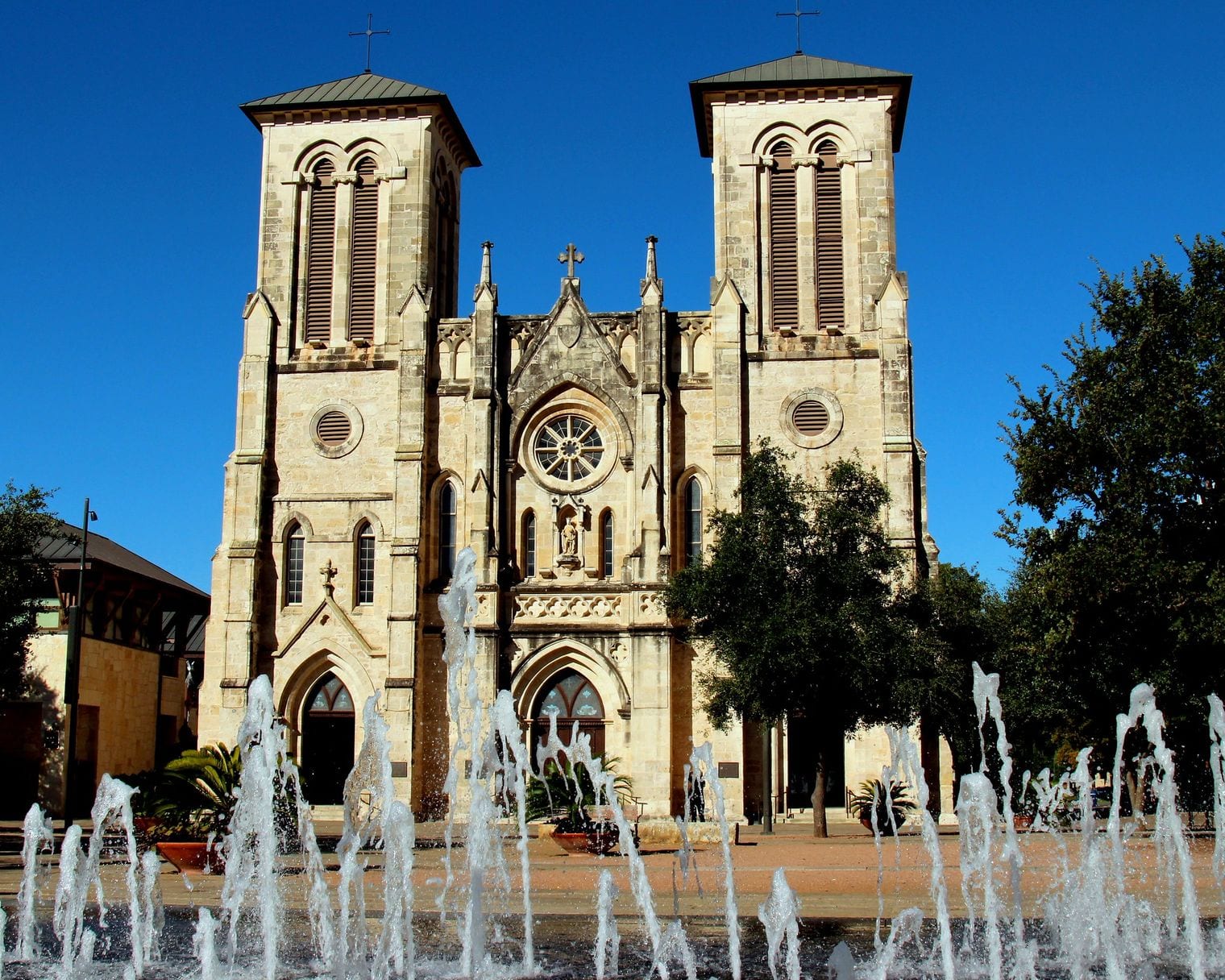
San Fernando Cathedral, the mother church of the Archdiocese of San Antonio, is one of the oldest cathedrals in the United States, its pale stone front rising over Main Plaza. Its dome is traditionally treated as the cultural and geographic center of the city, and the church is listed on the National Register of Historic Places.
After dark, the free San Antonio | The Saga show projects the city's story across the facade in a sweep of light and music, with Main Plaza as the open-air audience. Arrive a little early to find a bench, and step inside by day for a quiet look at the candlelit nave.
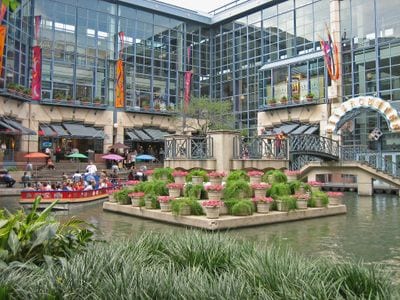
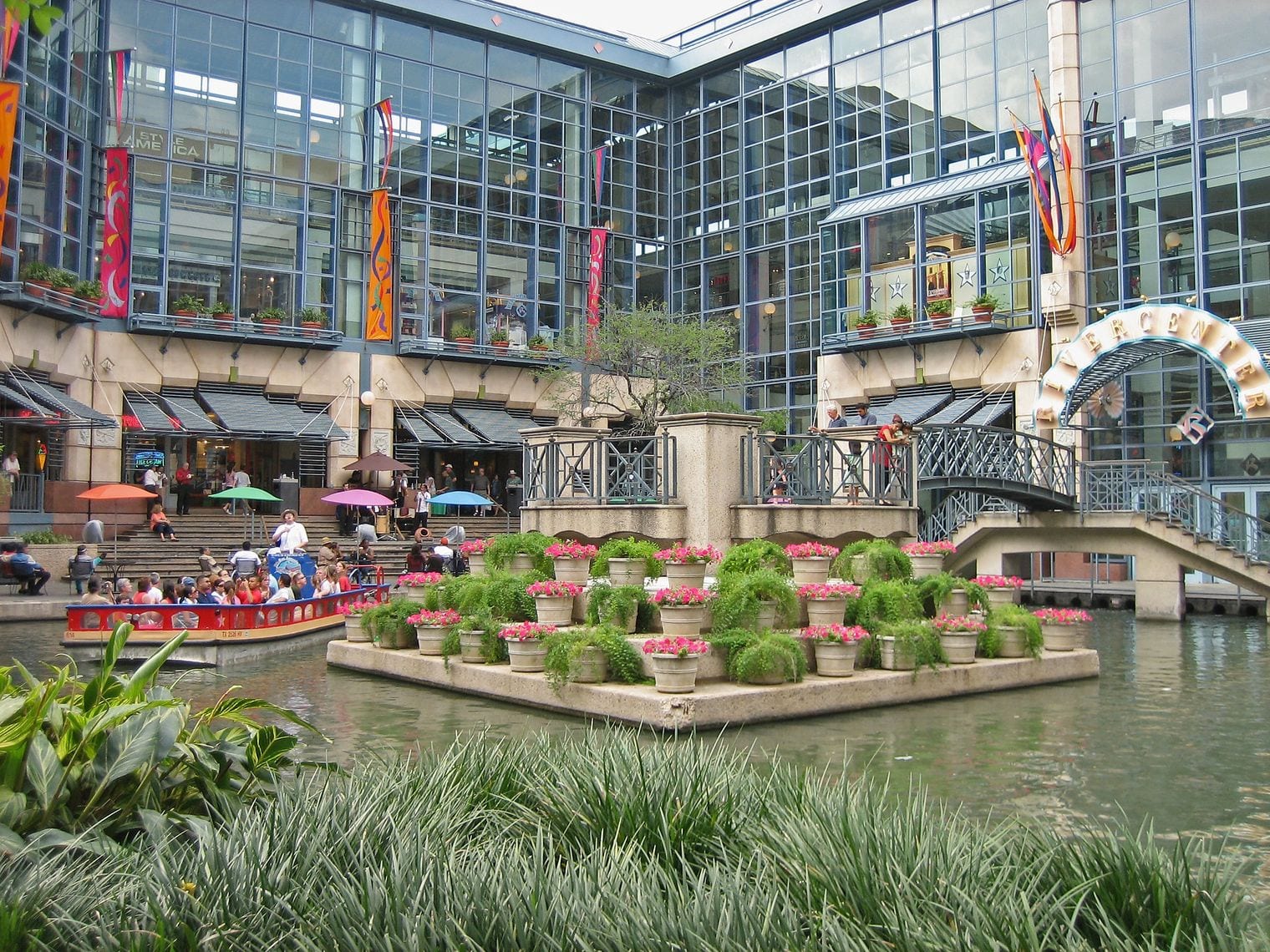
Shops at Rivercenter earns its place for more than shopping: a branch of the River Walk ends in a lagoon at the mall's doorstep, where river cruise boats pull in, and two indoor family attractions sit inside. The mall also wraps around St. Joseph's Church, an 1871 landmark whose congregation declined to sell to the Joske's department store in 1945, so the store was built around it.
SEA LIFE San Antonio's aquarium tanks and the brick-built play zones of LEGOLAND Discovery Center make a good escape from the midday heat or a rainy afternoon. It is a few steps from the Alamo, so it fits easily into a downtown day.
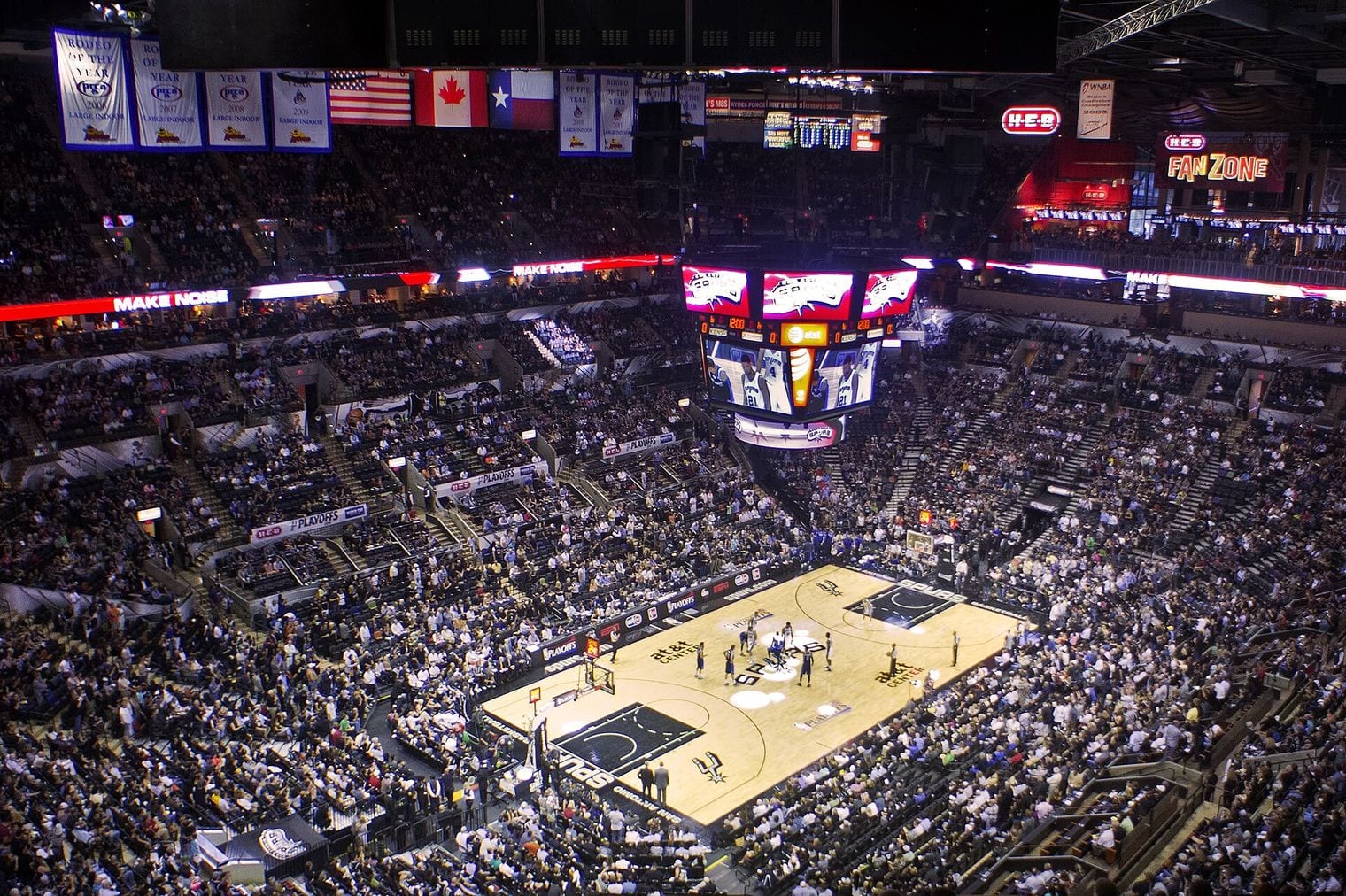
Frost Bank Center, on the city's east side, has been the home arena of the San Antonio Spurs since it opened in 2002, first as the SBC Center and later as the AT&T Center. The Spurs have won five NBA championships, and game nights here are the city's great shared ritual.
The arena seats more than 18,000 for basketball and also hosts big concerts and the San Antonio Stock Show & Rodeo each winter. Even if you are not a basketball fan, a Spurs game is loud, family-friendly and very San Antonio.
Brackenridge Park covers more than 340 acres along the San Antonio River just north of downtown, a shady sweep of lawns, old stone bridges, picnic grounds and riverside trails. The zoo, the Japanese Tea Garden and the Witte Museum all sit within its bounds, so many visitors pass through without realizing how much park there is.
Inside the park, the Sunken Garden Theater stages outdoor concerts in a former quarry, and the small old-fashioned rides of Kiddie Park delight young children. Bring a picnic, claim a table under the big shade trees and watch the ducks on the river.
Free printable checklist of all 35 places
Tick them off as you go. Confirm your email to download it, plus one email every Thursday with new guides for the places you tick.
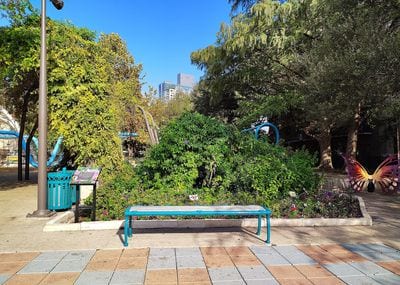
Hemisfair is the downtown park that grew from the grounds of HemisFair '68, the World's Fair held to mark San Antonio's 250th anniversary. Fountains, restored historic houses and the Tower of the Americas stand among its green spaces on the southeast side of downtown.
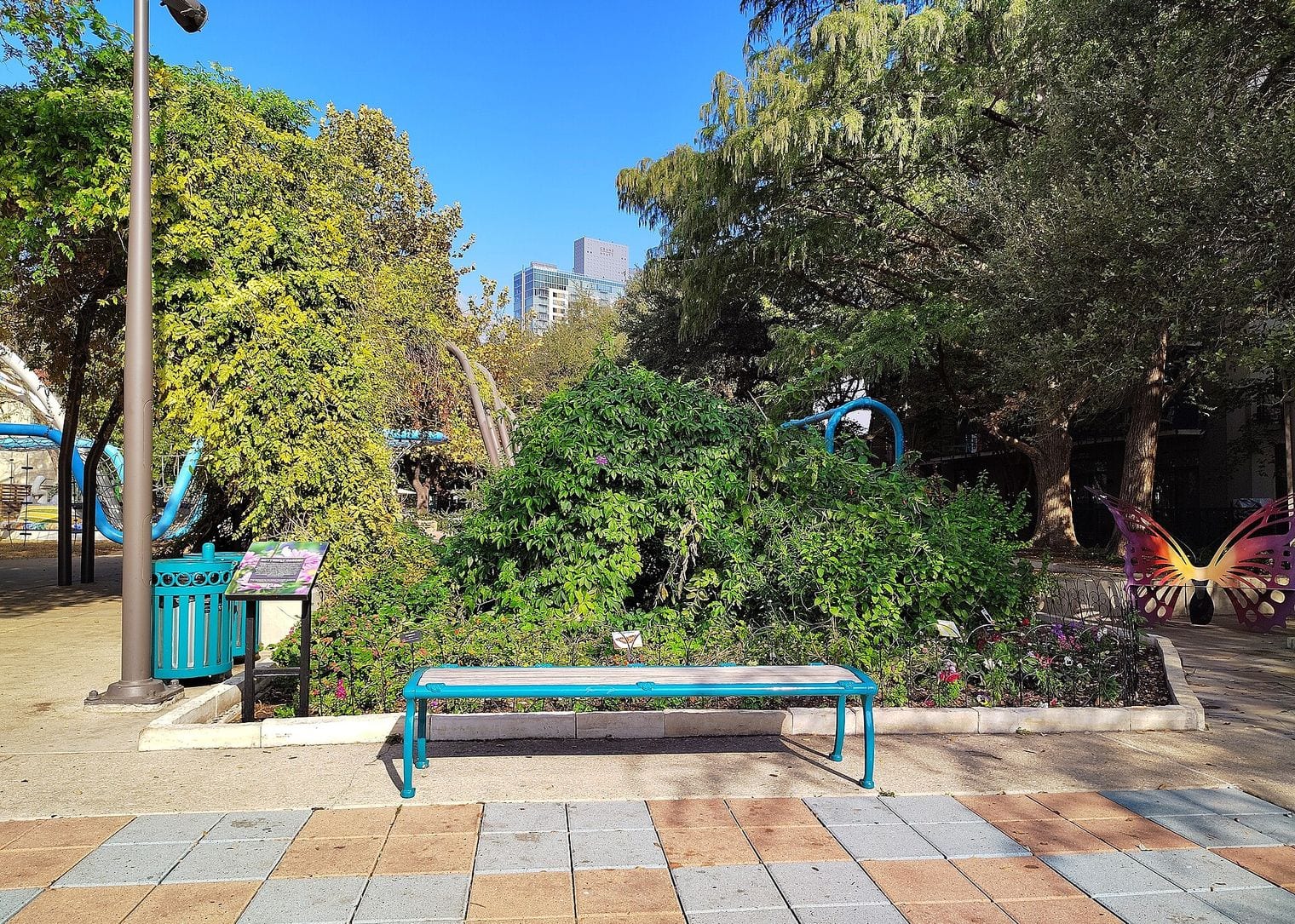
For families, Yanaguana Garden is the main draw, a free playground and splash pad with climbing structures and shady seating. Civic Park adds a big open lawn for events, and the Instituto Cultural de México mounts exhibitions on Mexican art and culture.
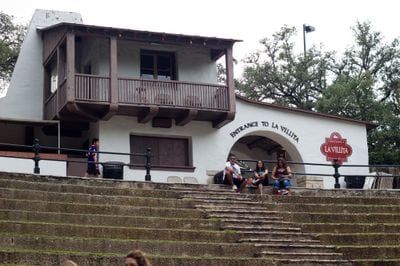
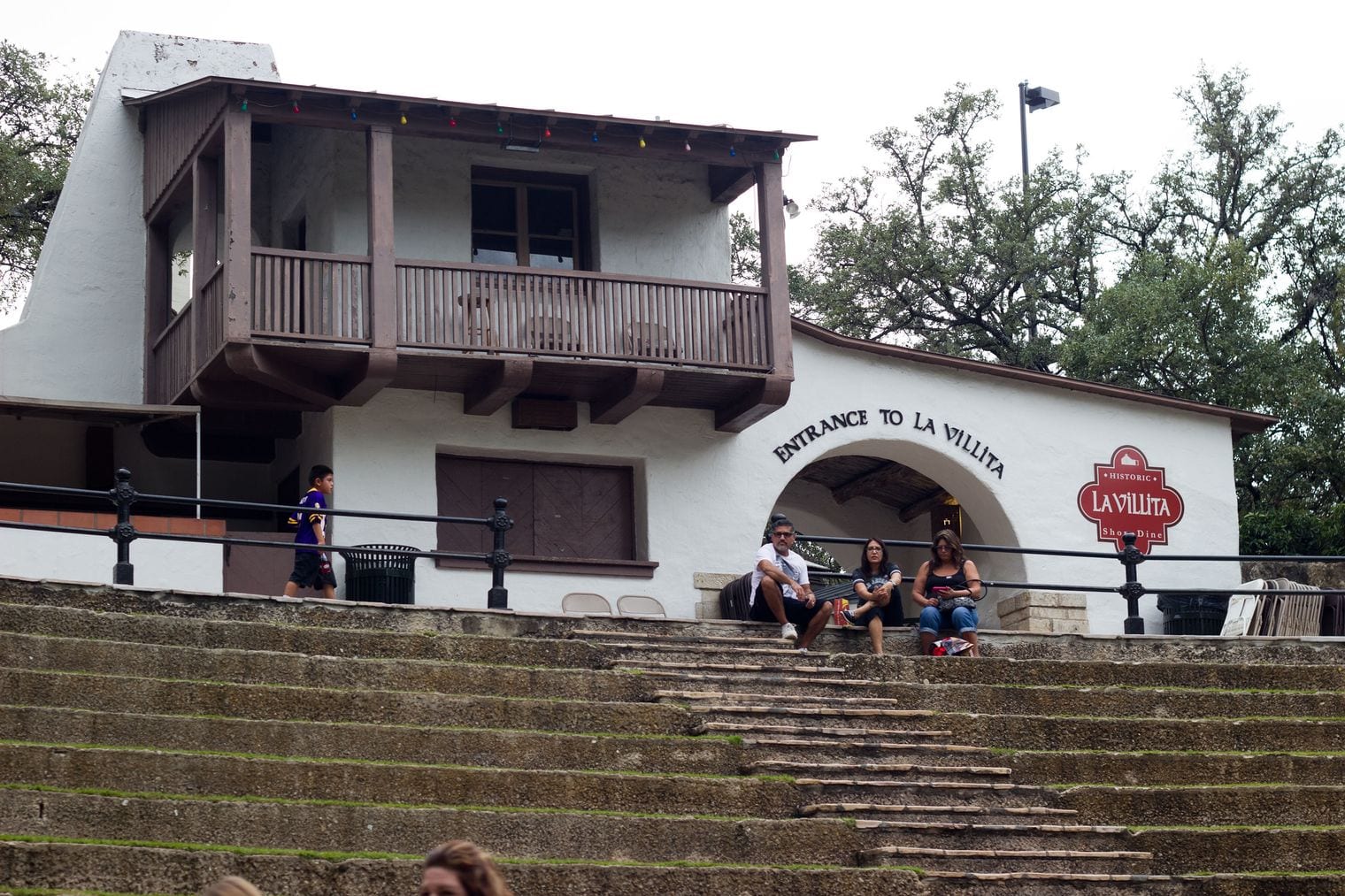
La Villita Historic Arts Village occupies one of San Antonio's first neighborhoods, a few shaded blocks of old stone and adobe buildings on the south bank of the river, close to the Alamo. The cottages now hold art galleries and shops selling handmade jewelry, pottery and imported Mexican folk art.
On its river edge, the Arneson River Theatre seats its audience on grassy stone terraces facing a stage on the opposite bank, so performers play across the water as river boats glide between them. Wander the lanes in the late afternoon, then drop down to the River Walk for dinner.
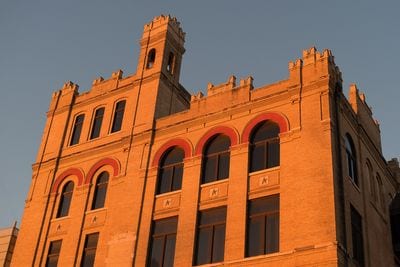
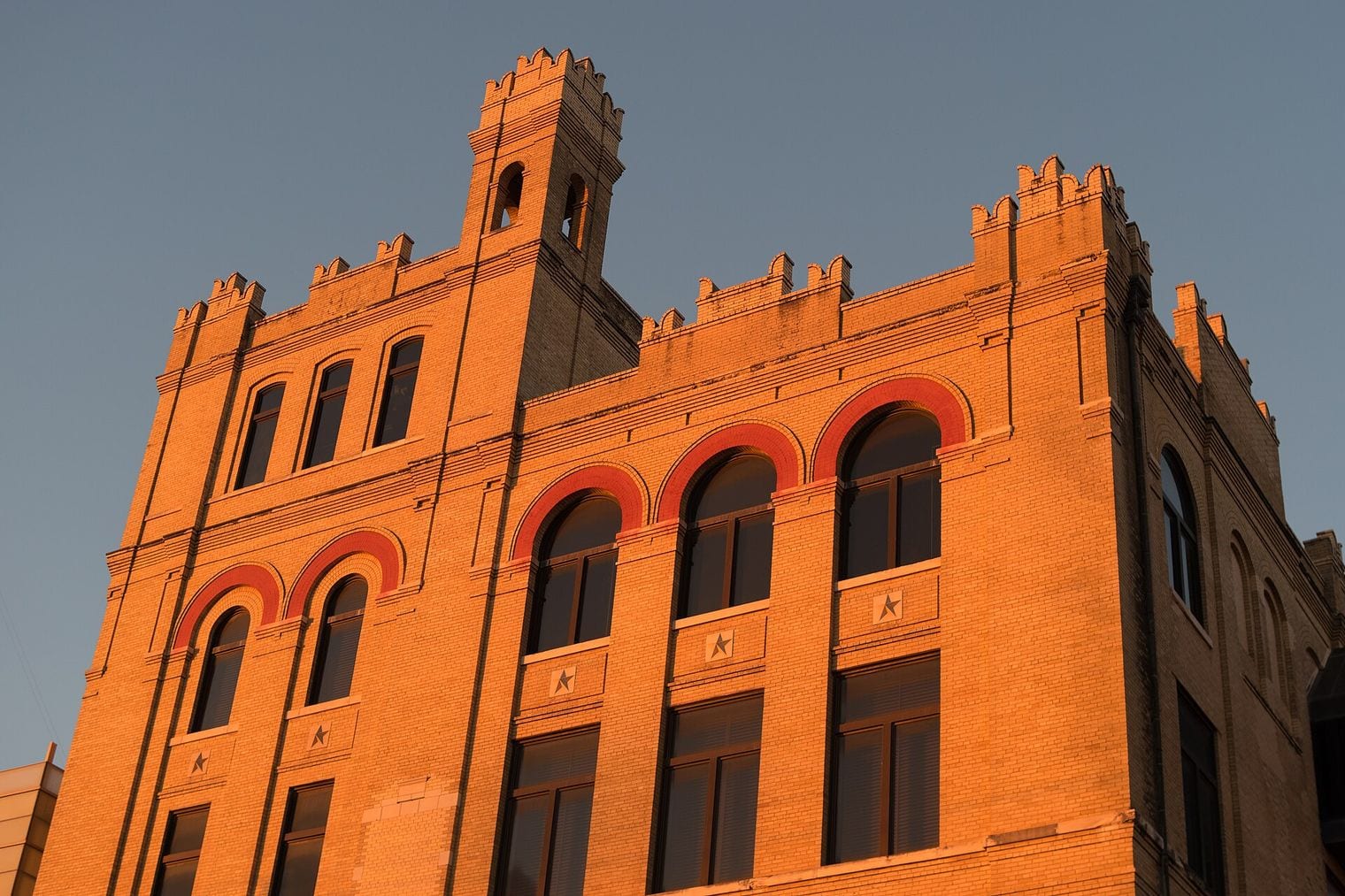
The San Antonio Museum of Art fills the castle-like former Lone Star Brewery of 1886 on the Museum Reach of the River Walk. Its collections span some 5,000 years of art from around the world, from Mediterranean antiquities to Asian ceramics and Latin American art.
The brewery's towers and brick halls are half the pleasure, and the galleries rarely feel crowded. Arrive by the river path or a river cruise, then keep walking north to Pearl, a few minutes upstream.
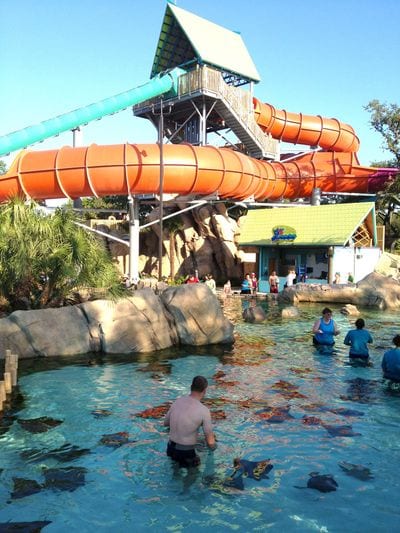
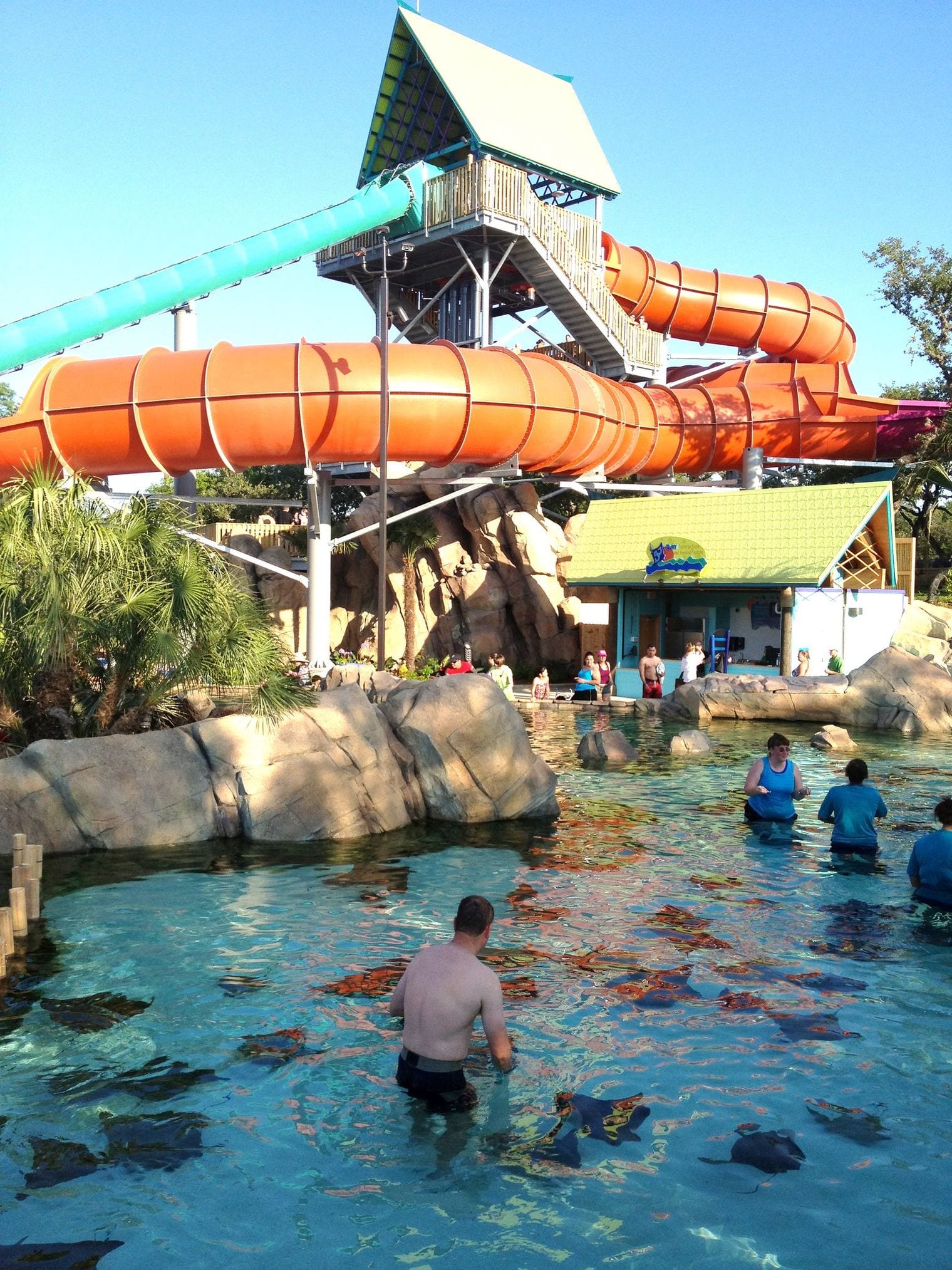
Aquatica San Antonio is the water park beside SeaWorld, sold on its own ticket, with slides, a lazy river, a wave pool and sandy beaches, plus animal habitats mixed in among the rides. It is the sister park to SeaWorld San Antonio and shares its west-side location.
It is a seasonal park, open from spring into fall, with a shorter schedule at the start and end of the season, so check the calendar before you plan around it. On a hot summer afternoon there are few better ways to cool off in San Antonio.
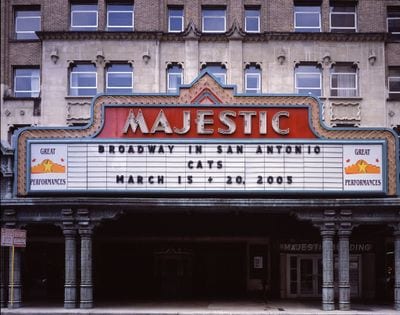
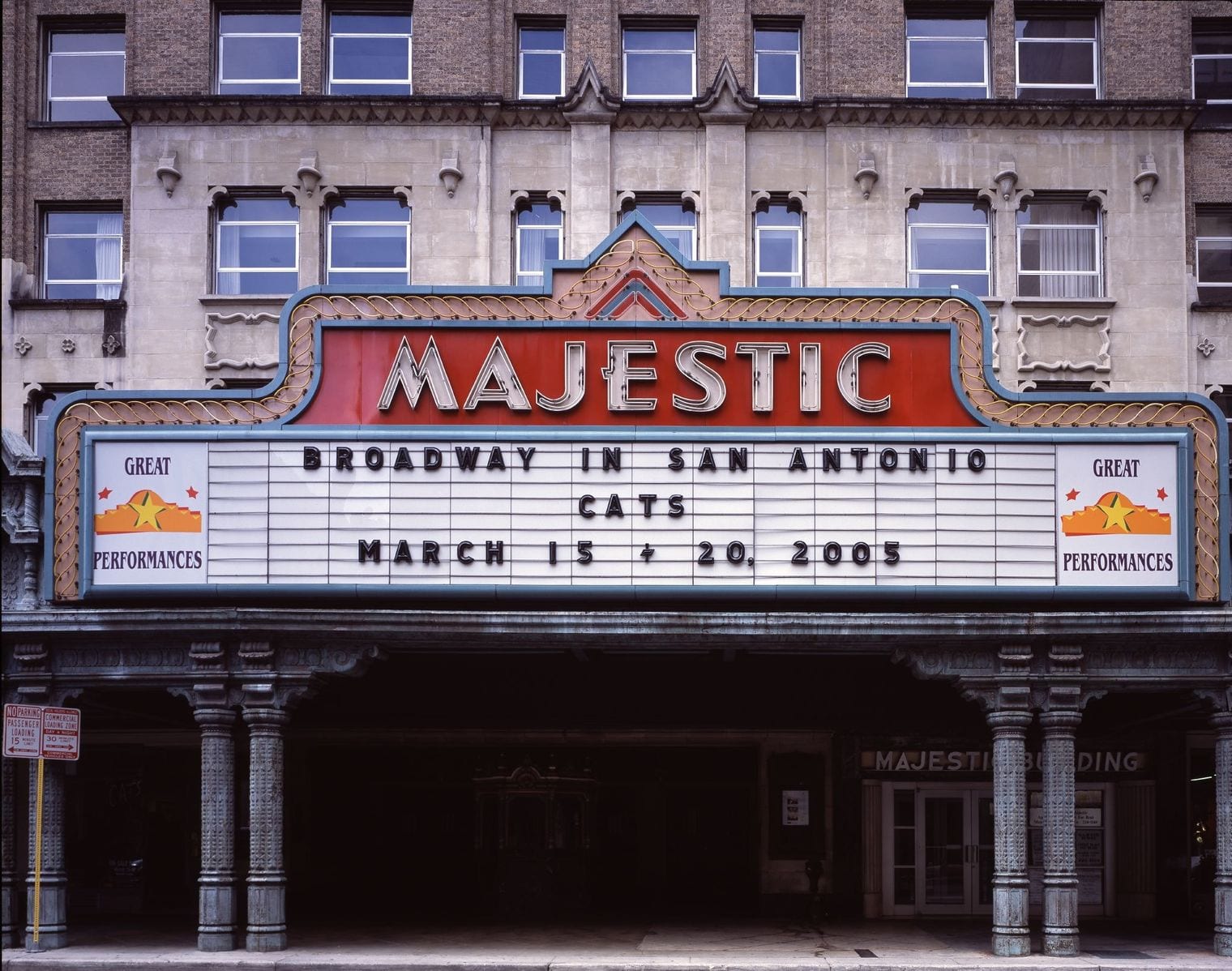
The Majestic Theatre is San Antonio's grandest stage, a 1929 atmospheric theatre by architect John Eberson whose auditorium is dressed as an ornate Spanish-style courtyard under a painted night sky. It is the city's oldest and largest atmospheric theatre and a National Historic Landmark.
Today it hosts touring Broadway productions, concerts and comedy on Houston Street downtown. Even a seat high in the balcony is worth it for the view of the ceiling, so book any show that appeals and look up before the lights go down.
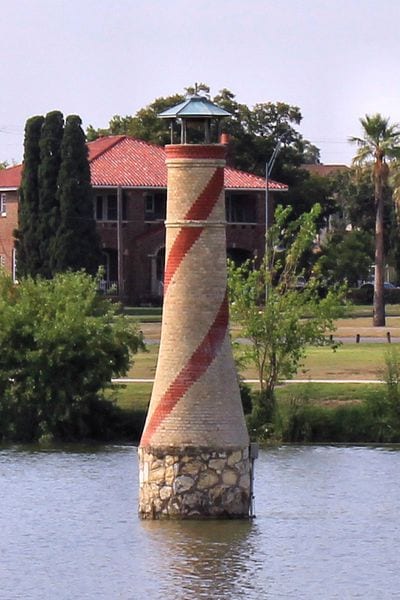
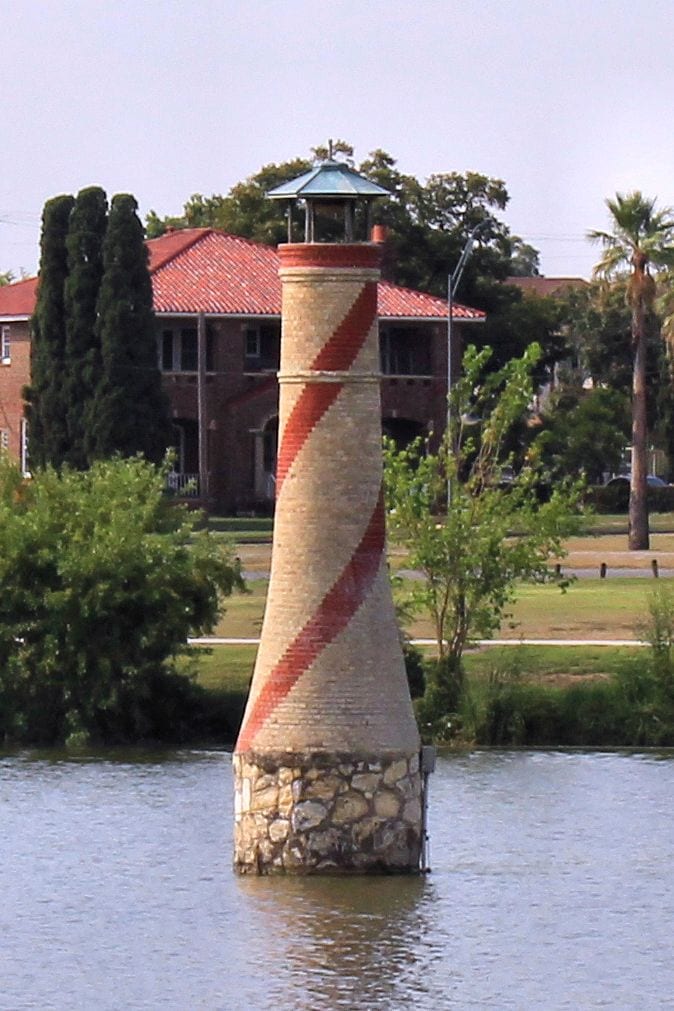
Woodlawn Lake Park circles a 30-acre lake on the city's West Side, created in the late 1880s when developers dammed Alazan Creek to anchor a new streetcar suburb. The lake and its grounds were donated to the city in 1919 and have been a neighborhood favorite ever since.
A loop trail of about a mile and a half rings the water, and the small ornamental lighthouse in the lake, a 1936 Works Progress Administration project, is the park's signature photo. Locals come to fish, jog and watch the sunset, so it is a fine look at everyday San Antonio away from the tourist core.
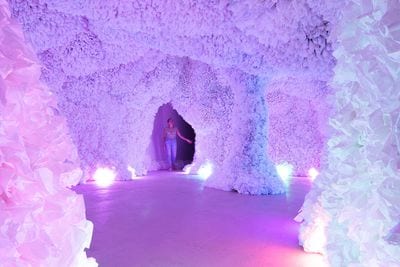
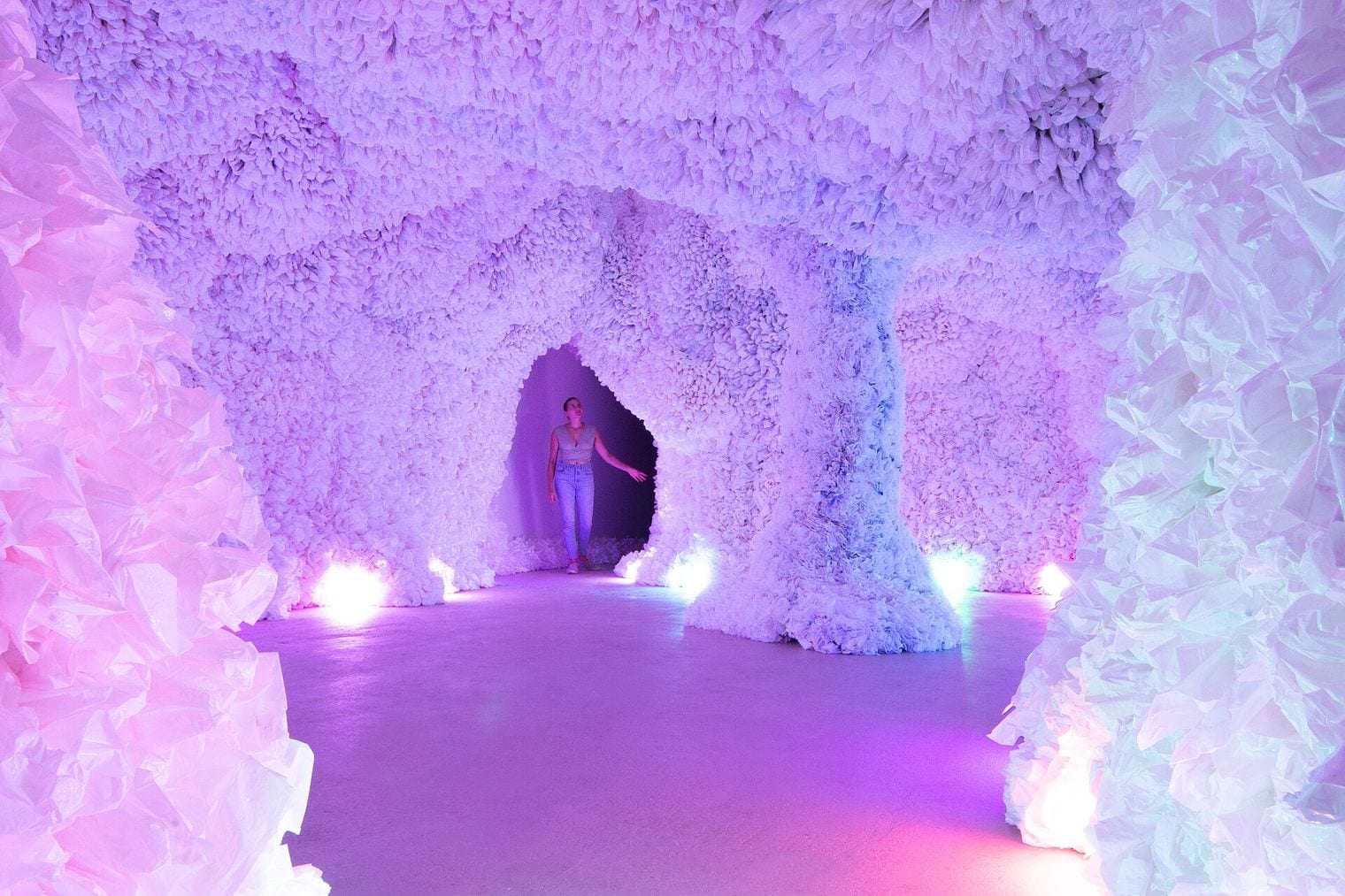
Hopscotch San Antonio is a downtown immersive art gallery where each room is a walk-in installation by a different artist, full of light, mirrors, sound and color that you are encouraged to touch and photograph. The concept began as a pop-up in Austin in 2019 before it settled into its San Antonio home.
Works such as the Rainbow Cave make it a favorite with teenagers and anyone with a camera, and it is an easy indoor escape from summer heat downtown. Allow an hour or so to move through the rooms at your own pace.
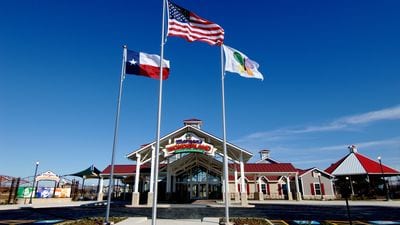
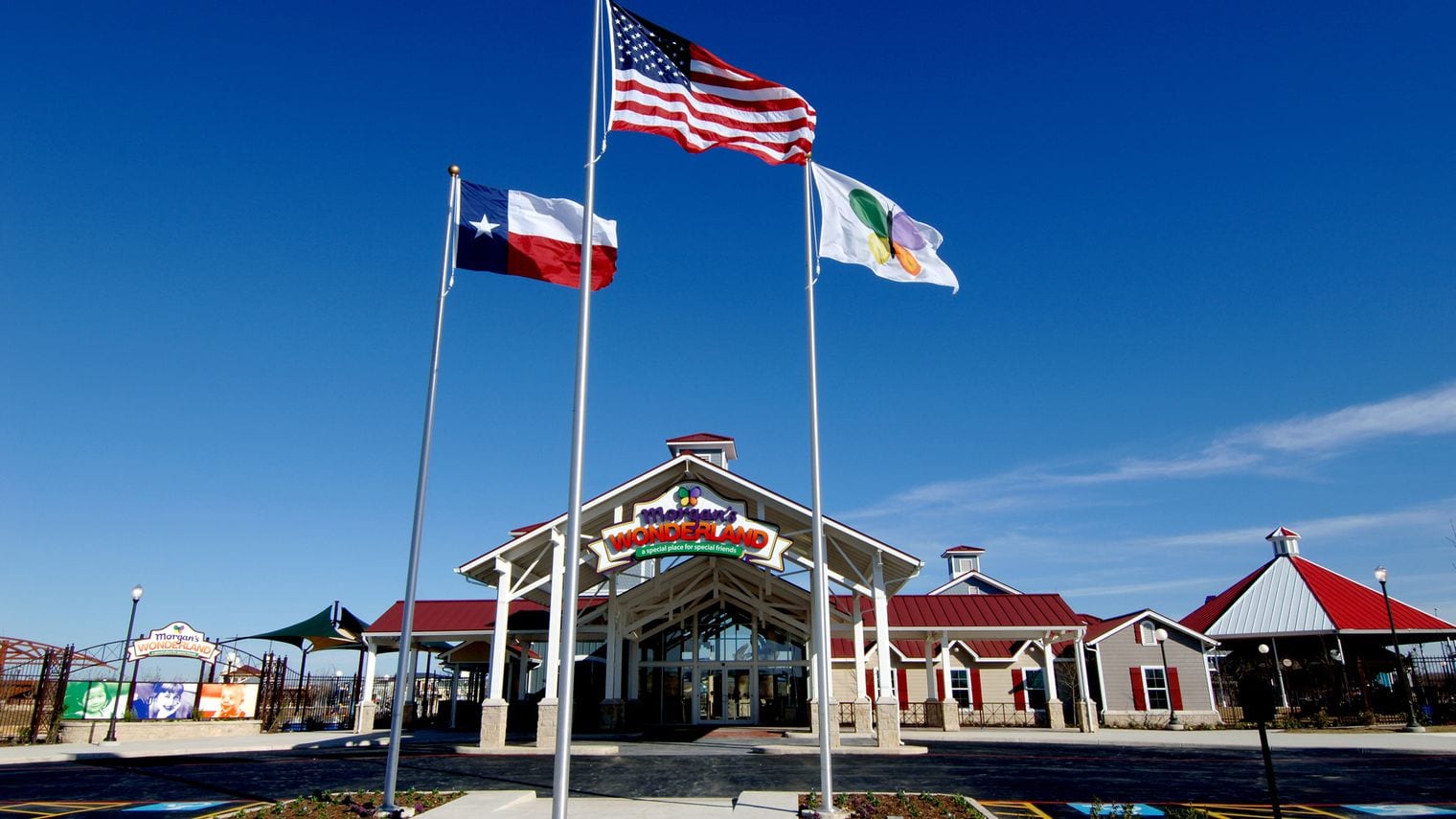
Morgan's Wonderland is a theme park built from the ground up so that guests of every ability can play together, with accessible rides, playgrounds, gardens, a catch-and-release fishing lake and an amphitheater. Founder Gordon Hartman opened it in 2010, inspired by his daughter Morgan, who has disabilities.
Guests with disabilities get in free, and the whole park is designed for wheelchairs and sensory needs. Its companion splash park, Morgan's Inspiration Island, adds accessible water play in the warm months, and families of all kinds leave smiling.
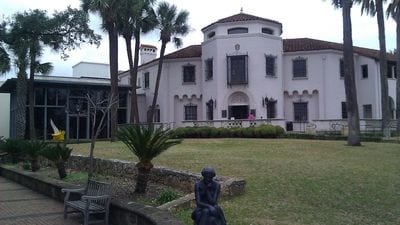
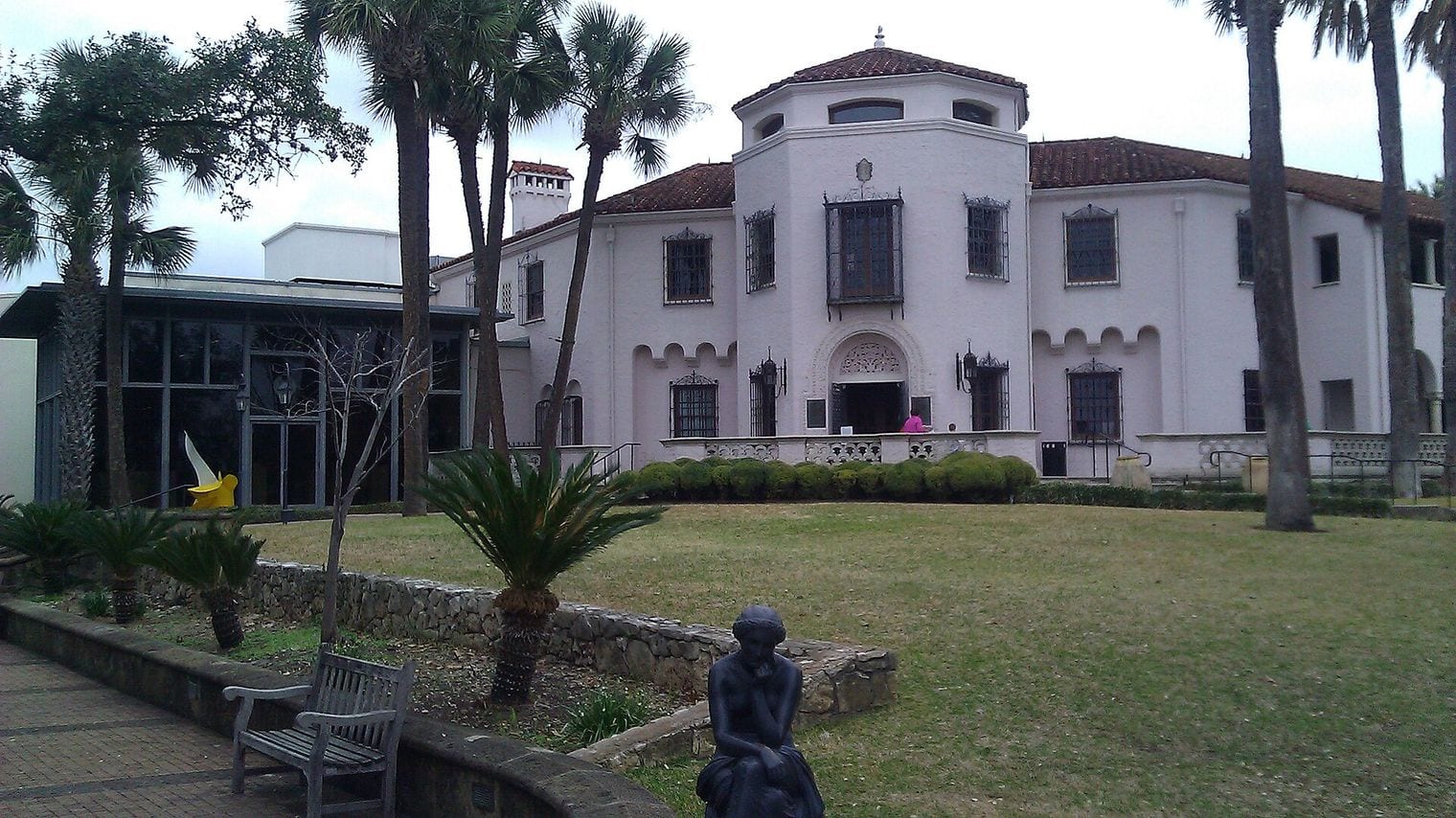
The McNay Art Museum opened in 1954 as the first modern art museum in Texas, set in painter Marion Koogler McNay's Spanish Colonial Revival mansion on 23 landscaped acres. She left the house, her fortune and her art collection to create the museum.
The galleries move from medieval and Renaissance works to European and American modernism, with changing exhibitions alongside. Save time for the grounds, where fountains, broad lawns and a Japanese-inspired garden with a fishpond make one of the city's most peaceful corners.
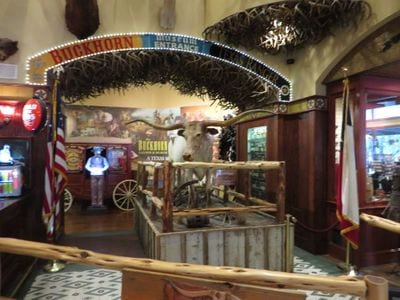
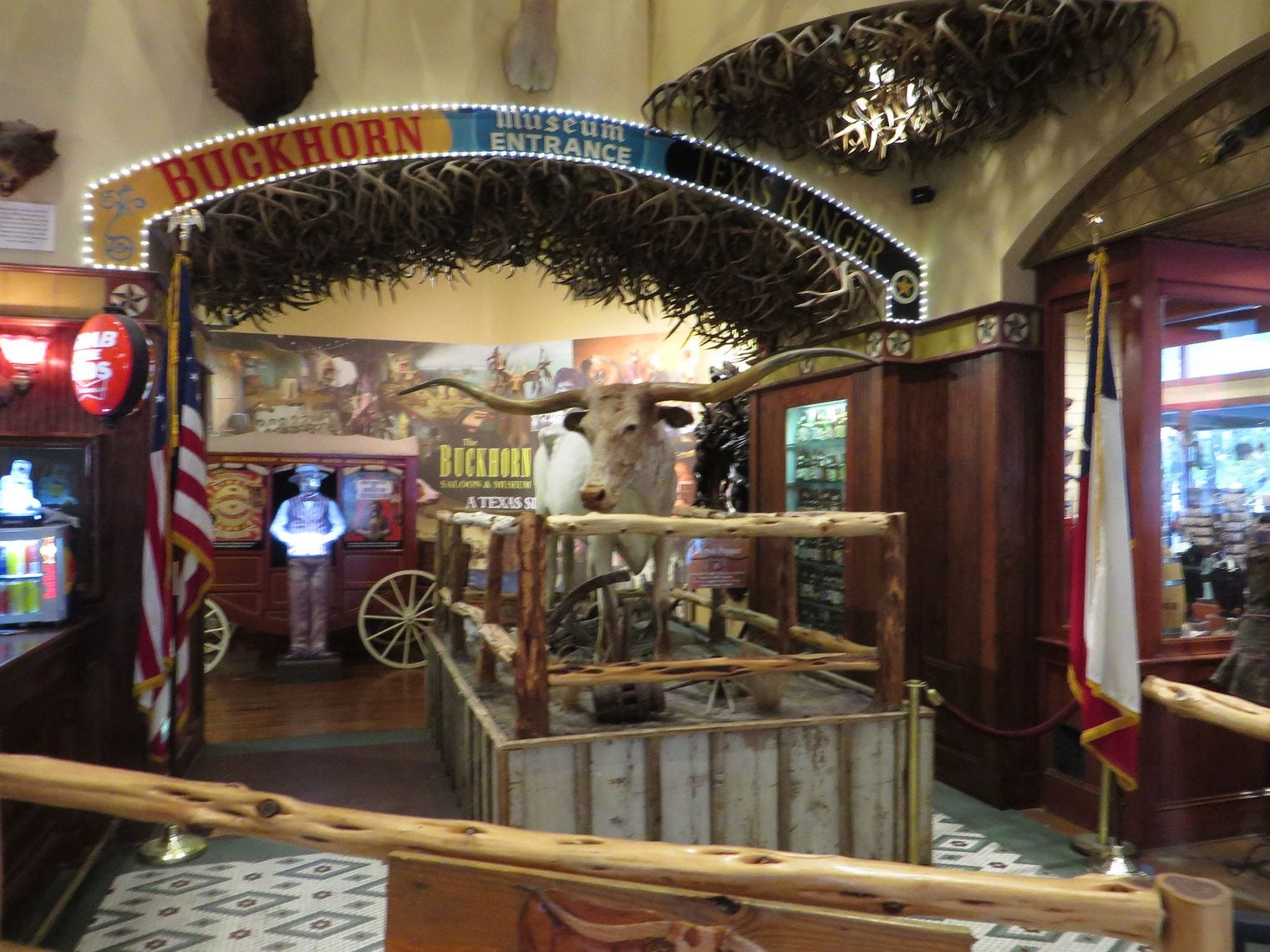
The Buckhorn Saloon & Museum grew out of Albert Friedrich's old saloon, whose collection of horns, antlers and curiosities turned it into a tourist attraction. Theodore Roosevelt and his Rough Riders are said to have drunk here, and the collection has passed down through the family to its current downtown home on Houston Street.
Today the building holds halls of mounted wildlife, oddities and Western memorabilia, a working saloon bar and the Texas Ranger Museum, which tells the story of the state's famous lawmen. It is pure Texas kitsch in the best way, a short walk from the Alamo.
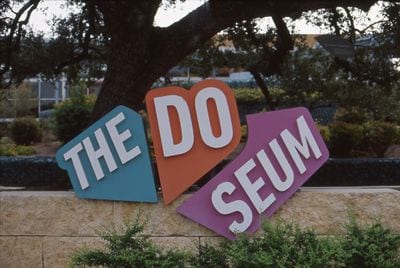
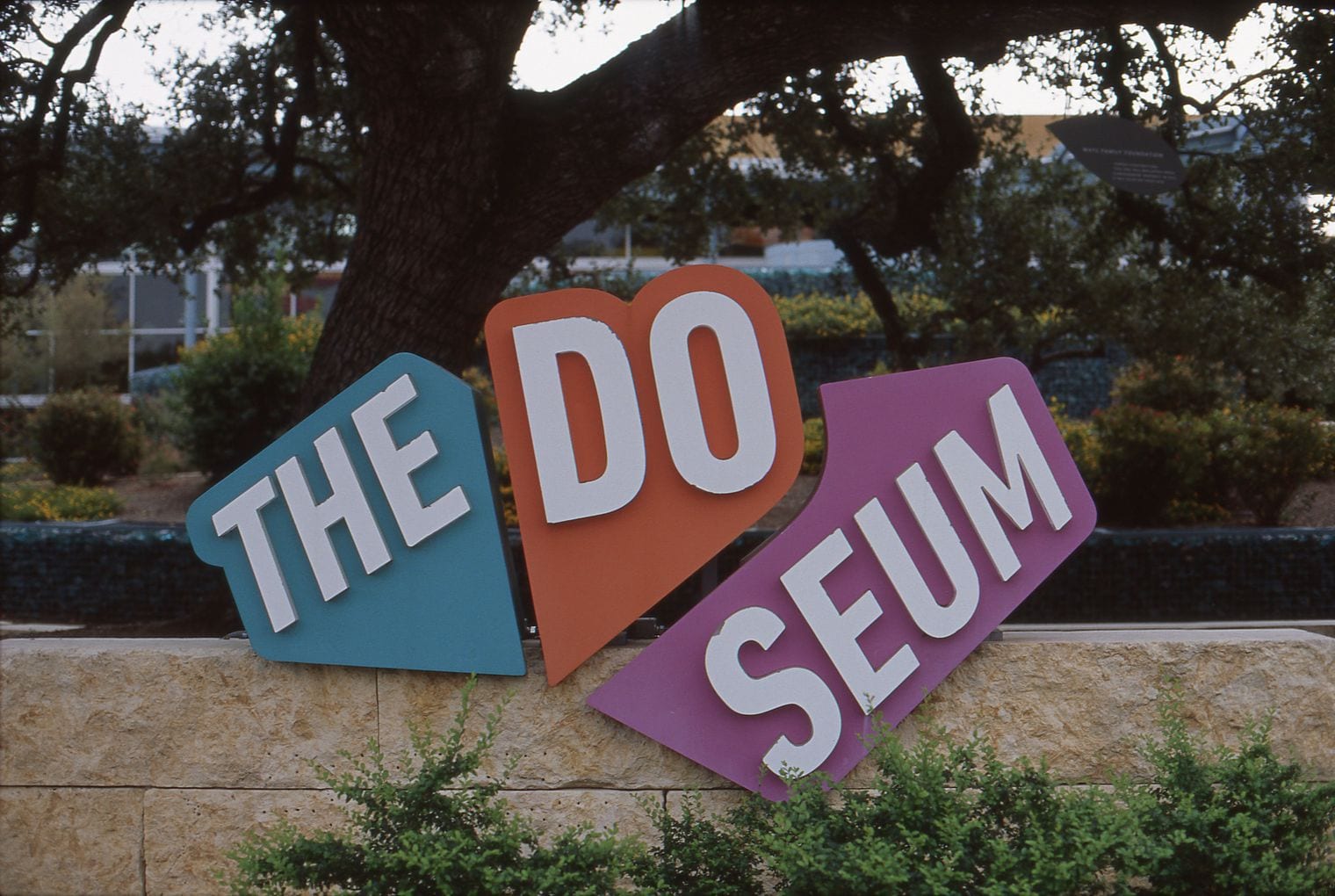
The DoSeum is San Antonio's children's museum, a hands-on playground of science, art and imagination that opened on Broadway in 2015. Most exhibits lean on science, technology and math, blended with reading and creative play.
Kids can run a shop in a pint-sized town, crack codes in a spy academy and splash and climb in the big outdoor area. It works best for younger children, and it fits neatly with a visit to the Witte Museum just down Broadway.
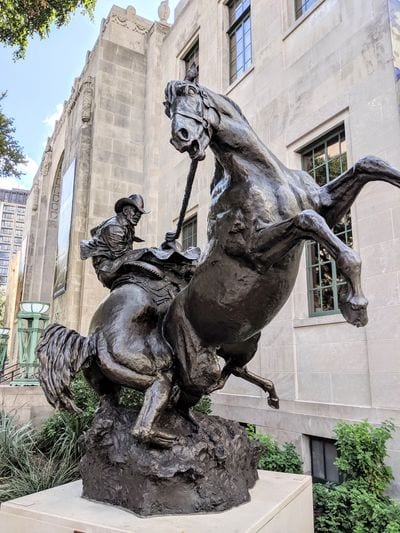
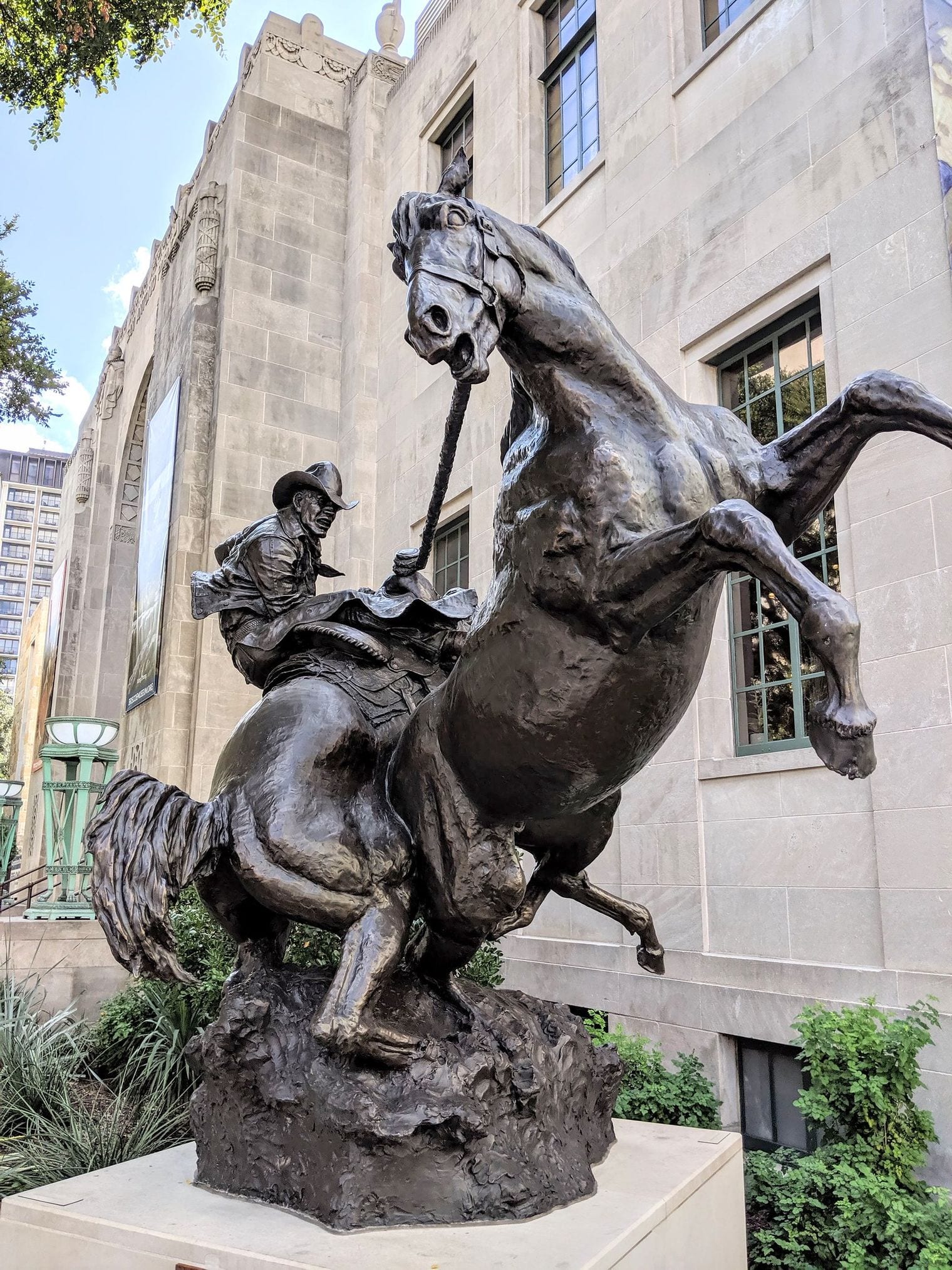
The Briscoe Western Art Museum tells the story of the American West through paintings, sculpture, saddles and artifacts, in a 1930 building on the River Walk that once housed the city's public library. It opened in 2013 and is named for Texas Governor Dolph Briscoe Jr. and his wife, Janey.
The galleries cover cowboys, vaqueros and Native American life, and an outdoor sculpture garden opens onto the river. It is one of the easiest museums to slot into a River Walk day, right in the heart of downtown.
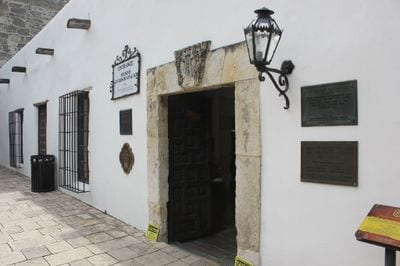
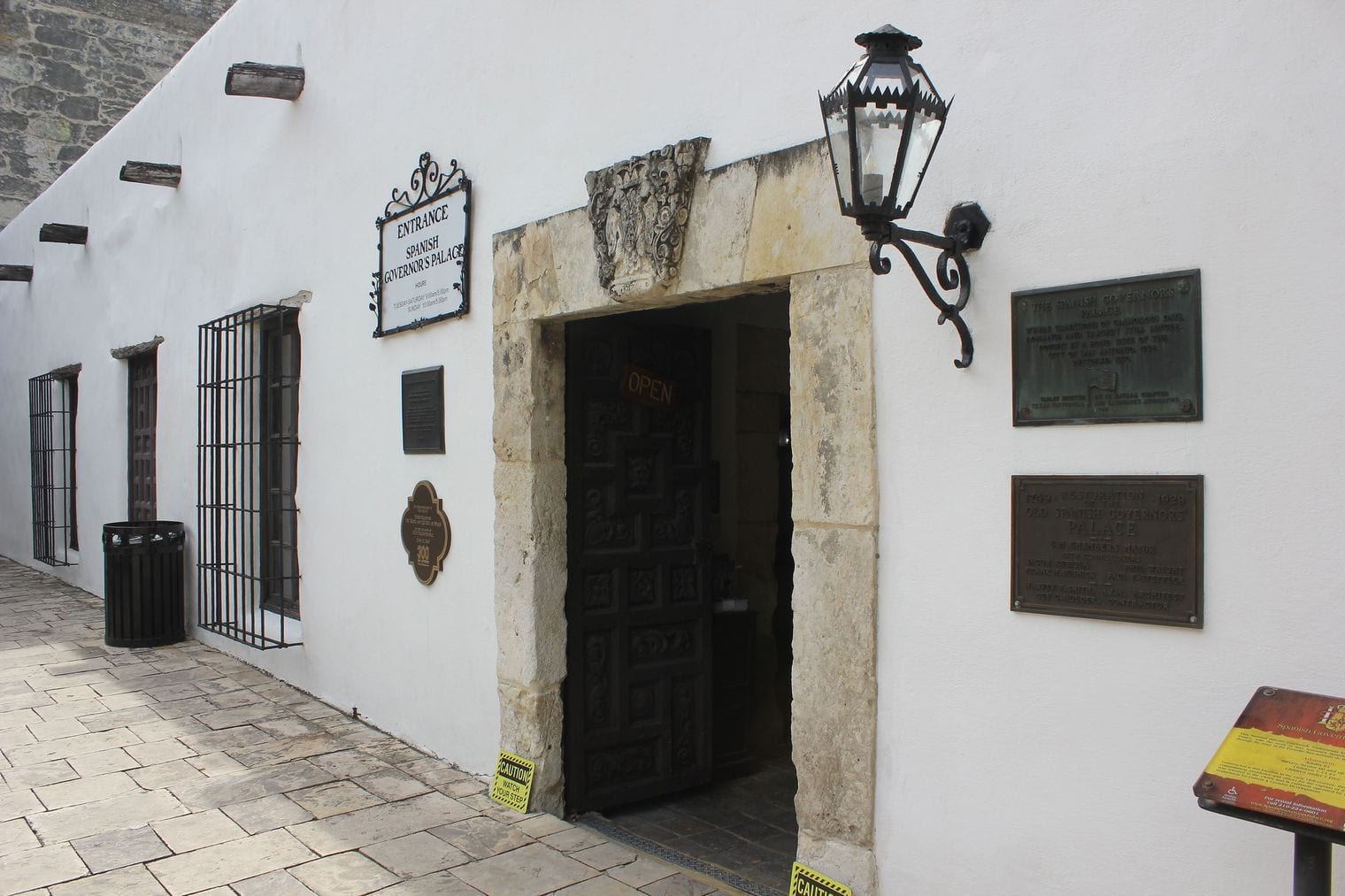
The Spanish Governor's Palace is the last visible trace of the 18th-century Presidio San Antonio de Béxar, the Spanish fort that guarded the young settlement. It is the only remaining example in Texas of an aristocratic Spanish colonial town house and has been a National Historic Landmark since 1970.
Thick adobe walls, beamed ceilings and period furnishings fill the rooms, which open onto a shaded patio garden with a fountain. The visit takes under an hour, and it sits steps from San Fernando Cathedral and Market Square, so it fits easily into a walk of the old Spanish core.
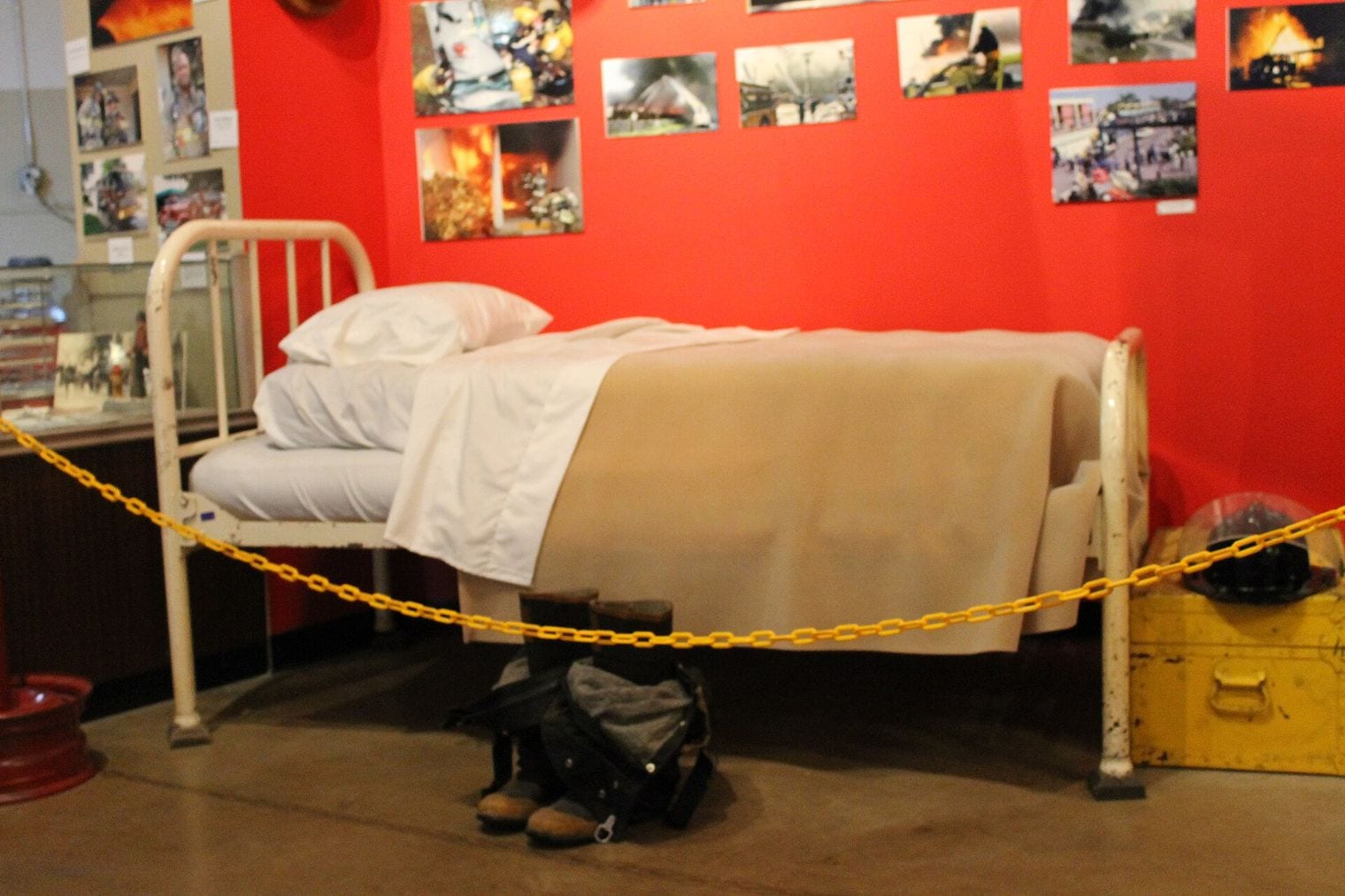
The San Antonio Fire Museum occupies the city's former Central Fire Headquarters, a 1938 Works Progress Administration building that served as Fire Station No. 1 until 2011. It sits on Houston Street, a short walk from the Alamo.
Antique fire engines, hand-operated pumpers, leather hoses, photographs and documents trace firefighting in San Antonio from the volunteer days of the 1800s to the modern era. It is a small, friendly museum that young fire-truck fans especially love.
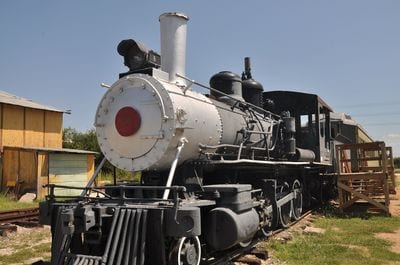
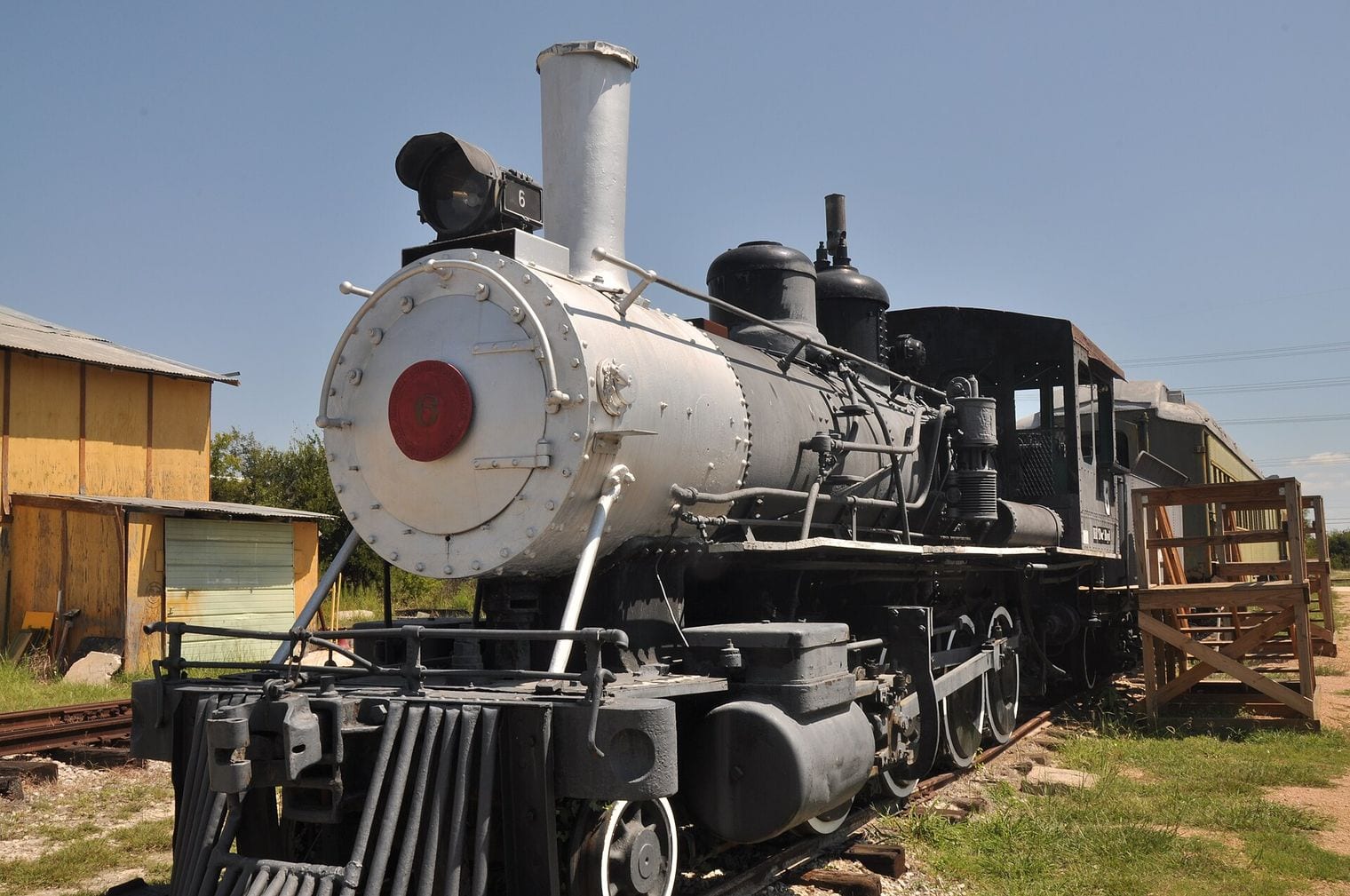
The Texas Transportation Museum was founded in 1964 to preserve San Antonio's transportation history, and it runs as much of its collection as it can. Locomotives, rail cars, model train layouts and antique automobiles fill its grounds on the north side of the city.
Weekends are the time to go, when volunteers run rides on the museum's own heritage line, the Longhorn and Western Railroad. Seasonal events at Easter, Halloween and Christmas are especially popular with families.
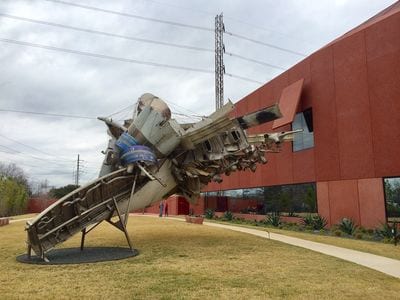
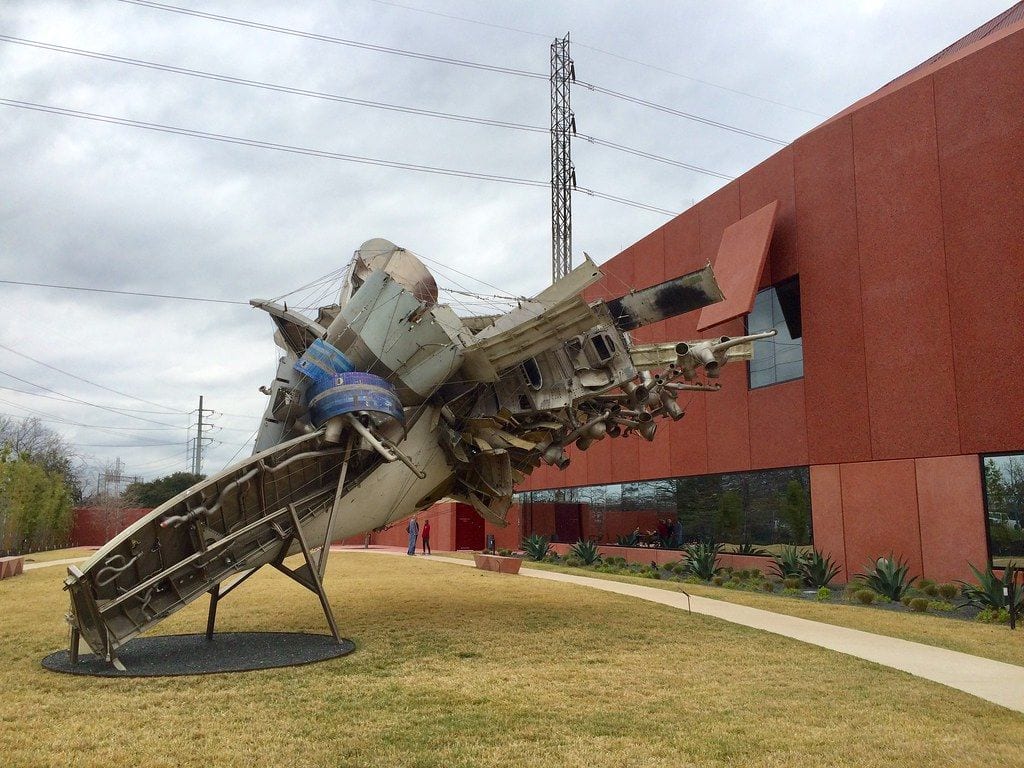
Ruby City is a contemporary art center in a striking red building designed by architect David Adjaye, opened in 2019 to show the collection of its founder, San Antonio collector and philanthropist Linda Pace. Its faceted crimson walls glow at sunset and make it hard to miss.
Exhibitions rotate through the collection of contemporary works, and entry is free. It sits on the near south side of downtown, close to the King William district, so it pairs well with an afternoon in Southtown.
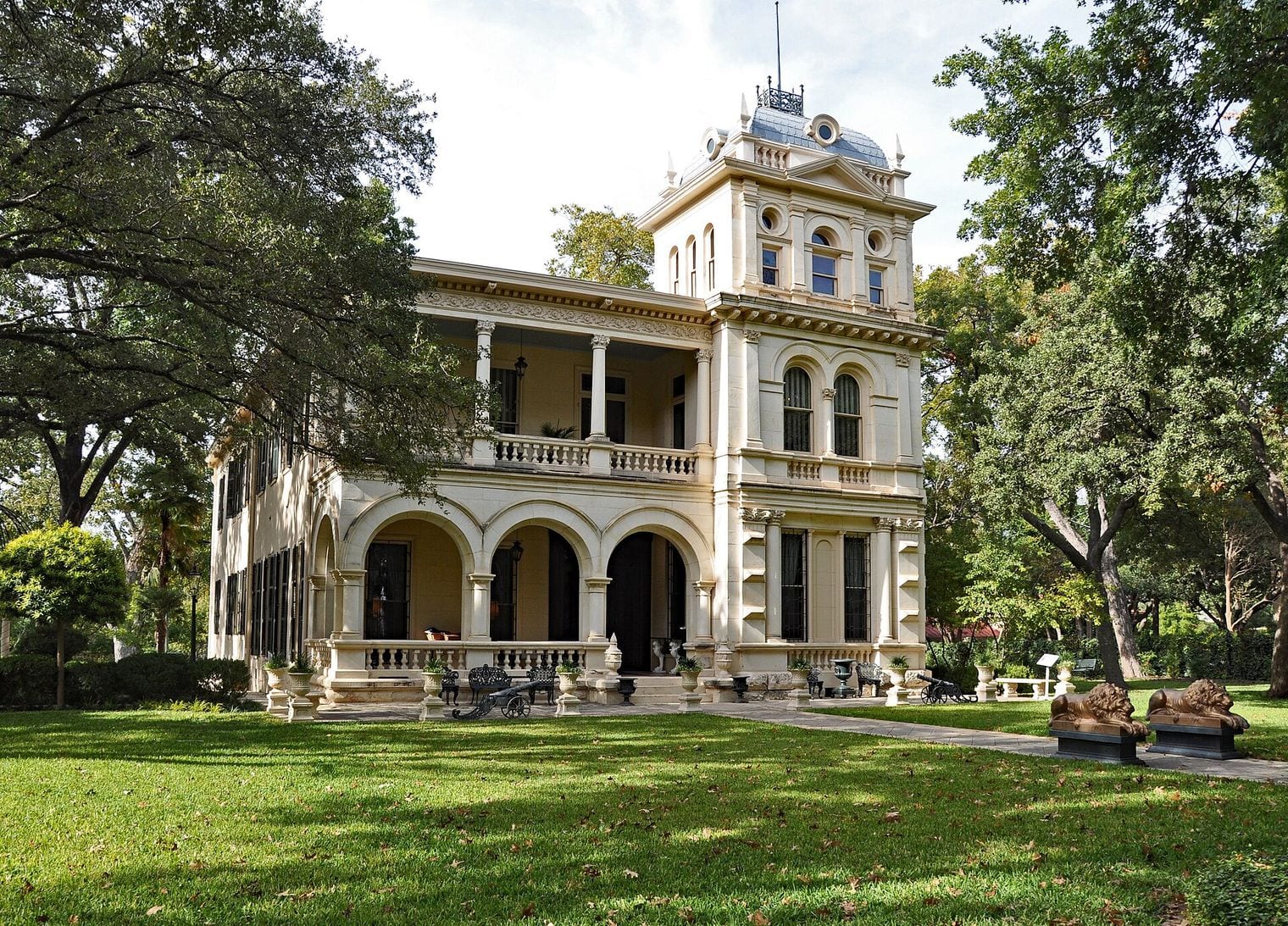
Villa Finale: Museum & Gardens is a 19th-century mansion in the King William district that preservationist Walter Nold Mathis left to the National Trust for Historic Preservation, together with a collection of some 12,850 objects. It opened to the public in 2010 as the first National Trust Historic Site in Texas.
Guided tours move through rooms crowded with paintings, furniture and decorative arts, a portrait of one collector's eye. The gardens are free to wander, making it an easy stop on a King William stroll.
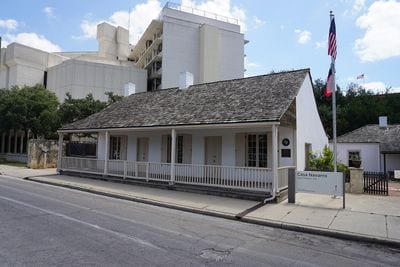
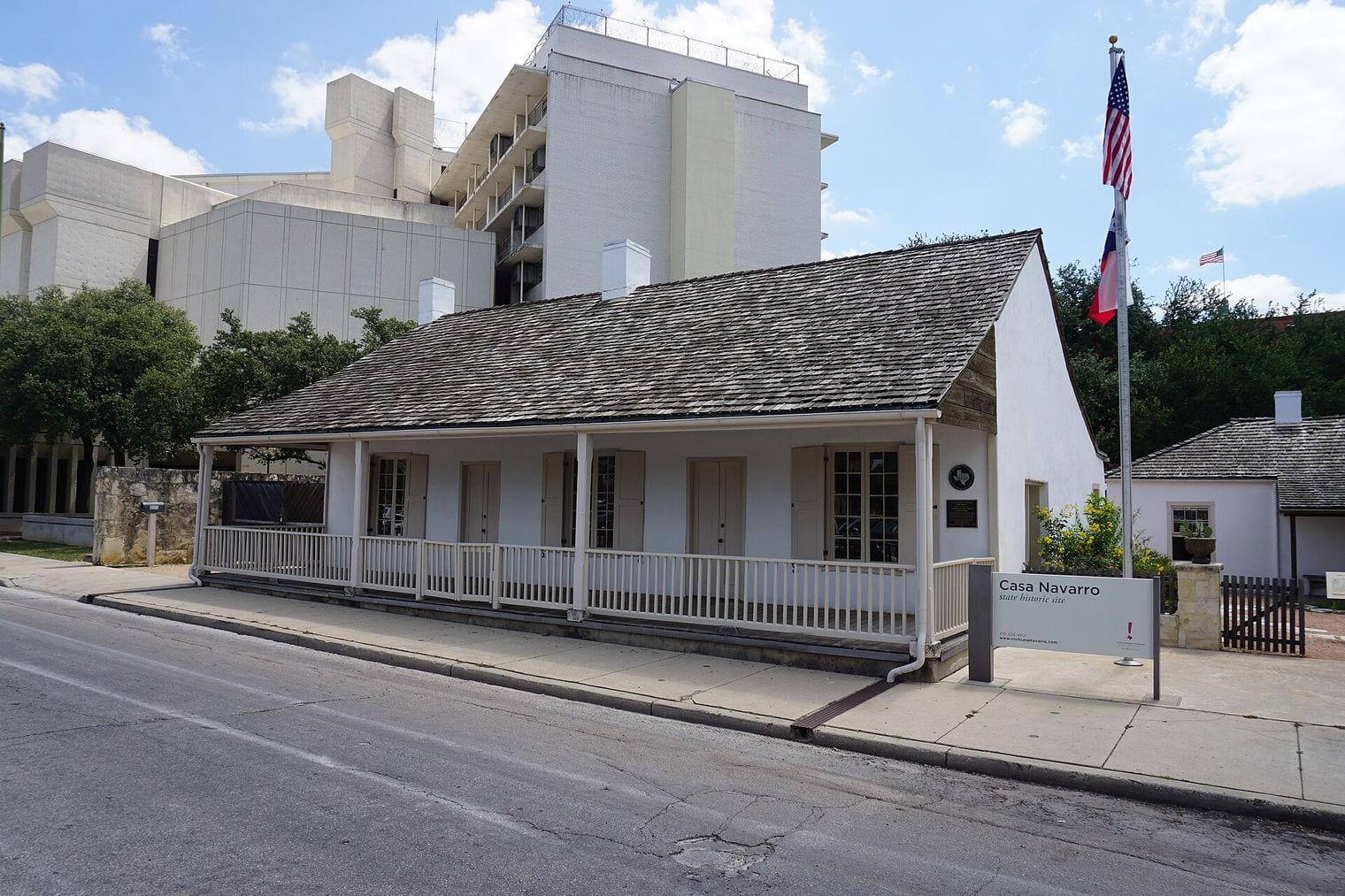
Casa Navarro State Historic Site preserves the limestone, caliche-block and adobe home of José Antonio Navarro, a rancher, merchant and leading advocate for Tejano rights who was one of only two native-born Texans to sign the Texas Declaration of Independence. He bought the property in 1832, and the buildings went up over the following two decades.
The small complex stood in the heart of Laredito, once a thriving Tejano neighborhood, and exhibits now trace Navarro's life and Texas's path from Mexico to statehood. Run by the Texas Historical Commission, it is a quick, thoughtful stop a few blocks from Market Square.
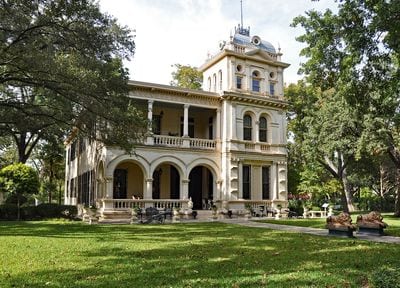
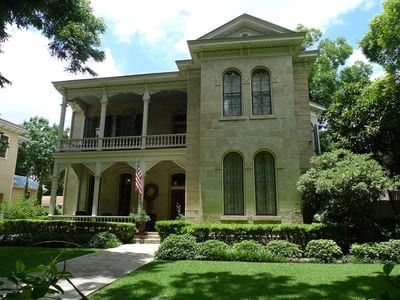
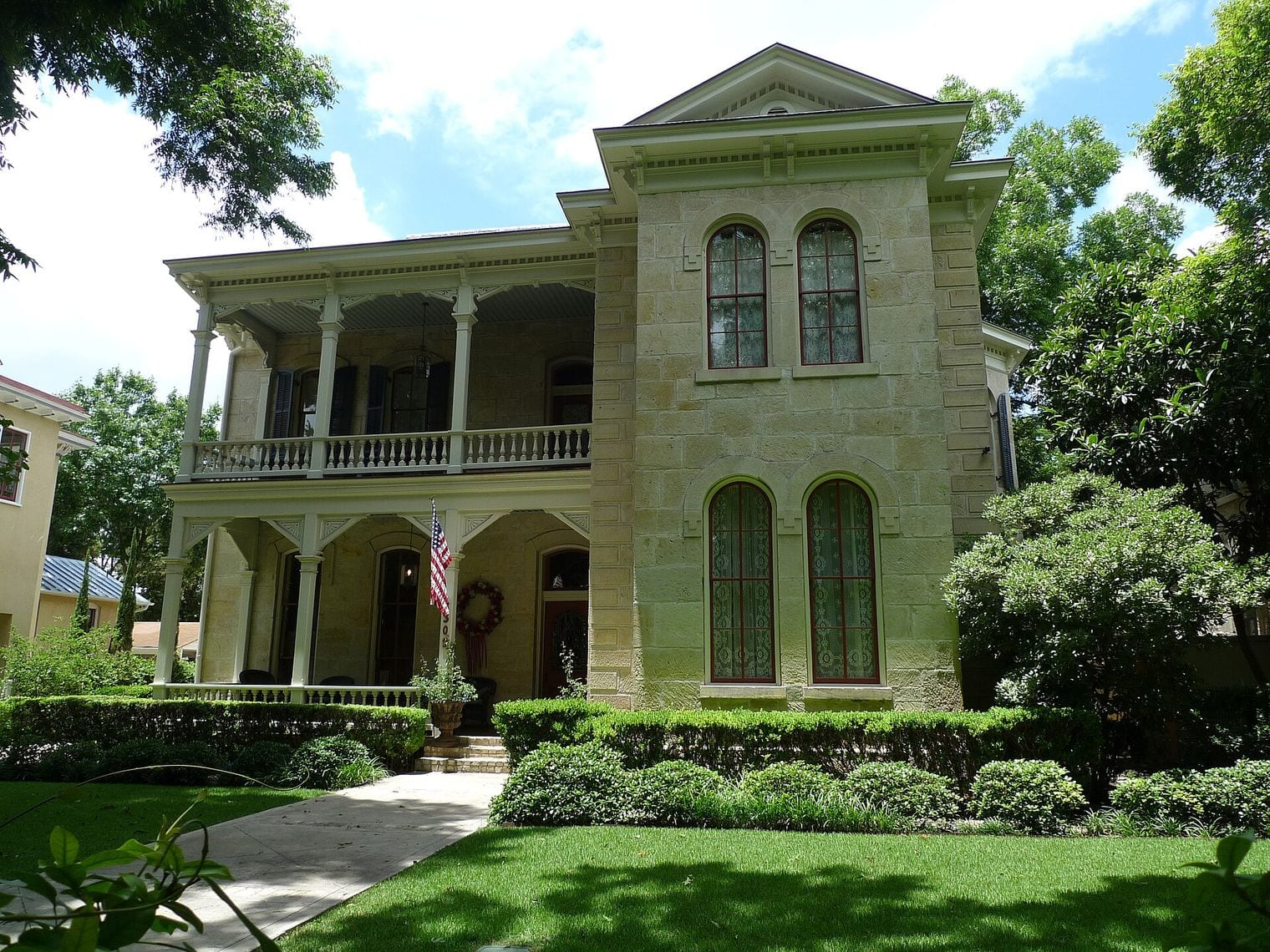
The King William Historic District is San Antonio's grand Victorian neighborhood, laid out in the 1850s and 1860s as German immigrants settled here and named for King William I of Prussia. Its big limestone and timber mansions line quiet streets just south of downtown, and the district was listed on the National Register of Historic Places in 1972.
Stroll King William Street past houses such as the Steves Homestead, designed by architect Alfred Giles, then follow the River Walk path north to downtown or south toward the missions. The neighborhood blends into Southtown, with its galleries, coffee shops and murals.
Plan your trip
Best Time to Visit San Antonio
Spring is the sweet spot: warm days, wildflowers along the highways and the city's biggest party, Fiesta San Antonio, with its parades on the streets and the river each April. Fall is just as pleasant, with cooler evenings that suit the River Walk patios and the missions trail.
Summer is long and hot, so plan outdoor sightseeing for early morning and lean on the water parks, museums and the river in the afternoon. Winter is mild and quieter, with holiday lights strung over the River Walk in December and the stock show and rodeo bringing a Western flavor in February.
Getting to San Antonio
San Antonio International Airport sits on the north side of the city, roughly 15 to 20 minutes from downtown by car, and Austin's airport is about an hour and a half up Interstate 35 as an alternative. By road, I-35 links San Antonio with Austin and Dallas to the north and Laredo to the south, I-10 runs east to Houston and west toward El Paso, and I-37 heads south to Corpus Christi and the Gulf Coast.
Amtrak's long-distance trains stop at the station on the east side of downtown, and intercity buses connect the city with the rest of Texas and northern Mexico.
Getting Around San Antonio
Downtown is compact and walkable: the Alamo, the River Walk, La Villita, Hemisfair, Market Square and the cathedral all sit within a short stroll, and the river paths link them below street level. River cruises double as a scenic way to hop between the downtown loop and the Museum Reach toward Pearl.
For the theme parks, the McNay, the Botanical Garden and the outer missions, a car or rideshare is easiest; the city bus network covers the main corridors, and the Mission Reach trail makes the missions a rewarding bike ride. Downtown parking is mostly in paid garages and lots, so many visitors park once and walk.
Where to Stay in San Antonio
Downtown and the River Walk put you within walking distance of the Alamo, the river and most of the historic sights, which makes them the best base for a first visit. The Pearl and Museum Reach area to the north is quieter and more local, with the river path straight into downtown.
Southtown and the King William district suit travelers who like historic homes, galleries and neighborhood cafés, while Alamo Heights puts you close to the McNay and the Broadway museums. If your trip revolves around Six Flags Fiesta Texas or SeaWorld, the northwest and far west sides cut the driving.
Where to Eat in San Antonio
San Antonio is a Tex-Mex town first: try puffy tacos, breakfast tacos, enchiladas, barbacoa and chili con carne, and finish with pan dulce from a Mexican bakery. Market Square is the classic place to start, with food stalls, bakeries and street snacks around the plazas.
The Pearl has the city's most talked-about dining scene, from chef-driven Texas cooking to its weekend farmers market, while Southtown mixes casual cafés, patios and taquerias. The River Walk is the place for an atmospheric meal by the water, and Texas barbecue joints are scattered all over the city.
Day Trips from San Antonio
The Hill Country starts just north of the city. Natural Bridge Caverns, about half an hour northeast, offers guided tours through large show caves, and New Braunfels and its historic Gruene district, about 45 minutes up I-35, are known for tubing on the Comal and Guadalupe rivers and for Gruene's old-time dance-hall music scene.
Fredericksburg, roughly an hour and a half northwest, pairs German heritage with Hill Country wineries and peach stands; it is one of several Texas small towns within easy reach of the city.
Austin, the state capital, is about an hour and a half northeast on I-35, close enough for a day of live music and the Capitol. Keep going up the interstate and Waco, about two and a half to three hours north, makes a long day or an easy overnight; for more ideas around the state, see our guide to the best things to do in Texas.
One Day in San Antonio
Morning
Start early at The Alamo, when the church is quiet, then drop down to the San Antonio River Walk for a river cruise that shows you the downtown loop from the water.
Ride up the Tower of the Americas for the sunset view, then walk over to Main Plaza for the free light show on the facade of San Fernando Cathedral and finish with dinner on the River Walk.
San Antonio is best known for The Alamo, the San Antonio River Walk and the Spanish colonial missions of San Antonio Missions National Historical Park, which together with the Alamo form Texas's only UNESCO World Heritage Site. Historic Market Square, the Japanese Tea Garden and its Tex-Mex food complete the picture for most visitors.
How many days do you need in San Antonio?
Three days is ideal: one for downtown, with the Alamo, the River Walk, Market Square and La Villita; one for the missions; and one for Brackenridge Park, the zoo, the Witte Museum and Pearl. Add a fourth day if you want to spend a full day at Six Flags Fiesta Texas or SeaWorld San Antonio.
Is San Antonio worth visiting?
Yes. San Antonio packs more history into a walkable downtown than almost any other Texas city, from the Alamo to the four mission churches, and the River Walk gives it an atmosphere all its own. Big theme parks, good museums, a strong food scene and many free sights make it work for couples and families alike.
What can you do in San Antonio for free?
Plenty: walk the River Walk, visit the Alamo church and the four missions of the national historical park, browse Historic Market Square, explore the Japanese Tea Garden and Brackenridge Park, stroll the King William Historic District, see Ruby City and watch the evening light show on San Fernando Cathedral, all without paying admission.
When is the best time to visit San Antonio?
Spring and fall are the best times to visit, with warm days and comfortable evenings for the River Walk and the missions trail. Spring also brings Fiesta San Antonio in April. Summers are very hot, so plan outdoor sightseeing early in the day and save the afternoons for water parks and museums.
Sources & updates
How this guide was checked
Checked before launch
Sources cited
35
Publishers
29
Every place on this list was confirmed open and pinned on the map before publication, and what we say about each one was checked against its own website or an official source.
A PDF with a box to tick for every place. Confirm your email to download it, and get one email every Thursday with our newest guides for the places you tick.
Free San Antonio printable checklist
All 35 places in one PDF
Tick them off as you go. Confirm your email to download it, plus one email every Thursday with new guides for the places you tick.
We use cookies to analyse site traffic and improve your experience.
You can accept or reject analytics cookies. See our
May we use analytics cookies? See ourCookie Policy.