Two coastlines, seven centuries of ruined capitals, and a capital city that never quite stops moving.
Thailand packs an improbable amount into one country — gilded temples and street-food alleys in Bangkok, misty hill towns and night bazaars in the north, and limestone islands scattered down two entirely different coastlines. It is one of the easiest places in Asia to travel independently, with cheap domestic flights, sleeper trains and ferries linking almost everywhere a visitor wants to go. The food alone justifies the trip, and the ruined capitals of Ayutthaya and Sukhothai give the beaches a serious historical counterweight.
The hot season, and genuinely hot — inland cities regularly push into the high thirties Celsius, and Bangkok is at its most humid. It is the quietest stretch on the islands before the rains, and the time of Songkran, the Thai new year water festival in mid-April. Plan temple visits for early morning.
SummerJun–Aug
The southwest monsoon arrives, bringing short heavy downpours rather than all-day rain, and the countryside turns brilliantly green. The Andaman coast catches the brunt of it while the Gulf islands stay comparatively dry, so this is when Koh Samui and Koh Phangan make more sense than Phuket or Krabi.
FallSep–Nov
September and October are the wettest months over much of the country, and some Andaman islands wind down entirely. From late October the rain eases, the air clears and the north cools — by November the whole country is tipping into its best weather, and the Gulf islands take their turn in the wet.
WinterDec–Feb
The cool, dry season and the peak of the tourist year: warm sunny days, low humidity, and northern hill towns cold enough at night to want a jacket. Beaches and headline temples are at their busiest and prices at their highest, but the weather is as reliable as Thailand gets.
Regions
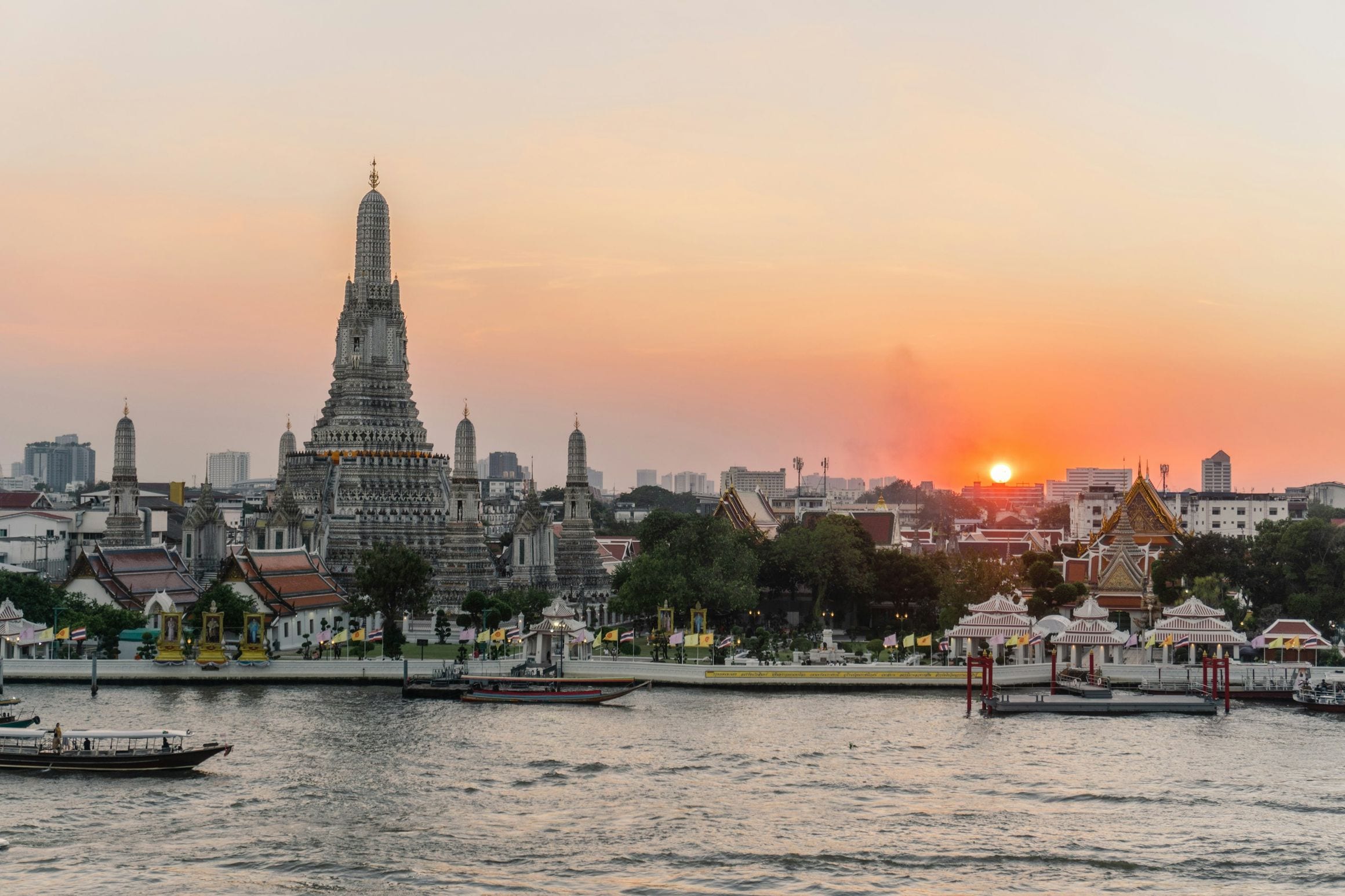
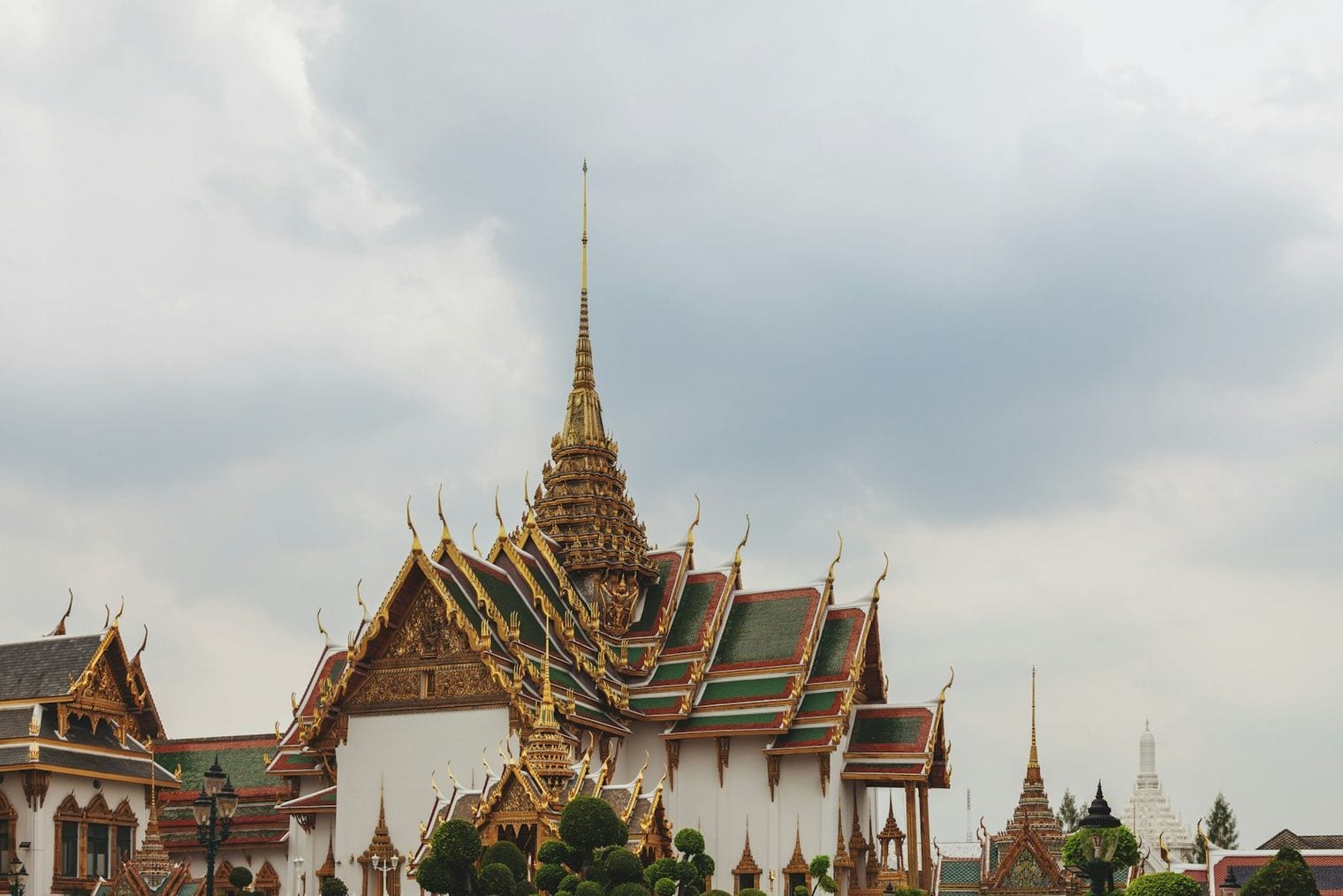
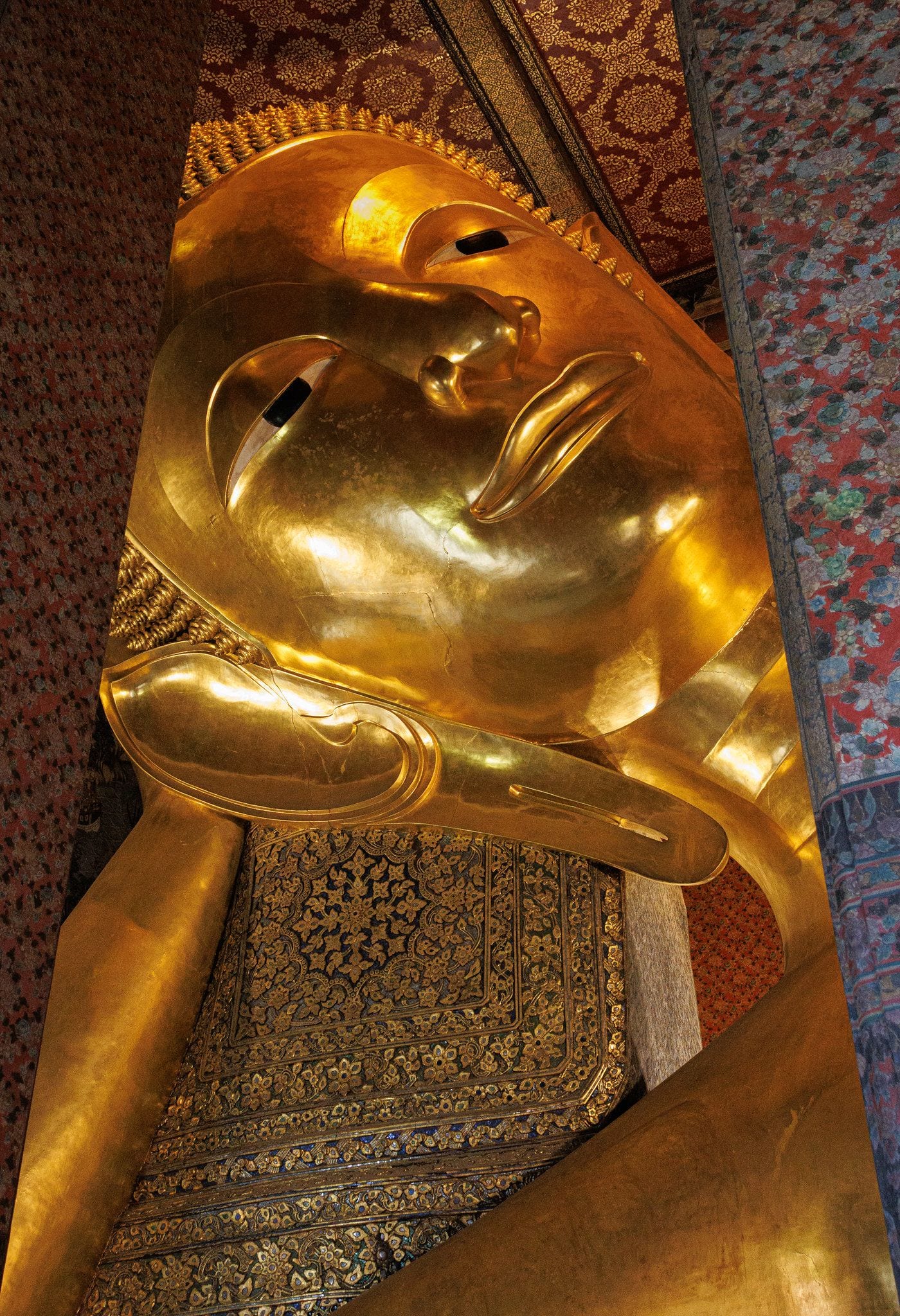
Bangkok & the central plainsThe capital and its hinterland, where the Grand Palace, Wat Pho and Wat Arun sit within a few river stops of one another, and the ruined former capital of Ayutthaya lies an easy day trip north. Kanchanaburi and the River Kwai are a couple of hours west.
The north — Chiang Mai & Chiang RaiCooler, greener and mountainous, with a walled old city full of teak temples in Chiang Mai, the white and blue temples of Chiang Rai, and hill roads winding out to Pai and the Mae Hong Son loop. The best months are the cool, clear ones from November to February.
Isaan — the northeastThe least-visited third of the country, on the Khorat Plateau along the Mekong. Khmer temple ruins at Phimai and Phanom Rung, fiercely good regional food, and almost no other foreign travellers — the region that most rewards a second trip to Thailand.
The Andaman coastThe west coast and its limestone karsts: Phuket, the cliffs and climbing at Railay, the island clusters off Krabi, and the quieter sands of Khao Lak and Koh Lanta. Best from November to April, when the sea is calm and the skies are clear.
The Gulf coast & islandsThe east-facing coast, on an opposite weather cycle to the Andaman — Koh Samui, Koh Phangan and the dive schools of Koh Tao, plus the mainland beaches around Hua Hin. Their driest months are the ones the west coast spends under monsoon.
Sukhothai & the lower northThe historical heart of the country, where Thailand's first capital survives as a UNESCO-listed park of lotus ponds and seated Buddhas, best seen by bicycle. Nearby Si Satchanalai is quieter still, and the region breaks up the long haul between Bangkok and Chiang Mai.
AyutthayaThe ruined second capital, sacked in 1767 and left as brick prangs and headless Buddhas — including the famous stone head held in the roots of a fig tree.Basecamp: Bangkok
Sukhothai Historical ParkThailand's first capital, and the most serene of its ruins — lotus ponds, walking Buddhas and thirteenth-century temples spread across a park best toured by bicycle.Basecamp: Sukhothai
Chiang Mai's old city & Doi SuthepA moated square of teak temples and night markets, with the gilded hilltop chedi of Wat Phra That Doi Suthep looking down over the valley.Basecamp: Chiang Mai
Railay & the Andaman karstsLimestone cliffs rising straight out of turquoise water, reachable only by longtail boat — the image most people carry of Thailand before they arrive.Basecamp: Krabi
Suggested routes
The classic first-timer's Thailand
~2 weeks
The route almost everyone takes on a first trip, and it works: a few days in the capital, an overnight train north to the mountains, then a flight south to finish on a beach. No car required at any point.
1Bangkok — three days for the temples, markets and river
2Ayutthaya — day trip north to the ruined capital
3Chiang Mai — overnight train; old city, food and hill day trips
4Krabi or Phuket — fly south for the Andaman coast
5Koh Lanta or Railay — finish slow, by longtail boat
Bangkok & the central heritage loop
4–5 days
A short trip that stays north of the beaches entirely, pairing the capital with the two ruined cities that explain it. Doable by train and minivan, and a good fit for a stopover of a few days.
1Bangkok — the Grand Palace, Wat Pho and the Chao Phraya
2Ayutthaya — the sacked second capital, by train or river boat
3Kanchanaburi — the River Kwai bridge and the war cemeteries
A dry-season run down the west coast by ferry and longtail, trading one island for another every couple of days. Best from November to April; much of it winds down under the southwest monsoon.
1Phuket — fly in; old town is better than the beach strips
2Phang Nga Bay — sea caves and limestone stacks by boat
3Railay — cliff climbing, reachable only by longtail
4Koh Lanta — long quiet beaches and slow evenings
5Koh Phi Phi — busier, but the viewpoint earns the climb
Thailand travel FAQ
Eight questions travellers ask before they go.
When is the best time to visit Thailand?
November to February is the cool, dry season and the best all-round window — warm sunny days, low humidity and clear skies nationwide. It is also the busiest and most expensive. March to May is very hot, and June to October brings the southwest monsoon, though the rain usually comes in short heavy bursts rather than all day. The two coasts run on opposite cycles: when the Andaman side is wet, the Gulf islands are often fine, so there is almost always somewhere in Thailand with good weather.
How many days do you need in Thailand?
Two weeks is the sweet spot and covers the classic run of Bangkok, the north and one stretch of coast without rushing. Ten days works if you drop either the north or the islands rather than trying to squeeze both in. With only four or five days, stay in and around Bangkok and use the day trips to Ayutthaya and Kanchanaburi — the internal flights and ferries eat more time than people expect.
Do you need a car in Thailand?
No, and in the cities a car is actively unhelpful. Cheap domestic flights cover the long hops, trains and buses reach almost everywhere else, and Bangkok's Skytrain and metro beat the traffic. A rental car only earns its keep on rural driving loops such as Mae Hong Son or the Isaan backroads. Scooters are everywhere and are also the leading cause of injury to visitors — many travel insurance policies will not cover you without the correct motorcycle licence.
What is Thailand best known for?
Buddhist temples and the gilded royal architecture of Bangkok, some of the best street food on earth, and two coastlines of limestone islands and white-sand beaches. It is also known for being unusually easy and affordable to travel around, which is why it has been the standard first stop in Southeast Asia for decades. Away from the coast, the ruined capitals of Ayutthaya and Sukhothai and the hill country around Chiang Mai are the draws.
Is English widely spoken in Thailand?
In tourist areas, yes — hotels, restaurants, dive shops and transport operators generally have enough English to manage, and signage on major routes is bilingual. Away from those areas, and particularly in Isaan and the rural north, English drops off quickly. Learning a few words of Thai goes a long way, and a translation app on your phone covers most of the rest.
What currency does Thailand use, and are cards accepted?
The Thai baht (THB, ฿). Cards are widely accepted in hotels, malls and mid-range restaurants in the cities and resort areas, but Thailand still runs heavily on cash — street food stalls, markets, songthaews, longtail boats and small guesthouses will usually want baht. ATMs are everywhere and generally charge a fixed fee per withdrawal, so fewer, larger withdrawals cost less than many small ones.
What should you eat in Thailand?
Regional cooking varies far more than the export version suggests. Central Thailand gives you the familiar green and red curries, tom yum and pad thai; the north does milder, herbier dishes such as khao soi, a coconut curry noodle soup found everywhere in Chiang Mai; and Isaan in the northeast is the home of som tam papaya salad, larb and sticky rice, and is the spiciest of the lot. On the coasts, eat the seafood simply grilled. The best meals are usually at the stalls with the longest local queues.
What kind of trip is Thailand best for?
First-time Asia trips, island-hopping and food.
We use cookies to analyse site traffic and improve your experience.
You can accept or reject analytics cookies. See our Cookie Policy.