We may earn a commission if you book or buy through a link on
this page, at no extra cost to you. It never affects which places we list or how
we rank them (how we make money).
Photo: Illustrative image
Short answer
Istanbul's three essentials are Hagia Sophia, a 6th-century Byzantine cathedral that became a mosque and is the one building the whole city is known for, the Blue Mosque facing it across the square — the only imperial mosque ever built with six minarets — and Topkapı Palace, from which Ottoman sultans ruled for four centuries. Three days covers Sultanahmet, the bazaars and an evening across the Golden Horn, but four is better.
Istanbul is the only major city standing on two continents, and it wears three empires in plain sight — Roman columns, Byzantine domes and Ottoman palaces stacked along the same shoreline. Ferries stitch the two halves together for the price of a bus ride.
This guide covers 38 of the best things to do across both banks, from the Sultanahmet monuments to the mosques, markets and hilltops of the Asian side. Give the city four days if you can; three will feel rushed.
Istanbul sits on two continents at once — roughly two-thirds of its residents live on the European side and the rest in Asia, split by the Bosphorus, one of the busiest waterways on earth.
It is not the capital of Turkey. Ankara has held that role since the founding of the Republic, though Istanbul remains the country largest city by a wide margin.
The city has been the capital of four empires across nearly sixteen centuries — Roman, Byzantine, the short-lived Latin Empire of the crusaders, and Ottoman — from its refounding as Constantinople in 330 AD until 1922.
The name means "to the city" — İstanbul is commonly held to come from the medieval Greek phrase eis tḕn Pólin, which is simply how local Greeks said they were heading into town. Before that it was Constantinople, and before that Byzantium.
Hagia Sophia was the largest church in the world for more than five hundred years, from its completion in 537 until the abbey church at Cluny overtook it in the 12th century.
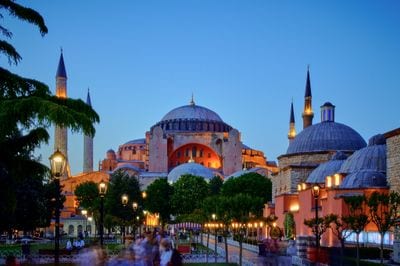
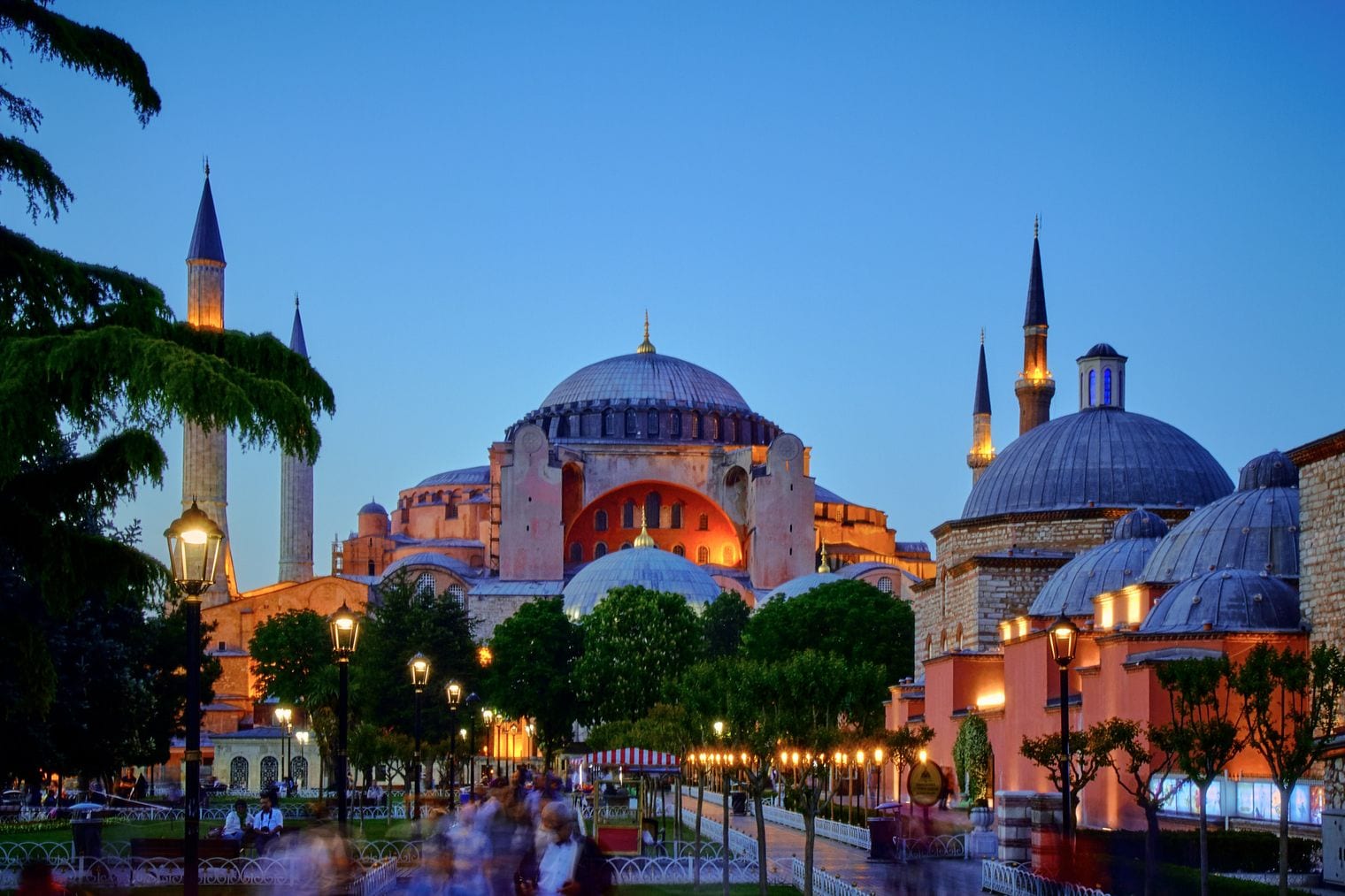
No building anywhere has led a stranger life. Completed in 537 for the emperor Justinian, Hagia Sophia Grand Mosque served roughly nine centuries as the cathedral of Eastern Christendom, became a mosque after the Ottoman conquest of 1453, opened as a museum in 1935, and returned to use as a mosque in 2020. Its dome seems to float because the ring of windows at its base cuts it free of the walls below.
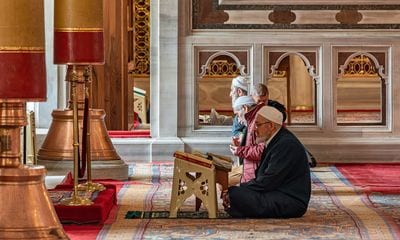
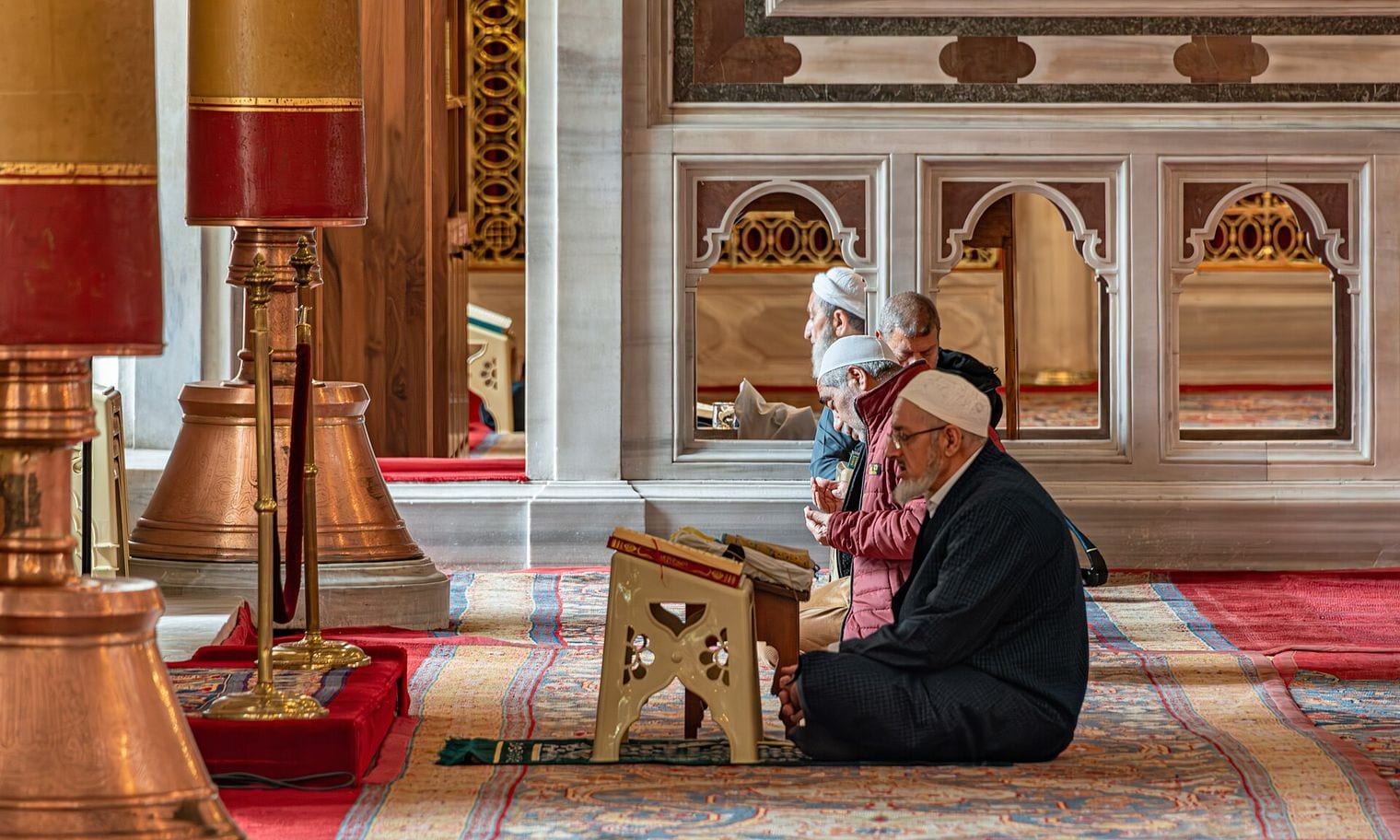
Come early, before the light hardens and the queues build. Upstairs in the gallery the Byzantine mosaics survive alongside the great calligraphic roundels hung for Ottoman worship — the two faiths sharing one room, which is the thing most visitors remember. It is an active mosque, so dress modestly, carry a scarf, and expect closures around prayer times.
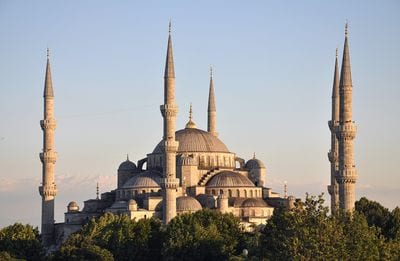
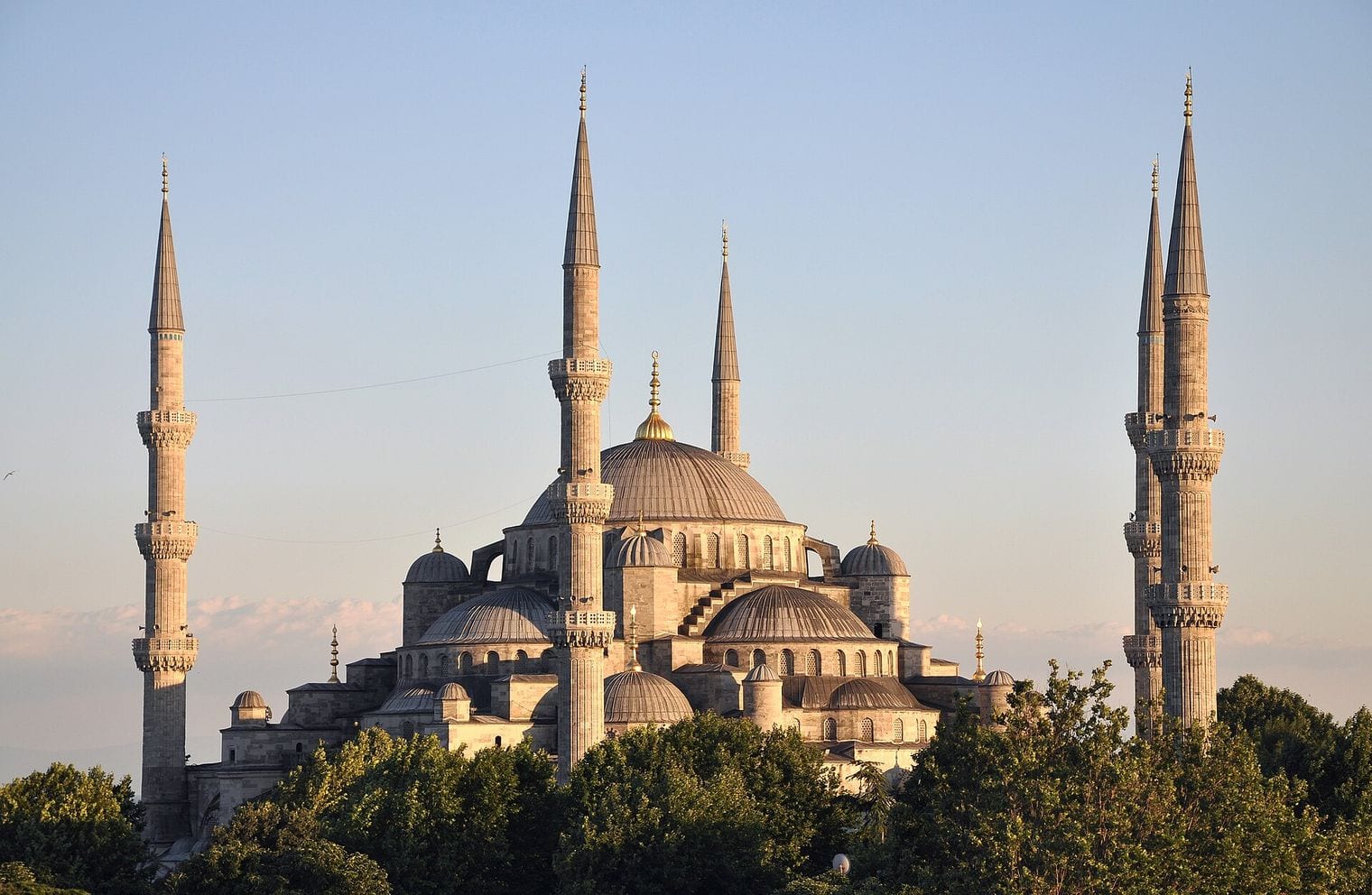
Facing Hagia Sophia across a single square, The Blue Mosque was raised between 1609 and 1617 for Sultan Ahmed I, and it was built to answer the older building rather than imitate it. The nickname comes from the interior: tens of thousands of handmade Iznik tiles in blues and greens climb the walls and gallery, lit through more than 200 windows.
It is unusual for having six minarets rather than the customary four, and the cascade of domes and semi-domes outside is the shot everyone takes from the square. Worshippers still fill it, so visitors enter by a separate door, shoes off and shoulders covered. Go at dusk, when the floodlights come up and the gulls circle the minarets.
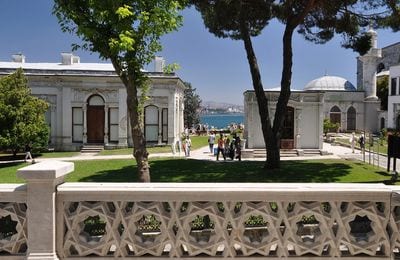
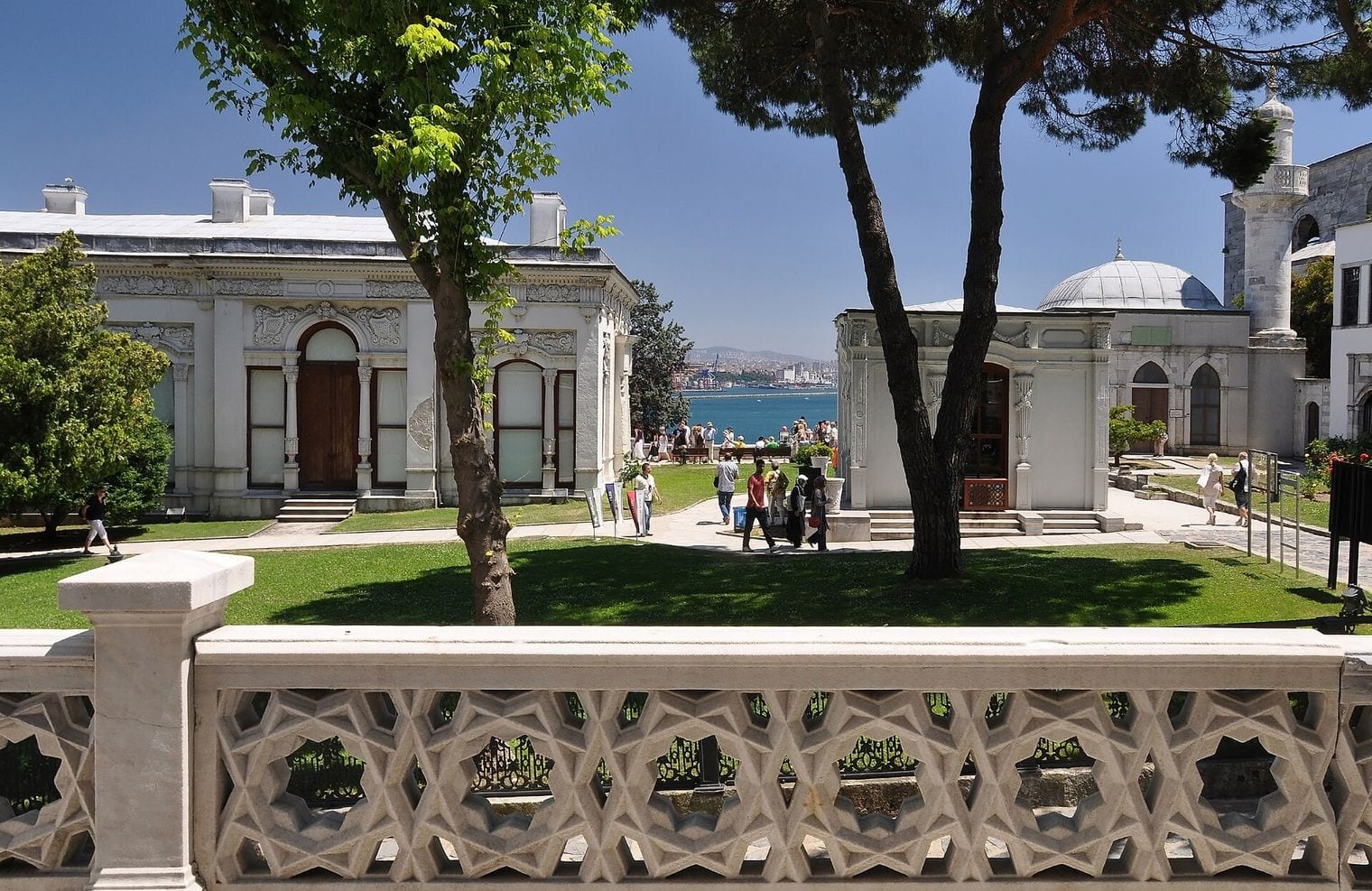
For some four hundred years the Ottoman empire was run from these courtyards. Begun by Mehmed the Conqueror shortly after 1453, Topkapi Palace Museum is less a single building than a walled town of pavilions, kitchens, treasuries and gardens, arranged around four courts that grow more private the deeper you go.
The Harem is ticketed separately and is worth it — a warren of tiled rooms where the sultan's family actually lived. Elsewhere you will find the Imperial Treasury and a chamber of relics attributed to the Prophet, still watched over by a reciter. Save time for the terrace at the far end, where the Bosphorus and the Golden Horn open up beneath you.
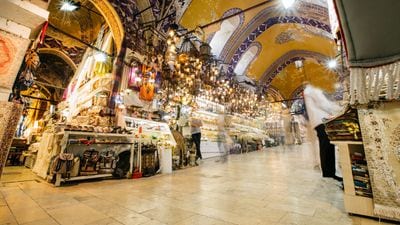
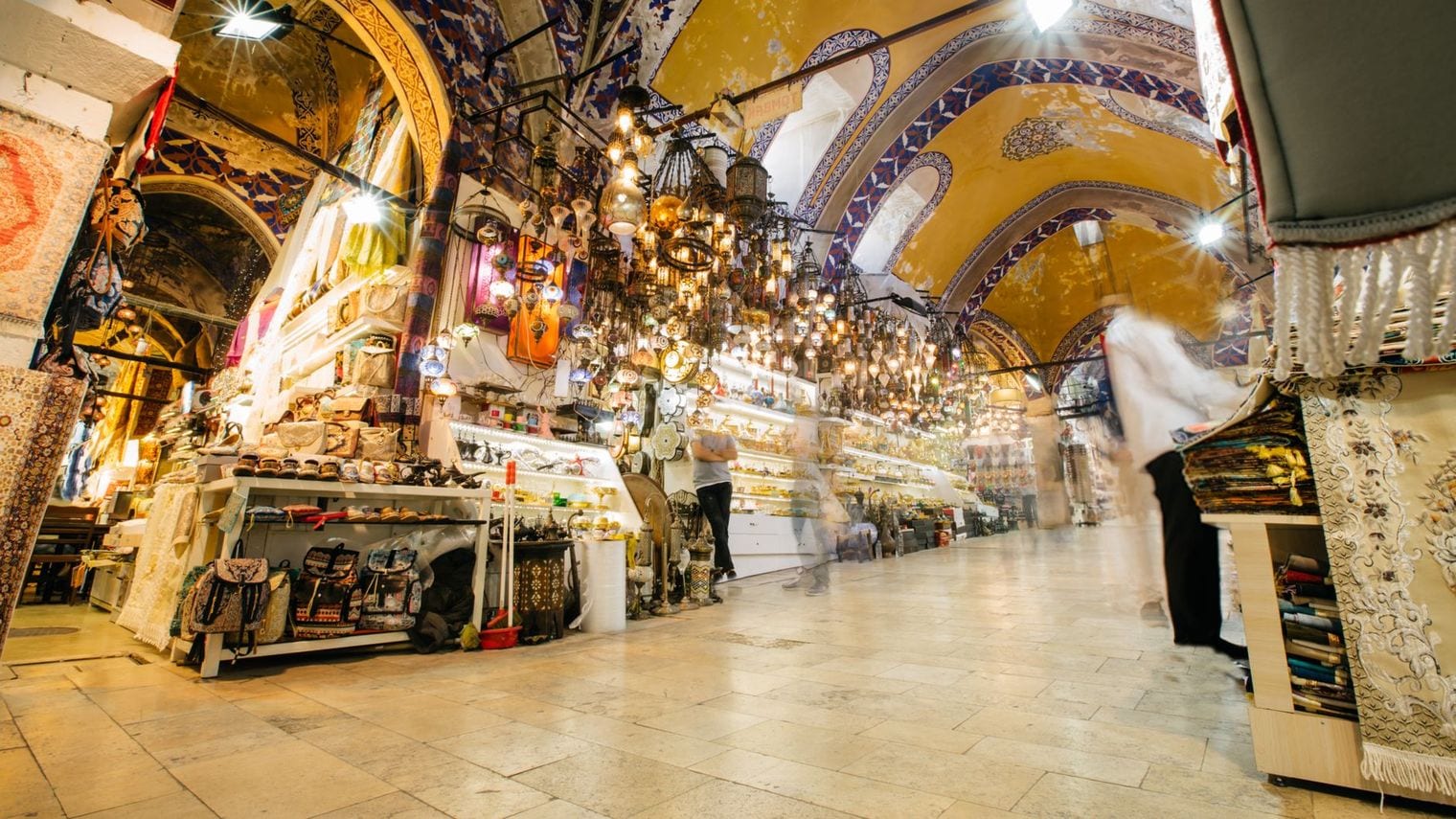
Begun in the 1450s under Mehmed II and grown ever since, the Grand Bazaar is one of the oldest and largest covered markets on earth: thousands of shops along dozens of vaulted lanes, each traditionally given over to one trade. Carpets in one alley, gold in the next, lamps and ceramics somewhere off to the side.
Treat it as a place to wander rather than a shopping list. The painted vaults of the oldest core, the Cevahir Bedesten, are the prettiest part, and the tea sellers threading the crowd with swinging trays are half the theatre. Haggling is expected and good-humoured; step into a side han if you want the noise to drop away for a moment.
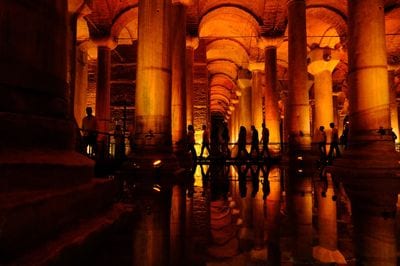
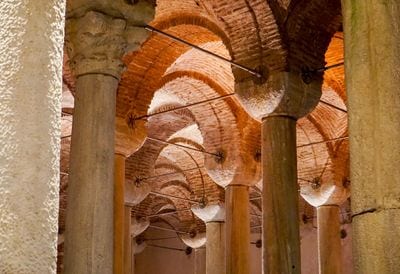
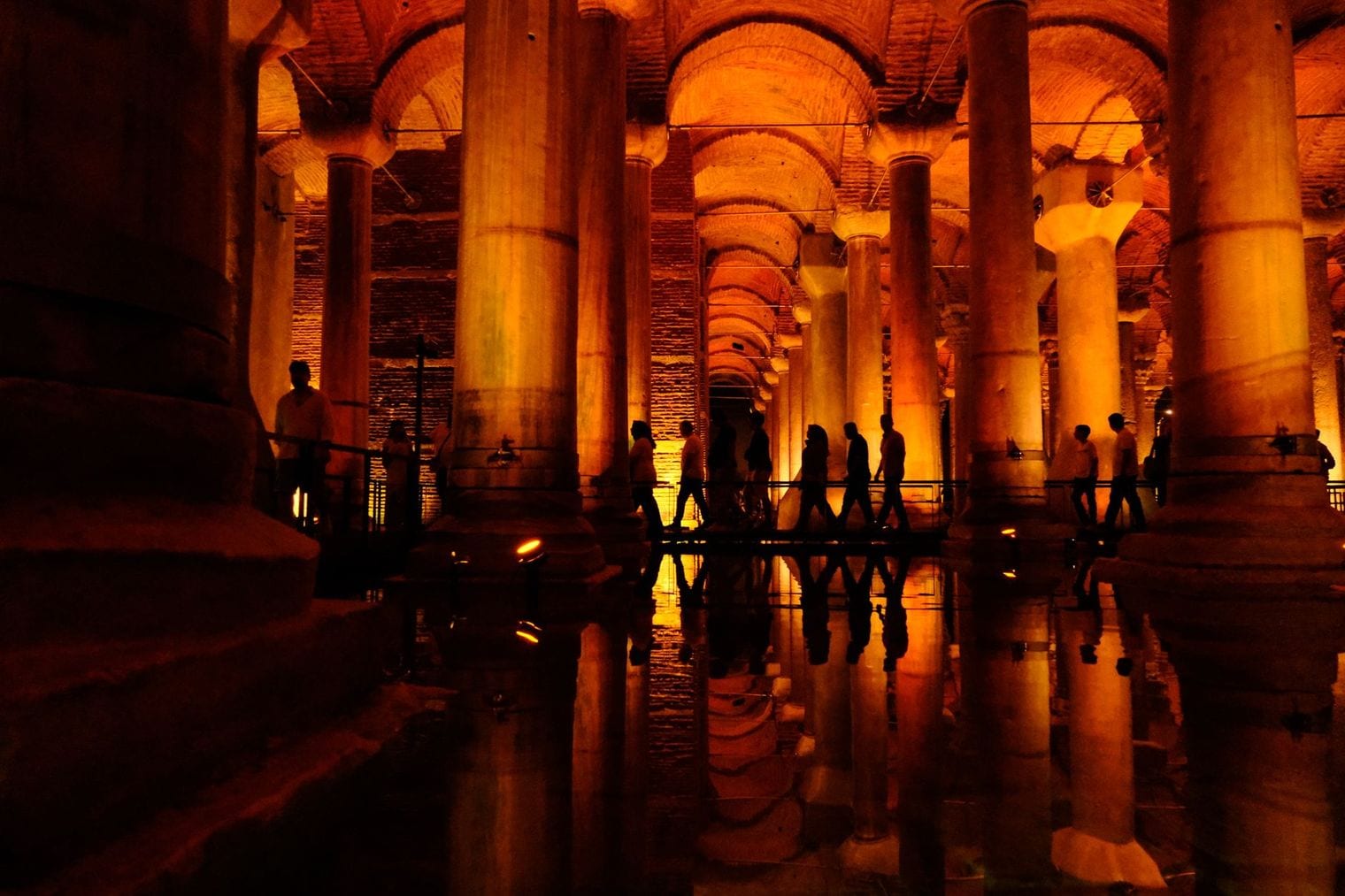
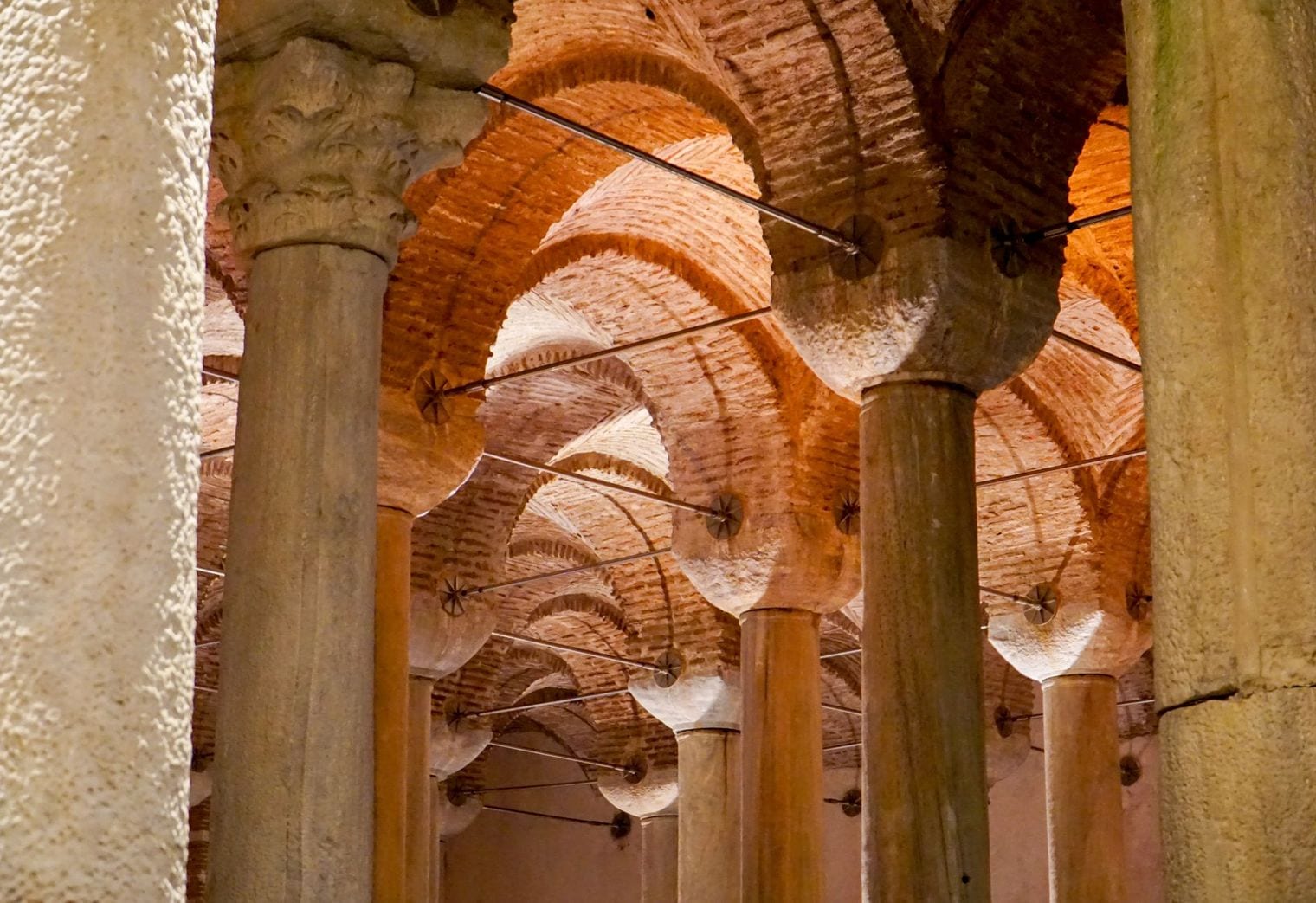
Beneath a nondescript entrance near Hagia Sophia lies the strangest space in the city. The Basilica Cistern was built in the sixth century under Justinian to store water for the Great Palace, and its brick vaults are carried on 336 marble columns, many of them recycled from older Roman buildings.
Walkways run above the shallow water, lit so the columns fade into the dark in every direction, with the drip of the ceiling as the soundtrack. In the far corner two colossal carved Medusa heads serve as column bases, one on her side and one upside down — nobody knows why, which is the best part. It is cool down here even in August.
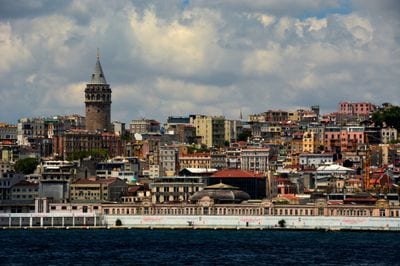
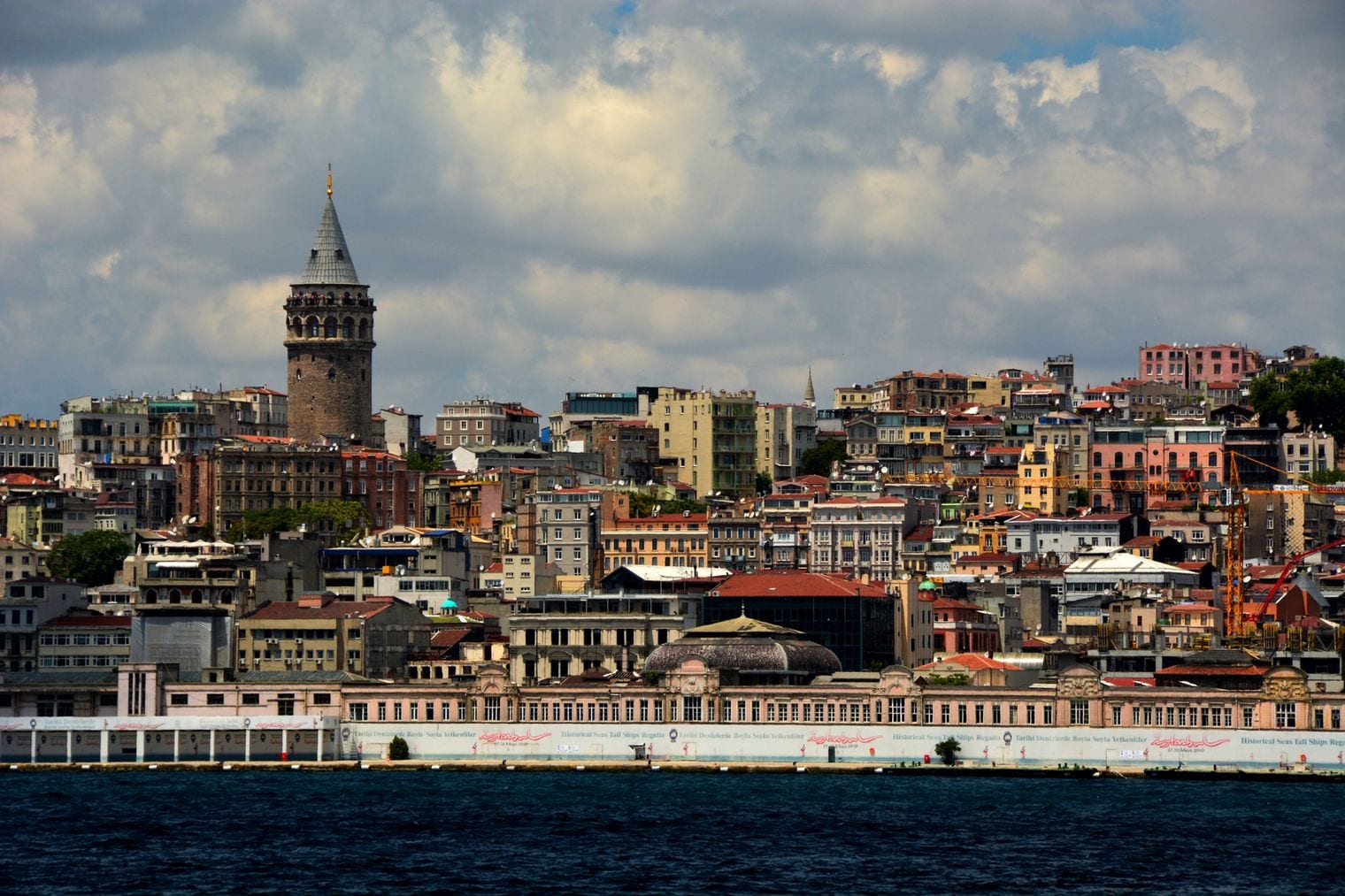
The stone drum on the skyline north of the Golden Horn is Genoese. Galata Tower went up in 1348 as the high point of the walled colony the Genoese held here, and over the centuries it has served as a watchtower, a fire lookout and a prison before becoming the viewpoint it is now.
The balcony running round the top gives you the whole city at once: the historic peninsula and its mosque domes on one side, the Bosphorus running north to the bridges on the other, ferries crossing constantly below. Queues can be long in the afternoon, so come at opening or an hour before sunset. The lanes spiralling down from its base are full of small shops and coffee.
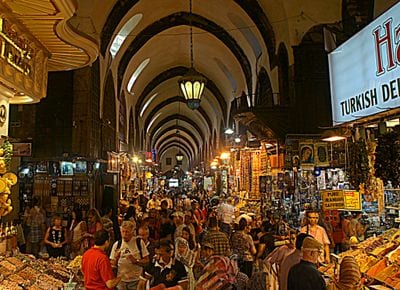
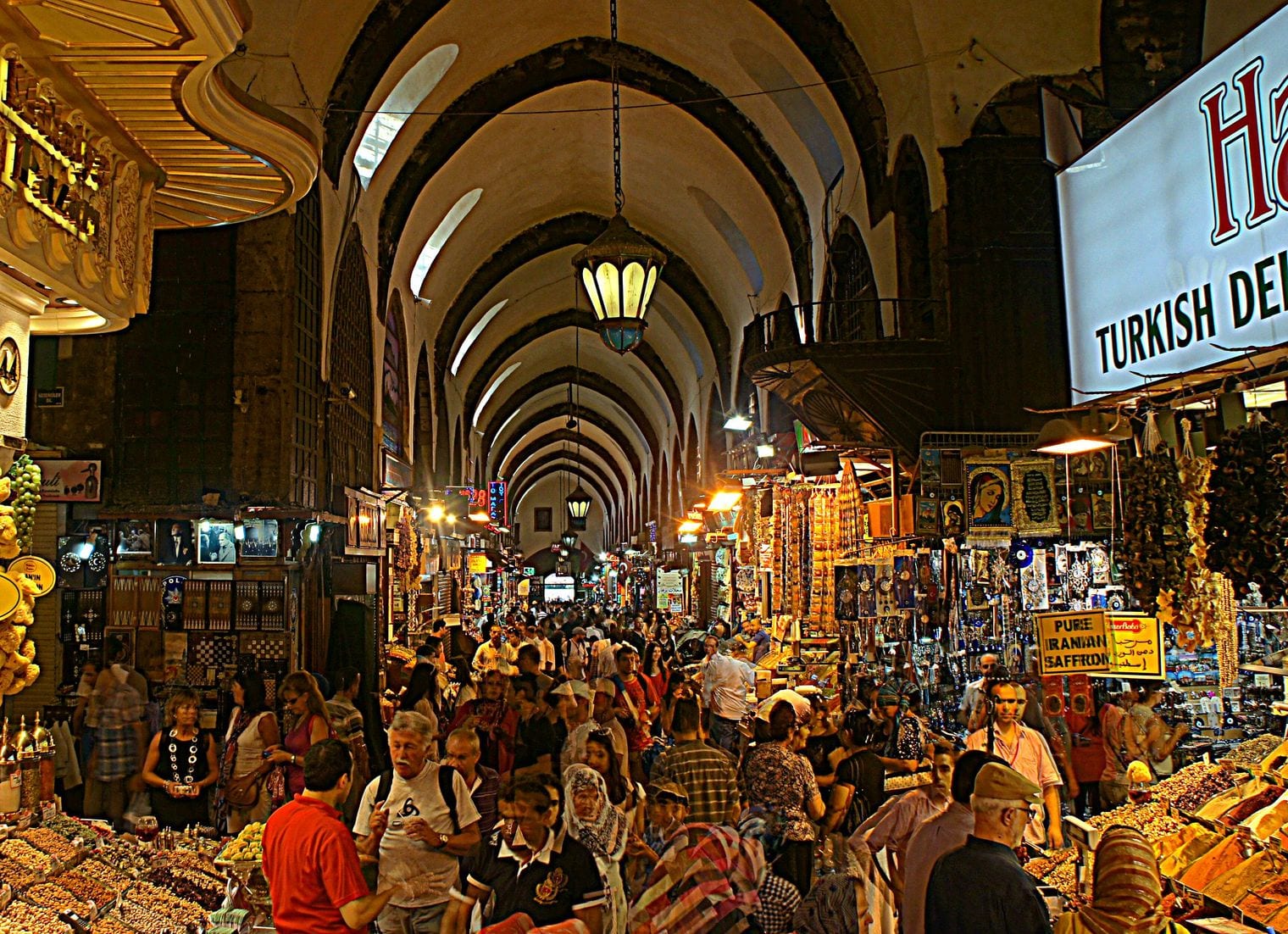
Completed in 1664 as part of the New Mosque complex beside the water at Eminönü, the Spice Bazaar was funded by rents and duties from Egypt, which is why Turks still call it the Egyptian Bazaar. Its L-shaped hall is smaller and far more concentrated than the Grand Bazaar, and the smell hits you at the door.
Pyramids of saffron, sumac, dried figs and rose-scented Turkish delight fill the stalls, alongside cheeses, nuts and tea. The streets immediately outside are where locals actually shop — coffee grinders, pickle sellers, hardware and kitchen supply — and are worth a loop before you head back. Buy where you see Istanbul residents queuing rather than where you are called at.
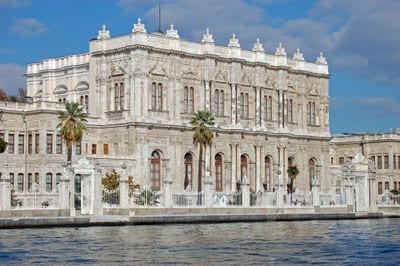
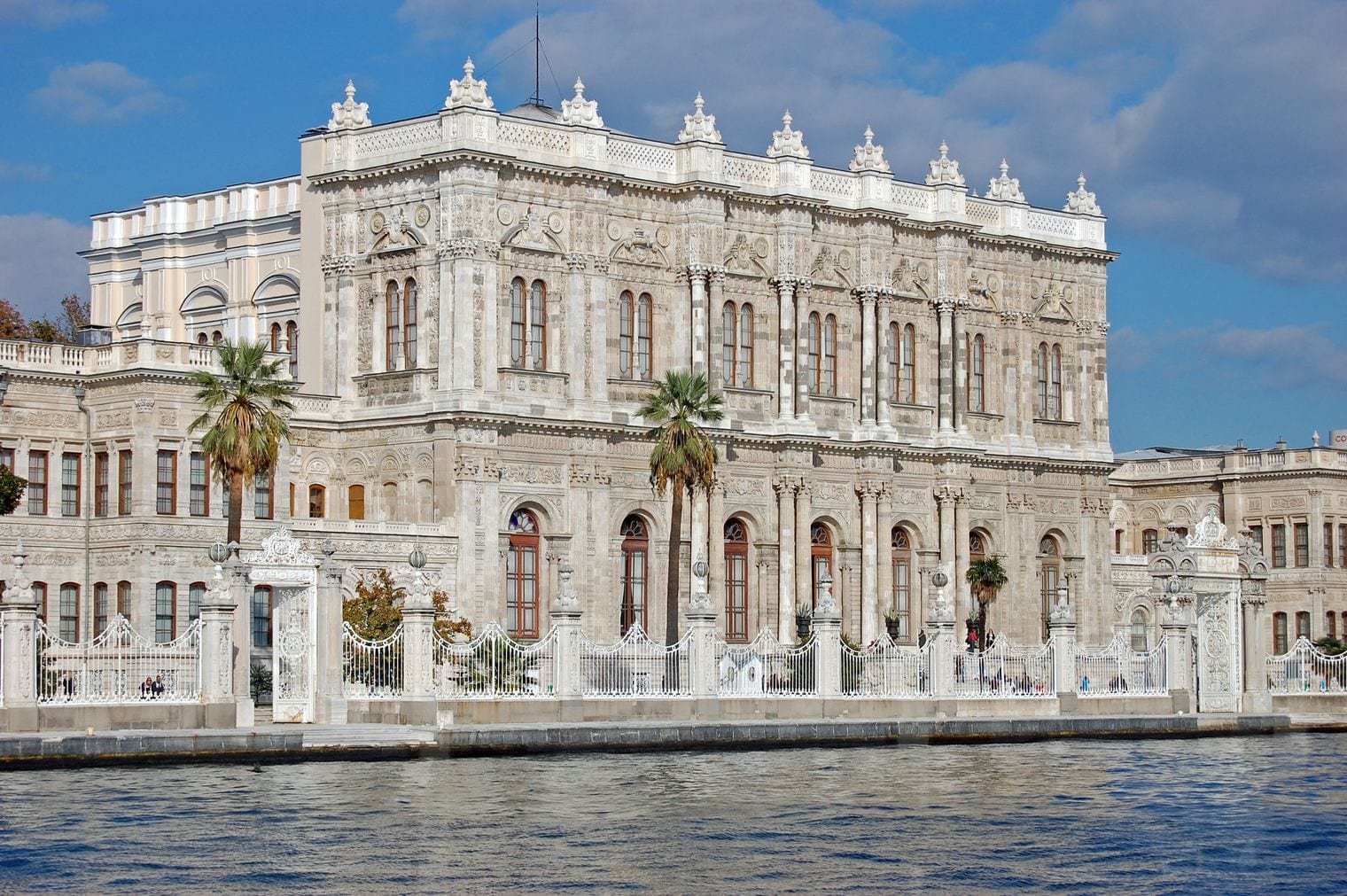
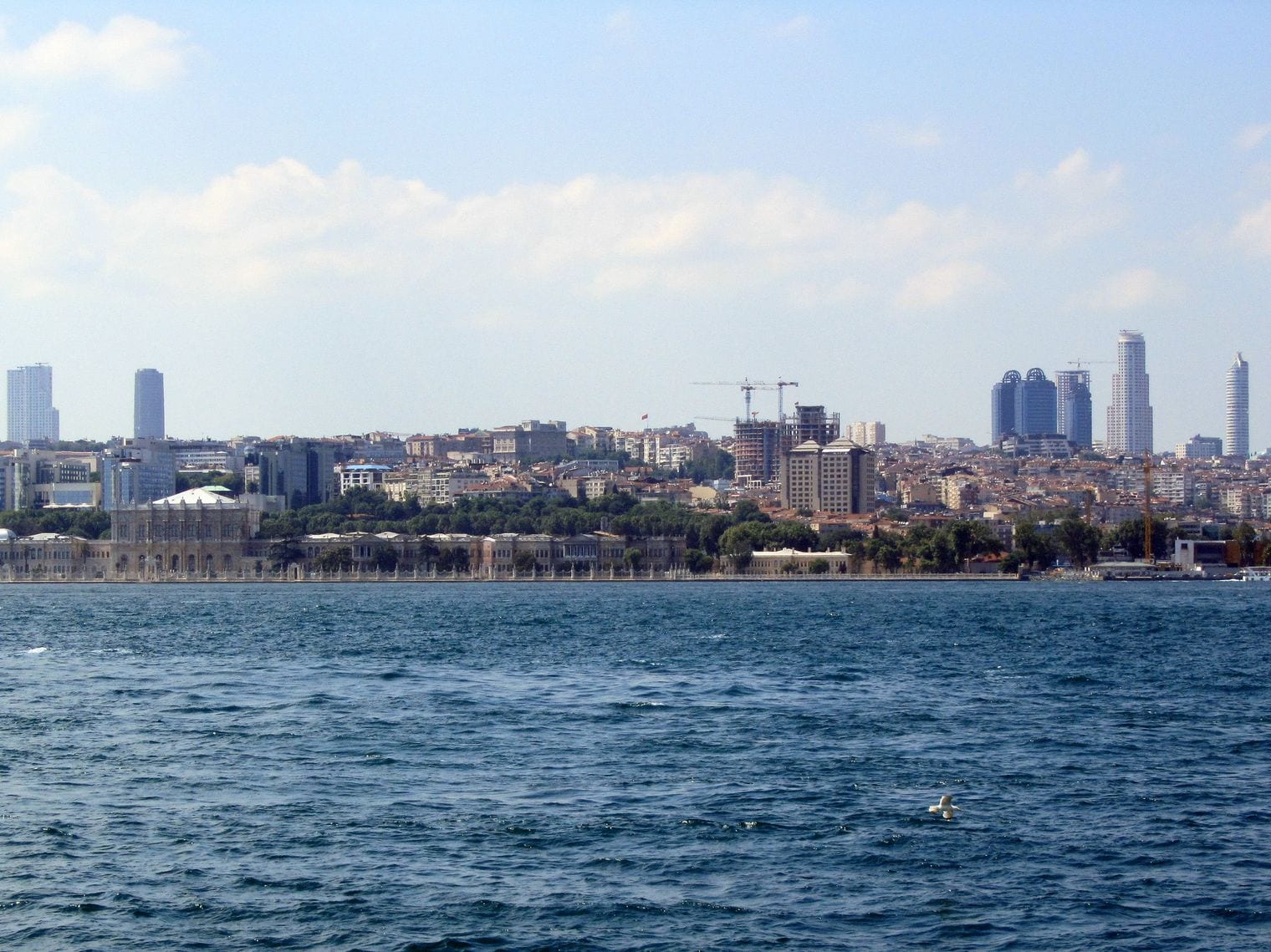
When Topkapi began to feel medieval, the Ottomans built this instead. Raised between 1843 and 1856 for Sultan Abdülmecid I, Dolmabahçe Palace stretches for hundreds of metres along the Bosphorus in a European idiom — a marble facade, formal gardens and an ornamental gate straight onto the water where boats once docked.
Inside it is deliberately overwhelming: gilt, crystal and a ceremonial hall under an enormous chandelier. Atatürk spent his final months here and died in the palace in 1938, and the clocks in his room are still stopped at the moment of his death, which visitors file past in silence. Entry is by timed ticket and set route, so allow more time than you expect.
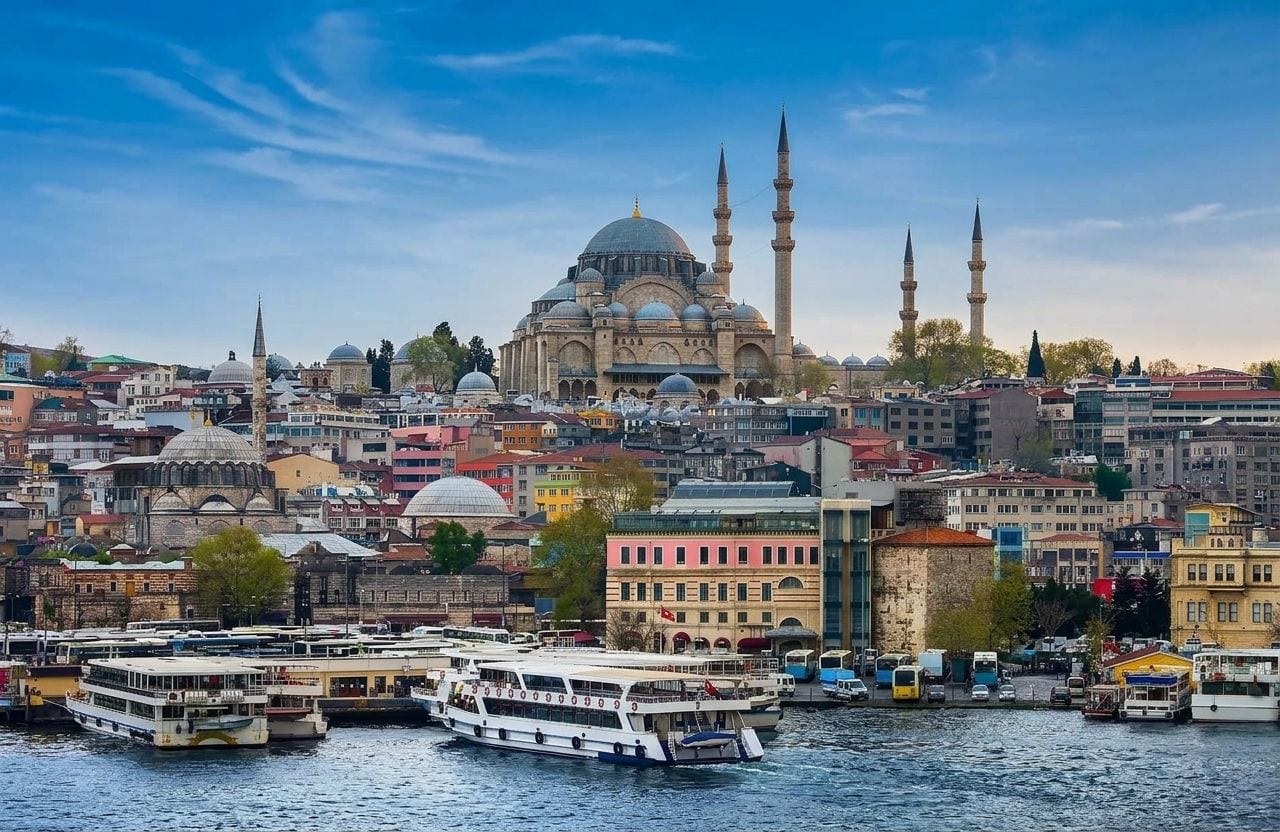
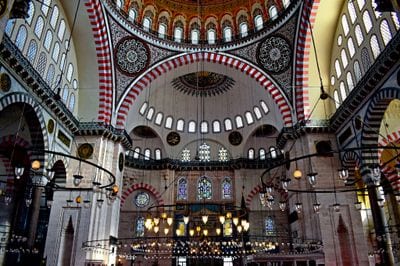
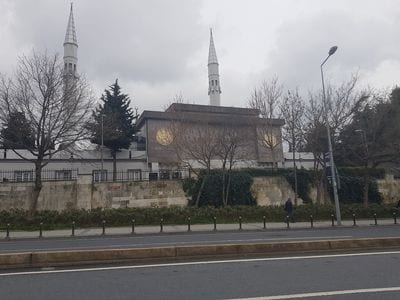
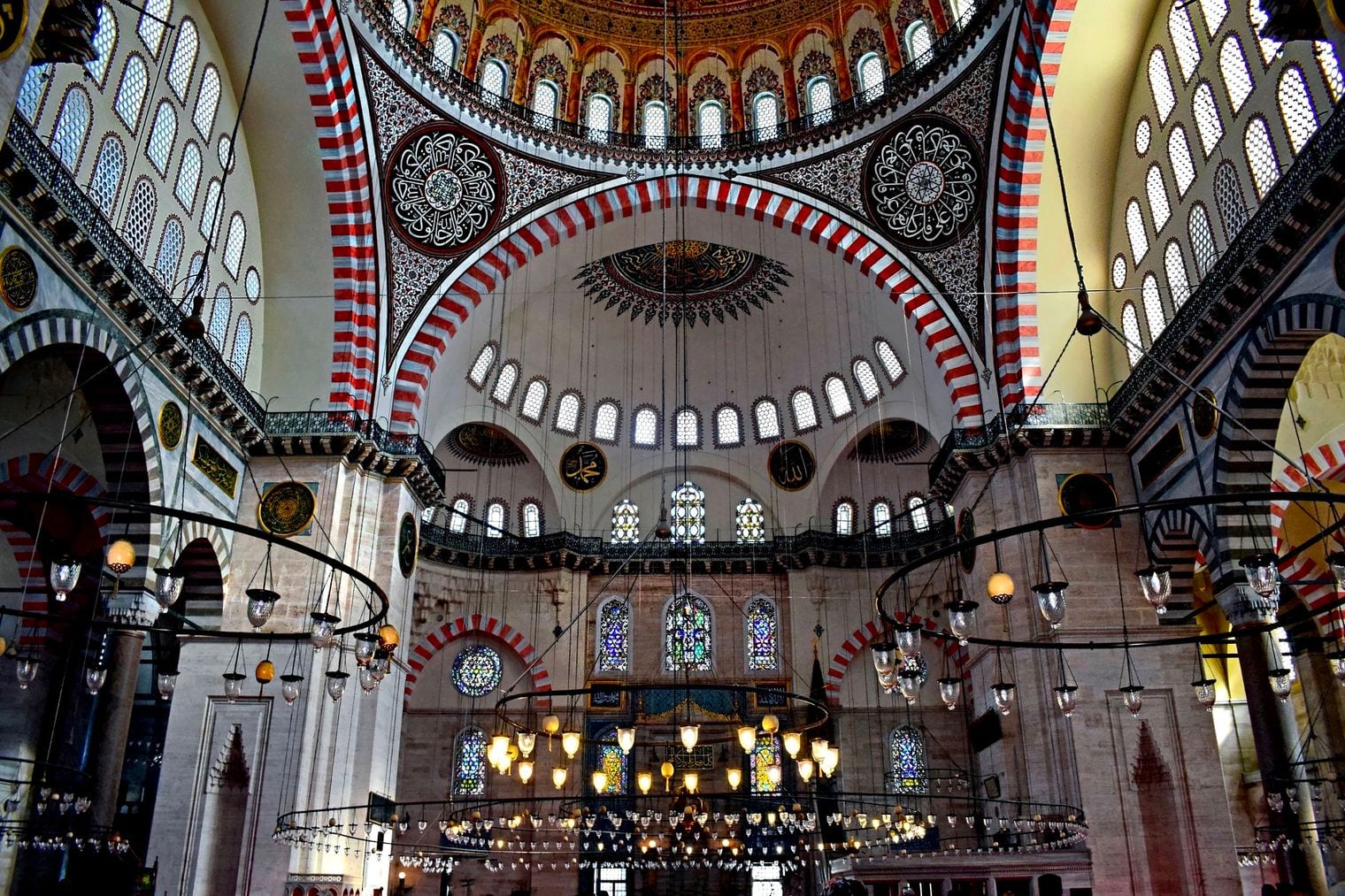
Many people who see both prefer this to the Blue Mosque. Built in the 1550s by the architect Mimar Sinan for Süleyman the Magnificent, Süleymaniye Mosque crowns one of the city's hills, and Sinan solved the problem of light so well that the interior feels open and calm rather than dim.
It was never only a mosque: the complex around it held a hospital, kitchens, baths and colleges, several of which still stand. In the garden behind, the tombs of Süleyman and of Hürrem Sultan sit among roses. Walk out to the terrace on the north side afterwards for one of the best free views in Istanbul, straight down over the Golden Horn.
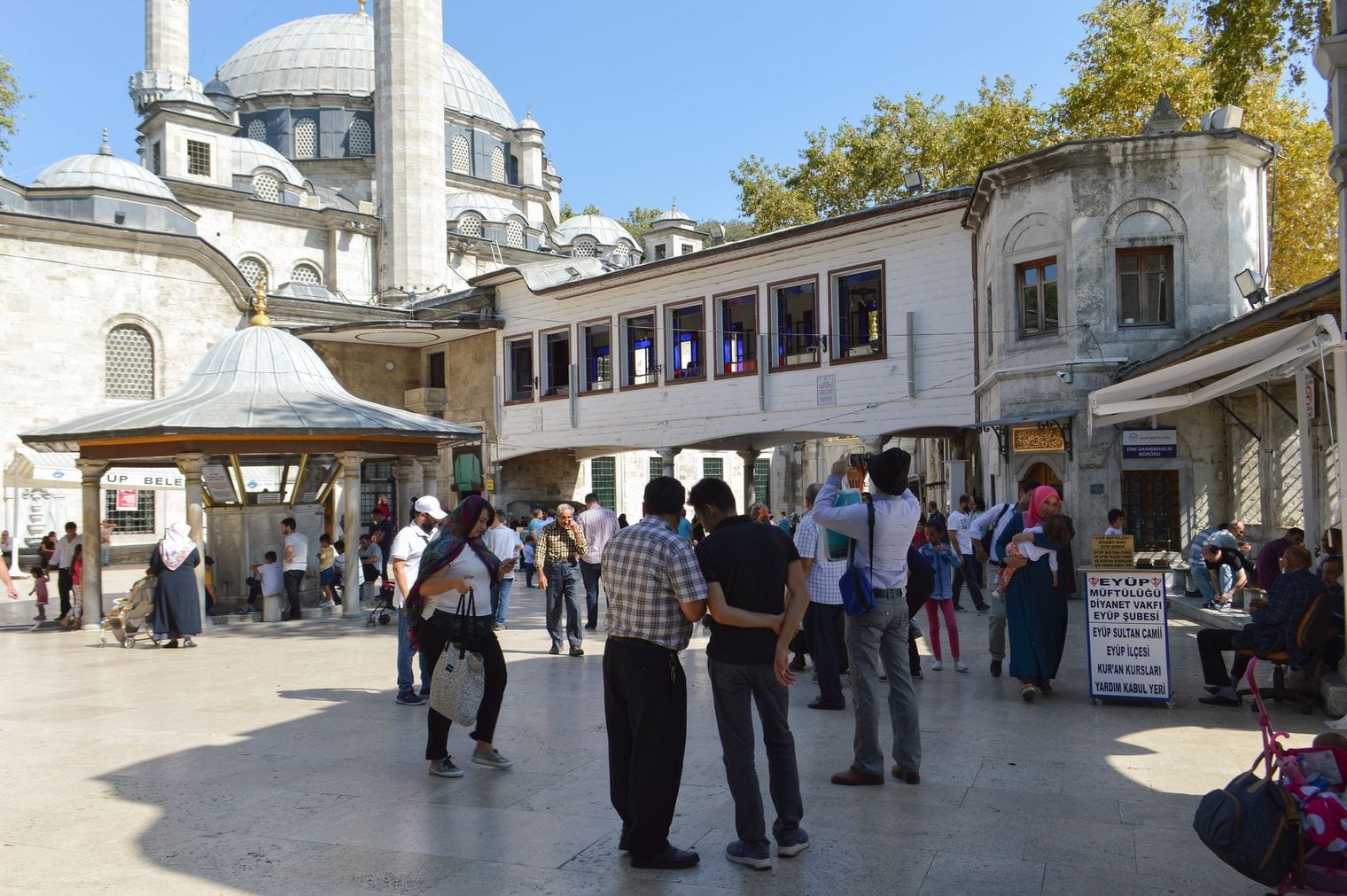
This is among the most revered mosques in the city and the least touristed of the great ones. Eyüp Sultan Mosque was built in 1458, only five years after the conquest, on the spot identified as the burial place of Abu Ayyub al-Ansari, a companion of the Prophet who is believed to have died besieging the city in the seventh century.
Pilgrims come year-round, and the atmosphere in the courtyard — plane trees, fountains, families, flocks of pigeons — is quite unlike Sultanahmet. Visit respectfully and quietly, then follow the cemetery path uphill, or take the cable car, to the cafe terrace on the ridge above for the view back down the Golden Horn.
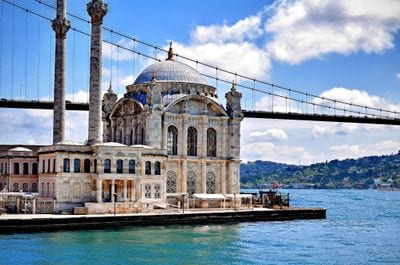
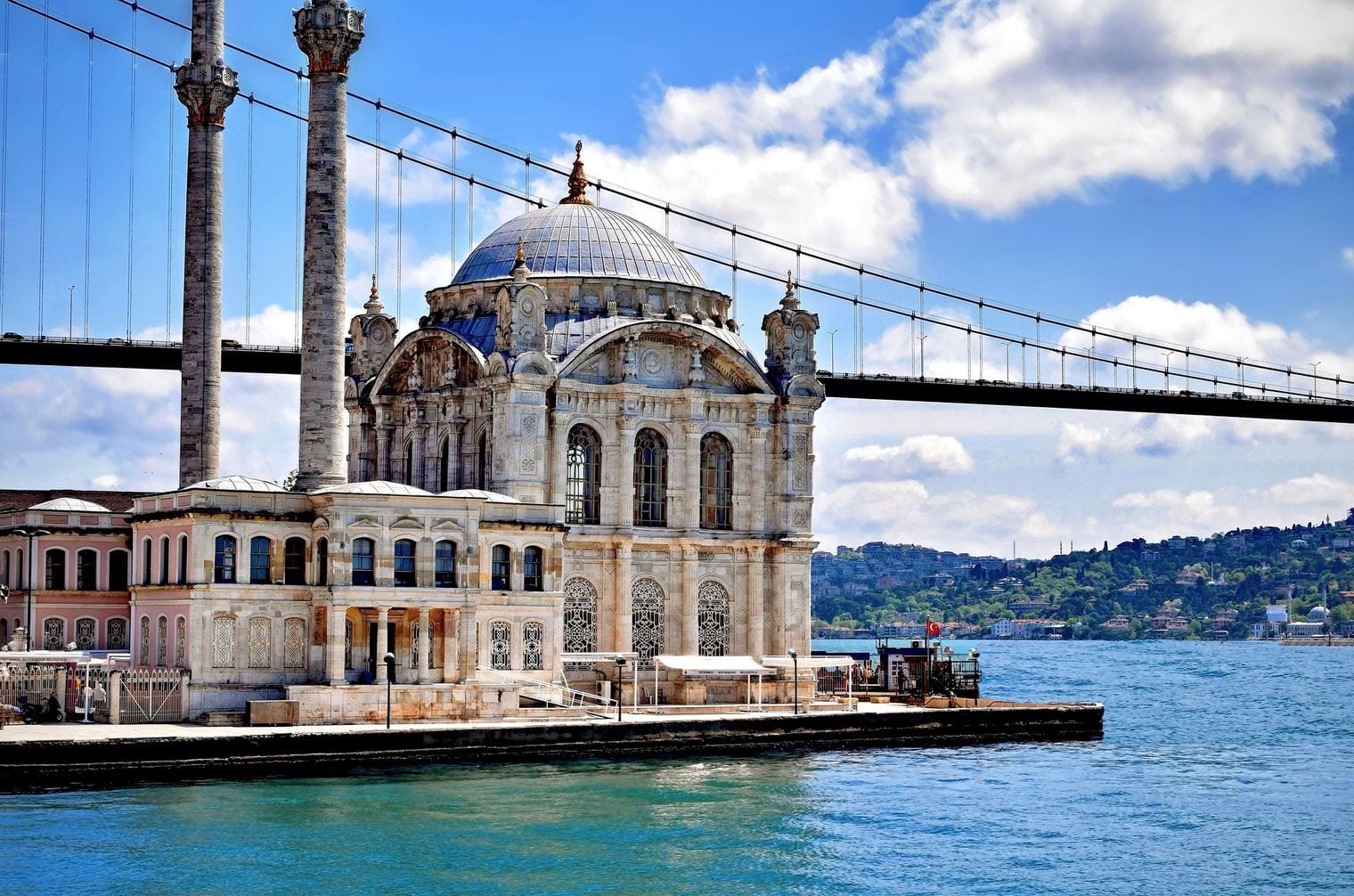
Small, ornate and impossibly well placed, Ortaköy Mosque sits right on the water at the edge of a village-turned-neighbourhood, with the first Bosphorus bridge soaring directly behind it. Built in the mid-1850s in a Neo-Baroque style by members of the Balyan family of court architects, it is a single domed room with tall arched windows that flood it with light off the strait.
The square in front is the real draw at weekends — stalls selling kumpir, the loaded baked potato this spot is known for, buskers, and a constant stream of people photographing the mosque against the bridge. Ferries and the Bosphorus tour boats pass close by, so it also reads well from the water.
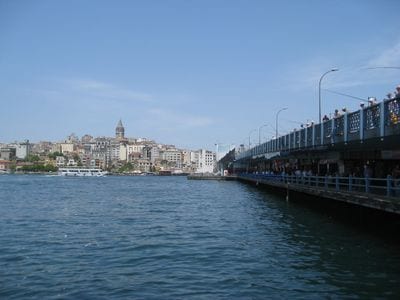
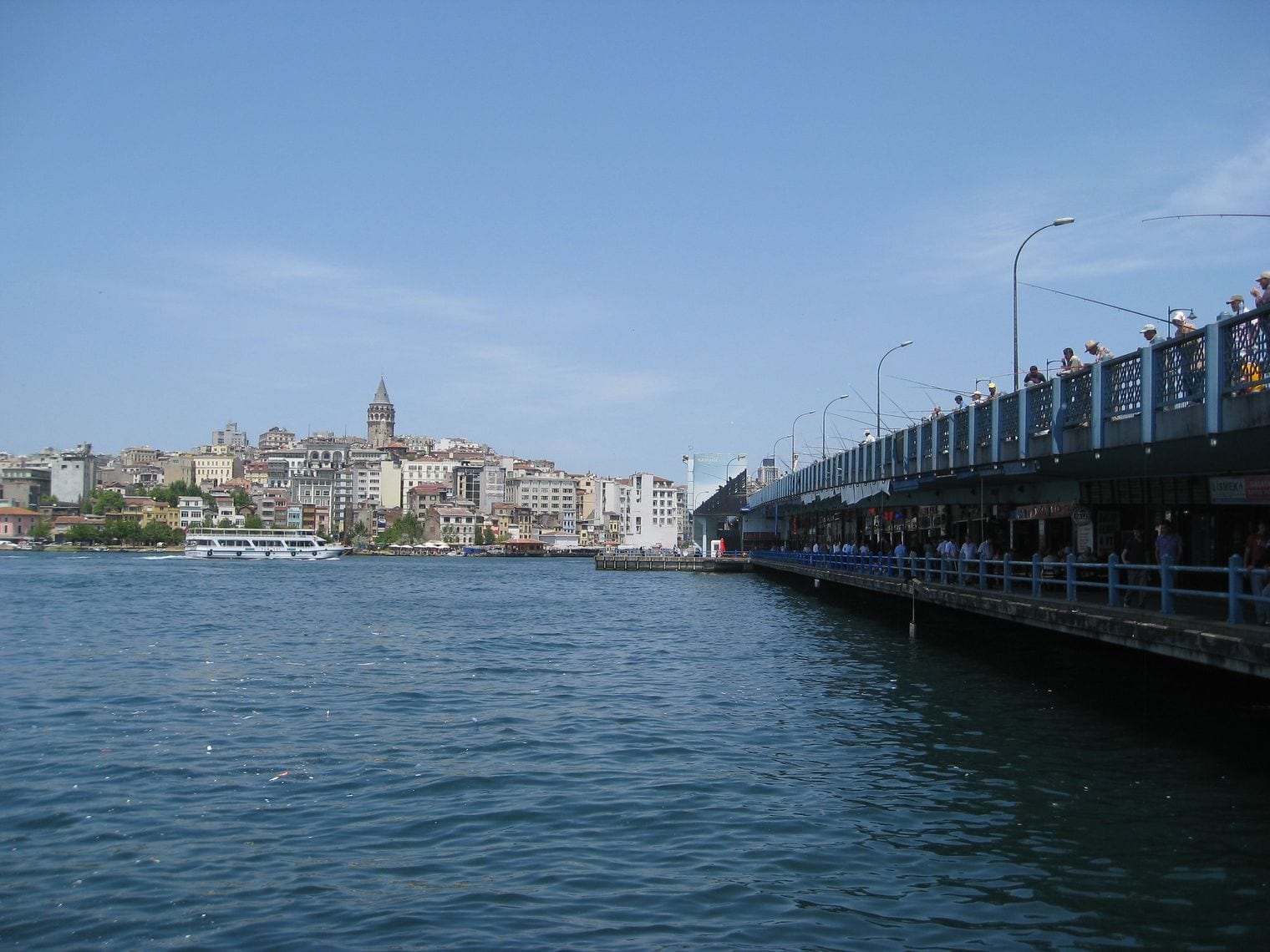
Crossing the Golden Horn between the old city at Eminönü and Karaköy, Galata Bridge is a working piece of infrastructure that doubles as a spectacle. The current bridge dates from the 1990s and is the latest in a line of crossings on roughly this spot going back to the nineteenth century.
The upper deck belongs to fishermen, who line both parapets shoulder to shoulder from dawn, rods out over the traffic, buckets at their feet. Underneath, a row of restaurants and cafes faces the water at eye level with the ferries. Walk it at sunset with the mosque silhouettes ahead of you; it is the single best free thing to do in Istanbul.
Fatih Mosque is the burial place of Mehmed the Conqueror and the centre of the conservative district that carries his name. The original complex went up in the 1460s on the site of the ruined Church of the Holy Apostles, the old burial church of the Byzantine emperors; after severe earthquake damage in the eighteenth century it was largely rebuilt in the form you see now.
The scale is imperial and the crowds are local rather than international, which changes the feel entirely. Mehmed's tomb stands behind the mosque and draws a steady stream of visitors. Wednesdays bring a huge street market to the surrounding blocks, one of the biggest in the city and worth timing a visit around.
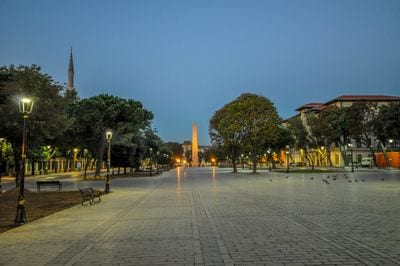
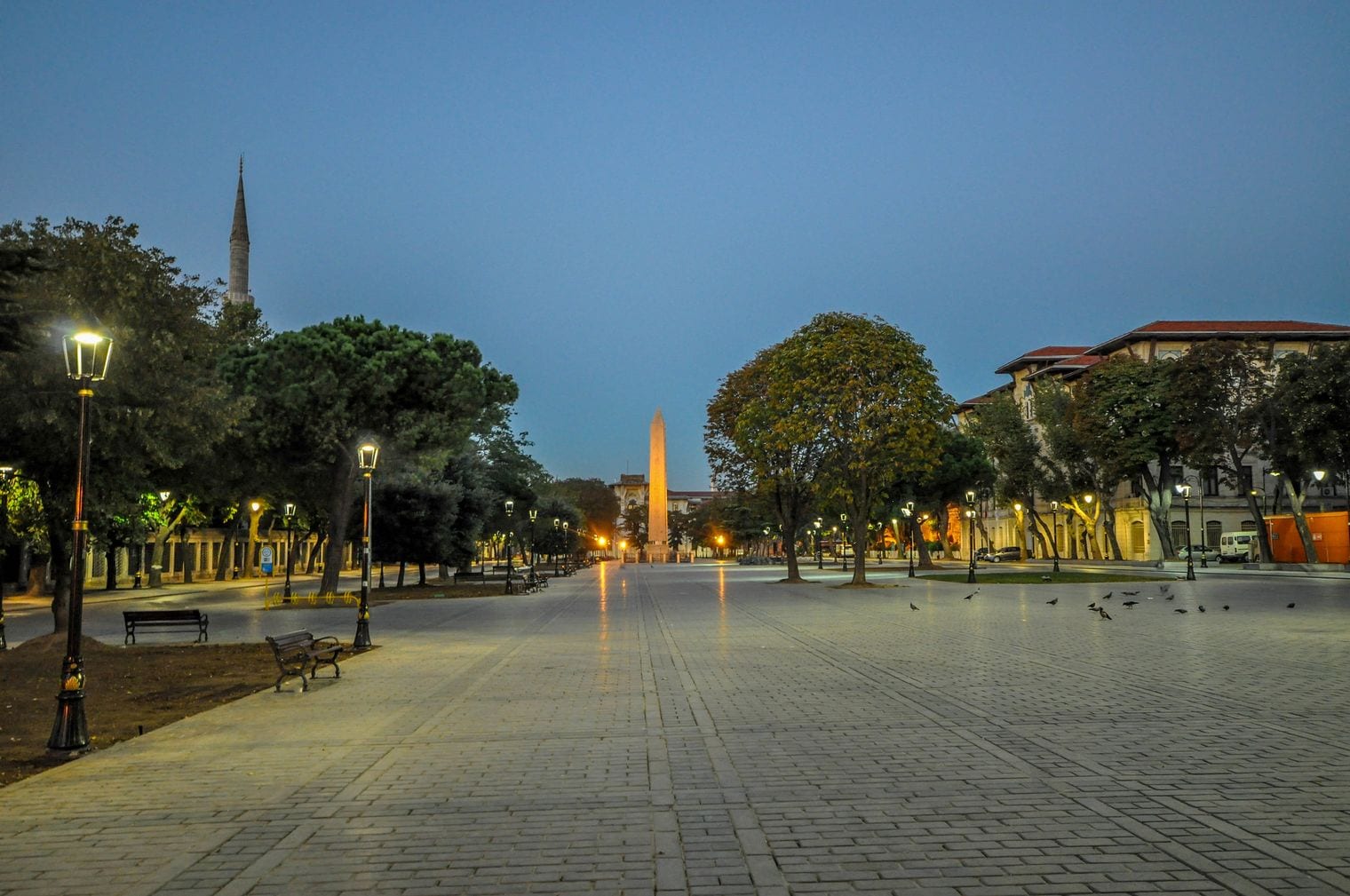
The long open space between Hagia Sophia and the Blue Mosque is not a park but a racetrack. Sultanahmet Square follows the outline of the Hippodrome of Constantinople, where chariot races drew tens of thousands and where the city's political life often turned violent.
Three monuments survive along its spine. The Obelisk of Theodosius is Egyptian, carved for a pharaoh more than three thousand years ago and re-erected here in the fourth century, its carvings still crisp. Beside it stands the twisted bronze Serpent Column, brought from Delphi, and the rough-stone Walled Obelisk. At the northern end, the domed German Fountain was a diplomatic gift dating from 1900.
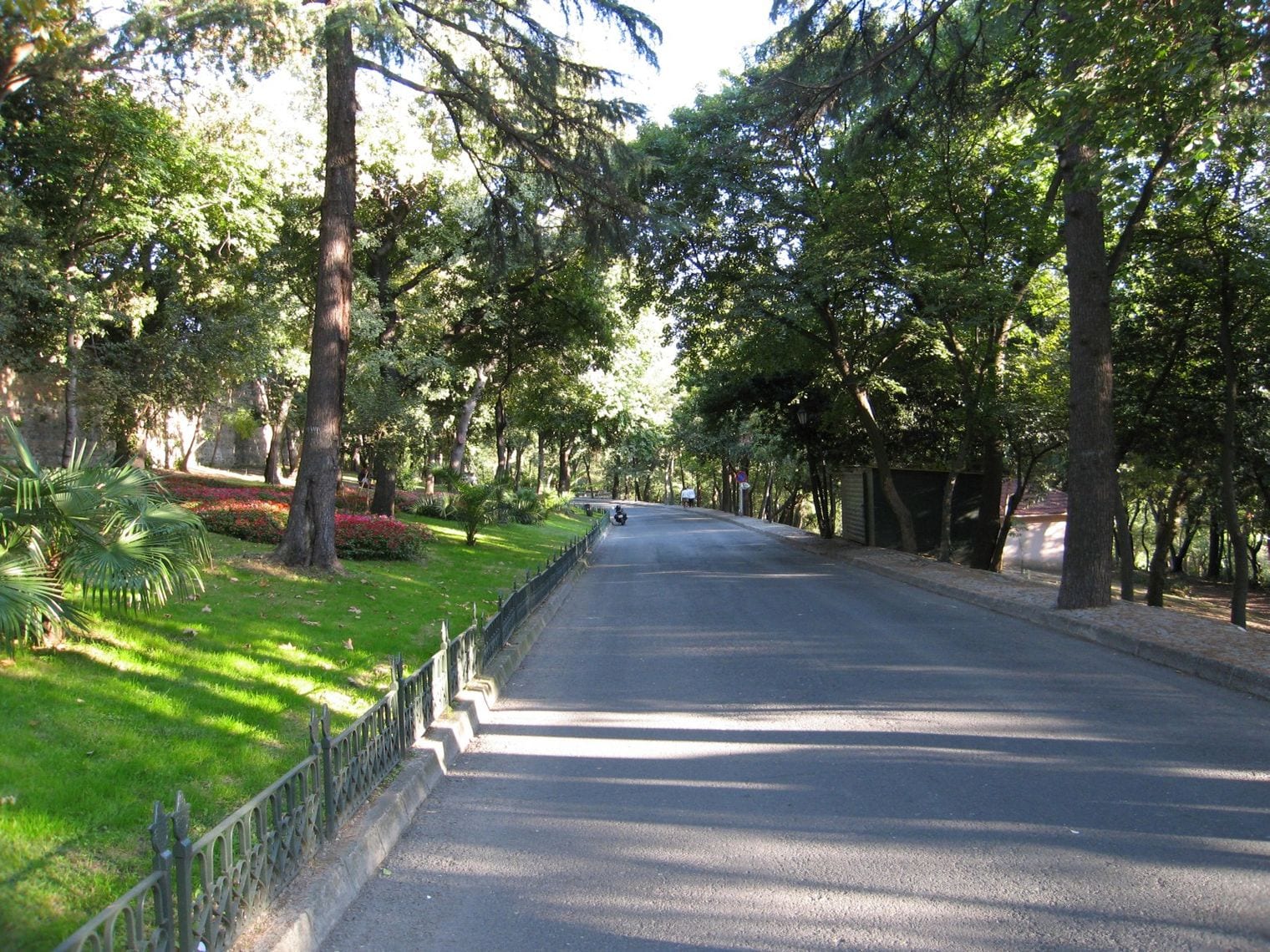
Gülhane Park was the outer garden of Topkapi Palace, closed to everyone but the court until it was opened to the public in the early twentieth century. It slopes down from the palace walls to the shore road, and its avenues of old plane trees make it the shadiest place in Sultanahmet on a hot afternoon.
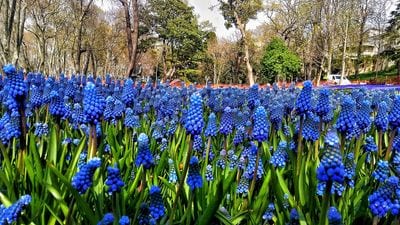
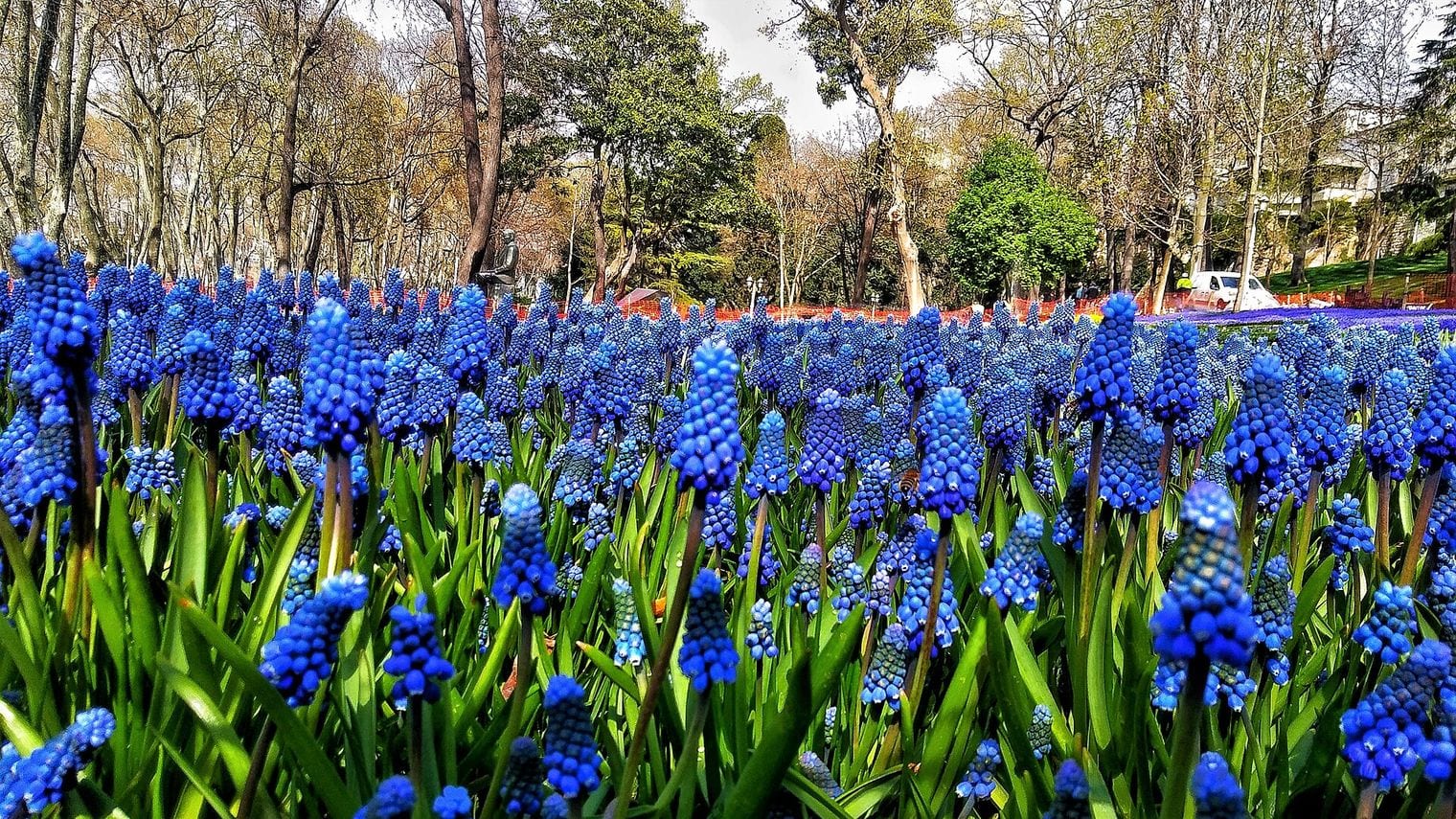
In April the beds are planted with tulips — a flower Ottoman gardeners cultivated long before it reached the Netherlands — and the park becomes one of the prettiest spots in the city. There is a terrace cafe at the top with a wide view over the Bosphorus mouth, and the park is free, which makes it a useful reset between ticketed sights.
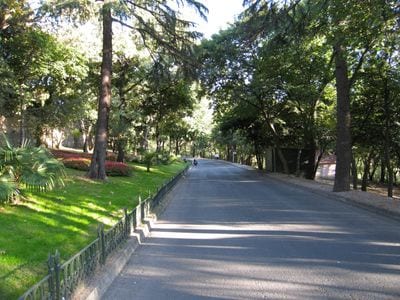
Climbing the hillside behind Beşiktaş, Yıldız Park is what remains of the grounds of Yıldız Palace, the compound Sultan Abdülhamid II preferred to Dolmabahçe below. It is genuinely wooded rather than landscaped, with steep winding paths, ponds and a great many cats.
Two Ottoman pavilions stand among the trees and serve as cafes, so you can drink tea in a sultan's garden folly for very little. The park is popular with Istanbul families at weekends and almost empty on weekday mornings. Wear something with grip: the paths are steep, and the reward is a series of gaps in the canopy that frame the Bosphorus far below.
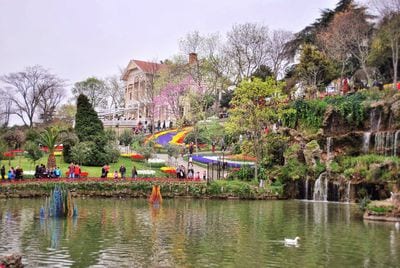
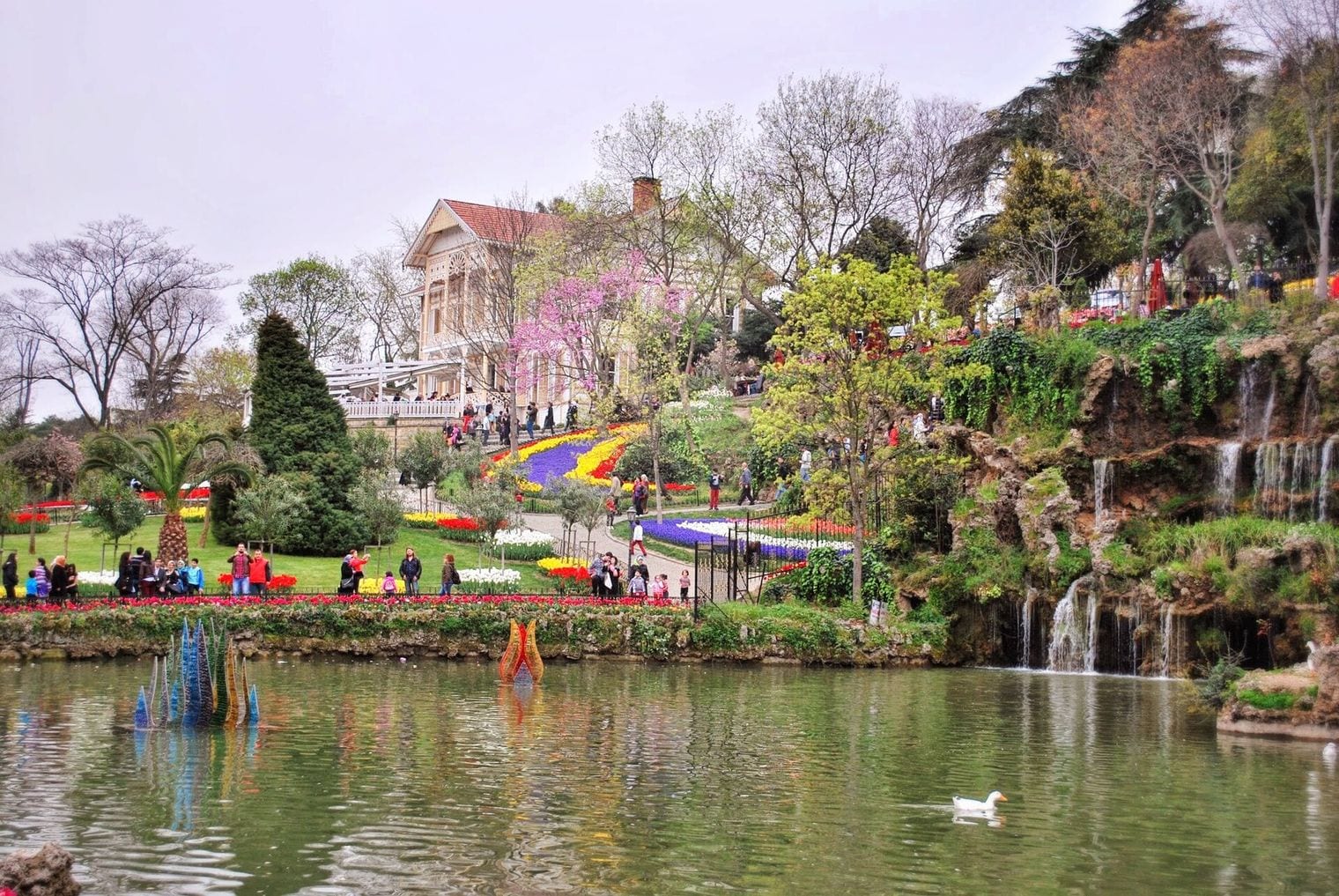
Emirgan Park is the city's tulip park, and in April it is the reason half of Istanbul heads up the European shore of the Bosphorus. Millions of bulbs are planted across the hillside for the annual tulip festival, laid out in bands and patterns down the slope.
Out of season it remains one of the most attractive parks in the city, with mature trees, a pond and three restored nineteenth-century pavilions — traditionally known by their colours as the Yellow, Pink and White kiosks — that operate as cafes and restaurants. It sits high enough for long views over the strait, and the neighbourhood below has a good Sunday market and a string of waterfront tea gardens.
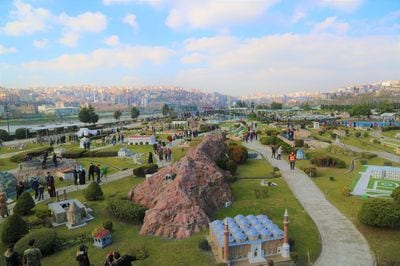
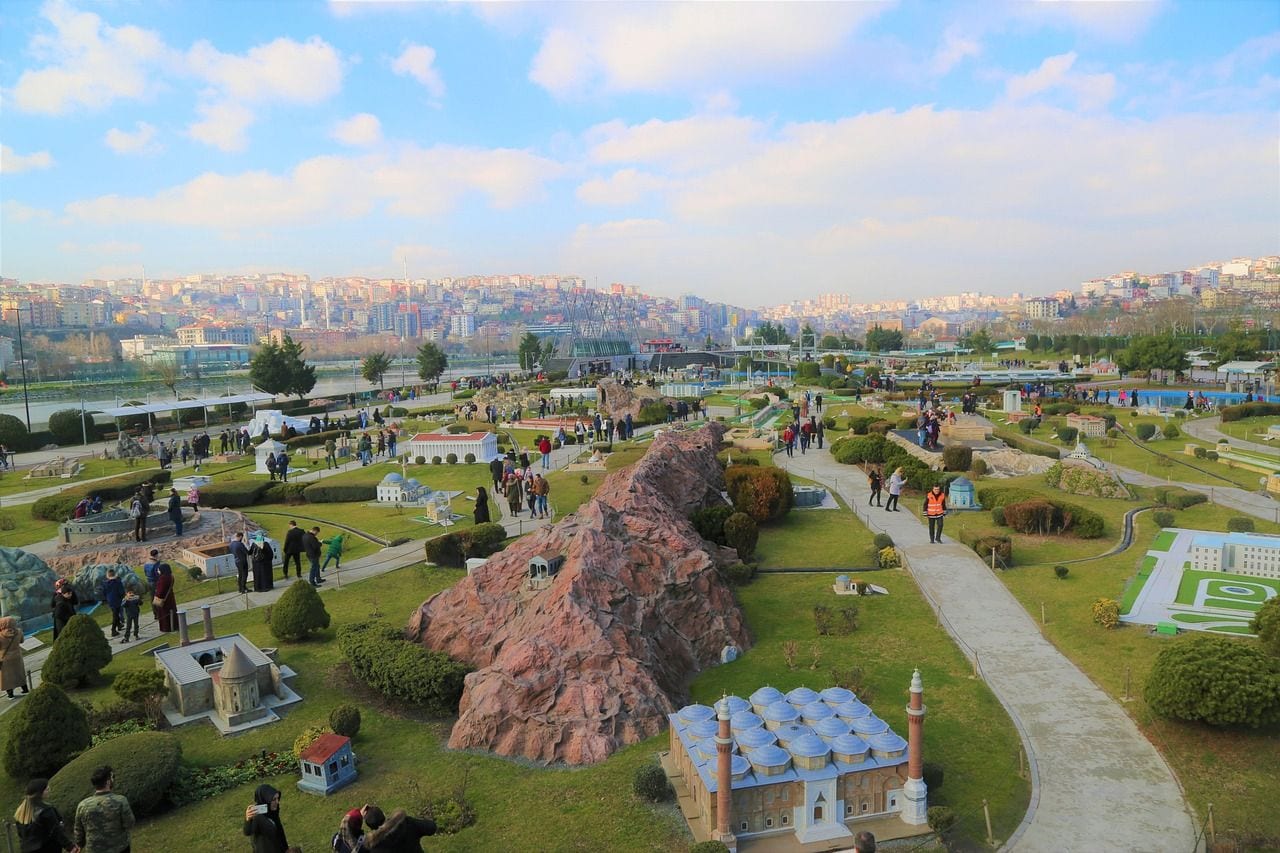
Miniatürk lays out scale models of the country's landmarks across an open park on the shore of the Golden Horn, so you can walk from Hagia Sophia to the rock churches of Cappadocia in about ten minutes. Alongside sites from modern Turkey it includes buildings from lands the Ottomans once ruled, which quietly makes a point about the empire's reach.
It is aimed squarely at families and is a genuinely useful orientation if you are travelling on beyond Istanbul — you get a sense of what Ephesus or Nemrut actually look like before committing to the trip. The setting is pleasant, with the water on one side, and it is far cheaper than the ticketed monuments downtown.
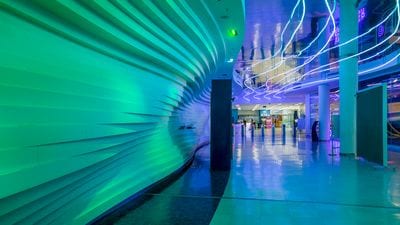
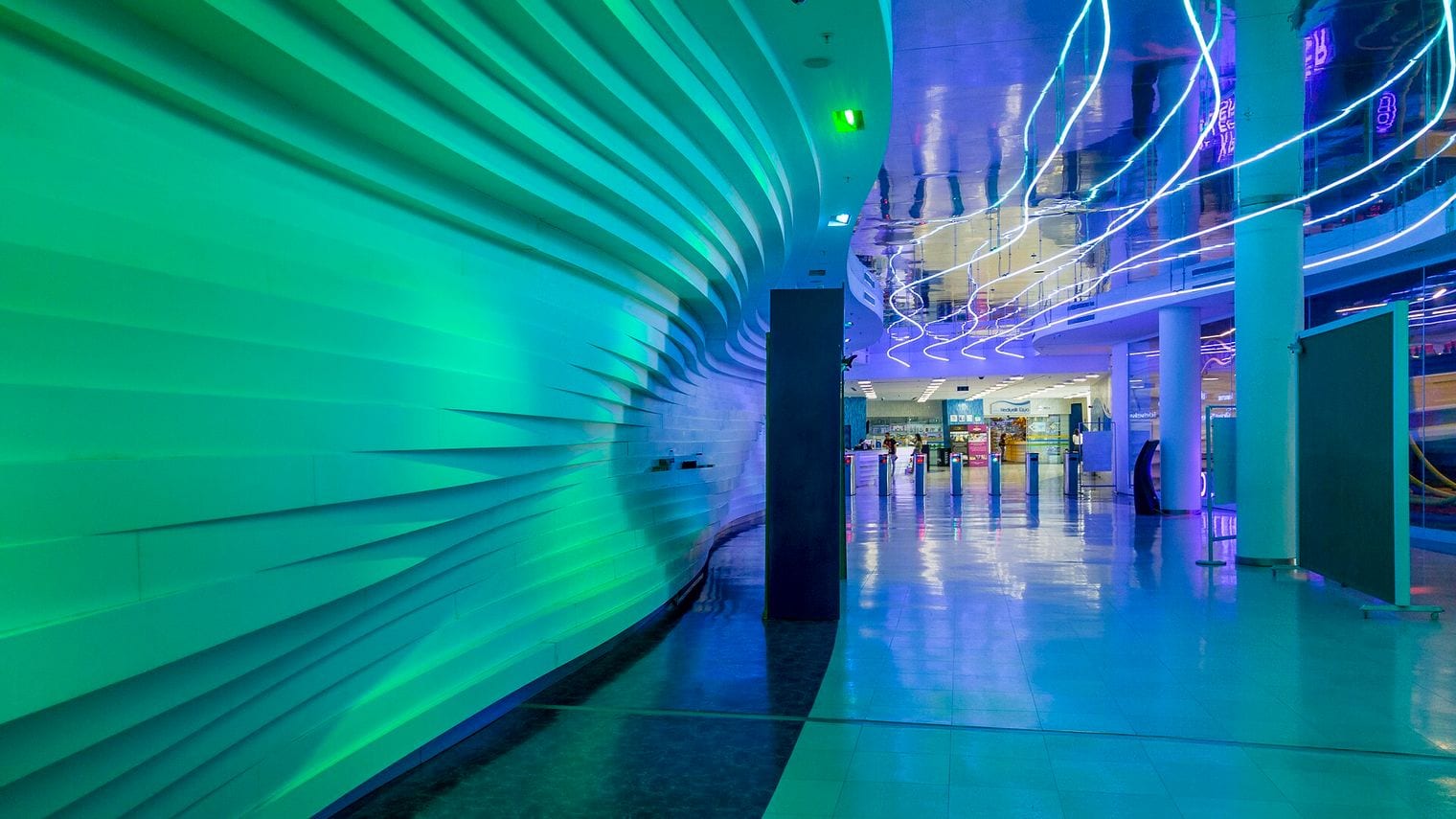
Out at Florya on the Marmara shore, Istanbul Aquarium is arranged as a themed journey rather than a series of tanks, walking you from the Black Sea through the Mediterranean and on to tropical waters, with a rainforest section at the end. It is one of the larger aquariums in Europe and is built for a long, air-conditioned visit.
That makes it a genuinely good call on a wet winter afternoon or in the worst of the August heat, when the open-air sights are unpleasant. It is a fair way from the centre — allow for the journey out and back — so treat it as a half-day with children rather than something to slot between mosques.
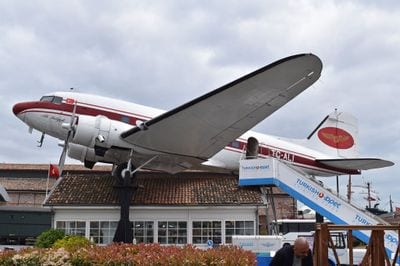
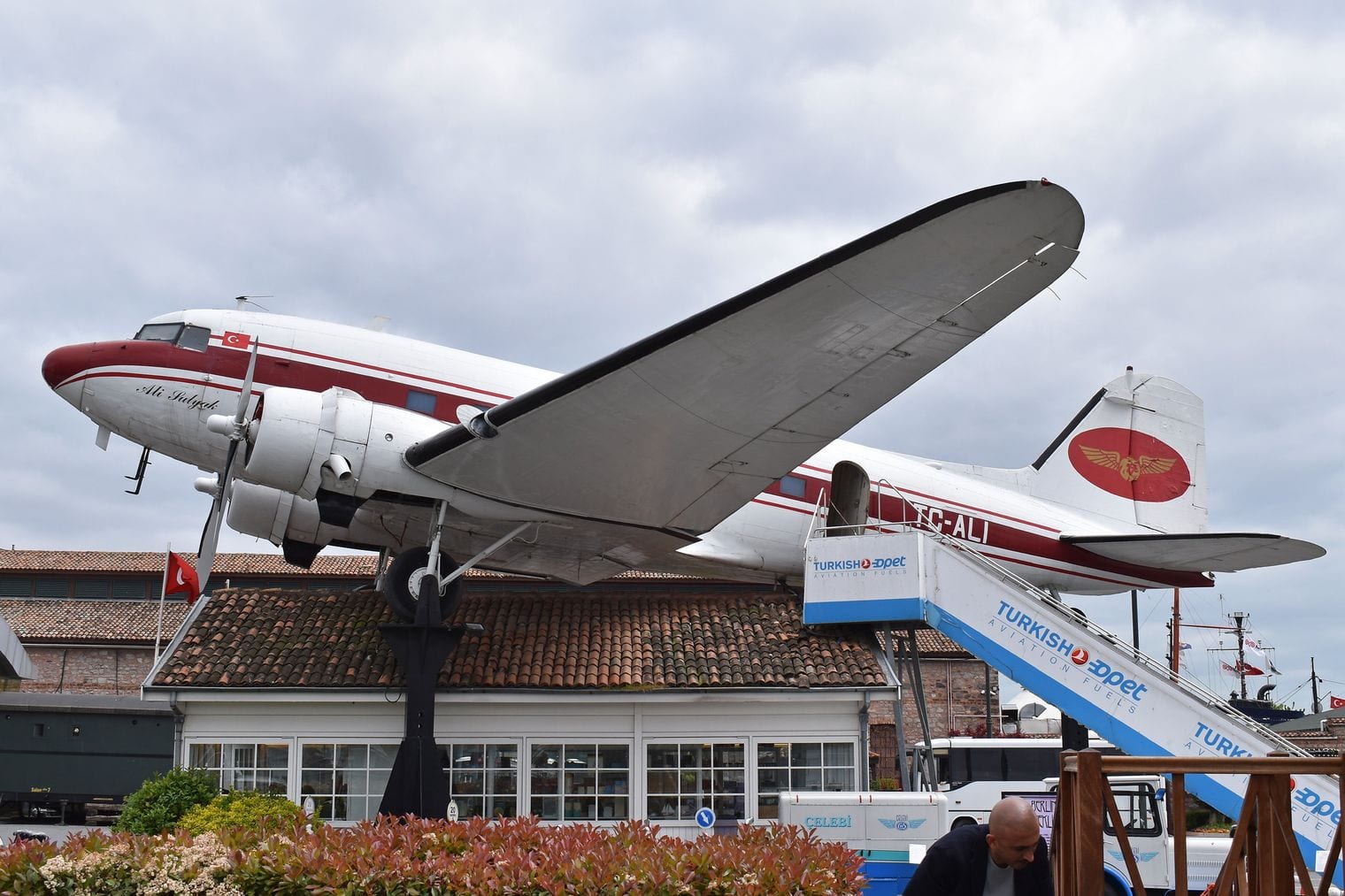
The best museum in Istanbul for anyone who likes machines. The Rahmi M. Koç Museum occupies a restored Ottoman foundry and an old shipyard building on the Golden Horn, and it collects transport, industry and communications: steam engines, vintage cars, trams, aircraft, model railways and a great deal you are allowed to climb into.
A decommissioned submarine is moored outside and can be toured, ducking through the hatches, which is the highlight for most visitors. Everything is displayed with obvious affection rather than academic distance, and there is plenty at child height. Reaching it by ferry up the Golden Horn makes the trip better and costs almost nothing.
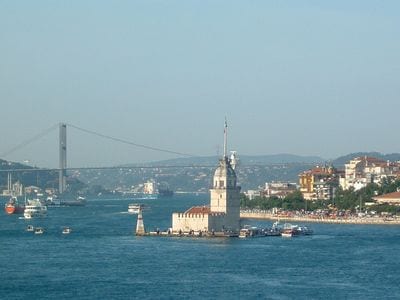
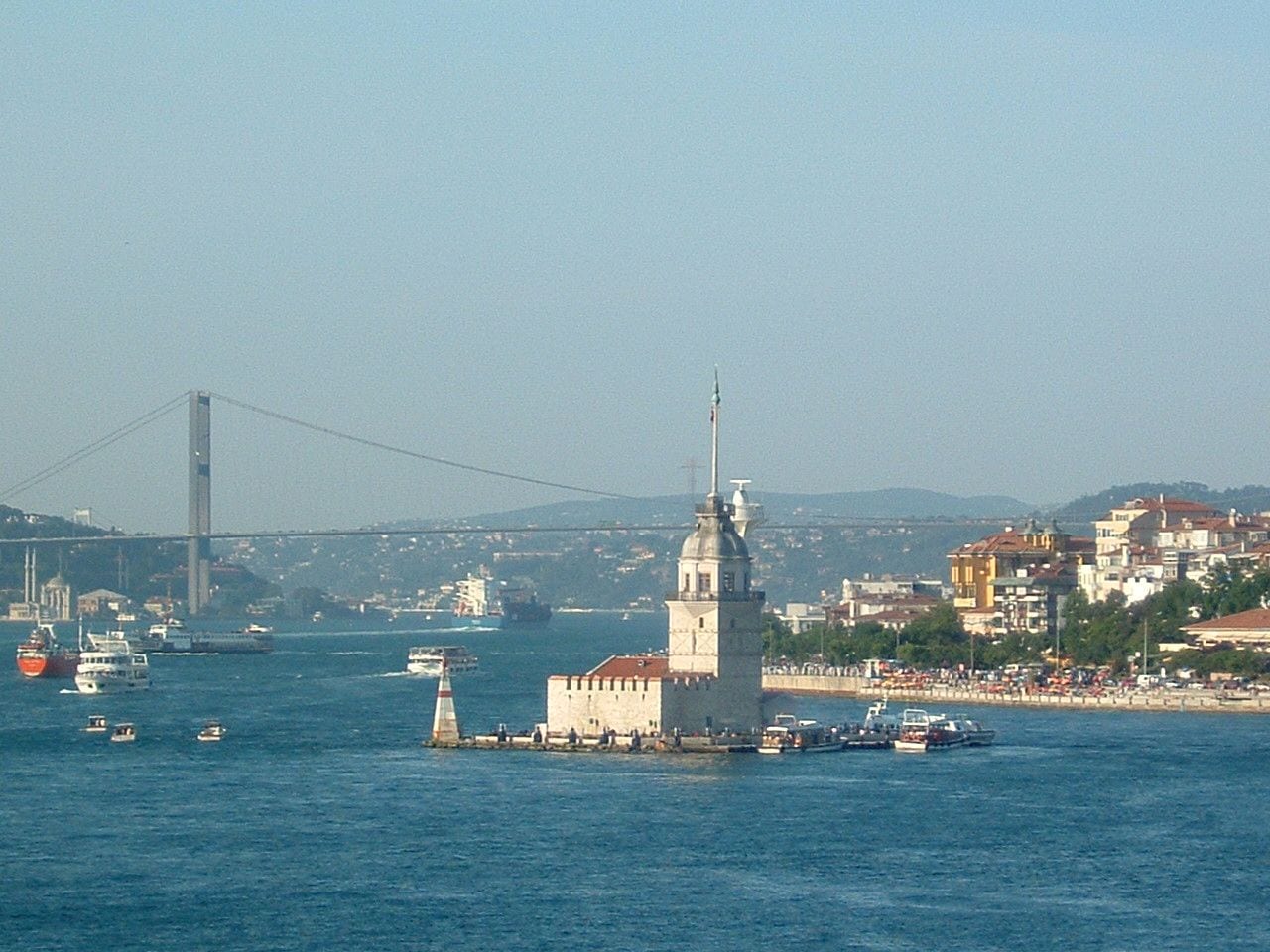
Maiden's Tower stands on a tiny islet just off the Üsküdar shore, where the Bosphorus meets the Sea of Marmara, and it has been rebuilt many times over two thousand years of use as a toll post, lighthouse, quarantine station and customs point. It is the image on a thousand postcards for good reason: a small white tower alone on the water with the city rising behind it.
Boats run out from Üsküdar and Kabataş, and there is a cafe and a viewing level inside. Several competing legends explain the name, all involving a princess and a prophecy, none of them verifiable — enjoy the story and the crossing rather than the history.
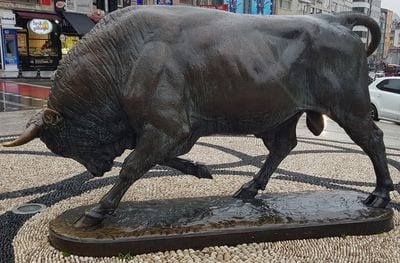
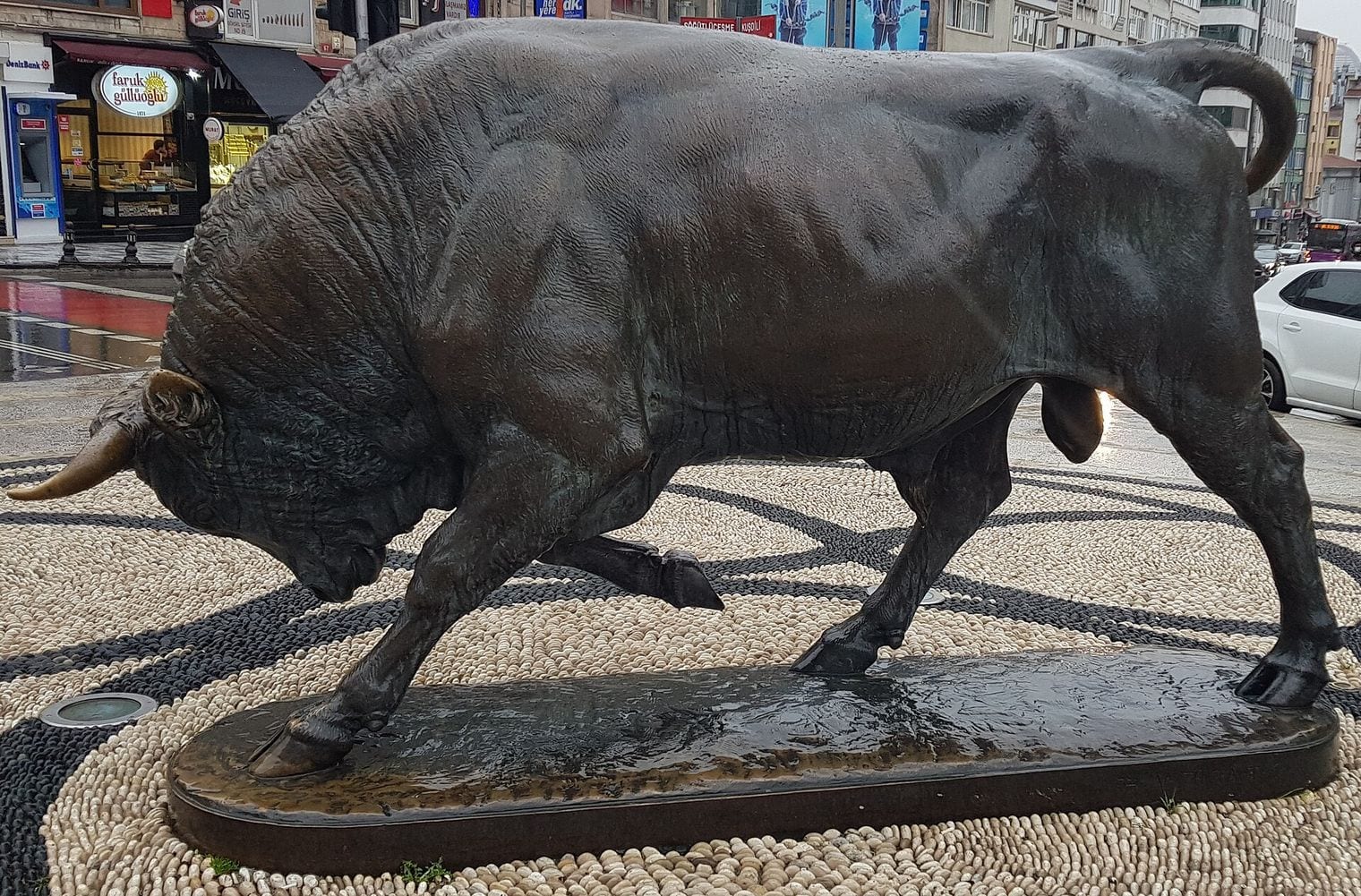
Every city needs a place to meet, and on the Asian side it is here. The Kadıköy Bull Statue is a large bronze bull that has stood at this junction since the 1980s, having been moved around Istanbul for decades before settling in. Ask anyone in Kadıköy where to rendezvous and this is the answer.
The statue itself takes a minute; the point is what surrounds it. This is the gateway to Kadıköy's market streets and its bar and cafe quarter, one of the best areas to eat in the whole city and refreshingly free of tour groups. Come over on the ferry from Eminönü or Karaköy, photograph the bull, then get lost in the lanes behind it.
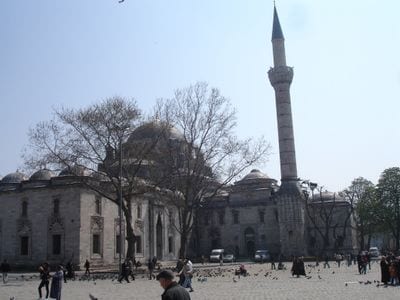
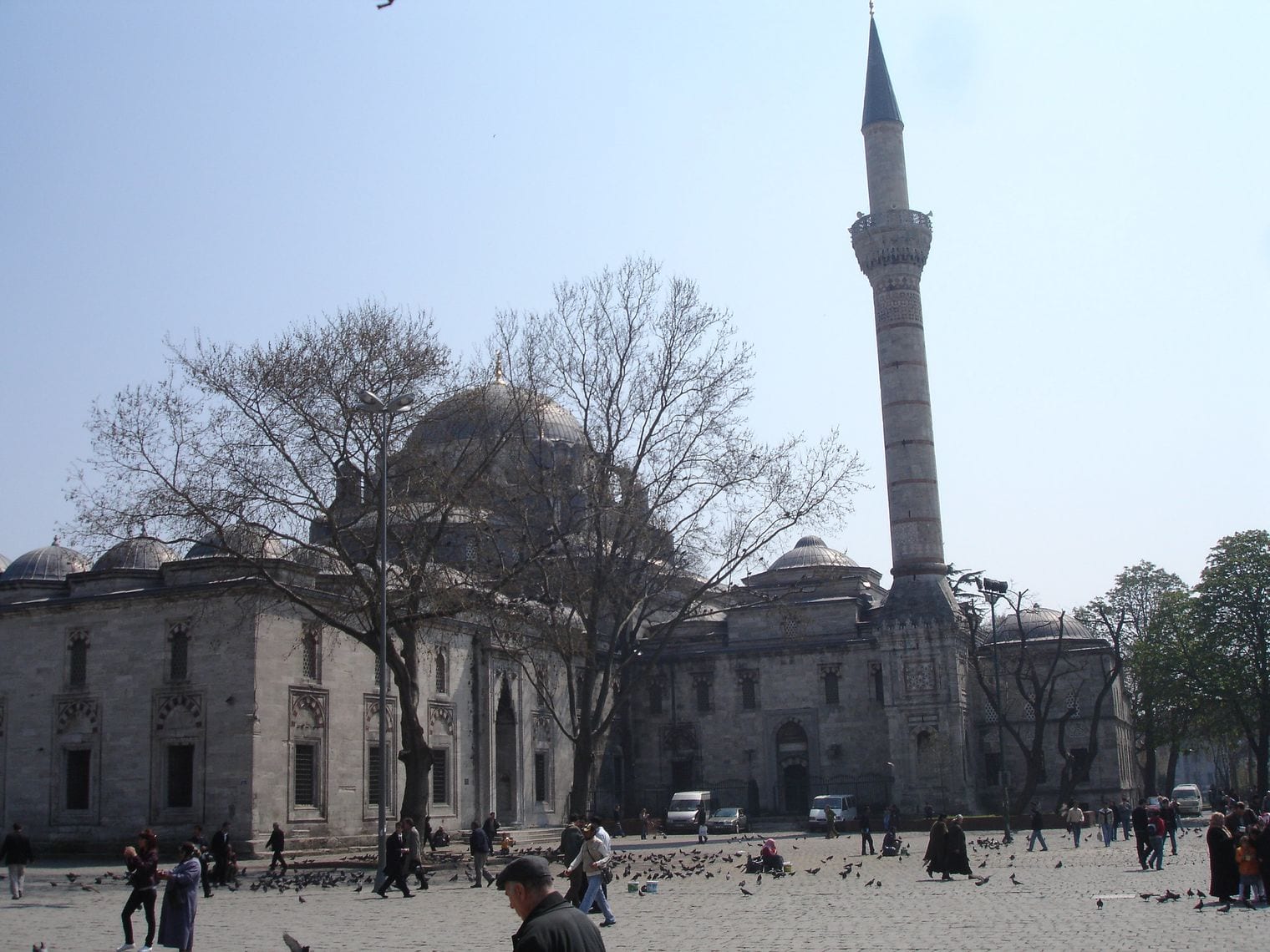
Beyazıt Square is the old city's civic heart and sits directly on the site of a Roman forum, fragments of which still surface around its edges. On one side stands the ornate gate of Istanbul University, on another the early sixteenth-century Beyazıt Mosque, and the Grand Bazaar's gates are a short walk downhill.
It is a working square rather than a manicured one: students, book sellers, pigeons and simit carts, with the tall Beyazıt fire tower rising from the university grounds behind. The second-hand book market tucked into a courtyard off the square has traded books on this spot for centuries and is a pleasant place to browse away from the crowds.
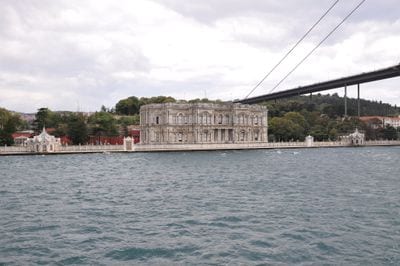
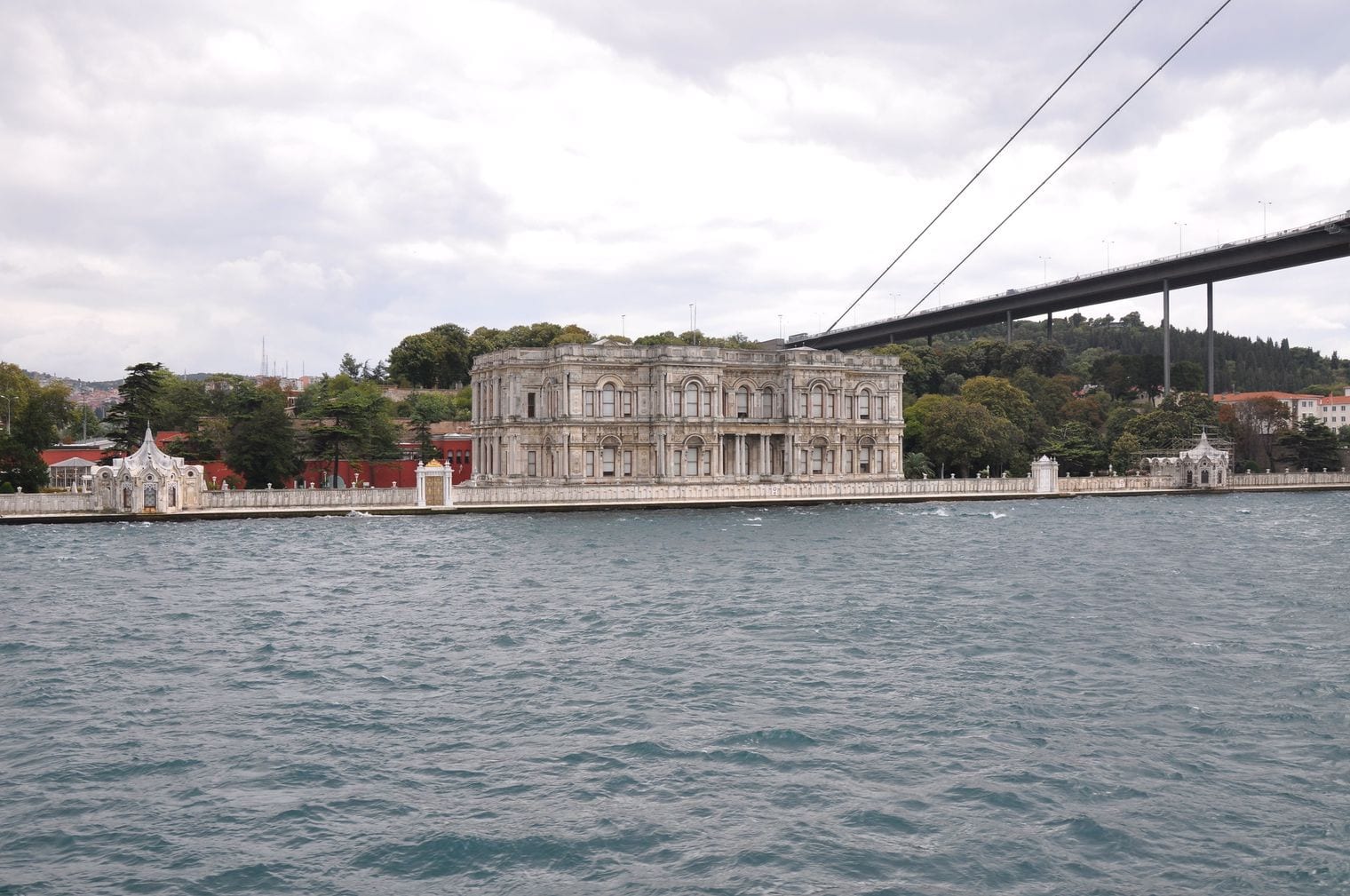
On the Asian bank just north of the first Bosphorus bridge, Beylerbeyi Palace was built in the 1860s for Sultan Abdülaziz as a summer residence and a place to lodge visiting royalty. It is far smaller than Dolmabahçe across the water and much the better for it — you can see the whole thing without flagging.
The interiors mix European furniture with Ottoman detail, and the marble-lined pool room downstairs is genuinely odd and memorable. Outside, terraced gardens step down to the water with the strait right there. Because most visitors never cross to this side, you may find yourself moving through the rooms with only a handful of other people.
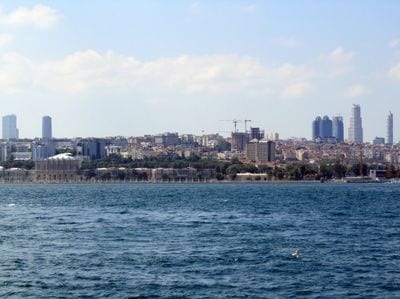
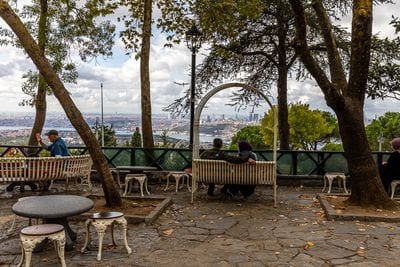
The Üsküdar Coast Walkway runs along the Asian shoreline with the European city laid out across the water — Dolmabahçe Palace and the Beşiktaş towers to the north, the domes of the historic peninsula away to the south, and Maiden's Tower just offshore. It is the view Istanbul residents choose when they want to look at their own city.
The promenade is broad, flat and free, lined with benches, tea gardens and men fishing, and it fills up in the hour before sunset when the light turns the peninsula gold. Come over on the ferry from Eminönü, walk south towards the tower and back, and stop for tea. It costs the price of a transit fare and is one of the great Istanbul hours.
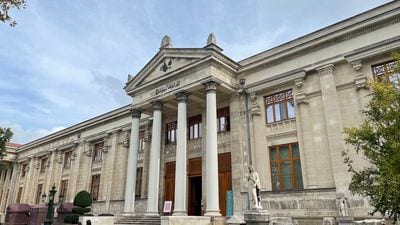
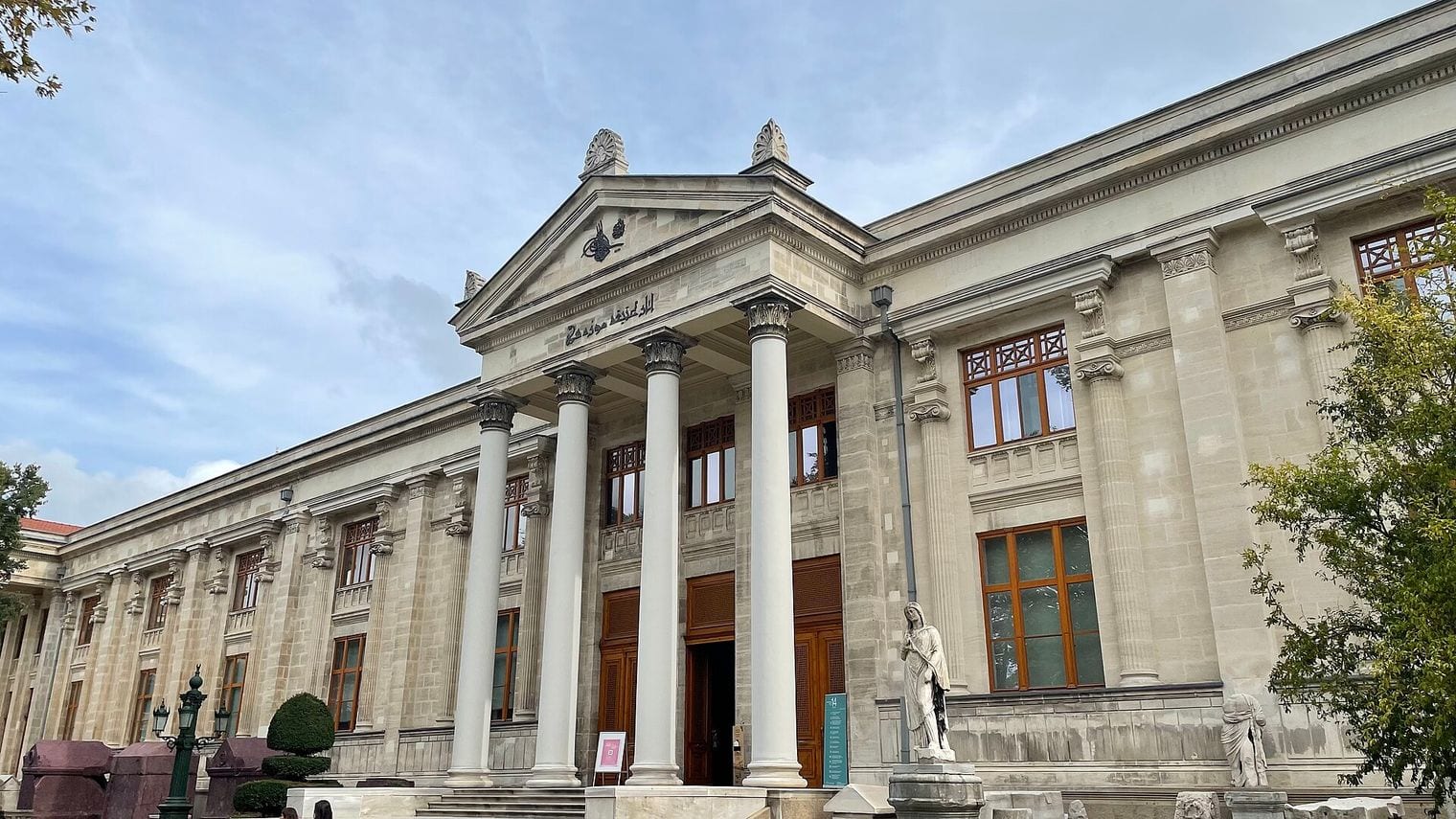
Three buildings inside the outer wall of Topkapi hold one of the significant antiquities collections anywhere. The Istanbul Archaeological Museums grew out of the excavations and campaigning of Osman Hamdi Bey in the late nineteenth century, and the star is the Alexander Sarcophagus — a marble tomb carved with battle scenes so finely that traces of the original paint survive.
Alongside it are Hittite and Mesopotamian rooms in the Museum of the Ancient Orient, including a cuneiform tablet recording one of the earliest known peace treaties. The third building, the tiled Çinili Köşk, is itself a fifteenth-century pavilion. Entry is usually covered by the same ticket as the palace, and it is far quieter.
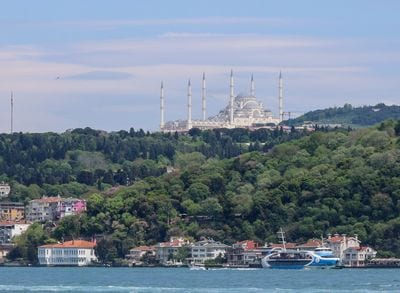
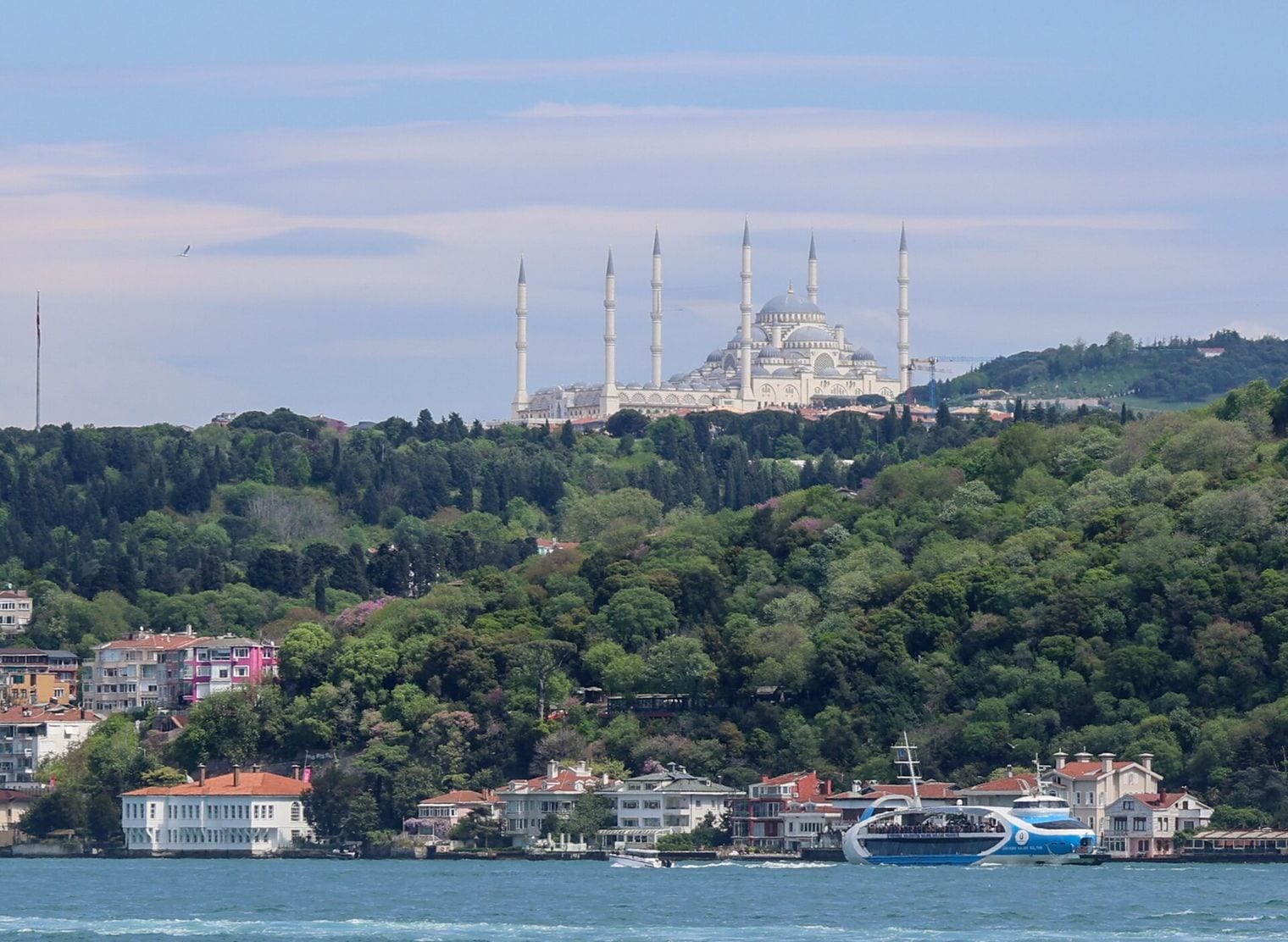
Opened in 2019 on a hilltop on the Asian side, Grand Çamlıca Mosque is the largest mosque in Turkey by capacity, able to hold tens of thousands of worshippers at once. It is deliberately traditional in style rather than modern, a vast domed prayer hall with six minarets, and it is visible from much of the city.
What brings most visitors up is the terrace. From the courtyard the whole of Istanbul spreads out — both bridges, the Bosphorus running north, the peninsula in the haze to the west. There is a museum and an art gallery in the complex below. Combine it with Çamlıca Hill nearby and make an afternoon of the high ground.
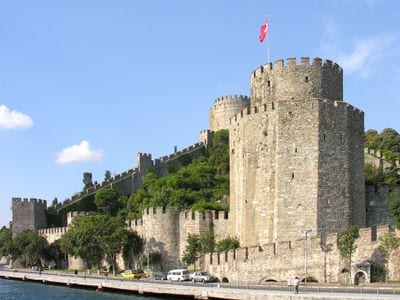
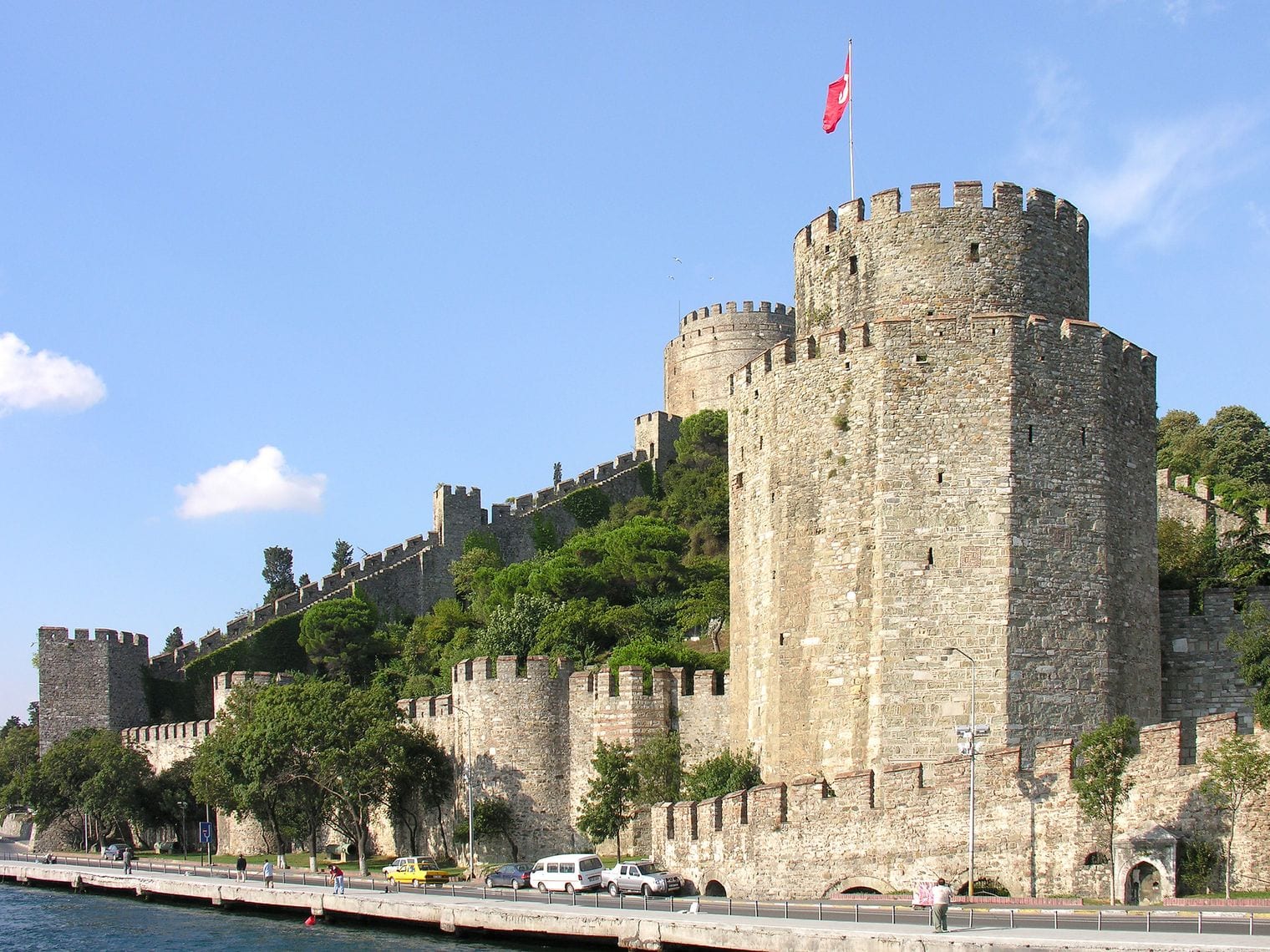
Mehmed II built Rumeli Fortress in 1452 at the narrowest point of the Bosphorus, directly opposite an older Ottoman castle on the Asian bank, so that the two together could close the strait to shipping. Constantinople fell the following year, and the fortress had done its job before the siege began.
It survives largely intact: three great towers, a curtain wall stepping steeply down the hillside, and grassy terraces inside that are open to walk. The climbs are uneven and the drops are real, so wear proper shoes. From the upper walls you look straight down on the second bridge and the shipping traffic threading through the channel below.
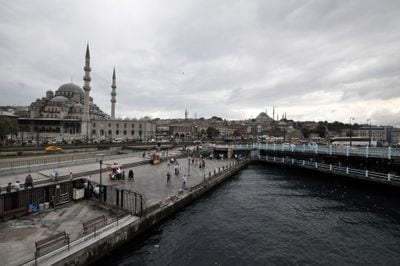
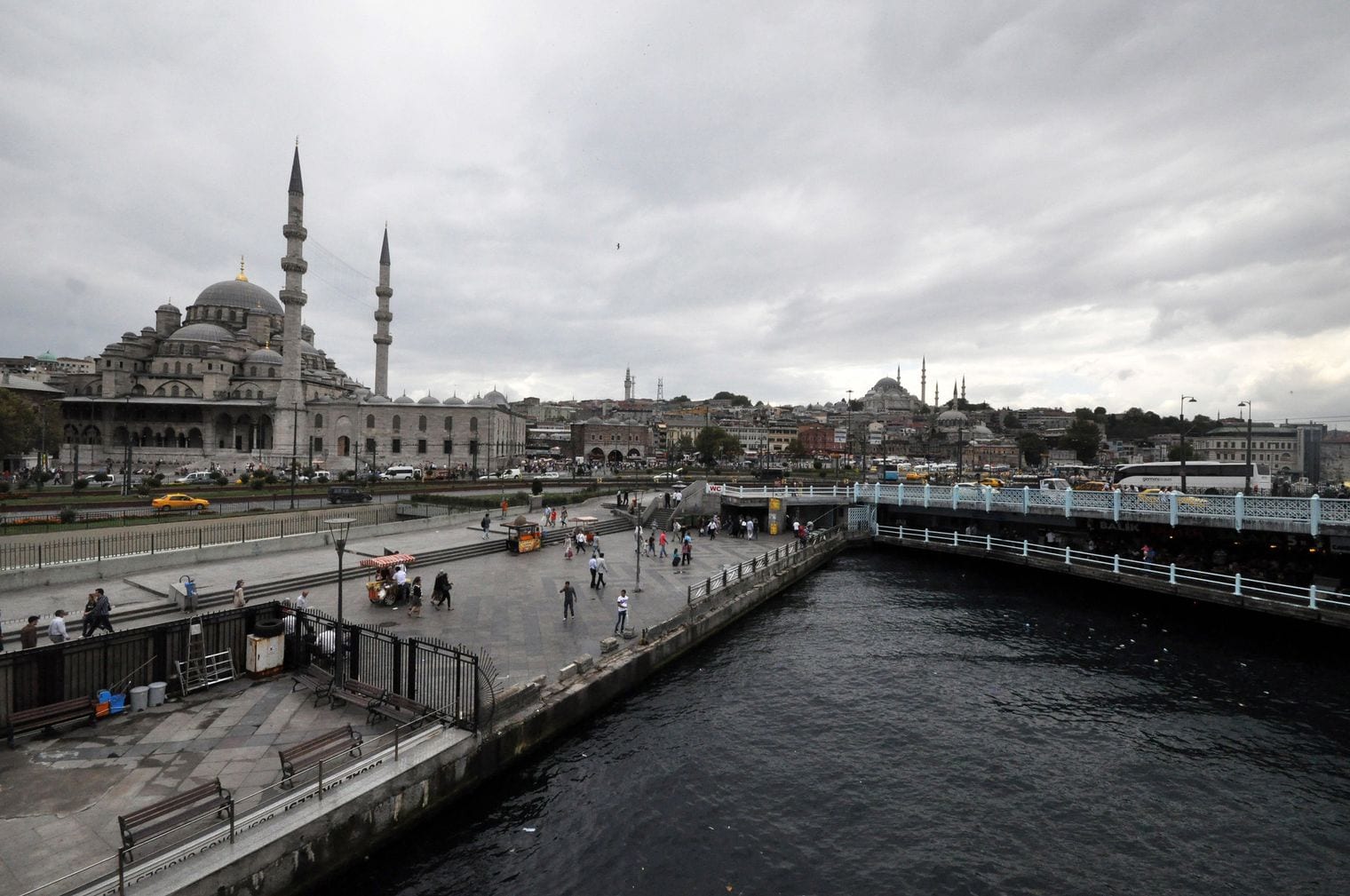
Yeni Mosque anchors the waterfront at Eminönü, and its flight of steps is where the city sits down. Its construction ran into extraordinary difficulty and stretched across most of a century before it was finally completed in the 1660s under a royal mother, which is why it is also known as the Valide Sultan mosque.
The interior carries a great deal of Iznik tilework and is often quieter than the Sultanahmet mosques despite standing in the busiest square in the city. Outside, the steps and forecourt swarm with pigeons, seed sellers and commuters heading for the ferries, and the Spice Bazaar entrance is right alongside — the two were built as one endowment.
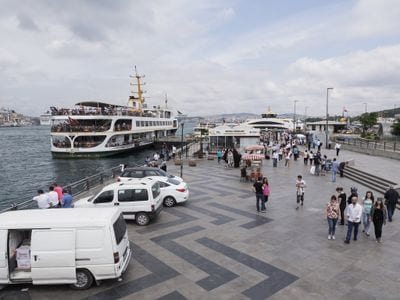
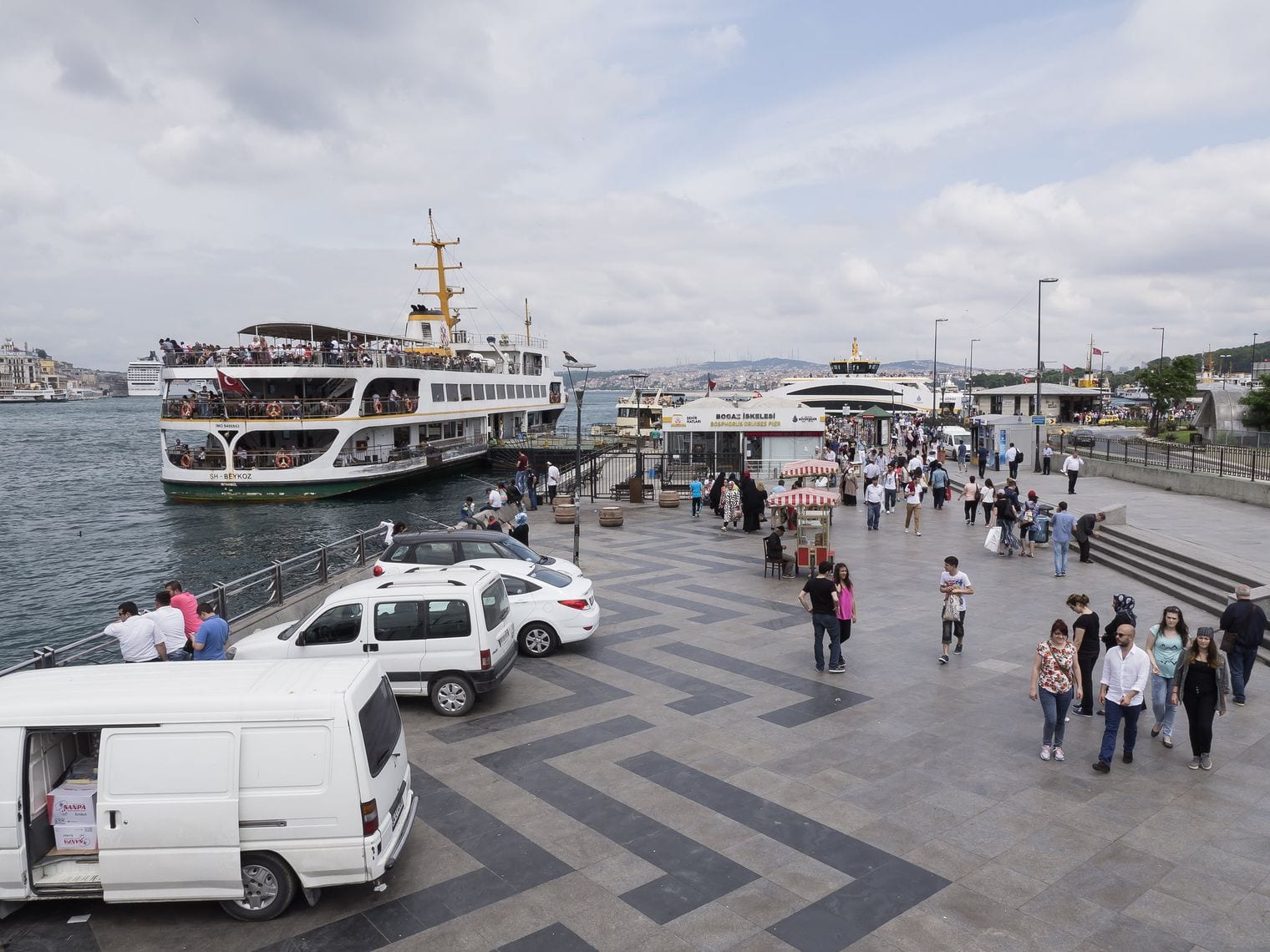
Eminönü Square is the hinge of Istanbul: ferry piers on the water, the Galata Bridge to one side, the New Mosque and the Spice Bazaar behind, and the tram and a permanent crush of people in between. It is not pretty in a conventional sense and it is unmissable.
This is where to eat balık ekmek, the grilled fish sandwich handed over from boats rocking at the quayside, and to drink turnip juice with it if you are brave. Trace the crowds up into the streets behind and you are in the hardware and haberdashery district, one of the most purely functional and fascinating quarters in the old city.
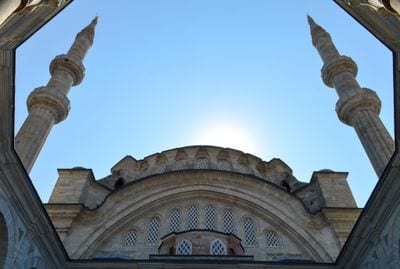
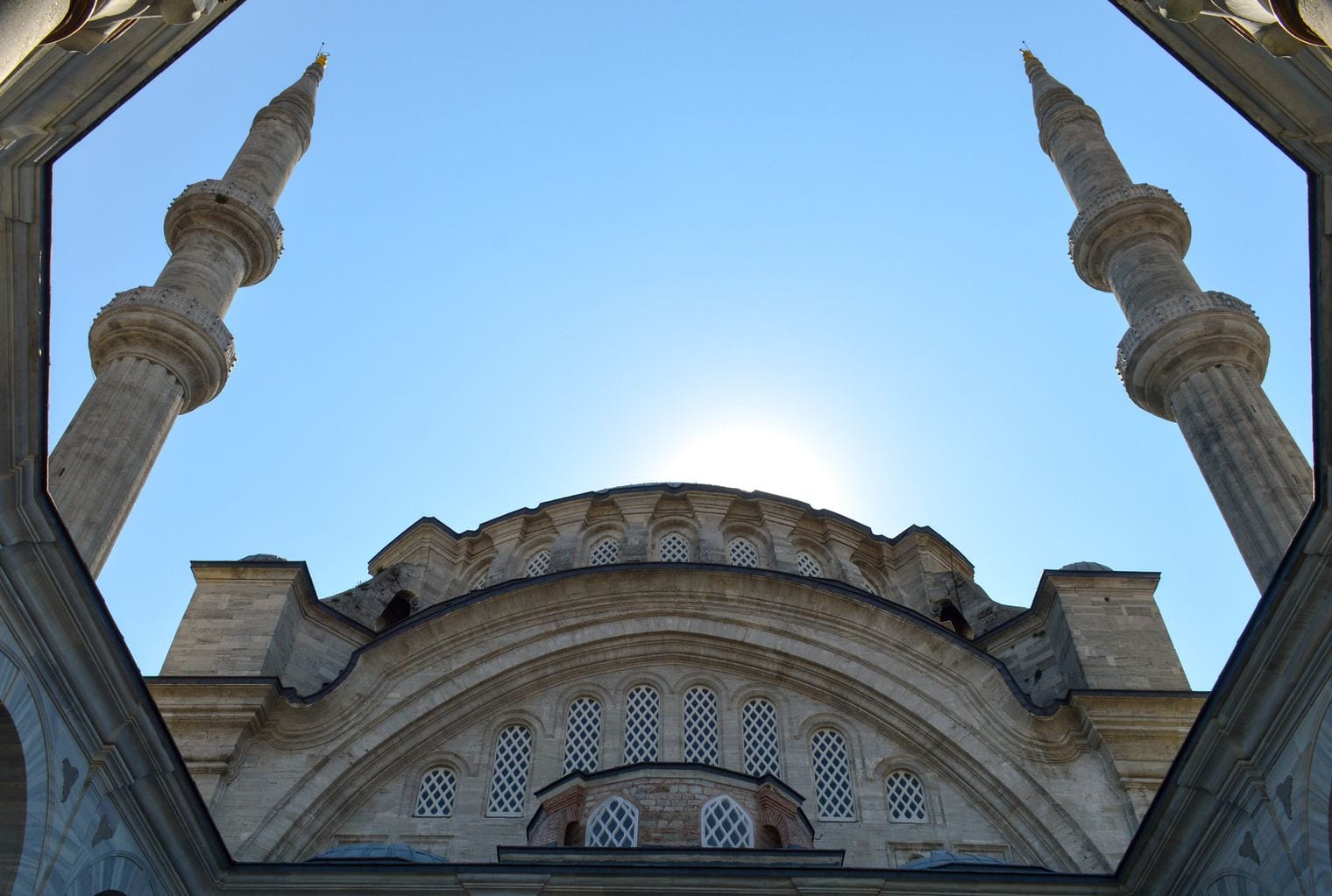
Standing at the Grand Bazaar's most ornate gate, Nuruosmaniye Mosque was completed in the 1750s and was the first great Ottoman mosque built in the Baroque manner — curves and swags where earlier mosques used straight geometry, and a horseshoe-shaped courtyard rather than a rectangular one.
Its name means the light of Osman, and the point is made by the windows: there are a great many of them, and the prayer hall is unusually bright. Most people walk past on the way into the bazaar without going in, which means you often get it nearly to yourself. Step inside for ten minutes, then continue through the gate into the market.
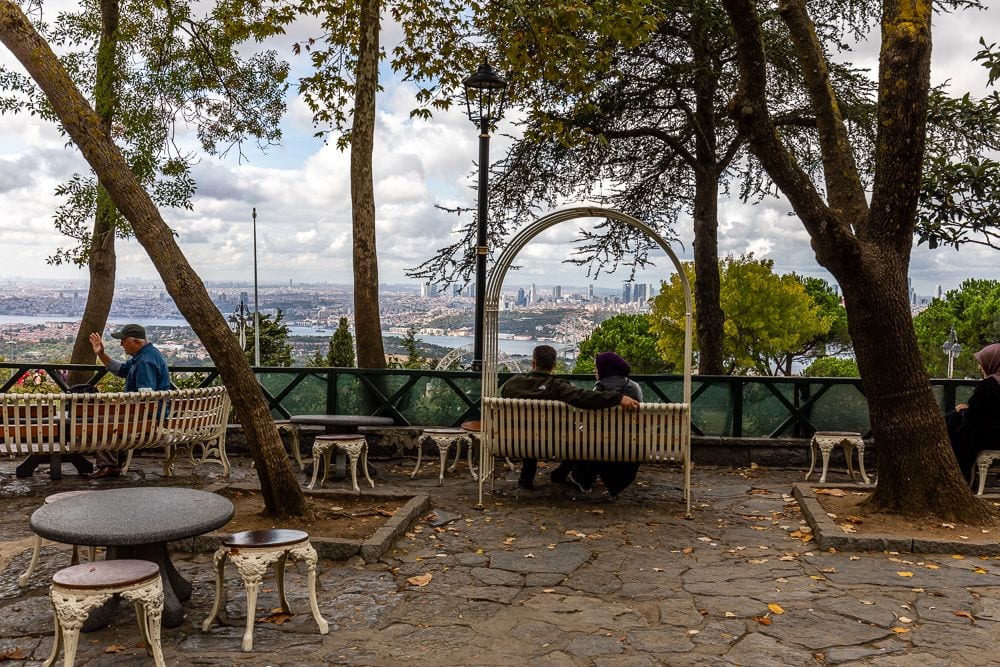
Rising to around 288 metres above the Bosphorus, Çamlıca Hill has been the city's picnic spot for generations. The summit is laid out as a landscaped park with terraced gardens, pine trees and Ottoman-style tea houses where you sit on cushions and order çay by the tulip glass.
The view is the whole point and it is a genuine panorama: both continents, the Bosphorus bridges, the Marmara and, on a clear winter day, the mountains beyond. Sunset is the obvious time and it will be busy with local families. The broadcast tower on the neighbouring rise carries a paid observation deck if you want height with a roof over you.
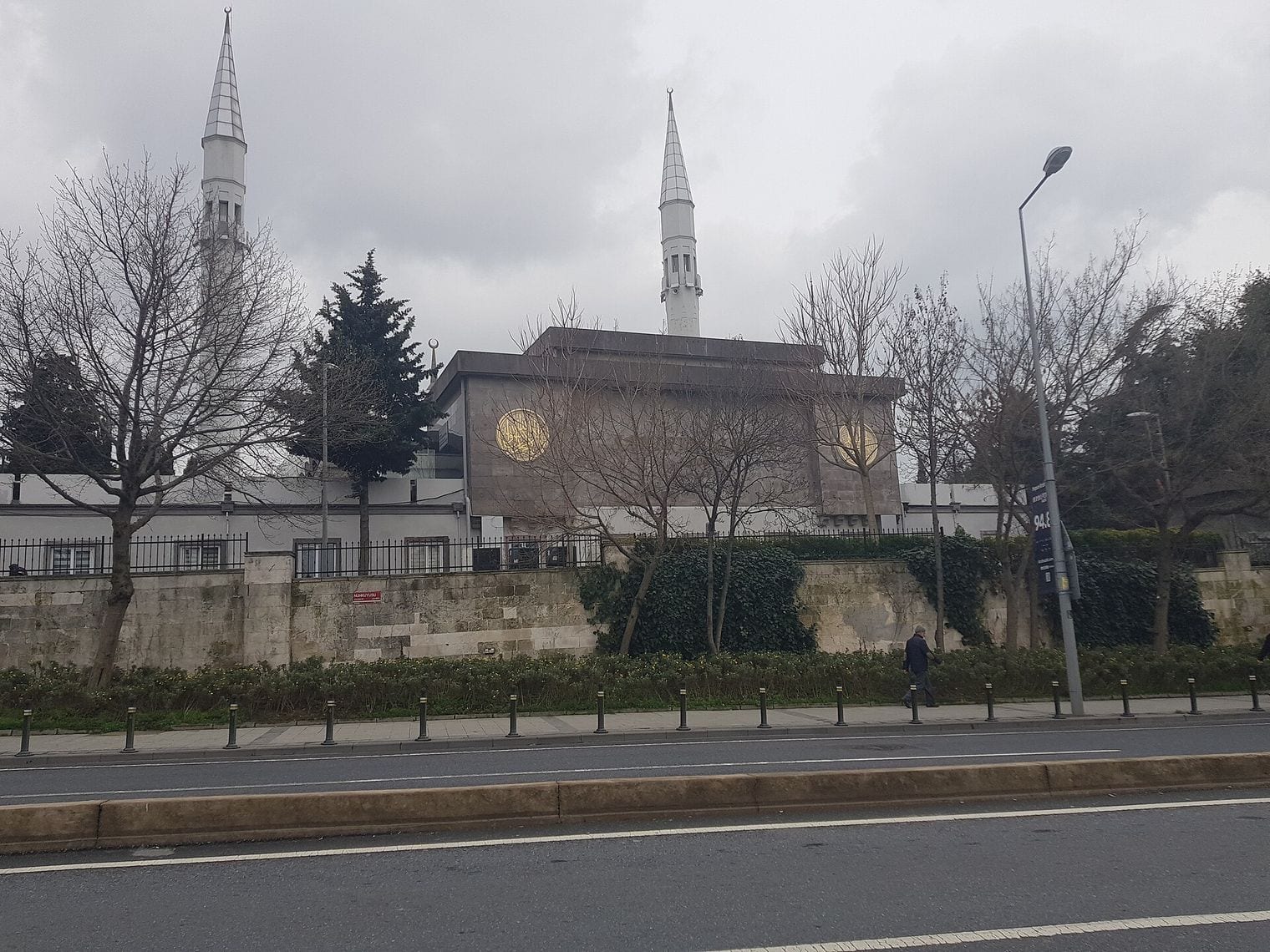
Şakirin Mosque opened in 2009 beside the vast Karacaahmet cemetery in Üsküdar, and it is the most interesting piece of contemporary religious architecture in the city. Its interior was designed by Zeynep Fadıllıoğlu, widely reported at the time as the first woman to design a mosque in modern Turkey, and it looks like nothing else here.
The dome is a shell of turquoise glass, the mihrab is a sculpted golden form rather than a niche, and a chandelier of glass drops hangs above the floor. The scale is modest and domestic. It receives few foreign visitors, so go quietly and outside prayer times, and pair it with a walk through the cemetery's old cypress avenues.
Smaller and far less known than its famous neighbour, the Cistern of Theodosius was built in the fifth century under Theodosius II and lay buried under later buildings until excavation and restoration brought it back. Thirty-two marble columns carry brick vaults over a stone floor, and the whole space is now dry rather than flooded.
That changes the experience completely: you walk the floor of the cistern itself, and it is used for exhibitions, projections and occasional concerts, which the acoustics reward. It is a five-minute walk from Hagia Sophia and rarely has a queue, making it a good move when the Basilica Cistern line is around the block.
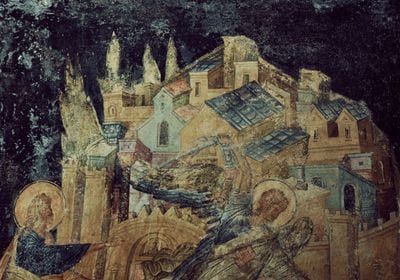
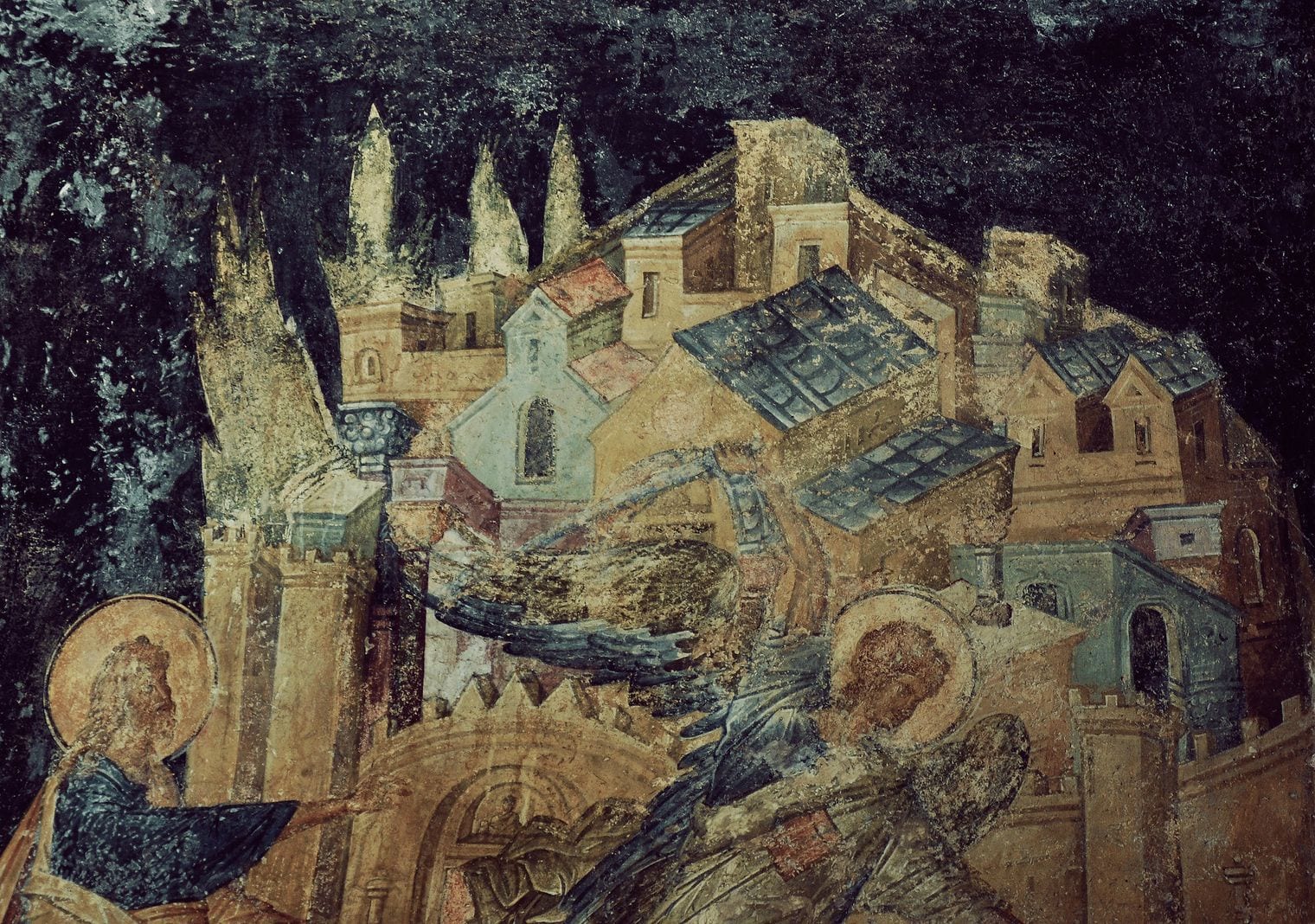
Out near the land walls, well away from the main sights, Chora Church holds the finest Byzantine mosaics and frescoes to survive anywhere. They were commissioned in the early fourteenth century during a late flowering of Byzantine art, and they cover the domes and vaults of the narthexes with scenes from the lives of Christ and the Virgin.
What startles people is the movement and human feeling in the figures, centuries before anything comparable in western Europe; the Anastasis fresco in the side chapel, with Christ hauling Adam and Eve bodily out of their tombs, is the one that stops visitors. The building has been a church, a mosque, a museum and a mosque again, and access can vary.
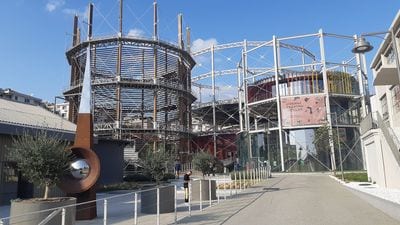
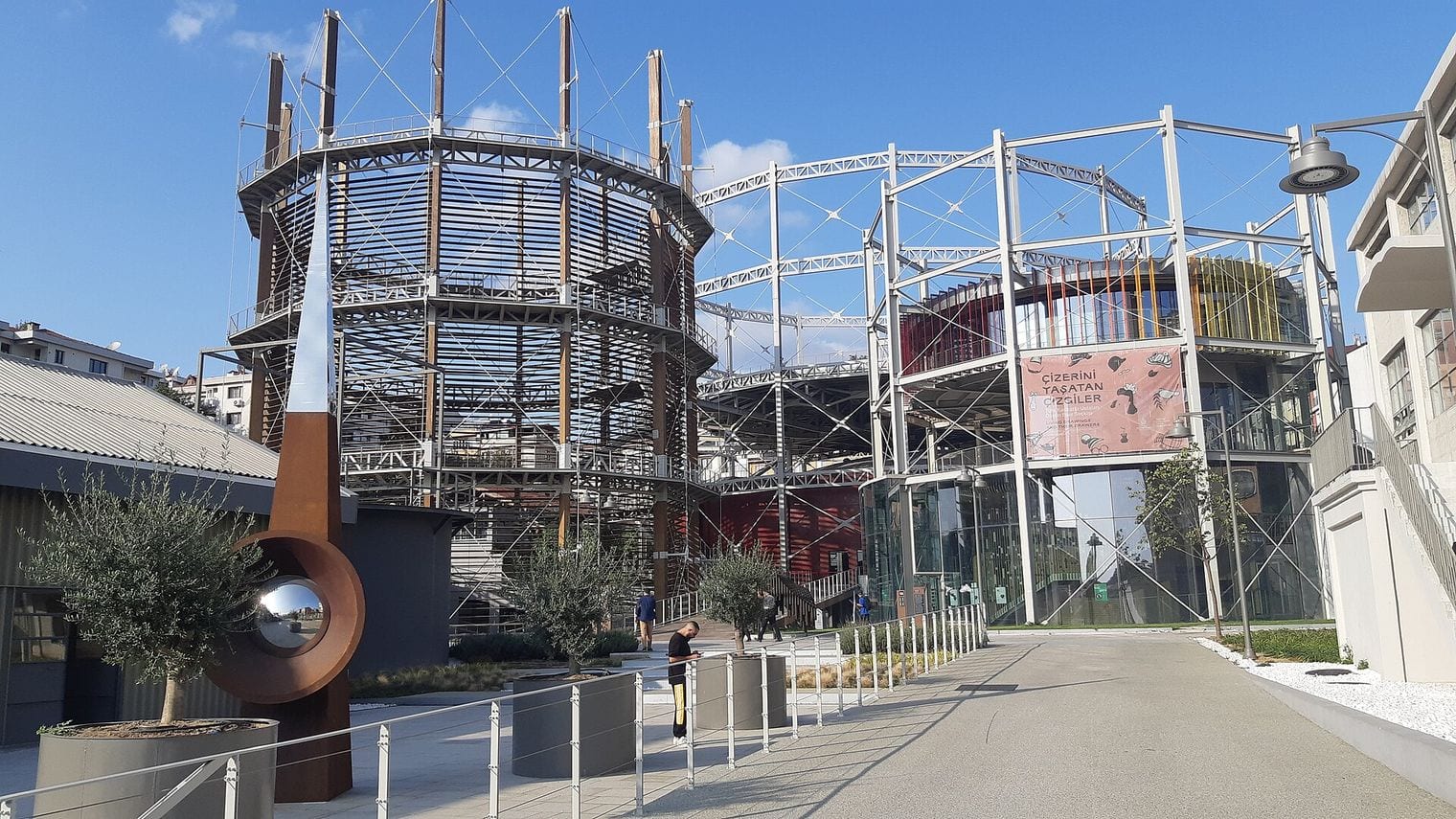
The Hasanpaşa gasworks supplied Istanbul with coal gas from the 1890s until it closed, and after years of campaigning by local residents the site reopened as Gazhane Museum, a public cultural campus in the middle of Kadıköy. The huge brick gasholders and workshops have been cleaned up and re-roofed rather than prettified.
Inside there is a climate museum, a cartoon museum, a library, exhibition halls, workshops and a large cafe, and the courtyards between them fill with students, skaters and families. Entry to the grounds is free. It is the best example in the city of industrial heritage put back to use, and a good half-hour walk from the ferry through Kadıköy's streets.
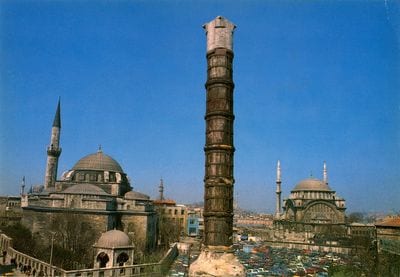
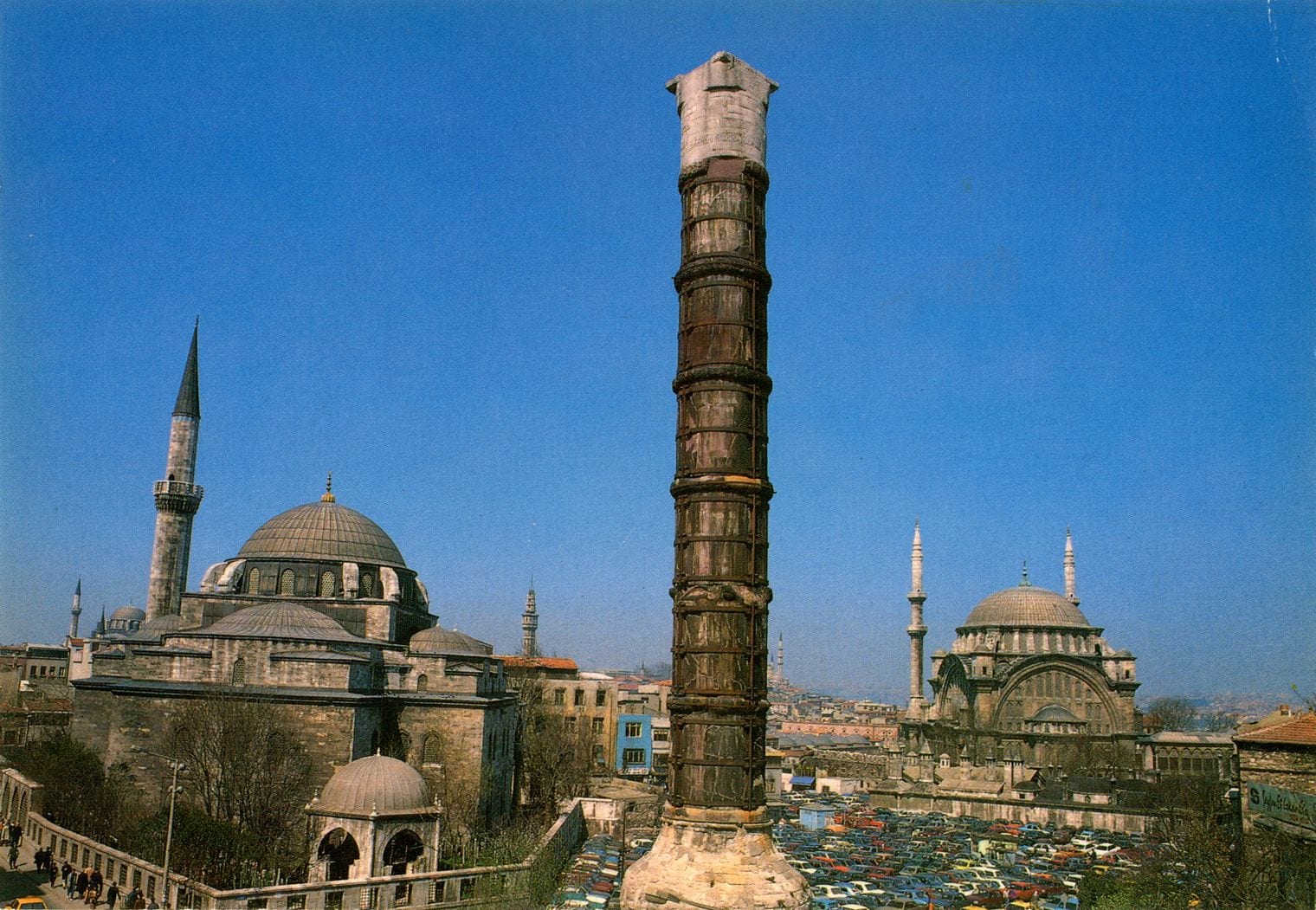
A weathered column of dark porphyry, bound with iron hoops and blackened by fire, stands beside the tram line on the old main street. The Column of Constantine was raised in 330 to mark the dedication of the city as the new Roman capital, which makes it one of the oldest standing monuments in Istanbul and the origin point of the whole enterprise.
It has lost its statue, its top and much of its height to earthquakes and fires over seventeen centuries, and it does not photograph well — but standing under it is a genuine encounter with the founding of Constantinople. It is thirty seconds from the Grand Bazaar's Nuruosmaniye gate; most people walk straight past.
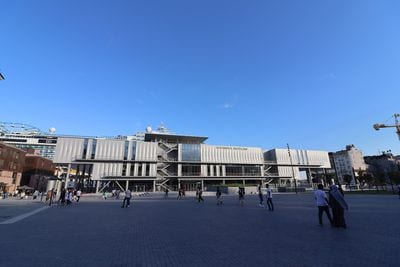
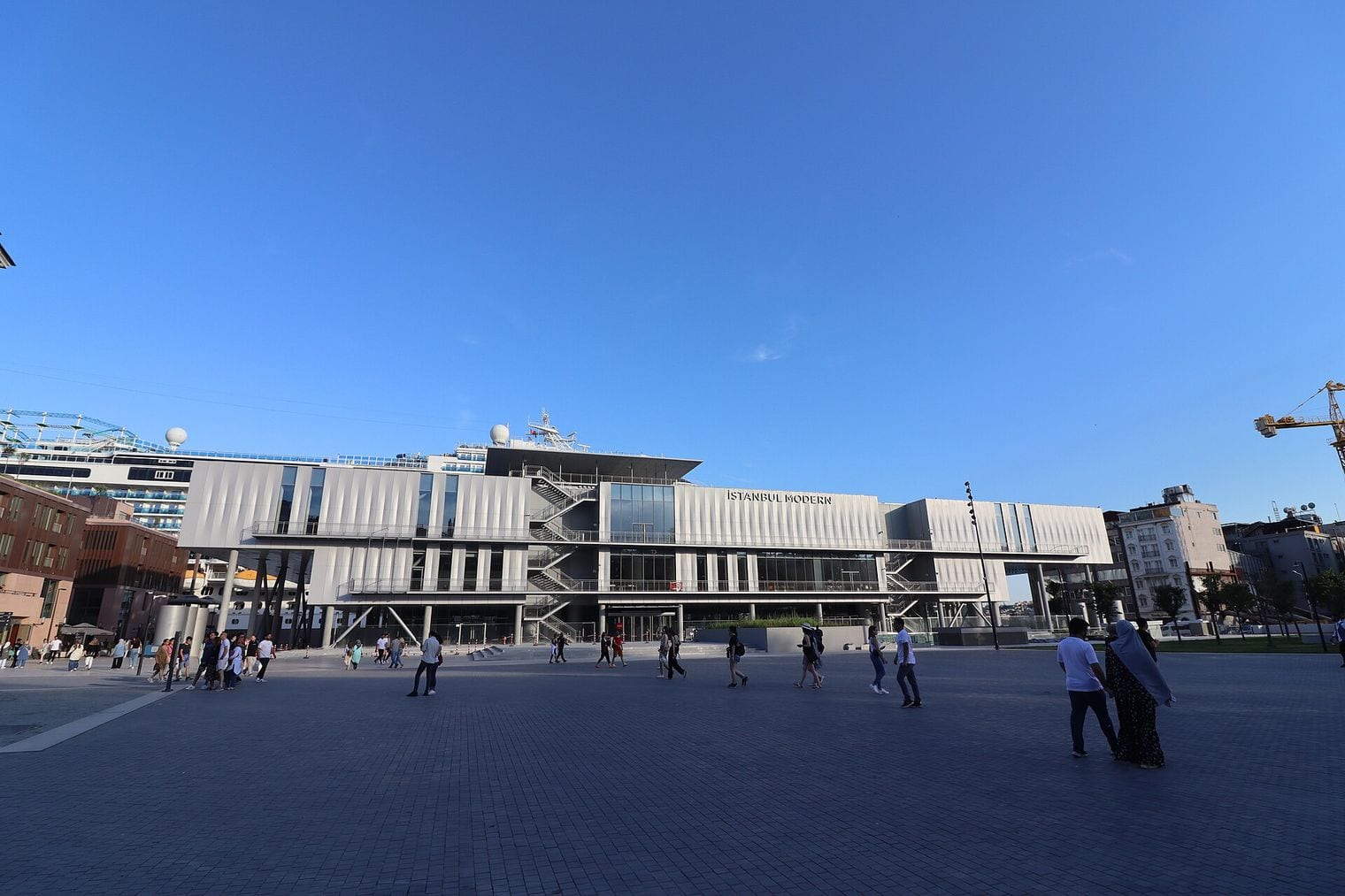
The Istanbul Museum of Modern Art was the country's first modern art museum when it opened in 2004, and it moved into a purpose-built home on the Galataport waterfront designed by Renzo Piano. The building is worth the visit on its own: a low, silvery volume lifted above an open ground floor, with a reflecting pool on the roof.
The permanent collection traces Turkish painting and sculpture from the late Ottoman period to now, which is a useful thread if the country's twentieth century is unfamiliar, and the temporary shows are ambitious. The rooftop terrace and cafe look straight across the Bosphorus, and the promenade outside runs for a pleasant kilometre in either direction.
Plan your trip
Best Time to Visit Istanbul
Late spring and early autumn are the sweet spots. April and May bring mild days, tulips across the parks and comfortable walking weather before the heat arrives; September and October hold onto the warmth while the summer crowds thin and the light turns golden over the Bosphorus. Both shoulder seasons suit a city you cover largely on foot and by ferry.
Summer is hot and humid, and the queues at the Sultanahmet monuments are at their longest, though the open-air terraces and boat trips are at their best.
Winter is grey, wet and genuinely cold with the wind off the Black Sea, but it is also when you get Hagia Sophia and the palaces almost to yourself, and snow on the domes is a sight worth the discomfort. Ramadan shifts through the calendar each year and fills the mosque courtyards with evening tables — atmospheric, but plan around midday closures.
Getting to Istanbul
Two airports serve the city on opposite continents. Istanbul Airport (IST) sits northwest of the European side and is the main international gateway, linked to the centre by metro and a network of airport buses. Sabiha Gökçen (SAW) lies well out on the Asian side and is used heavily by low-cost carriers; it is further from the historic peninsula, so factor in the transfer when comparing fares.
Overland, the E80 and E5 motorways run in from Europe and continue east across the Bosphorus bridges, and long-distance coaches from across Turkey and neighbouring countries terminate at the huge Esenler bus station. High-speed trains link Ankara and Konya to Söğütlüçeşme and Halkalı, from where the Marmaray line carries you under the strait into the centre. Cruise ships dock at Galataport, which puts passengers ashore within walking distance of Karaköy.
Getting Around Istanbul
Do not drive. Istanbul traffic is famously bad, parking in the old city is scarce, and the public network is excellent. A single rechargeable transit card covers metro, tram, bus, funicular, Marmaray and the ferries, which is the only ticket you need. The T1 tram is the workhorse for visitors, threading Sultanahmet, Eminönü, the Galata Bridge and Kabataş in one line.
The ferries are not just transport but one of the best things about the city — the crossing between Eminönü or Karaköy and Kadıköy or Üsküdar costs the same as a bus ride and delivers the skyline for free. Sultanahmet is compact and entirely walkable, and Beyoğlu and Kadıköy reward wandering, but the hills are steep and the pavements uneven, so wear real shoes.
Funiculars save the worst of the climbs at Karaköy and Kabataş. The newer lines run remarkably deep beneath the city — Gayrettepe, on the airport line, ranks among the deepest metro stations in the world, and the escalator ride down is a small event in itself.
Where to Stay in Istanbul
Sultanahmet puts the headline monuments on your doorstep and is the obvious choice for a short first visit, though it empties of locals after dark and the dining is aimed squarely at visitors. Beyoğlu — taking in Galata, Karaköy and Cihangir — is the better base for anyone staying longer: it is where the city eats and drinks, it is well connected by tram and funicular, and it is a short walk or ferry hop from everything else.
For a quieter, more residential stay with the best views back at the old city, look across the water to Kadıköy or Moda on the Asian side, accepting a ferry ride into the historic core each morning.
Beşiktaş suits travellers who want Bosphorus access and good transport without tourist prices, while Nişantaşı is the upmarket shopping district. Wherever you land, check how close the nearest tram, metro or ferry pier is — in this city that matters more than the postcode.
Where to Eat in Istanbul
Kadıköy is the city's best eating quarter, and the market streets behind the ferry terminal are worth crossing the Bosphorus for on their own. On the European side, Karaköy and the lanes around Galata carry the strongest concentration of modern cooking and coffee, while the meyhane alleys off İstiklal Avenue are the place for a long evening of mezze and rakı. Eminönü and the streets behind the Spice Bazaar are where to eat cheaply and well at lunchtime.
Start with a proper Turkish breakfast, which arrives as a table of cheeses, olives, eggs, honey and bread rather than a plate. Work through mezze, kebabs that change character every few hundred kilometres, pide and lahmacun, and the fish sandwich known as balık ekmek handed over at the Eminönü waterfront. Leave room for baklava, künefe and Turkish delight, and expect tea to arrive constantly — it is hospitality here, not an upsell.
Day Trips from Istanbul
The easiest escape is the Princes' Islands, an hour or so out into the Sea of Marmara by ferry, where cars are banned and Büyükada's wooden mansions, pine woods and swimming coves make a complete change of pace. Closer still, the Belgrad Forest north of the city offers reservoirs and walking trails within an hour, and the Black Sea beaches around Şile and Ağva sit about ninety minutes east on the Asian side.
For a full day with more substance, Bursa lies south across the Marmara — reachable by fast ferry then coach — and holds the early Ottoman capital's mosques and tombs beneath Mount Uludağ, which is reached by one of the longest cable car rides in the world.
Edirne, roughly two and a half hours west near the Greek and Bulgarian borders, is worth the drive for the Selimiye Mosque alone, generally regarded as the architect Sinan's finest work. Both make long days; either would justify an overnight.
Before you go
Mobile dataAn eSIM gives your phone local data when you land, with no SIM card to swap.via AiraloGet an eSIM
Airport transferA driver meets you at arrivals and takes you to your hotel, at a price fixed when you book.via Welcome PickupsBook a transfer
We may earn a commission when you buy through these links, at no extra cost to you. How we make money.
Give two or three hours to Topkapi Palace Museum and its harem, then walk out through the shade of Gülhane Park and cut uphill into the Grand Bazaar to get thoroughly lost for an hour.
Walk north across Galata Bridge between the fishermen as the light goes, climb Galata Tower for the sunset panorama, and finish over dinner in the lanes below it.
A great deal of the city costs nothing. Walking Galata Bridge at sunset, wandering the monuments of Sultanahmet Square, and strolling the shaded avenues of Gülhane Park are all free, as is the whole length of the Üsküdar Coast Walkway with its view back at the old city.
Above all for Hagia Sophia, which has been cathedral, mosque and museum across fifteen centuries, and for the Blue Mosque facing it across one square. Beyond those, Topkapi Palace and four hundred years of Ottoman rule, the Grand Bazaar's thousands of shops, the sunken columns of the Basilica Cistern, and the Bosphorus splitting the city between two continents.
How many days do you need in Istanbul?
Three days covers the Sultanahmet monuments, the bazaars and one evening across the Golden Horn, but it will feel rushed. Four gives you time for the Asian side, a Bosphorus ferry and a museum or two without sprinting. A week is not too long here, and lets you take the Princes' Islands or Bursa as a day trip.
Is Istanbul in Europe or Asia?
Both. The Bosphorus strait runs through the middle of the city, putting roughly two-thirds of residents on the European side and the rest in Asia. Ferries, two rail tunnels and three road bridges connect the halves, and crossing between continents costs a standard transit fare — most visitors do it several times without thinking about it.
What can you do in Istanbul for free?
Walk Galata Bridge among the fishermen, cross the Bosphorus by public ferry for the price of a bus ride, and wander Sultanahmet Square, Gülhane Park and the Üsküdar waterfront promenade. The great working mosques, including Süleymaniye and Eyüp Sultan, welcome respectful visitors at no charge outside prayer times.
When is the best time to visit Istanbul?
April to May and September to October. Both avoid the humid summer peak and the wet, windy winter, and both give you long enough days to walk the city comfortably. April adds tulips across the parks; September holds the warmest sea if you plan to get out onto the water or reach the Princes' Islands.
What should you wear to visit the mosques?
All visitors should cover their shoulders and knees, and women should cover their hair — carry a light scarf and you are set. Shoes come off at the door and go in a rack or a bag you carry. The major mosques keep scarves and wraps by the entrance to borrow. Avoid visiting during the five daily prayers, and never walk in front of someone praying.
Is Istanbul worth visiting?
Few cities repay a trip so completely. It is the only major city on two continents, it has been an imperial capital for most of the last seventeen centuries, and the layers show everywhere — a Roman column beside a tram stop, Byzantine mosaics inside a working mosque. Add the food, the ferries and the setting on the Bosphorus and it earns its reputation.