Nine in ten visitors never leave Providenciales — which is exactly why the other islands still feel like a secret.
Turks and Caicos is a British Overseas Territory of eight inhabited islands and some forty uninhabited cays, strung along the edge of one of the largest barrier reef systems on earth. Almost every visitor lands on Providenciales, where Grace Bay Beach has been named the best beach in the world more times than anyone has bothered to count, but the territory rewards anyone who keeps going — cave systems and cliff-backed coves on Middle Caicos, flamingo ponds and plantation ruins on North Caicos, and a capital on Grand Turk that still looks like the 1800s salt town it was. It runs on the US dollar, speaks English, and sits under two hours from Miami.
The sweet spot. Dry, breezy and reliably warm, with the water clear enough for the reef to read from the surface. Humpbacks are still moving through the Turks Island Passage into early April, and the trade winds that make Long Bay a kiteboarding beach are at their steadiest.
SummerJun–Aug
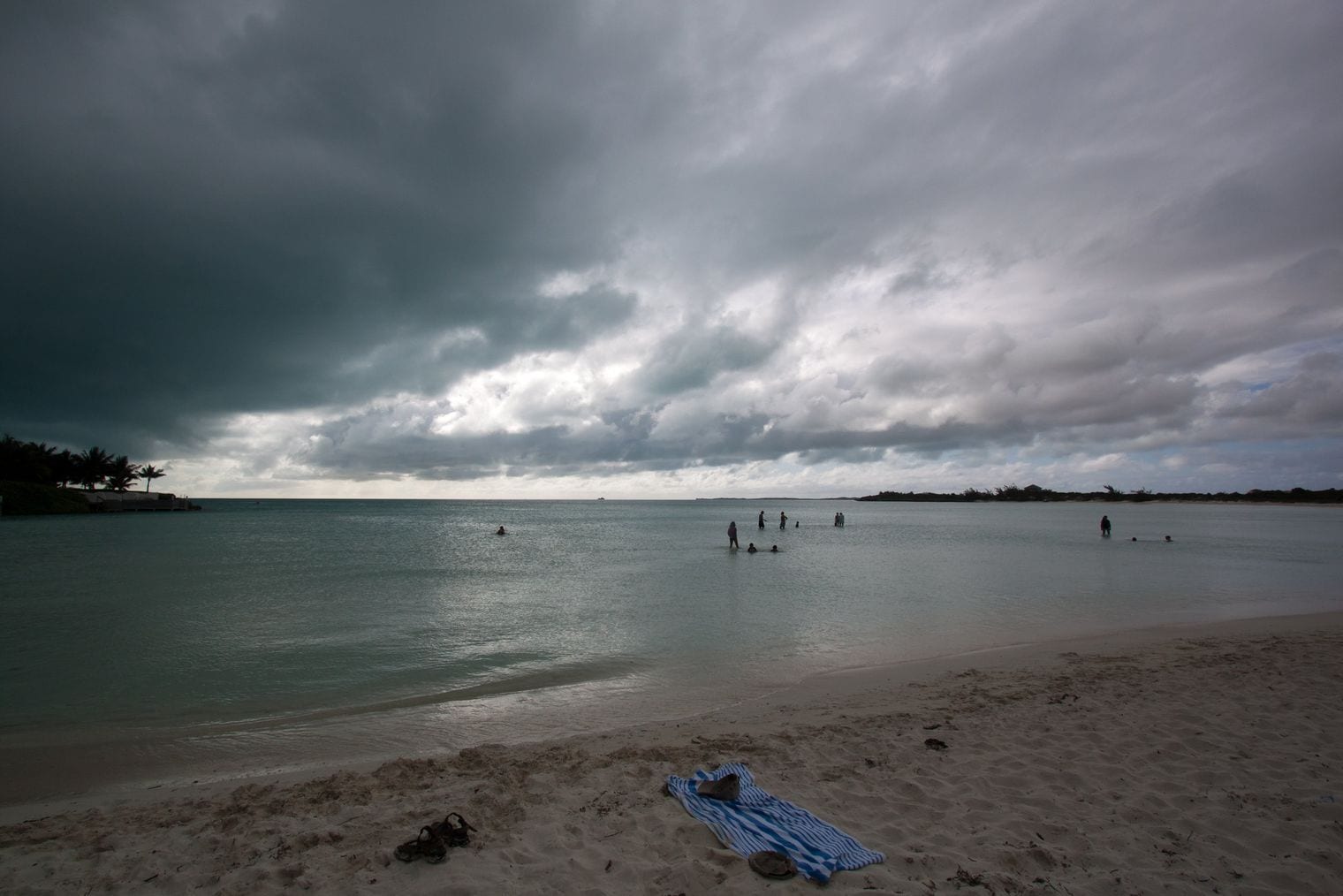
Hot, humid and the calmest water of the year, which suits divers and anyone heading out to the far cays. It is also the opening of the Atlantic hurricane season, so travel is quieter and cheaper; the risk is real but low early on and rises through August.
FallSep–Nov
The peak of hurricane season through October, and the one stretch when some restaurants and smaller places close. November settles down quickly and is genuinely lovely — warm sea, empty beaches, and the shoulder-season quiet before the winter crowd lands.
WinterDec–Feb
High season, and the reason most people come: warm days, cool nights, low humidity and no rain to speak of. Humpback whales begin passing Salt Cay and Grand Turk in January. Book well ahead — this is when the islands are busiest and priciest.
Regions
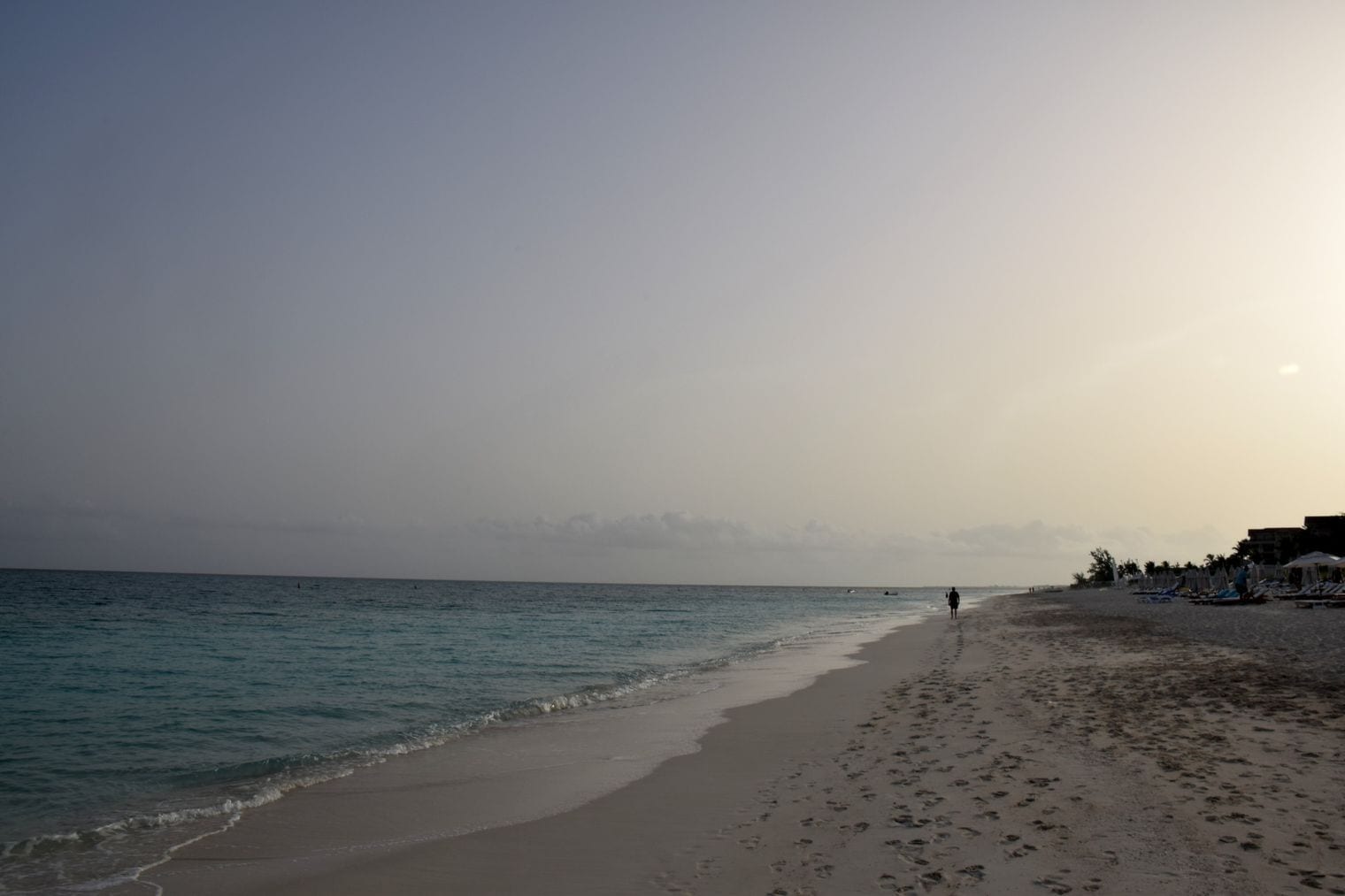
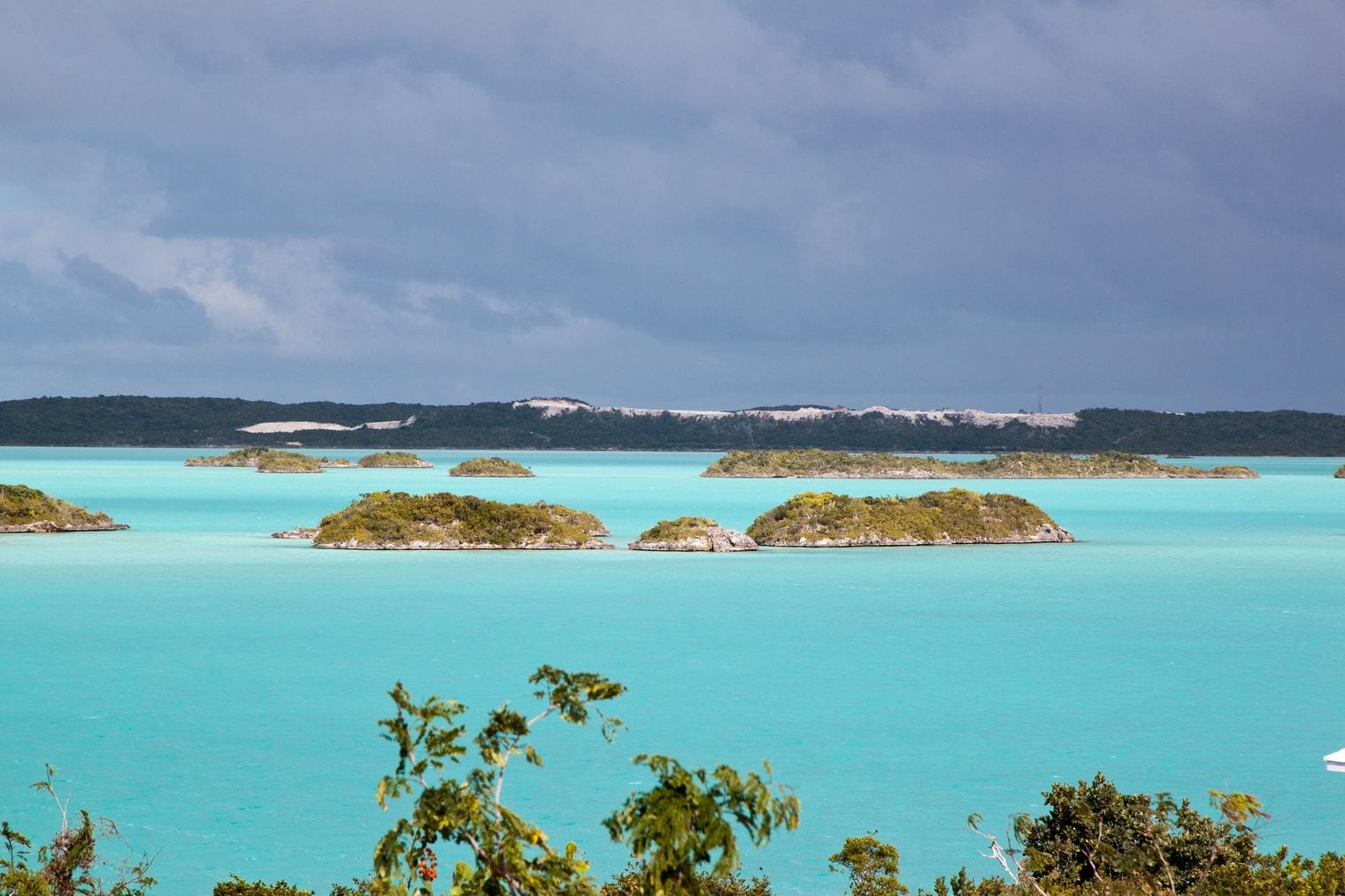
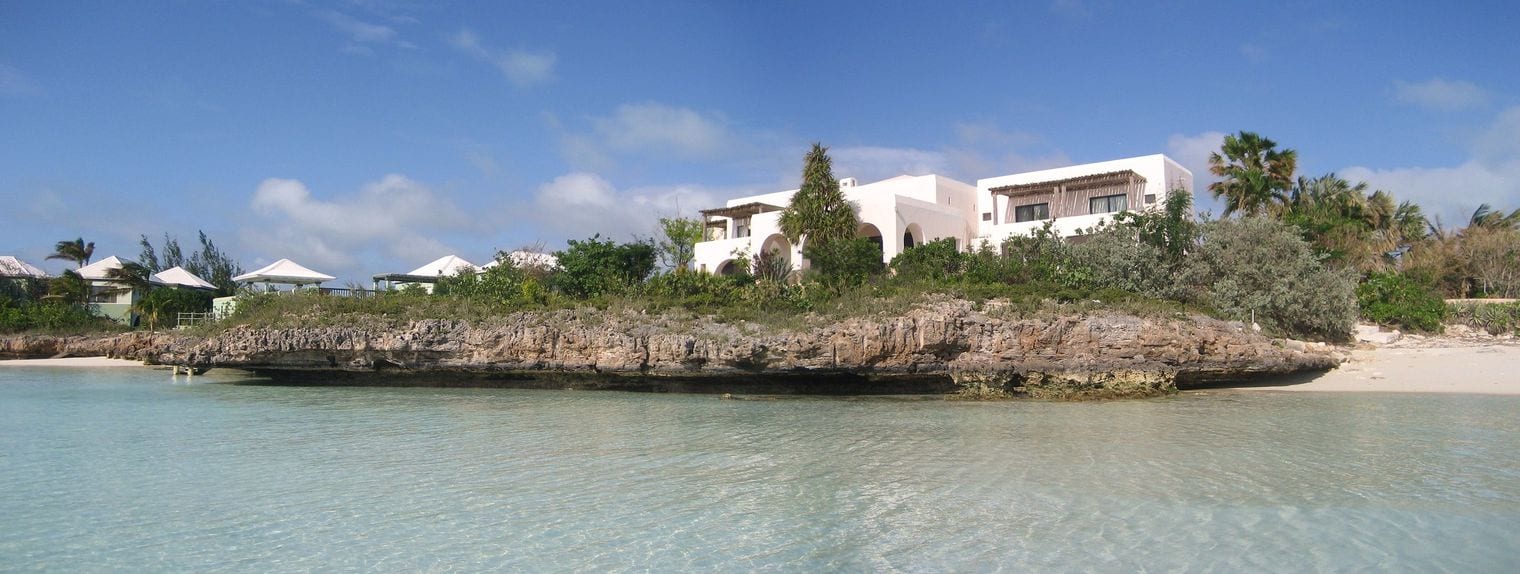
ProvidencialesThe tourism island and the one nearly everyone flies into — twelve miles of north-shore beach anchored by Grace Bay, shore-accessible reefs at Bight and Smith's, the turquoise lagoon of Chalk Sound, and the Thursday night fish fry that is the territory's most reliable slice of local life.
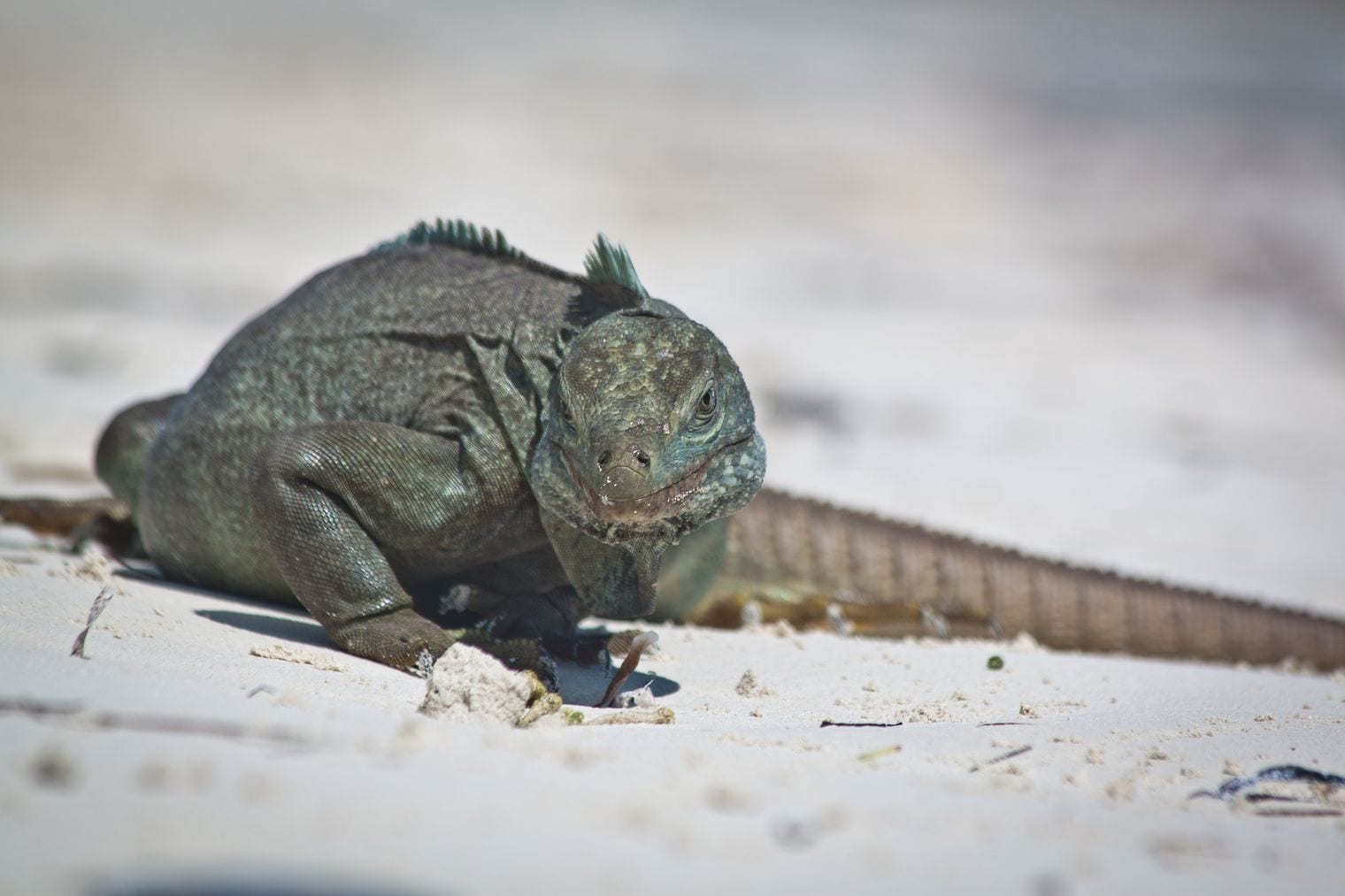
The Caicos CaysThe uninhabited chain scattered east of Providenciales, reachable only by boat: the rock-iguana sanctuary of Little Water Cay, the crescent sandbar at Half Moon Bay, the submerged fort cannon off Fort George Cay, and shelling beaches on Dellis Cay. This is what every boat excursion out of Leeward is heading for.
North CaicosThe green island, wetter and more farmed than the rest, and the easiest one to add to a Provo trip by ferry. Its draws are the best-preserved Loyalist plantation in the territory at Wade's Green, a roadside overlook onto a resident flamingo flock, and long north-shore beaches with nobody on them.
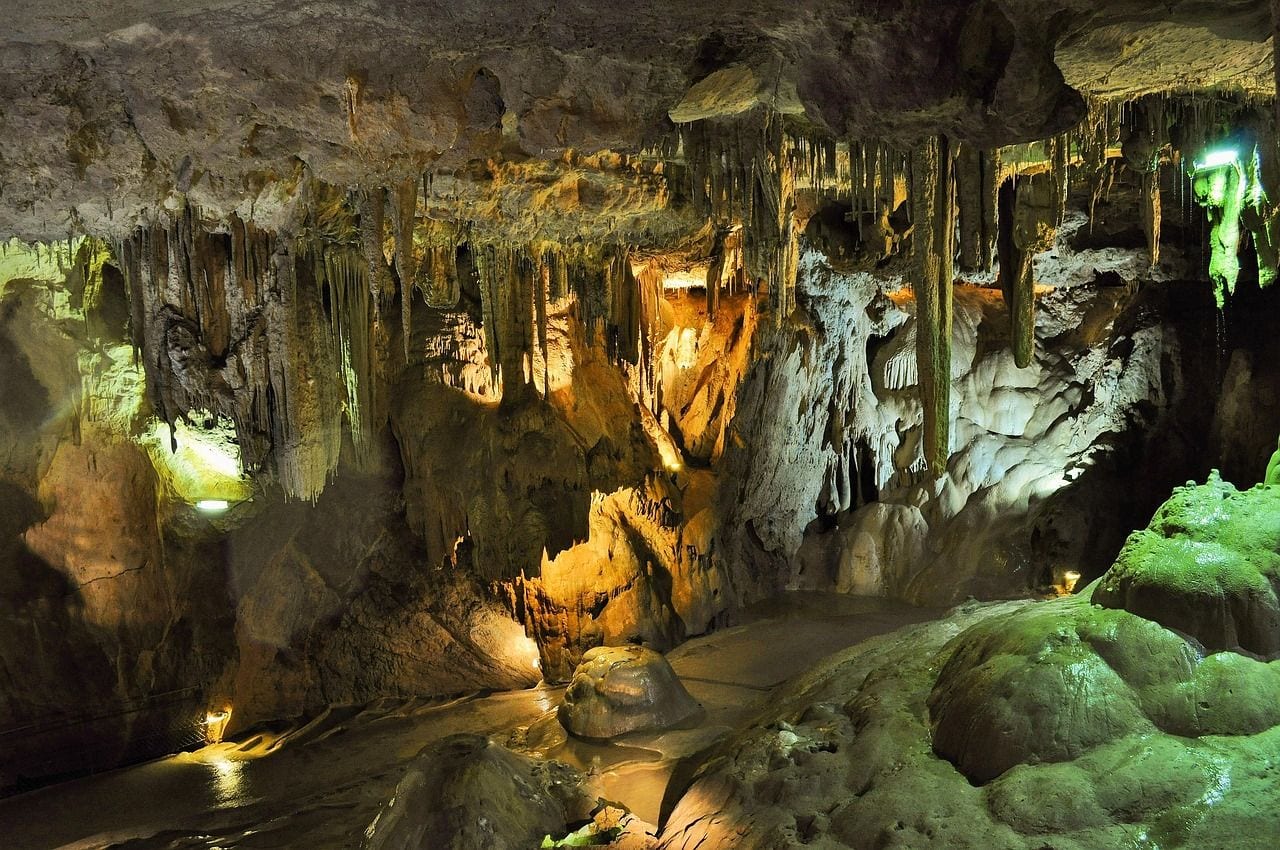
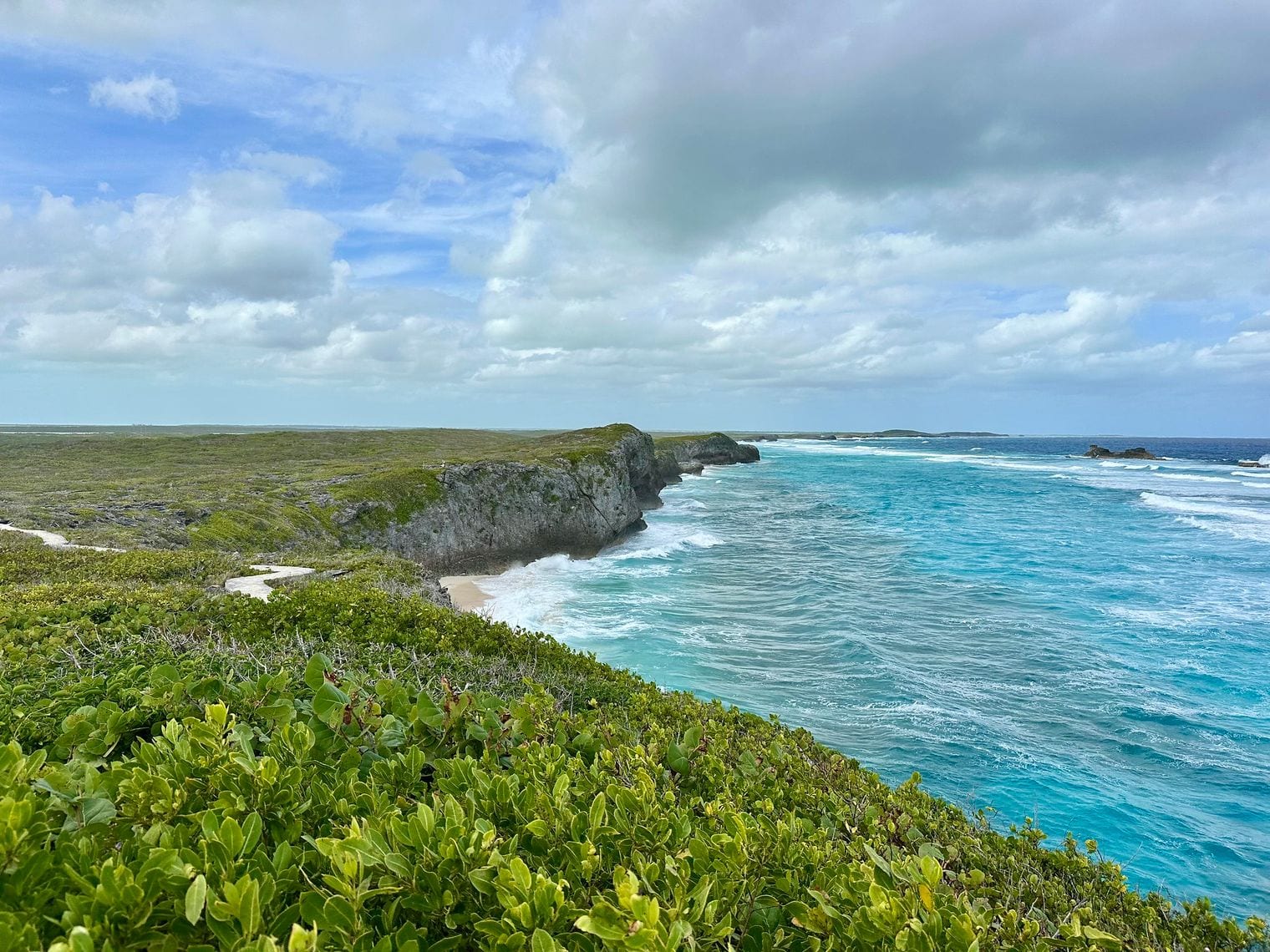
Middle CaicosThe largest island by area and the most dramatic to look at, joined to North Caicos by a causeway. Conch Bar Caves is the biggest dry cave system in the Bahamas–Turks chain, and Mudjin Harbour — a cliff-backed cove with a twin-humped rock island offshore — is the territory's signature landscape.
South Caicos & the far southThe fishing capital, where the conch and lobster boats land and the old salt salinas still fill through a tidal hole in the limestone. Little visited, with reef flats and bonefish shallows that draw divers and anglers, and ruined colonial buildings on the ridge above Cockburn Harbour.
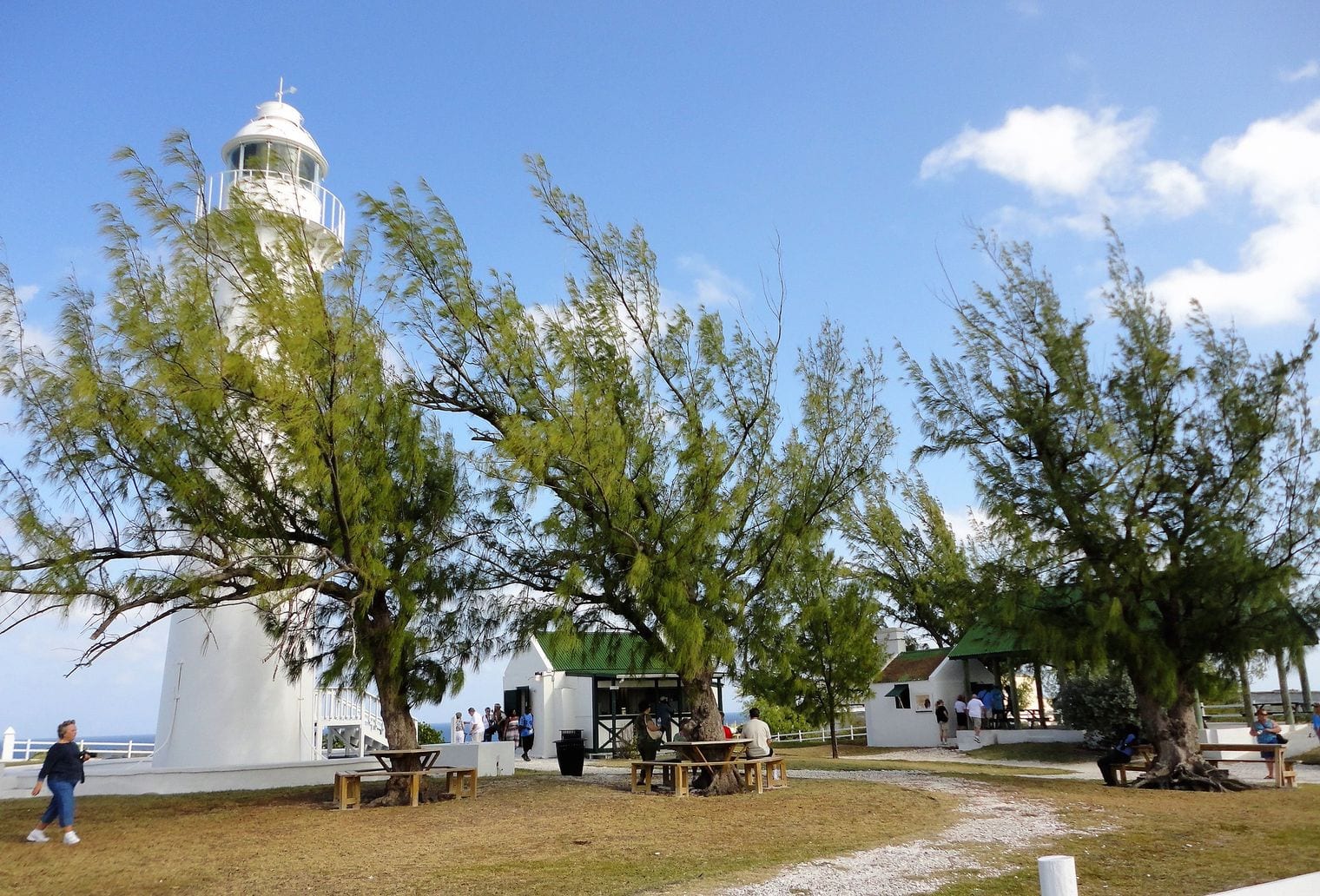
Grand Turk & Salt CayThe Turks islands proper, across a deep ocean channel from the Caicos bank. Grand Turk holds the capital, the national museum and an 1852 lighthouse; tiny Salt Cay is a near-unchanged 19th-century salt village. Both sit on a wall that drops thousands of feet just offshore, and both watch the humpbacks go past in winter.
The trip most people actually take, and no worse for it: base yourself once on Provo and let the island deliver a different beach, reef and boat trip each day. No inter-island flights, no packing twice.
1Grace Bay — settle in; swim, and snorkel Bight Reef from the sand
2Chalk Sound & Sapodilla Bay — the south shore: lagoon, shallow cove and the hilltop rock carvings
3Little Water Cay — boat out to the iguanas and the Half Moon Bay sandbar
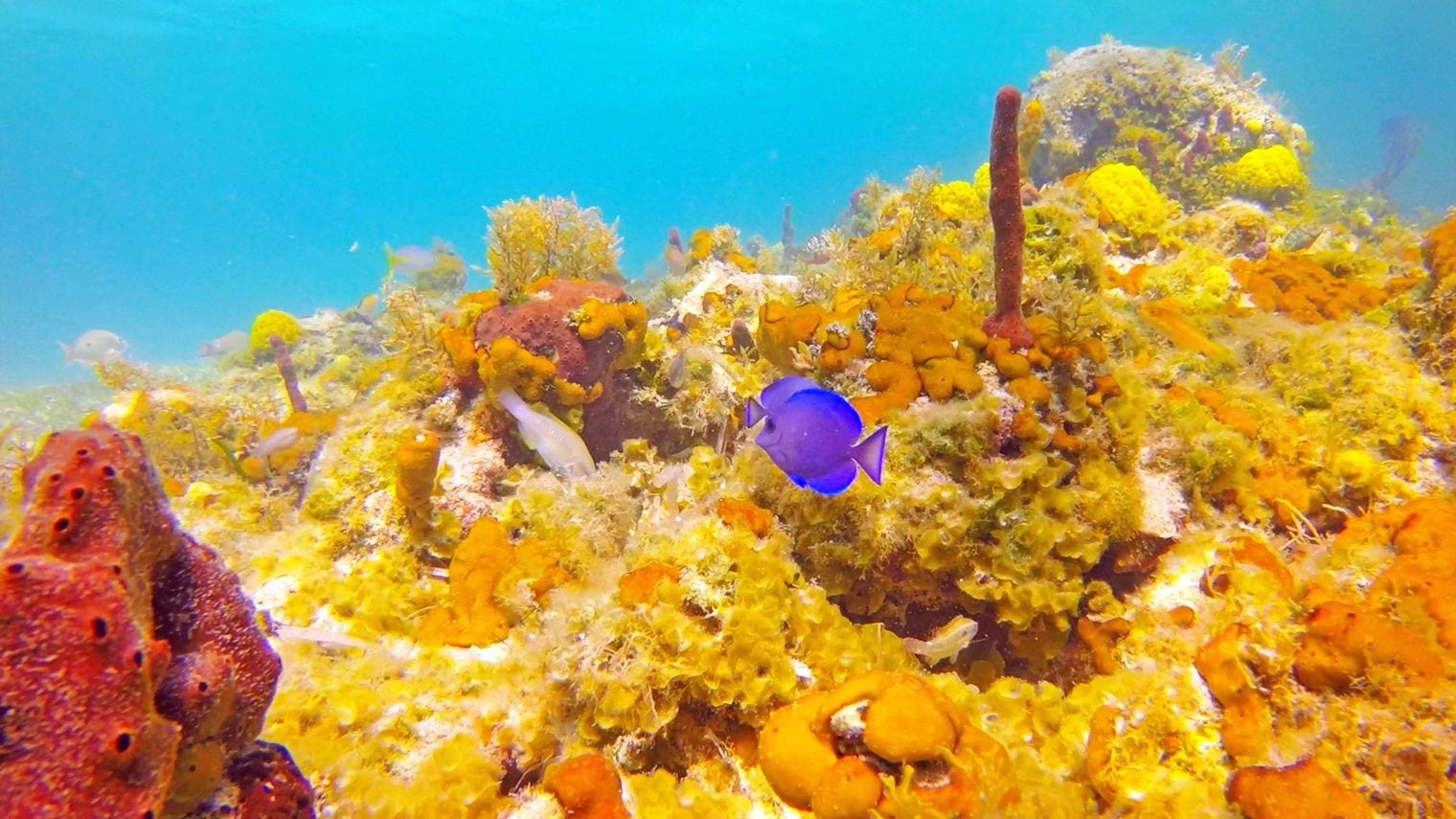
4Smith's Reef — the better of the two shore snorkels; turtles and rays
5The Thursday fish fry — conch, live music and the whole island out at Bight Park
6Malcolm's Road Beach — the rough track to an empty beach and a wall dive
Island-hopping the Caicos
~4–6 days
Add the two islands the ferry makes easy. North and Middle Caicos are joined by a causeway, so one car hired at Sandy Point covers both — caves, cliffs, plantation ruins and flamingos, with almost nobody else around.
1Providenciales — two or three days first; fly in here
2Ferry to Sandy Point — half an hour across from Walkin Marina
3Wade's Green Plantation — the best-preserved Loyalist ruins in the territory
4Flamingo Pond Overlook — the resident flock, best in the early morning
5Conch Bar Caves — cross the causeway; stalactites and Lucayan traces
6Mudjin Harbour — cliffs, Dragon Cay and the Crossing Place Trail
The Turks islands & the whales
~3–5 days
The history-and-wildlife trip, and the one worth timing for winter. Grand Turk and Salt Cay sit on the far side of a deep channel that humpbacks swim down between January and April, and both are small enough to walk.
1Cockburn Town — the colonial capital on Duke and Front Streets
Spring, roughly March to May, is the sweet spot — dry, warm, clear water and thinner crowds than the winter peak. Winter, December to February, has the most reliable weather but the highest prices and the busiest beaches, and it is when humpback whales pass the Turks islands. Summer is hot and calm, good for diving and much cheaper, but it opens the Atlantic hurricane season, which peaks from August through October.
How many days do you need in Turks and Caicos?
Five to seven days is right for a Providenciales-only trip, which is what most visitors do — enough for the main beaches, both shore reefs, a boat day out to the cays and the Thursday fish fry without rushing. Add three or four more if you want to island-hop to North and Middle Caicos by ferry, or to fly across to Grand Turk. A cruise stop gives you one day, and that day is best spent on a single beach or a stingray trip rather than trying to see the island.
Do you need a car in Turks and Caicos?
On Providenciales, yes — the best beaches sit at the end of unpaved tracks and taxis are expensive for the distances involved. On North and Middle Caicos a car hired at the ferry dock is the only practical way to cover both islands. On Grand Turk, South Caicos and Salt Cay you do not need one at all: each is small enough for a bike, a golf cart or a walk. Remember that driving is on the left.
What is Turks and Caicos known for?
Beaches, above everything — Grace Bay is routinely named the best in the world, and the shallow turquoise water of the Caicos bank is the territory's signature look. It is also known for one of the largest barrier reef systems on earth and the wall diving off Grand Turk, for conch in every form, for the endangered rock iguanas of Little Water Cay, and for a salt-raking and cotton-plantation history you can still walk through on Grand Turk, Salt Cay and North Caicos.
Do they speak English in Turks and Caicos?
Yes. English is the official and everyday language throughout the islands, which are a British Overseas Territory. You will also hear Turks and Caicos Creole among locals, and Haitian Creole and Spanish are widely spoken within the resident community, but no visitor will ever need anything but English.
What currency does Turks and Caicos use?
The United States dollar, outright — not a pegged local currency, but the US dollar itself. For American visitors that means no exchange and no conversion at all. Cards are accepted almost everywhere on Providenciales, though it is worth carrying cash for the smaller islands, beach bars, taxis and the fish fry. Note that it is a British territory, not part of the EU or the UK for customs purposes.
What food is Turks and Caicos known for?
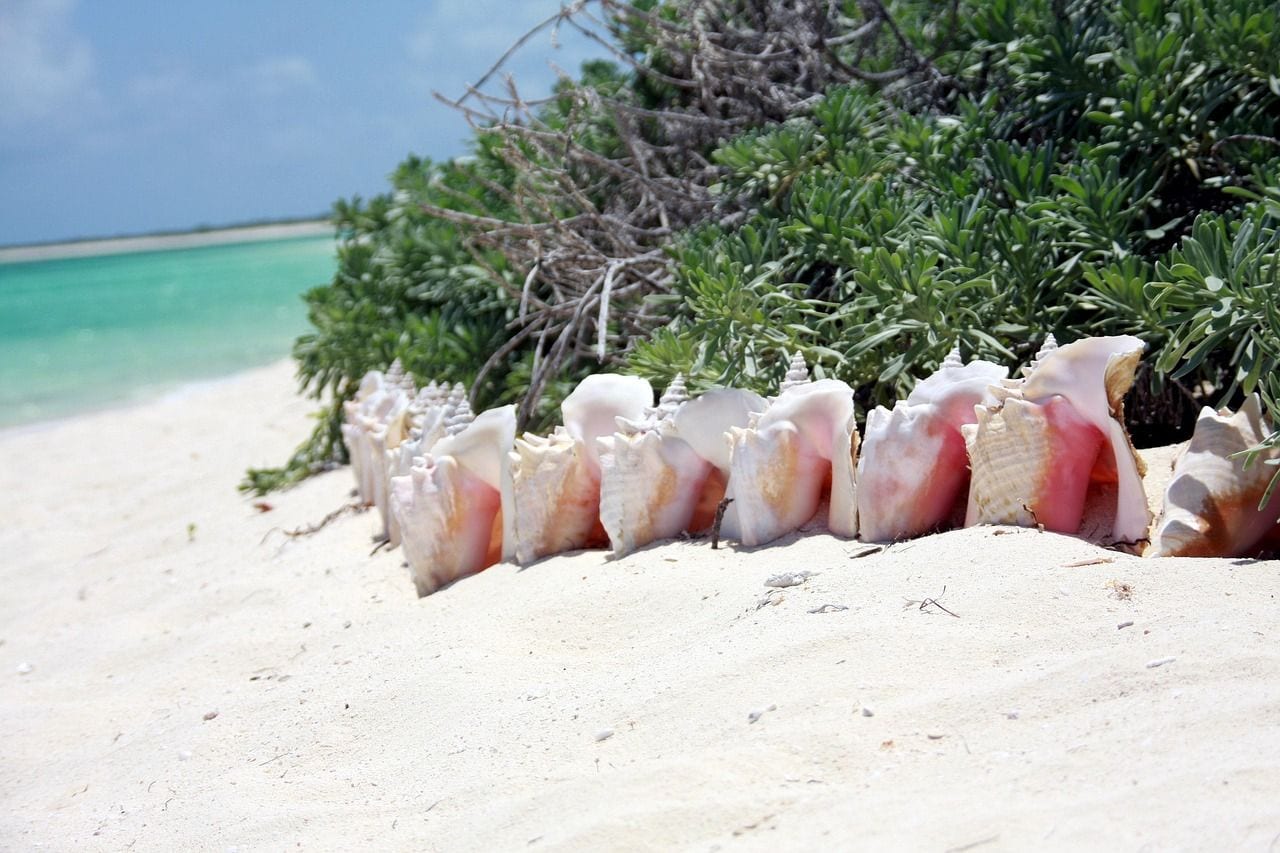
Conch is the national dish and appears everywhere — cracked and fried, in fritters, in a citrusy raw salad, and in chowder. Beyond it, expect grilled snapper and grouper, spiny lobster in season, peas and rice, johnnycake and jerk-spiced chicken. The Thursday night fish fry at Bight Park on Providenciales is the easiest place to eat all of it at once, alongside live ripsaw music.
What kind of trip is Turks and Caicos best for?
Beaches, diving and island-hopping.
We use cookies to analyse site traffic and improve your experience.
You can accept or reject analytics cookies. See our Cookie Policy.