We may earn a commission if you book or buy through a link on
this page, at no extra cost to you. It never affects which places we list or how
we rank them (how we make money).
Short answer
Turks and Caicos comes down to three things worth seeing first: Grace Bay Beach on Providenciales, routinely named among the best beaches in the world; Smith’s Reef, where a huge barrier reef starts a short wade from the sand; and Chalk Sound National Park, an enclosed lagoon of luminous turquoise studded with hundreds of tiny islets. Five to seven days covers Providenciales properly — add three or four more to reach the caves and cliffs of Middle Caicos, or to fly across to the old salt capital on Grand Turk.
Turks and Caicos is eight inhabited islands and some forty uninhabited cays, strung along the edge of one of the largest barrier reef systems on earth. Nearly everyone lands on Providenciales, where Grace Bay's powder sand and graded turquoise water have topped best-beach lists for years.
This guide covers the rest of it too: Provo's shore reefs and lagoons, the caves and cliffs of Middle Caicos, flamingos and plantation ruins on North Caicos, and the salt-era capital on Grand Turk. Five days suits a beach trip; eight lets you island-hop.
Turks and Caicos is a British Overseas Territory that uses the US dollar as its official currency — not a pegged local note, but the dollar itself, so American visitors never exchange a thing.
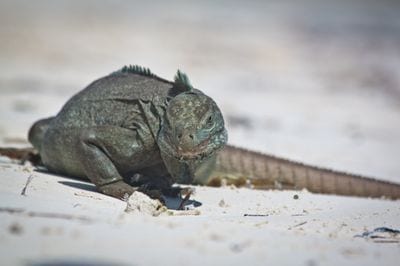
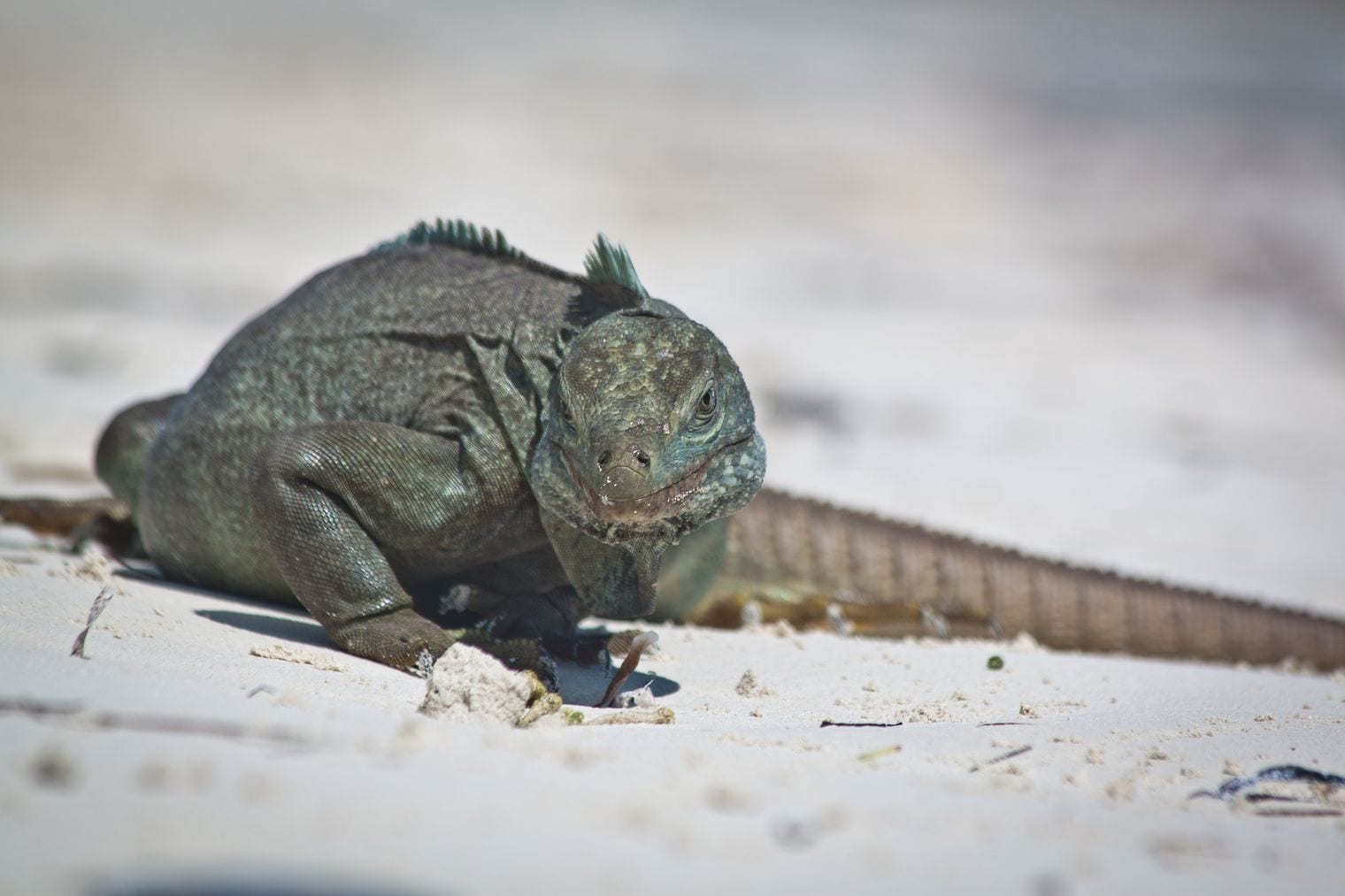
The Turks and Caicos rock iguana lives nowhere else on earth. The endangered species survives in numbers on protected cays such as Little Water Cay, where boardwalks keep visitors off its nesting ground.
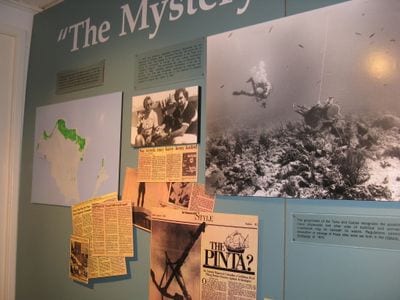
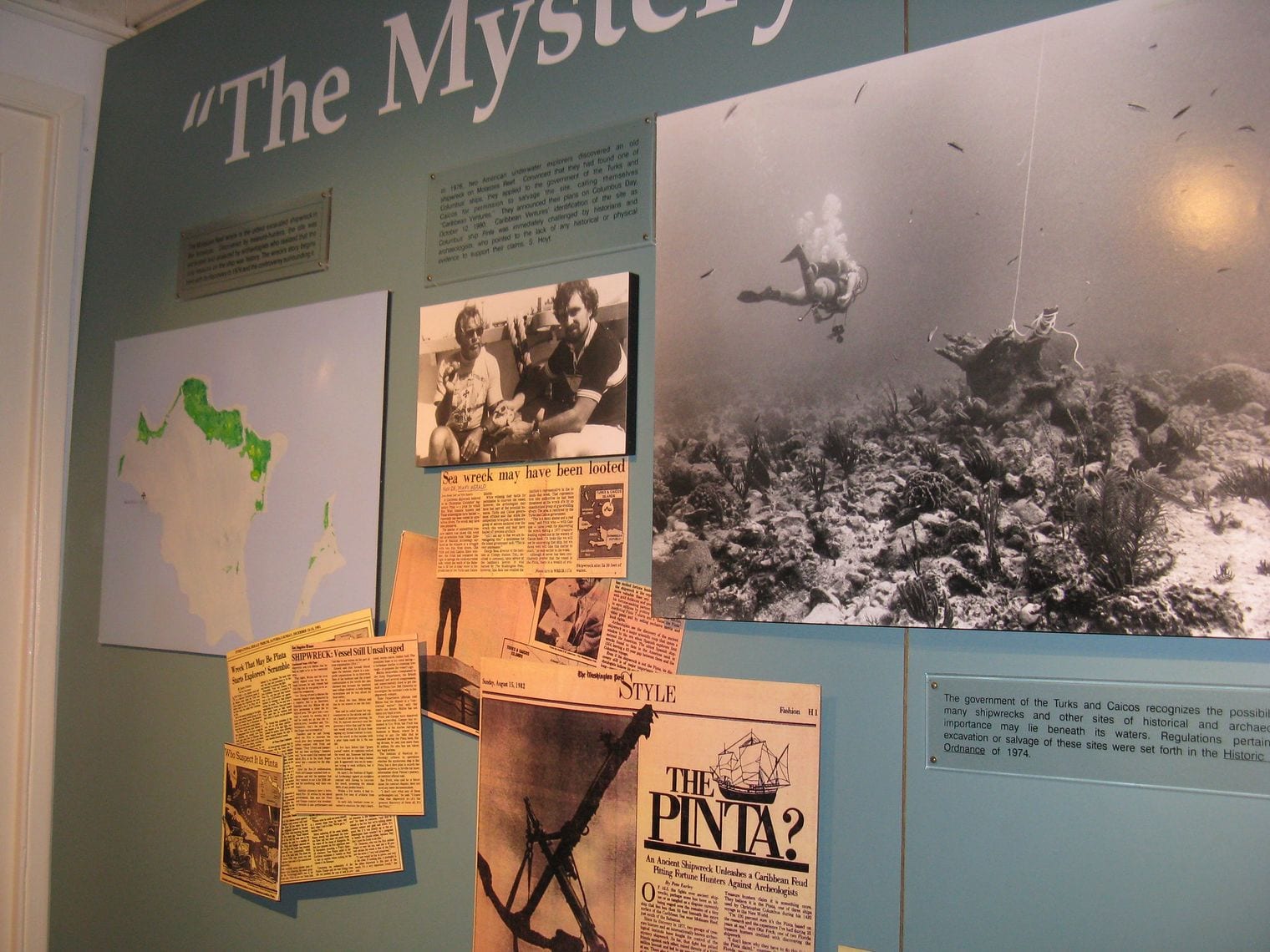
The national museum holds the oldest European shipwreck ever scientifically excavated in the Americas — a vessel lost on Molasses Reef around 1513, within a generation of Columbus.
The Grand Turk Lighthouse was prefabricated in England in 1852 to a design by Alexander Gordon, shipped across the Atlantic in pieces and bolted together on the bluff where it still stands.
A replica of John Glenn’s Friendship 7 capsule stands at Grand Turk’s airport, near the patch of Atlantic where he splashed down in 1962 at the end of the first American orbital flight.
Her Majesty’s Prison was the territory’s only prison until 1994 — a handful of cells on the Cockburn Town seafront served every island for more than 150 years.
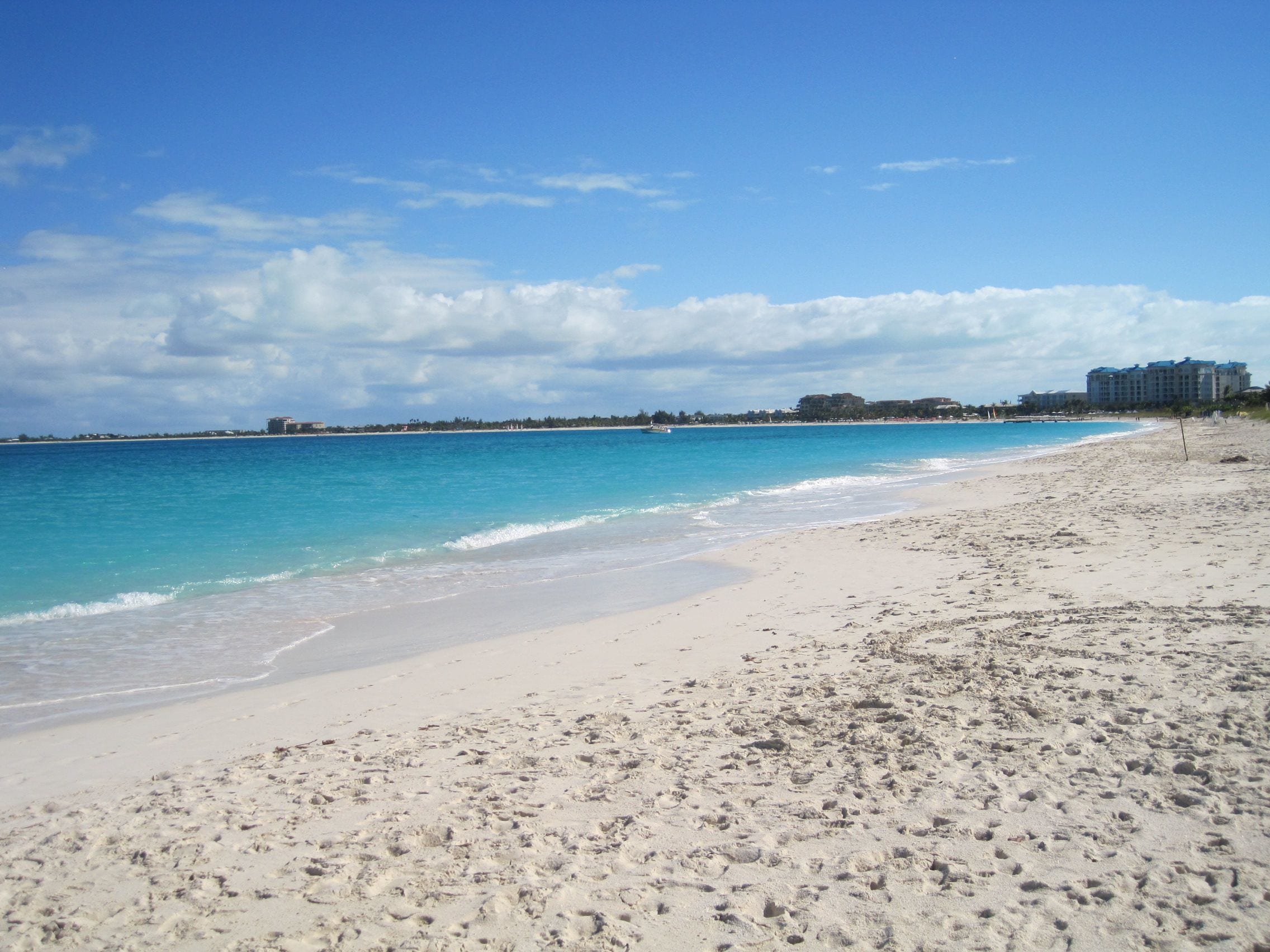
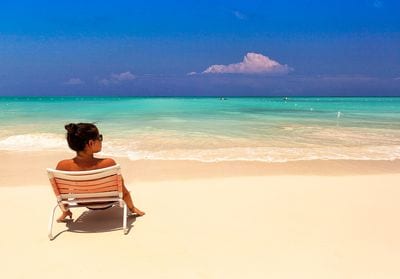
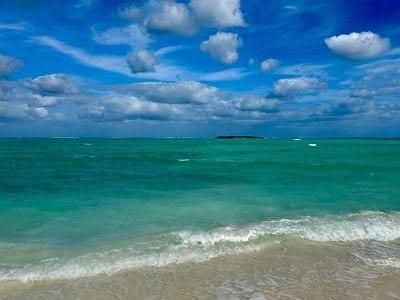
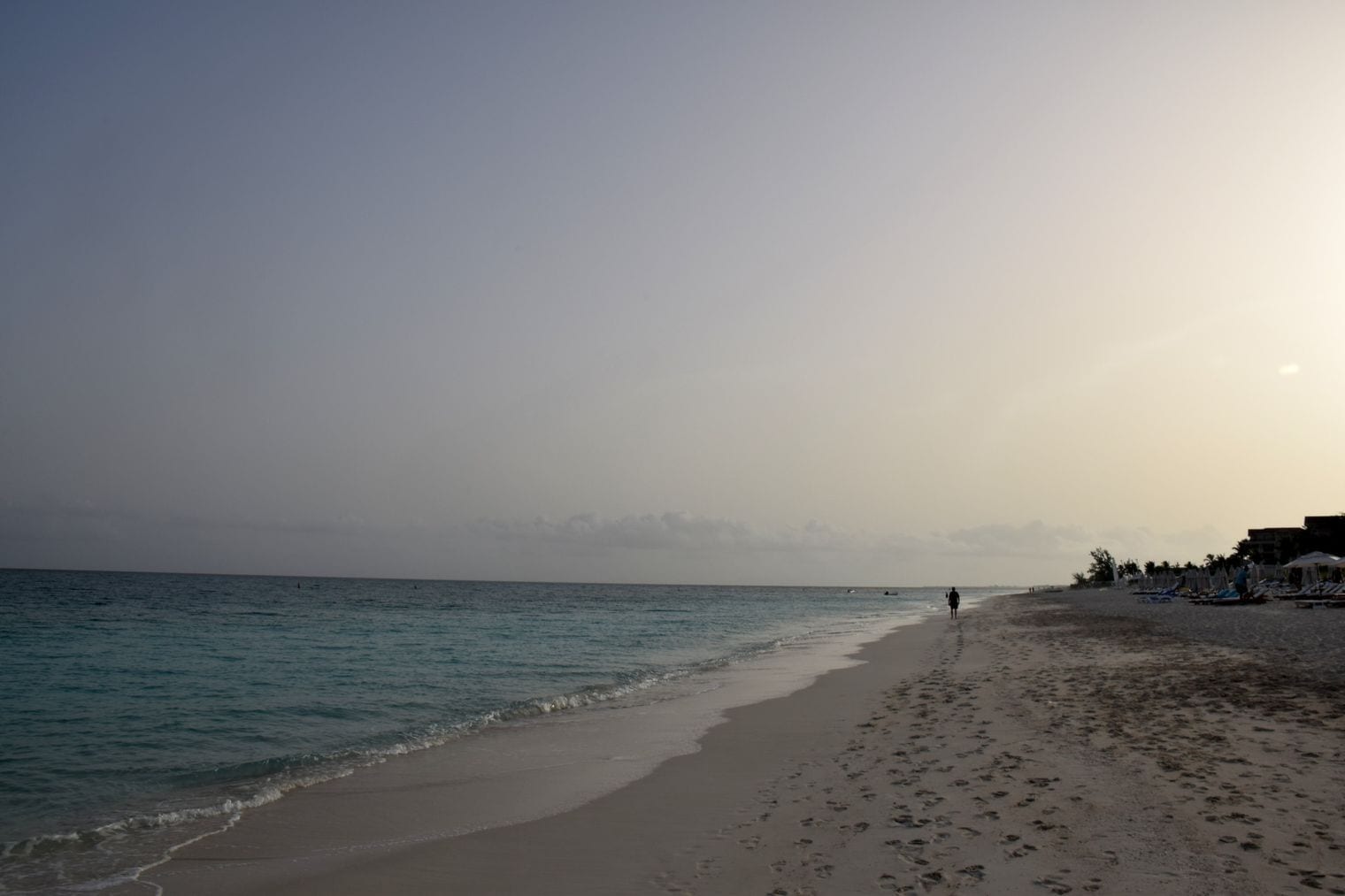
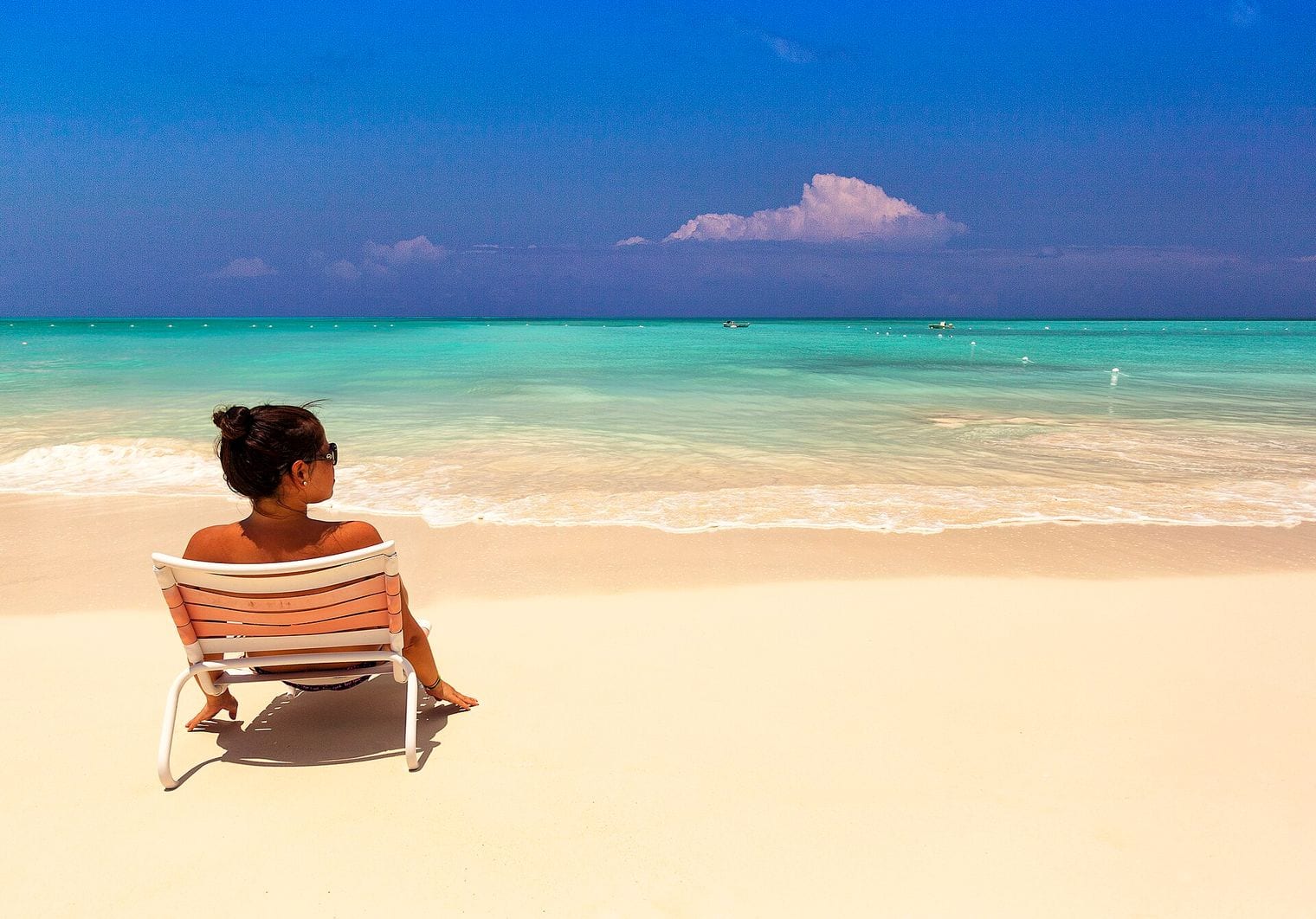
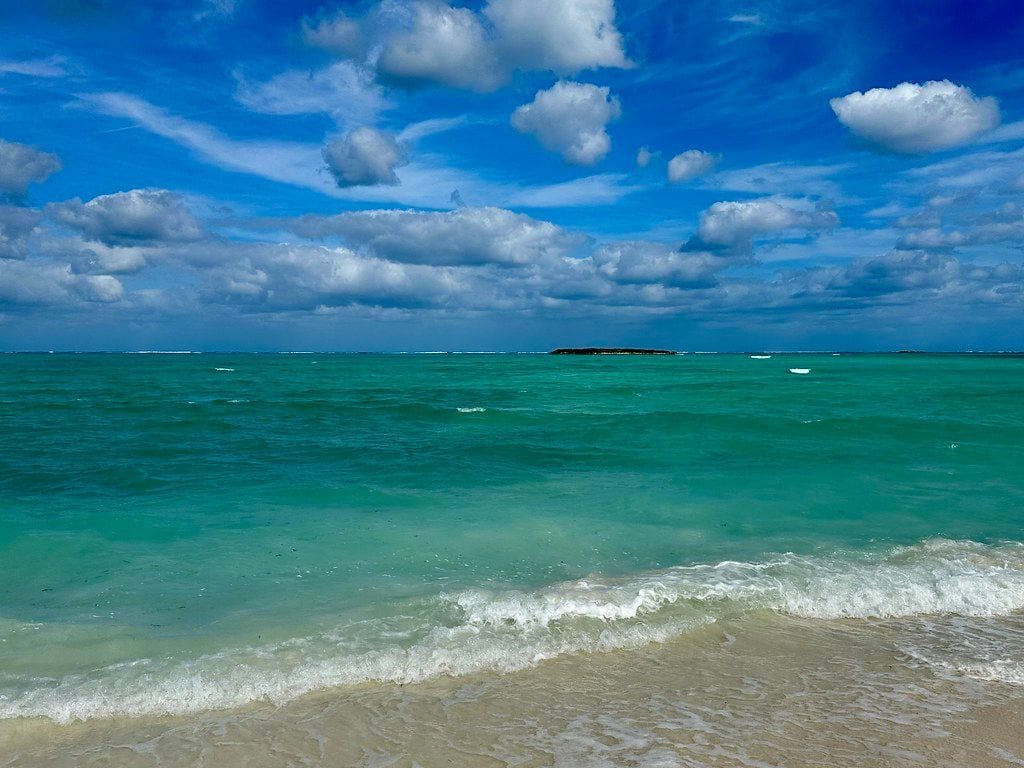
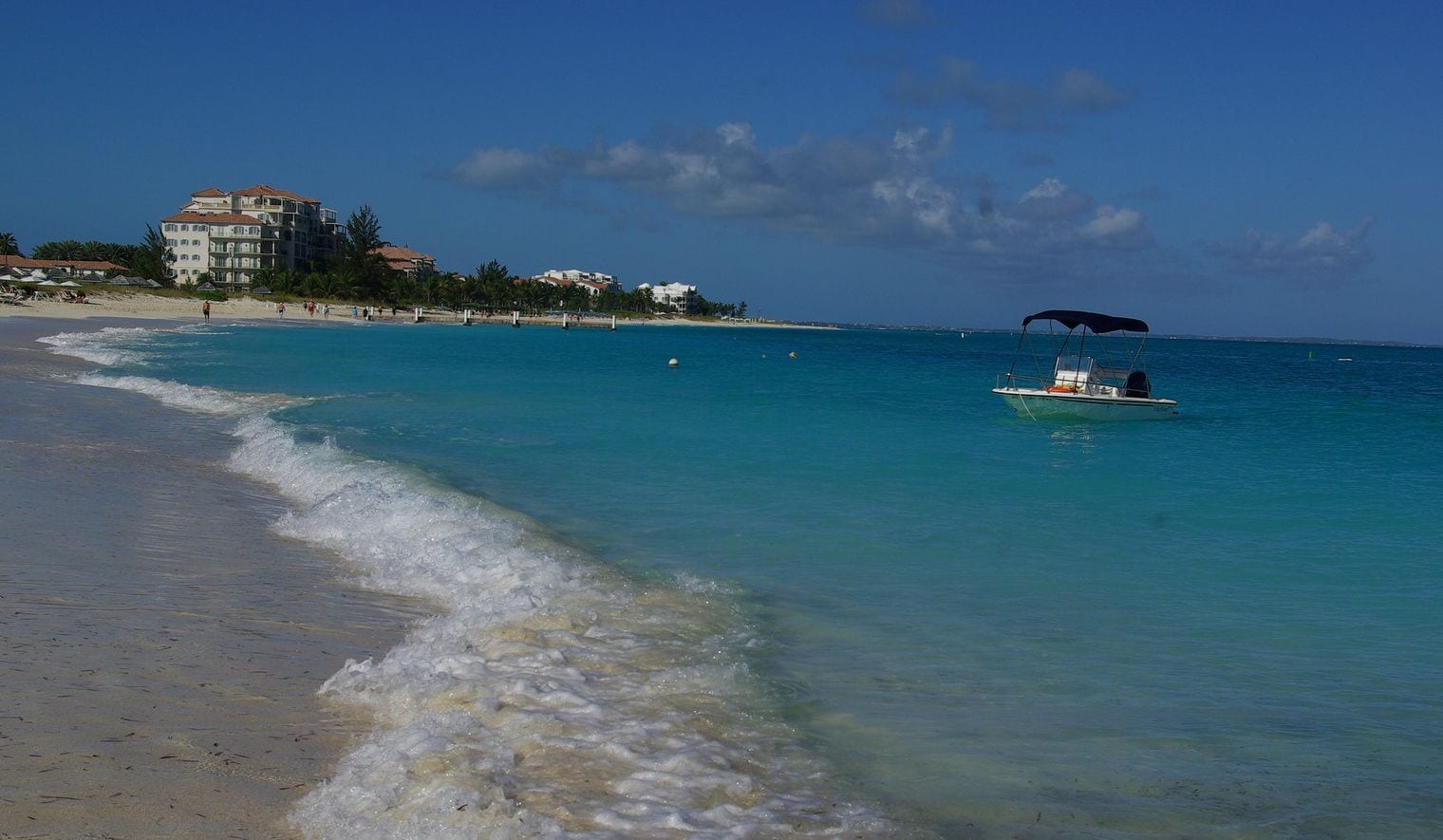
Grace Bay Beach is the reason most people come, and it survives the hype. A long arc of soft white sand runs along the north shore of Providenciales, and because the barrier reef sits offshore the water arrives flat, clear and graded through every shade of turquoise before it reaches you.
It has been voted the best beach in the world repeatedly, and the surprising thing is how empty it still feels once you walk a few minutes from the resorts.
Much of what makes it pleasant is regulation rather than luck. The beach sits inside Princess Alexandra National Park, which keeps out jet skis, beach vendors and motorised watersports, so the loudest thing you will hear is the wind. Access is public along its whole length, with several marked entry points between the hotels, and the sand shelves so gently that you can wade a long way out.
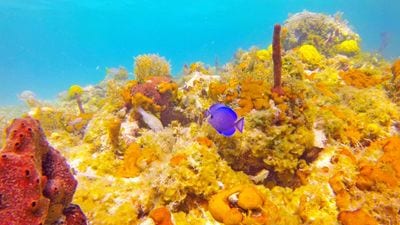
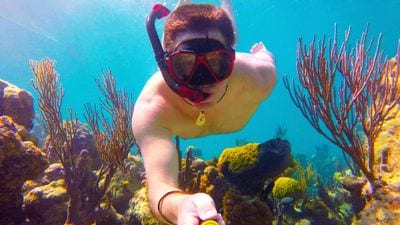
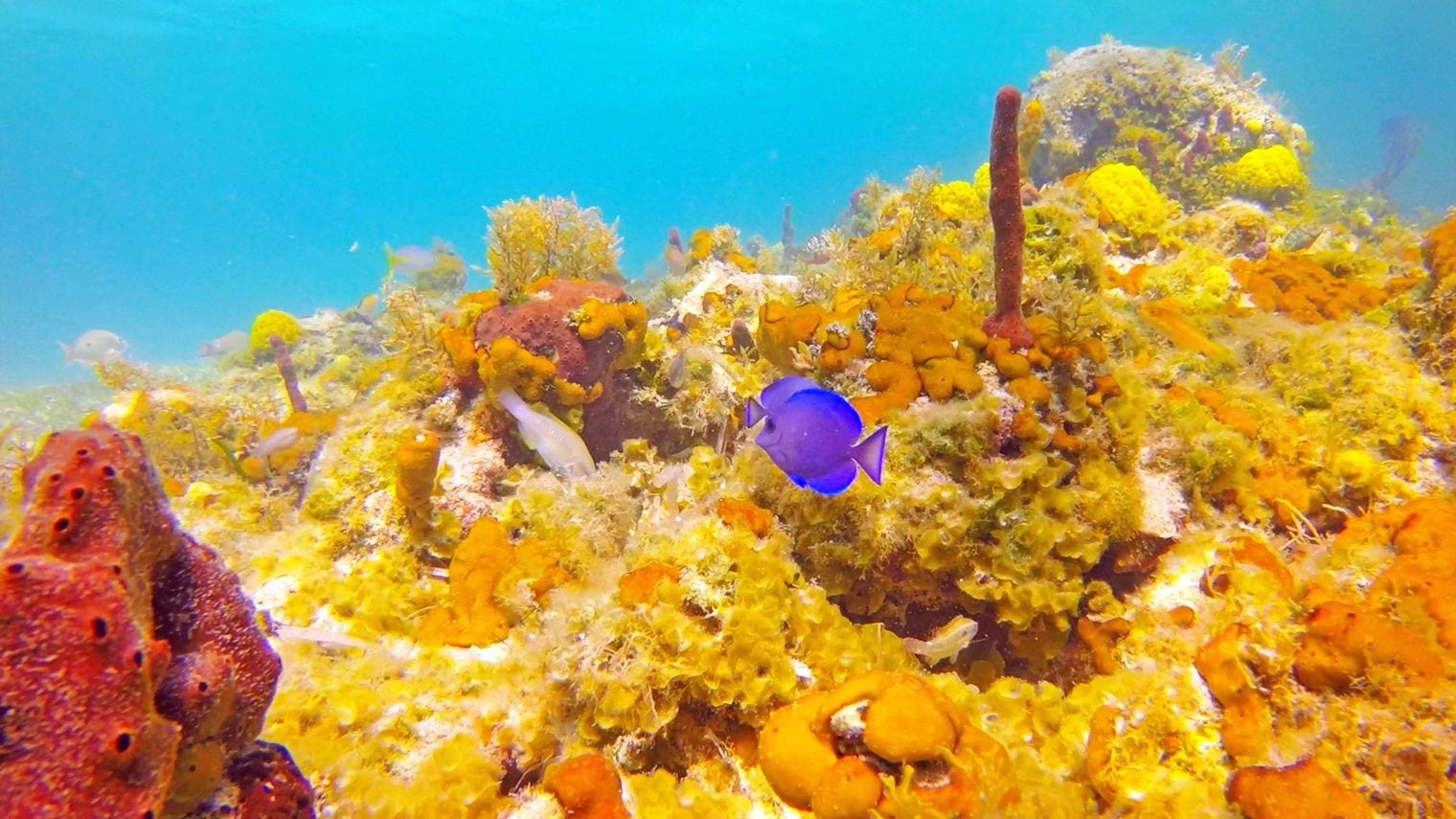
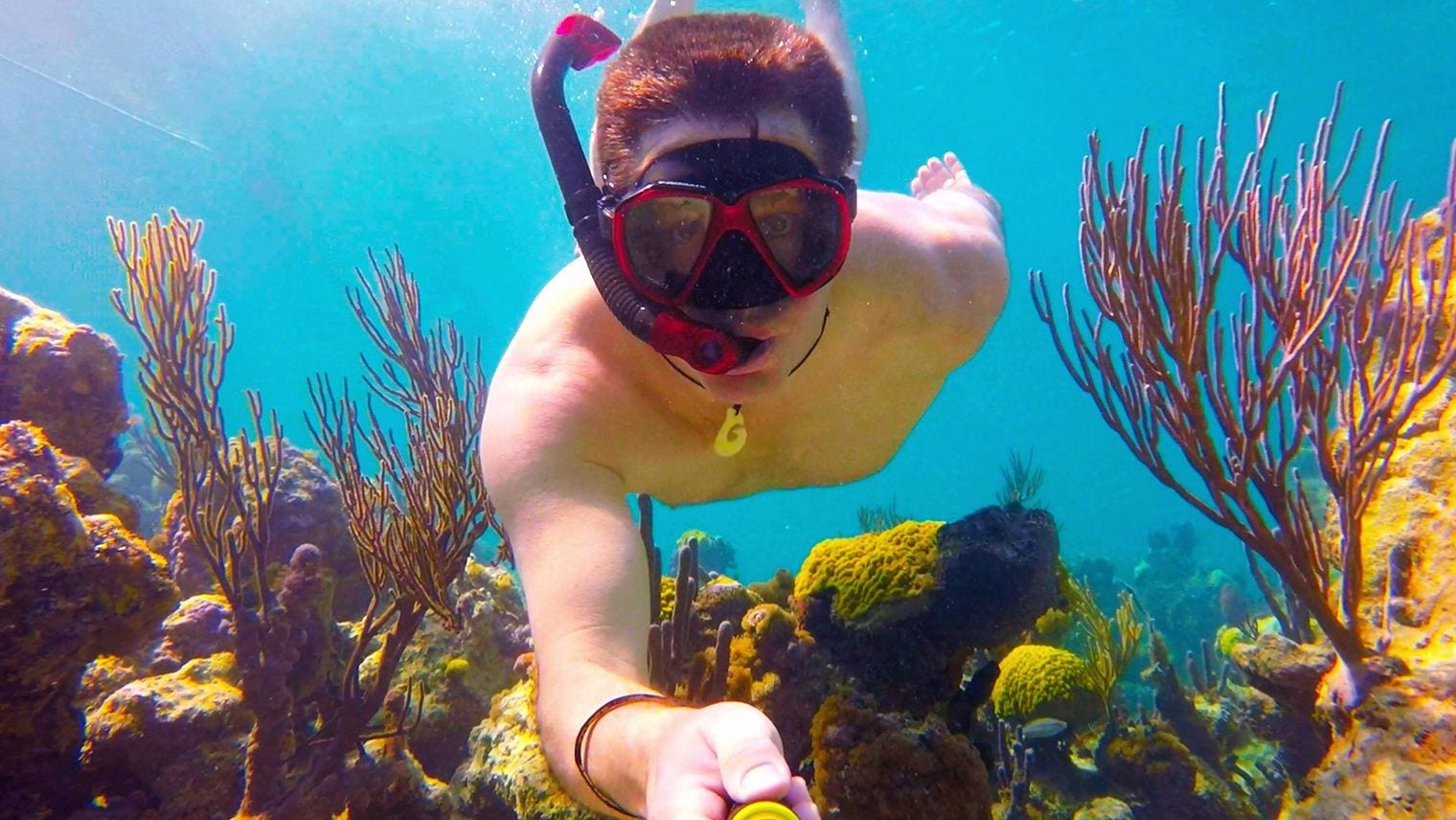
Smith's Reef is the best snorkelling in Turks and Caicos that you can reach without a boat. Enter from the sand near Turtle Cove on Providenciales and the coral starts within a short swim of shore, spreading across a much larger area than the island's other shore reef. Green turtles, southern stingrays, parrotfish and the occasional eagle ray all turn up here, and the shallow sections are gentle enough for a first-time snorkeller.
Because the reef is broad rather than a single patch, it rewards more than one visit — different entry points put you over different coral heads and sand channels. Bring your own mask and fins if you can; there is no rental kiosk on the beach, and the site has no facilities beyond a parking area and a path down to the water.
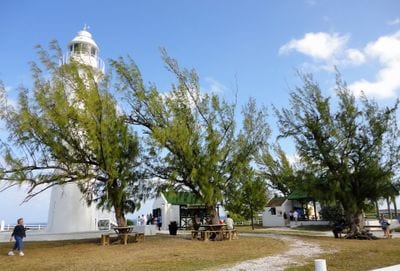
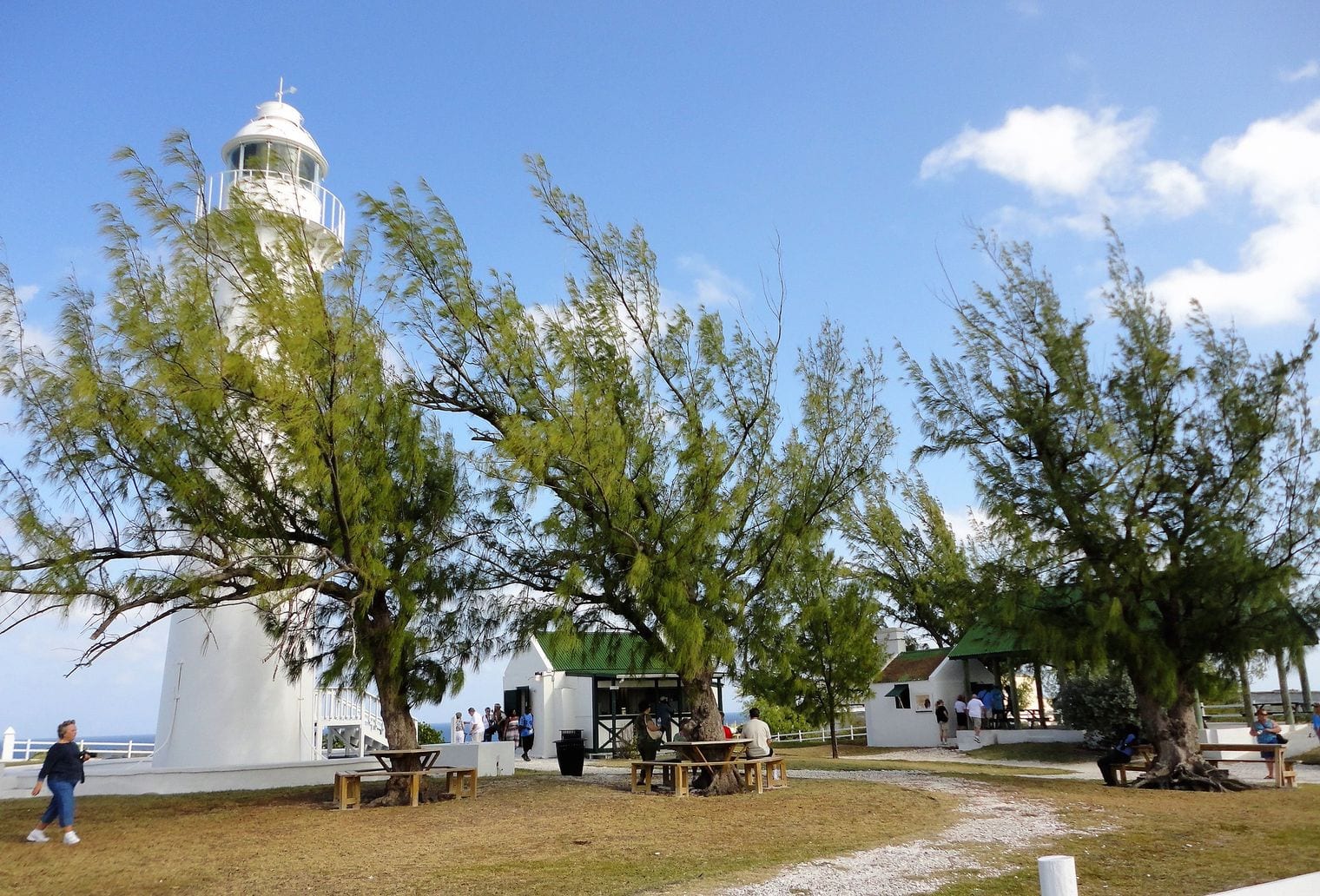
The Grand Turk Lighthouse has stood on the island's northern bluff since 1852, when it was prefabricated in England and shipped across in pieces to be bolted together on site. It was built in response to the ships wrecking on the reefs off the north end of the island, and its cast-iron frame has weathered a century and a half of hurricanes without moving.
The setting does as much work as the structure. The bluff drops away to the Atlantic on one side and looks back down the length of Grand Turk on the other, and the grounds around it are open, windswept and usually quiet. It is the most photographed landmark on the island and an easy stop on any drive or scooter loop around the north end.
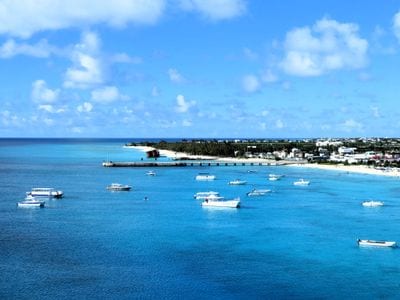
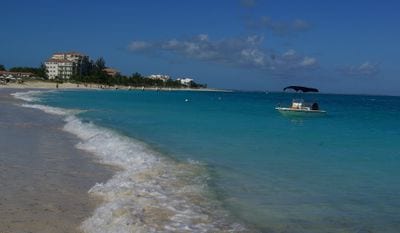
Sapodilla Bay Beach sits on the sheltered south shore of Providenciales, and it is the calmest water on the island. A low headland wraps around the bay so the sea barely moves, and the bottom stays shallow so far out that children can wade for what feels like forever. Boats moor off the point, which adds to the picture rather than spoiling it.
It is a different experience from the north-shore beaches — smaller, more enclosed, and better in the late afternoon when the light comes down the bay. The hill immediately above it carries rock carvings left by sailors, so the two make an obvious pair: swim first, then take the short scramble uphill before the sun drops.
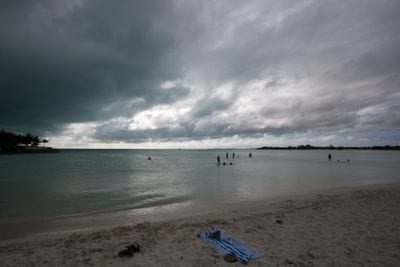
Taylor Bay Beach is the shallow one. The sea here stays somewhere around knee to waist deep for an extraordinary distance from shore, over a flat sand bottom with no drop-off and almost no waves, which makes it the most reliably safe swimming on Providenciales for small children and nervous swimmers alike.
It is tucked at the end of a residential road on the south shore with no facilities at all — no bar, no chairs, no shade beyond what you bring. That keeps the crowds down and the water quiet. Come with a towel and something to sit under, and treat it as a place to stand around in warm turquoise water rather than a place to swim laps.
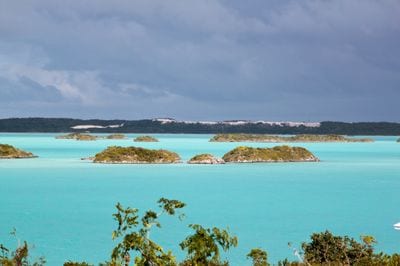
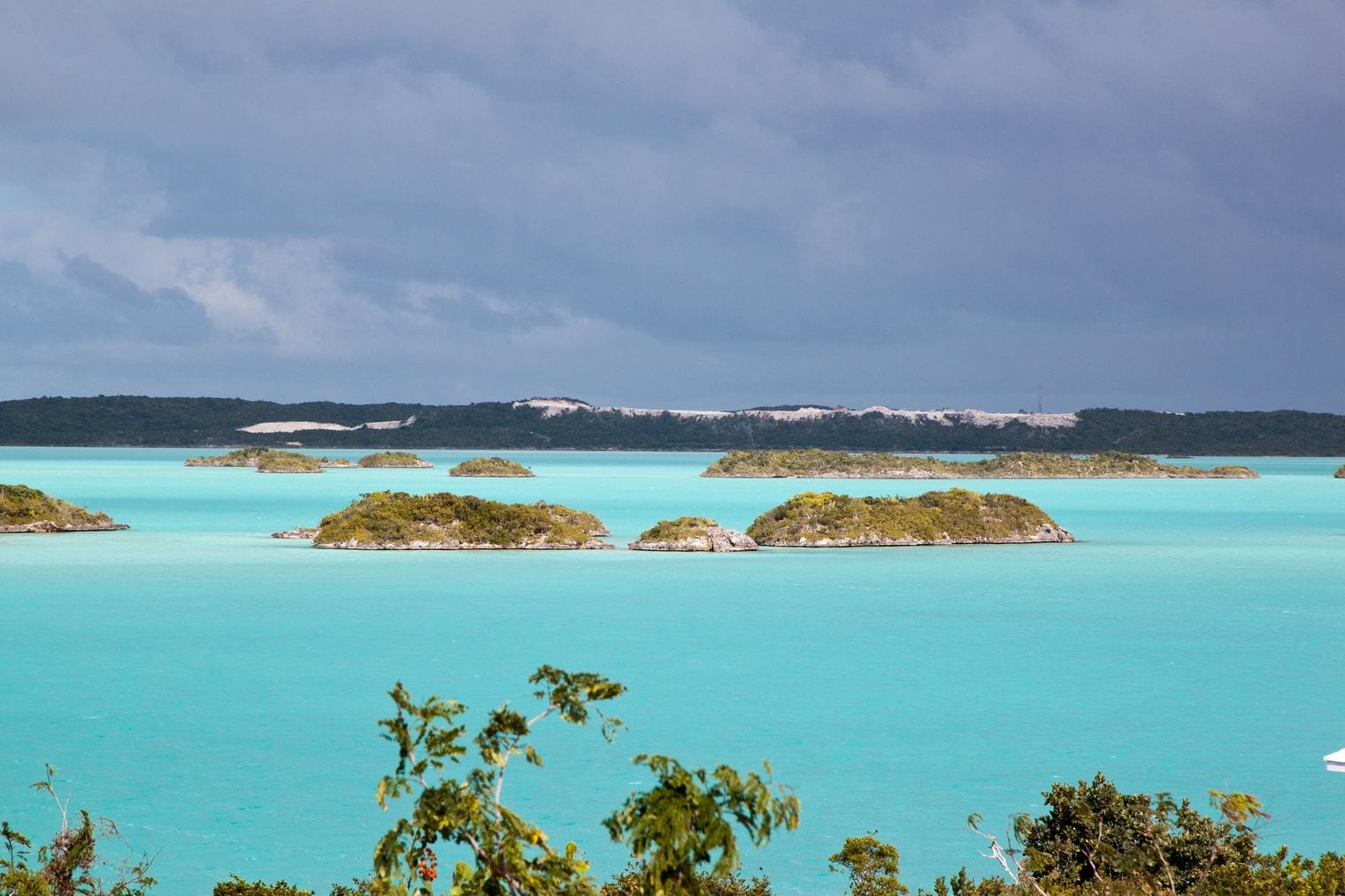
Chalk Sound National Park protects an enclosed inland lagoon on the south-west of Providenciales, and the colour of it is genuinely hard to believe in person. The water is shallow, still and a luminous pale turquoise, and it is broken up by hundreds of tiny limestone islets that sit just above the surface like scattered stones.
Because the lagoon is cut off from open sea, there is no swell and no current, which makes it excellent for kayaking or paddleboarding among the islets. There are viewpoints along the road that rings it if you would rather just look, and the drive out is worth doing regardless — it is the single most distinctive landscape on the island.
Every Thursday evening The Fish Fry takes over Bight Park on Providenciales, and it is the most reliable way for a visitor to see the islands as something other than a resort strip. Local vendors set up stalls selling conch in every form, grilled fish, jerk chicken, peas and rice and johnnycake, and there are craft stands, a bar and a stage.
The music is the point as much as the food. Ripsaw bands play the local rake-and-scrape rhythm, made with a handsaw and a screwdriver, and by mid-evening the crowd is a genuine mix of residents and visitors. It is free to walk in, family-friendly and cash-friendly, and it runs whatever the season.
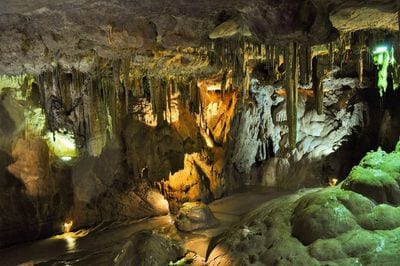
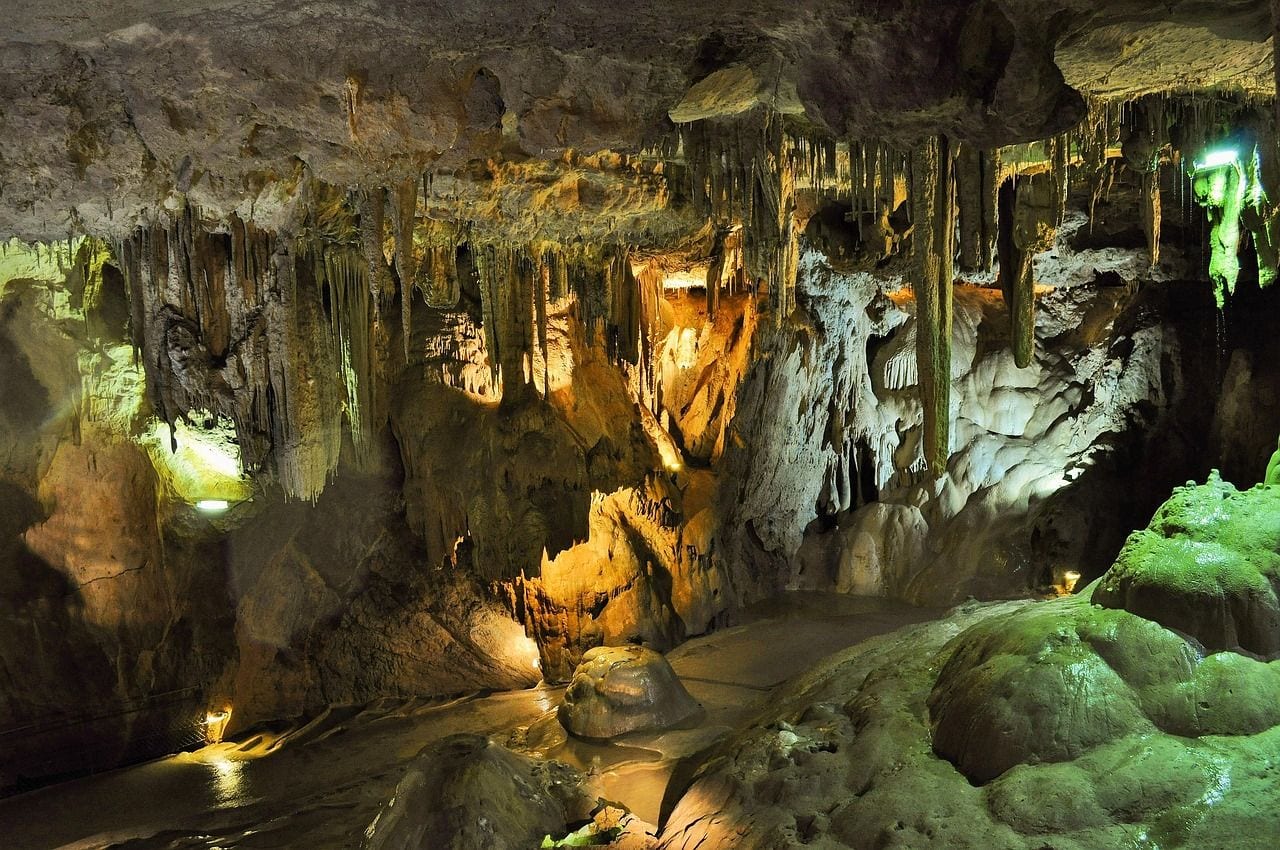
The Conch Bar Caves on Middle Caicos form the largest dry cave system in the Bahamas and Turks and Caicos island chain. Passages run back into the limestone past stalactites, stalagmites and shallow pools, with shafts of daylight breaking through collapsed sections and a resident bat colony overhead.
The caves were used by the Lucayan people long before Europeans arrived, and later mined for bat guano. They are managed as a national park and visited with a local guide, which is the right way to do it — the floor is uneven, the passages branch, and a guide will point out the things you would otherwise walk straight past. Wear shoes you do not mind getting muddy.
Little Water Cay is a small protected island off the eastern end of Providenciales, and it exists on most itineraries for one reason: the Turks and Caicos rock iguana. This is an endangered species found nowhere else in the world, and on this cay they are abundant, unbothered and easy to see at close range.
A raised boardwalk system runs across the island so visitors stay off the fragile scrub and the iguanas keep their nesting ground, which is why the population here has held up while it collapsed elsewhere. Access is by boat, usually as part of a half-day cay tour out of Leeward, and most trips pair it with a stop on the sandbar next door.
The Turks and Caicos National Museum occupies a nineteenth-century house on Front Street in Cockburn Town, and it is far better than a museum this size has any right to be. Its centrepiece is the Molasses Reef Wreck, the oldest European shipwreck to have been scientifically excavated in the Americas, recovered from the reef south-west of the Caicos bank.
The rest of the collection walks through the islands' whole story — Lucayan settlement, the salt industry that built the Turks islands, the Loyalist cotton plantations, shipwrecks and natural history. It is compact enough to see properly in an hour or two, and it makes everything else on Grand Turk read more clearly afterwards.
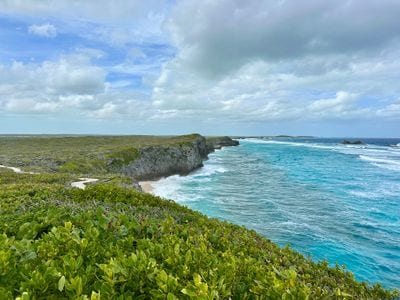
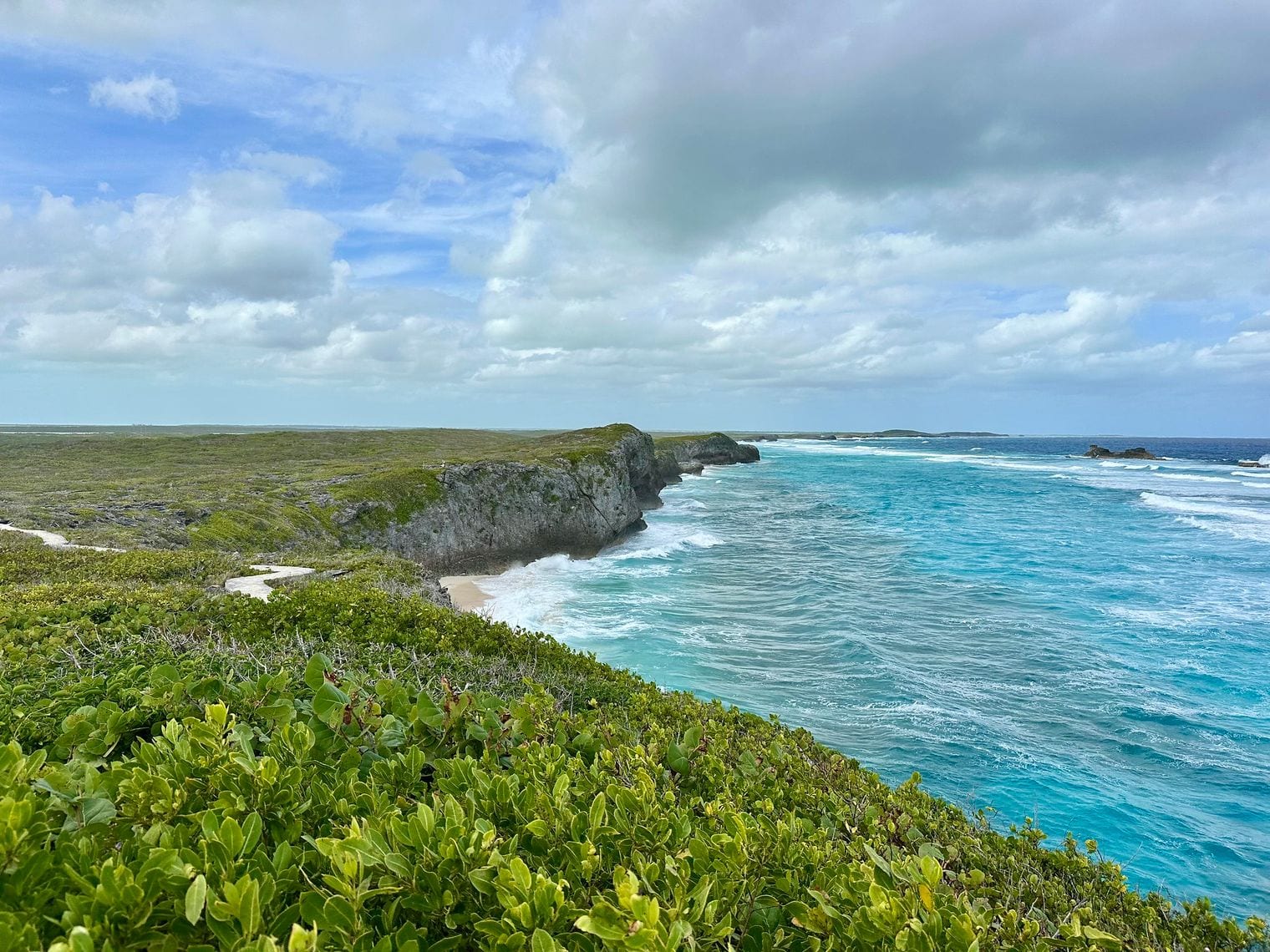
Mudjin Harbour is the most dramatic piece of coastline in the country, and it looks nothing like the rest of it. Limestone cliffs drop to a beach on the north shore of Middle Caicos, waves break properly here rather than arriving flat, and Dragon Cay — a twin-humped rock island — stands just offshore across a shallow channel you can sometimes wade.
Steps and a cave passage lead down through the cliff to the sand, and a clifftop path runs along the top with the whole bay laid out below. The Crossing Place Trail, an old walking route between settlements, continues along the coast from here. It is the one sight that justifies the ferry and the drive on its own.
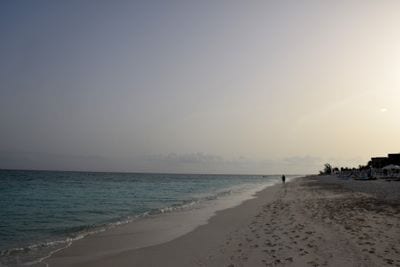
Leeward Beach is the eastern continuation of the Grace Bay sand, and it is where you go when Grace Bay itself feels busy. The same white sand and the same protected turquoise water carry on past the last of the big resorts, but the crowd thins to almost nothing and the beach widens.
There is very little here in the way of facilities, which is the appeal. Walk east far enough and you reach the channel at Leeward where the boats run out to the cays, and on the way you will likely have long stretches of sand entirely to yourself. It is an easy walk or a short drive from the Grace Bay hotels.
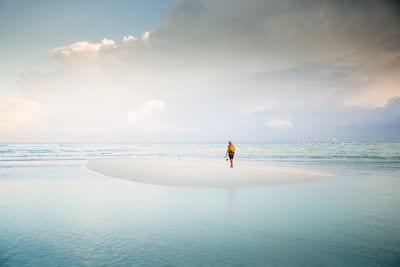
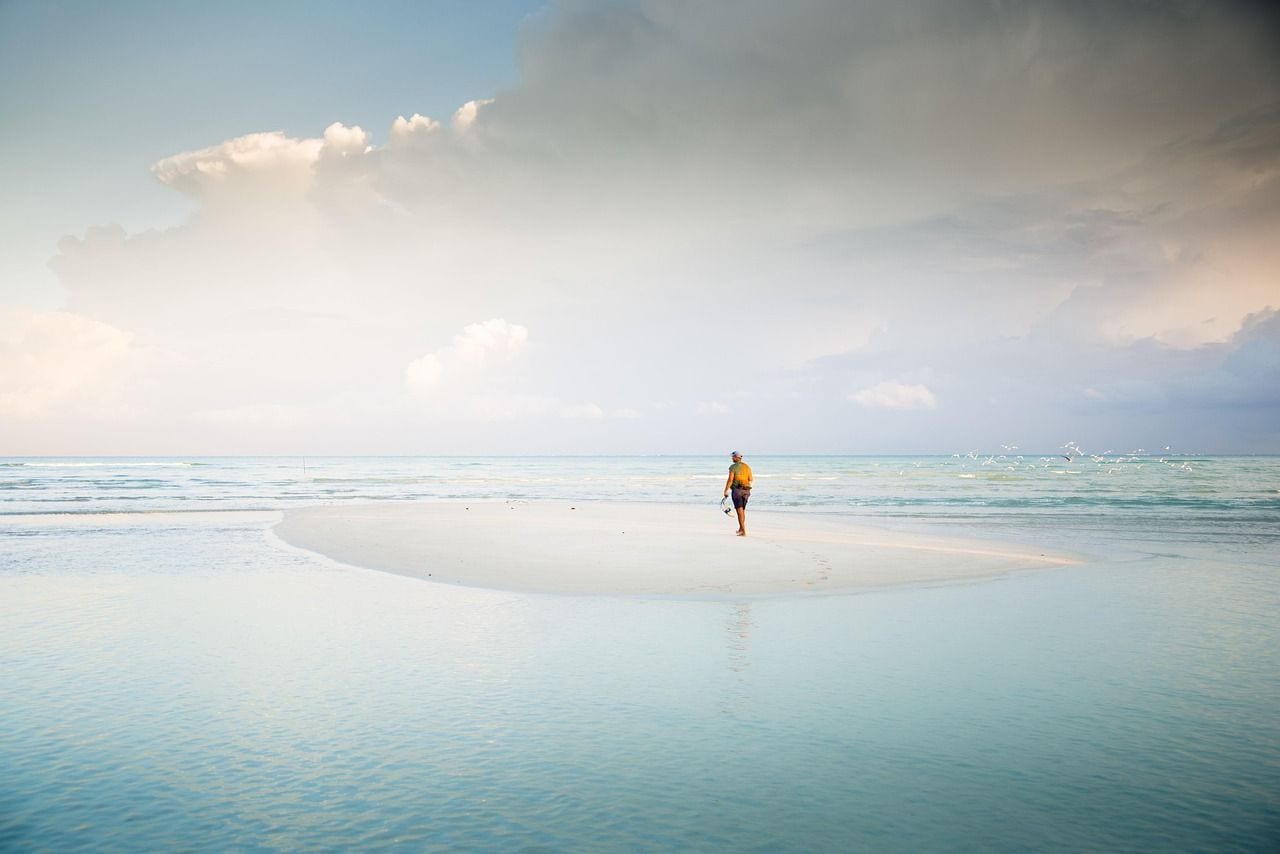
Half Moon Bay is a curving sandbar and beach on an uninhabited cay between Water Cay and Little Water Cay, and it is the classic boat-trip stop in Turks and Caicos. The sand is soft, the water on both sides is shallow and warm, and low tide exposes a wide bar you can walk out along with sea on either hand.
There is nothing built here at all — no bar, no shade, no facilities — which is exactly the point. Most excursions out of Leeward combine it with the iguanas next door, and some carry on to the shipwreck or a snorkel stop. Bring water and sun cover, because the cay offers none.
Governor's Beach runs along the west coast of Grand Turk beside the official residence that gives it its name, and it is the most attractive stretch of sand on the island. Casuarina trees line the back of the beach and throw real shade, which is rare here, and the water is calm and shallow close in.
It is a short ride from the cruise port, so it fills up on days when a ship is in and empties completely when one is not. Snorkelling is decent off the northern end, and the drop-off that makes Grand Turk famous with divers begins not far offshore. On a quiet day it is the best place on the island to spend an afternoon.
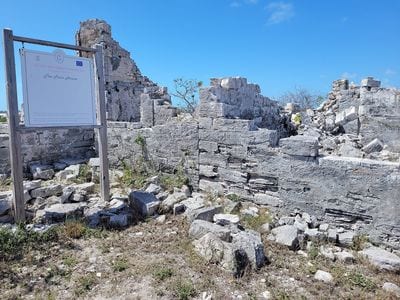
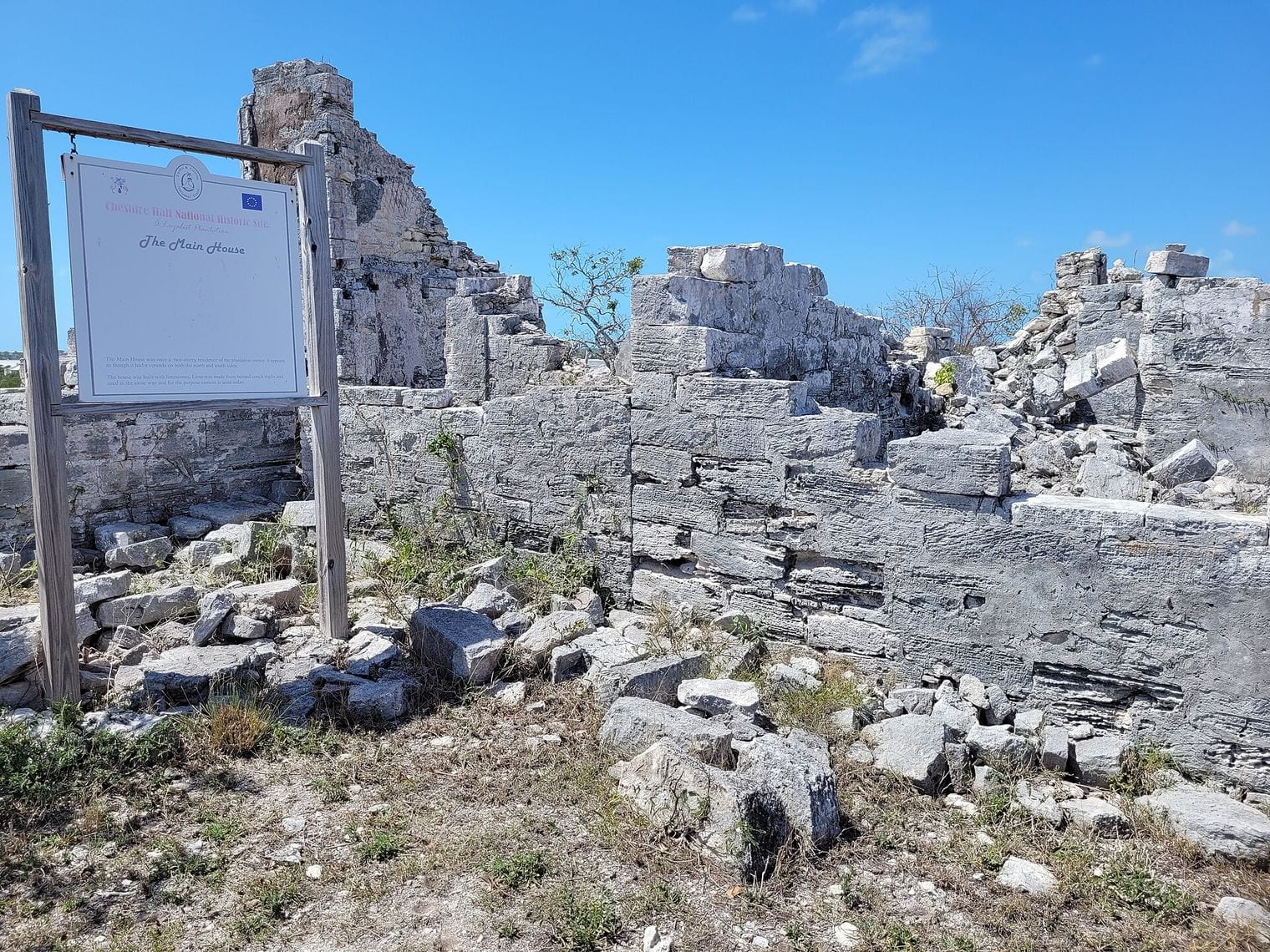
Cheshire Hall Plantation is the ruin of a Loyalist cotton estate built on Providenciales in the late eighteenth century, when British planters fled the American mainland and were granted land across the Caicos islands. Stone walls, the great house footprint, a kitchen and outbuildings still stand among the scrub, close to the middle of the modern town.
The cotton failed within a generation, defeated by thin soil, drought and pests, and the estate was abandoned. What is left is managed by the National Trust with an interpretive trail that explains both the planters' venture and the enslaved people whose labour it depended on — the ancestors of much of today's population.
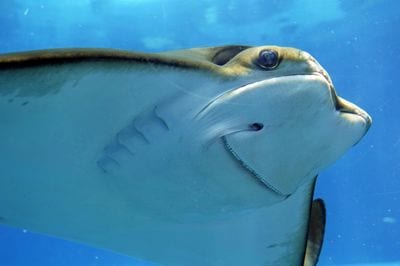
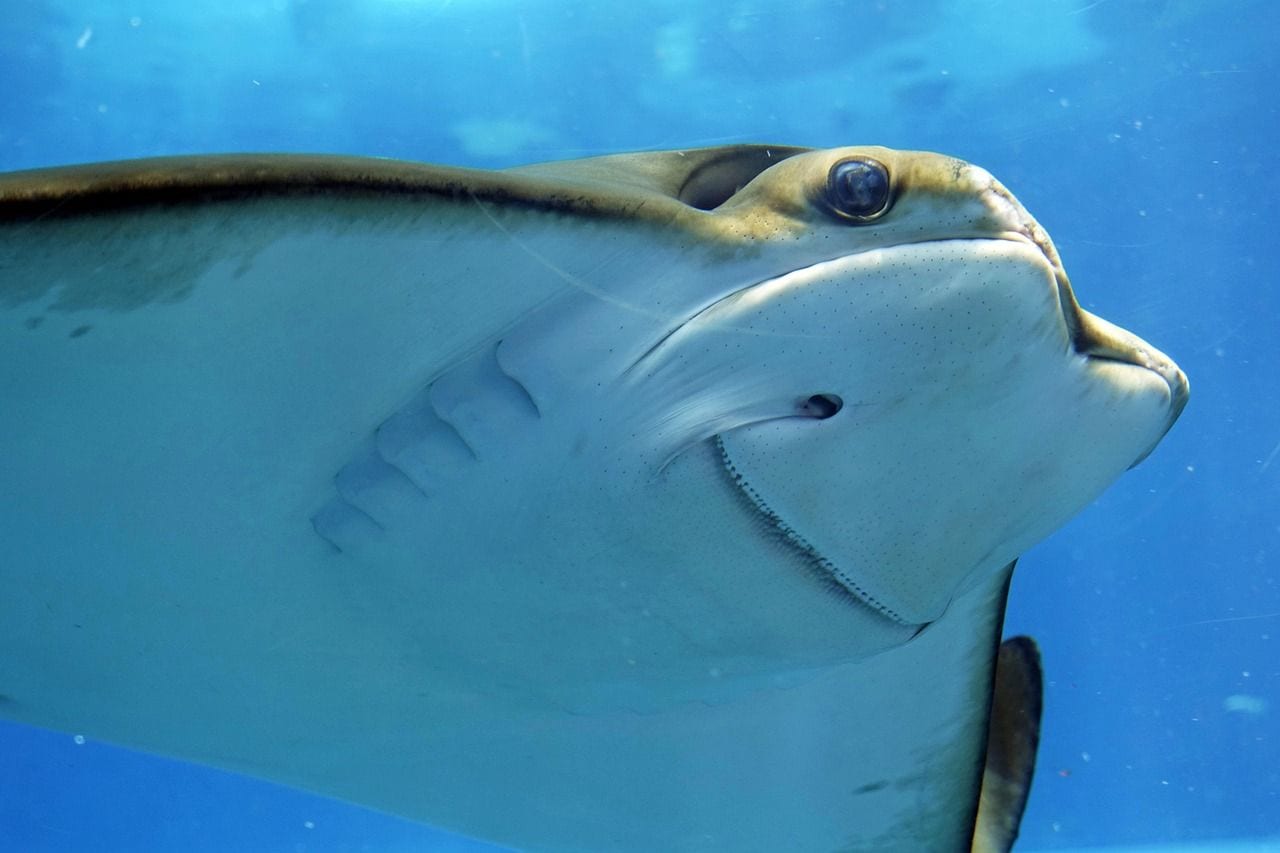
Gibbs Cay is a small uninhabited island a short boat ride off Grand Turk, and the draw is the southern stingrays that gather in the shallows off its beach. They are habituated to visitors and will glide right up against your legs in waist-deep water, which is an unnerving and then rather wonderful experience.
Trips run from Grand Turk and typically combine the stingray shallows with a snorkel over the nearby reef and time on the beach, which is empty white sand with nothing built on it. It is one of the few genuine wildlife encounters in the country that requires no special skill or equipment at all.
Bambarra Beach is the long shallow beach on the south side of Middle Caicos, and it is about as quiet as a beach gets. The water is warm and barely more than knee deep a long way out, and at low tide a sandbar emerges that you can walk far out along toward a small cay offshore.
A few thatched shelters sit back from the sand and there is usually nobody else there at all. It is the traditional venue for the islands' model sailboat regatta, held each summer, but for most of the year it is simply an empty, extremely shallow, extremely warm stretch of water on an island with almost no traffic.
The Bight Park is the public open space behind The Bight Beach on Providenciales, and it is where the island's community life happens. There is a playground, open lawn, a basketball court and shaded seating, all a short walk from one of the better stretches of Grace Bay sand.
It matters to visitors mostly because it hosts the Thursday night fish fry, but it is worth knowing about the rest of the week too — it is one of the few genuinely public, non-commercial spaces on a coastline otherwise given over to resorts, and the beach it backs onto has easy free access and a good shore entry for a swim.
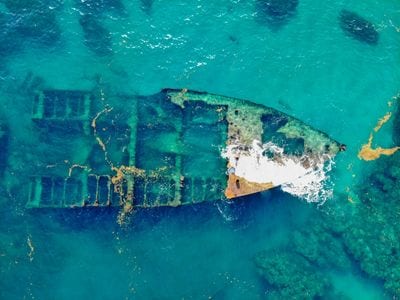
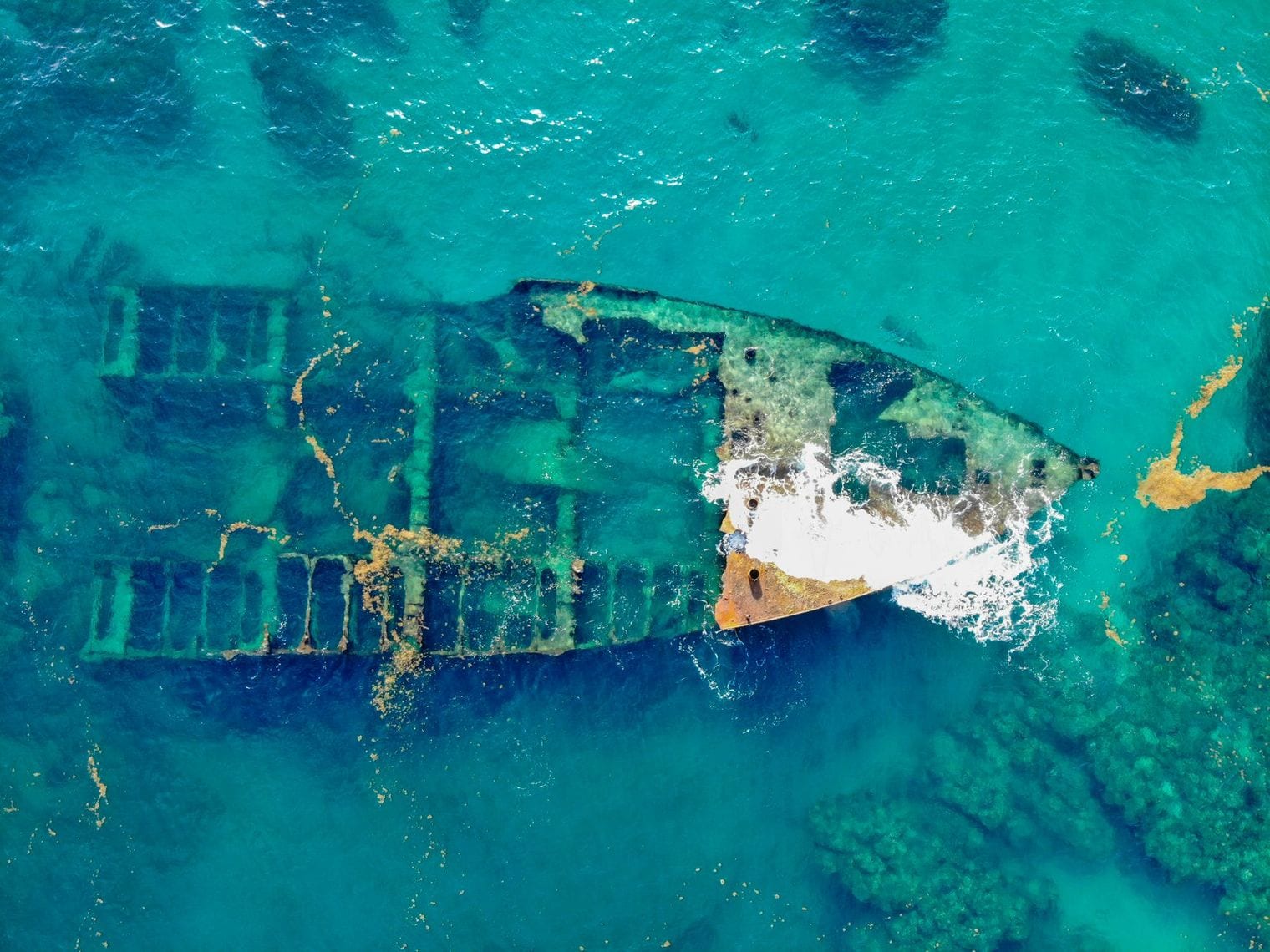
The La Famille Express Shipwreck sits upright in shallow water off the eastern end of Providenciales, a large cargo ship run aground in a hurricane and never removed. It is fully intact above the waterline, rusting steadily, and visible as a startling silhouette from the shore and from every boat heading east.
Most visitors see it from a cay excursion, which will usually swing past and often stop to snorkel the hull. The wreck has become an artificial reef, so the water around it holds far more fish life than the surrounding sand flats. Boarding it is not a good idea — the deck plating is corroded — but circling it is one of the more memorable things to do out on the water here.
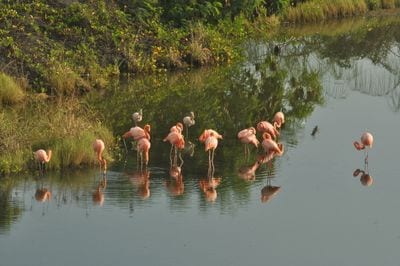
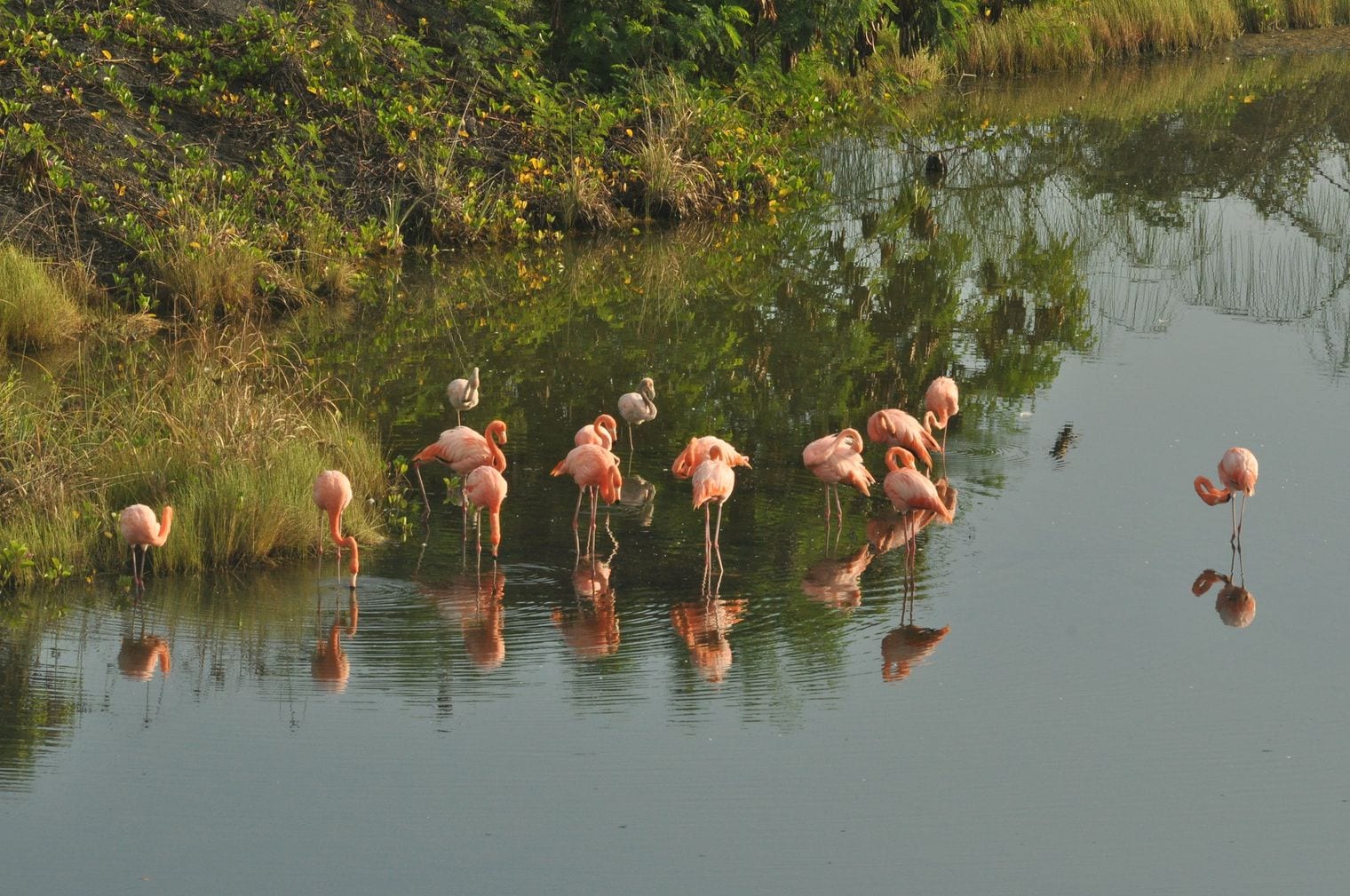
Flamingo Pond Overlook is a simple roadside platform on North Caicos looking out over a large saline pond that holds a resident flock of West Indian flamingos. There is a shelter, an information board and a permanently mounted viewing scope, and that is the whole of it.
The birds sit well out across the water, so this is a distant view rather than a close encounter — bring binoculars or a long lens if you have one, and come early or late when the light is low and the flock is more active. It costs nothing, takes ten minutes, and sits directly on the road you will be driving between the ferry and the causeway anyway.
Coral Gardens, also known as the Bight Reef, is the easiest snorkelling in Turks and Caicos. The reef begins only a short wade from the sand on the Bight stretch of Grace Bay, and a line of marker buoys with a rope guide leads swimmers along it, so you can follow the coral without needing to judge anything yourself.
That accessibility makes it the obvious first snorkel of a trip and the right one for children or anyone out of practice. Turtles graze the sea grass around it and the reef fish are used to people. It is smaller and shallower than Smith's Reef along the coast, and correspondingly busier, so go early in the day.
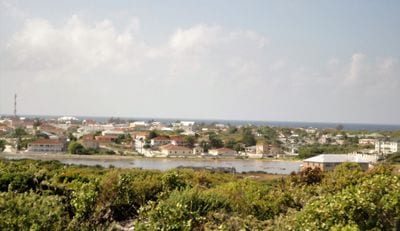
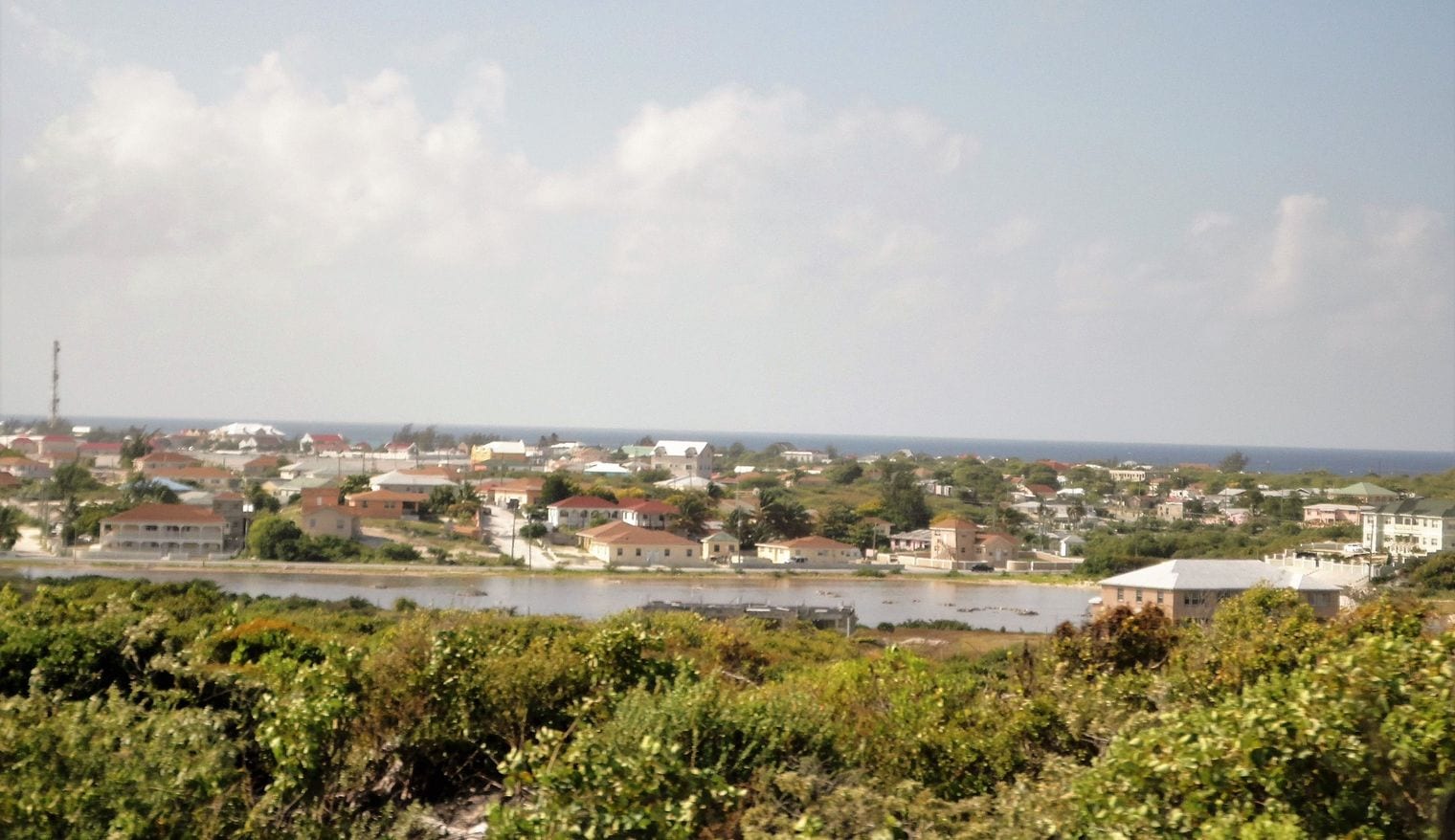
Cockburn Town on Grand Turk is the capital of Turks and Caicos, and it is a very small one — two parallel seafront streets, Duke Street and Front Street, lined with nineteenth-century Bermudian-style houses in faded colours with wooden shutters and walled gardens. Donkeys wander the roads and very little traffic does.
It was built on salt, and the old salinas still fill the middle of the town behind the seafront, now a flamingo and wader habitat. Walking the two streets end to end takes half an hour and passes the national museum, the old prison, the post office and a series of buildings that have barely changed since the salt ships called.
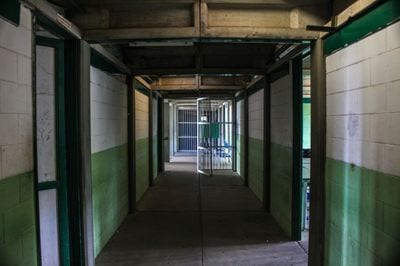
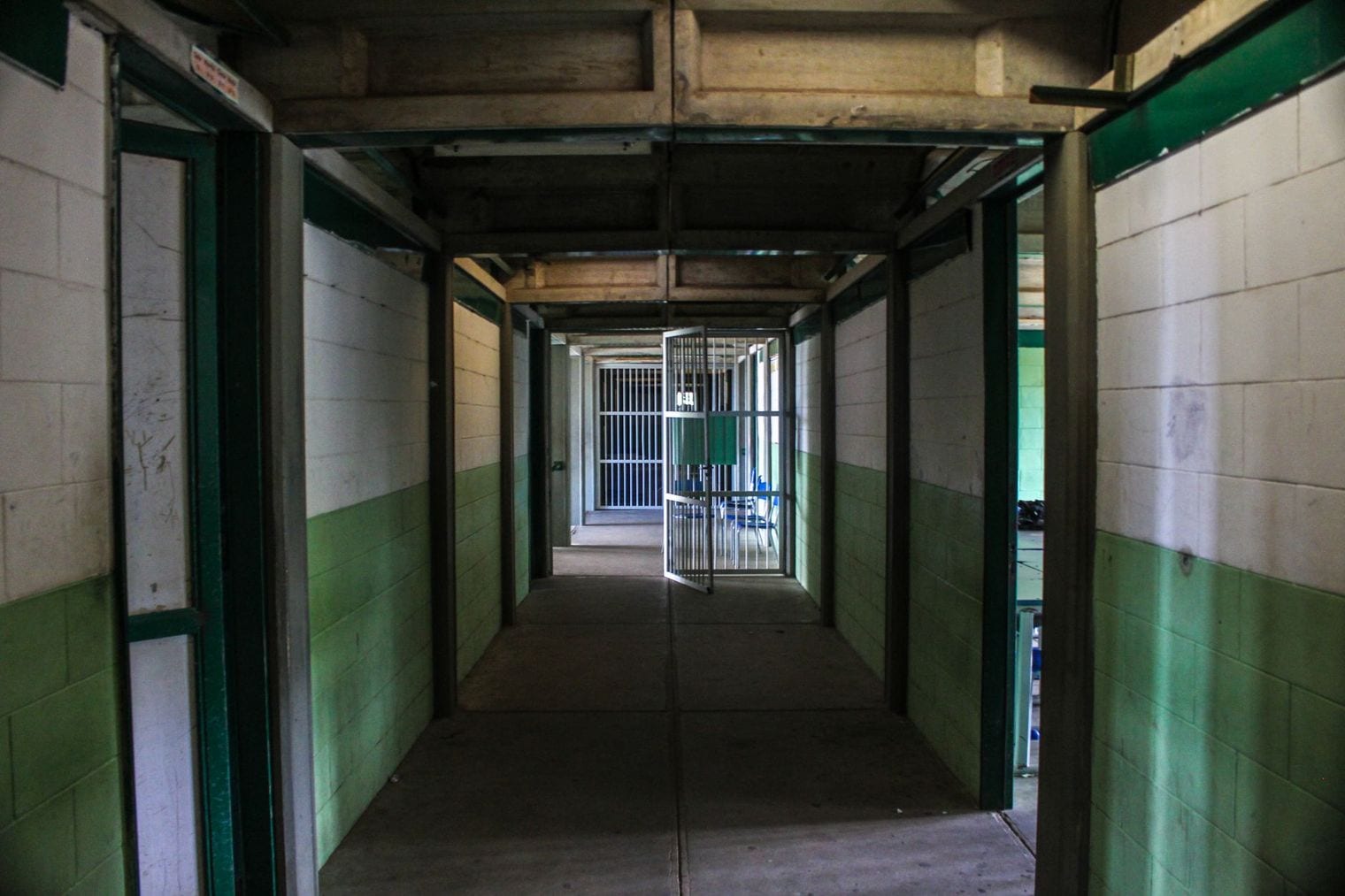
Her Majesty's Prison in Cockburn Town is a nineteenth-century colonial jail that stayed in use into the 1990s and is now open to visitors. The cell blocks, exercise yard, gallows frame and solitary cells survive largely as they were, and the scale of the place — a handful of cells for the whole territory — tells you a great deal about how small these islands have always been.
It is a genuinely sobering visit rather than a novelty one. Interpretation covers the prison's own history and the wider story of punishment and slavery in the Turks islands, and it sits a couple of minutes' walk from the national museum, so the two are naturally done together.
Plan your trip
Best Time to Visit Turks and Caicos
Late spring, roughly March into May, is the sweet spot: dry, warm and breezy, with water clear enough to read the reef from the surface and noticeably fewer people than the winter peak.
Winter, December through February, brings the most dependable weather of the year — warm days, cool nights, almost no rain — and with it the highest prices and the busiest beaches. It is also when humpback whales begin moving down the deep channel past Grand Turk and Salt Cay, which lasts into early spring.
Summer is hot and humid, but the sea is at its calmest, which suits divers and anyone heading out to the far cays. It also opens the Atlantic hurricane season, and the risk climbs steadily through late summer into autumn, when a handful of smaller places close for a few weeks. November is the quiet reward at the end of it — warm water, empty sand, and the shoulder-season lull before the winter crowd arrives.
Getting to Turks and Caicos
Almost everyone arrives at Providenciales International Airport (PLS), which handles the territory's international traffic and sits under two hours from south Florida and around three from the north-eastern United States. It is a small airport for the volume it moves, so allow time on the way out.
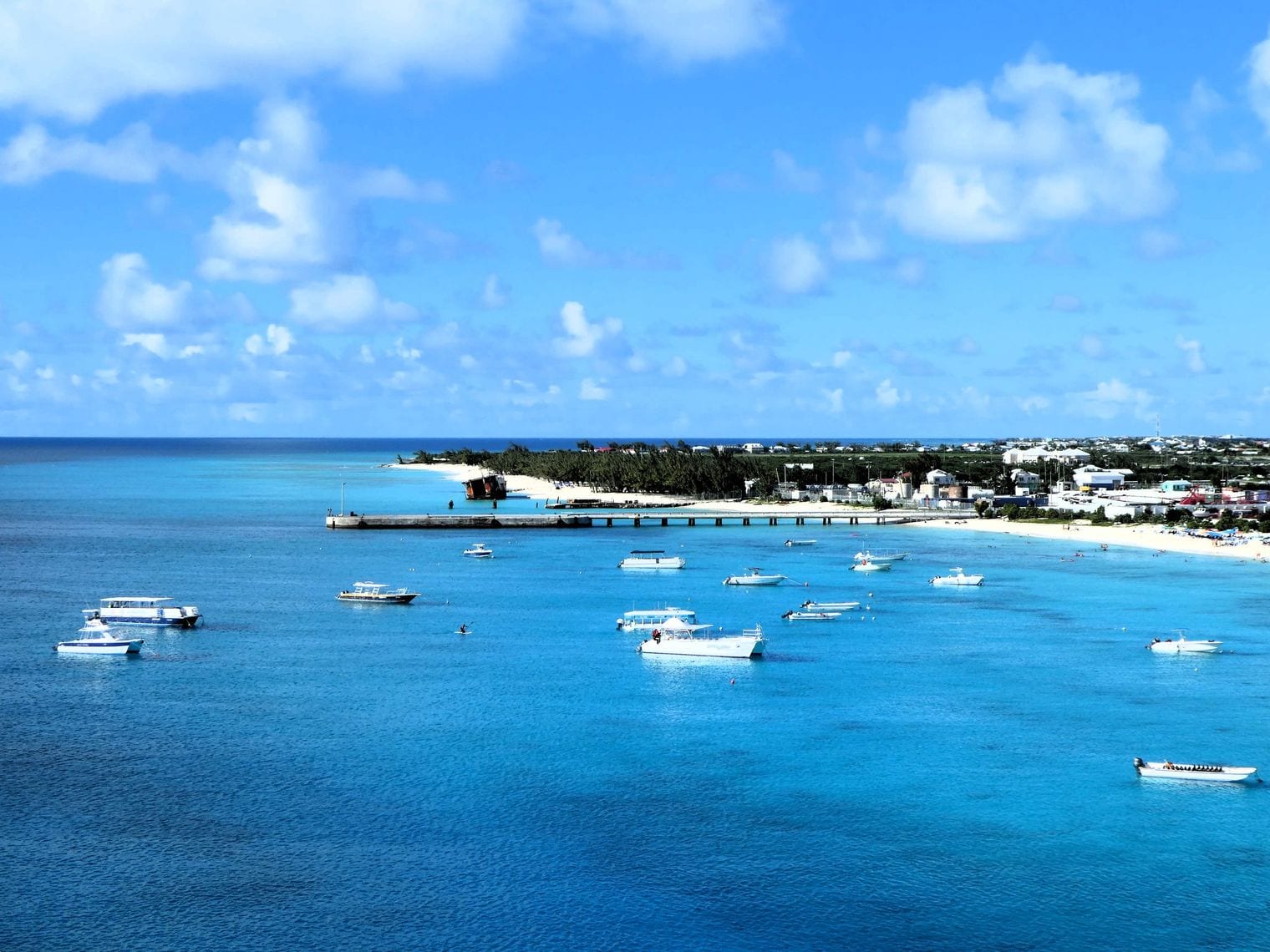
Grand Turk has its own airport, JAGS McCartney International (GDT), used mostly for regional and inter-island flights, plus a dedicated cruise port on the island's south-west shore that brings in a large share of the territory's day visitors.
Once you are in the country, moving between islands means a boat or a small plane. A scheduled ferry runs between Providenciales and North Caicos, and short inter-island flights connect Providenciales with Grand Turk, South Caicos and Salt Cay in twenty to forty minutes. There are no roads or bridges between the Turks group and the Caicos group — a deep ocean channel separates them — so the two halves of the country are genuinely separate trips.
Getting Around Turks and Caicos
Providenciales is the only island with real road infrastructure, and a rental car earns its keep there. The best beaches — Sapodilla Bay Beach, Taylor Bay Beach and the remoter north-west shore — sit at the end of unpaved tracks, and taxi fares add up fast over those distances. The Grace Bay strip itself is walkable end to end, so a car is optional if you plan to stay put on the beach.
North and Middle Caicos are joined by a causeway and work as one island for driving purposes; hire a vehicle when you land at the ferry dock, because there is no practical way to see Conch Bar Caves and Mudjin Harbour on foot.
On Grand Turk, South Caicos and Salt Cay you need nothing at all — each is small enough for a bicycle, a golf cart or a walk, and Cockburn Town is covered end to end in half an hour. Driving is on the left, in mostly left-hand-drive American cars.
Where to Stay in Turks and Caicos
Grace Bay on Providenciales is where the great majority of visitors base themselves, and for a first trip it is the sensible choice: the beach, the shore reefs, the restaurants and the boat docks are all within a short distance, and you can manage without a car.
The Bight, immediately west, is quieter and slightly cheaper while sitting on the same sand. Turtle Cove, set back around the marina, trades a beachfront address for a more local, less resort-heavy feel and easy access to Smith's Reef.
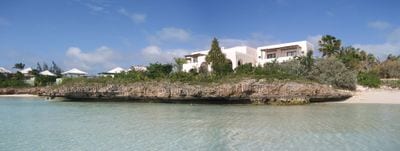
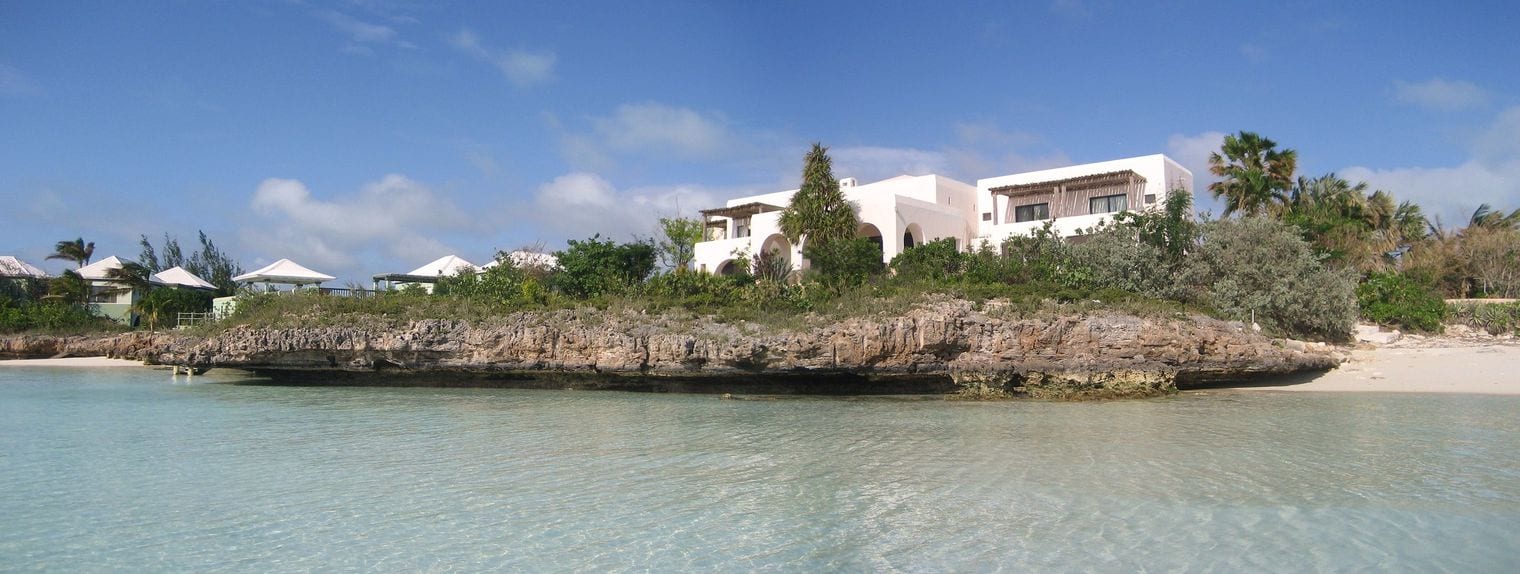
The south shore around Chalk Sound and Long Bay suits a longer or more independent stay — villas rather than hotels, calm shallow water, and a car assumed. Beyond Providenciales, the outer islands offer a handful of small guesthouses and one or two low-key resorts each; on North Caicos, Middle Caicos, Grand Turk and Salt Cay the choice is limited but the point is the quiet, not the amenities.
Where to Eat in Turks and Caicos
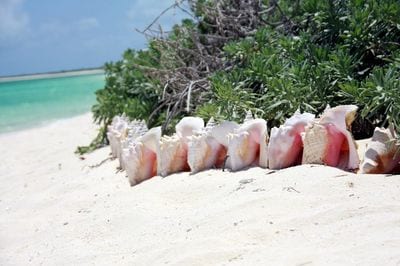
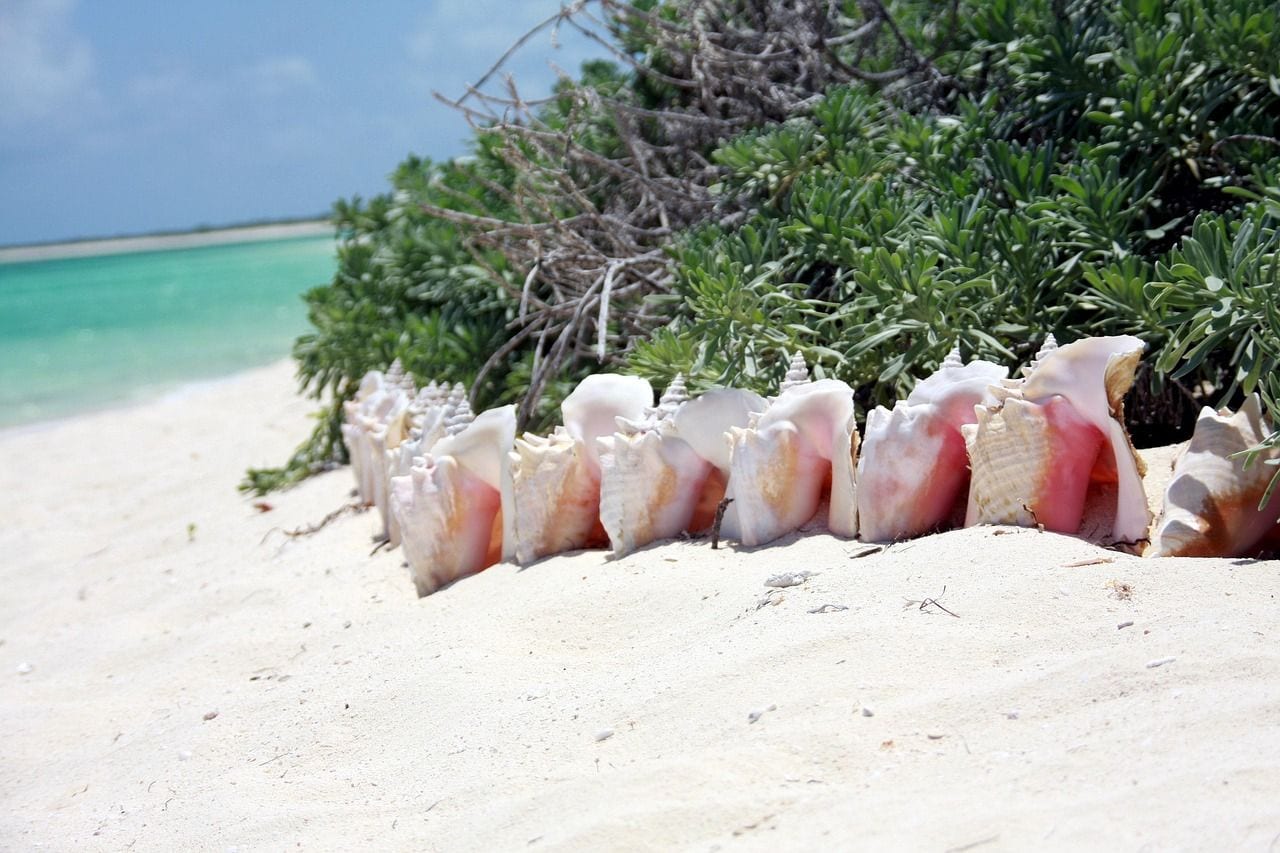
Conch is the national dish and the thing to eat first. It turns up cracked and fried, rolled into fritters, cut raw into a citrusy salad, and simmered into chowder, and every beach shack and dining room has its own version.
Beyond it, expect grilled snapper and grouper straight off the boats at Five Cays, spiny lobster in season, peas and rice, johnnycake and jerk-spiced chicken. The Grace Bay strip carries the concentration of restaurants, while Blue Hills on the north shore is the traditional home of the open-air beachfront conch shack.
The single best introduction is The Fish Fry in the Bight on Thursday evenings, where a dozen local stalls cook the whole repertoire at once alongside ripsaw bands and craft stands. Almost everything on the islands is imported, so eating out is expensive by regional standards; the fish fry and the roadside conch shacks are where the value is.
Day Trips from Providenciales
The easiest is the boat run east to the Caicos Cays, a half-day out of Leeward that takes in the rock iguanas of Little Water Cay, the sandbar at Half Moon Bay and usually a pass by La Famille Express Shipwreck. Nothing on that trip is more than a few miles offshore, and it is the single best half-day in the country.
For a full day, take the morning ferry to North Caicos, pick up a car and cross the causeway to Middle Caicos — Flamingo Pond Overlook on one island, Conch Bar Caves and Mudjin Harbour on the other — and come back on the evening boat.
Grand Turk is the other obvious excursion, a short flight east across the channel, and it is worth an overnight rather than a day: the Turks and Caicos National Museum, the Grand Turk Lighthouse and the stingrays at Gibbs Cay do not compress well into a few hours.
Before you go
Mobile dataAn eSIM gives your phone local data when you land, with no SIM card to swap.via AiraloGet an eSIM
Airport transferA driver meets you at arrivals and takes you to your hotel, at a price fixed when you book.via Welcome PickupsBook a transfer
We may earn a commission when you buy through these links, at no extra cost to you. How we make money.
Five to seven days suits a Providenciales-only trip, which is what most visitors take — enough for the main beaches, both shore reefs, a boat day to the cays and the Thursday fish fry without rushing. Add three or four more if you want to reach North and Middle Caicos by ferry or fly across to Grand Turk.
March to May is the sweet spot — dry, warm, clear water and thinner crowds than the winter peak. December to February has the most reliable weather and the whales, but the highest prices. Summer is calm and cheap but hot, and the hurricane season runs from June through November, peaking from late summer into October.
Do you need a car in Turks and Caicos?
On Providenciales, yes, unless you intend to stay on the Grace Bay strip the whole time — the best beaches sit at the end of unpaved tracks and taxis are costly over those distances. On North and Middle Caicos a car is essential. On Grand Turk, South Caicos and Salt Cay you need nothing but a bicycle or your feet. Remember that driving is on the left.
Is Turks and Caicos expensive?
Yes, by regional standards. Nearly everything is imported, so groceries, fuel and restaurant meals all run high, and Grace Bay accommodation is priced for a luxury market. The saving graces are that the beaches, the shore snorkelling and most of the natural sights are free, and that the roadside conch shacks and the Thursday fish fry serve the best local food for a fraction of resort prices.
Do you need a passport and what currency is used?
Turks and Caicos is a British Overseas Territory, so it sits outside both the United Kingdom and the European Union for entry purposes, and visitors need a valid passport. The official currency is the United States dollar itself — not a pegged local note — so American travellers exchange nothing. Cards are widely accepted on Providenciales; carry cash for the outer islands, taxis and beach bars.