

Dubai divides people more sharply than almost any big destination. Some visitors come home talking about nothing else; others call it a very hot shopping mall with a skyline attached. Both are describing the same city. What separates them is mostly when they went, where they stayed and what they came looking for.
This is our honest verdict, drawn from building our guide to the best things to do in Dubai and the world rankings where the city keeps turning up. We cover who it suits, who should skip it, what it really costs — and what the 2026 security situation means for anyone booking now.
Is Dubai Safe to Visit Right Now?
Situation as of September 2026 — check the latest advisories before you book.
Since hostilities between the United States and Iran began on 28 February 2026, Iran has fired missiles and drones at targets across the Gulf, the UAE included. Most were intercepted, but not all: in March a drone strike set a fuel tank alight at Dubai International, and the UAE has closed its airspace for short periods. A memorandum between Washington and Tehran in June brought a pause, but strikes resumed on 8 July.
The US State Department rates the UAE at Level 3: Reconsider Travel, citing the threat of armed conflict and terrorism. The UK's Foreign Office stops short of advising against travel but warns that attacks and airspace closures can happen at short notice. As of September, Dubai's airports are open, Emirates and flydubai are flying scheduled services, and hotels, malls and attractions are operating normally.
Our advice is to wait if this would be a once-in-a-while trip you have been saving for. That is not because daily life in the city is dangerous — it largely is not — but because a Level 3 advisory has practical consequences.
Flights can be cancelled or rerouted at a few hours' notice, and many standard travel insurance policies exclude war and armed conflict, so read the exclusions before you pay for anything. If you do go, book flexible fares and refundable rooms, enrol in the State Department's STEP programme, and keep an eye on the news for your whole stay. Once the advisory drops back, everything below applies in full.
Why Dubai Is Worth It
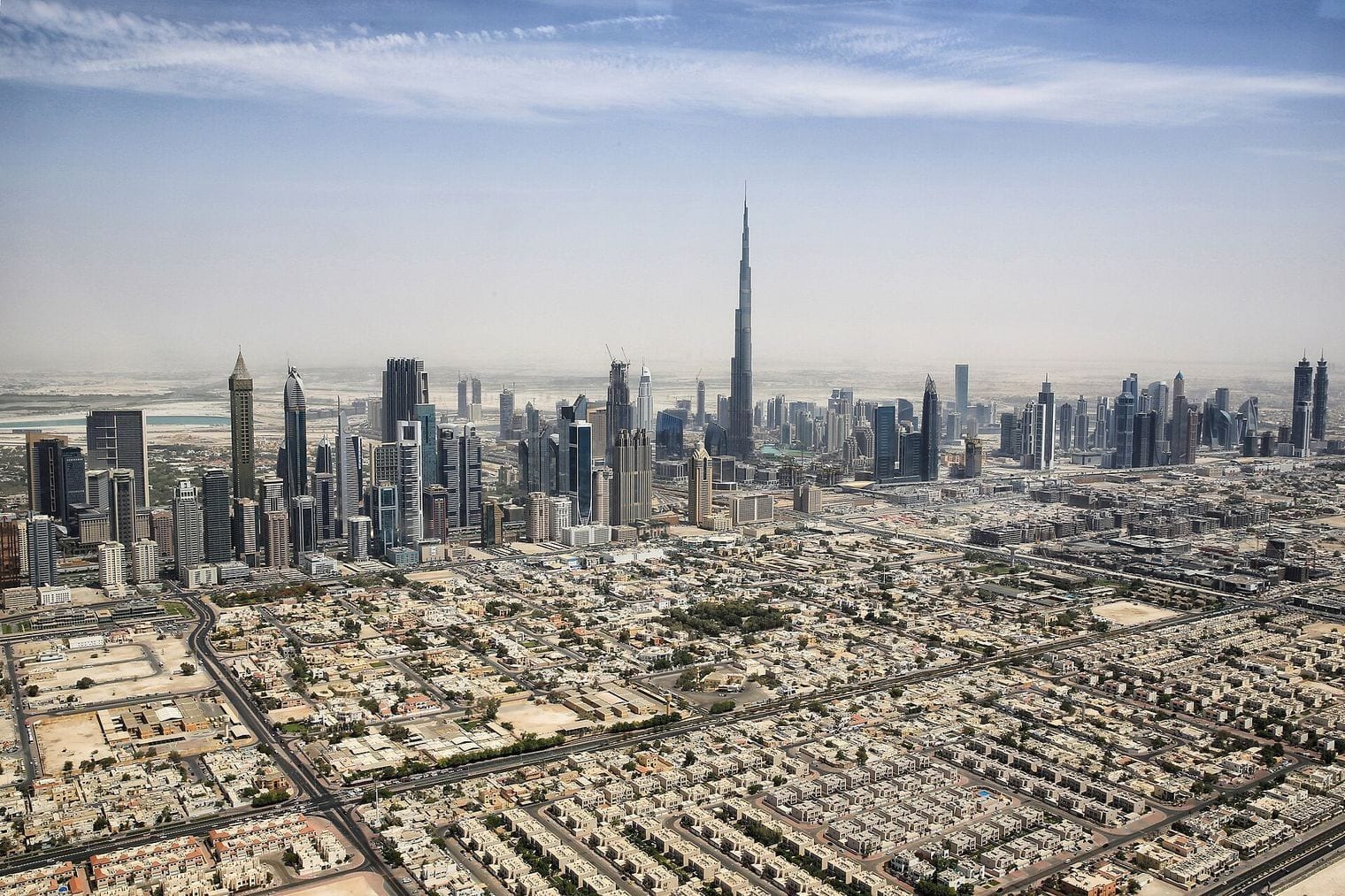
The superlatives are real, and you can visit them. Plenty of cities claim a record; Dubai holds several that nobody else is close to. The Burj Khalifa is the tallest building in the world at 828 metres, nearly 150 metres clear of the runner-up.
The deepest swimming pool on Earth is here too, a 60-metre shaft you can learn to dive in. So is the tallest hotel. Standing at the top of the Burj at sunset, with the desert on one side and the Gulf on the other, is one of travel's genuine "worth it" moments, whatever you think of the city around it.
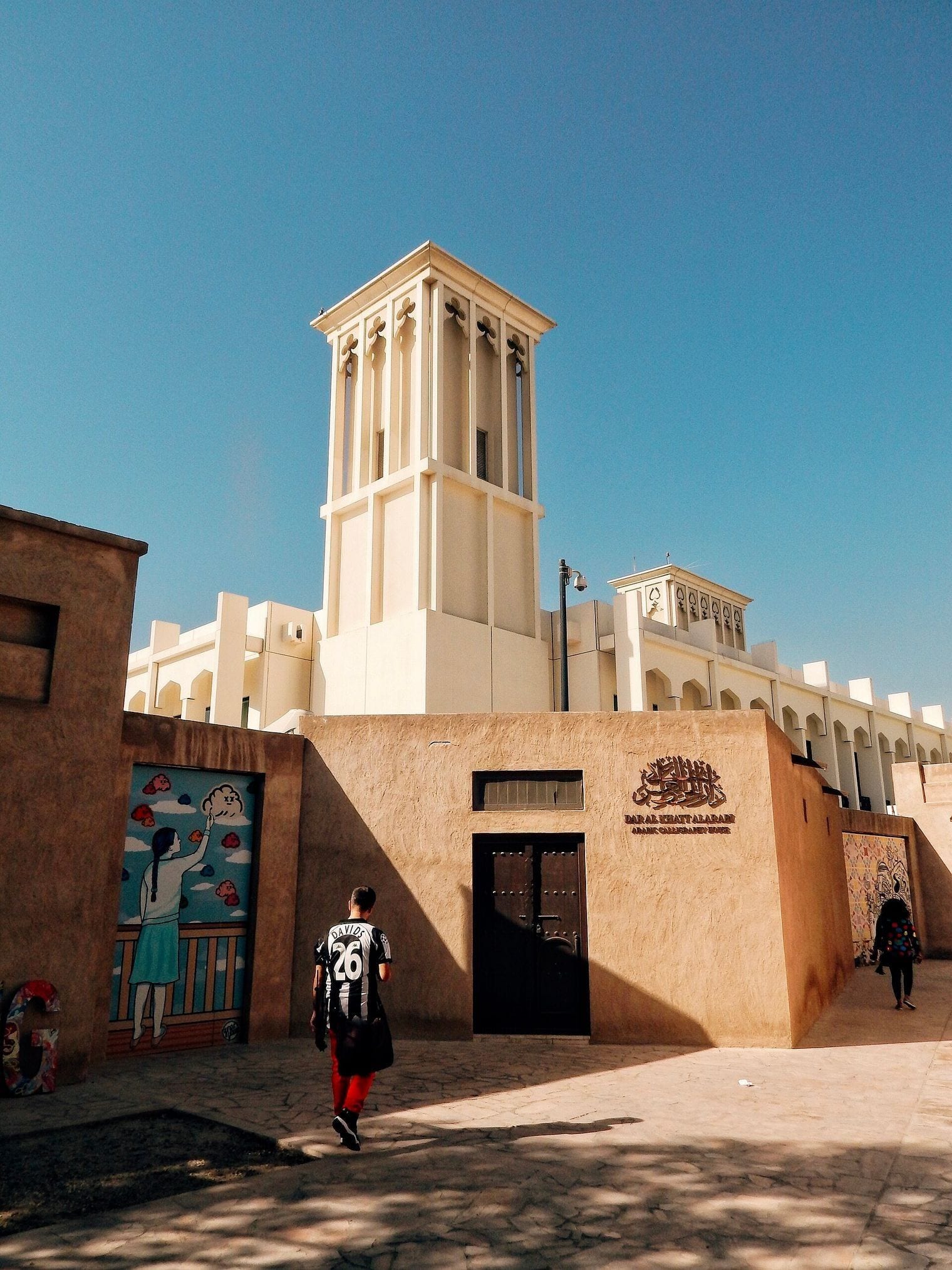
There is an older city underneath. This is the part short-stay visitors miss and the part people remember. The Al Fahidi Historical Neighbourhood is a quarter of sand-coloured lanes and wind towers from before the oil age. The Al Shindagha Museum tells the pearling story properly.
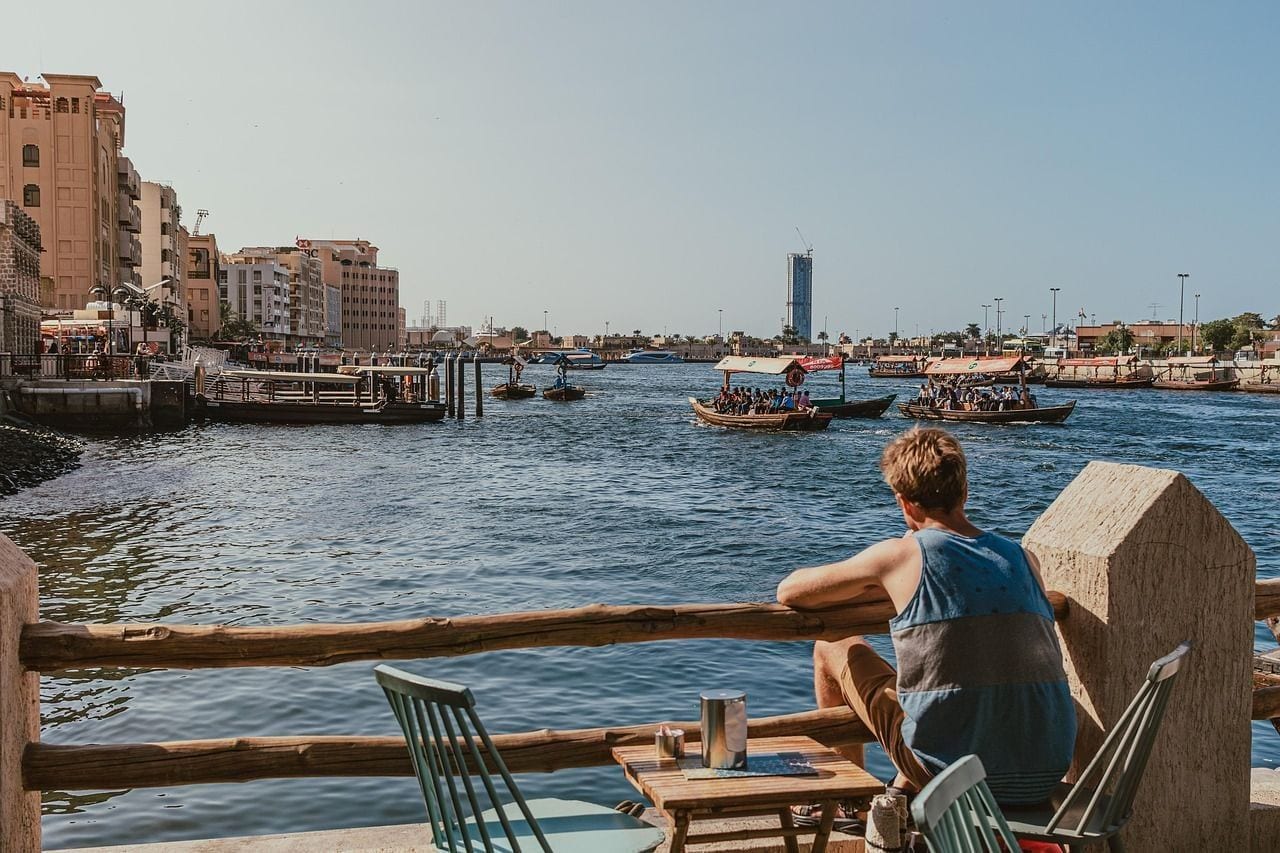
Across the water, the Gold Souk and the spice lanes of Deira still trade the way they always have. And the abra across the creek is one of the best things in the city, and it costs a coin.
The desert is on the doorstep. The dunes begin within about forty minutes of the skyline. An evening at a desert camp is a formula, but a good one — once the engines stop, the silence and the stars are the point, and that is a view no tower can give you.
It is easy. English is spoken everywhere, the driverless Metro runs along the whole tourist spine, taxis are metered and cheap, and street crime is rare. American passport holders get a free visa on arrival. For a first trip to the Middle East, there are few gentler introductions.
The food is far better than the brunch photos suggest. Roughly nine in ten residents come from somewhere else, and they brought their kitchens with them. The Indian and Pakistani cooking around Meena Bazaar and the Iranian, Afghan and Levantine food in Deira are among the best-value meals anywhere in the Gulf. Look for Emirati dishes such as machboos and luqaimat, and drink karak chai from a roadside cafeteria.
It is a hub you probably pass through anyway. Dubai International is the busiest airport in the world for international passengers, and it connects to more of Asia, Africa and the Indian Ocean than almost anywhere. Turning a connection into a two- or three-night stopover costs little extra, and it is the best way to try Dubai without committing a whole trip to it.
What Disappoints People
The heat, if they come at the wrong time. From June to September it runs well past 40°C (104°F), with heavy Gulf humidity. The city moves indoors and so will you, and the outdoor highlights — Global Village, the Miracle Garden, the Safari Park — close for the season. A summer trip costs less and delivers far less. This is the single biggest reason people come home underwhelmed.
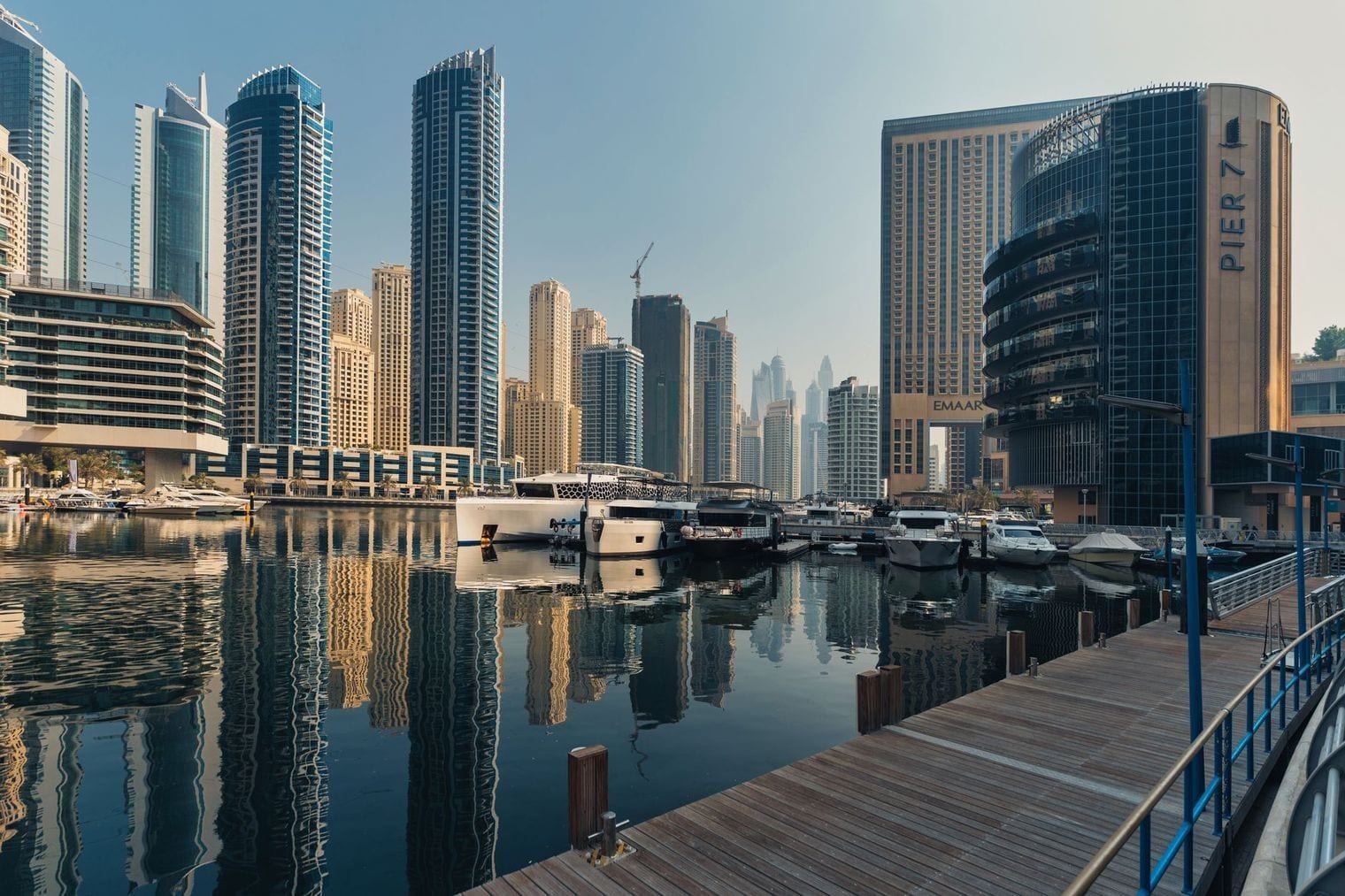
The distances. Dubai is a city of districts strung along a motorway, not a walkable whole. Downtown, the Marina and the old creek are each lovely on foot and a long way apart. People who pick a hotel from a map and plan to "walk everywhere" spend their trip in taxis.
The mall problem. If you stay near the towers and spend your days moving between the Burj Khalifa, the Dubai Mall and a beach club, Dubai can feel like an extremely polished airport. The mall is spectacular — 105 million people passed through in 2023 — but it is still a mall. The visitors who call Dubai soulless have usually never crossed the creek.
The prices at the top end. Headline attractions, hotel drinks and waterfront dining are priced for a luxury market. Alcohol is served only in licensed hotels, bars and restaurants, and it costs accordingly. It is easy to spend a great deal without noticing.
The rules. Dubai is relaxed by the standards of the region, but it is not a Western city and its laws apply to visitors. For some travelers that is a dealbreaker, and they are right to weigh it. The next section covers what matters.
The Laws Worth Knowing Before You Decide
Some of these are about etiquette and some carry real penalties. Read them before you book, not on the plane:
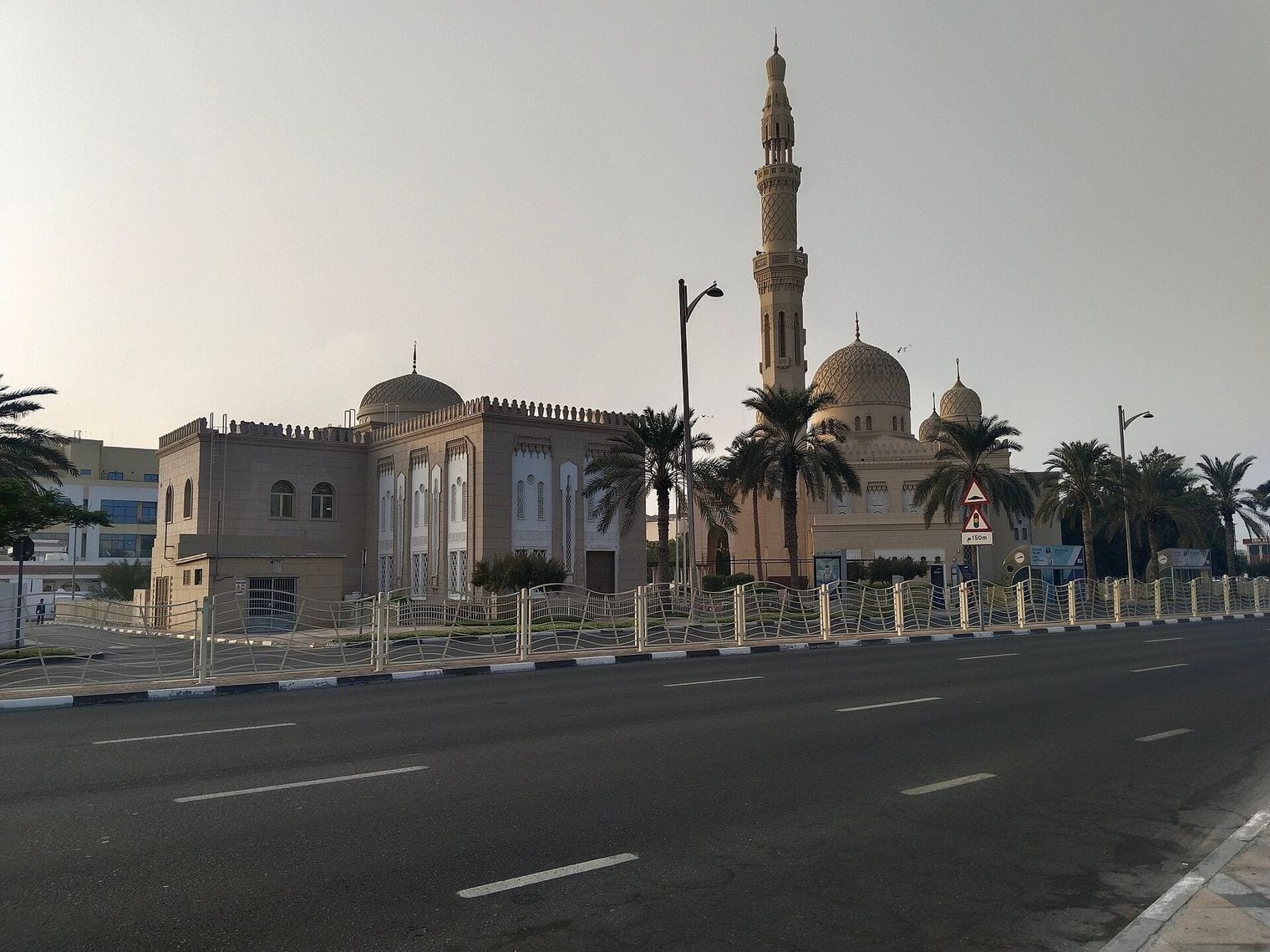
- Same-sex relationships are illegal under UAE law. Hotels rarely ask questions, but public displays of affection by any couple can draw a fine, and LGBTQ+ travelers face real legal risk. Many choose to go elsewhere, and we understand why.
- Public behaviour is policed. Swearing, rude gestures and drunkenness in public can lead to arrest. So can insulting remarks posted online, including about the country, its leaders or another person.
- Medications need checking. Some common prescription drugs, including certain painkillers and ADHD and anxiety medications, are controlled in the UAE. Carry prescriptions and check the rules before you travel.
- Dress modestly away from the beach. Swimwear is fine at the pool and on the sand; in the souks, the old districts and public buildings, cover shoulders and knees.
- Ramadan changes the city. Eating and drinking in public during daylight hours is best avoided, and some venues keep shorter hours. Evenings, though, come alive, and some visitors find it the most interesting time to be there.
What a Trip to Dubai Really Costs
Dubai's expensive reputation is half true. The costs are lopsided: the famous things are dear and the everyday things are cheap, so your spending depends almost entirely on how you use the city.
The dear part is the headline list. Standard entry to the Burj Khalifa's levels 124 and 125 starts at about AED 179 (roughly $49), and sunset slots cost more. The ticketed big hitters — Aquaventure, Ski Dubai, the Museum of the Future — add up quickly for a family. Hotels in Downtown and on the Palm are expensive in peak season, and the weeks around New Year are the priciest of all.
The cheap part is almost everything else. The Metro and the abras cost very little, and taxis are cheaper than in most Western cities. A curry or a shawarma in Bur Dubai costs a fraction of a waterfront lunch.
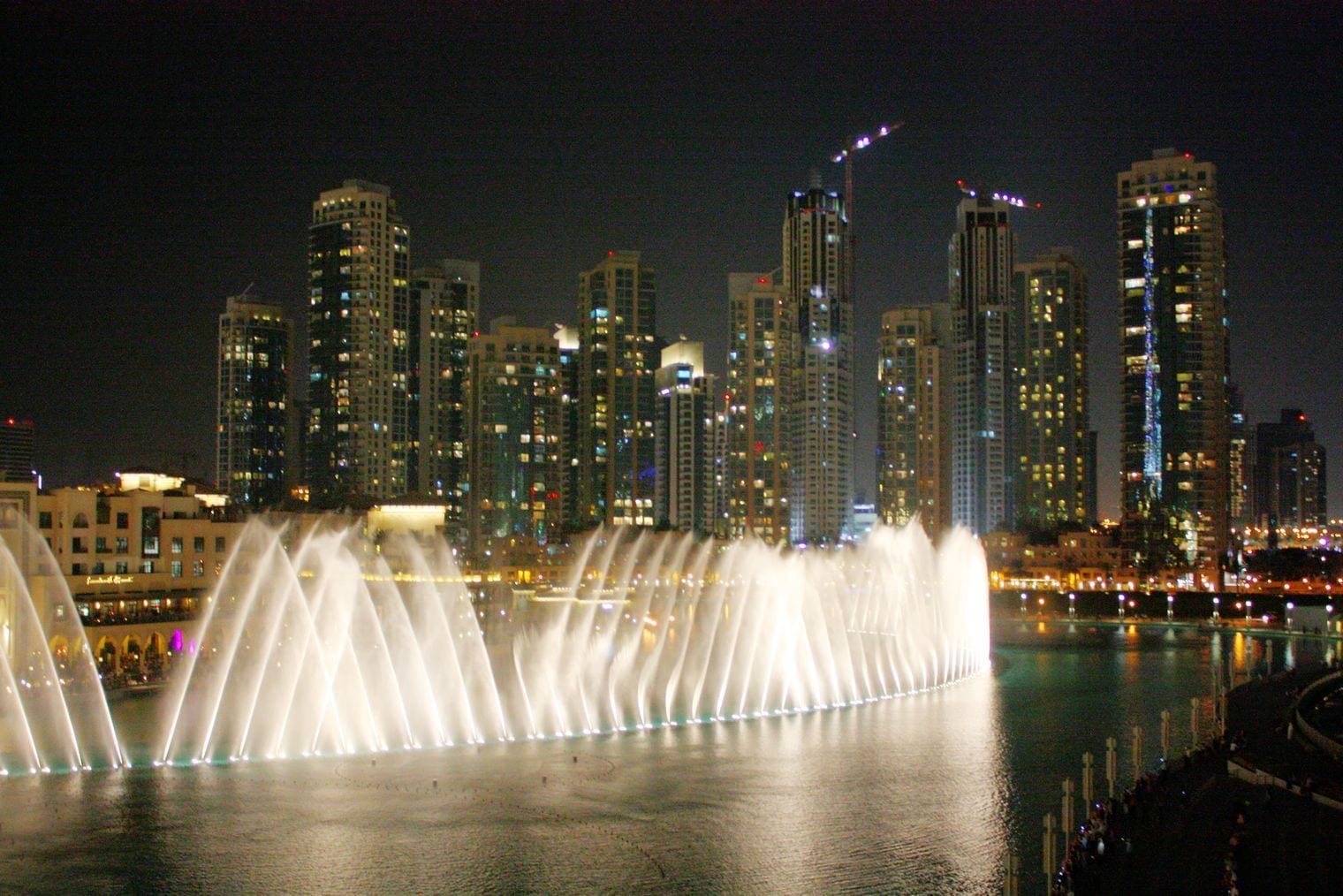
And a long list of the best things are free: the Dubai Fountain every evening, the Marina Walk, the public beaches, the souks, the galleries of Alserkal Avenue and the whole of the Al Fahidi quarter. Stay in Deira or Bur Dubai instead of Downtown and you will save money and see more of the real city.
Who Will Love Dubai — and Who Should Skip It
Dubai is worth it for:
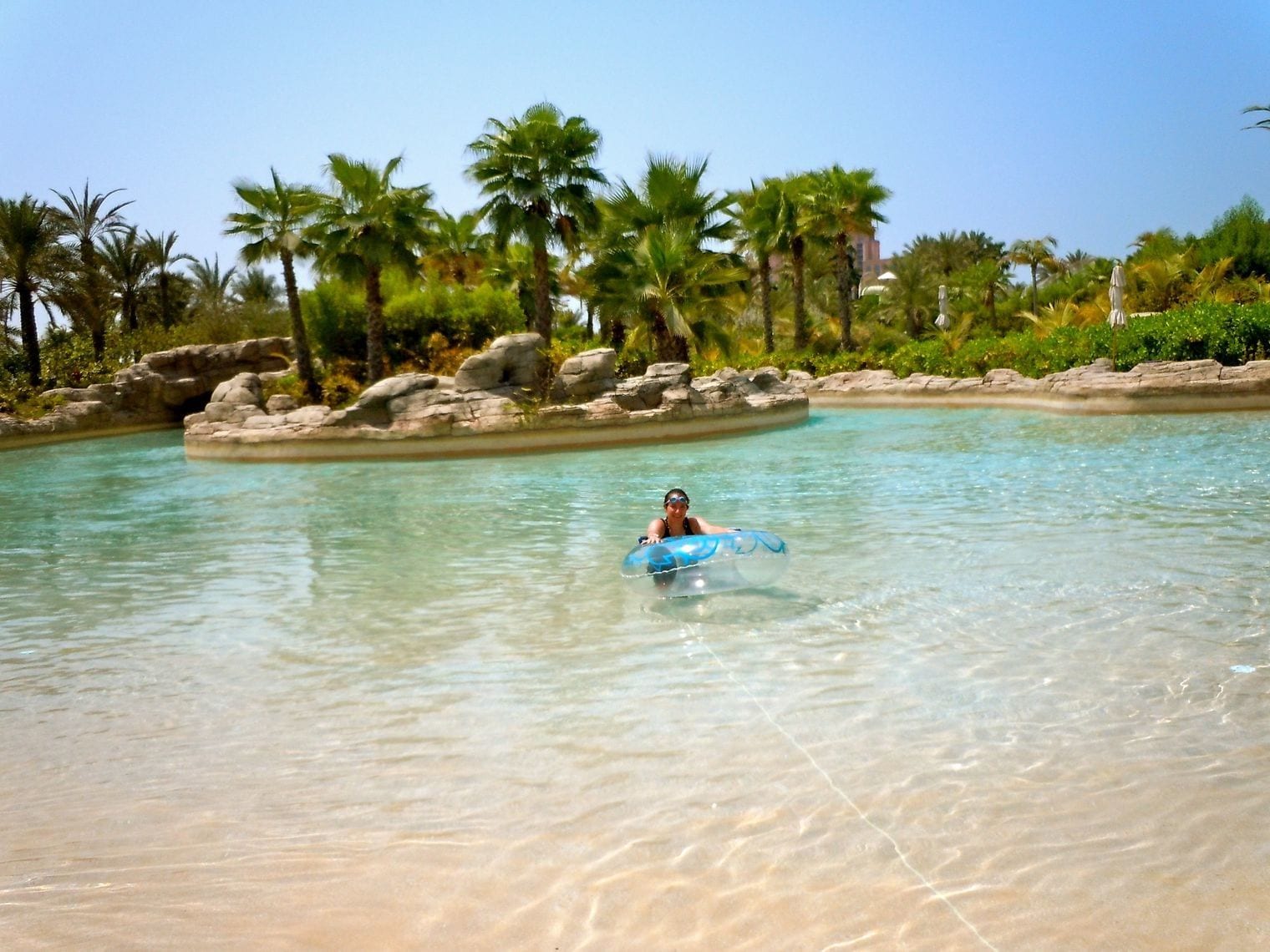
- Families. Few cities are this easy with children: it is safe, clean and air-conditioned, and it is packed with water parks, aquariums, snow and indoor theme parks. Aquaventure World alone fills a day.
- Winter-sun seekers. Warm, dry, reliably blue days from November to March, with beaches and a city attached.
- Architecture and design fans. The Museum of the Future, Expo City and the Dubai Frame are worth seeing whatever you think of the skyline.
- Long-haul connectors. A stopover on the way to Asia, Africa or the Maldives is Dubai at its best value.
- First-timers to the Middle East who want an easy start before somewhere more demanding.
Dubai is probably not for you if:
- you want a city of deep history and old streets — Istanbul gives you souks, mosques and two continents with a millennium and a half of layers;
- you travel on a tight budget and want cheap beaches and nightlife — Bangkok does the megacity-plus-beaches trip for far less;
- you want a futuristic city you can explore on foot and by train — Tokyo or Seoul deliver the neon without the motorways;
- you can only travel between June and September;
- the laws above would make you uneasy for the whole trip.
How Long Is Worth It?
Three or four days is the sweet spot. Spend one on the old city and the creek, one on Downtown and the Burj Khalifa, and one or two on the beaches, the Palm and an evening in the desert. That is enough to see why people love it without the sameness setting in.
A week is worth it only if you add day trips — Abu Dhabi's Grand Mosque and Louvre, the mountains at Hatta, or the Fujairah coast — and a stopover of one or two nights is ample if you follow our one-day Dubai itinerary.
Longer than a week and most visitors find the city has shown them what it has. Dubai is superb in concentrated doses and a little wearing in large ones.
Our Verdict
Dubai is worth visiting, and it is better than its critics say — as long as you treat the towers as the headline and not the whole trip. Go in winter. Stay near the Metro. Cross the creek on an abra, eat in Deira and spend a night in the desert. Do that and it is a genuinely memorable three or four days, not a shopping trip with a view.
The honest caveat for 2026 is timing. While the US advisory stands at Level 3, we would hold a big, non-refundable trip until it drops, and use the wait to plan the version of Dubai worth going for. Start with our 34 best things to do in Dubai.
FAQ: Is Dubai Worth Visiting?
Is Dubai safe to visit in 2026?
Street crime in Dubai is very low, but the regional picture is not. Iranian missile and drone attacks have reached the UAE since February 2026, strikes resumed in July, and the US rates the country at Level 3: Reconsider Travel. Airports and attractions are operating, but flights can be disrupted at short notice. Check the current advisory and your insurance exclusions before you book.
Is Dubai worth visiting for a family?
Yes — it is one of the easiest big cities in the world to do with children. It is safe, clean and air-conditioned, and it has water parks, an aquarium, indoor snow and theme parks. Many of the best family attractions are pricey, so budget for tickets and mix in the free ones: the fountain, the beaches and the parks.
Is Dubai worth visiting in summer?
Generally not. From June to September temperatures run well past 40°C (104°F) with high humidity, so you spend most of the day indoors, and several of the best outdoor attractions close for the season. Hotels are much cheaper, which is the only strong argument for going.
Is Dubai expensive to visit?
The headline attractions, hotel drinks and peak-season rooms are expensive; transport, street food and many of the best sights are cheap or free. Staying in Deira or Bur Dubai and eating in the older districts brings the cost down sharply.
Is a Dubai layover worth it?
A stopover of one to three nights is one of the best ways to see Dubai. Dubai International sits close to the centre, so the old city, Downtown and the Burj Khalifa all fit into a single well-planned day, with a desert evening if you stay a second night.
How many days in Dubai is enough?
Three or four days covers the essentials without rushing. Add a few more only if you plan day trips to Abu Dhabi, the Hajar mountains or the east coast.