We may earn a commission if you book or buy through a link on
this page, at no extra cost to you. It never affects which places we list or how
we rank them (how we make money).
Short answer
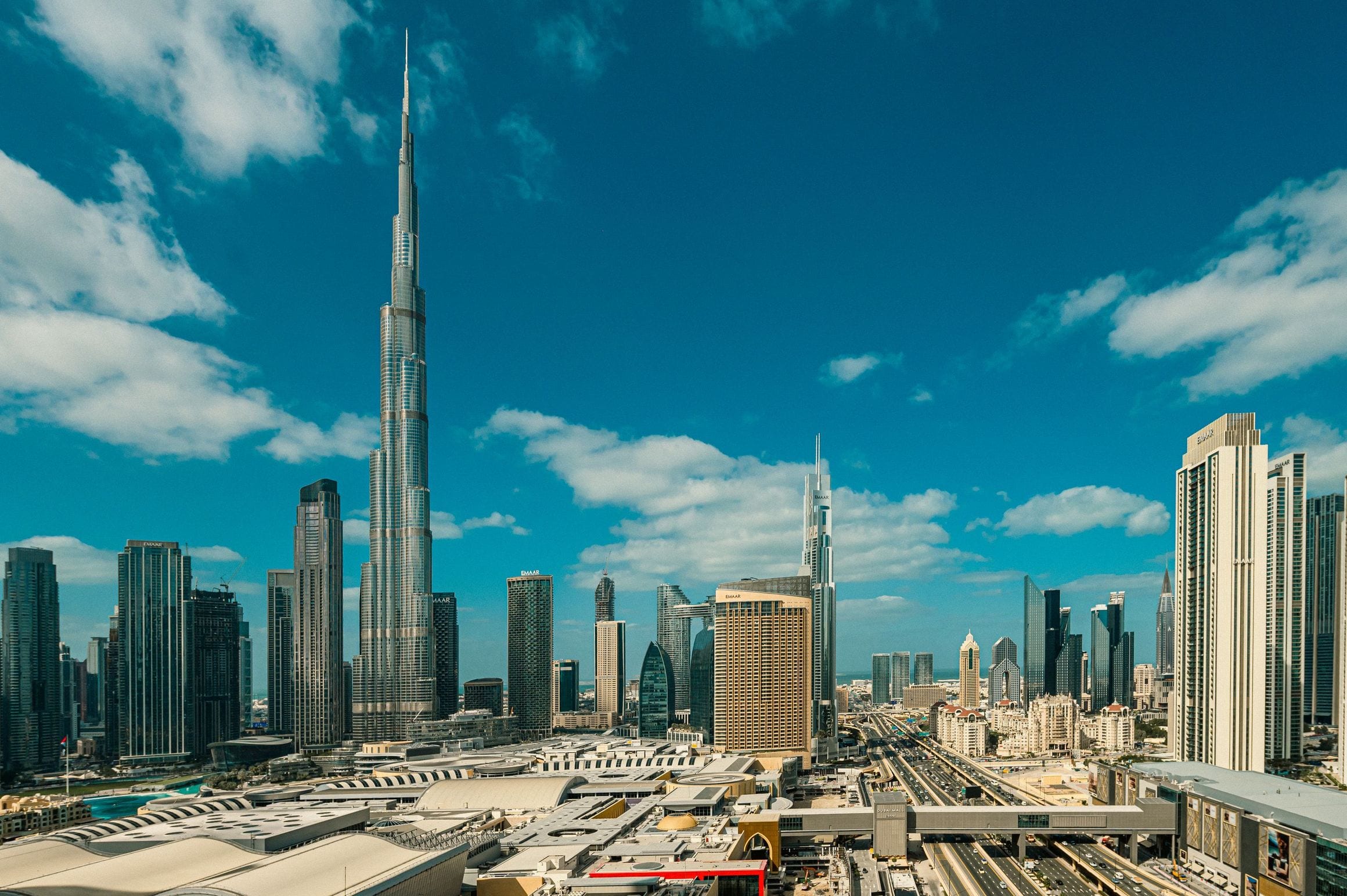
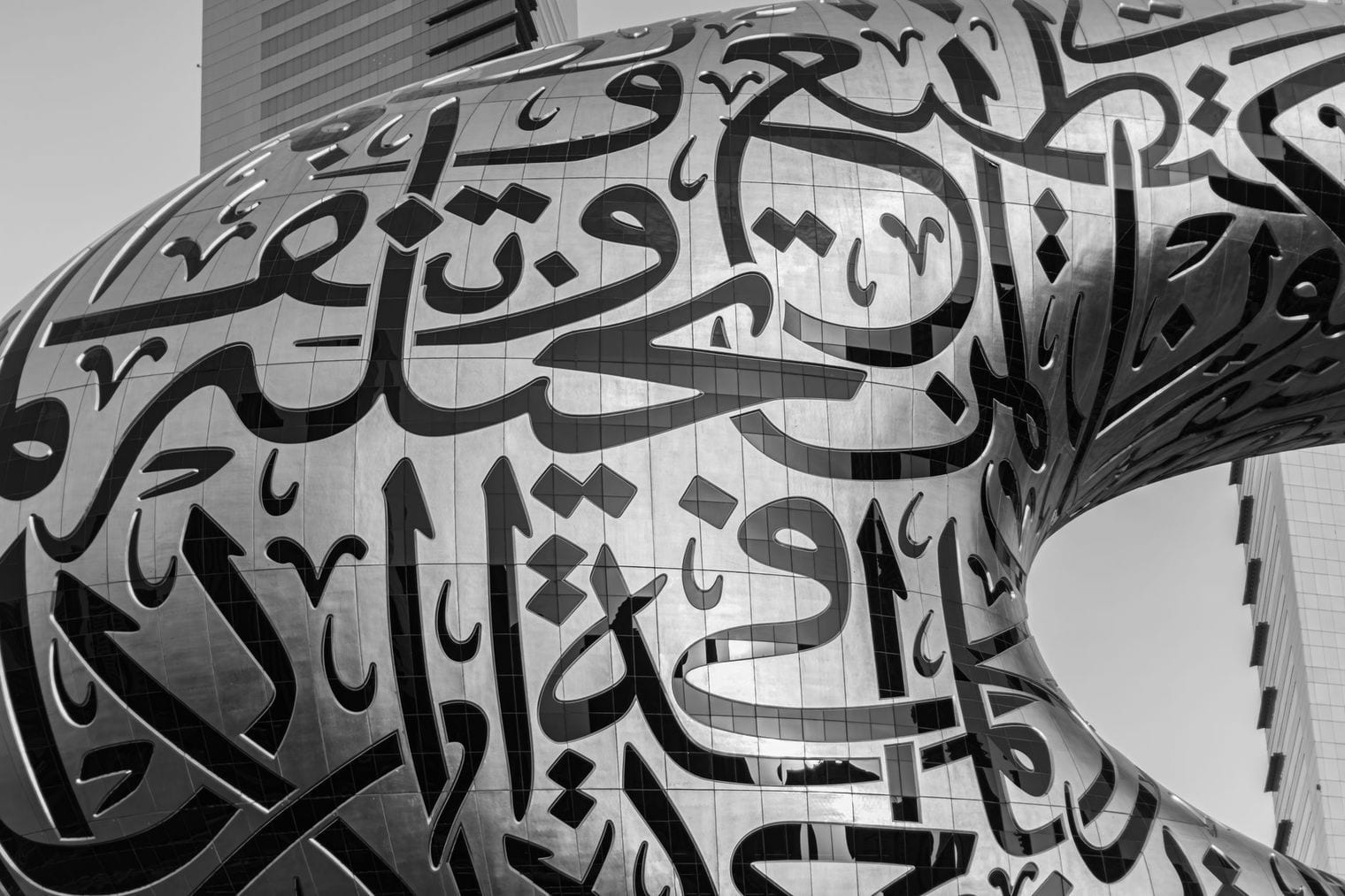
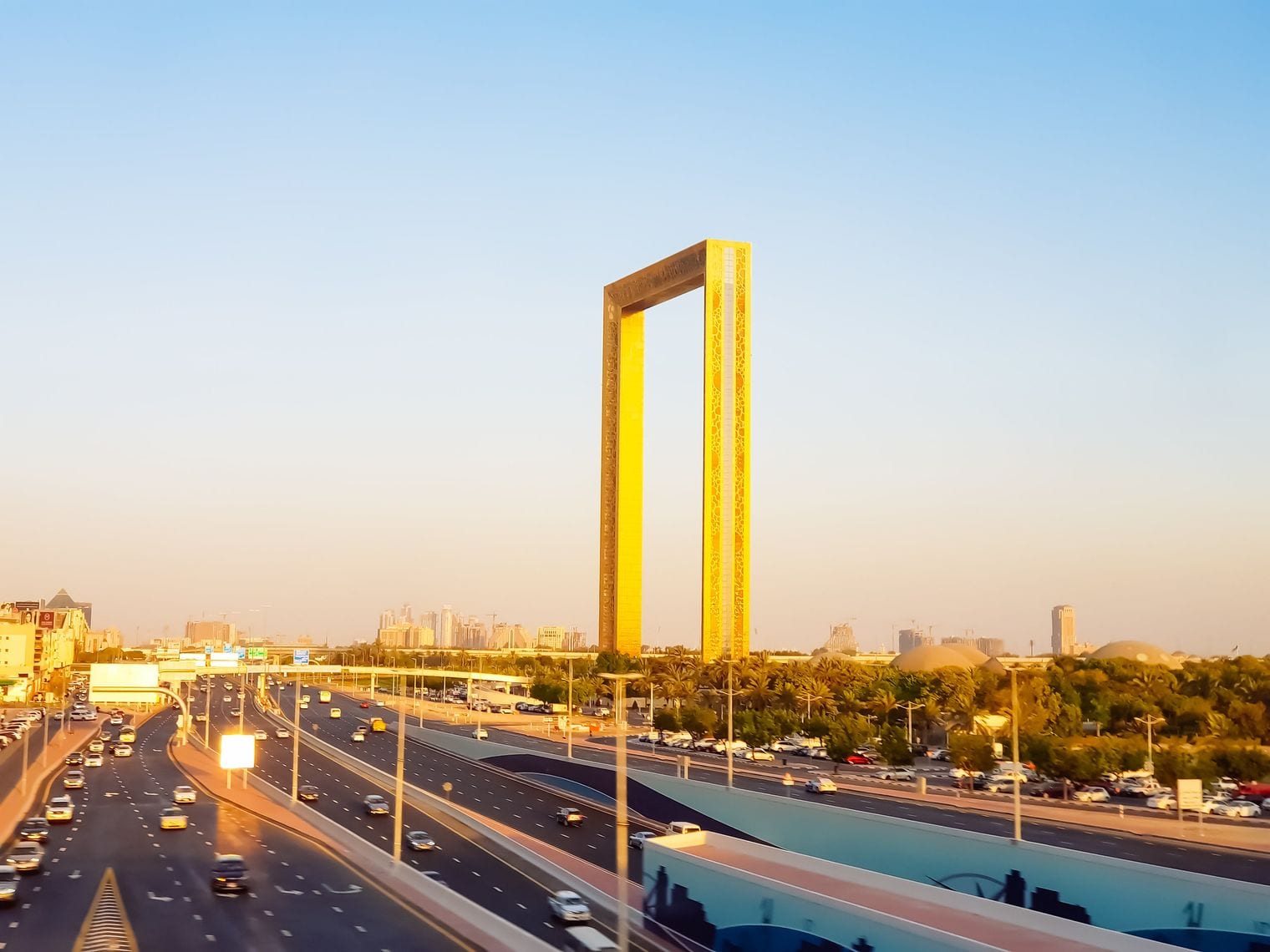
Dubai's three essentials are the Burj Khalifa, the world's tallest building at 828 metres, the Museum of the Future — a torus wrapped in Arabic calligraphy with no internal columns — and the Dubai Frame, a 150-metre gilded frame deliberately setting old Deira against the new skyline. Three or four days covers it: one for the creek and the old city, one for Downtown, one or two for the beaches and the desert.
Dubai turns the improbable into an afternoon's sightseeing. In fifty years a creekside trading port has become a city of record-breaking towers, man-made islands and indoor ski slopes — and yet the wooden abras still cross the water for a coin, and the gold souks still hum long after dark.
This guide covers 34 of the best things to do across the city: the world's tallest building, the seasonal flower gardens and festival grounds, the old quarter's wind towers, and the beaches most visitors never reach. Three or four days covers the essentials comfortably.
Dubai is not the capital of the UAE — that is Abu Dhabi. Dubai is the largest city and one of the seven emirates that make up the federation.
Oil accounts for less than 1% of Dubai’s economy. The emirate’s wealth now rests on trade, logistics, aviation, tourism and finance rather than petroleum.
Roughly nine in ten residents are expatriates — one of the highest proportions of foreign-born population anywhere in the world.
Dubai declared itself a free port in 1901, waiving taxes on traders more than a century ago. It is the decision that pulled merchants across the Gulf and set up everything that followed.
The Creek was dredged and extended in the early 1960s, before oil money arrived, so larger cargo ships could reach the wharves — an early bet on trade that funded the city’s first modern growth.
The lifts inside the Burj Khalifa run at 10 metres per second and make the longest single elevator run on earth, at 504 metres — the ride up to the observation decks feels closer to a short flight than a lift.
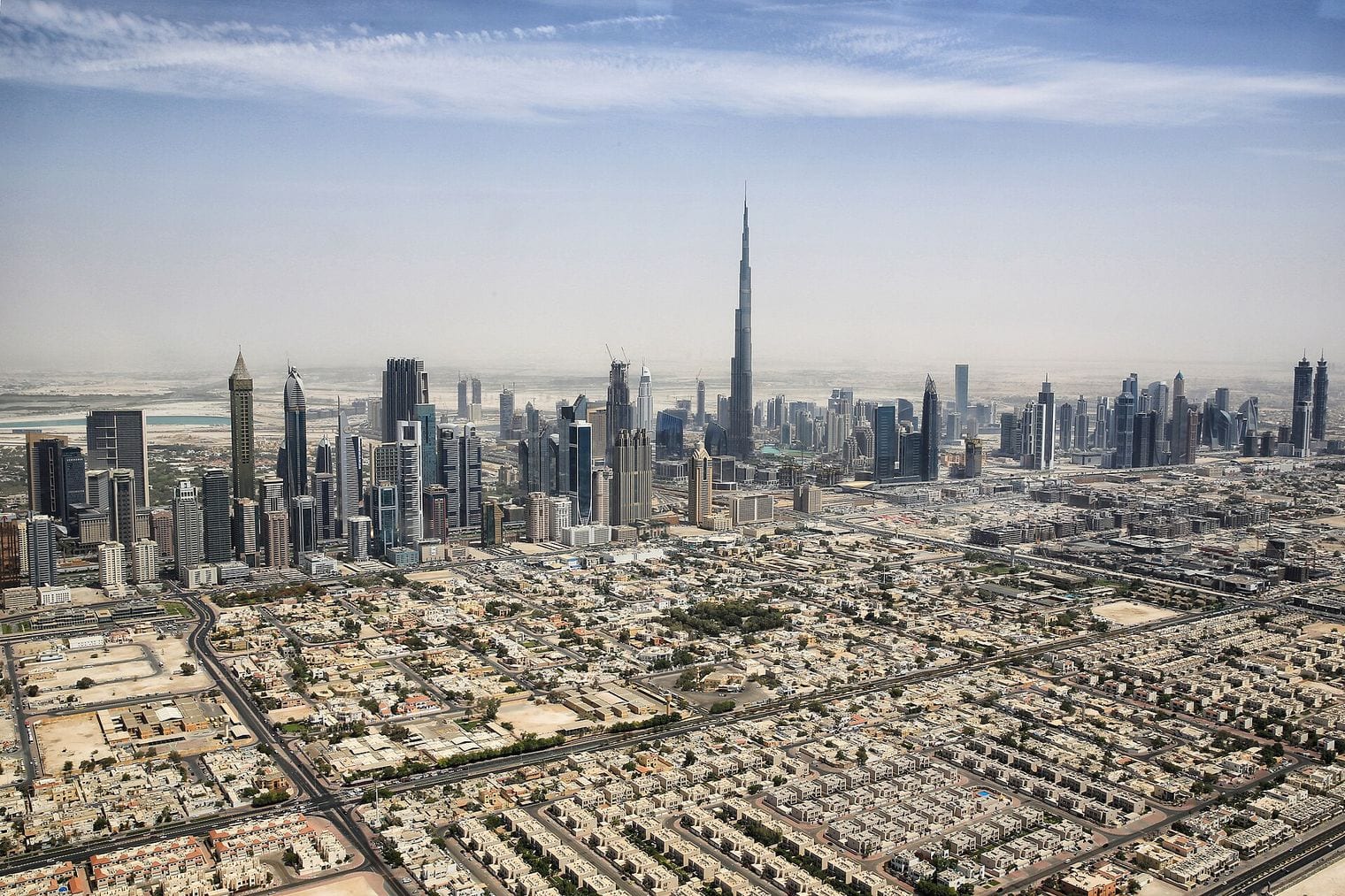
Nothing quite prepares you for the scale of it. The Burj Khalifa rises 828 metres above Downtown, has held the title of the world's tallest building since it opened, and is visible from almost everywhere in the city — a silver needle that changes character with the light.
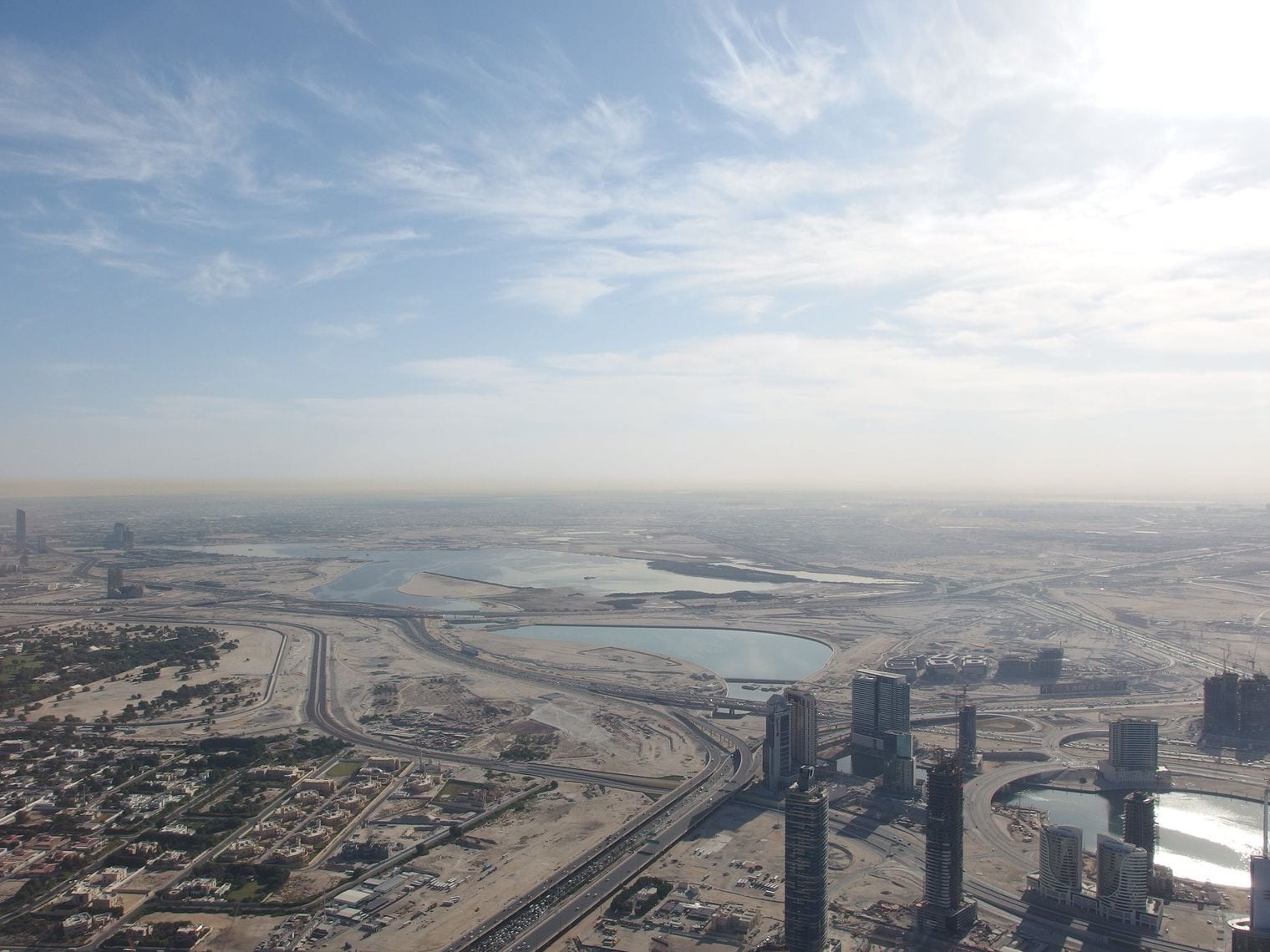
Most visitors ride to the observation decks on levels 124 and 125, where floor-to-ceiling glass looks out over the Palm, the desert and the Gulf; level 148 sits higher still. Go late in the afternoon and you get the city in daylight, at sunset and lit up, all from the same spot.
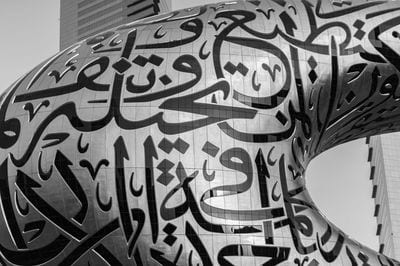
The Museum of the Future is the rare building that would justify the trip even if you never went inside. A steel-and-glass torus balanced on a green mound, its entire skin is covered in Arabic calligraphy cut clean through the panels, and it is built without a single internal column.
Inside, the galleries are less a museum than a sequence of immersive installations — a near-future space station, a digital rainforest, a floor given over to wellbeing — staged rather than displayed. It is one of the city's most sought-after tickets, so plan the visit rather than dropping in.
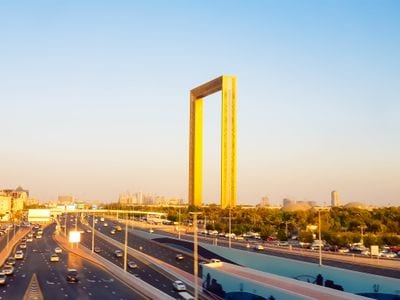
Set in Zabeel Park, the Dubai Frame is exactly what the name promises: a 150-metre gilded rectangle standing on its end, framing the city. It was conceived to line up old Dubai on one side and new Dubai on the other, and it does precisely that.
A lift takes you to the bridge along the top, where a stretch of the floor turns transparent underfoot. Look north over Deira and Bur Dubai for the low-rise old city, then turn around for the Sheikh Zayed Road skyline. A gallery downstairs covers the city's transformation.
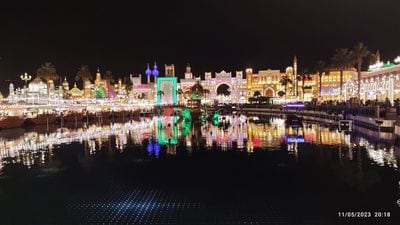
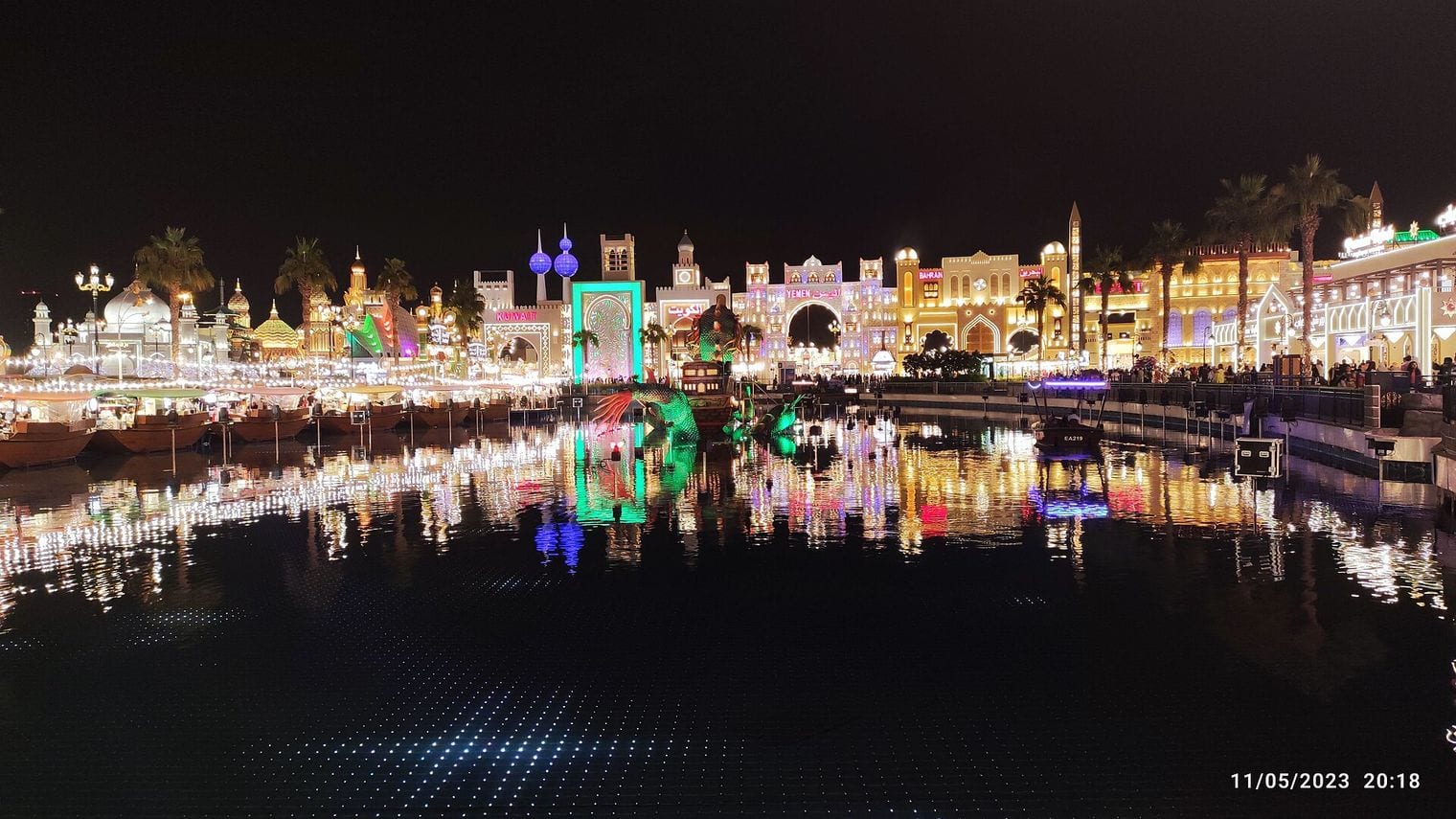
Global Village is a genuinely strange and wonderful thing: a vast open-air festival park where dozens of countries each take a pavilion and sell their food, crafts and textiles under one enormous sprawl. Add a funfair, a stunt arena and nightly fireworks and you have one of the busiest ticketed attractions in the country.
It is strictly seasonal, running through the cooler half of the year — roughly October to May — and closing for the summer heat. Come on a weekday evening if you can, because weekends are shoulder-to-shoulder. Carry some cash for the smaller stalls, and expect to haggle.
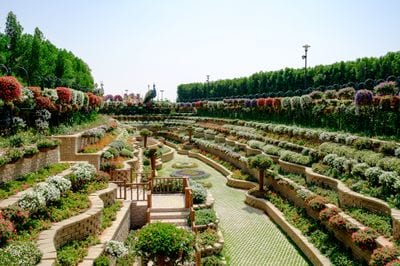
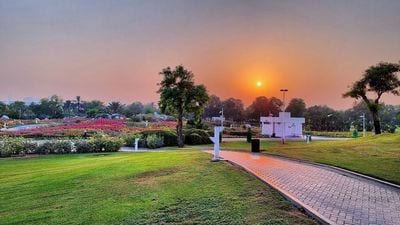
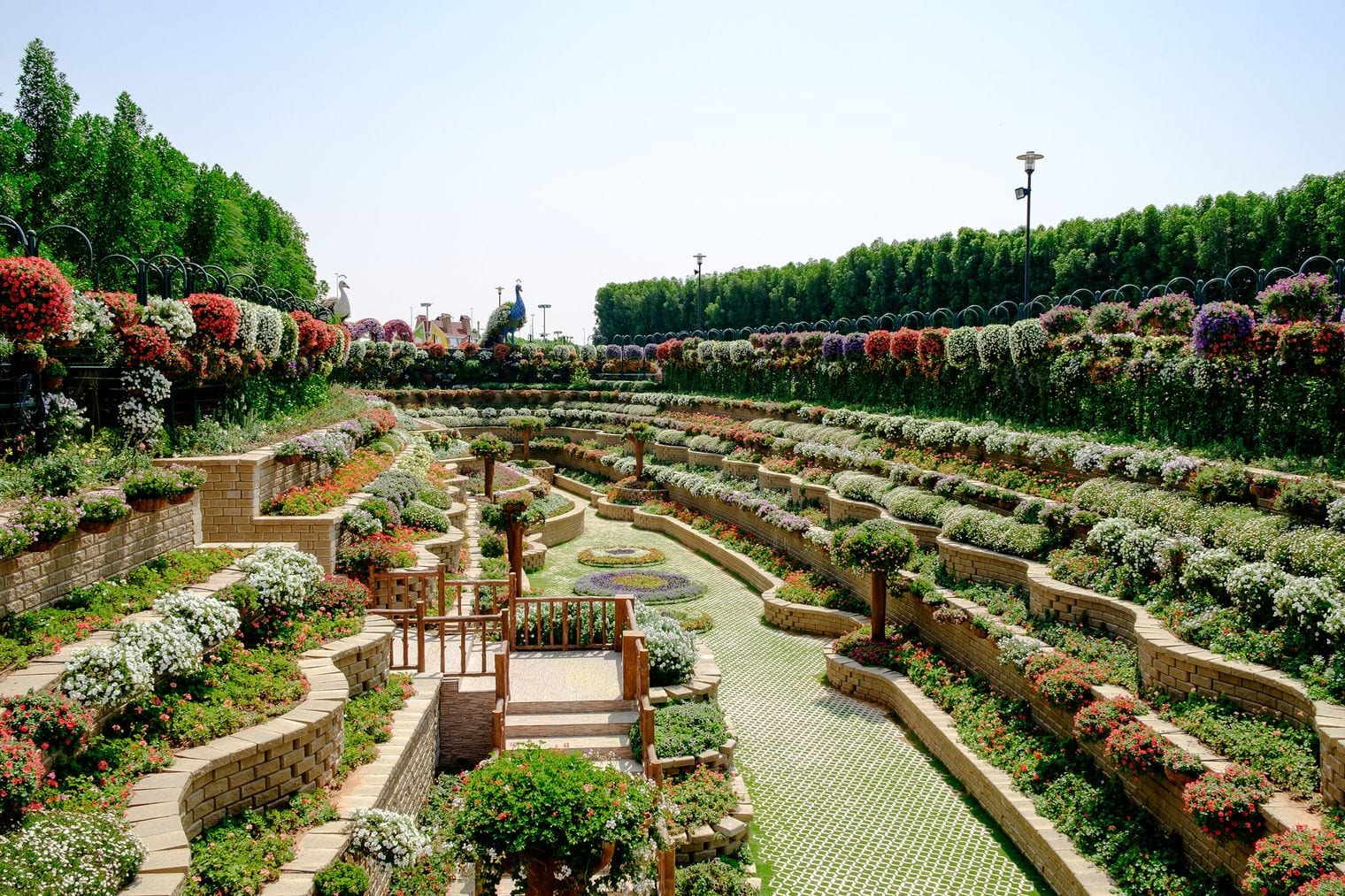
Building an enormous flower garden in a desert is a very Dubai idea, and Dubai Miracle Garden commits to it completely. Millions of blooms are trained over arches, hearts, peacocks, castles and a full-size Airbus A380, then replanted into fresh shapes for each new season.
It is unashamedly built for photographs, and on that count it delivers. Like Global Village it opens only for the cooler months, roughly November to May, and shuts through the summer. The Butterfly Garden next door makes an easy add-on if you have an hour to spare.
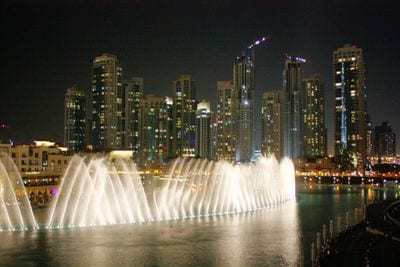
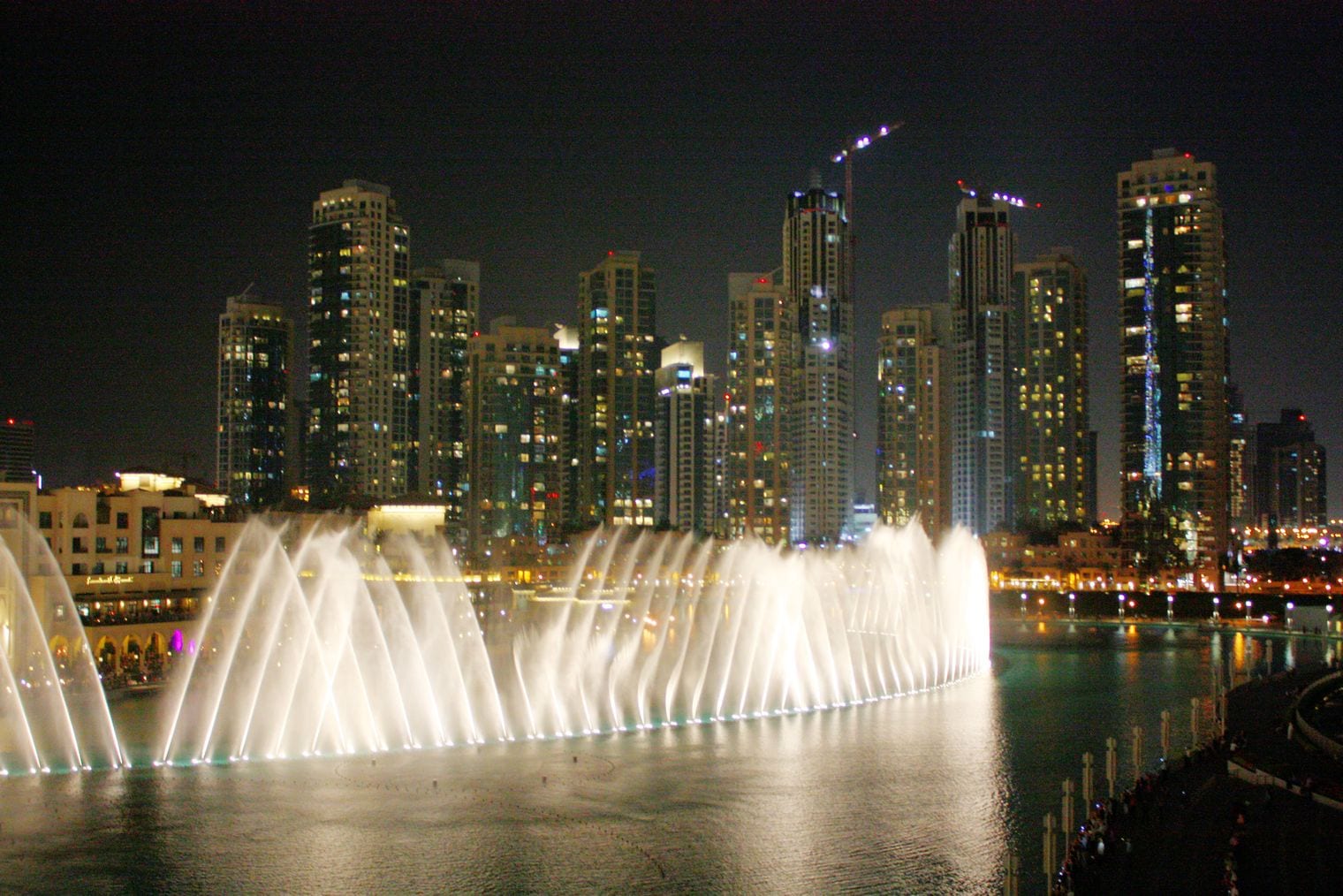
The Dubai Fountain performs on the lake between the Burj Khalifa and the mall, throwing water high into the air in choreographed sets set to Arabic, classical and pop music. It runs at regular intervals through the evening, and it costs nothing to watch.
The classic vantage point is the waterfront promenade at Souk Al Bahar, though the boardwalk out onto the lake gets you closer and the mall terraces keep you fed while you wait. Arrive a few minutes early — the good spots along the railing go quickly.
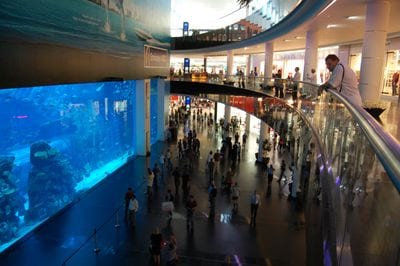
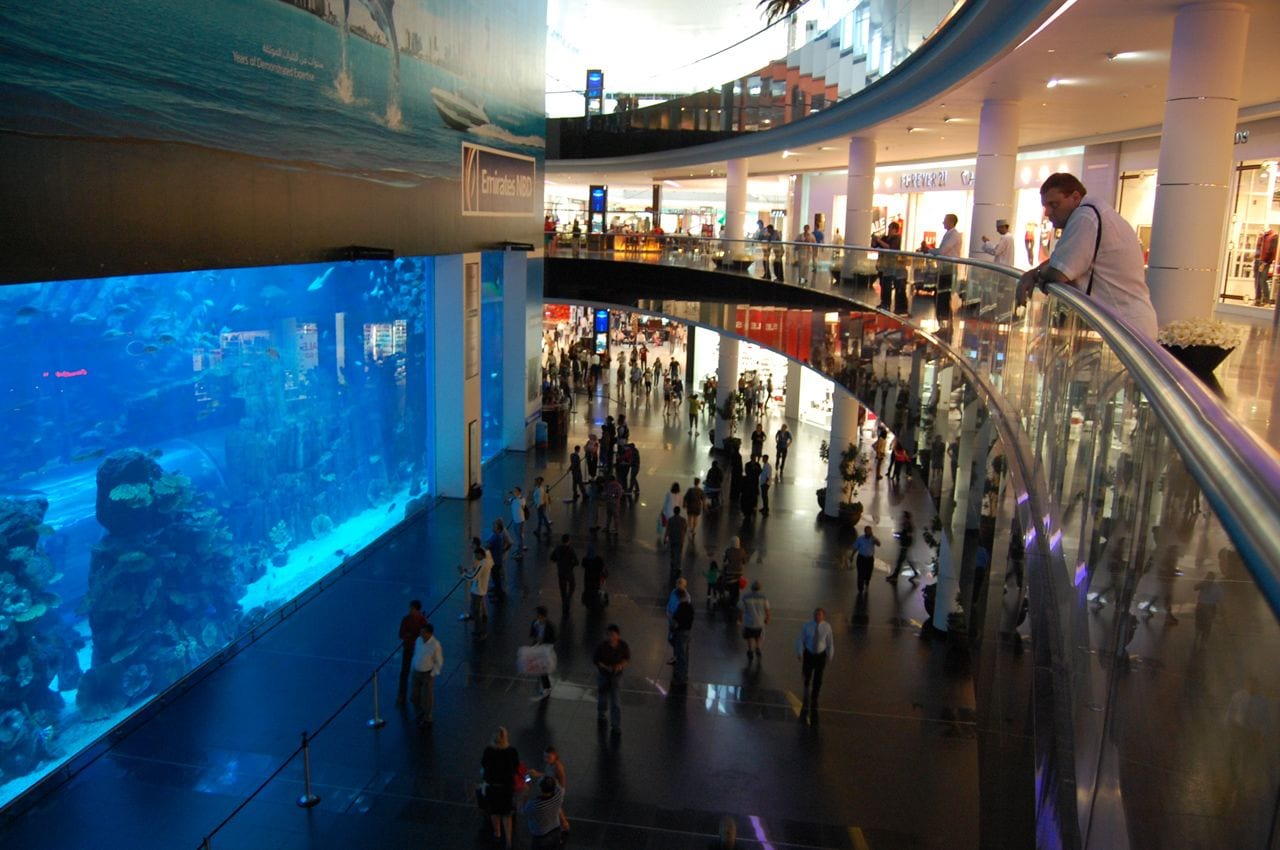
You can see a good part of the Dubai Aquarium & Underwater Zoo without paying anything: its vast tank forms one wall of the mall's ground floor, and shoppers stop dead in front of it. Rays, groupers and sand tiger sharks drift past a few centimetres of acrylic.
A ticket adds the walk-through tunnel and the Underwater Zoo above, where the exhibits move on from the main tank into penguin, otter and crocodile enclosures. Cage snorkels and glass-bottomed boat rides run over the tank for anyone wanting to get closer to the sharks.
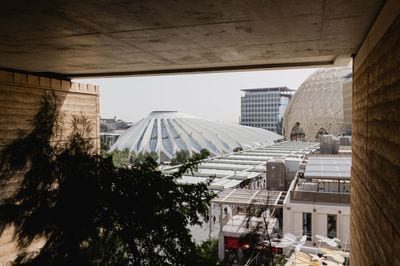
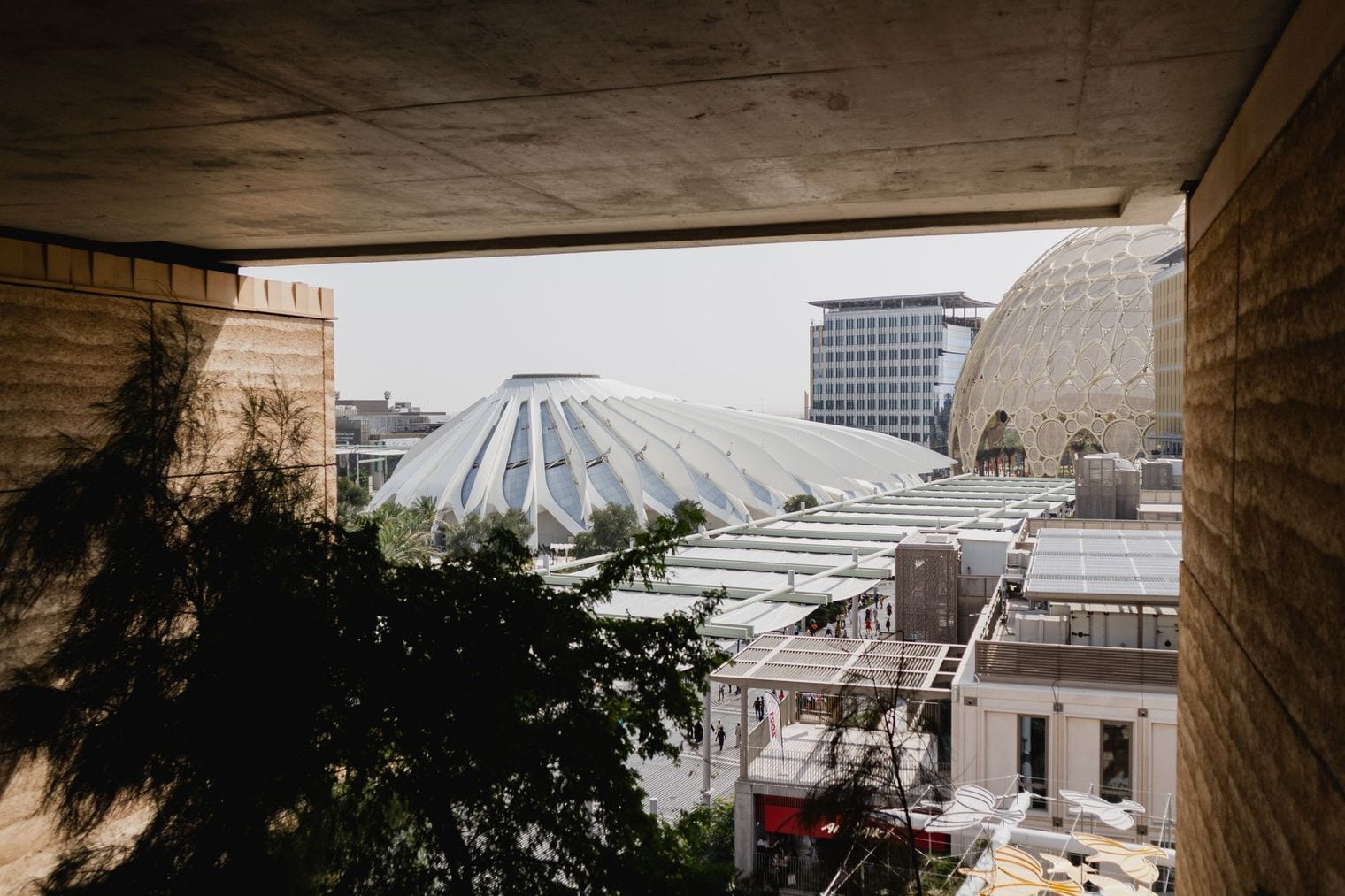
When Expo 2020 finished, Dubai kept the site rather than clearing it, and Expo City Dubai is the result — a walkable, largely car-free district of gardens, shaded walkways, water features and some of the most interesting architecture in the country.
Al Wasl Plaza still anchors the site, a huge latticed dome that doubles as a 360-degree projection surface after dark, and the Terra sustainability pavilion remains among the best exhibits in the Emirates. It sits well out towards the southern edge of the city, so allow proper travel time.
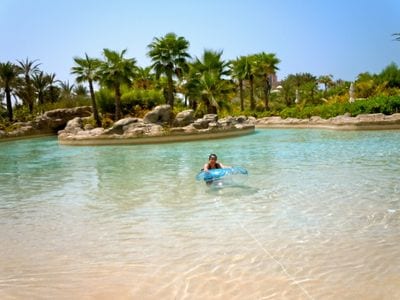
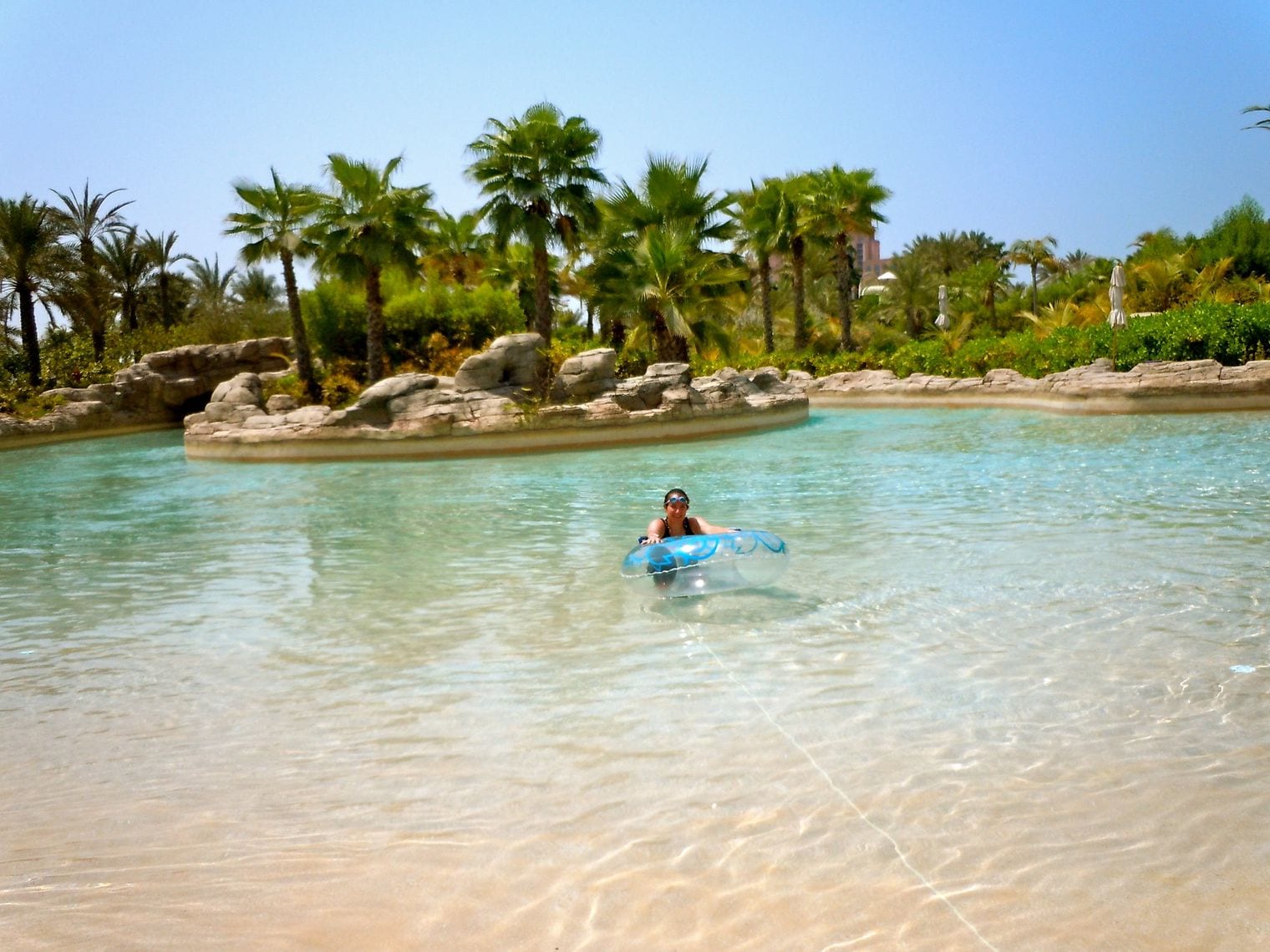
Aquaventure World, at Atlantis on the Palm, is one of the largest waterparks anywhere, and it does not do things by halves. Slides pour off two ziggurat-shaped towers, and the signature Leap of Faith drops you near-vertically into a clear tube running through a lagoon stocked with rays and sharks.
Beyond the big slides there is a private beach, a long lazy river and gentler zones for small children, so it works for mixed groups. Treat it as a full day rather than an afternoon, and go early if you want the shortest queues.
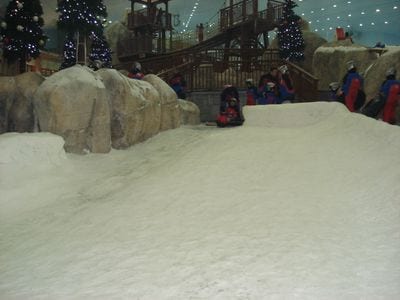
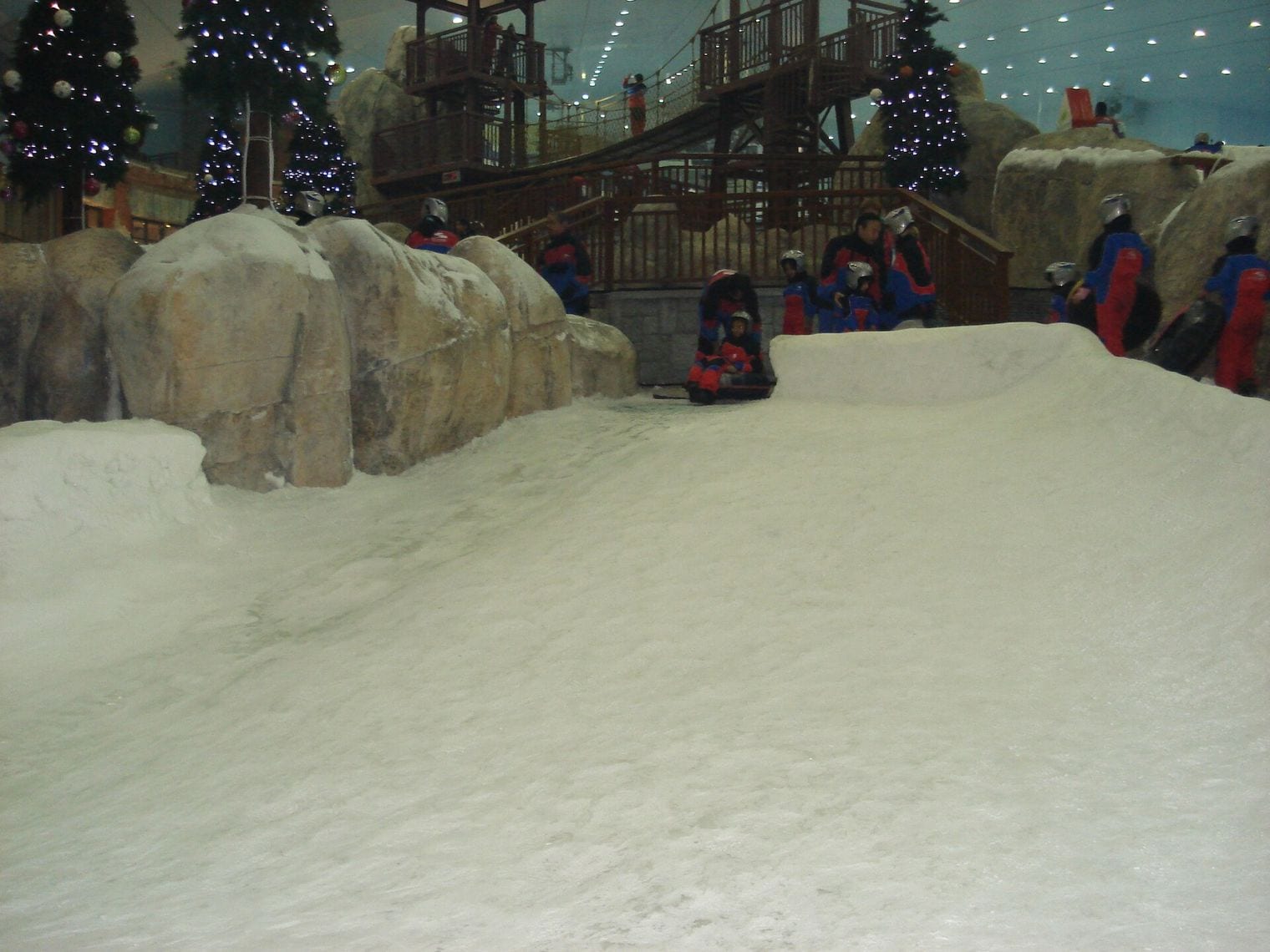
An indoor mountain inside a shopping centre remains the single most Dubai thing on this list. Ski Dubai fills a corner of the Mall of the Emirates with real snow, a chairlift and a set of graded runs, held at a steady sub-zero temperature while it bakes outside.
You do not have to ski to enjoy it. The snow park side has tobogganing, a zip line and a bobsled run, and there is a colony of penguins that comes out to meet visitors through the day. Jackets and boots are provided, so bring little more than gloves and warm socks.
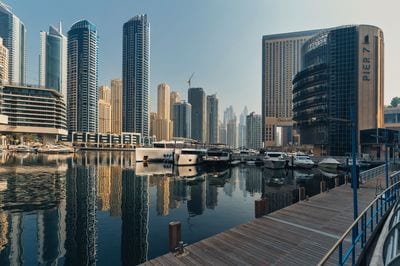
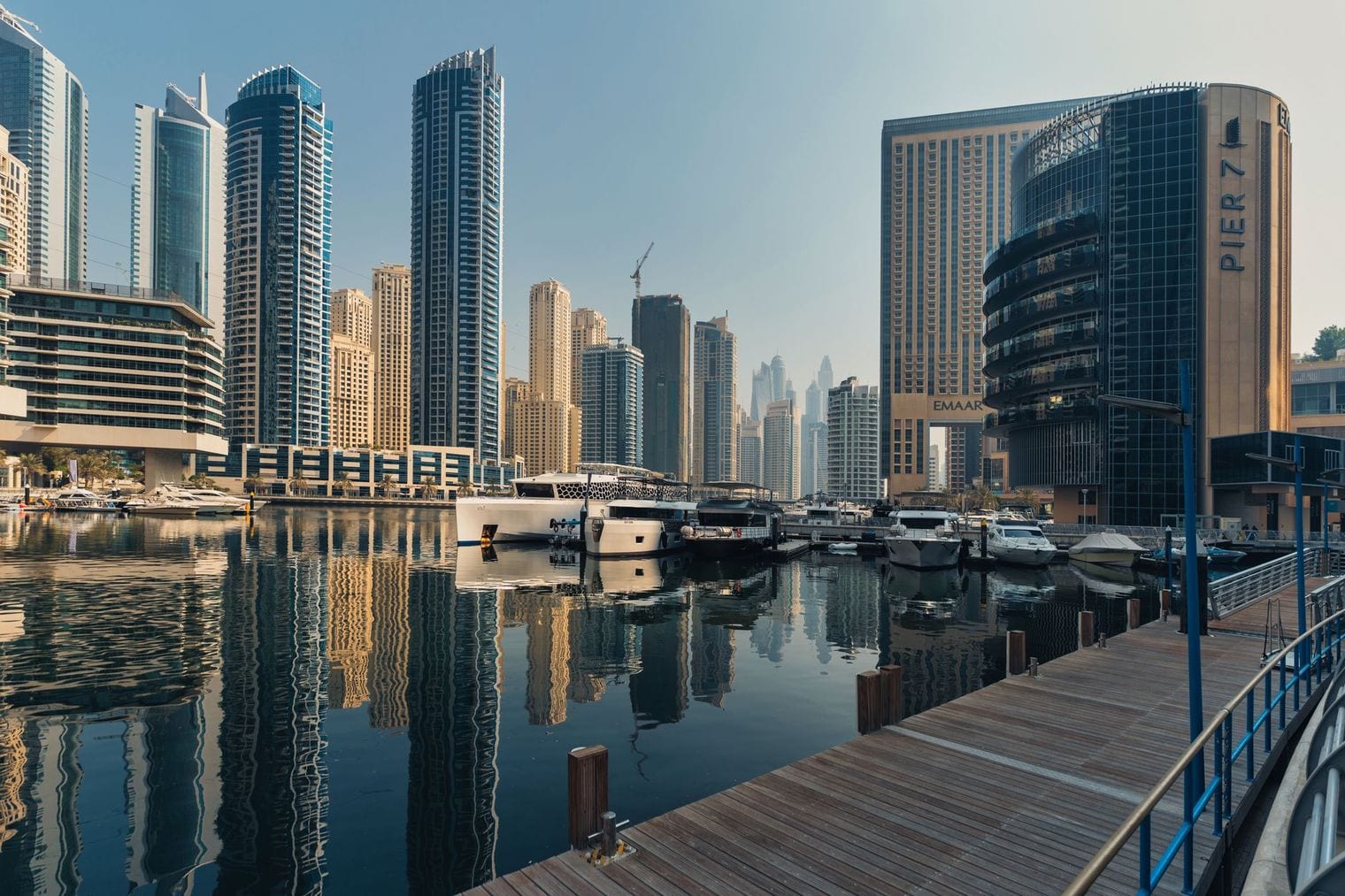
The Dubai Marina Walk runs for several kilometres around an artificial canal, hemmed in by one of the densest clusters of towers anywhere in the world. It is at its best after dark, when the whole basin lights up and the heat finally lets go.
Walk the promenade, eat outside, or take a dhow or speedboat onto the water for the skyline from below. The beach at JBR and its open-air shopping strip sit at one end, which makes the whole thing easy to fold into a longer evening.
Calling the Dubai Mall a shopping centre undersells it. It is one of the largest retail complexes in the world by floor area, with well over a thousand shops, and it works as the city's de facto town square — somewhere people spend an evening whether or not they intend to buy anything.
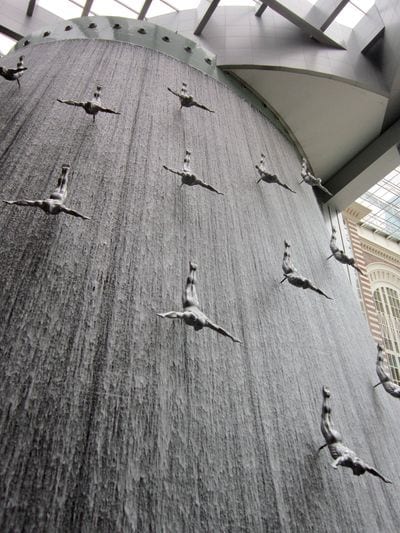
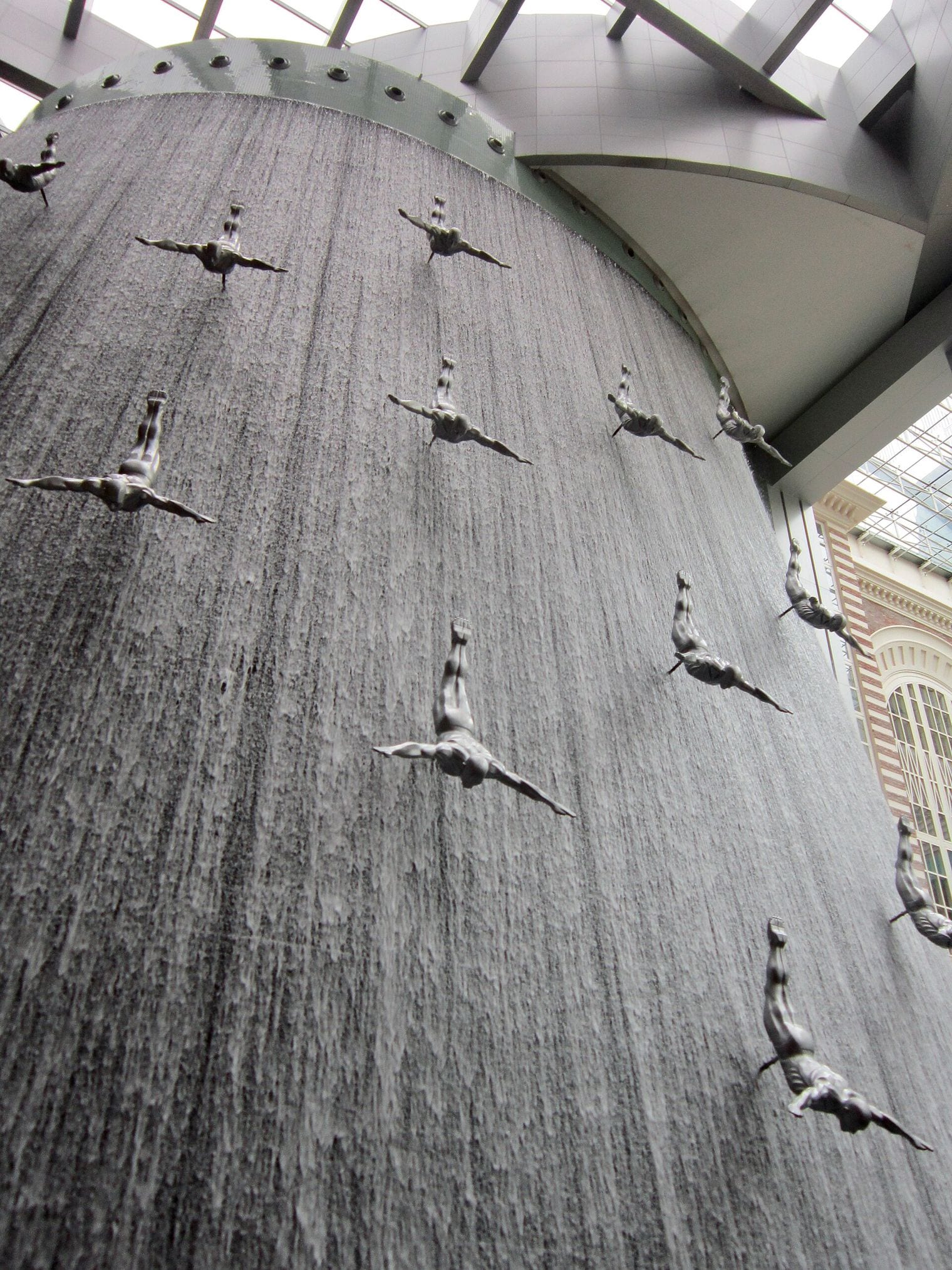
The aquarium, an Olympic-sized ice rink, a cascading waterfall sculpture and the Burj Khalifa entrance are all inside, and the fountain lake sits directly outside the doors. Allow more time than seems reasonable; the walk from one end to the other is genuinely long.
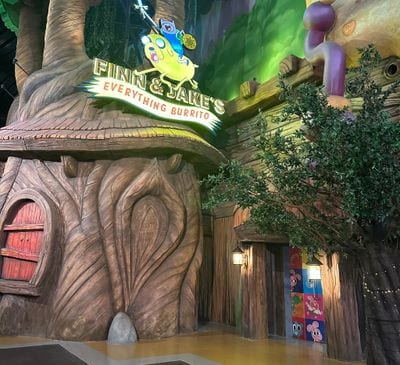
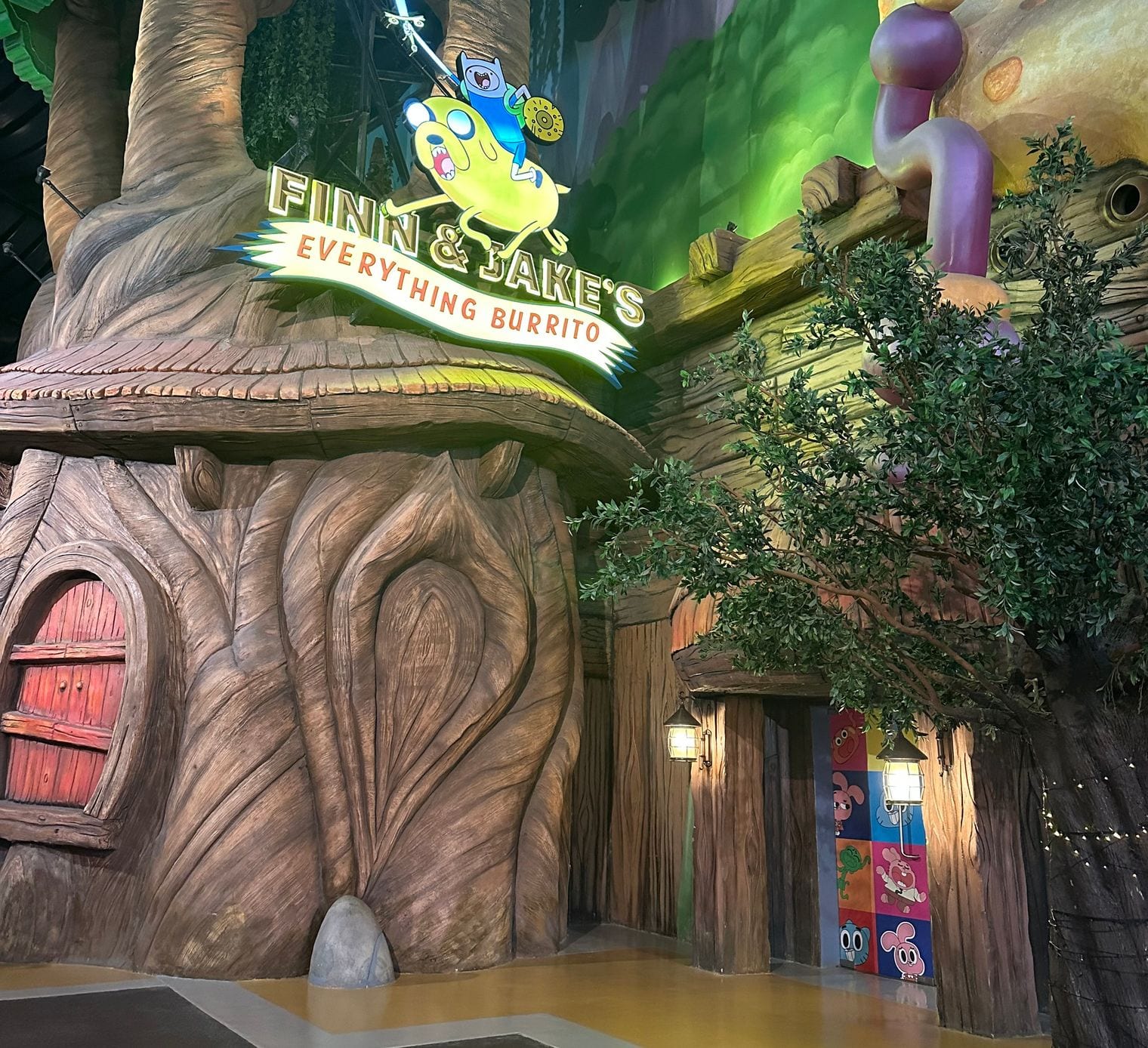
IMG Worlds of Adventure is a very large indoor theme park, which in a city that spends months above 40°C is exactly the right idea. It is divided into themed zones — Marvel superheroes, Cartoon Network characters, a dinosaur-populated lost valley — each with its own rides and shows.
The roller coasters are the main draw, with a couple of genuinely serious ones alongside family rides and a walk-through horror attraction. Because it is all under one roof, it is the plan to keep in reserve for a brutally hot afternoon.
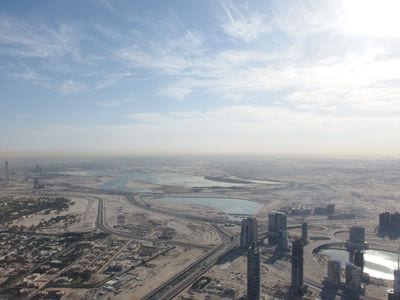
The Palm only really makes sense from above, and The View Palm Jumeirah is where you get that. An observation deck near the top of the Palm Tower, it looks straight down the trunk of the island to the fronds, the crescent and the open Gulf beyond.
There is a small exhibition on how the island was built, which is a more interesting piece of engineering history than it sounds, and an outdoor terrace that is the better spot whenever the weather allows. Sunset slots are the most popular by a distance.
AYA Universe is an immersive digital playground rather than a museum — a sequence of darkened rooms filled with projection, light and sound that you walk into and interact with. Each zone takes a different theme, from auroras and deep ocean to something closer to deep space.
It is aimed squarely at families and photographs, and it delivers on both counts. Being entirely indoors and air-conditioned, it is another dependable option for the middle of a hot day when the outdoor attractions are unbearable.
1616. Al Fahidi Historical Neighbourhood
Historical Landmark~7.2 km (4.5 miles) from centre
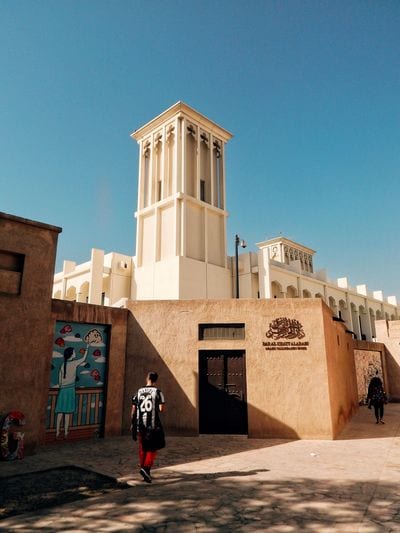
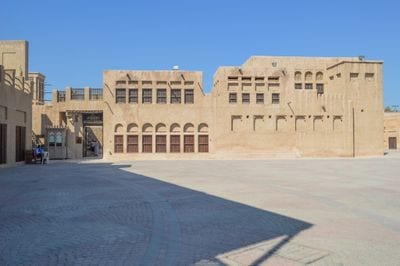
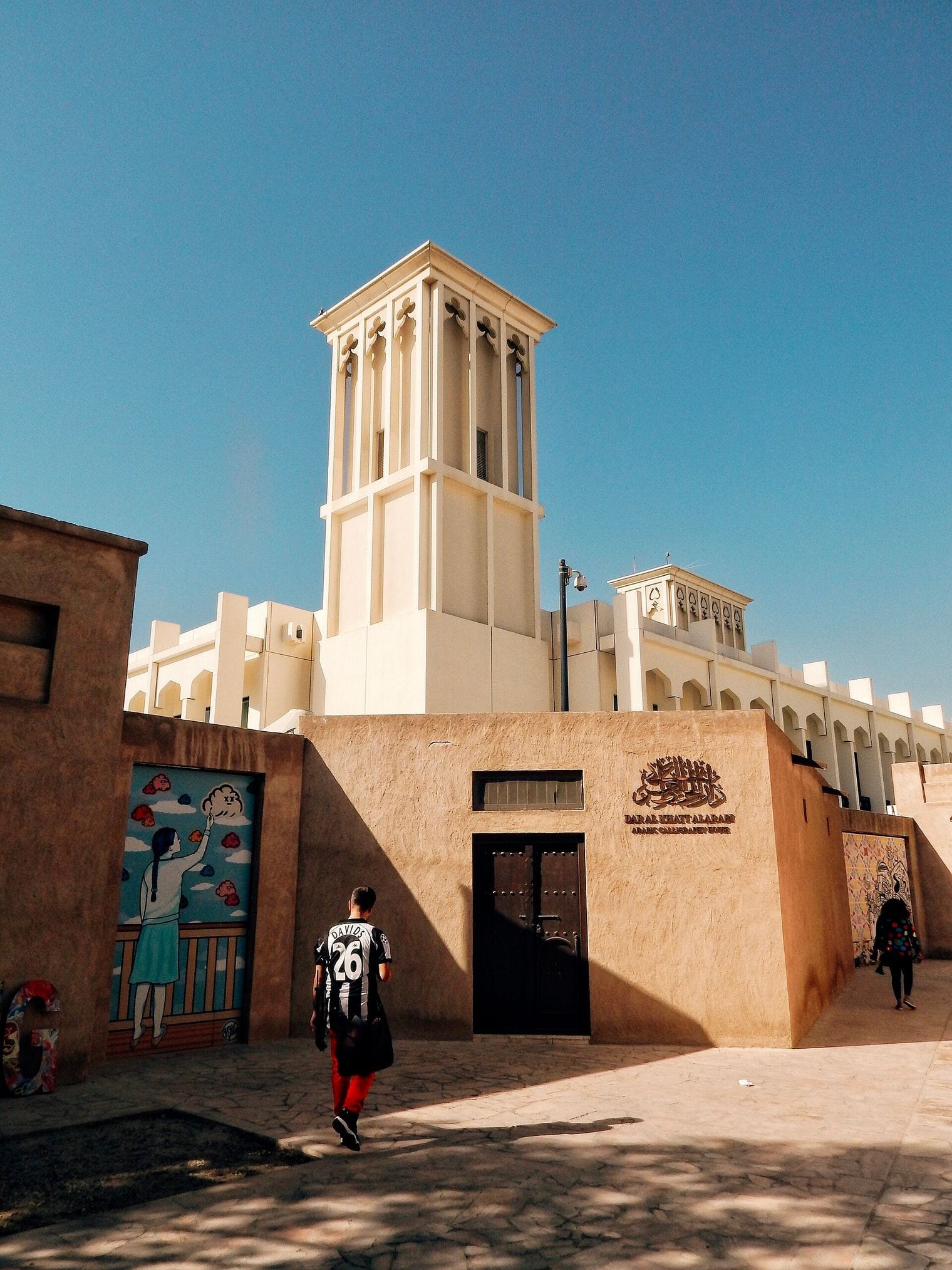
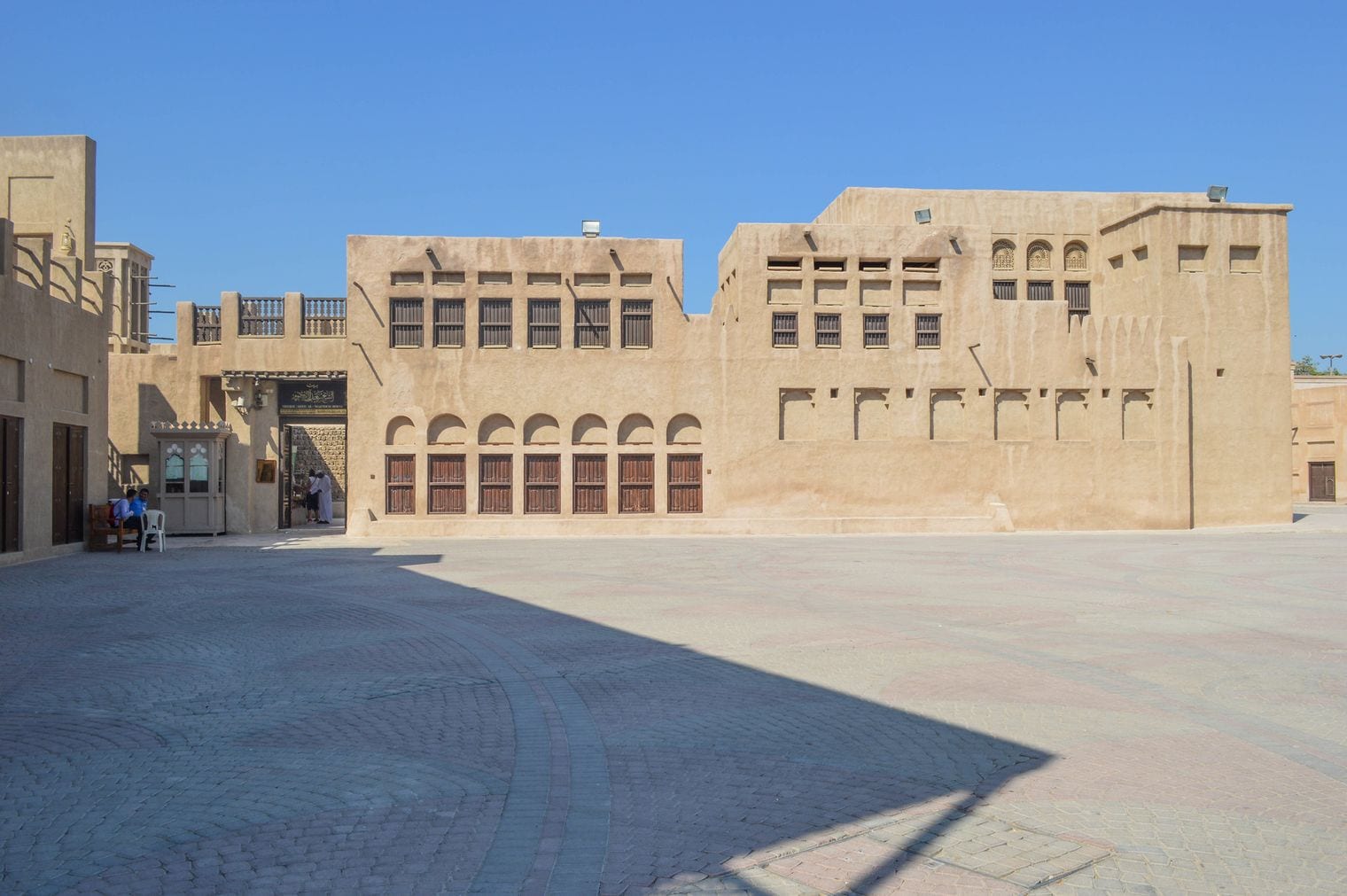
The Al Fahidi Historical Neighbourhood is the Dubai that existed before the towers — a compact grid of sand-coloured lanes and courtyard houses topped with wind towers, the region's original air conditioning. It sits on the Bur Dubai side of the creek and rewards being explored slowly, on foot.
Inside the quarter are small museums, independent art galleries and courtyard coffee houses, along with a cultural centre that runs shared Emirati meals where visitors are encouraged to ask questions about local life. Walk down to the water afterwards and cross the creek by abra.
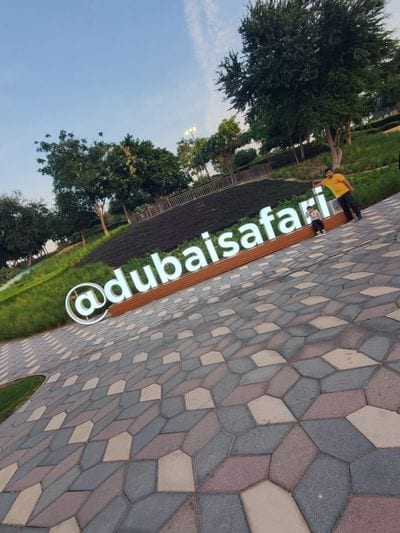
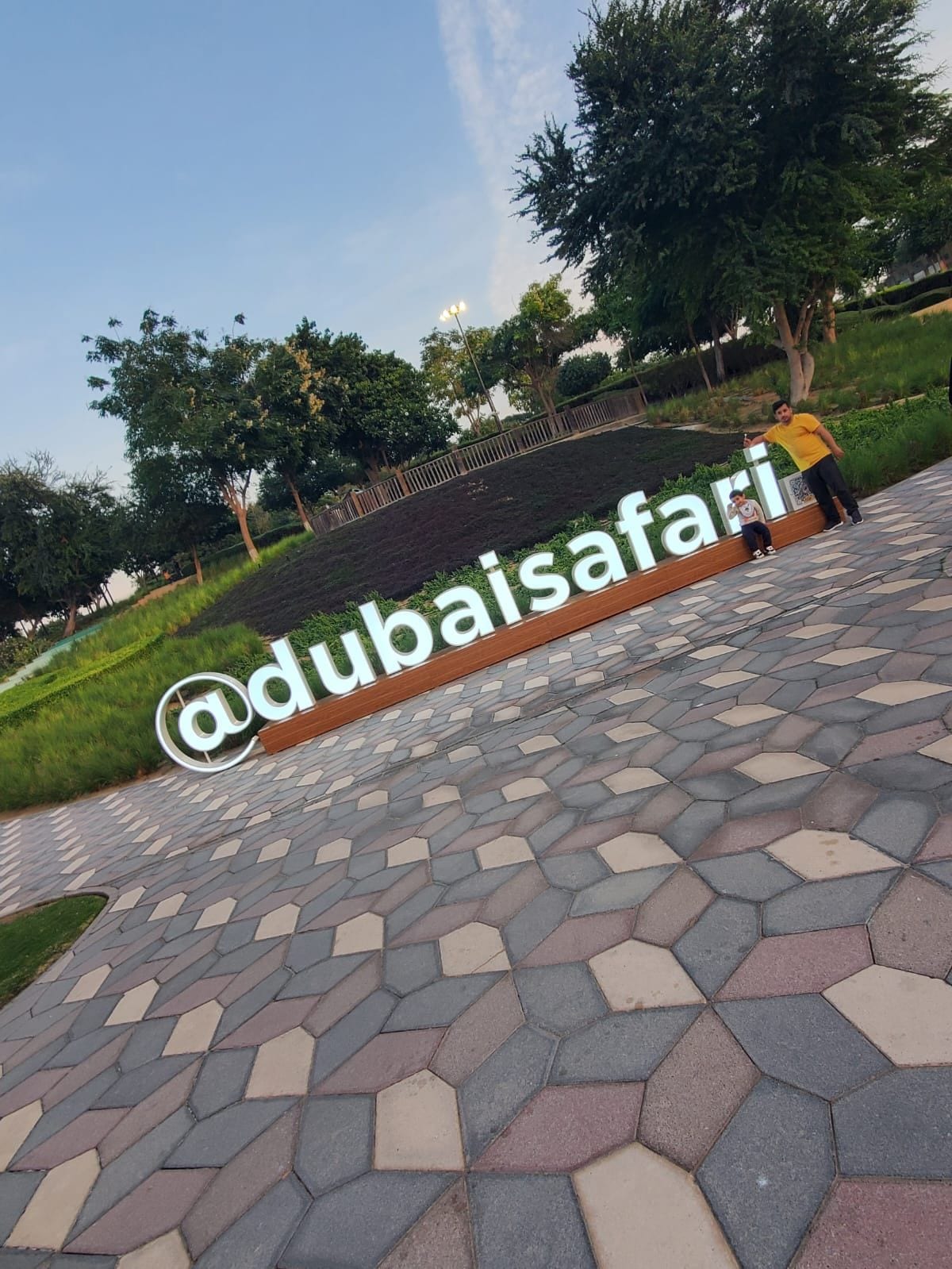
Dubai Safari Park spreads across a large site in the south-east of the city, arranged into villages by region — African, Asian and Arabian — combining walk-through enclosures with a drive-through safari section. The emphasis throughout is on large animals with room to move.
It is another of the city's seasonal attractions, opening through the cooler months and closing over the summer. Mornings are much the best time to come: the animals are active early, and shade is in short supply once the sun is high.
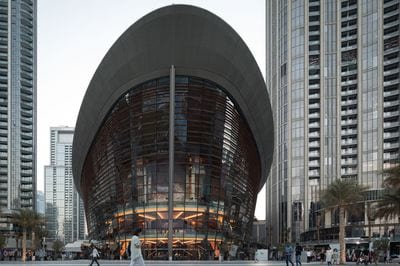
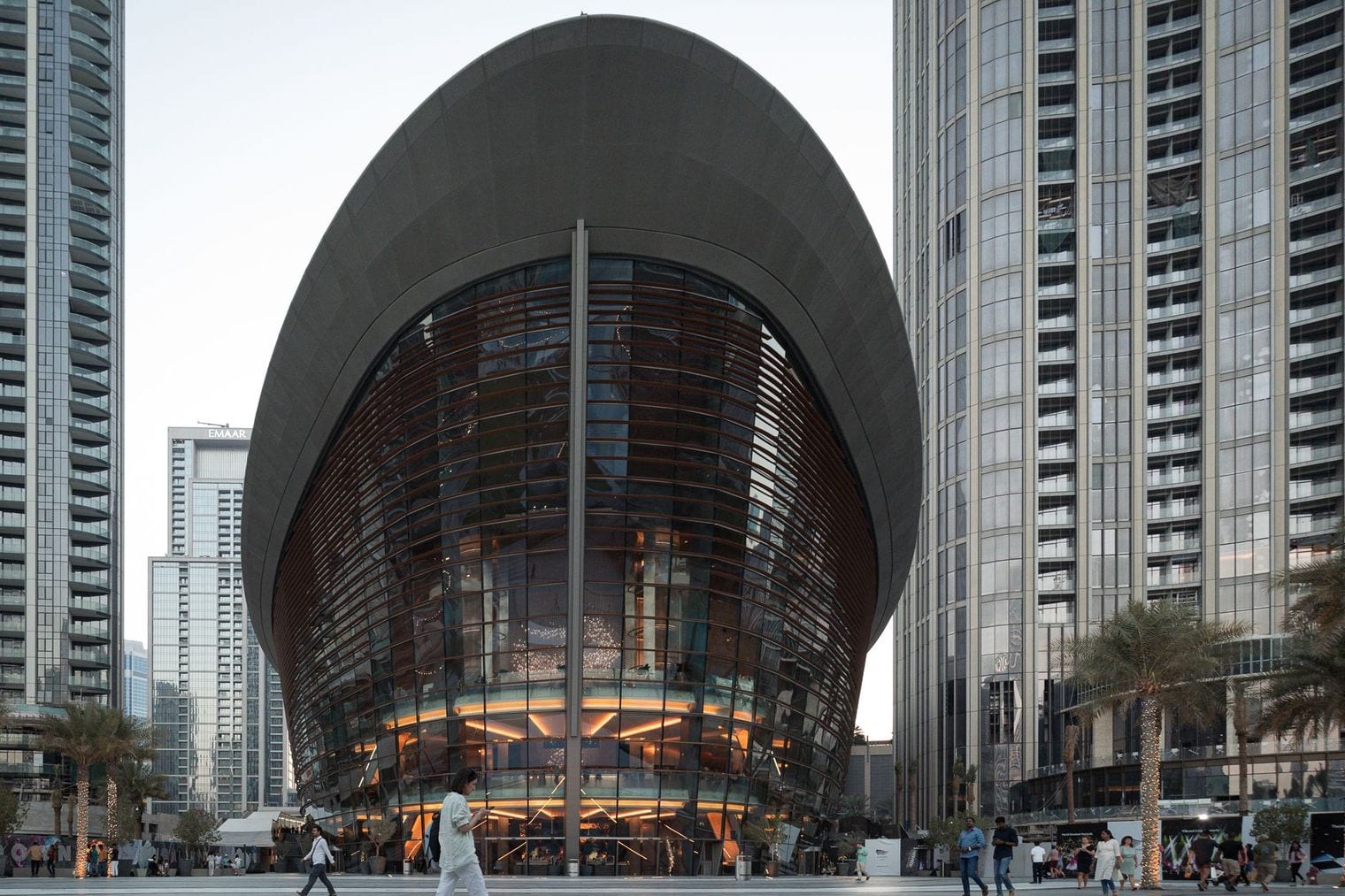
Dubai Opera is shaped like a traditional dhow, its bow pointing towards the Burj Khalifa, and it anchors Downtown's cultural side. The auditorium reconfigures between a proscenium theatre, a concert hall and a flat-floor event space, which lets it stage opera, ballet, musicals and touring concerts in the same week.
Even without a ticket the building is worth walking past for the glass-and-steel hull and its reflection in the water. If you find yourself with a free evening and nothing booked, it is always worth seeing what is on.
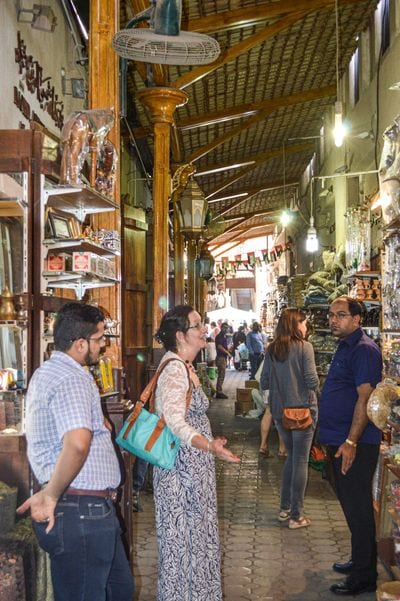
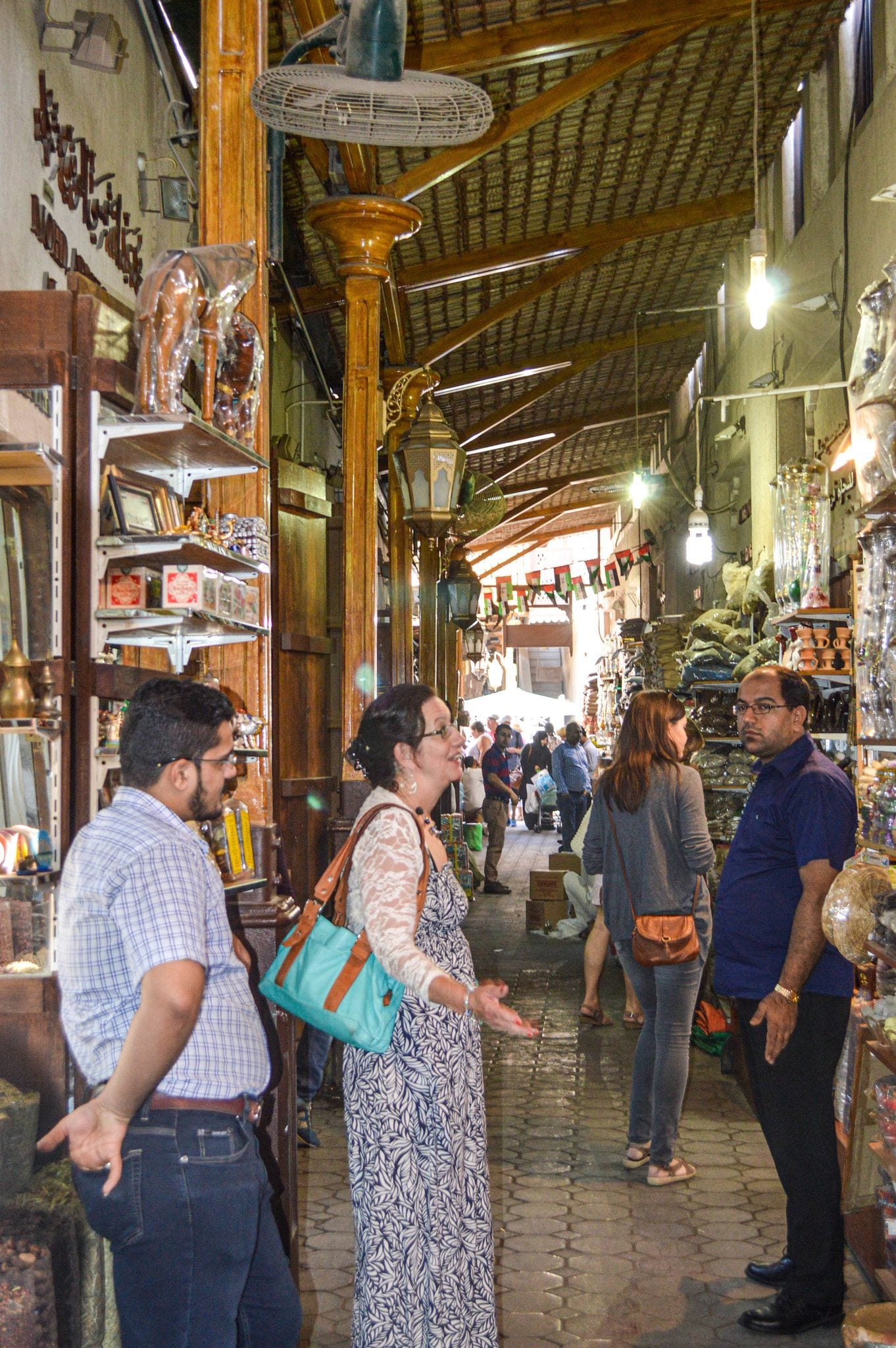
The Dubai Gold Souk in Deira is a covered lane of shopfronts where window after window is stacked with gold — chains, bangles, elaborate bridal sets — in quantities that stop being comprehensible after the first few shops.
Prices are worked out from the day's gold weight plus a making charge, so haggling is expected rather than rude. Even if you buy nothing it is a spectacle, and the spice and perfume souks are a short walk away through the same warren of streets.
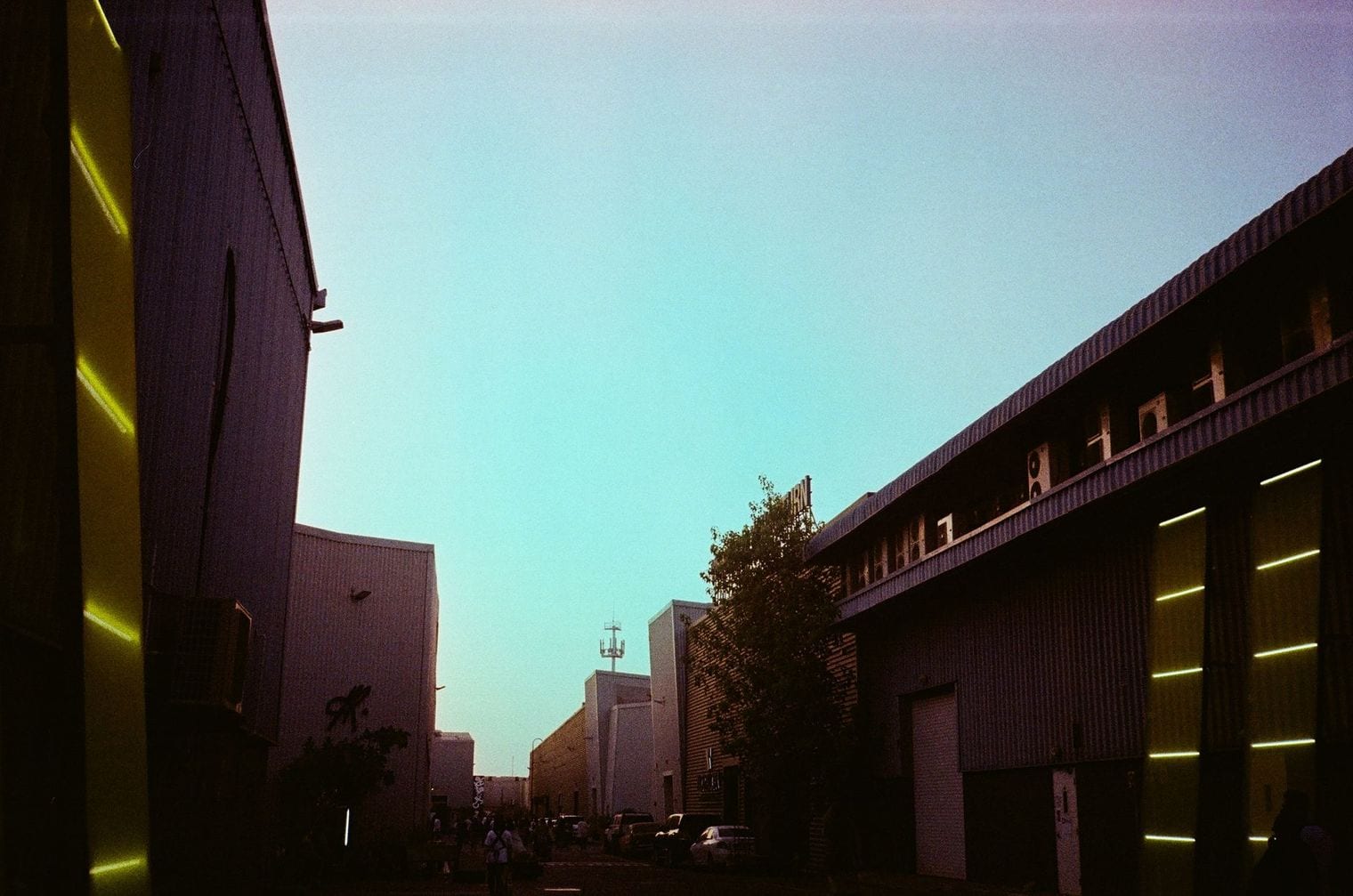
Alserkal Avenue is Dubai's contemporary art district, built into a block of converted warehouses in the industrial Al Quoz neighbourhood. Concrete units that once held marble workshops now hold commercial galleries, artist studios, project spaces and an arthouse cinema.
It is a deliberate counterweight to the city's polished side — low-rise, a little scruffy at the edges, and the best place to see what artists across the region are actually making. Gallery openings draw a real crowd, and there are good independent cafés between the units.
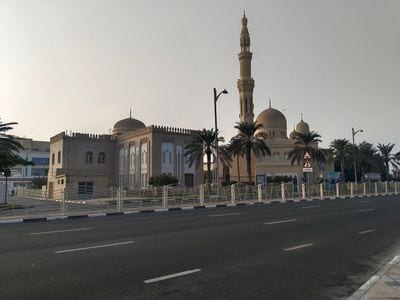
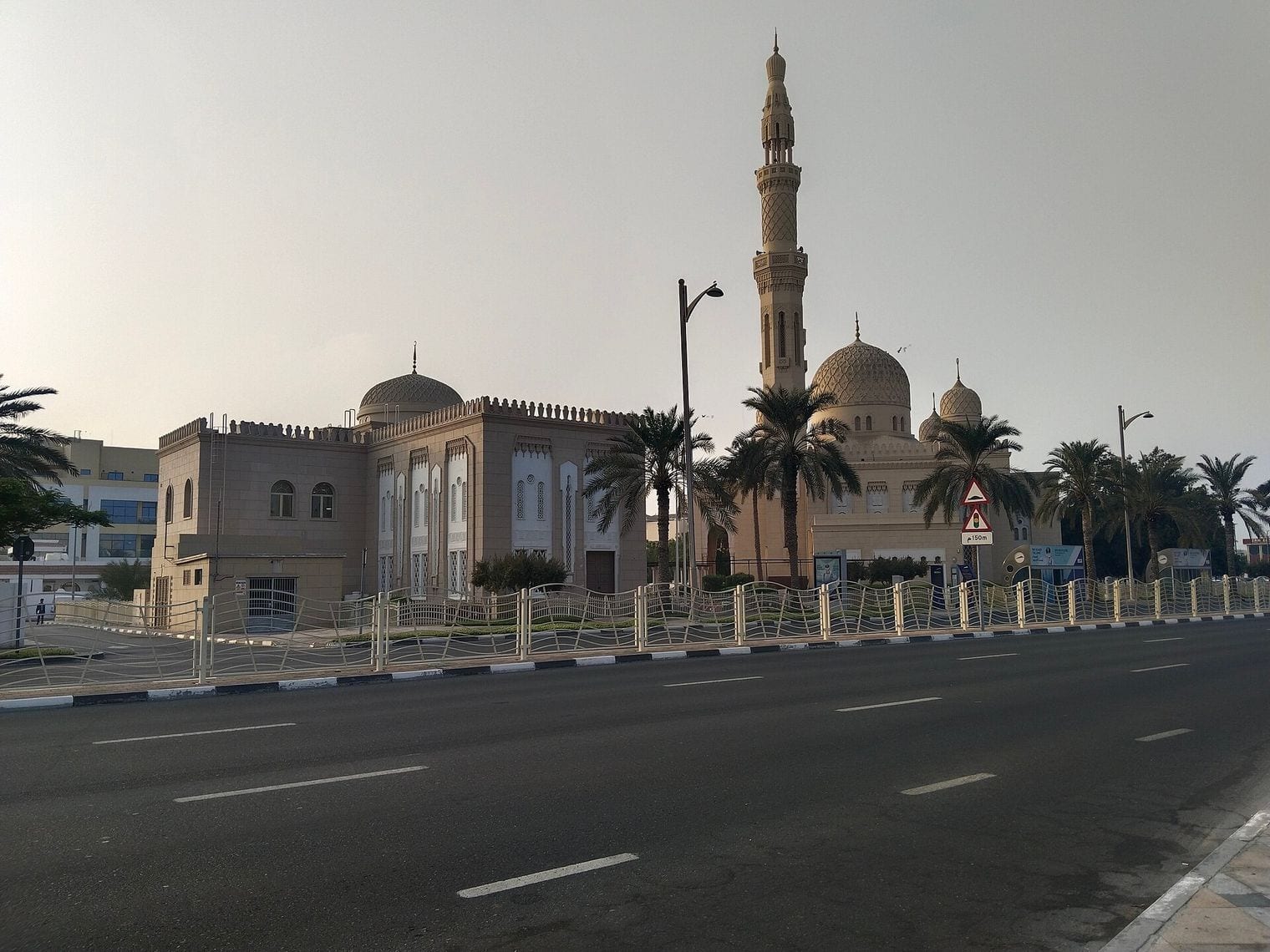
Jumeirah Mosque is one of the few mosques in the country that welcomes non-Muslim visitors inside, and the one in Dubai that does so as a matter of routine. Built in a Fatimid style with twin minarets and a broad central dome, it photographs beautifully in the late afternoon light.
Visits are run as guided tours by a cultural centre working under the motto 'open doors, open minds', and the format is a short walk-through followed by an unusually frank question-and-answer session about Islam and Emirati custom. Modest dress is required, and covering is lent at the door.
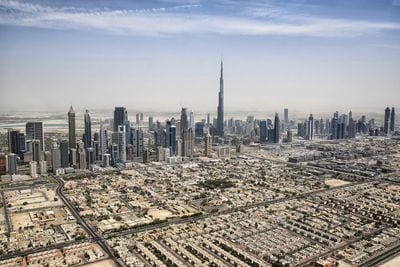
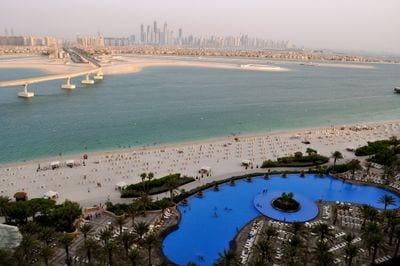
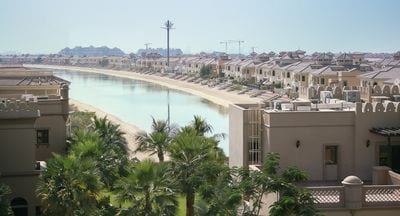
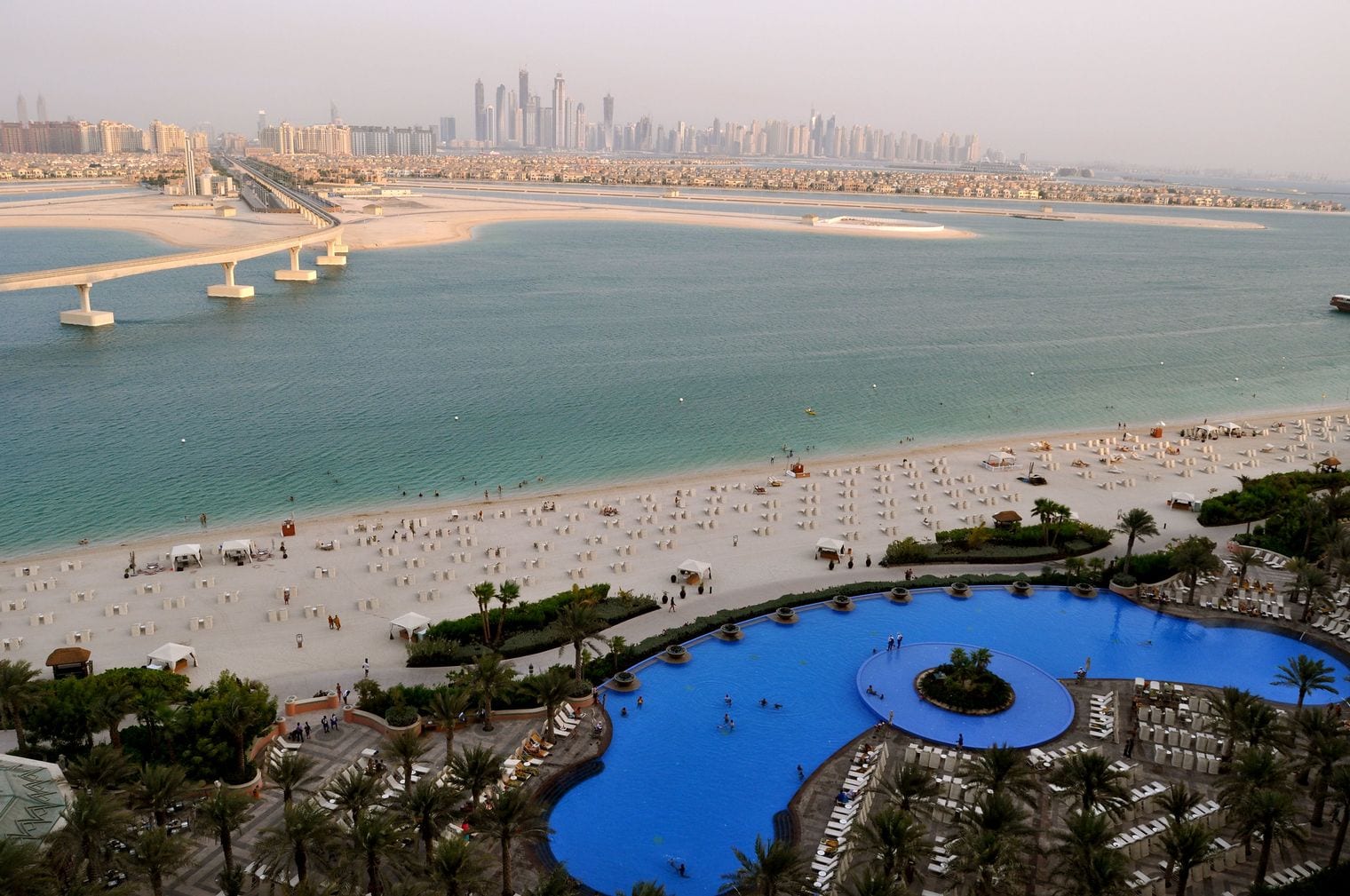
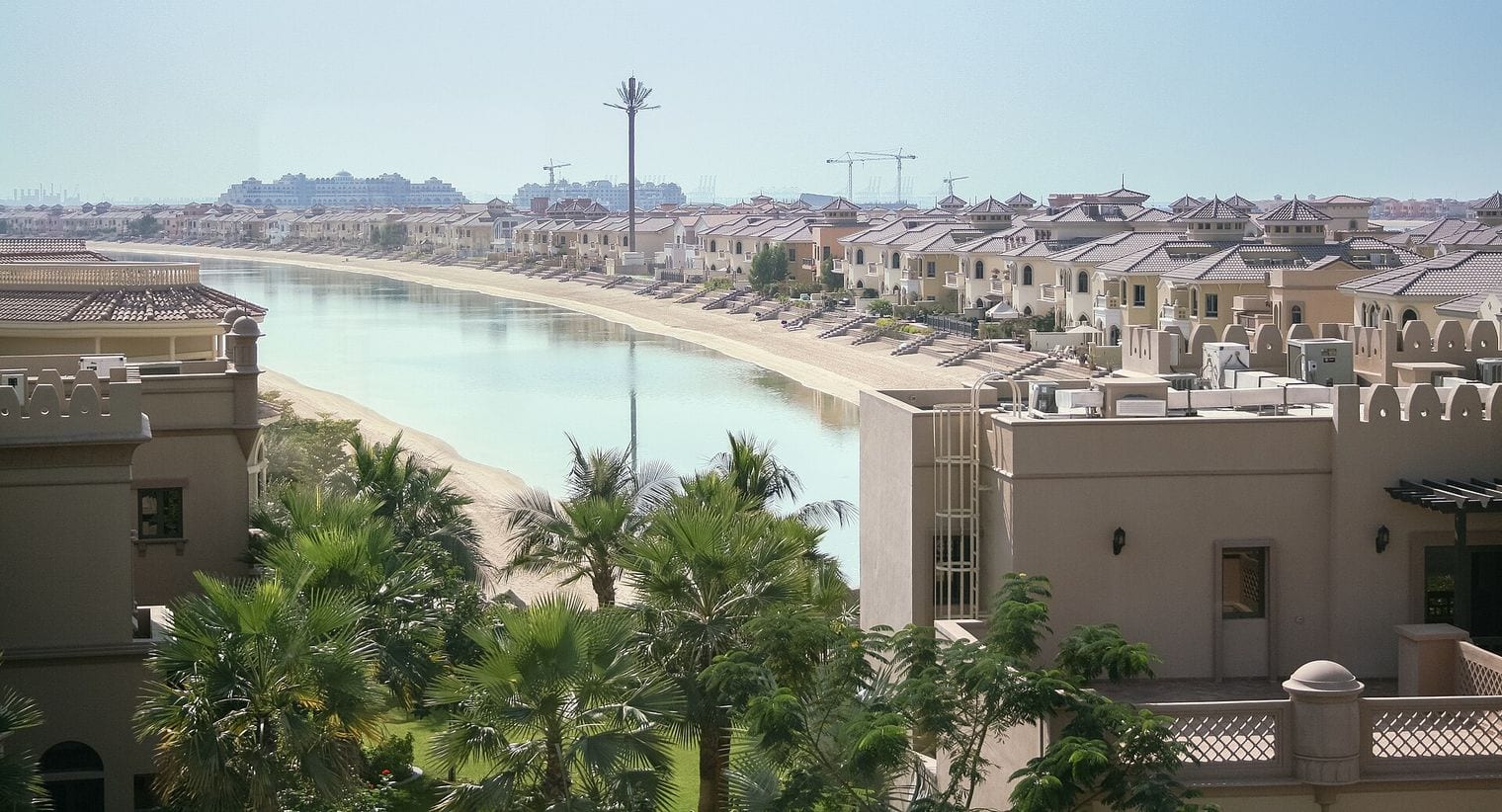
Palm Jumeirah is the man-made island that put Dubai on the world's front pages — a palm-shaped archipelago of reclaimed sand, with a trunk, a spread of fronds and a protecting crescent, pushed out into the Gulf and clearly recognisable from the air.
There is more to do on it than gawp. A boardwalk runs along the western shore, a monorail tracks the trunk out to the crescent, and beach clubs, restaurants and a waterfront dining strip line the edges. See it from above first, then come back and explore it at ground level.
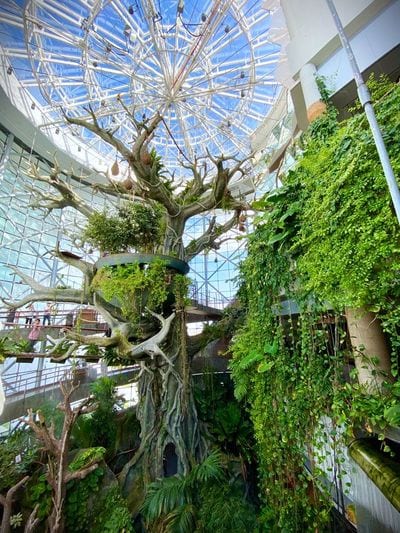
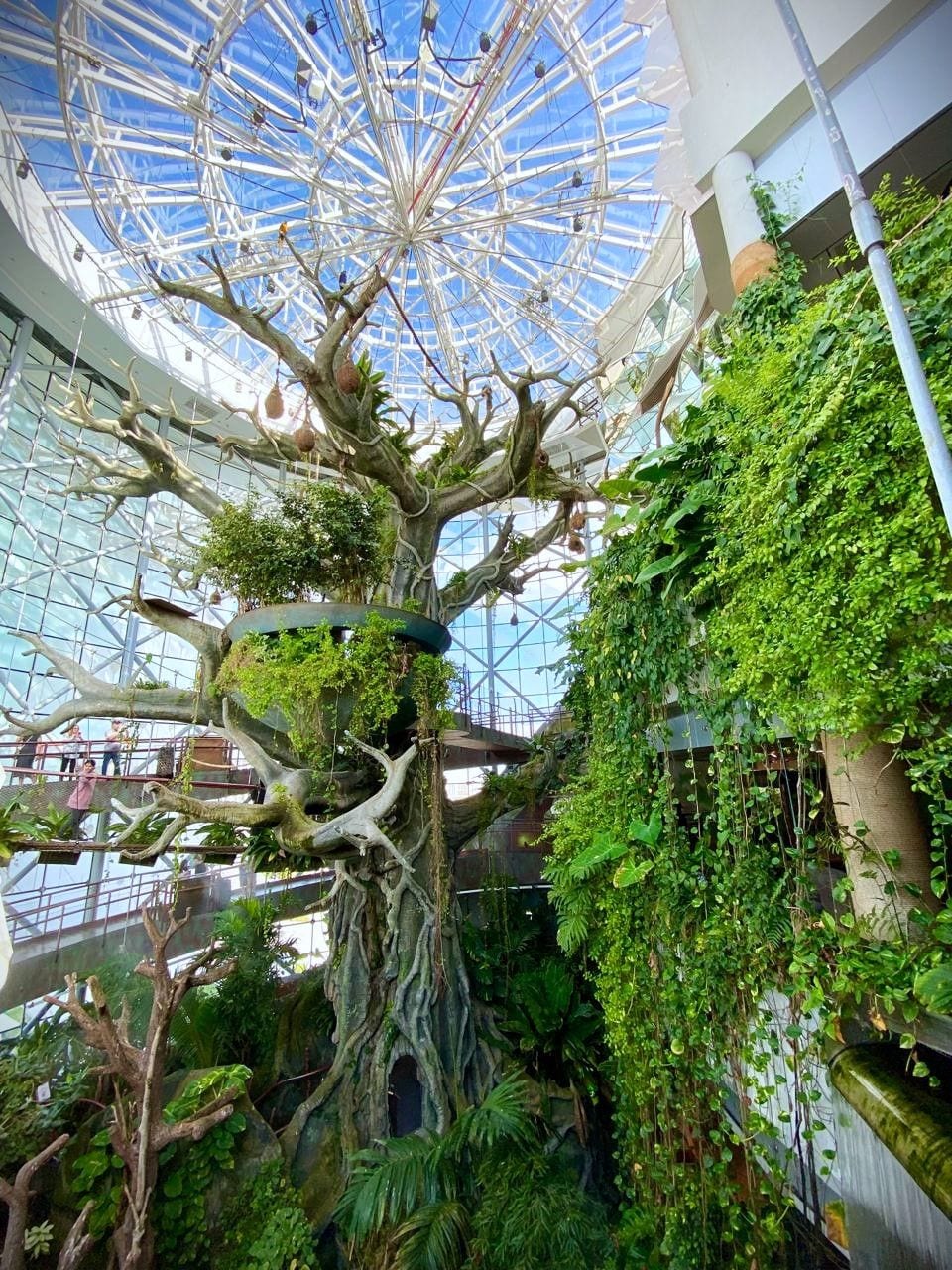
The Green Planet Dubai is a glass bio-dome holding an enclosed tropical rainforest, built around a huge artificial tree. You climb through it from the flooded forest floor up to the canopy, with birds, sloths, snakes and insects living loose in the space around you.
It is small enough to see properly in an hour or two, which makes it easy to add to a Downtown day, and it is one of the better attractions in the city for younger children. Feeding and handling sessions run at intervals through the day.
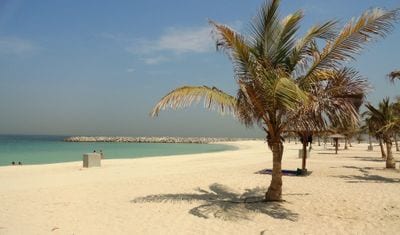
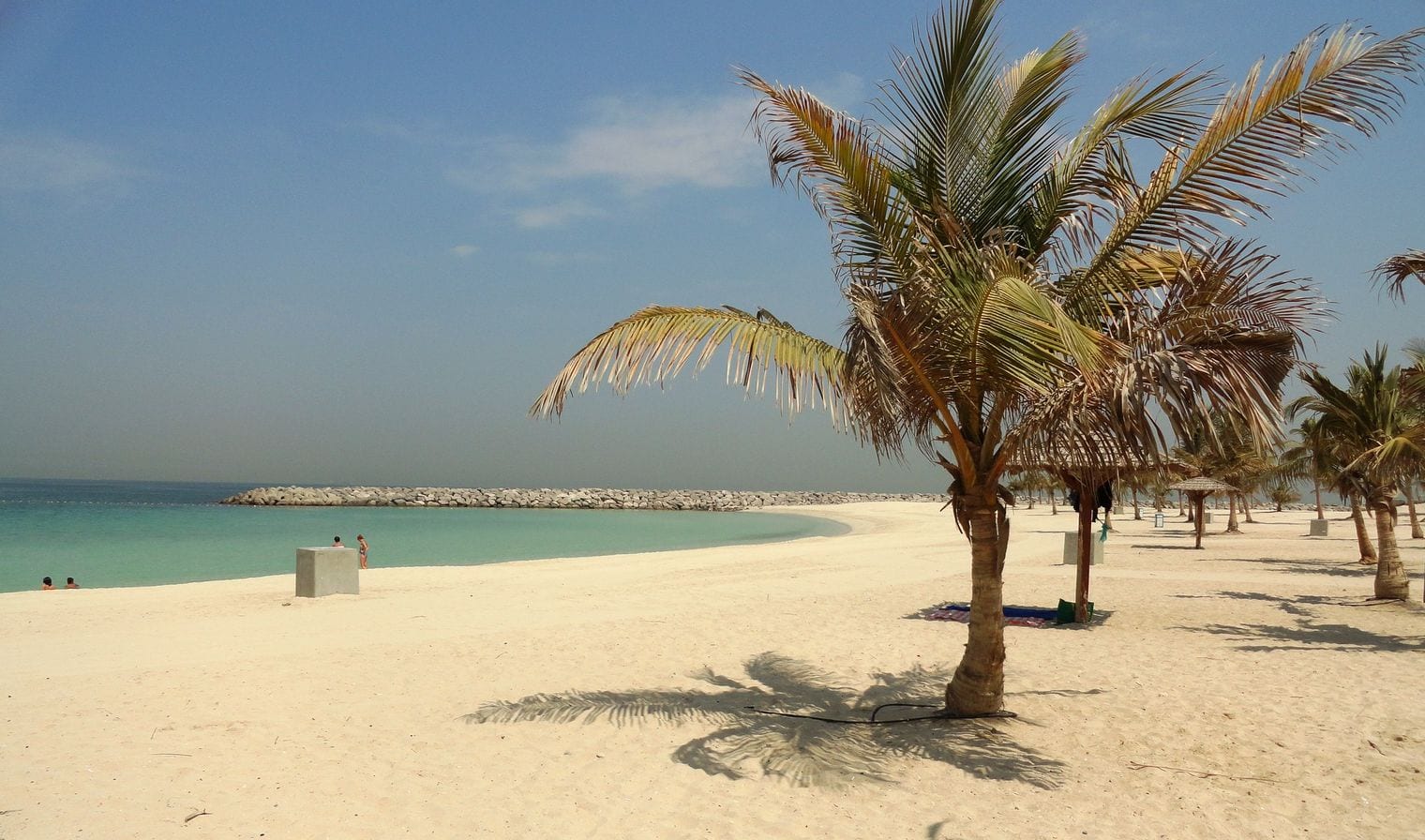
Most visitors never make it up to Al Mamzar Beach Park, which is their loss. Set on a headland in the far north of the city, it wraps several sheltered sandy beaches in lawns, palms and landscaped gardens, with a calm lagoon and views across the water towards Sharjah.
It is a local weekend institution rather than a tourist sight — families arrive with barbecues and settle in for the day. There are pools, chalets, a small train that loops the grounds, and considerably more shade than most of Dubai's beaches manage.
2525. Deep Dive Dubai
Sports Activity Location~8.9 km (5.5 miles) from centre
Deep Dive Dubai is the deepest swimming pool in the world, a 60-metre shaft of warm filtered water inside a building shaped like a giant oyster. Below the surface sits a submerged film-set city — apartments, an arcade, a foosball table — lit and laid out to be swum through.
Certified divers can work down towards the bottom, while complete beginners can try a supervised introductory dive in the shallower levels; free-divers and snorkellers use it too. It is a genuinely unusual way to spend a morning, and it books up well in advance.
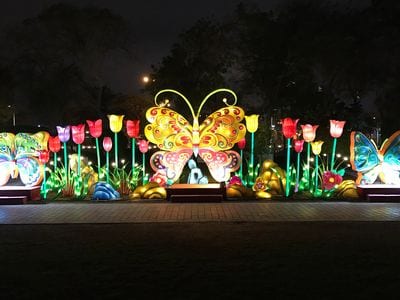
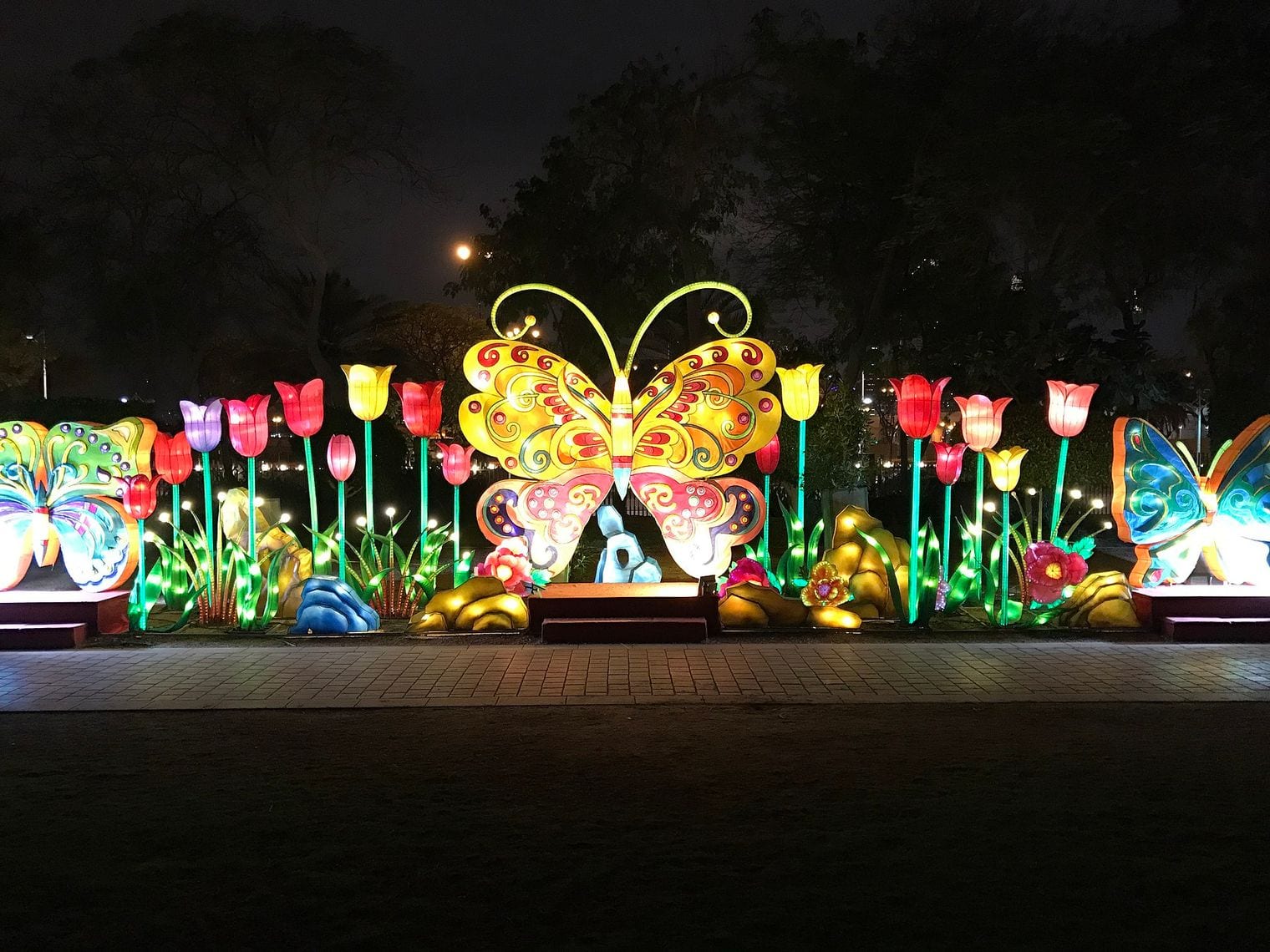
Dubai Garden Glow takes over a corner of Zabeel Park each cool season and fills it with illuminated sculpture — translucent silk-and-steel animals, tunnels and arches, a dinosaur park with animatronic models, and installations built from recycled materials that only make sense once the sun is down.
It is firmly an after-dark attraction and firmly a seasonal one, running through the same cooler months as the city’s other outdoor parks. Families make up most of the crowd, and it pairs naturally with an early evening elsewhere in Zabeel Park.
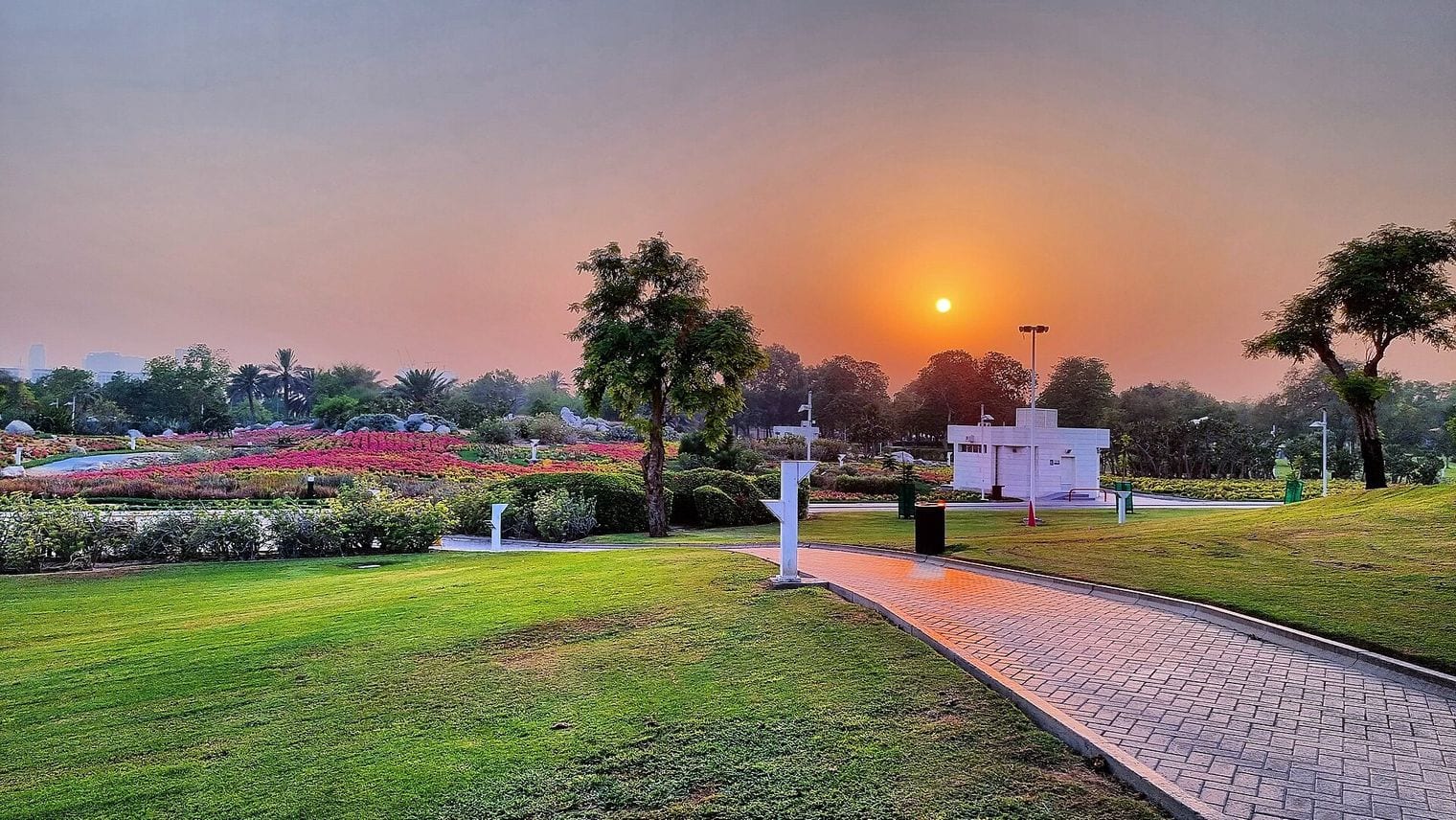
Creek Park is one of the largest green spaces in the old half of the city, stretching along the water between Bur Dubai and Deira. It is a proper municipal park rather than an attraction — lawns, botanical planting, barbecue areas and long shaded walks beside the creek.
The draw for visitors is the cable car strung above it, which gives a slow, low-level view over the water and the older skyline, and there is a large children’s discovery centre inside the grounds. Come late in the day, when the heat drops and the local families arrive.
Al Shindagha Museum is the most substantial history museum in the city, spread across a row of restored coral-and-gypsum houses on the creek in the old Al Shindagha quarter. Rather than one building it is a series of linked pavilions, each taking a different thread of Dubai’s story.
The strongest sections cover the creek itself and the pearling industry that sustained the town before oil, along with a house given over to perfume and traditional scent. It is the natural companion to a walk through Al Fahidi on the opposite bank.
2929. La Perle
Performing Arts Theater~2.8 km (1.7 miles) from centre
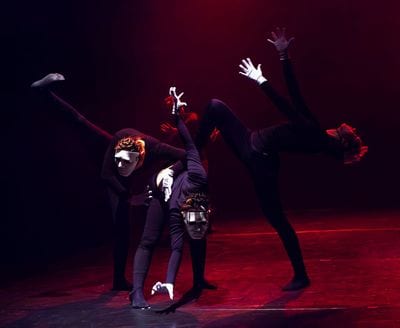
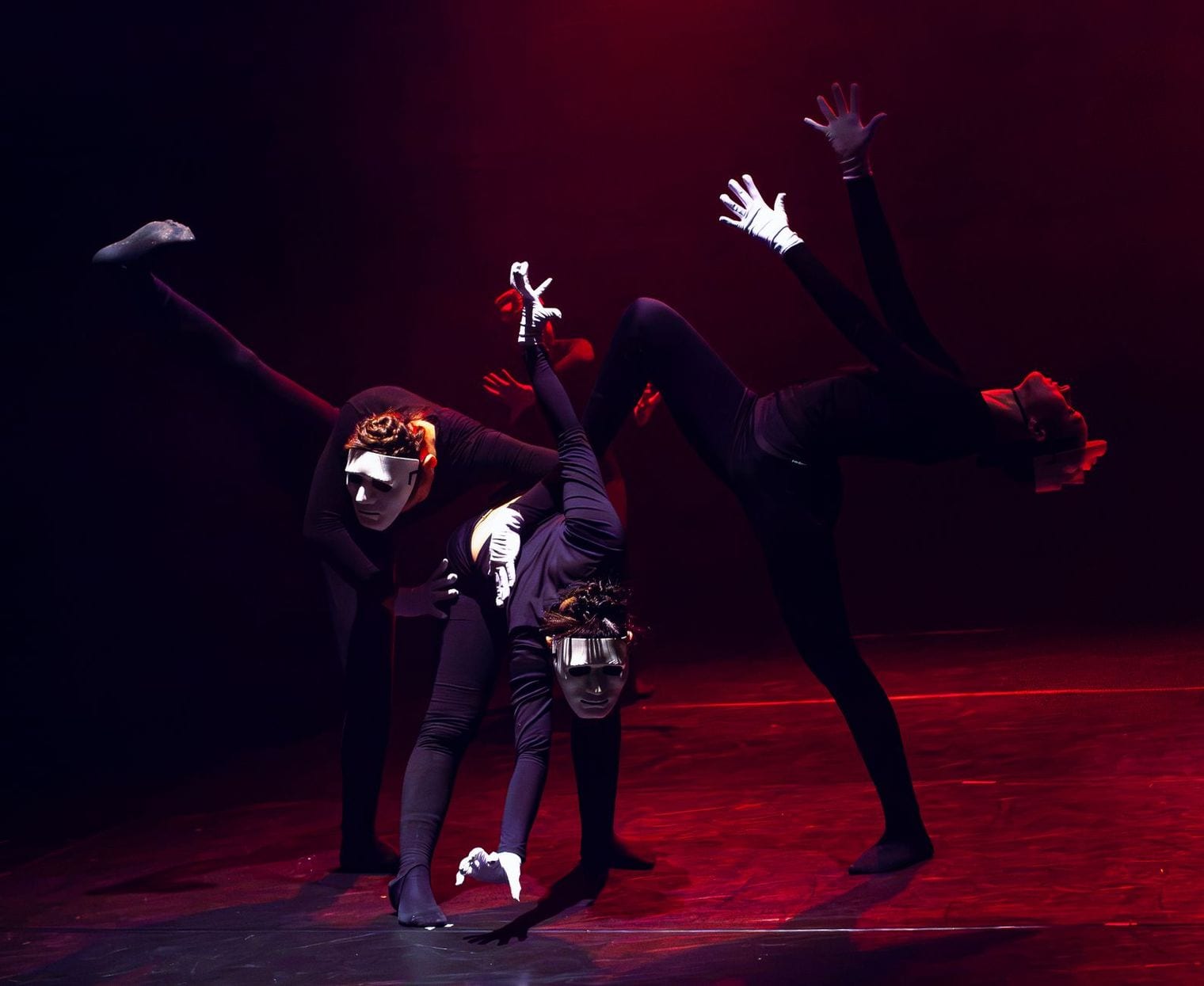
La Perle is Dubai’s resident aqua theatre show, staged in a purpose-built theatre at Al Habtoor City by Franco Dragone, whose earlier work shaped some of the best-known productions in Las Vegas. The stage floods and drains through the performance, so acrobats dive into water one moment and land on dry ground the next.
It runs several times a week and lasts a little over an hour, which makes it easy to build an evening around. Seats are steeply raked and close to the action, so there is no bad view in the house.
Sky Views Observatory sits high in the twin Address Sky View towers on Sheikh Zayed Road, and it offers the most direct view of the Burj Khalifa of any deck in the city — you look across at it rather than down from it.
The signature feature is a glass slide that runs along the outside of the building between floors, above open air, and there is a separate harness-secured edge walk on the roof for anyone who wants the exposure without the slide. The observatory alone is worth it for the Downtown panorama.
Etihad Museum tells the story of how the United Arab Emirates came to exist, and it does so on the exact spot where it happened — Union House, where the founding agreement was signed in 1971. The building above is shaped like a curling sheet of parchment, with seven columns for the seven emirates.
Inside, the exhibits work through the negotiations, the founding rulers and the documents themselves, using film and original material rather than dense text. It is the single best hour in the city for understanding what the UAE actually is.
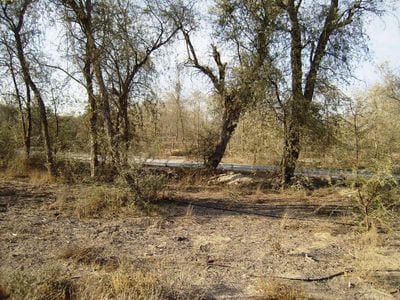
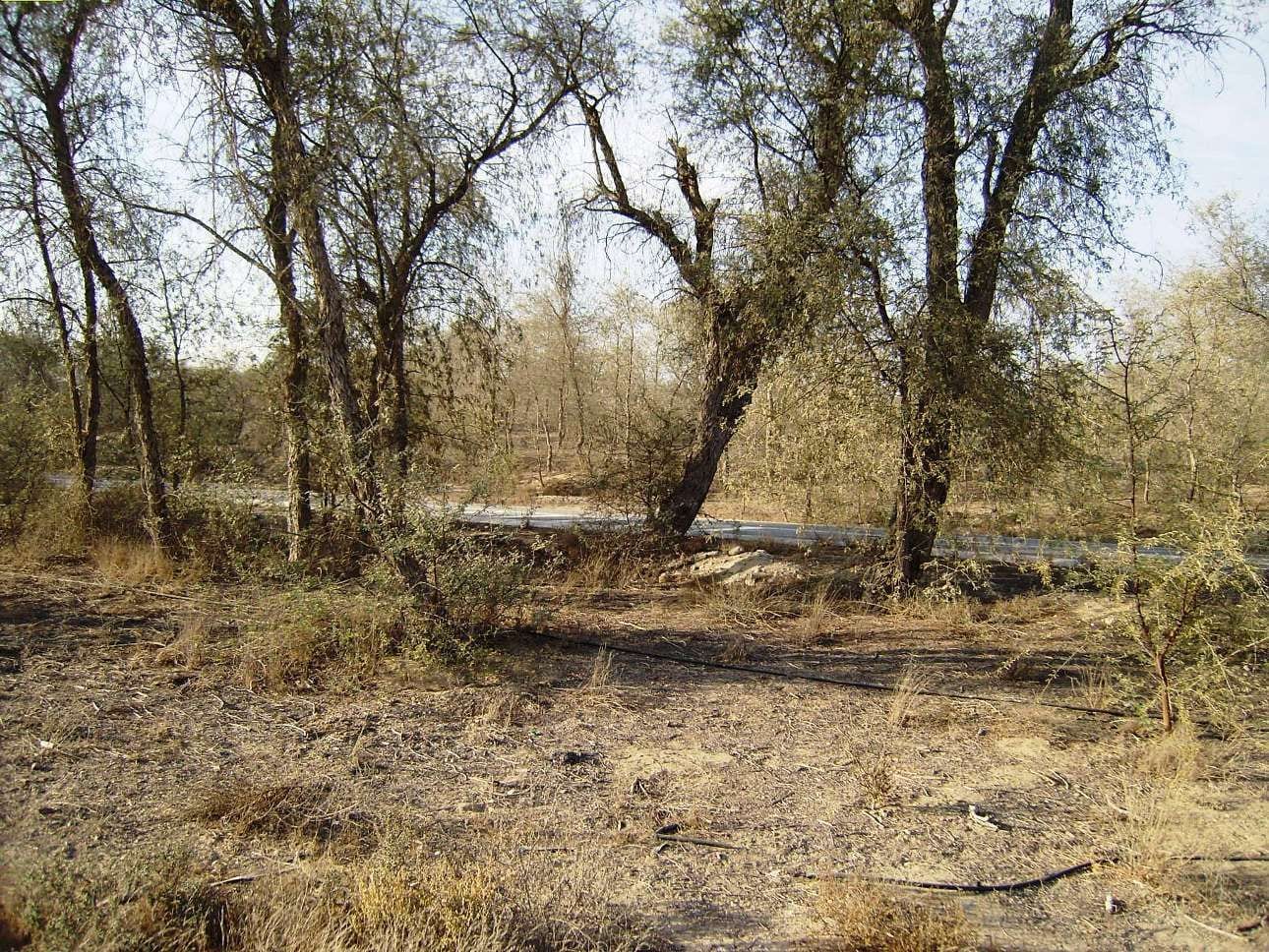
Mushrif National Park lies out on the eastern edge of the city where the suburbs give way to desert, and it protects a stand of native ghaf woodland — the tree that made settlement possible in this landscape long before anything else here.
It is a local park rather than a tourist attraction, with pools, cycle tracks, picnic areas and a curious village of model houses built in the styles of different countries. Worth the drive if you want to see where Dubai stops and the desert starts.
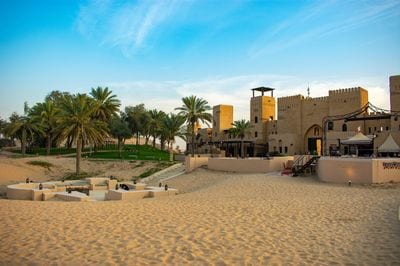
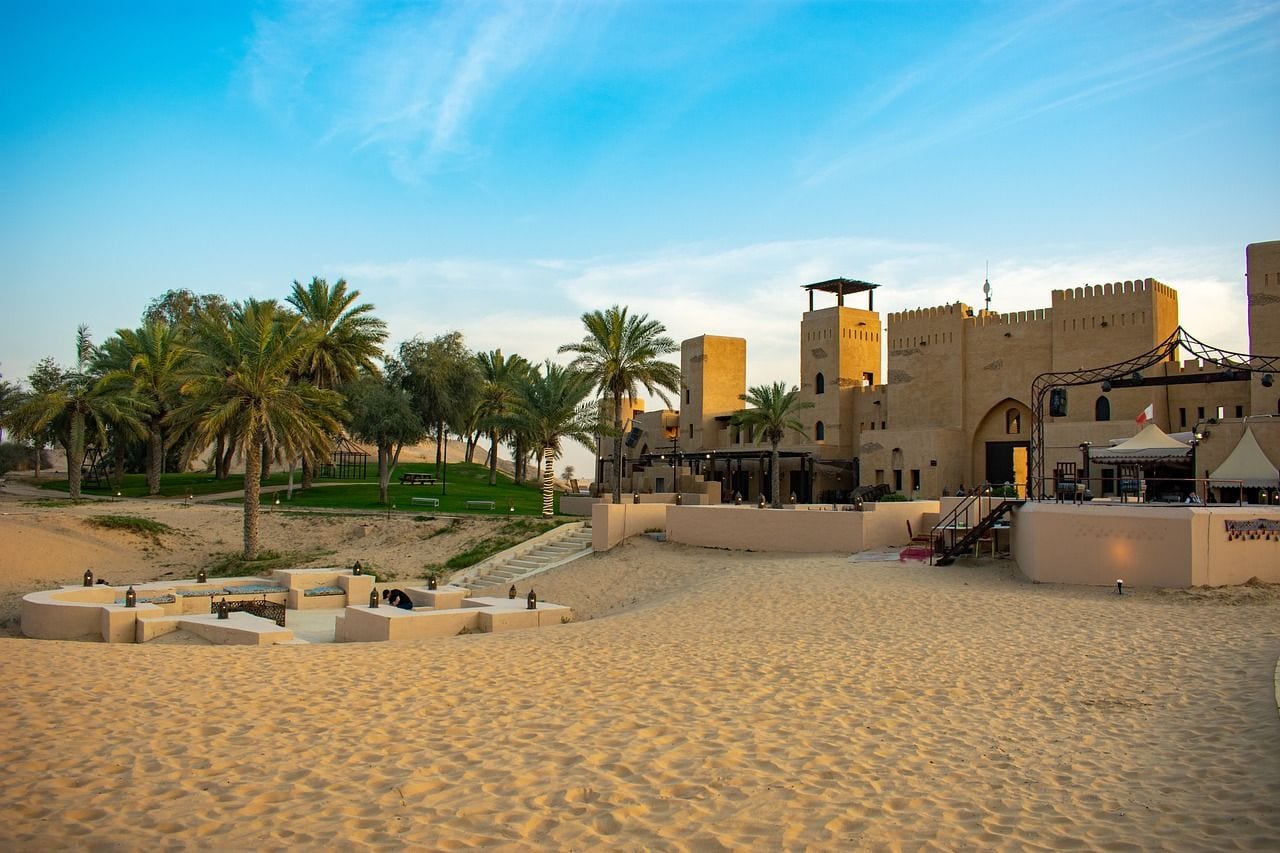
No trip here is complete without a night in the dunes, and Al Khayma Camp is one of the established desert camps set up to deliver it. The evening runs to a familiar and genuinely enjoyable formula: a dune drive out from the city, then camel rides, sandboarding and henna before dinner under the open sky.
What lifts it above the coach-trip version is the setting — once the vehicles stop and the generators go quiet, the silence and the star field are the point. Go in the cooler months, take a layer for after sunset, and treat the drive out as part of the experience rather than the commute.
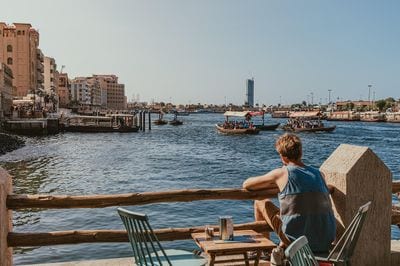
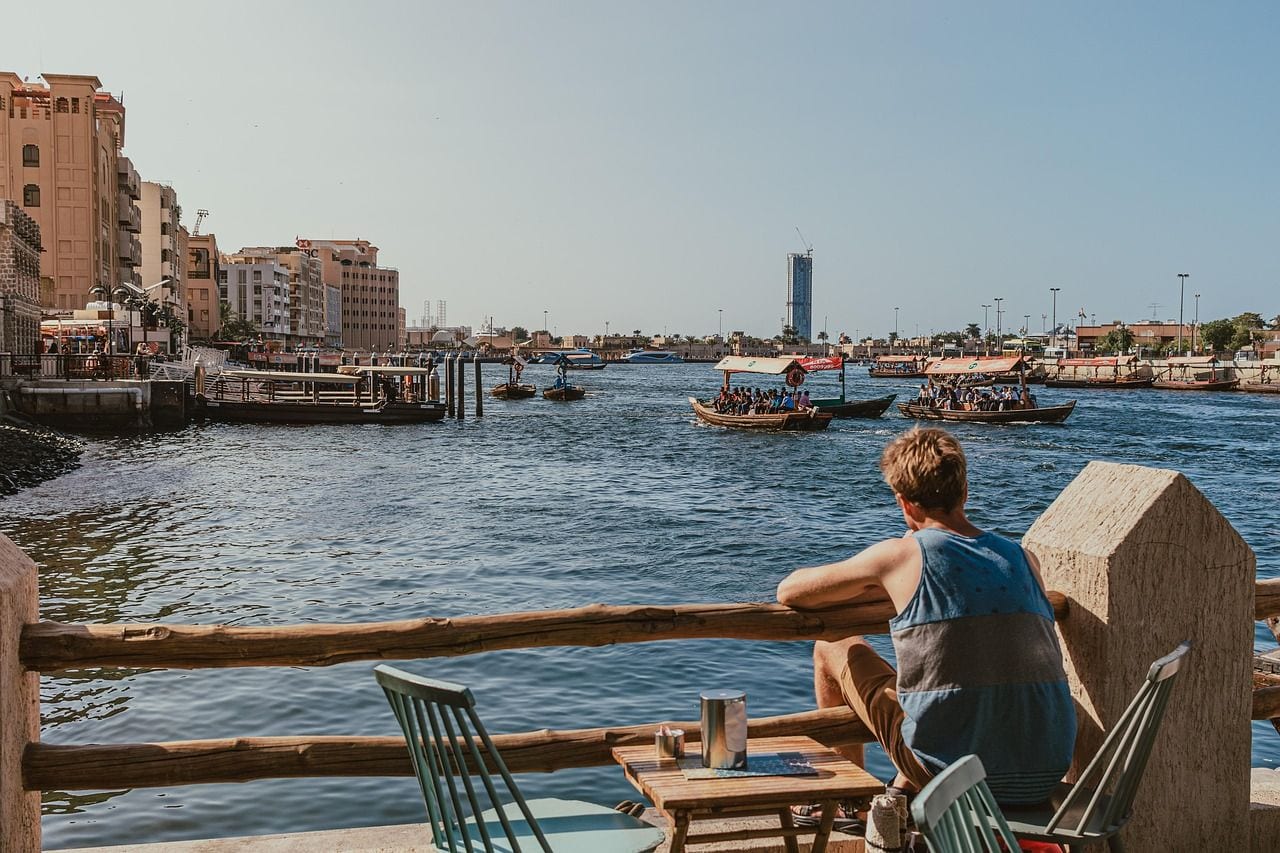
The best value in Dubai costs a single coin. Wooden abras have crossed the creek between Bur Dubai and Deira for generations, and they still run as working public transport rather than a tourist ride — you sit on a bench in the middle, the diesel engine clatters, and you are across in a few minutes.
It is also the best possible introduction to the old city: dhows loaded with cargo along the wharfage, wind towers on one bank and the souks on the other. Boats leave when they fill rather than to a timetable, which is rarely more than a short wait.
Plan your trip
Best Time to Visit Dubai
November to March is the season, and it is not a close call. Those months bring warm dry days, cool evenings and the blue skies the whole city is built around — the only stretch when walking the souks, sitting on a terrace and crossing the desert are all comfortable in the same day. It is correspondingly the busiest and most expensive time, and the weeks either side of the New Year are the hardest of the year to book.
October and April are the shoulder months, still hot but usable, and they are where the value sits. June to September is genuinely punishing — well past 40°C with heavy humidity off the Gulf — and the city retreats indoors. Note that several of the best outdoor attractions here are strictly seasonal: Global Village, Dubai Miracle Garden, Dubai Safari Park and Dubai Garden Glow all run through the cooler half of the year and close for the summer.
If those are on your list, come between late autumn and spring. Ramadan moves through the calendar each year and changes the rhythm of the city — daytime dining is limited, evenings come alive — so it is worth checking where it falls before booking.
Getting to Dubai
Dubai International (DXB) sits close to the middle of the city and is one of the busiest airports in the world for international traffic, so most visitors arrive there and are Downtown inside half an hour.
Al Maktoum International (DWC) serves the far south near Expo City, and two more airports are within easy reach by road: Sharjah (SHJ) is about half an hour up the coast, and Abu Dhabi (AUH) roughly an hour and a half to the south-west, which can be worth checking if the fares work out.
By road, the E11 — Sheikh Zayed Road through the city — is the spine of the whole country, running north to the other emirates and south towards Abu Dhabi. Intercity coaches connect Dubai to every emirate and to Oman, and they are cheap and reliable if slow. There is no long-distance passenger rail for visitors, so arriving overland means the road.
Getting Around Dubai
The driverless Metro covers the tourist spine remarkably well, running from the old creek districts out along Sheikh Zayed Road to the Marina, with stations at or near the Dubai Mall, the Mall of the Emirates and the Gold Souk.
A tram loops the Marina and connects to it, and the wooden abras still cross the creek between Bur Dubai and Deira for a few coins — the cheapest and most enjoyable transport in the city. Taxis are plentiful, metered and inexpensive, and ride-hailing works everywhere.
Individual districts are walkable — Downtown, the Marina, JBR and the old quarters are all best explored on foot — but they are far apart, and walking between them is not realistic outside the coolest months.
A car earns its keep if you are heading for the outlying attractions: Expo City Dubai, Dubai Safari Park, Mushrif National Park and the desert all sit well beyond the Metro. Parking is plentiful and cheap away from the centre, and the roads are excellent, though city traffic moves fast and assertively.
Where to Stay in Dubai
Downtown is the obvious base for a first visit: you are within walking distance of the Burj Khalifa, the fountain lake and the mall, and on the Metro for everything else. Business Bay sits just behind it and is a little quieter for the same access.
For a beach-led trip, Dubai Marina and JBR put you on the sand with a promenade full of restaurants outside the door, while Palm Jumeirah and the Jumeirah coast are calmer and more resort-like, at the cost of needing taxis for anything inland.
Deira and Bur Dubai, the old districts either side of the creek, are much the best value and by some distance the most characterful — dense, noisy, walkable and surrounded by souks — though they are further from the beaches and short on polish. Al Barsha, around the Mall of the Emirates, is a practical middle ground with good Metro access. Whichever you choose, check what is actually walkable from the door: Dubai's distances flatter nobody on a map.
Where to Eat in Dubai
The food follows the population, which means the best value and often the best cooking sits in the older districts. Meena Bazaar and the lanes around Bur Dubai are the place for Indian and Pakistani food, Deira delivers Iranian, Afghan and Levantine cooking, and the shawarma and fresh juice counters scattered across both are a genuine institution.
The waterfront strips at the Marina, JBR and the Palm are where the polished, view-led dining lives, and Al Quoz around Alserkal Avenue has become the city's best cluster of independent cafés.
Seek out Emirati food specifically, because it is easy to miss in a city this international — machboos, a spiced rice dish with meat or fish; harees, slow-cooked wheat and meat; and luqaimat, crisp dumplings soaked in date syrup. Wash it down with karak chai, the strong sweet tea sold at roadside cafeterias for pocket change, or cardamom-heavy Arabic coffee served with dates. The heritage quarter is the easiest place to try all of it in one sitting.
Day Trips from Dubai
Abu Dhabi is the obvious one, about an hour and a half south-west down the E11, and it comfortably fills a long day — the Sheikh Zayed Grand Mosque and the Louvre alone justify the drive.
Sharjah is far closer, half an hour up the coast, and offers a quieter, more traditional counterweight with a strong run of museums and restored heritage quarters. Al Ain, roughly ninety minutes inland at the Omani border, is the country's oasis city and its UNESCO-listed heart, with date palms, falaj irrigation channels and a very different pace.
For landscape rather than cities, head east. Hatta — Dubai's own mountain exclave, about ninety minutes away through the Hajar range — has a reservoir, wadis and a heritage village, while the Fujairah coast a little beyond it swaps the Gulf for the Gulf of Oman and offers the best diving and snorkelling in the country.
Closer to home, the dunes begin within forty minutes of the city in almost any inland direction, which is why the evening desert drive is on every Dubai itinerary.
Before you go
Mobile dataAn eSIM gives your phone local data when you land, with no SIM card to swap.via AiraloGet an eSIM
Airport transferA driver meets you at arrivals and takes you to your hotel, at a price fixed when you book.via Welcome PickupsBook a transfer
We may earn a commission when you buy through these links, at no extra cost to you. How we make money.
One Day in Dubai
Morning
Start in the old city while it is still cool. Walk the wind-tower lanes of the Al Fahidi Historical Neighbourhood, then follow the water to the Al Shindagha Museum for the creek and pearling story. Cross to Deira by abra — a couple of minutes on the water for a few coins — and wander the Dubai Gold Souk and the spice lanes around it.
Head Downtown, which is a short Metro ride away. The Museum of the Future is worth timing your visit around, and the Dubai Mall next door holds the Dubai Aquarium & Underwater Zoo behind its enormous viewing panel. Book the Burj Khalifa for late afternoon so you catch the city in daylight, at sunset and lit up from the same deck.
Come down for The Dubai Fountain on the lake below, which runs at intervals through the evening and costs nothing to watch. If you still have energy, take a taxi out to the Dubai Marina Walk and eat outside by the water, with the towers lit up above you.
The galleries at Alserkal Avenue are open without charge, and you can drive or ride the length of Palm Jumeirah and walk its boardwalk for nothing at all. Add the public beaches along the Jumeirah coast and you have a full day that costs the price of transport.
Three or four days covers the essentials without rushing: one for the old city and the creek, one for Downtown and the Burj Khalifa, and one or two for the beaches, the Palm and a desert evening. A week lets you add the outlying attractions and a day trip to Abu Dhabi or the mountains at a comfortable pace.
What can you do in Dubai for free?
Rather a lot. The Dubai Fountain performs free every evening, the Marina promenade and the public beaches cost nothing, and walking the Al Fahidi quarter and the Gold Souk is free. The galleries at Alserkal Avenue are open without charge, and the abra across the creek costs a few coins — the best-value ride in the city.
When is the best time to visit Dubai?
November to March, when days are warm and dry and evenings are cool. October and April are workable shoulder months with better value. Avoid June to September if you can: temperatures pass 40°C with high humidity, and several of the best outdoor attractions close for the season.
Is Dubai worth visiting?
Yes, and it rewards visitors who look past the skyline. The towers, malls and record-breakers are genuinely impressive, but the creek, the souks, the heritage quarters and the desert on the doorstep are what make the trip memorable. It is also among the easiest introductions to the region — English is spoken everywhere and getting around is straightforward.
Do you need a car in Dubai?
Not for a typical short visit. The driverless Metro covers Downtown, the old city and the Marina, and taxis are cheap and metered. A car becomes worthwhile if you plan to reach Expo City, the safari park, Mushrif or the desert, or to take a day trip to the mountains or the east coast.
What should you wear in Dubai?
Light, loose clothing for the heat, plus a layer for aggressively air-conditioned interiors. Dress is relaxed in hotels, malls and beach areas, but modest clothing covering shoulders and knees is expected in the old districts, souks and public buildings. Visiting a mosque requires covering arms, legs and hair, and wraps are lent at the door.