We build and rank every list first. Booking links come after, and only where
a partner sells a ticket, tour or stay for that exact place, so a place with
nothing to book is listed exactly as prominently as one you can book.
So how do we earn? Some links on this page go to booking
partners, and if you book tickets, tours or a stay through
one, we may earn a commission. It costs you nothing extra.
That commission never decides which places make the list, the order they
appear in, or what we write about them. No entry is sponsored or a paid
placement.
By the City Viking editorial teamPublished 60 places · 37 min read
Fact-checked Checked before launchOct 29, 202660 sourcesPublished · Oct 29, 2026Researched and checked before it went liveClick for every source and the full change log.
Short answer
Start with Carmel-by-the-Sea in California, Cape May in New Jersey and Cannon Beach in Oregon, three very different takes on the American beach town. Give a single town two or three days, and allow about a week for a loop through one region, such as New England or the California coast.
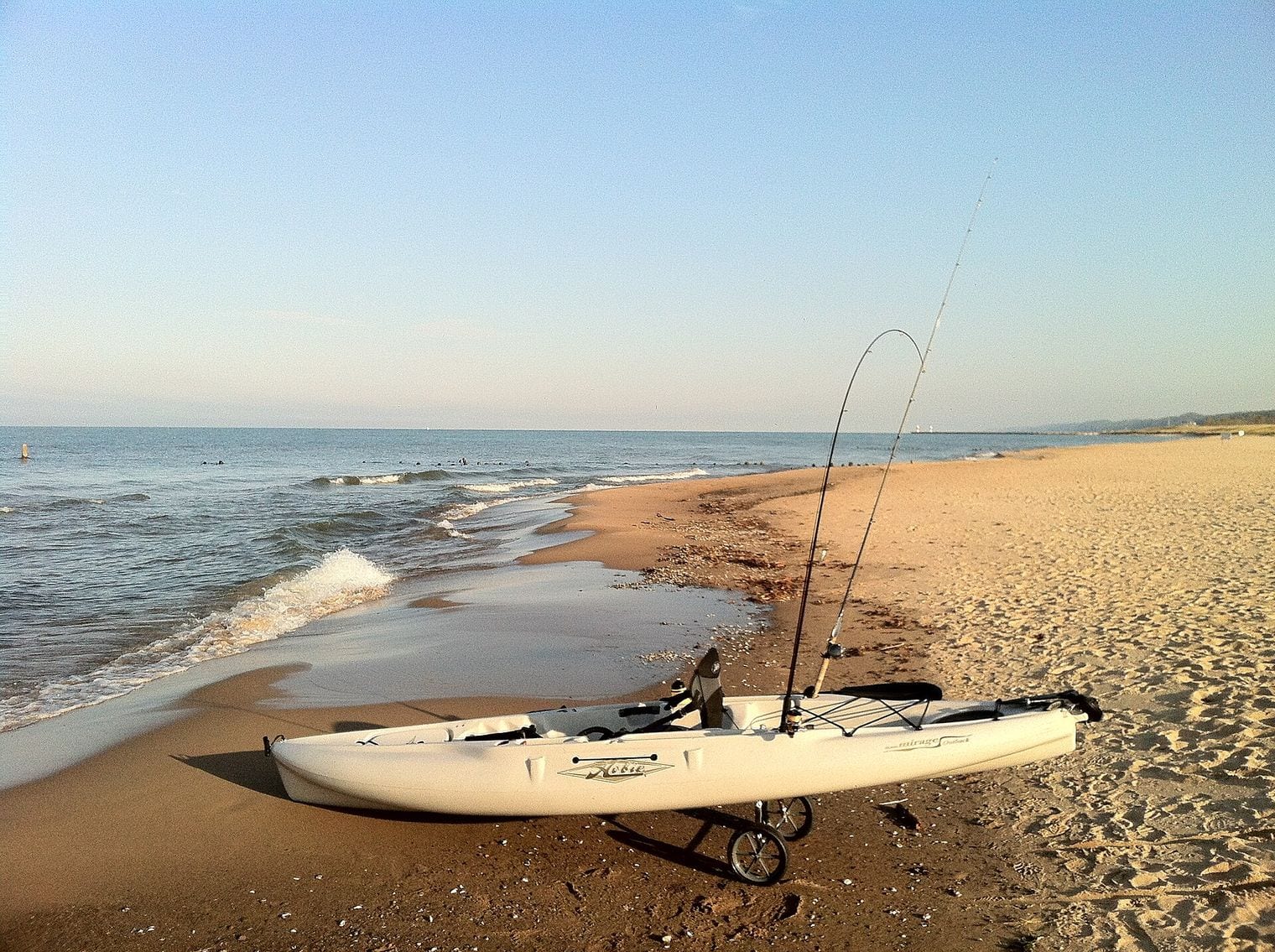
America's beach towns run from fog-cooled Pacific villages and Victorian Atlantic resorts to Gulf Coast barrier islands, Hawaiian surf towns and the freshwater dunes of Lake Michigan. What sets them apart from the best beaches alone is everything behind the sand: a boardwalk, a harbor, a lighthouse, a main street you can walk to barefoot.
This guide ranks 60 beach towns across 21 states, with ferry-only islands alongside boardwalk classics. A closing section groups them by coast for a road trip, and most deserve at least a long weekend.
Cape May, New Jersey, is recognized as the country's oldest seaside resort, and the entire city is a National Historic Landmark district for its Victorian architecture.
Virginia Beach has been listed in the Guinness Book of Records as having the longest pleasure beach in the world.
Malibu's Surfrider Beach was dedicated in 2010 as the first World Surfing Reserve anywhere.
Provincetown's Pilgrim Monument, about 252 feet tall, is the tallest all-granite structure in the United States; it honors the Pilgrims, who signed the Mayflower Compact in the town's harbor in 1620.
Clint Eastwood was elected mayor of Carmel-by-the-Sea in 1986 and served two years in office.
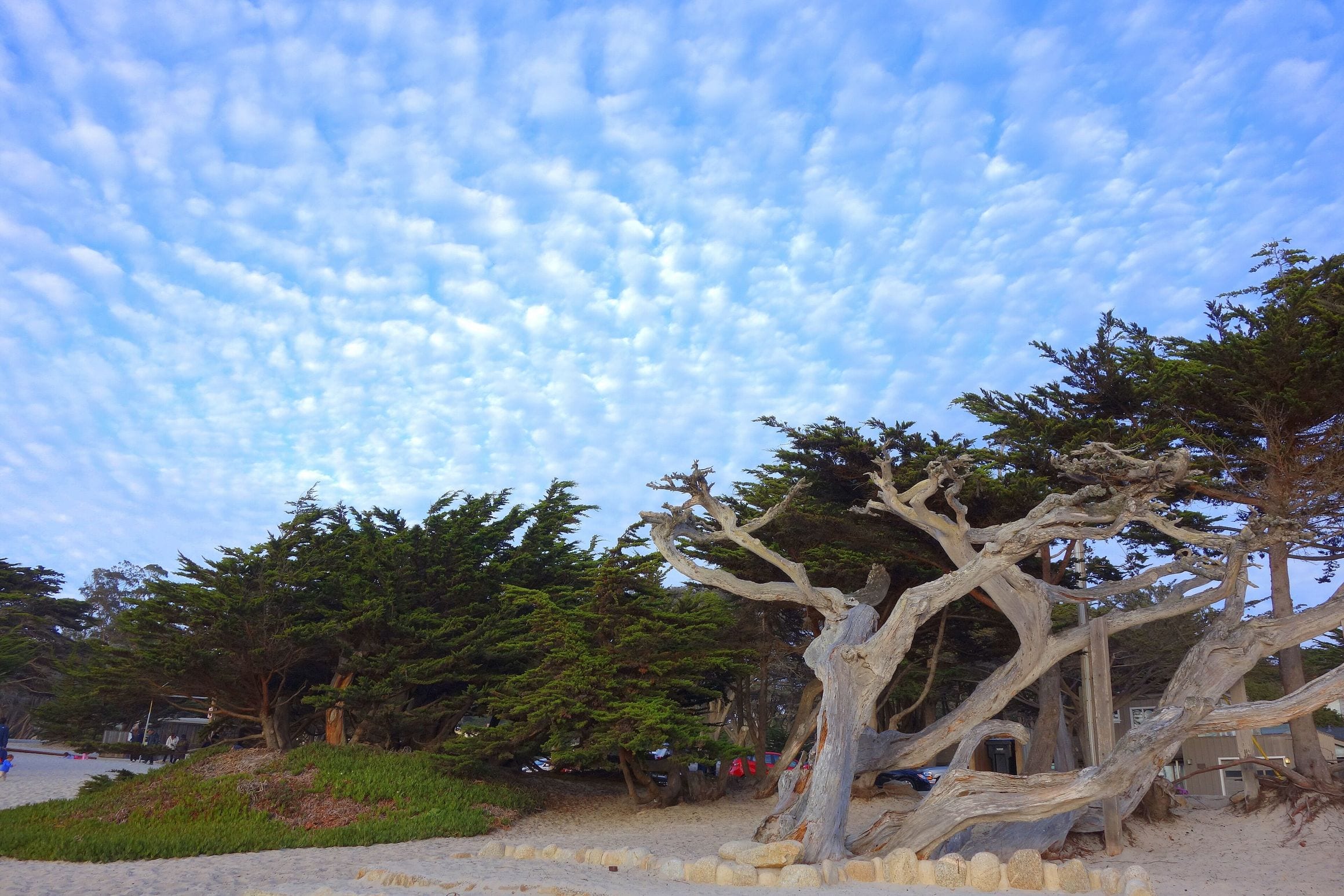
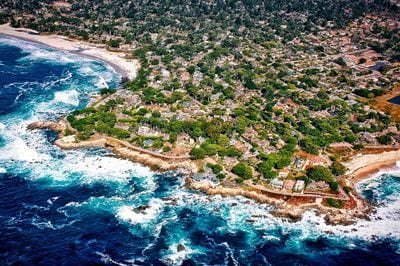
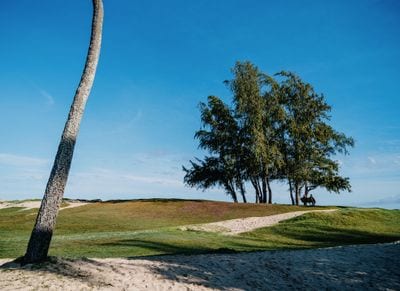
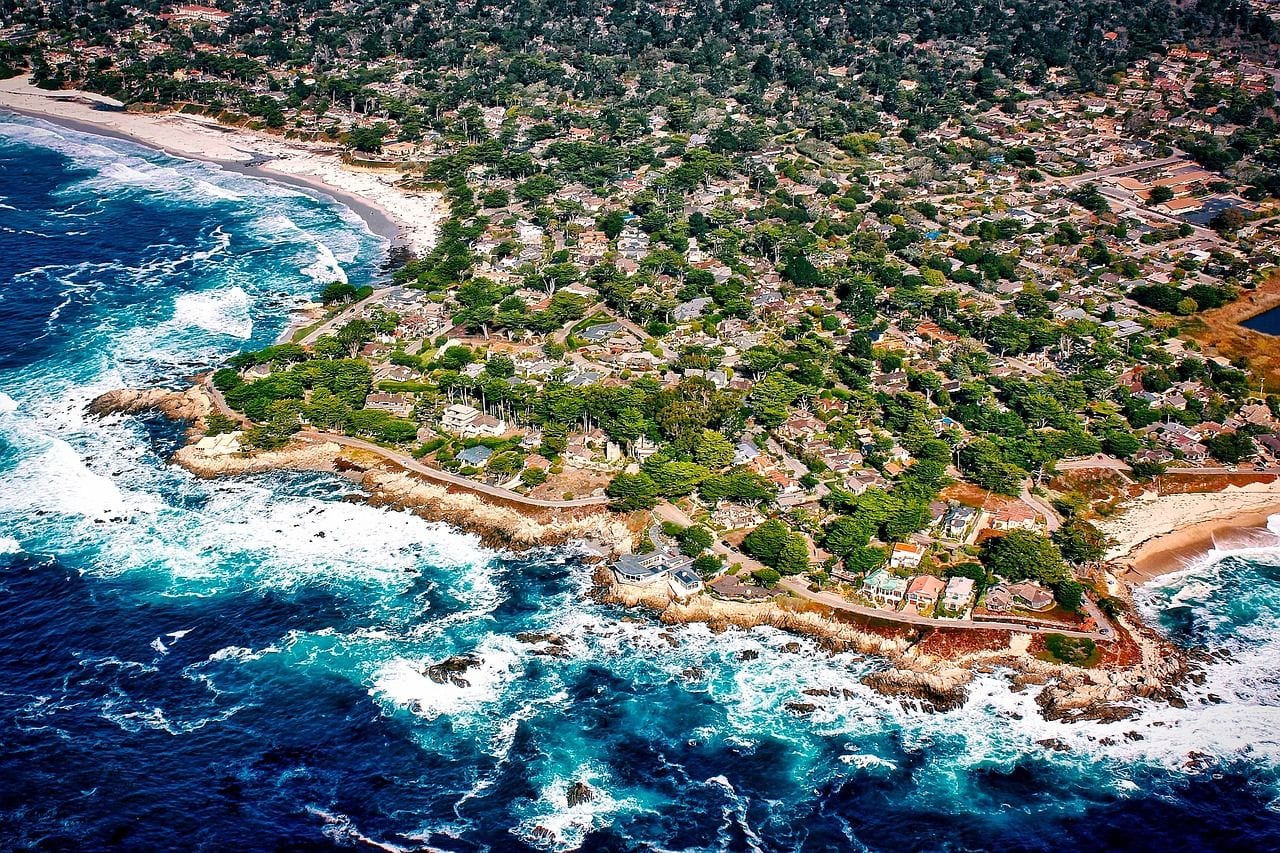
Carmel-by-the-Sea sits on the Monterey Peninsula on California's Central Coast, and its own general plan sums it up as "a village in a forest overlooking a white sand beach." Ocean Avenue runs downhill past storybook cottages, galleries and courtyards to Carmel Beach, where wind-bent Monterey cypress frame the bay and dogs are welcome on the sand.
The town keeps its quirks: it long did without house numbers, and Clint Eastwood once served two years as its mayor. Point Lobos and its marine reserves lie just to the south, the Carmel Mission, which Junípero Serra moved here from Monterey, stands at the edge of town, and sunset from the beach is the nightly event.
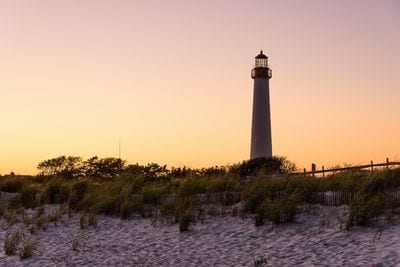
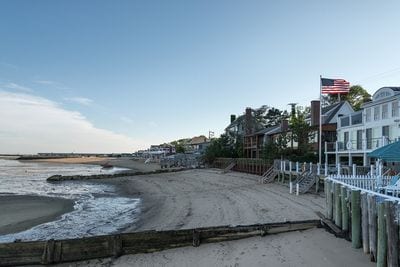
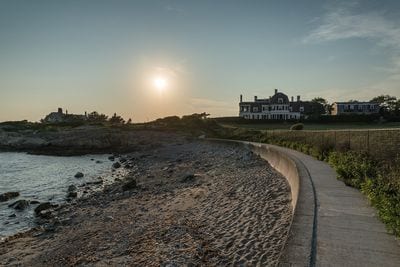
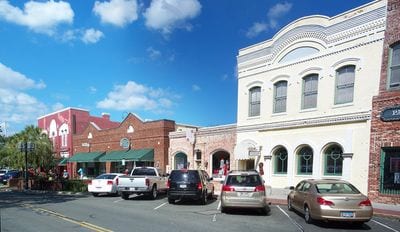
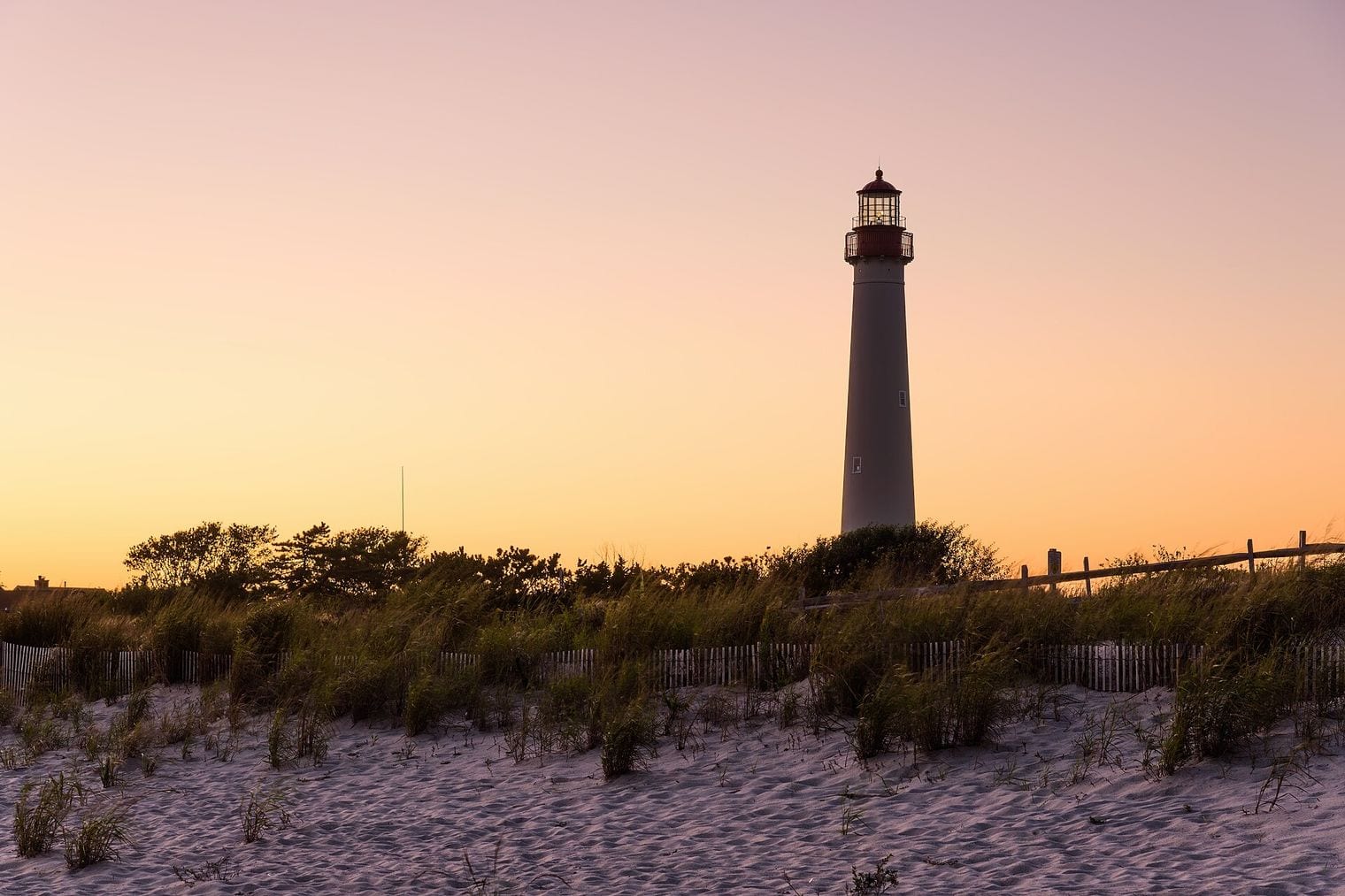
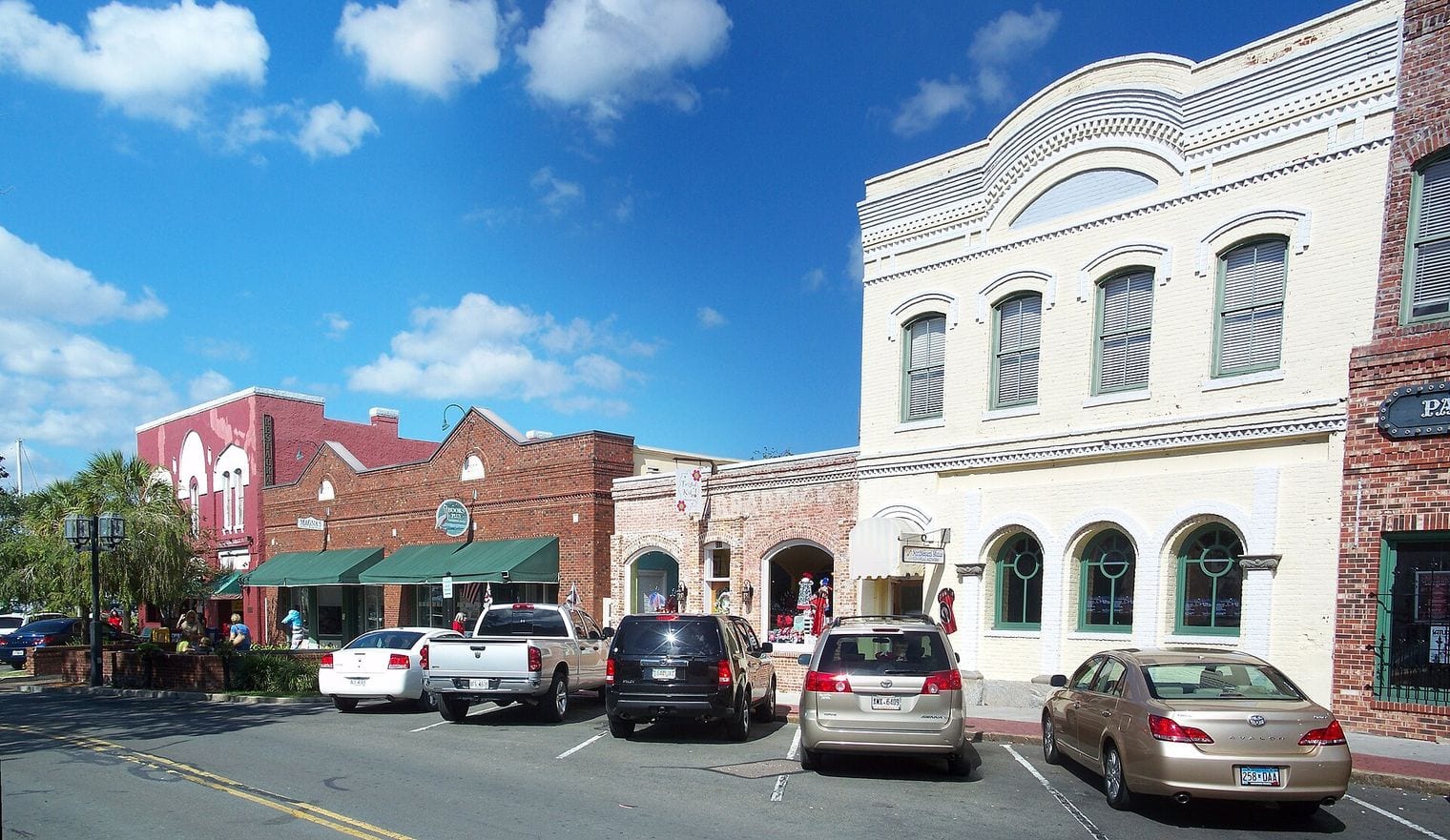
Cape May, at the southern tip of New Jersey where the Atlantic meets Delaware Bay, is recognized as the country's oldest seaside resort, drawing Philadelphians since the mid-18th century. The whole city is a National Historic Landmark district, and its gingerbread-trimmed Victorian houses, painted in candy colors, line the streets a block or two from the beach.
Days here move slowly: a swim off the wide, guarded beaches, a stroll along the beachfront promenade, a walking tour of the painted Victorians, then sunset at the cape's western edge. Beach tags are required in summer, and the quieter shoulder seasons, when birders arrive for the migrations, are just as rewarding.
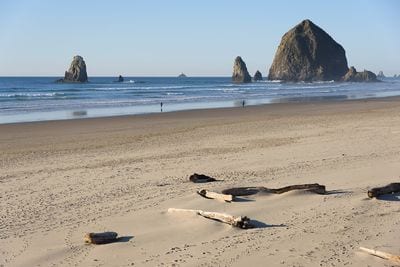
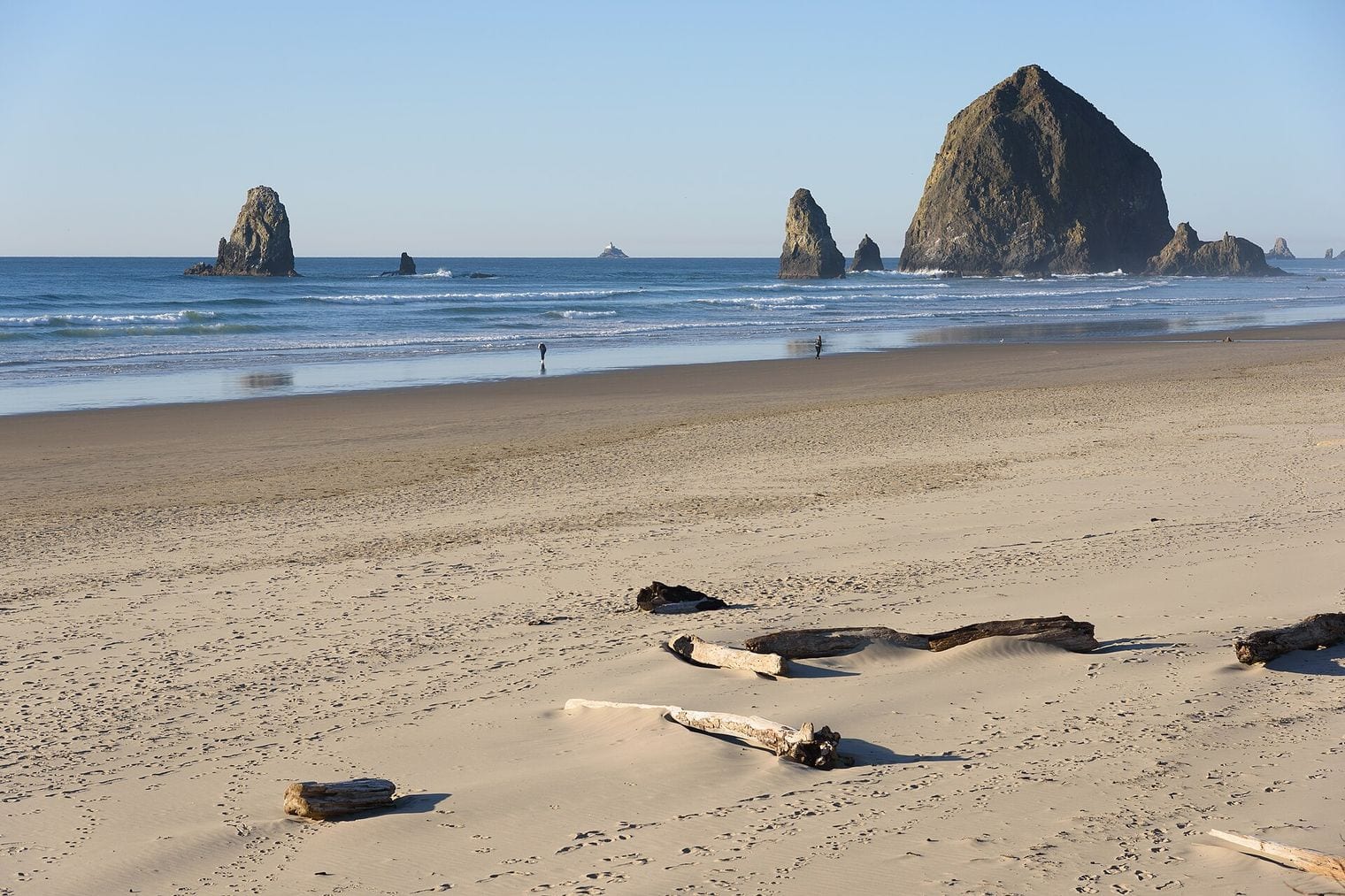
Cannon Beach is Oregon's North Coast at its most photogenic: a small town of galleries, bakeries and weathered shingle cottages above a wide, flat beach, with 235-foot Haystack Rock rising out of the surf. The basalt sea stack is a nesting site for seabirds, puffins among them, and at low tide its base becomes a ring of tide pools full of sea stars and anemones.
Ecola State Park, at the north end of town, adds forest trails and clifftop views back over the beach, and Astoria is less than an hour away. The water is cold and the weather changes fast, so Cannon Beach is a town for long walks, kites and sunsets rather than swimming.
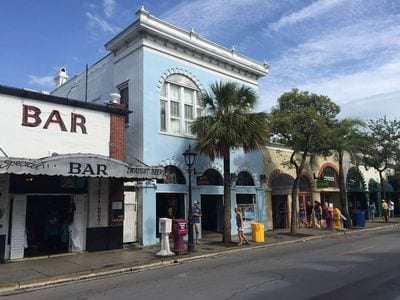
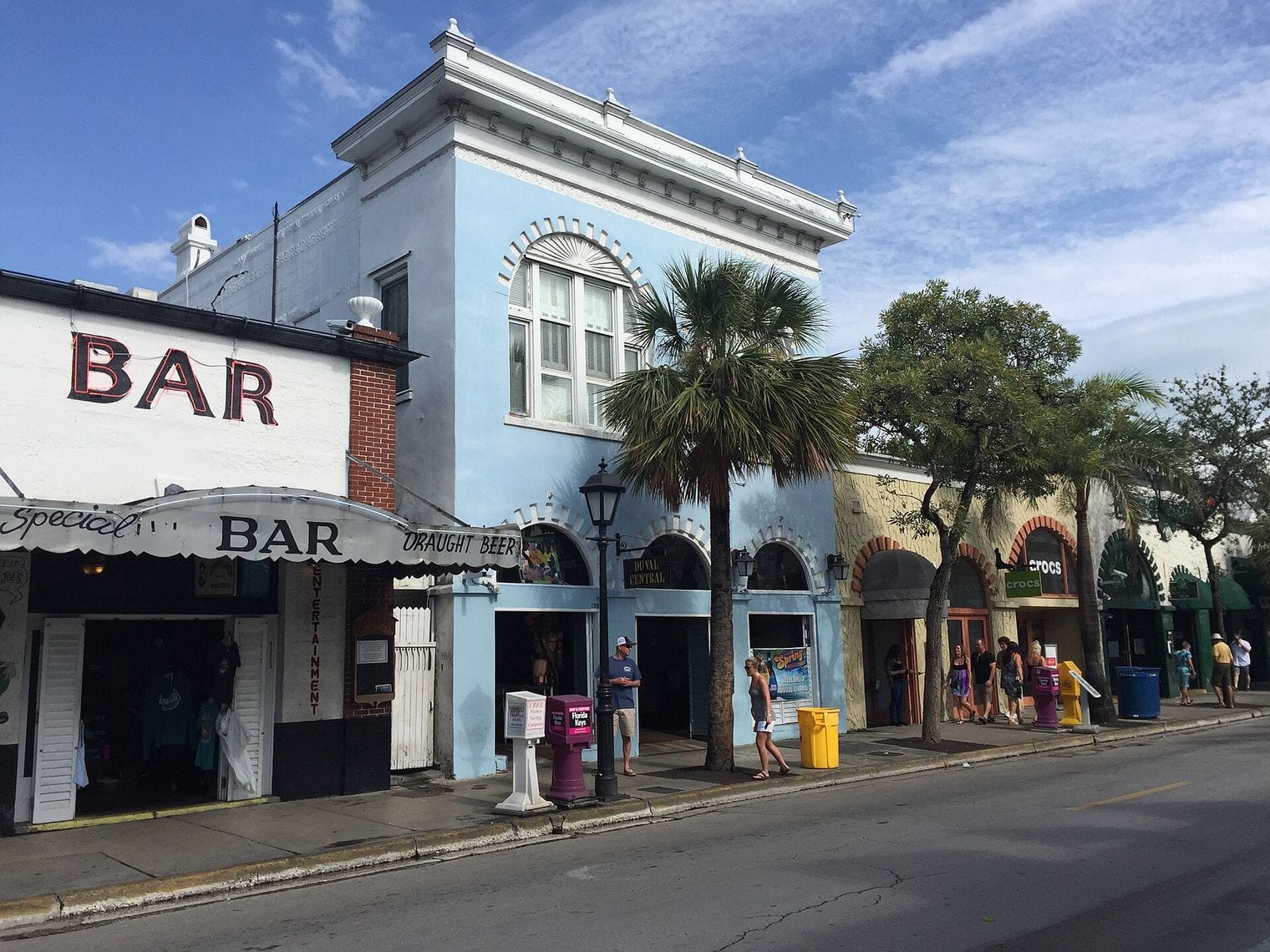
Key West, the southernmost city in the contiguous United States, sits at the far end of the Overseas Highway, roughly 95 miles from Cuba. Old Town is the draw: pastel conch houses, Duval Street's bars, the Ernest Hemingway House where the writer lived through the 1930s, and the striped marker at the Southernmost Point.
The beaches are modest by Florida standards, so the island's shoreline rituals happen on and by the water: snorkeling and sailing trips out to the reef, a swim at Fort Zachary Taylor or Smathers Beach, and the Sunset Celebration at Mallory Square, where street performers and crowds gather every evening as the sun drops into the Gulf.
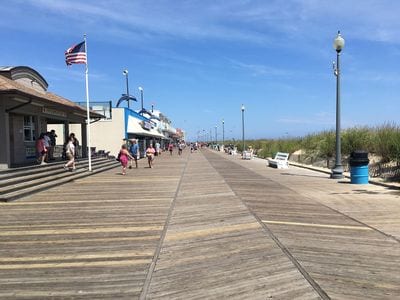
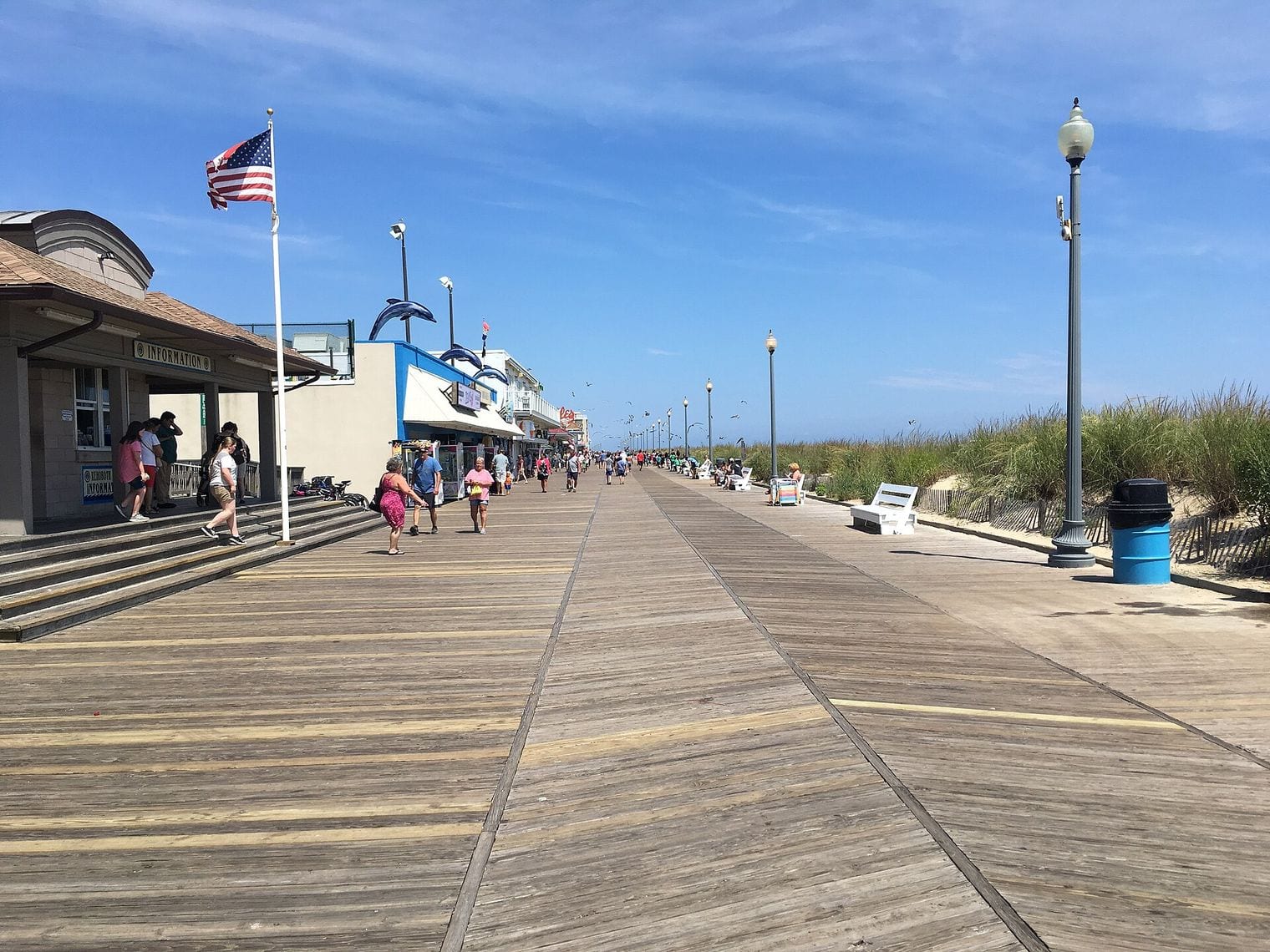
Rehoboth Beach, on Delaware's short Atlantic coast, began in 1873 as a Methodist camp meeting site and built its first boardwalk the same year. Today it is the summer escape of choice for Washington, Baltimore and Philadelphia, with a boardwalk lined with arcades and fry stands and a busy downtown of shops and restaurants on Rehoboth Avenue.
Delaware has no sales tax, which turns the outlet stores along Route 1 into a second attraction, and Cape Henlopen State Park, just north of town, adds dunes, a fishing pier and quieter beaches. Neighboring Dewey Beach is the party town; Rehoboth itself leans toward families, food and long boardwalk evenings.
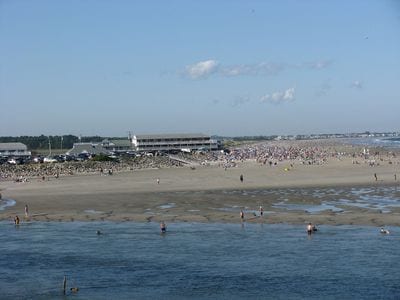
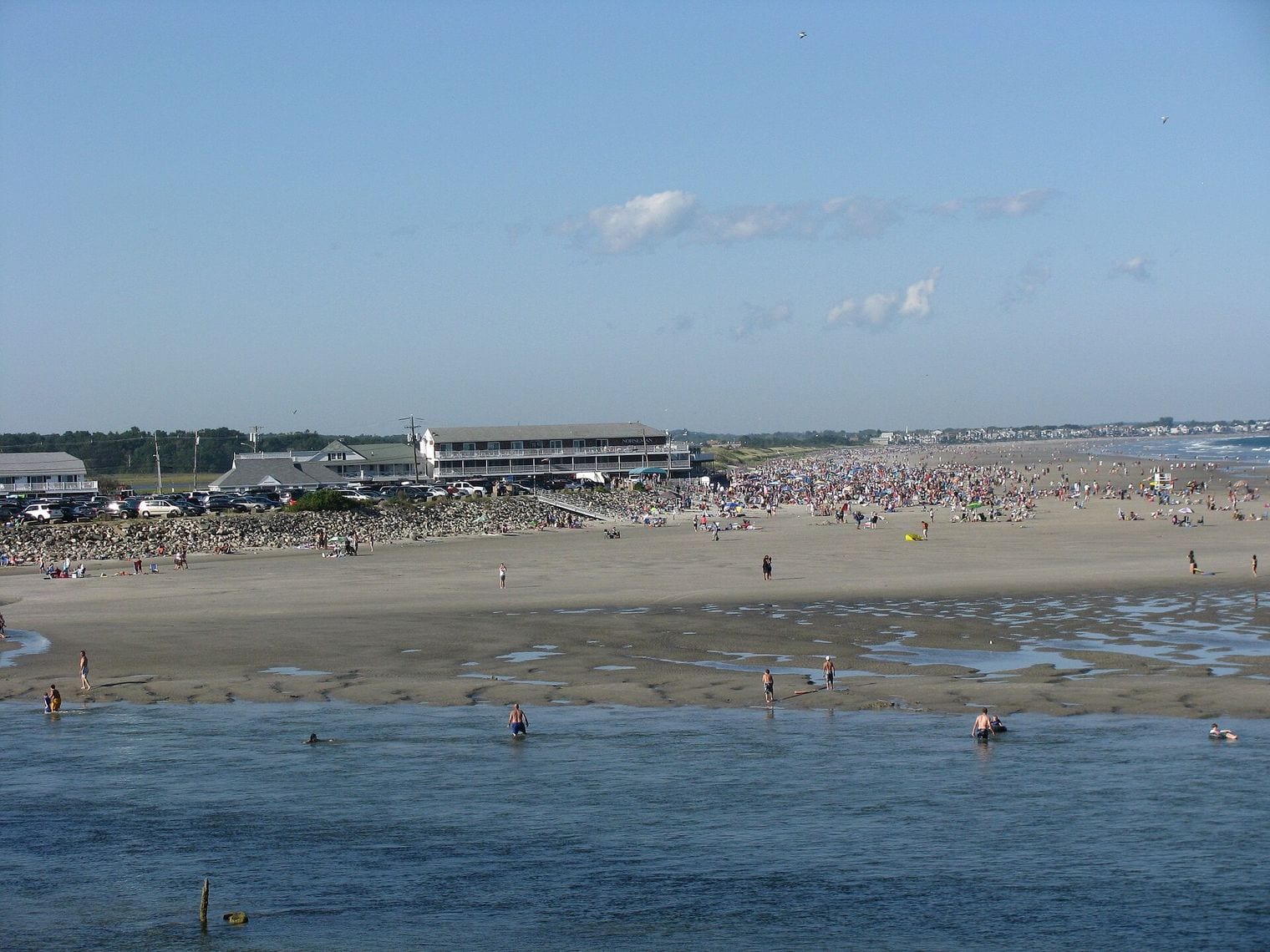
Ogunquit, on Maine's southern coast, has been an art colony since 1898, and the light that drew painters to Perkins Cove still makes the town glow. Its pride is Ogunquit Beach, a broad sweep of sand on a barrier spit between the Ogunquit River and the Atlantic, wide enough at low tide to find room even in August.
The Marginal Way, a paved 1.25-mile cliff path dating from the 1920s, links the beach with Perkins Cove, a tiny fishing harbor with a pedestrian drawbridge, lobster boats and seafood shacks. Summer theater and a museum of American art keep the evenings busy once the beach empties.
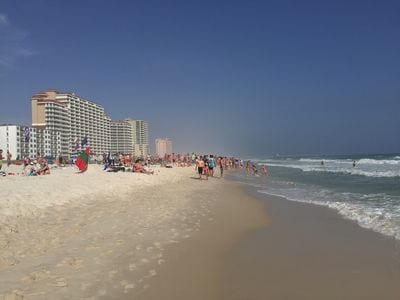
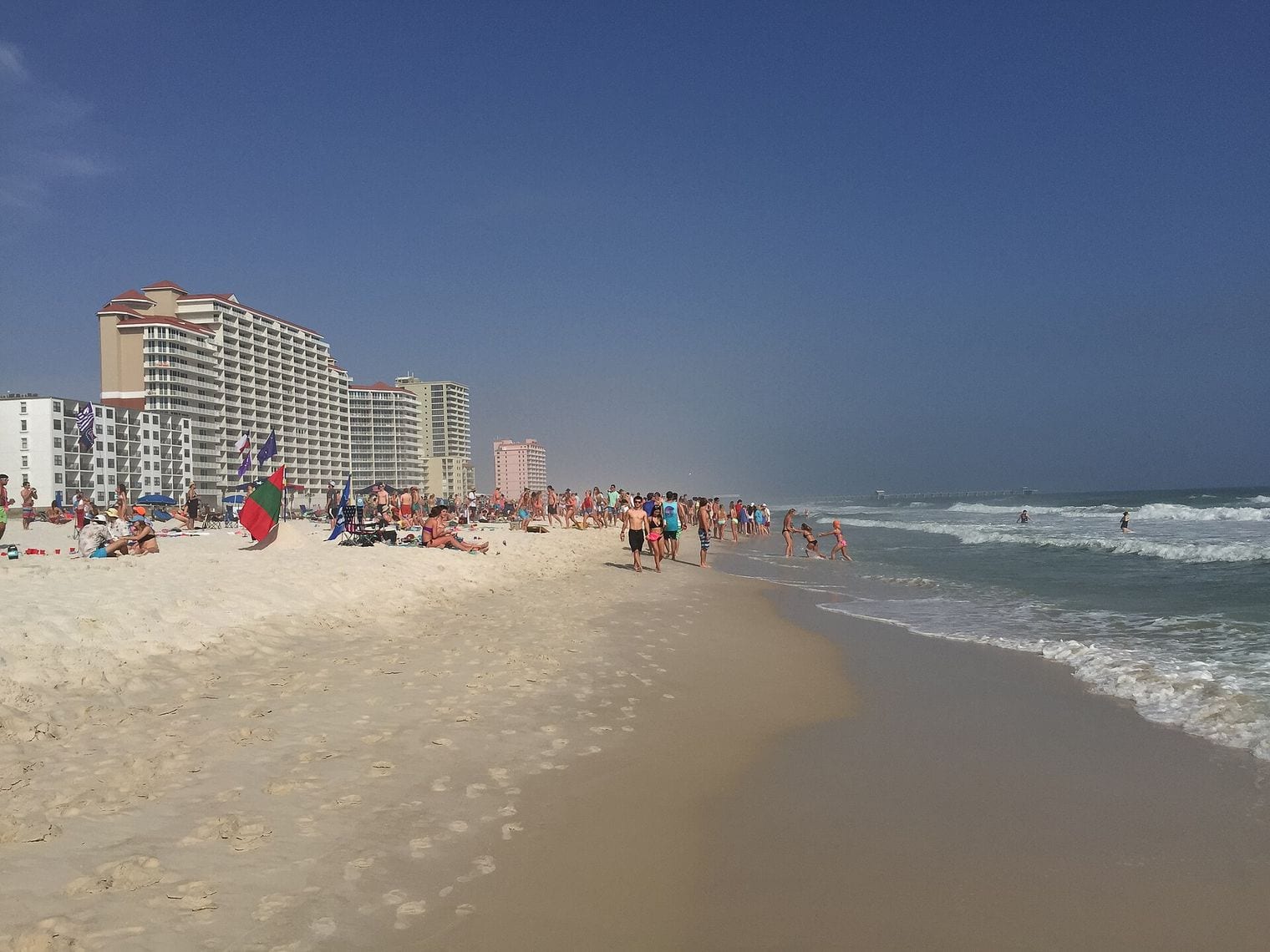
Gulf Shores is Alabama's slice of the Gulf Coast, a resort town on a barrier island with the same powdery white sand and green water as the Florida Panhandle next door. Gulf State Park takes up a large eastern part of the city, with a long fishing pier, freshwater lakes and miles of paved trail through the dunes and pine forest.
Gulf Shores runs straight into Orange Beach to the east, and together they make a classic family beach week, with dolphin cruises, Gulf seafood and a busy calendar of beach concerts. West along the peninsula, Fort Morgan guards the mouth of Mobile Bay and the beaches thin out into quiet dunes.
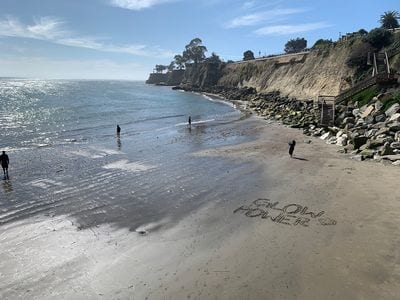
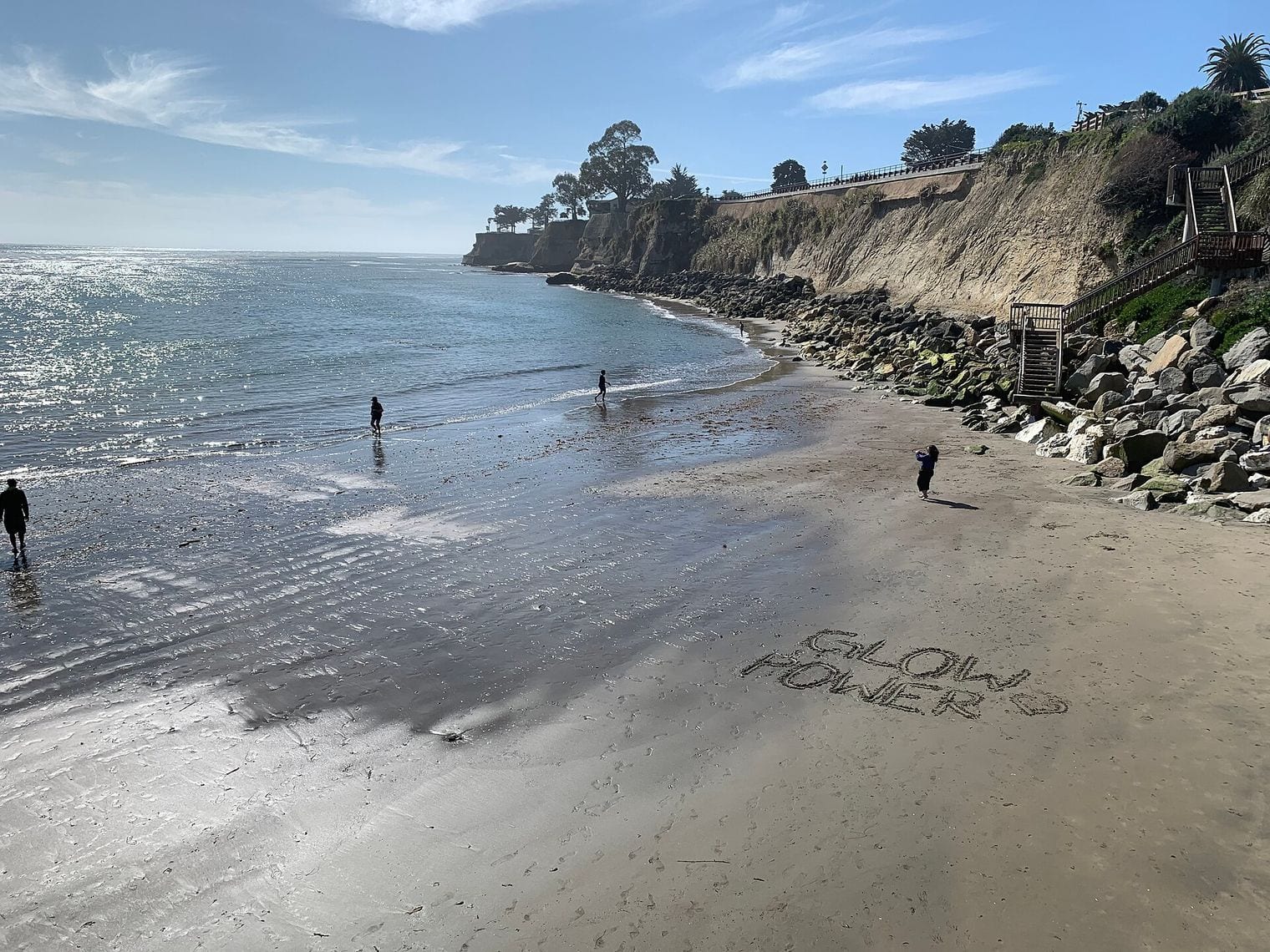
Capitola, a tiny village on the northern curve of Monterey Bay just east of Santa Cruz, is known as the oldest beach resort on the West Coast. Its signature view is the Venetian Court, a row of colorful stucco cottages on the sand, built in 1924 and listed on the National Register as the first condominium beach community in the country.
The village packs restaurants, surf shops and galleries into a few blocks behind a sheltered beach where Soquel Creek meets the bay, a gentle place for children to paddle. The historic wharf, rebuilt after a winter storm wrecked it in 2023, is the spot for a stroll, a spot of fishing and the best look back at the cottages.
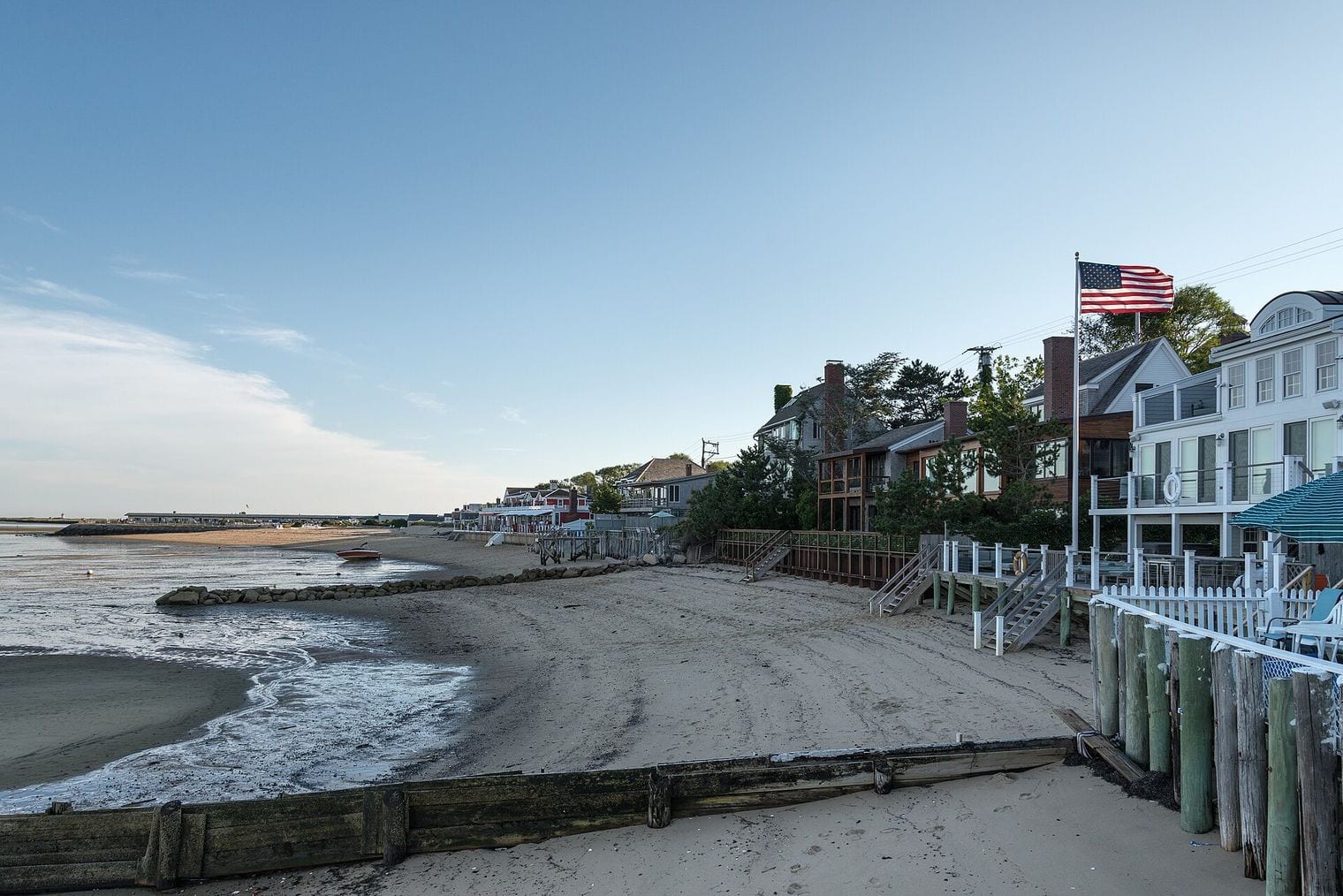
Provincetown sits at the very tip of Cape Cod, and history arrived early: the Mayflower reached its harbor in November 1620, and the Mayflower Compact was signed here before the Pilgrims moved on to Plymouth. The 252-foot Pilgrim Monument, the tallest all-granite structure in the US, still towers over the town.
Today Provincetown is one of the country's best-known LGBTQ destinations, and its long-established art colony fills Commercial Street with galleries, shops and people-watching. The Cape Cod National Seashore wraps around the town, with dunes, bike trails and the open-ocean sand of Race Point Beach, and whale-watching boats head out from the harbor in season.
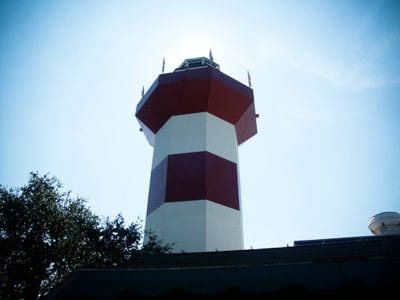
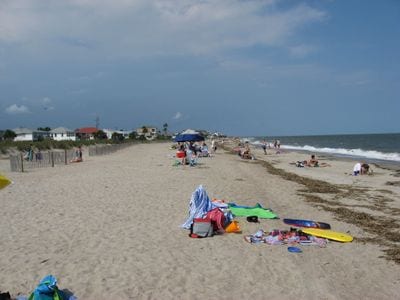
Tybee Island, a barrier island 18 miles east of Savannah, is Georgia's easternmost point and the city's beach. A lighthouse has stood at its north end since 1736, and today's black-and-white tower, with its museum, anchors the island's history; Georgians still sum up their state as stretching "from Rabun Gap to Tybee Light."
The mood is laid-back and a little funky, with a pier and pavilion on the south end, dolphins in the back-river channel and casual seafood shacks. Fort Pulaski, a Civil War fort on the drive in, and a day among Savannah's historic squares round out a trip.
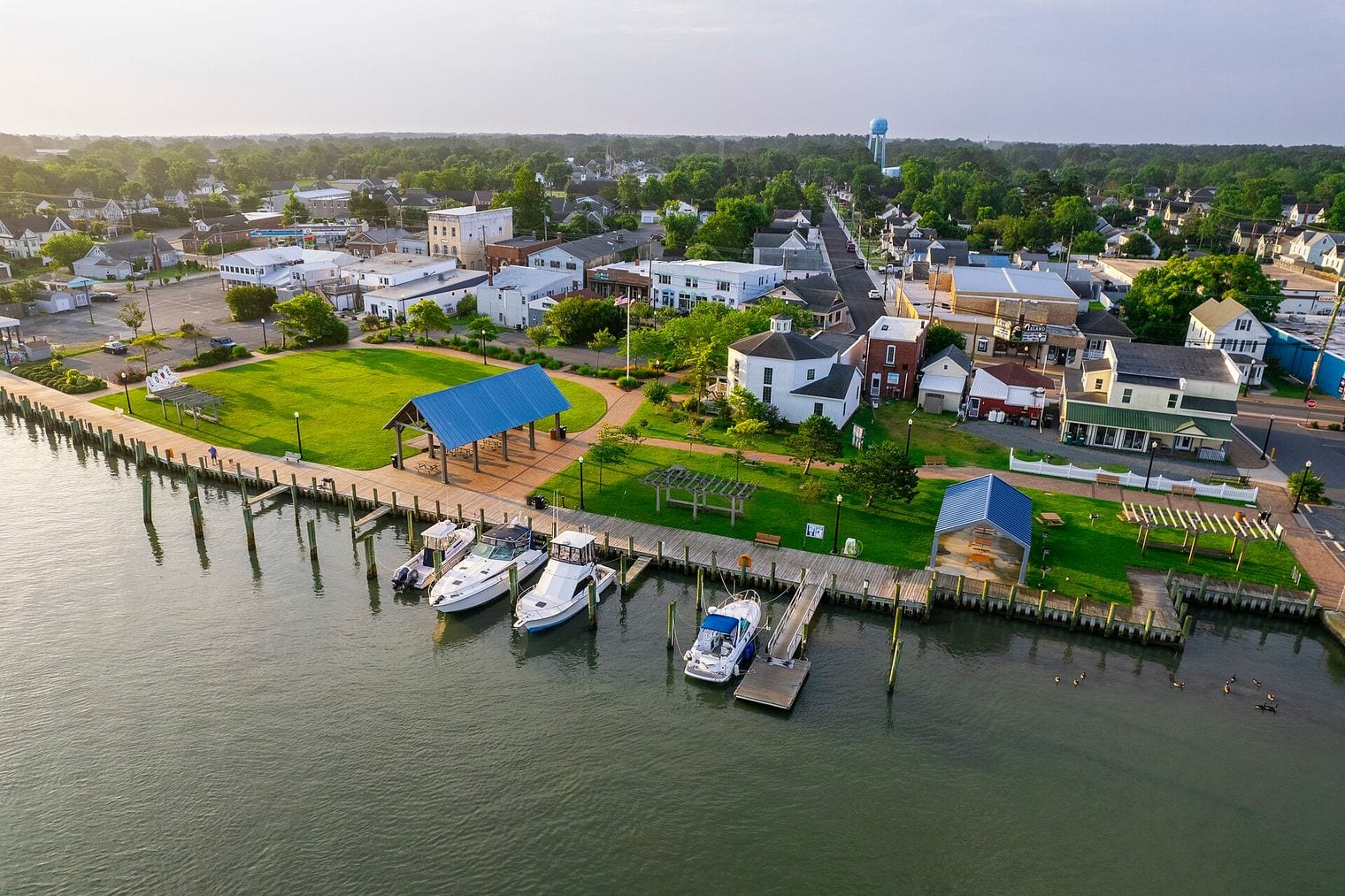
Chincoteague is a fishing town on Virginia's Eastern Shore and the gateway to Assateague Island, where the Chincoteague National Wildlife Refuge protects a wild beach, salt marsh and the Virginia herd of Chincoteague ponies. The beach itself is on Assateague, a short drive across the channel, with the red-and-white Assateague Lighthouse rising from the pine woods.
Every July the town's volunteer fire company holds the Pony Swim, driving the herd across the channel to Chincoteague, a tradition made famous by Marguerite Henry's 1947 book Misty of Chincoteague. The rest of the year brings oysters and clams, kayaking in the marshes and excellent birding on the refuge.
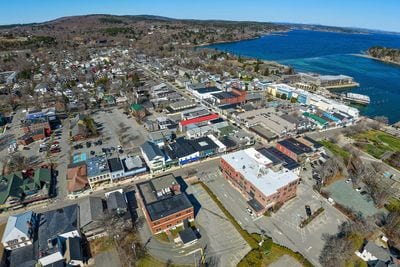
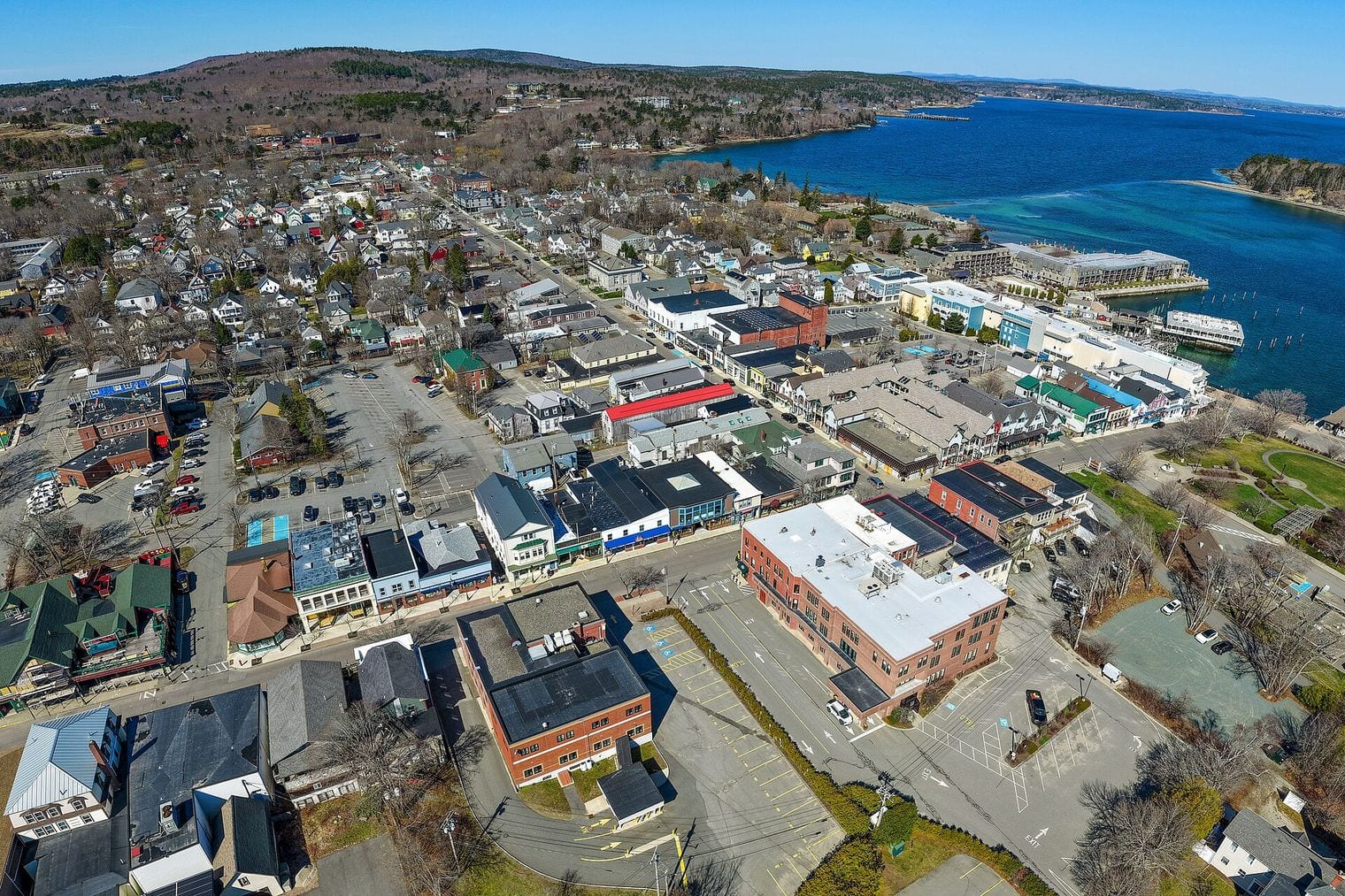
Bar Harbor, on Mount Desert Island in Maine, is the gateway to Acadia National Park, and the largest parts of the park lie within the town itself. It takes its name from the sand bar that appears at low tide and leads across to Bar Island, a walk you can make only around low water.
The Shore Path follows the waterfront past Gilded Age summer cottages, and the Park Loop Road leads to Sand Beach, Thunder Hole and Cadillac Mountain, the highest point within 25 miles of the Eastern US coastline. Expect lobster, whale watching and kayak trips on Frenchman Bay, and crowds in midsummer and fall foliage season.
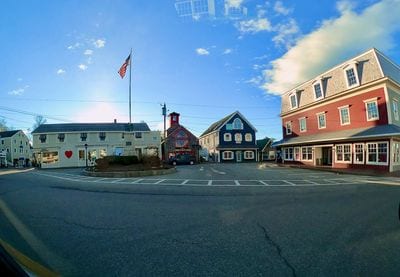
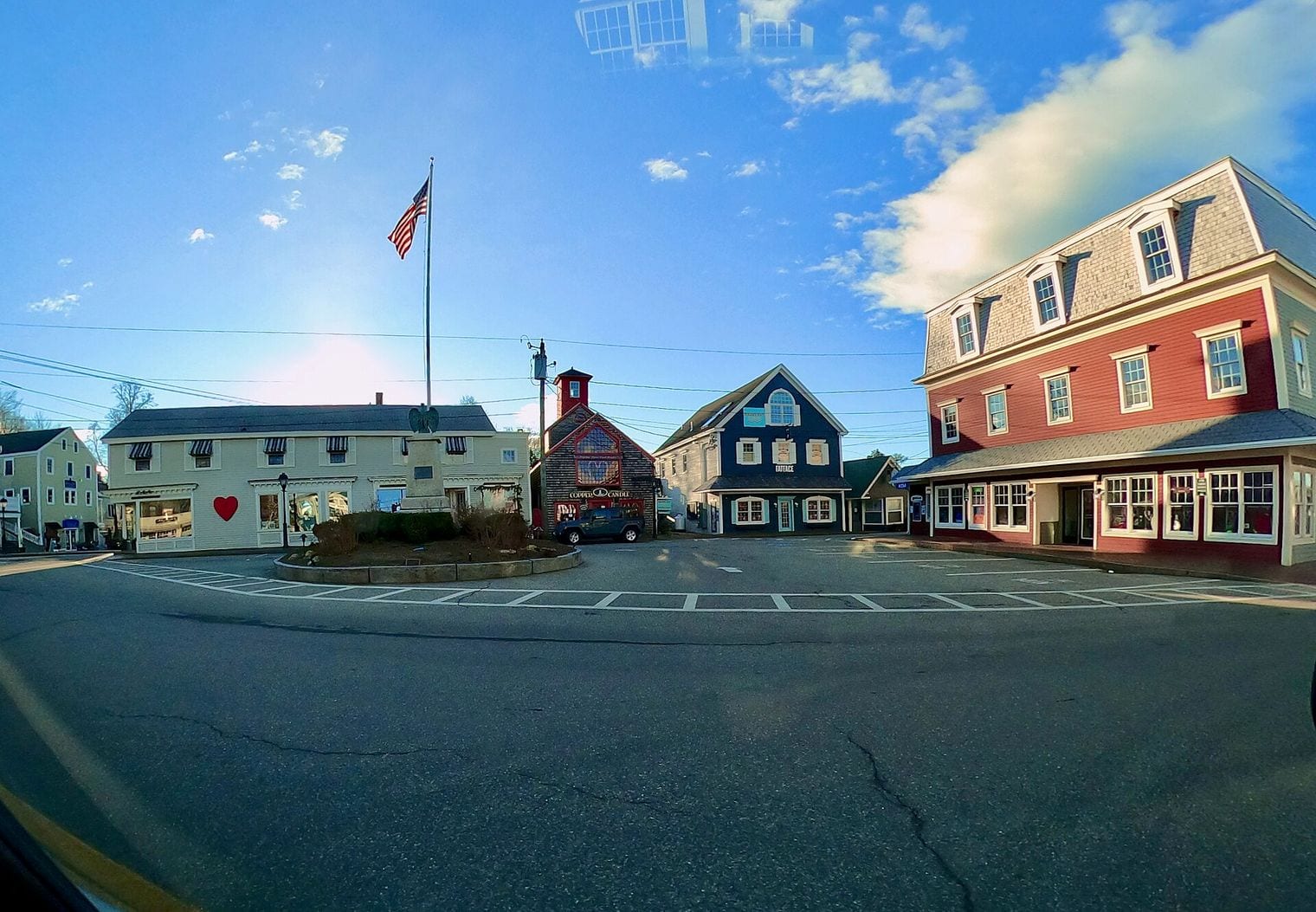
Kennebunkport is the postcard version of coastal Maine: Dock Square's shops and galleries on the Kennebunk River, white sea captains' houses, and Ocean Avenue curving past rocky coves to Walker's Point, the Bush family's summer estate. It sits less than an hour south of Portland, close enough for a day trip but best with a night or two.
For beach time, Goose Rocks Beach is the town's long, quiet crescent of sand, while the Kennebunk beaches lie just across the river. Cape Porpoise, a working lobster harbor within Kennebunkport, is the place to watch the boats come in.
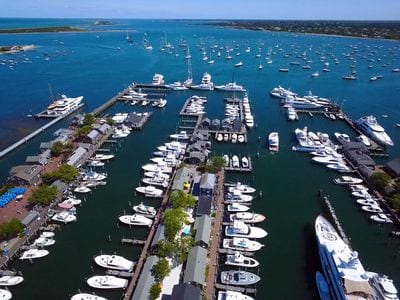
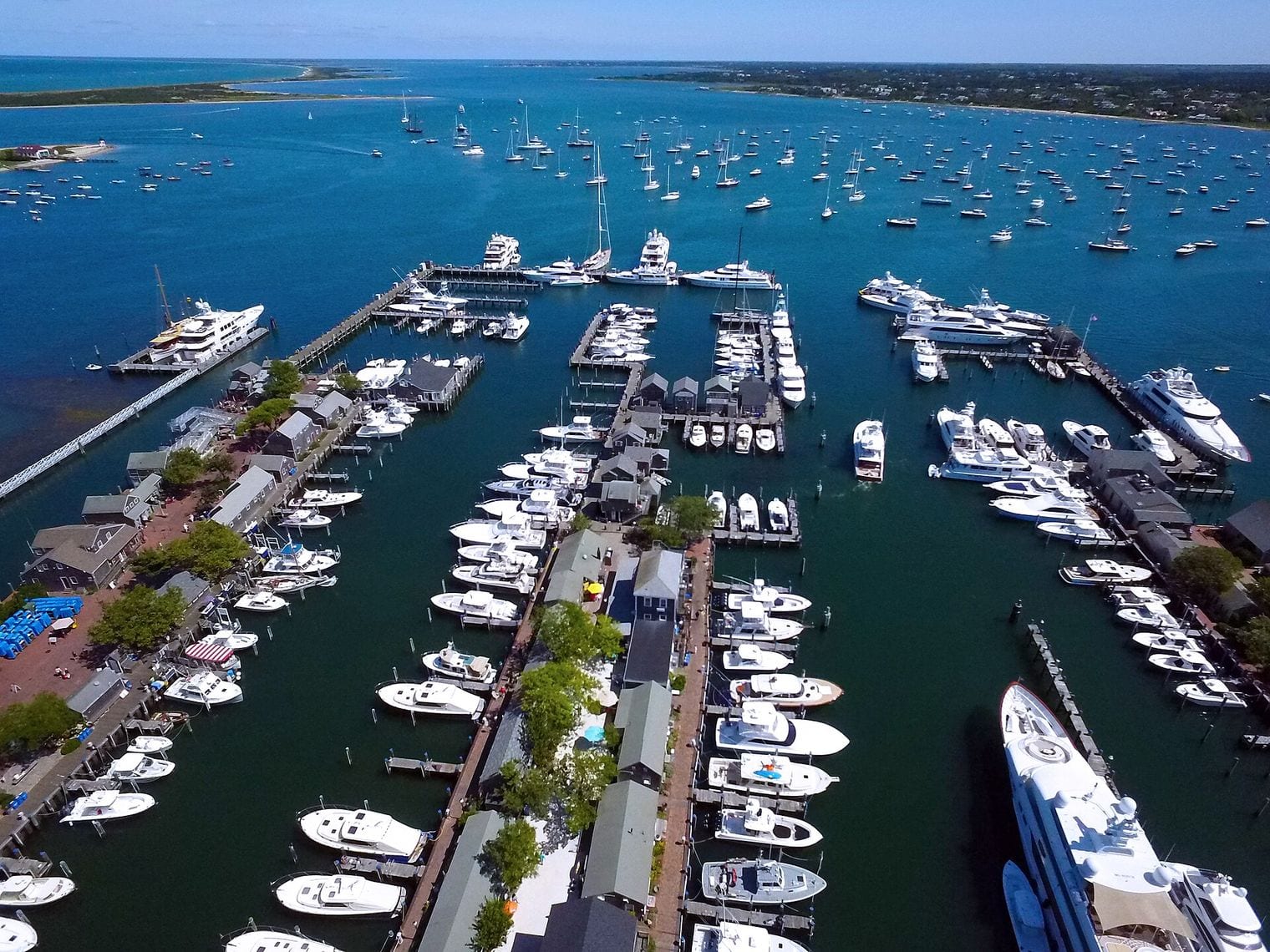
Nantucket, an island about 30 miles south of Cape Cod, grew rich as a center of the whaling industry, and its town still looks the part: cobblestone Main Street, gray-shingled cottages and captains' houses so well preserved that the National Park Service calls it the finest surviving example of a late 18th- and early 19th-century New England seaport.
Ferries from Hyannis bring visitors into the harbor past Brant Point Light. Beyond town, bike paths lead to the surf beaches of the south shore, the calmer harbor beaches on the north side and the rose-covered cottages of Siasconset, and the Whaling Museum explains how this sandy island once lit the world's lamps.
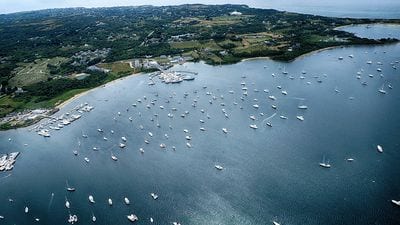
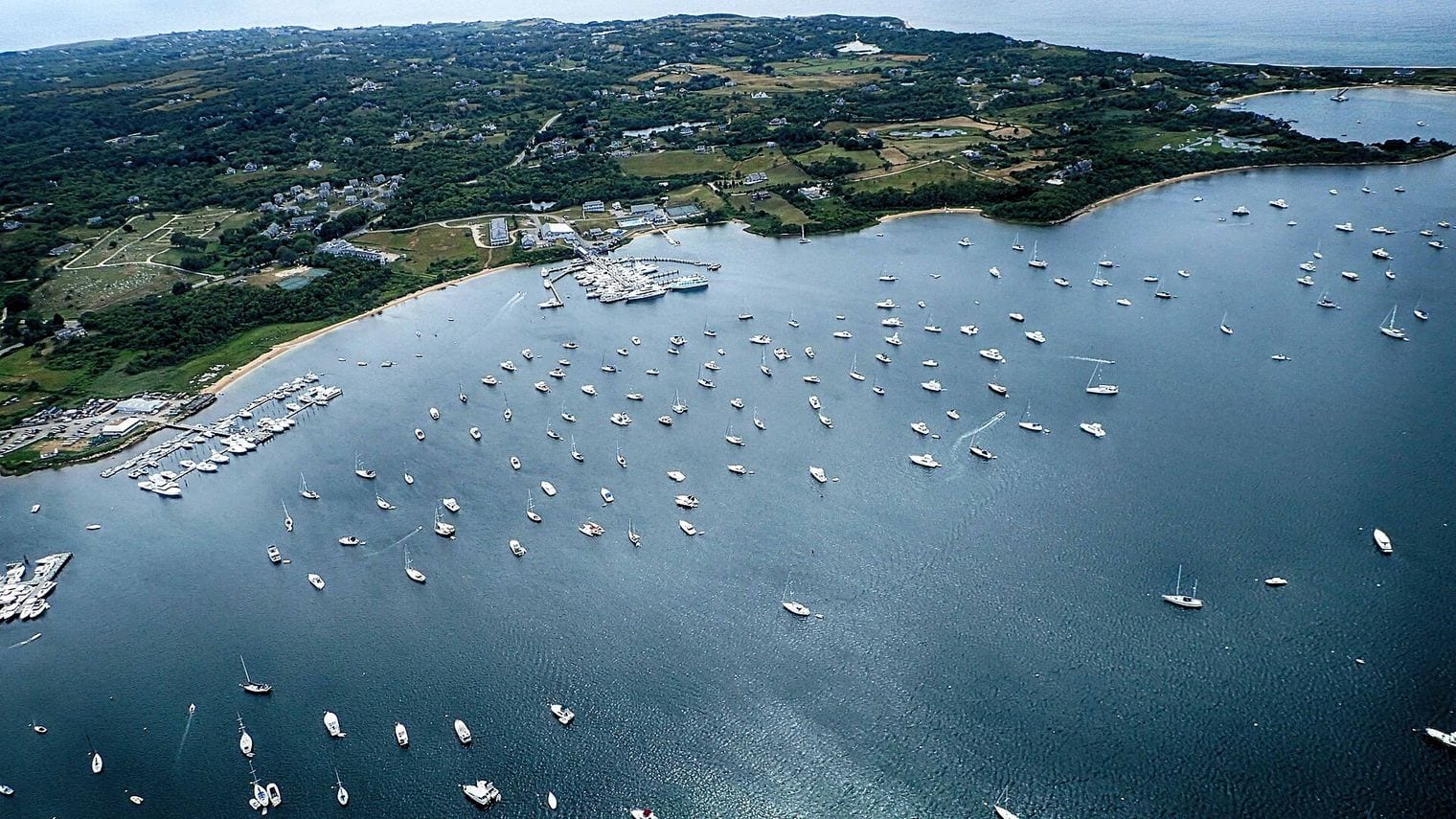
Block Island lies off the Rhode Island coast, a ferry ride from Point Judith, and its single town, New Shoreham, has kept the island remarkably wild. About 40 percent of the land is set aside for conservation, and the Nature Conservancy counts Block Island among its "Last Great Places."
Rent a bike and follow the stone walls past ponds and moors to Mohegan Bluffs, where wooden stairs drop to the beach below the red-brick Southeast Light. Crescent Beach runs north from the harbor along the east shore, and the North Light marks the wild northern tip, a resting stop for birds migrating along the Atlantic flyway.
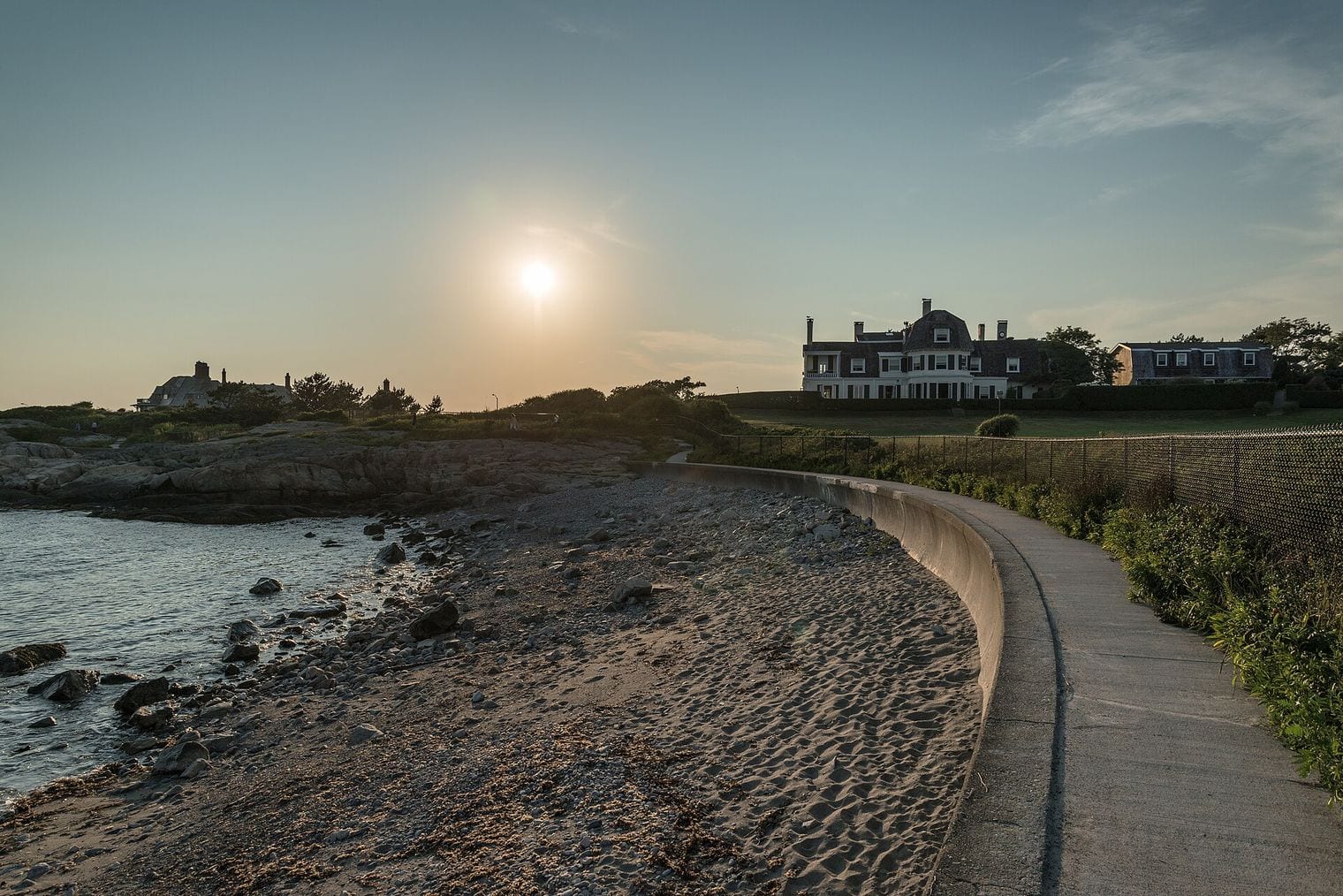
Newport was the summer capital of Gilded Age America, and its Bellevue Avenue mansions, The Breakers among them, are some of the grandest seaside houses in the country. The Cliff Walk threads between the mansions' lawns and the rocky Atlantic shore, and Ocean Drive loops past more coves and estates.
Newport is also a sailing town: it hosted every America's Cup challenge between 1930 and 1983, and the harbor is still full of yachts. Easton's Beach is the main stretch of sand, the colonial streets downtown hold Touro Synagogue, the oldest synagogue in America, and Providence is less than an hour away.
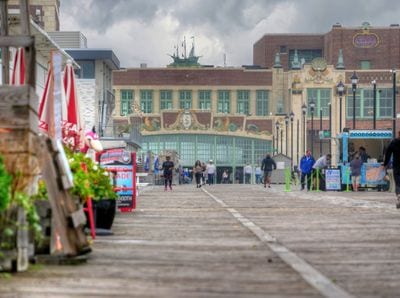
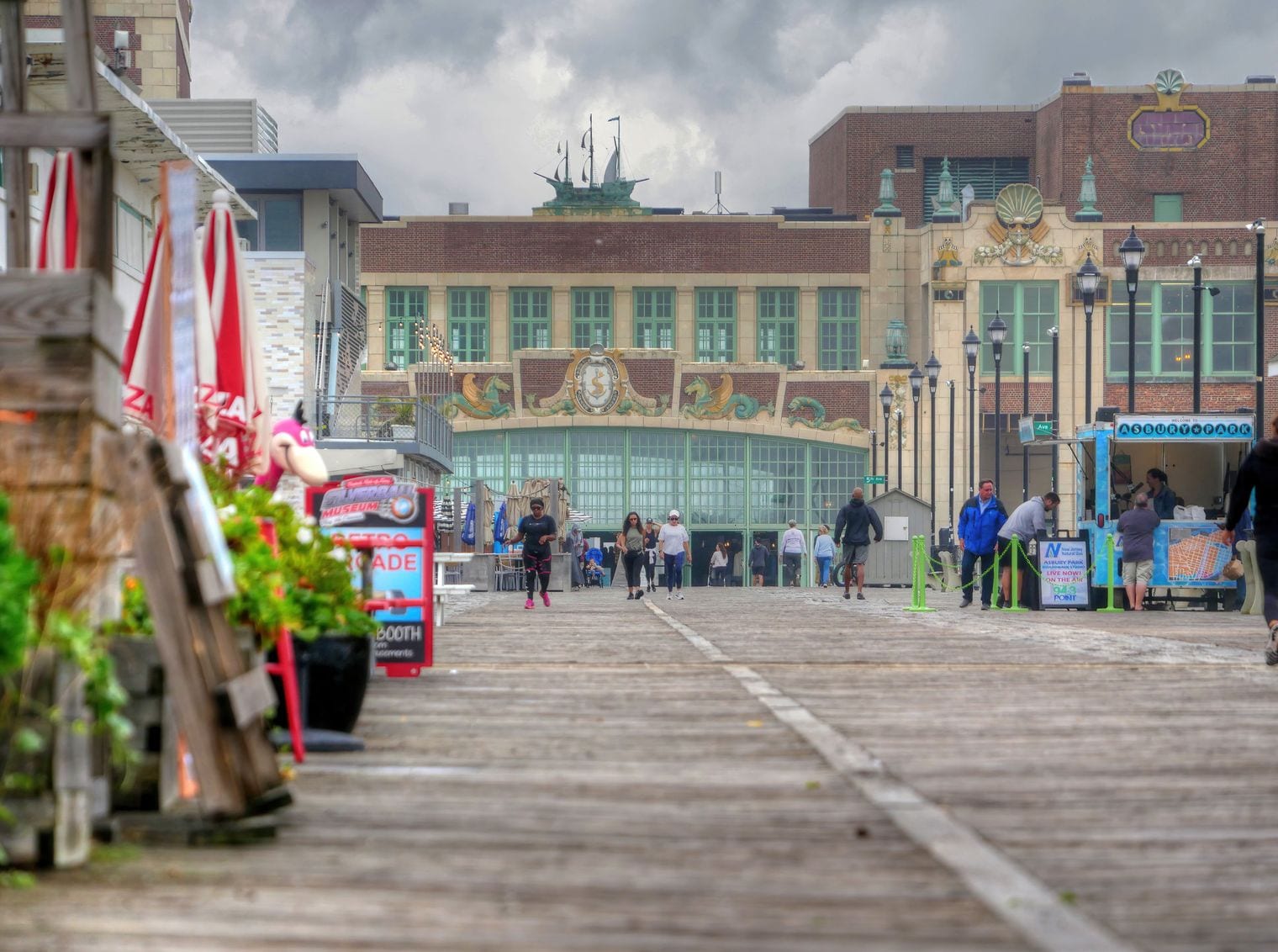
Asbury Park is the Jersey Shore's comeback story, a faded Victorian resort reborn as a music-and-arts beach town. Its boardwalk runs between the grand 1920s Convention Hall and Paramount Theatre and the old Casino, and murals, restaurants and bars fill the blocks behind the beach.
Music is the heartbeat here. The Stone Pony helped launch Bruce Springsteen, whose first album was titled Greetings from Asbury Park, N.J., and live shows still fill the summer calendar. The beach is broad and lively, the town is an easy train ride from New York City, and the rest of the Monmouth County shore lies on either side.
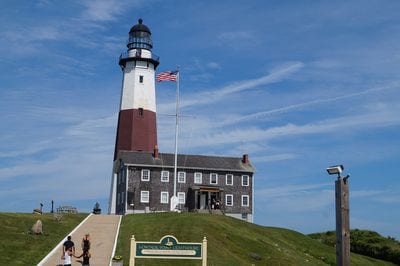
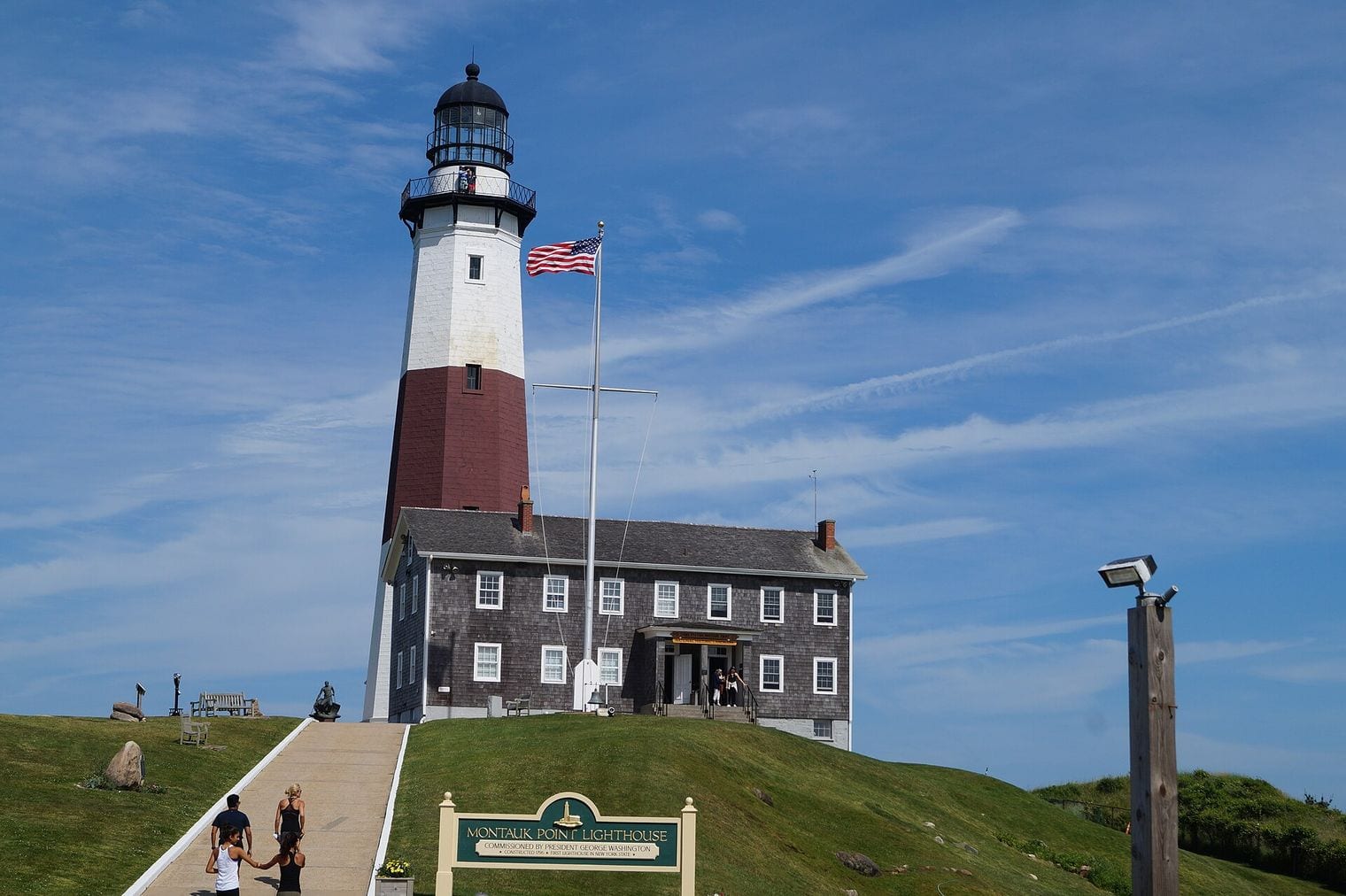
Montauk sits at the eastern tip of Long Island's South Fork, so far out that it is nicknamed "The End." The Montauk Point Lighthouse, commissioned by George Washington in 1792, is the oldest lighthouse in New York State and stands on a bluff where the Atlantic meets Block Island Sound.
Montauk is the rough-edged, surfing end of the Hamptons: Ditch Plains is its best-known surf break, the harbor is a major base for sport fishing, and the ocean beaches run west for miles. It is a long drive or a train ride from New York City, and many beach parking lots require a town permit, so check the rules before you go.
St. Augustine, founded by Spanish settlers in 1565, is the oldest continuously inhabited European-established settlement in the contiguous United States, and its old town of narrow lanes, coquina walls and Spanish courtyards feels unlike anywhere else in Florida. The 17th-century Castillo de San Marcos guards the bayfront, and St. George Street is the pedestrian spine of the historic district.
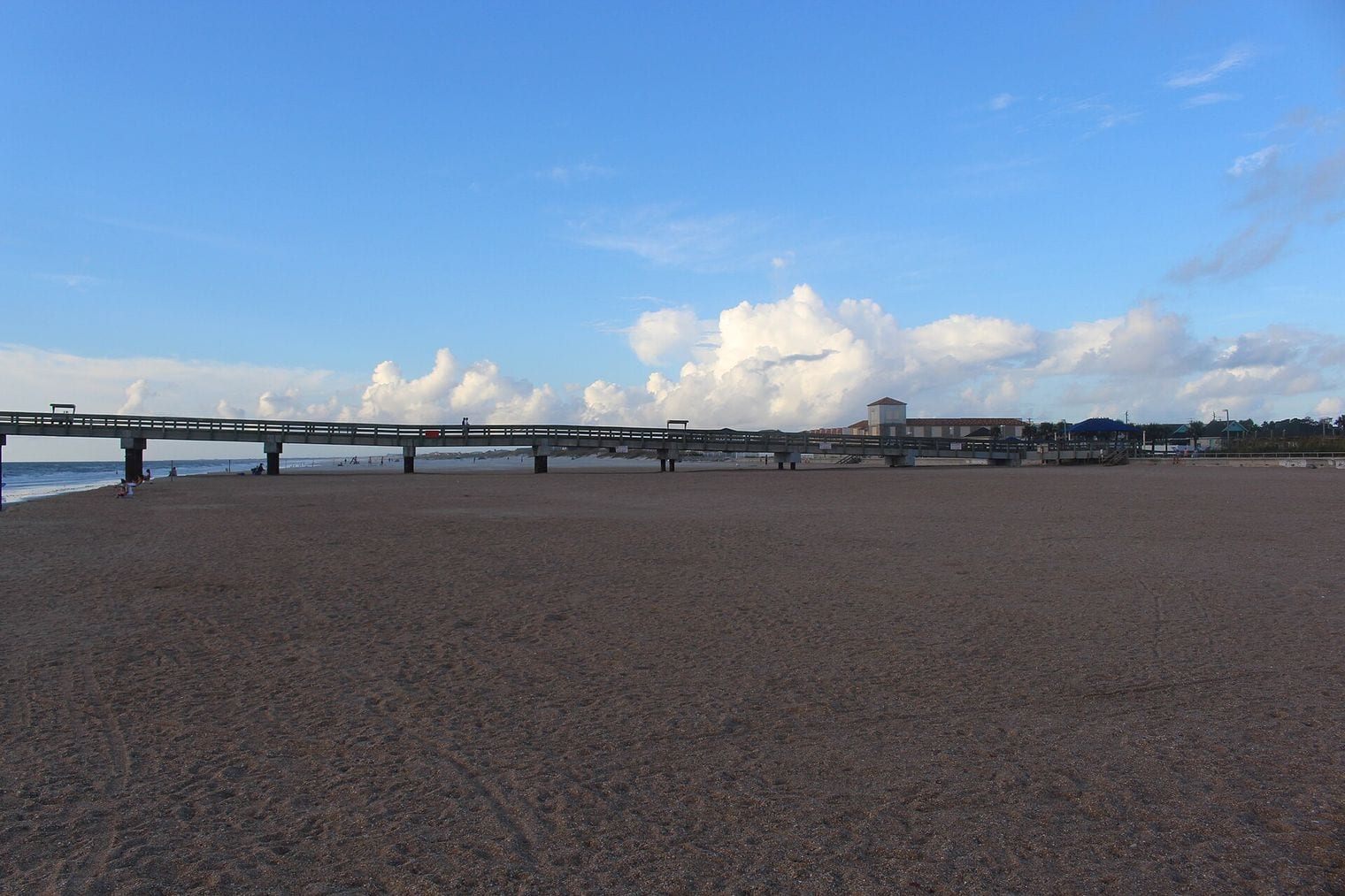
The beaches are across the Bridge of Lions on Anastasia Island: St. Augustine Beach with its fishing pier, the dunes and wildlife of Anastasia State Park, and the striped St. Augustine Lighthouse, which you can climb for views over the inlet. History in the morning, beach in the afternoon is the rhythm here.
Saugatuck, on the eastern shore of Lake Michigan, began as a lumber port and became an art colony with neighboring Douglas in the late 19th century; galleries and studios still fill its compact downtown on the Kalamazoo River. Across the river, Oval Beach is a broad freshwater beach backed by wooded dunes, with sunsets over the lake that could pass for the ocean.
In summer the hand-cranked Saugatuck Chain Ferry carries walkers across the river toward Mount Baldhead, a 250-foot dune whose long staircase climbs to views over the lake and town. Holland, with its tulip gardens and Dutch heritage, is a short drive north.
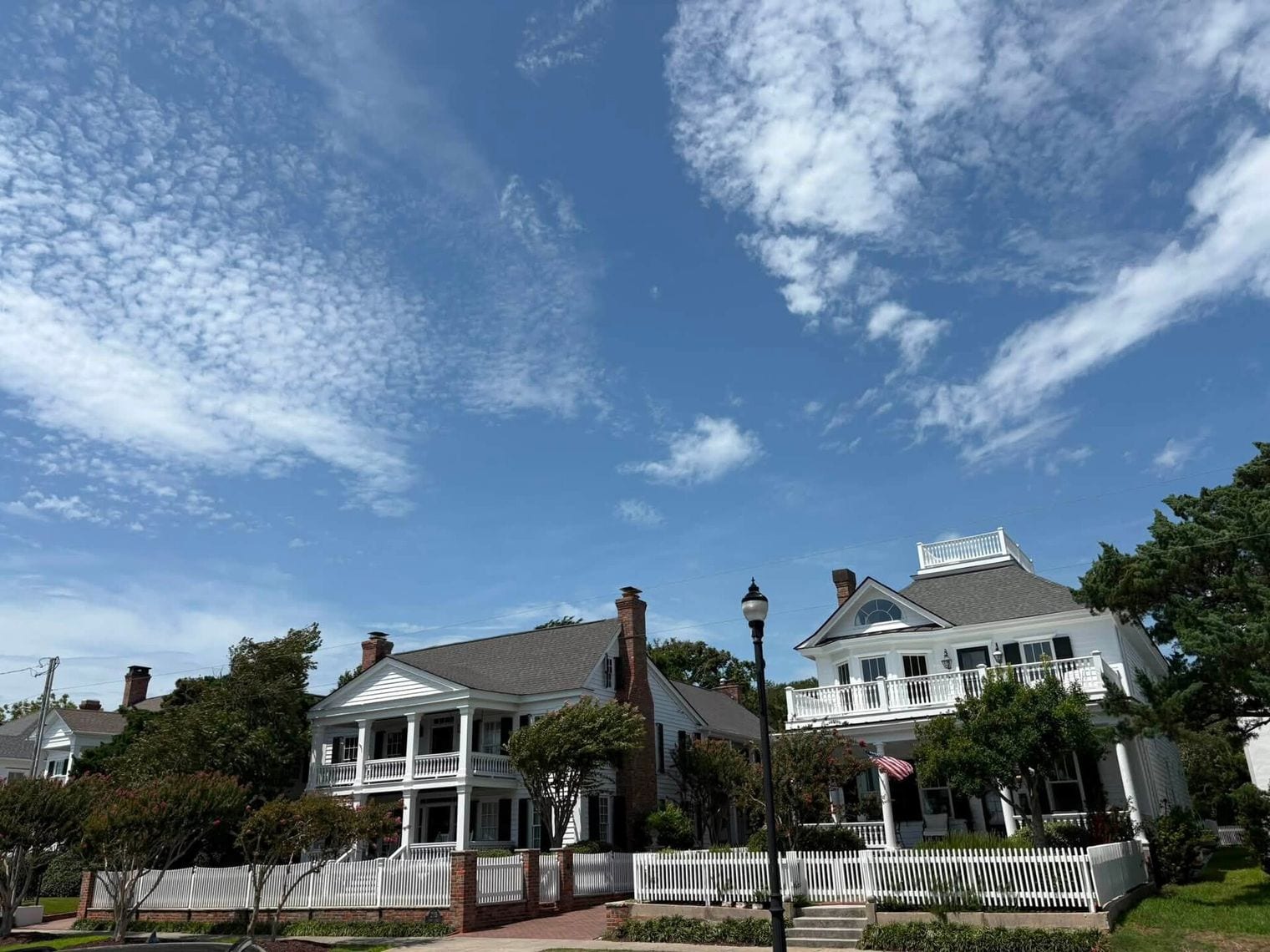
Beaufort is the third-oldest town in North Carolina, and its Front Street waterfront of old homes and boardwalk docks faces Taylor's Creek and the barrier islands of the Crystal Coast. In 1718 Blackbeard ran his flagship, the Queen Anne's Revenge, aground near Beaufort Inlet, and the North Carolina Maritime Museum on Front Street displays artifacts raised from the wreck.
Across Taylor's Creek, wild horses graze on the islands of the Rachel Carson Reserve, and Shackleford Banks and the diamond-patterned lighthouse of Cape Lookout National Seashore are a short boat ride away. Atlantic Beach, the nearest surf beach, is a quick drive across the bridge.
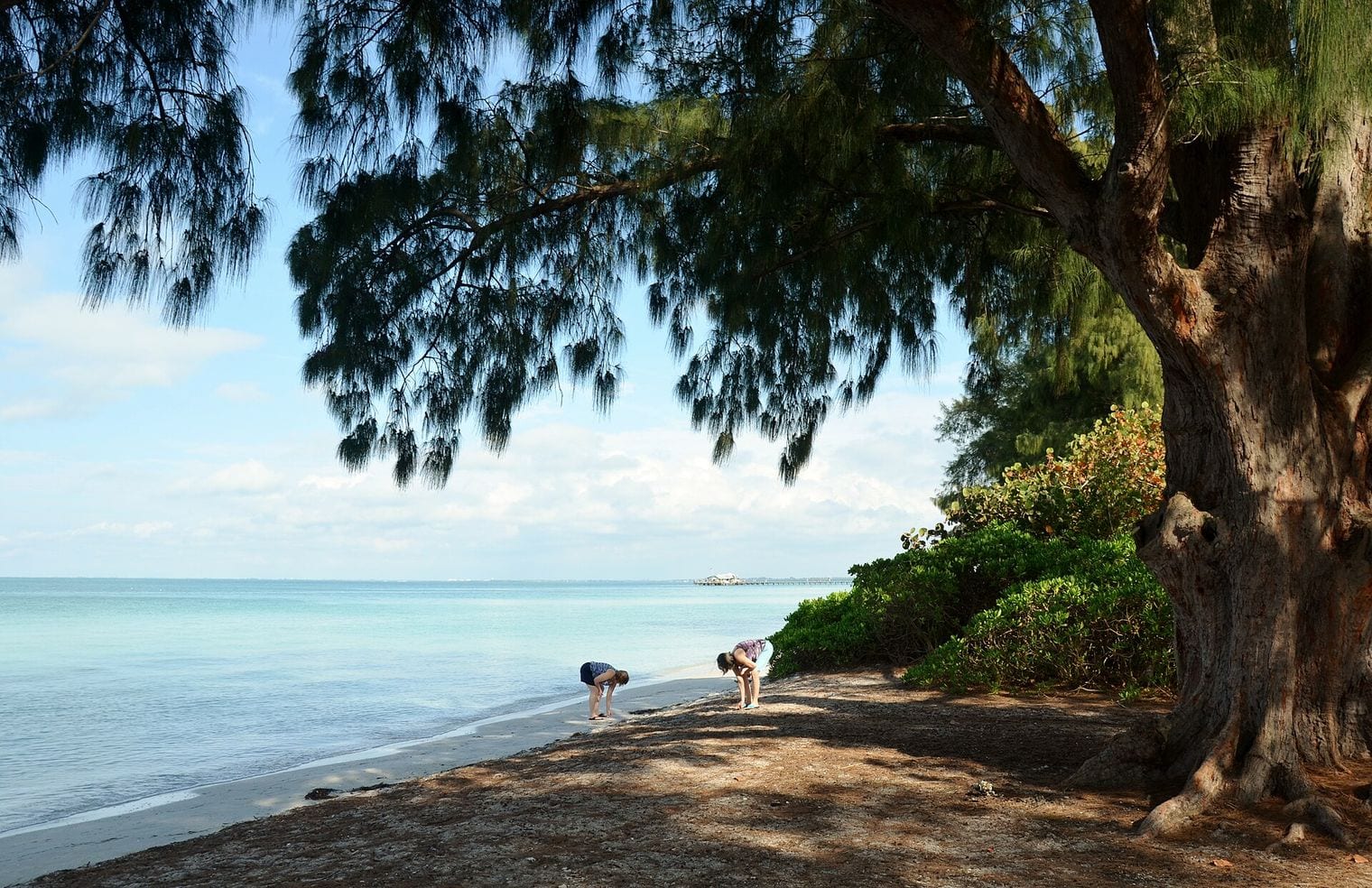
Anna Maria occupies the northern end of Anna Maria Island, on Florida's Gulf Coast west of Bradenton, and it has kept the low-rise, Old Florida feel that bigger beach towns lost. Pine Avenue's shops and cottages lead down to the bay, and Bean Point, at the island's northern tip, is a quiet spot where the Gulf meets Tampa Bay.
The beaches are white, wide and gentle, made for shelling, paddleboarding and sunsets over the Gulf. The historic Anna Maria City Pier, first built in 1911, is being rebuilt after Hurricane Milton tore away its walkway in 2024, with reopening planned for late 2026; the island's other towns, Holmes Beach and Bradenton Beach, are minutes to the south.
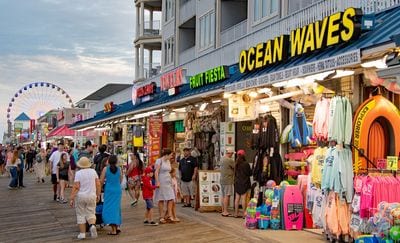
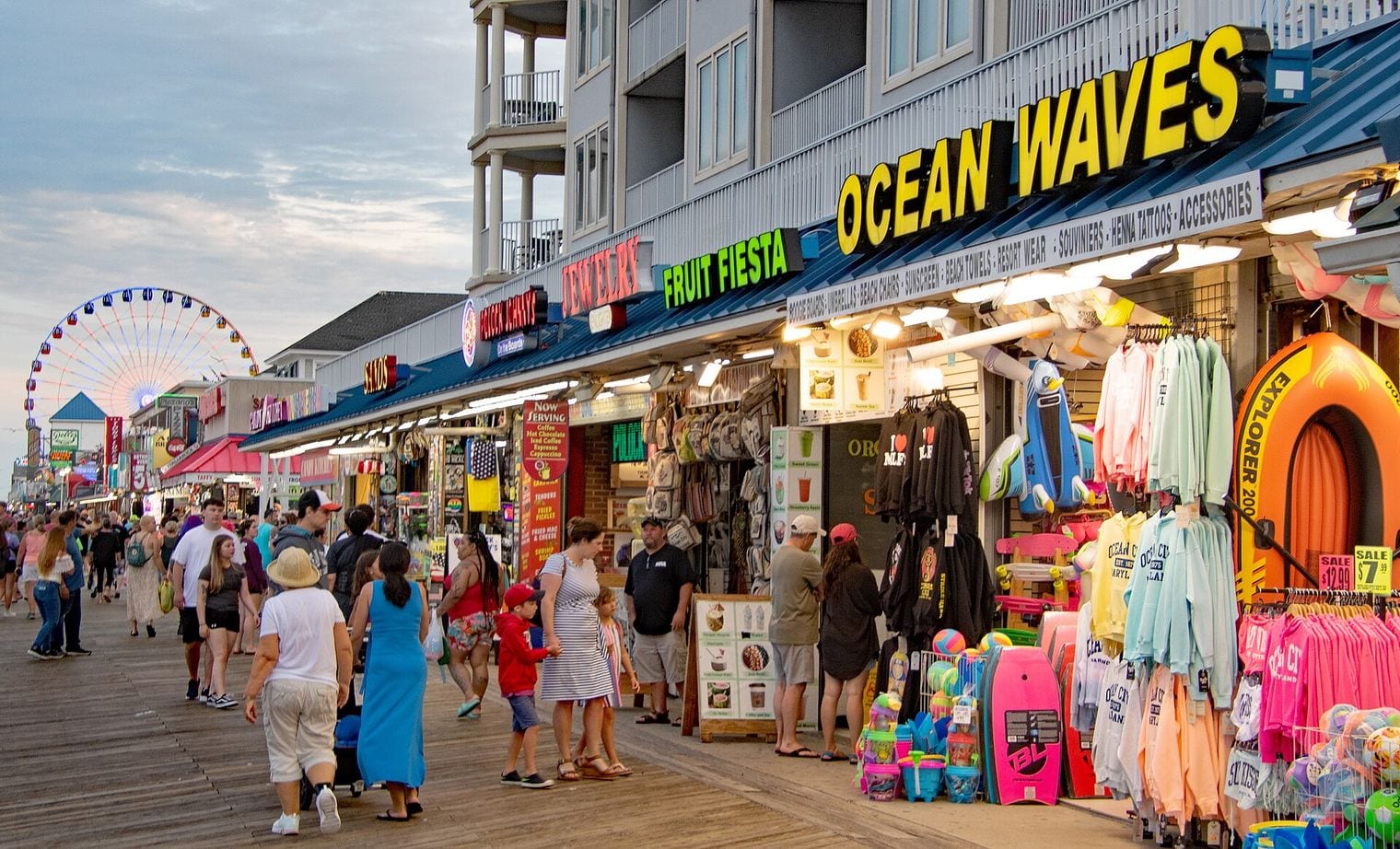
Ocean City is Maryland's big beach resort, a barrier-island strip of high-rises, motels and family amusements running north from the inlet that separates it from Assateague Island. The boardwalk is the main event, lined with arcades, rides, saltwater taffy and boardwalk fries, with the beach on one side and the summer crowd on the other.
Families have been coming for generations, and the shoulder seasons fill with festivals, from Springfest and Sunfest to Winterfest of Lights. For wilder sand, cross to Assateague Island National Seashore, where wild horses wander the dunes just south of town.
Nags Head is the classic Outer Banks beach town, with fishing piers, weathered cottages and a beach that runs for miles. Its signature landmark is Jockey's Ridge State Park, home to the tallest active sand dune system in the eastern United States, where hang gliders launch, kids tumble down the sand and crowds gather to watch the sun set over Roanoke Sound.
History is next door: the Wright Brothers National Memorial in neighboring Kill Devil Hills marks where powered flight began, and Bodie Island Lighthouse and the Cape Hatteras National Seashore lie just to the south. Corolla and its wild horses are about an hour north. Storms can close NC 12 farther south on Hatteras Island, so check conditions before driving on.
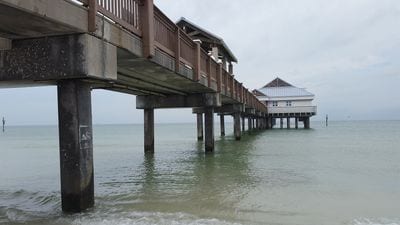
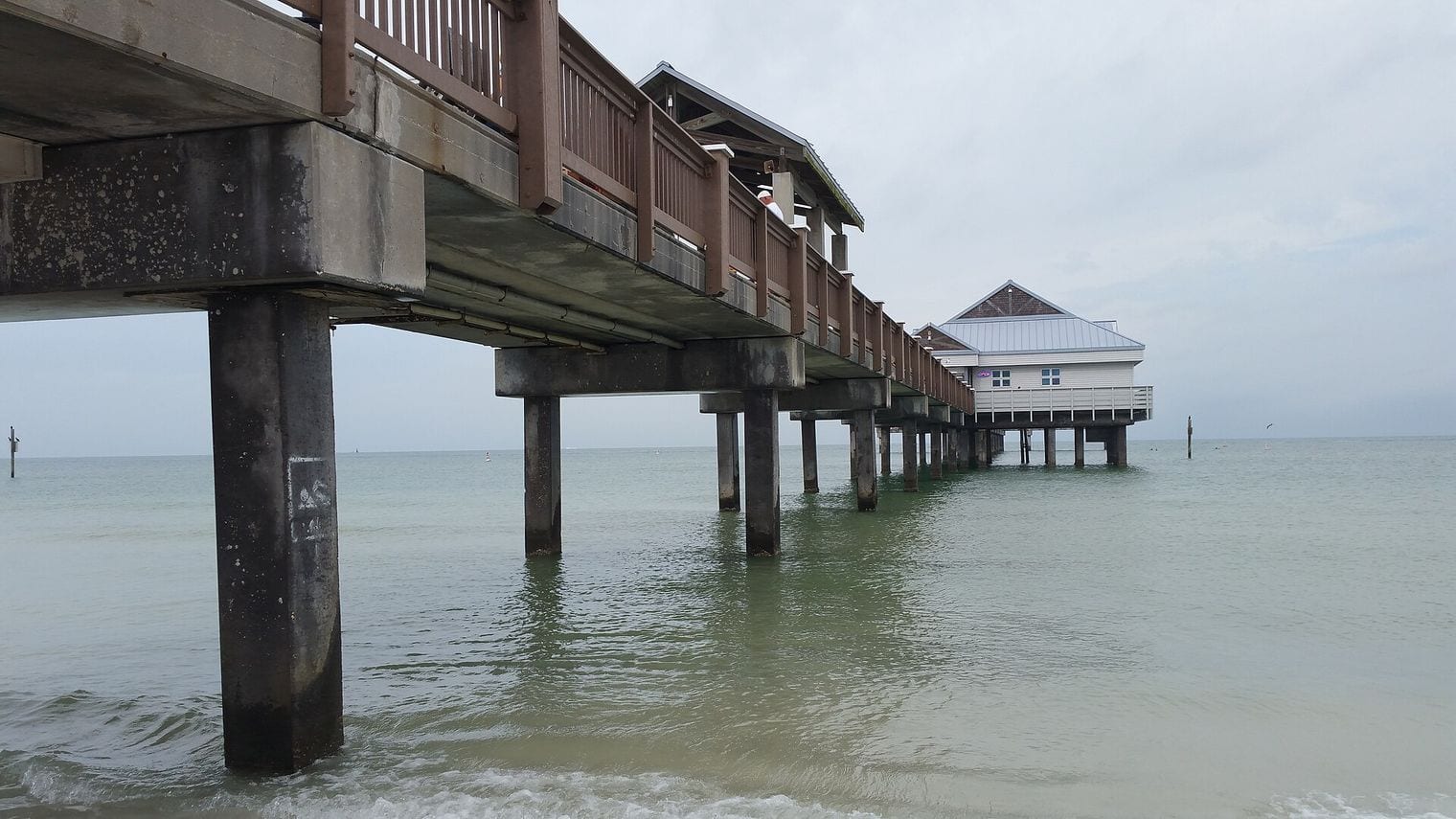
Clearwater's beach town is Clearwater Beach, a barrier island across the Intracoastal Waterway from the city on Florida's Gulf Coast, with fine white sand, gentle water and a lively strip of hotels and restaurants. Pier 60 is the place to watch the sun go down, and the beachfront promenade fills up every evening.
Clearwater Marine Aquarium, made famous by Winter, the rescued dolphin of the film Dolphin Tale, rehabilitates dolphins and sea turtles, and the undeveloped beaches of Caladesi Island State Park are a boat ride to the north. Tampa and St. Petersburg are both within easy reach for a city day.
Port Aransas is the only established town on Mustang Island, on the Texas Gulf Coast near Corpus Christi, and it runs on fishing and a relaxed, flip-flop pace. You can drive and park right on its wide beaches, a Texas coast tradition, and the Horace Caldwell Pier reaches out into the Gulf for anglers.
Arrive the classic way, on the short car ferry from Aransas Pass, with dolphins often surfacing in the ship channel, or by causeway from Corpus Christi. Birders come for the Leonabelle Turnbull Birding Center, anglers for the jetties and offshore trips, and the wild beaches of Padre Island National Seashore lie to the south.
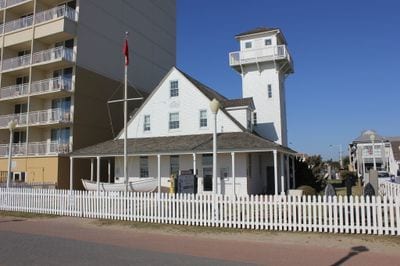
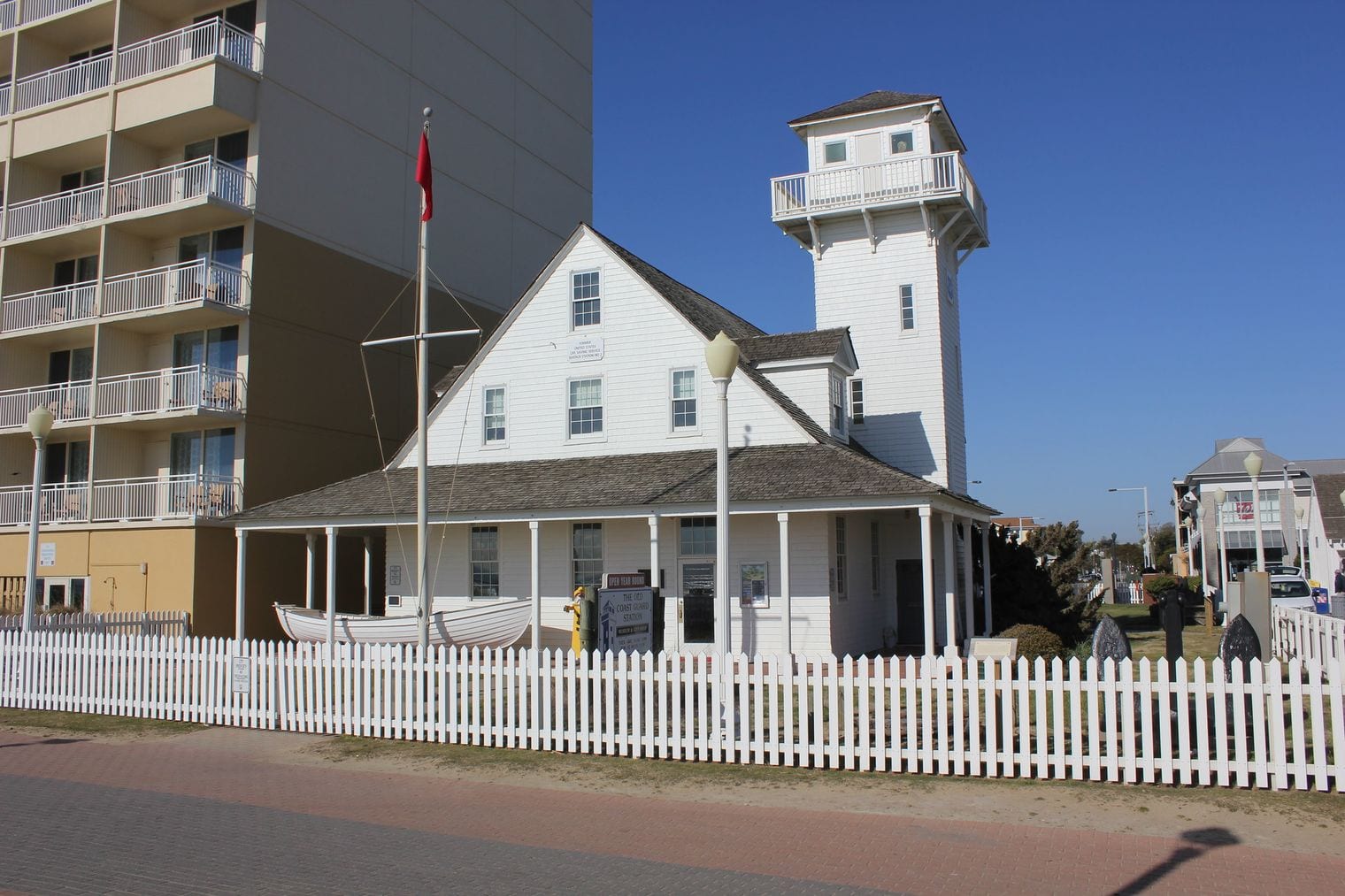
Virginia Beach is the biggest resort on this list, a city with an oceanfront boardwalk, a towering King Neptune statue and a shoreline that Guinness has listed as the longest pleasure beach in the world. Cape Henry, at its northern edge, is where the English colonists bound for Jamestown first landed in 1607.
Away from the busy resort strip, First Landing State Park has trails through cypress swamp and calm bay beaches, Sandbridge to the south is a low-key stretch of beach houses, and the East Coast Surfing Championships and the Neptune Festival fill the late-summer calendar in Virginia Beach.
Get new guides like this by email
One email every Thursday with our newest guides for the places you tick.
Hilton Head Island, in the South Carolina Lowcountry near the Georgia line, grew into a planned resort island around Charles Fraser's Sea Pines, with homes and roads tucked under live oaks and pines. Its Atlantic beaches are wide and hard-packed at low tide, good for cycling, and a network of paved paths makes the bike the best way around.
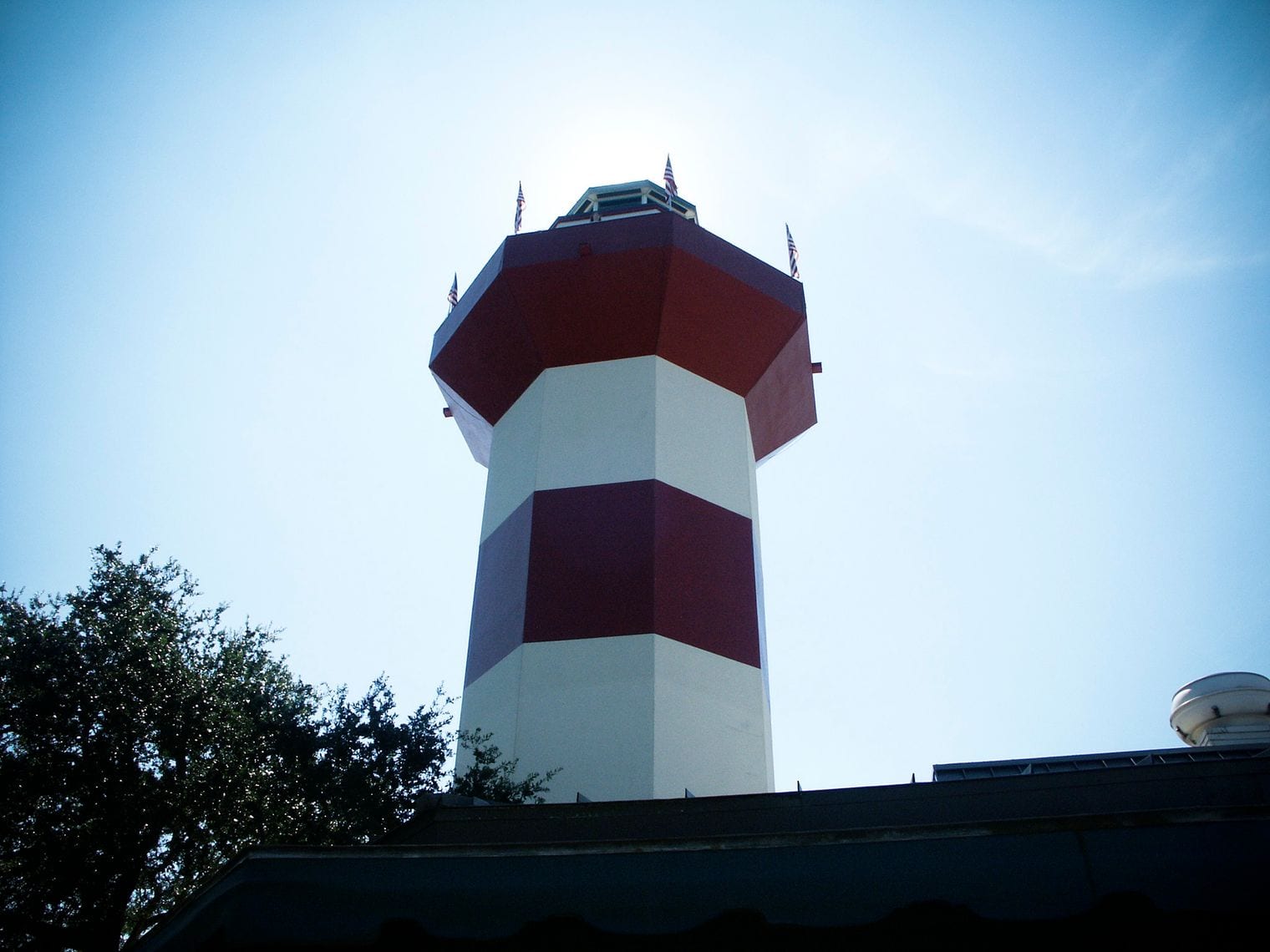
Harbour Town's red-and-white striped lighthouse watches over the marina in Sea Pines, home to the RBC Heritage, a PGA Tour event on the Harbour Town Golf Links. Away from the golf, kayak the tidal creeks for dolphins, find the ancient Sea Pines shell ring in the forest preserve, and drive to Savannah or Beaufort, South Carolina, for a day.
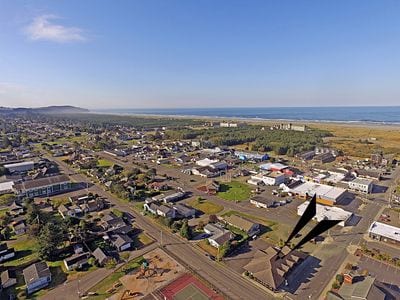
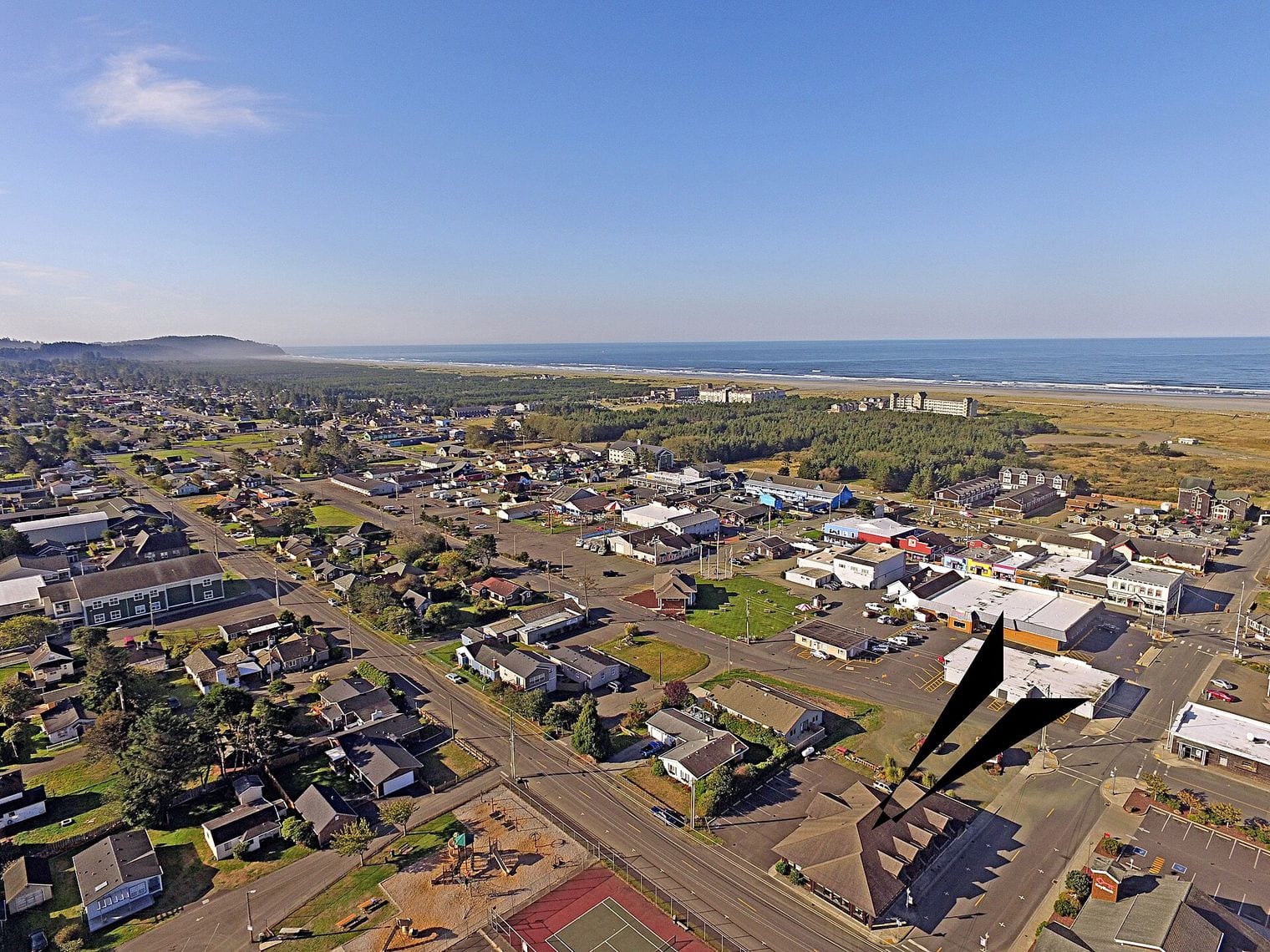
Long Beach sits on Washington's Long Beach Peninsula, whose beach runs for 28 miles between the Columbia River and Willapa Bay. The town is a classic, slightly kitschy Pacific Northwest resort with a wooden boardwalk over the dunes and the paved Discovery Trail, which traces the route Lewis and Clark followed to the ocean.
Kites are the town's thing: the World Kite Museum is here, and the Washington State International Kite Festival fills the sky each August. Cape Disappointment State Park, at the mouth of the Columbia, adds lighthouses and Lewis and Clark history, and Astoria is just across the river in Oregon.
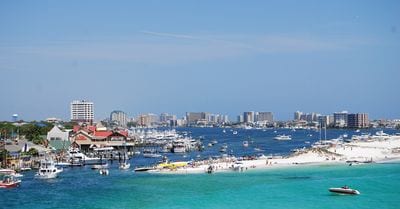
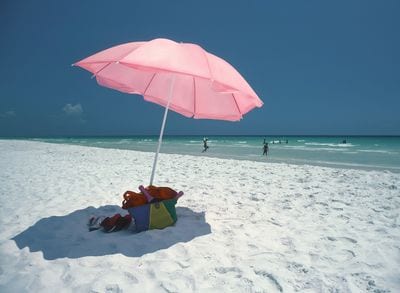
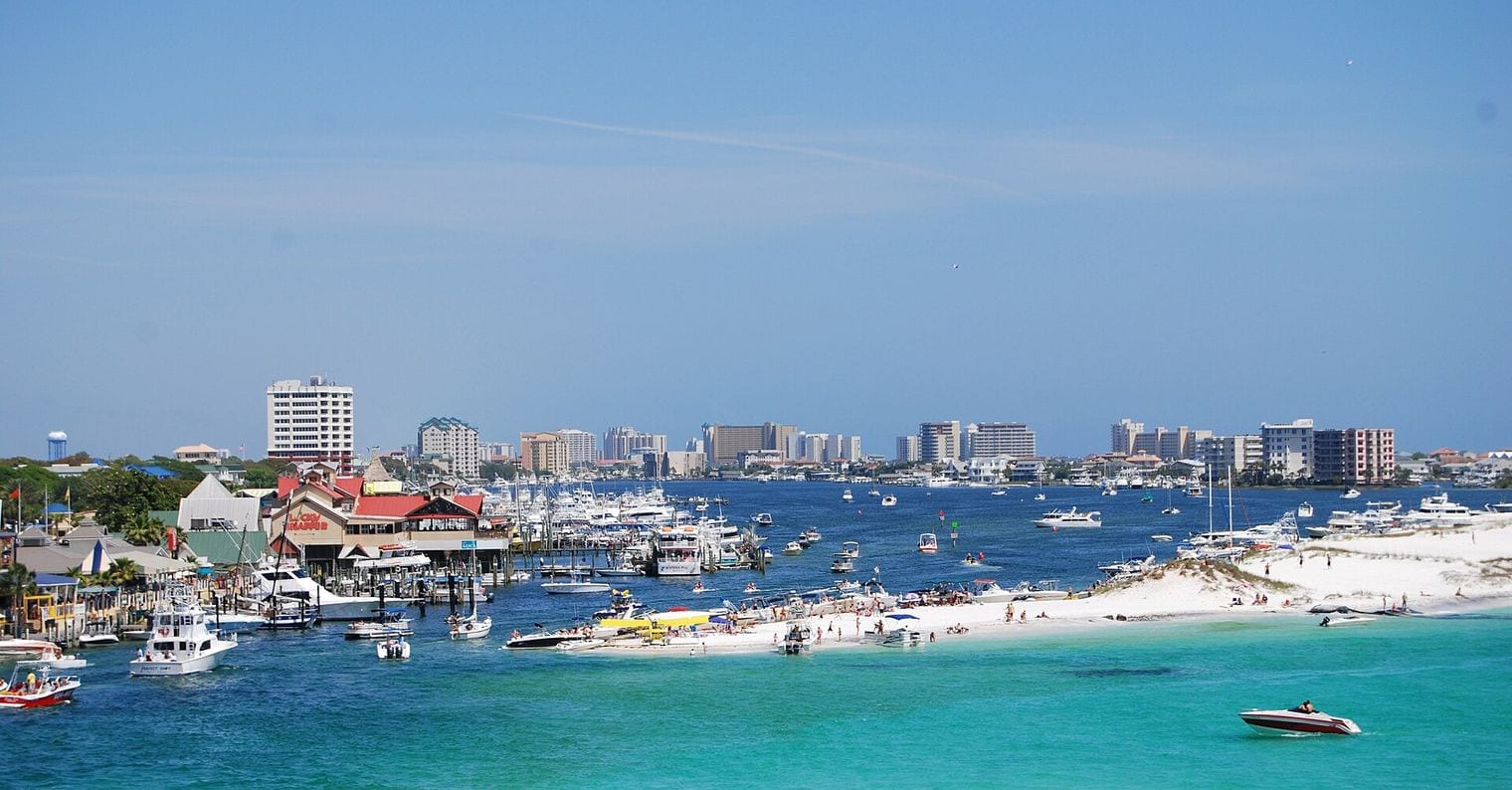
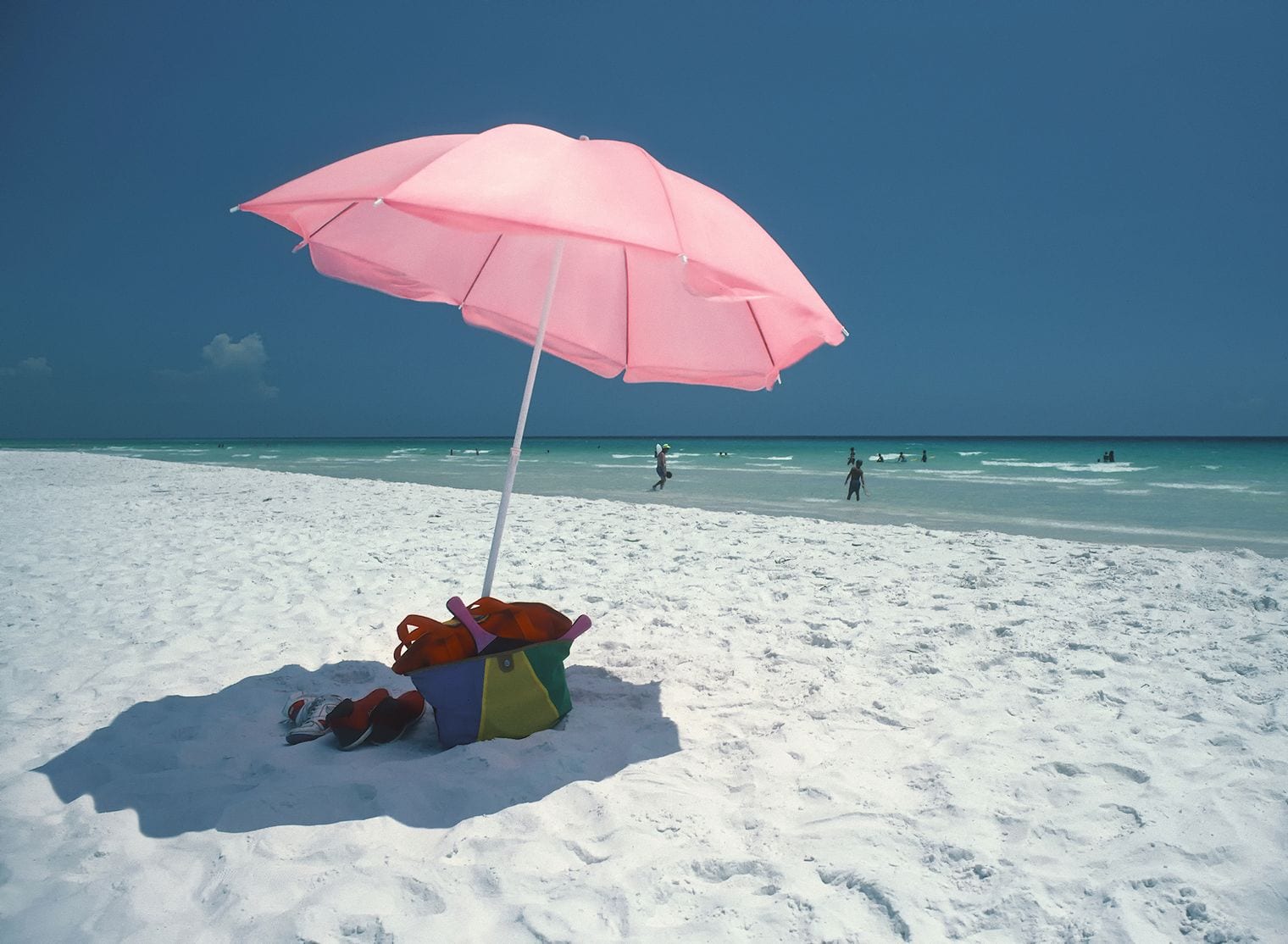
Destin, on the Florida Panhandle's Emerald Coast, is known for its white beaches and emerald-green water. It calls itself "the World's Luckiest Fishing Village" and claims the largest fishing fleet in Florida, which docks along the busy Destin Harbor boardwalk.
The beaches are the sugar-white sand the Panhandle is famous for, and Henderson Beach State Park keeps a stretch of dunes wild. Crab Island, a shallow sandbar just inside the pass, turns into a floating party on summer weekends, and the planned beach villages of Scenic Highway 30A, Seaside among them, are a short drive east.
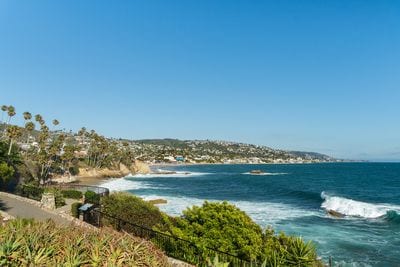
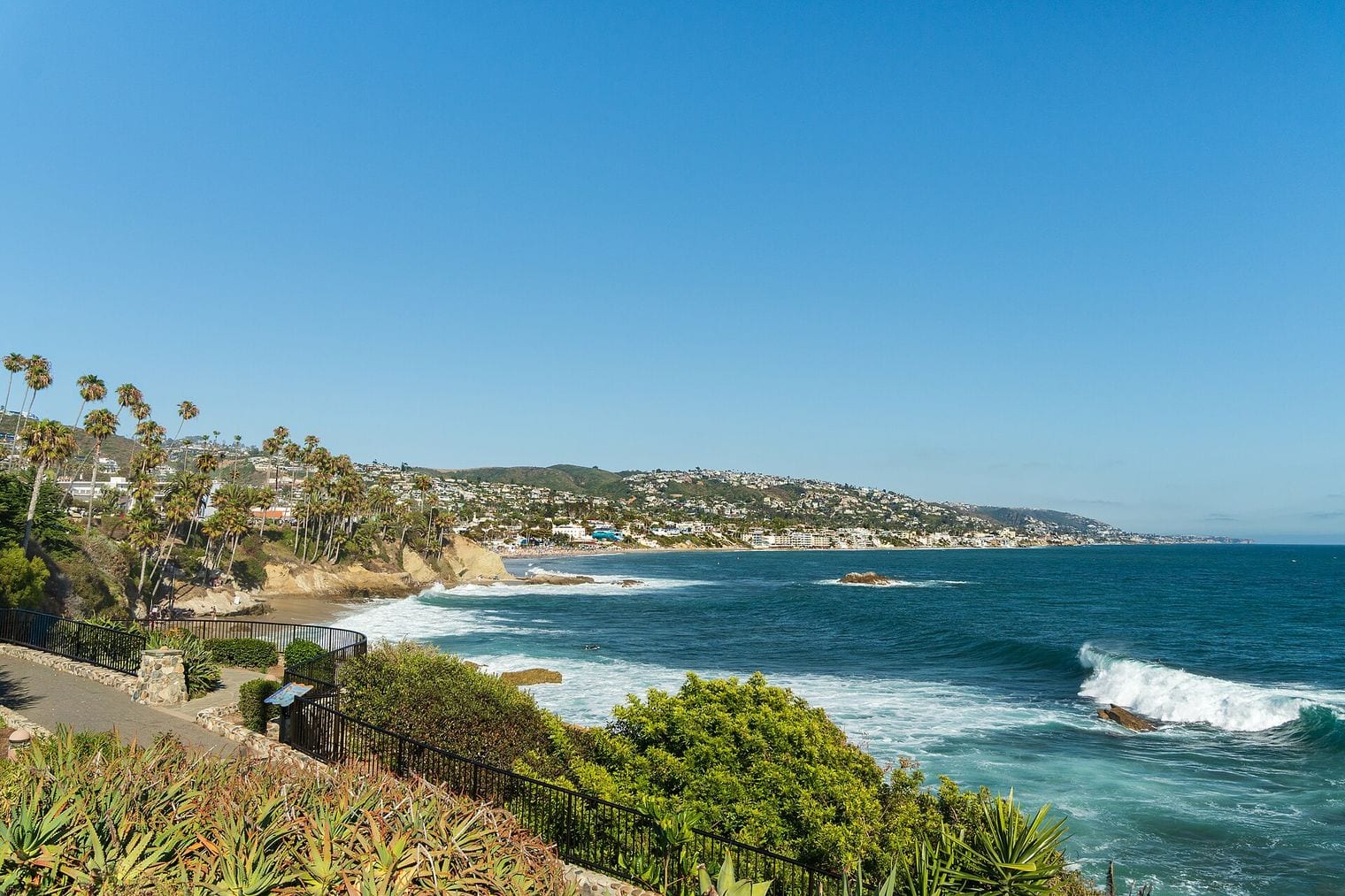
Laguna Beach, in Orange County between Los Angeles and San Diego, is Southern California's art-colony beach town, with scenic coves tucked between headlands and a mild climate all year. Main Beach sits right downtown, and Heisler Park's clifftop path leads to tide pools and small beaches below.
Painters arrived early in the 20th century, and Laguna's arts calendar is still its pride, led by the Festival of Arts and the Pageant of the Masters, where performers recreate famous artworks as living pictures. Crystal Cove State Park, just up the coast, adds a historic cottage colony and more tide pools.
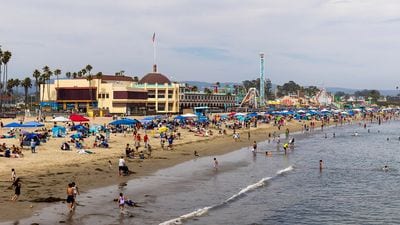
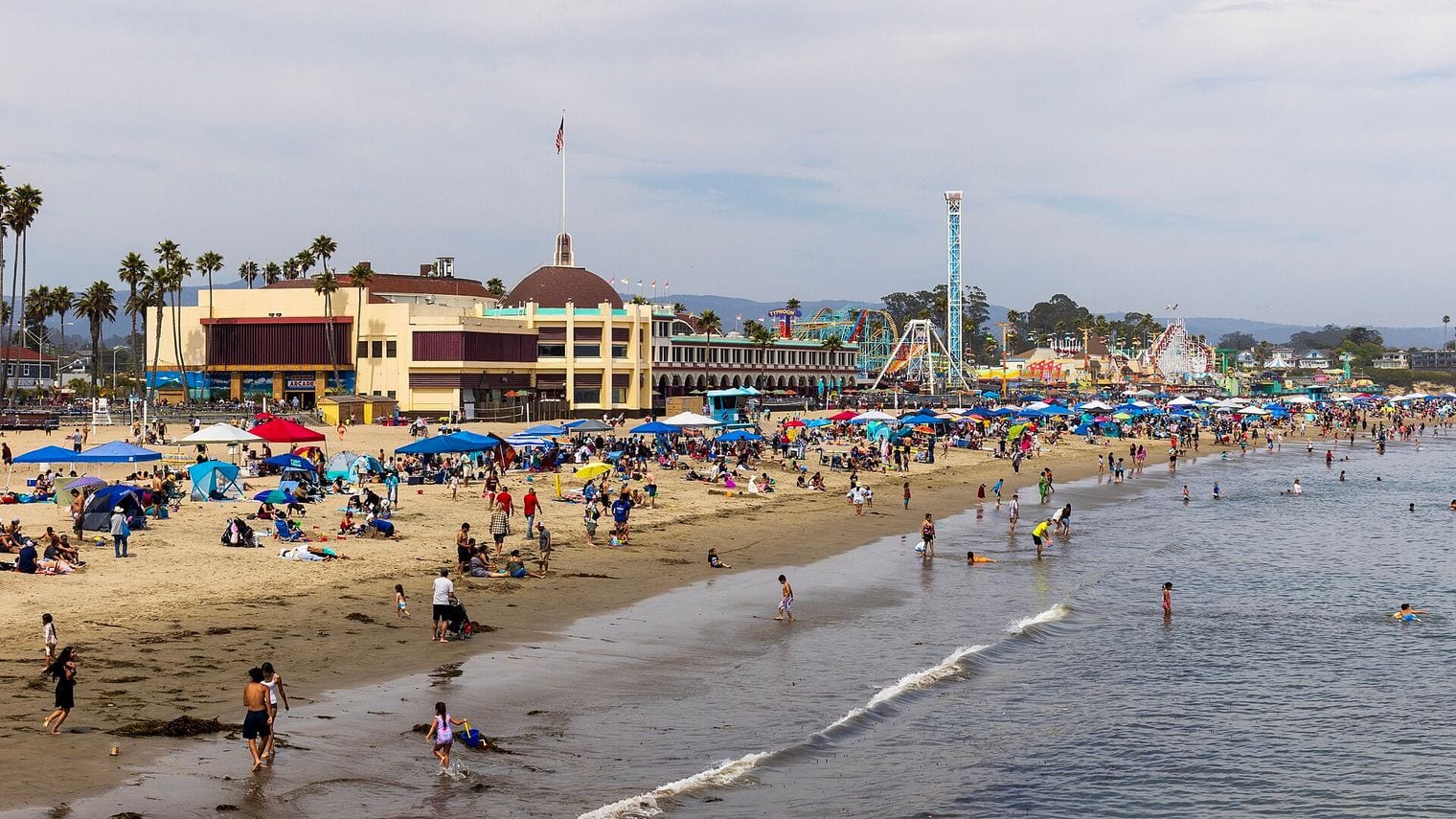
Santa Cruz, on the northern edge of Monterey Bay, is California's quintessential surf town, and its Santa Cruz Beach Boardwalk, founded in 1907, is the state's oldest surviving amusement park. The Giant Dipper, a wooden roller coaster that opened in 1924, is a National Historic Landmark and still rattles along above the sand.
Surfers ride the point break at Steamer Lane below the lighthouse, Natural Bridges State Beach has tide pools and wintering monarch butterflies, and the redwood forests of the Santa Cruz Mountains rise behind town. The historic wharf, battered by winter storms in late 2024, has reopened a little shorter than before; San Francisco is about 90 minutes north.
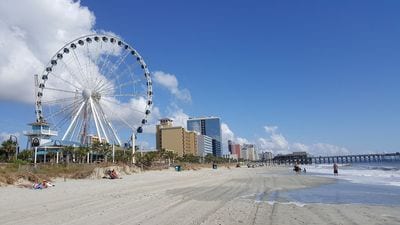
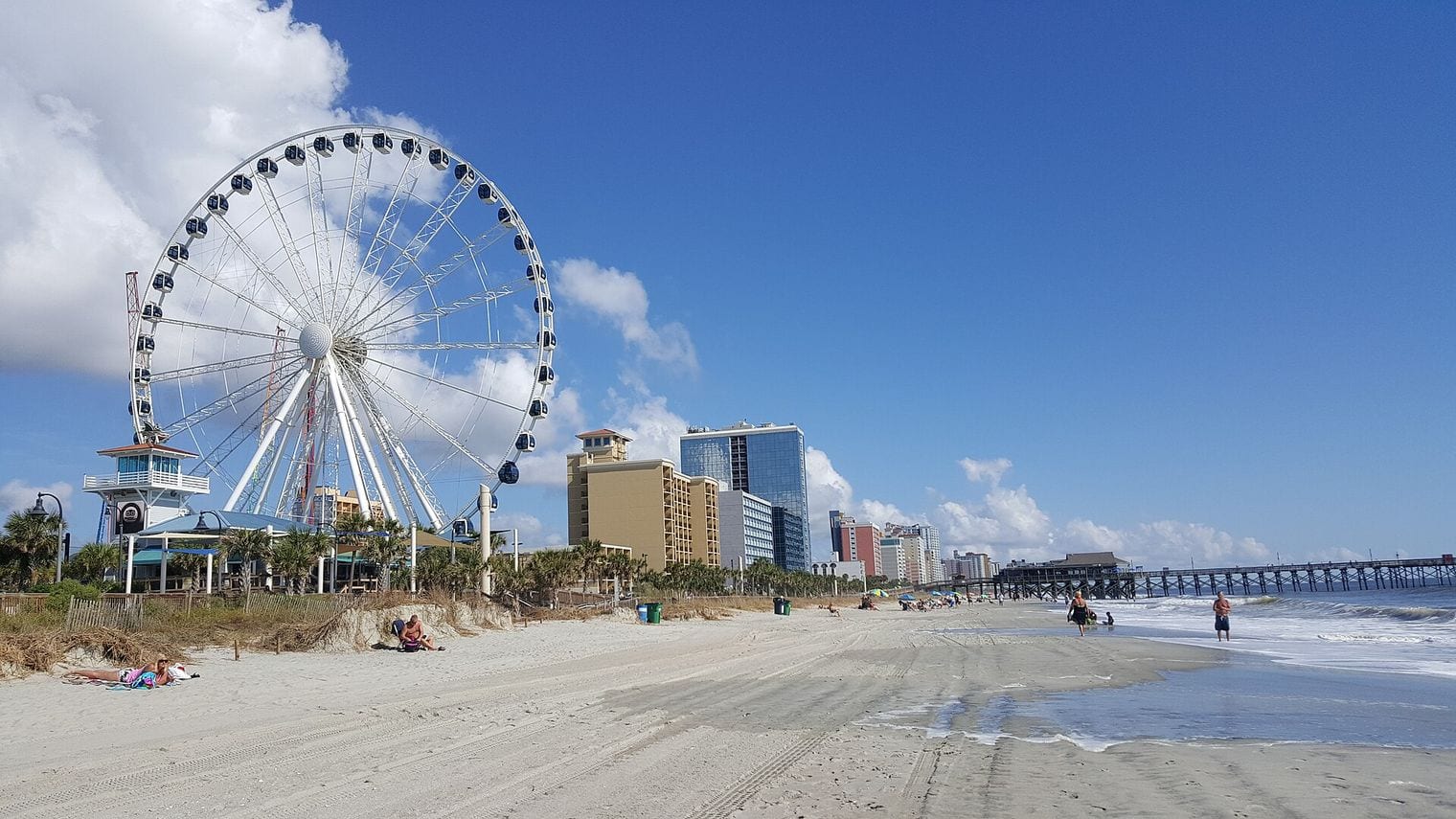
Myrtle Beach is the center of the Grand Strand, a continuous 60-mile run of beach along South Carolina's northeast coast, and it does the family beach vacation on a grand scale. The oceanfront boardwalk, a giant Ferris wheel, amusement piers, mini-golf courses by the dozen and live shows fill the strip behind the sand.
For a quieter side, Myrtle Beach State Park preserves maritime forest and a fishing pier, and Brookgreen Gardens and Huntington Beach State Park lie to the south near Murrells Inlet. Golf is the other big draw, with courses up and down the Grand Strand.
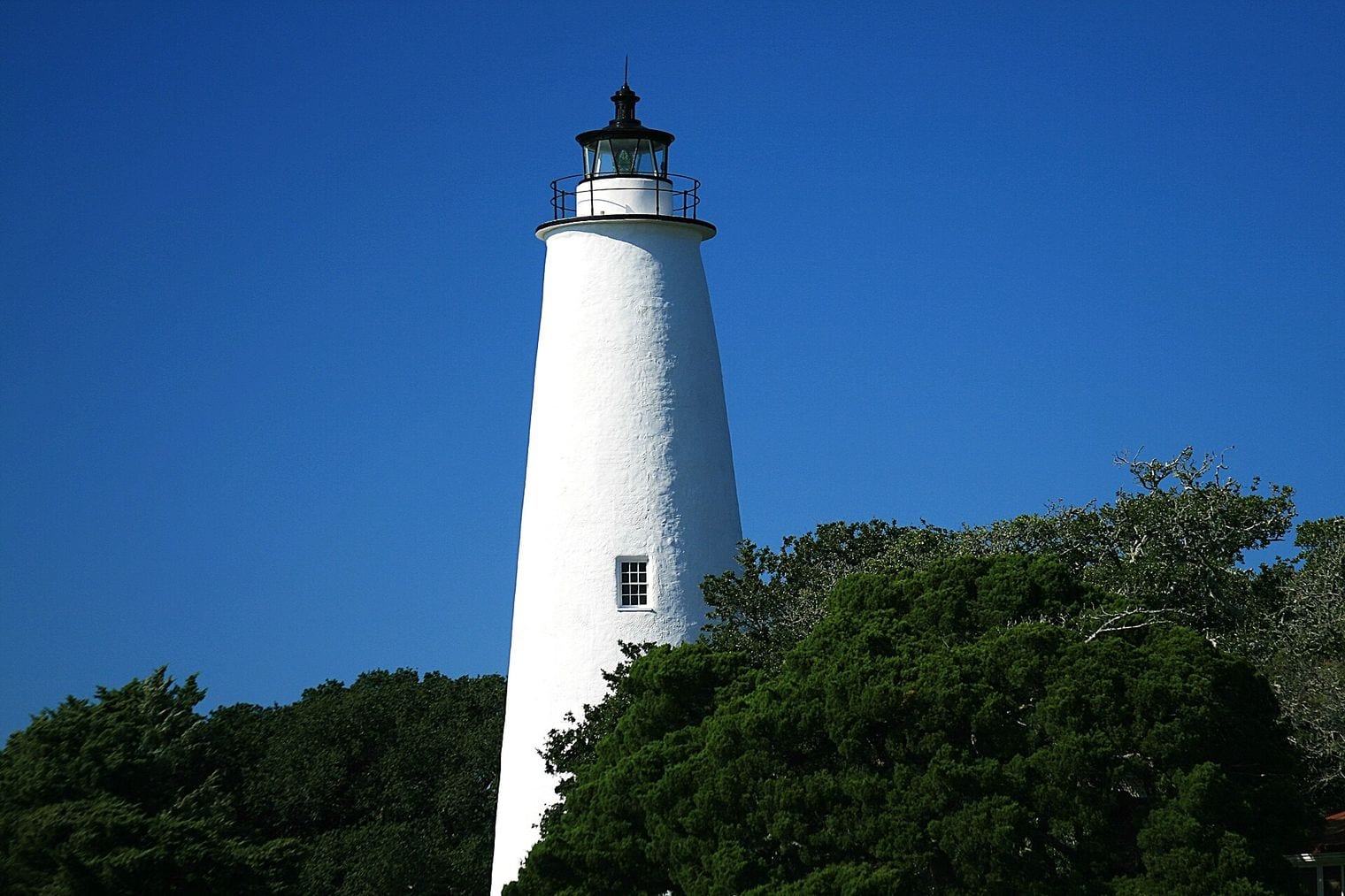
Ocracoke is the Outer Banks village at the end of the road, on an island reached only by ferry, and that isolation has kept it small, sandy and unhurried. Most of the island is part of Cape Hatteras National Seashore, so its beaches run for miles with no houses behind them, and a herd of Banker ponies is kept on the island.
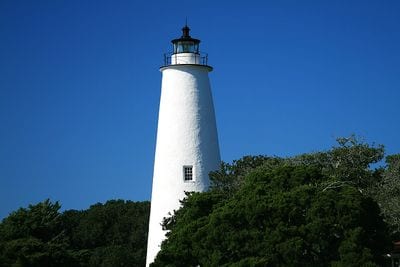
The village circles Silver Lake harbor, with the white 1823 Ocracoke Light, the oldest operating light station in North Carolina, standing among the houses. Blackbeard was killed off the island in 1718, and his favorite anchorage is still called Teach's Hole. Ferries run from Hatteras, Swan Quarter and Cedar Island; storms can close NC 12, so check road and ferry conditions before you go.
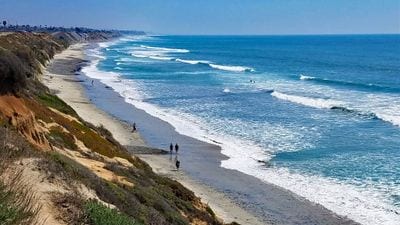
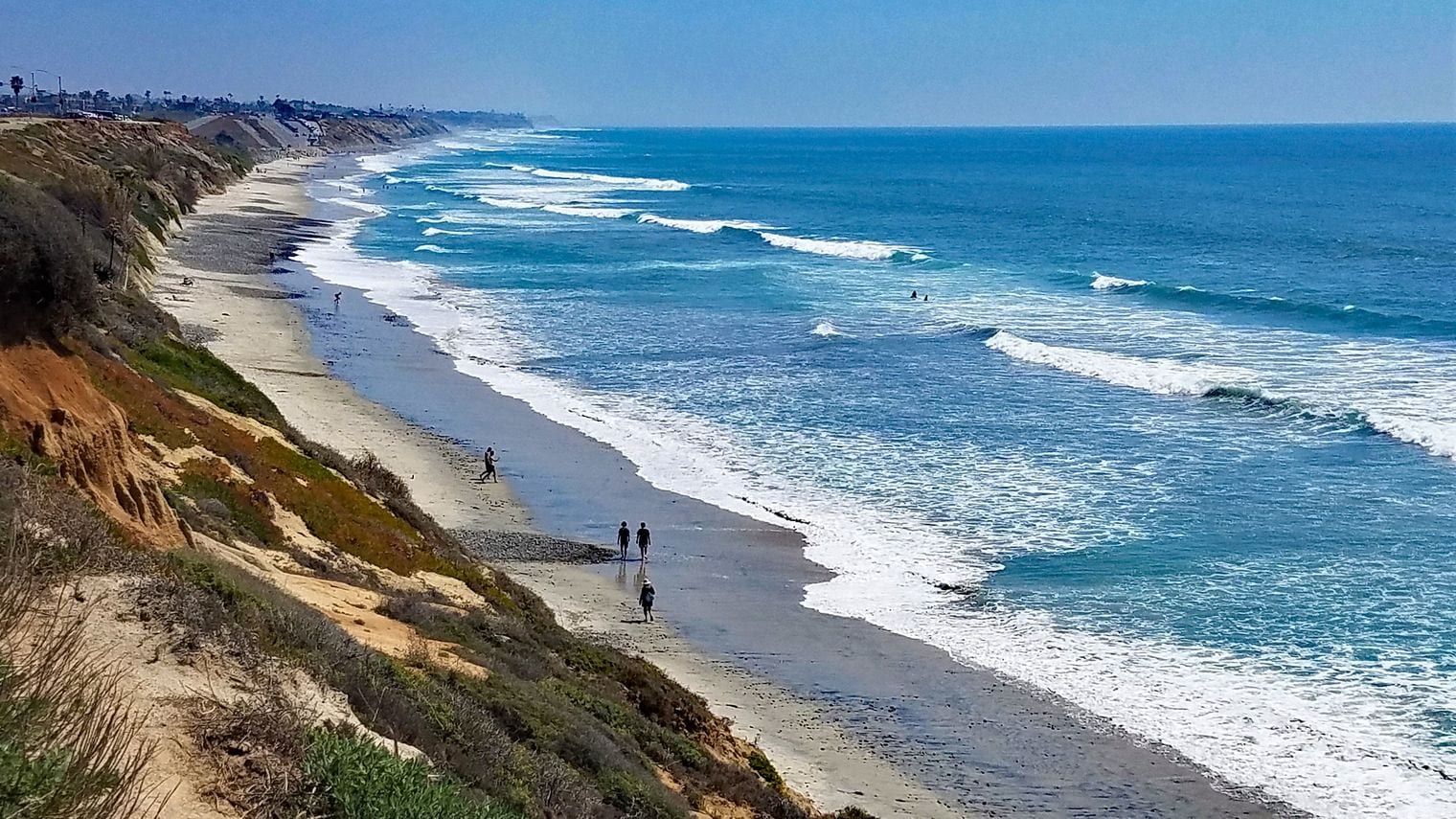
Carlsbad, in North San Diego County, takes its name from the Bohemian spa town of Karlsbad after a well here turned up water like the famous springs. Carlsbad Village packs shops and cafes a block from the beach, and a seawall walkway runs above the sand for easy sunset strolls.
In spring the hillside Flower Fields bloom in stripes of ranunculus from early March to early May, and Legoland California, the first Legoland outside Europe, makes this one of the easiest beach towns for children. Batiquitos Lagoon's trail and the surf at Tamarack and Ponto beaches round it out, and San Diego is less than an hour south.
Fernandina Beach is the northernmost city on Florida's Atlantic coast, a Victorian seaport on Amelia Island just south of the Georgia line. Amelia is known as the "Isle of 8 Flags" for the nations and causes that have flown their colors over it, and Centre Street's historic brick storefronts run down to the shrimp-boat docks.
The beaches are wide and uncrowded, and Fort Clinch State Park, near the island's northern tip, pairs a 19th-century brick fort with dunes, maritime forest and a long fishing pier. Jacksonville is under an hour south.
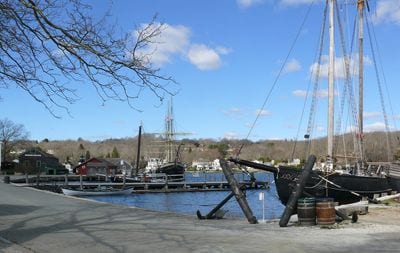
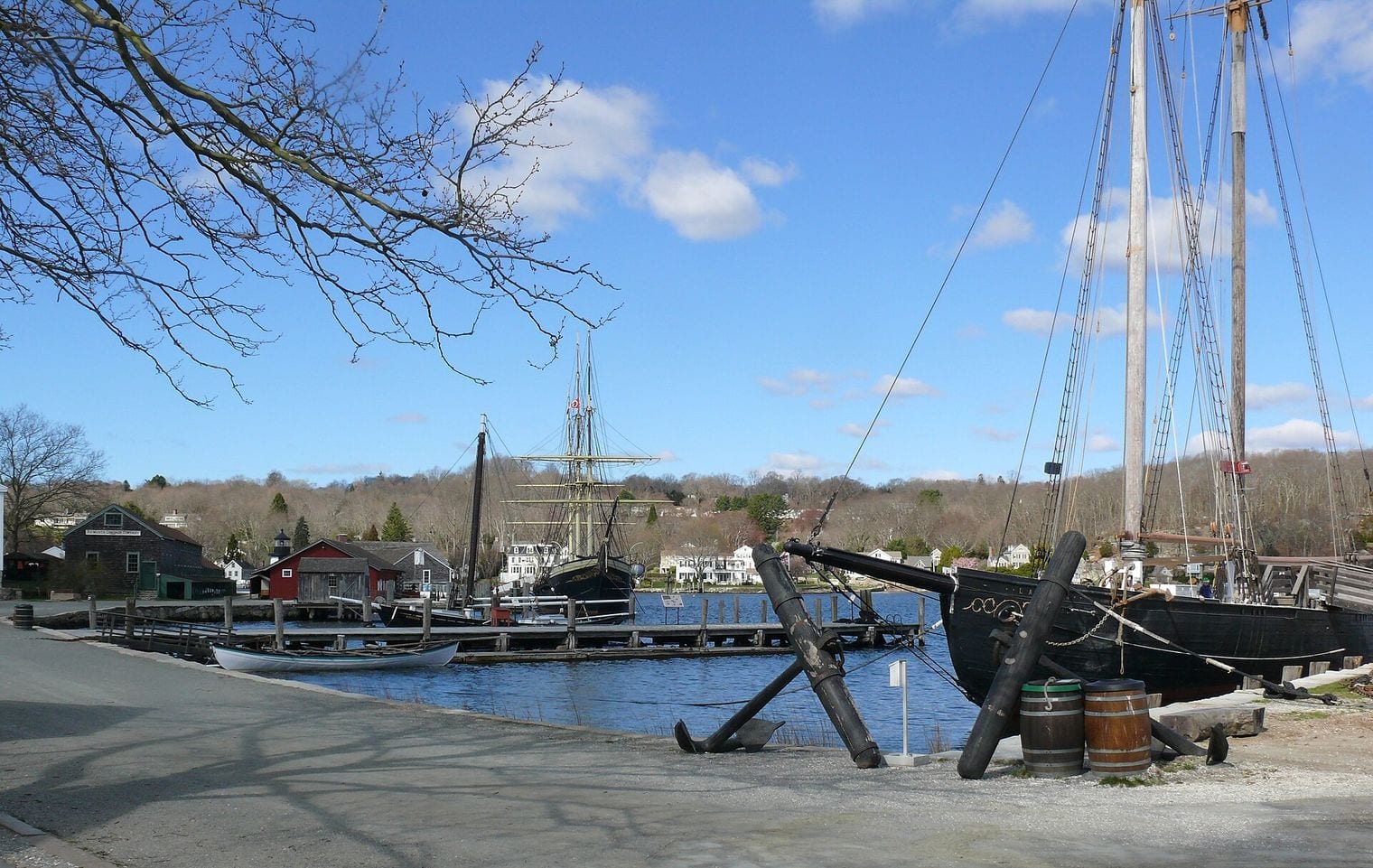
Mystic, a village on the Mystic River in southeastern Connecticut, built more than 600 ships in the age of sail, and Mystic Seaport Museum, the largest maritime museum in the United States, keeps that era afloat, including the whaleship Charles W. Morgan.
It is more a harbor town than a beach town, with the bascule bridge lifting for passing boats, a waterfront downtown and Mystic Aquarium on the edge of the village. For sand, the Rhode Island beaches at Watch Hill and Misquamicut are a short drive east, and the 1988 film Mystic Pizza put the village on the map.
Wellfleet, on Cape Cod's Outer Cape, is famous for its oysters, celebrated each October at the OysterFest, and for keeping most of its land wild: about 70 percent is protected, nearly half of it inside the Cape Cod National Seashore. The town center is a small cluster of galleries and white churches above a quiet harbor.
The ocean beaches below the high dune cliffs, Marconi, White Crest and Cahoon Hollow among them, are some of the most dramatic on the Cape. Guglielmo Marconi built the first transatlantic radio station in the US on the bluff in South Wellfleet in 1901–1902, and a Mass Audubon wildlife sanctuary protects salt marsh and tidal flats nearby.
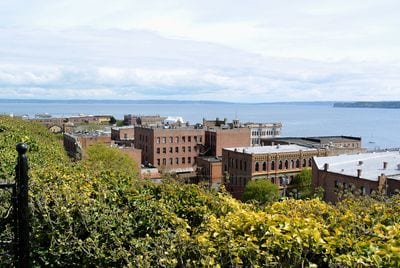
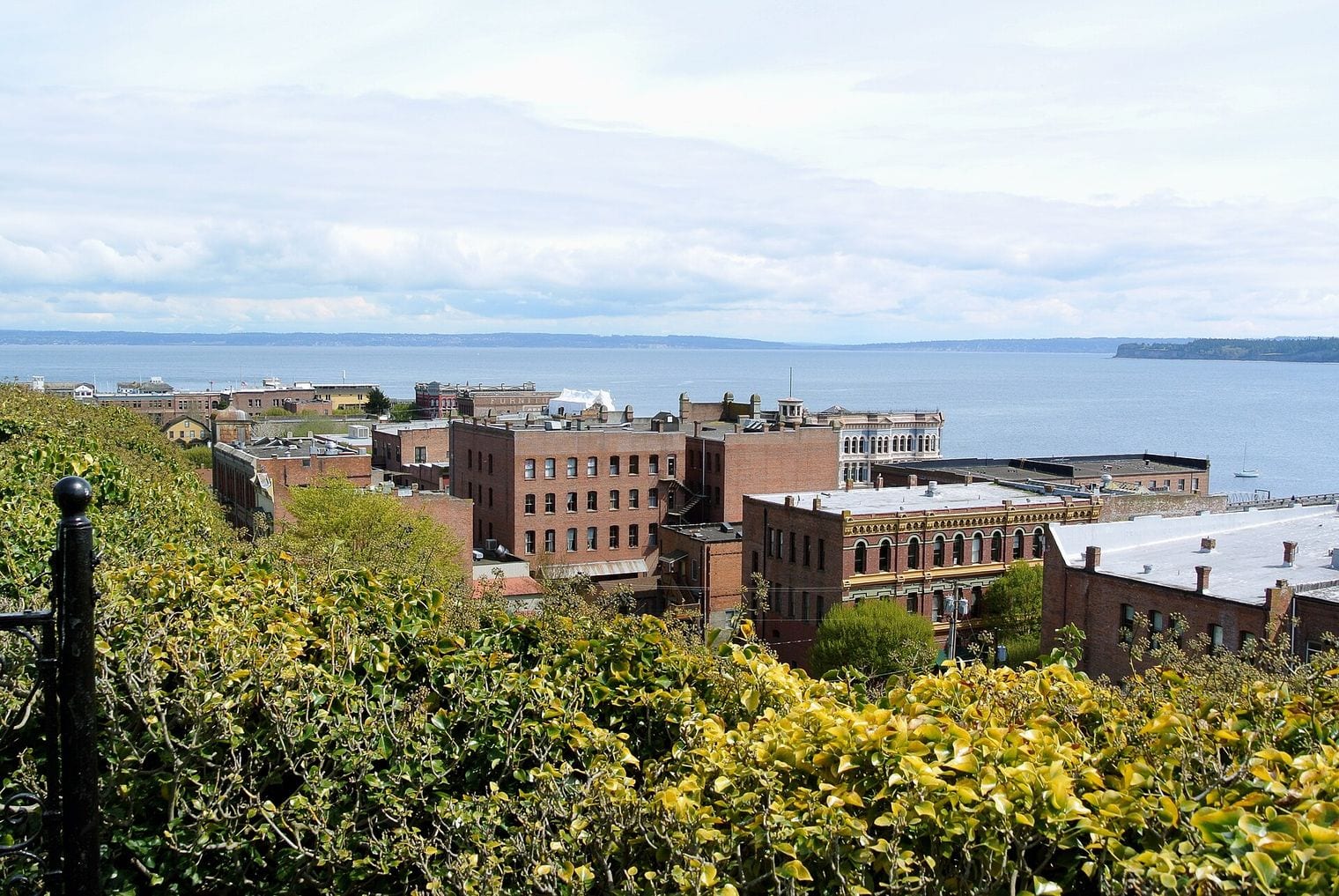
Port Townsend, at the northeastern tip of Washington's Olympic Peninsula, is a Victorian seaport that time slowed down: its brick downtown along Water Street and the ornate houses on the bluff above date from a late-19th-century boom that faded almost as quickly as it came.
Today it is a maritime center for wooden-boat builders, with an arts and music calendar that is packed for a town its size. Fort Worden State Park, a former army fort on the point, has beaches, old gun batteries to explore and the Point Wilson Lighthouse looking out over the Strait of Juan de Fuca toward the Cascades.
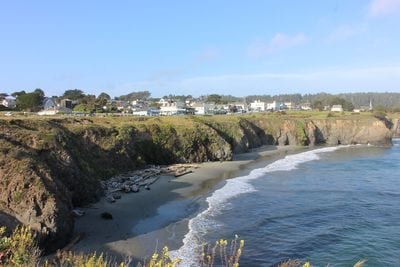
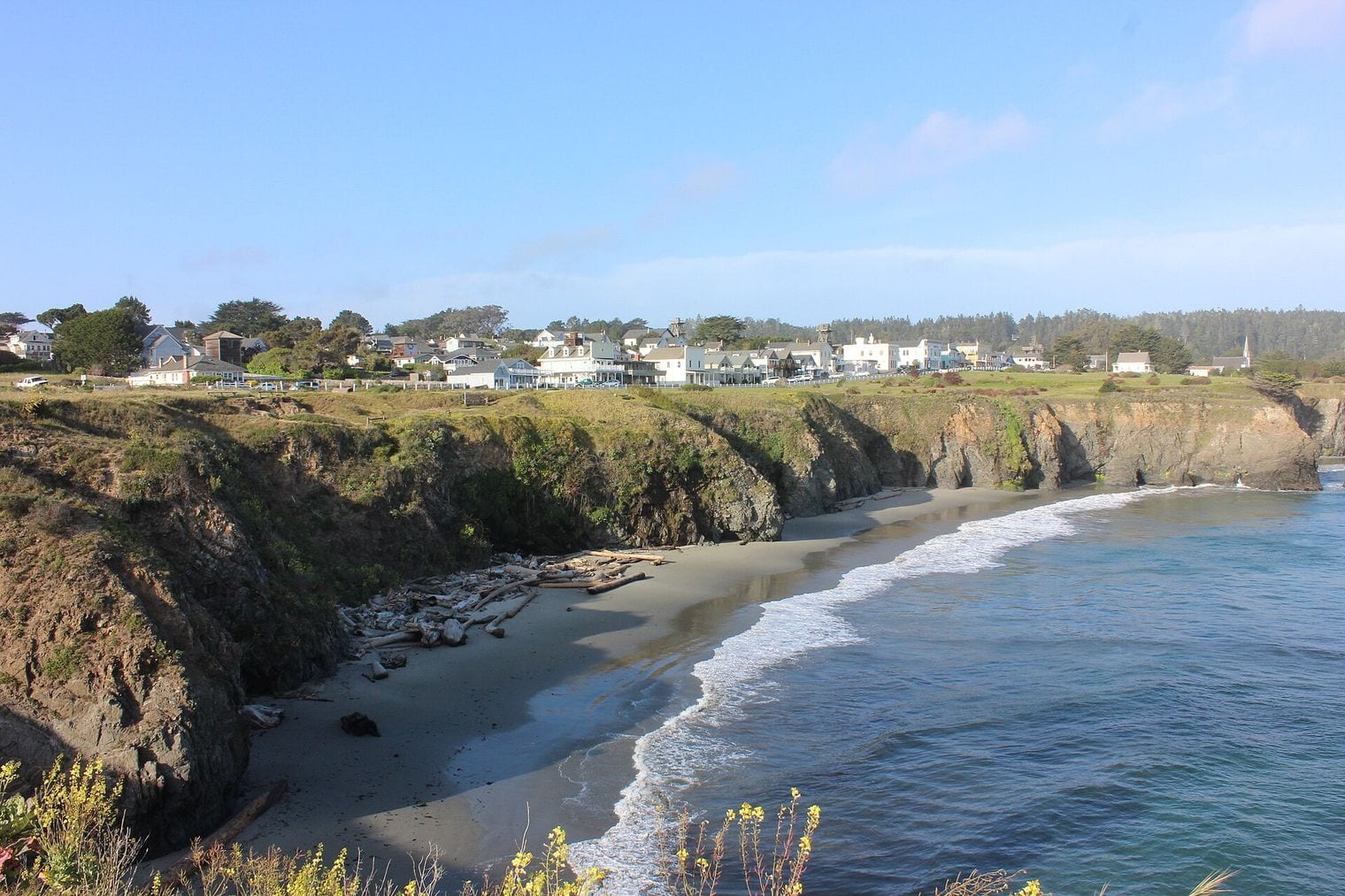
Mendocino stands on a headland above the Pacific on California's North Coast, a village of water towers, saltbox houses and false-fronted shops so intact that most of it is on the National Register as the Mendocino and Headlands Historic District. It looks more like a New England fishing village than a California town.
Mendocino Headlands State Park wraps the village in clifftop trails above sea arches and coves, and Big River Beach sits a quarter mile south of the center where the river meets the ocean. Point Cabrillo Light and Russian Gulch State Park are a few minutes north, and the redwood groves of the coast are close by.
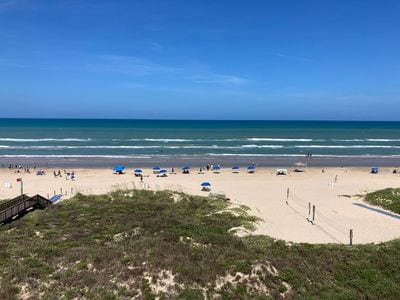
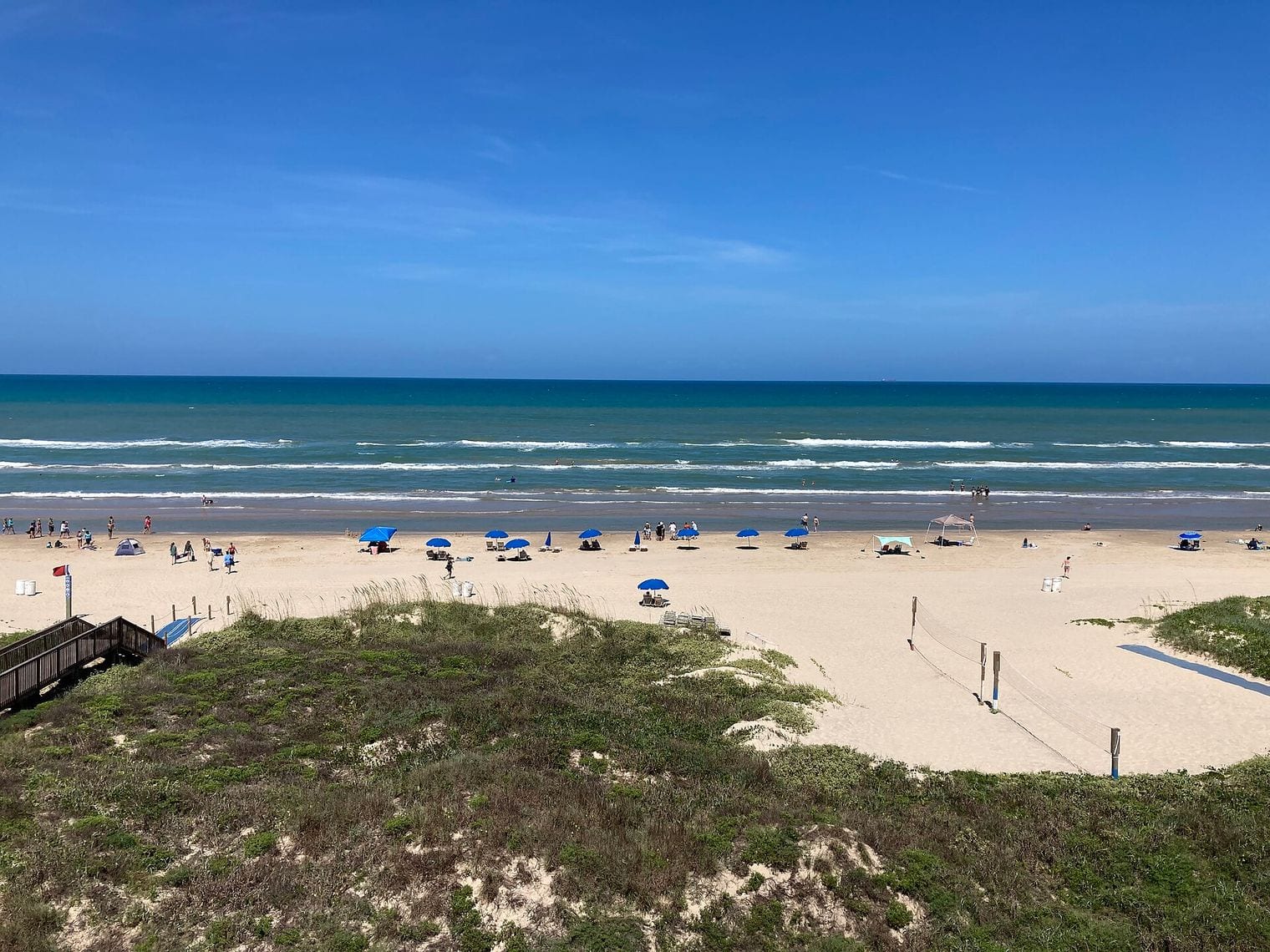
South Padre Island sits at the southern tip of Texas, on a barrier island reached by the Queen Isabella Causeway from Port Isabel, with the Gulf of Mexico on one side and the shallow Laguna Madre on the other. The beaches are wide and warm much of the year, and the town is famous as a spring-break destination and a winter home for snowbirds.
The bay side is a favorite with kiteboarders and windsurfers, and Sea Turtle, Inc. rescues and rehabilitates injured sea turtles at a center open to visitors. North of town the development ends and the island's beaches run on for miles of dunes.
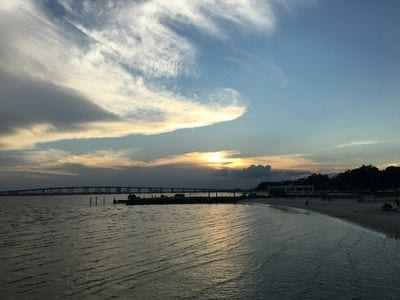
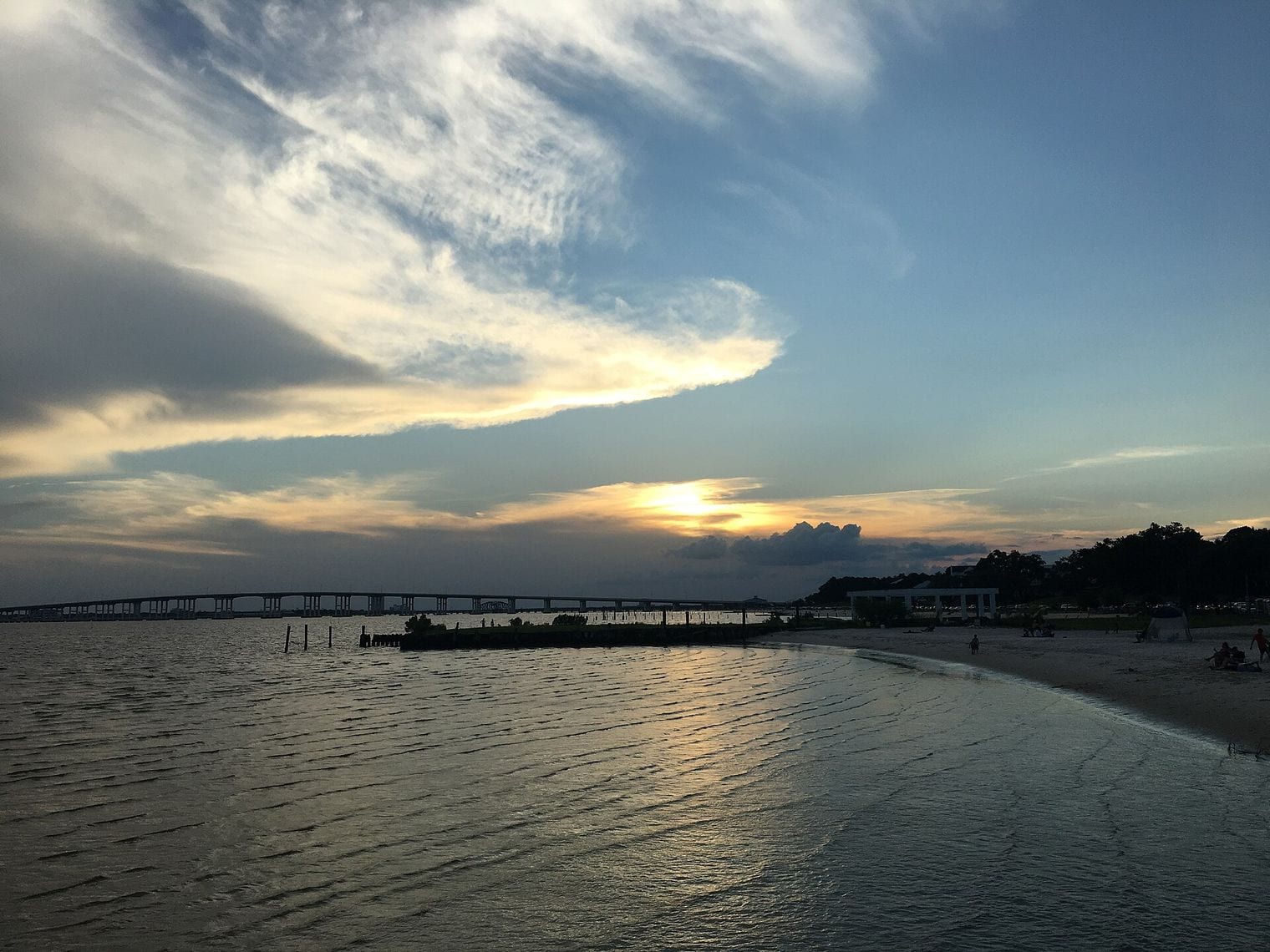
Ocean Springs, on the Mississippi Gulf Coast across the bay from Biloxi, traces its history to 1699, when Pierre Le Moyne d'Iberville founded Fort Maurepas here, one of the first French settlements on the Gulf. Today it is the coast's arts town, with live oaks shading the galleries and cafes of Washington Avenue and a sandy Front Beach on Biloxi Bay.
The Walter Anderson Museum of Art celebrates the local painter whose work captured the coast's birds, plants and islands, and the Davis Bayou area of Gulf Islands National Seashore has marsh trails on the edge of town. Biloxi and Gulfport, with their casinos and longer beaches, are a short drive west.
Seaside, on Scenic Highway 30A in the Florida Panhandle, is a beach town by design. Robert Davis began building it in 1981 on land his grandfather had left him, as one of the first New Urbanist communities: pastel wooden cottages with porches and picket fences, sandy paths and a town center within walking distance of every house.
Its storybook look made it the main filming location for The Truman Show, and architects still come to study it. The beach below the town's pavilions is the Panhandle's famous sugar-white sand, Grayton Beach State Park is close by, and the other planned villages along 30A make an easy bike ride.
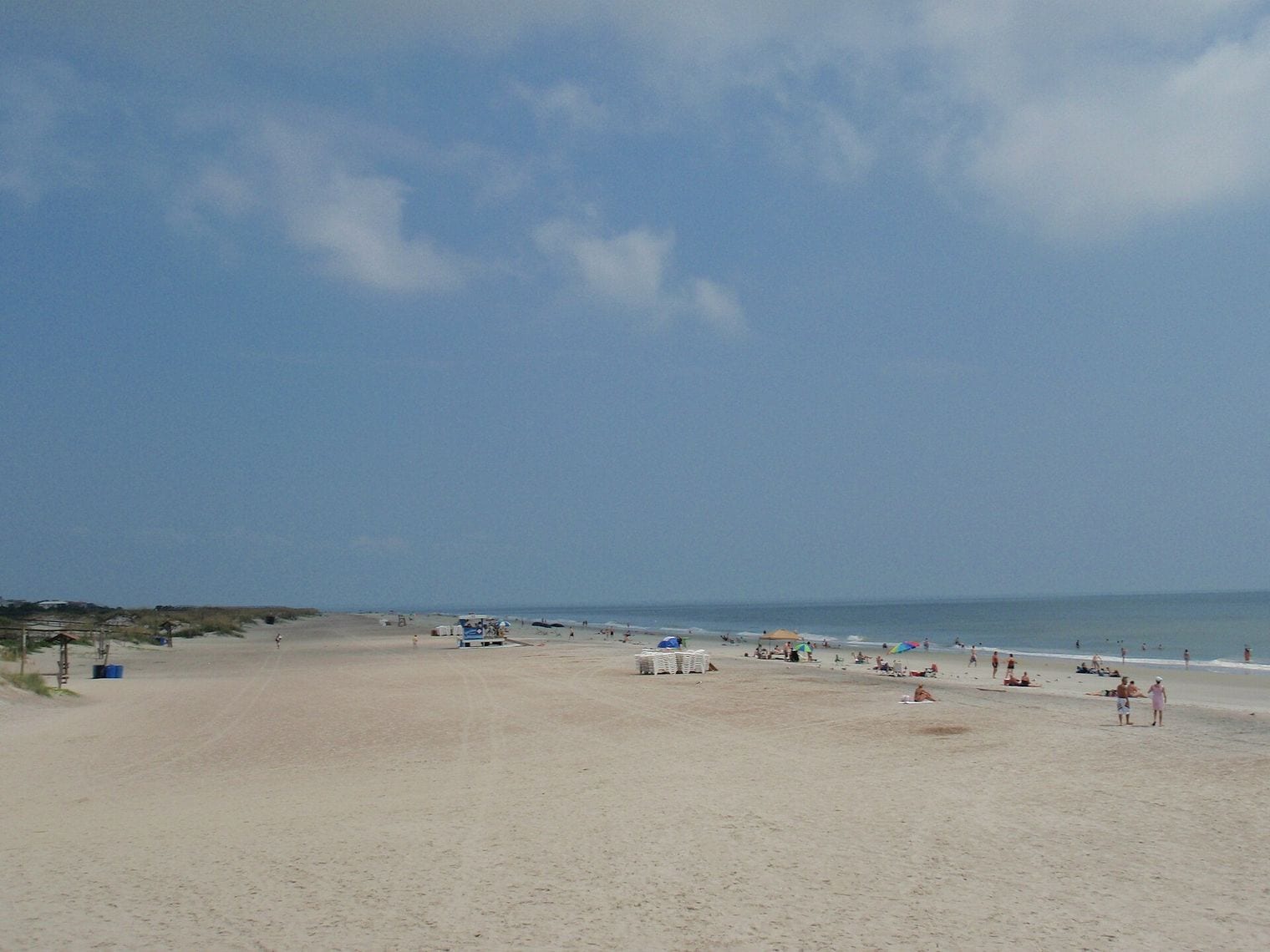
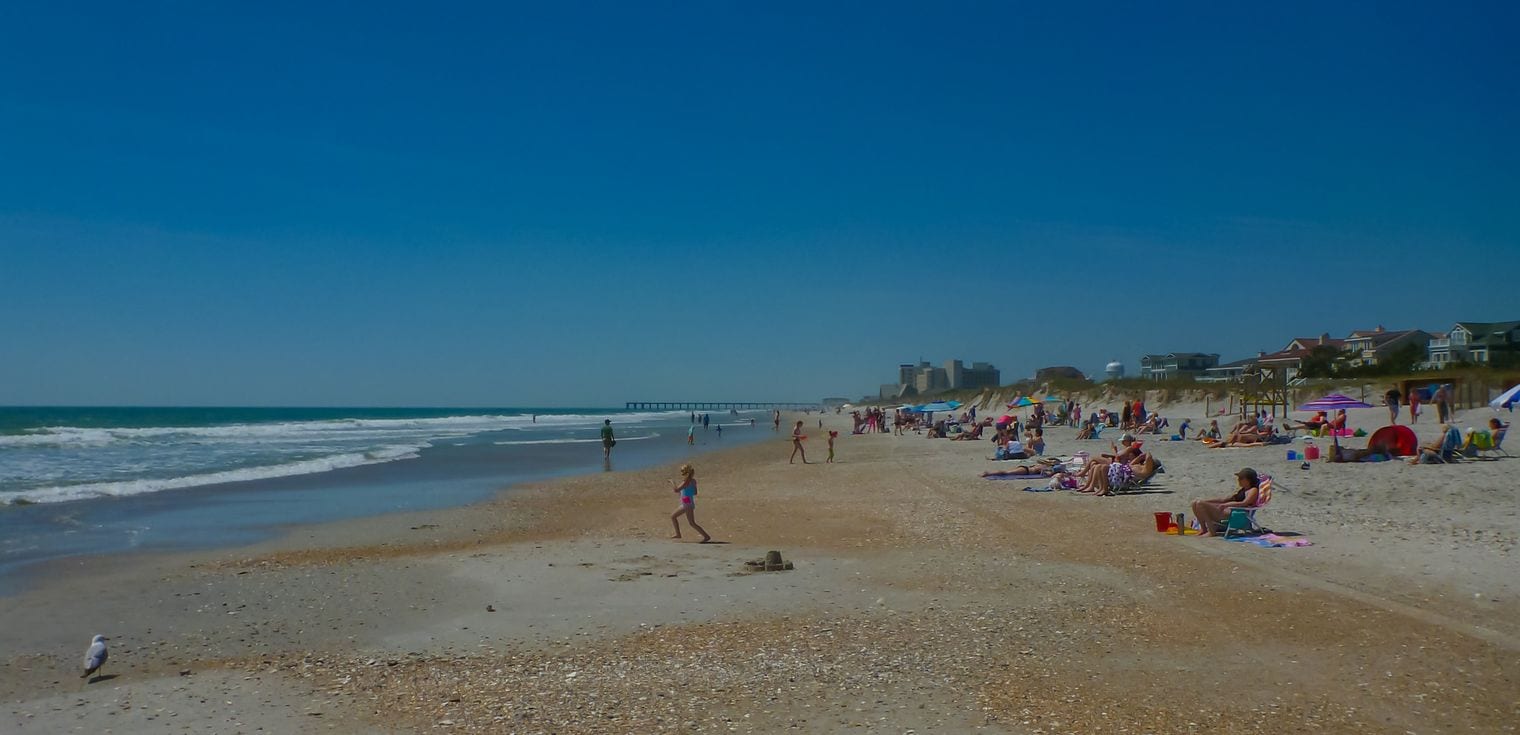
Wrightsville Beach is the beach town for Wilmington, a barrier-island community just east of the city on North Carolina's southern coast, with wide sand, steady surf and a strong local surfing and paddling culture. Johnnie Mercer's Pier, named for the owner who bought it in 1939, reaches into the Atlantic from the middle of the island.
Locals walk and run the Loop, a popular path around the town park, and kayaks and paddleboards cross the sound to the undeveloped Masonboro Island reserve to the south. Downtown Wilmington's riverfront is about 20 minutes away.
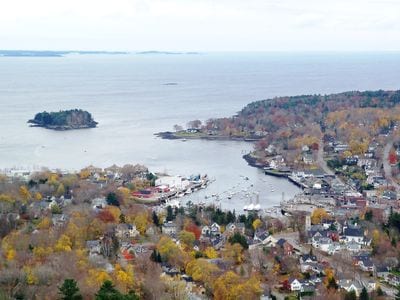
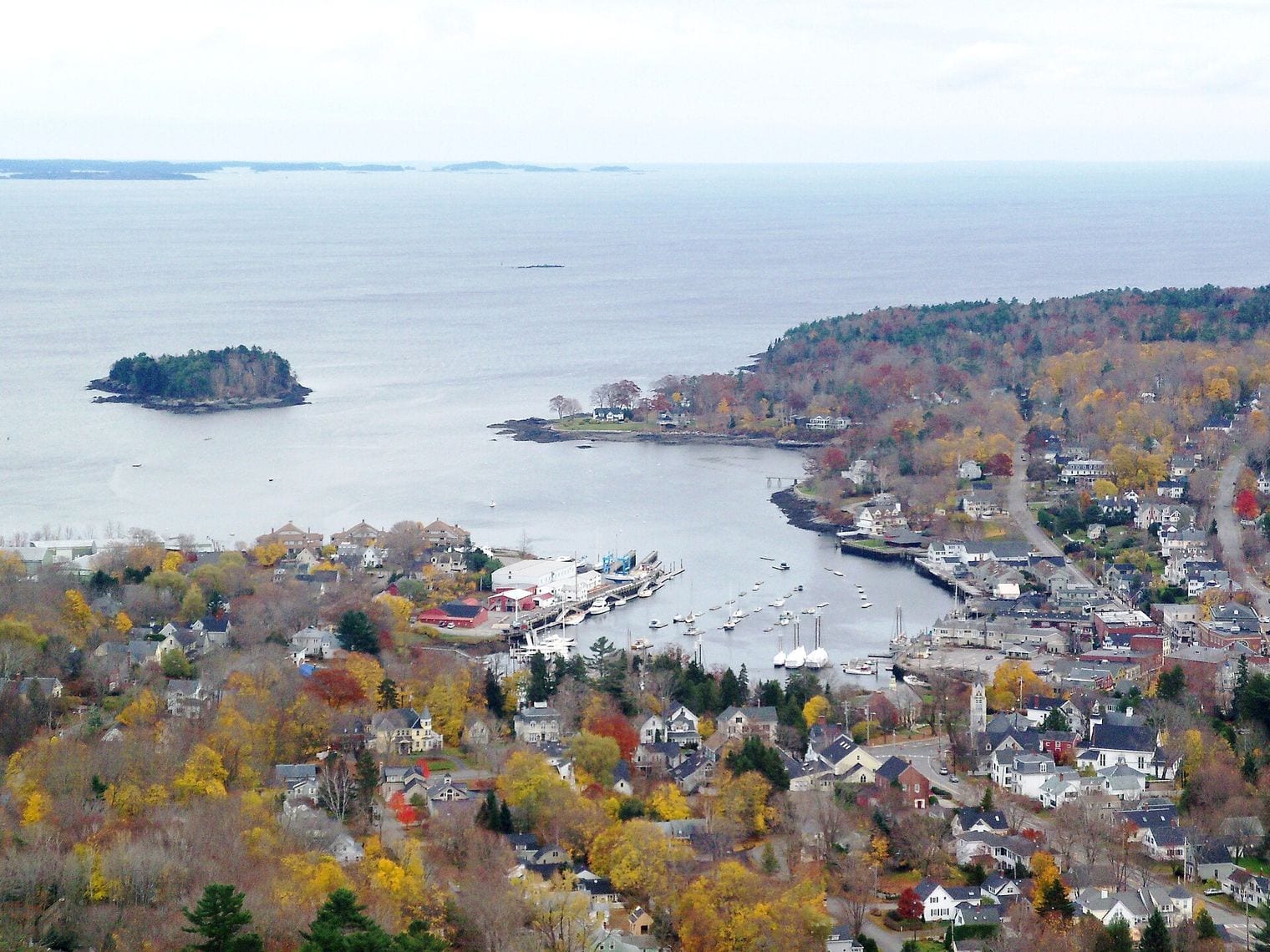
Camden, on Penobscot Bay in midcoast Maine, is one of the few places on the Atlantic seaboard where mountains meet the sea, and the view from Mount Battie over the harbor and islands is one of the best on the coast. The poet Edna St. Vincent Millay grew up here, and the view inspired her.
The harbor is home to a fleet of windjammers, the tall sailing schooners that take passengers on multi-day cruises, and the downtown of brick blocks and clapboard houses sits right on the water. Camden Hills State Park has trails up Mount Battie and Mount Megunticook; the beaches are small and rocky, so this is a Maine harbor town as much as a beach town.
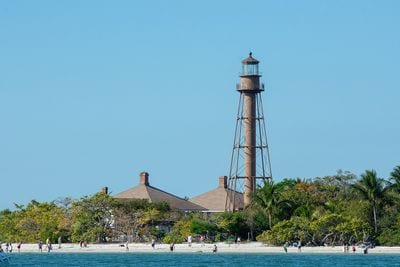
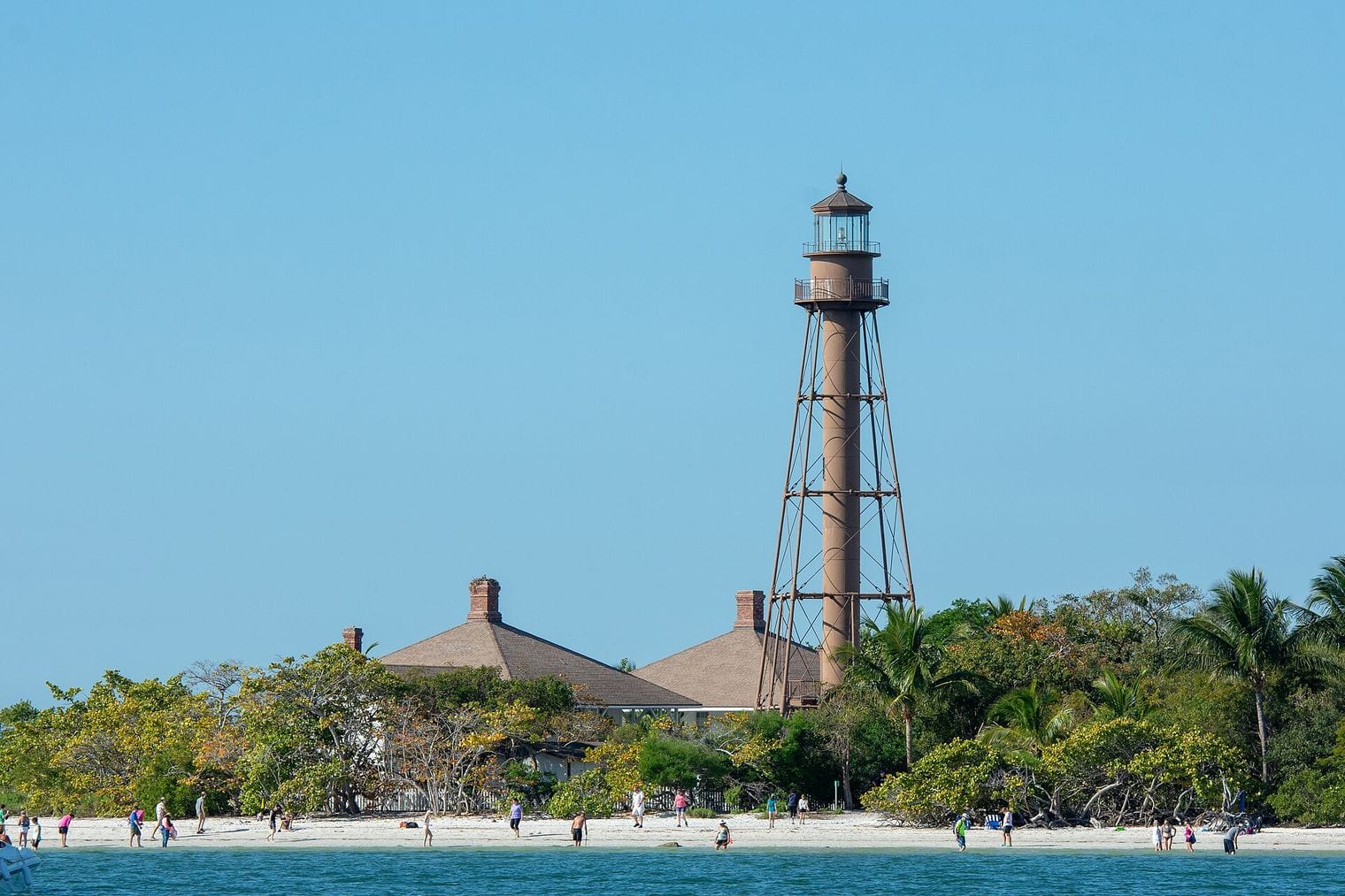
Sanibel is a barrier island off Fort Myers on Florida's Gulf Coast, and its beaches are so famous for shelling that the hunched posture of collectors has a name, the "Sanibel stoop." The island has kept its natural feel by controlling development since it became a city in 1974, and the Bailey-Matthews National Shell Museum explains what washes up.
The J.N. "Ding" Darling National Wildlife Refuge protects mangroves and wading birds along a wildlife drive, and bike paths run much of the length of the island. Hurricane Ian badly damaged the causeway and much of Sanibel in 2022; the causeway has been rebuilt and much of the island has reopened.
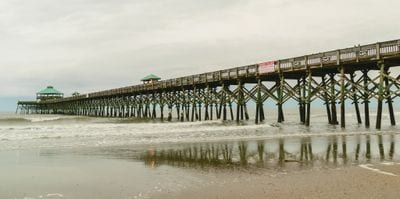
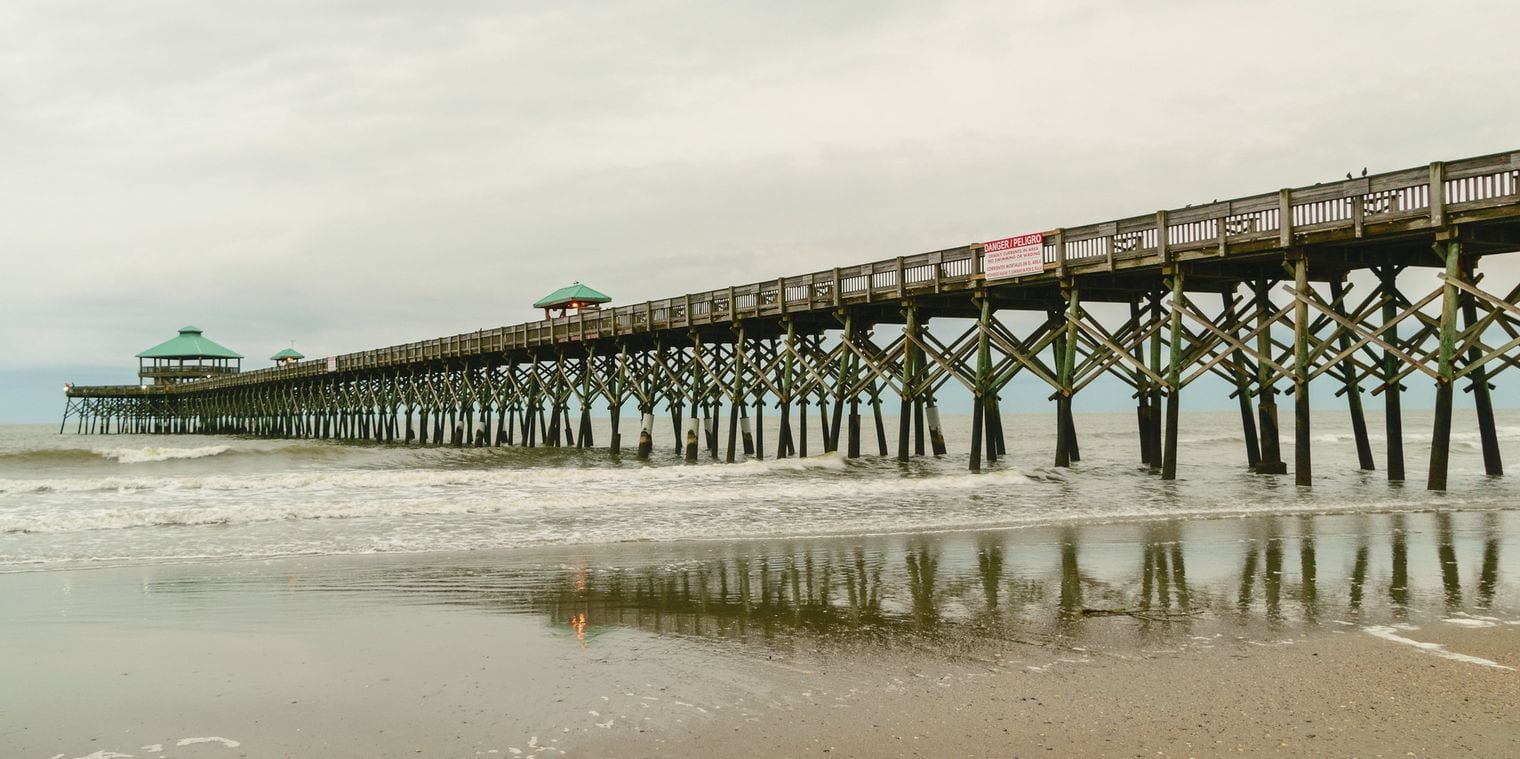
Folly Beach, on a barrier island about 20 minutes from Charleston, is known to locals as "the Edge of America," and it is the most laid-back of the Charleston beaches, with surf shops, beach bars and painted cottages. Its surf spots, the Washout, 10th Street and the waters by Folly Beach Pier, are among the best known in South Carolina.
At the island's northern end, a path leads to a view of the Morris Island Lighthouse, standing offshore in the surf since erosion swallowed the land around it. The county park at the western end and the long fishing pier are the other landmarks.
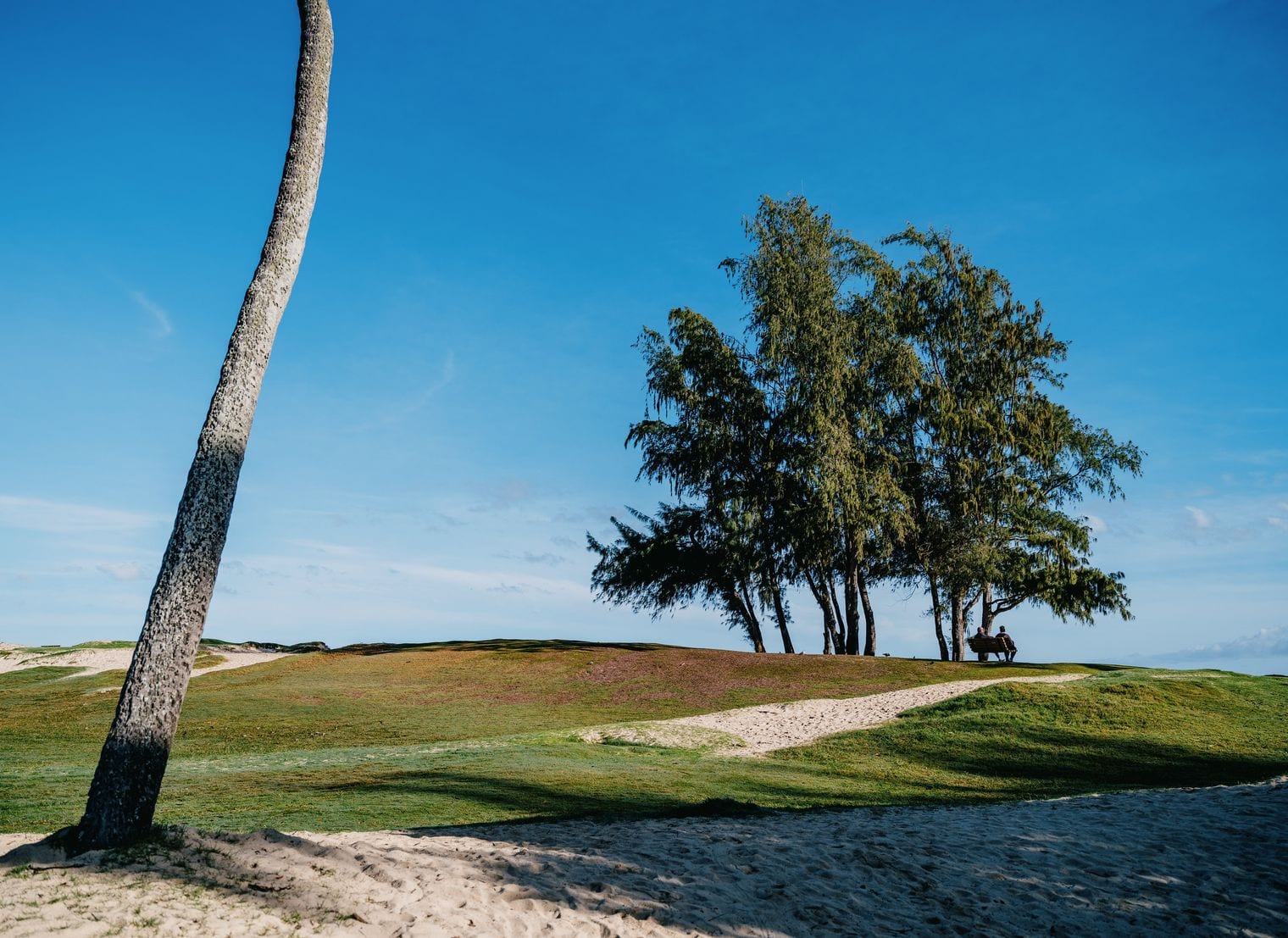
Kailua, on Oahu's windward side, is a beloved beach town about half an hour over the mountains from Honolulu. Kailua Beach is a 2.5-mile crescent of soft white sand and turquoise water, and the steady trade winds make it a top spot for windsurfing and kitesurfing.
Kayakers paddle out to the offshore islets, and next door Lanikai Beach frames the twin Mokulua Islands in one of Hawaii's most photographed views. The town is residential and relaxed, with no big resort strip; Barack Obama made it his winter White House.
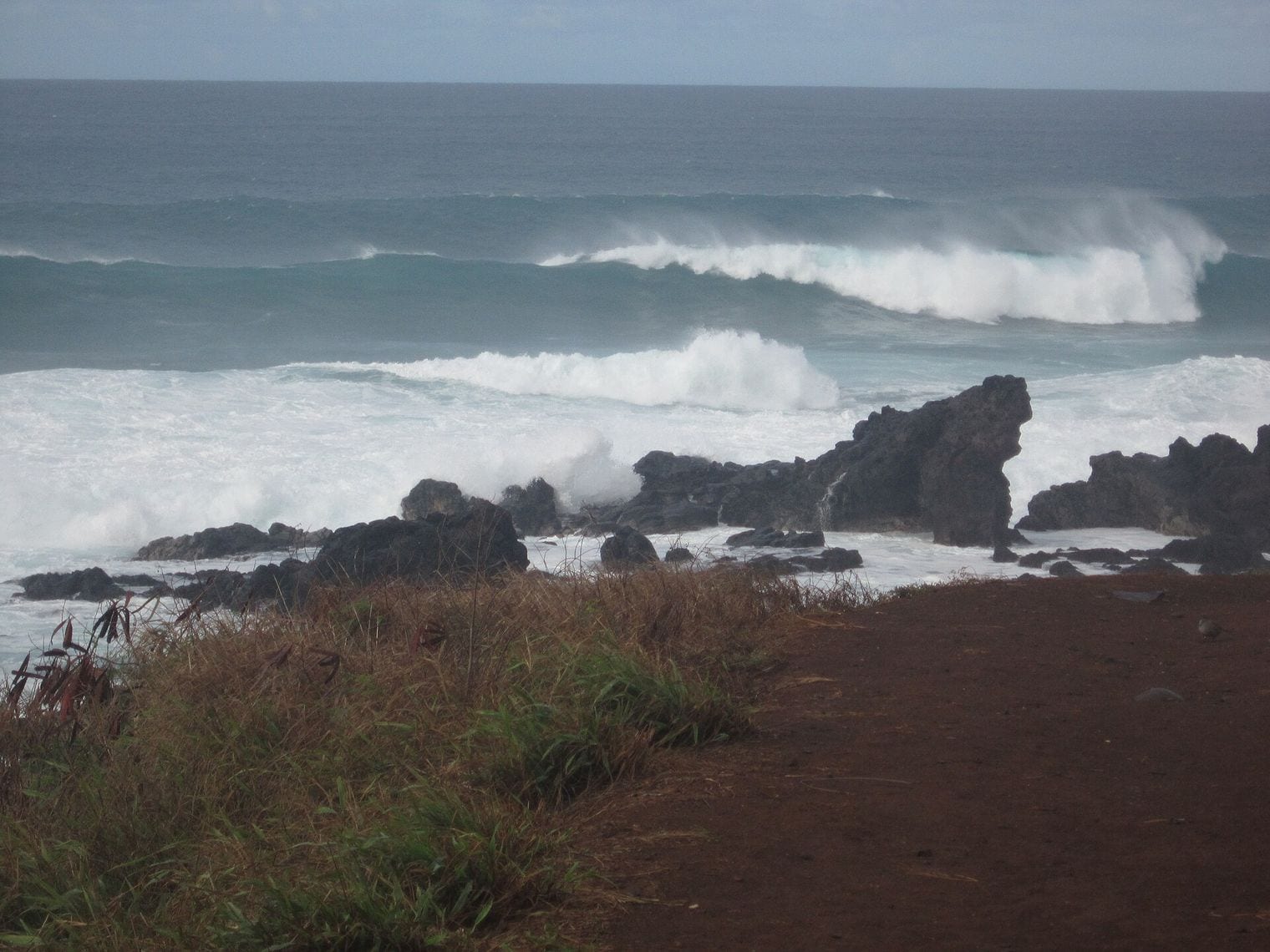
Paia, on Maui's North Shore, is a former sugar-mill town turned surf village, with colorful wooden storefronts, boutiques and cafes along Baldwin Avenue and the Hana Highway. It is the first town on the road to Hana, so many travelers pause here before the drive.
Hoʻokipa, just east of town, is one of the world's famous windsurfing spots, which is why Paia is sometimes called the windsurfing capital of the world, and sea turtles often haul out on its beach. Baldwin Beach Park, west of town, is the long sandy beach for swimming and walking.
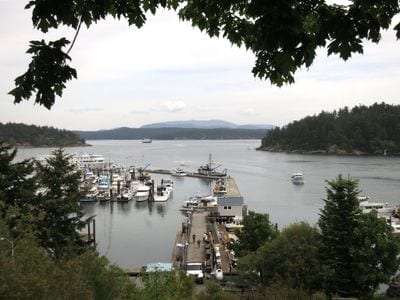
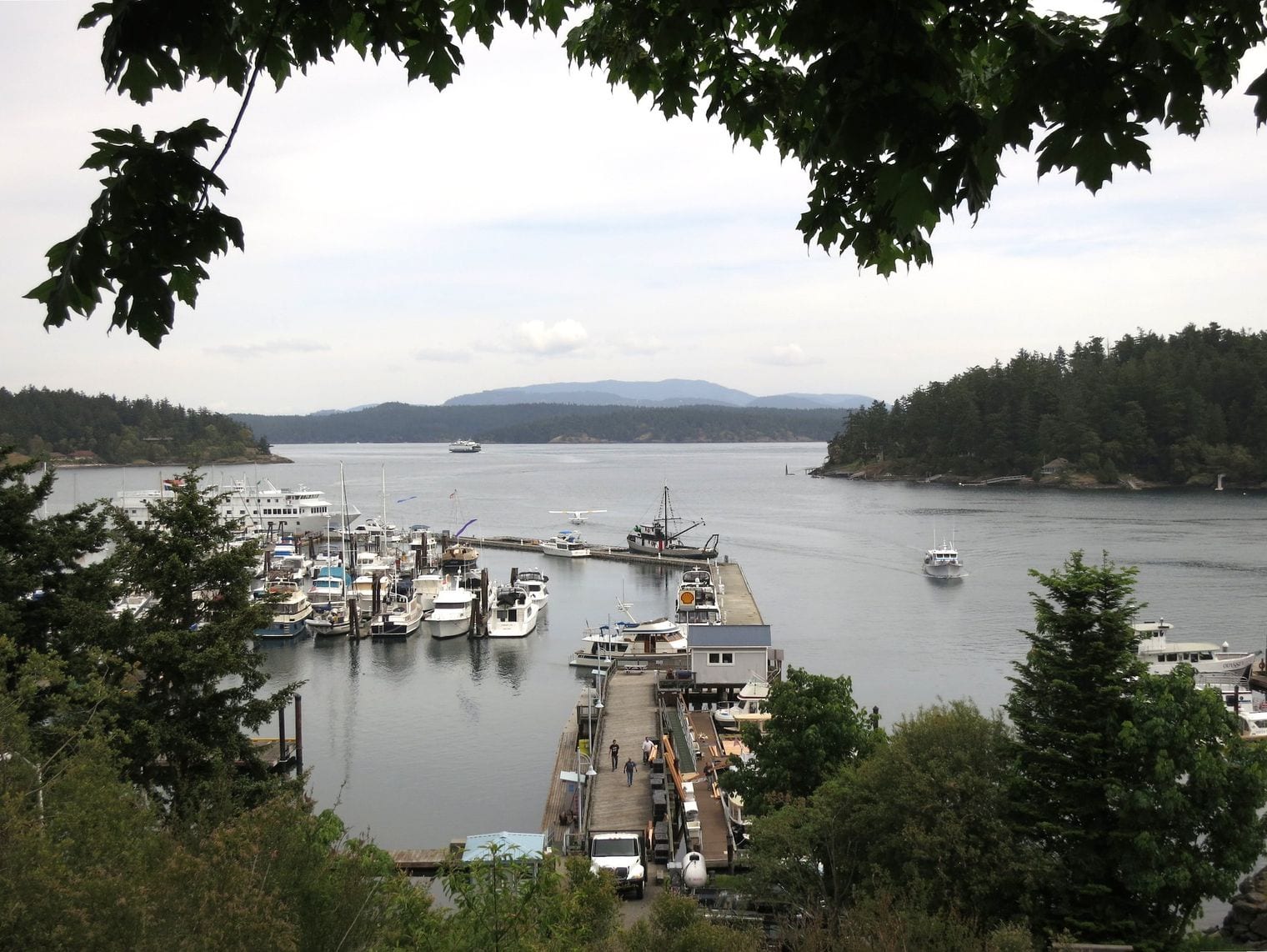
Friday Harbor is the main town of Washington's San Juan Islands, reached by Washington State Ferries from Anacortes through some of the loveliest water in the Northwest. Its marina, shops and galleries climb from the ferry landing, and the island beyond is farmland, forest and rocky shoreline.
Orcas are the headline: Lime Kiln Point State Park on the west side is considered one of the best places in the world to watch wild orcas from shore, and whale-watching boats leave from the harbor. San Juan Island National Historical Park remembers the Pig War, the 1859 border standoff between the US and Britain, and most visitors drive up from Seattle to catch the ferry.
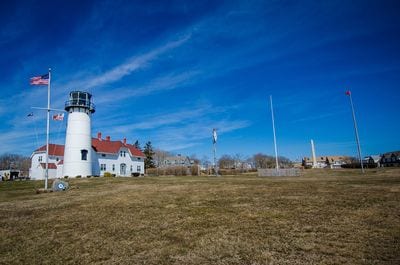
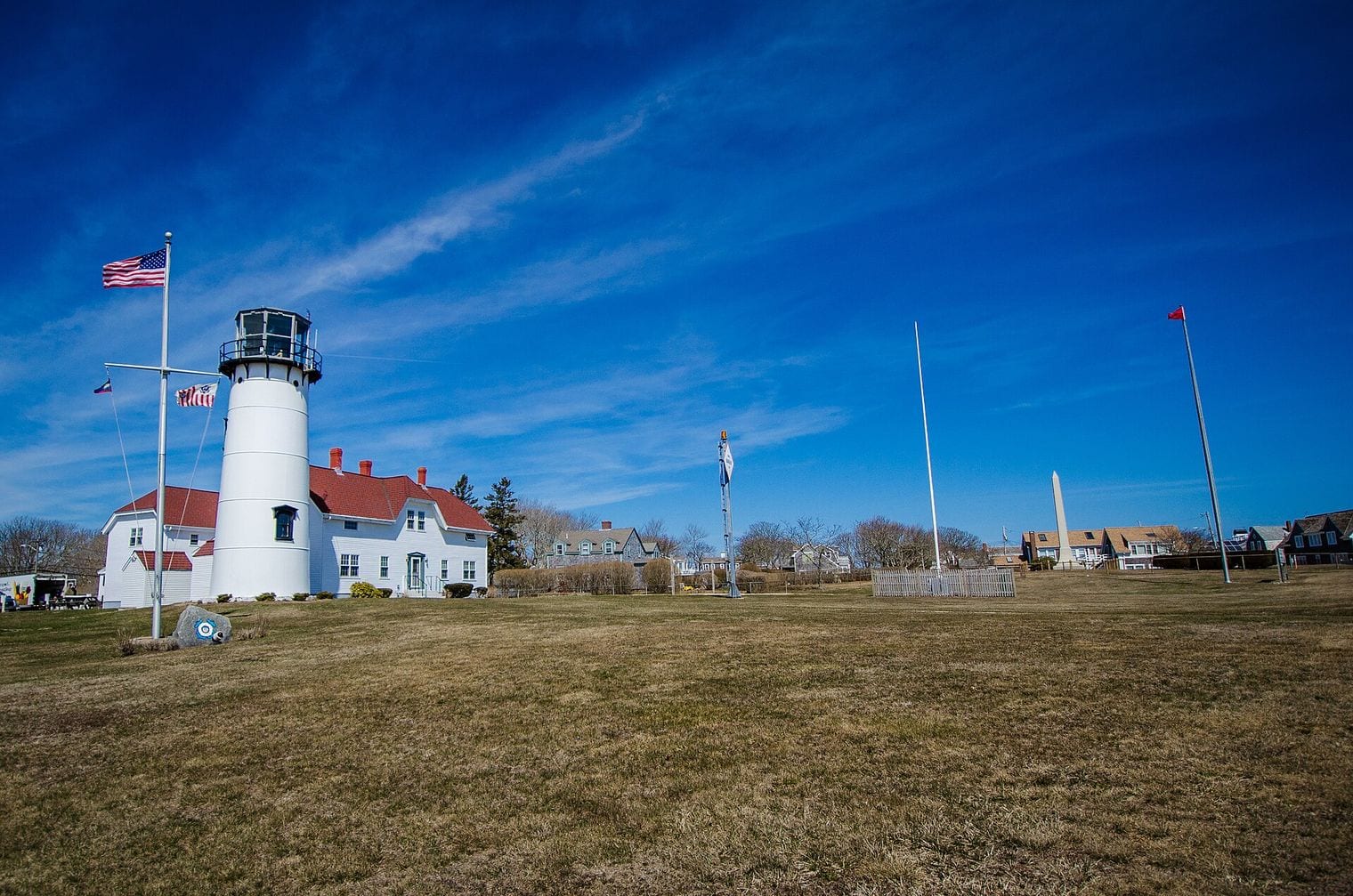
Chatham sits at the elbow of Cape Cod, where the Cape turns north, and it is the Cape's classic small town: a tidy Main Street of shops, white clapboard and a bandstand. The Chatham Light, established by President Thomas Jefferson in 1808, overlooks Lighthouse Beach and the shifting sandbars of the harbor entrance.
Gray seals gather on the sandbars and islands of Monomoy National Wildlife Refuge, where seal-watching boats take visitors out, and at the Chatham Fish Pier you can watch the day's catch being unloaded. Harding's Beach on Nantucket Sound has warmer, calmer water than the ocean side.
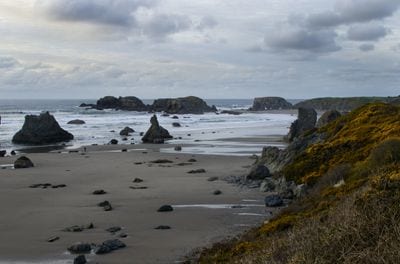
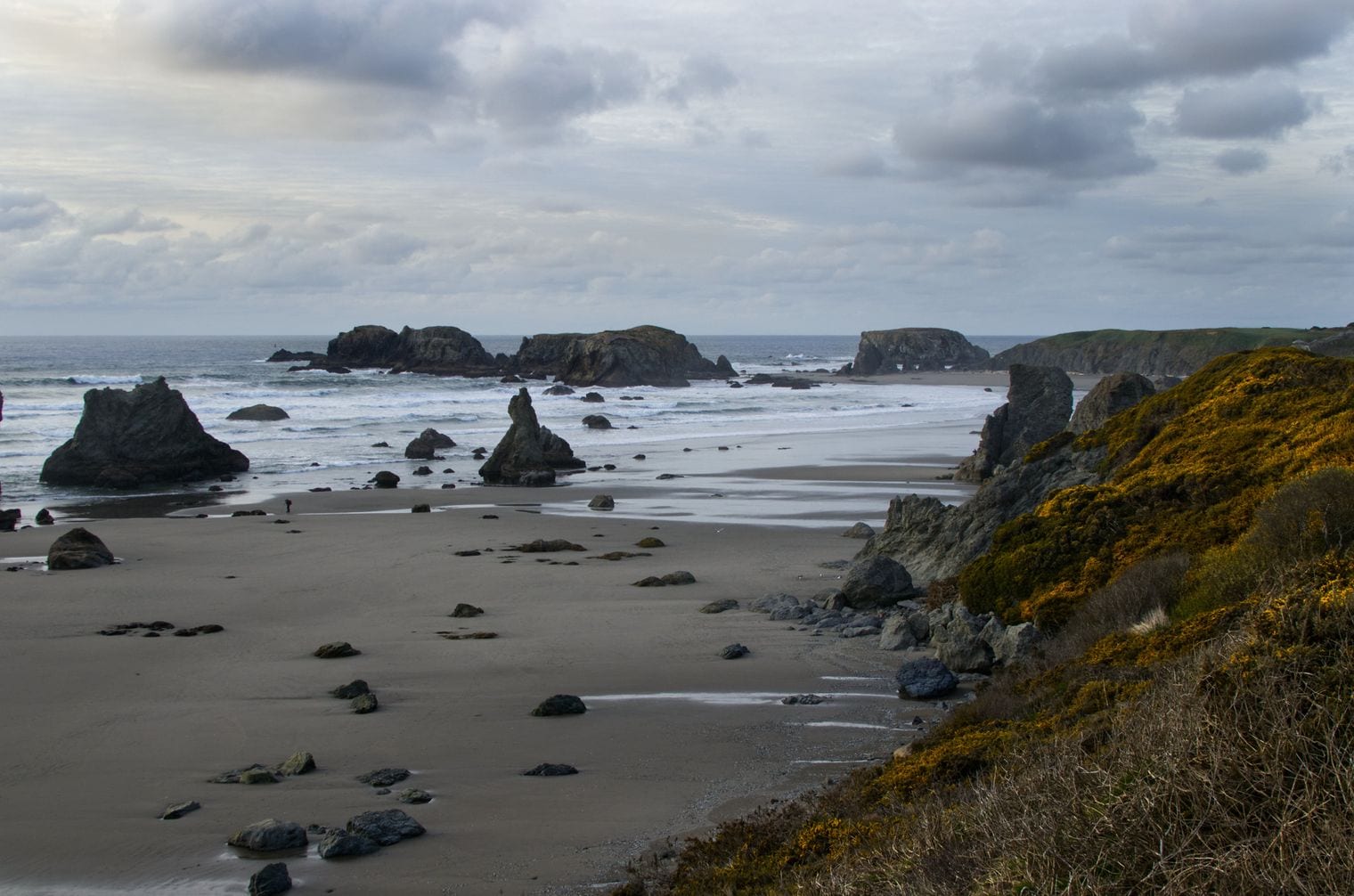
Bandon, on Oregon's south coast at the mouth of the Coquille River, has one of the most dramatic beaches in the Pacific Northwest, scattered with sea stacks and islets, Face Rock among them. Low tide opens up tide pools and beach walks between the rocks, with the viewpoints of Coquille Point above.
The town's Old Town waterfront was rebuilt after a fire swept through in 1936, fed by the gorse an early settler had planted, and today it is a small strip of galleries, fish markets and a harbor. Cranberries have been grown around Bandon since 1885, and the Coquille River Lighthouse stands across the river mouth in Bullards Beach State Park.
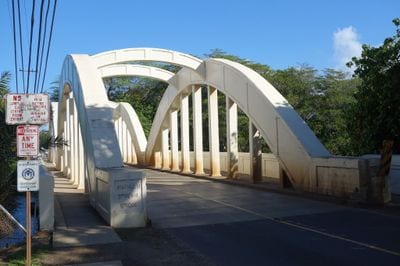
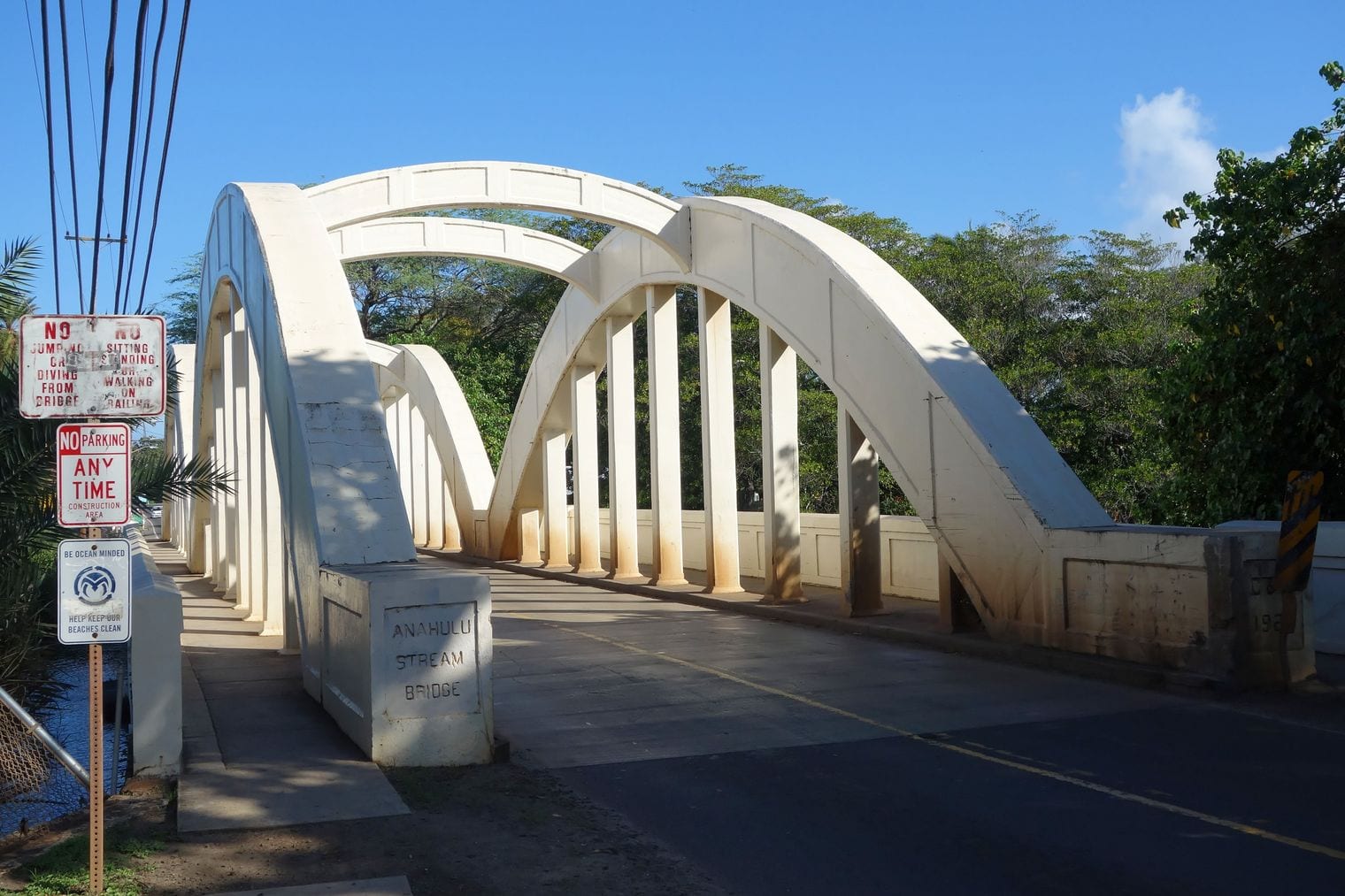
Haleiwa is the historic town of Oahu's North Shore, at the mouth of the Anahulu River on Waialua Bay, and the largest commercial center along that coast. Its old plantation-era buildings now hold surf shops, galleries and shave-ice stands, and the arched bridge over the river is a favorite photo stop.
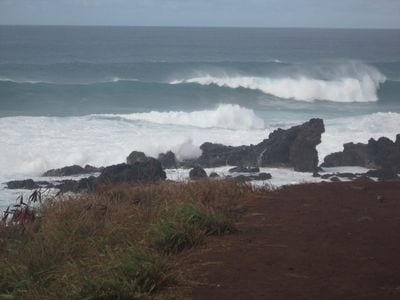
In winter the North Shore's big-wave beaches, Waimea Bay and the Banzai Pipeline among them, draw the world's best surfers just up the road, while summer flattens the sea for snorkeling and swimming. Green sea turtles often rest on the sand at nearby beaches, and Honolulu is about an hour's drive south.
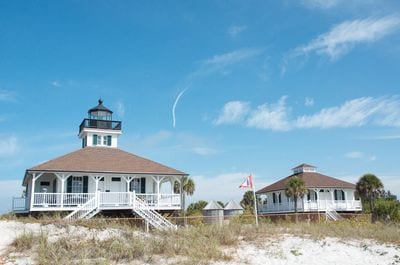
Boca Grande is a small village on Gasparilla Island in southwest Florida, a winter retreat with pastel cottages, banyan-shaded streets and a historic downtown. Golf carts are the usual way to get around, since the village has almost no gas pumps, and a long bike path runs down the island.
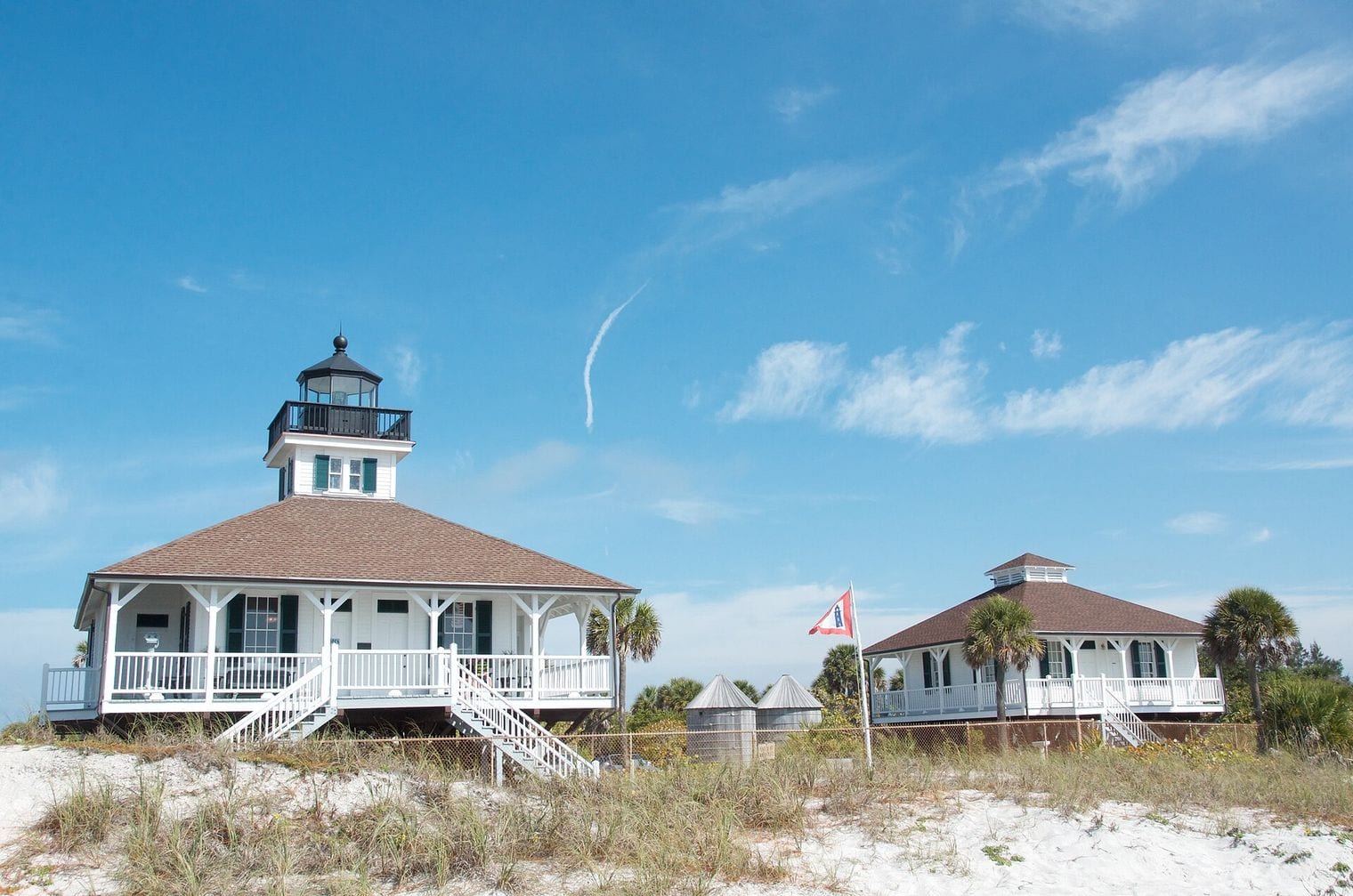
Boca Grande Pass has been famous for tarpon fishing since before 1910, and anglers still come from far away to fish it. The 1890 Port Boca Grande Lighthouse, at the island's southern tip, now houses a small museum, and the beaches of Gasparilla Island State Park are wide, quiet and good for shelling.
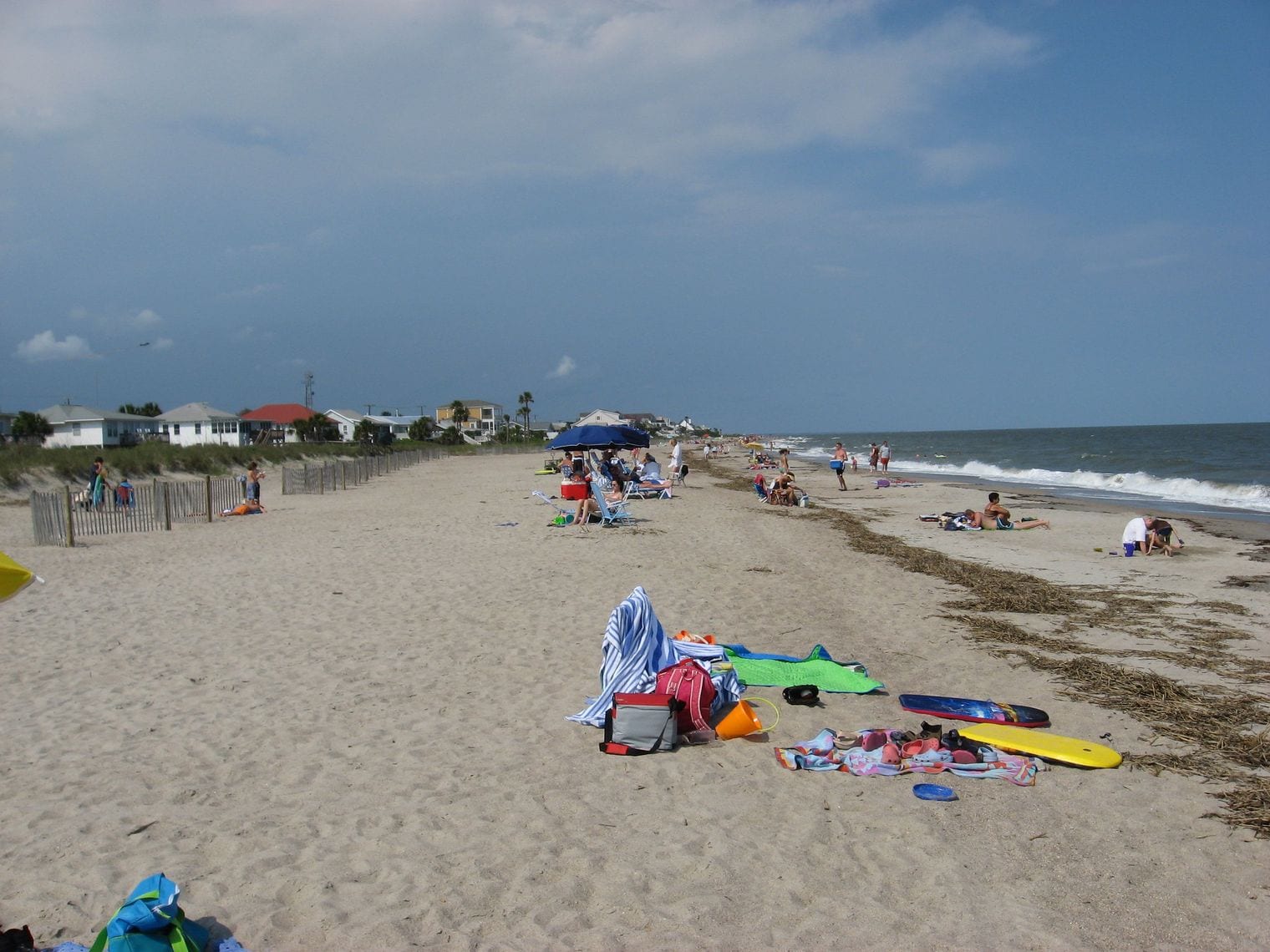
Edisto Beach, about 50 miles south of Charleston, is the low-key opposite of the big South Carolina resorts: a small town of raised beach houses where families come back year after year. Edisto Beach State Park borders the town, with campsites, maritime forest trails and a long beach for beachcombing.
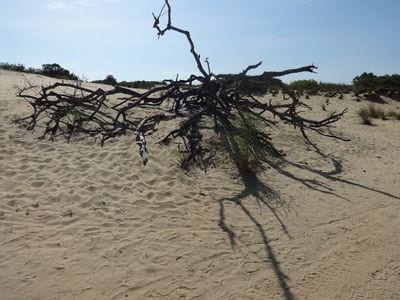
On the drive in, the road crosses the marshes of the ACE Basin, and the Botany Bay preserve on Edisto Island protects old plantation outbuildings, prehistoric shell rings and a beach of weathered, sea-killed trees. This is a place for quiet beach days, crabbing off the docks and long bike rides.
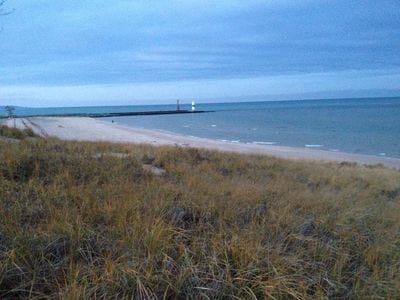
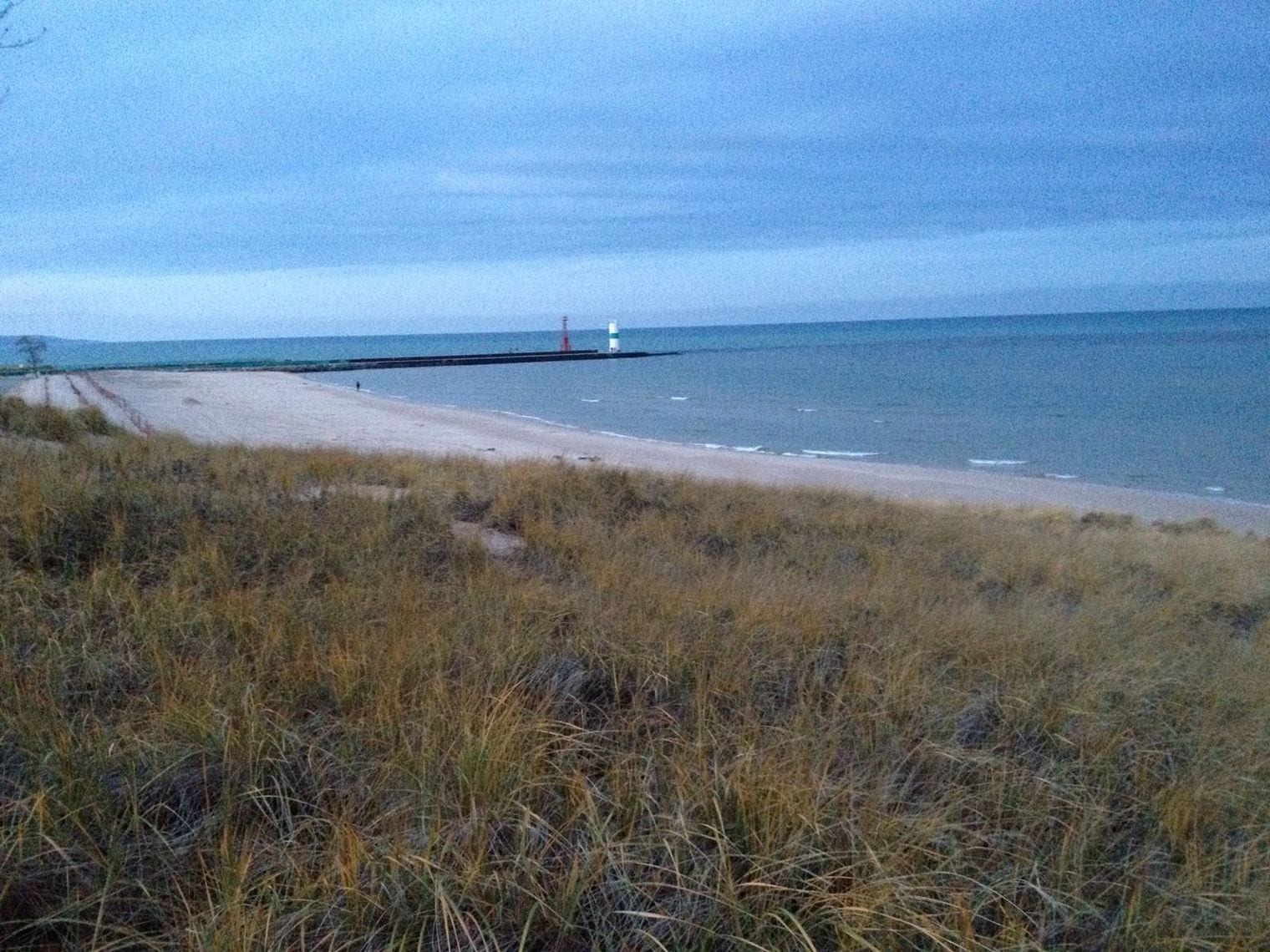
Pentwater is a small resort village on Lake Michigan's eastern shore, where a channel connects Pentwater Lake to the big lake. The channel's pier and breakwater make the evening walk, and the sandy beach of Mears State Park sits right at the edge of the village.
Downtown is a few blocks of shops and ice cream stands, and boaters crowd the harbor in July and August. Silver Lake Sand Dunes is a short drive south, and Ludington, with its state park and lighthouse, is about half an hour north.
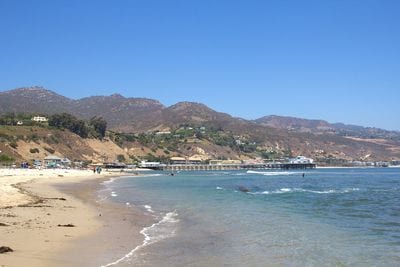
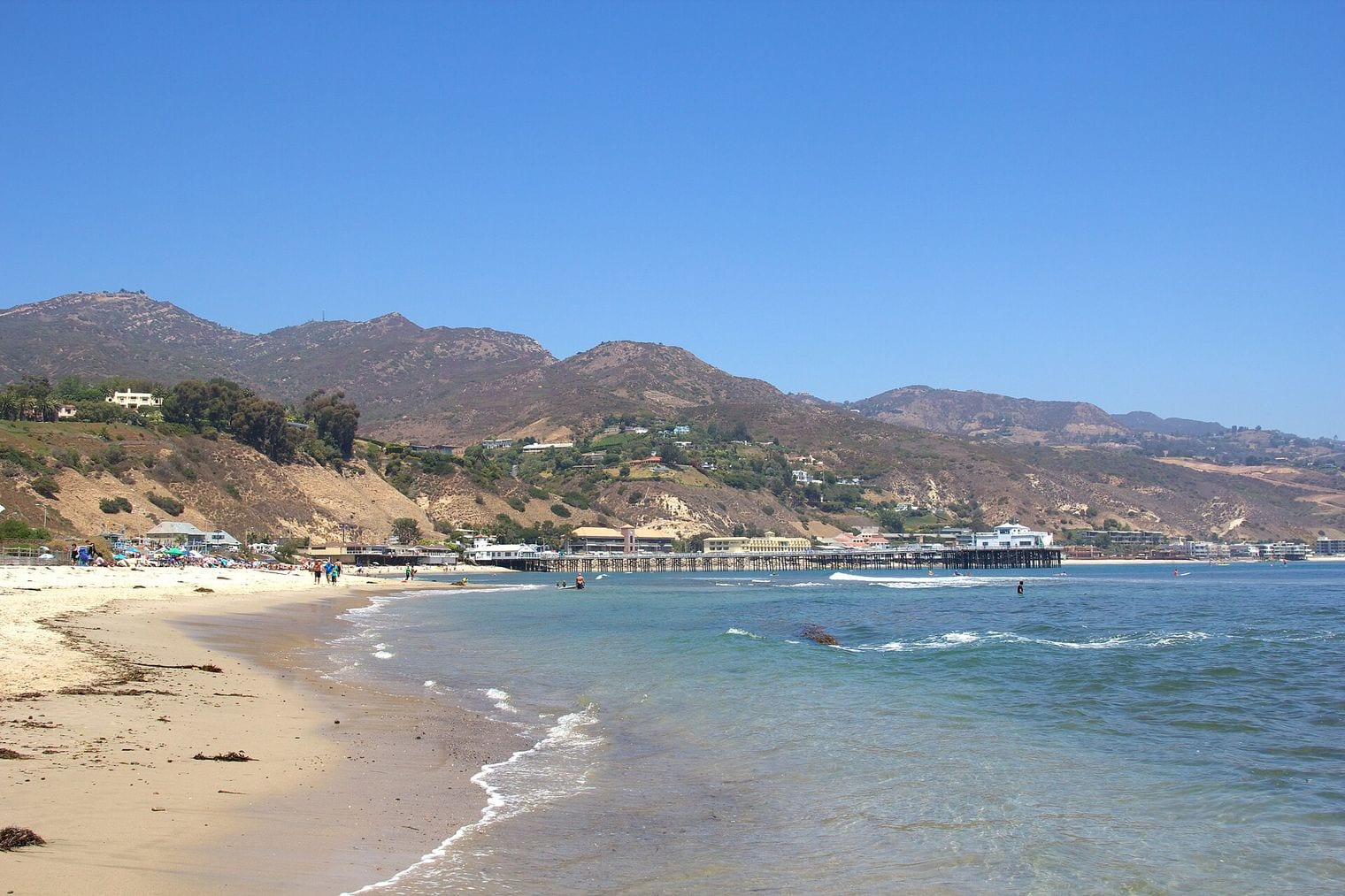
Malibu stretches along 21 miles of Pacific coast west of Los Angeles, a beach city of canyons, celebrity homes and some of the best-known sand in California. Surfrider Beach, beside the Malibu Pier, was dedicated as the world's first World Surfing Reserve in 2010, and its long, peeling waves are a surfing landmark.
Farther west, the sea stacks of El Matador, the headland of Point Dume and the broad sands of Zuma Beach show Malibu at its wildest. Wildfires in January 2025 burned parts of the city and closed Pacific Coast Highway for months; the highway has reopened and Malibu is rebuilding.
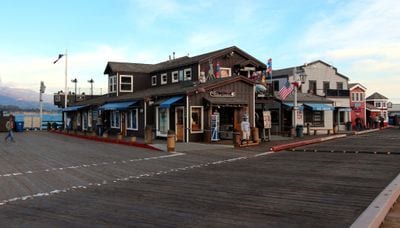
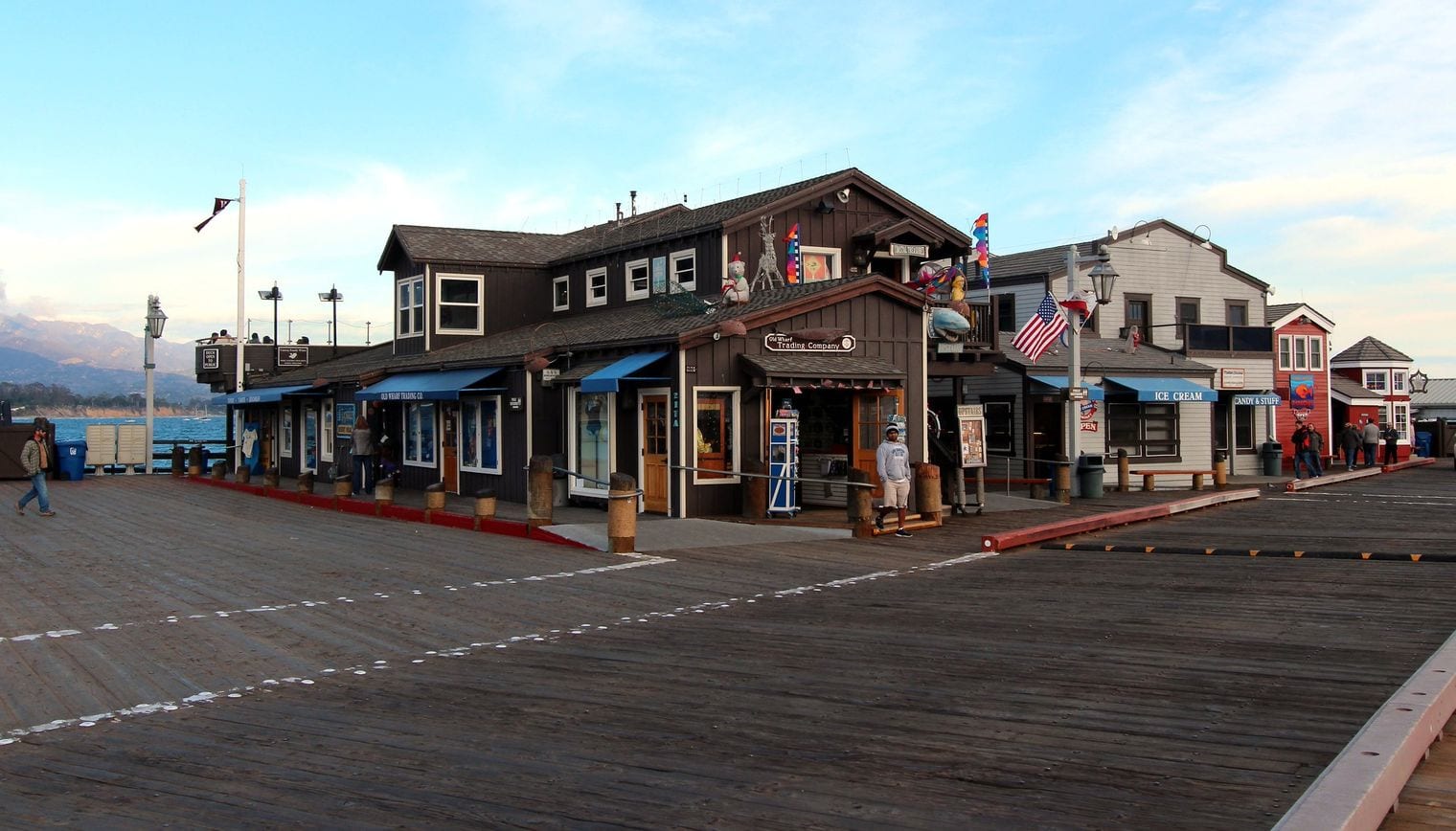
Santa Barbara, nicknamed "the American Riviera," sits between the Santa Ynez Mountains and the Pacific on California's Central Coast, with a Mediterranean climate and the white walls and red-tile roofs it adopted when it rebuilt after the 1925 earthquake. Stearns Wharf, built in 1872, runs out from the foot of State Street.
East Beach and Leadbetter Beach are the city's main stretches of sand, the Funk Zone's tasting rooms sit a block from the water, and Old Mission Santa Barbara, the "Queen of the Missions," looks down from the hills. Solvang's Danish village and the Santa Ynez Valley wineries are a short drive over the mountains.
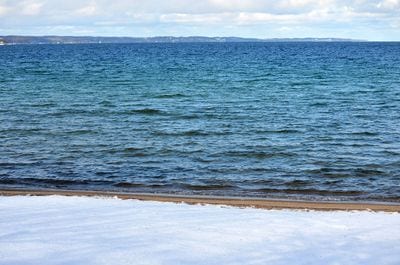
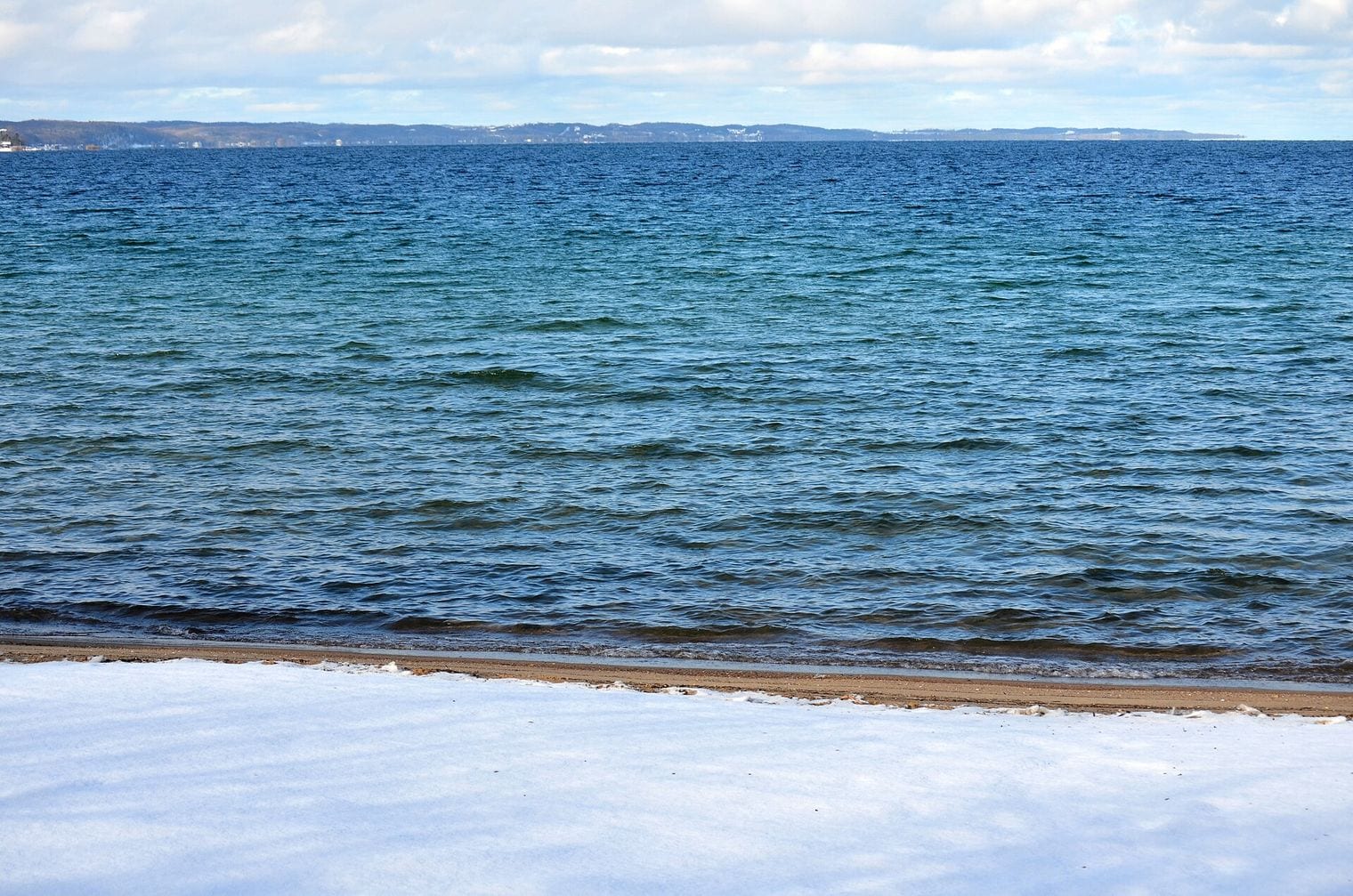
Traverse City sits at the head of Grand Traverse Bay, a 32-mile-long bay of Lake Michigan, and the clear blue water and sandy beaches along its two arms can feel surprisingly tropical in summer. Nicknamed the Cherry Capital of the World, it celebrates the harvest with the National Cherry Festival each summer.
The Old Mission Peninsula splits the bay into East and West arms, its ridge lined with orchards and wineries, and Sleeping Bear Dunes National Lakeshore lies within an hour to the west. Clinch Park's beach is right downtown, and Traverse City makes a good base for the whole region.
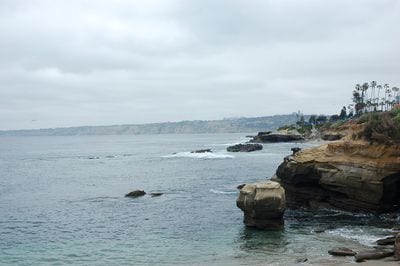
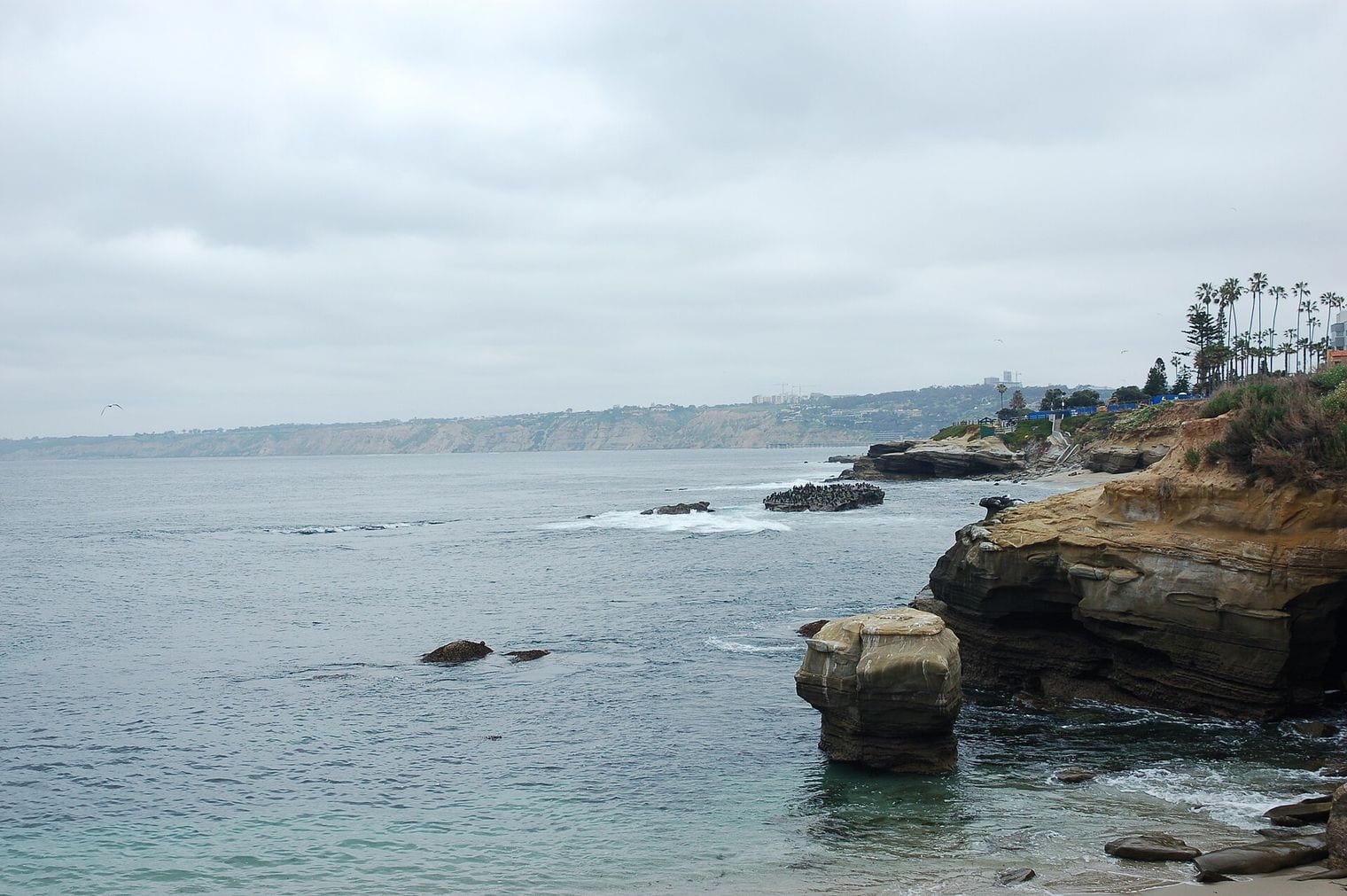
La Jolla is San Diego's seaside showpiece, a hilly community of cliffs, coves and boutiques on the coast north of downtown. La Jolla Cove is the heart of it, with clear water for snorkeling and kayaking, sea caves in the cliffs, and sea lions and harbor seals lounging on the rocks and at the Children's Pool nearby.
La Jolla is also a science town, home to the University of California San Diego, the Scripps Institution of Oceanography and its Birch Aquarium. To the north, Torrey Pines State Natural Reserve protects rare pines on sandstone bluffs above a long beach.
Free Things to Do in US Beach Towns
The best moments in a beach town rarely cost anything. Walk the Cliff Walk past the mansions of Newport or the Marginal Way to Perkins Cove in Ogunquit, cross the sand bar to Bar Island at low tide in Bar Harbor, and look into the tide pools below Haystack Rock at Cannon Beach.
Climb the dune at Jockey's Ridge in Nags Head or Mount Baldhead in Saugatuck, watch the July Pony Swim at Chincoteague, follow the clifftop trails of Mendocino, and end the day at the Sunset Celebration on Mallory Square in Key West or by Pier 60 in Clearwater. The sand itself is usually free, but not always: Cape May sells beach tags in summer, and the national seashore beaches near Provincetown charge for parking in season.
These 60 towns are spread across 21 states, so plan by coast. New England makes a classic summer loop from Boston: Provincetown, Wellfleet and Chatham on Cape Cod, the ferries to Nantucket from Hyannis and to Block Island from Point Judith, Newport and Mystic on the Rhode Island and Connecticut shore, then north through Ogunquit and Kennebunkport, past Portland, to Camden and Bar Harbor.
The Mid-Atlantic run links Montauk, Asbury Park and Cape May with Rehoboth Beach, Ocean City, Chincoteague and Virginia Beach. Further south, the Outer Banks lead from Nags Head to the ferry-only village of Ocracoke, then on to Beaufort, Wrightsville Beach, Myrtle Beach, Folly Beach and Edisto near Charleston, and Hilton Head and Tybee Island near Savannah. Storms occasionally close NC 12 on Hatteras Island, so check road and ferry conditions before heading to Ocracoke.
Florida splits in two: Fernandina Beach, St. Augustine and the long drive down the Overseas Highway to Key West on the Atlantic side, and Sanibel, Boca Grande, Anna Maria and Clearwater on the Gulf. The Panhandle and Gulf Coast run east to west from Seaside and Destin to Gulf Shores and Ocean Springs, with Port Aransas and South Padre Island as a separate Texas trip.
On the Pacific, Highway 1, one of the country's great scenic drives, links La Jolla and Carlsbad in San Diego with Laguna Beach, Malibu, Santa Barbara, Carmel-by-the-Sea, Capitola, Santa Cruz and Mendocino; landslides can close parts of the Big Sur road for long spells, so check before you go. Oregon's Bandon and Cannon Beach lead north to Long Beach, Port Townsend and the ferry to Friday Harbor from Anacortes, an easy drive from Seattle.
The Great Lakes towns, Saugatuck, Pentwater and Traverse City, line up along Michigan's Lake Michigan shore and are at their best from late June to early September. Hawaii is its own trip: Kailua and Haleiwa sit on opposite sides of Oahu, an easy pairing by car, while Paia on Maui needs an inter-island flight. Allow two or three days per town, or about a week for a regional loop.
FAQ: Visiting the Best Beach Towns in the US
What is the best beach town in the US?
Carmel-by-the-Sea in California takes our top spot for its white-sand beach, cypress-framed bay and storybook village. Cape May in New Jersey, Cannon Beach in Oregon, Key West in Florida and Rehoboth Beach in Delaware complete the top five, each a very different take on the American beach town.
When is the best time to visit US beach towns?
It depends on the coast. New England, the Great Lakes and the Pacific Northwest are summer destinations, from late June to early September. The Gulf Coast and the Carolinas shine in late spring and fall, away from peak heat and hurricane season. Key West, Hawaii and Southern California are pleasant year-round, though Hawaii's North Shore surf builds in winter.
Which US beach towns are best for families?
Look for gentle water, boardwalks and easy logistics. Gulf Shores, Clearwater, Anna Maria and Destin have calm Gulf water and soft sand, while Rehoboth Beach, Ocean City and Myrtle Beach do classic boardwalk holidays. Carlsbad pairs its beaches with Legoland California. For quieter family weeks, try Edisto Beach, Chincoteague, Sanibel or Pentwater.
Which beach towns are best for surfing and nightlife?
Surfers head to Santa Cruz, Malibu and Haleiwa on the Pacific, and to Montauk, Folly Beach and Wrightsville Beach on the Atlantic, where the waves are smaller but consistent. For nightlife, Key West's Duval Street, Asbury Park's music scene, Provincetown's Commercial Street and the Myrtle Beach strip keep going long after sunset.
Do you have to pay to use the beach in US beach towns?
Most beaches are free to walk onto, but some charge for access or parking. Cape May and many other Jersey Shore towns sell beach tags in summer, Cape Cod National Seashore beaches charge for parking in season, and many lots in Montauk and East Hampton need a town permit. Check local rules, especially on summer weekends.
Which beach towns can you only reach by ferry?
Four towns on this list sit on islands without a road link. Nantucket is reached by ferry from Hyannis or by plane, Block Island by ferry from Point Judith, Friday Harbor by Washington State Ferries from Anacortes, and Ocracoke by state ferries from Hatteras, Swan Quarter or Cedar Island. Reserve car space early for summer crossings.
How many days do you need for a beach town trip?
Give a single beach town two or three days, enough for beach time, a walk through town and a nearby park or lighthouse. A loop through one region, such as New England, the Carolinas or the California coast, takes about a week. Island towns reached by ferry deserve an extra night, so the crossing never feels rushed.
Sources & updates
How this guide was checked
Checked before launch
Sources cited
60
Every place on this list was confirmed open and pinned on the map before publication, and what we say about each one was checked against its own website or an official source.
One email every Thursday with our newest guides for the places you tick.
Newsletter
Get new guides like this by email
One email every Thursday with our newest guides for the places you tick.
We use cookies to analyse site traffic and improve your experience.
You can accept or reject analytics cookies. See our
May we use analytics cookies? See ourCookie Policy.