We build and rank every list first. Booking links come after, and only where
a partner sells a ticket, tour or stay for that exact place, so a place with
nothing to book is listed exactly as prominently as one you can book.
So how do we earn? Some links on this page go to booking
partners, and if you book tickets, tours or a stay through
one, we may earn a commission. It costs you nothing extra.
That commission never decides which places make the list, the order they
appear in, or what we write about them. No entry is sponsored or a paid
placement.
By the City Viking editorial teamPublished 35 places · 24 min read
Fact-checked Checked before launchOct 28, 202635 sources32 tourism boards3 venues & other sitesPublished · Oct 28, 2026Researched and checked before it went liveClick for every source and the full change log.
Short answer
Start with New York City, Washington, D.C. and San Francisco, then New Orleans and Chicago, the top five cities on this list. Give a big city three or four days and a smaller one such as Savannah or Charleston about two, and build a longer trip around a single region.
American cities rarely feel alike. New York City runs on skyscrapers and subway trains, New Orleans on brass bands and Creole cooking, San Francisco on steep hills and cable cars, and Santa Fe on adobe walls and green chile. A first US trip works best built around two or three.
These 35 cities are ranked by how many independent "best US cities to visit" lists name each one, plus reader interest on Wikipedia. The list runs 35 deep because that is how many cities appear on at least two of those lists. National parks and islands sit in our wider guide to places to visit in the US.
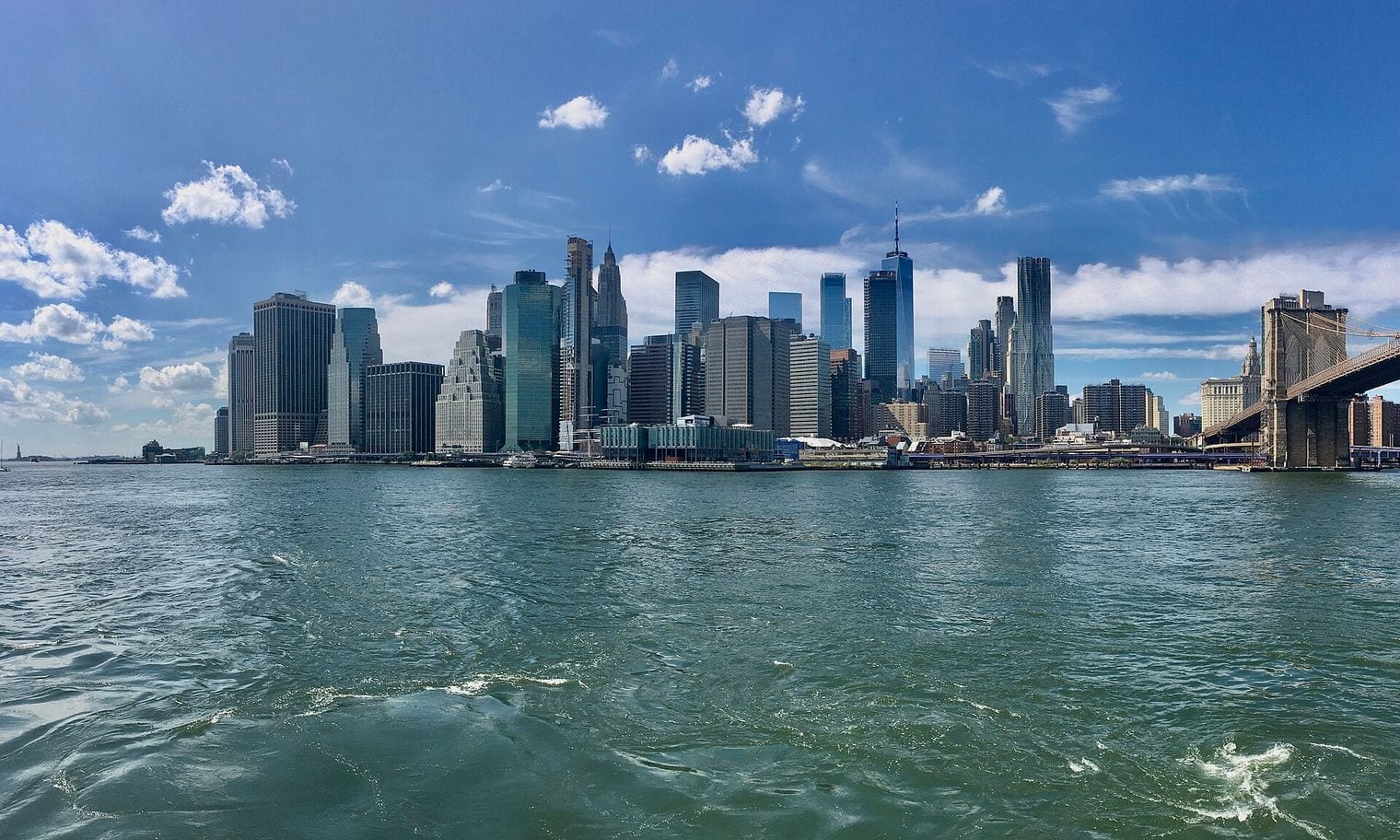
New York City has more than double the population of Los Angeles, the country's second-most populous city, with about 8.8 million residents at the 2020 census.
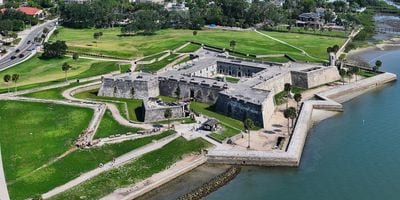
St. Augustine, Florida, founded by Spanish settlers in 1565, is the oldest continuously inhabited European-established settlement in the contiguous US, more than 40 years older than Jamestown.
San Francisco runs the world's last manually operated cable car system; the first line climbed Clay Street in 1873.
Denver's official elevation is exactly one mile, 5,280 feet, measured at a benchmark on the steps of the Colorado State Capitol.
ʻIolani Palace in Honolulu is the only royal palace on US soil, home to Hawaii's monarchs until Queen Liliʻuokalani in 1893.
Austin's Congress Avenue Bridge shelters the world's largest urban bat colony, and crowds gather on warm evenings to watch the bats fly out at dusk.
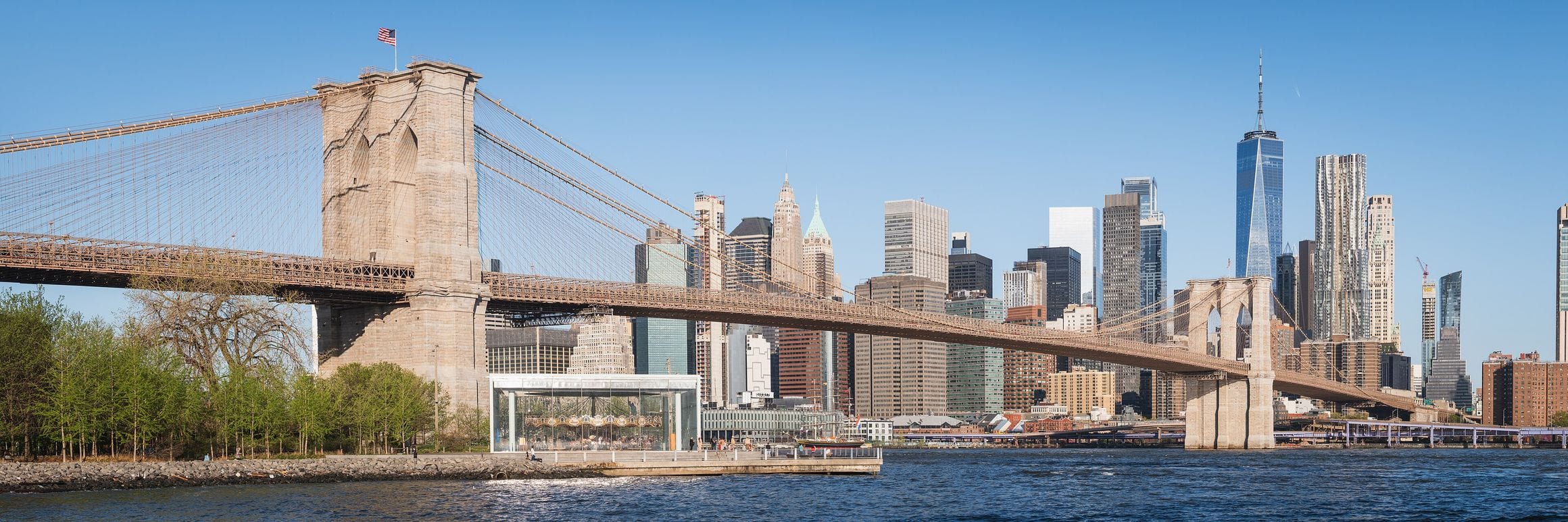
New York City is the most populous city in the United States, and it packs an extraordinary number of famous sights into a few square miles. Ride the ferry out to the Statue of Liberty, walk Central Park from end to end, spend a morning in the Metropolitan Museum of Art and an evening at a Broadway show, then cross the Brooklyn Bridge on foot for the classic view of the Manhattan skyline.
Give New York City at least four days, and longer if you want to explore beyond Manhattan into Brooklyn and Queens, where most of the city's neighborhoods and food scenes live. The subway reaches almost everything, so a car is a burden rather than a help. It suits first-time visitors, museum lovers, theater fans and anyone who likes to walk all day.
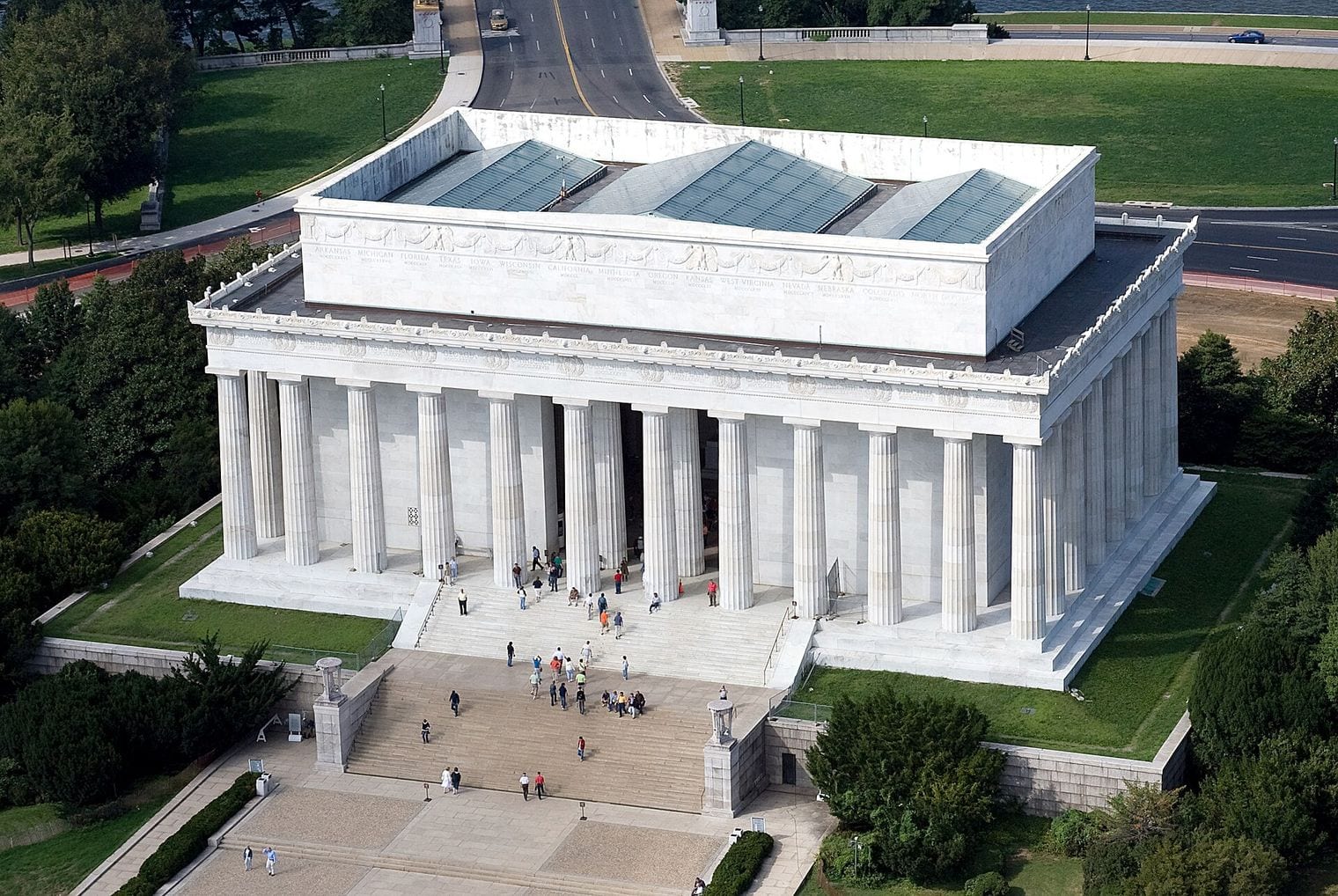
Washington, D.C. is the nation's capital and its open-air museum. The National Mall runs from the US Capitol past the Washington Monument to the Lincoln Memorial, and the Smithsonian museums that line it, from the National Air and Space Museum to the National Museum of American History, are open to the public free of charge. Add the White House, the Library of Congress and the cherry trees around the Tidal Basin, and few cities offer so much for so little.
Three days covers the Mall and a couple of neighborhoods such as Georgetown. The Metro makes a car unnecessary. One evergreen caution: the federal museums close during a government shutdown, so check before you build a trip around them. Washington, D.C. suits history buffs, families and anyone on a budget.
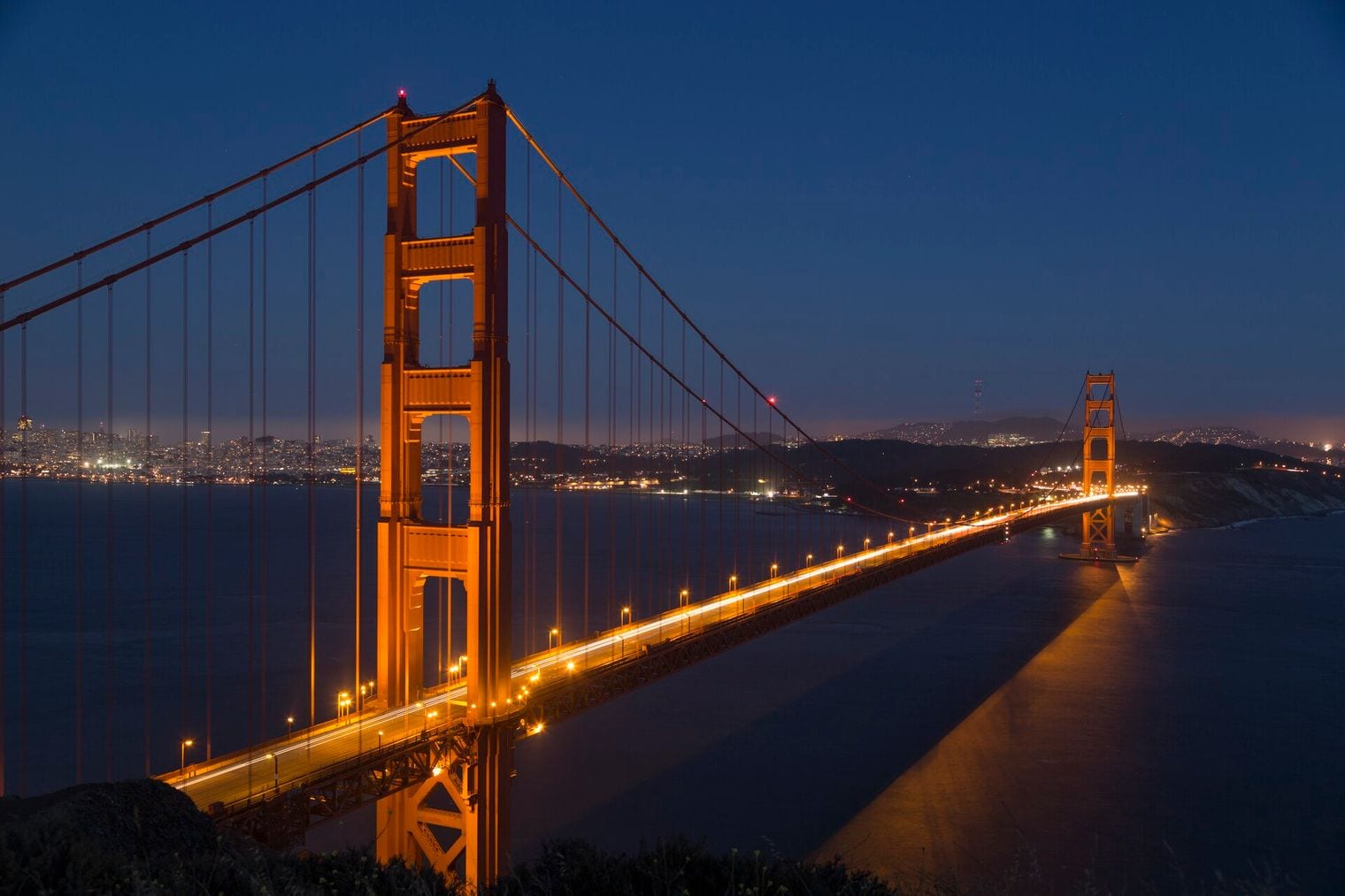
San Francisco is compact, hilly and endlessly photogenic. Walk or cycle across the Golden Gate Bridge, take the ferry to Alcatraz, and ride a cable car over Nob Hill; the city's cable cars are the world's last manually operated cable car system, running since the first line climbed Clay Street in 1873. Chinatown, the oldest Chinatown in North America, sits right beside the old Italian quarter of North Beach.
Plan three days for San Francisco, and book Alcatraz well ahead because tours sell out. The city is easy to explore on foot and by transit, though the hills are steep. Summer brings fog and cool winds, so pack layers whatever the month. Wine country and the redwoods of Muir Woods lie within a day trip.
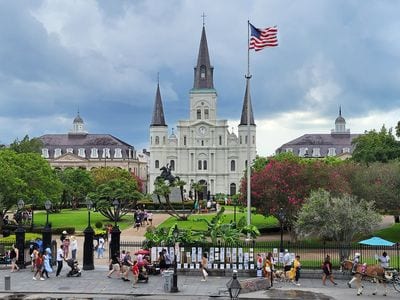
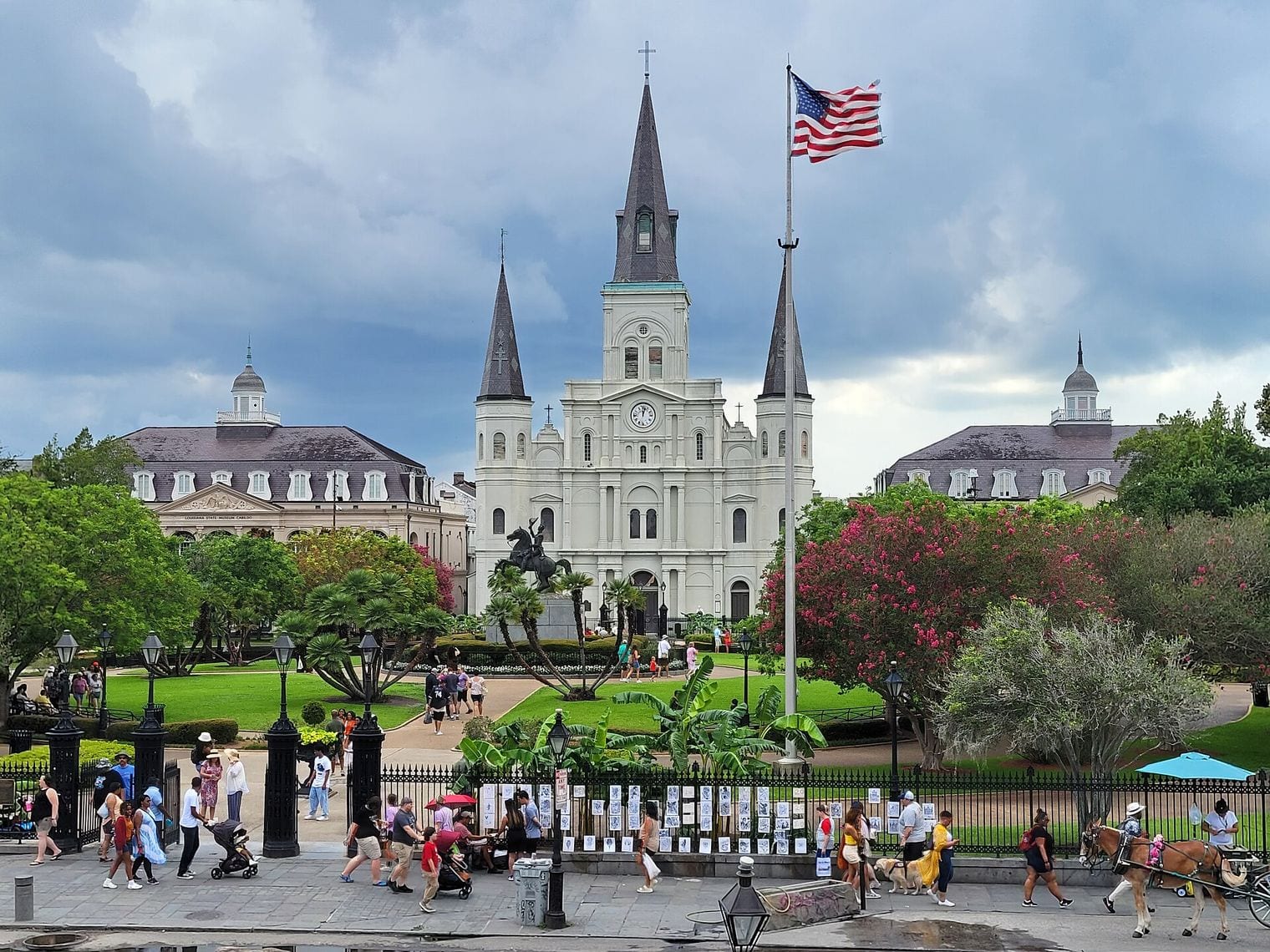
New Orleans sounds, tastes and looks like nowhere else in the US. The French Quarter wraps around Jackson Square and St. Louis Cathedral, brass bands play on Frenchmen Street, and the Tremé neighborhood holds the New Orleans Jazz National Historical Park. The St. Charles streetcar, the oldest continuously operating streetcar line in the US, rolls past the oak-shaded mansions of the Garden District.
Three days in New Orleans leaves time for beignets, gumbo, a swamp tour and a night of live music. Mardi Gras and the Jazz & Heritage Festival are the big draws, but the city is lively year-round. June to November is hurricane season on the Gulf Coast, and summer is hot and humid, so spring and late fall are the most comfortable times to go.
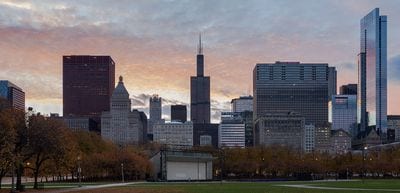
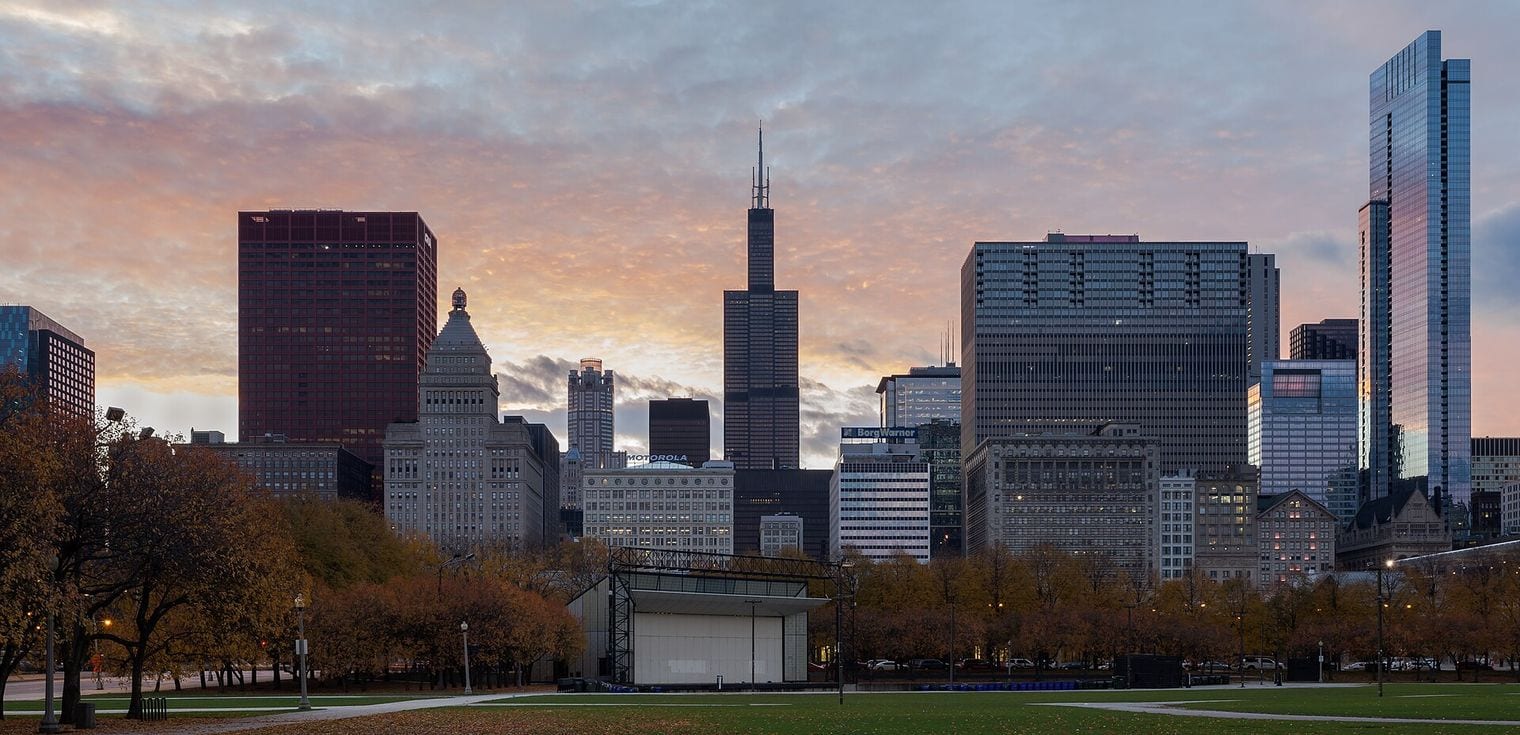
Chicago is the place to see American architecture at its boldest. The city built the world's first skyscraper in 1885, and an architecture boat tour along the Chicago River is the best way to read the skyline that followed. Millennium Park, with Anish Kapoor's Cloud Gate, sits beside the Art Institute of Chicago, and the lakefront trail follows Lake Michigan past beaches and parks.
Give Chicago three days: one downtown, one for museums such as the Field Museum on the lake, and one for neighborhoods like Wicker Park or Pilsen, with a baseball game at Wrigley Field in summer. The L trains cover most of the city. Winters are bitterly cold, so late spring to early fall is the time to go. Deep-dish pizza is compulsory at least once.
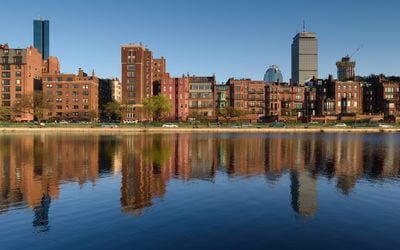
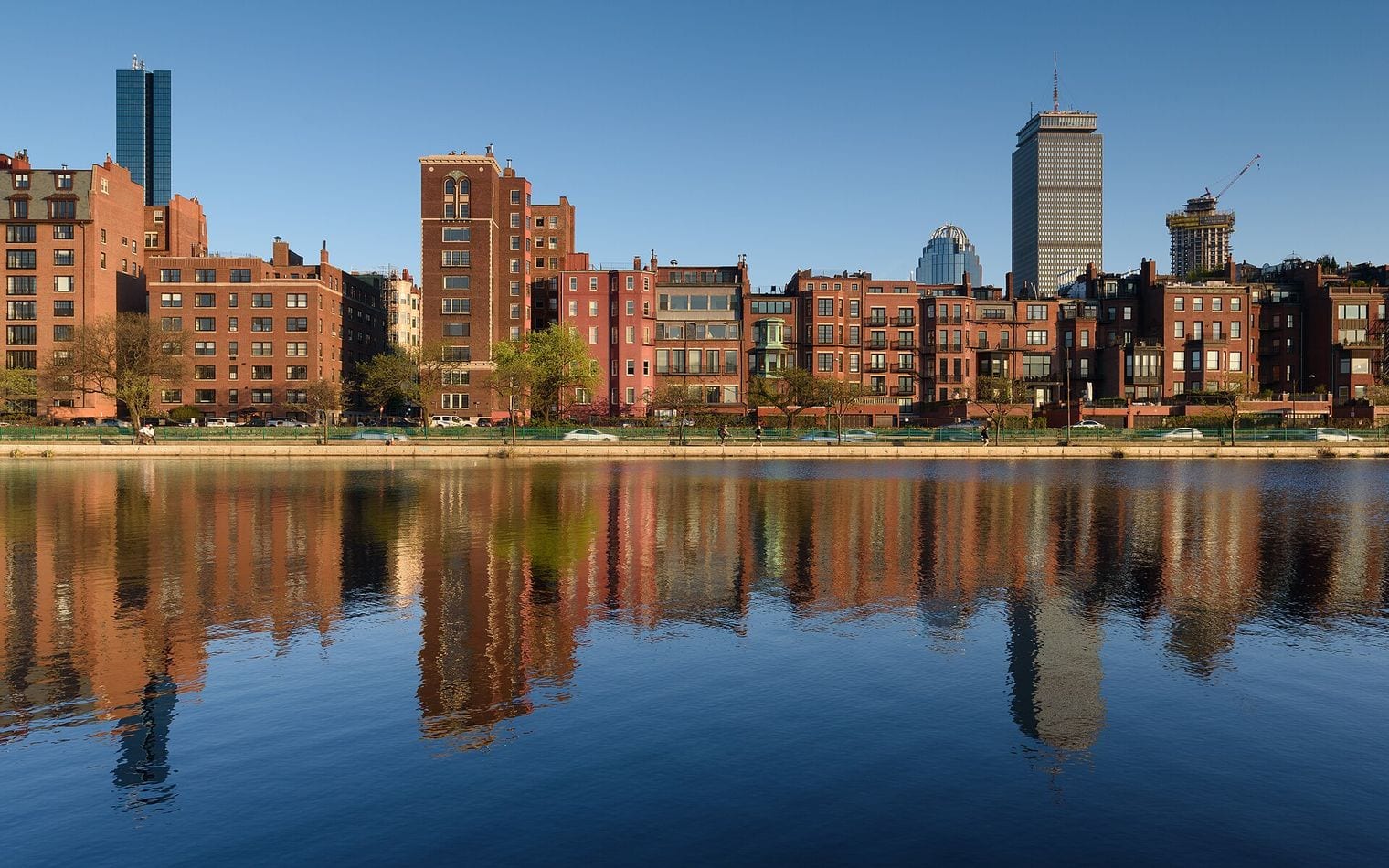
Boston packs the story of the American Revolution into a city you can cross on foot. The Freedom Trail, a 2.5-mile path marked in the sidewalk, links 16 historic sites from Boston Common, the nation's first public park, to the Old North Church and the USS Constitution. Fenway Park, home of the Red Sox since 1912, is a pilgrimage for baseball fans.
Two or three days covers Boston's highlights, with time to cross the Charles River to Harvard and the rest of Cambridge. The T subway and your own feet do the job; driving downtown is slow and parking scarce. Fall foliage season is the city's most beautiful time, and Amtrak trains link it with New York City for a two-city trip.
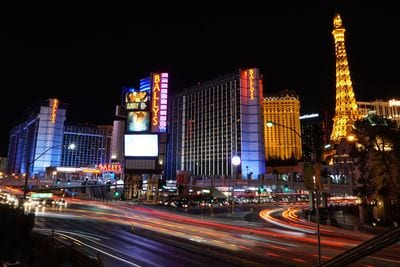
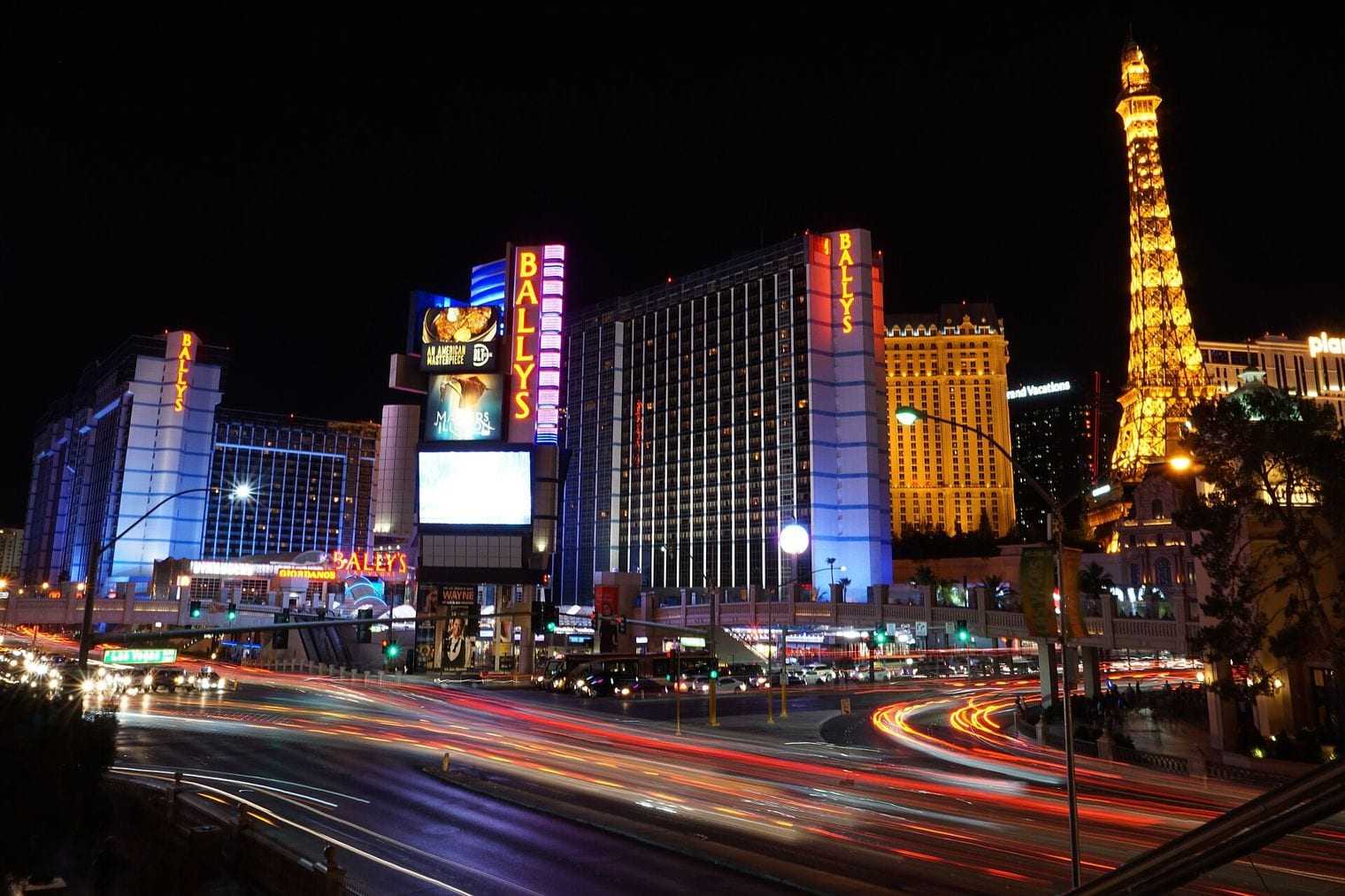
Las Vegas bills itself as the Entertainment Capital of the World, and its giant casino resorts, residency shows and themed hotels make it unlike any other US city. Strictly speaking, most of the Las Vegas Strip lies outside city limits in the unincorporated towns of Paradise and Winchester, while the city itself holds the older downtown casinos and the canopied Fremont Street Experience.
Two or three nights is plenty for most visitors to Las Vegas. Use the extra days for the desert around it: Red Rock Canyon sits just west of town, Hoover Dam lies to the southeast, and the drive to Zion or the Grand Canyon is a classic add-on. Summer is scorching, so spring and fall are the best seasons to go.
Nashville is Music City, a nickname coined on WSM radio in 1950 and earned every night since. The Grand Ole Opry has broadcast country music since 1925, the Ryman Auditorium is the genre's best-loved concert hall, and the Country Music Hall of Fame tells the whole story. Down on Lower Broadway, the honky-tonks have live bands playing from late morning until late at night.
Two or three days in Nashville gives you a show at the Opry, a night on Broadway and an afternoon in Centennial Park, where a full-scale replica of the Parthenon stands. Hot chicken is the local dish to try. The city is popular for group weekends, so book well ahead if your dates fall on a big event or a holiday.
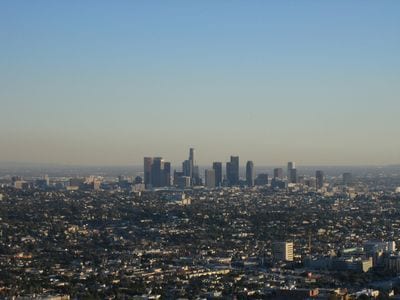
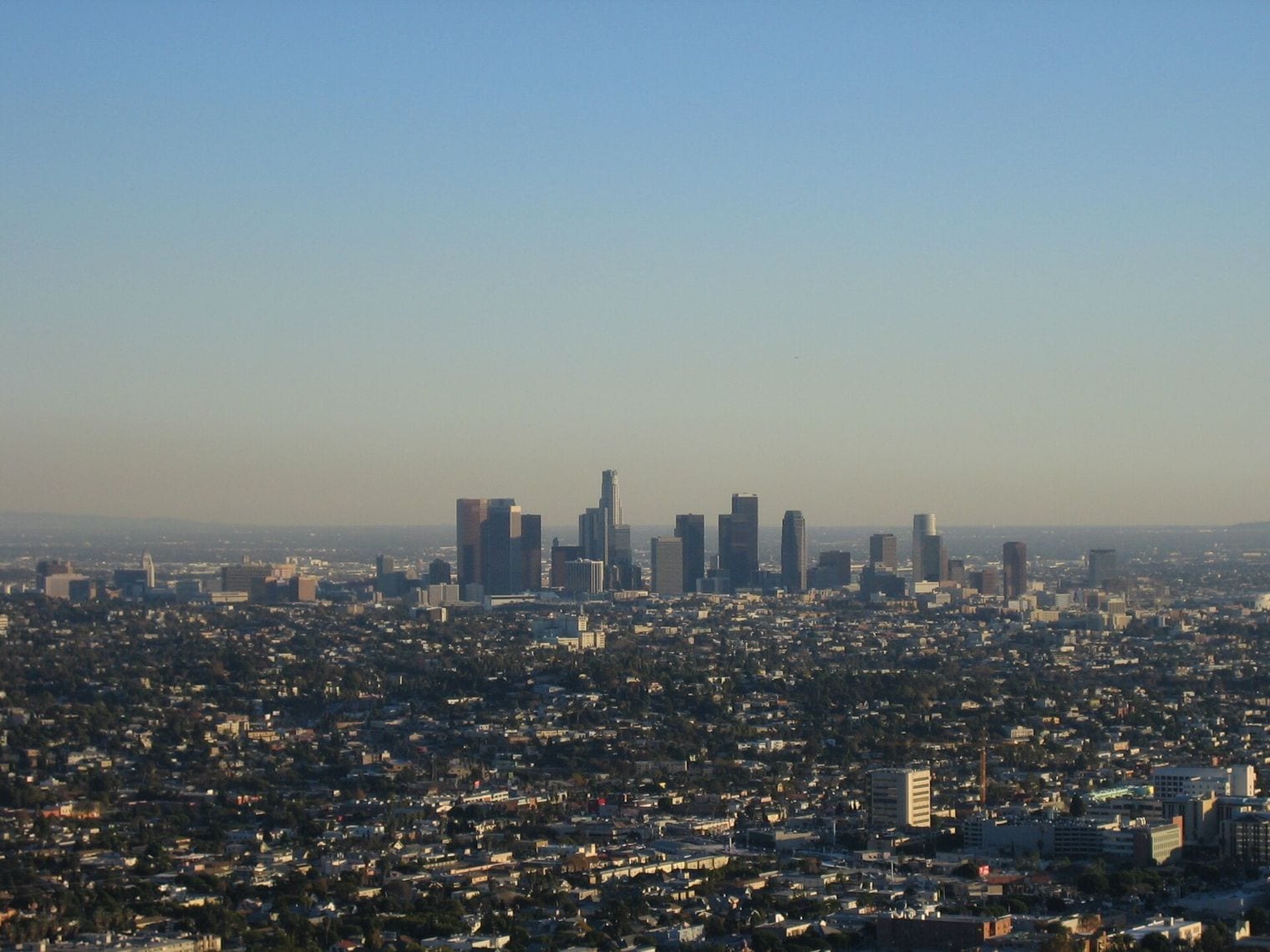
Los Angeles is the second-most populous city in the United States, and it sprawls like one. Hollywood brings the Hollywood Sign and the Walk of Fame, Griffith Observatory looks out over the whole basin, and the Getty Center pairs a fine art collection with gardens and views. Downtown has Walt Disney Concert Hall, and the beaches start at Venice and the pier in neighboring Santa Monica.
Four days is a sensible minimum for Los Angeles, and a car, or a lot of patience with rideshares, is part of the deal. Pick a base by what you want most: the beach, Hollywood or downtown. The climate is mild year-round, and Disneyland in nearby Anaheim makes it an easy family add-on.
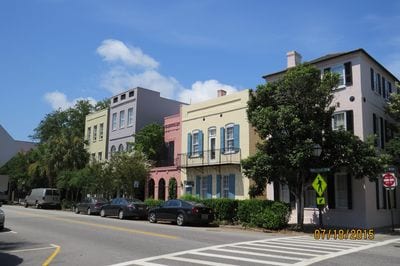
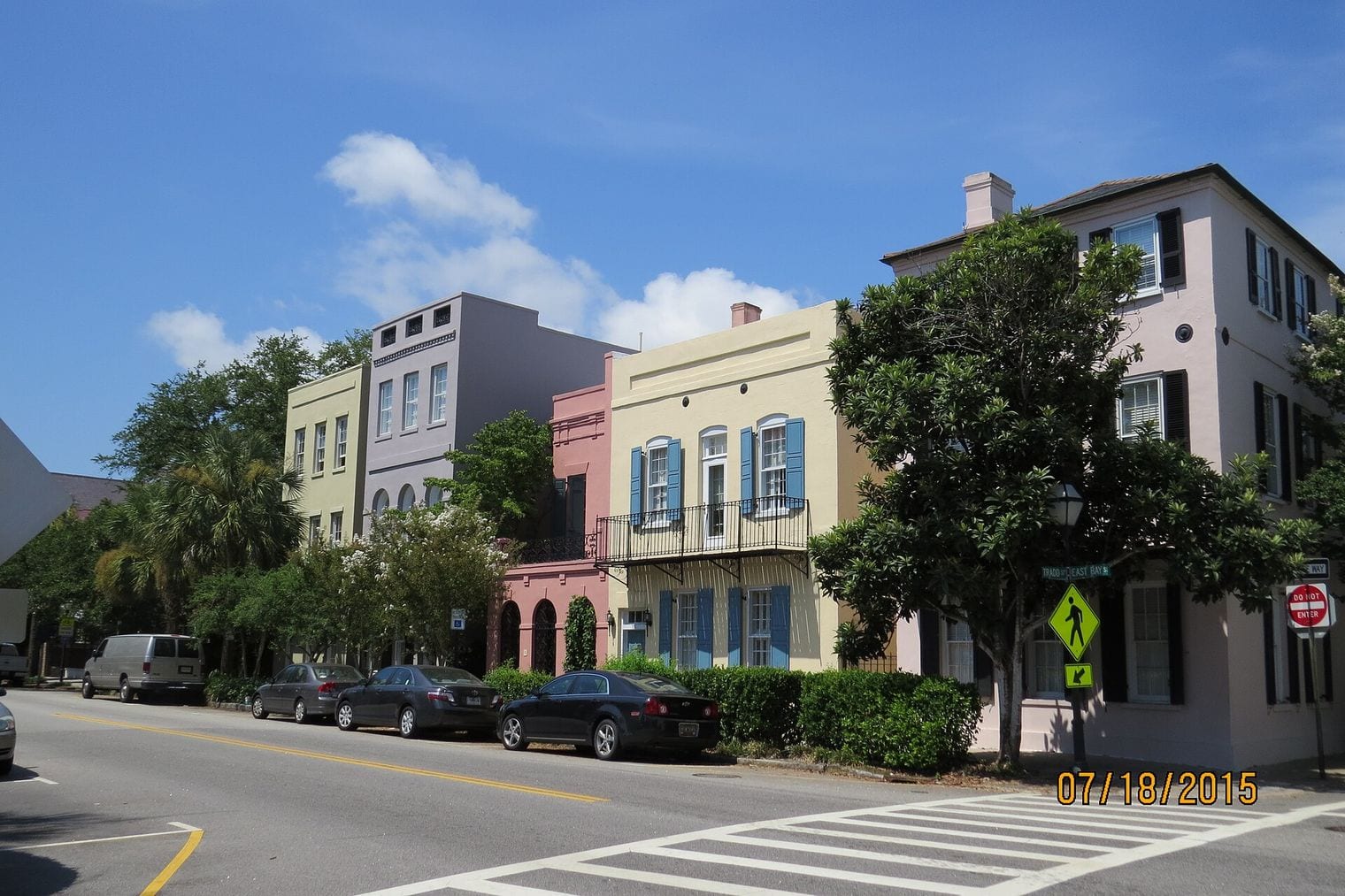
Charleston, South Carolina, founded by the English in 1670 as Charles Town, is one of the most beautifully preserved cities in the South. Walk past the pastel houses of Rainbow Row and the antebellum mansions on the Battery, browse the historic City Market, and take the boat out to Fort Sumter National Monument, where the first shots of the Civil War were fired.
Two or three days suits Charleston well, ideally with an afternoon at one of the nearby plantations or barrier-island beaches. The food scene is a big part of the draw, built on Lowcountry staples like shrimp and grits. Spring is the loveliest season; summer is hot and June to November is hurricane season.
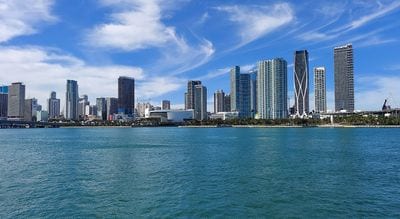
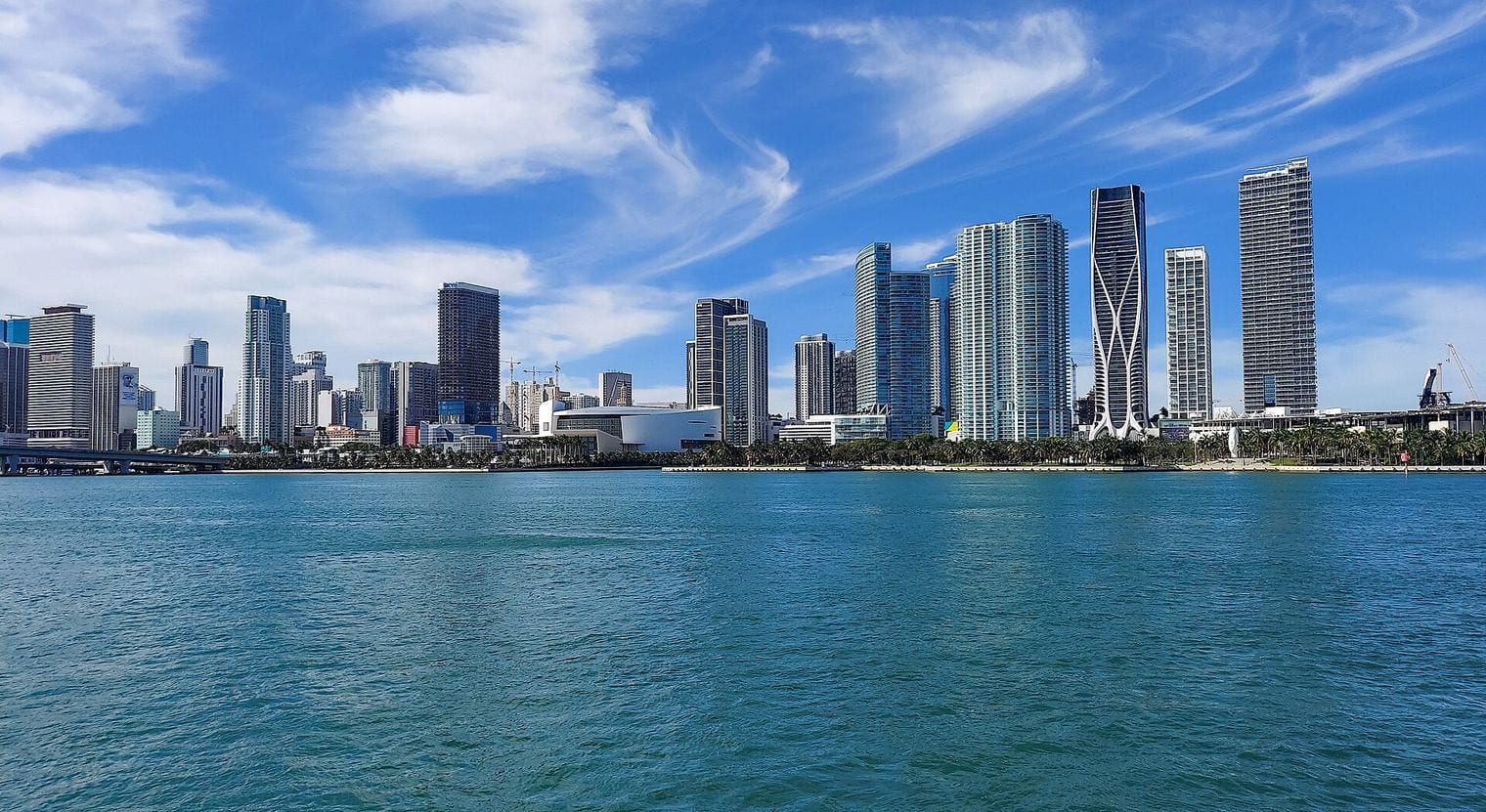
Miami spreads its skyline along Biscayne Bay, and its culture is shaped by Cuba, Latin America and the Caribbean. Eat and listen to music in Little Havana, walk among the murals of the Wynwood arts district, and cross the causeway to the Art Deco District of South Beach, which belongs to the separate city of Miami Beach.
Three days in Miami mixes beach time with neighborhoods and nightlife; add a day for Everglades National Park to the west or a drive down the Overseas Highway to the Keys. Winter and spring bring warm, dry weather and the biggest crowds. Summer is steamy, and June to November is hurricane season.
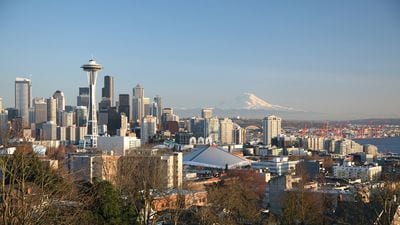
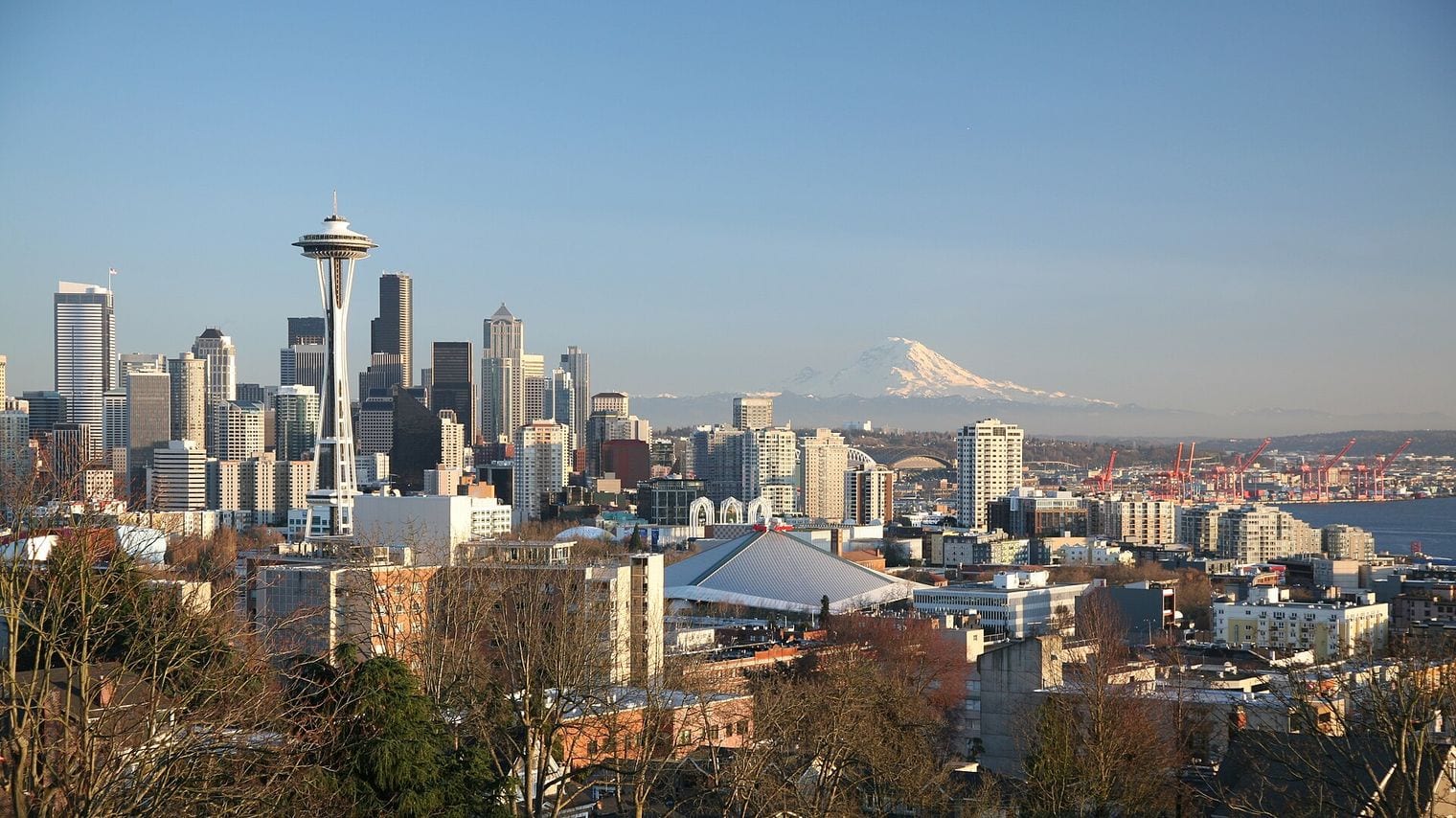
Seattle sits between Puget Sound and the Cascade Mountains, with Mount Rainier floating over the skyline on clear days. The Space Needle was built for the 1962 World's Fair, and Pike Place Market, open since 1907, is one of the older continuously operated public farmers' markets in the US, famous for its fish throwers and views over the water.
Give Seattle two or three days, with time for a ferry ride across the sound, the glass art at Chihuly Garden and Glass, and the coffee the city is known for. Summer is dry and long-lit, the best time to visit; the rest of the year is cool and often gray. It pairs well with Portland, a few hours south.
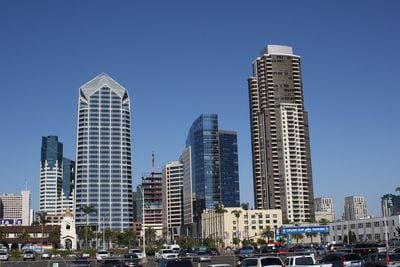
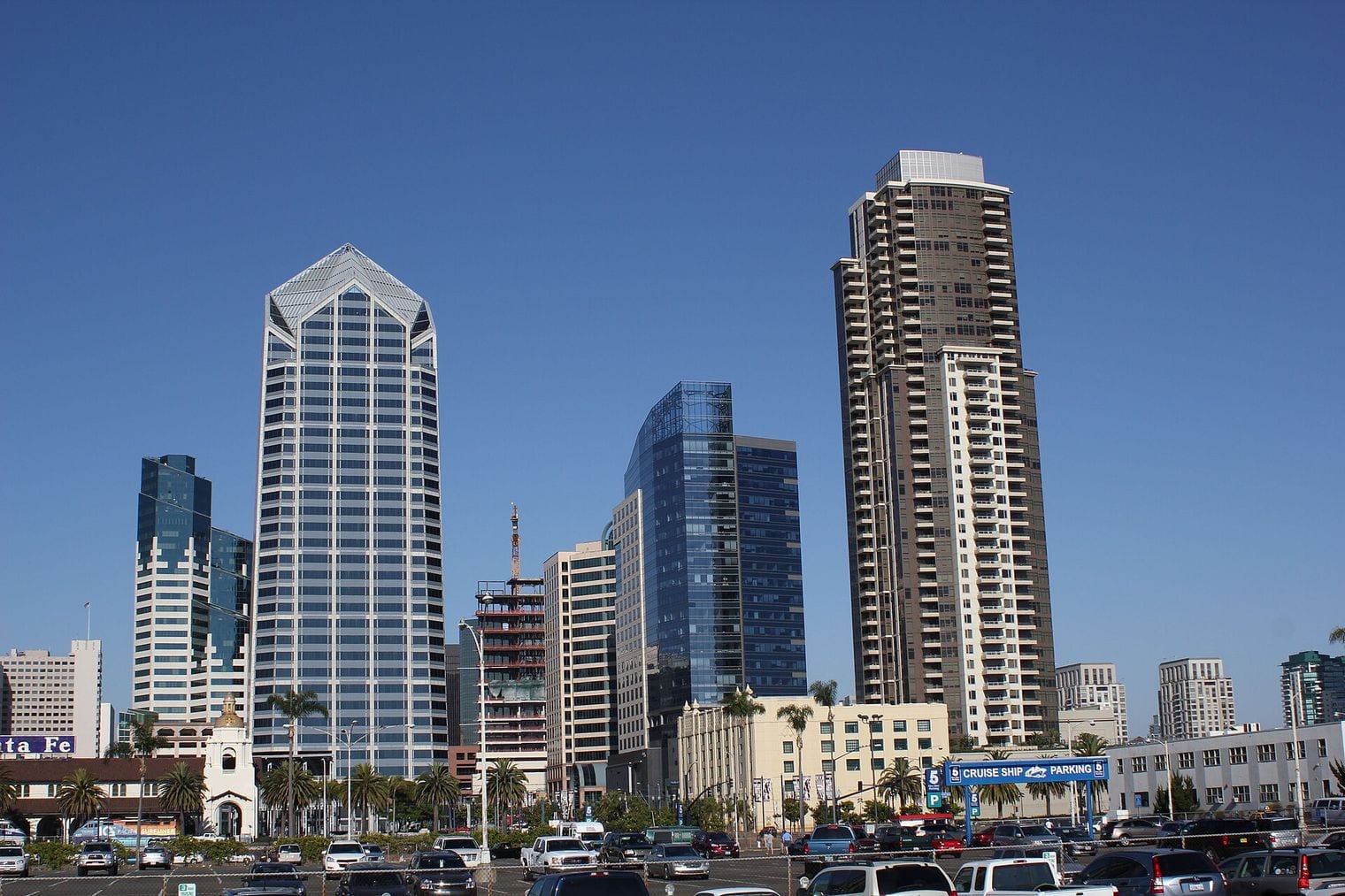
San Diego pairs a famously mild climate with the beaches to go with it. Balboa Park, with the Spanish-style buildings left from its early 20th-century expositions, holds museums, gardens and the San Diego Zoo. On the downtown waterfront, the USS Midway Museum lets you walk an aircraft carrier, and the Gaslamp Quarter fills up after dark.
Three days covers San Diego, with time for the sea lions and coves of La Jolla and the beach at Coronado across the bay. It is one of the easiest cities to visit with children, and the weather is good almost all year. Early summer can bring a marine layer of morning cloud locals call June Gloom.
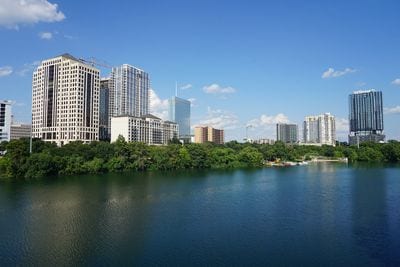
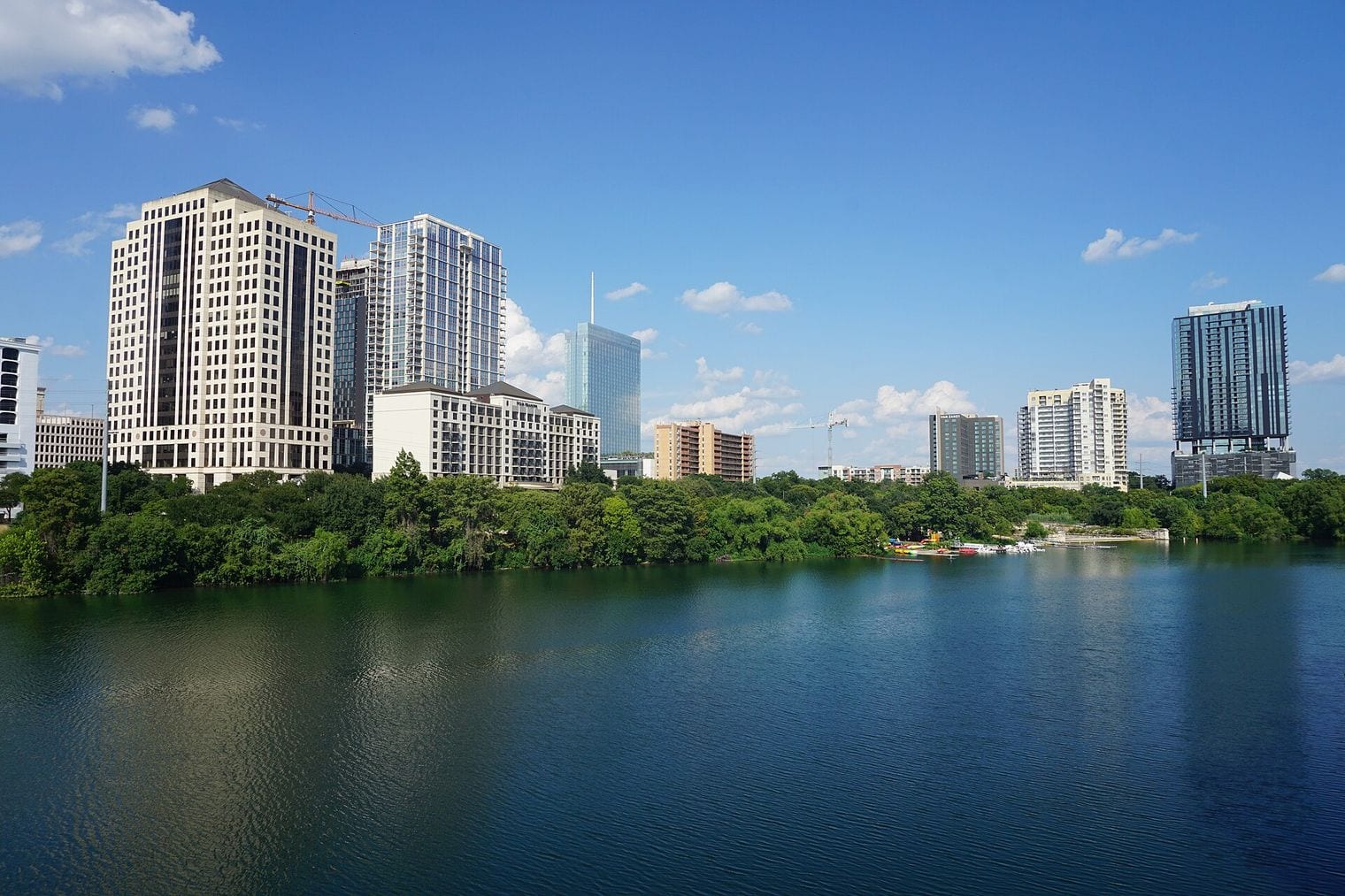
Austin, the capital of Texas, calls itself the Live Music Capital of the World, and on any night Sixth Street and the clubs of the Red River district back it up. Its best free show happens at dusk from spring into fall, when the Congress Avenue Bridge releases the world's largest urban bat colony into the sky over Lady Bird Lake.
Two or three days in Austin leaves time for a swim in the spring-fed Barton Springs Pool, a tour of the Texas State Capitol and a long barbecue lunch. Paddle or walk the trail around Lady Bird Lake, then head west into the Hill Country. Summers are very hot, so spring and fall are the best seasons.
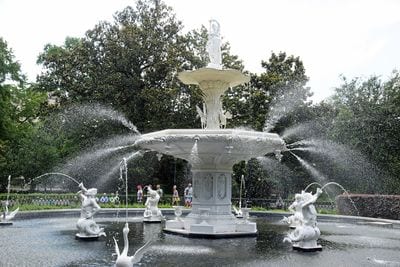
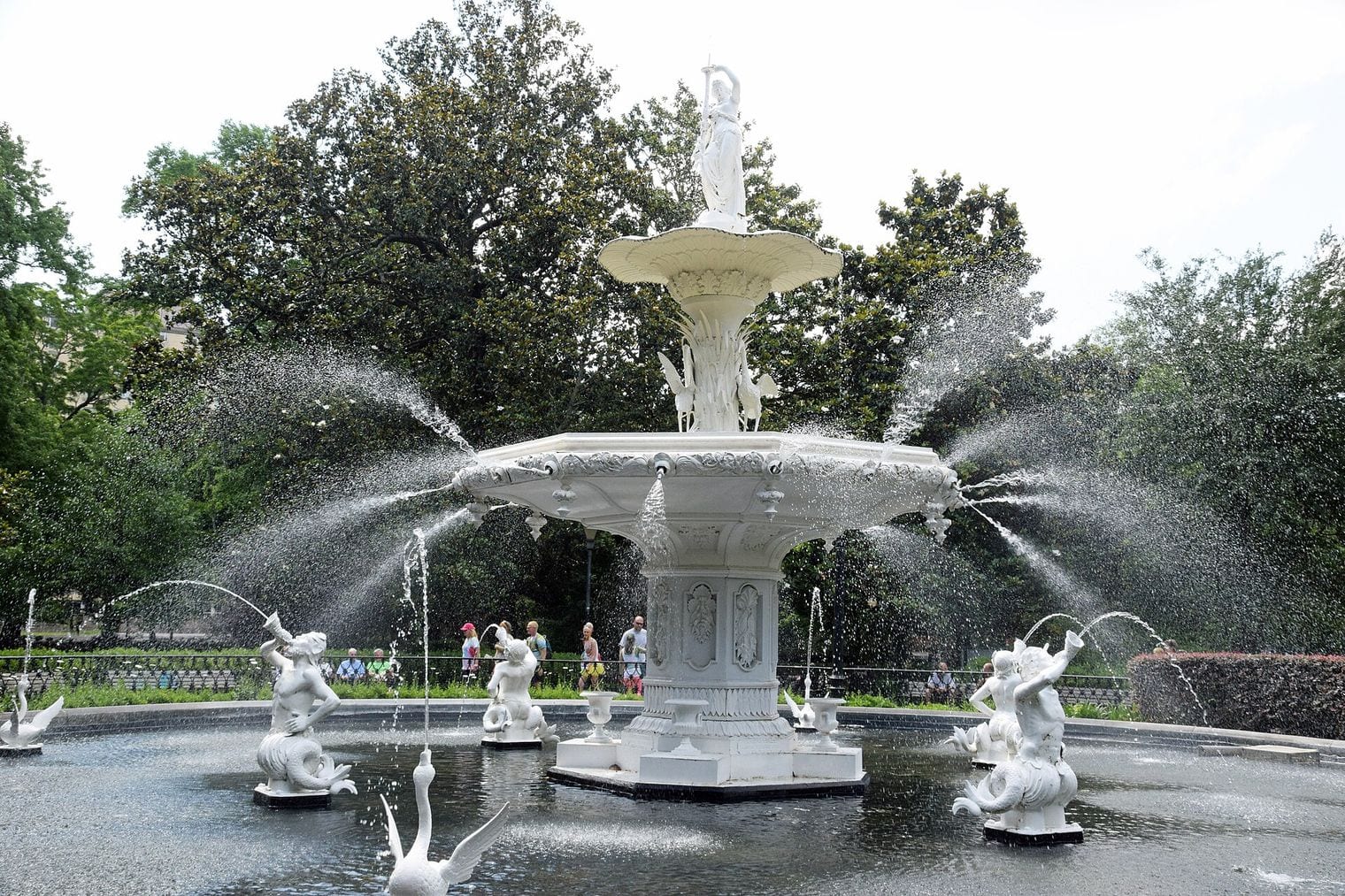
Savannah, established in 1733, is the oldest city in Georgia, and its historic district is laid out around 22 park-like squares shaded by live oaks and Spanish moss. Together with the Victorian district to the south, the downtown forms one of the largest National Historic Landmark Districts in the US. Forsyth Park and its fountain anchor the south end, and River Street runs along the old cotton warehouses.
Two days is right for Savannah, mostly spent on foot, ducking into house museums and squares and taking an evening ghost tour. It pairs naturally with Charleston for a Lowcountry trip. Spring, when the azaleas bloom, is the prettiest season; summers are hot and humid.
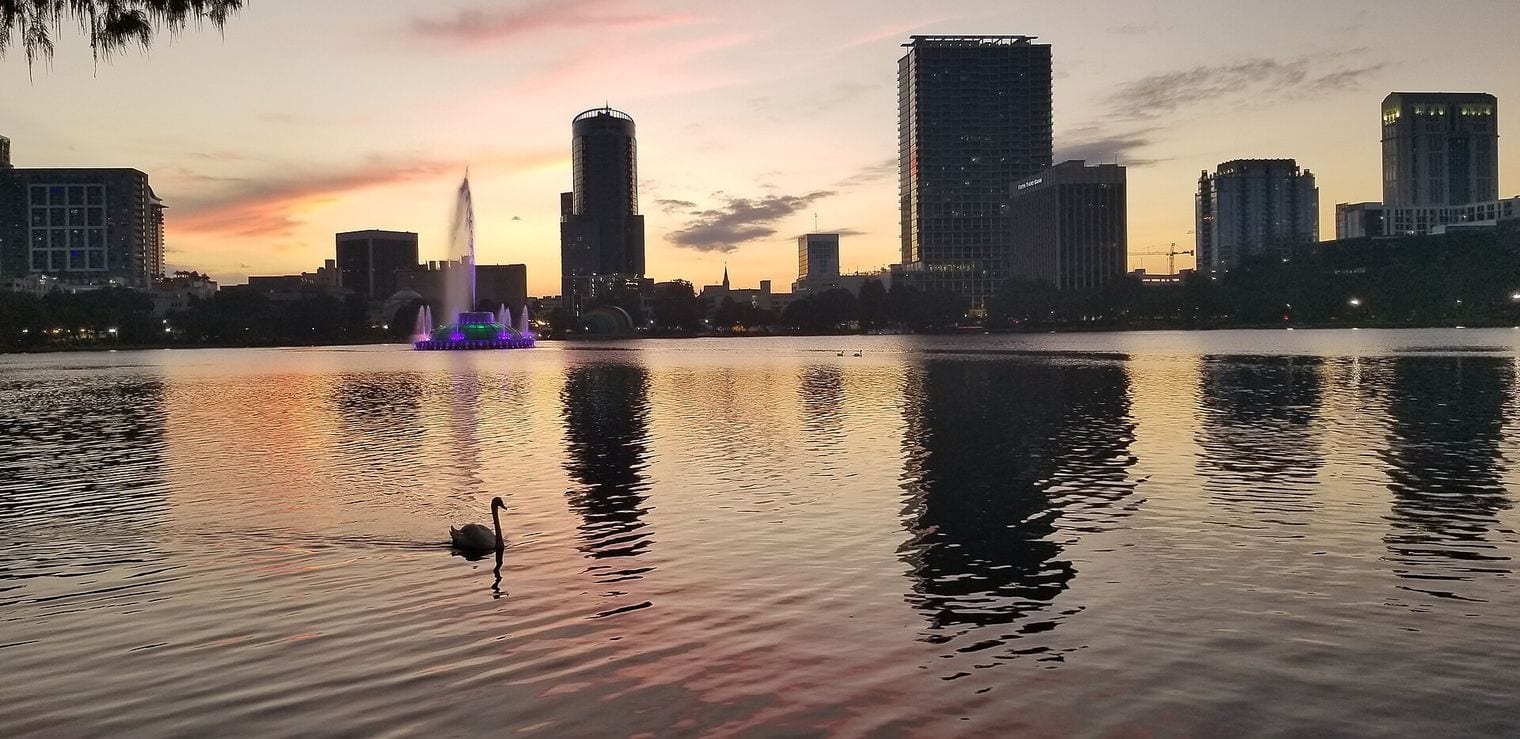
Orlando is the theme park capital of the US. Walt Disney World, opened in 1971, sits about 21 miles southwest of downtown in Bay Lake, while Universal Orlando and its newer Epic Universe park line International Drive. Between them they can fill a week, which is why so many families plan a whole vacation around the area.
Allow four or five days for Orlando if the parks are the goal, and buy tickets ahead. Downtown has its own quieter side around Lake Eola, and the Kennedy Space Center and Atlantic beaches lie to the east. Winter and spring are the most comfortable months; summer is hot, with afternoon thunderstorms most days.
Get new guides like this by email
One email every Thursday with our newest guides for the places you tick.
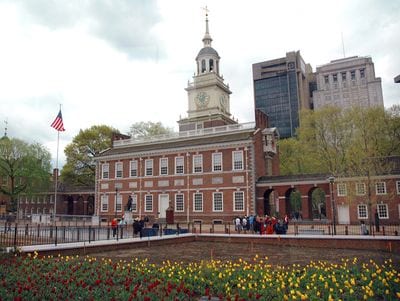
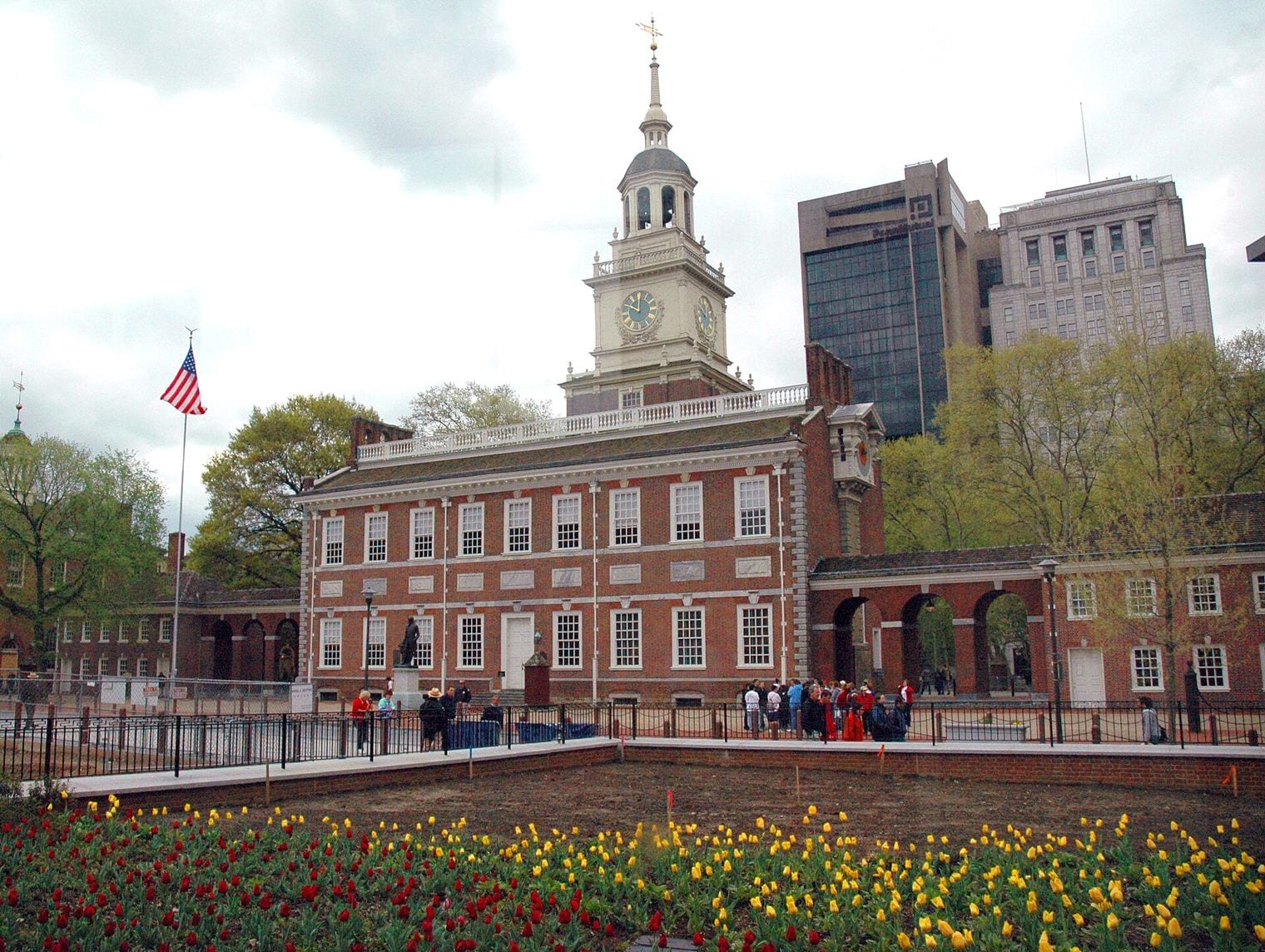
Philadelphia is where the United States began. The Declaration of Independence was adopted inside Independence Hall, now a UNESCO World Heritage Site, and the Liberty Bell hangs in its pavilion across the street. The city has 67 National Historic Landmarks, from Elfreth's Alley to Eastern State Penitentiary.
Two days covers Philadelphia's historic core, the steps of the Philadelphia Museum of Art made famous by Rocky, and a long graze through Reading Terminal Market. Order a cheesesteak and argue about where to get the best one. The city is a short train ride from New York City and Washington, D.C., so it slots easily into an East Coast trip.
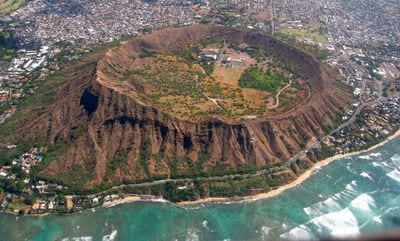
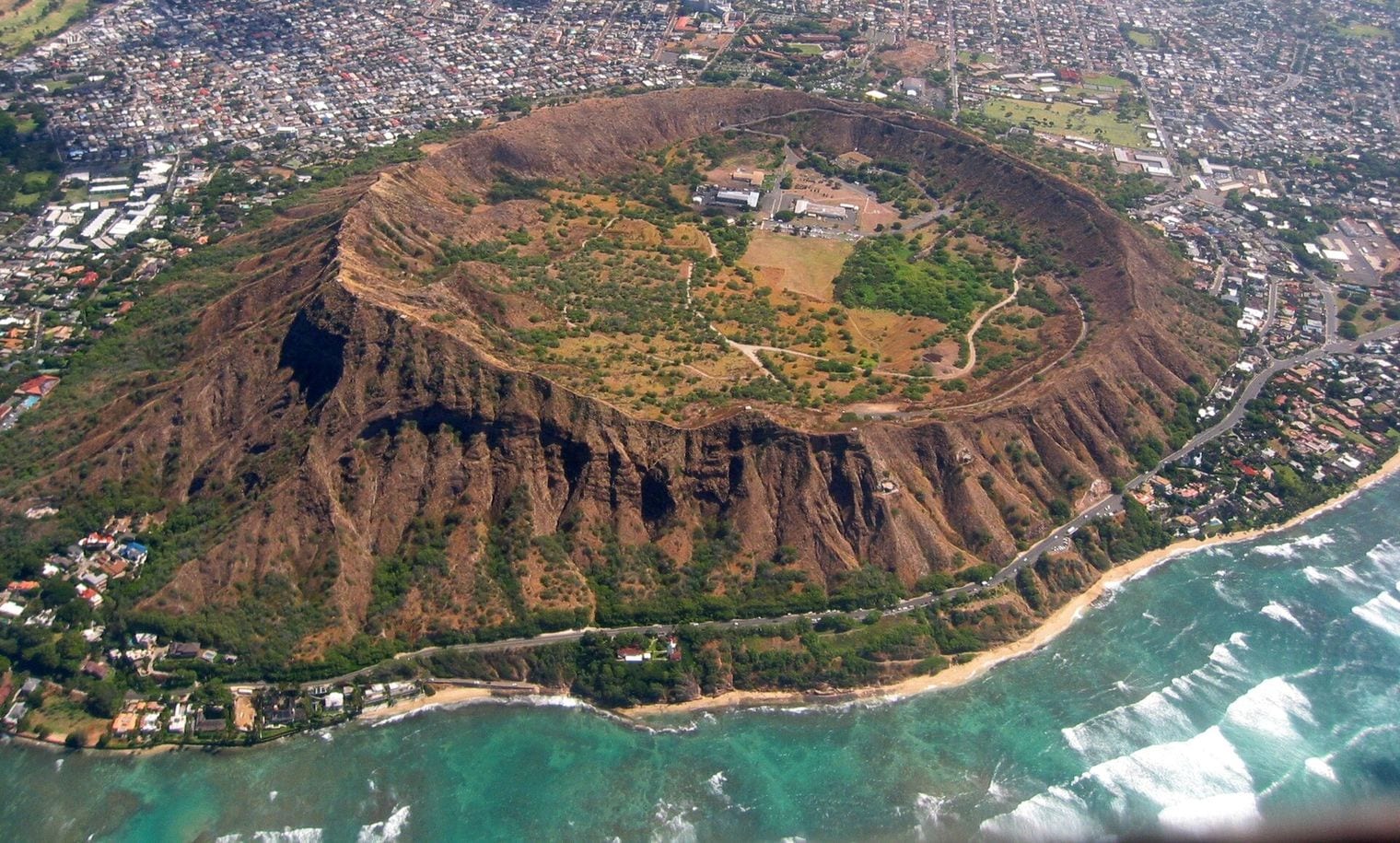
Honolulu is Hawaii's capital, and the City and County of Honolulu takes in the whole island of Oahu. Waikiki is the center of Hawaii's tourism, with its beach and surf lessons, and Diamond Head crater rises at its eastern end. The Pearl Harbor National Memorial marks the December 7, 1941 attack that brought the US into World War II, and ʻIolani Palace downtown is the only royal palace on US soil.
Give Honolulu four or five days to add Oahu's North Shore, snorkeling at Hanauma Bay and a drive along the windward coast. The weather is warm all year; winter brings the big surf on the North Shore, and summer the calmer swimming water.
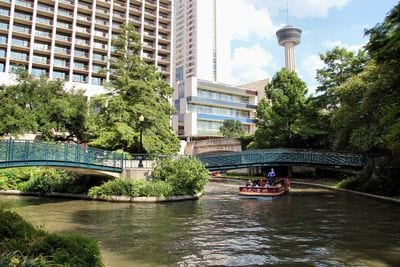
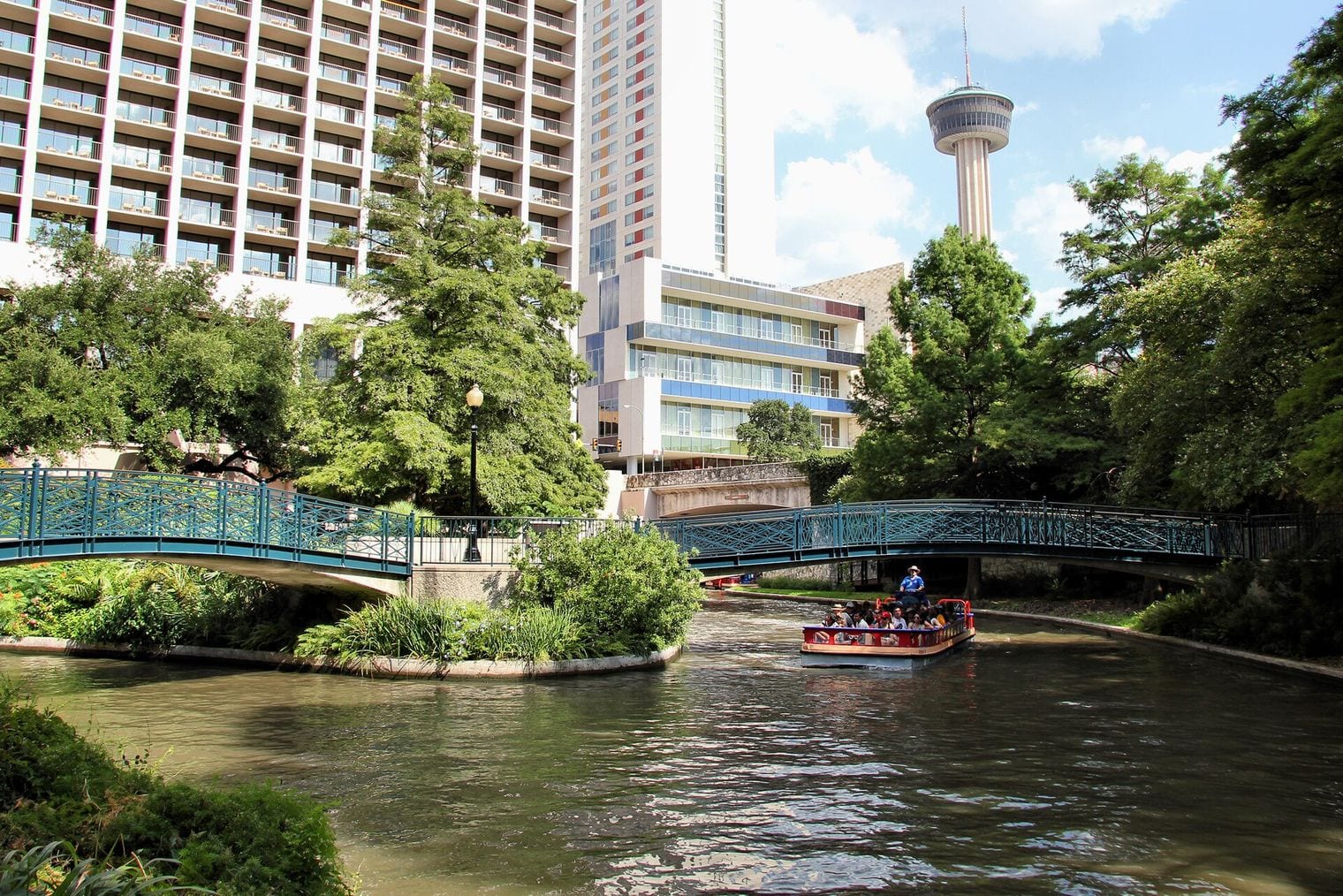
San Antonio is home to the Alamo and four more 18th-century Spanish missions, which together were named a UNESCO World Heritage Site in 2015. The River Walk, a path of shops and restaurants a level below the streets, winds through downtown, and the Tower of the Americas gives the best view over it.
Two days covers San Antonio: one for the Alamo and the River Walk, and one for the missions trail, which you can cycle or drive south of downtown. Tex-Mex is the local food to seek out. Spring is the best season, before the summer heat sets in, and December brings lights strung along the river.
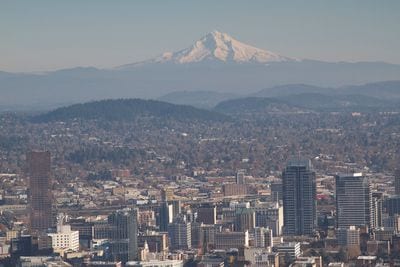
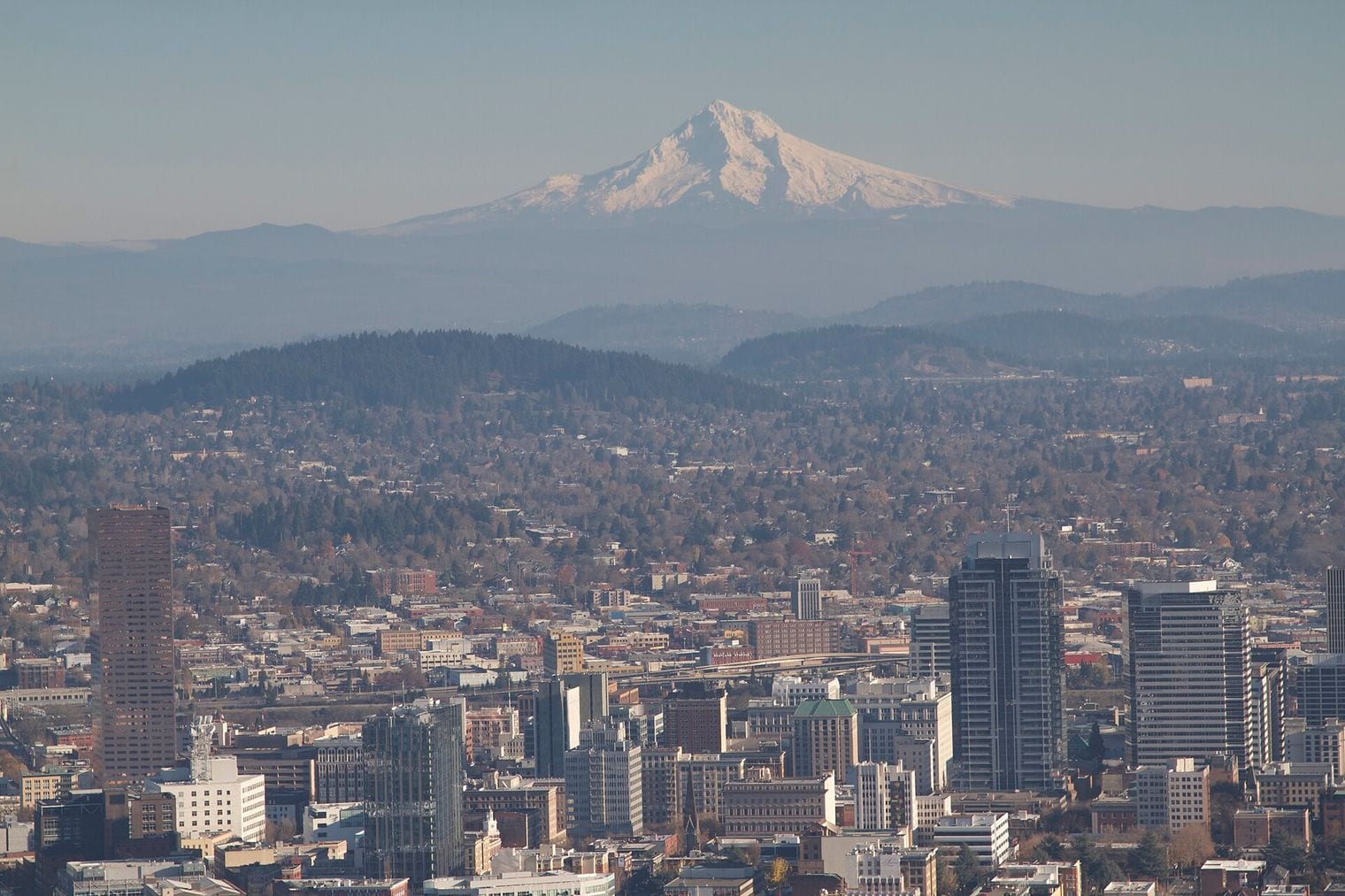
Portland, Oregon, has been called the City of Roses for more than a century, and the International Rose Test Garden in Washington Park shows why. Powell's City of Books claims to be the largest independent new and used bookstore in the world, Forest Park offers miles of trails inside the city limits, and the food cart pods and breweries are local institutions.
Plan two or three days in Portland, with one of them for the waterfalls of the Columbia River Gorge or a drive toward Mount Hood. Summer is dry and warm, the best time to visit, while the rest of the year is mild and often rainy. It pairs easily with Seattle to the north.
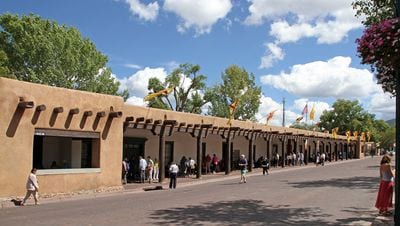
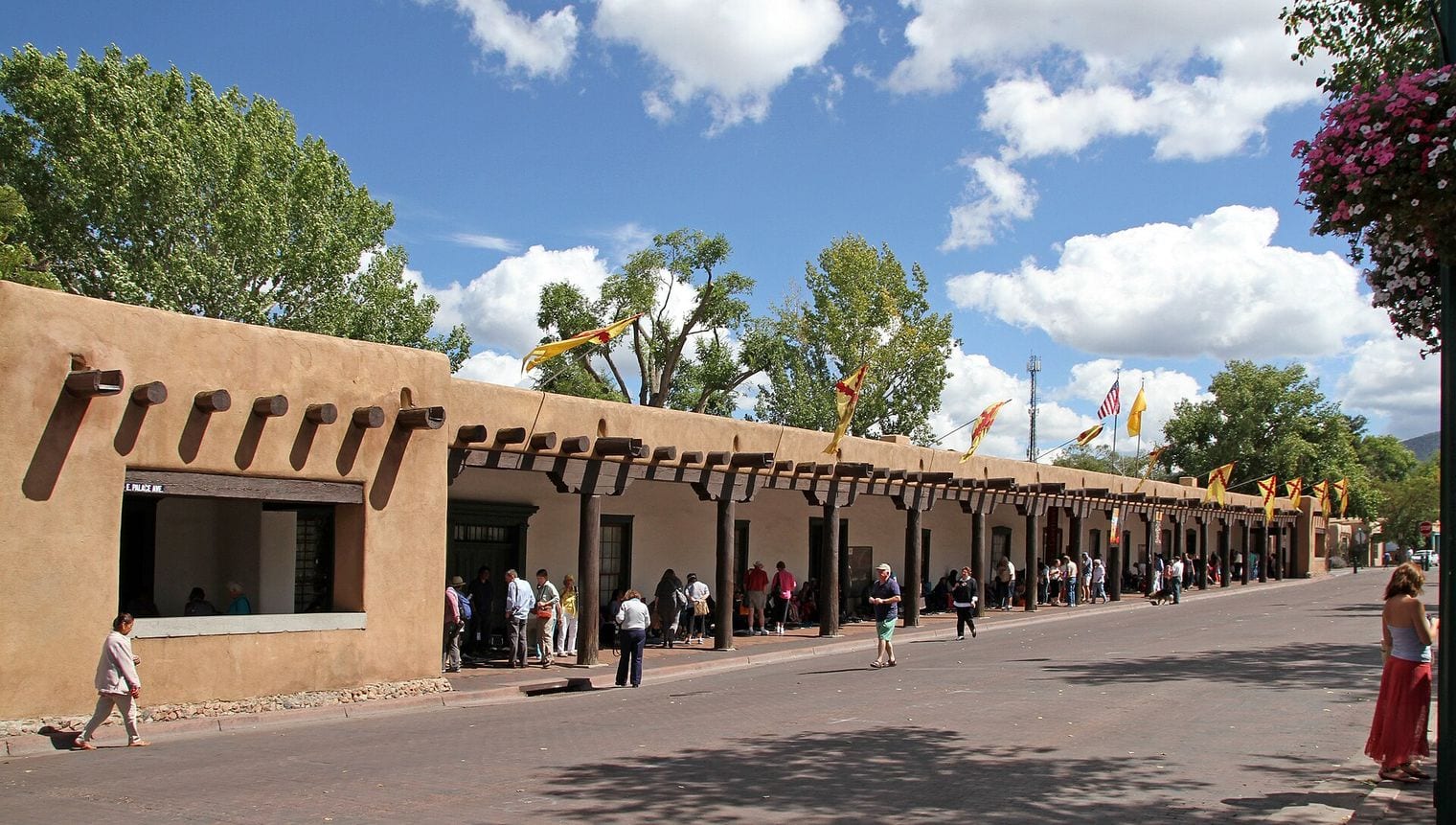
Santa Fe, founded in 1610, is the oldest state capital in the United States, and at 7,199 feet it is also the highest. Adobe buildings ring the historic Plaza, where Native American artists sell jewelry beneath the portal of the Palace of the Governors. Canyon Road is lined with galleries, and the Georgia O'Keeffe Museum honors the painter who made northern New Mexico famous.
Two or three days lets you see Santa Fe and add a drive to Taos or Bandelier National Monument. Try the local red or green chile, or say "Christmas" to get both. Summer and early fall are lovely, and winter brings snow and skiing above town.
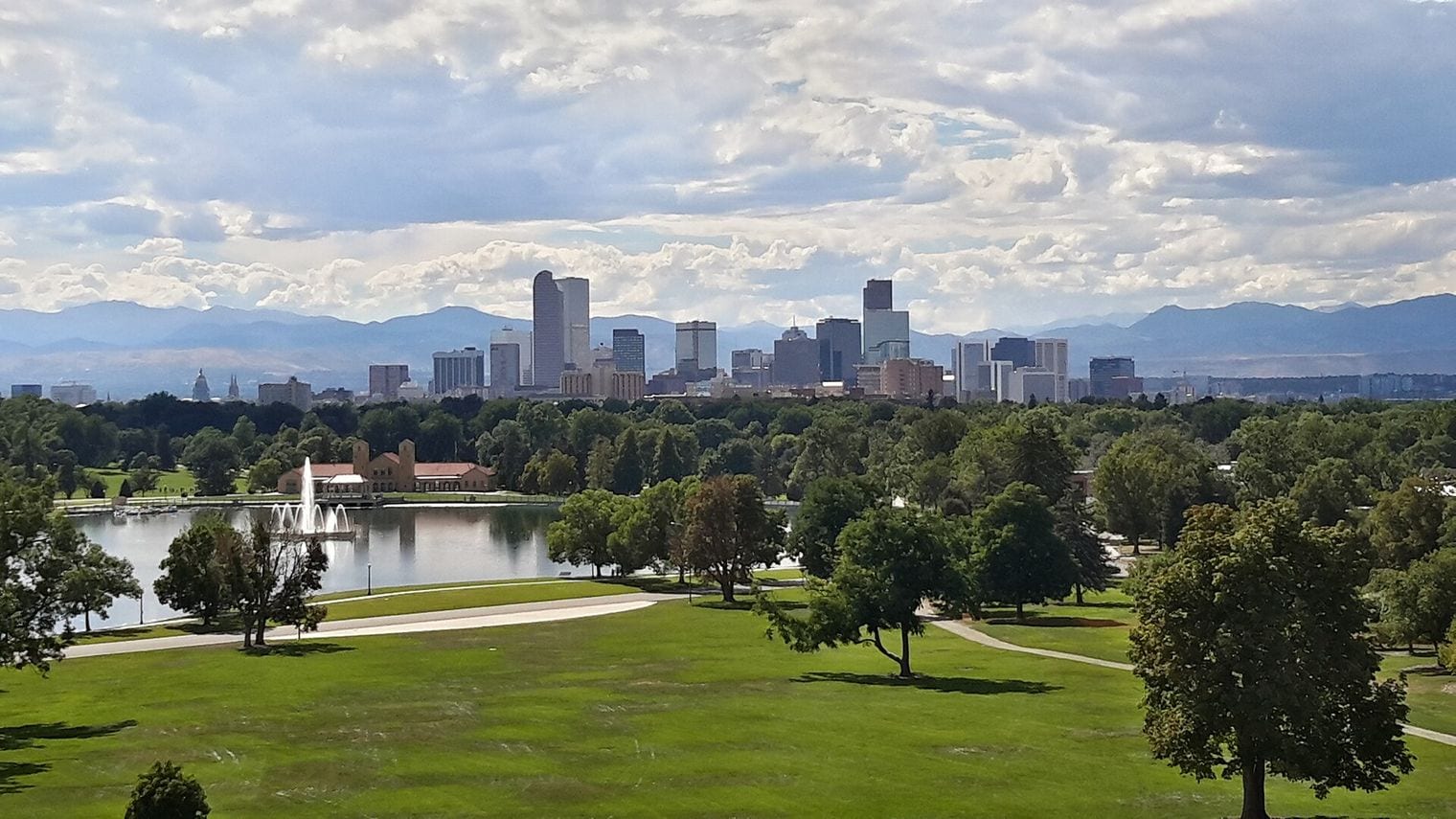
Denver is the Mile High City, its official elevation exactly one mile above sea level, marked on the steps of the State Capitol. Lower Downtown and Union Station are full of restaurants and breweries, the Denver Art Museum has a strong collection of Native American art, and the nearby Red Rocks Amphitheatre is one of the most famous concert venues in the US.
Two days in Denver works as a city break or as the start of a Rocky Mountain trip, with Rocky Mountain National Park and the ski towns within a day's reach. The altitude catches some visitors out, so drink plenty of water. Summer is the most popular season, but Denver is sunny year-round.
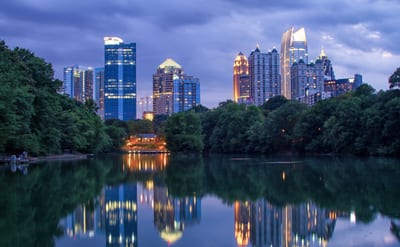
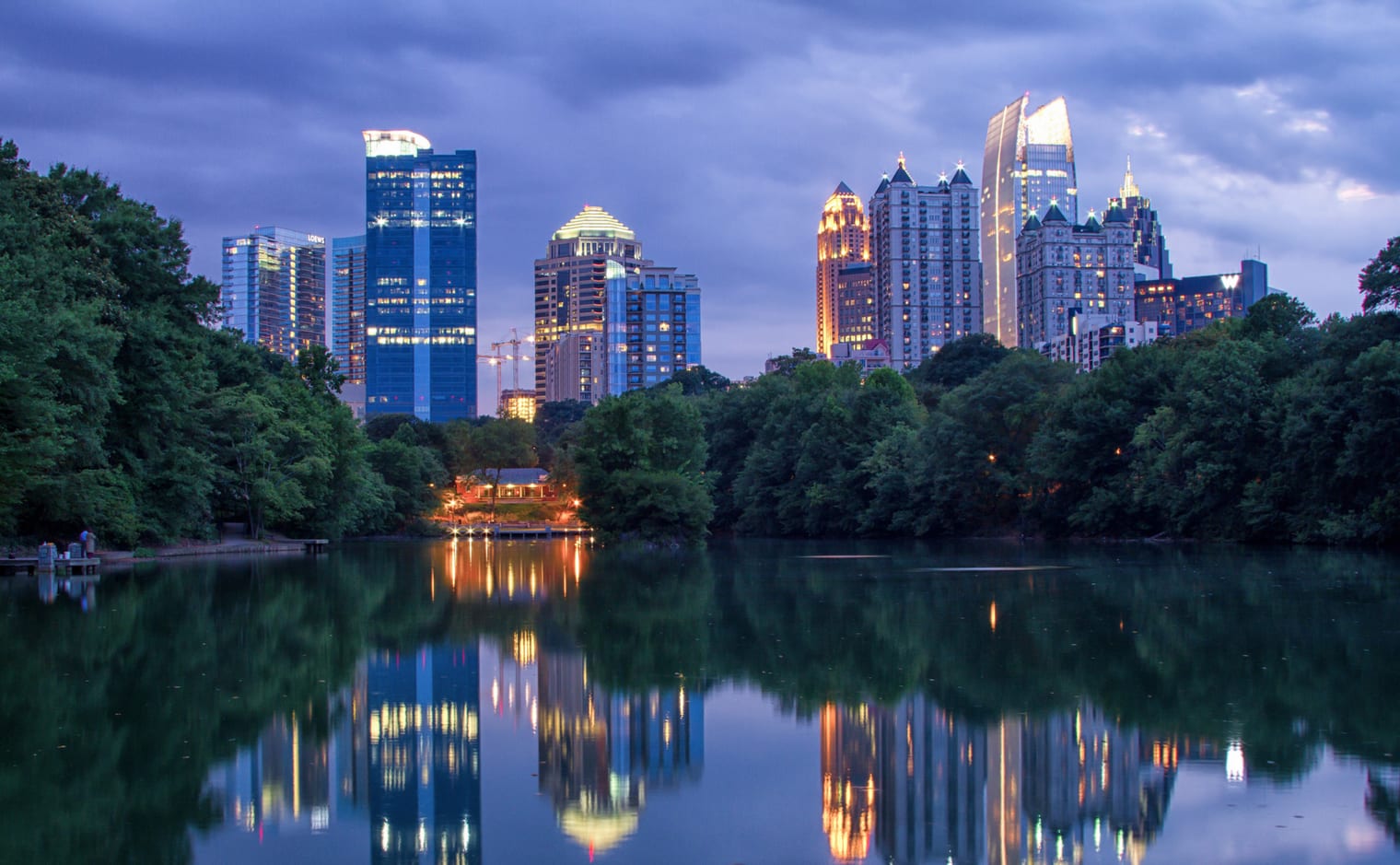
Atlanta, the capital of Georgia, was a key city in the story of the civil rights movement. The Martin Luther King Jr. National Historical Park preserves his birth home and Ebenezer Baptist Church, and the Georgia Aquarium, the city's most popular attraction, was the world's largest indoor aquarium until 2012. Centennial Olympic Park is a legacy of the 1996 Summer Olympics.
Two days covers Atlanta's highlights, including the World of Coca-Cola and a walk or bike ride along the Beltline trail between neighborhoods. The city is spread out and car-friendly, though the MARTA trains link the airport and downtown. Spring and fall are the best seasons to visit Atlanta.
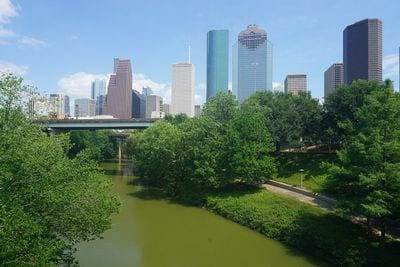
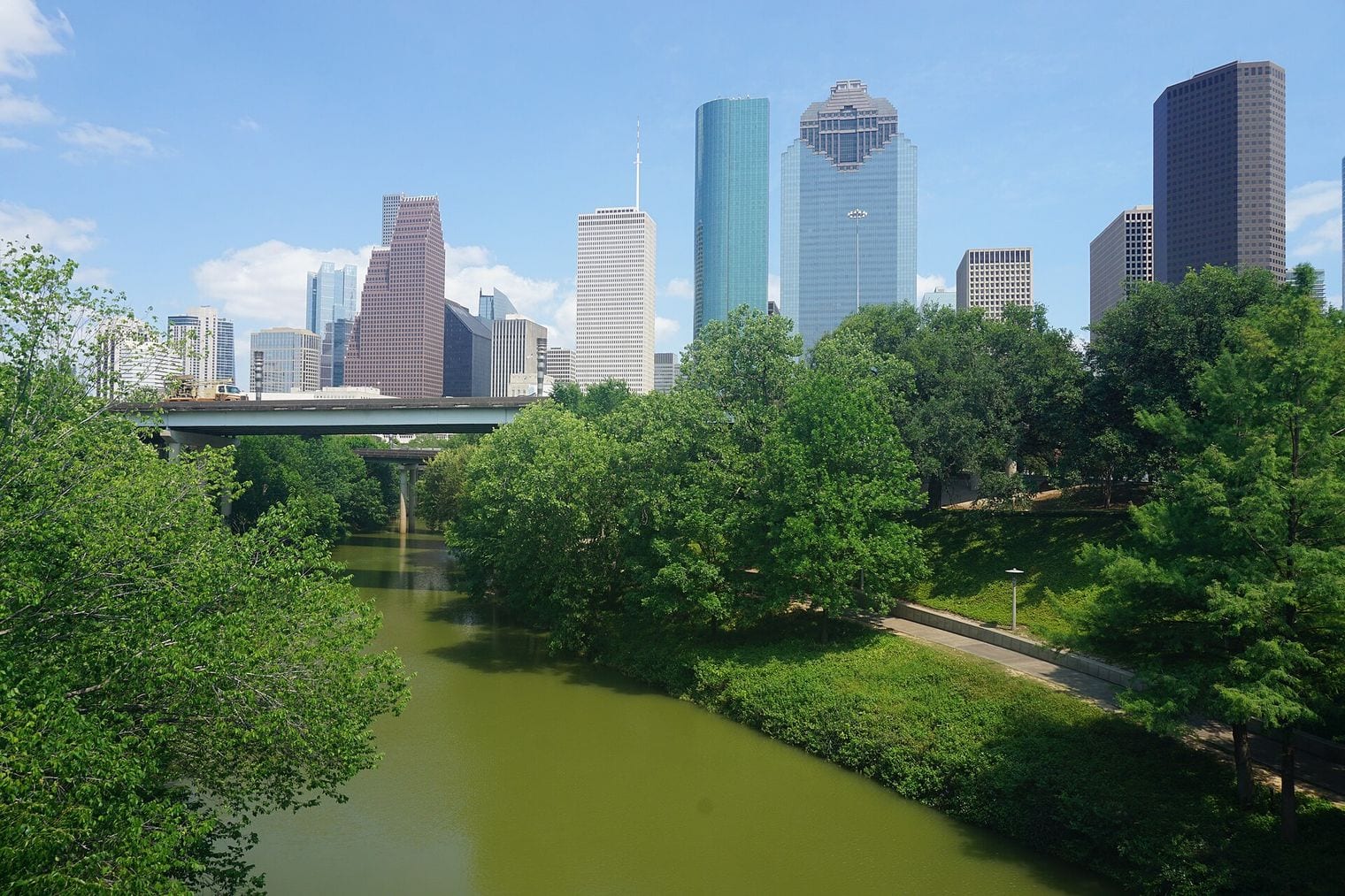
Houston is the fourth-most populous city in the United States, and its big draw for visitors is space. Space Center Houston is the visitor center for NASA's Johnson Space Center, home to Mission Control, where you can see rockets and the rooms that guided astronauts to the Moon. The Museum District gathers more than a dozen museums around Hermann Park.
Two days covers Houston, with time for Buffalo Bayou Park and a food scene that ranges from Tex-Mex and barbecue to Vietnamese. A car is close to essential. Winter and spring are the most pleasant seasons; summers are hot and humid, and June to November is hurricane season.
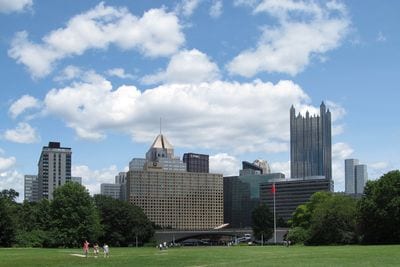
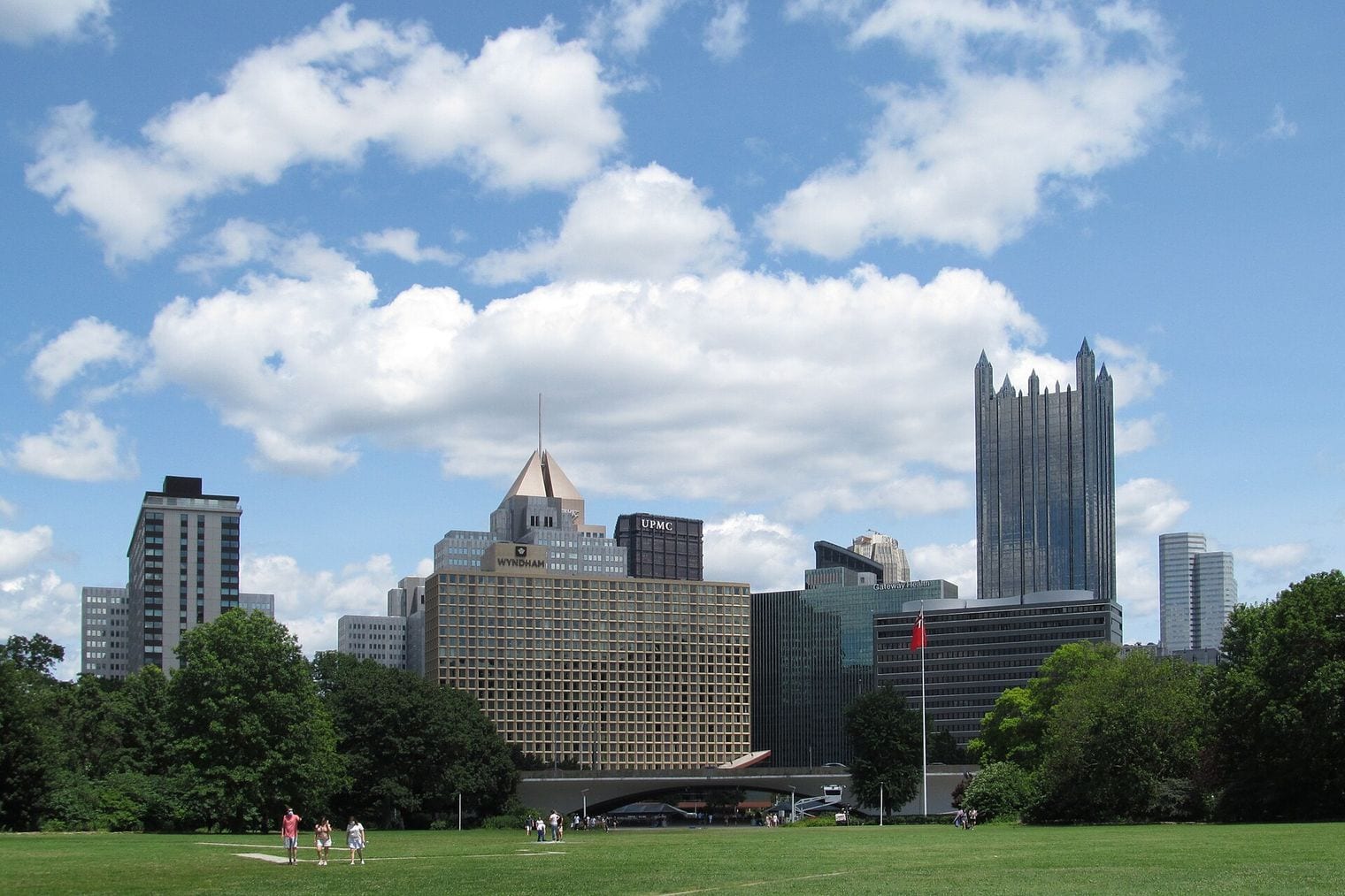
Pittsburgh is sometimes called the City of Bridges for its 446 bridges, and the view of them from the top of the Duquesne Incline is one of the city's signature panoramas. At Point State Park, the Allegheny and Monongahela rivers meet to form the Ohio. The Andy Warhol Museum honors the artist who grew up here, and the Carnegie Museum of Natural History is known for its dinosaurs.
Two days covers Pittsburgh, with time for a ballgame at PNC Park and a walk through the Strip District. Frank Lloyd Wright's Fallingwater makes a classic day trip into the countryside to the southeast. Late spring through fall is the best time to visit.
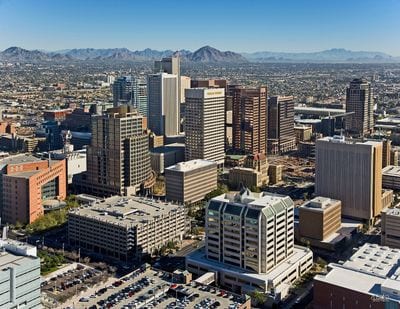
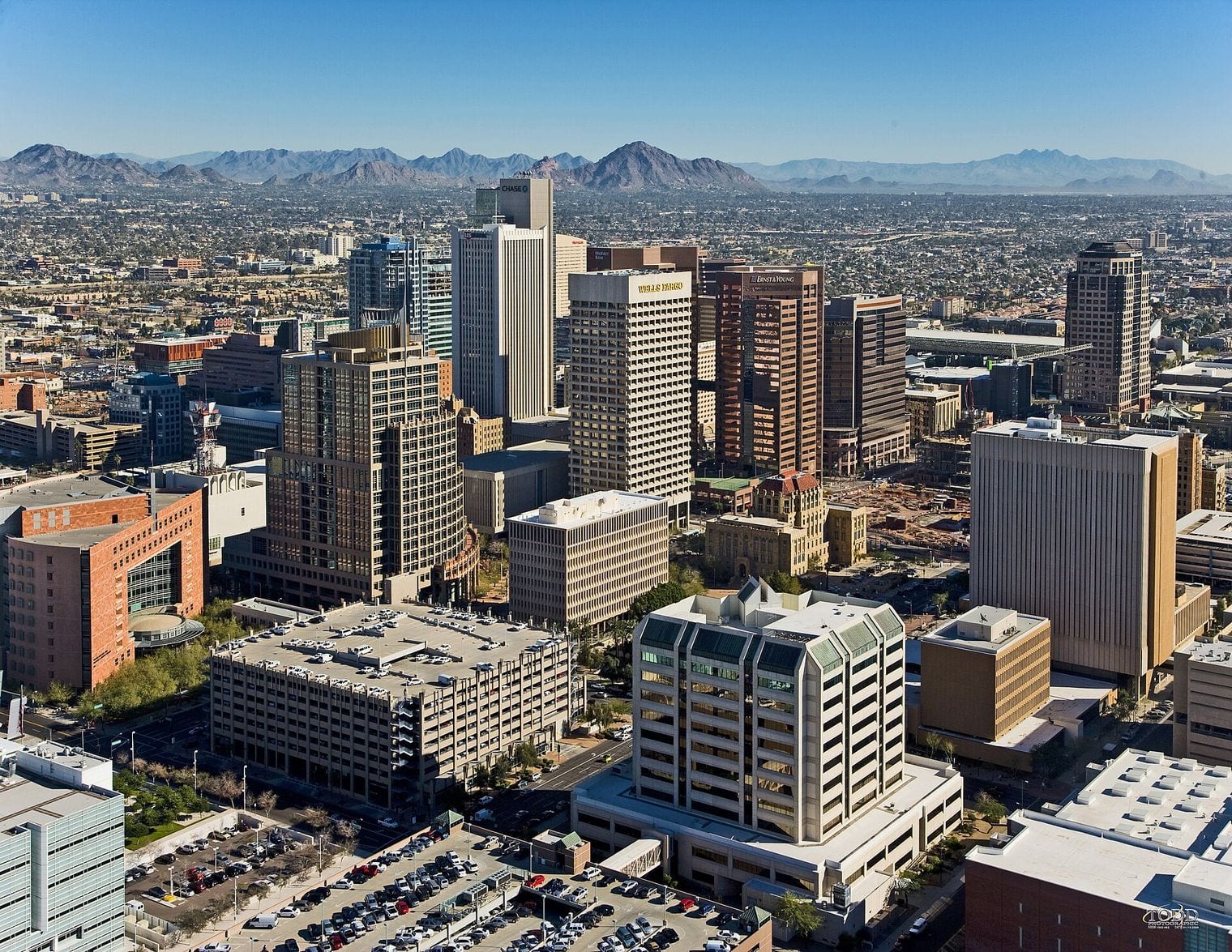
Phoenix is the fifth-most populous city in the United States and the most populous state capital, set in the Sonoran Desert among rugged peaks. Hike Camelback Mountain or Piestewa Peak at sunrise, walk among saguaros at the Desert Botanical Garden, and spend an afternoon at the Heard Museum, a leading museum of Native American art.
Two or three days covers Phoenix, with time for the resorts, galleries and shopping of neighboring Scottsdale. A car is a must. Winter and spring are the reason to come, with warm, dry days; summer temperatures are extreme, and hikers should start at dawn. The red rocks of Sedona are within an easy day trip to the north.
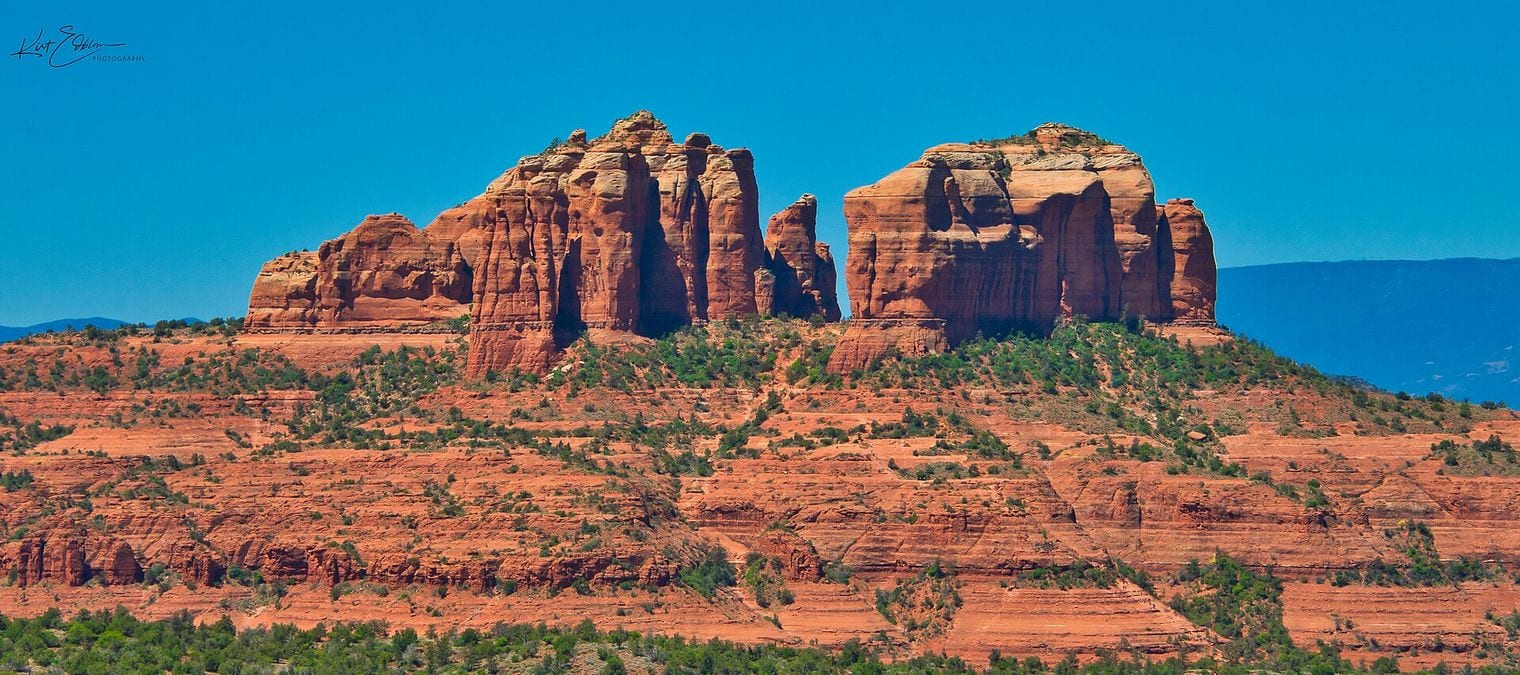
Sedona is a small city set in a ring of red rock, and it lies within the Coconino National Forest. Cathedral Rock and Bell Rock are the best-known formations, the Chapel of the Holy Cross is built into a cliff, and Oak Creek Canyon runs north toward Flagstaff. Many visitors come for the so-called energy vortexes as much as for the hiking.
Two days in Sedona is enough for a few trails, a jeep tour and a sunset from one of the viewpoints, and it fits neatly into a road trip with the Grand Canyon. Spring and fall bring the best hiking weather. The trailheads get crowded, so start early.
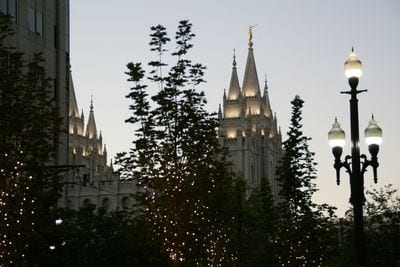
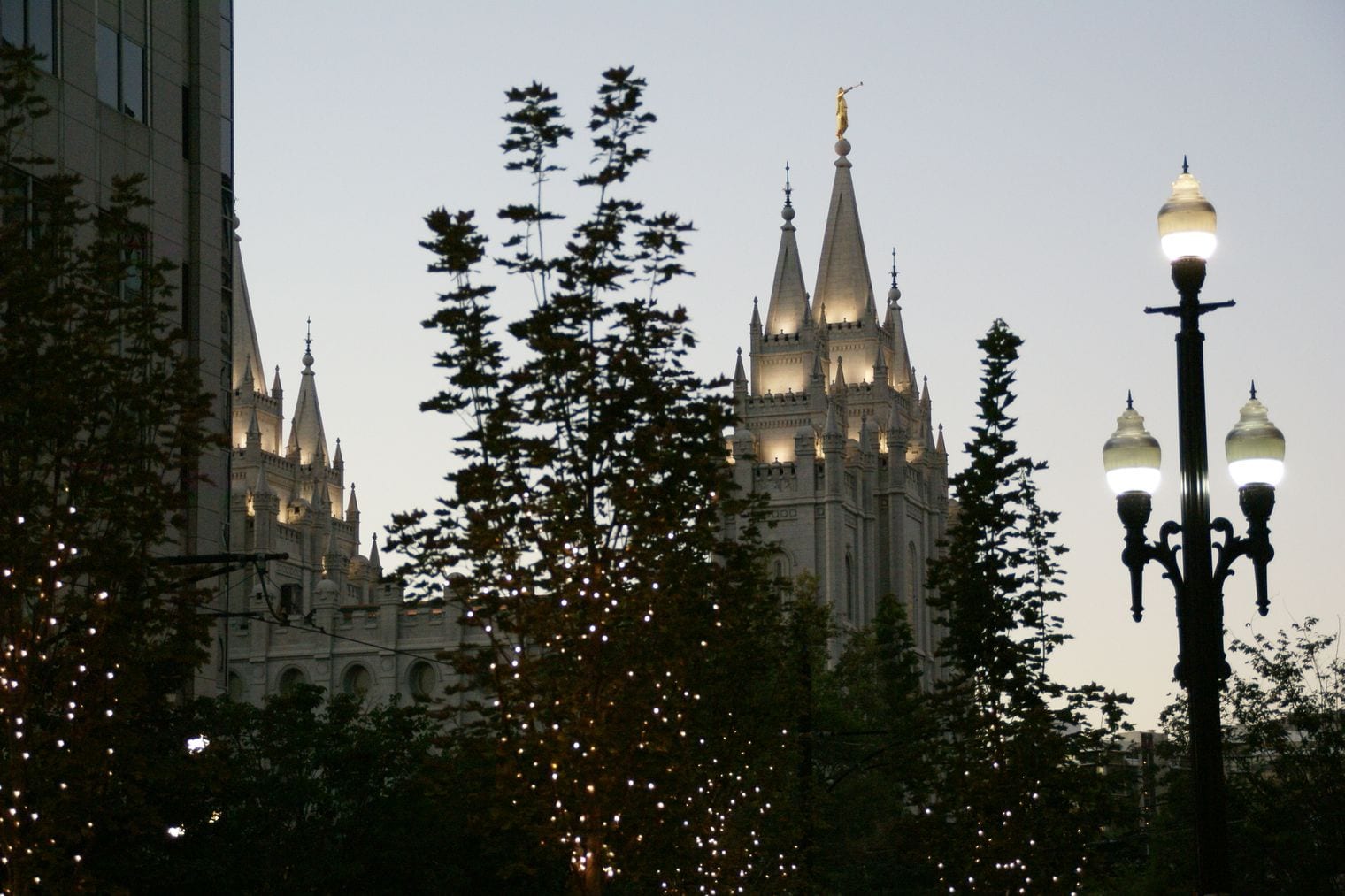
Salt Lake City sits beneath the Wasatch Range, and its street grid literally starts at Temple Square, whose southeast corner is the origin point for addresses across the city. The city hosted the 2002 Winter Olympics and is set to host again in 2034, and world-class ski resorts are a short drive up the canyons.
Two days covers Salt Lake City: Temple Square and the State Capitol, a hike or ski day in the mountains, and a look at the Great Salt Lake that gave the city its name. Winter suits skiers, while summer and fall suit hikers. It is also a good gateway for a road trip to Utah's national parks in the south of the state.
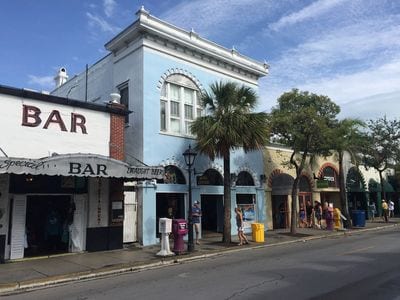
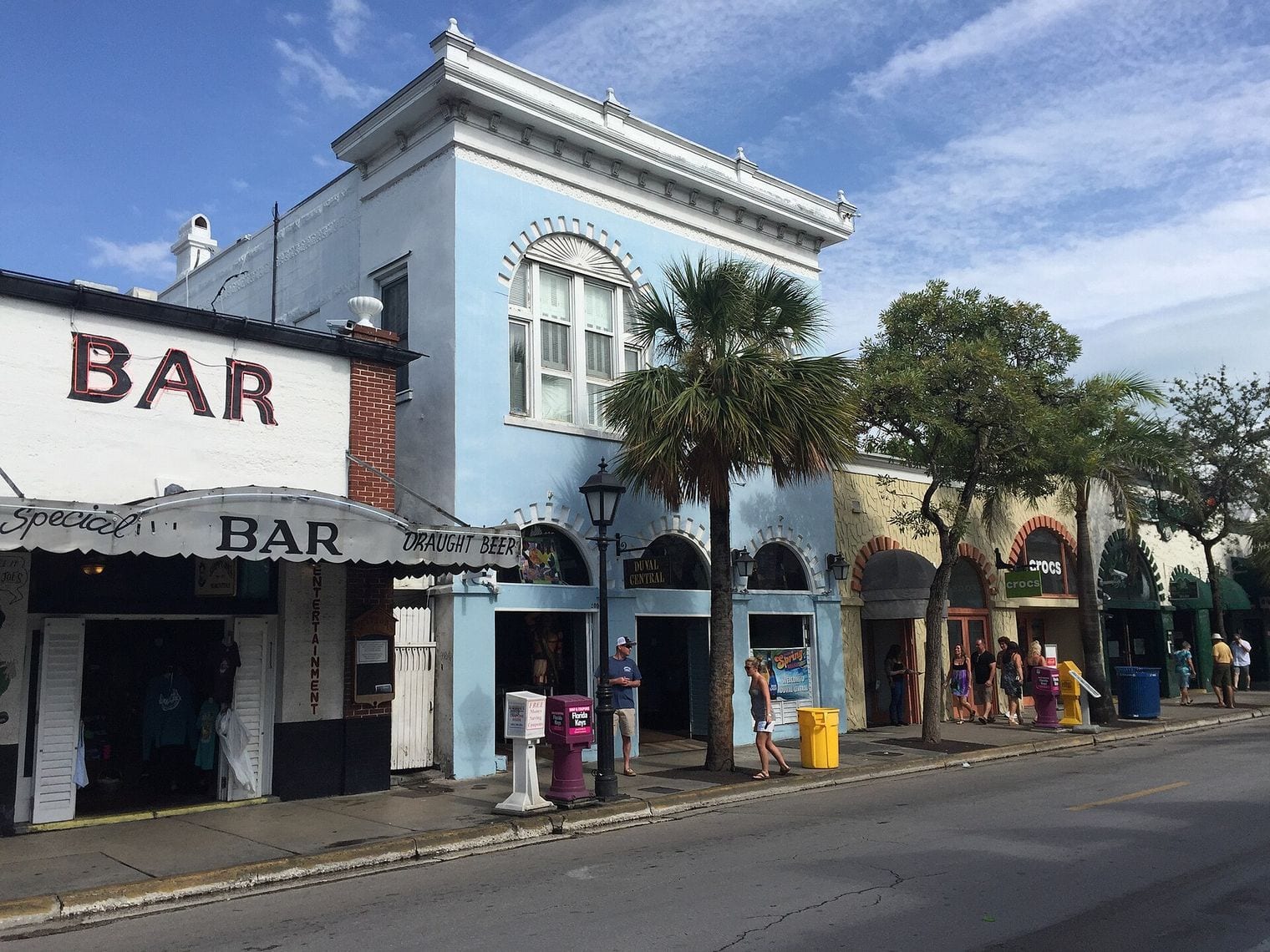
Key West is the southernmost city in the contiguous United States, closer to Cuba than to Miami, and it moves at its own slow, sunny pace. Visit the Ernest Hemingway Home, where the writer lived in the 1930s and six-toed cats still roam the garden, join the sunset crowd on Mallory Square, and walk the bars and shops of Duval Street.
Two or three days in Key West leaves time to snorkel the reef, see Fort Zachary Taylor and take the boat or seaplane to Dry Tortugas National Park. The drive down the Overseas Highway from Miami is half the fun. Winter is high season; June to November is hurricane season.
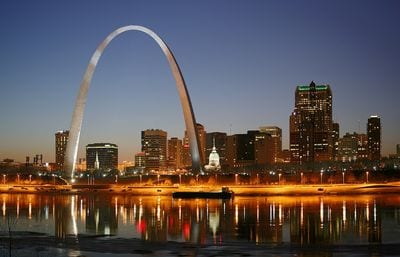
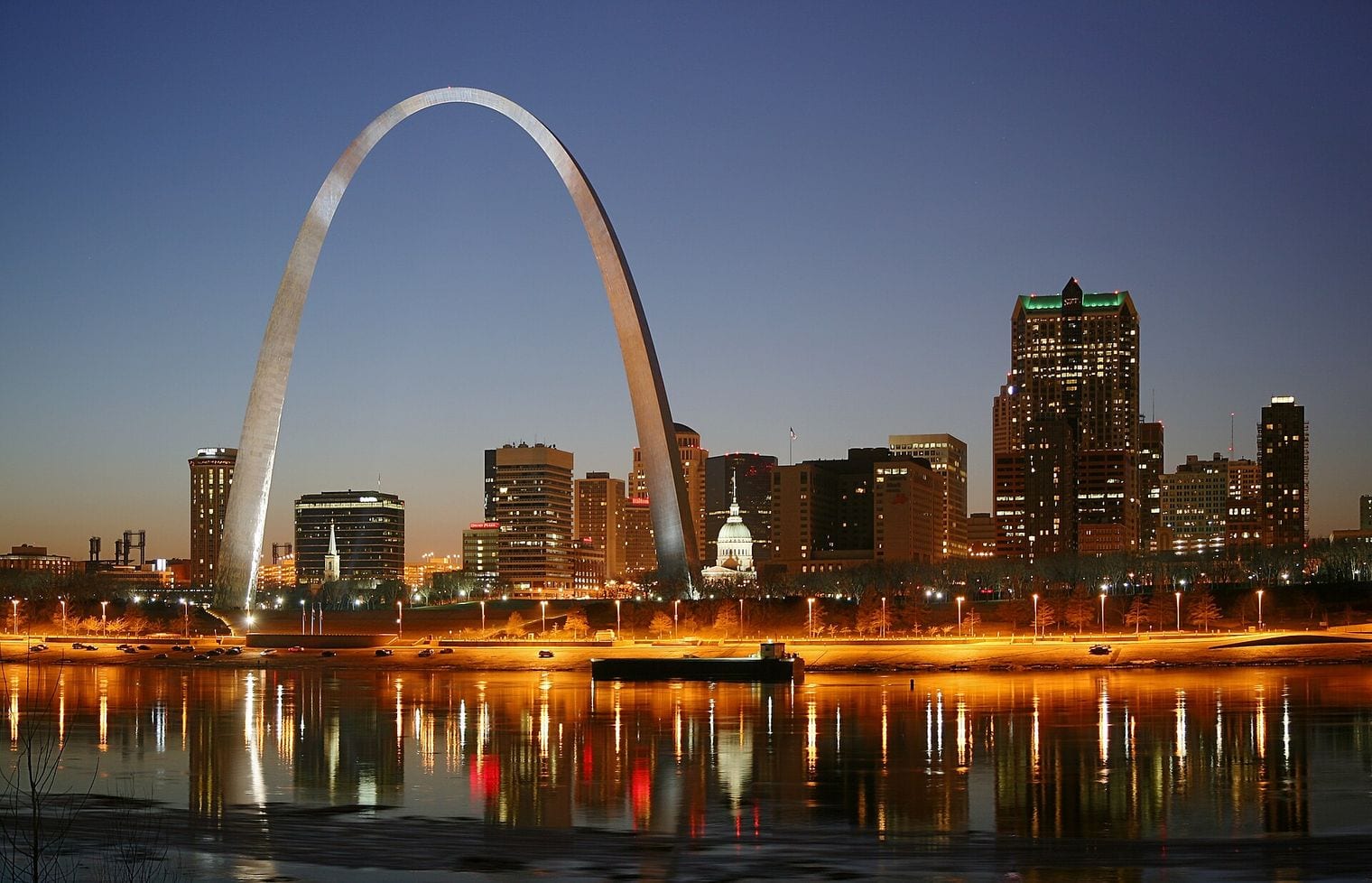
St. Louis is the gateway to the West, and its symbol is the 630-foot Gateway Arch, the world's tallest arch, with a tram that carries visitors to the top. Forest Park, the site of the 1904 World's Fair, holds the Saint Louis Zoo, the Art Museum and the history museum, and the Missouri Botanical Garden and the City Museum are elsewhere in the city.
Two days covers St. Louis, with a Cardinals game in summer and a plate of toasted ravioli or St. Louis-style barbecue. Many of the biggest attractions in Forest Park charge no admission, which makes the city one of the best values on this list. Spring and fall are the most comfortable seasons.
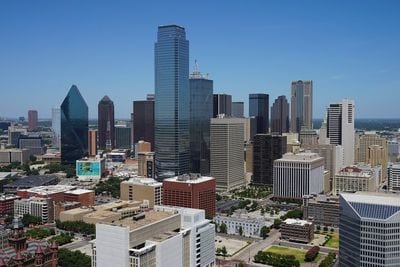
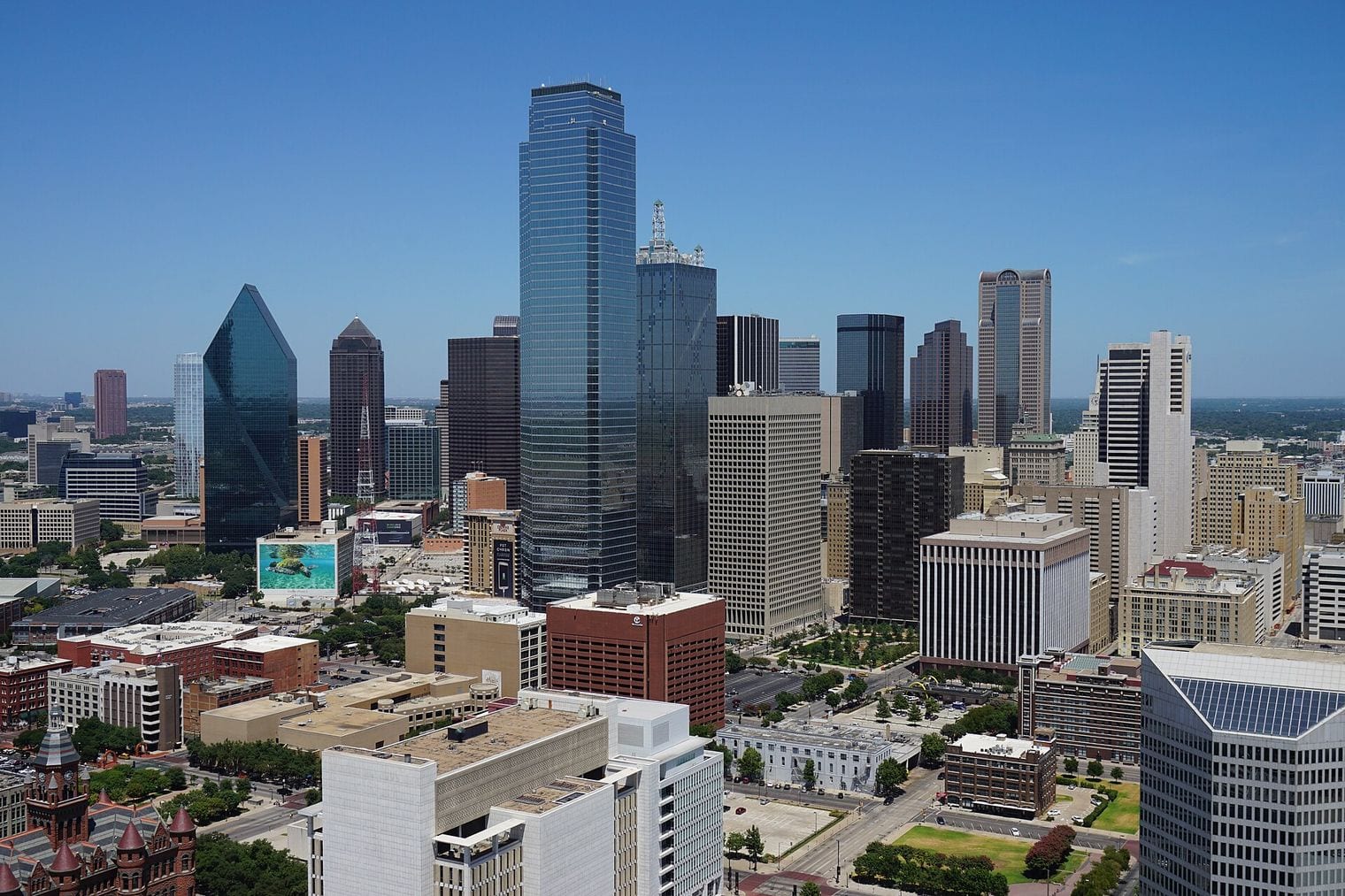
Dallas is the heart of the largest metropolitan area in the South, and its best-known history site is Dealey Plaza, where President John F. Kennedy was assassinated in 1963. The Sixth Floor Museum tells that story from inside the former book depository. Downtown also has the Dallas Arts District, Reunion Tower and the green deck of Klyde Warren Park.
Two days covers Dallas, with time for the live music of Deep Ellum and an evening at the Fort Worth Stockyards in neighboring Fort Worth, where longhorn cattle are still driven down the street. You will want a car. Spring and fall are the best seasons; summers are very hot.
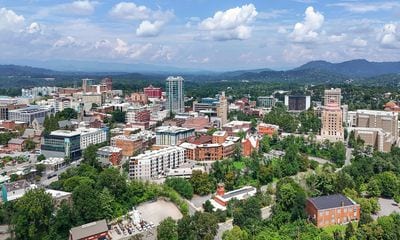
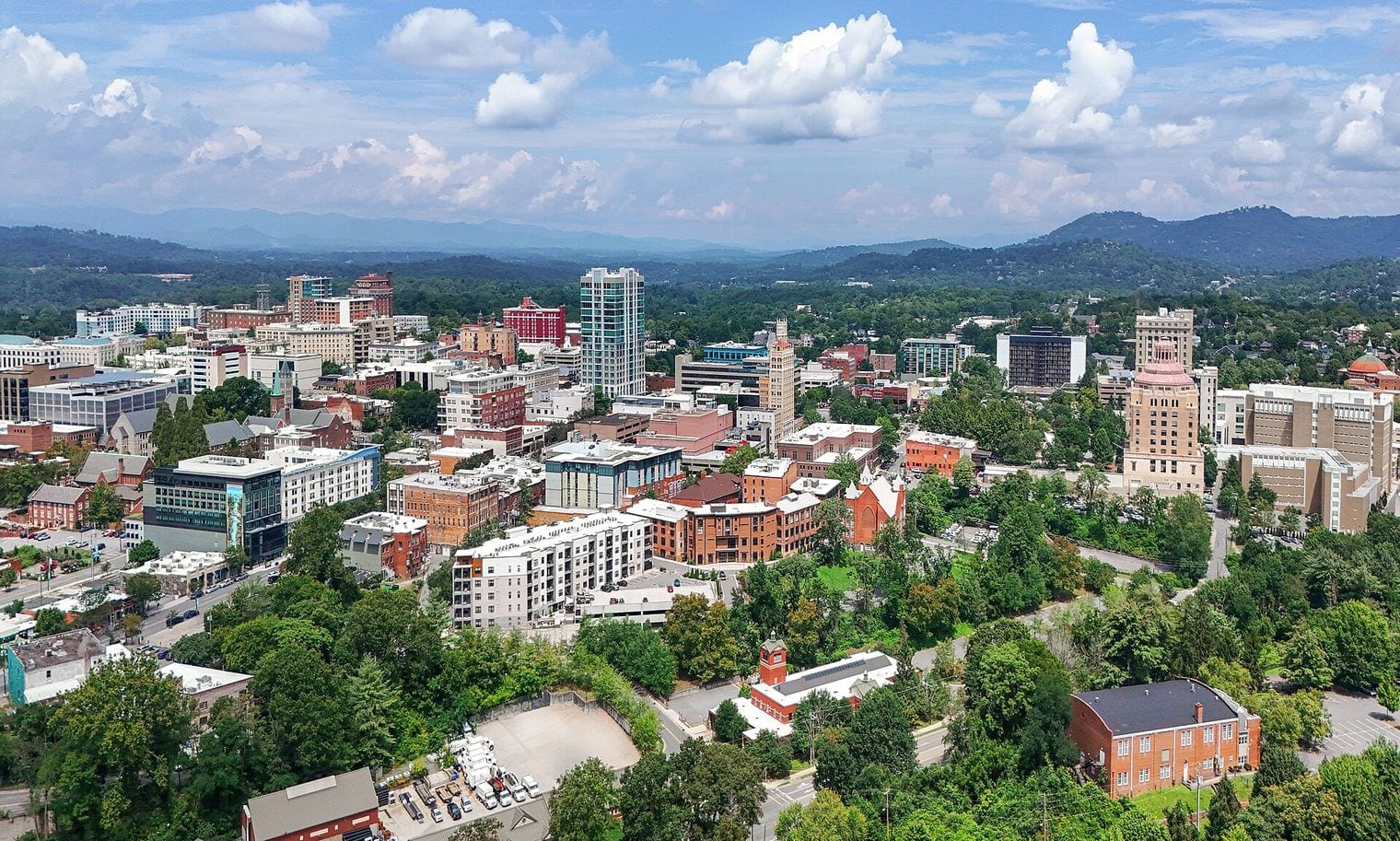
Asheville is a mountain city in western North Carolina, ringed by the Blue Ridge and famous for craft beer, arts and the Biltmore Estate, the largest privately owned house in the United States. The Blue Ridge Parkway passes the edge of town, and the River Arts District fills old industrial buildings beside the French Broad River with studios.
Asheville is still rebuilding after Hurricane Helene flooded the river districts in September 2024, but most of the city is open to visitors again. Check the National Park Service for Blue Ridge Parkway closures before you plan a drive. Two or three days suits Asheville, and October's fall color is the classic time to go.
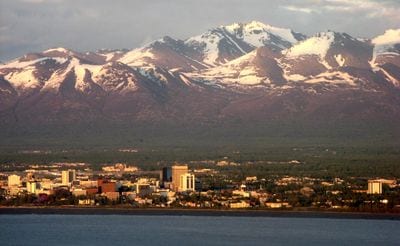
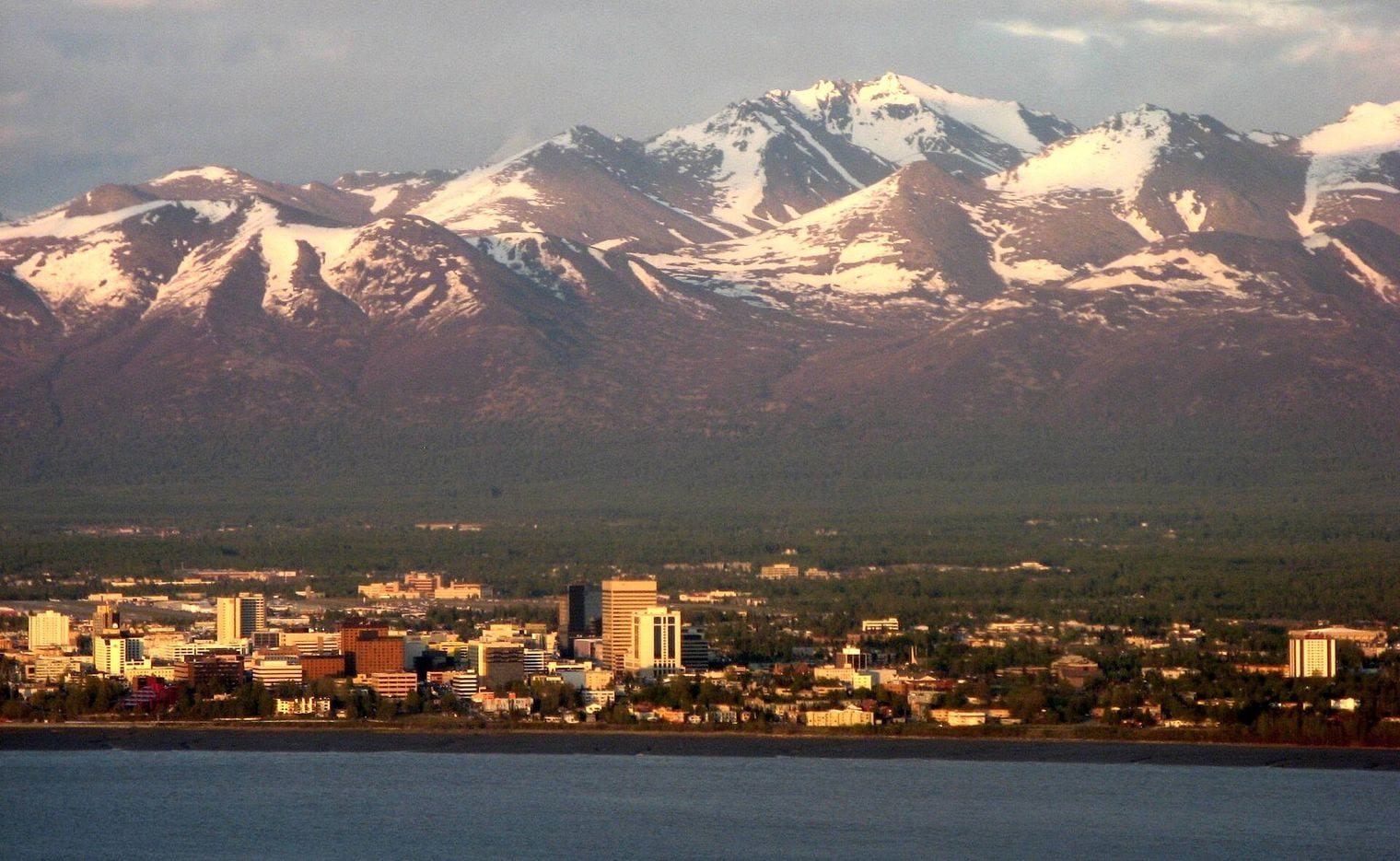
Anchorage is the most populous city in Alaska, and its city limits take in almost all of Chugach State Park, so real wilderness starts minutes from downtown. Walk or cycle the Tony Knowles Coastal Trail along Cook Inlet, learn about the state's first peoples at the Alaska Native Heritage Center, and look for moose on the edge of town. The Iditarod sled dog race holds its ceremonial start downtown each March.
Give Anchorage two days, then use it as your base for trips south to the Kenai Peninsula or north to Denali National Park. Summer, with its long daylight, is the main season; winter brings snow sports and a chance of the northern lights.
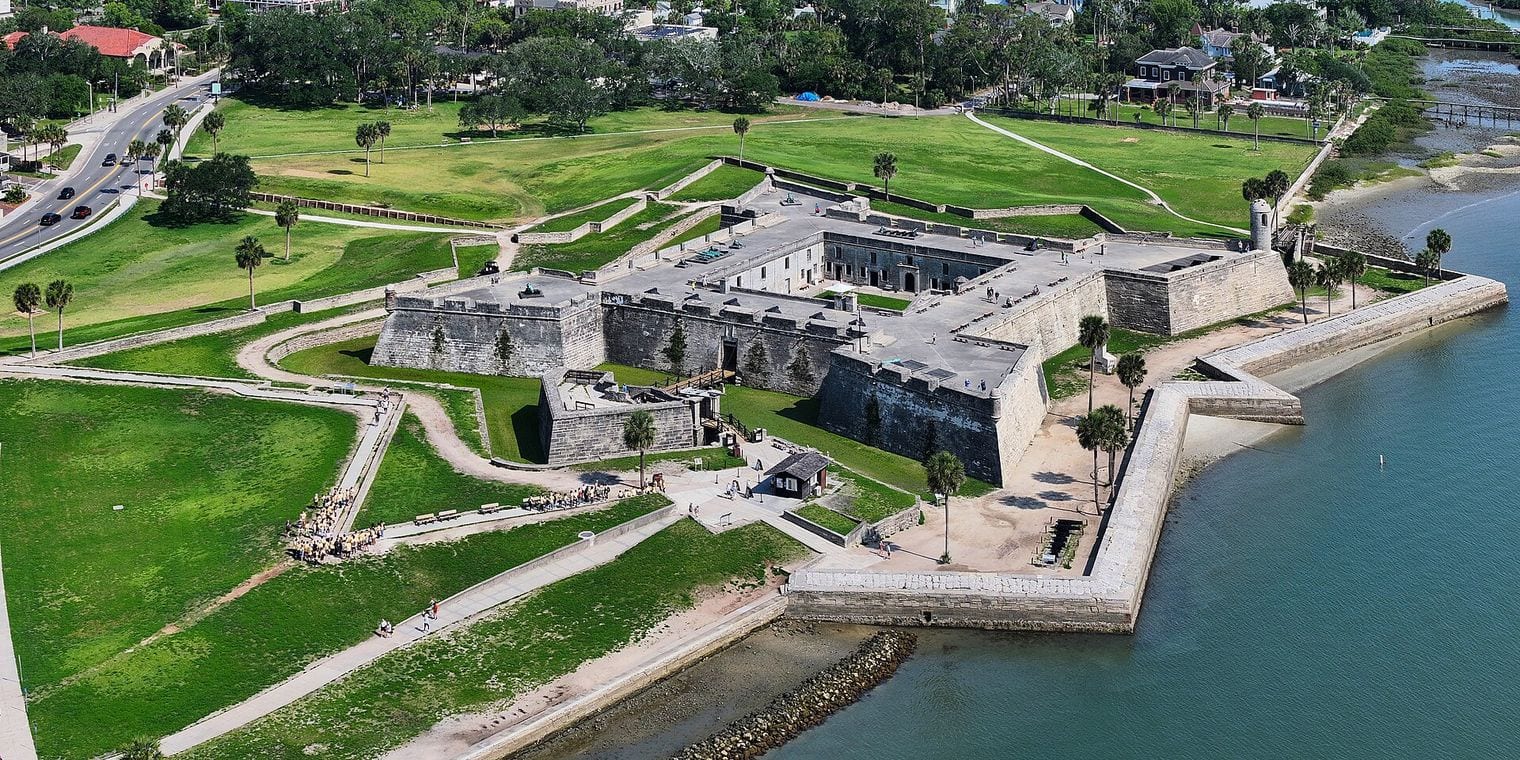
St. Augustine, founded by Spanish settlers in 1565, is the oldest continuously inhabited European-established settlement in the contiguous United States. The Castillo de San Marcos, begun in 1672, is the oldest masonry fort in the continental US and still guards Matanzas Bay. Narrow St. George Street runs through the old town, and Flagler College occupies a grand Gilded Age hotel.
One or two days is enough for St. Augustine, mostly on foot, with time for the beaches across the bridge on Anastasia Island. It makes an easy side trip from Orlando or Jacksonville. Spring and fall are the most pleasant seasons, and December brings the old town's holiday lights.
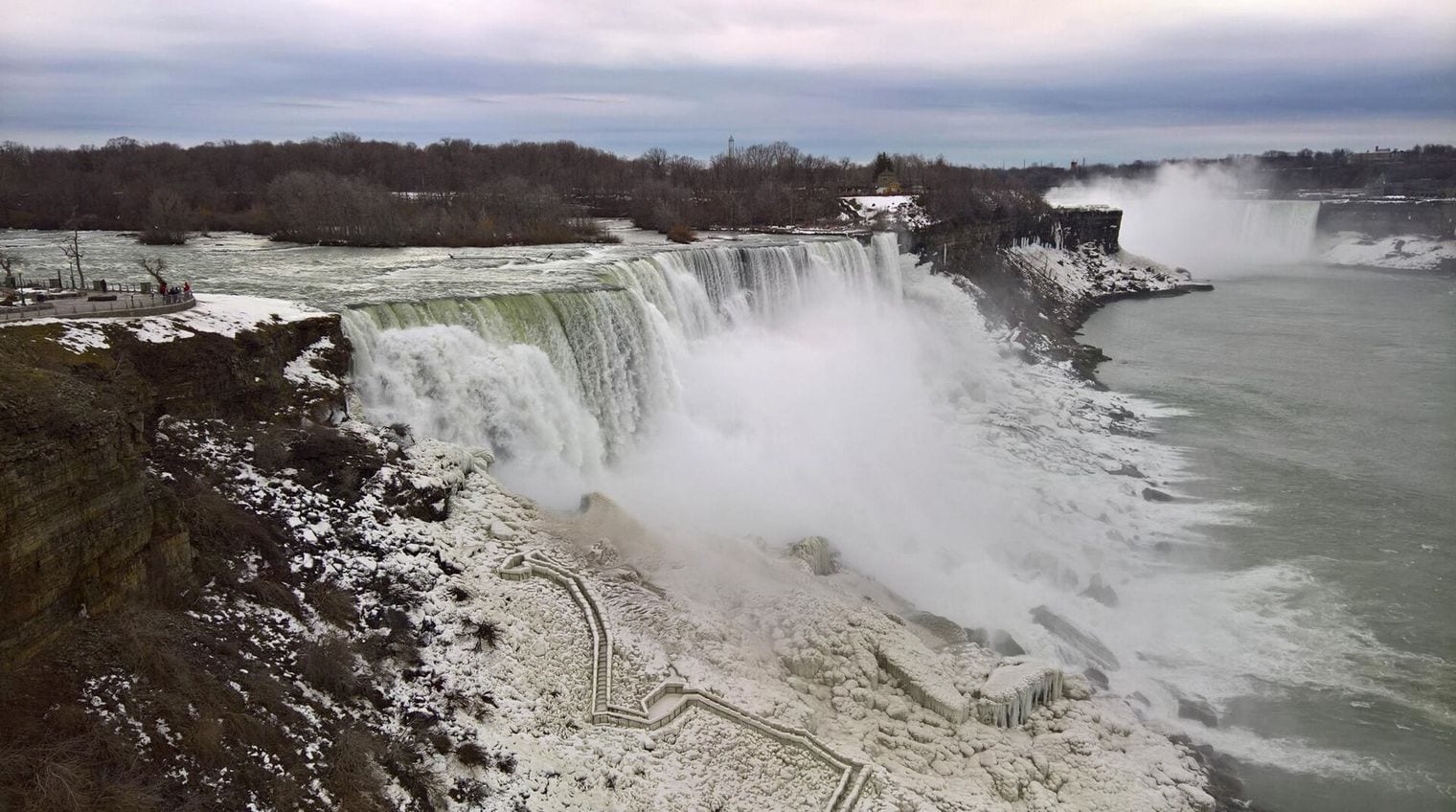
Niagara Falls, New York, is the US city beside the famous falls, and Niagara Falls State Park, recognized as the oldest state park in the US, brings you right to the edge of the American Falls. Take the Cave of the Winds walkways to the foot of the Bridal Veil Falls, ride the Maid of the Mist boat from below the Rainbow Bridge, and climb the observation tower at Prospect Point.
One or two days covers Niagara Falls. With a passport you can walk across the Rainbow Bridge for the Canadian view of the Horseshoe Falls. Summer is the main season, and the falls are lit up at night. Buffalo is a short drive away for a longer trip.
Free Things to Do in the Best US Cities
Some of the best experiences in these cities cost nothing. The Smithsonian museums on the National Mall in Washington, D.C. charge no admission, and the Staten Island Ferry in New York City is free, with views of the Statue of Liberty on the way.
Walk the Freedom Trail in Boston, see Cloud Gate in Millennium Park in Chicago, stroll the River Walk in San Antonio or cross the Golden Gate Bridge on foot in San Francisco. In St. Louis, the zoo and the art museum in Forest Park charge no general admission, and in Austin the evening bat flight from the Congress Avenue Bridge is free to watch.
The US is far too big for one trip, so build yours around a single region. In the Northeast, Amtrak trains link Boston, New York City, Philadelphia and Washington, D.C., so four of the top cities fit into one or two weeks without a car, with Niagara Falls and Pittsburgh as add-ons.
In the South, Savannah and Charleston pair naturally, Nashville and Atlanta make an easy drive, and Asheville sits in the mountains between them. Along the Gulf, New Orleans, Houston, San Antonio and Austin make a food-and-music road trip, with Dallas to the north.
On the West Coast, Seattle, Portland, San Francisco, Los Angeles and San Diego line up for a drive down the Pacific coast, one of the classic scenic drives in the US. In the Southwest, Las Vegas, Phoenix, Sedona and Santa Fe combine well with the Grand Canyon, and Salt Lake City is the gateway to Utah's national parks.
Florida's cities, from Miami and Key West to Orlando and St. Augustine, make a winter escape, with some of the best beaches in the US on the way. Anchorage and Honolulu are trips of their own.
FAQ: Visiting the Best US Cities
What is the best city to visit in the US?
New York City takes first place here: it appears on 18 of the 20 travel lists we compared and packs in more famous sights than a week can cover. Chicago is named on the most lists, 19 of 20, while Washington, D.C., San Francisco and New Orleans complete our top five.
How many days do you need in a US city?
Give a big city three or four days: New York City, Los Angeles and Honolulu deserve four, while San Francisco, Chicago and New Orleans fit into three. Smaller cities such as Savannah, Charleston and Santa Fe need about two, and St. Augustine or Niagara Falls one or two. Two weeks comfortably covers three or four cities in one region.
When is the best time to visit US cities?
Spring and fall suit most of the cities on this list, with mild weather and smaller crowds. June to November is hurricane season in New Orleans, Houston, Miami, Key West, Charleston and Savannah. The desert cities of Phoenix, Las Vegas and Sedona are best in winter and spring, while Anchorage and Seattle shine in summer.
Which US cities can you visit without a car?
New York City, Washington, D.C., Boston, Chicago, San Francisco and Philadelphia all have subways or rail systems that reach most sights, and Amtrak links the four East Coast cities. New Orleans and Savannah are compact enough to explore on foot. Los Angeles, Houston, Dallas and Phoenix are spread out, and a car makes them far easier.
Which US cities are best for history lovers?
Boston and Philadelphia tell the story of the American Revolution, and Washington, D.C. has the national monuments and museums. For older history, St. Augustine dates to 1565 and Santa Fe to 1610, both among the oldest cities in the US. Charleston, Savannah and San Antonio add colonial streets, forts and Spanish missions.
Sources & updates
How this guide was checked
Checked before launch
Sources cited
35
Every place on this list was confirmed open and pinned on the map before publication, and what we say about each one was checked against its own website or an official source.
One email every Thursday with our newest guides for the places you tick.
Newsletter
Get new guides like this by email
One email every Thursday with our newest guides for the places you tick.
We use cookies to analyse site traffic and improve your experience.
You can accept or reject analytics cookies. See our
May we use analytics cookies? See ourCookie Policy.