We build and rank every list first. Booking links come after, and only where
a partner sells a ticket, tour or stay for that exact place, so a place with
nothing to book is listed exactly as prominently as one you can book.
So how do we earn? Some links on this page go to booking
partners, and if you book tickets, tours or a stay through
one, we may earn a commission. It costs you nothing extra.
That commission never decides which places make the list, the order they
appear in, or what we write about them. No entry is sponsored or a paid
placement.
By the CityViking Research TeamPublished Ranked by maximum depth · 15 min read
Last verified Checked before launchOct 5, 202621 sources5 publishers11 government & parks10 encyclopedias & researchPublished · Oct 26, 2026Researched and checked before it went liveClick for every source and the full change log.
The record
1,949 ft594 m
Crater Lake
United States
The record
The deepest lake in the US is Crater Lake, in the United States — 1,949 ft (594 m), maximum depth.
Source: USGS 2000 multibeam survey (Bacon et al. 2002). Verified .
Short answer
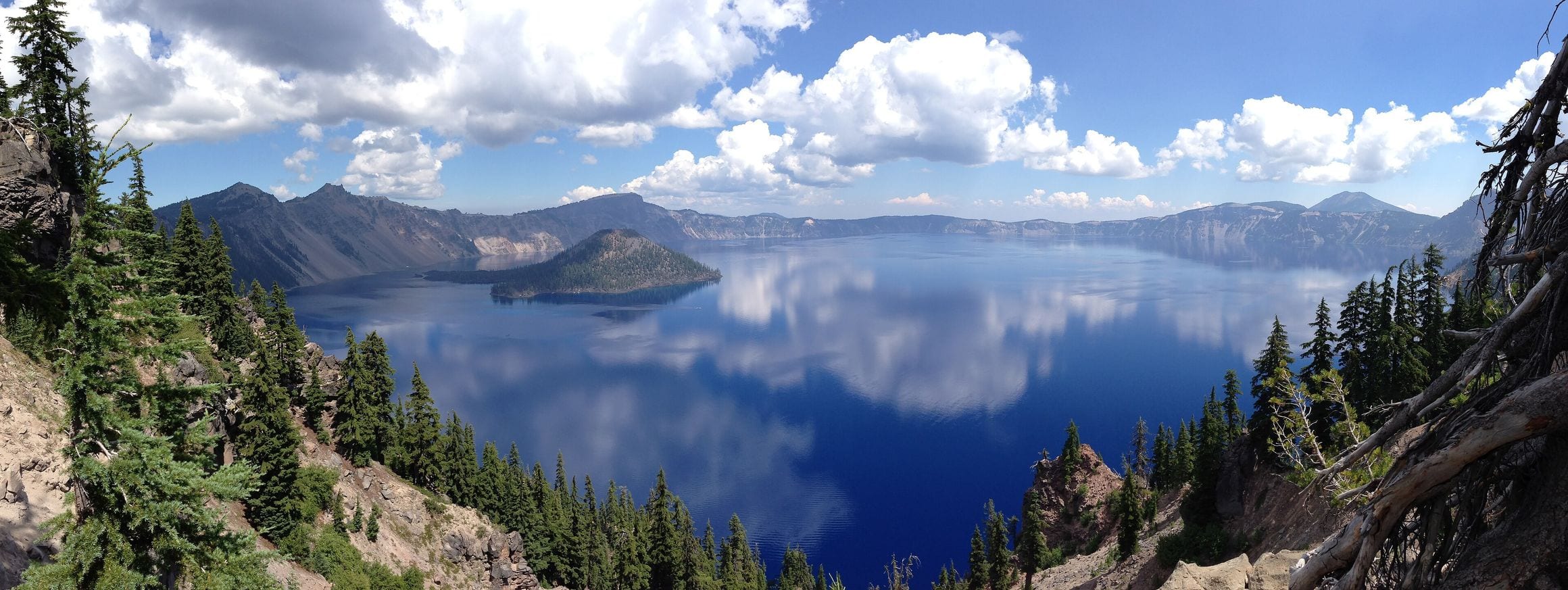
Crater Lake in Oregon is the deepest lake in the US, at 1,949 feet, ahead of Lake Tahoe at 1,645 feet and Lake Chelan at 1,486 feet. Crater Lake fills the caldera of a collapsed volcano, so the classic way to see it is from the viewpoints along Rim Drive around the crater's edge.
Lake Oroville fills a canyon behind the tallest dam in the US, yet it is missing from this list, because it is a reservoir, a river valley flooded by a dam, like Lake Powell, Lake Mead and Shasta Lake.
This countdown ranks the 21 deepest natural lakes in the US by maximum depth, the deepest surveyed sounding from the normal water surface to the bed, from Crater Lake in Oregon at 1,949 feet to Lake McDonald in Montana at 464 feet. A natural lake that a dam raises only modestly still counts, which keeps Lake Chelan in at its present level, and so does a lake shared with Canada, such as Lake Superior.
Every depth needs a real survey: the caldera lake atop Alaska's Mount Katmai has never been sounded, and Naknek and Nunavaugaluk lakes rest on one published reading each, so all three wait outside. Where agencies differ by a few feet, the blurb gives both figures.
The deepest lake's floor is still about 4,229 feet above sea level — Crater Lake sits so high in the Cascades that its bottom stays far above the ocean, while Lake Superior's deepest point lies 733 feet below sea level and Lake Chelan's as much as 436 feet below it.
Kauhakō Crater Lake on Molokai covers less than an acre yet is more than 800 feet deep, which the US Geological Survey says gives it the largest depth-to-area ratio of any lake on Earth.
The US Navy tests on two of these lakes: large-scale submarine prototypes on Lake Pend Oreille in Idaho, whose depth gives it acoustic properties like the open ocean, and sonar equipment on Seneca Lake in New York.
No river flows into or out of Crater Lake: rain and snow alone balance evaporation, and its water is replaced roughly every 150 years.
Alaska has six of the 21 lakes, more than any other state, and four are Great Lakes: every one except Lake Erie, which is only 210 feet deep at its deepest.
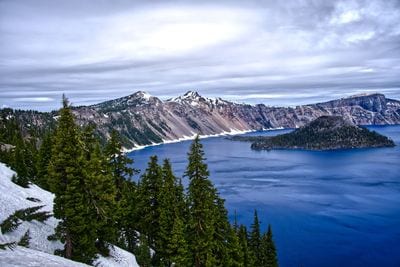
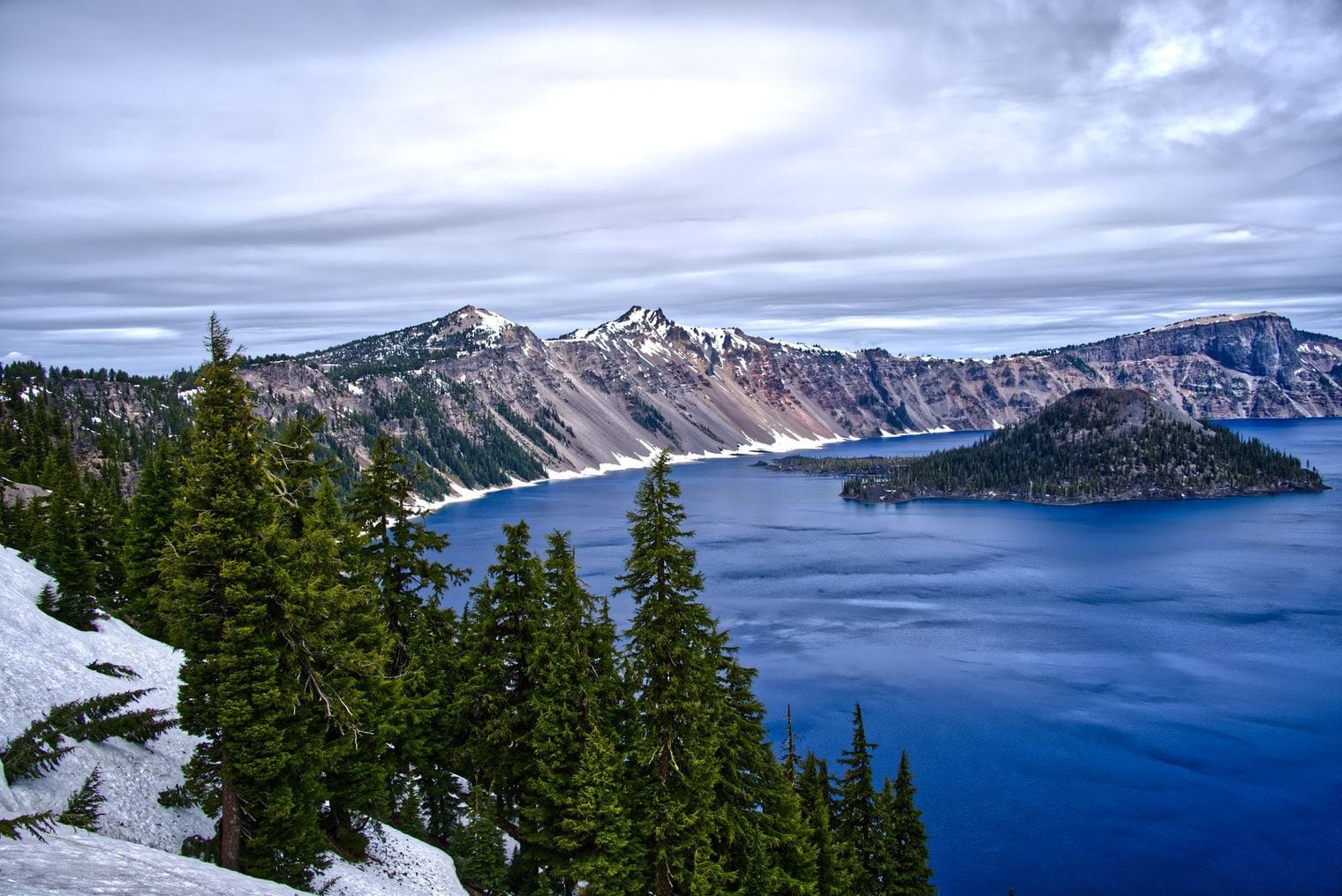
At 1,949 feet, Crater Lake is the deepest lake in the United States, the figure from the US Geological Survey's 2000 multibeam survey; National Park Service pages print 1,943 feet from the same survey, the small gap coming down to the lake's level. It fills the caldera left when the volcano Mount Mazama collapsed about 7,700 years ago, and no rivers flow in or out, so rain and snow alone keep it full.
That isolation is behind the famous deep blue and the clarity, best seen from the viewpoints along Rim Drive, with the cinder cone of Wizard Island rising near the western shore. The Cleetwood Cove Trail, the only legal route down to the water, is being rebuilt through the 2028 season, so for now Crater Lake is a lake you take in from the rim.
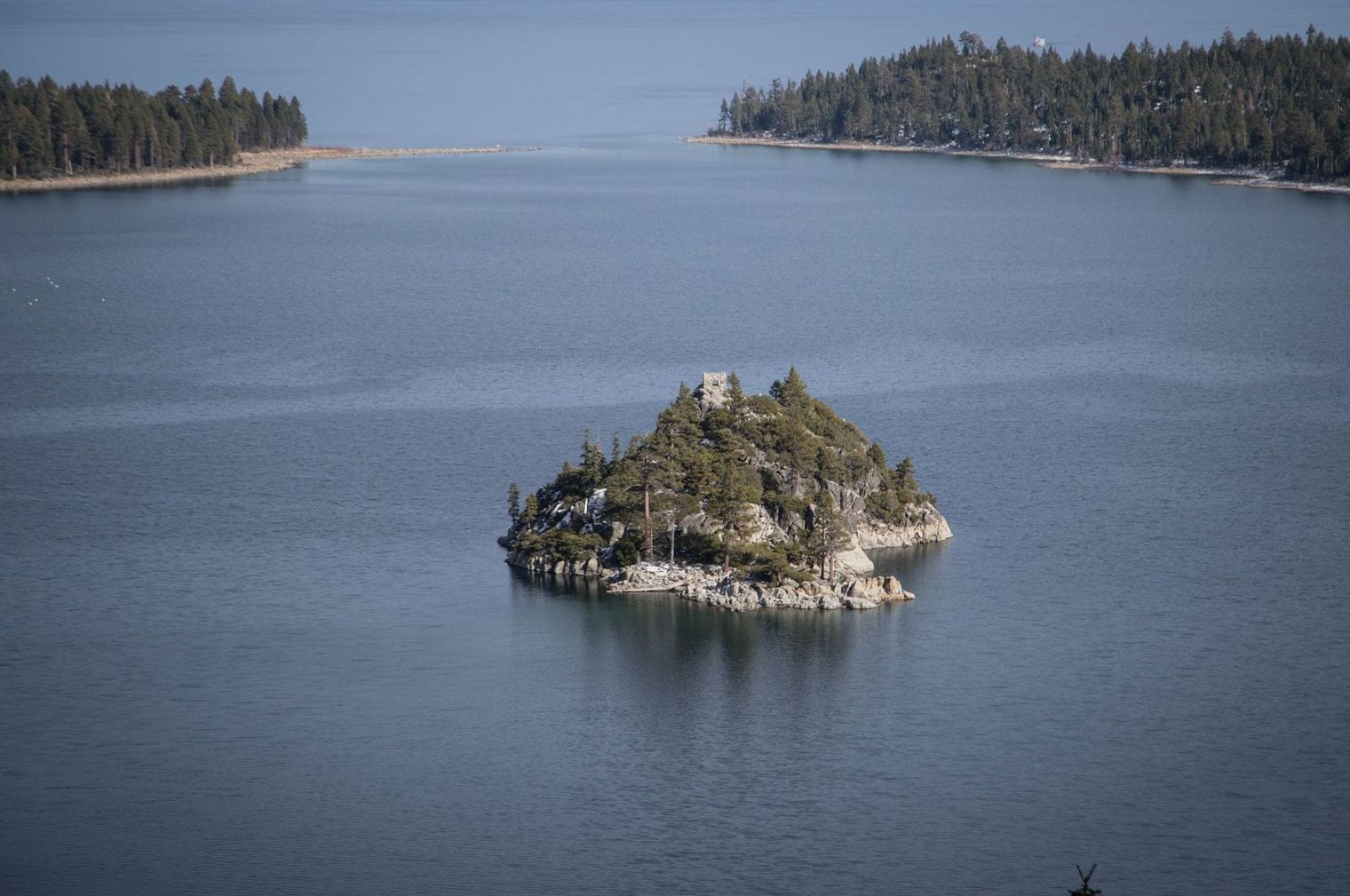
At 1,645 feet, Lake Tahoe is the second-deepest lake in the US, sitting more than 6,200 feet up in the Sierra Nevada and split between California and Nevada. It is the largest alpine lake in North America, and in the United States only the five Great Lakes hold more water.
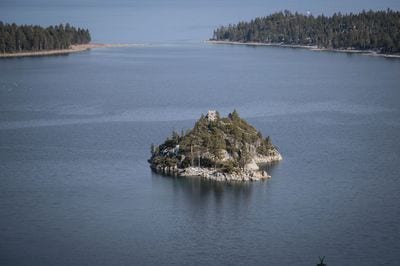
Tahoe is known for the clarity of its water and the mountains on every side, and glaciers carved its best-known corners, Emerald Bay among them. A road circles the whole shore, a short drive from Reno and Carson City, so you can see the lake from beaches, overlooks and small towns on both sides of the state line in a single day.
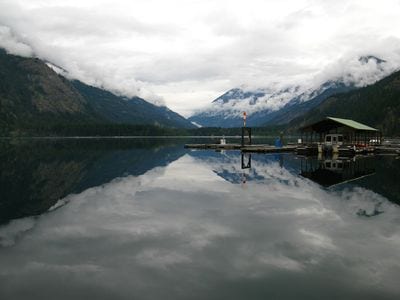
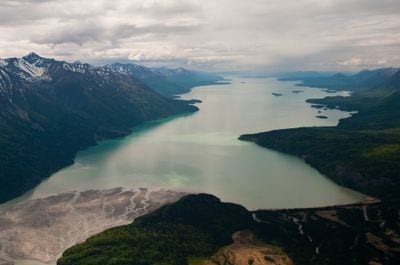
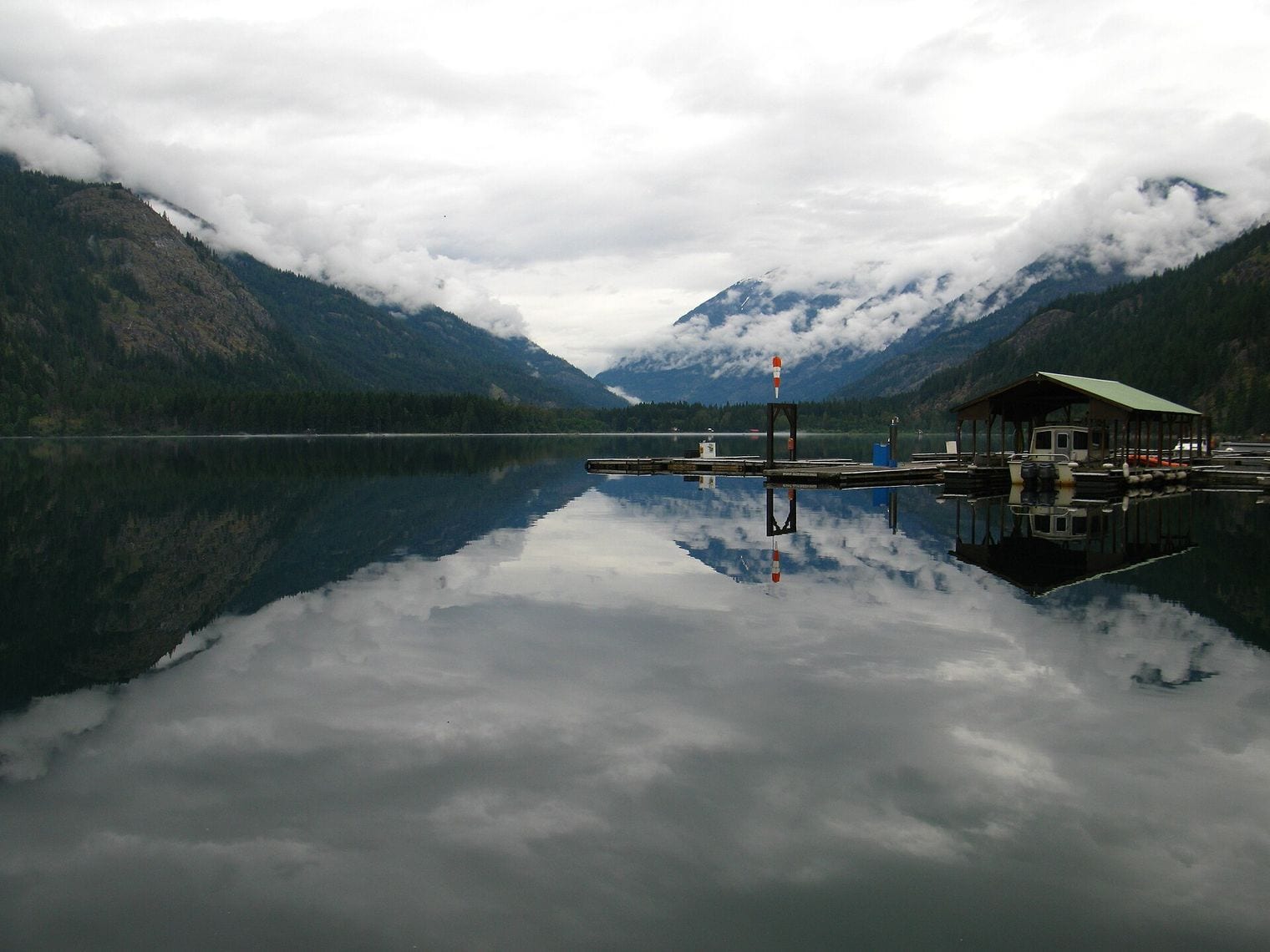
At 1,486 feet, Lake Chelan is the third-deepest lake in the US, a narrow, fjord-like trough 50.5 miles long in north-central Washington whose deepest point lies as much as 436 feet below sea level. The depth is measured at today's level, which Lake Chelan Dam raised by 21 feet in 1927; the glacier-carved lake beneath is natural.
The town of Chelan at the southern end is the summer base for swimming and boating, while Stehekin, the small community at the head of the lake, has no road link to the outside and is reached by passenger ferry, floatplane or trail. The ride up-lake is the best way to grasp how far the water reaches into the North Cascades.
44. Lake Superior
Lake Superior, Michigan / Wisconsin / Minnesota / Ontario, United States / Canada
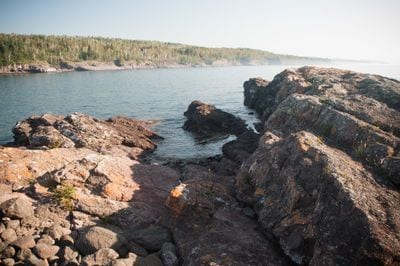
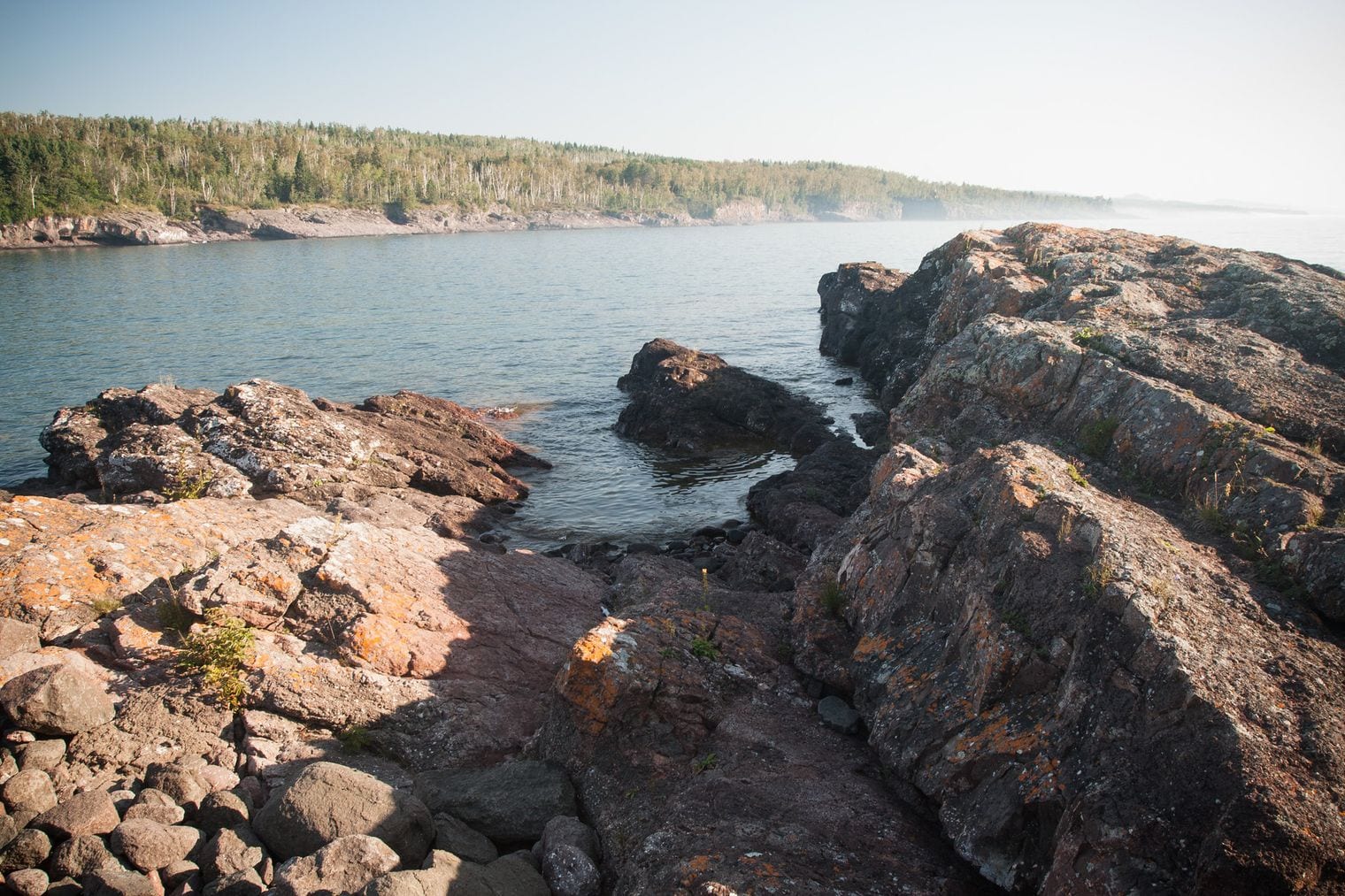
At 1,333 feet, Lake Superior is the deepest of the Great Lakes by NOAA's charts (the EPA rounds to 1,332 feet), and its bottom lies 733 feet below sea level. The deepest point is in Canadian waters, but the lake touches Michigan, Wisconsin and Minnesota, and it is the largest freshwater lake in the world by surface area, roughly the size of South Carolina.
Its waters hold the wreck of the Edmund Fitzgerald, which lies in two pieces at about 530 feet. On the US side, the sandstone cliffs of Pictured Rocks National Lakeshore in Michigan and the rocky shore of northern Minnesota are classic places to see how big this inland sea is.
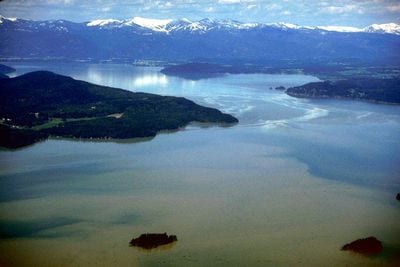
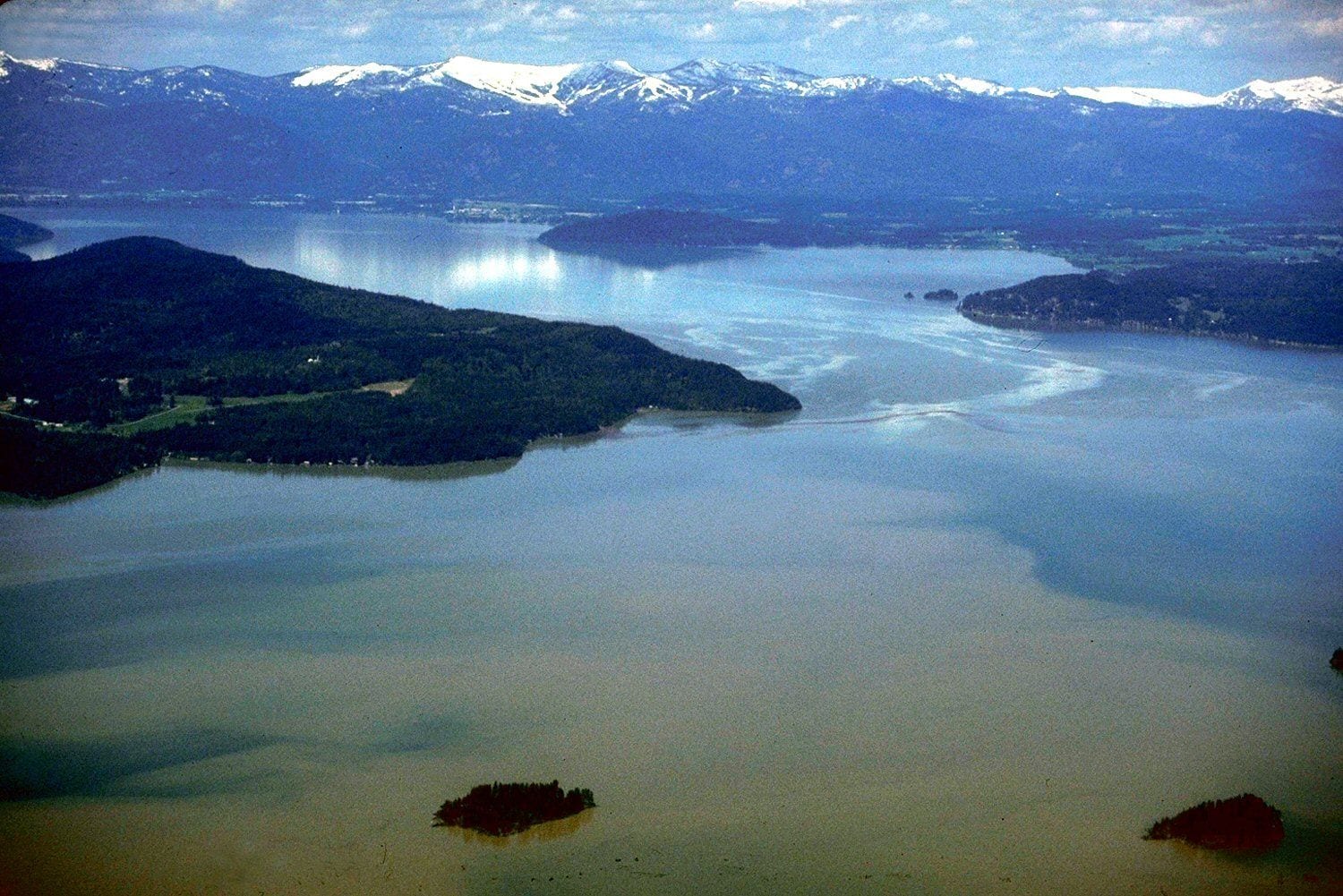
At 1,150 feet, Lake Pend Oreille is the largest lake in Idaho and the deepest in the state (Wikipedia lists 1,152 feet), filling a long basin in the northern panhandle with Sandpoint on its shore. Albeni Falls Dam raises the summer level by about 11.5 feet, but the lake itself is natural.
The depth gives the water acoustic properties similar to the open ocean, which is why the US Navy still tests large-scale submarine prototypes here from Bayview, at the southern tip, where a World War II naval training station is now Farragut State Park. Visitors see the lake from the beaches at Sandpoint and from the Pend Oreille Scenic Byway along the north shore.
66. Iliamna Lake
Iliamna, Bristol Bay region, Alaska, United States
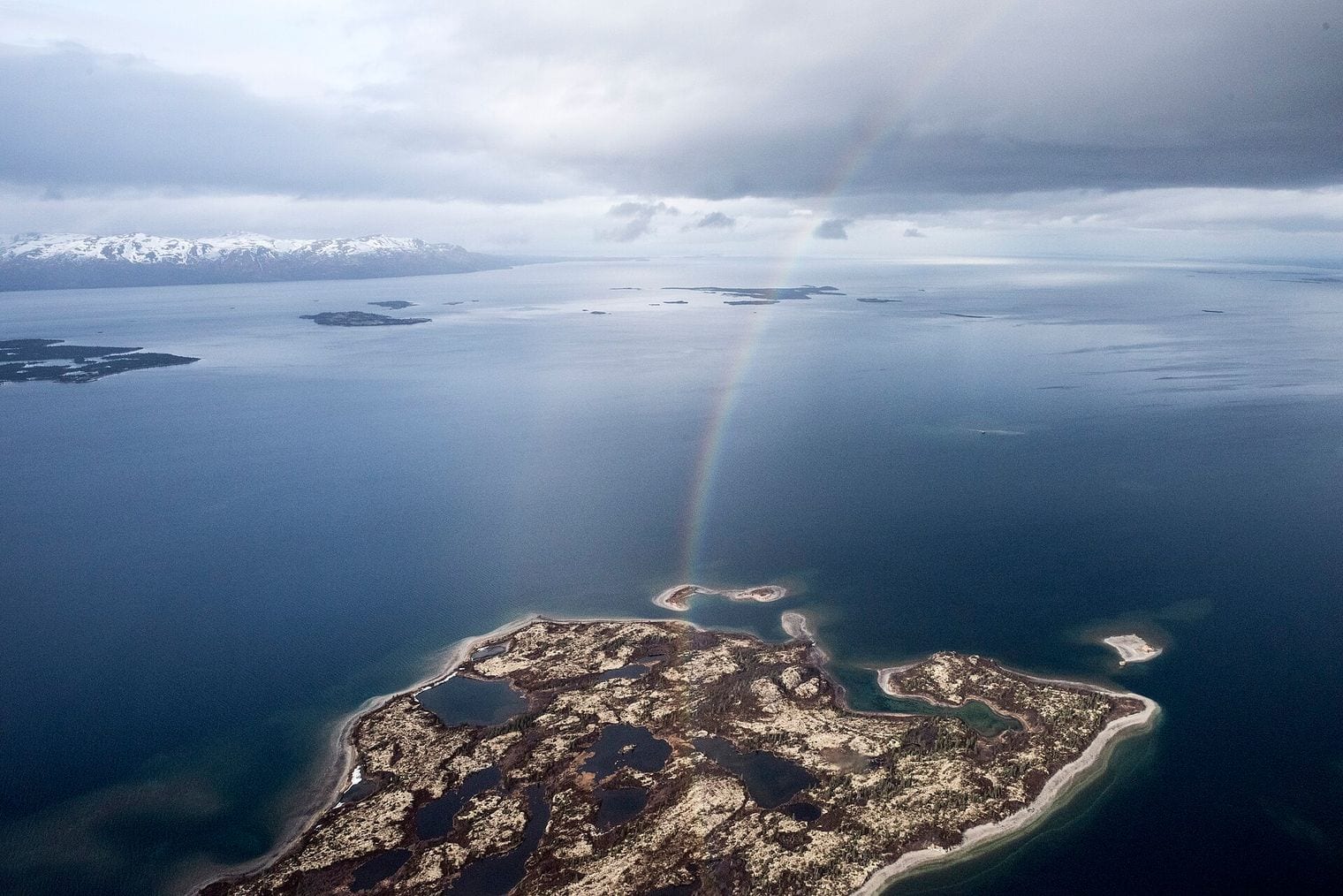
At 988 feet, Iliamna Lake is the deepest of the Alaska lakes on this list and the largest lake in the state, 77 miles long and up to 22 miles wide near Bristol Bay. That depth comes from a 2000 survey; Alaska's Department of Fish and Game rounds it to 984 feet.
The lake is a nursery for one of the world's largest sockeye salmon runs, and it holds one of the few populations of freshwater seals anywhere. It lies far from Alaska's cities, so most visitors arrive by small plane, usually to fish its rivers and bays.
77. Tustumena Lake
Kenai National Wildlife Refuge, Kenai Peninsula, Alaska, United States
At 942 feet, Tustumena Lake is the largest lake on the Kenai Peninsula and deeper than neighboring Cook Inlet; that is the US Fish and Wildlife Service's surveyed 287 meters, while most references, Wikipedia included, print 950 feet. It lies inside the Kenai National Wildlife Refuge, 25 miles long and fed by meltwater from Tustumena Glacier.
The glacier is also the lake's hazard: strong winds blowing off the ice regularly whip up waves dangerous to small boats, so this is water for experienced boaters rather than a casual paddle. Its outlet forms the headwaters of the Kasilof River, which runs down to Cook Inlet.
88. Lake Michigan
Lake Michigan, Michigan / Wisconsin / Illinois / Indiana, United States
At 923 feet, Lake Michigan is the second-deepest Great Lake and the only one entirely inside the US, shared by Wisconsin, Illinois, Indiana and Michigan. It is the largest lake in the world by area that lies fully within one country.
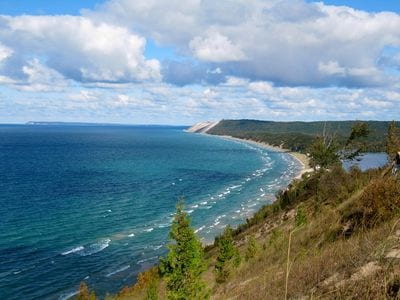
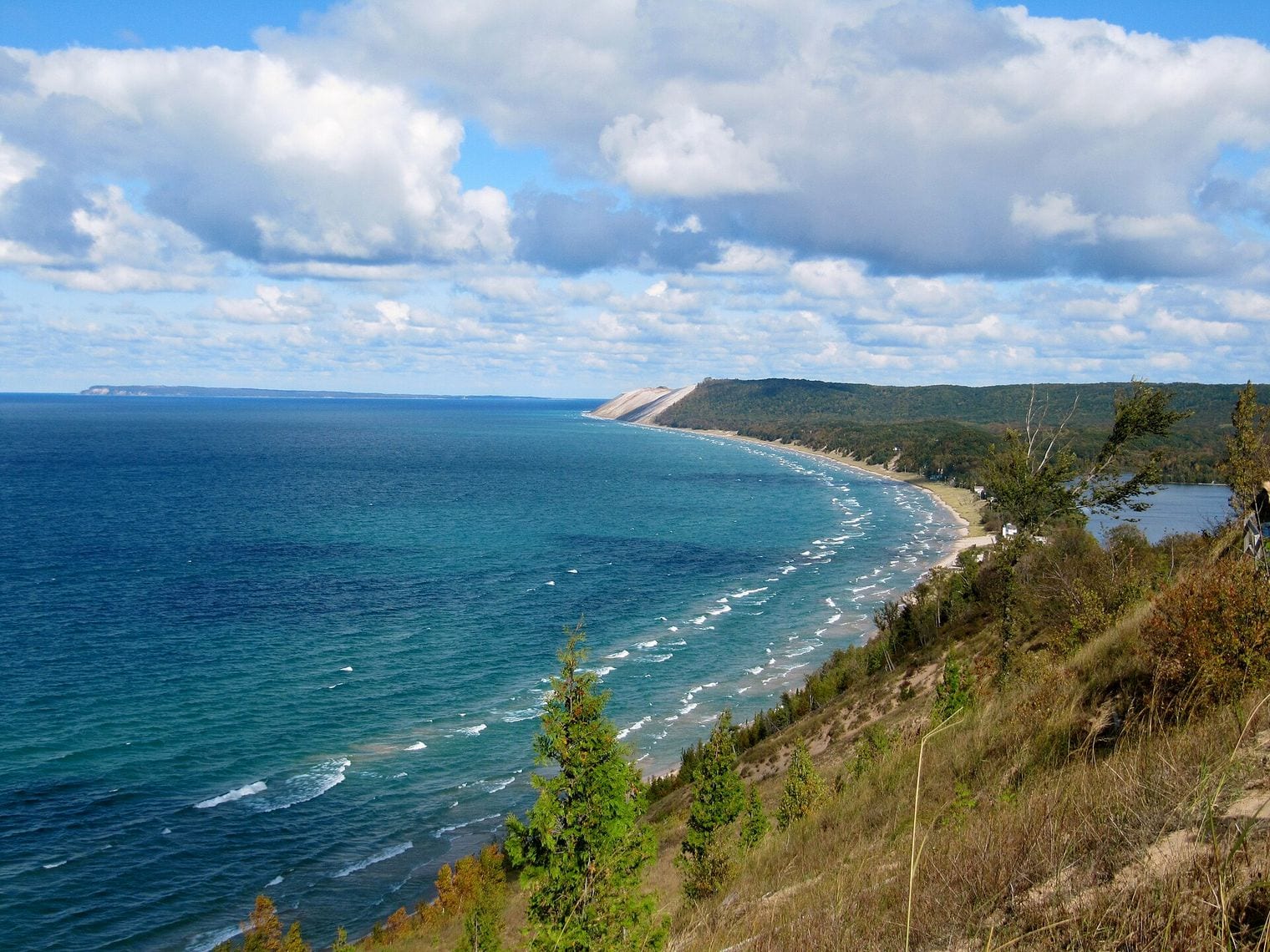
Through the Straits of Mackinac it joins Lake Huron at a single water level, so hydrologically the two are one lake, but standard lists rank them apart and so does this one. Its eastern shore is known for sand dunes, from Indiana Dunes to Sleeping Bear Dunes and the beaches of Ludington, while Chicago and Milwaukee line its western edge.
99. Lake Clark
Lake Clark National Park and Preserve, Alaska, United States
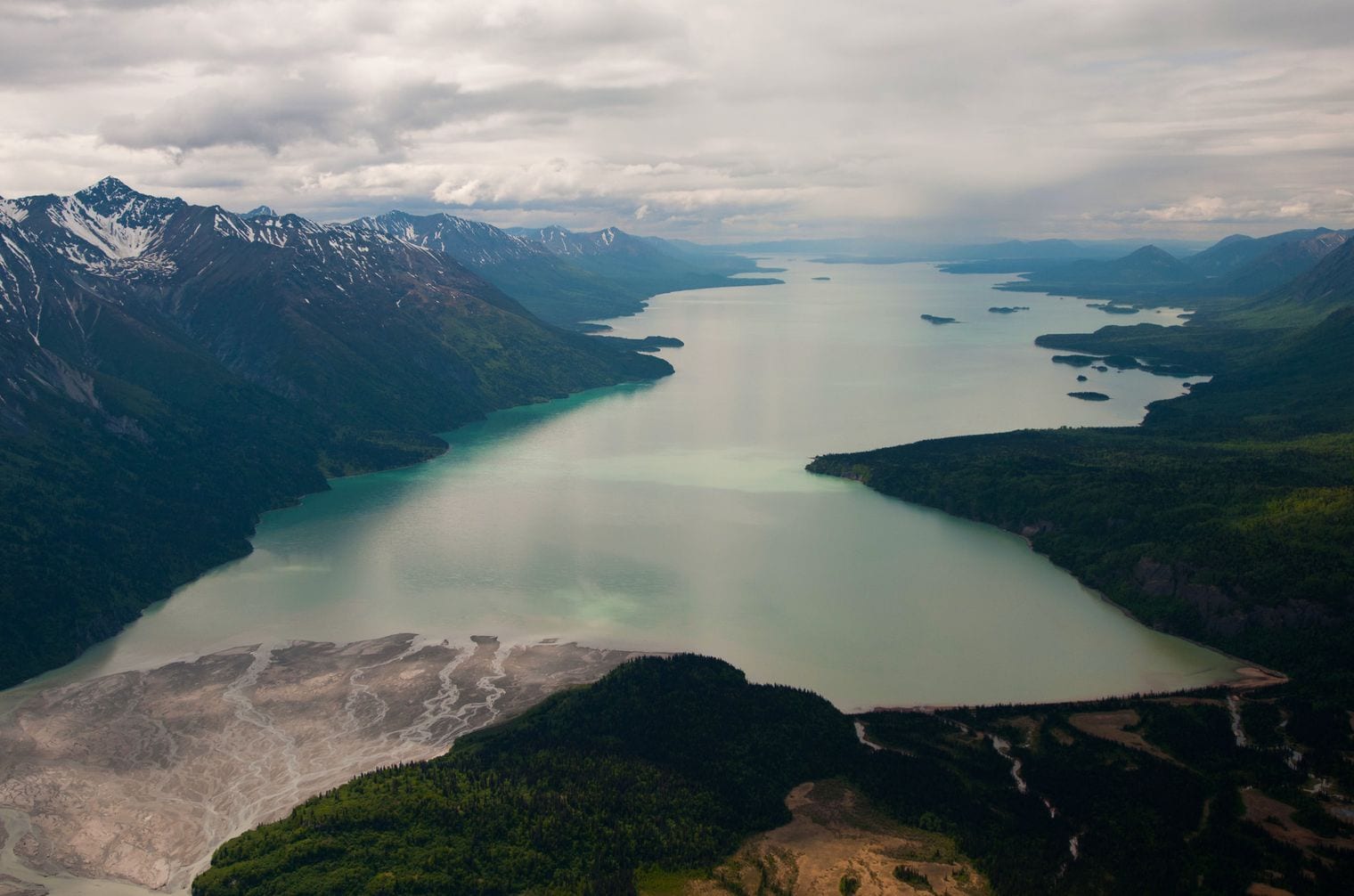
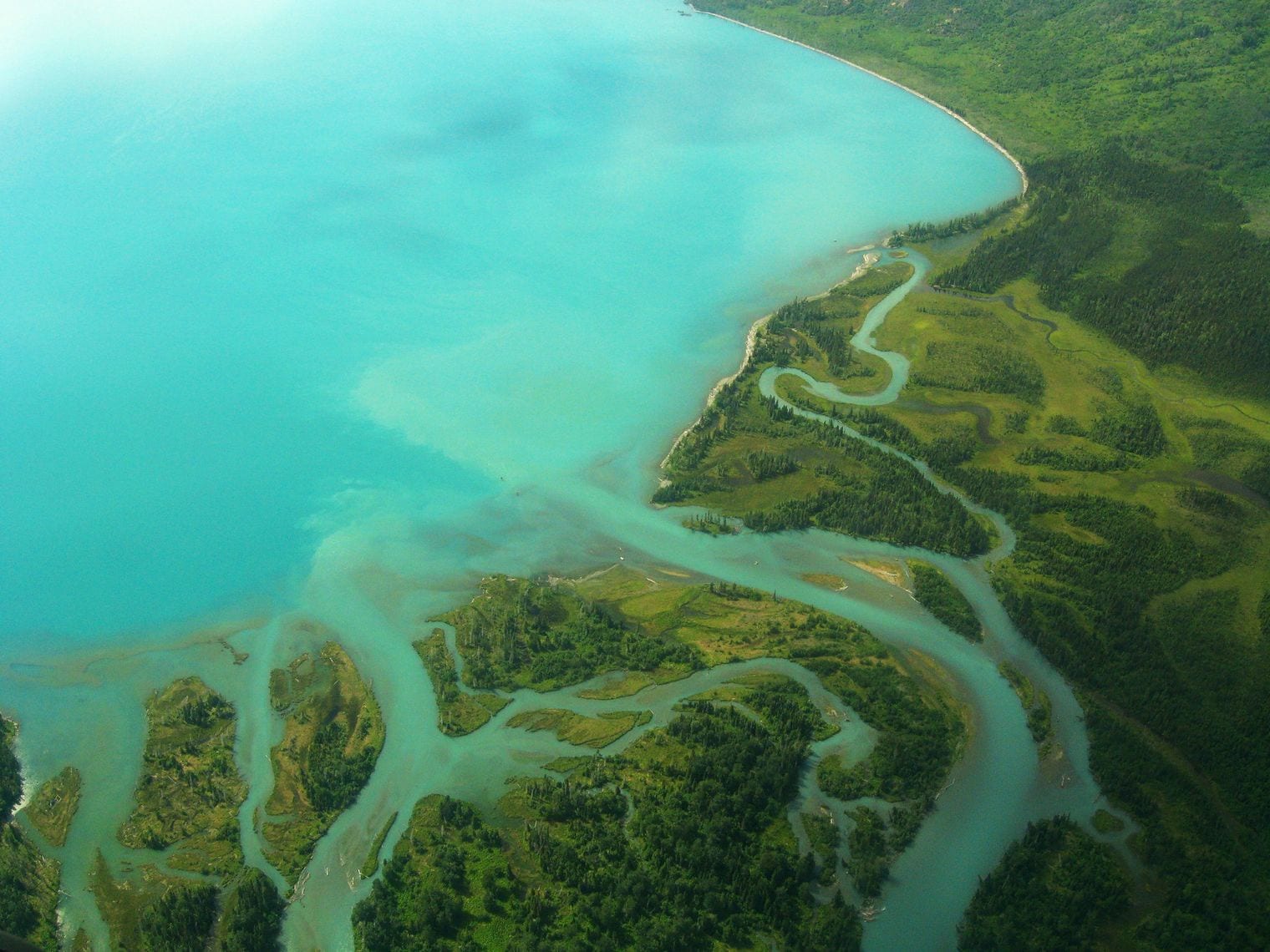
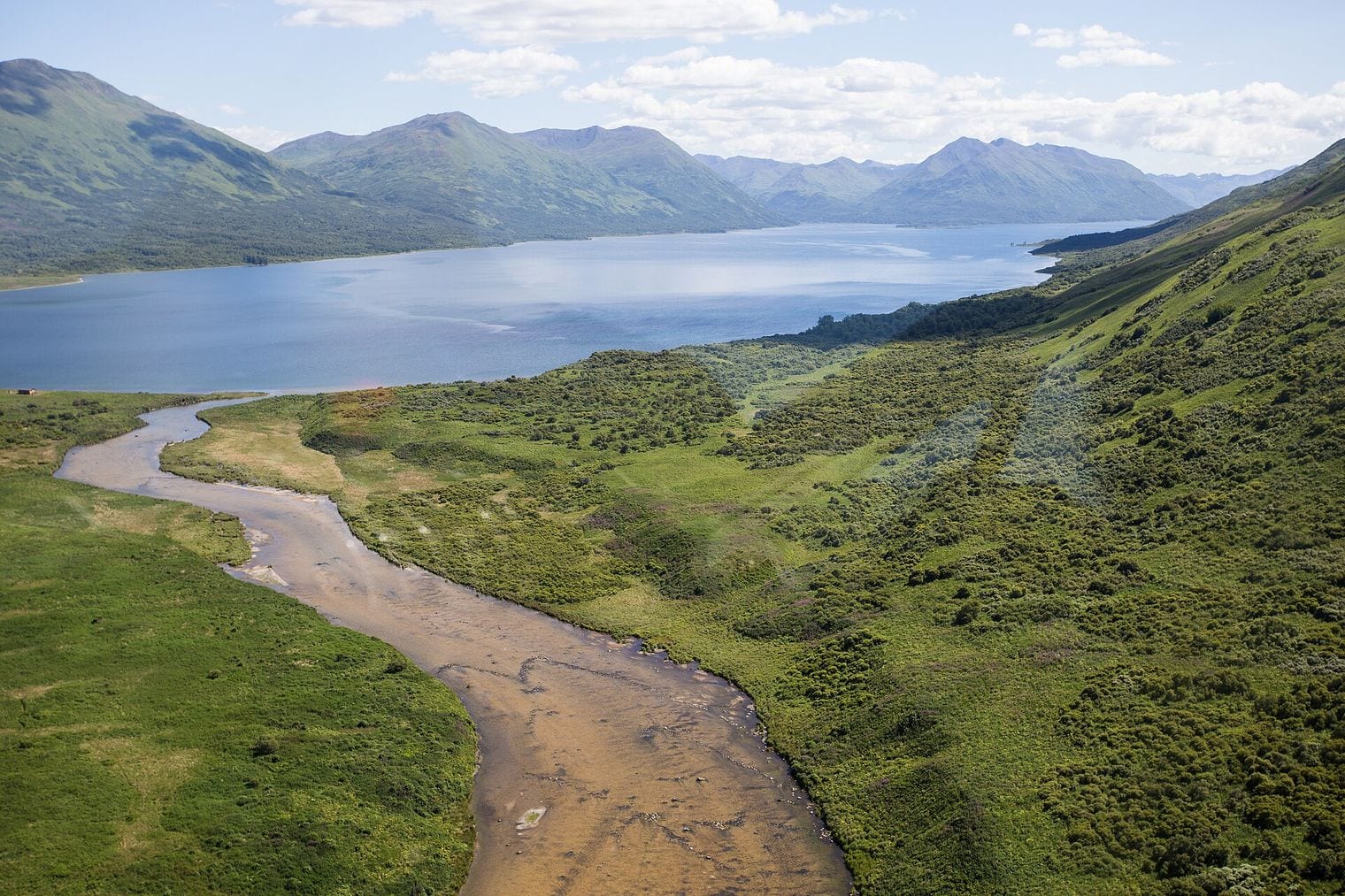
At 870 feet, Lake Clark is the largest lake in Lake Clark National Park and Preserve, the maximum depth the National Park Service publishes and close to the 265 meters a 2015 bathymetry study measured. Many lists, and the Wikipedia infobox, give 1,056 feet, but that number has no survey behind it; at 870 feet the lake ranks ninth rather than sixth.
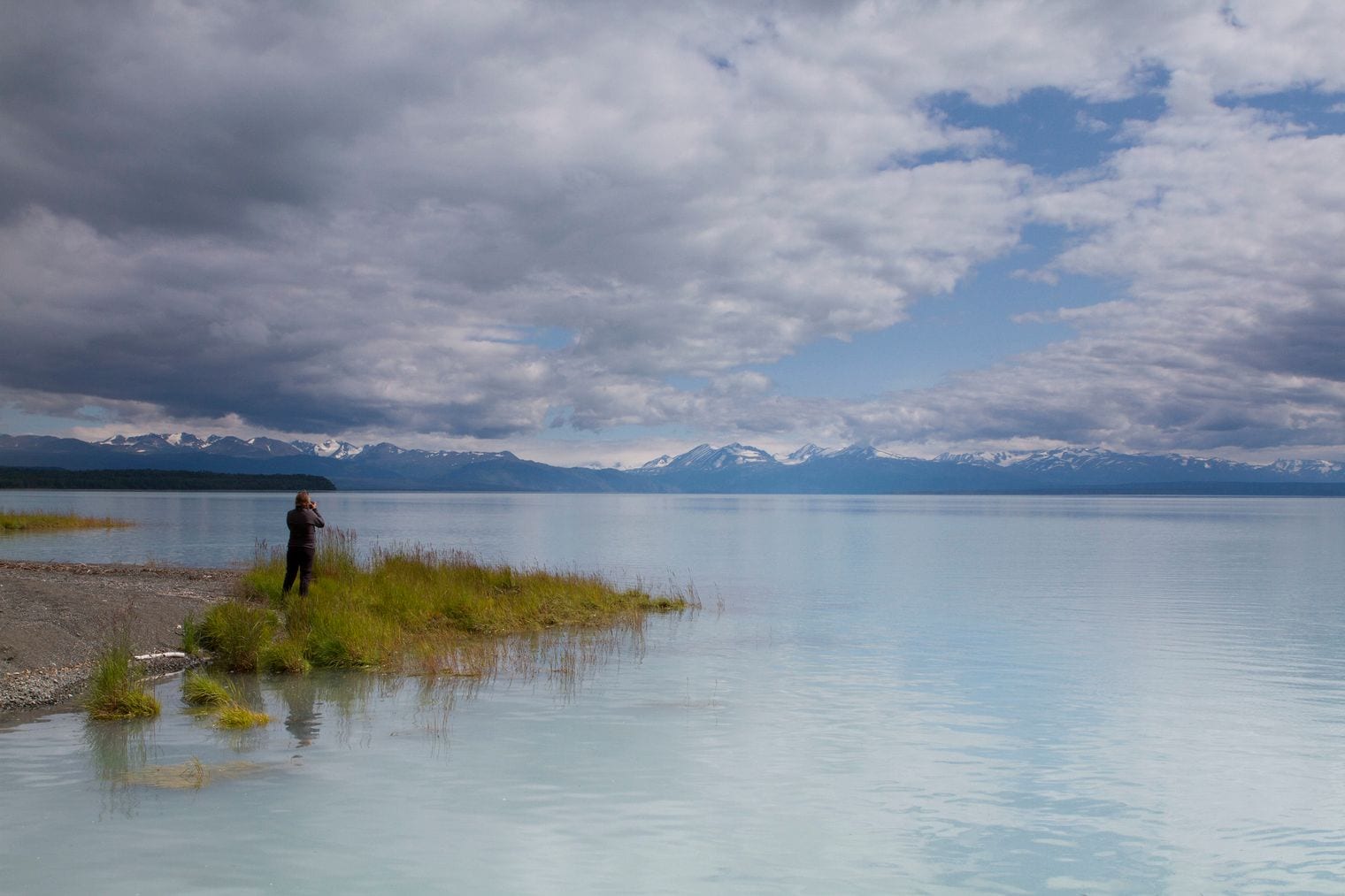
The glacier-carved lake runs about 40 miles through the mountains of southwest Alaska, its water tinted turquoise by glacial runoff. Port Alsworth, the main settlement on its shore, is the usual way in by small plane, and Dena'ina people still use the lake and its resources today.
Get new guides like this by email
One email every Thursday with our newest guides for the places you tick.
1010. Kauhakō Crater Lake
Kalaupapa National Historical Park, Molokai, Hawaii, United States
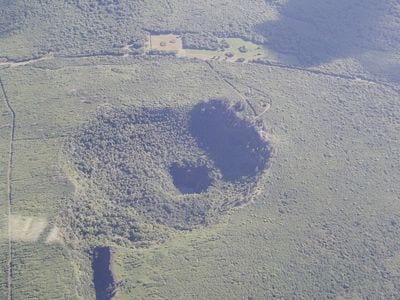
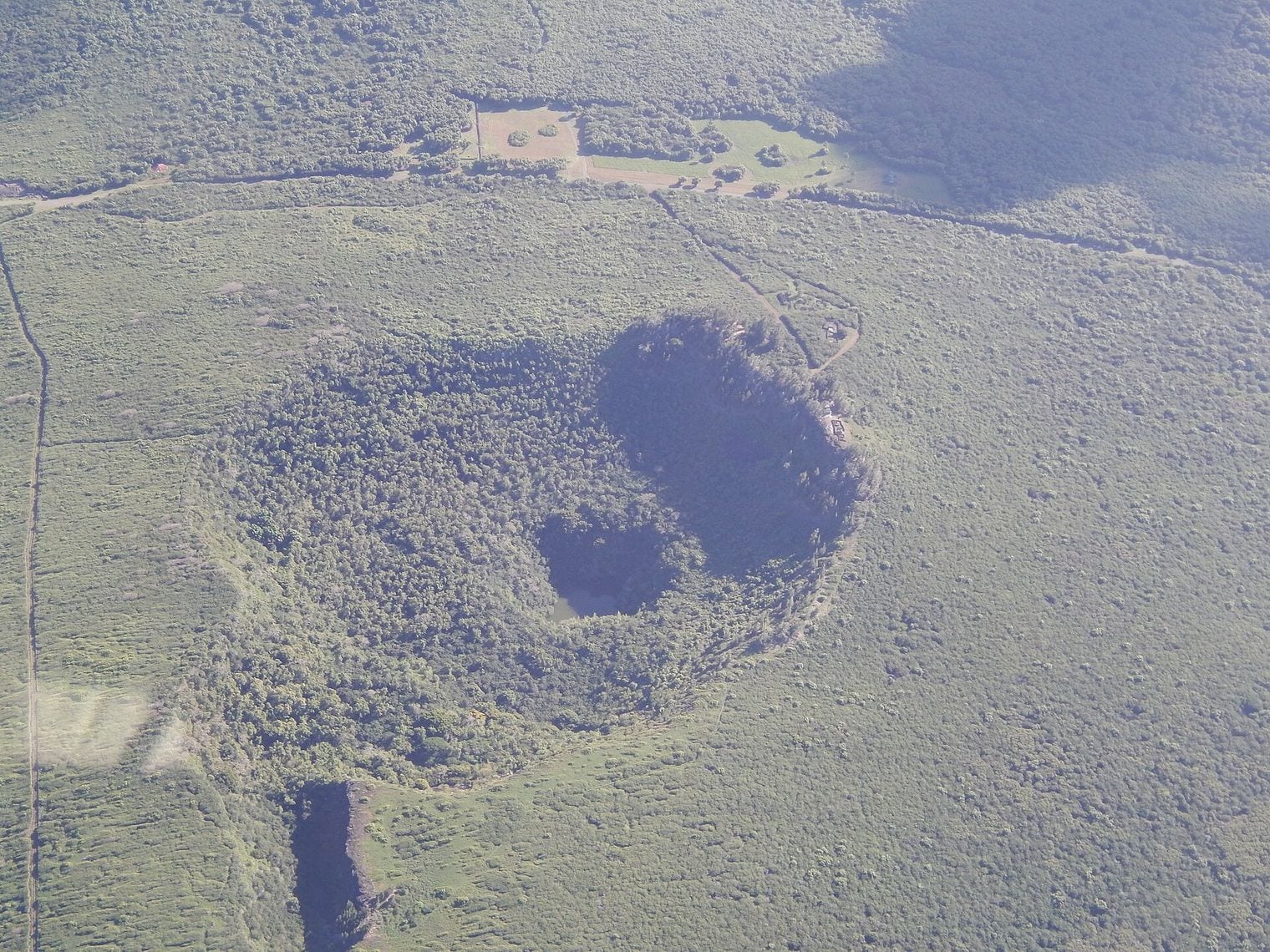
At 814 feet, Kauhakō Crater Lake on Molokai is astonishingly deep for its size: it covers just 0.86 acres, and the US Geological Survey, which puts the depth at about 820 feet, says that gives it the largest depth-to-area ratio of any lake on Earth. It lies in Kauhakō Crater at the center of the Kalaupapa Peninsula, whose volcanic rim is the peninsula's highest point, and it sits only 12 feet above Lake Ontario at No. 11.
The peninsula is Kalaupapa National Historical Park, the settlement where people with Hansen's disease were sent into isolation, and it remains a protected community. Hawaii state law requires a permit to enter, visitors under 16 are not admitted, and the National Park Service has paused its public tours while it reassesses visitor access, so this is a lake to read about rather than plan a trip around.
1111. Lake Ontario
Lake Ontario, New York / Ontario, United States / Canada
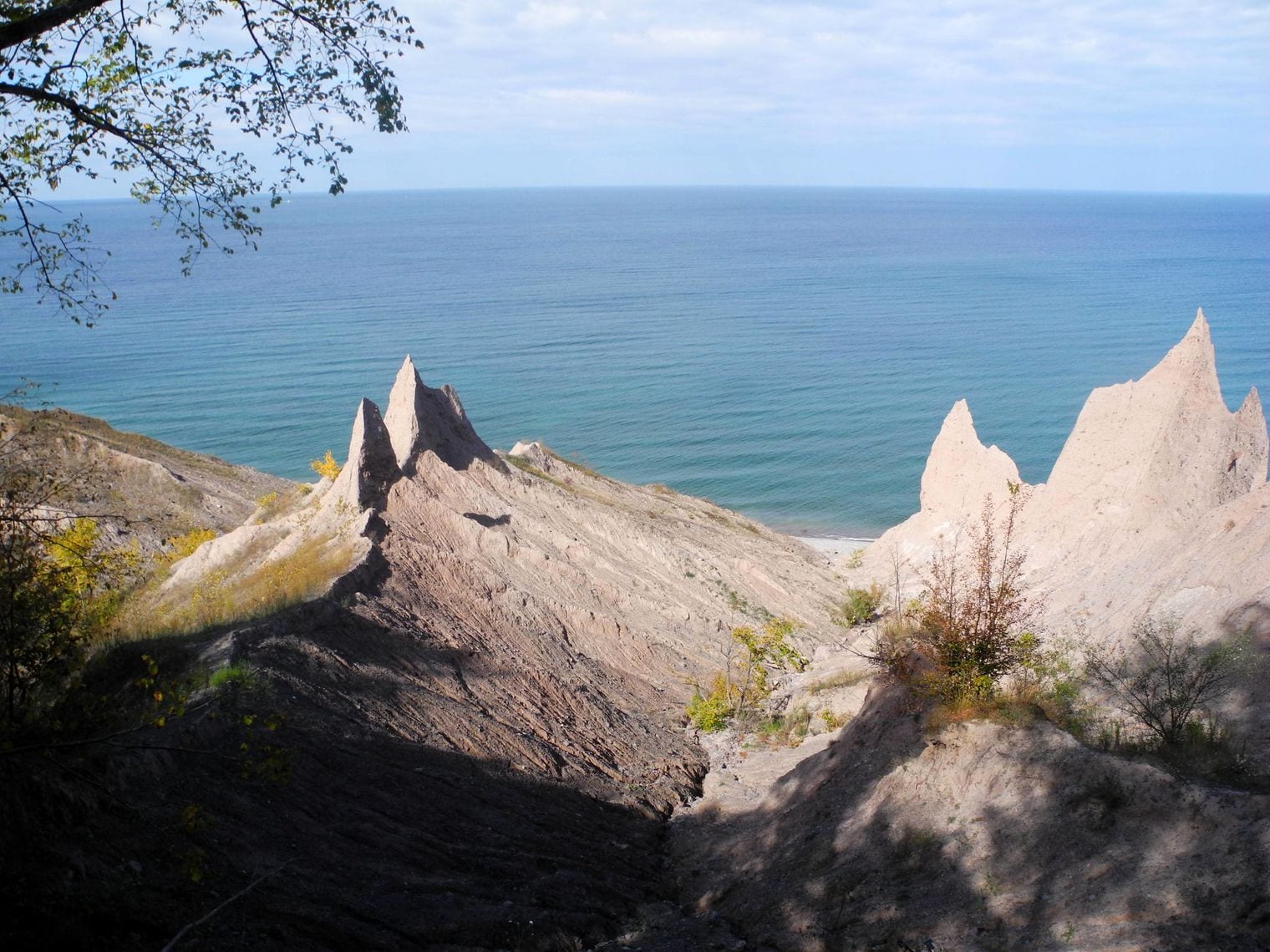
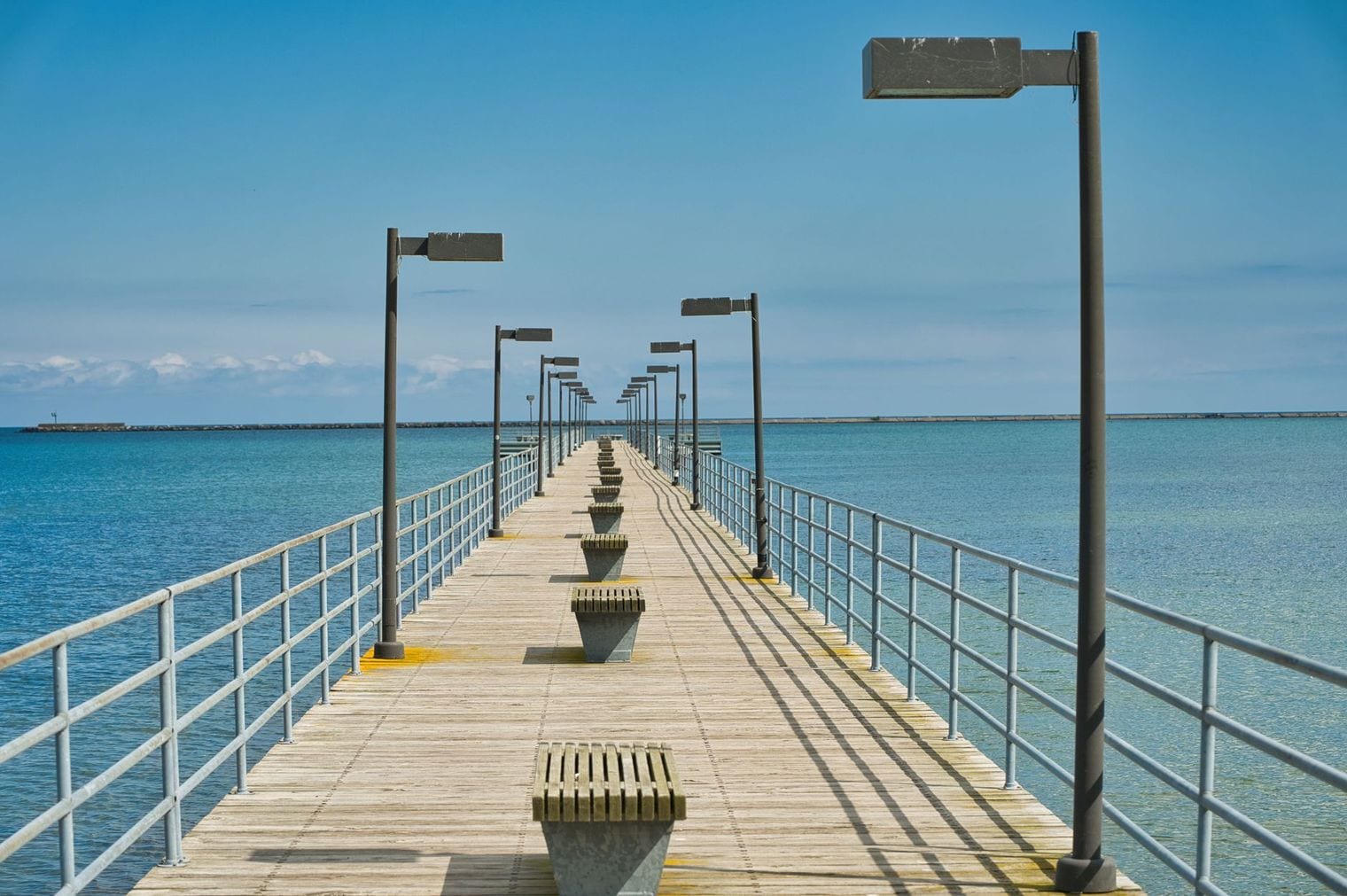
At 802 feet, Lake Ontario is the third-deepest of the Great Lakes, though it is the smallest of the five by surface area; its deepest point lies in the Rochester Basin, north of Sodus Bay. It ranks just 12 feet below Kauhakō Crater Lake, a gap close to the spread between that crater lake's own sources.
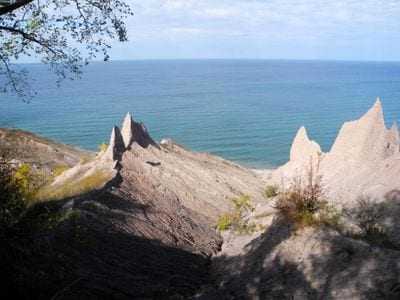
As the last lake in the chain, Ontario takes in Lake Erie's water through the Niagara River and has the lowest surface of the five, about 243 feet above sea level. On the US side, Rochester and the bluffs and beaches of New York's shoreline are the places to see it.
1212. Lake Huron
Lake Huron, Michigan / Ontario, United States / Canada
At 750 feet, Lake Huron is the fourth-deepest Great Lake and the second-largest by surface area; NOAA and the EPA both give 750 feet, though some lists inflate it to 800. Its deepest point lies in Canadian waters off Ontario's Bruce Peninsula, and Michigan holds the whole US shoreline.
Through the Straits of Mackinac it shares one water level with Lake Michigan, and counted together the two form the largest freshwater lake in the world by area. On the US side its shore runs from Saginaw Bay north to Mackinac, while Georgian Bay and the North Channel open up on the Canadian side.
1313. Skilak Lake
Kenai National Wildlife Refuge, near Sterling, Alaska, United States
At 636 feet, Skilak Lake is the depth a 2015 multibeam survey measured (194 meters); Wikipedia gives 632 feet, and an older state atlas sounding of 525 feet has been superseded. It heads a tight cluster: four lakes on this list, from Skilak down to Fremont Lake at 608 feet, sit within 28 feet of each other.
The lake is part of the Kenai River system and is fed by meltwater from Skilak Glacier, inside the Kenai National Wildlife Refuge. Skilak Lake Loop Road, off the Sterling Highway, leads to two campgrounds, lakeside trails and public-use cabins.
1414. Lake Crescent
Olympic National Park, near Port Angeles, Washington, United States
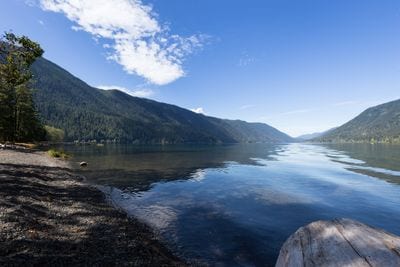
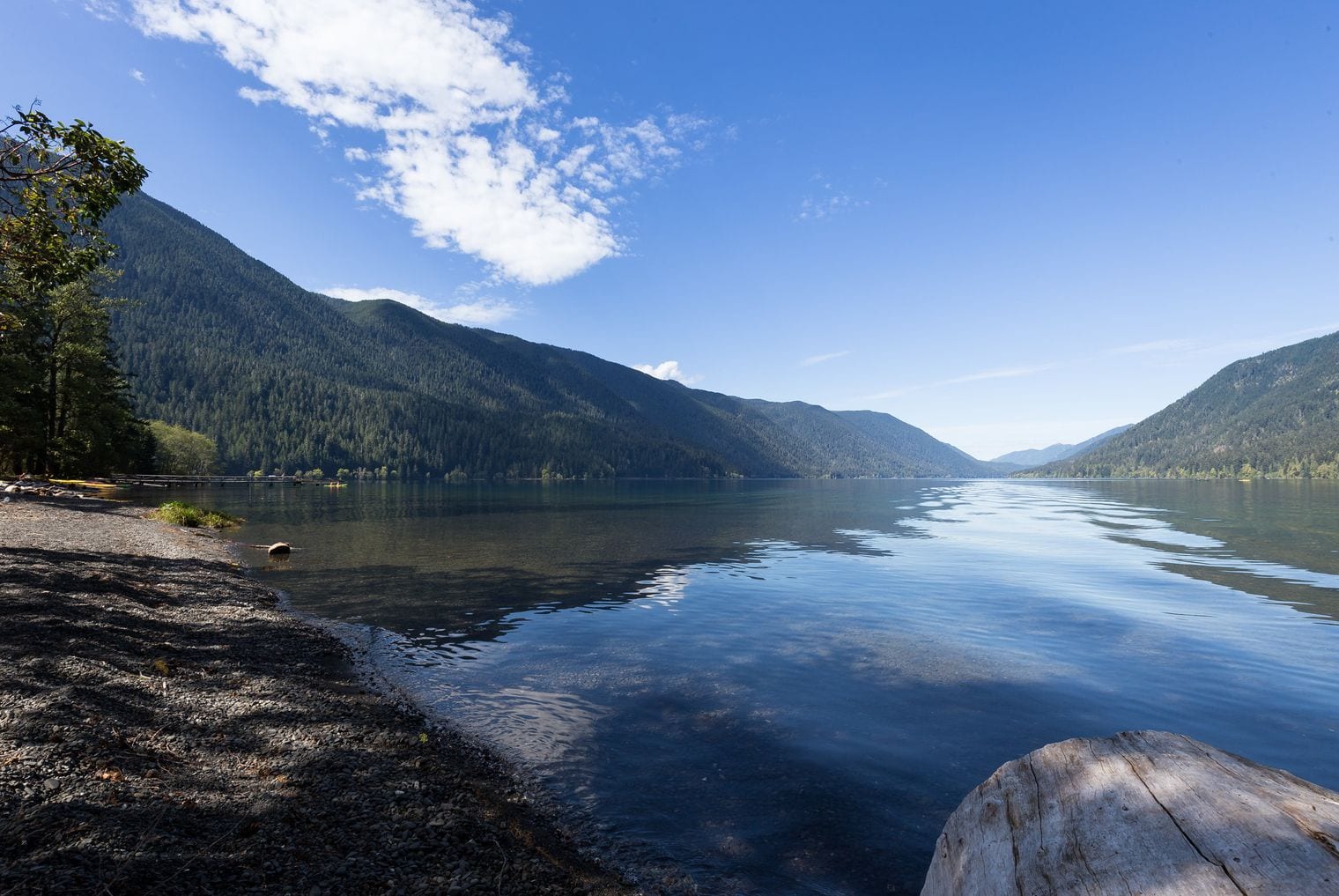
At 624 feet, Lake Crescent has the official depth the National Park Service gives for this glacier-carved lake in Olympic National Park, though that number comes from a 1970 college survey whose instruments could read no deeper than 624 feet. A lake-wide sonar survey in 2013 and 2014 found 596 feet, which would drop it below Seneca and Fremont lakes; stories that it tops 1,000 feet have no survey behind them.
The water is famous for its brilliant blue and its clarity, which come from low nitrogen levels that hold back algae. Trails start near the shore, including the walk to Marymere Falls and the Spruce Railroad Trail, and the lake is home to the Beardslee trout, a rainbow trout relative found nowhere else.
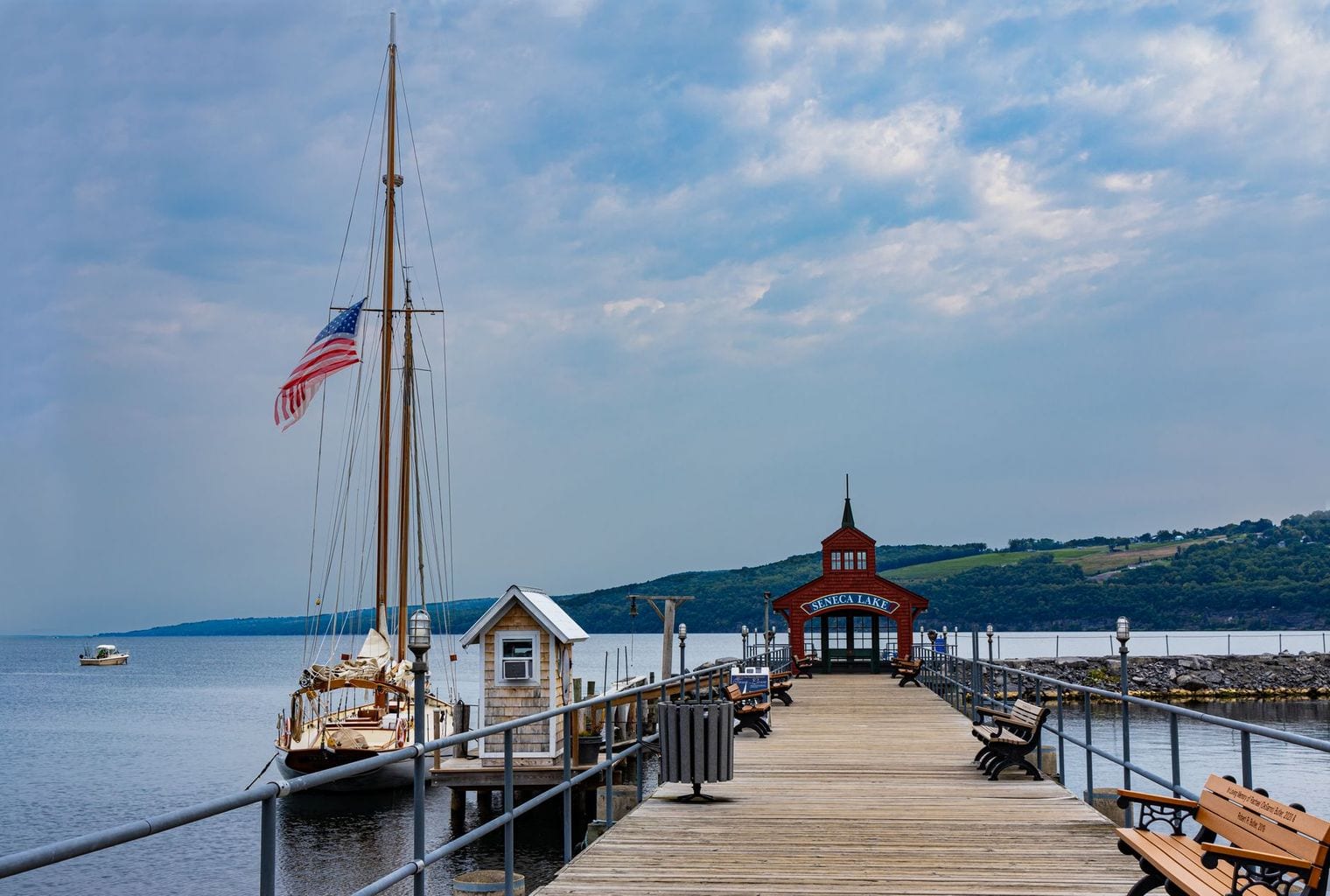
1515. Seneca Lake
Finger Lakes, Geneva / Watkins Glen, New York, United States
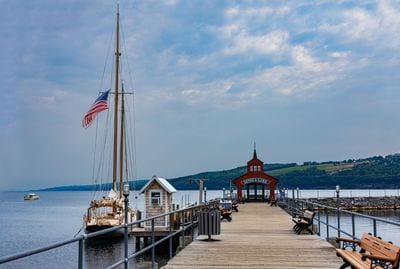
At 618 feet, Seneca Lake is the deepest of New York's Finger Lakes and the deepest glacial lake entirely within the state, 38 miles long and holding roughly half the water in the whole chain. It ranks just behind Lake Crescent, whose own figure is disputed, so the order of Nos. 13 to 16 rests on a few feet.
That depth lets the US Navy test sonar equipment in the lake, while its slopes carry dozens of wineries on the Seneca Lake wine trail, with Geneva at the north end and Watkins Glen at the south. Seneca also calls itself the lake trout capital of the world and hosts the National Lake Trout Derby.
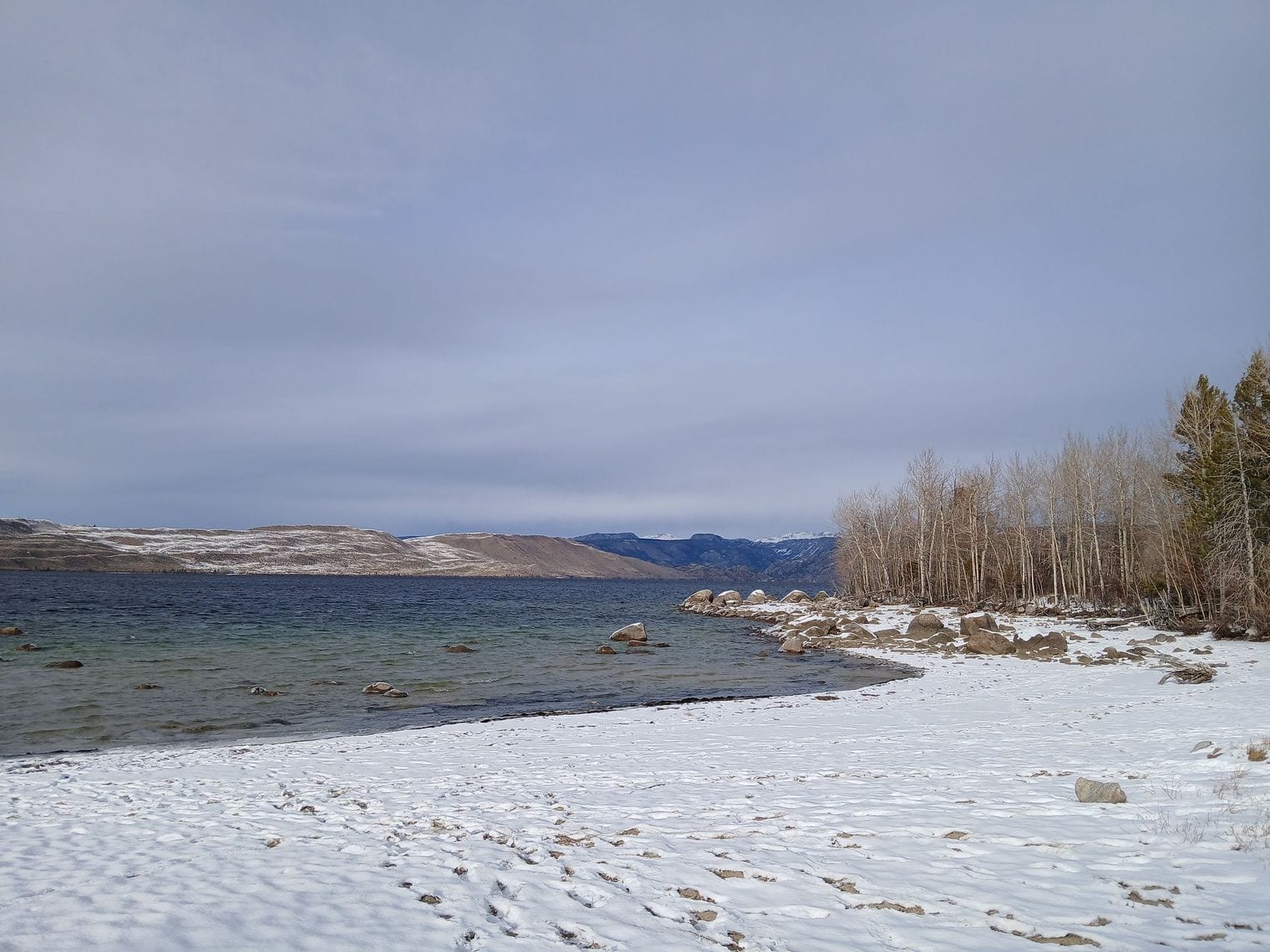
1616. Fremont Lake
Bridger-Teton National Forest, near Pinedale, Wyoming, United States
At 608 feet, Fremont Lake near Pinedale is the second-largest natural lake in Wyoming after Yellowstone Lake, and the deepest Wyoming lake on this list. Wyoming Game and Fish gives 608 feet and Wikipedia's text 607; the 690 feet shown in some infoboxes has no source behind it.
The lake fills a granite trough scoured by glacial ice in the foothills of the Wind River Range, its outlet held back by a terminal moraine. It sits just north of Pinedale, making it an easy first look at the Wind Rivers for anyone heading into the range.
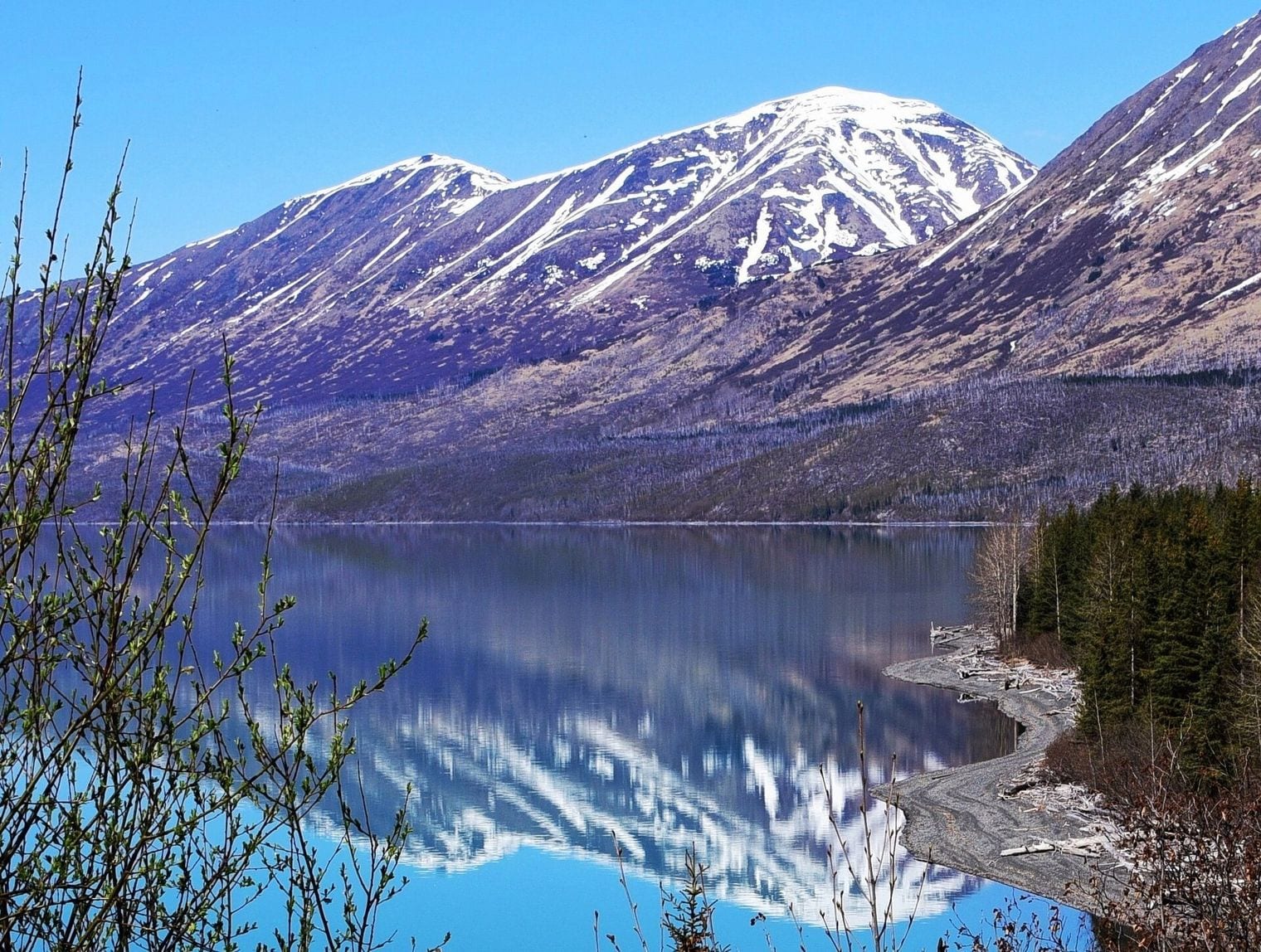
1717. Kenai Lake
Chugach National Forest, Cooper Landing, Alaska, United States
At 571 feet, Kenai Lake is a zigzag of glacial water on the Kenai Peninsula, measured at 174 meters in a published study; Wikipedia gives 569 feet. It forms the headwaters of the Kenai River, which flows on through Skilak Lake toward Cook Inlet.
Its long, bent shape means both the Sterling Highway and the Seward Highway run beside it, with the small community of Cooper Landing at its western end. The drive along its shore is a highlight of the road south from Anchorage to Seward, and the lake itself draws anglers and paddlers.
1818. Tally Lake
Flathead National Forest, near Whitefish, Montana, United States
At 495 feet, Tally Lake is the deepest lake in Montana, set in the Flathead National Forest about 10 miles west of Whitefish; Montana Fish, Wildlife and Parks shows 495 feet, and a 2008 local report gave 492. Upper Waterton Lake, at No. 19, sits only 8 feet lower, and one of its own sources reaches 492 feet, so these two are close to level.
Despite its depth, Tally tends to warm up in late summer, because harmless tannins color its water dark. It is a quieter alternative to the busier lakes around the Flathead Valley, with whitefish, perch and several kinds of trout in the water.
1919. Upper Waterton Lake
Glacier National Park (Goat Haunt), Montana / Waterton Lakes National Park, Alberta, United States / Canada
At 487 feet, Upper Waterton Lake is the deepest lake in the Canadian Rockies by Parks Canada's figure of 148 meters, and Glacier National Park gives the same 487 feet; Wikipedia rounds to 490. The border crosses the lake, with about two-thirds in Alberta's Waterton Lakes National Park and the southern third in Montana's Glacier National Park, and no source says on which side the deepest point lies.
Boats from the Waterton townsite cruise south to the dock at Goat Haunt, the remote US ranger station at the head of the lake, and visitors who step ashore there must report their US entry to Customs and Border Protection. Together the two parks form the Waterton-Glacier International Peace Park.
At 465 feet, Karluk Lake on Kodiak Island carries the depth Alaska's Department of Fish and Game recorded in 2013 (141.8 meters); Wikipedia gives 457 feet. Lake McDonald at No. 21 sits just one foot lower, and its own sources range up to 472 feet, so these two are a near-tie that a single sounding decides.
The lake lies in the Kodiak National Wildlife Refuge and feeds the Karluk River, which carries strong runs of sockeye and other salmon to the sea, and the refuge is home to an estimated 2,300 brown bears. It is remote country, reached by small plane, mostly by anglers and bear watchers.
2121. Lake McDonald
Glacier National Park, near West Glacier, Montana, United States
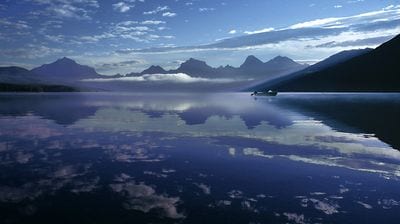
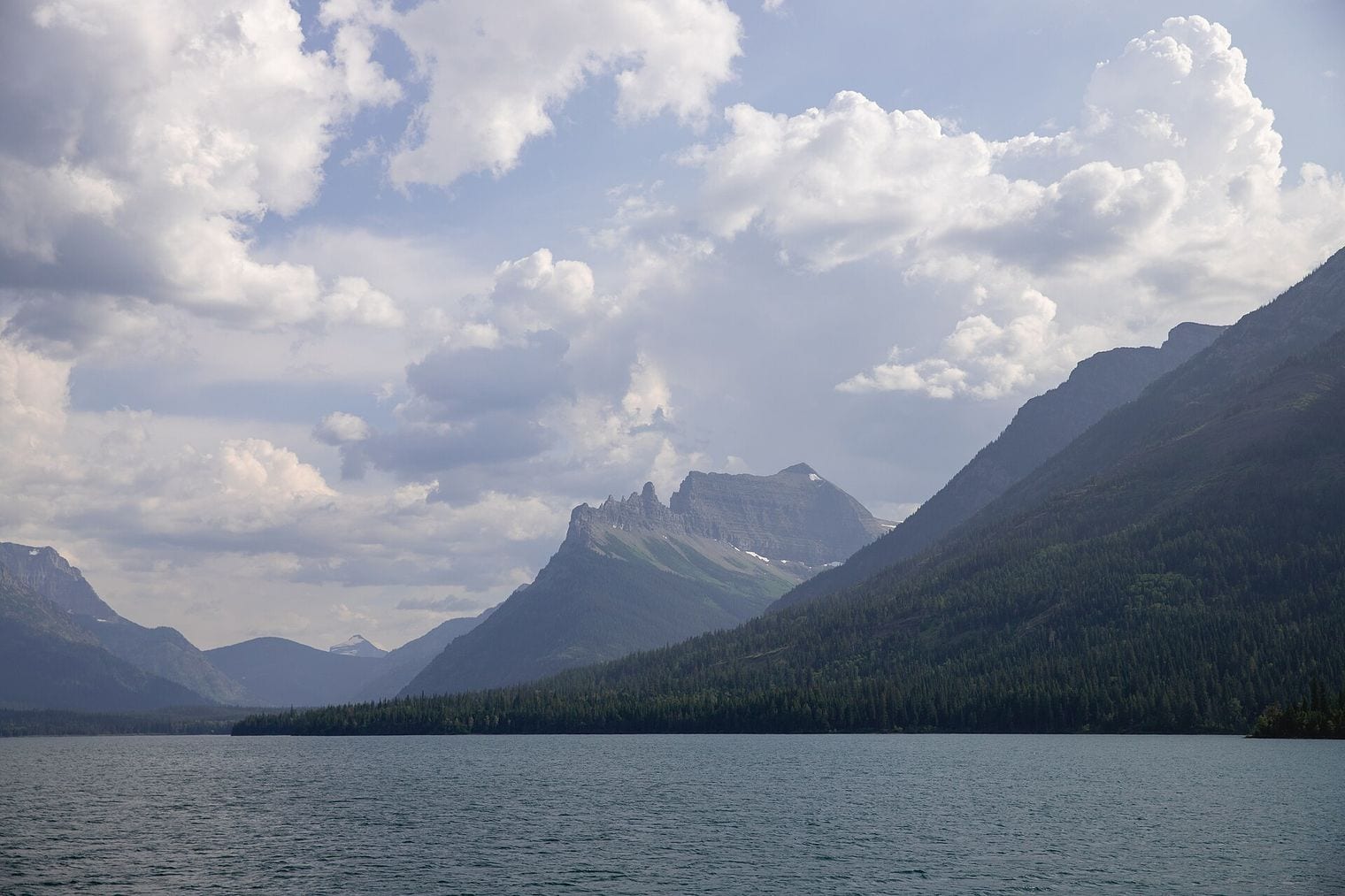
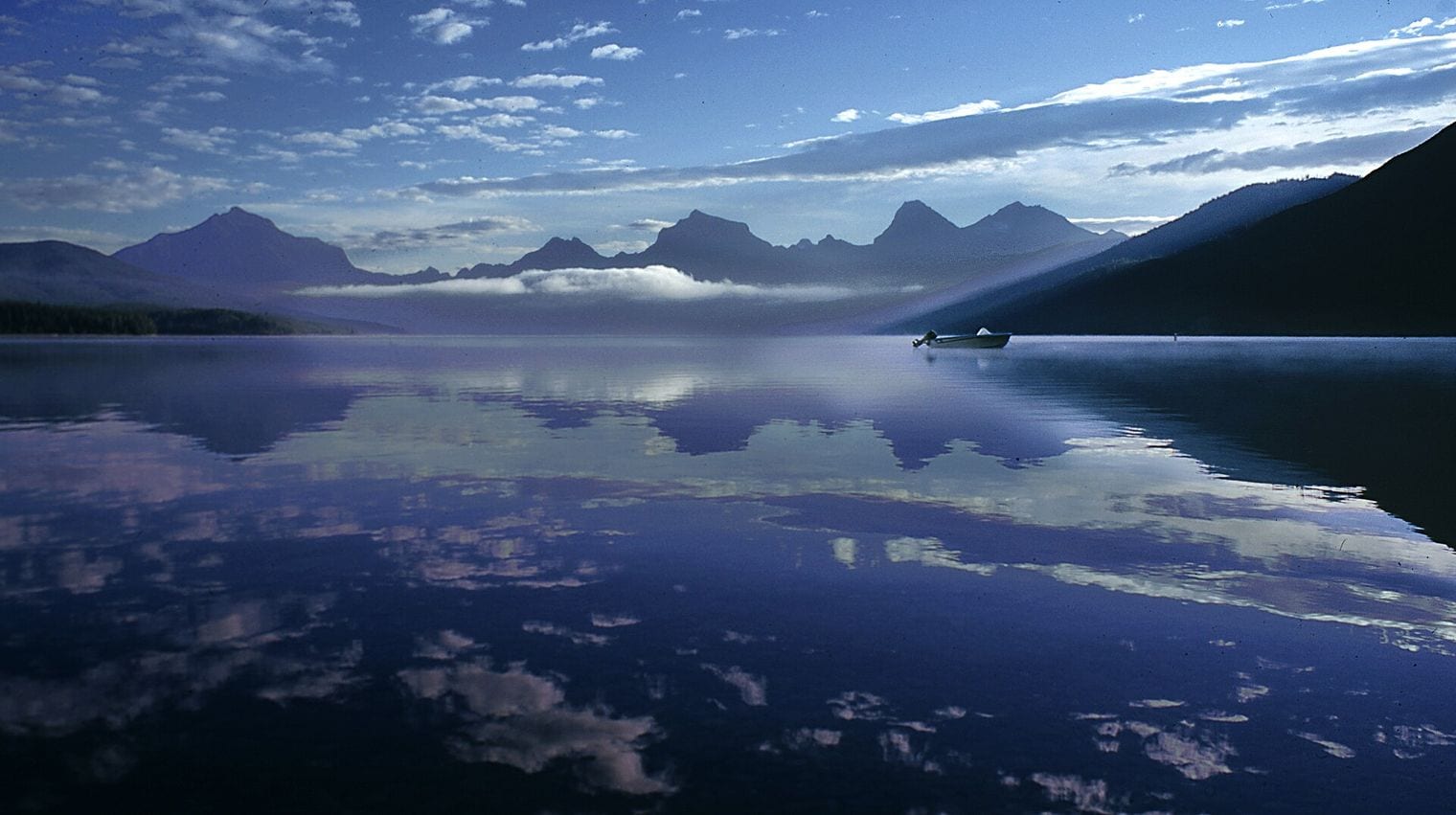
At 464 feet, Lake McDonald is the largest and deepest lake in Glacier National Park, the depth two National Park Service pages give; another park page and Wikipedia say 472 feet, which would lift it above Karluk Lake. It runs about 10 miles from Apgar at its foot toward the mountains, filling a valley shaped by erosion and glaciers.
Going-to-the-Sun Road follows its southern shore, so most visitors meet it on the way into the park, from the Apgar area at the western end or from pullouts along the road. Its long, steep-sided basin is typical of the finger-like lakes that stretch away from the Continental Divide in Glacier.
FAQ: America's Deepest Lakes
What is the deepest lake in the US?
Crater Lake in Oregon is the deepest, at 1,949 feet by the US Geological Survey's 2000 multibeam survey; park service pages print 1,943 feet from the same survey. It fills the caldera of Mount Mazama, which collapsed about 7,700 years ago. Lake Tahoe, at 1,645 feet, is second, and Lake Chelan, at 1,486 feet, is third.
Is Lake Clark 1,056 feet deep?
Probably not. The 1,056-foot figure appears on many lists and in Wikipedia's infobox, but no survey stands behind it. The National Park Service gives Lake Clark a maximum depth of 870 feet, and a 2015 bathymetry study measured 265 meters, about the same. At 870 feet it ranks ninth among US lakes, not sixth.
Is Lake Crescent 1,000 feet deep?
No. Lake Crescent's official depth is 624 feet, from a 1970 survey whose instruments could read no deeper, and a lake-wide sonar survey in 2013 and 2014 found 596 feet. The idea that it plunges past 1,000 feet has no survey behind it. Either measured figure still keeps it among the 16 deepest lakes in the US.
Why aren't reservoirs like Lake Oroville on the list?
This list counts natural lakes only. Lake Oroville, Lake Powell, Lake Mead, Shasta Lake and Dworshak Reservoir are river valleys flooded behind dams, so their depth is the dam's work. A natural lake that a dam raises only slightly, such as Lake Chelan or Lake Pend Oreille, still counts, measured at its normal level.
Which Great Lake is deepest?
Lake Superior is the deepest Great Lake, at 1,333 feet, and the fourth-deepest lake in the US. Next come Lake Michigan at 923 feet, Lake Ontario at 802 feet and Lake Huron at 750 feet. Lake Erie, at 210 feet, is the shallowest of the five and the only one that misses this list.
Which lakes just missed the list?
Below Lake McDonald at 464 feet come Jackson Lake in Grand Teton National Park at 438 feet, Cayuga Lake at Ithaca in New York's Finger Lakes at 435, Waldo Lake in Oregon at 420 and Lake Champlain at 400. The caldera lake on Alaska's Mount Katmai may be deeper than many entries, but it has never been sounded.
Sources & updates
How this ranking was verified
Checked before launch
Sources cited
21
Publishers
5
Every figure in this ranking was checked against the record-keeper or official source behind it before publication, and the top of the ranking re-checked live so a newer record would not be missed.
One email every Thursday with our newest guides for the places you tick.
Newsletter
Get new guides like this by email
One email every Thursday with our newest guides for the places you tick.
We use cookies to analyze site traffic and improve your experience.
You can accept or reject analytics cookies. See our
May we use analytics cookies? See ourCookie Policy.