We build and rank every list first. Booking links come after, and only where
a partner sells a ticket, tour or stay for that exact place, so a place with
nothing to book is listed exactly as prominently as one you can book.
So how do we earn? Some links on this page go to booking
partners, and if you book tickets, tours or a stay through
one, we may earn a commission. It costs you nothing extra.
That commission never decides which places make the list, the order they
appear in, or what we write about them. No entry is sponsored or a paid
placement.
By the City Viking editorial teamPublished Ranked by seating capacity · 18 min read
Last verified Checked before launchOct 5, 202630 sourcesPublished · Oct 28, 2026Researched and checked before it went liveClick for every source and the full change log.
The record
56,000 seats
Dodger Stadium
United States
The record
The largest stadium in Major League Baseball is Dodger Stadium, in the United States — 56,000 seats, seating capacity.
Source: ballparksofbaseball.com. Verified .
Short answer
Dodger Stadium in Los Angeles is the largest MLB stadium, with 56,000 seats, well ahead of Chase Field in Phoenix at 48,263. It is the only big-league park over 50,000, so for the biggest ballpark crowd in baseball, catch a Dodgers home game in Chavez Ravine.
The biggest regular-season crowd in Major League Baseball history, 91,032 for the 2025 Speedway Classic, filled a NASCAR track in Bristol, Tennessee, not a ballpark, and Fenway Park, the oldest park in the majors, ranks only 26th of 30 here.
This countdown ranks every MLB home ballpark of the 2026 season by seating capacity, from Dodger Stadium's 56,000 down to Sutter Health Park's 14,014. Each number is the one the club itself lists for 2026, usually in its media guide, so it often differs from Wikipedia's table and from other rankings; Coors Field counts its 46,896 seats, not the 50,141 total with standing room.
Every club's home is in, including the Rogers Centre in Toronto and the Athletics' temporary park in West Sacramento, while one-off venues such as Bristol, the London, Tokyo and Mexico City series sites and spring-training parks are left out. For the giants of American sport, see the largest stadiums in the US.
Only one MLB park seats more than 50,000 — Dodger Stadium, at 56,000, is also the largest baseball stadium in the world by seating capacity.
Seven of the 30 parks have retractable roofs, and the Rogers Centre, opened in 1989 as SkyDome, was the first stadium with a fully retractable motorized roof. Tropicana Field is the only fixed dome.
One row at Coors Field is purple — the 20th row of the upper deck at Coors Field marks exactly one mile above sea level.
The biggest regular-season crowd in MLB history was not at a ballpark: 91,032 fans watched the Braves play the Reds at Bristol Motor Speedway in 2025, well above the 84,587 who saw the Yankees at Cleveland Stadium in 1954.
Toronto's park is the only one outside the US, and it has a hotel built in, with rooms overlooking the field at the Rogers Centre.
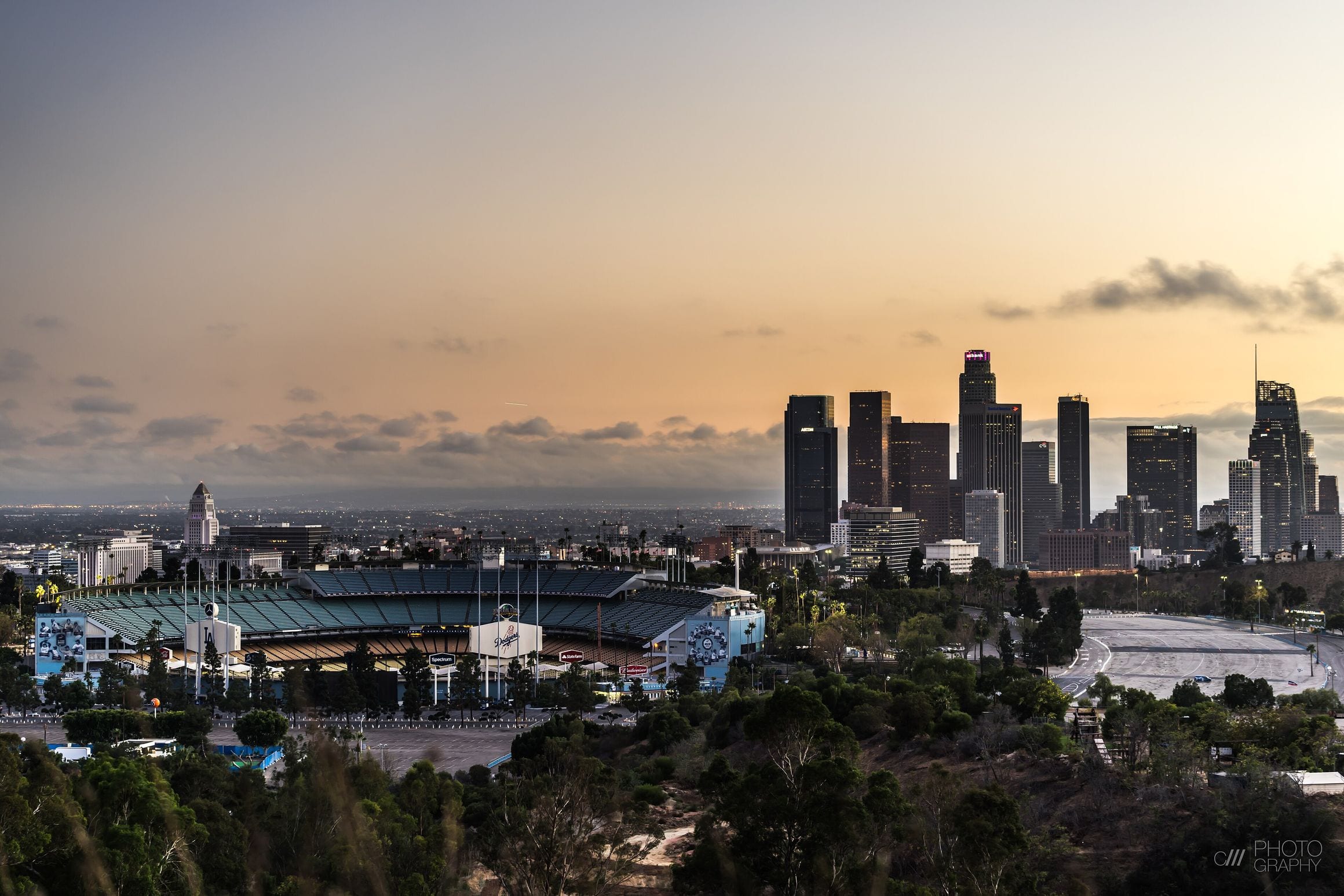
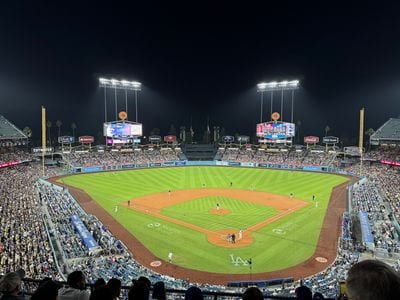
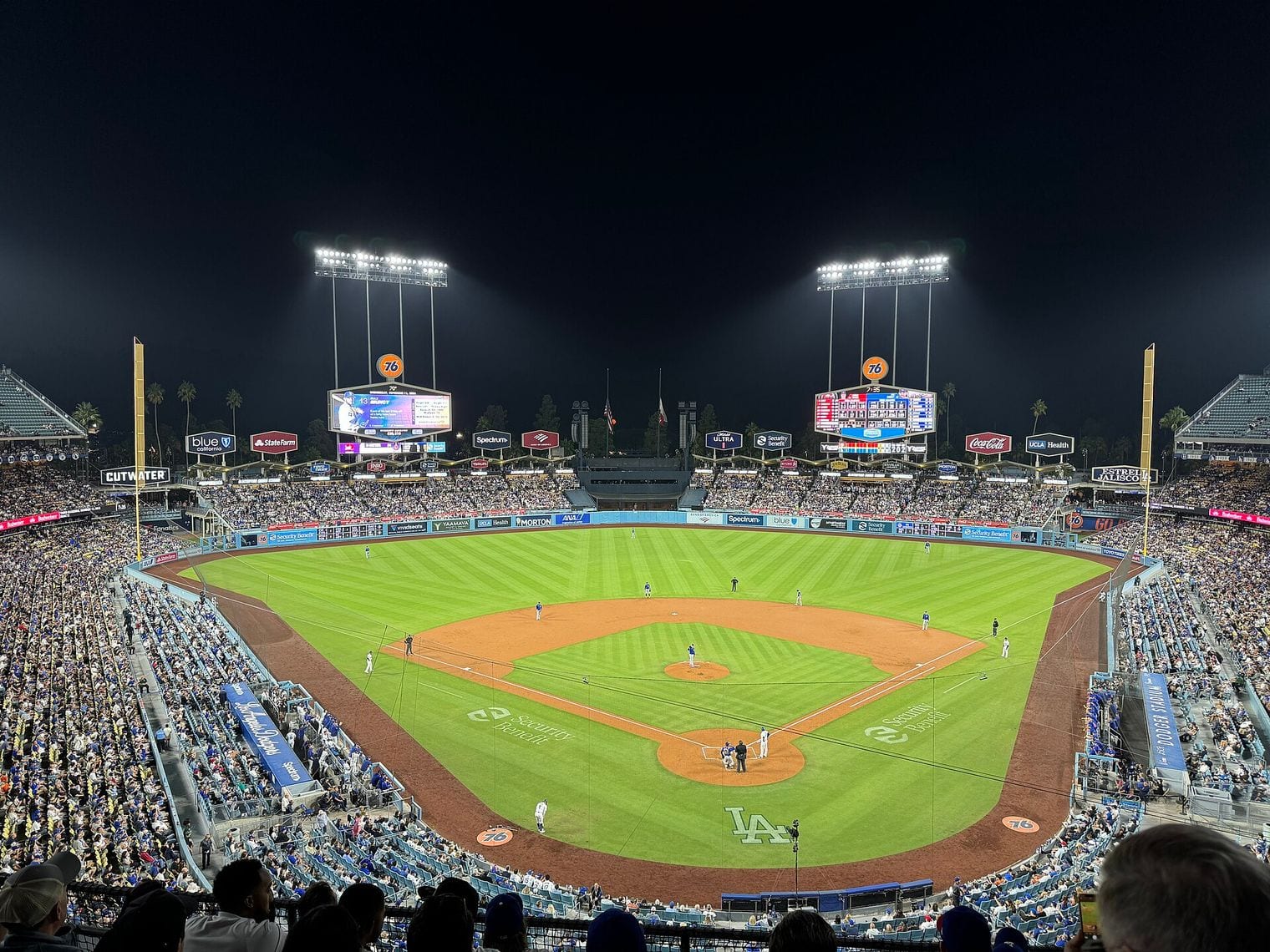
At 56,000 seats, Dodger Stadium is the largest ballpark in Major League Baseball and the only one over 50,000. The Los Angeles Dodgers have played here in Chavez Ravine since 1962, which makes it the oldest park in the majors west of the Mississippi River and the third-oldest overall, after Fenway Park and Wrigley Field.
The 56,000 figure is a ceiling as much as a count: a conditional-use permit limits seating to that number, so recent renovations have left the official capacity unchanged. From the upper levels, the view runs over the downtown Los Angeles skyline to the south, the tree-lined hills of Elysian Park to the north and east, and the San Gabriel Mountains beyond the outfield.
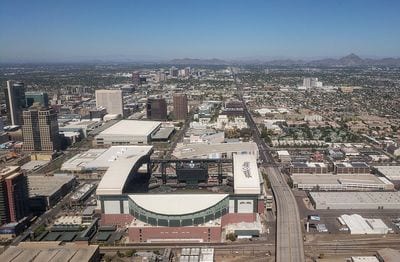
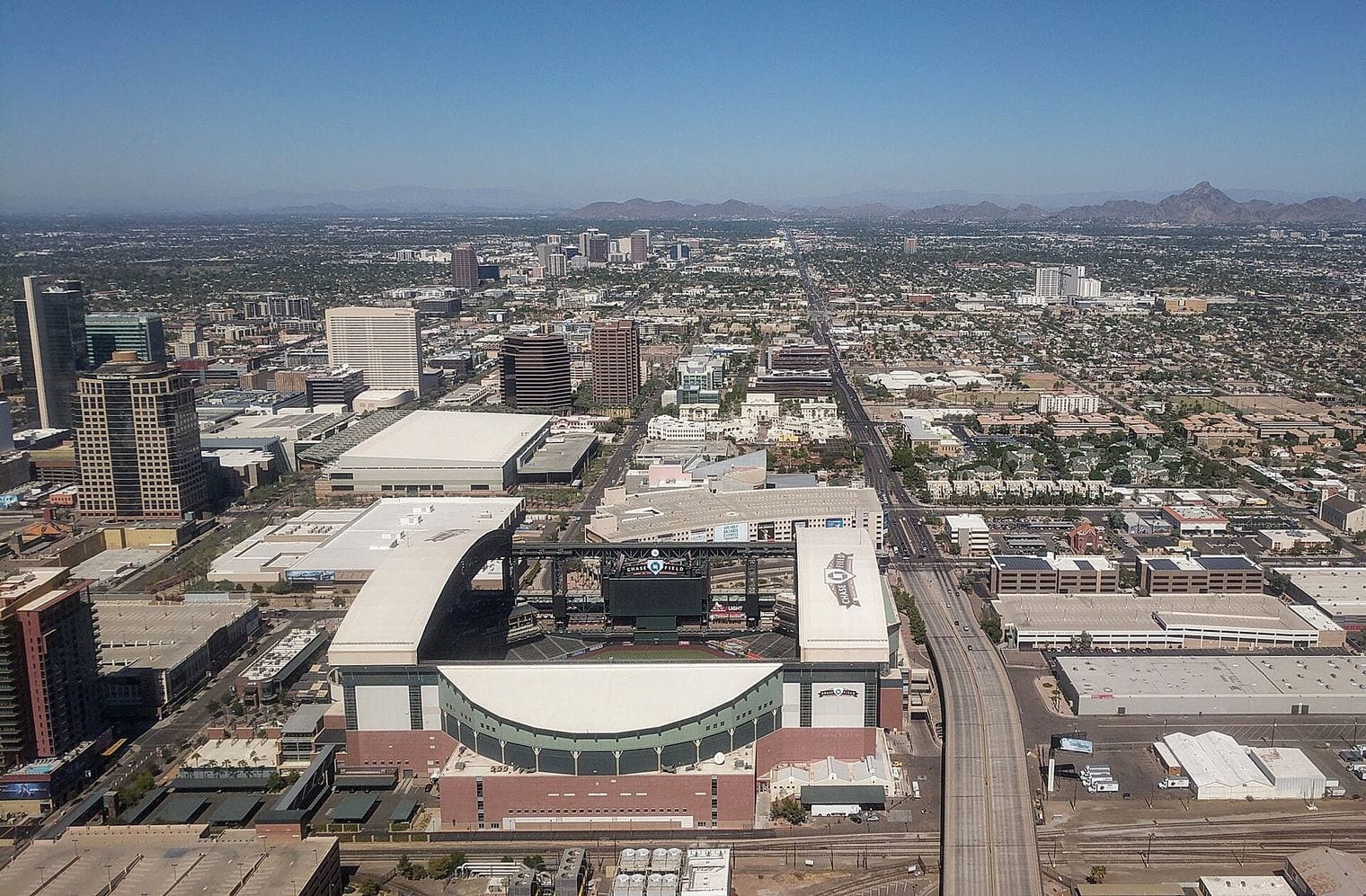
At 48,263 seats, Chase Field in downtown Phoenix is the second-largest park in the majors. It opened in 1998 as Bank One Ballpark, the year the Arizona Diamondbacks played their first season, and it was the first stadium in the United States built with a retractable roof over a natural grass field, though it has used artificial turf since 2019.
The roof keeps the desert summer heat out of the stands. The park's best-known quirk is the swimming pool in right-center field, rented to groups during games; Mark Grace hit the first home run into it. The Diamondbacks' 2026 media guide gives 48,263, while Wikipedia and several rankings still print 48,330, a gap that does not change the order.
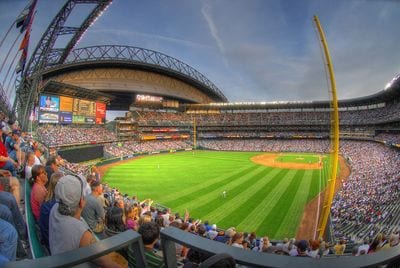
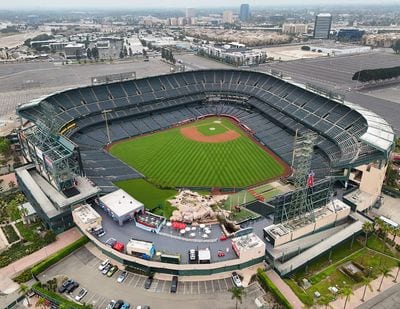
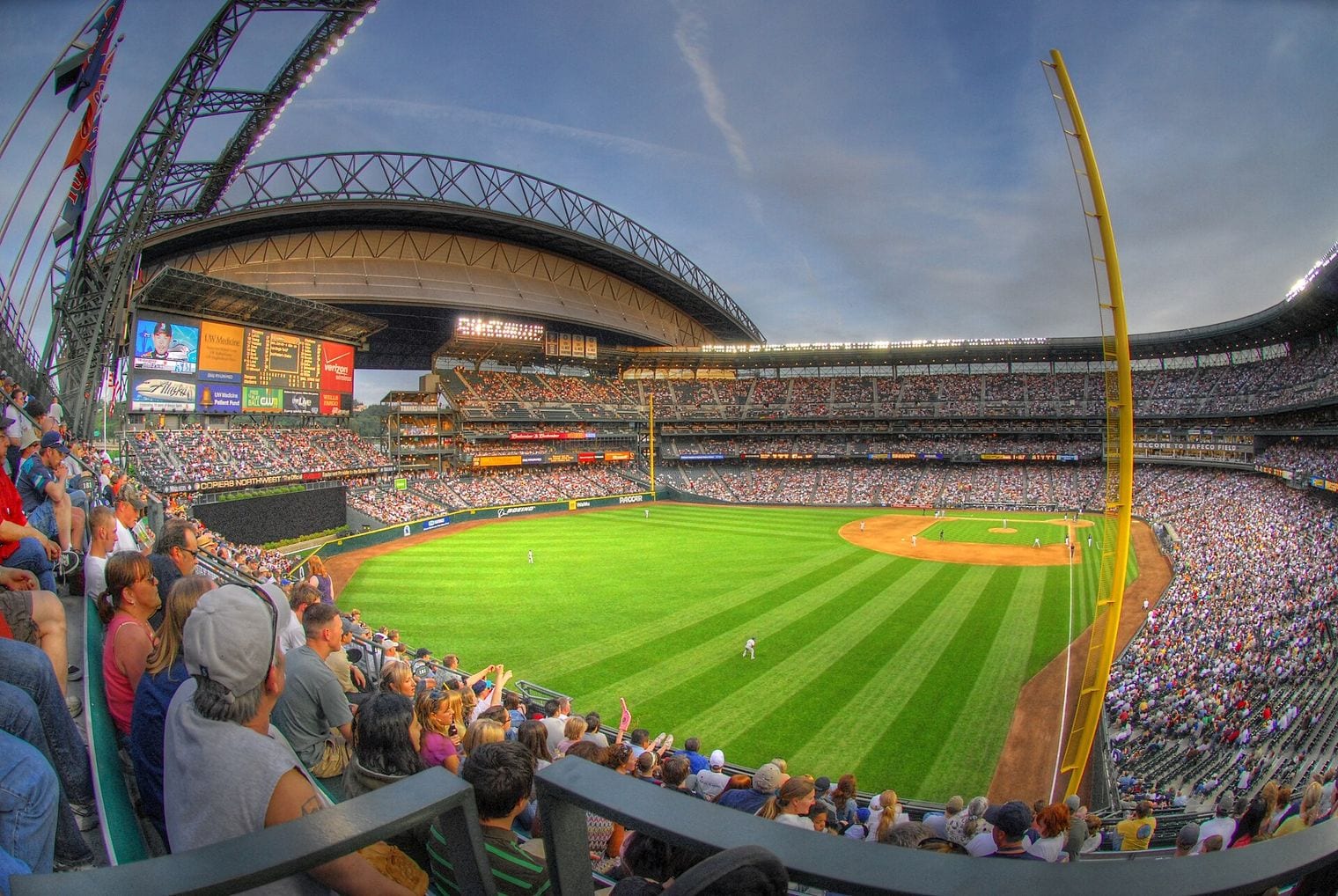
At 47,368 seats, T-Mobile Park is the third-largest park in the majors and the home of the Seattle Mariners in the SoDo district of downtown Seattle. It opened in July 1999 as Safeco Field and took the T-Mobile name on January 1, 2019.
Its retractable roof works like an umbrella: it covers the field but does not fully enclose the ballpark, so the wind and the Pacific Northwest air still reach the game when the roof is closed. The Mariners' 2025 and 2026 media guides list 47,368; an older figure of 47,929 still turns up in many rankings.
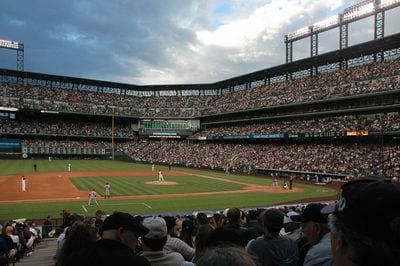
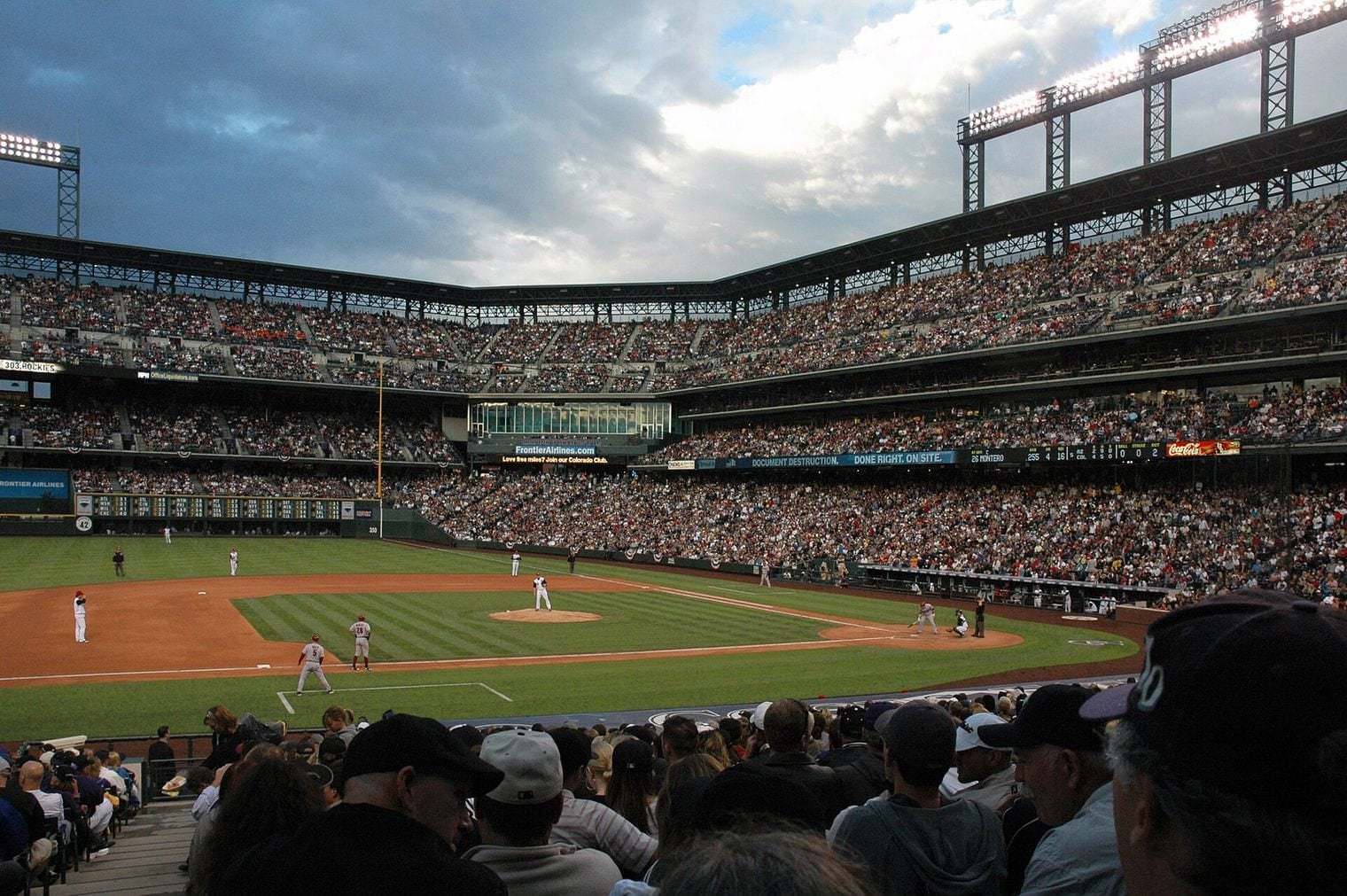
At 46,896 seats, Coors Field is the fourth-largest park in the majors and the home of the Colorado Rockies in Denver's Lower Downtown, two blocks from Union Station. It opened in 1995, and after the Rockies drew almost 4.5 million fans in their first season at Mile High Stadium, seats were added in the right-field upper deck while it was still being built.
Most of the seats are dark green, but the 20th row of the upper deck is purple, marking one mile (5,280 feet) above sea level. The ranked number counts seats only; the Rockies list a ballpark capacity of 50,141 once standing room is added, which is why some rankings put Coors higher.
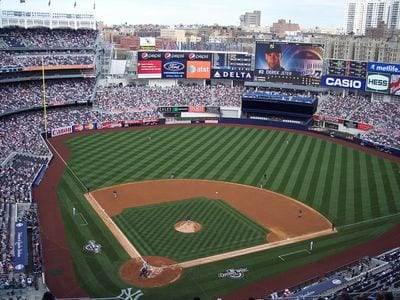
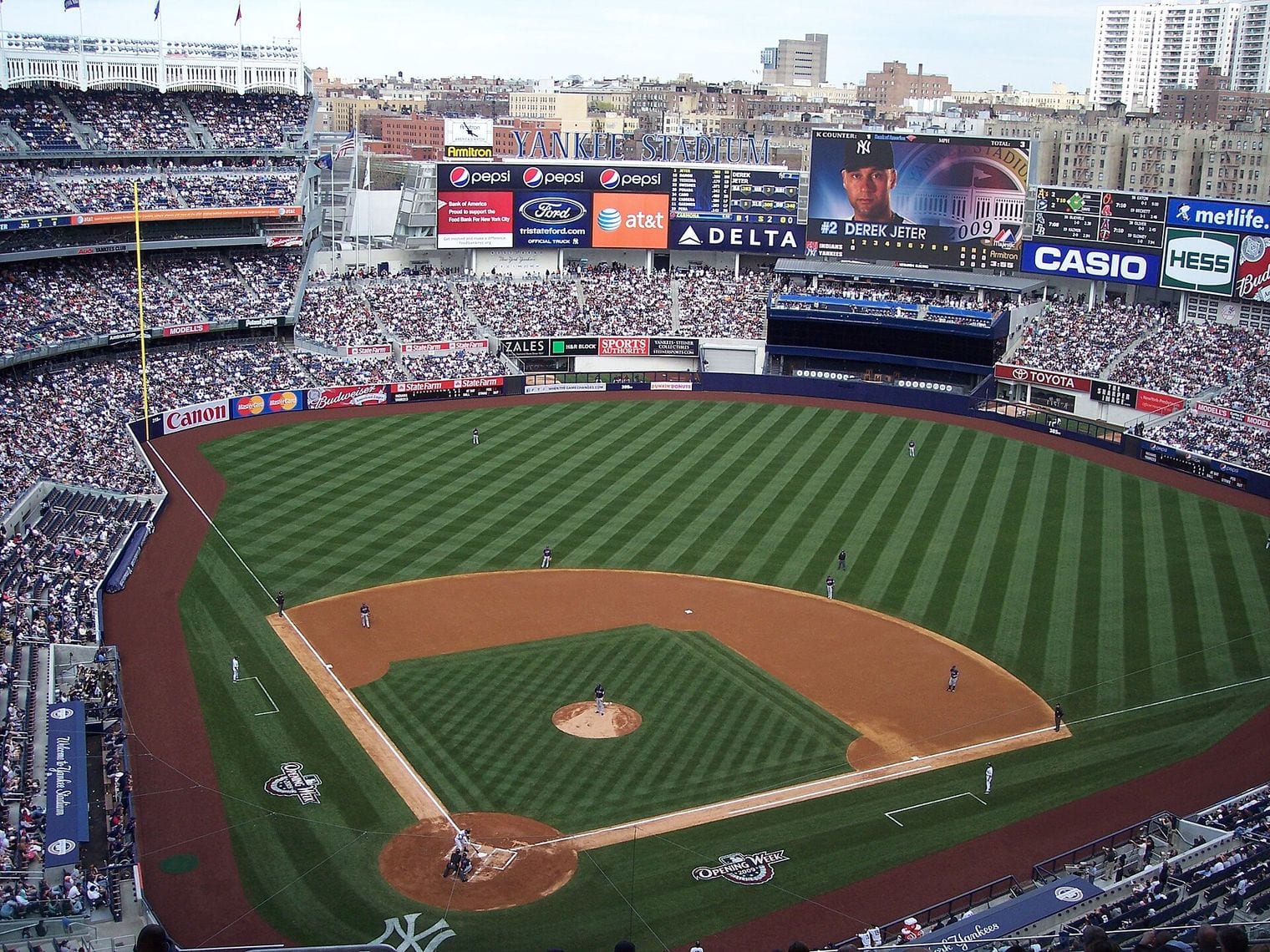
At 46,672 seats, Yankee Stadium in the Bronx is the fifth-largest park in the majors. This is the stadium that opened in April 2009, one block north of the original 1923 Yankee Stadium, and the Yankees won the World Series in its first season; it hosted the Fall Classic again in 2024.
Monument Park, with the club's retired numbers and plaques honoring its greats, sits beyond the center-field fence. The 46,672 figure comes from the Yankees' 2025 and 2026 media guides; Wikipedia and most rankings still give 46,537, and either number leaves Yankee Stadium fifth.
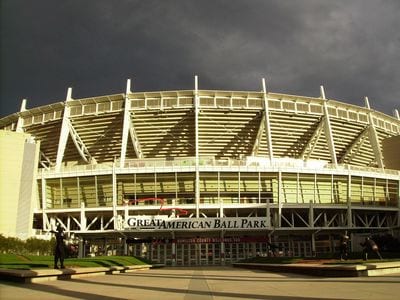
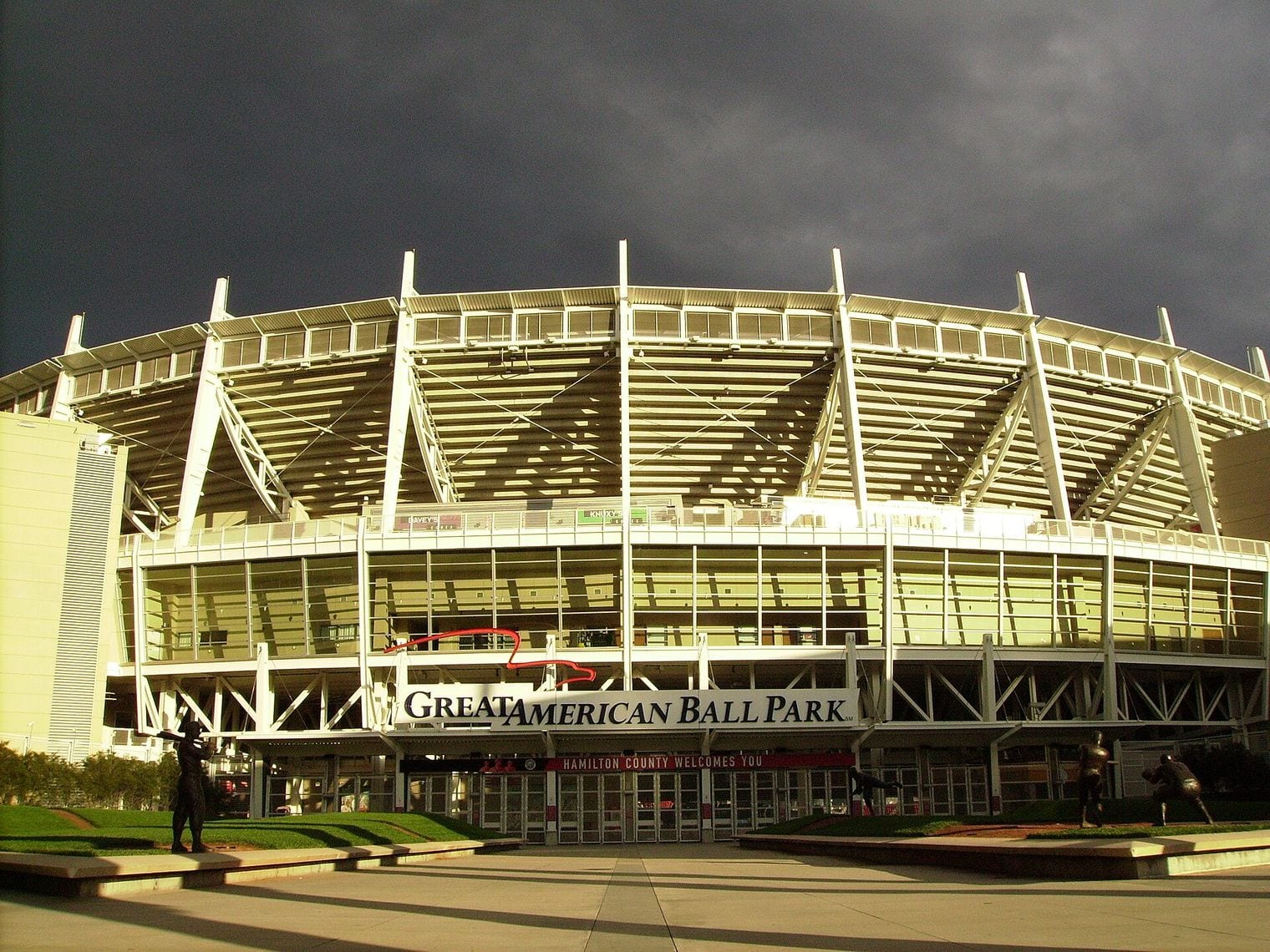
At 45,814 seats, Great American Ball Park is the sixth-largest park in the majors and has been the home of the Cincinnati Reds on the Ohio River riverfront since 2003. Two smokestacks in right-center field, modeled on the steamboats that worked the river in the 19th century, flash lights, shoot flames and launch fireworks to cheer on the home team.
This entry shows the widest gap between sources on the list. The Reds' own ballpark page and media guides give 45,814, while Wikipedia and several rankings print 43,500. At 43,500, the park would slip two places, behind Angel Stadium and Busch Stadium, so the club's figure decides the spot.
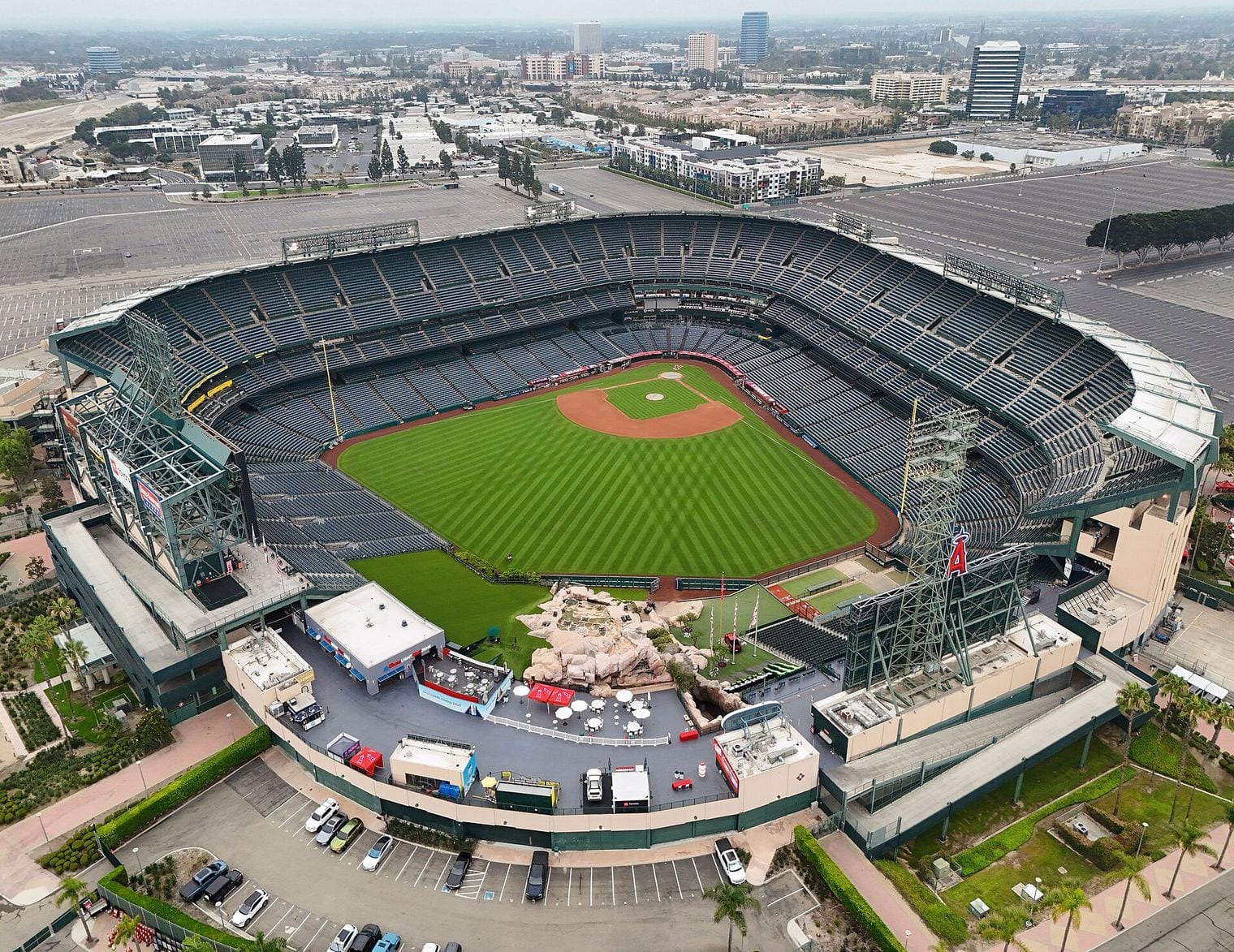
At 45,603 seats, Angel Stadium in Anaheim is the seventh-largest park in the majors. The Los Angeles Angels have played here since it opened in 1966, which makes it the fourth-oldest ballpark in the big leagues, behind only Fenway Park, Wrigley Field and Dodger Stadium.
Fans call it the Big A after the giant A-shaped sign that originally held up the scoreboard in left field and now stands near the edge of the parking lot. Beyond the left-center fence, geysers erupt and water cascades down an artificial rock formation planted with real trees. The Angels' media guides list 45,603, slightly above the 45,517 that many rankings print.
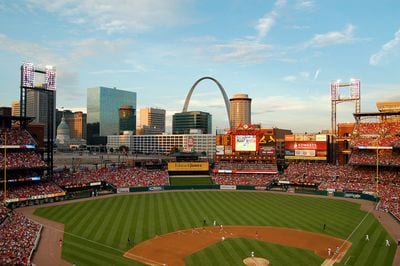
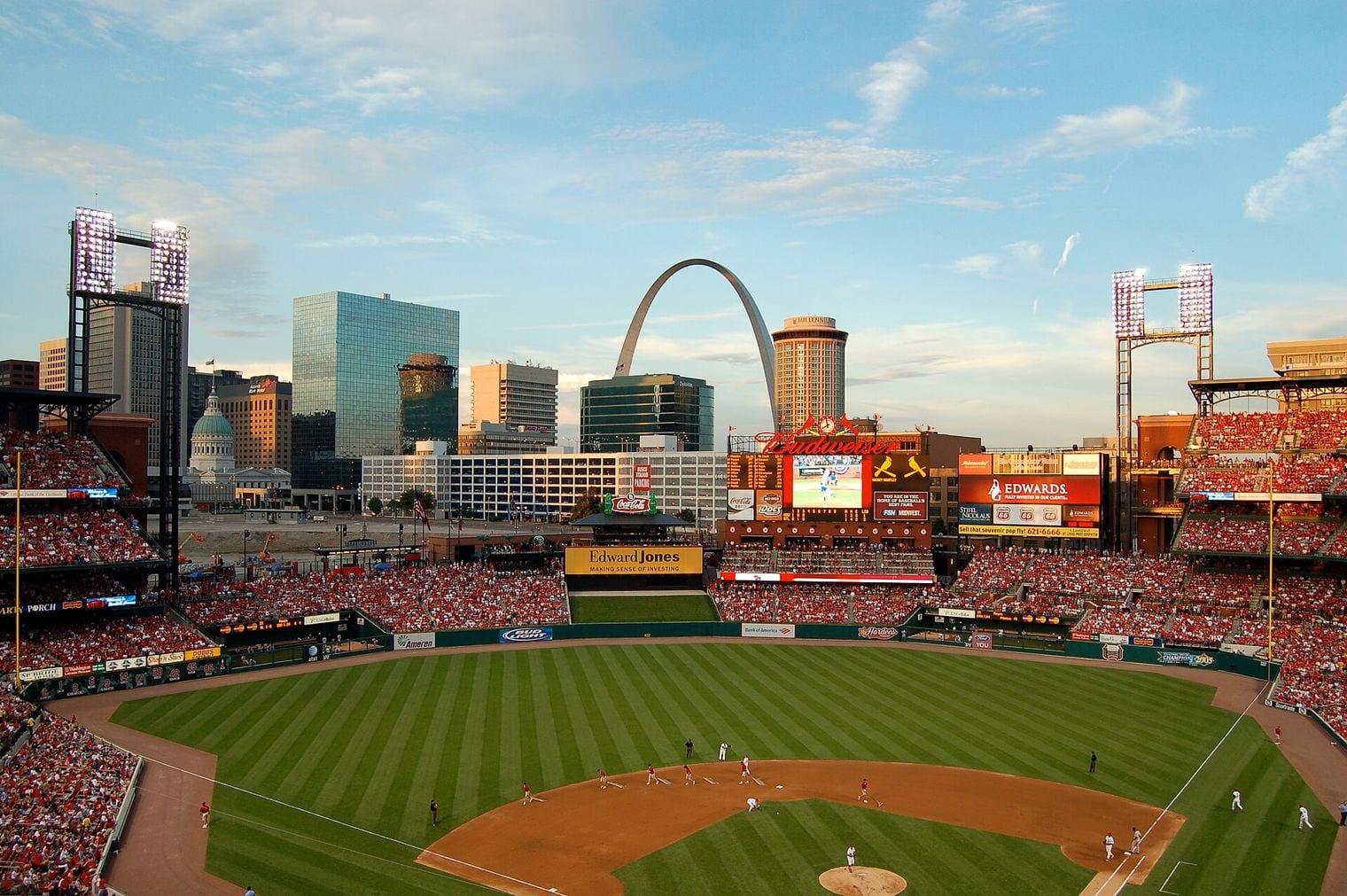
At 44,383 seats, Busch Stadium in downtown St. Louis is the eighth-largest park in the majors. The St. Louis Cardinals opened this park in April 2006, the third stadium in the city to carry the Busch name, and won the World Series in its first season.
The Gate 3 entrance on the west side is the most iconic, with a bridge resembling the Eads Bridge arching over it, and Ballpark Village, a dining and entertainment district built next door, keeps the area busy before first pitch. The Cardinals publish no current capacity of their own; 44,383 is the figure stadium registers carry, and MLB.com's 44,494 would not change the rank.
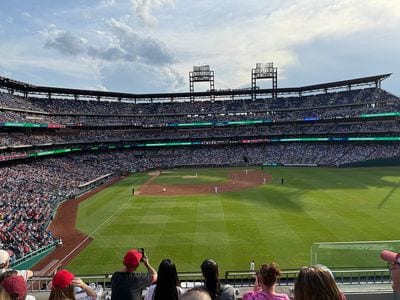
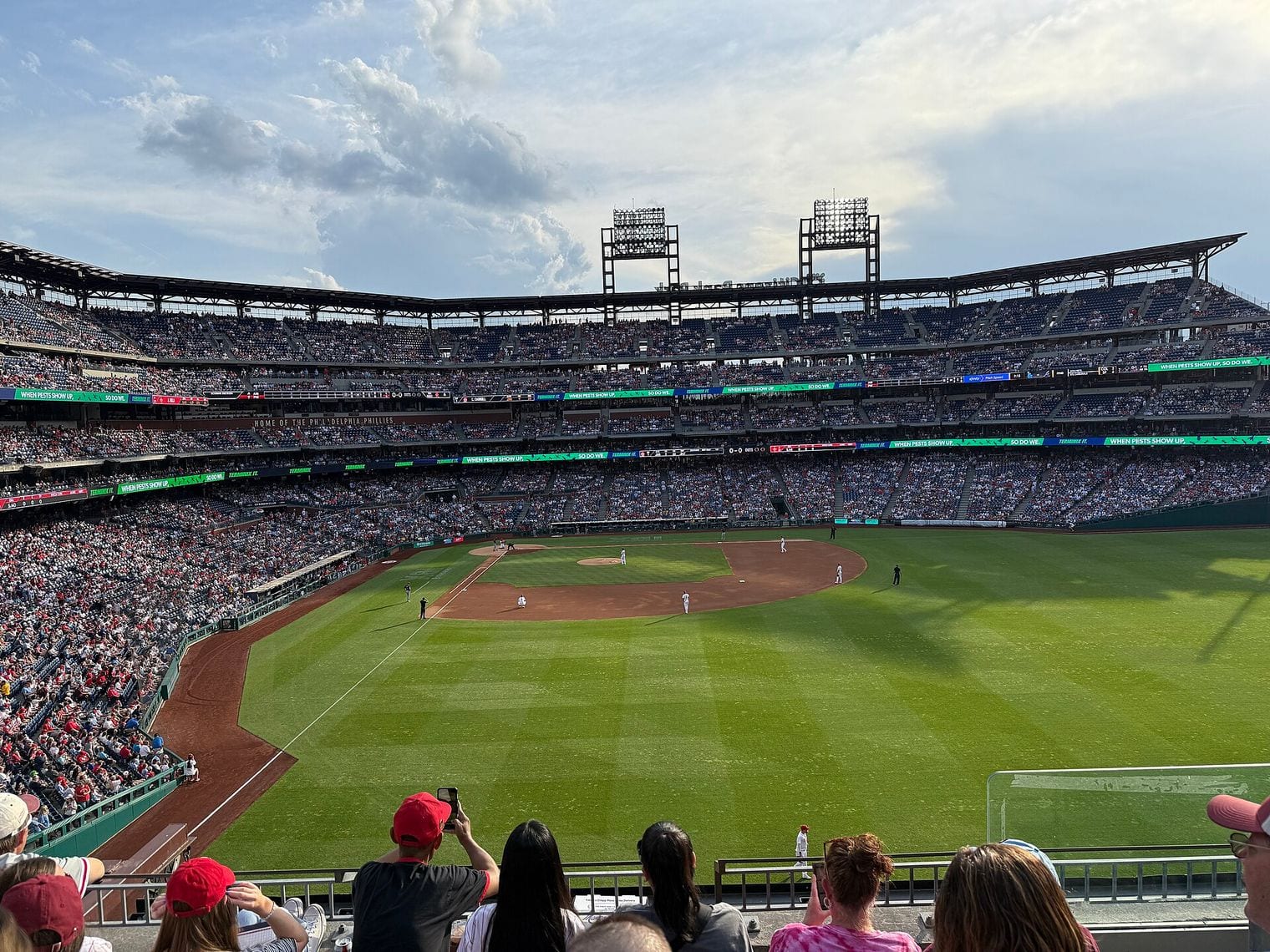
At 42,901 seats, Citizens Bank Park is the ninth-largest park in the majors, and one of the few whose figure every source agrees on. The Philadelphia Phillies opened it in South Philadelphia in April 2004 as the replacement for Veterans Stadium.
A lighted replica of the Liberty Bell, 52 feet tall and hanging 102 feet above street level in right field, rings and lights up after every Phillies home run and win. Behind center field, Ashburn Alley, named for Hall of Fame center fielder and broadcaster Richie Ashburn, is the place to walk and eat before the game.
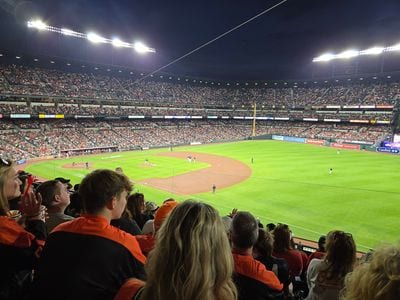
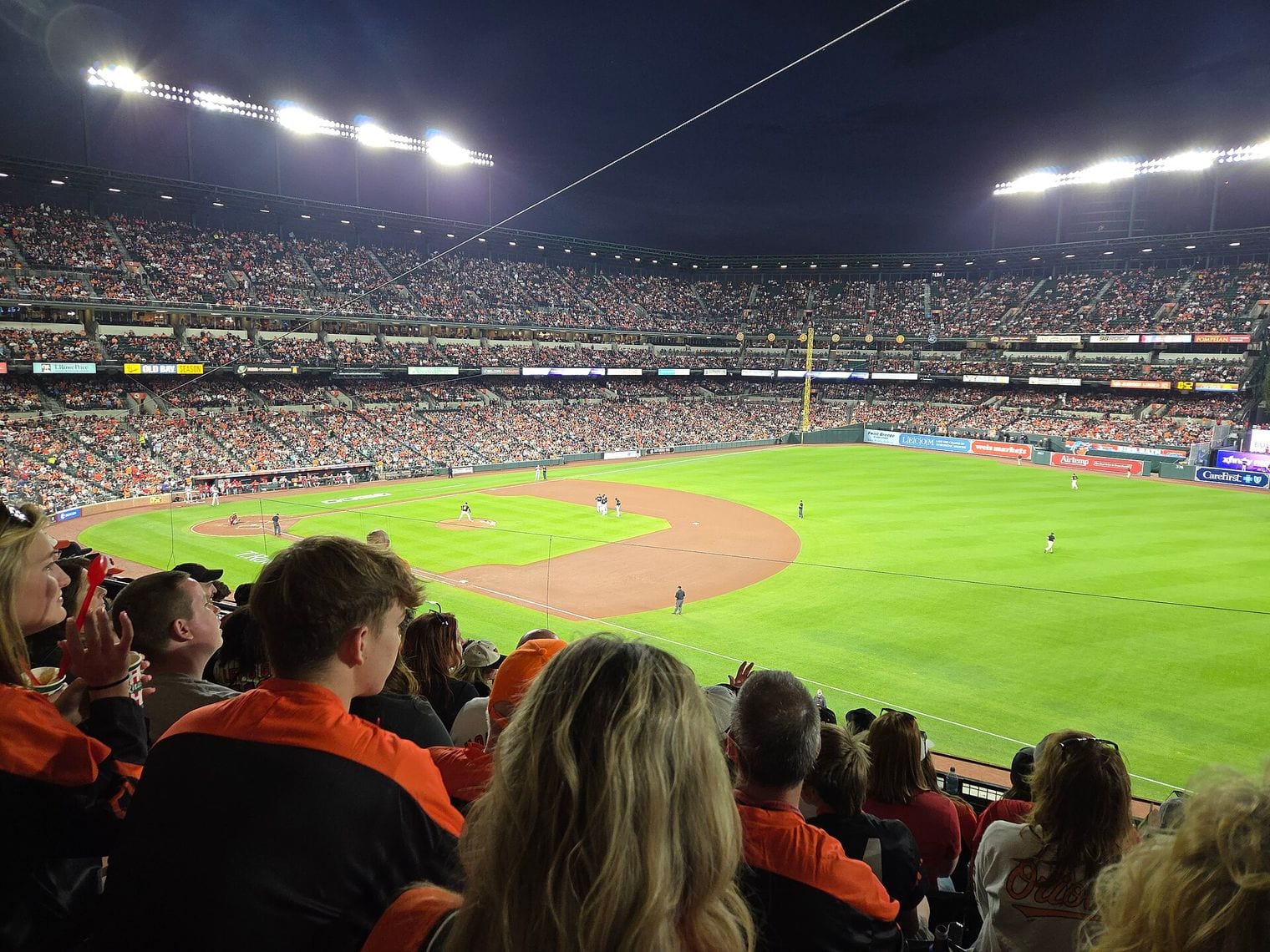
At 42,455 seats, Oriole Park at Camden Yards is the 10th-largest park in the majors. It opened in 1992 in downtown Baltimore as the first of the "retro" ballparks of the 1990s and 2000s, and its brick-and-steel look shaped the parks that followed across the league.
The long brick B&O Warehouse beyond right field is its signature, with Eutaw Street running between the warehouse and the stands. The capacity keeps shrinking: 44,487 seats from 2022 to 2025 and 42,455 for 2026, and the Orioles plan to remove about 2,000 more upper-deck seats in left field for a social space before Opening Day 2027, which would leave the park near 40,234 seats.
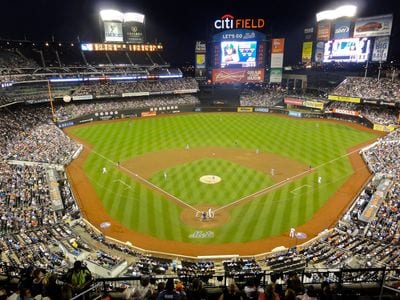
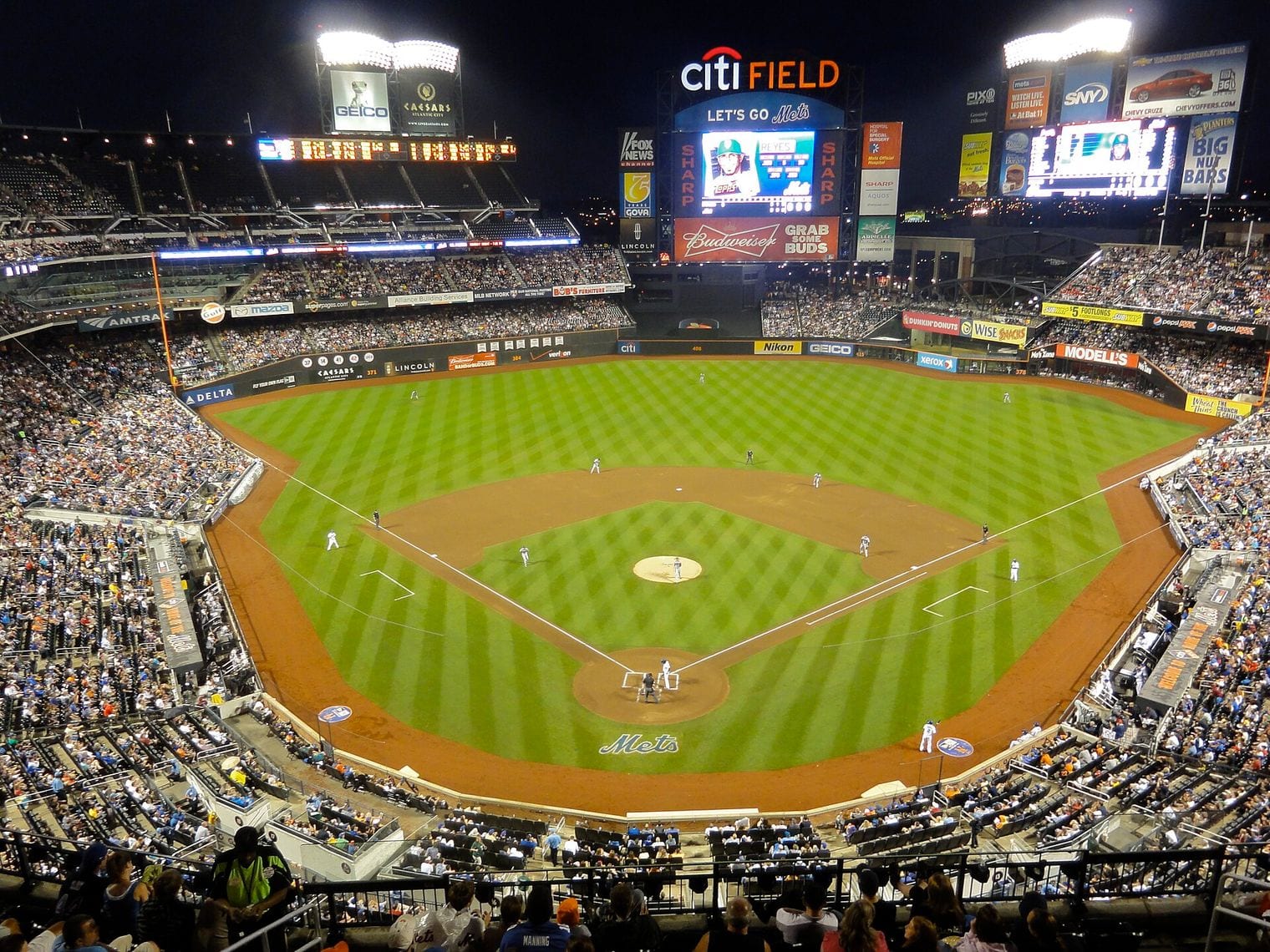
At 41,922 seats, Citi Field in Queens is the 11th-largest park in the majors. The New York Mets opened it in 2009 next to the site of Shea Stadium, and its brick facade was designed to recall Ebbets Field, the Brooklyn Dodgers' old home.
Fans enter through the Jackie Robinson Rotunda, a tribute to the Brooklyn Dodgers star who broke baseball's color barrier. The 41,922 figure counts seats; standing-room spots on the concourses add more on a sold-out night.
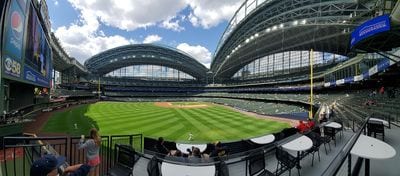
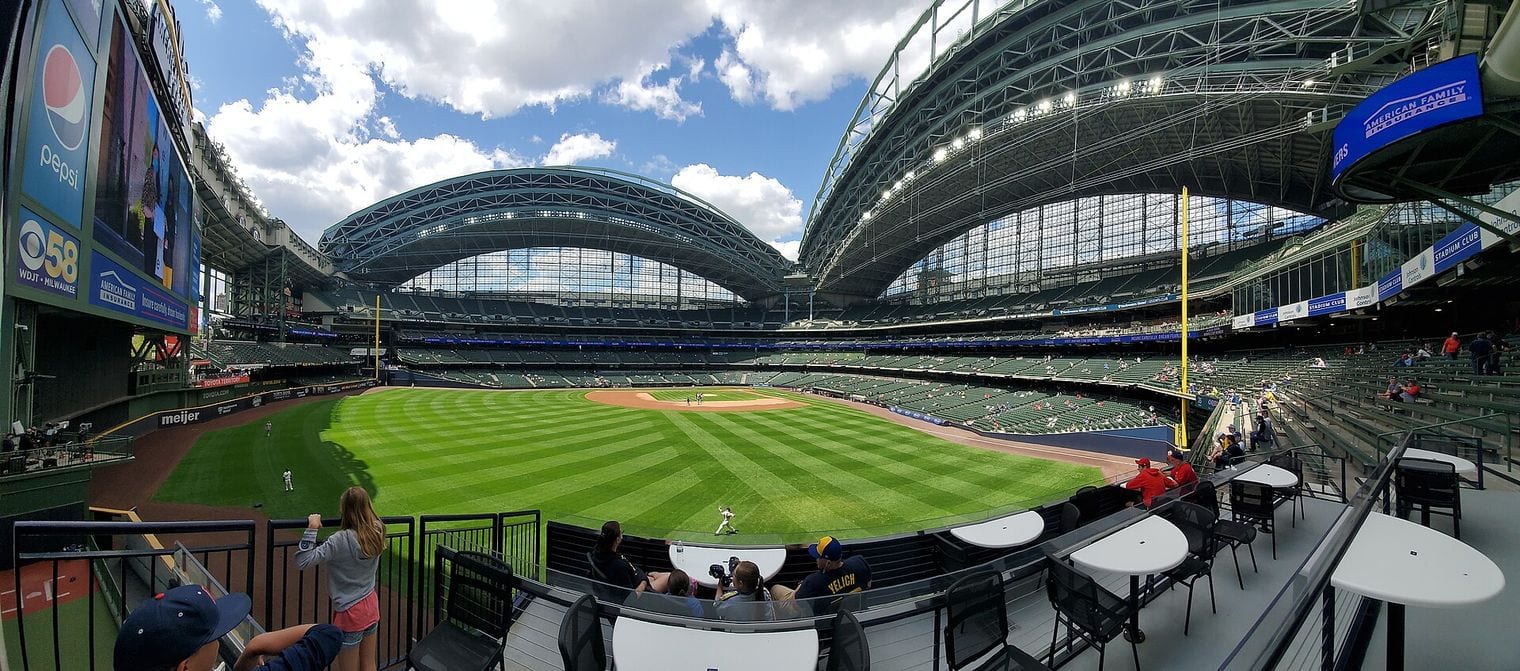
At 41,900 seats, American Family Field is the 12th-largest park in the majors and the home of the Milwaukee Brewers. It opened in 2001 and was known as Miller Park until 2020.
Its fan-shaped convertible roof, the only one of its kind in North America, opens or closes in less than 10 minutes, a real help in a Wisconsin April. Team mascot Bernie Brewer has a chalet above the left-field seats and rides a slide onto a home-plate-shaped platform after every Brewers home run and victory.
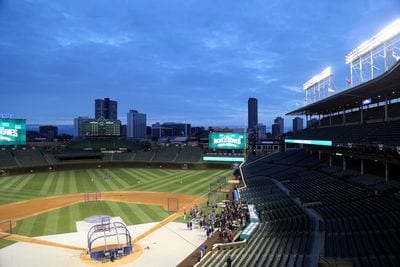
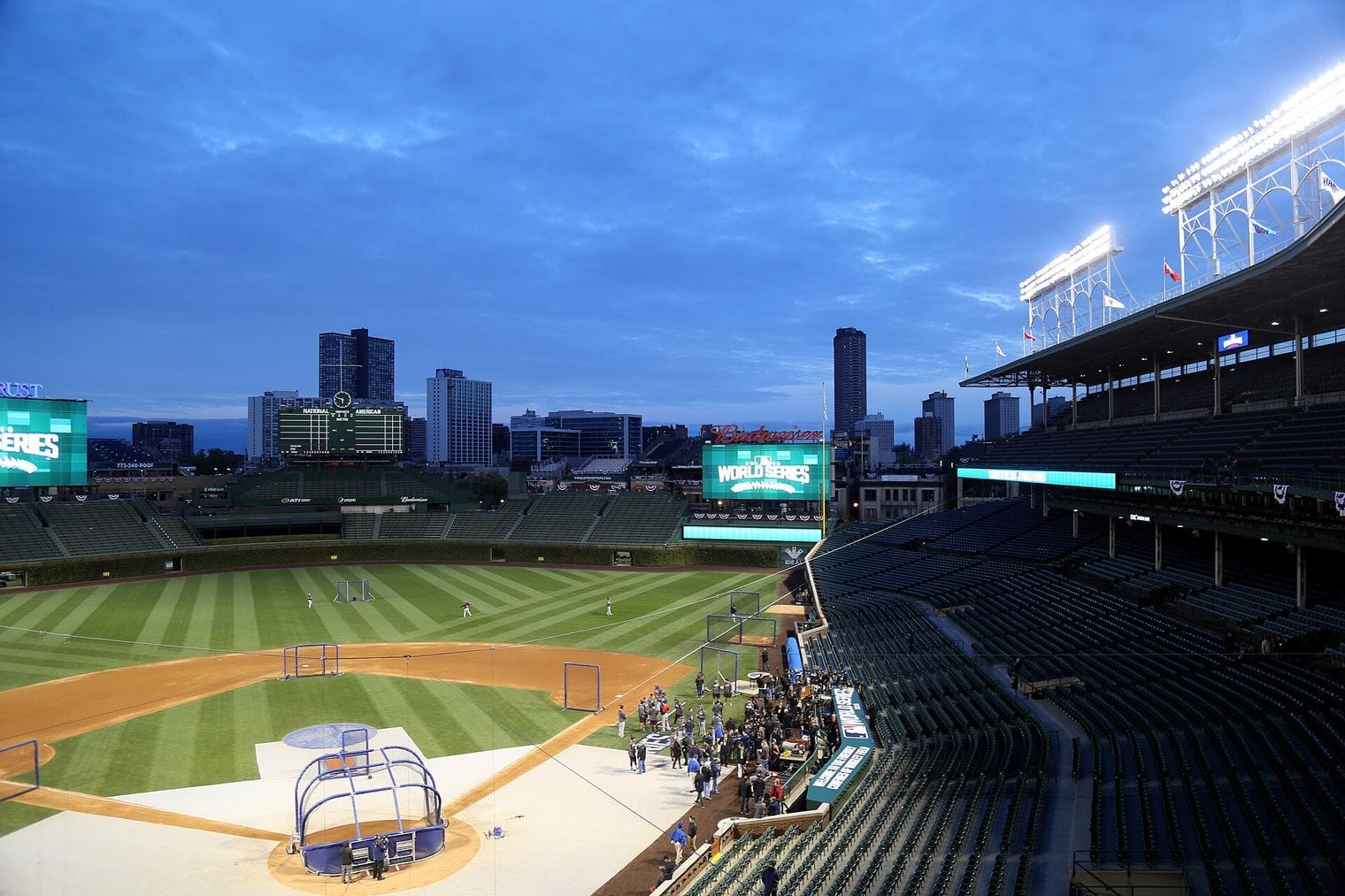
At 41,649 seats, Wrigley Field is the 13th-largest park in the majors and, having opened in 1914, the second-oldest after Fenway Park. The Chicago Cubs have played here on the city's North Side since 1916, and it is the oldest park in the National League and the last remaining Federal League ballpark.
Its ivy-covered brick outfield wall, the red marquee over the main entrance and the hand-turned scoreboard make it one of the most recognizable parks in sports, and the wind off Lake Michigan can make it a hitter's park one day and a pitcher's park the next.
Get new guides like this by email
One email every Thursday with our newest guides for the places you tick.
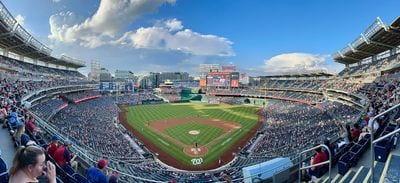
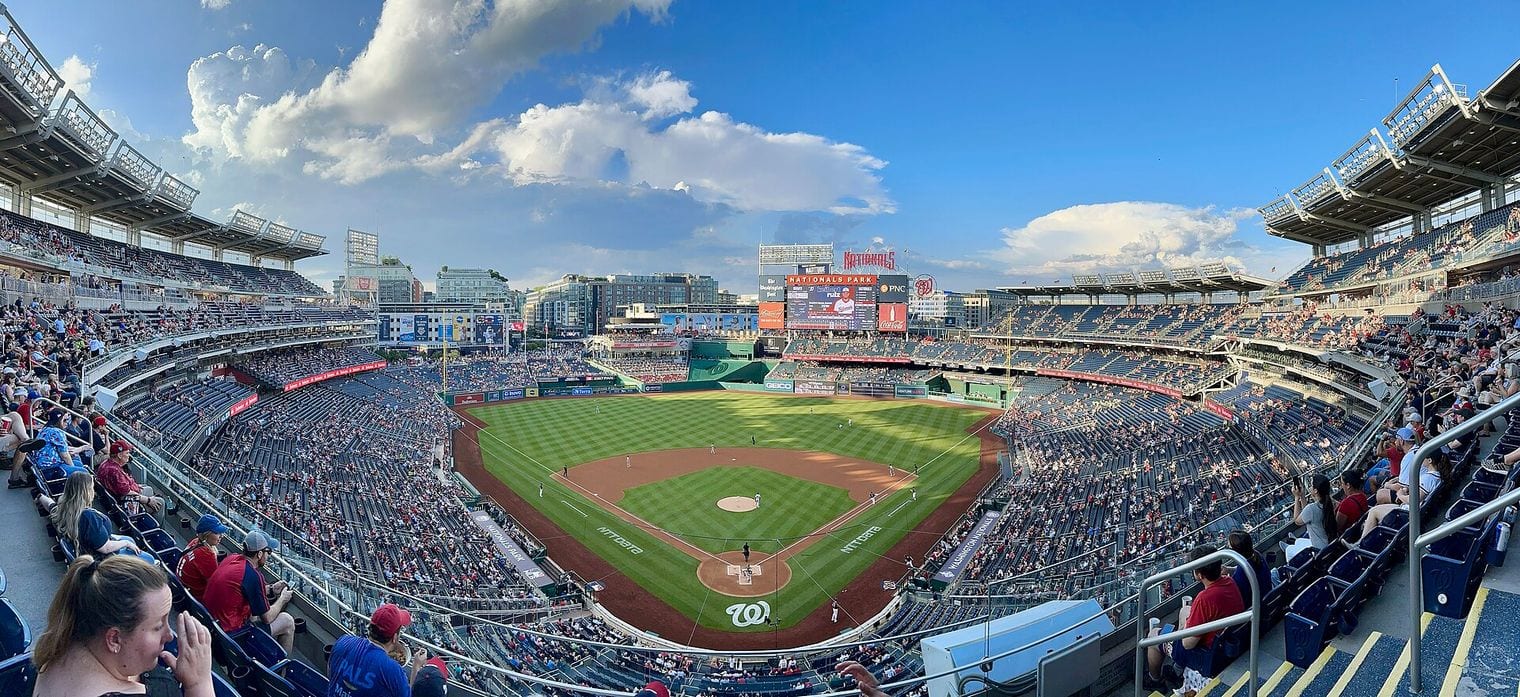
At 41,373 seats, Nationals Park is the 14th-largest park in the majors, set on the Anacostia River waterfront in the Navy Yard neighborhood of Washington, D.C. Completed in 2008, it was the first LEED-certified green major professional sports stadium in the United States.
From the upper decks on the first-base side, fans can see the Washington Monument and the Capitol, a reminder of which city the Washington Nationals call home. The riverfront setting makes for an easy walk before or after a game.
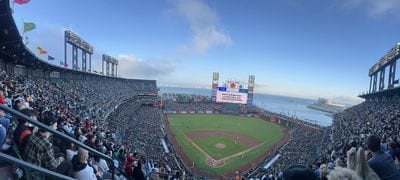
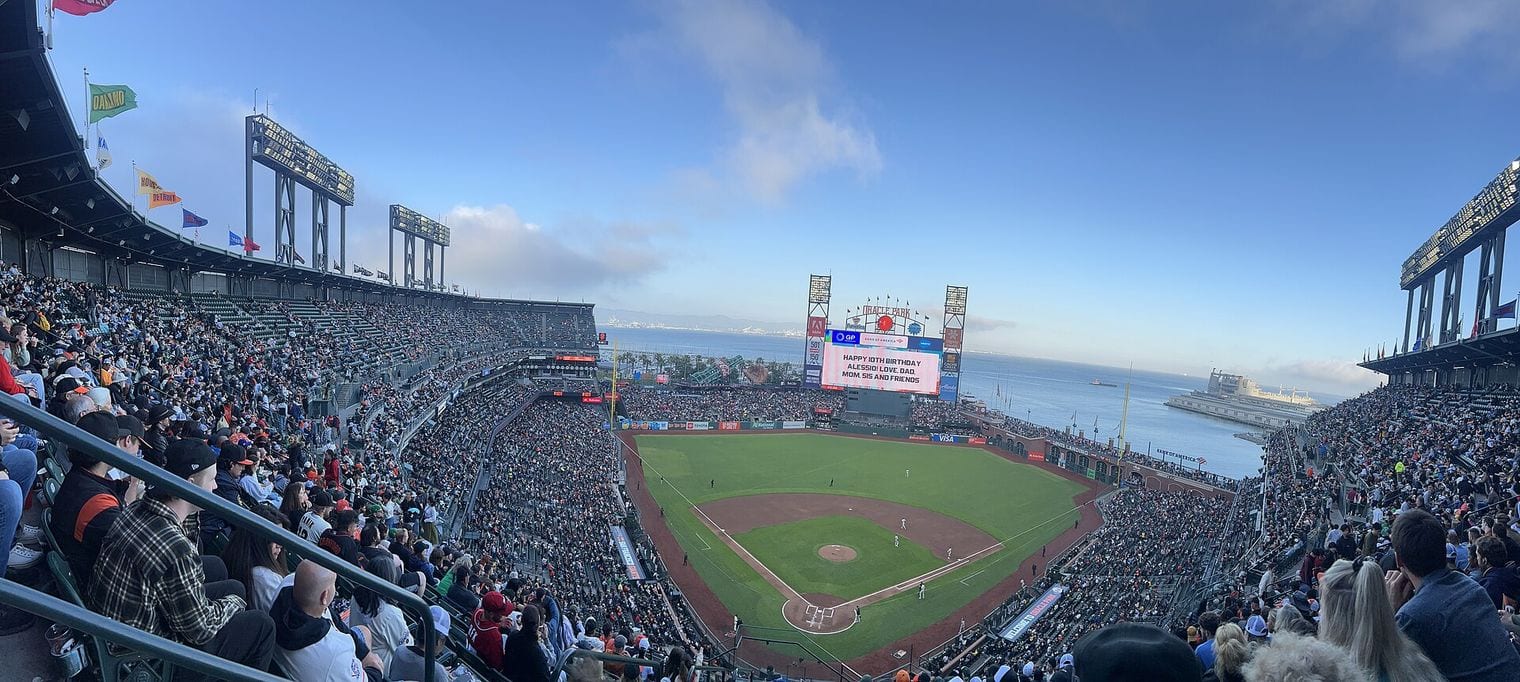
At 41,331 seats, Oracle Park is the 15th-largest park in the majors and has been the home of the San Francisco Giants on the shore of San Francisco Bay since 2000. When it opened, it was the first MLB ballpark built without public funds since Dodger Stadium in 1962.
Home runs that clear the right-field wall can land in McCovey Cove, the stretch of bay named for Giants great Willie McCovey, where fans wait in boats with fishing nets for a "splash hit." Published capacities for Oracle Park vary, from the 40,260 of its opening year to about 42,300; 41,331 is the figure in use since 2021.
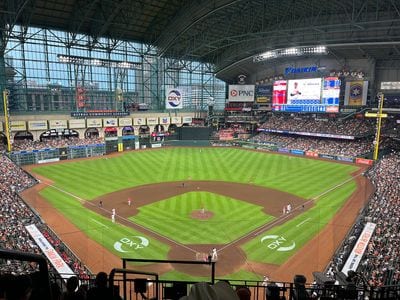
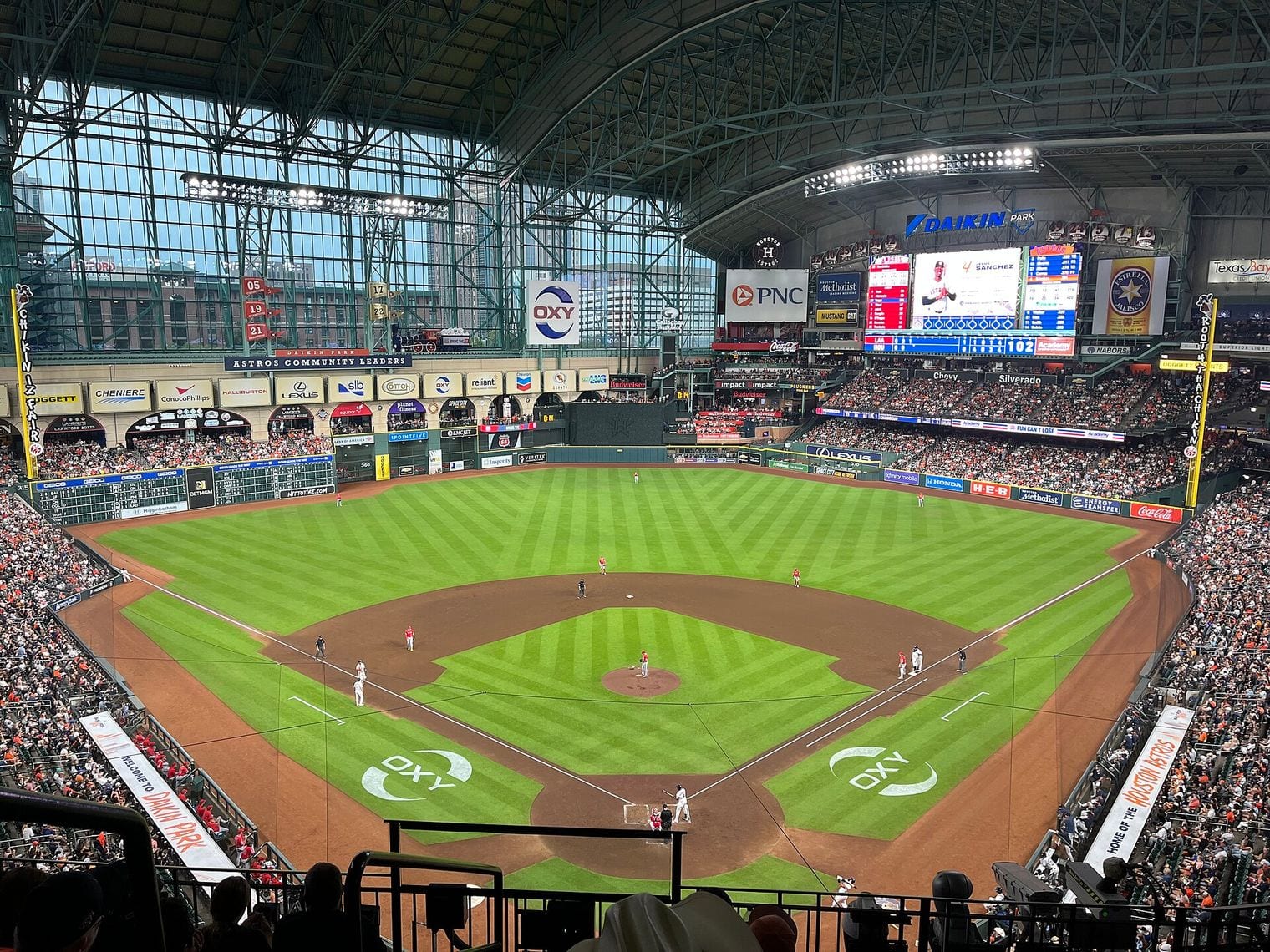
At 41,168 seats, Daikin Park is the 16th-largest park in the majors and the home of the Houston Astros in downtown Houston. It opened in 2000 with a retractable roof against the Gulf Coast heat and was known as Minute Maid Park until it took the Daikin name on January 1, 2025.
The main entrance is inside Houston's historic Union Station, and a railway along the left-field side, with a large model train, honors the site's railroad past. The Crawford Boxes, a section of seats above the left-field wall, run parallel to Crawford Street.
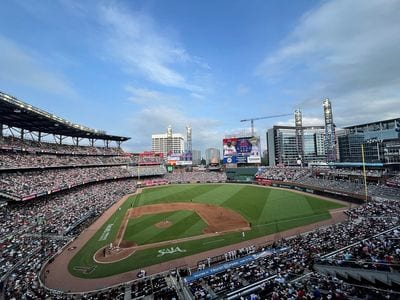
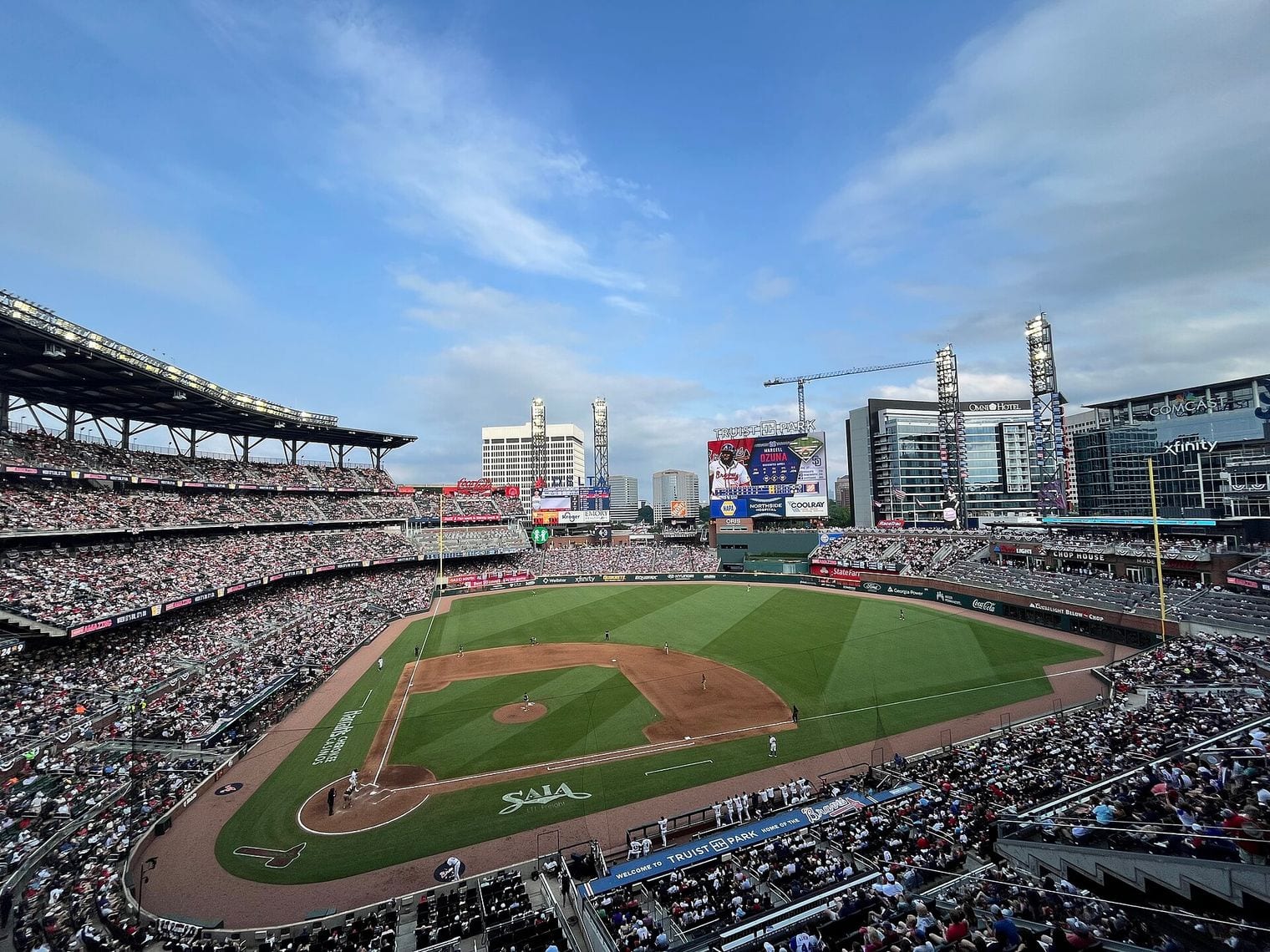
At 41,084 seats, Truist Park is the 17th-largest park in the majors and has been the home of the Atlanta Braves since 2017, in Cumberland, about 10 miles northwest of downtown Atlanta. It anchors The Battery Atlanta, a mixed-use district of shops, restaurants and offices built alongside the ballpark.
This is the closest call on the list. Truist Park sits exactly one seat above Comerica Park's 41,083, and 41,084 is the lowest exact count published for it; Wikipedia gives 41,108, MLB.com 41,147 and the Braves' 2023 media guide 41,184, so every source keeps it ahead.
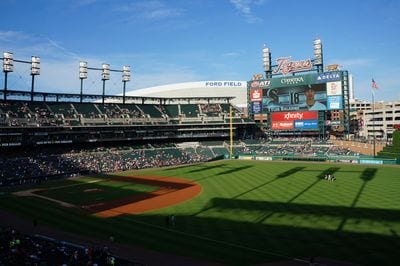
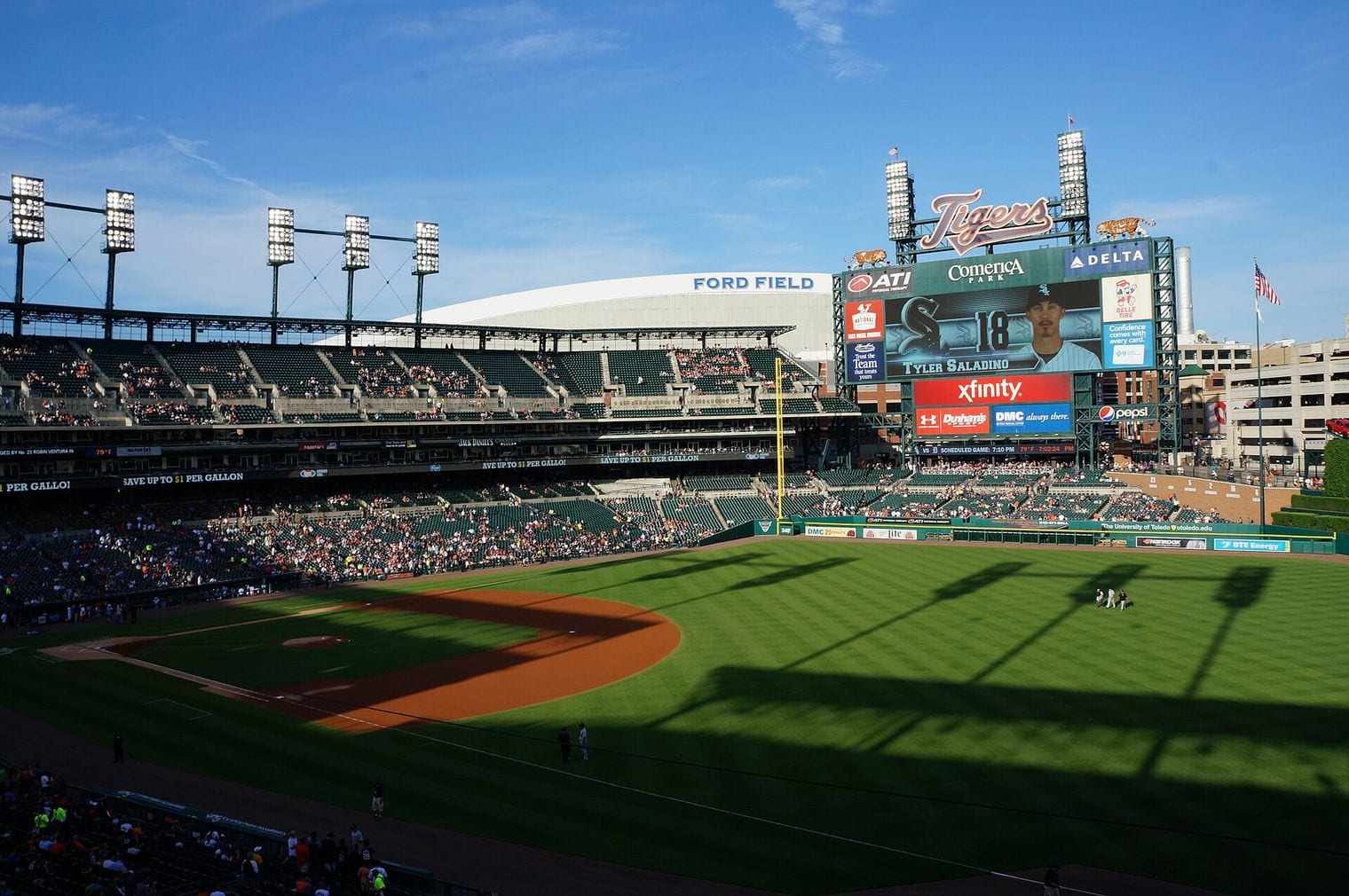
At 41,083 seats, Comerica Park is the 18th-largest park in the majors, a single seat behind Truist Park. The Detroit Tigers have played in this downtown Detroit park since 2000, after more than a century at the corner of Michigan and Trumbull in Corktown.
The name is about to change: after Fifth Third Bank completed its acquisition of Comerica in February 2026, the club announced that the park will become Fifth Third Park in 2027. The Tigers' ballpark guide lists 41,083 seats, while an MLB.com explainer gives 40,988.
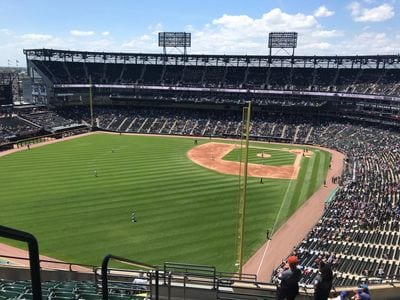
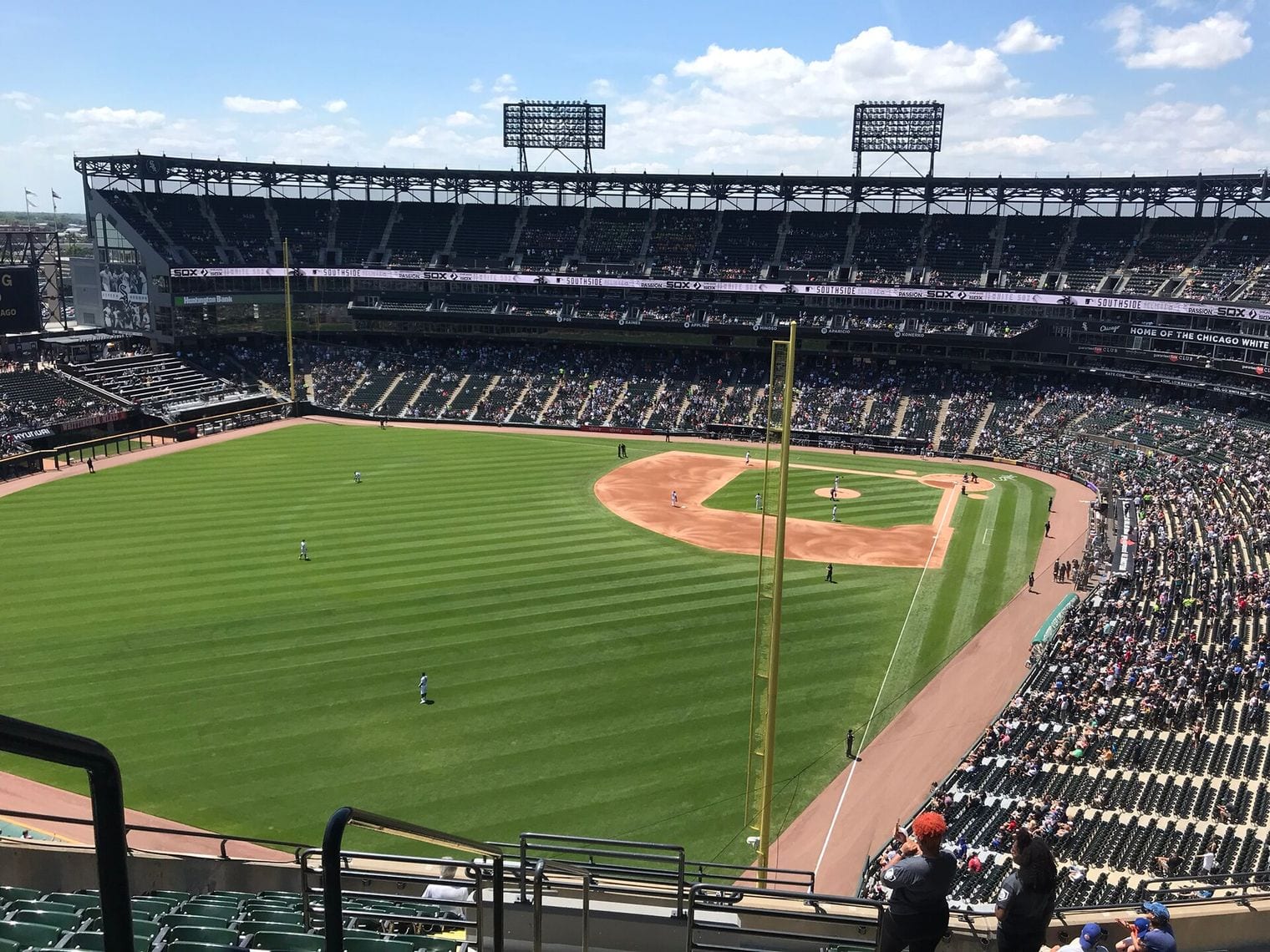
At 40,615 seats, Rate Field is the 19th-largest park in the majors and the home of the Chicago White Sox on the city's South Side. It opened in 1991 as Comiskey Park, across 35th Street from the 1910 original, and carried the names U.S. Cellular Field and Guaranteed Rate Field before becoming Rate Field in 2025.
A marble plaque on the sidewalk marks where old Comiskey's home plate stood, with the foul lines painted in the parking lot. Inside, the "exploding scoreboard" pays homage to the one Bill Veeck installed at the old park in 1960.
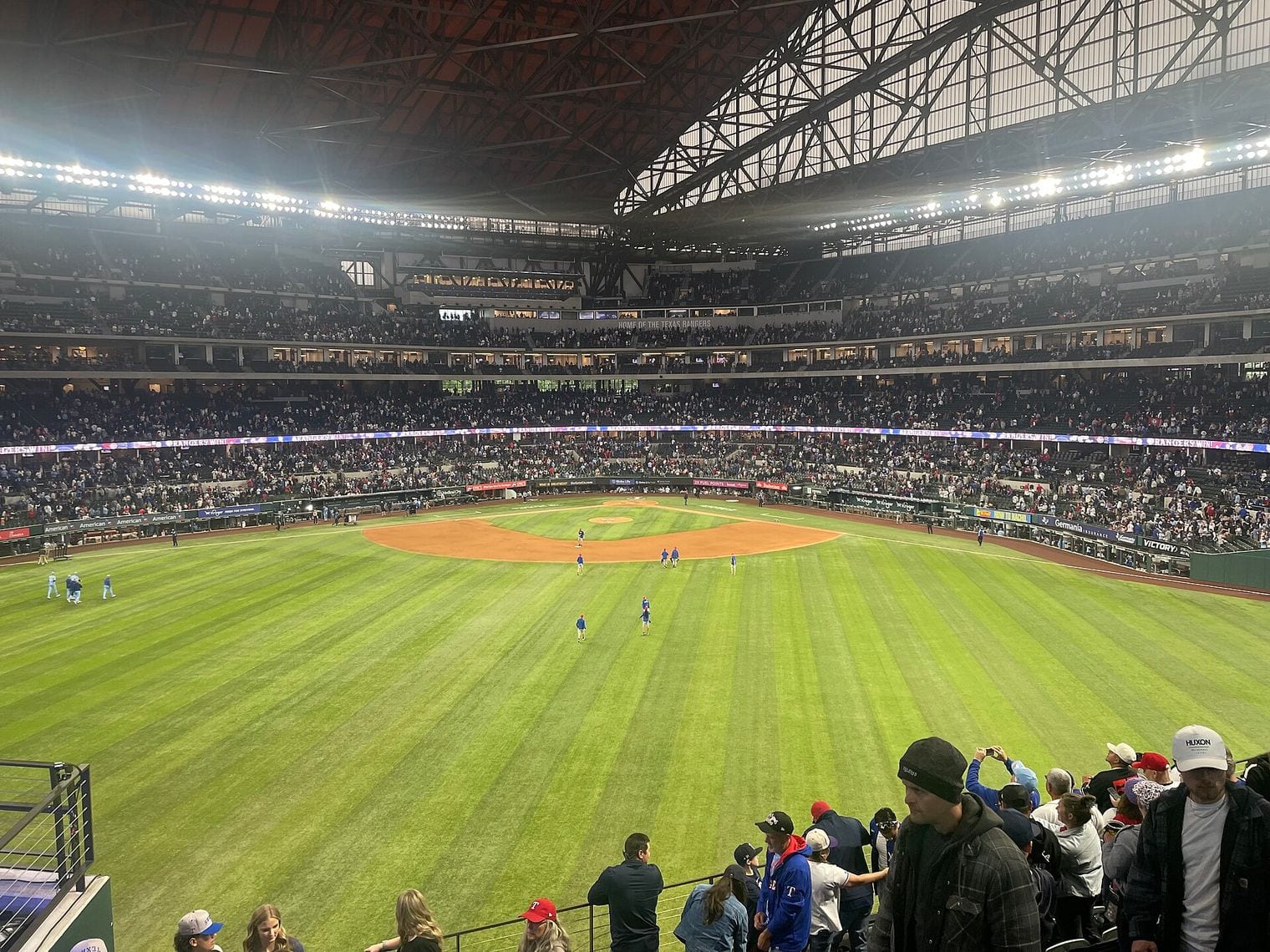
At 40,300 seats, Globe Life Field is the 20th-largest park in the majors and the home of the Texas Rangers in Arlington, between Dallas and Fort Worth. It opened in 2020 with a retractable roof, just south of Globe Life Park, the Rangers' open-air park from 1994, now reconfigured as Choctaw Stadium.
Because of the pandemic, all six games of the 2020 World Series were played here at a neutral site, making it the only venue to host a World Series without its own team in it. Three years later the Rangers won their first World Series title, with their home games played here.
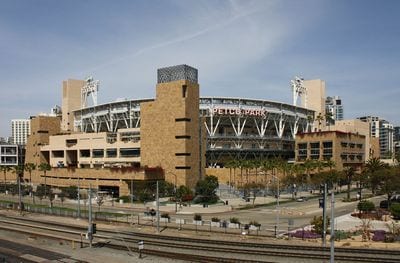
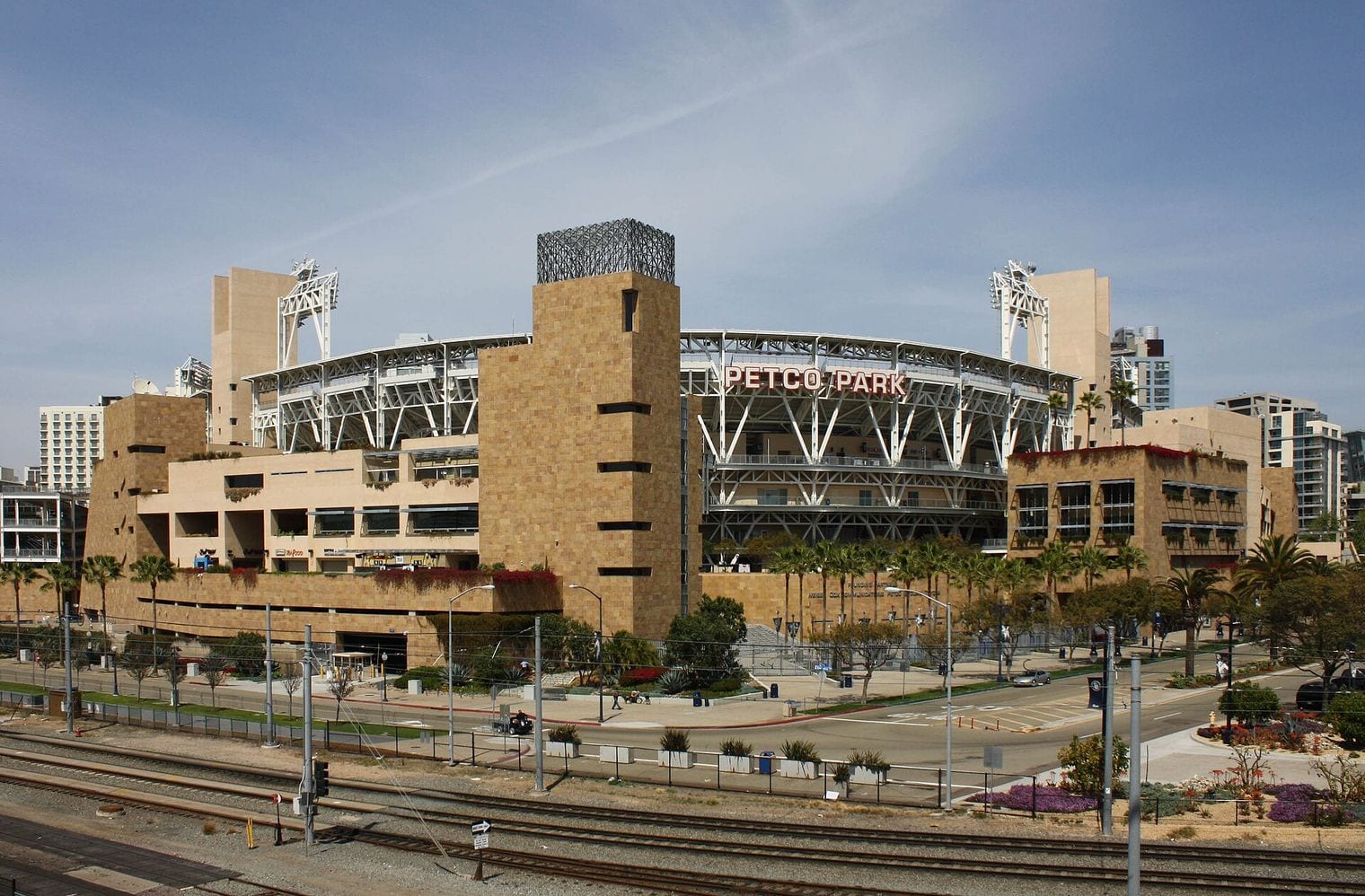
At 39,860 seats, Petco Park is the 21st-largest park in the majors, in the East Village of downtown San Diego next to the Gaslamp Quarter. The San Diego Padres opened it in 2004.
Its signature is the Western Metal Supply Co. building, a century-old brick warehouse that was saved and built into the ballpark; its southeast corner serves as the left-field foul pole. The 39,860 count covers fixed seats, and standing room and a grassy park beyond the outfield add space on busy nights.
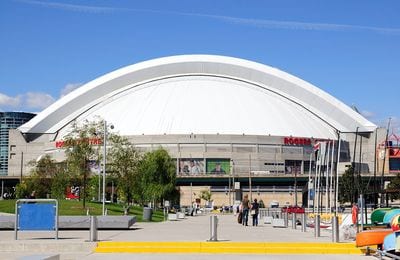
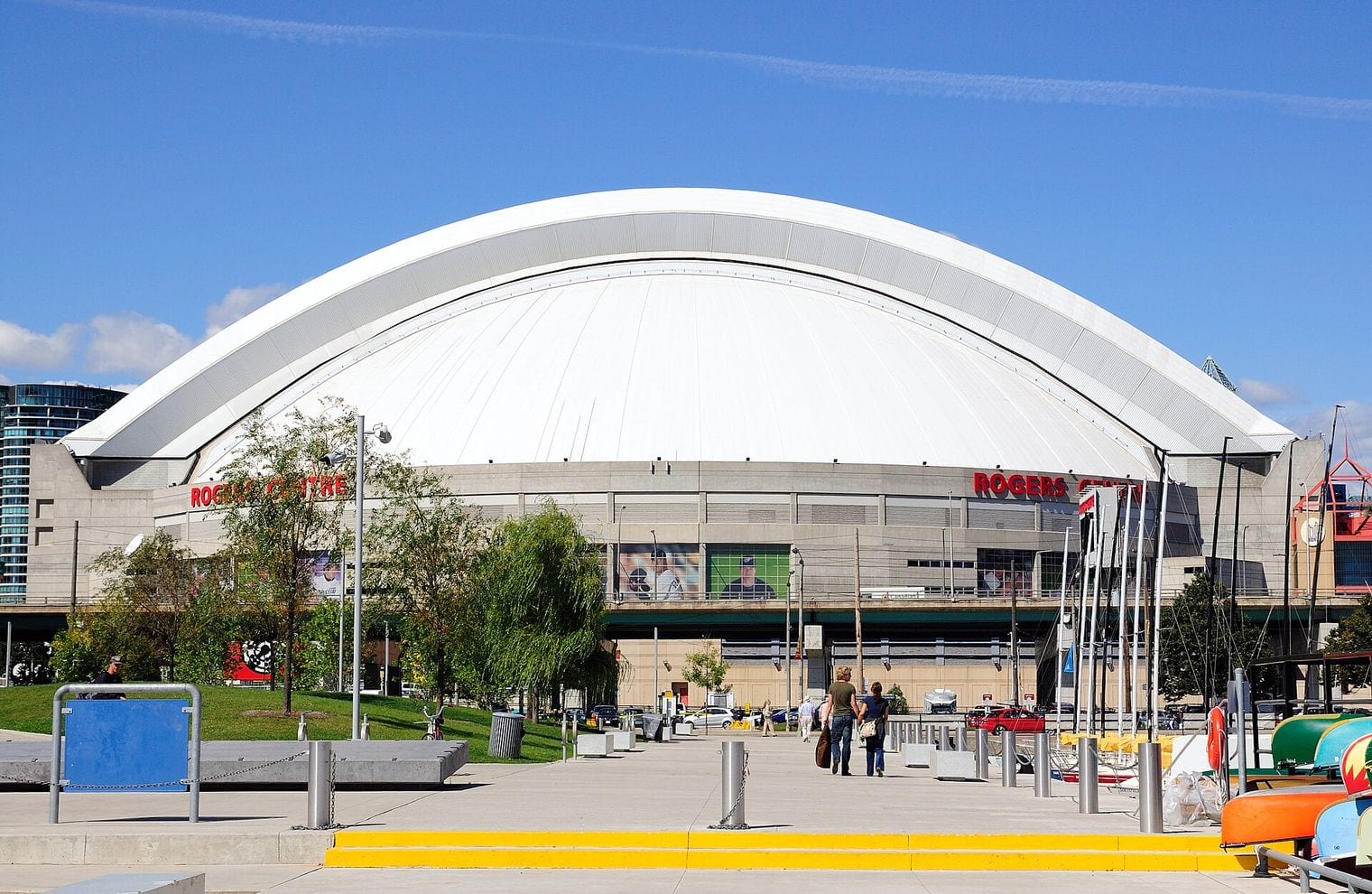
At 39,150 seats, the Rogers Centre in Toronto is the 22nd-largest park in the majors and the only one outside the United States. It opened in 1989 as SkyDome at the foot of the CN Tower, the first stadium with a fully retractable motorized roof, and it is the home of the Toronto Blue Jays.
A hotel is built into the stadium, with rooms that look out over the field. The baseball capacity fell from 49,282 in 2022 to 39,150 after a two-phase, $400 million rebuild of the interior over the 2022–23 and 2023–24 offseasons, which brought fans closer to the action.
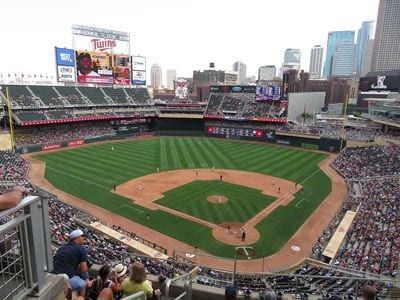
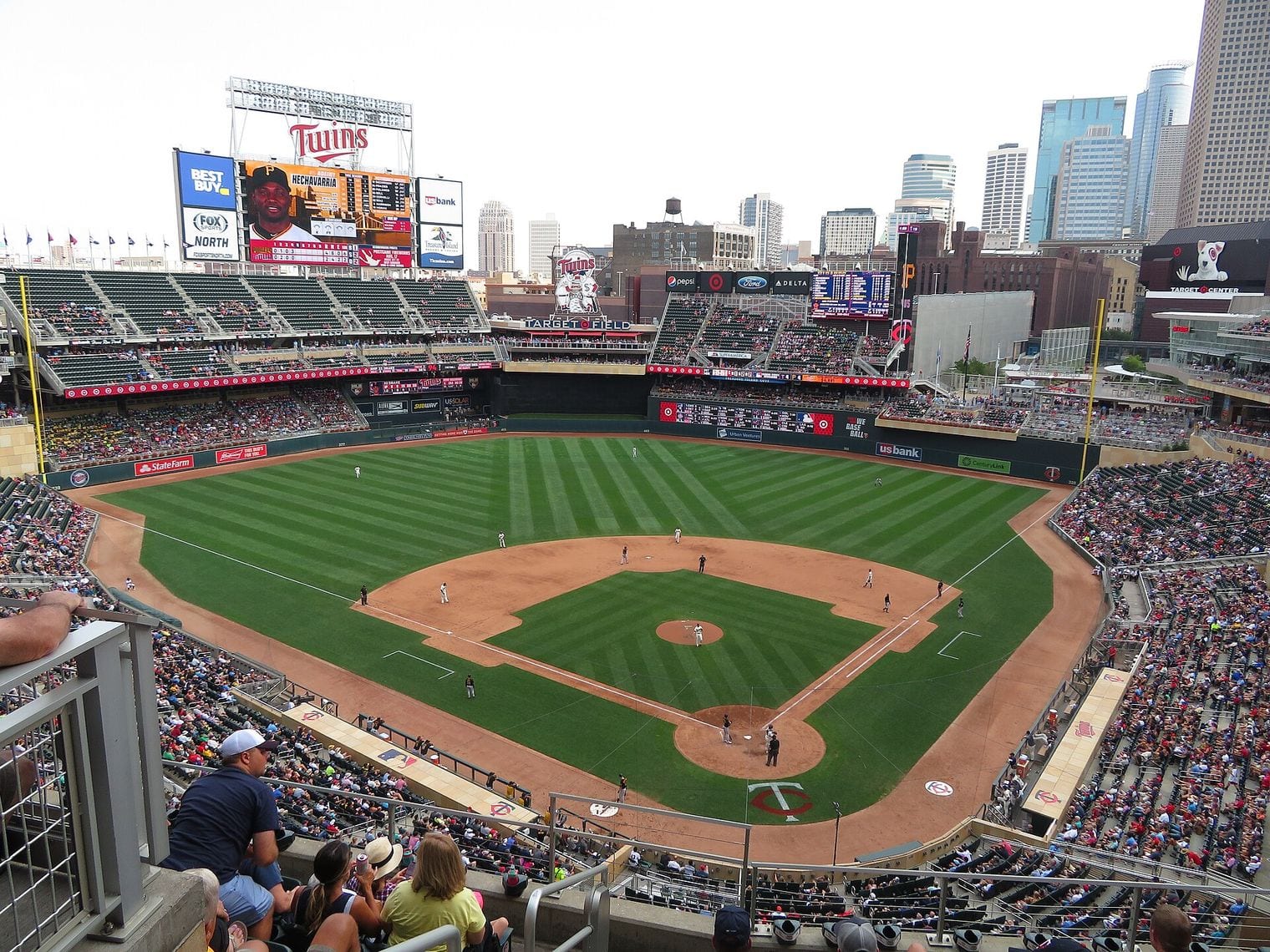
At 38,544 seats, Target Field is the 23rd-largest park in the majors and has been the home of the Minnesota Twins in downtown Minneapolis since 2010. It is an open-air park built with local Kasota limestone, with heated viewing areas and a heated field for cold spring nights.
In its first season, ESPN The Magazine ranked it the number one stadium experience in North America. The Twins' 2026 media guide lists about 38,544 seats, unchanged since 2019, which keeps it just above PNC Park.
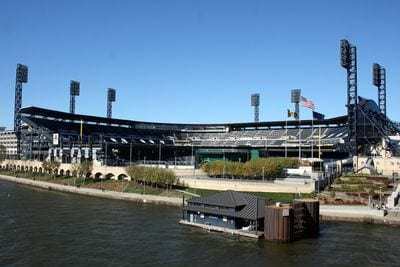
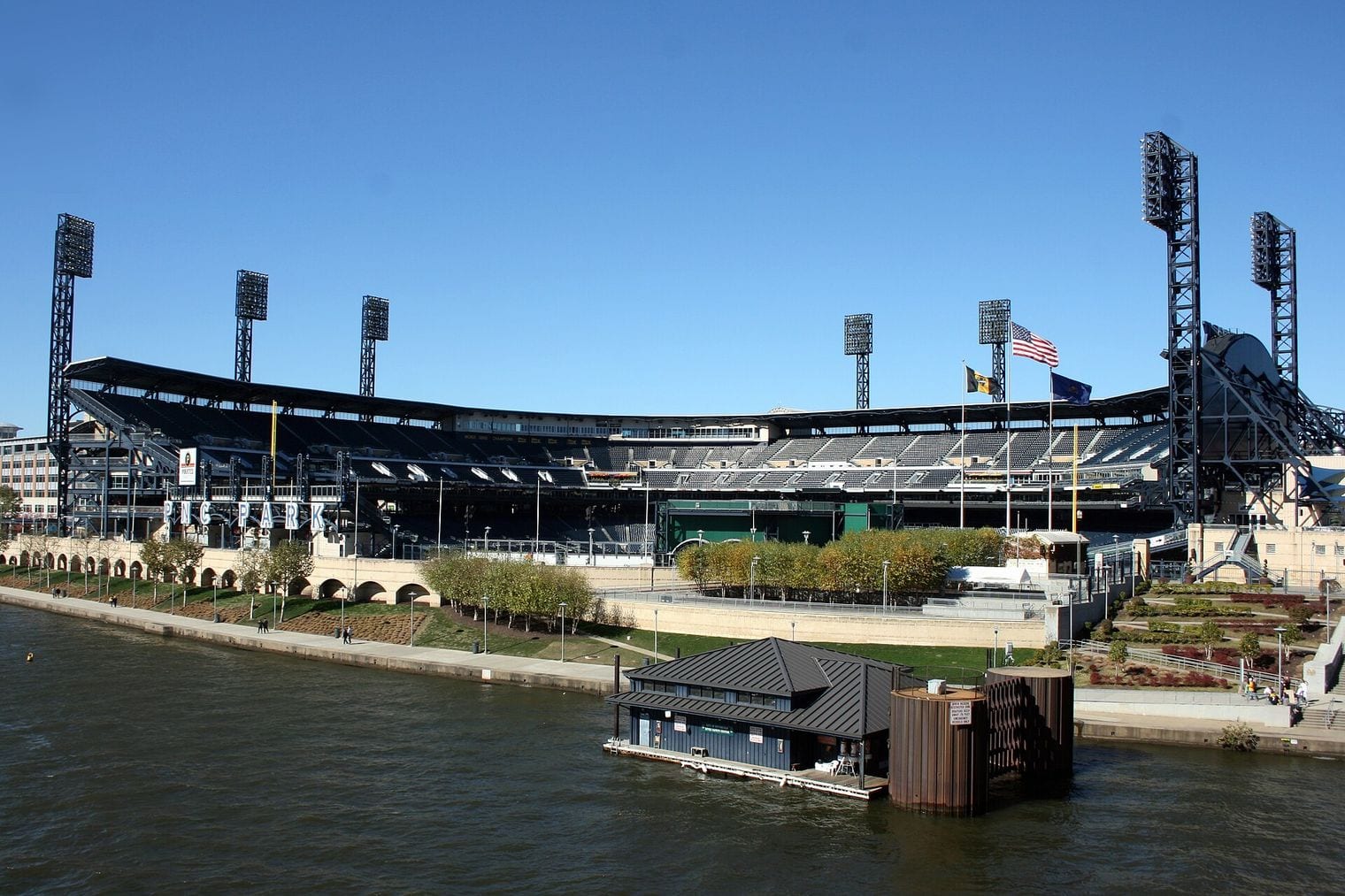
At 38,048 seats, PNC Park is the 24th-largest park in the majors, set on the Allegheny River with a view of the downtown Pittsburgh skyline. It opened in 2001, and on game days the Roberto Clemente Bridge, renamed for the Pirates great, closes to cars so fans can walk across from downtown.
This rank depends on the source. The Pittsburgh Pirates' 2025 and 2026 media guides print 38,048 seats, but MLB.com and Wikipedia still give 38,747 and the club's own ballpark page says 38,362. At 38,747, PNC Park would rank above Target Field; this list follows the club's media guide.
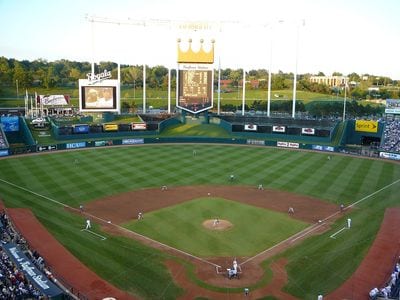
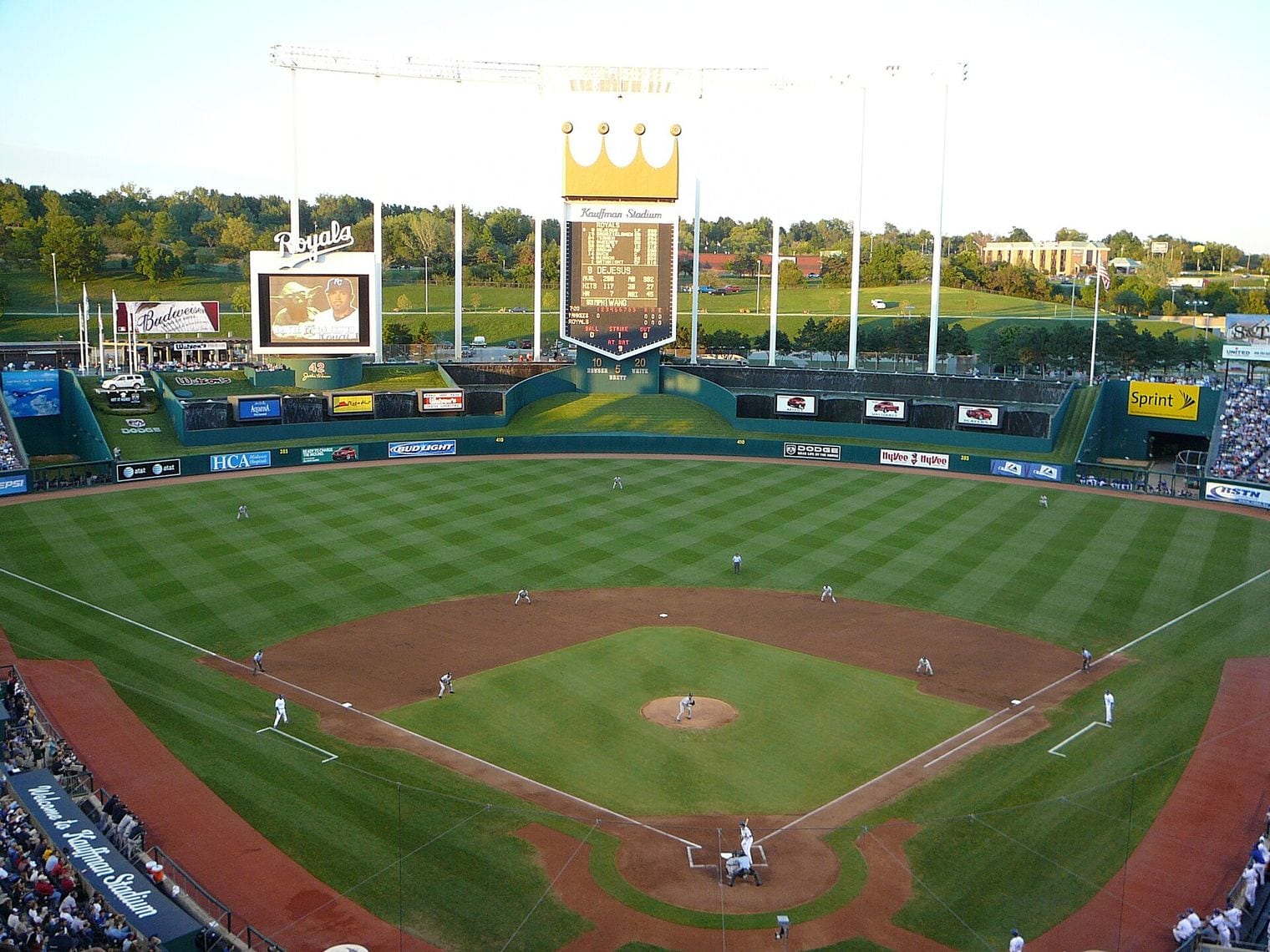
At 37,903 seats, Kauffman Stadium is the 25th-largest park in the majors, part of the Truman Sports Complex in Kansas City alongside the Chiefs' football stadium. It opened in 1973 as Royals Stadium, took the name of Kansas City Royals founder Ewing Kauffman in 1993, and hosted World Series games in 1980, 1985, 2014 and 2015.
Its best-known feature is the Water Spectacular behind the right-field fence: at 322 feet, it is the largest privately funded fountain in the world, with fountains between innings and waterfalls that flow all game. A 2009 renovation cut the capacity from 40,793 seats to close to today's figure.
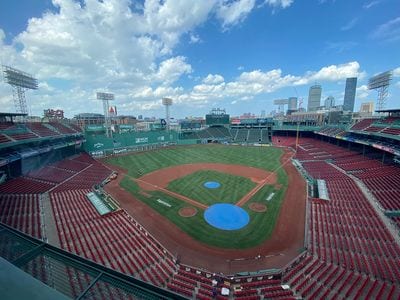
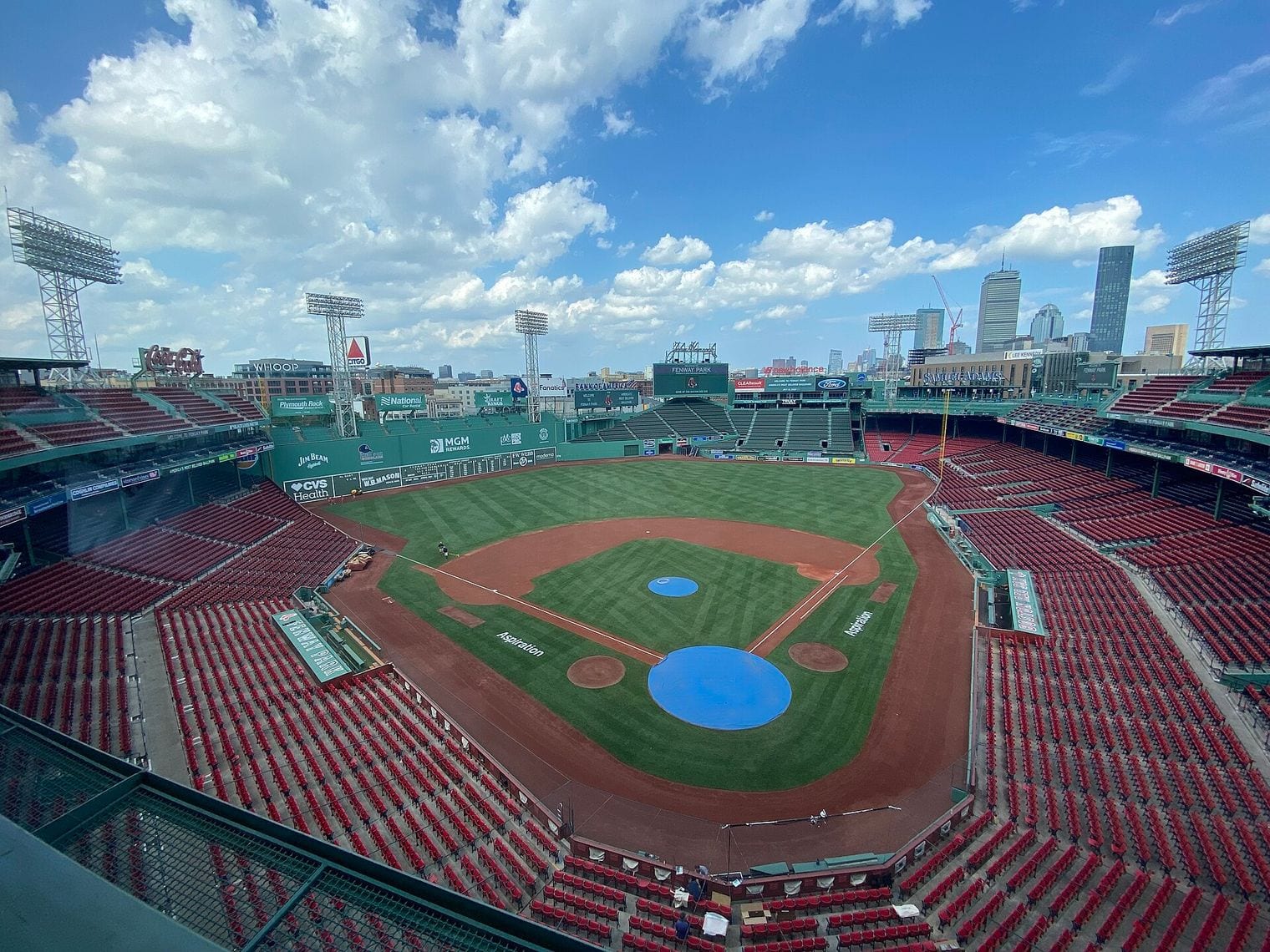
At 37,555 seats for a night game, Fenway Park is the 26th-largest park in the majors and, having opened in 1912, the oldest. It has been the home of the Boston Red Sox since 1912, a park substantially rebuilt in 1934 and renovated again in the 21st century, tucked into the dense Fenway–Kenmore neighborhood.
The 37-foot Green Monster in left field is its most famous feature, along with quirks such as Pesky's Pole and the Triangle in center field. The Red Sox 2026 media guide lists 37,555 seats at night and 37,105 by day, 200 below the 37,755 still shown on the club's website and Wikipedia; either number keeps Fenway 26th.
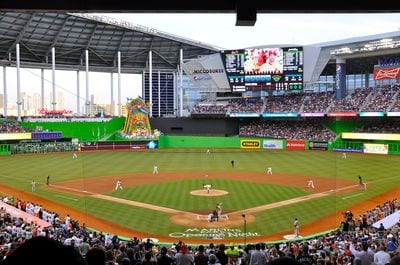
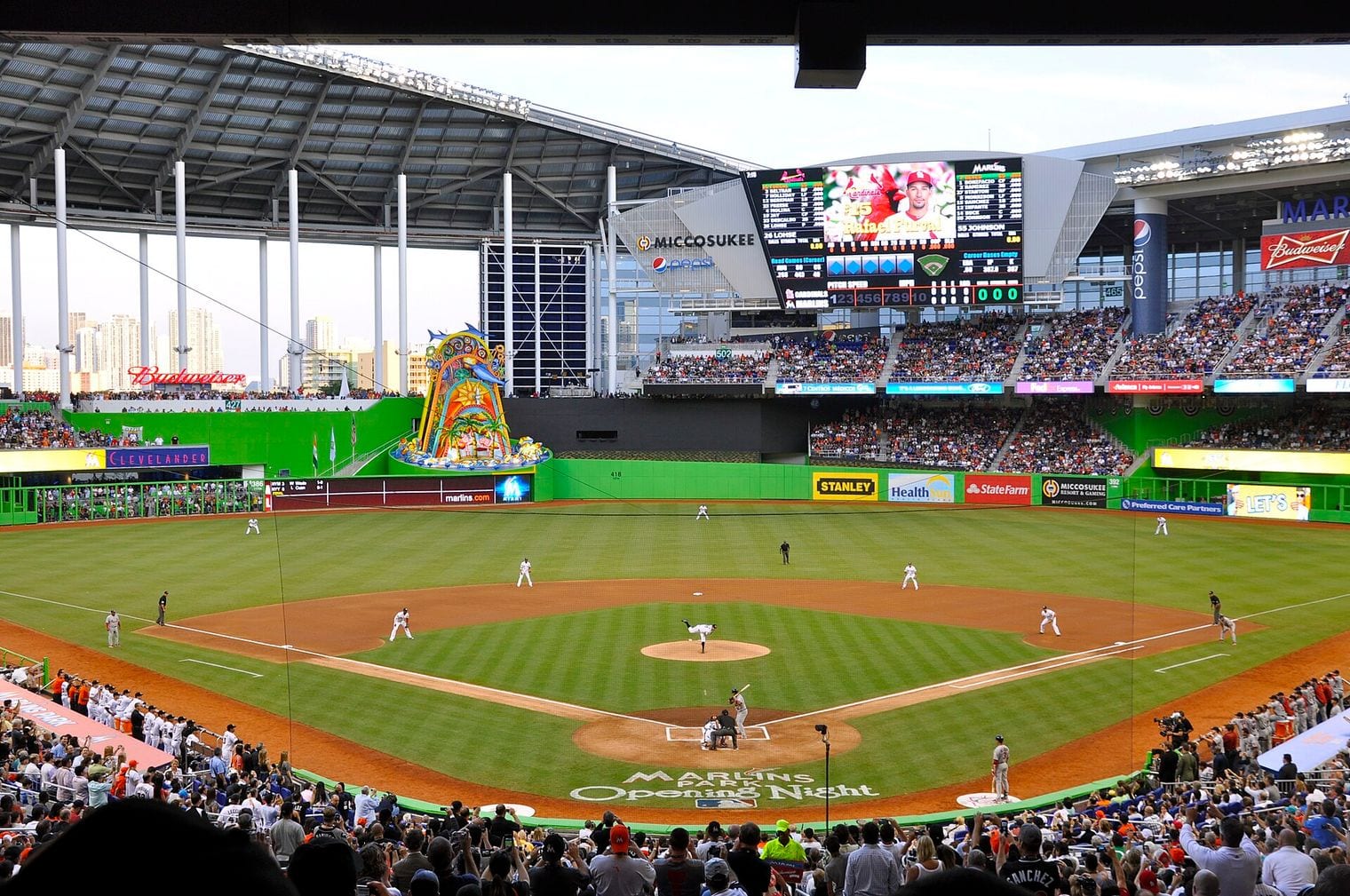
At 37,442 seats, loanDepot park is the 27th-largest park in the majors and the home of the Miami Marlins in Little Havana, about 2 miles west of downtown Miami. It opened in 2012 as Marlins Park, on the site of the Miami Orange Bowl, and was renamed in 2021.
Its retractable roof shelters fans from South Florida's summer rain and heat, and artist Red Grooms designed its Home Run Sculpture, a tropical scene of flamingos, marlins and palm trees. The Marlins list about 37,442 seats; counted without standing room, the park holds 36,742.
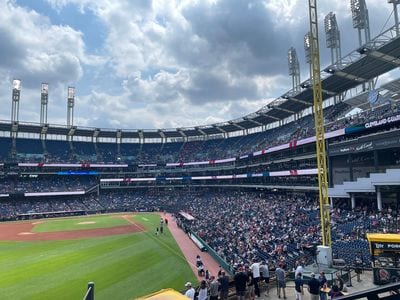
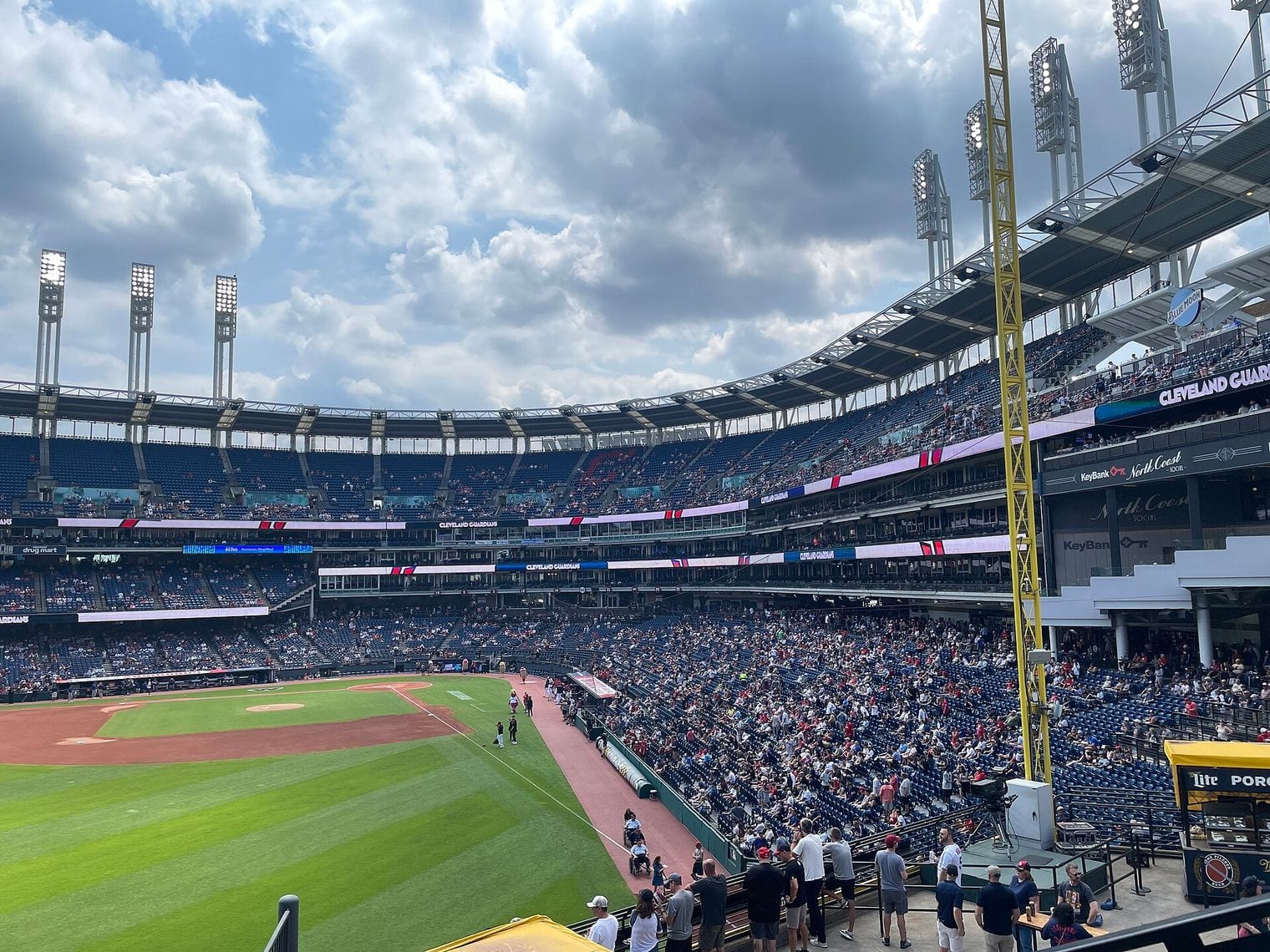
At 33,530 seats, Progressive Field is the 28th-largest park in the majors and the home of the Cleveland Guardians in downtown Cleveland. It opened in 1994 as Jacobs Field, and between 1995 and 2001 the team sold out 455 consecutive regular-season games.
When it opened, it listed 42,865 seats; renovations since have traded seats for social spaces and better views, and the latest phase took the count from 34,820 in 2025 to 33,530 for 2026. The Guardians' 2026 total includes some standing-rail spots in left field.
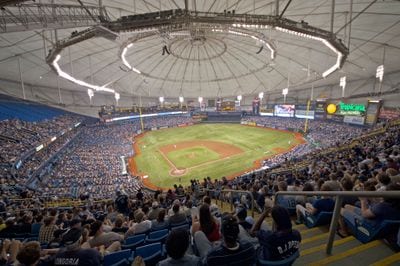
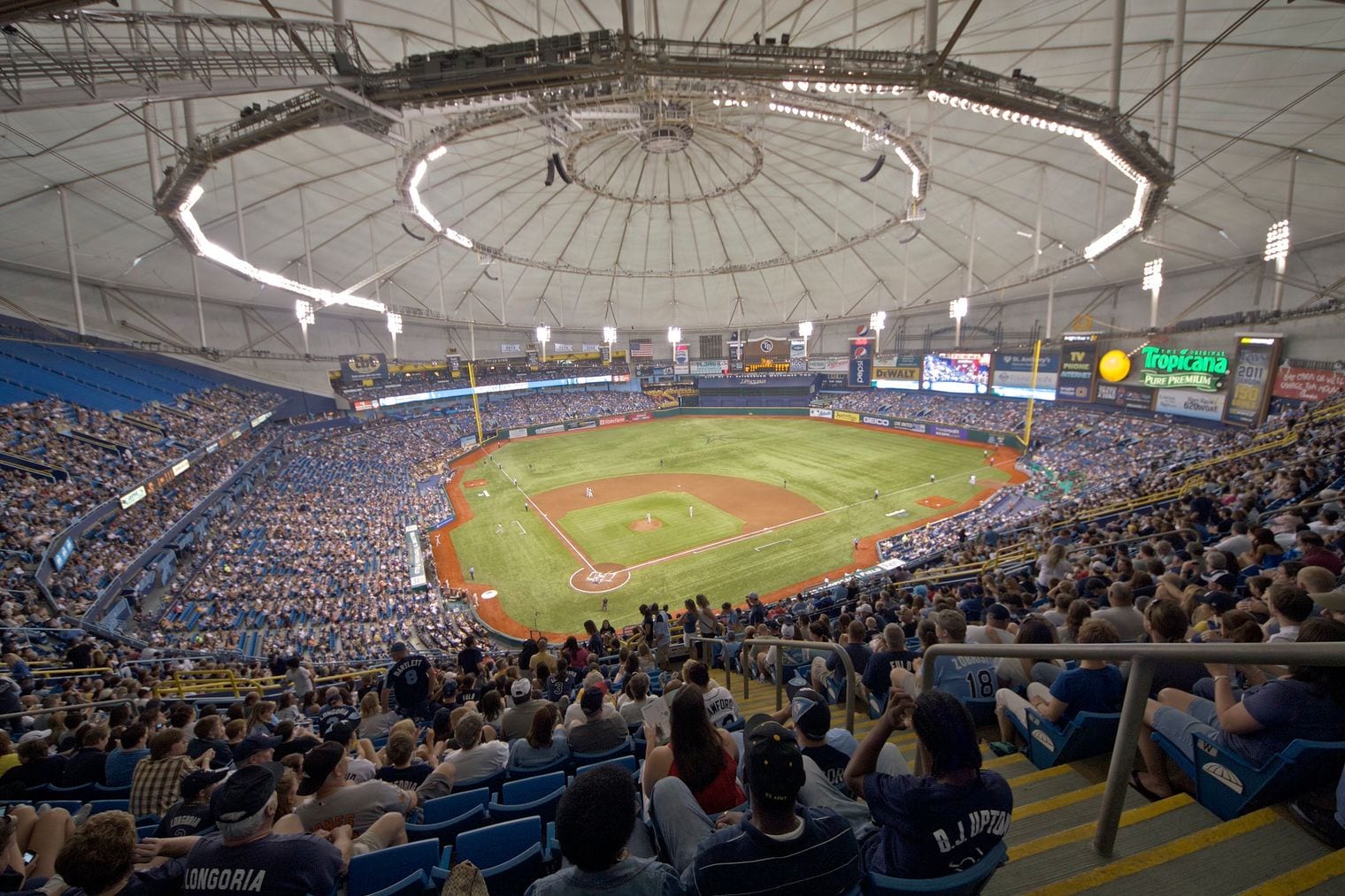
At 25,025 seats, Tropicana Field in St. Petersburg is the 29th-largest park in the majors and the only one under a fixed dome. It opened in 1990 as the Florida Suncoast Dome, and the Tampa Bay Rays have played here since their first season in 1998.
The capacity is small by design: since 2019 the Rays have kept the upper deck tarped off, holding the count at 25,025, the lowest of any club's permanent home. Hurricane Milton tore away much of the fabric roof in October 2024, so the Rays played 2025 at George M. Steinbrenner Field in Tampa, then returned to the repaired dome on April 6, 2026.
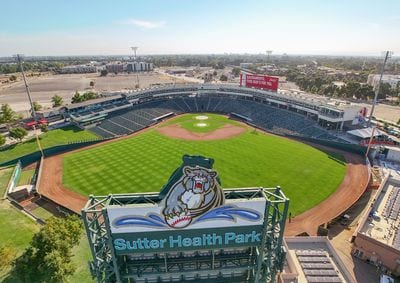
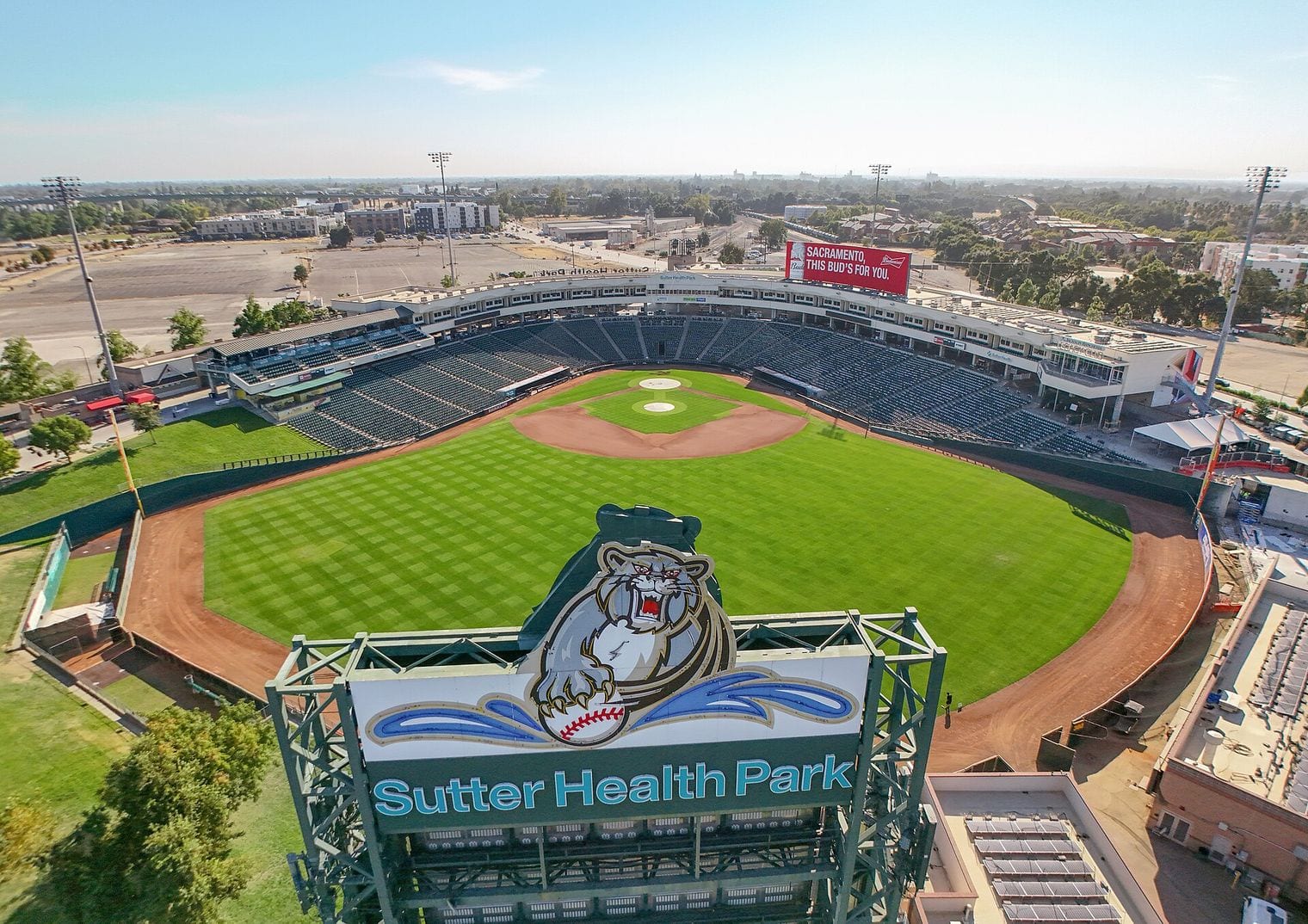
At 14,014 seats, Sutter Health Park in West Sacramento is the smallest home park in the majors, a Triple-A ballpark serving as the temporary home of the Athletics. Known as Raley Field from 2000 to 2019, it stands across the Sacramento River from the California State Capitol and is also home to the Sacramento River Cats.
The total counts 10,624 permanent seats plus grass berms in left and right field, so fans on the lawn are part of the capacity. The Athletics are scheduled to play here through 2027, with their new ballpark in Las Vegas expected to open in 2028.
FAQ: MLB's Largest Stadiums
What is the largest MLB stadium?
Dodger Stadium in Los Angeles is the largest, with 56,000 seats, and it is the only MLB park over 50,000. A conditional-use permit caps its seating at that number. Chase Field in Phoenix is a distant second at 48,263, followed by Seattle's T-Mobile Park at 47,368.
What is the smallest MLB stadium?
Sutter Health Park in West Sacramento, the Athletics' temporary home until their Las Vegas ballpark opens, holds 14,014, counting its grass berms. Among permanent homes, Tropicana Field is smallest at 25,025, because the Rays keep its upper deck tarped off, followed by Progressive Field at 33,530.
Why do MLB stadium capacities differ between sources?
Clubs revise their seat counts after renovations, and rankings copy older numbers. This list uses each club's own 2026 figure, usually from its media guide, which often differs from Wikipedia's table: the Reds list 45,814 for Great American Ball Park, where Wikipedia says 43,500. Standing room is left out, so Coors Field counts 46,896, not 50,141.
What is the biggest crowd ever at an MLB game?
The record for a regular-season game is 91,032, set at the 2025 Speedway Classic between the Braves and the Reds at Bristol Motor Speedway in Tennessee, a racetrack converted for one weekend.
The all-time record is still the 92,706 who saw Game 5 of the 1959 World Series at the Los Angeles Memorial Coliseum, the Dodgers' temporary home before Dodger Stadium opened. No MLB ballpark comes close, since even Dodger Stadium holds 56,000; for big stadiums of every kind, see the largest stadiums in the US.
Which is the oldest MLB stadium?
Fenway Park in Boston, open since 1912, is the oldest, followed by Chicago's Wrigley Field (1914) and Dodger Stadium (1962). Age has little to do with size: Wrigley sits mid-table, while Fenway ranks 26th of 30. Our guide to the oldest baseball stadiums in the US covers the full history.
Sources & updates
How this ranking was checked
Checked before launch
Sources cited
30
Every figure in this ranking was checked against the record-keeper or official source behind it before publication, and the top of the ranking re-checked live so a newer record would not be missed.
One email every Thursday with our newest guides for the places you tick.
Newsletter
Get new guides like this by email
One email every Thursday with our newest guides for the places you tick.
We use cookies to analyse site traffic and improve your experience.
You can accept or reject analytics cookies. See our
May we use analytics cookies? See ourCookie Policy.