We build and rank every list first. Booking links come after, and only where
a partner sells a ticket, tour or stay for that exact place, so a place with
nothing to book is listed exactly as prominently as one you can book.
So how do we earn? Some links on this page go to booking
partners, and if you book tickets, tours or a stay through
one, we may earn a commission. It costs you nothing extra.
That commission never decides which places make the list, the order they
appear in, or what we write about them. No entry is sponsored or a paid
placement.
By the City Viking editorial teamPublished Ranked by area · 19 min read
Last verified Checked before launchOct 5, 202625 sources2 publishers24 government & parks1 encyclopedias & researchPublished · Oct 27, 2026Researched and checked before it went liveClick for every source and the full change log.
The record
8,323,146.48 acres3,368,257.9 ha
Wrangell–St. Elias National Park
United States
The record
The largest national park in the US is Wrangell–St. Elias National Park, in the United States — 8,323,146.48 acres (3,368,257.9 ha), area.
Source: NPS Land Resources Division, Listing of Acreage, 2026-06-30. Verified .
Short answer
Wrangell–St. Elias in Alaska is the largest national park in the US, at 8,323,146 acres, ahead of Gates of the Arctic at 7,523,897. Seven of the top nine are in remote Alaska, so for the biggest park you can drive across, head to Death Valley, the largest in the lower 48 at 3,408,375 acres.
The National Park Service calls Wrangell–St. Elias the largest national park in the country at 13.2 million acres, but that figure folds in its national preserve, a separate unit with its own line on the agency's acreage register.
Counted alone, the park covers 8,323,146 acres, and it still tops this list of the 25 largest of the 63 US national parks, ranked by gross area in the NPS Listing of Acreage of June 30, 2026, down to Grand Teton at 310,044 acres. The same rule applies to the five other Alaska parks paired with a preserve, which is why Lake Clark, 4 million acres with its preserve, ranks only seventh.
Only units titled national park count, so Noatak National Preserve, at 6,587,071 acres, and Lake Mead National Recreation Area, at 1,495,856, stay off the list despite out-sizing most of it. Seven of the top nine are in Alaska, and the Grand Canyon comes in only 11th.
Seven of the nine largest are in Alaska: only Death Valley at No. 5 and Yellowstone at No. 8 break the run, and Death Valley is the largest national park in the lower 48.
Wrangell–St. Elias alone is bigger than each of the nine smallest states, and with its national preserve, at 13.2 million acres, it is larger than Switzerland.
The most visited park ranks only 19th by size: Great Smoky Mountains drew more than 11 million visits in 2025 and tops the most visited national parks, but covers only about a sixteenth of the area of Wrangell–St. Elias.
Isle Royale is mostly Lake Superior: of the park's 893 square miles, about 685 are water, which is how a small island lands at No. 18.
The smallest national park would fit into the largest more than 43,000 times: Gateway Arch in St. Louis covers just 192.83 acres.
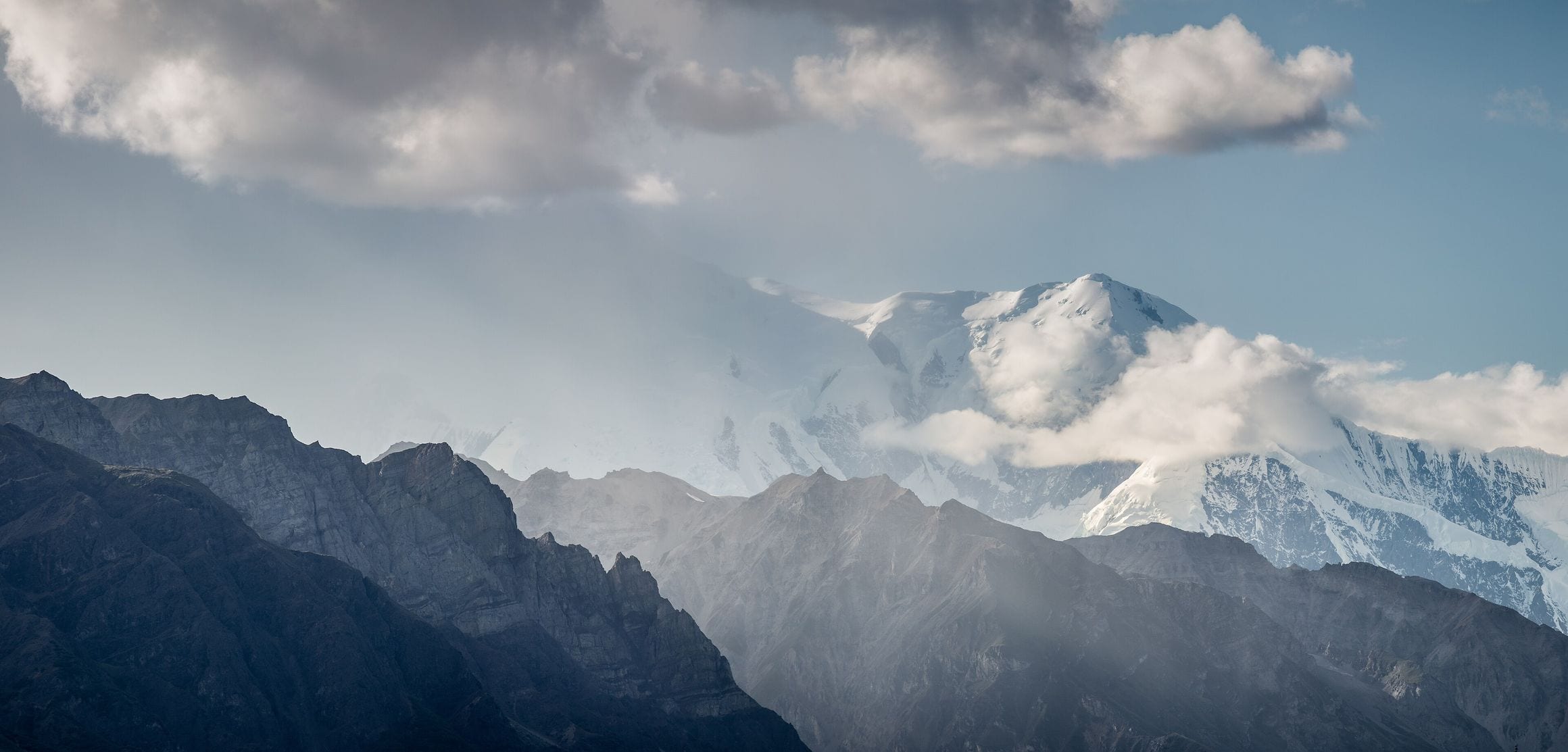
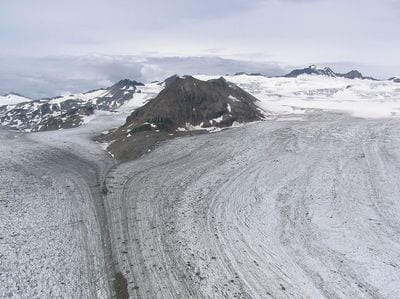
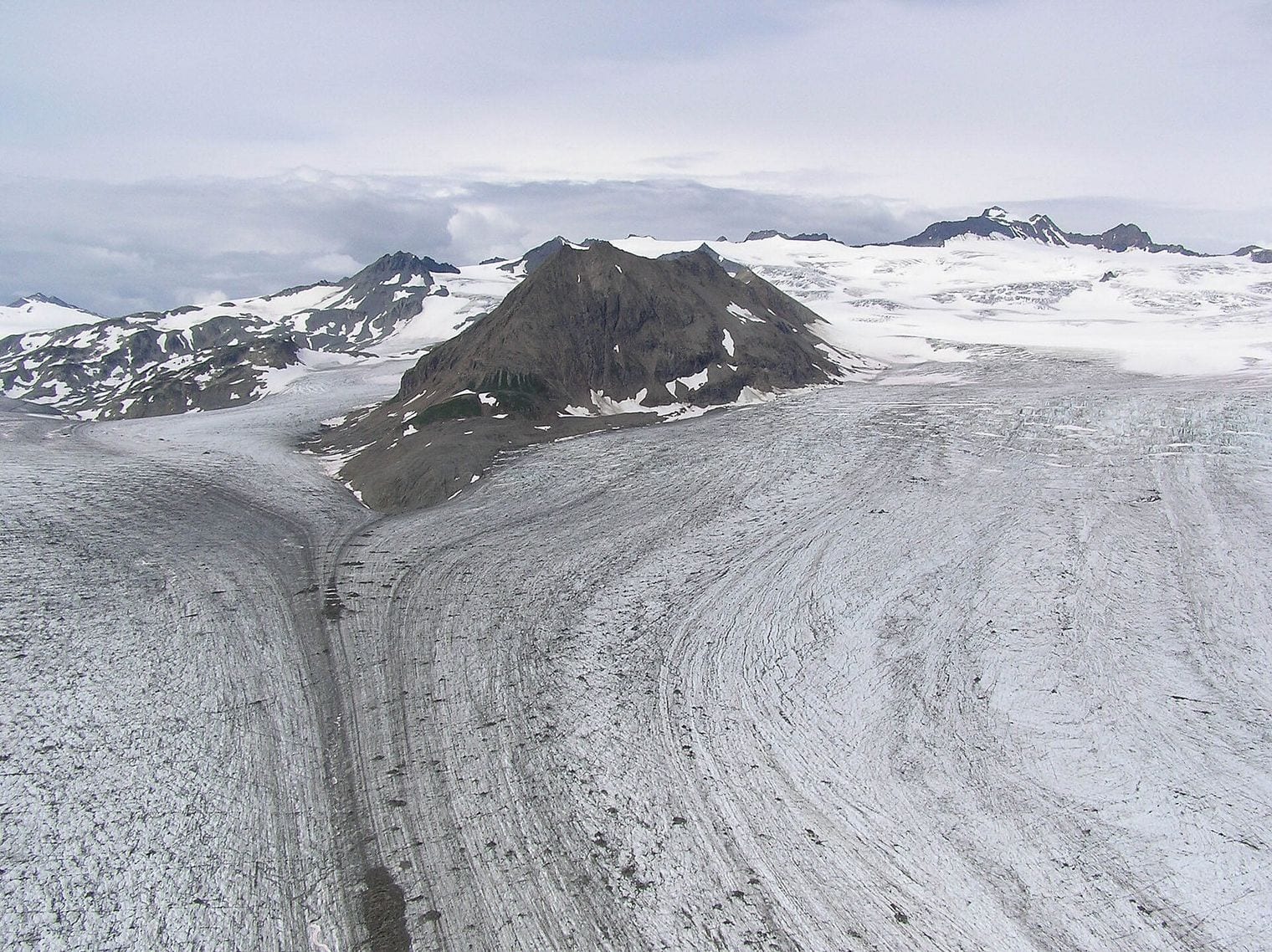
At 8,323,146 acres (13,005 square miles), Wrangell–St. Elias National Park is the largest national park in the US, bigger on its own than each of the nine smallest states. Add the national preserve managed with it and the total reaches 13,175,791 acres, the 13.2 million figure the Park Service quotes. Four mountain ranges converge here, the Alaska, Chugach, Wrangell and St. Elias ranges, crowned by 18,008-foot Mount Saint Elias, the second-tallest mountain in both the United States and Canada.
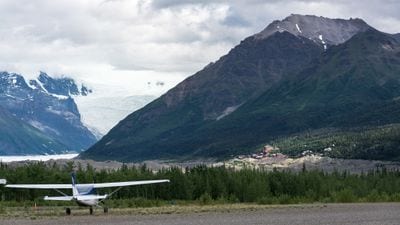
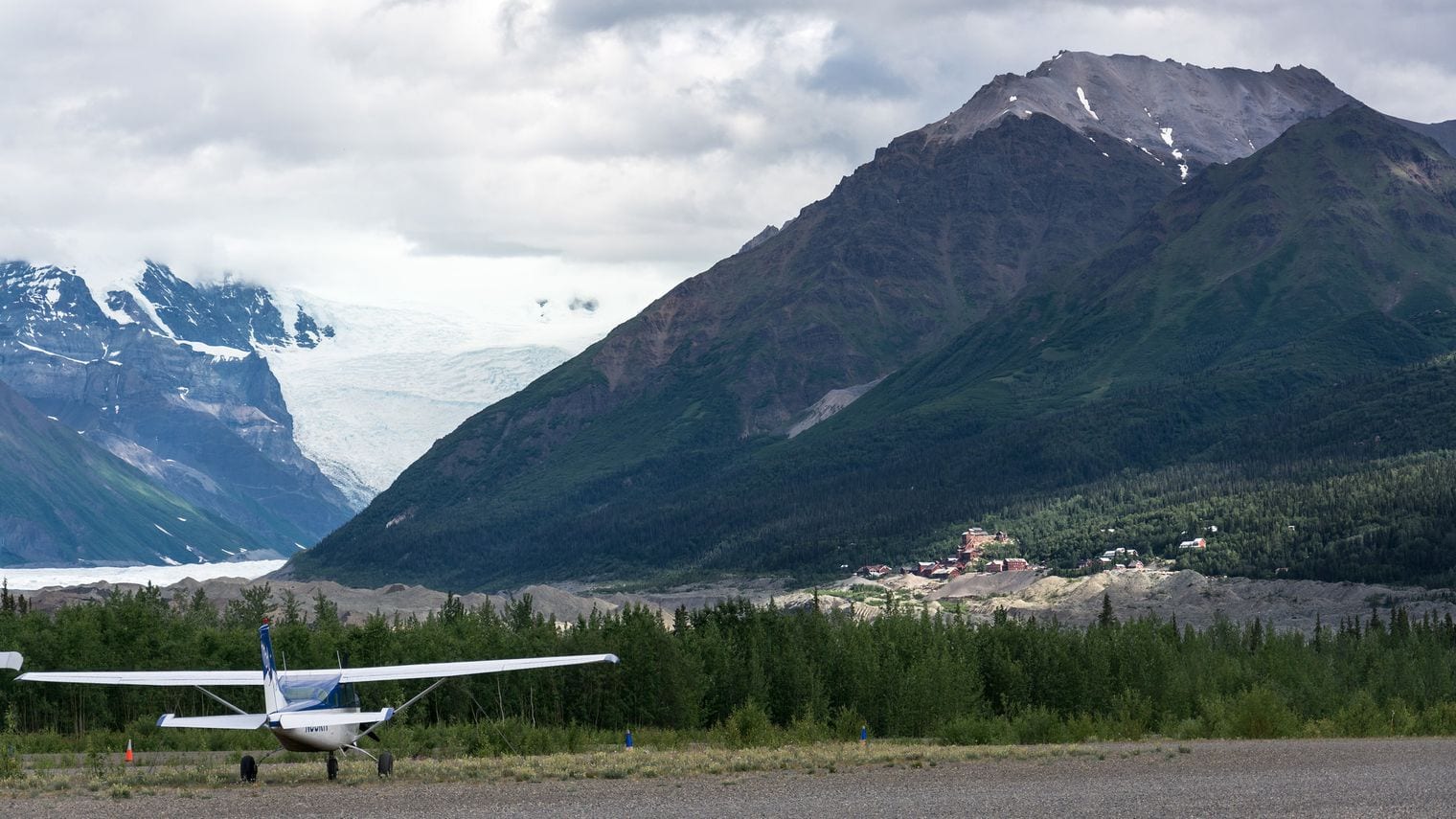
Only two gravel roads reach into the park, the McCarthy Road and the Nabesna Road. The McCarthy Road ends at a footbridge over the Kennicott River, and beyond it lies Kennecott, a copper boomtown that mined one of the world's richest deposits from 1903 to 1938; its red mill buildings are the starting point for walks onto the Root Glacier.
The park also holds Malaspina Glacier, the largest piedmont glacier in North America, and Hubbard Glacier, the longest tidewater glacier in Alaska, and with Glacier Bay and two Canadian parks it forms a single UNESCO World Heritage Site.
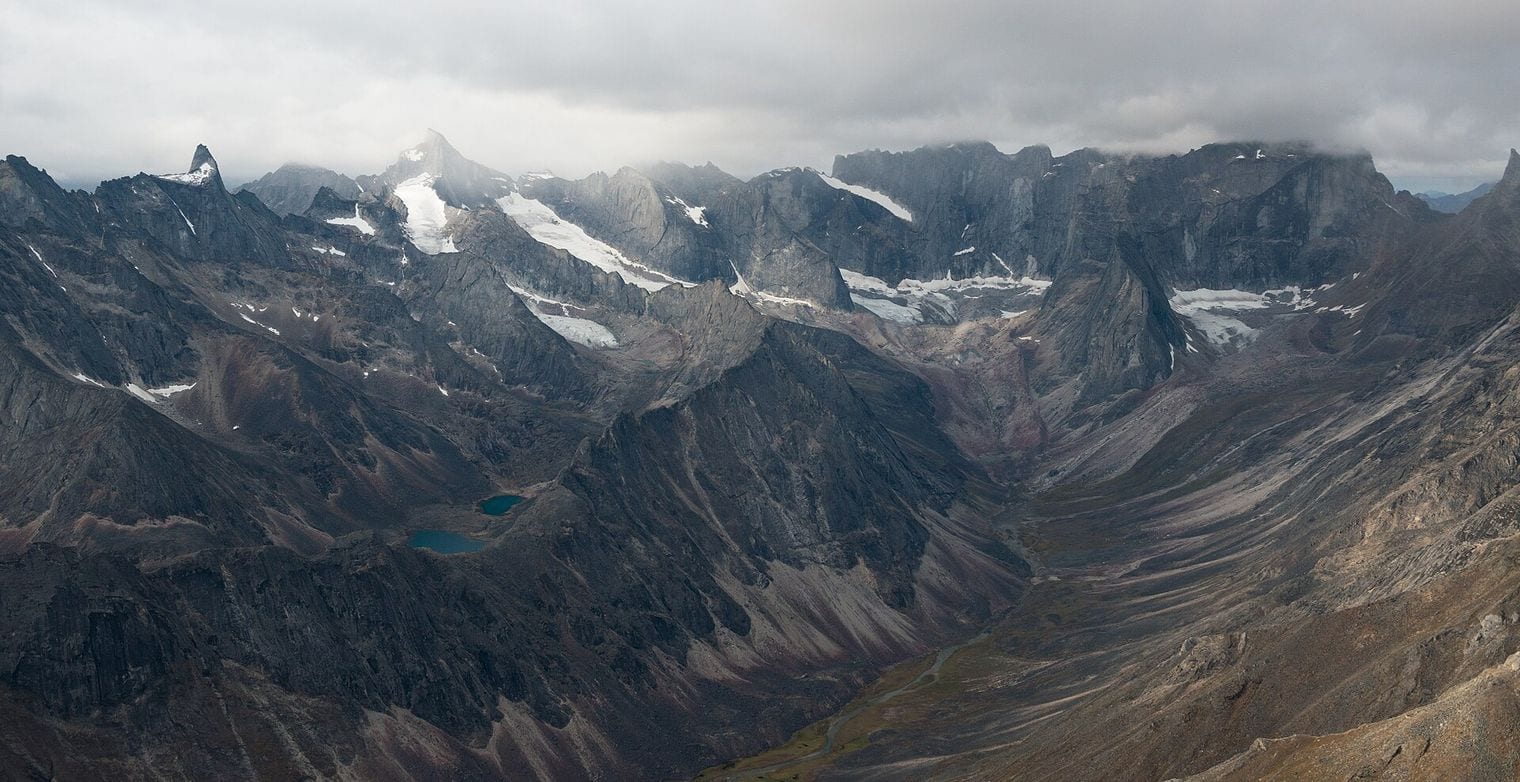
At 7,523,897 acres (11,756 square miles), Gates of the Arctic National Park is the second-largest national park in the US and the northernmost, lying entirely north of the Arctic Circle in Alaska's Brooks Range. With the preserve that adjoins it, the protected area reaches 8,472,506 acres.
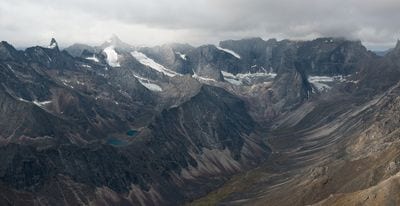
This is wilderness in the strictest sense: there are no roads, no established trails, no campgrounds and no visitor facilities inside the boundary. Visitors fly in by air taxi, typically via the village of Bettles, to float wild rivers or backpack across tundra and through valleys beneath granite peaks. The Iñupiat village of Anaktuvuk Pass sits in the middle of the park, and the Dalton Highway passes close to its eastern edge, the nearest any road comes.
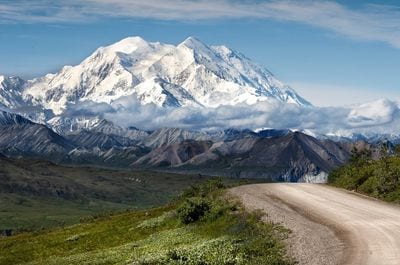
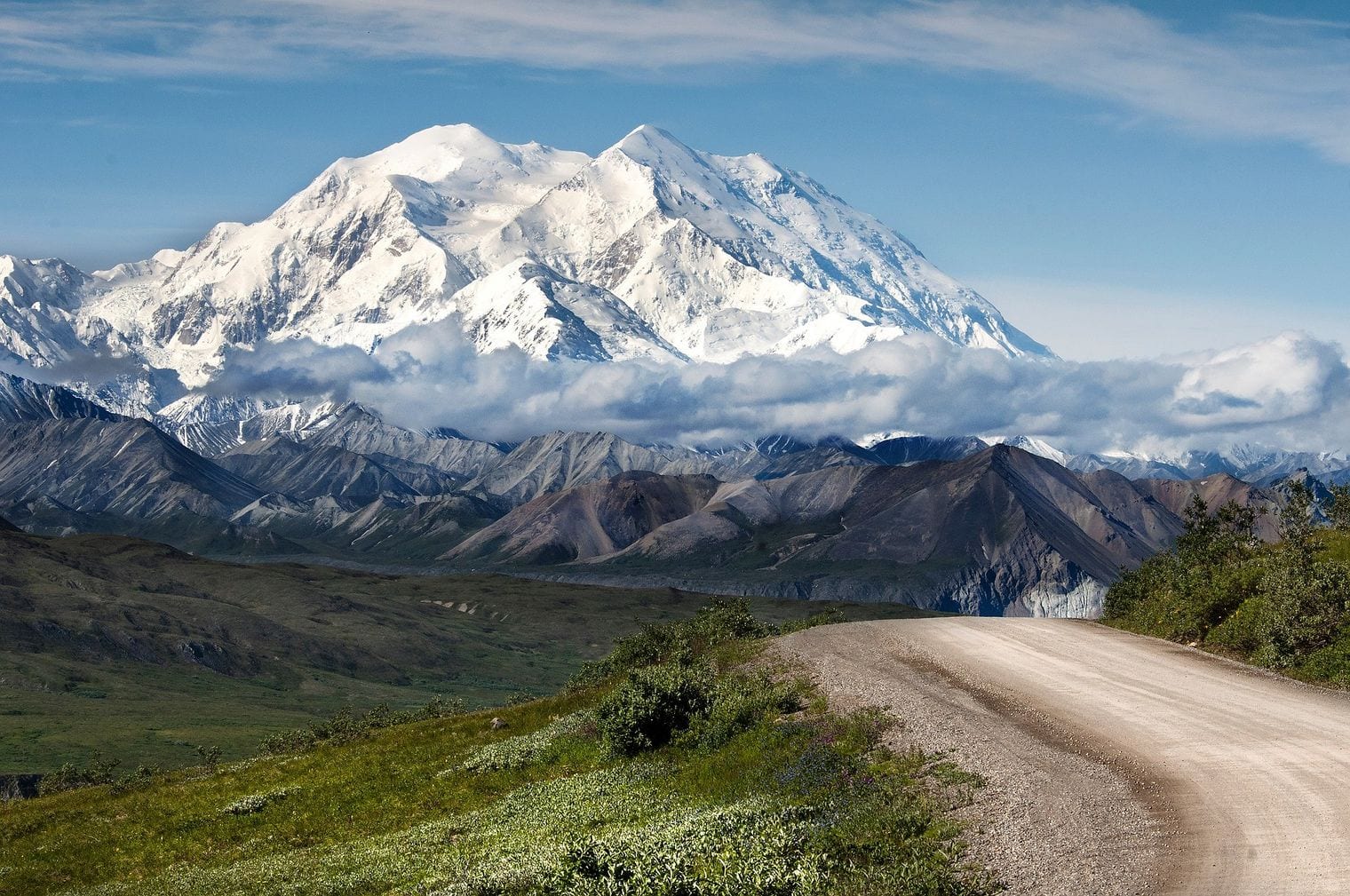
At 4,740,911 acres (7,408 square miles), Denali National Park in Interior Alaska is built around Denali, the highest mountain in North America; with its preserve the protected area reaches 6,075,029 acres. It was created in 1917 as Mount McKinley National Park, and a single road, finished in 1938, runs about 90 miles into its interior.
Private cars stop early on the Park Road, so most visitors ride the park buses deeper in, scanning the tundra for grizzlies, caribou, moose and Dall sheep.
Since 2021 the slow-moving Pretty Rocks landslide has stopped traffic at Mile 43; the Park Service is building a bridge across it and expects the full road to reopen in 2027. Until then, the first 43 miles still deliver wide views of the Alaska Range and, on a clear day, of the mountain itself.
At 3,674,529 acres (5,741 square miles), Katmai National Park on the Alaska Peninsula was first protected in 1918 to preserve the aftermath of the 1912 eruption of Novarupta, one of the largest eruptions of the 20th century. With its preserve, the protected area covers 4,093,228 acres.
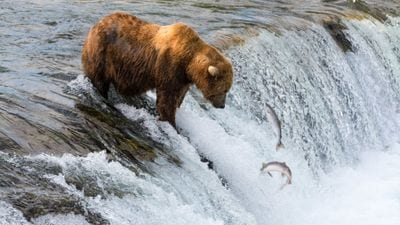
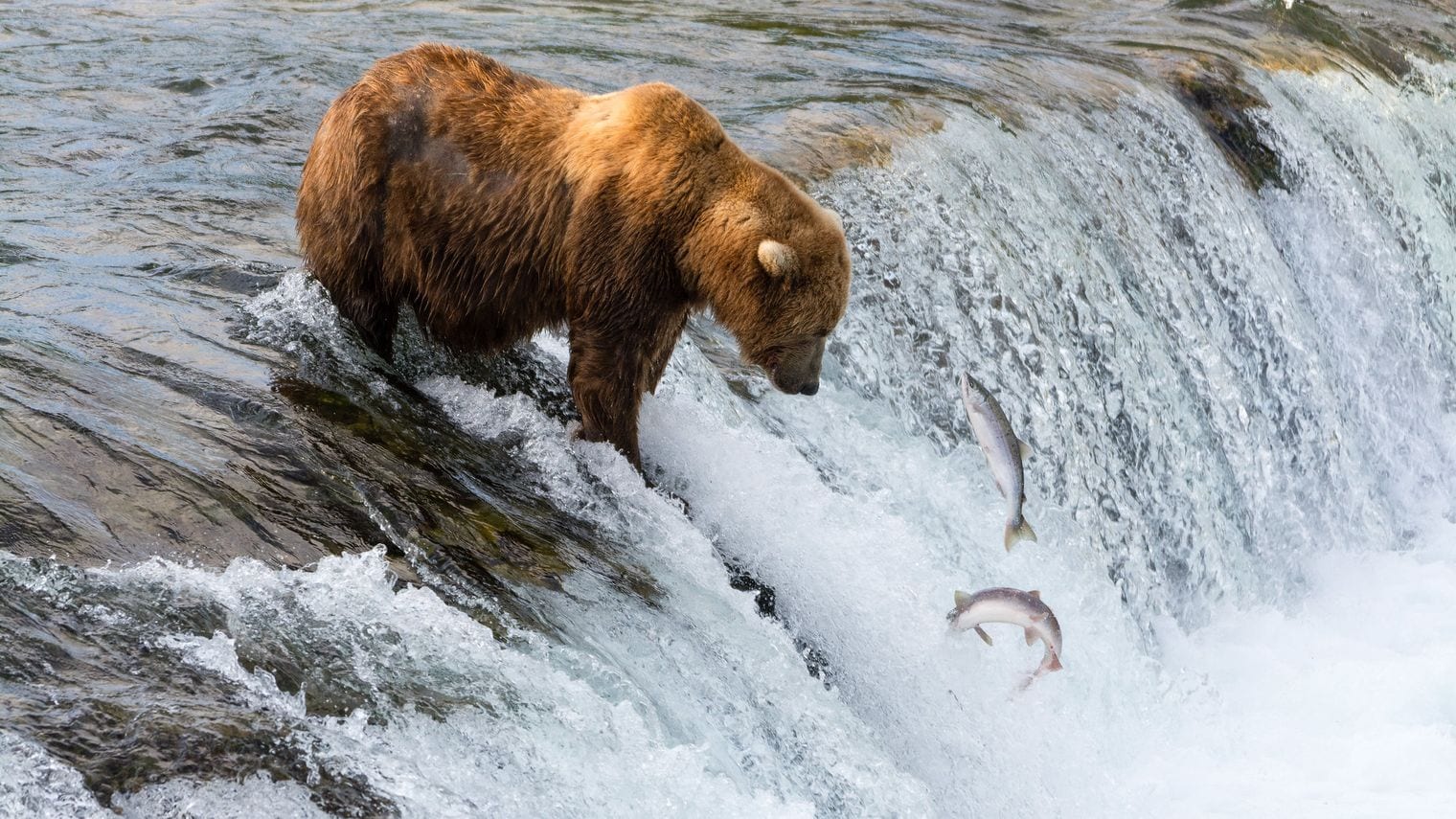
Most visitors come for the brown bears. In summer they gather at Brooks Falls to catch sockeye salmon leaping upstream, watched from a raised viewing platform a short walk from Brooks Camp, which visitors reach by floatplane. A road from Brooks Camp leads to an overlook of the Valley of Ten Thousand Smokes, a 40-square-mile sheet of volcanic ash and pumice up to 700 feet deep left by the eruption.
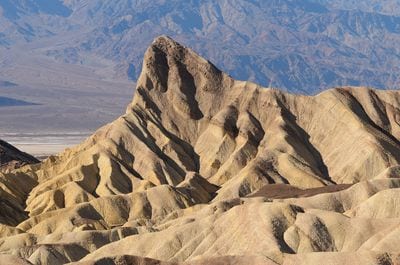
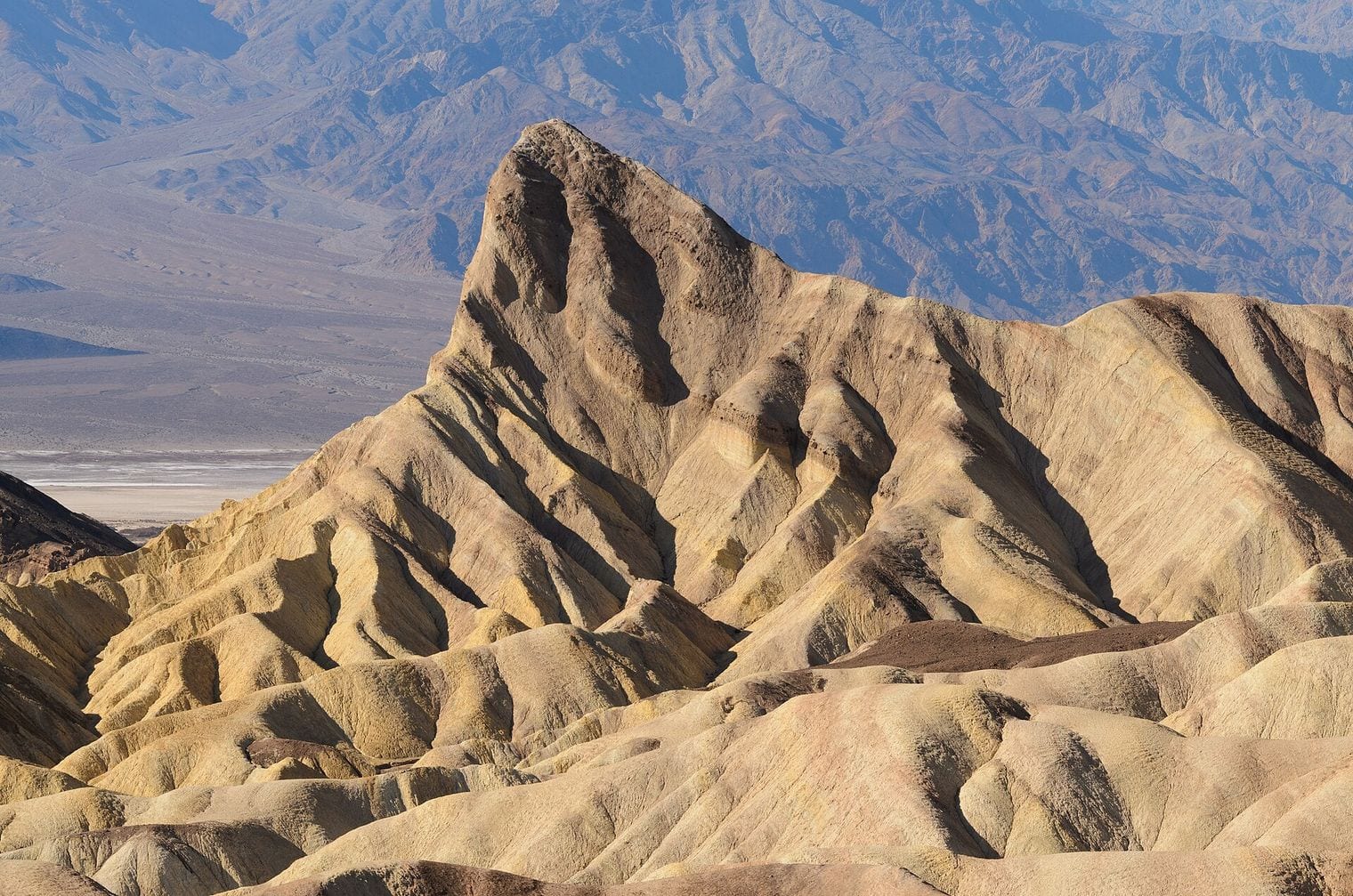
At 3,408,375 acres (5,326 square miles), Death Valley National Park on the California–Nevada line is the largest national park in the lower 48 states, and also the hottest, driest and lowest national park in the country. Badwater Basin, 282 feet below sea level, is the lowest point in North America.
Unlike the Alaska giants above it, Death Valley is easy to reach: paved roads cross it, and the classic stops line up along them, from the eroded badlands at Zabriskie Point to the salt flats of Badwater and the sand dunes near Stovepipe Wells.
Mount Whitney, the highest summit in the contiguous US, rises only 85 miles to the west, giving the region the greatest elevation gradient in the lower 48. Come between late fall and early spring; summer heat here is dangerous.
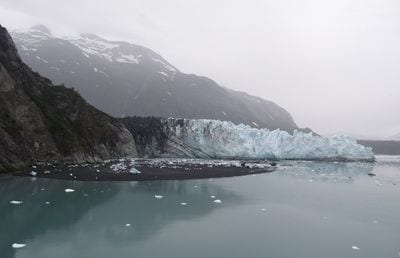
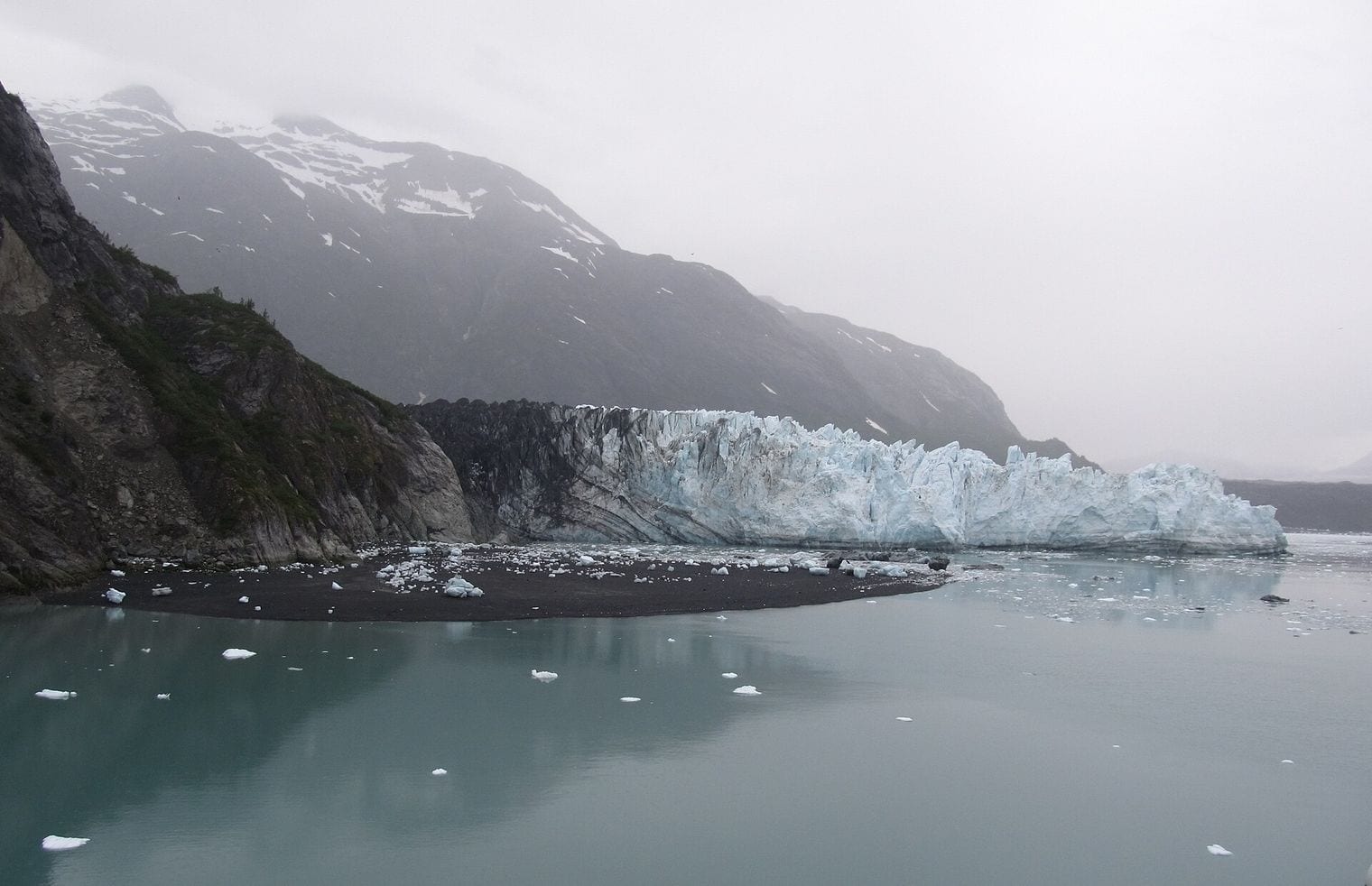
At 3,223,383 acres (5,037 square miles), Glacier Bay National Park in Southeast Alaska is named for its glaciers, tidewater and land-based, which number more than a thousand. With its preserve it covers 3,281,789 acres, and together with Wrangell–St. Elias and two Canadian parks it forms a UNESCO World Heritage Site.
The bay itself is young. When the Vancouver expedition passed in 1794, ice choked Icy Strait at its mouth; by 1879, when John Muir arrived, the glaciers had pulled back about 48 miles. About four in five visitors see it from a cruise ship, but you can also fly or take the ferry to Gustavus, just outside the boundary, then base yourself at Bartlett Cove for boat trips up the bay, kayaking and short forest trails.
At 2,619,816 acres (4,093 square miles), Lake Clark National Park ranks seventh because its large preserve is counted separately; together the two cover 4,030,110 acres. The park reaches from rainforest on the shore of Cook Inlet over two volcanoes, Mount Redoubt and Mount Iliamna, to alpine tundra, glaciers, glacial lakes and salmon rivers.
No road leads in, so visitors arrive by small plane, usually a floatplane, landing at Port Alsworth on Lake Clark itself or on the coast, where brown bears feed on the sedge meadows and clam flats in summer. Inland at Twin Lakes stands the hand-built cabin of Richard Proenneke, whose films of his solitary life there became the documentary Alone in the Wilderness.
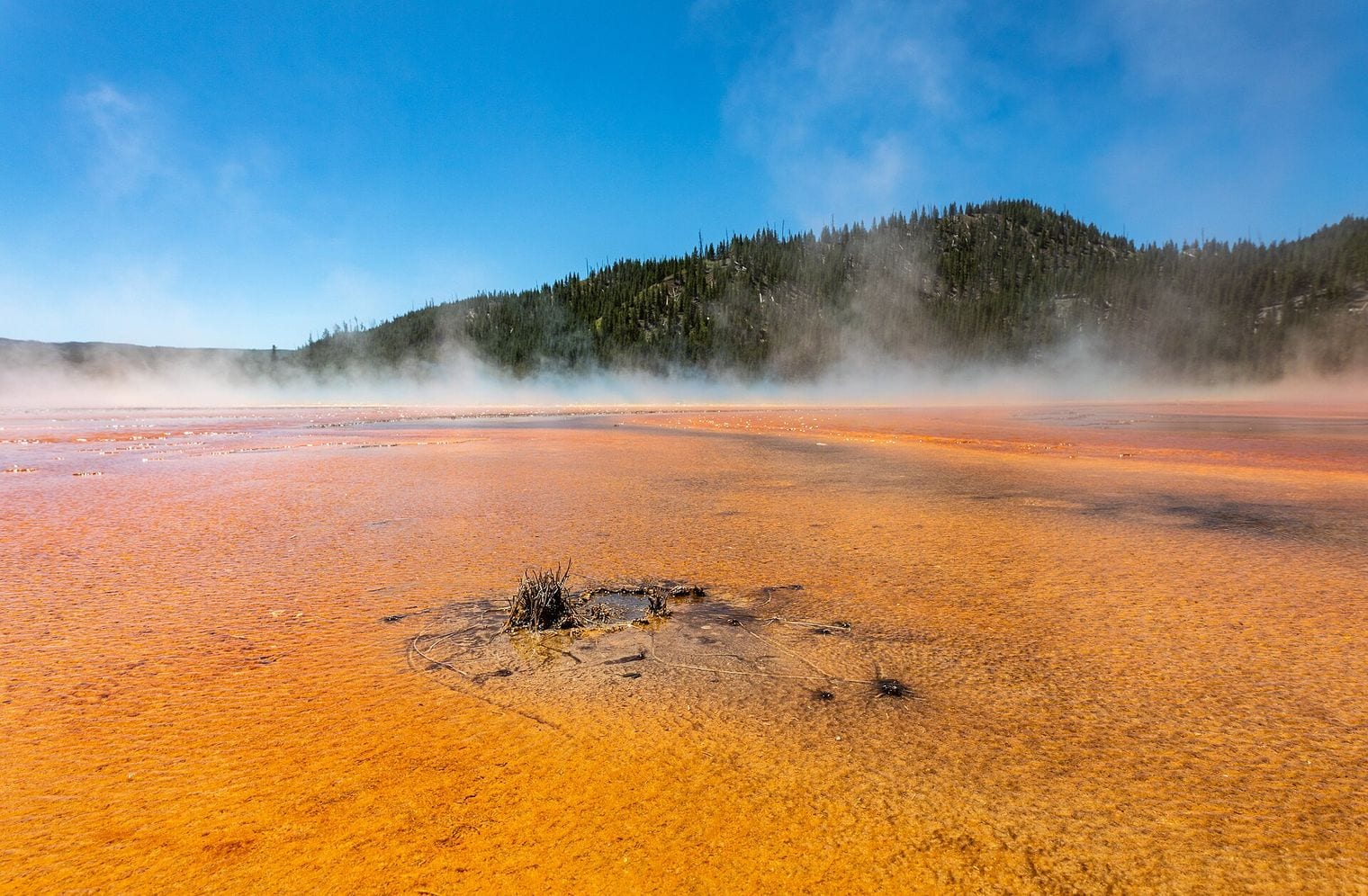
At 2,219,791 acres (3,468 square miles), Yellowstone National Park is the second-largest national park in the lower 48, after Death Valley, and the oldest in the US, set aside in 1872 and widely regarded as the first national park in the world. Most of it lies in northwest Wyoming, with small portions in Montana and Idaho.
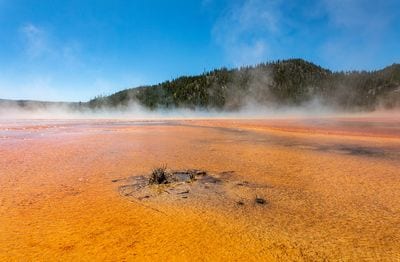
Well over half of the world's geysers and hydrothermal features are here, fueled by the Yellowstone Caldera, the largest supervolcano on the continent. Old Faithful, the rainbow rings of Grand Prismatic Spring and the waterfalls of the Grand Canyon of the Yellowstone all sit on or near the Grand Loop Road, while the Lamar and Hayden valleys are where bison herds, elk and, with luck and a spotting scope, wolves roam.
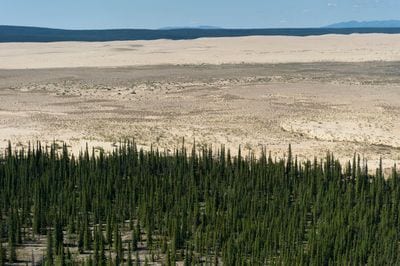
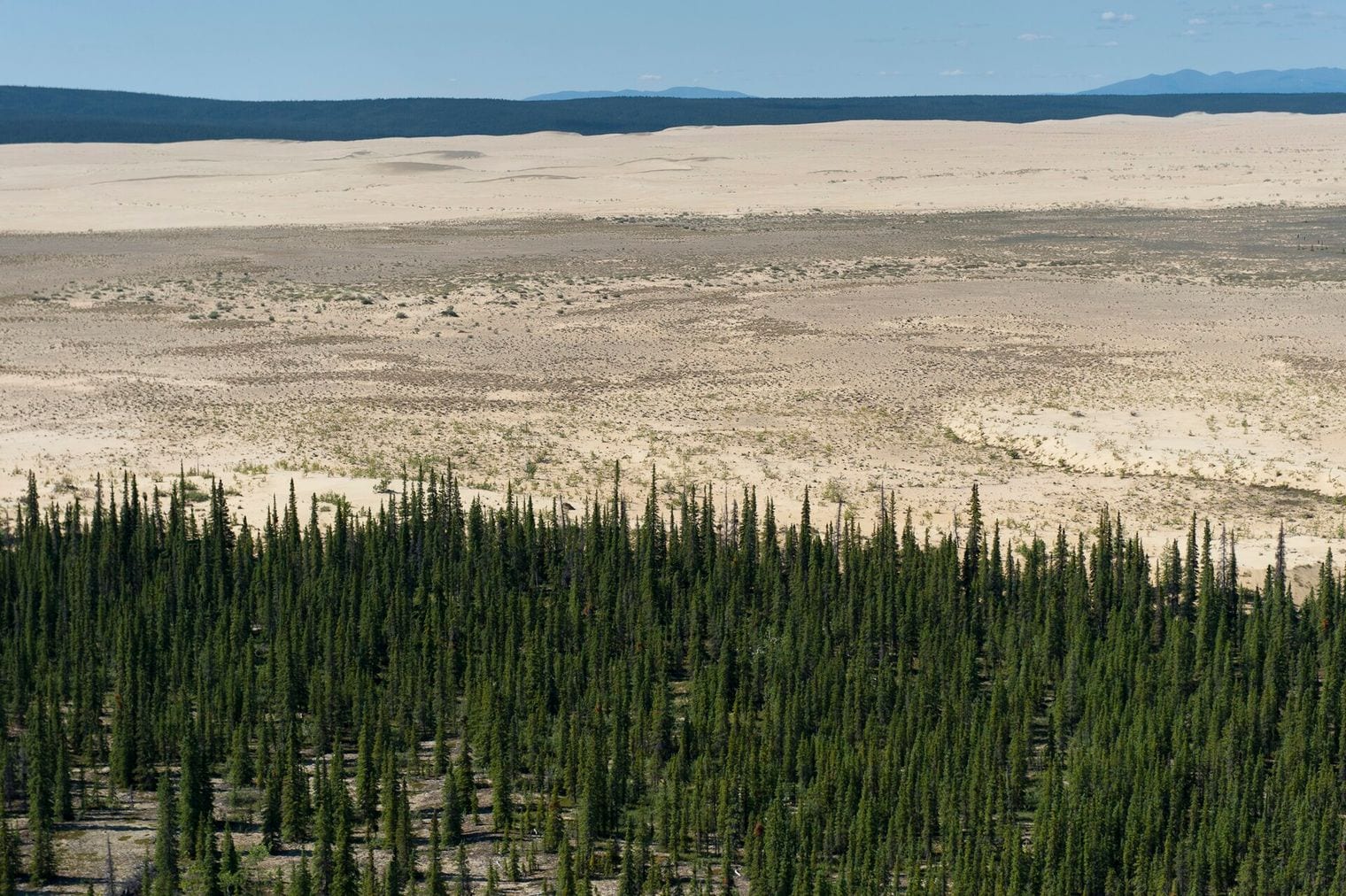
At 1,750,716 acres (2,735 square miles), Kobuk Valley National Park, north of the Arctic Circle in northwest Alaska, is slightly larger than the state of Delaware. It was created in 1980 to protect the Great Kobuk Sand Dunes, which rise about 100 feet above the Kobuk River valley, and the caribou migration routes around them.
There are no roads or designated trails, so visitors arrive by chartered air taxi from Kotzebue, Bettles or Nome and hike, camp or float the river. The dunes are the surprise: a patch of rippled, desert-like sand amid boreal forest and tundra, a rare sight this far north. In late summer and fall, the great caribou herds of the region cross the Kobuk River on their migration.
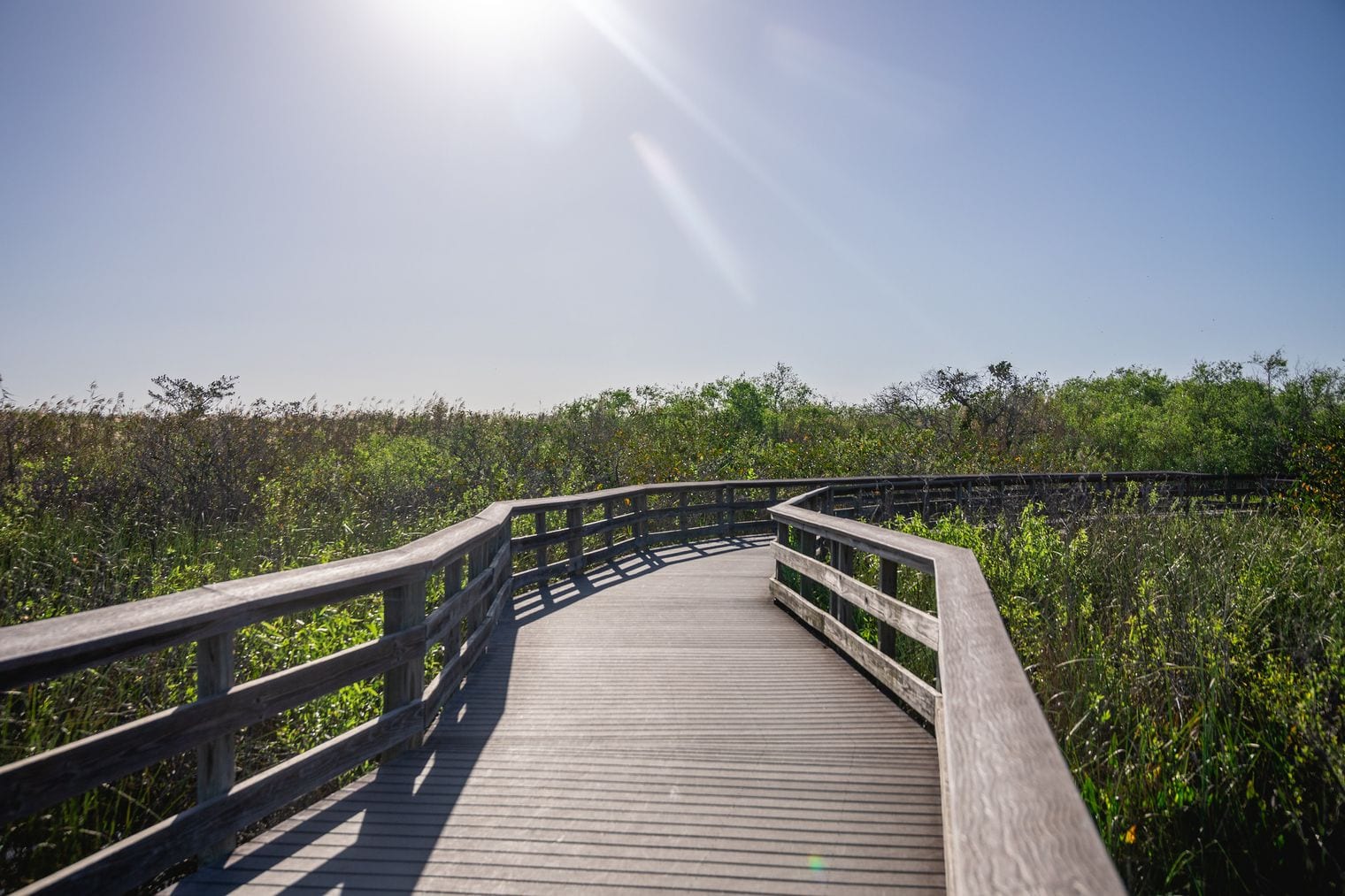
At 1,508,939 acres (2,358 square miles), Everglades National Park at the southern tip of Florida is the largest tropical wilderness in the US and the largest wilderness of any kind east of the Mississippi River. The total adds the Everglades Expansion area, which the Park Service's acreage register lists on a line of its own.
Dedicated in 1947, it was the first area in the US protected for its native plants and animals rather than its scenery, and it is a World Heritage Site, an International Biosphere Reserve and a Wetland of International Importance.
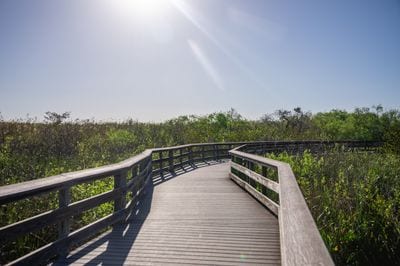
Within easy reach of Miami, you can walk the half-mile Anhinga Trail by the Royal Palm Visitor Center for alligators and wading birds at close range, ride or bike the loop road at Shark Valley, or paddle into the largest mangrove ecosystem in the Western Hemisphere.
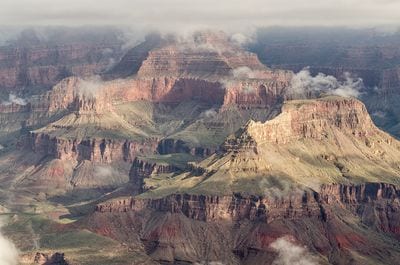
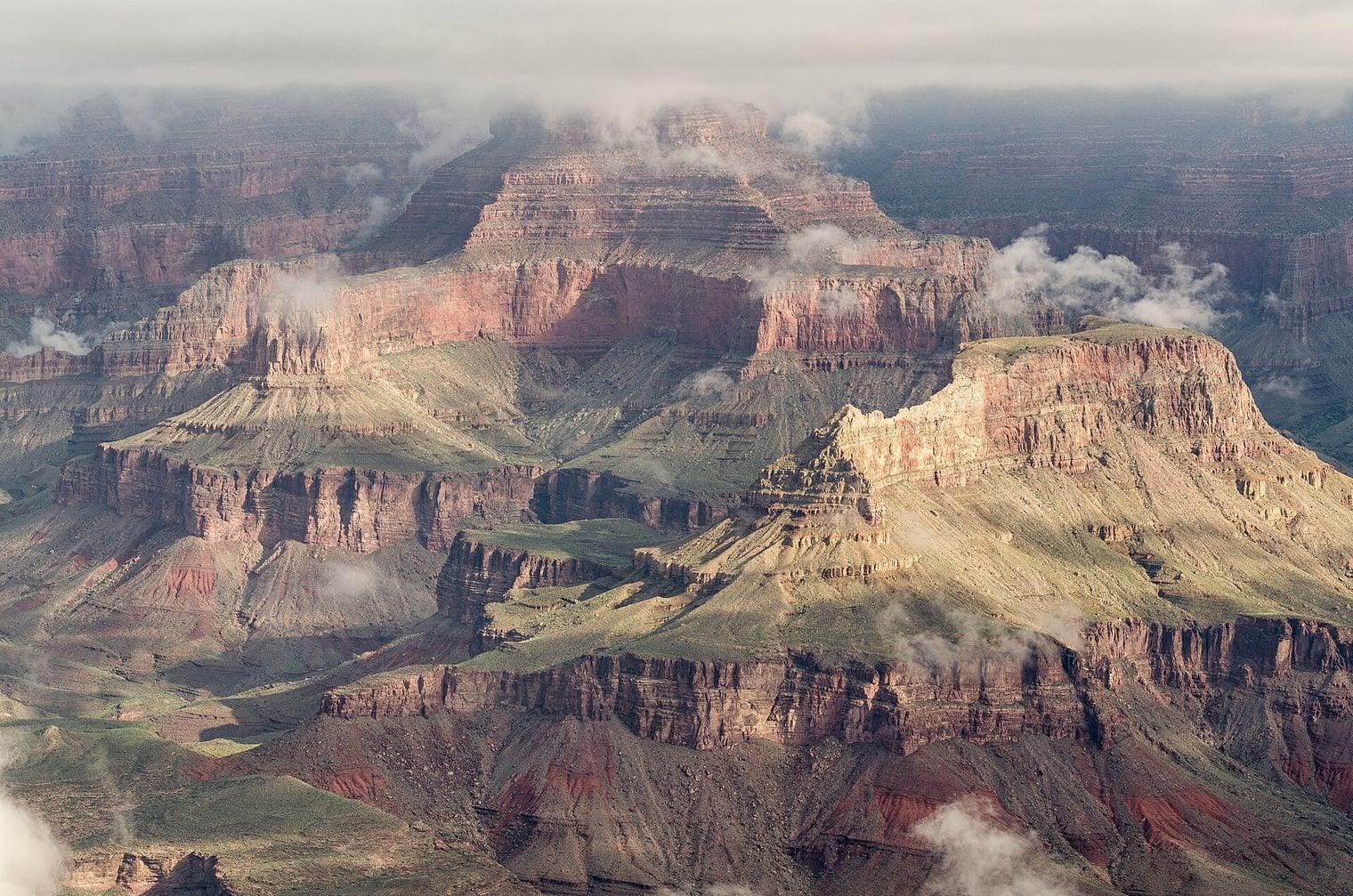
At 1,201,647 acres (1,878 square miles), Grand Canyon National Park in northern Arizona ranks only 11th by area, proof that fame and size are different things. It became a national park in 1919 and a UNESCO World Heritage Site in 1979, protecting the canyon the Colorado River has carved through the Colorado Plateau.
Most visitors see it from the South Rim, where viewpoints such as Mather Point and the paved Rim Trail look across a mile-deep chasm of layered rock, and hikers drop below the rim on the Bright Angel and South Kaibab trails. The canyon's full scale is best grasped from the river itself: multi-day rafting trips down the Colorado through the park are one of the great American adventures, booked well ahead.
Get new guides like this by email
One email every Thursday with our newest guides for the places you tick.
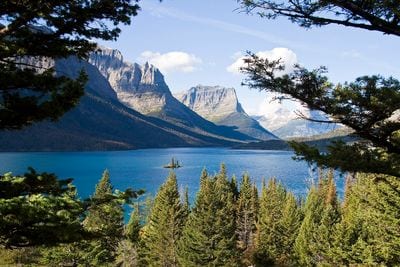
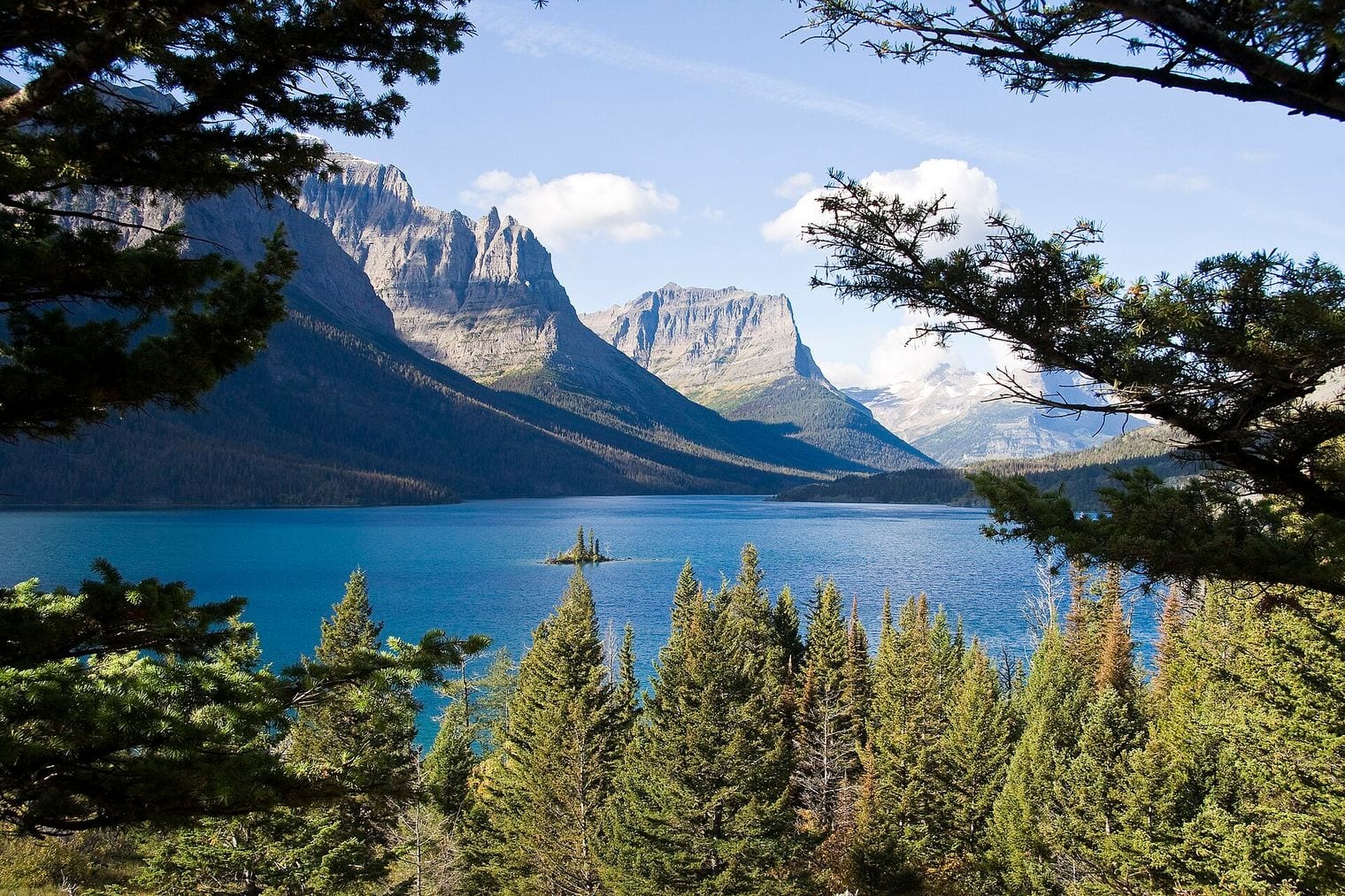
At 1,013,126 acres (1,583 square miles), Glacier National Park in northwest Montana is the heart of the Crown of the Continent, protected since 1910 and joined in 1932 with Canada's Waterton Lakes National Park as the world's first International Peace Park.
The Going-to-the-Sun Road, completed in 1932, is the only route deep into the park, crossing the Continental Divide at Logan Pass, 6,646 feet up, between Lake McDonald on the west side and St. Mary Lake on the east. The park's name is now partly a memorial: of an estimated 150 glaciers in the mid-1800s, only 25 active ones remained by 2010. Hike out to the survivors on trails such as Grinnell Glacier, or watch for mountain goats around Logan Pass.
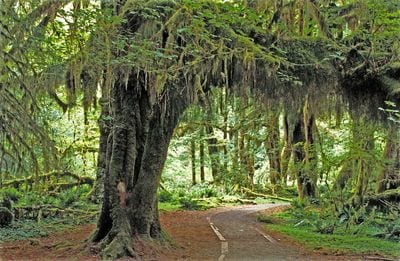
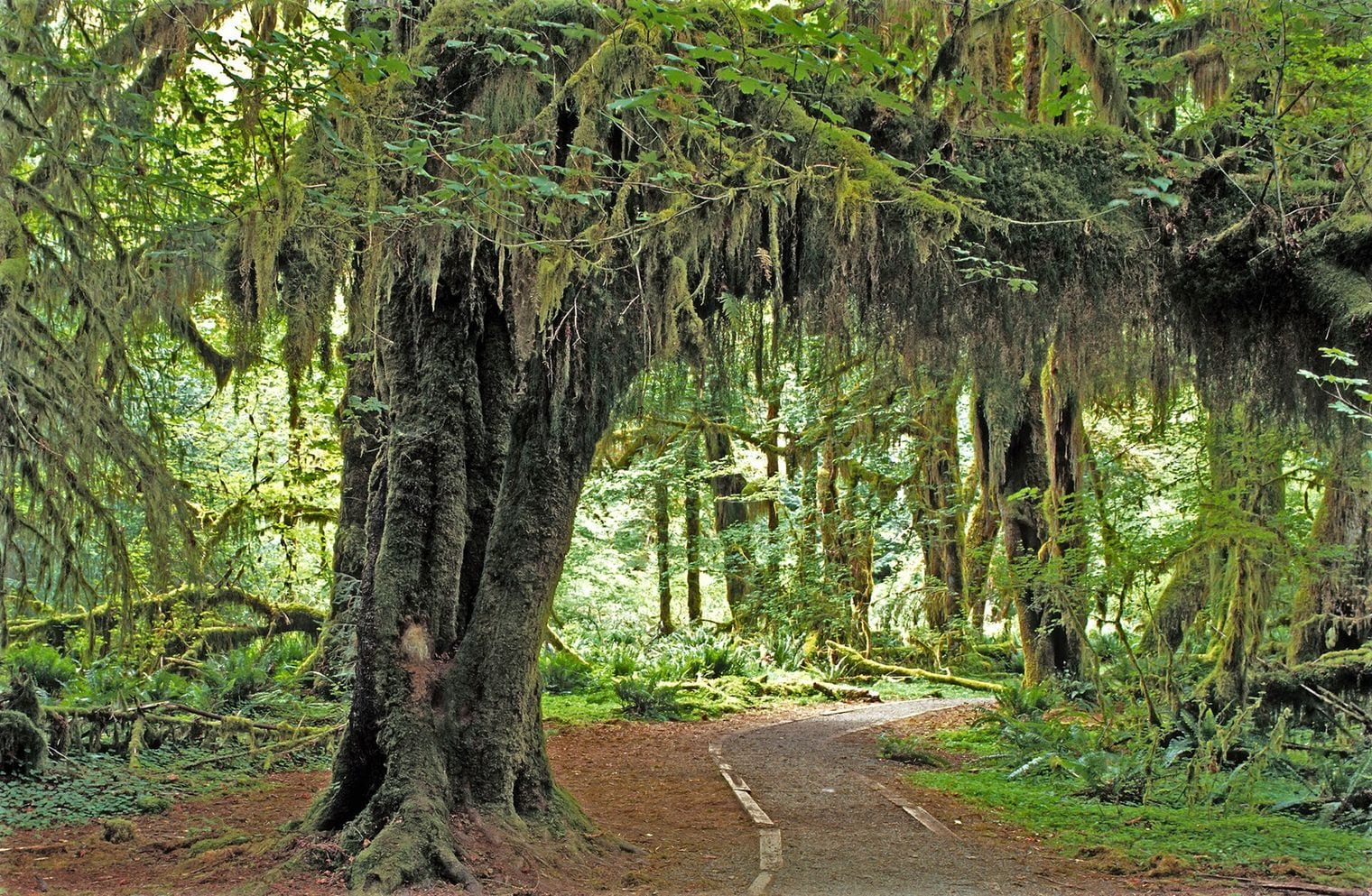
At 923,046 acres (1,442 square miles), Olympic National Park on Washington's Olympic Peninsula packs three ecosystems into one park: glaciated mountains around Mount Olympus, temperate rainforest and a wild stretch of Pacific coast. It began as a national monument in 1909 and has been a World Heritage Site since 1981.
The west side is the wettest: the Hoh and Quinault rainforests take more than 12 feet of rain a year, enough to drape the maples and spruces in moss. Hurricane Ridge is the road-accessible high country, and the coast is a long run of sea stacks, tide pools and driftwood beaches such as Rialto Beach. No road crosses the park; U.S. 101 loops around it, so plan to see it in sections.
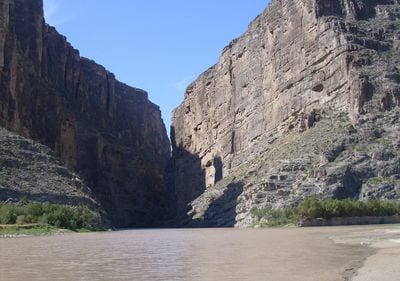
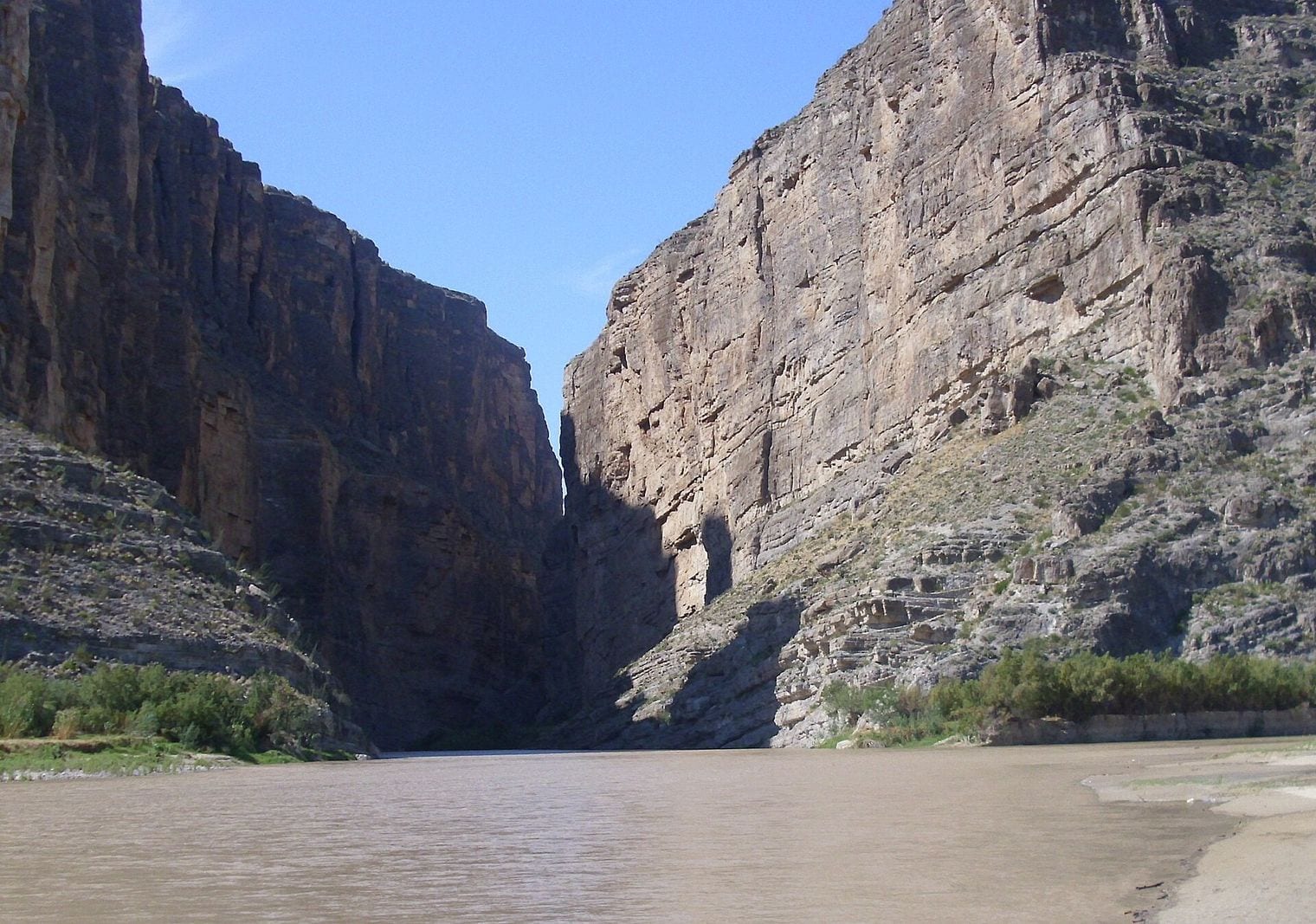
At 801,162 acres (1,252 square miles), Big Bend National Park in West Texas follows about 118 miles of the Rio Grande along the Mexican border, where the river makes the great bend that gives the park its name. The Chisos Mountains inside it are the only mountain range in the US contained entirely within a national park.
Three landscapes meet here: the Chihuahuan Desert, the cooler Chisos high country around the Basin, and the river canyons, best seen at Santa Elena Canyon, where sheer walls close in on the Rio Grande. Soak in the historic hot springs on the riverbank, and stay out after dark: Big Bend is so remote that its night skies rank among the darkest in the lower 48.
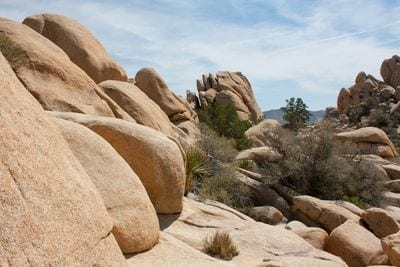
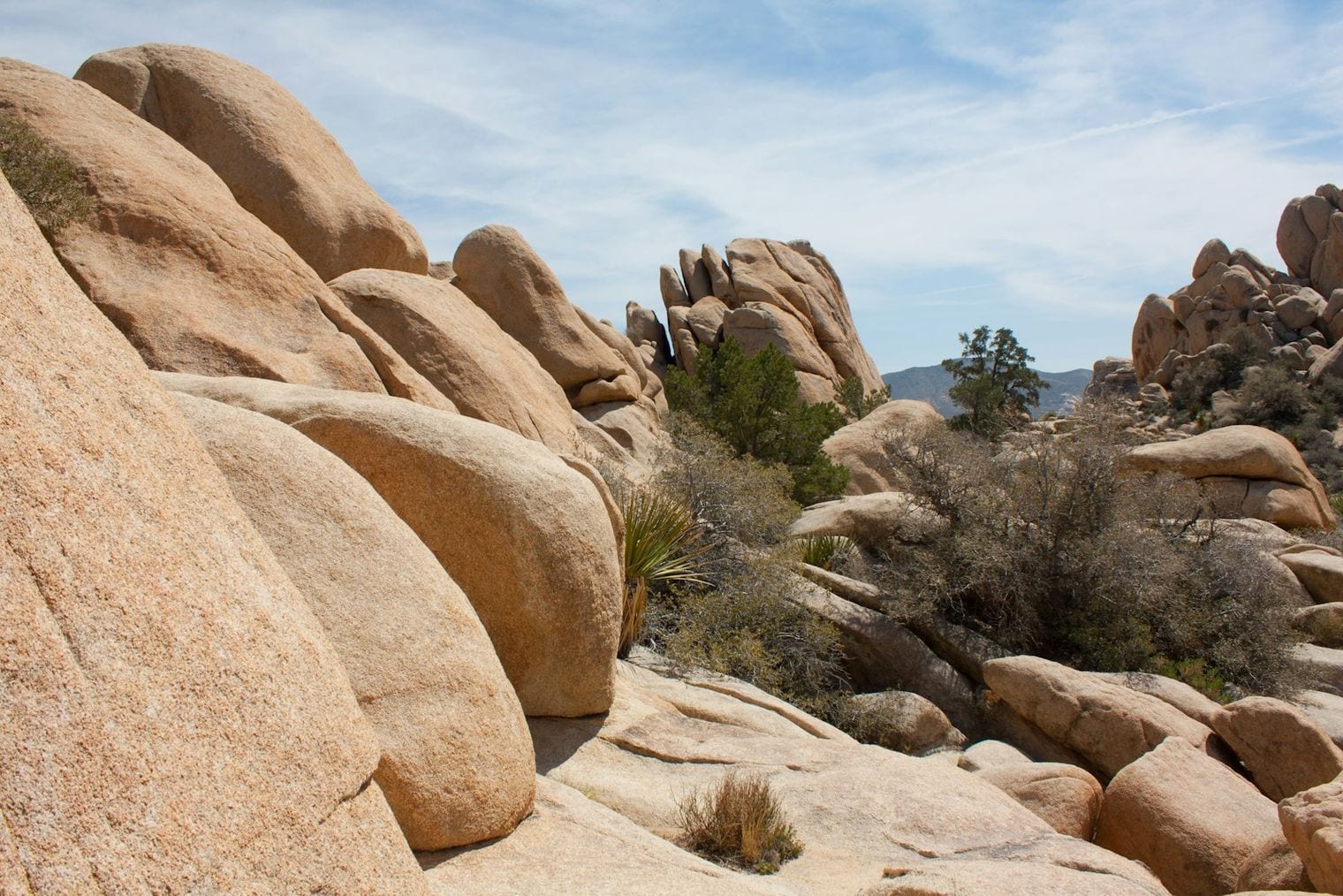
At 795,156 acres (1,242 square miles), Joshua Tree National Park in Southern California sits where two deserts meet, the higher Mojave and the lower-lying Colorado. It was declared a national monument in 1936 and redesignated a national park in 1994.
The Mojave half is where the spiky Joshua trees grow, scattered across flats between piles of granite boulders that have made the park a rock-climbing and scrambling favorite. Drive down into the Colorado Desert for the Cholla Cactus Garden, and stay for sunset and the stars. The park sits within easy reach of Palm Springs, which makes it one of the most accessible big desert parks.
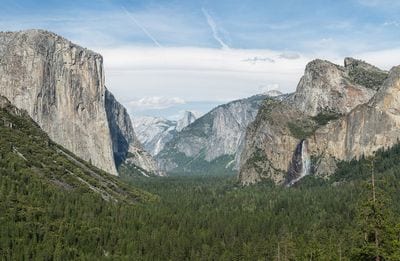
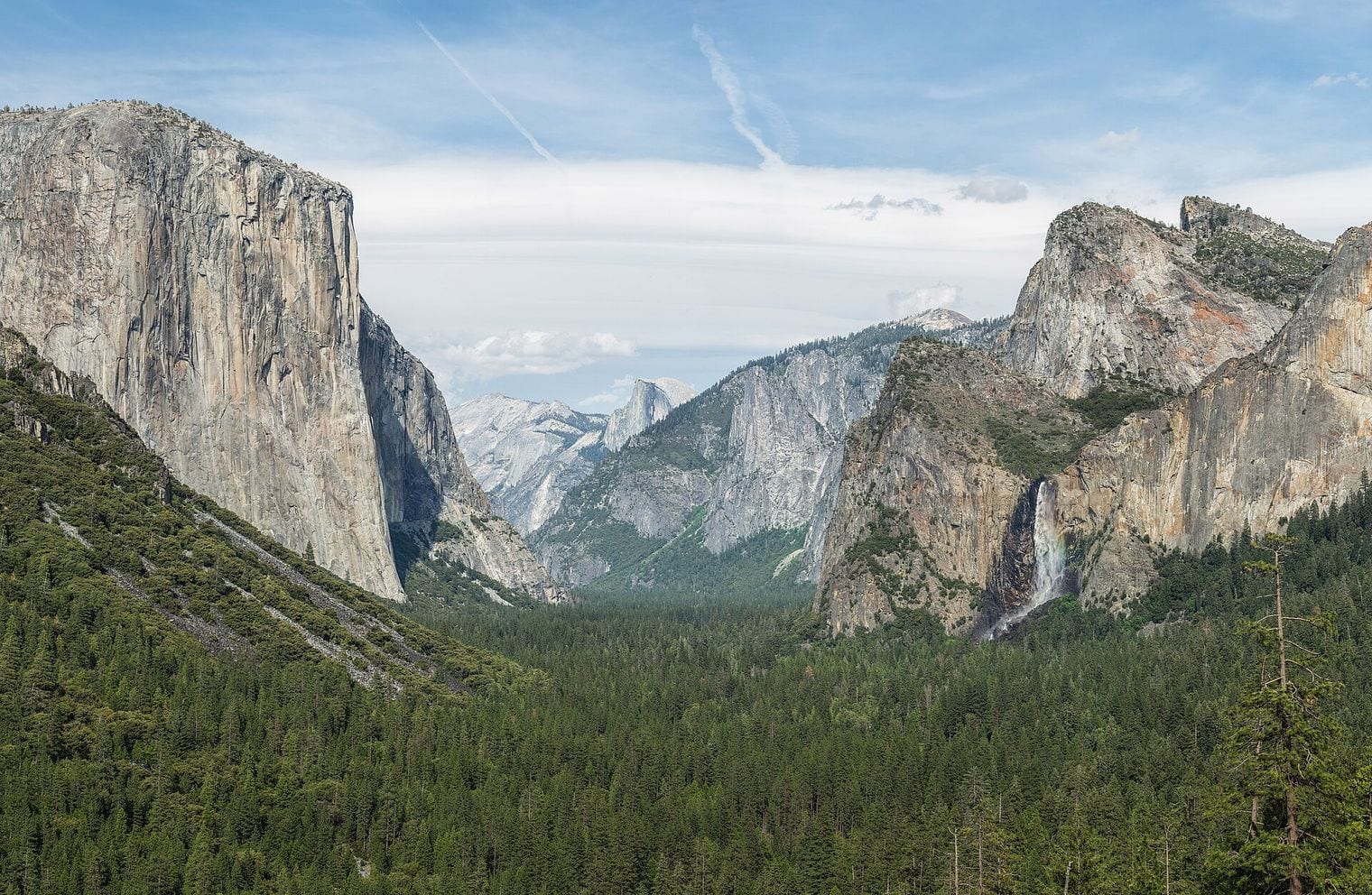
At 761,748 acres (1,190 square miles), Yosemite National Park in California's Sierra Nevada was first protected by the Yosemite Grant that Abraham Lincoln signed in 1864 and became a national park in 1890. Almost 95 percent of it is designated wilderness.
Most visitors crowd into Yosemite Valley, a few square miles framed by El Capitan, the granite cliff climbers prize, by Half Dome and by a run of waterfalls at their fullest in the spring snowmelt. The rest of the park rewards the extra miles: the giant sequoias of the Mariposa Grove in the south, the high meadows and granite domes along Tioga Road, and the view from Glacier Point down into the valley.
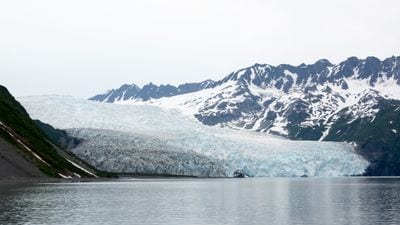
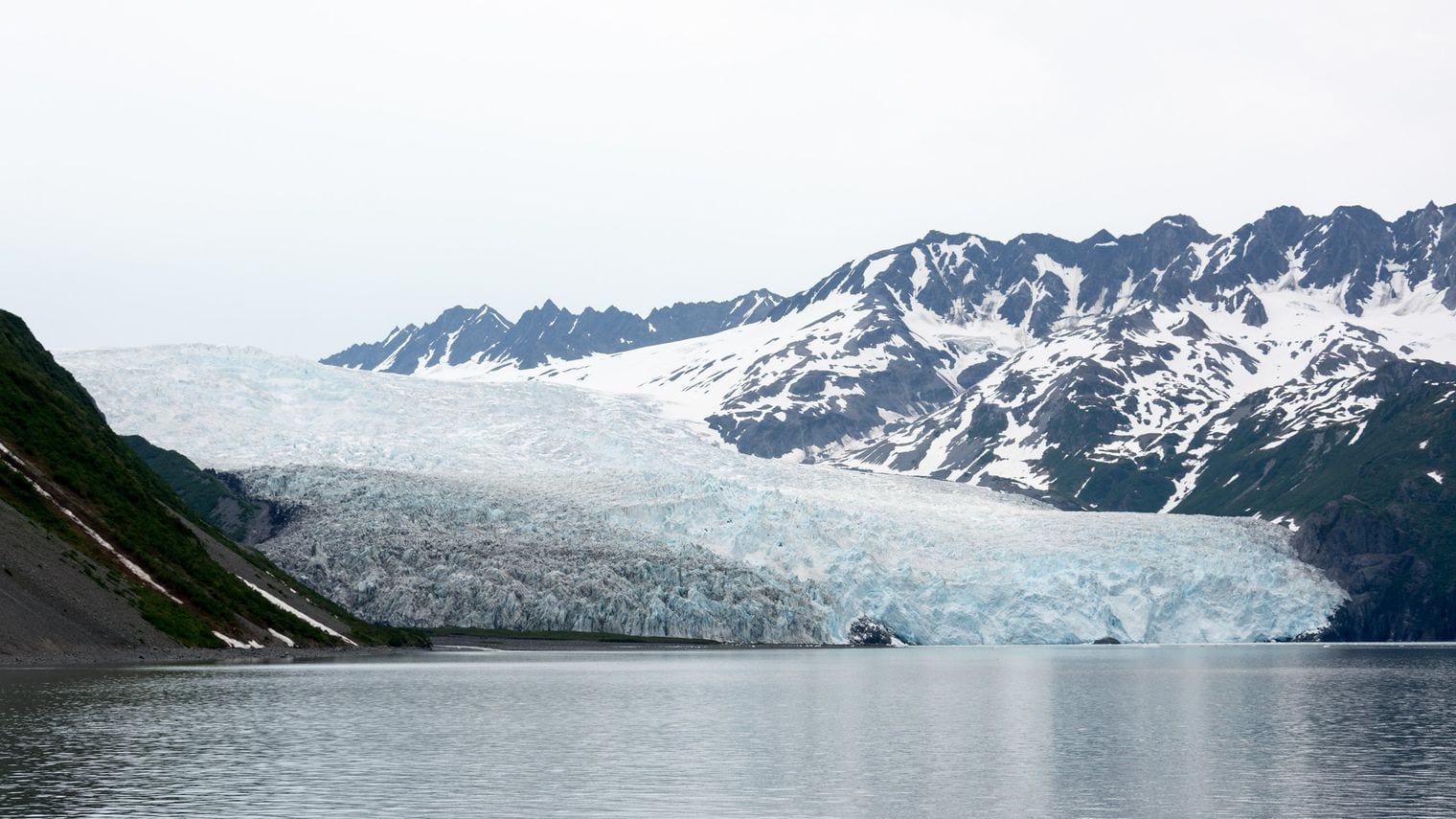
At 669,650 acres (1,046 square miles), Kenai Fjords National Park on Alaska's Kenai Peninsula is built around the Harding Icefield, one of the largest ice fields in the US, which feeds at least 38 glaciers flowing down into coastal fjords.
It is one of the most accessible of Alaska's big parks. Its only road runs out of Seward to Exit Glacier, where trails climb beside the ice, and the strenuous Harding Icefield Trail reaches the edge of the ice field itself. The fjords are seen by boat: day cruises from Seward head out past tidewater glaciers, seabirds and sea otters, and in season humpback whales and orcas.
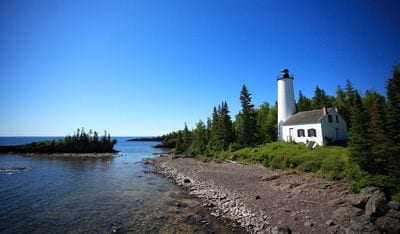
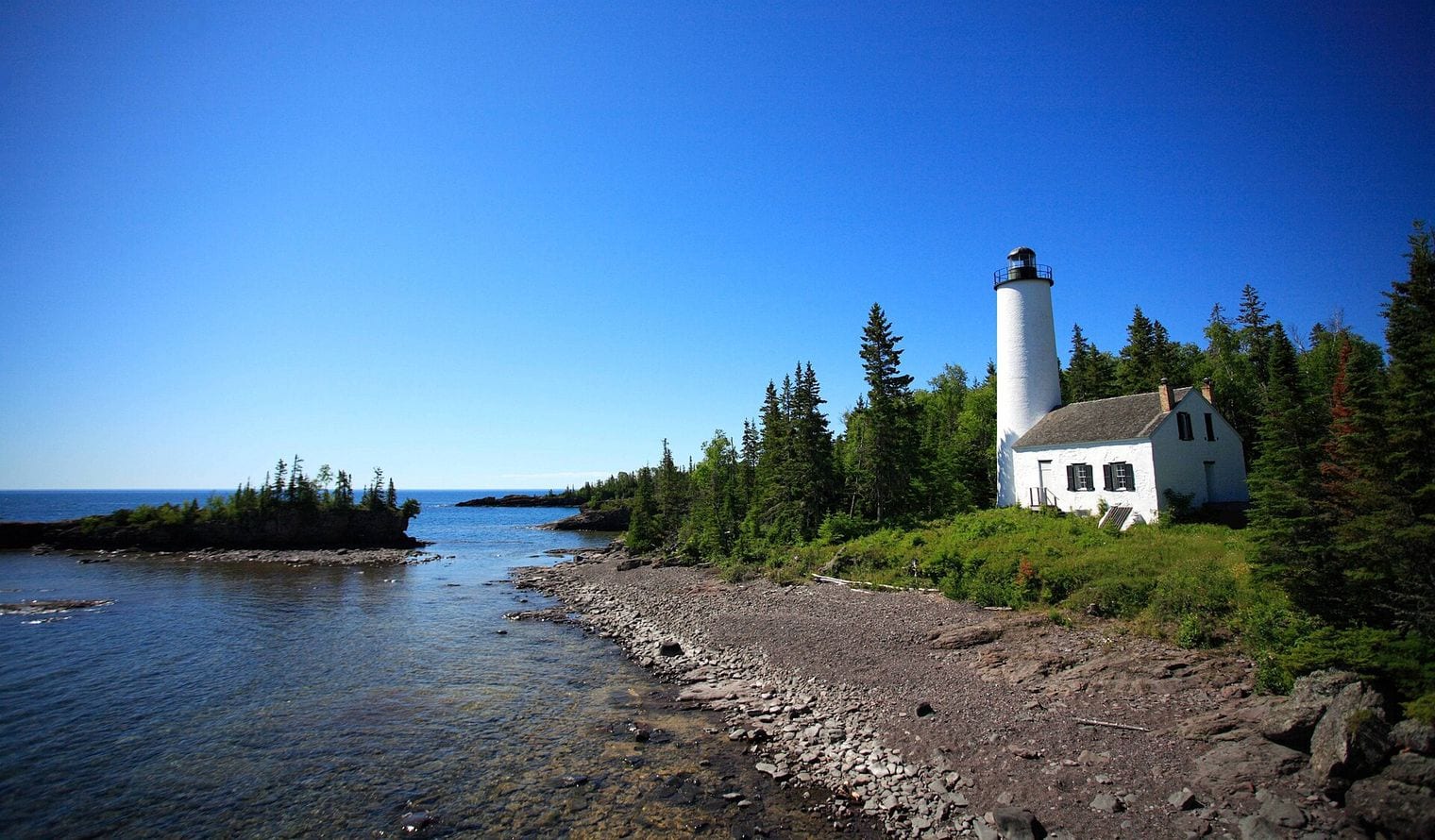
At 571,790 acres (893 square miles), Isle Royale National Park in Lake Superior is more water than land: its boundary takes in the main island, more than 400 smaller islands and the lake around them, with about 209 square miles of land and 685 of water.
The island is famous for its wolves and moose, whose rise and fall scientists have tracked for decades, and it is the only known place where the two live together without bears. There are no roads; visitors arrive by boat or floatplane from Michigan's Upper Peninsula or Minnesota's North Shore and explore on foot, by canoe or by kayak. The park shuts for the winter, so plan a trip between late spring and early fall.
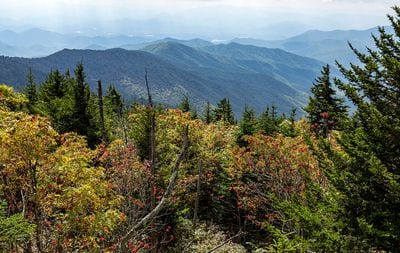
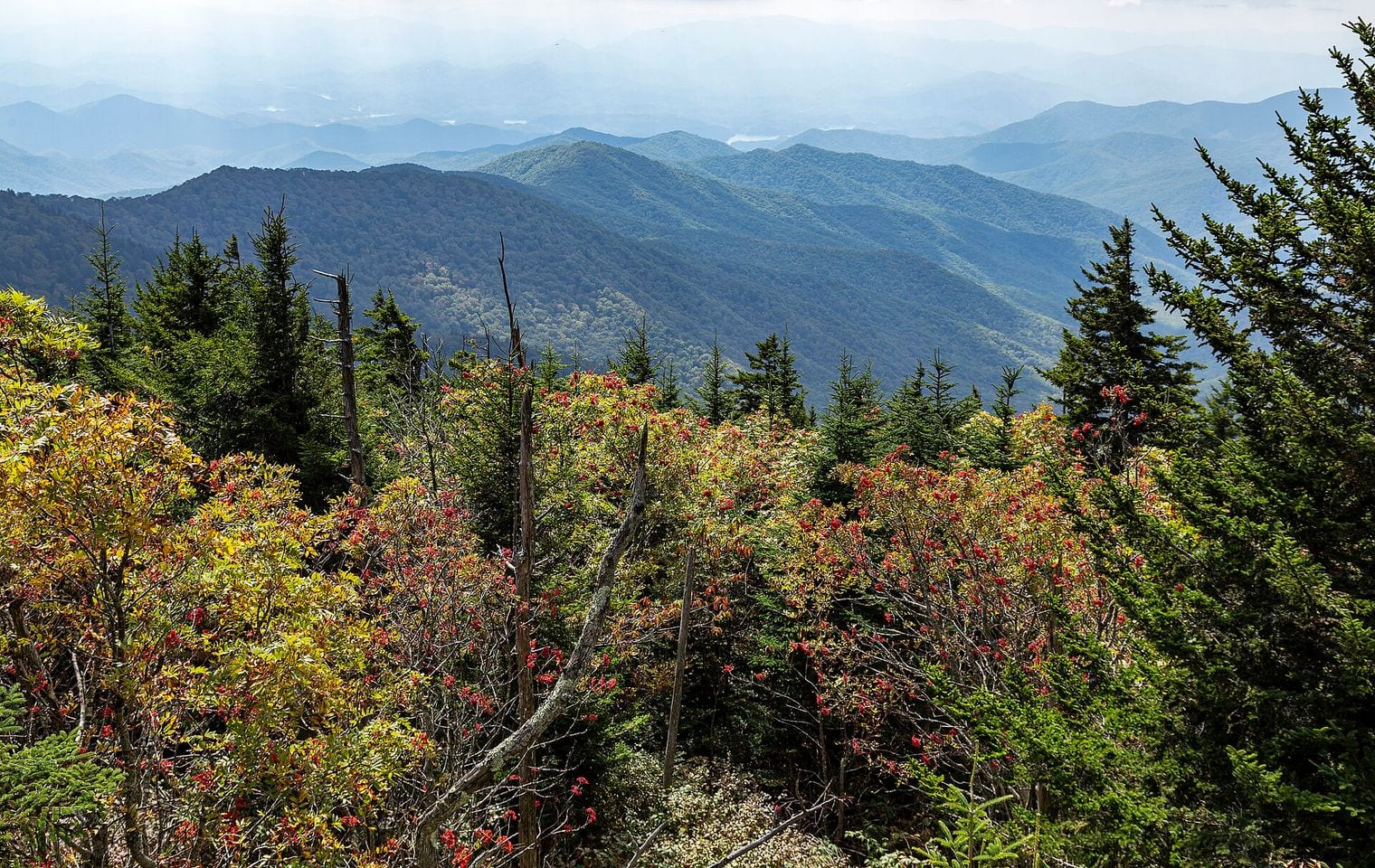
At 522,427 acres (816 square miles), Great Smoky Mountains National Park on the Tennessee–North Carolina line ranks only 19th by area, yet it is the most visited national park in the US, with more than 11 million visits in 2025. It is a World Heritage Site, prized for its biodiversity, waterfalls and forests.
The park charges no entrance fee, though parking for more than 15 minutes needs a parking tag. Drive the Cades Cove loop past log cabins and churches, climb the paved path to the observation tower on Kuwohi, at 6,643 feet the park's highest point, or walk a stretch of the Appalachian Trail, which runs through the center of the park. Gateway towns such as Gatlinburg in Tennessee and Cherokee in North Carolina sit right at the main entrances.
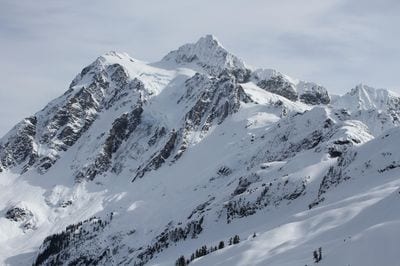
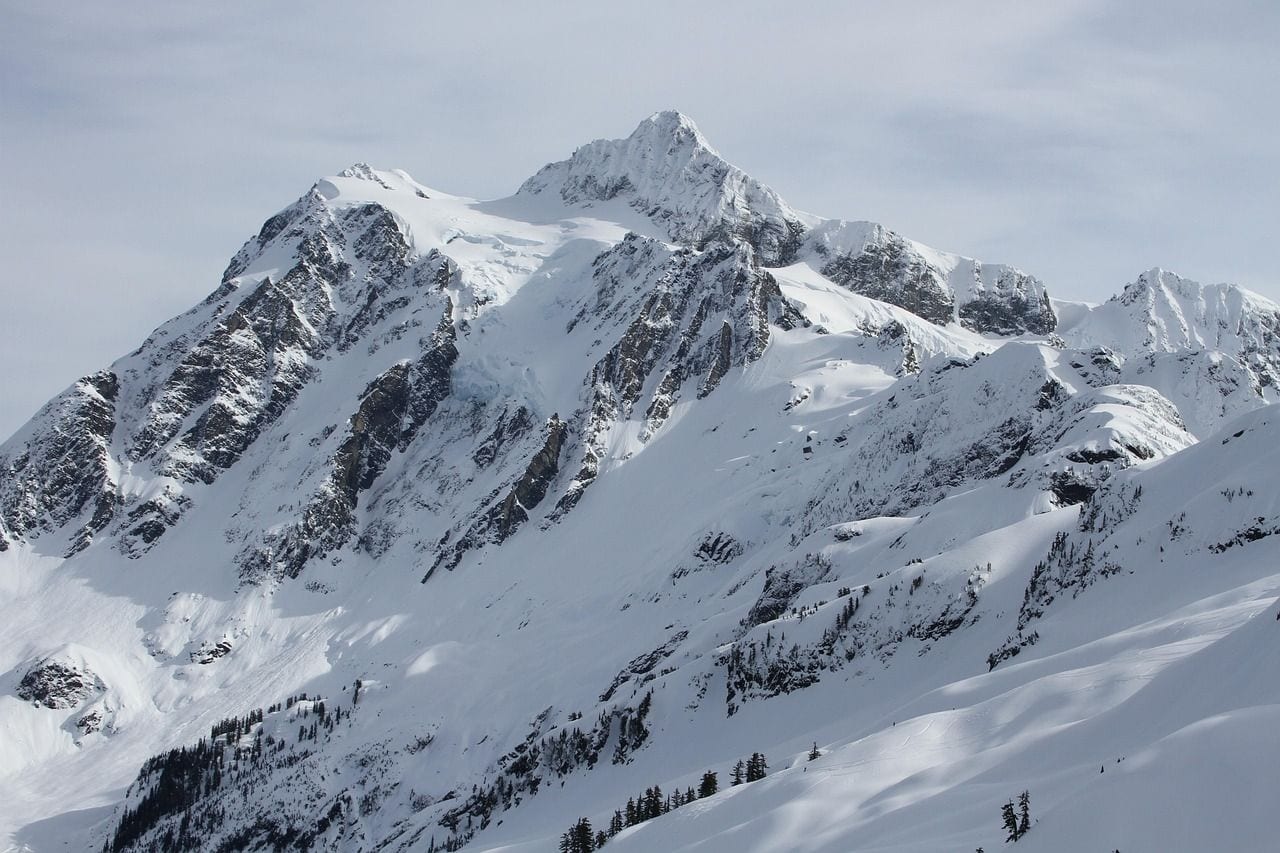
At 504,781 acres (789 square miles), North Cascades National Park in northern Washington holds more than 300 glaciers and about 300 lakes among jagged, heavily glaciated peaks, northeast of Seattle near the Canadian border.
It is a park of two halves, split by the Skagit River and the reservoirs of Ross Lake National Recreation Area, a separate unit; turquoise Diablo Lake, seen from the North Cascades Highway, lies in that recreation area, not the park.
The park itself is largely roadless and is explored on foot: Cascade Pass, where archaeologists have found stone tools about 9,600 years old, is its classic hike, and Stehekin, reached by boat up Lake Chelan, is the gateway to its southern end.
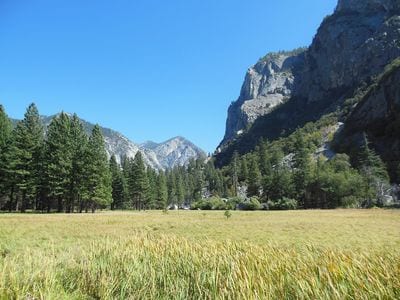
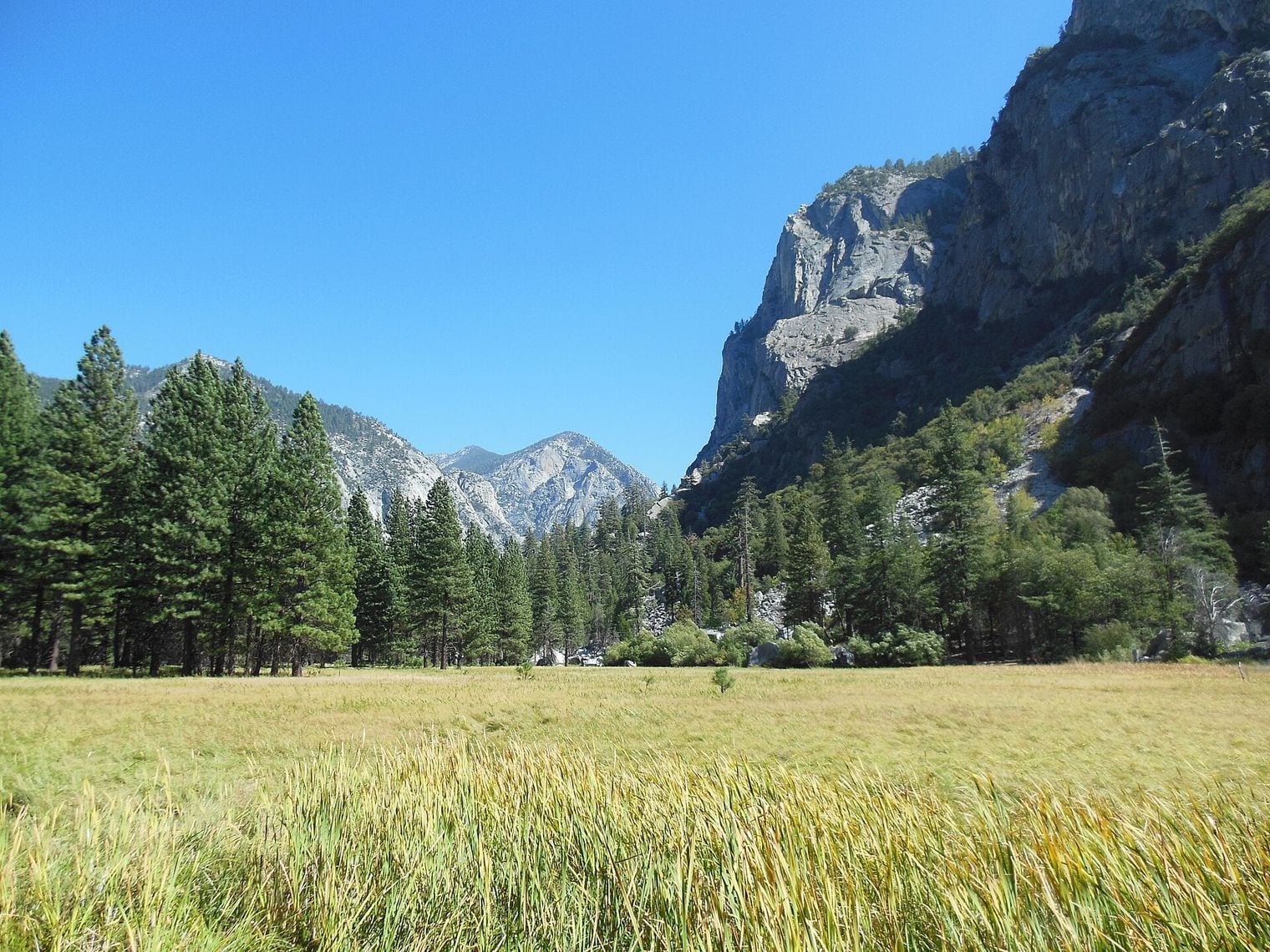
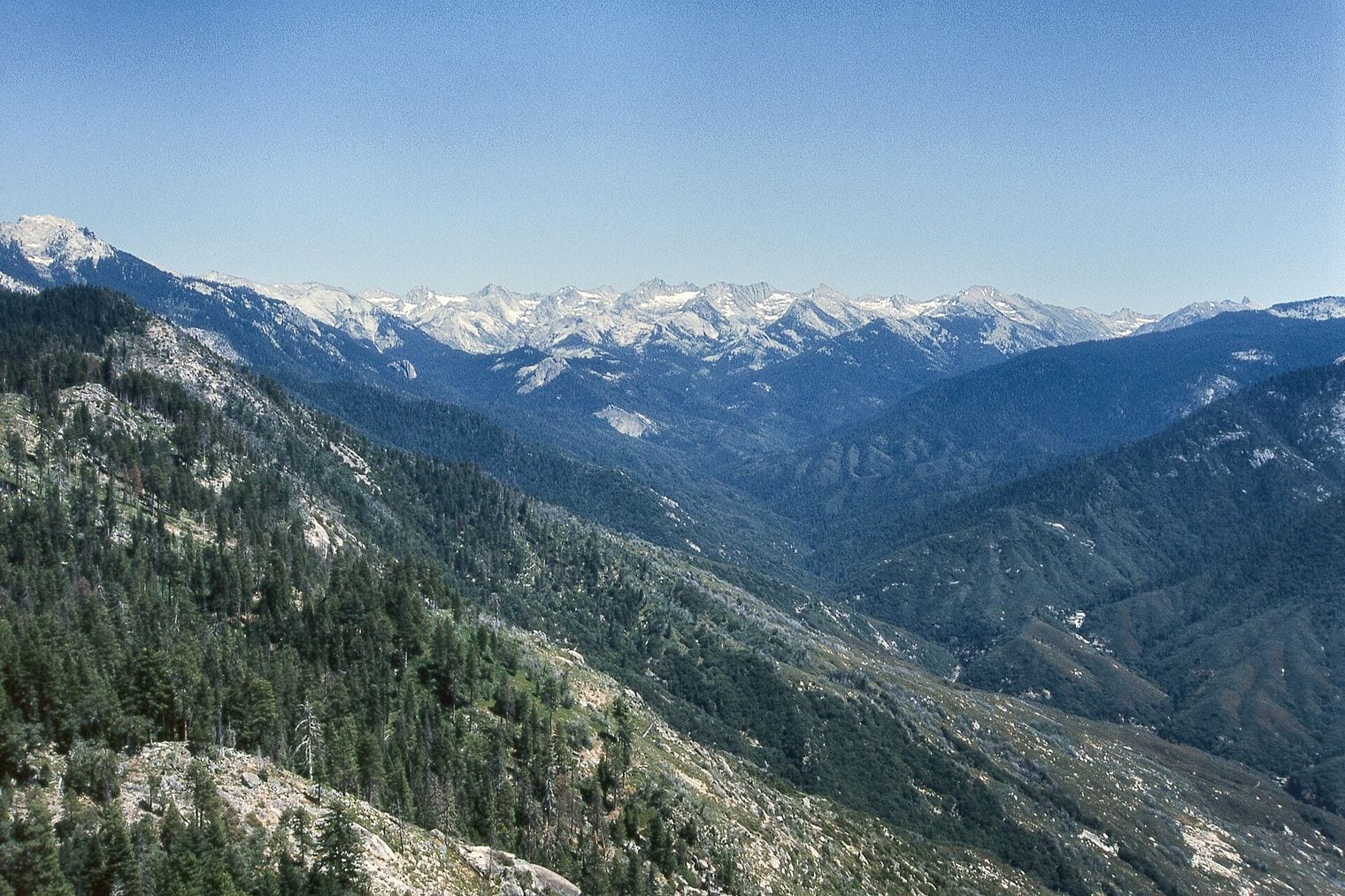
At 461,901 acres (722 square miles), Kings Canyon National Park in California's southern Sierra Nevada is run jointly with Sequoia next door but is a national park in its own right. It began in 1890 as General Grant National Park, protecting a small grove of giant sequoias, and was greatly expanded and renamed in 1940.
Its namesake is a glacier-carved valley more than a mile deep, reached by the Kings Canyon Scenic Byway down to Cedar Grove, where Zumwalt Meadow and the Kings River sit beneath sheer granite walls. In Grant Grove, the General Grant Tree, the second-largest tree in the world by trunk volume, is also the Nation's Christmas Tree. The larger eastern part of the park is almost entirely wilderness, reached only on foot.
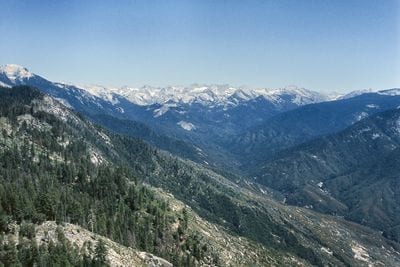
At 404,063 acres (631 square miles), Sequoia National Park, established in 1890, protects the General Sherman Tree, the largest tree on Earth by volume, in the Giant Forest, which holds five of the ten largest trees in the world.
The park spans nearly 13,000 feet of relief, from the foothills to Mount Whitney, at 14,505 feet the highest point in the contiguous US, on its eastern edge. Closer to the road, climb the stairs up Moro Rock for a view across the high Sierra, walk the Congress Trail among the giant sequoias, or tour the marble passages of Crystal Cave.
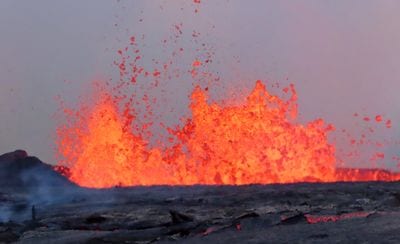
At 344,812 acres (539 square miles), Hawaiʻi Volcanoes National Park on the Big Island runs from sea level to the summit of Mauna Loa, the world's largest shield volcano, and also takes in Kīlauea, one of the most active volcanoes on Earth. It is a World Heritage Site and an International Biosphere Reserve.
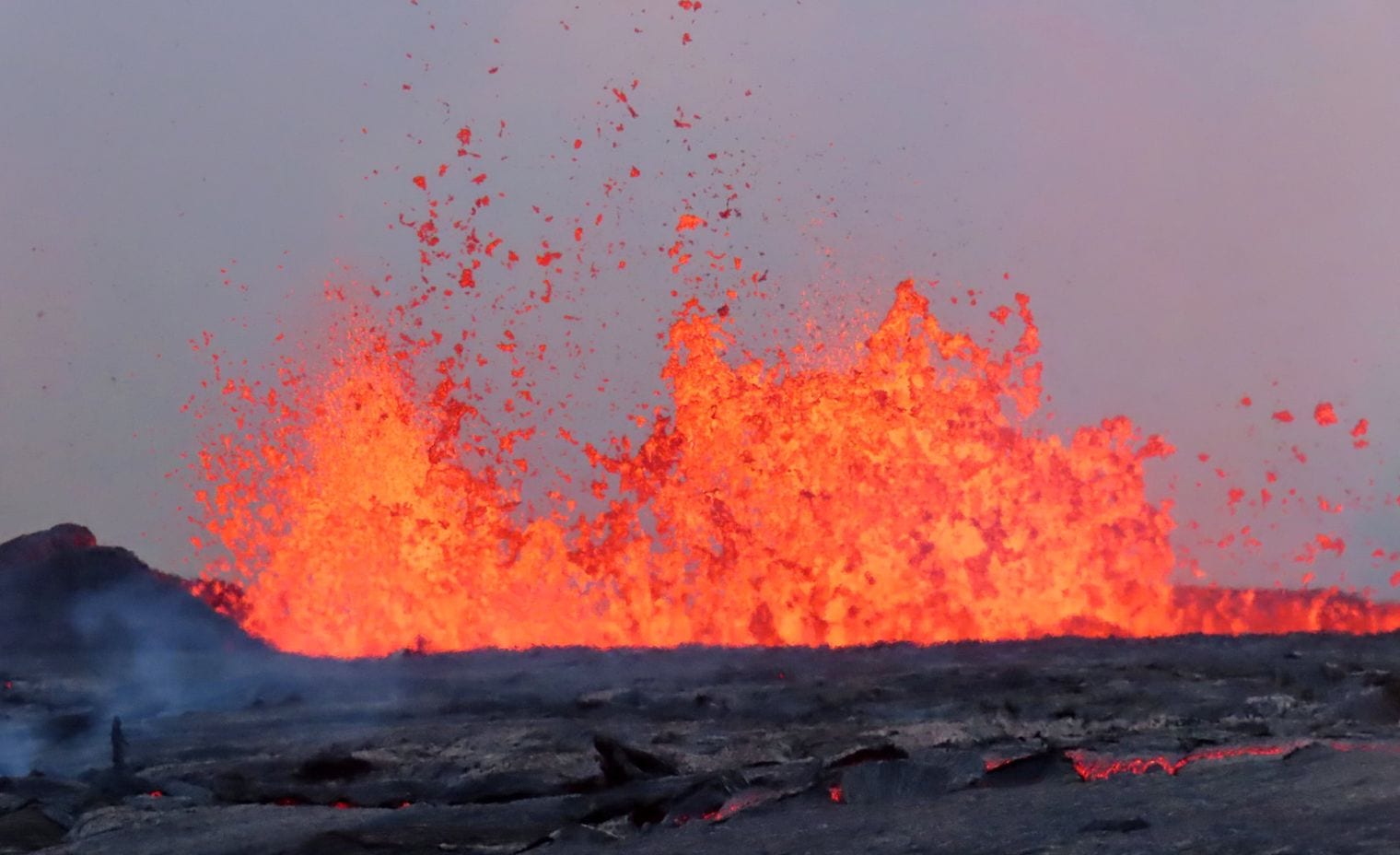
Crater Rim Drive circles Kīlauea's summit, where Halemaʻumaʻu crater has erupted on and off since 2020, sometimes lighting the night sky, and Chain of Craters Road drops to the sea across older lava flows.
Hurricane Lala damaged the park in August 2026, and when most of it reopened at the end of that month the Kahuku Unit, the upper Mauna Loa Road, Kīpukapuaulu Trail and Nāmakanipaio campground were still shut, so check the park's alerts before you go. The main entrance is about 45 minutes from Hilo.
At 337,598 acres (527 square miles), Canyonlands National Park in southeastern Utah is the state's largest national park, cut by the Green and Colorado rivers into four districts: Island in the Sky, the Needles, the Maze and the rivers themselves.
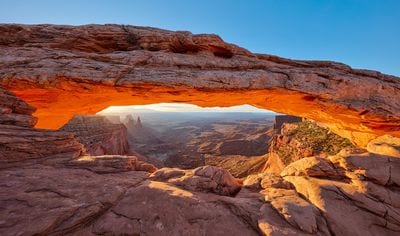
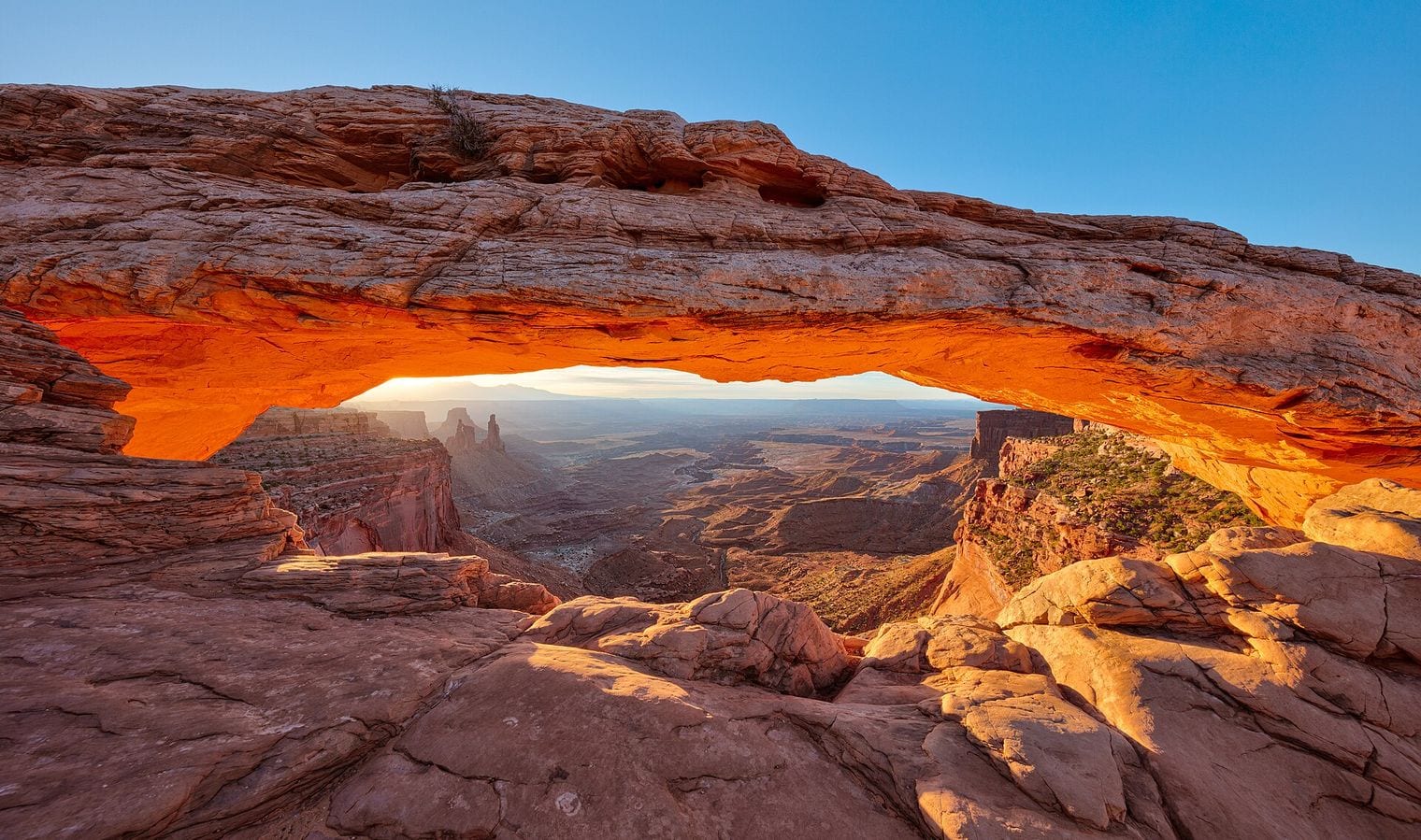
Island in the Sky, the mesa-top district nearest Moab, draws most visitors, with paved overlooks such as Grand View Point and the short walk to Mesa Arch, a favorite at sunrise.
The Needles, to the south, is for hikers among banded sandstone spires, while the Maze is one of the most remote corners of the lower 48, reached only on long, rough four-wheel-drive tracks. Below them the two rivers meet at the confluence and run into the whitewater of Cataract Canyon.
At 310,044 acres (484 square miles), Grand Teton National Park in northwest Wyoming closes the list just south of Yellowstone. It protects the major peaks of the 40-mile Teton Range and most of the valley of Jackson Hole, where Grand Teton, at 13,775 feet, rises more than 7,000 feet above the valley floor.
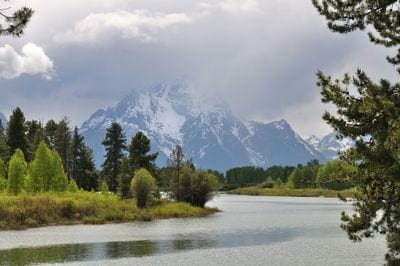
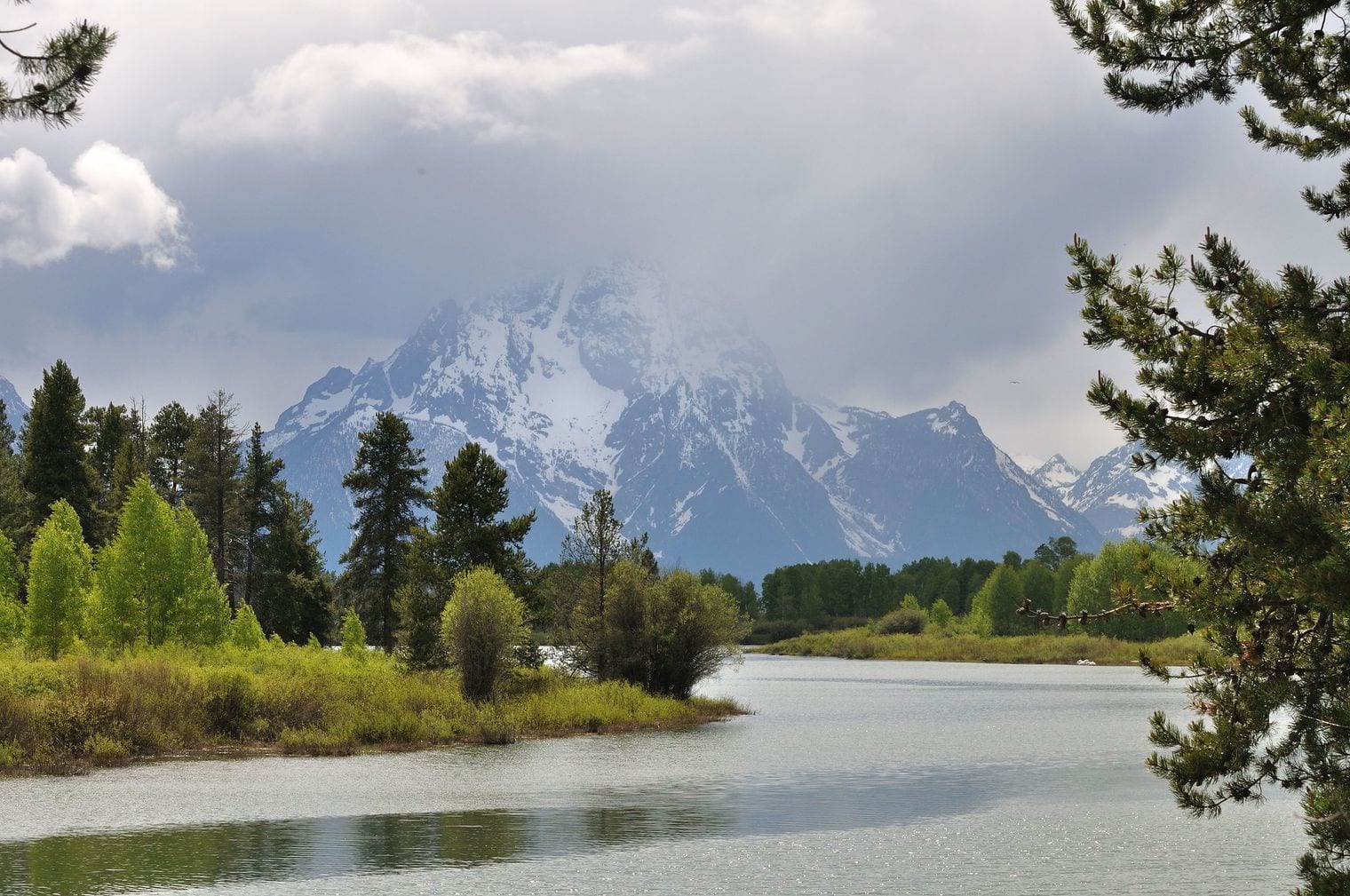
First protected in 1929, the park grew toward its present size after John D. Rockefeller Jr. bought up land in Jackson Hole to be added to it. Classic stops include Jenny Lake at the foot of the range, the reflections at Schwabacher Landing and Oxbow Bend on the Snake River, and 15-mile-long Jackson Lake, while moose, elk, bison and pronghorn graze the sagebrush flats.
FAQ: America's Largest National Parks
What is the largest national park in the US?
Wrangell–St. Elias in Alaska is the largest, at 8,323,146 acres for the national park alone, or 13,175,791 acres, the 13.2 million the Park Service quotes, with its adjoining national preserve. Either way it leads: the runner-up, Gates of the Arctic, covers 7,523,897 acres, or 8,472,506 with its own preserve.
What is the largest national park in the lower 48?
Death Valley, on the California–Nevada line, at 3,408,375 acres. Yellowstone is second in the lower 48 at 2,219,791 acres, followed by Everglades and Grand Canyon. Unlike most of the Alaska giants, all four can be reached on paved roads, and Death Valley is best visited between late fall and early spring.
Why aren't the national preserves counted?
Because the National Park Service treats each preserve as a separate unit, with its own line on its acreage register, even where it is managed together with a park, as at six Alaska parks. Counting them would add 4,852,645 acres to Wrangell–St. Elias and lift Lake Clark past 4 million. Units titled preserve or recreation area, such as Noatak and Lake Mead, are left out for the same reason.
What is the smallest national park in the US?
Gateway Arch National Park in St. Louis, Missouri, at just 192.83 acres of Mississippi riverfront around the arch. Wrangell–St. Elias could hold it more than 43,000 times over. Among the 25 parks here, the smallest is Grand Teton, at 310,044 acres; Rocky Mountain National Park in Colorado, at 265,918 acres, is the next largest and just misses the cut.
Is the most visited national park also one of the largest?
Every figure in this ranking was checked against the record-keeper or official source behind it before publication, and the top of the ranking re-checked live so a newer record would not be missed.
One email every Thursday with our newest guides for the places you tick.
Newsletter
Get new guides like this by email
One email every Thursday with our newest guides for the places you tick.
We use cookies to analyse site traffic and improve your experience.
You can accept or reject analytics cookies. See our
May we use analytics cookies? See ourCookie Policy.