We build and rank every list first. Booking links come after, and only where
a partner sells a ticket, tour or stay for that exact place, so a place with
nothing to book is listed exactly as prominently as one you can book.
So how do we earn? Some links on this page go to booking
partners, and if you book tickets, tours or a stay through
one, we may earn a commission. It costs you nothing extra.
That commission never decides which places make the list, the order they
appear in, or what we write about them. No entry is sponsored or a paid
placement.
By the City Viking editorial teamPublished Ranked by seating capacity · 33 min read
Last verified Checked before launchOct 5, 202662 sources60 publishers2 government & parks3 encyclopedias & research57 venues & other sitesPublished · Oct 26, 2026Researched and checked before it went liveClick for every source and the full change log.
The record
107,601 seats
Michigan Stadium
United States
The record
The largest stadium in the US is Michigan Stadium, in the United States — 107,601 seats, seating capacity.
Source: mgoblue.com. Verified .
Short answer
Michigan Stadium in Ann Arbor is the largest stadium in the US, with 107,601 seats, just ahead of Penn State's Beaver Stadium at 106,572. All eight stadiums above 100,000 are college venues, so for the biggest crowd go to a fall Saturday home game; the largest NFL home is MetLife Stadium at 82,500.
Indianapolis Motor Speedway has seats for more than 200,000 race fans and Bristol Motor Speedway holds about 146,000, far more than any football stadium, yet neither appears below: racetracks are a different kind of venue, so this list leaves them out.
What remains is a countdown of the 62 largest stadiums in the US, ranked by the official seating capacity each venue or its home team lists for the 2026 season, from Michigan Stadium's 107,601 down to Soldier Field's 61,500. Capacity means seats in the standard football setup, so Super Bowl, concert and World Cup layouts and record crowds don't count, which is why AT&T Stadium stays at 80,000 even though standing room can push it past 100,000.
Every stadium here is in use for 2026, which leaves out Orlando's Camping World Stadium while its rebuild runs without an official figure. Where sources disagree, the entry says so, and stadiums that list the same number share it. For the campus giants alone, see the largest college football stadiums.
Only two stadiums are shared by two NFL teams: MetLife Stadium (the Giants and Jets) and SoFi Stadium (the Rams and Chargers).
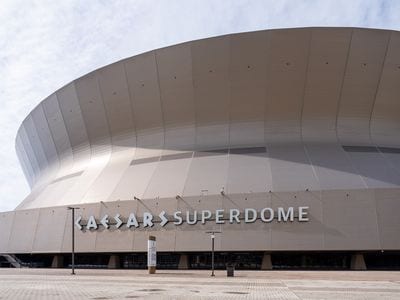
The Caesars Superdome in New Orleans has the largest fixed domed structure in the world, a 680-foot dome covering 13 acres.
Kansas City and Seattle have traded the Guinness record for crowd noise: fans at Arrowhead Stadium took it back in 2014 at 142.2 decibels, after Lumen Field crowds had briefly held it.
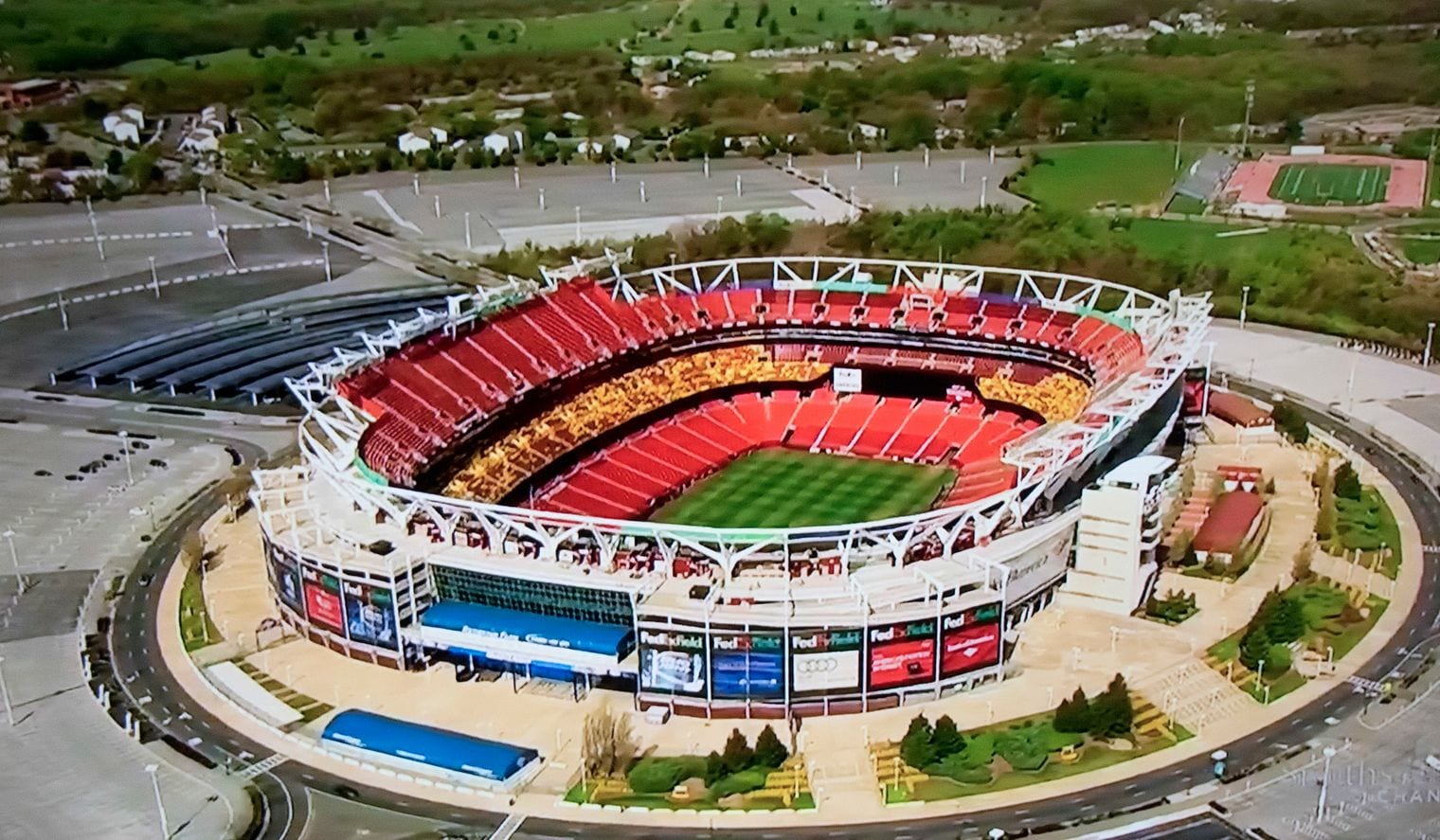
Northwest Stadiumheld 91,000 from 2004 to 2010, the most in the NFL at the time; after upper-deck seats came out, it now lists 64,000.
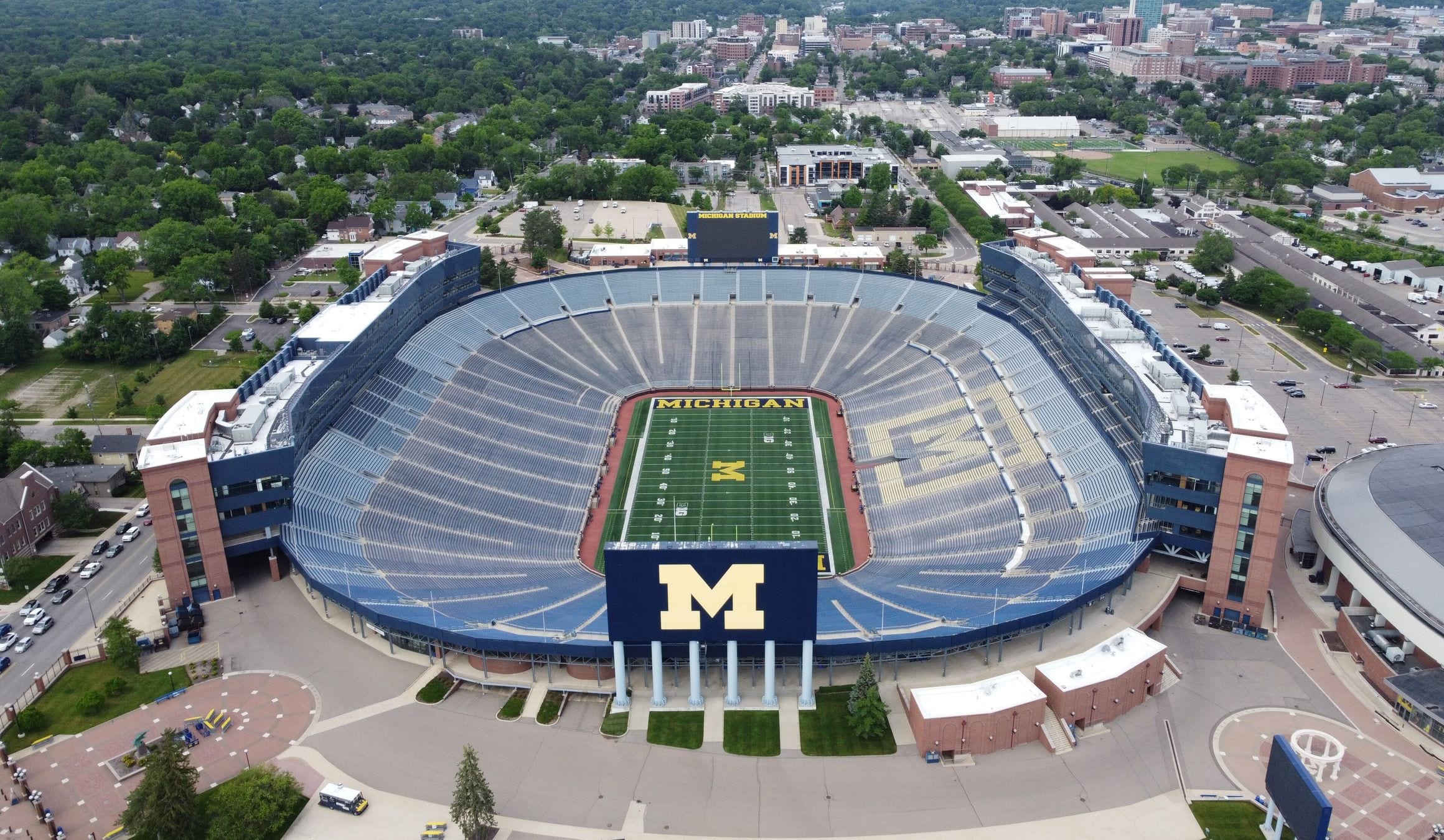
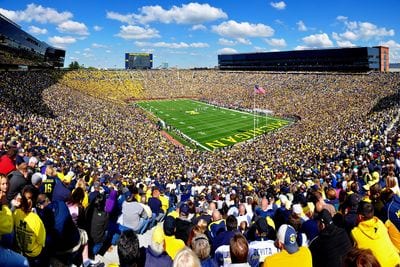
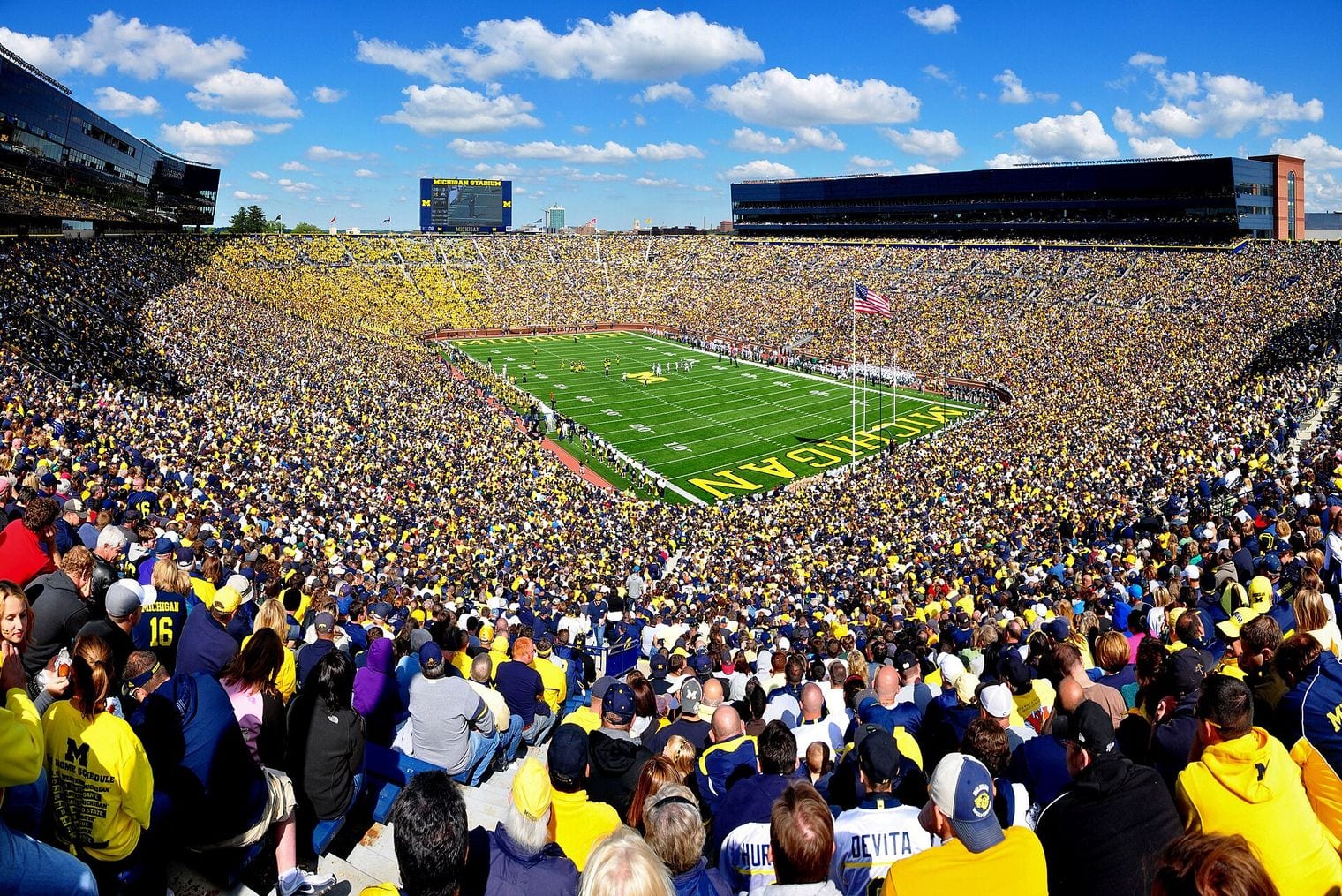
At 107,601 seats, Michigan Stadium in Ann Arbor is the largest stadium in the United States and the biggest in the Western Hemisphere. The University of Michigan's "Big House" is dug partly into the ground, so from the street it looks surprisingly low; only when you reach the rim does the full bowl open beneath you, row after row down to the field.
The figure is the official count set in 2015, though game-day crowds regularly beat it and have passed 115,000. Coach Fielding Yost had the footings built to allow for future growth, and the stadium also stages the university's commencement. With Penn State expanding Beaver Stadium, the top spot is the one to watch.
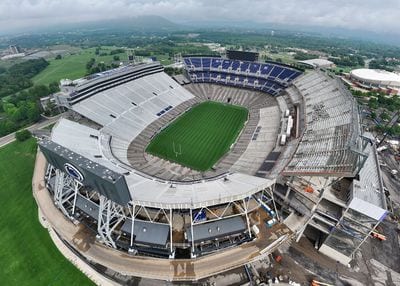
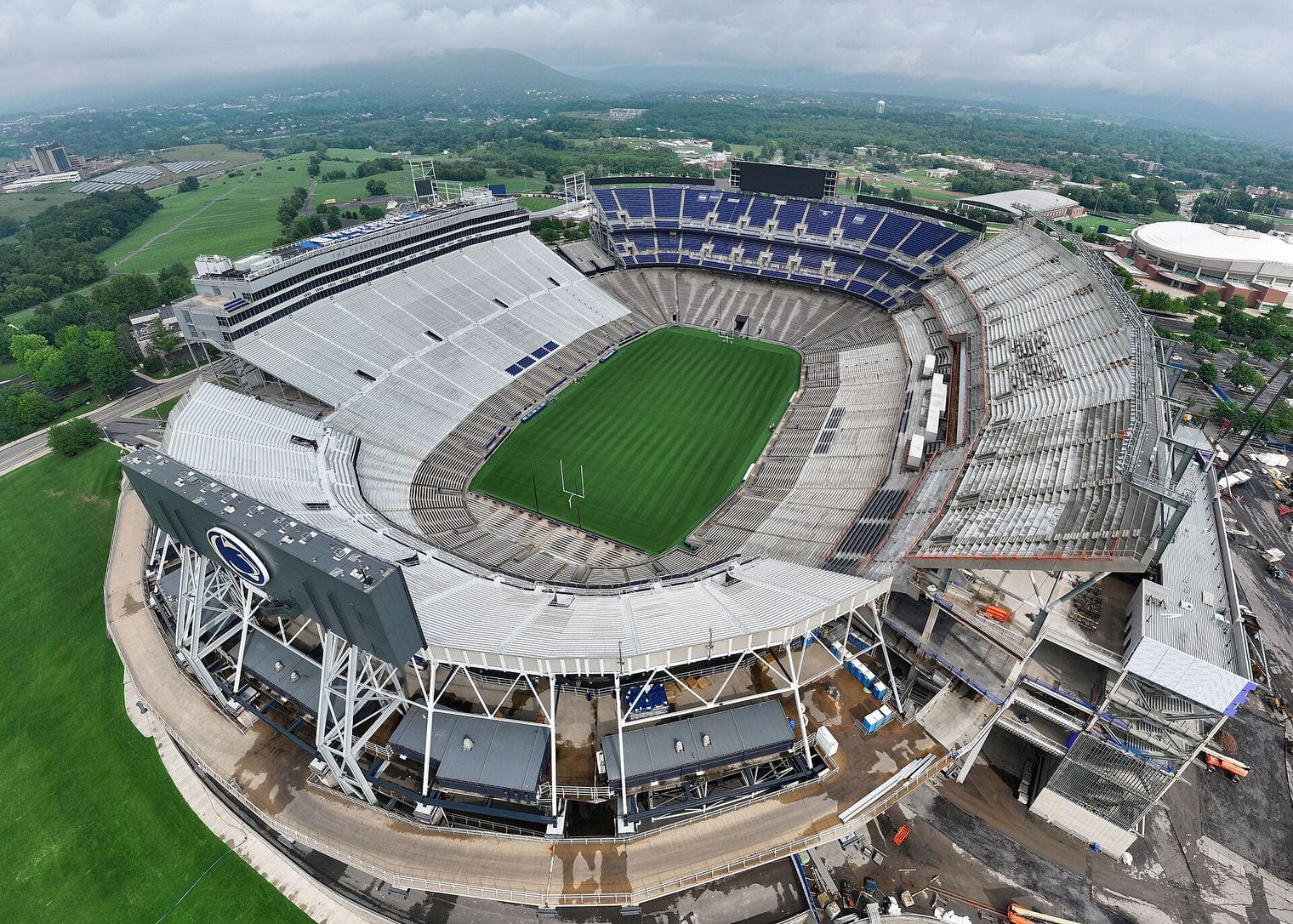
At 106,572 seats, Beaver Stadium in University Park, Pennsylvania, is the second-largest stadium in the country and the home of the Penn State Nittany Lions. It has hosted Penn State since 1960, and it takes its name from James A. Beaver, a governor of Pennsylvania who led the university's board of trustees. White Out nights, when the whole crowd dresses in white, are among college football's great spectacles.
The number is in flux. Penn State's own 2026 media guide still prints 106,572 (it was 106,304 in 2025, with temporary bleachers), but local reporting says the new west upper deck already lets the stadium hold about 108,000, and the athletic director expects about 109,000 once it is finished. If the school publishes that figure, Beaver passes Michigan for first place.
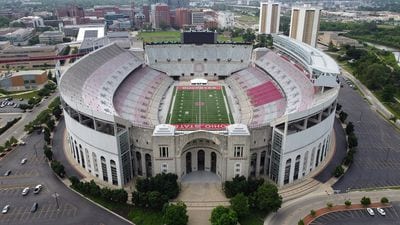
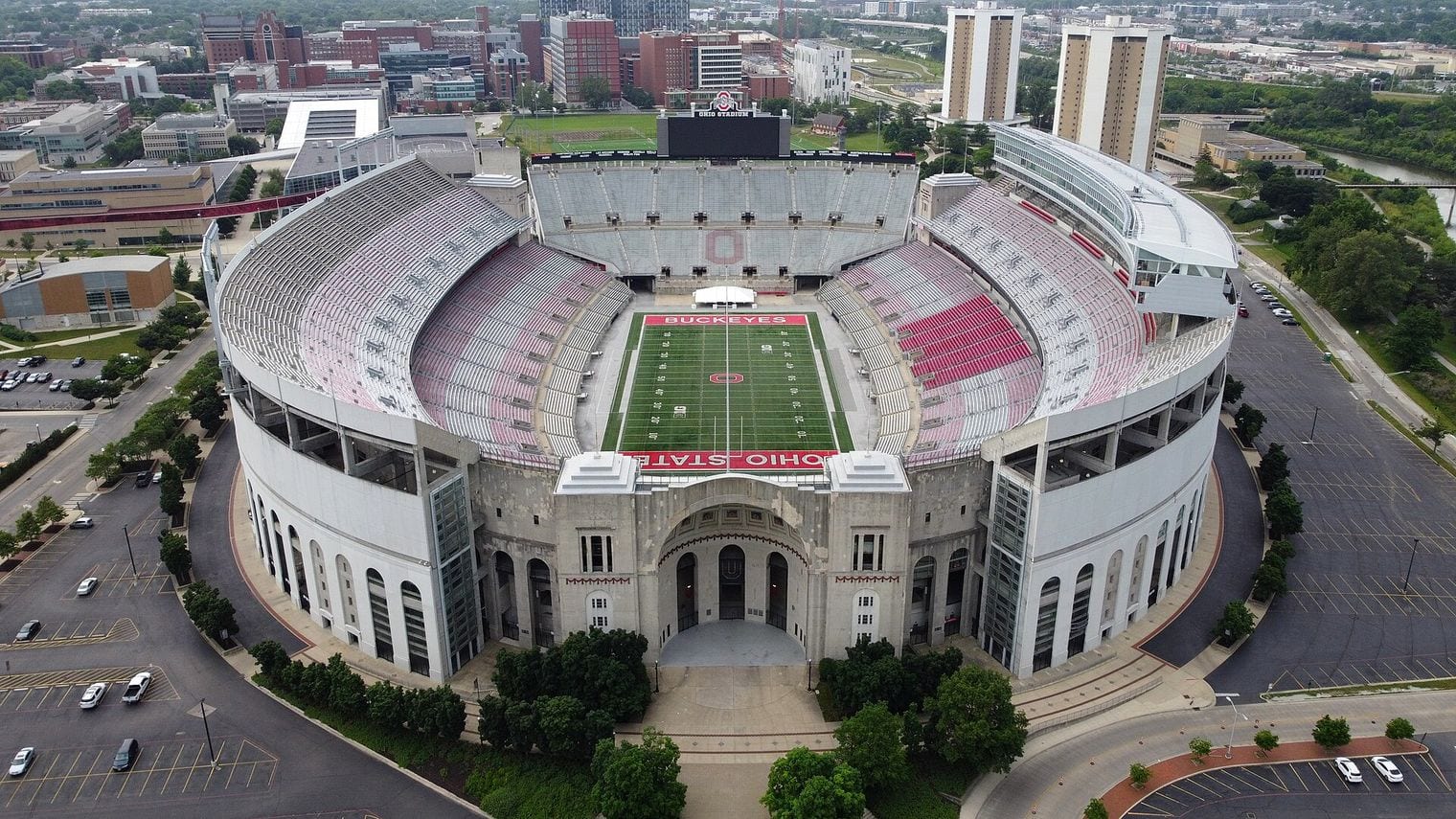
At 102,780 seats, Ohio Stadium in Columbus is the home of the Ohio State Buckeyes. Its horseshoe shape gave it the nicknames "The Horseshoe" and "The Shoe," and since 1922 it has hosted football, Columbus Crew soccer in the late 1990s and stadium concerts by the Rolling Stones, Pink Floyd and Taylor Swift.
102,780 is the figure Ohio State's spring notes, opponents' game notes and Wikipedia share. Ohio State's in-season 2026 notes list 102,041 after new field-level suites went into the south end zone, and at that number the Shoe would slip behind Kyle Field and Tiger Stadium. It is the closest call near the top of this list.
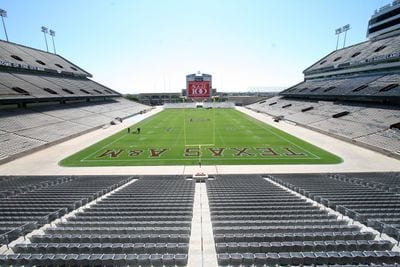
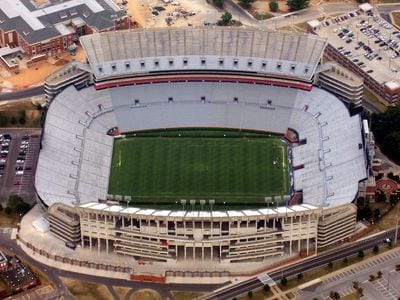
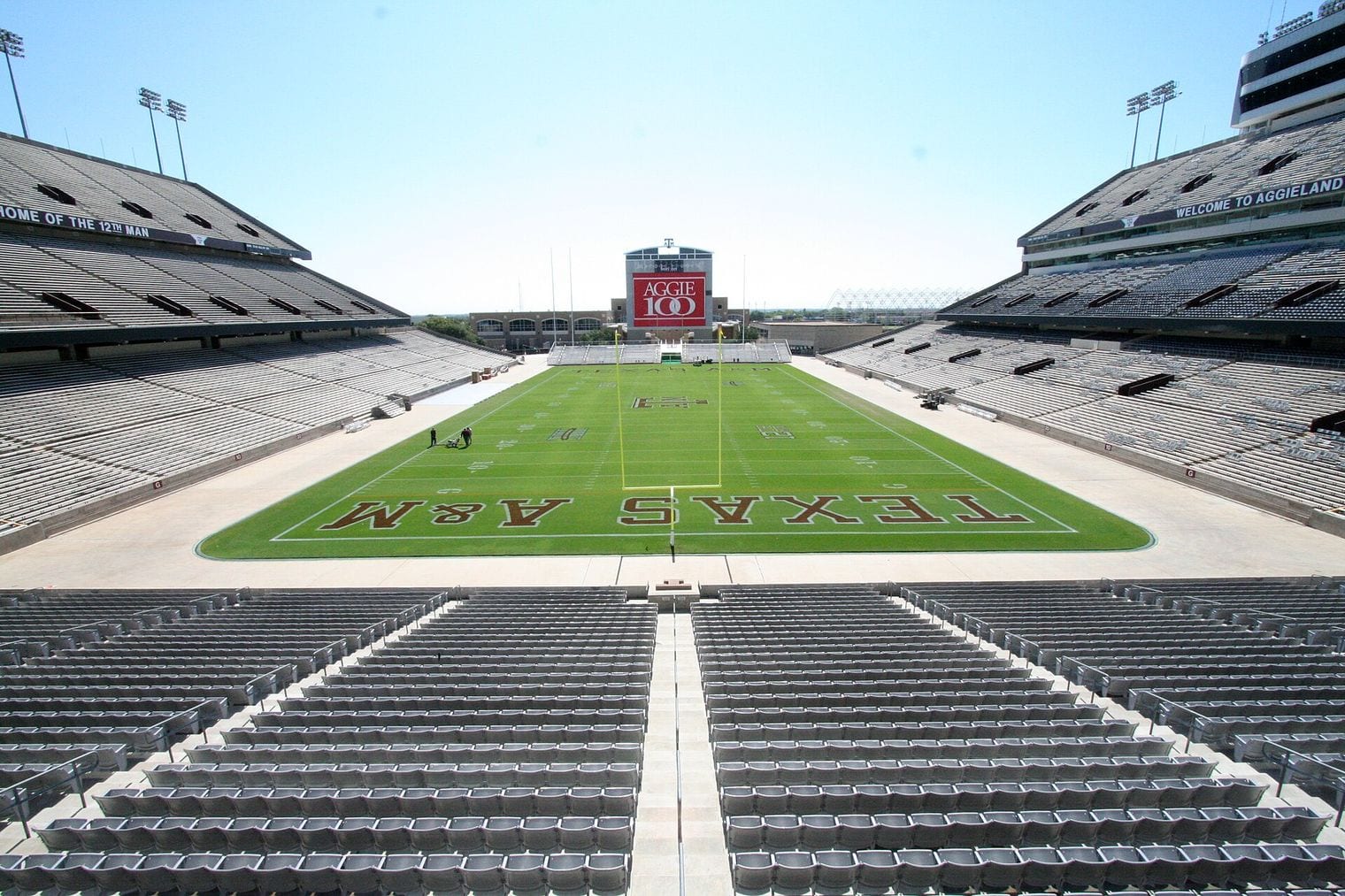
At 102,733 seats, Kyle Field in College Station is the largest stadium in Texas and the home of the Texas A&M Aggies. Football has been played on this site since 1904, and a permanent concrete stadium has stood here since 1927. A redevelopment completed for the 2015 season produced the enclosed, towering bowl that stands today.
The stands rise so steeply that noise has nowhere to go, which helps explain the stadium's fierce reputation. Its record crowd, 110,633, packed in on October 11, 2014, when Ole Miss beat the Aggies, and full Saturdays here still draw well over the official figure.
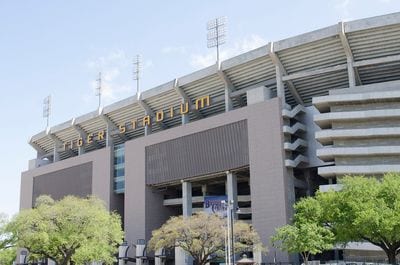
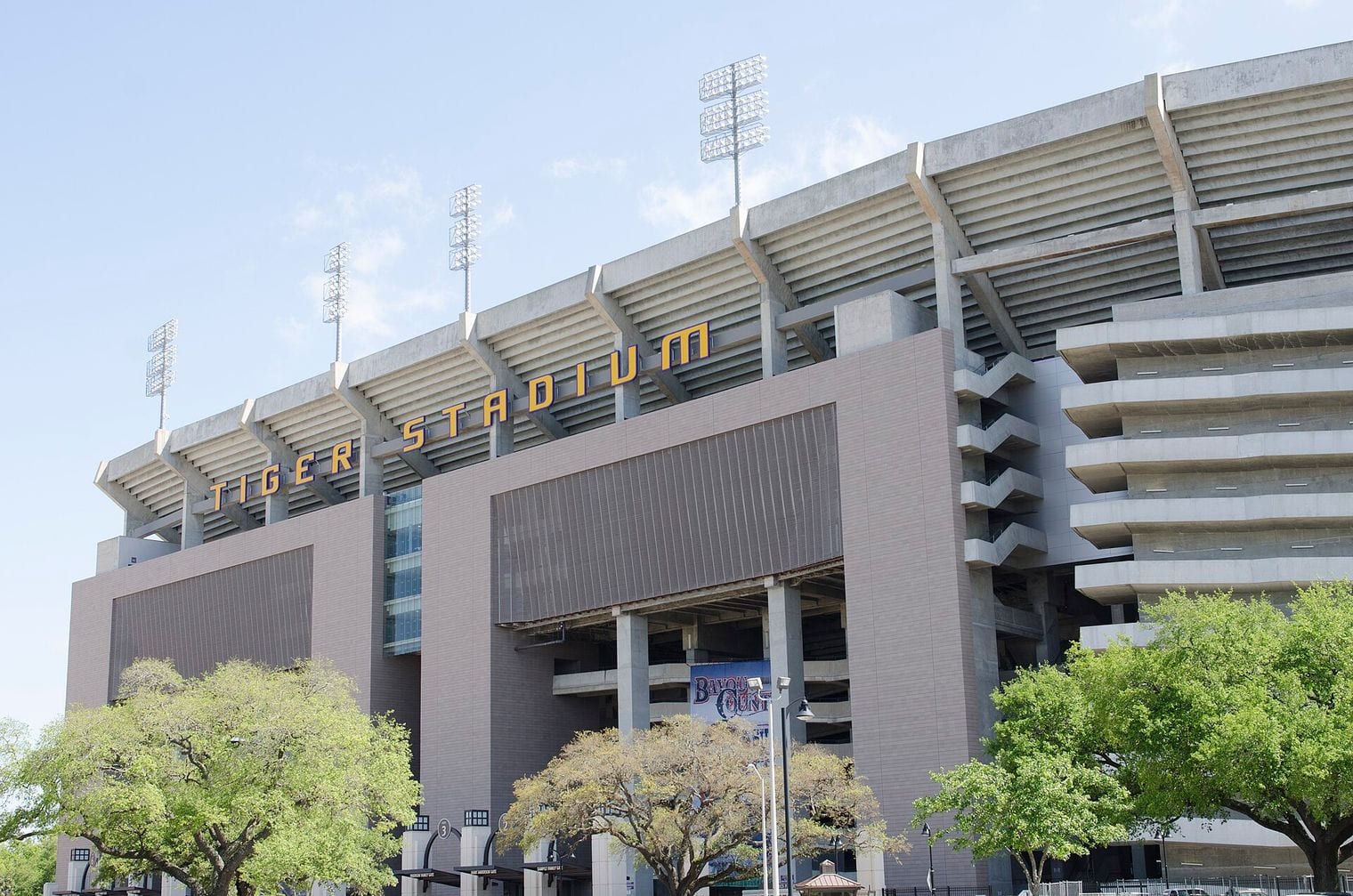
At 102,321 seats, Tiger Stadium on the Louisiana State University campus in Baton Rouge is the home of the LSU Tigers and the fifth-largest stadium in the country. Known across the sport as Death Valley, it has hosted LSU since 1924, when the team moved from State Field on the old downtown campus.
Night games are the draw. The bowl climbs steeply on every side, so even the upper rows feel close to the action, and tailgaters fill the campus from early morning. When a full purple-and-gold house gets going, the noise is part of what visitors come to hear.
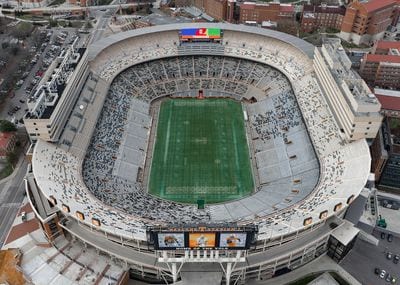
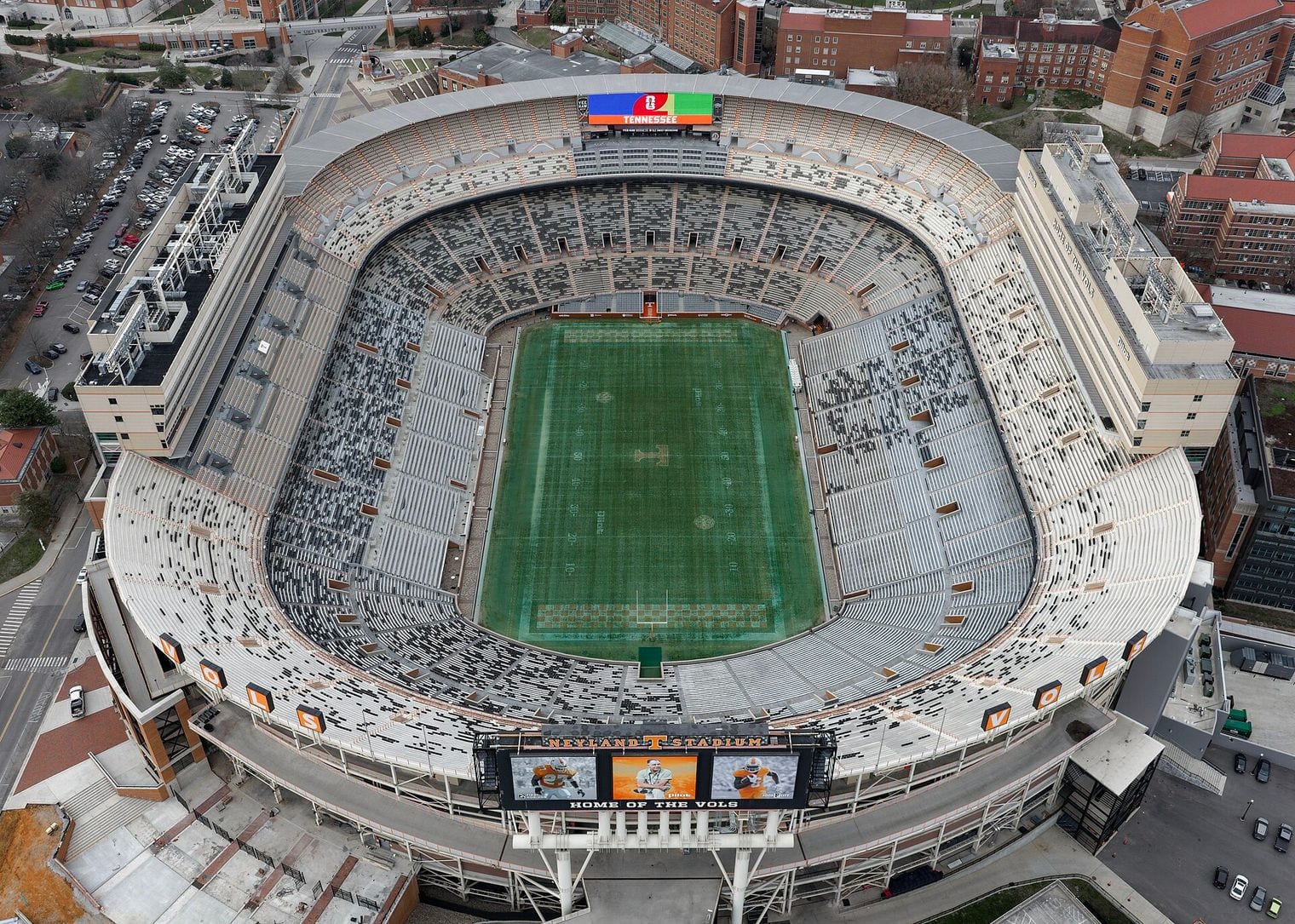
At 101,915 seats, Neyland Stadium is the home of the Tennessee Volunteers in Knoxville, set on the bank of the Tennessee River. It opened in 1921 as Shields–Watkins Field, a name the playing surface still carries, and honors Robert Neyland, who coached Tennessee across three separate stints.
Sixteen expansion projects shaped the stadium, which once held 104,079 before later work trimmed it. On game days the "Vol Navy" of boats ties up along the river below the stands, and the orange-and-white checkerboard end zones make the field instantly recognizable.
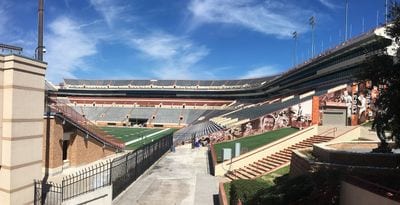
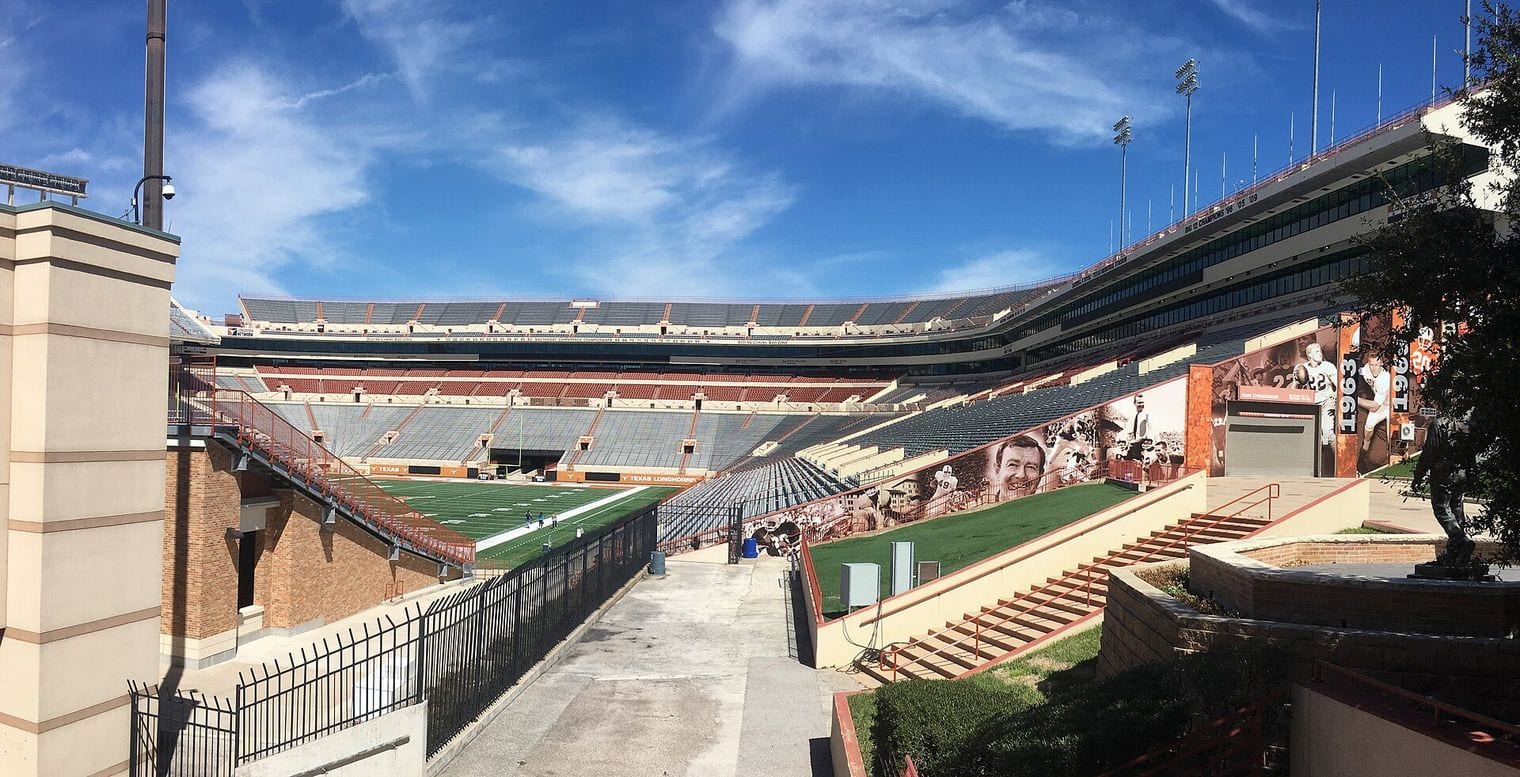
At 100,119 seats, Darrell K Royal–Texas Memorial Stadium has been the home of the Texas Longhorns in Austin since 1924. Built as a memorial to Texans who served in World War I, it now also honors Darrell K Royal, the coach who led Texas to national championships, and its stands rise just north of the state capitol.
The capacity has stood at 100,119 since the south end zone was rebuilt, but the stadium's record crowd, 105,215, came for Georgia on October 19, 2024. A full house singing "The Eyes of Texas" after the game is one of Austin's best-known rituals.
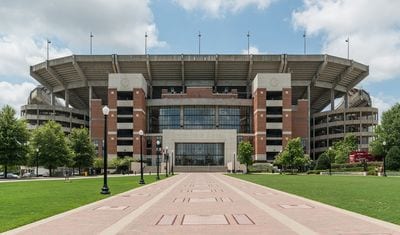
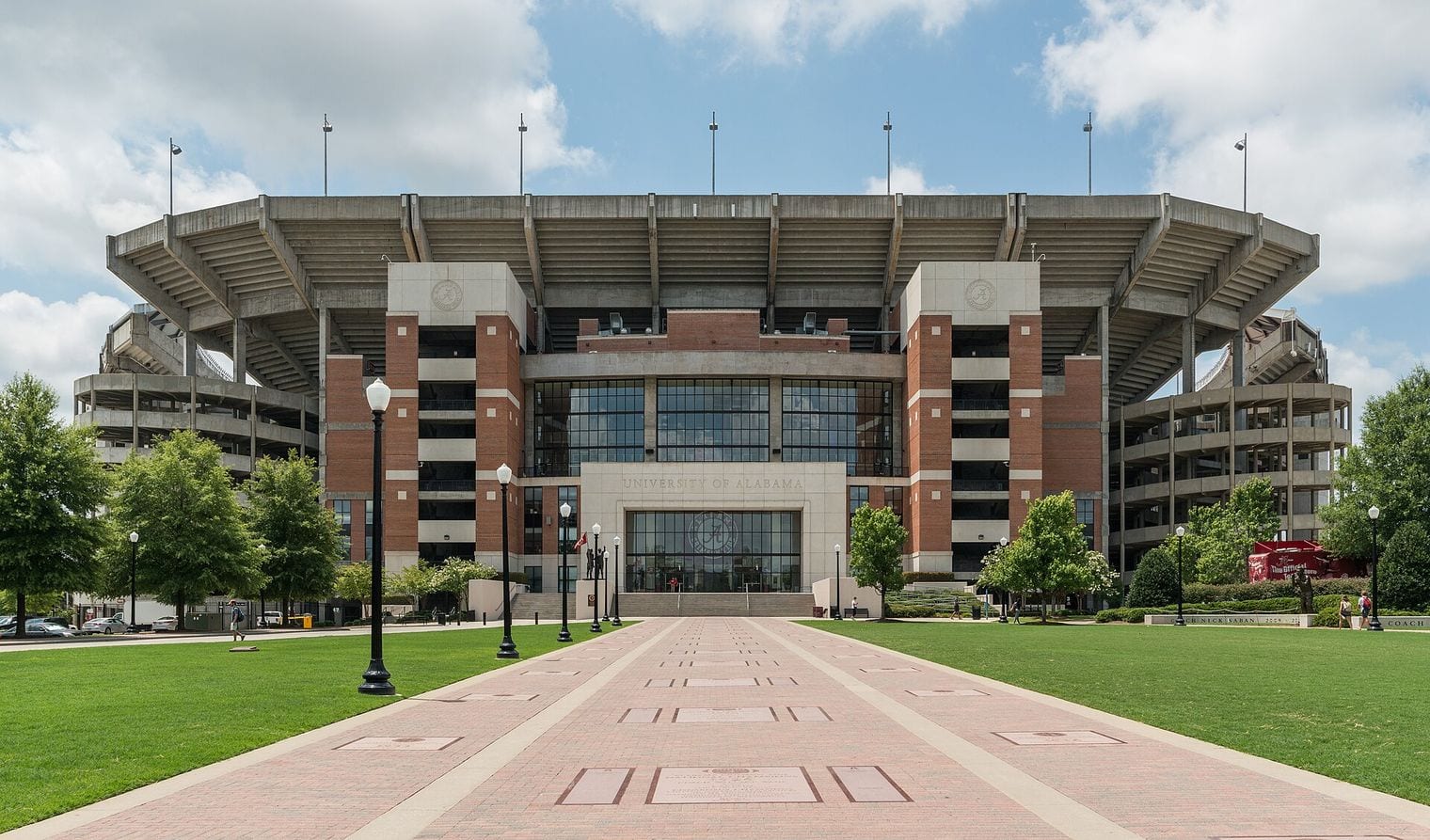
At 100,077 seats, Bryant–Denny Stadium in Tuscaloosa is the home of the Alabama Crimson Tide and the last of the eight stadiums in the country above 100,000. It opened in 1929 as Denny Stadium, named for university president George H. Denny, and in 1975 the legislature added Paul "Bear" Bryant while he was still coaching.
In 2024 the playing surface was named for Nick Saban, who won six national championships with Alabama, so it is now Saban Field at Bryant–Denny Stadium. Renovations completed in 2020 set today's figure, and the walk past the coaches' statues outside is part of any game-day visit.
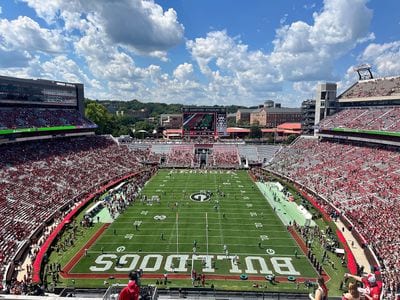
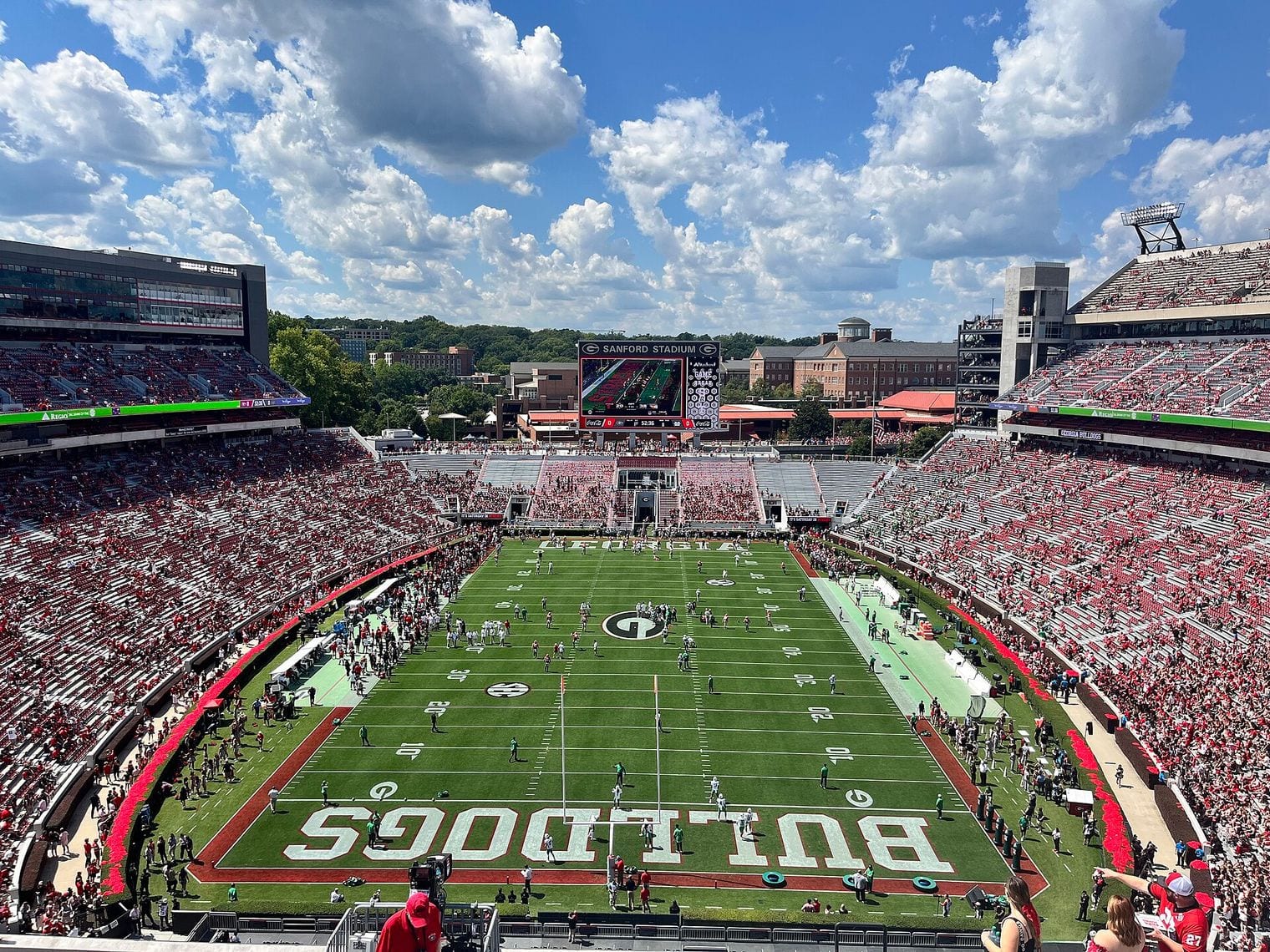
At 93,033 seats, Sanford Stadium in Athens is the home of the Georgia Bulldogs, and the drop below 100,000 after the top eight is sharp. Georgia plays "between the hedges" here: privet hedges have ringed the field since the stadium opened in 1929, and new ones went in during 2024.
The figure rose from 92,746 to 93,033 after a two-phase renovation finished in 2024. The stadium sits in a natural valley in the middle of the University of Georgia campus, so the stands seem tucked into the landscape, and Saturday crowds make it one of the loudest places in the sport.
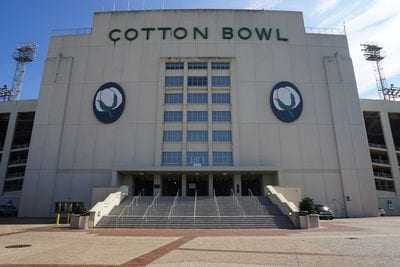
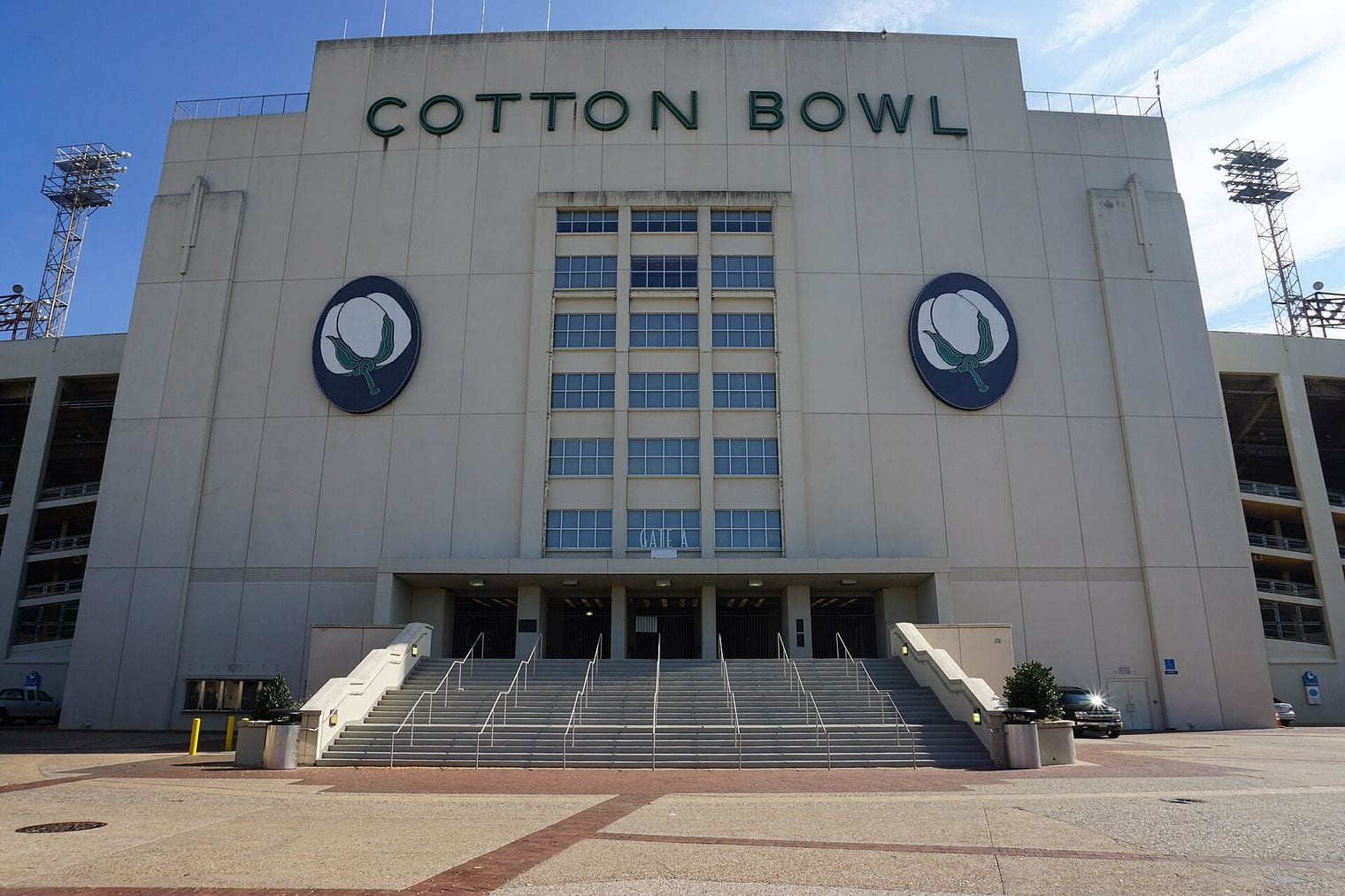
At 92,100 seats, Cotton Bowl Stadium in Dallas is the largest stadium on this list without a college or NFL home team. It opened in 1930 as Fair Park Stadium on the grounds of the State Fair of Texas, and a 2008 renovation that wrapped the upper deck all the way around lifted it from 68,252 to today's figure.
The stadium hosted the first 73 editions of the Cotton Bowl Classic, through January 2009, before the game moved to AT&T Stadium in Arlington. It still stages the Red River Rivalry between Texas and Oklahoma during the State Fair each October, and its record crowd, 96,009, came in 2009.
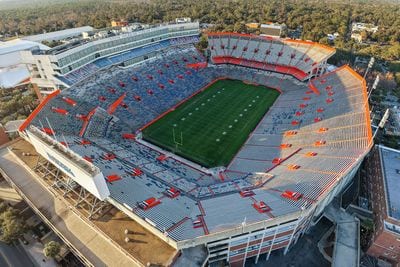
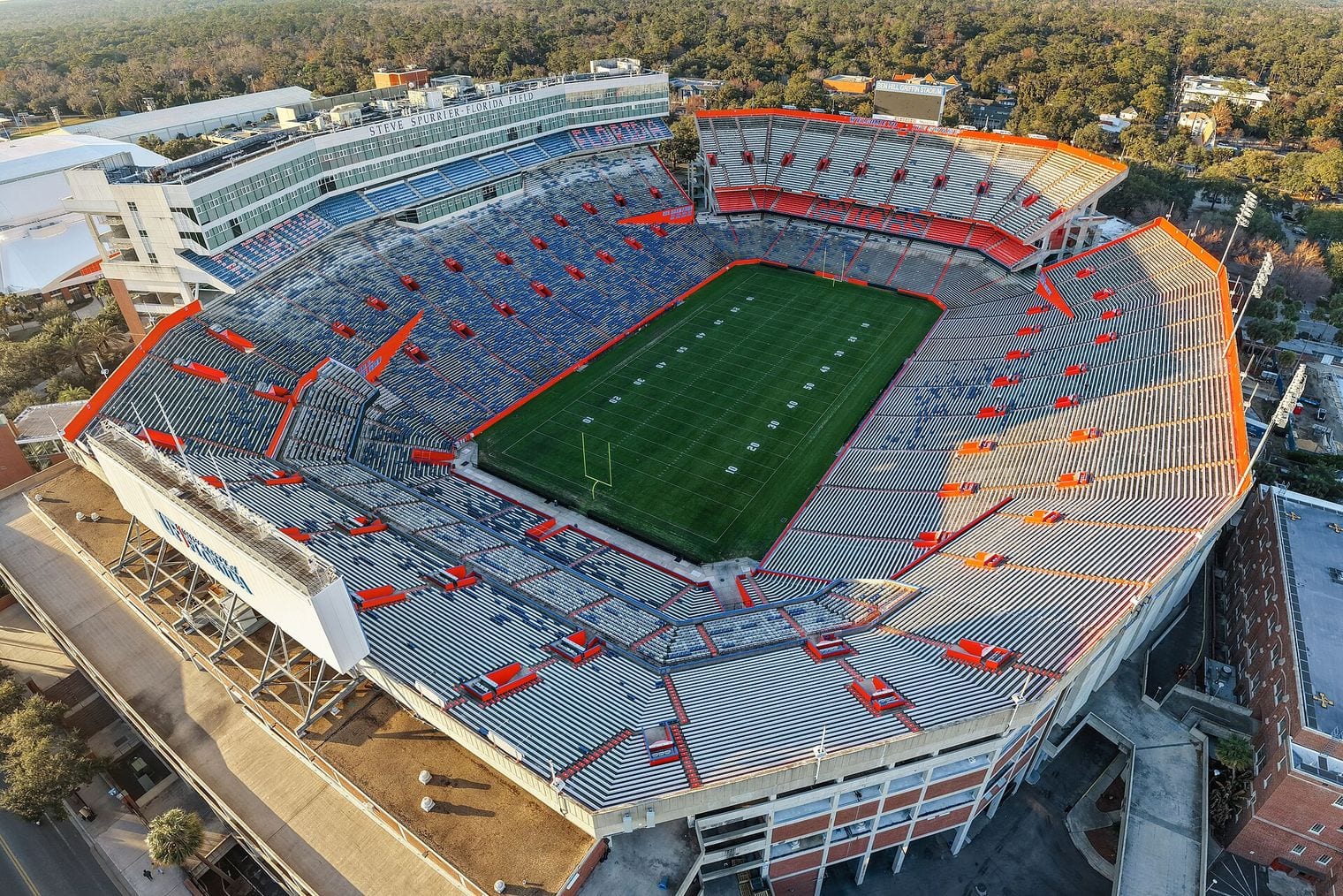
At 88,548 seats, Ben Hill Griffin Stadium in Gainesville is the largest stadium in Florida and the home of the Florida Gators. Everyone calls it "The Swamp." It opened in 1930 as Florida Field with about 22,000 seats and has grown through many expansions since.
The steep stands trap heat and noise, which is how the nickname stuck. The stadium honors Ben Hill Griffin Jr., a citrus grower and benefactor, and its field carries the name of coach Steve Spurrier. A major renovation is planned to begin after the 2026 season, keeping the capacity close to its present size.
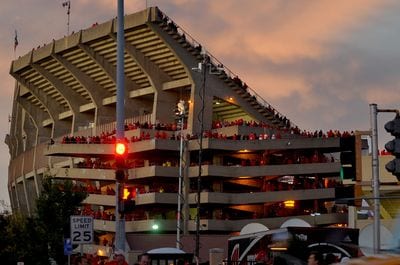
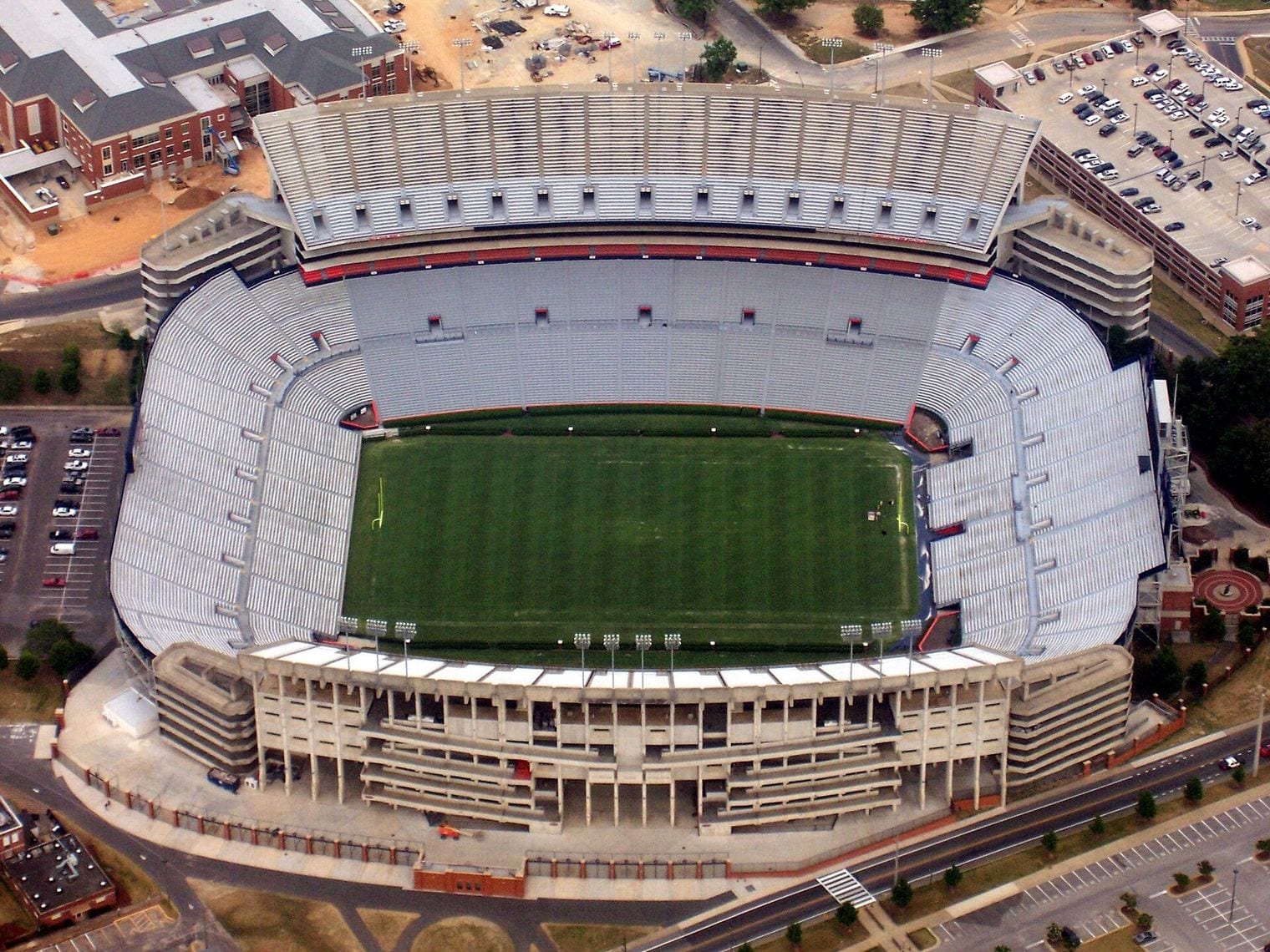
At 88,043 seats, Jordan–Hare Stadium is the home of the Auburn Tigers in east Alabama. It honors Ralph "Shug" Jordan, the winningest coach in Auburn history, and Cliff Hare, who played on Auburn's first football team and later led the Southern Conference. The playing surface has been Pat Dye Field since 2005.
The current figure dates from 2023, when new premium seating was added. Before kickoff, an eagle circles the stadium, and after a home win fans head a few blocks to Toomer's Corner on the edge of downtown to roll its oak trees in toilet paper.
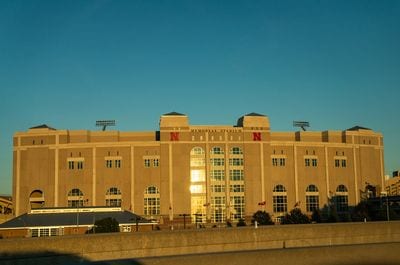
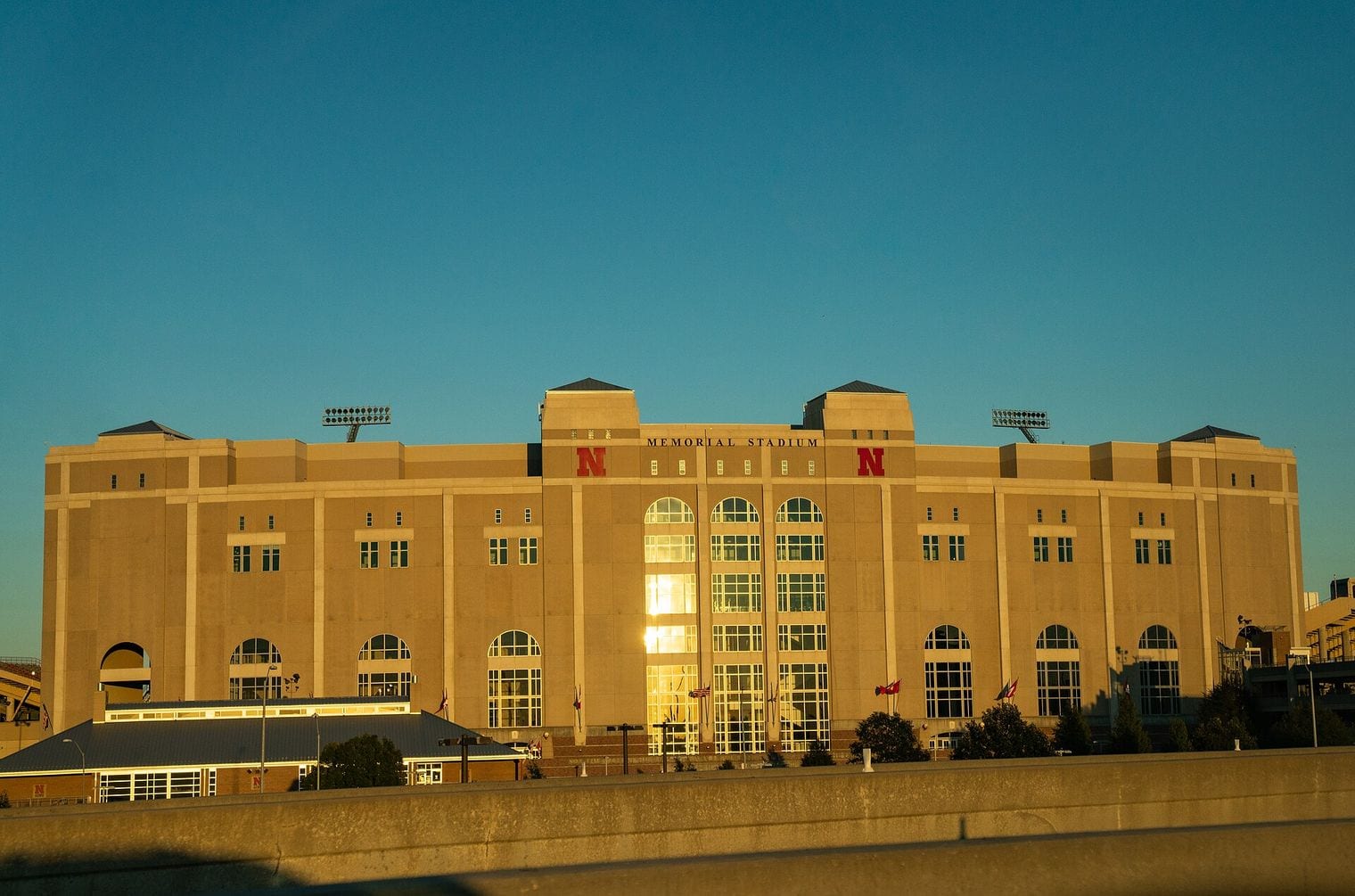
At 82,841 seats, Memorial Stadium in Lincoln is the home of the Nebraska Cornhuskers and the fourth-largest Big Ten stadium after Michigan, Penn State and Ohio State. It opened on October 13, 1923, dedicated to Nebraskans who served in the Civil War, the Spanish–American War and World War I, and its red-clad crowds earned it the name "The Sea of Red."
82,841 is the capacity Nebraska prints in its 2026 media guide. Wikipedia and other stadium lists give 85,458, closer to the sellout crowds that routinely pass the official number. A large rebuild starts after the 2026 season, so this is the last fall the bowl looks as it does now.
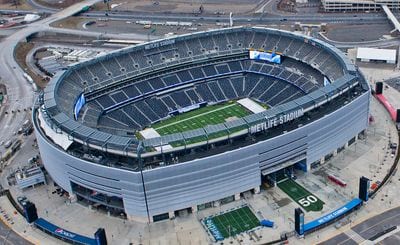
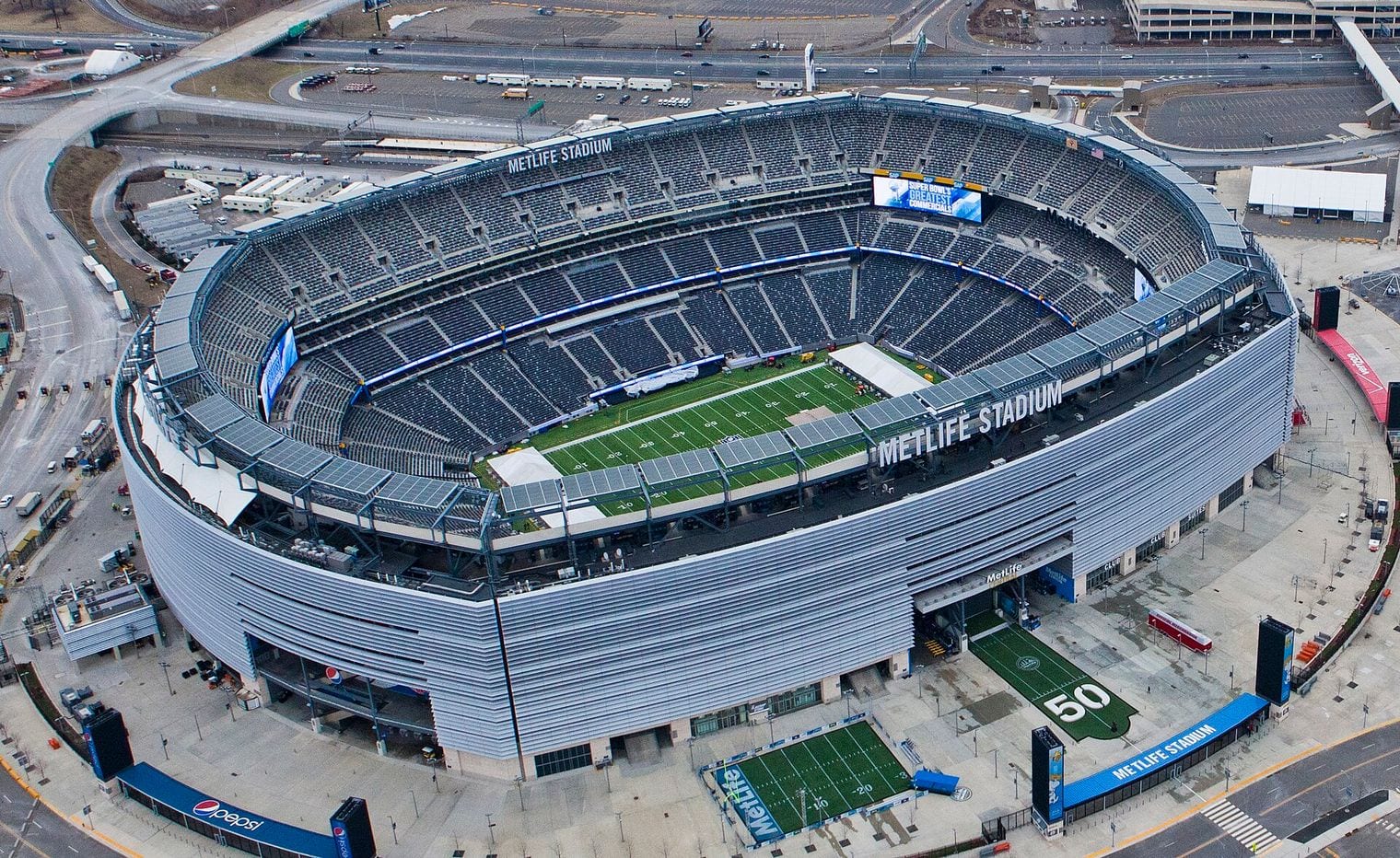
At 82,500 seats, MetLife Stadium in East Rutherford, New Jersey, is the largest home of any NFL team. It sits in the Meadowlands Sports Complex about five miles west of New York City, opened in 2010 in place of Giants Stadium, and serves both the New York Giants and the New York Jets.
Costing about $1.6 billion, it was the most expensive stadium built in the US at the time it opened. It hosted Super Bowl XLVIII in 2014 and the final of the 2026 FIFA World Cup, when it briefly took the name New York New Jersey Stadium. The World Cup seating layout is not counted here.
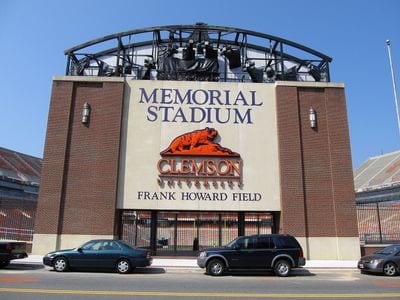
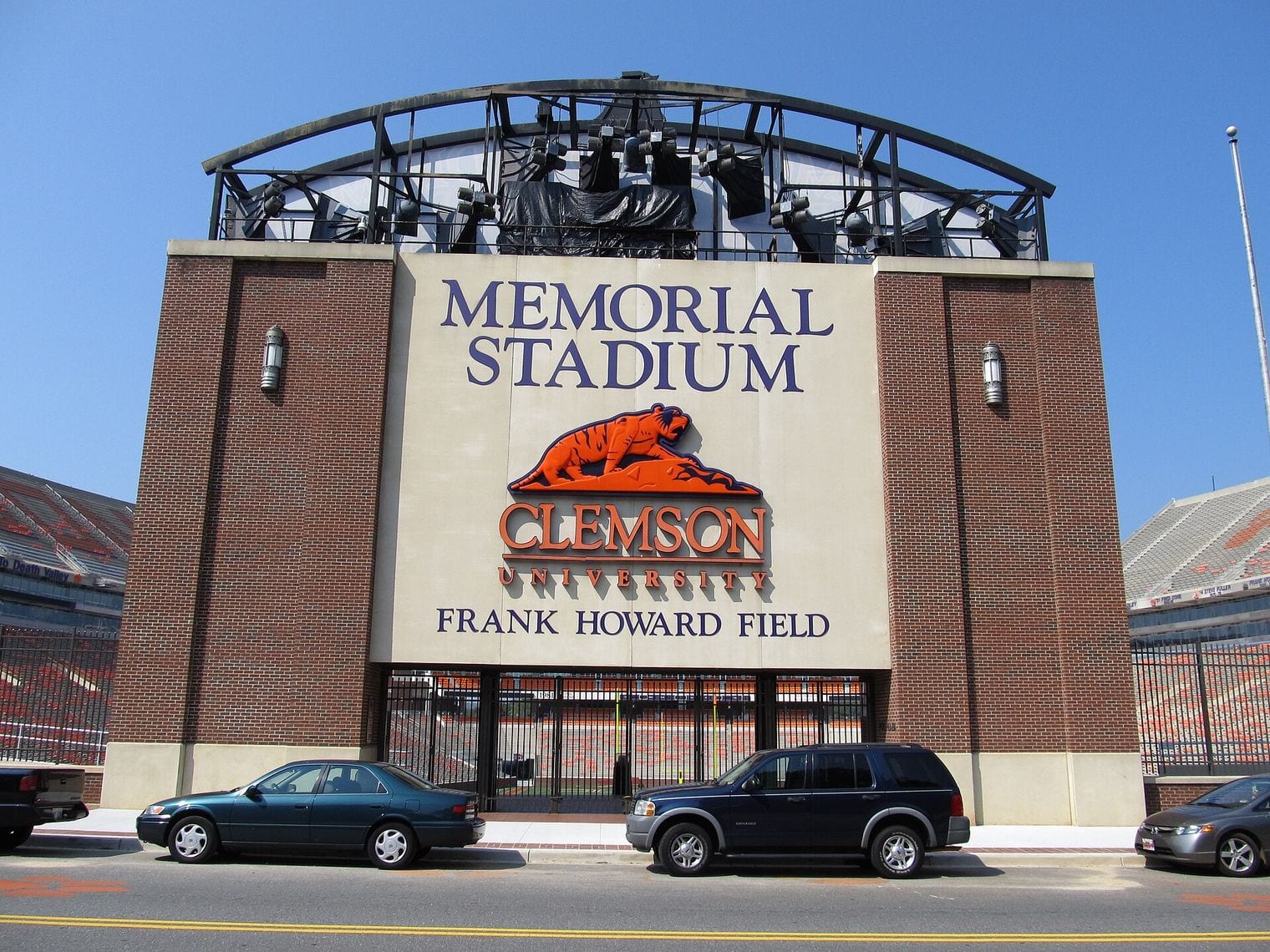
At 81,500 seats, Memorial Stadium in Clemson, South Carolina, is the home of the Clemson Tigers and, like LSU's stadium, goes by Death Valley. Built in 1941 and 1942, it was named in memory of the Clemson men who died serving their country, and its field has honored coach and athletic director Frank Howard since 1974.
The stadium sits in a bowl on the western edge of campus, close to Lake Hartwell. Clemson's 2026 game notes still list 81,500, the figure in use since 2007, and standing-room crowds have pushed well past it on big nights.
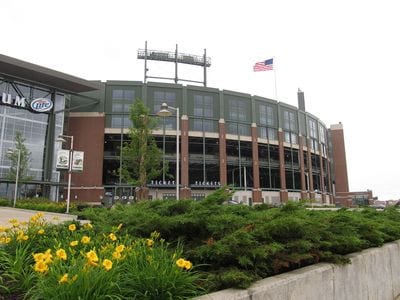
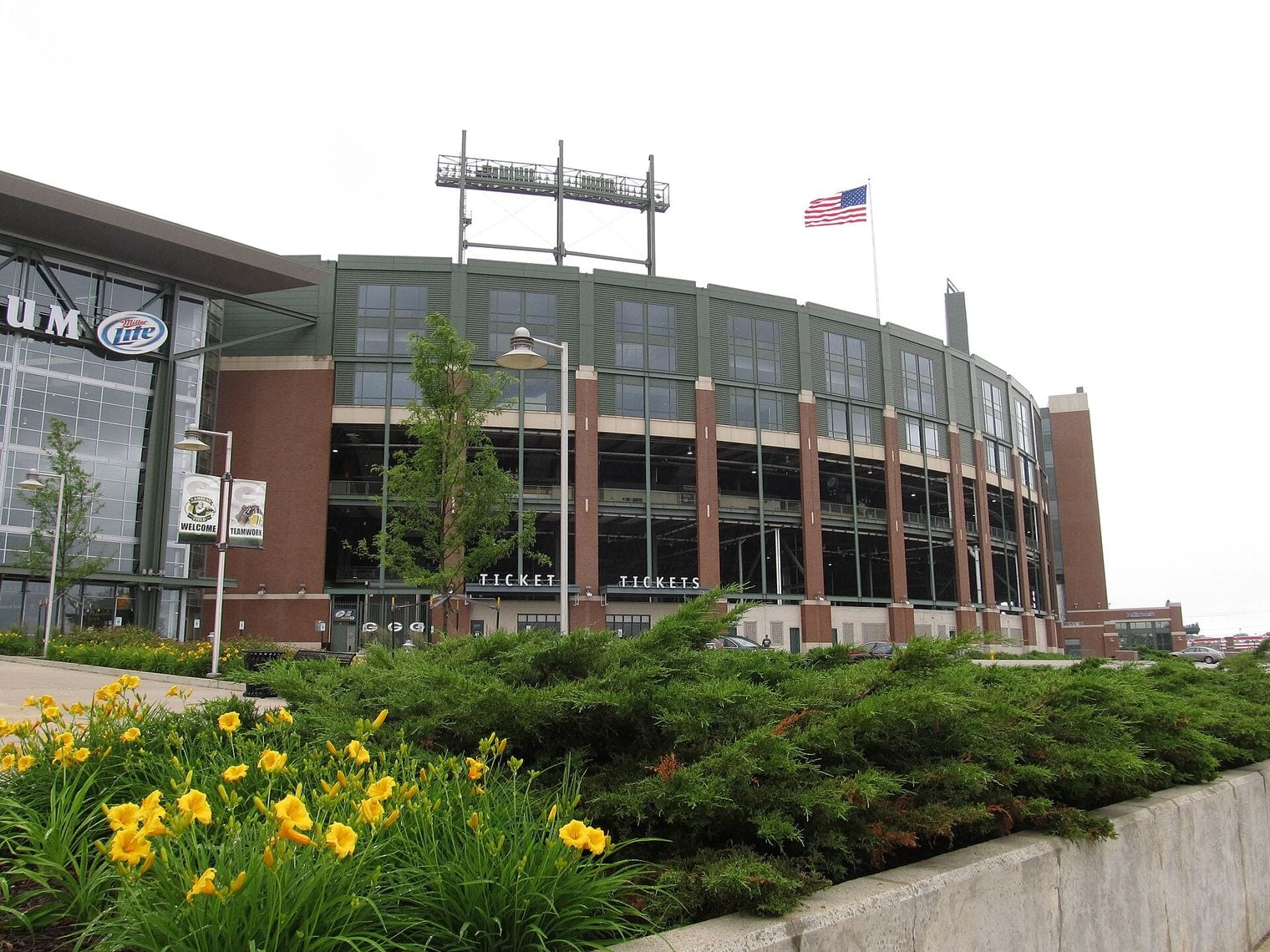
At 81,441 seats, Lambeau Field in Green Bay, Wisconsin, is the second-largest stadium in the NFL and the largest venue in the state. It opened in 1957 as City Stadium and was renamed in 1965 for Earl "Curly" Lambeau, the Packers' founder and long-time coach, and it is the oldest continually operating stadium in the league.
The grass field earned the nickname "the frozen tundra" after the Ice Bowl, played here against the Dallas Cowboys on December 31, 1967. Renovations have added suites and premium seating while keeping the original seating bowl, so the open-air setting still feels like the one fans have known for decades.
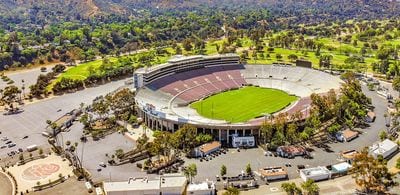
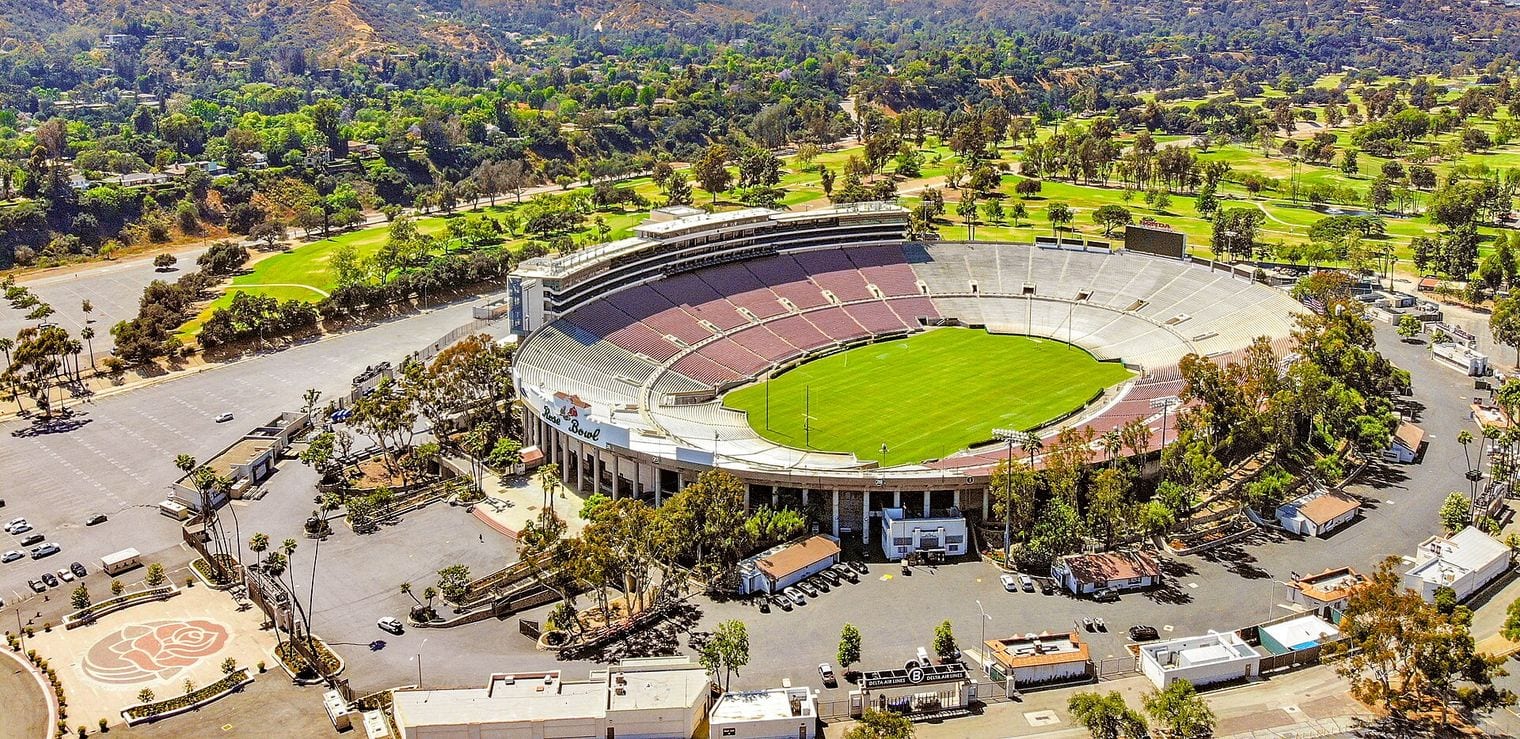
At 81,258 seats, the Rose Bowl in Pasadena is the home of the UCLA Bruins and a National Historic Landmark. It opened in October 1922 in the Arroyo Seco, with the San Gabriel Mountains behind it, and is best known for the New Year's Day game that shares its name.
The number is lower than many readers expect. UCLA's 2026 game notes list 81,258 after a new field-level club replaced bench seating in the south end zone during the 2025–26 offseason, while older listings still carry figures of about 89,000 to 91,000 for the full bowl. On the older counts it would rank inside the top 12.
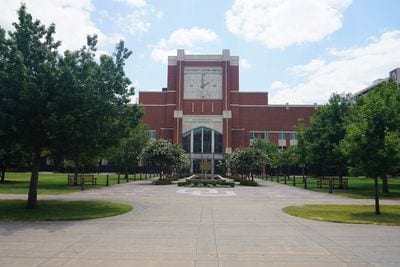
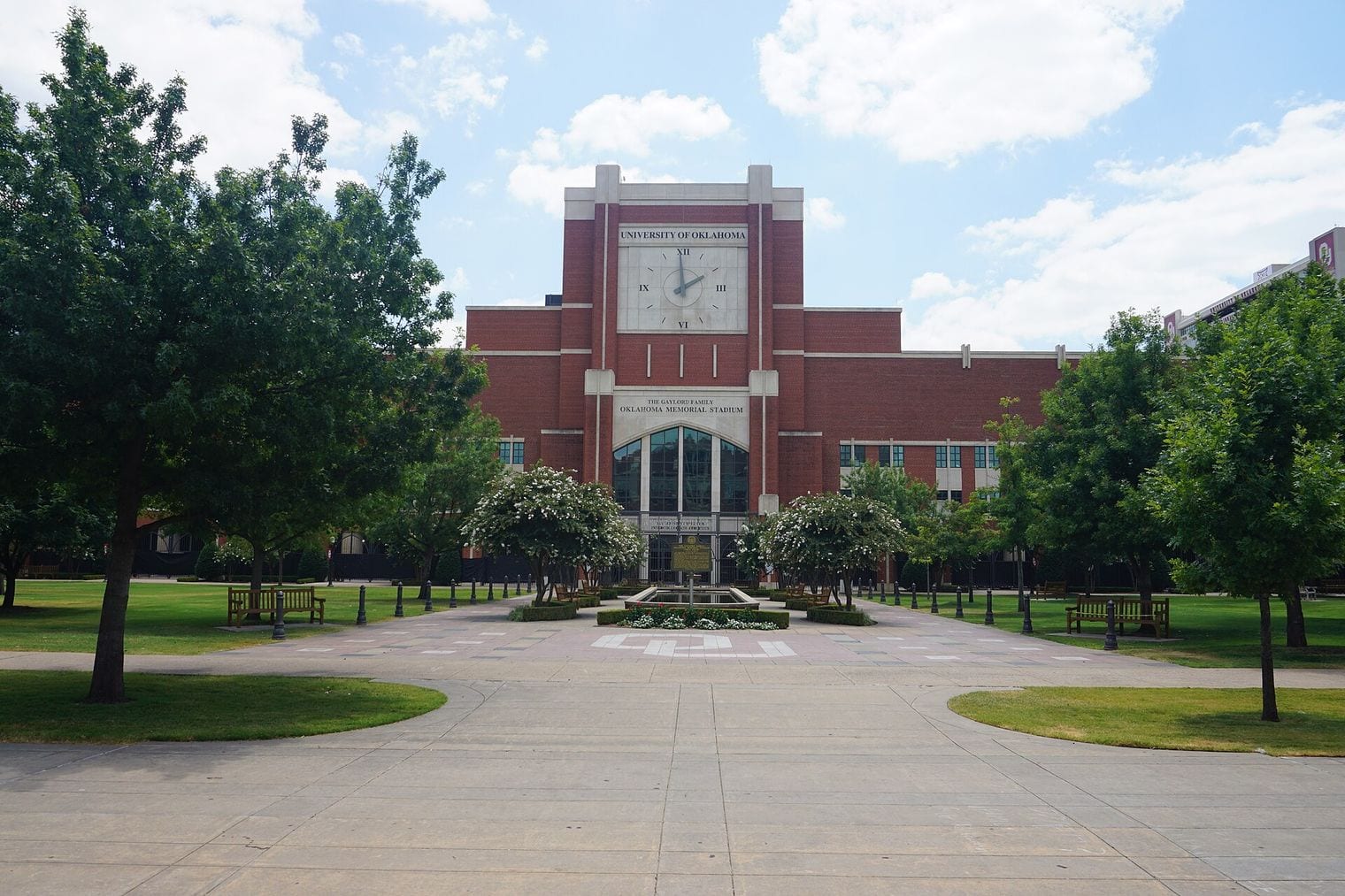
At 80,126 seats, Gaylord Family Oklahoma Memorial Stadium is the home of the Oklahoma Sooners in Norman. Fans call it Owen Field or the "Palace on the Prairie," and today's capacity was set by renovations finished before the 2019 season.
The bowl runs north to south and is enclosed at both ends; the south end was filled in during the 2015–2016 offseason as part of a $160 million project. Oklahoma plans a west-side rebuild that will reduce the capacity once work starts after the 2027 season, so the current figure has a few seasons left.
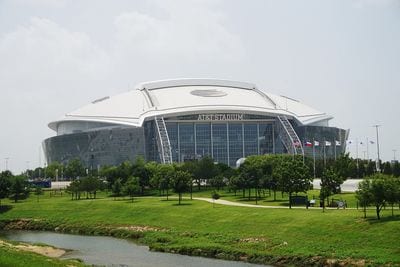
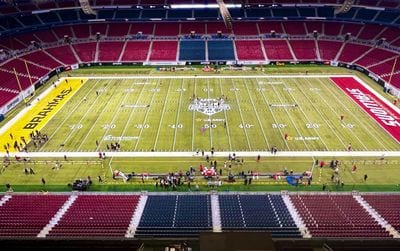
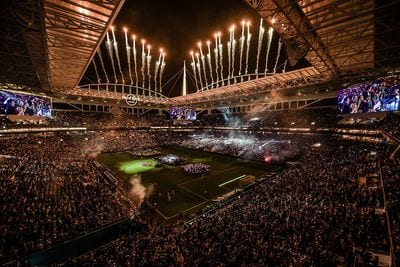
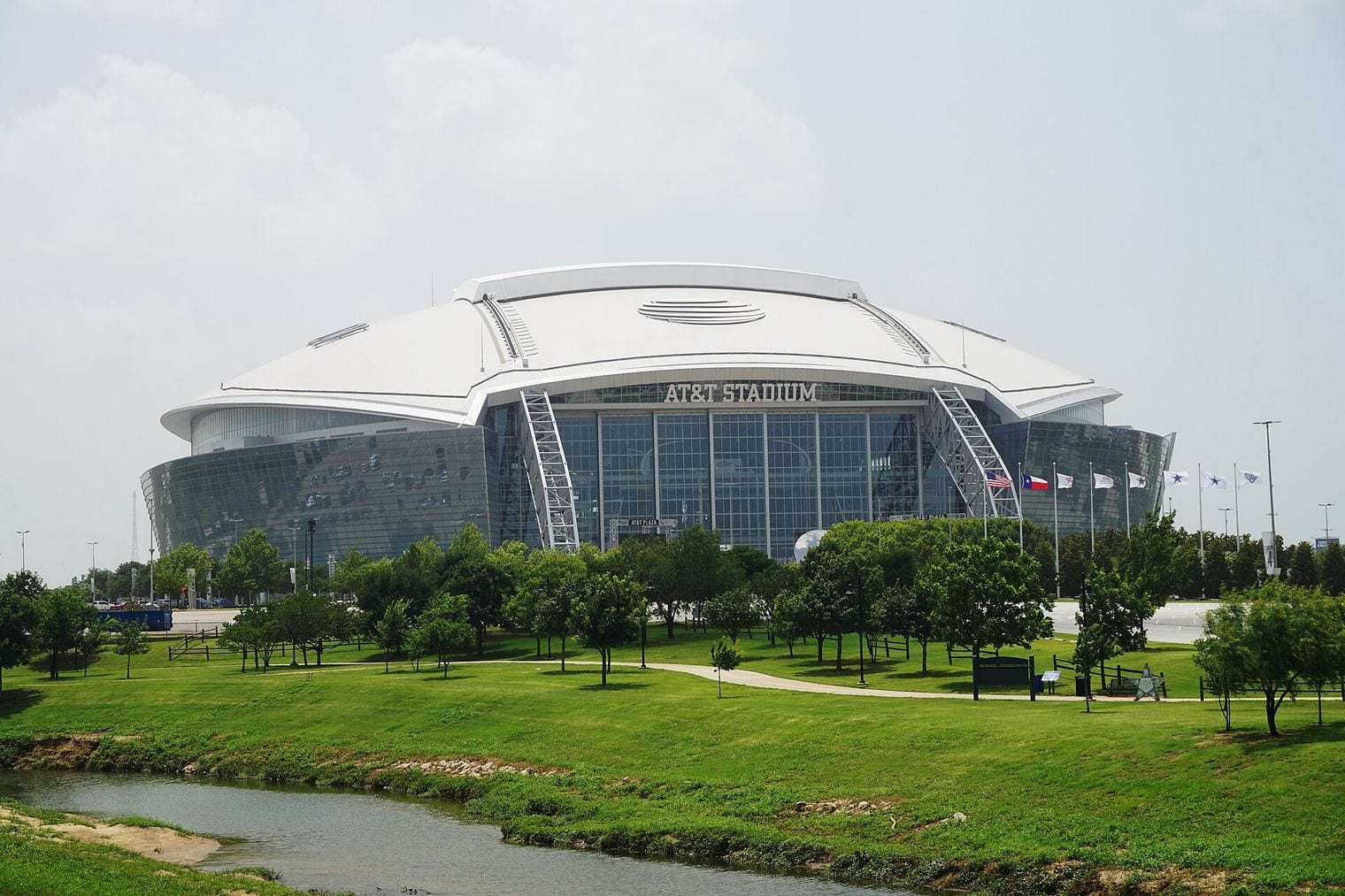
At 80,000 seats, AT&T Stadium in Arlington, Texas, is the home of the Dallas Cowboys and the largest stadium in the country with a roof. Opened in 2009 and widely called "Jerry World" after team owner Jerry Jones, it has a retractable roof and a center-hung video board that was the largest HD screen in the world when it was installed.
80,000 is the standard football setup; standing-room areas can stretch crowds past 100,000, and those are not counted here. The stadium has hosted the Cotton Bowl Classic since 2010 and the Big 12 Championship Game, and it was one of the US venues of the 2026 FIFA World Cup.
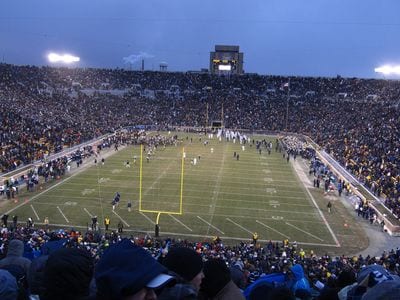
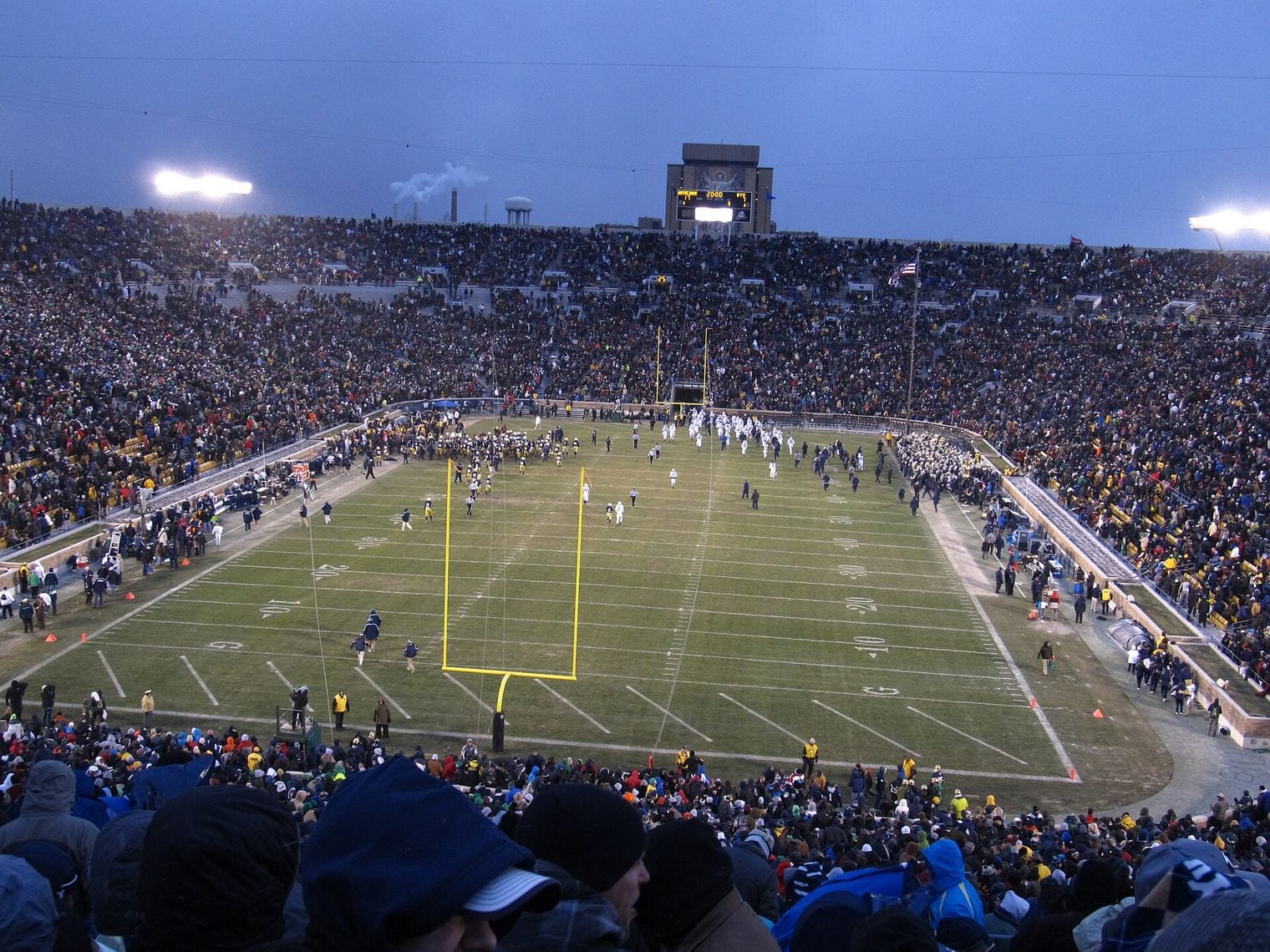
At 77,622 seats, Notre Dame Stadium is the home of the Fighting Irish on the University of Notre Dame campus near South Bend, Indiana. Built in 1930 with Knute Rockne's input, it is still called "The House that Rockne Built," and every home game has sold out since 1964.
The figure dates from the Campus Crossroads project, which reshaped the bowl and widened the seats; Notre Dame's own facilities page still shows the earlier 80,795. From the stands you can see the giant mosaic of Jesus on the Hesburgh Library, better known as "Touchdown Jesus."
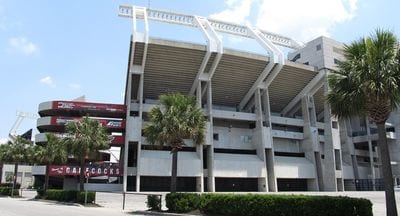
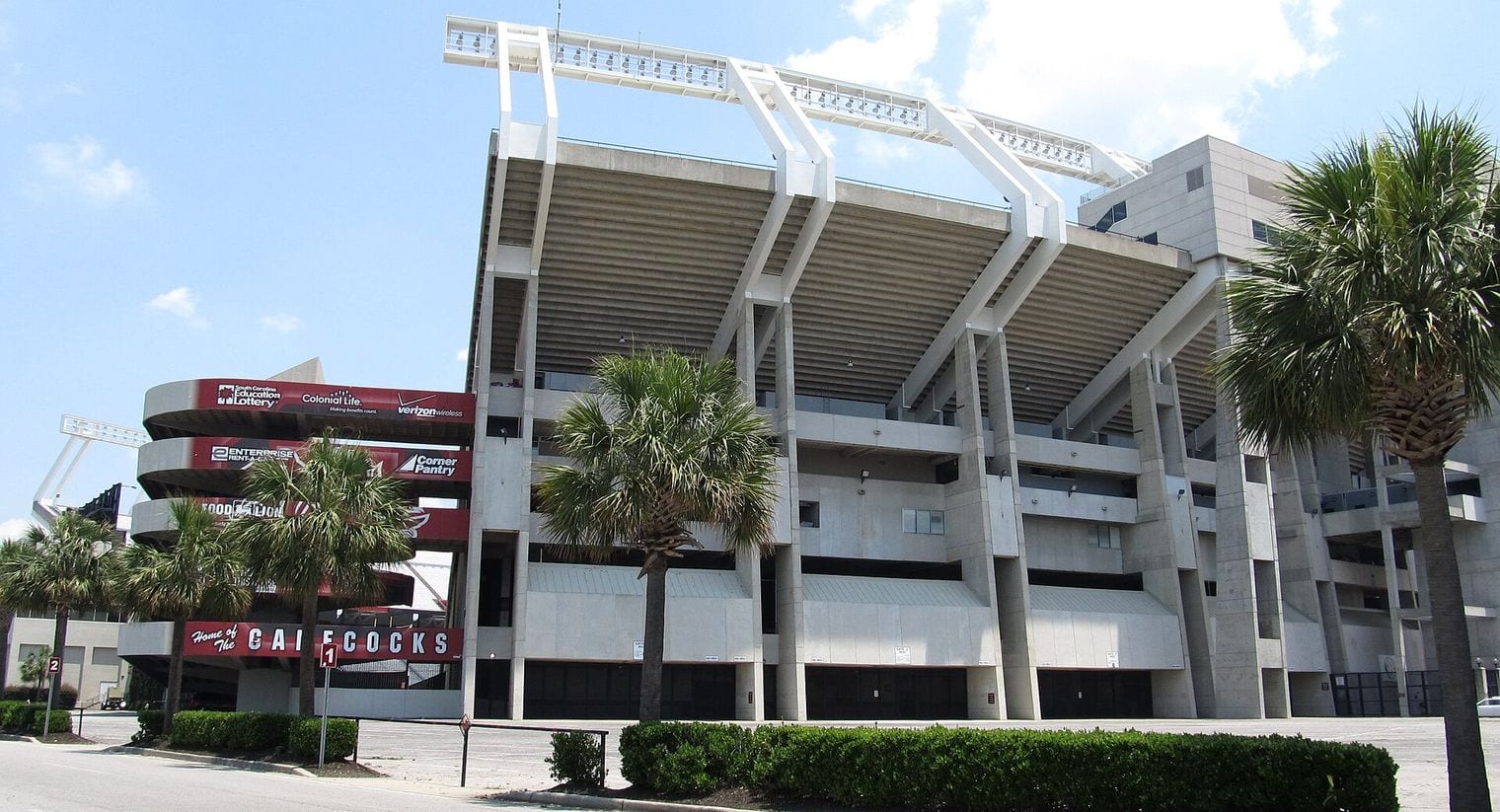
At 77,559 seats, Williams–Brice Stadium in Columbia is the home of the South Carolina Gamecocks. It stands beside the South Carolina State Fairgrounds, and beyond Gamecock football it hosts concerts and the state's high school championship games.
Tailgaters gather in the converted railcars of the Cockaboose Railroad next to the stadium, one of the more unusual setups in the sport. South Carolina's renovation leaves 2026 seating untouched but removes seats on the west side from 2027, when the capacity is expected to fall into the low 70,000s.
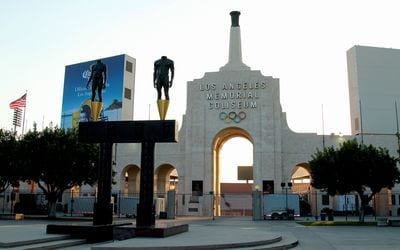
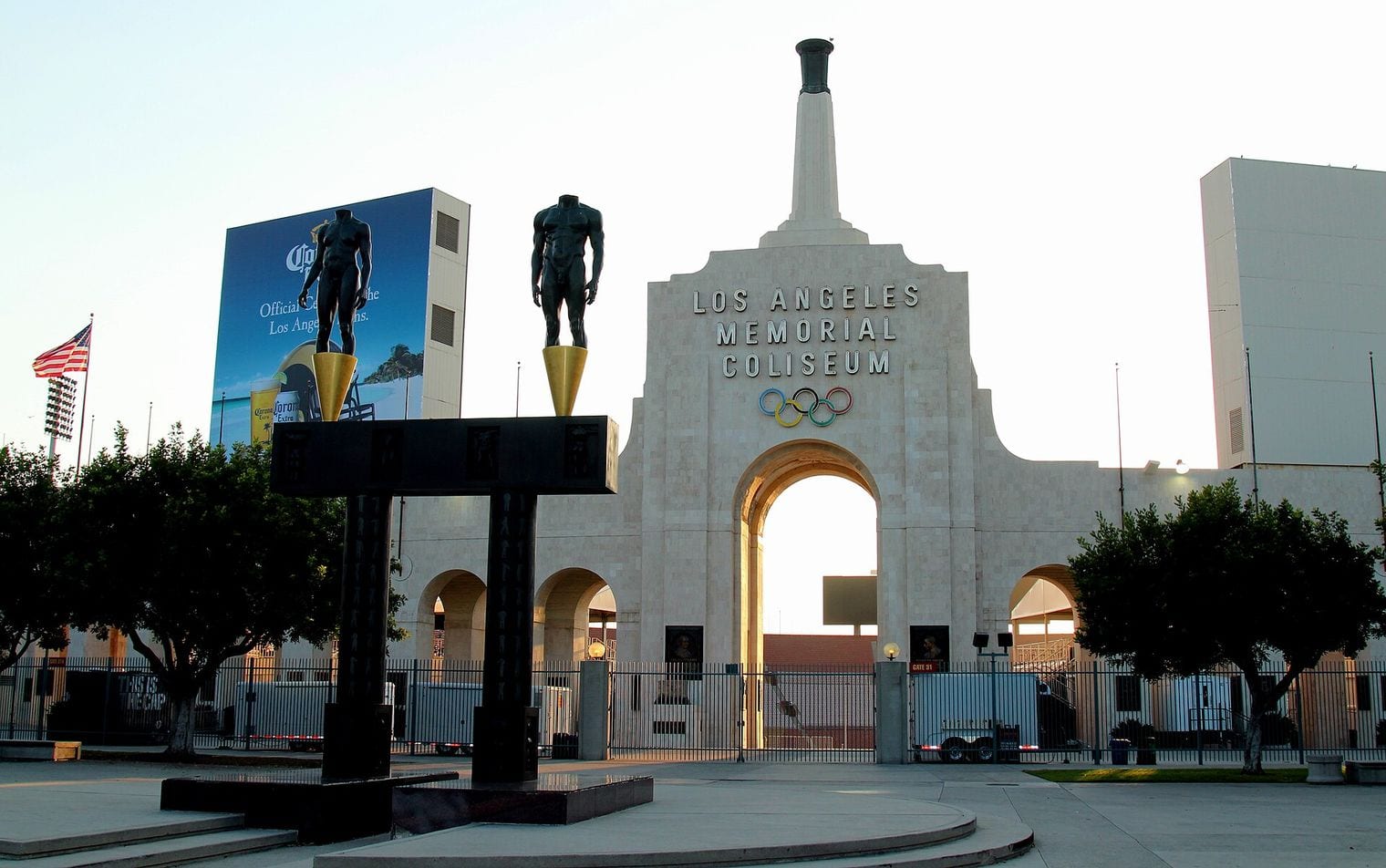
At 77,500 seats, the Los Angeles Memorial Coliseum is the home of the USC Trojans in Exposition Park, next to the university's main campus. Completed in 1923 as a memorial to Los Angeles veterans of World War I, it once held more than 100,000 before a renovation finished in 2019 set today's figure.
No stadium on this list has hosted more history. It staged the Olympic Games in 1932 and 1984, is a venue for the 2028 Games, and hosted the first AFL–NFL World Championship Game, later called Super Bowl I. The peristyle arch and Olympic torch above the east end are Los Angeles landmarks.
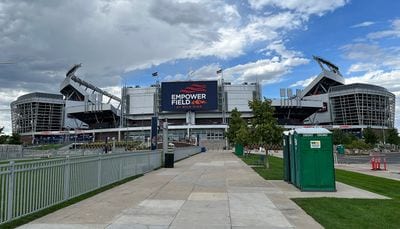
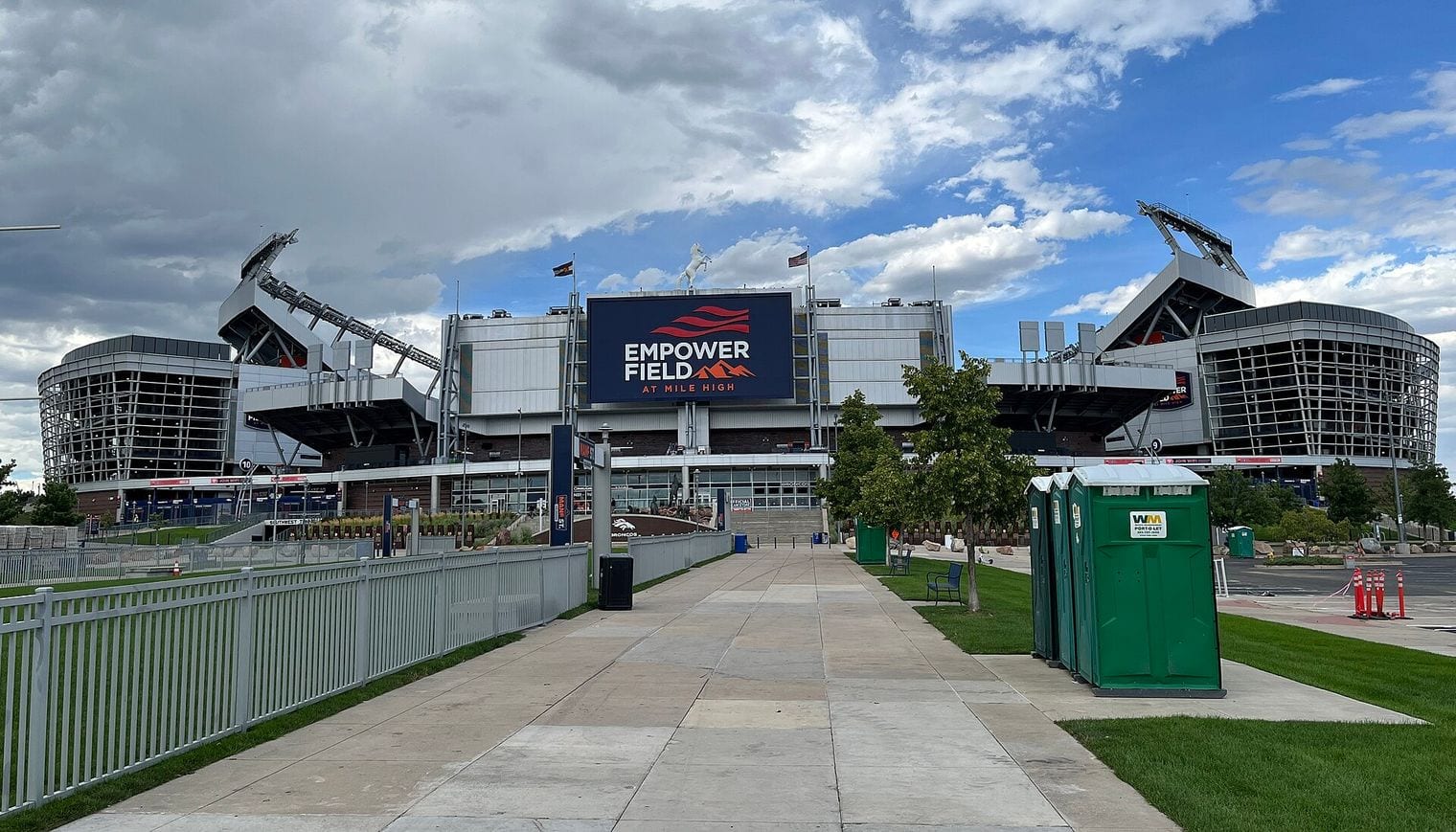
At 76,125 seats, Empower Field at Mile High in Denver is the home of the Denver Broncos. It opened in 2001 to replace Mile High Stadium, and the nickname refers to the city's elevation of 5,280 feet, which visiting teams feel in the thin air.
A 30-foot statue of Bucky the Bronco rears on top of the main scoreboard, and the Broncos have sold out every home game here, extending a streak that began in 1970. Barack Obama accepted the Democratic presidential nomination in the stadium in 2008.
At 76,057 seats, Camp Randall Stadium in Madison is the home of the Wisconsin Badgers and the oldest stadium in the Big Ten. Wisconsin has played football on the site since 1895, and the ground is named for the Civil War training camp that once stood here.
Wisconsin's own documents give several near-identical figures, from 76,030 to 76,130, after small changes almost every year since the south end zone was converted in 2021–22; 76,057 is the one the school, its opponents and Wikipedia share. Between the third and fourth quarters, the crowd jumps to "Jump Around" and the stands shake.
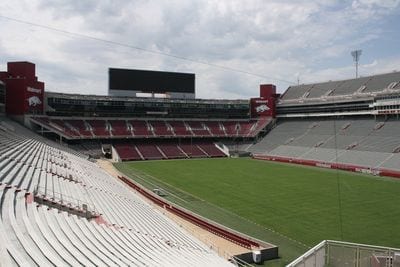
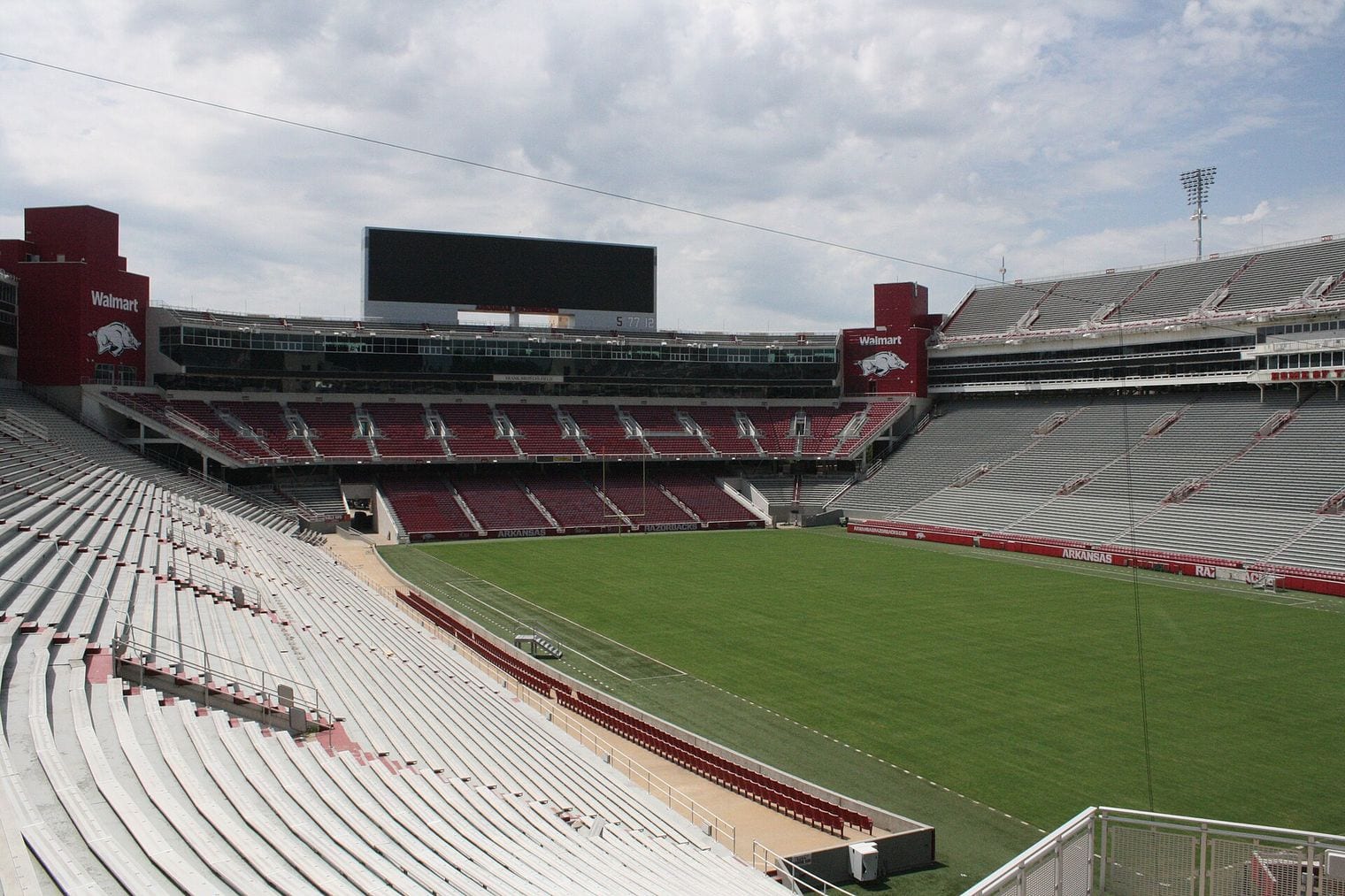
At 76,000 seats, Razorback Stadium in Fayetteville has been the home of the Arkansas Razorbacks since 1938. The field honors Frank Broyles, the coach and athletic director who led Arkansas for decades, and work in 2000 and 2001 lifted the stadium from about 50,000 seats to 72,000 before a north end zone addition in 2018.
Arkansas publishes a round 76,000, while Wikipedia gives 76,212 and other databases 76,412; at the higher counts it would edge past Camp Randall. On game days the "Woo Pig Sooie" call to the Hogs rolls around the bowl in the Ozark hills.
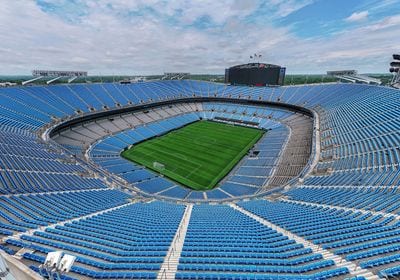
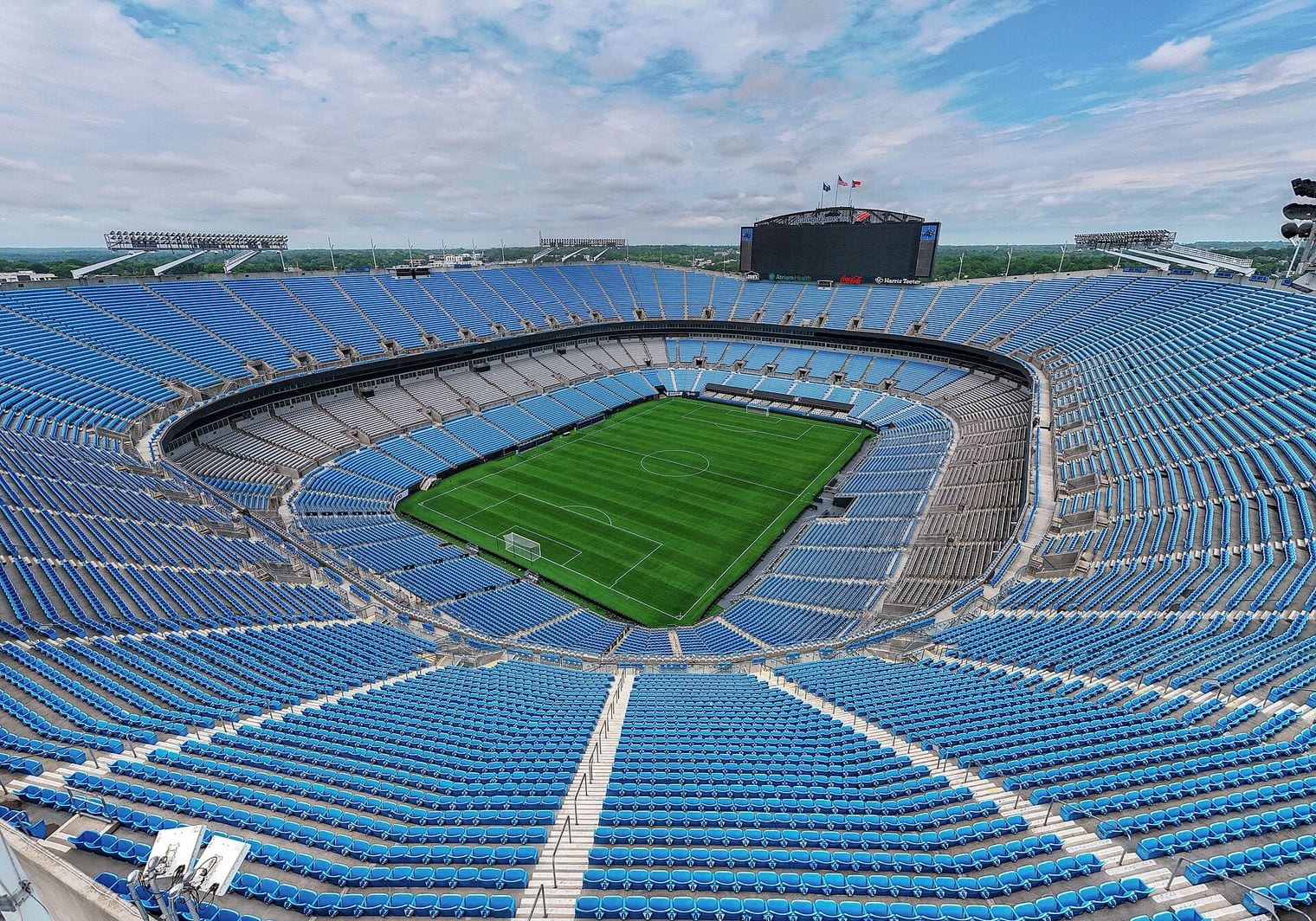
At 75,037 seats, Bank of America Stadium in Uptown Charlotte is the home and headquarters of the Carolina Panthers and also hosts Charlotte FC of Major League Soccer. It opened on August 3, 1996, as Ericsson Stadium, and Bank of America bought the naming rights in 2004.
Danny Morrison, then the Panthers' president, called it a "classic American stadium" for its bowl design, and it hosts the Duke's Mayo Bowl each winter. A roughly $1.3 billion modernization begins in 2026 and runs to 2030 with the stadium staying open, so expect the capacity to change.
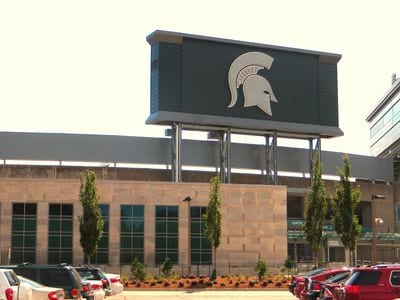
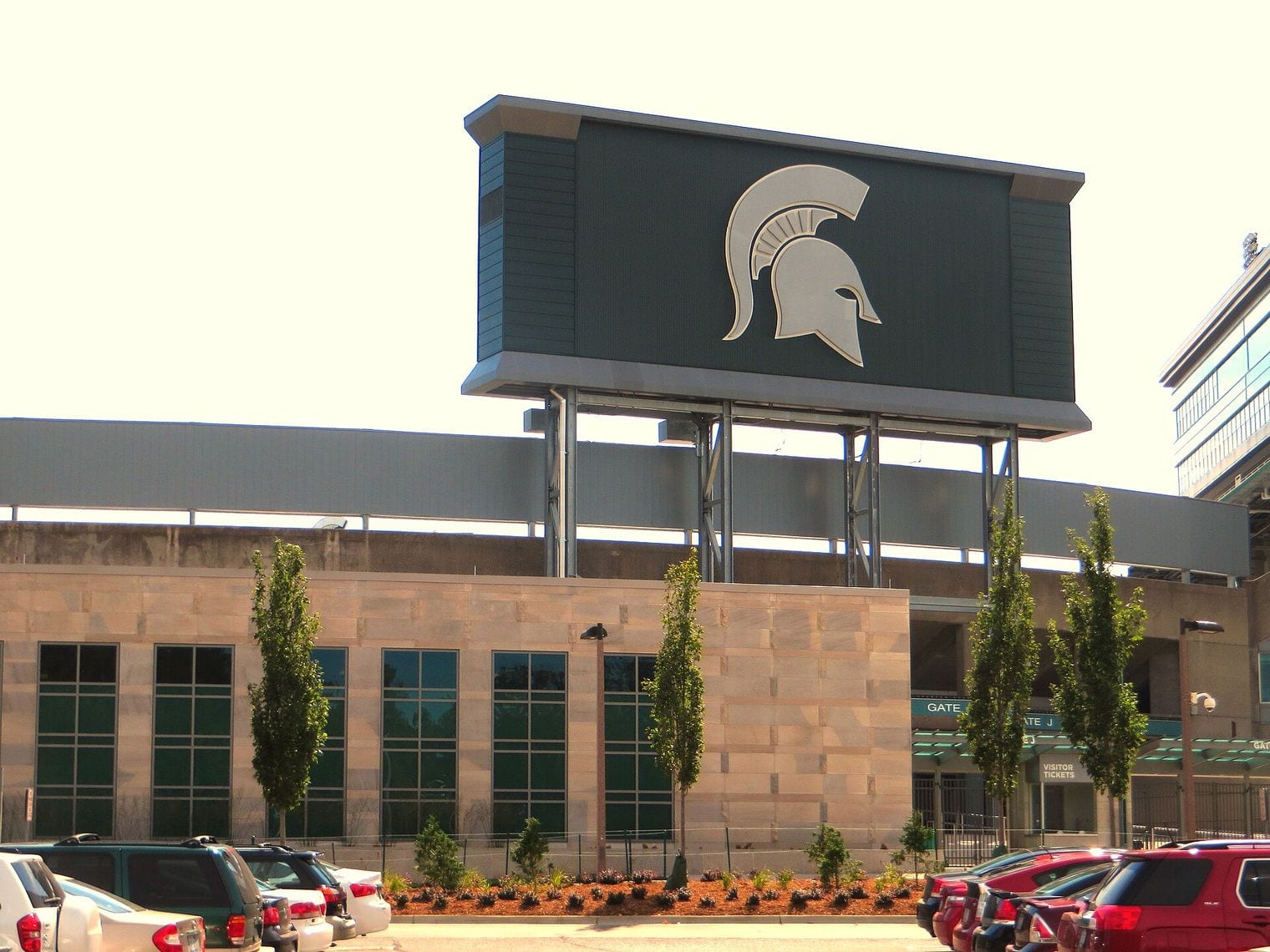
At 74,866 seats, Spartan Stadium in East Lansing is the home of the Michigan State Spartans. It opened in 1923, and luxury boxes and club seats added in 2004 and 2005 enlarged it to a size that has held more than 80,000 for the biggest games.
The current figure followed the conversion of sideline club areas to chairback seats in the early 2020s. The Sparty statue near the stadium is the meeting point on game days, and rivalry weekends against Michigan fill the green-and-white stands to their limit.
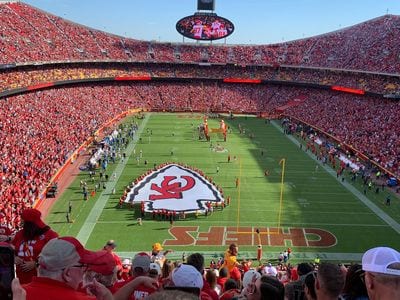
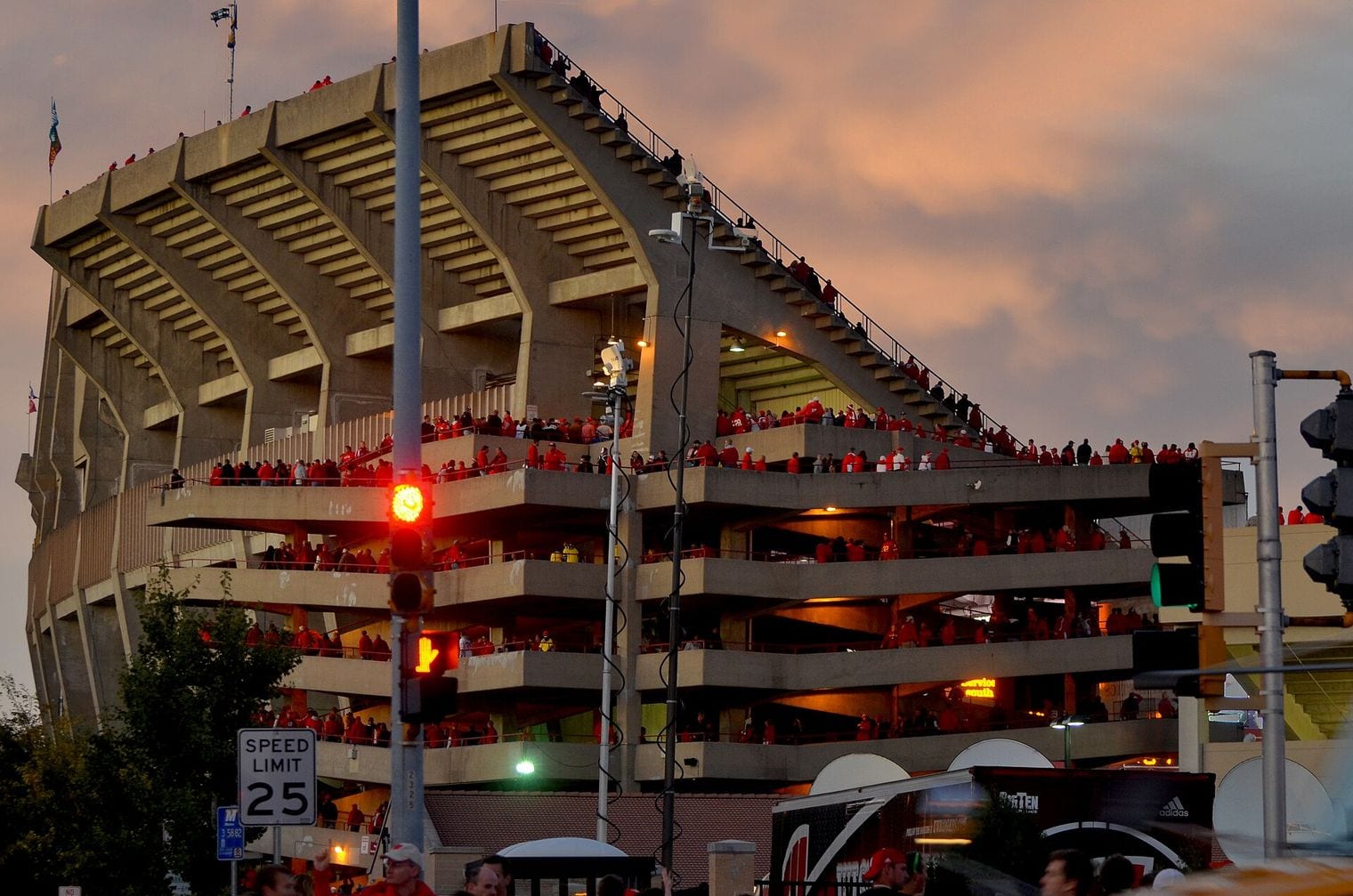
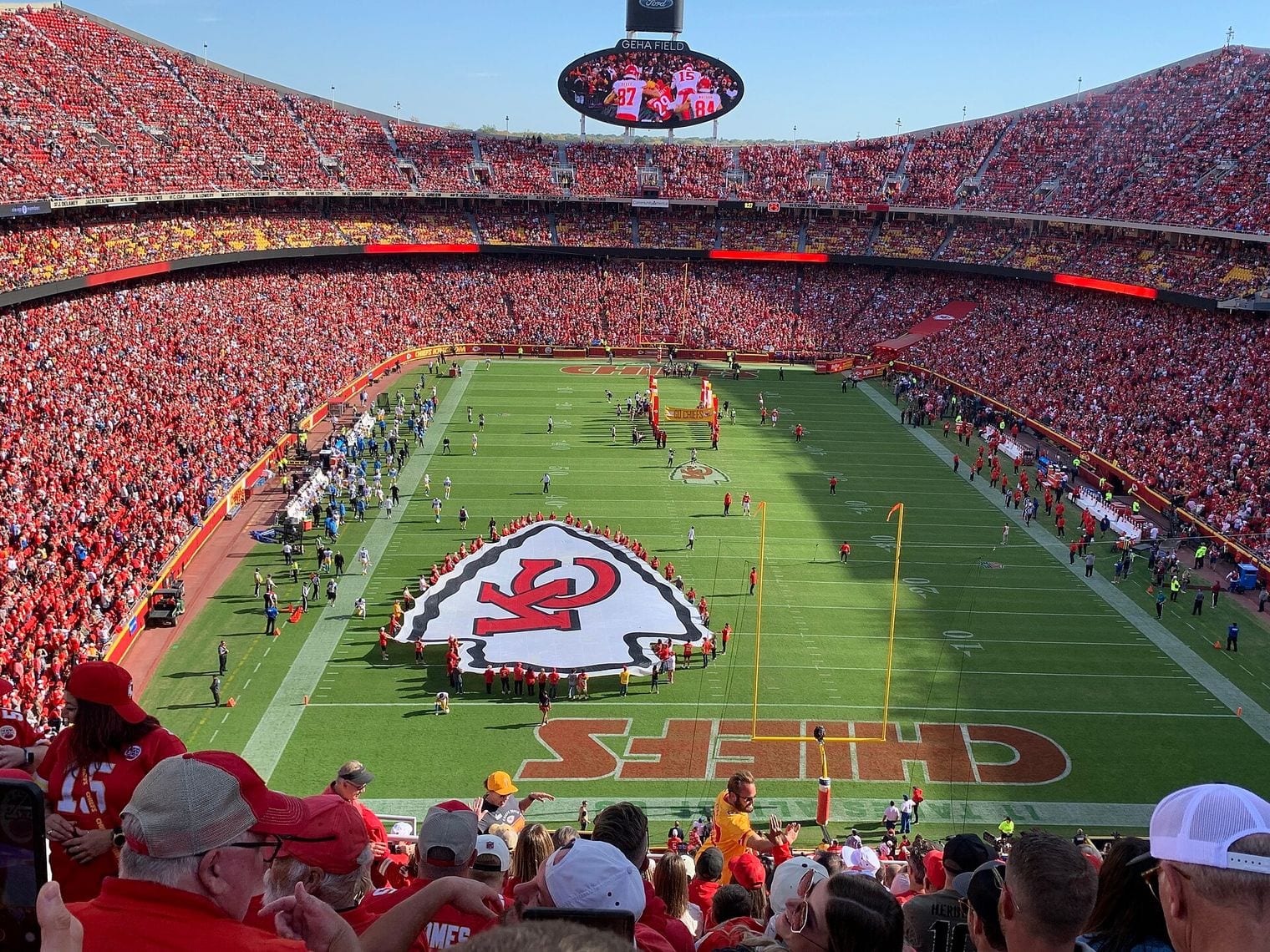
At 73,426 seats, Arrowhead Stadium in Kansas City, Missouri, is the home of the Kansas City Chiefs and the oldest stadium in the AFC. It opened in 1972 alongside Kauffman Stadium, home of the Royals, and together the two form the Truman Sports Complex.
73,426 is the figure the Chiefs now give; older listings, including the Wikipedia article, still carry 76,416 from the 2010 renovation. Arrowhead's crowd is famous for its volume: on September 29, 2014, it set a Guinness World Record for stadium noise at 142.2 decibels.
Get new guides like this by email
One email every Thursday with our newest guides for the places you tick.
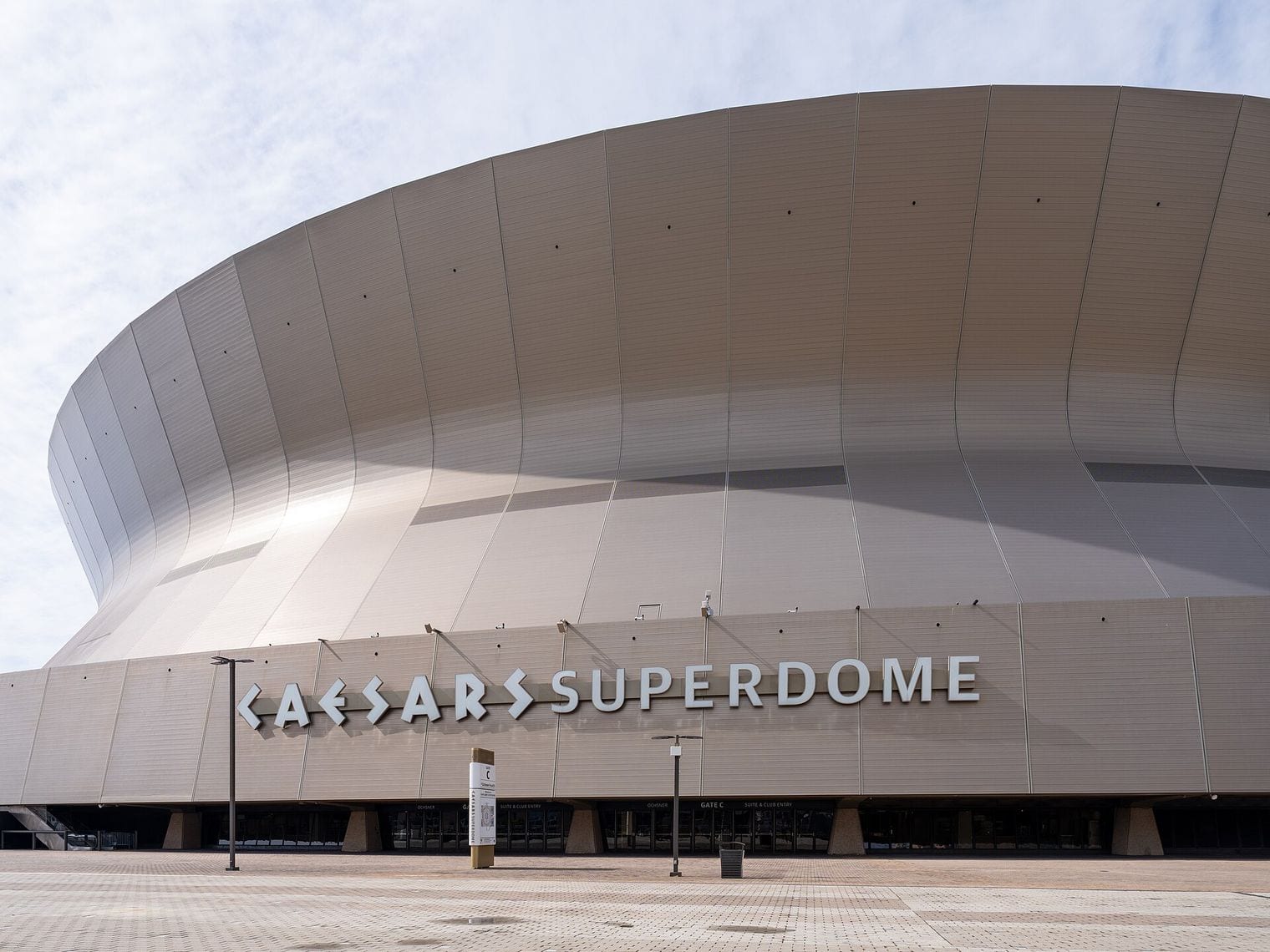
At 73,208 seats, the Caesars Superdome in New Orleans is the home of the New Orleans Saints and the largest fixed-domed stadium on this list. Its 680-foot dome, opened in 1975, is the largest fixed domed structure in the world, covering 13 acres.
The Superdome has hosted eight Super Bowls, more than any other stadium, plus the Sugar Bowl every year since 1975. In 2005 it sheltered thousands of people who could not leave the city during Hurricane Katrina. It can be expanded to more than 76,000 seats, but the standard figure is the one counted here.
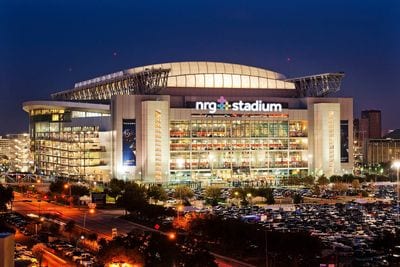
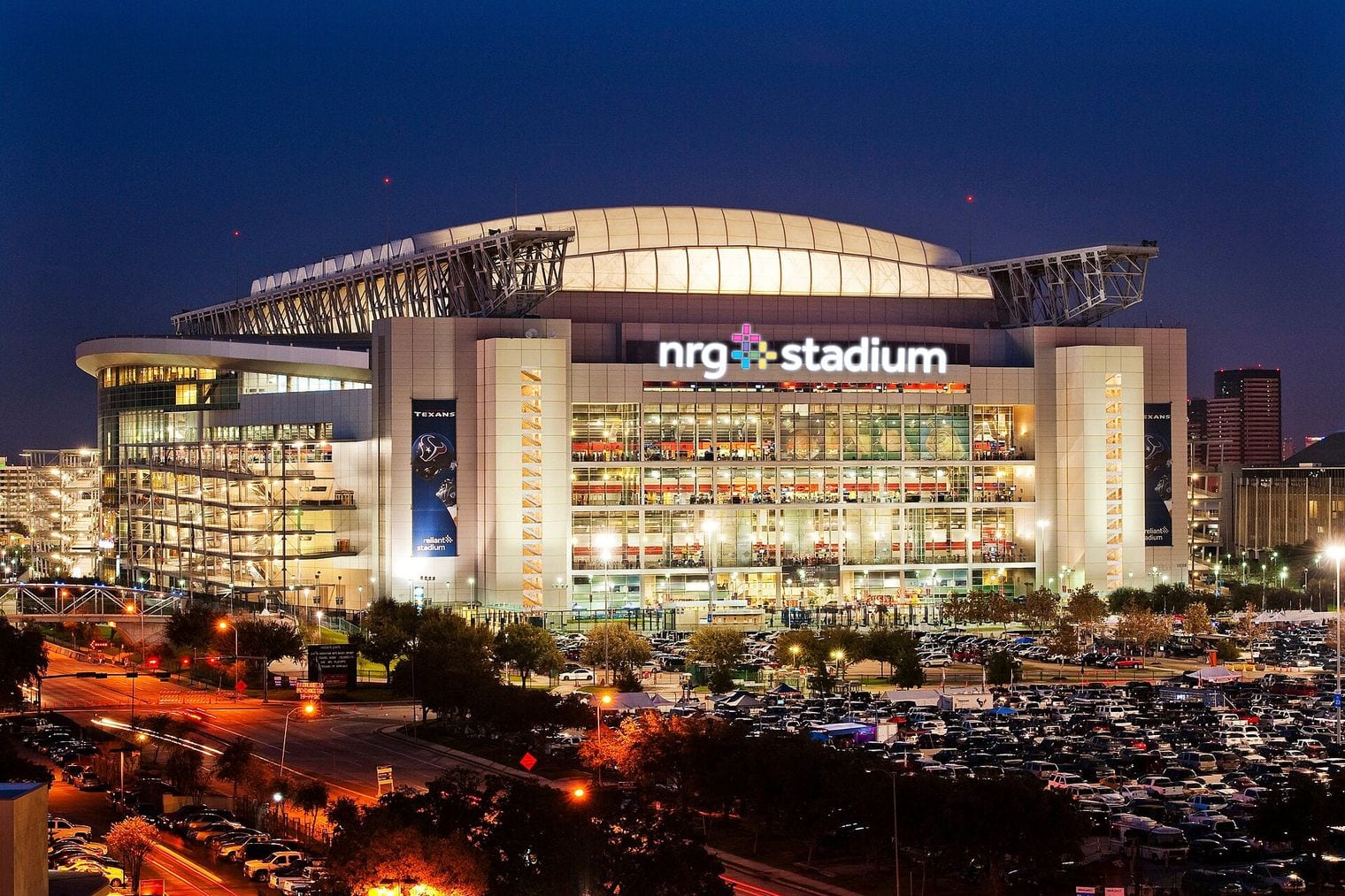
At 72,220 seats, Reliant Stadium in Houston is the home of the Houston Texans, and it carries the name it opened with: after years as NRG Stadium, it took back the Reliant Stadium name in August 2026. Opened in 2002 at a cost of $352 million, it was the first NFL stadium with a retractable roof.
Beyond the Texans, it is the home of the Houston Livestock Show and Rodeo and the Texas Bowl, and it has hosted two Super Bowls, WrestleMania 25 and matches of the 2026 FIFA World Cup. Special events can stretch it to 80,000, which is not counted here.
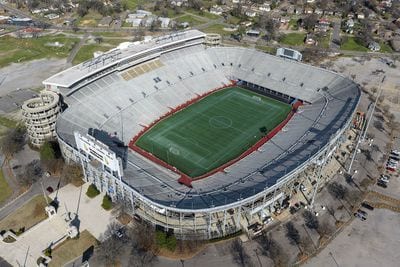
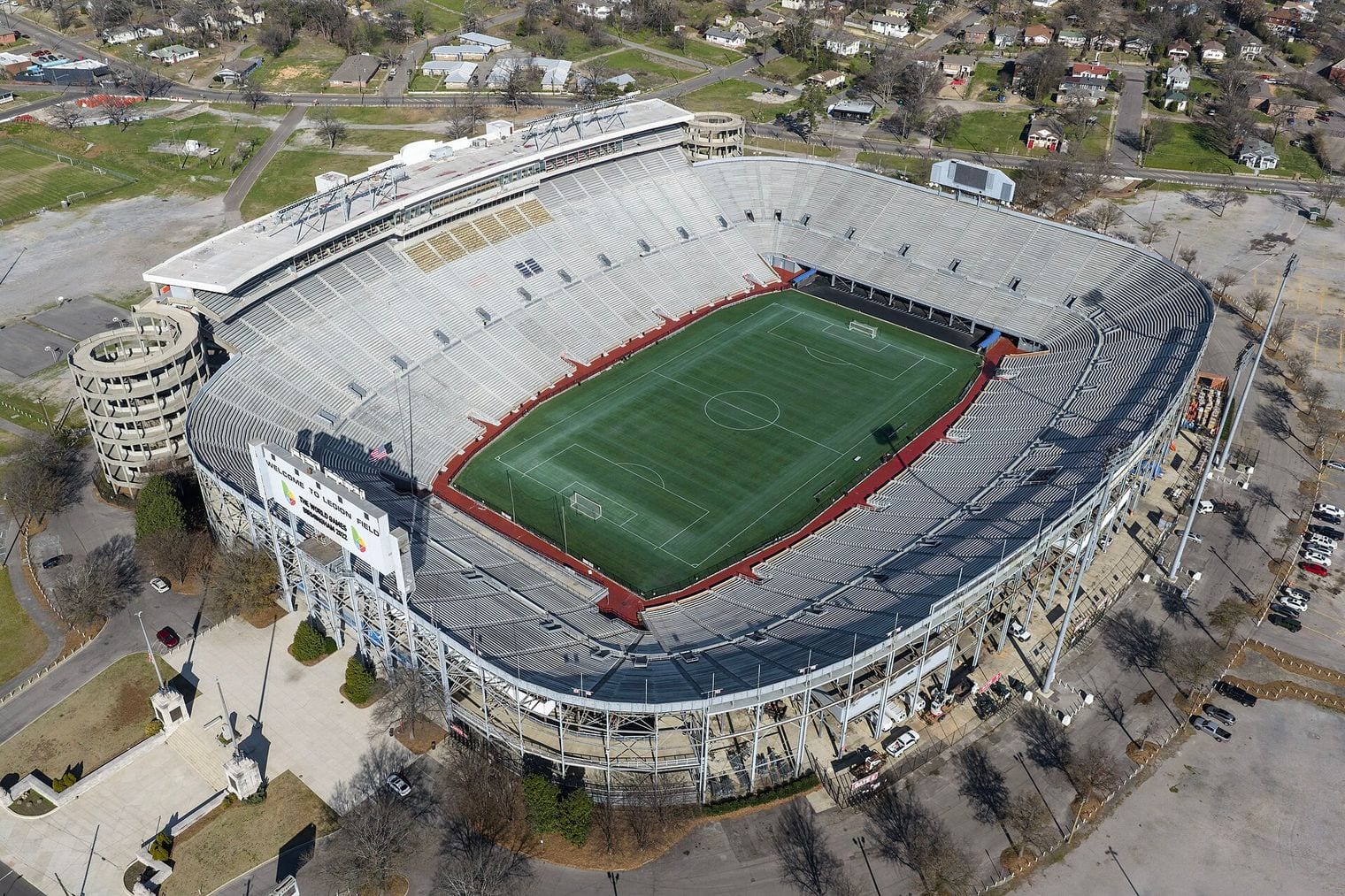
At 71,594 seats, Legion Field in Birmingham is, after the Cotton Bowl, the largest stadium on this list without a college or NFL home team. It opened in 1927, is named for the American Legion veterans' group, and was once billed as the "Football Capital of the South," with room for 83,091 at its peak.
For decades it was Alabama's main home field and the site of the Iron Bowl against Auburn, and UAB played here from 1991 through 2020. It still hosts the Magic City Classic between Alabama A&M and Alabama State each fall, along with high school football.
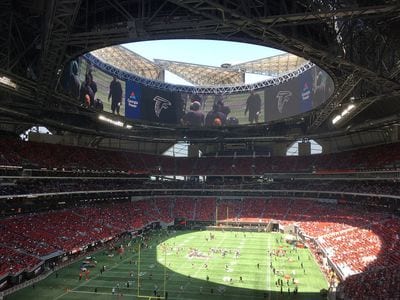
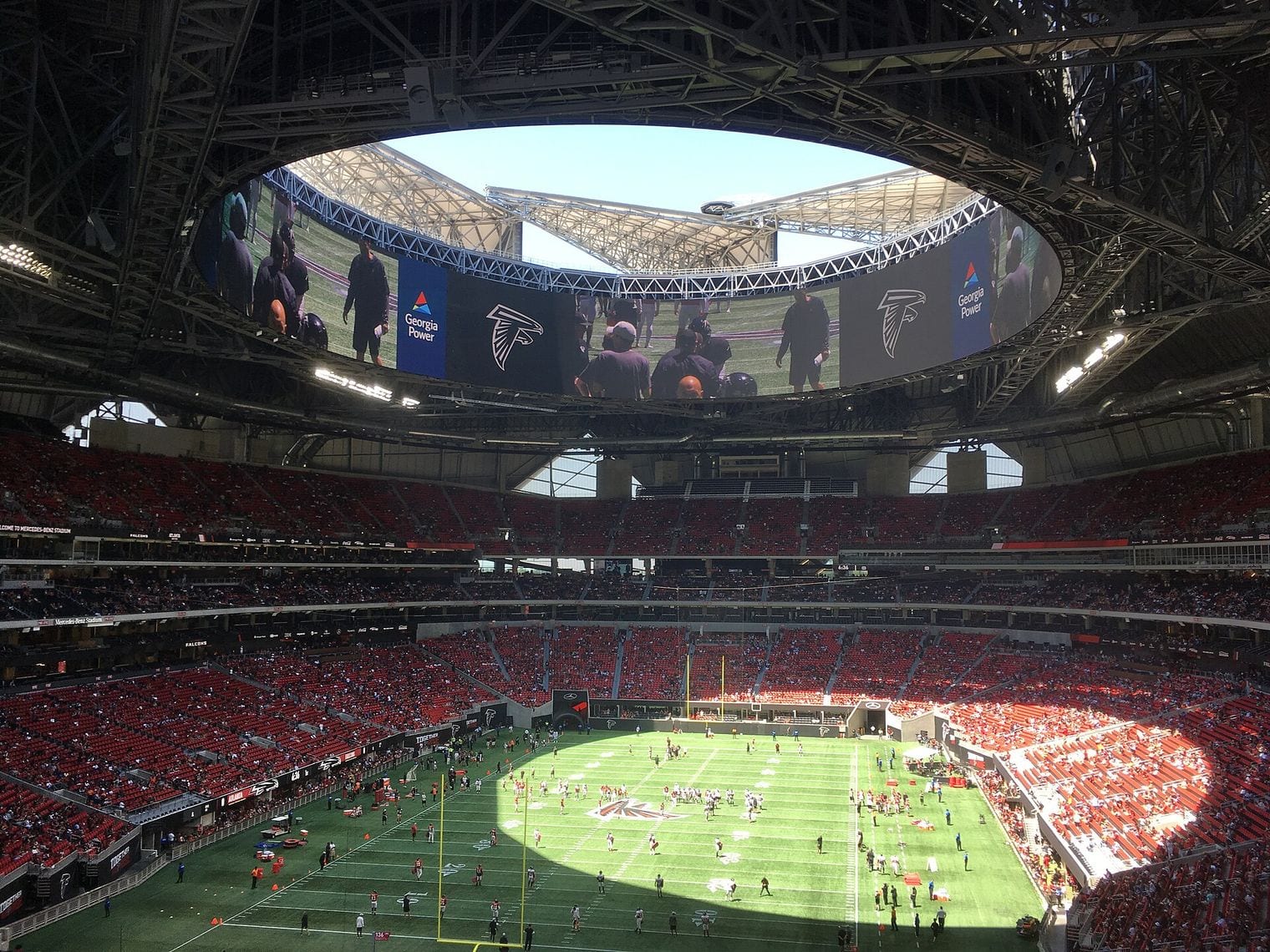
At 71,000 seats, Mercedes-Benz Stadium in Atlanta is the home of the Atlanta Falcons and Atlanta United FC. It opened on August 26, 2017, in place of the Georgia Dome, and its signature is a retractable roof of eight translucent triangular panels known as the "pinwheel."
The stadium took over the Georgia Dome's big college events, including the SEC Championship Game and the Peach Bowl, and hosted Super Bowl LIII in 2019. Soccer uses a smaller configuration, and the Super Bowl layout of 75,000 is not counted here.
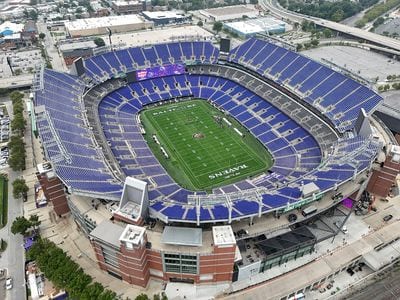
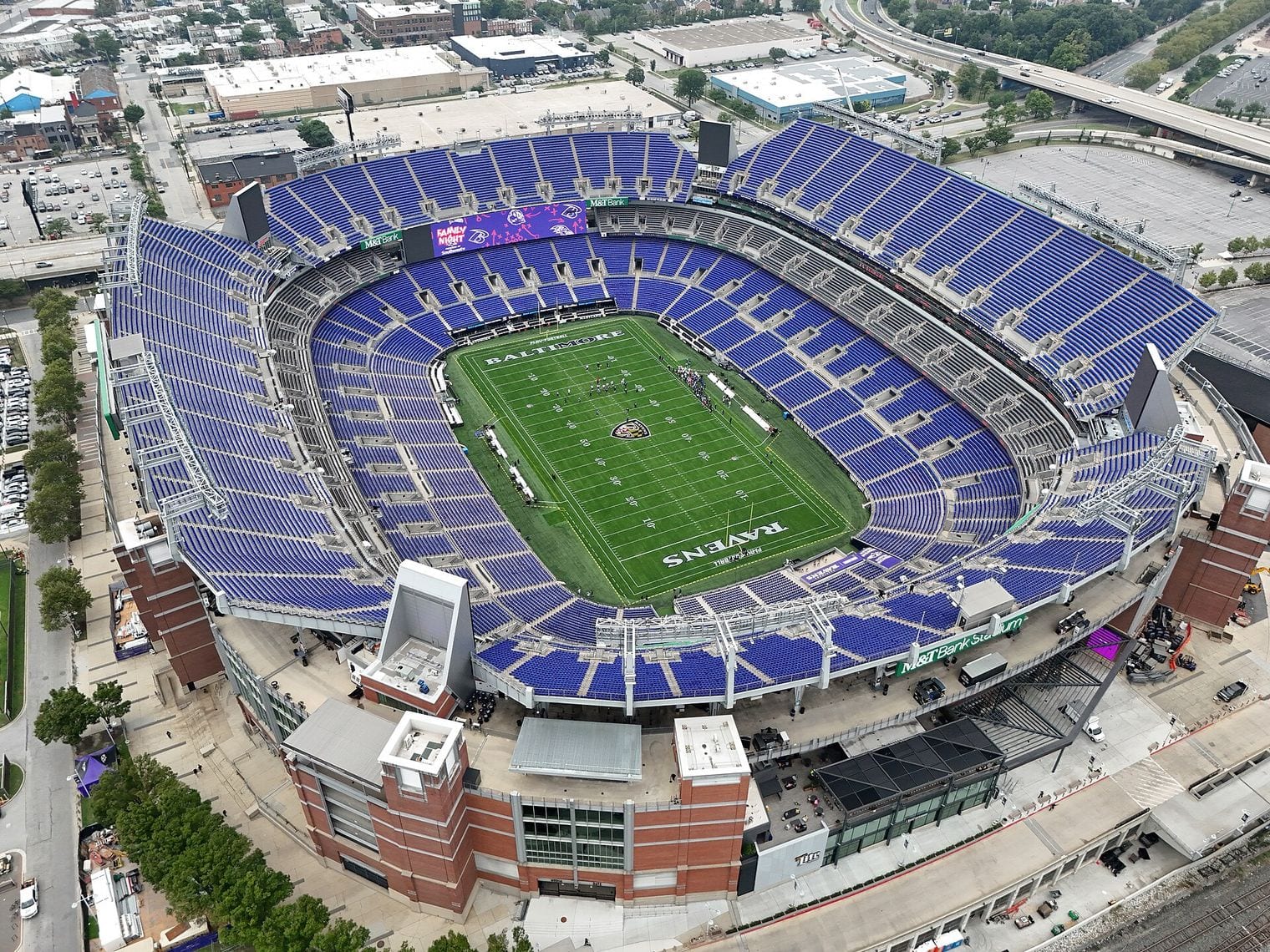
At 70,257 seats, M&T Bank Stadium in Baltimore is the home of the Baltimore Ravens. It opened in 1998 right next to Oriole Park at Camden Yards, and locals often call it "The Bank." It is regularly praised for easy access and good amenities.
The Ravens' own stadium pages give 70,257, while Wikipedia lists 70,745; at either number it ranks just ahead of SoFi Stadium. A three-year renovation that added premium seating, field-level suites and new video boards wrapped up in time for the 2026 season.
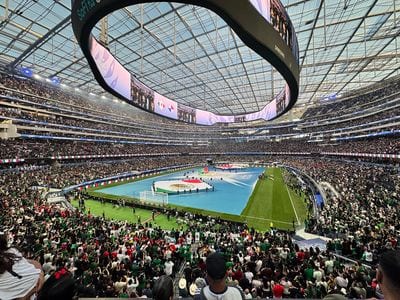
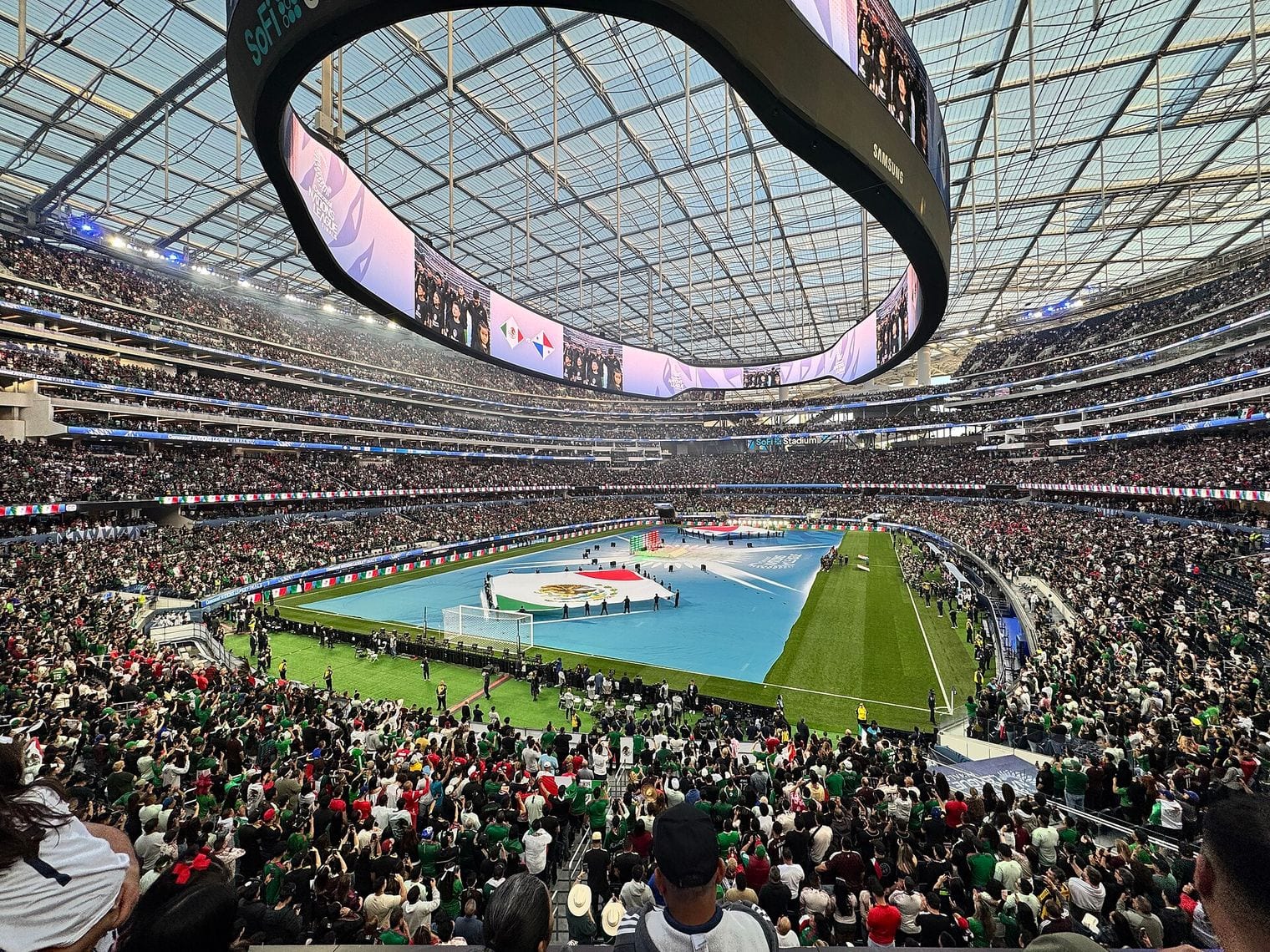
At 70,240 seats, SoFi Stadium in Inglewood, California, is the home of both the Los Angeles Rams and the Los Angeles Chargers. Opened in September 2020 on the site of the Hollywood Park Racetrack, it sits under a translucent canopy of 302 ETFE panels that lets in sunlight while keeping the weather out.
The standard figure can be expanded past 100,000 for major events, which is not counted here. SoFi hosted Super Bowl LVI in 2022 and eight matches of the 2026 FIFA World Cup, and it is set to stage the opening ceremony of the 2028 Summer Olympics.
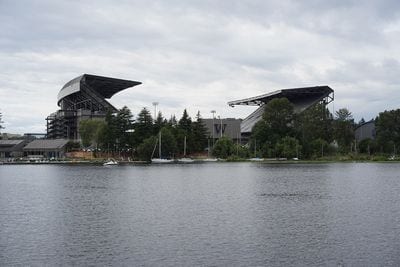
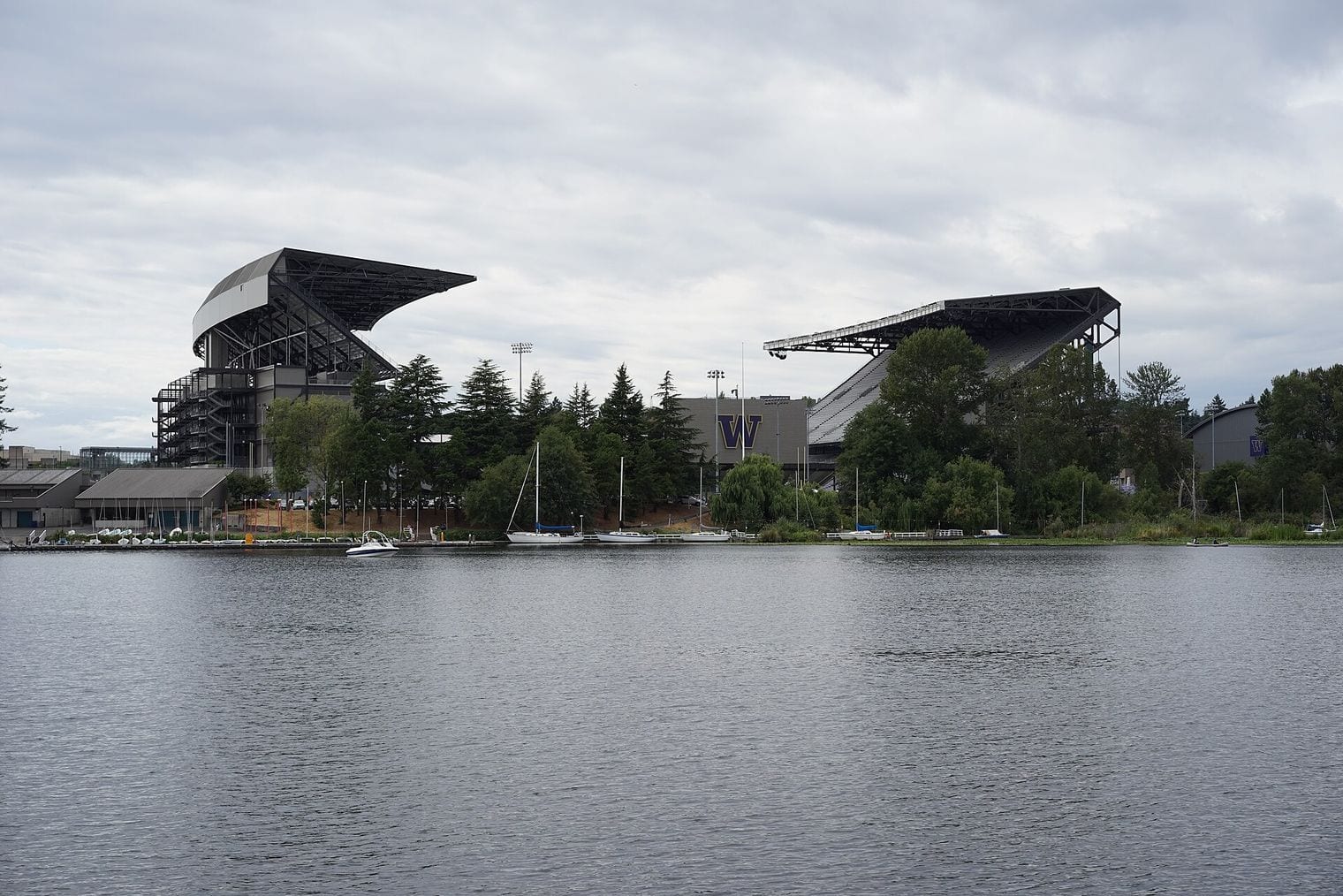
At 70,138 seats, Husky Stadium in Seattle is the largest stadium in the Pacific Northwest and the home of the Washington Huskies. It has hosted Washington football since 1920, and its open east end looks out over Union Bay and Lake Washington toward the Cascades and Mount Rainier.
Washington's 2026 media guide lists 70,138, while the school's facilities page still says 72,132, a number that matches a 2025 crowd. Many fans arrive by boat and tie up below the stands, and the stadium has twice hosted the Seattle Seahawks while their own home was unavailable.
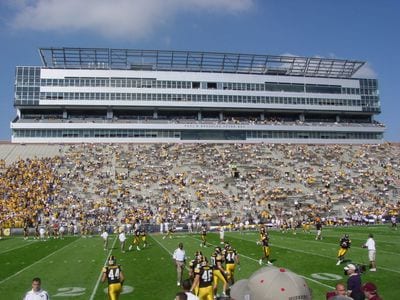
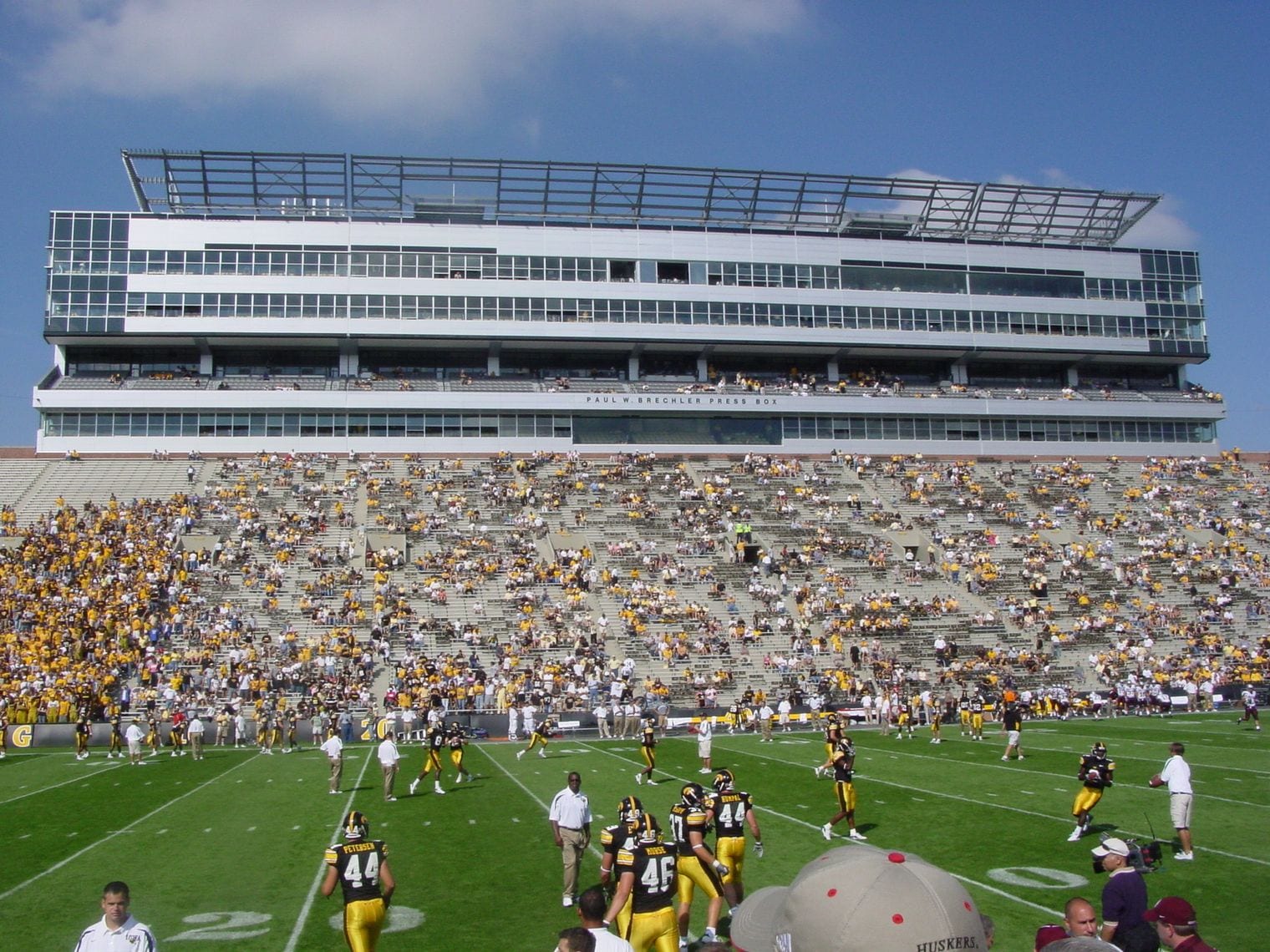
At 69,250 seats, Kinnick Stadium in Iowa City is the home of the Iowa Hawkeyes. It opened in 1929 as Iowa Stadium and is named for Nile Kinnick, who won the 1939 Heisman Trophy and died serving in World War II, which makes it the only college stadium named for a Heisman winner.
The University of Iowa children's hospital overlooks the east stands. At the end of the first quarter, the whole crowd turns to wave to the young patients watching from the top floor, a tradition ESPN called college football's coolest.
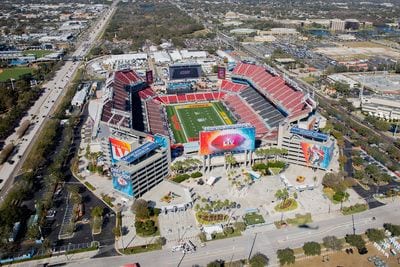
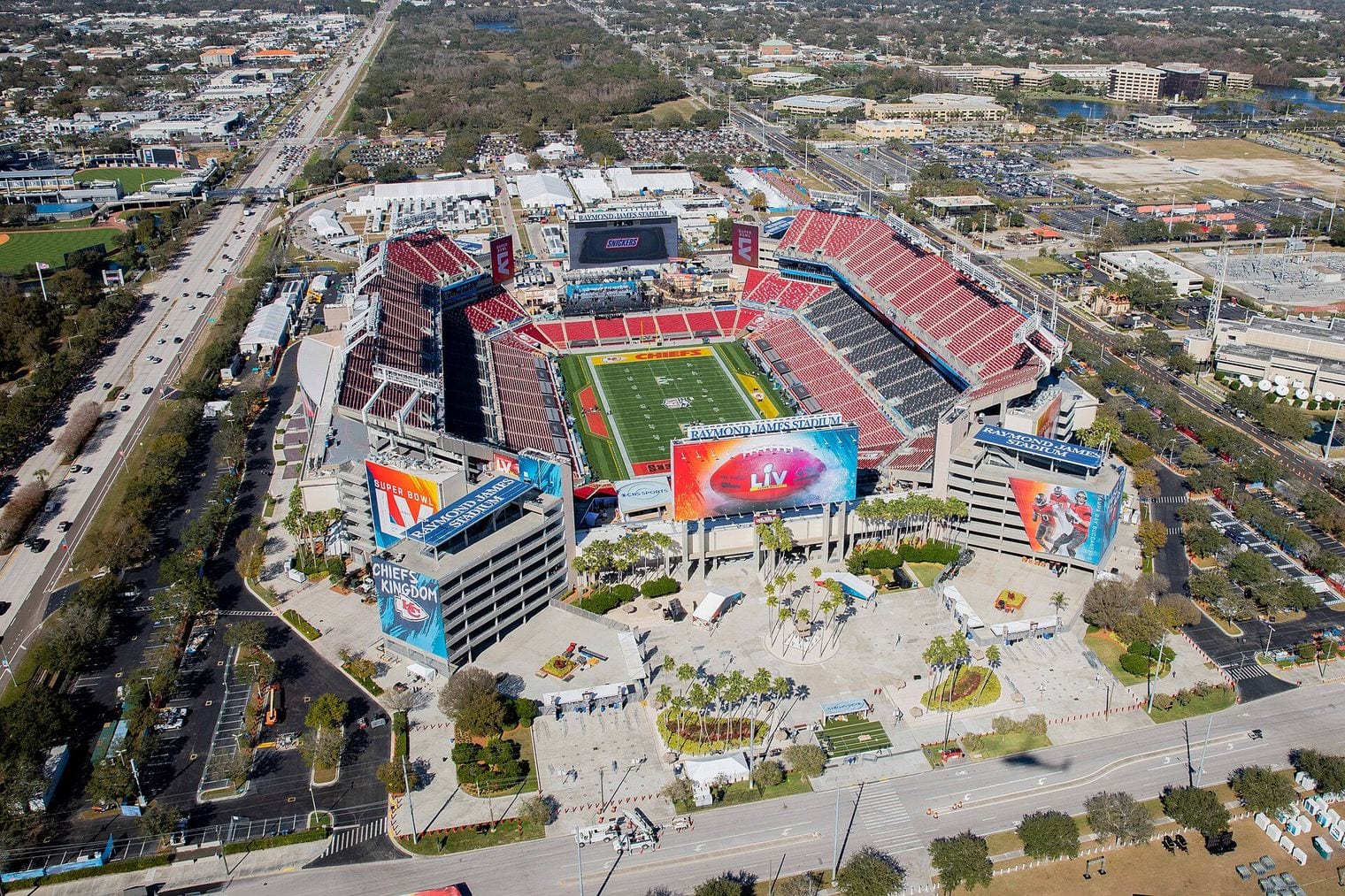
At 69,218 seats, Raymond James Stadium in Tampa is the home of the Tampa Bay Buccaneers and the University of South Florida Bulls. It opened in 1998, and its trademark is a 103-foot steel-and-concrete pirate ship in the north end zone, complete with an animated parrot on its stern.
The figure dates from 2022, when the Buccaneers added about 3,600 end-zone seats. The stadium's own website and the Tampa Sports Authority still describe it as a 65,000-seat stadium, the opening-day number, so this entry uses the team's current count. It has hosted three Super Bowls.
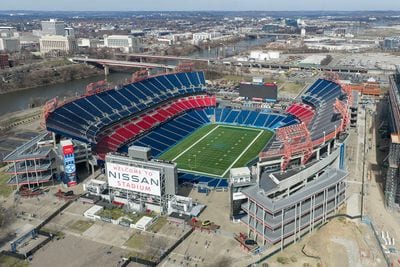
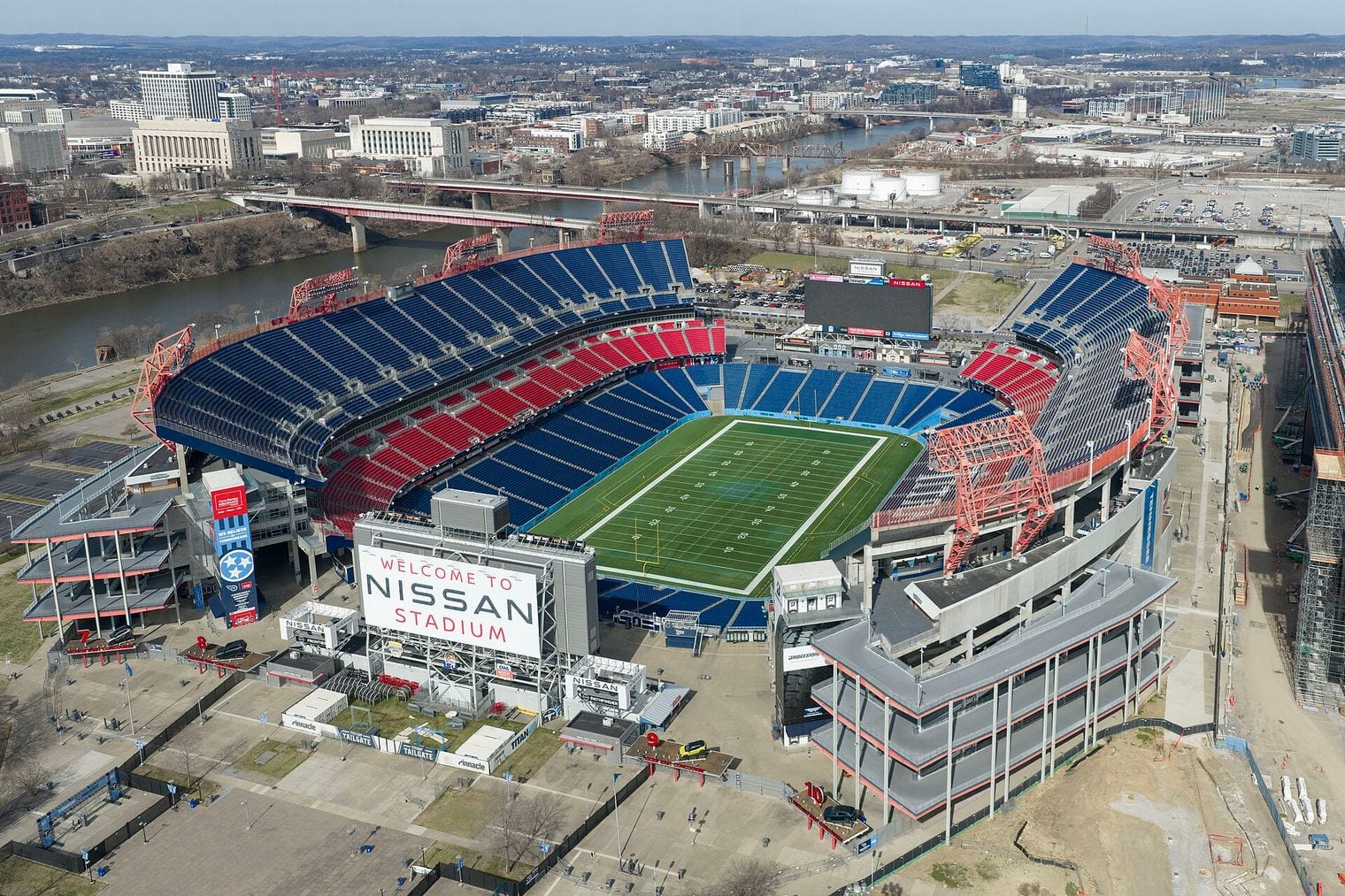
At 69,143 seats, Nissan Stadium in Nashville is the home of the Tennessee Titans and the Tennessee State Tigers. It stands on the east bank of the Cumberland River facing downtown, and it also hosts the Music City Bowl each December and the big CMA Fest concerts every June.
In May 2010 floodwater from the Cumberland covered the field six feet deep. The Titans play the 2026 season here, then move next door into a new, smaller enclosed stadium of about 60,000 seats in 2027, so this is the last NFL season in the riverside bowl.
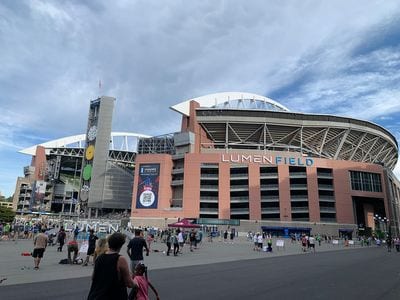
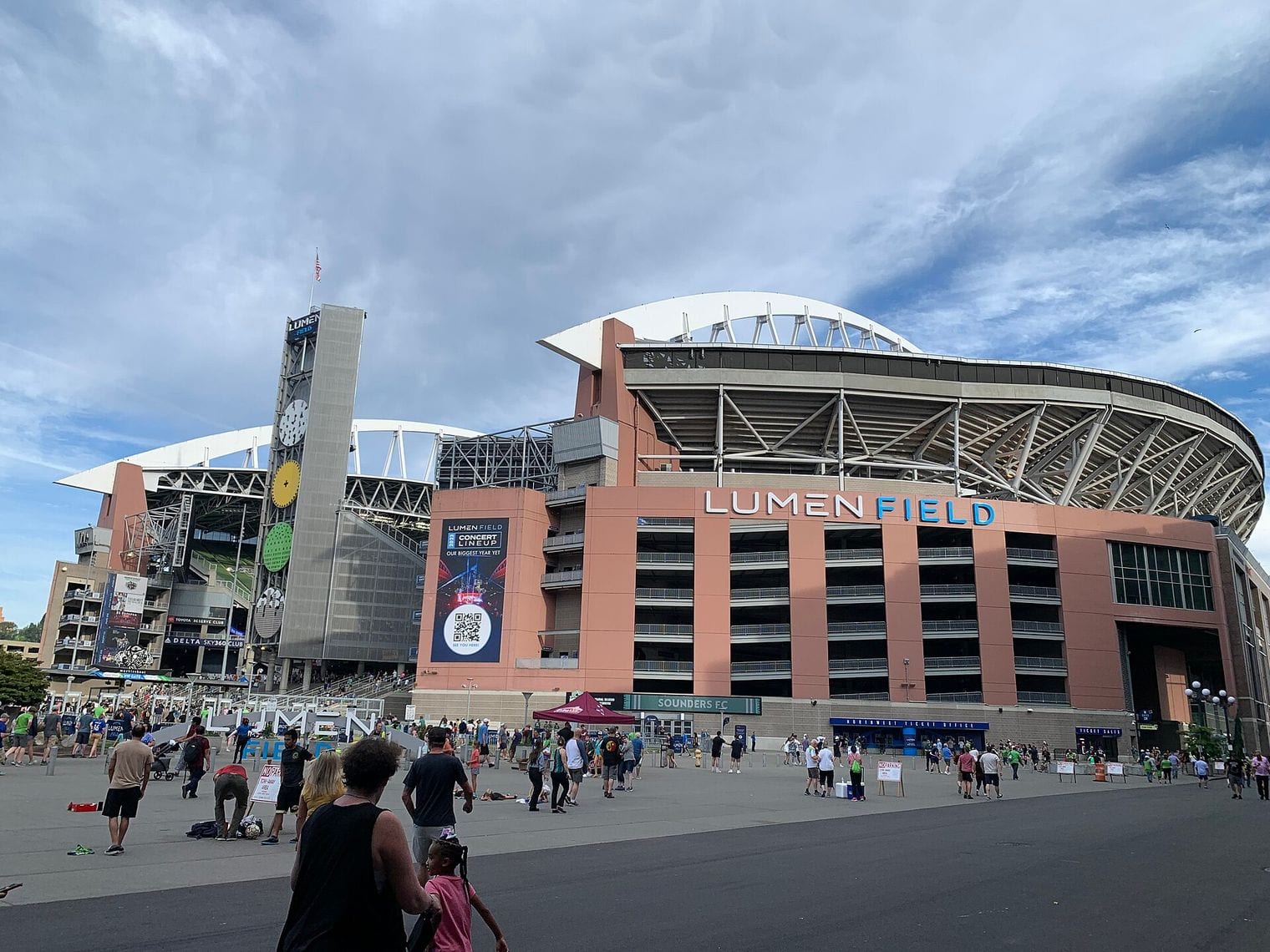
At 68,740 seats, Lumen Field in Seattle's SoDo district is the home of the Seattle Seahawks, Seattle Sounders FC and Seattle Reign FC. Built between 2000 and 2002 on the site of the Kingdome, it lies within a mile of downtown, beside a public plaza and event center.
Seahawks crowds have twice claimed the Guinness World Record for the loudest roar at an outdoor stadium, in 2013 and 2014. For most Sounders matches the stadium is set up for 37,722, but the NFL figure is the one counted here.
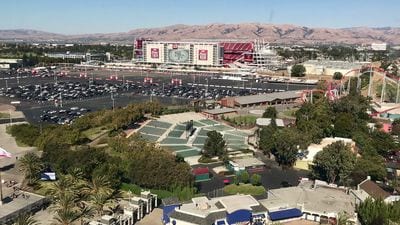
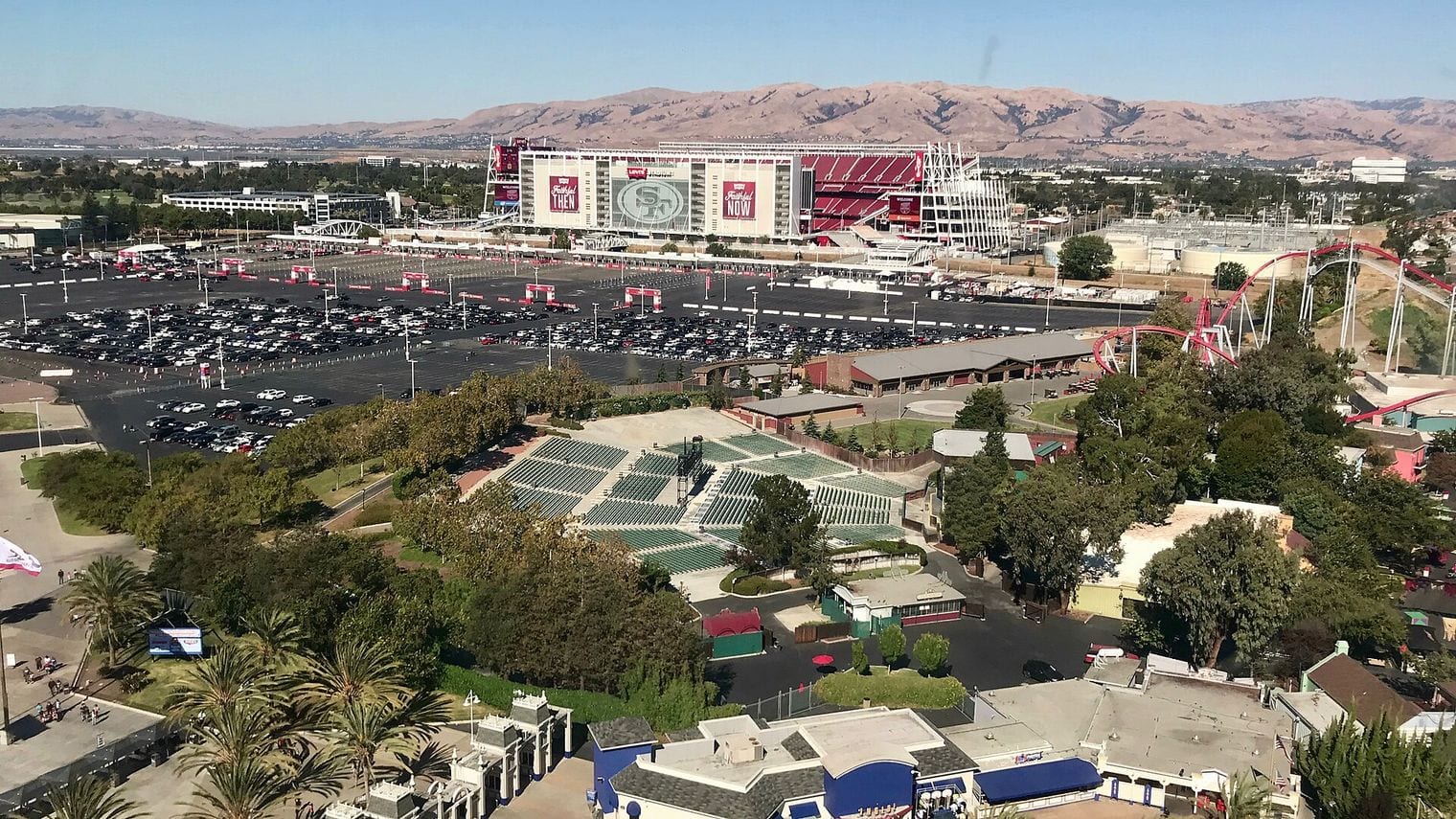
At 68,500 seats, Levi's Stadium in Santa Clara, California, about 40 miles south of San Francisco, has been the home of the San Francisco 49ers since 2014. Levi Strauss & Co. bought the naming rights in 2013, and the design includes both a green roof and solar panels.
The stadium hosted Super Bowl 50 in 2016 and Super Bowl LX in February 2026, along with WrestleMania 31. It can expand to about 75,000 for major events, and its 2026 World Cup layout is not counted here.
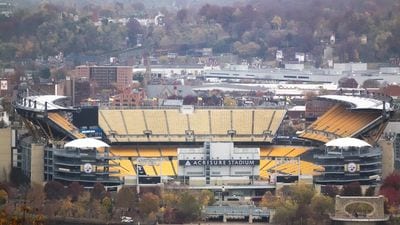
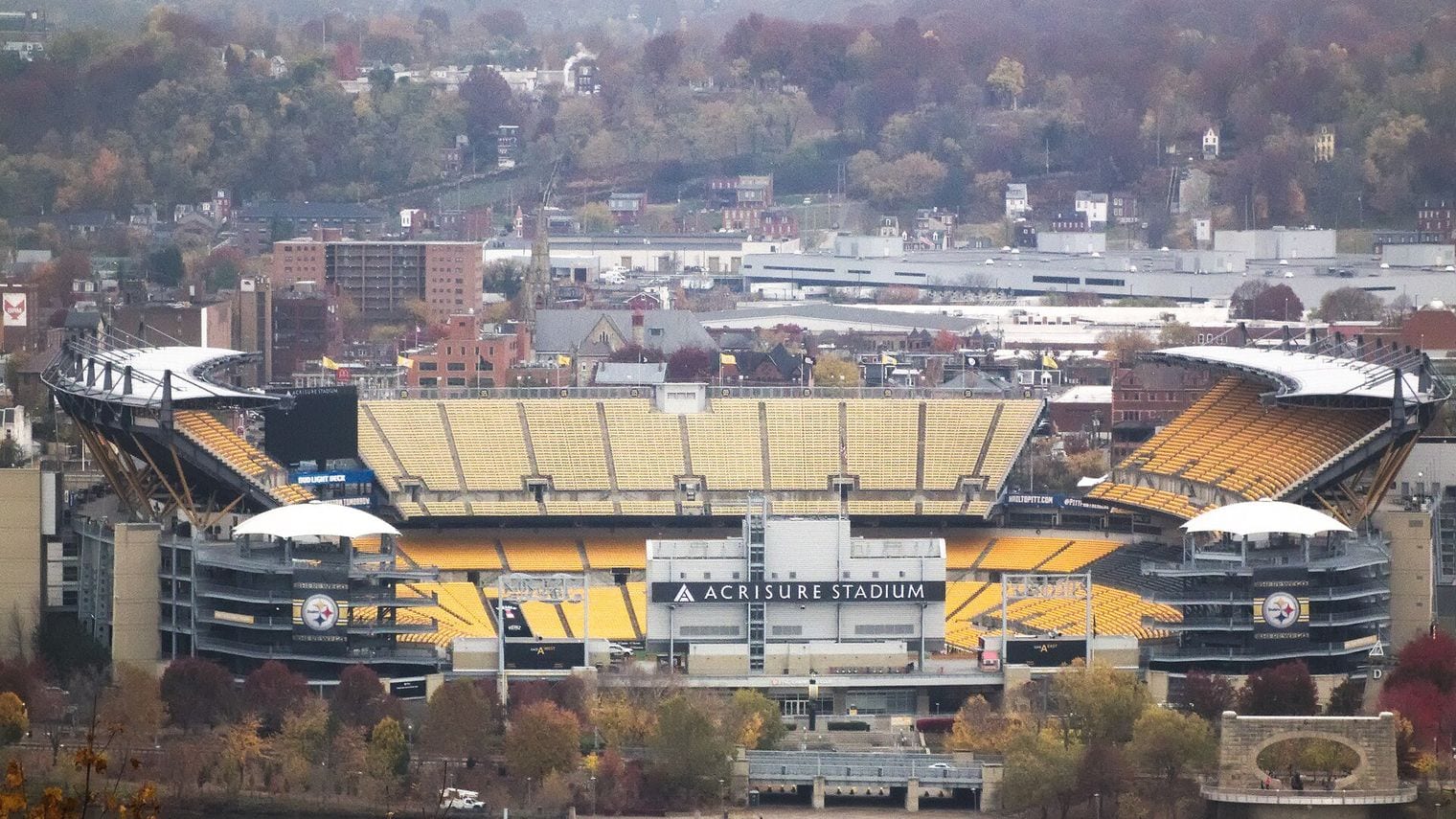
At 68,400 seats, Acrisure Stadium on Pittsburgh's North Shore is the home of the Pittsburgh Steelers and the Pitt Panthers. It opened in 2001 as Heinz Field, and many locals still call it that; Acrisure took over the naming rights in 2022.
The stadium stands along the Ohio River on the city's North Side. The "tipping" of the oversized ketchup bottles above the scoreboard was once named one of the NFL's top ten touchdown celebrations by ESPN, and today's figure dates from 2015.
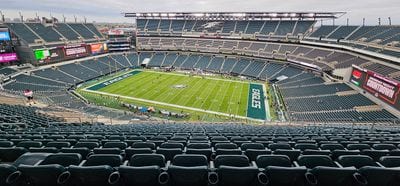
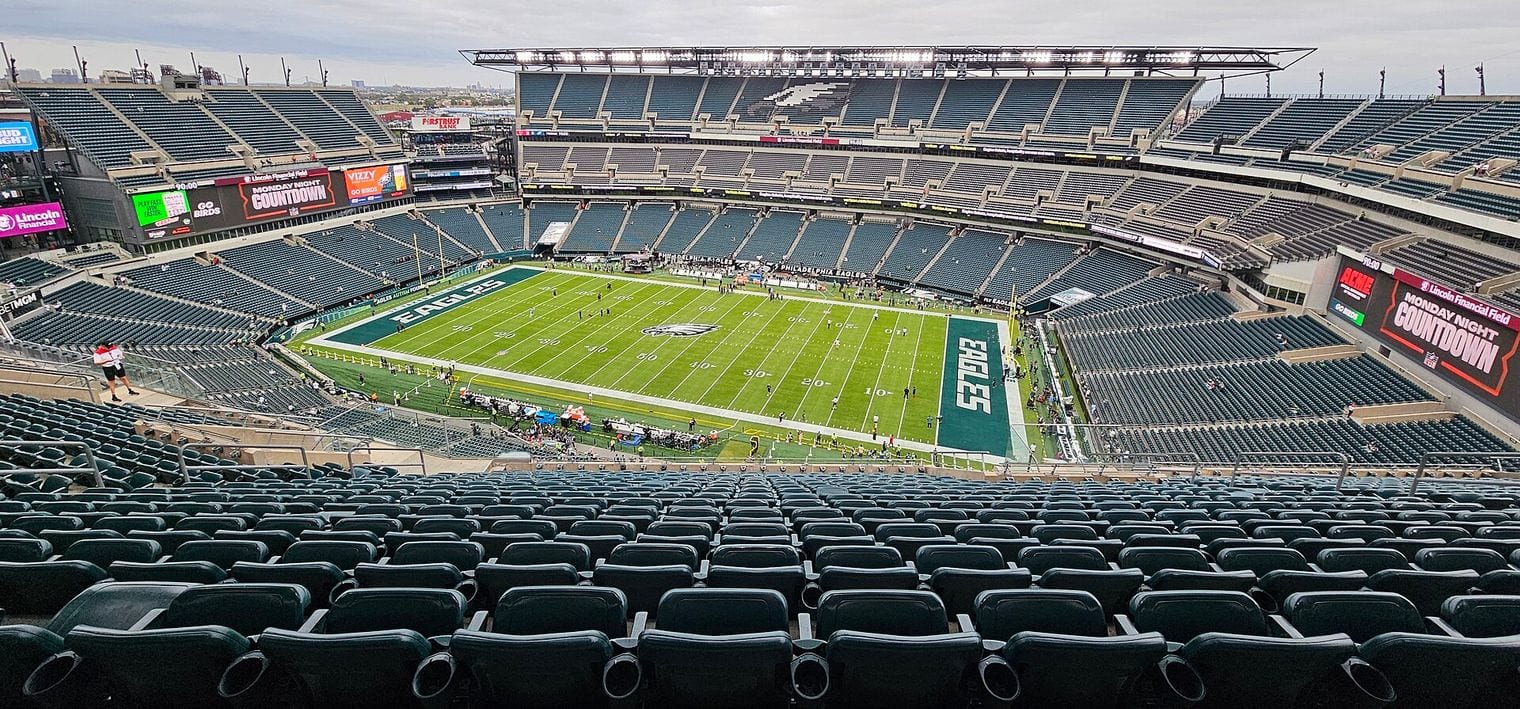
At 67,594 seats, Lincoln Financial Field in South Philadelphia is the home of the Philadelphia Eagles and the Temple Owls. It opened on August 3, 2003, as part of the South Philadelphia Sports Complex, taking over from Veterans Stadium as the Eagles' home.
Its capacity is close to Veterans Stadium's, but it has twice as many luxury and wheelchair-accessible seats. Fans know it as "the Linc," and on Eagles game days the parking lots along Pattison Avenue fill with tailgaters.
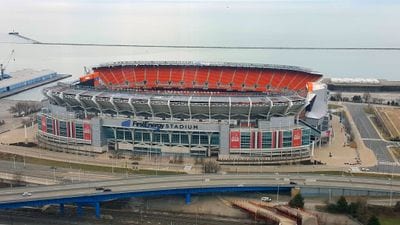
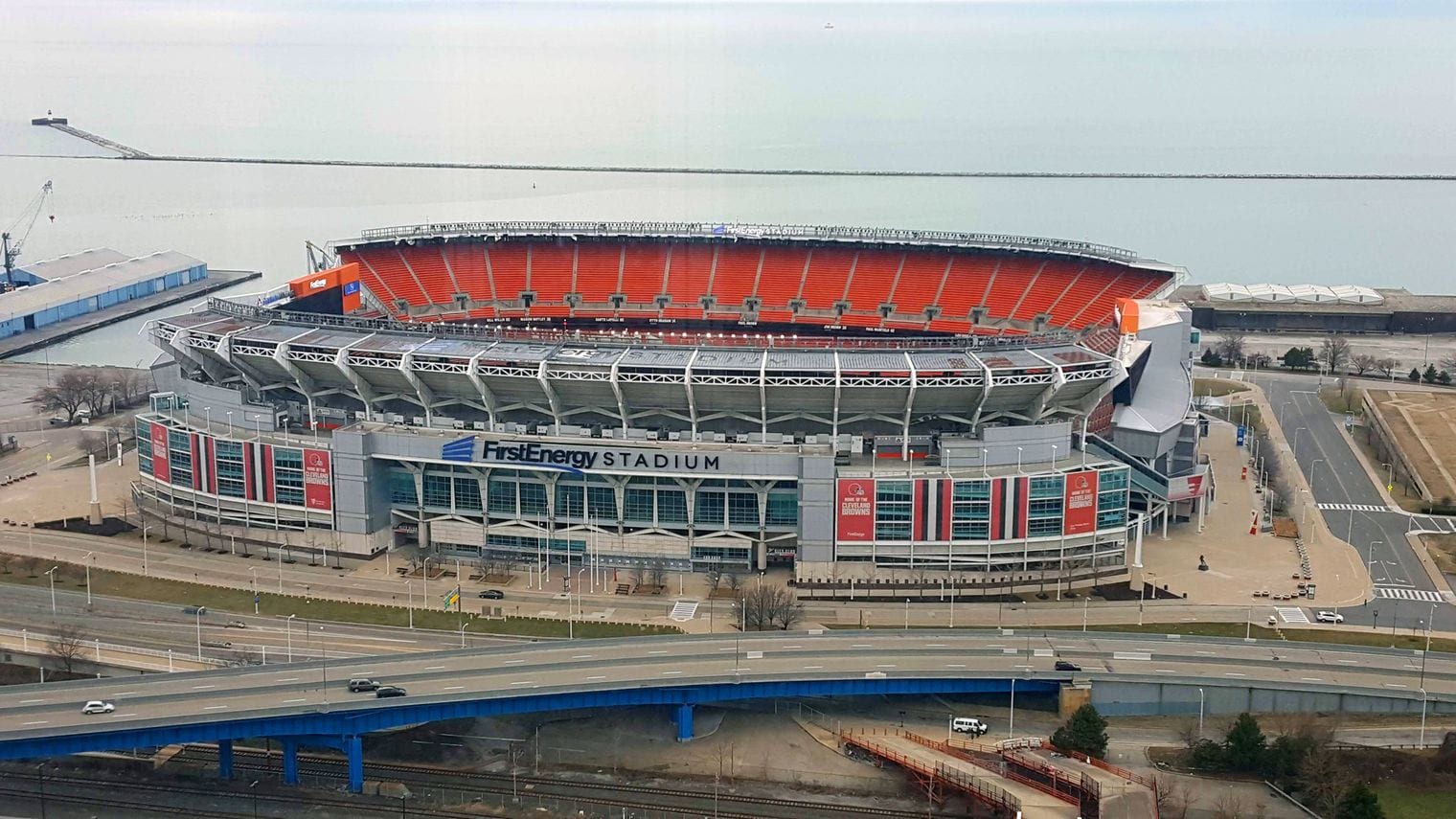
At 67,431 seats, Huntington Bank Field on the Cleveland lakefront is the home of the Cleveland Browns. It opened in 1999 as Cleveland Browns Stadium, on the site of Cleveland Stadium, and stands beside the Rock and Roll Hall of Fame and the Great Lakes Science Center with Lake Erie at its back.
It seated 73,200 at first, but a renovation in 2014 cut it to today's 67,431; some databases round that down to 67,000. Cold late-season games blowing in off the lake are part of the Browns experience.
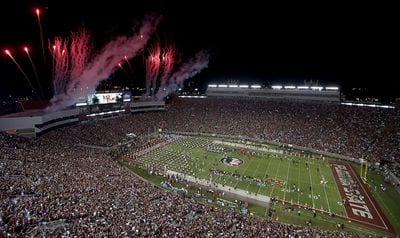
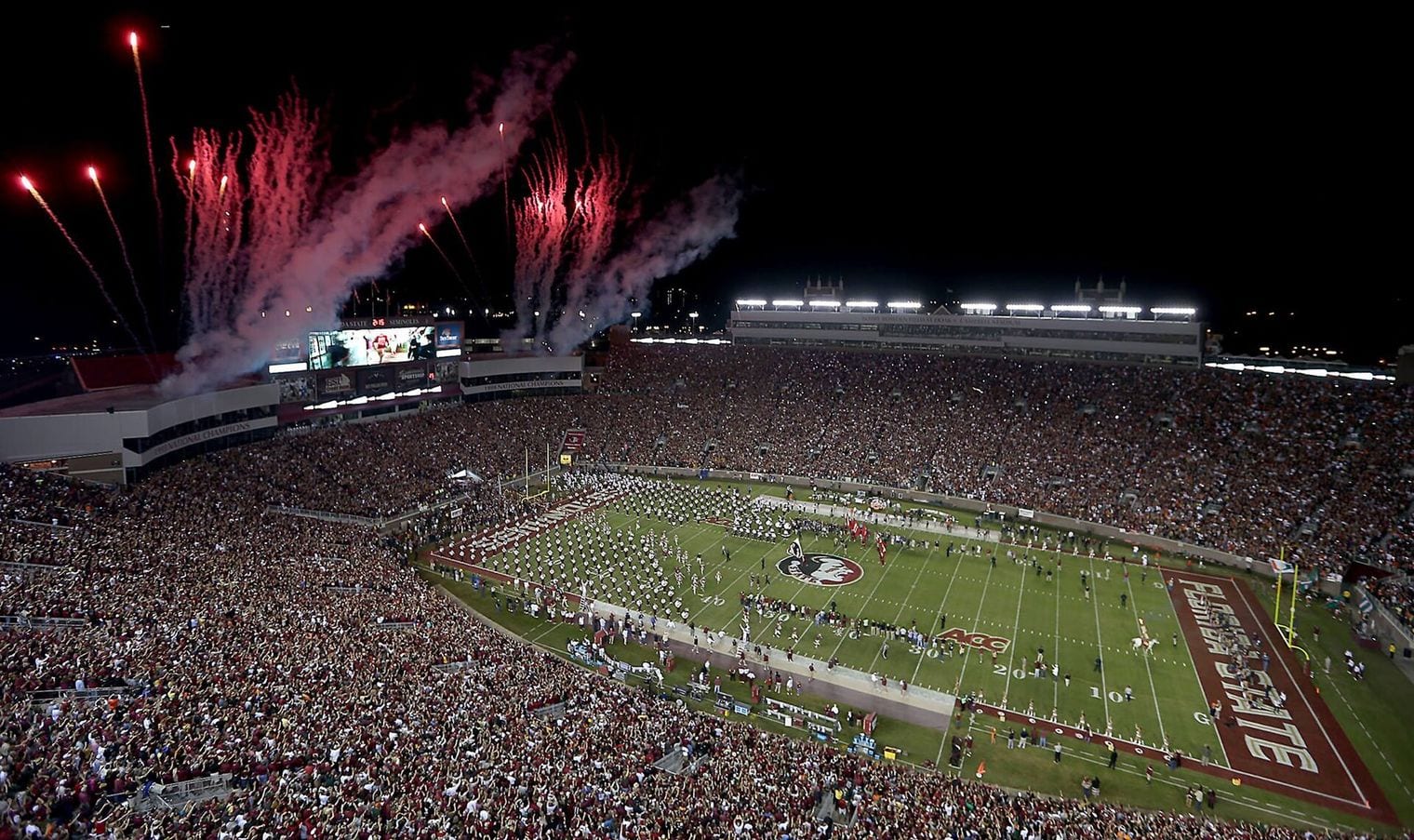
At 67,277 seats, Doak Campbell Stadium in Tallahassee shares 44th place with the Dome at America's Center in St. Louis, because both list exactly the same number. It is the home of the Florida State Seminoles, opened in 1950 and is named for Doak S. Campbell, the university's first president; the field honors coach Bobby Bowden.
A renovation across 2024 and 2025 swapped bleachers for chairback seats and added premium areas, bringing the capacity down from 79,560. Before kickoff, a rider on the Appaloosa Renegade plants a flaming spear at midfield, a tradition carried out with the Seminole Tribe of Florida's approval.
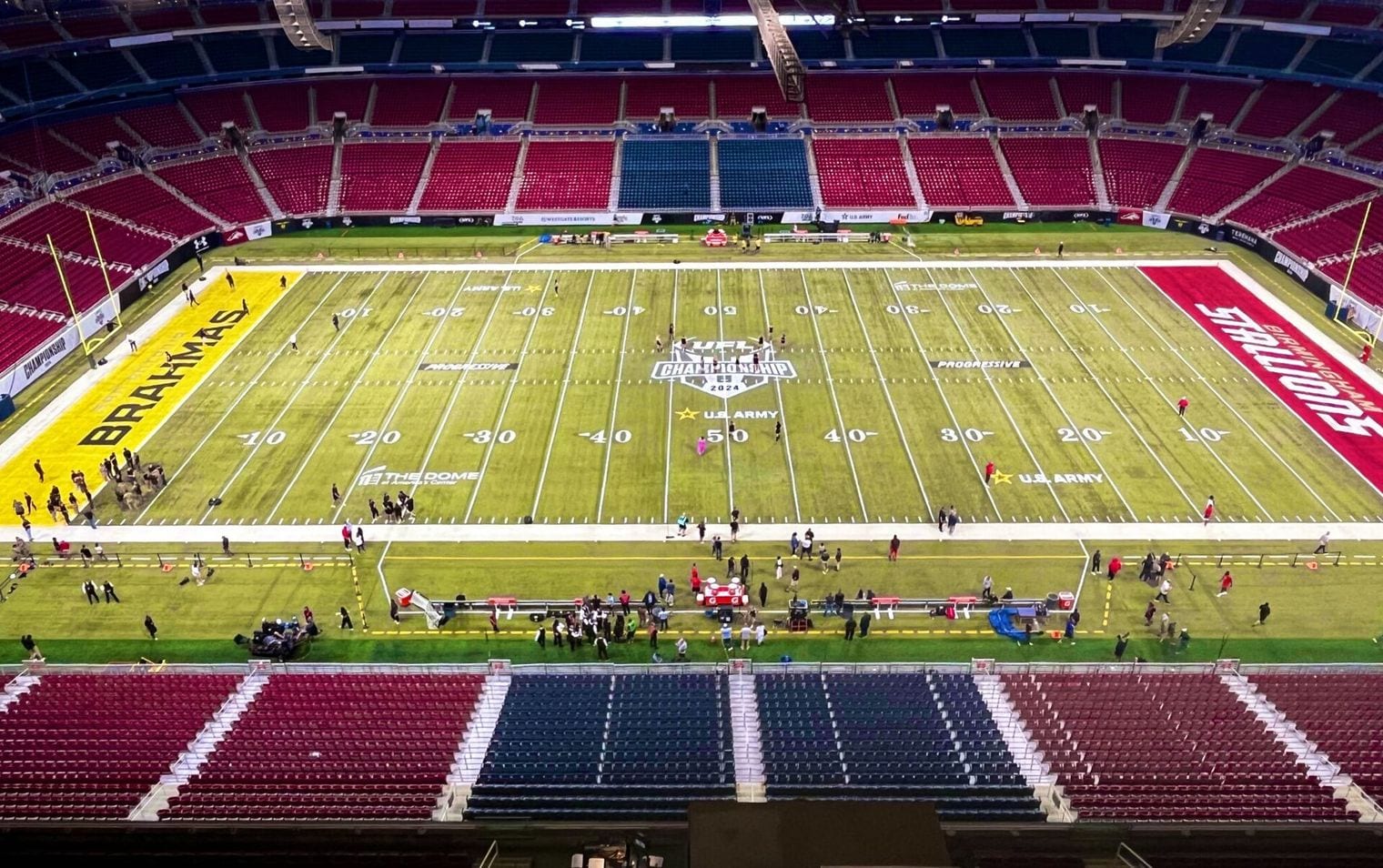
At 67,277 seats, The Dome at America's Center in downtown St. Louis ties Doak Campbell Stadium for 44th. It opened in 1995 as part of the America's Center convention complex, built both to lure an NFL team and to host conventions, and it was known as the Trans World Dome and then the Edward Jones Dome.
The Rams played here for 21 seasons before returning to Los Angeles after 2015. Today the St. Louis Battlehawks of the United Football League fill it, and their fans call it the "BattleDome." Other configurations can seat more than 80,000 for special events.
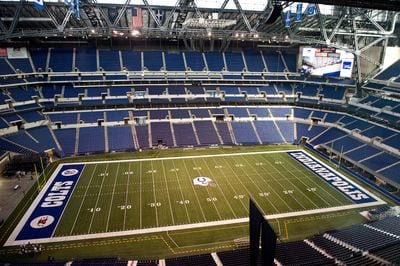
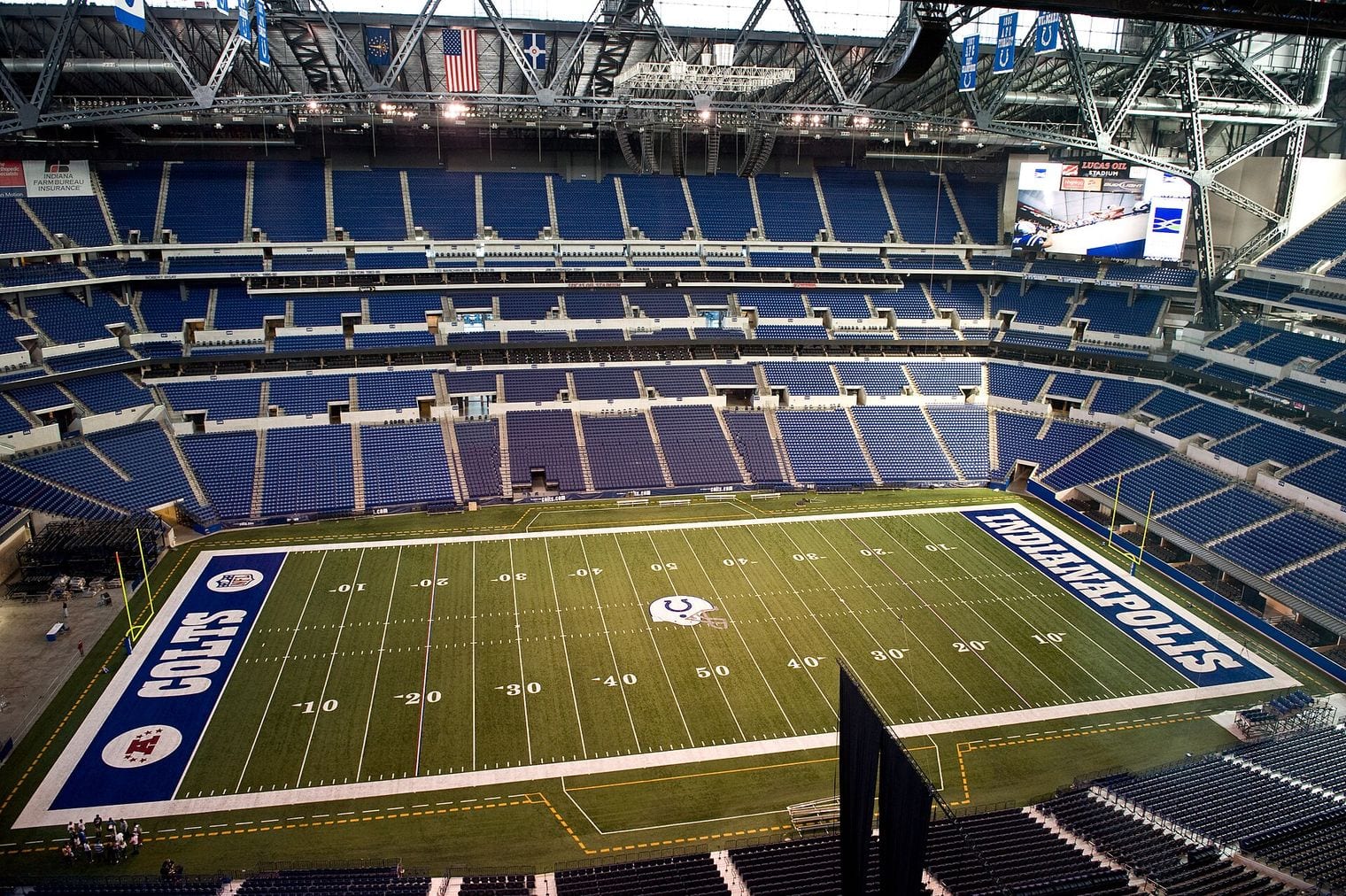
At 67,000 seats, Lucas Oil Stadium in Indianapolis is the home of the Indianapolis Colts. It opened on August 16, 2008, and its brick exterior hides a retractable roof that opens or shuts in about 11 minutes, plus a huge retractable north window framing the downtown skyline.
The venue says it seats approximately 67,000 for football and more than 70,000 for basketball and conventions, though some listings give 63,000 for Colts games. It also hosts the Big Ten Championship Game and the Drum Corps International World Championships every year.
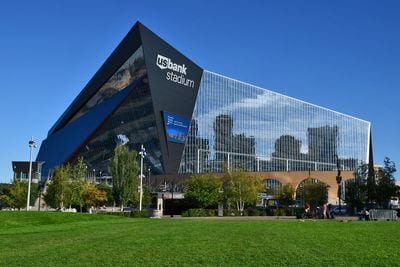
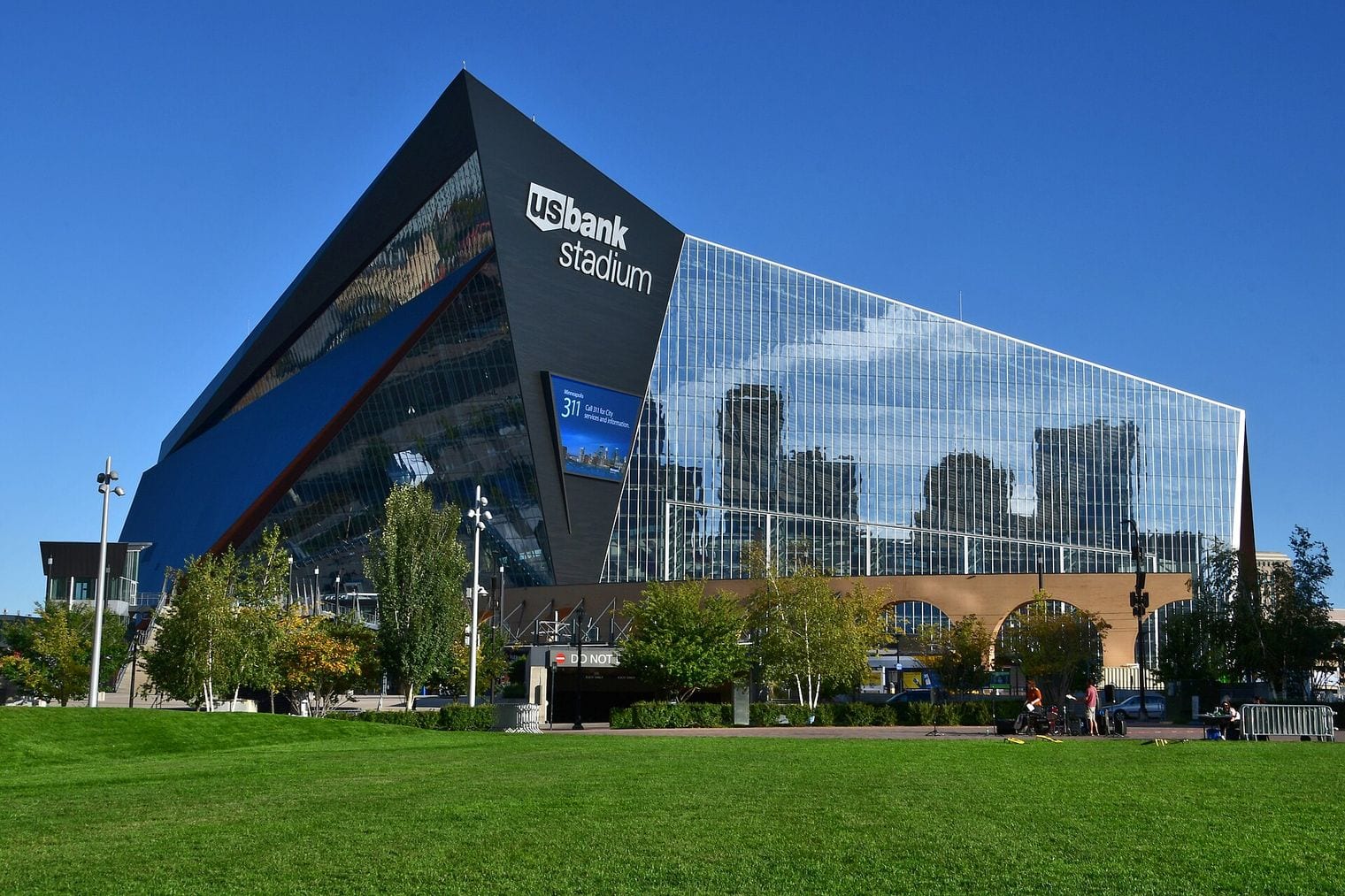
At 66,202 seats, U.S. Bank Stadium in Minneapolis is the home of the Minnesota Vikings. Opened in 2016 on the site of the Metrodome, it has a roof that is about 60 percent clear ETFE plastic, the largest such roof in North America.
The figure comes from the Vikings' own guide; some ticket sites still print 66,860. The stadium hosted Super Bowl LII in 2018 and the 2019 NCAA Final Four, and its skylit roof and glass entrances let in natural light even in a Minnesota winter.
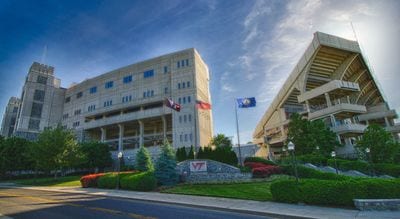
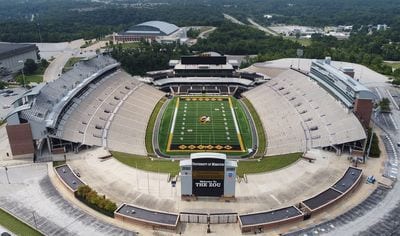
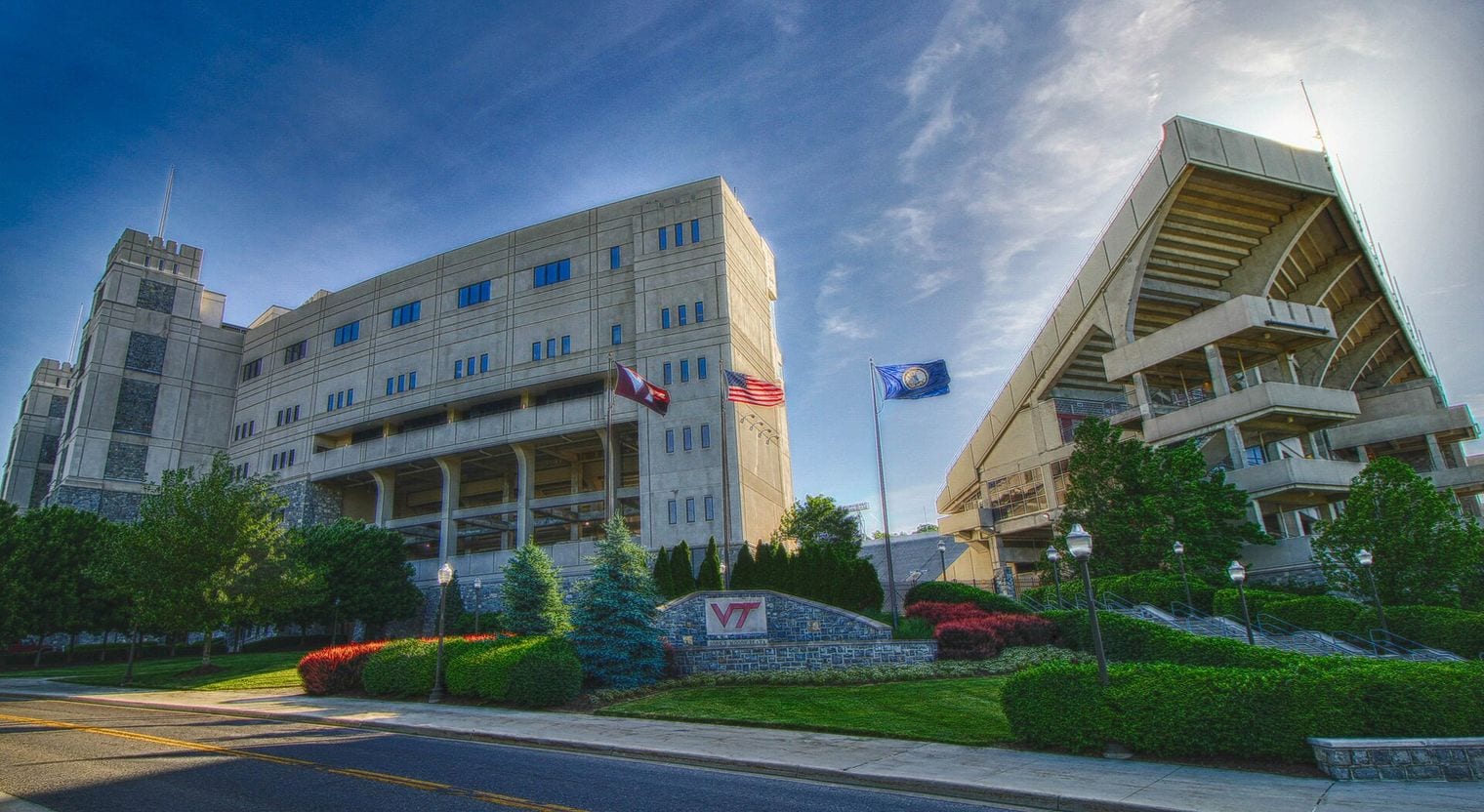
At 65,632 seats, Lane Stadium in Blacksburg is the home of the Virginia Tech Hokies, set high in the mountains of southwest Virginia. It is named for Edward Hudson Lane, a Virginia Tech student and local businessman, and the field is Worsham Field.
The stadium is known as one of the toughest places for visitors in college football, and ESPN once ranked it second among the sport's scariest venues. At more than 2,000 feet above sea level, it sits high for an eastern stadium, and the noise peaks when the team runs out to "Enter Sandman."
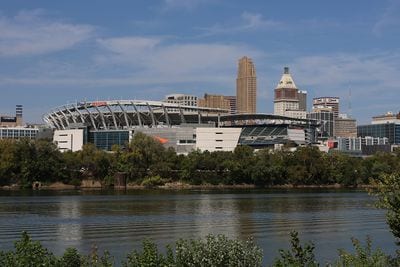
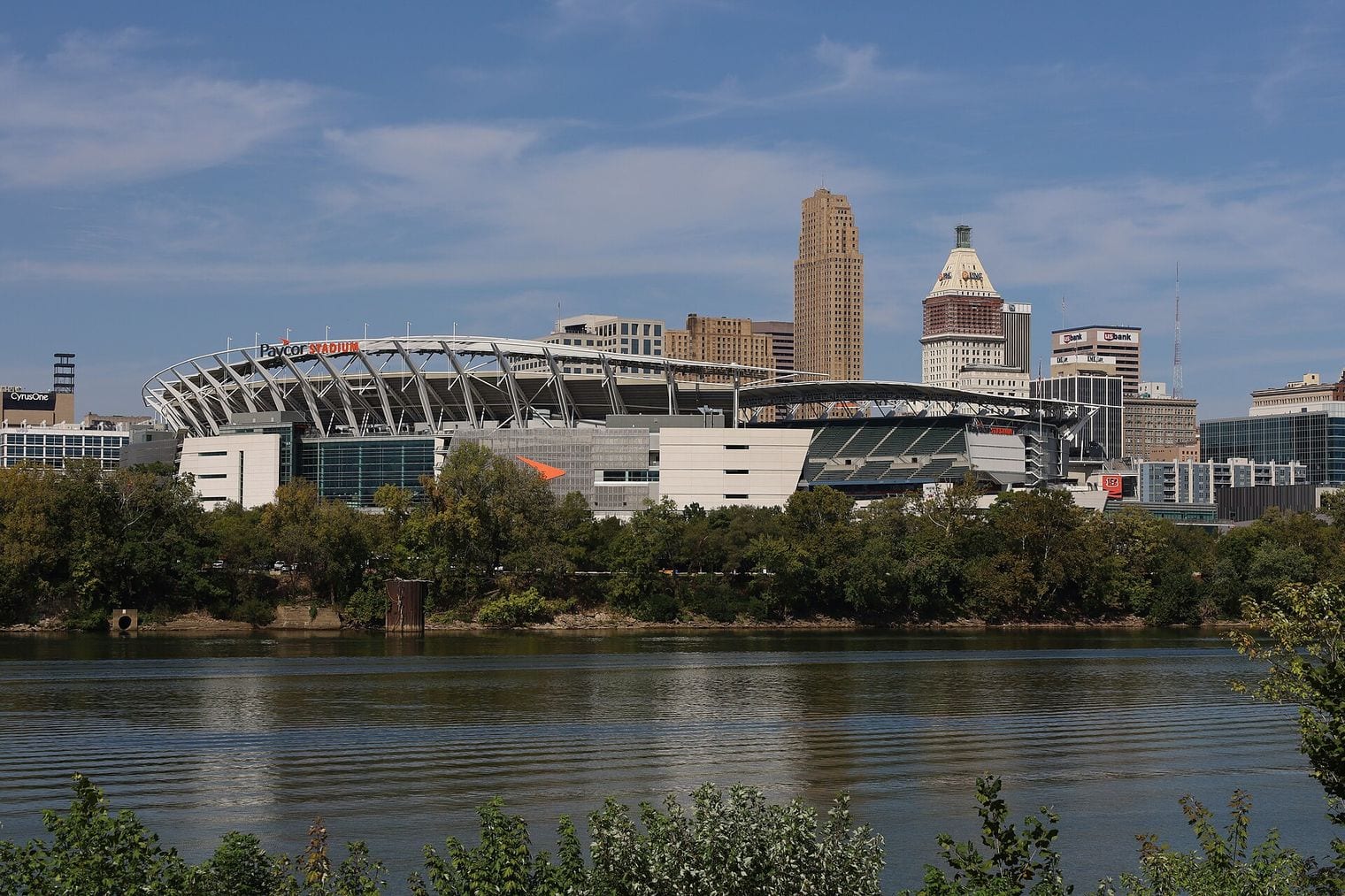
At 65,515 seats, Paycor Stadium in Cincinnati is the home of the Cincinnati Bengals. It opened on August 19, 2000, as Paul Brown Stadium, named for the team's founder, and sits on about 22 acres along the riverfront downtown.
Its nickname is "The Jungle," and Guns N' Roses' "Welcome to the Jungle" is the team's unofficial anthem. The open corners let fans inside look out at the skyline and the bridges over the Ohio River, and passers-by look in.
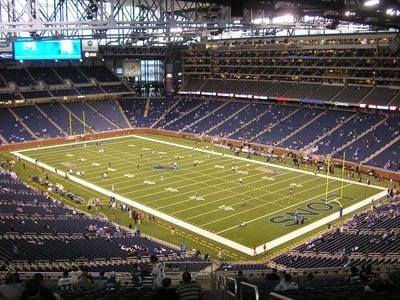
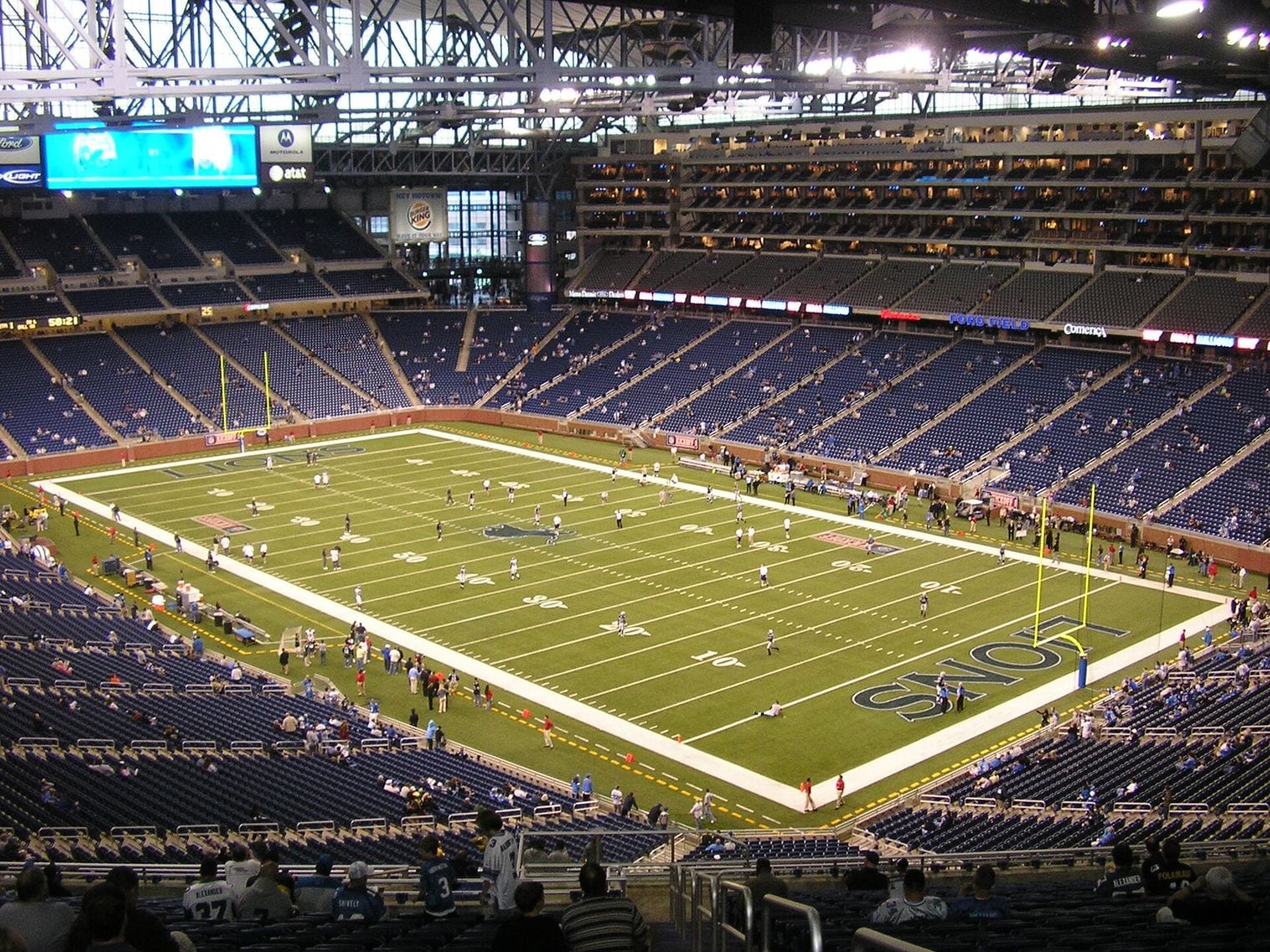
At 65,000 seats, Ford Field in downtown Detroit shares 50th place with Allegiant Stadium, both listing exactly 65,000 for football. It is the home of the Detroit Lions, and its design wraps in a 1920s Hudson's department store warehouse, which gives it a seating layout unlike any other NFL stadium.
The indoor stadium hosted Super Bowl XL in 2006, and it also stages Michigan's high school football finals. It can expand to about 70,000 for football and 80,000 for basketball, but the standard figure is the one counted here.
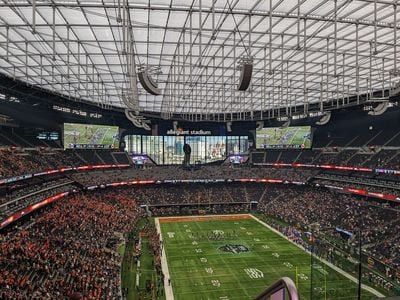
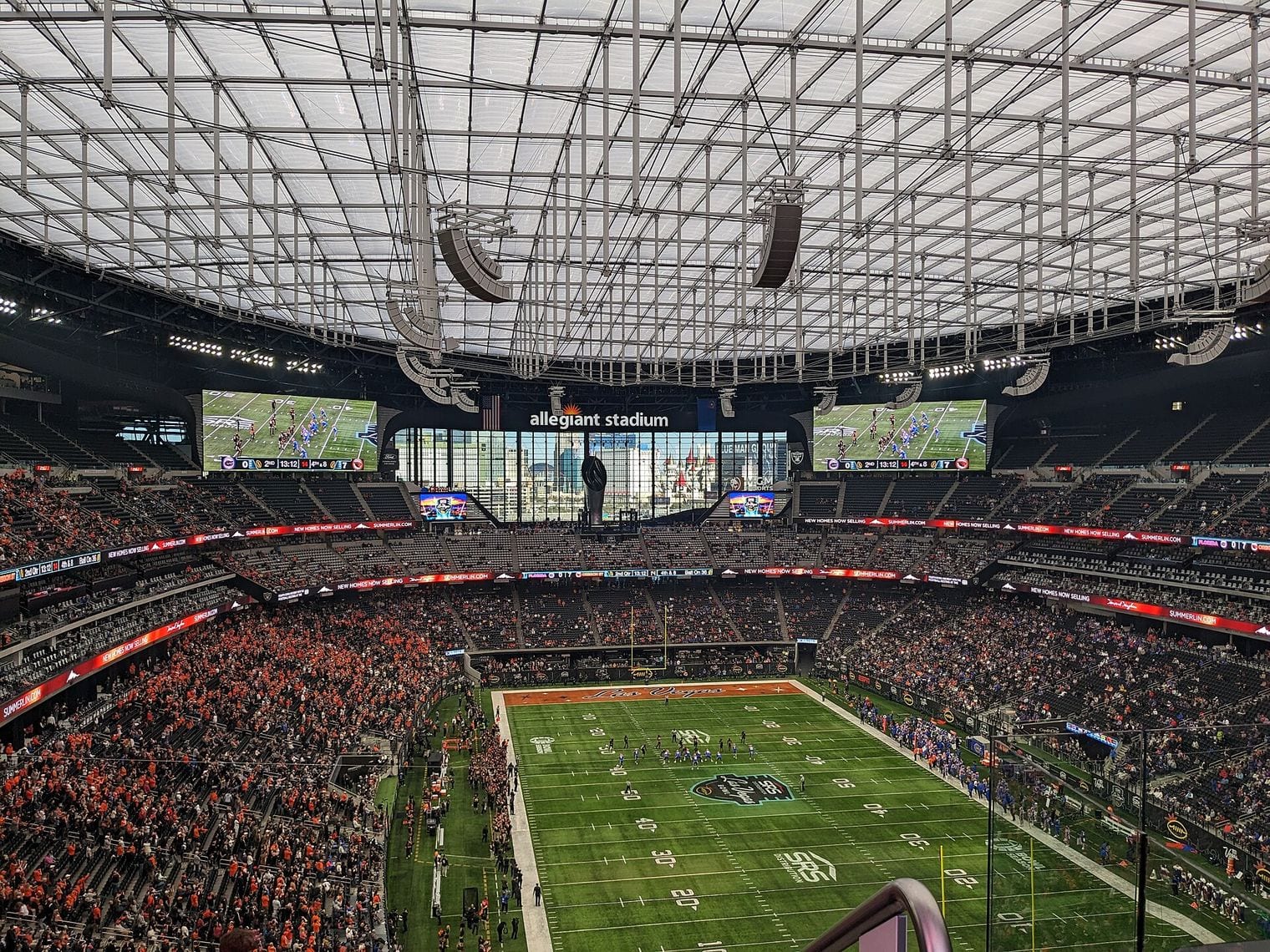
At 65,000 seats, Allegiant Stadium in Paradise, Nevada, just west of the Las Vegas Strip, ties Ford Field for 50th. Opened in 2020, it is the home of the Las Vegas Raiders and the UNLV Rebels, and its sleek black dome has earned it the nickname "Death Star."
An 85-foot torch in the north end zone burns in memory of Raiders owner Al Davis, and was reported in 2019 to be the largest 3D-printed object in the world. The stadium hosted Super Bowl LVIII in 2024, and it can expand to about 72,000 for big events.
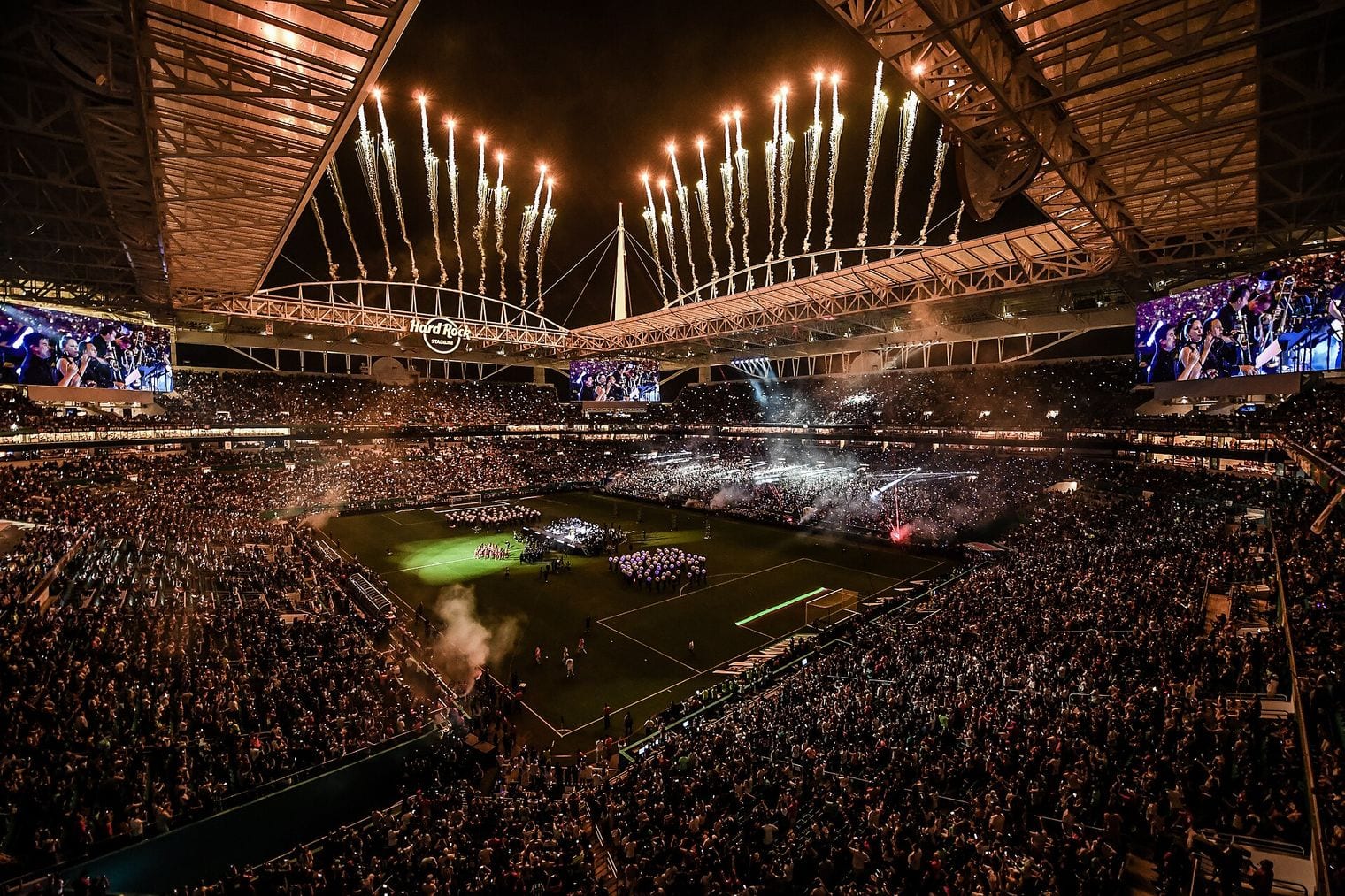
At 64,767 seats, Hard Rock Stadium in Miami Gardens is the home of the Miami Dolphins and the Miami Hurricanes. A renovation completed for the 2016 season cut the capacity from 76,018 to today's figure.
Few stadiums have a broader résumé. It has hosted six Super Bowls, two World Series and the Orange Bowl every year, and its grounds also hold the Miami Open tennis tournament and, since 2022, the temporary circuit for Formula One's Miami Grand Prix.
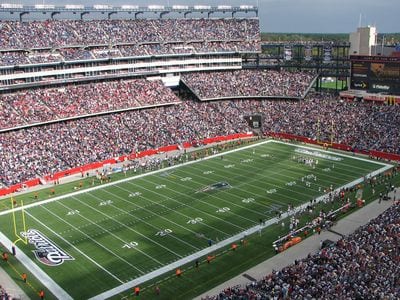
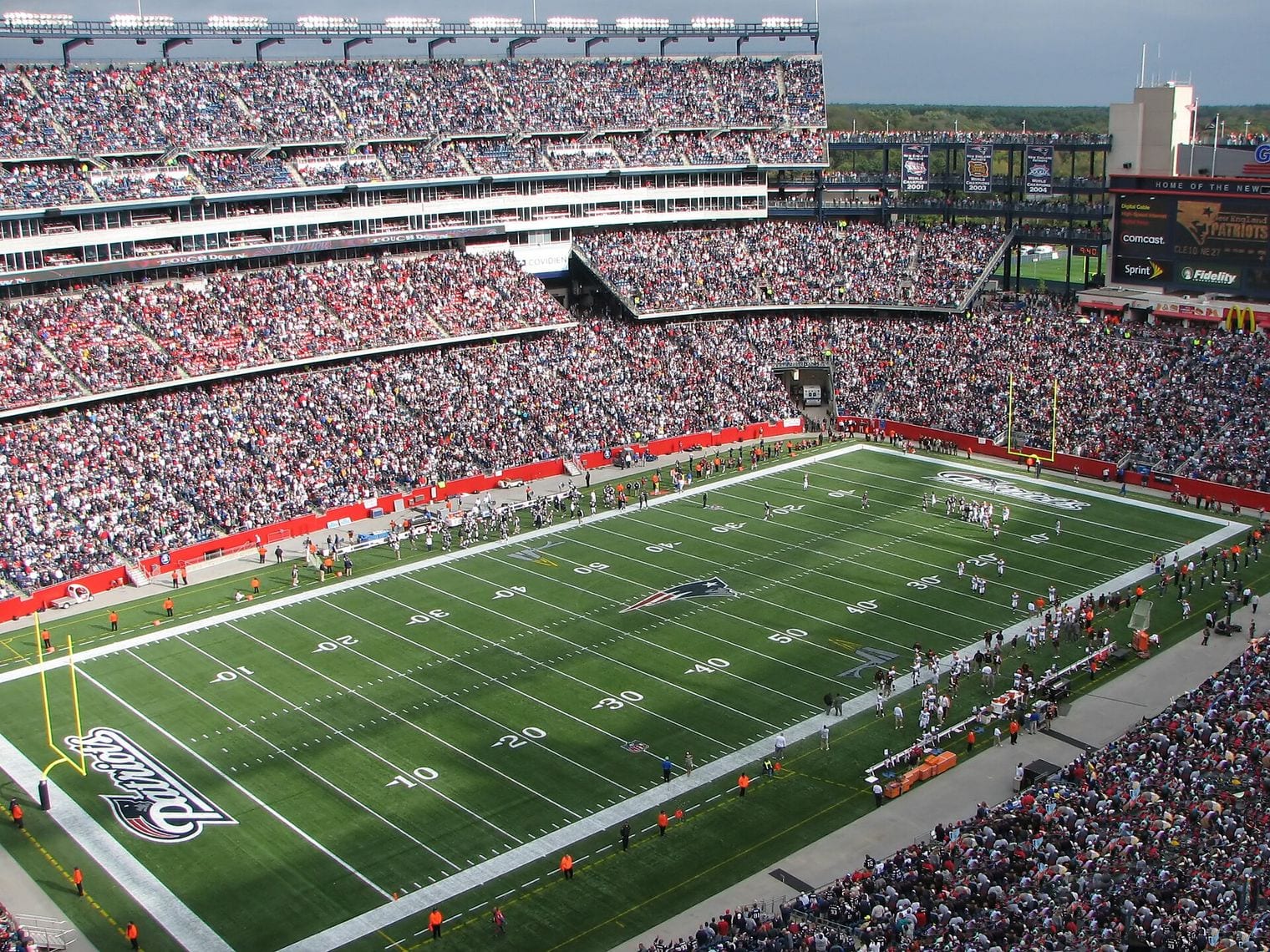
At 64,628 seats, Gillette Stadium in Foxborough, Massachusetts, is the home of the New England Patriots and the New England Revolution, about 22 miles southwest of Boston. It opened in 2002, replacing the neighboring Foxboro Stadium.
The entrance has a lighthouse and a bridge modeled on Boston's Longfellow Bridge, both now on the stadium's logo. Today's figure has stood since 2023, after earlier counts of 68,756 and 65,878, and the stadium's 2026 World Cup layout is not counted here.
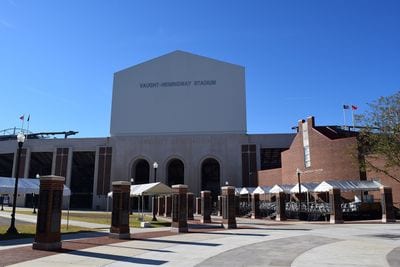
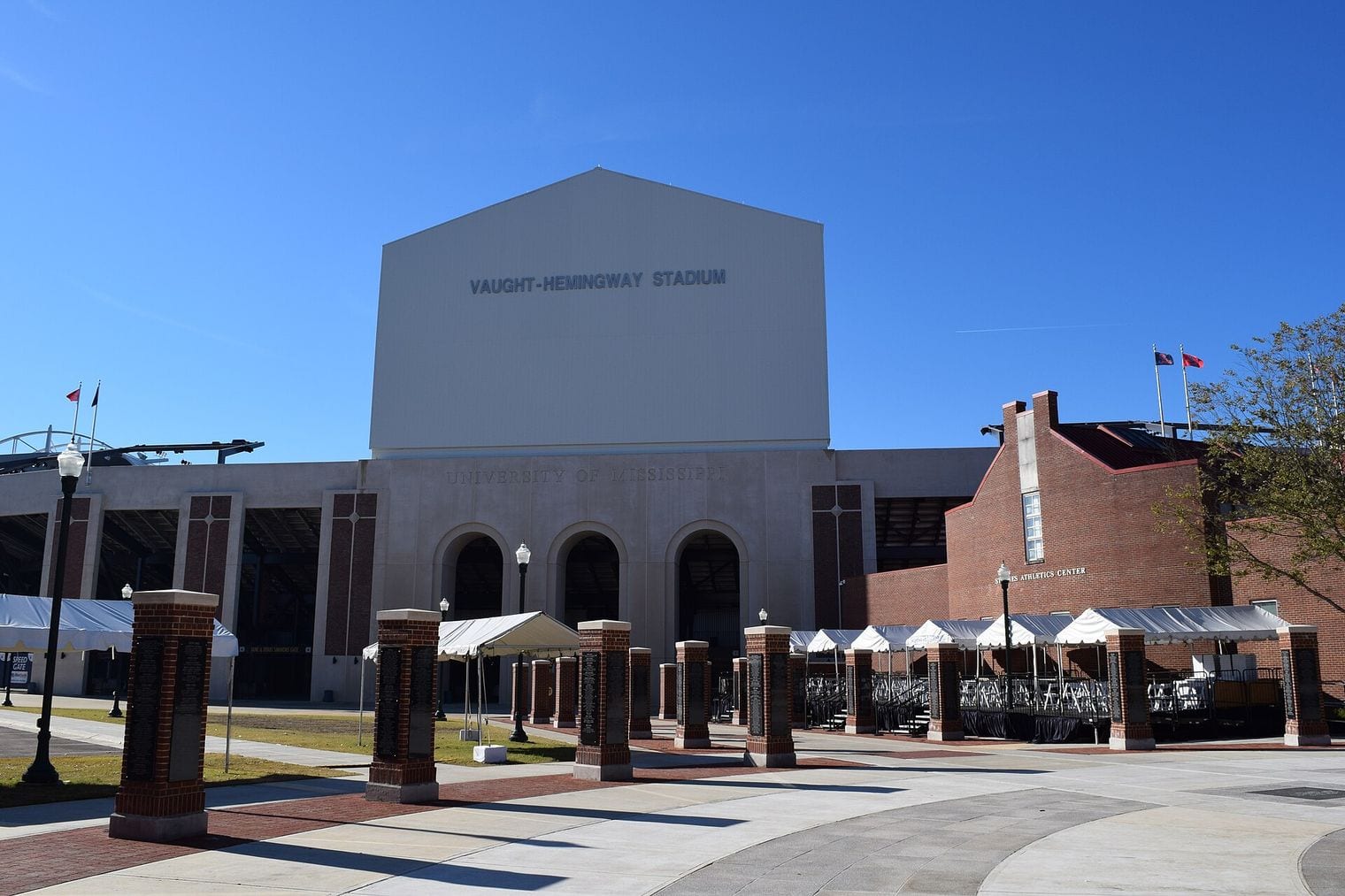
At 64,038 seats, Vaught–Hemingway Stadium in Oxford, Mississippi, is the home of the Ole Miss Rebels. It honors Johnny Vaught, the coach who built Ole Miss into a national power, and Judge William Hemingway, a law professor who chaired the athletics committee; the field is Hollingsworth Field.
The stadium stands beside the Grove, a 10-acre stand of oaks where fans set up tents with chandeliers and silver serving trays for what many call the best tailgate in the country. Standing room can push crowds past 70,000, but 64,038 is the seating figure.
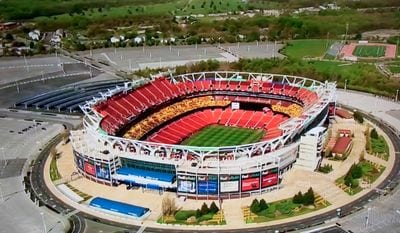
At 64,000 seats, Northwest Stadium near Landover, Maryland, shares 55th place with the Alamodome. It is the home of the Washington Commanders, about 2.5 miles east of Washington, D.C., and opened in 1997 as Jack Kent Cooke Stadium before spending 25 years as FedExField.
From 2004 to 2010 it held 91,000, then the most in the NFL, and upper-deck seats were later taken out. The 64,000 figure includes about 1,500 seats added back in 2025; some databases still show 63,000. The Commanders plan to move to a new stadium in Washington, D.C., around 2030.
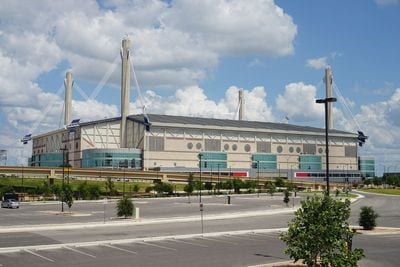
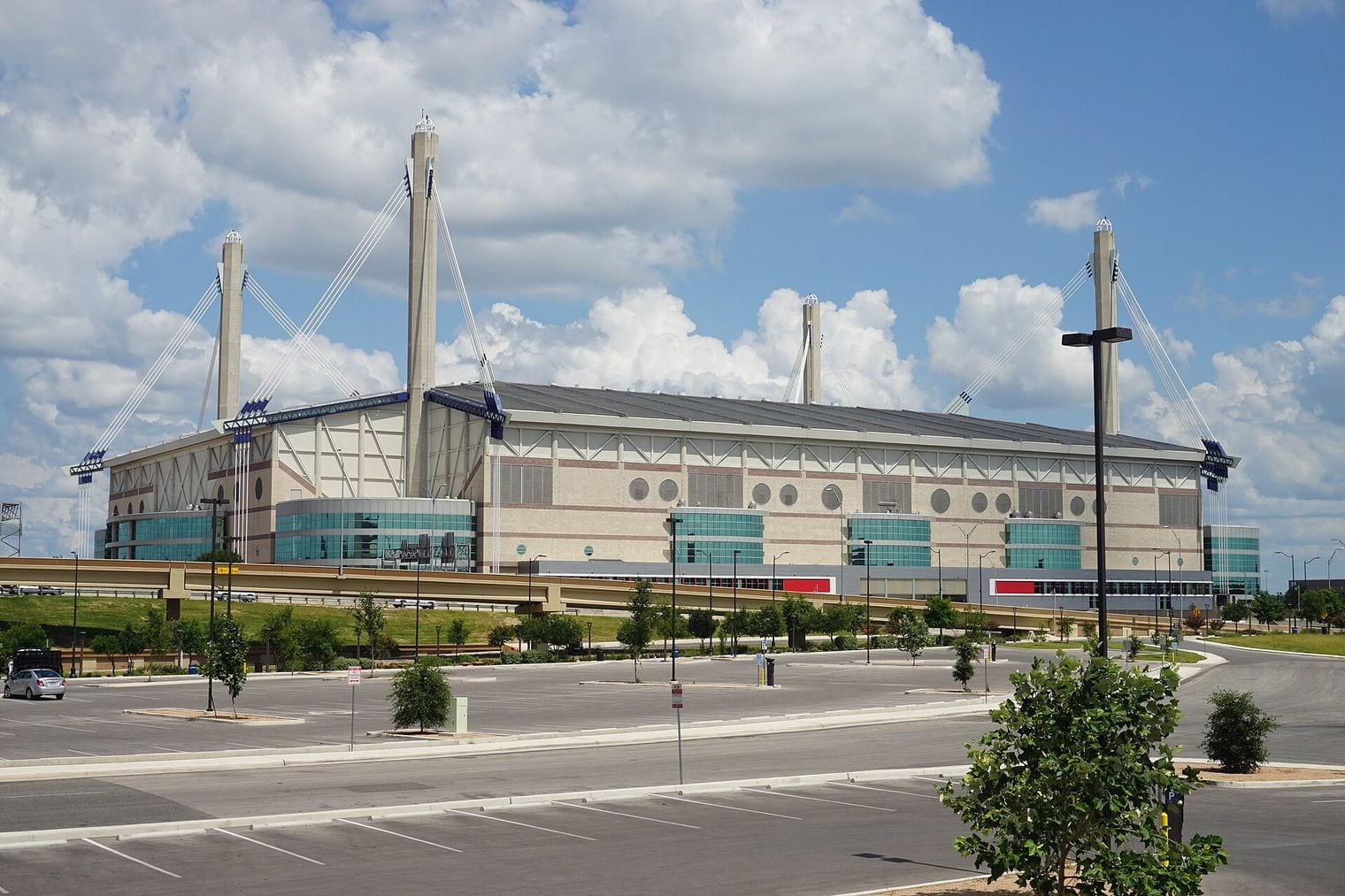
At 64,000 seats, the Alamodome on the edge of downtown San Antonio ties Northwest Stadium for 55th. Opened on May 15, 1993, for $186 million, it is the home of the UTSA Roadrunners, and the San Antonio Spurs played here for a decade before moving to their own arena.
Sources differ on the full football setup: 64,000 is the figure most lists use, but the venue's own configuration page gives 62,834, and UTSA curtains it down to about 35,000 for its own games. It has hosted the NCAA Final Four, in 1998 and 2018.
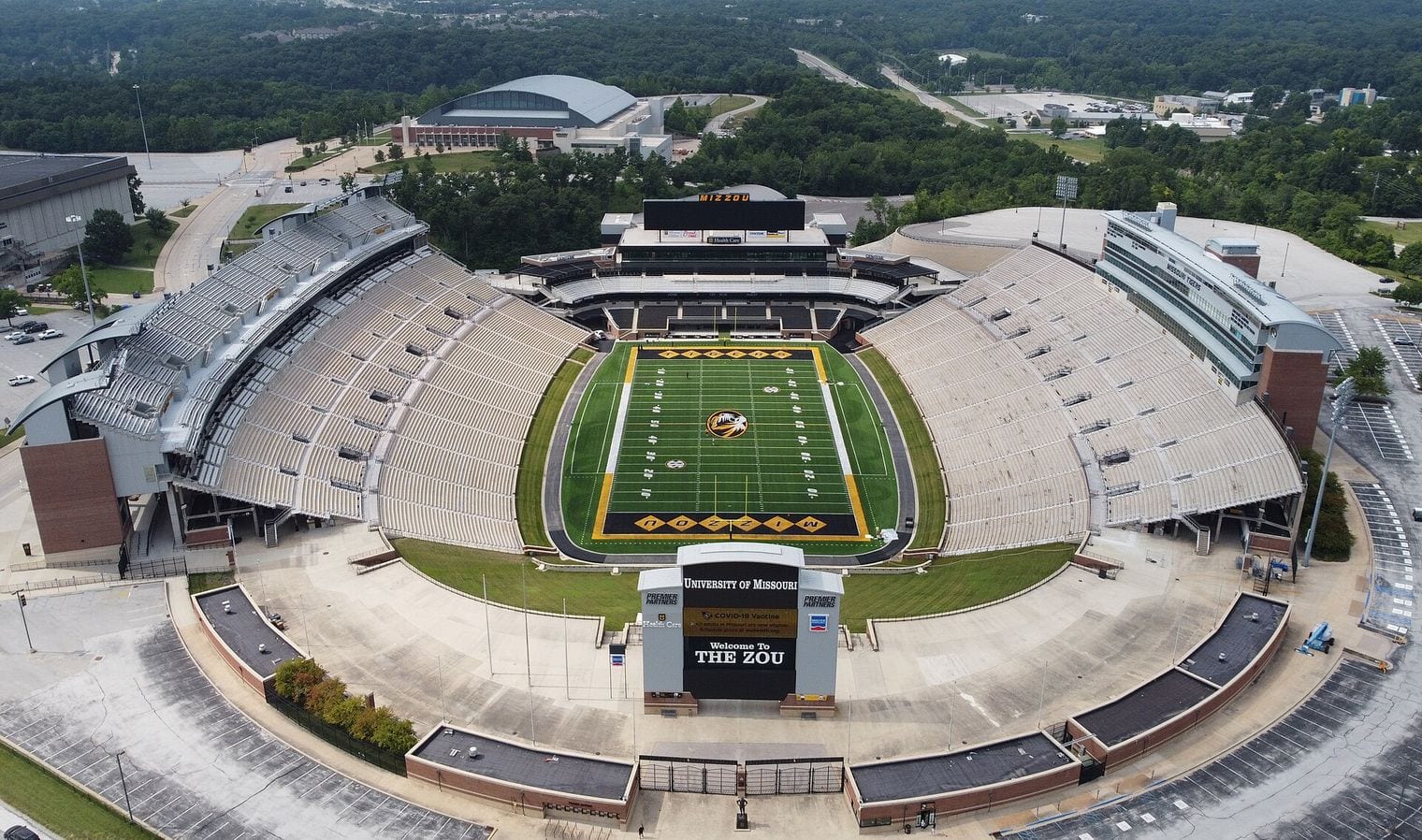
At 63,609 seats, Faurot Field at Memorial Stadium in Columbia is the home of the Missouri Tigers. The field was named in 1972 for Don Faurot, Missouri's long-time coach, and 2026 is the stadium's centennial season.
The new north end zone, built for that 100th season, adds suites, loge boxes and club seats and sets today's figure. During construction in 2025 the capacity fell to about 57,000, and older plans spoke of 65,000, but Missouri's 2026 game notes list 63,609.
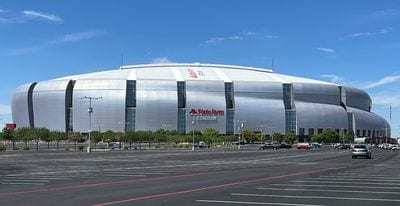
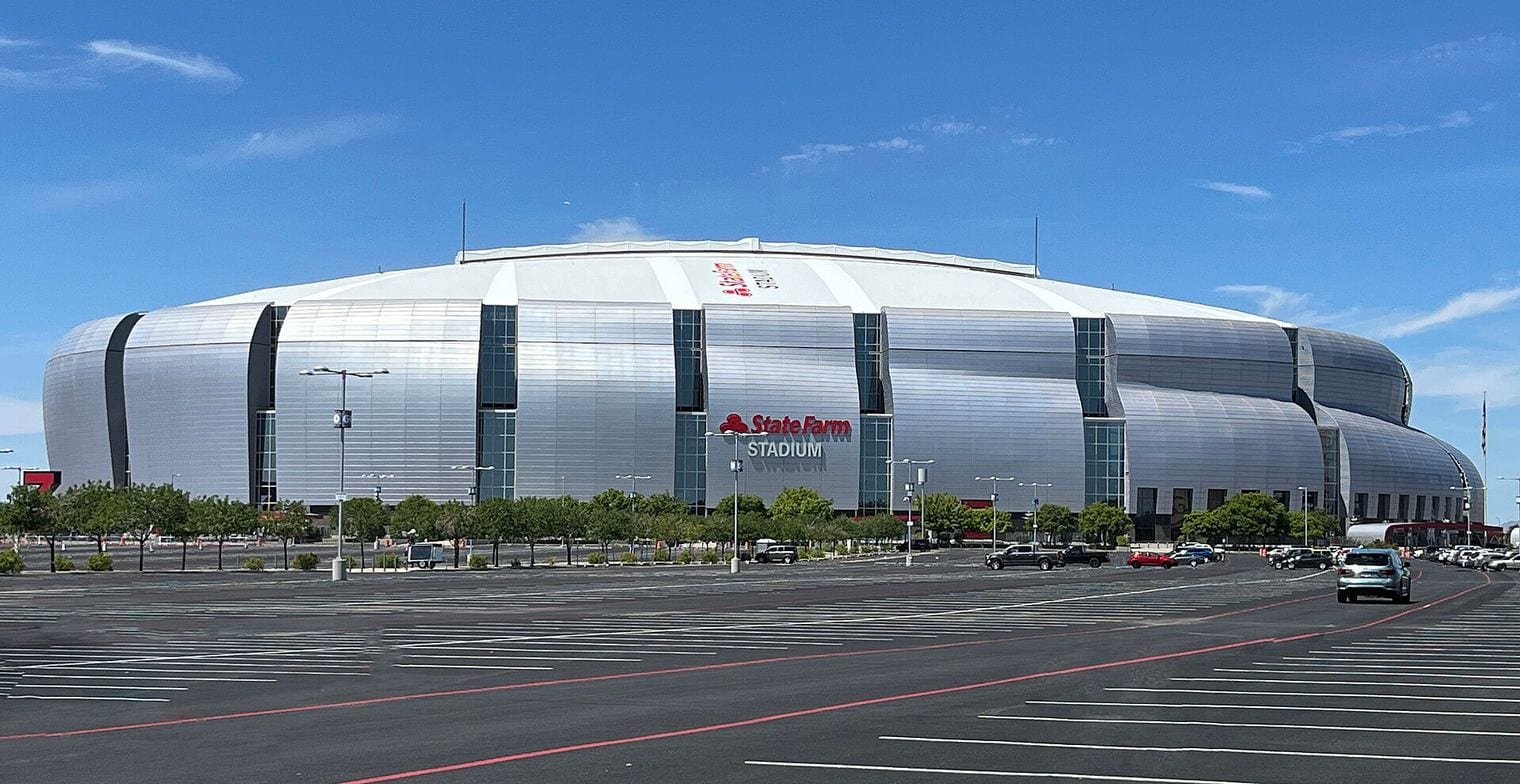
At 63,400 seats, State Farm Stadium in Glendale, Arizona, west of Phoenix, is the home of the Arizona Cardinals and the Fiesta Bowl. It opened in 2006, and alongside its retractable roof it has a natural grass field on a giant tray that rolls in and out of the building.
The stadium has hosted three Super Bowls and the College Football Playoff national title game. Extra end-zone seating and standing room can lift it past 72,000 for big events, but 63,400 is the fixed seating.
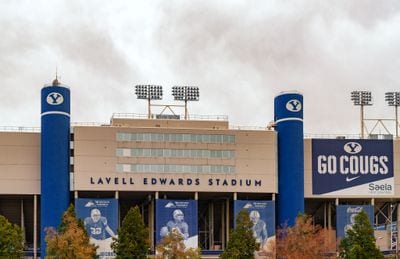
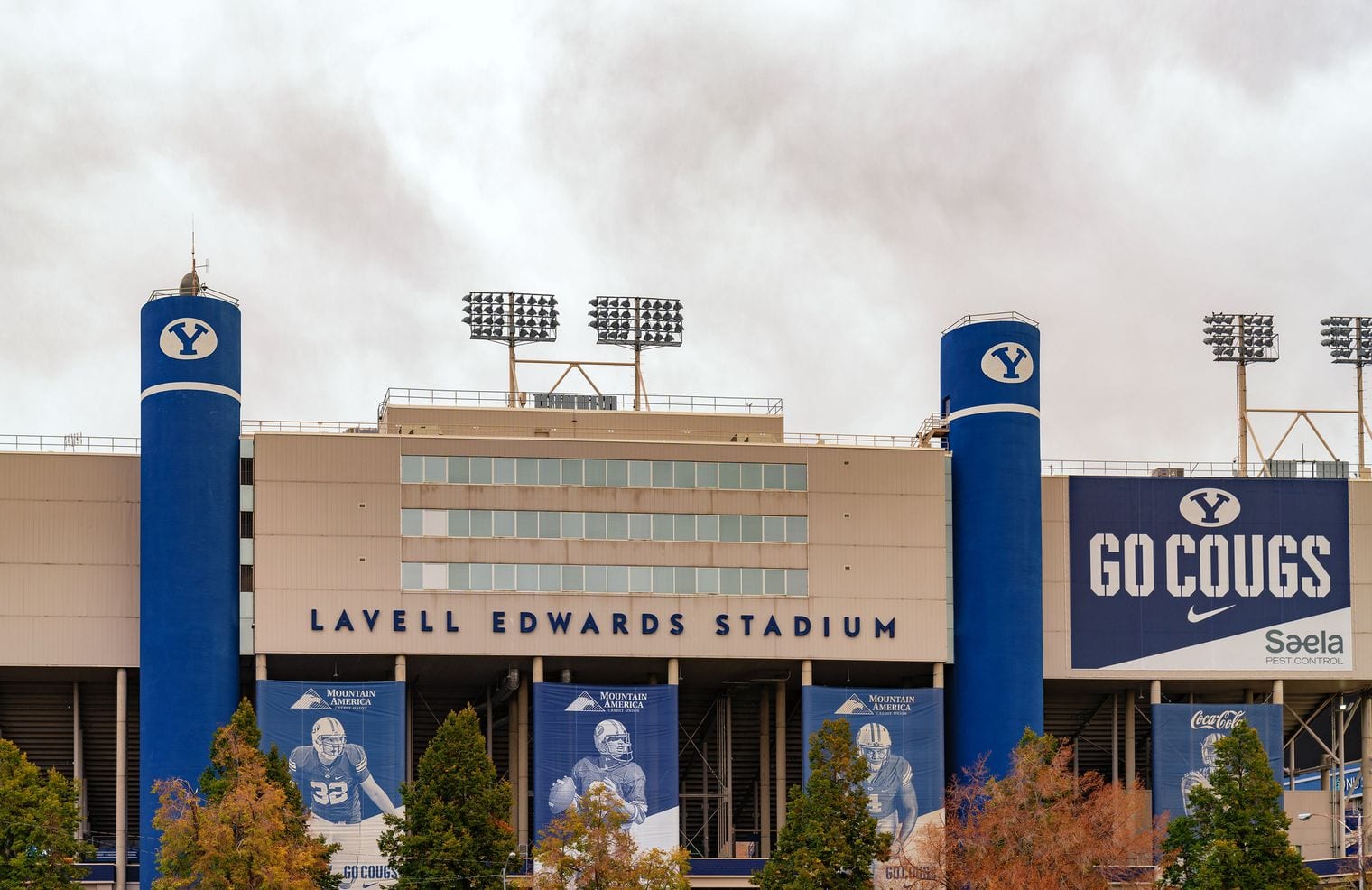
At 62,073 seats, LaVell Edwards Stadium in Provo, Utah, is the home of the BYU Cougars and the largest stadium in the Big 12. It opened in 1964 as Cougar Stadium and was renamed in 2000 for LaVell Edwards, the Hall of Fame coach who led BYU to a national championship.
Seating upgrades for 2024 trimmed it from 63,470, a number some databases still show. The field lies at 4,649 feet with the Wasatch Range rising steeply behind the stands, so evening games, as the sun sets on the mountains, are among the most scenic anywhere.
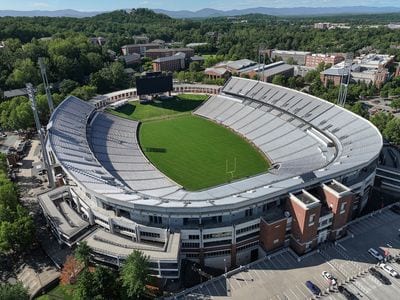
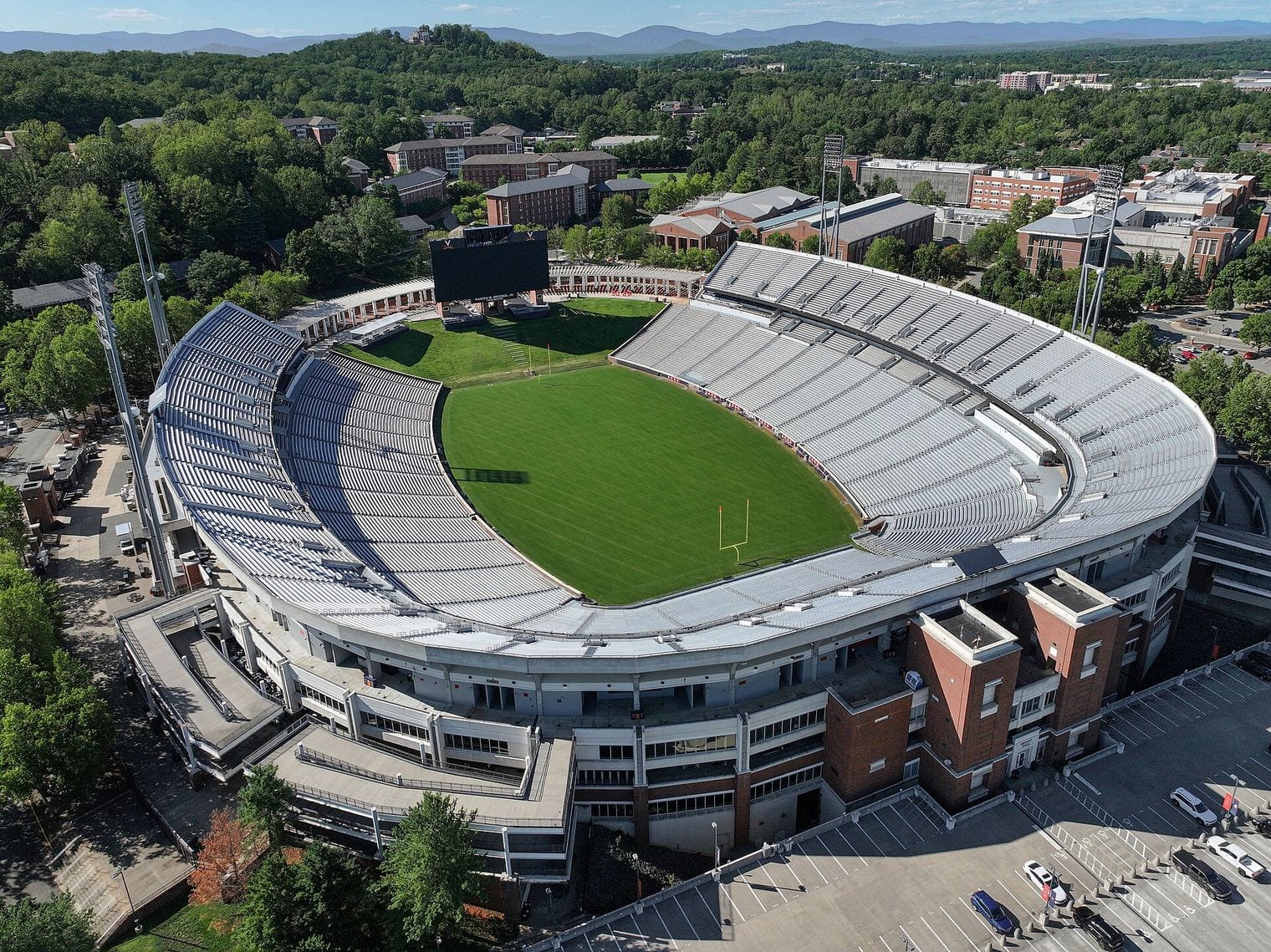
At 61,500 seats, Scott Stadium in Charlottesville shares 60th place with Jack Trice Stadium and Soldier Field, all three listing exactly 61,500. It is the home of the Virginia Cavaliers on the University of Virginia's Grounds, built in 1931 and the oldest active FBS stadium in Virginia.
Students in shirts and ties watch from the grassy hillside, and the stadium has hosted concerts by the Dave Matthews Band, the Rolling Stones and U2, as well as two NCAA men's lacrosse championships.
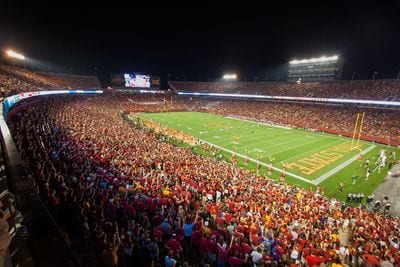
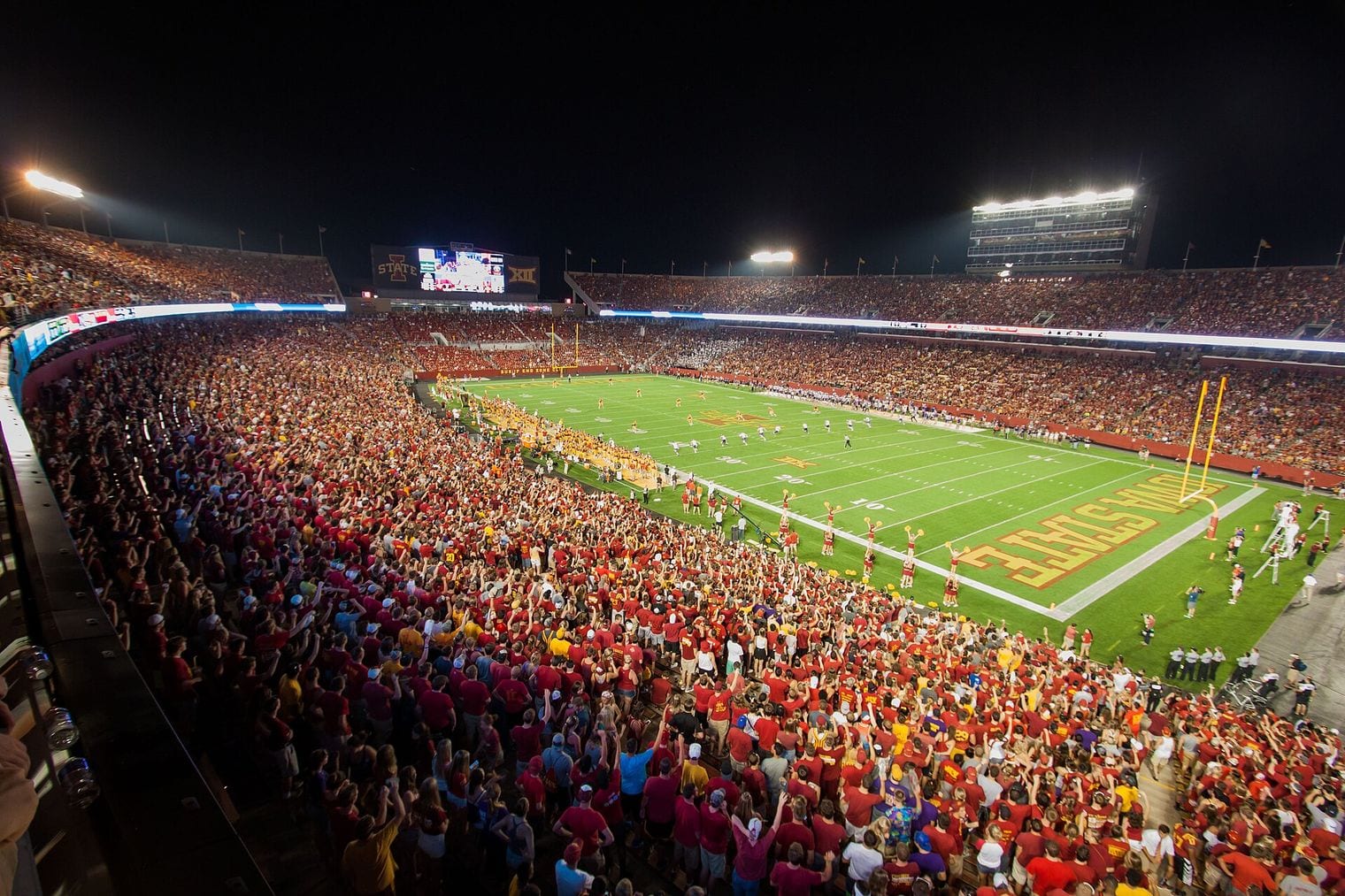
At 61,500 seats, Jack Trice Stadium in Ames, Iowa, shares 60th place with Scott Stadium and Soldier Field. It is the home of the Iowa State Cyclones, and its official figure includes the grassy hillside seating in the corners of the bowl.
It is named for Jack Trice, Iowa State's first African American athlete, who died of injuries suffered in a 1923 game against Minnesota, and it is the only FBS stadium named for an African American. It opened on September 20, 1975, with a win over Air Force.
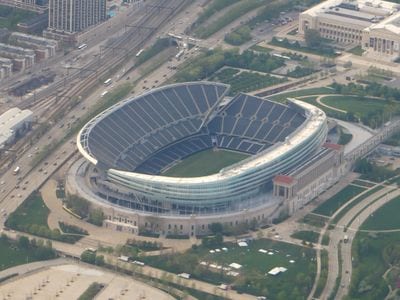
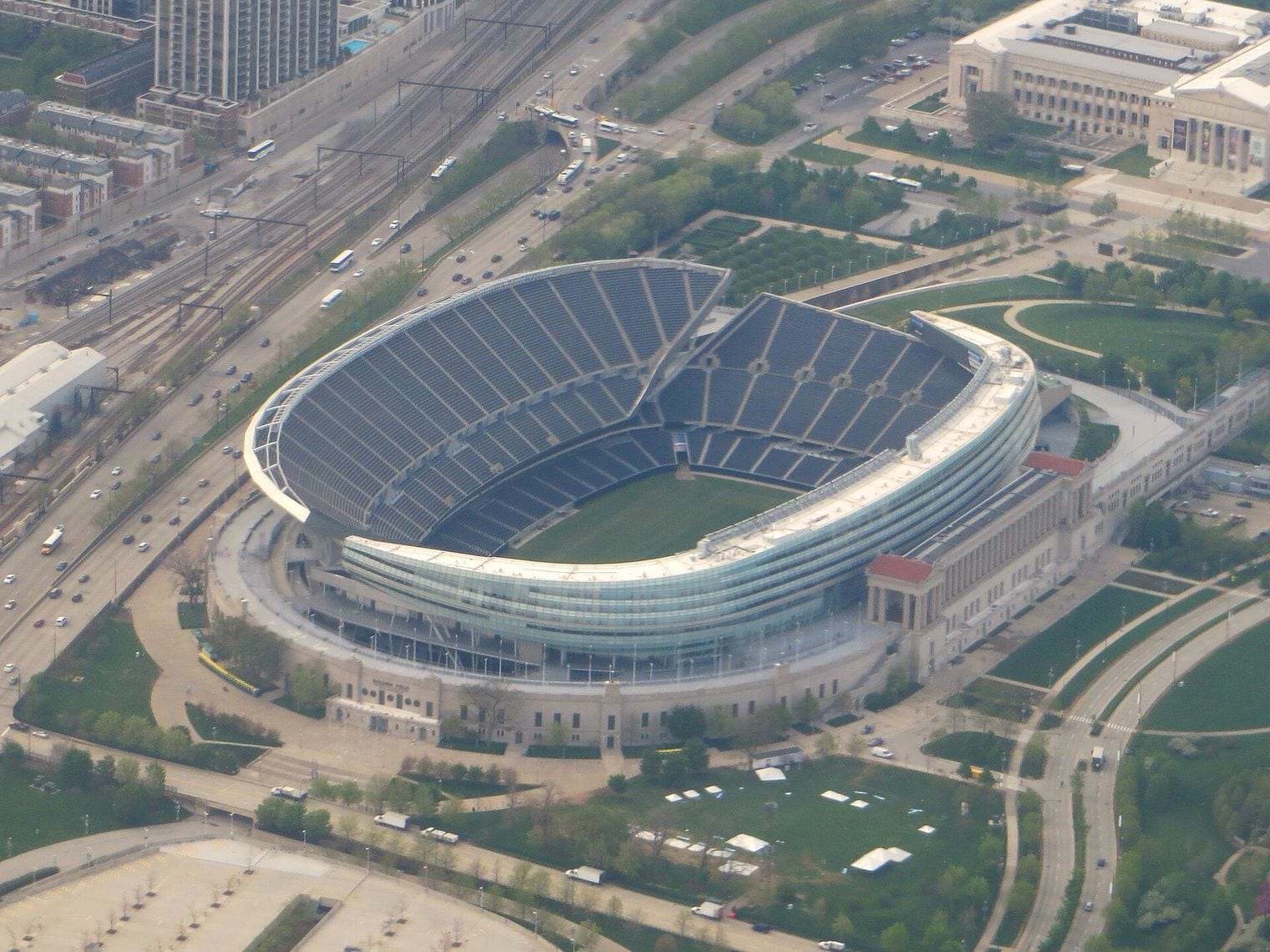
At 61,500 seats, Soldier Field in Chicago completes the list in a three-way tie for 60th and is one of the smallest stadiums in the NFL. Opened in 1924 on the lakefront, it was renamed in 1925 to honor US soldiers who died in World War I, and it has been the home of the Chicago Bears since 1971 and Chicago Fire FC since 2020.
A rebuild in 2002 and 2003 placed a modern bowl inside the classic colonnades. Sources disagree on the count: 61,500 is the Bears' football figure, Wikipedia gives 62,500 and the venue's own site 63,500, and at the venue's number it would climb a few places.
FAQ: America's Largest Stadiums
What is the largest stadium in the US?
Michigan Stadium in Ann Arbor is the largest, with an official capacity of 107,601 seats. Penn State's Beaver Stadium is next at 106,572, but local reporting says its new west upper deck already lets it hold about 108,000. If Penn State publishes a figure above Michigan's, Beaver takes first place.
What is the largest NFL stadium?
MetLife Stadium in East Rutherford, New Jersey, home of both the Giants and the Jets, is the largest NFL stadium at 82,500 seats. Lambeau Field in Green Bay is second at 81,441, and AT&T Stadium lists 80,000, though standing room can push Cowboys crowds well beyond that.
Why aren't racetracks like Indianapolis Motor Speedway on the list?
Racetracks are a different kind of venue, built around a circuit rather than a playing field, so this list leaves them out even though they hold far more people. Indianapolis Motor Speedway seats more than 200,000 and Bristol Motor Speedway about 146,000. Bristol even staged the largest college football crowd on record, 156,990, in 2016.
What is the largest stadium without a home team?
Cotton Bowl Stadium in Dallas, at 92,100 seats, is the largest stadium here with no college or NFL home team. It hosts neutral-site games, above all the Red River Rivalry between Texas and Oklahoma during the State Fair of Texas. Next comes Legion Field in Birmingham, home of the Magic City Classic.
What is the largest stadium with a roof?
AT&T Stadium in Arlington, with 80,000 seats under a retractable roof, is the largest covered stadium. Among fixed domes, the Caesars Superdome in New Orleans leads at 73,208 seats, and its 680-foot dome is the largest fixed domed structure in the world.
Which big stadiums just miss the list?
The Yale Bowl (61,446) and Purdue's Ross–Ade Stadium (61,441) fall just short of the 61,500 cut, and the Buffalo Bills' new Highmark Stadium in Orchard Park, New York, opened in 2026 with 60,108 seats. Jacksonville's EverBank Stadium dropped to 42,507 during its renovation, and Dodger Stadium, at 56,000, is the largest baseball park.
Sources & updates
How this ranking was checked
Checked before launch
Sources cited
62
Publishers
60
Every figure in this ranking was checked against the record-keeper or official source behind it before publication, and the top of the ranking re-checked live so a newer record would not be missed.
One email every Thursday with our newest guides for the places you tick.
Newsletter
Get new guides like this by email
One email every Thursday with our newest guides for the places you tick.
We use cookies to analyse site traffic and improve your experience.
You can accept or reject analytics cookies. See our
May we use analytics cookies? See ourCookie Policy.