We build and rank every list first. Booking links come after, and only where
a partner sells a ticket, tour or stay for that exact place, so a place with
nothing to book is listed exactly as prominently as one you can book.
So how do we earn? Some links on this page go to booking
partners, and if you book tickets, tours or a stay through
one, we may earn a commission. It costs you nothing extra.
That commission never decides which places make the list, the order they
appear in, or what we write about them. No entry is sponsored or a paid
placement.
By the City Viking editorial teamPublished Ranked by unintentional deaths · 14 min read
Last verified Checked before launchOct 5, 202617 sourcesPublished · Oct 28, 2026Researched and checked before it went liveClick for every source and the full change log.
The record
110 unintentional deaths
Yosemite National Park
United States
The record
The most dangerous national park in the US is Yosemite National Park, in the United States — 110 unintentional deaths.
Source: NPS mortality register, CY2007 to 17 Feb 2026 (Prevention and Response Branch). Verified .
Short answer
Yosemite National Park is the most dangerous, with 110 accidental deaths from 2007 to 2022, ahead of Grand Canyon at 98 and Great Smoky Mountains at 88. Falls cause more than half of Yosemite's deaths, so stay behind railings and off wet rock near its waterfalls.
Lake Mead National Recreation Area, outside Las Vegas, logged more accidental deaths than anywhere else the National Park Service runs, 212 from 2007 to 2022, yet it is not on this list: it is a recreation area, not a national park, and neither are the Blue Ridge and Natchez Trace parkways.
This list ranks the 17 national parks with the most unintentional deaths NPS recorded from 2007 through 2022, from Yosemite's 110 down to 20 each at Virgin Islands and North Cascades. It counts accidents only, because NPS logged nothing else before 2014, so suicides, homicides and heart attacks stay out, and it stops at 2022 because most later deaths are not yet classified.
These are raw counts, not rates: the busiest parks rank high partly because millions visit, as the most visited national parks show. And the killers are falls, drownings and car crashes, far more often than bears.
Fun Facts About America's Most Dangerous National Parks
Falls kill more national park visitors than anything else: they caused 380 of the 1,088 accidental deaths NPS recorded in national parks from 2007 to 2022, ahead of drownings at 216 and motor-vehicle crashes at 206. Yosemite alone accounts for 62 of those falls.
Wild animals are rarely the danger: wildlife incidents caused just 8 of the 1,088, three of them in Yellowstone, the most of any park.
About three in four of those who died were men: 820 of the 1,088 accidental deaths in national parks were male.
Most accidental deaths on Park Service land happen outside the national parks: of 2,541 recorded across every NPS unit from 2007 to 2022, the parks account for 1,088, while Lake Mead National Recreation Area logged 212, the Natchez Trace Parkway 103 and the Blue Ridge Parkway 100.
Driving, not terrain, is the big risk in the Smokies: motor-vehicle crashes caused 54 of the 88 accidental deaths in Great Smoky Mountains, the most visited park in the country.
These 17 parks hold nearly four in five of the total: 856 of the 1,088 accidental deaths recorded across the 50 national parks that had at least one.
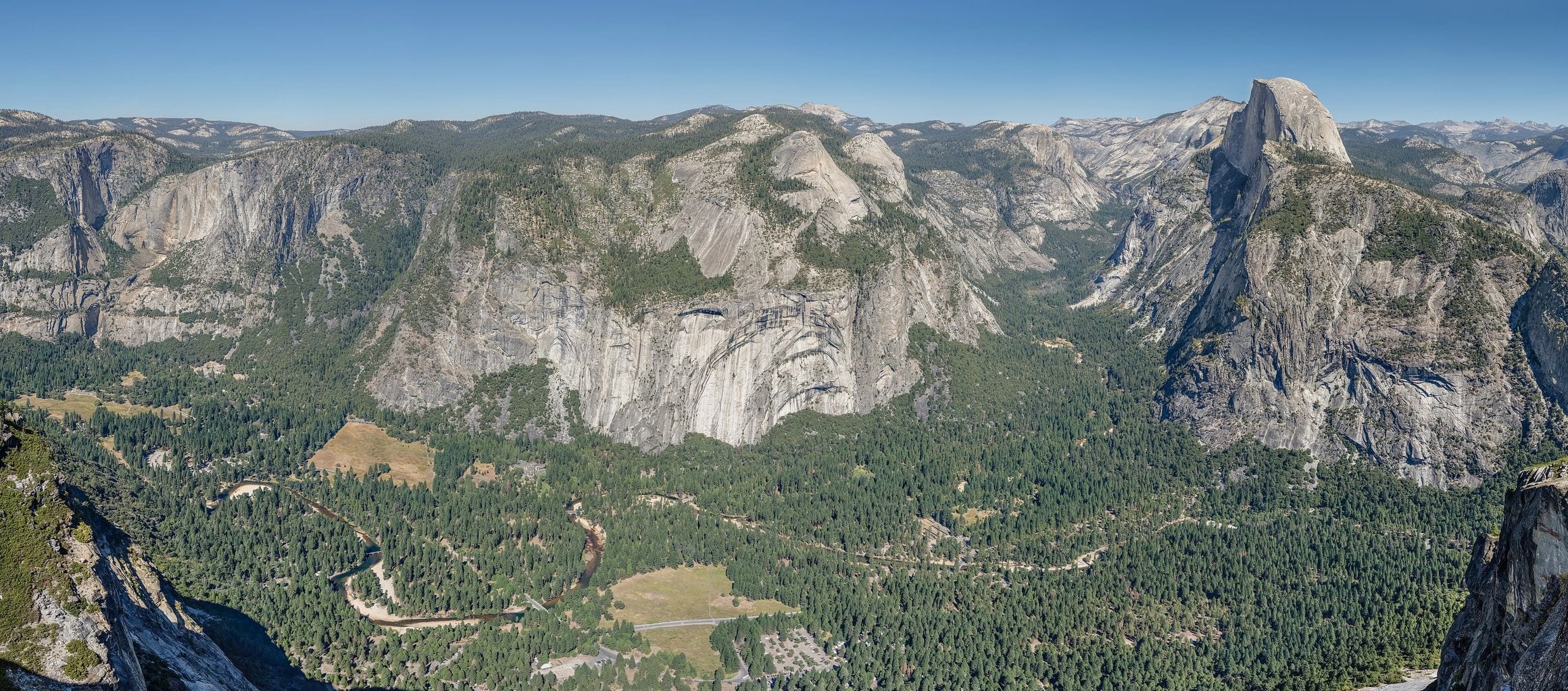
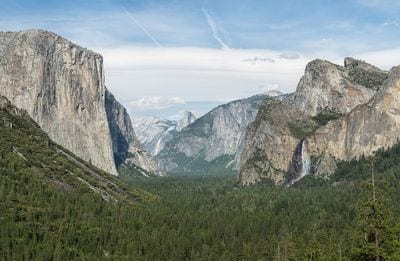
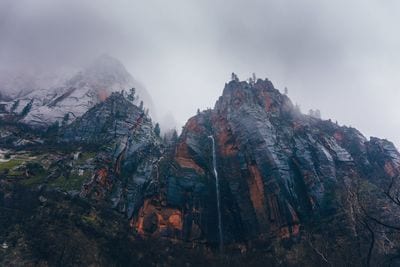
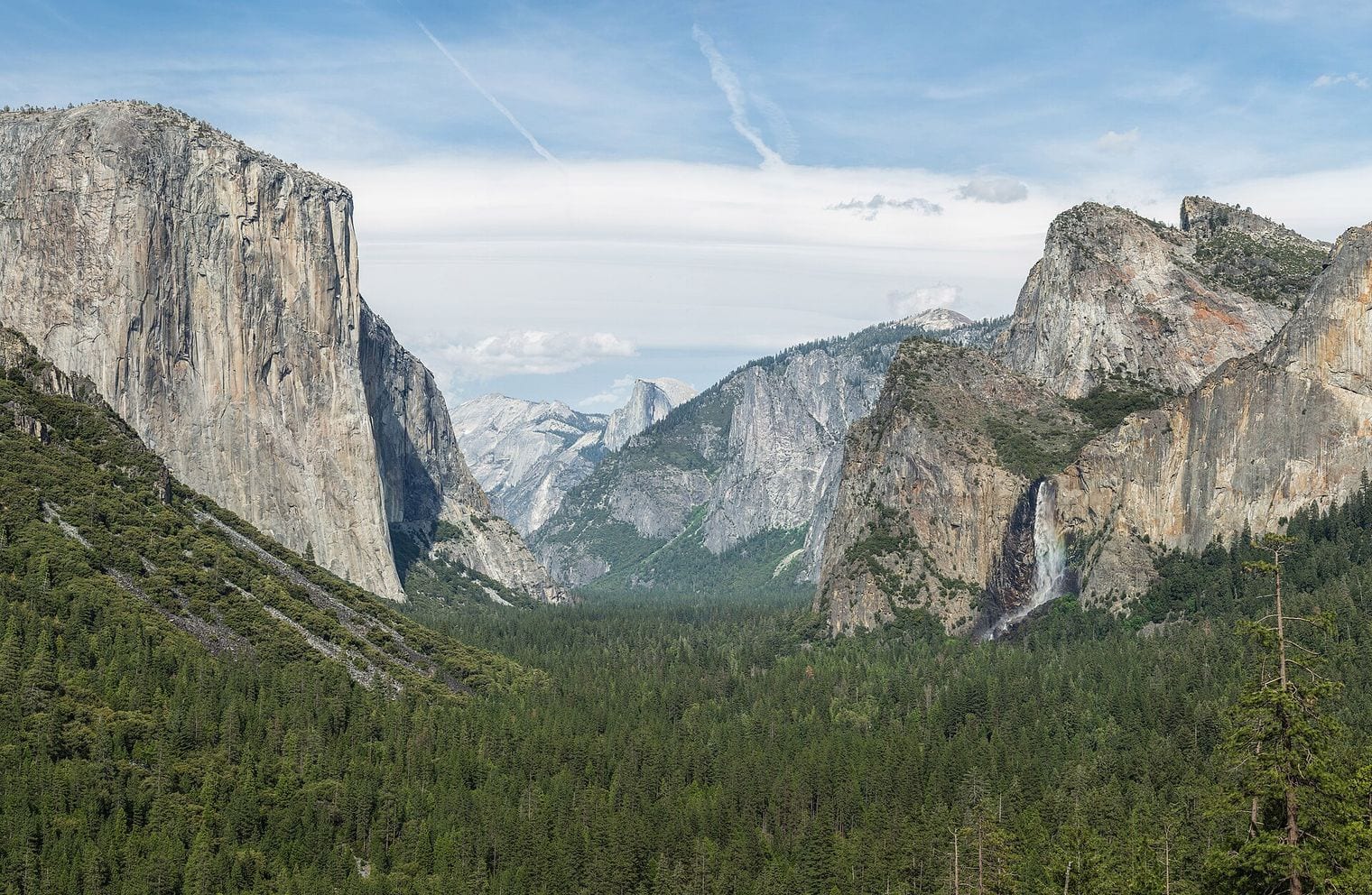
With 110 deaths from accidents between 2007 and 2022, Yosemite National Park tops the National Park Service's own register, and gravity is the main reason. Falls caused 62 of them, more than half, and climbing was the activity in 30, on big walls such as El Capitan and Half Dome. Hiking was the activity in 17, while drownings caused 18 and motor-vehicle crashes 12.
The waterfalls that draw the crowds are where Yosemite asks for the most care. The park warns visitors never to swim or wade upstream from the brink of a waterfall, however shallow and calm the water looks, and in early summer its rivers and creeks run high and fast with snowmelt. Stay on the trail and behind the railings at viewpoints, where spray leaves the granite slick.
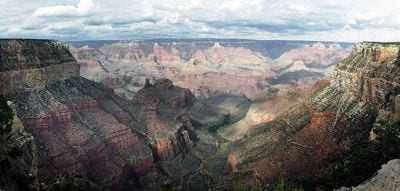
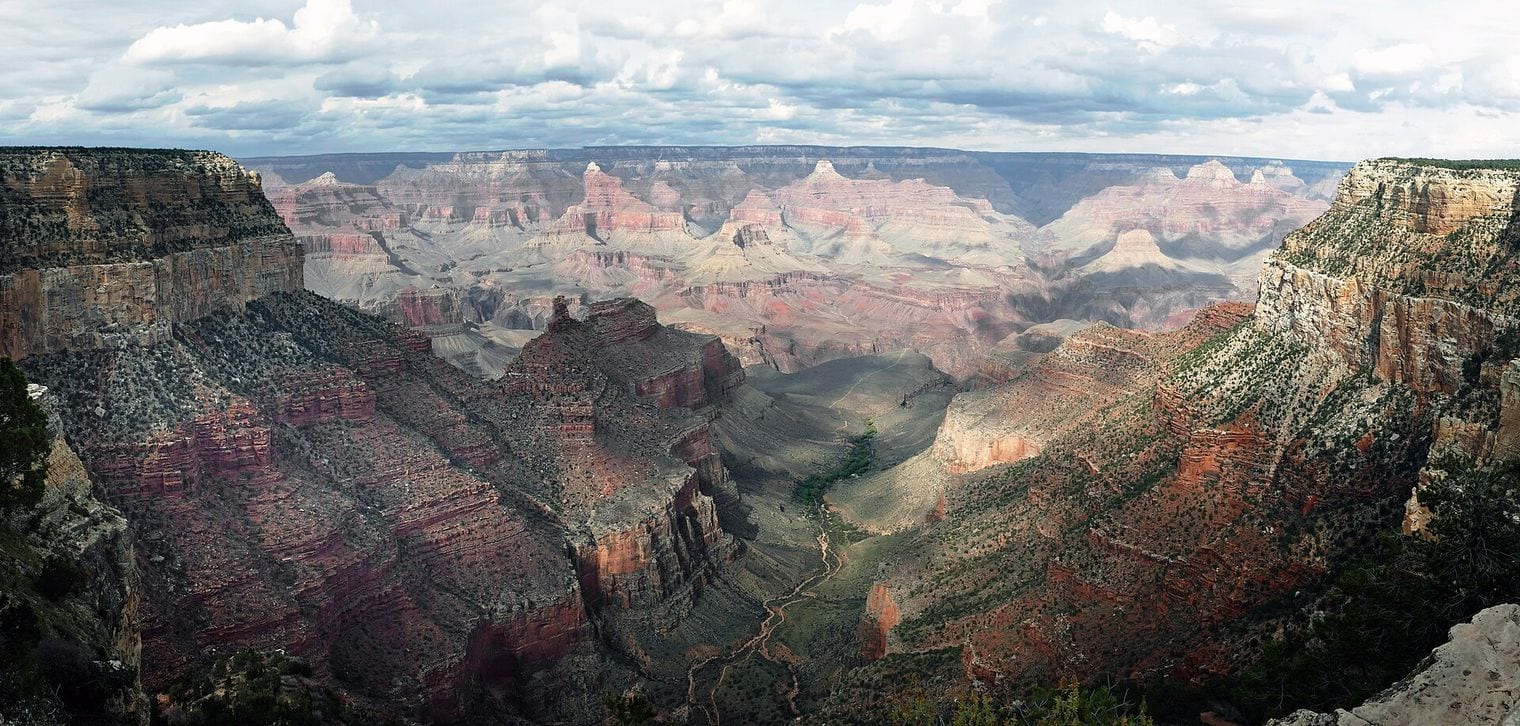
With 98 deaths from accidents over the same 16 years, Grand Canyon National Park is second only to Yosemite. Falls caused 45 of them, drownings 23 and environmental causes such as heat 20. Hiking was the activity in 27, boating in 15, and photography and driving in 7 each.
Heat is the Grand Canyon's quiet hazard: summer daytime temperatures in the inner canyon can top 110°F, and the park strongly discourages hiking its steep trails between 10 a.m. and 4 p.m. in summer. The climb out takes far longer than the walk down, so turn around early, carry more water than you think you need, and keep well back from the edge of the rim when you stop for photos.
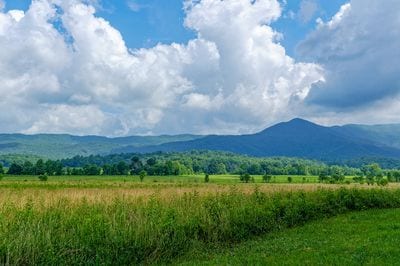
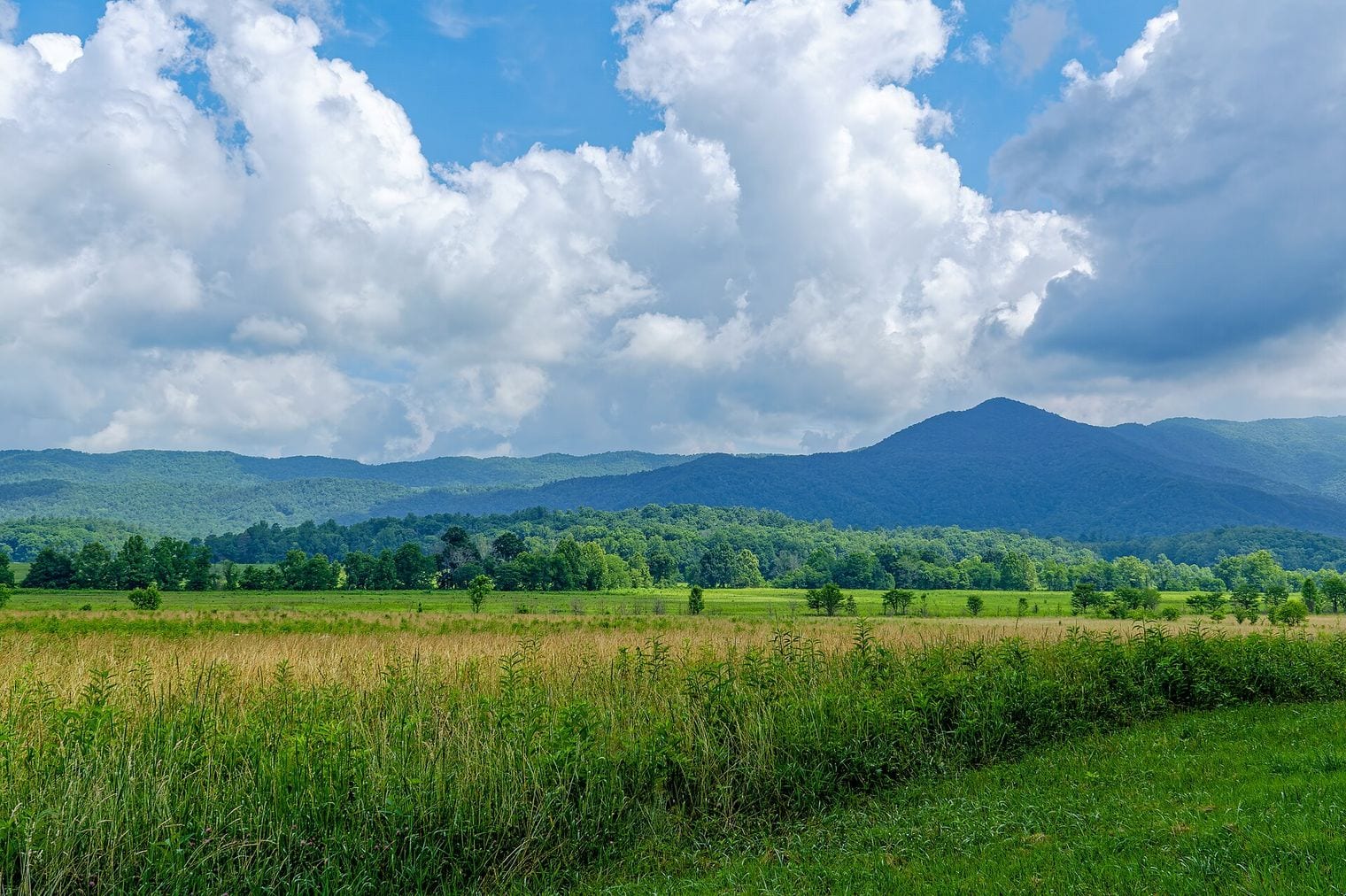
With 88 deaths from accidents, Great Smoky Mountains National Park ranks third, and unlike the western parks above it, its main danger is the drive. Motor-vehicle crashes caused 54 of them, more than three in five, on mountain roads that carry the traffic of the most visited national park in the country. Drownings caused 12 and falls 8.
The park itself describes winding, narrow roads with blind curves, steep drop-offs, wildlife crossings and drivers drifting over the center line, so slow down, use the pullouts to look at the view, and never drive impaired. Water is the second risk: there are no lifeguarded swimming areas in the Smokies, swimming and tubing are not recommended, and you should never try to climb to the top of a waterfall.
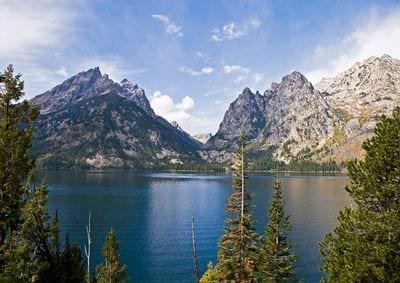
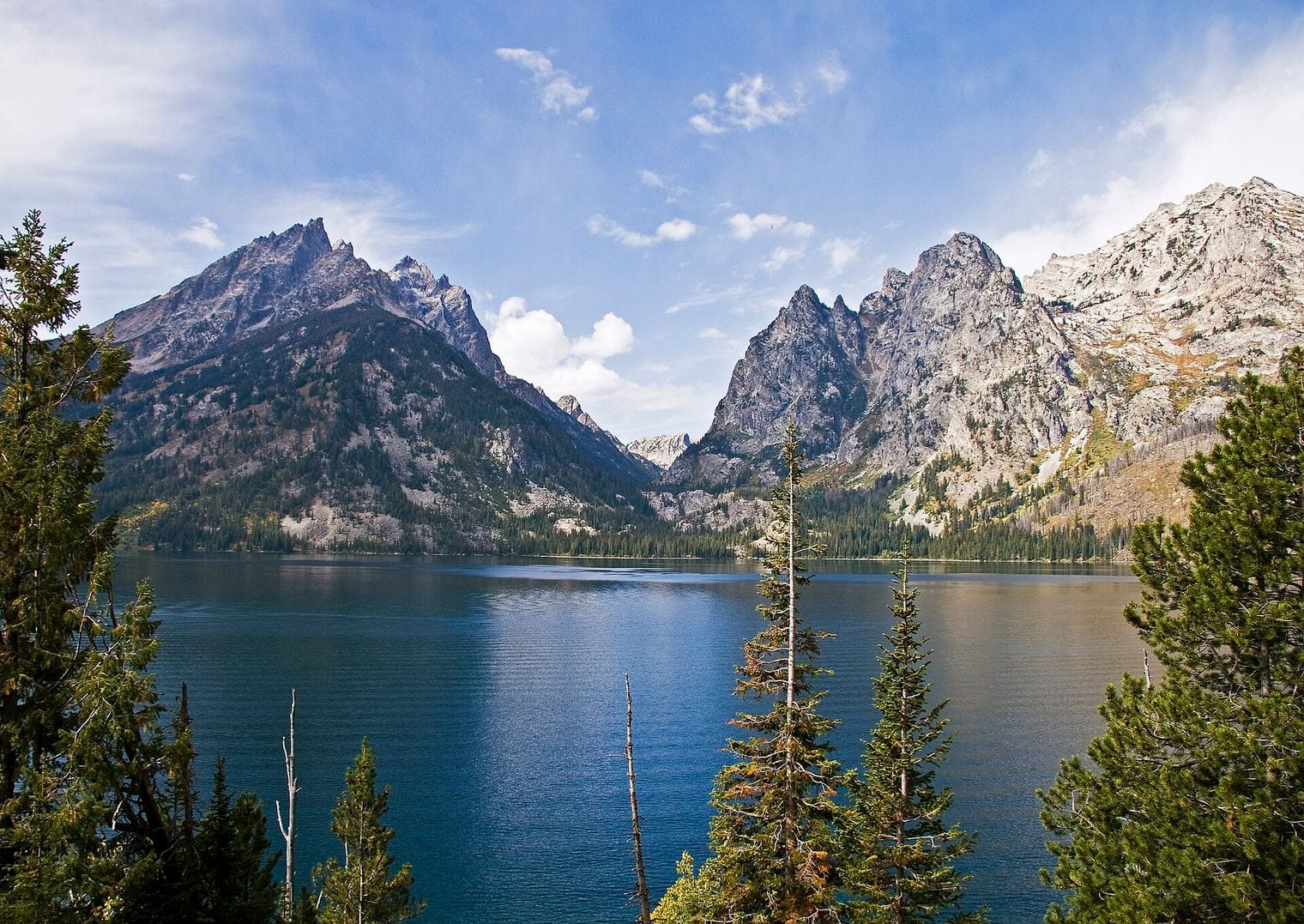
With 60 deaths from accidents, Grand Teton National Park has a high toll for a compact range that draws climbers from across the country. Falls caused 25 of them and environmental causes such as cold and avalanches 13. Climbing was the activity in 20, driving in 10 and skiing in 9.
The Grand Teton itself rises to 13,775 feet, and reaching its summit is a technical climb, so go with a guide unless you have real alpine experience. Backcountry skiers should check the avalanche forecast before every trip, and summer paddlers in Grand Teton should remember that the glacial lakes and the Snake River often stay below 60°F, cold enough to bring on hypothermia quickly.
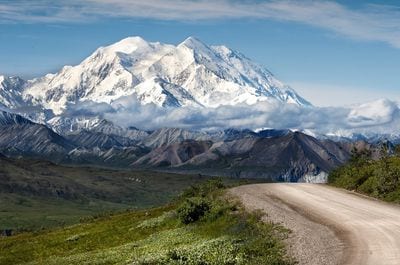
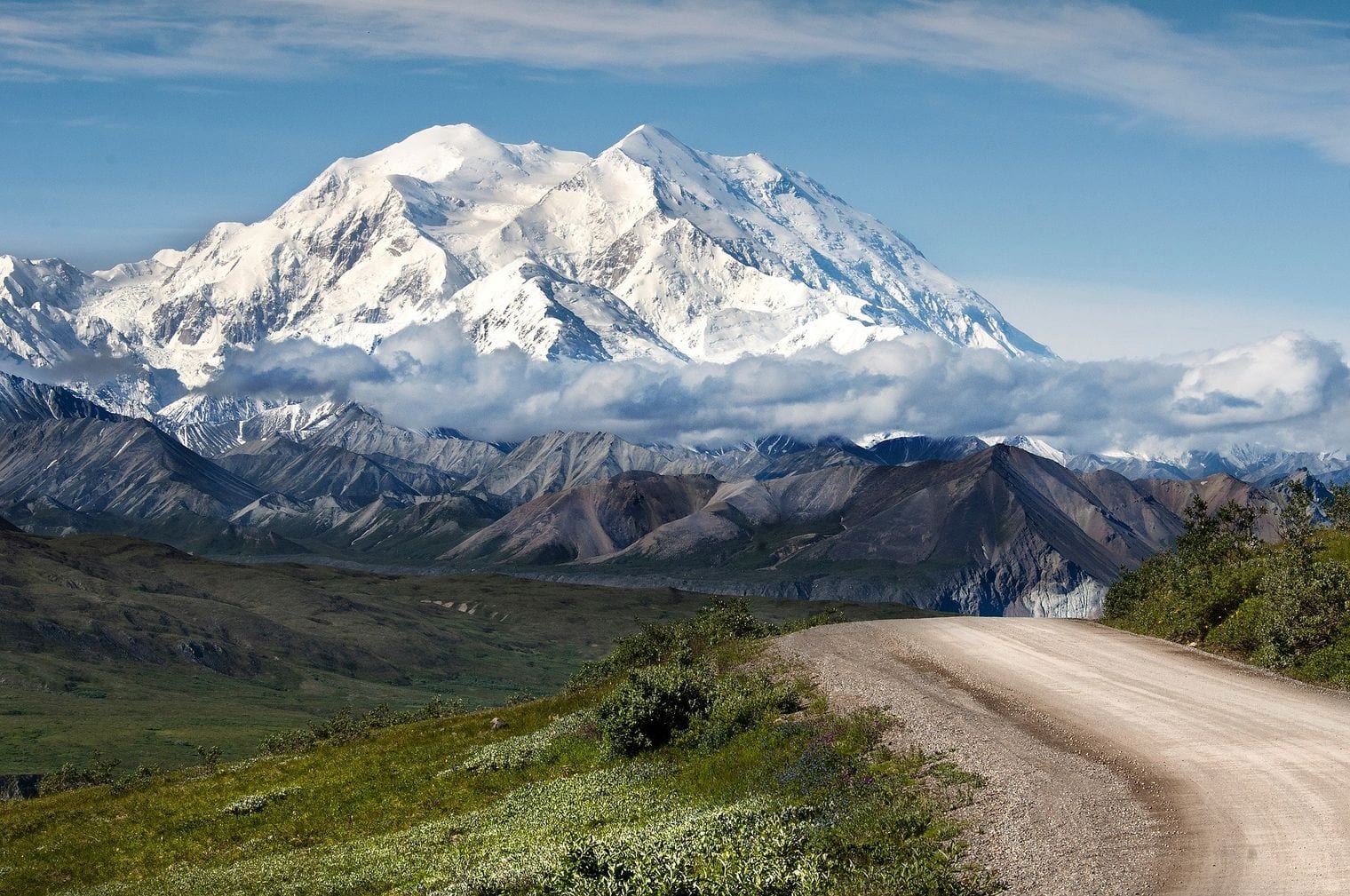
With 58 deaths from accidents, Denali National Park and Preserve carries a toll shaped by North America's highest peak, which rises to 20,310 feet inside it. Falls caused 25 of them and environmental causes such as cold and avalanches 19. Hiking was the recorded activity in 30, climbing in 12 and flying in 9, in a park where many climbers and sightseers arrive by small plane.
Climbers bound for the summit must register with the park at least 60 days before they start, which gives mountaineering rangers a chance to talk them through the risks. Most visitors to Denali never go near the peak: on the trails and tundra below, dress for sudden cold, rain or snow at any time of year, and give the park's grizzlies, moose and wolves plenty of room.
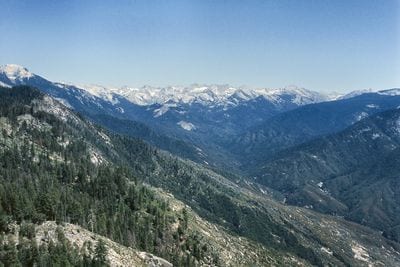
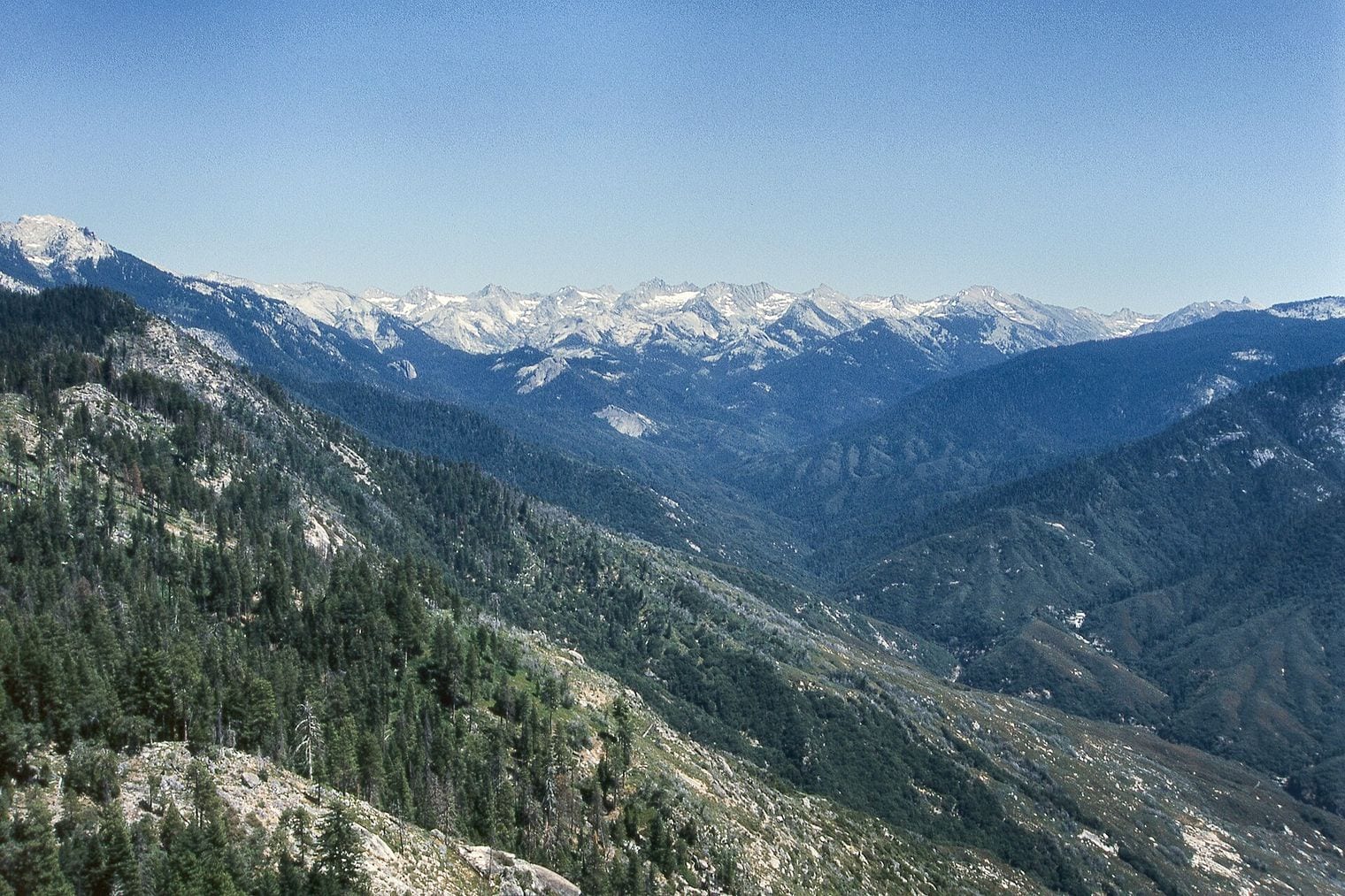
With 57 deaths from accidents, Sequoia and Kings Canyon National Parks, managed and recorded together, rank ahead of Mount Rainier, also at 57, because more deaths of any cause were recorded here from 2014 to 2022: 65 against 41. Falls caused 33 of them and drownings 13, and hiking was the activity in 22.
The park service calls the rivers in Sequoia and Kings Canyon powerful and cold, and they run fastest as the Sierra snow melts in late spring and early summer, so admire them from the bank rather than wading in. On the trails, steep granite and long drop-offs reward care: stay on the path, keep children close at viewpoints, and turn back if snow or ice still covers the route.
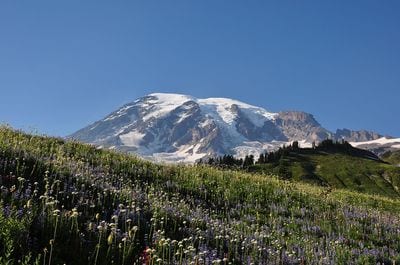
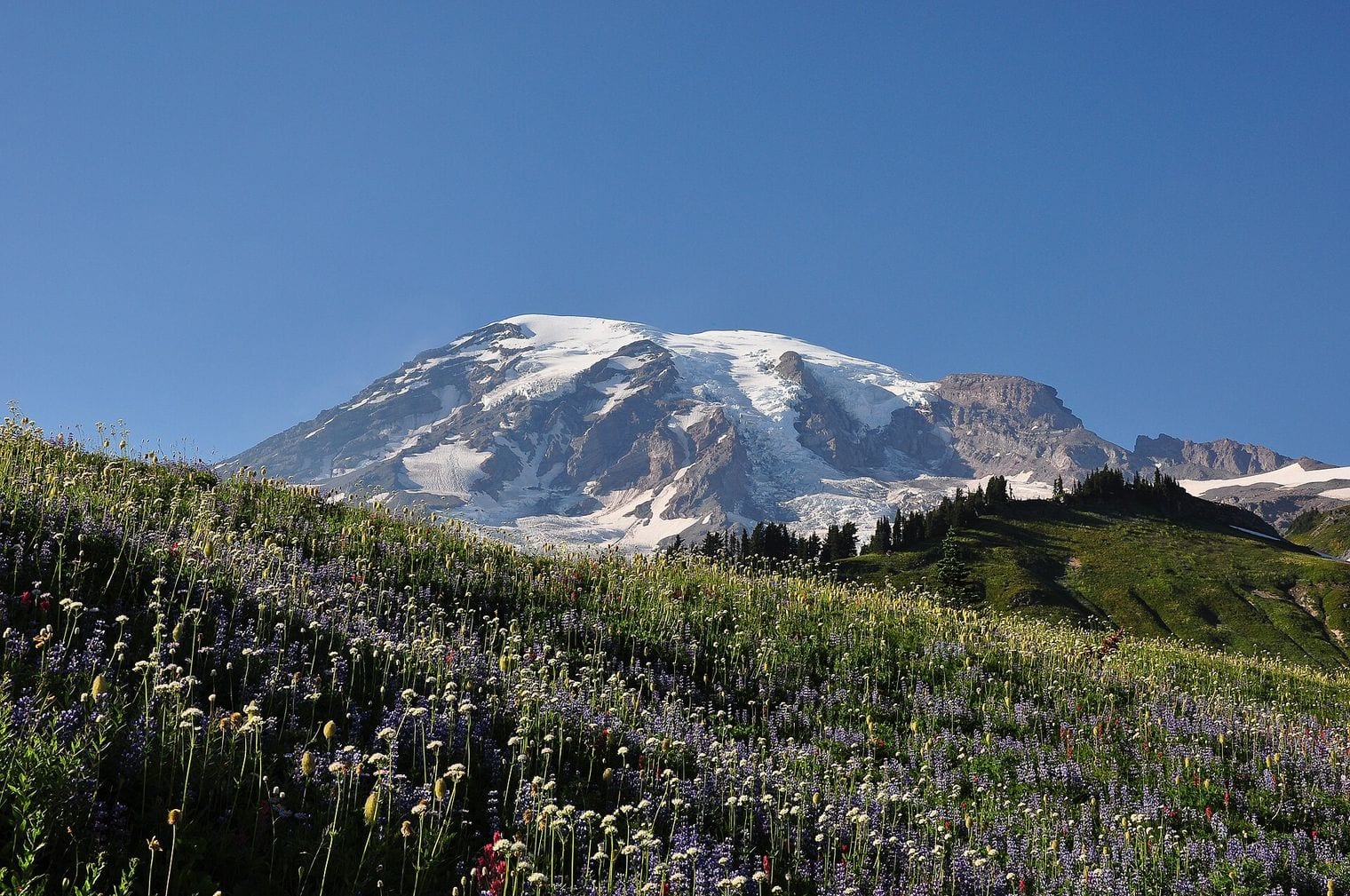
With 57 deaths from accidents, Mount Rainier National Park is built around the most heavily glaciated peak in the lower 48 states. Falls caused 28 of them and environmental causes such as cold and avalanches 17. Hiking was the activity in 26 and climbing in 10.
Weather on Mount Rainier changes fast, and cloud can roll over the snowfields above Paradise with little warning, so carry a map and compass or GPS and turn around when visibility drops. Summit climbs cross crevassed glaciers and are best left to experienced roped teams or guided parties, and rangers at Camp Muir and Camp Schurman can give climbers an updated forecast.
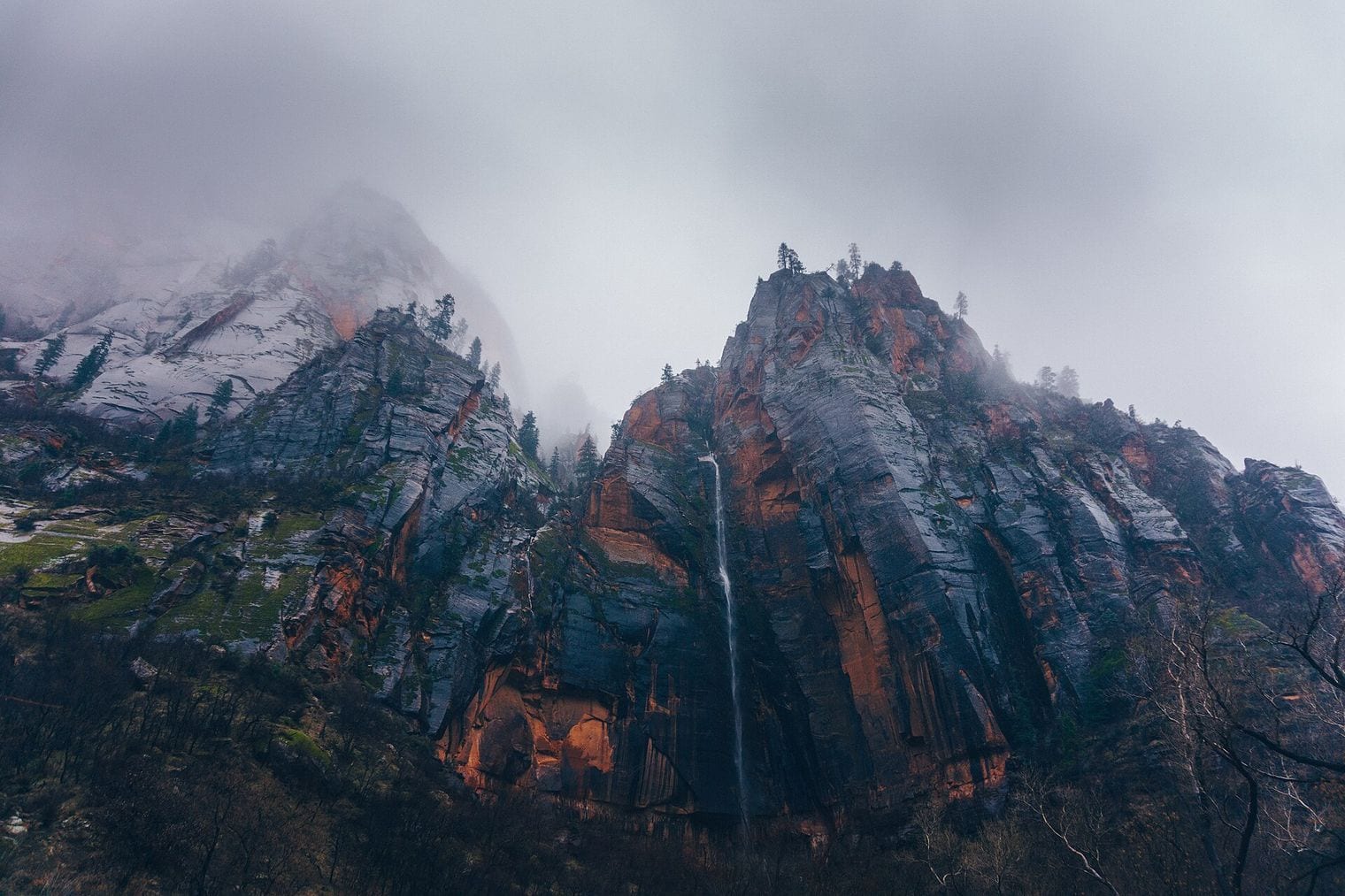
With 43 deaths from accidents, Zion National Park owes most of its toll to its sheer sandstone walls: falls caused 28 of them, environmental causes such as heat and cold 12 and drownings 3. Hiking was the activity in 15 and canyoneering, the descent of slot canyons on ropes, in 14.
Flash floods can strike at any time in Zion, so check the forecast and learn the warning signs before entering The Narrows, where the canyon closes to about 20 feet wide, or any slot canyon. On exposed routes such as the chain-assisted climb to Angels Landing, stay back from cliff edges, and take extra care with cameras or binoculars near a drop.
Get new guides like this by email
One email every Thursday with our newest guides for the places you tick.
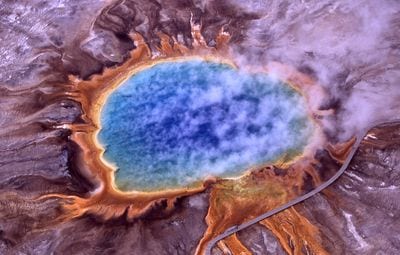
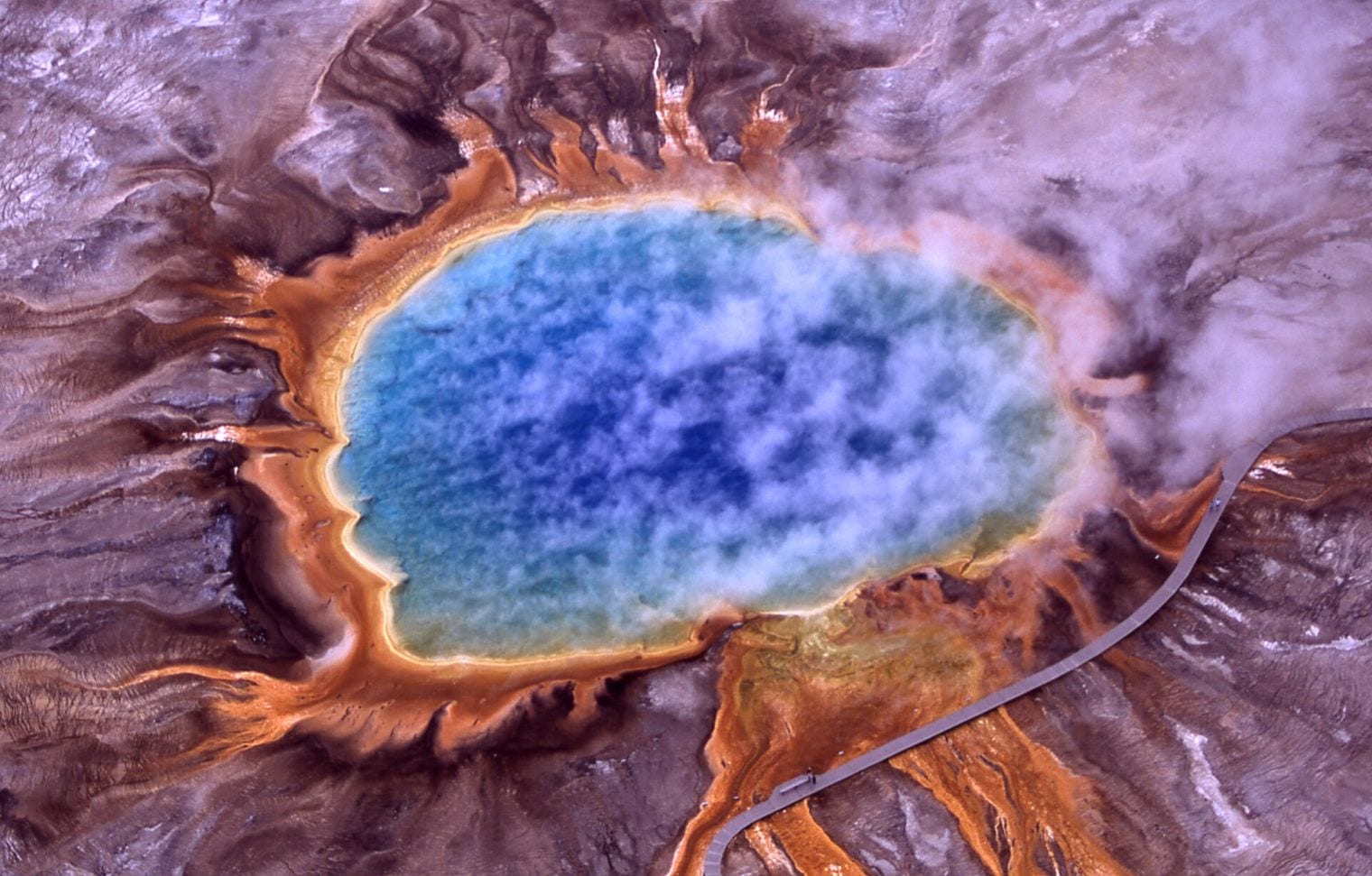
With 42 deaths from accidents, Yellowstone National Park shows that for all its geysers and grizzlies, the road is the bigger danger: motor-vehicle crashes caused 18 of them, drownings 9 and falls 8. Wildlife incidents caused 3, the most of any national park in the register.
Stay at least 100 yards from bears, wolves and cougars and at least 25 yards from bison, elk and every other animal in Yellowstone, and watch from the car when you can. In the thermal basins, always keep to the boardwalks and marked trails, because burns from hot springs are a common cause of serious injury, and drive slowly, ready for animals and stopped cars on the road.
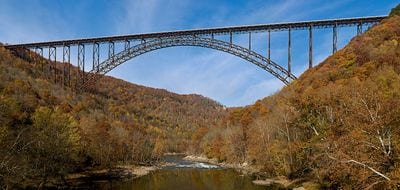
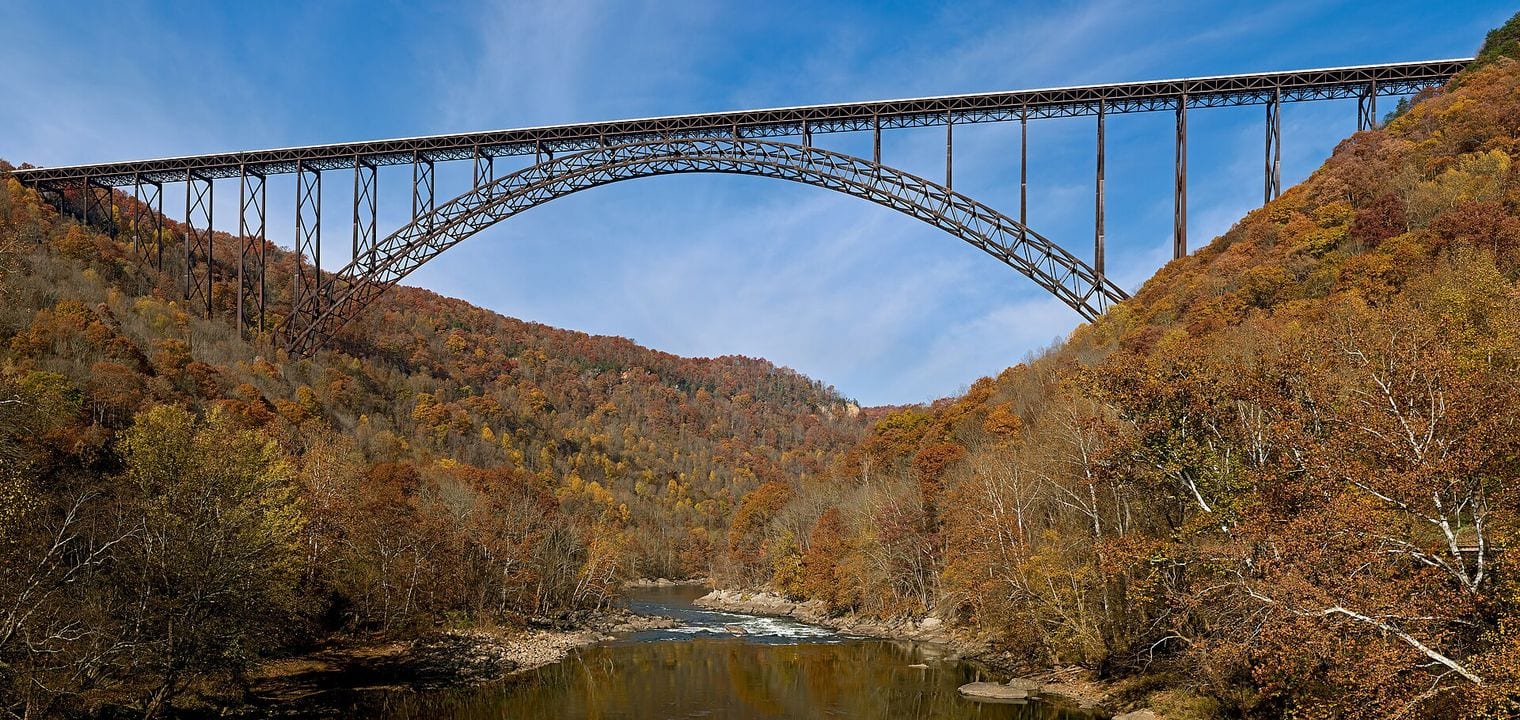
With 38 deaths from accidents, counted under both of its names because it was a National River until it became a national park in December 2020, New River Gorge National Park and Preserve leads the three parks tied at that figure, with a count of 65 for all causes from 2014 to 2022.
Water dominates the toll: drownings caused 29 of them, and boating was the activity in 19 and swimming in 9, on a river known for some of the country's best whitewater rafting.
Wear a properly fitted life jacket on the New River, raft with an experienced outfitter if you are new to whitewater, and treat calm-looking pools with the same respect as the rapids, because the current can run strong below the surface. The gorge is also one of the most popular climbing areas on the East Coast, so double-check your gear on its sandstone cliffs.
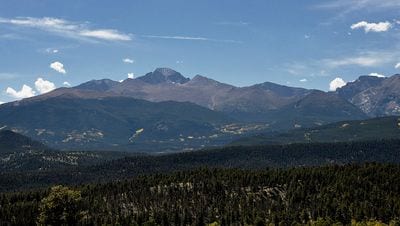
With 38 deaths from accidents, Rocky Mountain National Park is second of the three parks tied at that figure, with a count of 54 for all causes from 2014 to 2022. Falls caused 27 of them and environmental causes 8, while hiking was the activity in 20 and climbing in 9.
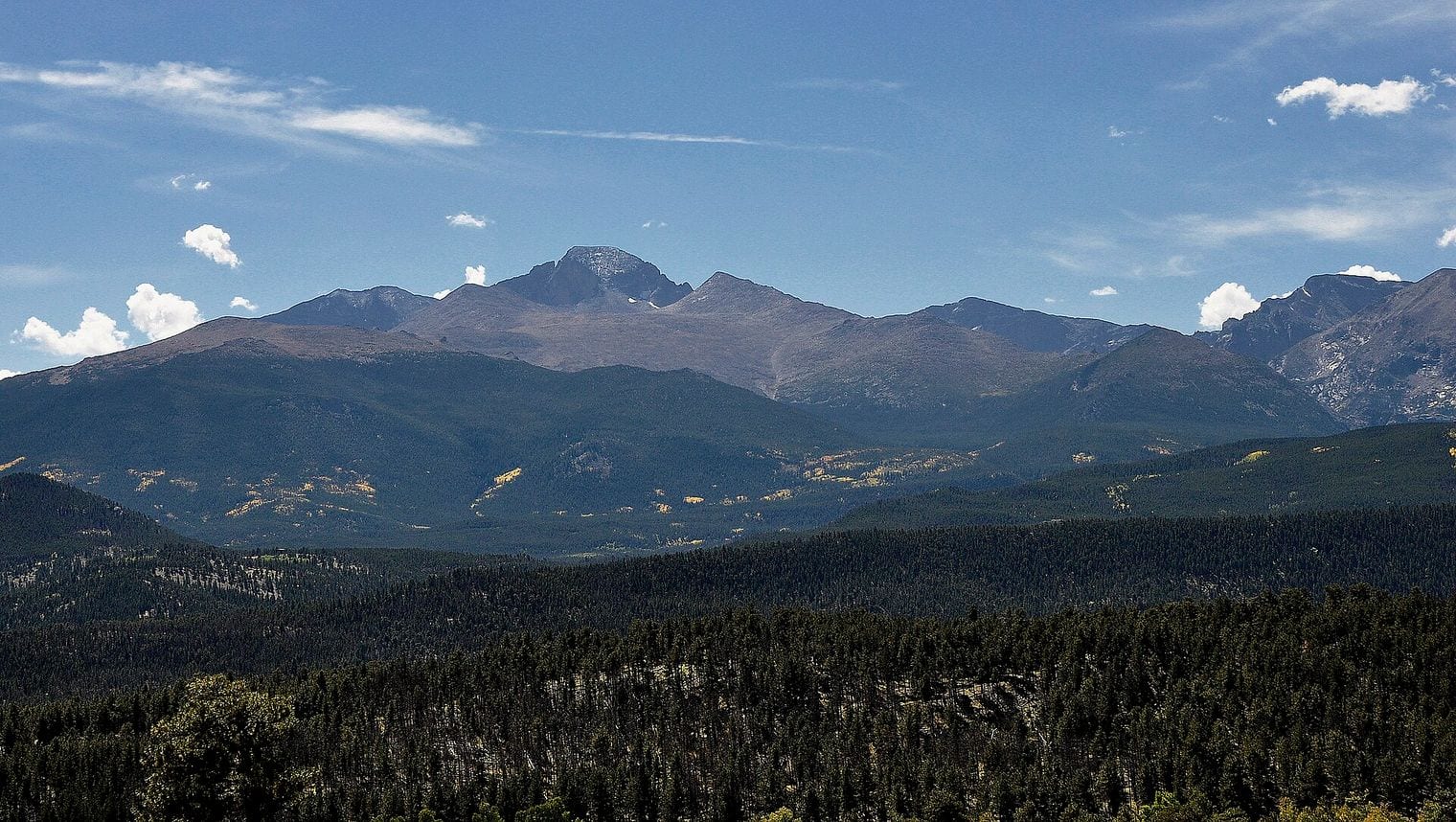
Longs Peak, the highest summit in Rocky Mountain National Park, draws hikers up the Keyhole Route, a long scramble across exposed ledges that becomes a technical climb needing crampons and an ice axe when snow and ice cover it. Start before dawn so you are off high ground before summer afternoon thunderstorms build, and turn back early if the weather or your energy fades.
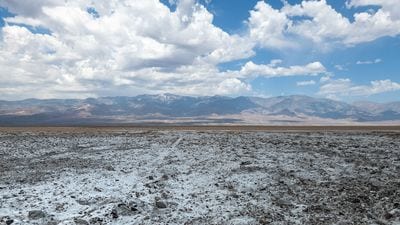
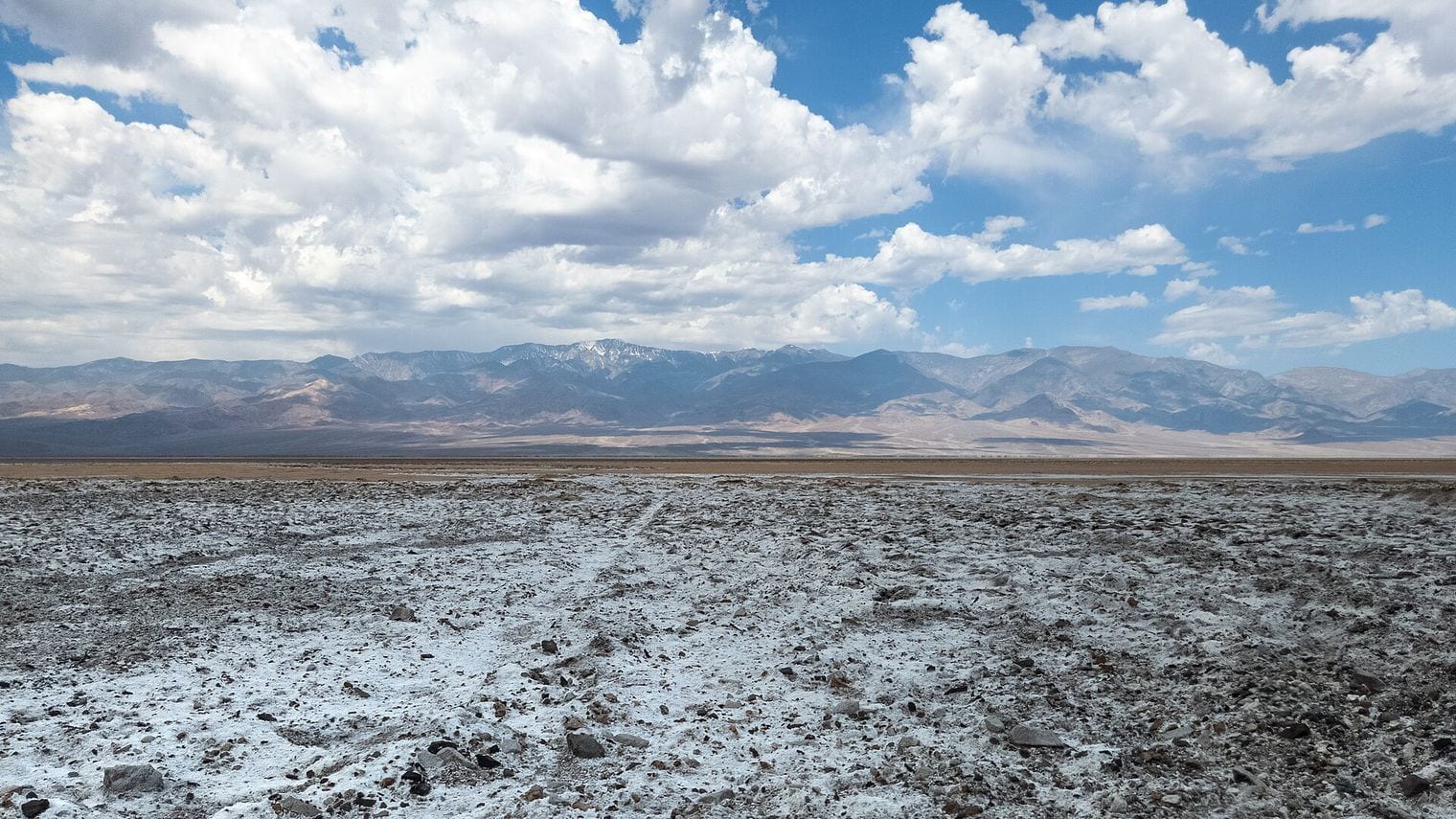
With 38 deaths from accidents, Death Valley National Park completes the trio tied at that figure, with a count of 53 for all causes from 2014 to 2022, and here the car matters as much as the climate. Motor-vehicle crashes caused 18 of them, with driving the activity in 19, while environmental causes such as heat caused 10.
Death Valley is where the highest air temperature on record, 134°F, was measured in 1913, so in summer carry plenty of water and save hikes for the cooler mountains or the early morning. Distances between services are long: fill the tank before you set off, keep to the speed limit on the long, straight roads, and watch for flash floods after storms.
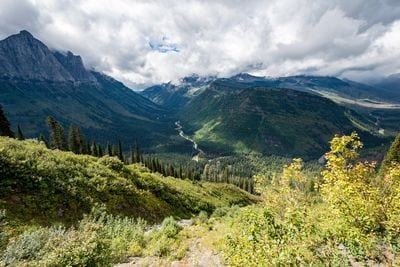
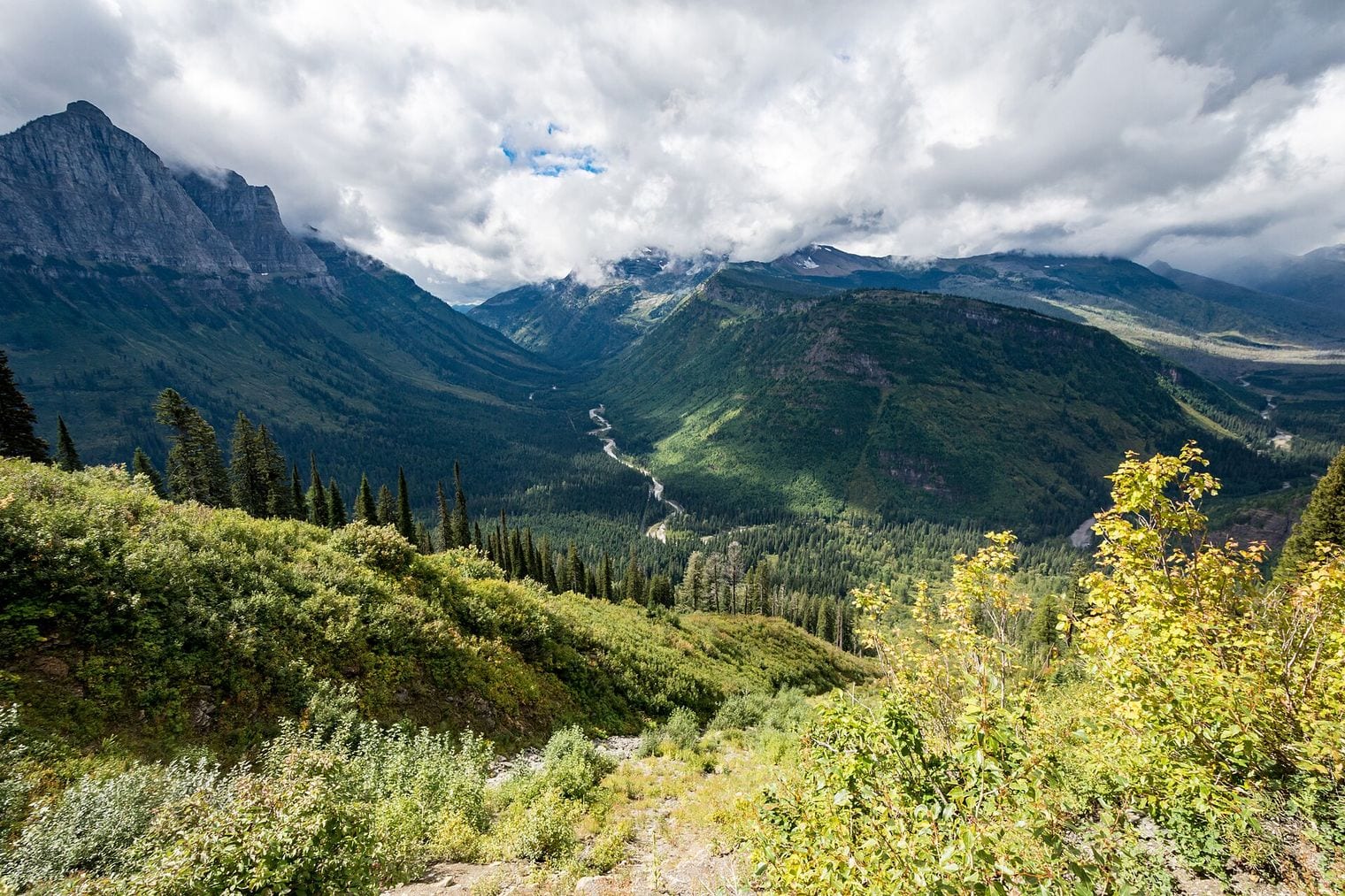
With 37 deaths from accidents, Glacier National Park loses visitors to its steep peaks and its cold water alike: falls caused 17 of them and drownings 10, and climbing was the activity in 9.
The park warns that its swift, cold streams and rivers, moss-covered rocks and slippery logs are dangerous, and that its lakes and streams stay extremely cold even in summer, so keep off the rocks at the water's edge in Glacier. On the Going-to-the-Sun Road, the only road across the park, take the narrow curves slowly and stop only in the pullouts.
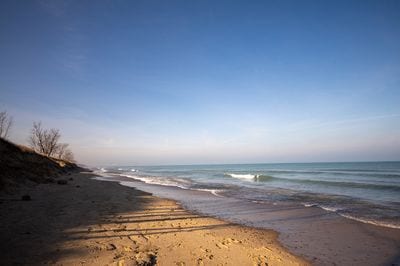
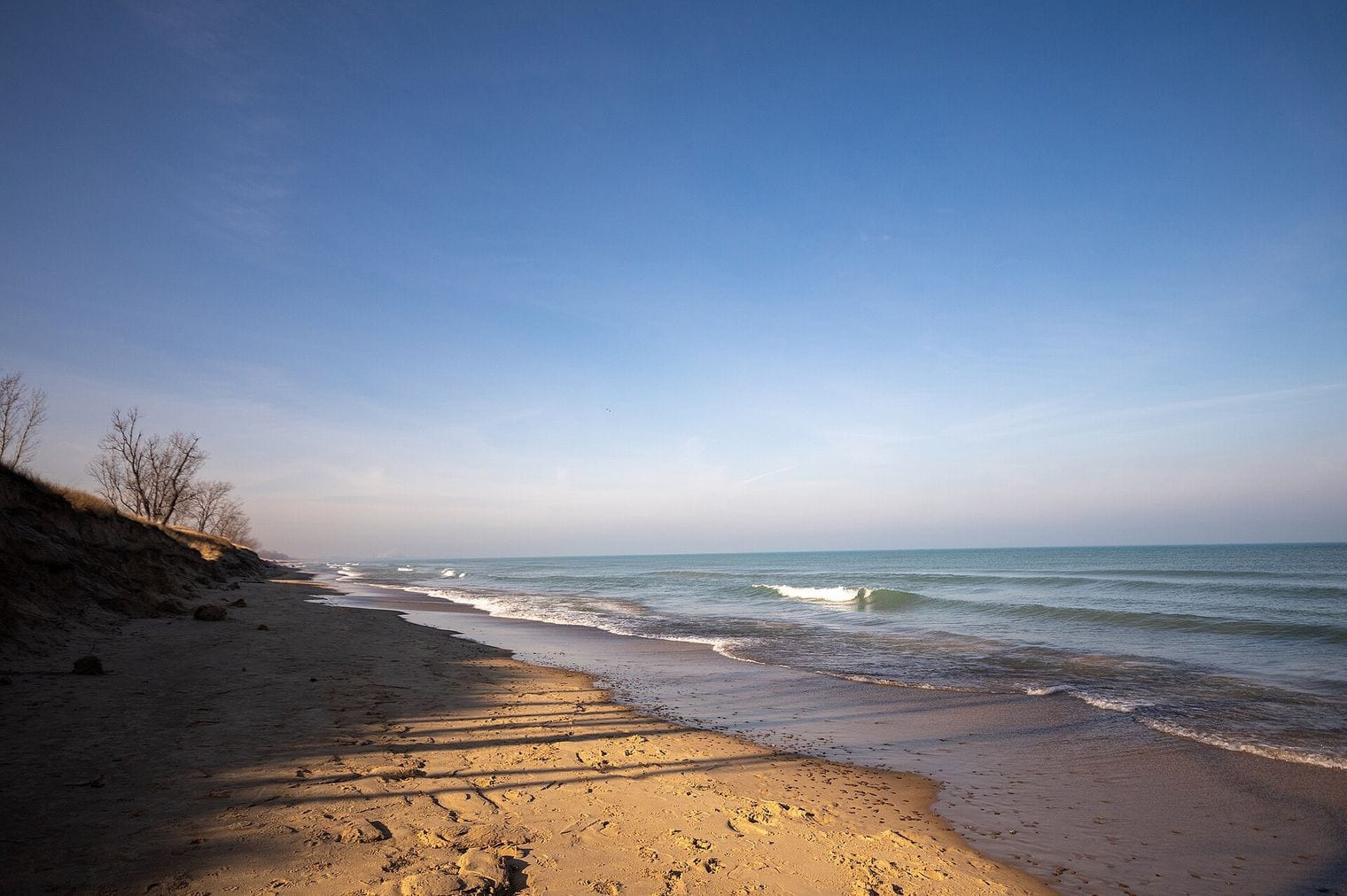
With 27 deaths from accidents, Indiana Dunes National Park lost nearly all of them to Lake Michigan: drownings caused 22, with swimming the activity in 12 and boating in 4. It was Indiana Dunes National Lakeshore until 2019, when Congress made it the country's 61st national park.
Rip currents can form along the Indiana Dunes shore in summer, especially on days with a strong north wind, so stay out of the water when high waves are breaking and obey every posted warning. If a current pulls you out, do not fight it: swim parallel to the beach until you are free of it, then head back to shore.
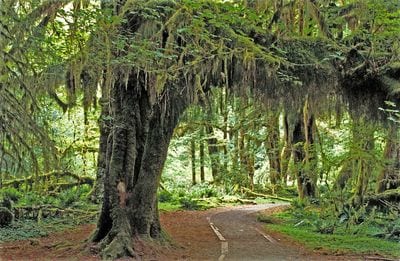
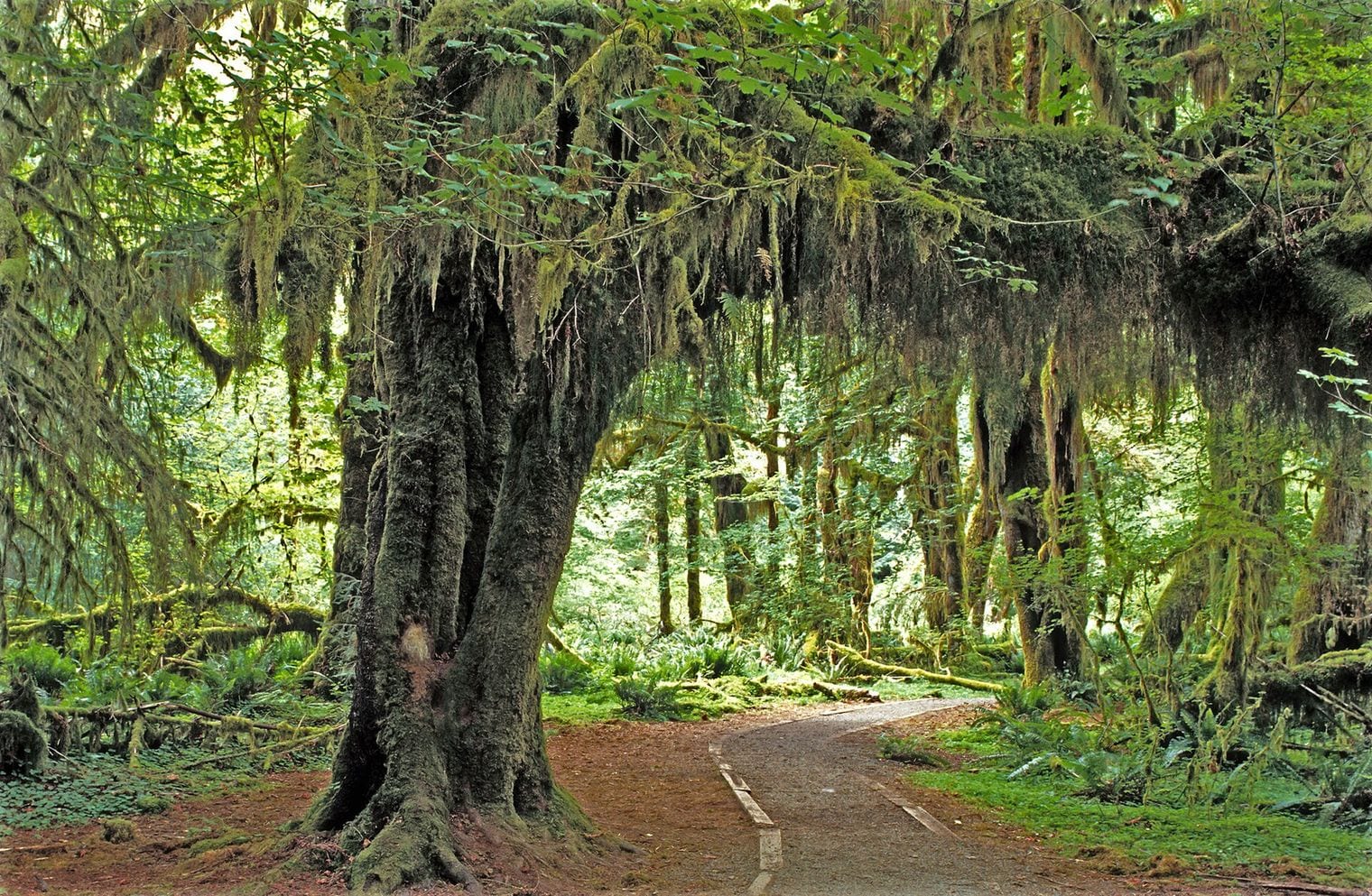
With 25 deaths from accidents, Olympic National Park spreads its toll across a park that runs from glaciated peaks through temperate rainforest to a wild Pacific shore. Drownings caused 9 of them, other transport accidents 4 and falls 4, and flying and swimming were each the activity in 4.
The coast is the part of Olympic that catches people out: some headlands can be passed only at low tide, so carry a tide chart and check it before any longer beach hike, and never turn your back on the sea. Inland, the rivers run cold and fast with snowmelt, so cross them only where a trail or bridge is built for it.
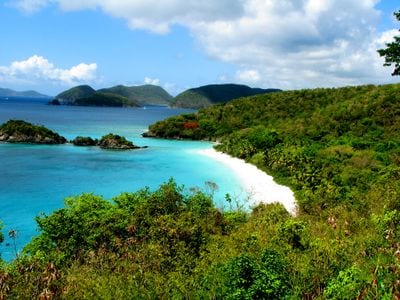
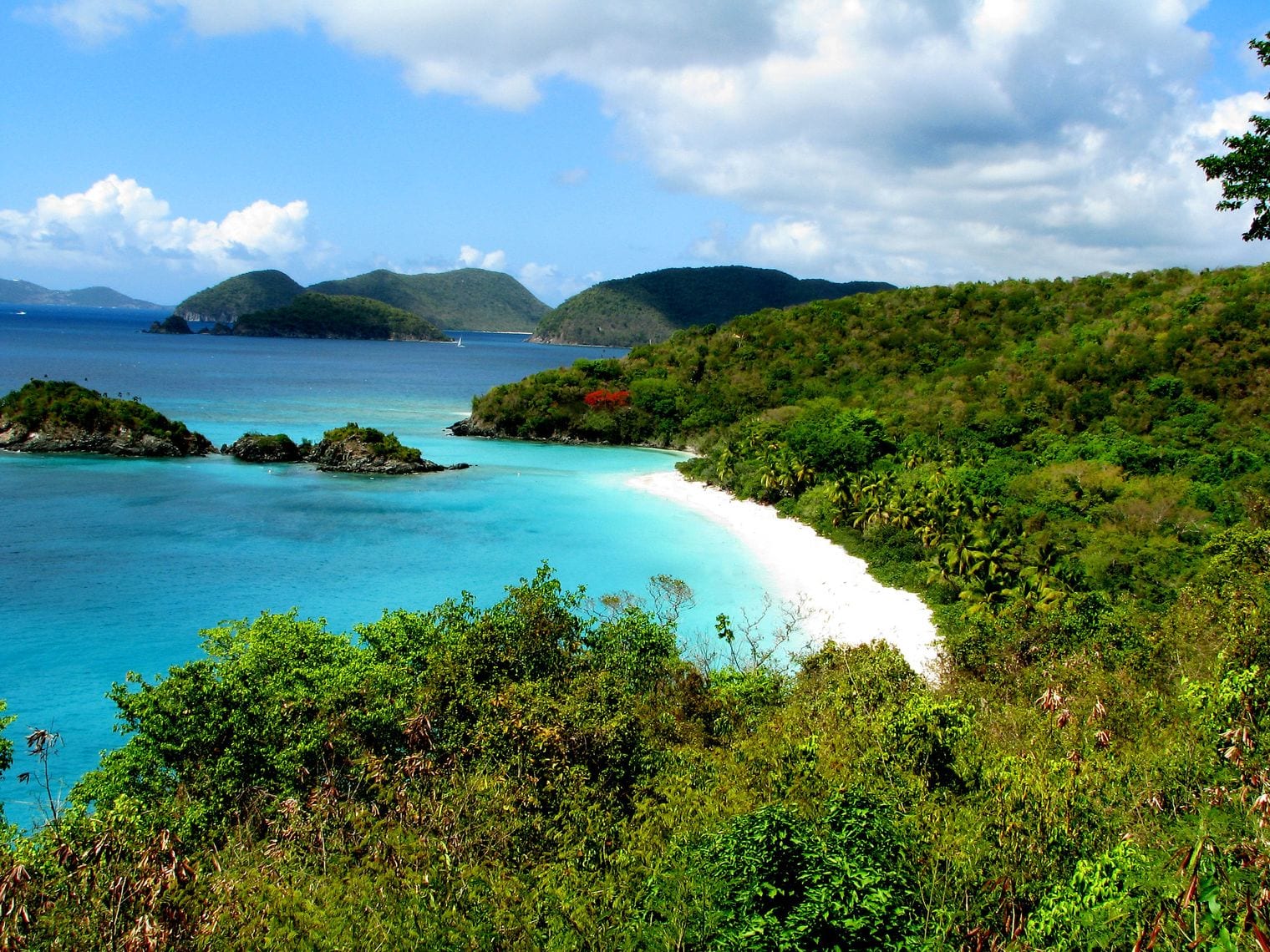
With 20 deaths from accidents, Virgin Islands National Park ranks ahead of North Cascades, also at 20, with a count of 33 for all causes from 2014 to 2022 against 15. Most of its toll came in the sea around St. John, where the park protects about 60% of the island: drownings caused 15, and snorkeling was the activity in 14.
Snorkeling at spots such as Trunk Bay, with its underwater trail along the reef, looks gentle but still asks a lot of the body, so snorkel with a buddy, know your limits and get out if you feel tired or short of breath. If you need to rest, stand only on sand, and stay out of the water in the Virgin Islands when red-flag conditions warn of big waves and rip currents.
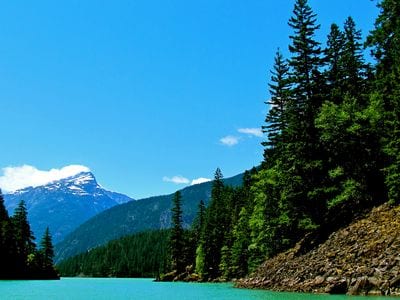
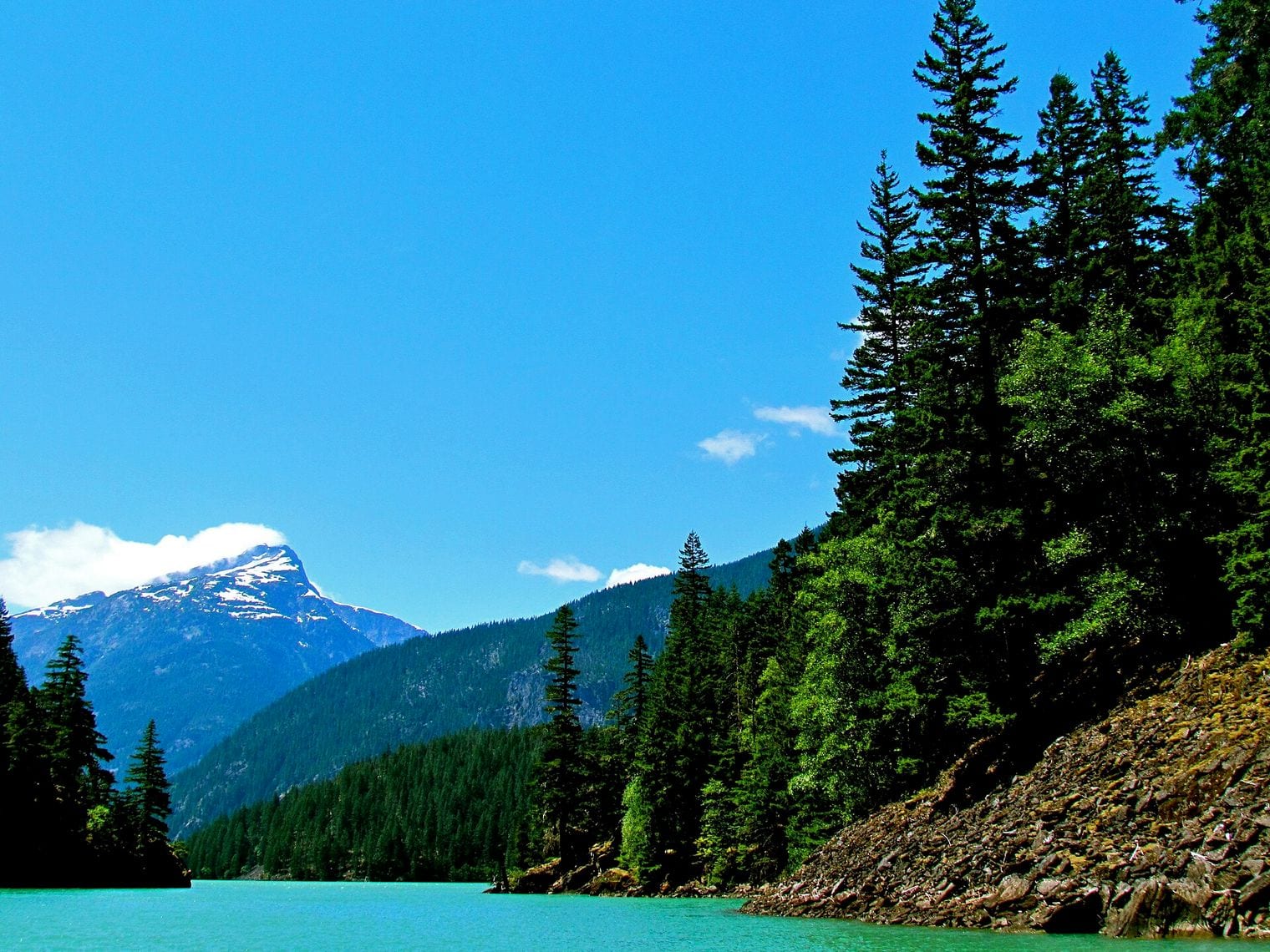
With 20 deaths from accidents, North Cascades National Park closes the list in rugged mountains holding more than 300 glaciers, the most of any US national park outside Alaska. Falls caused 10 of them and environmental causes 5, and climbing was the activity in 6 and hiking in 4.
Climbing routes in the North Cascades start with long, arduous approaches through brush, scree and icy creeks, and glacier travel calls for roped teams and crevasse-rescue skills. Most visitors see these peaks from the highway and its overlooks; if you head into the backcountry, carry the ten essentials and leave your route with someone at home.
FAQ: America's Most Dangerous National Parks
What is the most dangerous national park in the US?
Yosemite National Park has the most accidental deaths on record: 110 from 2007 to 2022, ahead of Grand Canyon at 98 and Great Smoky Mountains at 88. Falls caused 62 of Yosemite's total, so the main danger there is the terrain, not the wildlife. Stay behind railings and off wet rock near its waterfalls.
Why isn't Lake Mead on this list?
Lake Mead is a national recreation area, not a national park. It logged 212 accidental deaths from 2007 to 2022, more than any other unit the National Park Service runs. The Natchez Trace Parkway, at 103, and the Blue Ridge Parkway, at 100, are left out for the same reason: this list counts only the national parks.
Why do other sources give higher death counts?
Many headlines count every cause of death since 2007. NPS began logging suicides, homicides and medical deaths only in 2014, so those totals mix two different bases; Grand Canyon's full register from 2007 to early 2026 runs past 200. This list counts accidental deaths over one span, 2007 to 2022, and NPS still treats its records from 2020 onward as provisional.
Does the most dangerous park have the highest risk per visitor?
Not necessarily. These are raw counts, not rates per visitor, and the busiest parks rank high partly because so many people go: Great Smoky Mountains is the most visited national park in the country. A remote park with few visitors can be riskier per trip, especially for climbers and backcountry travelers.
What causes the most deaths in national parks?
Falls, which caused 380 of the 1,088 accidental deaths recorded in national parks from 2007 to 2022. Drownings followed at 216, motor-vehicle crashes at 206 and environmental causes such as heat, cold and avalanches at 176, while wildlife incidents caused just 8. Hiking, driving and climbing were the most common activities at the time.
Are Sequoia and Kings Canyon counted separately?
No. The National Park Service manages Sequoia and Kings Canyon together and records their deaths as one park, so they share a single entry with 57 accidental deaths from 2007 to 2022. New River Gorge is counted under both of its names, since it was a National River until December 2020.
How can you stay safe in a national park?
Most accidents follow a few patterns, so a few habits cut the risk: stay on marked trails and behind railings, never wade or swim above a waterfall, wear a life jacket on rivers and lakes, drive slowly on mountain roads, carry more water than you think you need, and read each park's safety page and weather forecast before you set out.
Sources & updates
How this ranking was checked
Checked before launch
Sources cited
17
Every figure in this ranking was checked against the record-keeper or official source behind it before publication, and the top of the ranking re-checked live so a newer record would not be missed.
One email every Thursday with our newest guides for the places you tick.
Newsletter
Get new guides like this by email
One email every Thursday with our newest guides for the places you tick.
We use cookies to analyse site traffic and improve your experience.
You can accept or reject analytics cookies. See our
May we use analytics cookies? See ourCookie Policy.