We build and rank every list first. Booking links come after, and only where
a partner sells a ticket, tour or stay for that exact place, so a place with
nothing to book is listed exactly as prominently as one you can book.
So how do we earn? Some links on this page go to booking
partners, and if you book tickets, tours or a stay through
one, we may earn a commission. It costs you nothing extra.
That commission never decides which places make the list, the order they
appear in, or what we write about them. No entry is sponsored or a paid
placement.
By the City Viking editorial teamPublished 25 places · 20 min read
Fact-checked Checked before launchOct 25, 202625 sources22 publishers2 government & parks3 encyclopedias & research20 venues & other sitesPublished · Oct 25, 2026Researched and checked before it went liveClick for every source and the full change log.
Short answer
Start with the Stanley Hotel in Colorado, Eastern State Penitentiary in Philadelphia and the Trans-Allegheny Lunatic Asylum in West Virginia, which top more ghost lists than any others. The country is too big for one trip, so pick a region and give it four or five days; most sites are seen on a booked tour, several run only seasonally, and October weekends sell out first.
America's best ghost stories cling to real places: a grand hotel above Estes Park, a ruined prison in Philadelphia, mountain asylums, battlefields and Victorian mansions where the history is documented even when the hauntings are not. Many open their doors after dark for ghost tours and overnight stays.
This guide ranks the 25 most haunted places in America, single sites rather than whole cities, across 16 states and Washington, D.C. Each entry separates the recorded history from the legend, and a closing section groups them into regional road trips.
The Iroquois Theatre fire of December 30, 1903, killed 602 people in Chicago, the deadliest single-building fire in US history; the Oriental Theatre on this list stands on the site.
Eastern State Penitentiary's wagon-wheel layout became a model for more than 300 prisons worldwide after it opened in Philadelphia in 1829.
Stephen King spent just one night at the Stanley Hotel in 1974, enough to inspire the haunted Overlook Hotel of The Shining.
The Ohio State Reformatory's six-tier East Cell Block is listed by Guinness World Records as the world's largest free-standing cell block, and the prison played Shawshank in The Shawshank Redemption.
When Sarah Winchester died in 1922, her San Jose mansion had 160 rooms, 2,000 doors and 10,000 windows, plus stairs that lead to the ceiling.
Gettysburg was the bloodiest battle of the Civil War, with 46,000 to 51,000 soldiers killed, wounded, captured or missing in three days in July 1863.
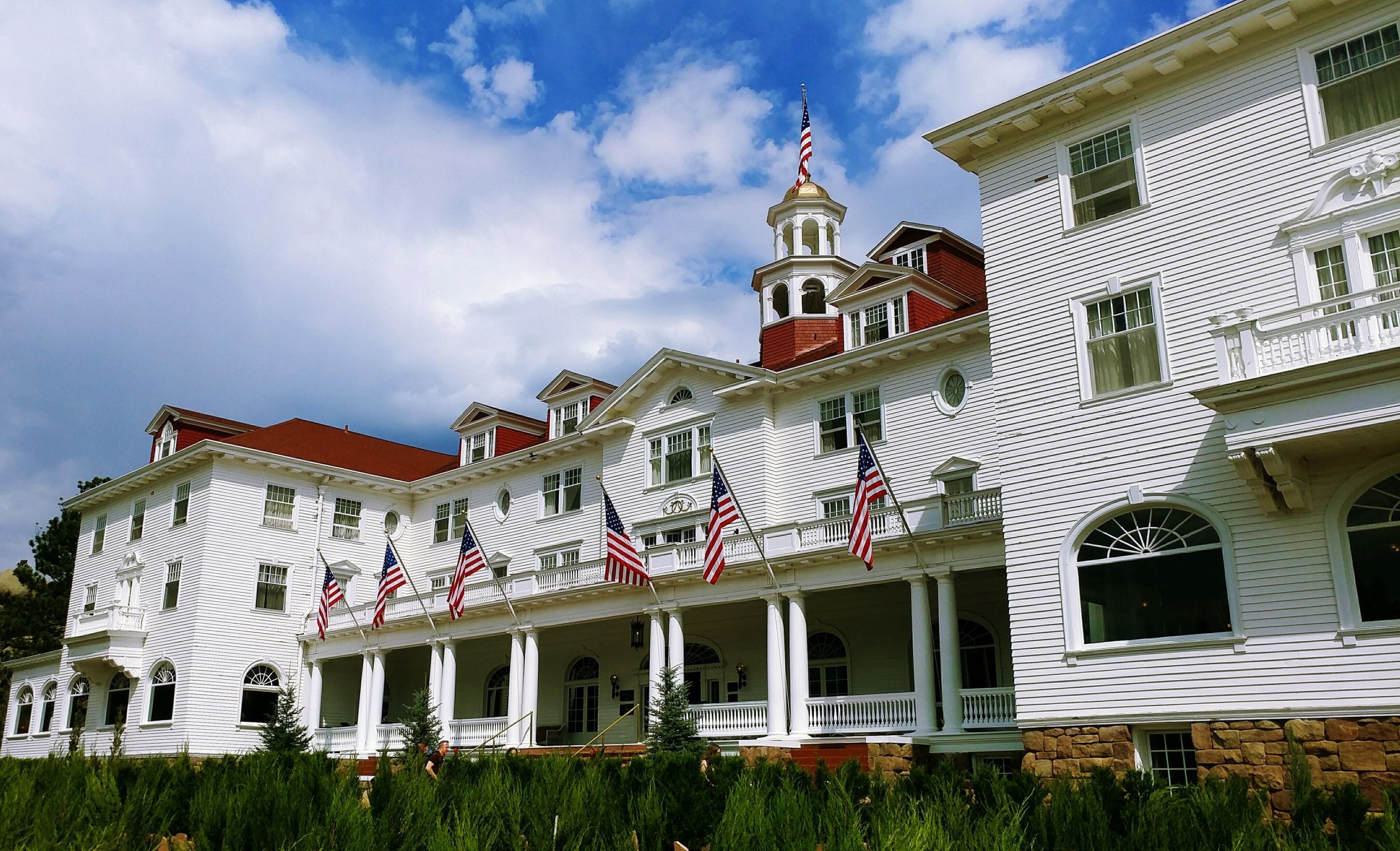
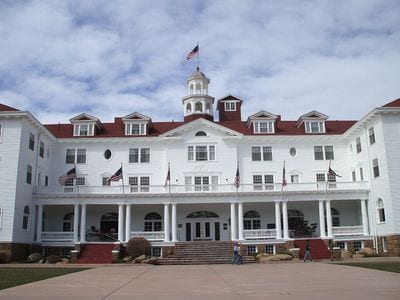
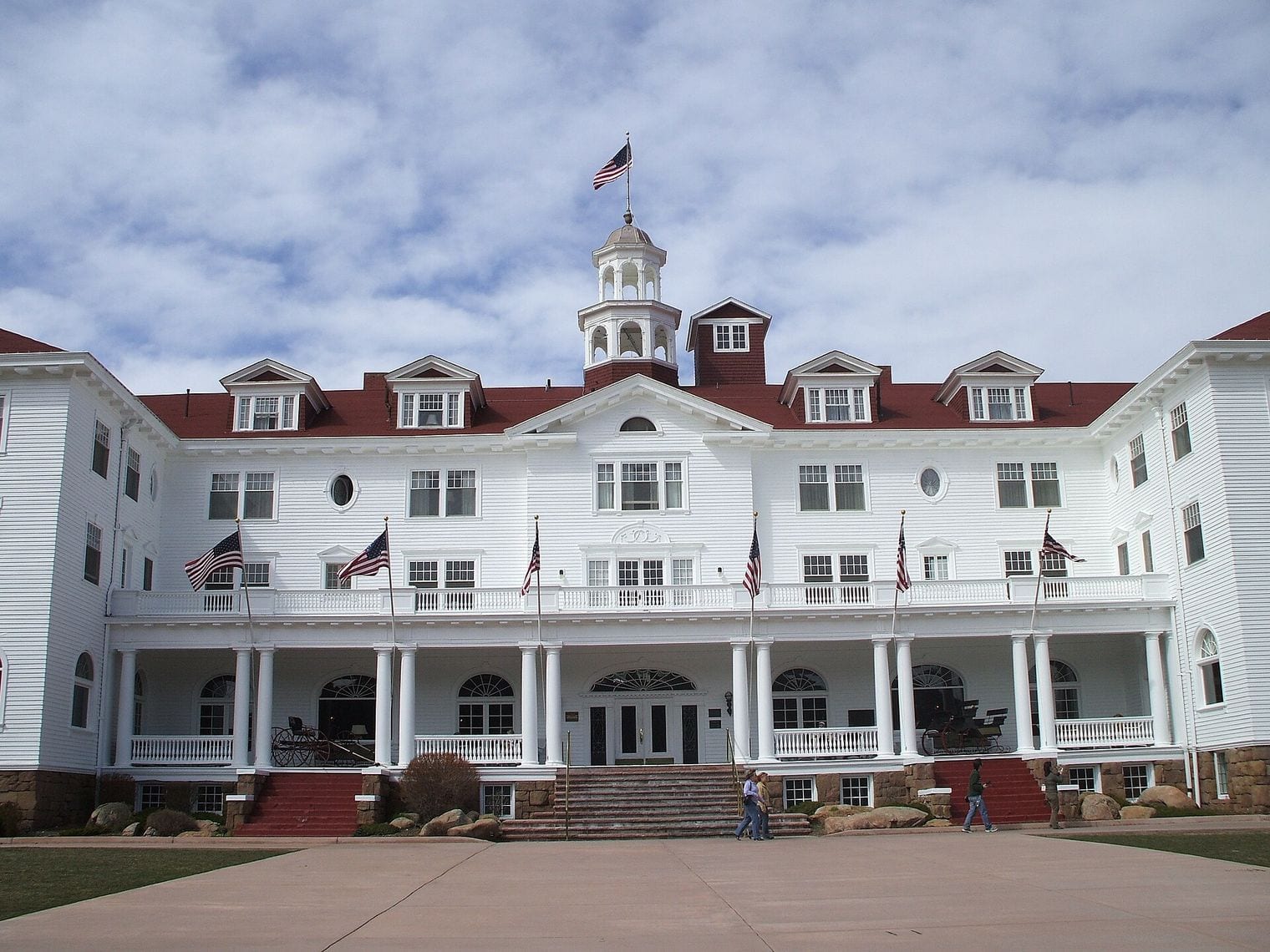
The Stanley Hotel sits on a hillside above Estes Park, Colorado, a white Georgian Revival resort that steam-car pioneer Freelan Oscar Stanley opened in 1909, about five miles from the entrance to Rocky Mountain National Park. Its fame as a haunted hotel starts with a single night in 1974, when Stephen King and his wife stayed here; the visit inspired the Overlook Hotel in his 1977 novel The Shining.
The hotel leans into the story. Guests ask for Room 217, the number King made famous, and staff and visitors trade tales of footsteps, phantom piano music and children's laughter in empty corridors. An evening ghost tour walks the halls with the hotel's history and legends, and adults can book a longer paranormal investigation; even if nothing goes bump, the mountain views from the veranda justify the drive.
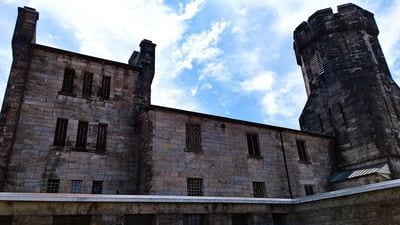
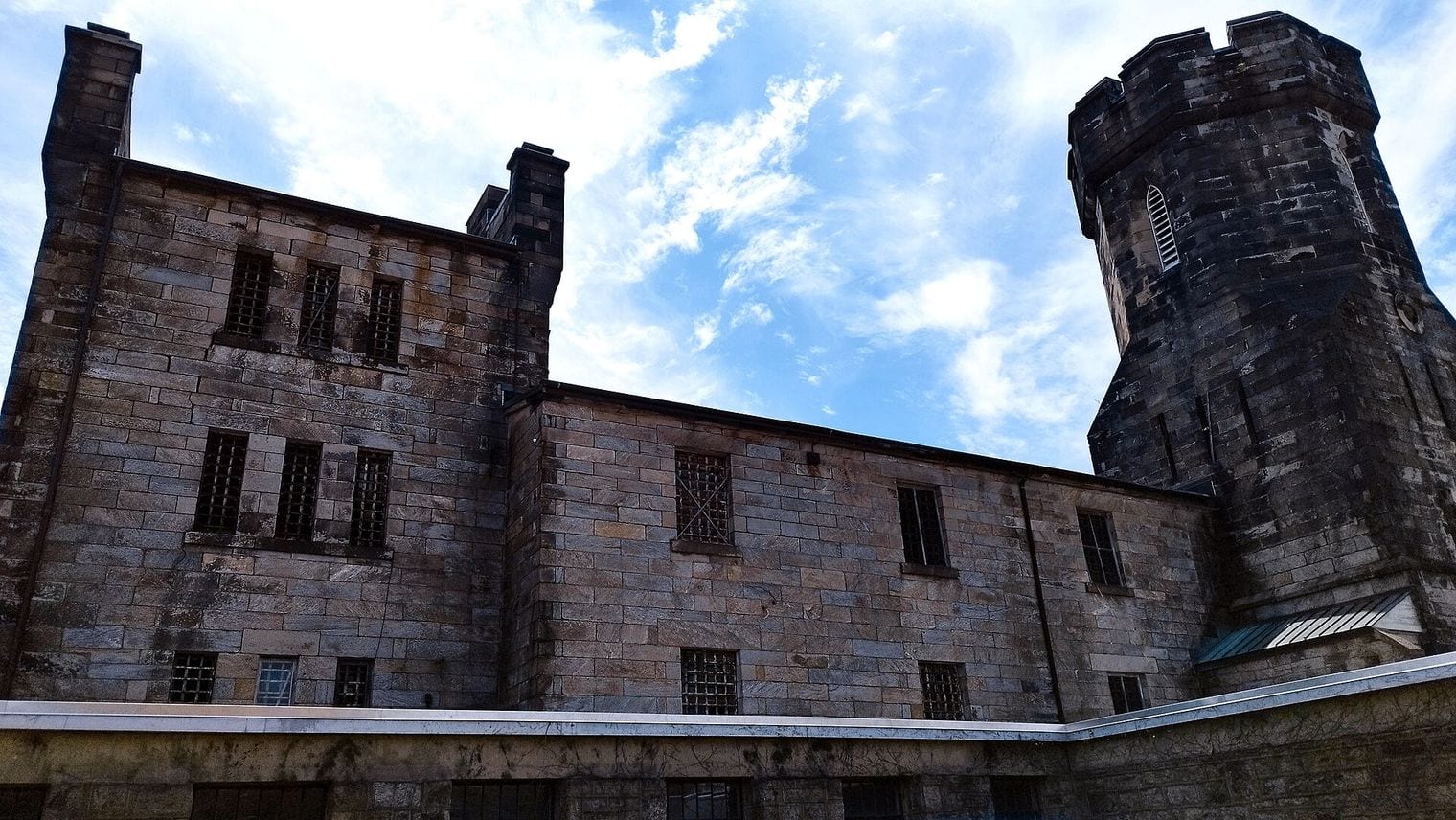
Eastern State Penitentiary rises like a fortress in the Fairmount section of Philadelphia, Pennsylvania. Designed by John Haviland and opened in 1829, it held prisoners in isolation in cellblocks that radiate from a central hub like the spokes of a wheel, a plan copied by more than 300 prisons worldwide. Al Capone and bank robber Willie Sutton both did time here before the prison closed in 1971.
Today the cellblocks stand in preserved ruin, with peeling paint, crumbling ceilings and weeds pushing through the floors, and the site has been open for history tours since 1994. Staff and visitors have long reported shadowy figures and footsteps in the empty corridors, but the daytime tour is gripping enough on its own, especially Capone's furnished cell. In the fall the prison stages a separately ticketed Halloween event.
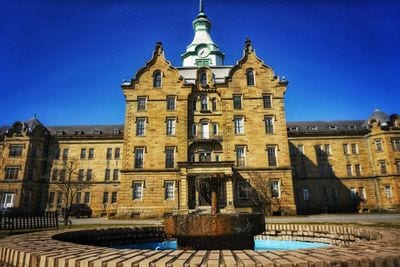
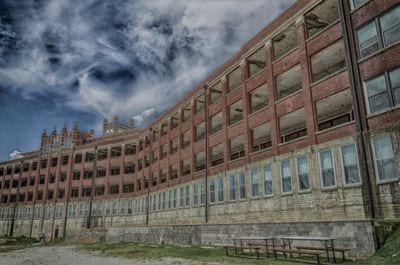
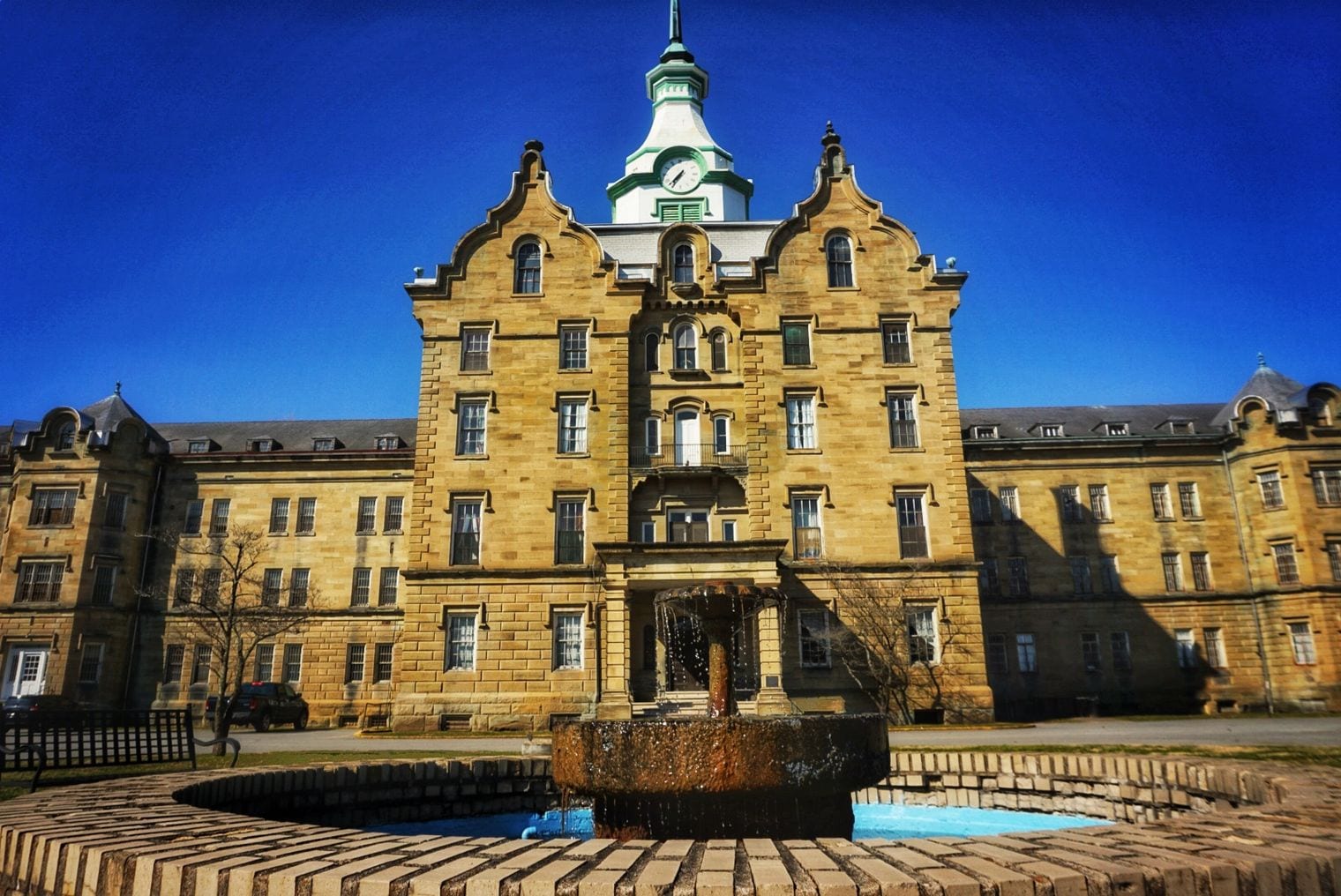
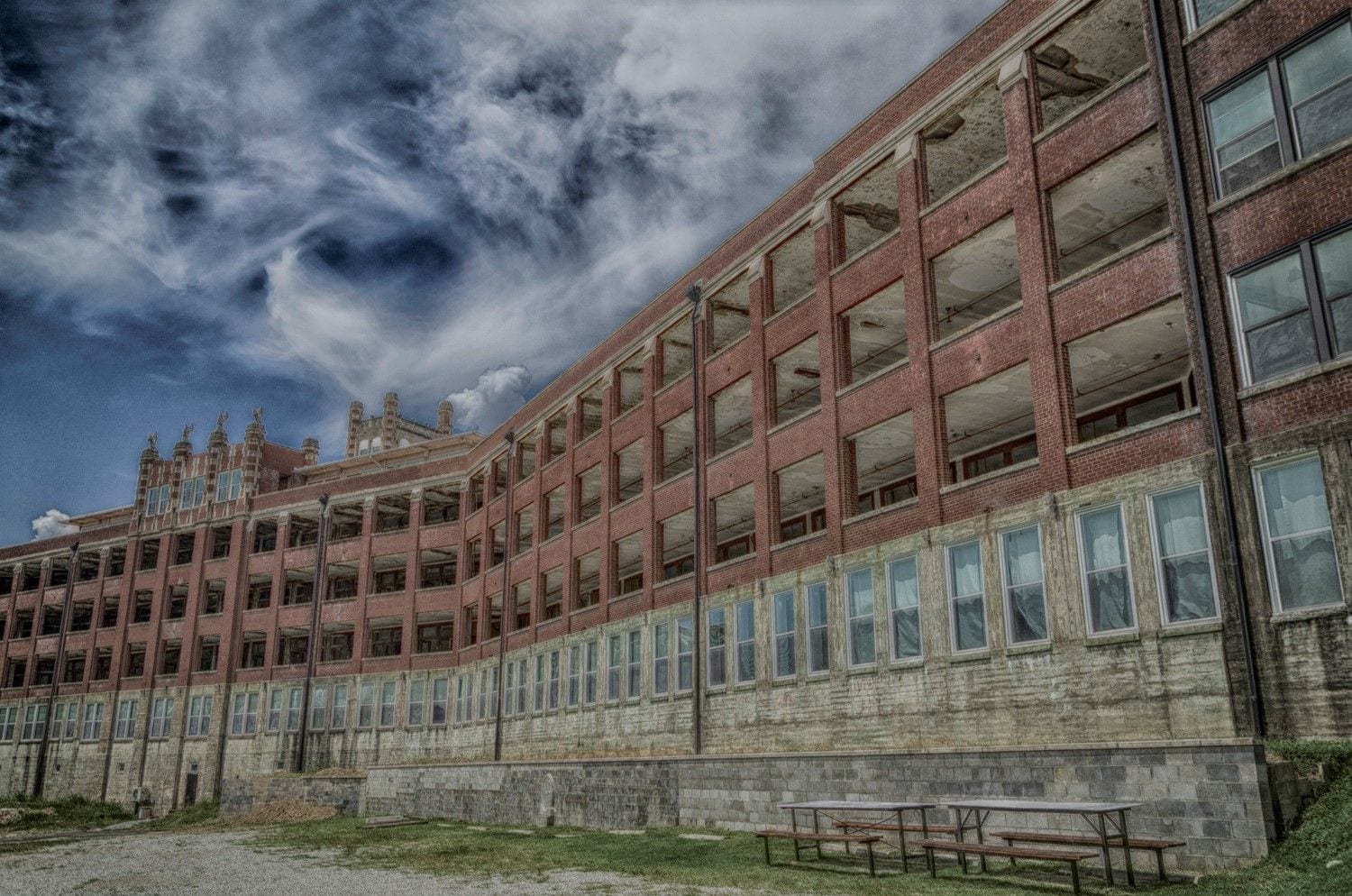
The Trans-Allegheny Lunatic Asylum in Weston, West Virginia, is a vast stone hospital built between 1858 and 1881 to the Kirkbride Plan, its construction interrupted by the Civil War. It took in patients from 1864 until 1994, is said to be one of the largest hand-cut stone masonry buildings in the United States, and was named a National Historic Landmark in 1990.
The building stood empty for years after the hospital closed, and it has opened for tours since 2008, with the proceeds going toward its restoration. Daytime history tours cover the overcrowding and treatments of its past, while ghost tours and overnight ghost hunts explore wards where visitors claim to hear voices and slamming doors. Tours run seasonally, from spring into the fall, and the ghost hunts set a minimum age.
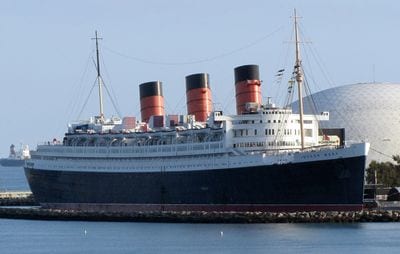
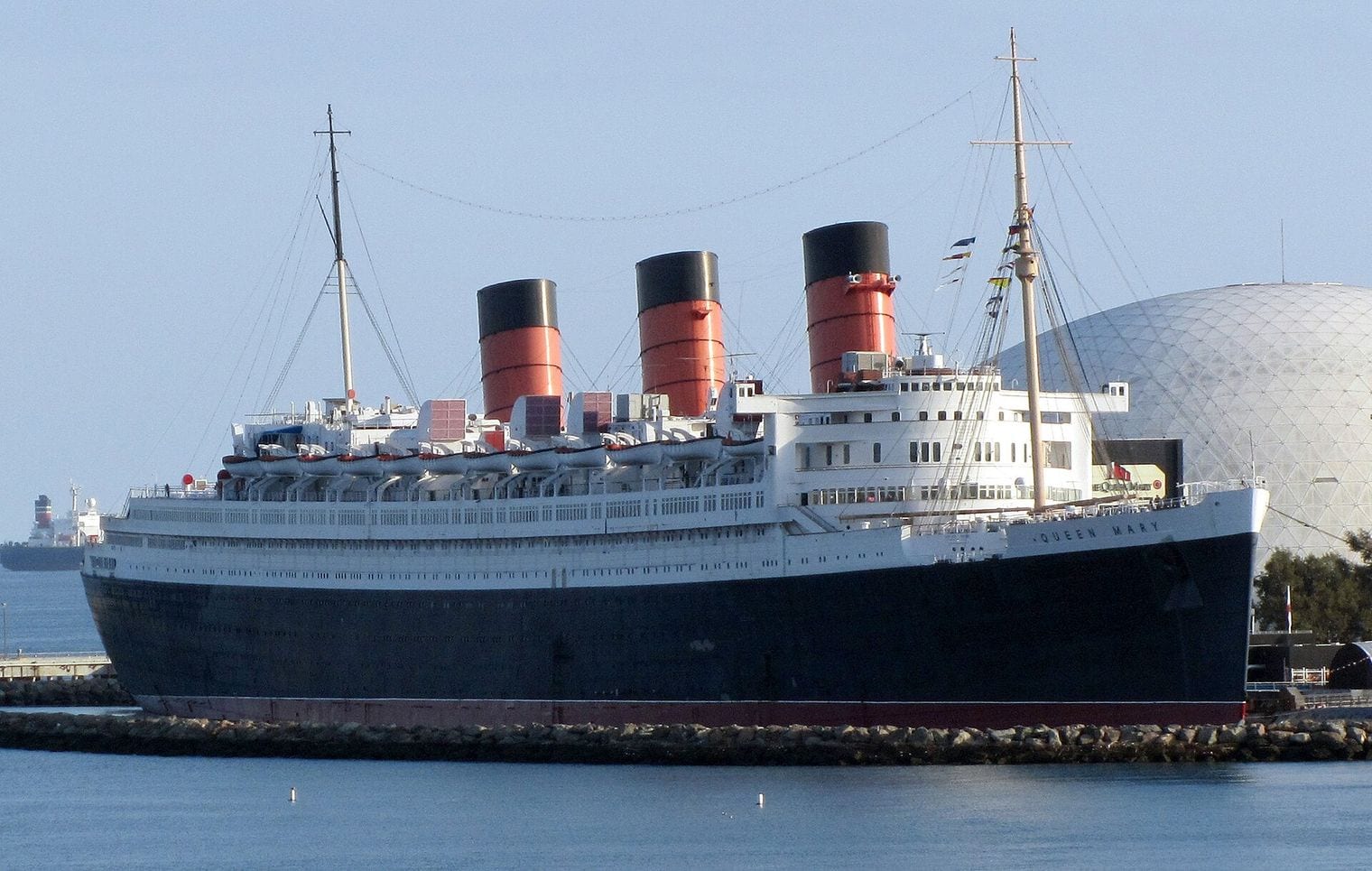
The RMS Queen Mary is a 1930s ocean liner moored for good in Long Beach, California. She crossed the North Atlantic for the Cunard Line from 1936 to 1967, carried troops during World War II, when her grey paint and speed earned her the nickname "Grey Ghost," and has been a hotel and museum in Long Beach since her final voyage in 1967.
The ship's ghost stories gather below deck: the engine room, the old first-class swimming pool and a few staterooms where guests report knocks and voices in the night. Paranormal tours lead visitors through those spaces after dark, and you can book a cabin to test the stories yourself. Even skeptics come for the polished wood, the Art Deco lounges and the views back across the harbor.
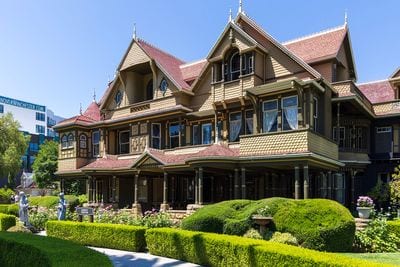
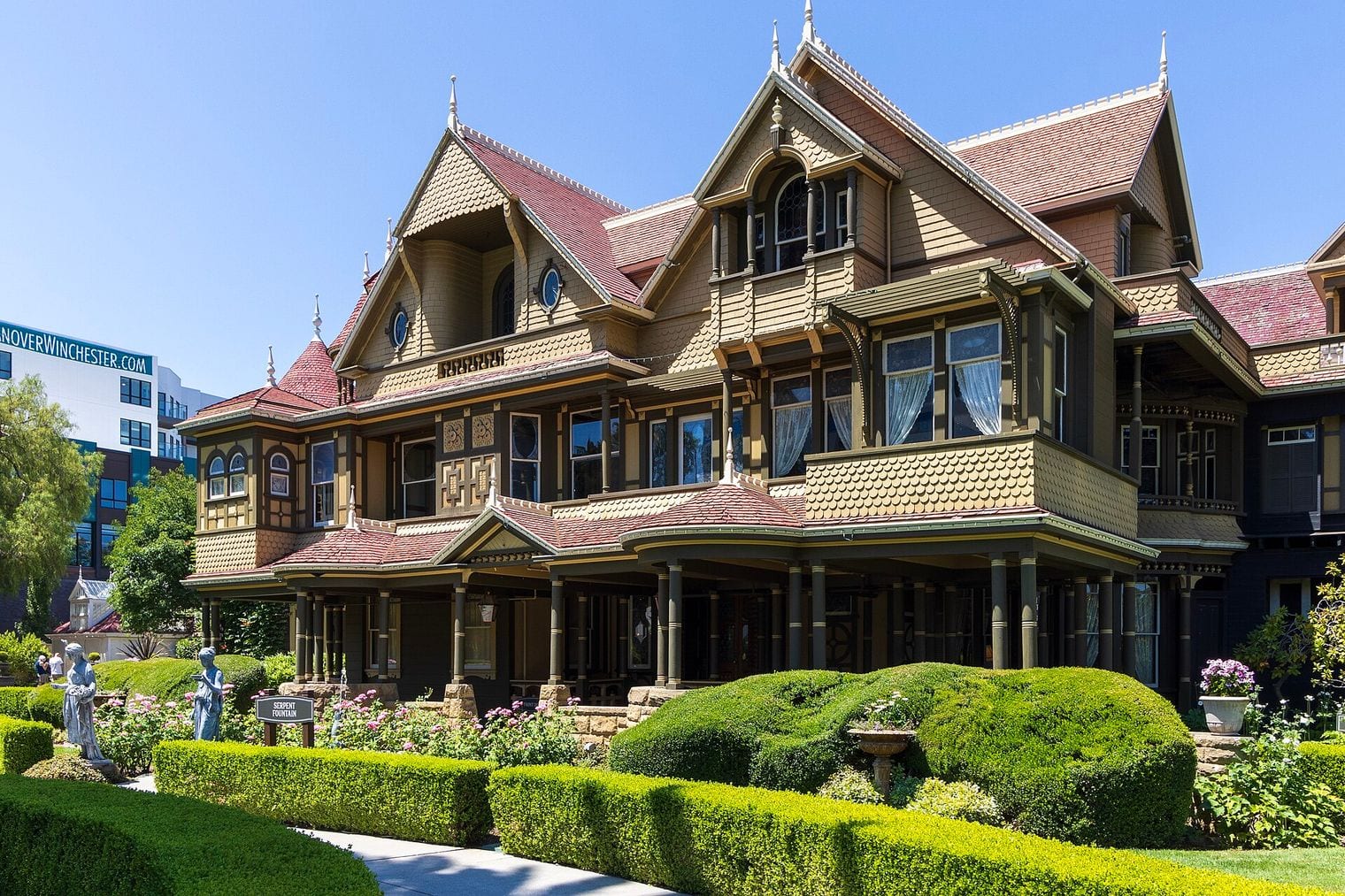
The Winchester Mystery House in San Jose, California, was the home of Sarah Winchester, whose fortune came from the Winchester Repeating Arms Company. She bought a farmhouse here in 1886 and kept building until her death in 1922, by which time the mansion had 160 rooms, 2,000 doors, 10,000 windows and 47 stairways, along with doors that open onto walls and stairs that end at the ceiling.
The popular legend says she built nonstop to confuse the spirits of people killed by Winchester rifles. Historians dispute it, pointing instead to a wealthy, hands-on owner who designed the rooms one by one. Guided tours wind through the maze-like house, and the ghost story is told alongside the history, so you can make up your own mind as you climb the switchback stairs.
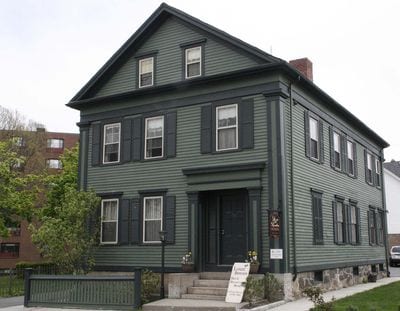
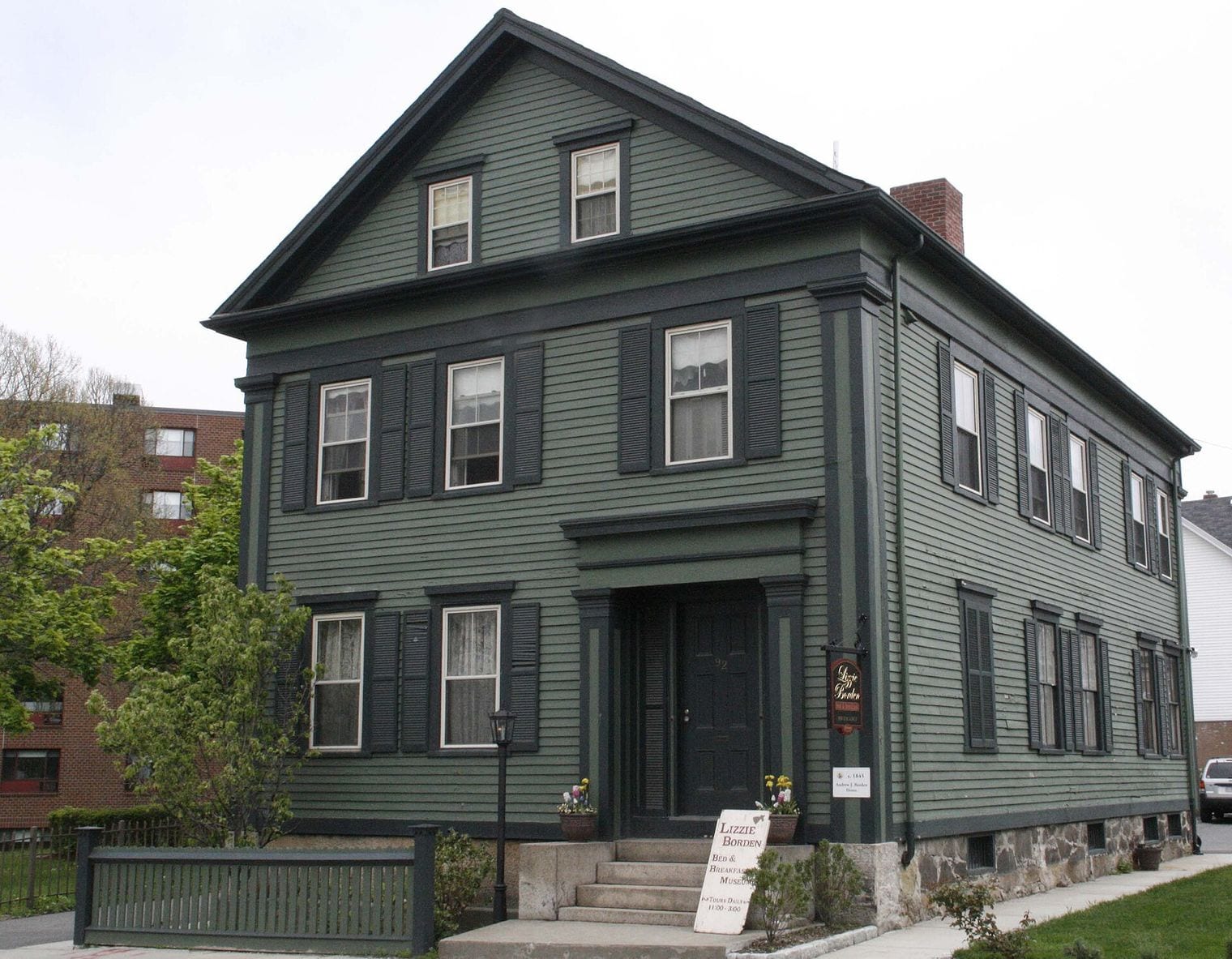
The Lizzie Borden House in Fall River, Massachusetts, is where Andrew Borden and his wife Abby were killed with a hatchet on August 4, 1892. Andrew's daughter Lizzie was tried for the murders and acquitted in 1893, and the double murder officially remains unsolved, which keeps this modest house at the center of one of America's most famous crime stories.
The house now runs as a museum and bed-and-breakfast, furnished in period style. Daytime tours walk through the case room by room, ghost tours follow after dark, and overnight guests can sleep in the rooms where the bodies were found. Visitors and mediums report cold spots and footsteps, though skeptical investigator Joe Nickell has argued that the claims rest on feelings rather than evidence.
Waverly Hills Sanatorium stands on a wooded hill in southwestern Louisville, Kentucky. It opened in 1910 as a small two-story tuberculosis hospital, and the five-story building you see today opened in 1926 as the epidemic grew; it closed in 1961, after the antibiotic streptomycin made such hospitals unnecessary.
The sanatorium is marketed as a haunted hospital, and TV ghost-hunting shows have spread its legends: the so-called death tunnel down the hillside, which the story says carried bodies away unseen, and Room 502 on the fifth floor. Guided history and paranormal tours, which raise money for restoration, run on a seasonal schedule and need a reservation, and the building hosts a Halloween haunted house in the fall.
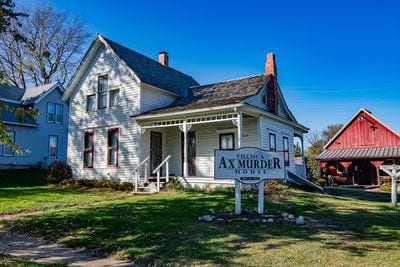
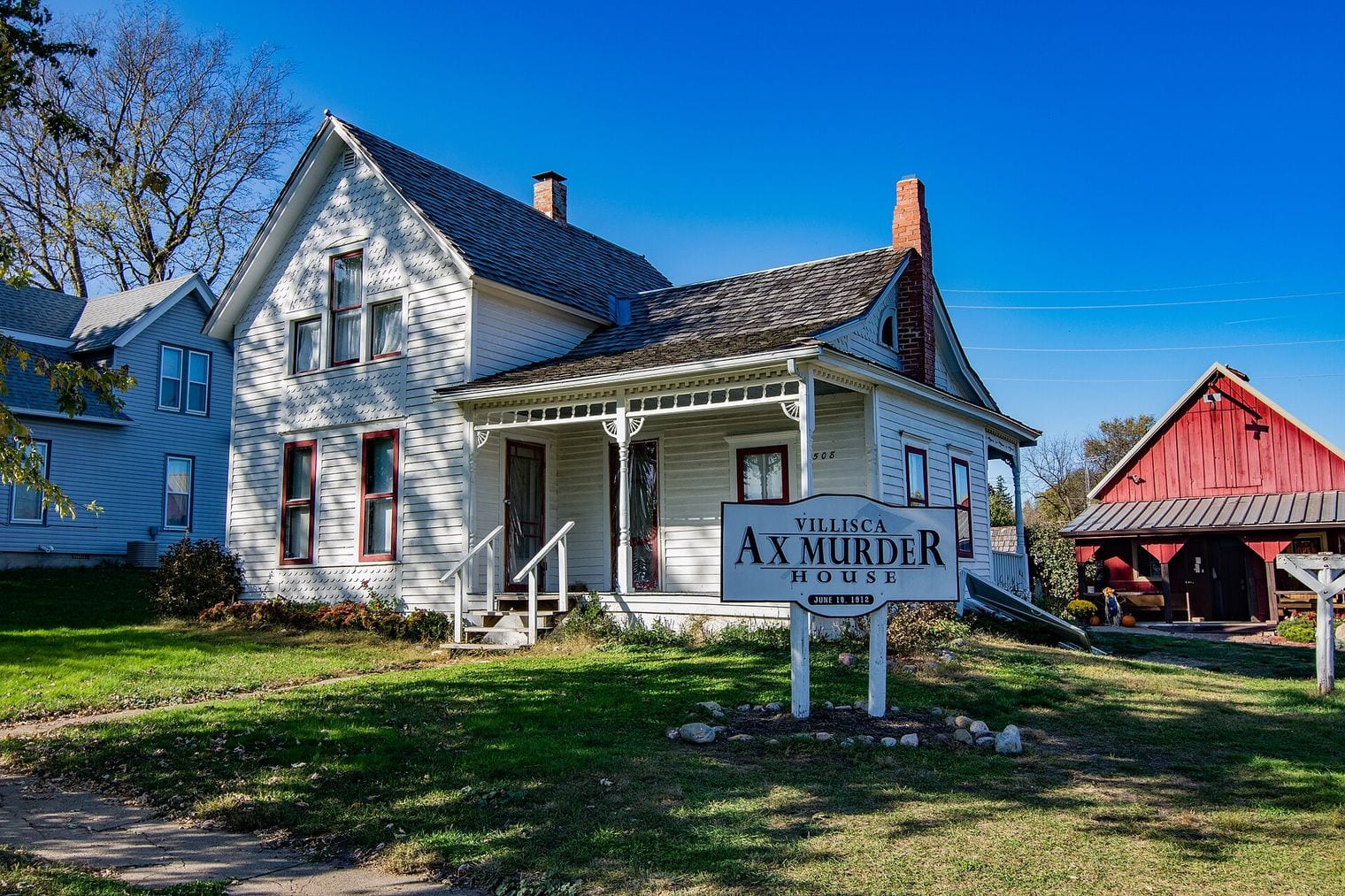
The Villisca Axe Murder House is a plain white frame house in the small town of Villisca, in southwest Iowa. On the night of June 9 to 10, 1912, Josiah and Sarah Moore, their four children and two young overnight guests, Lena and Ina Stillinger, were killed with an axe as they slept. Suspects were investigated, but no one was ever convicted, and the case remains unsolved.
The house has been restored to its 1912 appearance, without electricity or plumbing, and opens for daytime tours from spring through the fall. Its real draw for paranormal fans is the overnight stay, offered year-round, when visitors report voices, children's laughter and objects moving on their own. It is a sobering place to visit: the eight victims were real, and six of them were children.
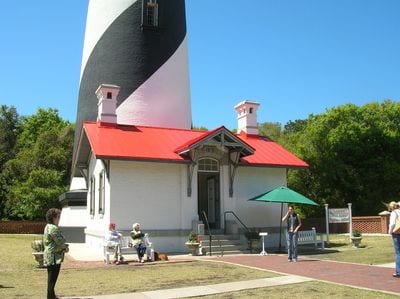
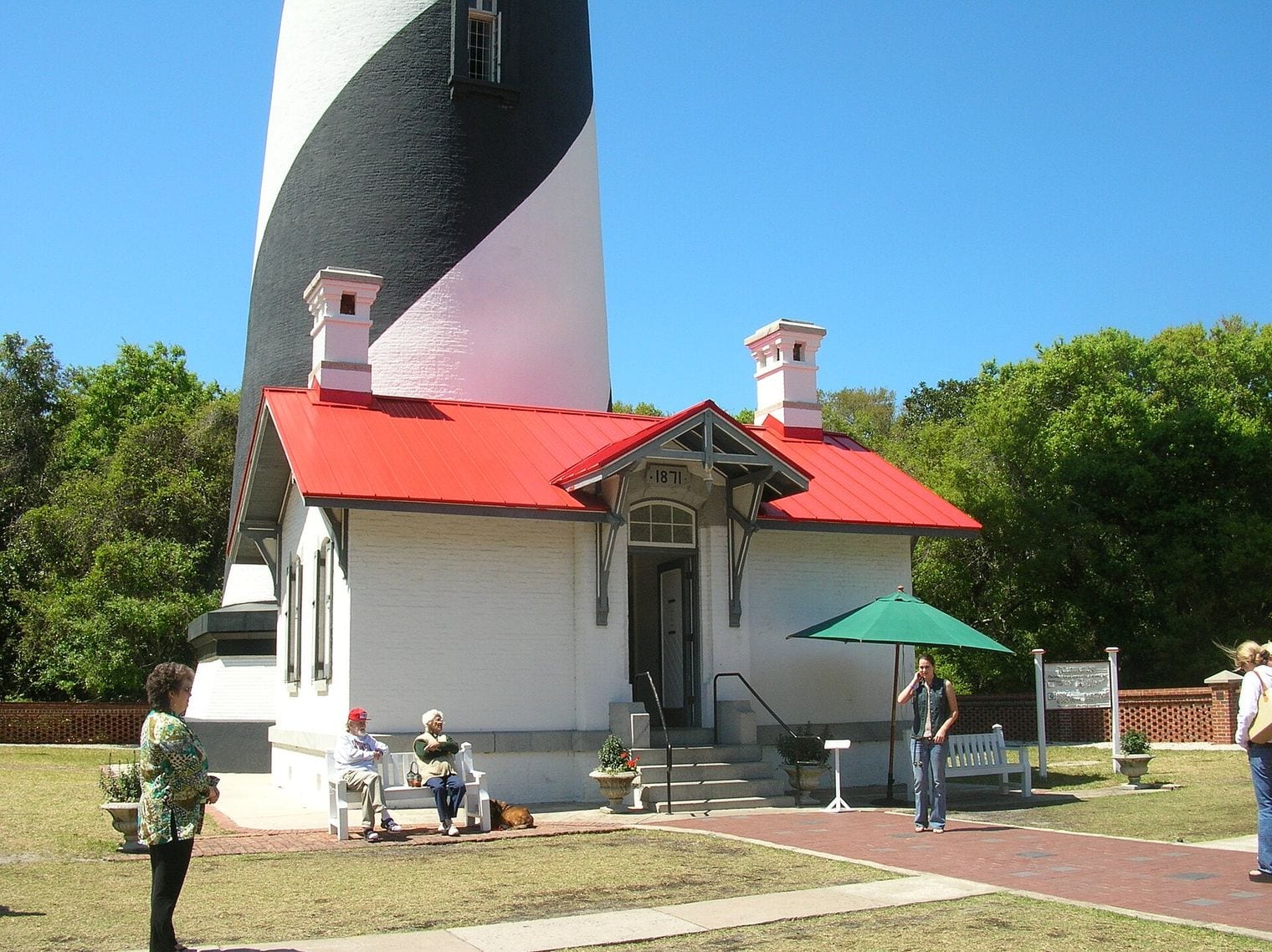
The St. Augustine Lighthouse rises 165 feet over Anastasia Island in St. Augustine, Florida, its black-and-white striped tower completed in 1874 beside an 1876 keepers' house. Its ghost stories begin with a documented tragedy: in 1873, during construction, two of the building superintendent's daughters and a young friend drowned when the supply cart they were riding ran off its track into the water.
Visitors and ghost hunters report a girl in an old-fashioned dress on the grounds and children's laughter near the tower, and the lighthouse has appeared on several paranormal TV shows, though investigator Joe Nickell found no credible evidence of a haunting. By day you can climb the tower for wide views over the inlet and the old city, and after-dark ghost tours run in season.
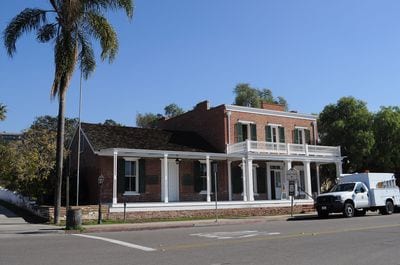
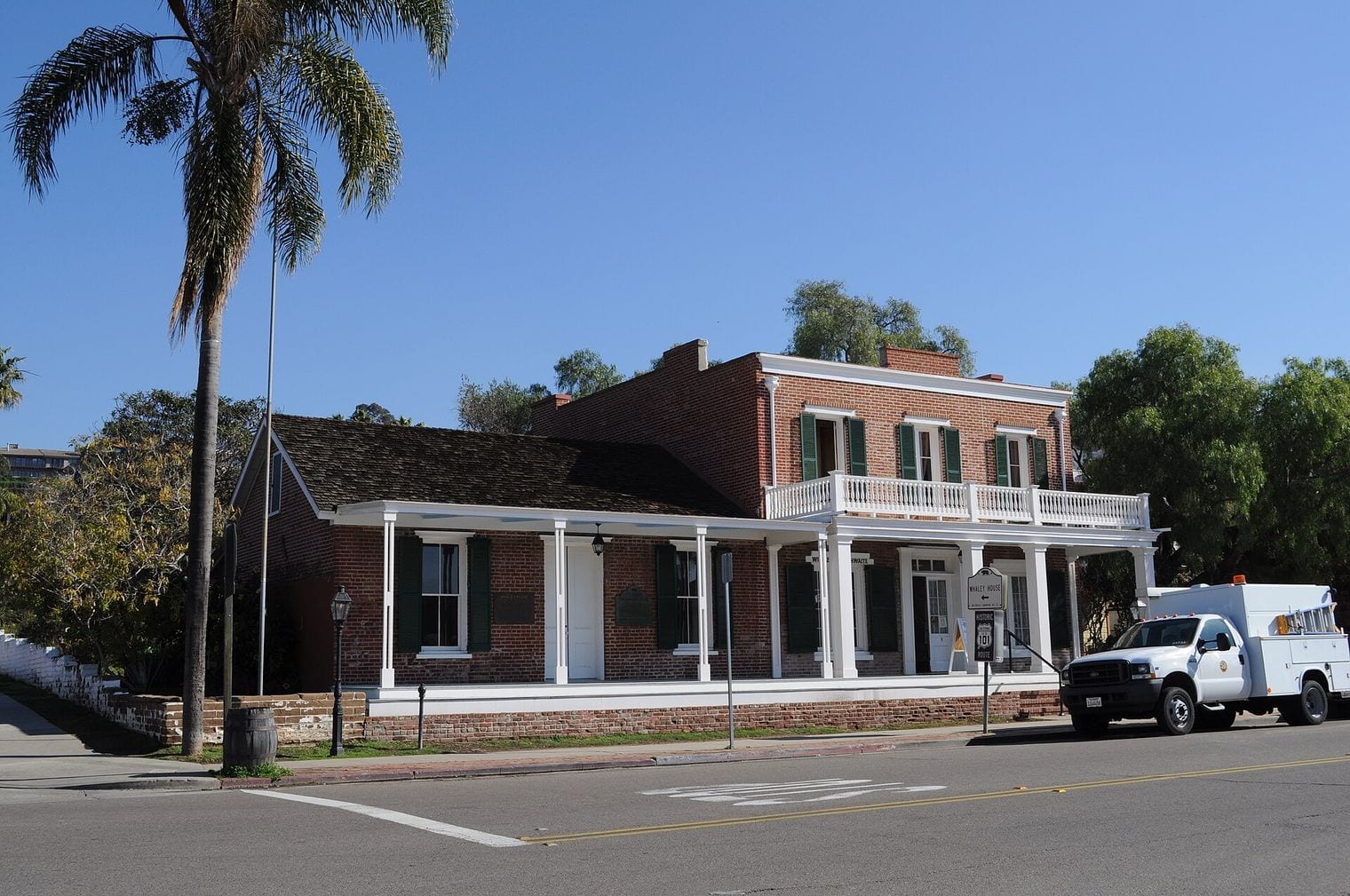
The Whaley House is a two-story brick house in Old Town San Diego, California, built in 1857 by Thomas Whaley and said to be the oldest brick structure in Southern California. Over the years it held Whaley's general store, San Diego's second county courthouse and the town's first commercial theater, and it stands on ground where James "Yankee Jim" Robinson was hanged for stealing a boat in 1852.
The story goes that Robinson's heavy footsteps were heard soon after the family moved in, and staff and visitors still report glimpses of Whaley family members who died in the house. Today it is a museum furnished in period style, with daytime tours and evening tours after dark, and it makes an easy add-on to a day exploring Old Town San Diego.
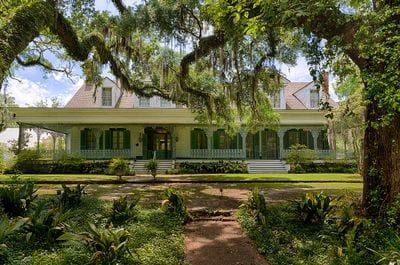
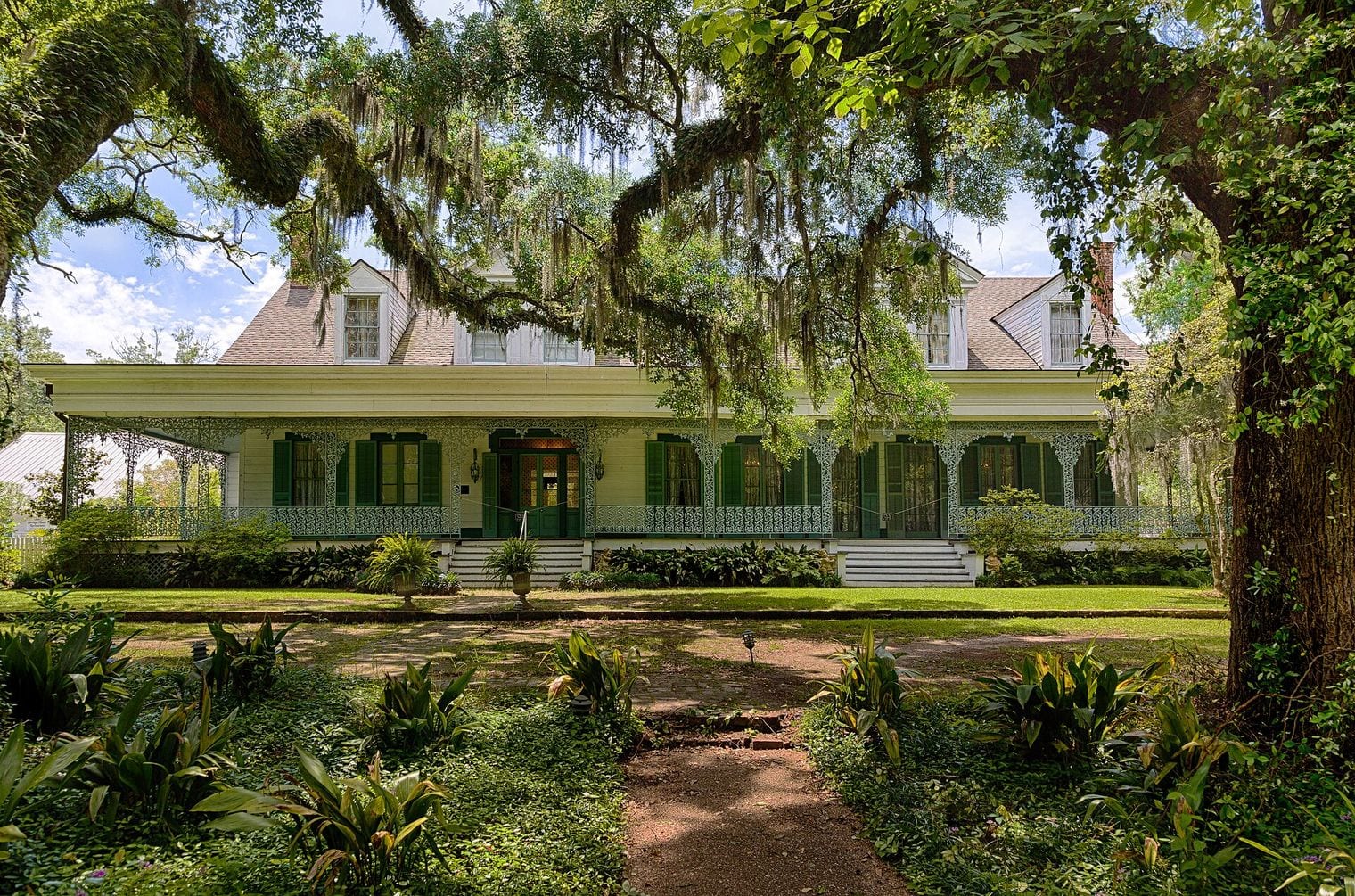
Myrtles Plantation stands among moss-hung oaks in St. Francisville, Louisiana, a small river town north of Baton Rouge. David Bradford, pardoned by President John Adams for his part in the Whiskey Rebellion, built the original house in 1796, and the plantation's later wealth, like that of its neighbors, rested on enslaved labor.
The Myrtles has been promoted for ghost tourism since at least 1948, when a book first wrote of its hauntings. Its best-known tale, of an enslaved woman named Chloe, has no support in the historical record, and the antique mirror said to hold the faces of spirits is a story told on the evening mystery tours. Guests can stay overnight in the house and its cottages, and the grounds are lovely in daylight.
Get new guides like this by email
One email every Thursday with our newest guides for the places you tick.
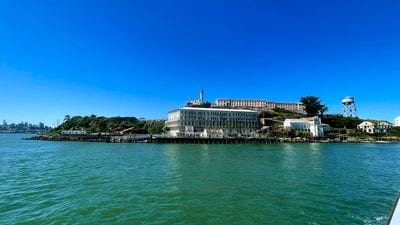
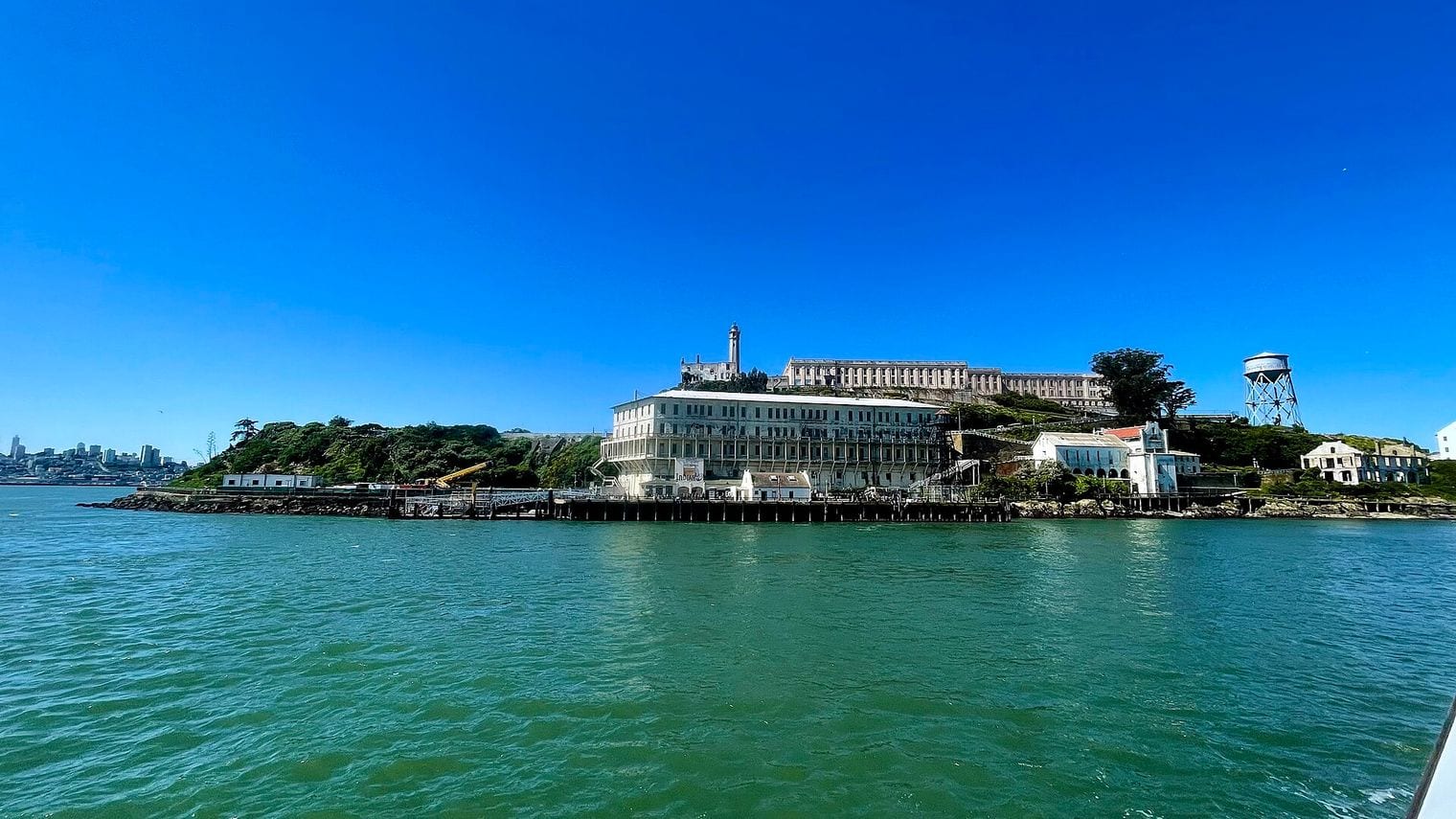
Alcatraz Island sits in the bay off San Francisco, California, a rock that held a lighthouse, a fort and a military prison before it became the Alcatraz Federal Penitentiary in 1934. In its 29 years the prison held Al Capone, George "Machine Gun" Kelly and Robert Stroud, the "Birdman of Alcatraz," before it closed in 1963, and the island still has the oldest operating lighthouse on the West Coast.
The island is now run by the National Park Service, and the only way over is the official ferry from Pier 33. Rangers and visitors have long traded stories of clanging doors and cries from the isolation cells of D Block, and the cellhouse audio tour sets the mood without any help from the supernatural. Book well ahead, and bring a jacket for the windy crossing.
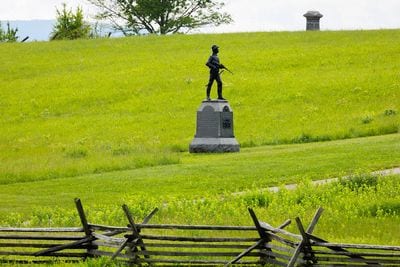
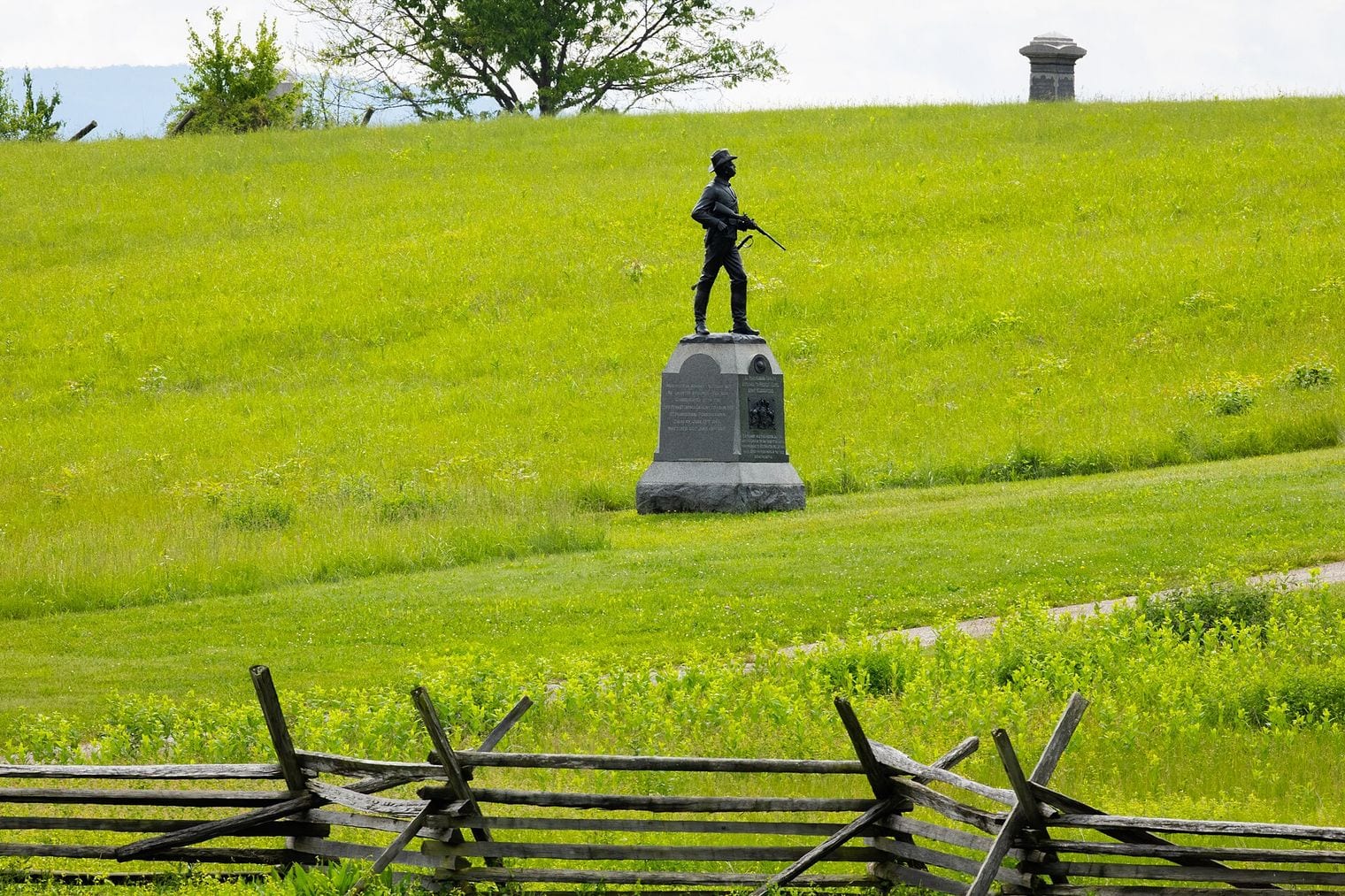
Gettysburg Battlefield wraps around the small town of Gettysburg, Pennsylvania, where Union and Confederate armies fought from July 1 to 3, 1863. Between 46,000 and 51,000 soldiers were killed, wounded, captured or missing in three days, the most in any battle in American history up to that time, and that November Abraham Lincoln gave the Gettysburg Address at the new national cemetery here.
The battlefield is preserved as Gettysburg National Military Park, with monuments, Little Round Top and the boulders of Devil's Den spread across the fields. Its ghost lore of phantom soldiers and gunfire at dusk is everywhere in town, though local historians note that much of it, the Devil's Den tales included, grew up with the ghost-tour boom of recent decades. The park's roads and fields are free to explore.
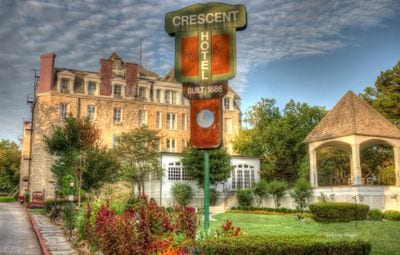
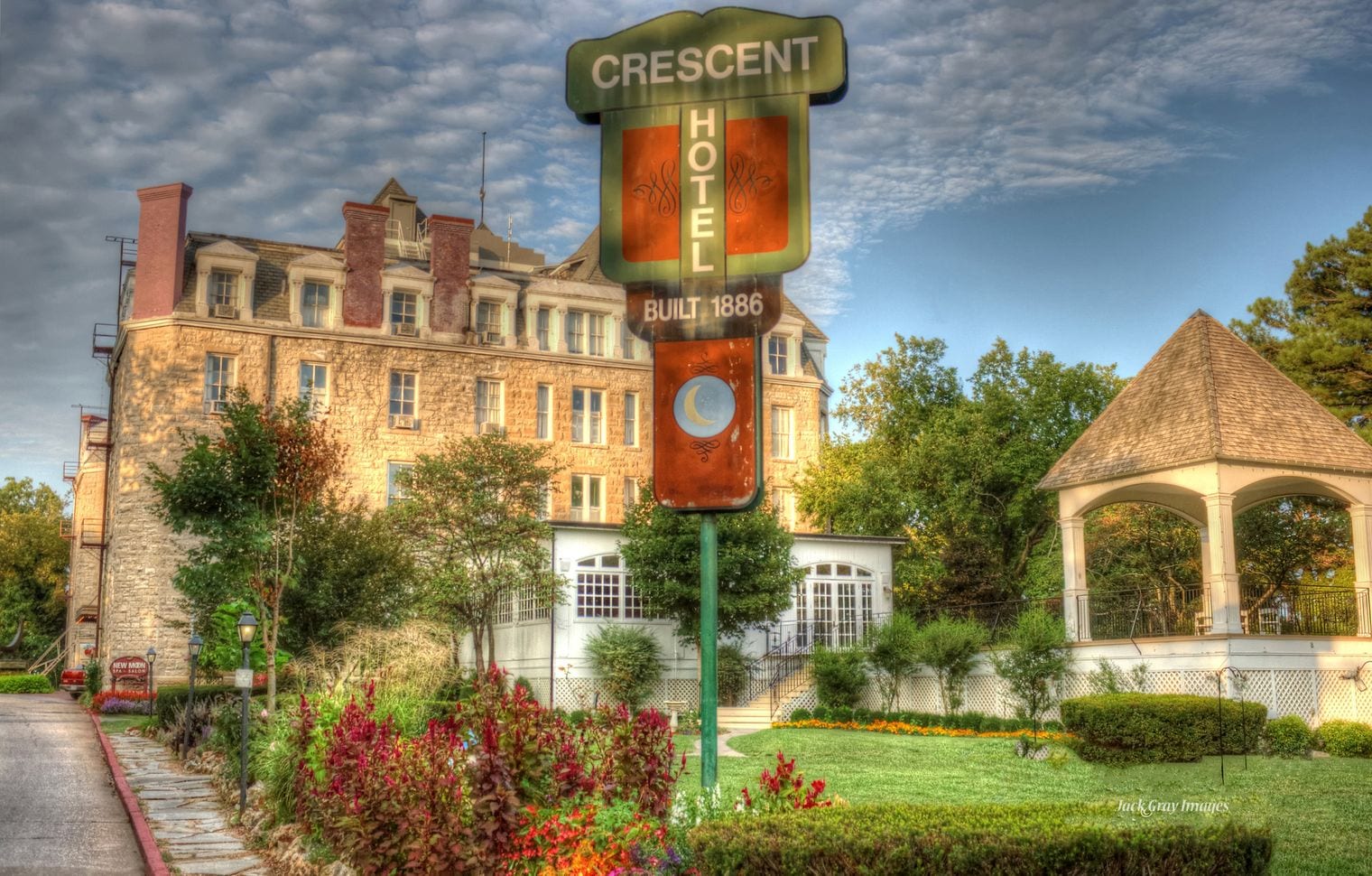
The 1886 Crescent Hotel crowns a hilltop above the Victorian spa town of Eureka Springs, Arkansas, with views over the Ozark hills. Its darkest chapter came in 1937, when con man Norman Baker, who had no medical training, turned it into a hospital promising cancer cures; federal mail-fraud charges followed in 1940, and he spent four years in prison.
The hotel bills itself as one of America's most haunted, and its evening ghost tour runs from the fourth-floor Ghost Parlor down to the basement morgue of the hospital years. Room 218 is the most requested, tied to the legend of Michael, a stonemason said to have fallen to his death while building the hotel. Staying the night is the full experience, but the tour alone is worth the stop.
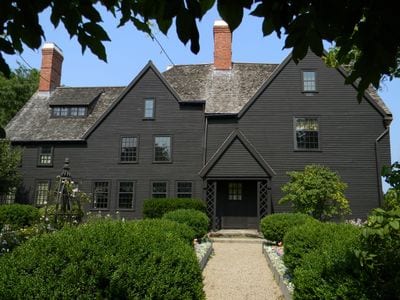
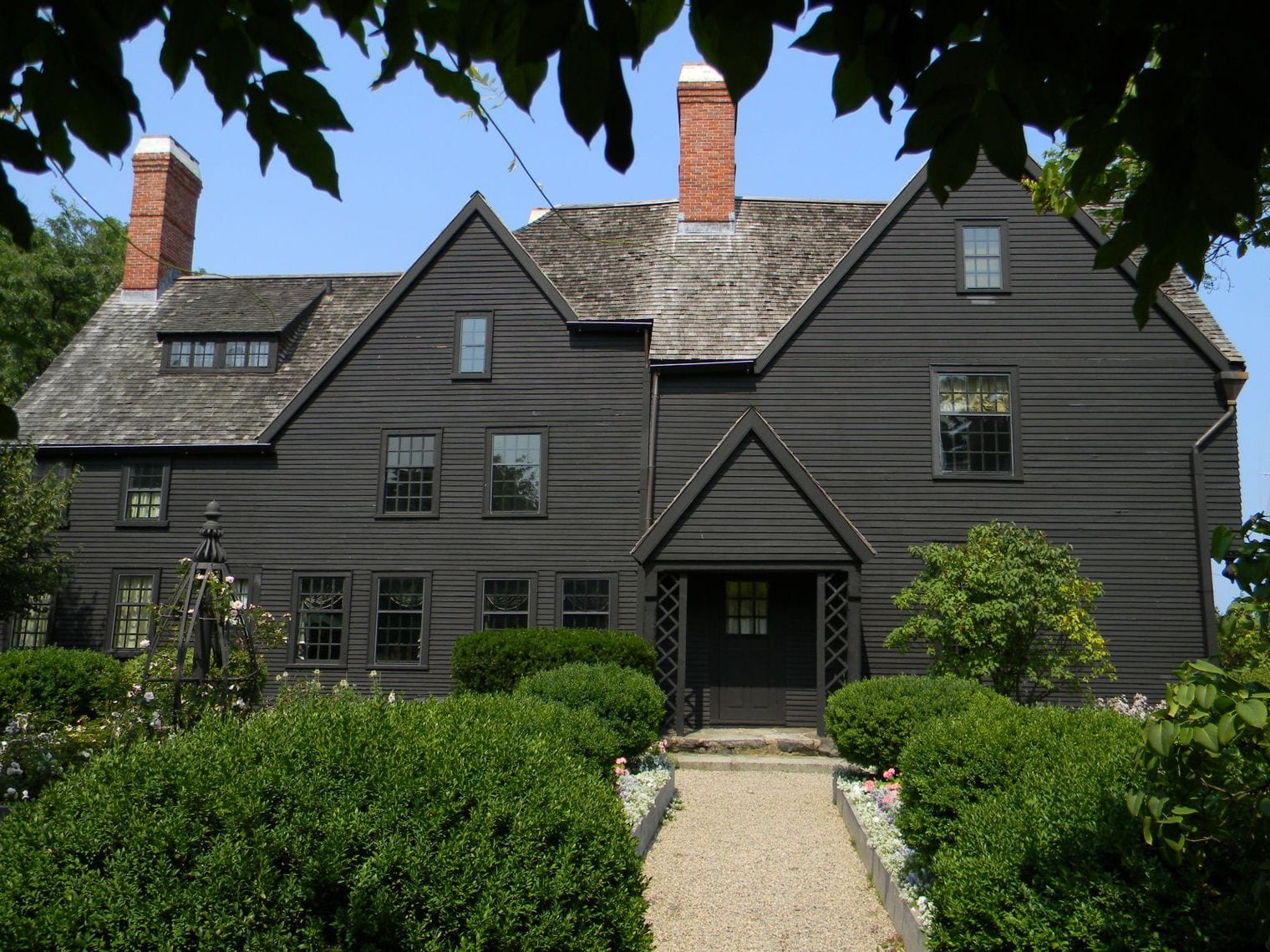
The House of the Seven Gables stands by the harbor in Salem, Massachusetts, a dark timber mansion built in 1668 for sea captain John Turner. Nathaniel Hawthorne visited his cousin Susanna Ingersoll here, and the house lent its name to his 1851 novel The House of the Seven Gables, whose family curse is fiction; the house where Hawthorne was born now stands on the same grounds.
Compared with the rest of this list, its ghost stories are gentle: staff and visitors tell of Susanna Ingersoll's lingering presence and of footsteps on the hidden staircase. It earns its place as one of Salem's most rewarding historic house tours, an easy day trip north of Boston, and in October candlelit evening tours tell the darker side of the town's past.
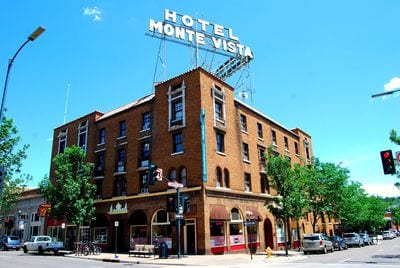
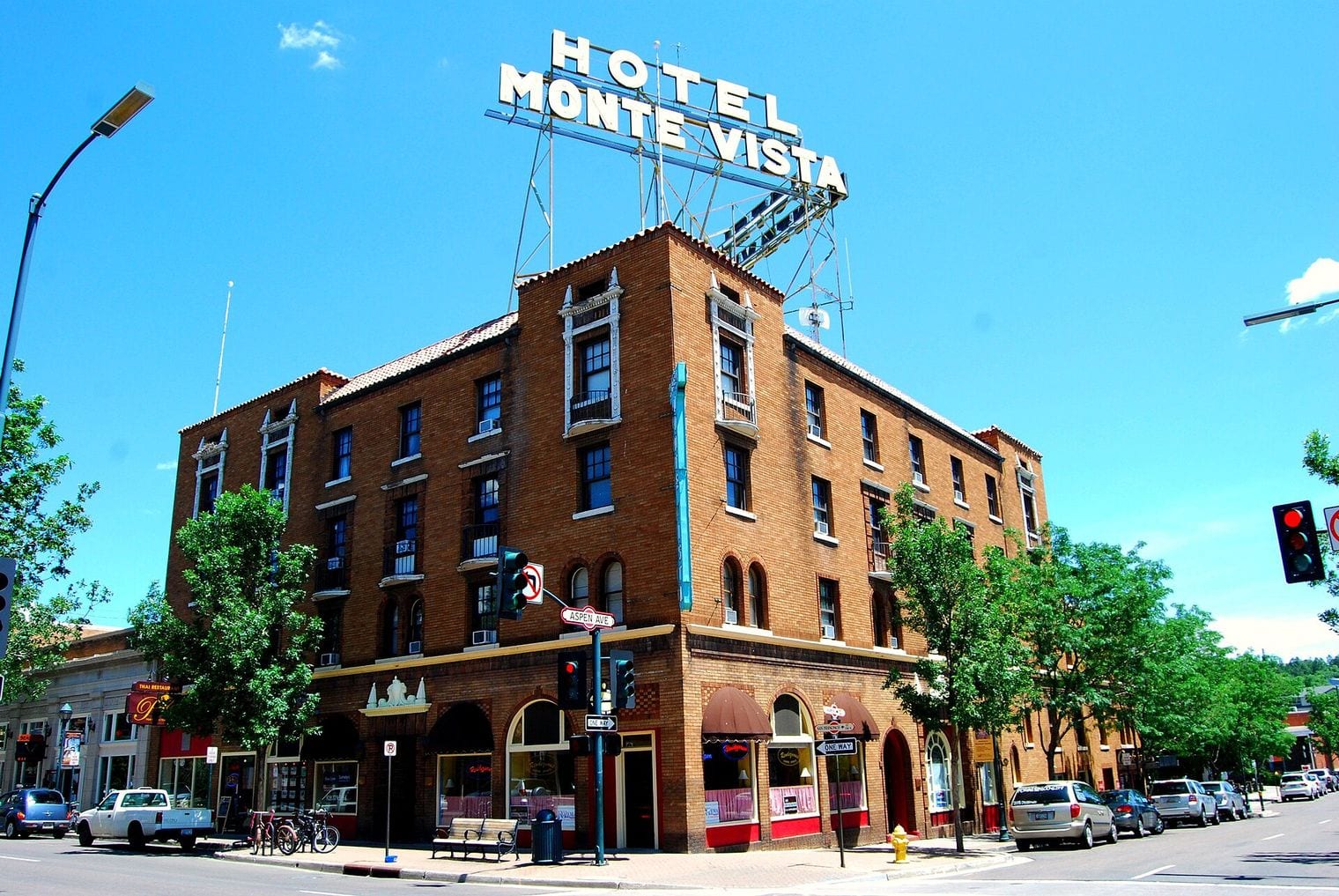
Hotel Monte Vista has stood in historic downtown Flagstaff, Arizona, since 1927, a brick hotel crowned by a rooftop neon sign. Over the decades its guests have included John Wayne, Spencer Tracy, Humphrey Bogart, Clark Gable and Barbara Stanwyck.
Its ghost stories are some of the best known in Arizona. In Room 210, the story goes, a phantom bellboy knocks to announce room service, and guests open the door to an empty hallway; other rooms carry tales of their own, and John Wayne himself is said to have met the friendly bellboy.
It is still a working hotel, so you can book one of the reputedly haunted rooms by name, or simply stop for a drink and a look at the lobby while exploring Flagstaff.
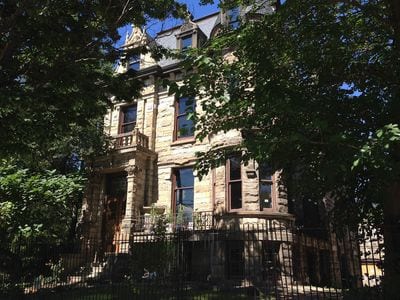
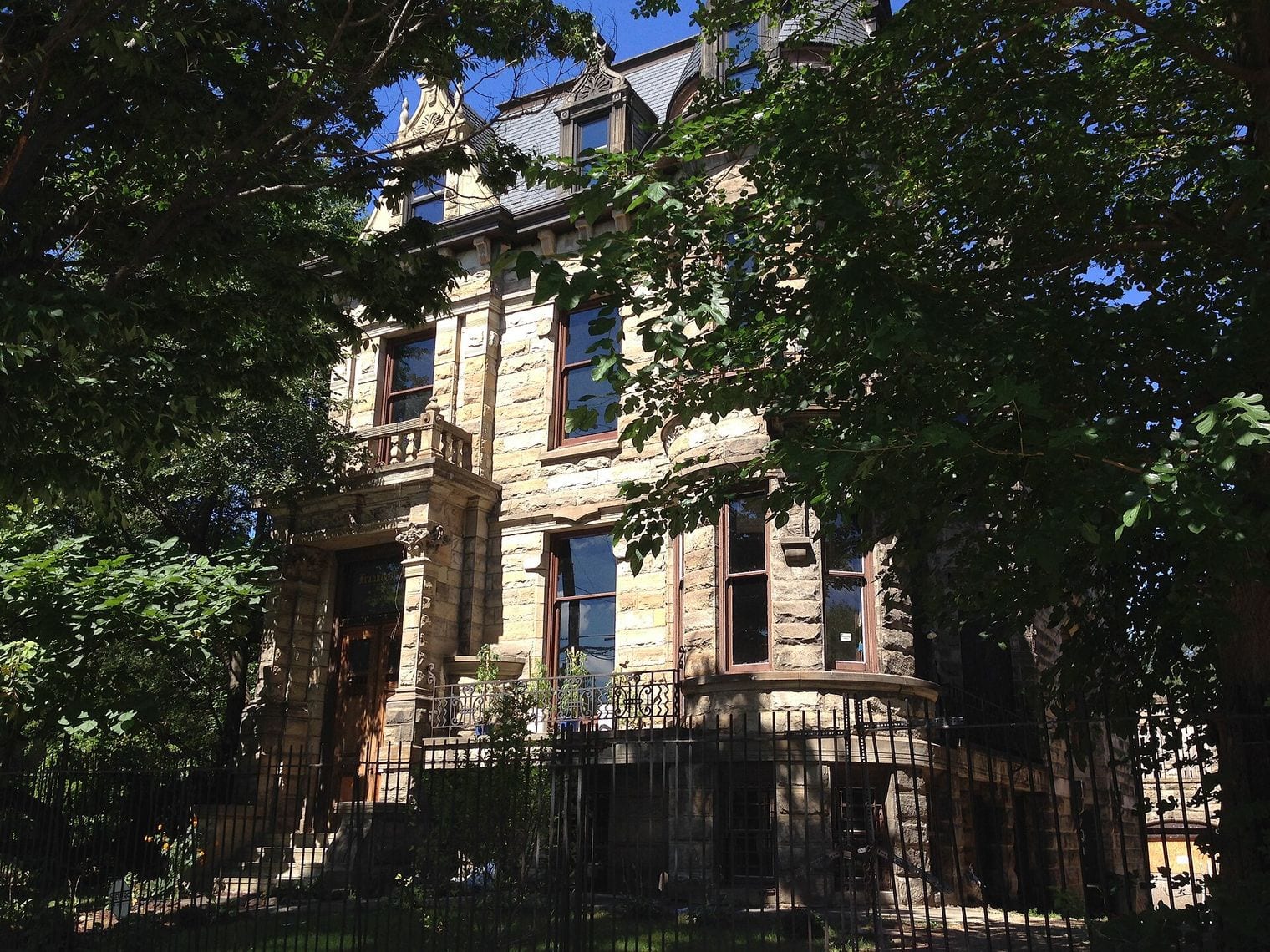
Franklin Castle is a turreted stone house on Franklin Boulevard in Cleveland's Ohio City neighborhood, in Ohio, built in 1881 to 1883 for German immigrant Hannes Tiedemann. The family suffered a run of deaths in those years, beginning with his 15-year-old daughter Emma in 1881, and the gloomy towers did the rest for its reputation as the most haunted house in Ohio.
Later owners added to the legends, with tales of secret passages, murders and crying children, and human bones found in a closet in 1975 are now believed to have been planted to promote ghost tours. The house is privately owned, so the interior can be seen only on scheduled ticketed tours and events, but its dark Queen Anne exterior is easy to admire from the street.
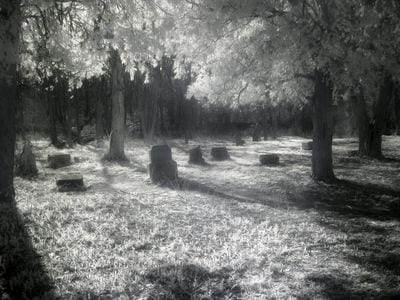
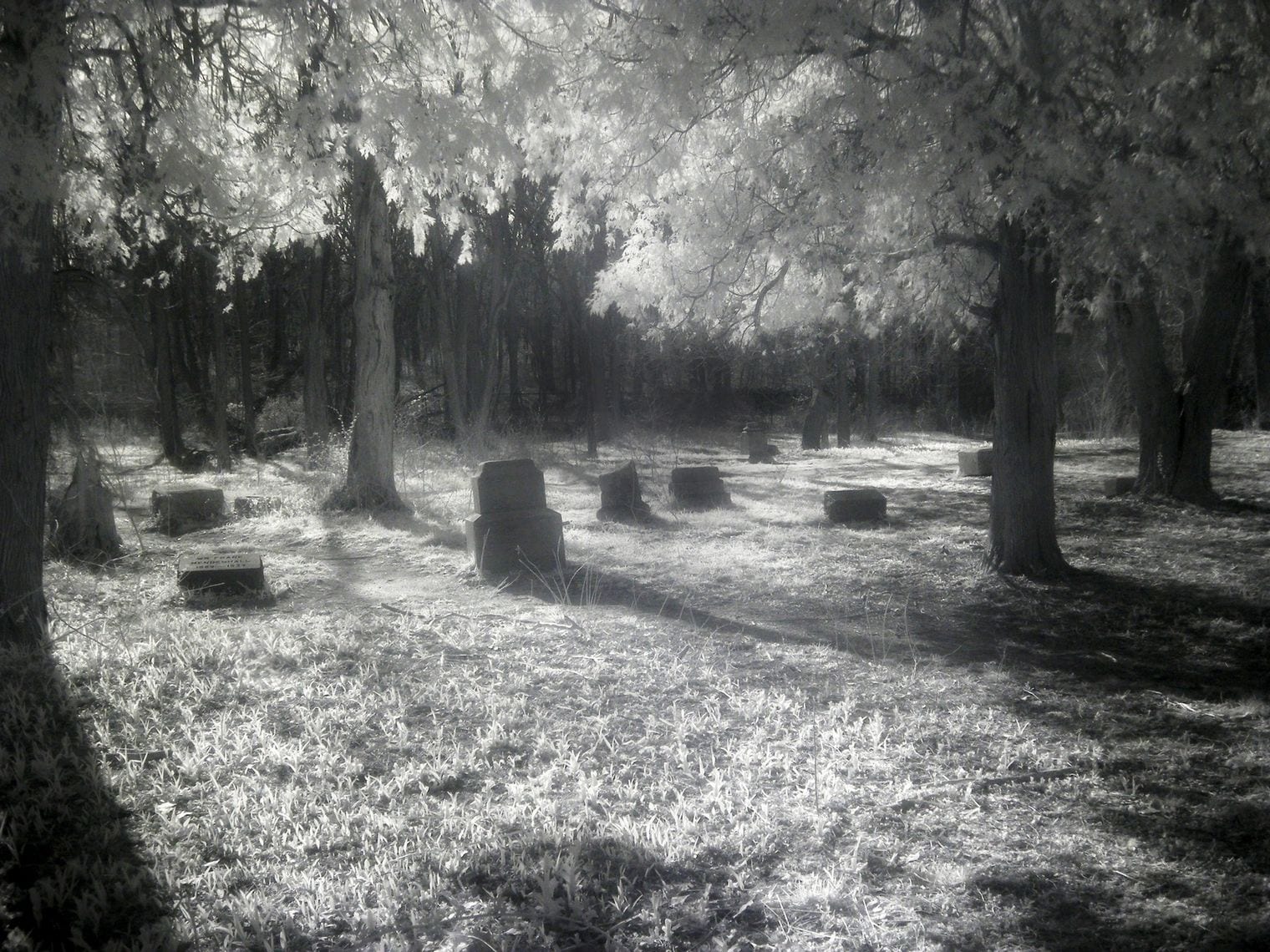
Bachelor's Grove Cemetery is a small, overgrown burial ground hidden in the Rubio Woods forest preserve near Midlothian, Illinois, in Chicago's southwest suburbs. Settlers arrived here in the 1830s, and the name most likely comes from the Batchelder family, who lived nearby by 1845; isolated in the woods, the cemetery was later badly damaged by vandals and partygoers.
It became famous with ghost hunters in the 1970s, and in 1991 a Ghost Research Society photograph of a translucent woman seated on a gravestone, the so-called Madonna of Bachelor's Grove, appeared in the Chicago Sun-Times. One local historian wrote that few of its tales of floating lights and phantom cars have any basis in fact. The cemetery is open from sunrise to sunset only, reached by a short walk from Rubio Woods.
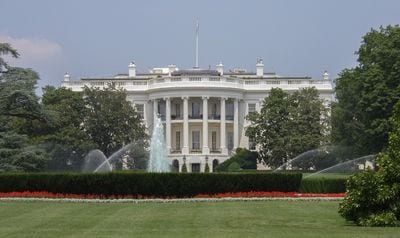
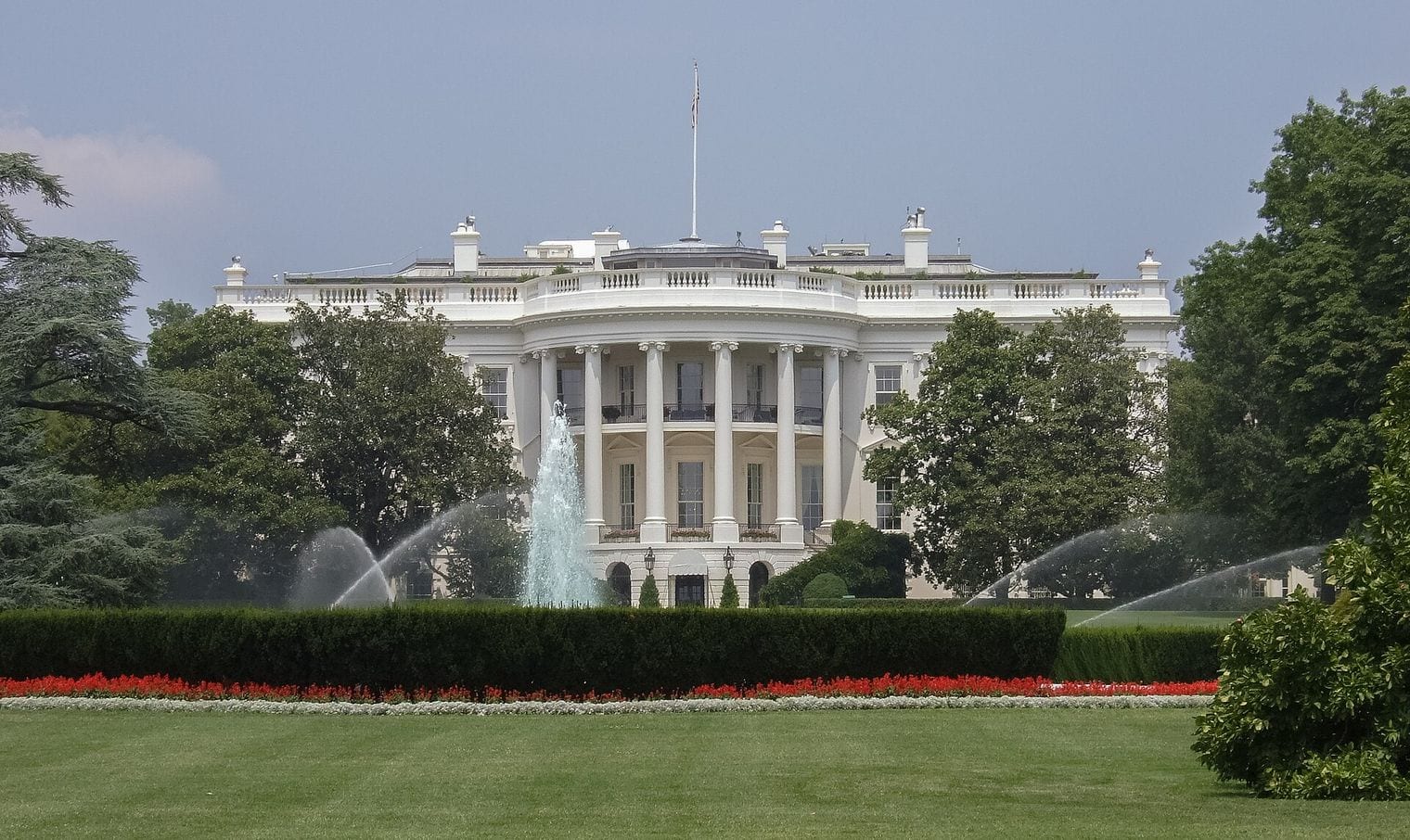
The White House in Washington, D.C., has been home to every US president since John Adams, and its most famous ghost is one of its most famous residents. Abraham Lincoln's young son Willie died in the house, Lincoln himself was assassinated in 1865, and ever since, staff, first ladies and guests have told of his figure in the upstairs rooms, especially the Lincoln Bedroom.
The White House Historical Association calls Lincoln the most-recounted ghost sighting in the building, and the famous stories attached to it, including ones about Winston Churchill and Queen Wilhelmina of the Netherlands, are lore rather than record. Public tours are free but must be requested in advance through a member of Congress, and they cover the public rooms rather than the private residence. Anyone can see the north facade from Pennsylvania Avenue.
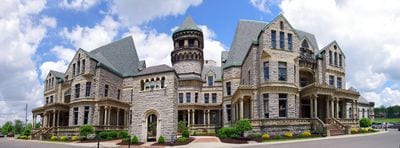
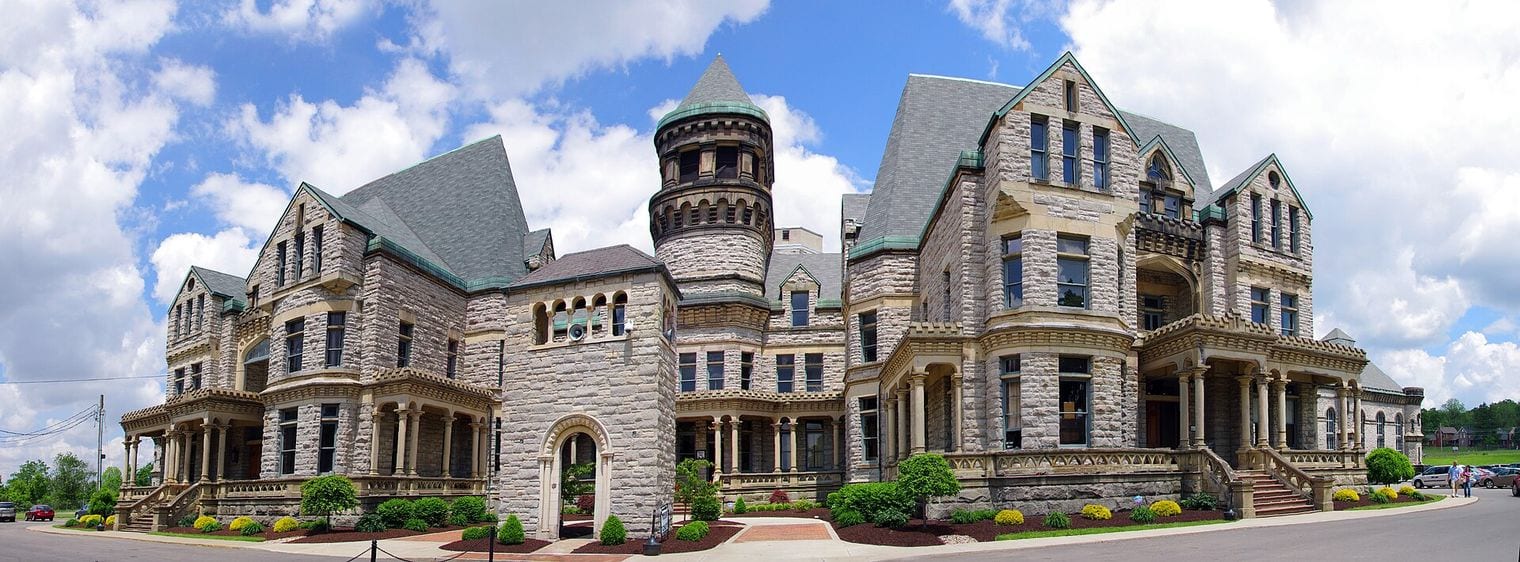
The Ohio State Reformatory looms on the edge of Mansfield, Ohio, a castle-like prison built between 1886 and 1910 that took in its first inmates in 1896 and closed in 1990 after a federal court ruling. Its six-tier East Cell Block is listed by Guinness World Records as the world's largest free-standing cell block, and the building stood in for Shawshank prison in the 1994 film The Shawshank Redemption.
Today the Mansfield Reformatory Preservation Society runs tours through the cell blocks and the film locations, including the warden's office from Shawshank, and it leans into the ghost stories with evening ghost walks and overnight ghost hunts. Visitors report voices and shadows in the solitary cells. Tours run daily from spring through the fall and on fewer days in winter, and the ghost programs set a minimum age.
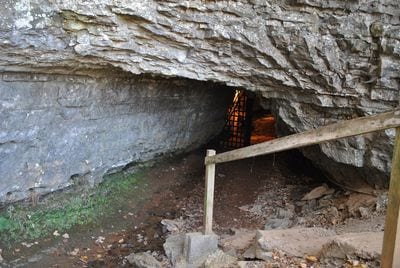
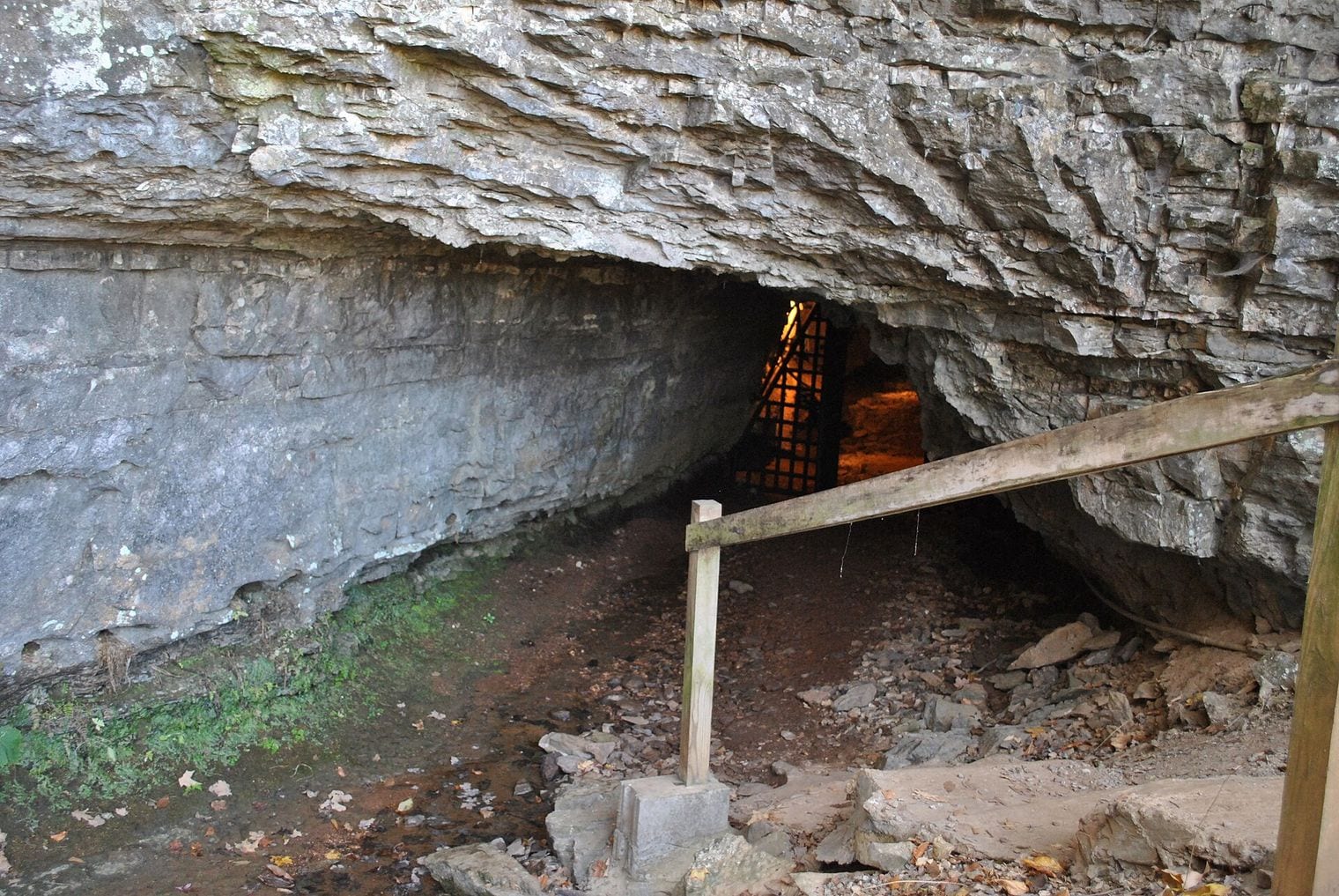
Bell Witch Cave is a karst cave near Adams, Tennessee, on land once farmed by the Bell family. According to the legend, an invisible entity tormented John Bell's household from about 1817 to 1821, pulling sheets from beds, slapping and pinching his daughter Betsy and finally being blamed for Bell's own death; it is one of the most famous ghost stories in the South.
Many believe the witch retreated into this cave, though science writer Brian Dunning points out that the cave played no part in the original accounts. The privately owned cave opens for guided tours in the warmer months and in October, when the stories are told by lantern light, and the drive through the rolling Robertson County farmland is part of the trip.
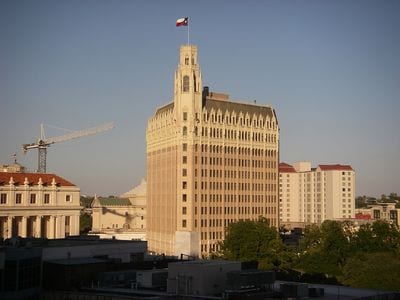
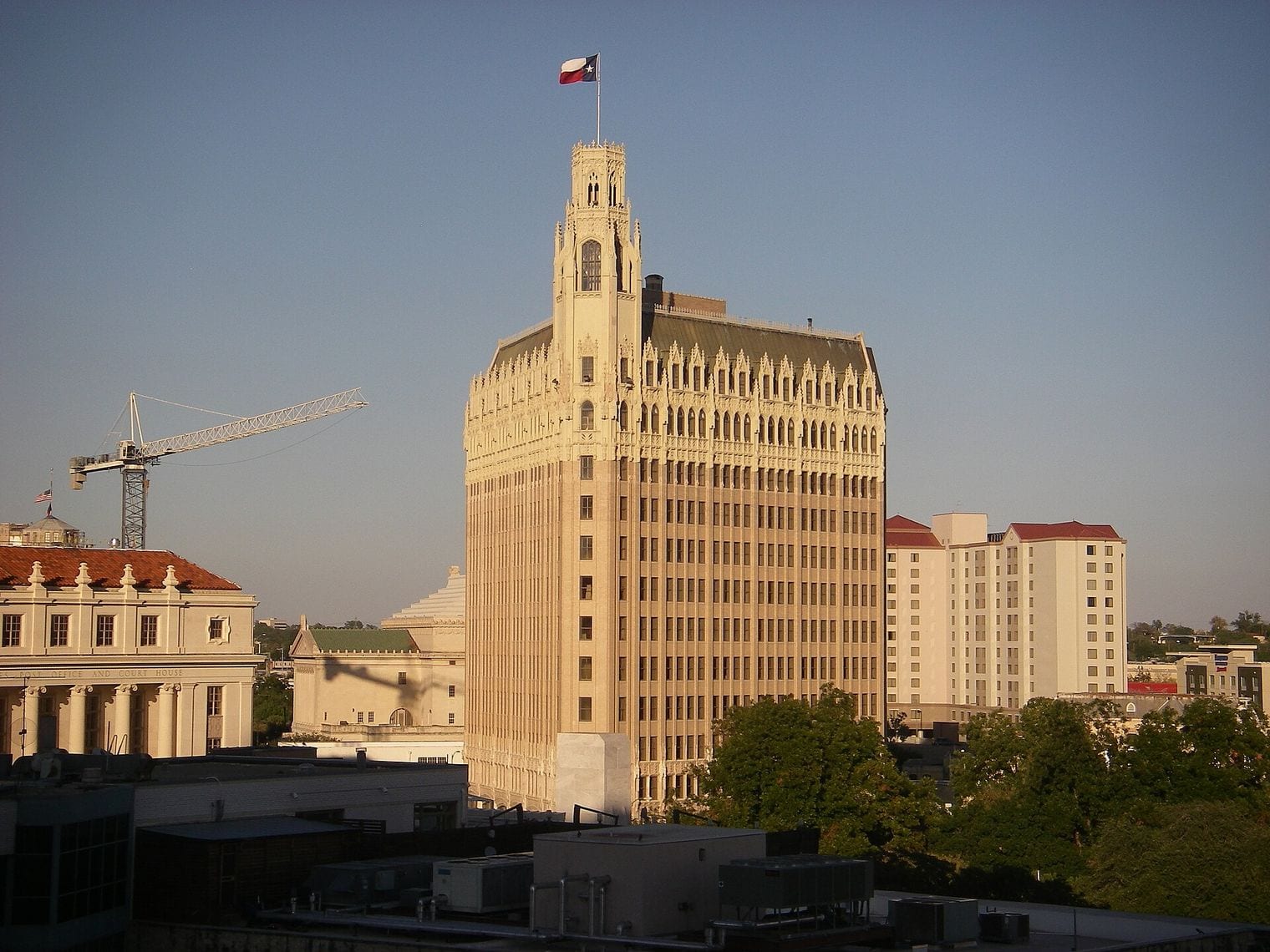
The Emily Morgan Hotel stands beside the Alamo in downtown San Antonio, Texas, a 13-story Neo-Gothic tower with gargoyles on its facade. It was built in 1924 as the Medical Arts Building, housed doctors' offices and a 50-bed hospital, and was the tallest building in San Antonio until 1928.
The hotel claims to be one of the most haunted places in the city, and guests tell of figures in old-fashioned clothes and of elevators that stop on their own at the floors that once held the hospital. It makes an easy base for a haunted San Antonio weekend, with the Alamo across the plaza and the River Walk a short stroll away, and booking a room on one of the old hospital floors is part of the fun.
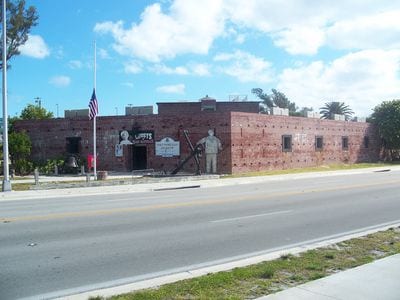
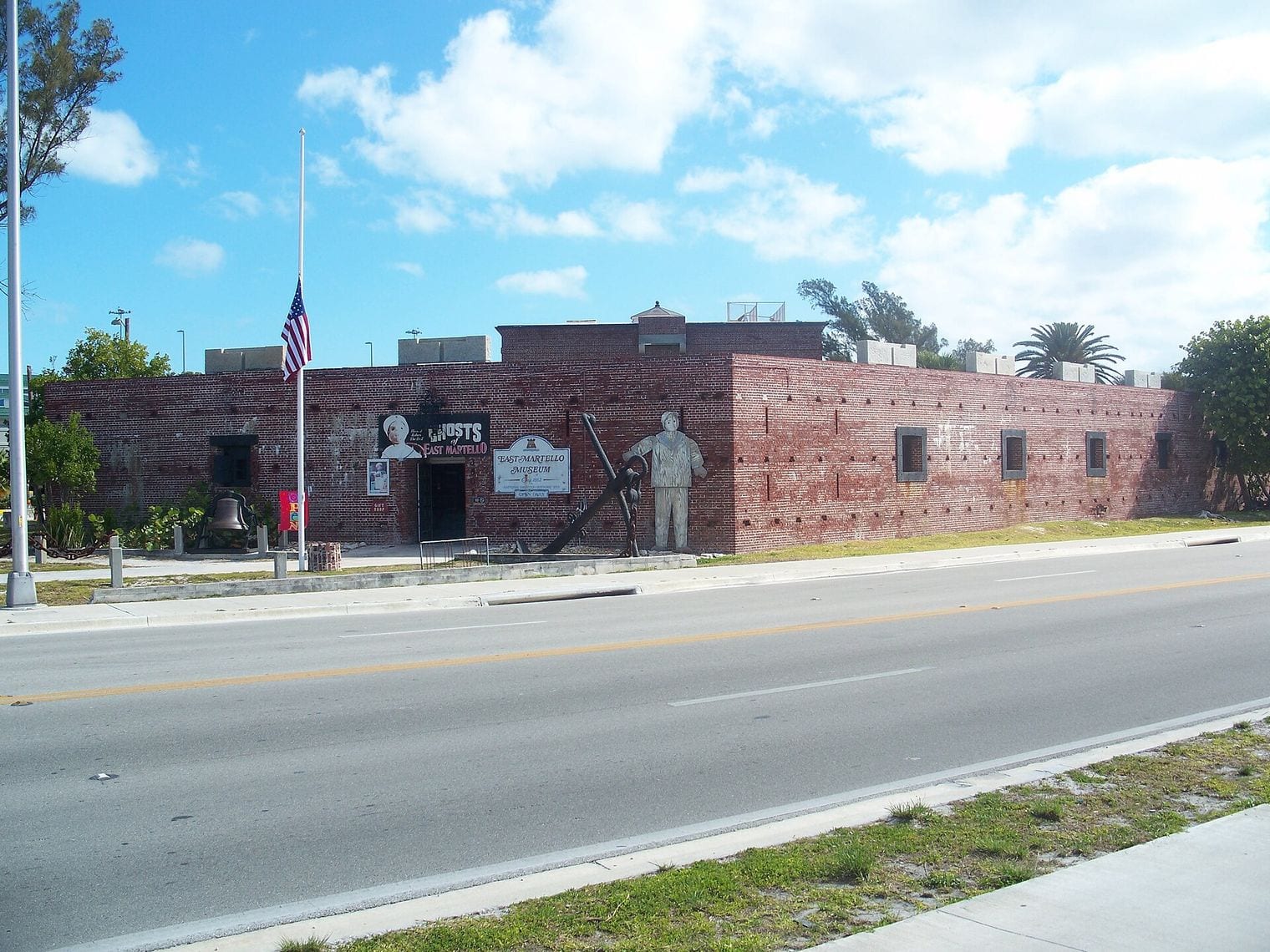
Fort East Martello Museum occupies a brick Civil War fort on the island of Key West, Florida, begun by the Army in 1862 and never finished or attacked. The Key West Art & Historical Society opened it as a museum in 1950, with exhibits on island history and the folk art of Mario Sanchez.
Its most famous resident is Robert the Doll, a straw-stuffed doll that Key West boy Robert Eugene Otto received around 1904 and kept long after he grew up to be an artist. Legend says Robert moves on his own and brings bad luck to anyone who photographs him without asking his permission first. He has lived in a glass case at the museum since 1994, and evening ghost tours visit him after hours.
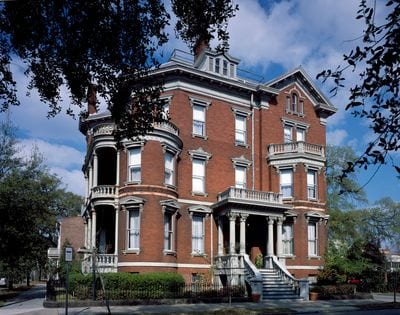
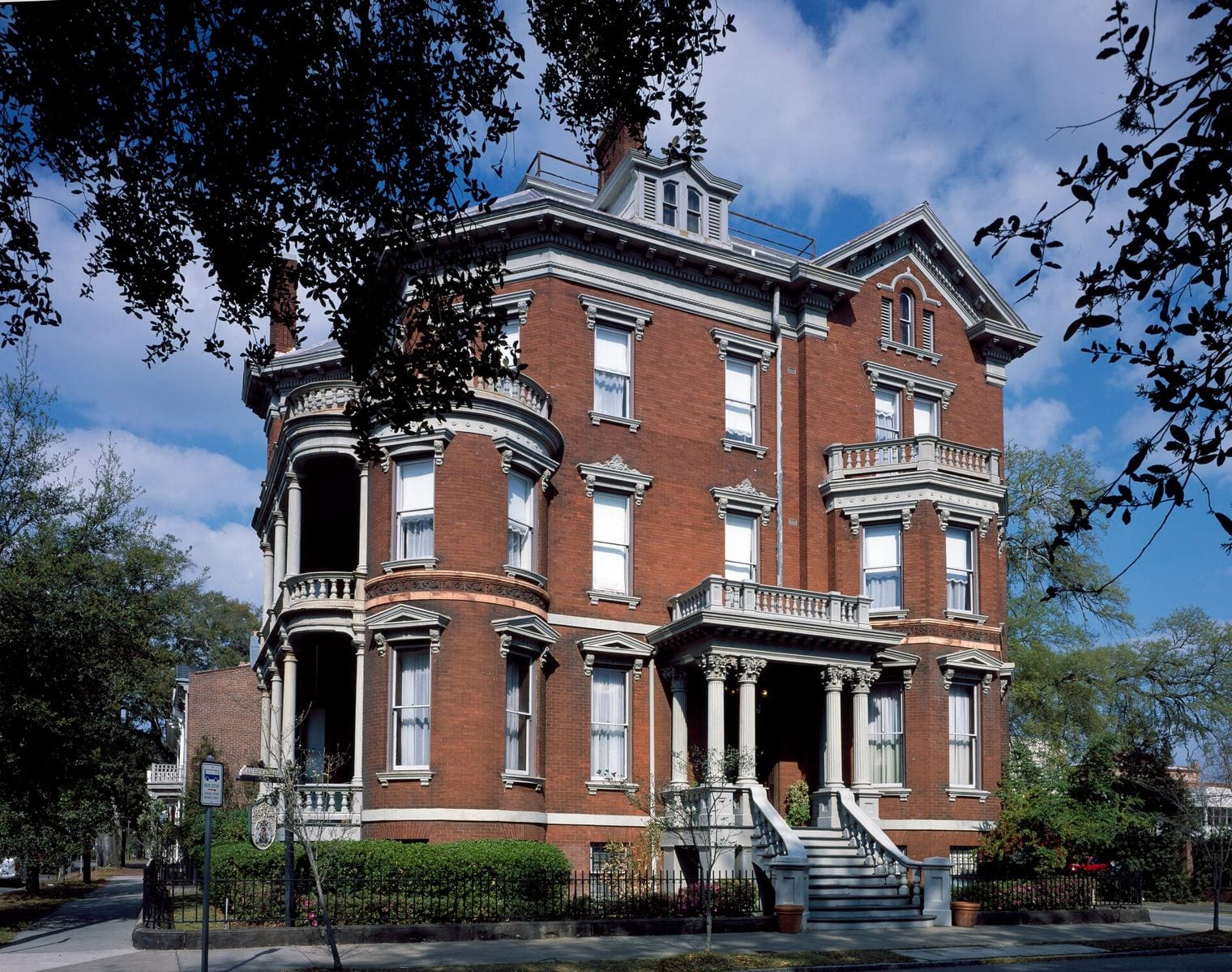
The Kehoe House is a red-brick Renaissance Revival mansion on Columbia Square in Savannah, Georgia, built in 1892 for Irish-born iron foundry owner William Kehoe, who made his own trade a showpiece of the house with decorative ironwork. The Kehoes raised a large family here, and the building later spent decades as a funeral home before its restoration as an inn.
The best-known ghost story, that two Kehoe children died in an accident in the house and still play in its halls, is told as legend, but guests report children's laughter and a woman's presence in some rooms. Even if you are not staying, its corner of Columbia Square is a regular stop on Savannah ghost tours, and the square itself is one of the prettiest in the historic district.
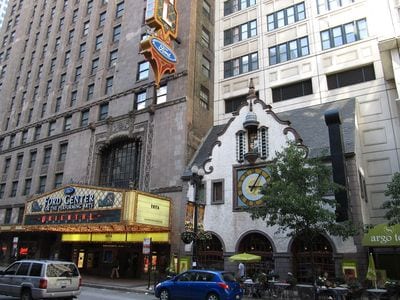
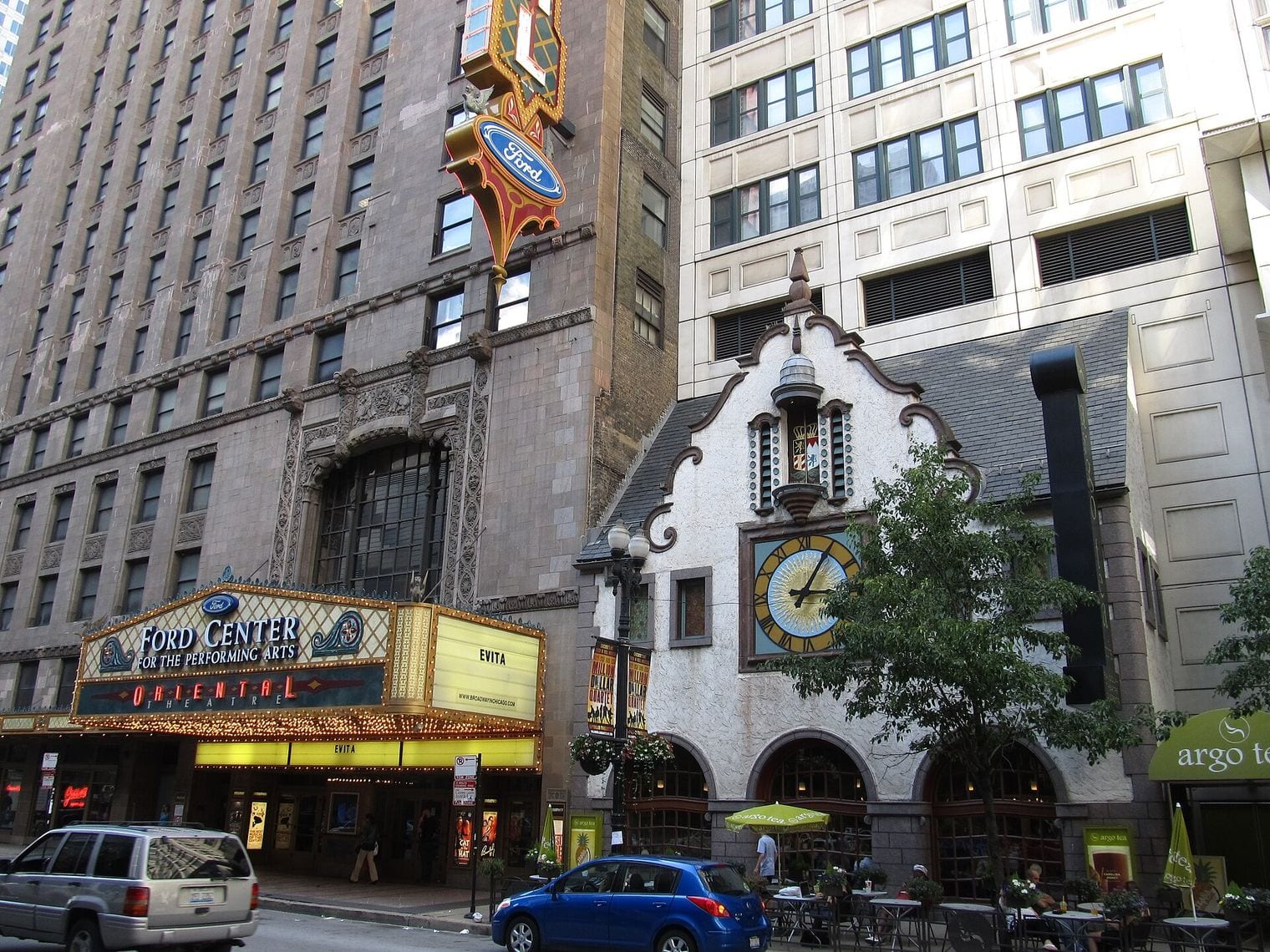
The Oriental Theatre, now officially the James M. Nederlander Theatre, is a Broadway touring house on Randolph Street in the Loop of Chicago, Illinois. Rapp and Rapp built it in 1926 as a lavish movie palace on the site of the Iroquois Theatre, where a fire during a holiday matinee on December 30, 1903, killed 602 people, the deadliest single-building fire in US history.
Many of the victims were children, and the narrow alley behind the theater, Couch Place, where people fell or jumped from the fire escapes, is still nicknamed "Death Alley." Performers and staff tell of shadowy figures backstage, and Loop ghost tours stop in the alley, which is open to anyone. To see the ornate interior, book a ticket to a show.
Free Things to Do at America's Haunted Places
Most sites on this list charge for a tour, but a few of the eeriest cost nothing. Bachelor's Grove Cemetery is free to walk to during daylight hours, and the roads, monuments and fields of the Gettysburg Battlefield are free to explore by car or on foot.
Anyone can stand in "Death Alley" behind the Oriental Theatre, where so many Iroquois fire victims died. Public tours of the White House are free, though they must be requested through a member of Congress, and the exteriors of Franklin Castle and the Kehoe House on Columbia Square can be admired from the street.
No single site holds the title, because hauntings cannot be measured, but the Stanley Hotel, Eastern State Penitentiary and the Trans-Allegheny Lunatic Asylum top more ghost lists than any others. Lists differ because each weighs fame, history and the number of reported sightings in its own way.
Can you stay overnight in a haunted place in America?
Often, yes. Daytime history tours usually welcome families, but the longer paranormal investigations and overnight ghost hunts set minimum ages, and some are for adults only, as at the Stanley Hotel. The Trans-Allegheny Lunatic Asylum and the Ohio State Reformatory also set age rules for their ghost programs, so check when you book.
When is the best time to visit America's haunted places?
Fall is the busiest season, and October is the peak, with special evening tours and Halloween events at many sites. Some places run tours only part of the year: Waverly Hills Sanatorium, Bell Witch Cave and the Trans-Allegheny Lunatic Asylum are seasonal. For quieter visits, go in spring or early summer, and book October weekends well ahead.
Are these places really haunted?
There is no scientific evidence that any of them is haunted, and investigators who have studied sites such as the Lizzie Borden House and the St. Augustine Lighthouse found none. What is real is the history behind the stories: the murders, fires, prisons, hospitals and battles that left these places with their reputations.
Sources & updates
How this guide was checked
Checked before launch
Sources cited
25
Publishers
22
Every place on this list was confirmed open and pinned on the map before publication, and what we say about each one was checked against its own website or an official source.
One email every Thursday with our newest guides for the places you tick.
Newsletter
Get new guides like this by email
One email every Thursday with our newest guides for the places you tick.
We use cookies to analyse site traffic and improve your experience.
You can accept or reject analytics cookies. See our
May we use analytics cookies? See ourCookie Policy.