We build and rank every list first. Booking links come after, and only where
a partner sells a ticket, tour or stay for that exact place, so a place with
nothing to book is listed exactly as prominently as one you can book.
So how do we earn? Some links on this page go to booking
partners, and if you book tickets, tours or a stay through
one, we may earn a commission. It costs you nothing extra.
That commission never decides which places make the list, the order they
appear in, or what we write about them. No entry is sponsored or a paid
placement.
By the CityViking Research TeamPublished 40 places · 26 min read
Sources Checked before launchOct 29, 202640 sources14 government & parks13 tourism boards13 venues & other sitesPublished · Oct 29, 2026Researched and checked before it went liveClick for every source and the full change log.
Short answer
Start with Aspen, Telluride and Jackson, the top three: Aspen for the Maroon Bells and its summer music festival, Telluride for its box canyon and free gondola, and Jackson for Grand Teton and Yellowstone. Then pick one region, such as Colorado's San Juans or the Southern Appalachians, and link a few nearby towns into a single road trip of about a week.
America's mountain towns come in every shape: old silver camps in the Colorado Rockies, adobe plazas under New Mexico's Sangre de Cristos, Bavarian-style villages in the Cascades and the Blue Ridge, and harbors backed by Alaskan peaks. Most are as rewarding in July or October as in January.
These 40 mountain towns are ranked by how often travel publications name them, weighed against how much readers look them up. Each entry places the town and gives its year-round draws, from trails and hot springs to festivals. For a wider trip, see our guide to places to visit in the US.
Juneau is the only US state capital with no road to the rest of its state; visitors to Alaska's capital arrive by air or by sea.
Santa Fe is both the highest and the oldest state capital in the US: it sits at 6,998 feet and was founded in 1610, which also makes it one of the oldest cities in the US.
The world's first chairlifts were installed at Sun Valley, Idaho, in 1936, the year the Union Pacific Railroad opened its new ski resort there.
Lake Placid has hosted the Winter Olympics twice, in 1932 and 1980, and the 1980 Games gave the US hockey team its "Miracle on Ice."
Steamboat Springs has produced more Winter Olympians than any other town in North America, many of them raised on the town's own Howelsen Hill.
Great Smoky Mountains National Park, on the doorstep of Gatlinburg and Pigeon Forge, is the most visited national park in the country, and it charges no entrance fee, though stops of more than 15 minutes need a parking tag.
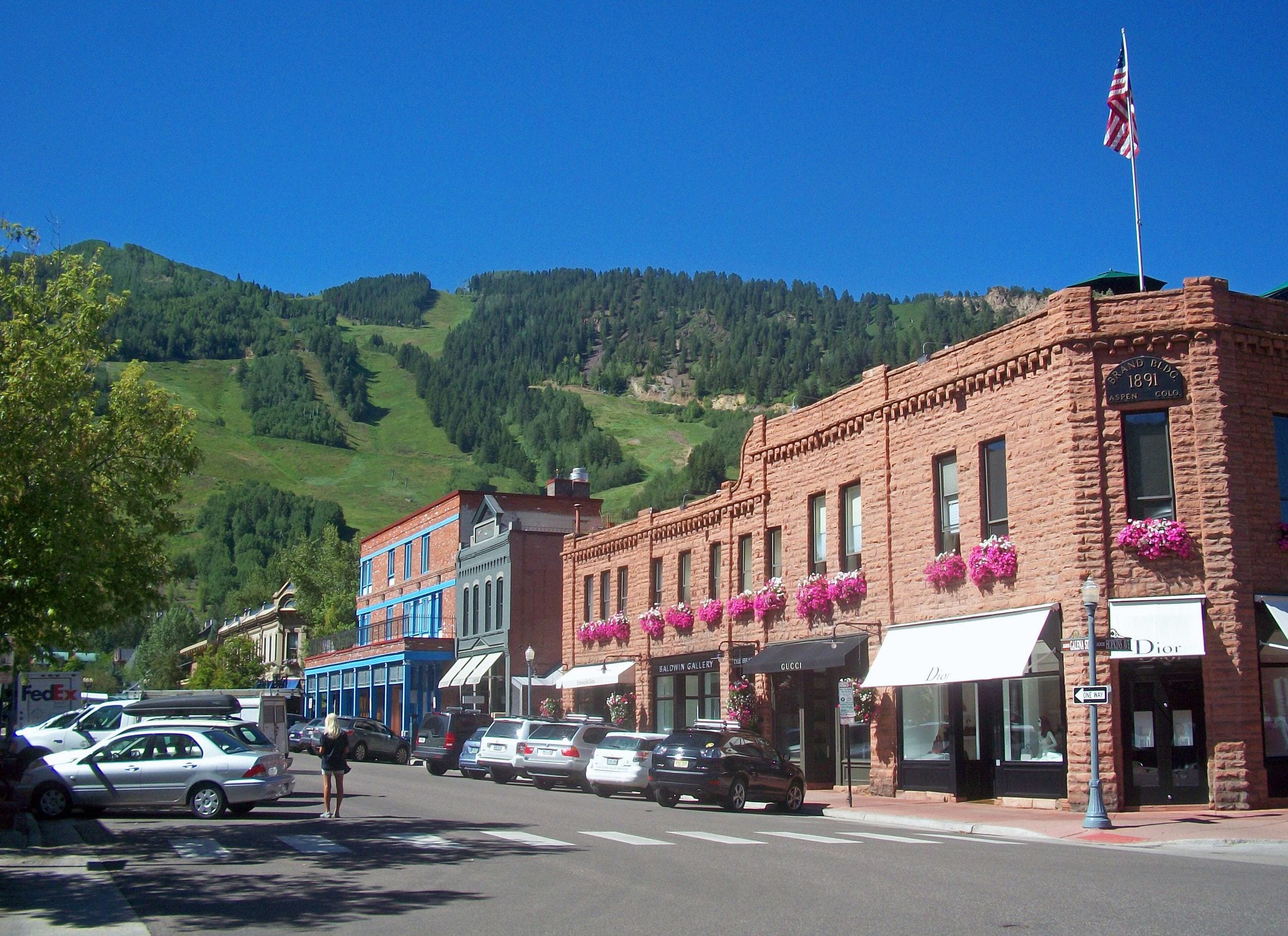
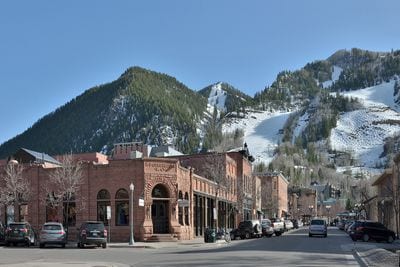
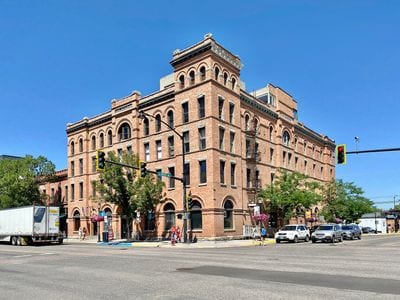
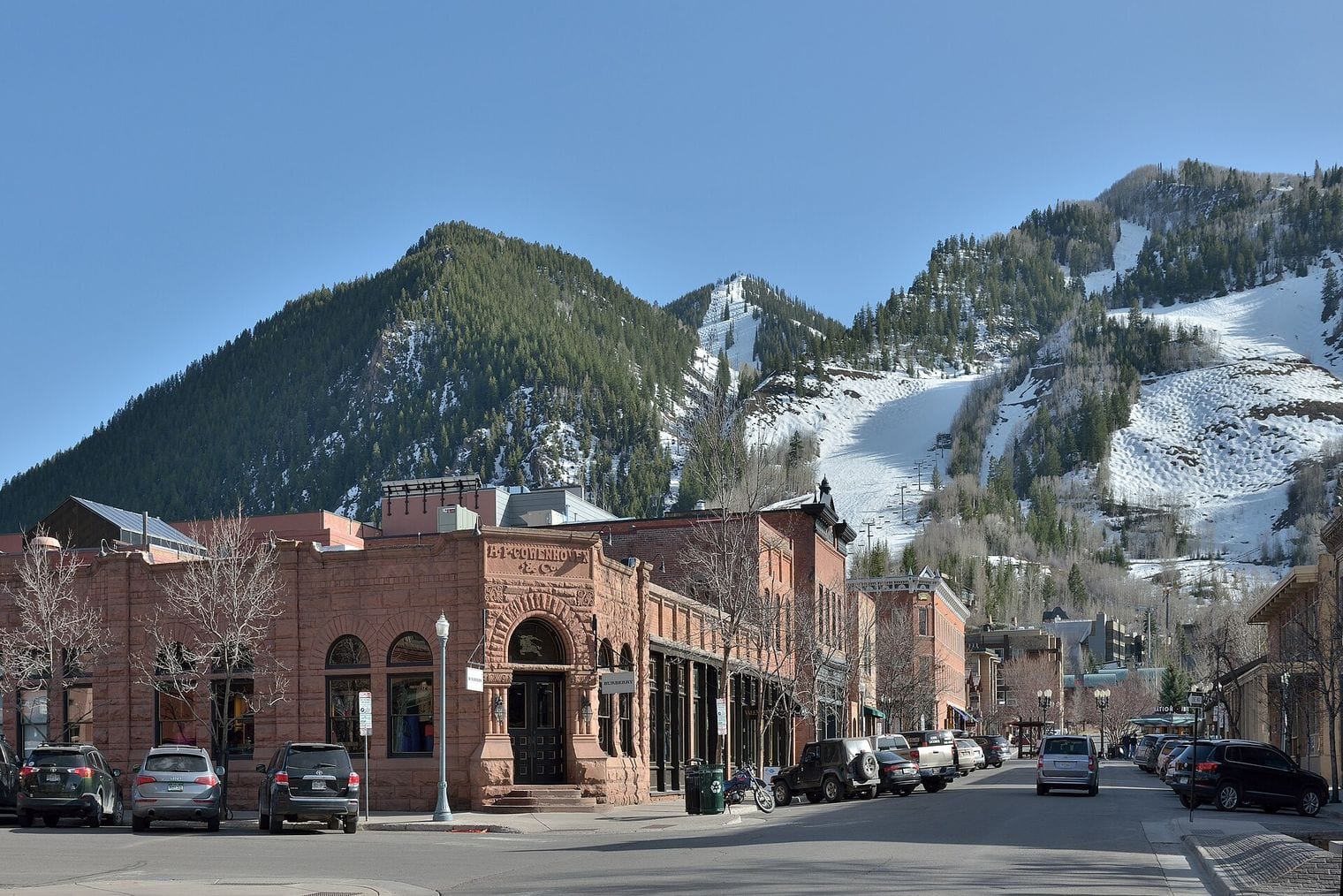
Aspen sits just below 8,000 feet in Colorado's Elk Mountains, along the Roaring Fork River on the state's Western Slope. It began as a silver-mining camp and boomed through the 1880s, and the brick Victorian buildings of that era still line its downtown, with Aspen Mountain rising straight from the edge of the streets.
Summer shows how much more there is than skiing. The Maroon Bells, twin peaks reflected in Maroon Lake about 10 miles from town, are reached by shuttle or with a reservation in the busy season; the Aspen Music Festival and School fills its tents and halls with concerts; and the Aspen Institute brings speakers and its ideas festival. In early fall the aspen groves turn gold along Independence Pass, a high road that closes for the winter.
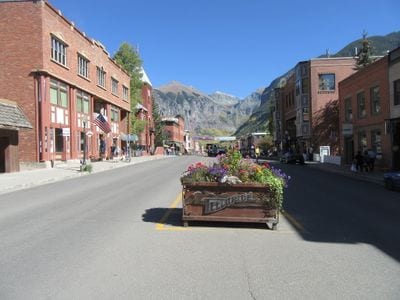
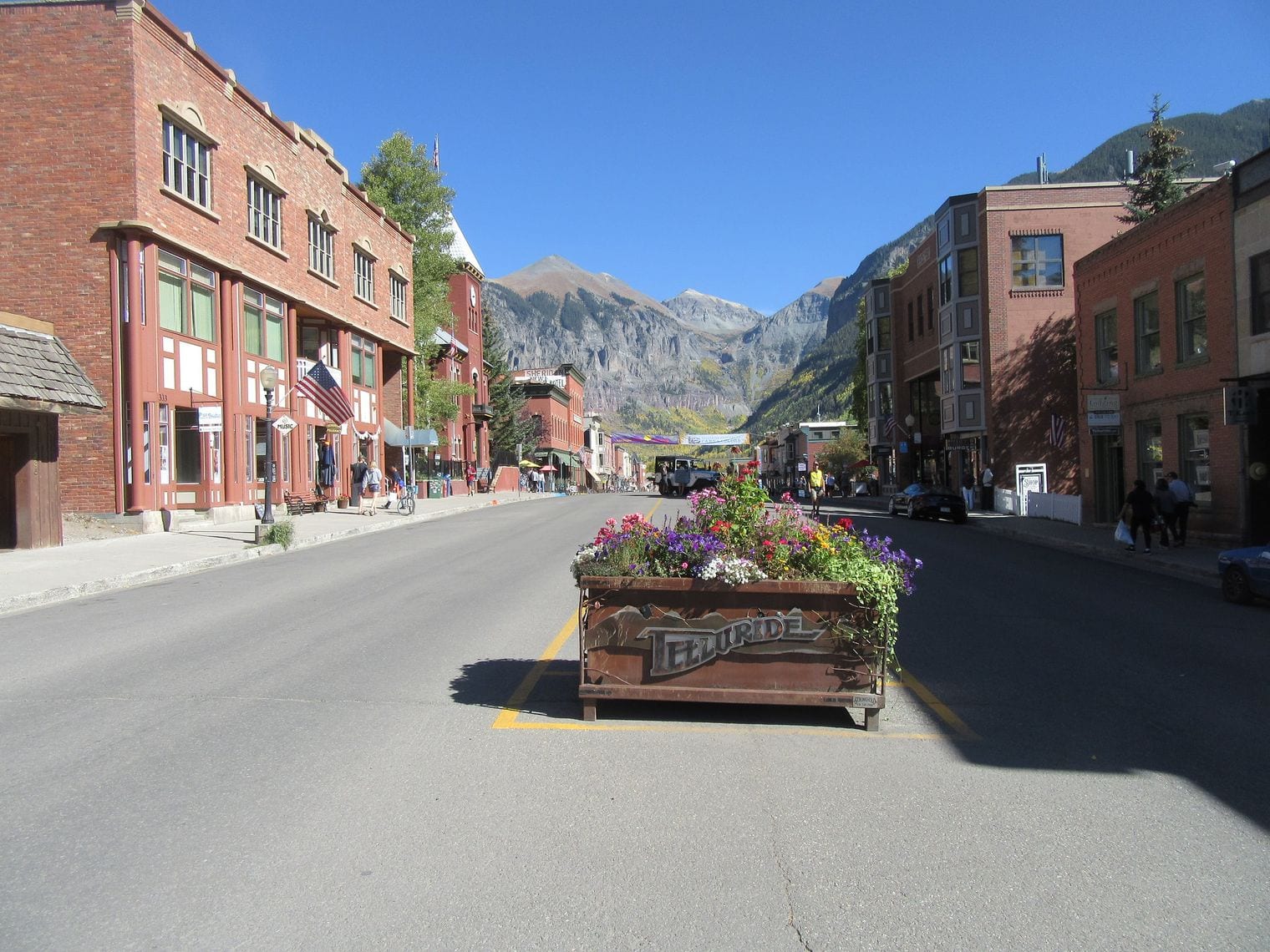
Telluride fills a box canyon in Colorado's San Juan Mountains at 8,750 feet, with Bridal Veil Falls pouring off the cliffs at the canyon's head. Much of the old mining town is a National Historic Landmark district, and it was here in 1889 that a young Butch Cassidy robbed the San Miguel Valley Bank.
A free gondola links the town with Mountain Village above it and runs for most of the year, so anyone can ride up for the views. Summer brings the Telluride Bluegrass Festival, early fall the Telluride Film Festival, and between them hiking trails climb to the falls and to high wildflower basins, with old mining roads leading over the passes.
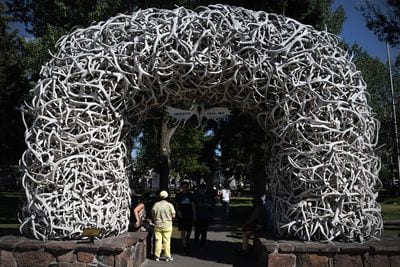
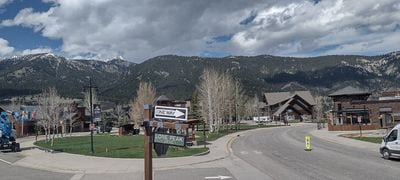
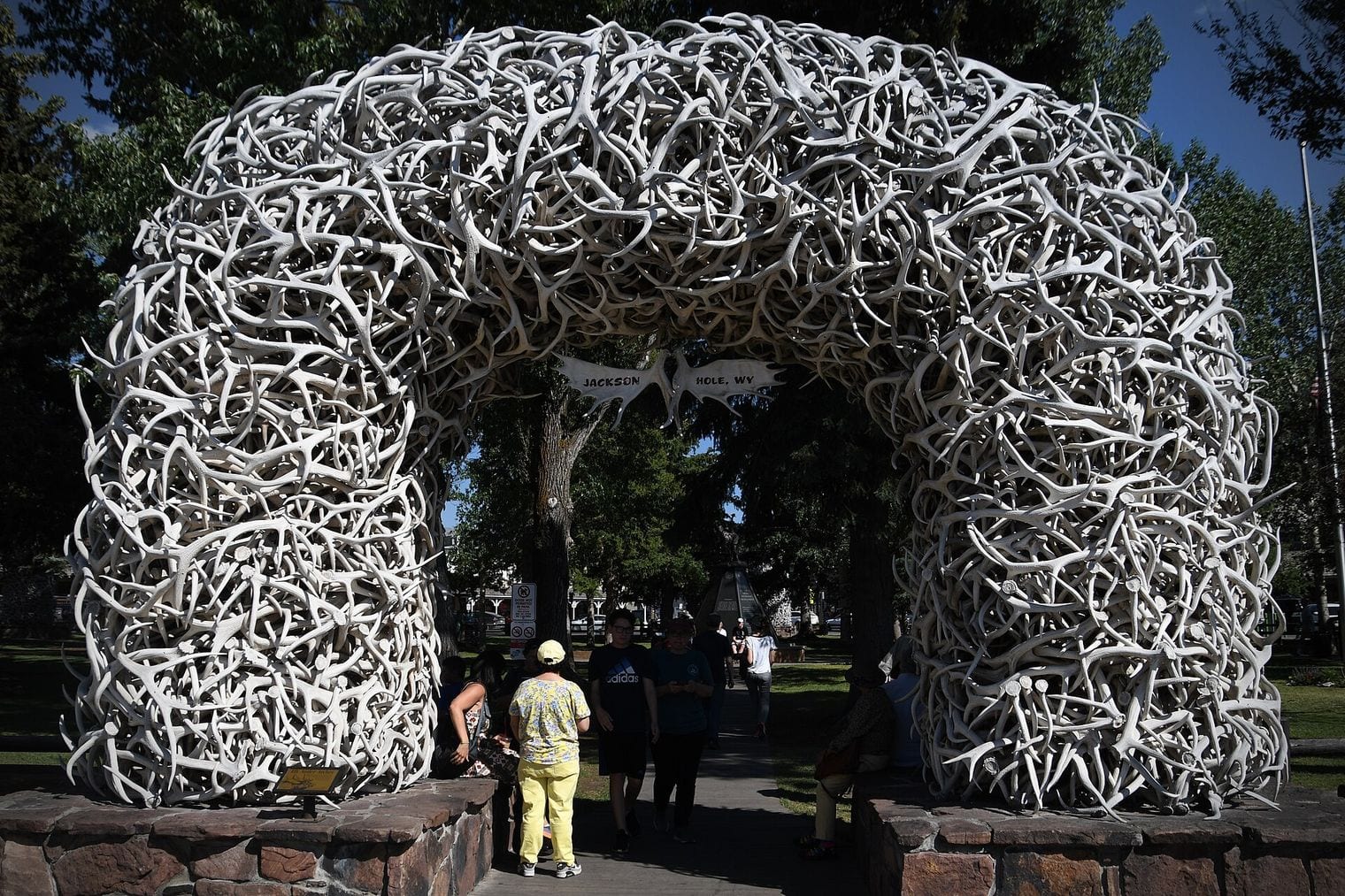
Jackson is the town at the southern end of Jackson Hole, the high valley beneath Wyoming's Teton Range, and the valley's name is often used for both. Arches of shed elk antlers mark the corners of its Town Square, and the National Elk Refuge, winter range for thousands of elk, begins at the edge of town.
The town is the gateway to Grand Teton National Park, a short drive north, and to Yellowstone beyond it, so summer days go to wildlife drives, float trips on the Snake River and hikes around the lakes at the foot of the Tetons. In winter the same valley becomes one of the West's best-known ski areas, and Teton Pass makes a dramatic drive west toward Idaho.
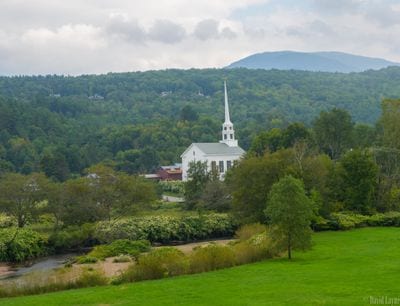
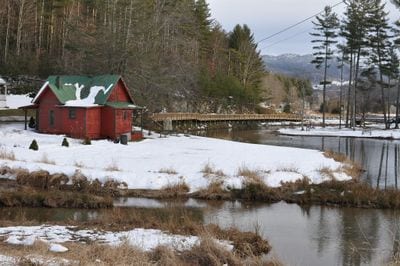
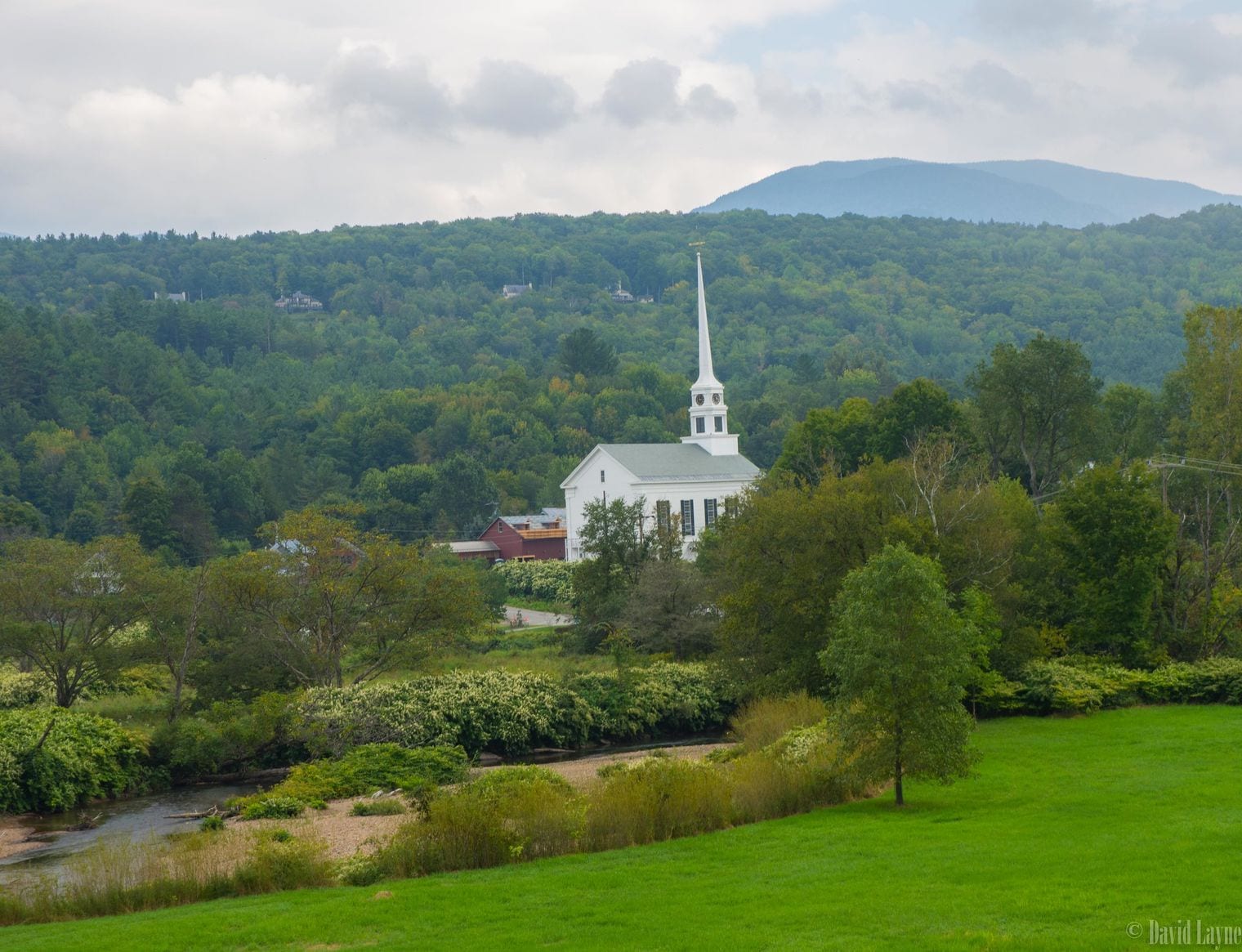
Stowe is a white-steepled New England village in Vermont's Green Mountains, set beneath Mount Mansfield, the highest peak in the state. It became one of the country's early downhill-skiing centers in the 1930s, and the von Trapp family, whose story inspired The Sound of Music, settled here after leaving Austria.
Away from the slopes, the 5.3-mile Stowe Recreation Path winds through meadows and along the river, and in the warmer months Route 108 squeezes through the boulder-strewn gap of Smugglers' Notch. Fall foliage is the busiest season of all, when the hills around Stowe turn red, orange and gold.
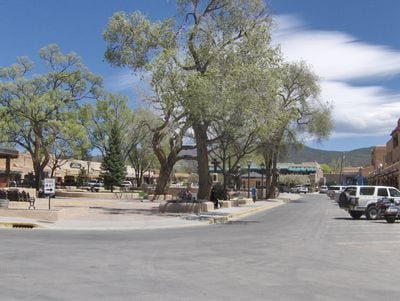
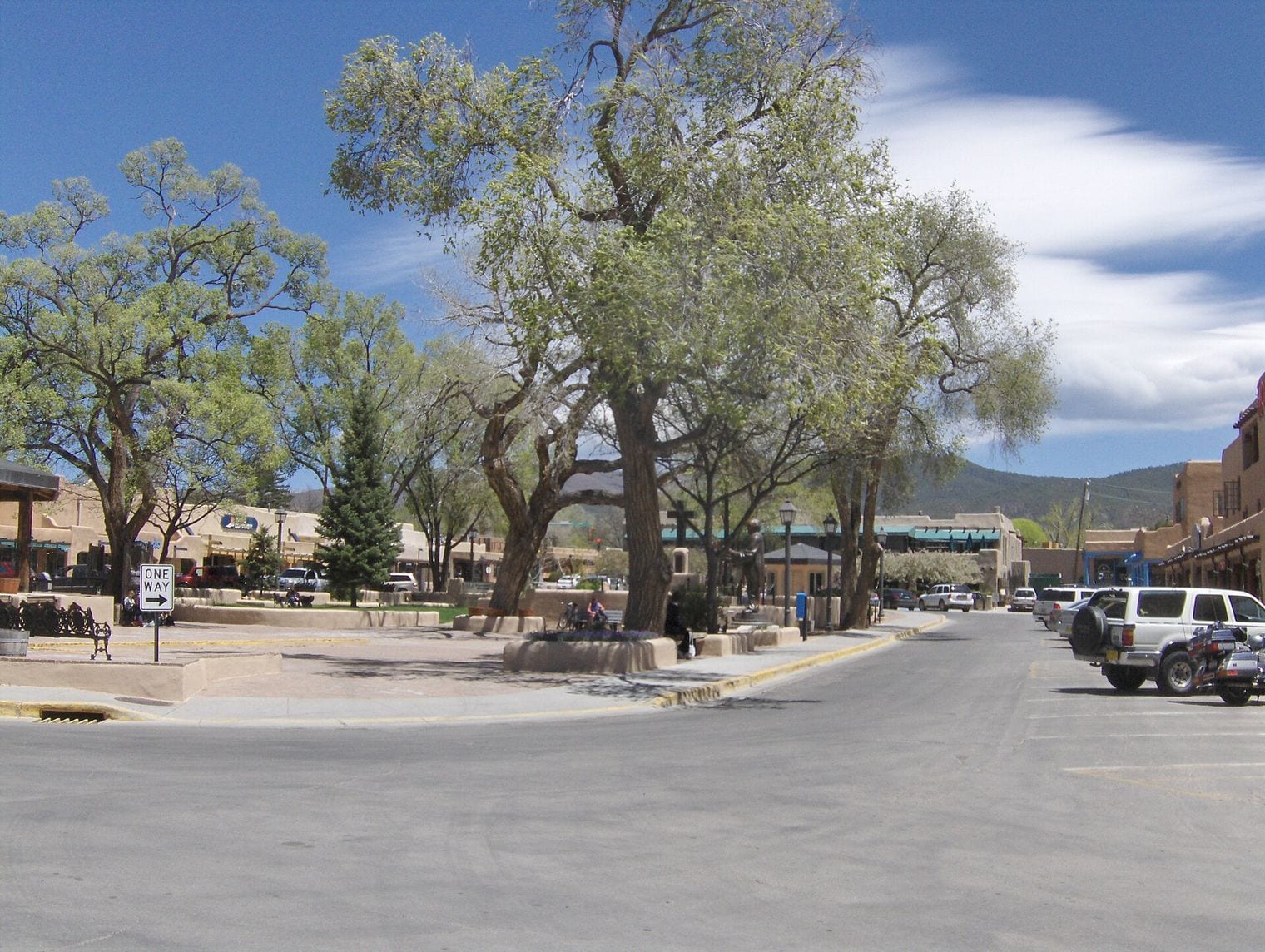
Taos sits at nearly 7,000 feet in northern New Mexico, between the Sangre de Cristo Mountains and the Rio Grande Gorge. Next door, Taos Pueblo, a UNESCO World Heritage Site and the town's namesake, has been lived in for roughly a thousand years, and its multistory adobe homes still stand against the mountains.
The town grew into an artists' colony in the early 20th century, and galleries, museums and adobe churches surround its historic plaza. Drive out to the Rio Grande Gorge Bridge to look down into the canyon, soak in hot springs along the river, or ski the high slopes of the Sangre de Cristos in winter; Taos is as much an art and culture town as a mountain one.
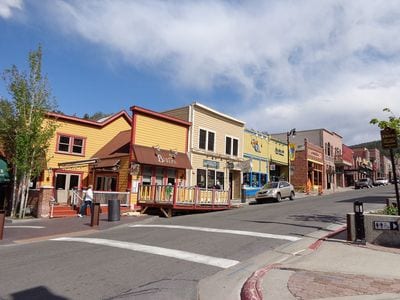
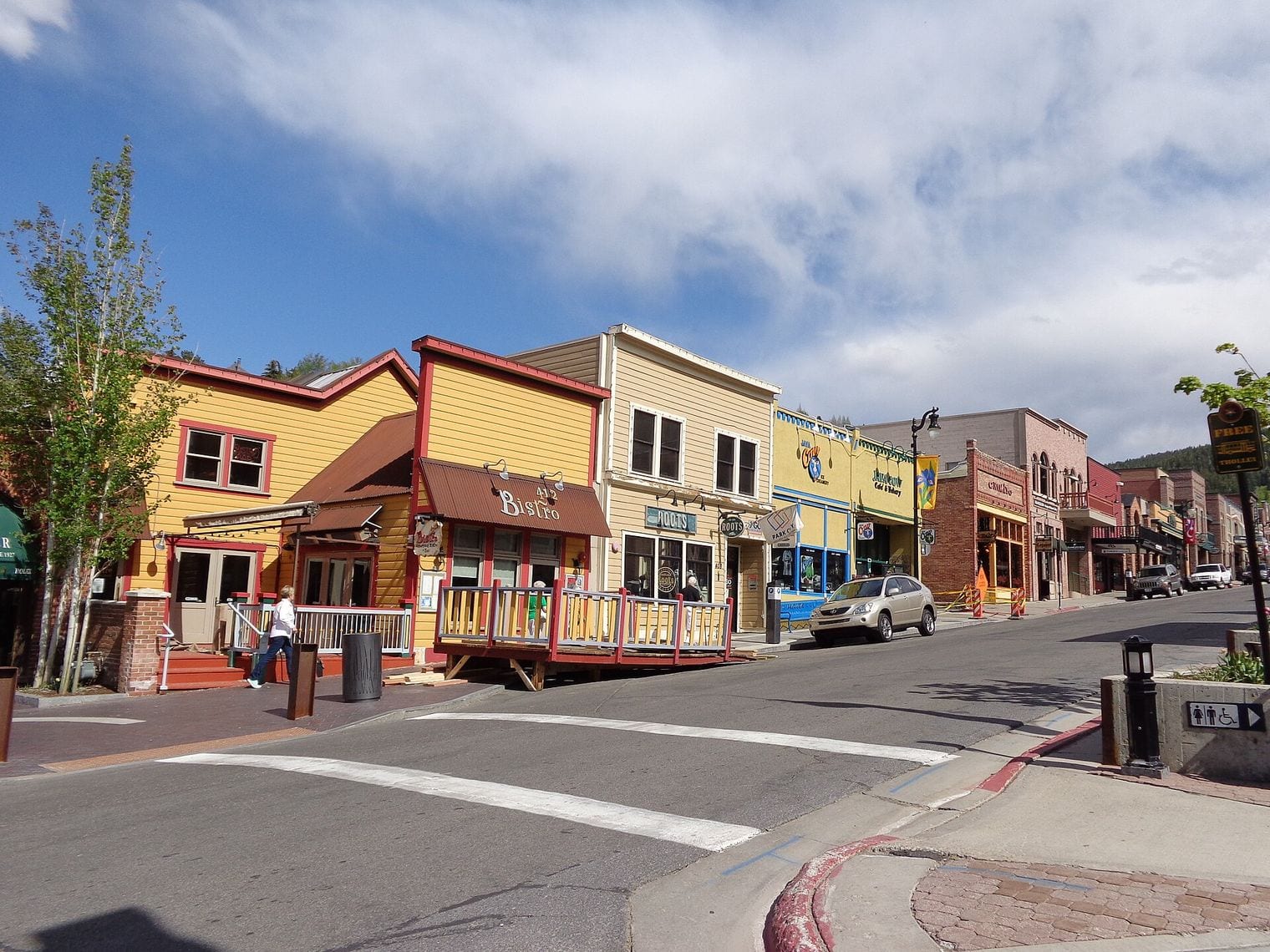
Park City is a former silver-mining town in Utah's Wasatch Range, in the mountains east of Salt Lake City. Its steep, historic Main Street is lined with restored mining-era buildings, and for decades the town was home to the Sundance Film Festival, which moved to Boulder, Colorado, after its final Park City edition in 2026.
Park City's ski areas hosted events at the 2002 Winter Olympics, and Utah Olympic Park still welcomes visitors to watch athletes train on its jumps. In summer the same mountains become a web of hiking and mountain-biking trails, and Main Street keeps its galleries and lively evenings all year. Salt Lake City and its airport are close enough for a long weekend.
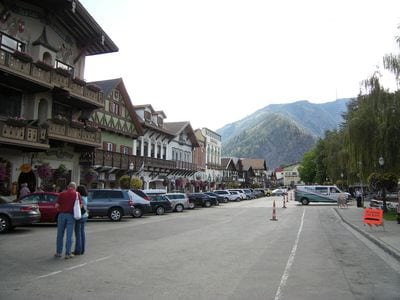
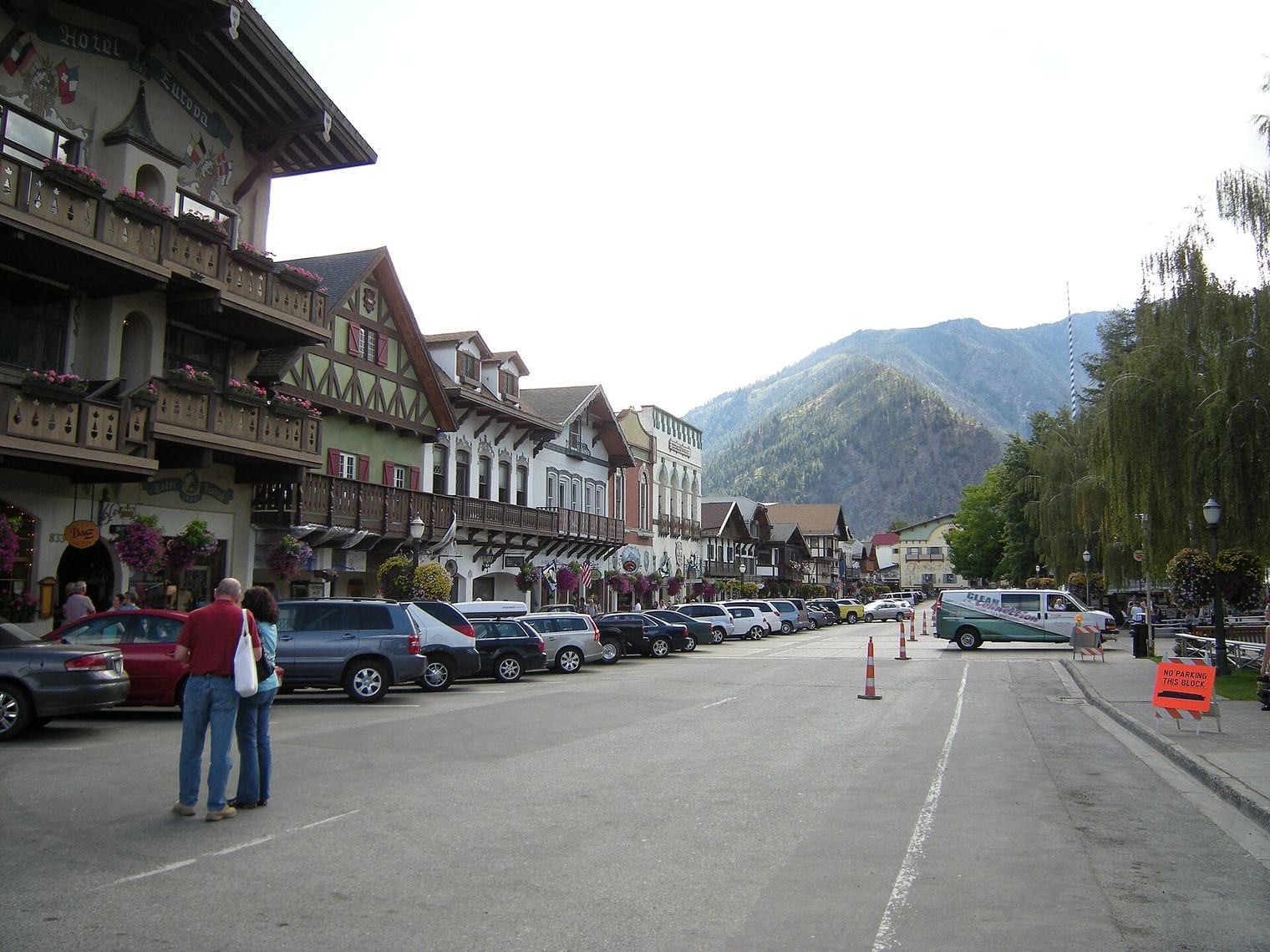
Leavenworth sits where Icicle Creek meets the Wenatchee River, on the eastern slope of Washington's Cascade Range. In the 1960s the town began a civic project to remake itself, and its whole center is now modeled on a Bavarian village, with painted facades, steep roofs and flower boxes against a backdrop of real mountains.
Festivals carry the theme through the year, from Oktoberfest in autumn to the lights of the Christmas season, but Leavenworth's lasting draw is the country around it. Icicle Canyon has hiking, climbing and campgrounds, the Wenatchee River is popular for summer rafting and tubing, and the high lakes of the Enchantments lie in the Alpine Lakes Wilderness nearby.
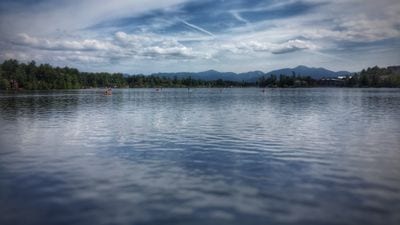
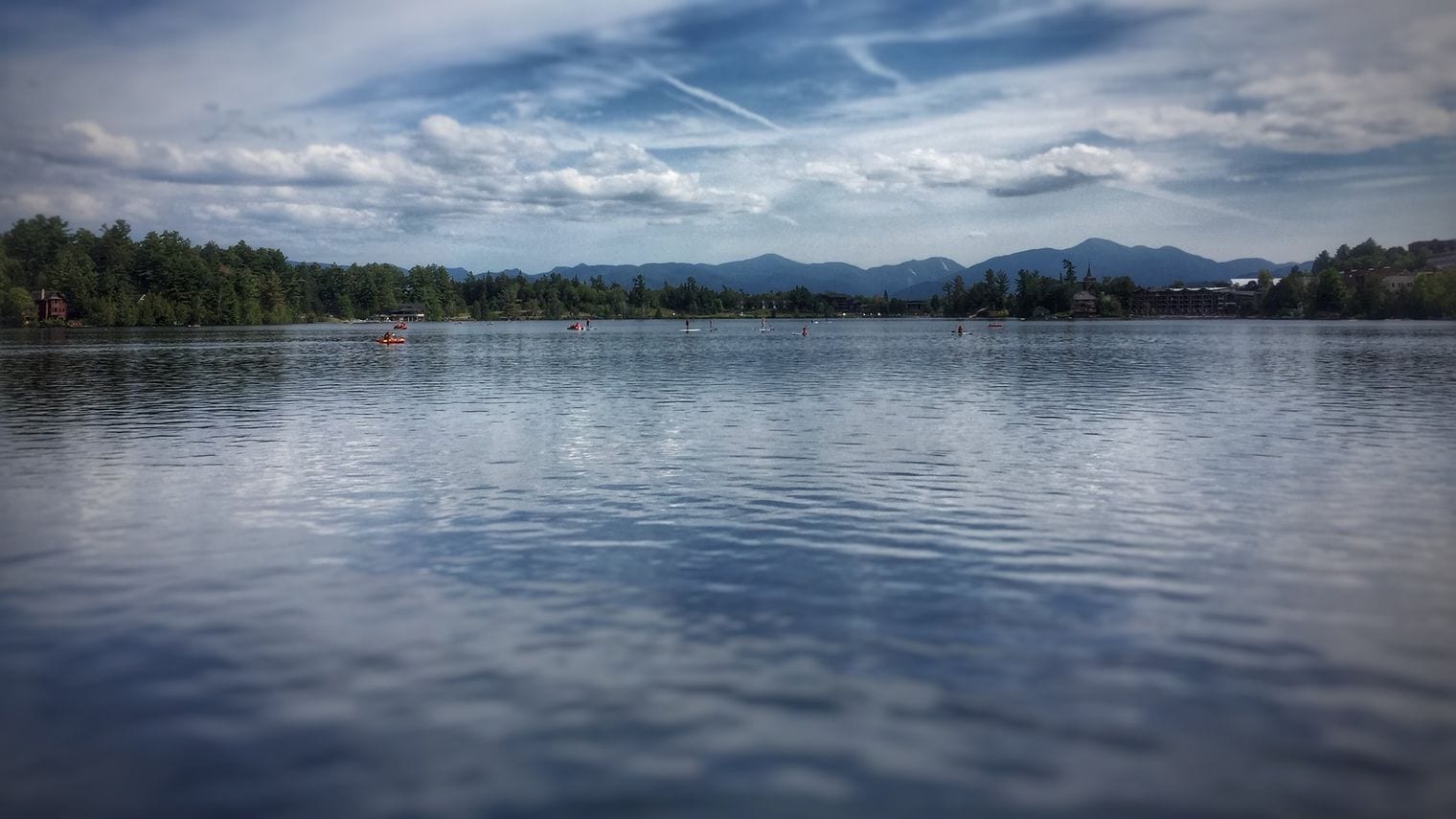
Lake Placid is the Adirondack village that hosted the Winter Olympics twice, in 1932 and 1980, the second time including the US hockey team's "Miracle on Ice." Olympic venues remain all around town, from the ski jumps to the speed-skating oval, and the High Peaks of New York's Adirondack Mountains fill the skyline.
The village's Main Street actually curves along Mirror Lake; the lake called Lake Placid lies just to the north. Summer means paddling, hiking in the High Peaks and the seasonal road up Whiteface Mountain, while fall color and winter sports bring visitors back to Lake Placid the rest of the year.
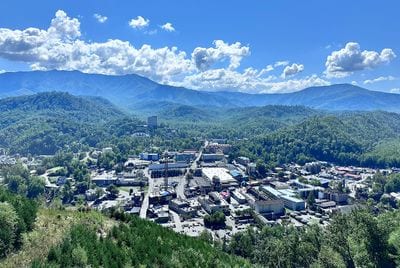
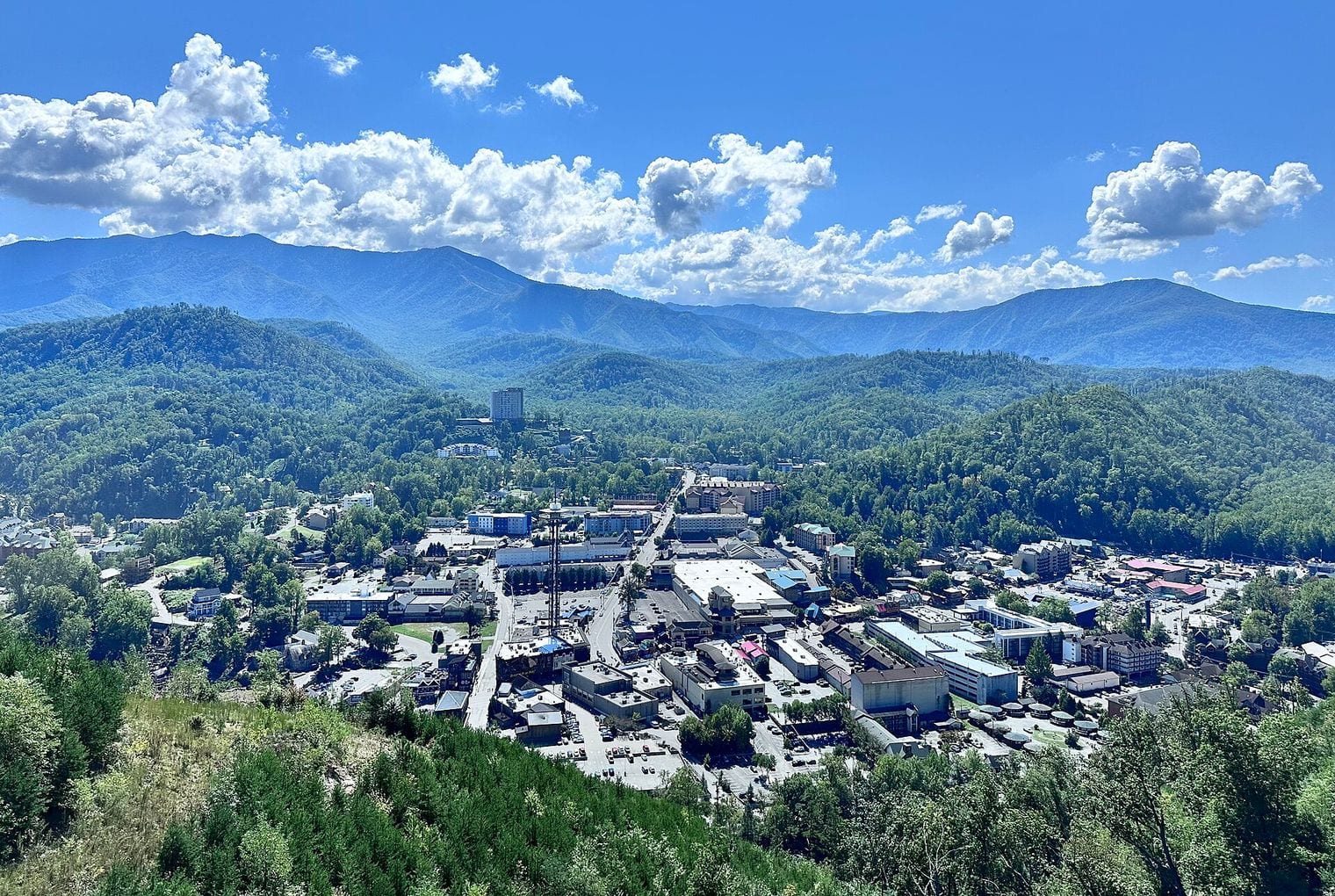
Gatlinburg is wedged into a narrow valley at the edge of Great Smoky Mountains National Park in eastern Tennessee, the most visited national park in the country. The main road, the Parkway, runs from the town's shops and attractions straight into the park, where Newfound Gap Road crosses the mountains to North Carolina.
The town has deep craft roots: a settlement school founded here in 1912 grew into the Arrowmont School of Arts and Crafts, and a loop of artisans' studios lies just outside town. Hikers head for the park's waterfalls and the Roaring Fork Motor Nature Trail, a narrow, seasonal one-way road out of Gatlinburg; the park asks for a parking tag on longer stops.
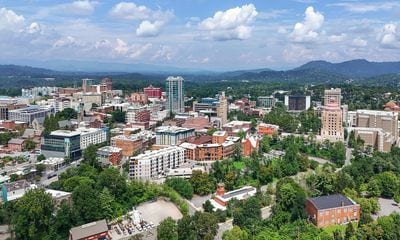
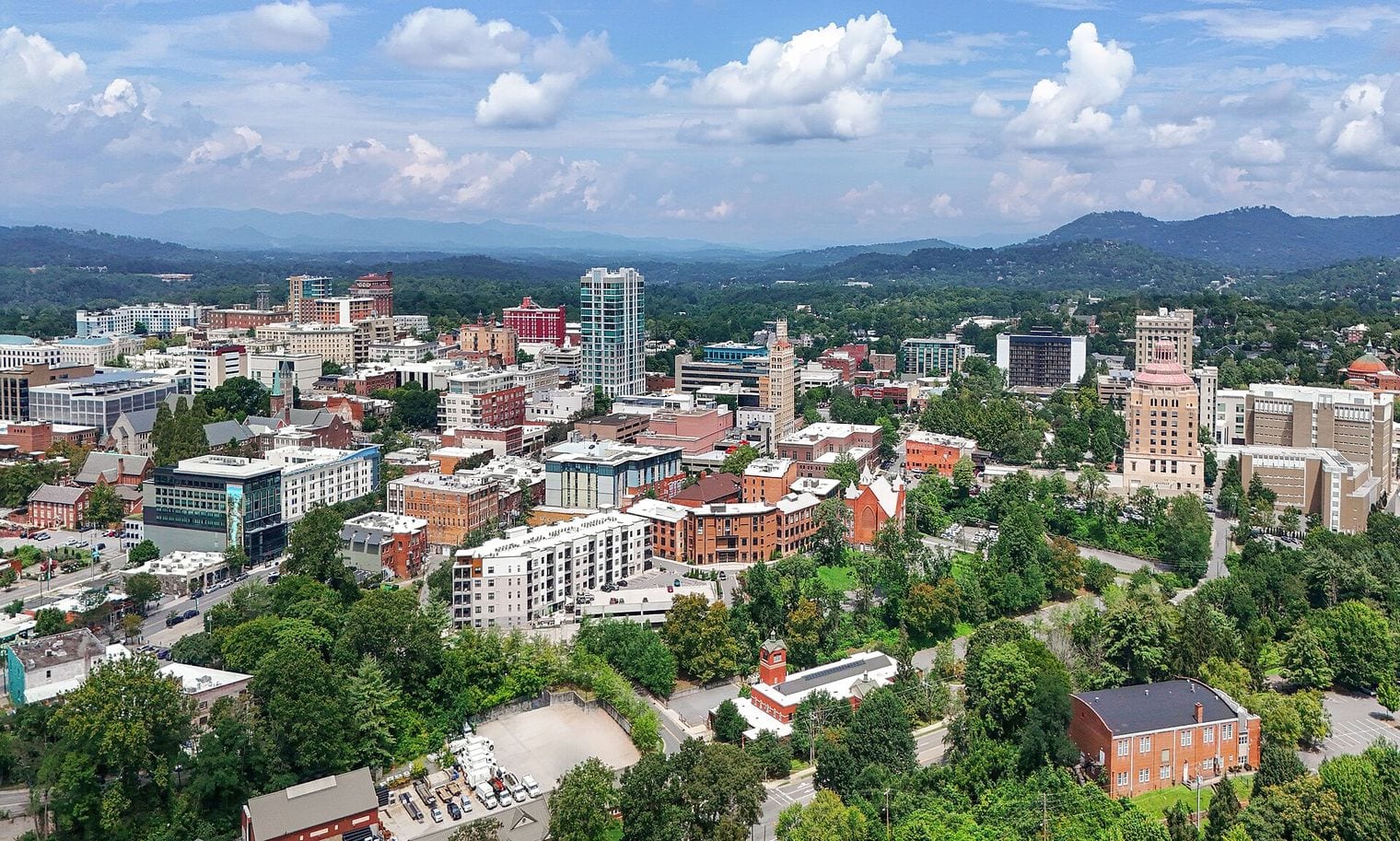
Asheville lies in a bowl of the Blue Ridge Mountains in western North Carolina, where the French Broad and Swannanoa rivers meet. Its downtown holds one of the finest collections of Art Deco architecture in the country, and on its southern edge stands the Biltmore Estate, the Vanderbilt mansion billed as America's largest home.
The Blue Ridge Parkway passes right by town, the River Arts District fills old industrial buildings with working studios, and craft breweries have made Asheville a beer destination. Hurricane Helene flooded parts of the region in 2024; the city has reopened and is rebuilding, but check road status before driving the Parkway, where storm repairs have closed some sections.
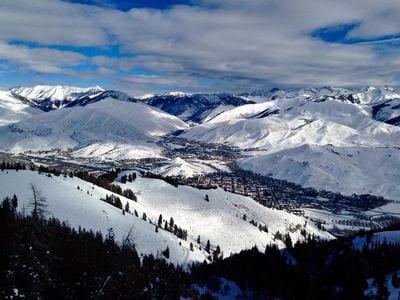
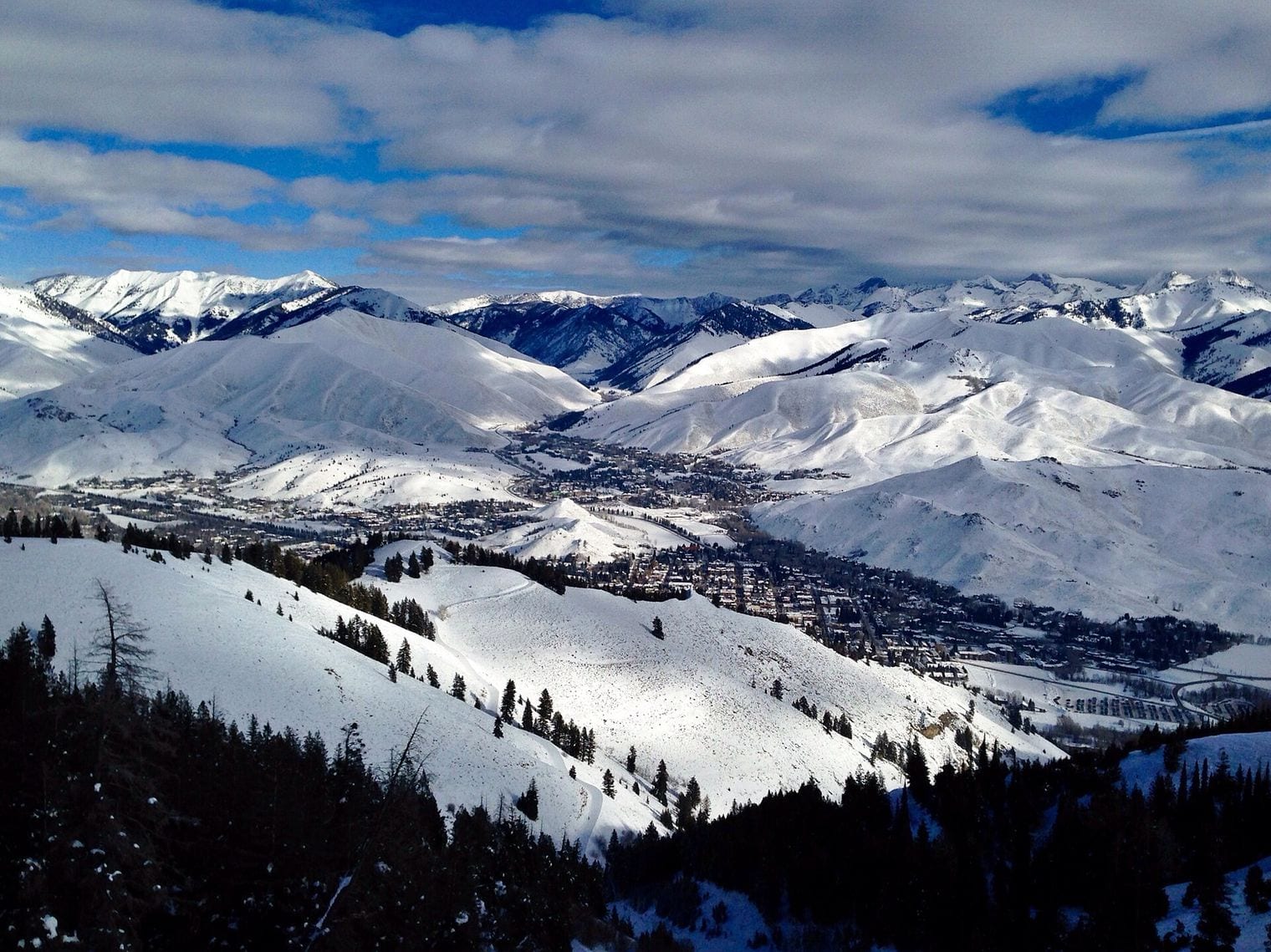
Sun Valley, in Idaho's Wood River Valley, was built by the Union Pacific Railroad as a destination ski resort, and the world's first chairlifts were installed on its slopes in 1936. Most visitors also spend time in Ketchum, the adjoining town at the foot of Bald Mountain, and together the two form one destination.
Ernest Hemingway helped make the valley famous in the late 1930s and later lived in Ketchum, where he is buried. In summer the valley turns to fly-fishing, road and mountain biking, and drives north over Galena Summit to the Sawtooth Mountains, while Ketchum's galleries and outdoor concerts keep the season full.
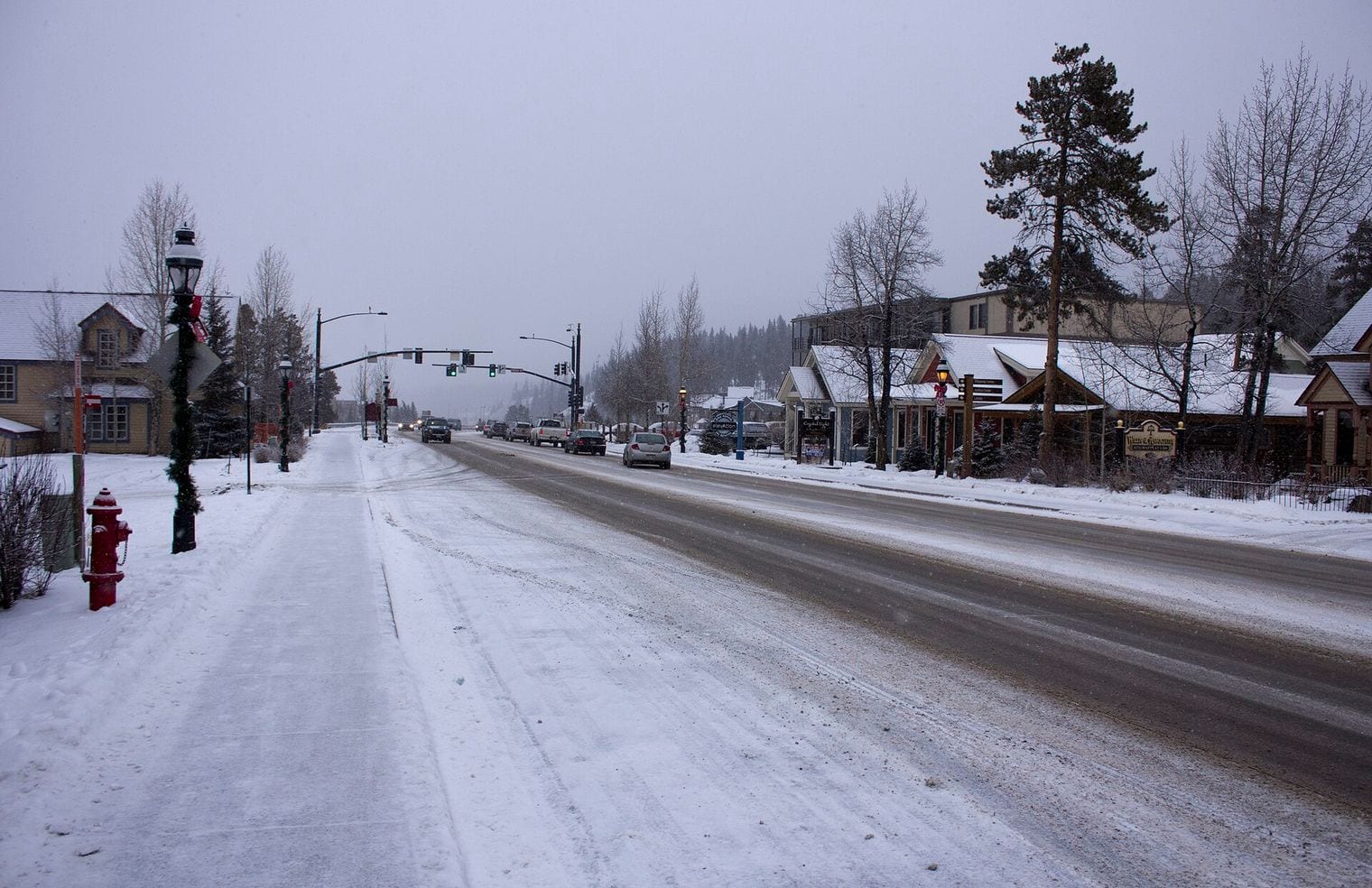
Breckenridge was founded in 1859 to serve the gold miners working the Blue River in the mountains of central Colorado, and it was named for a prospector, Thomas Breckenridge. Its Main Street is still lined with restored Victorian storefronts and miners' cottages, with the peaks of the Tenmile Range rising behind them.
Summer and fall bring hiking, mountain biking and gold-mine tours in the hills above town, along with paved bike paths that link the towns of Summit County. Winter adds the International Snow Sculpture Championships to the skiing, but Breckenridge is a town first, with plenty to do for visitors who never click into skis.
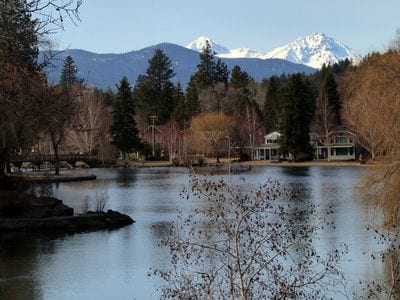
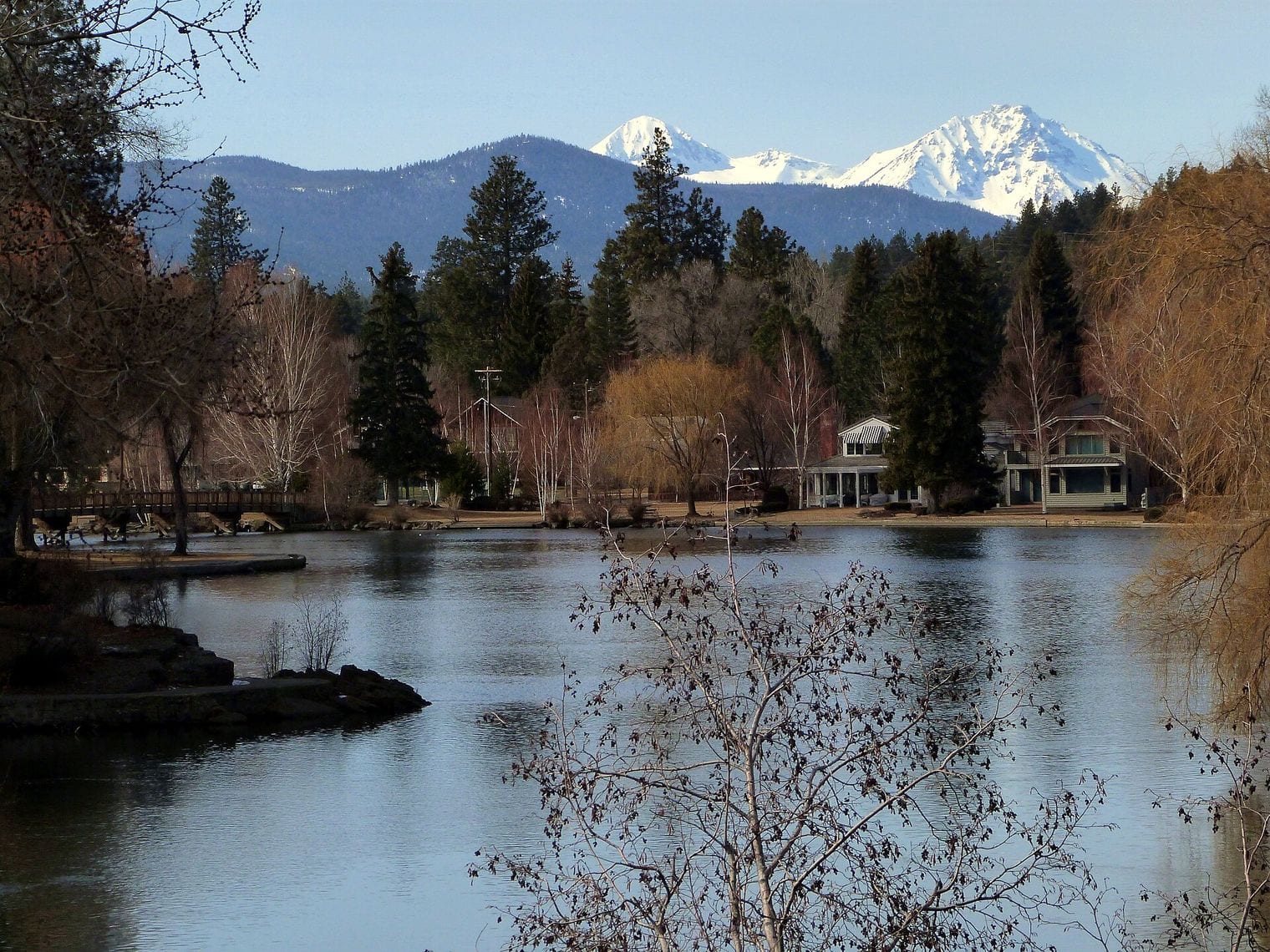
Bend sits on the Deschutes River on the dry eastern side of Oregon's Cascade Range, with the volcanic peaks of the Cascades on its western skyline. It is a city of around 100,000 people, but its downtown and its riverside parks keep the feel of a mountain town, and the national forest begins at its edge.
Mount Bachelor gives skiing in winter and the Cascade Lakes Scenic Byway summer views, while floating the Deschutes through town is a summer ritual. Smith Rock State Park to the north, the lava fields of Newberry National Volcanic Monument to the south and a long list of breweries round out a weekend in Bend.
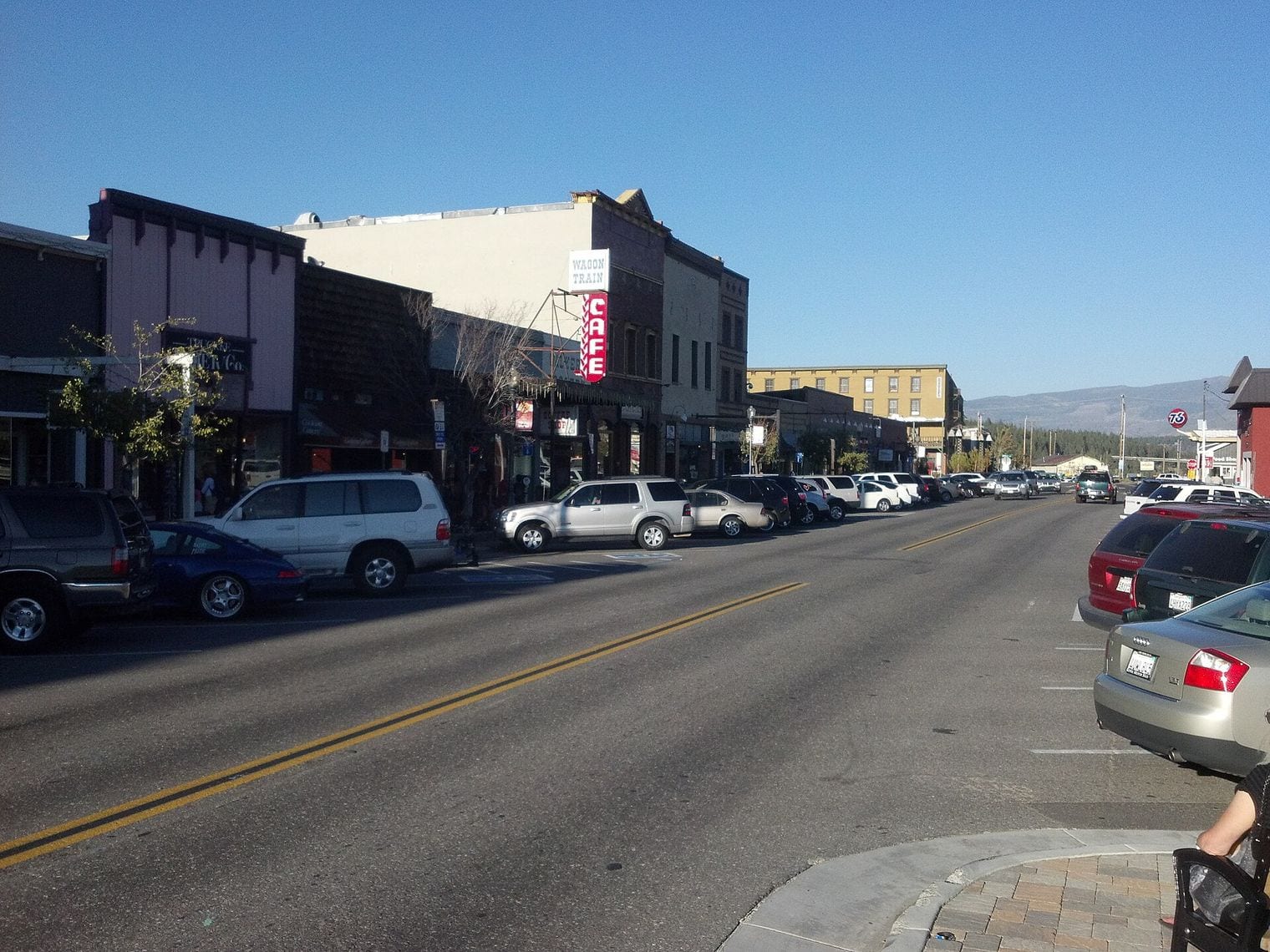
Truckee is a railroad and lumber town in California's Sierra Nevada, just north of Lake Tahoe, with a historic downtown of 19th-century buildings facing the tracks. The Central Pacific Railroad named its station here in 1867, and trains still run through the middle of town on their way over Donner Pass.
Truckee's most famous story is the Donner Party, the emigrants trapped by snow beside nearby Donner Lake in the winter of 1846–47; Donner Memorial State Park tells it by the shore. Today the lake is a summer swimming and paddling spot, and Truckee is a base for Lake Tahoe's beaches, the Sierra's trails and the casinos of Reno across the Nevada line.
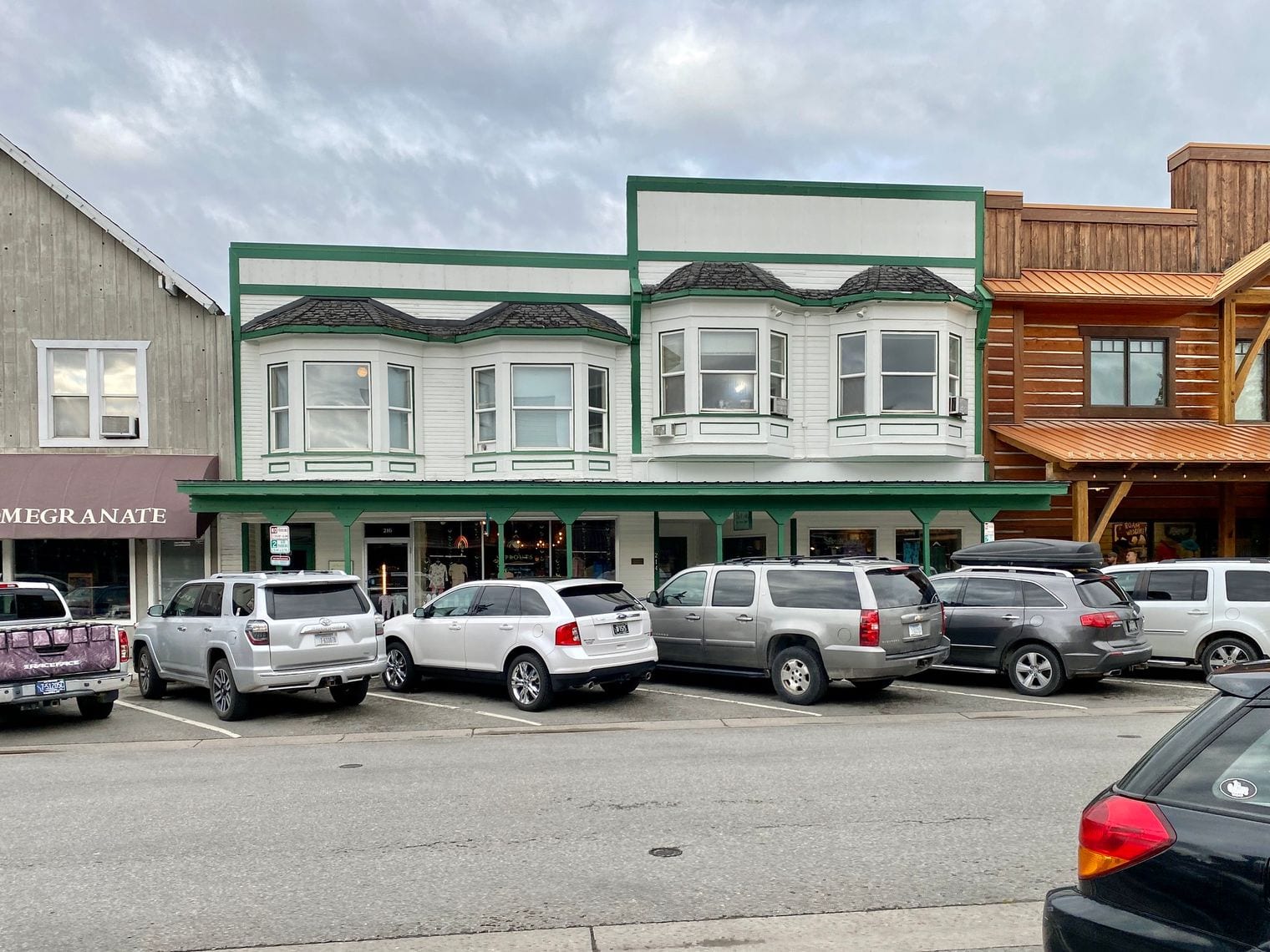
Whitefish is a former railroad town in northwest Montana, set on the shore of Whitefish Lake beneath Big Mountain, on the western side of the Continental Divide. Amtrak's Empire Builder still stops at its historic depot, and the station has long carried travelers bound for the ski slopes and for Glacier National Park.
Whitefish is a natural base for Glacier, a short drive east, and its Going-to-the-Sun Road; check the park's access rules before you go, since they can change from year to year. Back in town there are lakeside beaches, paddling and forest trails in summer, and skiing on Big Mountain in winter.
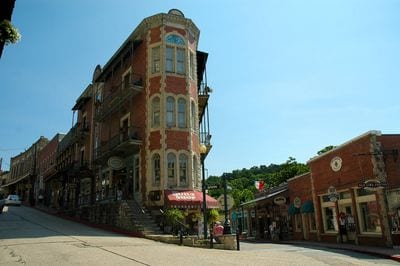
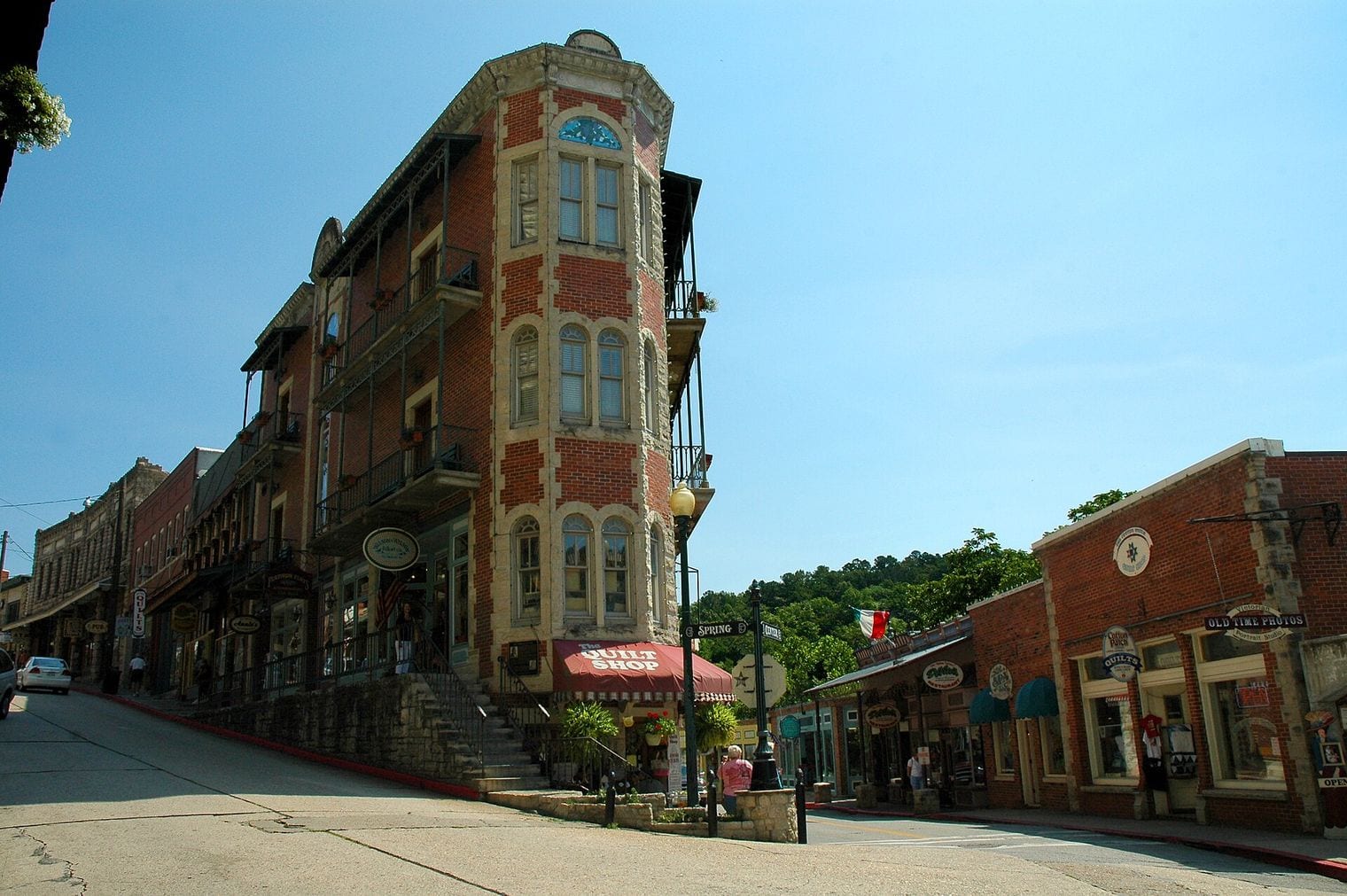
Eureka Springs climbs the steep hillsides of the Ozark Mountains in northwest Arkansas, a Victorian resort town built around springs once believed to heal. In 1970 the entire city, as its limits then stood, was listed on the National Register of Historic Places, and its winding streets of stone buildings and Victorian cottages have changed remarkably little.
Visitors come for the galleries and shops of the historic downtown, the old spring sites tucked between buildings, and Thorncrown Chapel, a glass-and-timber chapel in the woods outside town. The Ozark hills around Eureka Springs are at their best in spring and fall, with Beaver Lake and the Buffalo National River within reach for a longer stay.
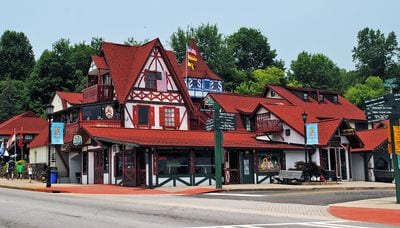
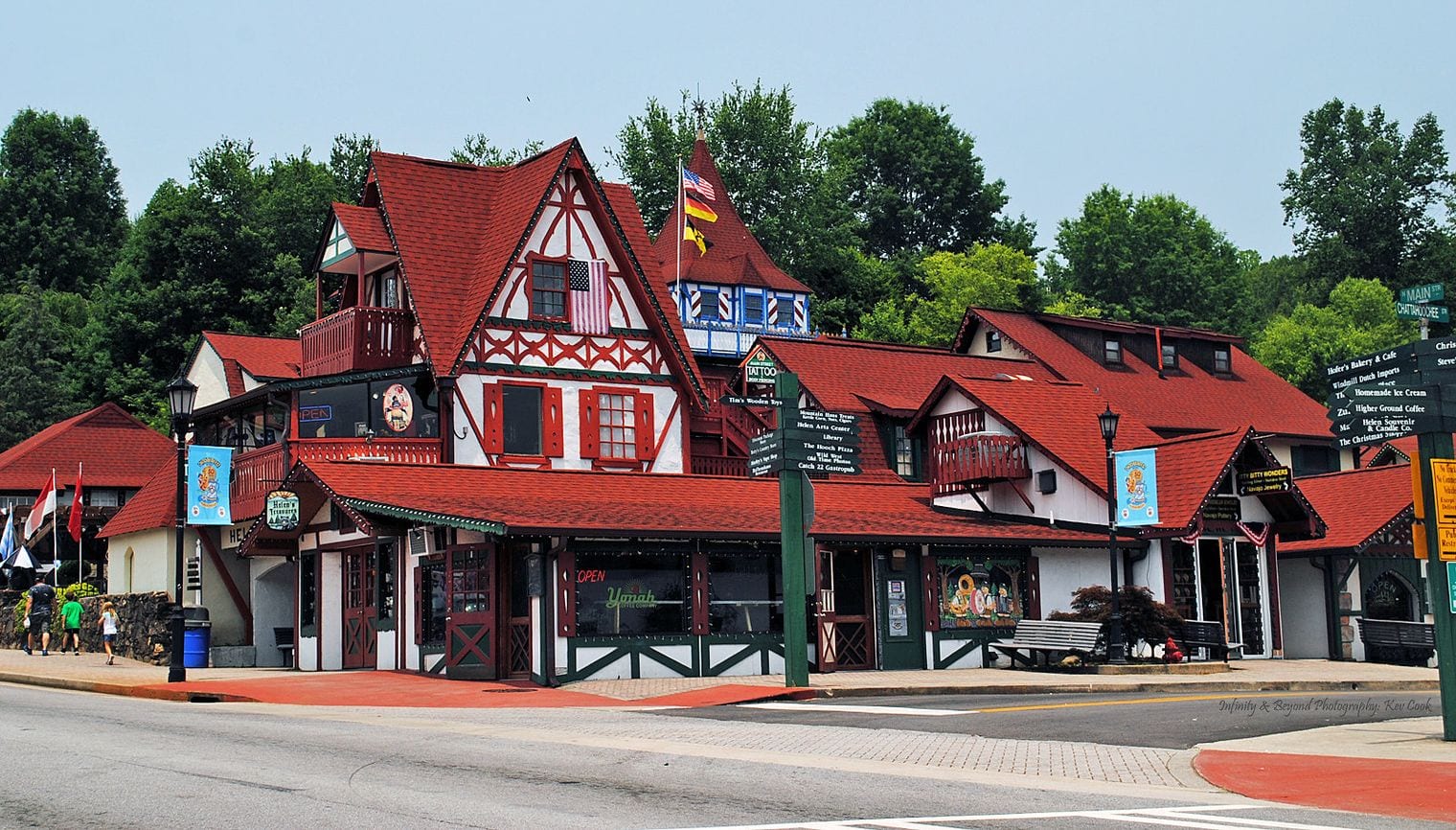
Helen is a small town on the Chattahoochee River in the Blue Ridge Mountains of north Georgia. Once a logging town in decline, it remade itself as a replica Bavarian alpine village, and its half-timbered shopfronts, painted balconies and festival halls now sit in the Appalachians instead of the Alps.
In summer the Chattahoochee is busy with people tubing through town, and Unicoi State Park and the twin waterfall of Anna Ruby Falls are just outside. Helen's Oktoberfest stretches across the autumn, when the foliage colors the surrounding mountains, and the town is an easy weekend trip from Atlanta.
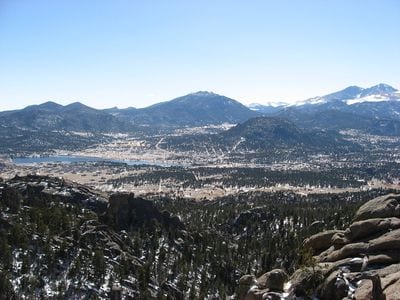
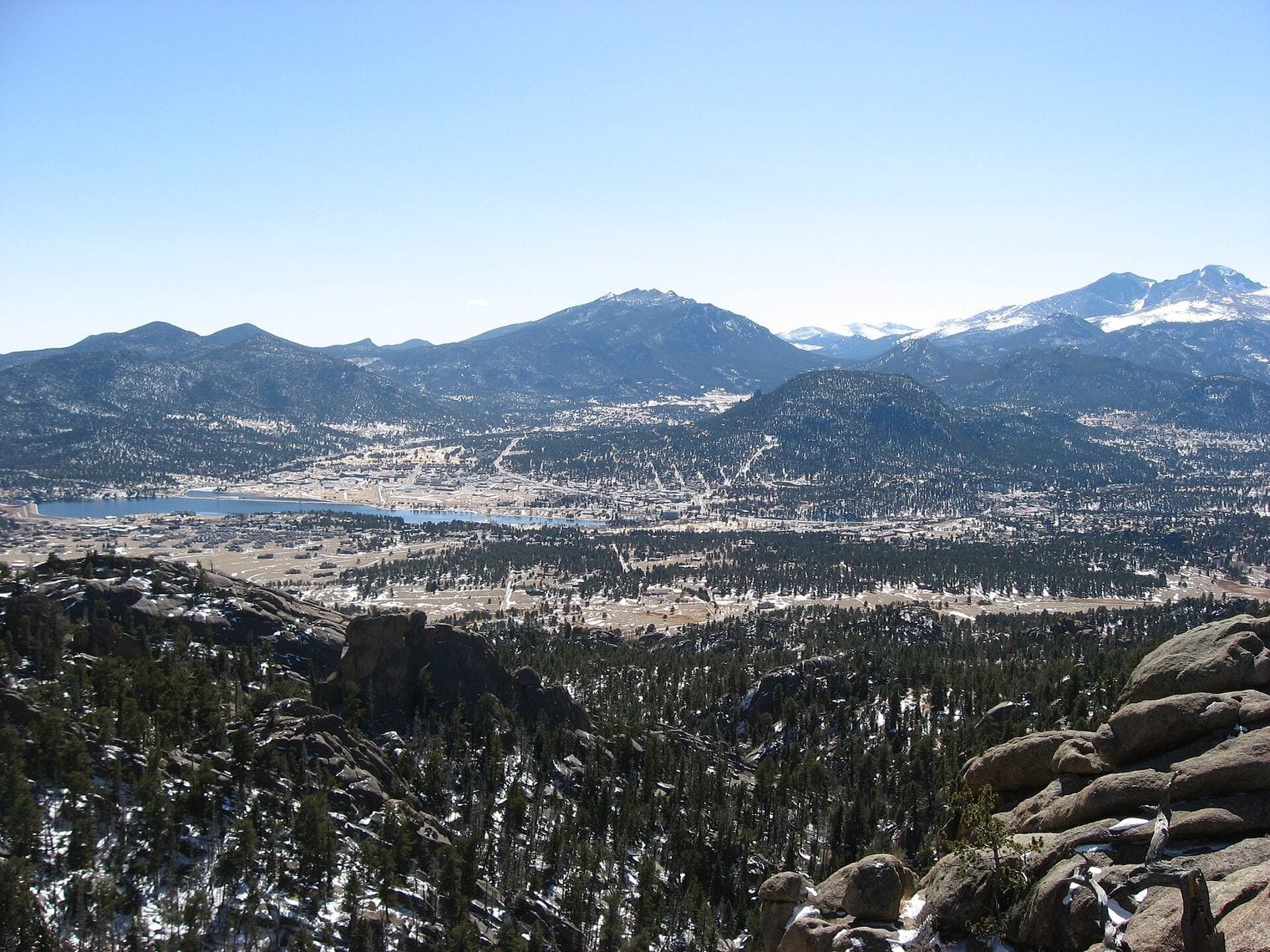
Estes Park sits beside Lake Estes and the Big Thompson River at the eastern gateway to Colorado's Rocky Mountain National Park, which has its headquarters here. The naturalist Enos Mills, who came to Estes Park in 1884, spent years campaigning to protect the mountains around it as a national park.
From town, Trail Ridge Road climbs to 12,183 feet, the highest continuous paved road in North America, open in summer and early fall, and Bear Lake Road leads to some of the park's most popular trailheads. The park uses timed-entry reservations in summer, so book ahead; in autumn, elk gather in the meadows around Estes Park for the rut.
Get new guides like this by email
One email every Thursday with our newest guides for the places you tick.
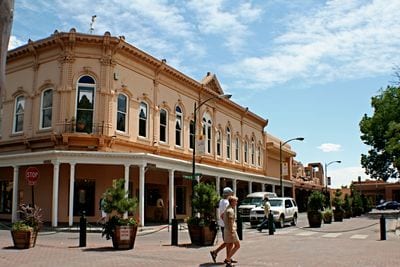
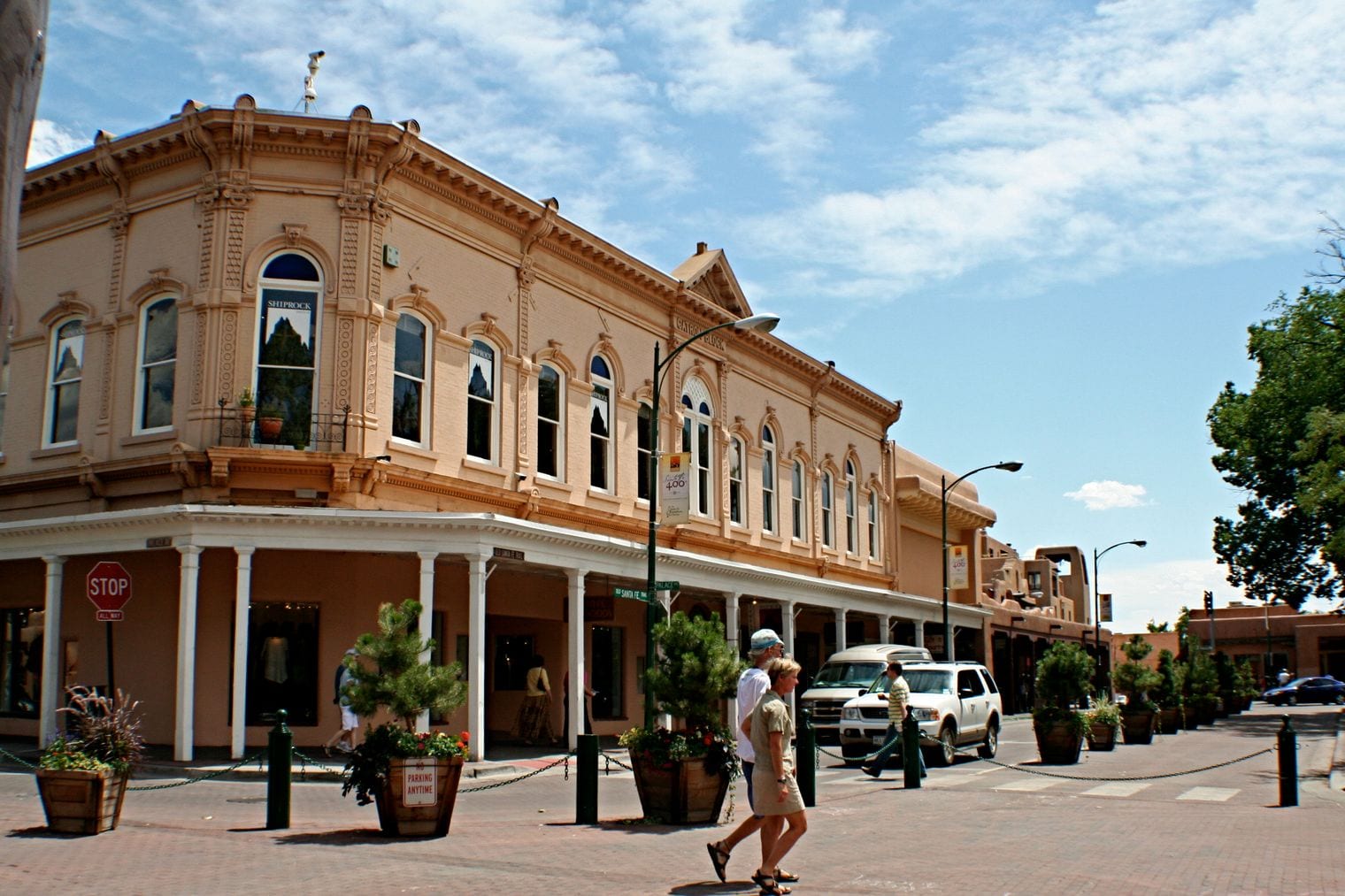
Santa Fe lies in the foothills of the Sangre de Cristo Mountains at close to 7,000 feet, the highest state capital in the US. Founded in 1610 as the capital of Spanish New Mexico, it is also the oldest state capital in the country, and its plaza, the Palace of the Governors and blocks of adobe buildings show that history at every turn.
Canyon Road packs the city's densest cluster of art galleries into one street, the Georgia O'Keeffe Museum honors the painter most tied to New Mexico, and Meow Wolf's immersive art space has become a destination of its own. Hiking trails and a ski area sit in the mountains above town, and Albuquerque is an easy drive to the south.
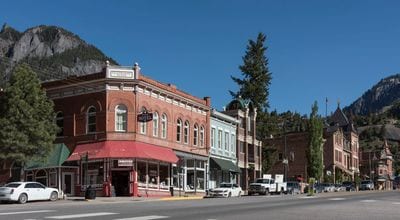
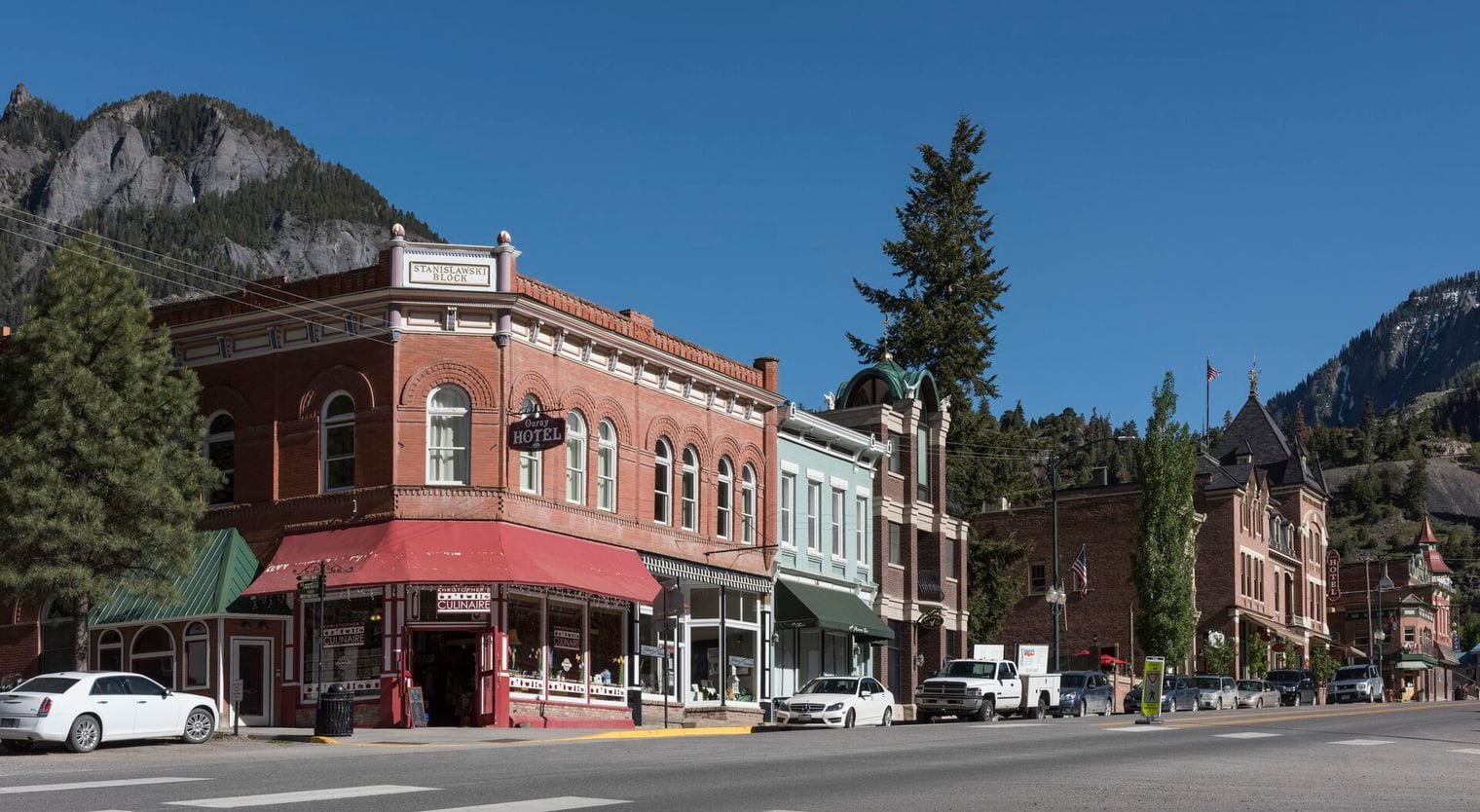
Ouray sits at 7,792 feet at the narrow head of a valley in Colorado's San Juan Mountains, enclosed on three and a half sides by steep peaks, which is why it calls itself the "Switzerland of America." The Victorian mining town is small enough to walk from end to end in a few minutes.
Its public hot springs pool sits at the north end of town, Box Canyon Falls thunders through a narrow slot just outside it, and in winter the Ouray Ice Park turns a gorge into an ice-climbing venue. Ouray is also the start of the Million Dollar Highway south to Silverton, and of the old mining roads that four-wheel-drive tours follow in summer.
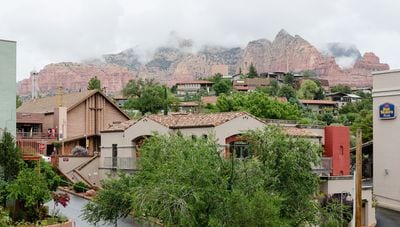
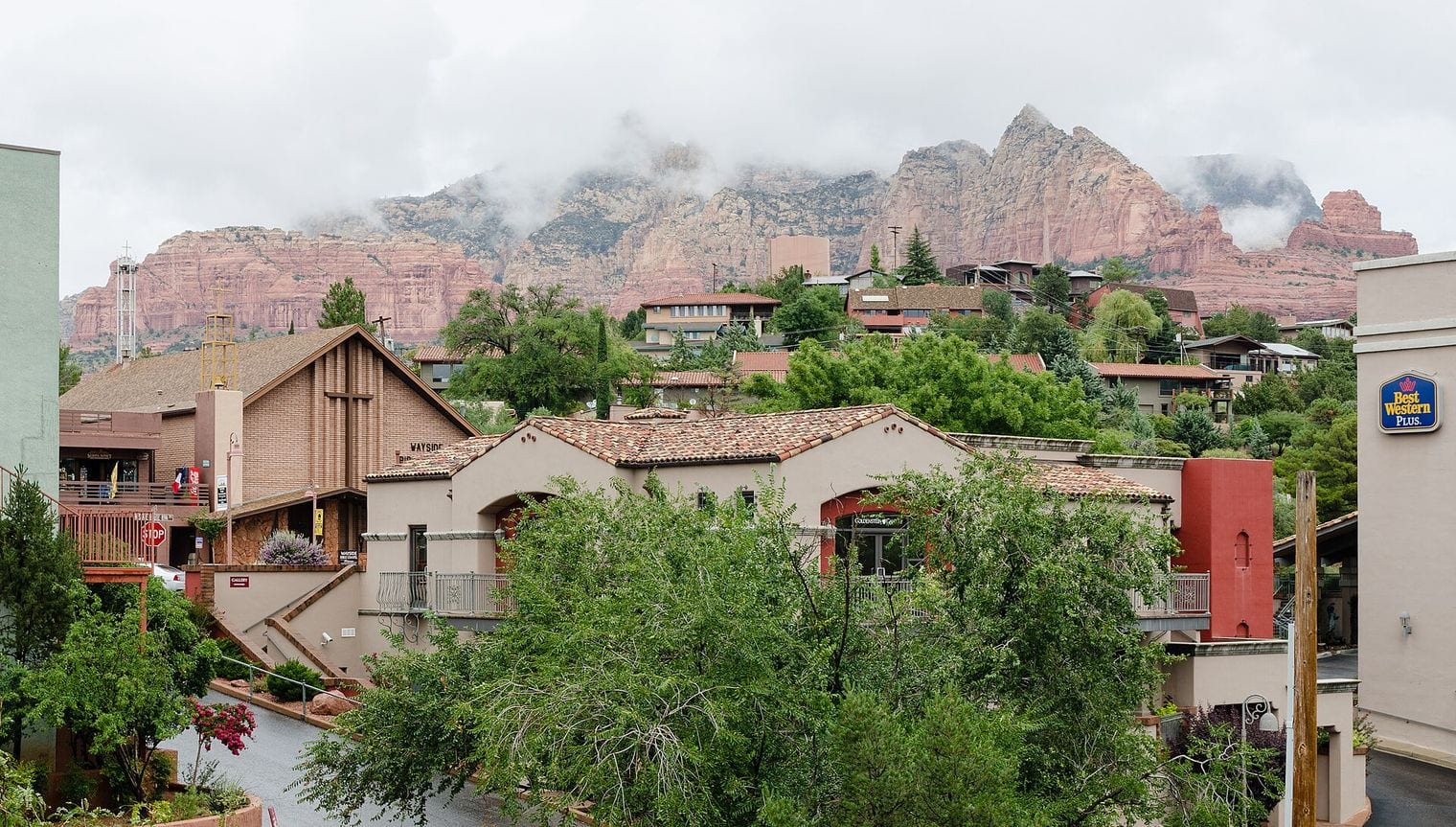
Sedona is a red-rock town in central Arizona, where the edge of the Colorado Plateau breaks into buttes, spires and canyons. It is not an alpine town like most on this list, but few places in the country have a more dramatic setting, from Cathedral Rock and Bell Rock to the walls of Oak Creek Canyon.
Hiking and mountain-biking trails run straight out of town, the Chapel of the Holy Cross, completed in 1956, rises from a red-rock cliff, and many visitors come for the vortex sites said to carry spiritual energy. The drive north through Oak Creek Canyon climbs to Flagstaff, in the ponderosa forest beneath the San Francisco Peaks.
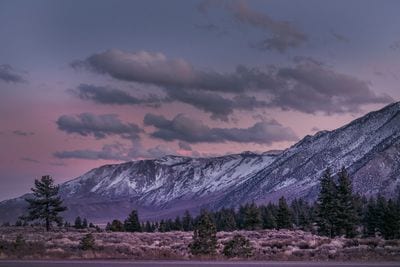
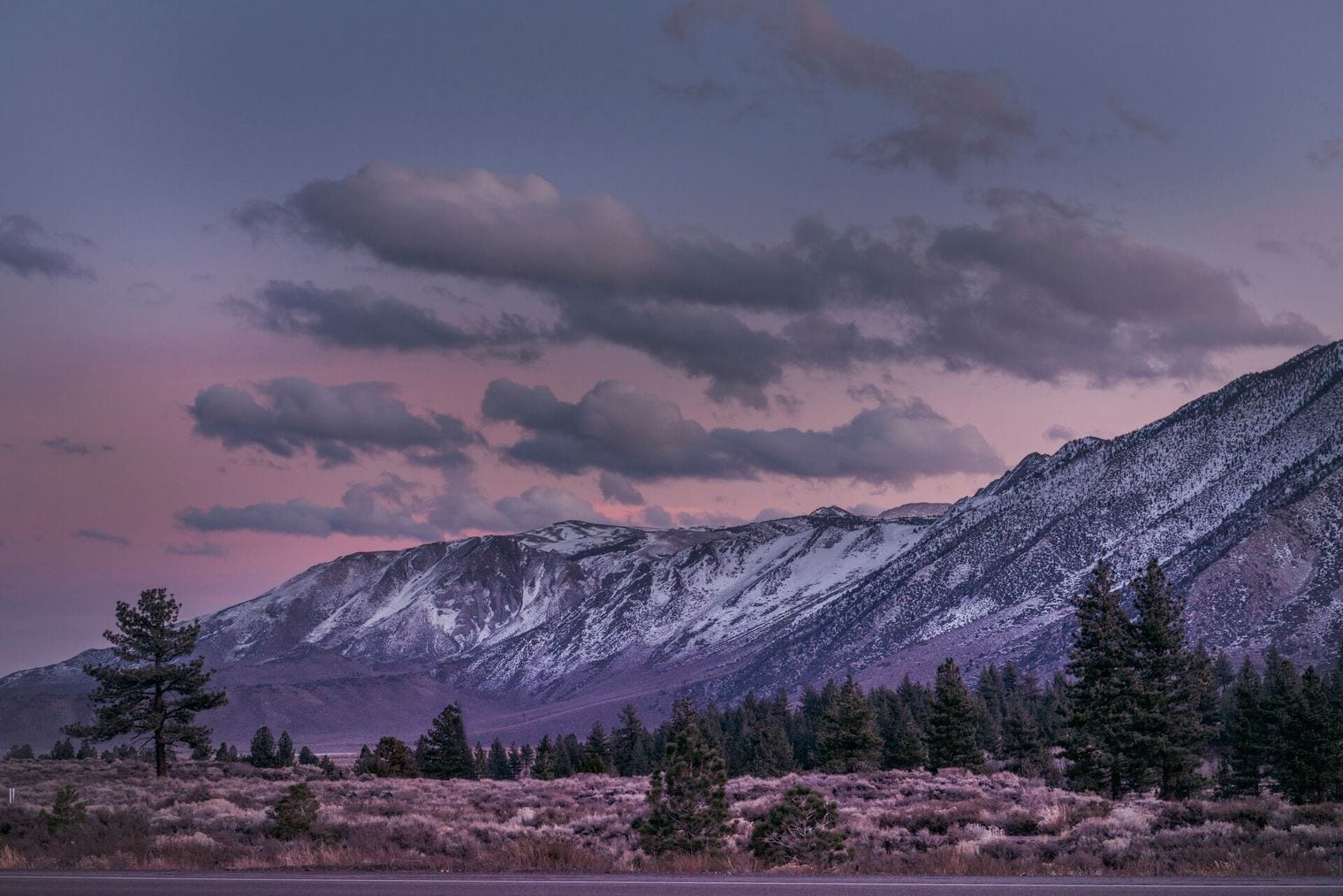
Mammoth Lakes is a high town on the eastern side of California's Sierra Nevada, surrounded by forest and a basin of glacial lakes. Winter belongs to skiers on Mammoth Mountain, but the snow melts to reveal a very different town, built for hikers, anglers and campers.
The Lakes Basin has easy shoreline trails, Devils Postpile National Monument preserves a wall of columnar basalt on the far side of Minaret Summit, and the eastern entrance of Yosemite National Park is about 32 miles north of Mammoth Lakes over Tioga Pass when that road is open. Hot springs dot the high desert to the east.
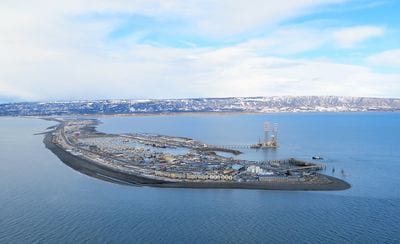
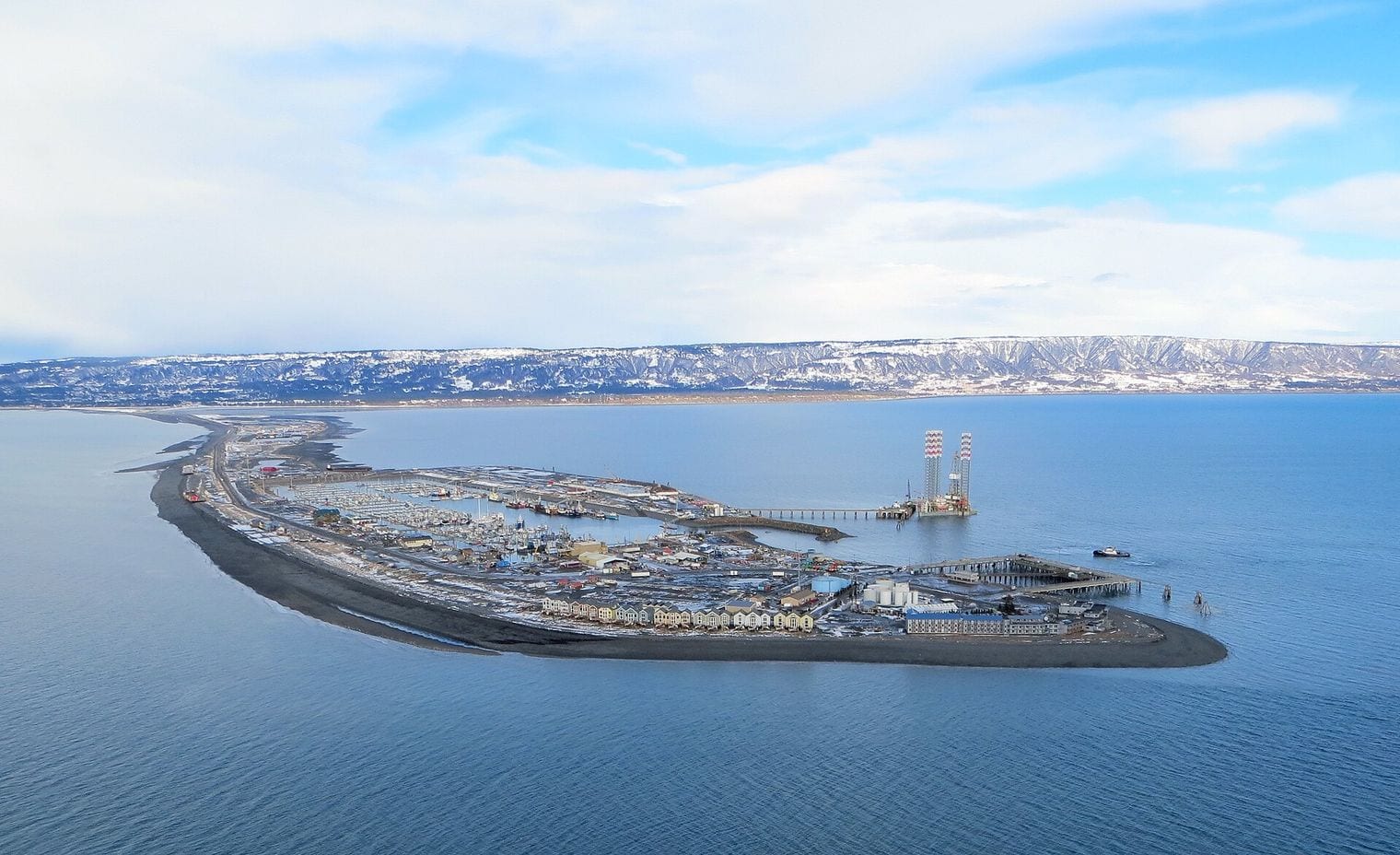
Homer sits at "the end of the road" on the Kenai Peninsula of Southcentral Alaska, where the highway stops at the shore of Kachemak Bay. Across the water, the glaciers and peaks of the Kenai Mountains rise from the bay, and the town has long been known as the "Halibut Fishing Capital of the World."
The Homer Spit, a narrow 4.5-mile gravel bar, holds the harbor, fishing charters and boardwalk shops, and water taxis cross the bay to the trails and coves of Kachemak Bay State Park. Galleries give the town an artistic streak, and long summer evenings leave plenty of light for a walk along the beach.
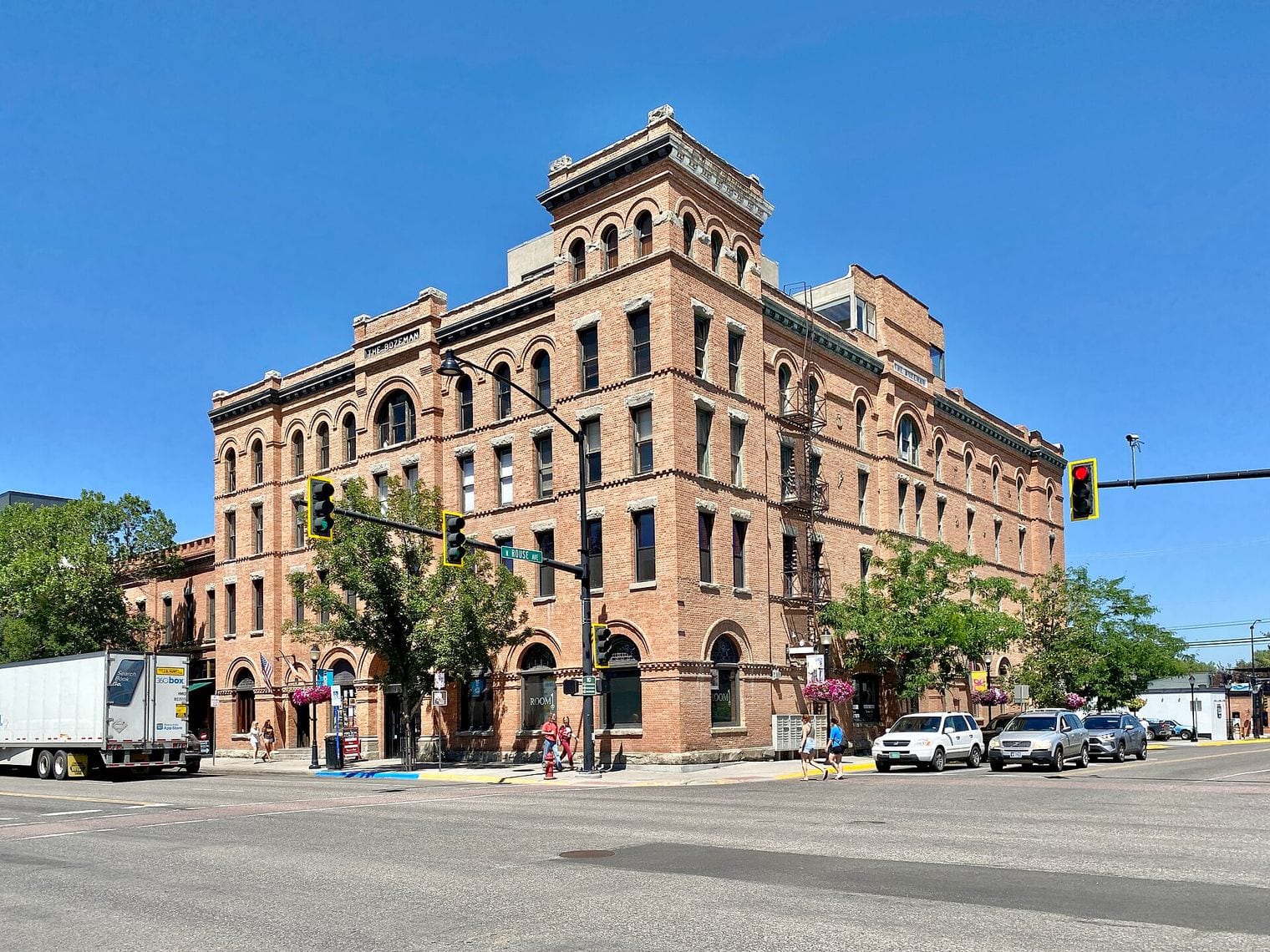
Bozeman is a college town in southwest Montana's Gallatin Valley, ringed by the Bridger and Gallatin ranges and home to Montana State University. Its historic Main Street keeps a lively downtown, and the Museum of the Rockies on campus is known for its dinosaur fossils.
Hyalite Canyon, south of town, has lakes, waterfalls and winter ice climbing, the Bridger Range offers skiing and trails, and both Big Sky and Yellowstone are within driving distance. Bozeman makes a practical base for a Montana loop, with more services than the smaller towns around it.
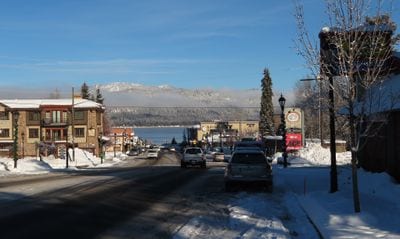
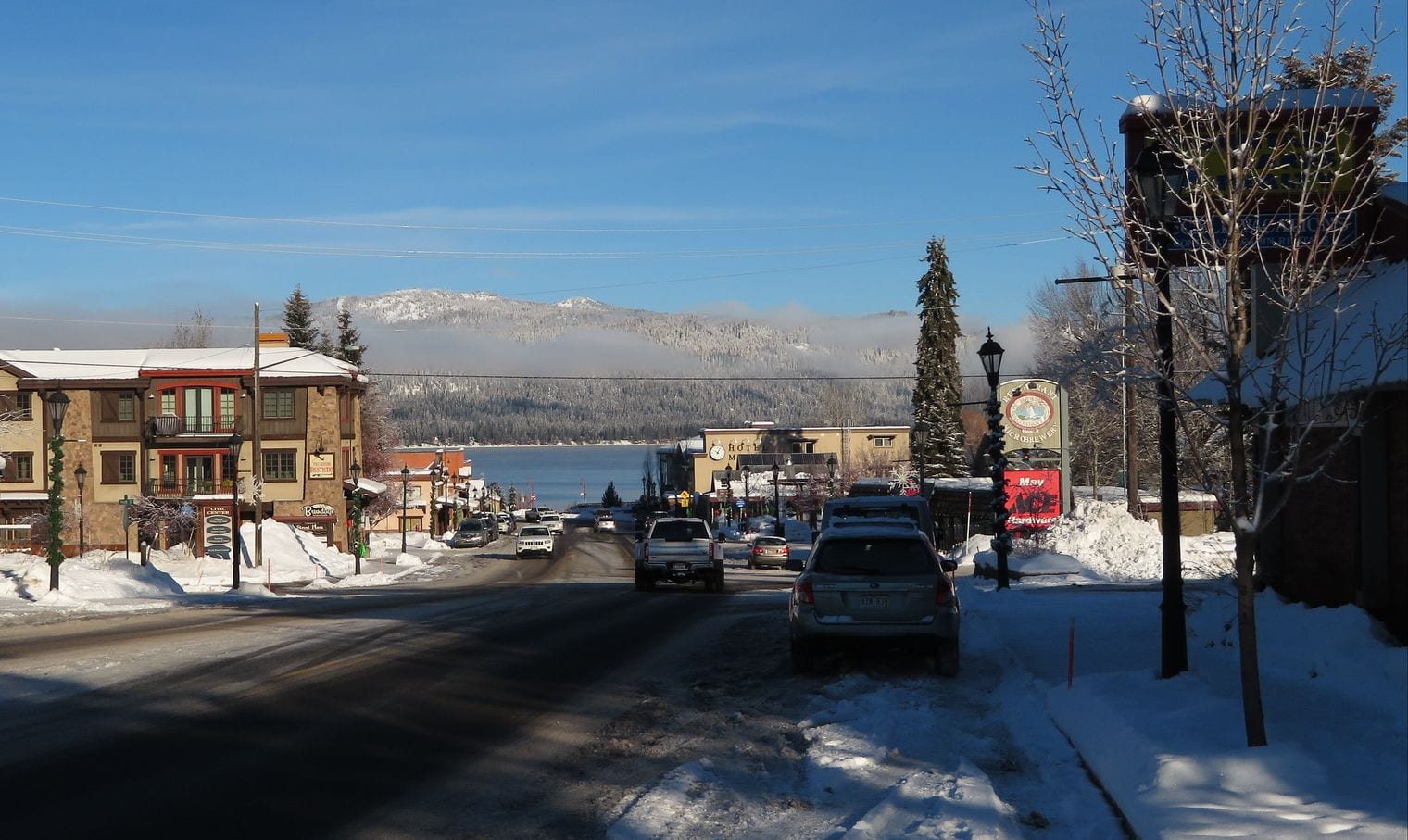
McCall sits on the southern shore of Payette Lake, near the center of the Payette National Forest in the mountains of west-central Idaho. Named for its founder, Tom McCall, the small town is a classic lake-and-mountain retreat, with a waterfront downtown and pine forest all around.
Summer means boating, swimming and paddling on Payette Lake, along with the trails of Ponderosa State Park on a peninsula that reaches into it. Winter brings skiing on nearby slopes and McCall's long-running Winter Carnival, known for its giant snow sculptures.
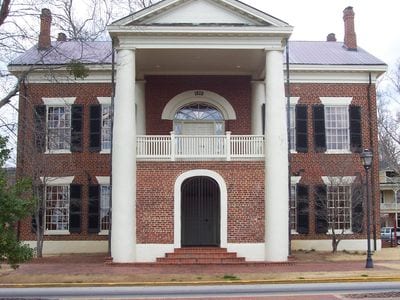
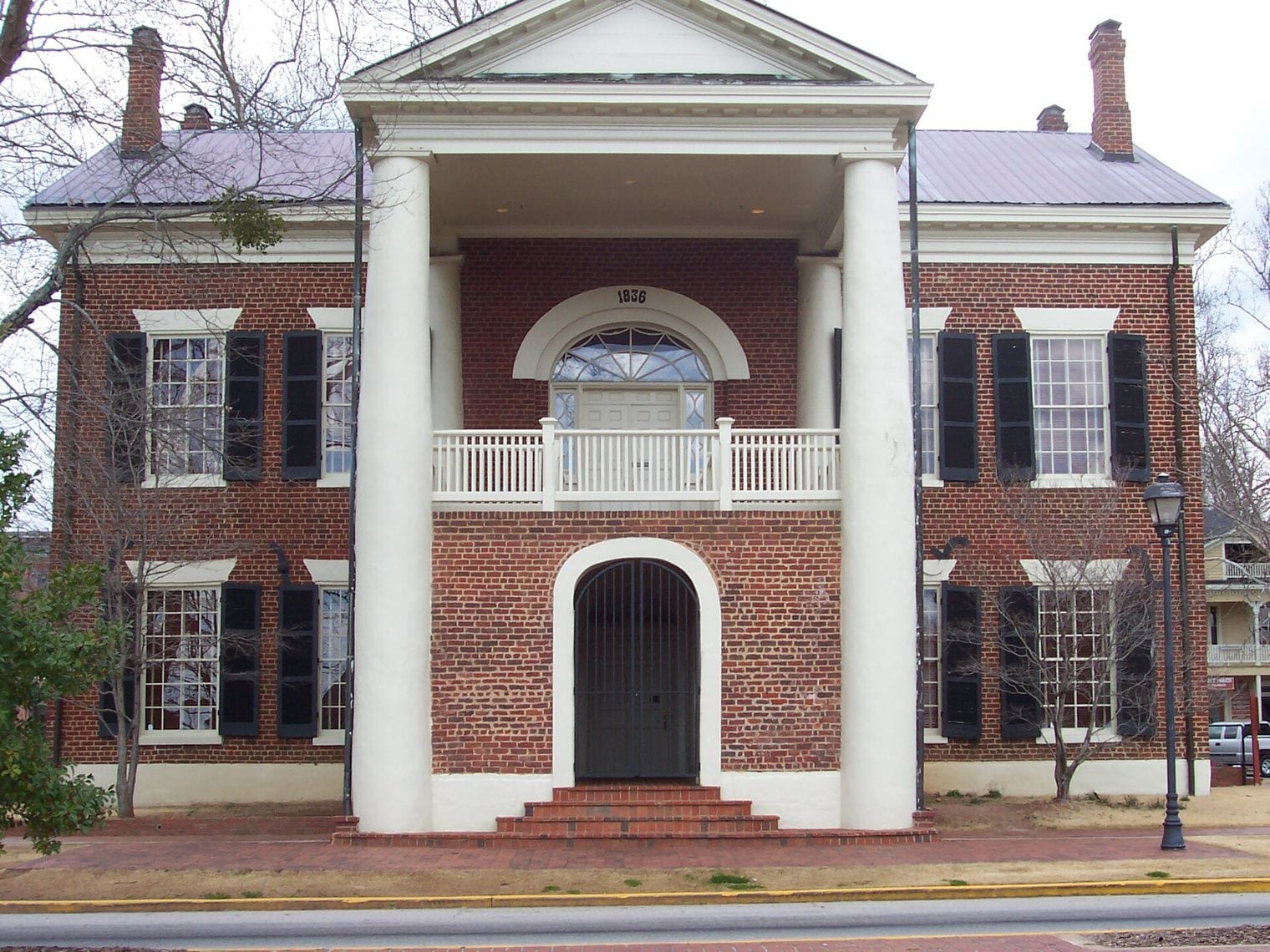
Dahlonega is a north Georgia town in the foothills of the Blue Ridge Mountains, and the site of the country's second major gold rush, which began here in 1829. The old Lumpkin County Courthouse, built in 1836 in the middle of the public square, now houses the Dahlonega Gold Museum Historic Site, and a branch of the US Mint once operated in town.
Today the square is lined with shops and tasting rooms, and the hills around Dahlonega hold a cluster of vineyards. Amicalola Falls State Park and the approach trail to Springer Mountain, the southern end of the Appalachian Trail, are a short drive west, and the town is a popular weekend trip from Atlanta.
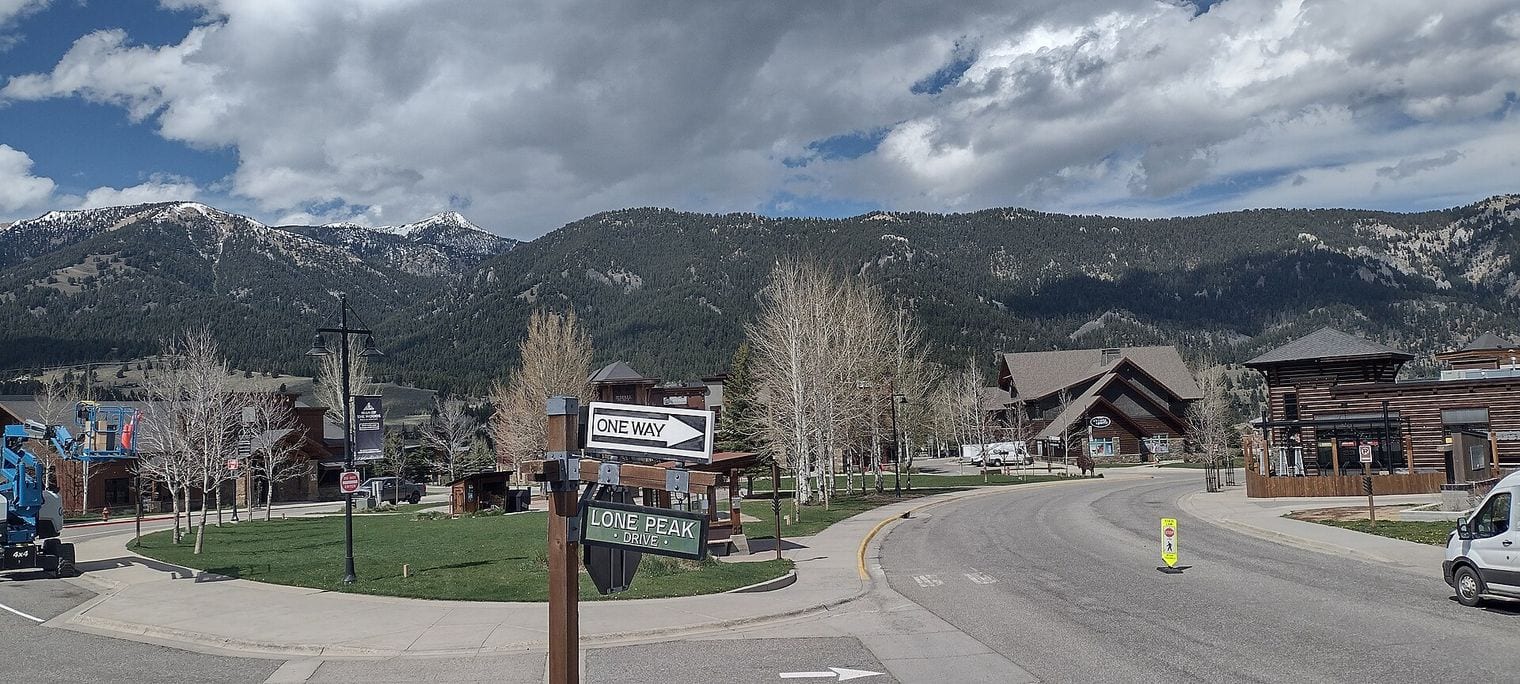
Big Sky is a mountain community in southwest Montana's Madison Range, spread between the Gallatin Canyon and the slopes beneath Lone Peak. It sits roughly midway between Bozeman and West Yellowstone, about 45 miles from each by road, and it is younger than most towns on this list, having grown up around its ski area.
Winter draws skiers, but summer is just as busy: trails such as the one to Ousel Falls start close to the town center, the Gallatin River is a favorite for rafting and fly-fishing, and Yellowstone's west entrance makes an easy day trip from Big Sky.
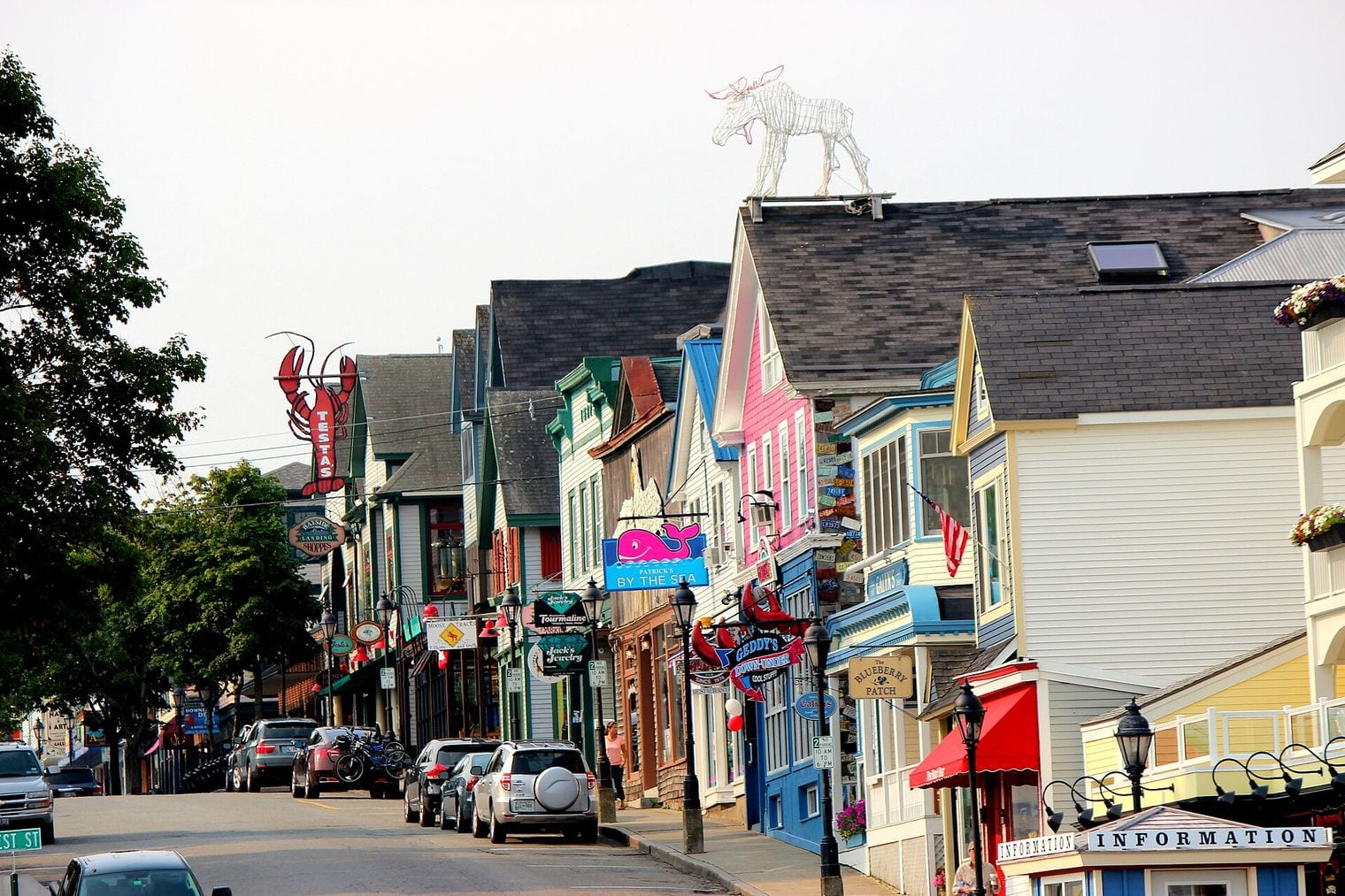
Bar Harbor sits on Mount Desert Island, the largest island in Maine, where the granite mountains of Acadia National Park meet the Atlantic. Cadillac Mountain, the highest point within 25 miles of the coastline of the eastern US, rises just outside town, which makes this the rare seaside entry on a mountain-town list.
Walk the Shore Path along the harbor, cross the sandbar to Bar Island at low tide, and drive the Park Loop Road to Acadia's beaches and summits. The summit road on Cadillac Mountain needs a vehicle reservation in the busy season, and fall color makes autumn a favorite time to visit Bar Harbor.
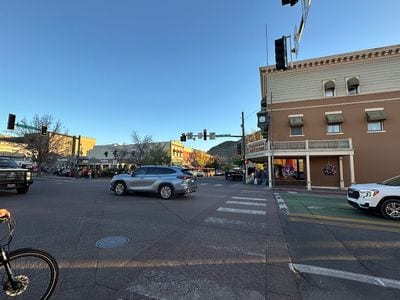
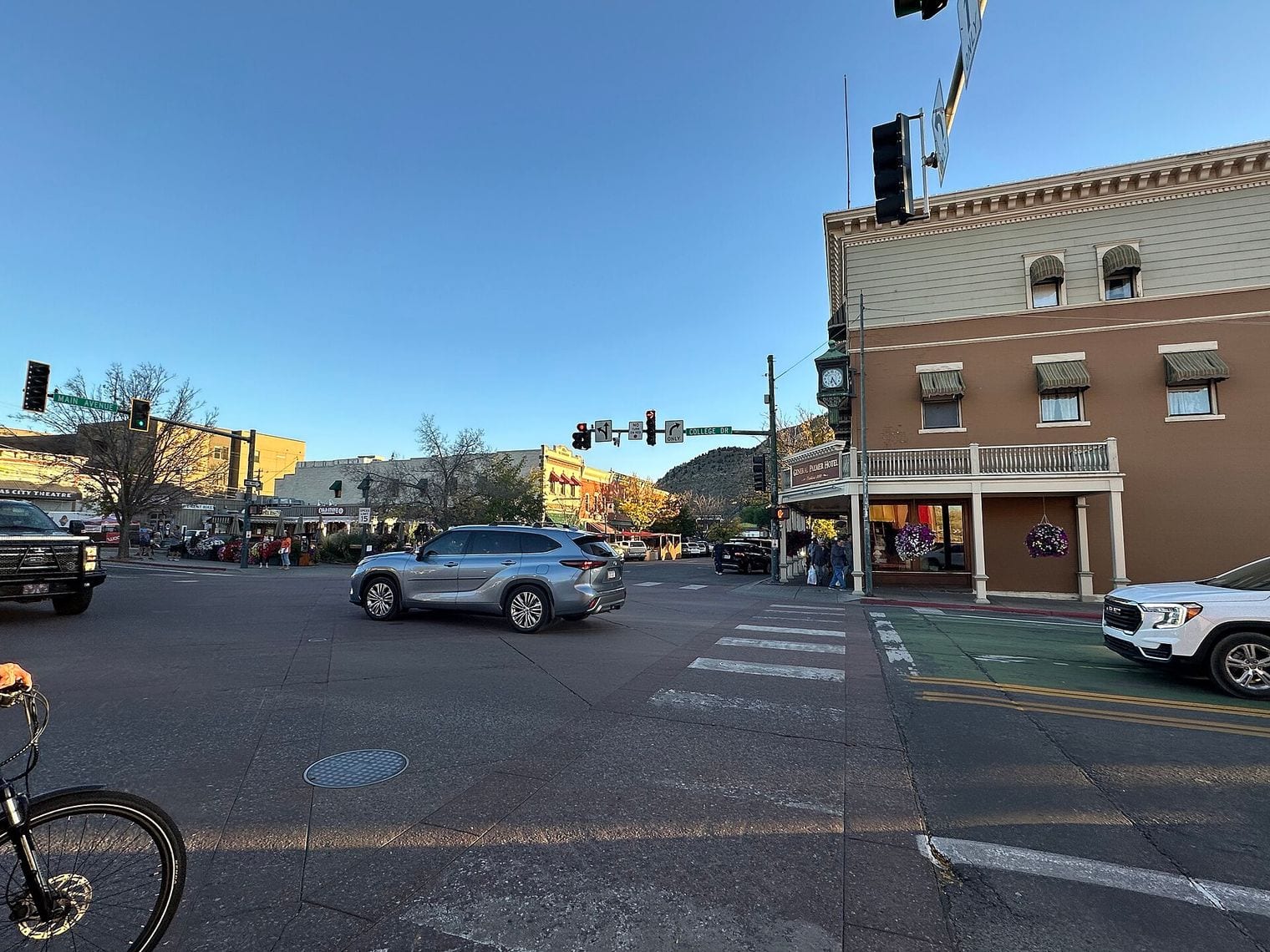
Durango grew up as a railroad town on the Animas River in southwest Colorado, at the southern edge of the San Juan Mountains. The Durango & Silverton Narrow Gauge Railroad has run trains up the Animas canyon to the old mining town of Silverton since the 1880s, and it remains one of the few lines in the country with continuous steam operation.
The historic downtown along Main Avenue is easy to walk, the Animas River runs right through town for rafting and tubing, and Fort Lewis College sits on the mesa above. Mesa Verde National Park, with its Ancestral Puebloan cliff dwellings, is a day trip west of Durango.
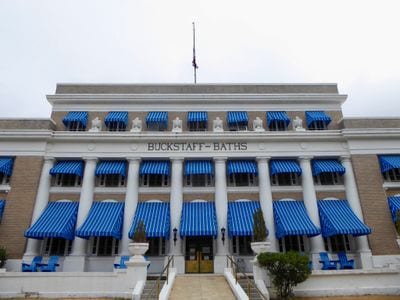
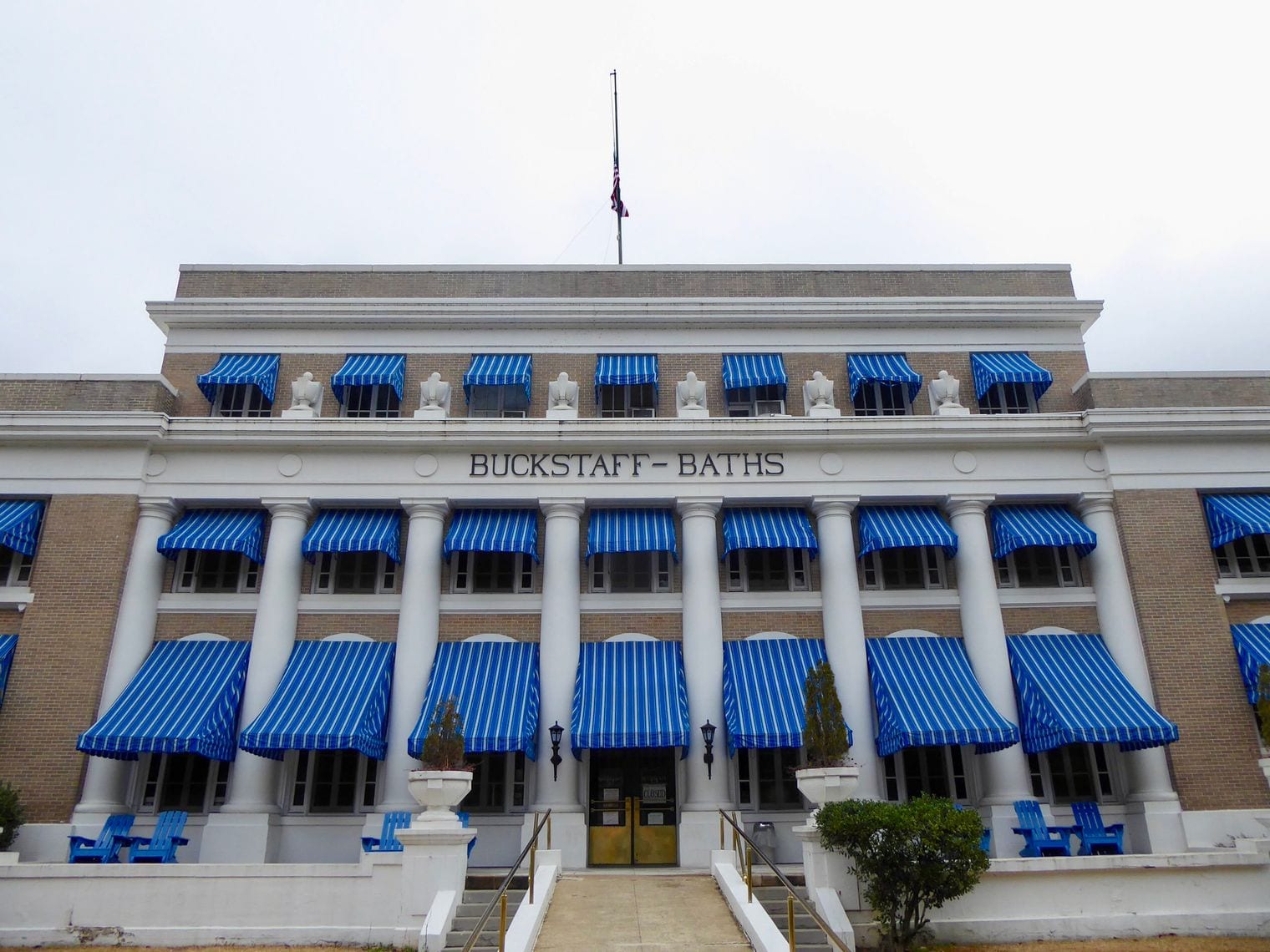
Hot Springs lies in the Ouachita Mountains of central Arkansas, built around thermal springs that the federal government set aside for protection in 1832, decades before Yellowstone. Hot Springs National Park, which took that name in 1921, preserves Bathhouse Row, eight historic bathhouses along Central Avenue.
Some of the bathhouses still offer thermal baths, and trails on Hot Springs Mountain climb right above downtown. The town has a colorful past as a gambling resort and a retreat for gangsters such as Al Capone, and the lakes around Hot Springs add boating and swimming, with Little Rock an easy drive to the east.
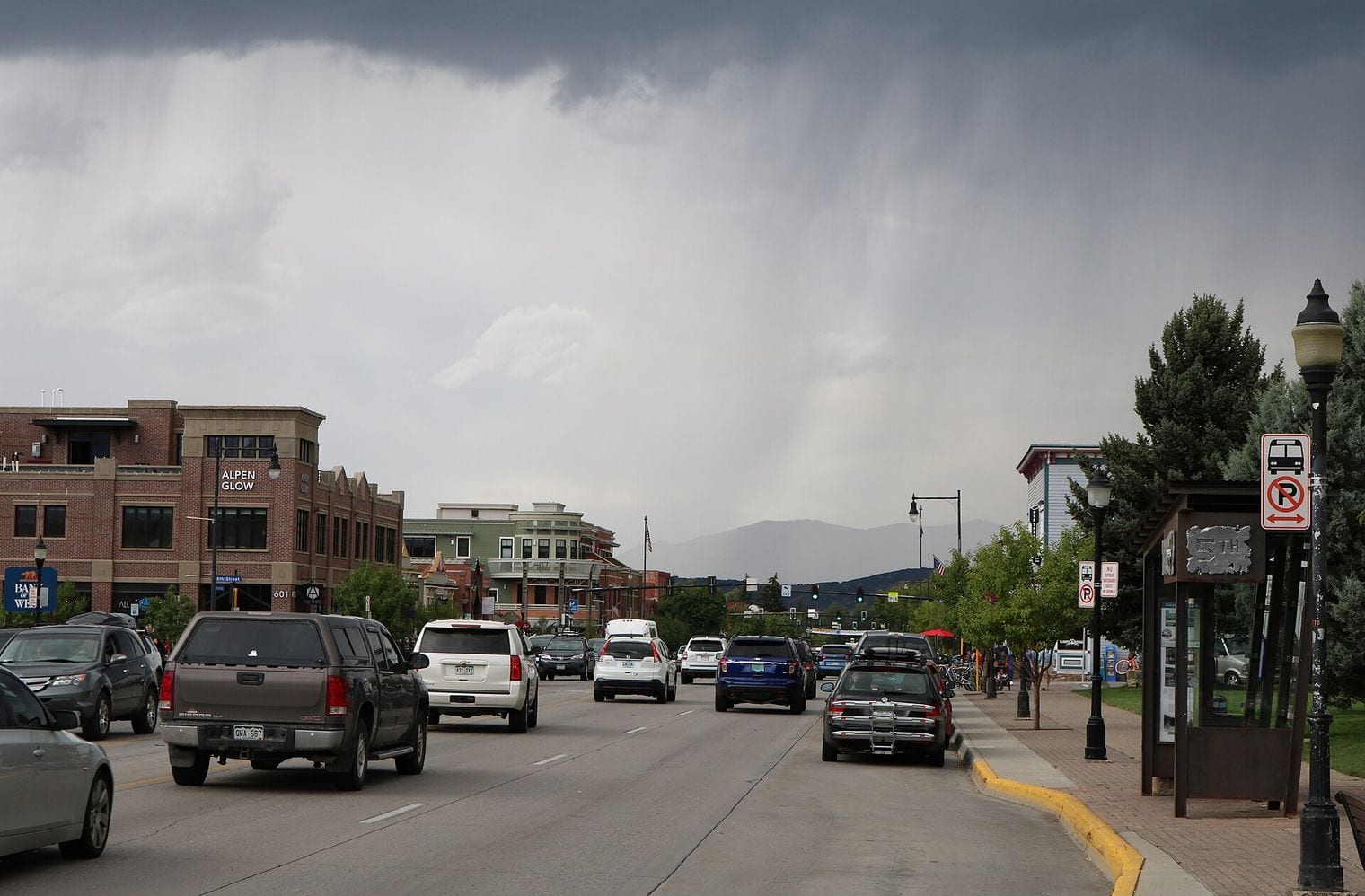
Steamboat Springs sits in the Yampa Valley of northwest Colorado, beneath Mount Werner in the Park Range. It keeps its ranching roots alongside its ski slopes, and it has produced more Winter Olympians than any other town in North America, many of them first trained on Howelsen Hill, the town's own small ski area.
In summer, people float the Yampa River through town, hike to Fish Creek Falls a short drive from downtown, and soak in the hot springs that gave the town its name. Mountain biking and fall color on the surrounding ridges keep Steamboat Springs busy long after the snow melts.
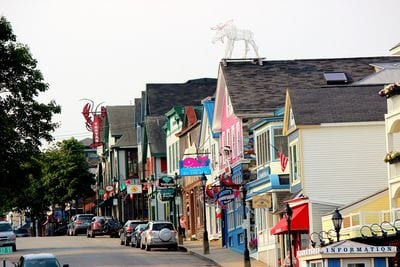
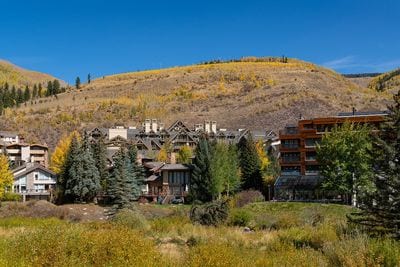
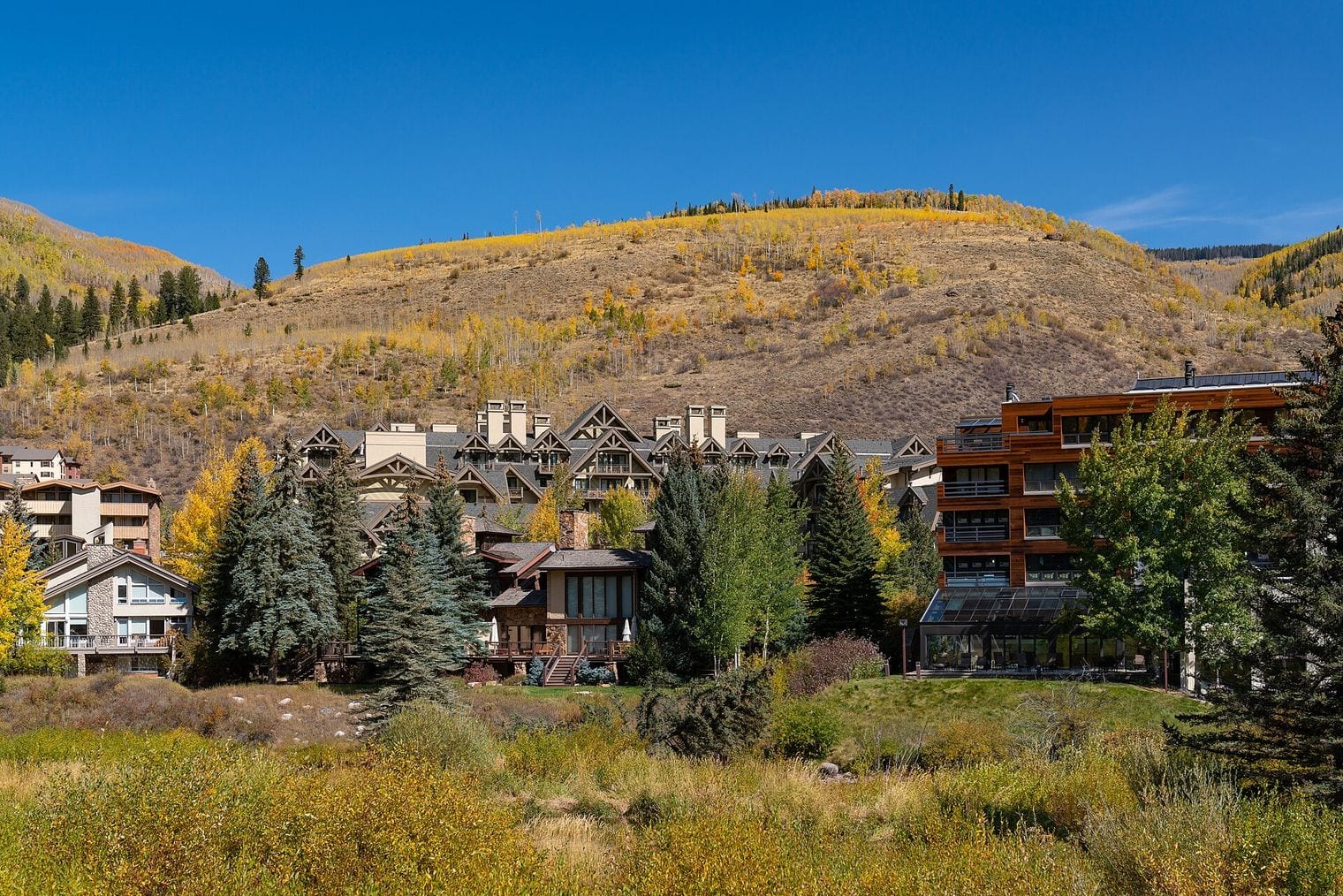
Vail is young by mountain-town standards: it grew up around the ski area that opened in 1962 at the base of Vail Pass and was incorporated in 1966. Its pedestrian village, styled after the towns of the Alps, lines Gore Creek beneath the jagged Gore Range in central Colorado.
Summer brings hiking and mountain biking on the mountain and in the Gore Range, a paved bike path over Vail Pass, and outdoor concerts. The Betty Ford Alpine Gardens show off mountain wildflowers right in town, and fall turns the aspens on the slopes above Vail to gold.
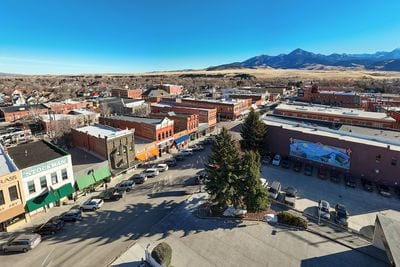
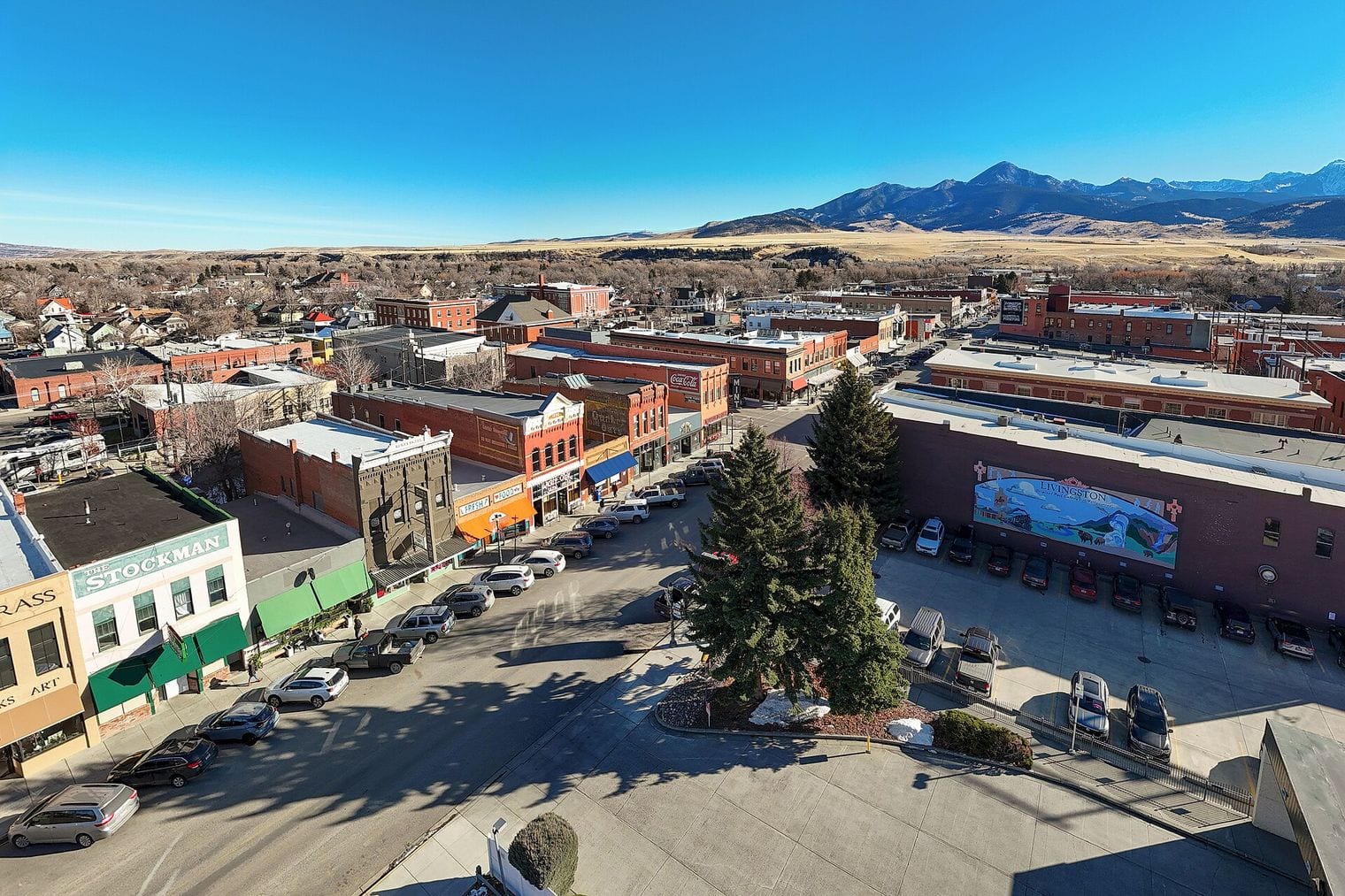
Livingston is an old railroad and ranching town on the Yellowstone River in southwest Montana, with the Absaroka Range and the Crazy Mountains on its horizons. The Northern Pacific Railway founded it and made it the first gateway to Yellowstone, America's first national park, running a branch line south through Paradise Valley toward the park's north entrance at Gardiner.
Today Livingston's downtown has galleries, bookshops and western bars around its restored depot, and Paradise Valley is one of Montana's great drives, with hot springs, fly-fishing on the Yellowstone and trailheads into the Absarokas. Bozeman is a short drive west over the pass.
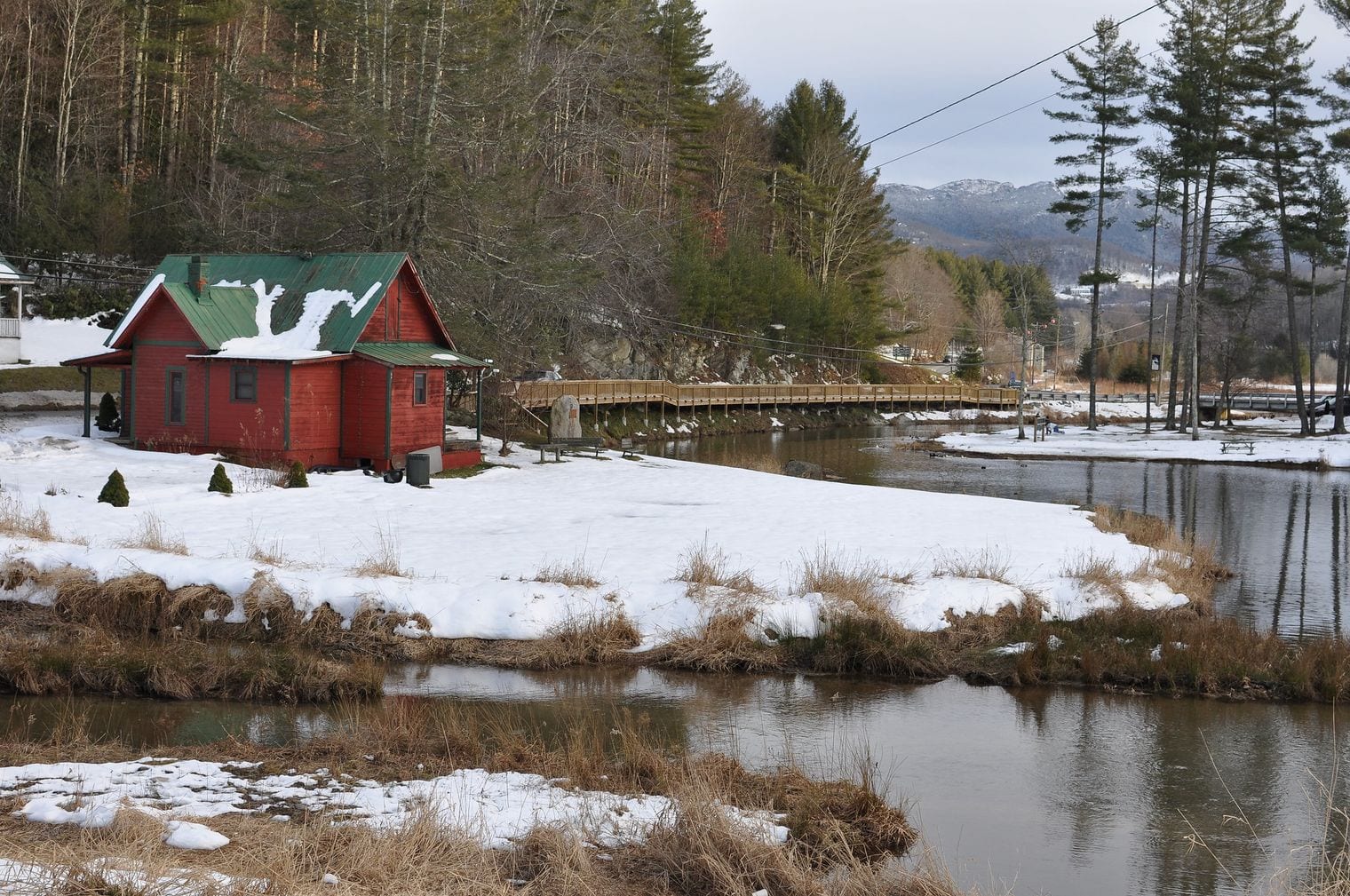
Banner Elk is a small High Country town in the Blue Ridge Mountains of northwest North Carolina, set between Beech Mountain and Sugar Mountain, two of the ski areas of the Southern Appalachians. Christmas tree farms cover the slopes around it, and summer brings cool mountain air to a town well above the heat of the lowlands.
Grandfather Mountain, with its mile-high swinging bridge, is a short drive away, and the town's Woolly Worm Festival, held in October since 1978, races caterpillars to "forecast" the coming winter. Hurricane Helene hit the High Country hard in 2024, and Banner Elk and its neighbors have been rebuilding since.
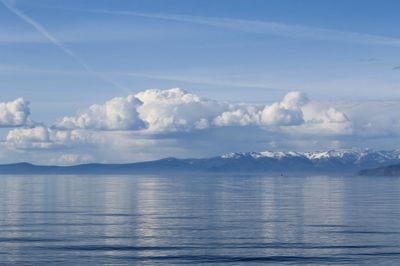
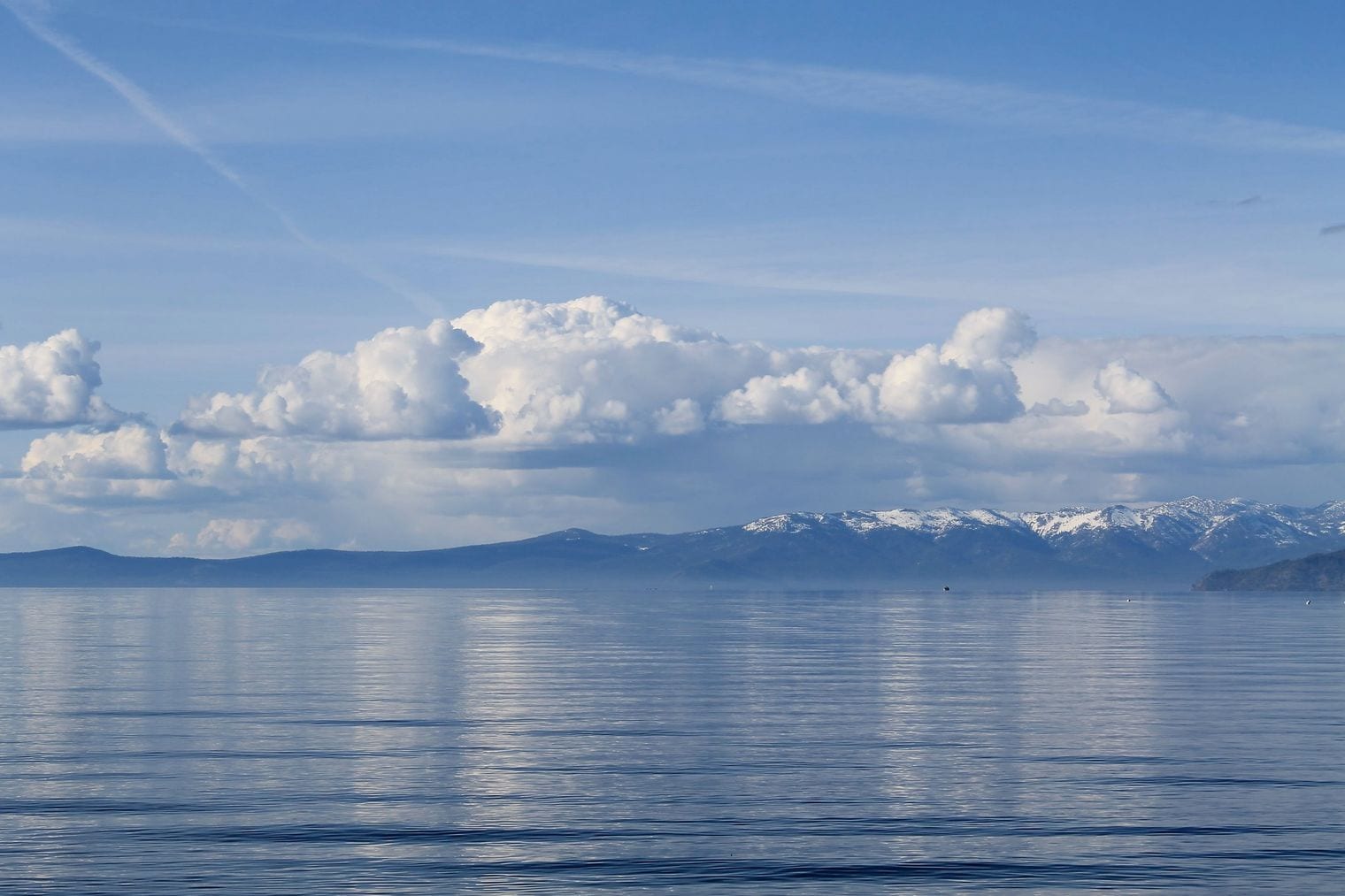
South Lake Tahoe stretches along the southern shore of Lake Tahoe, the largest alpine lake in North America, at about 6,200 feet in California's Sierra Nevada. Its east end runs right up to the Nevada state line, where the casinos of Stateline begin.
Summer is beach and boat season, with clear water, paddleboarding and the drive to the overlooks above Emerald Bay, while a gondola climbs from the center of South Lake Tahoe to views over the lake. Winter turns the mountains above town to skiing, and the Tallac Historic Site preserves old lakeside estates from the resort era.
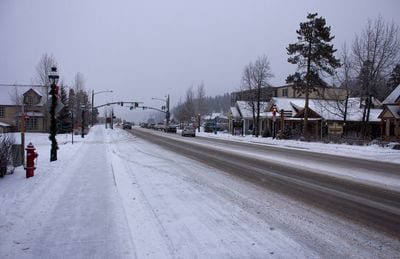
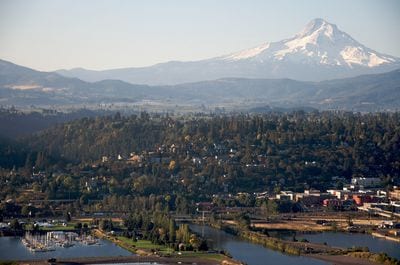
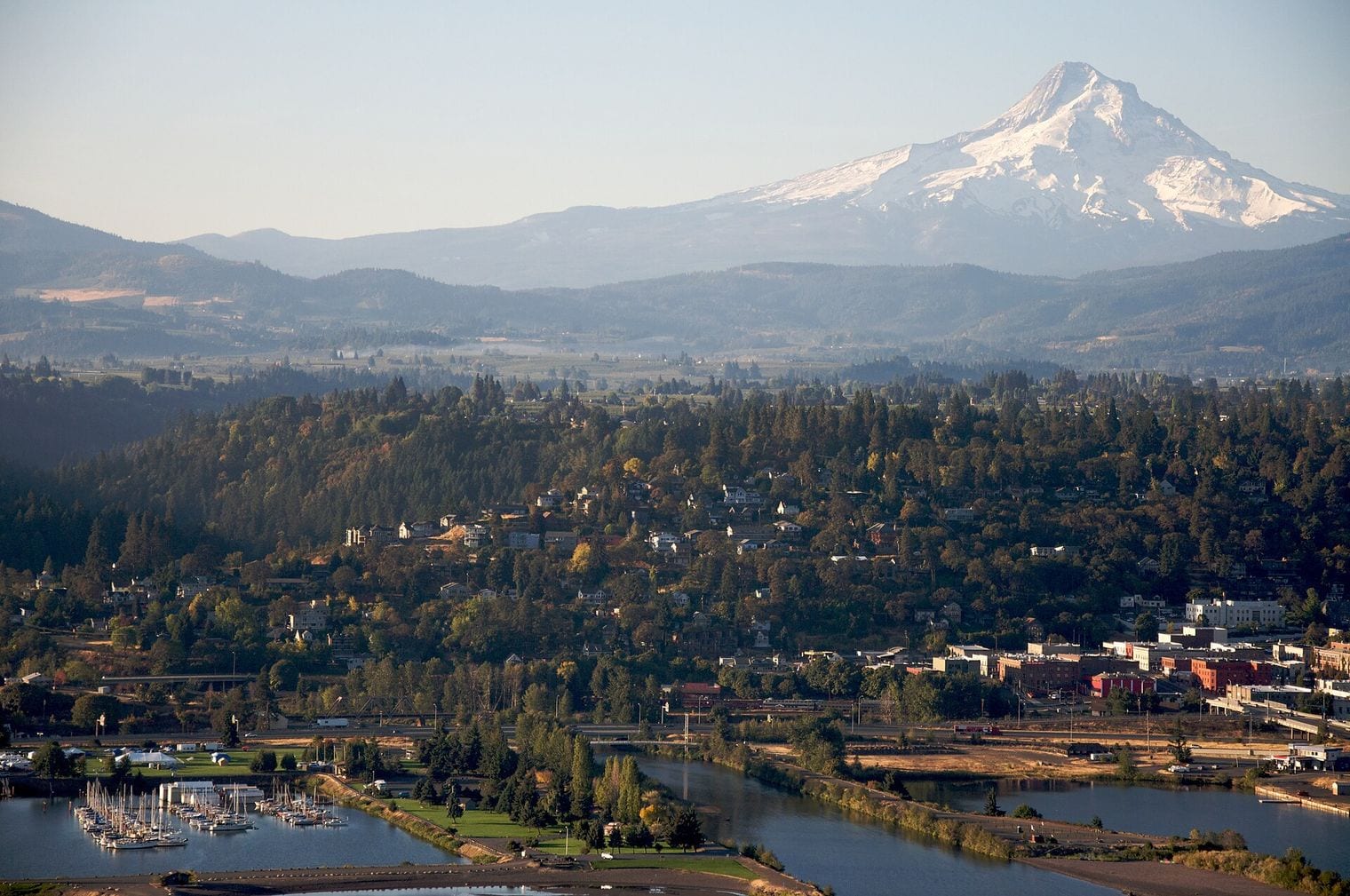
Hood River sits where the Hood River meets the Columbia in the heart of the Columbia River Gorge, with Mount Hood, Oregon's tallest peak, about 30 miles to the south. The steady winds that funnel through the gorge have made the town a famous windsurfing and kiteboarding center.
Inland, the Fruit Loop drive winds through the orchards and farm stands of the Hood River Valley with Mount Hood on the horizon, and the Historic Columbia River Highway leads west past a string of waterfalls. In winter the ski slopes of Mount Hood are within reach, and Portland is an easy drive down the gorge.
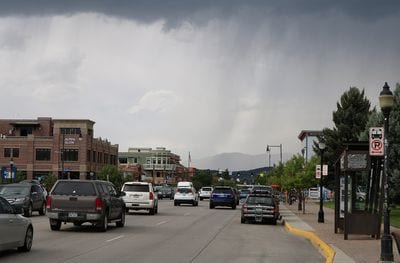
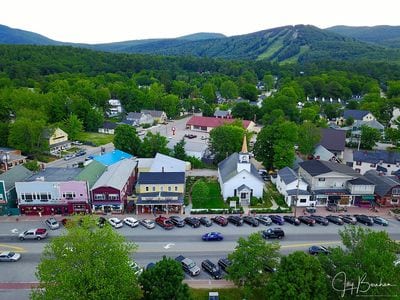
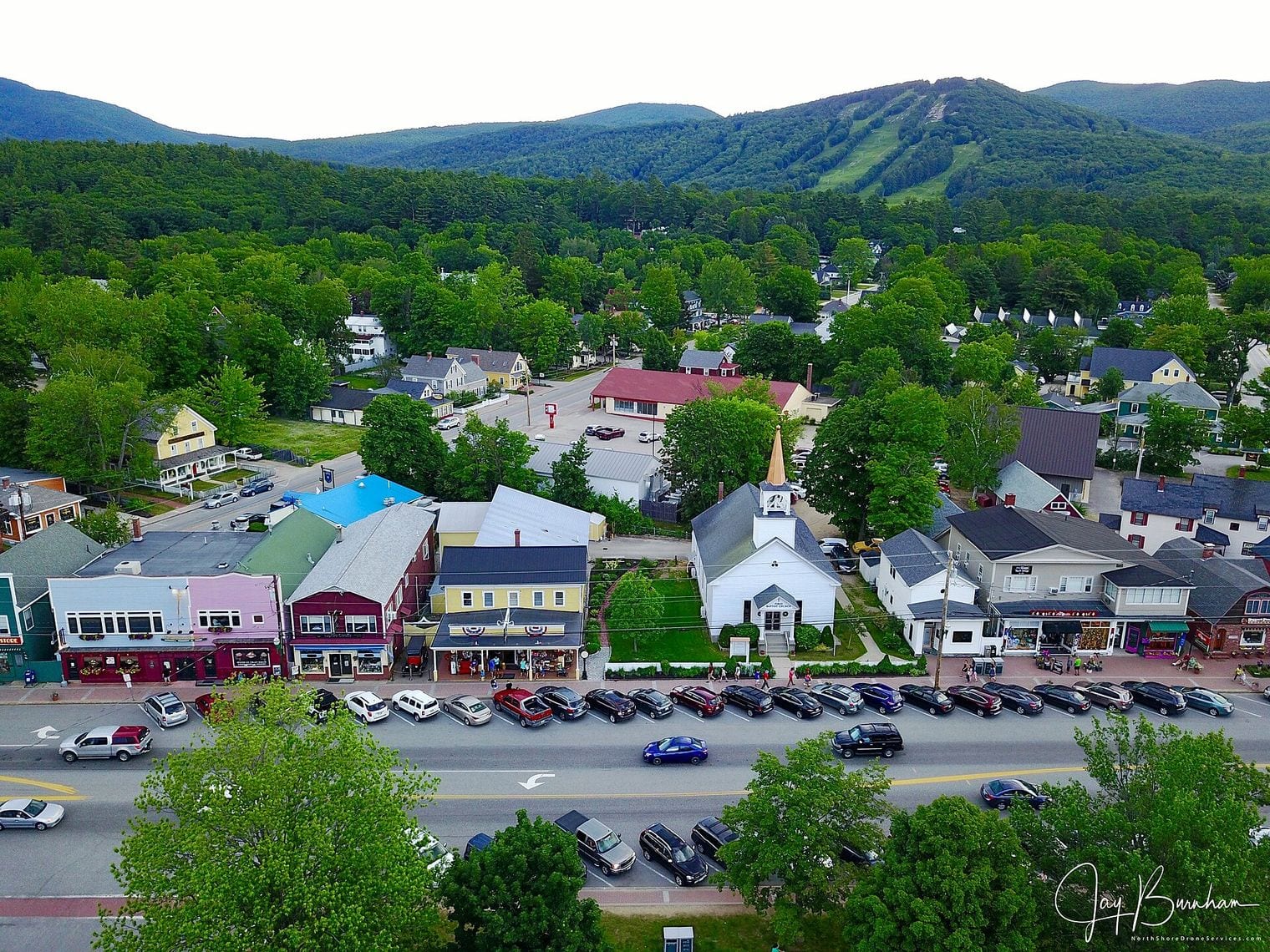
North Conway is the main village of New Hampshire's Mount Washington Valley in the White Mountains, with Mount Washington, the highest peak in the Northeast at 6,288 feet, rising to the northwest. Its main street mixes shops, galleries and a Victorian-era railroad station that still sends out scenic excursion trains.
Climbers come for Cathedral Ledge in Echo Lake State Park, families swim in Echo Lake beneath it, and the Kancamagus Highway, one of New England's classic foliage drives, starts nearby. North Conway's many outlet stores, with no sales tax in New Hampshire, make rainy days easy, and winter brings skiing on nearby slopes.
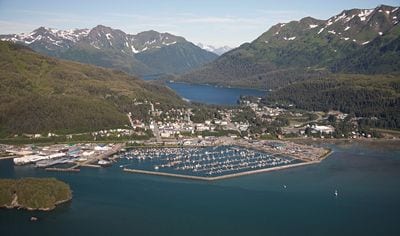
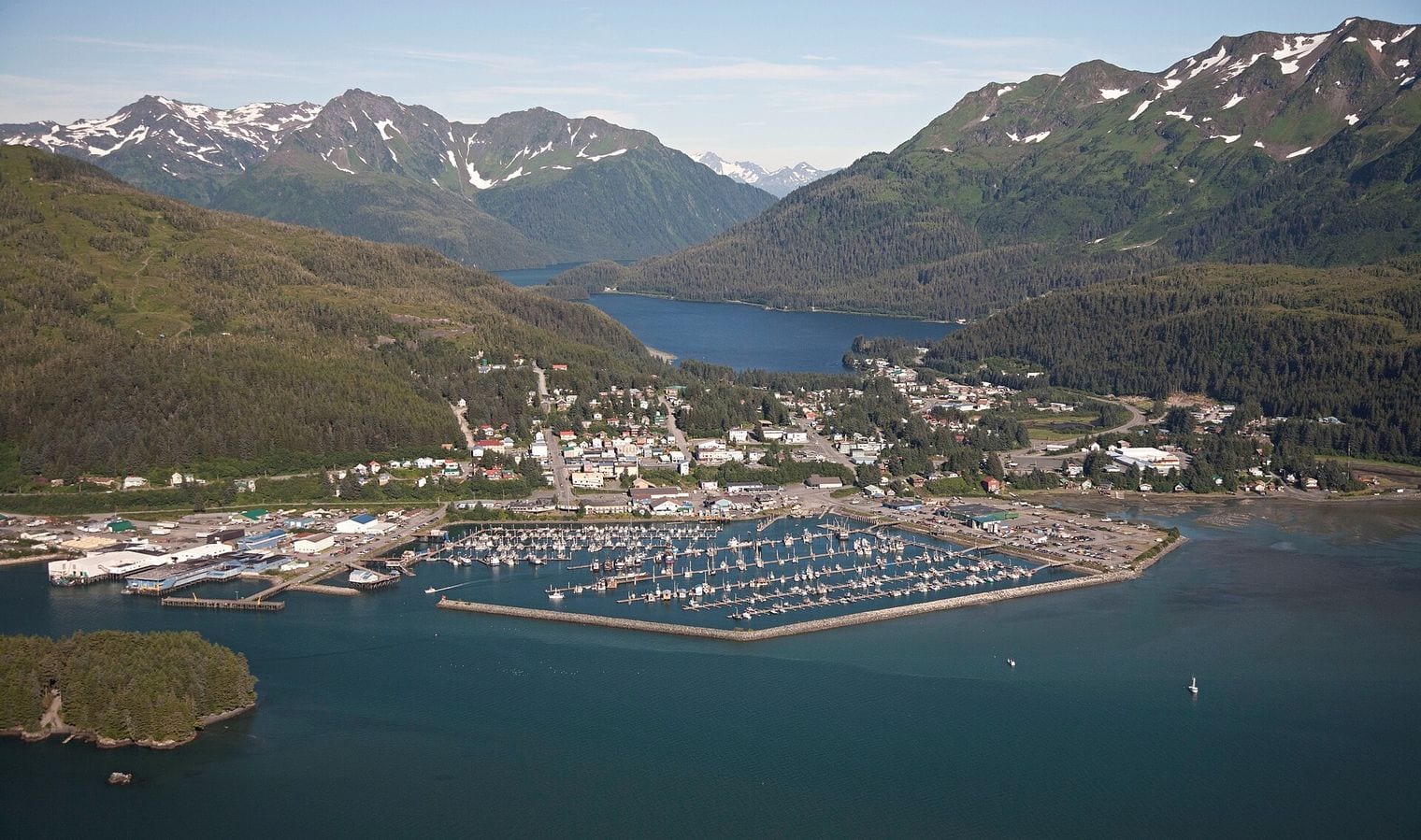
Cordova is a fishing town on Prince William Sound in Southcentral Alaska, near the mouth of the Copper River and backed by the peaks of the Chugach Mountains. No road connects it to the rest of Alaska, so visitors arrive by plane or by state ferry.
The town is famous for Copper River salmon, and the Copper River Highway leads out across the vast delta, rich in birdlife, toward Childs Glacier and the Million Dollar Bridge, a relic of the old copper railroad. Trails start right above town, and for a quieter, wilder take on Alaska, Cordova is hard to match.
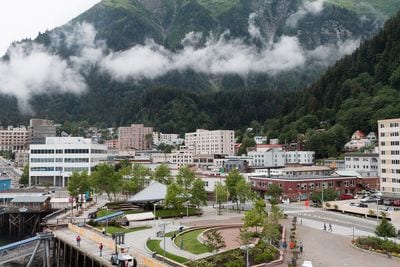
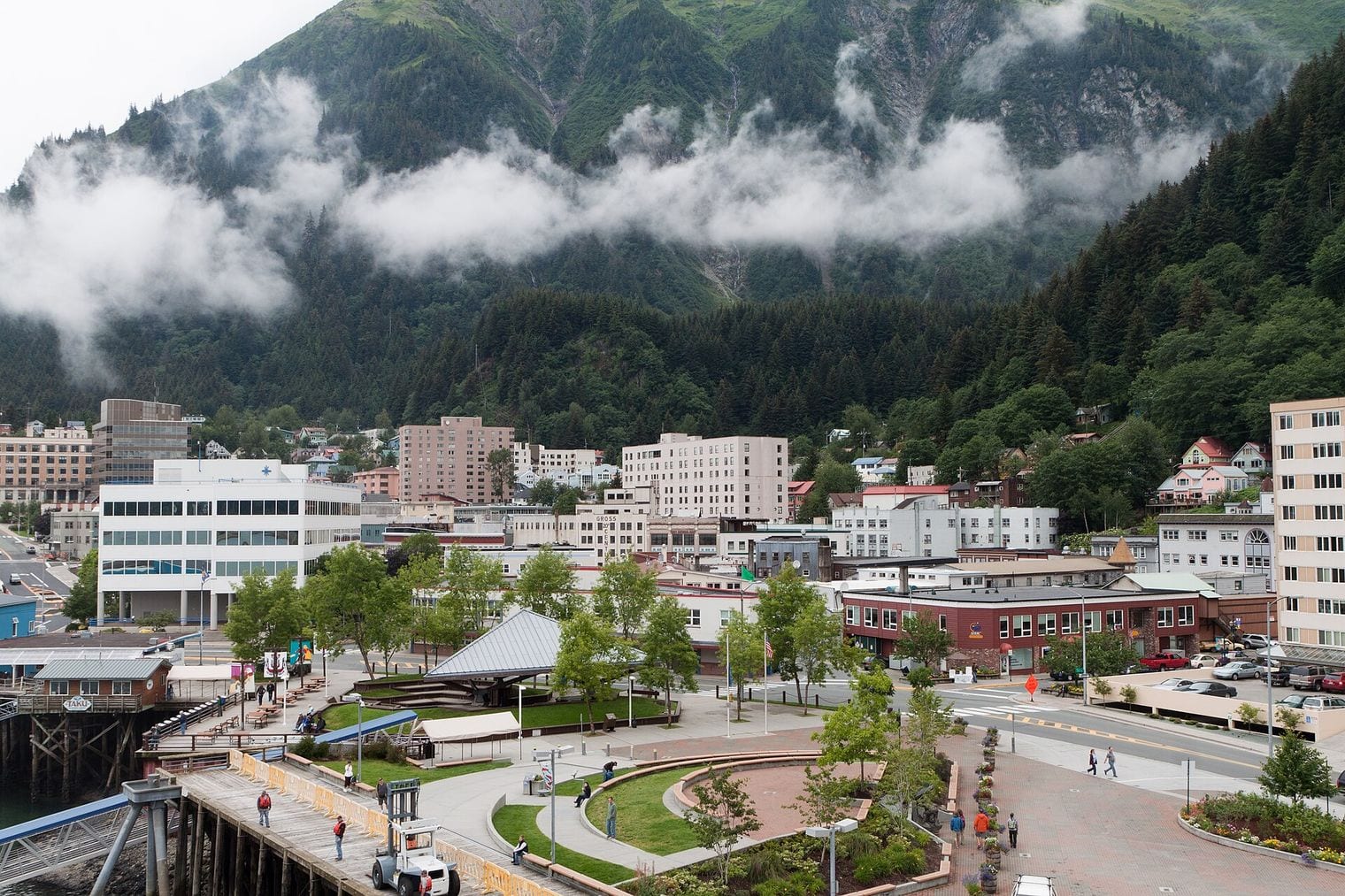
Juneau is Alaska's capital, squeezed between the Gastineau Channel and the steep slopes of Mount Juneau and Mount Roberts in the state's southeast panhandle. It is the only US state capital with no road connecting it to the rest of the state, so visitors arrive by air or by sea.
Mendenhall Glacier flows down to its lake in a valley outside downtown, the Mount Roberts Tramway lifts riders from the waterfront to alpine trails, and whale-watching boats head into the channels in summer. Downtown Juneau keeps its gold-rush-era streets and the state capitol, and the Tongass National Forest surrounds it all.
Pigeon Forge sits in the foothills of the Great Smoky Mountains in eastern Tennessee, along the Little Pigeon River just north of Gatlinburg. Its Parkway is lined with music shows, museums and family attractions, and Dollywood, the theme park tied to Dolly Parton, sits just off it.
The historic Old Mill by the river recalls the iron forge that gave the town its name. Great Smoky Mountains National Park is a short drive south, so Pigeon Forge works as a family base for the park, and neighboring Sevierville adds more attractions along the same corridor.
Free Things to Do in America's Mountain Towns
Many of the best mountain-town experiences cost nothing. Ride the free gondola between Telluride and Mountain Village, which runs for most of the year, or walk the Stowe Recreation Path in Stowe.
Stroll the galleries of Canyon Road in Santa Fe, walk Bathhouse Row and the trails of Hot Springs National Park, which charges no entrance fee, in Hot Springs, and cross the sandbar to Bar Island at low tide in Bar Harbor. In Jackson, the antler arches of the Town Square cost nothing to see, and in autumn the elk that gather around Estes Park put on a free show.
With 40 towns spread from Maine to Alaska, plan by region and give each loop about a week. Colorado has the most entries: from Denver, I-70 climbs west to Breckenridge and Vail, Aspen lies over Independence Pass in summer, and Steamboat Springs sits to the north, while a San Juan Mountains loop links Durango, Ouray and Telluride by way of the Million Dollar Highway.
Estes Park is the short trip from Denver. In the Northern Rockies, Jackson, Big Sky, Bozeman and Livingston ring Yellowstone, Whitefish sits on Glacier's doorstep, and Sun Valley, McCall and Park City, near Salt Lake City, fill out the interior West.
Farther west, Truckee and South Lake Tahoe share the lake, Mammoth Lakes lies down the Eastern Sierra's US 395, and Bend, Hood River and Leavenworth line the Cascades. In the Southwest, Santa Fe and Taos pair along the High Road to Taos north of Albuquerque, with Sedona a trip of its own in Arizona. Juneau and Cordova are reached only by air or ferry, while Homer lies at the end of the road south of Anchorage.
In the East, the Southern Appalachians link Asheville, Banner Elk, Gatlinburg and Pigeon Forge along the Blue Ridge Parkway and through the Smokies, with Helen and Dahlonega in the north Georgia mountains.
Eureka Springs and Hot Springs pair in the Ozarks and Ouachitas of Arkansas, and Stowe, North Conway and Bar Harbor make a New England foliage loop, with Lake Placid across Lake Champlain. For the roads in between, see our guide to the best scenic drives in the US.
FAQ: Visiting the Best Mountain Towns in the US
What is the best mountain town in the US?
Aspen, Colorado, takes first place here for its mix of mountain scenery, summer music and history, with Telluride, Jackson, Stowe and Taos completing the top five. Stowe appears on more of the travel lists we compared than any other town, and Jackson is the gateway to two national parks.
When is the best time to visit a mountain town?
Summer brings hiking, festivals and open high roads, and early fall is the best season of all in many towns, with golden aspens in Colorado and red maples in New England and the Appalachians. Winter means ski season. Late spring is quiet, and some high passes, such as Independence Pass and Trail Ridge Road, close in winter.
Which mountain towns are best if you don't ski?
Taos and Santa Fe are art and history towns first, Sedona is built around red-rock hiking, and Asheville, Eureka Springs and Hot Springs offer architecture, galleries and thermal baths. Bar Harbor, Juneau and Homer combine mountains with the sea, and every ski town on this list has a busy summer season of its own.
Which mountain towns are best for families?
Gatlinburg and Pigeon Forge pair the Smokies with Dollywood and family attractions, Estes Park sits at the gate of Rocky Mountain National Park, and Lake Placid has Olympic venues to explore. Helen offers river tubing, Bar Harbor has Acadia's tide pools and easy trails, and Durango has its historic narrow-gauge railroad.
Do you need reservations for the national parks near these towns?
Sometimes. Several parks use seasonal reservation systems: Rocky Mountain National Park near Estes Park has used timed entry in summer, Cadillac Mountain's summit road near Bar Harbor needs a vehicle reservation in the busy season, and the Maroon Bells near Aspen are reached by shuttle or reservation. Rules change from year to year, so check the park's official site before you go.
How do you handle the altitude in high mountain towns?
Telluride sits at 8,750 feet, Aspen just below 8,000 and Santa Fe close to 7,000, so many visitors feel the thin air on the first day. Drink plenty of water, take the first day easy, go light on alcohol and wear sunscreen, since the sun is stronger at altitude. Symptoms that worsen are a sign to head lower.
Sources & updates
How this guide was verified
Checked before launch
Sources cited
40
Every place on this list was confirmed open and pinned on the map before publication, and what we say about each one was checked against its own website or an official source.
One email every Thursday with our newest guides for the places you tick.
Newsletter
Get new guides like this by email
One email every Thursday with our newest guides for the places you tick.
We use cookies to analyze site traffic and improve your experience.
You can accept or reject analytics cookies. See our
May we use analytics cookies? See ourCookie Policy.