We build and rank every list first. Booking links come after, and only where
a partner sells a ticket, tour or stay for that exact place, so a place with
nothing to book is listed exactly as prominently as one you can book.
So how do we earn? Some links on this page go to booking
partners, and if you book tickets, tours or a stay through
one, we may earn a commission. It costs you nothing extra.
That commission never decides which places make the list, the order they
appear in, or what we write about them. No entry is sponsored or a paid
placement.
By the City Viking editorial teamPublished 60 places · 36 min read
Fact-checked Checked before launchOct 27, 202660 sources43 publishers15 government & parks36 tourism boards9 venues & other sitesPublished · Oct 27, 2026Researched and checked before it went liveClick for every source and the full change log.
Short answer
Start with New York City, Grand Canyon National Park and New Orleans, then Yellowstone National Park and Washington, D.C., the five places travel publishers name most often. The US is far too big for one trip, so pick a region and give it about a week.
The United States packs an extraordinary range into one country: the skyline of New York City, the jazz clubs of New Orleans, red-rock canyons in Utah and Arizona, volcanic islands in Hawaii and the geysers of Yellowstone. Few countries let you swap a big-city weekend for a wilderness road trip so easily.
These 60 destinations are ranked by how many travel publishers list each one, plus how much it is read on Wikipedia. A destination here is a city, national park, island or natural region, so single sights like the Statue of Liberty sit inside their city. A closing section groups them by region.
Yellowstone became the first national park in the US in 1872, and it is widely held to be the first national park anywhere in the world.
The Great Smoky Mountains drew more than 11 million visits in 2025, making it the most visited national park in the country by a wide margin.
Santa Fe, founded in 1610, is the oldest state capital in the US, and at almost 7,000 feet it is also the highest.
Badwater Basin in Death Valley lies 282 feet below sea level, the lowest point in North America, while Mount Whitney, the highest peak in the contiguous US, rises only about 85 miles to the west.
Chicago built the world's first skyscraper in 1885, using a steel-skeleton frame that let buildings climb higher than ever before.
Arches National Park holds more than 2,000 natural sandstone arches, the highest density of natural arches in the world.
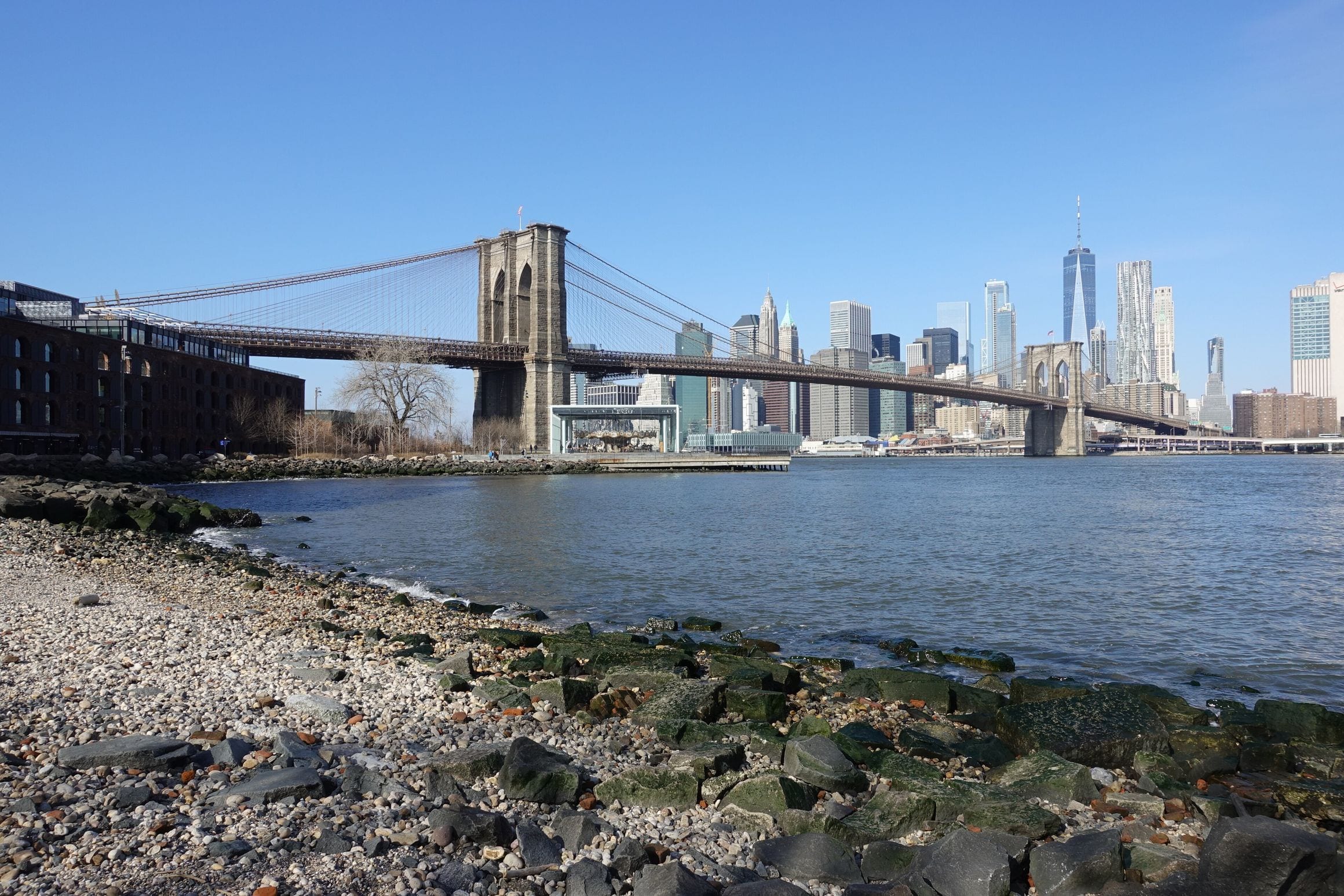
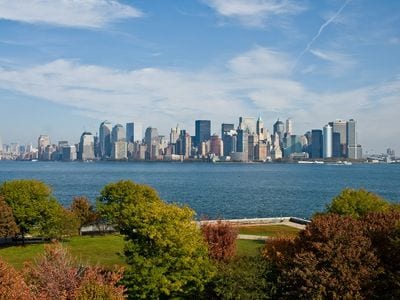
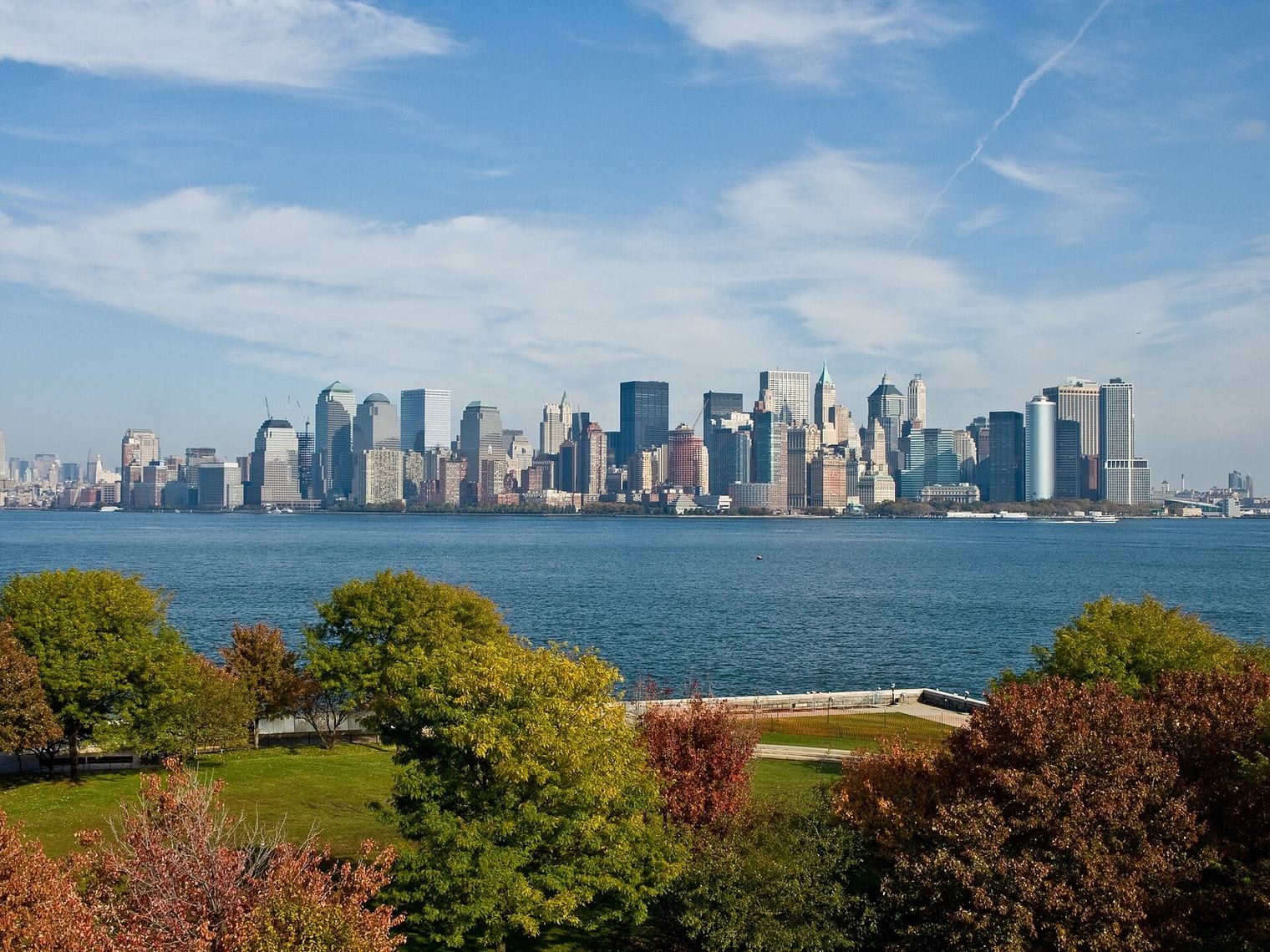
New York City is the most populous city in the US and the obvious first stop, five boroughs packed with more famous sights than most countries. Take the ferry out to the Statue of Liberty, walk the Brooklyn Bridge into Lower Manhattan, then work north through Times Square to Central Park and the great museums along Fifth Avenue, the Metropolitan Museum of Art among them.
Give it at least four days. Ride the subway out to Brooklyn's waterfront parks and neighborhoods, catch a Broadway show, and save one evening for the view from an observation deck such as the Empire State Building's. New York City rewards walking like few other American cities, so plan your days neighborhood by neighborhood rather than sight by sight.
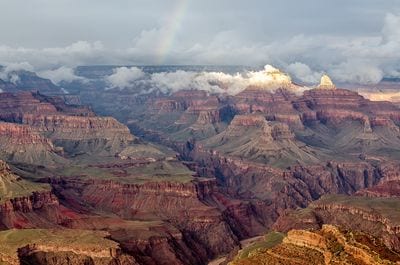
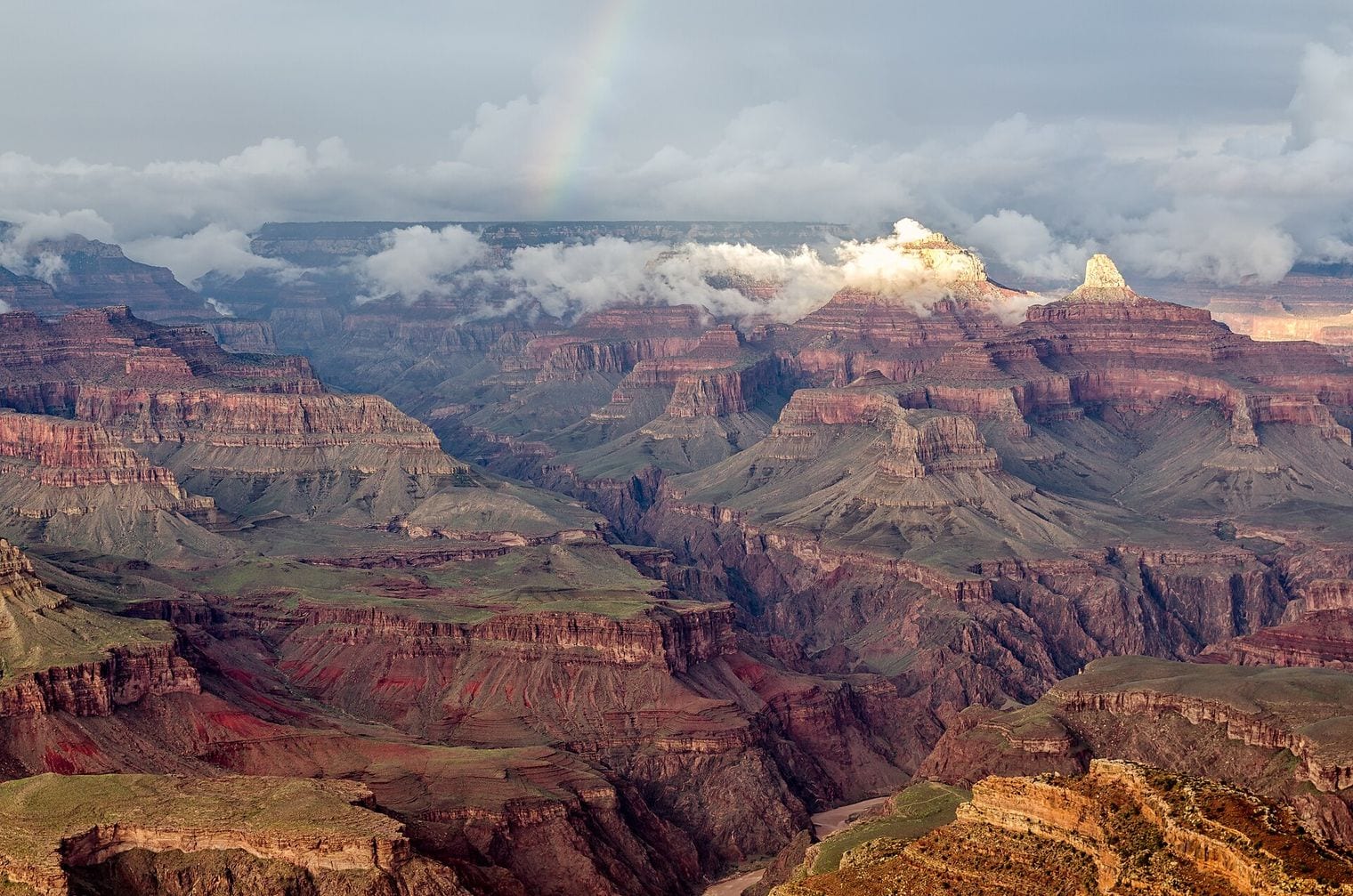
Nothing quite prepares you for the first look over the edge at Grand Canyon National Park in northern Arizona. The canyon runs 277 miles, stretches up to 18 miles wide and drops more than a mile to the Colorado River, and the South Rim around Grand Canyon Village stays open all year, with a rim trail linking viewpoints such as Mather Point and Hopi Point.
Most visitors come in from Flagstaff or Las Vegas to the South Rim. The quieter North Rim opens only in the warmer months and lost its historic Grand Canyon Lodge to the 2025 Dragon Bravo Fire, so check the park's North Rim page before planning around it. Stay for sunset, when the layered rock glows red, and walk a short way below the rim on the Bright Angel or South Kaibab Trail if the heat allows.
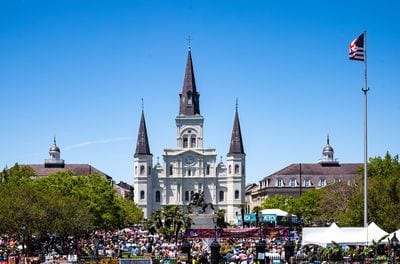
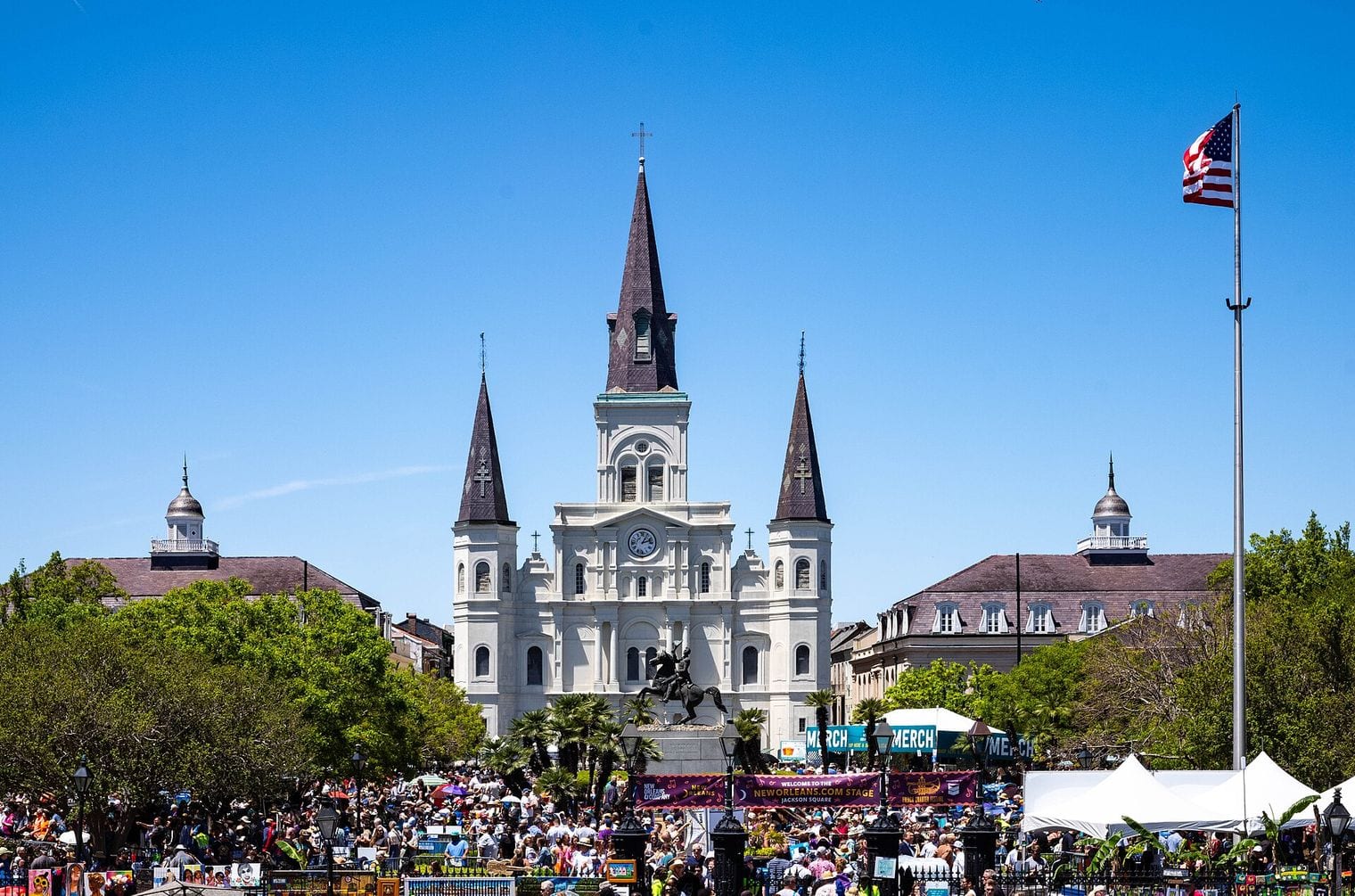
Founded by the French in 1718, New Orleans sounds, tastes and looks like nowhere else in the country. The French Quarter's iron balconies, Jackson Square and the music clubs of Frenchmen Street are the heart of a visit, and the city, widely regarded as the birthplace of jazz, has live music on most nights of the week.
Come hungry, because Creole and Cajun cooking, beignets and po'boys are half the trip. Ride the streetcar along St. Charles Avenue to the oak-shaded Garden District, and time a visit to New Orleans for Mardi Gras or the spring Jazz & Heritage Festival if you love a crowd, or for the cooler months if you don't.
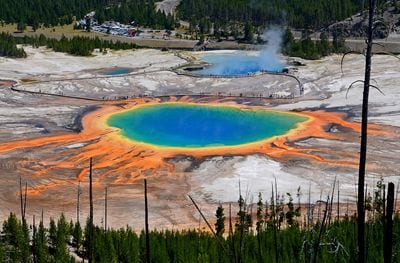
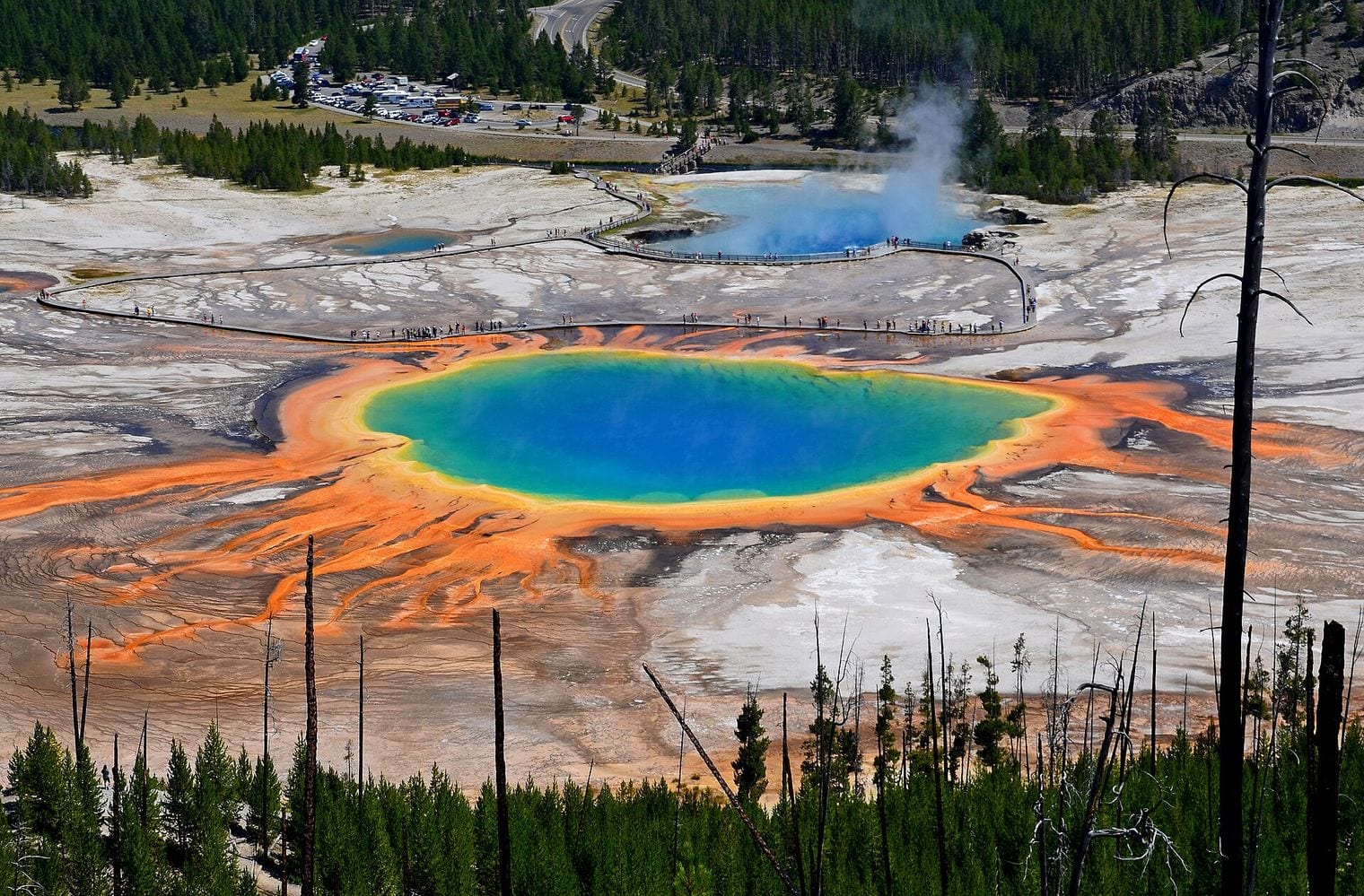
Yellowstone National Park, mostly in northwest Wyoming with edges in Montana and Idaho, became the first national park in the US in 1872. Well over half of the world's geysers and hydrothermal features are here: Old Faithful erupts on a predictable cycle, and the Grand Prismatic Spring, the park's largest hot spring, spreads rings of orange, yellow and blue across the Midway Geyser Basin.
Then there is the wildlife. Bison graze beside the roads, and the Lamar and Hayden valleys are the places to look for wolves, elk and bears at dawn or dusk. Plan on three days at least: the Grand Loop Road links the main areas, but the distances are long, and most park roads close to cars in winter.
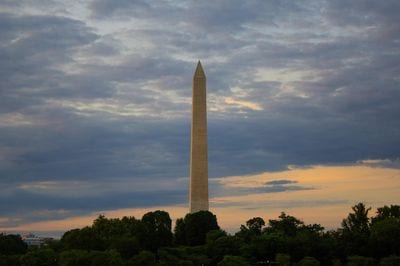
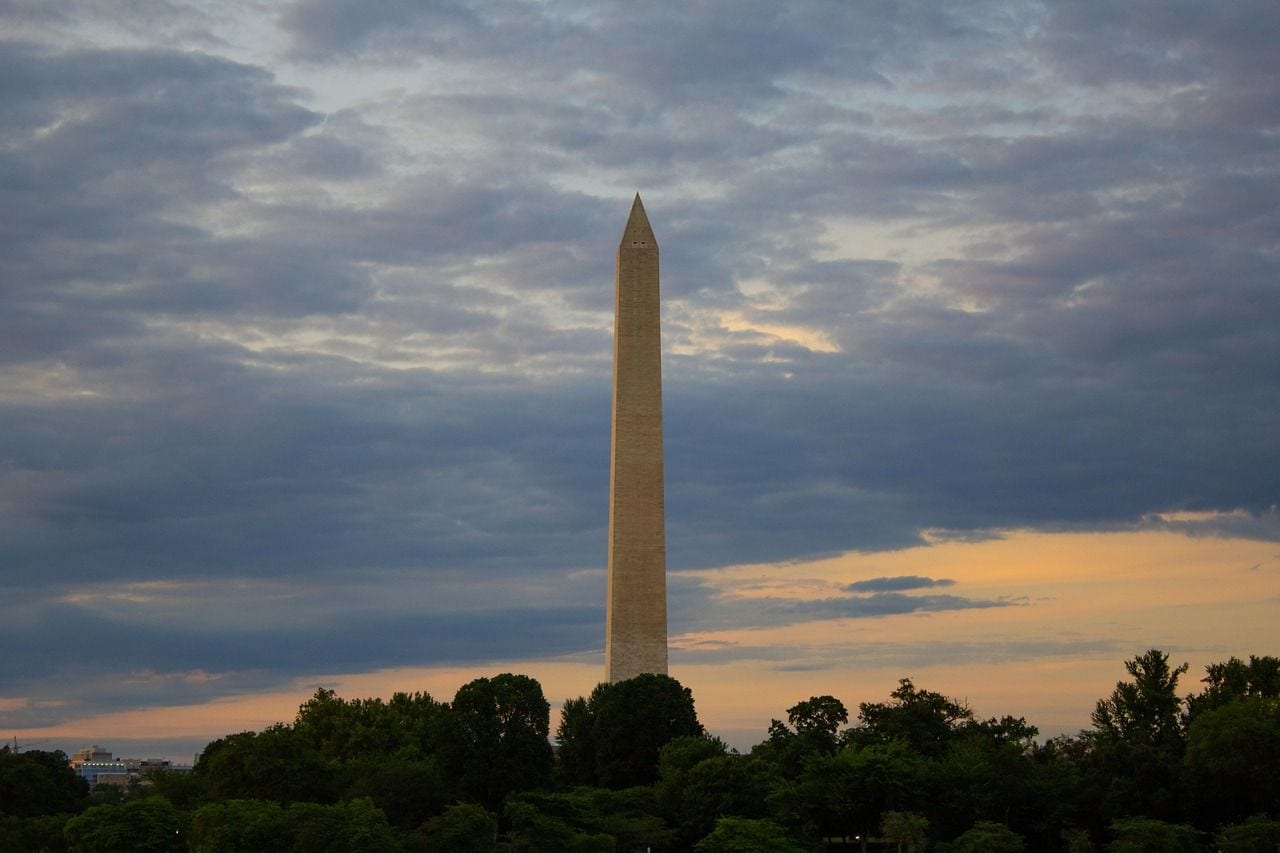
The nation's capital lays out its biggest sights along one grassy axis. The National Mall in Washington, D.C. runs from the US Capitol past the Washington Monument to the Lincoln Memorial, with the Jefferson Memorial and the Tidal Basin just off it, and most of the Smithsonian museums line its edges with free admission.
That makes Washington, D.C. one of the best-value city breaks in the country. Budget a day for the memorials, best walked at night when they are lit, and two or three for the museums, from Natural History to the National Museum of African American History and Culture. Spring brings the cherry blossoms around the Tidal Basin and the city's busiest season.
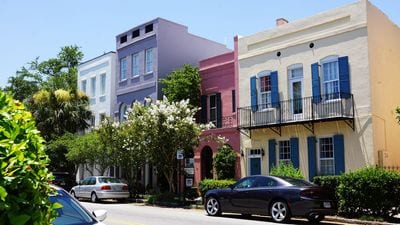
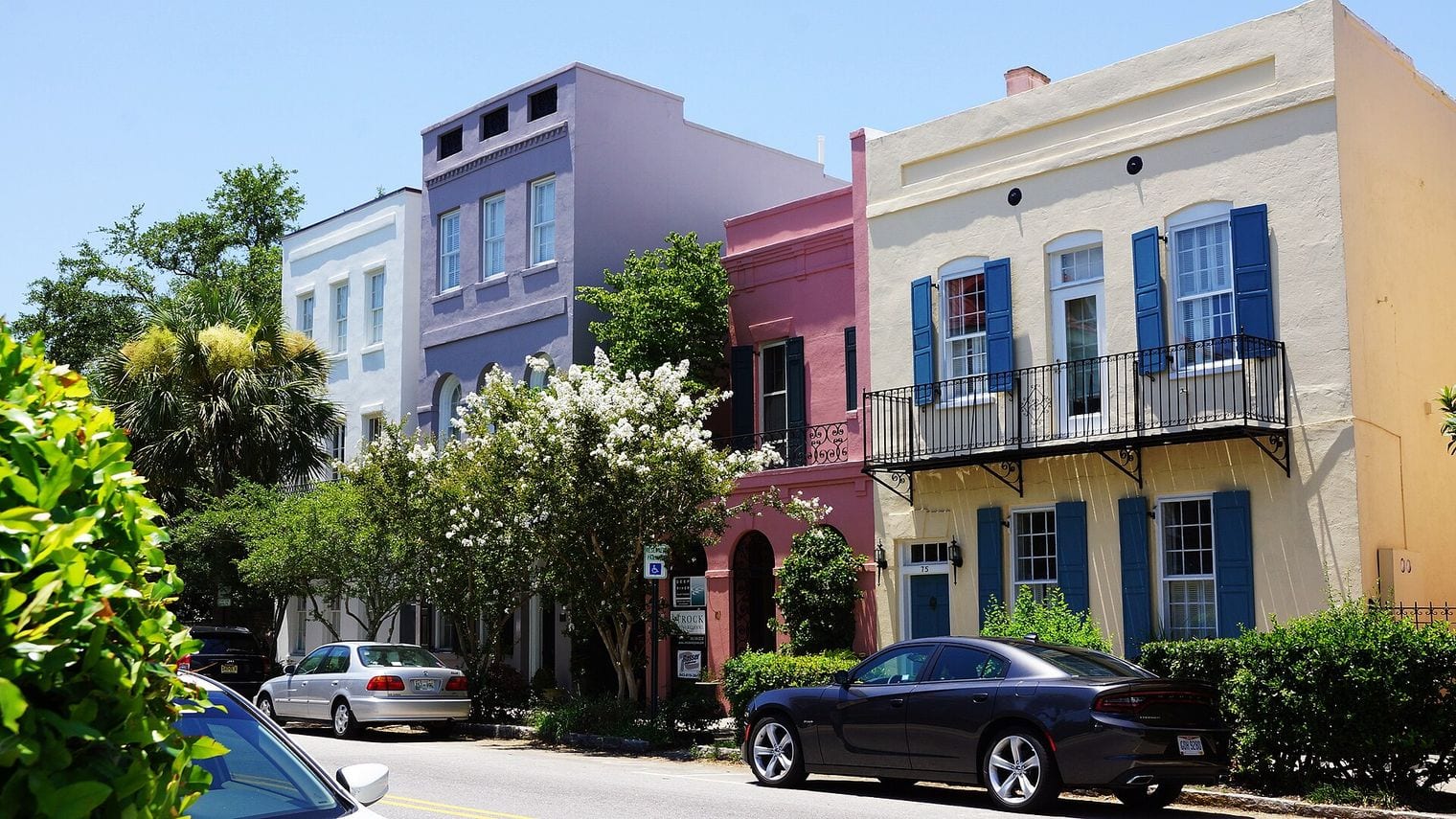
Charleston, founded by the English in 1670, is the South's great walking city: cobbled lanes, church steeples, pastel Rainbow Row and the grand antebellum homes along the Battery seawall. Horse-drawn carriages still clip through the historic district, and the food, built on Lowcountry staples like shrimp and grits, draws as many visitors as the architecture.
Take the boat out to Fort Sumter, where the first shots of the Civil War were fired in 1861, and give a day to the plantations and gardens along the Ashley River outside Charleston. Sullivan's Island and Folly Beach are close by when you want sand, and spring and fall are the most comfortable seasons.
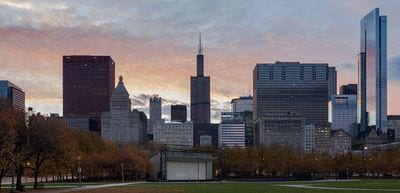
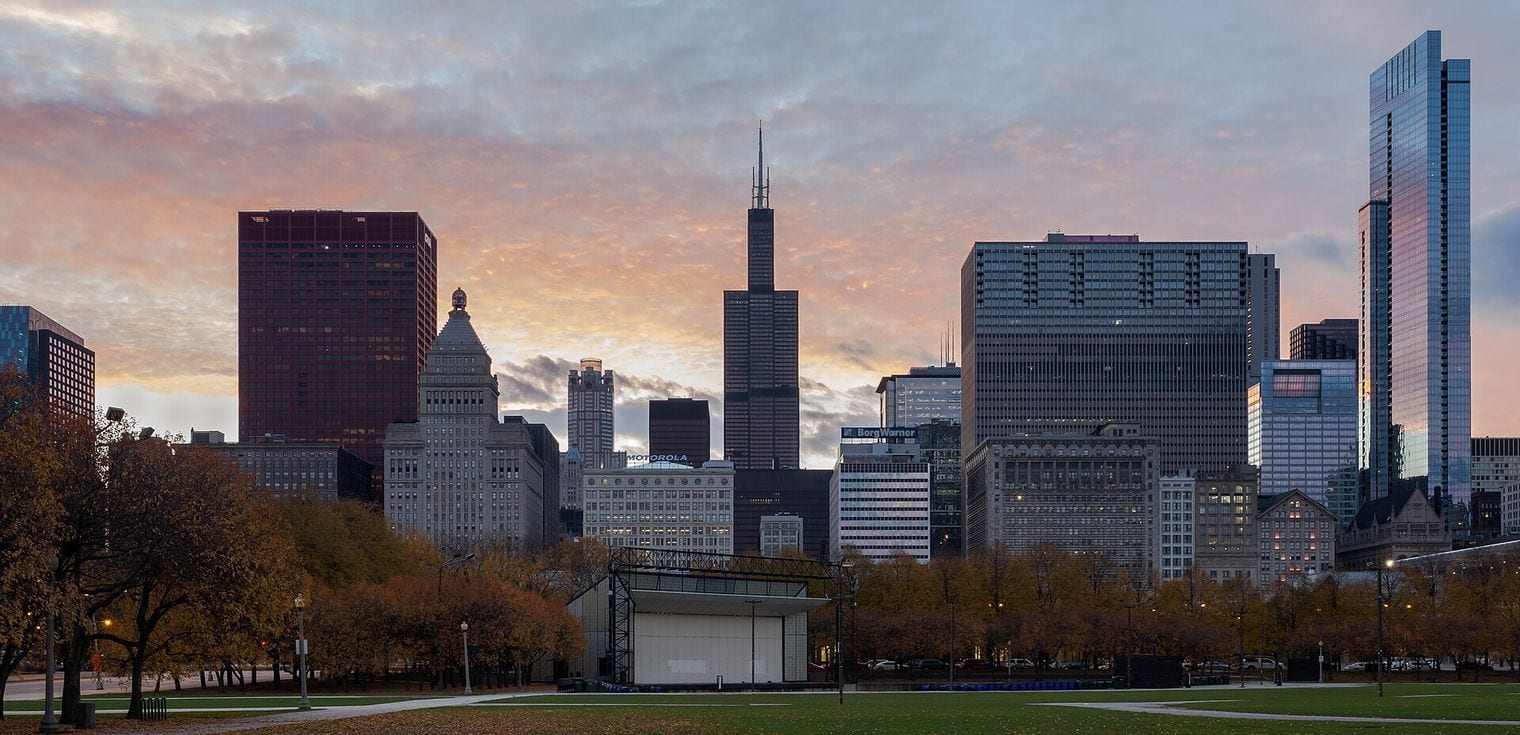
Chicago built the world's first skyscraper in 1885 and has kept raising the bar ever since, which is why an architecture boat tour along the river is the classic first thing to do. On land, Millennium Park and its mirrored Cloud Gate sculpture, the Art Institute and the Lake Michigan shoreline are all a short walk apart downtown.
Plan three or four days in Chicago. Ride up to a skyscraper observation deck, spend an afternoon on Navy Pier or the lakefront trail, catch a game at Wrigley Field, and eat your way through deep-dish pizza and Chicago-style hot dogs. Summer is festival season; winter is cold enough to plan around.
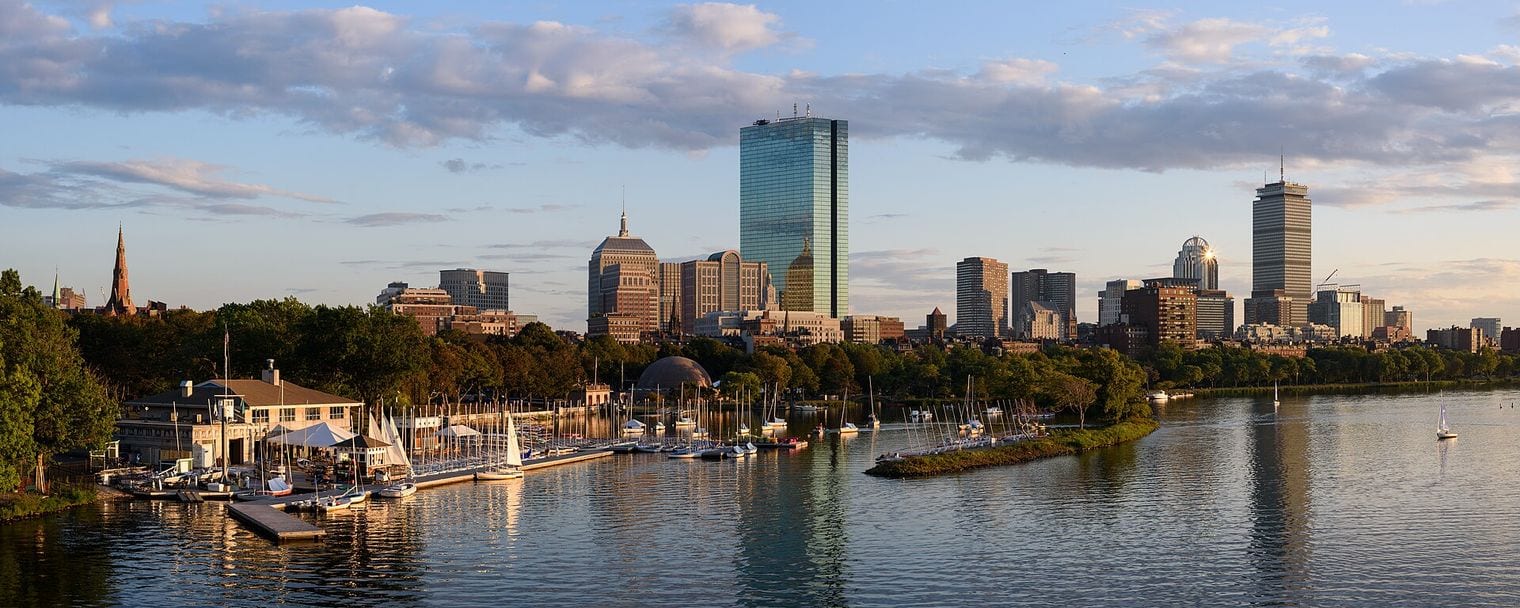
Boston crams the story of the American Revolution into a city small enough to walk. The Freedom Trail, a 2.5-mile path through downtown, links 16 historic sites, from the Common, laid out in 1634 as the nation's first public park, to the Old North Church and the USS Constitution in Charlestown.
Beyond the trail, Boston rewards slow wandering: the brick lanes of Beacon Hill, the Italian bakeries of the North End, the Back Bay's brownstones and a game at Fenway Park, the oldest ballpark in Major League Baseball. Cross the river to Cambridge for Harvard Yard, and give the city at least three days.
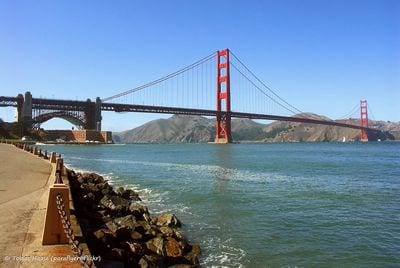
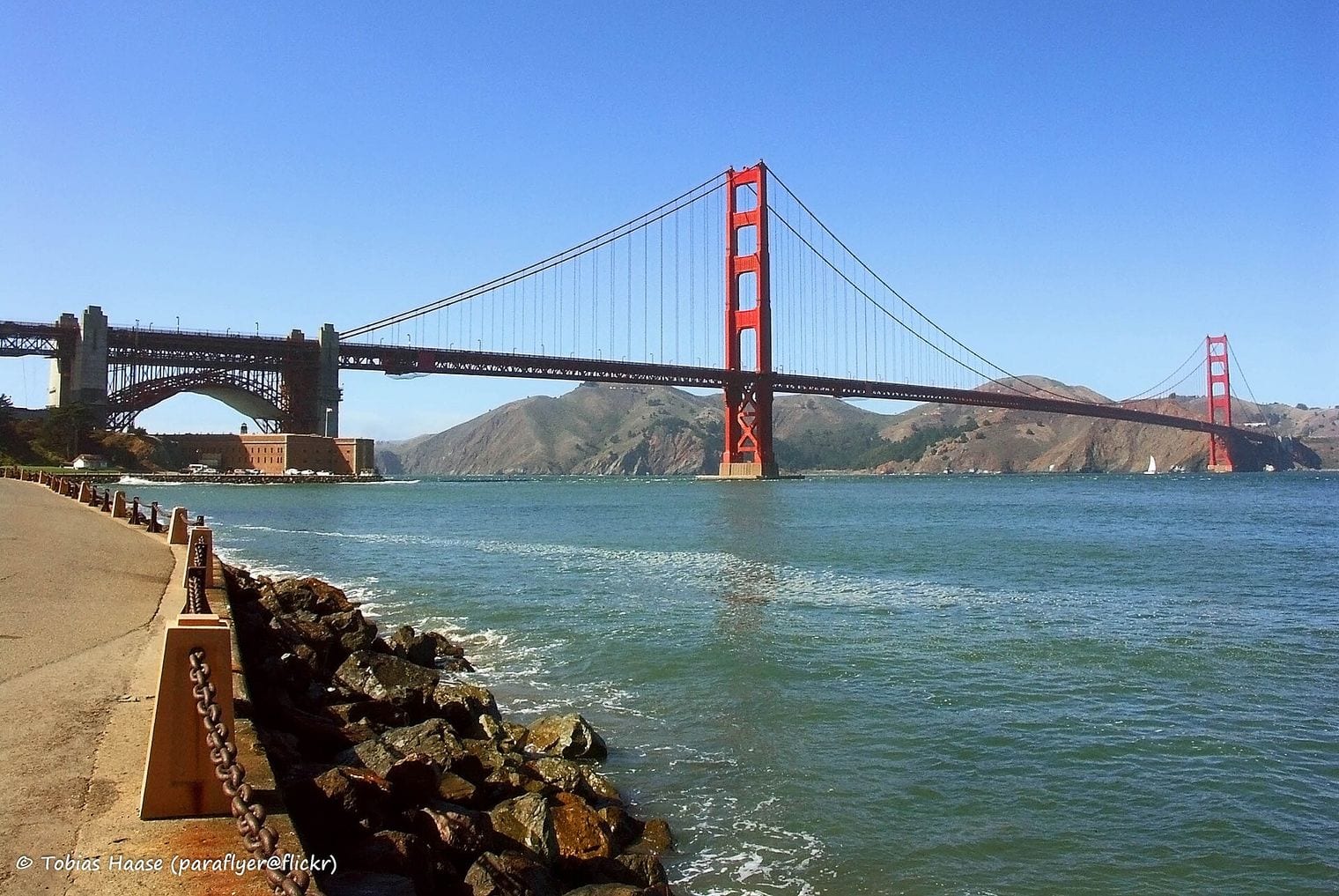
San Francisco squeezes hills, fog, cable cars and a world-famous bridge onto a small peninsula. Walk or cycle across the Golden Gate Bridge, take the ferry to Alcatraz, and ride a cable car over Nob Hill toward Fisherman's Wharf, then lose an afternoon in Chinatown and among the murals of the Mission District.
Neighborhoods are the real draw in San Francisco, from the Victorian Painted Ladies at Alamo Square to the Ferry Building's food hall and the long green spine of Golden Gate Park. Pack layers whatever the season: summer is often cool and foggy, and September and October tend to be the warmest months.
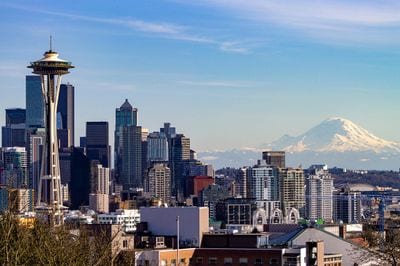
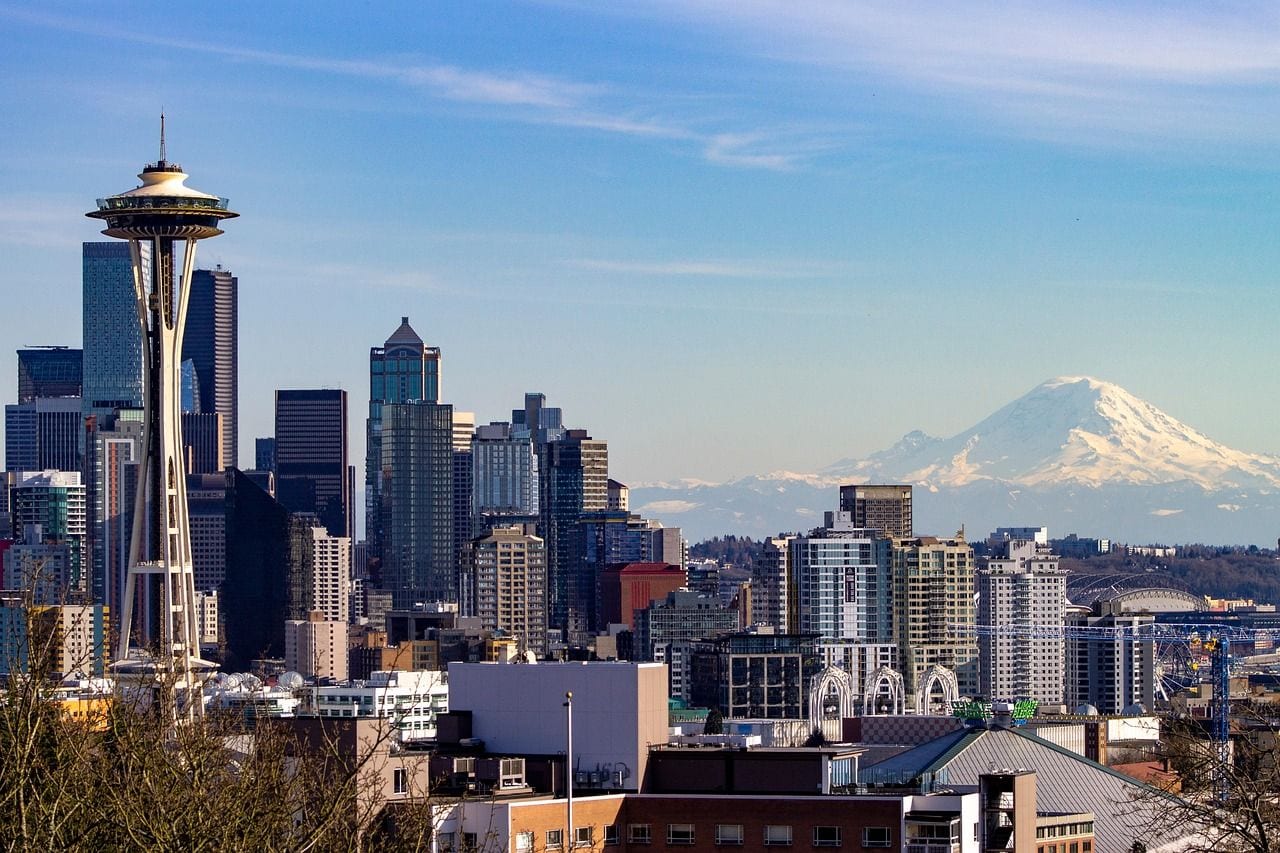
Seattle sits between Puget Sound and the Cascades, with Mount Rainier floating over the skyline on clear days. Start at Pike Place Market, open since 1907, where fishmongers, produce stalls and craft vendors fill the arcades, then ride up the Space Needle, built for the 1962 World's Fair.
A ferry ride across the Sound to Bainbridge Island and the glass-art garden beside the Space Needle round out a stay in Seattle, and the city is the natural base for Mount Rainier and Olympic national parks. Summer is the driest and sunniest season.
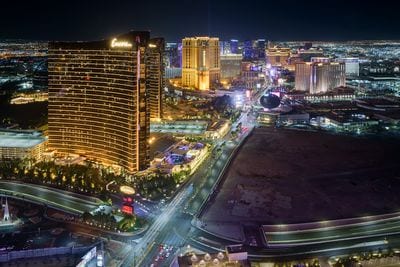
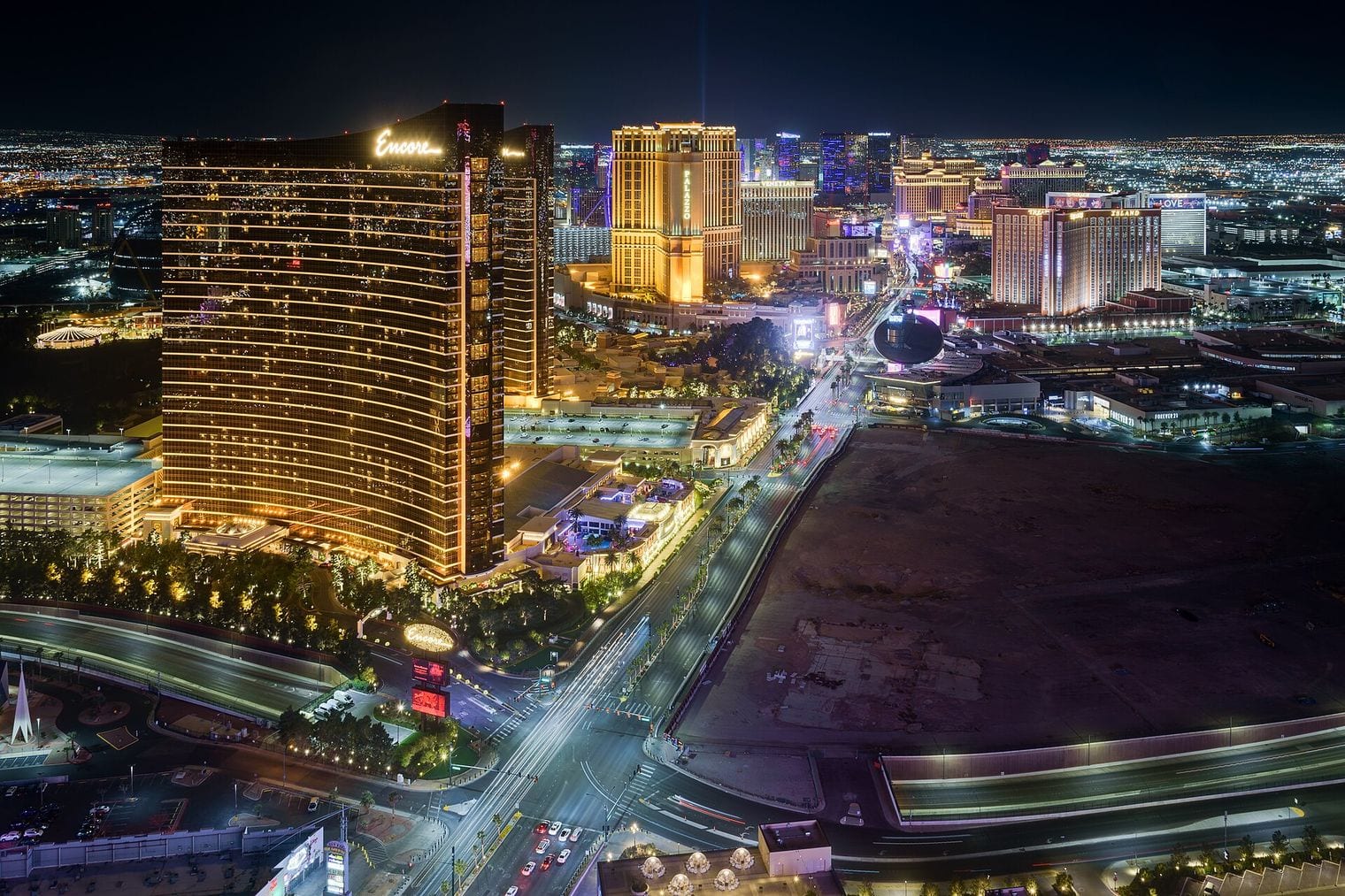
Las Vegas is pure spectacle: the Strip's roughly four miles of themed megaresorts, fountains, residency shows and all-night casinos, plus the older neon glow of downtown's Fremont Street, roofed by a giant canopy that lights up with nightly shows.
It is also one of the best launchpads in the West. Red Rock Canyon sits just outside town, the Hoover Dam is under an hour away, and Zion and the Grand Canyon are both within a day's drive, so many visitors pair Las Vegas with a desert road trip. Spring and fall avoid the fierce summer heat.
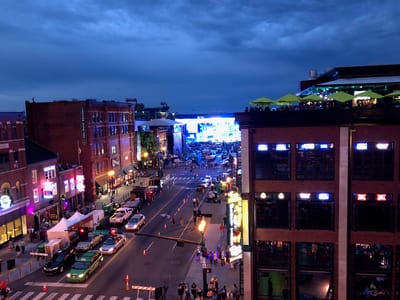
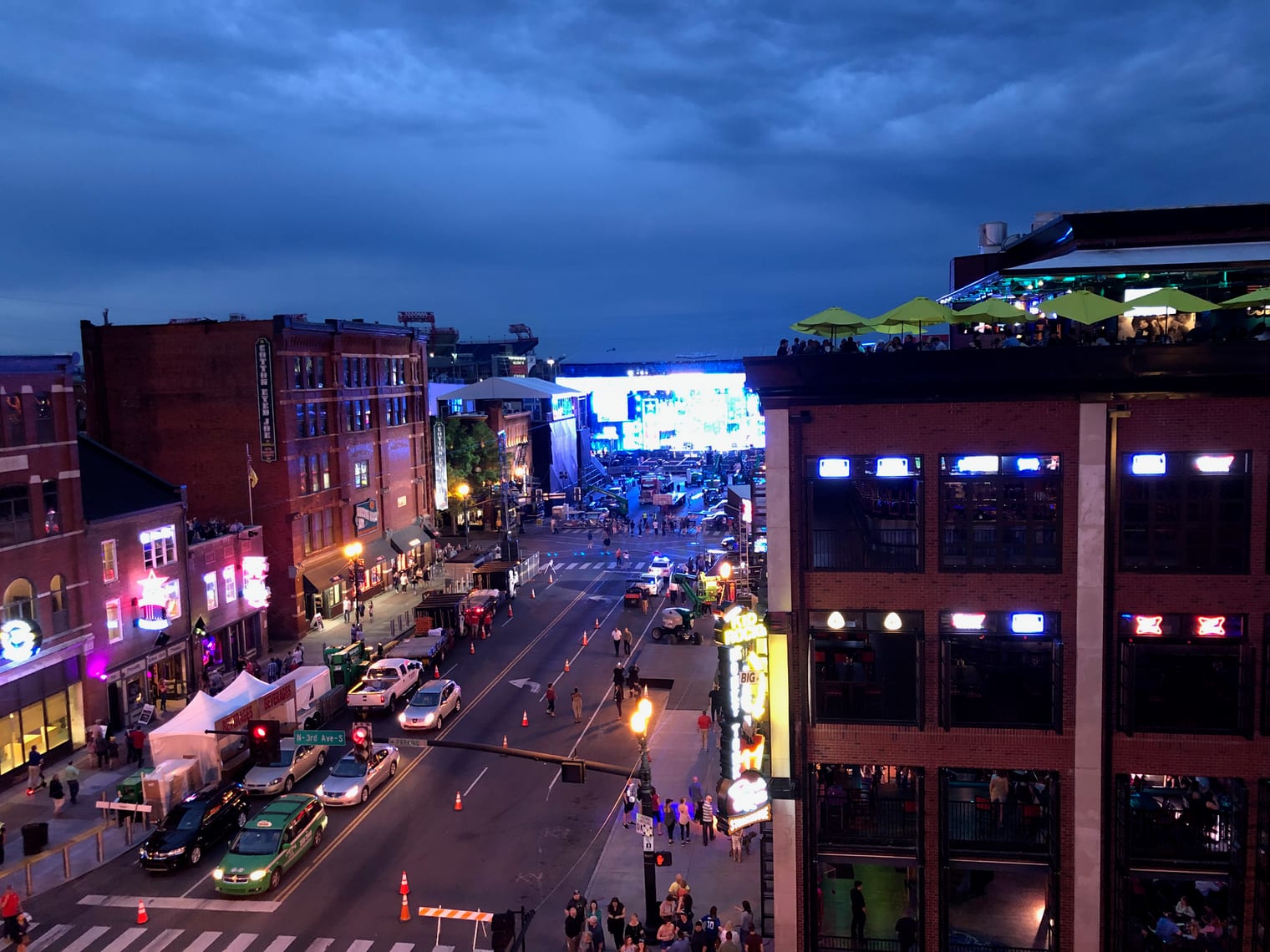
Nashville earned the name Music City honestly. The Grand Ole Opry has been broadcasting country music since 1925, the Ryman Auditorium is known as the Mother Church of Country Music, and the honky-tonks of Lower Broadway have live bands playing from midday until long after dark.
Between shows in Nashville, tour the Country Music Hall of Fame and Museum, walk past the studios of Music Row, and try hot chicken, the city's fiery signature dish. Spring and fall are the best seasons; summer is hot and busy.
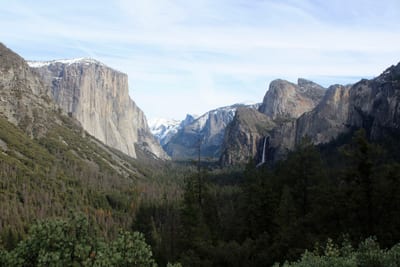
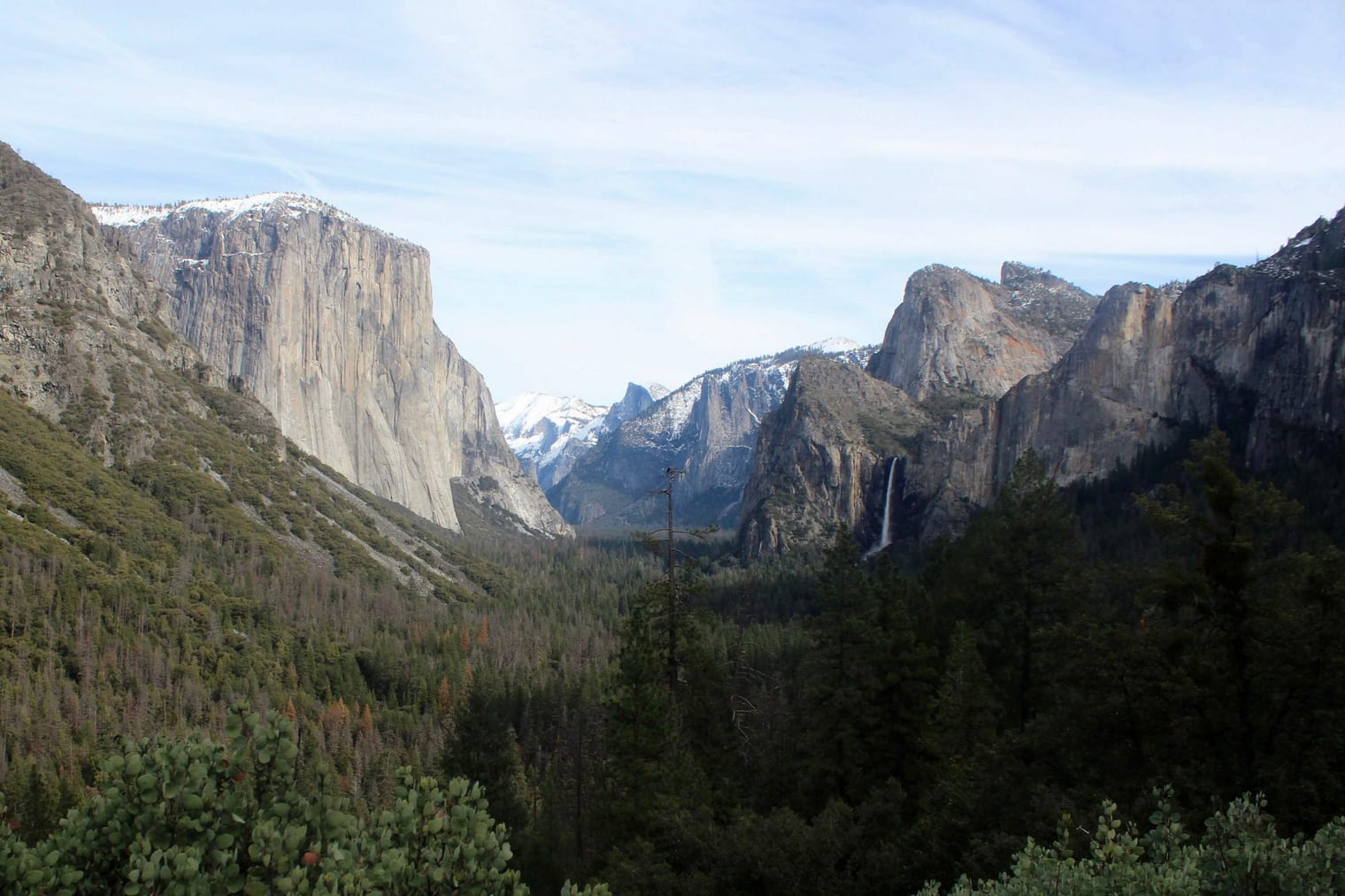
Yosemite National Park, in California's Sierra Nevada, was first protected when Abraham Lincoln signed the Yosemite Grant in 1864. Yosemite Valley is the showpiece: the granite walls of El Capitan and Half Dome, Yosemite Falls dropping 2,425 feet from top to bottom, and the classic view from Tunnel View on the way in.
Beyond the valley, walk among the giant sequoias of the Mariposa Grove and, in summer, drive the high Tioga Road past alpine lakes and meadows. Spring is the best time for waterfalls and summer brings the biggest crowds; check the NPS site before you go, because the park's reservation rules change from year to year.
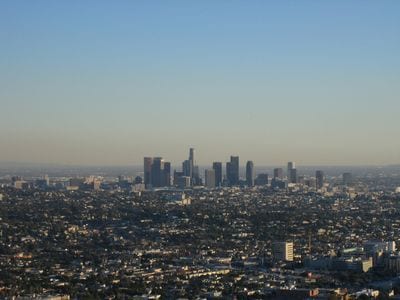
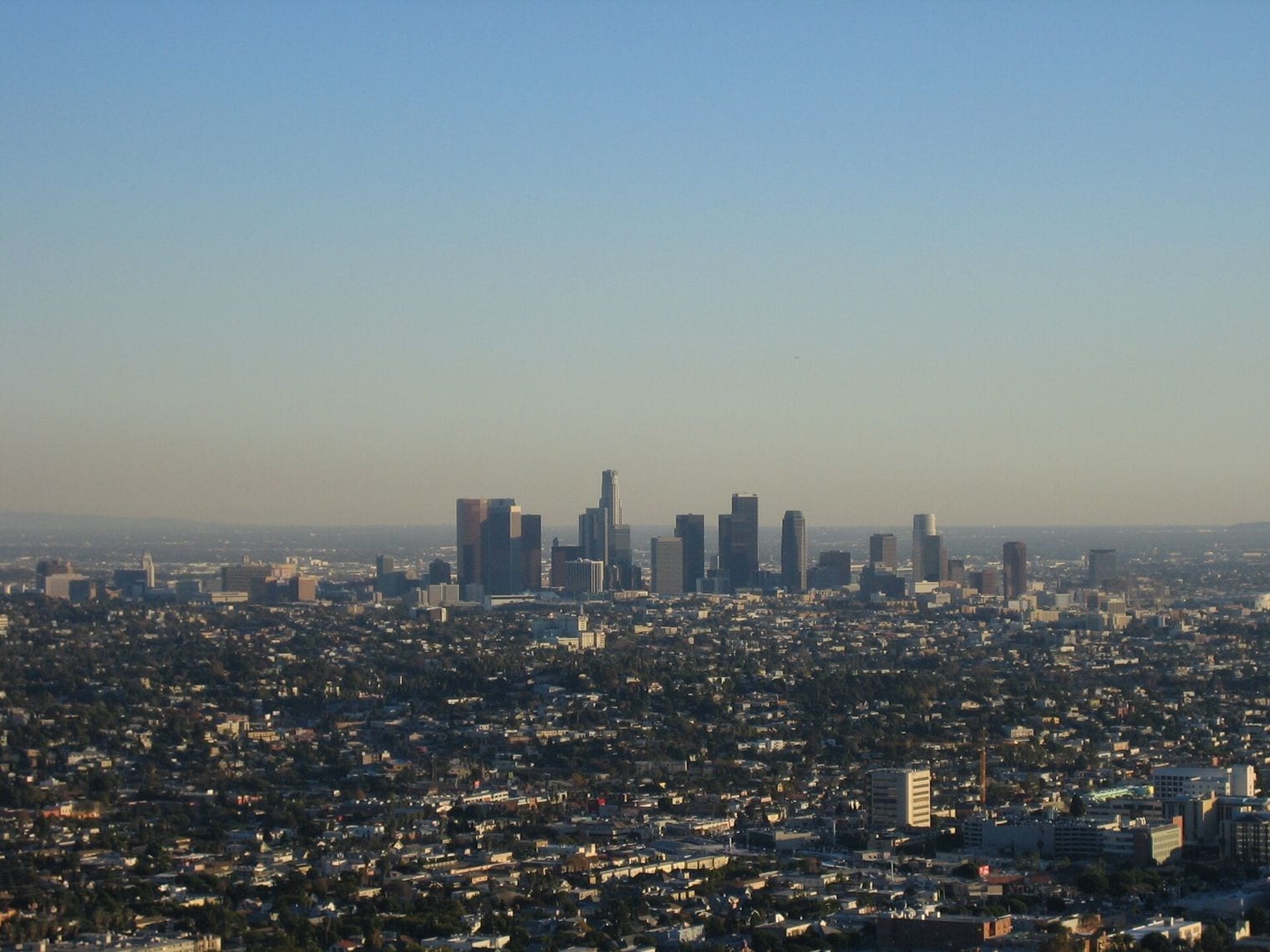
Los Angeles is less one city than a sprawl of beach towns, studio lots and hillside neighborhoods, and the fun is in picking your mix. See the Hollywood Sign from Griffith Observatory, walk the stars on Hollywood Boulevard, tour a working film studio, and spend a day at the Getty Center's gardens and galleries.
Then head for the coast: Santa Monica Pier, the Venice boardwalk and the beaches of Malibu are all within reach of downtown Los Angeles. You will need a car and a plan, as traffic eats time, so group sights by area and give the city four days or more.
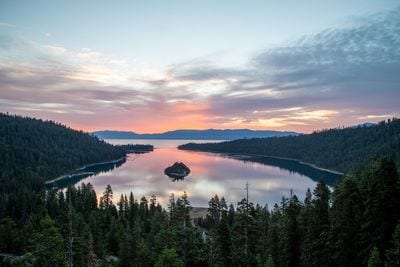
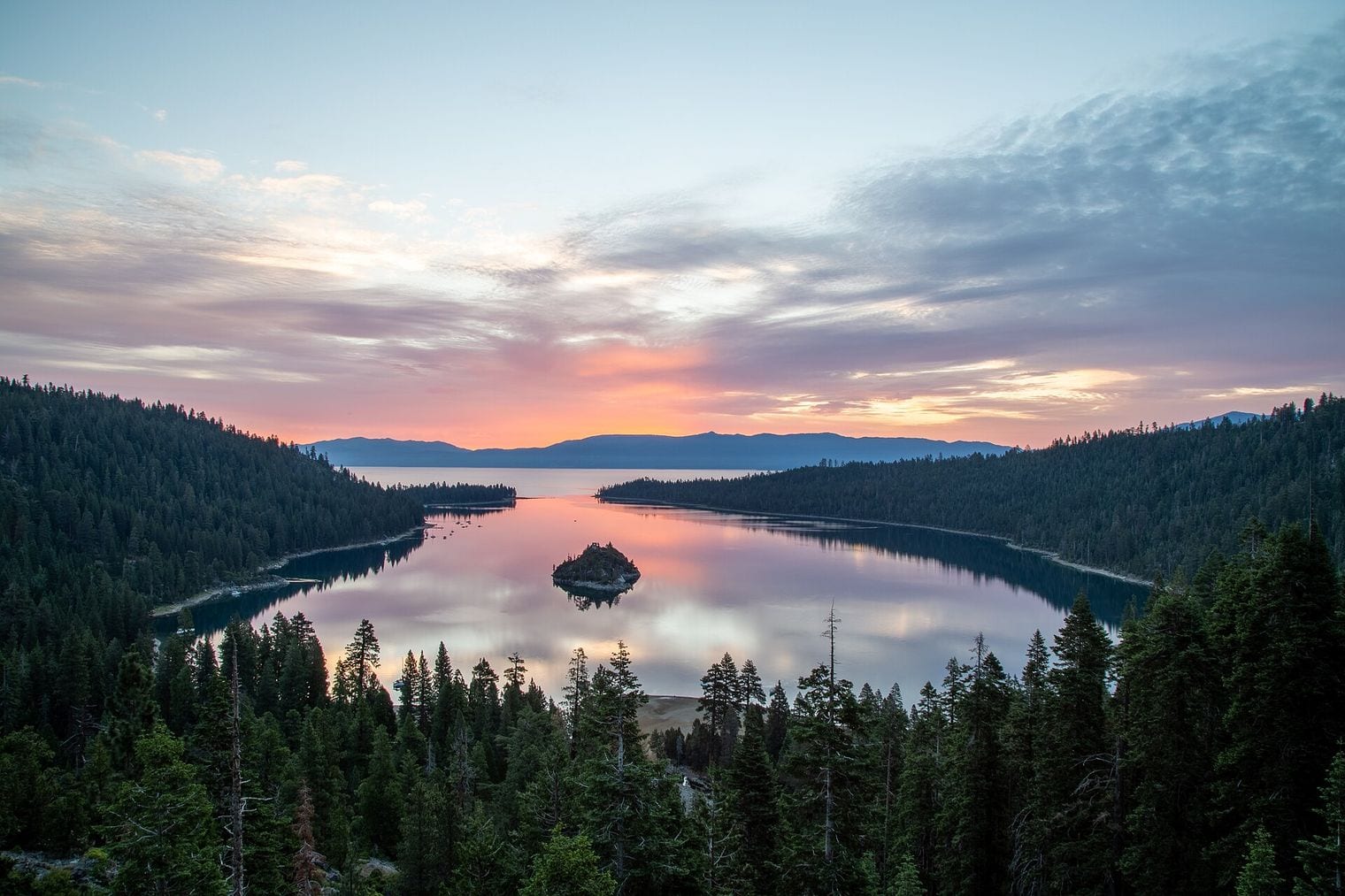
Lake Tahoe straddles the California-Nevada line high in the Sierra Nevada, and its water is famously clear and blue. It is the largest alpine lake in North America and, at 1,645 feet, the second-deepest lake in the US after Crater Lake, ringed by pine forest and granite peaks.
Summer is for beaches, kayaking and the shoreline drive past Emerald Bay; winter is ski season, with resorts on both the California and Nevada sides. The south shore has the casinos and nightlife across the state line while the north shore is quieter, and Reno has the nearest big airport.
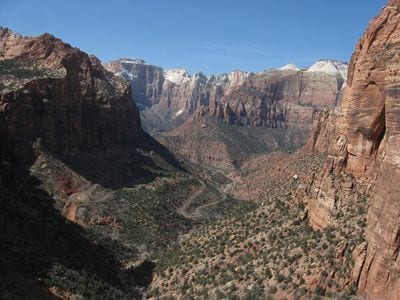
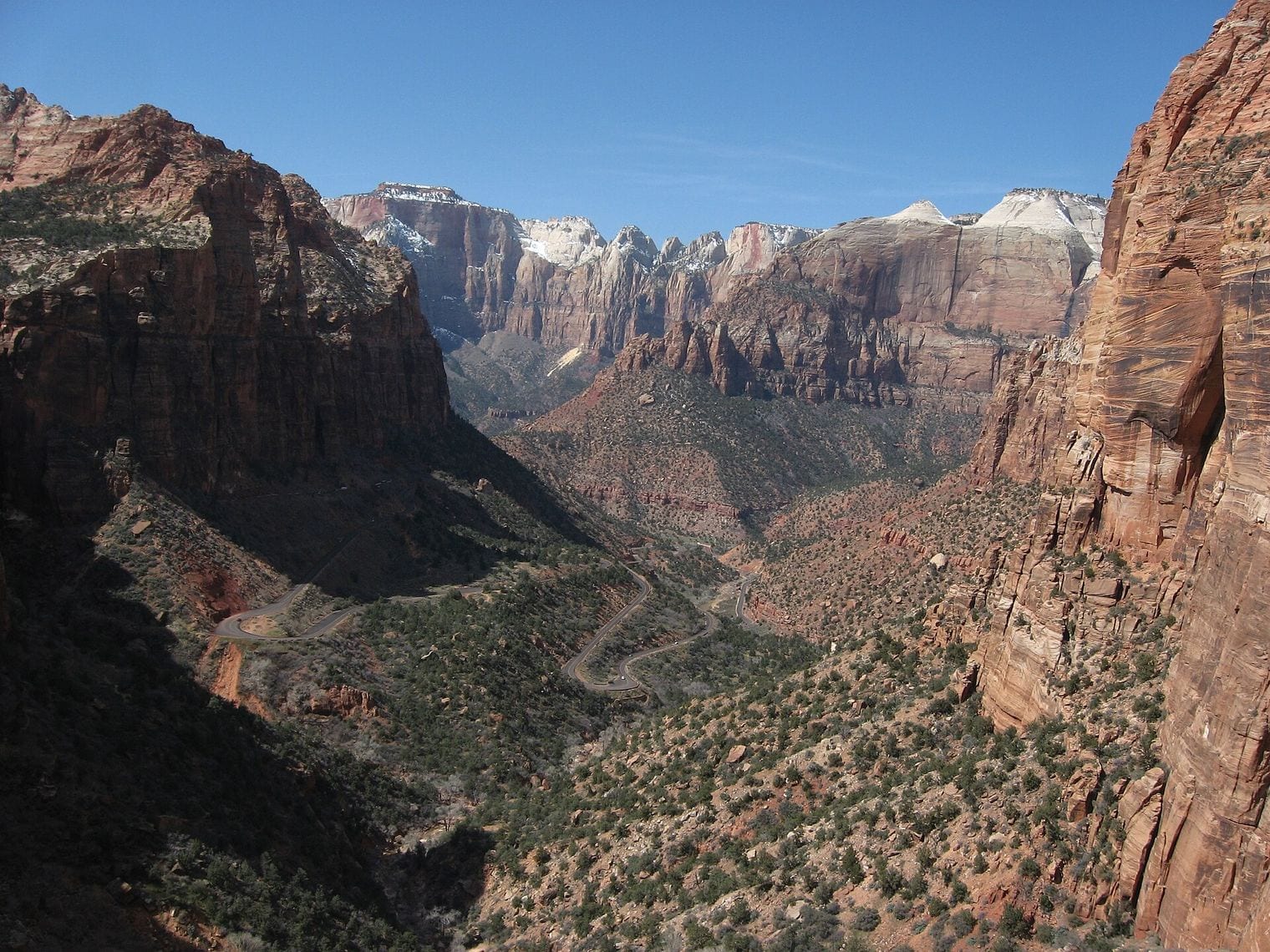
Zion National Park became Utah's first national park in 1919, and its main canyon is one of the most dramatic in the West: sheer red and cream sandstone walls rising above the Virgin River, with the town of Springdale tucked at the south entrance.
The two famous hikes are opposites. The Narrows means wading up the river through a gorge as little as 20 feet wide, while Angels Landing climbs a knife-edge ridge on chains and needs a permit won through an online lottery. For much of the year a free shuttle replaces private cars on the Zion Canyon Scenic Drive, and St. George is the nearest city.
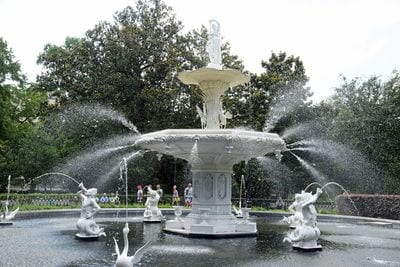
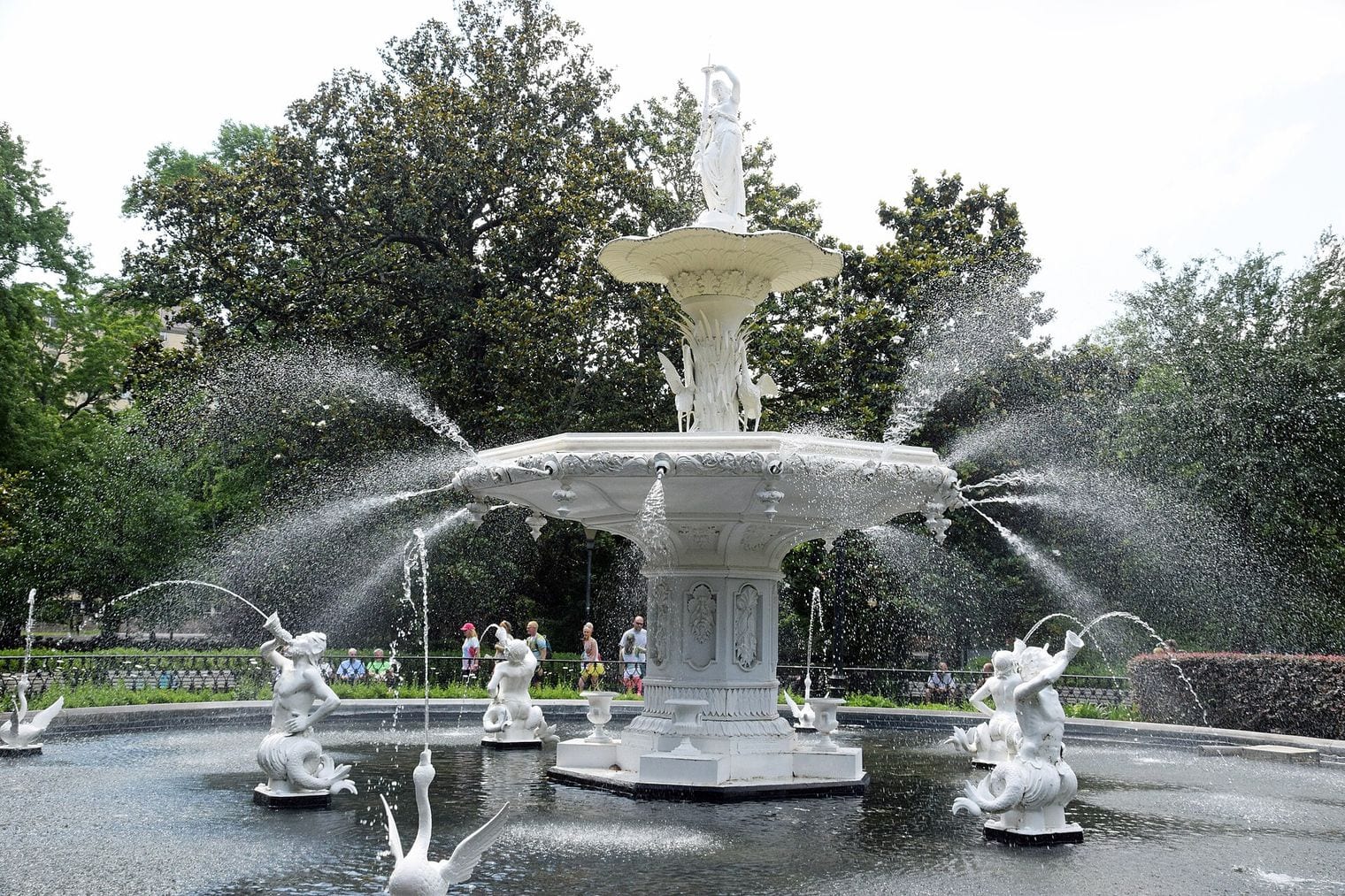
Savannah was laid out by James Oglethorpe in 1733, and his original town plan survives almost intact: a grid of 22 leafy squares, shaded by live oaks and Spanish moss and lined with mansions, churches and monuments. Together they form one of the largest National Historic Landmark districts in the US.
Stroll down to Forsyth Park and its fountain, browse the old cotton warehouses of River Street, and join one of the city's ghost tours after dark. Savannah is also an easy pairing with Charleston, about two hours up the coast, and Tybee Island's beach is a short drive east.
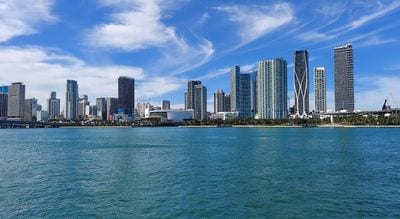
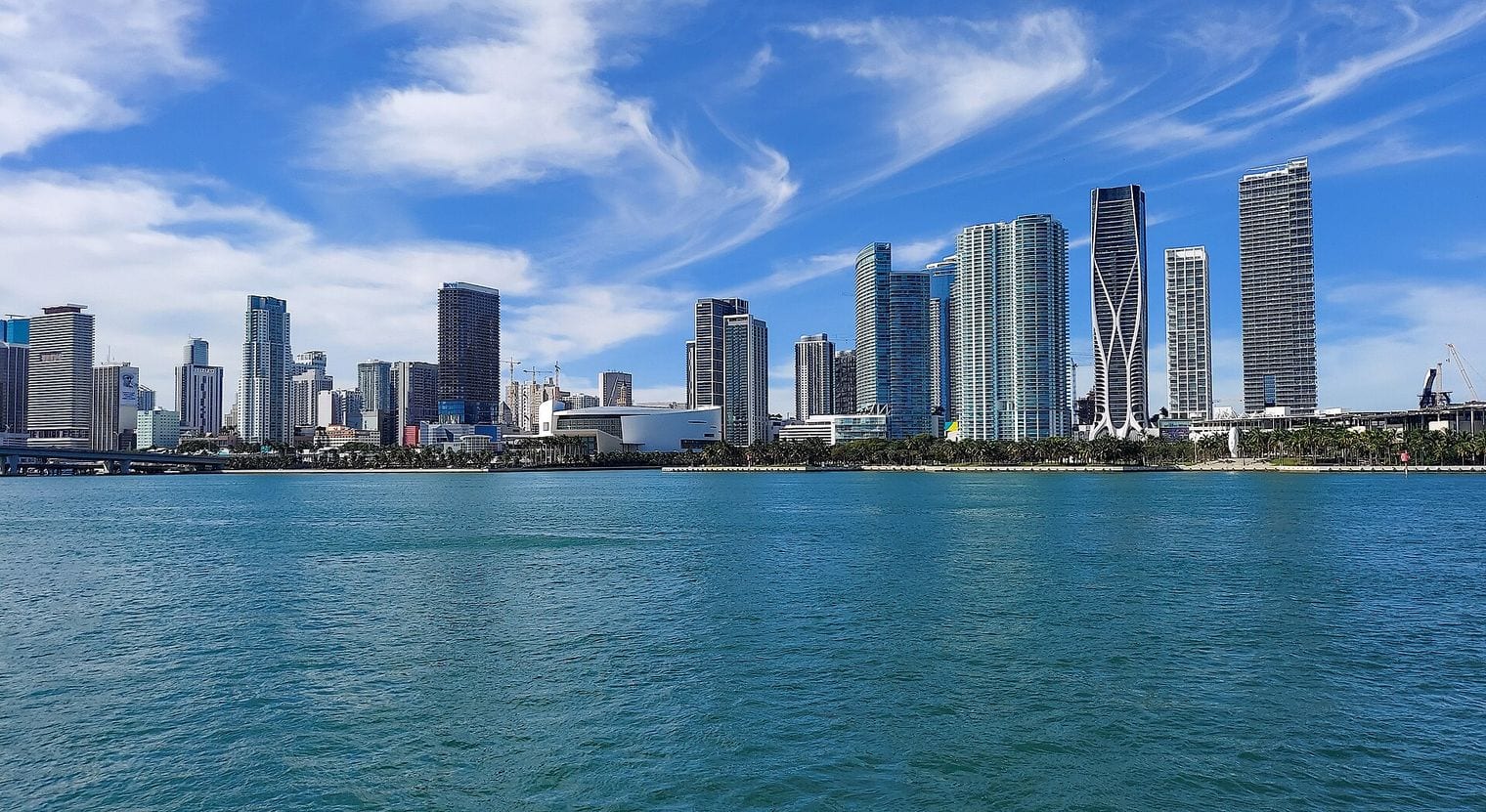
Miami wears its Latin American and Caribbean roots openly, and you hear them, taste them and see them everywhere. Drink a cafecito on Calle Ocho in Little Havana, walk among the giant murals of the Wynwood arts district, and cross Biscayne Bay to South Beach for the pastel Art Deco District and the sand.
Back in Miami, the downtown waterfront, the Italianate gardens of the Vizcaya estate and boat trips on the bay fill a day. Winter and spring are the dry, comfortable months, and the city is the gateway to the Everglades and the Florida Keys.
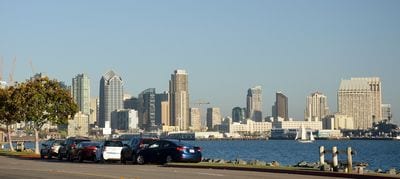
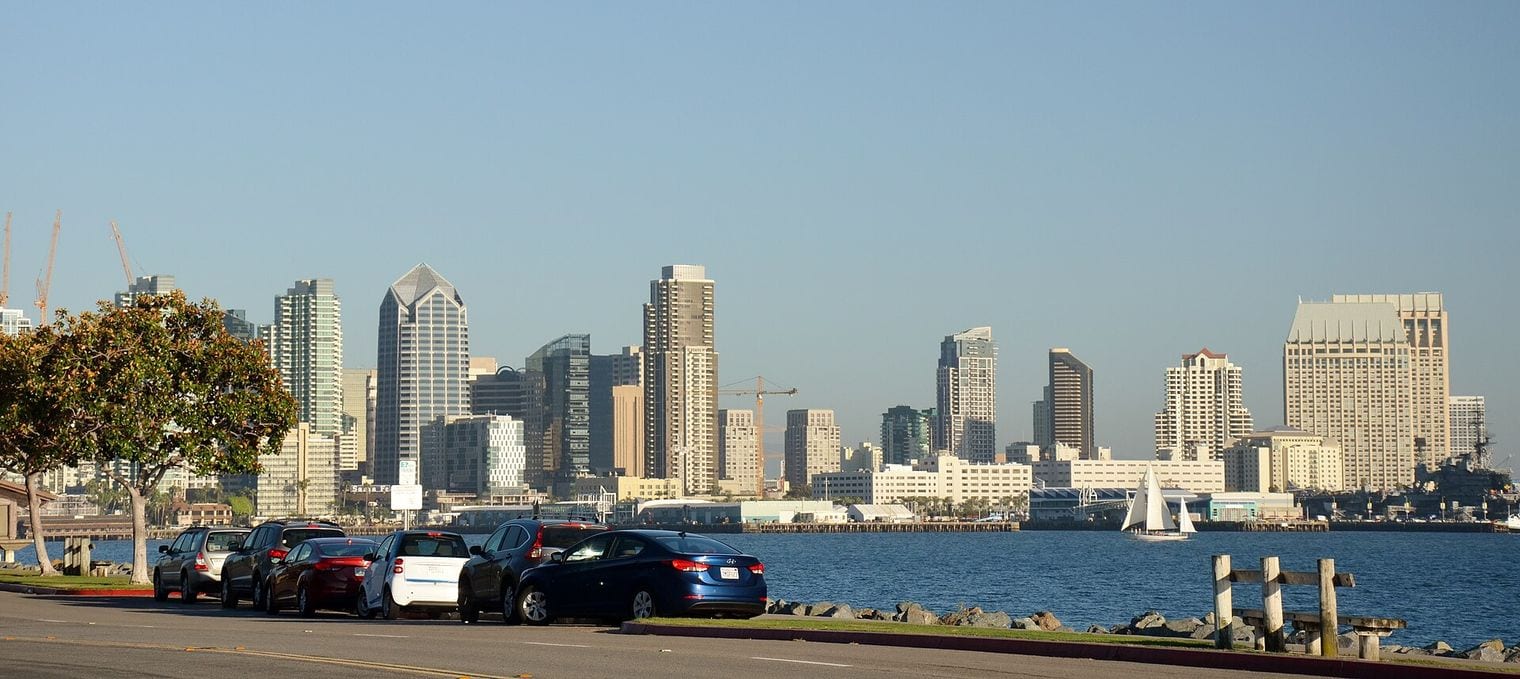
San Diego has some of the best weather of any big American city, mild and sunny for most of the year, and it makes the most of it outdoors. Balboa Park, with its Spanish-style exhibition buildings, museums and gardens, is the centerpiece, and the city's famous zoo sits inside it.
On the water, San Diego shows off the USS Midway aircraft-carrier museum on the downtown bay, the sea lions and tide pools at La Jolla Cove, and the broad beach at Coronado. The historic Gaslamp Quarter is the nightlife hub, and the Mexican border is a short trip south.
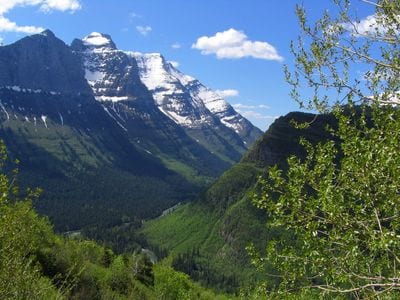
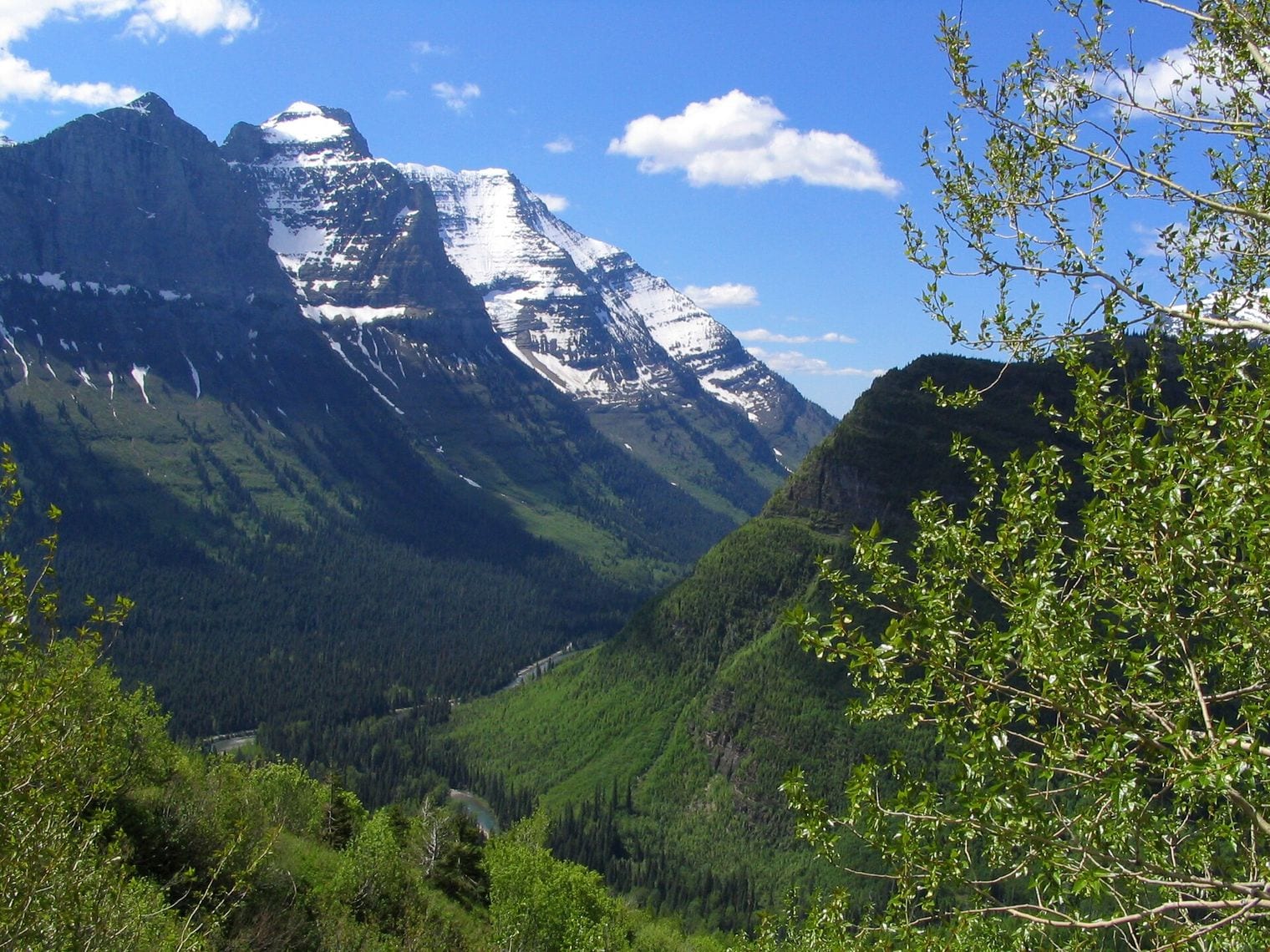
Glacier National Park, in northwest Montana on the Canadian border, is called the Crown of the Continent for good reason: jagged peaks, turquoise lakes and hanging valleys carved by ice. Its most famous experience is the Going-to-the-Sun Road, about 50 miles of mountain highway completed in 1932 that crosses the Continental Divide at Logan Pass.
Many Glacier, on the east side, is the place for hikes to glacier-fed lakes and for spotting bears, moose and mountain goats, while Lake McDonald's colored pebbles are the west side's postcard. The high road usually opens fully only from early summer into fall and its access rules change from year to year, so check the NPS page first. The park also adjoins Canada's Waterton Lakes National Park, together the world's first International Peace Park.
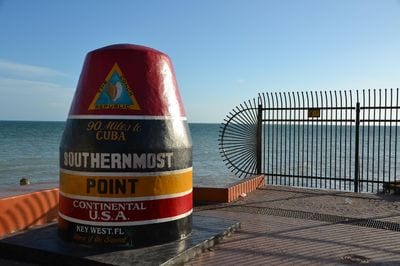
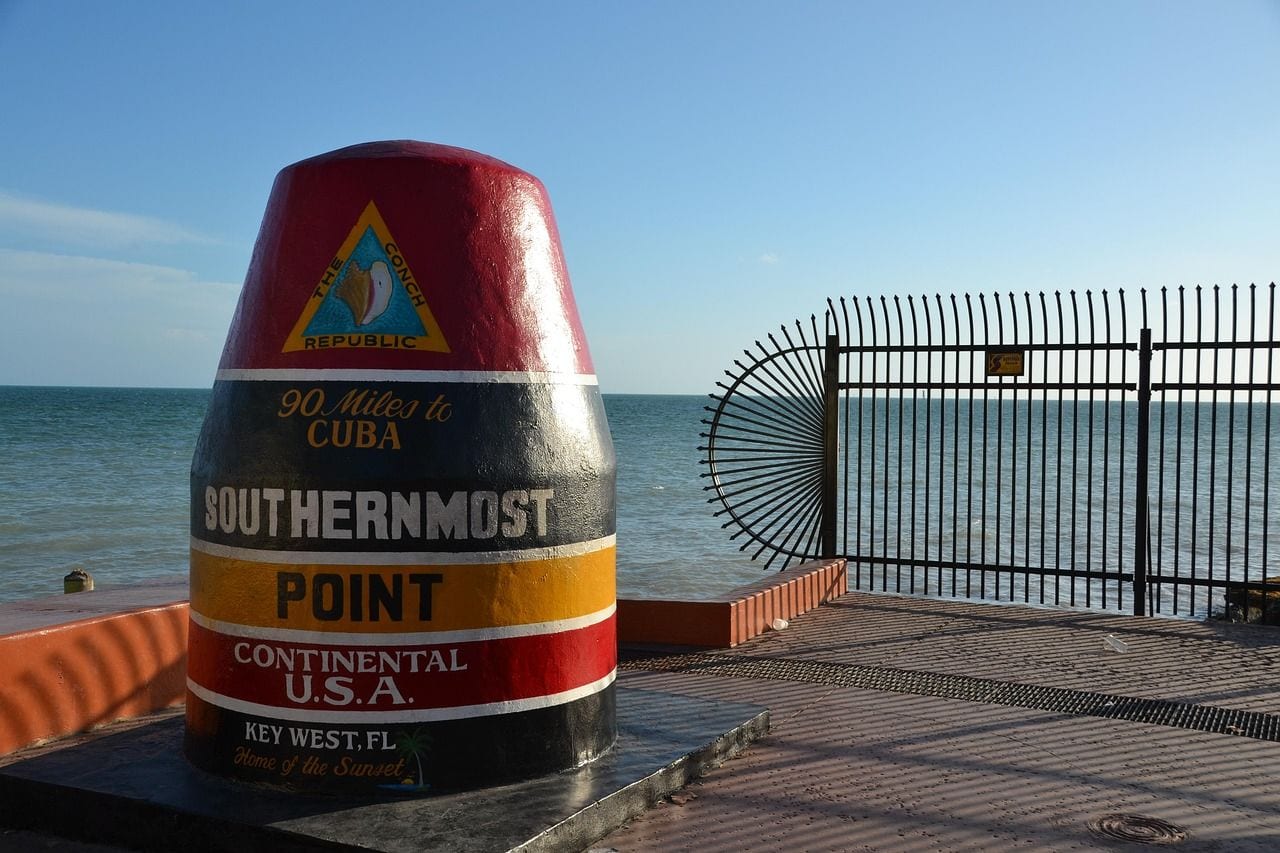
Key West, the southernmost city in the contiguous United States, sits at the very end of the Overseas Highway, closer to Cuba than to Miami. Its old town is a grid of tin-roofed cottages, bougainvillea and bars, with Duval Street running from the Gulf of Mexico to the Atlantic.
Join the nightly sunset gathering of street performers at Mallory Square, photograph the striped buoy marking the Southernmost Point, and tour the Ernest Hemingway Home, where dozens of cats, many of them six-toed, still roam the grounds. The town is also the jumping-off point for boat and seaplane trips to Dry Tortugas National Park.
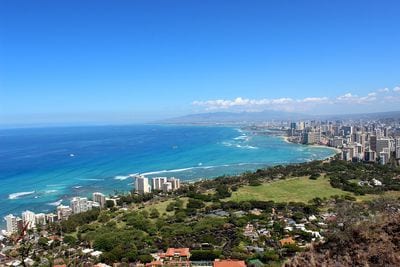
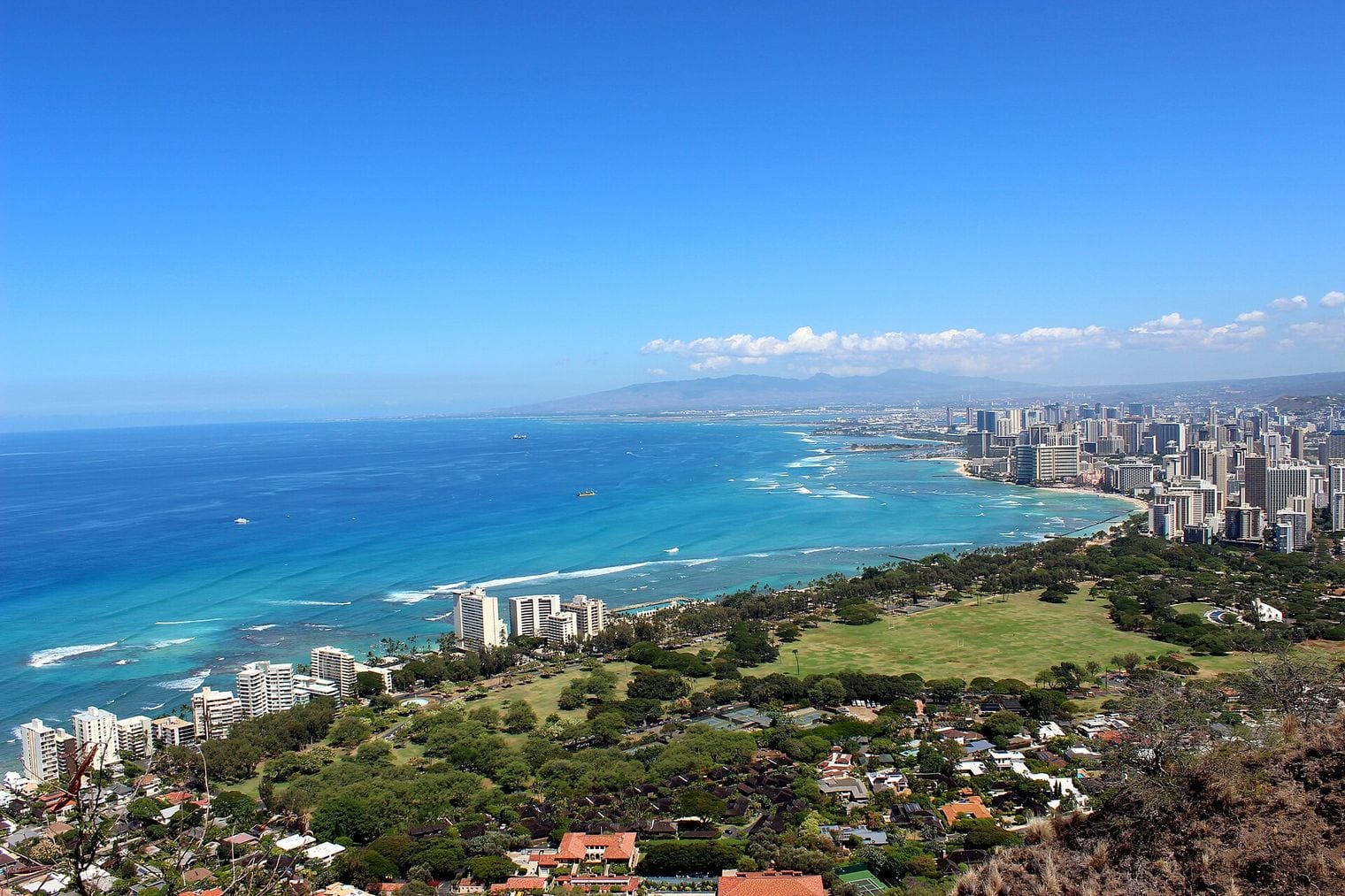
Oahu, the Gathering Place, is home to about 70 percent of Hawaii's people and to the state capital, Honolulu, yet it still has some of the islands' finest beaches and hikes. Waikiki's beach and surf schools are the classic base, with the crater of Diamond Head rising at its eastern end.
Spend a morning at Pearl Harbor, where the USS Arizona Memorial marks the 1941 attack, snorkel in Hanauma Bay, and drive up to the North Shore, where giant winter waves draw the world's top surfers. Kailua and Lanikai on the windward side are the calmer beaches.
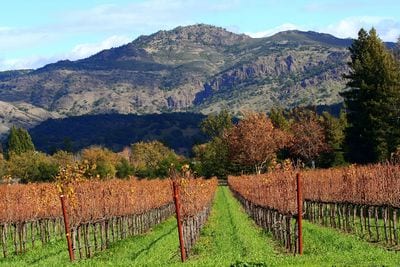
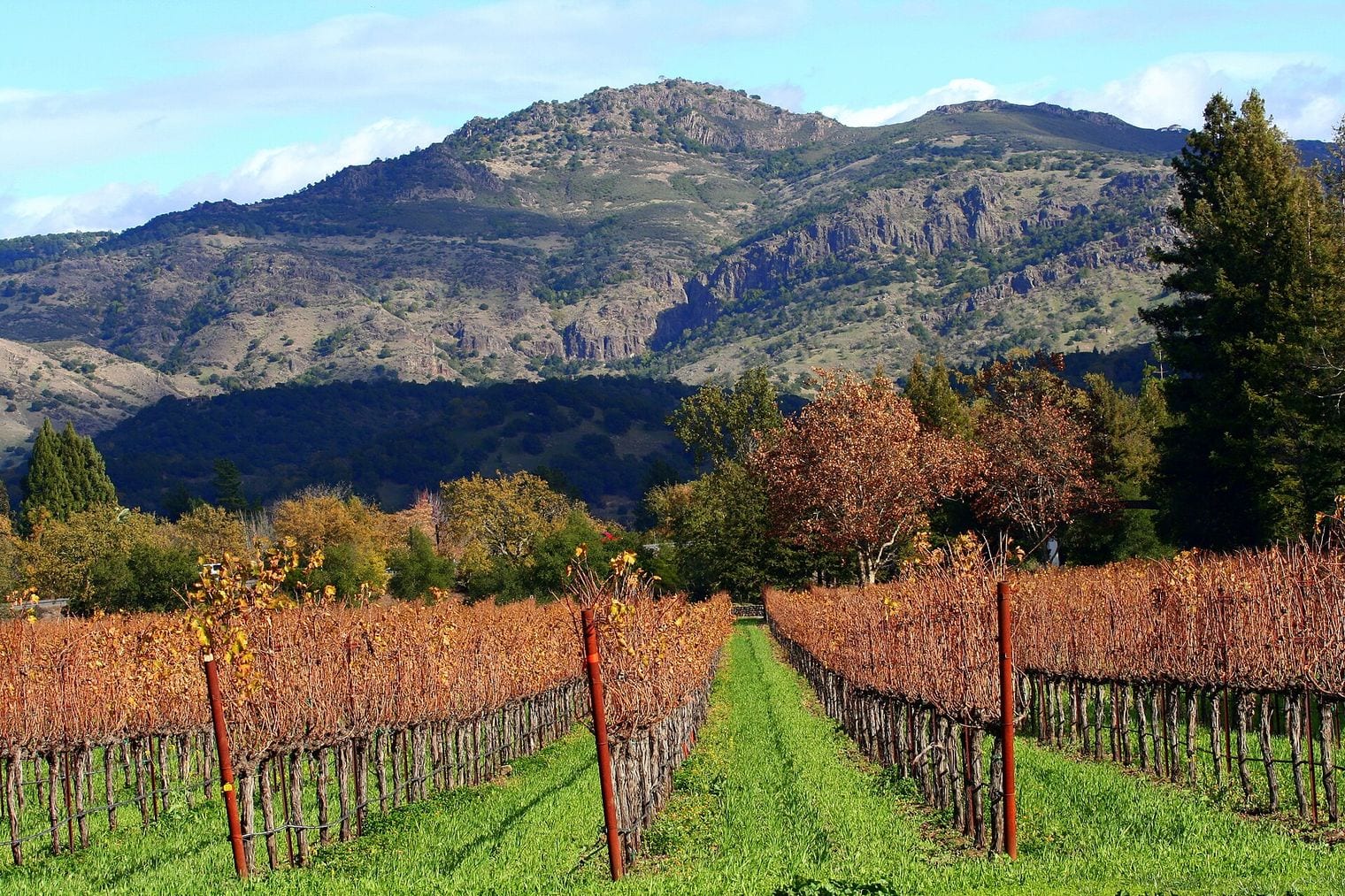
Napa Valley, about an hour or so north of San Francisco, is America's best-known wine region, a long, narrow valley of vineyards, tasting rooms and grand winery estates. It became California's first designated American Viticultural Area in 1981, and winemaking here dates back to the 1830s.
Base yourself in Napa, Yountville or Calistoga, book tastings ahead, and work along Highway 29 or the quieter Silverado Trail, or let a guide or the valley's wine train do the driving. Fall harvest is the liveliest season, and Calistoga's hot springs and mud baths are the classic way to unwind.
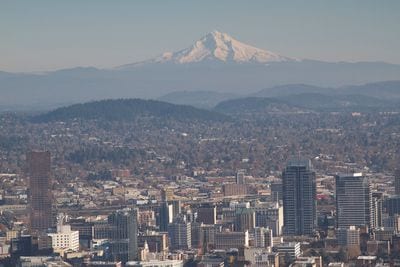
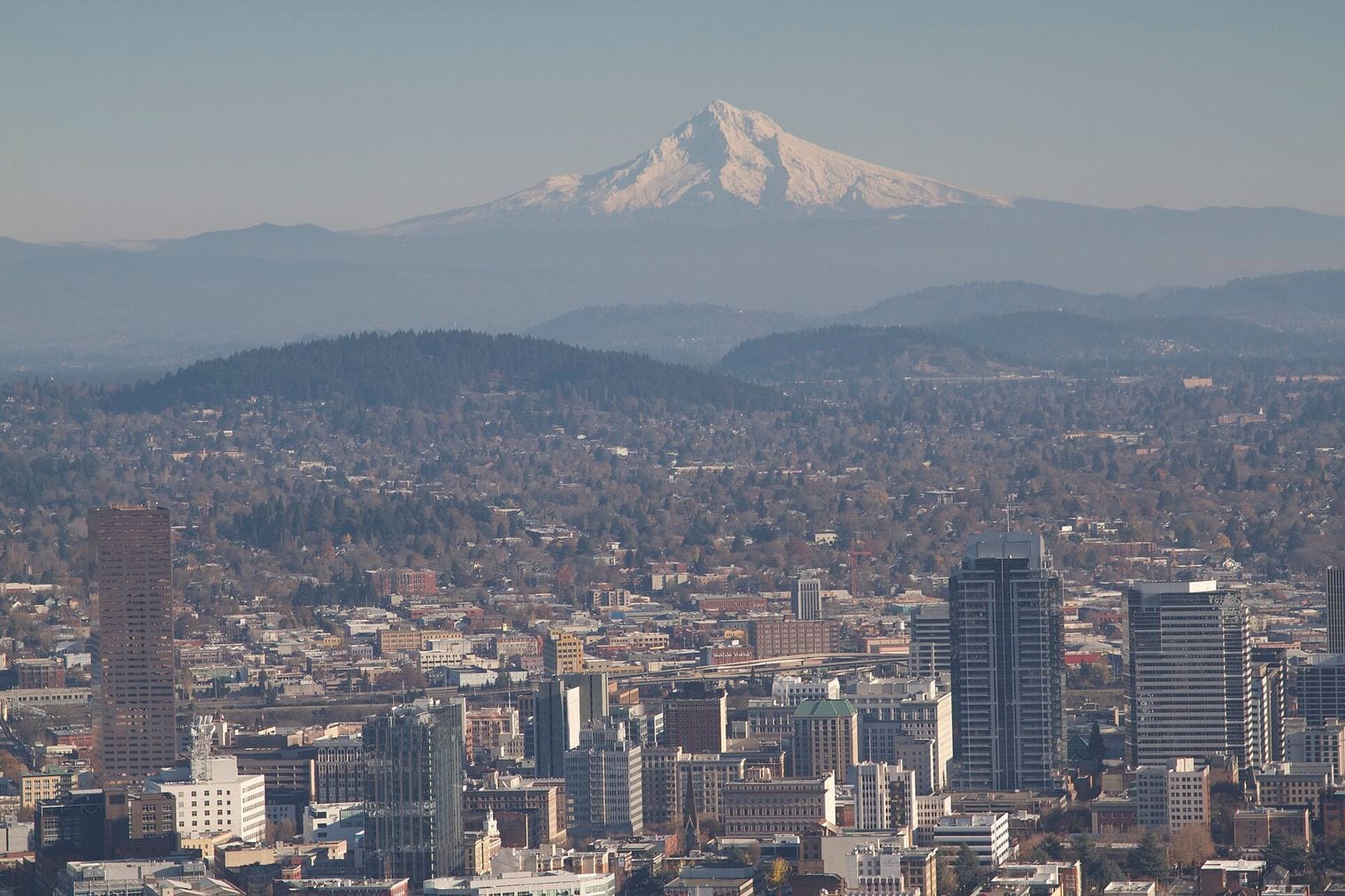
Portland, the City of Roses, trades on greenery, food and a famously independent streak. Walk through the International Rose Test Garden and the Japanese Garden in Washington Park, browse the block-sized Powell's City of Books downtown, and graze the city's food carts, craft breweries and coffee roasters.
Forest Park's wooded trails start minutes from downtown Portland, and on a clear day Mount Hood fills the eastern horizon. The Columbia River Gorge and its waterfalls, Multnomah Falls among them, are under an hour east, which makes the city a natural start for a Pacific Northwest road trip.
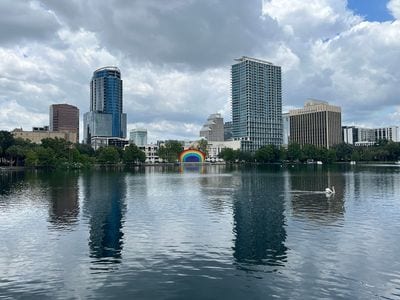
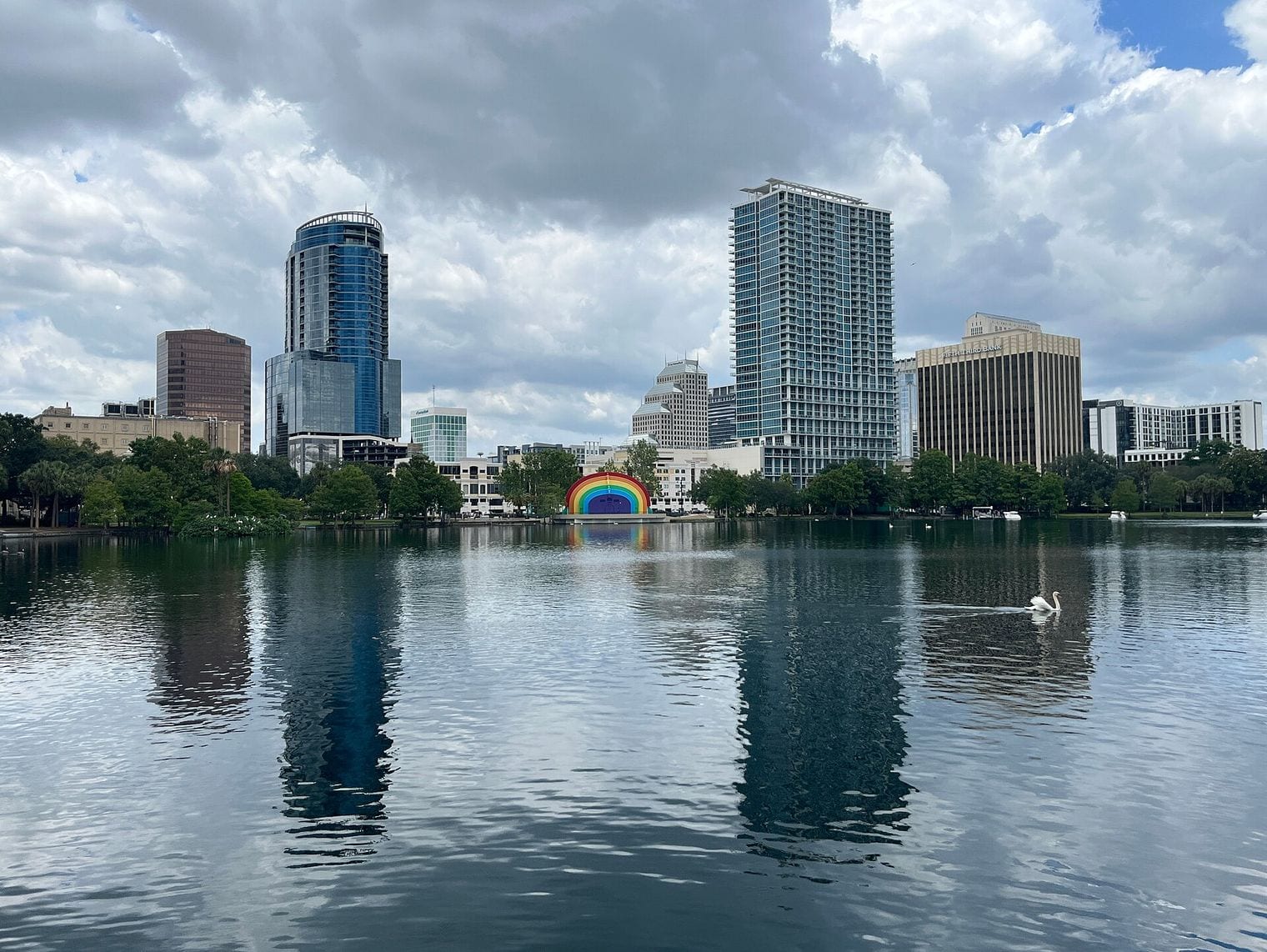
Few places on earth are as given over to theme parks as Orlando. Most visitors come for Walt Disney World, about 20 miles southwest of the city, and for the Universal resort's movie-themed parks, with their worlds of rides, characters and fireworks.
Allow at least a day per park and book ahead in school holidays. Beyond the rides, Orlando has the lakeside park and swan boats of Lake Eola downtown, natural springs for swimming nearby, and the Kennedy Space Center Visitor Complex on the coast, about an hour east.
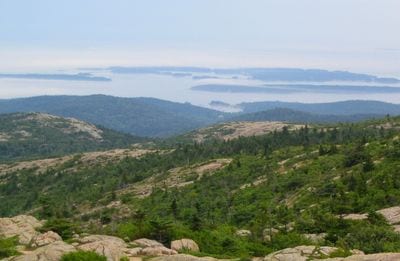
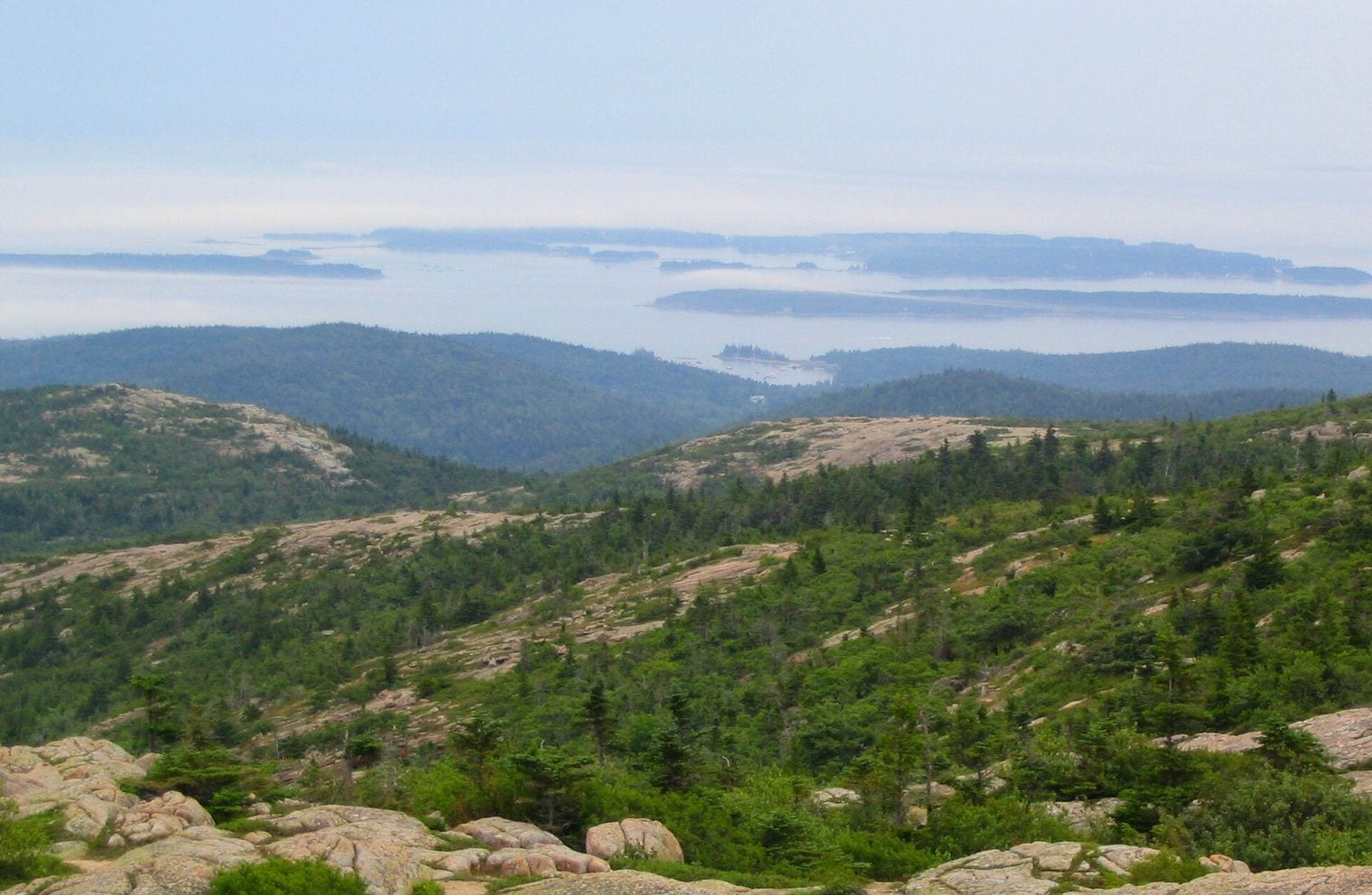
Acadia National Park covers much of Mount Desert Island on the coast of Maine, a rugged mix of pink granite cliffs, spruce forest and cobble beaches beside the harbor town of Bar Harbor. Cadillac Mountain is the tallest mountain on the US Atlantic coast, and watching the sunrise from its summit is a park ritual.
Drive the Park Loop Road past Sand Beach and Thunder Hole, then walk or cycle the car-free carriage roads that John D. Rockefeller Jr. built, stopping at Jordan Pond. From late spring to late fall, driving up Cadillac Summit Road needs a vehicle reservation booked online in advance, so plan a sunrise trip early.
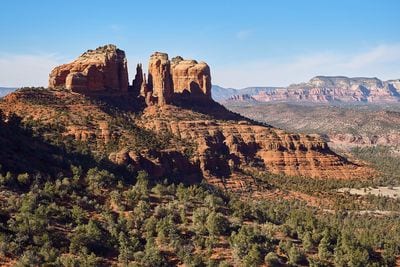
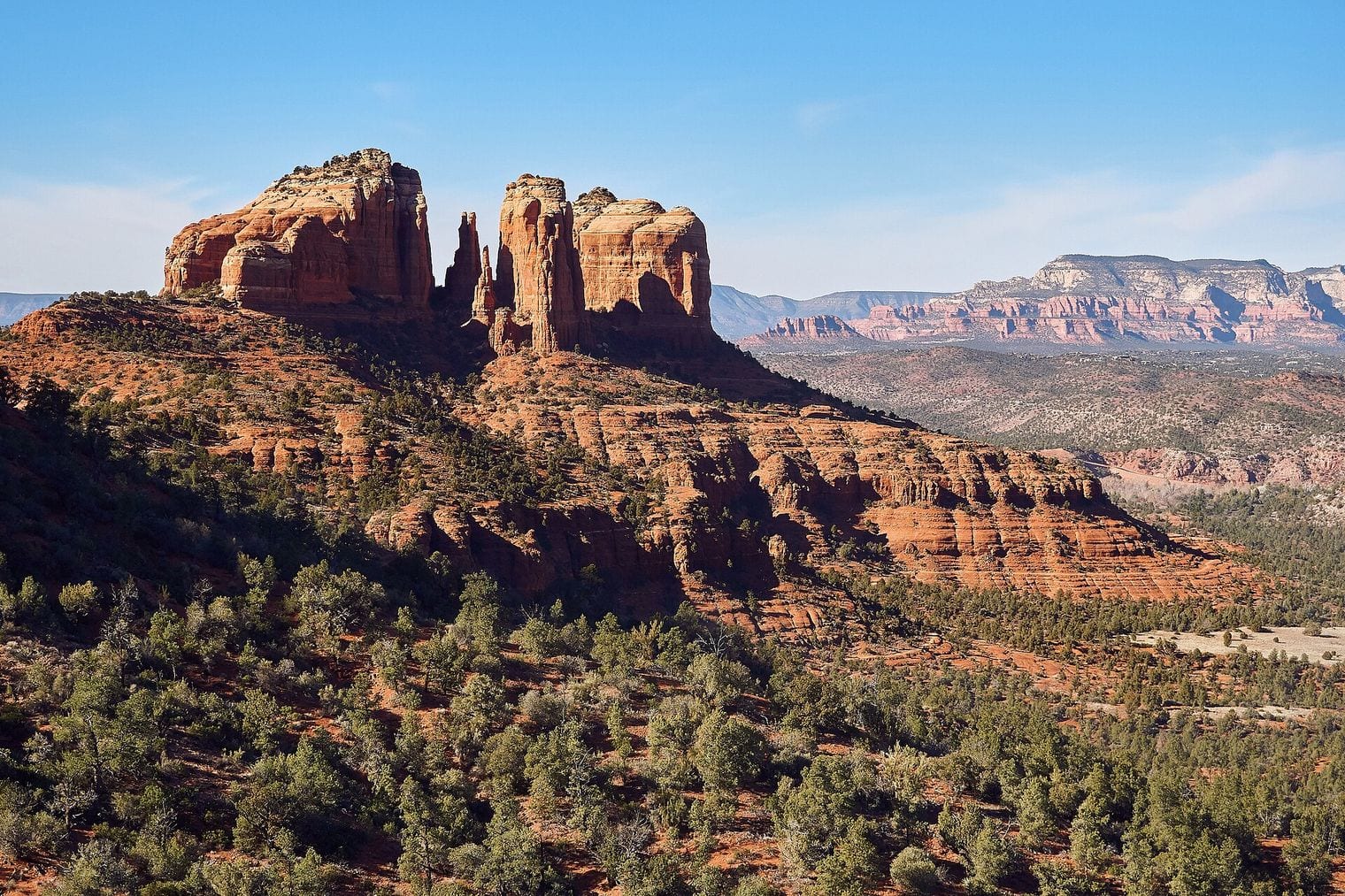
Sedona sits among towering red sandstone buttes and spires in central Arizona, and the light on them at sunset is the reason most people come. Cathedral Rock and Bell Rock are the best-known formations, and the hiking, mountain biking and jeep trails around them are some of the most scenic in the Southwest.
Drive the winding road up Oak Creek Canyon, cool off at its creekside swimming spots in summer, and visit the Chapel of the Holy Cross, built into the rocks above town. The town is also a magnet for spiritual seekers who believe energy vortices gather here, and its galleries reflect that mix of art and New Age culture. Spring and fall are ideal.
Get new guides like this by email
One email every Thursday with our newest guides for the places you tick.
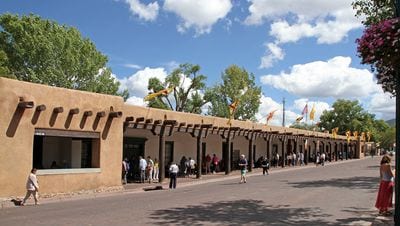
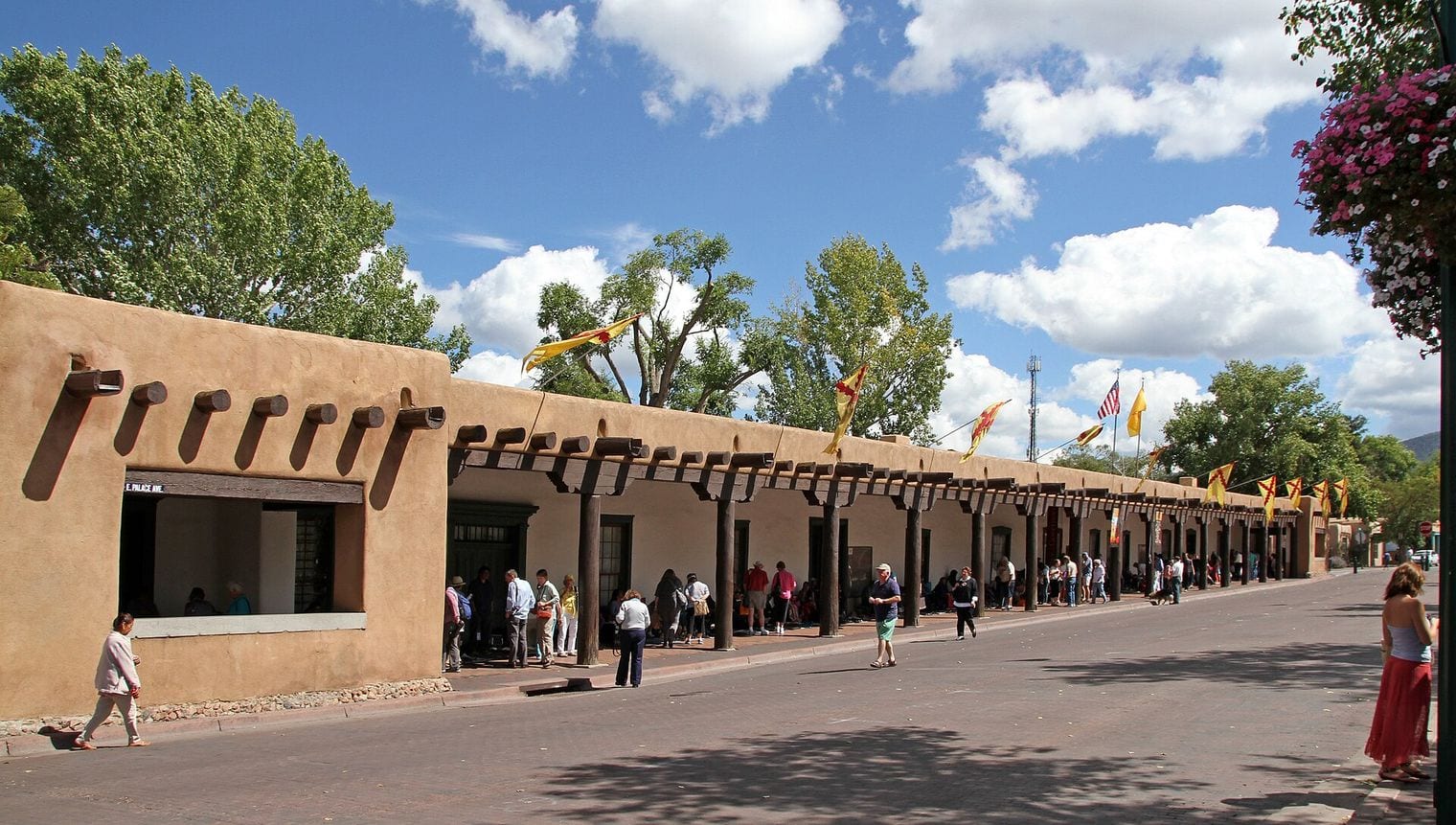
Founded in 1610, Santa Fe is the oldest state capital in the US and, at almost 7,000 feet, the highest. Its low adobe buildings, the shaded Plaza and the Palace of the Governors, where Native American artists sell jewelry under the portal, make the old center feel unlike any other American city.
Spend an afternoon among the galleries of Canyon Road, visit the Georgia O'Keeffe Museum, and eat New Mexican food with red or green chile. Albuquerque, about an hour south, has the nearest major airport, and Taos and its pueblo make a fine side trip north.
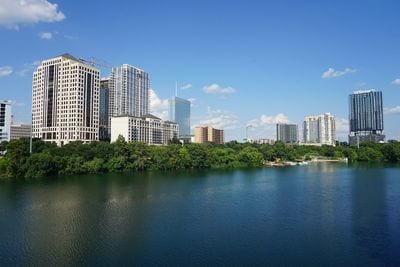
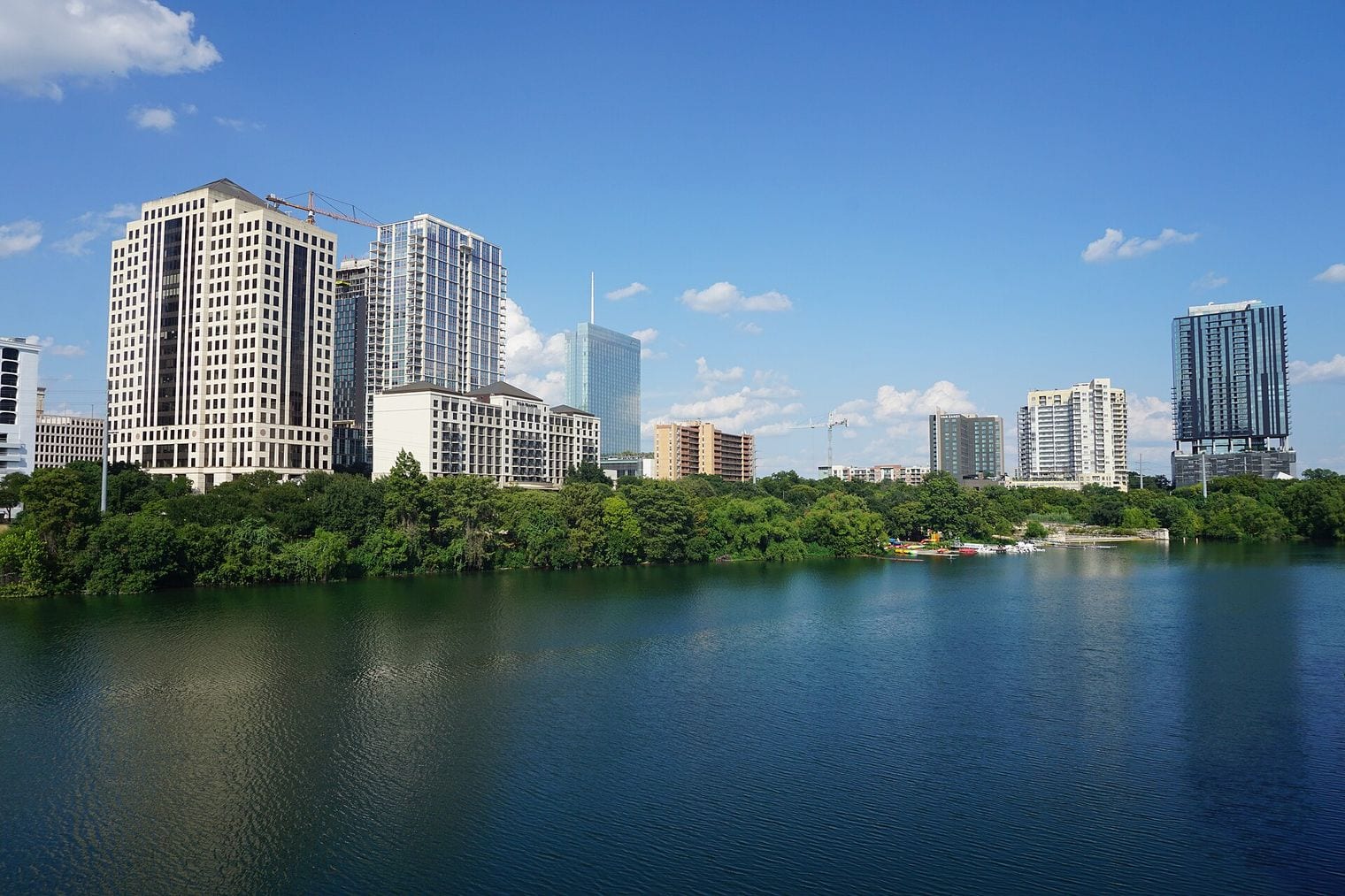
Austin calls itself the Live Music Capital of the World, and on any night the clubs of Sixth Street, the Red River district and South Congress back it up. The pink-granite Texas State Capitol anchors downtown, with the University of Texas campus just to the north.
Swim in Barton Springs Pool, a spring-fed pool that stays cool all year, paddle Lady Bird Lake, and at dusk from spring to fall watch the bats stream out from under the Congress Avenue Bridge, home to the world's largest urban bat colony. Brisket and breakfast tacos are the essential eating in Austin, and the Hill Country starts just west of town.
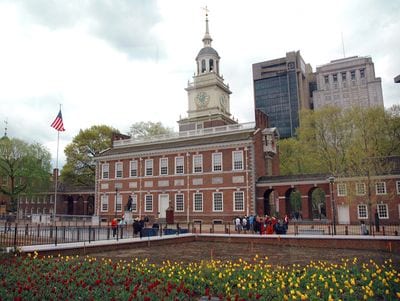
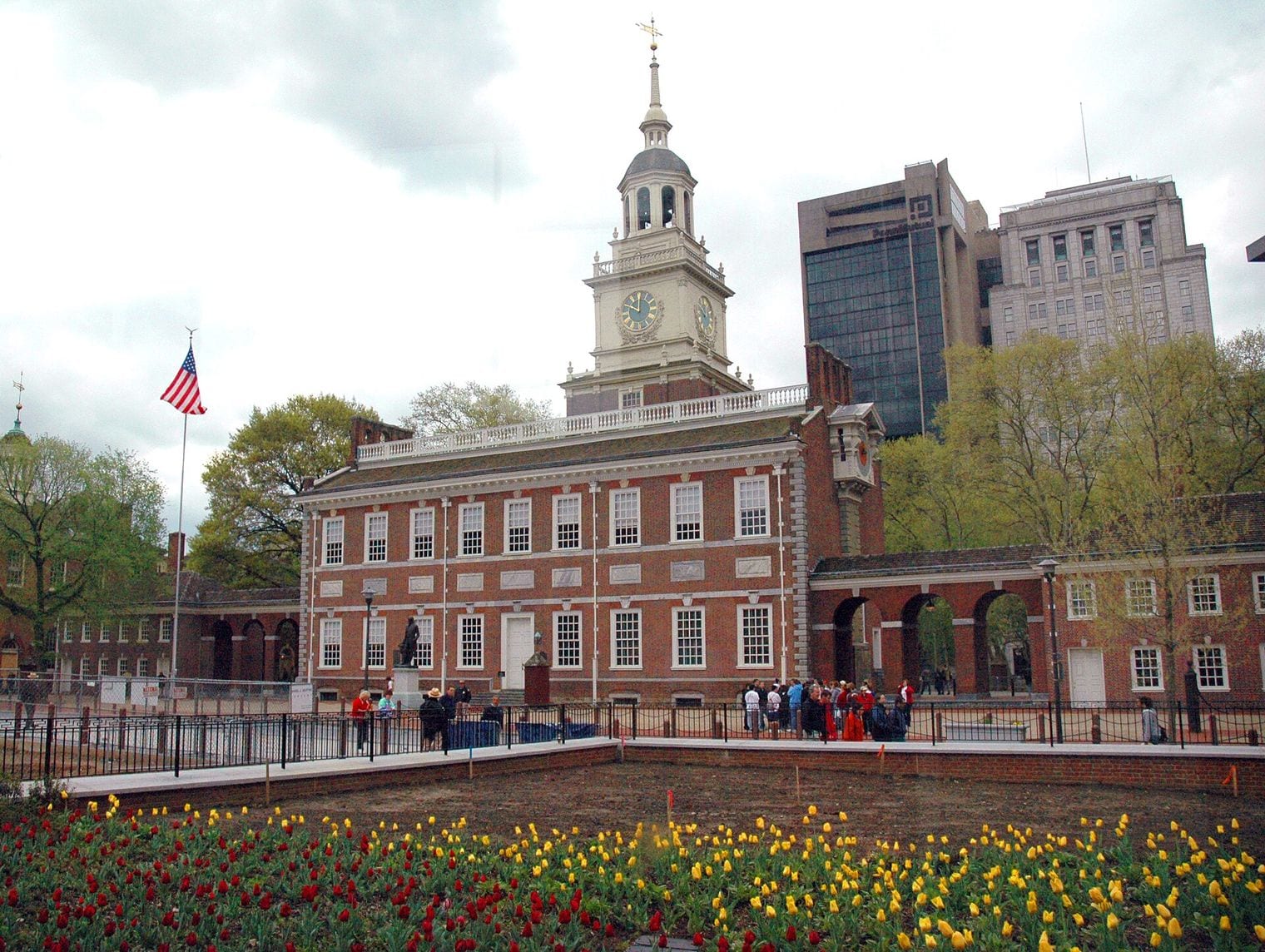
Philadelphia is where the United States began: the Declaration of Independence and the Constitution were both debated and adopted in Independence Hall, now a World Heritage Site, and the Liberty Bell hangs across the street.
Beyond the historic district, run up the Rocky Steps of the city's art museum, eat your way through Reading Terminal Market, and order a cheesesteak. Philadelphia sits midway between New York City and Washington, D.C., so it slots neatly into an East Coast rail trip.
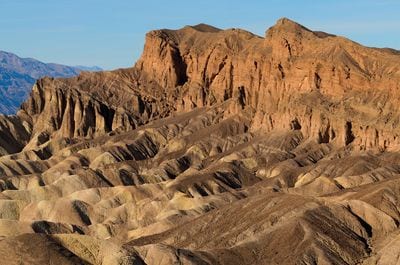
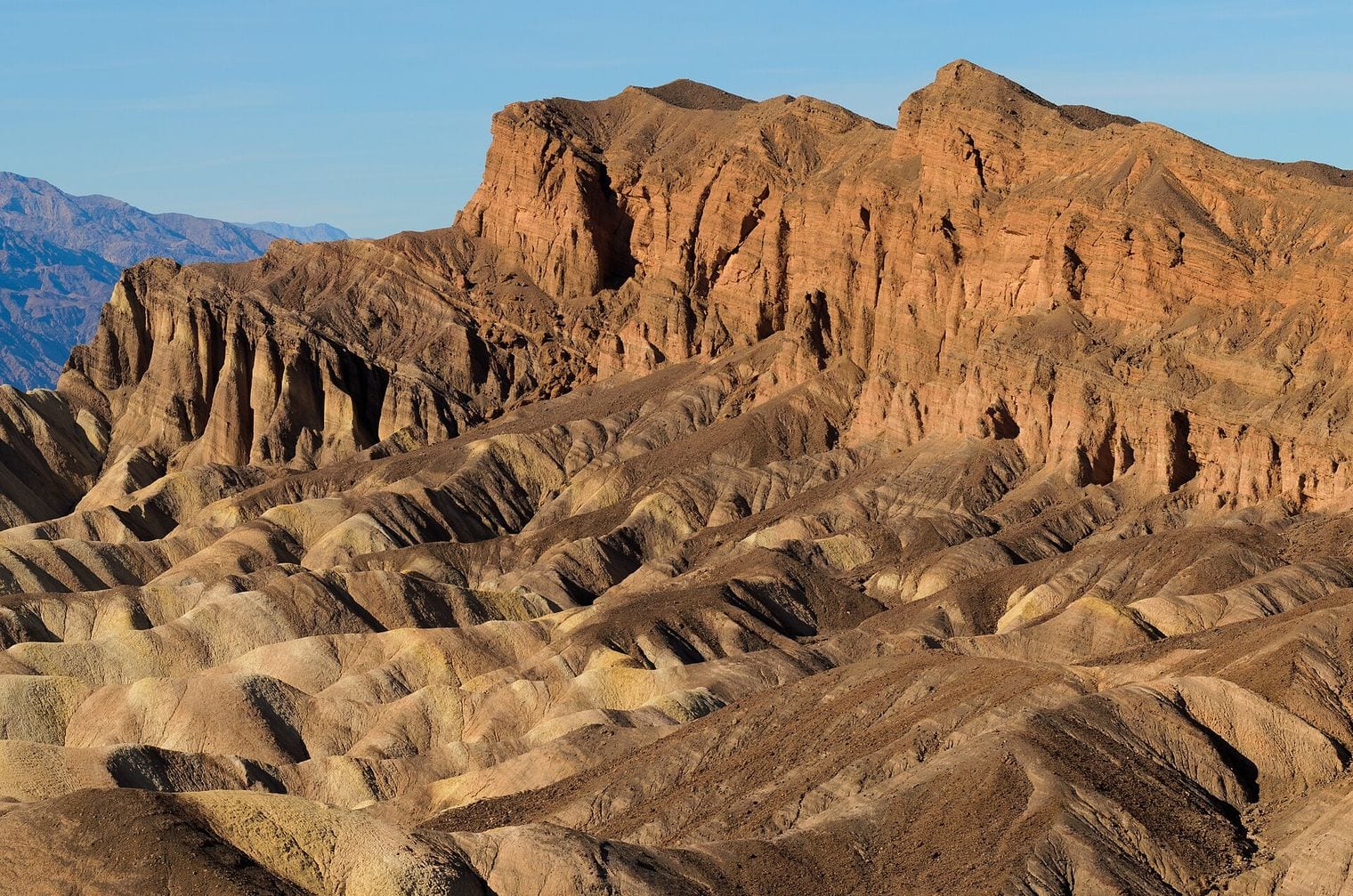
Death Valley National Park, on the California-Nevada border, is the largest national park in the contiguous US and the hottest, driest and lowest of them all. The salt flats of Badwater Basin lie 282 feet below sea level, the lowest point in North America.
The classic drive takes in Zabriskie Point's golden badlands at sunrise, the pastel hills of Artists Drive, the panorama from Dantes View and the Mesquite Flat sand dunes. Visit from late fall to early spring, as summer heat here is dangerous, and check the park's road conditions page: floods have closed sites such as Scotty's Castle and some backcountry roads for long repairs.
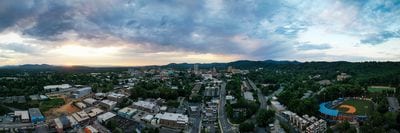
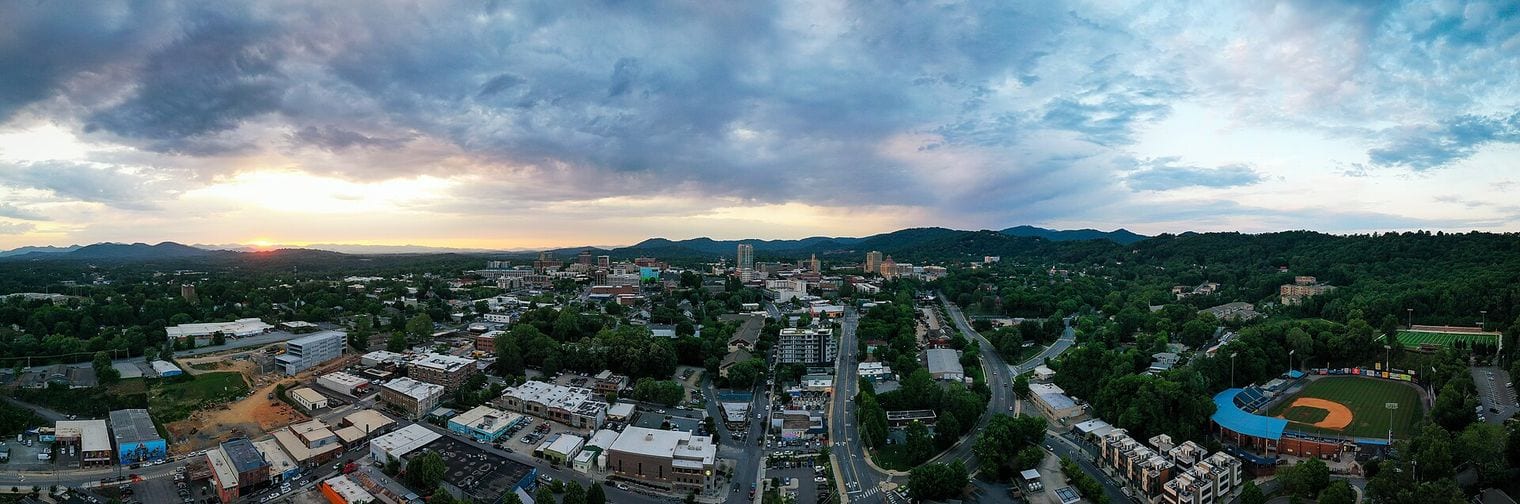
Asheville sits in the Blue Ridge Mountains of western North Carolina, with an arty downtown of Art Deco buildings, galleries and craft breweries. Its headline sight is the Biltmore Estate, the Vanderbilt family's 1890s chateau and the largest privately owned house in the US.
The Blue Ridge Parkway runs right past the city, so mountain overlooks, waterfalls and fall color are a short drive away. Hurricane Helene flooded parts of the area in September 2024; Asheville has welcomed visitors back, but check the NPS page for any parkway sections still under repair before you plan a scenic drive.
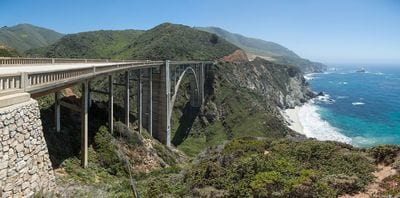
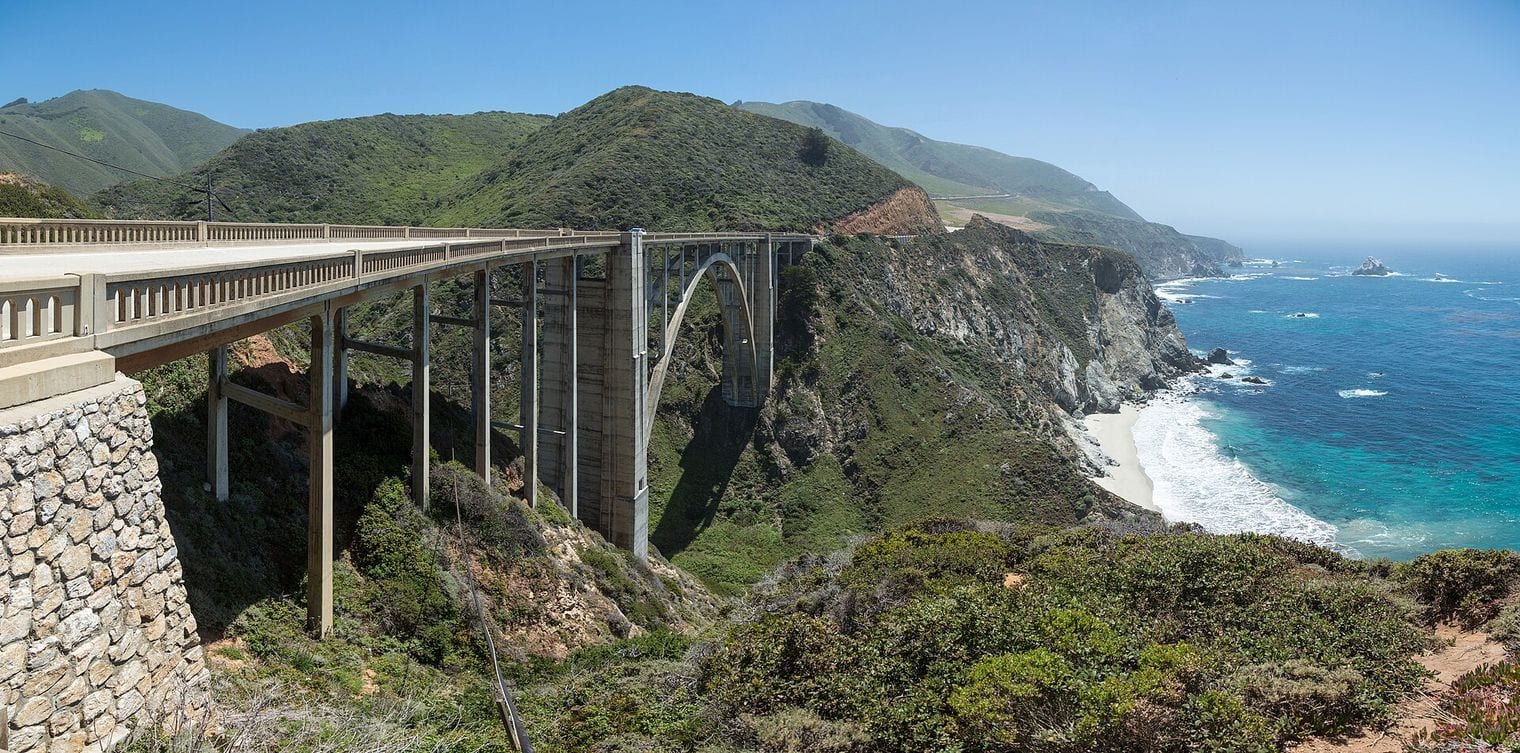
Big Sur is the stretch of California's Central Coast where the Santa Lucia Mountains plunge straight into the Pacific, roughly between Carmel and San Simeon. Highway 1 clings to the cliffs the whole way, crossing the 1932 Bixby Creek Bridge, one of the most photographed bridges on the West Coast.
Pull over for McWay Falls, which drops onto a cove beach in Julia Pfeiffer Burns State Park, walk among redwoods in Pfeiffer Big Sur State Park, and watch for whales offshore. Towns are few and phone signal patchy, so fill the tank first. Landslides have closed parts of Highway 1 dozens of times, sometimes for months, so check Caltrans road conditions before you set out.
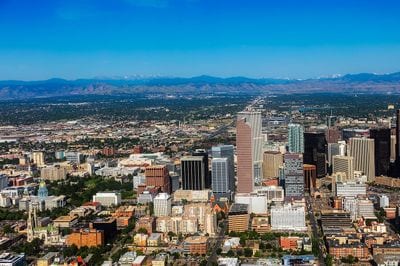
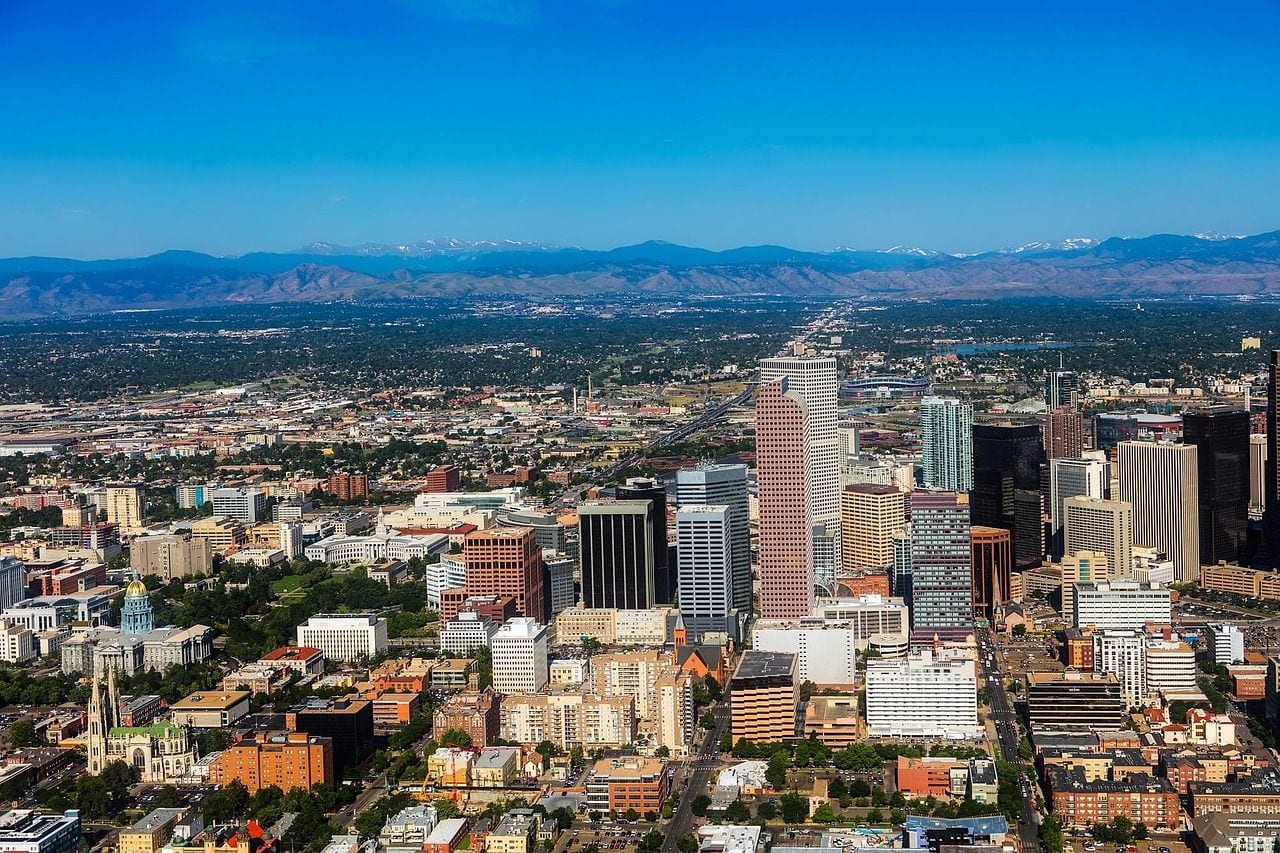
Denver, the Mile High City, sits exactly one mile above sea level, and a step of the State Capitol marks the spot. It is a sunny, outdoorsy city with a lively downtown around restored Union Station and Larimer Square, plus big-name museums such as the city's art museum.
Catch a concert at Red Rocks Amphitheatre, set between giant sandstone monoliths about ten miles southwest, and use Denver as the springboard for the Rockies: Rocky Mountain National Park, Boulder and the ski towns along I-70 are all within a couple of hours.
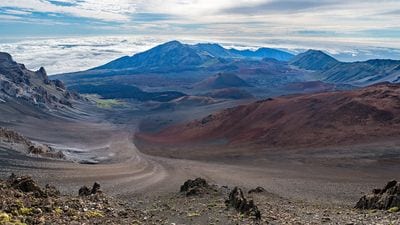
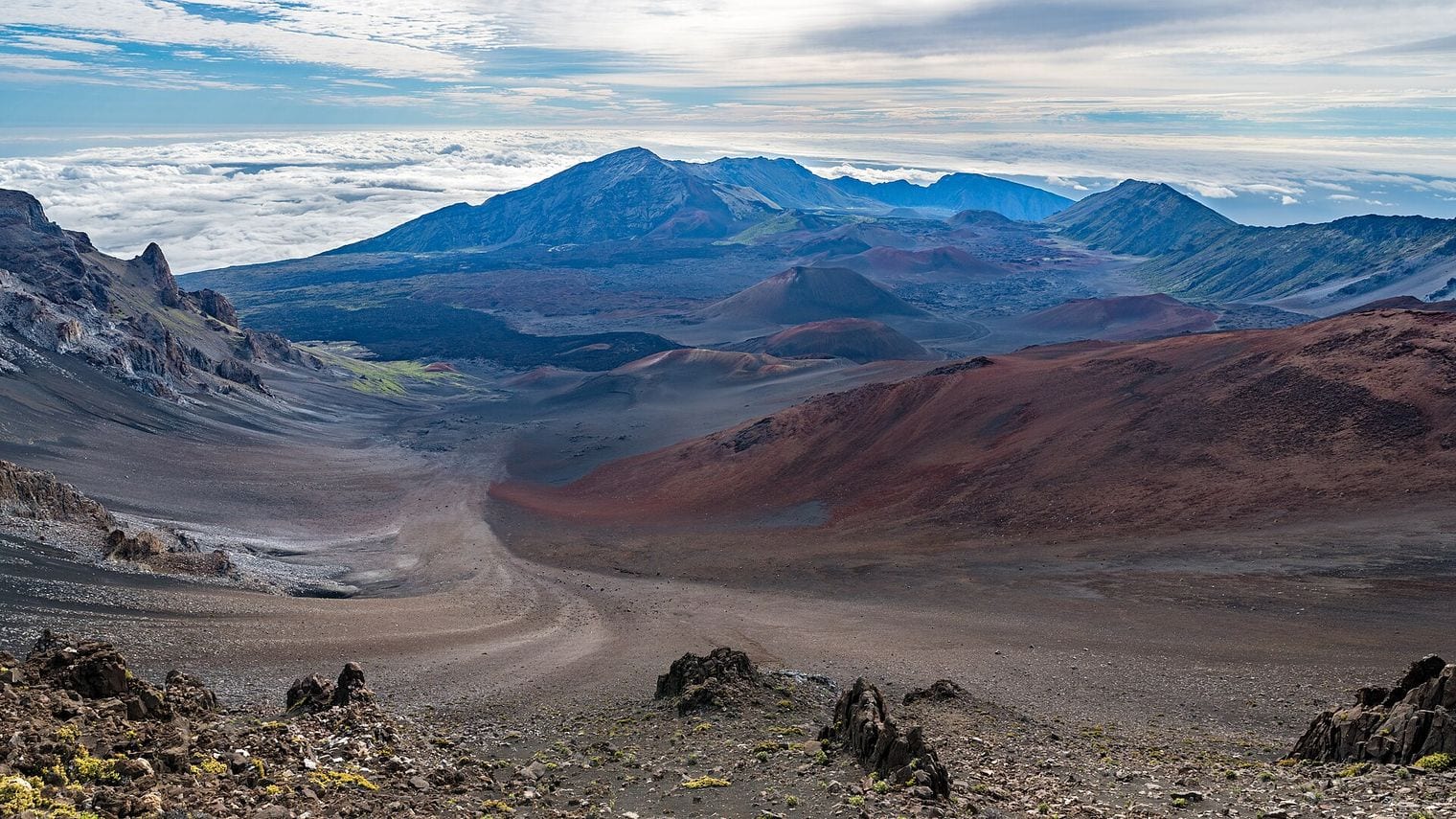
Maui, the Valley Isle, takes its nickname from the isthmus between its two volcanic mountains, and it packs beaches, rainforest and a high-altitude crater into one island. Watching the sun rise from the summit of Haleakala is the signature experience, and cars entering the national park in the pre-dawn hours need an advance sunrise reservation.
Drive the curving Road to Hana past waterfalls and black-sand beaches, snorkel off Kaanapali or Wailea, and in winter watch humpback whales from the shore. Lahaina, the old whaling town on the west coast, is still rebuilding after the August 2023 wildfire; its Front Street reopened in 2026, but much of the town remains a recovery zone, so visit respectfully.
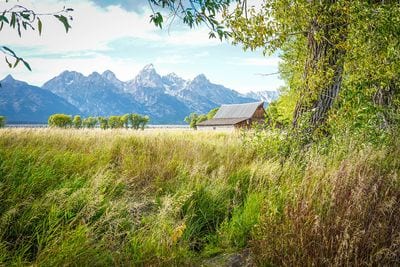
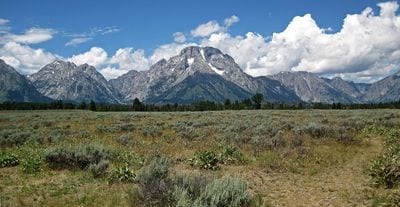
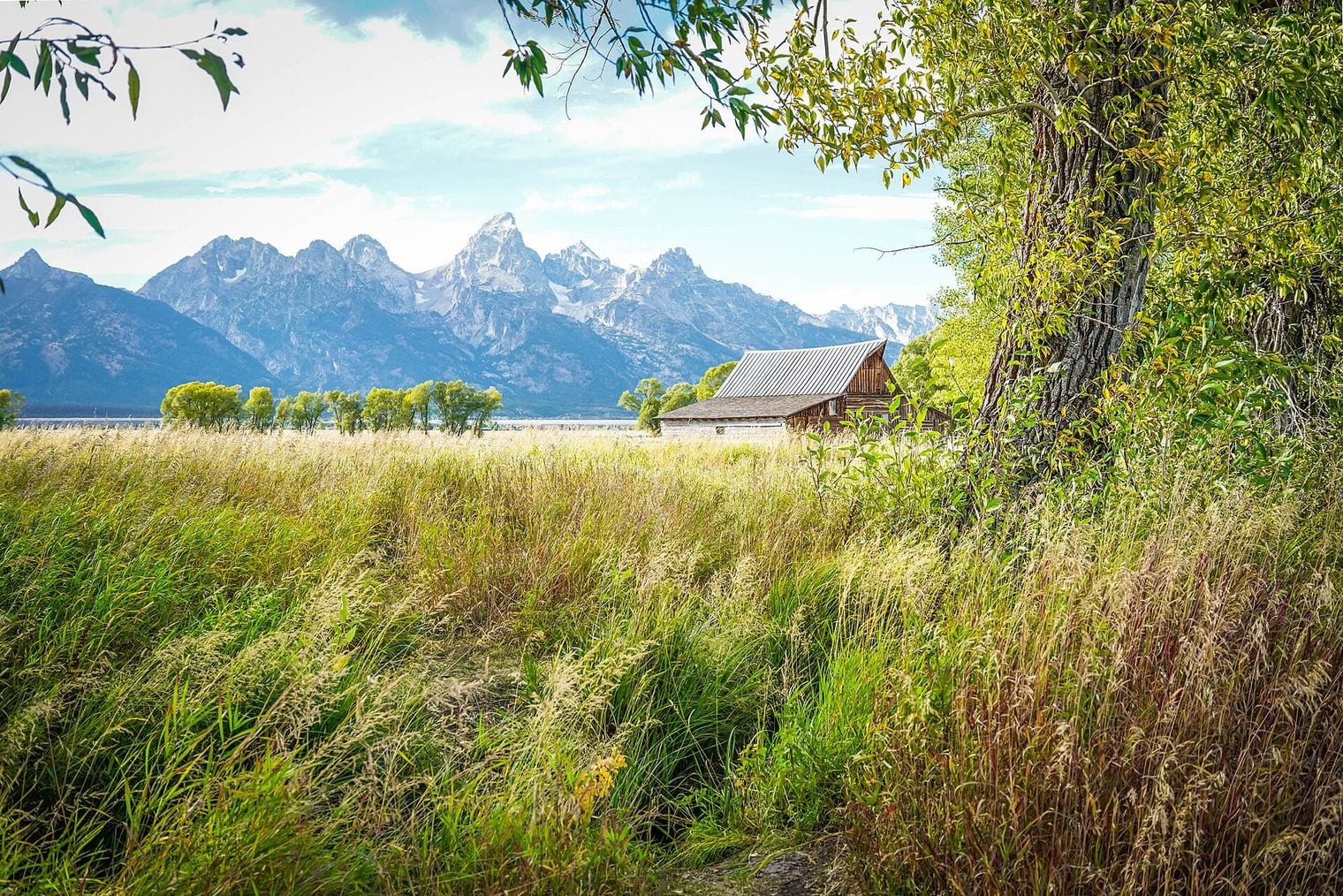
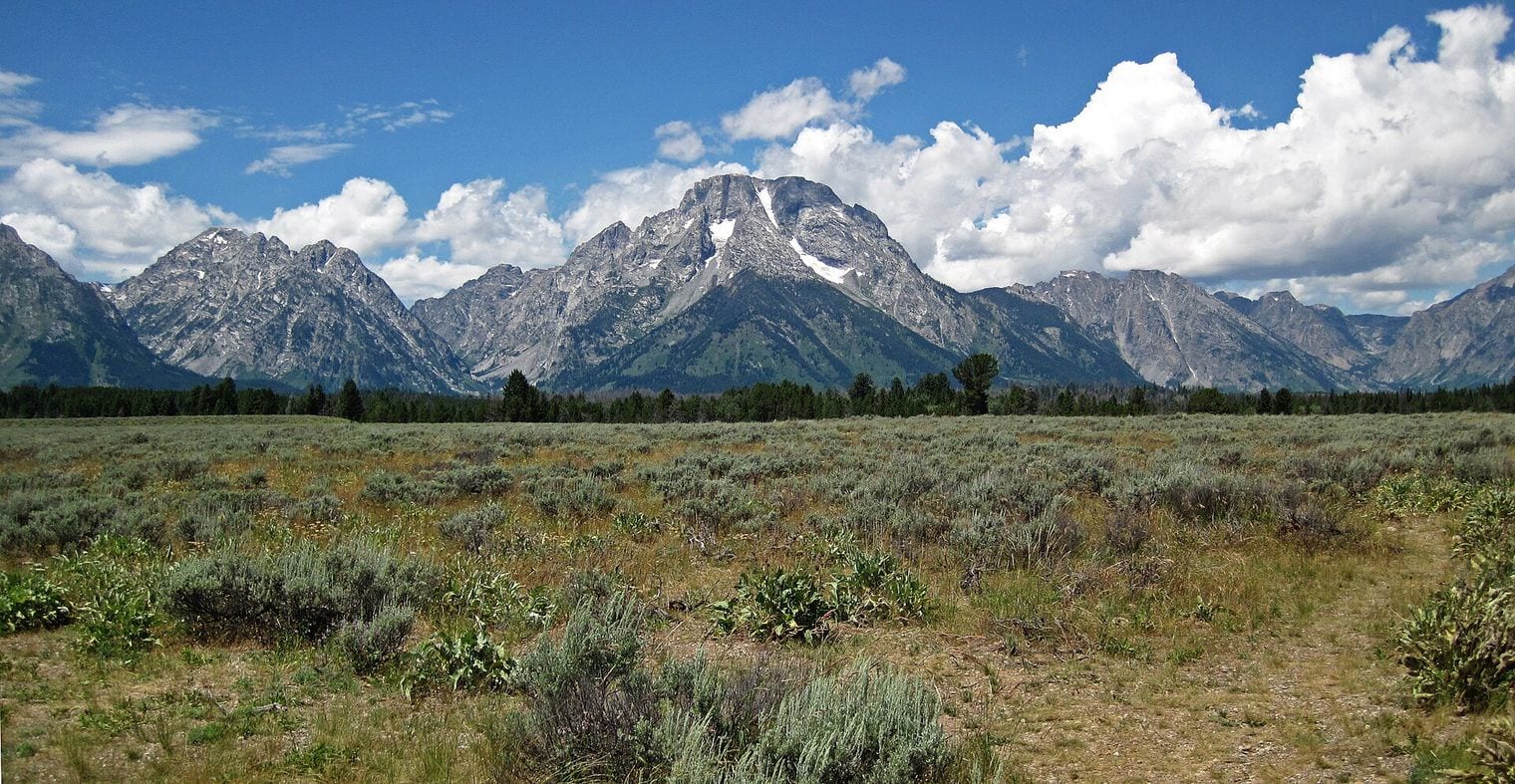
Grand Teton National Park protects one of the most striking mountain fronts in America, the Teton Range rising abruptly from the valley floor with no foothills in the way. The Grand Teton itself reaches 13,775 feet, more than 7,000 feet above the valley.
The classic views are the weathered barns of Mormon Row, the bend of the Snake River at Oxbow Bend, and Jenny Lake, where a boat shuttle shortens the walk to Hidden Falls and Inspiration Point. Moose, elk and bison are common, and Yellowstone lies just to the north, so the two parks pair naturally on one trip.
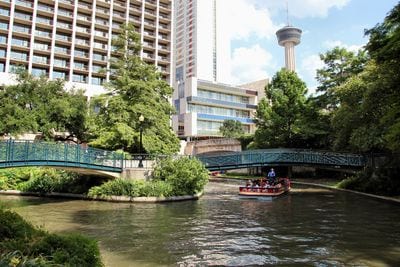
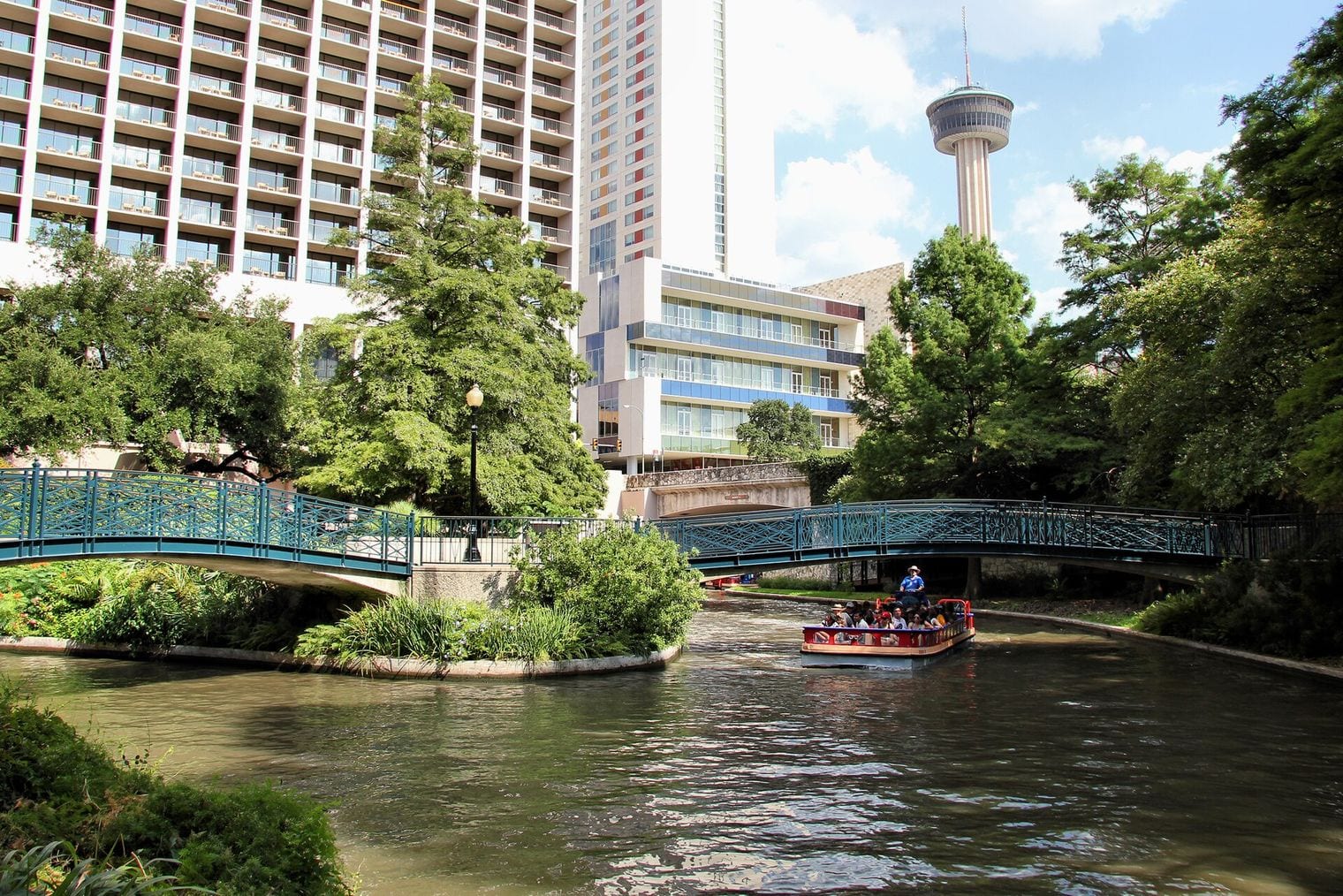
San Antonio is home to the Alamo, the mission where Texan defenders fell in 1836, and to four more 18th-century Spanish missions that, together with it, form a UNESCO World Heritage Site.
The River Walk, a sunken, tree-shaded path lined with cafes along the river, links downtown's sights, and a river barge shows you more of it. Cycle or drive the Mission Trail south to the other four mission churches, and come back to San Antonio in spring for Fiesta, the city's biggest party.
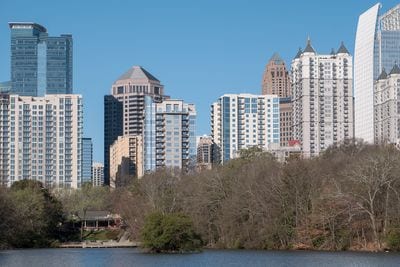
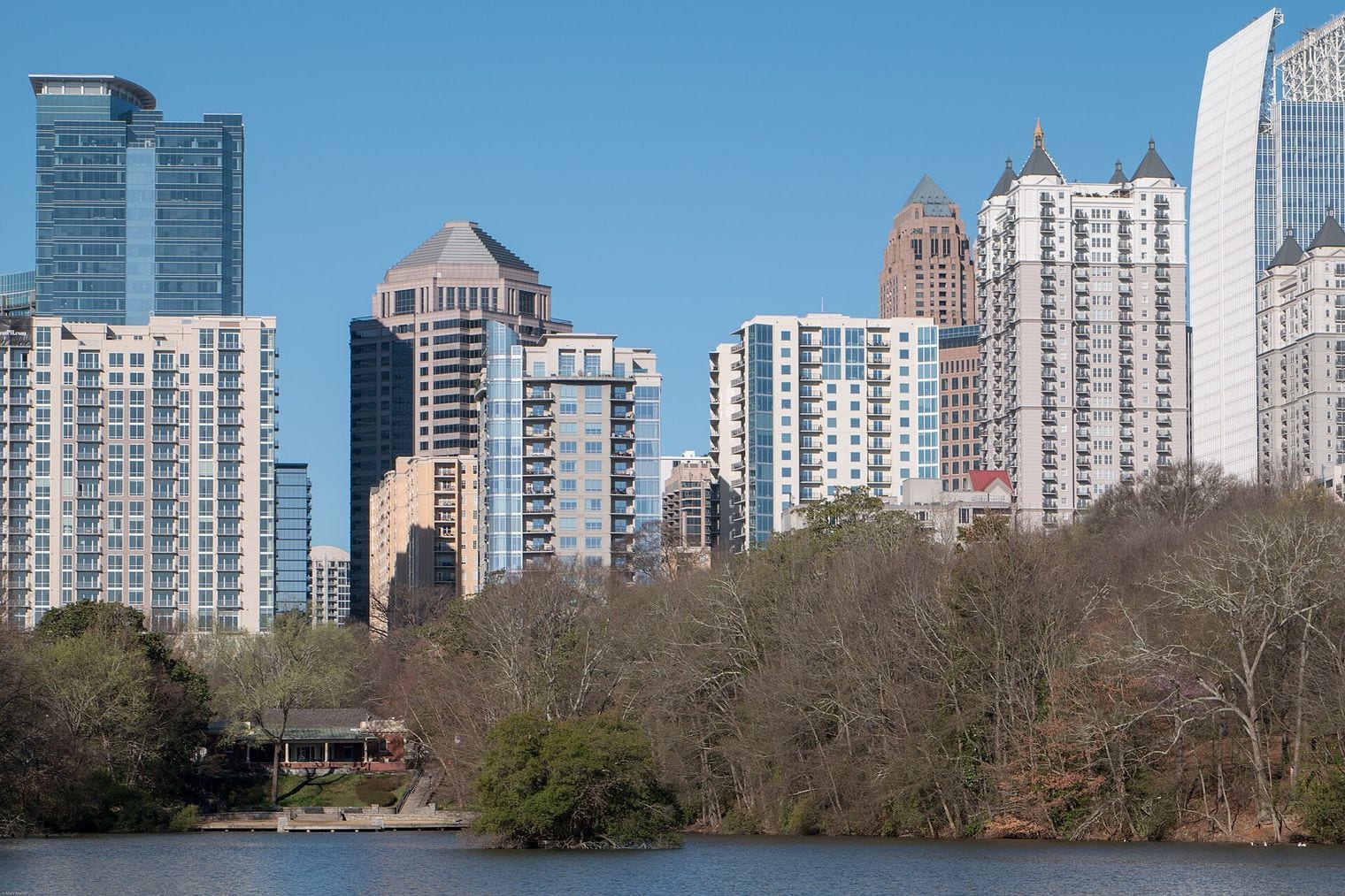
Atlanta was a center of the civil rights movement, and its most moving sight is the Martin Luther King Jr. National Historical Park, which takes in his birth home and Ebenezer Baptist Church on Auburn Avenue.
Downtown, Centennial Olympic Park, built for the 1996 Games, is ringed by the Georgia Aquarium, one of the largest in the world, and the World of Coca-Cola. Atlanta's BeltLine, a trail on an old railway loop, links parks, food halls and street art, and Piedmont Park is the city's green heart.
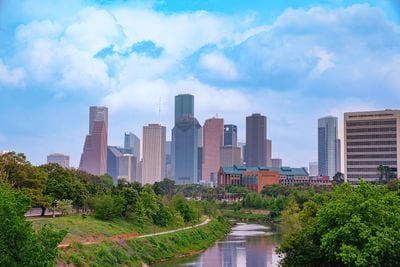
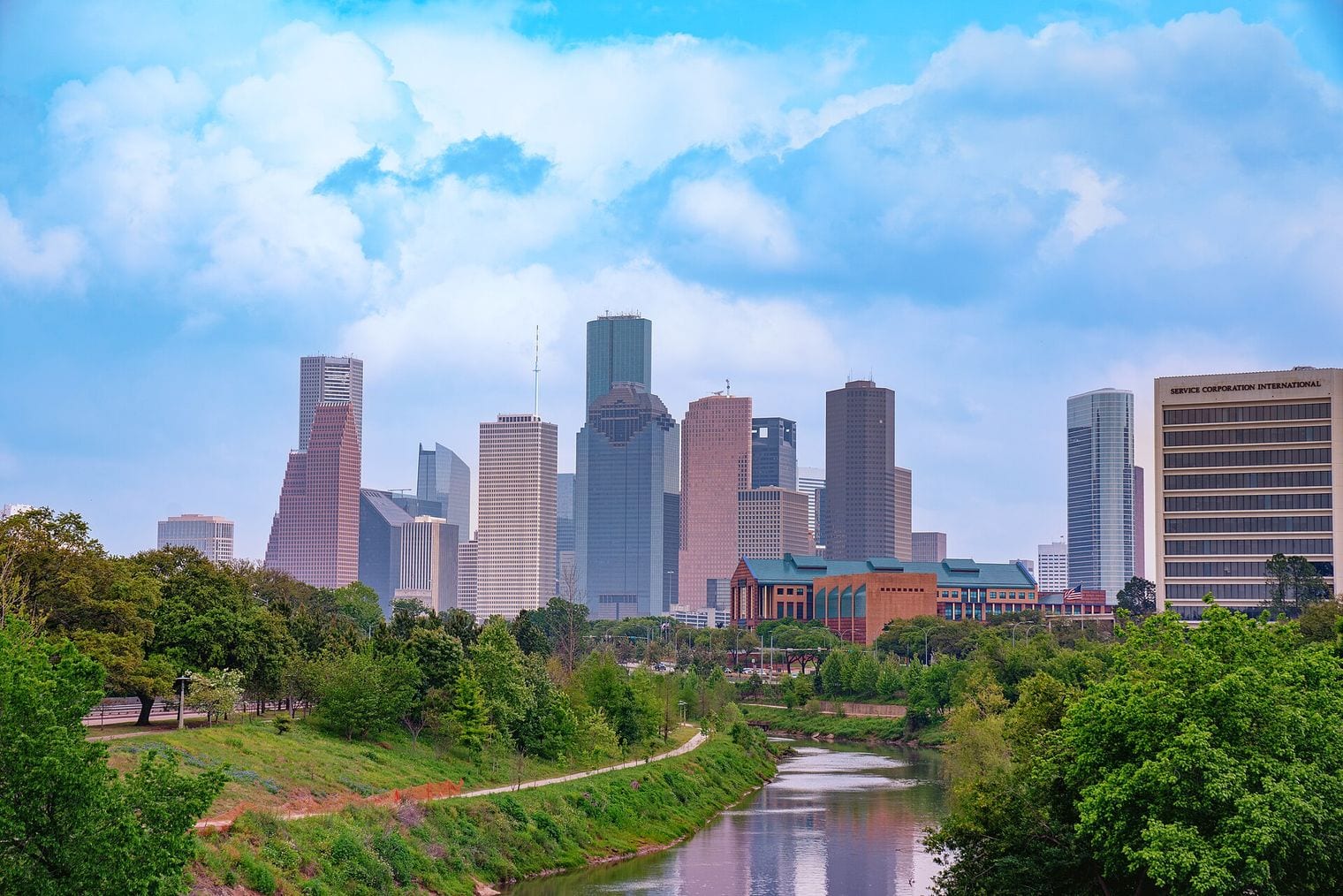
Houston, the largest city in Texas and the fourth-largest in the US, is the home of NASA's Johnson Space Center and Mission Control. Its official visitor center shows off real spacecraft and runs tram tours onto the NASA site.
Back in town, Houston's Museum District groups more than a dozen museums around Hermann Park, the Rothko Chapel draws art pilgrims, and Buffalo Bayou Park winds green trails along the water west of downtown. The food scene, from Tex-Mex to Viet-Cajun crawfish, is one of the most varied in the country.
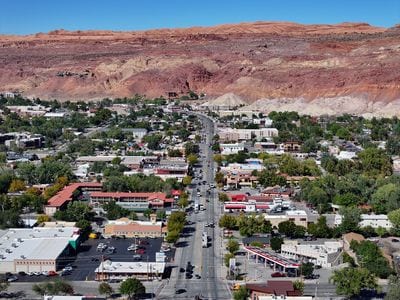
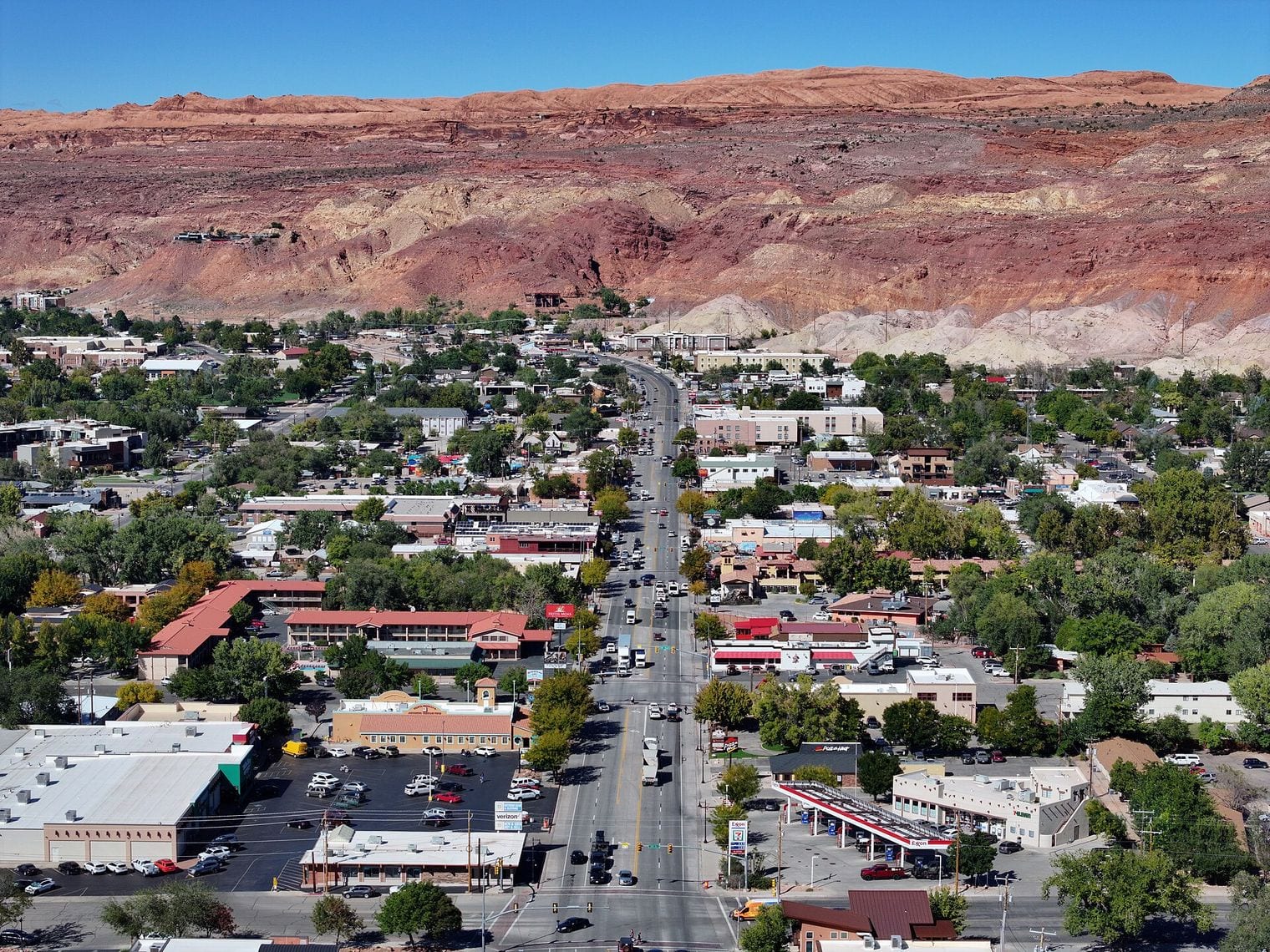
Moab is eastern Utah's red-rock playground and the base for two national parks. The entrance to Arches is just 4 miles north of town, and Canyonlands' Island in the Sky district, with its huge views over the canyons of the Colorado and Green rivers, lies beyond Dead Horse Point State Park.
The town itself is built for the outdoors. Ride the famous Slickrock Trail on a mountain bike, raft the Colorado River, or tackle the 4x4 tracks that draw off-roaders to Moab every spring. Spring and fall bring the best temperatures; summer days are scorching.
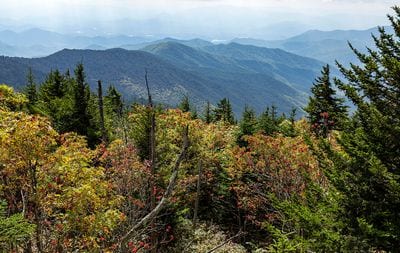
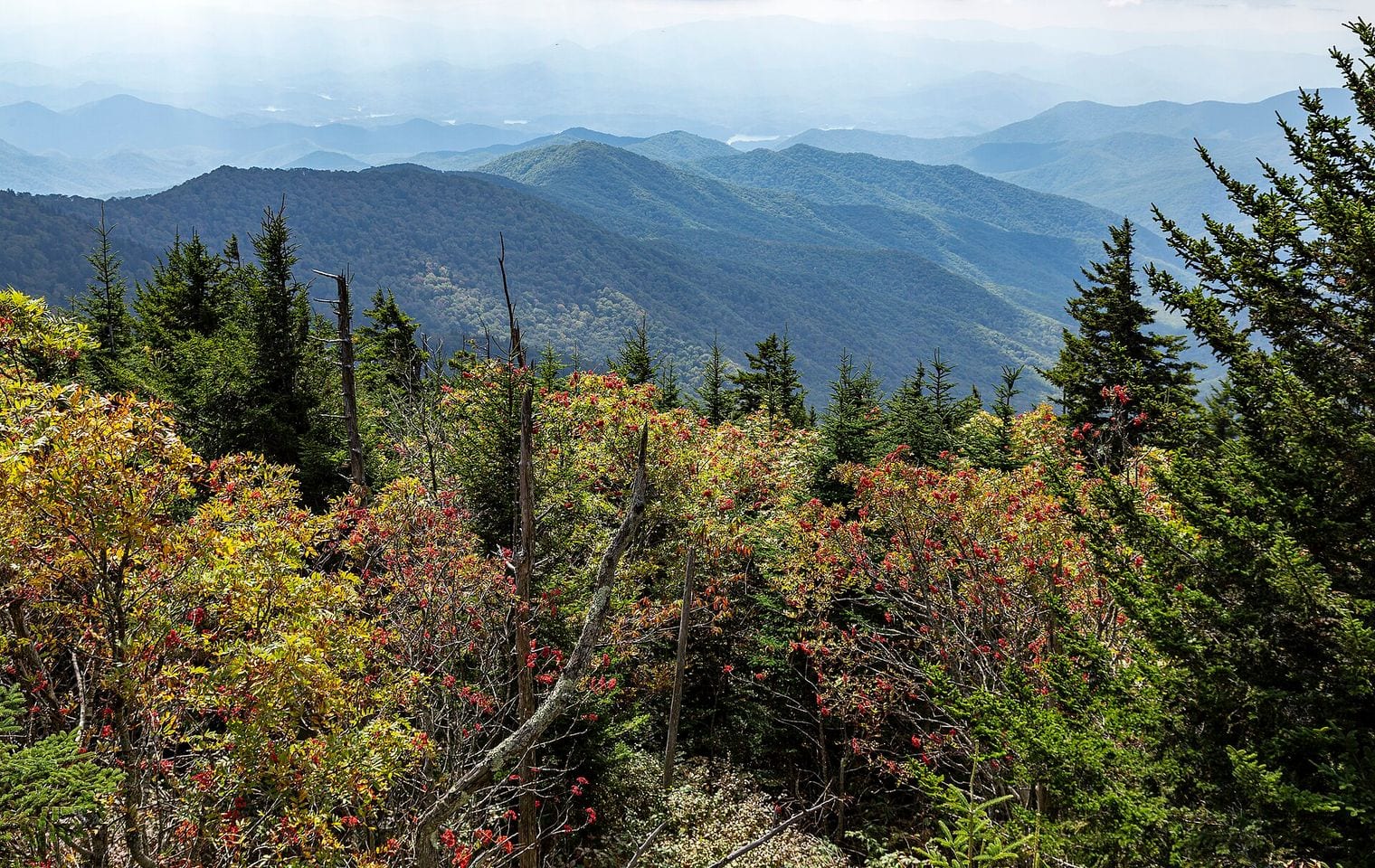
Great Smoky Mountains National Park straddles the Tennessee-North Carolina line and, with more than 11 million visits in 2025, is the most visited national park in the US. Its misty, forested ridges hold some of the highest peaks in the East, including Kuwohi, formerly Clingmans Dome, and Mount Le Conte.
Drive the Cades Cove loop for log cabins, old churches and grazing deer, hike to waterfalls, and come in fall for the color. There is no entrance fee, though you need a parking tag to park for more than 15 minutes. Gatlinburg in Tennessee and Cherokee in North Carolina are the main gateway towns.
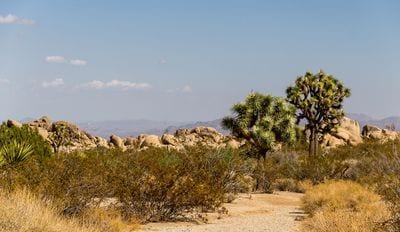
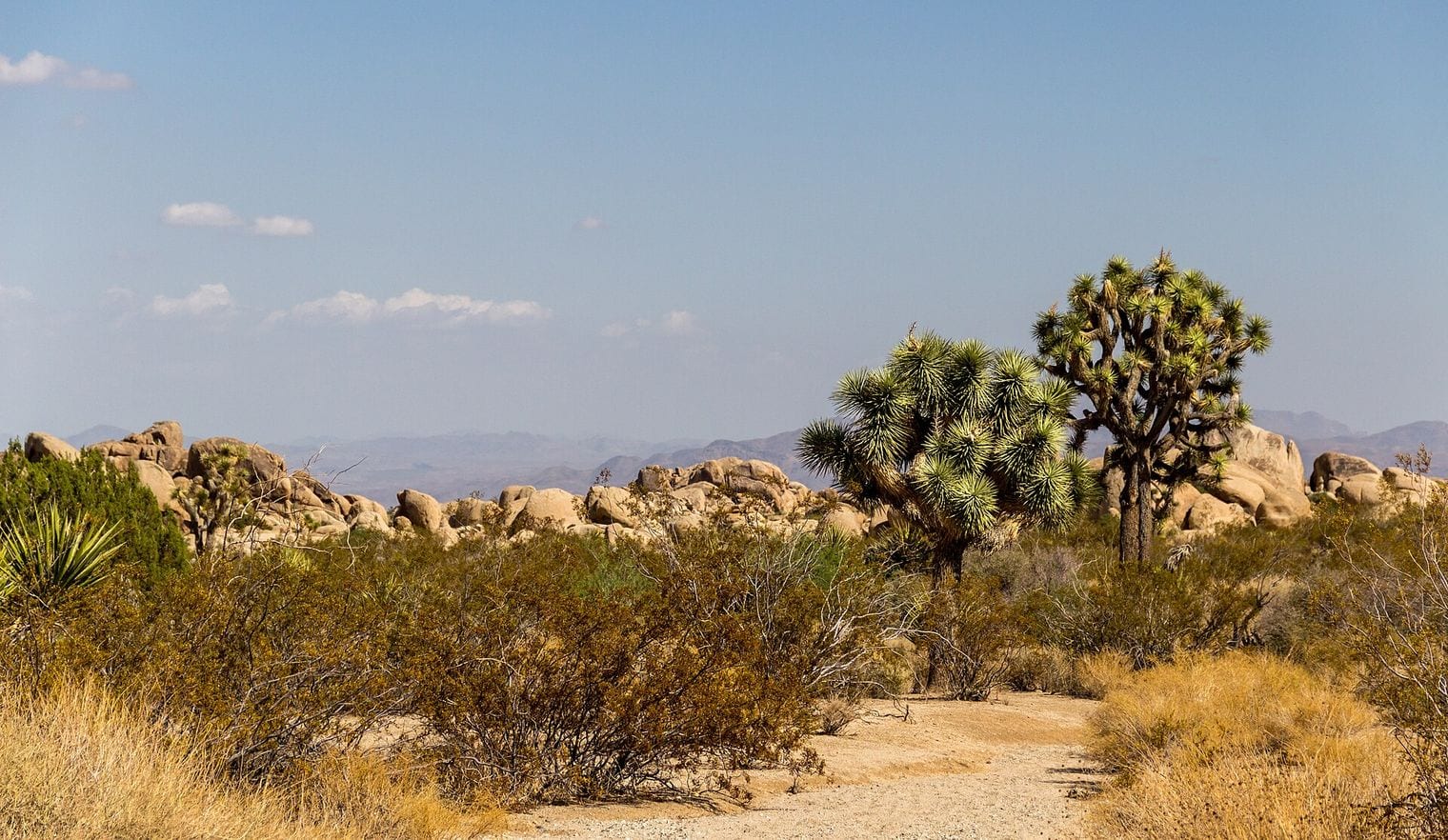
Joshua Tree National Park, about 130 miles east of Los Angeles, sits where two deserts meet, the higher Mojave and the lower Colorado, and is named for the spiky, shaggy Joshua trees that dot its plains.
Climbers come for the giant rounded boulders and rock piles, hikers for short trails such as Hidden Valley and Skull Rock, and everyone for the night sky, dark enough for superb stargazing. Keys View looks out over the Coachella Valley, and the park is best from fall to spring, when the desert heat eases.
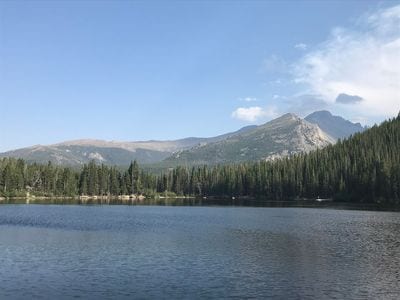
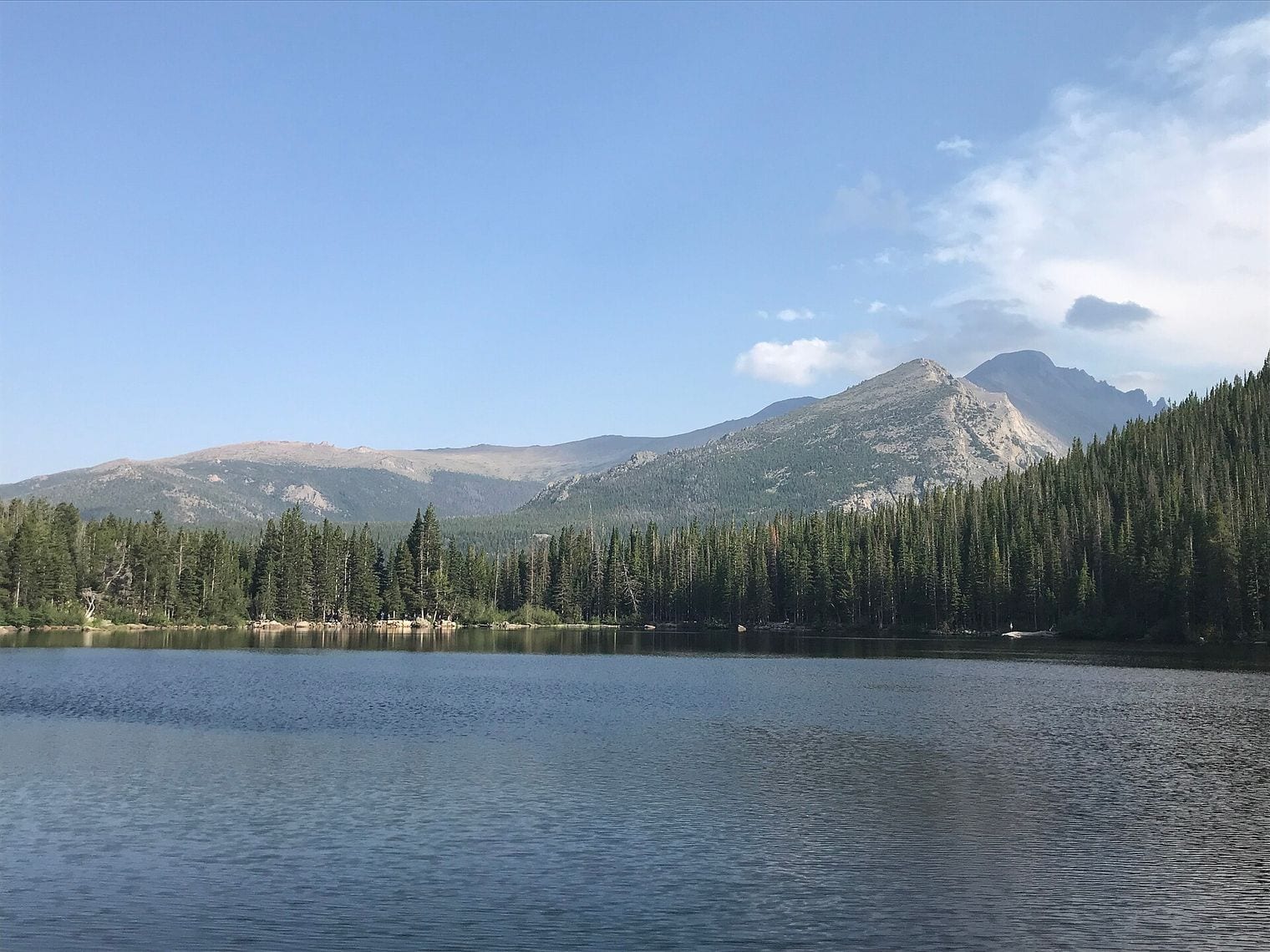
Rocky Mountain National Park, established in 1915, puts the high Rockies within easy reach of Colorado's Front Range cities. Trail Ridge Road climbs to 12,183 feet, the highest continuous paved road in North America, crossing alpine tundra where elk and marmots graze.
Bear Lake is the trailhead for the park's favorite hikes to Dream and Emerald lakes, and fall brings the elk rut to the meadows of Moraine Park. In summer and early fall the park uses a timed-entry reservation system, with a stricter one for Bear Lake Road, and Estes Park is the gateway town at the east entrance.
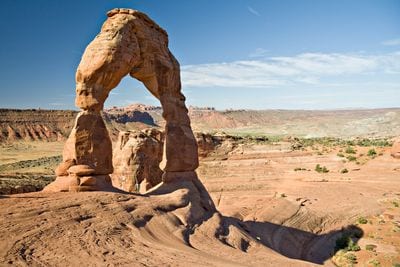
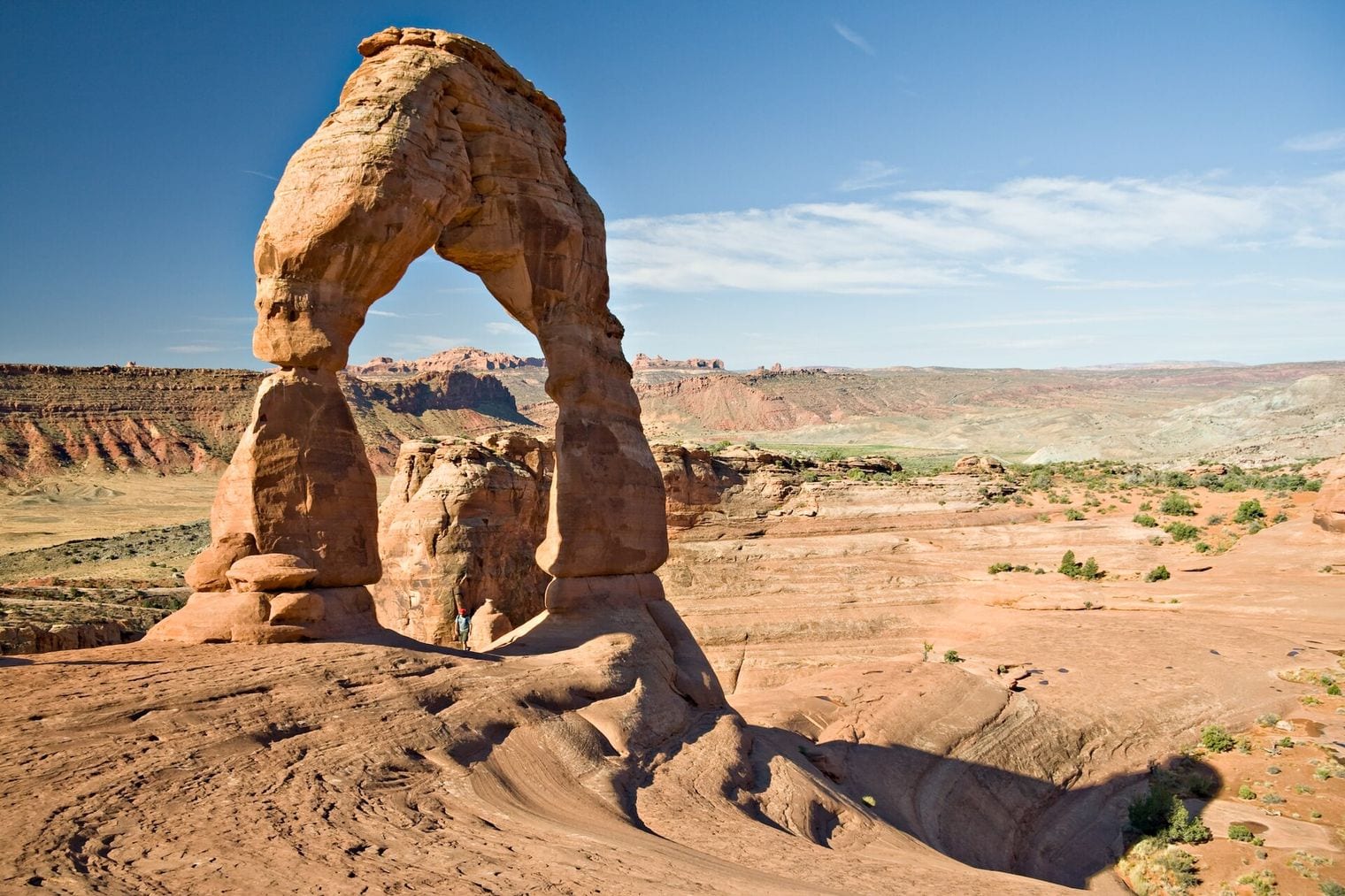
Arches National Park, just north of Moab, holds more than 2,000 natural sandstone arches, the highest density of natural arches in the world. Delicate Arch, the free-standing span pictured on Utah license plates, is the icon, reached by a steep 3-mile round-trip hike that is best at sunset.
The paved scenic drive reaches most of the other highlights: the Windows and Double Arch, Balanced Rock, and Landscape Arch, the longest arch in the park, out in the Devils Garden. The park has used timed-entry reservations in busy seasons and the rules change from year to year, so check the NPS page before you drive in.
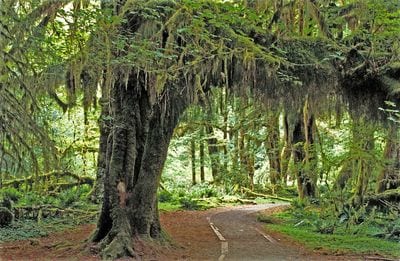
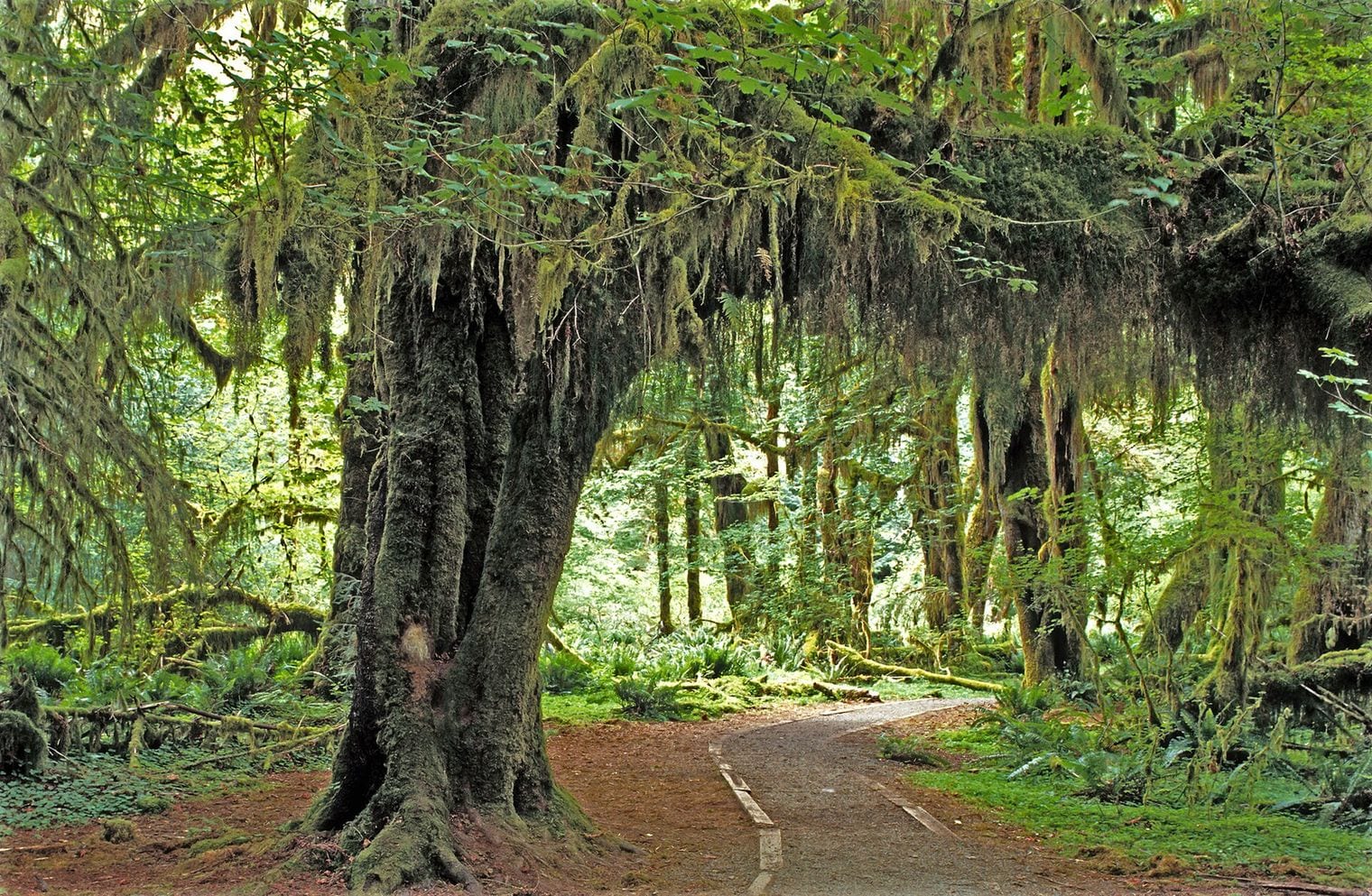
Olympic National Park covers the heart of Washington's Olympic Peninsula, and it is really three parks in one: glacier-capped mountains around Mount Olympus, moss-draped temperate rainforest, and a wild Pacific coastline of sea stacks and driftwood. UNESCO lists it as a World Heritage Site.
Drive up to Hurricane Ridge for mountain views, walk the Hall of Mosses in the Hoh Rain Forest, and watch the sunset among the sea stacks at Rialto or Ruby Beach. No road crosses the park's mountainous center, so plan a loop around the peninsula on US 101 from Port Angeles.
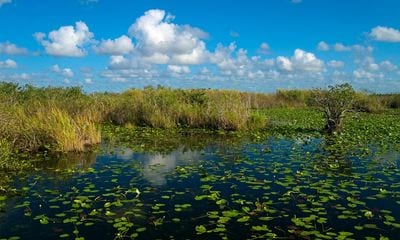
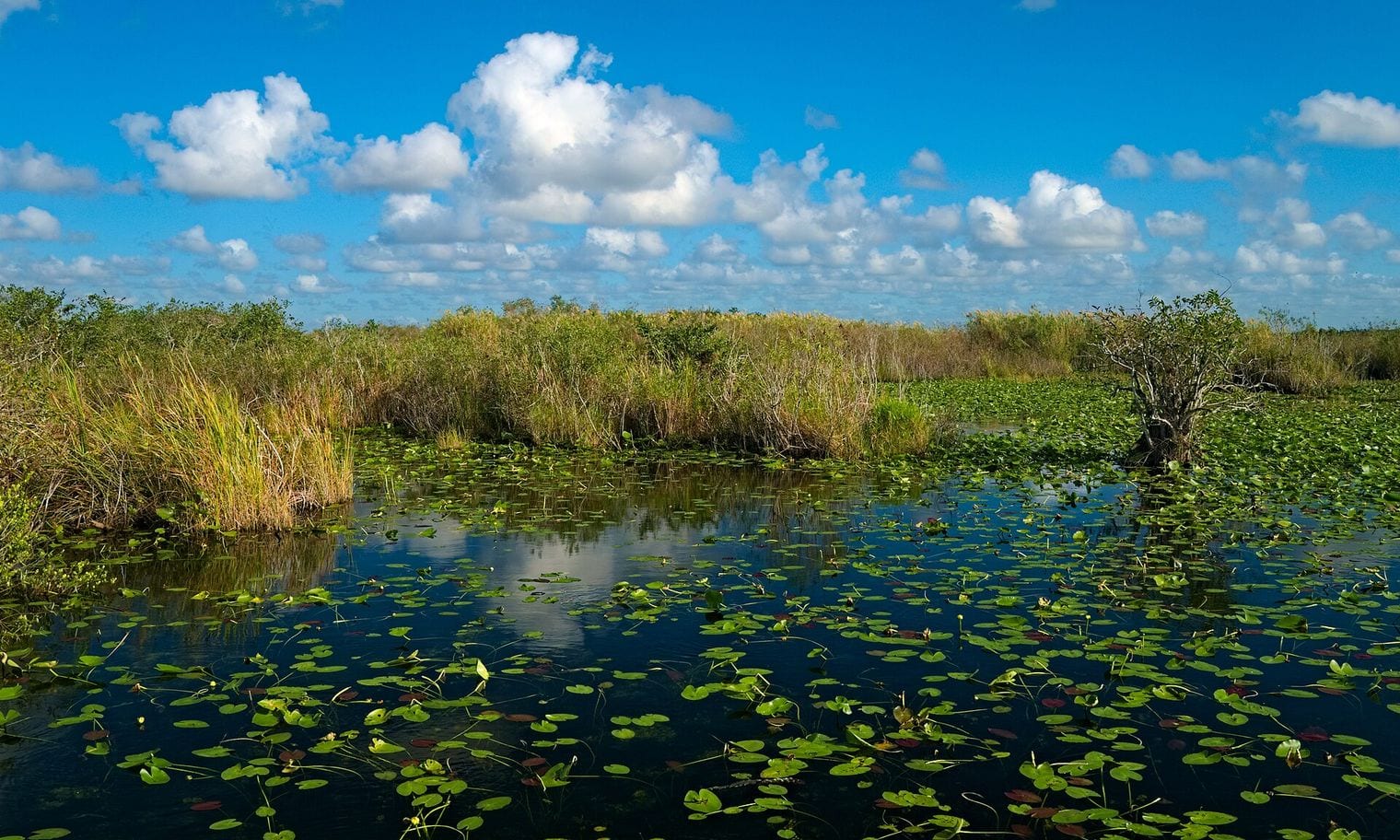
Everglades National Park protects the southern end of a vast, slow-moving river of sawgrass at the tip of Florida, and it is a World Heritage Site, a biosphere reserve and a wetland of international importance. Alligators, American crocodiles, manatees and some 350 species of birds live here.
The Anhinga Trail near the Homestead entrance is the best short walk for wildlife, Shark Valley's tram road and observation tower show the sawgrass prairie from above, and the Flamingo area opens onto Florida Bay. Come in the dry season, roughly December to April, when wildlife gathers at the water and the mosquitoes ease off.
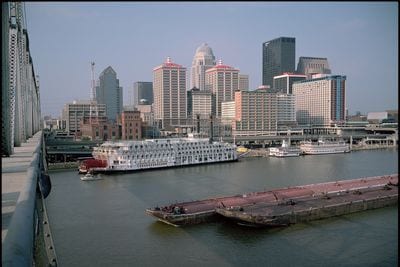
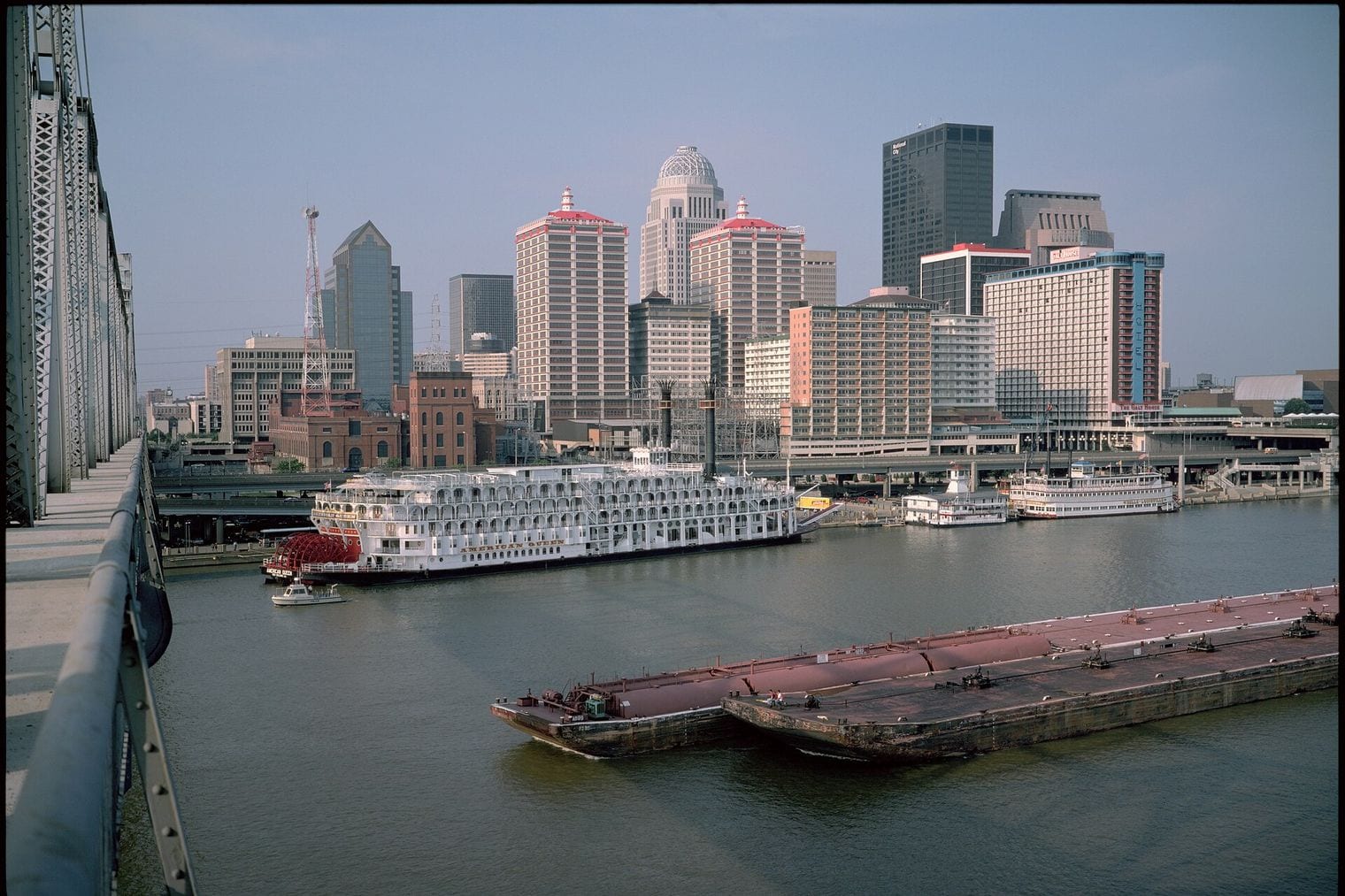
Louisville is the home of the Kentucky Derby, first run at Churchill Downs in 1875, and about a third of all bourbon whiskey comes from the city. Its downtown distilleries make it the urban starting point for Kentucky's bourbon country.
Back in Louisville, see the giant baseball bat outside the Louisville Slugger Museum & Factory, visit the Muhammad Ali Center, the boxer's hometown tribute, and walk the Big Four pedestrian bridge across the Ohio River to Indiana. The Kentucky Derby Museum at the track is worth a stop even if you miss the race.
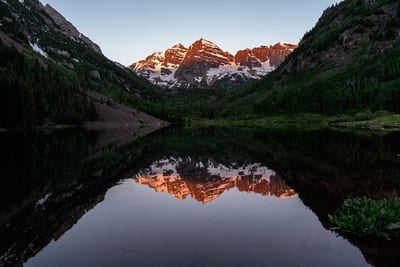
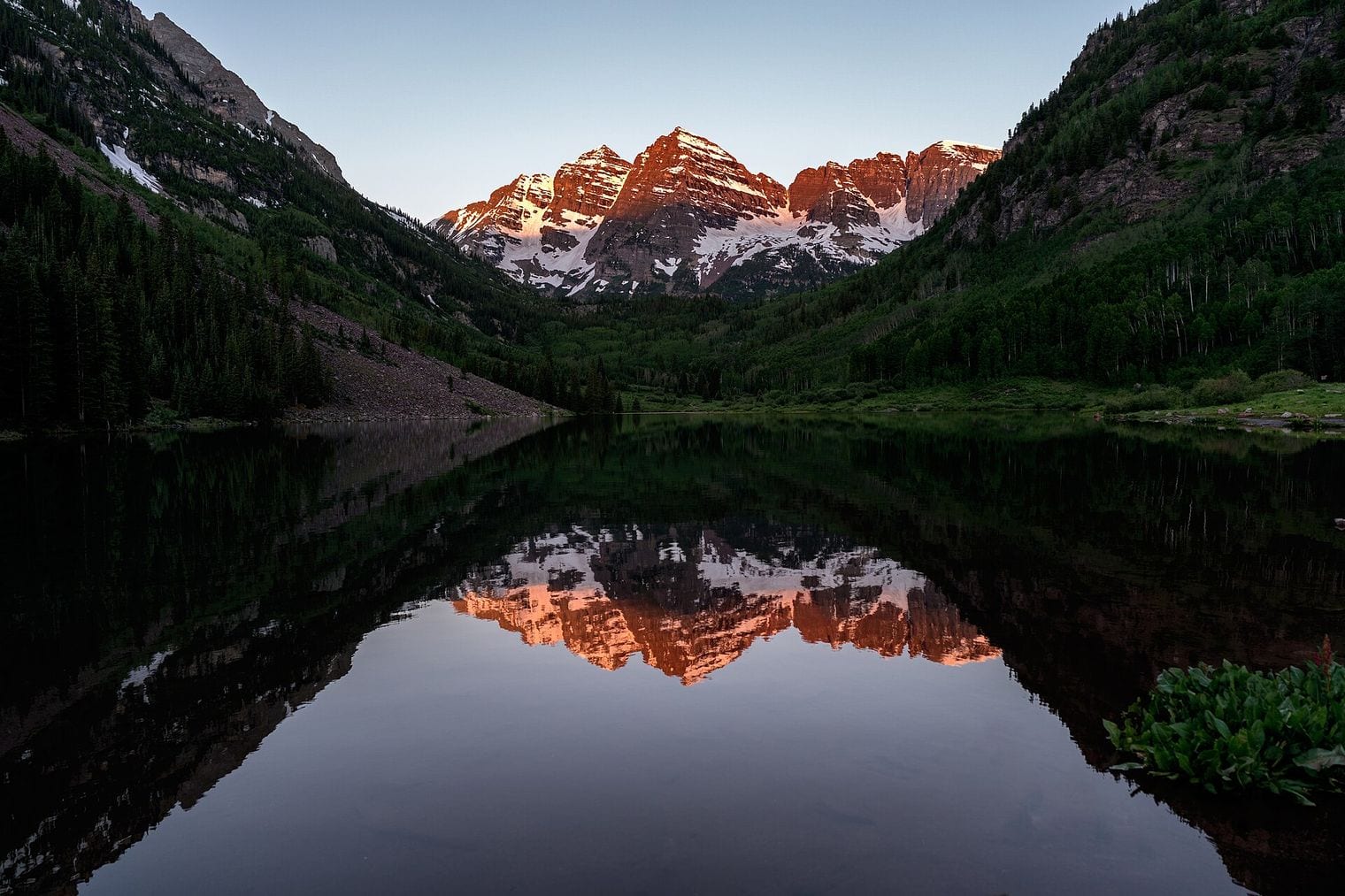
Aspen began as a silver-mining camp in 1879 and grew into one of America's most glamorous mountain resorts, with Victorian brick streets, galleries and designer boutiques set against the Elk Mountains.
Winter means skiing on four mountains: Aspen Mountain, Aspen Highlands, Buttermilk and Snowmass. In summer the draw is the Maroon Bells, twin peaks reflected in Maroon Lake a short ride from town, along with wildflower hikes and the drive over Independence Pass. Access to Maroon Lake is controlled in peak season, so check the Forest Service's reservation rules before you go.
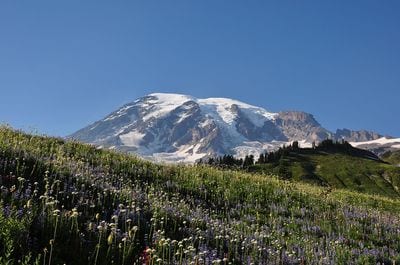
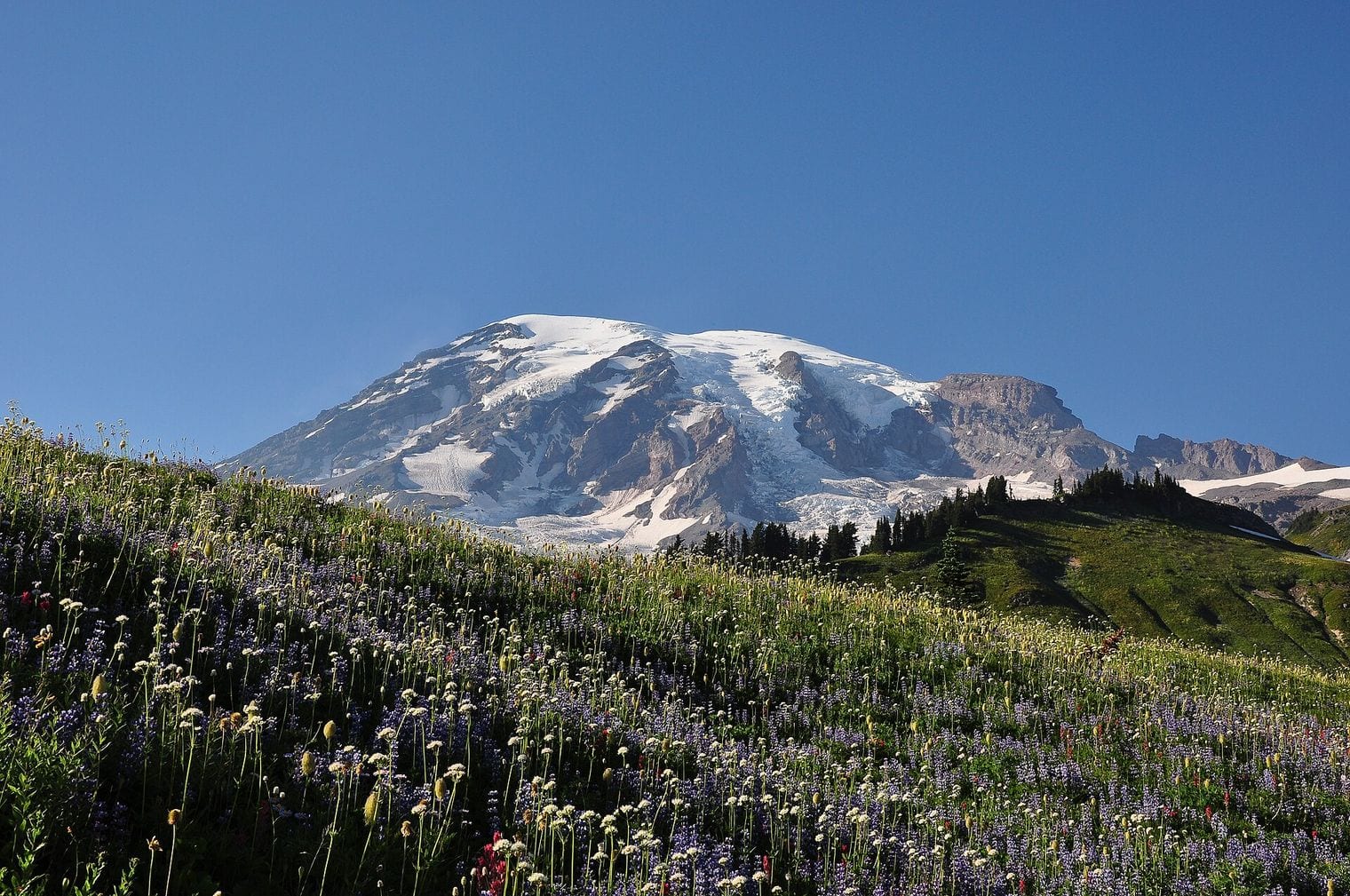
Mount Rainier National Park, set up in 1899 as the fourth national park in the country, surrounds a 14,406-foot volcano draped in more than 25 glaciers. On a clear day the peak dominates the skyline from Seattle, about two hours away.
Paradise, on the south side, is famous for its summer wildflower meadows and trails onto the mountain's lower slopes, while Sunrise, the highest point in the park you can drive to, faces the glaciers of the northeast side. The high roads open only in summer, so July to September is the time to go.
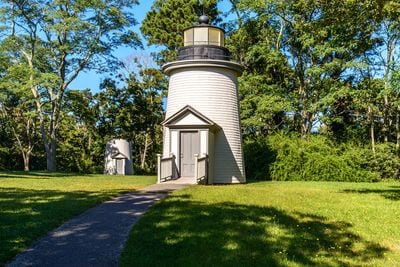
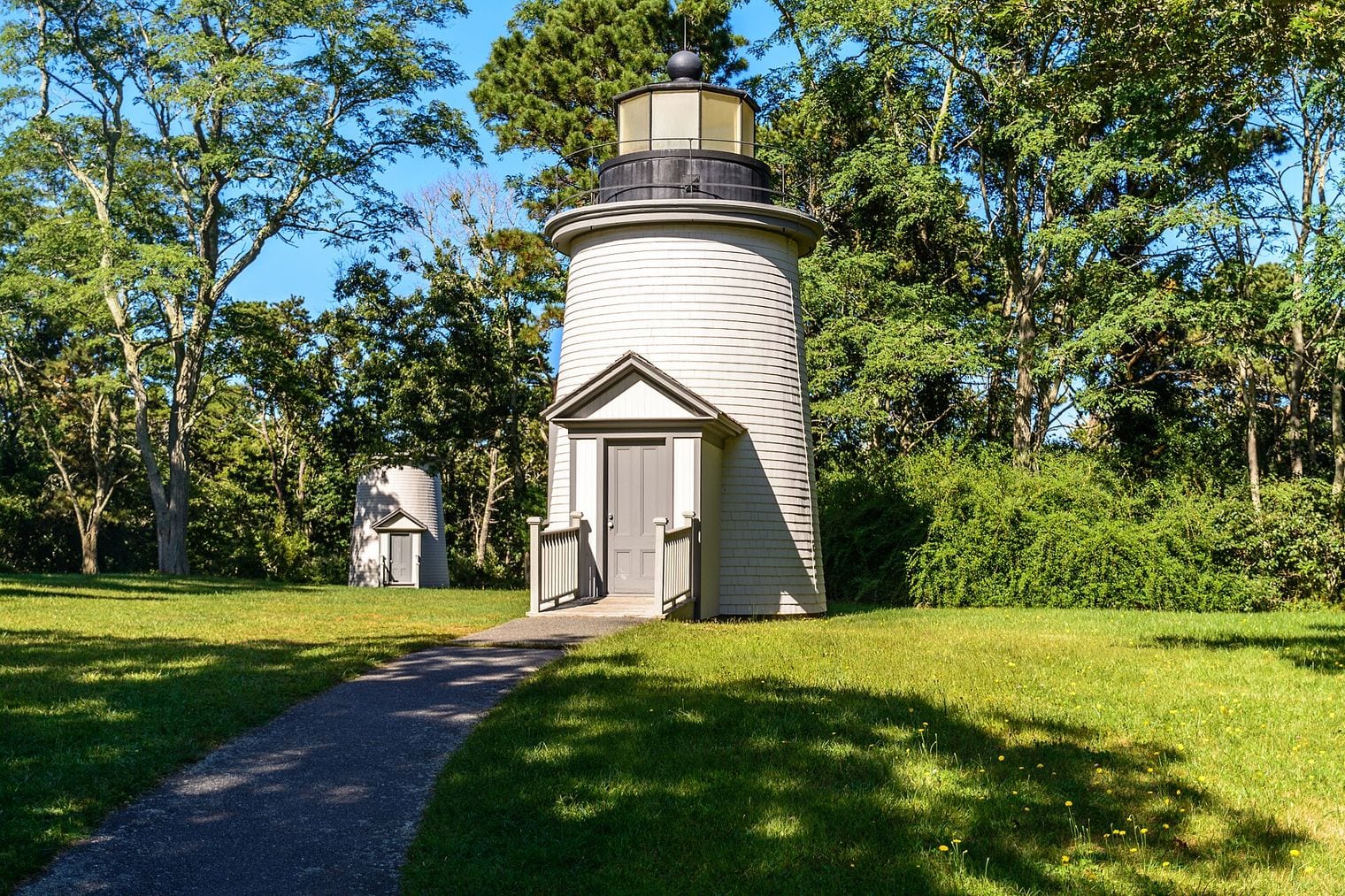
Cape Cod curls out into the Atlantic from mainland Massachusetts like a flexed arm, a summer escape of shingled villages, lighthouses, clam shacks and dune-backed beaches.
The Cape Cod National Seashore, created under President John F. Kennedy in 1961, protects nearly 40 miles of the outer shore, with trails over the dunes and some of the best beaches in New England. Ride the Cape Cod Rail Trail, take a whale-watching cruise from Provincetown toward Stellwagen Bank, and finish among Provincetown's art galleries and lively main street.
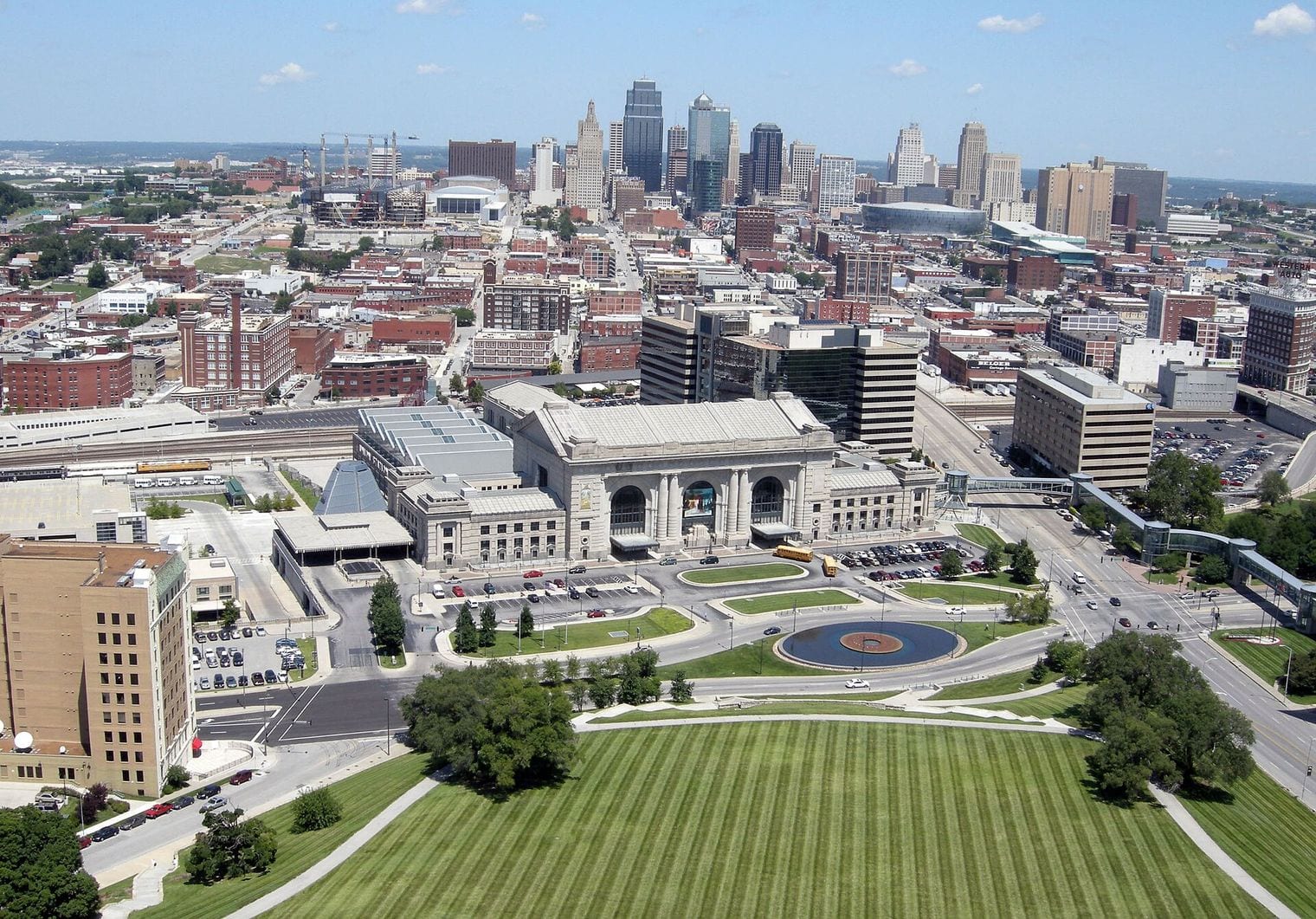
Kansas City is known for its jazz, its fountains and, above all, its barbecue, with slow-smoked burnt ends at the top of every visitor's list. The 18th and Vine district, where the city's jazz grew up, has the American Jazz Museum and the Negro Leagues Baseball Museum side by side.
The Nelson-Atkins Museum of Art, free to enter, has giant shuttlecock sculptures on its lawn, and the National WWI Museum and Memorial stands on the hill above Union Station. Kansas City sits on the state line, and its namesake across it in Kansas is a separate city; most of the sights are on the Missouri side.
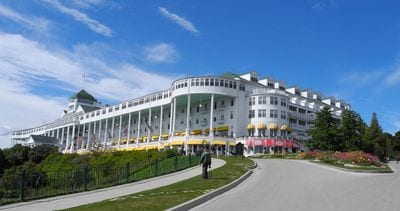
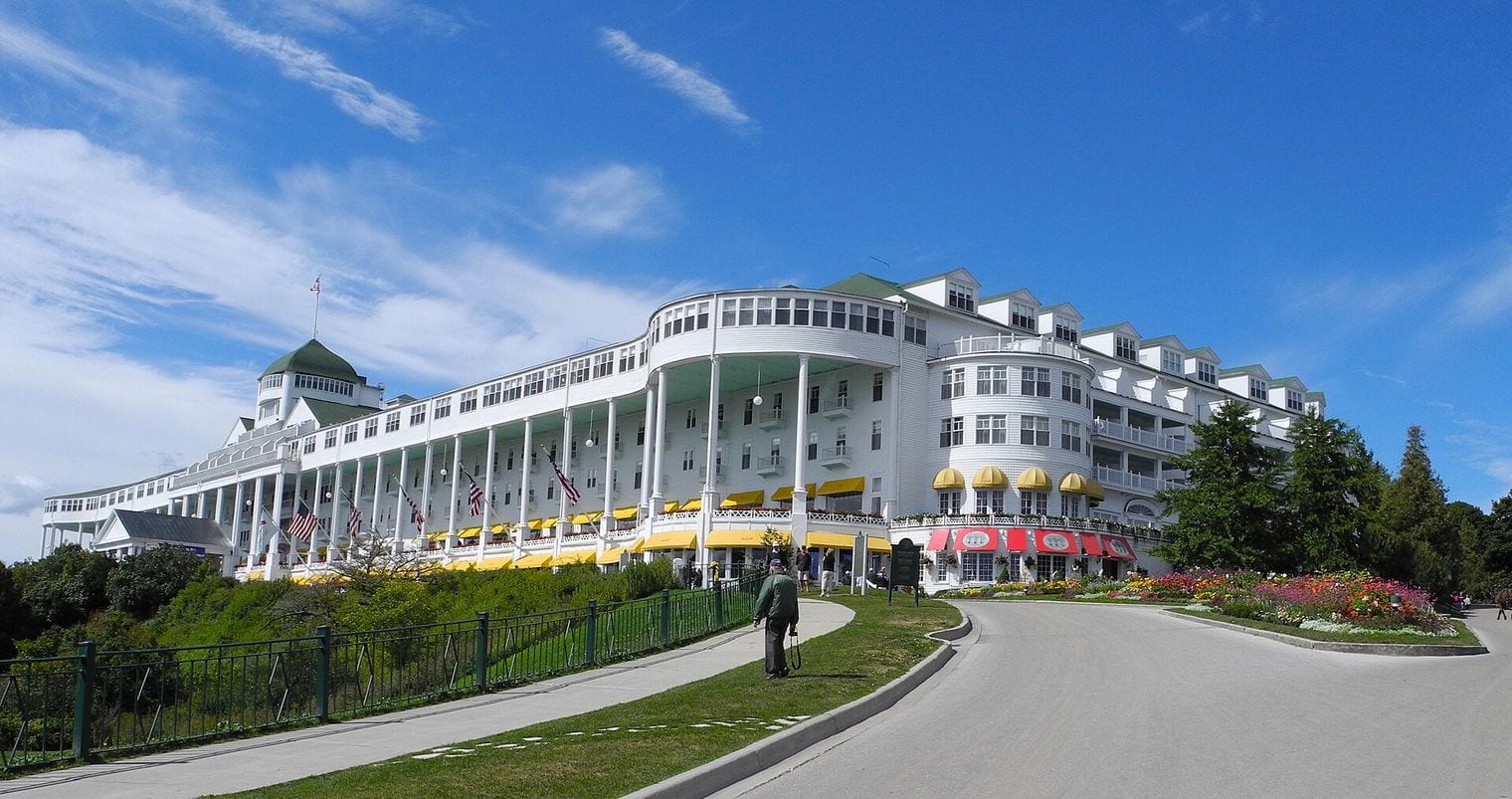
Mackinac Island, in the straits between Michigan's two peninsulas, has banned cars since the end of the 19th century, so you get around by bike, on foot or by horse-drawn carriage. Ferries cross from Mackinaw City and St. Ignace.
Cycle the flat road around the island's shoreline, climb up to Fort Mackinac, built by the British during the Revolutionary War, and admire the Victorian summer cottages on the bluffs. Most of the island is a state park, and back in 1875 it became the country's second national park, after Yellowstone. Fudge shops line Main Street, and summer is the season.
Jackson Hole is the valley at the foot of the Tetons, and the town of Jackson is its lively hub, with a Town Square framed by arches made of shed elk antlers, Western-style boardwalks and art galleries.
In winter the National Elk Refuge just outside town shelters thousands of elk, and horse-drawn sleigh rides go out among them, while skiers head for the steep slopes at Teton Village and for Snow King right above town. In summer the valley is the base camp for Grand Teton and Yellowstone national parks.
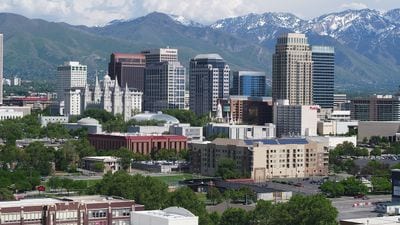
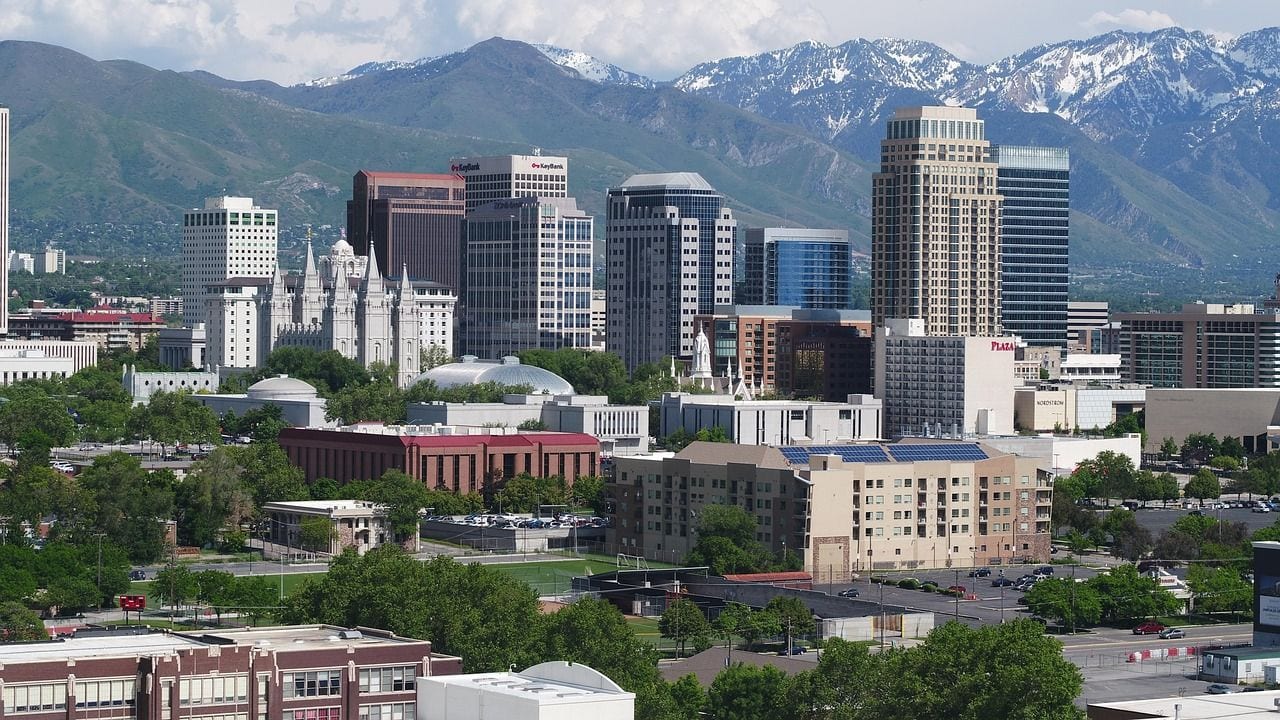
Salt Lake City, founded by Mormon pioneers in 1847 and host of the 2002 Winter Olympics, has deep-powder ski resorts within an hour of downtown. Temple Square, the headquarters of the Church of Jesus Christ of Latter-day Saints, sits at the center of the city's street grid.
Head up into the Wasatch Range for skiing in winter and hiking in summer, float in the salty water of the Great Salt Lake, or see bison on its Antelope Island. Salt Lake City is also the natural start for a road trip south to Utah's five national parks.
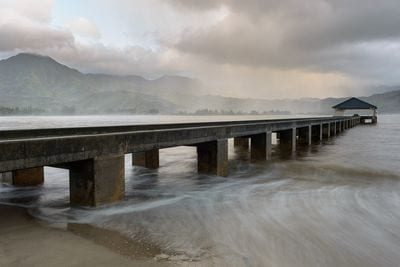
Kauai, the Garden Isle, is the oldest of Hawaii's main islands, and its age shows in deep green valleys, sheer sea cliffs and the 3,000-foot-deep Waimea Canyon. It is also the most laid-back of the main islands, with no big city and wide, uncrowded beaches.
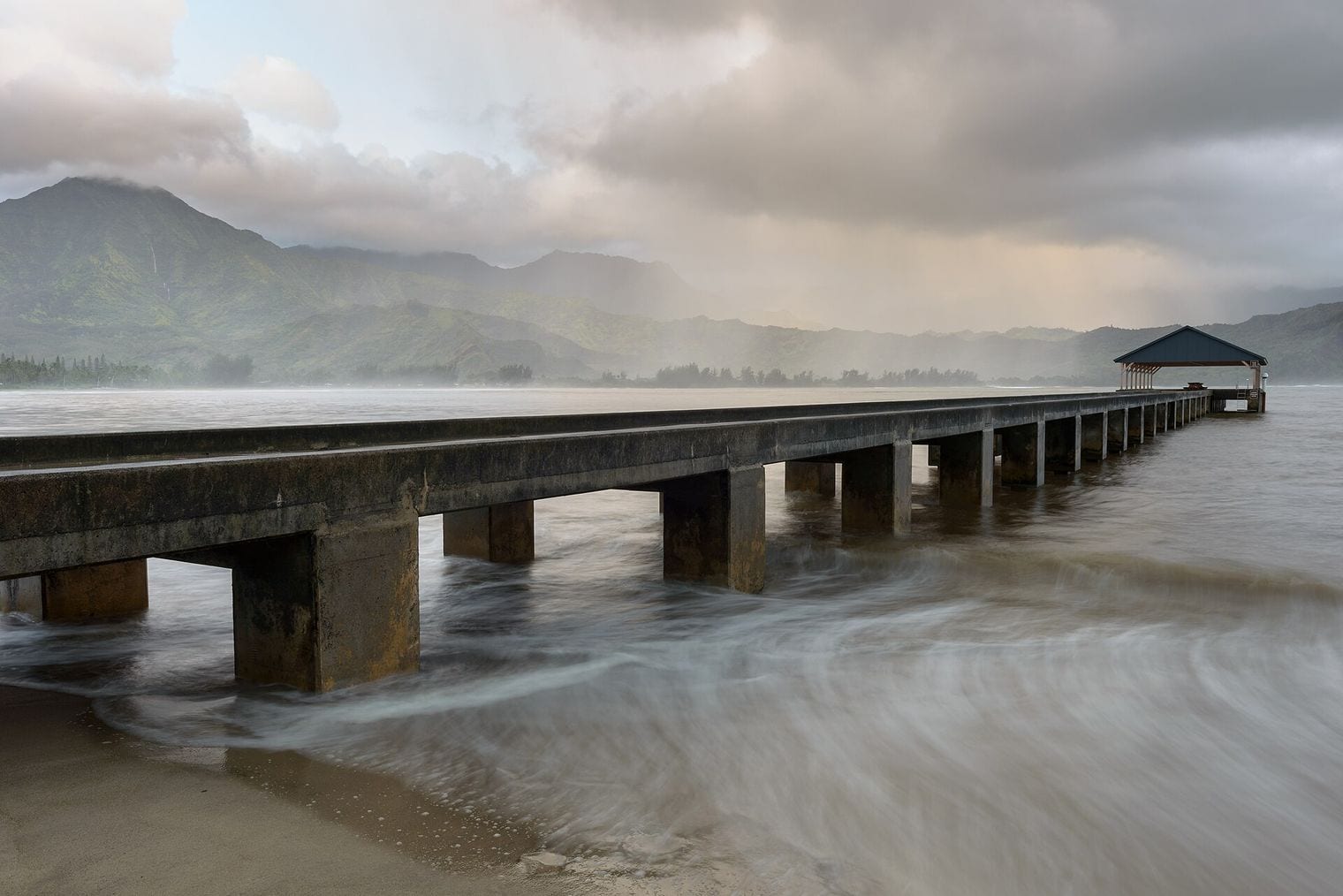
Hurricane Lowell hit the island on Labor Day 2026, and every state park on Kauai, including Na Pali Coast, Waimea Canyon, Kokee and Haena, closed with no reopening date set; check the state parks division's notices before you plan around them. The rest of the island welcomes visitors: base yourself on the sunny South Shore at Poipu, or by Hanalei Bay on the North Shore, a wide crescent of sand below waterfall-streaked mountains.
The Outer Banks are a thin chain of barrier islands off North Carolina, with wide, wild beaches, small beach towns and the protected shore of Cape Hatteras National Seashore. History runs deep here: the Wright brothers made the first powered flight at Kill Devil Hills in 1903.
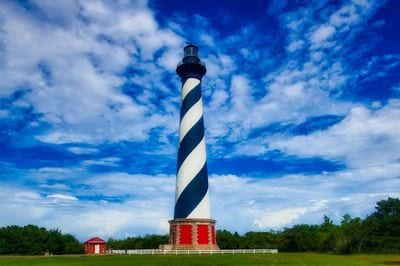
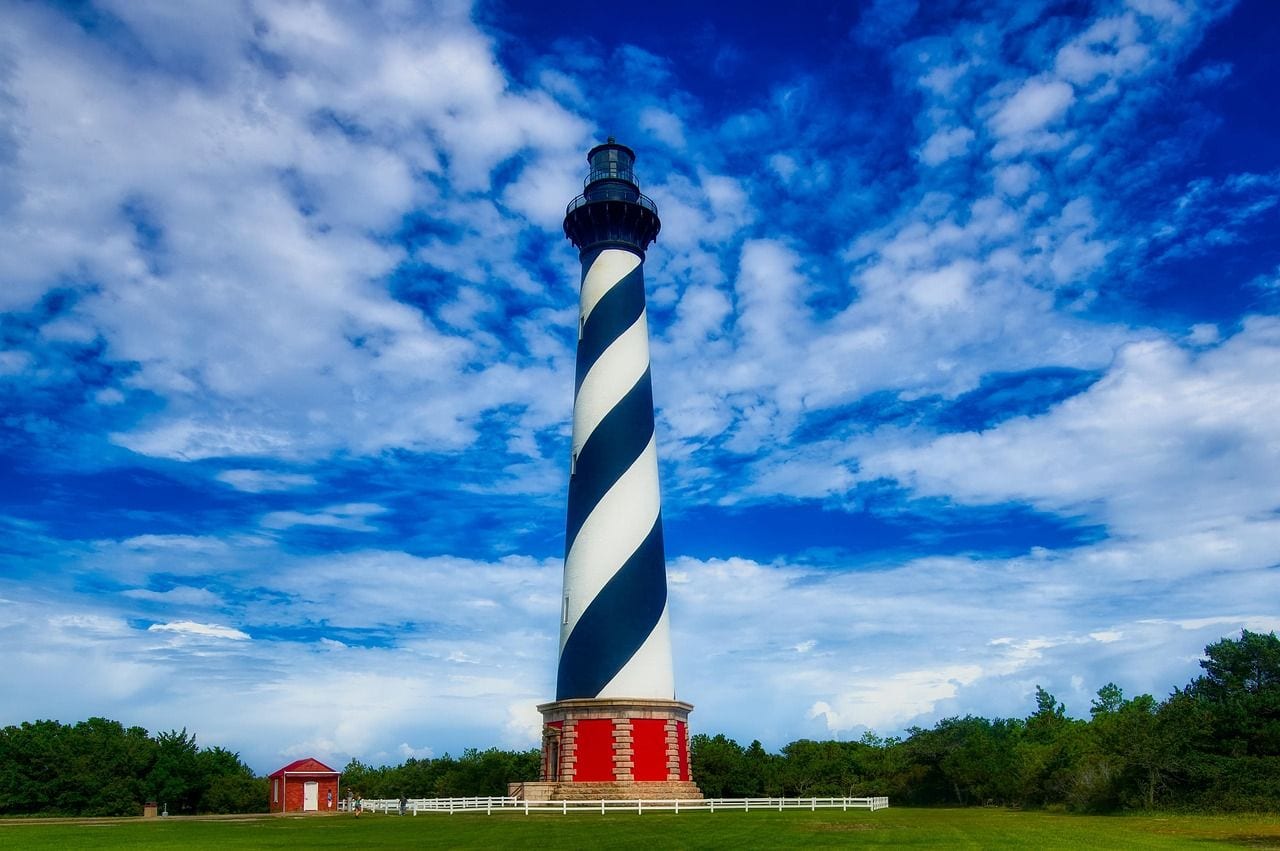
Climb the dunes at Jockey's Ridge, the tallest active sand dune system in the eastern US, see the black-and-white spiral of the Cape Hatteras Lighthouse, the tallest brick lighthouse in the country, and look for the wild horses that roam the northern beaches near Corolla. Hundreds of shipwrecks offshore earned these waters the name Graveyard of the Atlantic.
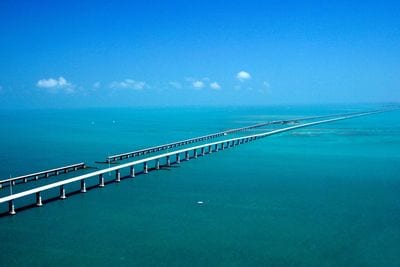
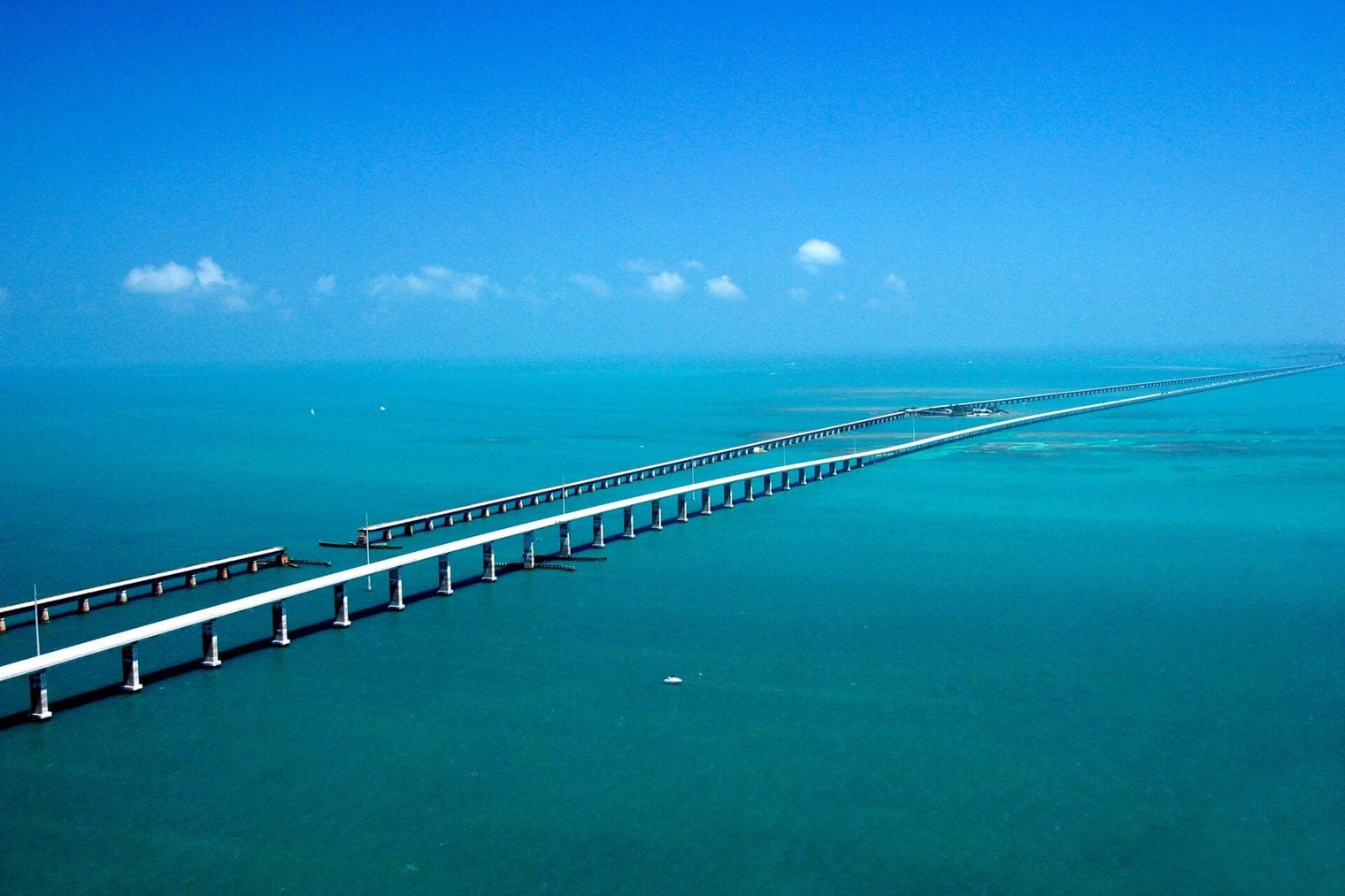
The Florida Keys string southwest from the tip of the Florida peninsula, linked by the Overseas Highway, which hops from island to island over dozens of bridges, among them the Seven Mile Bridge between Marathon and the Lower Keys.
Offshore lies the Florida Reef, the only living coral barrier reef in the continental US. Snorkel or dive it from John Pennekamp Coral Reef State Park in Key Largo, go sportfishing out of Islamorada, and swim at the palm-fringed beaches of Bahia Honda State Park, saving Key West for the end of the road.
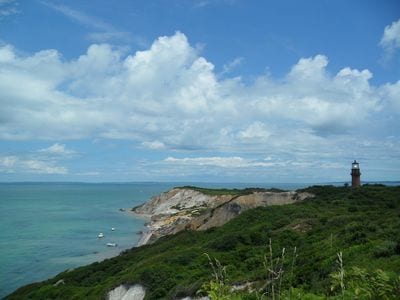
Martha's Vineyard, a short ferry ride from Woods Hole on Cape Cod, is a summer island of six towns, each with its own character, from the white captains' houses of Edgartown to the colorful gingerbread cottages of Oak Bluffs.
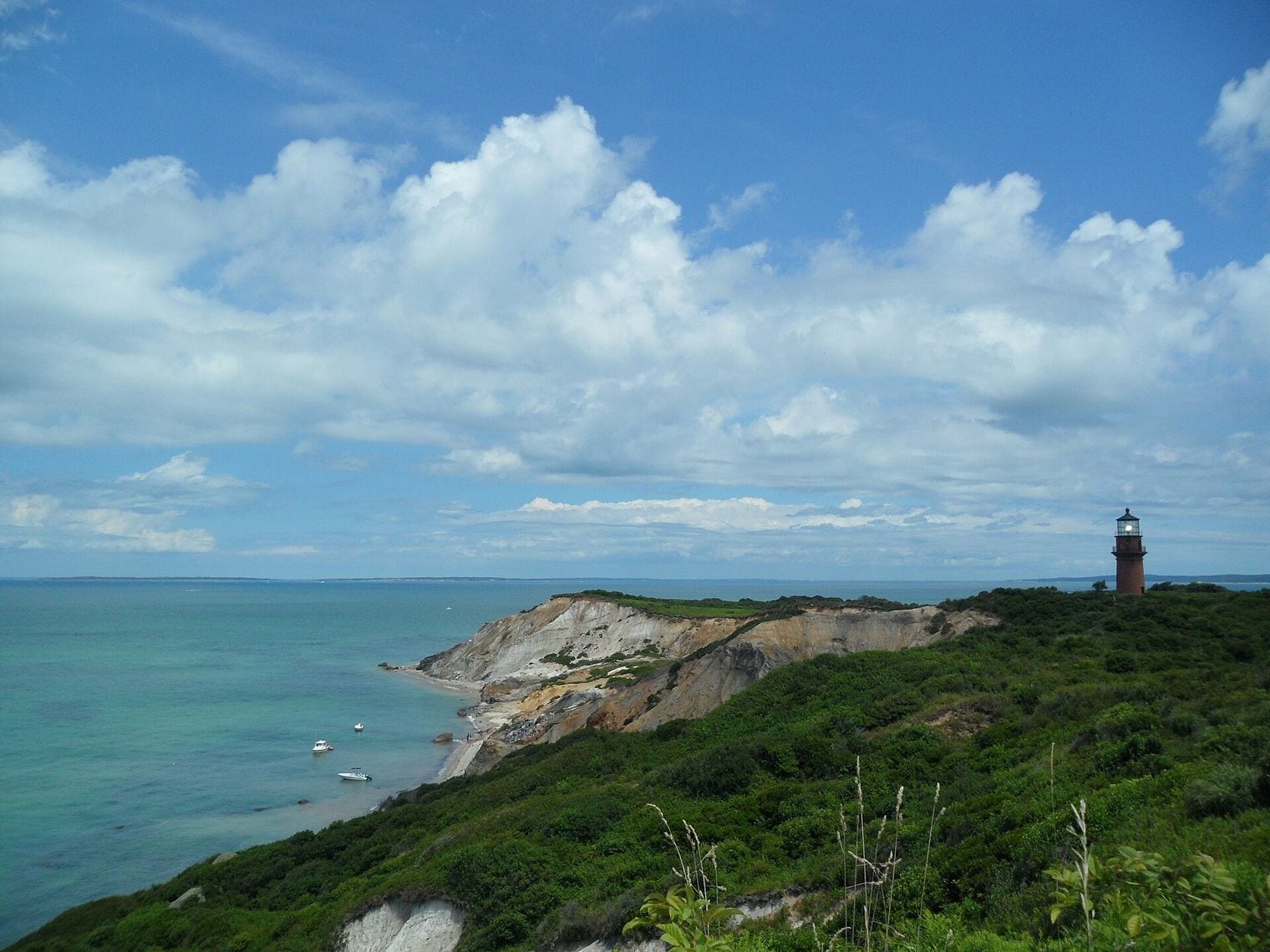
Head up-island to the clay cliffs of Aquinnah, watch the sunset over the fishing harbor at Menemsha, and cycle the bike paths between towns. Fans of Jaws will recognize the scenery, as the film was shot here. Taking a car across needs a ferry reservation well ahead in summer, so many visitors leave theirs on the mainland.
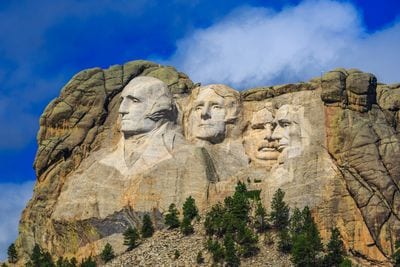
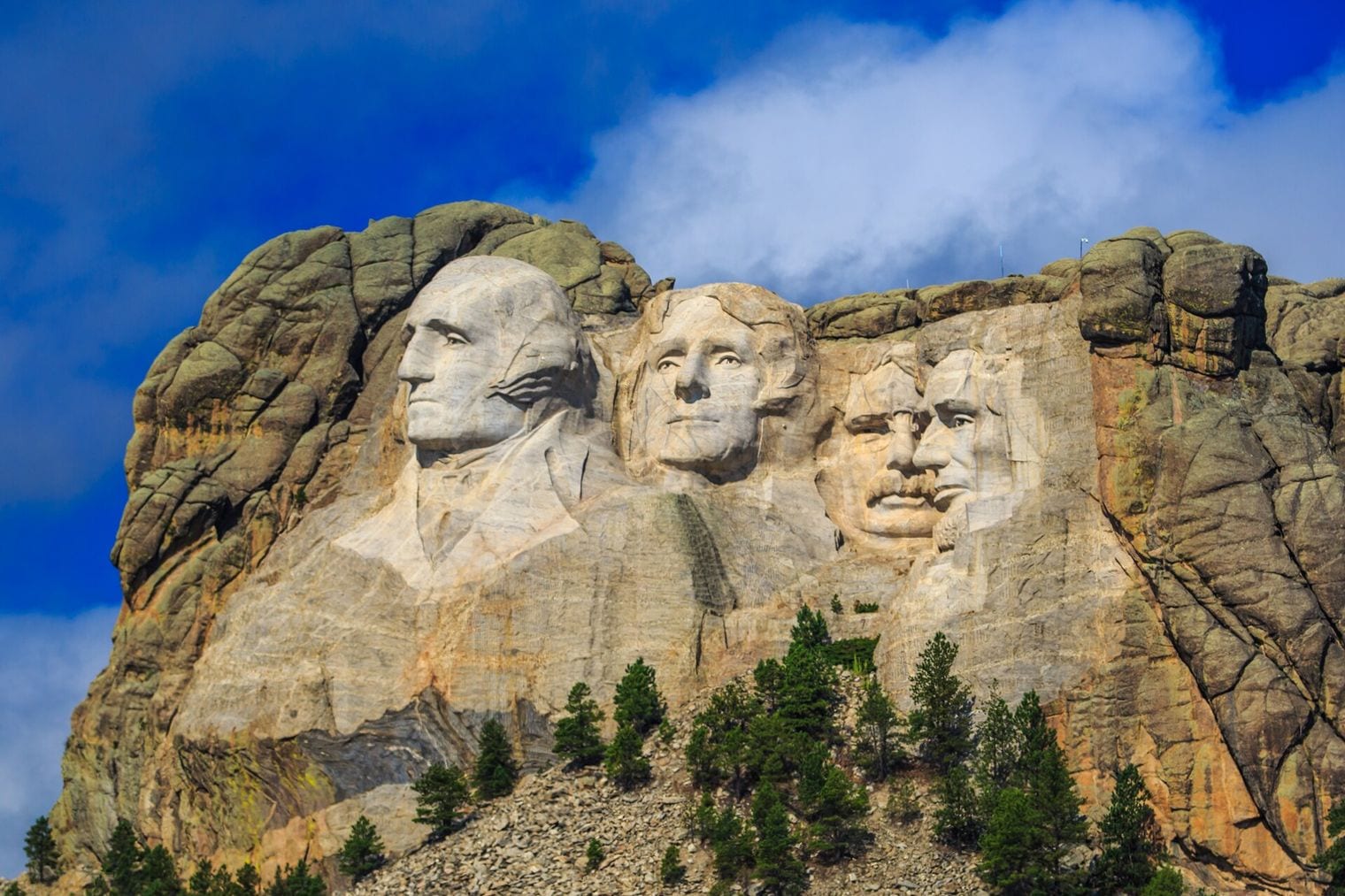
The Black Hills of western South Dakota, sacred to the Lakota as Paha Sapa, are best known for Mount Rushmore, near Keystone, where the 60-foot faces of four presidents were carved into the granite between 1927 and 1941.
The range holds much more. Drive the Needles Highway and the Wildlife Loop in Custer State Park, home to a herd of around 1,400 bison, see the Crazy Horse Memorial, in progress since 1948, and go underground at Wind Cave National Park. Rapid City is the main gateway, and the old gold-rush town of Deadwood sits in the northern hills.
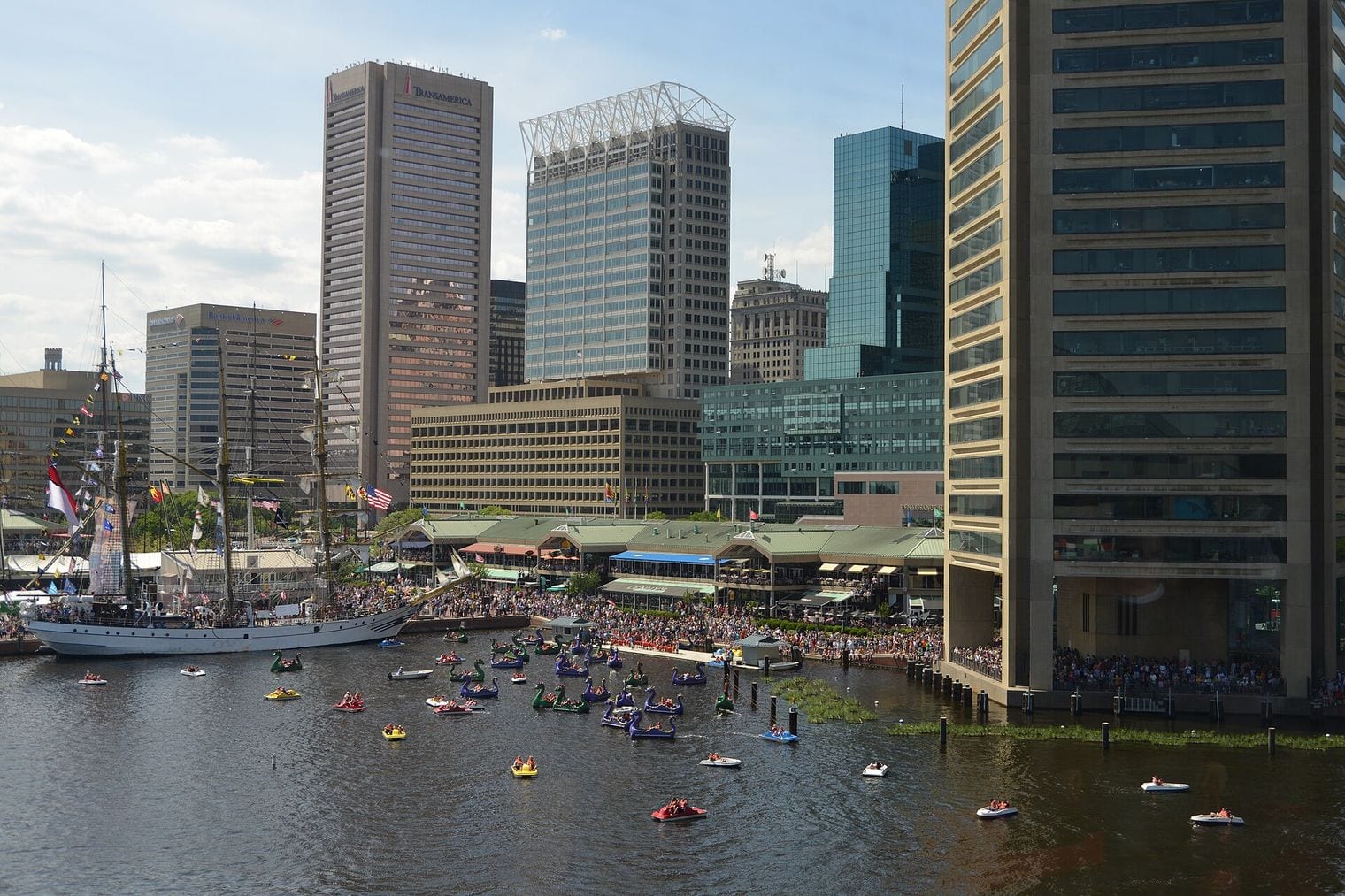
Baltimore centers on its Inner Harbor, where the National Aquarium, historic ships and a waterfront promenade ring the old port basin. Fort McHenry, at the harbor's mouth, is where the 1814 British bombardment inspired Francis Scott Key to write The Star-Spangled Banner.
Explore the cobbled streets and pubs of Fells Point, catch an Orioles game at Camden Yards, and eat steamed blue crabs or a crab cake, Maryland's signature dishes. Baltimore is an easy rail hop from Washington, D.C. and Philadelphia.
Free Things to Do at the Best Places in the US
Some of the best experiences on this list cost nothing. In Washington, D.C. most Smithsonian museums on the National Mall are free, and so are the memorials; in Philadelphia you can see the Liberty Bell without a ticket; Boston's Freedom Trail is a free self-guided walk; and in New York City the Staten Island Ferry sails past the Statue of Liberty at no charge.
The desert Southwest is road-trip country. Fly into Las Vegas for a loop through Zion and the Grand Canyon, adding Sedona on the way south, or start in Salt Lake City and head south to Moab and Arches; allow ten days to two weeks for a full circuit, and go in spring or fall.
Chicago anchors the Midwest, with Mackinac Island a summer add-on and Kansas City a separate break. Hawaii is a trip of its own: hop between Oahu, Maui and Kauai on short inter-island flights, giving each island at least four or five days.
FAQ: Visiting the Best Places in the US
What is the best place to visit in the US?
On this ranking, New York City comes first, followed by Grand Canyon National Park, New Orleans, Yellowstone National Park and Washington, D.C., the five places travel publishers name most often. For a first trip, pick one of them and build a regional route around it rather than trying to cross the whole country.
When is the best time to visit the US?
Spring and fall suit most of the country, with mild weather and smaller crowds than summer. Summer is the season for the high mountain parks such as Glacier, Yellowstone and Mount Rainier, whose high roads open fully only then, while winter is best for Florida, Hawaii, the desert parks and the ski towns of the Rockies.
Which places are best for a first trip or for families?
For a first trip, New York City, Washington, D.C. and San Francisco show off the big cities, and the Grand Canyon's South Rim is the easiest of the great national parks to see. Families do well in Orlando for the theme parks, San Diego for its zoo and beaches, Washington, D.C. for the free museums, and Yellowstone for geysers and wildlife.
Is the America the Beautiful pass worth it?
If you plan to visit several national parks that charge entry, usually yes. The annual America the Beautiful pass covers entrance fees at every national park and many other federal recreation sites for a full year, for everyone in one private vehicle. Non-US residents pay a higher price for the pass, which is sold online and at park entrances.
Do you need reservations to visit national parks?
Some parks need them in their busiest seasons. Rocky Mountain uses timed-entry reservations, Acadia requires one to drive Cadillac Summit Road, Angels Landing in Zion needs a lottery permit, and Haleakala on Maui needs one for sunrise. The rules change from year to year, so check each park's page on NPS.gov and book on Recreation.gov before you go.
Sources & updates
How this guide was checked
Checked before launch
Sources cited
60
Publishers
43
Every place on this list was confirmed open and pinned on the map before publication, and what we say about each one was checked against its own website or an official source.
One email every Thursday with our newest guides for the places you tick.
Newsletter
Get new guides like this by email
One email every Thursday with our newest guides for the places you tick.
We use cookies to analyse site traffic and improve your experience.
You can accept or reject analytics cookies. See our
May we use analytics cookies? See ourCookie Policy.