We build and rank every list first. Booking links come after, and only where
a partner sells a ticket, tour or stay for that exact place, so a place with
nothing to book is listed exactly as prominently as one you can book.
So how do we earn? Some links on this page go to booking
partners, and if you book tickets, tours or a stay through
one, we may earn a commission. It costs you nothing extra.
That commission never decides which places make the list, the order they
appear in, or what we write about them. No entry is sponsored or a paid
placement.
By the CityViking Research TeamPublished 35 places · 25 min read
Sources Checked before launchOct 8, 202635 sources31 publishers4 government & parks1 tourism board5 encyclopedias & research25 venues & other sitesPublished · Oct 8, 2026Researched and checked before it went liveClick for every source and the full change log.
Short answer
Start with Woodstock for its covered bridge, village green and national historical park, Stowe for the ski slopes and trails beneath Mount Mansfield, and Manchester for Hildene and the mountain scenery of southern Vermont. Most towns on this list fill a relaxed day, while Stowe, Woodstock and Manchester reward a full weekend.
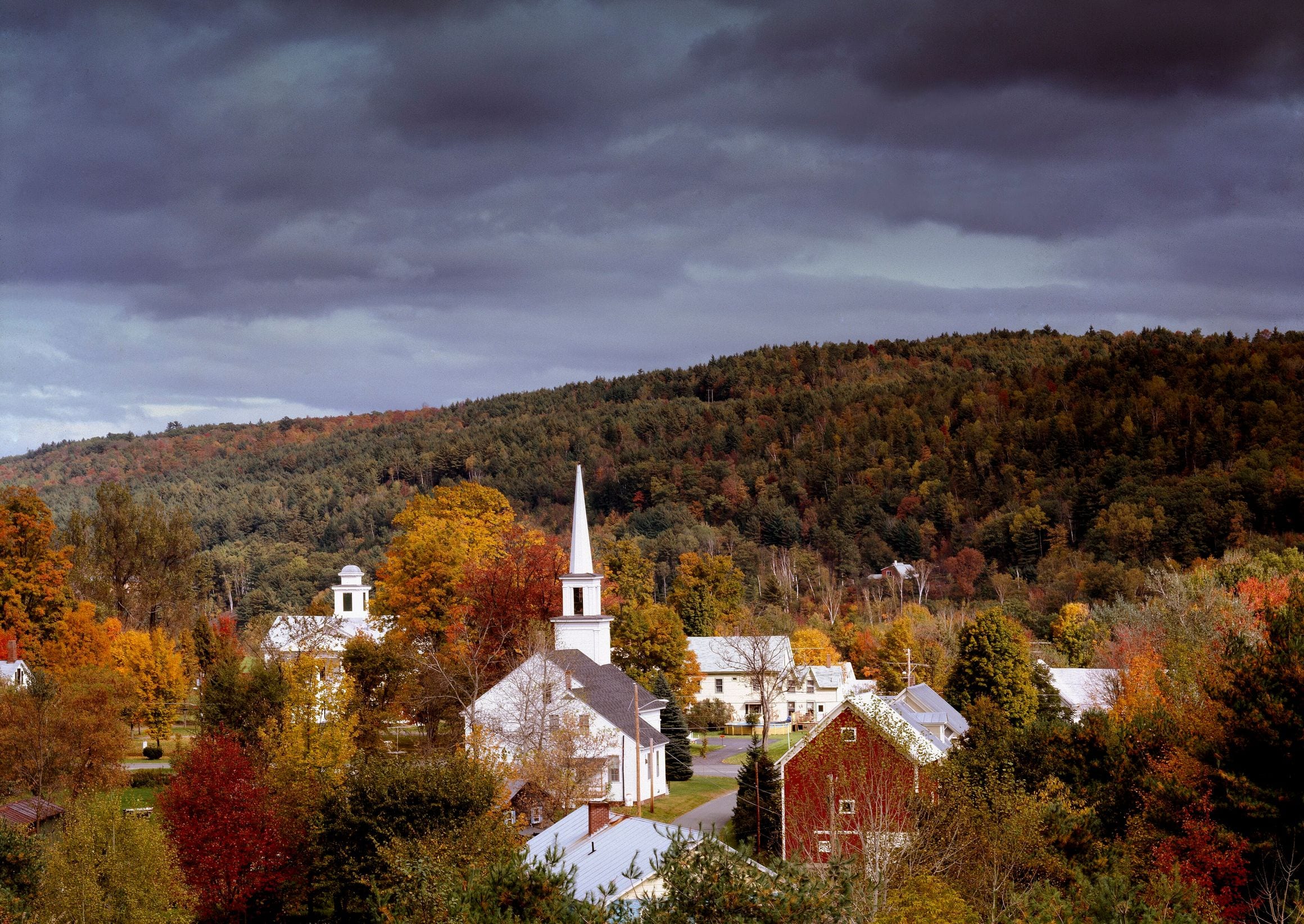
Even Vermont's largest city, Burlington, has fewer than 50,000 people, and the rest of the state is a patchwork of small towns: white steeples, village greens, general stores and covered bridges, with ski villages beneath the Green Mountains and lake towns tucked into the Northeast Kingdom.
This guide ranks 35 of the best, from Woodstock and Stowe to the marble and granite towns of central Vermont and the farm towns along Lake Champlain. Most fill a relaxed day, the ski towns deserve a weekend, and many pair up neatly on a fall foliage drive.
Montpelier is the least populous state capital in the United States, with about 8,000 residents, and the only one without a McDonald's.
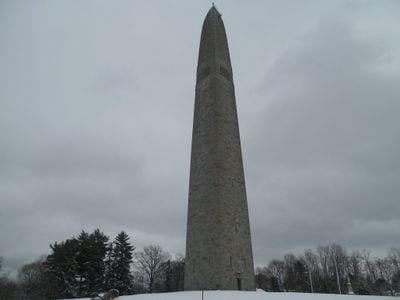
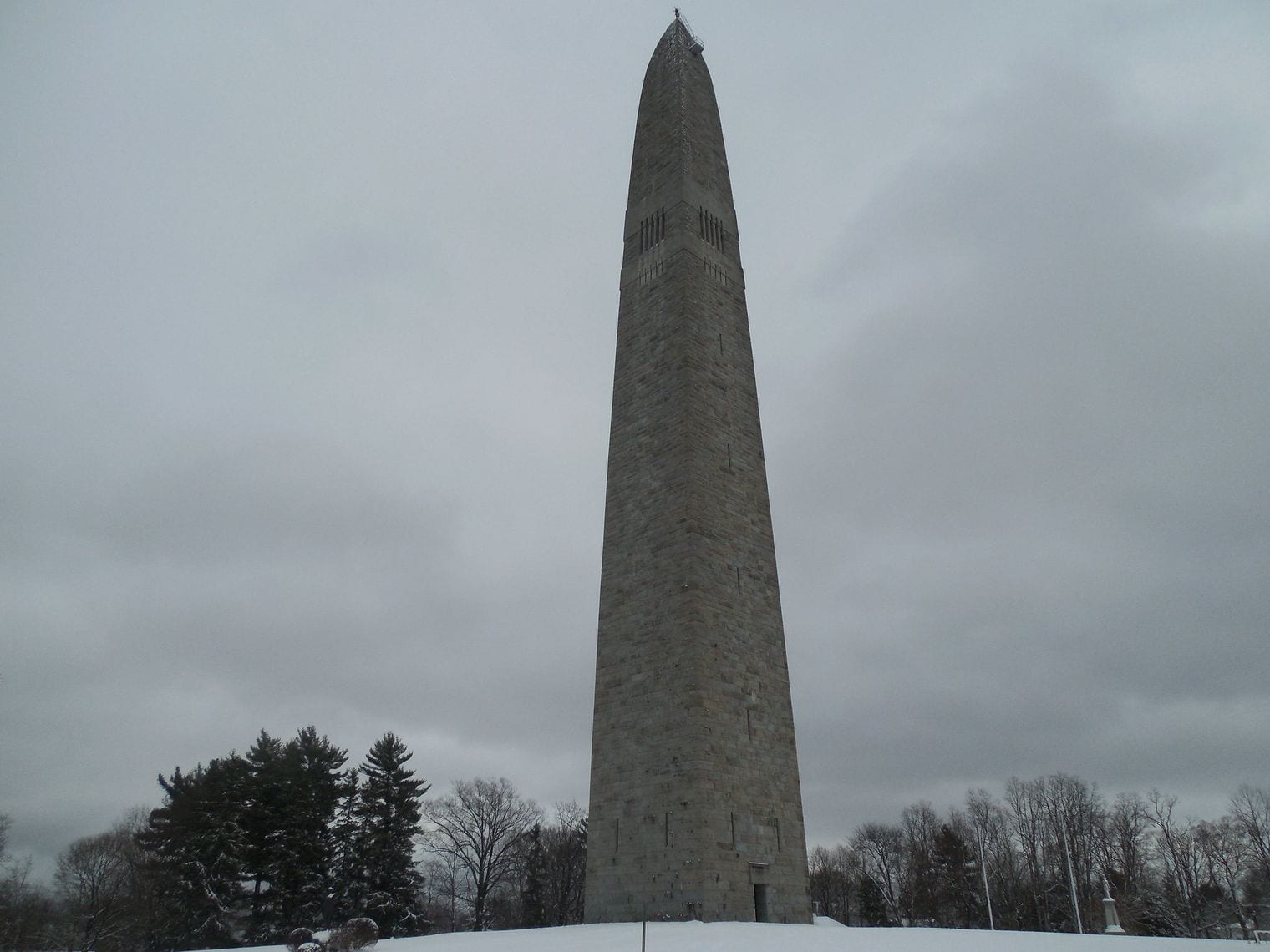
The Bennington Battle Monument is the tallest structure in Vermont at 306 feet, yet the 1777 battle it honours was actually fought about 5 miles away, in Walloomsac, New York.
Montgomery has seven covered bridges, more than any other town in Vermont, or roughly one for every 170 residents.
Jericho farmer Wilson "Snowflake" Bentley was the first known person to photograph snowflakes in detail, catching them on black velvet so he could capture them before they melted.
Rudyard Kipling wrote The Jungle Book in Vermont, at the house he built just north of Brattleboro after marrying a local woman in 1892.
Mad River Glen, in the Mad River Valley, is owned by its skiers as a cooperative, still runs a single chairlift and does not allow snowboarding.
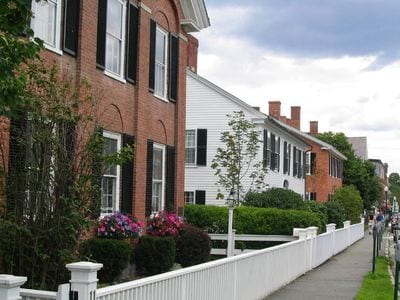
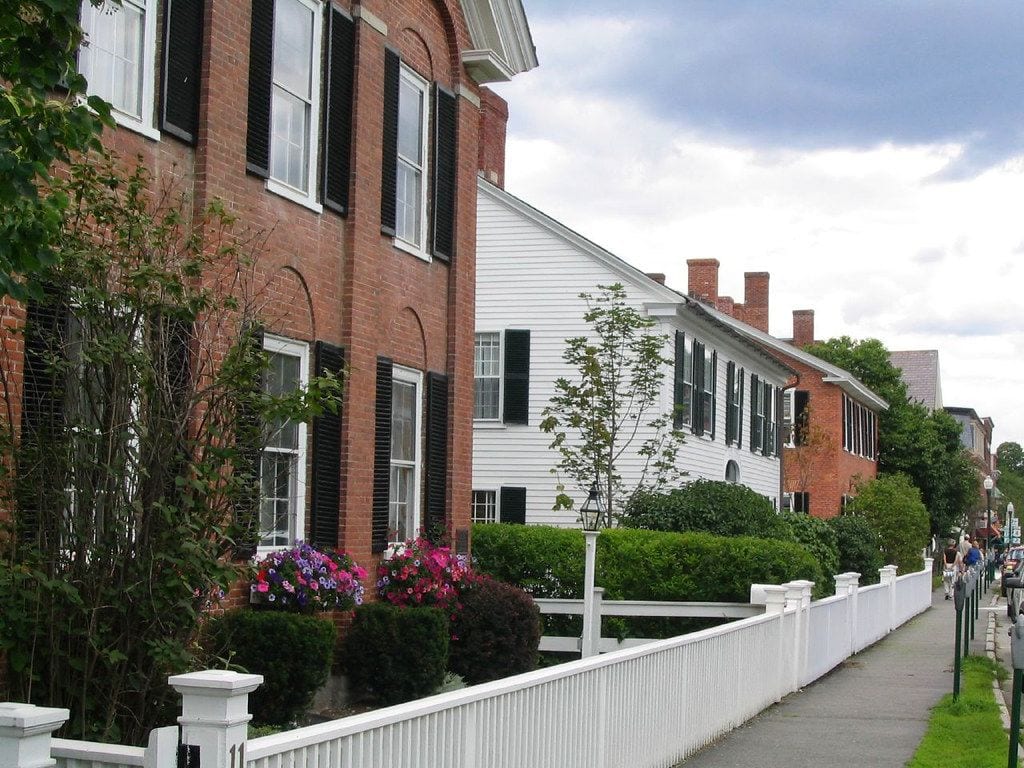
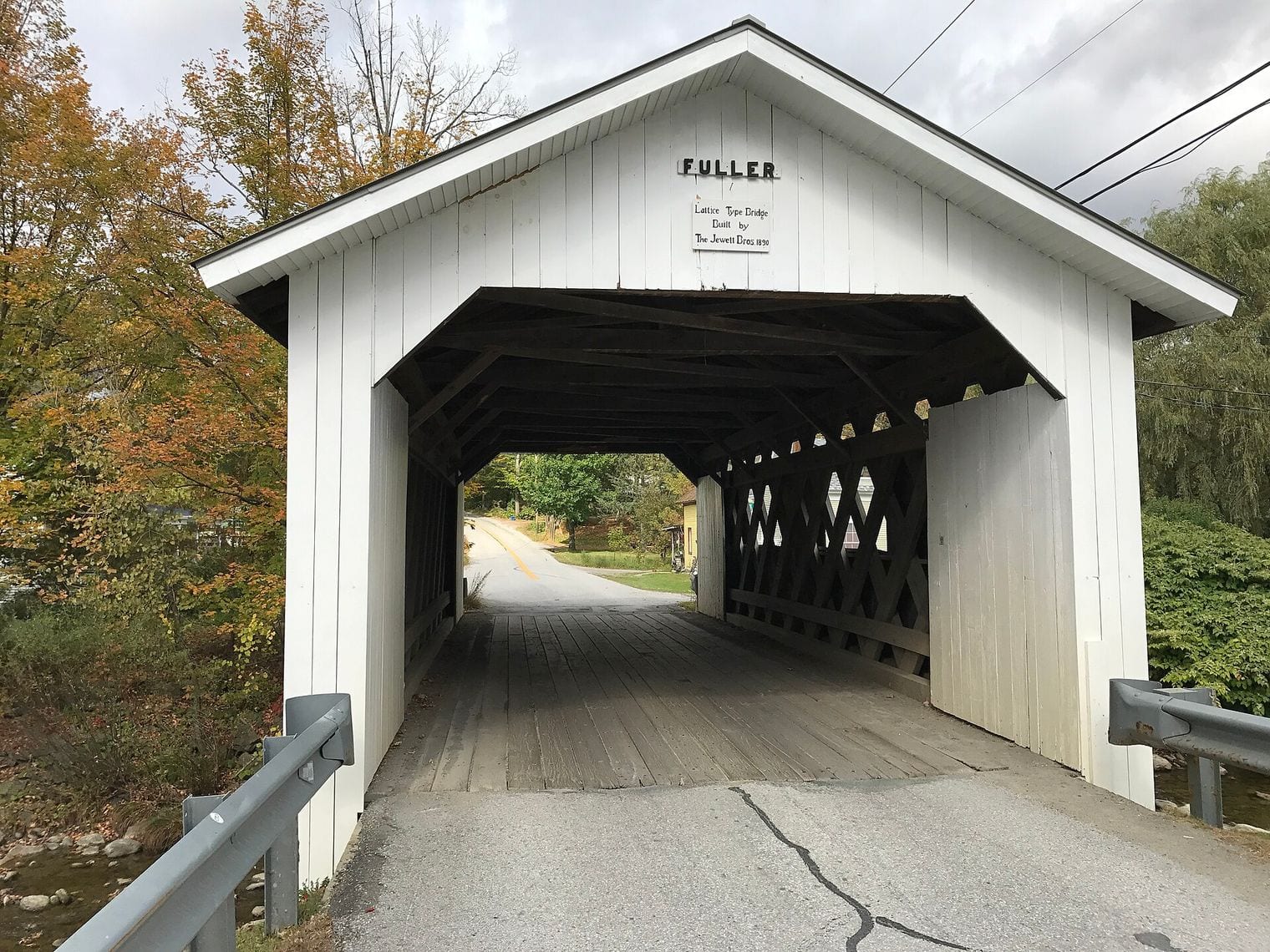
Woodstock is the shire town of Windsor County, a village on a bend of the Ottauquechee River whose long green is framed by restored Georgian, Federal and Greek Revival houses, with church spires closing the views down its streets. The Middle Covered Bridge crosses the river a short stroll from the green, and the 1836 Taftsville Covered Bridge, among the oldest covered bridges in the country, stands a few miles east.
On the edge of the village, Marsh-Billings-Rockefeller National Historical Park preserves the mansion and managed forest of a pioneering conservation estate, and is the only National Park Service unit in Vermont apart from the Appalachian Trail. Across the road, Billings Farm & Museum pairs a working dairy farm with a restored 1890 farmhouse, and back in the village the shops and galleries line the streets just off the green.
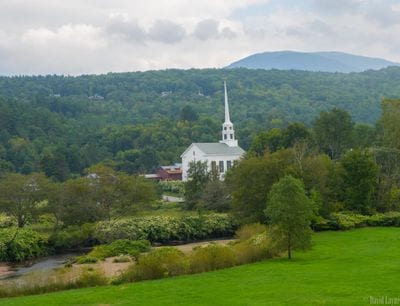
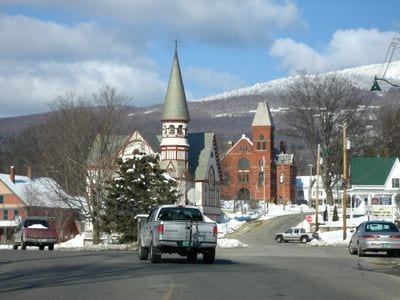
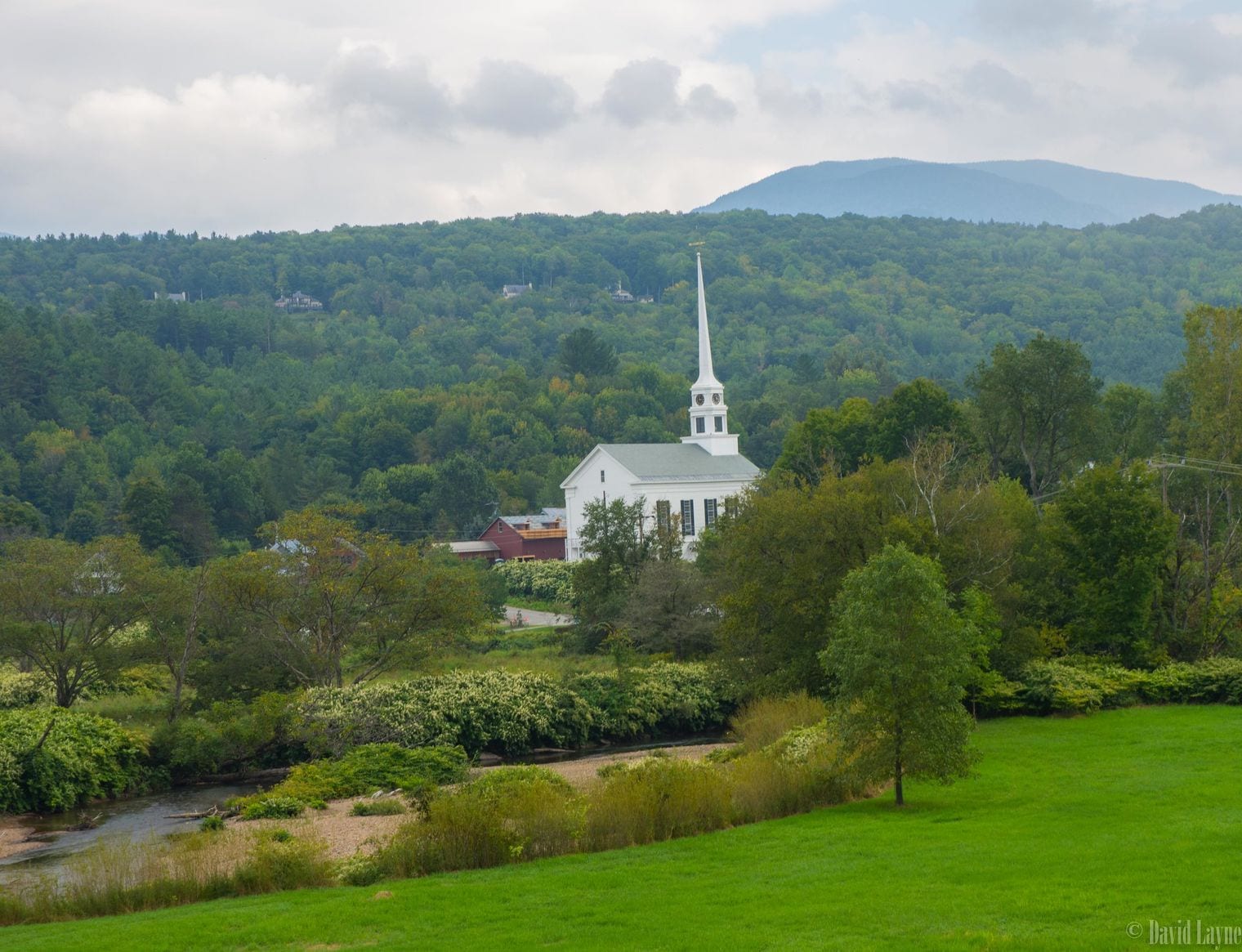
Stowe calls itself the Ski Capital of the East, and the town of about 5,200 people sits at the foot of Mount Mansfield, the highest mountain in Vermont. Stowe Mountain Resort spreads across Mansfield and neighbouring Spruce Peak, and in the village the white spire of Stowe Community Church, completed in 1863, makes one of the most photographed church scenes in New England.
In summer and fall the Stowe Recreation Path runs about 5 miles from the village up the valley toward the mountain, perfect for walking or cycling past meadows and woods. Route 108 climbs north through the boulder-strewn pass of Smugglers' Notch, and the von Trapp family, whose story inspired The Sound of Music, settled on a hillside above town, where their Austrian-style lodge still stands.
Manchester is southern Vermont's classic resort town, set between the Green Mountains to the east and the Taconic Range to the west, with Equinox Mountain, the highest summit in the Taconics, rising above it. It became a fashionable summer retreat after the Civil War, and the fly-fishing outfitter Orvis was founded here in 1856.
The big sight is Hildene, the Georgian Revival summer home of Robert Todd Lincoln, the only one of Abraham Lincoln's sons to survive to adulthood, with gardens and meadows open to visitors. The Southern Vermont Arts Center sits at the base of Mount Equinox, the trail to Lye Brook Falls leads to one of the highest waterfalls in Vermont, and the Batten Kill river winds through town between Manchester Village and the outlet shops of Manchester Center.
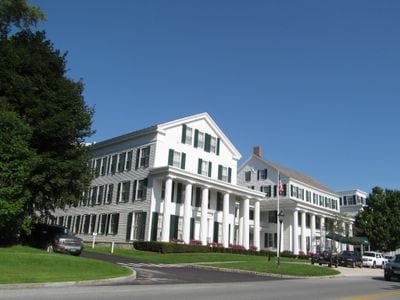
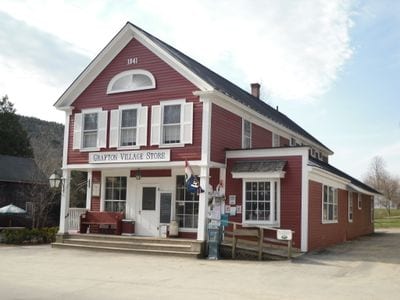
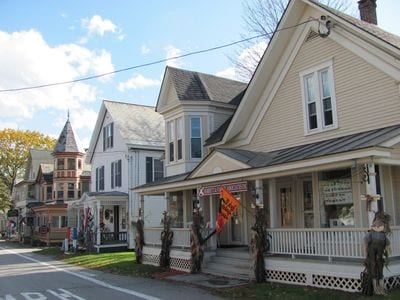
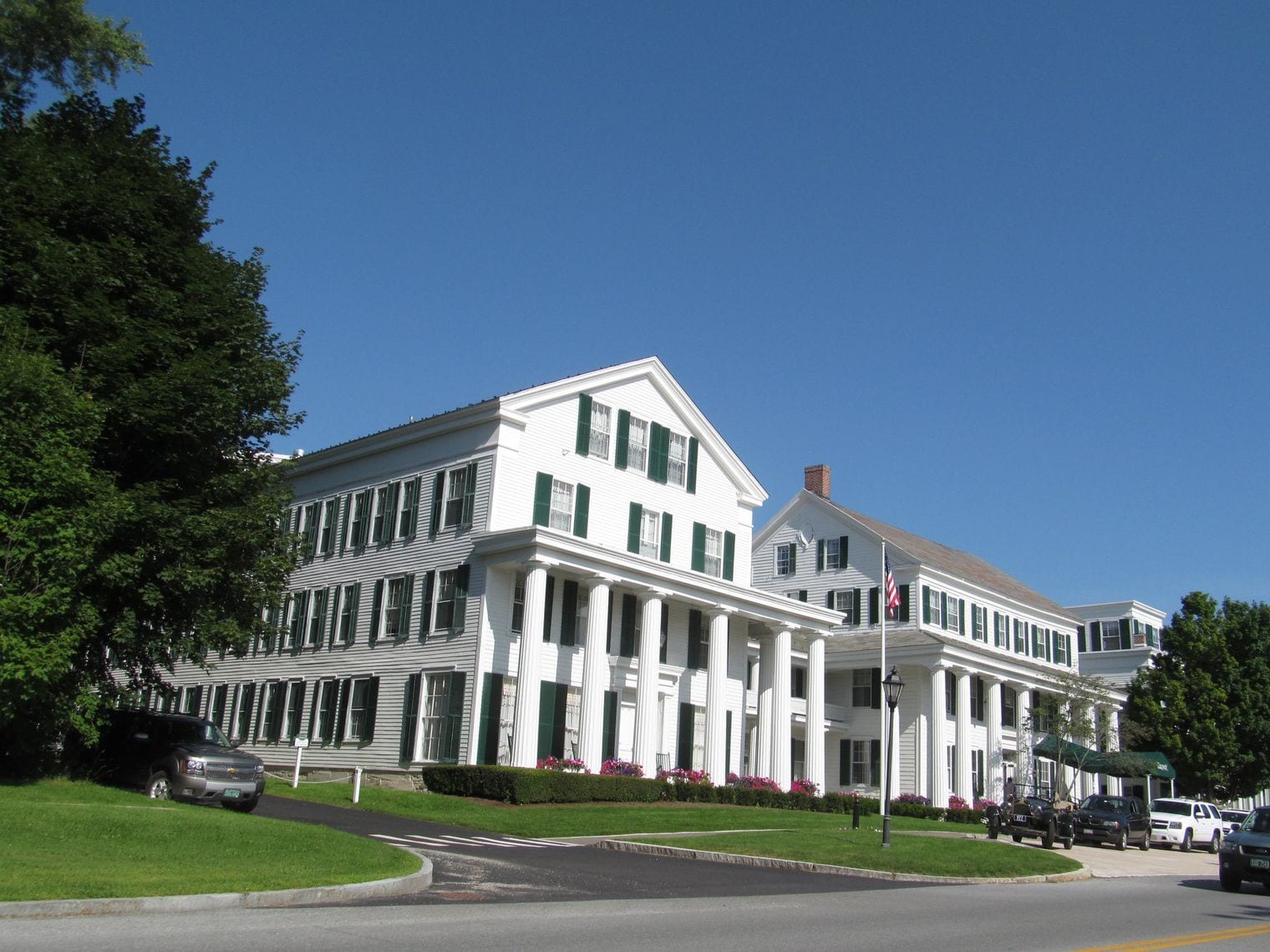
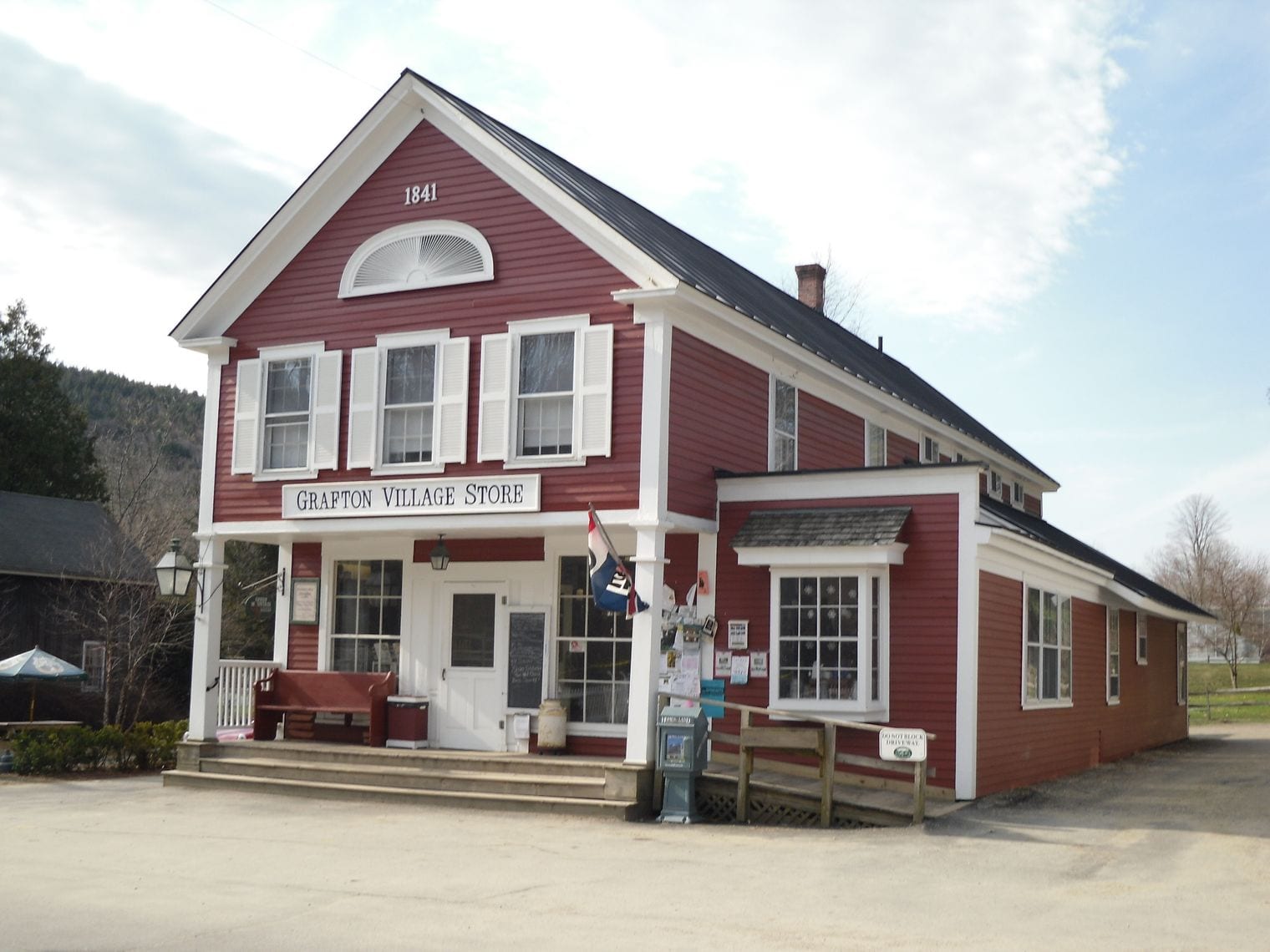
Grafton is a village of fewer than 700 people in the valley of the Saxtons River, and it looks much as it did in the 19th century. Sheep farming, woolen mills and soapstone quarrying made it a busy stagecoach stop on the road across the Green Mountains, and an inn that has welcomed travelers since 1801 still stands at its centre.
After decades of decline, the Windham Foundation began restoring the village in the 1960s, buying and repairing its white clapboard houses and reviving local enterprise. The best known result is Grafton Village Cheese, whose cheddars you can taste in town, and the foundation also created the cross-country ski and mountain-bike trails at Grafton Ponds. Come for a slow walk past the church, the old houses and the river.
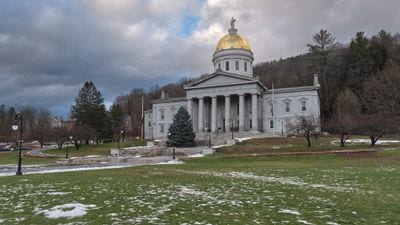
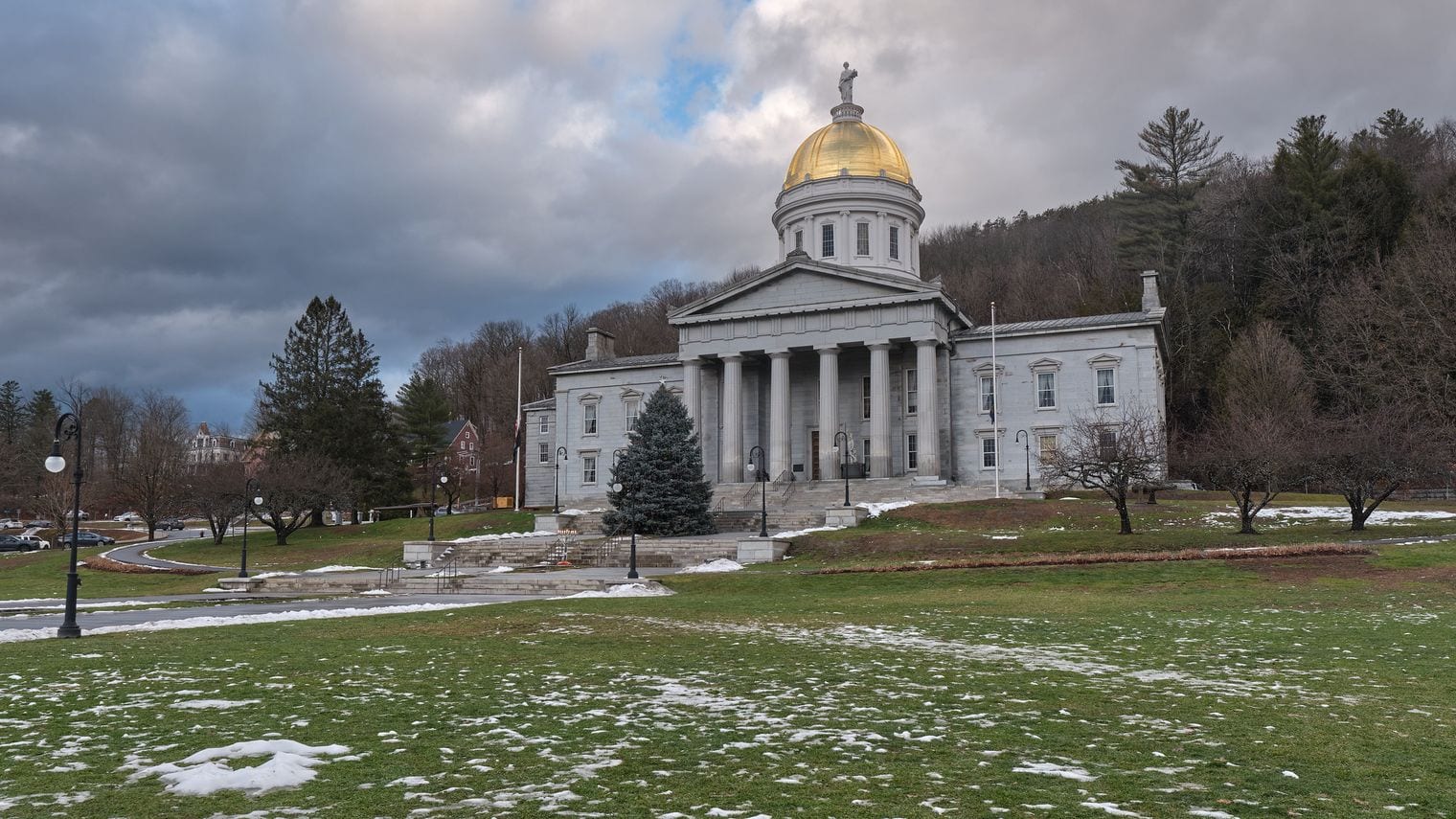
Montpelier is the least populous state capital in the United States, a city of about 8,000 people on the Winooski River, and famously the only one without a McDonald's. Its compact brick downtown was rebuilt after an 1875 fire, and the gold-leaf dome of the Greek Revival Vermont State House, topped by a statue of Ceres, rises against a wooded hillside at the end of State Street.
You can tour the State House, then visit the Vermont History Museum next door in the Pavilion building. Behind the capitol, Hubbard Park climbs the ridge with walking trails and an old stone observation tower, and downtown the Kellogg-Hubbard Library, independent shops and cafés make it easy to spend an unhurried afternoon. The city's French name honours Montpellier in the south of France.
Bennington sits in the southwest corner of the state, close to the New York line, and is home to the Bennington Battle Monument, a 306-foot stone obelisk that is the tallest structure in Vermont. It commemorates the 1777 Battle of Bennington, an American victory over part of General Burgoyne's British army, and the view from its observation level takes in three states.
In Old Bennington, poet Robert Frost is buried in the churchyard of the Old First Church, and the Bennington Museum has a gallery devoted to the folk painter Grandma Moses. Three covered bridges, the Silk Road, Paper Mill Village and Burt Henry bridges, cross the Walloomsac River within a couple of miles of one another north of downtown, which makes for an easy loop by car or bike.
Shelburne is a lakeside town just south of Burlington, and it packs in more sights than many cities. Shelburne Farms, created in 1886 by William Seward Webb and Eliza Osgood Vanderbilt Webb with grounds laid out by Frederick Law Olmsted, is now a 1,400-acre working farm and education center on the shore of Lake Champlain, with walking trails, a cheese-making dairy and a grand barn.
The Shelburne Museum, founded in 1947 by the folk-art collector Electra Havemeyer Webb, displays art, quilts, decoys and Americana in dozens of buildings, many of them historic structures moved to the site, including the 1906 lake steamboat Ticonderoga. Add the Vermont Teddy Bear Company and Shelburne Vineyard, and the town fills a full day without much driving.
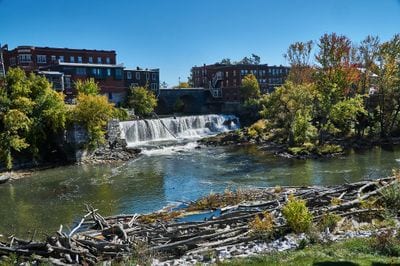
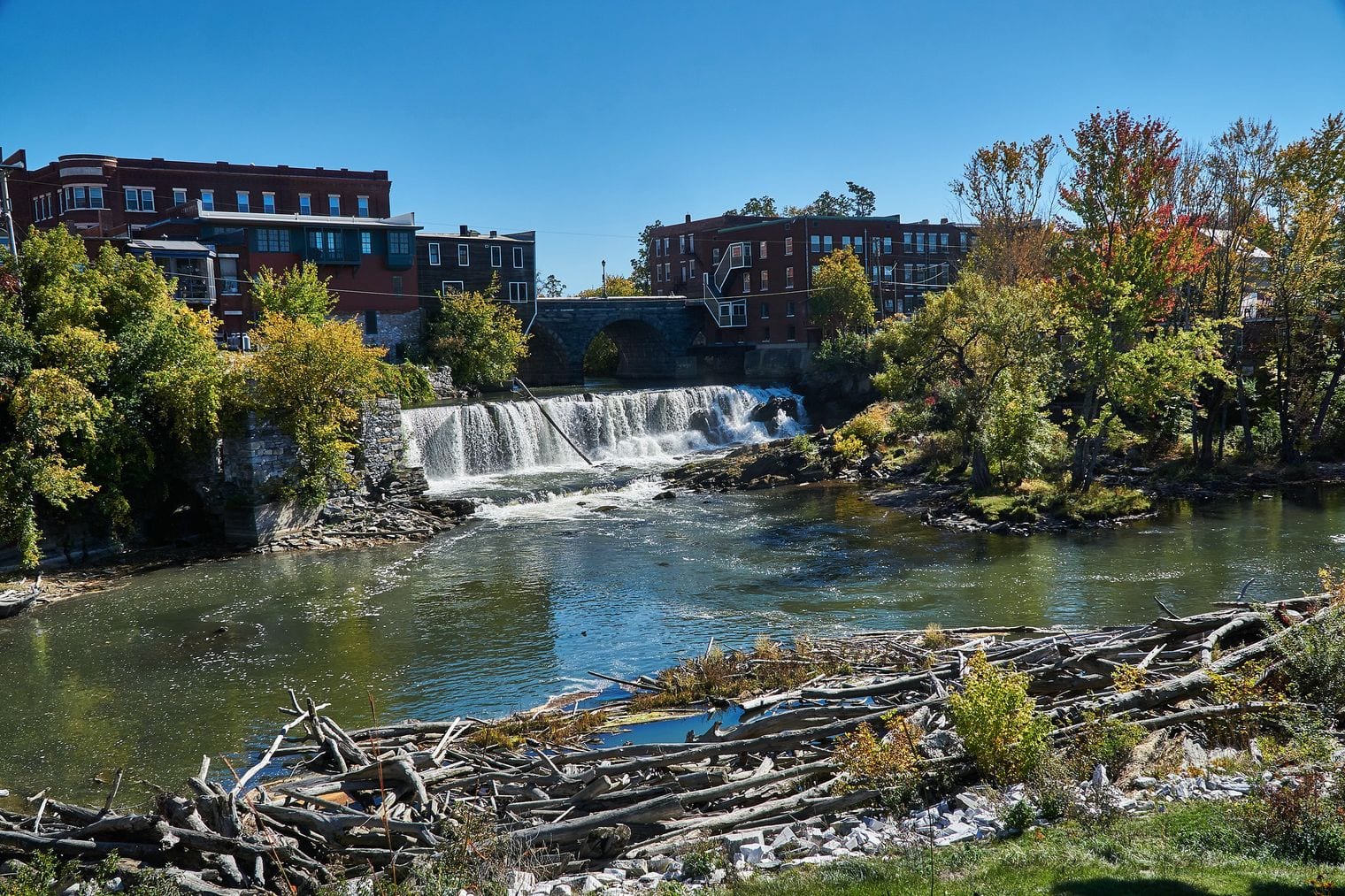
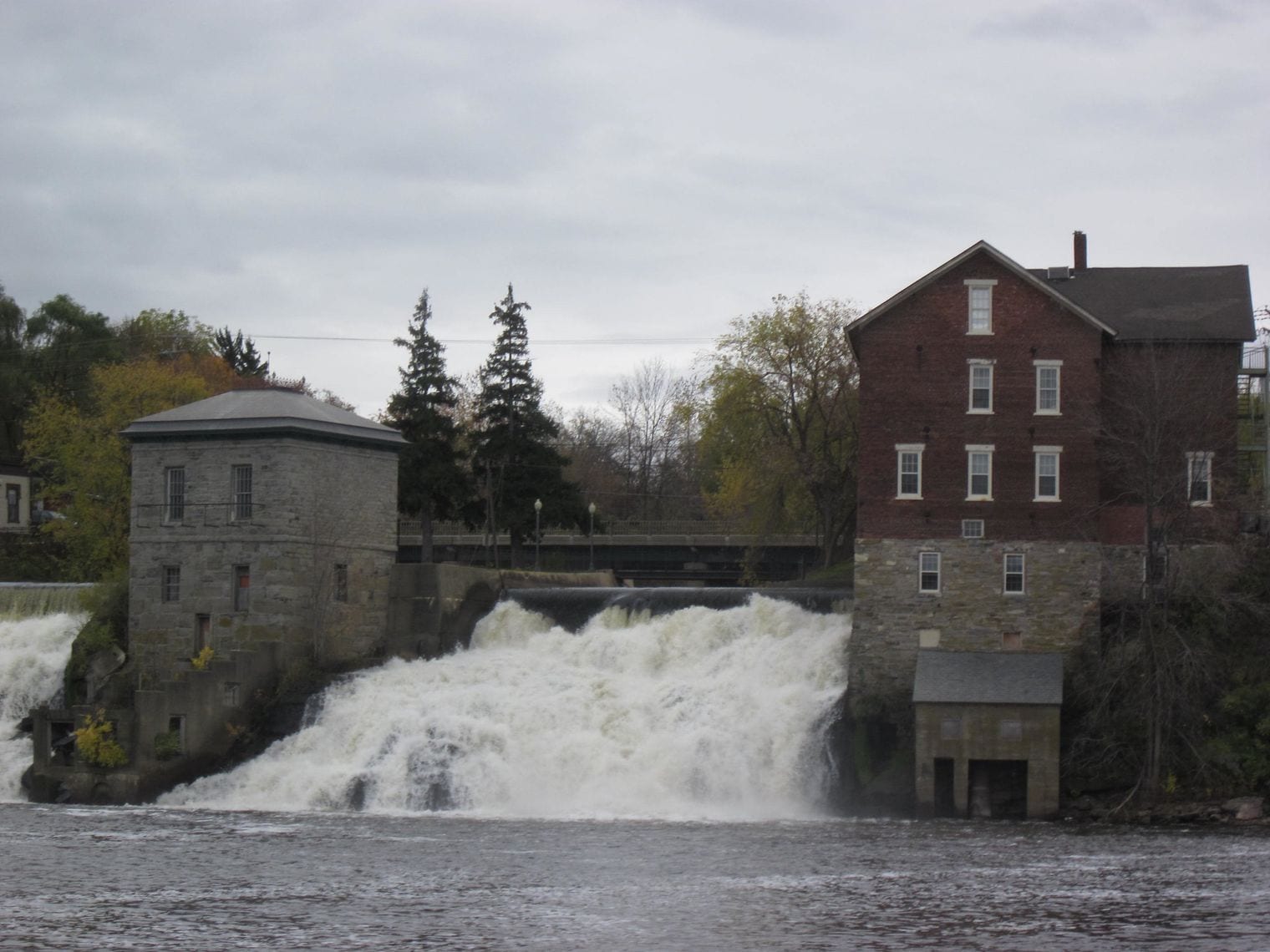
Middlebury is the shire town of Addison County and a classic New England college town, built around the falls of Otter Creek, which tumble right through the village centre. Middlebury College, founded in 1800 and one of the country's leading liberal arts colleges, spreads across the hill to the west, its stone buildings looking out toward the Green Mountains.
In town, the Henry Sheldon Museum of Vermont History tells the story of the region, and the bridges over Otter Creek give the best views of the falls and the old mill buildings. The town sits in the farm country of the Champlain Valley, and the college's famous Bread Loaf campus and its writers' conference lie up in the mountains to the east.
Brattleboro sits at the meeting of the West and Connecticut rivers about 10 miles north of the Massachusetts line, a brick-built river town with an arty, independent streak. In the 19th century it was home to the Estey Organ company, once the largest organ maker in the United States, and the old factory buildings now house the Estey Organ Museum.
Downtown, the 1938 Latchis Hotel and Theatre is one of only two Art Deco buildings left in Vermont, its interior painted with Greek mythological murals, and the Brattleboro Museum & Art Center shows contemporary art in a former railroad station. On the first Friday of each month, the Gallery Walk opens galleries and studios across town, and Rudyard Kipling wrote The Jungle Book at his home just north of Brattleboro.
Waitsfield is the main village of the Mad River Valley, set between the main range of the Green Mountains and the Northfield Mountains, with Route 100 running along the valley floor. Its pride is the Great Eddy Covered Bridge, built in 1833 over the Mad River and one of the oldest covered bridges in Vermont.
The valley's farms, barns and meadows make it one of Vermont's most scenic drives, and two very different ski areas sit close by: Sugarbush, a big modern resort, and Mad River Glen, a skier-owned cooperative that keeps its narrow trails and single chairlift. In summer and fall, the valley turns to cycling, hiking, farm stands and swimming holes.
Dorset is a quiet village a few miles north of Manchester, where the Dorset conventions of the 1770s helped set Vermont on the road to independence and, later, statehood. The town is the site of what is often called America's oldest marble quarry, and its stone went into buildings far away, including the main branch of the New York Public Library.
The old quarry south of the village now fills with water and is a popular summer swimming hole. In the village, the Dorset Playhouse, which opened in 1929 in a building made partly from local barns, began a summer theatre tradition that continues today. East Dorset was the birthplace of Bill W., co-founder of Alcoholics Anonymous.
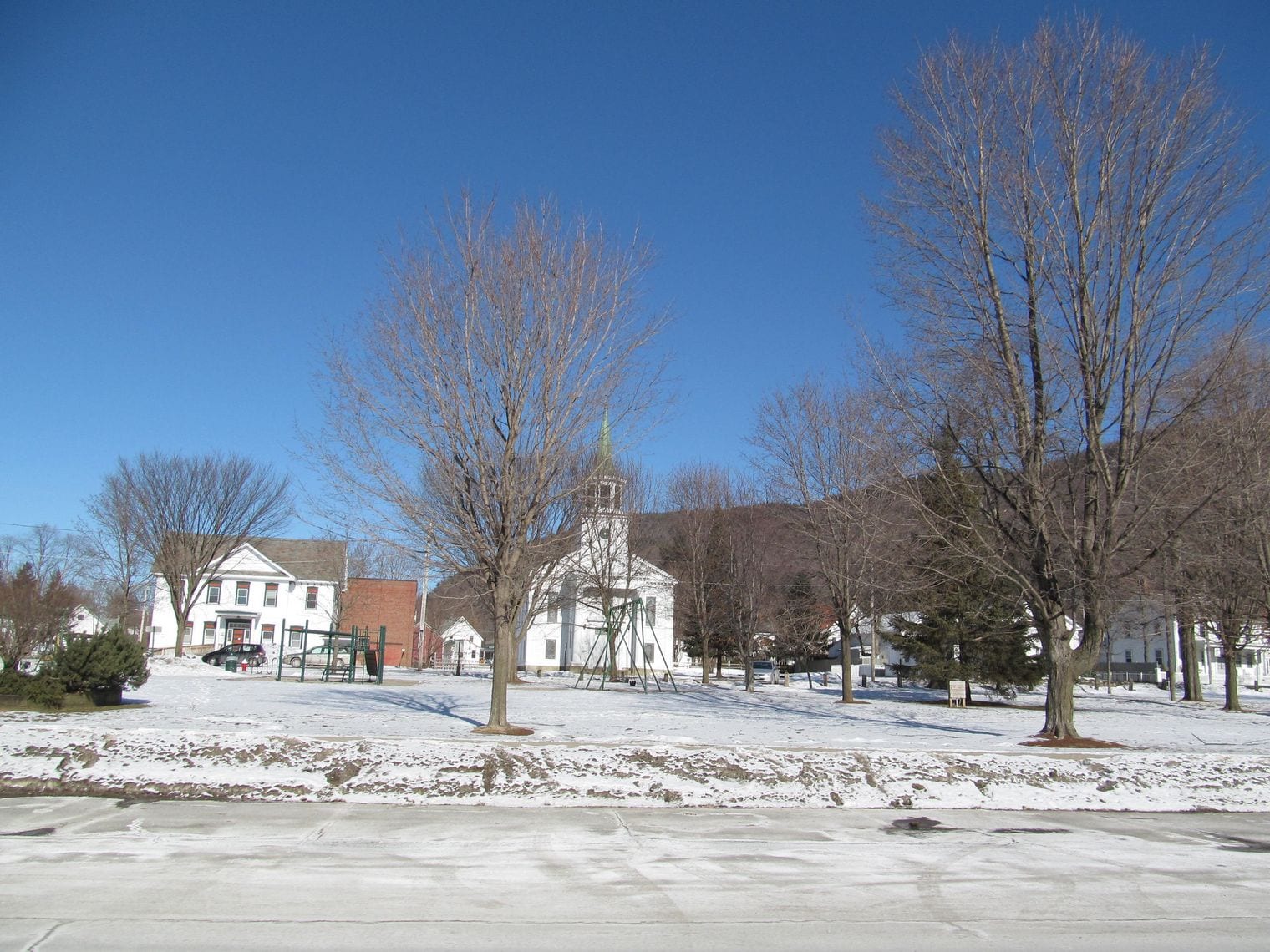
Chester lies along the Williams River in southern Vermont, a town of two historic districts, both on the National Register of Historic Places. The main village spreads along a long green with houses built from the 18th century to the early 20th, and the green hosts the town's fall festival.
Across the river in North Chester, the Stone Village is the town's real curiosity: a row of houses built from local granite along Route 103. The railroad line between Bellows Falls and Rutland still runs through town, and the Williams River, whose three branches meet here, is popular for fishing and paddling. Chester makes a handy base for exploring Grafton, Weston and Ludlow, all a short drive away.
Waterbury sits on the Winooski River where Route 100 heads north toward Stowe, and it is best known as the home of the Ben & Jerry's ice cream factory, whose tours are among Vermont's most popular attractions. A few miles up the road in Waterbury Center, Cold Hollow Cider Mill presses cider and sells its famous cider doughnuts.
The village itself has a lively main street with restaurants and craft breweries, and marks on some buildings recall how high the water rose during the great flood of 1927. To prevent a repeat, the Waterbury Dam was built on the Little River in 1938, creating Waterbury Reservoir, now a popular place for swimming, paddling and camping in the hills just north of town.
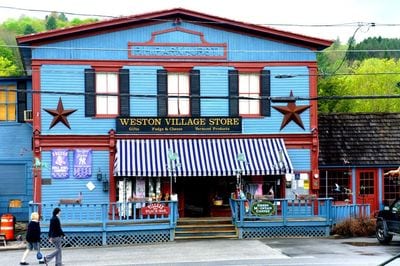
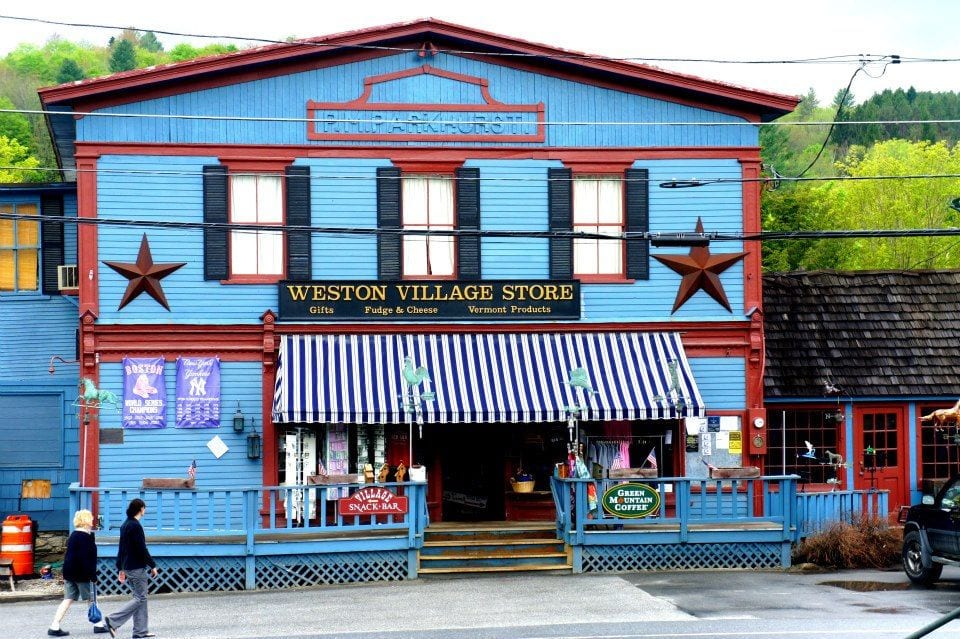
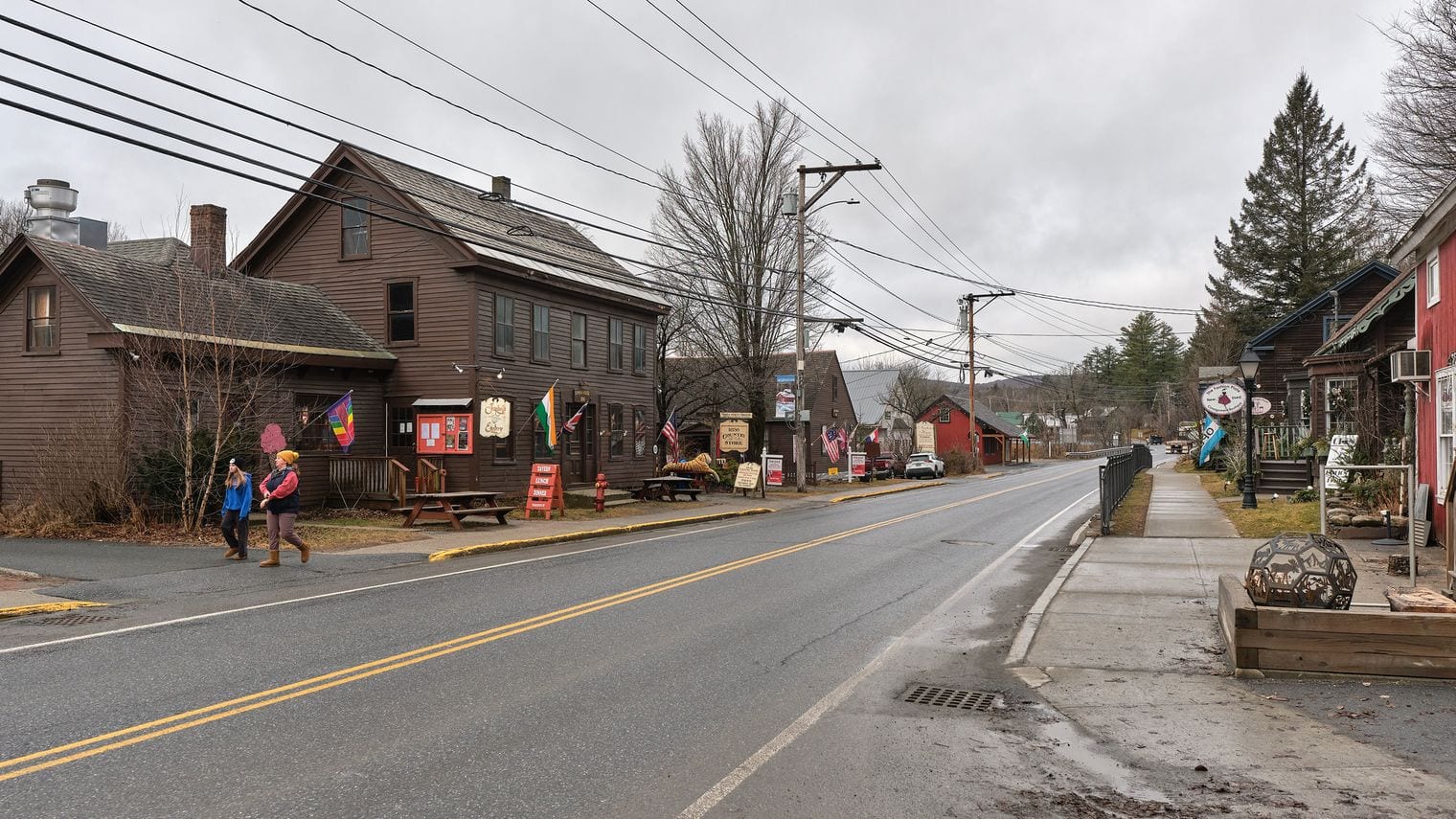
Weston is a village of only about 600 people in the West River valley, yet it has two names known well beyond Vermont. The Weston Playhouse Theatre Company, founded in 1935, is Vermont's oldest professional theatre, staging summer shows in the village.
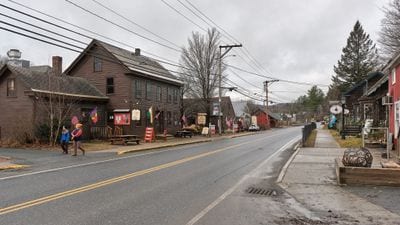
The Vermont Country Store was founded here in 1946 by Vrest and Ellen Orton, and its original store, packed with penny candy, cheese, flannel and old-fashioned housewares, is a stop for almost everyone who drives Route 100. Beyond the green, the village has a 19th-century mill area by the river known as the Island, and the monastic community of the Weston Priory lives in the hills nearby. Come in fall, when the surrounding mountains turn red and gold.
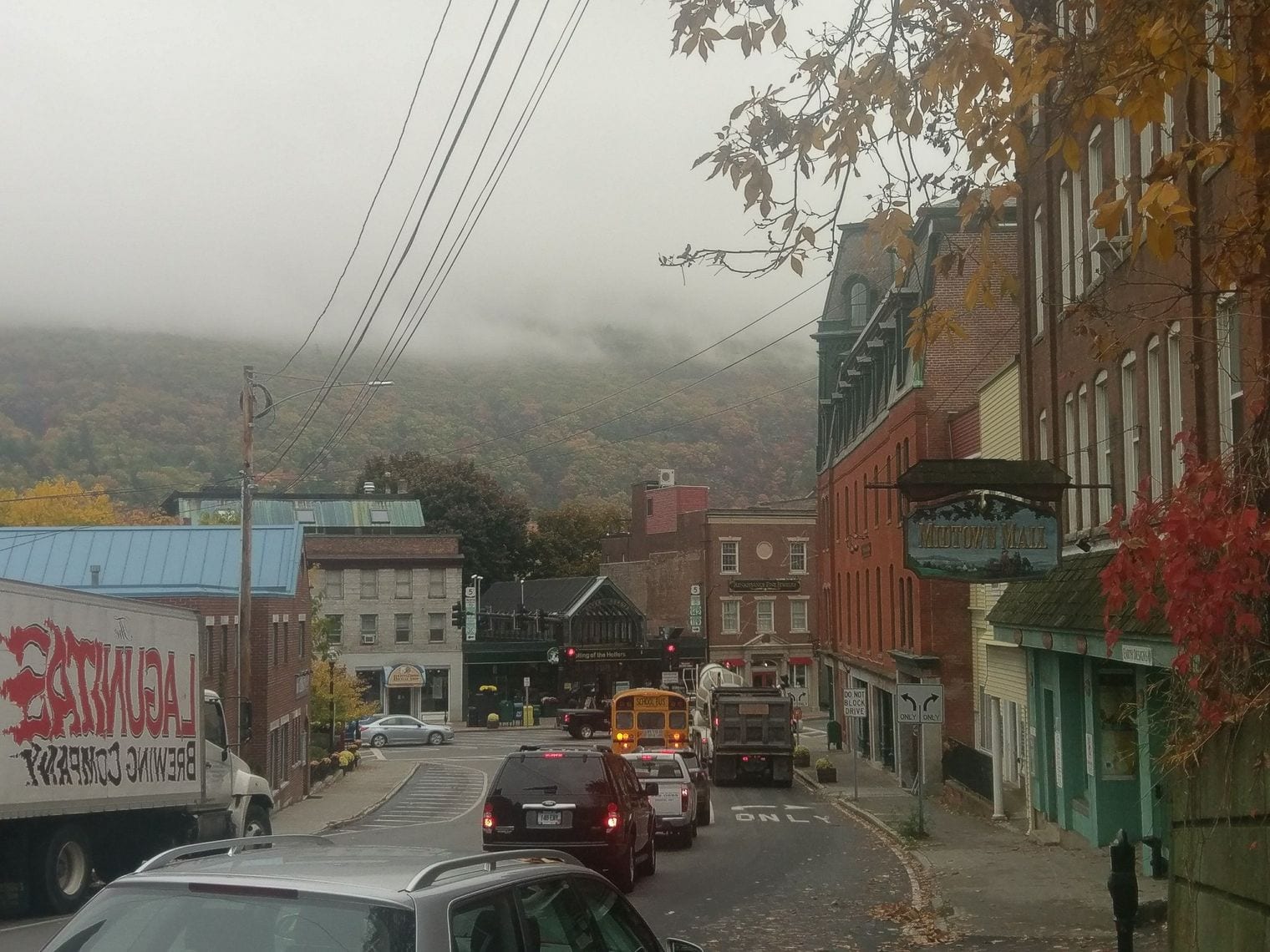
Bristol is a small market town at the western foot of the Green Mountains, where the New Haven River comes rushing out of the hills through the town centre. Its Victorian Main Street holds most of the town's shops and cafés, and a quirky local landmark, the Lord's Prayer Rock, has the prayer carved into a boulder by the road.
Just east of the village, Bartlett Falls, also called Bristol Falls, is one of Vermont's best-loved swimming holes, a waterfall on the New Haven River with a deep pool and a sandy edge for younger swimmers. Route 17 climbs from Bristol over the mountains to the Mad River Valley, and Route 116 runs north and south through farm country, so the town makes a natural stop on a driving loop.
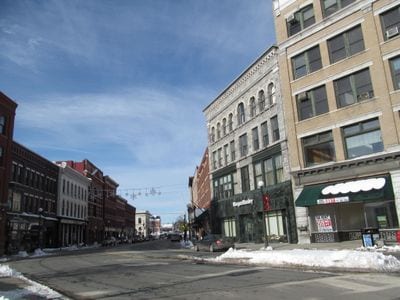
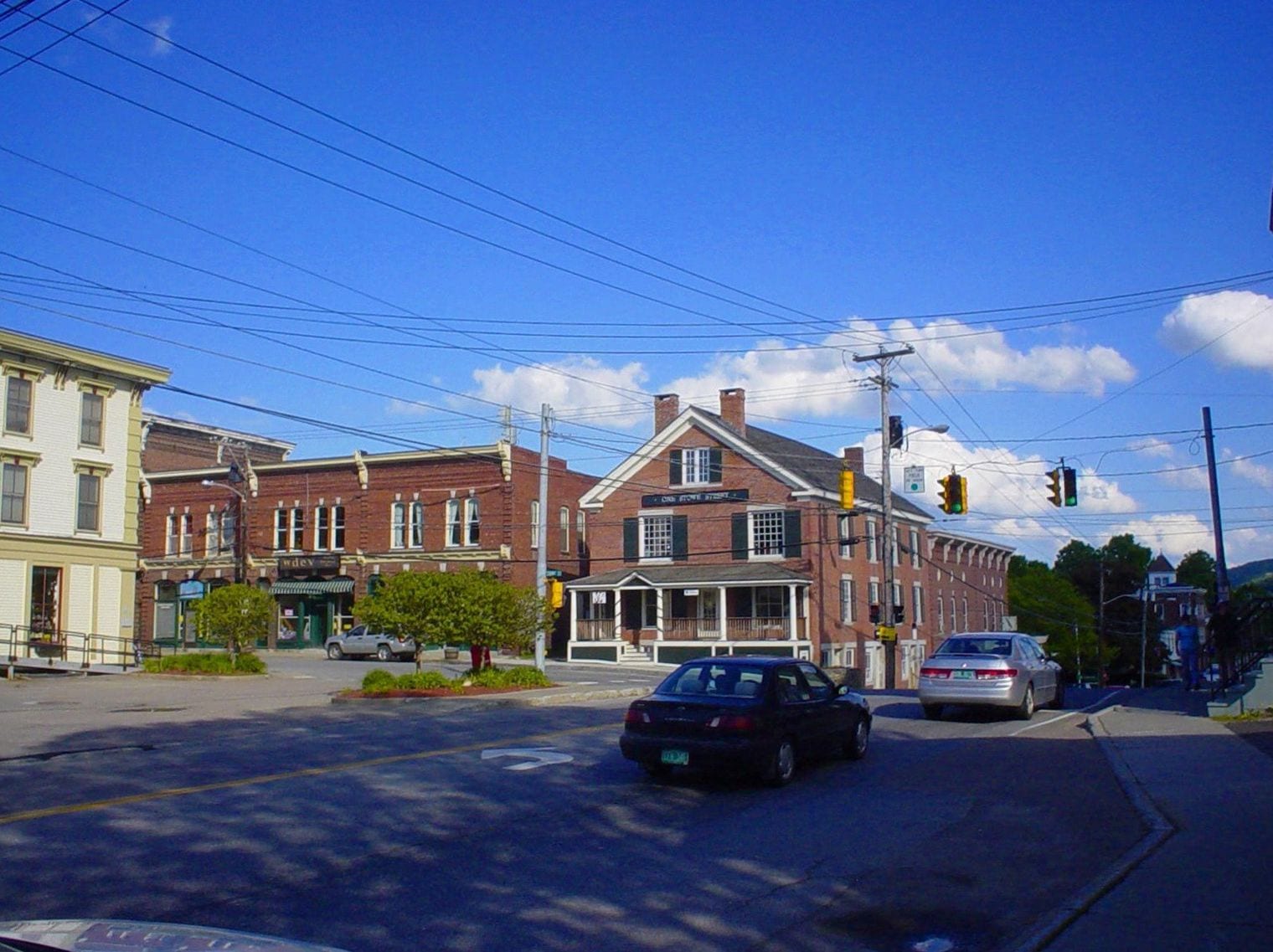
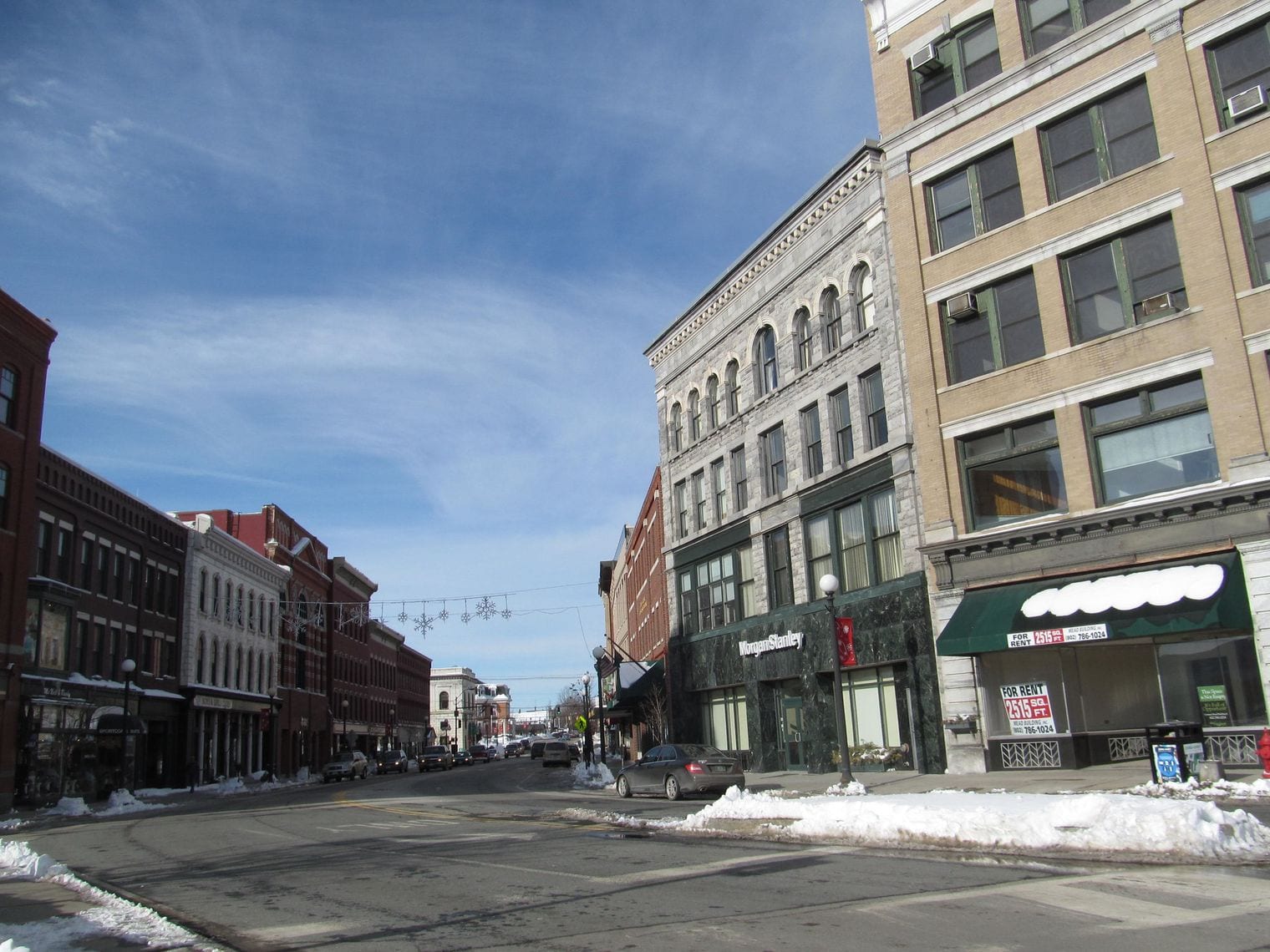
Rutland is Vermont's third-largest city, after Burlington and South Burlington, and grew rich in the 19th century as one of the world's leading marble producers, with Italian stonecutters arriving to work the quarries nearby. More than 100 downtown buildings are listed on the National Register of Historic Places, including the restored mid-19th-century street of Merchants Row.
The Paramount Theater hosts concerts and shows, and the farmers' market in Depot Park and the year-round Vermont Farmers Food Center showcase the produce of the surrounding valley. Rutland is also the most practical base for the mountains to the east, with US Route 4 climbing to Killington and on toward Woodstock, and the marble country of Proctor and West Rutland just to the west.
Free printable checklist of all 35 places
Tick them off as you go. Confirm your email to download it, plus one email every Thursday with new guides for the places you tick.
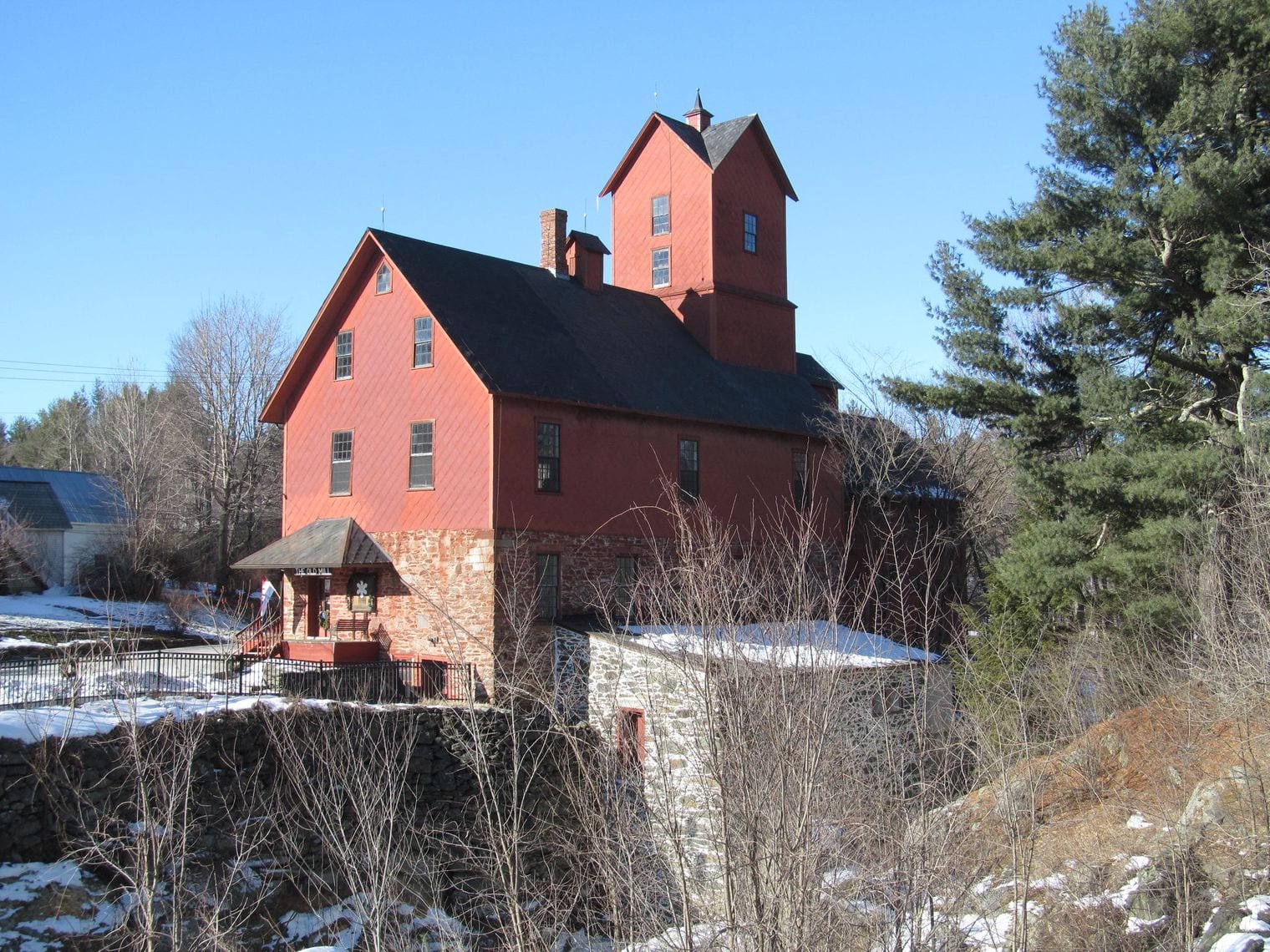
Jericho is a quiet town east of Burlington on the Browns River, with three village centres, Jericho Corners, Jericho Center and Riverside, and Mount Mansfield rising beyond. It was the home town of Wilson "Snowflake" Bentley, a farmer who became the first known person to take detailed photographs of snowflakes, capturing more than 5,000 snow crystals.
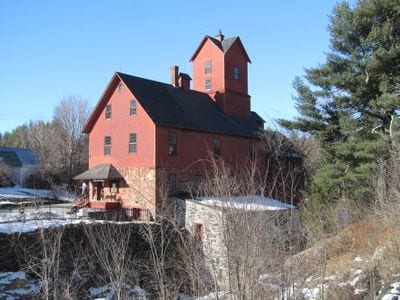
The Jericho Historical Society, based in the Old Red Mill by the Browns River, holds the broadest collection of Bentley's photographs, and the town's green and white churches make a pretty stop on the way into the mountains. Jericho borders Underhill, and trails into Underhill State Park on the western side of Mount Mansfield start close by, making the town a good base for hikers.
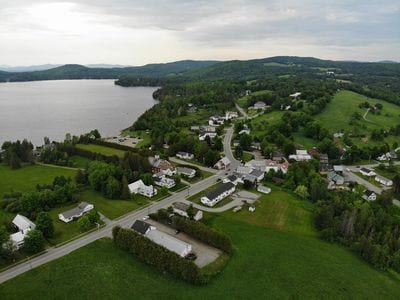
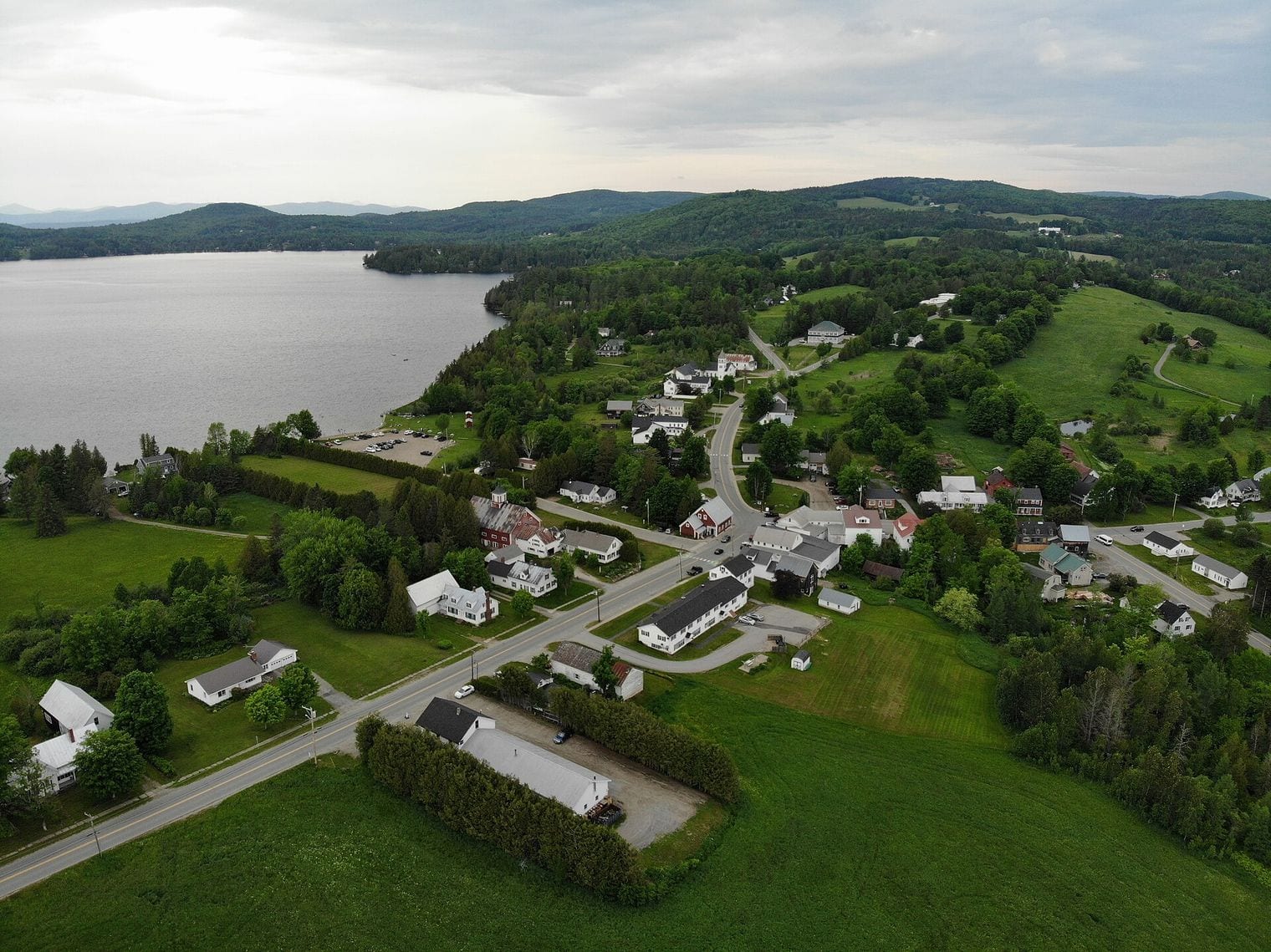
Greensboro is a Northeast Kingdom town of about 800 people on the shore of Caspian Lake, a clear, cold lake that has drawn summer families for generations. The hub of the village is Willey's, a rambling general store, and the lake itself is a favourite place to swim and paddle on summer days.
The town has an outsized reputation among food lovers. Hill Farmstead Brewery, founded in 2010 in Greensboro Bend, has been named the best brewery in the world by RateBeer, and Jasper Hill Farm's cheeses, including the award-winning Bayley Hazen Blue, are made in town. Come for back roads, farm views and a long, quiet day by the water.
Wilmington is a Deerfield Valley village where Route 9 crosses Route 100, with a riverside main street whose old buildings form the Wilmington Village Historic District. The North Branch of the Deerfield River runs right through the centre, lined with shops, galleries and places to eat, and the village rebuilt with spirit after flooding from Tropical Storm Irene in 2011.
Just south of town, the long arms of Harriman Reservoir offer swimming, boating and quiet shoreline walks, and Mount Snow is a short drive north on Route 100 for skiing in winter and mountain biking in summer. The village is a natural stop on the scenic drive across southern Vermont between Bennington and Brattleboro, with farm stands and lakes along the way.
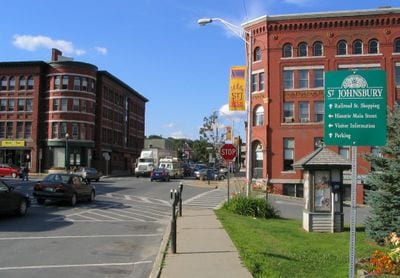
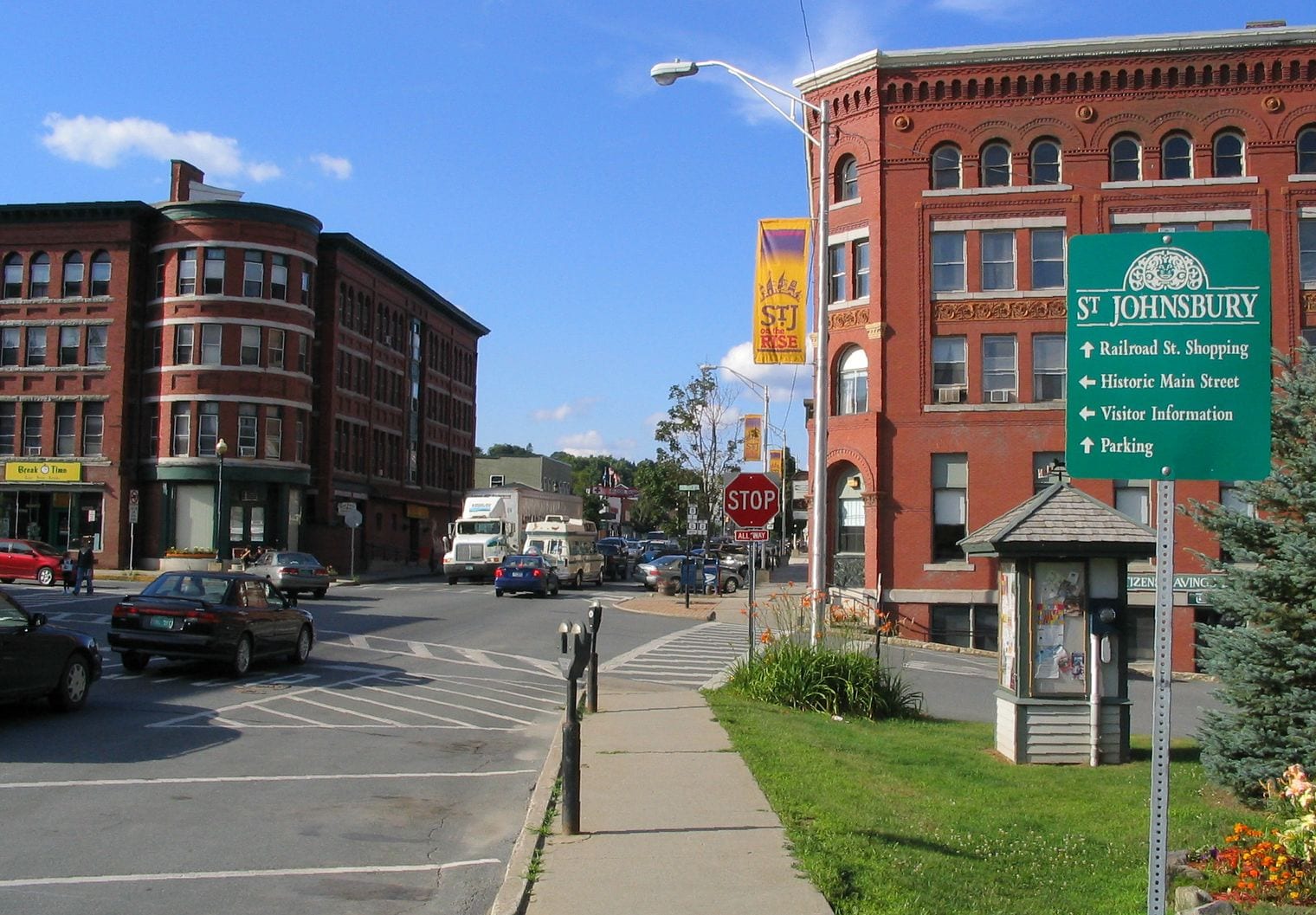
St. Johnsbury, known locally as St. J, is the shire town of Caledonia County and the gateway to the Northeast Kingdom. It grew wealthy on the platform scale, invented here by Thaddeus Fairbanks in 1830, and the Fairbanks family left the town a remarkable set of Victorian institutions.
The Fairbanks Museum & Planetarium, founded in 1890, fills a red sandstone hall with natural-history collections and runs a weather station that has operated since 1893. The St. Johnsbury Athenaeum, a library and art gallery and the only National Historic Landmark in the Northeast Kingdom, shows Hudson River School landscapes. On a hilltop outside town, Dog Mountain is home to artist Stephen Huneck's Dog Chapel, a little New England chapel dedicated to dogs.
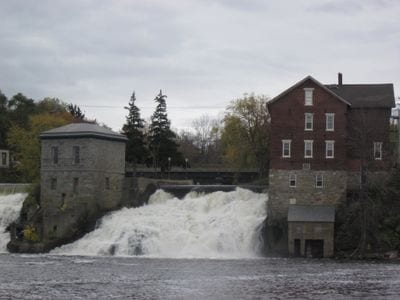
Vergennes was the first city chartered in Vermont and is the smallest of the state's cities by population, with about 2,500 residents. Its compact downtown sits on a rise above the falls of Otter Creek, which once powered its mills, and the creek flows on a few miles west to Lake Champlain.
During the War of 1812, Thomas Macdonough built and armed his fleet at Vergennes, and the ships went on to defeat the British at the Battle of Plattsburgh on Lake Champlain. Today the little city has a handsome green, the community-run Vergennes Opera House and a cluster of restaurants that punch above its size. Walk down to the falls, then drive out to the lakeshore and the farm country of Addison County.
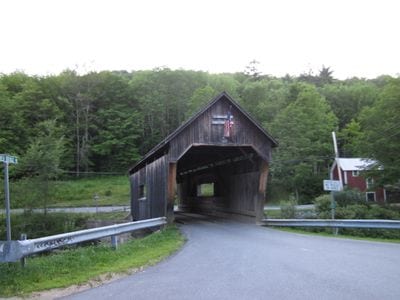
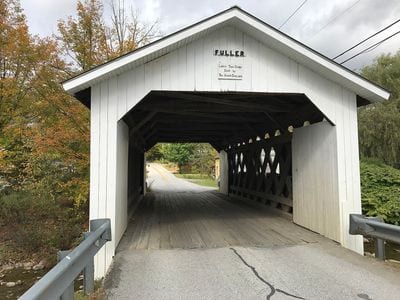
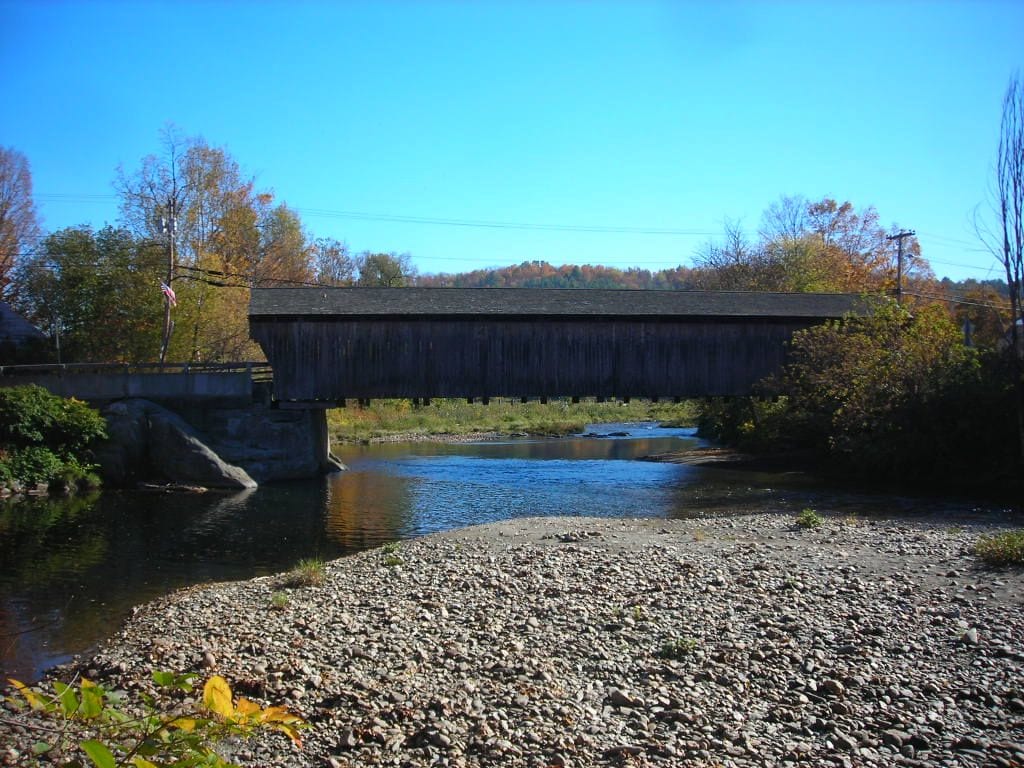
Warren is the southern village of the Mad River Valley, a small cluster of houses and shops along the Mad River. The Warren Covered Bridge crosses the river in the village, an unusual design whose eastern portal juts further over the road than its western one, and the riverbank below is a summer swimming spot.
Above the village, Sugarbush Resort spreads across Lincoln Peak and Mount Ellen, and it was founded in 1958 with what was then the longest lift in the nation. The Long Trail, Vermont's footpath from Massachusetts to Canada, runs along the ridge through the town, and the narrow road west over Lincoln Gap crosses the main ridge of the Green Mountains.
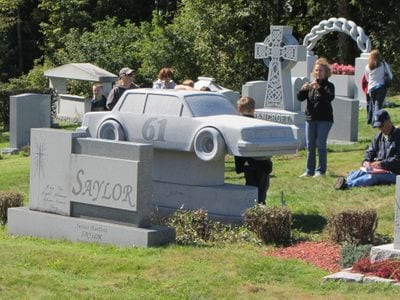
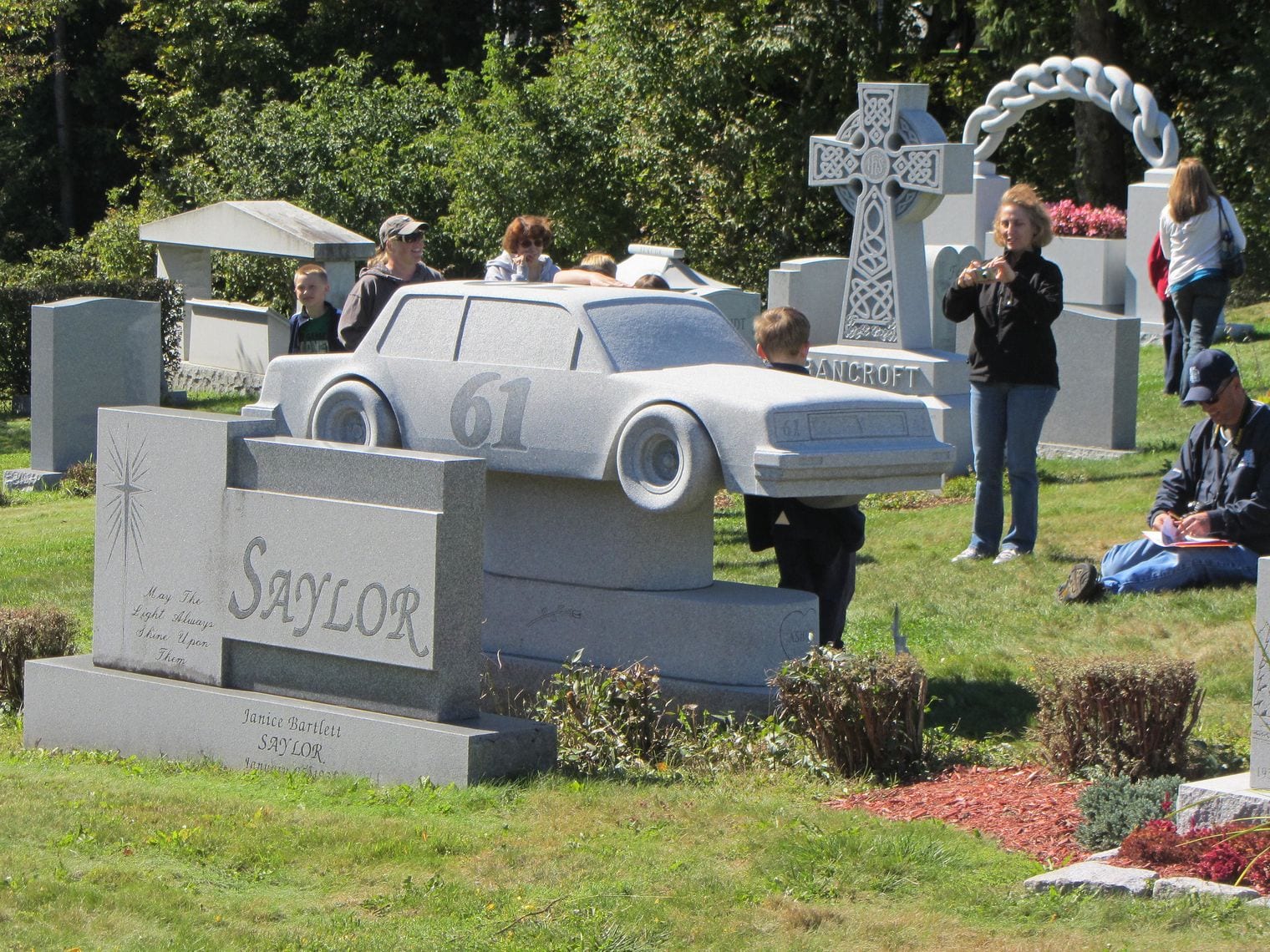
Barre is the self-proclaimed "Granite Center of the World", a small city whose fortunes were built on the huge granite deposits of nearby Millstone Hill. Stonecutters from Italy, Scotland and beyond arrived in the late 19th century, and the city's labour history, including the old Socialist Labor Party Hall, is part of its story.
The finest showcase of their craft is Hope Cemetery, established in 1895, where the memorials are carved with remarkable skill and humour. In neighbouring Barre Town, the Rock of Ages E.L. Smith Quarry in Graniteville is described as the world's largest deep-hole granite quarry, and Millstone Hill's old quarries are now laced with walking and mountain-bike trails among the abandoned grout piles.
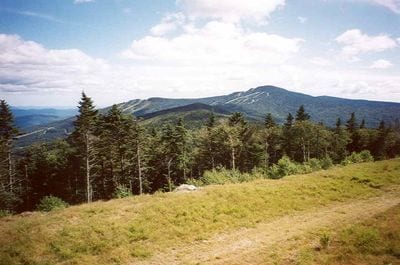
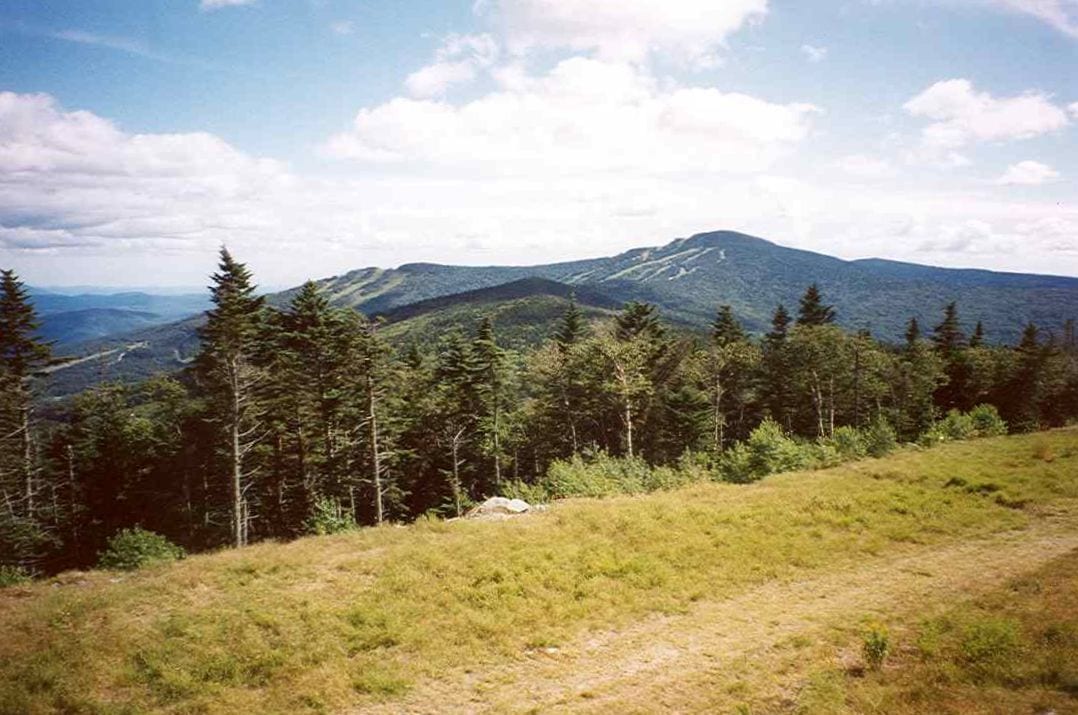
Killington is a mountain town of about 1,400 people that was called Sherburne for nearly two centuries before readopting its original name in 1999. It is dominated by Killington Resort, the largest ski area in the eastern United States, with the biggest vertical drop in New England on the slopes of Killington Peak, the second-highest mountain in Vermont.
The resort's nickname is the Beast of the East, and the long season draws skiers from across the Northeast. In summer the same slopes turn to mountain biking and hiking, and the Appalachian Trail crosses the north of the town before joining the Long Trail along the ridge. US Route 4 links Killington with Rutland to the west and Woodstock to the east.
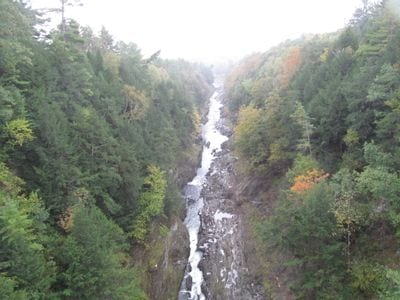
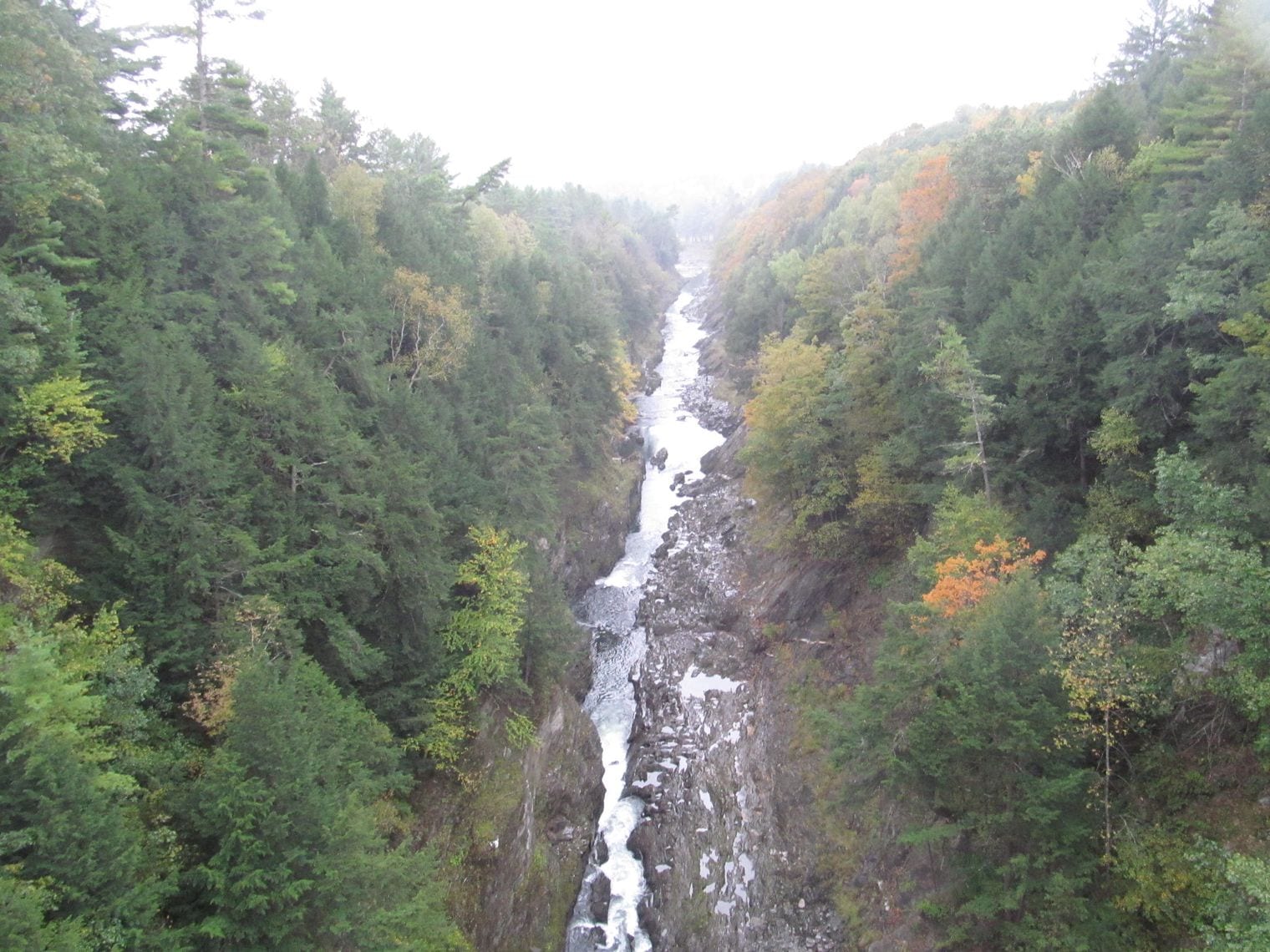
Quechee is a village in the town of Hartford, and its claim to fame is Quechee Gorge, at 165 feet the deepest gorge in Vermont. The Ottauquechee River carved it about 13,000 years ago as the last ice sheet retreated, and you can look straight down from the US Route 4 bridge or follow trails along both rims in Quechee State Park.
In the village, a former mill beside the falls and a covered bridge houses Simon Pearce's glassblowing workshop and restaurant, where you can watch glass being shaped. The covered bridge was badly damaged by Tropical Storm Irene in 2011 and has since been rebuilt. Woodstock lies just a few miles west, so the two pair naturally in one day.
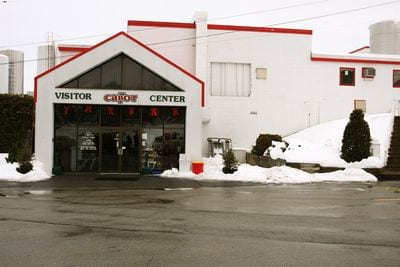
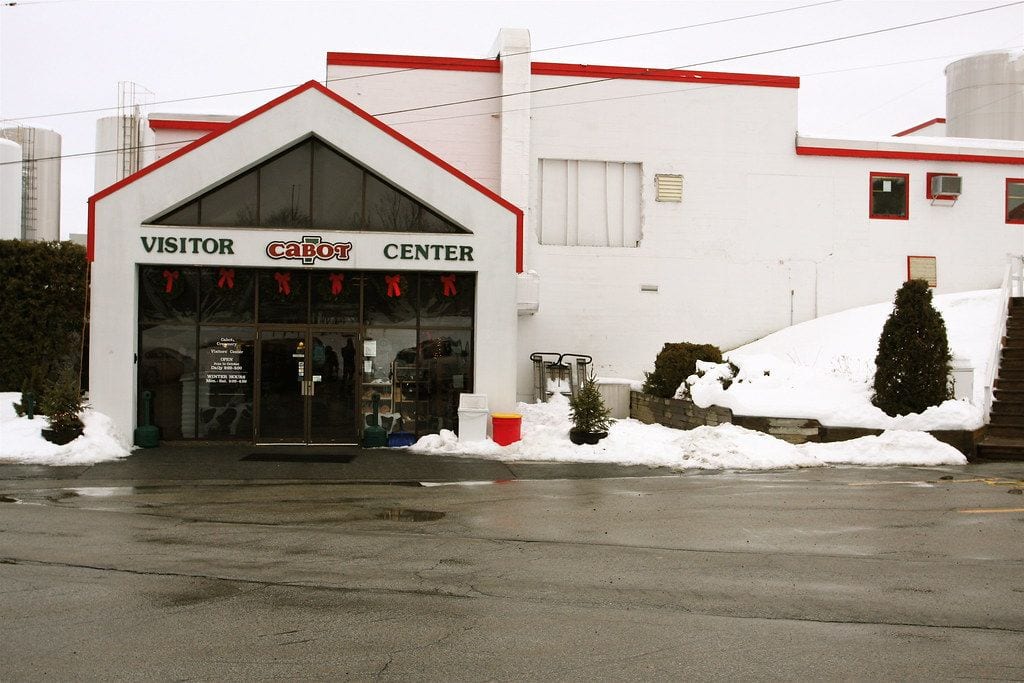
Cabot is a hill-farm town in the northeast corner of Washington County, best known as the original home of Cabot Creamery. The creamery was founded in 1893 as a butter factory and organized as a farmers' cooperative in 1919, and its cheddar is now sold across the country.
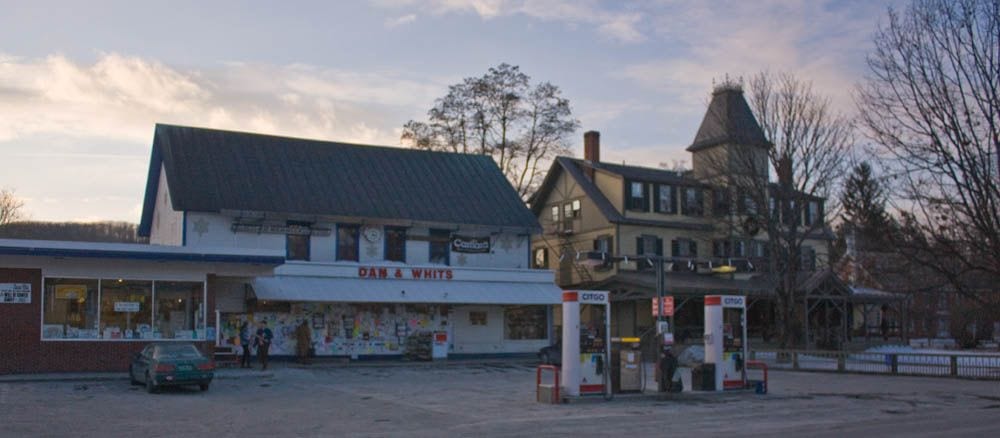
The rest of the town is quiet dairy country, with the village set on the banks of the young Winooski River, which rises at Coit's Pond within the town. Back roads lead over open hills with long views, and fall color and maple season are especially rewarding times to drive through. Cabot is an easy detour from Montpelier or St. Johnsbury, with Marshfield and the Winooski valley just to the south.
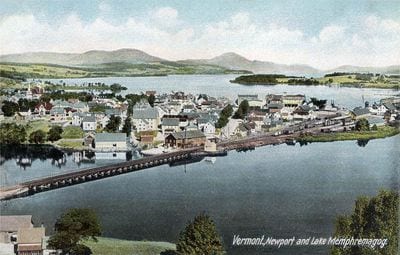
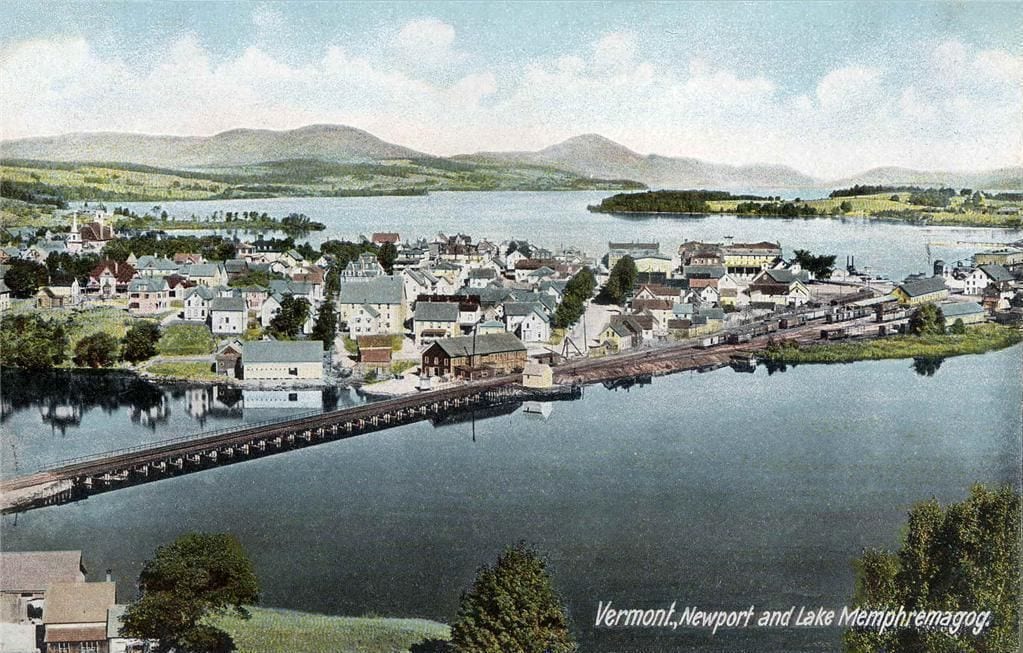
Newport is a small city at the southern end of Lake Memphremagog, a glacial lake 31 miles long that crosses the border into Quebec, where most of it lies. The city began as a lumber town and railroad stop, and its downtown sits on the hillside above the water.
A waterfront boardwalk follows the shore from the city dock, with benches and lake views, and the Newport bike path continues along the lake and joins a rail trail heading north toward the Canadian border. In summer the lake is busy with boats and anglers, and the shoreline parks fill with picnickers. Newport is the main town of the Northeast Kingdom's lake country and a good base for Jay Peak and Lake Willoughby.
Norwich is a Connecticut River town directly across the river from Hanover, New Hampshire, home of Dartmouth College, and its village green and white clapboard houses look the part of an Upper Valley postcard. In 1819 Alden Partridge, a former superintendent of West Point, founded a military academy here that later moved to Northfield and became Norwich University.
Today the big draws are the Montshire Museum of Science, a hands-on museum whose name blends Vermont and New Hampshire, with nature trails along the river, and the flagship store and baking school of King Arthur Baking Company. Walk the village, cross the bridge to Hanover, or head south to White River Junction and Quechee.
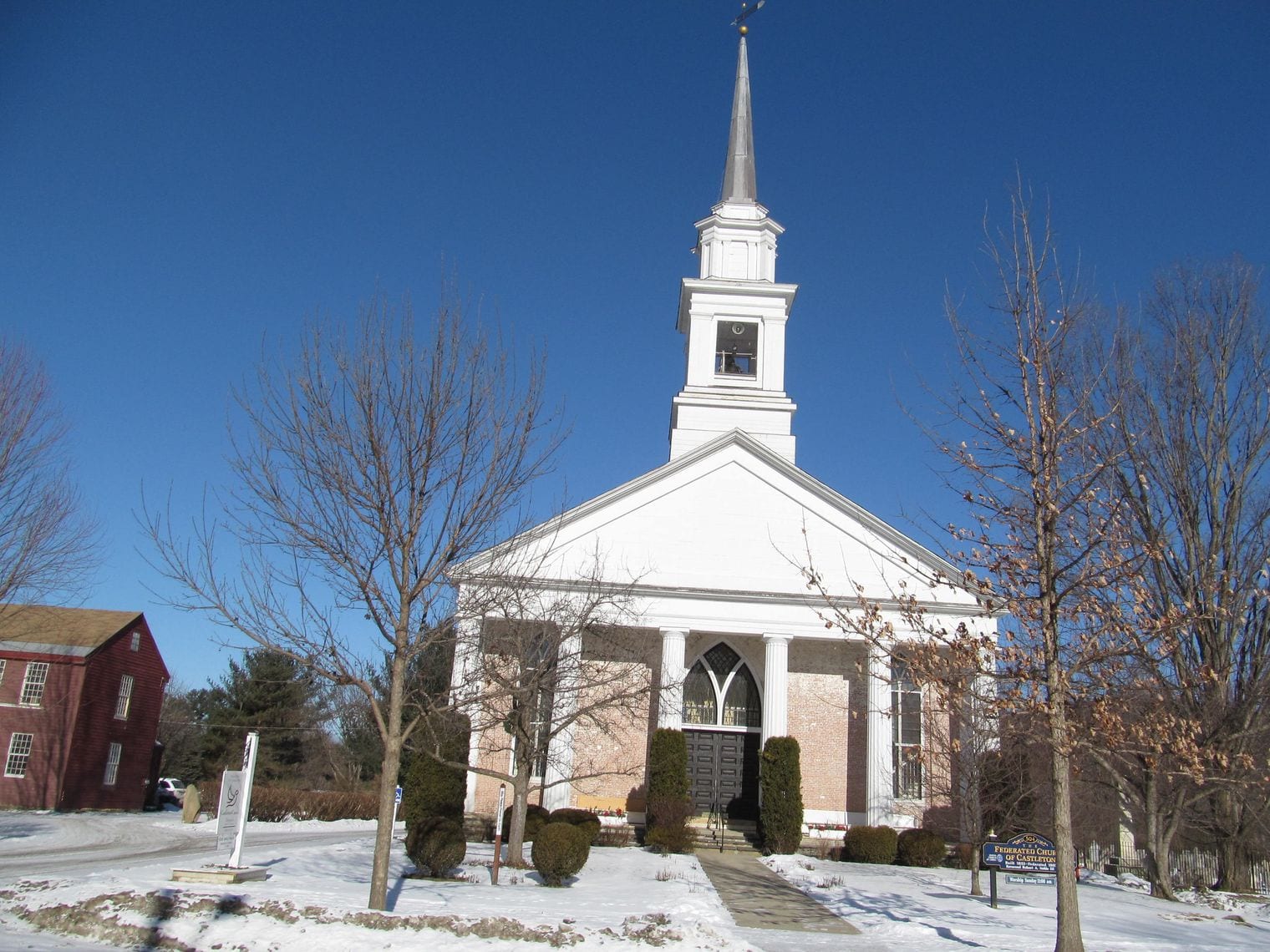
Castleton is one of Vermont's older towns, and in May 1775 Ethan Allen and the Green Mountain Boys met here with Benedict Arnold to plan their successful raid on Fort Ticonderoga, about 30 miles to the west. Its mile-long, tree-shaded Main Street, lined with Federal and Greek Revival houses, is listed almost in its entirety on the National Register of Historic Places.
The town's college, which traces its roots to 1787, is now the Castleton campus of Vermont State University. Just west of the village, Lake Bomoseen is the largest lake lying entirely within Vermont, with Bomoseen State Park on its western shore, and the old slate-quarrying hamlet of Hydeville sits nearby.
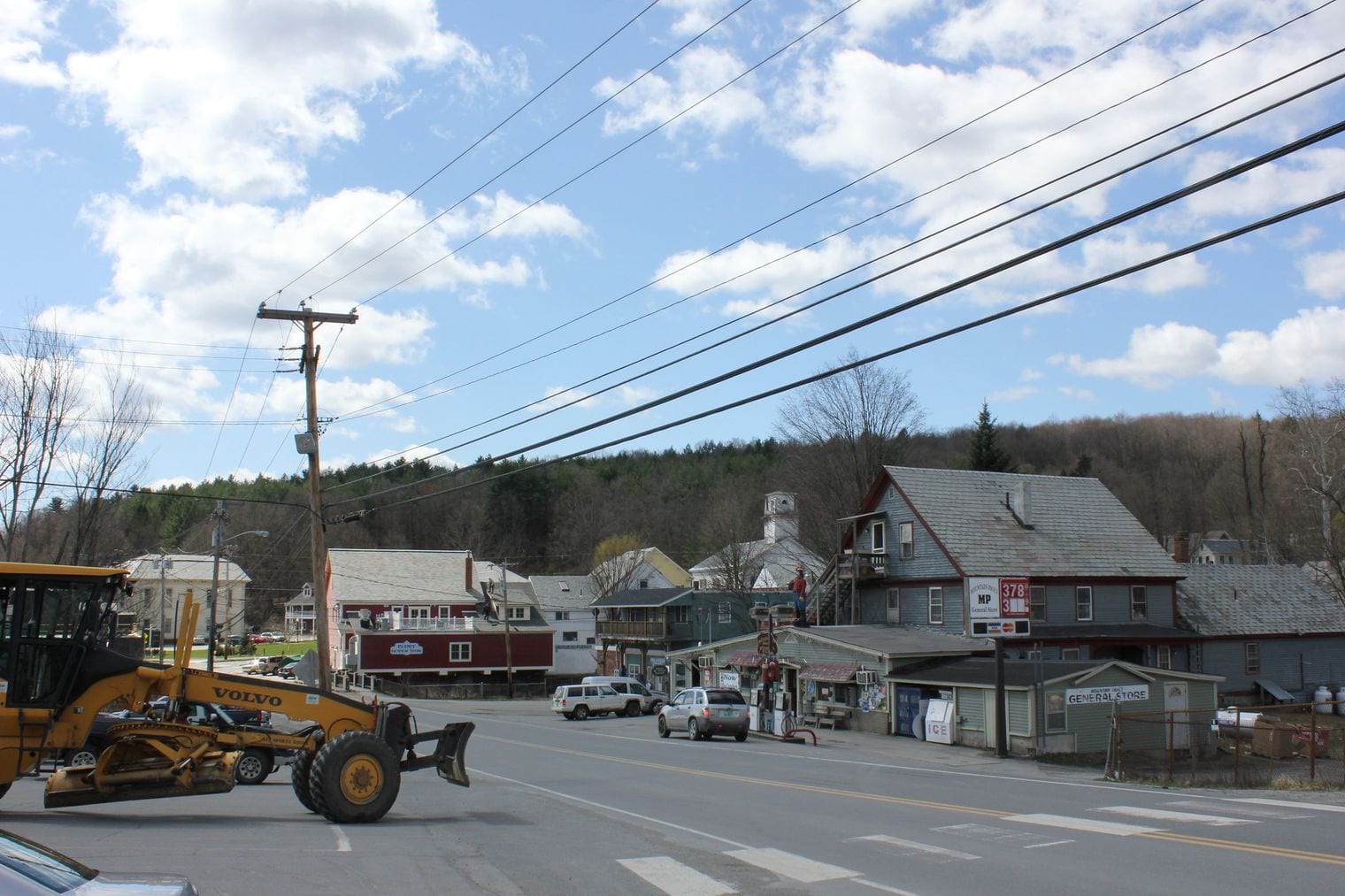
Putney is a Connecticut River valley town in Windham County with a long tradition of crafts, farming and progressive education. Its historic core forms the Putney Village Historic District, and the town is home to the Putney School and to Landmark College, the first college designed exclusively for students with learning disabilities.
The classic outing is up Putney Mountain, where the summit meadow hosts a volunteer hawk watch, established in 1974, that counts thousands of migrating raptors every fall, with wide views across the valley. Craft studios, orchards and farm stands dot the back roads, and Brattleboro is only a short drive south, making Putney an easy half-day trip.
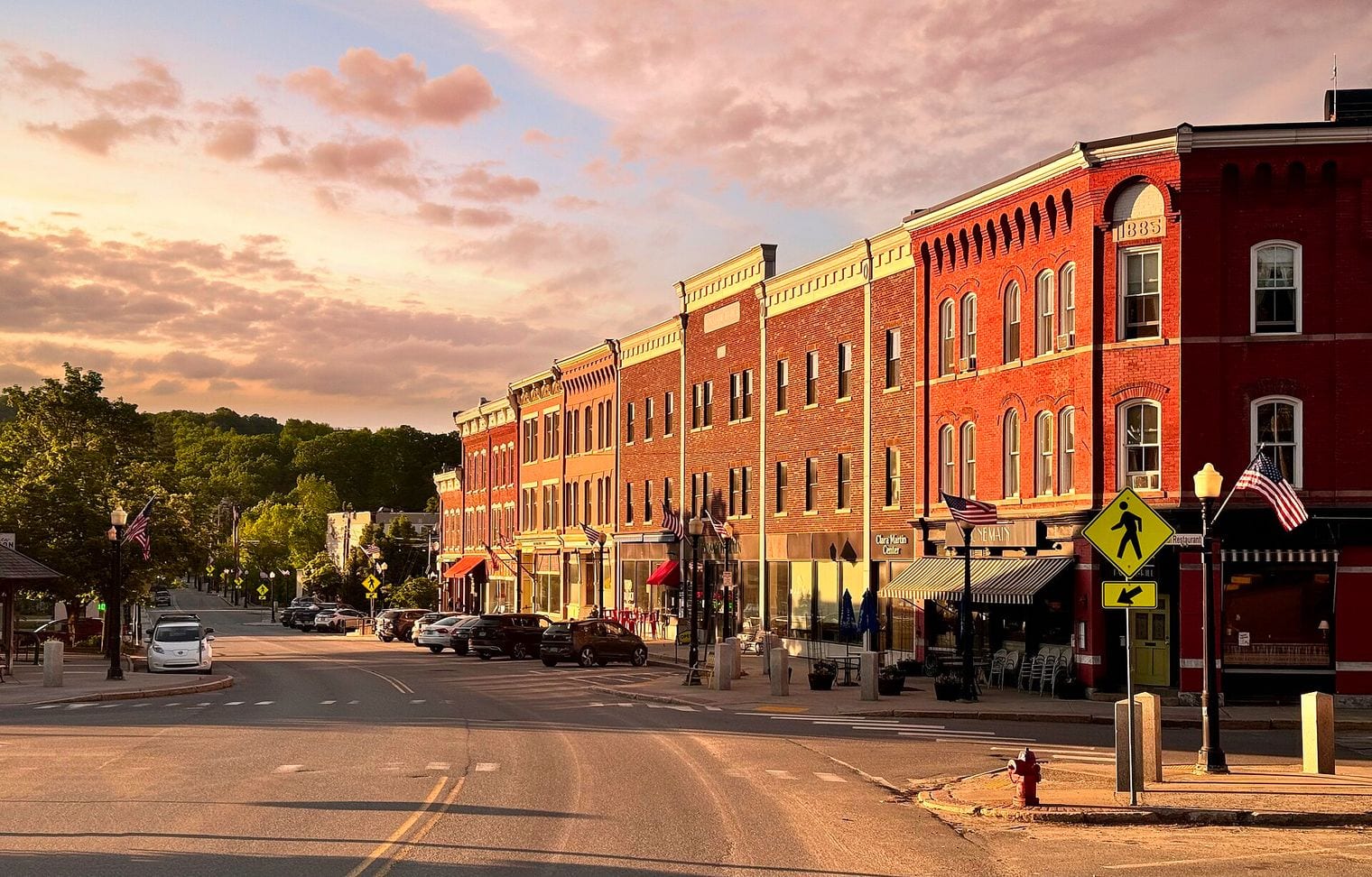
Randolph is the largest town in Orange County and a commercial hub for the farm towns of central Vermont, in hills drained by the second and third branches of the White River. Its main village, once called West Randolph, has a busy main street, and Randolph Center on the hill above was one of the town's original three villages.
The Chandler Music Hall stages concerts and theatre in a historic downtown hall, and the Porter Music Box Museum displays antique music boxes and mechanical instruments. Randolph Center is home to the Randolph campus of Vermont State University, formerly Vermont Technical College, and the surrounding hills are classic Vermont dairy and maple country, with Amtrak's Vermonter stopping in town.
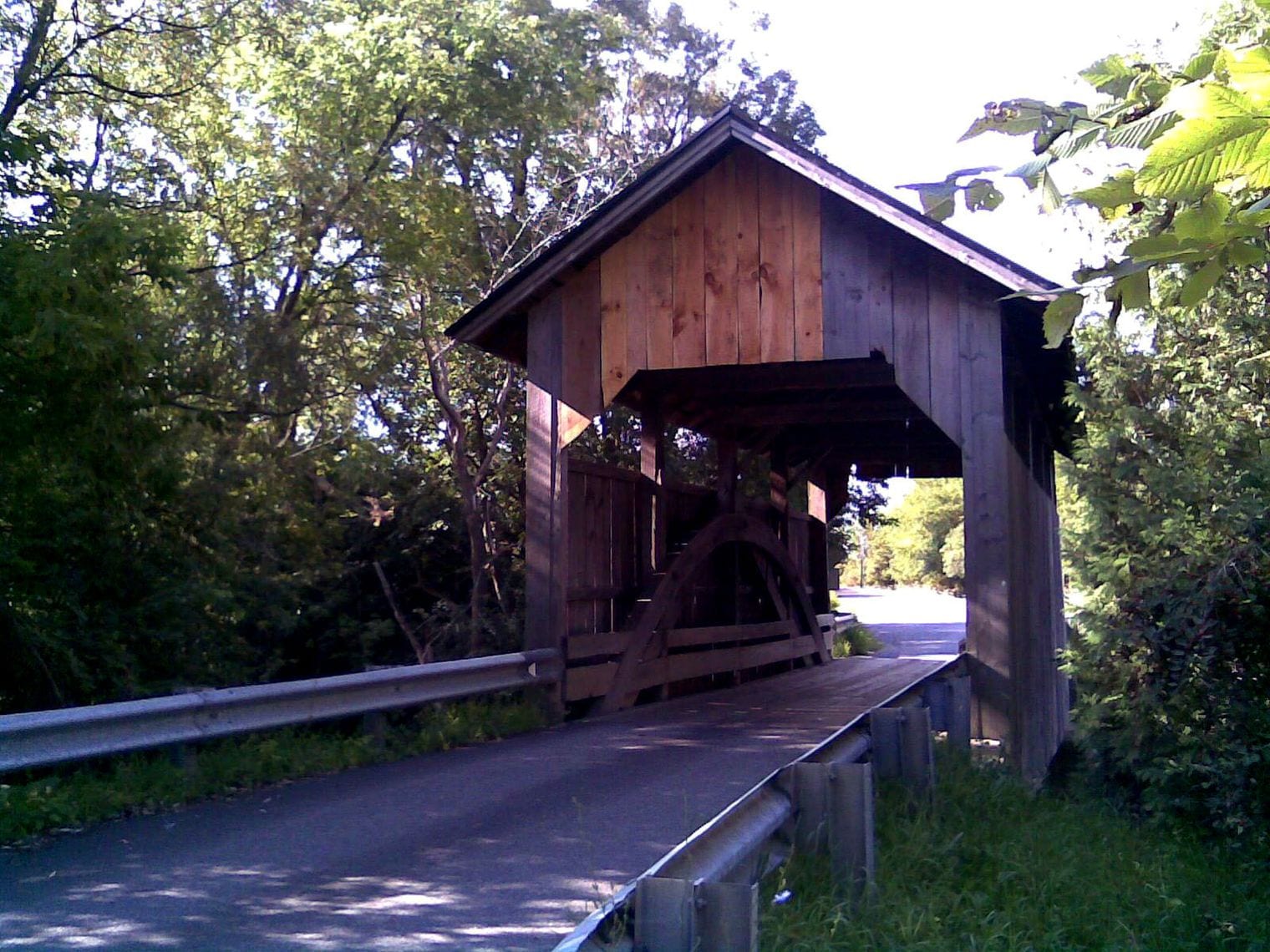
Charlotte is a farm town on the eastern shore of Lake Champlain, south of Shelburne, with orchards, open fields and long views across the water to the Adirondacks. Mount Philo State Park, established in 1924, protects a small mountain whose summit picnic area looks out over the lake, the valley and the mountains on both sides.
The town has three covered bridges, including the little Holmes Creek Covered Bridge right beside the lake at Charlotte Beach, and the Seguin and Quinlan bridges over Lewis Creek. From the west of town, the Charlotte–Essex ferry crosses Lake Champlain to Essex, New York, a short and scenic ride that makes a good loop with the Adirondack shore.
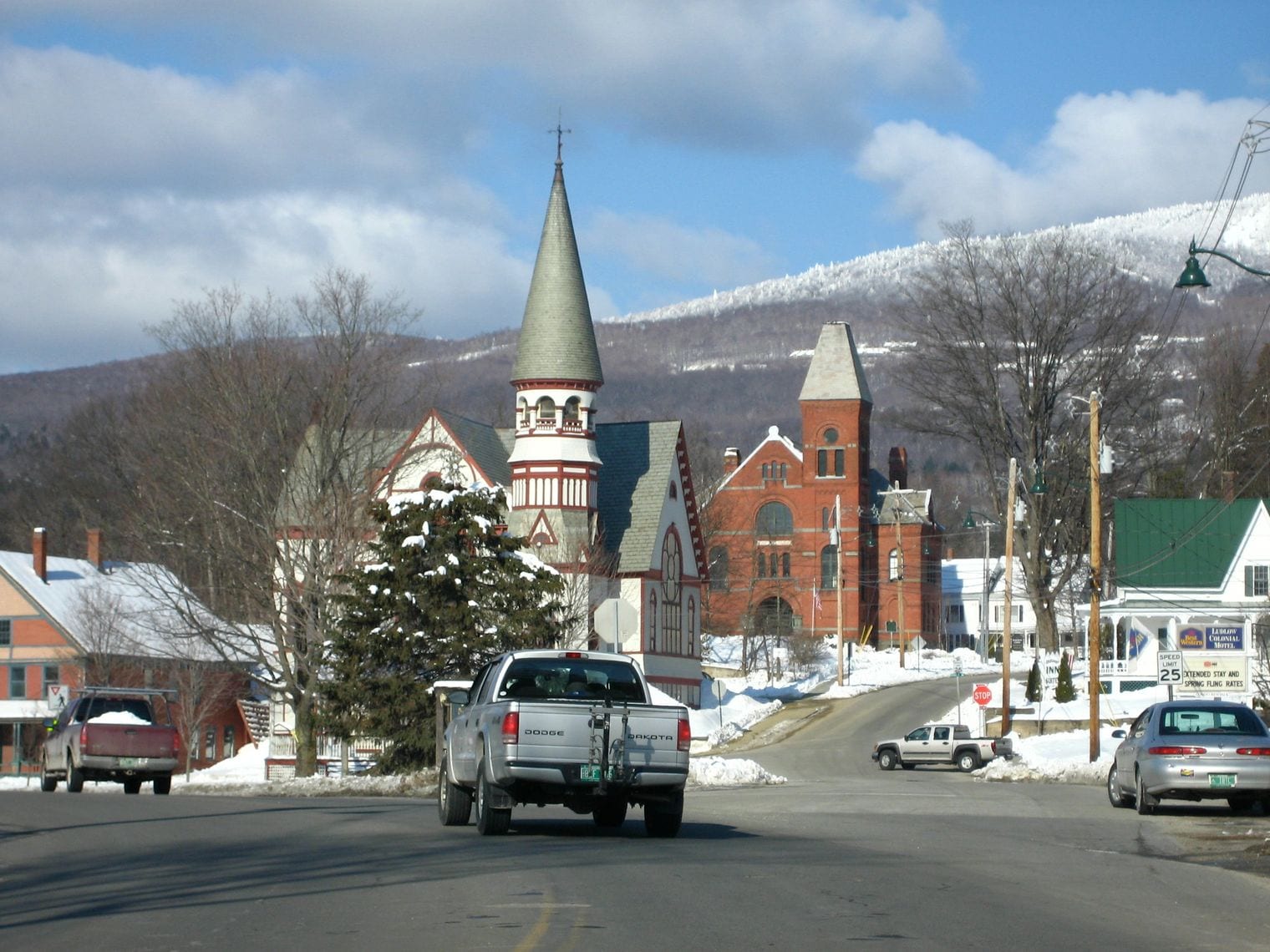
Ludlow is a former mill town on the Black River that turned to skiing, and it is home to Okemo Mountain Resort, long a favourite with families. Before the ski era, the town's mills and later a General Electric plant kept it busy, and Calvin Coolidge, the 30th president, studied at Black River Academy here.
The Coolidge connection continues in neighbouring Plymouth, where the President Calvin Coolidge State Historic Site preserves Plymouth Notch, the village where he grew up and took the oath of office in 1923. In summer, the chain of lakes north of Ludlow along Route 100 is good for swimming and paddling, and the village main street makes a relaxed stop between Chester and Killington.
Brandon is a Rutland County town on the western edge of the Green Mountains whose entire historic core, more than 240 buildings, is listed on the National Register of Historic Places. Broad, tree-shaded Pearl and Park streets radiate from its greens, lined with fine 19th-century houses.
The statesman Stephen A. Douglas, Abraham Lincoln's great rival, was born in Brandon in 1813, and his birthplace now houses the Brandon Museum and the town's visitor center. Galleries and cafés line the main street, Otter Creek winds through the farmland to the west, and the Green Mountains rise to the east, making Brandon a pleasant stop between Middlebury and Rutland.
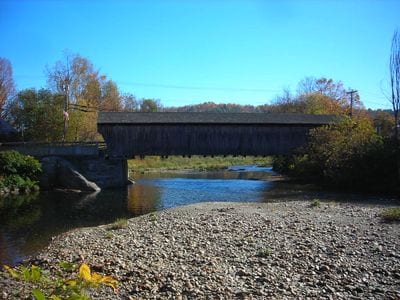
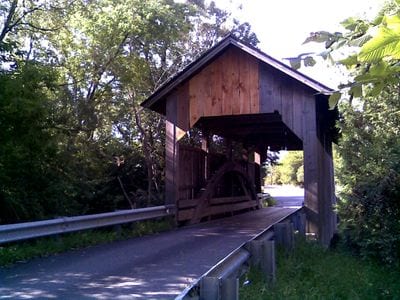
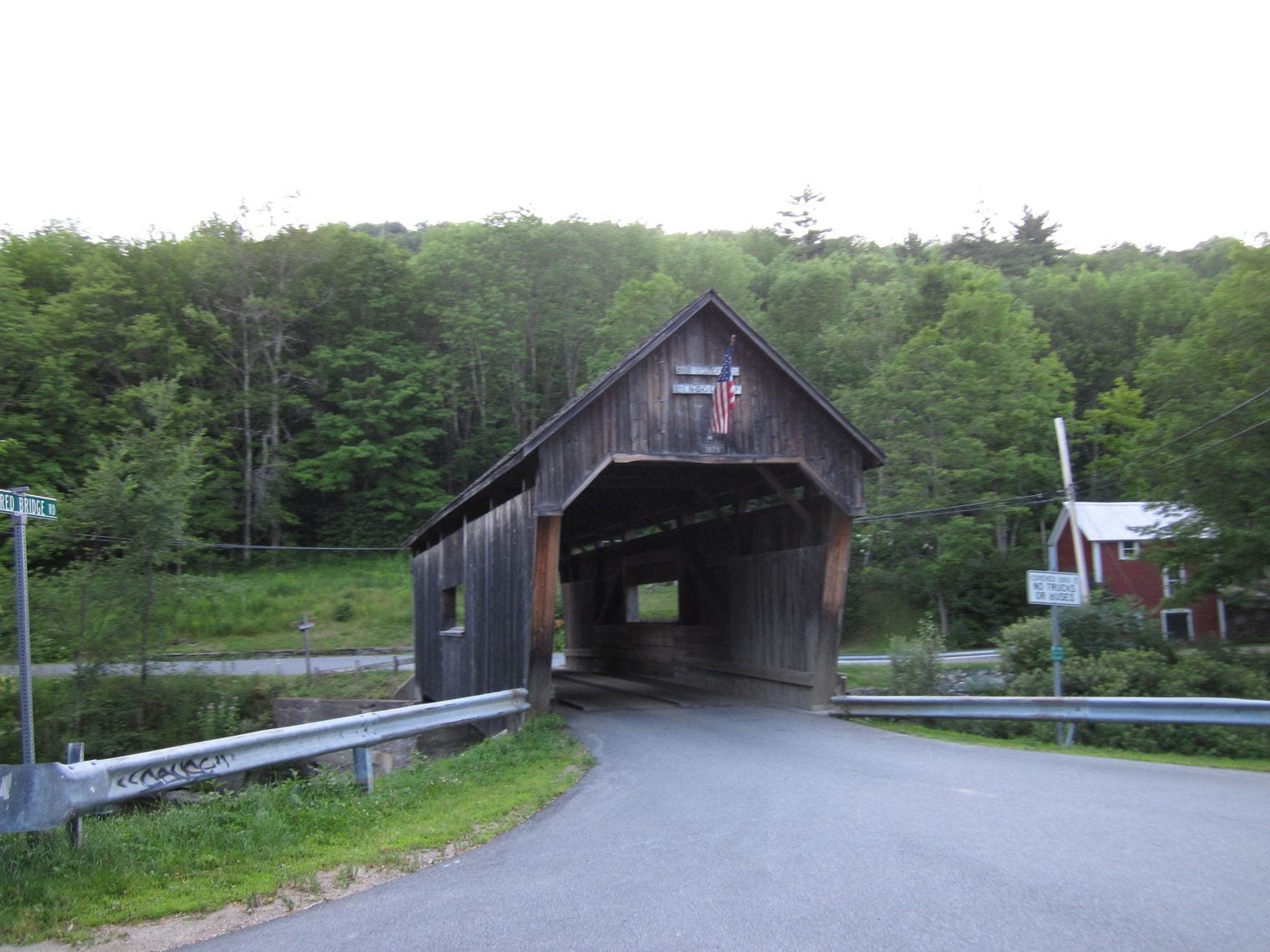
Montgomery is a small town in Franklin County with the most covered bridges of any town in Vermont, seven in all, roughly one for every 170 residents. They are scattered along the Trout River and its tributaries, and following the back roads between them is a favourite fall drive.
The town lies at the foot of the Jay Peak range, and Big Jay, a spur of Jay Peak, rises in its northeast corner, with Jay Peak Resort a short drive over the mountains on Route 242. To the south, Route 58 climbs over Hazen's Notch, past Hazen's Notch State Park, toward Lowell. Montgomery Center and Montgomery Village make quiet bases for skiing, hiking and covered-bridge hunting in the far north of the state.
Free Things to Do in These Vermont Towns
Some of the best moments on this list cost nothing. Stroll the village green in Woodstock and hunt down the seven covered bridges of Montgomery or the three along the Walloomsac River in Bennington, where Robert Frost's grave lies beside the Old First Church. Walk or cycle the Stowe Recreation Path in Stowe, climb into Hubbard Park behind the State House in Montpelier, and look down into the gorge from the Route 4 bridge in Quechee.
Wander among the carved granite memorials of Hope Cemetery in Barre, cool off at Bartlett Falls in Bristol, watch the falls of Otter Creek in Middlebury and Vergennes, stroll the lakeside boardwalk in Newport and join the fall hawk watchers on Putney Mountain above Putney.
Vermont is small enough to cross in a few hours, but its back roads reward a slow pace, so the easiest plan is to follow one of three north-south routes. Route 100 runs up the spine of the Green Mountains through Wilmington, Weston, Ludlow, Killington, Warren, Waitsfield, Waterbury and Stowe, the classic ski-town and foliage drive.
US Route 7 follows the western valleys through Bennington, Manchester, Rutland, Brandon, Middlebury, Vergennes, Charlotte and Shelburne, which sit within a short drive of Burlington and South Burlington. In the east, Interstate 91 links Brattleboro, Putney, Norwich, St. Johnsbury and Newport along the Connecticut River and up into the Northeast Kingdom.
Southern Vermont is the easiest region to reach from Boston and New York, with Brattleboro, Bennington, Manchester and Grafton all close to the Massachusetts line, while Newport and Montgomery are near the Quebec border and pair well with a trip to Montreal.
Central Vermont links Woodstock, Quechee and Norwich along the Upper Valley, and Montpelier, Barre and Cabot make an easy loop. Fall is the classic season, winter belongs to the ski towns, and summer brings lake swimming and swimming holes.
FAQ: Visiting the Best Small Towns in Vermont
What is the best small town in Vermont?
Woodstock is the best small town in Vermont for most visitors, with a covered bridge in the village, a green ringed by historic houses and the state's only national historical park. Stowe, beneath Mount Mansfield, Manchester and its Lincoln family home, beautifully preserved Grafton and the capital, Montpelier, round out the top five.
Which Vermont small towns have the most covered bridges?
Montgomery has seven covered bridges, more than any other town in Vermont. Bennington has three on the Walloomsac River and Charlotte three of its own, including one beside Lake Champlain. Woodstock has the Middle and Taftsville bridges, Waitsfield the Great Eddy Covered Bridge of 1833, and Warren and Quechee each have a bridge in the village.
Which small towns in Vermont are best for skiing?
Stowe and Killington are the big names: Stowe sits beneath Mount Mansfield, and Killington Resort is the largest ski area in the eastern United States. Ludlow is home to Okemo, Warren and Waitsfield share Sugarbush and Mad River Glen, Wilmington is close to Mount Snow, and Montgomery lies at the foot of the Jay Peak range.
When is the best time to visit Vermont's small towns?
Fall is the most popular season, when foliage turns the hills red and gold, usually arriving first in the north and the mountains and later in the south. Winter brings skiing in Stowe, Killington and Ludlow, summer is the time for lakes, swimming holes and hiking, and late winter and early spring are maple sugaring season.
How many days do you need to visit a small town in Vermont?
Most towns on this list fill a relaxed day, and many pair easily, such as Woodstock and Quechee or Waitsfield and Warren. Stowe, Woodstock and Manchester reward a full weekend, while a week lets you drive the length of Route 100 or Route 7 and link a dozen towns along the way.
Sources & updates
How this guide was verified
Checked before launch
Sources cited
35
Publishers
31
Every town on this list was pinned on the map and checked against official and local sources before publication.
A PDF with a box to tick for every place. Confirm your email to download it, and get one email every Thursday with our newest guides for the places you tick.
Free Vermont small towns printable checklist
All 35 places in one PDF
Tick them off as you go. Confirm your email to download it, plus one email every Thursday with new guides for the places you tick.
We use cookies to analyze site traffic and improve your experience.
You can accept or reject analytics cookies. See our
May we use analytics cookies? See ourCookie Policy.