We build and rank every list first. Booking links come after, and only where
a partner sells a ticket, tour or stay for that exact place, so a place with
nothing to book is listed exactly as prominently as one you can book.
So how do we earn? Some links on this page go to booking
partners, and if you book tickets, tours or a stay through
one, we may earn a commission. It costs you nothing extra.
That commission never decides which places make the list, the order they
appear in, or what we write about them. No entry is sponsored or a paid
placement.
By the City Viking editorial teamPublished 30 places · 19 min read
Fact-checked Checked before launchOct 9, 202630 sources9 government & parks9 tourism boards1 encyclopedias & research11 venues & other sitesPublished · Oct 9, 2026Researched and checked before it went liveClick for every source and the full change log.
Short answer
Start with Williamsburg for Colonial Williamsburg and the Historic Triangle, Abingdon for the Barter Theatre and the Virginia Creeper Trail, and Lexington for its twin college campuses near Natural Bridge. Most towns on this list fill a relaxed day, while Williamsburg deserves a weekend once you add Jamestown and Yorktown, and the Eastern Shore makes a fine two- or three-day loop.
Virginia packs four centuries of American history into its small towns, from a colonial capital and Revolutionary battlefields to Blue Ridge music towns and Chesapeake fishing villages. Between the Shenandoah Valley, the Piedmont hunt country and the islands of the Eastern Shore, nearly every corner of the state has a main street worth the detour.
This guide ranks 30 of the best, from Williamsburg and Abingdon to Purcellville in Loudoun wine country. Many are easy day trips from Charlottesville or Washington, D.C. Most fill a relaxed day, while Williamsburg and the Eastern Shore deserve a weekend.
Virginia is known as the "Mother of Presidents": eight U.S. presidents were born here, more than in any other state, and the last of them, Woodrow Wilson, was born in Staunton.
Williamsburg was the capital of colonial Virginia from 1699 to 1780, and its College of William & Mary, founded in 1693, is the second-oldest college in the United States.
When Abingdon's Barter Theatre opened in 1933, audiences could pay for their seats with produce instead of cash, an idea remembered as trading "ham for Hamlet."
The 1927 Bristol Sessions marked the commercial debuts of the Carter Family and Jimmie Rodgers, which is why Bristol is called the "Birthplace of Country Music."
By state law, a genuine Smithfield ham must be processed within the town limits of Smithfield, a rule on the books since 1926.
Tangier Island in the Chesapeake Bay has lost about two-thirds of its land since 1850 to erosion and rising water.
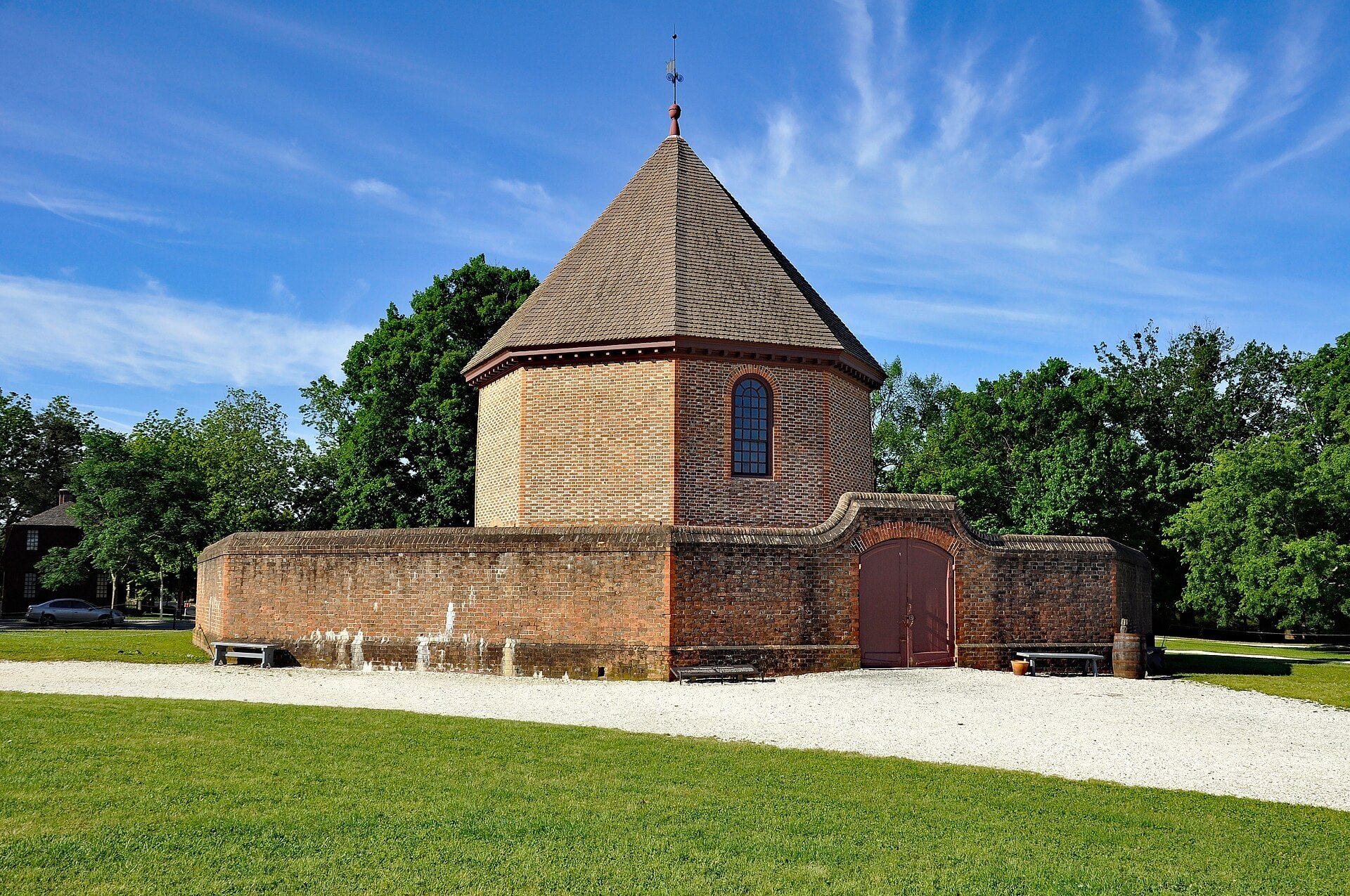
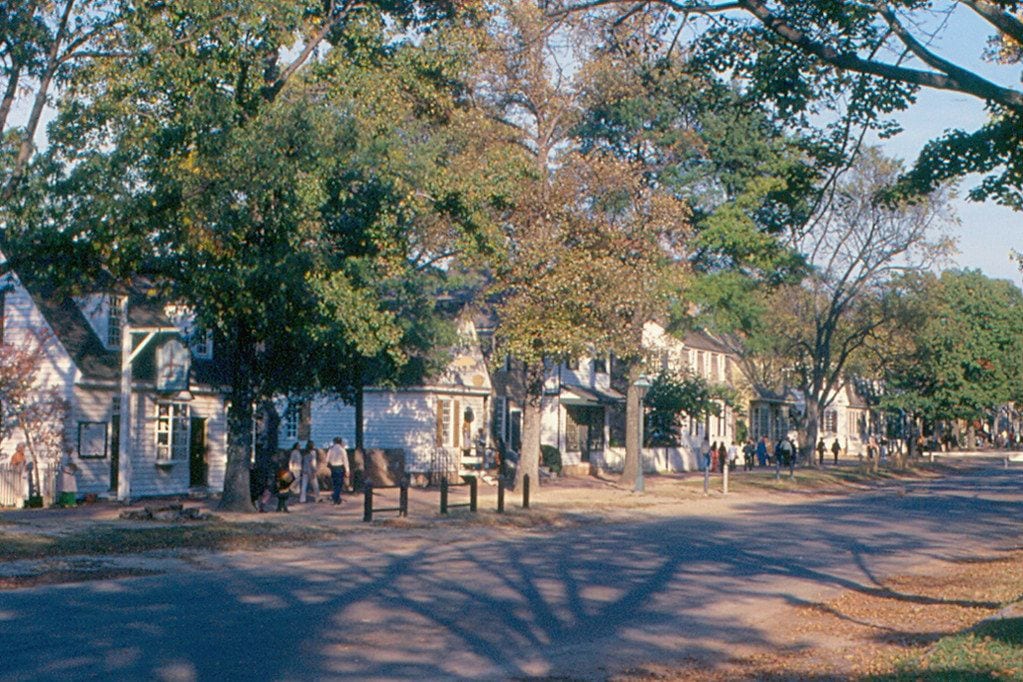
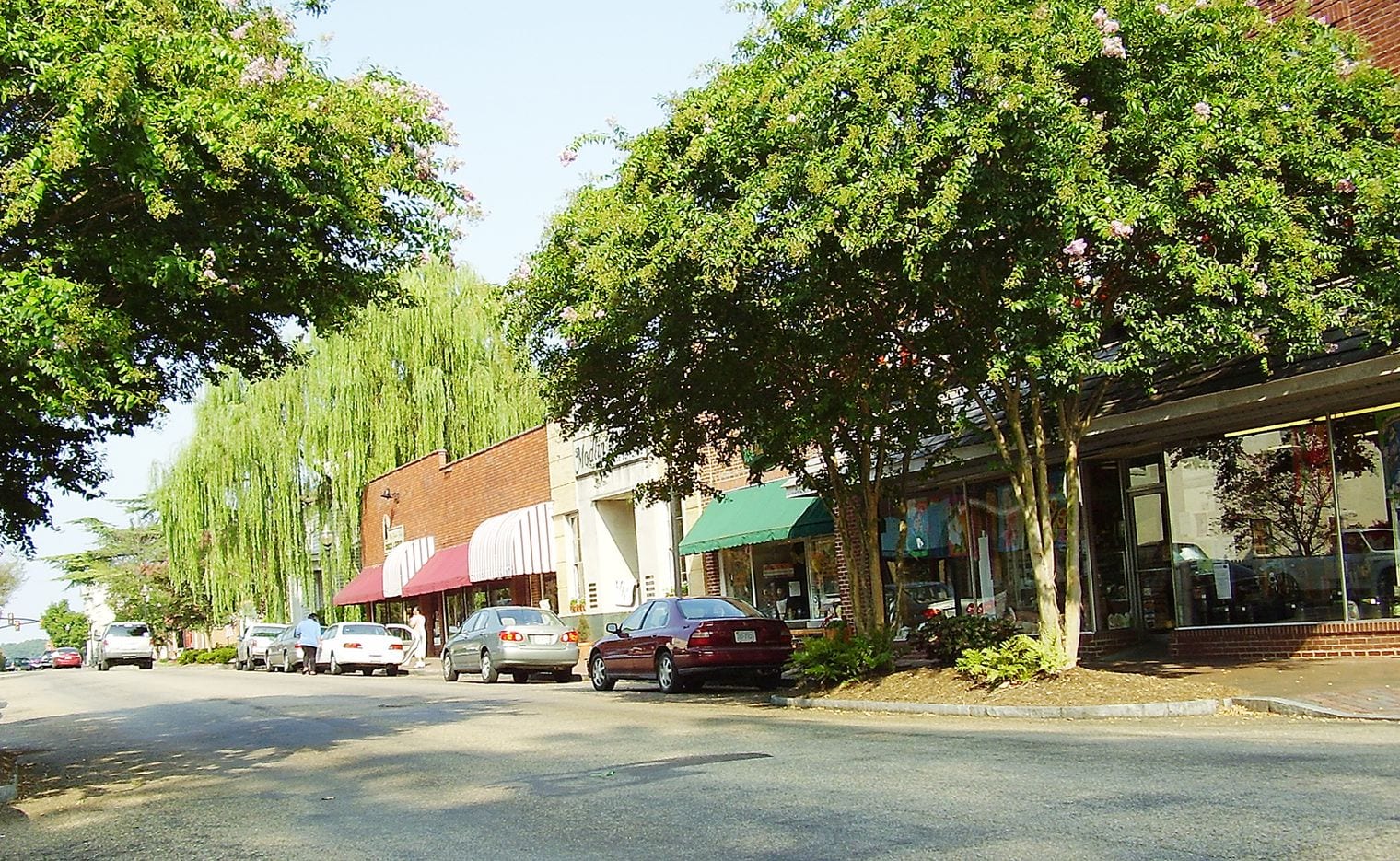
Williamsburg served as the capital of colonial Virginia from 1699 to 1780, and today Colonial Williamsburg brings that era back to life across a historic area of several hundred restored and reconstructed buildings. Costumed interpreters work at period trades along Duke of Gloucester Street, which runs from the reconstructed Capitol to the College of William & Mary, founded in 1693 and the second-oldest college in the United States.
Strictly speaking, Williamsburg is an independent city of around 15,000 people, but it feels like a small town once you are on foot among its brick sidewalks, taverns and gardens. The Colonial Parkway links it with Jamestown and Yorktown to complete Virginia's Historic Triangle, so plan on a weekend if you want to see all three.
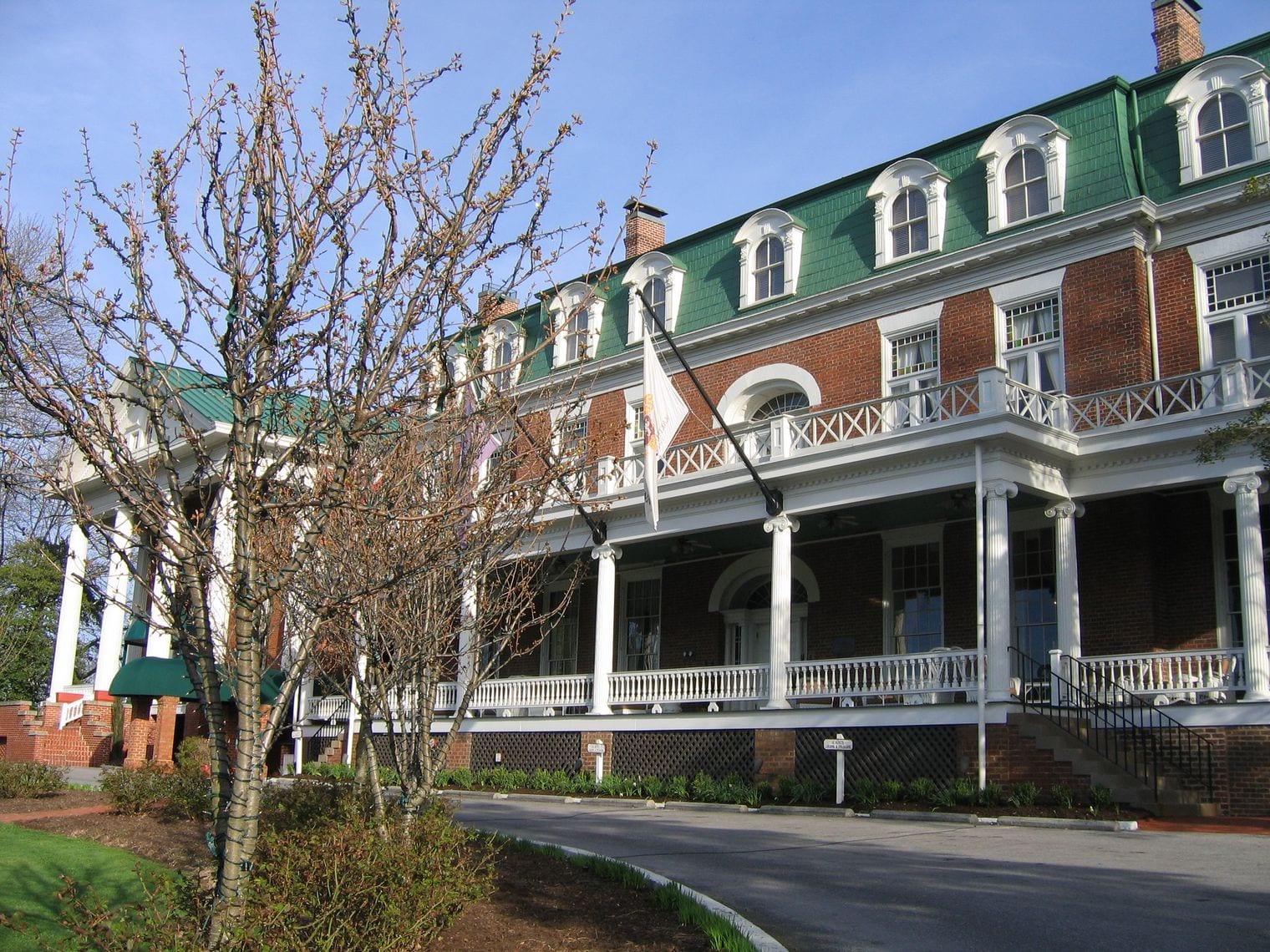
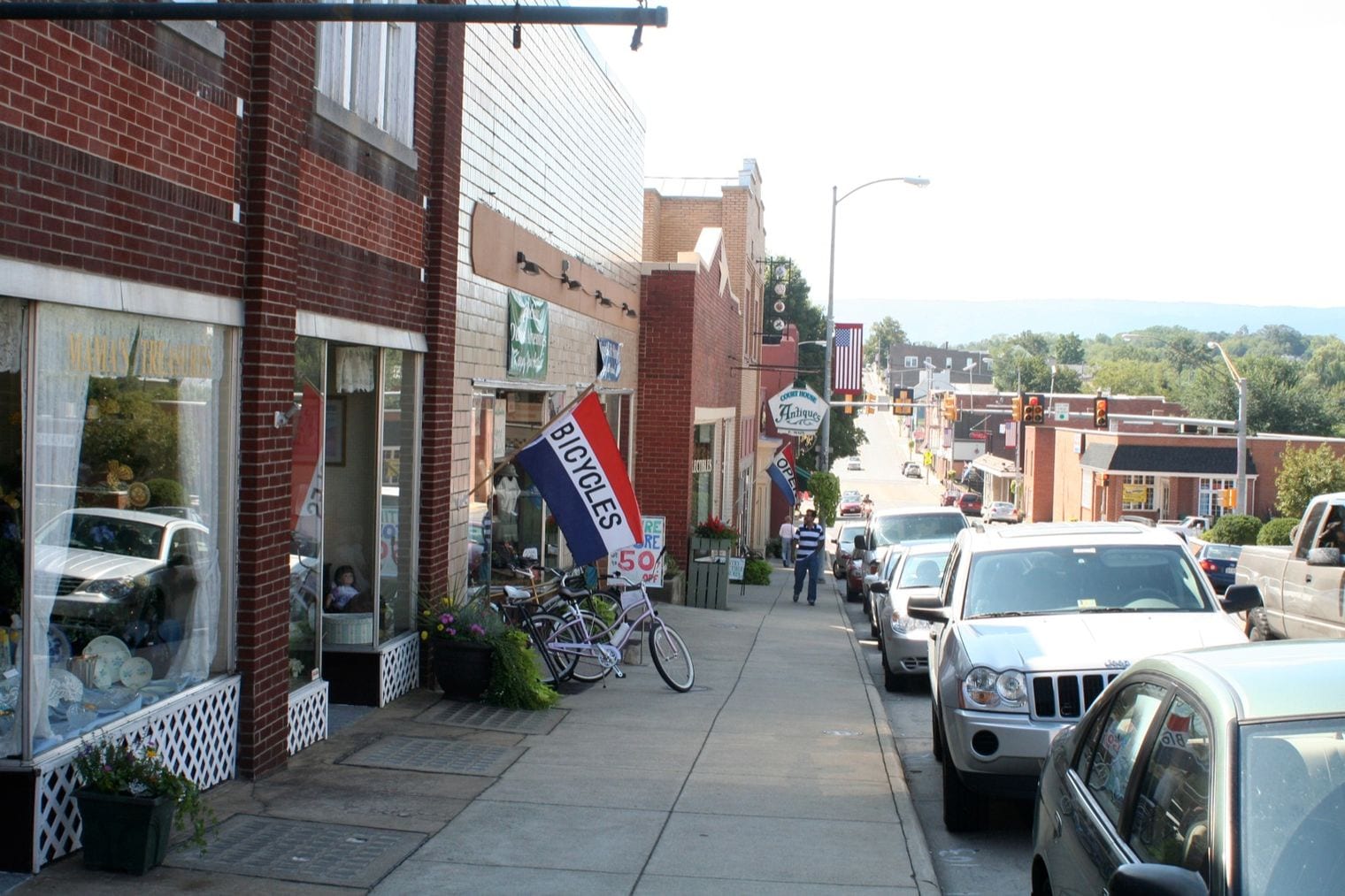
Abingdon is the cultural heart of Virginia's Blue Ridge Highlands, a brick-and-clapboard town where galleries and museums line Main Street. Its star is the Barter Theatre, which opened in 1933 when Depression-era audiences could pay for their seats with produce from their farms and gardens, and which is now the longest-running professional Equity theatre in the United States.
The town is also the starting point of the Virginia Creeper Trail, a 35-mile rail trail that runs through Damascus to Whitetop, crossing restored trestles and the Appalachian Trail on the way. With Bristol just down the road and the Tennessee Tri-Cities close by, Abingdon makes a fine base for the far southwest corner of the state.
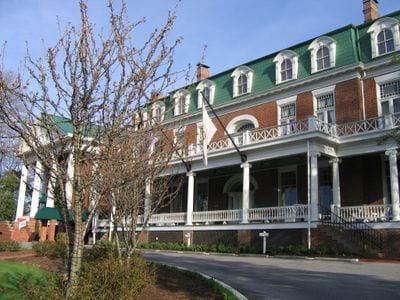
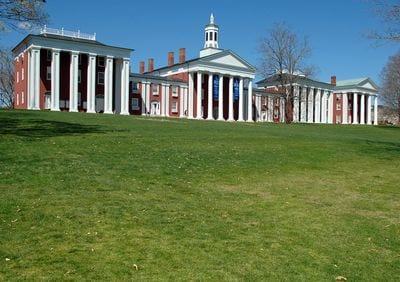
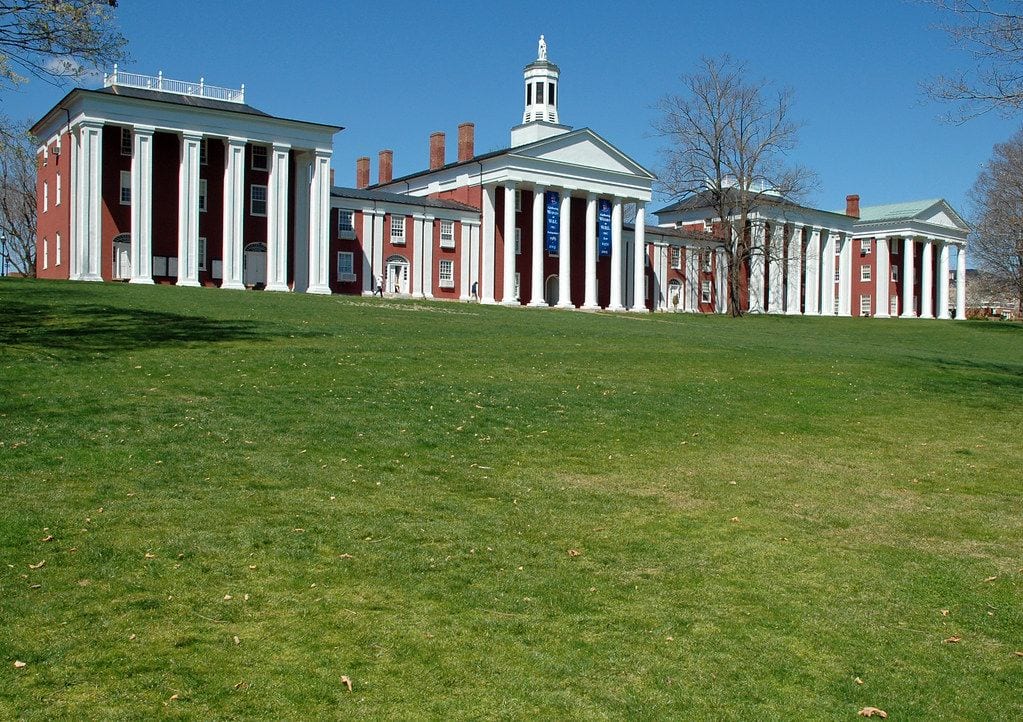
Lexington is the Shenandoah Valley's classic college town, home to both the Virginia Military Institute and Washington and Lee University, whose campuses sit side by side at the edge of a compact downtown of brick storefronts and 19th-century homes. Cadets crossing the VMI parade ground are part of the everyday scenery.
The town is a natural base for Rockbridge County: Natural Bridge State Park, with its 215-foot limestone arch, is a short drive south, and the Blue Ridge Parkway lies just over the hills to the east. Back in Lexington, the walkable streets of shops and cafés reward an unhurried afternoon.
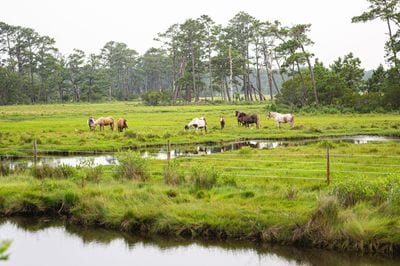
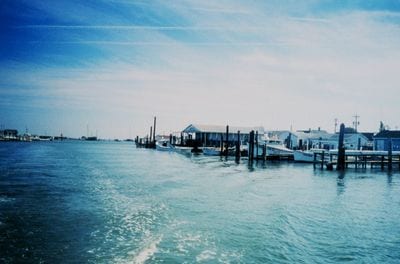
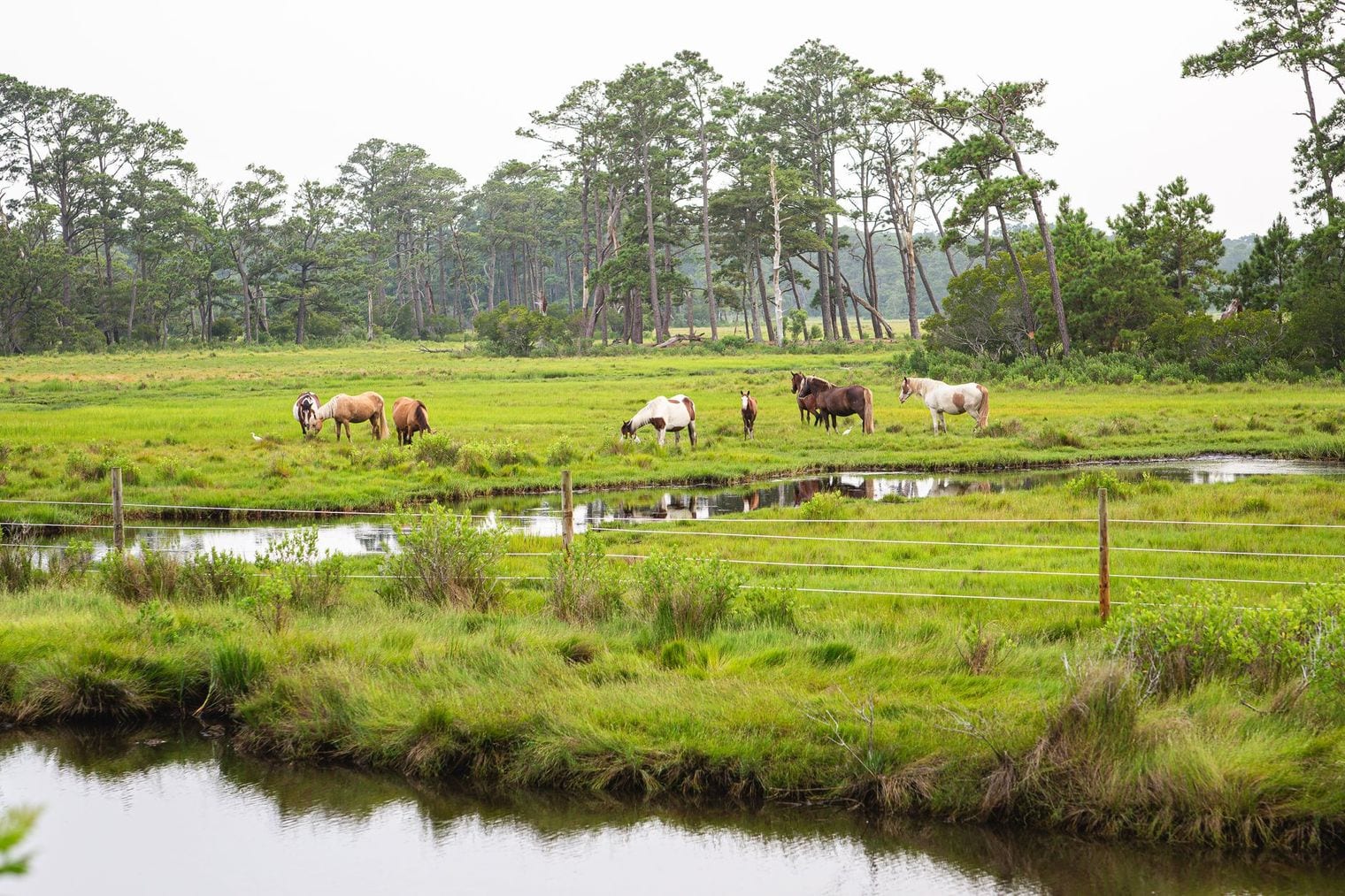
Chincoteague covers the whole of its own island on Virginia's Eastern Shore, a laid-back fishing town of marinas, seafood stands and ice-cream shops that is best known as the gateway to Assateague Island. The Chincoteague National Wildlife Refuge there protects the Virginia herd of wild ponies made famous by Marguerite Henry's 1947 book Misty of Chincoteague, along with an undeveloped beach and the striped Assateague Lighthouse.
Each summer, in late July, the Chincoteague Volunteer Fire Company's saltwater cowboys guide the herd across the Assateague Channel in the famous Pony Swim, followed by an auction that supports the fire company. The rest of the year, cycling the refuge roads and spotting ponies and shorebirds from the marsh trails is the quieter pleasure.
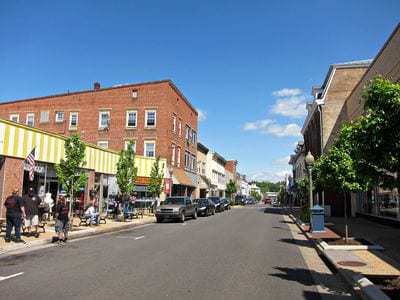
Middleburg calls itself the Nation's Horse and Hunt Capital, and the old stone and brick buildings along Washington Street make it one of the prettiest villages in Northern Virginia. Home to only a few hundred people, it is surrounded by the horse farms, foxhunting country and steeplechase courses of Loudoun and Fauquier counties.
The National Sporting Library & Museum, devoted to the art and literature of horse and field sports, anchors a visit, and the surrounding hills are dotted with wineries. Middleburg is roughly an hour's drive from Washington, D.C., which makes it a classic country day trip.
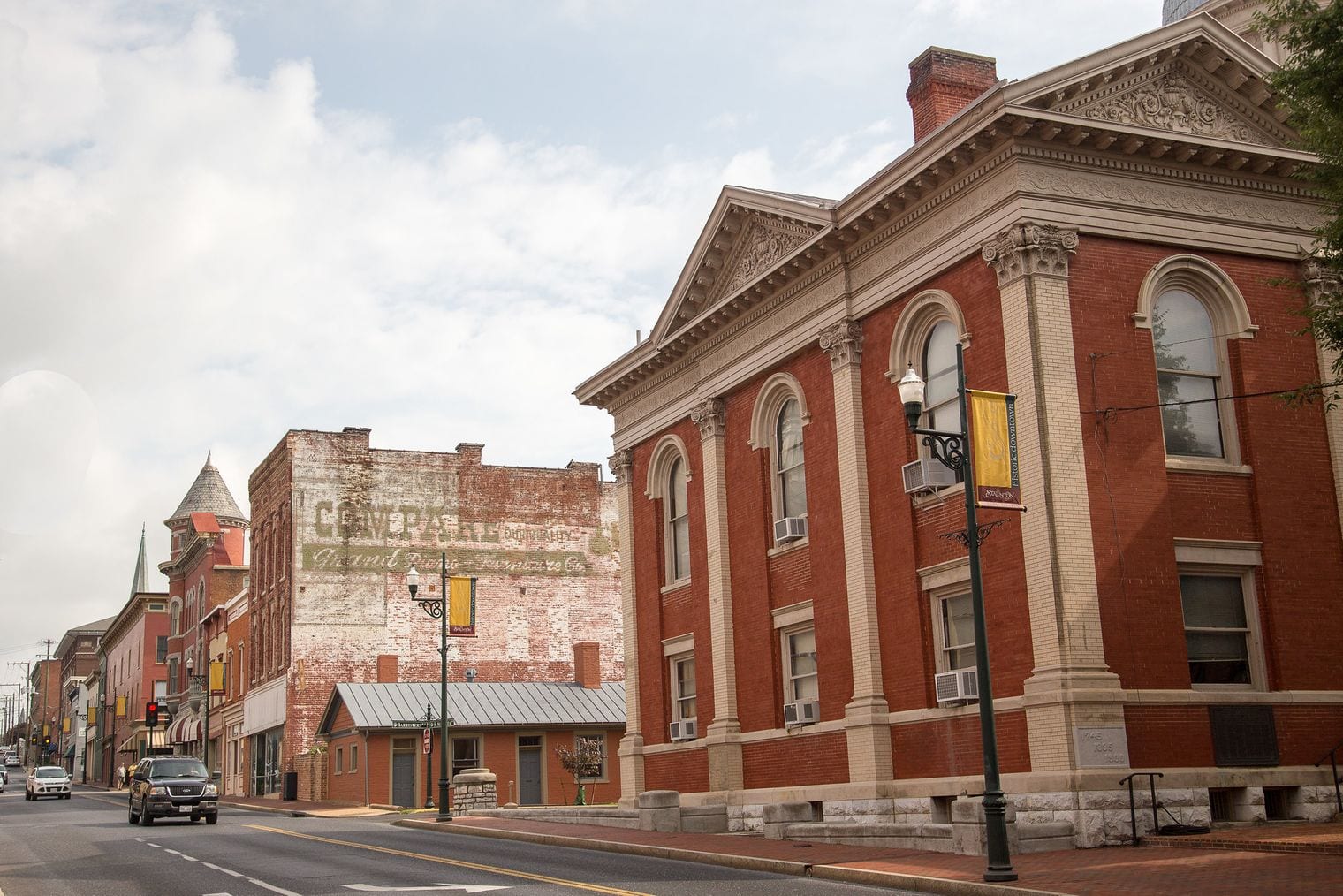
Staunton (say STAN-tun) is a hilly Shenandoah Valley town of church spires and a handsome Victorian downtown. Its best-known stage is the Blackfriars Playhouse, the world's first recreation of Shakespeare's indoor theatre in London, where the American Shakespeare Center performs in an intimate wooden hall.
Woodrow Wilson was born in Staunton, and the Manse where he arrived in the world is now part of the Woodrow Wilson Presidential Library and Museum. Charlottesville lies less than an hour east across the Blue Ridge, so the two pair easily on a longer Virginia trip.
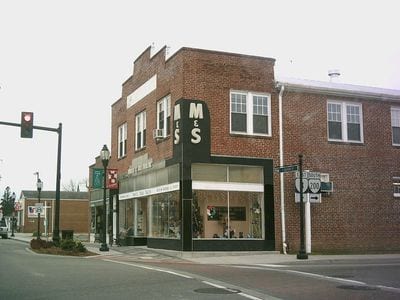
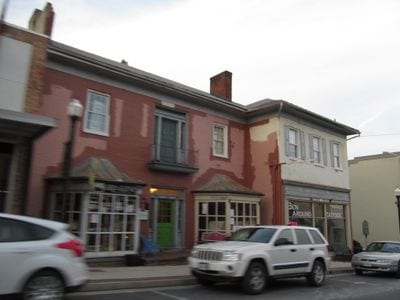
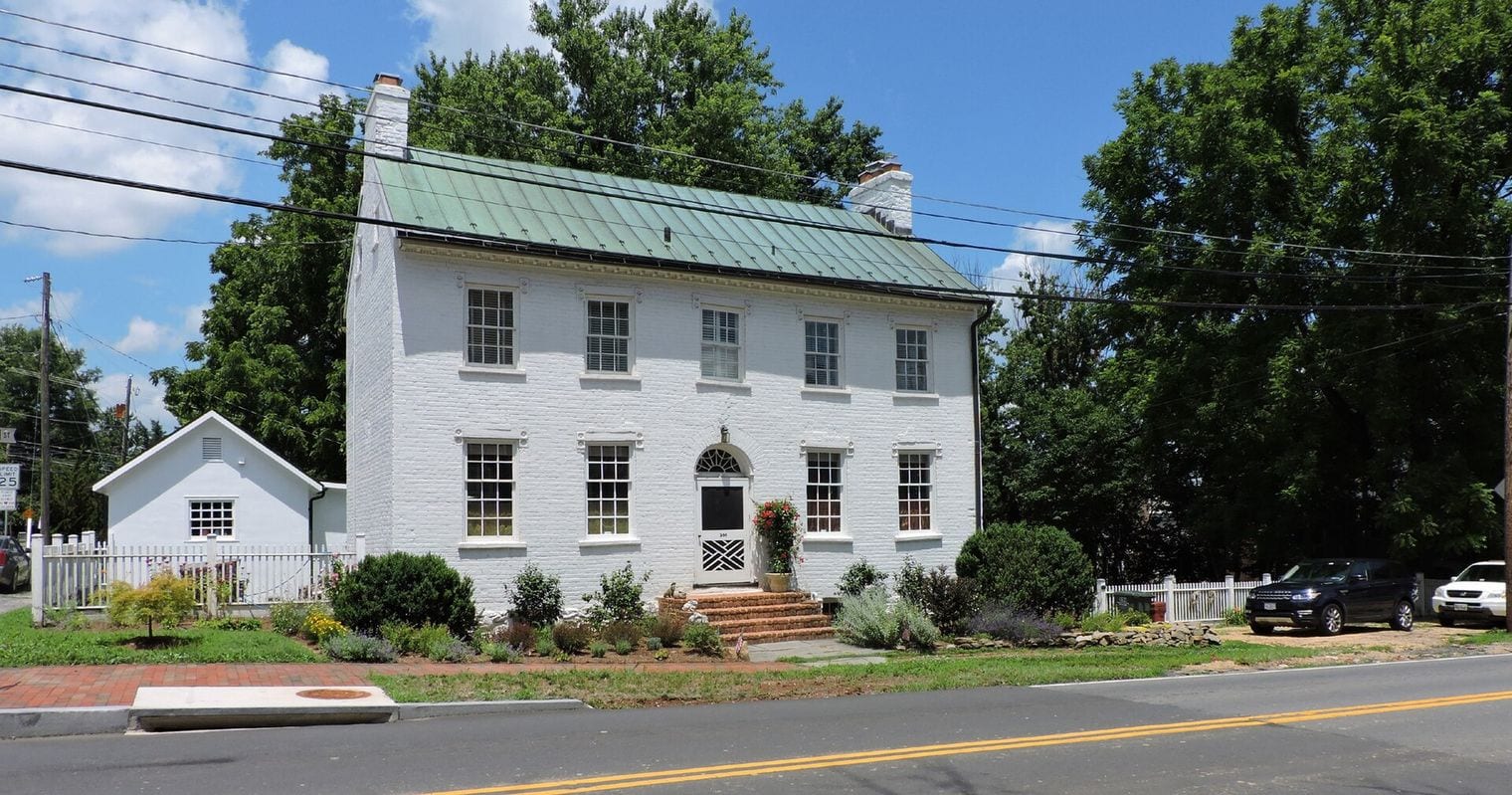
Culpeper was laid out in 1749 by a young George Washington, then working as a surveyor, and today its Davis Street is one of the liveliest small downtowns in the Virginia Piedmont, with shops, cafés and restaurants in restored 19th-century buildings.
History runs deep around town: the Culpeper Minutemen organized here in 1775, and the surrounding county saw the Battle of Brandy Station, the largest cavalry battle of the Civil War. With passenger rail service and wineries in the surrounding countryside, Culpeper makes an easy weekend escape from Washington, D.C.
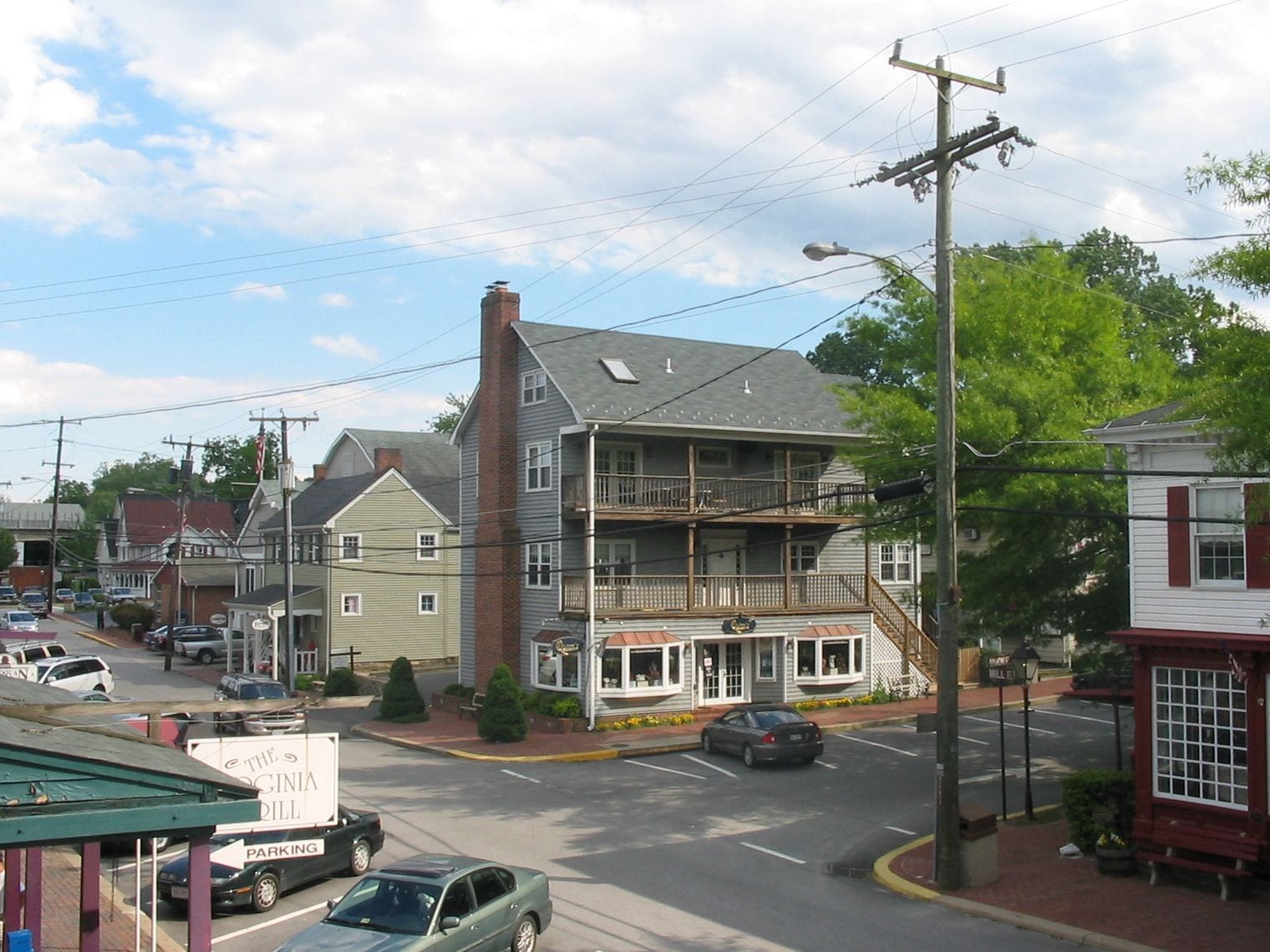
Occoquan is a tiny riverside town in Prince William County, founded in 1804 and now a restored artists' community of galleries, boutiques and waterfront dining along the Occoquan River.
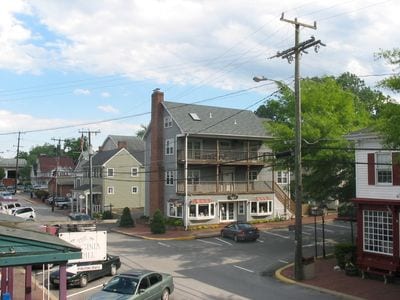
Its handful of streets lined with 19th-century buildings is made for wandering, with a town boat dock, ghost walks and river views around every corner. Occoquan sits less than an hour south of Washington, D.C., making it one of the easiest small-town escapes from the capital.
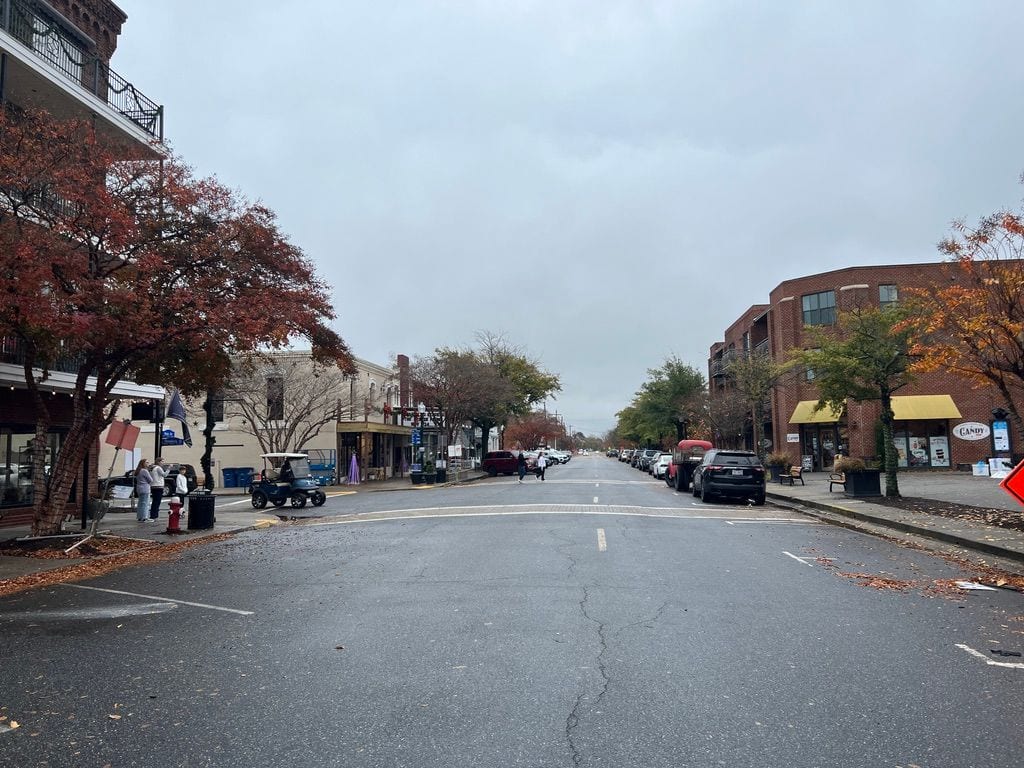
Cape Charles was laid out in the 1880s as a railroad and ferry town near the mouth of the Chesapeake Bay, and its grid of Victorian houses and early-20th-century storefronts is now a National Register historic district. The town beach is one of the few public beaches on Virginia's Eastern Shore, loved for calm, shallow water and sunsets over the bay.
Nearby Kiptopeke State Park adds birding trails, piers and a line of concrete ships sunk offshore as a breakwater, and the Chesapeake Bay Bridge–Tunnel links the Eastern Shore with Virginia Beach and Norfolk. Cape Charles rewards a slow weekend of biking, beachcombing and watching the light fade across the water.
Smithfield is synonymous with ham: a 1926 state law decreed that a genuine Smithfield ham must be processed within the town limits, and the historic downtown leans happily into the legacy. The Isle of Wight County Museum even keeps what it bills as the world's oldest edible cured ham, dating from 1902.
Beyond the pork, Smithfield is a pleasant Tidewater town of historic homes on the Pagan River, with waterfront parks and a walkable Main Street of shops and cafés. It is an easy drive from Williamsburg or Norfolk, making it a natural add-on to a Historic Triangle trip.
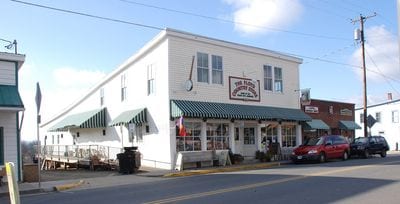
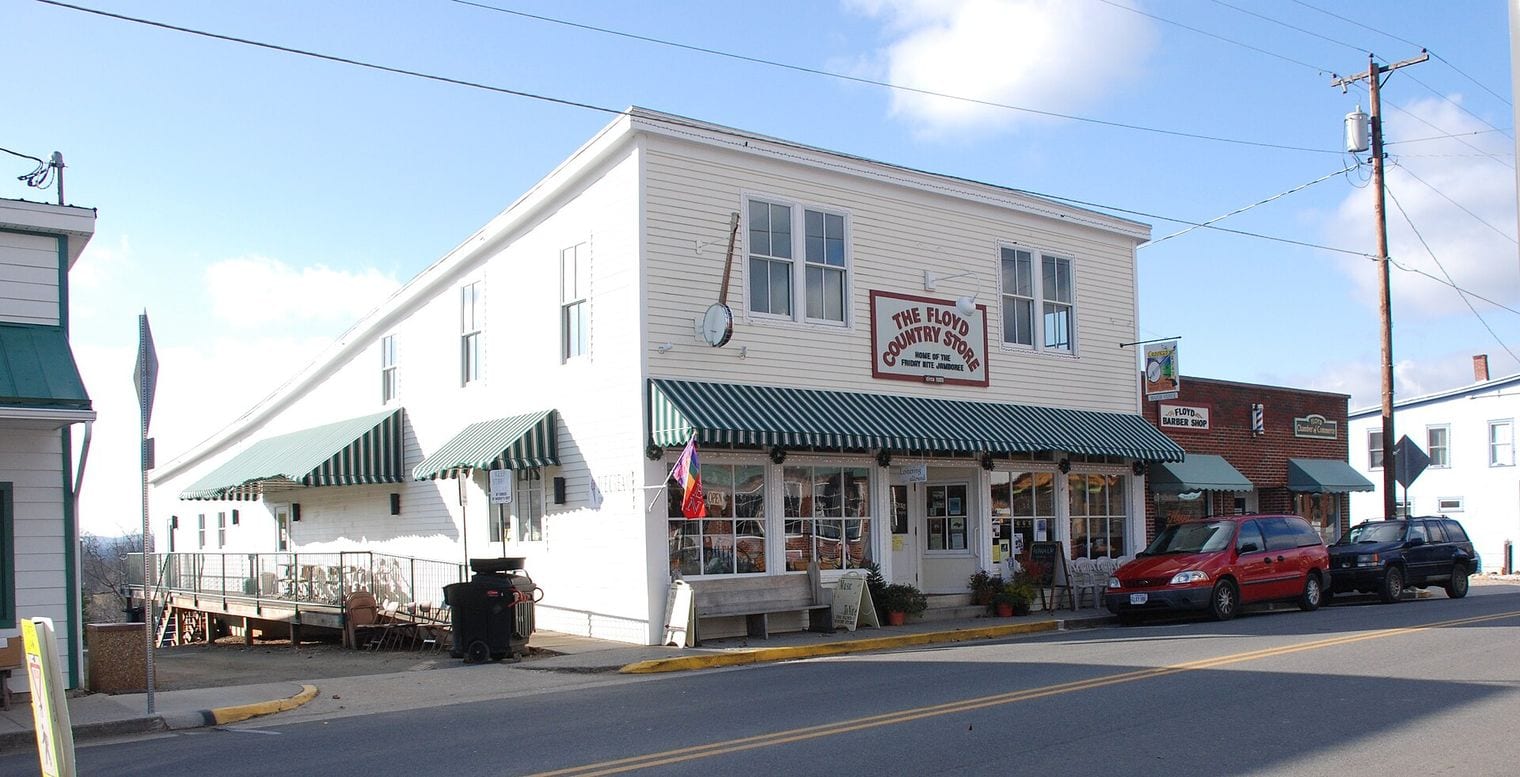
Floyd is a crossroads town of a few hundred people on the Blue Ridge plateau, yet every Friday night it fills with fiddles and banjos. The Floyd Country Store has hosted its Friday Night Jamboree for decades, opening with gospel before the old-time and bluegrass bands strike up and the dancers take the floor.
By day, Floyd's galleries and craft shops reflect a creative, back-to-the-land spirit, and the Blue Ridge Parkway passes just a few miles from town. It is one of the best-loved stops on The Crooked Road, Virginia's Heritage Music Trail.
Farmville is a lively college town on the Appomattox River, home to Longwood University and close to Hampden–Sydney College. Its downtown is known for furniture shopping, with showrooms filling a string of old brick tobacco warehouses that recall the town's long history as a tobacco market.
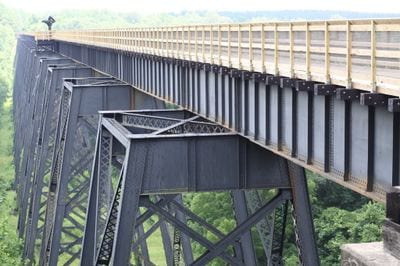
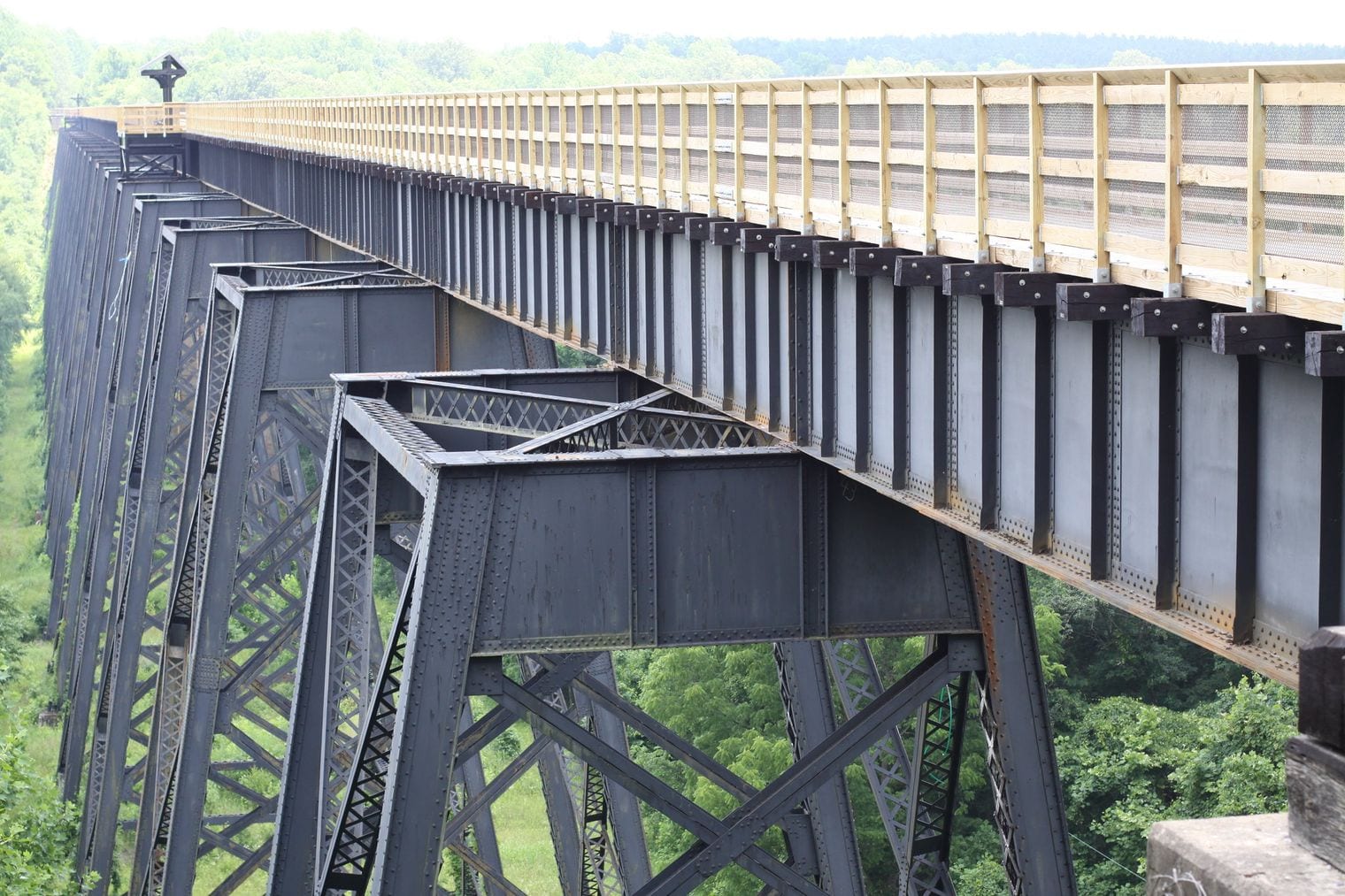
High Bridge Trail State Park follows a former rail line for more than 30 miles right through town and crosses the Appomattox on the historic High Bridge, a dramatic walk or ride above the treetops. In town, the Robert Russa Moton Museum tells the story of the student strike that became part of the landmark Brown v. Board of Education case.
Onancock (oh-NAN-kok) is a small harbor town on a creek off the Chesapeake Bay, with a historic wharf, tree-shaded streets of old houses and a cluster of galleries, shops and restaurants that punches well above its size.
Ker Place, a Federal-style house built in 1799, is now the house museum of the Eastern Shore of Virginia Historical Society, and the wharf is the place to watch the boats come and go. Onancock pairs naturally with Chincoteague and Cape Charles on an Eastern Shore road trip.
Free printable checklist of all 30 places
Tick them off as you go. Confirm your email to download it, plus one email every Thursday with new guides for the places you tick.
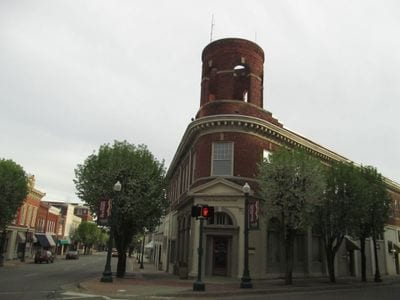
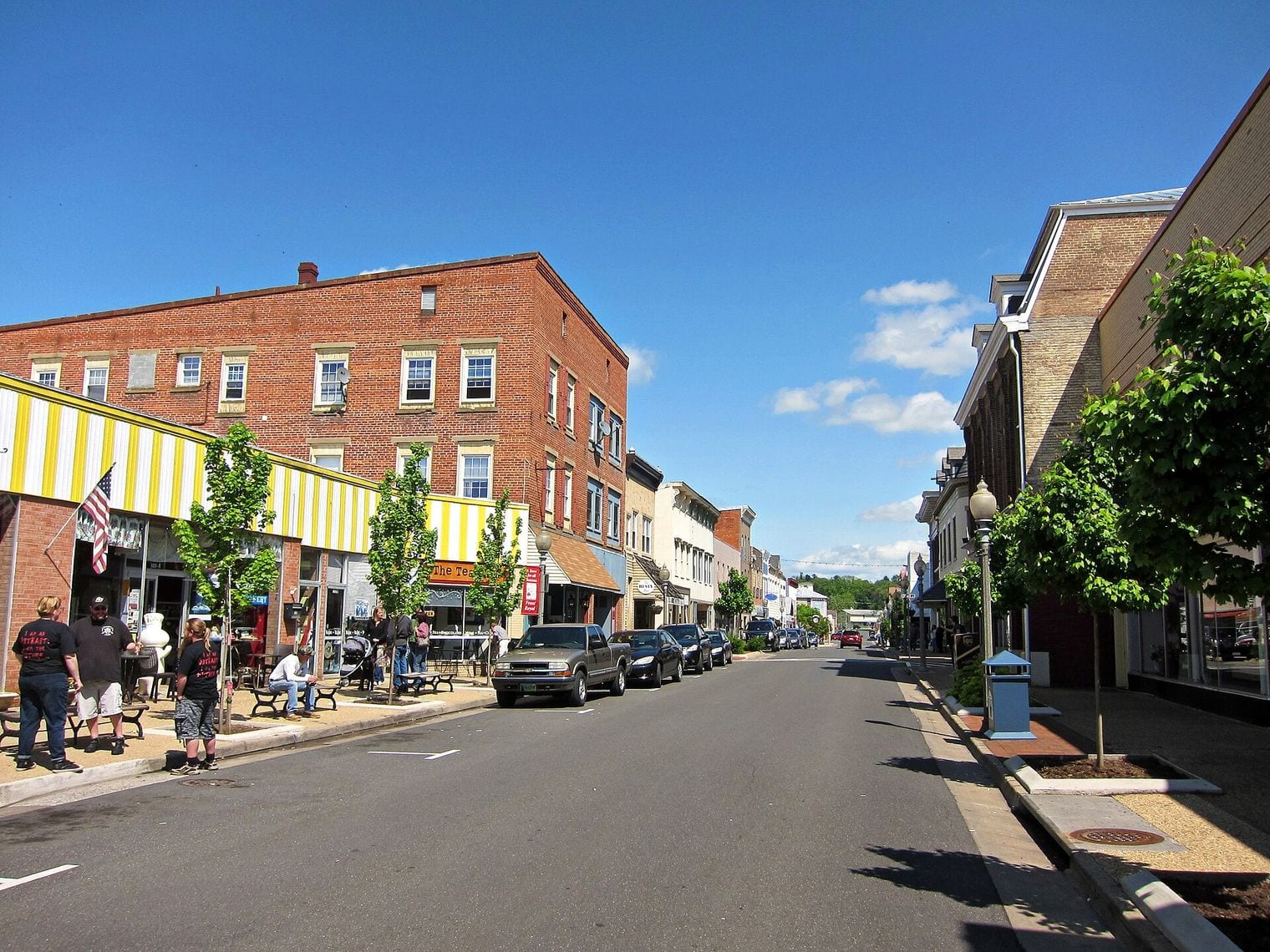
Winchester, at the northern tip of the Shenandoah Valley, centers on Old Town, where a pedestrian stretch of Loudoun Street is lined with shops, cafés and historic buildings. The town changed hands repeatedly during the Civil War, and its streets are layered with stories from the colonial era onward.
Music fans can visit the Patsy Cline Historic House, where the country star lived as a young woman, and the Museum of the Shenandoah Valley pairs regional art and history with the gardens of the historic Glen Burnie House. Each spring the Shenandoah Apple Blossom Festival, first held in 1924, fills the town with parades and celebrations.
Warrenton, the seat of Fauquier County, is a handsome Piedmont town just east of the Blue Ridge, where Old Town's Main Street runs past the courthouse, antique shops, cafés and brick storefronts. Surrounded by wine and horse country, it has long been a favorite getaway from Washington, D.C.
Old Town is easily walked in an afternoon, and the surrounding countryside rewards a slow drive between vineyards, farm stands and stone-walled pastures. Warrenton also makes a good base for nearby Middleburg and the rest of Virginia's hunt country.
Kilmarnock is a small, friendly market town on Virginia's Northern Neck, close to where the Rappahannock River meets the Chesapeake Bay, with a Main Street of shops and cafés that serves the surrounding waterfront villages.
This is Chesapeake country: the nearby creeks and coves are lined with marinas and oyster boats, and the area lies within the Northern Neck George Washington Birthplace wine region. Kilmarnock is an unhurried base for boating, cycling the quiet back roads and exploring the Northern Neck's wineries and colonial churches.
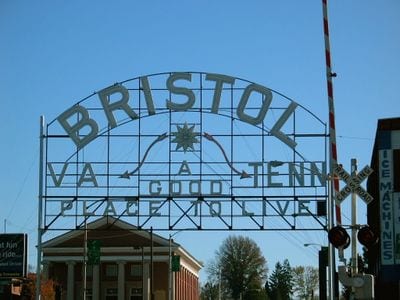
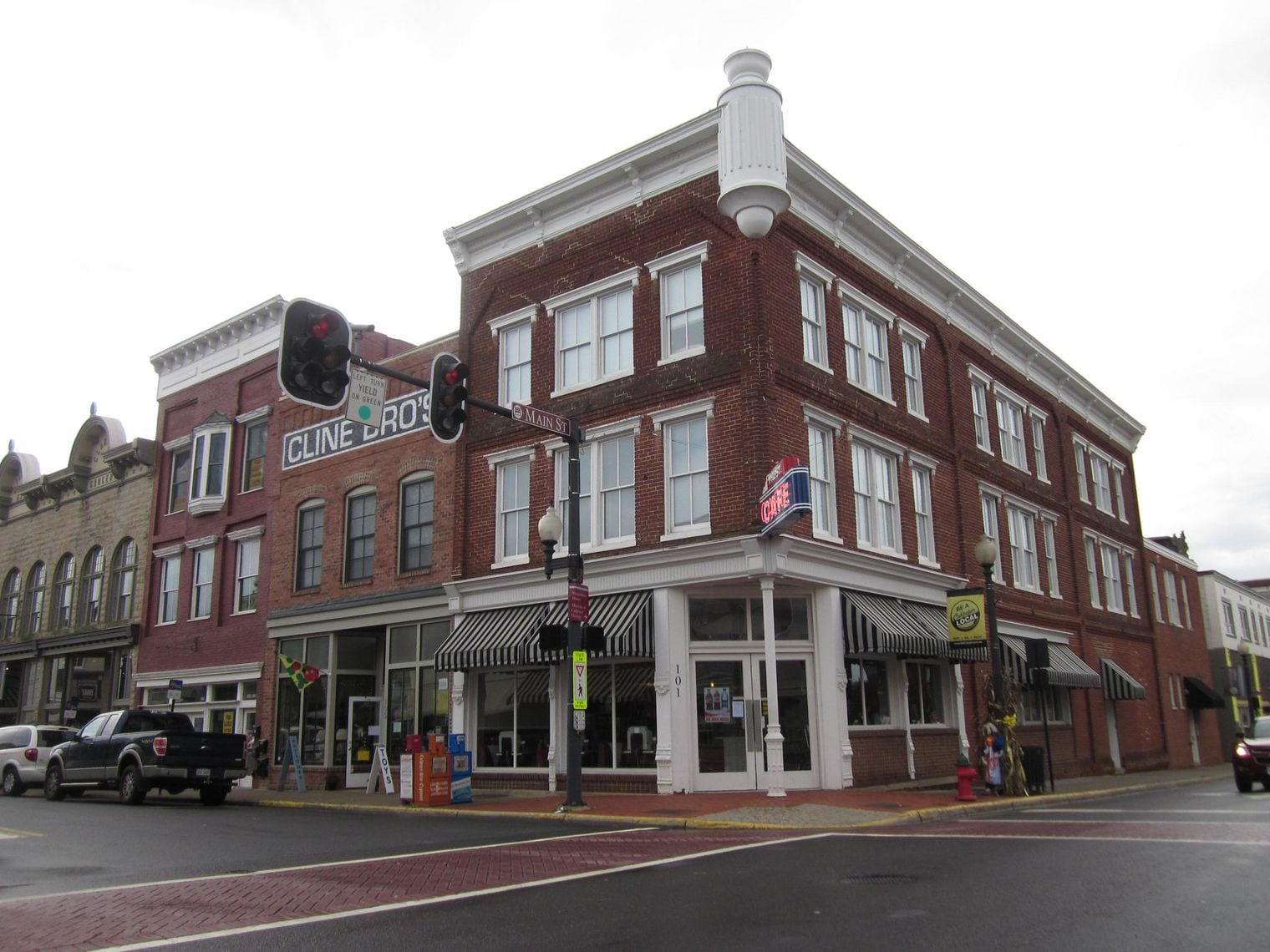
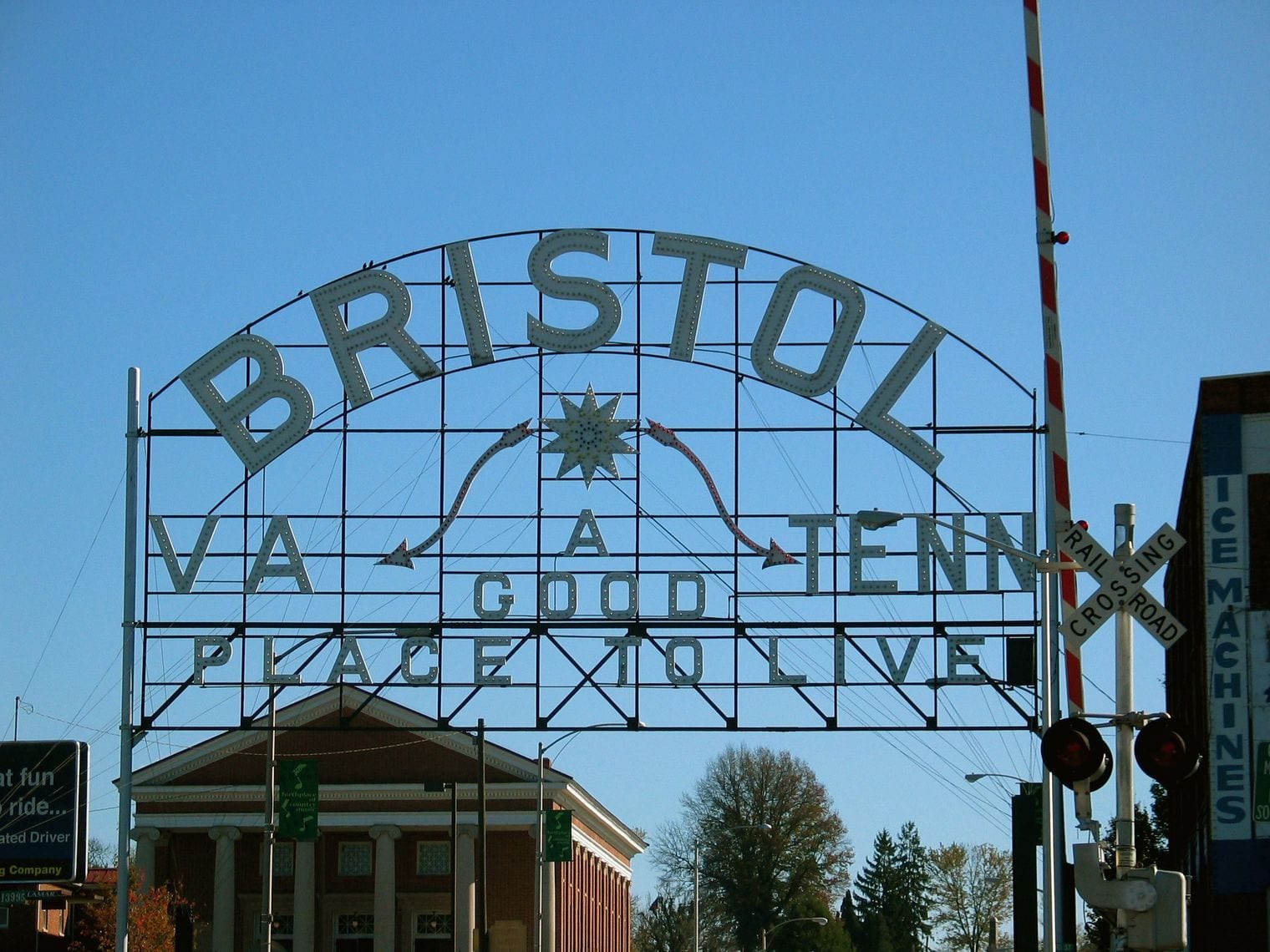
Bristol is a city split in two: the Virginia–Tennessee state line runs down the middle of State Street, so you can stand with a foot in each state beneath the famous Bristol sign. The Virginia side is home to the Birthplace of Country Music Museum, which tells the story of the 1927 Bristol Sessions, the recordings that launched the Carter Family and Jimmie Rodgers.
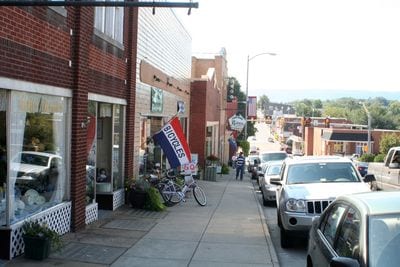
Downtown along State Street is full of music venues, galleries and shops, and live music is part of the city's everyday rhythm. Abingdon is about 15 miles up the road, and Johnson City, Tennessee, is roughly half an hour away.
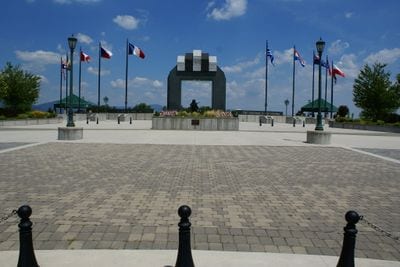
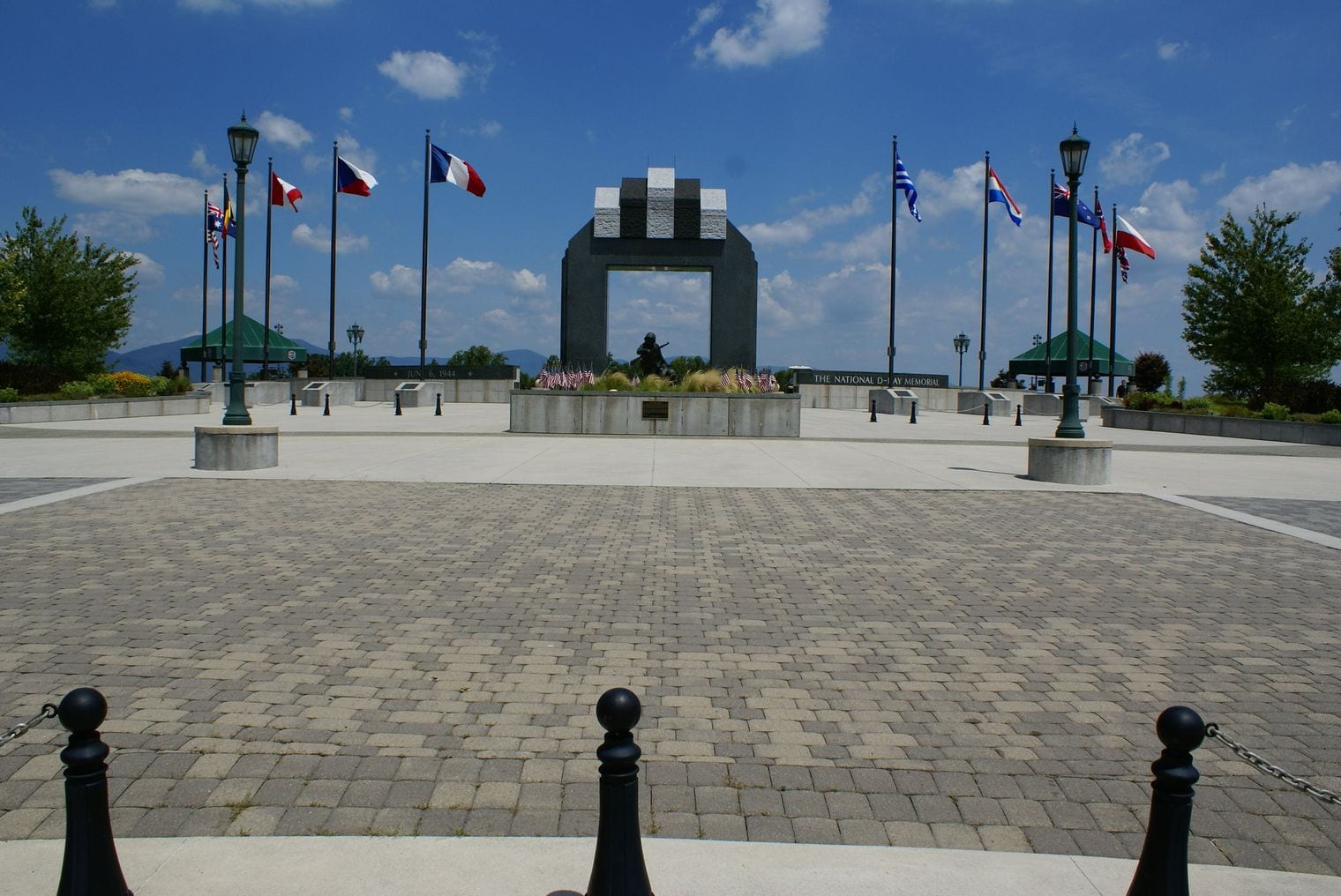
Bedford is a quiet town at the foot of the Blue Ridge, but it carries one of the most moving stories of World War II. Nineteen men from Bedford, part of a Virginia National Guard company, were killed on D-Day, believed to be the highest per-capita loss of any American community, which is why the National D-Day Memorial stands on a hill above town.
The memorial honors all the Allied forces who landed in Normandy on June 6, 1944, with sculptures, gardens and a soaring arch. Bedford's small downtown is a pleasant stop afterward, and the Peaks of Otter on the Blue Ridge Parkway are a short drive away.
Luray sits in the Page Valley between Massanutten Mountain and the Blue Ridge, and it is best known for Luray Caverns, just west of town. Discovered in 1878, the caverns are richly decorated with columns, stalactites and mirrored pools, and their Great Stalacpipe Organ taps stalactites to make music.
Luray is also one of the closest towns to Skyline Drive's Thornton Gap entrance into Shenandoah National Park, making it a natural base for hikes to the park's overlooks and waterfalls. The town's own Main Street and riverside greenway are pleasant for an evening stroll.
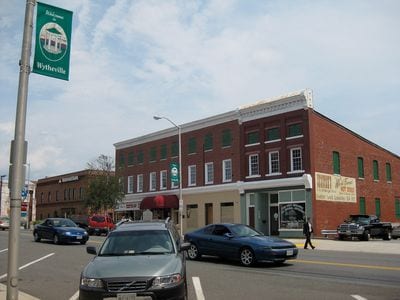
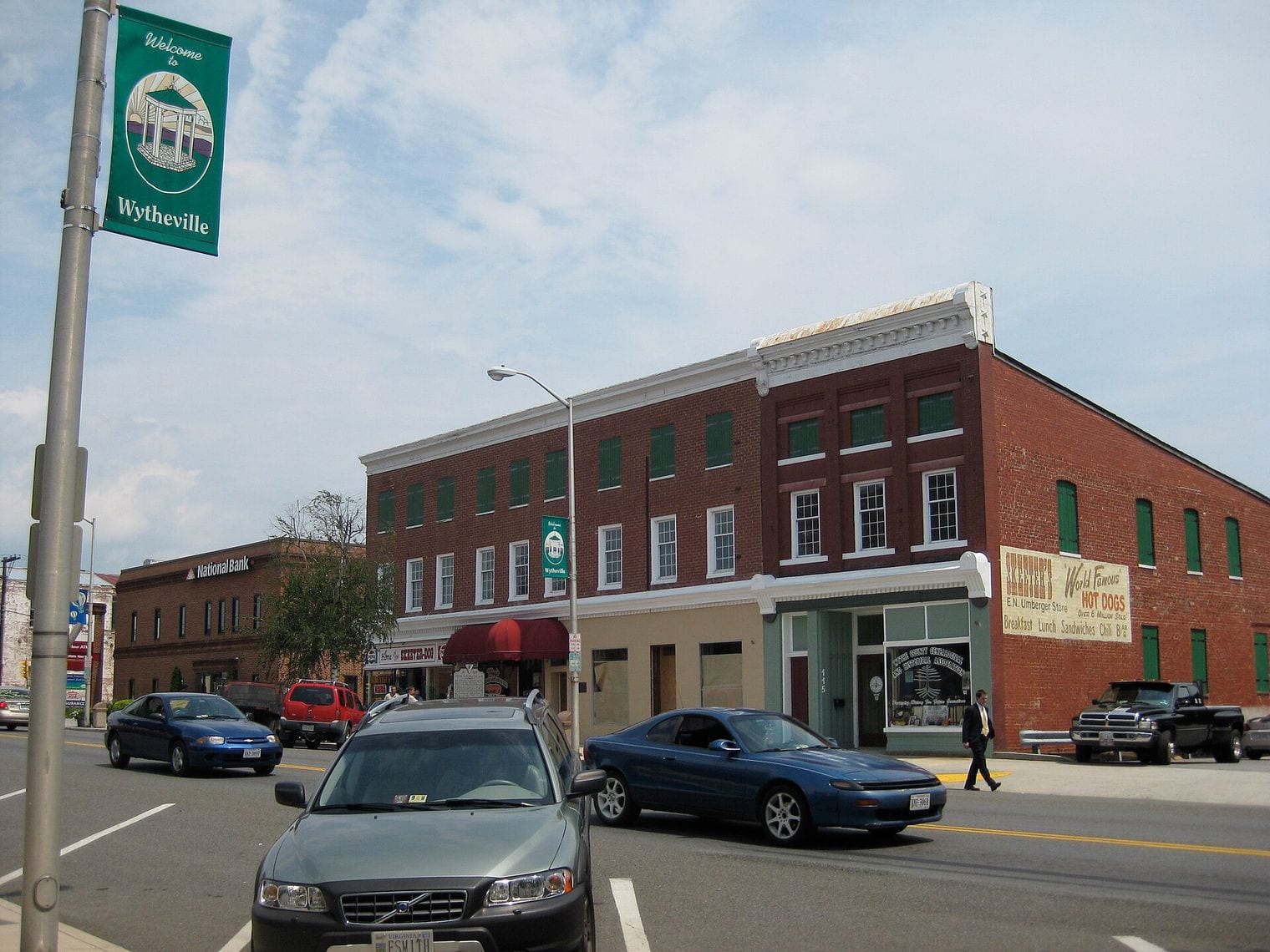
Wytheville (WITH-vil) stands at the crossroads of Interstates 77 and 81 in the Blue Ridge Highlands, and its compact historic downtown makes a far better stop than any highway exit. Named for George Wythe, a signer of the Declaration of Independence, the town is also the birthplace of Edith Bolling Wilson, the second wife of President Woodrow Wilson.
Main Street's restored storefronts, museums and cafés reward a few hours, and the surrounding Jefferson National Forest and New River country offer hiking, cycling and paddling. Wytheville is a natural overnight stop on a road trip through southwest Virginia.
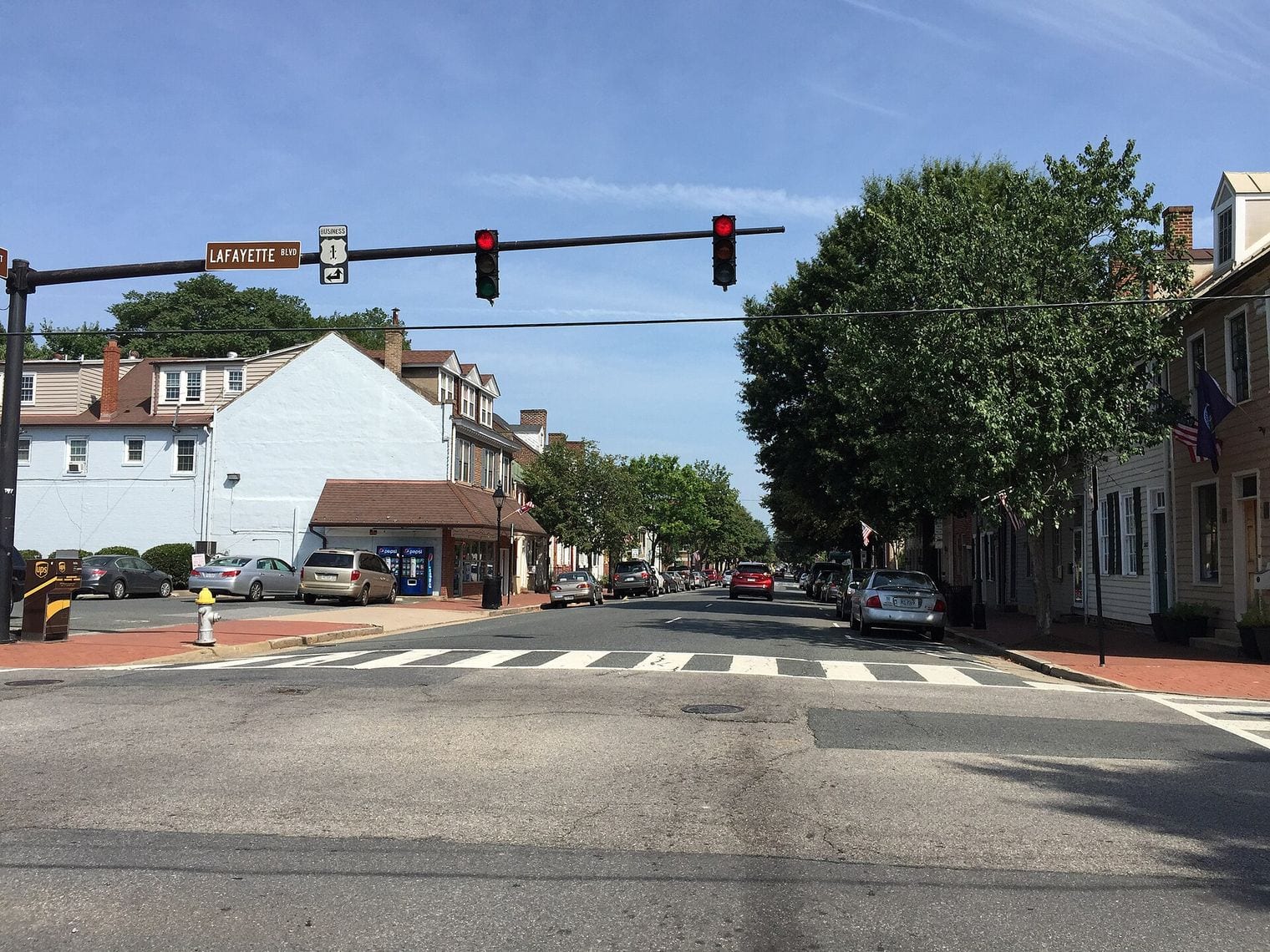
Fredericksburg grew up as a busy colonial port on the Rappahannock River, and its walkable historic downtown is lined with brick sidewalks, antique shops, galleries and 18th-century homes. George Washington spent much of his boyhood at Ferry Farm, just across the river, and his mother's later home still stands in town.
Halfway between the Union and Confederate capitals, the city was fought over repeatedly in the Civil War, and Fredericksburg and Spotsylvania National Military Park preserves four major battlefields, including Fredericksburg and Chancellorsville. It is about an hour south of Washington, D.C., by car or train, and roughly the same distance north of Richmond.
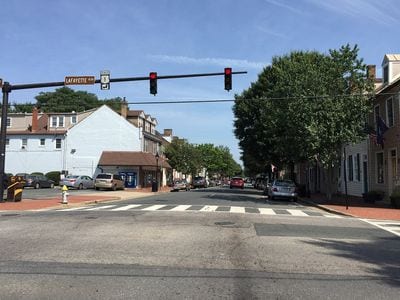
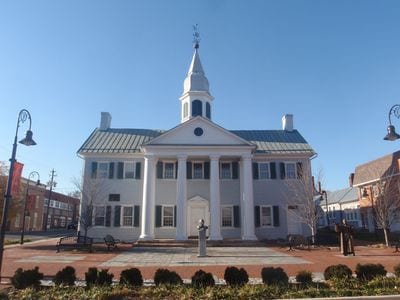
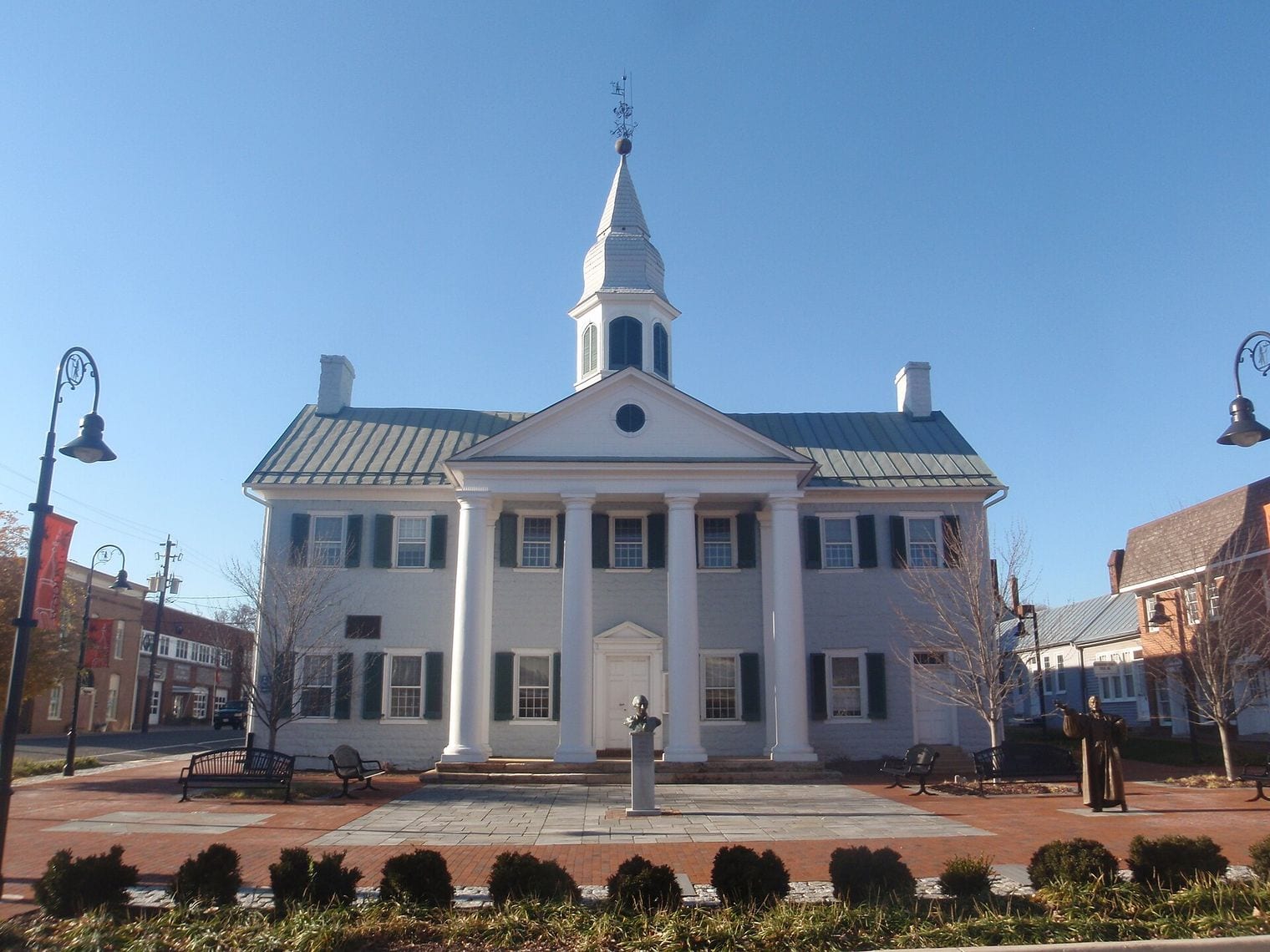
Woodstock, the seat of Shenandoah County, was chartered in 1761 and was one of the first towns west of the Blue Ridge Mountains. Its Main Street centers on the limestone Shenandoah County Courthouse, built around 1790, which now houses a visitor center.
Just east of town, the North Fork of the Shenandoah River loops through the Seven Bends, a favorite stretch for paddling and fishing, with Massanutten Mountain rising beyond. Woodstock sits right off Interstate 81, an easy stop on any drive through the northern Shenandoah Valley.
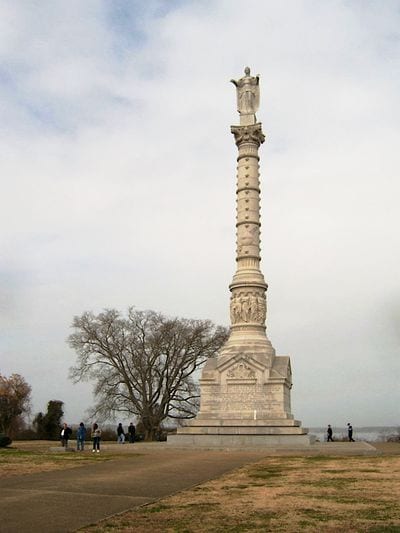
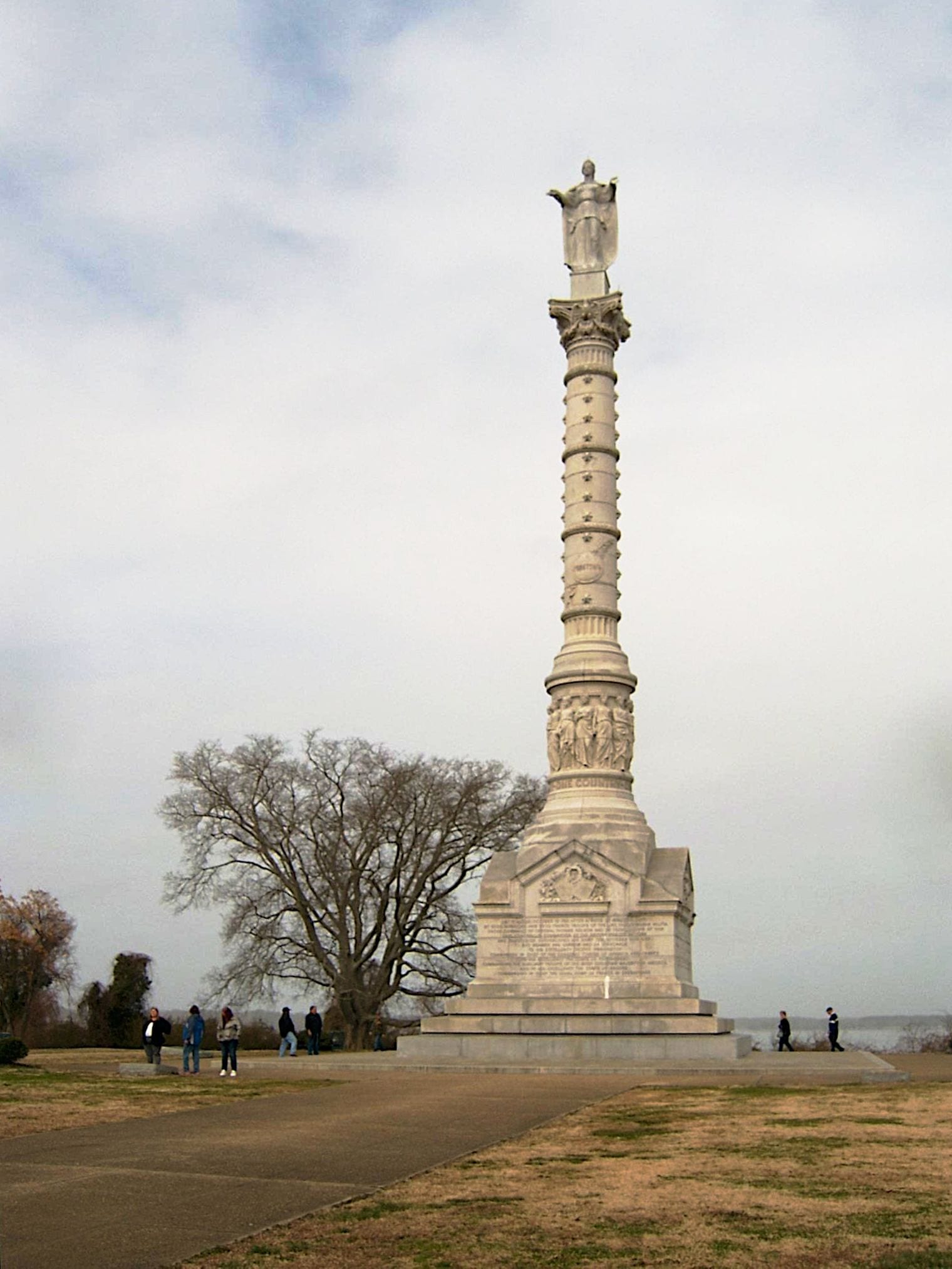
Yorktown is a small riverside village on the York River, but in October 1781 it was where the British surrender to George Washington and his French allies effectively ended the Revolutionary War in North America. Yorktown Battlefield, part of Colonial National Historical Park, preserves the siege lines, earthworks and Surrender Field, while the Victory Monument rises above the historic village.
Down on the waterfront, Riverwalk Landing adds a beach, a pier and a promenade beneath the bluff, and the American Revolution Museum at Yorktown tells the wider story of the war. The Colonial Parkway connects Yorktown with Williamsburg and Jamestown, so it slots neatly into a Historic Triangle weekend.
Front Royal is the northern gateway to Shenandoah National Park, where Skyline Drive begins its 105-mile run along the crest of the Blue Ridge. The town's Main Street of shops and cafés is the natural place to fuel up before or after the drive.
Front Royal sits where the North and South Forks of the Shenandoah River meet, which makes it a hub for canoeing, tubing and kayaking, and the Appalachian Trail passes close by. It is roughly an hour and a half from Washington, D.C., one of the quickest routes from the capital into the Blue Ridge.
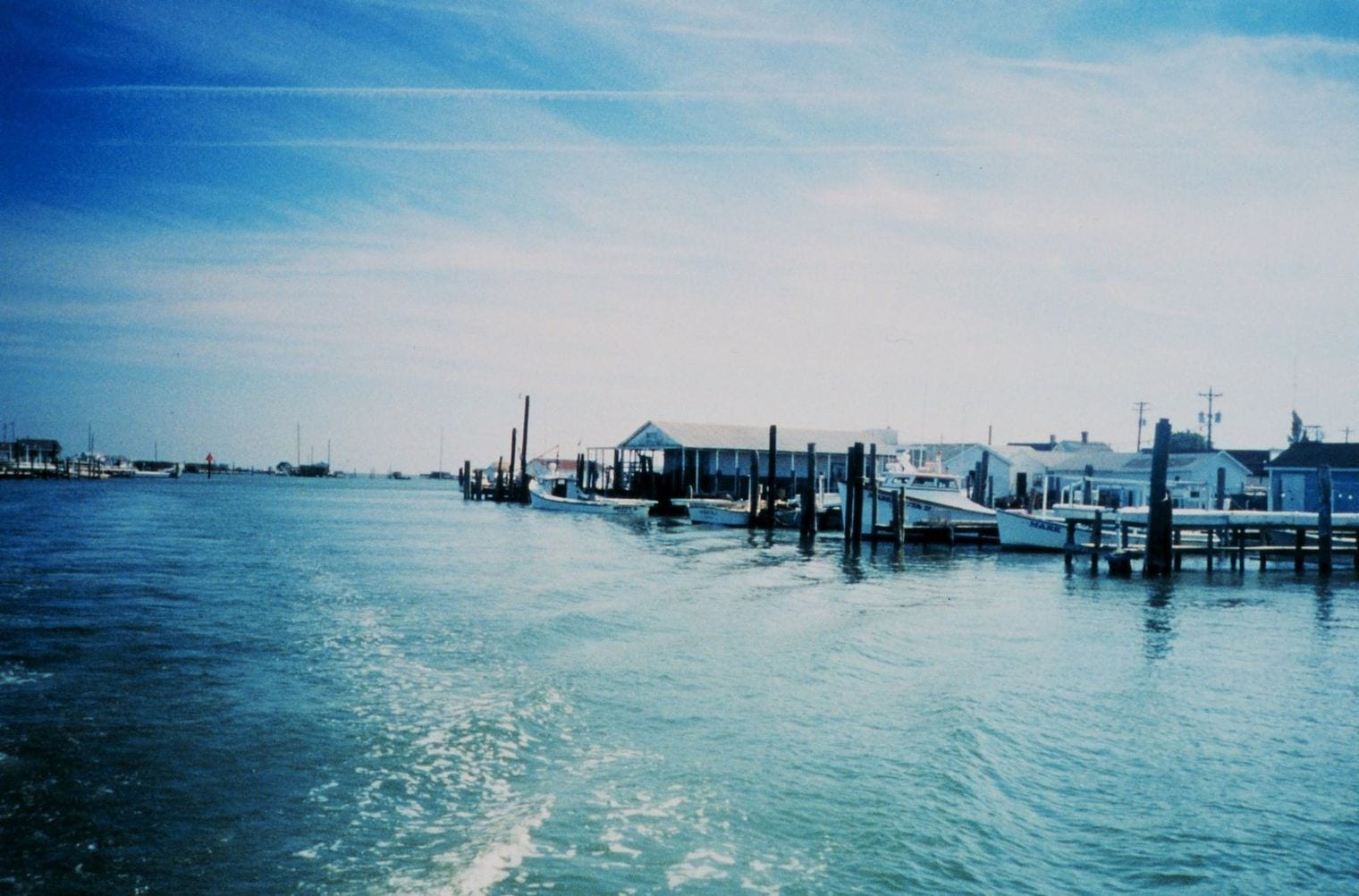
Tangier is a fishing town on a low island in the middle of the Chesapeake Bay, reachable only by boat or small plane, where watermen still make their living from crabs and oysters. Its narrow lanes are traveled mostly by golf cart, bicycle and on foot, and many islanders speak a distinctive dialect all their own.
Passenger boats run from Crisfield, Maryland, and in season from Reedville on Virginia's Northern Neck, making Tangier an unforgettable day trip. Go sooner rather than later: the island has lost about two-thirds of its land since 1850 to erosion and rising water, and its future is uncertain.
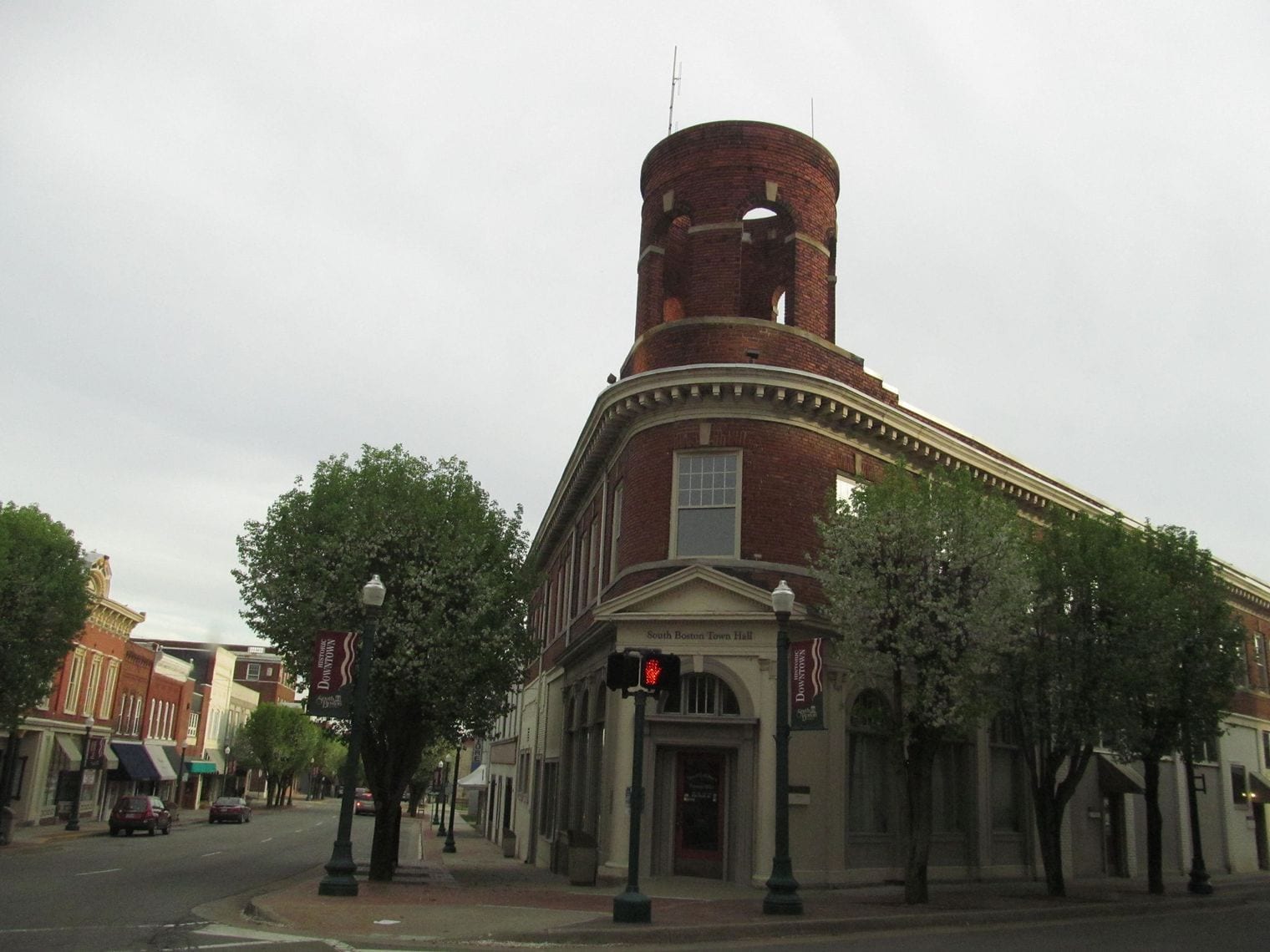
South Boston, once known as Boyd's Ferry, is the largest town in Halifax County in Southside Virginia, a former tobacco market town on the Dan River with a historic downtown of brick storefronts.
Race fans know it for South Boston Speedway, a short track just outside town where NASCAR's national series have competed, and the surrounding countryside is laced with quiet back roads, farmland and lakes. South Boston makes a relaxed stop on a road trip through the southern edge of the state.
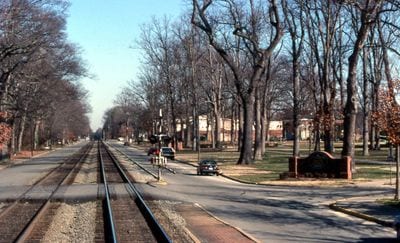
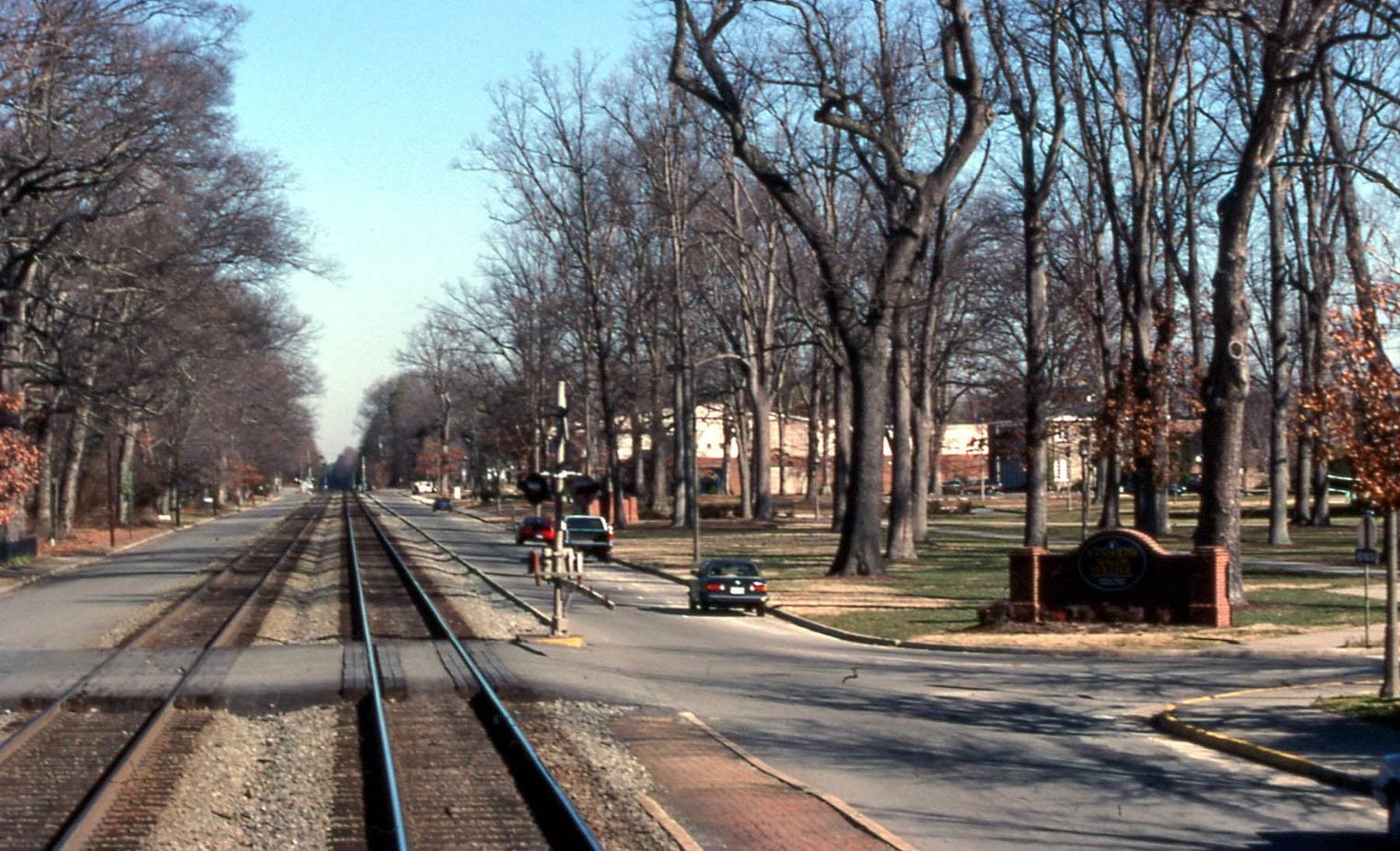
Ashland is the railroad town of central Virginia: trains roll right through the middle of downtown along tree-lined Railroad Avenue, past Victorian homes, shops and cafés, and the town happily calls itself the Center of the Universe. Watching a long freight or a passenger train glide past the porches is the local pastime.
The historic depot now serves as the town's visitor center, and Randolph–Macon College, founded in 1830, adds a leafy campus beside the tracks. Ashland is about 16 miles north of Richmond, making it an easy half-day trip.
Waynesboro sits at the foot of Rockfish Gap, where Skyline Drive ends and the Blue Ridge Parkway begins, which makes it one of the best-placed small cities in Virginia for exploring the Blue Ridge. The Appalachian Trail crosses the gap just above town, and long-distance hikers often come down to Waynesboro to resupply.
The South River runs through downtown and is known for its trout fishing, and a riverside greenway makes for an easy walk. Staunton is only a short drive west, and Charlottesville is about half an hour east over the mountain.
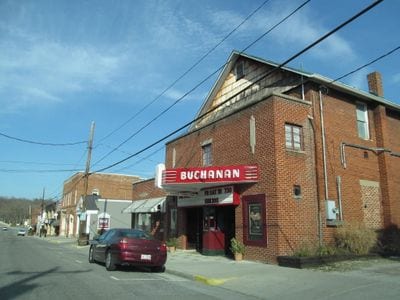
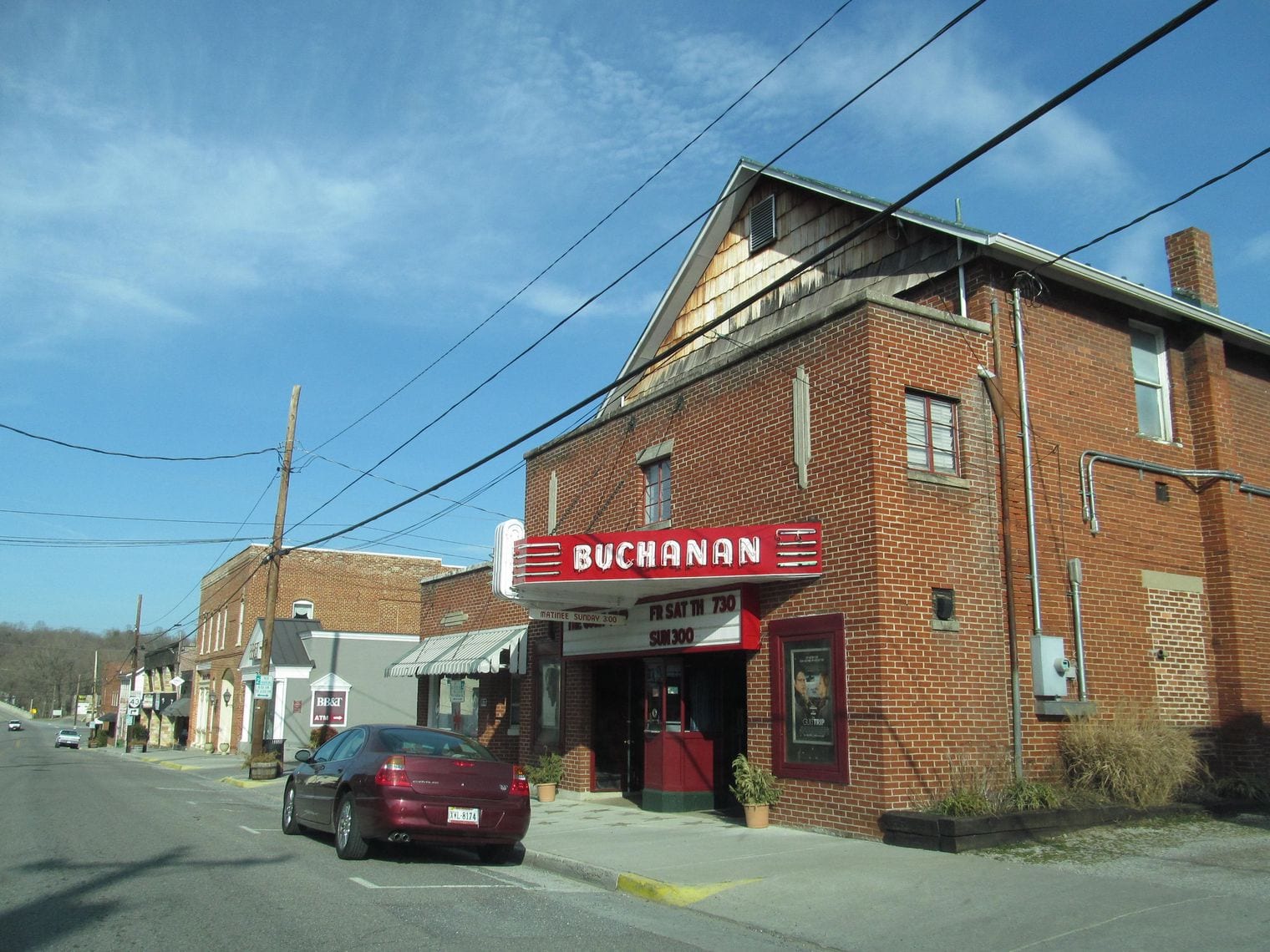
Buchanan is a small Botetourt County town on the James River, once the western end of the James River and Kanawha Canal and now one of the most picturesque stops in the Roanoke area. Its signature sight is the Swinging Bridge, a pedestrian bridge that sways gently above the river on stone piers first built in 1851.
The bridge links the town's historic main street with the Pattonsburg side of the river, and the James is a favorite for paddling and fishing. Buchanan is a short drive from the Blue Ridge Parkway and the Natural Bridge area.
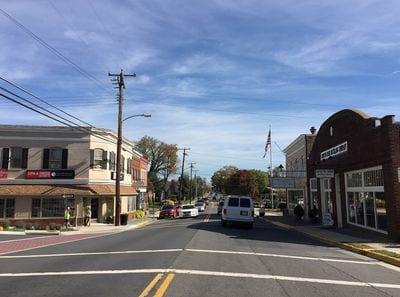
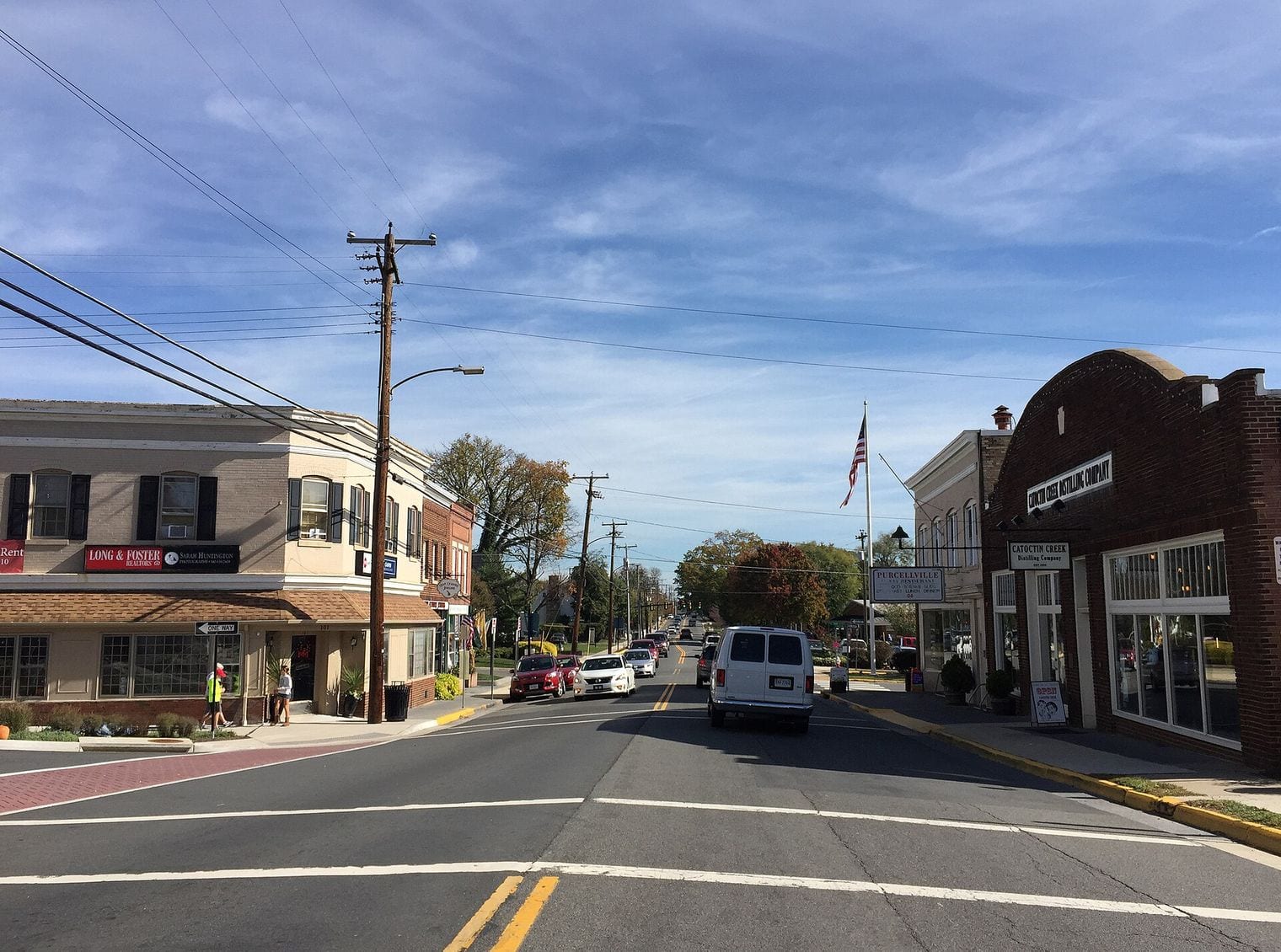
Purcellville is the main town of western Loudoun County, with Victorian-era buildings along Main Street and the gentle hills of the Loudoun Valley all around. It sits at the western end of the Washington & Old Dominion Trail, a paved rail trail that runs east toward Arlington, so it is a favorite destination for cyclists.
The countryside around town is Loudoun wine country, dotted with vineyards, farm breweries, orchards and pick-your-own farms, and the Blue Ridge rises just to the west. Purcellville is about an hour from Washington, D.C., making it a classic weekend escape from the city.
Free Things to Do in These Virginia Towns
Plenty of the best moments on this list cost nothing. Stroll Duke of Gloucester Street in Williamsburg, walk the brick sidewalks of Washington Street in Middleburg and set off on the Virginia Creeper Trail from Abingdon.
In Bristol, stand with a foot in two states on State Street, and in Ashland watch the trains roll through the middle of town. Cross the James River on the Swinging Bridge in Buchanan, catch a sunset from the public beach in Cape Charles, wander the waterfront at Yorktown and follow the South River greenway in Waynesboro.
Virginia is big enough that the easiest way to see these towns is region by region. Interstate 81 runs the length of the Shenandoah Valley and strings together Winchester, Woodstock, Staunton, Lexington, Wytheville, Abingdon and Bristol, the last two within easy reach of Johnson City, Tennessee, with Luray a short hop over Massanutten Mountain.
Skyline Drive and the Blue Ridge Parkway trace the mountains above them from Front Royal to Waynesboro and on toward Buchanan, Bedford and Floyd, and Charlottesville makes a central base for Staunton, Waynesboro, Lexington, Culpeper and Farmville.
Middleburg, Purcellville, Warrenton, Occoquan, Culpeper and Fredericksburg are all within roughly an hour or so of Washington, D.C., so they work as day trips or a hunt-country weekend.
Williamsburg, Yorktown and Smithfield pair naturally around the Historic Triangle, while US 13 and the Chesapeake Bay Bridge–Tunnel lead up the Eastern Shore to Cape Charles, Onancock and Chincoteague, with boats out to Tangier. Kilmarnock anchors the Northern Neck, and Ashland, Farmville and South Boston fill in the center and south of the state.
Spring brings blossom season and Winchester's Shenandoah Apple Blossom Festival, summer is the time for the Eastern Shore and Chincoteague's Pony Swim, and fall paints the Blue Ridge along Skyline Drive and the Parkway. Winter is quiet, but the historic downtowns and Williamsburg's holiday decorations make it a cozy time for a getaway.
FAQ: Visiting the Best Small Towns in Virginia
What is the best small town in Virginia?
Williamsburg is the best small town in Virginia for most visitors, with Colonial Williamsburg's restored historic area and Jamestown and Yorktown close by on the Colonial Parkway. Abingdon follows for the Barter Theatre and the Virginia Creeper Trail, then Lexington for its college campuses near Natural Bridge, Chincoteague for its wild ponies and Middleburg for its hunt country charm.
Which small towns in Virginia are closest to Washington, D.C.?
Occoquan is the closest, less than an hour south of the capital on the Occoquan River. Middleburg, Purcellville and Warrenton sit in the hunt and wine country to the west, Fredericksburg is about an hour south by car or train, and Culpeper and Front Royal are a little farther, at the edge of the Blue Ridge.
What are the best small towns in Virginia's mountains?
Abingdon, Floyd and Wytheville anchor the Blue Ridge Highlands in the southwest, while Staunton, Lexington, Luray, Woodstock and Waynesboro line the Shenandoah Valley. Front Royal and Waynesboro sit at the two ends of Skyline Drive, Buchanan and Bedford are close to the Blue Ridge Parkway, and Floyd is famous for its Friday night mountain music.
What are the best small towns on Virginia's coast?
Chincoteague, Cape Charles and Onancock are the stars of the Eastern Shore, and Tangier sits out in the middle of the Chesapeake Bay, reached only by boat or small plane. On the western side of the bay, Kilmarnock anchors the Northern Neck, while Yorktown and Smithfield sit on the rivers of the Historic Triangle and Hampton Roads.
When is the best time to visit small towns in Virginia?
Spring and fall are the most rewarding seasons, with blossoms and Winchester's Apple Blossom Festival in spring and blazing color along Skyline Drive and the Blue Ridge Parkway in fall. Summer is best for the Eastern Shore, Tangier and the Chincoteague Pony Swim in late July, while winter brings holiday decorations to Williamsburg.
How many days do you need to visit a small town in Virginia?
Most towns on this list fill a relaxed day, and many make easy day trips from Charlottesville, Richmond or Washington, D.C. Williamsburg deserves a weekend once you add Jamestown and Yorktown, and the Eastern Shore towns of Cape Charles, Onancock and Chincoteague make a fine two- or three-day loop.
Sources & updates
How this guide was checked
Checked before launch
Sources cited
30
Every town on this list was pinned on the map and checked against official and local sources before publication.
A PDF with a box to tick for every place. Confirm your email to download it, and get one email every Thursday with our newest guides for the places you tick.
Free Virginia small towns printable checklist
All 30 places in one PDF
Tick them off as you go. Confirm your email to download it, plus one email every Thursday with new guides for the places you tick.
We use cookies to analyse site traffic and improve your experience.
You can accept or reject analytics cookies. See our
May we use analytics cookies? See ourCookie Policy.