We build and rank every list first. Booking links come after, and only where
a partner sells a ticket, tour or stay for that exact place, so a place with
nothing to book is listed exactly as prominently as one you can book.
So how do we earn? Some links on this page go to booking
partners, and if you book tickets, tours or a stay through
one, we may earn a commission. It costs you nothing extra.
That commission never decides which places make the list, the order they
appear in, or what we write about them. No entry is sponsored or a paid
placement.
By the City Viking editorial teamPublished 35 places · 24 min read
Fact-checked Checked before launchOct 21, 202635 sources27 publishers3 government & parks7 encyclopedias & research25 venues & other sitesPublished · Oct 21, 2026Researched and checked before it went liveClick for every source and the full change log.
Short answer
Richmond is known for history that runs from Patrick Henry's call for liberty to Maggie Walker's Jackson Ward, and river rapids on the James downtown. Start with the free Virginia Museum of Fine Arts, Jefferson's Virginia State Capitol and the Gilded Age estate of Maymont, then The Poe Museum and a walk to Belle Isle. Two to three days covers the highlights at an easy pace, and one well-planned day gets you the essentials.
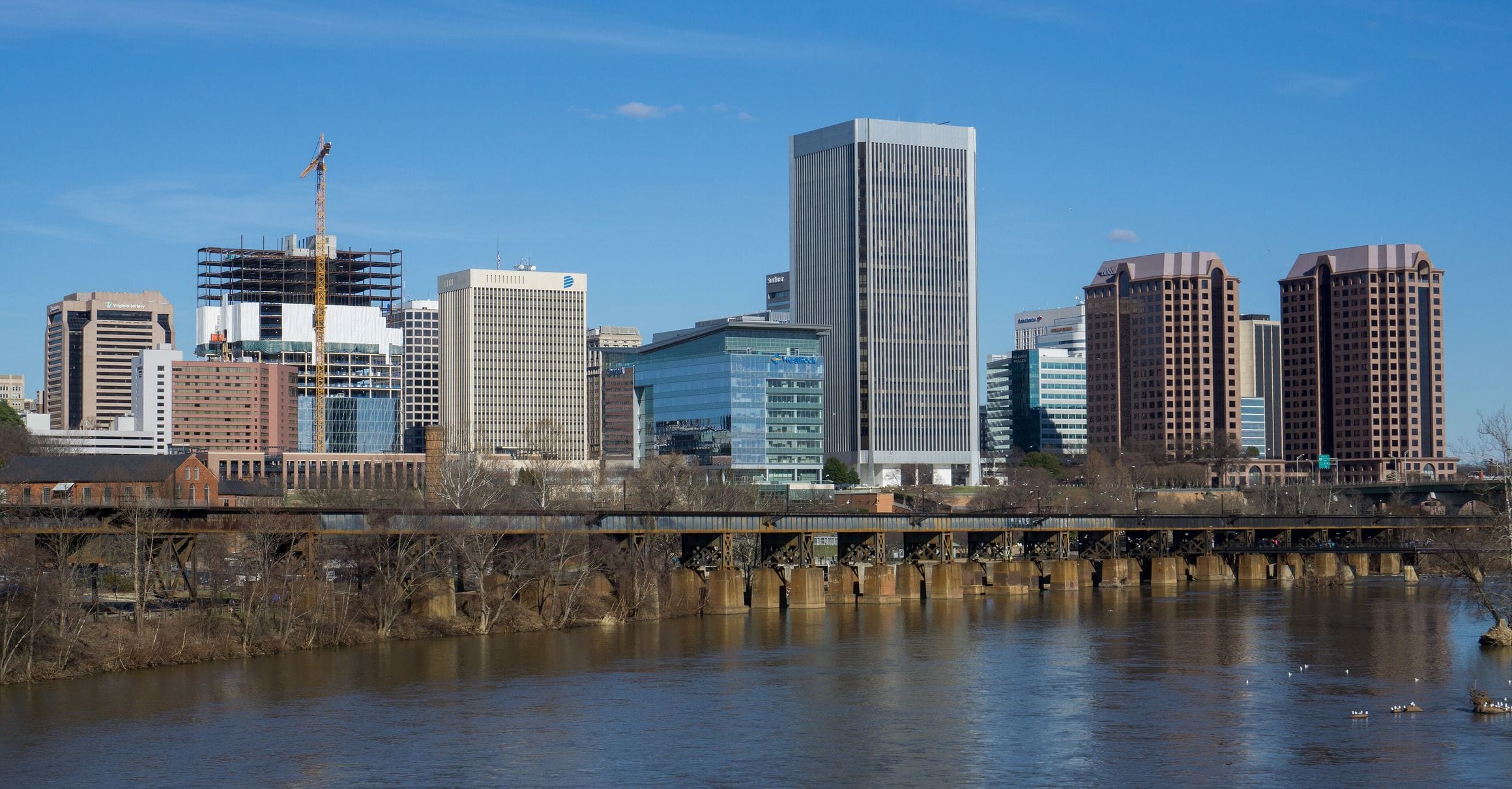
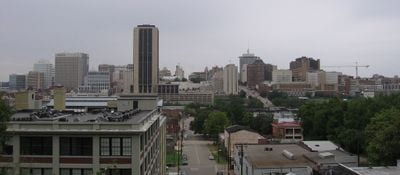
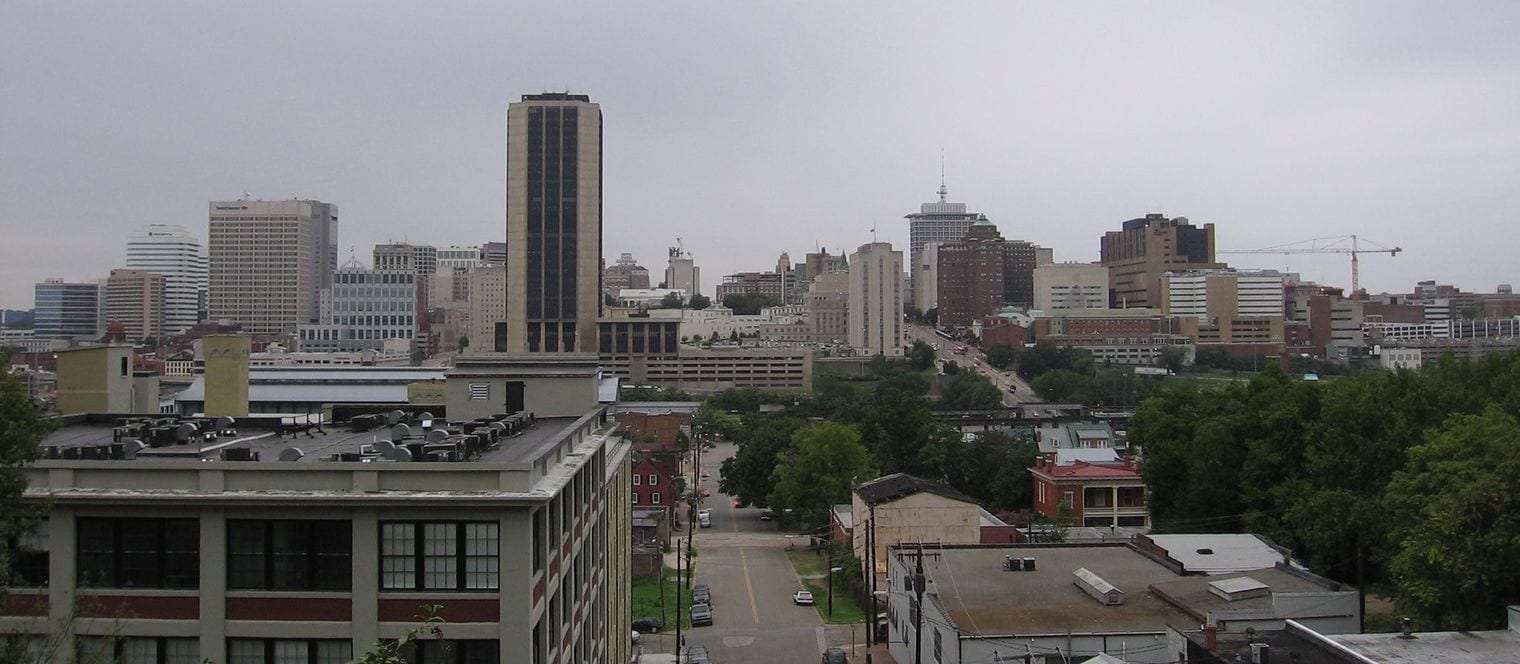
Richmond, the capital of Virginia since 1780, sits at the falls of the James River, about two hours south of Washington, D.C. History runs deep here, from Patrick Henry's call for liberty to the Confederate capital and Maggie Walker's Jackson Ward, yet the city also offers river rapids downtown, a free art museum and lively neighborhoods.
This guide covers 35 of the best things to do in Richmond, from the Museum District and Church Hill to the riverfront, Carytown and the Fan. Plan two to three days to see the highlights at an easy pace.
Richmond is said to be named for a view: the bend of the James seen from today's Libby Hill reminded William Byrd II of the Thames at Richmond upon Thames in England.
The city has been Virginia's capital since 1780, when the seat of government moved from Williamsburg to a more central spot that was harder for the British to reach from the coast.
The State Capitol was modeled on a Roman temple, the Maison Carrée in Nîmes, France, in a design conceived by Thomas Jefferson with the architect Charles-Louis Clérisseau; Jefferson's own home, Monticello, is outside Charlottesville.
Hollywood Cemetery is one of only three places in the U.S. where two presidents are buried: James Monroe and John Tyler.
In 1903, Richmond's Maggie L. Walker became the first African-American woman to charter a bank and to serve as a bank president.
Richmond had one of the world's first successful electric streetcar systems, and its success helped electric streetcars spread quickly to other cities.
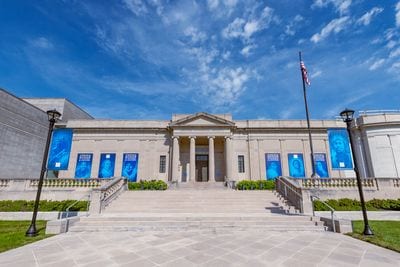
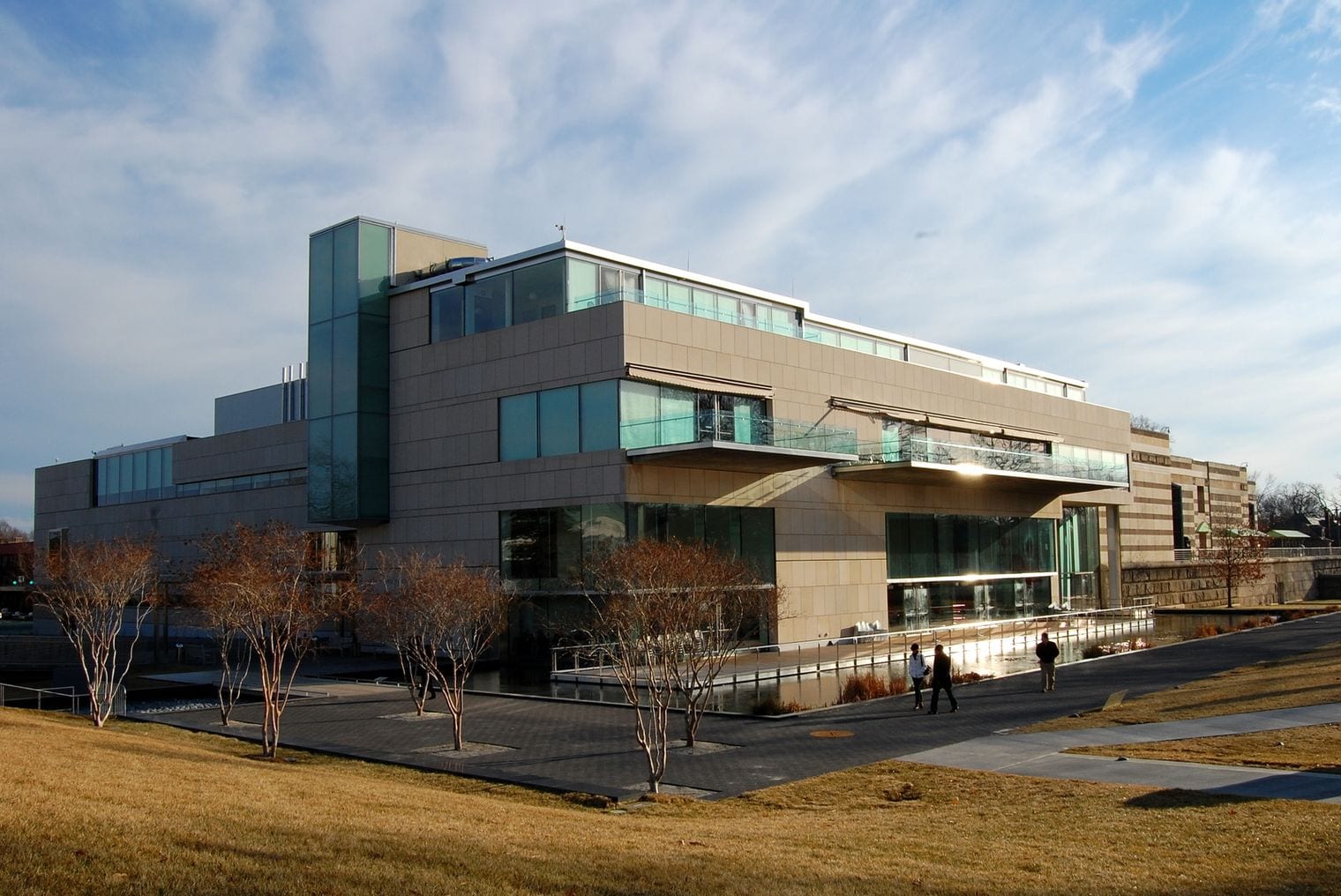
The Virginia Museum of Fine Arts is the heavyweight of Richmond's Museum District, a state-owned museum that opened in 1936 and ranks among the largest art museums in North America by exhibition space. Its collection runs from ancient and African art to American painting, British sporting art and Himalayan art, and general admission is free, with only special exhibitions ticketed.
The crowd-pleaser is the Fabergé gallery, built on a bequest of jeweled objects from the collector Lillian Thomas Pratt and holding the largest public collection of Fabergé eggs outside Russia. Leave time for the outdoor sculpture garden, and plan on at least half a day if you want to see more than the highlights.
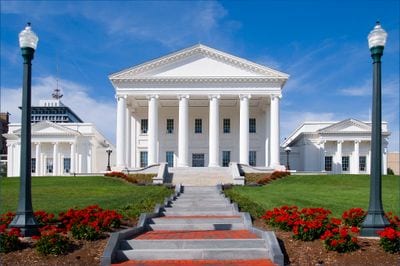
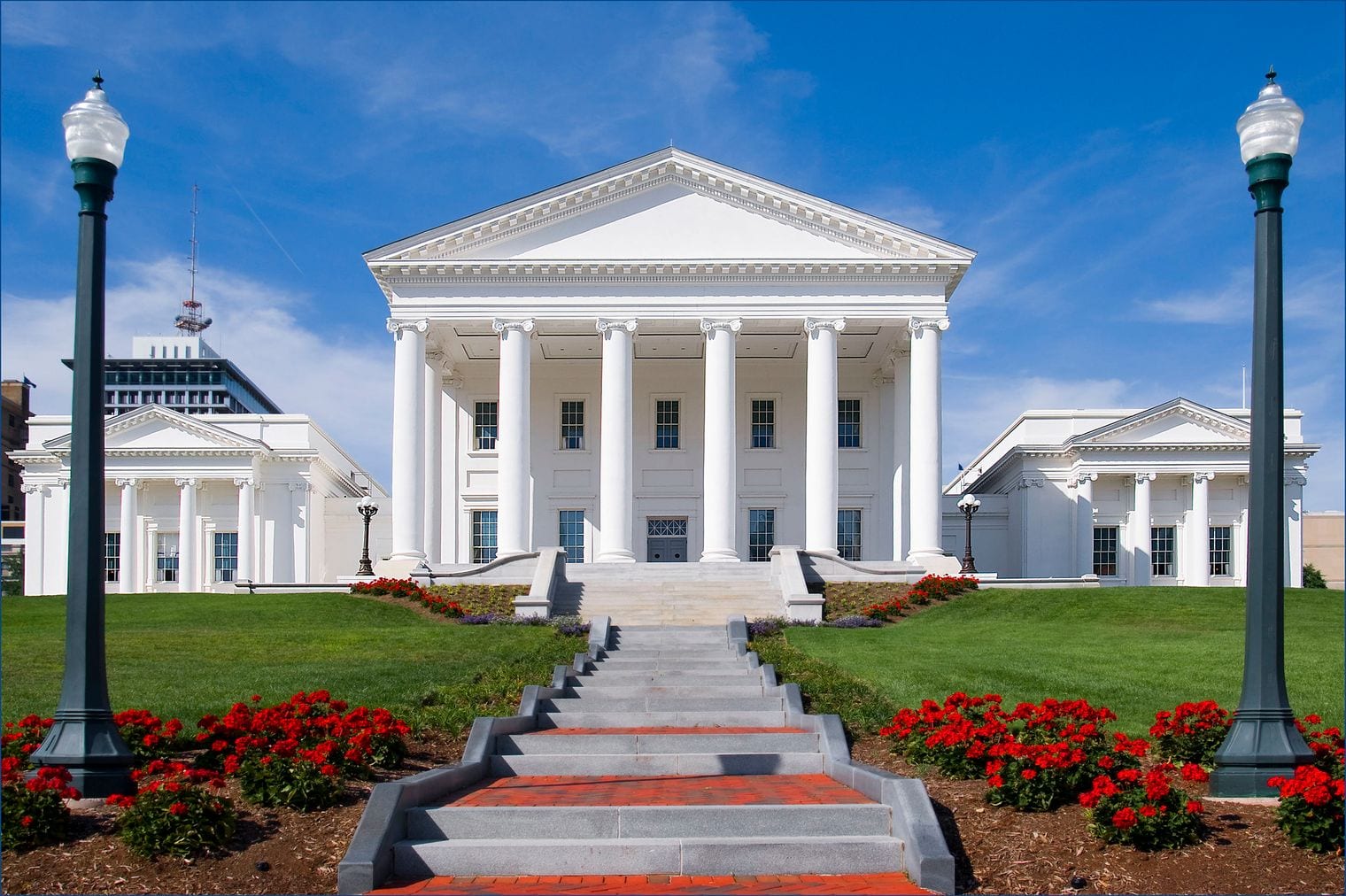
The Virginia State Capitol was conceived by Thomas Jefferson, working with the French architect Charles-Louis Clérisseau, and modeled on the Maison Carrée, an ancient Roman temple in Nîmes. Completed in 1788, it still houses the Virginia General Assembly, which traces its roots to the House of Burgesses of 1619, the oldest elected legislative body in North America.
Free guided tours start inside the Bank Street entrance and explain the building's long history, including its years as the capitol of the Confederacy from 1861 to 1865. Afterwards, stroll the grounds of Capitol Square, with its monuments and shady lawns, before heading down the hill to the riverfront.
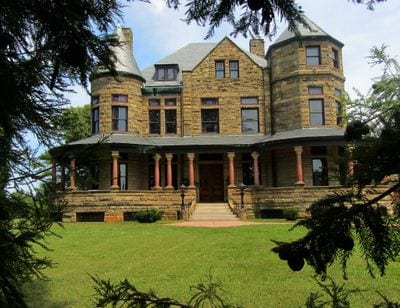
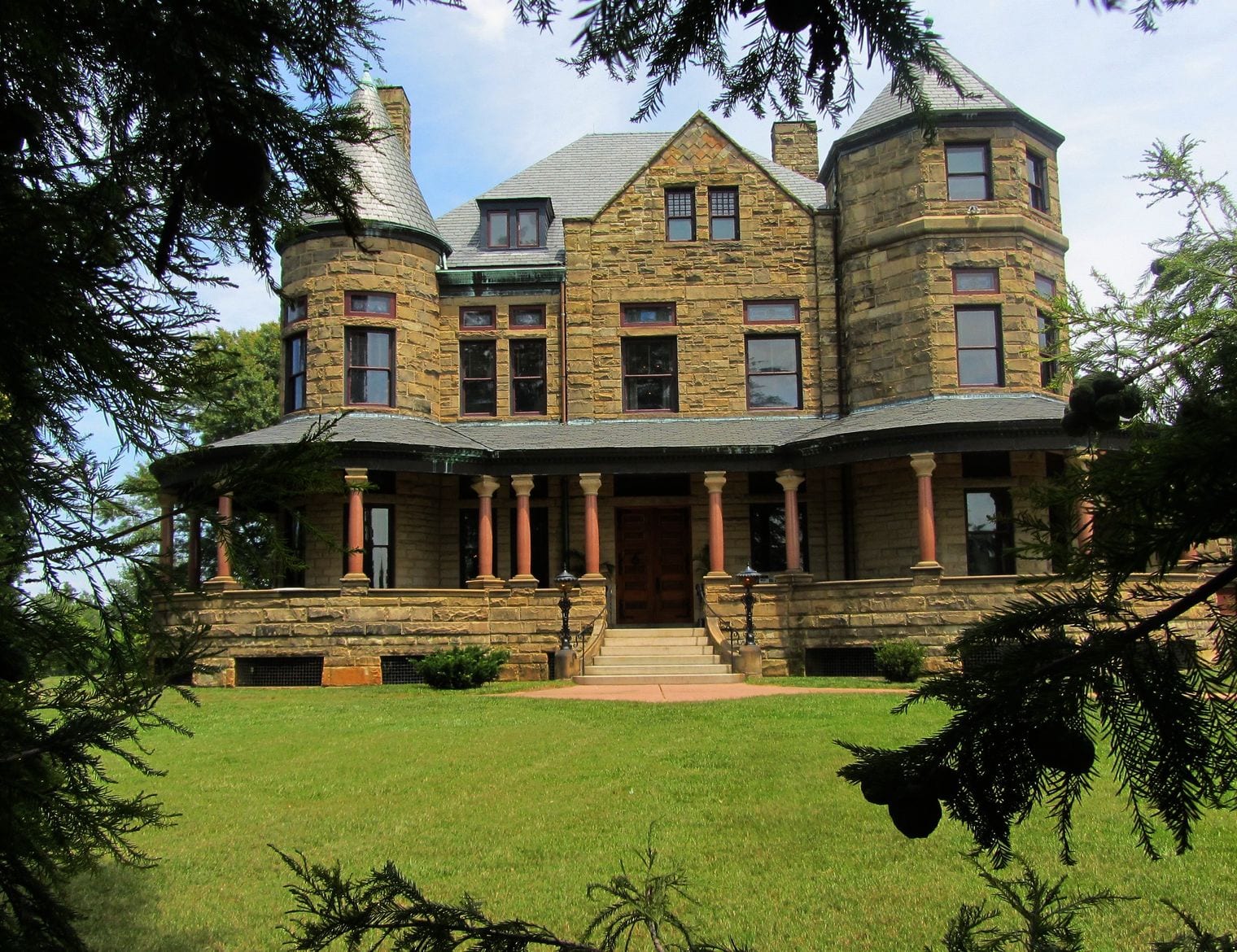
Maymont is the 100-acre Gilded Age estate that James and Sallie Dooley completed in 1893 on a site high above the James River and left to the people of Richmond. The grounds blend formal and wild: an Italian Garden with a pergola and fountains, a Japanese Garden with a koi pond and waterfall, and an arboretum of mature trees.
Tour Maymont Mansion for a look at Gilded Age interiors, then follow the free Virginia Wildlife Trail through a wooded valley of native species and stop at the Nature Center, which explores the ecology of the James. Families head for the Maymont Farm and its hands-on animal encounters, and the rest of the estate is a lovely place simply to wander.
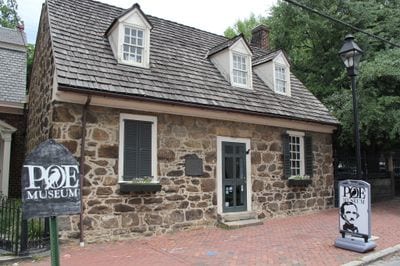
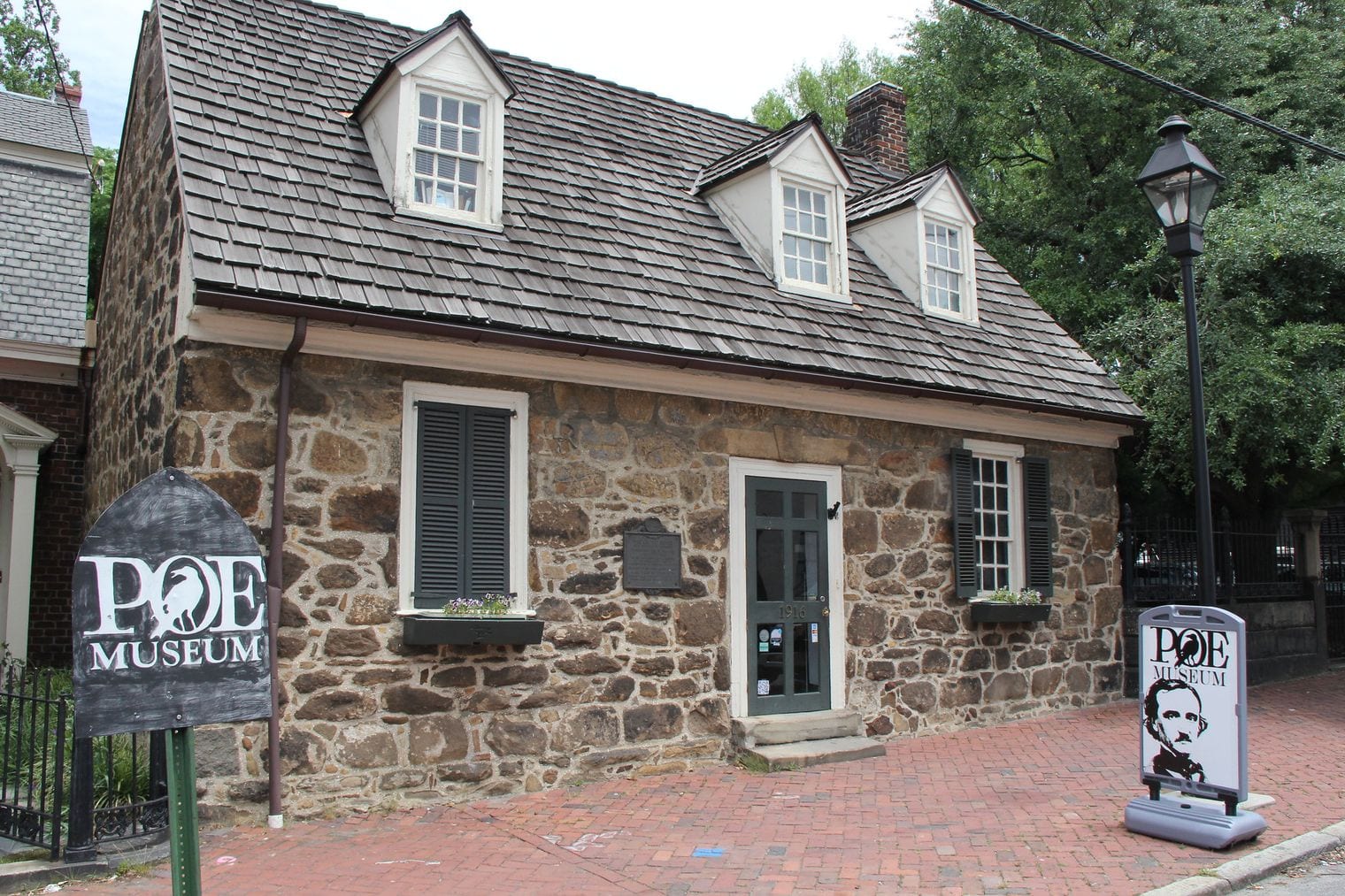
Edgar Allan Poe grew up in Richmond, and The Poe Museum tells that story with one of the world's largest collections of his manuscripts, letters, first editions and personal belongings. Poe never lived in the building itself: the museum is centered on the Old Stone House, built around 1740 and cited as the oldest original residential building in Richmond.
The parlor displays furniture from homes where Poe and his sister Rosalie lived, while the galleries trace his life, his writing and the early-19th-century city around him. Save time for the Enchanted Garden out back, a courtyard inspired by his poem "To One in Paradise", with a fountain and a shrine.
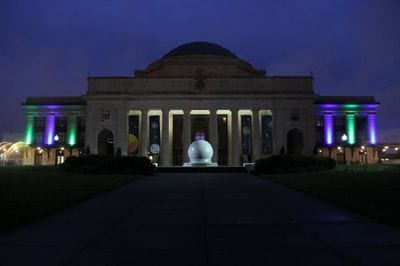
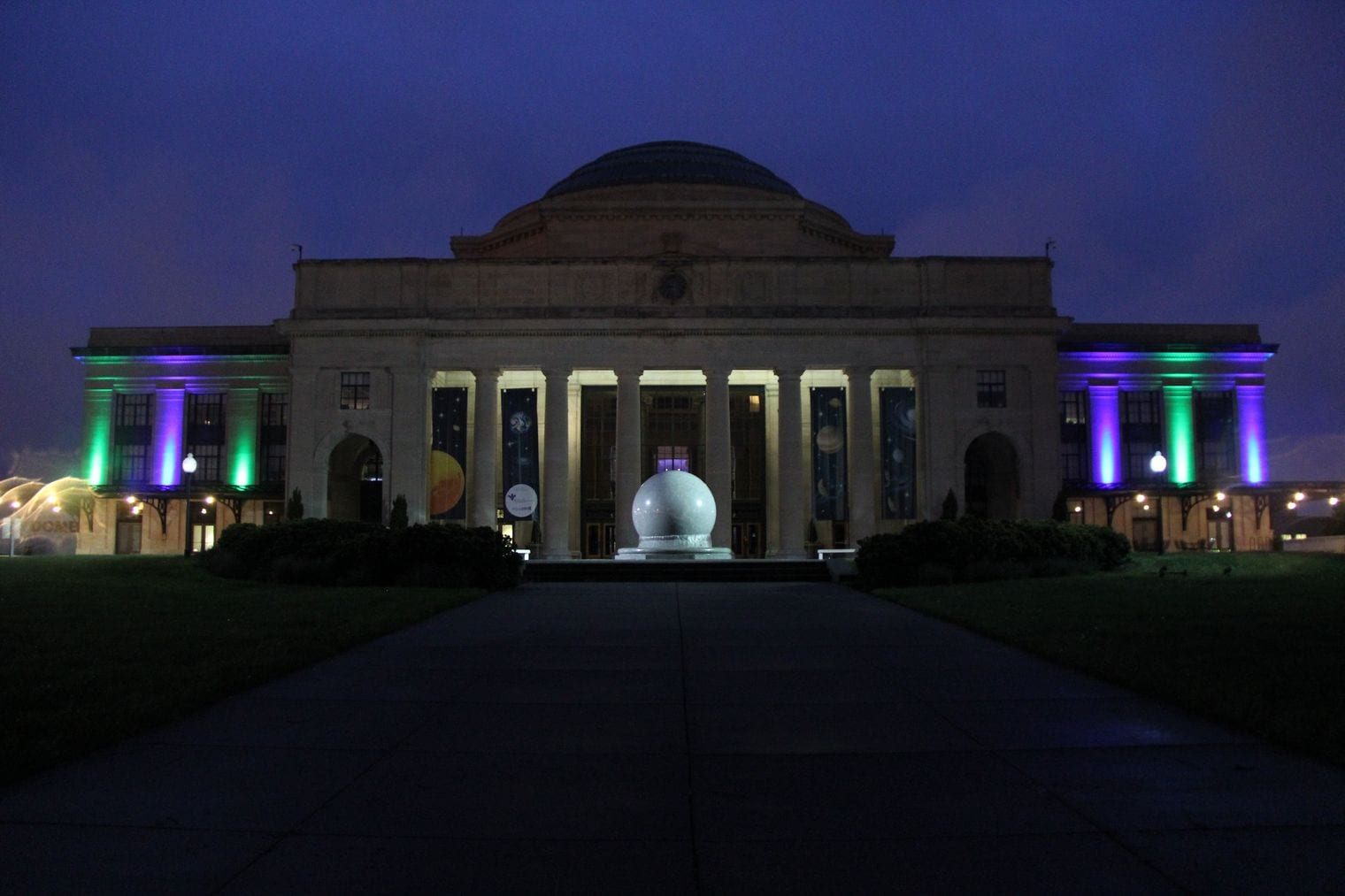
The Science Museum of Virginia fills the former Broad Street Station, a grand neoclassical rail terminal designed by John Russell Pope and built in 1917 for the Richmond, Fredericksburg and Potomac Railroad. Inside, hands-on exhibits make science something to touch and test, and they keep curious kids and adults busy for hours.
The Dome, the museum's giant-screen theater, shows science and space films overhead, and out front the Grand Kugel, a huge granite ball, floats on a thin film of water so smoothly that visitors can turn it by hand. The station's columned facade and vast rotunda are worth a look even before you go in.
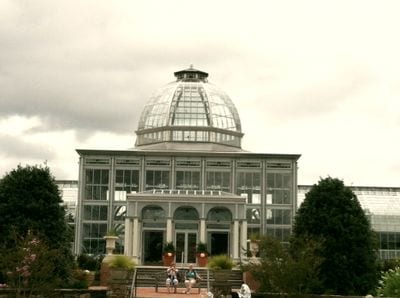
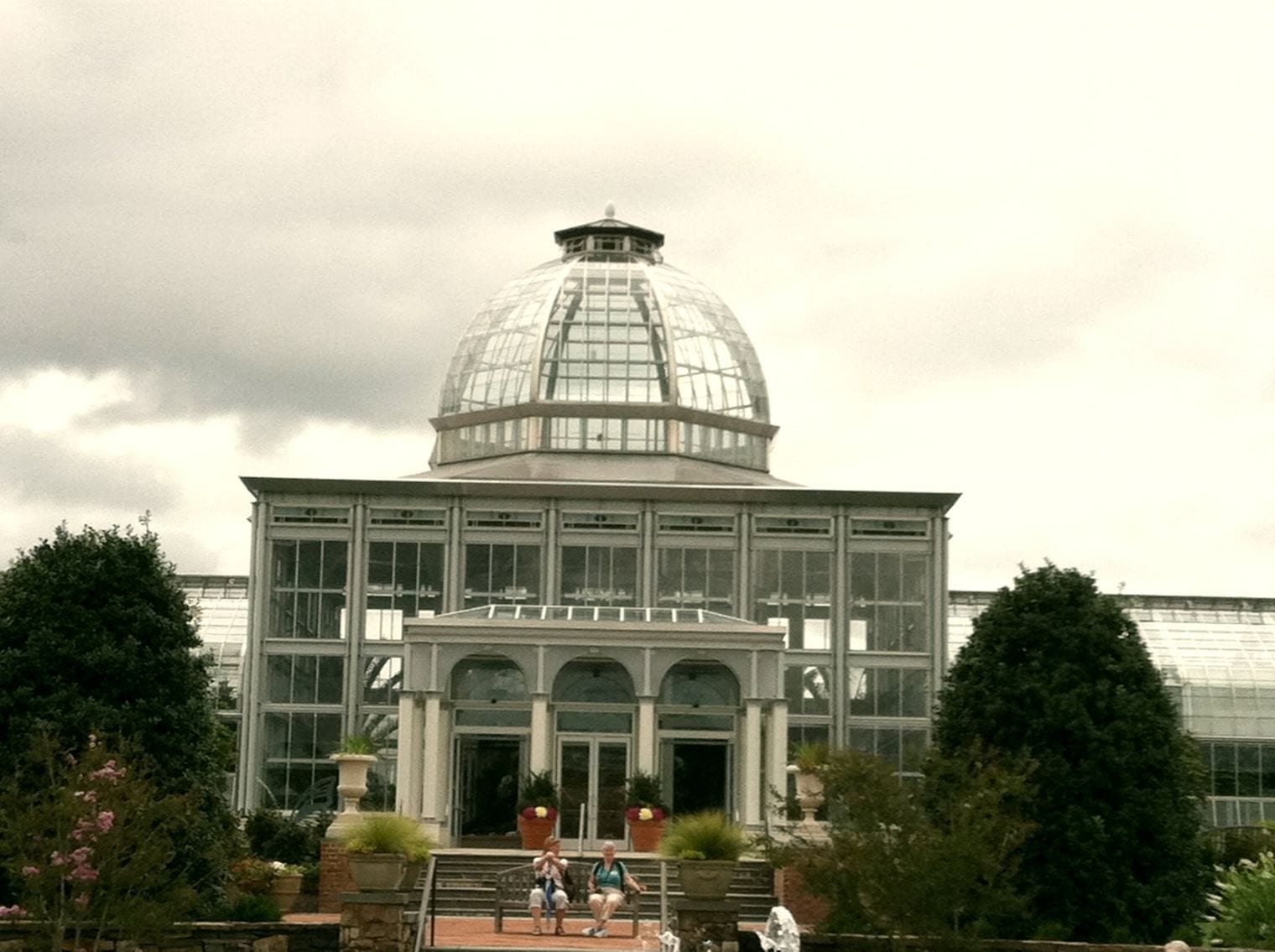
Lewis Ginter Botanical Garden sits just north of the Richmond city line in Henrico County, in the Lakeside area, on land the Richmond businessman Lewis Ginter bought in 1884. Today its 50 acres hold more than a dozen themed gardens, a glass conservatory, a library and a café.
The garden changes with every season, so a spring visit feels nothing like a summer stroll or an autumn walk among turning leaves, and seasonal exhibitions, art shows and evening events add reasons to return. It is a short drive from downtown and an easy half-day escape from the city's museums.
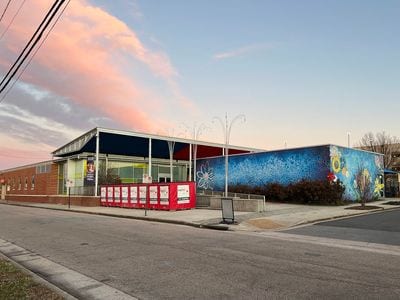
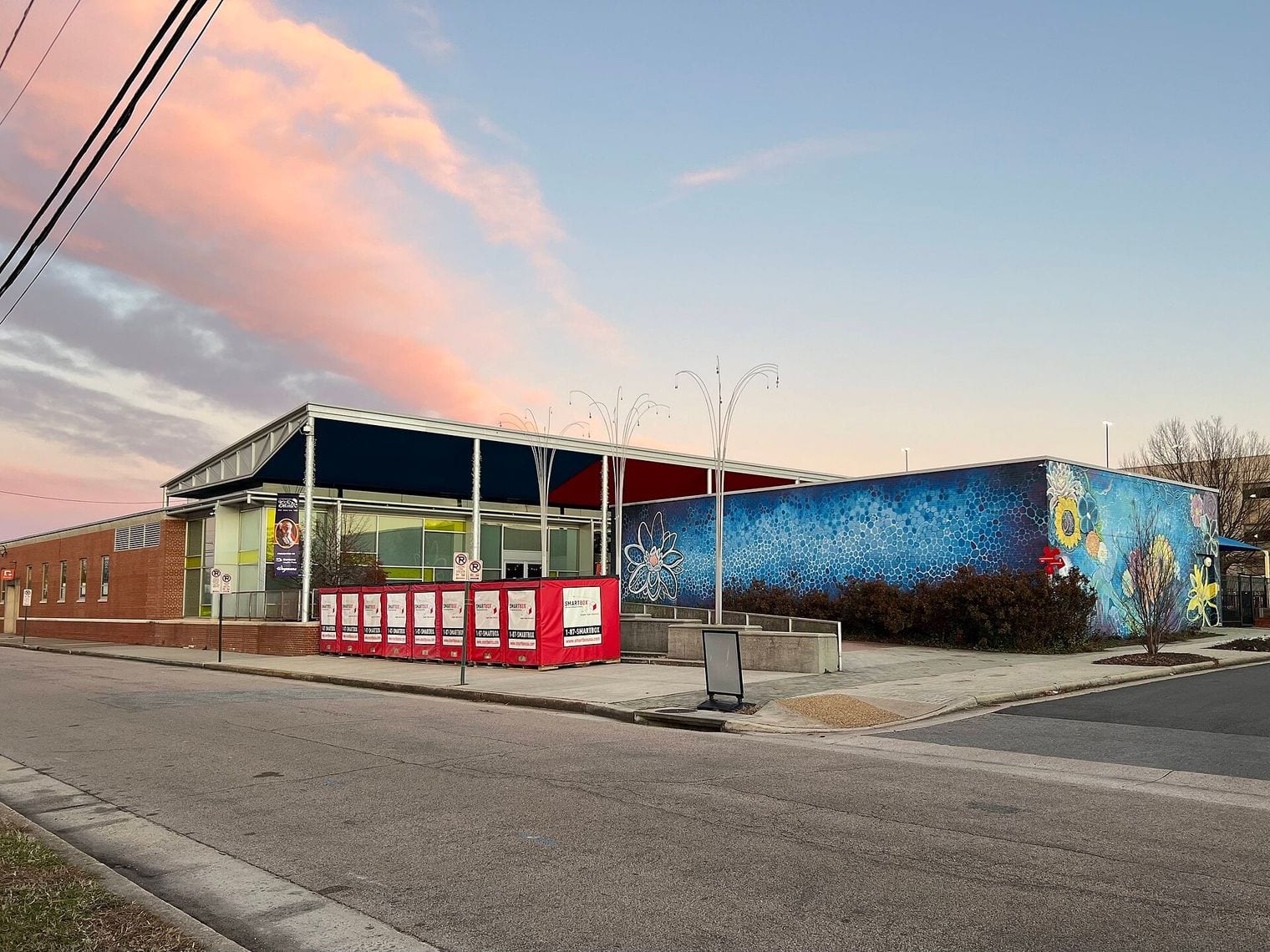
The Children's Museum of Richmond began in 1977 and has occupied its home on Broad Street, close to the Science Museum, since 2000. It is built for play rather than looking, with hands-on exhibits where younger children can climb, build and pretend their way through the day.
The role-play areas are the big draw, including a hospital zone with a life-size operation game, an X-ray station and an ambulance with an interactive siren and lights. Pair it with the Science Museum of Virginia nearby for a full family day in the Museum District.
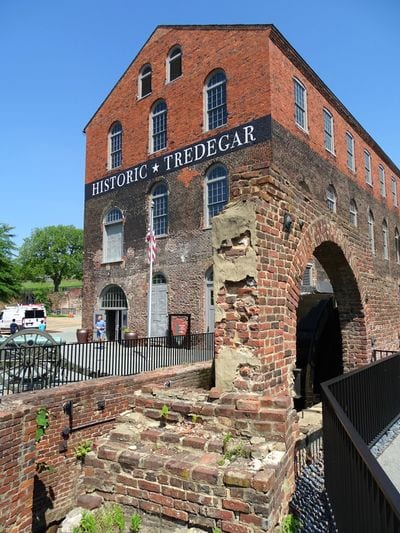
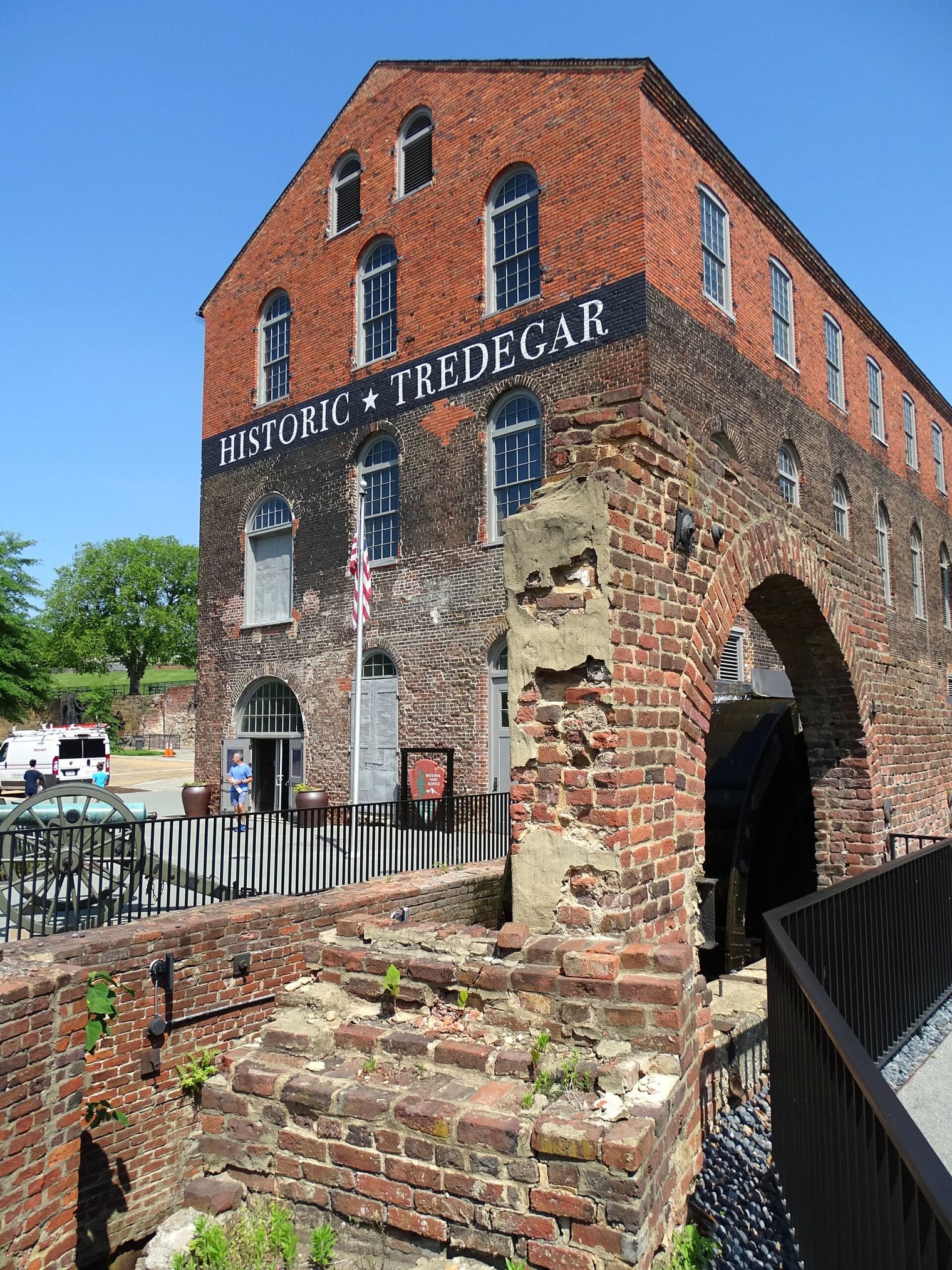
88. American Civil War Museum at Historic Tredegar
The American Civil War Museum at Historic Tredegar stands on the riverfront site of the Tredegar Iron Works, the biggest ironworks in the Confederacy and a key reason Richmond became its capital. The works rolled the iron plating for the ironclad CSS Virginia and are credited with around 1,100 artillery pieces during the war.
The museum tells the story of the war through artifacts, documents and photographs from Union and Confederate, free and enslaved, soldier and civilian perspectives. The National Park Service's Civil War visitor center for Richmond National Battlefield Park shares the site, so this is the natural place to begin a day of Civil War history.
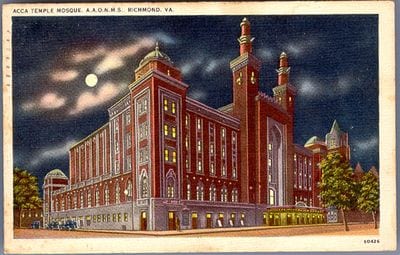
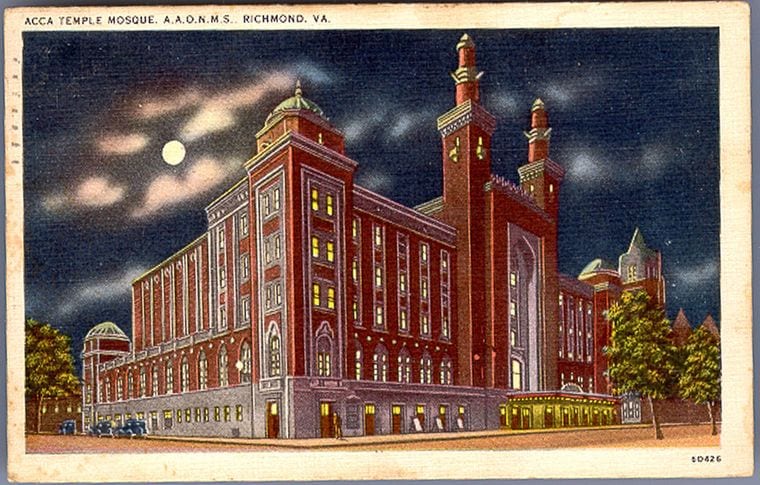
The Altria Theater, still called "the Mosque" by many locals, opened in 1927 as a temple for the Shriners of the Acca Temple Shrine and was designed in an extravagant Moorish Revival style. With more than 3,500 seats, it is the largest venue in Richmond's performing arts complex, on the edge of Monroe Park and the VCU campus.
Touring Broadway productions, big-name concerts and comedy shows fill its calendar. Even if you only come for a show, arrive early to take in the exotic exterior and the ornate auditorium, which looks like nowhere else in the city.
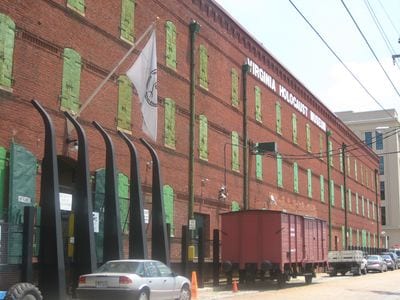
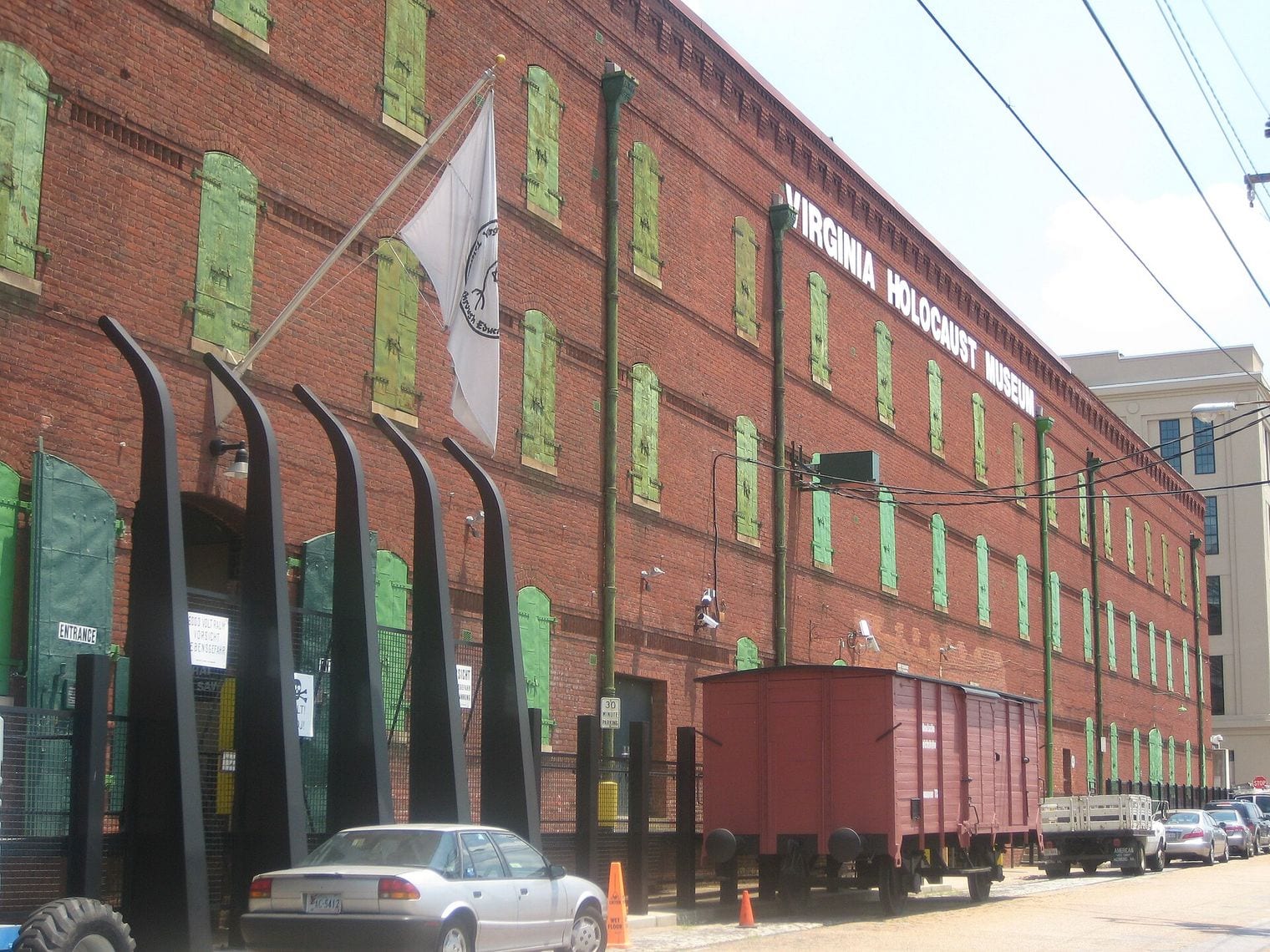
The Virginia Holocaust Museum interprets the history of the Holocaust through survivor testimony, artifacts and education, and it occupies a former American Tobacco Company warehouse on East Cary Street in Shockoe Bottom. It opened in 1997, co-founded by Jay Ipson, a Holocaust survivor who settled in Richmond.
At its heart is the story of one local family, the Ipsons, whose confinement in the Kovno Ghetto and escape to a farm in the Lithuanian countryside give the wider history a human scale. Allow a couple of hours, and expect a moving, reflective visit.
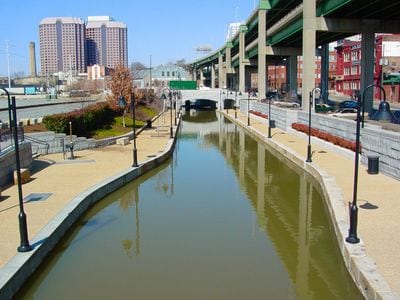
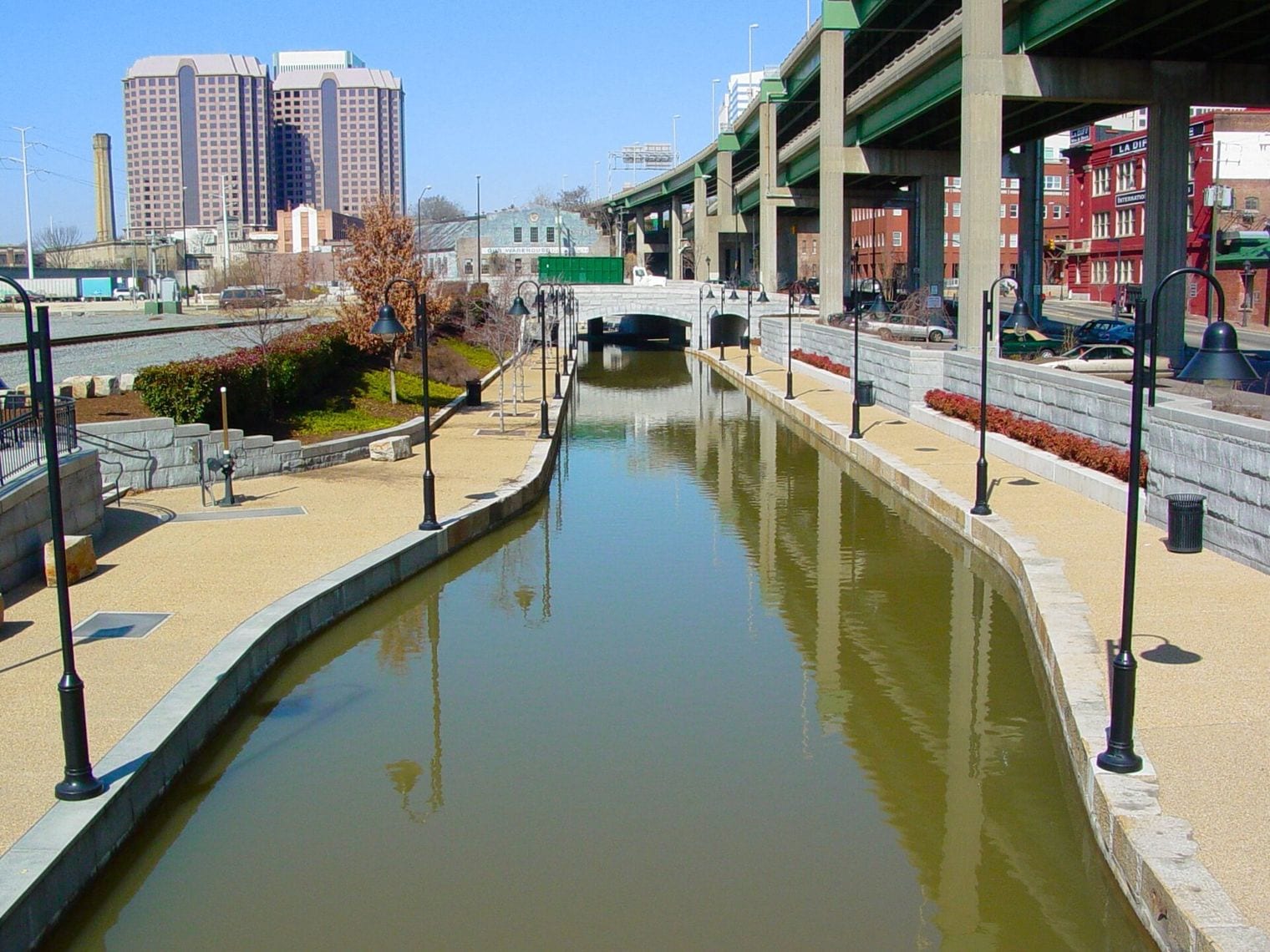
The Riverfront Canal Walk follows the Haxall Canal and the James River and Kanawha Canal through downtown, a waterway begun with George Washington's encouragement to carry cargo around the rapids of the James. The path threads past brick warehouses, bridges and historical markers, and it is free to stroll at any pace.
For the best view, board one of the Riverfront Canal Cruises, 40-minute, historically narrated tours in canopied boats that run from spring into fall. Guides trace Richmond's story from Powhatan's chiefdom to its pioneering electric streetcars, and the route passes the railroad Triple Crossing, where three rail lines cross over one another.
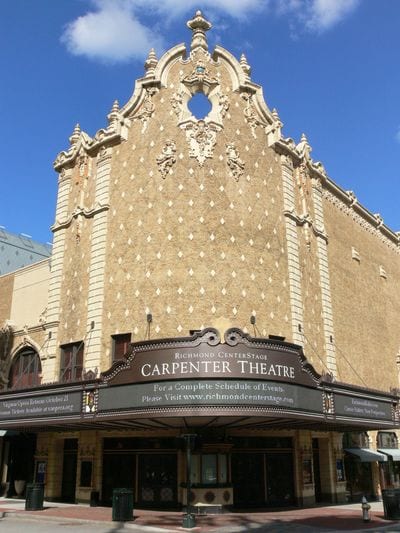
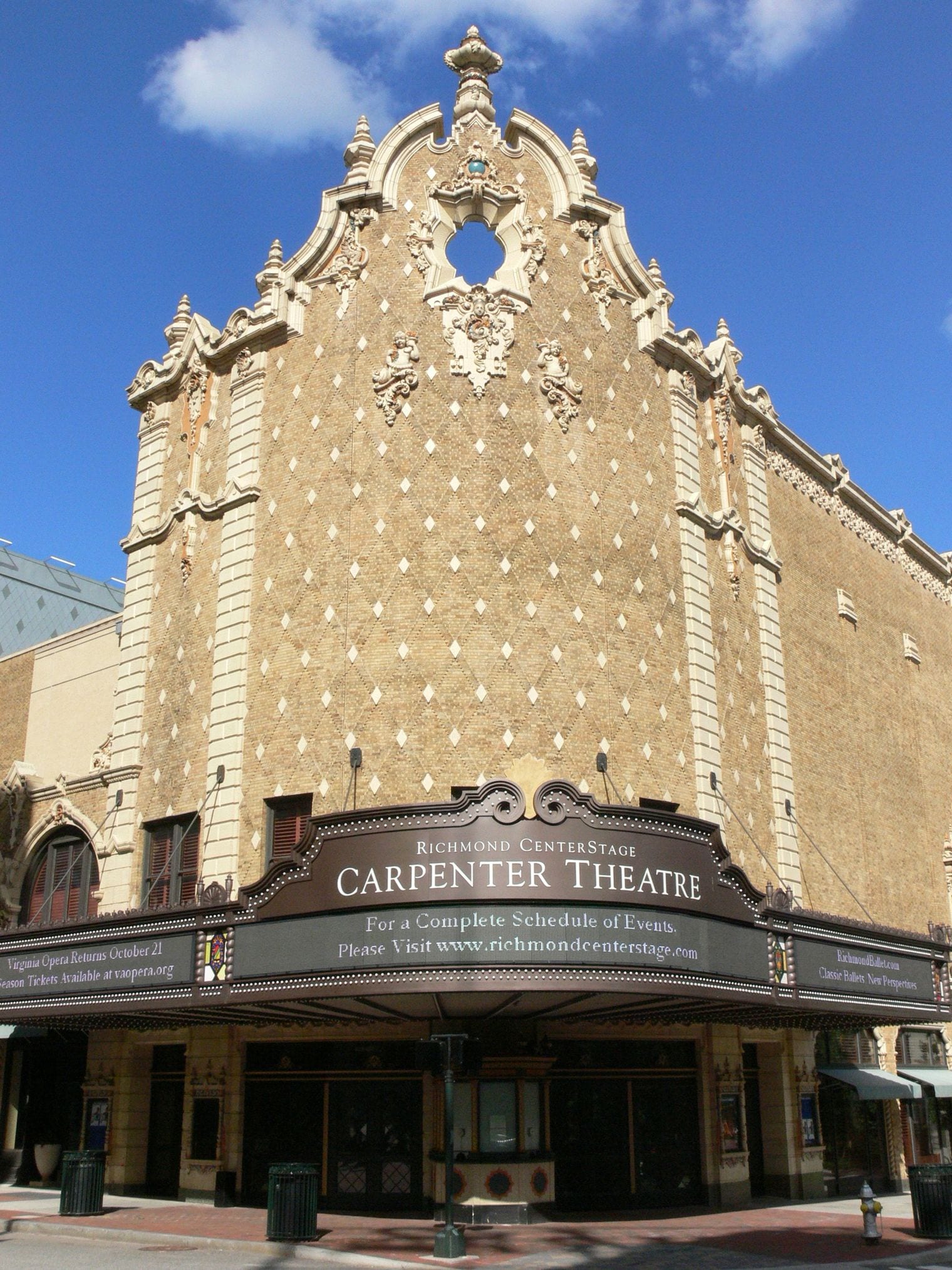
Dominion Energy Center is the city's main performing arts complex, and its centerpiece is the Carpenter Theatre, a Loew's movie palace that opened in 1928 to a design by the New York architect John Eberson. Eberson was known for his "atmospheric" theatres, and the Carpenter's Spanish- and Moorish-inspired interior shows off that flair.
The complex also includes smaller stages such as the Libby S. Gottwald Playhouse, and its users include the Richmond Symphony and Richmond Ballet as well as touring acts. Check the season calendar and pair a performance with dinner downtown.
1313. Agecroft Hall & Gardens
Historical Landmark~3.9 miles (6.3 km) from centre
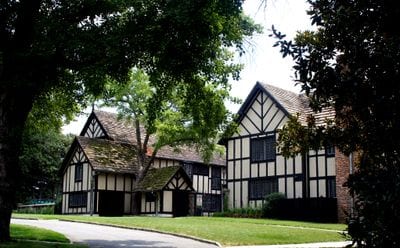
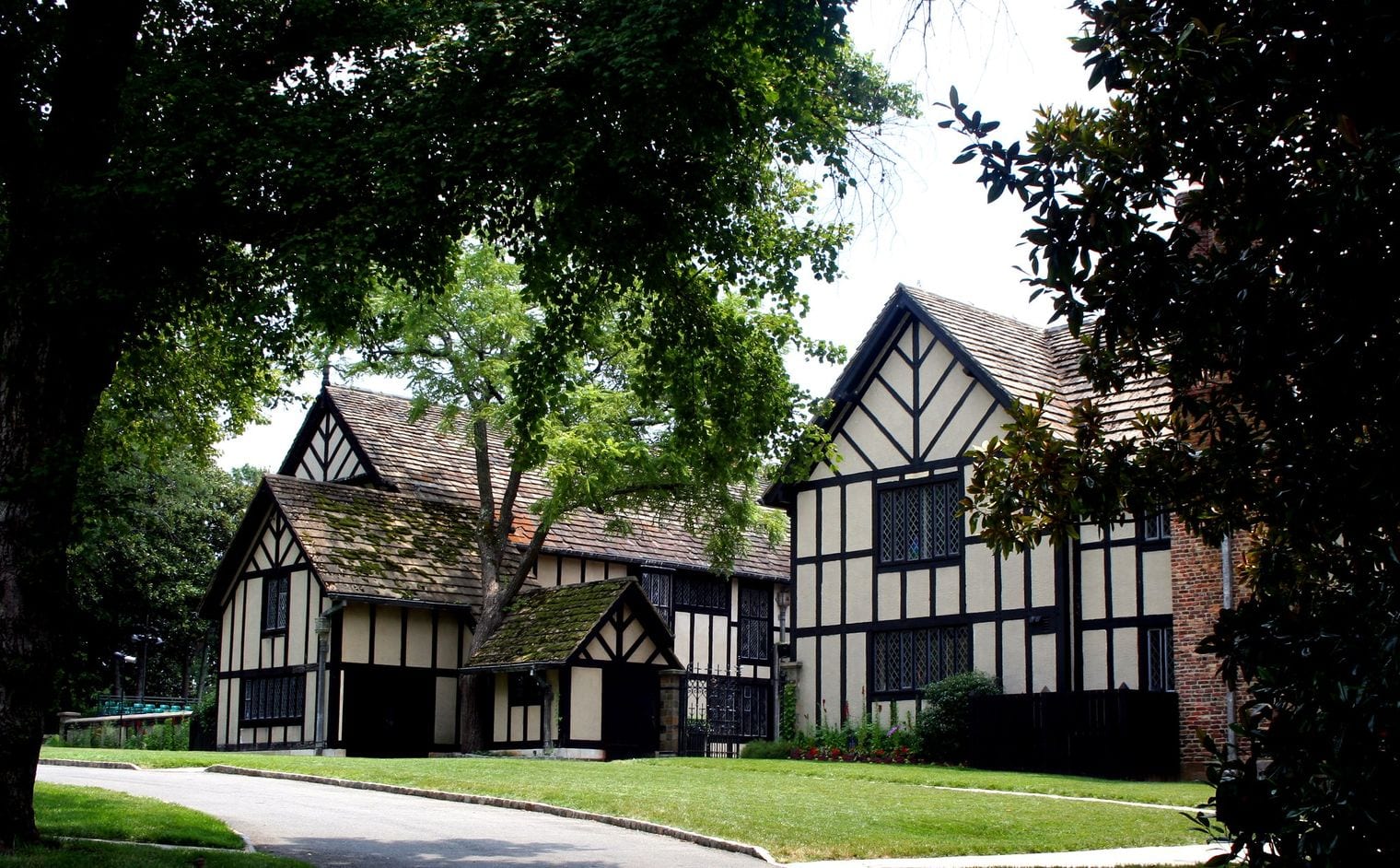
Agecroft Hall is a genuine Tudor manor house, built in the late 15th century in Lancashire, England, then dismantled, crated, shipped across the Atlantic and rebuilt in Richmond's Windsor Farms neighborhood, a project finished in 1928. The businessman Thomas C. Williams Jr. wanted a true English manor overlooking the James River, and his will turned it into a house museum.
Tours of the house show its Tudor rooms and period furnishings, while the grounds, designed by the landscape architect Charles Gillette, offer English-style gardens with Elizabethan plantings that slope toward the river.
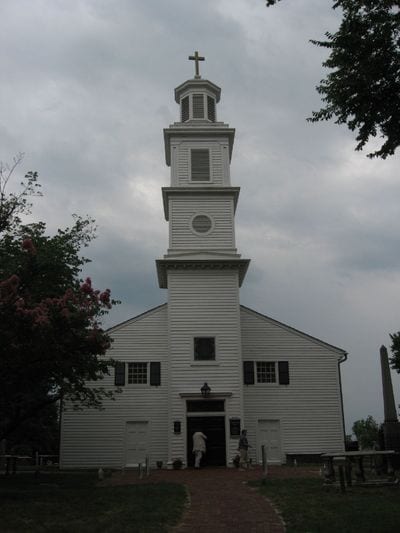
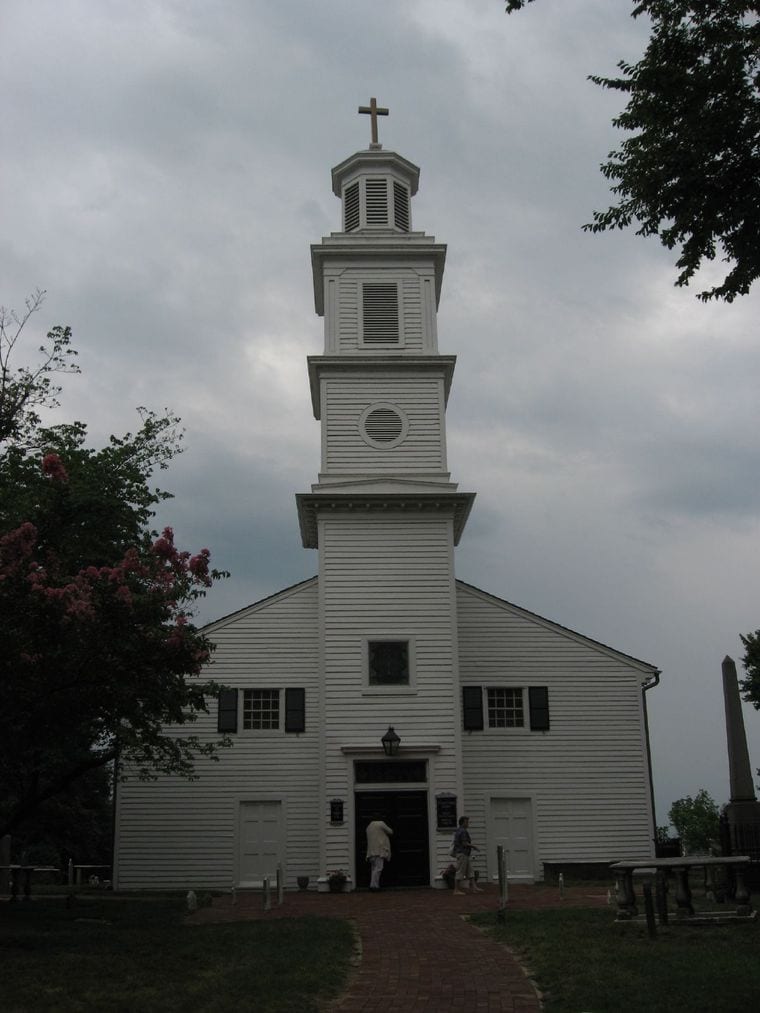
Historic St. John's Church, built in 1741, is the oldest church in Richmond and gave Church Hill its name. On March 23, 1775, the Second Virginia Convention opened here, and Patrick Henry rose to deliver the speech that ended with "Give me liberty or give me death!"
The church is a National Historic Landmark and still an active Episcopal parish, and tours explain the convention and the building's history. Wander the churchyard too, where George Wythe, a signer of the Declaration of Independence and the first law professor in the United States, is buried.
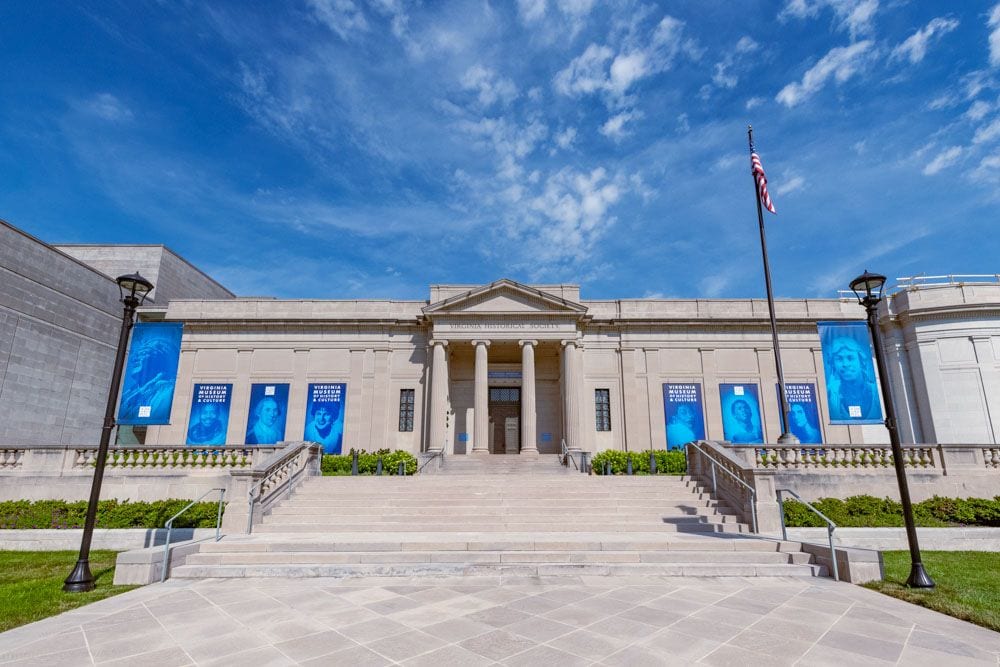
The Virginia Museum of History & Culture is the headquarters of the Virginia Historical Society, founded in 1831, and the place to see the whole sweep of the state's story under one roof, across every century and region. It took its current name in 2018 and has more than 25,000 square feet of galleries, with the largest display of Virginia artifacts on permanent view.
Long-term exhibitions walk through the centuries with objects, documents and interactive displays, and rotating shows add fresh subjects. It sits on Arthur Ashe Boulevard beside the Virginia Museum of Fine Arts, so the two pair naturally in a single Museum District day.
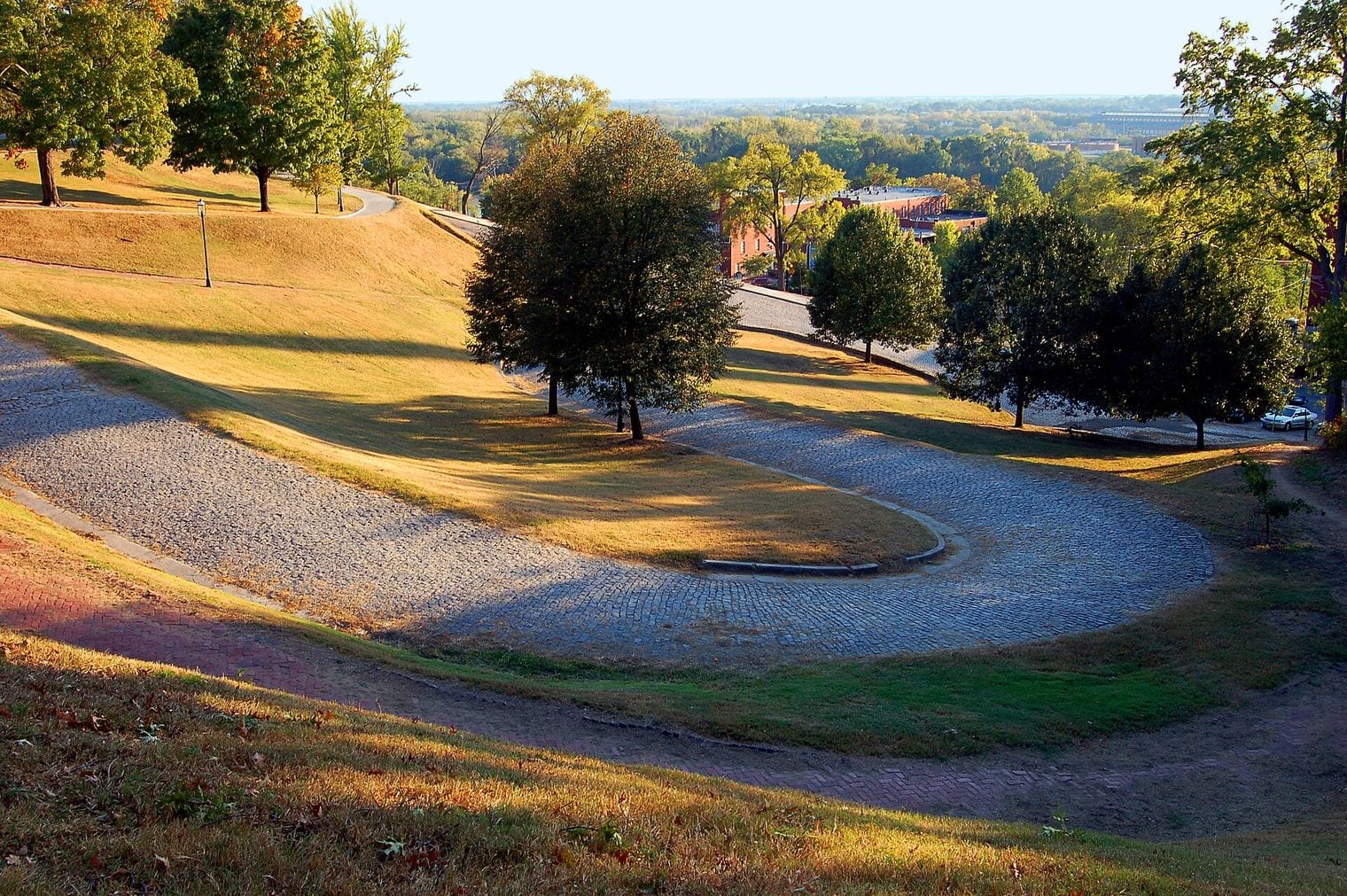
Libby Hill Park crowns the southeastern spur of Church Hill and frames what locals call "The View that Named Richmond". The story goes that the curve of the James below reminded William Byrd II of the Thames at Richmond upon Thames in England, and a plaque on the hill tells the tale.
Come around sunset, when the river bend, the old Lucky Strike building and the downtown skyline catch the light. The park is small, free and lined with benches, and it makes an easy stop on a walk between St. John's Church and Jefferson Park.
Free printable checklist of all 35 places
Tick them off as you go. Confirm your email to download it, plus one email every Thursday with new guides for the places you tick.
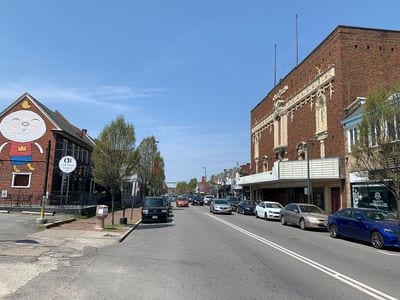
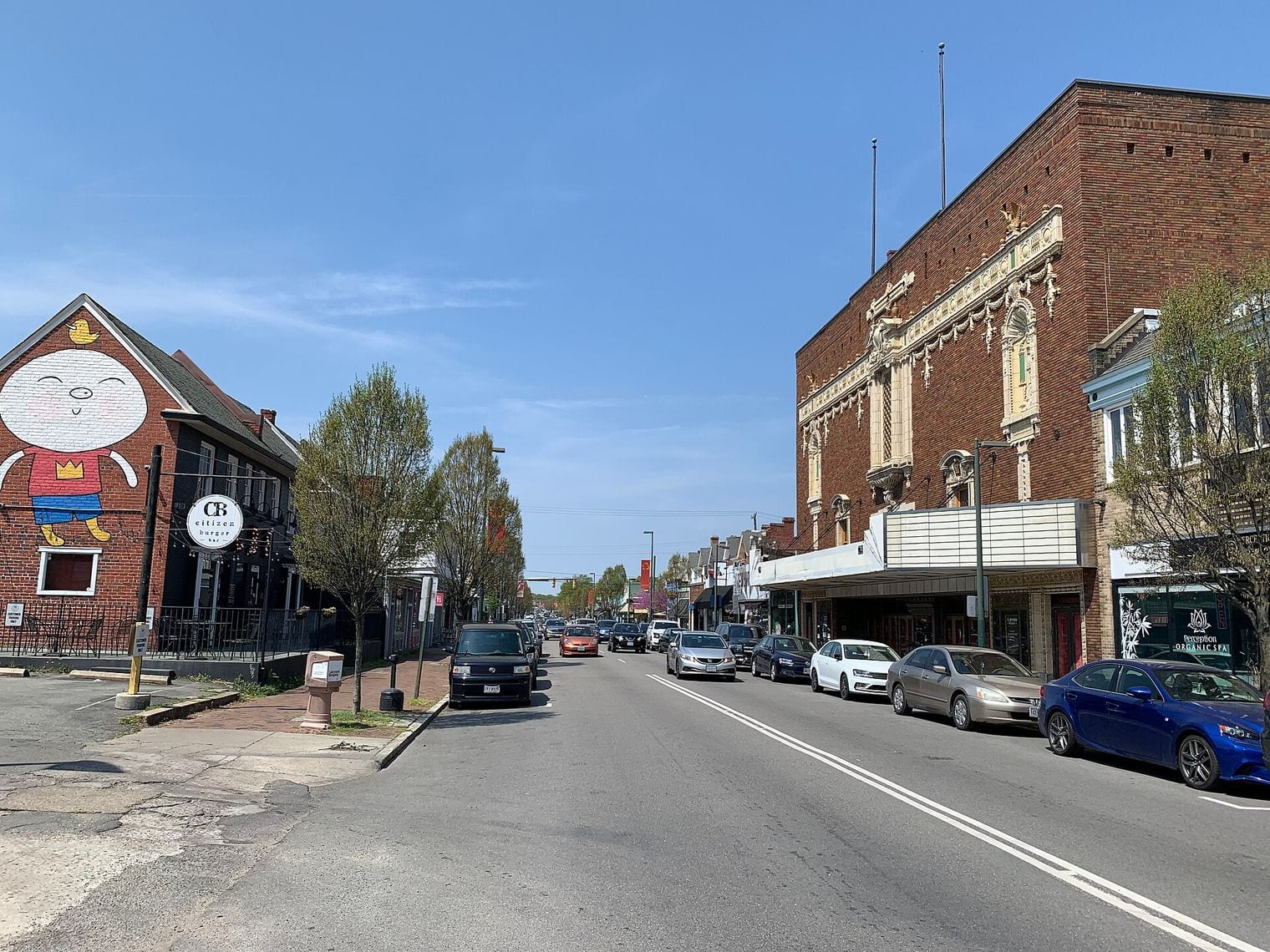
Carytown is Richmond's favorite stretch for browsing, an eclectic run of more than 200 shops, restaurants and offices along Cary Street at the southern end of the Museum District, just west of the Fan. Independent boutiques, vintage shops, cafés and bakeries make it the city's best street for a slow afternoon on foot.
Its anchor is the Byrd Theatre, a restored movie palace that has operated continuously since 1928 and still has its Wurlitzer pipe organ. Catch a film there, then walk the strip for dinner or dessert.
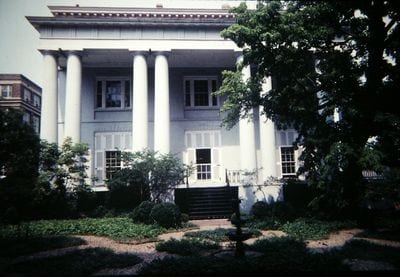
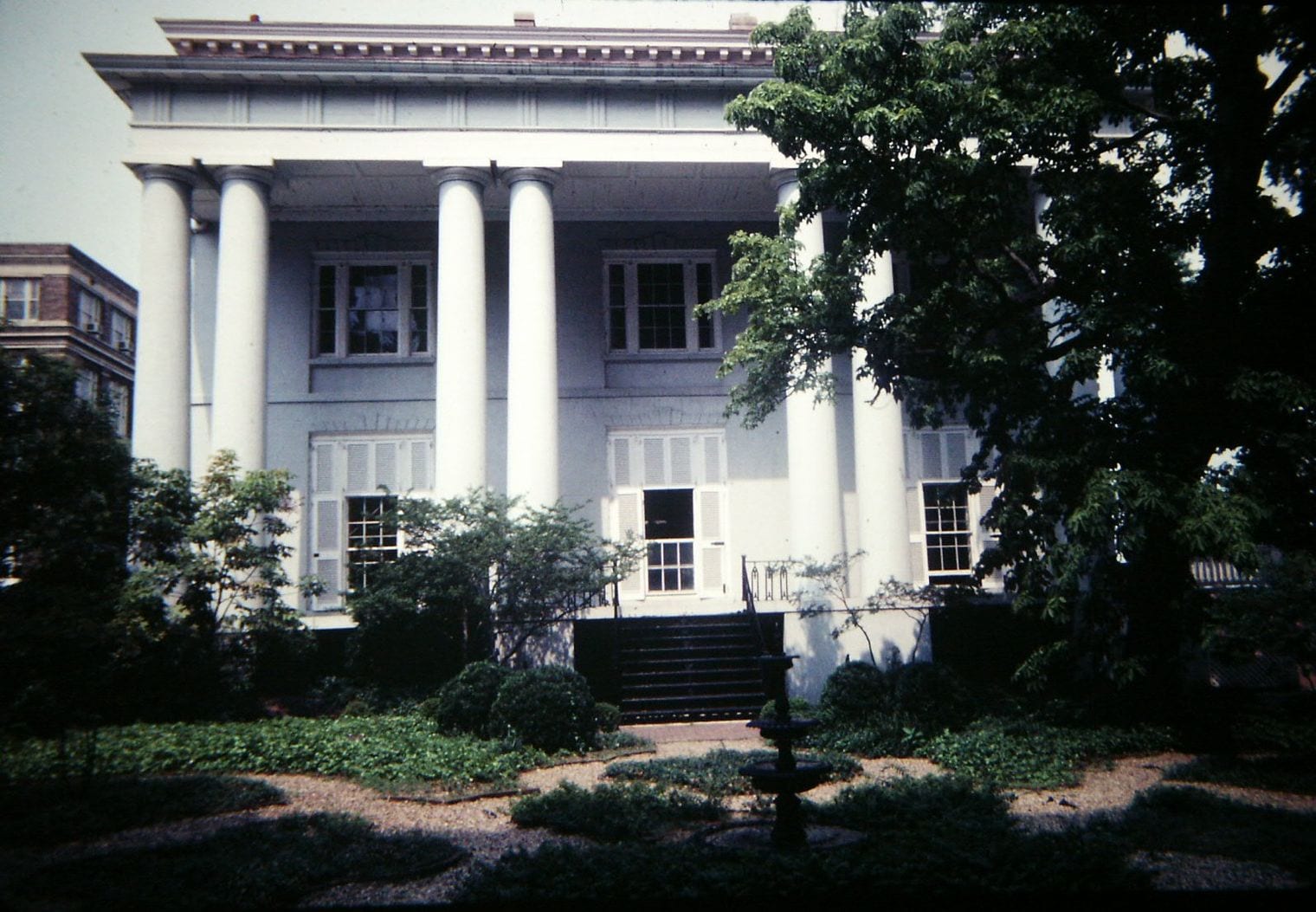
The White House of the Confederacy is an 1818 neoclassical mansion, designed by Robert Mills for the banker John Brockenbrough, that served as Jefferson Davis's executive residence from 1861 to April 1865. Days after Richmond fell, Abraham Lincoln toured the captured city and walked through the house's first floor.
Today the mansion sits on the Virginia Commonwealth University medical campus and is run by the American Civil War Museum, which leads small-group guided tours of the restored rooms, so book ahead. It is a separate site and ticket from the museum at Tredegar.
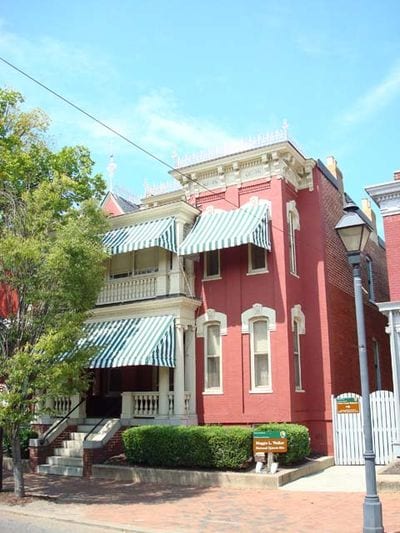
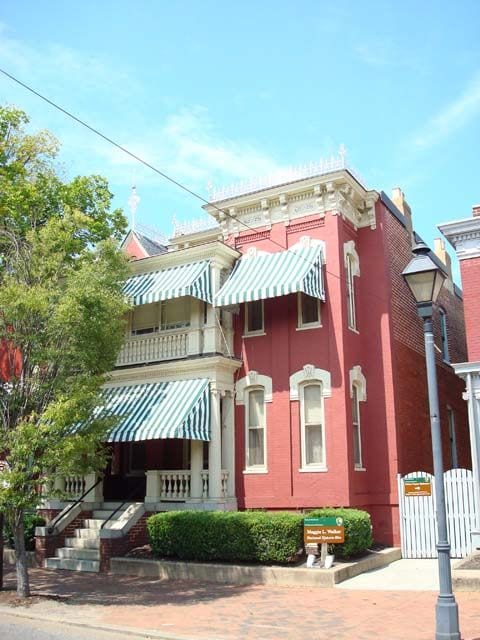
The Maggie L. Walker National Historic Site preserves the Jackson Ward home of Maggie L. Walker, who in 1903 became the first African-American woman to charter a bank and to serve as a bank president. She also published a newspaper and led the Independent Order of St. Luke, a Black fraternal and mutual-aid society, from her house on Leigh Street's "Quality Row".
National Park Service rangers lead tours of the restored and originally furnished home, and the visitor center explains her career and legacy. Jackson Ward, the historic heart of Black business and culture in Richmond, is worth a stroll afterwards.
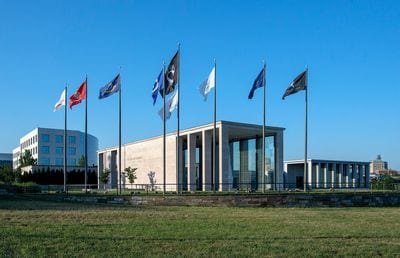
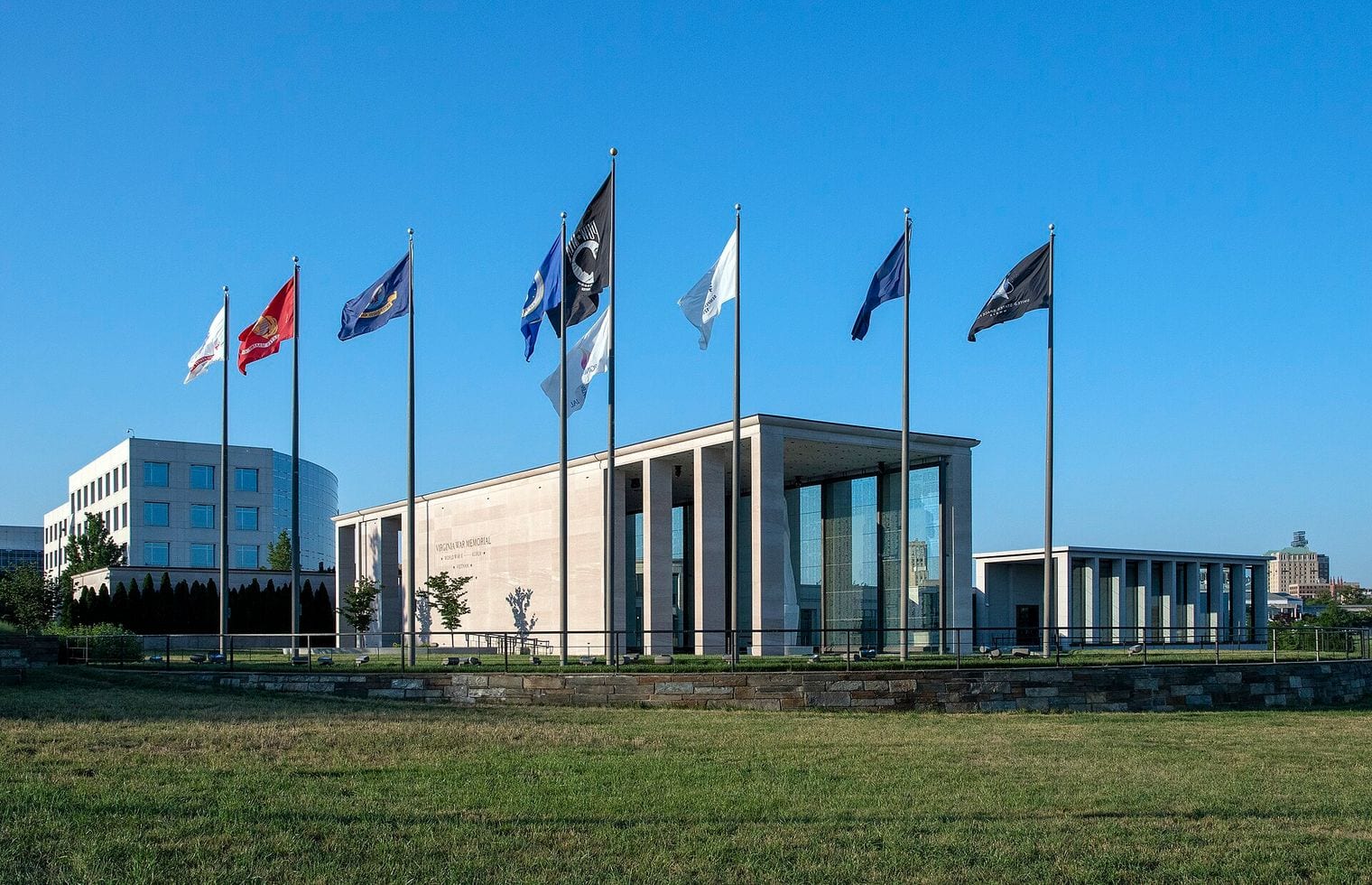
The Virginia War Memorial, dedicated in 1955, honors Virginians killed in service from World War II onward. Nearly 12,000 names are engraved on the glass and stone walls of the Shrine of Memory, and a separate memorial shrine honors the Virginians killed in the Global War on Terrorism.
An education center adds exhibits and films on Virginians at war, and the grounds and exhibits are free to visit. The memorial stands above the James River at the foot of Belvidere Street, so step outside for the view across the water.
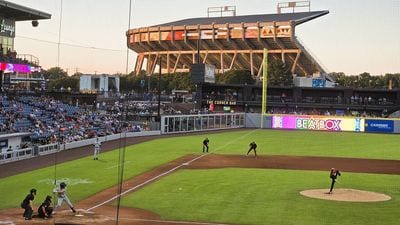
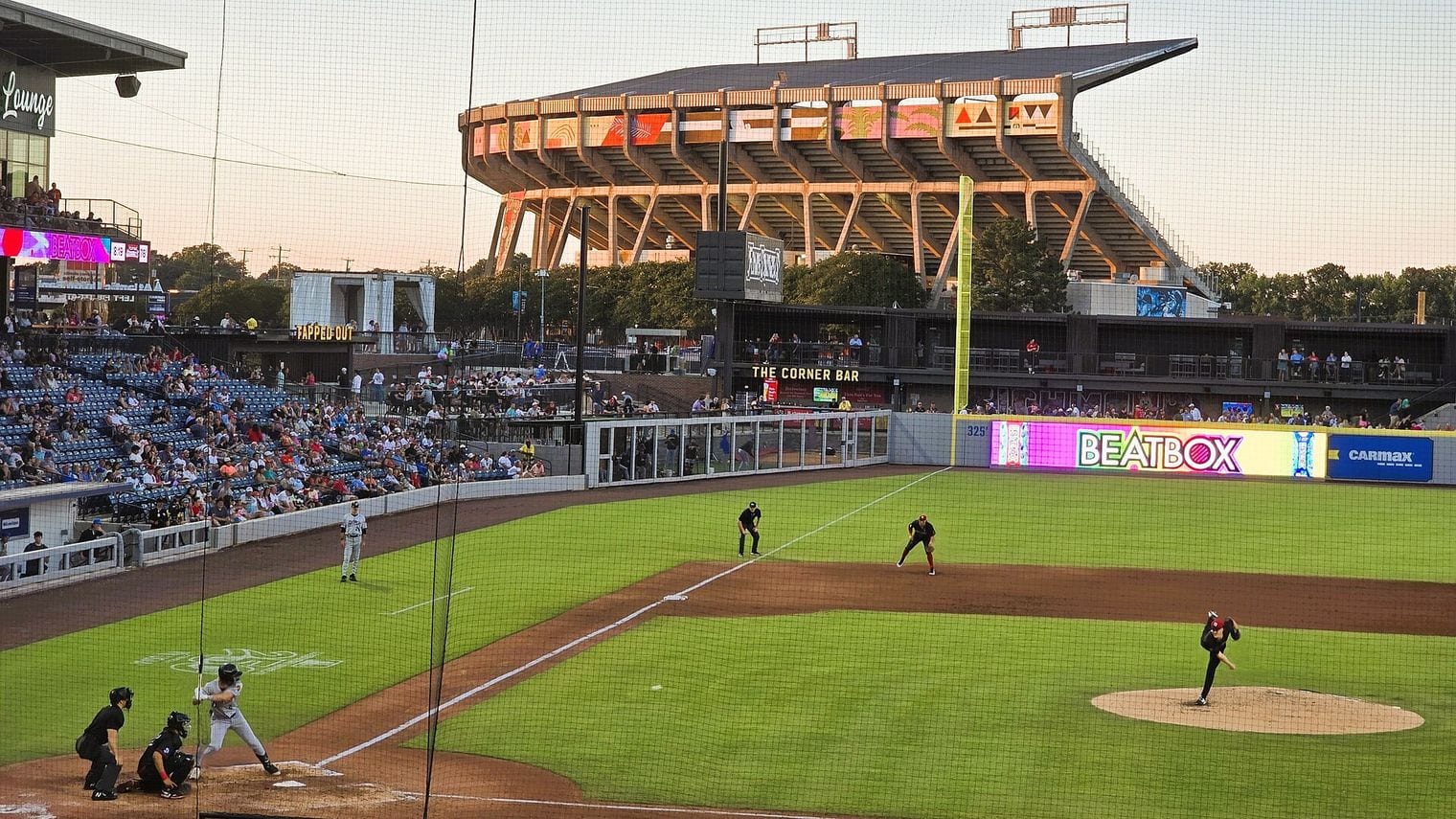
The Richmond Flying Squirrels, the Double-A affiliate of the San Francisco Giants since 2010, moved into CarMax Park when it opened in April 2026, right across the street from their old home, The Diamond. A game here is one of Richmond's most relaxed nights out, with between-innings antics and a crowd that comes for the fun as much as the baseball.
The ballpark sits off Arthur Ashe Boulevard, a short hop from the breweries and cideries of Scott's Addition, so plan a pregame drink nearby. The season runs from spring through late summer.
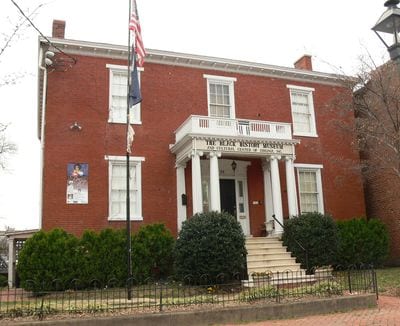
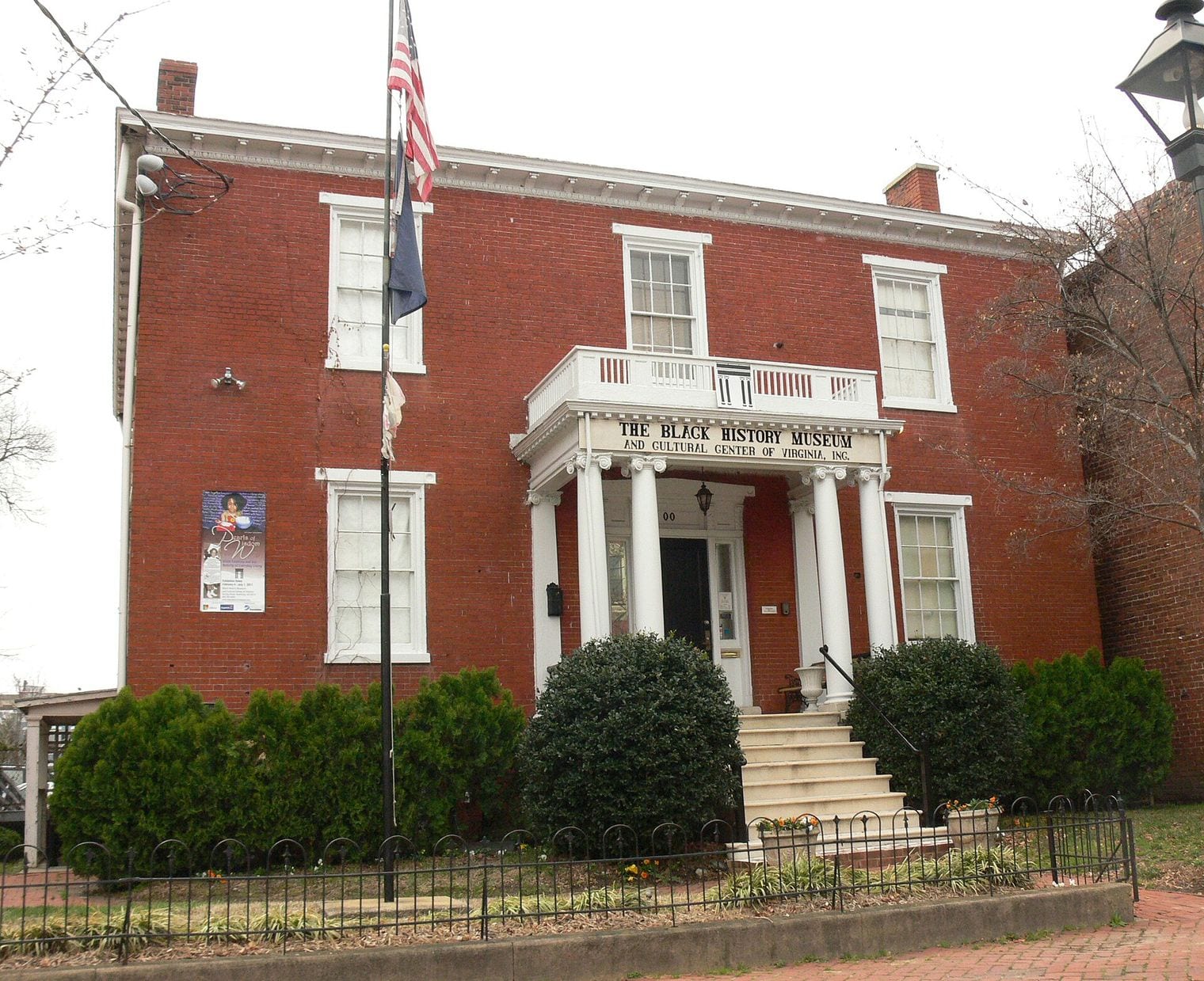
2222. Black History Museum and Cultural Center of Virginia
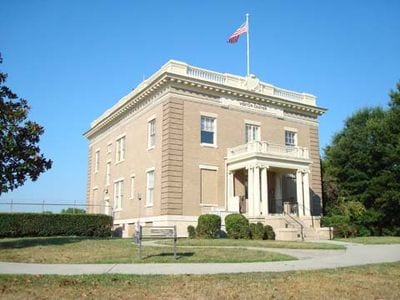
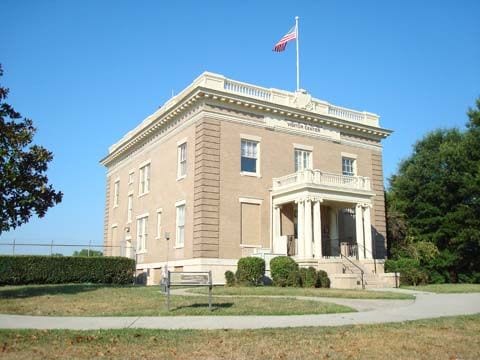
The Black History Museum and Cultural Center of Virginia, founded in 1981, focuses on the history of Black and African Americans in Virginia. It occupies the Leigh Street Armory in Jackson Ward, built in 1895 for an African-American militia and the oldest of three identified African-American armories in the country.
Exhibits combine artifacts, art and personal stories, and changing shows explore subjects from civil rights to culture. It is a short walk from the Maggie L. Walker site, so the two make a natural pairing.
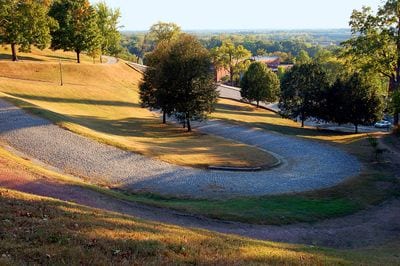
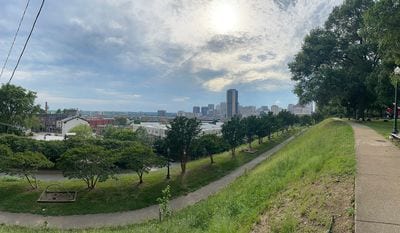
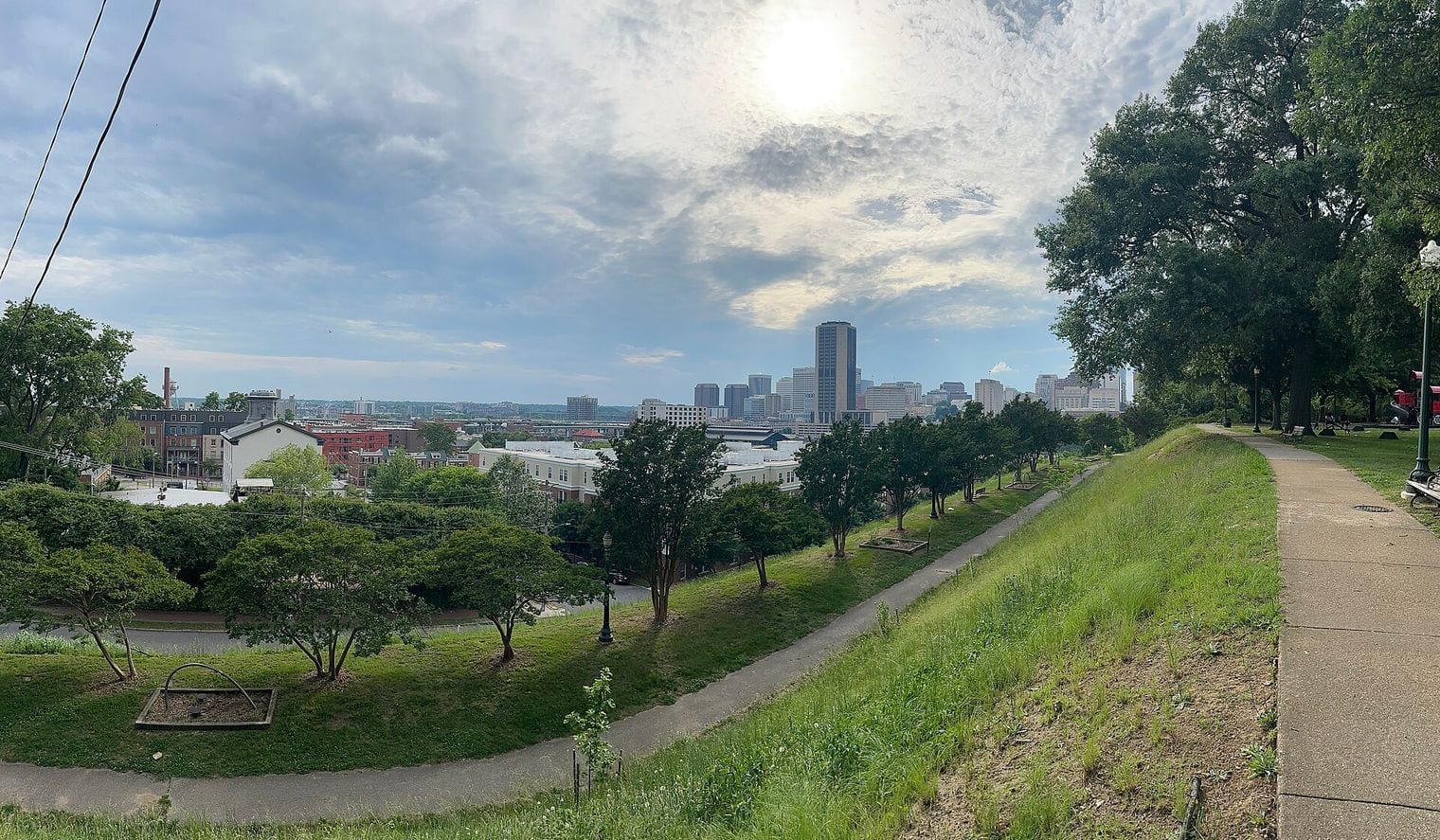
Jefferson Park, on Union Hill at North 21st and East Marshall streets, is the Church Hill park with one of the best panoramas of the downtown skyline. Its open lawns, mature trees and bandstand fill up around sunset, when locals bring blankets and watch the city light up.
There is an eerie story underfoot: the Church Hill Tunnel runs below the slope, and in 1925 part of it collapsed on a work train beneath the park, killing four men and trapping a steam locomotive. The tunnel was eventually sealed with the locomotive still inside.
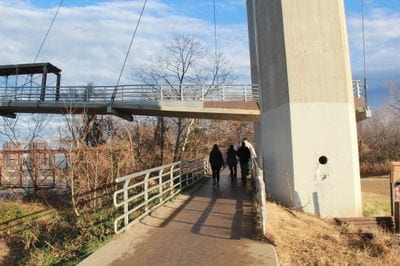
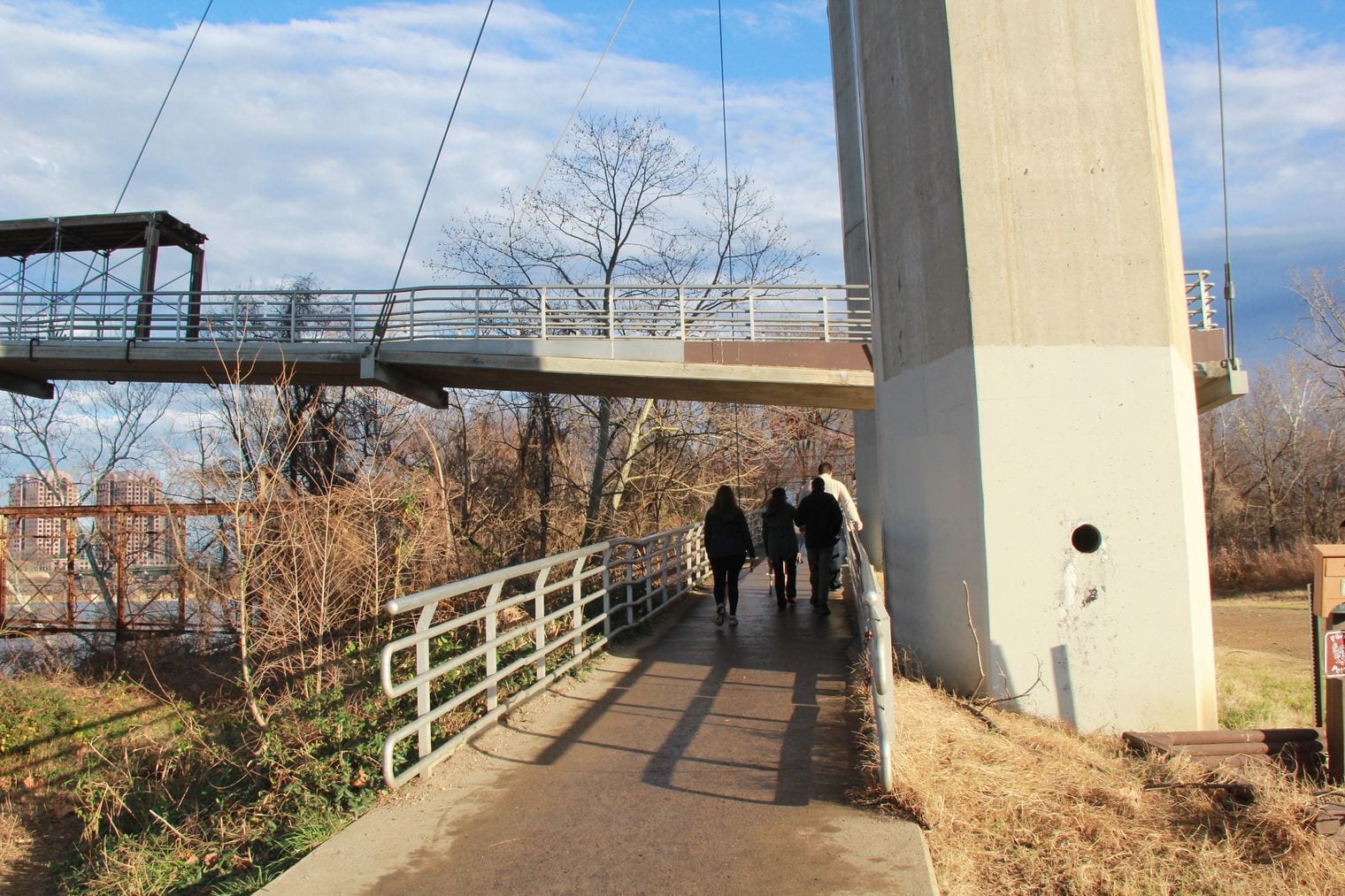
Belle Isle is a 54-acre island in the middle of the James River, reached by a suspension footbridge slung beneath a highway bridge, and it is the best-loved corner of the 600-acre James River Park System. Trails loop past remnants of its industrial past and the site of a Civil War prison camp for Union soldiers, and a small cliff is used for rock-climbing instruction.
The wider park system stretches for miles along the James, with spots such as Pony Pasture Rapids and Texas Beach for wading, sunbathing on the rocks and spotting wildlife. The river's rapids draw kayakers and rafters right in the city, but its currents can be dangerous, so check conditions before getting in.
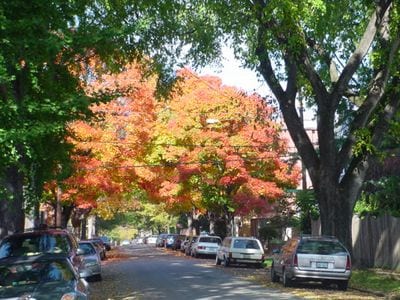
The Fan District takes its name from the fan-shaped spread of streets that runs west from Monroe Park toward Arthur Ashe Boulevard, and its tree-lined blocks of historic houses, cafés and locally owned restaurants make it one of Richmond's best neighborhoods to explore on foot. Virginia Commonwealth University anchors its eastern end.
Its grandest street is Monument Avenue, a grassy boulevard lined with mansions, churches and apartment buildings from the early 20th century. Its Confederate statues were removed in 2020 and 2021, and the Arthur Ashe Monument, honoring the Richmond-born tennis champion, is now the avenue's only statue.
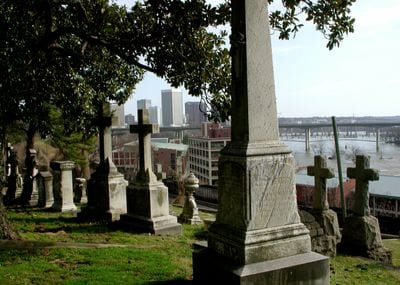
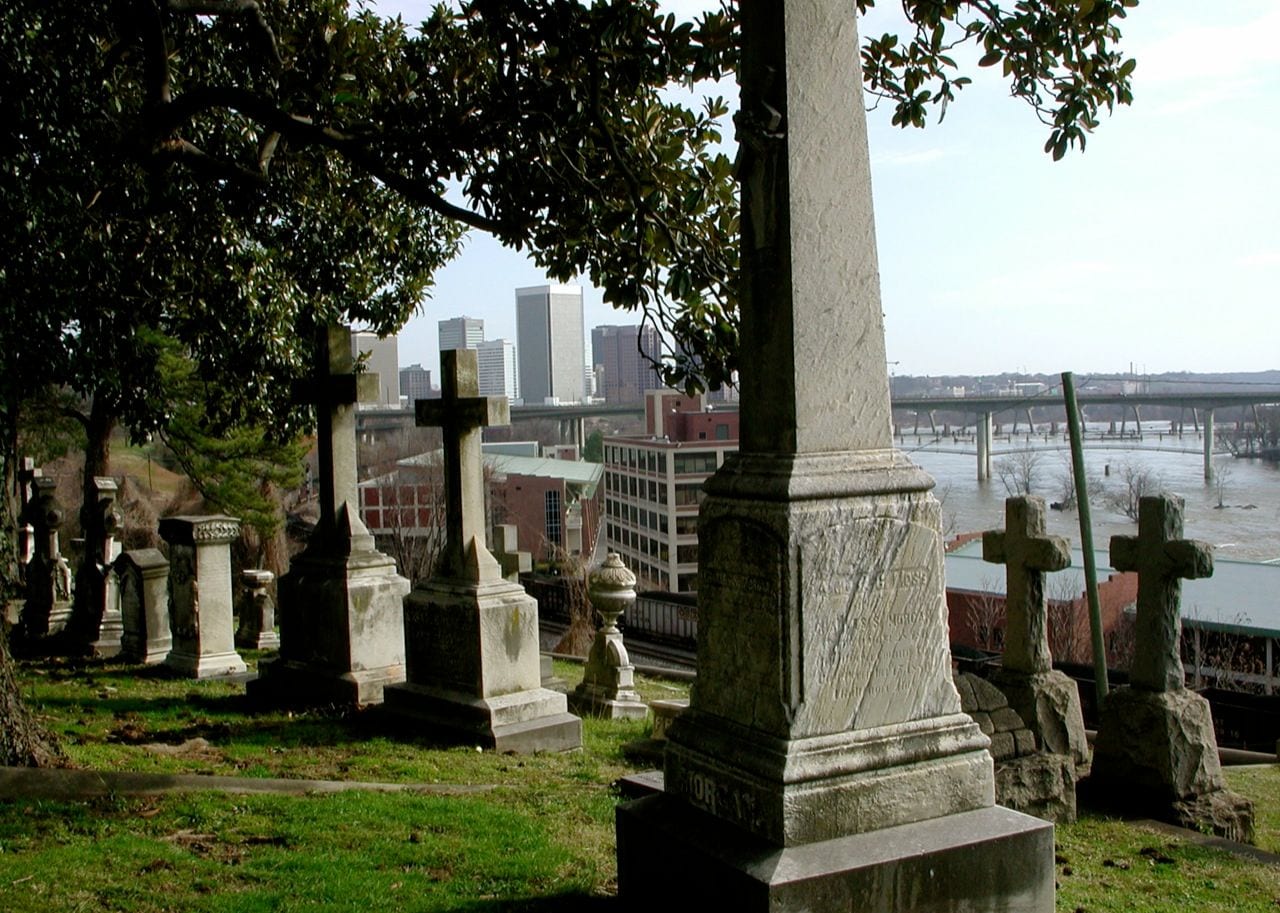
Hollywood Cemetery, laid out in 1847 by the landscape architect John Notman, spreads across 135 hilly acres above the James River in Oregon Hill. It is one of only three places in the United States where two presidents are buried: James Monroe and John Tyler rest here, along with Confederate president Jefferson Davis and generals including J.E.B. Stuart and George Pickett.
Beyond the famous graves, it is the setting that lingers: winding lanes, Victorian monuments, a 90-foot granite pyramid built in 1869 for the Confederate dead, and long views over the river. Wear comfortable shoes, as the hills are steep.
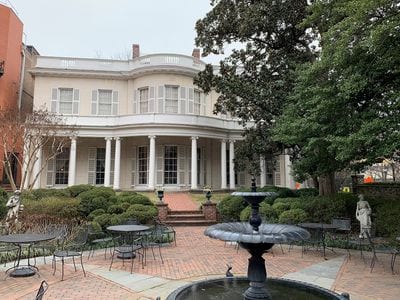
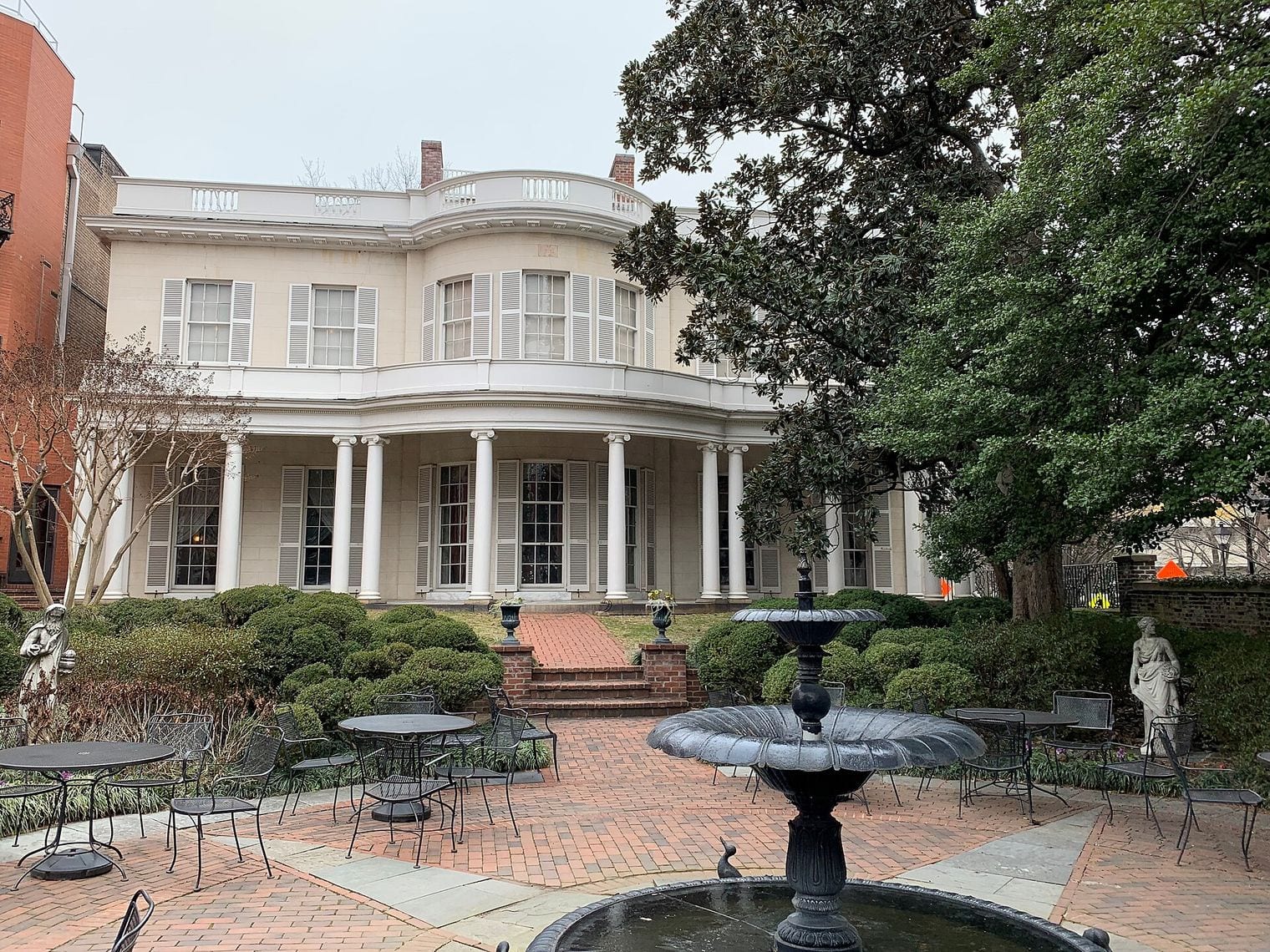
The Valentine has been collecting and interpreting Richmond's history since 1898, when it opened as the city's first museum, founded on the bequest of the collector Mann S. Valentine II. Its changing exhibitions focus on the people, places and events that shaped the city.
The museum includes the 1812 Wickham House, a National Historic Landmark built for the attorney John Wickham, who defended Aaron Burr in his treason trial, and it holds works left by the sculptor Edward Valentine, the museum's first president. Walking tours led by the museum are a good way to see the city through its eyes.
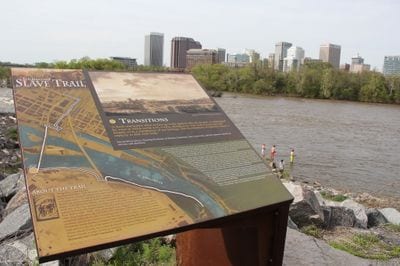
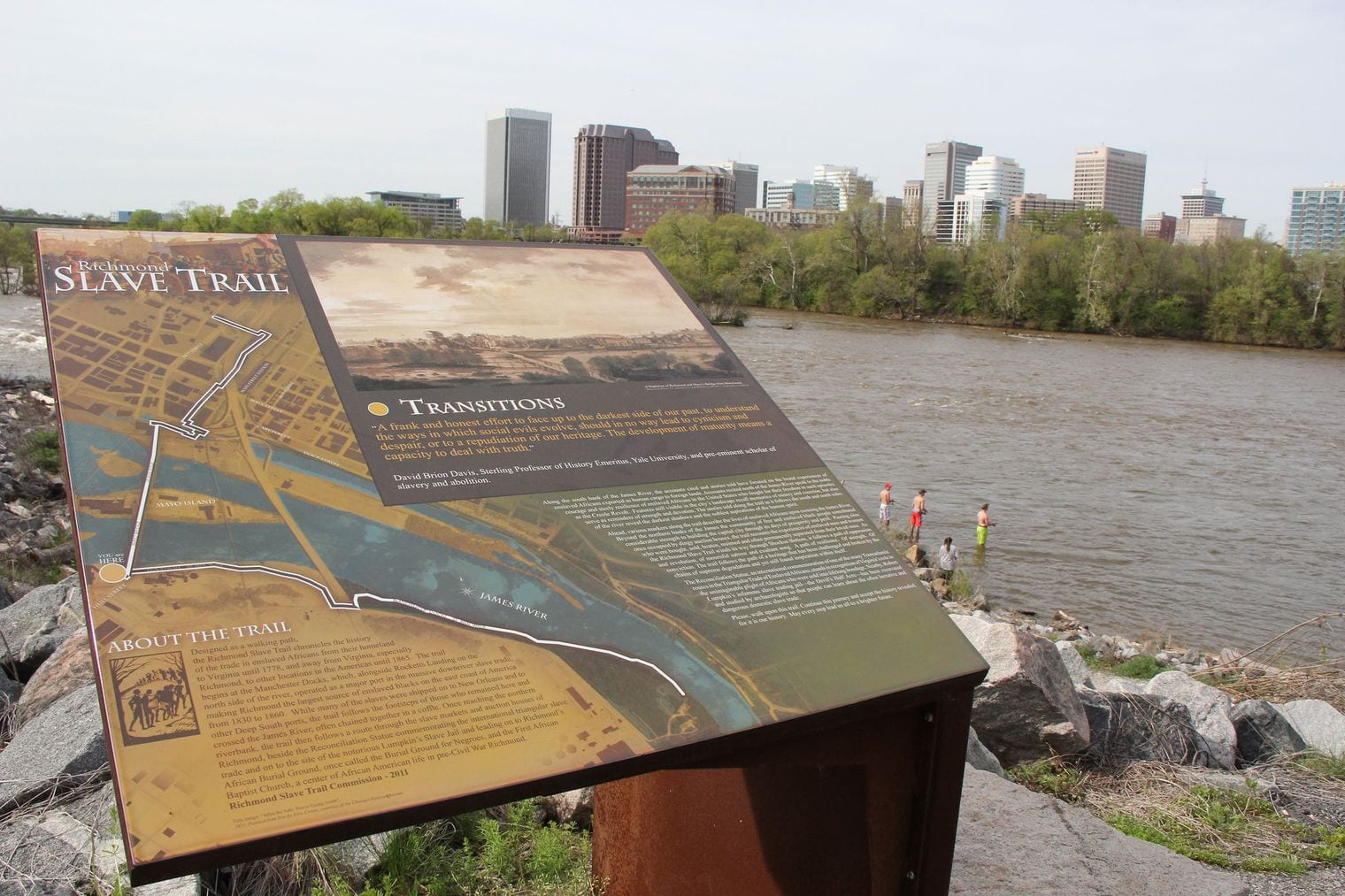
The Richmond Slave Trail traces the route by which enslaved people were brought into and sold through Richmond, which in the decades before the Civil War was one of the largest slave-trading centers in the country. Seventeen markers installed in 2011 lead from the Manchester Docks at Ancarrow's Landing across the river into Shockoe Bottom.
Key stops include the Reconciliation Statue at 15th and East Main streets, a twin of statues in Liverpool, England and Benin, and the site of Lumpkin's Jail, the notorious slave-holding pen known as "the Devil's Half Acre", and the African Burial Ground. Walking all or part of it is one of the most powerful things to do in the city.
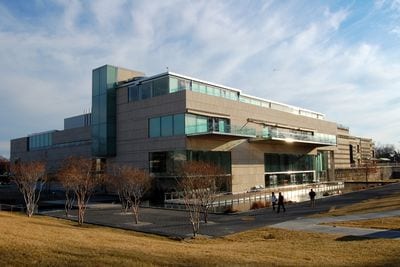
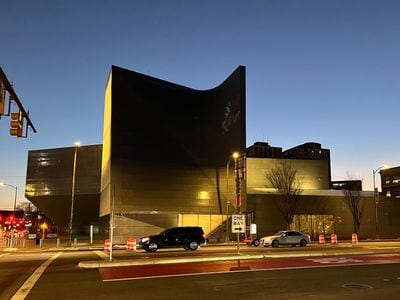
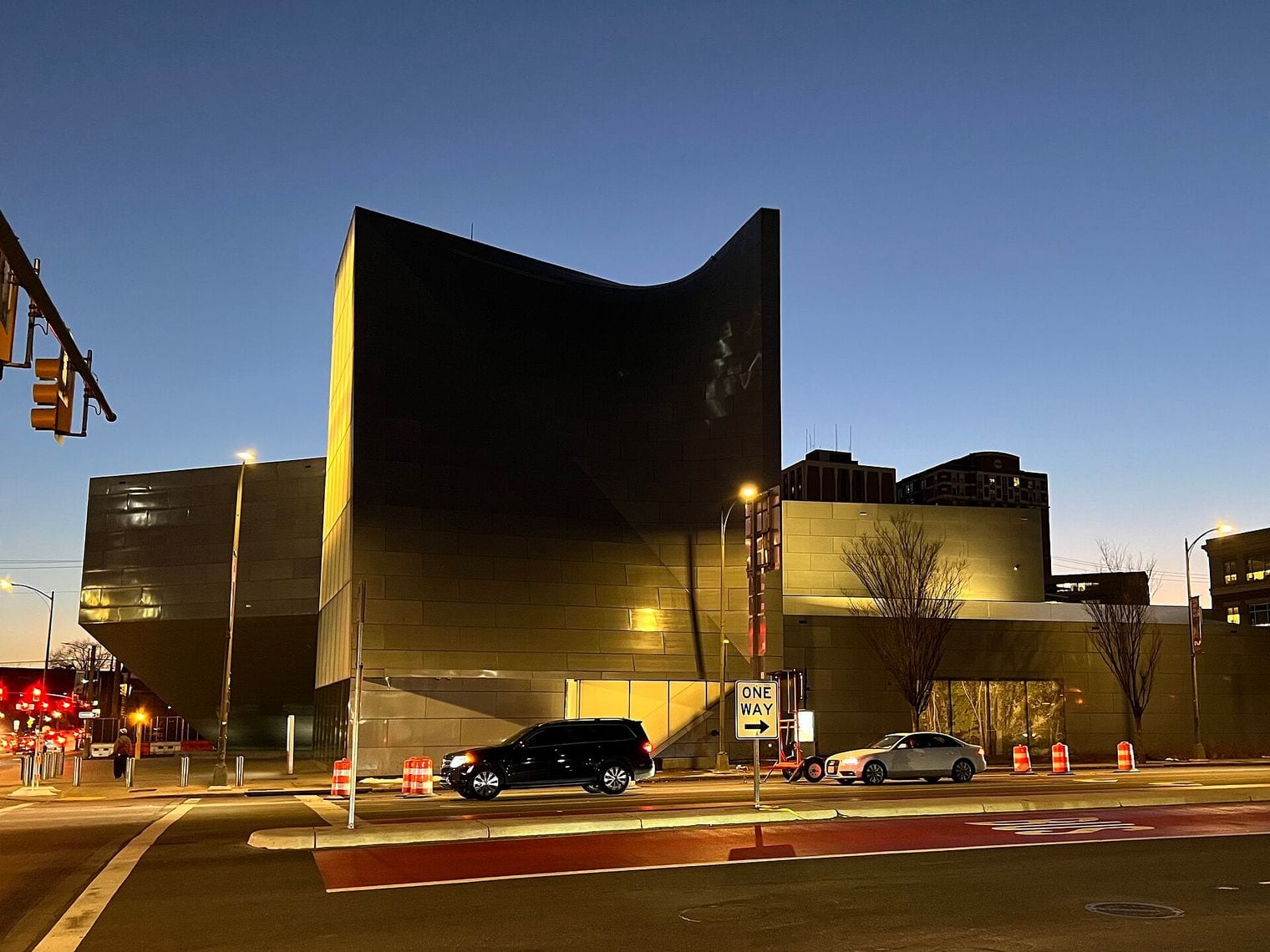
The Institute for Contemporary Art at VCU opened in 2018 in the Markel Center, an angular building by the architect Steven Holl on Broad Street at the edge of the city's Arts District. Its galleries host changing exhibitions of contemporary art, alongside performances, films and talks.
Admission is always free, so it is easy to drop in for an hour; look out for the building's dramatic stairway, designed by Holl. The surrounding Arts District galleries make it easy to turn a visit into a longer art walk.
3030. Richmond National Battlefield Park and Chimborazo Medical Museum
Historical Landmark~1.6 miles (2.6 km) from centre
Richmond National Battlefield Park ties together 13 Civil War sites in and around the city, which served as the Confederate capital for most of the war. Its in-city stop in Church Hill is the Chimborazo Medical Museum, on the grounds of Chimborazo Hospital, which admitted nearly 78,000 patients between 1862 and 1865 with a mortality rate low for its era.
The museum's medical and surgical displays and short film explain wartime medicine, and Chimborazo Park outside offers views over the river from the bluff. From here, drive out to the battlefields east of the city, such as Cold Harbor and Malvern Hill, where earthworks and trails survive.
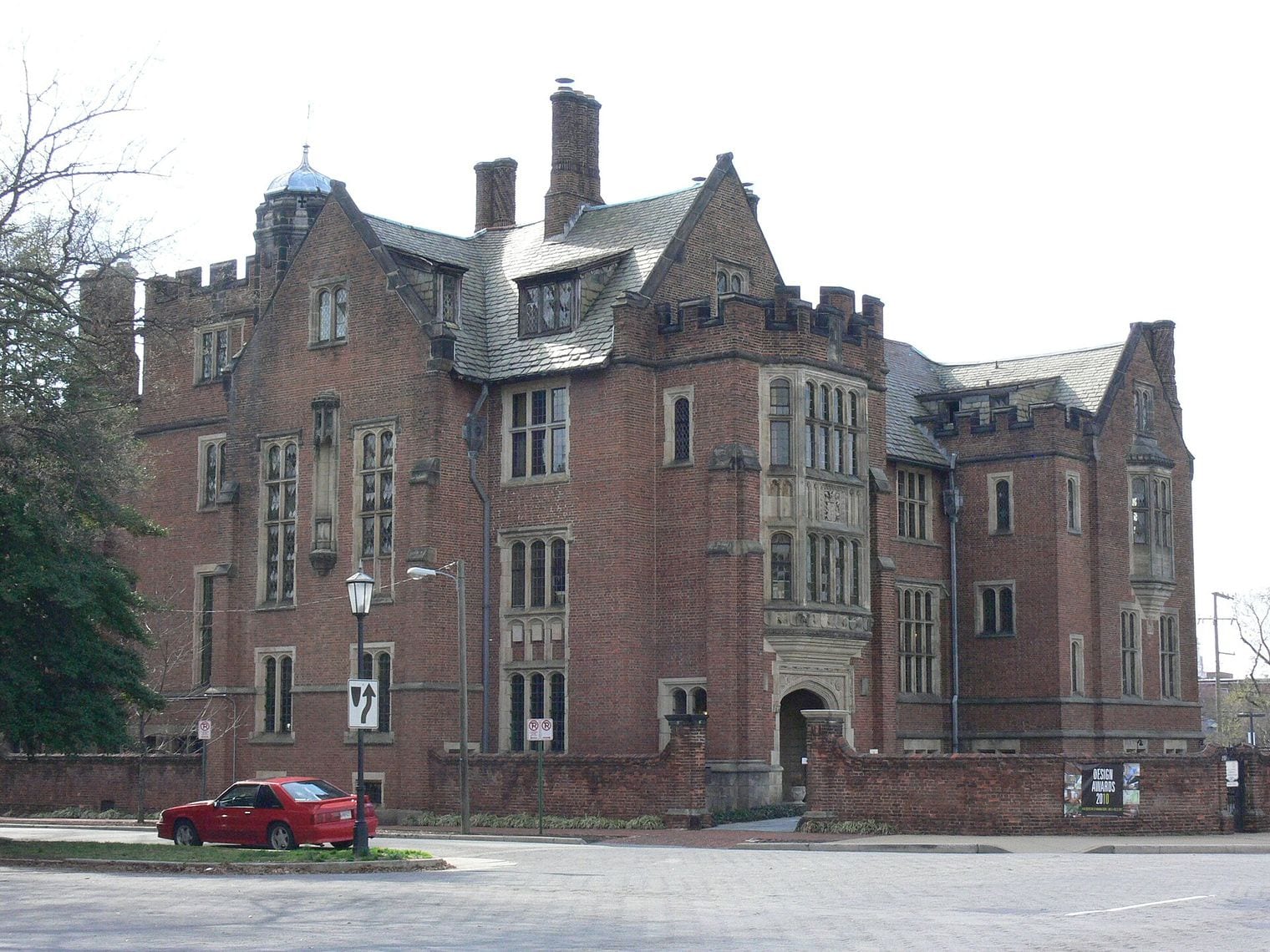
The Branch Museum of Design occupies the Branch House on Monument Avenue, a Tudor-style mansion designed in 1916 by the firm of John Russell Pope for the financier John Kerr Branch and his wife Beulah. Formerly the Virginia Center for Architecture, it now presents changing exhibitions on design in all its forms, from architecture and interiors to fashion.
The house itself is half the attraction, with grand interiors that show off the craftsmanship of Pope's firm, and it makes a good stop on a walk along Monument Avenue through the Fan.
Church Hill is the neighborhood that holds Richmond's original town plat, and it rewards a slow wander. Streets of restored 19th-century houses climb the hill around St. John's Church, with neighborhood cafés and restaurants tucked among them and the East End neighborhoods of Union Hill and Chimborazo next door.
Use it to string together several stops on this list: St. John's Church, Libby Hill Park, Jefferson Park and the Chimborazo Medical Museum are all within walking distance of one another. The views back over the river and downtown are some of the best in the city.
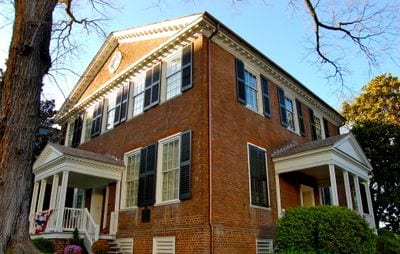
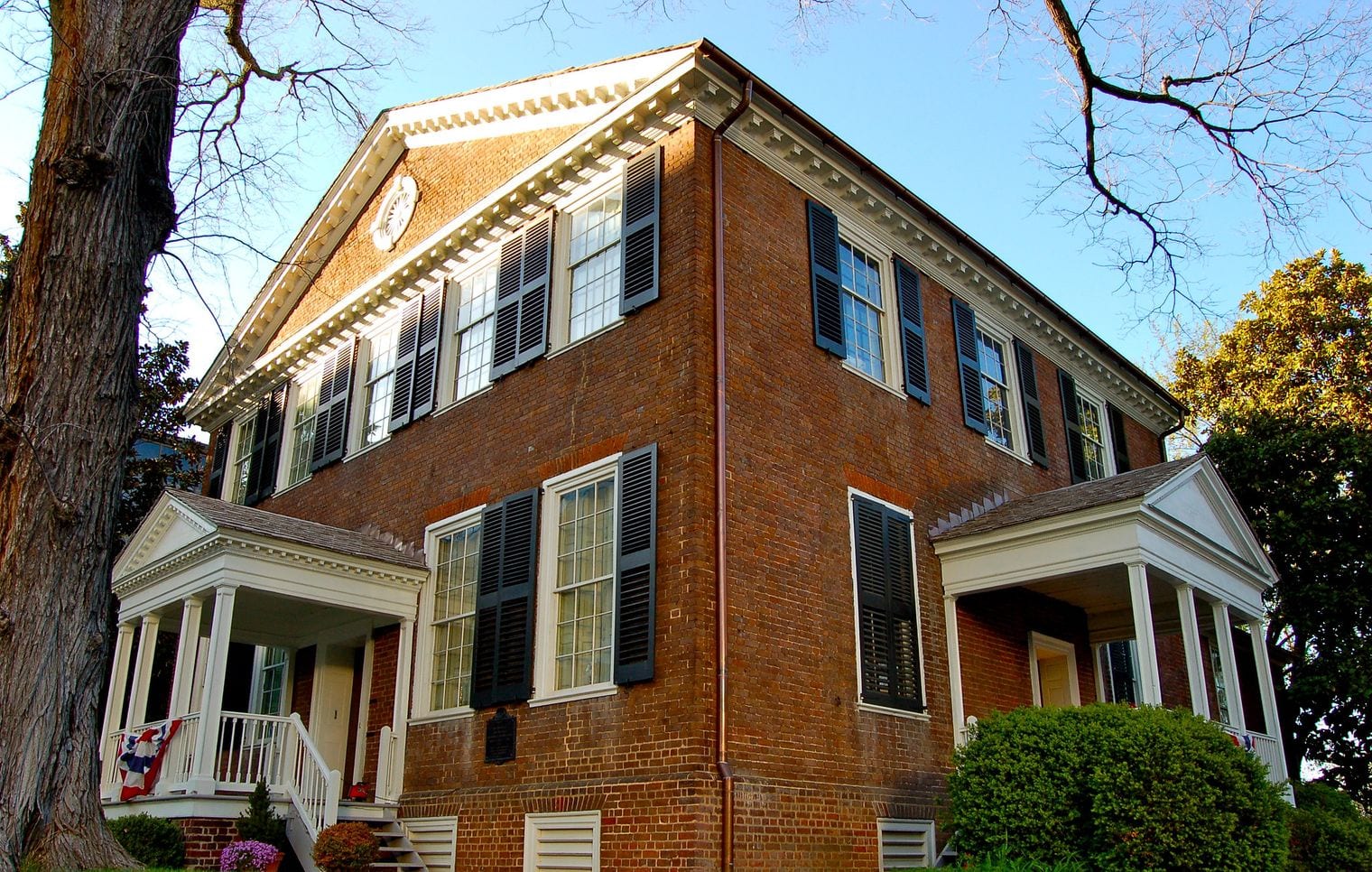
The John Marshall House is the 1790 Federal-style brick home of John Marshall, Chief Justice of the United States from 1801 until his death in 1835, who wrote landmark decisions such as Marbury v. Madison. He lived here with his wife Polly and their children for more than four decades.
Run by Preservation Virginia, the house is a National Historic Landmark in the Court End neighborhood, a few blocks from the Capitol, and tours of its rooms explain Marshall's family life and his role in shaping the Supreme Court.
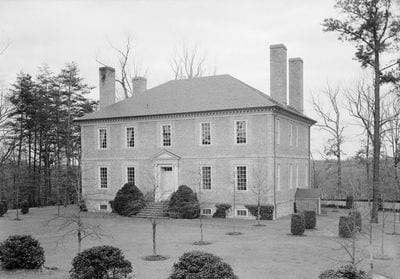
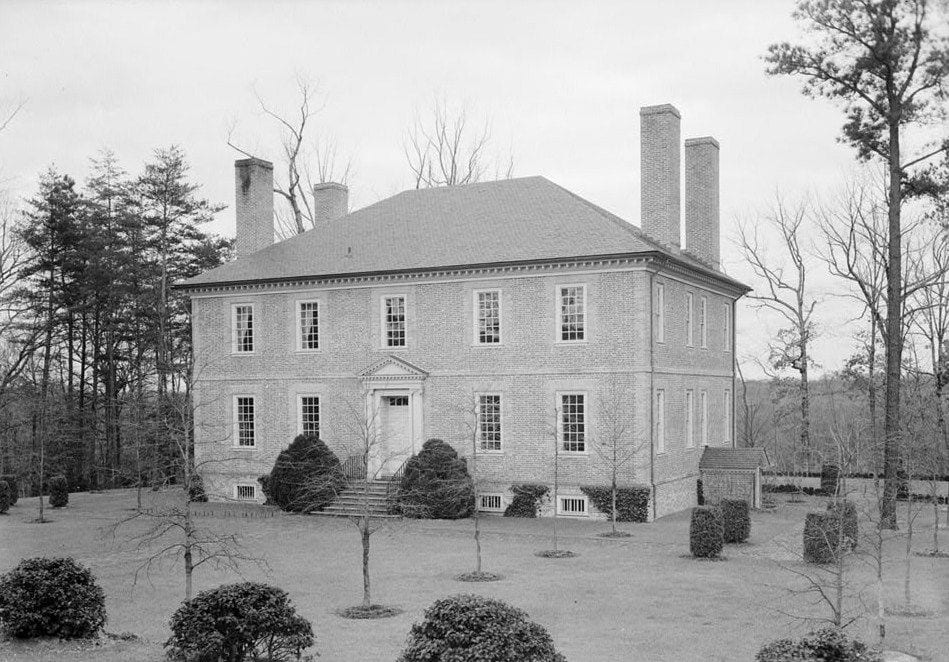
Wilton House Museum is a Georgian manor built around 1753 for William Randolph III on a 2,000-acre tobacco plantation overlooking the James River east of the city. In 1934, with development closing in and the property facing foreclosure, The National Society of The Colonial Dames of America in Virginia bought the house, dismantled it and rebuilt it in Richmond's West End.
Tours take in its rooms and collection of period furnishings and explain the lives of the Randolph family and the enslaved people who worked the plantation. It is a quiet, rewarding stop for anyone who enjoys colonial architecture.
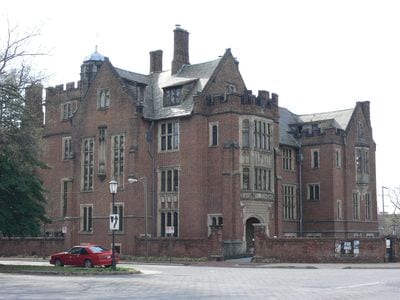
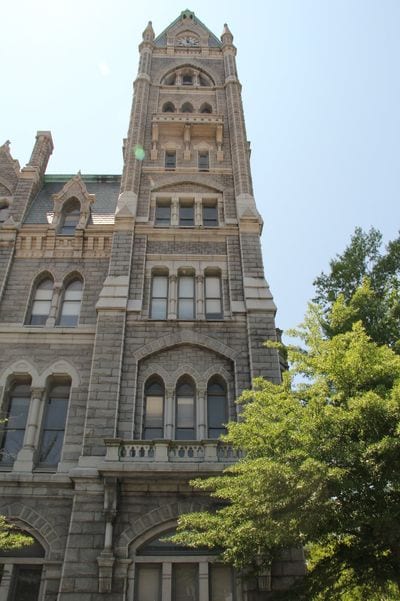
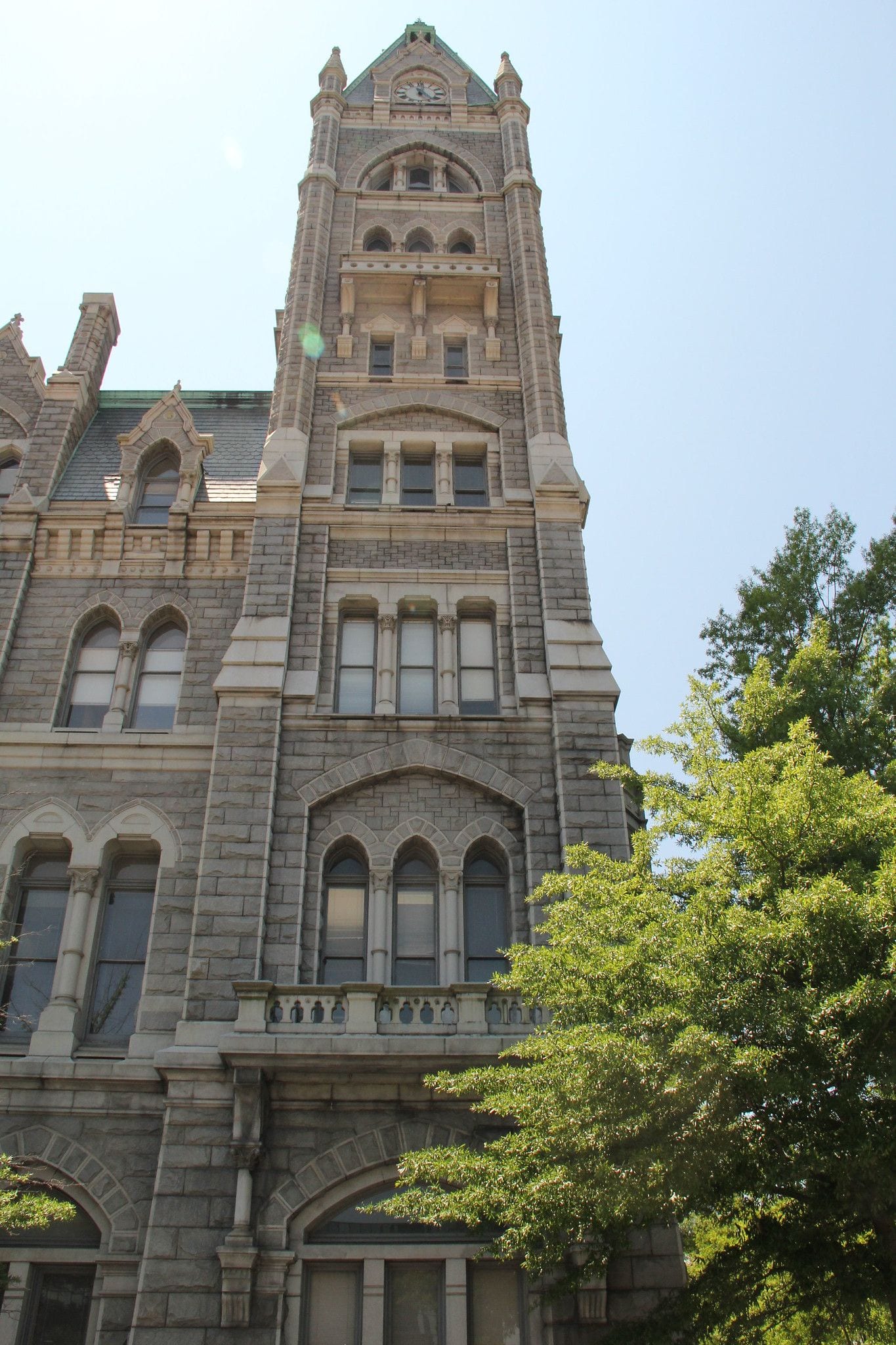
Old City Hall, completed in 1894 to a design by the architect Elijah E. Myers, is a showpiece of meticulous Gothic Revival style that fills its own city block just north of Capitol Square. It served as Richmond's City Hall until the 1970s and is a National Historic Landmark for its architecture.
Step inside to see its real showpiece, a skylit atrium surrounded by four levels of cloister-like arcades and linked by a grand staircase. The ground floor is open to the public, so it is an easy, free detour after a visit to the Capitol.
Plan your trip
Best Time to Visit Richmond
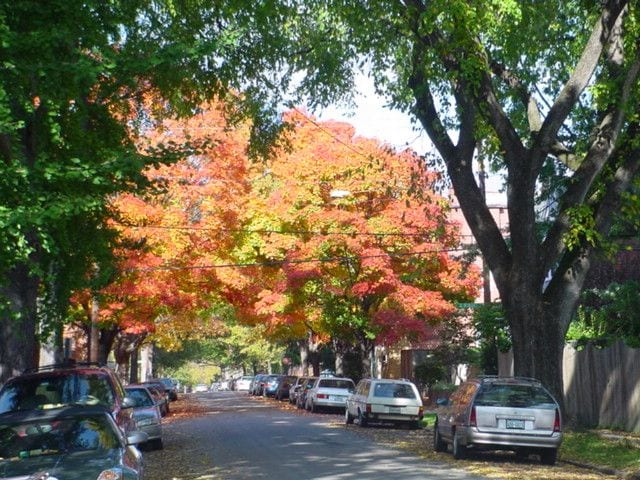
Spring and fall are the best times to visit Richmond. From April into early June the gardens at Maymont and Lewis Ginter are at their peak and the weather is ideal for walking Church Hill and the Canal Walk. Fall brings crisp days, color along the James and the free Richmond Folk Festival on the riverfront each October.
Summers are hot and humid, which is when locals head to Belle Isle and the river and to Flying Squirrels games at CarMax Park. Winters are generally mild, with only occasional snow, and the museums, theaters and holiday events keep the city busy through the cooler months.
Getting to Richmond
Richmond sits where Interstate 95 and Interstate 64 cross, so it is an easy drive from much of the East Coast: Washington, D.C. is about two hours north on I-95, and Virginia Beach is about two hours east on I-64. Interstate 295 loops around the eastern and northern suburbs as a bypass.
Richmond International Airport is in Henrico County, roughly 15 to 20 minutes east of downtown, and the larger Washington-area airports are about two hours north. Amtrak trains serve Main Street Station downtown, near Shockoe Bottom, and Staples Mill Road station in Henrico County.
Getting Around Richmond
Downtown, Church Hill, the Fan and the Museum District are each walkable, and a bus rapid transit line runs along Broad Street linking the Museum District, VCU and downtown. The riverfront paths, the Canal Walk and the Virginia Capital Trail, a paved bike path that runs about 50 miles toward Williamsburg, make cycling a pleasant way to cover the waterfront.
The city is spread out, though, so a car or rideshare is the easiest way to reach Maymont, Agecroft Hall, Wilton House and Lewis Ginter Botanical Garden. Downtown has public garages and metered street parking, while the residential neighborhoods have street parking that can fill up on busy evenings.
Where to Stay in Richmond
Downtown and Shockoe Slip are the most convenient bases for a first visit, within walking distance of the Capitol, the Canal Walk, Tredegar and the theaters. The Fan and the Museum District suit travelers who want leafy streets, the big museums and Carytown's shops and restaurants close by.
Scott's Addition puts you near breweries, cideries and the ballpark, while Church Hill offers historic streets, river views and an easy walk to St. John's Church and Libby Hill. Drivers looking for more choice and easier parking often stay in the West End or near the airport.
Where to Eat in Richmond
Richmond has a strong food scene for its size, spread across distinct neighborhoods. Carytown and the Fan are packed with cafés, bakeries and casual restaurants, Shockoe Slip and Shockoe Bottom mix historic warehouses with dining rooms and bars, and Church Hill and Union Hill have a cluster of neighborhood favorites near St. John's Church.
Look for Southern cooking, barbecue, Virginia ham and Chesapeake Bay seafood such as oysters and blue crab. Scott's Addition is the place for a craft beer or cider crawl, with taprooms lined up within a few blocks of one another.
Day Trips from Richmond
Colonial Williamsburg, Jamestown and Yorktown, Virginia's Historic Triangle, are about an hour southeast on I-64, and Petersburg, with its Civil War battlefield, is about 30 minutes south. Fredericksburg, another Civil War town with a walkable historic downtown, is about an hour north on I-95, and the Kings Dominion amusement park in Doswell is about half an hour north.
Head west for about an hour and a quarter to Charlottesville, home to Monticello and the University of Virginia, and continue on to Shenandoah National Park and Skyline Drive in under two hours. For the beach, Virginia Beach is about two hours east, and the state's small towns make easy weekend detours in every direction.
One Day in Richmond
Morning
Start on Church Hill at Historic St. John's Church, where Patrick Henry gave his "liberty or death" speech, then walk a few blocks to Libby Hill Park for the view that named the city. Head downhill into Shockoe Bottom for The Poe Museum and its Enchanted Garden.
Drive west to the Museum District for the free galleries of the Virginia Museum of Fine Arts, then finish in Carytown with dinner and a film at the Byrd Theatre.
Richmond is best known for its history and its museums. Highlights include the free Virginia Museum of Fine Arts, Thomas Jefferson's Virginia State Capitol, the Gilded Age estate of Maymont, The Poe Museum and the Science Museum of Virginia, plus Revolutionary and Civil War landmarks and the rapids of the James River running right through the city.
How many days do you need in Richmond?
Two to three days is ideal for Richmond. That gives you time for the Museum District, the Capitol and downtown riverfront, Church Hill and an afternoon on the James River. With only one day, focus on Church Hill, the Capitol, the Canal Walk and the Virginia Museum of Fine Arts, then end the evening in Carytown.
What can you do in Richmond for free?
Plenty. The Virginia Museum of Fine Arts and the Institute for Contemporary Art at VCU have free general admission, and Virginia State Capitol tours are free. Walking the Canal Walk, Belle Isle, Hollywood Cemetery, Libby Hill Park and the Richmond Slave Trail costs nothing, and Maymont's grounds and the Virginia War Memorial are free to visit too.
Is Richmond worth visiting?
Yes. Richmond packs nearly three centuries of American history into a compact city, from St. John's Church and the State Capitol to the Civil War museums and Jackson Ward, and it pairs that with a free world-class art museum, lively neighborhoods such as Carytown and the Fan, and whitewater and island trails on the James.
When is the best time to visit Richmond?
Spring and fall are best, with mild weather, gardens in bloom in spring and the Richmond Folk Festival in October. Summer is hot and humid but good for the river and baseball, and winter is usually mild. See the Best Time to Visit section above for more detail.
Sources & updates
How this guide was checked
Checked before launch
Sources cited
35
Publishers
27
Every place on this list was confirmed open and pinned on the map before publication, and what we say about each one was checked against its own website or an official source.
A PDF with a box to tick for every place. Confirm your email to download it, and get one email every Thursday with our newest guides for the places you tick.
Free Richmond printable checklist
All 35 places in one PDF
Tick them off as you go. Confirm your email to download it, plus one email every Thursday with new guides for the places you tick.
We use cookies to analyse site traffic and improve your experience.
You can accept or reject analytics cookies. See our
May we use analytics cookies? See ourCookie Policy.