We build and rank every list first. Booking links come after, and only where
a partner sells a ticket, tour or stay for that exact place, so a place with
nothing to book is listed exactly as prominently as one you can book.
So how do we earn? Some links on this page go to booking
partners, and if you book tickets, tours or a stay through
one, we may earn a commission. It costs you nothing extra.
That commission never decides which places make the list, the order they
appear in, or what we write about them. No entry is sponsored or a paid
placement.
25 Best Things to Do in Virginia Beach, Virginia (2026)
By the City Viking editorial teamPublished 25 places · 20 min read
Fact-checked Checked before launchOct 16, 202625 sources18 publishers5 government & parks1 tourism board4 encyclopedias & research15 venues & other sitesPublished · Oct 16, 2026Researched and checked before it went liveClick for every source and the full change log.
Short answer
Virginia Beach is known for the world's longest pleasure beach, as Guinness lists it, and its rank as Virginia's most populous city. Start with the three-mile Boardwalk and Oceanfront, First Landing State Park's cypress-swamp trails and the Virginia Aquarium & Marine Science Center, then the 1792 Cape Henry Lighthouse and the warbirds of the Military Aviation Museum. Two or three days covers the highlights, or stay a full week if the beach is the point.
The most populous city in Virginia, Virginia Beach is far more than its famous resort strip. A three-mile boardwalk runs along the Atlantic, while cypress swamps, wildlife refuges, colonial brick houses and the farm country around Pungo fill the rest of this sprawling coastal city.
This guide covers 25 of the best things to do, from the Oceanfront and First Landing State Park to the aquarium, a museum of flying warbirds and the roadless beaches of False Cape. Plan on two or three days for the highlights, or a full week if the beach is the point.
Map of Things to Do in Virginia Beach, Virginia
Things to Do in Virginia Beach, Virginia
Things to Do in Virginia Beach, Virginia at a Glance
Virginia Beach is the most populous city in Virginia, with 459,470 residents at the 2020 census, more than Norfolk or Richmond.
Today's city was created in 1963 by a merger of the 2-square-mile resort town of Virginia Beach with the 253-square-mile Princess Anne County, which is why farms, swamps and wildlife refuges lie inside the city limits.
The city has been listed in the Guinness Book of Records as having the longest pleasure beach in the world.
The Jamestown colonists first came ashore here, at Cape Henry, on April 26, 1607, before sailing on to found Jamestown.
Virginia Beach sits at the southern end of the Chesapeake Bay Bridge–Tunnel, which was the world's longest bridge-tunnel complex until 2018.
The boardwalk's Norwegian Lady statue has a twin in Moss, Norway: both remember the 1891 wreck of the Norwegian barque Dictator off the Virginia Beach shore.
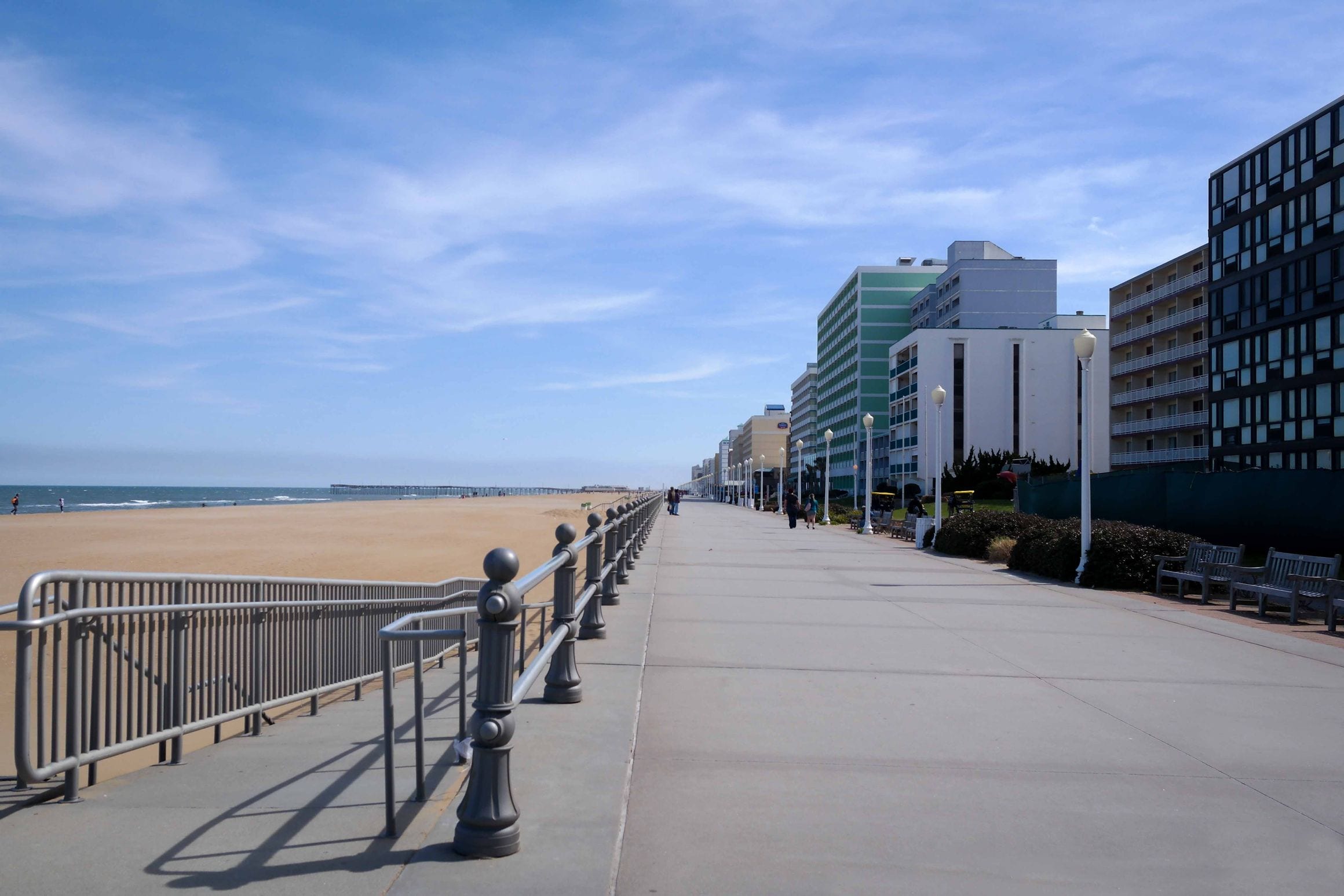
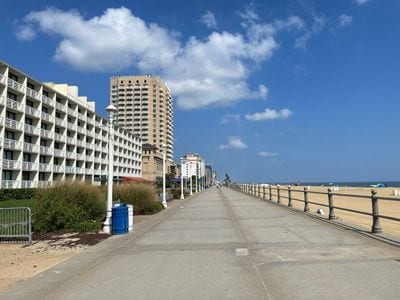
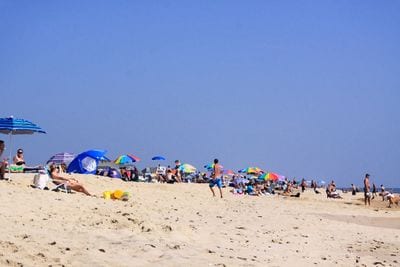
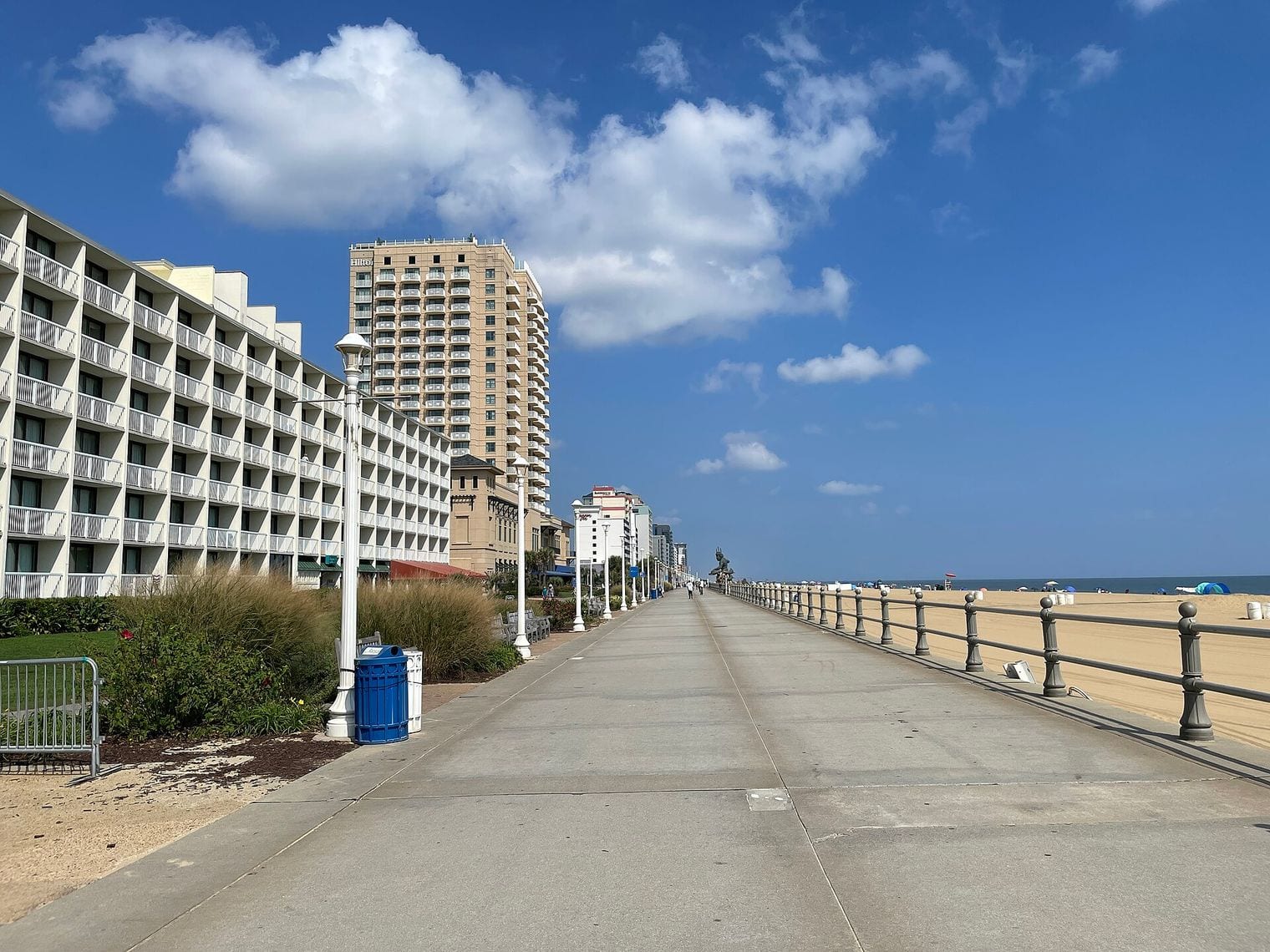
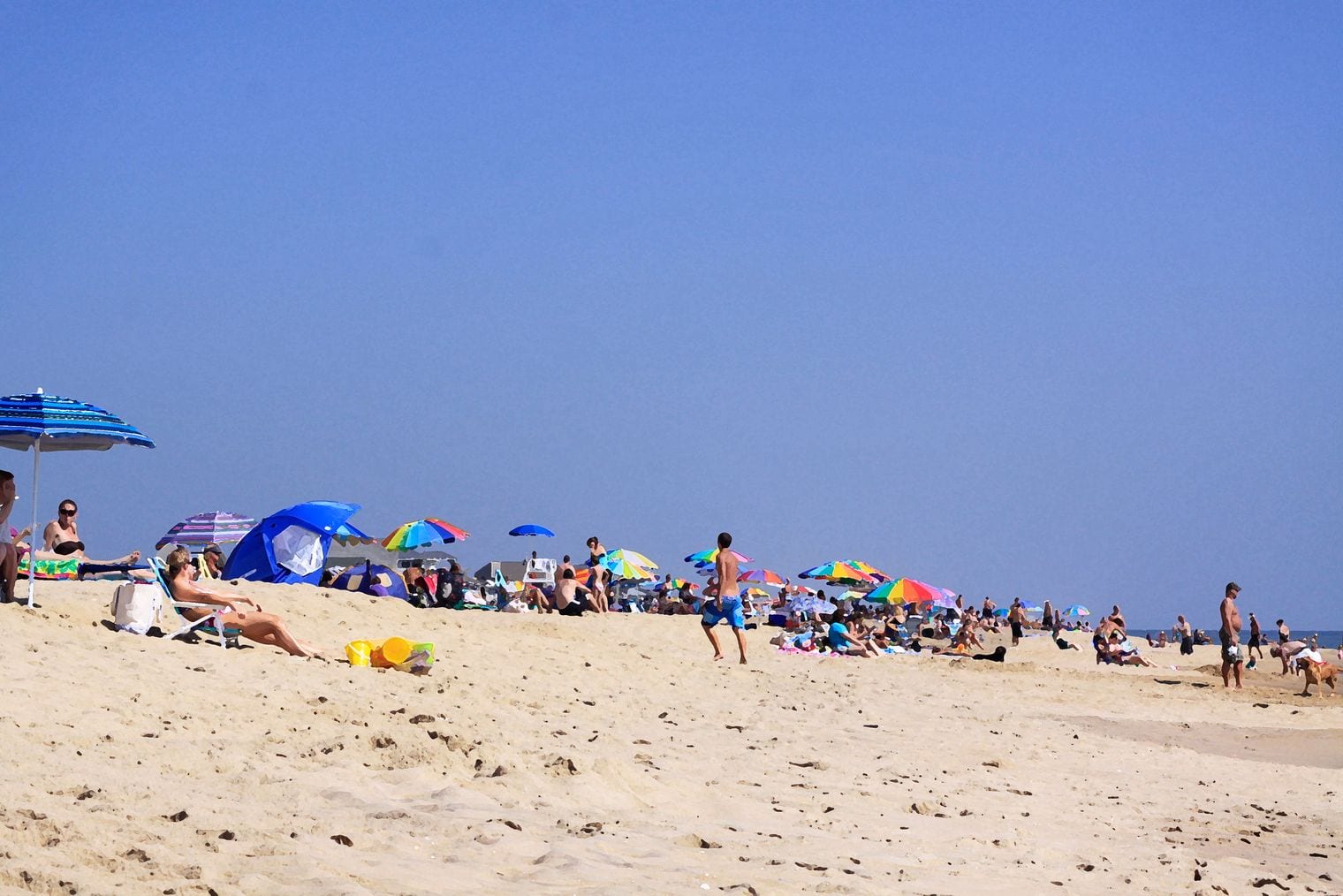
The Virginia Beach Boardwalk is the city's front porch: a three-mile promenade along the Atlantic with a separate bike path beside it, running from Rudee Inlet north past a long line of hotels, surf shops and snack stands toward the residential North End. The broad beach in front of it is what draws most summer visitors, and early mornings belong to joggers, cyclists and surfers.
Walk it end to end and you pass a string of monuments: the Norwegian Lady statue, which remembers the crew lost when the Norwegian barque Dictator wrecked here in 1891, the bronze figures of the Naval Aviation Monument Park, and the Virginia Legends Walk honoring famous Virginians such as Pocahontas and Edgar Allan Poe. A few blocks inland, the murals of the ViBe Creative District make a colorful detour, and the strip is at its liveliest on summer evenings.
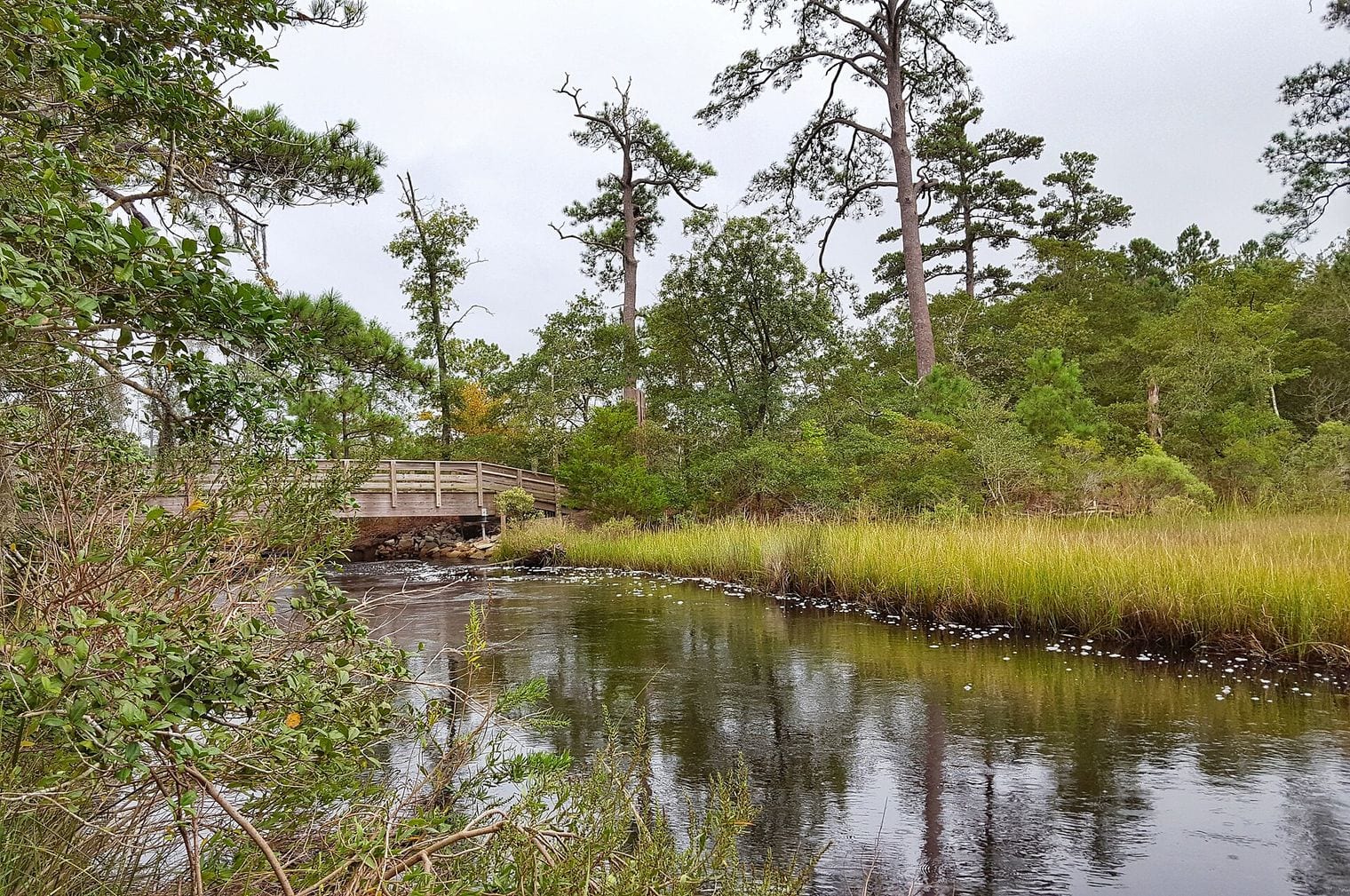
First Landing State Park takes its name from April 1607, when the English colonists bound for Jamestown first came ashore near Cape Henry. Virginia's first planned state park, laid out by the Civilian Conservation Corps in the 1930s, is also its most visited, with more than 19 miles of trails, a beach on the Chesapeake Bay, cabins and a campground.
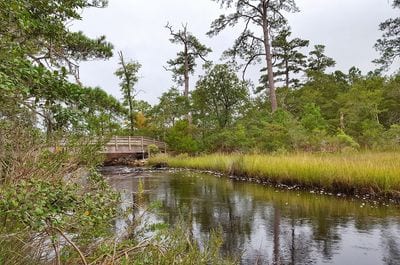
The walk most people come for is the Bald Cypress Trail, a loop on boardwalks and footpaths through a swamp of moss-hung cypress trees and still, dark water. Longer trails cross dunes and maritime forest, and the calm bay beach is gentler than the ocean side, which makes it a favorite with families.
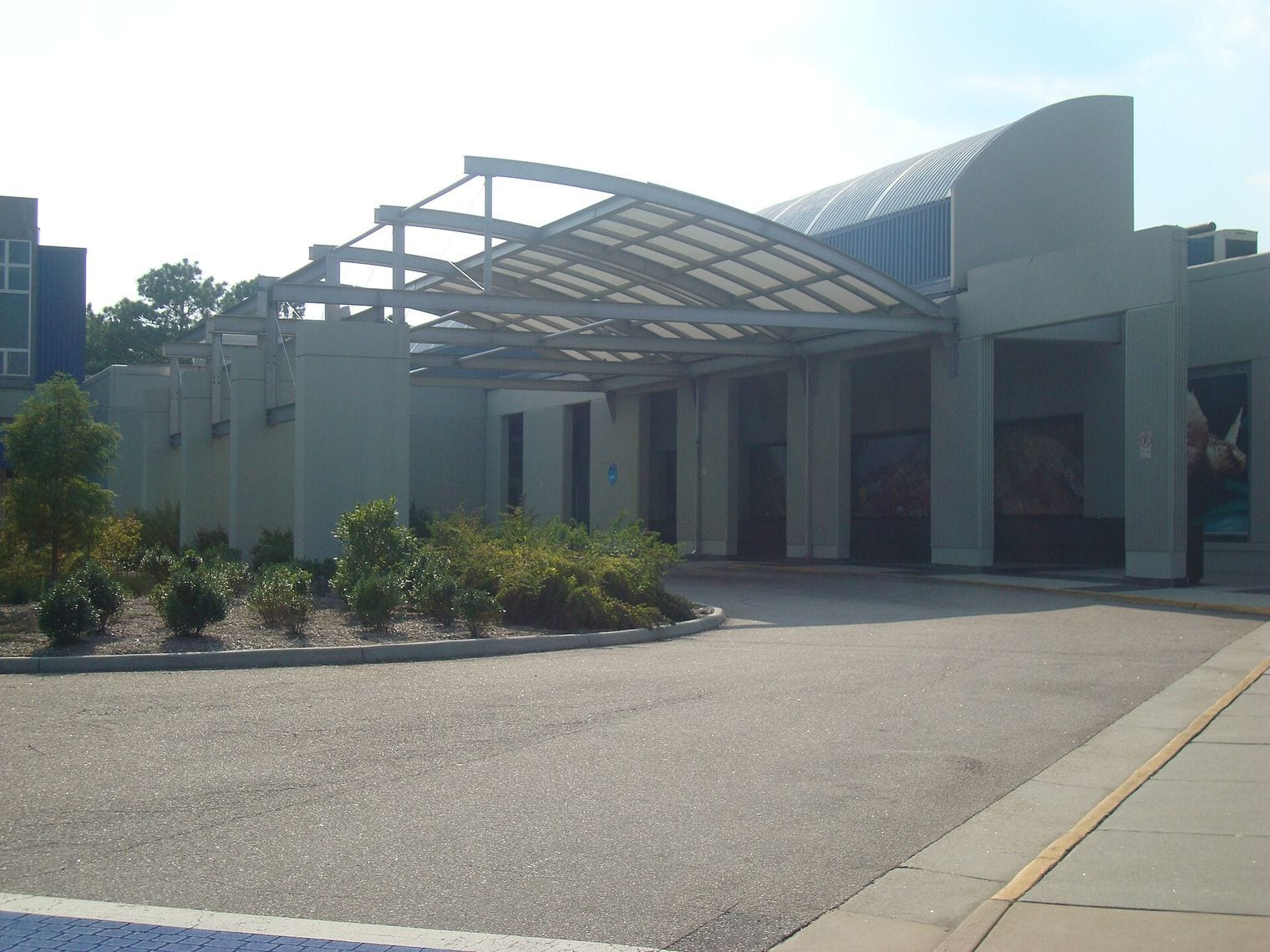
The Virginia Aquarium & Marine Science Center opened in 1986 as the Virginia Marine Science Museum and has grown into one of the city's most popular attractions, with more than 800,000 gallons of freshwater and saltwater exhibits. Sea turtles and sharks cruise the big ocean tanks, river otters play in their own habitat, and a reptile gallery even holds Komodo dragons.
The campus sits just south of Rudee Inlet beside the Owls Creek salt marsh, and an outdoor nature trail lets you see the real coastal habitat as well as the tanks. Behind the scenes, the aquarium runs a stranding-response team that rescues sick and injured seals, dolphins, whales and sea turtles from local shores.
44. Cape Henry Lighthouse
Historical Landmark~5.3 miles (8.5 km) from centre
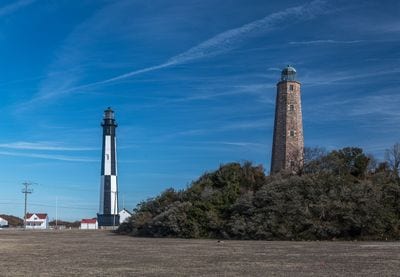
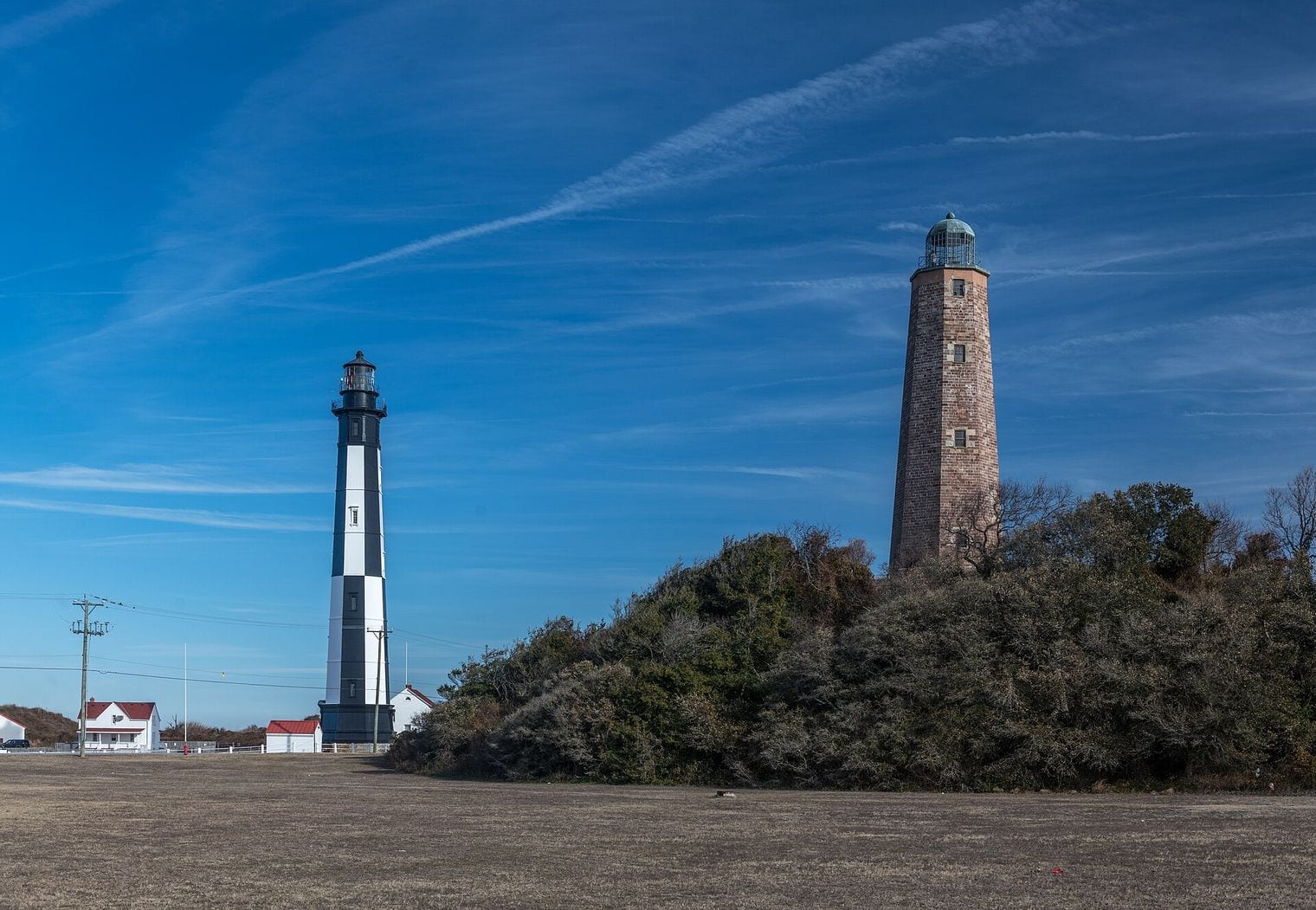
The Cape Henry Lighthouse, completed in 1792 from Aquia Creek sandstone, was the first lighthouse authorized by the new federal government and its first construction project under the Constitution. The tower still stands on a dune at the mouth of the Chesapeake Bay, and visitors can climb its stairs for a view over the bay, the ocean and its black-and-white cast-iron successor of 1881, which still guides ships and is not open to climb.
Nearby, the First Landing Cross marks where the 1607 colonists came ashore, and a monument recalls the 1781 Battle off the Capes, the French naval victory that sealed the British defeat at Yorktown. Because the site lies inside Joint Expeditionary Base Fort Story, civilian visitors must book ahead and clear a base security check before they go.
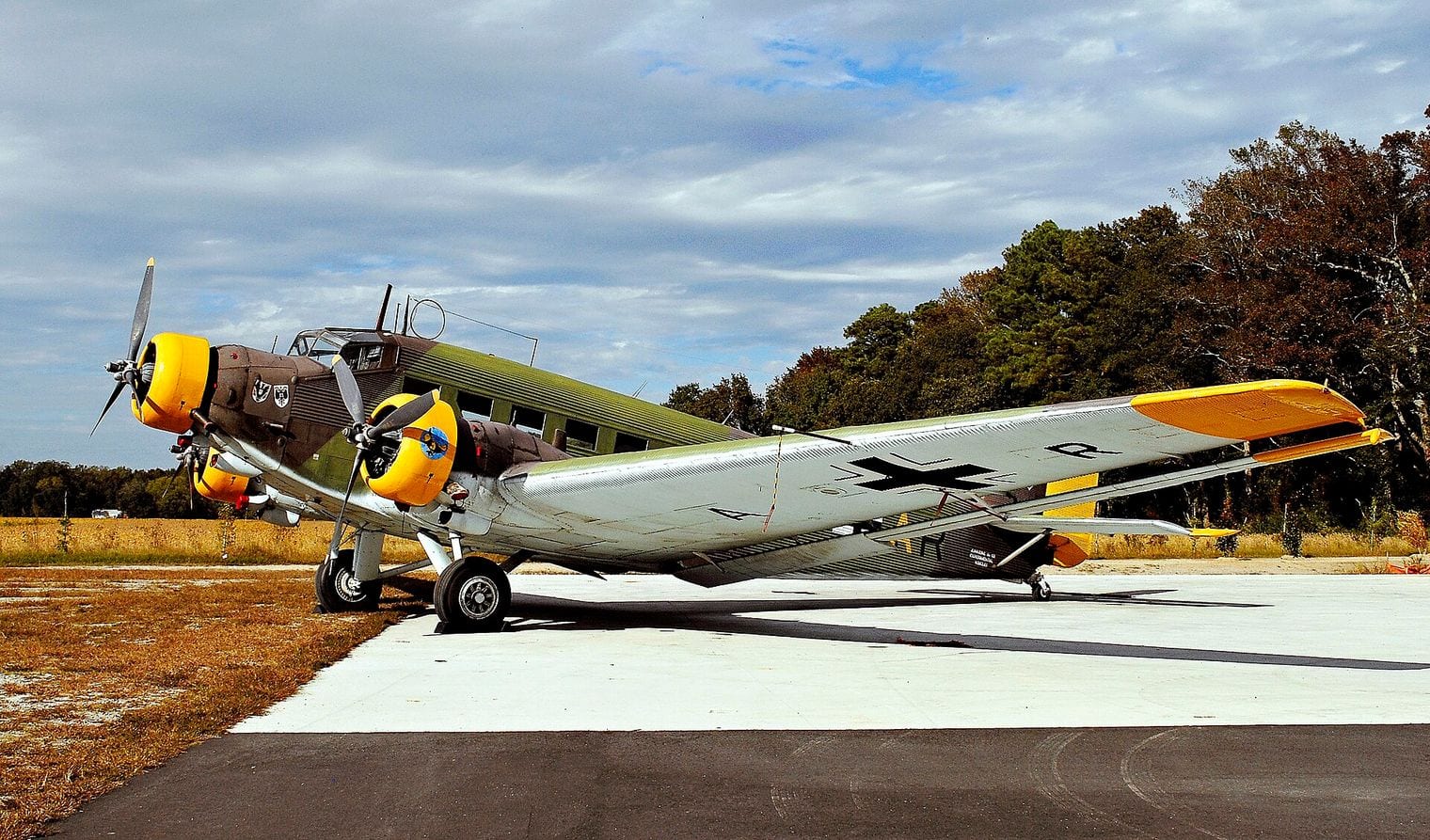
Out among the farm fields of Pungo, the Military Aviation Museum keeps one of the world's largest private collections of warbirds in flying condition, with aircraft from World War I and World War II built in the United States, Britain, Germany, France, Italy and Russia. Founded by Gerald Yagen, it opened its hangars to the public in 2008 on its own grass airfield.
The display hangars put the planes close enough to study every rivet, and the grounds add a replica World War I-era wooden hangar and a restoration shop where aircraft are brought back to life. Because the collection still flies, the museum stages air shows and living-history events, and seeing these engines run is the best reason to plan around one.
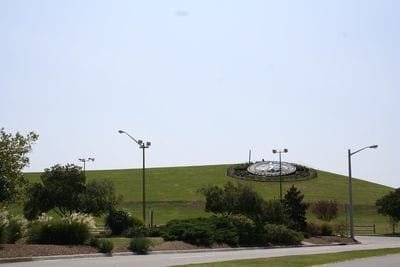
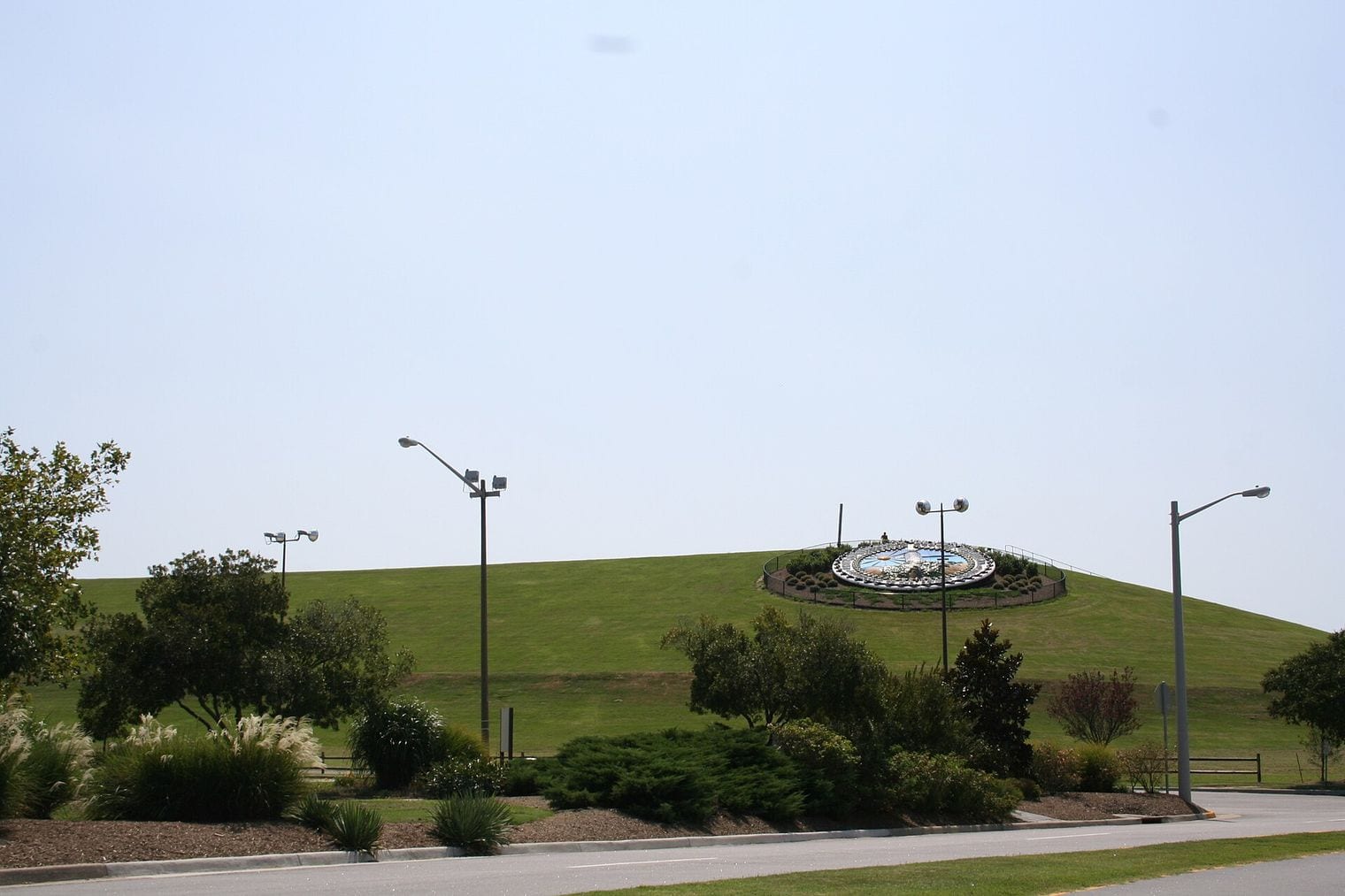
Mount Trashmore Park is a former landfill turned into a 165-acre city park, opened in 1974, whose grassy hills rise more than 60 feet above an otherwise flat coastal city. On breezy days the slopes fill with kite fliers, and the climb to the top earns a rare elevated view over Virginia Beach.
Two lakes allow fishing, walking trails loop the hills and the shoreline, and playgrounds and picnic shelters make it an easy family afternoon. In one corner, the Mount Trashmore Skate Park, with its street course and deep bowl, has drawn professional skaters including Tony Hawk.
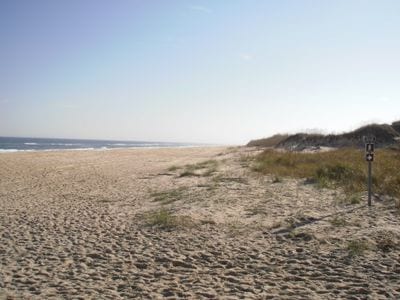
Sandbridge Beach is Virginia Beach's quiet side, a low-rise strip of beach houses, dunes and wide sand at the city's southern end, far from the high-rises of the Oceanfront. There is no boardwalk or big resort scene here, just rental cottages and a beach where you can usually find room to spread out even in midsummer.
At the southern end of the community, Little Island Park adds a city beach with parking, picnic space and a fishing pier reaching into the Atlantic, a good base for a day of swimming and fishing. The road continues south to the entrance of the wildlife refuge, so it is easy to pair the two.
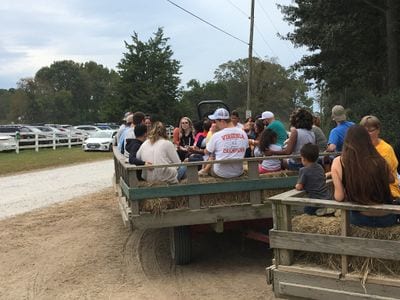
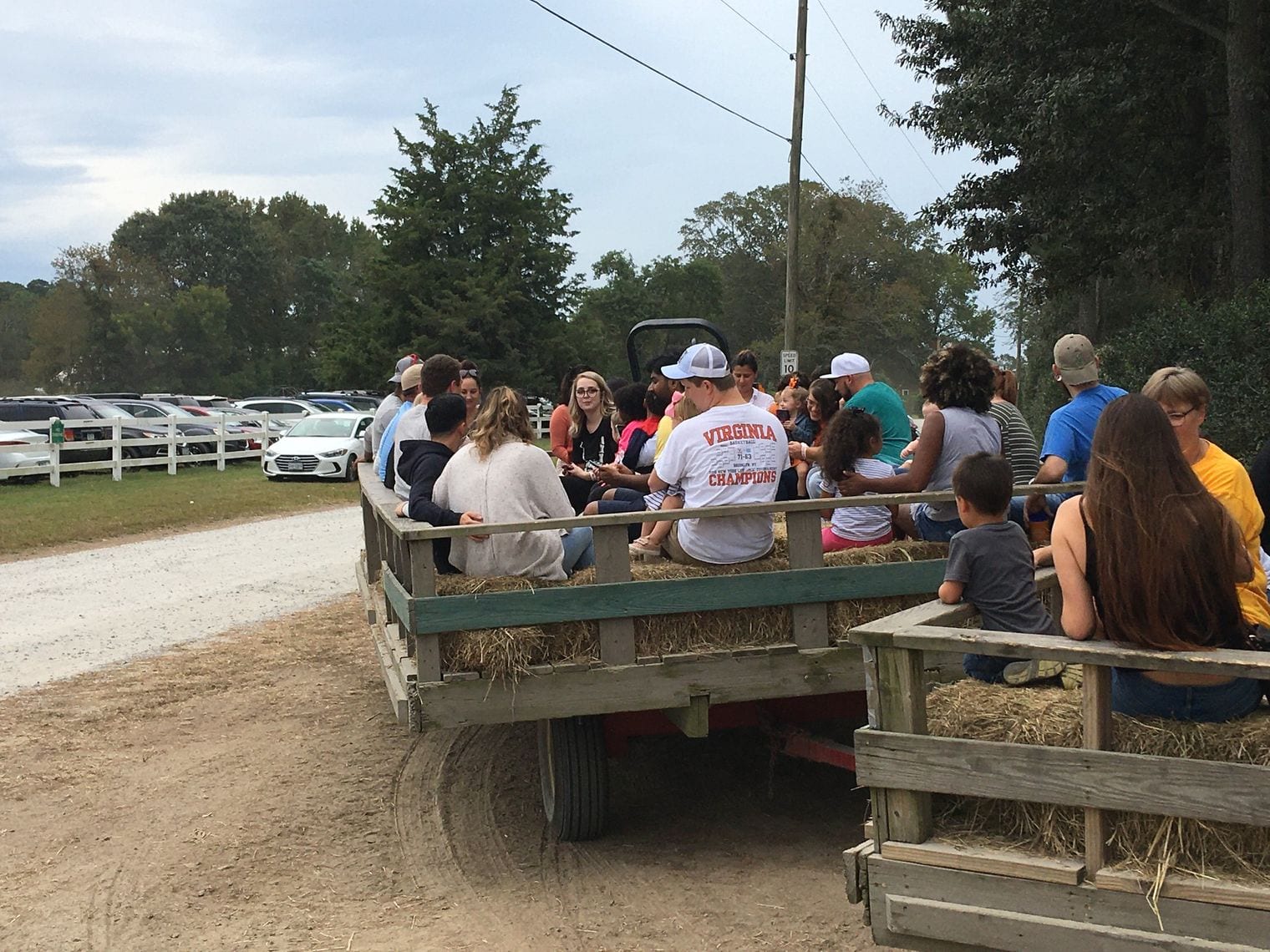
Hunt Club Farm is a family farm on London Bridge Road that has become one of the city's favorite outings for young children, with a petting farm full of goats, cows, rabbits and other animals, pony rides, a walk-through bird aviary and a treetop adventure course. It is a reminder of the agricultural side of Virginia Beach that most beach visitors never see.
The farm is busiest in fall, when its Harvest Fair brings pumpkins and seasonal games, and a Halloween haunt runs for older visitors. Spring egg hunts and summer farm camps keep something going for much of the year, so check the calendar before you go.
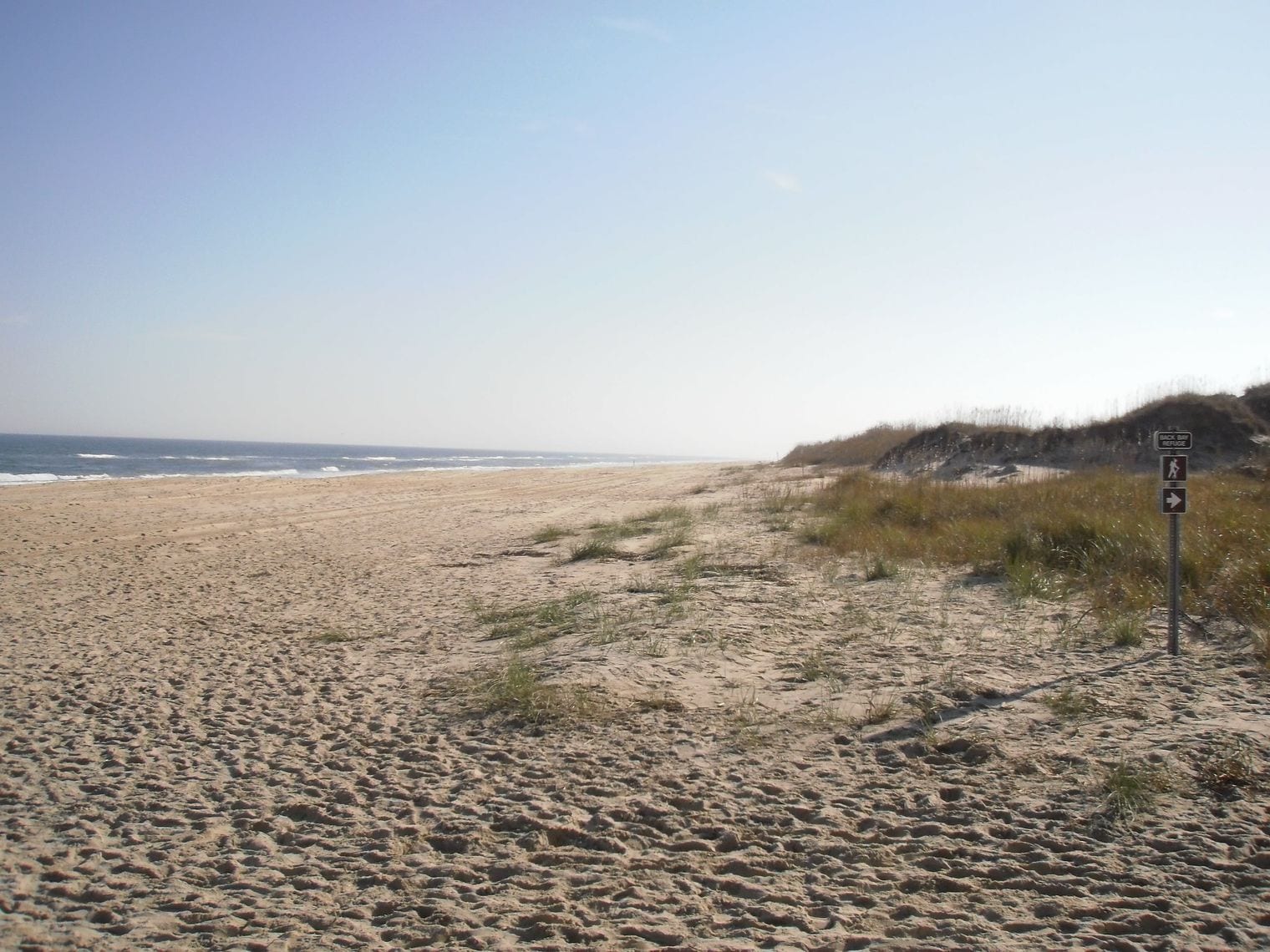
Back Bay National Wildlife Refuge, established in 1938, protects more than 9,000 acres of barrier beach, dunes, maritime forest, marsh and freshwater impoundments south of Sandbridge, part of Virginia's own short stretch of the Outer Banks. Trails and boardwalks lead over the marsh and out to a quiet, undeveloped ocean beach.
The refuge is an important stop on the Atlantic Flyway, so fall and winter bring migrating waterfowl such as snow geese, while warmer months suit kayaking on the bay, surf fishing and spotting herons and egrets. It is also the land route to False Cape State Park, and tram tours run through it in partnership with the park.
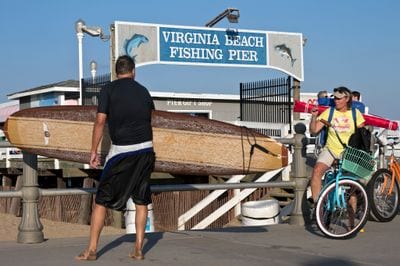
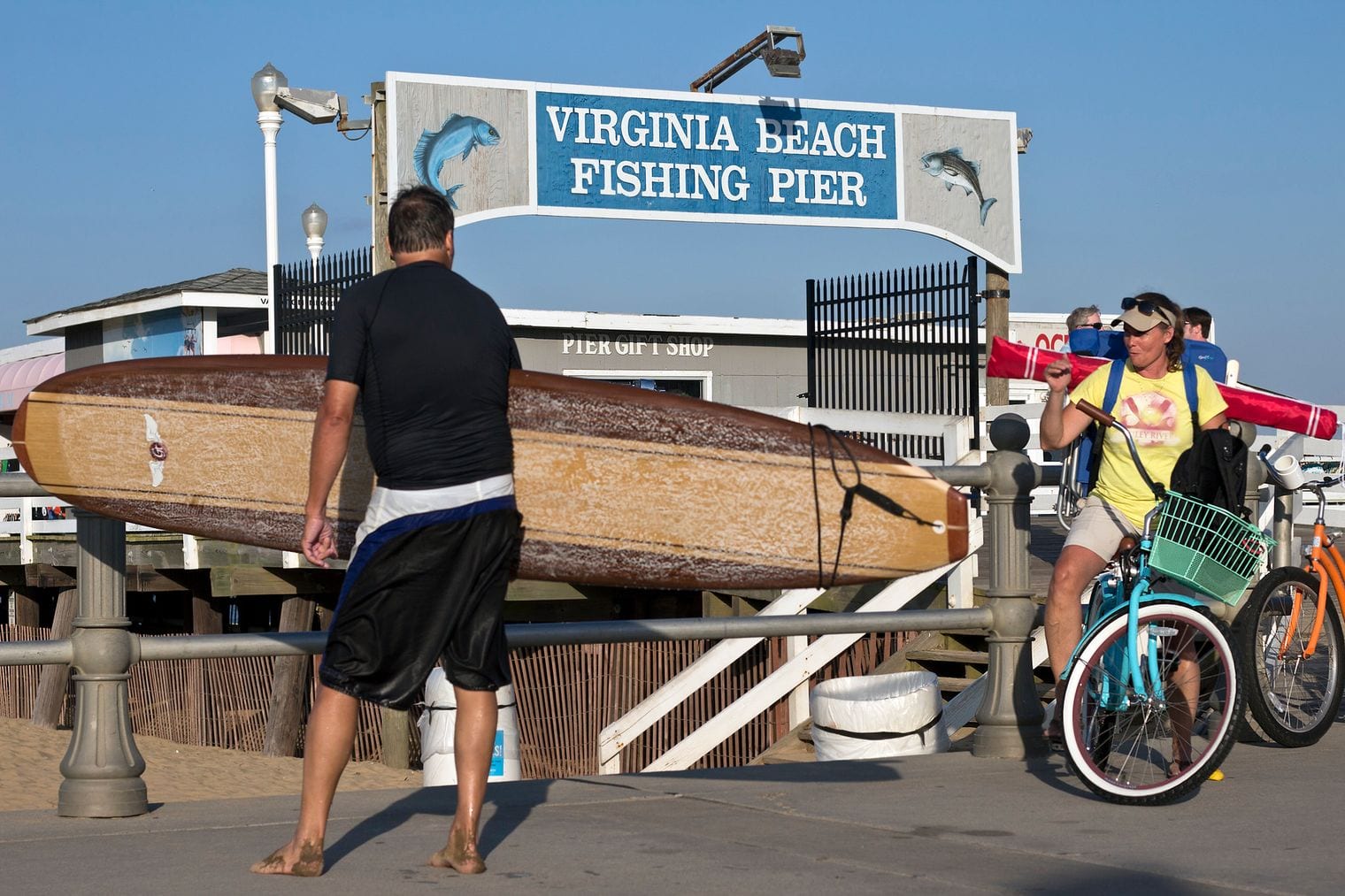
The Virginia Beach Fishing Pier has reached out over the Atlantic from the end of 15th Street for more than seven decades, and it remains the Oceanfront's classic place to drop a line. Even if you never fish, a walk to the end gives one of the best looks back at the beach and the hotel skyline without getting in a boat.
Shops and a restaurant sit on the pier, and it makes a good early-morning or sunset stop when the boardwalk is quiet. Keep an eye on the water: surfers ride the breaks beside the pilings, and dolphins often pass along this stretch of coast.
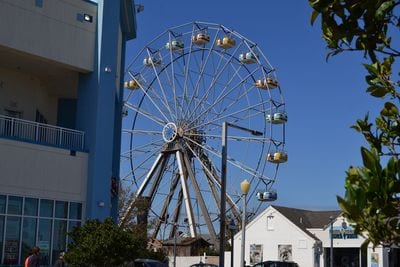
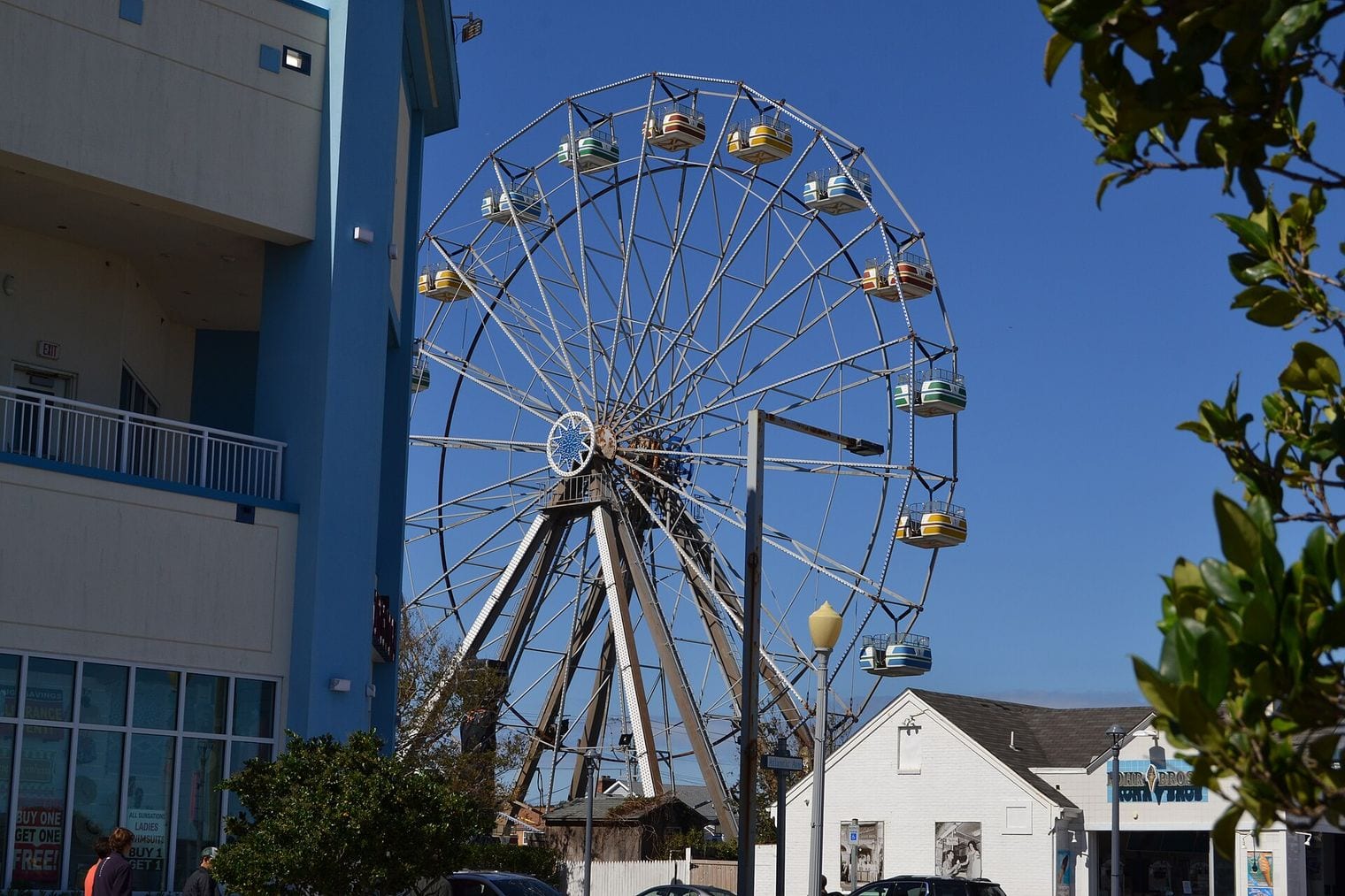
Atlantic Fun Park is the Oceanfront's old-school amusement park, a compact cluster of family rides just off the boardwalk, with a Ferris wheel billed as the biggest in Virginia Beach and a 100-foot SkyFlyer that swings riders high above the rooftops. Small children have their own gentle rides, while older kids head for the Gravitron and the Sea Dragon.
It is a summer-season park and at its best on warm evenings, when the lights come on and boardwalk crowds wander through between dinner and ice cream. It closes for the winter, so check the season before you plan around it.
Free printable checklist of all 25 places
Tick them off as you go. Confirm your email to download it, plus one email every Thursday with new guides for the places you tick.
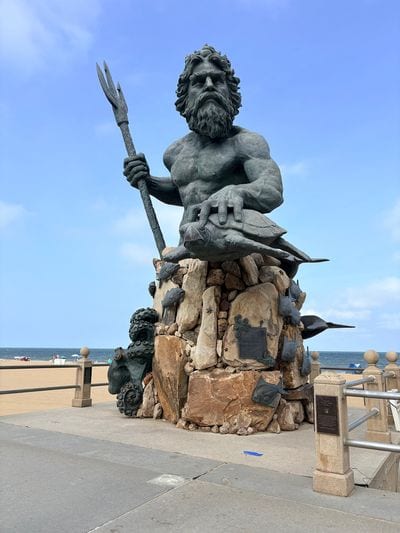
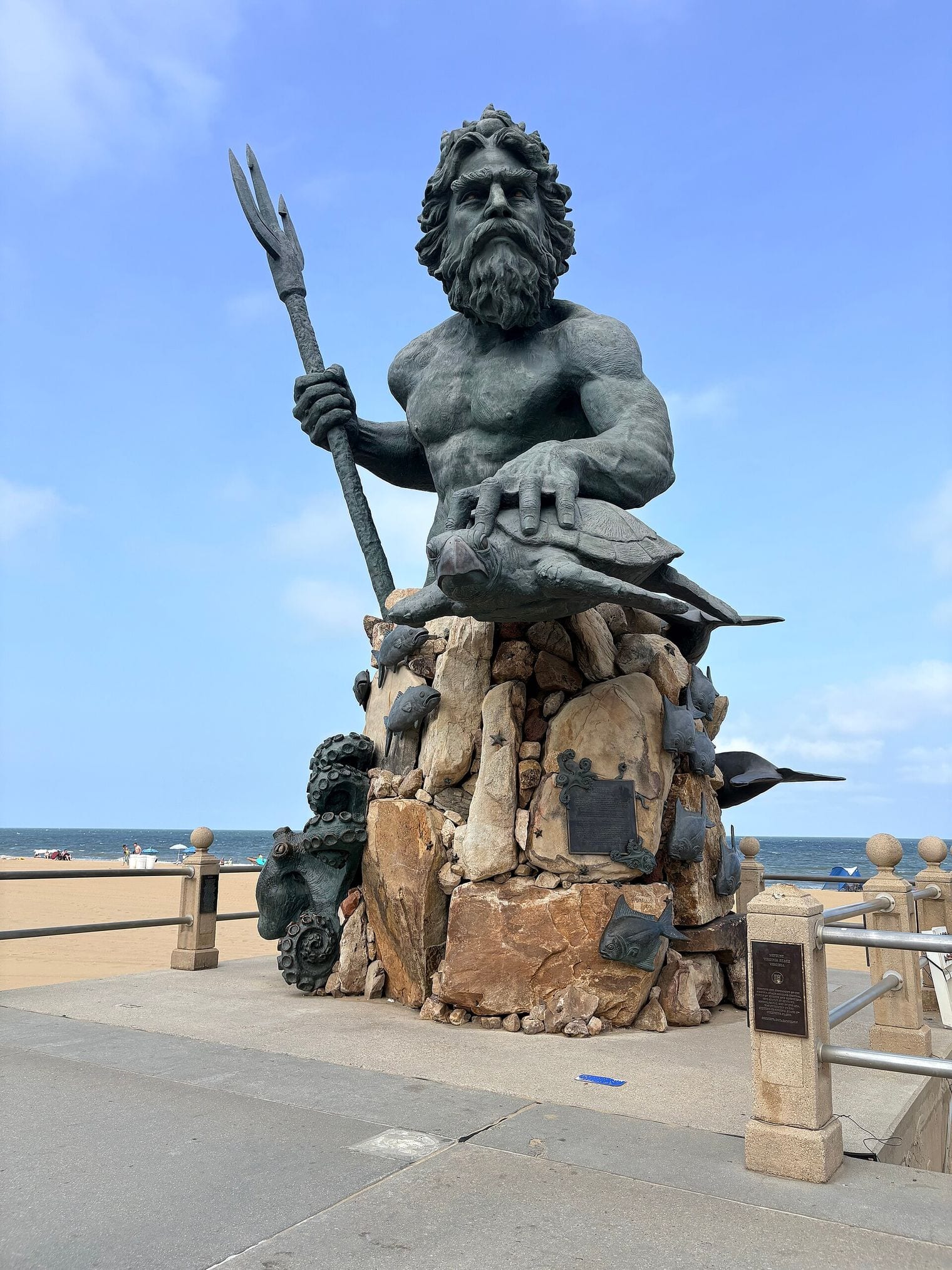
The King Neptune statue is the Oceanfront's signature landmark, a 34-foot, 12.5-ton bronze of the sea god by sculptor Paul DiPasquale, dedicated in 2005 at the entrance to Neptune's Park at 31st Street. Look closely at the rock base and you will find dolphins, fish and an octopus climbing it, while Neptune rests his left hand on a giant loggerhead turtle.
Neptune's Park itself is a small boardwalk plaza and a natural meeting point, often busy with outdoor events in summer. A short walk north, at 38th Street, the Navy SEAL Monument's life-size frogman statue faces the sea in honor of the Navy's special-warfare teams, a fitting stop in this Navy town.
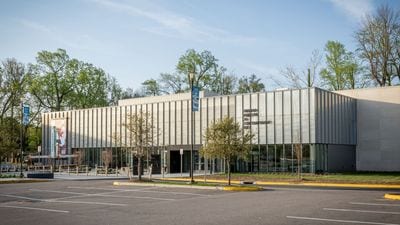
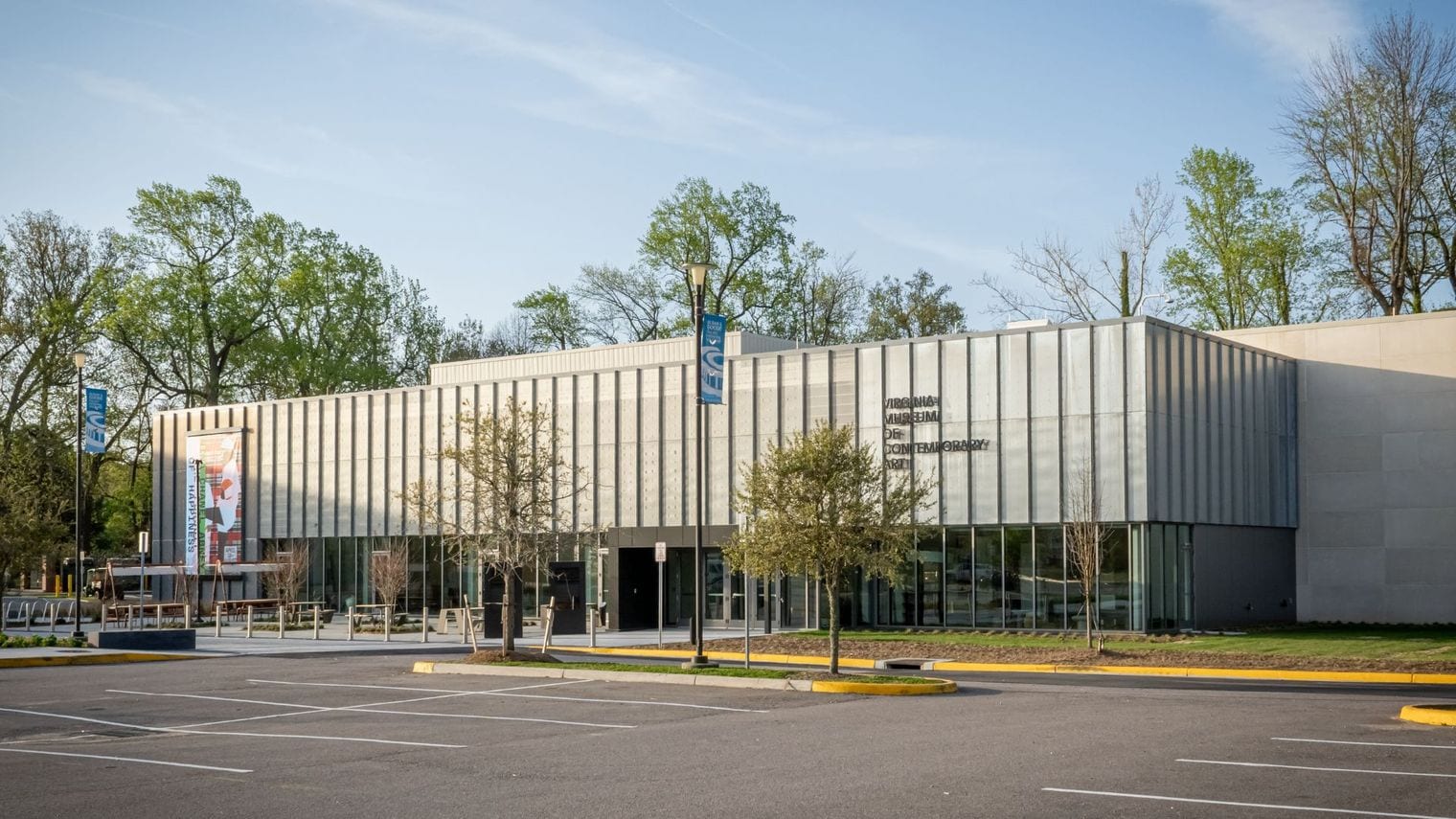
The Virginia Museum of Contemporary Art presents changing exhibitions rather than a permanent collection, so there is something new to see on almost every visit. In 2026 the museum left its longtime home near the Oceanfront for a purpose-built building on the campus of Batten University, formerly Virginia Wesleyan University, in the northwest corner of the city.
MOCA also organizes the Boardwalk Art Show, a juried outdoor exhibition founded in 1956 that brings artists' booths to the Oceanfront each year. Since the new museum is a drive from the beach, pair it with the Thoroughgood House or Ferry Plantation House in the same part of town for an afternoon of art and history.
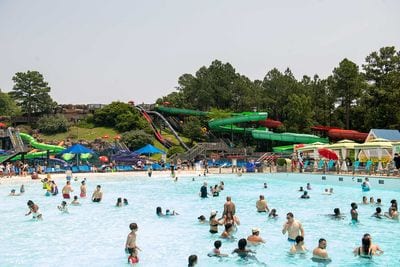
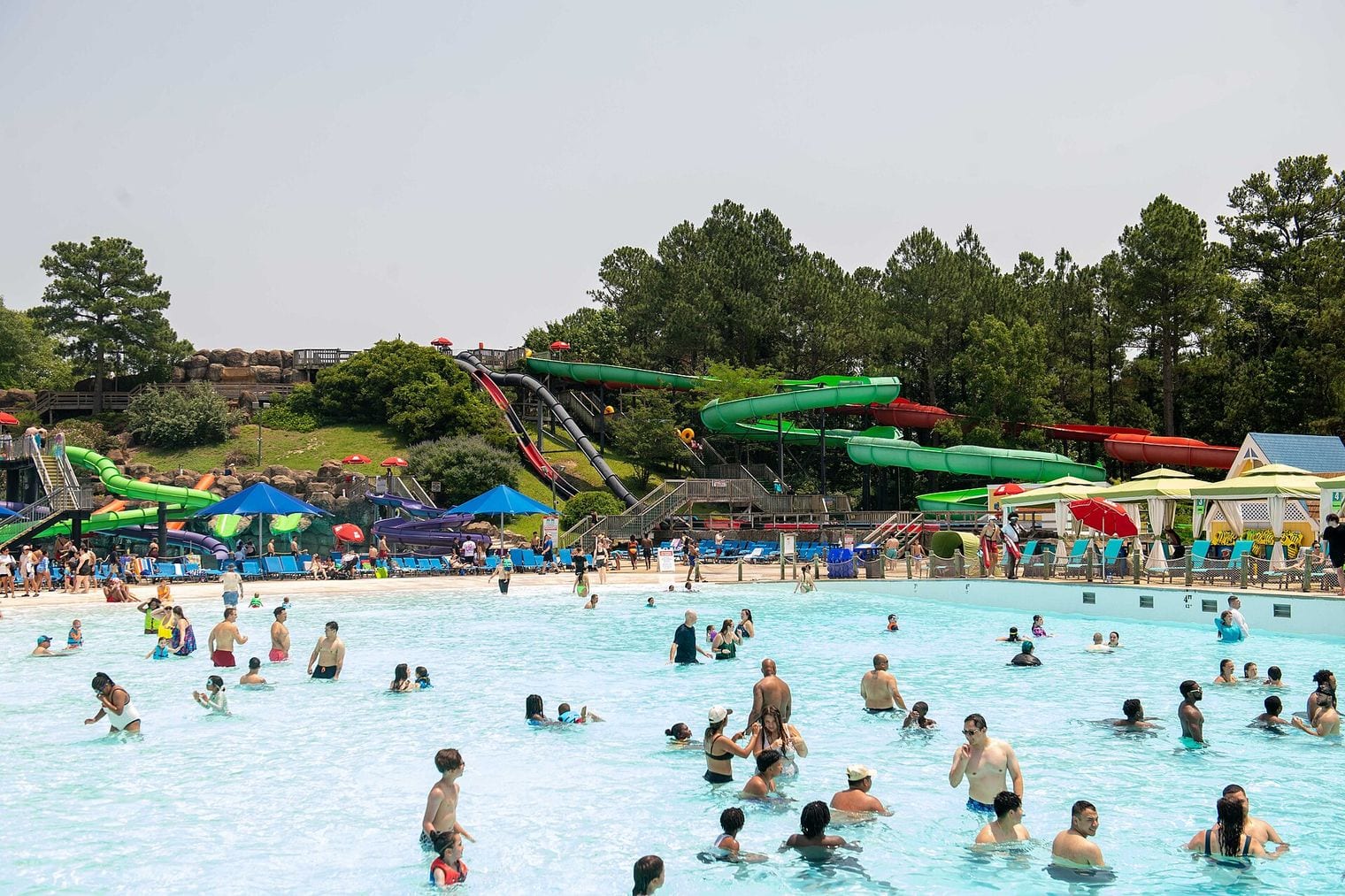
Ocean Breeze Waterpark on General Booth Boulevard is the city's big water park, with more than 30 slides, pools and attractions about two miles south of the Oceanfront. The million-gallon Runaway Bay wave pool and the lazy Adventure River are the centerpieces, and thrill-seekers line up for the steep body slides and tube rides.
Younger children have their own splash areas, so it suits families with kids of different ages, and it is a reliable plan for a day when the ocean is too rough for swimming. It opens for the summer season only, roughly from late May to early September.
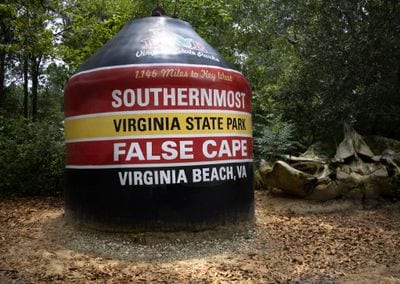
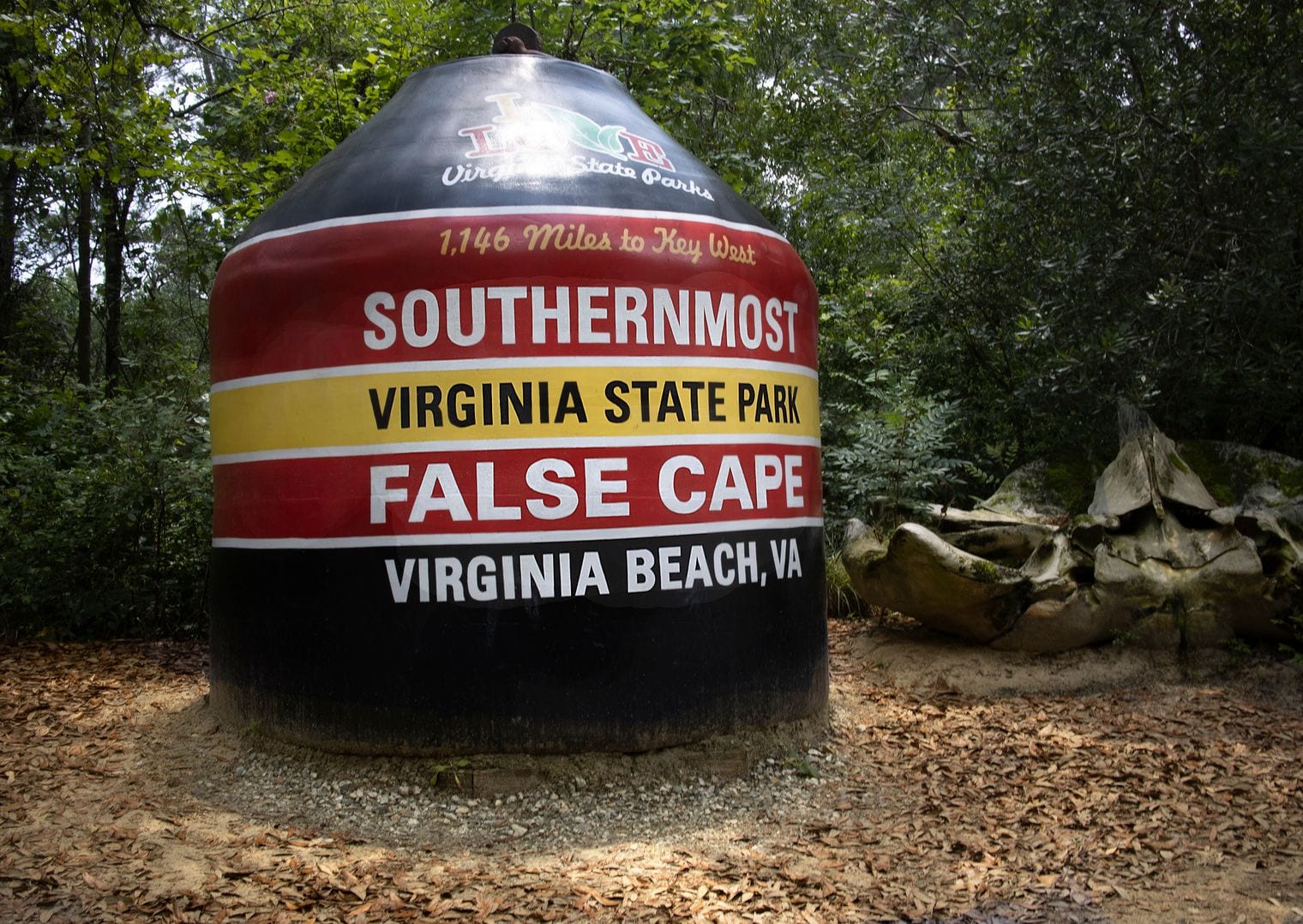
False Cape State Park is one of the most remote places on Virginia's coast, more than 4,000 acres of undeveloped beach, dunes, marsh and maritime forest between Back Bay National Wildlife Refuge and the North Carolina line. Its name comes from mariners who mistook this stretch for Cape Henry and ran aground.
No public road reaches the park: you hike or bike in through the refuge, paddle across Back Bay, or join a seasonal tram tour. The reward is empty beaches, primitive camping and the traces of Wash Woods, a long-abandoned community said to have been started by shipwreck survivors.
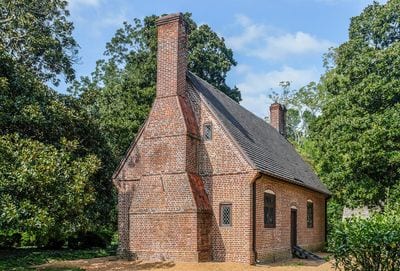
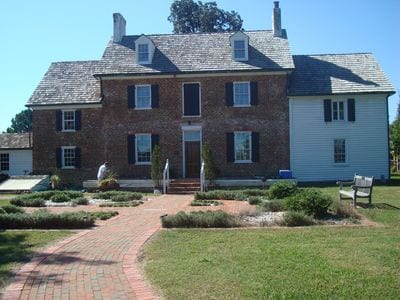
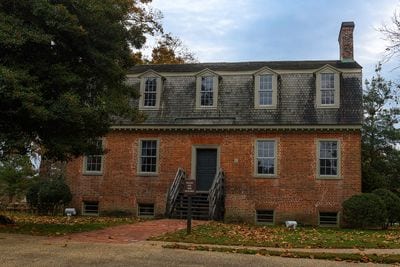
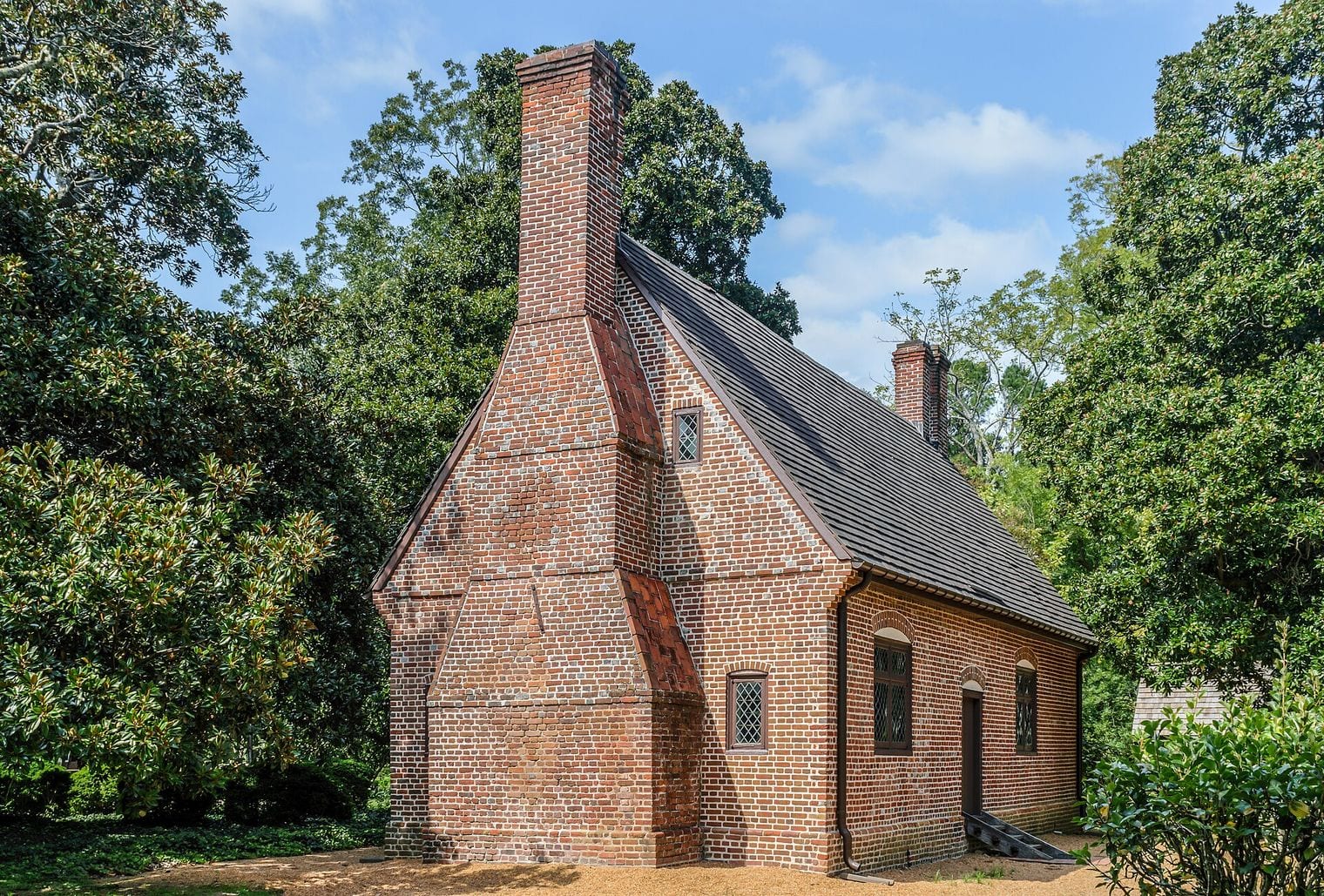
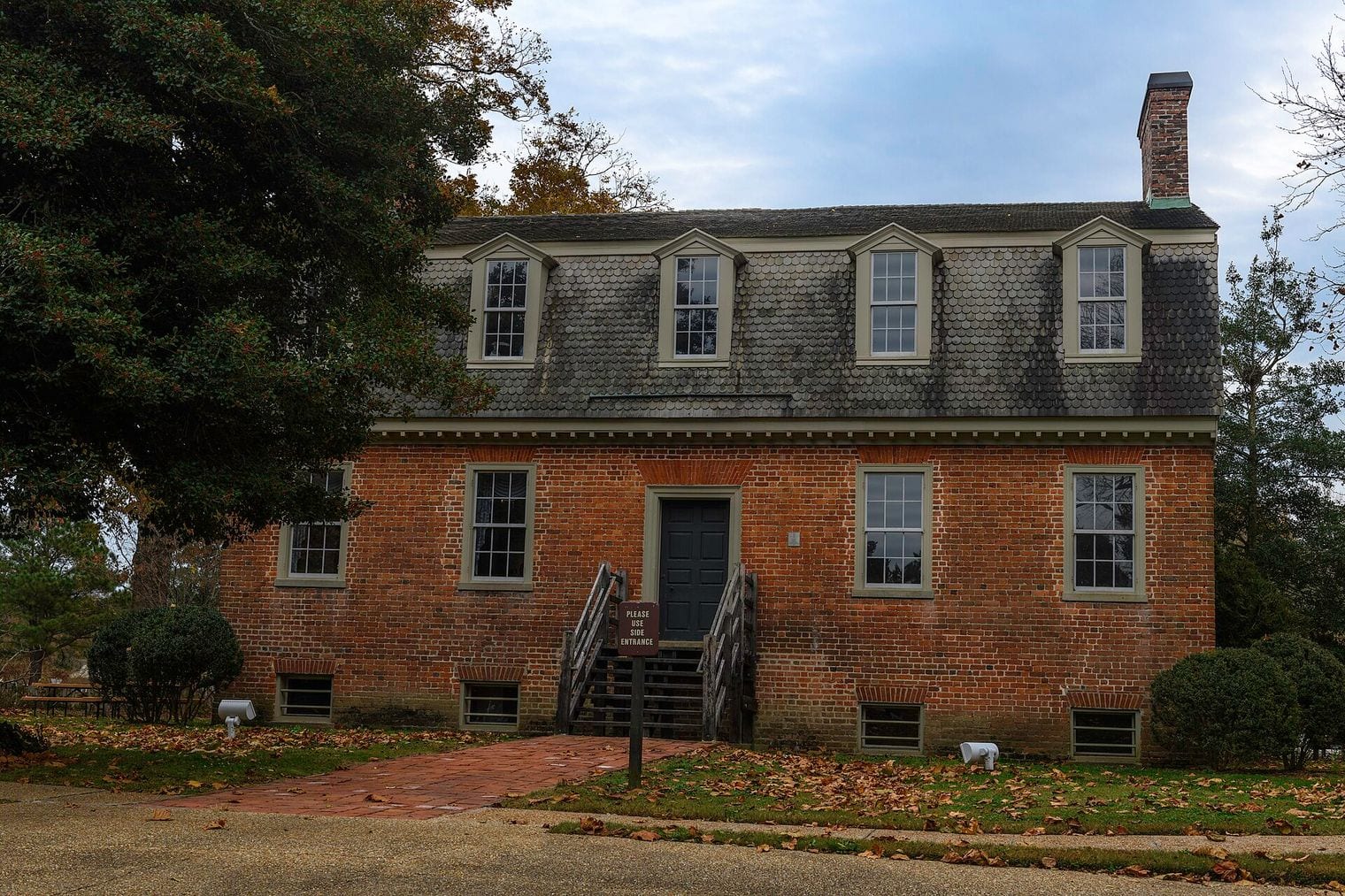
The Thoroughgood House is an early 18th-century brick home, built around 1719, that has survived on its lot near the Lynnhaven River through three centuries. Despite its old name, it was not built by Adam Thoroughgood, the early settler whose English hometown of King's Lynn gave the Lynnhaven River its name, but most likely by one of his descendants.
Run by the city as a museum, the restored house reopened in 2011, and guided tours cover the Thoroughgood family, the enslaved people who lived and worked on the property, and the Indigenous history of the land. Allow time to stroll the landscaped grounds and gardens before or after the tour.
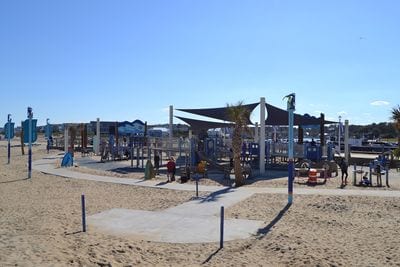
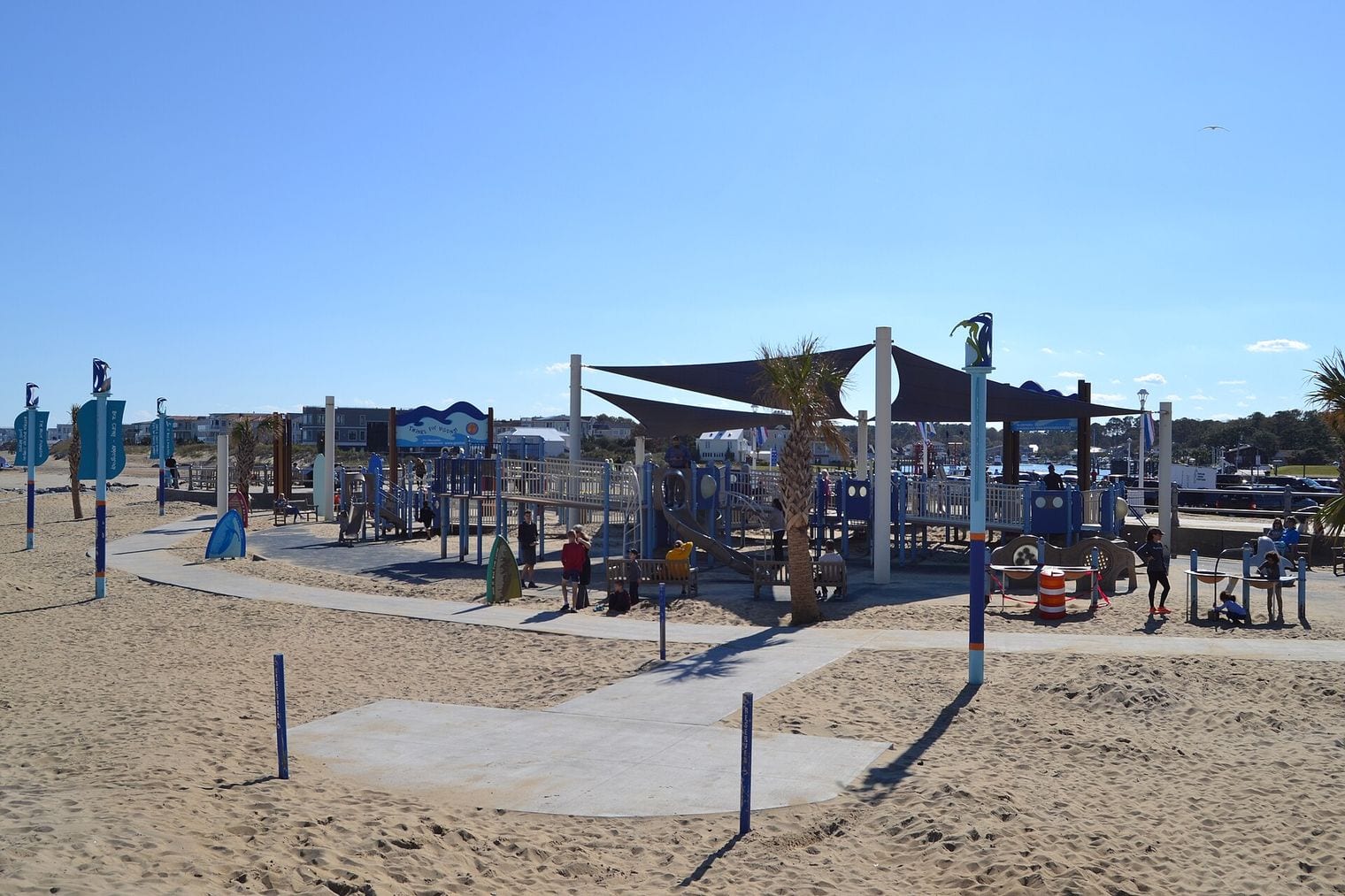
Grommet Island Park, on the boardwalk at 2nd Street, is a beachfront playground designed so that everyone, including children and adults who use wheelchairs, can play on the sand. Accessible entrances and solid surfacing lead to raised sand tables, a sway boat, a sensory board and sculpted dolphins, a surfboard and a wave to climb on.
The idea came from the family of a local surfer who was diagnosed with ALS, and beach wheelchairs are available so visitors can reach the water. Even if you don't need the access features, it is one of the best spots on the Oceanfront for small children, at the quieter south end of the boardwalk.
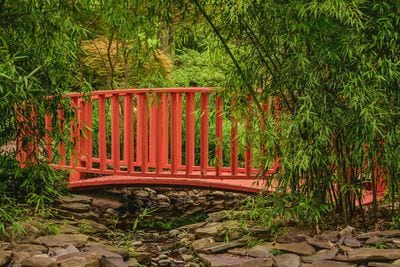
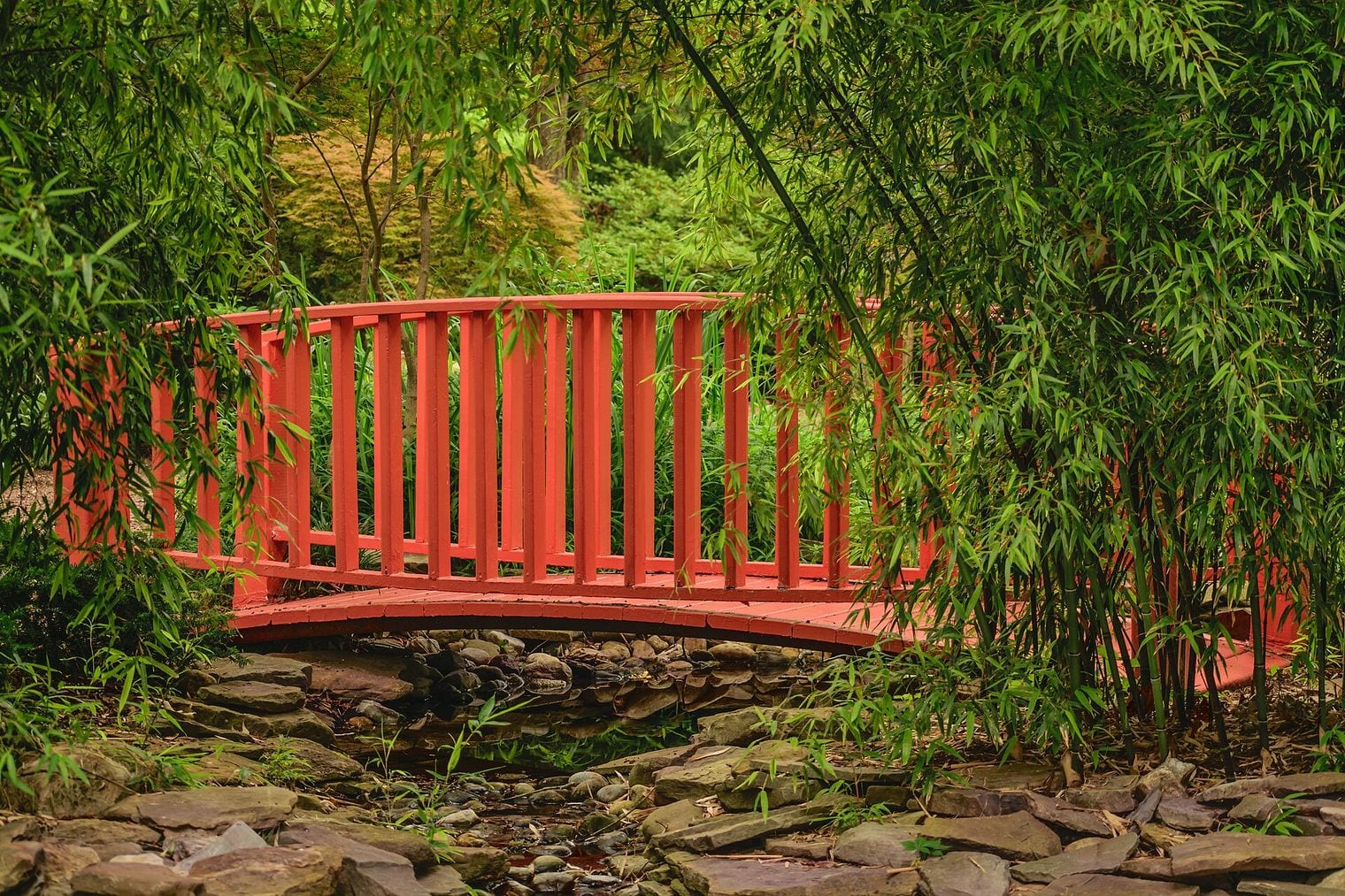
The Miyazaki Japanese Garden at Red Wing Park celebrates Virginia Beach's sister-city friendship with Miyazaki, Japan. Dedicated in 1997, it has a bright red torii gate, bamboo groves and a garden of raked sand in which two large stones stand for the two cities, and a traditional azumaya shelter was added for the friendship's 20th anniversary.
The surrounding park adds open lawns and shady picnic spots, and its many cherry trees, donated by Miyazaki along with the garden, make spring the loveliest time to visit, when the city's cherry blossom festival takes place here.
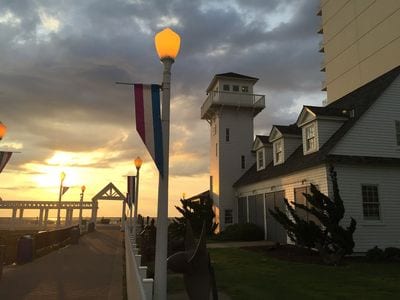
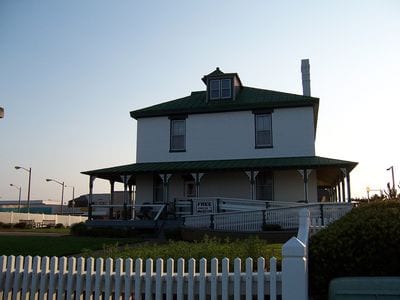
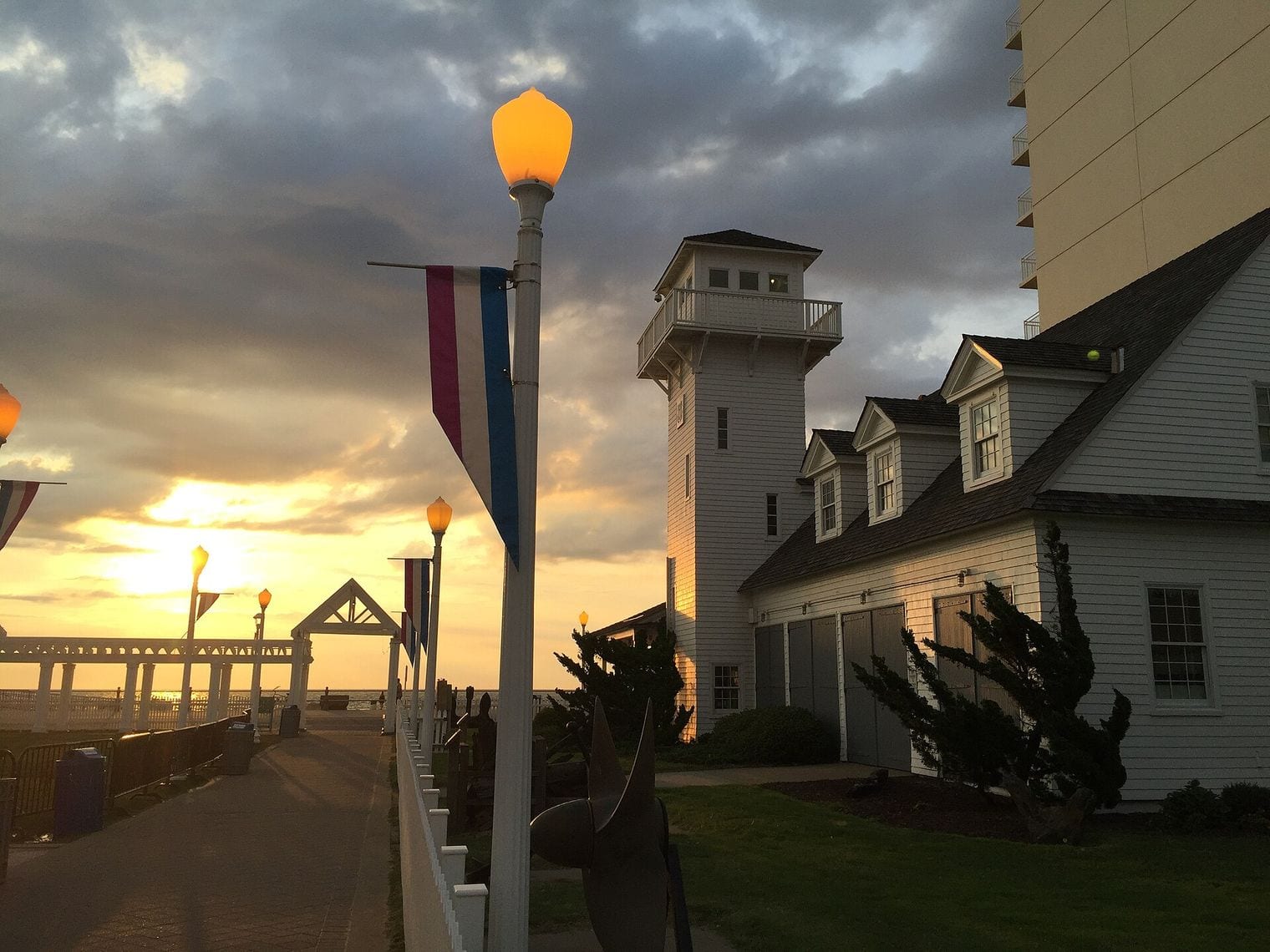
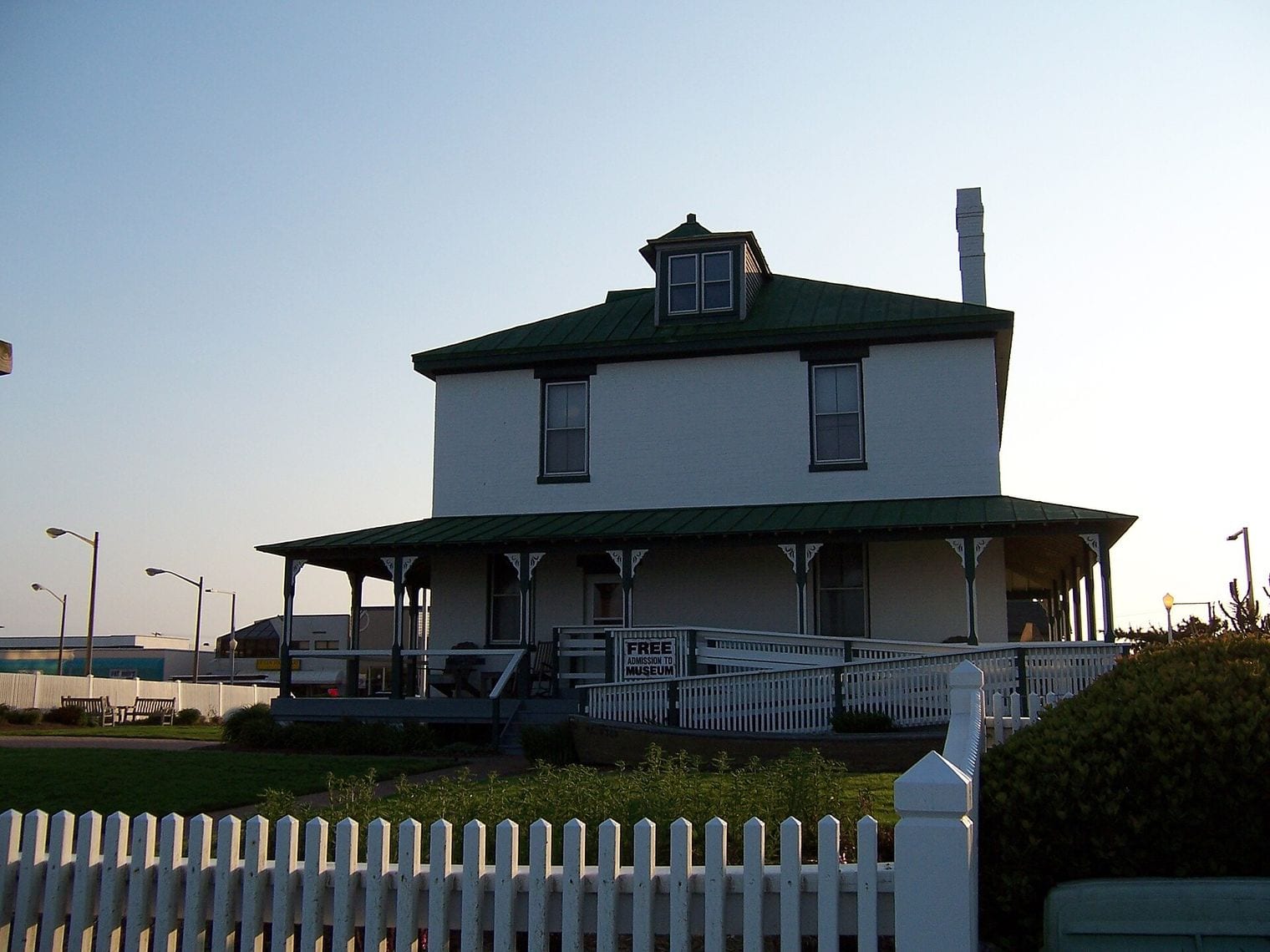
The Virginia Beach Surf & Rescue Museum occupies a 1903 life-saving station right on the boardwalk. Its exhibits tell the story of the U.S. Life-Saving Service and the Coast Guard crews who rowed out through the surf to ships wrecked on this coast, part of the stretch long called the Graveyard of the Atlantic.
The station is a reminder that rescue crews patrolled this beach long before the resort hotels rose around it, and its porch looks straight over the sand they guarded. It is a short, rewarding stop on any boardwalk walk.
Ferry Plantation House stands on a site whose history goes back to 1642, when a ferry began carrying passengers along the Lynnhaven River from a landing here. The current brick house dates from 1830 and was built with bricks salvaged from the Walke manor house, which burned on the site in 1828.
Over the centuries the property has served as a plantation, a county courthouse site, a school and a post office, and volunteers now run it as a museum with guided tours. The house is also reputedly haunted, and its ghost stories are a big part of the visit.
The Atlantic Wildfowl Heritage Museum fills de Witt Cottage, an 1895 brick beach cottage on the boardwalk, with decoys, carvings, paintings and artifacts of the Mid-Atlantic's waterfowling tradition. The collection shows how hunting decoys evolved from working tools into prized folk art.
The Queen Anne-style cottage, wrapped on three sides by a porch, was home to the de Witt family for most of the 20th century and survives from the Oceanfront's early cottage days, so the building is as much a part of the visit as the carvings inside.
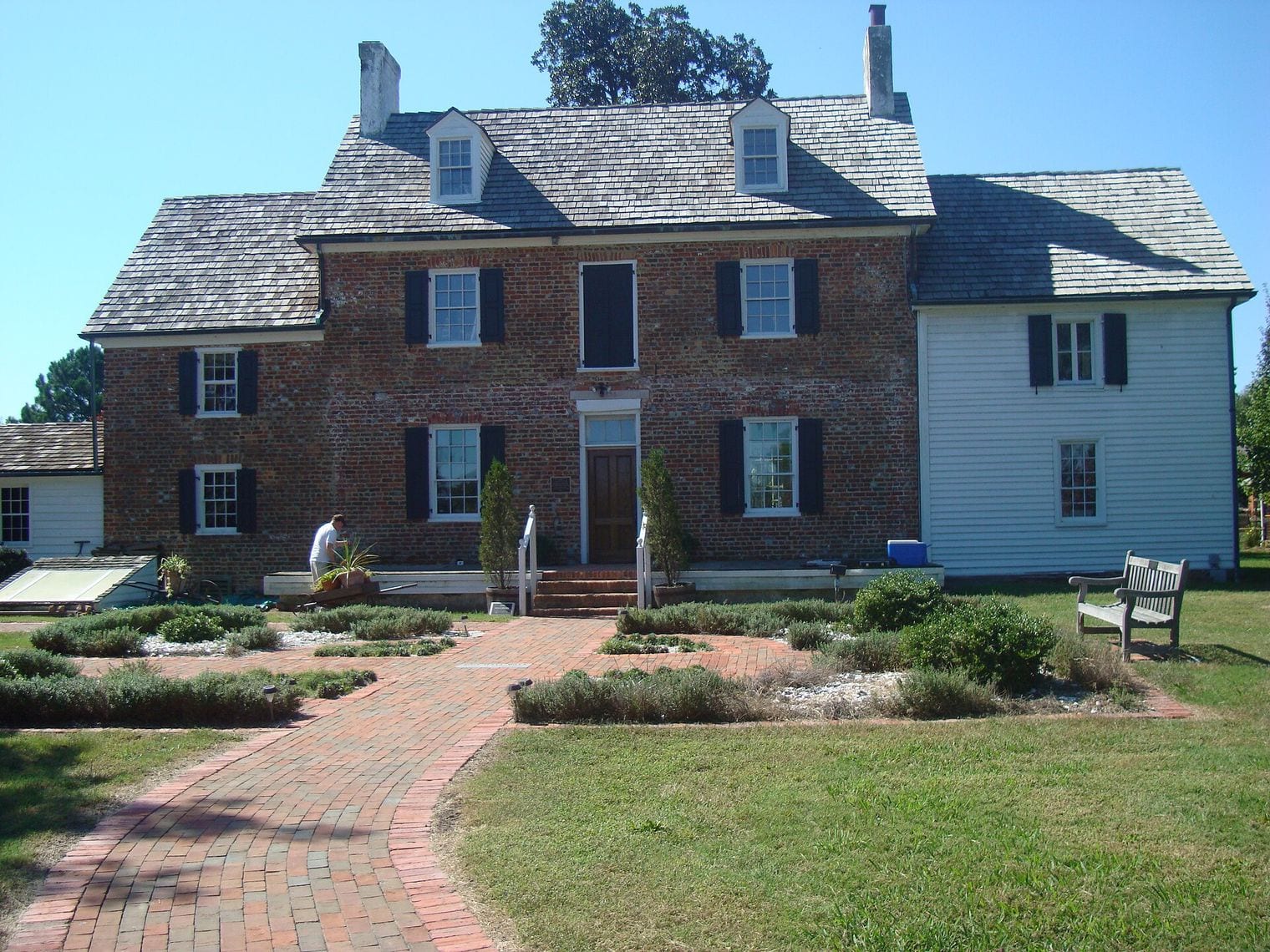
The Francis Land House, also known as Rose Hall, was the plantation home of the Land family, one of the founding families of Princess Anne County. Long thought to date from 1732, the brick house is now believed to have been built between 1805 and 1810 by Francis Land VI, whose family had already lived on the land for about 150 years.
Today it is a city-run museum, and guided tours cover both the Land family and the enslaved people whose labor sustained the plantation. Behind and beside the house, volunteer master gardeners keep vegetable, herb, pollinator and fruit gardens, a green surprise just off busy Virginia Beach Boulevard.
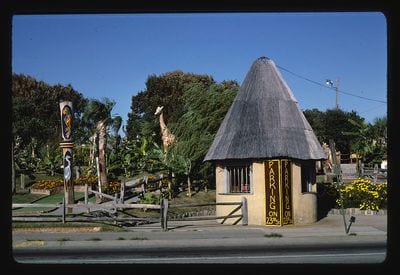
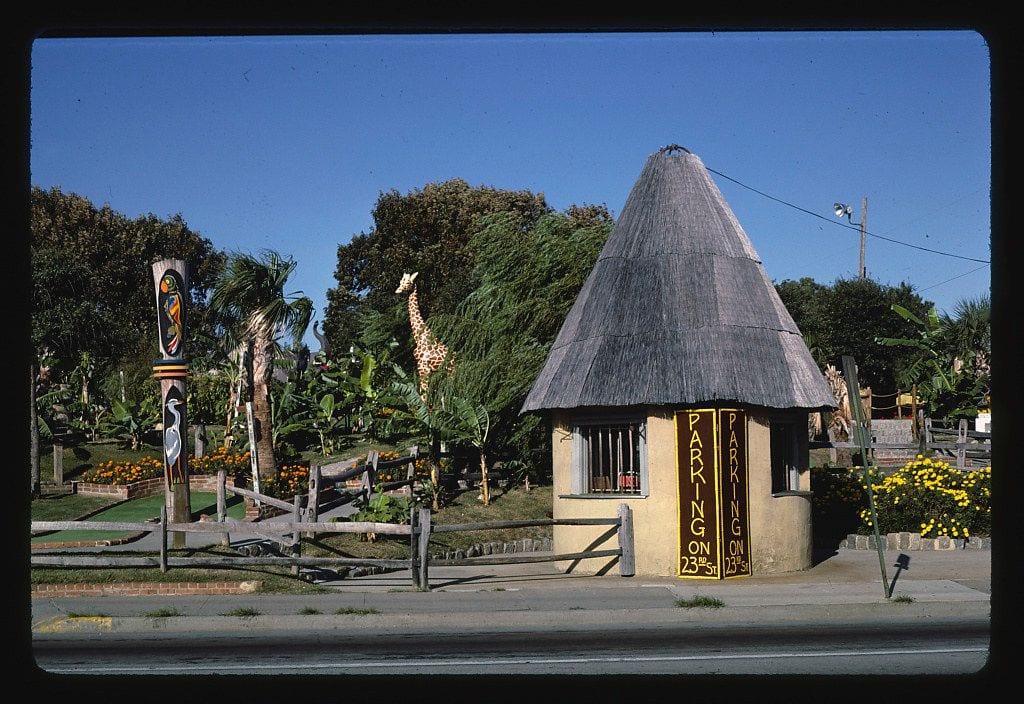
Jungle Golf of Virginia Beach has been a family-run Oceanfront tradition since 1970, an 18-hole miniature golf course where fiberglass elephants, gorillas and giraffes peer out of the greenery. Unlike most mini-golf courses, it climbs over a real hill, the remains of an old dune line that the founding Midgett family persuaded the designers to keep.
It is a short walk from the boardwalk and plays year-round, so it is an easy break between beach sessions, a rainy-day standby for younger kids, or a classic after-dinner round on a summer night.
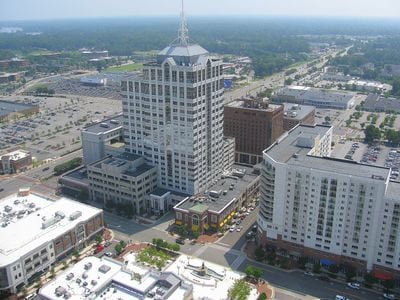
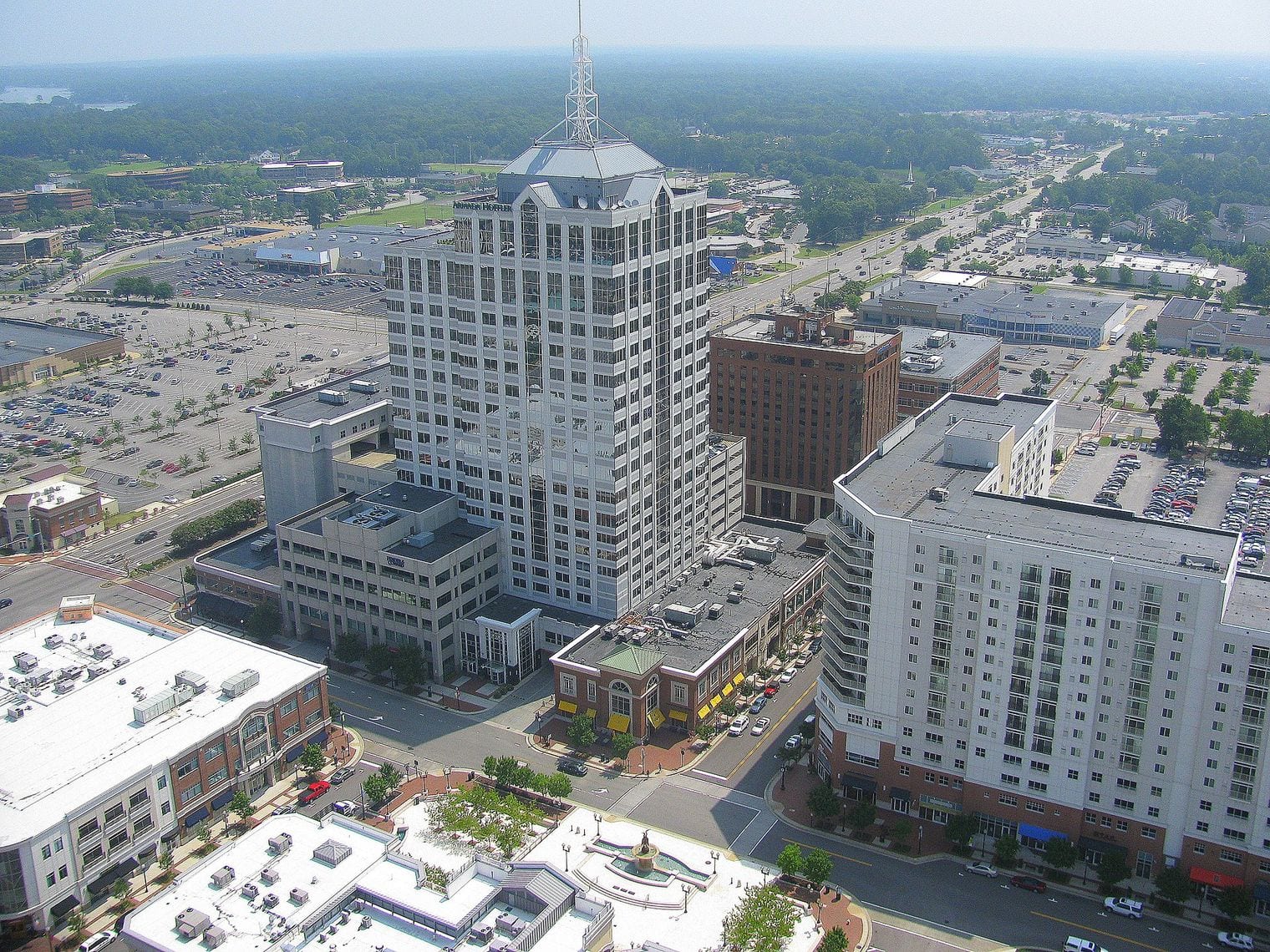
Virginia Beach Town Center is the city's modern downtown, a walkable district of shops, restaurants, offices and towers in the central business district, well inland from the beach. It is where locals go for dinner and a night out, and its streets feel more like a city than a resort.
The Sandler Center for the Performing Arts, the city's main performing-arts hall, sits within the district and stages concerts, touring shows and dance. Pair a performance with a meal here for an evening that has nothing to do with sand.
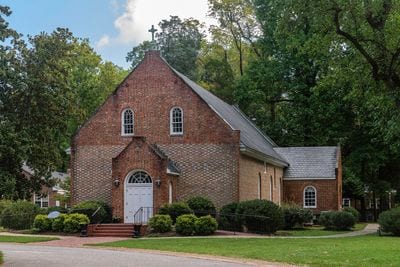
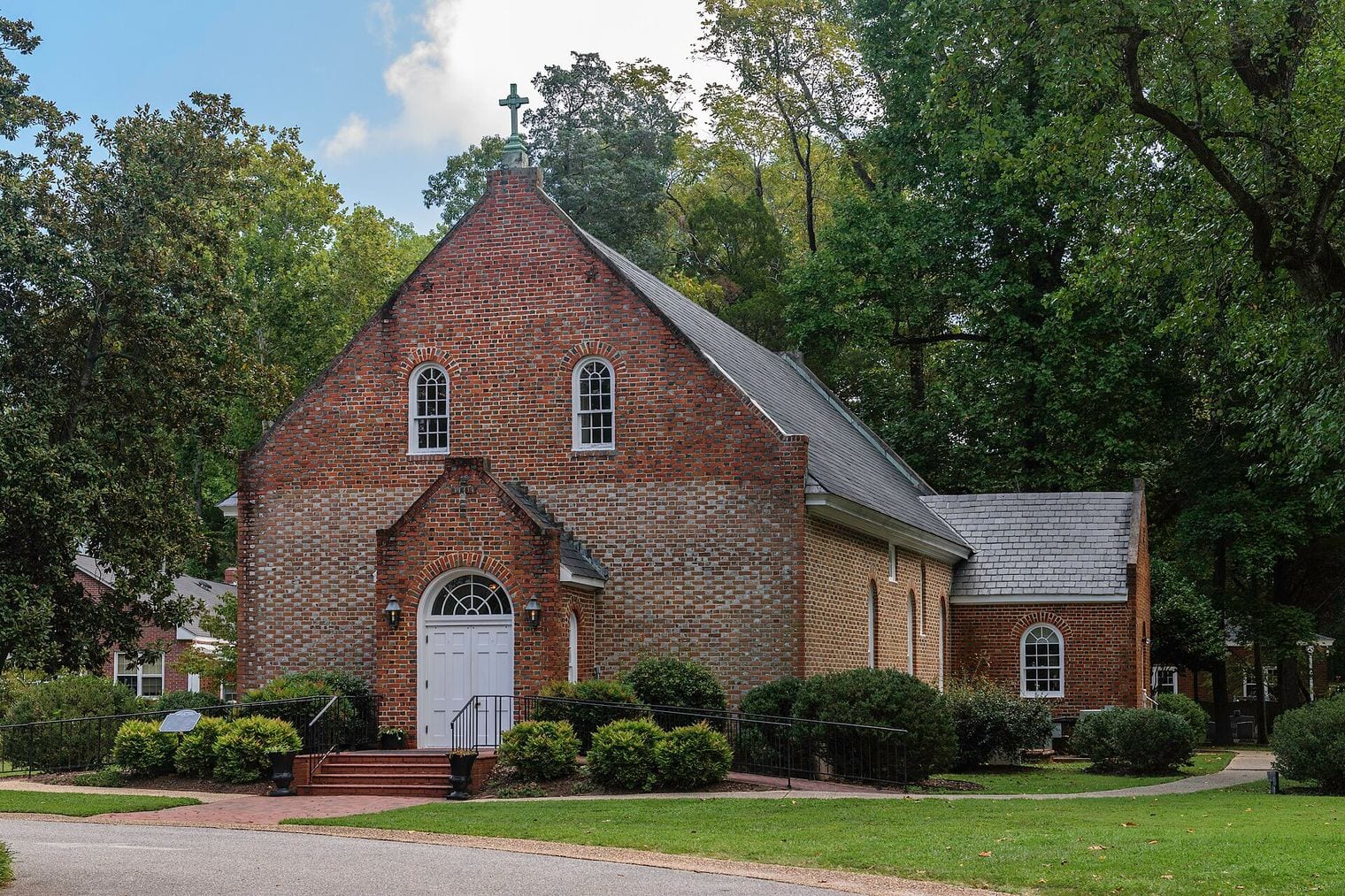
Old Donation Episcopal Church is the oldest church in Virginia Beach, built in 1736 as the third church of Lynnhaven Parish, a congregation whose services began in 1637 in the home of Adam Thoroughgood. A forest fire gutted the abandoned building in 1882, leaving only its brick walls, and the restored church is once again an active parish.
The churchyard holds colonial-era graves, and historical markers nearby recall Grace Sherwood, the so-called Witch of Pungo, who was convicted of witchcraft in 1706 by the county court. The quiet setting near the Lynnhaven River makes it a peaceful stop on a history loop through the north of the city.
Plan your trip
Best Time to Visit Virginia Beach
Summer is peak beach season, with warm ocean water, lifeguards on duty along the resort strip and the boardwalk busy into the night; it is also when the water park and the Oceanfront amusement rides are open. Expect the biggest crowds and the hardest parking on summer weekends. Late summer brings the East Coast Surfing Championships, and September is often the sweet spot, with warm water, thinner crowds and the Neptune Festival.
Spring brings the cherry blossoms of Red Wing Park and comfortable hiking weather at First Landing, while fall and winter suit birdwatchers, when migrating waterfowl gather at Back Bay. Off-season is also a good time for the museums, the historic houses and the farm's fall festivities, though many seasonal attractions close until spring.
Getting to Virginia Beach
Most visitors drive. Interstate 64 links Hampton Roads with Richmond, about two hours to the northwest, and Interstate 264 runs from I-64 straight to the Oceanfront. From the north along the coast, US 13 crosses the Chesapeake Bay Bridge–Tunnel from Virginia's Eastern Shore.
Norfolk International Airport, about a 20- to 30-minute drive from the Oceanfront, is the closest airport; Richmond International is the next-largest option. Amtrak trains serve nearby Norfolk, a short drive or taxi ride away.
Getting Around Virginia Beach
The Oceanfront is easy on foot or by bike, thanks to the boardwalk and its separate bike path, and a seasonal trolley runs along the resort strip in summer. Everything else is spread across a very large city, so you will want a car for First Landing, Sandbridge, Back Bay, the Military Aviation Museum in Pungo and the historic houses in the north.
Local buses and rideshares cover the main corridors but are slow for sightseeing. Near the Oceanfront, city garages and lots are the easiest way to park, and they fill early on summer weekends.
Where to Stay in Virginia Beach
The Oceanfront resort strip is the classic choice, with oceanfront rooms and everything on the boardwalk within walking distance. The North End just beyond it is quieter and mostly residential, with beach houses close to First Landing State Park. Along Shore Drive, the Chesapeake Bay beaches around Chicks Beach offer calmer water and bayside sunsets.
Sandbridge suits families who want a rented beach house and an uncrowded beach, though it is a drive from everything else. Town Center is the practical base for a short city stay, with business hotels, restaurants and a central location between the beaches and Norfolk.
Where to Eat in Virginia Beach
Seafood is the local specialty: Chesapeake Bay blue crabs, crab cakes, she-crab soup and oysters from the Lynnhaven River, a name long prized by oyster lovers. The waterfront around Lynnhaven Inlet and Shore Drive and the docks of Rudee Inlet are the places to eat fish with a view of the boats.
The Oceanfront itself has a long run of casual spots along Atlantic Avenue and the boardwalk, while the ViBe Creative District mixes coffee shops and breweries with its murals. For a more city-style dinner, Town Center packs dozens of restaurants into a few walkable blocks.
Day Trips from Virginia Beach
Norfolk is next door, about half an hour west, with its waterfront and naval heritage, and the neighboring city of Chesapeake, roughly half an hour to the southwest, adds canal-side parks and the edge of the Great Dismal Swamp. About an hour northwest, the Historic Triangle of Williamsburg, Jamestown and Yorktown completes the story that began at Cape Henry in 1607.
Heading north, the Chesapeake Bay Bridge–Tunnel carries you across the mouth of the bay to the small towns and quiet beaches of the Eastern Shore. To the south, no road runs through False Cape, so the drive to Corolla on North Carolina's Outer Banks loops inland and takes about two hours, rewarding you with wild horses and long beaches.
One Day in Virginia Beach
Morning
Start at the city's northern tip with the Cape Henry Lighthouse (book the base visit ahead), then drive a few minutes to First Landing State Park to walk the Bald Cypress Trail before the day warms up.
Virginia Beach is best known for its three-mile boardwalk and Oceanfront beach. Beyond the resort strip, the highlights are First Landing State Park, where the Jamestown colonists came ashore in 1607, the Virginia Aquarium & Marine Science Center, the 1792 Cape Henry Lighthouse and the Military Aviation Museum's collection of flying warbirds.
How many days do you need in Virginia Beach?
Two or three days covers the highlights: one for the Oceanfront and the aquarium, one for Cape Henry and First Landing State Park, and one for the Military Aviation Museum or a trip to Back Bay and Sandbridge. Many visitors stay a full week in summer simply to enjoy the beach.
What can you do in Virginia Beach for free?
Plenty: walk the boardwalk and its monuments, see the King Neptune statue, let children play at the accessible Grommet Island Park, climb the hills of Mount Trashmore Park and visit the Miyazaki Japanese Garden. The city-run Thoroughgood House and Francis Land House both offer free guided tours of their historic homes.
When is the best time to visit Virginia Beach?
Summer is the classic beach season, when every seasonal attraction is open, but it brings the biggest crowds. September is often the best balance, with warm ocean water, fewer people and the Neptune Festival. Spring suits hiking and cherry blossoms, and fall and winter are best for birdwatching at Back Bay.
Is Virginia Beach worth visiting?
Yes, especially if you look beyond the resort strip. Few East Coast beach cities pair a lively boardwalk with this much nature and history: the swamp trails of First Landing State Park, the wild beaches of Back Bay and False Cape, the 1607 landing site at Cape Henry and a museum of warplanes that still fly.
Can you climb the Cape Henry Lighthouse?
Yes. The original 1792 tower can be climbed, while the newer cast-iron lighthouse beside it is closed to visitors. Both stand inside Joint Expeditionary Base Fort Story, so civilian visitors need to buy a ticket in advance and complete a base security check before the visit, and bring valid photo ID.
How do you get to False Cape State Park?
No public road reaches False Cape State Park. Most visitors hike or bike in through Back Bay National Wildlife Refuge from Sandbridge, paddle across Back Bay, or join a seasonal tram tour run by the refuge and the park. Bring water and sun protection, since there are few facilities along the way.
Sources & updates
How this guide was checked
Checked before launch
Sources cited
25
Publishers
18
Every place on this list was confirmed open and pinned on the map before publication, and what we say about each one was checked against its own website or an official source.
A PDF with a box to tick for every place. Confirm your email to download it, and get one email every Thursday with our newest guides for the places you tick.
Free Virginia Beach printable checklist
All 25 places in one PDF
Tick them off as you go. Confirm your email to download it, plus one email every Thursday with new guides for the places you tick.
We use cookies to analyse site traffic and improve your experience.
You can accept or reject analytics cookies. See our
May we use analytics cookies? See ourCookie Policy.