We build and rank every list first. Booking links come after, and only where
a partner sells a ticket, tour or stay for that exact place, so a place with
nothing to book is listed exactly as prominently as one you can book.
So how do we earn? Some links on this page go to booking
partners, and if you book tickets, tours or a stay through
one, we may earn a commission. It costs you nothing extra.
That commission never decides which places make the list, the order they
appear in, or what we write about them. No entry is sponsored or a paid
placement.
45 Best Things to Do in Seattle, Washington (2026)
By the CityViking Research TeamPublished 45 places · 29 min read
Sources Checked before launchOct 18, 202645 sources27 publishers8 government & parks15 encyclopedias & research22 venues & other sitesPublished · Oct 18, 2026Researched and checked before it went liveClick for every source and the full change log.
Short answer
Seattle is known for the Space Needle, built for the 1962 World's Fair, Pike Place Market and its setting between Puget Sound and Lake Washington. Start with the Needle and Chihuly Garden and Glass at Seattle Center, a morning at the market and the skyline view from Kerry Park at sunset. Three days covers the highlights comfortably; add a fourth for Discovery Park, the Museum of Flight or a ferry ride.
Seattle sits between Puget Sound and Lake Washington, with the Olympic Mountains on one horizon and Mount Rainier on the other. Washington's largest city pairs a working waterfront and a 1962 World's Fair campus with hilly neighborhoods that each feel like a town of their own.
This guide covers 45 of the best things to do, from the Space Needle and Pike Place Market to quiet gardens, beaches and museums. Three days covers the highlights; stay longer if you also want to explore the state's small towns beyond the city.
The city is named after a Native leader — Seattle honors Chief Seattle (siʔaɫ), a leader of the Duwamish and Suquamish tribes; the settlers' camp took his name when it moved from Alki Point to the eastern shore of Elliott Bay in 1852.
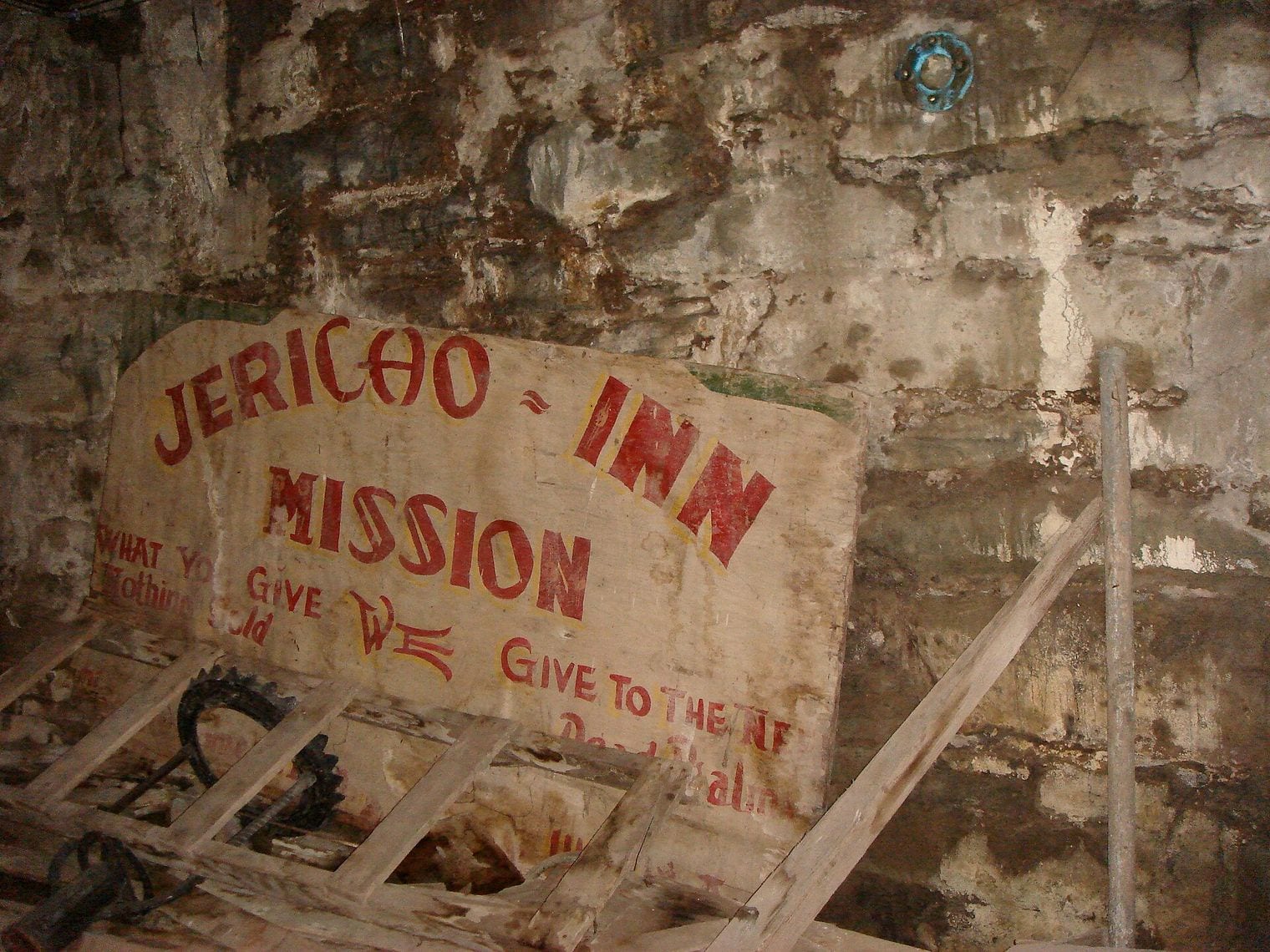
Old Seattle lies beneath your feet — after the Great Seattle Fire of 1889, the streets of Pioneer Square were rebuilt at a higher grade, leaving the original ground-floor storefronts underground, where guided tours still explore them.
The Space Needle was built for a World's Fair — it went up for the 1962 Century 21 Exposition, and at 605 feet it was once the tallest building west of the Mississippi River.
Two lakes were lowered to build the Ballard Locks — building the locks lowered Lake Washington and Lake Union by about 8.8 feet and reversed the flow of rivers around the city.
UPS started here — the company began in Seattle as the American Messenger Company, and Waterfall Garden Park in Pioneer Square marks the site of its original building.
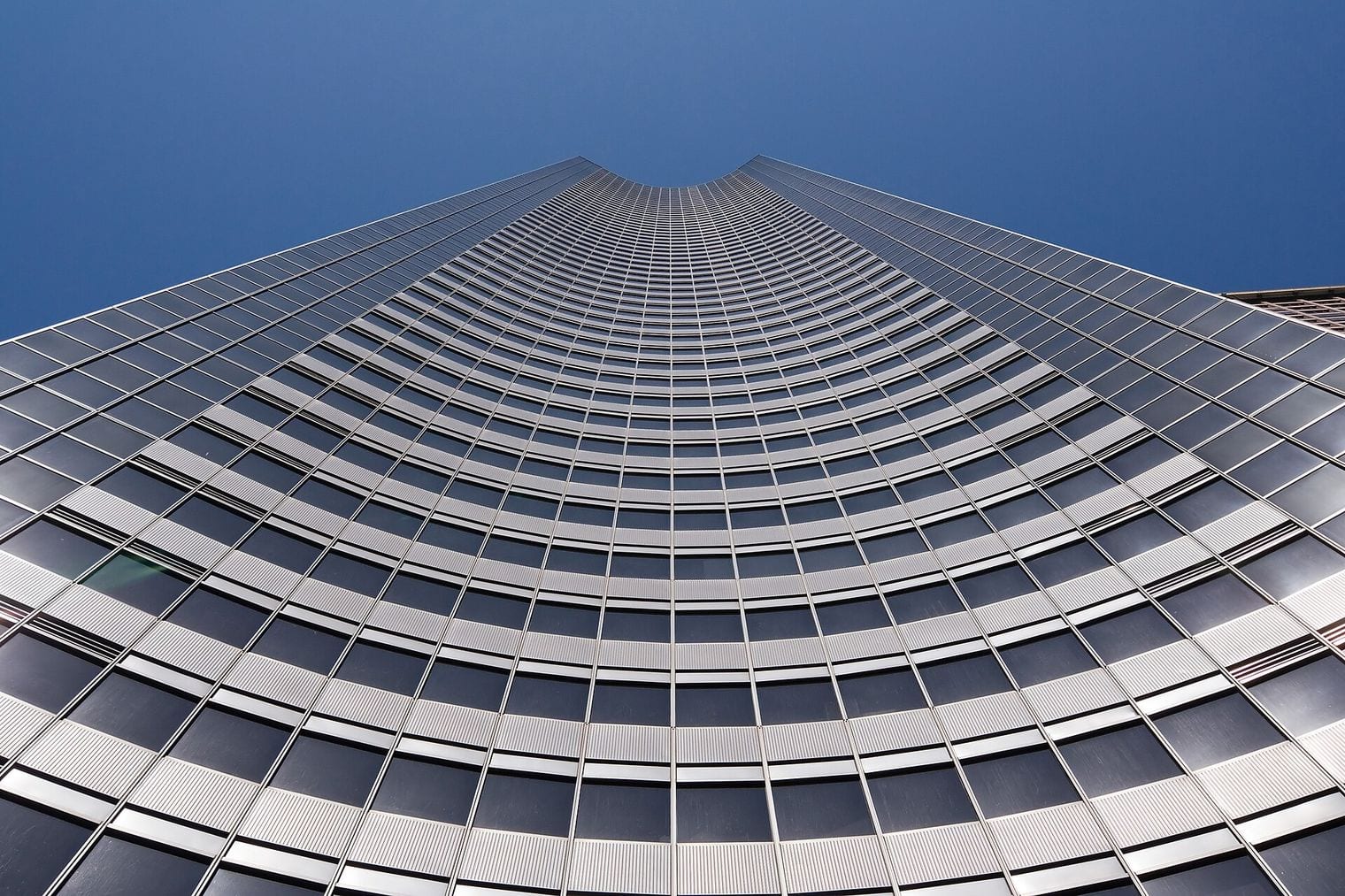
The state's tallest building has a public deck — the 76-story Columbia Center, at 933 feet the tallest building in Washington, opens its 73rd floor to visitors as the Sky View Observatory.
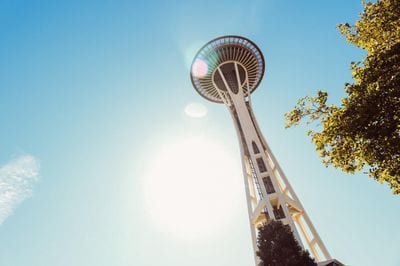
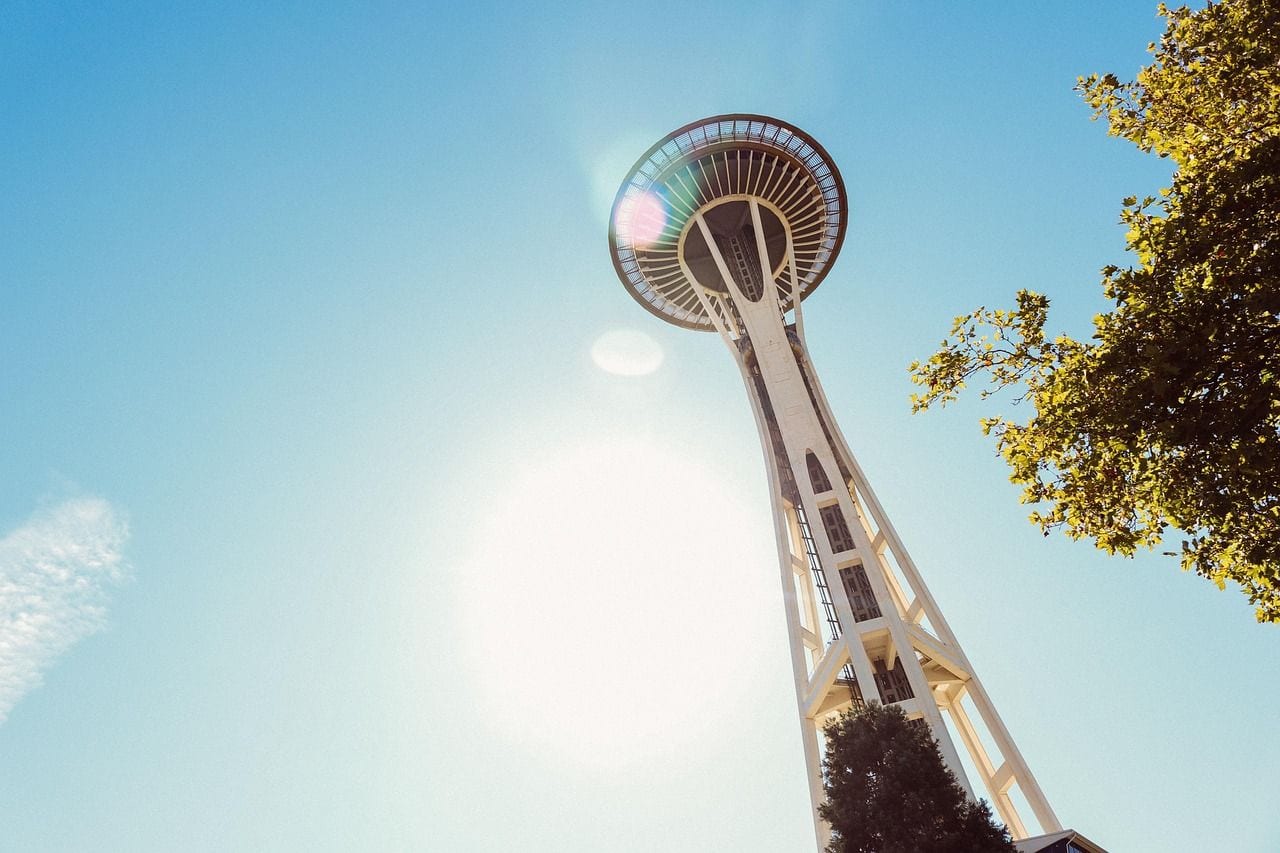
The Space Needle has defined Seattle's skyline since it was built for the 1962 World's Fair, and its flying-saucer top still looks like the future as that decade imagined it. Elevators whisk you to an observation deck 520 feet up in under a minute, with views over downtown, Elliott Bay, the Cascades and, on a clear day, Mount Rainier.
Up top, the Skyriser glass benches let you lean back against nothing but sky, and on the level below, The Loupe, a revolving glass floor, turns slowly above the Seattle Center grounds. Go on a clear morning for the sharpest mountain views, or at sunset to watch the city lights come on.
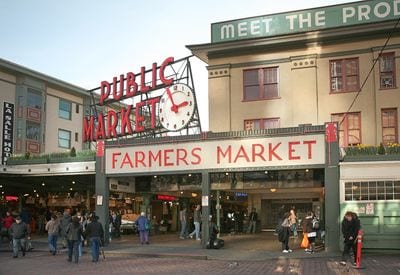
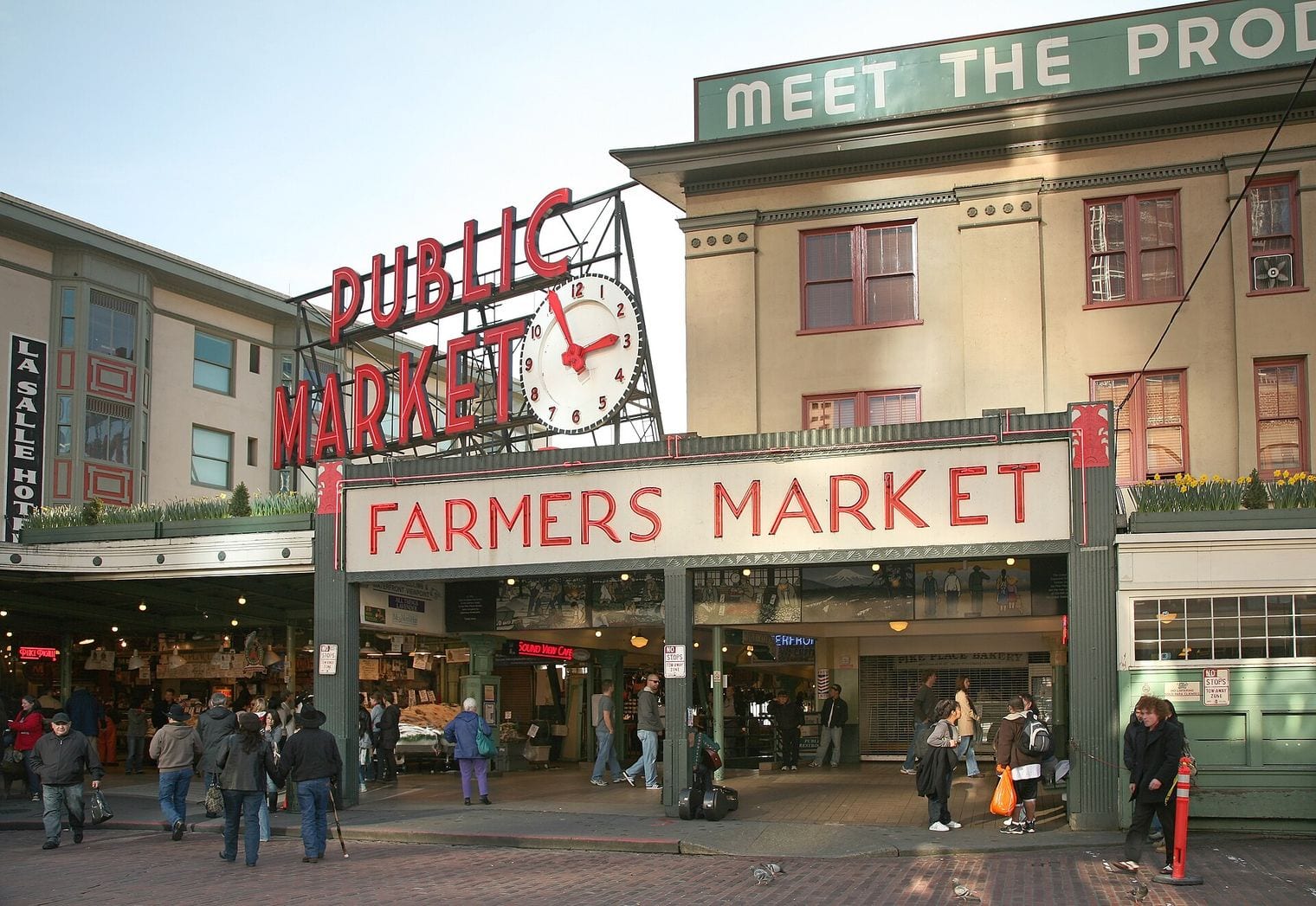
Pike Place Market has traded on the bluff above Elliott Bay since 1907, making it one of the older continuously operated public farmers' markets in the country. Under the neon Public Market sign you'll find produce stalls, flower sellers, craft tables and the fishmongers of Pike Place Fish Market, famous for tossing whole salmon over the counter.
Leave time for the lower levels, where small shops tunnel into the hillside, and for Post Alley, the MarketFront terraces and Rachel, the bronze piggy bank that collects coins for the market's community services. A short stroll north along Pike Place, the storefront billed as the original Starbucks draws a line of its own.
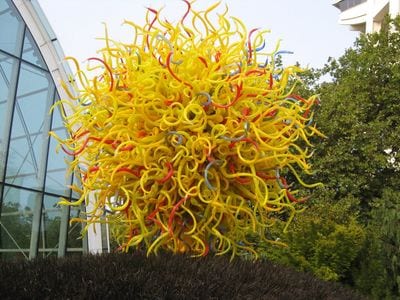
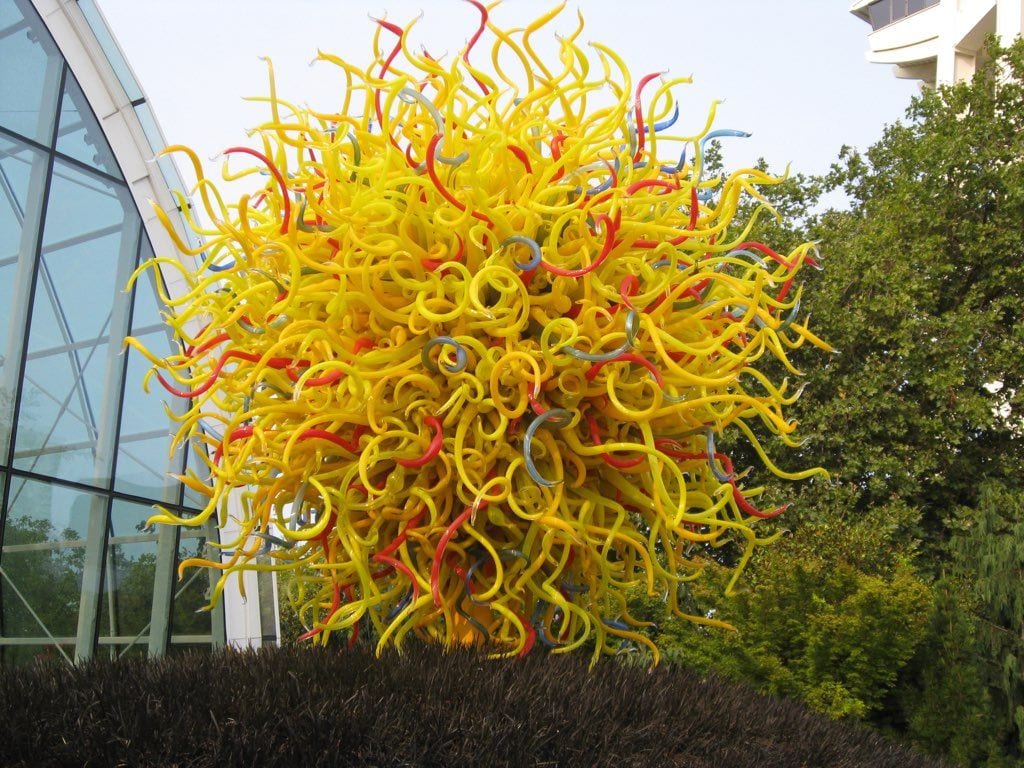
Chihuly Garden and Glass showcases the work of Tacoma-born glass artist Dale Chihuly in galleries, a glasshouse and a garden right at the foot of the Space Needle. It opened in 2012 on the site of an old amusement park, and the colors glowing out of its darkened galleries are startling.
The centerpiece is the Glasshouse, where a 100-foot-long suspended sculpture blazes in reds, oranges and ambers with the Needle rising overhead. Outside, glass forms sprout among real plants and trees, so the garden looks different with every season and every change in the light.
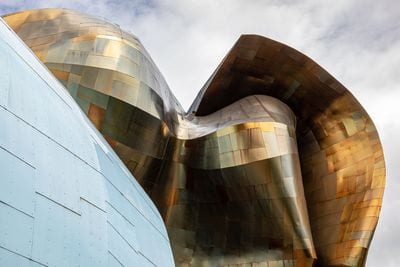
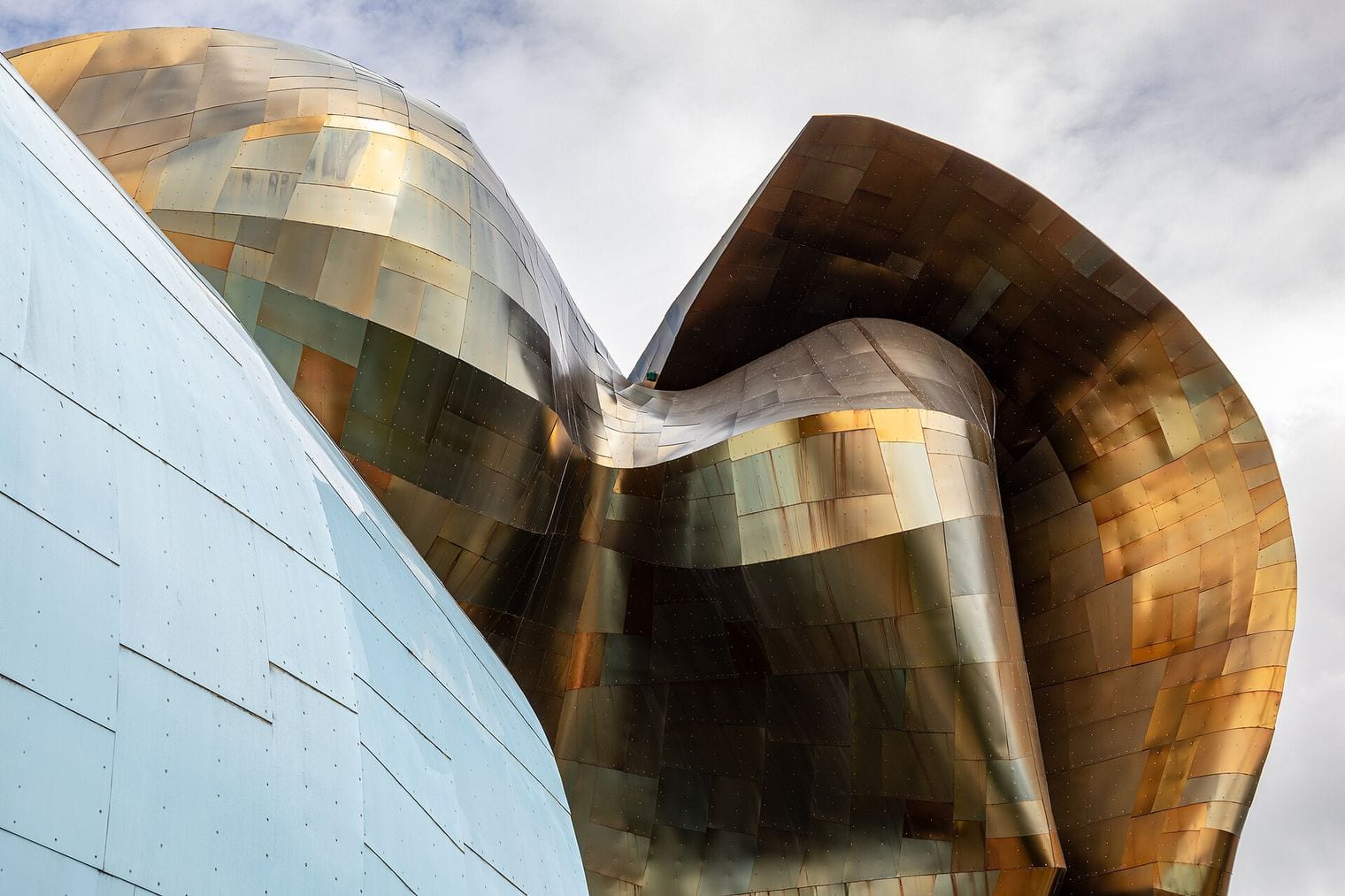
The Museum of Pop Culture, known as MoPOP, lives in one of Seattle's most talked-about buildings: a rippling, multicolored metal shell by Frank Gehry, who linked its shapes to smashed electric guitars. Microsoft co-founder Paul Allen founded it in 2000 as the Experience Music Project.
Inside, exhibitions roam across music, science fiction, fantasy, horror and video games, and the museum holds a large collection devoted to Seattle's own Jimi Hendrix. Don't miss IF VI WAS IX, a towering sculpture built from more than 500 instruments, or the Sky Church hall with its giant screen.
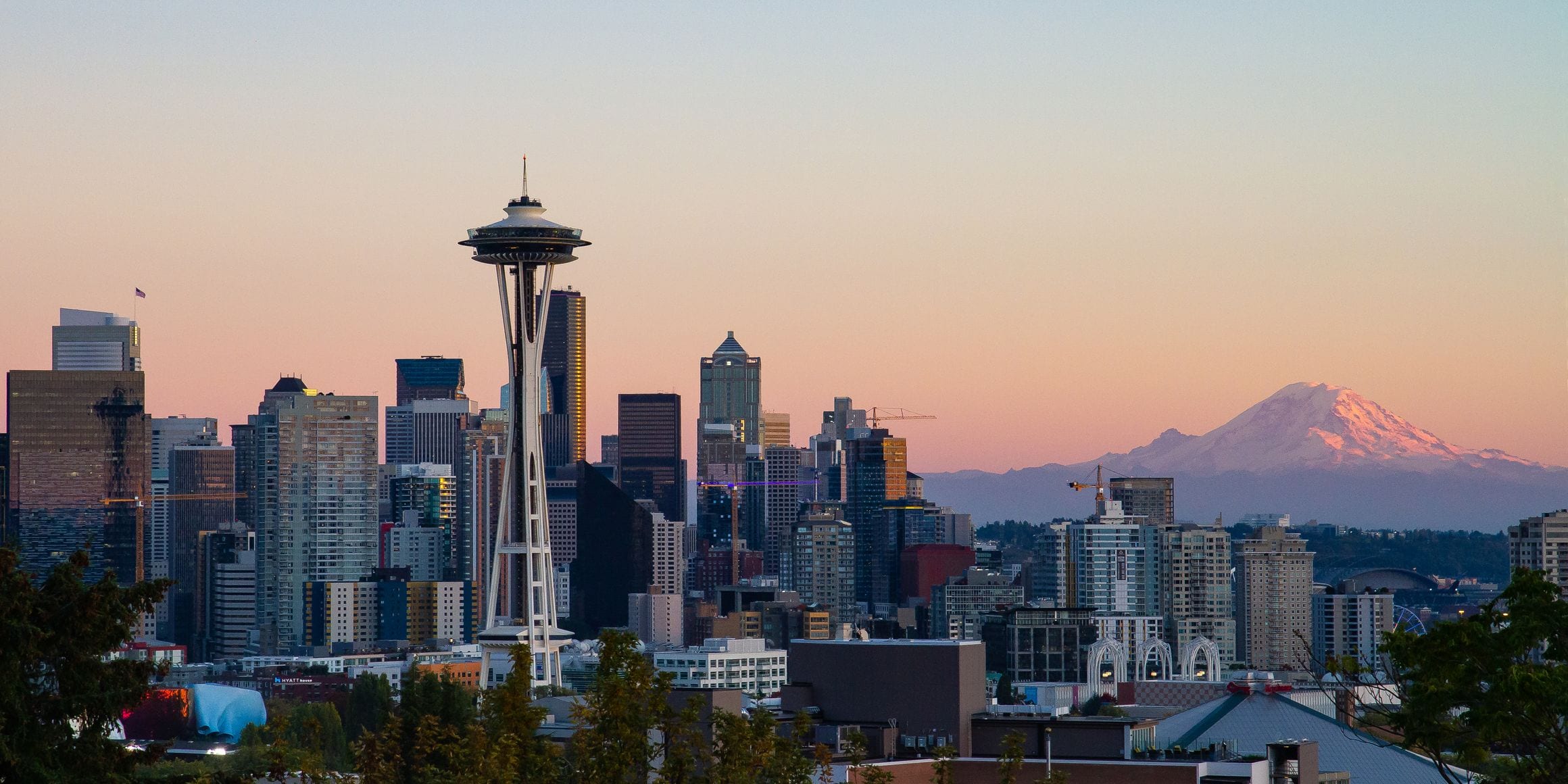
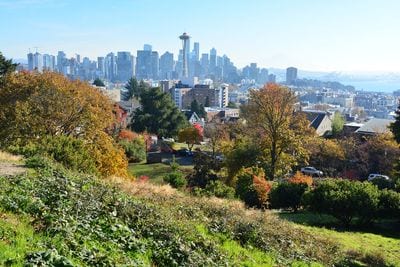
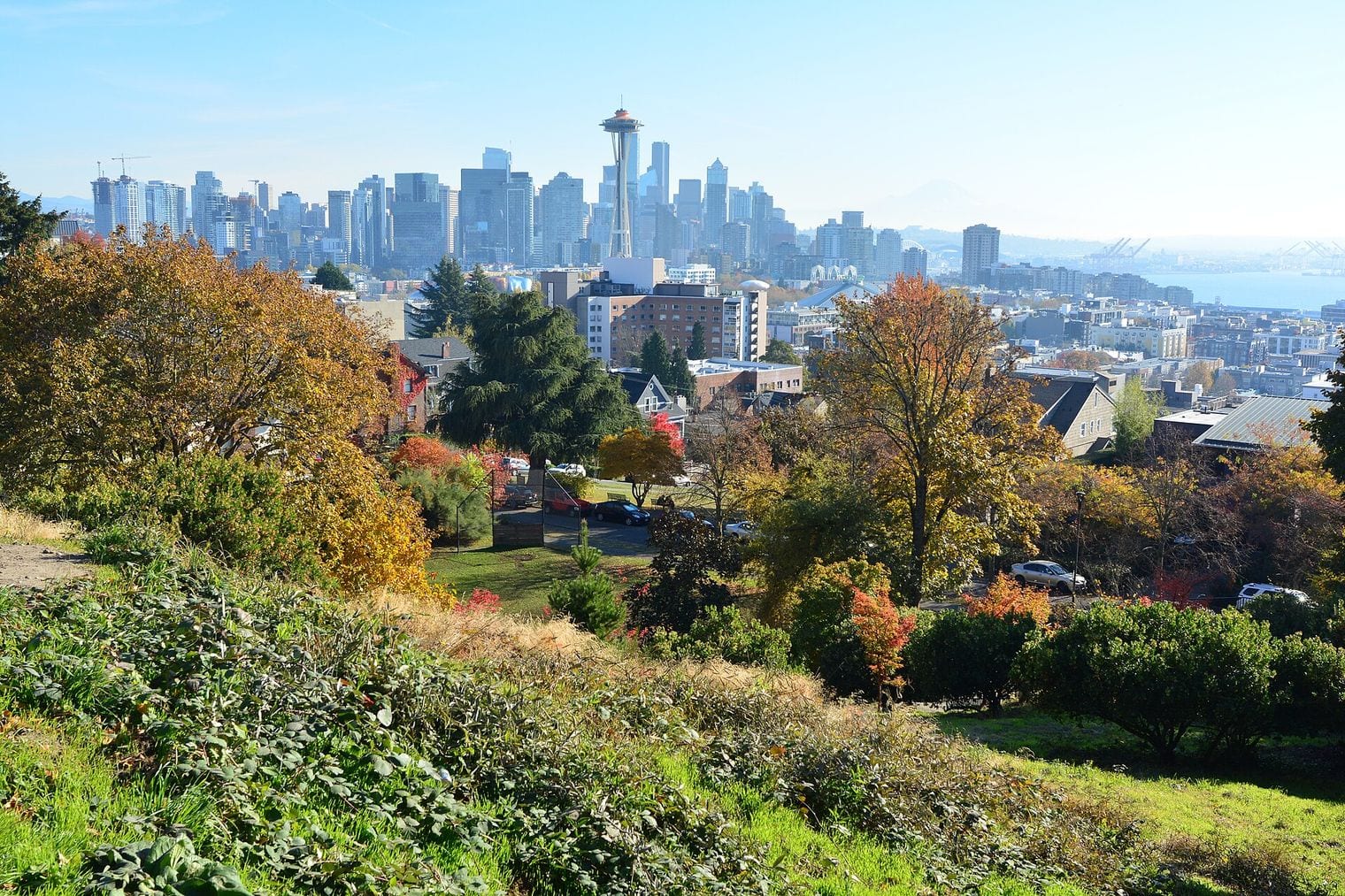
Kerry Park is barely bigger than a front yard, yet it delivers the Seattle view you've seen on postcards: the Space Needle front and center, downtown towers behind it, Elliott Bay to the west and Mount Rainier floating on the horizon when the clouds lift. It sits on the south slope of Queen Anne Hill along West Highland Drive.
Photographers line the railing at sunset and after dark, when the skyline lights up. Come early on a clear morning for the best chance of seeing the mountain, then wander the leafy residential streets of Queen Anne nearby.
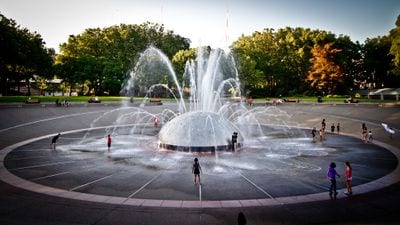
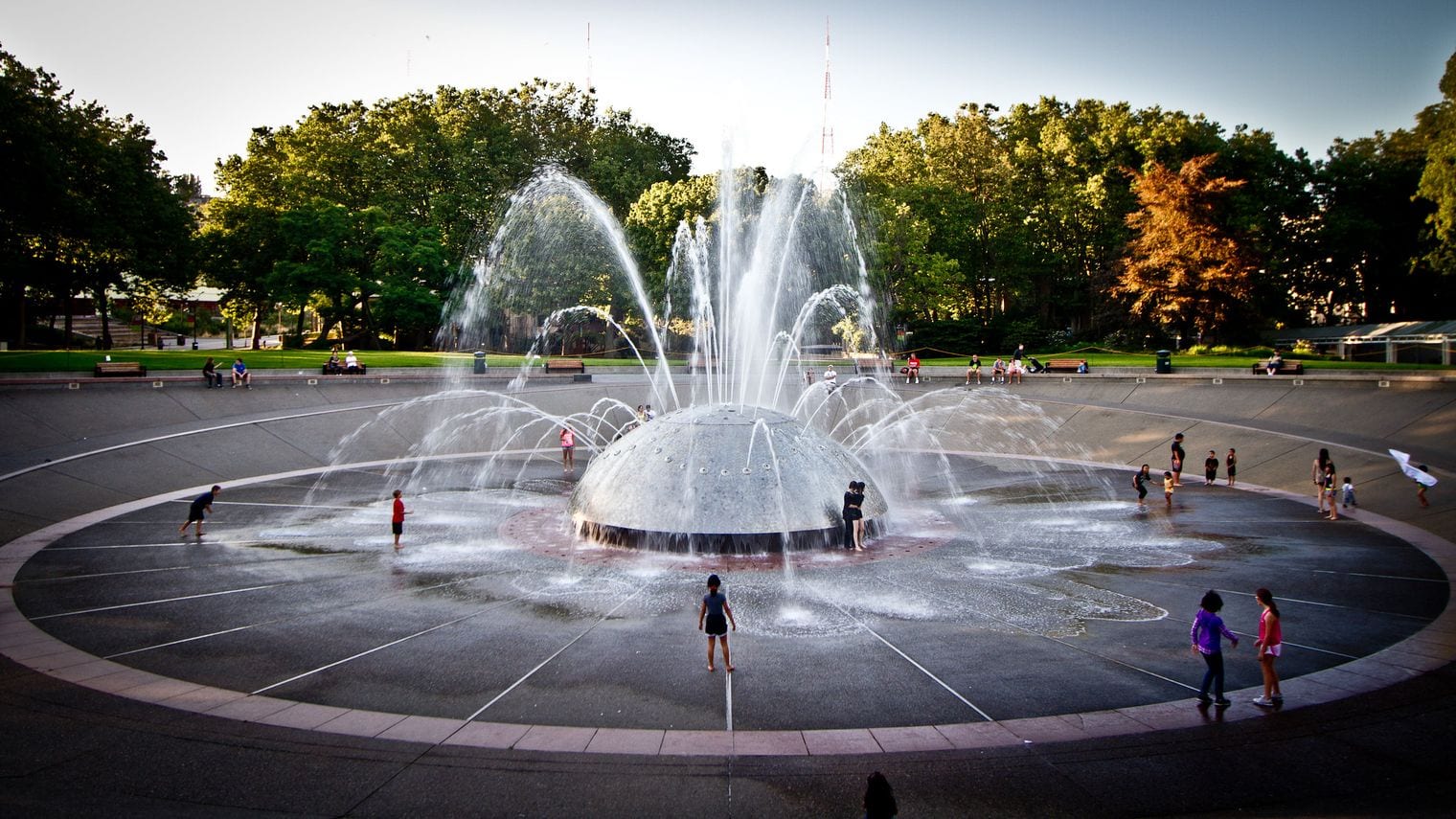
Seattle Center is the campus built for the 1962 World's Fair, and it remains the city's favorite gathering ground. Beyond its ticketed attractions, the lawns and plazas hold the International Fountain, where kids dash through jets of water that dance to music, as well as McCaw Hall, home of Seattle Opera and Pacific Northwest Ballet, and Climate Pledge Arena.
The Seattle Center Monorail, itself a World's Fair survivor, glides between the grounds and Westlake Center downtown in a few minutes. Festivals fill the campus through the year, and the Armory's food counters and the children's museum make it an easy stop with kids.
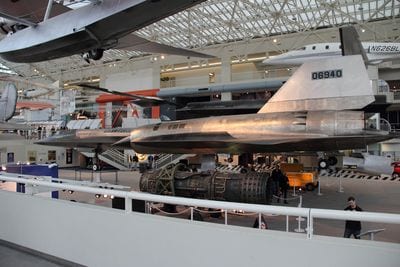
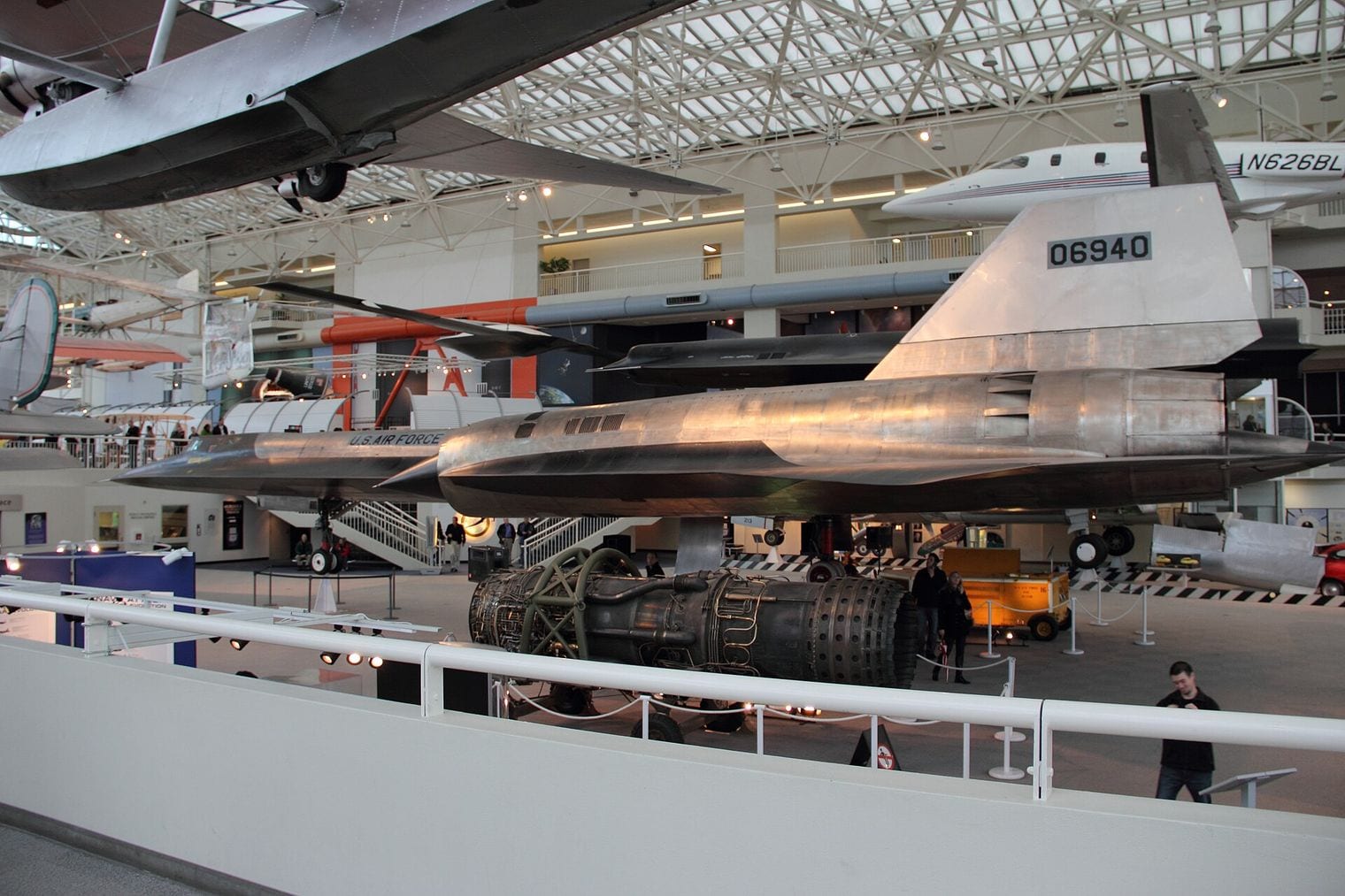
The Museum of Flight sits at Boeing Field on Seattle's southern edge, and it is the largest private air and space museum in the world. Its glass-walled Great Gallery suspends aircraft overhead, from early wood-and-fabric flying machines to sleek jets.
In the outdoor Aviation Pavilion you can walk through big jetliners, including the first jet-powered Air Force One, and the Space Gallery holds the Full Fuselage Trainer, the full-scale Space Shuttle mock-up used to train shuttle astronauts. Plan on at least half a day; it is a short drive south of downtown.
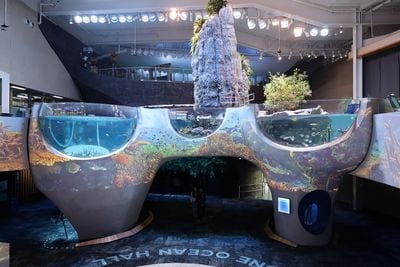
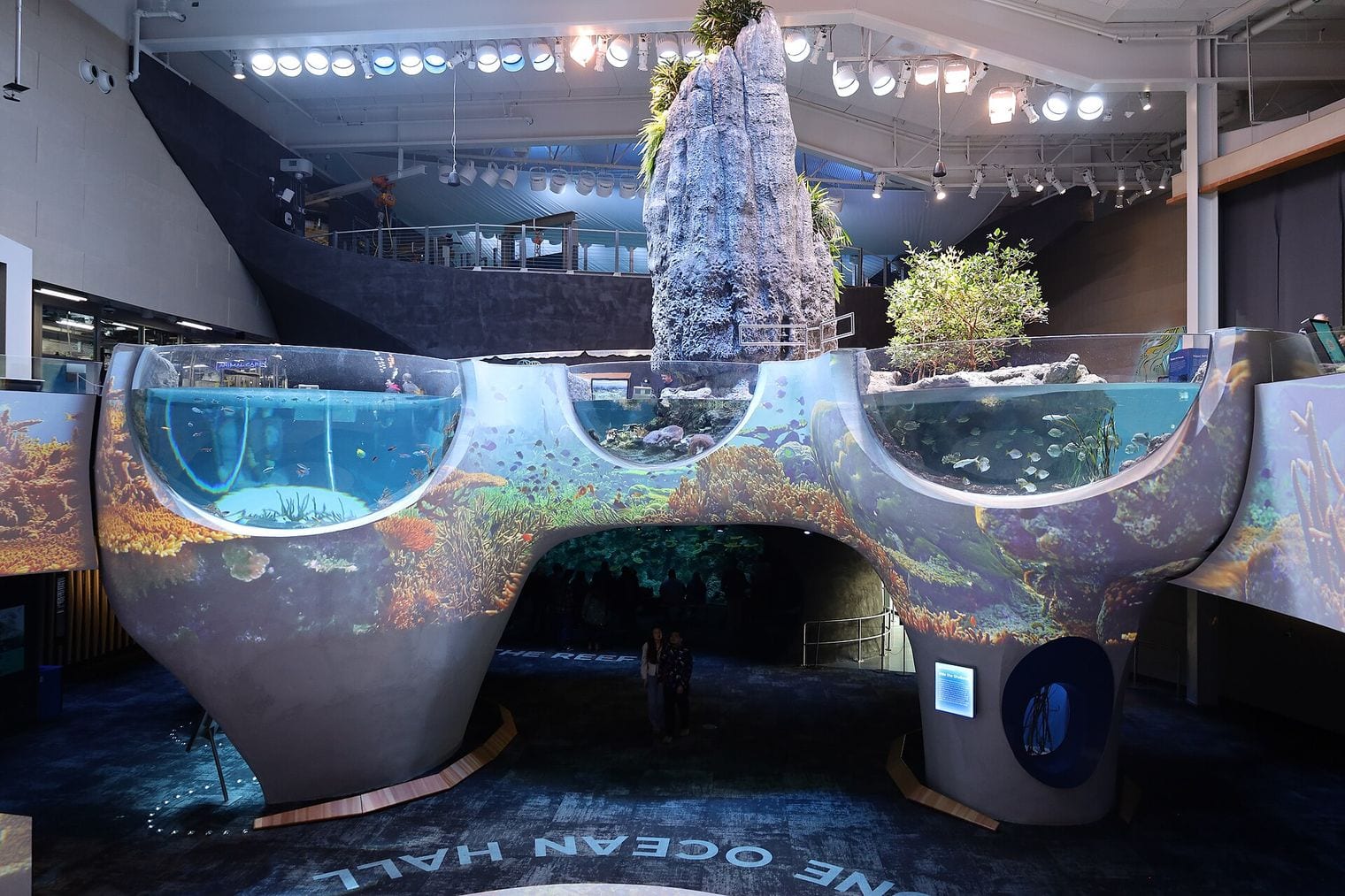
The Seattle Aquarium sits on Piers 59 and 60 on the downtown waterfront and has been introducing visitors to the sea life of Puget Sound since 1977. Harbor seals, northern fur seals and sea otters steal the show, alongside touch pools and a big underwater window onto the waters of the Sound.
A third building, the Ocean Pavilion, opened in 2024 and turns the focus to the coral reefs of the Coral Triangle, with sharks, rays and shoals of tropical fish. Weekday mornings are usually calmer than weekend afternoons.
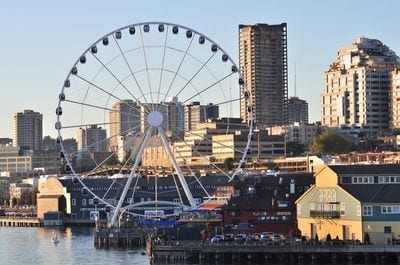
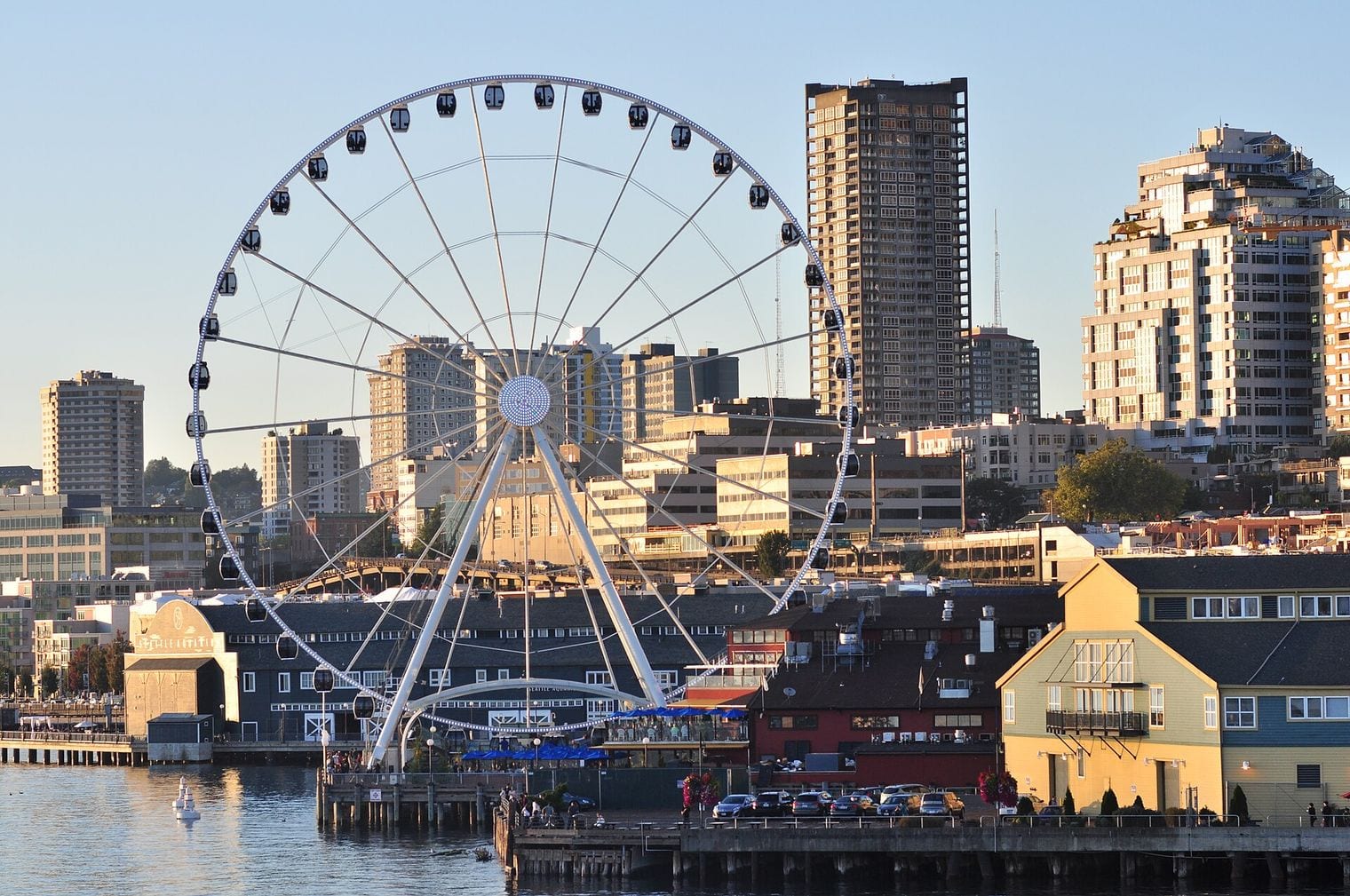
The Seattle Great Wheel turns at the end of Pier 57, and at 175 feet it was the tallest Ferris wheel on the West Coast when it opened in 2012. Its enclosed, climate-controlled gondolas make it a year-round ride, and the wheel reaches 40 feet out over Elliott Bay, with views of the ferries, the Olympic Mountains and the downtown skyline.
The pier itself, Miner's Landing, is a lively waterfront stop with a carousel, seafood counters, souvenir shops and Wings Over Washington, a flying-theater ride over the state's landscapes. Ride after dark, when the wheel is lit up.
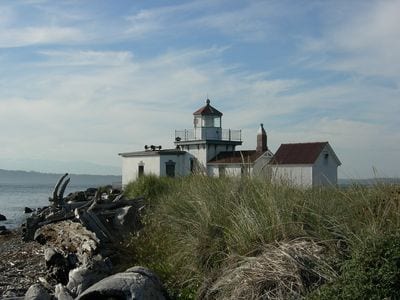
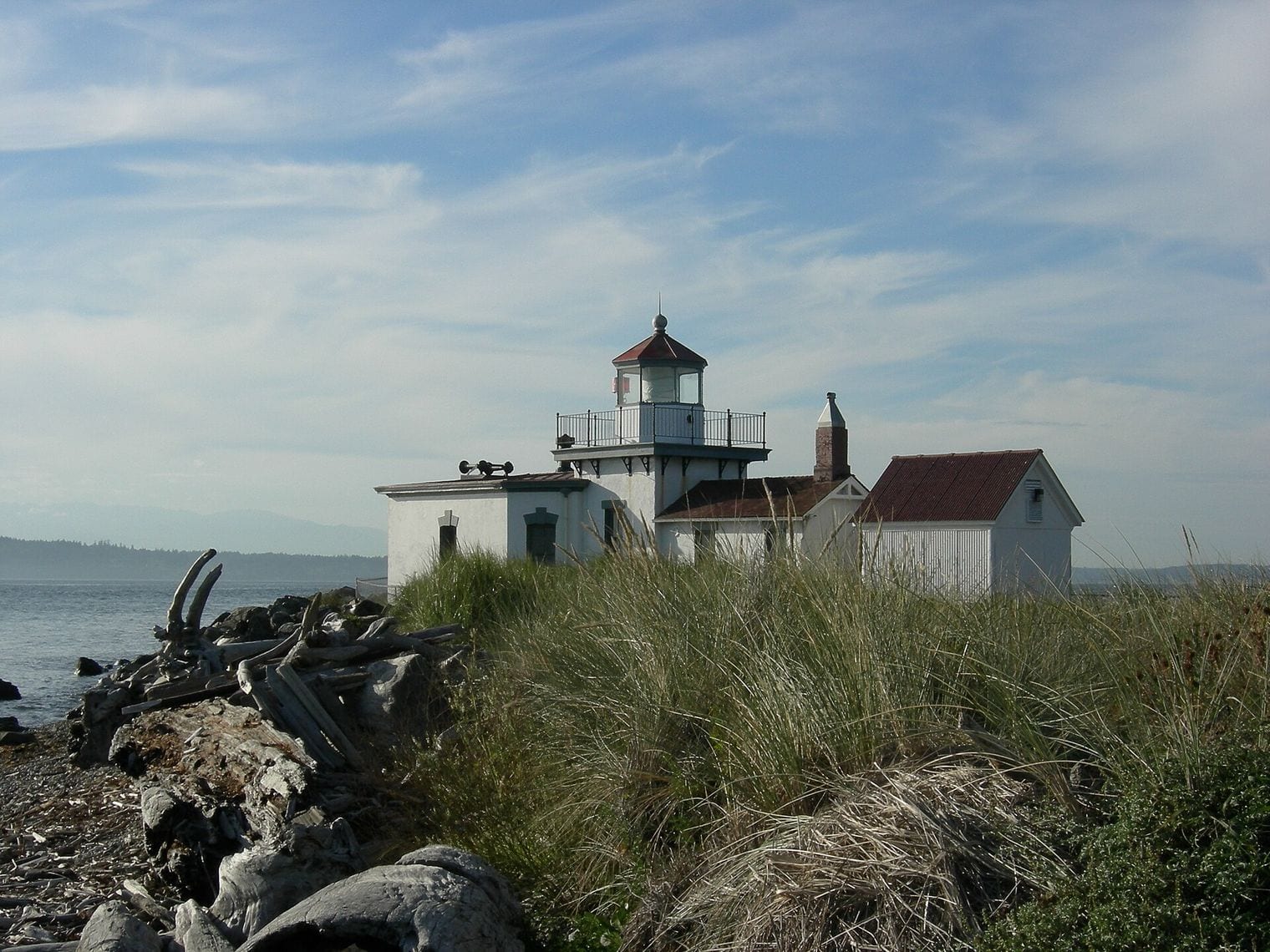
Discovery Park is Seattle's largest public park, 534 acres of forest, meadow, sea bluffs and beach in Magnolia, on grounds that were once the Army's Fort Lawton. The 2.8-mile Loop Trail is the classic walk, threading through woods and open bluffs with views across Puget Sound to the Olympics.
Take the side trail down to West Point, the westernmost tip of the city, where the West Point Lighthouse stands on the beach. The park also holds the Daybreak Star Indian Cultural Center, a gathering place for the region's Native community, and the historic buildings of the old fort.
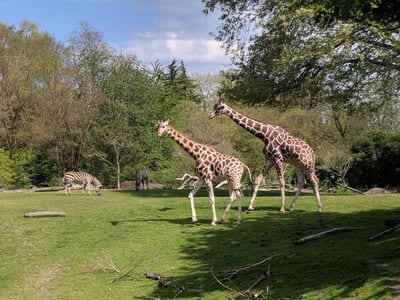
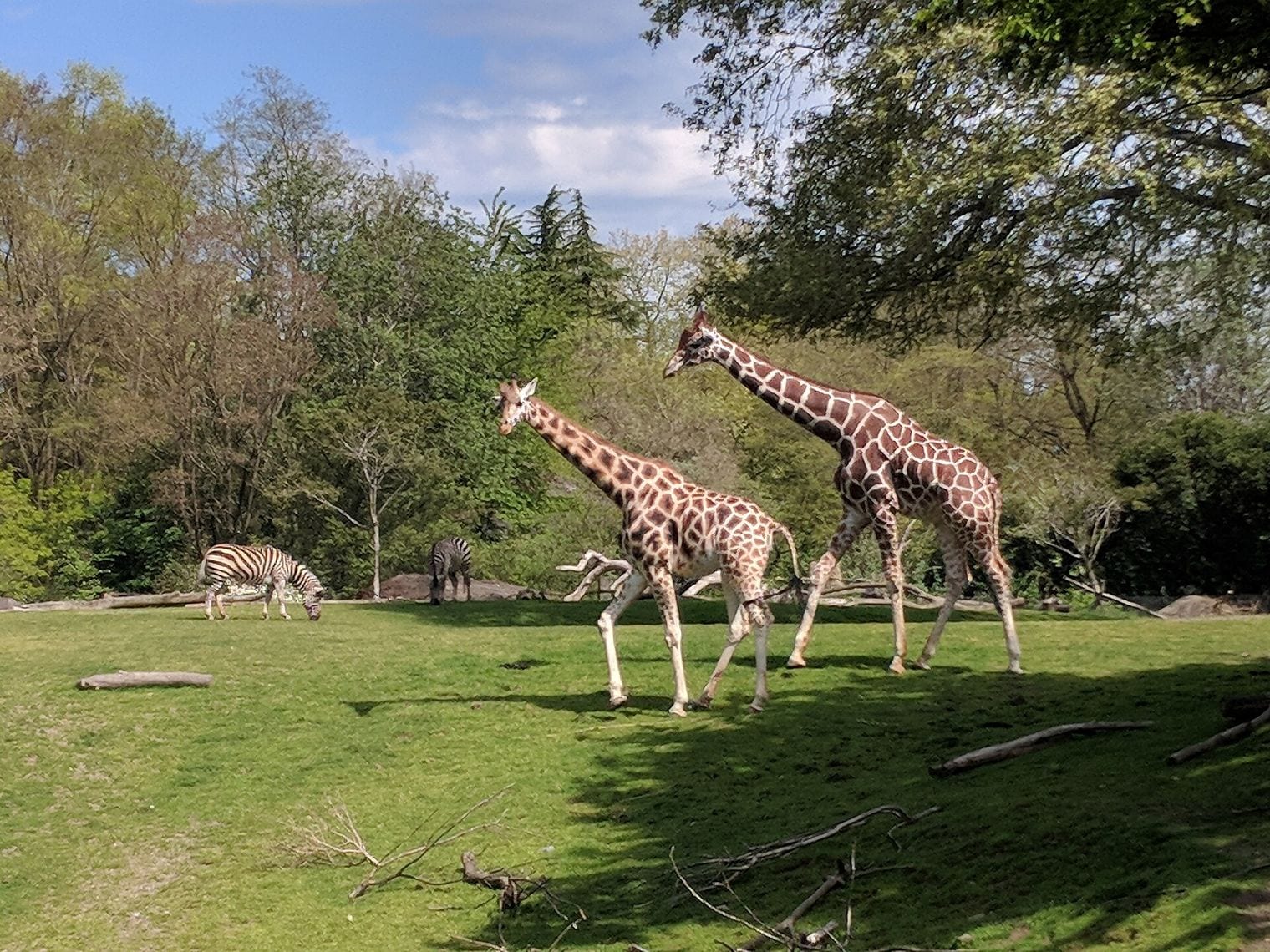
Woodland Park Zoo, in the Phinney Ridge neighborhood, is known for naturalistic habitats that bring you close to hundreds of animals. In the African Savanna, lions, hyenas and other grassland species share the view, while the Northern Trail puts grizzly bears, wolves, elk and mountain goats in a Pacific Northwest setting.
The Banyan Wilds area is home to Malayan tigers and sloth bears, and there is a raptor center and a butterfly garden too. The zoo sits within Woodland Park, a short walk from Green Lake, so it is easy to fold both into one day.
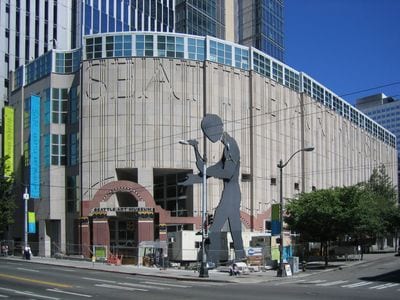
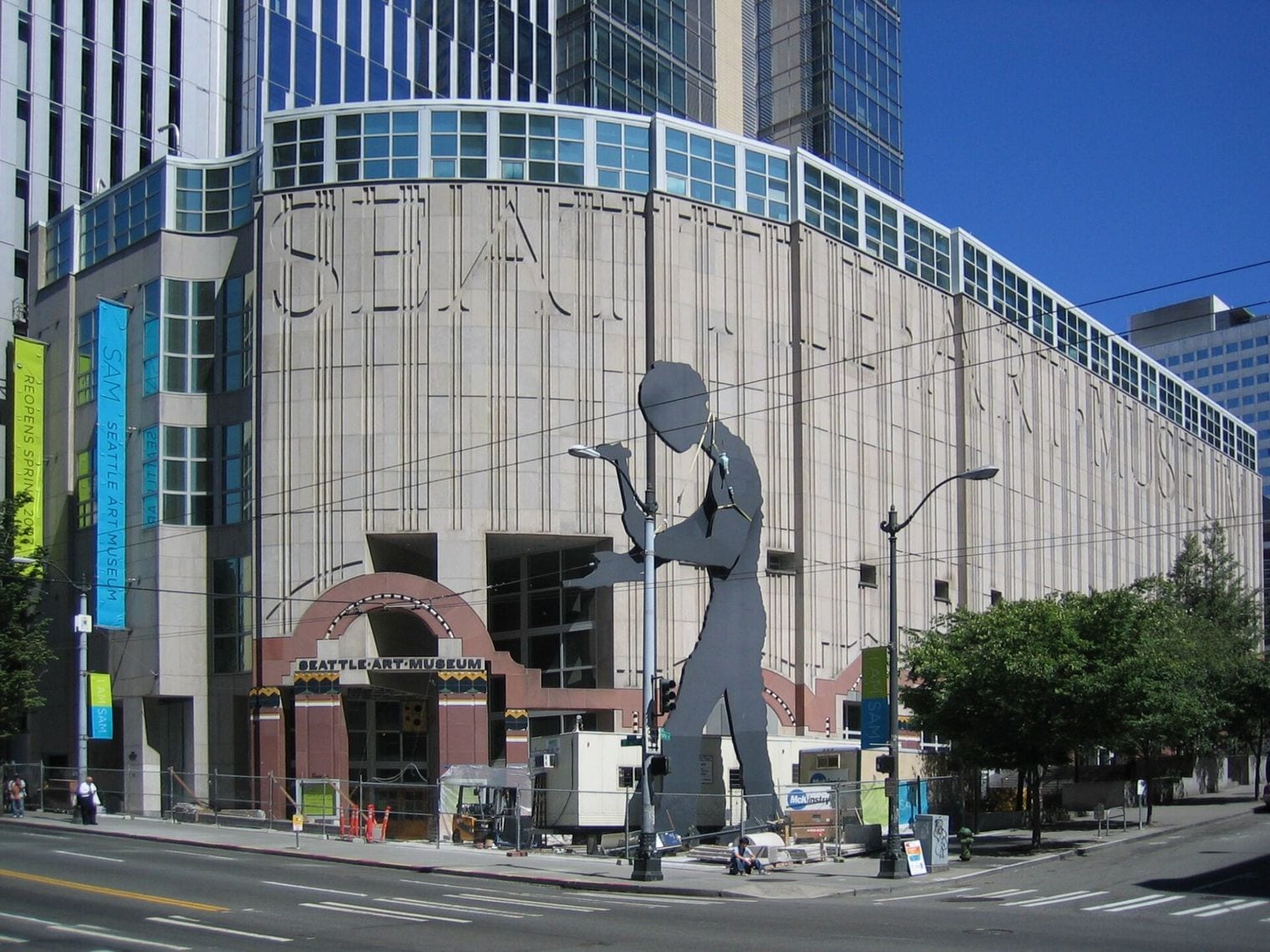
The Seattle Art Museum, known as SAM, anchors downtown a few blocks from Pike Place Market in a building that opened in 1991. It is the flagship of a three-part institution that also runs the Olympic Sculpture Park and the Seattle Asian Art Museum, and its galleries range from Native and Northwest art to global and contemporary works.
Outside the entrance on First Avenue, Jonathan Borofsky's Hammering Man has been silently swinging his hammer above the sidewalk since 1992, one of the city's best-loved public artworks. Check the special exhibitions before you go; they change through the year.
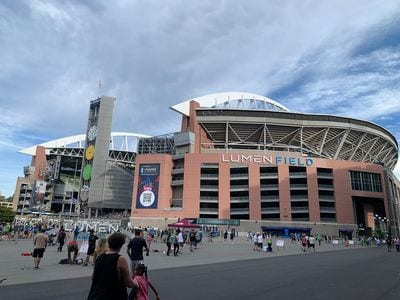
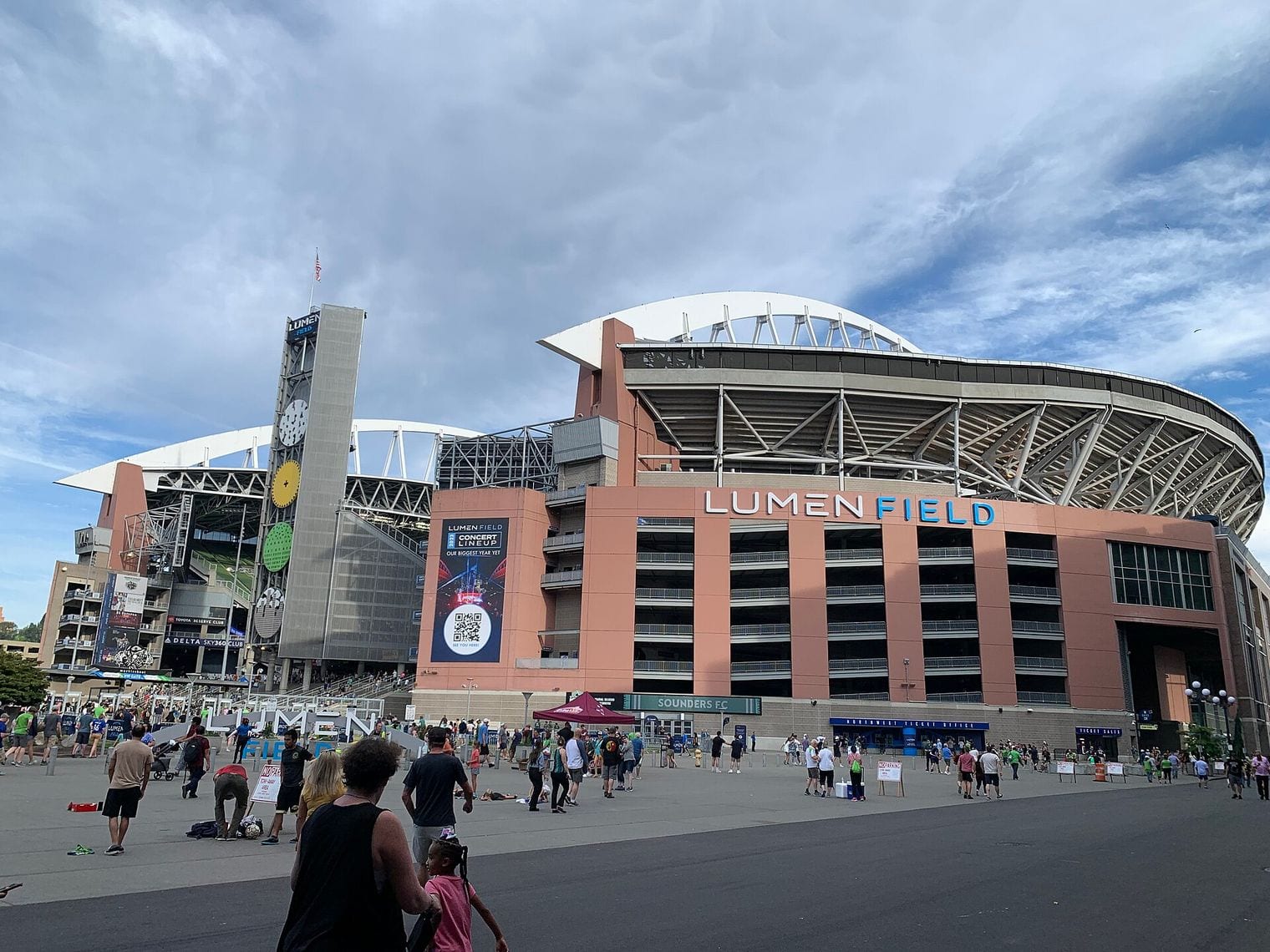
Lumen Field, just south of Pioneer Square in SoDo, is home to the Seattle Seahawks, Seattle Sounders FC and Seattle Reign FC. Built between 2000 and 2002 on the site of the old Kingdome, it is famous for crowd noise, and Seahawks fans proudly call themselves the 12s.
On game days the streets around the stadium fill with fans in blue and green, and the Mariners' ballpark, T-Mobile Park, stands right next door. Outside the season, check the calendar for concerts and big events in the stadium and its Event Center.
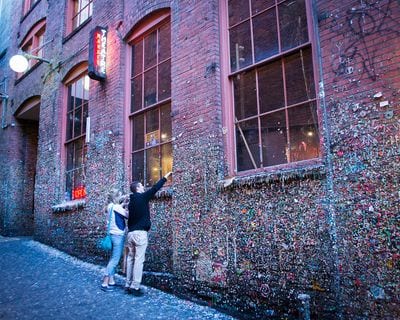
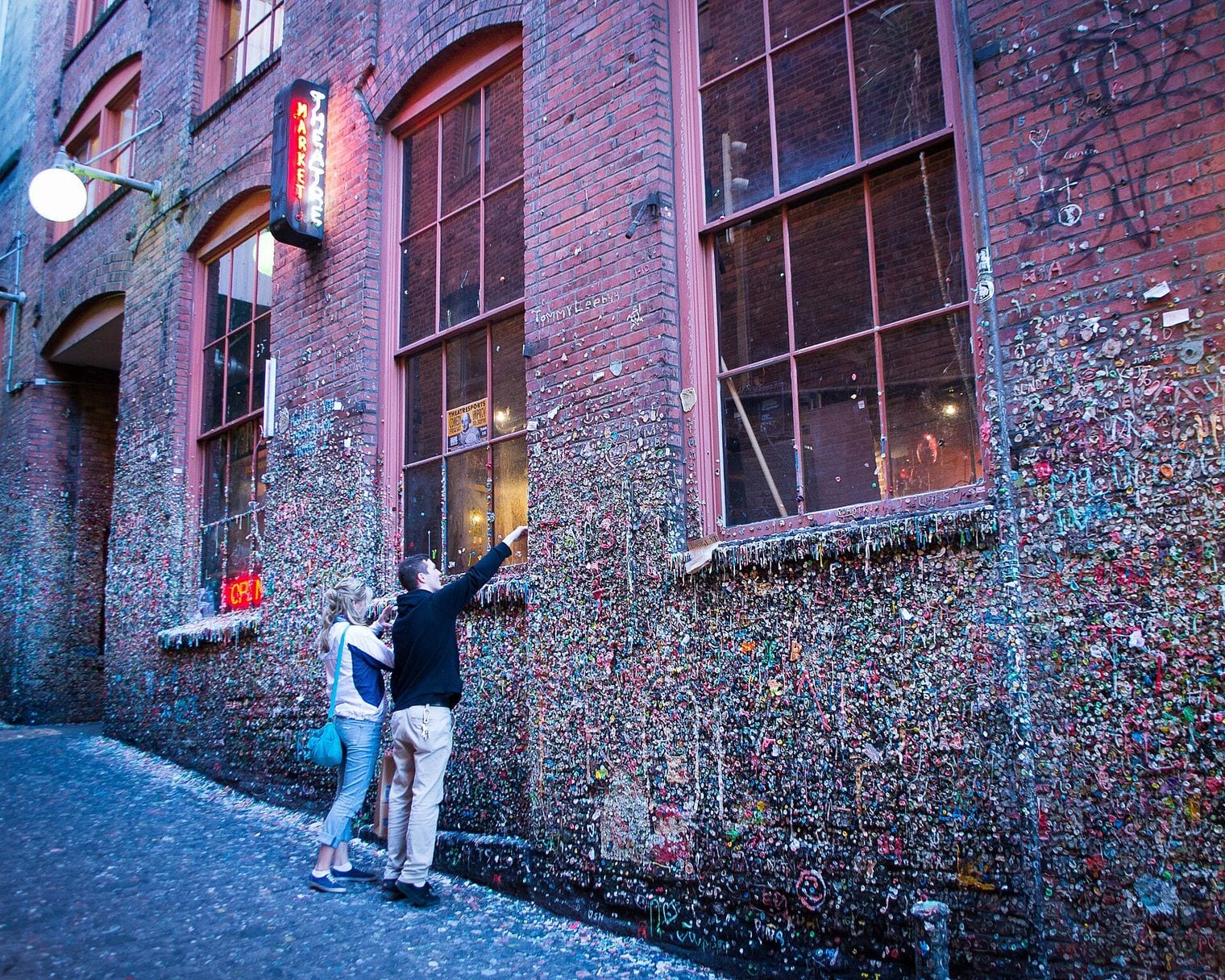
The Gum Wall is exactly what it sounds like: a brick wall in Post Alley, beneath Pike Place Market, plastered with layer upon layer of used chewing gum. The habit started around the Market Theater in the 1990s, and the colorful mess now covers a stretch about 50 feet long and up to 15 feet high.
It's gloriously gross and endlessly photographed, and plenty of visitors press on a piece of their own. The wall has been cleaned regularly since 2015 to protect the bricks, so it never looks quite the same twice. Find it down the ramp from the market's main entrance near Pike Street.
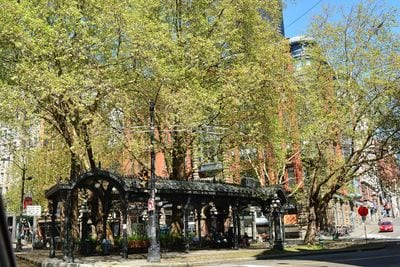
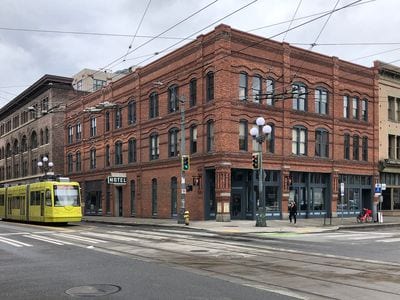
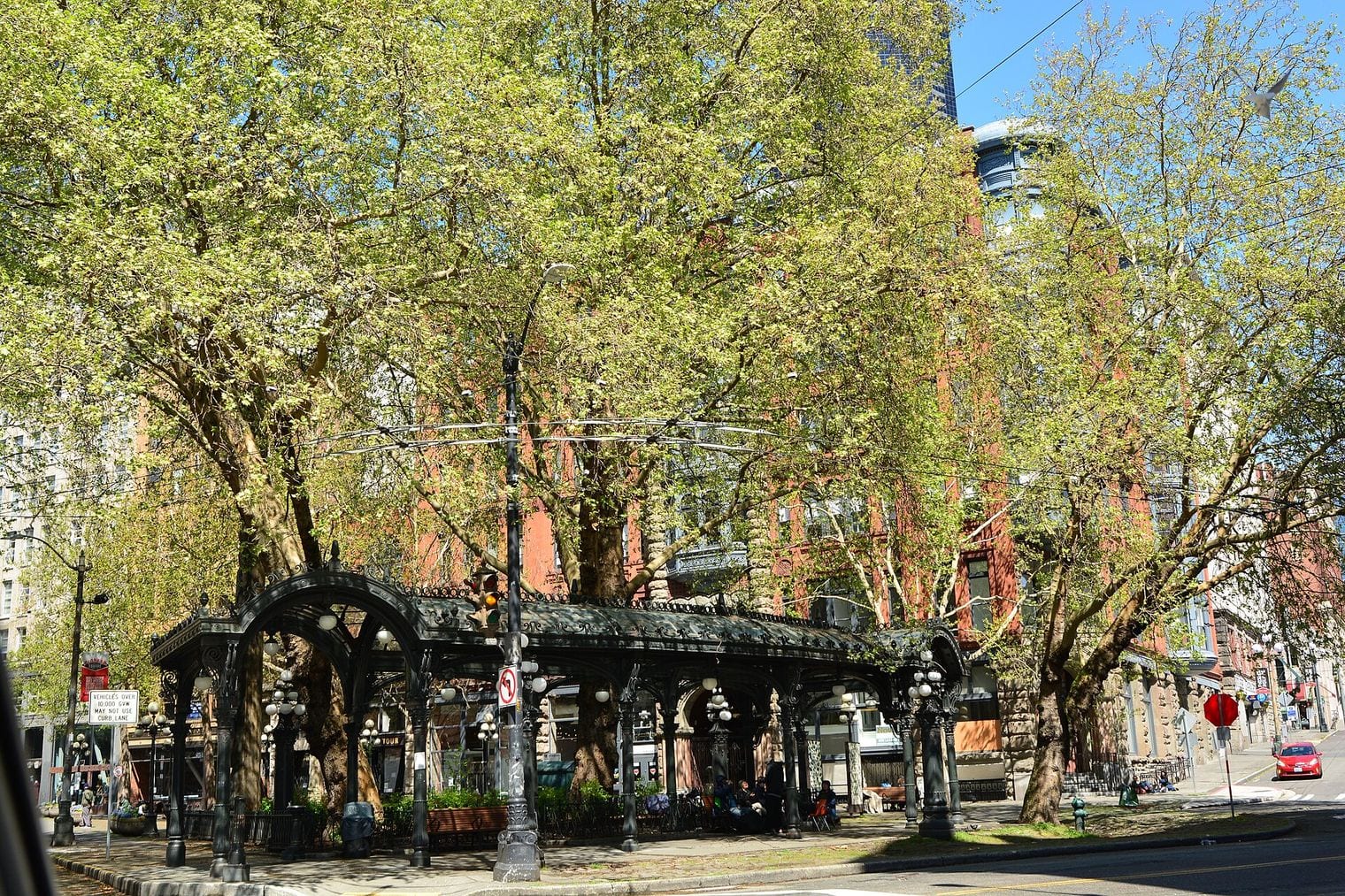
Pioneer Square is where Seattle began: the city's founders settled here in 1852, and after the Great Seattle Fire of 1889 the neighborhood was rebuilt in brick and stone. Those Richardsonian Romanesque facades and the little triangular plaza at First Avenue and Yesler Way still give it its character, and much of it is a protected historic district.
Wander from tree-shaded Occidental Square to Waterfall Garden Park, a tiny walled garden with a crashing waterfall at the site of the original UPS building. Art galleries fill the old buildings, and the Seattle Underground lies beneath the sidewalks.
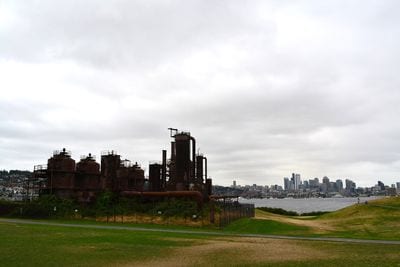
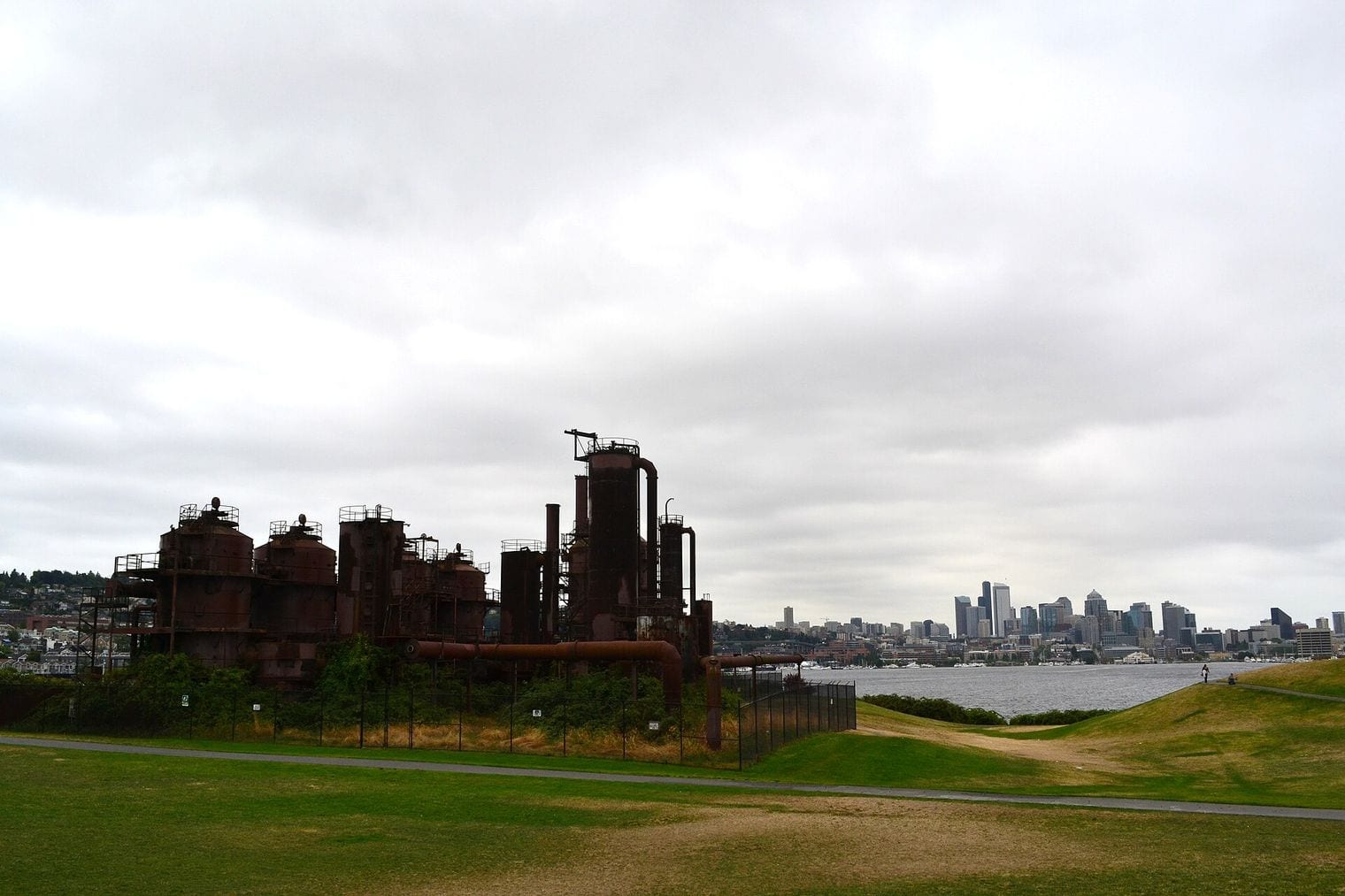
Gas Works Park turns the rusting towers of an old coal gasification plant into one of Seattle's most unusual green spaces. The plant ran from 1906 to 1956 on the north shore of Lake Union, and landscape architect Richard Haag kept its industrial skeleton when he designed the park, which opened in 1975.
Climb the grassy kite-flying hill, with a sundial built into its summit, for a sweeping view across Lake Union to the downtown skyline, with seaplanes landing and sailboats tacking past. It is a favorite picnic spot on summer evenings and a fine place to watch the sun go down.
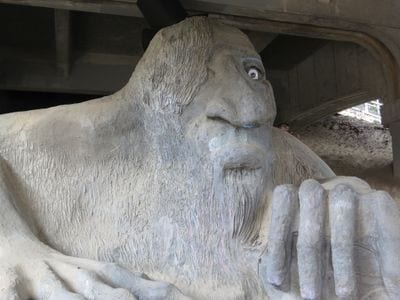
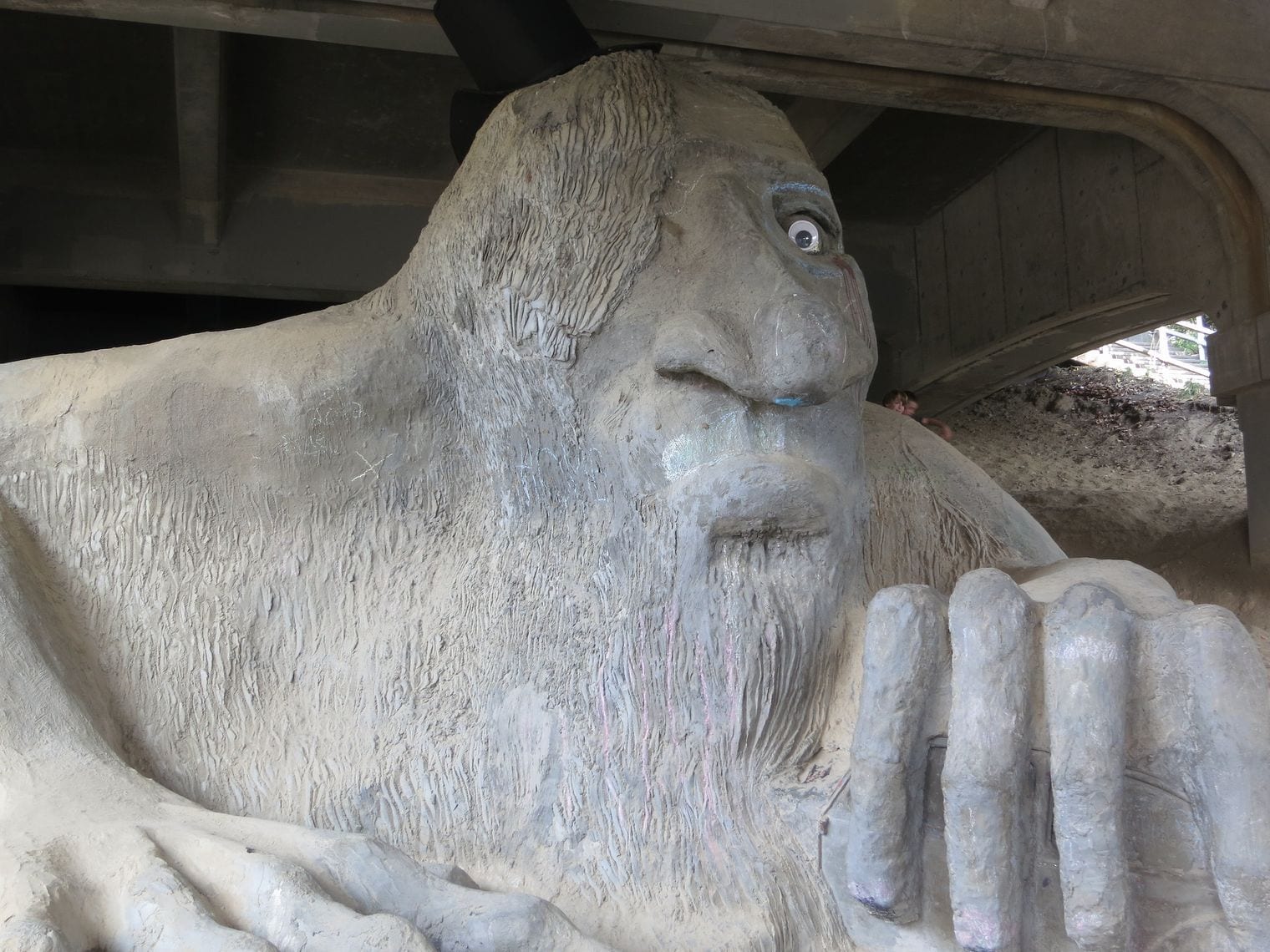
The Fremont Troll lurks under the north end of the Aurora Bridge, an enormous concrete figure clutching a real Volkswagen Beetle as if he had just snatched it from the roadway above. He was born of a Fremont Arts Council competition to reclaim the dark, neglected space beneath the bridge.
Climbing on the Troll is half the fun, and the street running downhill beside him was renamed Troll Avenue in his honor. He is a short walk uphill from the heart of Fremont, so pair him with the neighborhood's other quirky public art.
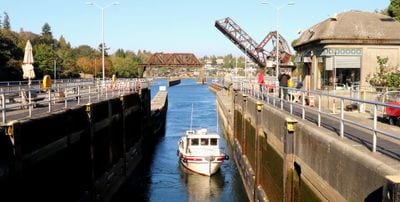
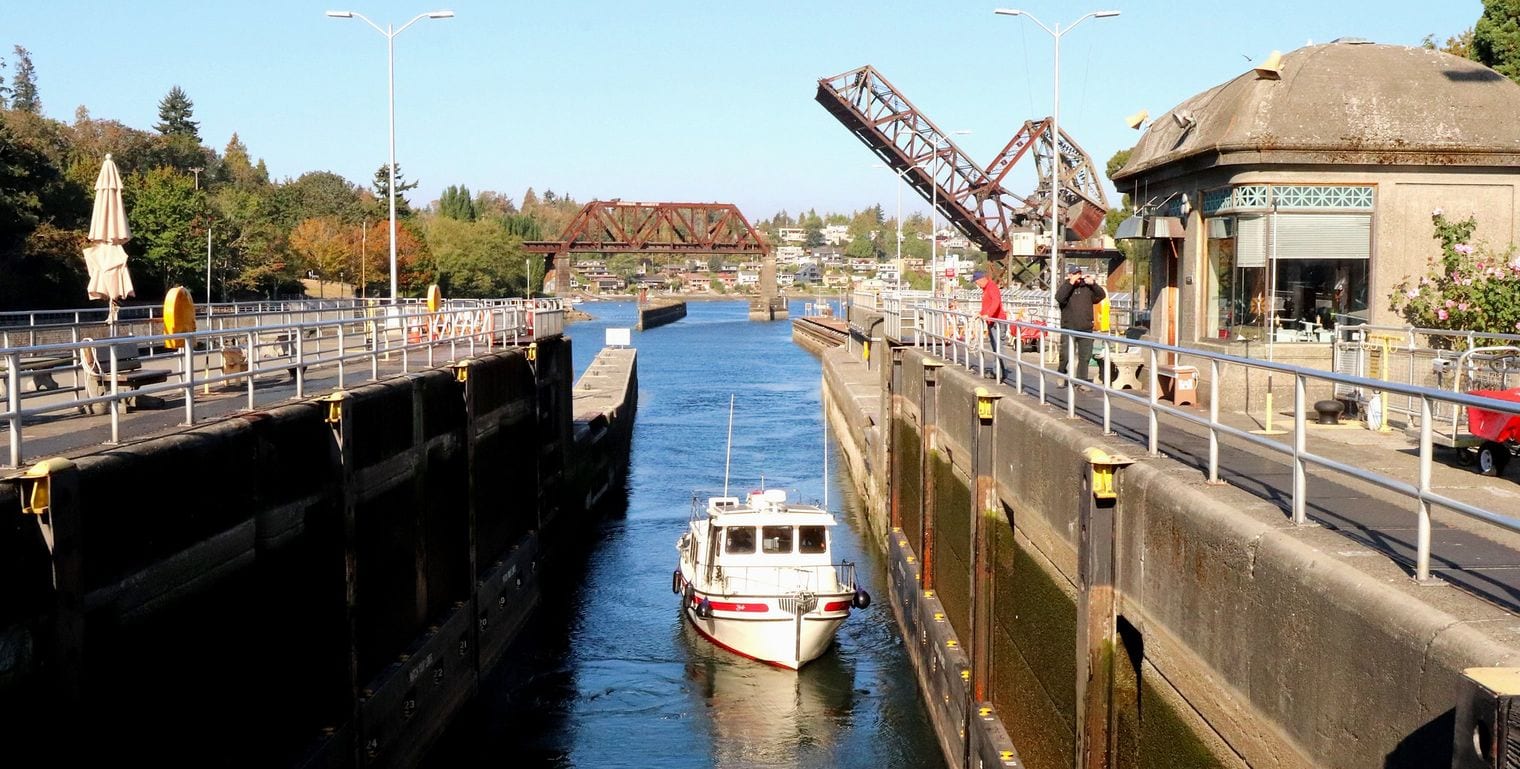
The Ballard Locks, officially the Hiram M. Chittenden Locks, lift and lower boats between salty Puget Sound and the fresh water of Lake Union and Lake Washington, and they carry more boat traffic than any other locks in the U.S. Watching fishing boats, kayaks and yachts rise and fall in the chambers is surprisingly hypnotic.
On the far side, the fish ladder has an underground viewing room where migrating salmon push upstream past the windows in summer and early fall. Leave time for the Carl S. English Jr. Botanical Garden, a hillside of trees and flower beds beside the visitor center.
The Washington Park Arboretum, run jointly by the University of Washington, Seattle Parks and the Arboretum Foundation, fills a long green valley between Montlake and Madison Valley with trees and shrubs from around the world. A waterside trail crosses boardwalks over the marshes of Union Bay at its northern end.
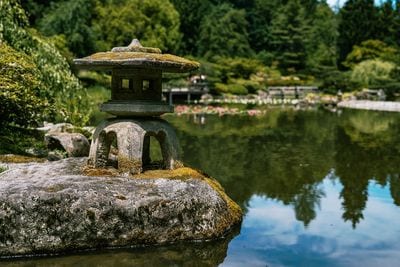
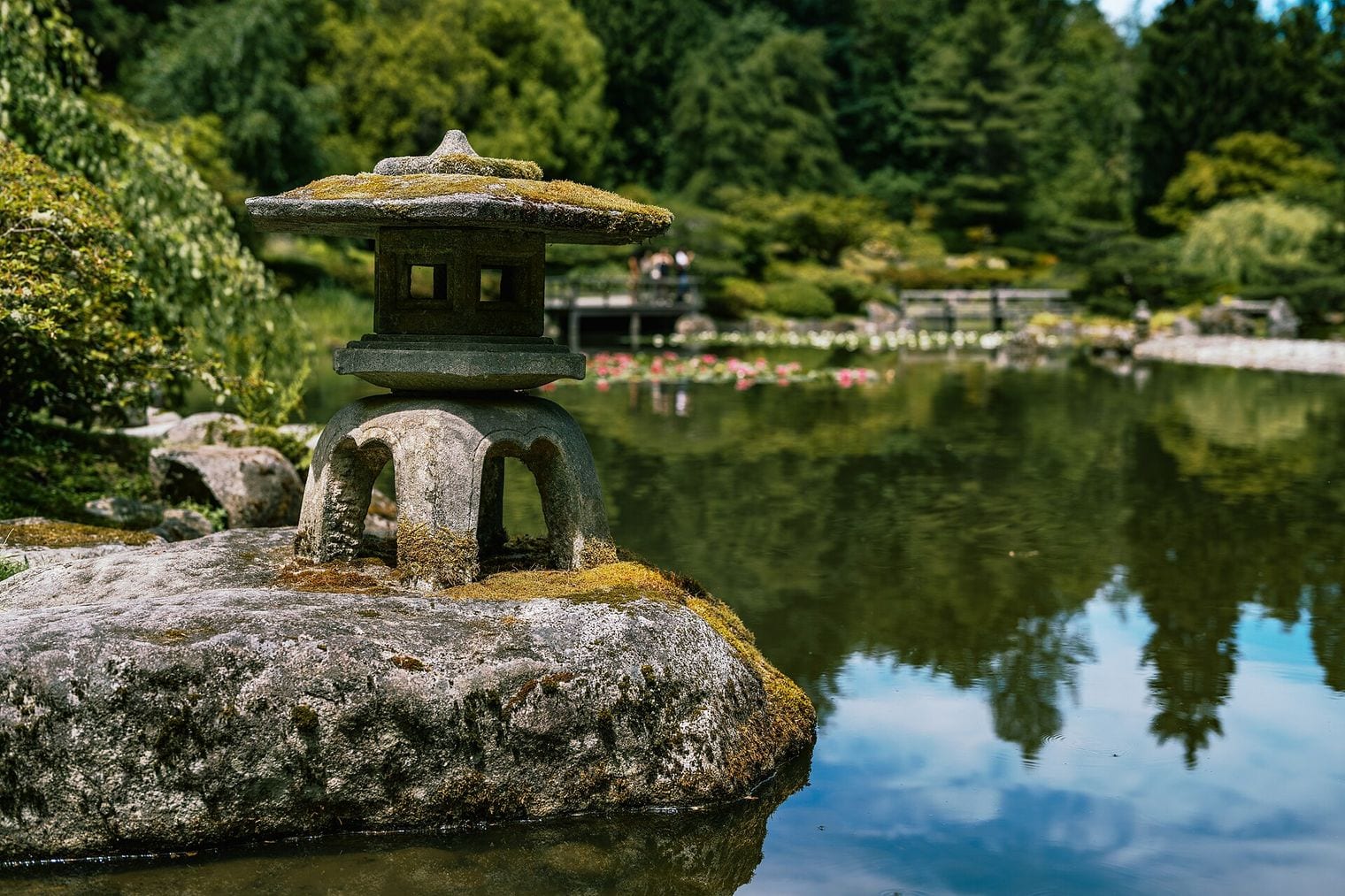
In spring, Azalea Way, a grassy promenade laid out along a former horse-racing track, bursts into color. In the park's southwest corner, the Seattle Japanese Garden adds a composed landscape of stone, water and koi, with its own entrance and admission.
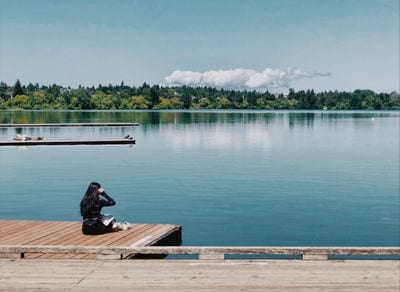
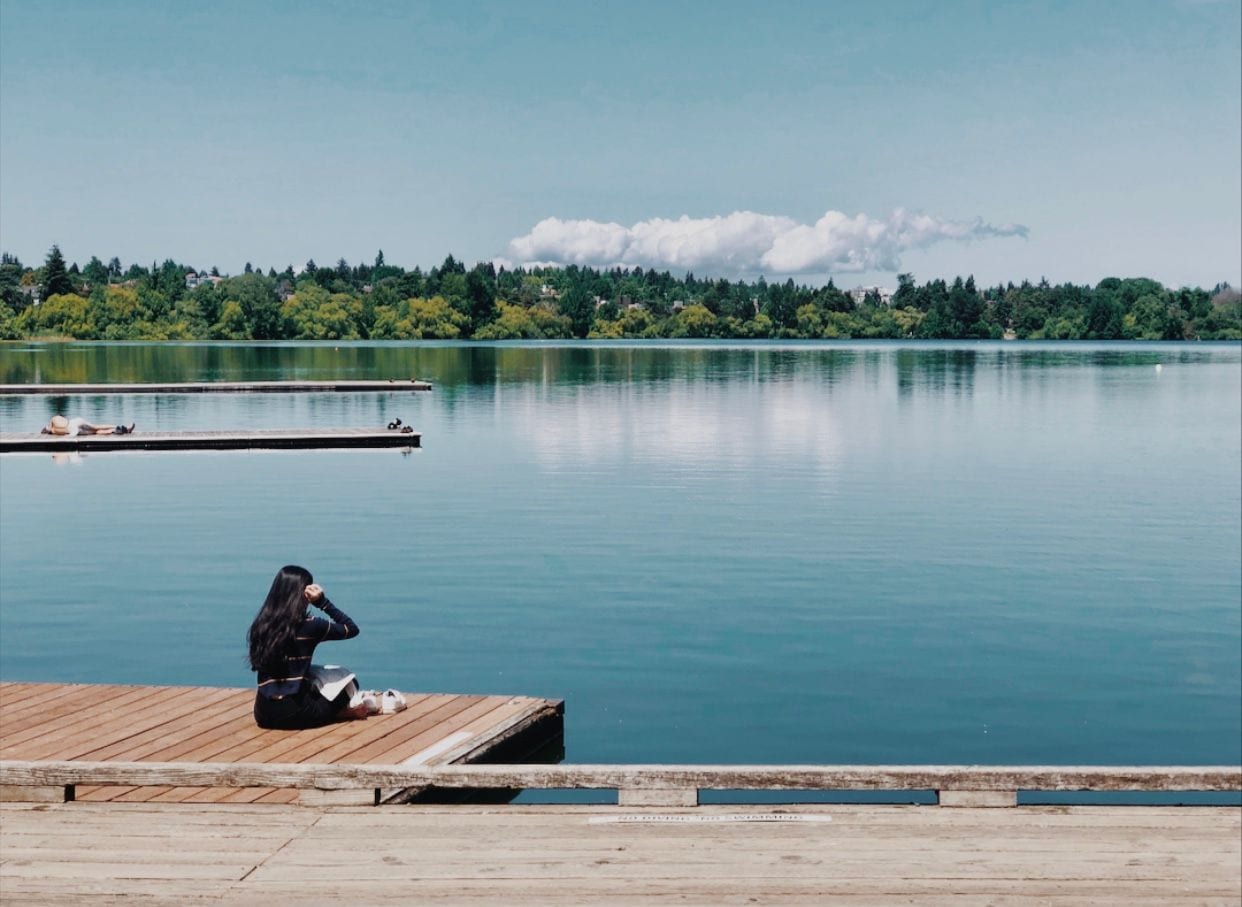
Green Lake Park wraps around a glacial lake in north Seattle, and on any sunny day it seems half the city is out on the 2.8-mile paved path that circles the water. Walkers, joggers, cyclists, skaters and strollers share the loop, while rowers, paddleboarders and swimmers take to the lake itself.
There are beaches, a fishing pier, playing fields and boat rentals around the shore, and the lawns fill with picnickers in summer. Woodland Park and its zoo sit just to the southwest, making an easy pairing for a family day out.
Free printable checklist of all 45 places
Tick them off as you go. Confirm your email to download it, plus one email every Thursday with new guides for the places you tick.
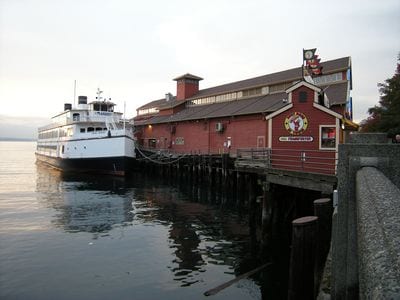
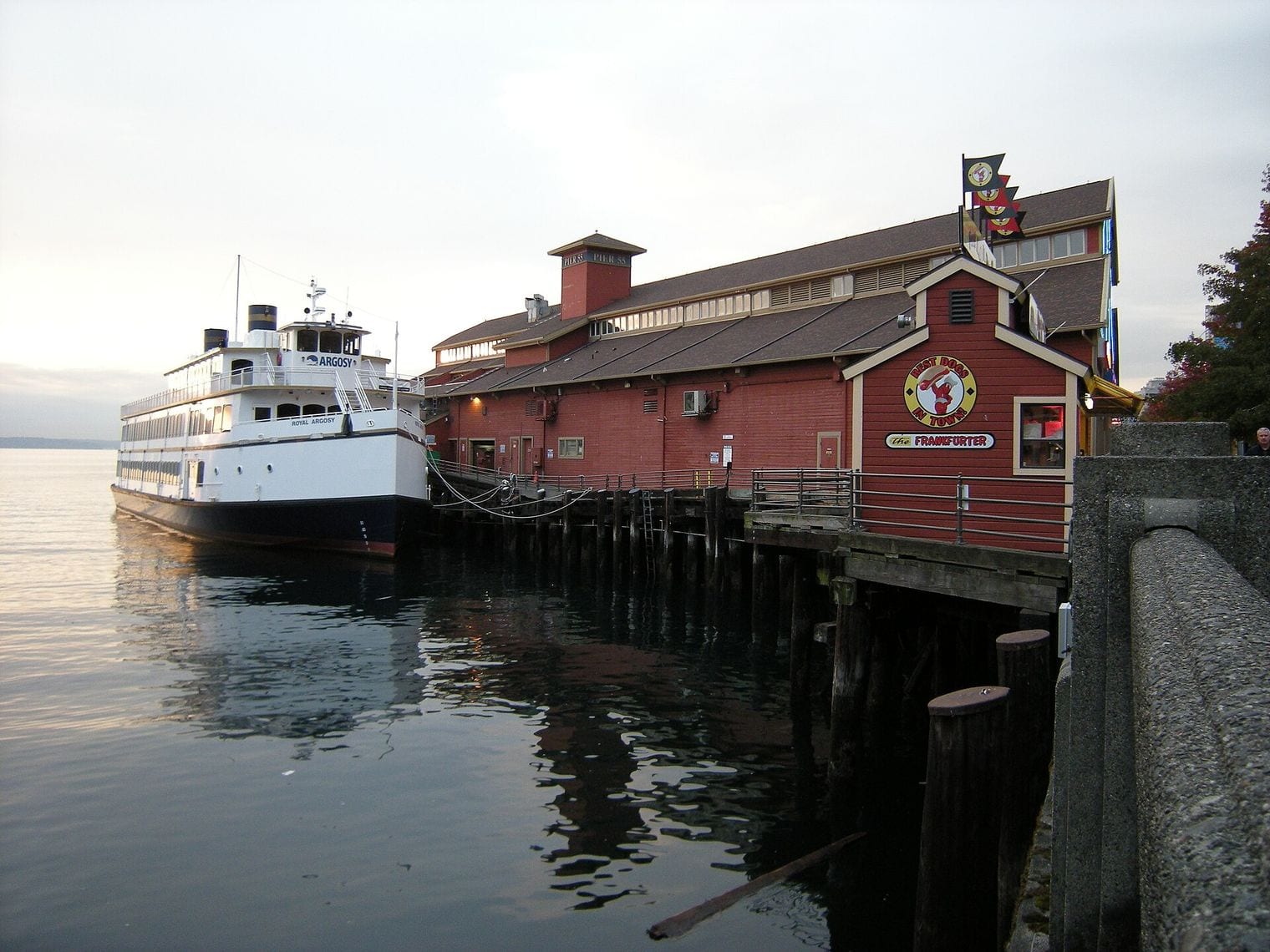
Argosy Cruises has been running sightseeing trips on Seattle's waters since 1949, and its narrated Harbor Cruise from Pier 55 is the easiest way to see the city from the water. In about an hour you glide along Elliott Bay past the waterfront, the container terminals and the downtown skyline, with the Olympic Mountains across the Sound on a clear day.
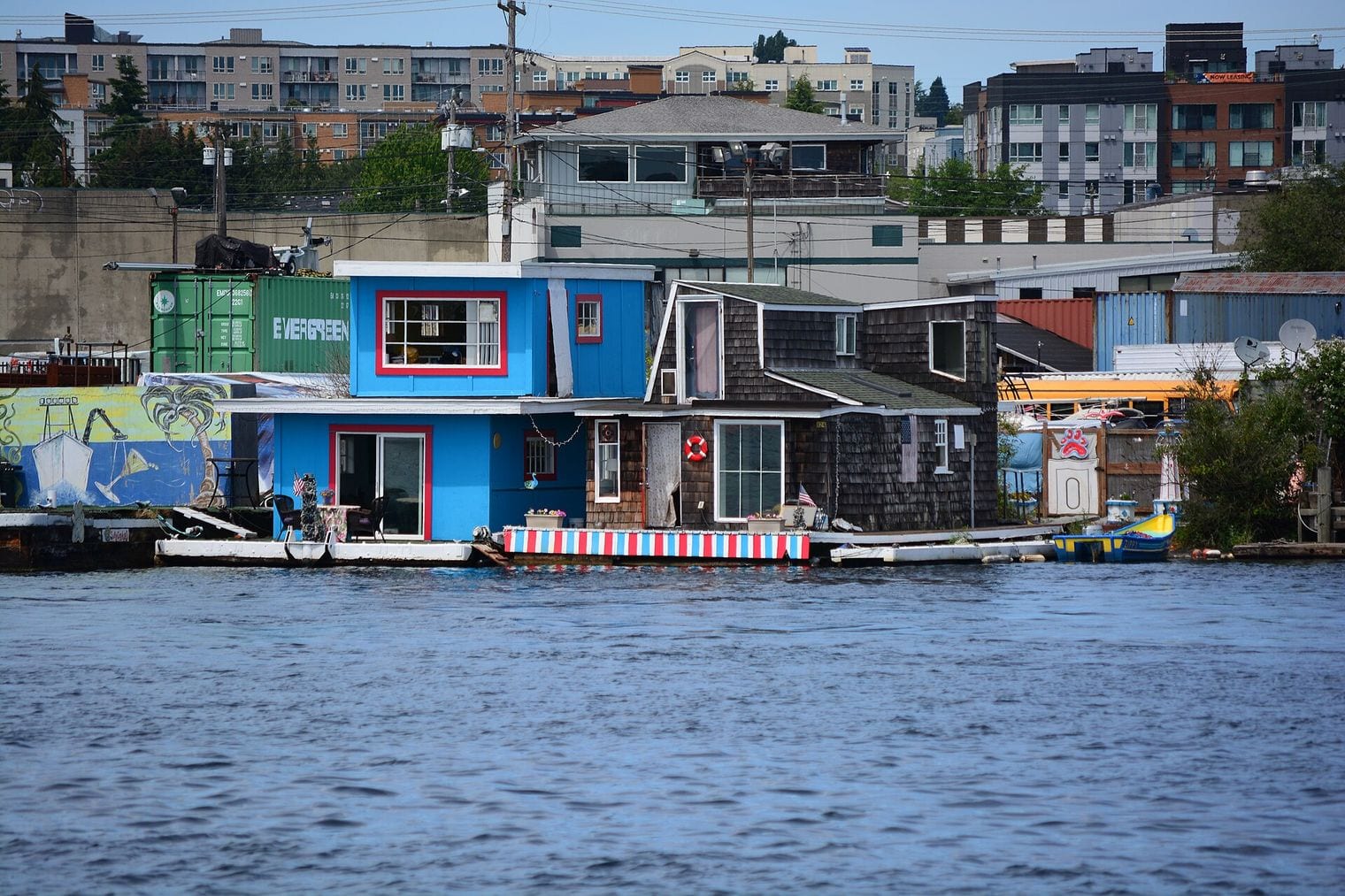
For a longer outing, the Locks Cruise travels between Elliott Bay and Lake Union through the Ballard Locks, past houseboats and the Fremont neighborhood. Sunset and seasonal holiday sailings add more ways to see the city lit up from the water.
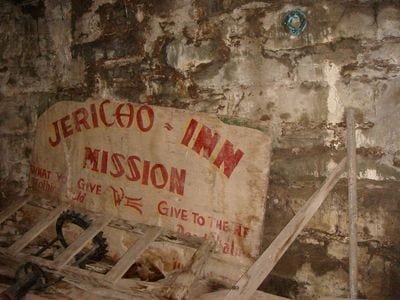
Bill Speidel's Underground Tour leads you beneath the sidewalks of Pioneer Square into the Seattle Underground, the buried ground floors left behind when the city raised its streets after the Great Seattle Fire of 1889. Seattle's Bill Speidel launched the tour in 1965, and guides still lead groups through dim passageways past old storefronts and artifacts.
The walk is as much about storytelling as tunnels, with guides leaning into the city's rowdy pioneer history, plumbing troubles included. If you want more, Beneath the Streets, a second tour company, explores different stretches of the underground.
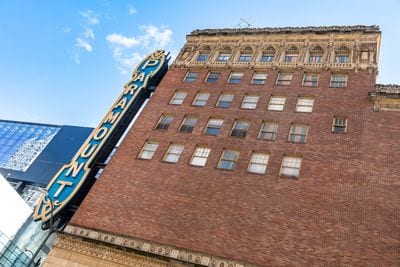
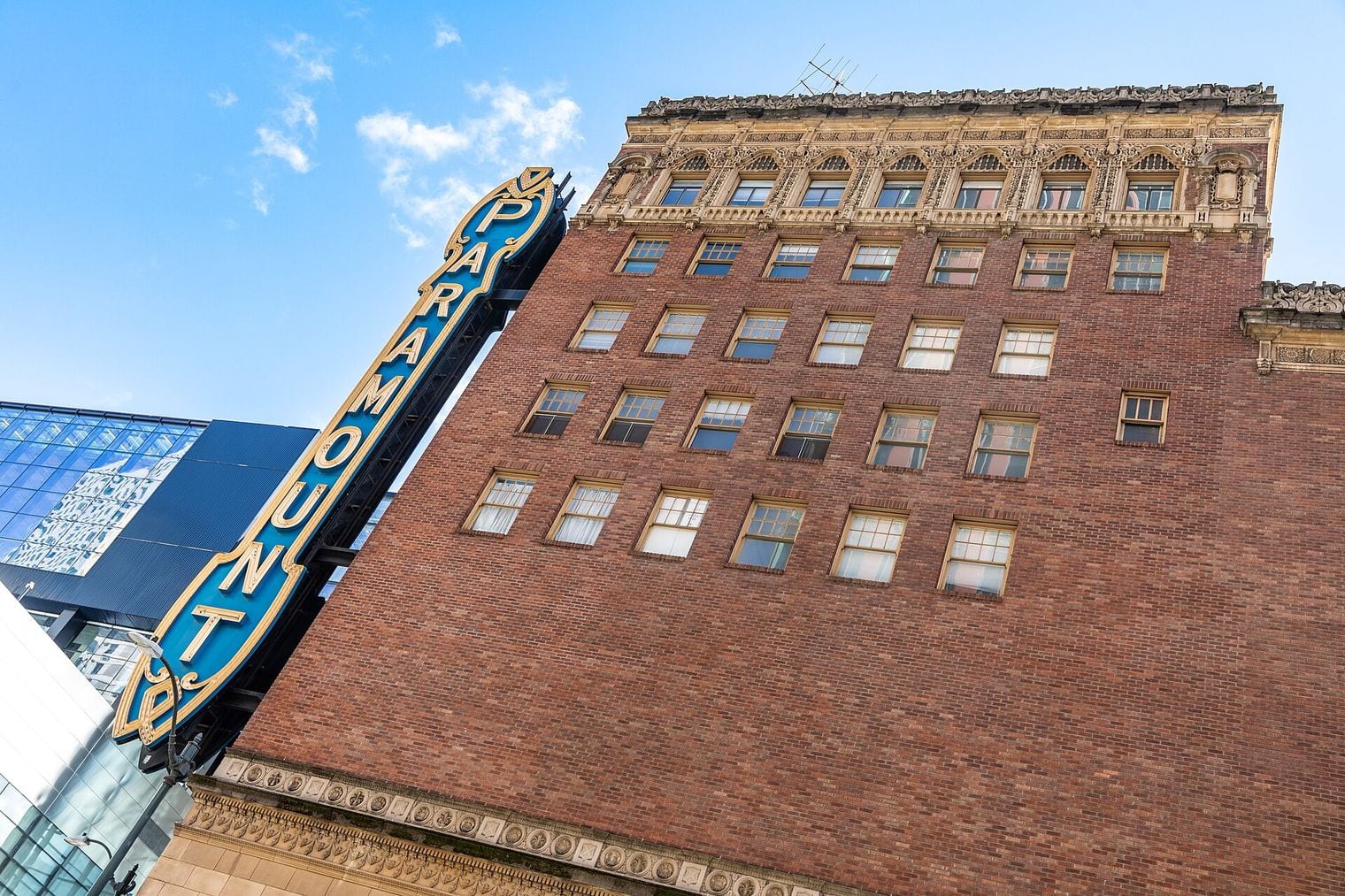
The Paramount Theatre opened in 1928 as a movie palace, and its gilded, chandeliered auditorium remains one of the grandest rooms in Seattle. Listed on the National Register of Historic Places and a city landmark, the roughly 2,800-seat house now hosts touring Broadway musicals, concerts, comedy and dance.
It is run by the nonprofit Seattle Theatre Group, which also operates the Moore, the 5th Avenue and the Neptune theaters. The Paramount stands at Ninth Avenue and Pine Street, a short walk from the downtown shopping core, so it's easy to pair a show with dinner.
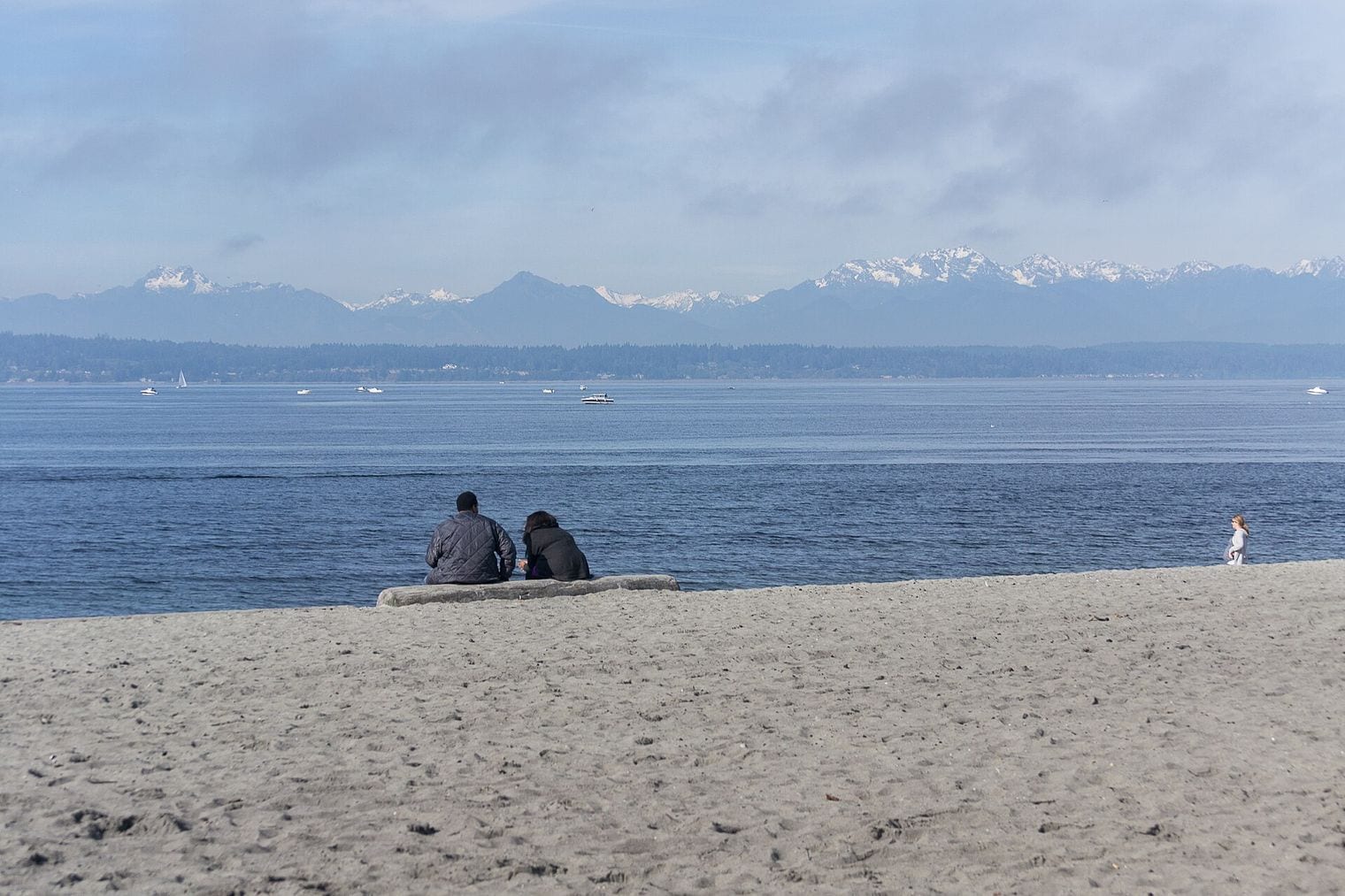
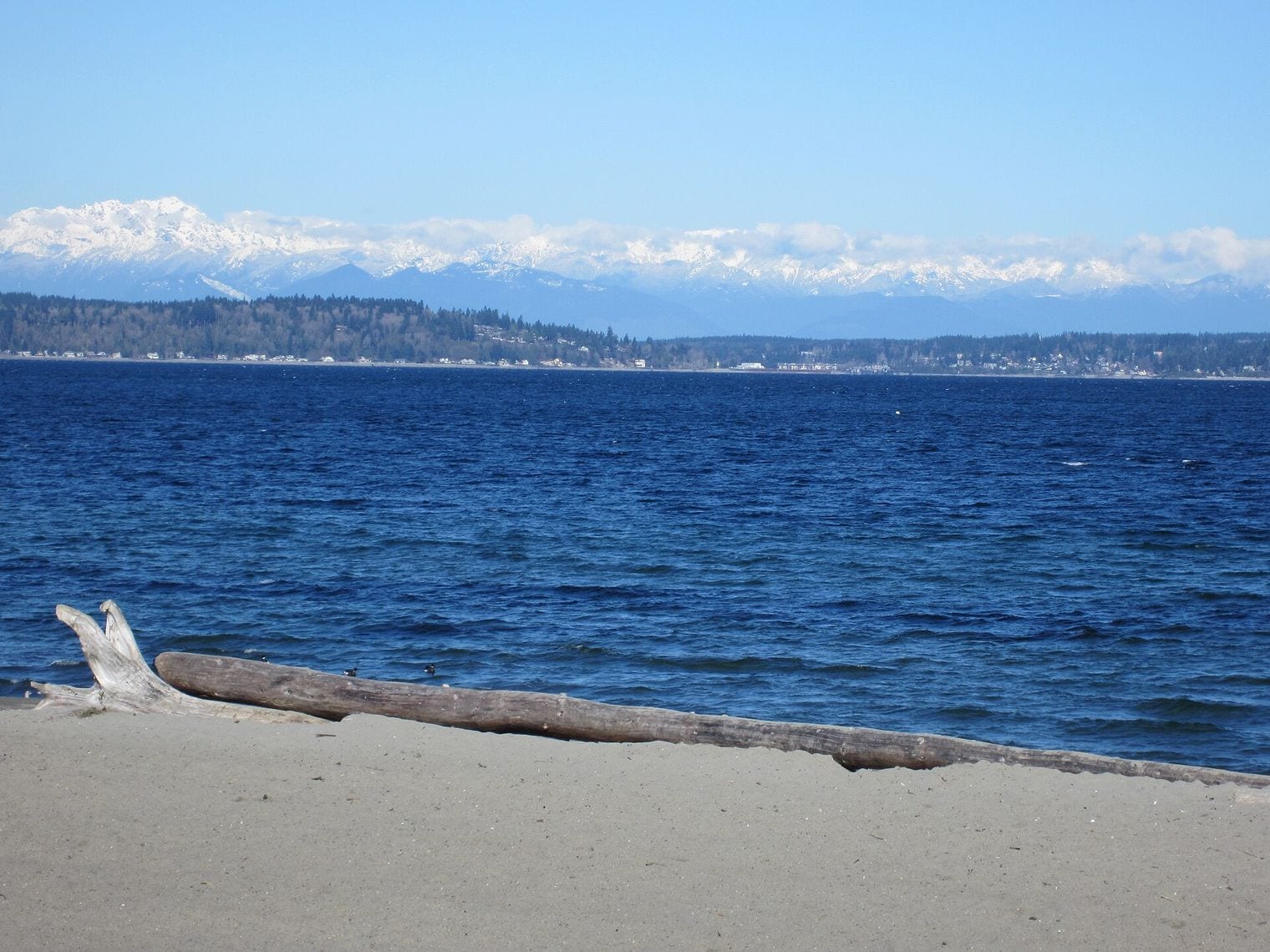
Golden Gardens Park sits where the Ballard hillside meets Puget Sound, with a sandy beach, wetlands, wooded hiking trails and picnic areas. On summer evenings it is one of Seattle's favorite sunset spots, with the Olympic Mountains silhouetted across the water.
Beach fires are allowed in the designated fire rings during the summer season, and the park's historic bathhouse is a city landmark. It's a short drive or bike ride past Shilshole Bay Marina from the Ballard Locks, so the two pair well.
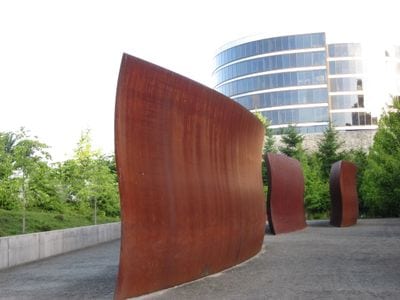
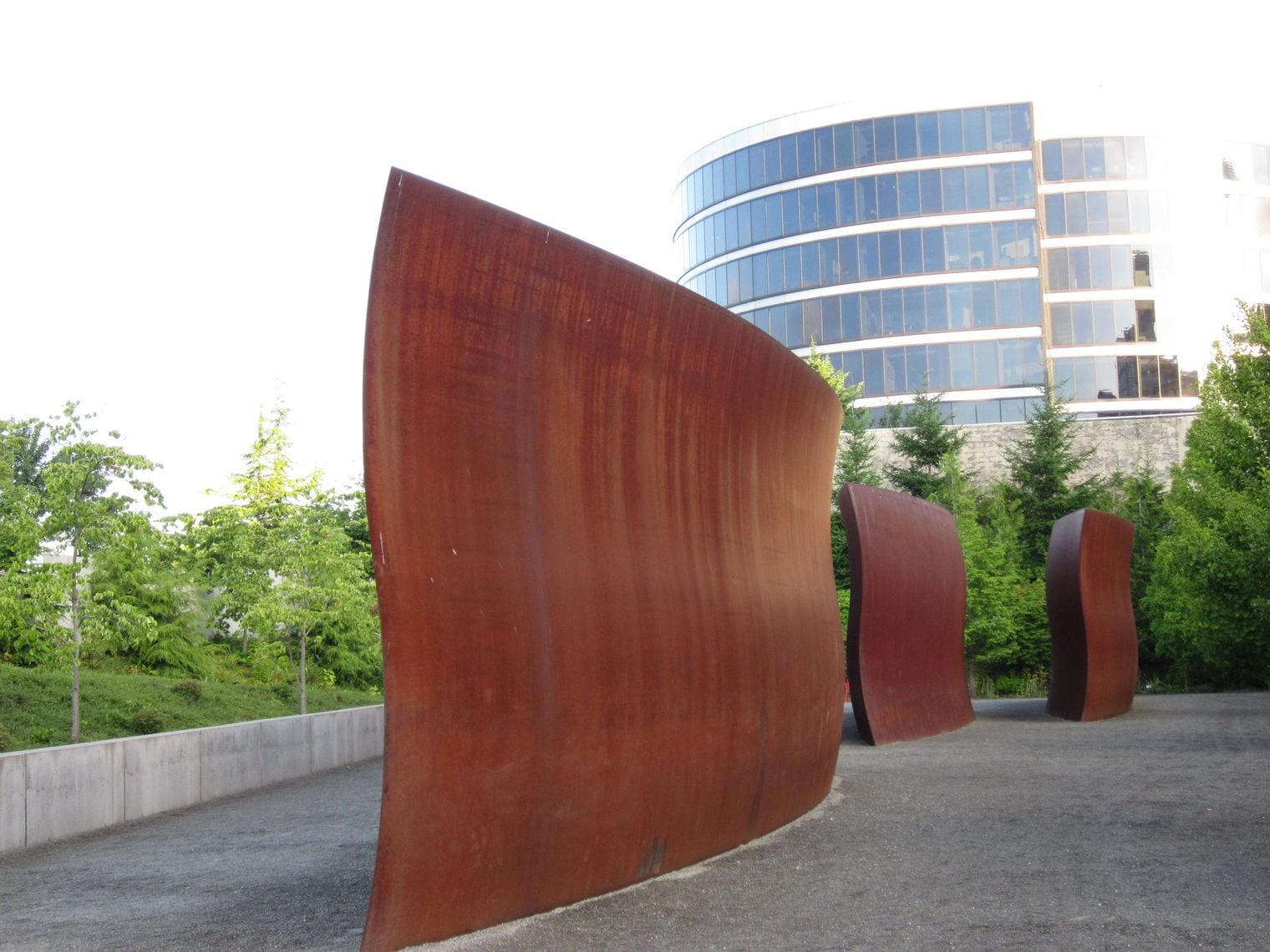
The Olympic Sculpture Park zigzags down from Belltown to the shore of Elliott Bay, a free, open-air extension of the Seattle Art Museum that opened in 2007. Its nine acres of lawns and paths frame large modern and contemporary works against the water and the Olympic Mountains.
Alexander Calder's bright red Eagle is the star, with Jaume Plensa's tall white Echo, Richard Serra's Wake and Louise Bourgeois's Father and Son nearby. From the beach, a path continues north along the shore into Myrtle Edwards Park, ideal for a waterfront stroll.
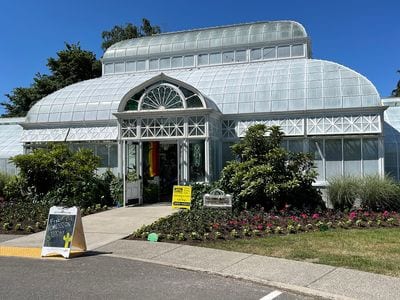
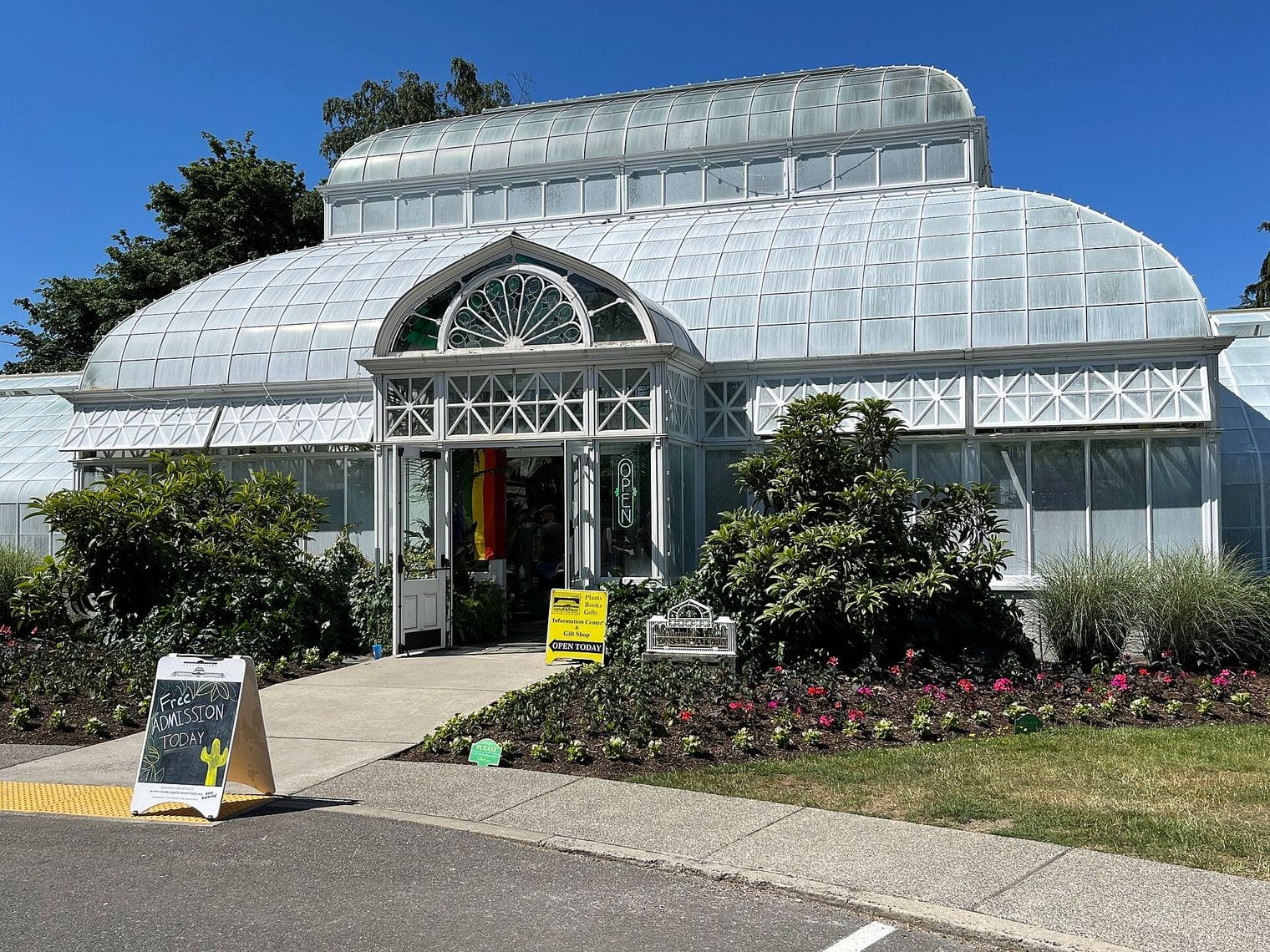
Volunteer Park crowns Capitol Hill with 48 acres of lawns, old trees and curving drives, the centerpiece of the park system the Olmsted Brothers planned for Seattle. Its Volunteer Park Conservatory, a Victorian-style glass house completed in 1912 and now a city landmark, shelters palms, cacti, orchids and seasonal displays.
Climb the stairs inside the 1906 brick water tower to its observation deck for views over the city, the Sound and the mountains. Bring a picnic for the meadows, and save time for the Seattle Asian Art Museum at the park's heart.
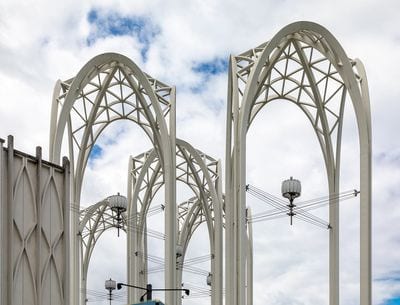
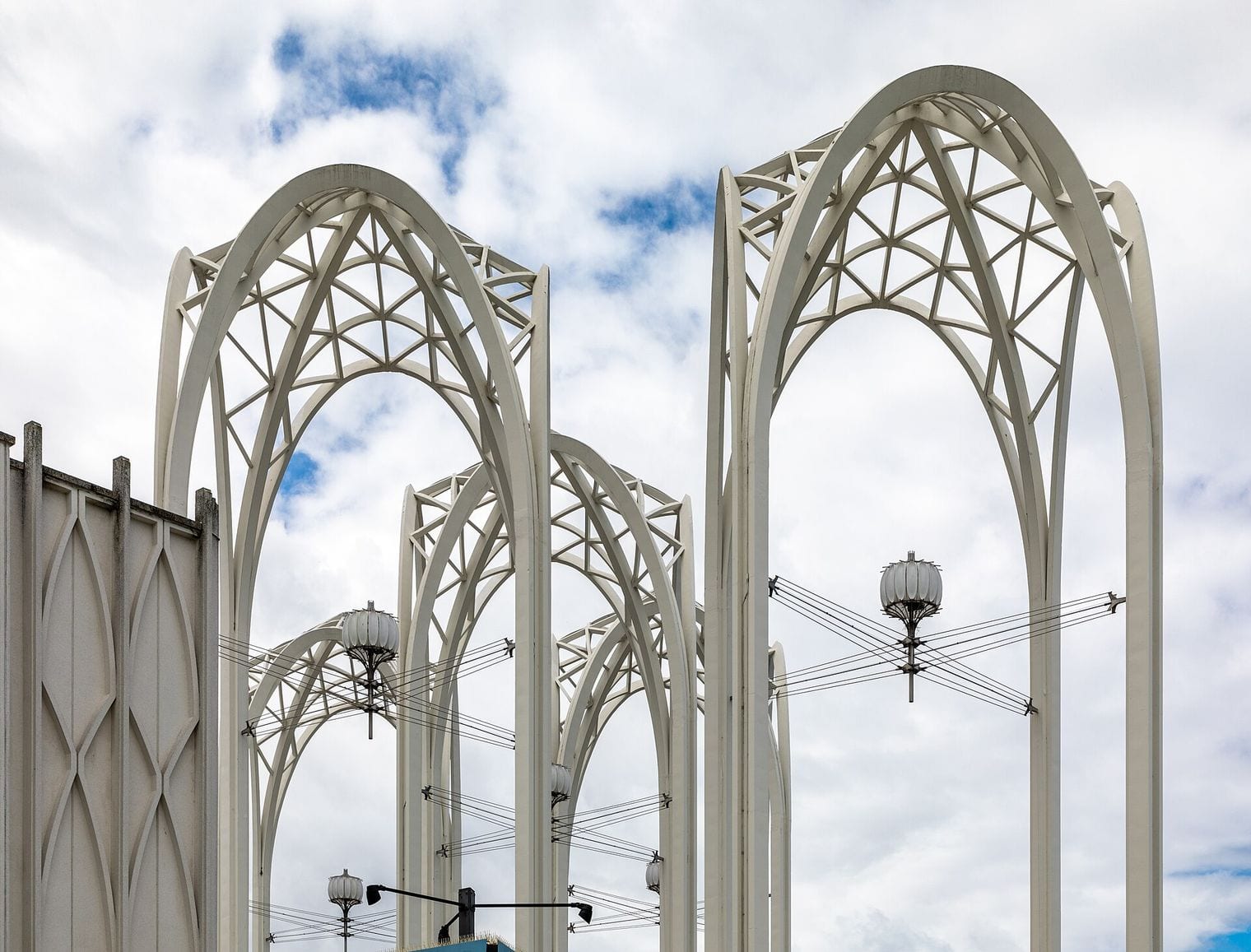
Pacific Science Center occupies the soaring white arches and reflecting pools that Minoru Yamasaki designed as the U.S. Science Pavilion for the 1962 World's Fair. Today it is a hands-on science center aimed squarely at curious kids and their families.
Exhibit halls invite you to experiment, while a planetarium, a Laser Dome and two IMAX theaters add shows for all ages. It sits on the Seattle Center campus beside the Space Needle, so it fits neatly into a day around the fairgrounds.
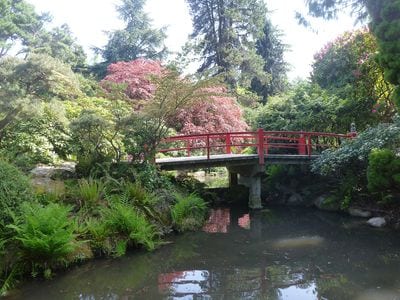
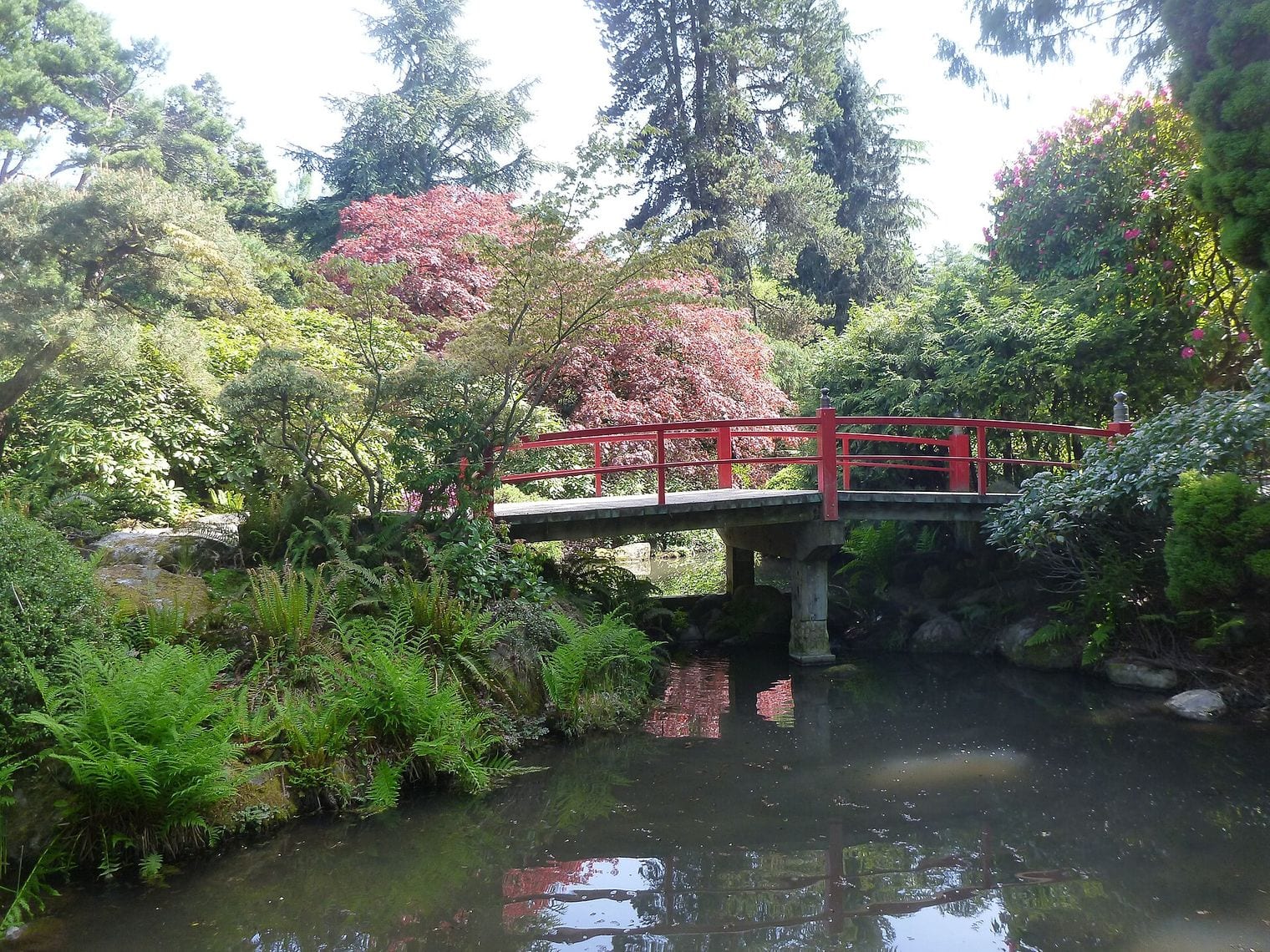
Kubota Garden is a 20-acre Japanese garden tucked into the Rainier Beach neighborhood of south Seattle, begun in 1927 by Fujitaro Kubota, a Japanese immigrant gardener. It became a public park in 1987 and is cared for by Seattle Parks and the Kubota Garden Foundation, with no admission charge.
Paths wind past ponds, waterfalls, stone lanterns and bright red bridges, including an arched Moon Bridge, beneath maples that blaze in fall. It sees far fewer visitors than the downtown sights, which makes it one of the city's most peaceful escapes.
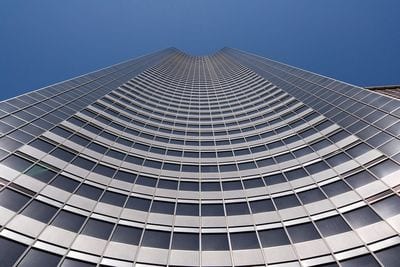
Sky View Observatory sits on the 73rd floor of Columbia Center, the 76-story tower that is the tallest building in Washington state. At more than 900 feet up, it is the highest public viewpoint in the city, looking down on the Space Needle and out to Elliott Bay, the Cascades, Mount Rainier and Mount Baker.
Floor-to-ceiling windows wrap all the way around, so one slow loop gives you the full 360-degree panorama. It is often calmer than the Space Needle, and it has one view the Needle can't offer: the Needle itself.
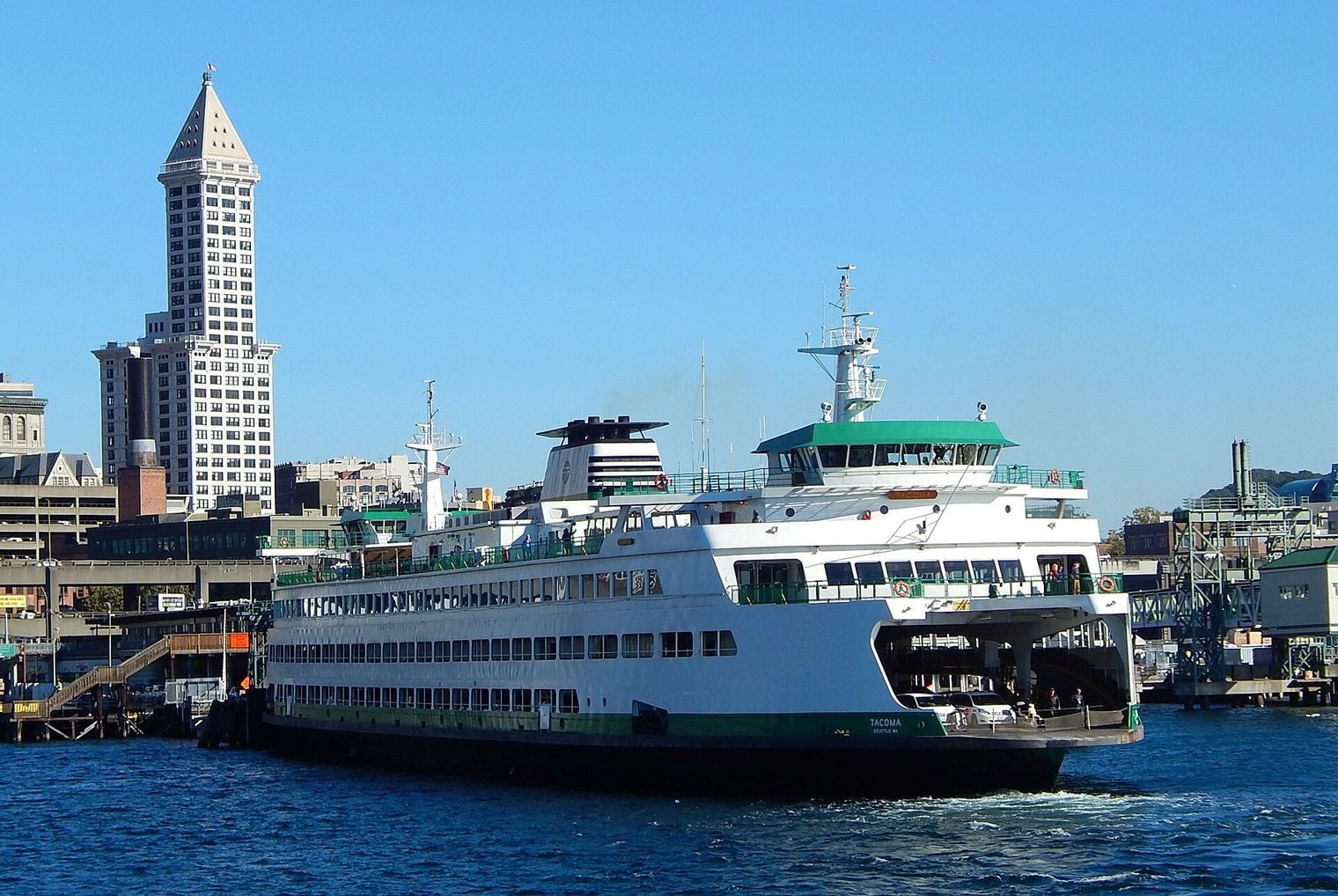
Smith Tower rose over Pioneer Square in 1914, and at 38 stories it was among the tallest skyscrapers outside New York at the time; it stayed the tallest building on the West Coast until the Space Needle overtook it in 1962. Riding its historic Otis elevators up the white terra-cotta tower is part of the experience.
At the top, the 35th-floor observatory, once the ornate Chinese Room, opens onto an outdoor deck that circles the tower, with a speakeasy-style bar inside. The views take in the stadiums, Elliott Bay and the downtown towers, and exhibits tell the story of the building and its typewriter-magnate namesake, Lyman Cornelius Smith.
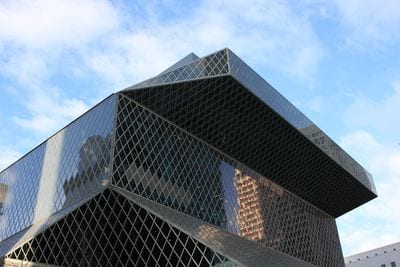
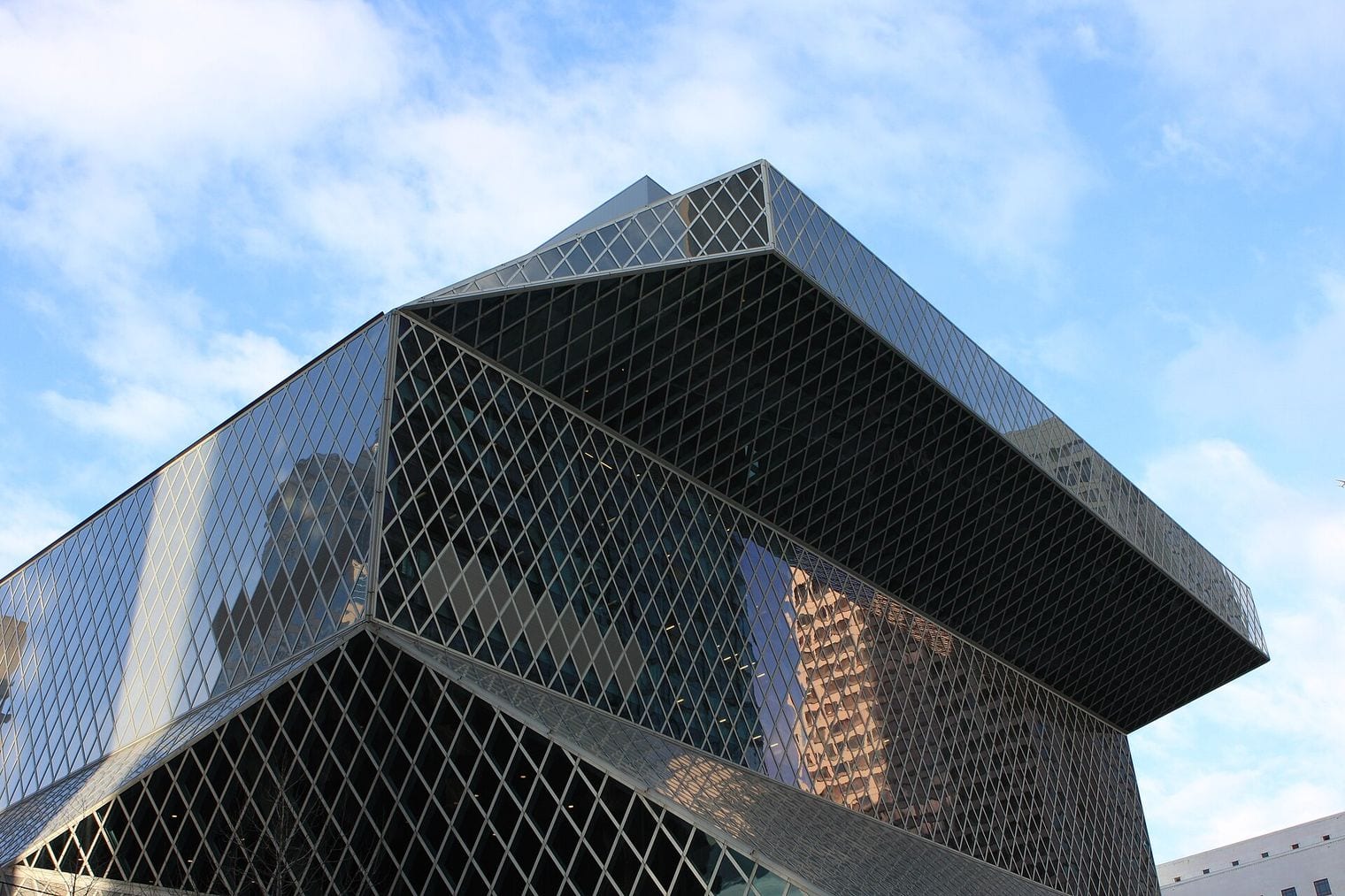
Seattle Central Library is worth a visit even if you never borrow a book. Designed by Rem Koolhaas and Joshua Prince-Ramus and opened in 2004, the 11-story glass-and-steel building looks like a stack of shifted boxes wrapped in a diamond-patterned skin.
Inside, ride the escalators up through the airy public floors, step onto the Red Floor, painted in 13 shades of red, and head for the upper levels for city views beneath the slanted glass. It's free and open to everyone, and a welcome refuge on a rainy day downtown.
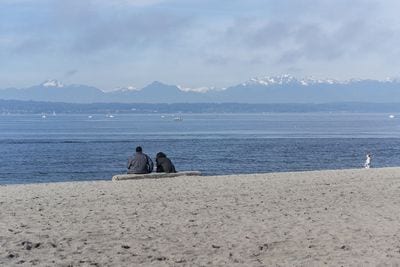
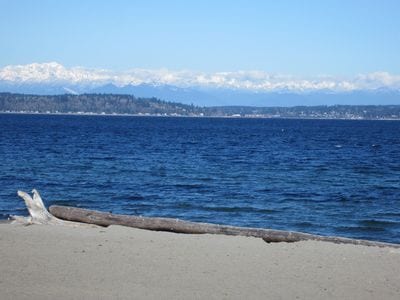
Alki Beach stretches along the West Seattle shore between Alki Point and Duwamish Head, near where the city's first settlers landed before moving across the bay to Pioneer Square. It was the first public saltwater bathing beach on the West Coast, and its sandy shore and waterfront path draw cyclists, skaters, volleyball players and sunbathers.
The views back across Elliott Bay to the downtown skyline are among the best in Seattle. Look for the small Statue of Liberty replica installed in 1952 and the monument to the pioneer settlers, with the Alki Point Lighthouse out at the western tip.
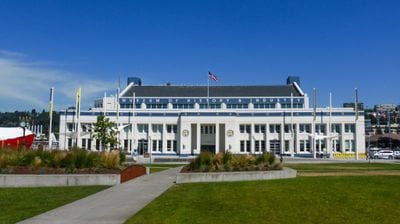
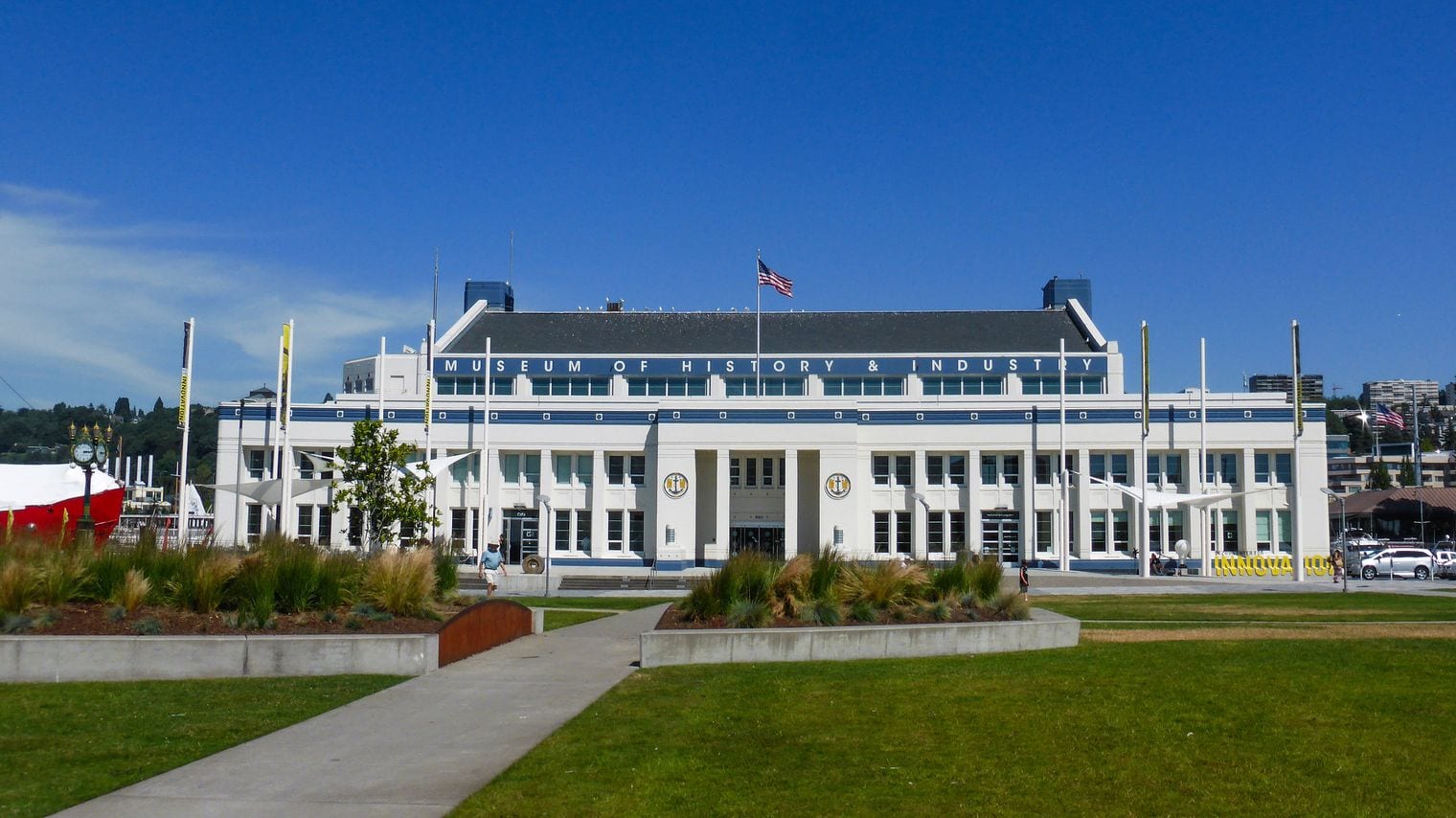
The Museum of History & Industry, better known as MOHAI, tells the story of Seattle and Puget Sound through a collection of nearly four million artifacts, photographs and archival items. It sits in the historic Naval Reserve Armory in Lake Union Park, with big windows over the water and the seaplanes of South Lake Union.
Highlights include Boeing's first commercial plane, the 1919 B-1, the Petticoat Flag sewn during the 1856 Battle of Seattle, and the 12-foot neon 'R' that once topped the Rainier brewery. Afterward, stroll the waterfront park and the wooden boats moored beside it.
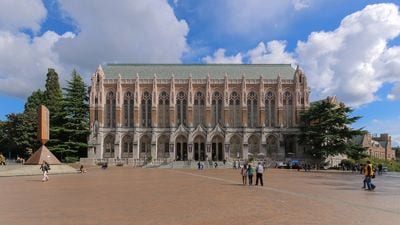
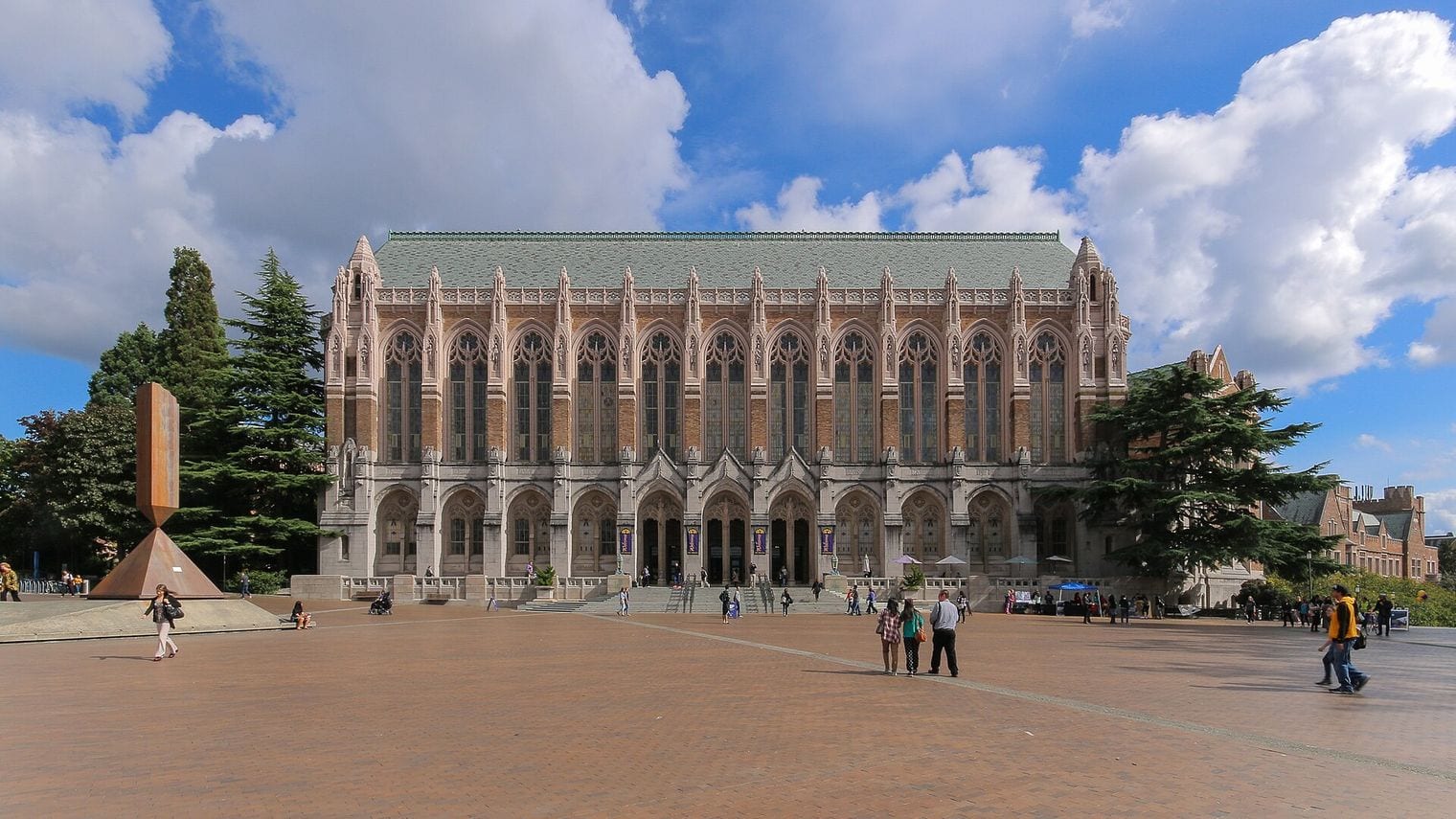
The University of Washington, founded in 1861 and one of the oldest universities on the West Coast, has a 700-acre campus in the University District that rewards a stroll. Start at brick-paved Red Square and step into Suzzallo Library, whose Collegiate Gothic Graduate Reading Room runs 250 feet under a painted timber-vaulted ceiling lit by tall stained-glass windows.
In spring, the cherry trees in the Quad draw crowds for some of the city's best blossom viewing, and Drumheller Fountain frames Mount Rainier at the end of Rainier Vista on clear days. The Burke Museum sits at the campus's northwest corner.
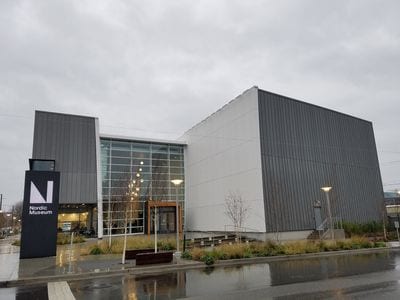
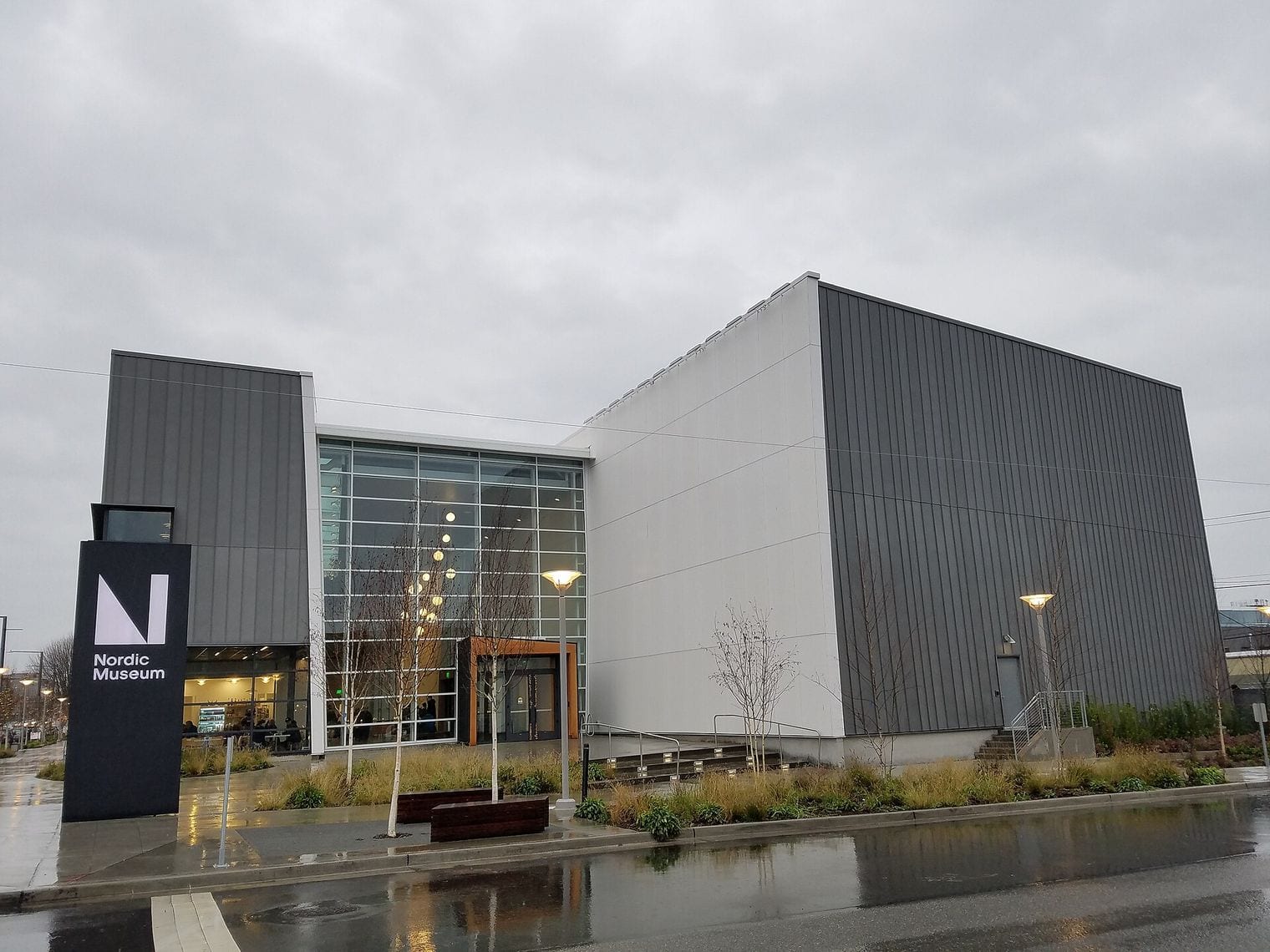
The National Nordic Museum in Ballard celebrates the history, art and culture of the Nordic countries and of the immigrants who shaped this former fishing and mill town. Founded in 1980 as the Nordic Heritage Museum, it moved into a striking purpose-built home in 2018 and was designated a national museum the following year.
The galleries trace the journey from Denmark, Finland, Iceland, Norway and Sweden to the Pacific Northwest, with changing exhibitions of Nordic art and design. It's a short walk from the Ballard Locks and the restaurants of Ballard Avenue.
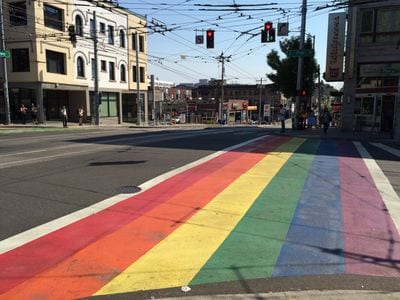
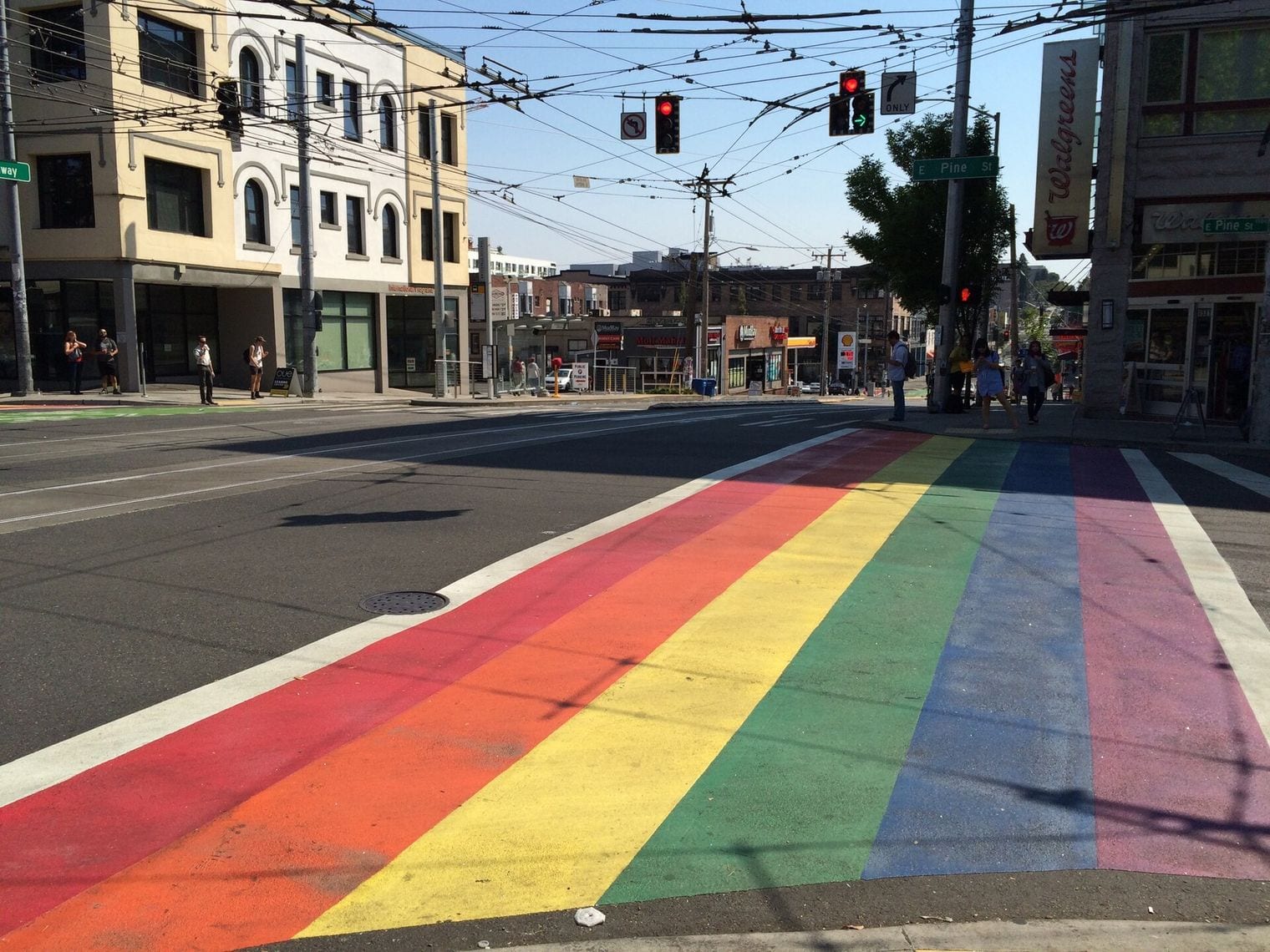
Capitol Hill, just east of downtown, is Seattle's liveliest neighborhood after dark and the historic heart of its LGBTQ+ community. Broadway and the Pike/Pine corridor are lined with bars, music venues, coffeehouses, bookshops and restaurants, with rainbow crosswalks underfoot.
By day, wander side streets of grand old houses, browse independent shops and relax in Cal Anderson Park. The hill rises to Volunteer Park and the Seattle Asian Art Museum at its north end, so it's easy to make a full day of it.
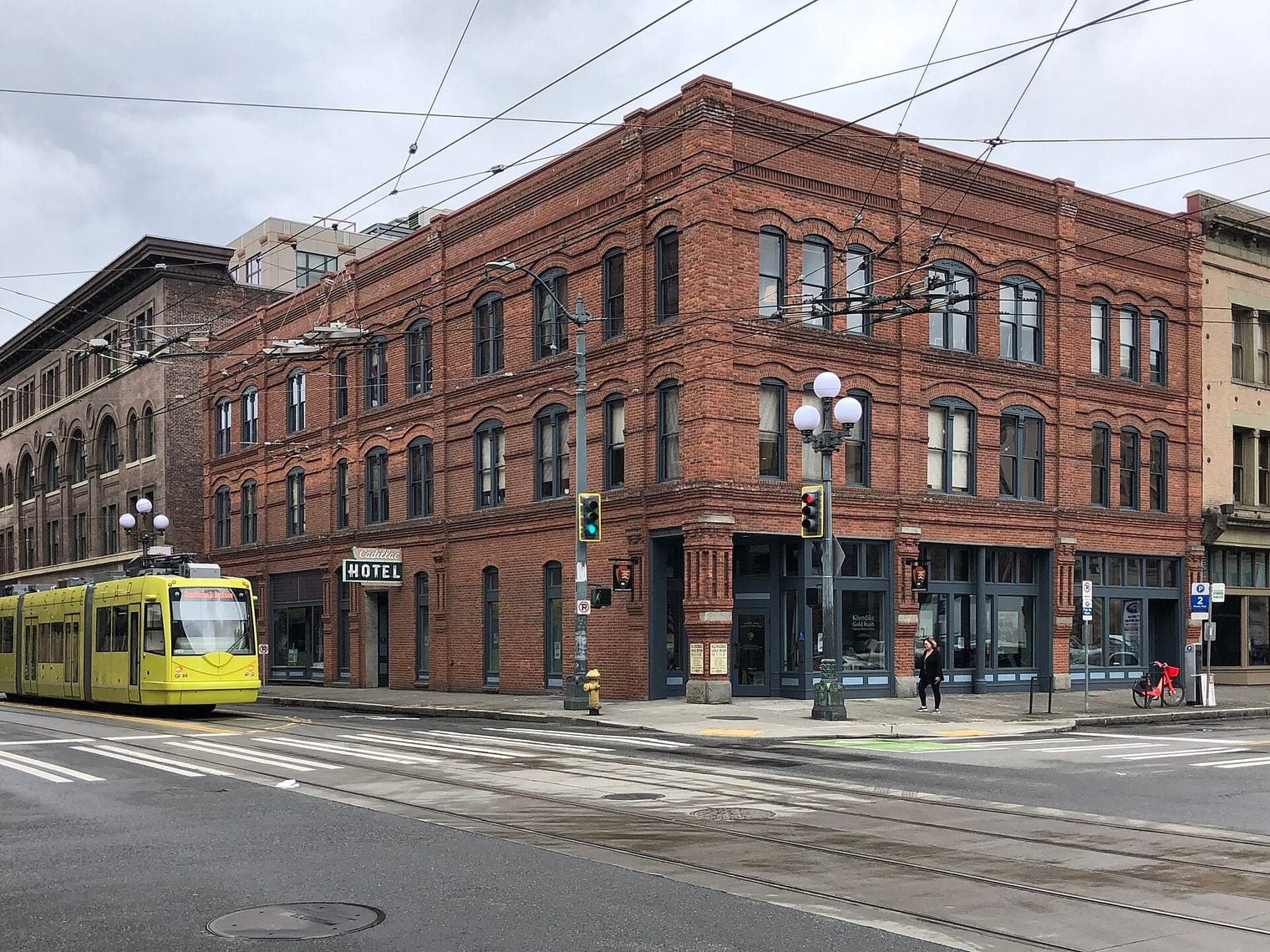
Klondike Gold Rush National Historical Park tells how Seattle boomed as the outfitting hub for the stampede to the Yukon gold fields in the late 1890s, when would-be prospectors poured through town buying supplies. The Seattle unit's free museum fills the 1890 Cadillac Hotel in Pioneer Square.
Exhibits and a park film show the mountain of gear each stampeder had to haul north and how few struck it rich, and rangers lead summer programs and walking tours of the historic district. The rest of the park lies far to the north, around Skagway, Alaska.
Ballard, once an independent city, grew up as a fishing and milling town where Scandinavian immigrants settled, and it still celebrates that heritage. The brick storefronts of the Ballard Avenue Historic District now hold boutiques, breweries, cafés and some of the city's most talked-about restaurants, and a Sunday farmers market fills the street.
The neighborhood is also home to the Ballard Locks, the National Nordic Museum, Shilshole Bay Marina and Golden Gardens Park, so it can easily fill a day. Stay into the evening for its cluster of craft breweries and live-music bars.
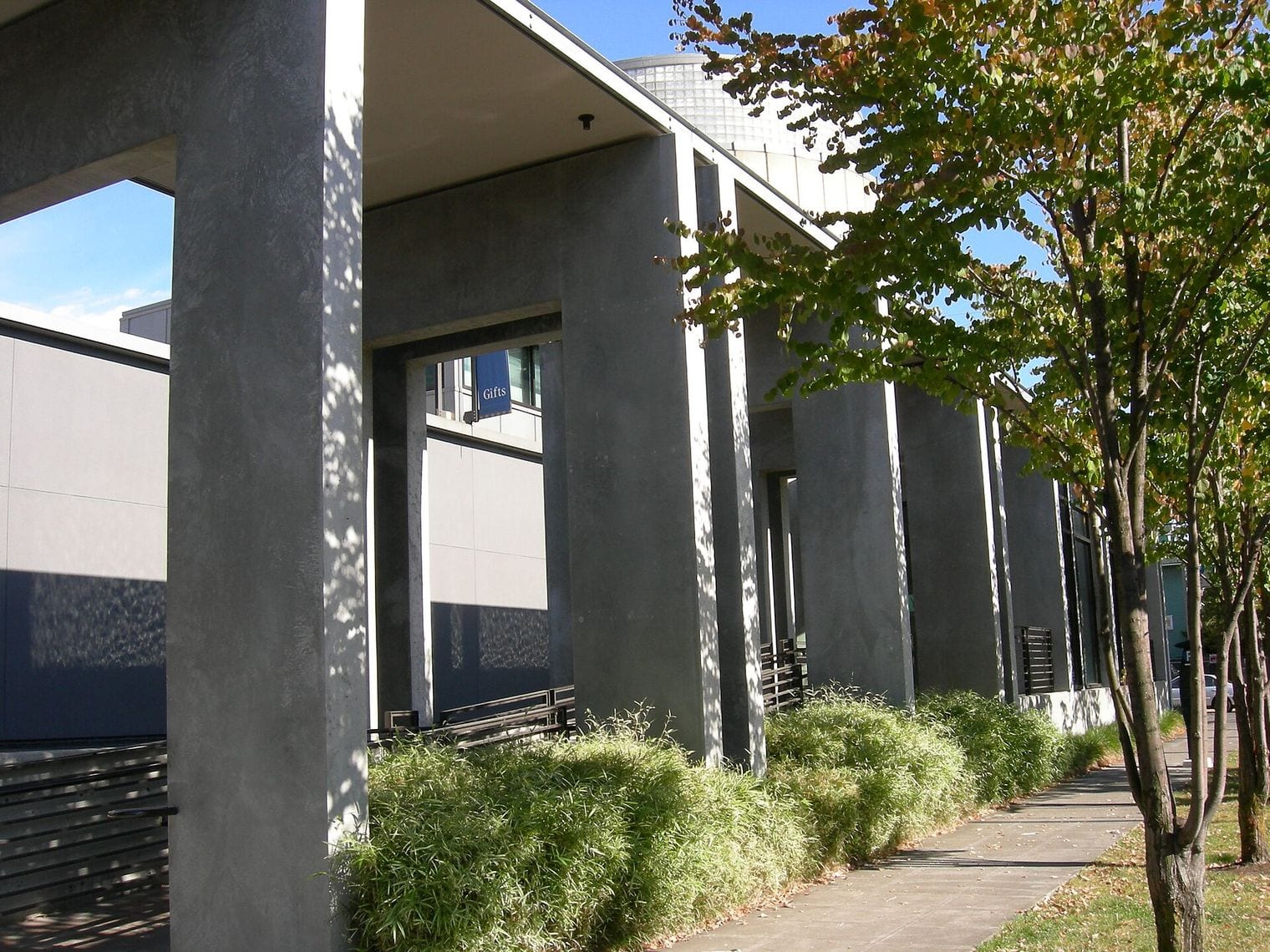
The Frye Art Museum on First Hill opened in 1952 to house the collection of Charles and Emma Frye, and in keeping with their wishes, admission is free. The founding collection leans toward German and Austrian paintings, many bought from studios in Munich, shown alongside rotating exhibitions by contemporary artists.
The calm, light-filled galleries make a welcome change of pace from the downtown crowds, just up the hill. The pairing of the founders' traditional canvases with challenging new work keeps repeat visits interesting.
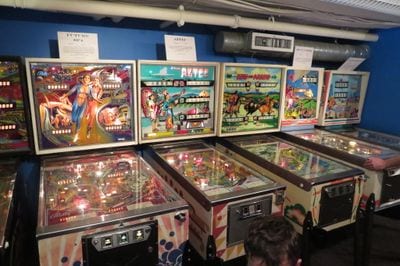
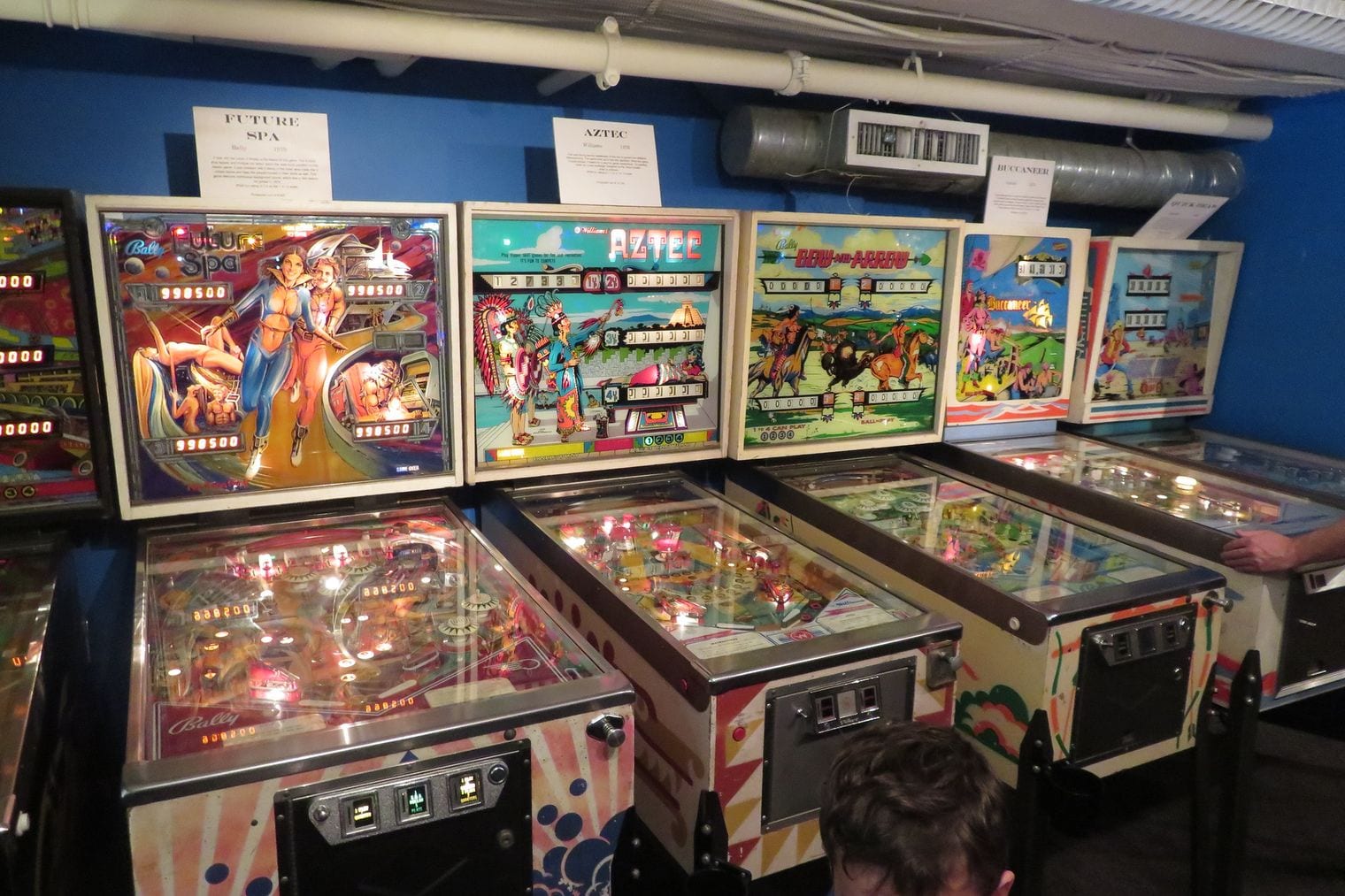
The Seattle Pinball Museum in the Chinatown-International District is a museum where touching the exhibits is the point: one admission buys unlimited play on dozens of machines spanning the 1960s to today.
The games are grouped by era, so you can work your way from clacking electro-mechanical classics to modern tables packed with lights, sound and multiball mayhem. It's a great rainy-day stop, a couple of blocks from the district's train and bus stations.
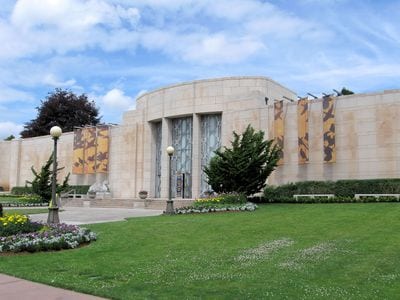
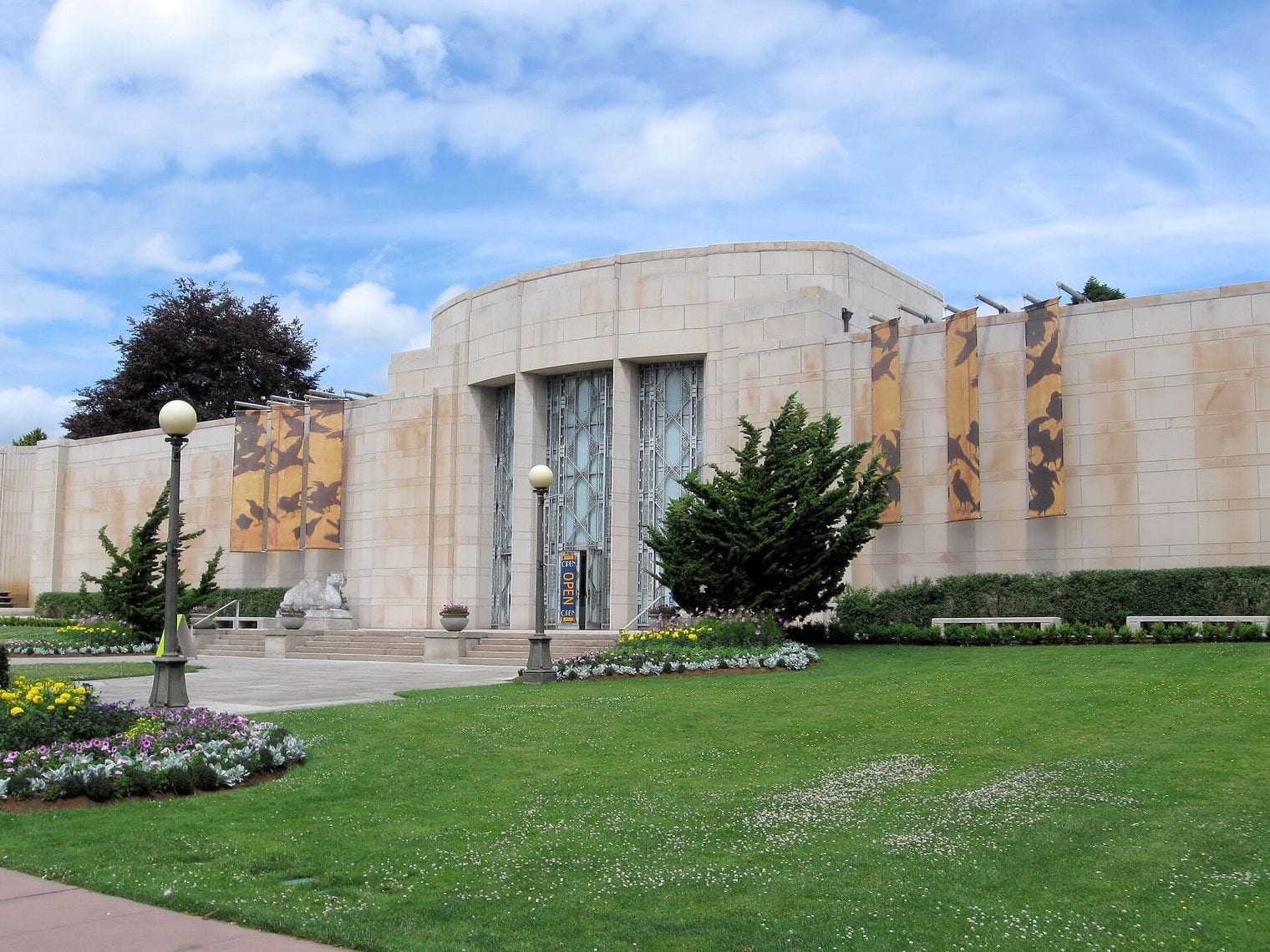
The Seattle Asian Art Museum fills a 1933 Art Deco building in Volunteer Park that was the original home of the Seattle Art Museum. Since 1994 it has been devoted to art from China, Japan, Korea, India, the Himalayas and Southeast Asia, and a major renovation and expansion reopened it in 2020.
Just outside, Isamu Noguchi's Black Sun sculpture, known locally as the Doughnut, frames a view of the Space Needle on the skyline. Combine the galleries with a stroll through the rest of Volunteer Park.
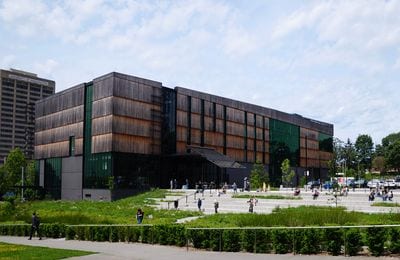
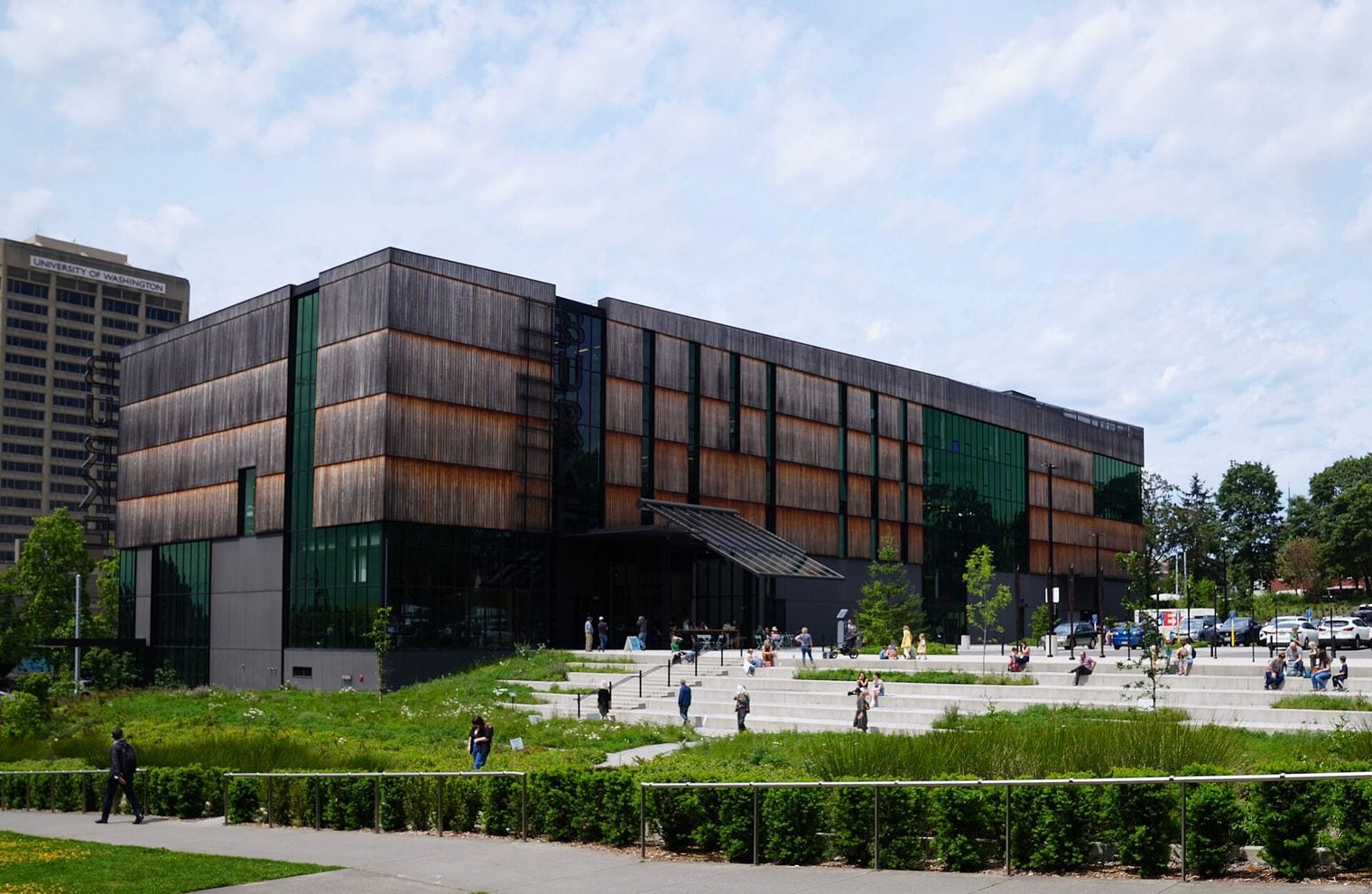
The Burke Museum of Natural History and Culture, on the University of Washington campus, is the official state museum of Washington and the oldest museum in the state, with roots in a naturalist club formed in 1879. Its collections run to more than 16 million objects, including the world's largest collection of spread bird wings.
The newer building, designed by Tom Kundig, has large windows into the research areas, so you can watch work on fossils and specimens that were once hidden away. Galleries cover dinosaurs and fossils, Northwest wildlife and the cultures of the Pacific Northwest.
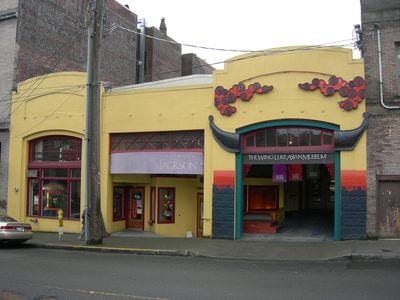
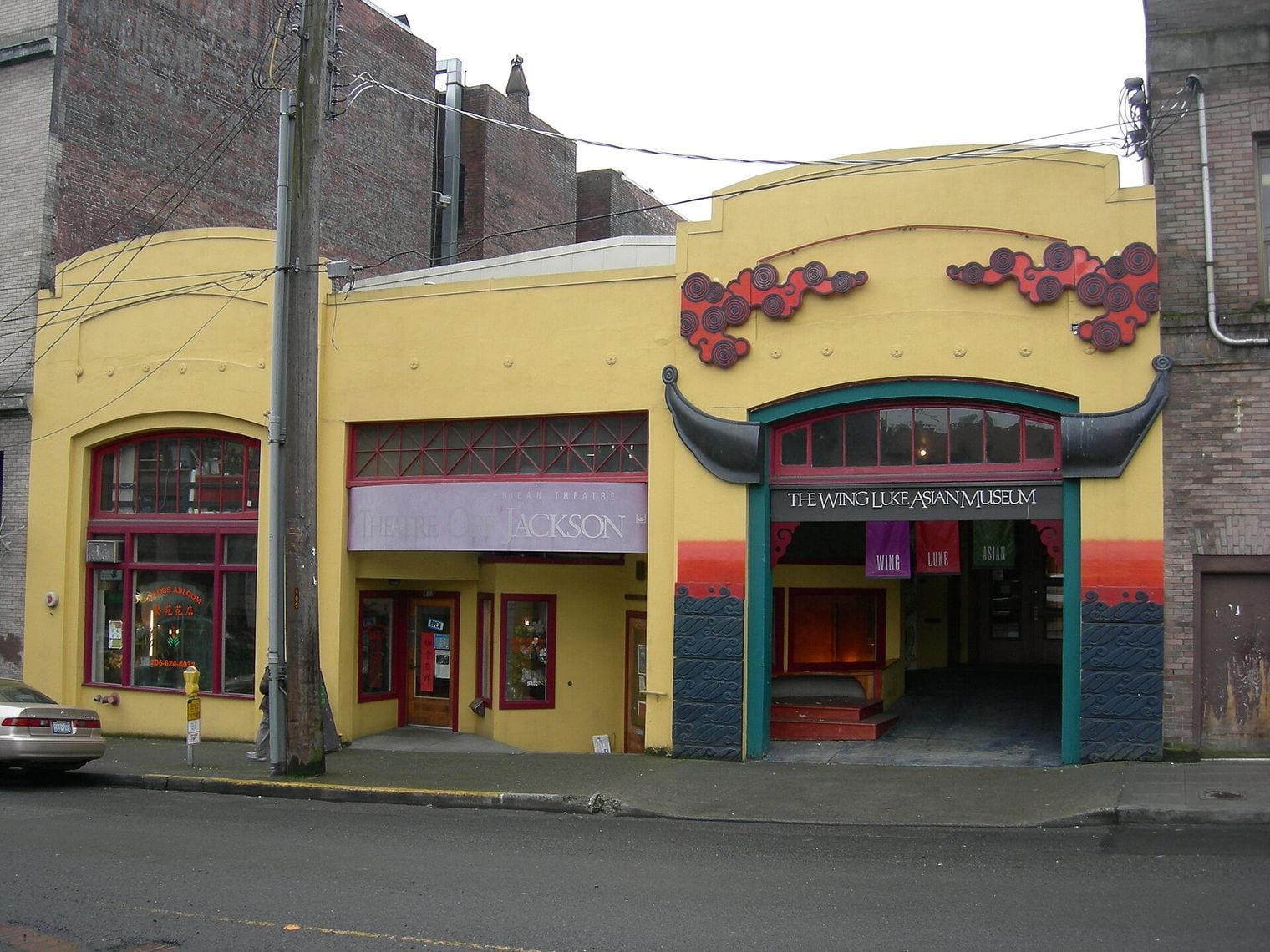
The Wing Luke Museum in the Chinatown-International District tells the stories of Asian Pacific Americans, and it is both a Smithsonian affiliate and an affiliated area of the National Park Service. Since 2008 it has occupied the renovated 1910 East Kong Yick Building, whose upstairs hotel once housed Chinese, Japanese and Filipino immigrants.
Guided tours take you into preserved rooms upstairs, including the old Freeman Hotel, a family association meeting room and a historic mercantile, bringing the neighborhood's immigrant history to life. Pair a visit with a walk through the district's shops and bakeries.
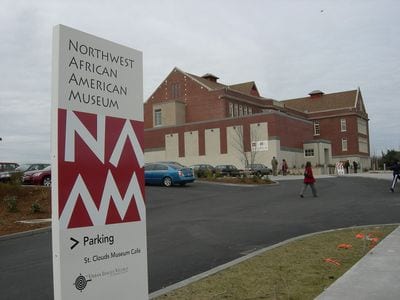
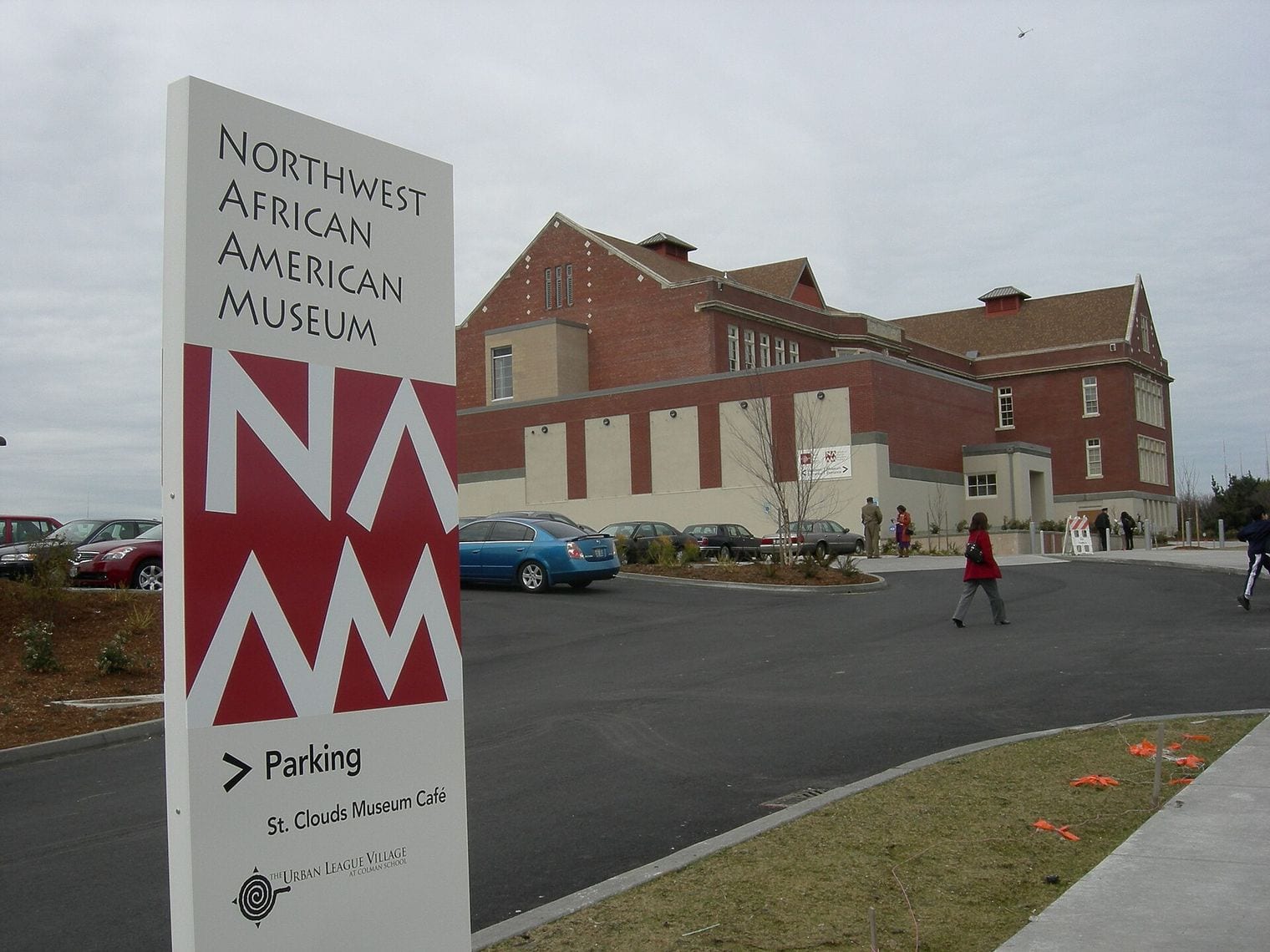
The Northwest African American Museum, known as NAAM, explores the connections between the Pacific Northwest and people of African descent from its home in the Central District, long the heart of Seattle's Black community. It occupies the former Colman School, built in 1909 and now a city landmark.
Changing exhibitions mix art, history and community stories, and the museum hosts talks, performances and family events through the year. It's a short ride from downtown and an essential counterpoint to the city's better-known history museums.
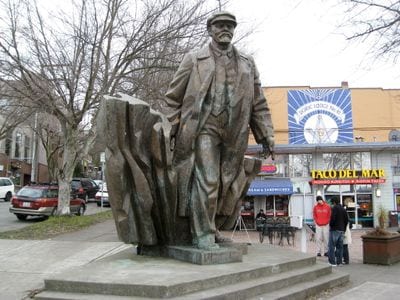
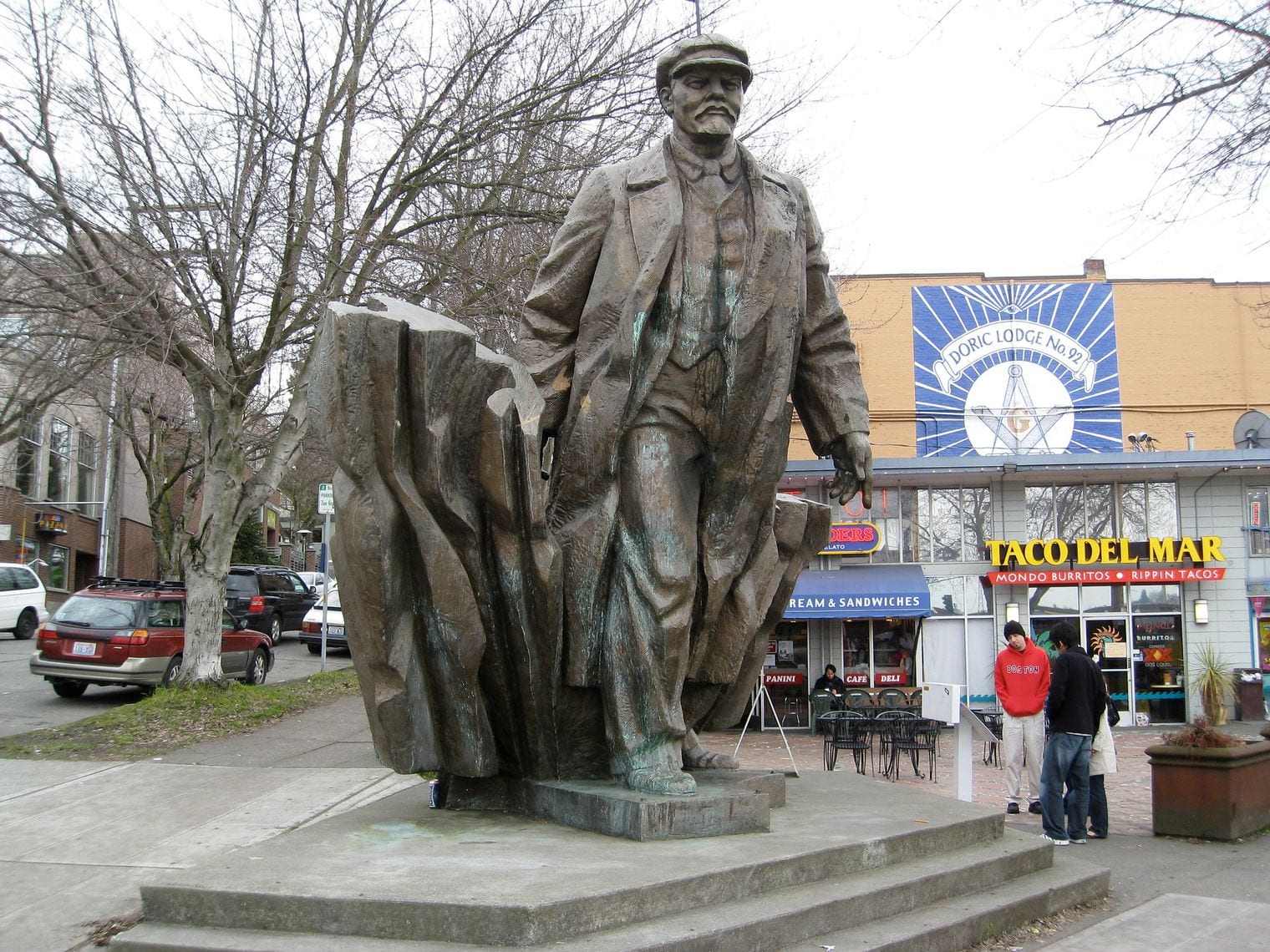
Fremont, a separate city until Seattle annexed it in 1891, has long called itself the Center of the Universe, and a welcome sign says so. Its quirky streak shows in its public art, from the Fremont Troll under the Aurora Bridge to a bronze statue of Vladimir Lenin salvaged from Slovakia.
On Sundays, a street market of vintage, craft and food stalls sets up near the canal, and the waterside path along the ship canal is perfect for a walk or bike ride. Cafés, bars and independent shops line Fremont Avenue, and the drawbridge rises for passing boats.
Plan your trip
Best Time to Visit Seattle
Summer is Seattle's golden season. From July through September the city is usually dry, sunny and mild, with long evenings that suit Kerry Park sunsets, beach fires at Golden Gardens and Alki, and ferry rides on Puget Sound. It is also the busiest and priciest time, with cruise passengers and festival crowds filling the waterfront and Seattle Center.
Spring brings cherry blossoms to the University of Washington Quad and azaleas to the Arboretum, while early fall offers salmon in the fish ladder at the Ballard Locks and blazing maples at Kubota Garden. The wetter months from late fall to spring are gray and drizzly rather than cold, a good time for the city's museums, the Central Library and cozy coffeehouses.
Getting to Seattle
Seattle–Tacoma International Airport lies about 15 miles south of downtown, and Link light rail runs straight from the airport into the city center, roughly a 40-minute ride; a taxi or rideshare takes about half an hour without traffic. Amtrak trains arrive at King Street Station, next to Pioneer Square, with services along the coast to Portland and north to Vancouver, Canada, as well as long-distance routes to California and the Midwest.
By road, Interstate 5 runs north–south through the heart of the city, linking it to Portland, about three hours south, and the Canadian border, a little over two hours north. Interstate 90 heads east over Snoqualmie Pass toward Spokane and the rest of the state. Washington State Ferries dock downtown at Colman Dock, and Seattle is a major home port for summer cruises to Alaska.
Getting Around Seattle
Downtown, Belltown, Pioneer Square and the waterfront are compact and easy to explore on foot, though some streets climb steeply up from the water. Link light rail connects the airport, downtown, Capitol Hill and the University District, the Monorail shuttles between Westlake Center and Seattle Center, and buses and streetcars fill in the gaps.
Walkability: downtown Seattle scores 86.6 out of 100, the 3rd most walkable of the 100 biggest US cities in our walkability study. Within a mile of its center we counted 16 rail stops, 89 notable landmarks and 241 cafés, restaurants and shops per square kilometer.
A car helps for outlying sights such as the Museum of Flight, Discovery Park and Kubota Garden, but downtown parking is limited and expensive, and traffic on I-5 is often heavy. Rideshare is widely available, bike lanes and trails such as the Burke-Gilman cover much of the north side, and water taxis cross Elliott Bay to West Seattle for Alki Beach.
Where to Stay in Seattle
Downtown and Belltown are the most convenient bases for a first visit, within walking distance of Pike Place Market, the waterfront, the Seattle Art Museum and the Monorail to Seattle Center. Pioneer Square suits history lovers and sports fans, with its brick streets, the Underground Tour and the stadiums on the doorstep, and it sits beside King Street Station and the light rail.
South Lake Union and Lower Queen Anne put you close to Seattle Center, the Space Needle and Lake Union, with a quieter, more residential feel by evening. Capitol Hill is the pick for nightlife, cafés and restaurants, with a light rail station linking it to downtown and the airport.
Where to Eat in Seattle
Seafood is the signature: Dungeness crab, wild salmon, oysters from Puget Sound beaches and clam chowder, best sampled from the counters and stalls of Pike Place Market and along the waterfront. Seattle is also famous for its coffee culture, and you'll find independent espresso bars on nearly every corner, along with local favorites such as teriyaki joints and late-night hot dogs topped with cream cheese.
For variety, head to the Chinatown-International District for dim sum, pho, ramen and bakeries, Capitol Hill for the city's most creative dining and bar scene, and Ballard for seafood, breweries and Scandinavian-inspired cooking along Ballard Avenue. Fremont and the University District add relaxed cafés and budget-friendly global food.
Day Trips from Seattle
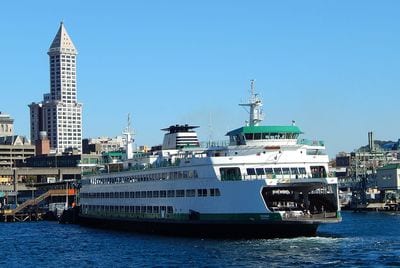
The easiest escape is the ferry from Colman Dock to Bainbridge Island, a scenic crossing of about 35 minutes with skyline views behind you. Snoqualmie Falls thunders off a cliff about 40 minutes east along I-90, and Tacoma, about 45 minutes south, rewards a day with its Museum of Glass and waterfront. Continue another half hour or so down I-5 to Olympia, the state capital, for its Capitol Campus and waterfront.
Mount Rainier National Park, roughly two and a half hours southeast, is the classic big day out for wildflower meadows and glacier views in summer. The Bavarian-style mountain village of Leavenworth lies about two and a half hours east over Stevens Pass, Whidbey Island is a short ferry hop north from Mukilteo, and with an early start, Vancouver, Canada, is about three hours north across the border. For more ideas, browse our guide to Washington's best small towns.
One Day in Seattle
Morning
Start early at Pike Place Market, before the crowds, for breakfast from the stalls and the fish-throwing at the main arcade. Duck down into Post Alley to see The Gum Wall, then take the stairs and elevators down the hillside to the waterfront for the Seattle Aquarium or a spin on the Seattle Great Wheel.
Head up Queen Anne Hill to Kerry Park for the classic skyline view at sunset, then finish with dinner and drinks on Capitol Hill, the city's liveliest neighborhood after dark.
Seattle is best known for the Space Needle, Pike Place Market, Chihuly Garden and Glass, the Museum of Pop Culture and the postcard skyline view from Kerry Park. It is also famous for its coffee culture, its music history from Jimi Hendrix to grunge, fresh seafood, Boeing, and a setting framed by Puget Sound and Mount Rainier.
How many days do you need in Seattle?
Three days covers Seattle's highlights comfortably: one for Pike Place Market, the waterfront and downtown, one for Seattle Center and the Space Needle, and one for neighborhoods such as Ballard and Fremont. Add a fourth day for Discovery Park, the Museum of Flight or a ferry ride, and more for Mount Rainier.
What can you do in Seattle for free?
Many of Seattle's best sights are free: browsing Pike Place Market, the Gum Wall, Kerry Park, the Olympic Sculpture Park, the Ballard Locks and its fish ladder, Gas Works Park, Discovery Park, Green Lake and Alki Beach. The Klondike Gold Rush museum, the Frye Art Museum and the Seattle Central Library are free to enter.
When is the best time to visit Seattle?
July through September is the best time to visit Seattle, with the driest, sunniest weather and long evenings for parks, beaches and ferry rides. Spring is good for cherry blossoms and fewer crowds, and early fall brings the salmon run at the Ballard Locks, while the rainy winter months suit the city's museums.
Do you need a car in Seattle?
You don't need a car for a first visit to Seattle. Link light rail runs from the airport to downtown and Capitol Hill, the Monorail reaches Seattle Center, and the central sights are walkable. A car helps for outlying spots such as the Museum of Flight, Discovery Park and Kubota Garden, and for day trips to Mount Rainier.
Sources & updates
How this guide was verified
Checked before launch
Sources cited
45
Publishers
27
Every place on this list was confirmed open and pinned on the map before publication, and what we say about each one was checked against its own website or an official source.
A PDF with a box to tick for every place. Confirm your email to download it, and get one email every Thursday with our newest guides for the places you tick.
Free Seattle printable checklist
All 45 places in one PDF
Tick them off as you go. Confirm your email to download it, plus one email every Thursday with new guides for the places you tick.
We use cookies to analyze site traffic and improve your experience.
You can accept or reject analytics cookies. See our
May we use analytics cookies? See ourCookie Policy.