We build and rank every list first. Booking links come after, and only where
a partner sells a ticket, tour or stay for that exact place, so a place with
nothing to book is listed exactly as prominently as one you can book.
So how do we earn? Some links on this page go to booking
partners, and if you book tickets, tours or a stay through
one, we may earn a commission. It costs you nothing extra.
That commission never decides which places make the list, the order they
appear in, or what we write about them. No entry is sponsored or a paid
placement.
By the City Viking editorial teamPublished 25 places · 18 min read
Fact-checked Checked before launchOct 5, 202625 sources15 publishers5 government & parks7 encyclopedias & research13 venues & other sitesPublished · Oct 5, 2026Researched and checked before it went liveClick for every source and the full change log.
Short answer
Start with Harpers Ferry for its preserved Lower Town where the Potomac meets the Shenandoah, Lewisburg for its historic downtown and Carnegie Hall, and Fayetteville for the New River Gorge Bridge and national park. Most towns on this list fill a relaxed day, while Harpers Ferry and Fayetteville deserve a full weekend.
West Virginia's small towns sit where its rivers and mountains meet: a historic river confluence at Harpers Ferry, the rim of the New River Gorge, spa towns built around warm springs and old coal and railroad towns in the Allegheny highlands. Many have only a few thousand people, yet hold Civil War history, mountain music and whitewater, ski slopes and rail trails right outside town.
This guide ranks 25 of the best, from the Eastern Panhandle to the Ohio River towns within reach of Huntington. Most fill a relaxed day, and many pair up neatly on a road trip.
Bluefield has handed out free lemonade whenever the temperature reaches 90 degrees since 1939, a promotion for the mountain city that calls itself Nature's Air-Conditioned City.
Shepherdstown and Romney were established by the Virginia House of Burgesses on the same day, December 23, 1762, making them the two oldest towns in West Virginia.
Harpers Ferry, where the Potomac and Shenandoah meet, sits at the lowest point in West Virginia, and the town officially lost the apostrophe in its name in 1891.
Davis, in the Tucker County highlands, is the highest town in West Virginia, which helps explain its long, snowy winters.
For decades a secret bunker for the U.S. Congress lay hidden beneath The Greenbrier resort in White Sulphur Springs, until The Washington Post revealed it in 1992.
Fairmont calls itself the pepperoni roll capital of the world: the snack, a staple of coal miners' lunches, traces its roots to the town's Country Club Bakery.
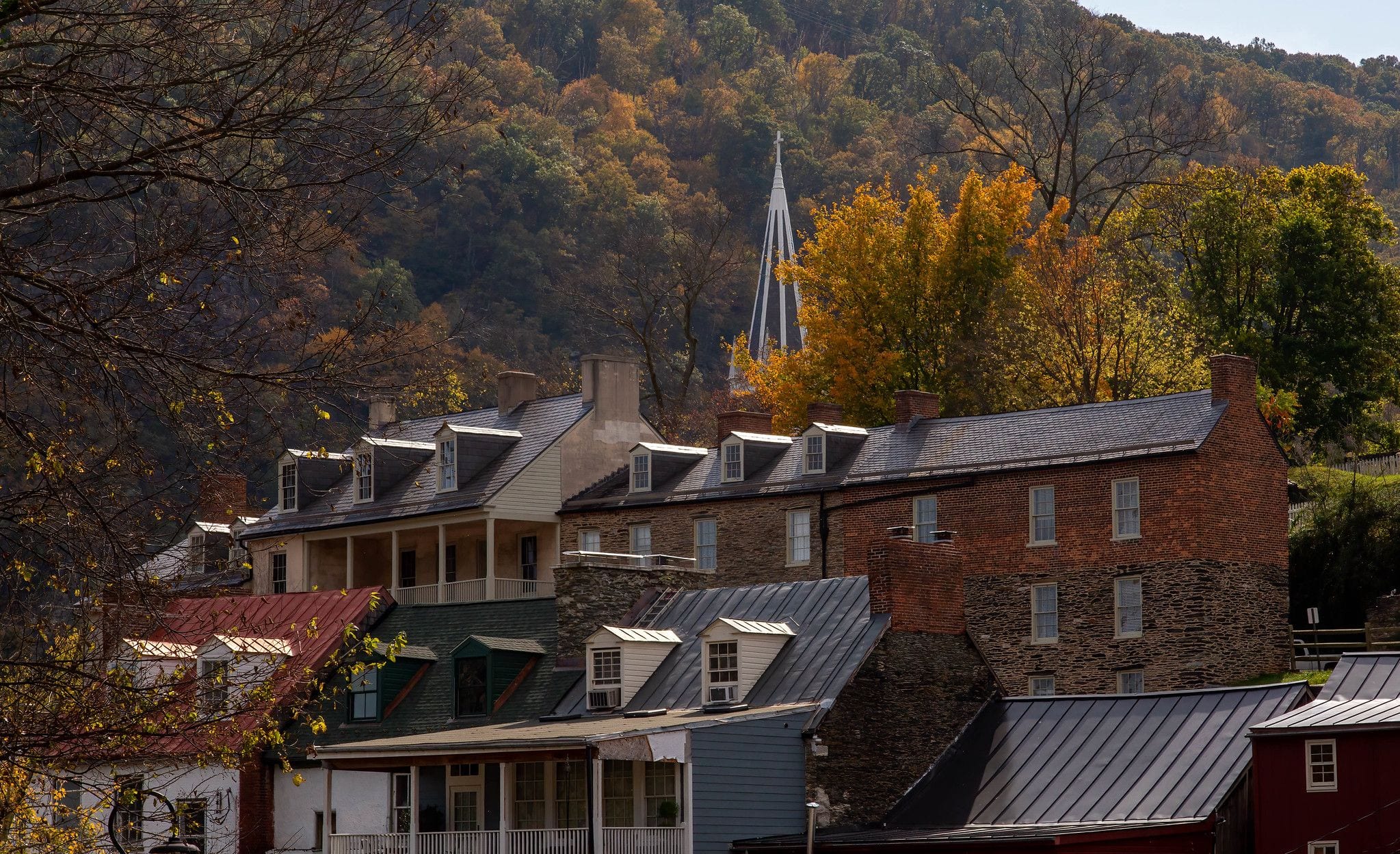
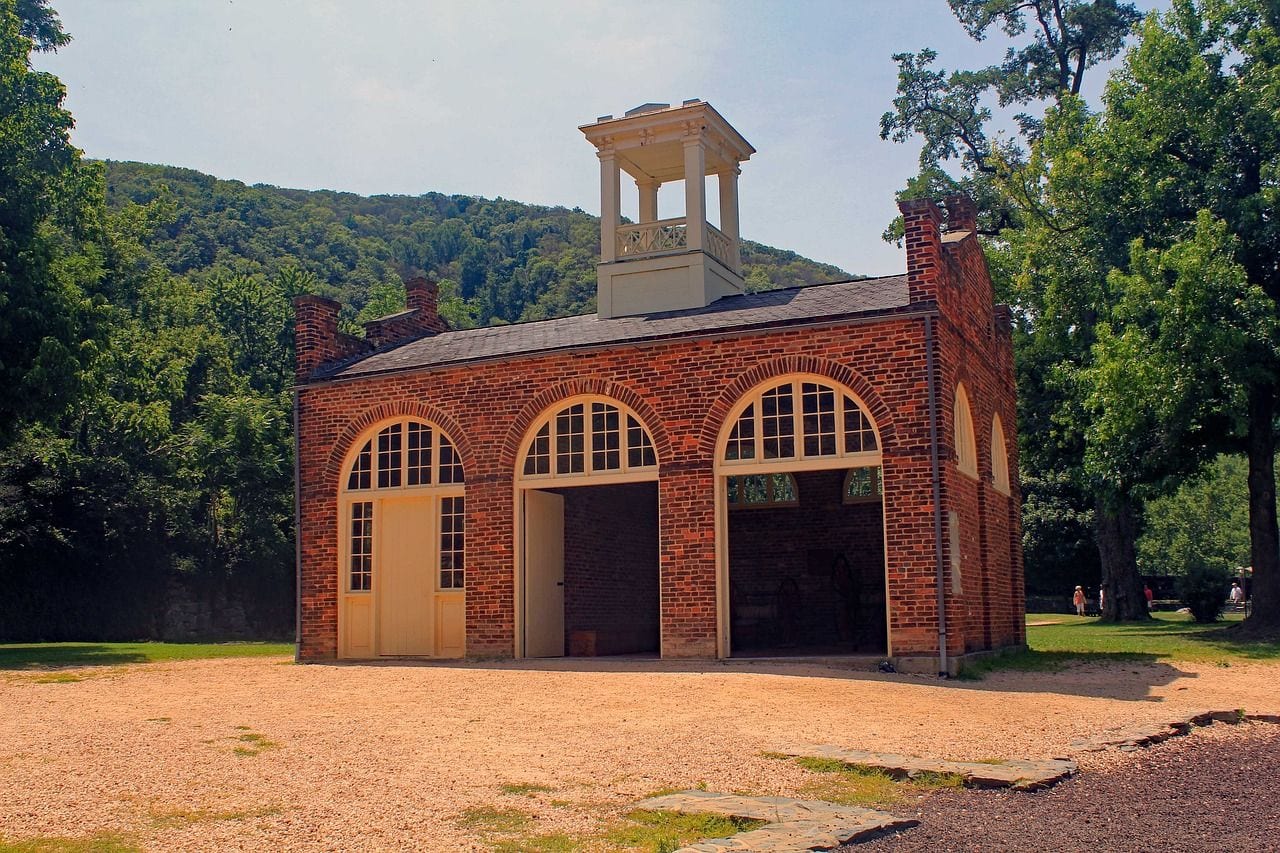
Harpers Ferry sits on a point of land where the Potomac and Shenandoah rivers meet, close to where West Virginia, Virginia and Maryland come together. Much of its Lower Town is preserved as Harpers Ferry National Historical Park, where restored 19th-century streets tell the story of the federal armory and John Brown's 1859 raid, one of the sparks of the Civil War era.
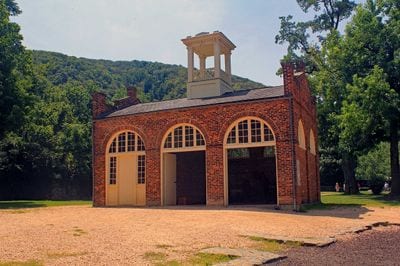
Walk past John Brown's Fort, climb up to Jefferson Rock for a view down the Shenandoah, or cross the footbridge on the railroad bridge into Maryland to hike up Maryland Heights. The Appalachian Trail runs straight through town, and the headquarters of the Appalachian Trail Conservancy makes Harpers Ferry a favorite stop for long-distance hikers.
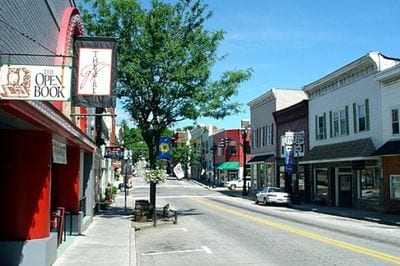
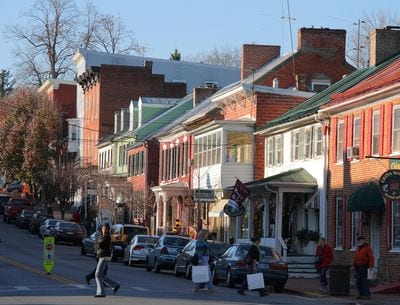
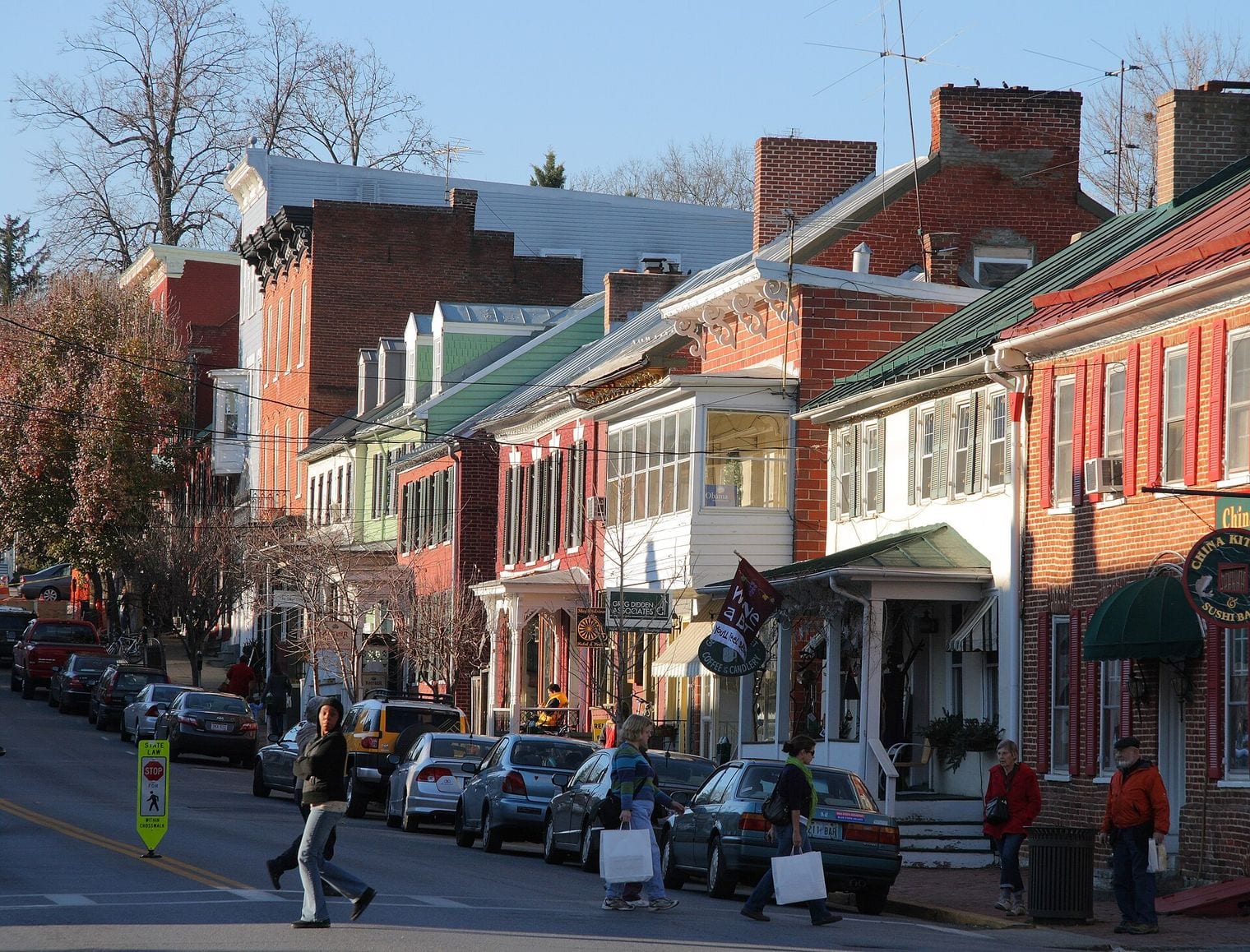
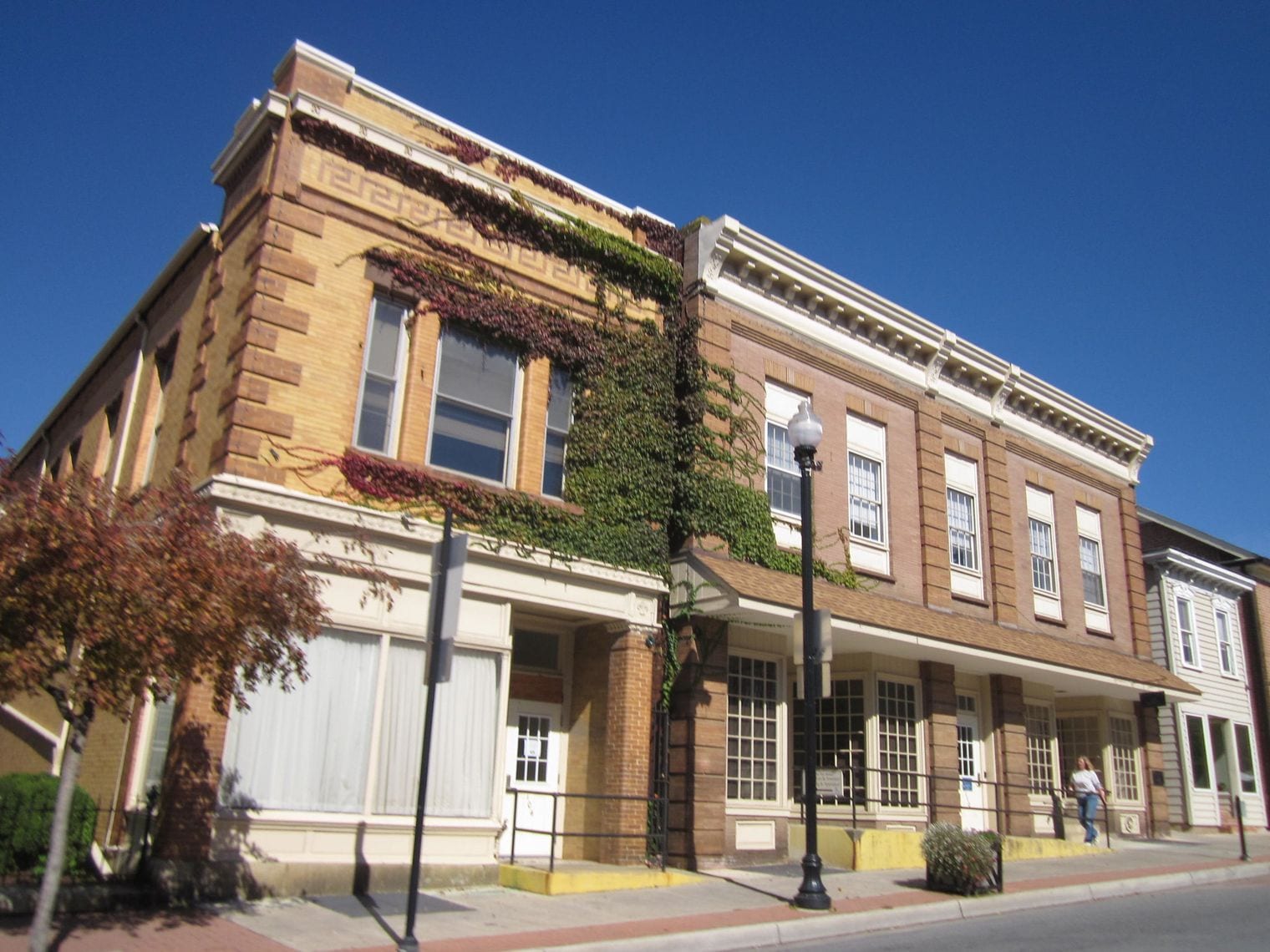
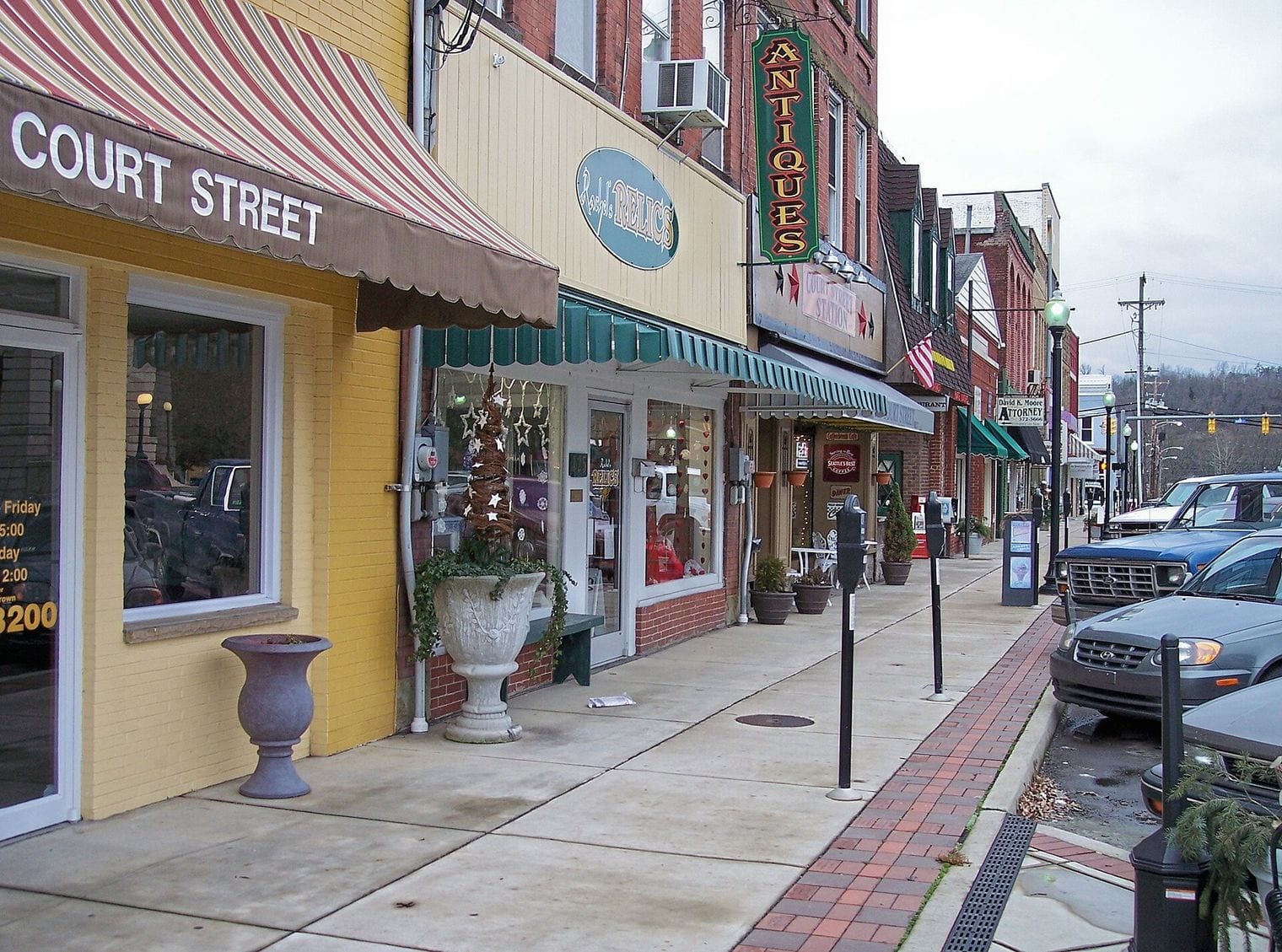
Lewisburg, the seat of Greenbrier County, has a downtown of brick and stone buildings along Washington Street, much of it protected as a National Register historic district. Budget Travel readers voted it the Coolest Small Town in America in 2011, and its streets are lined with galleries, antique shops, bookstores and farm-to-table kitchens.
Carnegie Hall, built with Andrew Carnegie's money in 1902, is one of only four Carnegie Halls in the world still in use, and it hosts concerts and performances year-round. Nearby you can see the Old Stone Church, learn about the 1862 Battle of Lewisburg, explore the rock formations of Lost World Caverns, or head to Fairlea each August for the State Fair of West Virginia.
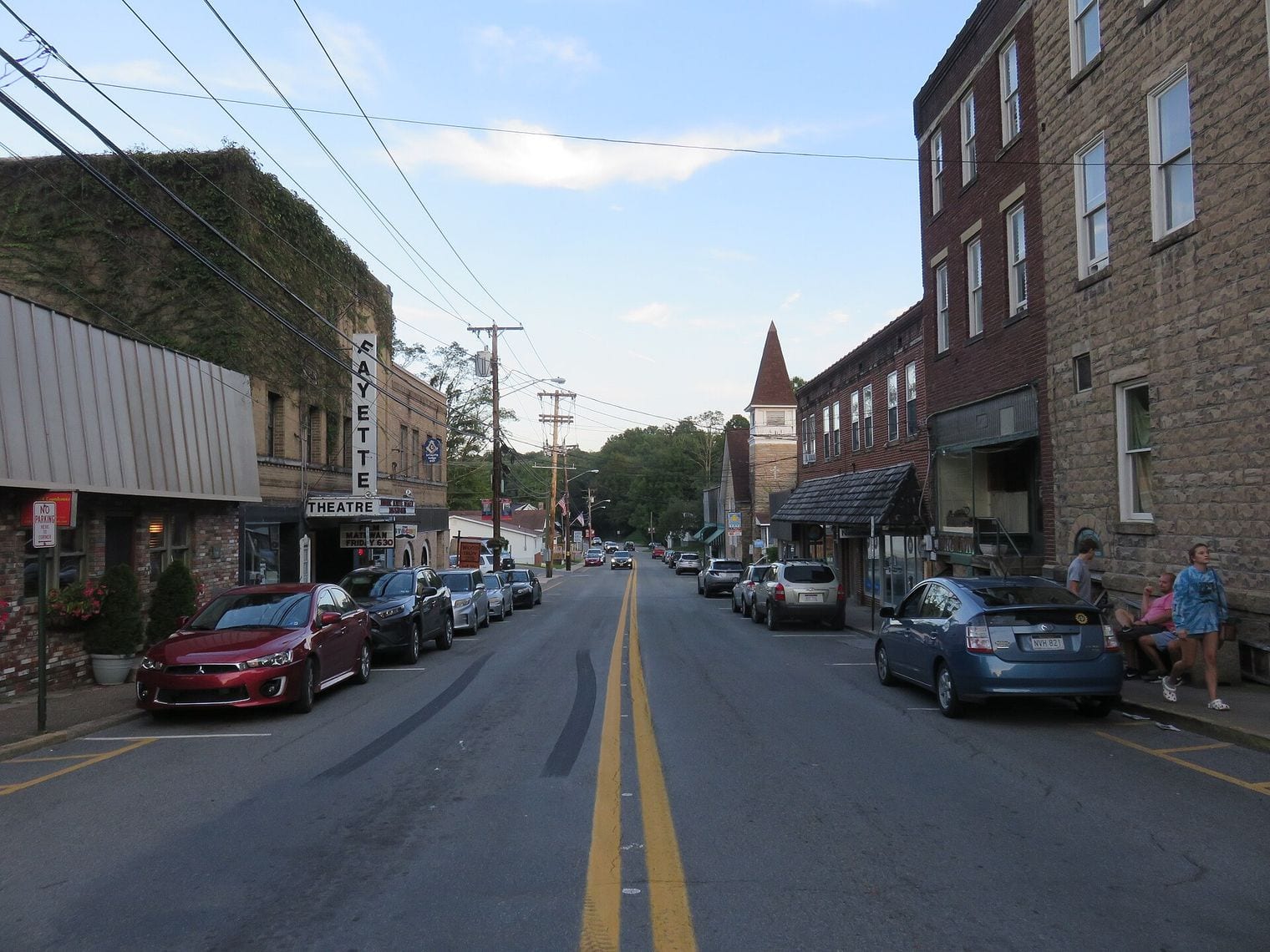
Fayetteville sits just south of the New River Gorge Bridge, the steel arch that carries US 19 some 876 feet above the river and was the world's longest single-span arch bridge for 26 years. The town is the front door to New River Gorge National Park and Preserve, and its small downtown around the Fayette County Courthouse is filled with outfitters, cafés and climbing shops.
Rafters run the New River's Class I to IV rapids, climbers head for the sandstone cliffs that line the gorge, and mountain bikers and hikers have trails right outside town. On Bridge Day, held the third Saturday of October, the bridge closes to traffic and BASE jumpers leap from the deck into the gorge.
Shepherdstown, on the Potomac River, was established in 1762 under the name Mecklenburg and shares the title of West Virginia's oldest town with Romney. Historic buildings along German Street now hold shops, cafés and restaurants, and Shepherd University keeps the town lively through the school year.
In 1787 James Rumsey demonstrated his steamboat on the Potomac here, and a monument to the inventor overlooks the river. Antietam National Battlefield is a short drive across the river in Maryland, and the C&O Canal towpath on the Maryland bank makes an easy, flat walk or bike ride.
Berkeley Springs, officially named Bath, grew up around warm mineral springs that flow at a steady 74 degrees. George Washington surveyed the area as a teenager, came back several times to take the waters and was among the town's first landowners, which is why Berkeley Springs bills itself as America's first spa.
The springs still run through Berkeley Springs State Park in the middle of town, where the Roman Bath House, built in 1815, holds a small museum and visitors can still book a soak. Spas, galleries and cafés ring the park, and Cacapon Resort State Park adds a lake and mountain trails a short drive south.
White Sulphur Springs is best known as the home of The Greenbrier, the grand white resort that grew up around the town's sulphur spring. In 1992 The Washington Post revealed that a secret Cold War bunker beneath the resort, known as Project Greek Island, had been built to shelter the U.S. Congress in a nuclear attack, and guided tours now lead visitors inside.
The small town itself celebrates spring with an annual Dandelion Festival, and Greenbrier State Forest's trails are just outside town. Amtrak's Cardinal stops at the station by the resort's entrance, and Lewisburg's shops and restaurants are only a short drive west.
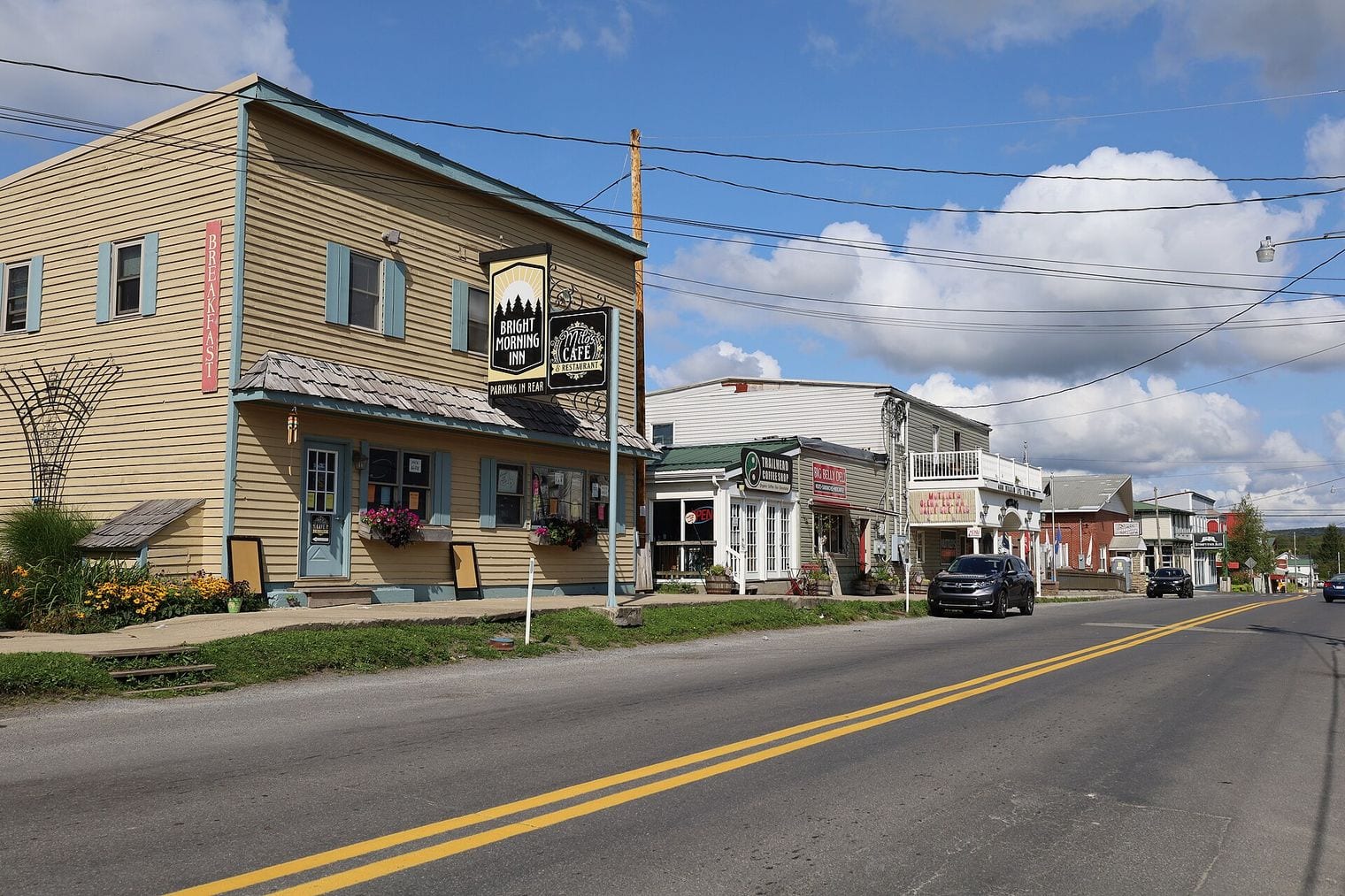
Thomas is a former coal town in Tucker County, set along the North Fork of the Blackwater River. Its brick Front Street, paved in 1909 as the first paved street in the county, still holds the old Cottrill Opera House and the coal company's administrative building, and today it is lined with galleries, studios, quirky shops and a live-music venue that books bands most weekends.
The Blackwater Canyon Rail Trail begins at the edge of town and drops through the canyon past waterfalls and old coke ovens. Davis, Blackwater Falls State Park and Canaan Valley are all a few minutes away, so Thomas makes an easy, artsy base for exploring the highlands.
Elkins, the seat of Randolph County, was incorporated in 1890 as a railroad town and named for Stephen B. Elkins, who developed it with his father-in-law Henry Gassaway Davis. Their mansions, Halliehurst and Graceland, stand on the hilltop campus of Davis and Elkins College above a downtown along the Tygart Valley River.
The city is the headquarters of the Monongahela National Forest, so trailheads and scenic drives start close by, and heritage excursion trains depart from the restored depot. Each summer the Augusta Heritage Festival fills the campus with music and craft workshops, and the Mountain State Forest Festival takes over town in early October.
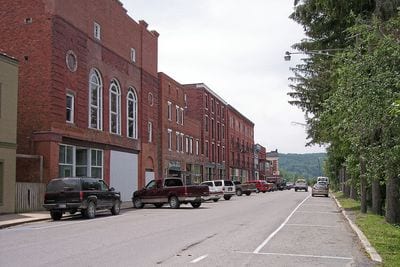
Hinton, the seat of Summers County, was established in 1873 and grew up as a major terminal on the Chesapeake and Ohio Railway along the New River. Much of its hillside downtown of brick commercial buildings and churches is listed on the National Register of Historic Places, and Amtrak's Cardinal still stops at the station.
The Hinton Railroad Museum tells the town's railroad story, and the river country around it is made for paddling and fishing. Bluestone Lake lies just south of town, and Sandstone Falls, where the New River spills over a broad ledge of rock, is a scenic drive north into New River Gorge National Park and Preserve.
Buckhannon is the seat of Upshur County and the only incorporated city in it, set along the Buckhannon River in the hills of central West Virginia. Its Main Street of shops and restaurants and the campus of West Virginia Wesleyan College give it the easygoing feel of a college town.
The town is best known for the West Virginia Strawberry Festival, held each May with parades, music and plenty of strawberry desserts. Audra State Park, where a boardwalk follows the Middle Fork River beneath a rock overhang, is a short drive away for a riverside hike or a summer swim.
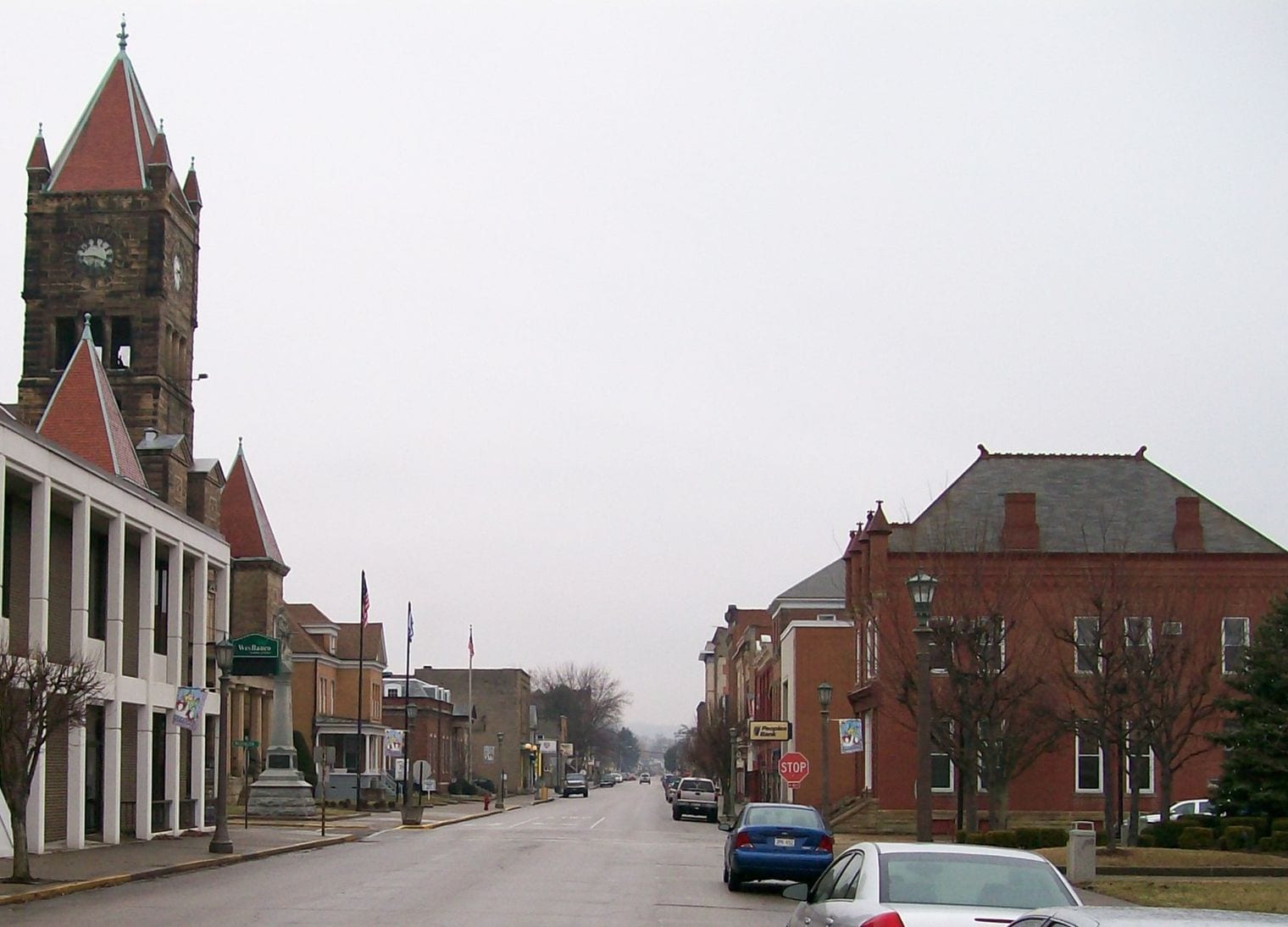
Charles Town, not to be confused with the state capital of Charleston, was founded by Charles Washington, the youngest brother of George Washington. He donated the four corner lots at George and Washington Streets for public buildings, and one of them holds the Jefferson County Courthouse, where John Brown was tried for treason after his 1859 raid on Harpers Ferry.
The town became an armed camp in the weeks before Brown's execution, and that history is still easy to trace downtown, while Happy Retreat, Charles Washington's estate, sits on the edge of town. Thoroughbred racing and a casino draw crowds to the track just east of downtown, and Harpers Ferry is only about 7 miles away.
Free printable checklist of all 25 places
Tick them off as you go. Confirm your email to download it, plus one email every Thursday with new guides for the places you tick.
Davis is a small Tucker County town on the Blackwater River, and it sits higher than any other town in West Virginia, which means cool summers and plenty of snow. Its short main street of outfitters, cafés, breweries and shops serves the skiers, hikers and mountain bikers heading into the surrounding Monongahela National Forest.
Blackwater Falls State Park begins at the edge of town, where the tea-colored Blackwater River plunges over the falls into a deep canyon. Canaan Valley lies just south, with downhill skiing, cross-country ski trails and wide wetlands, and Thomas, a few miles up the road, adds galleries and live music.
Point Pleasant sits where the Kanawha River flows into the Ohio, and the point itself is Tu-Endie-Wei State Park, which marks the 1774 Battle of Point Pleasant between Virginia militia and Shawnee forces led by Chief Cornstalk. Painted murals along the floodwall tell the town's river and frontier history.
Most visitors, though, come for the Mothman, the winged creature reported around town in the 1960s. A 12-foot metal statue of it stands downtown near the Mothman Museum, and the town throws an annual Mothman Festival. Point Pleasant also remembers the 1967 collapse of the Silver Bridge, which killed 46 people.
New Martinsville, the seat of Wetzel County, stretches along the Ohio River at the mouth of Fishing Creek, where settler Presley Martin laid out a town on his land in 1838. The Wetzel County Courthouse, a Romanesque Revival landmark completed in 1902, stands near the river, and the old town wharf still slopes down to the water.
River life is the draw here, with a marina, riverfront parks and the historic Lincoln Theater downtown. West Virginia Route 2 follows the river north and south past small river towns, making New Martinsville an easy stop on an Ohio Valley drive.
Moundsville takes its name from the Grave Creek Mound, one of the largest conical burial mounds in the United States, raised by people of the Adena culture more than 2,000 years ago. The mound rises about 62 feet in the middle of town, and the museum beside it explains who built it and what excavations found.
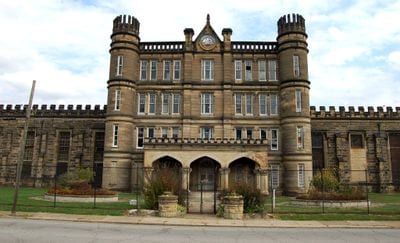
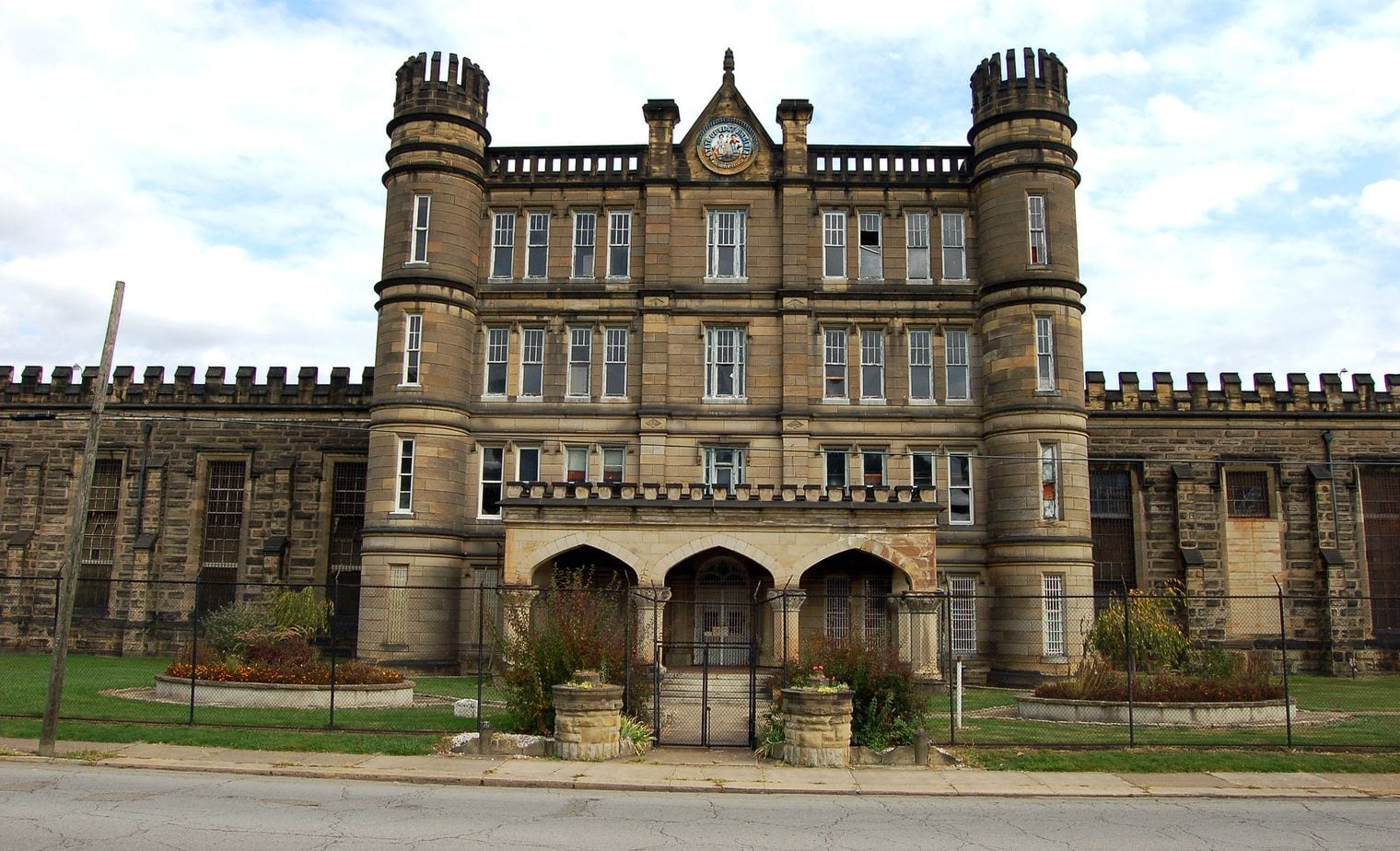
Across the street stands the West Virginia Penitentiary, a Gothic-style stone prison that held inmates until 1995 and is now open for tours, including after-dark ghost tours. Moundsville also has the Fostoria Glass Museum, honoring the glassworks that operated here for nearly a century, and the Ohio River runs along the edge of town.
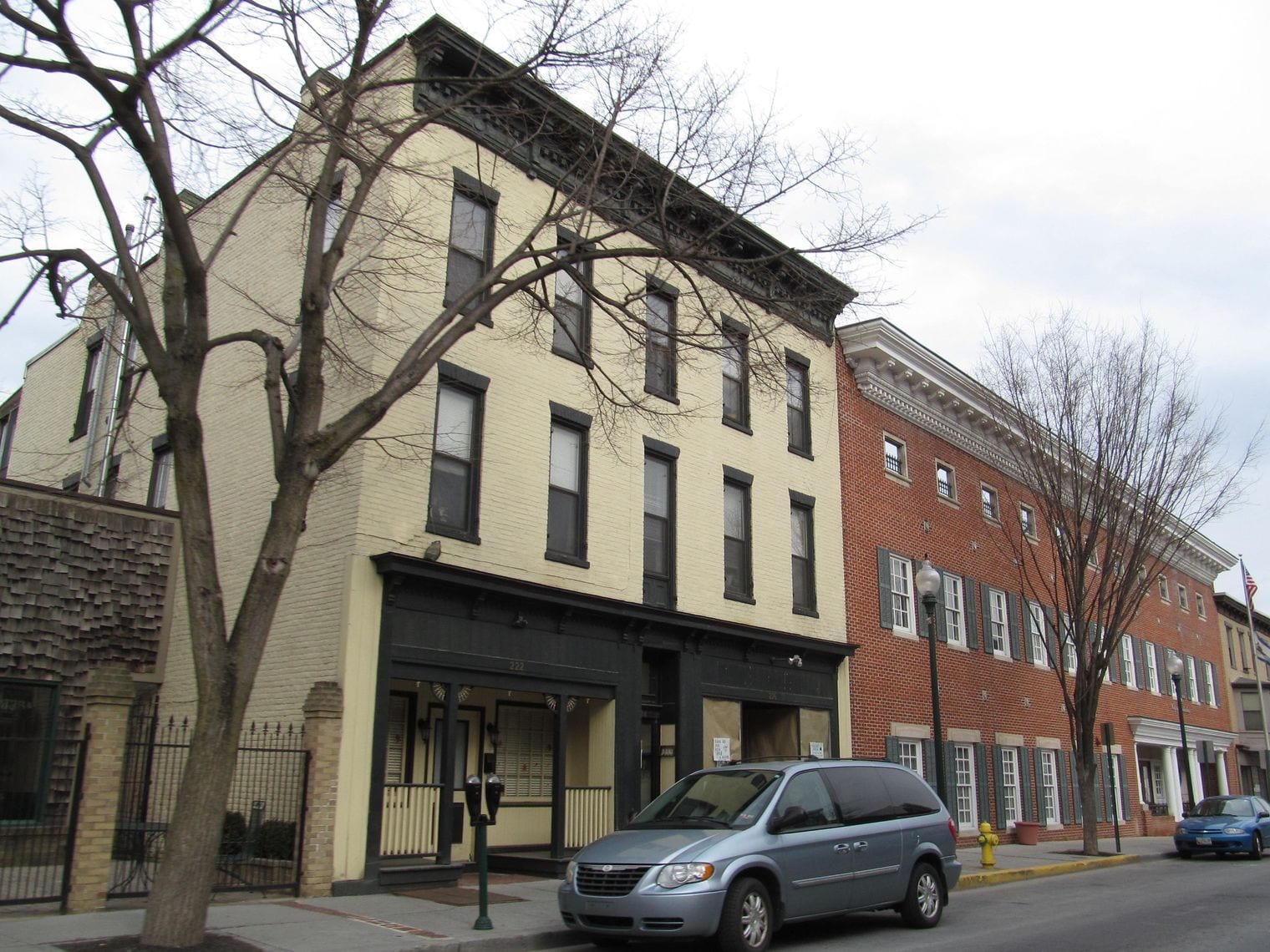
Martinsburg is the largest place on this list, a small city of about 18,000 and the hub of the Eastern Panhandle, but its historic core still has a small-town feel. It was founded by Adam Stephen and grew up around the Baltimore and Ohio Railroad, and the Great Railroad Strike of 1877 began at the B&O shops here.
The Belle Boyd House, home of the Berkeley County Museum, tells the story of the Confederate spy who lived in town, and the Apollo Civic Theatre, completed in 1913, still stages shows downtown. Amtrak and weekday MARC commuter trains connect Martinsburg with Washington, D.C., making it an easy trip without a car.
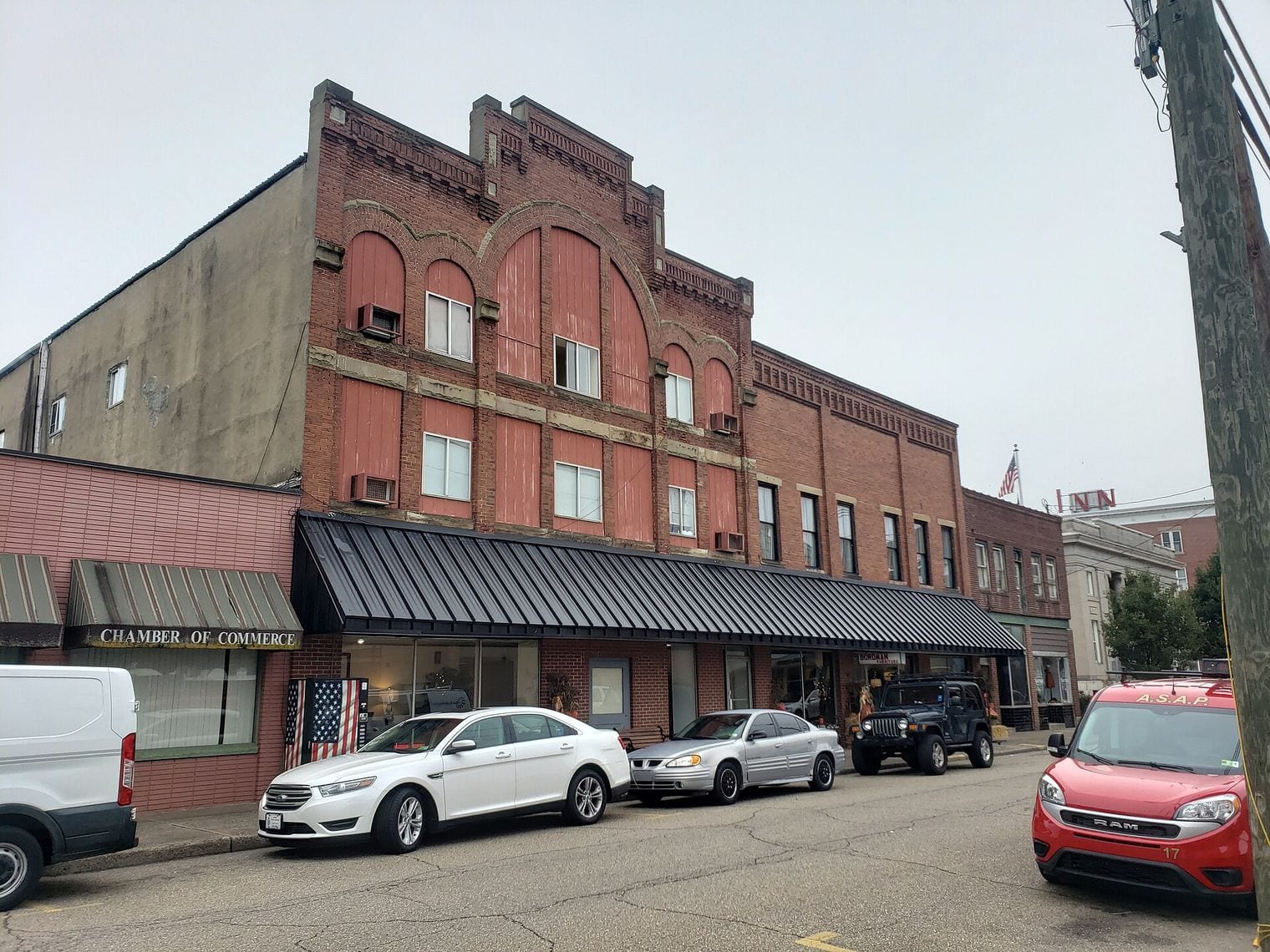
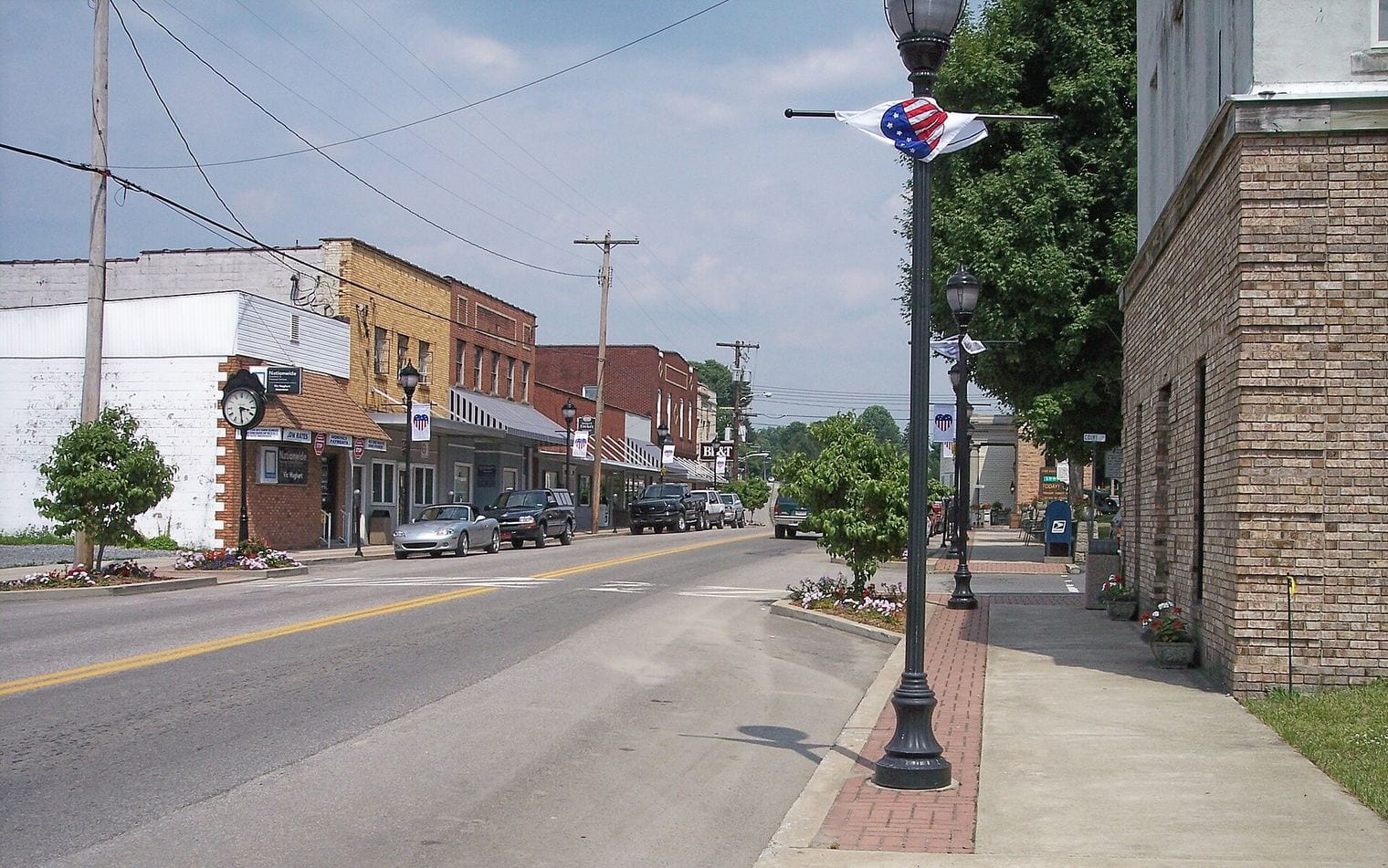
Kingwood, the seat of Preston County, sits in the Allegheny Mountains above the Cheat River valley. Its compact downtown, listed on the National Register as the Kingwood Historic District, gathers around the county courthouse, and farm country rolls out in every direction.
The town is known for the Preston County Buckwheat Festival, held since 1938 over the last weekend of September, when thousands of buckwheat pancake meals are served. The Cheat River below town is a classic whitewater river, and the forests and farms of Preston County make for a scenic fall drive.
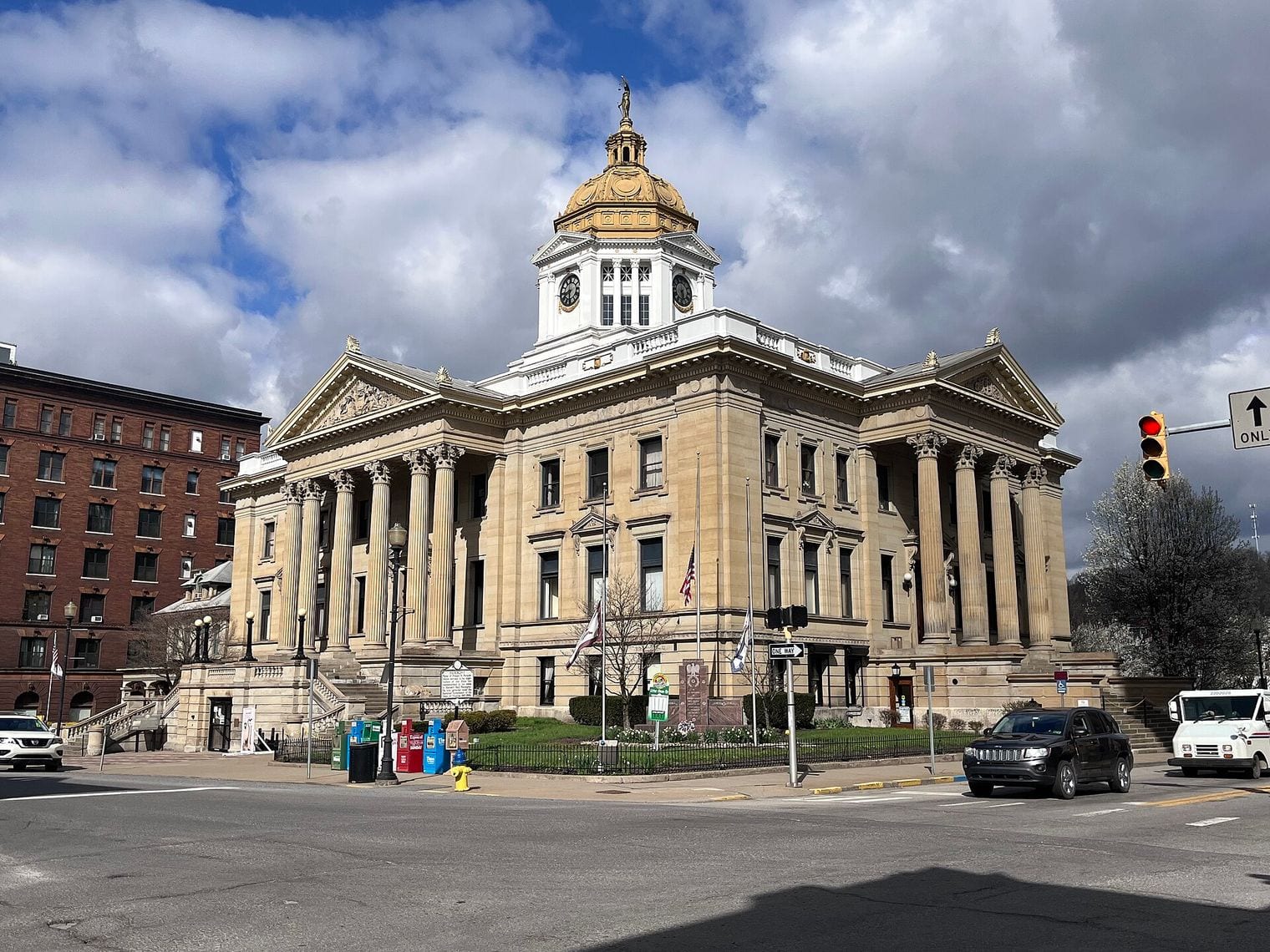
Fairmont is a small city of about 18,000 where the Tygart Valley and West Fork rivers join to form the Monongahela. Its downtown climbs the hills above the river, anchored by the Marion County Courthouse, and Fairmont State University adds a college-town energy.
Fairmont calls itself the pepperoni roll capital of the world, and the snack traces its roots to the town's Country Club Bakery, where it was made for coal miners' lunches. Prickett's Fort State Park, a reconstructed 18th-century frontier fort on the Monongahela, sits just north of town, and Valley Falls State Park is a short drive south.
Summersville, the seat of Nicholas County, sits just north of the Gauley River beside Summersville Lake, the largest lake in West Virginia. The lake's clear water and sandstone cliffs draw boaters, swimmers, scuba divers and rock climbers through the warm months.
Summersville Dam, dedicated by President Lyndon B. Johnson in 1966, holds back the lake, and its fall releases create the Gauley River's famous whitewater season. Carnifex Ferry Battlefield State Park, on the rim of the Gauley canyon near town, marks an 1861 Civil War battle and has river overlooks and hiking trails.
Marlinton, the seat of Pocahontas County, is a small mountain town on the Greenbrier River, and the 78-mile Greenbrier River Trail runs right through it on an old Chesapeake and Ohio rail bed. Cyclists and hikers use the town as a base to ride out along the river through forest and farmland.
Pocahontas County is outdoor country: Watoga State Park and Droop Mountain Battlefield are nearby, and Snowshoe Mountain, the Cass Scenic Railroad and the Green Bank Observatory are within an easy drive. Marlinton is also home to the tongue-in-cheek Roadkill Cook-off, held during its fall harvest festival.
Ripley, the seat of Jackson County, is a small courthouse town just off Interstate 77 between Charleston and Parkersburg. It claims to host the biggest small-town Fourth of July celebration in the United States, and the holiday is when the courthouse square is at its busiest.
Ripley also holds a darker footnote: West Virginia's last public hanging took place here in 1897. Just outside town, the Cedar Lakes Conference Center hosts the Mountain State Art & Craft Fair, the state's oldest juried art and craft fair, held there since 1963.
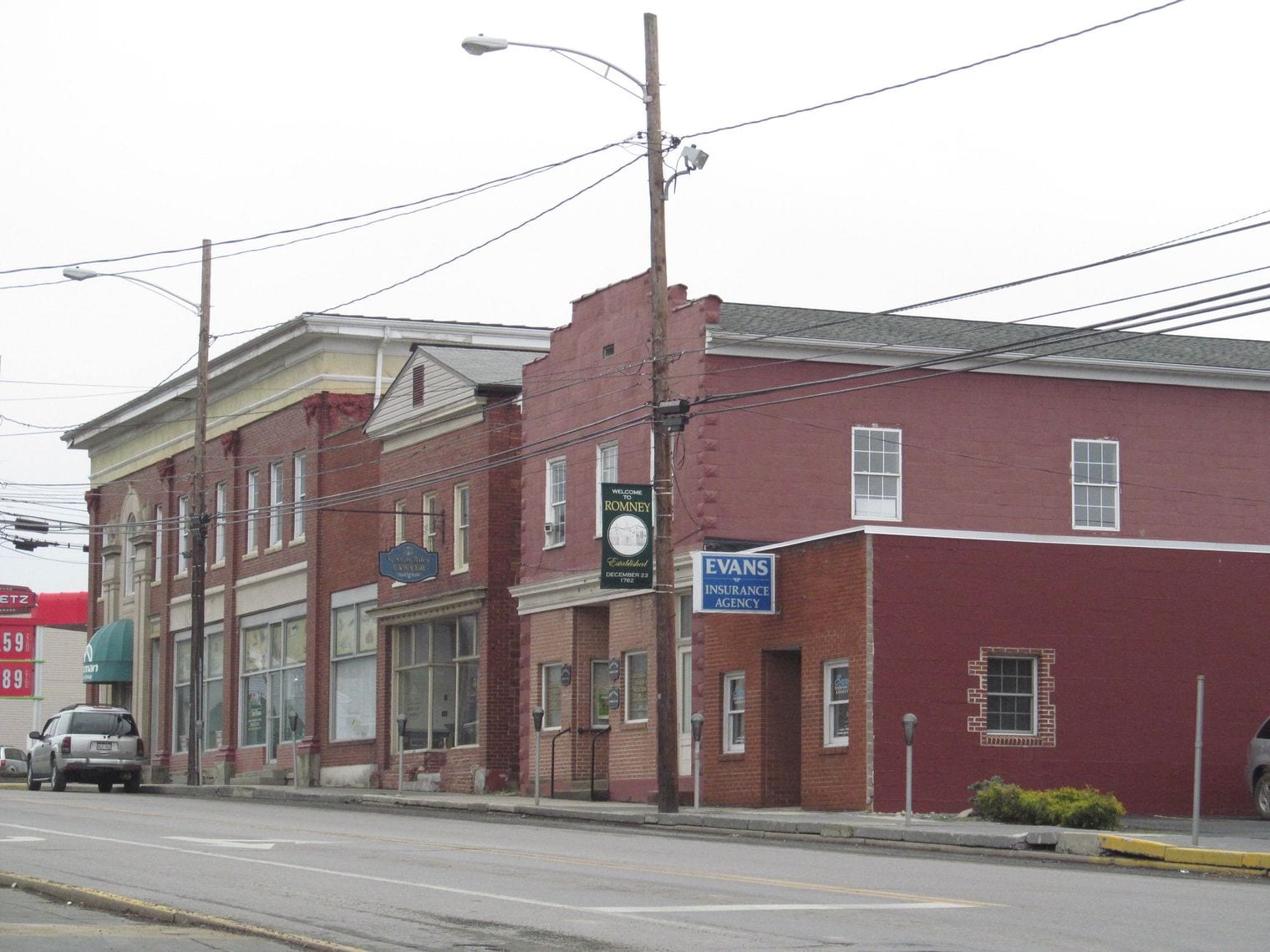
Romney, the seat of Hampshire County, was established in 1762 and shares the title of West Virginia's oldest town with Shepherdstown. Set above the South Branch of the Potomac, it was occupied by Union and Confederate troops again and again during the Civil War.
Walk the historic downtown and see the campus of the West Virginia Schools for the Deaf and the Blind, founded in 1870. Just north of town, the Potomac Eagle Scenic Railroad runs excursions into the Trough, a narrow wooded gorge on the South Branch where bald eagles are often spotted.
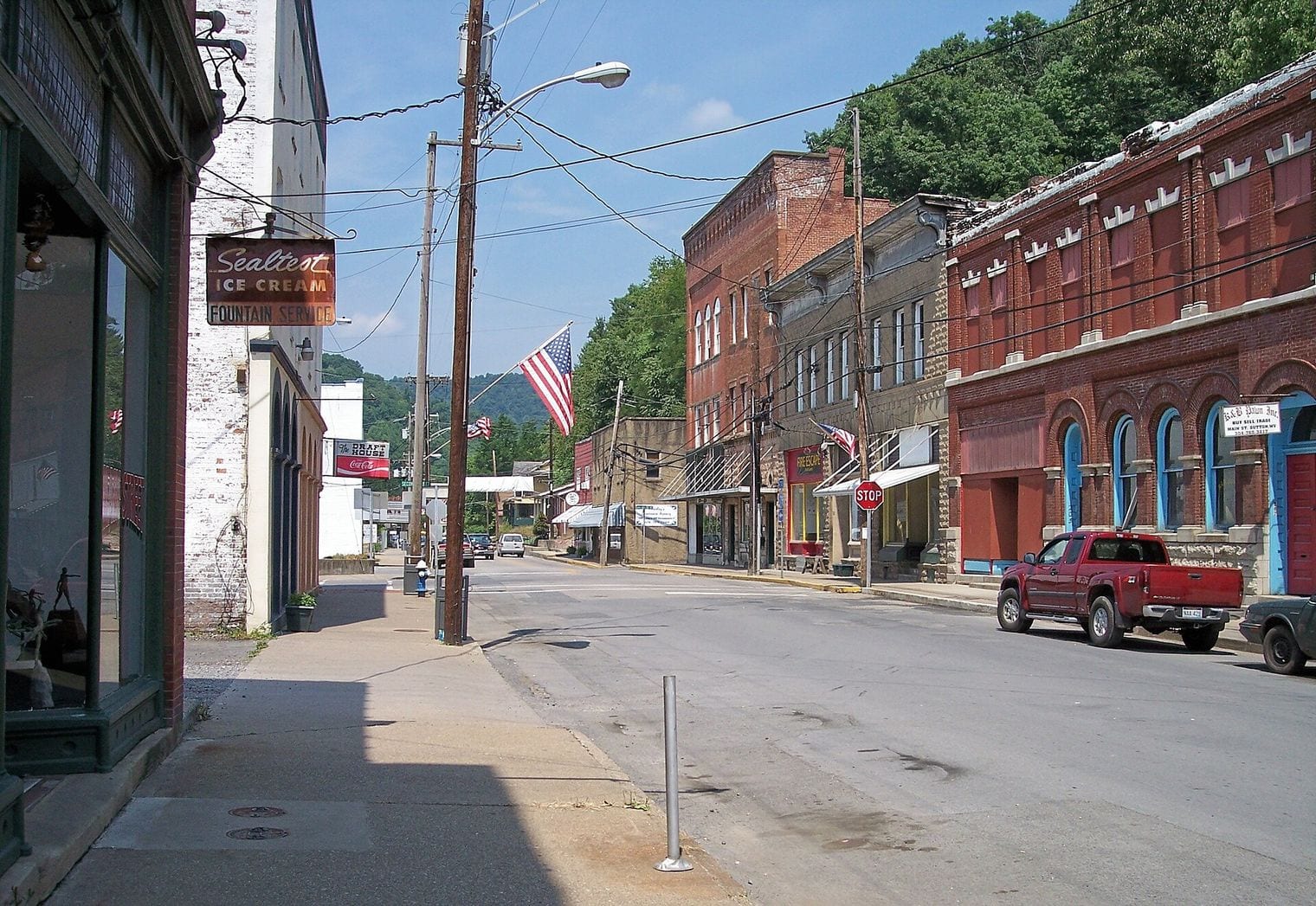
Sutton, the seat of Braxton County, sits on the Elk River in the middle of the state, just off Interstate 79. Confederate troops burned most of the downtown in 1861, and the banks, hotels and shops built between 1890 and 1920 now form the Sutton Downtown Historic District.
On Main Street, the free Flatwoods Monster Museum, which doubles as the Braxton County visitors center, celebrates the creature reported in nearby Flatwoods in 1952. Sutton Lake, formed by a dam on the Elk River just upstream, is a quiet spot for boating, fishing and camping in the wooded hills.
Bluefield sits at about 2,600 feet in the mountains of Mercer County, and its cool summers earned it the nickname Nature's Air-Conditioned City. Since 1939 the city has handed out free lemonade on the rare days when the temperature reaches 90 degrees, a tradition that still makes the local news.
The town boomed on the coal of the Pocahontas Coalfield and the Norfolk and Western Railway, and its downtown keeps handsome buildings from that era. Bluefield State University, a historically black university, is here, and its twin, Bluefield, Virginia, lies just across the state line.
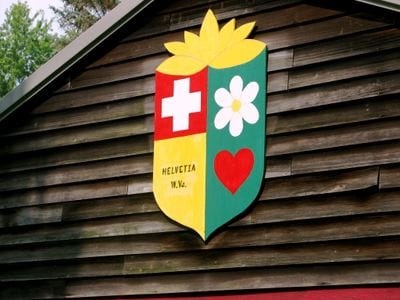
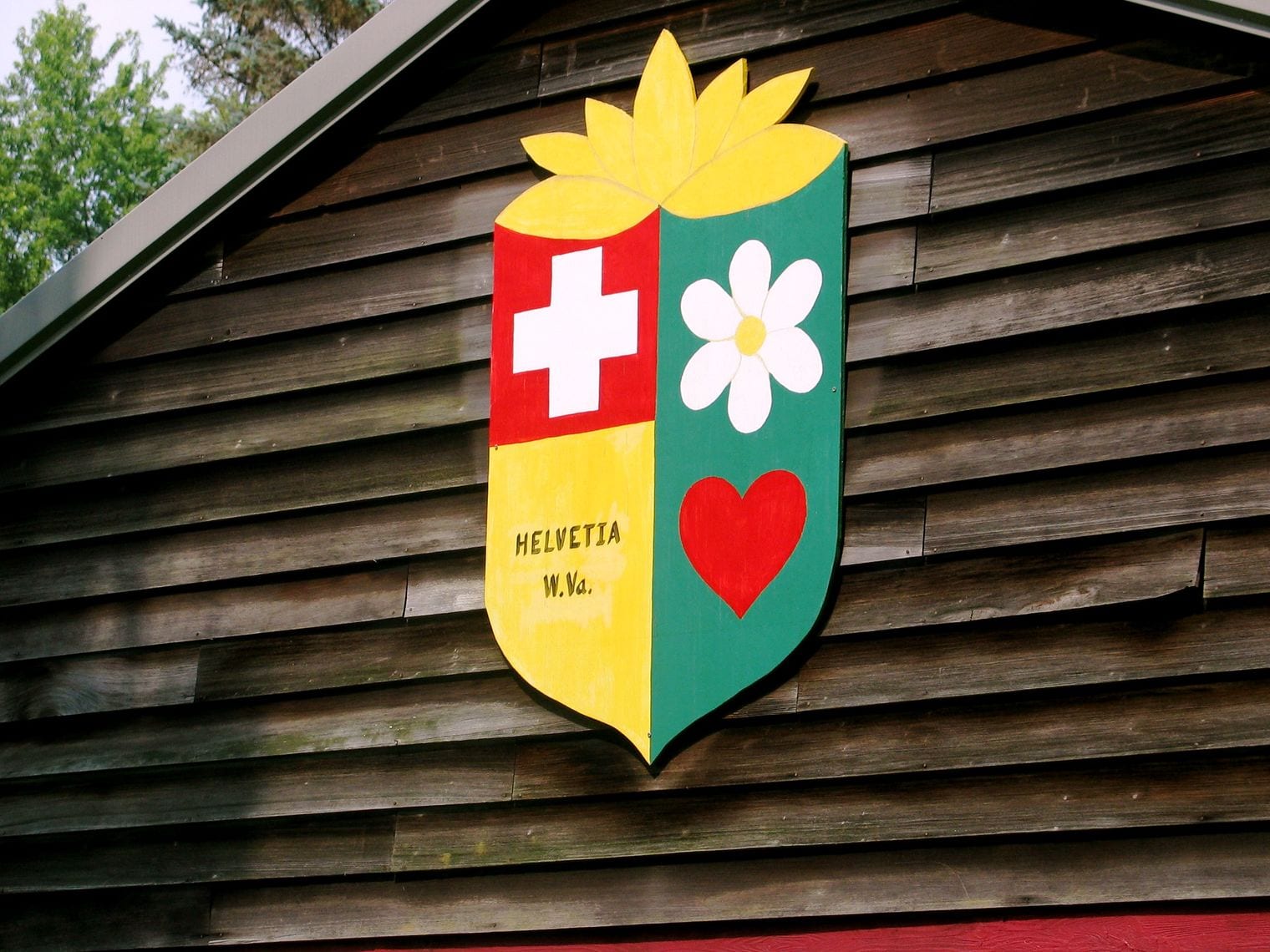
Helvetia is a tiny village of a few dozen people tucked into the hills of Randolph County, settled by Swiss immigrants beginning in 1869. It still keeps its Swiss traditions, food and folkways, and the village is listed on the National Register of Historic Places as the Helvetia Village Historic District.
The best time to come is Fasnacht, held on the last Saturday before Lent, when villagers in homemade masks parade, dance and burn an effigy of Old Man Winter. The rest of the year, the drive in through remote farm valleys is half the charm, and the village's Swiss-style restaurant makes a welcome stop.
Best Time to Visit These West Virginia Towns
Fall is the classic season. Foliage colors the mountains around Davis, Thomas and Elkins, Fayetteville celebrates Bridge Day in October, Kingwood holds its Buckwheat Festival and Elkins its Mountain State Forest Festival, and dam releases near Summersville bring the Gauley River's whitewater season. Summer is for rafting on the New River, boating on Summersville Lake and the Fourth of July in Ripley.
Winter turns Davis and Canaan Valley into ski country and is a quiet time for a warm soak in Berkeley Springs, while late winter brings Fasnacht to Helvetia. Spring is green and uncrowded, with Buckhannon's Strawberry Festival in May. The higher towns stay cool even in July, which is how Bluefield earned its nickname.
Free Things to Do in These West Virginia Towns
Many of the best moments on this list cost nothing. Look out at the New River Gorge Bridge from the national park overlooks near Fayetteville, watch the Blackwater River pour over Blackwater Falls outside Davis, and walk or ride the Greenbrier River Trail from Marlinton or the Blackwater Canyon Rail Trail from Thomas.
In Point Pleasant you can pose with the Mothman statue and stand on the river point at Tu-Endie-Wei State Park, the Flatwoods Monster Museum in Sutton is free, and the C&O Canal towpath waits just across the river from Shepherdstown. Strolling the historic downtowns of Lewisburg, Hinton and Charles Town costs nothing at all.
Mountain roads in West Virginia are slow and winding, so the easiest way to see these towns is region by region. The Eastern Panhandle strings Harpers Ferry, Charles Town, Shepherdstown, Martinsburg and Berkeley Springs within a short drive of each other, all within reach of Washington, D.C., with Romney farther west in the South Branch valley.
In the south, Fayetteville, Hinton, Summersville and Bluefield pair with Lewisburg and White Sulphur Springs in the Greenbrier Valley, a scenic drive west from Charlottesville, Virginia.
In the highlands, Thomas, Davis, Elkins, Helvetia and Marlinton make a loop through the Monongahela National Forest, with Buckhannon, Sutton, Kingwood and Fairmont closer to Interstate 79. Along the Ohio River, Point Pleasant is about an hour from Huntington, Ripley sits just inland off Interstate 77, and Marietta, Ohio, across the river from Williamstown, makes a good stop on the drive north to New Martinsville and Moundsville.
FAQ: Visiting the Best Small Towns in West Virginia
What is the best small town in West Virginia?
Harpers Ferry is the best small town in West Virginia for history, with its preserved Lower Town at the meeting of the Potomac and Shenandoah rivers and the story of John Brown's 1859 raid. Lewisburg is the favorite for a lively historic downtown, while Fayetteville, Shepherdstown and Berkeley Springs round out the top five for the New River Gorge, colonial streets and warm springs.
Which small towns in West Virginia are closest to Washington, D.C.?
The Eastern Panhandle towns are the closest. Harpers Ferry, Charles Town and Shepherdstown are all roughly 65 to 75 miles from Washington, D.C., and Martinsburg and Berkeley Springs are a little farther west. Weekday MARC commuter trains and Amtrak reach Harpers Ferry and Martinsburg, so a car-free day trip from the capital is possible.
Which small town is best for visiting the New River Gorge?
Fayetteville is the best base for New River Gorge National Park and Preserve, sitting just south of the New River Gorge Bridge with outfitters for rafting and climbing in town. Hinton gives easy access to Sandstone Falls and the southern end of the park, while Summersville and Lewisburg are within a comfortable drive for longer trips.
What are the best mountain towns in West Virginia?
Davis, the highest town in West Virginia, and its neighbor Thomas are the classic mountain towns, close to Blackwater Falls and Canaan Valley. Elkins is the gateway to the Monongahela National Forest, Marlinton sits on the Greenbrier River Trail near Snowshoe, and tiny Helvetia keeps its Swiss traditions in the hills of Randolph County.
When is the best time to visit West Virginia's small towns?
Fall is the most popular time, with mountain foliage, Bridge Day at Fayetteville and harvest festivals in towns like Kingwood and Elkins. Summer suits rafting, lakes and Fourth of July celebrations, winter brings skiing around Davis, and spring is green and quiet. See the Best Time section above for more detail by season.
How many days do you need to visit a small town in West Virginia?
Most towns on this list fill a relaxed day, and many pair up easily with a neighbor a short drive away. Harpers Ferry and Fayetteville deserve a full weekend to take in the national parks around them, while a week lets you link several towns in one region, such as the Eastern Panhandle, the New River Gorge or the highlands.
Sources & updates
How this guide was checked
Checked before launch
Sources cited
25
Publishers
15
Every town on this list was pinned on the map and checked against official and local sources before publication.
A PDF with a box to tick for every place. Confirm your email to download it, and get one email every Thursday with our newest guides for the places you tick.
Free West Virginia small towns printable checklist
All 25 places in one PDF
Tick them off as you go. Confirm your email to download it, plus one email every Thursday with new guides for the places you tick.
We use cookies to analyse site traffic and improve your experience.
You can accept or reject analytics cookies. See our
May we use analytics cookies? See ourCookie Policy.