We build and rank every list first. Booking links come after, and only where
a partner sells a ticket, tour or stay for that exact place, so a place with
nothing to book is listed exactly as prominently as one you can book.
So how do we earn? Some links on this page go to booking
partners, and if you book tickets, tours or a stay through
one, we may earn a commission. It costs you nothing extra.
That commission never decides which places make the list, the order they
appear in, or what we write about them. No entry is sponsored or a paid
placement.
20 Best Things to Do in Charleston, West Virginia (2026)
By the City Viking editorial teamPublished 20 places · 17 min read
Fact-checked Checked before launchOct 10, 202620 sources14 publishers2 government & parks8 encyclopedias & research10 venues & other sitesPublished · Oct 10, 2026Researched and checked before it went liveClick for every source and the full change log.
Short answer
Charleston is known for its river setting where the Elk meets the Kanawha, the salt industry that built the early city and its steep wooded hills. Start with the gold-domed State Capitol, Capitol Market in an old rail freight house and the Clay Center for the Arts and Sciences, with its museums and planetarium. One full day covers those plus Capitol Street's shops; two days adds a Kanawha State Forest hike and the West Side's historic districts.
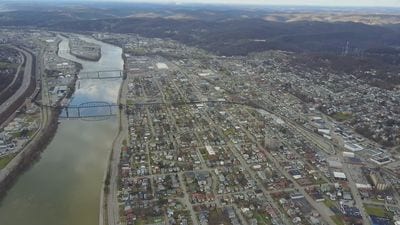
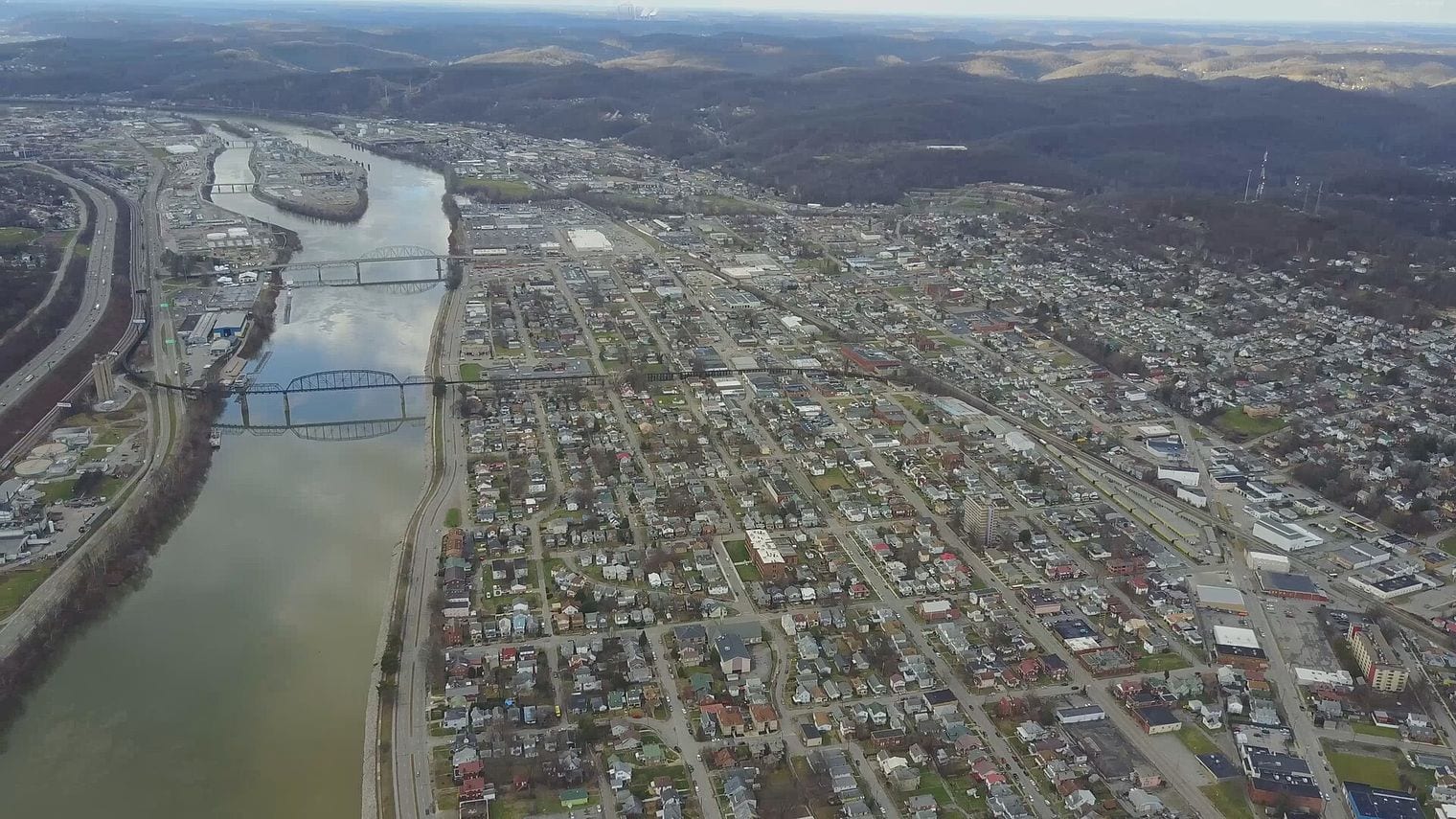
Charleston is the capital of West Virginia, a compact river city where the Elk meets the Kanawha beneath steep wooded hills. A gold-domed statehouse stands on the riverbank, a farmers' market fills an old rail freight house, and forest trails begin a short drive from downtown.
This guide ranks the 20 best things to do, from the Capitol and the Clay Center to West Side historic districts and an ancient Adena burial mound. One or two days covers the city well, and it makes a handy base for the state's small towns and the New River Gorge.
Map of Things to Do in Charleston, West Virginia
Things to Do in Charleston, West Virginia
Things to Do in Charleston, West Virginia at a Glance
Daniel Boone was one of its founding trustees — he was among the men named when the town was formally incorporated in 1794.
The city is believed to be named for Charles Clendenin, father of George Clendenin, whose Virginia Rangers built Fort Lee here in 1787; the original name, Charlestown, was later shortened to avoid confusion with Charles Town in the state's Eastern Panhandle.
Salt built the early city — neighboring Kanawha Salines (now Malden) grew into one of the world's leading salt producers, and in 1815 a well drilled for salt struck natural gas, one of the earliest gas wells on record.
It was not always the capital — the seat of government shuttled between Wheeling and Charleston before voters settled the question, and Charleston became the permanent capital in 1885.
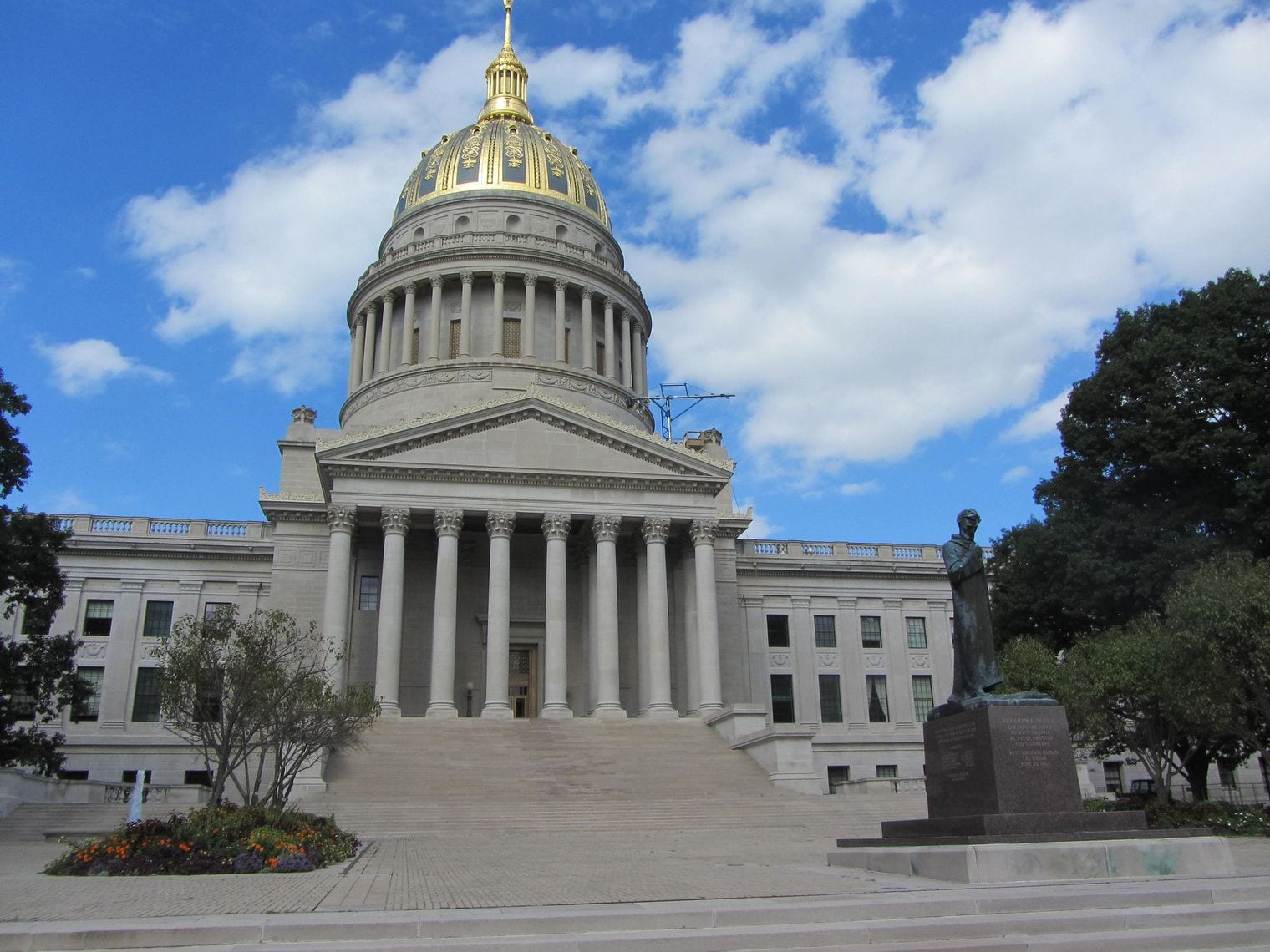
At 292 feet, the State Capitol is the tallest building in West Virginia, and the state says its gold-leafed dome rises higher than the dome of the U.S. Capitol in Washington.
Three interstates meet here — I-64, I-77 and I-79 all converge on Charleston, which makes it the natural crossroads of the state.
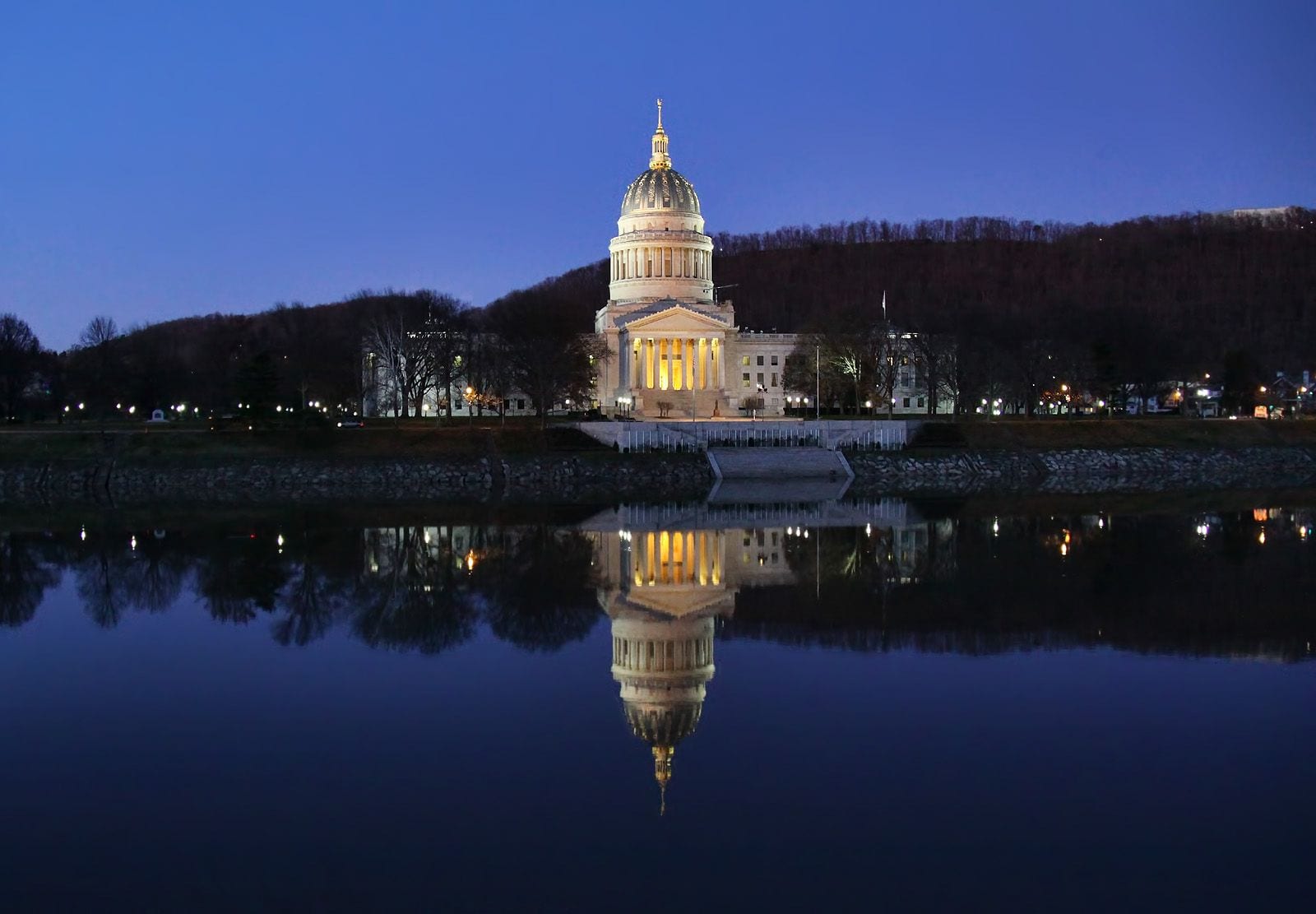
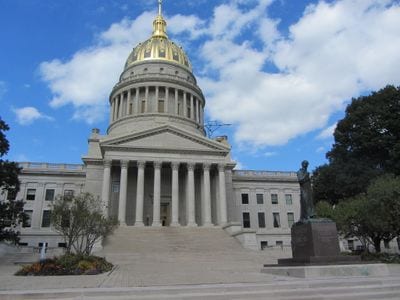
The West Virginia State Capitol rises above the Kanawha River on the city's East End, its gilded dome visible from much of the valley. Designed by architect Cass Gilbert and dedicated in 1932, the buff limestone building stands 292 feet tall, making it the tallest building in the state, and it houses both chambers of the Legislature and the governor's office.
Free guided tours of the interior are offered and best booked ahead, and the riverside grounds hold the West Virginia Veterans Memorial. The Culture Center on the same complex houses the West Virginia State Museum, which was closed for maintenance at the time of writing, so check wvculture.org before you go.
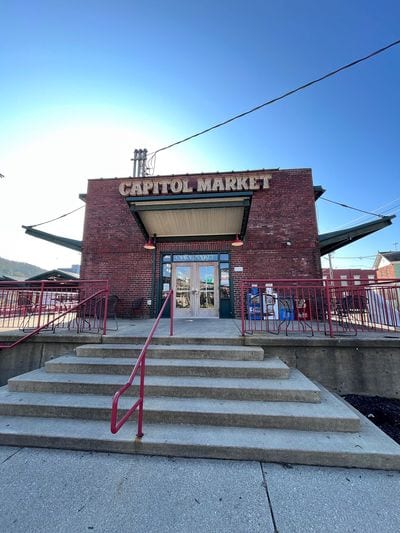
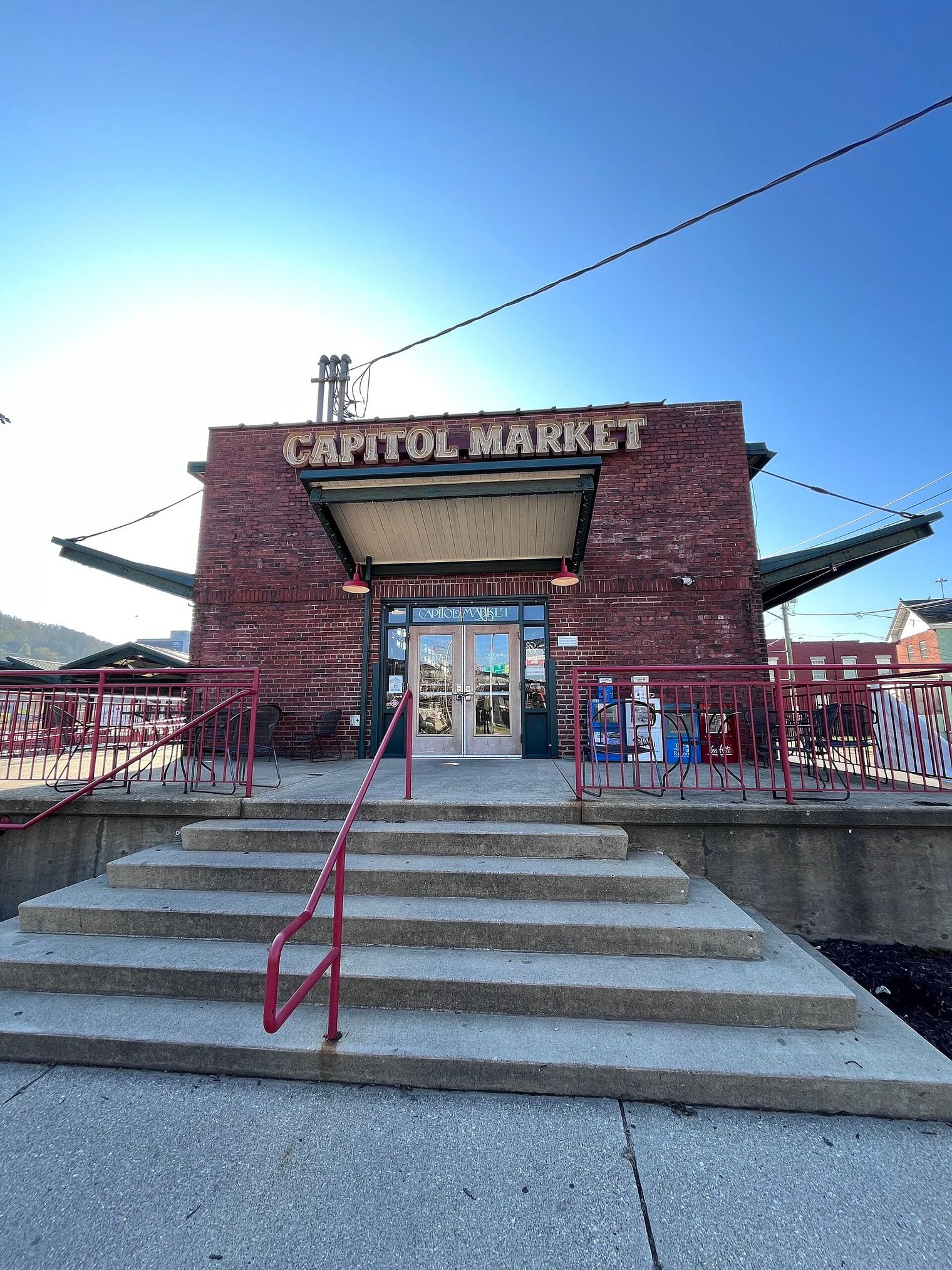
Capitol Market fills a former New York Central rail freight house on the edge of downtown, converted in 1997 into an open-air market with an indoor hall of shops. Outside, the stalls follow the growing season with produce, plants and flowers; inside you'll find a meat market, a wine shop, a coffee bar and places to sit down and eat.
It is the easiest place in town to taste West Virginia, so come hungry, graze your way through the hall and pick up local foods to take home. Stop by early in a downtown day to pick up picnic supplies for the riverfront parks.
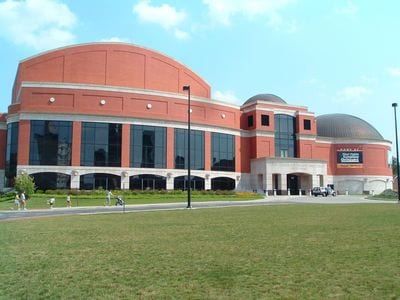
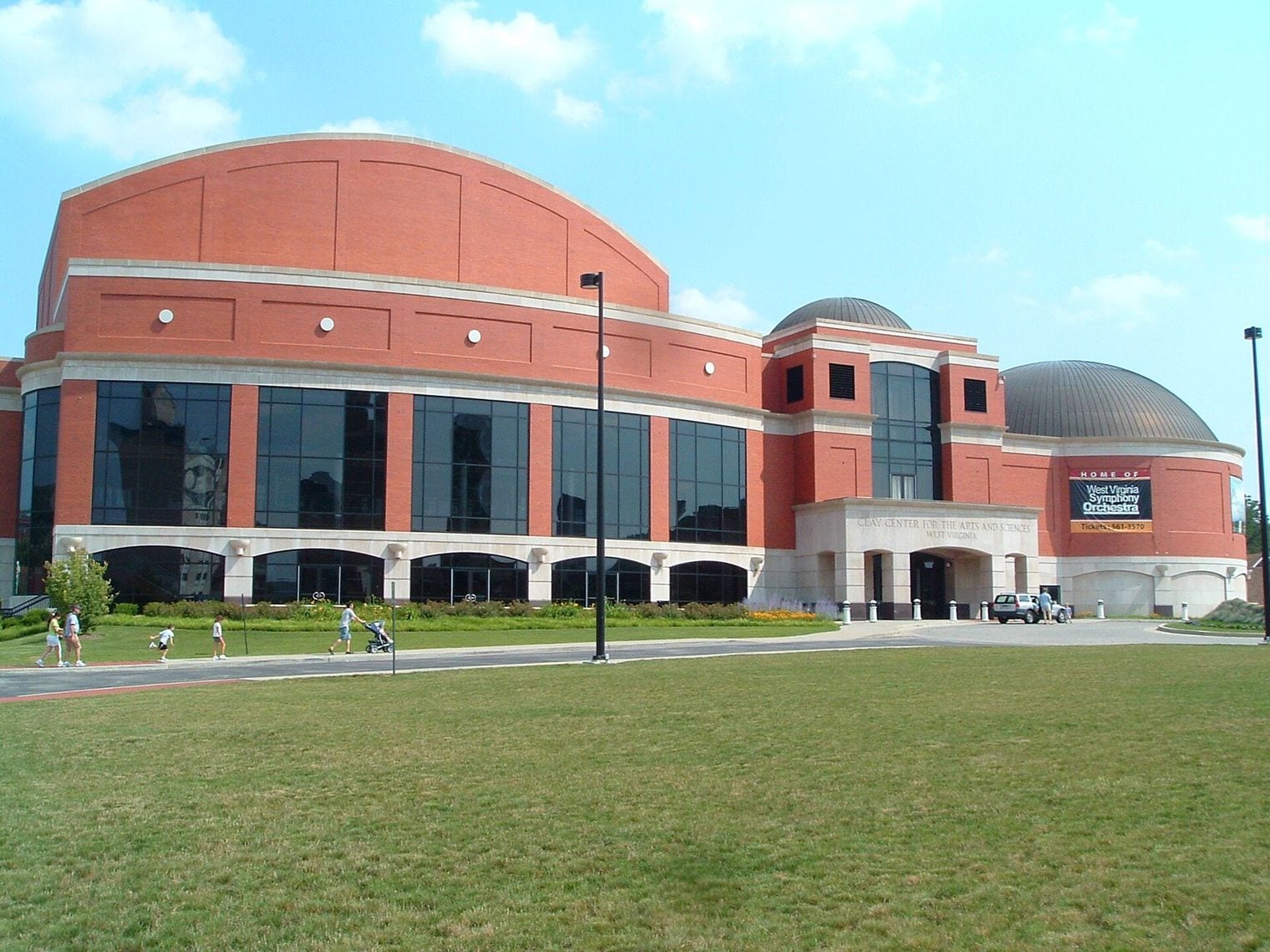
The Clay Center for the Arts and Sciences is Charleston's cultural anchor, a downtown complex that opened in 2003 and puts a science museum, an art museum and a concert hall under one roof. The Avampato Discovery Museum spreads hands-on science exhibits across several floors, and the Caperton Planetarium projects shows and films onto a giant domed screen.
The Juliet Art Museum rotates touring exhibitions alongside pieces from its permanent collection, while the Maier Foundation Performance Hall stages concerts and touring productions. Allow a few hours for the museums, and check the performance calendar in case an evening show fits your trip.
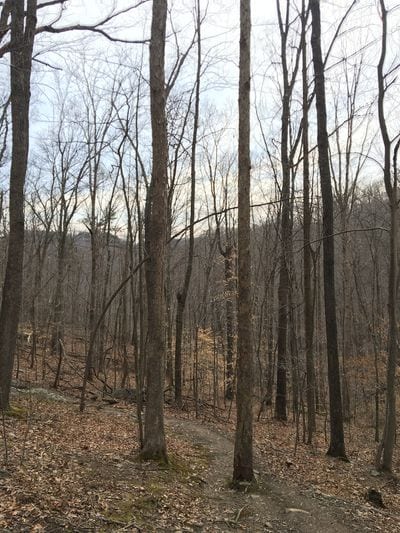
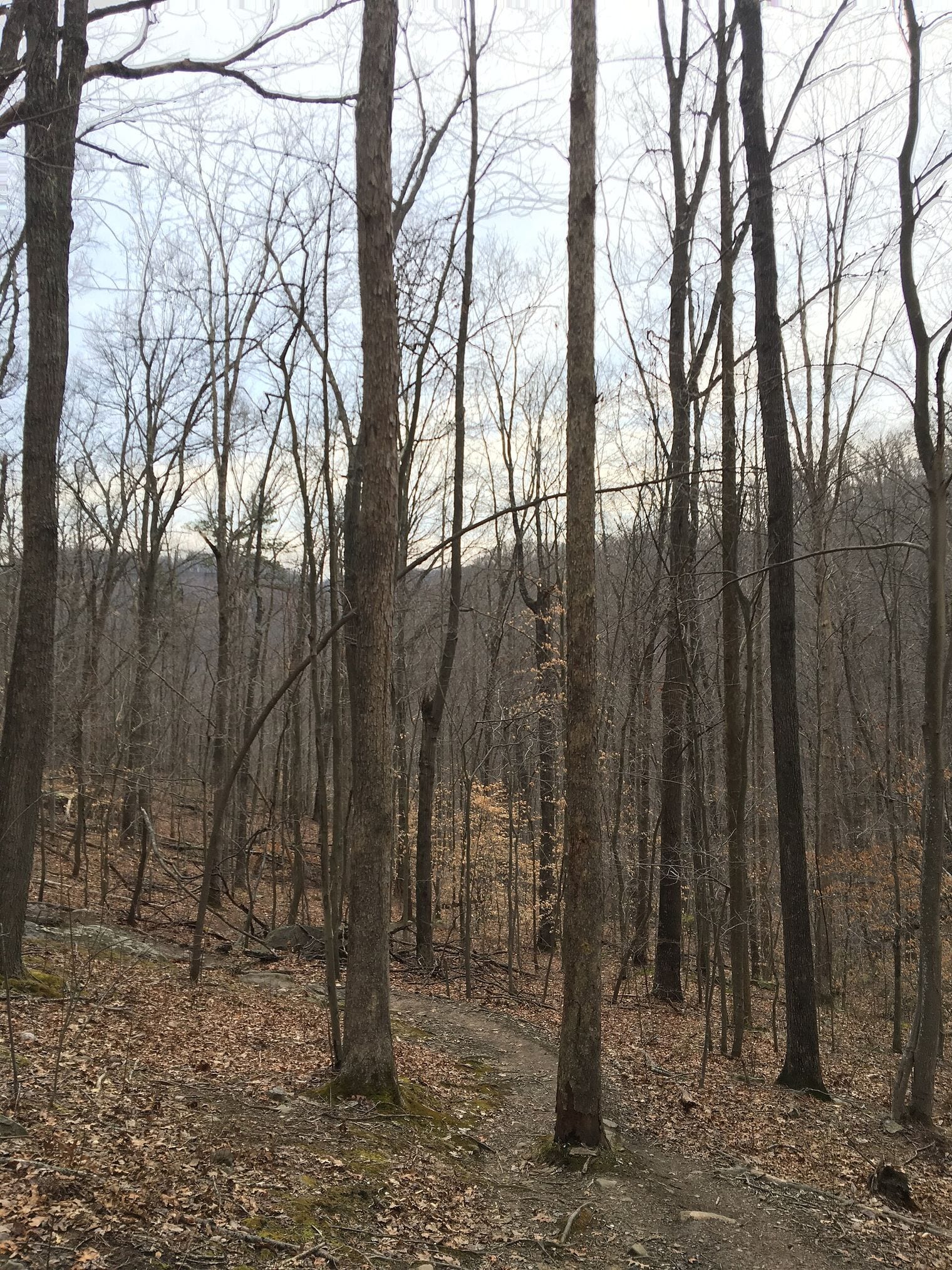
Kanawha State Forest spreads across about 9,300 acres of steep, wooded hollows roughly seven miles south of downtown, a short drive that feels a long way from the city. Although it is still called a state forest, it is run as a state park, with hiking and mountain-biking trails, picnic areas, a campground and a swimming pool.
The trails range from gentle creekside walks to stiff climbs onto the ridges, and spring wildflowers and fall color make the shoulder seasons especially rewarding. Pack a picnic, wear sturdy shoes and check trail and road conditions with the park before you set out.
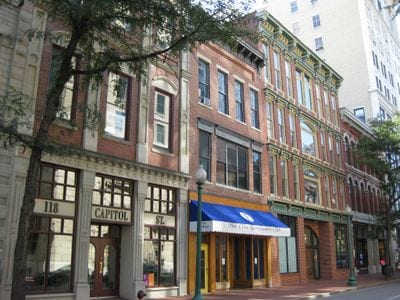
55. Downtown Charleston Historic District and Capitol Street
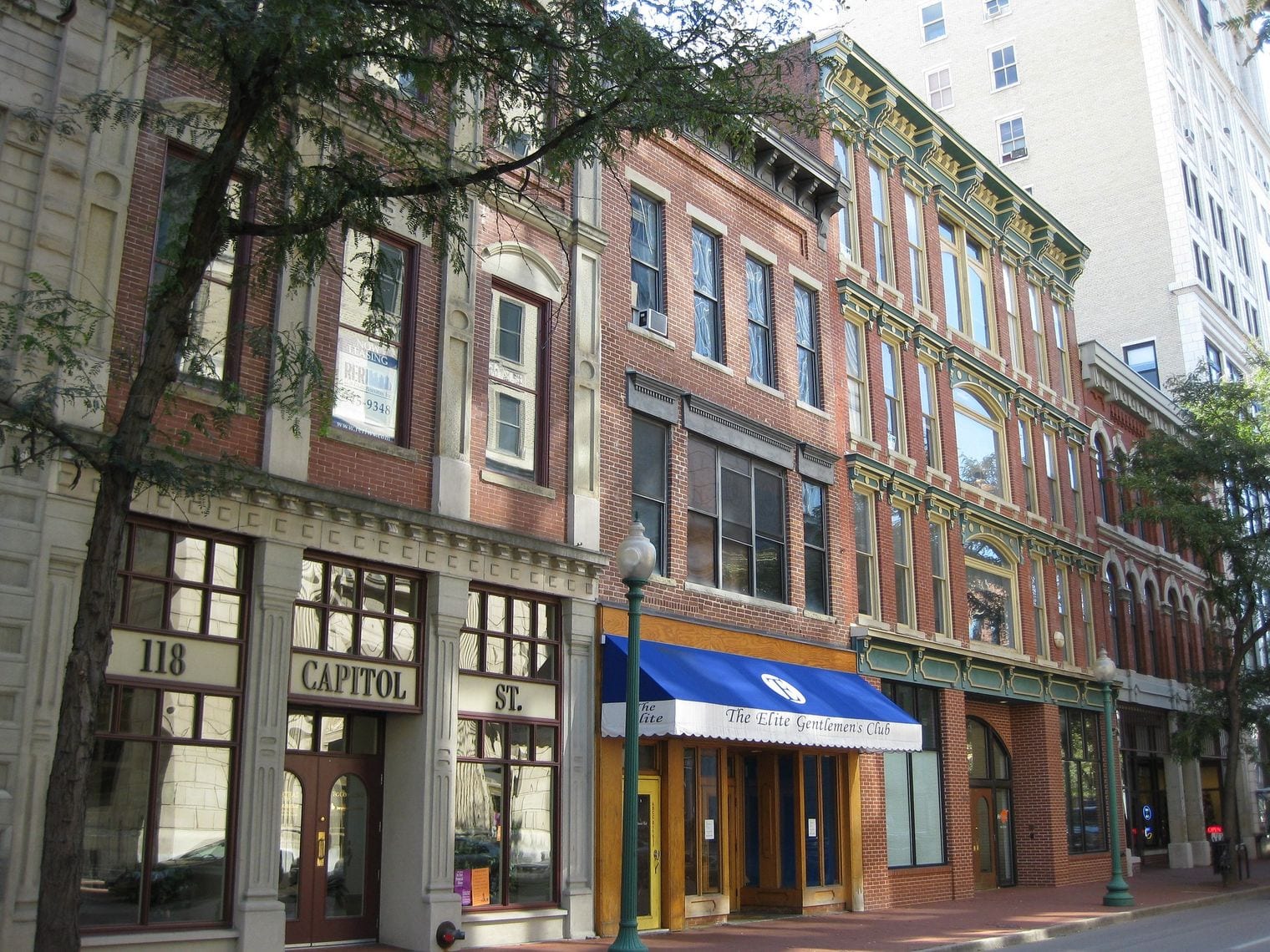
The Downtown Charleston Historic District, listed on the National Register of Historic Places in 2006, gathers Victorian and early-20th-century buildings on the north bank of the Kanawha. Its spine is Capitol Street, a walkable strip of independent shops, cafés and restaurants, with landmarks such as St. John's Episcopal Church and the Basilica of the Co-Cathedral of the Sacred Heart a few steps away.
Look up along the first block of Capitol Street for Mortar Man, a tiny concrete figure squeezing out from between two buildings, and time an evening for the monthly downtown ArtWalk, when galleries and shops stay open late with local art and music.
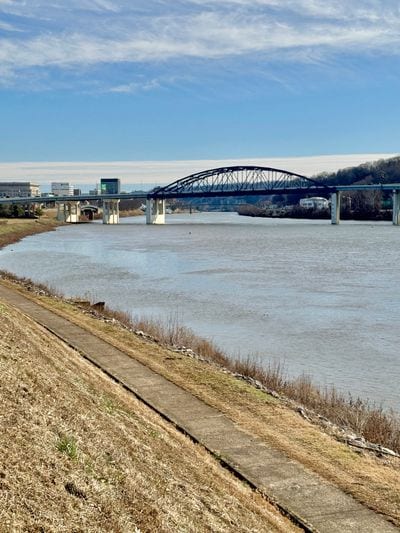
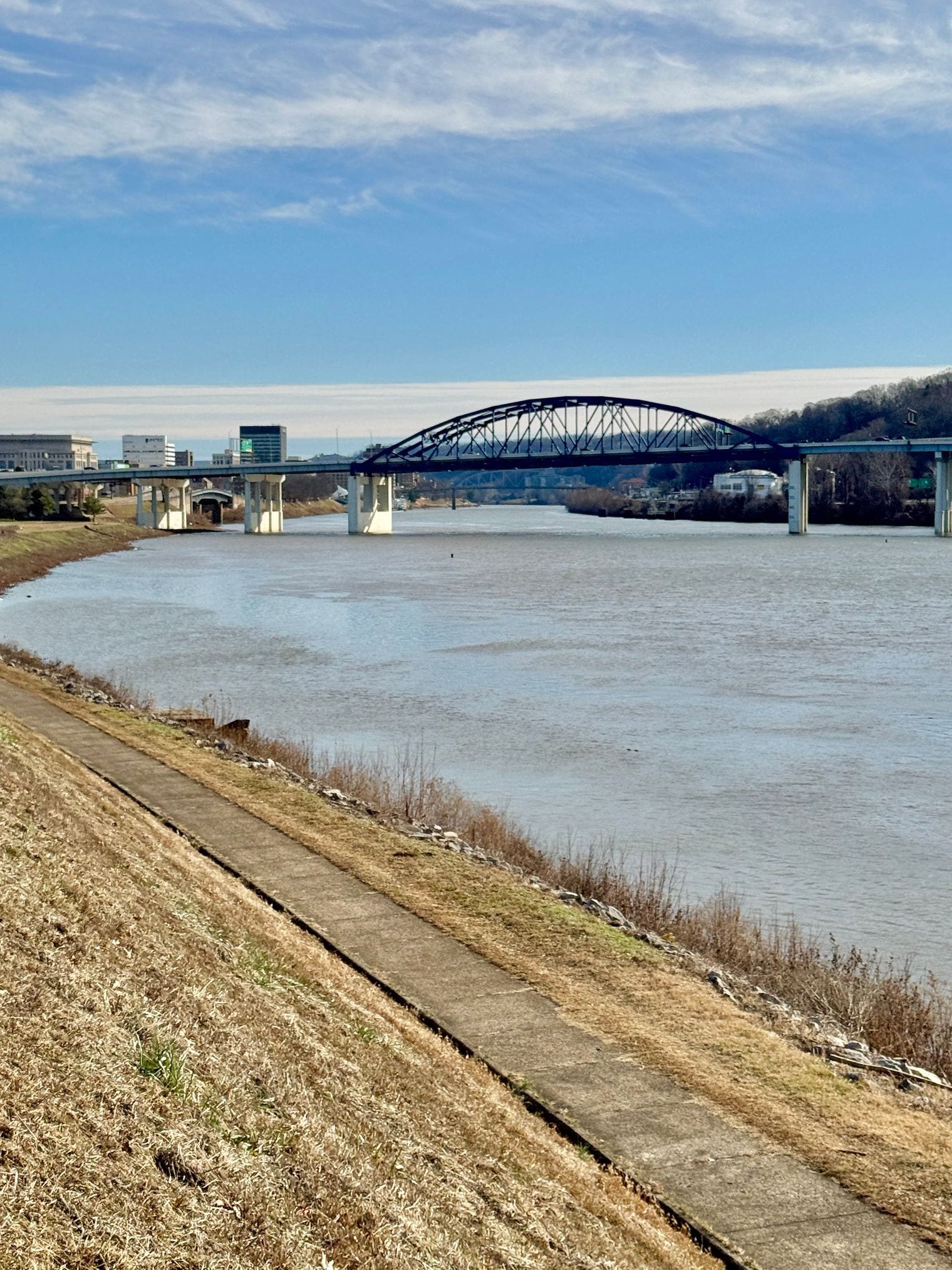
Haddad Riverfront Park lines the Kanawha River at the foot of downtown, between Court and Capitol Streets, with a riverside stage and lawns along the levee. Named for businessman Fred Haddad, it works as the city's front porch, a place to watch barges and boats, stroll the levee or catch the light fading over the river.
In summer the park hosts Live on the Levee, a long-running series of free Friday-evening concerts with food vendors, and it is the natural gathering point for festivals and celebrations through the year. It sits a short walk from Capitol Street, so it pairs easily with a downtown stroll.
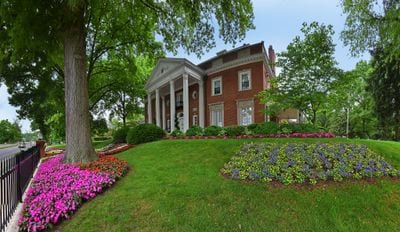
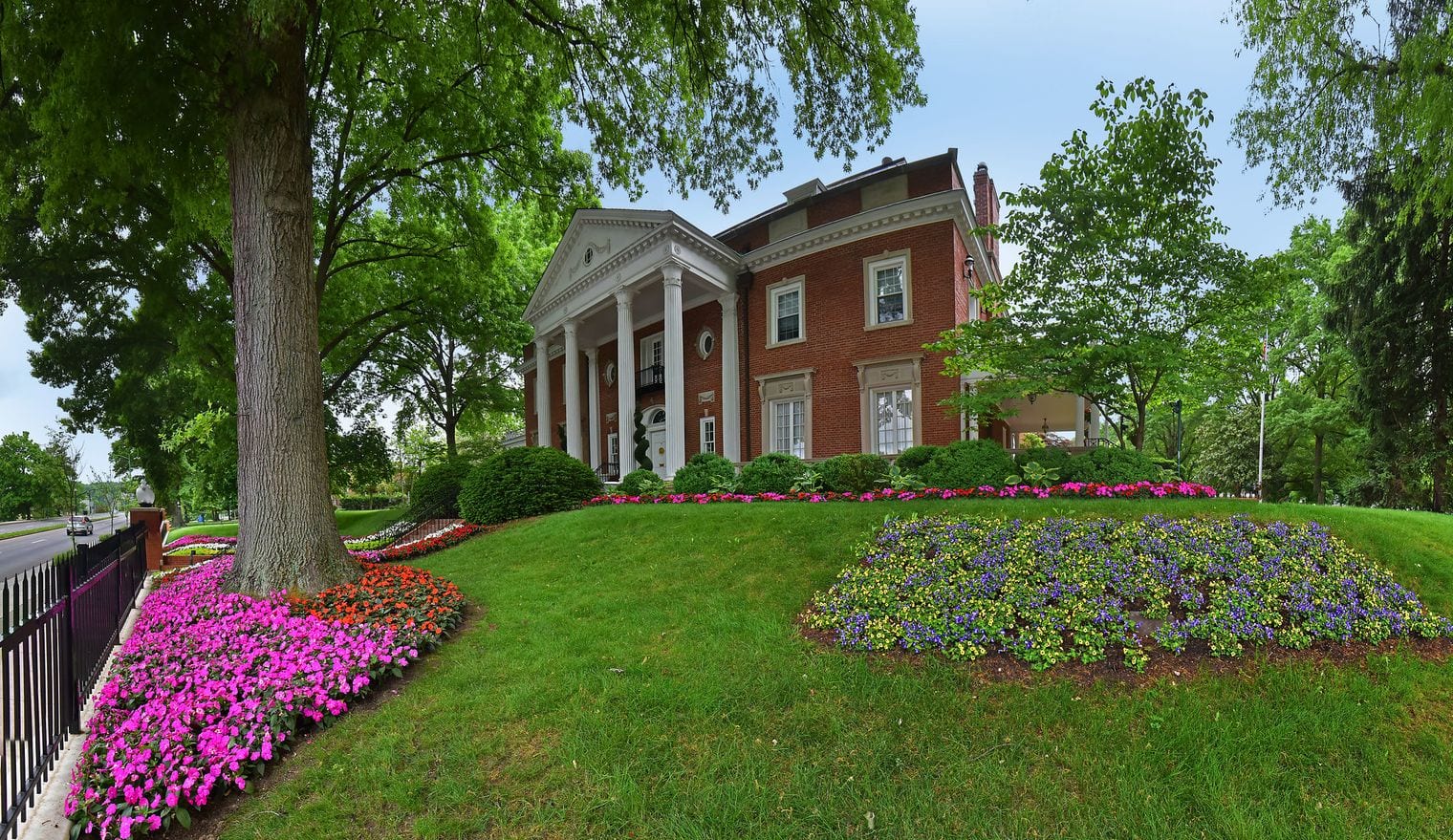
Next door to the Capitol, the West Virginia Governor's Mansion is a red-brick Georgian Revival residence completed in 1925 to designs by Charleston architect Walter F. Martens. It is still the governor's official home, but the state opens it for free guided tours by reservation.
The foyer was inspired by the White House, with a black-and-white checkered marble floor and twin staircases, and the first floor holds the drawing room, ballroom and state dining room. Book the mansion and the Capitol tours together for a morning on the complex, then walk the riverfront along Kanawha Boulevard.
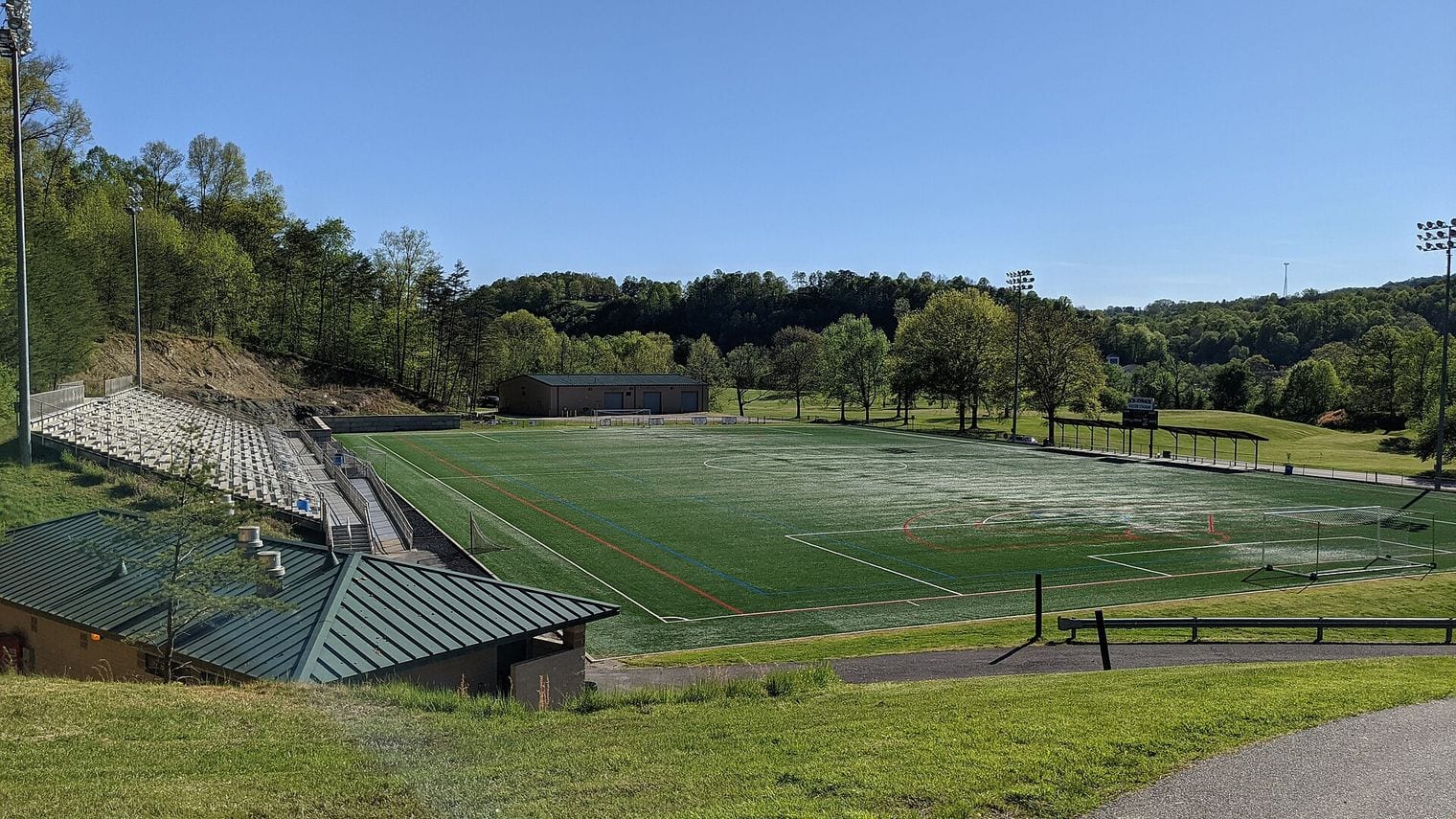
Coonskin Park covers more than a thousand wooded acres along the Elk River just north of the city line, next to Yeager Airport. Run by Kanawha County, it is where locals go to play, with a golf course, a stocked fishing pond, tennis courts, a skate park, picnic shelters and hiking trails.
The park also has an amphitheater, a soccer stadium and an outdoor pool for summer days, so it suits families who want a mix of activities in one place. Come for an easy afternoon outdoors without a long drive, and bring a fishing rod or a picnic.
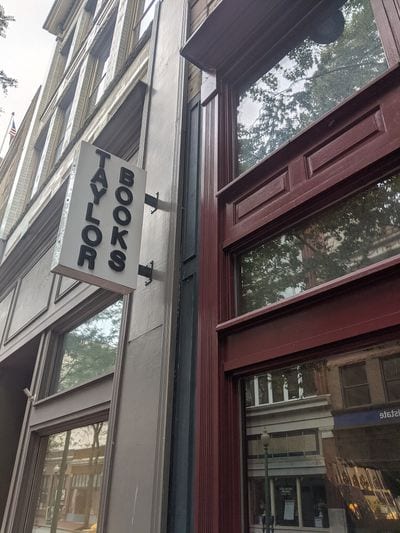
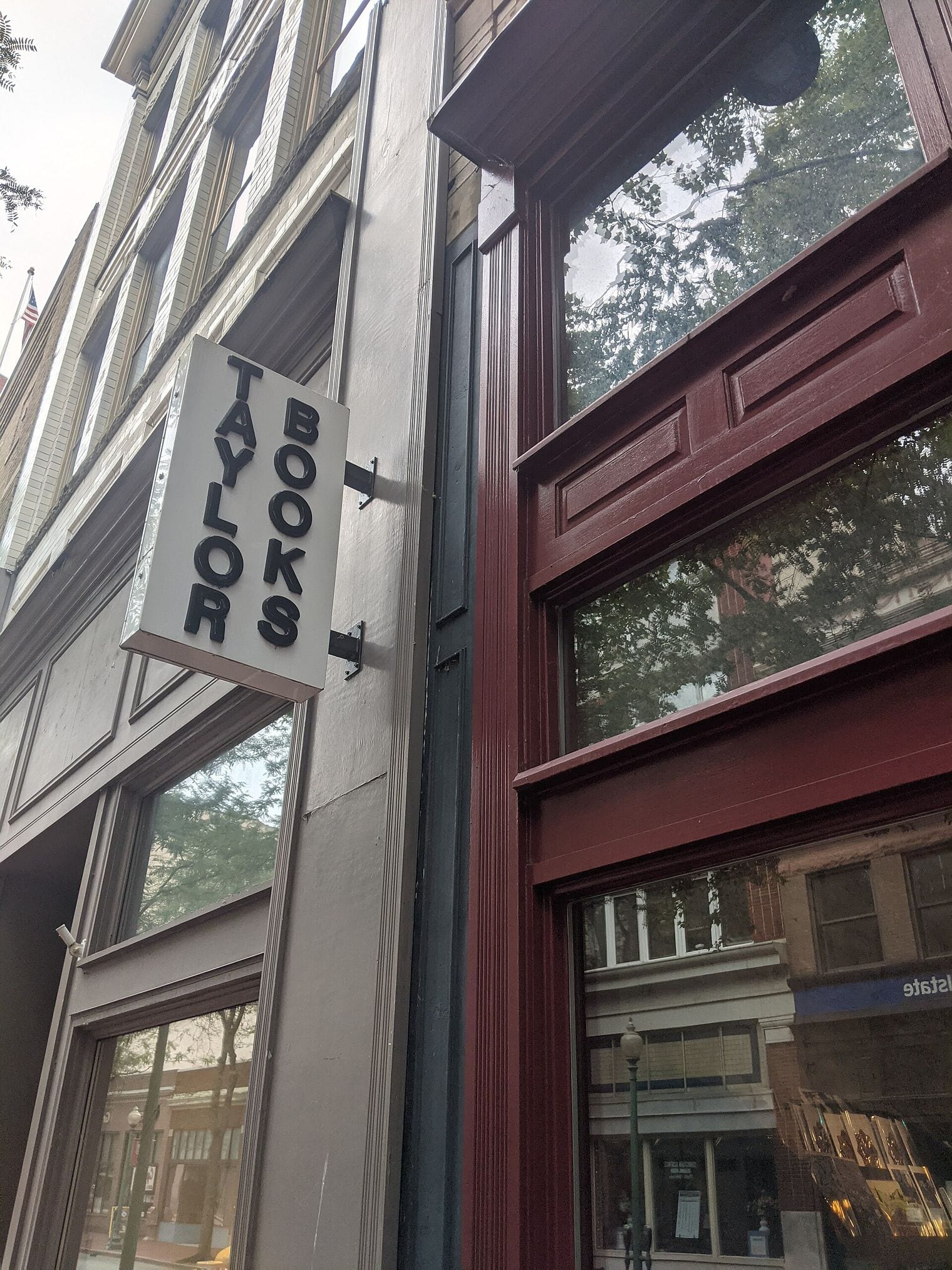
Taylor Books is the independent bookshop credited with helping bring Capitol Street back to life after it opened in 1995, when much of the street stood empty. Its shelves lean toward Appalachian writers and regional culture, and the red ceiling of the old building gives the café and shop a warm, unhurried feel.
The Annex Gallery shows local art, a small stage hosts readings and acoustic sets, and the store has long been a favorite venue for author talks. Grab a coffee, browse for a West Virginia novel or a book of mountain poetry, and linger over it in the café.
Free printable checklist of all 20 places
Tick them off as you go. Confirm your email to download it, plus one email every Thursday with new guides for the places you tick.
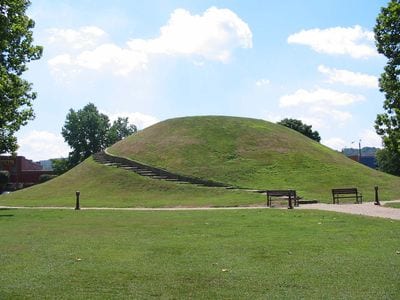
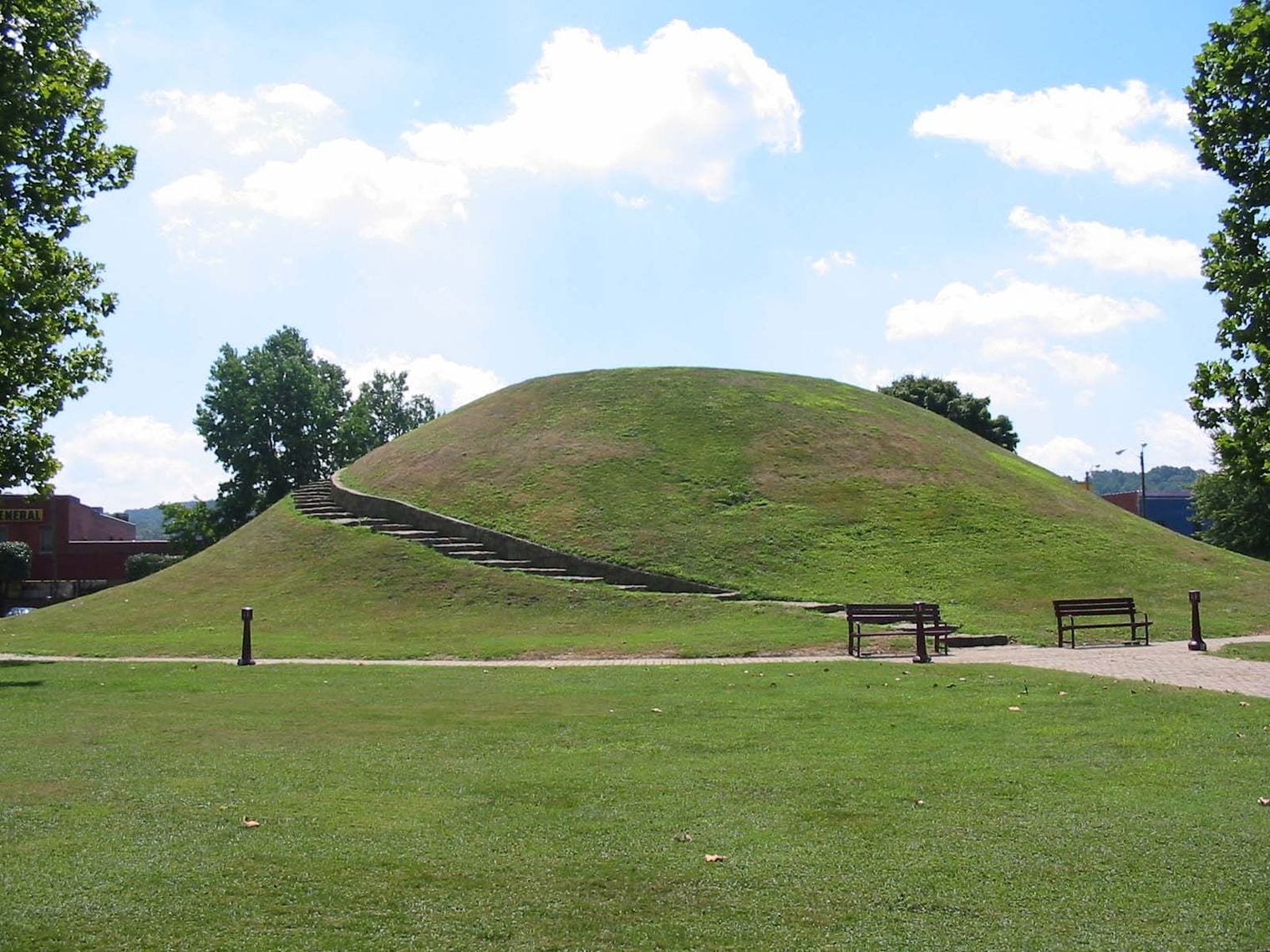
Criel Mound, in neighboring South Charleston a few miles downriver, is one of the few survivors of the Kanawha Valley's prehistoric earthworks. The Adena people probably raised it between about 250 and 150 BC as a burial mound, and it is the second-largest such mound in West Virginia after the Grave Creek Mound in Moundsville.
It originally stood about 33 feet high, until residents leveled its top in 1840 to build a judges' stand for horse races run around its base. Today the grassy mound rises from a small green in South Charleston, an easy and thought-provoking stop on the way into or out of the city.
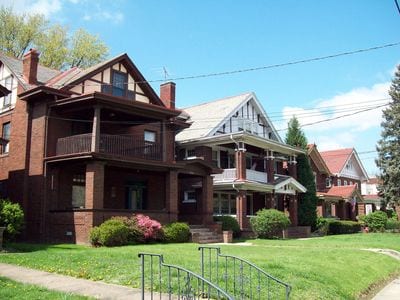
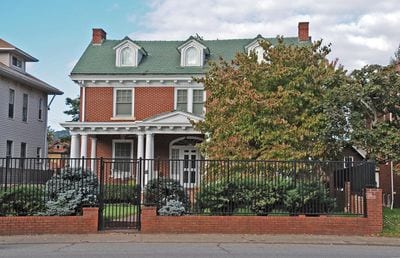
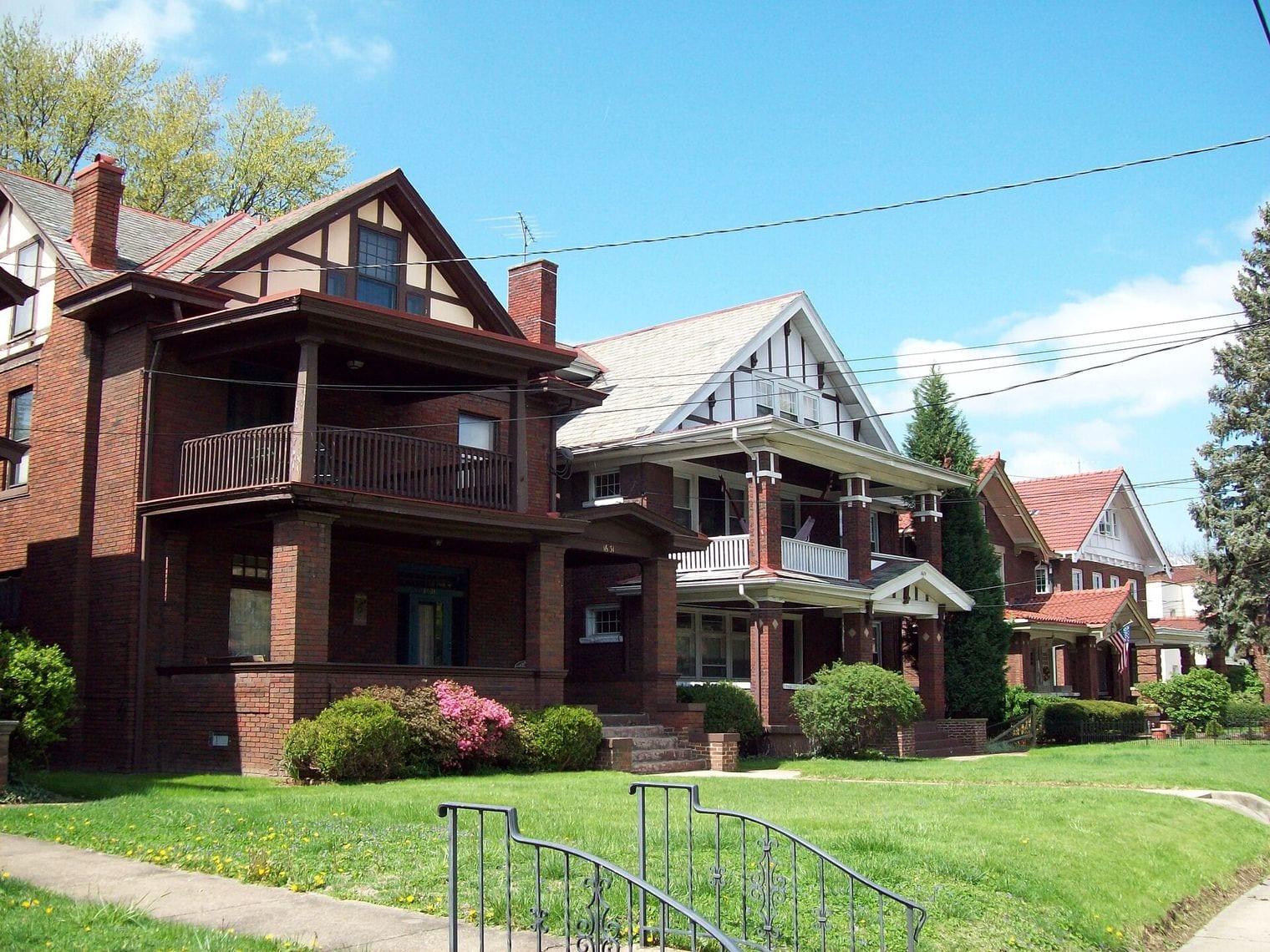
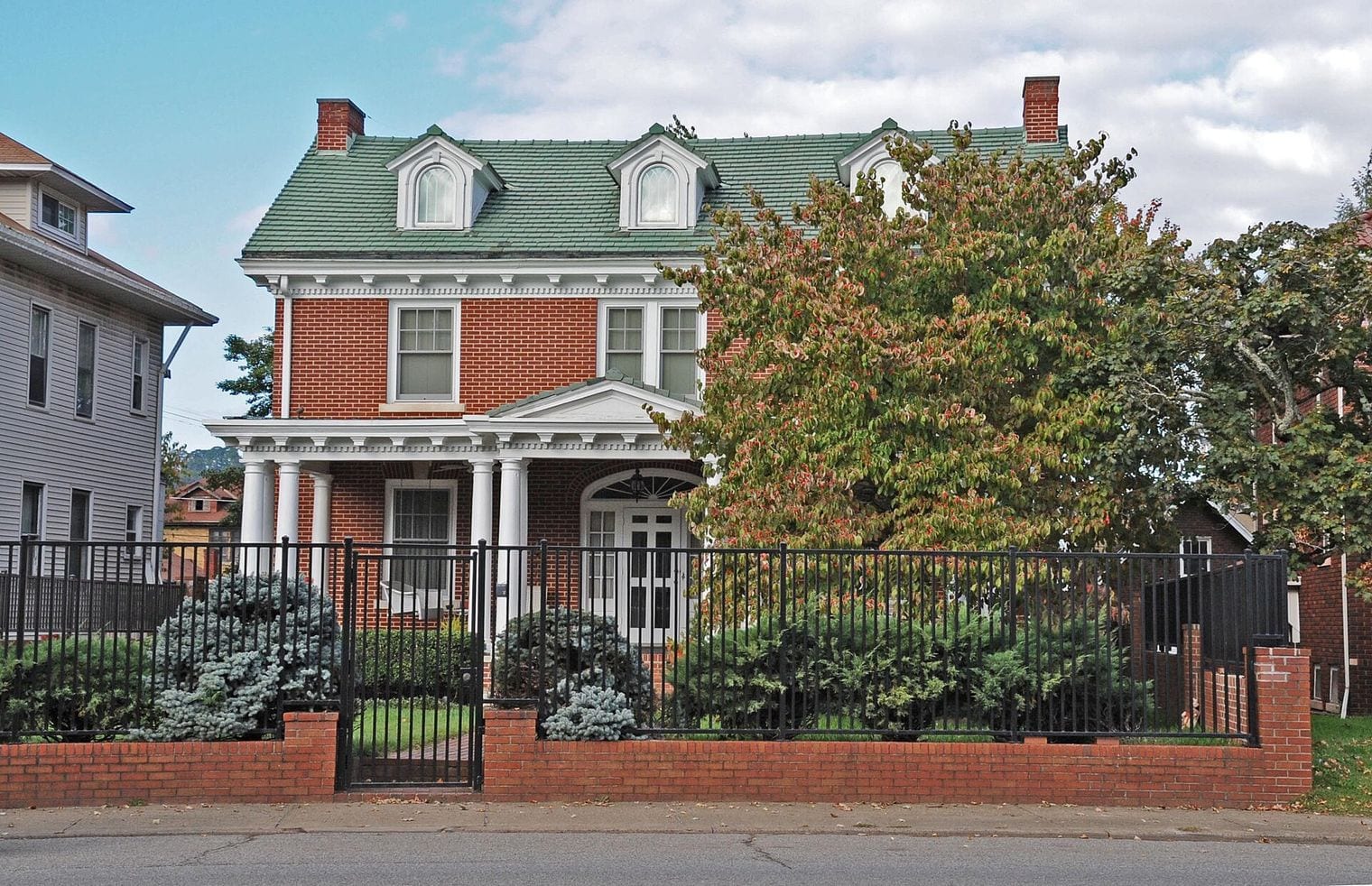
The East End Historic District is Charleston's grand old residential quarter, spread across the river flats east of downtown between the Kanawha River and Washington Street, with the Capitol complex at its center. Listed on the National Register of Historic Places in 1971 and enlarged in 2014, its streets, including Kanawha Boulevard East, Quarrier, Virginia and Greenbrier, are lined mostly with two- and two-and-a-half-story brick homes.
Walk it for a tour of American house styles, from surviving Greek Revival homes and Victorian Queen Annes to Georgian, Neo-Classical, Prairie and bungalow designs, with the gold dome of the Capitol rising at the end of block after block. Look for Holly Grove, an 1815 mansion counted as the oldest house in the East End, and finish with a stroll along the riverfront boulevard.
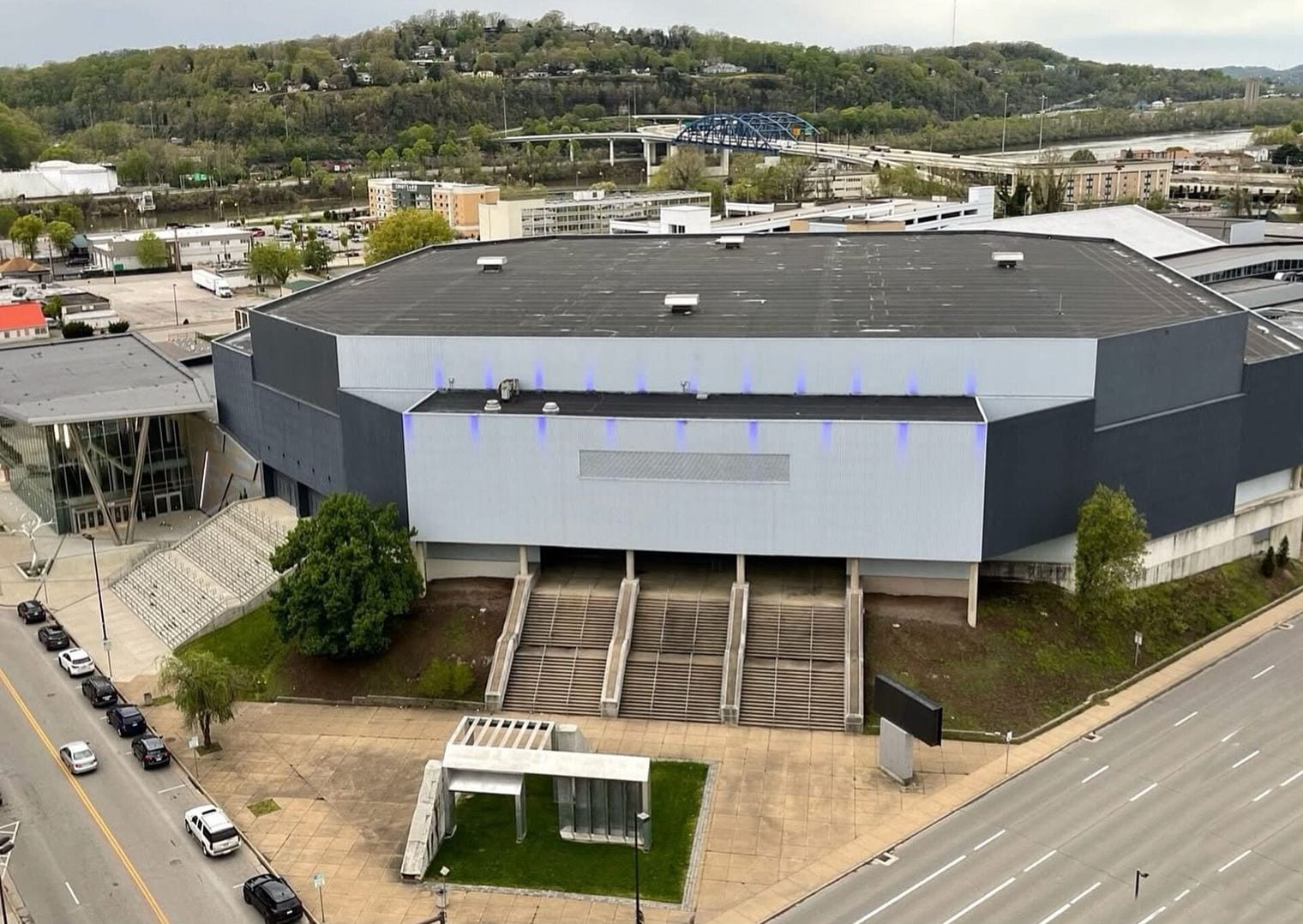
The Charleston Coliseum & Convention Center opened in 1959 as the Charleston Civic Center and remains the city's main arena and event complex, on the western edge of downtown near the Elk River. Its coliseum hosts touring concerts, family shows and sporting events, while the convention halls fill with trade shows and expos.
Check the events calendar when you plan your trip, because a big show here makes for one of the liveliest nights out in town. Downtown's restaurants and Capitol Street are a short walk away, so dinner before the show is easy.
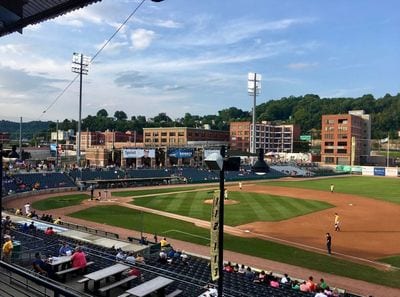
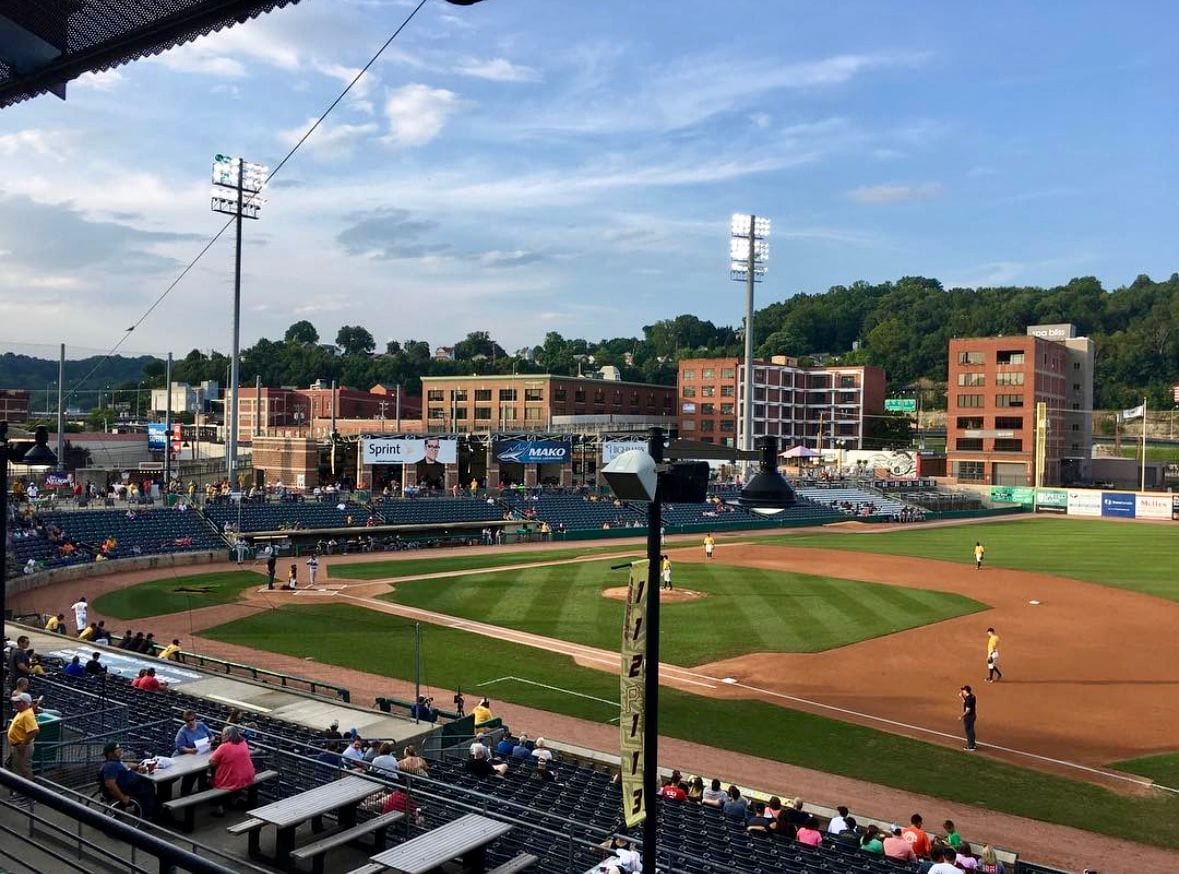
GoMart Ballpark opened on the East End in 2005 as Appalachian Power Park and is home to the Charleston Dirty Birds of the Atlantic League of Professional Baseball. It seats about 4,500 fans, so every seat feels close to the action.
A summer evening game is one of the most relaxed things to do in Charleston, with ballpark food, between-innings fun and a friendly crowd of locals. Check the team's schedule when you plan your visit, and arrive early to wander the concourse before the first pitch.
Magic Island is a grassy point of land where the Elk River meets the Kanawha, once a true island and now joined to the mainland, with Kanawha Boulevard separating it from the West Side. Its name comes from the way it seemed to vanish and reappear as the river level rose and fell.
Today it serves as a public park with open lawns and a sandy stretch at its eastern tip, making it a good spot for a picnic, a riverside walk or simply watching the water. Pair it with the nearby Elk City and Luna Park districts for an afternoon on the West Side.
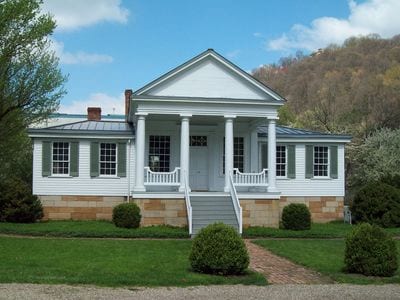
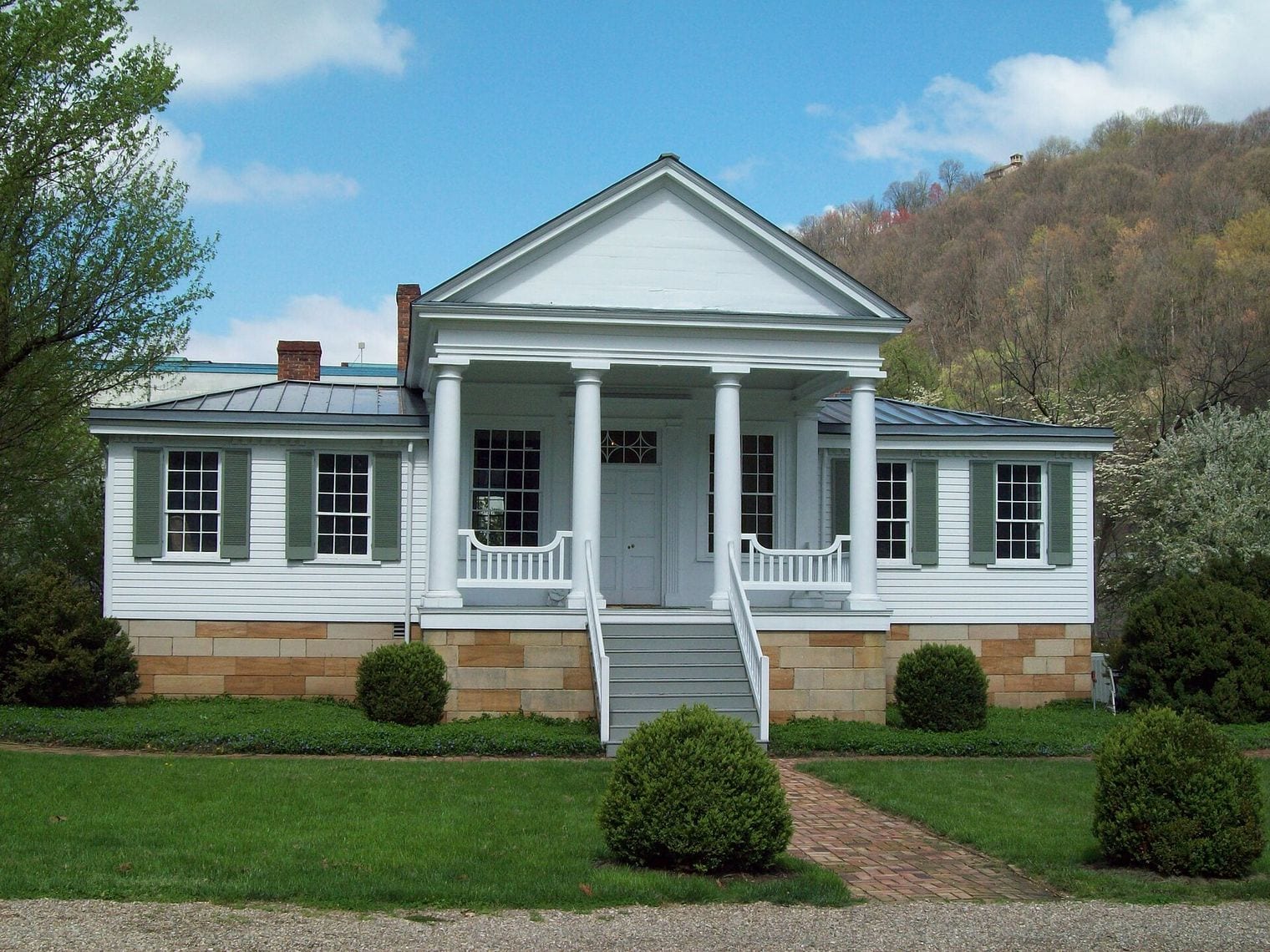
The Craik-Patton House is a Greek Revival home built in 1834 by the Rev. James Craik, grandson of George Washington's physician, and later home to Col. George S. Patton, grandfather of the World War II general. Moved to Daniel Boone Park on Kanawha Boulevard East in 1973 to save it from demolition, it is now a museum of period furnishings and Kanawha Valley history.
Nearby in the park stands the reconstructed Ruffner log cabin, built in 1803 and said to be among the oldest surviving houses in Kanawha County. Guided tours of the house are offered, so check ahead before you go, and the riverside park makes a pleasant stop on a drive along the boulevard.
The Sunrise Carriage Trail climbs about two-thirds of a mile and some 180 feet from MacCorkle Avenue on the South Side to Sunrise, the 1905 hilltop mansion of Gov. William A. MacCorkle. Built to haul stone up to the house and later used as its private drive, the path now belongs to the city and makes one of Charleston's favorite short walks.
Along the way, look for a memorial to two women shot as spies during the Civil War and buried near the route, and a shrine MacCorkle raised in memory of his daughter Isabelle. The mansion at the top is privately owned and closed to the public, but the shaded climb is reason enough.
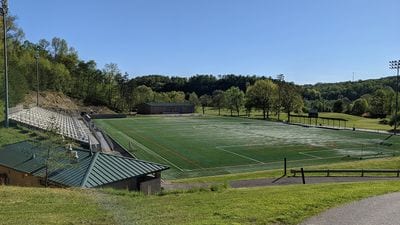
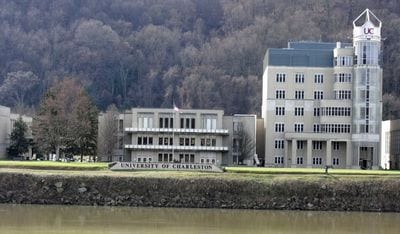
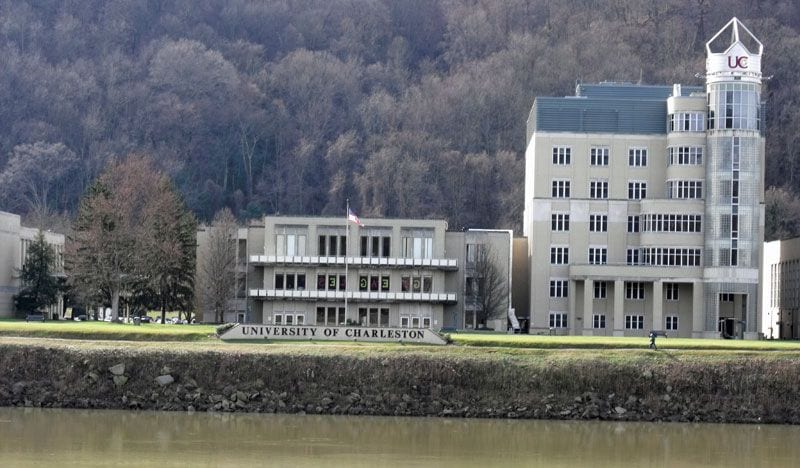
The University of Charleston sits on the south bank of the Kanawha in Kanawha City, directly across the river from the State Capitol, on the campus it has occupied since 1947. Founded in 1888, the private university is worth a stop above all for its riverfront setting and the view across the water to the gold dome.
Walk the campus paths, catch a home game by one of its NCAA Division II teams, or use the riverbank as a vantage point for photographs of the Capitol as the light softens in the evening. It is a short drive or bike ride over the bridge from the East End.
The Elk City Historic District is the old commercial heart of Charleston's West Side, a compact run of late-19th- and early-20th-century storefronts centered on West Washington Street near the Elk River. Developed as a business district before Charleston annexed the area in 1895, it was listed on the National Register of Historic Places in 2008.
Today its brick blocks are a focus of the West Side's revival, with independent shops, galleries, cafés and restaurants worth browsing. Walk it together with the residential streets of Luna Park for an easy afternoon on the far side of the Elk.
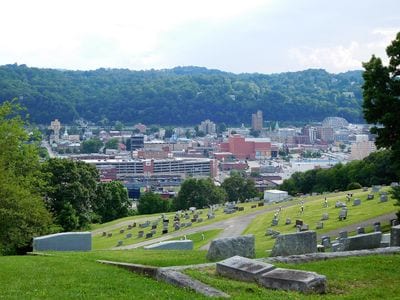
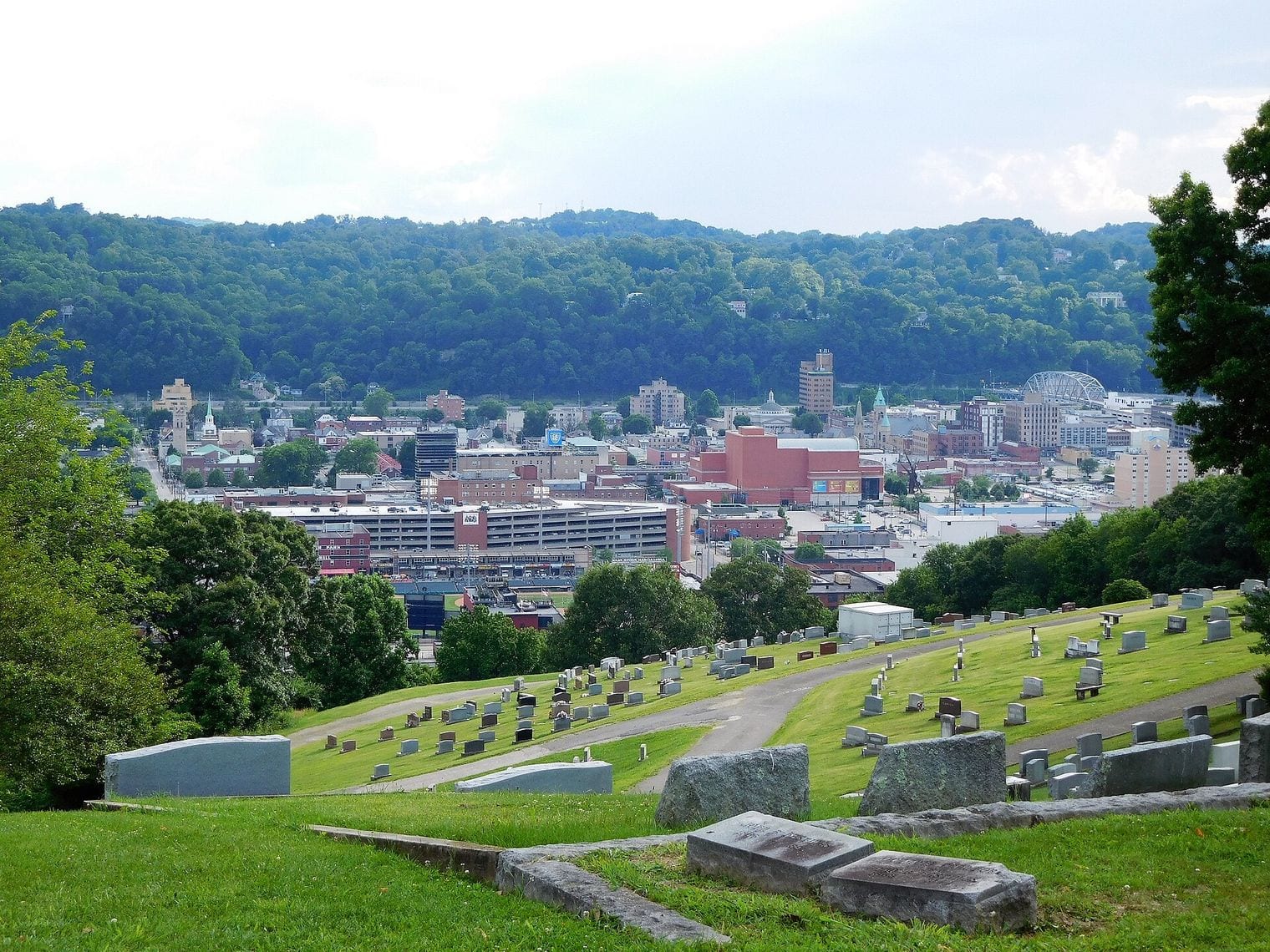
Spring Hill Cemetery, established in 1869, spreads across landscaped hills overlooking central Charleston and anchors a 172-acre historic district that is the state's largest cemetery complex. Its winding lanes lead past a 1910 mausoleum and the graves of three West Virginia governors and several congressmen.
Come for the quiet, the old trees and the views over the city from the hilltops, especially when the leaves turn in fall. It rewards a slow walk or drive, and history buffs can spend an hour tracking down the notable graves.
The Luna Park Historic District is a residential West Side neighborhood built mostly in the 1920s and early 1930s, partly on the site of Luna Park, an amusement park that operated from 1912 until 1923. Listed on the National Register of Historic Places in 2012, it counts more than 400 contributing buildings.
Stroll its blocks for a catalog of interwar American house styles, from Foursquares and Craftsman bungalows to Tudor Revival and Dutch Colonial Revival homes. Combine it with nearby Elk City and Magic Island for a relaxed West Side walking afternoon.
Plan your trip
Best Time to Visit Charleston
Late spring through early fall is the easiest time to visit. Summer brings outdoor concerts on the riverfront, ballgames on the East End and the citywide FestivALL arts festival, though the river valley can be hot and humid in July and August. Late spring is greener and milder, and the trails in Kanawha State Forest are at their best.
Fall is the most scenic season, when the wooded hills around the city turn color, usually peaking in October. Winter is quiet and occasionally snowy, but the Capitol, the Clay Center and the downtown shops stay open year-round.
Getting to Charleston
Charleston is the crossroads of West Virginia: I-64, I-77 and I-79 all converge on the city, so it is an easy drive from Kentucky and Ohio to the west, Beckley and the Carolinas to the south, and Clarksburg and Morgantown to the north. Yeager Airport (CRW) sits on a hilltop about three miles east of downtown and has commercial service to major hub airports.
For more flight choices, the larger airports in Columbus, Ohio, and Pittsburgh are roughly three to three and a half hours' drive away. Amtrak's long-distance Cardinal route also stops at a station on the south bank of the Kanawha, just across the river from downtown.
Getting Around Charleston
Downtown is compact and easy to walk, and the Capitol Street shops, Haddad Riverfront Park, the Clay Center and Capitol Market all sit within a few blocks of one another. The riverfront along Kanawha Boulevard makes a pleasant walk or bike ride out to the Capitol complex and the East End.
A car is the simplest way to reach everything else, including Kanawha State Forest, Coonskin Park, Criel Mound and the Sunrise Carriage Trail. Local buses link downtown with the surrounding neighborhoods, rideshares are available, and parking downtown is generally straightforward in garages and on the street.
Where to Stay in Charleston
Downtown is the best base for a first visit, putting you within walking distance of Capitol Street, the Clay Center, the Coliseum and the riverfront. The East End is quieter and close to the Capitol complex and the ballpark.
Across the river, Kanawha City has a string of chain hotels along MacCorkle Avenue near the University of Charleston, and the interstate exits around the city offer more budget-friendly options for drivers passing through.
Where to Eat in Charleston
Capitol Market is the place to start, with local produce, meats, coffee and casual counters under one roof. Downtown along Capitol Street and the surrounding blocks has the biggest mix of cafés, bars and sit-down restaurants, while the West Side's Elk City district is the place for independent spots and a younger crowd.
Look out for West Virginia staples: pepperoni rolls, hot dogs topped with chili and coleslaw, and, in spring, dishes made with ramps, the wild leeks foraged from the Appalachian hills.
Day Trips from Charleston
The most rewarding day trip is New River Gorge National Park and Preserve, about an hour southeast, where the New River Gorge Bridge spans the canyon, trails lead to cliff-top overlooks and the small town of Fayetteville makes a lively base. On the way, Hawks Nest State Park near Ansted has a dramatic overlook down into the gorge.
Huntington, about an hour west on I-64, adds the Ritter Park Rose Garden and the Huntington Museum of Art. Heading north on I-77, the river town of Marietta, Ohio, is roughly an hour and a half away, and Point Pleasant, where the Kanawha meets the Ohio, is about an hour northwest. For a longer loop, the guide to West Virginia's small towns covers the mountain towns within easy reach.
One Day in Charleston
Morning
Start on the Capitol complex with a guided tour of the West Virginia State Capitol, then cross the lawn to the West Virginia Governor's Mansion if you have booked a slot. Walk back toward downtown along the riverfront on Kanawha Boulevard.
Charleston is best known as West Virginia's capital, with the gold-domed West Virginia State Capitol on the Kanawha River as its signature sight. Visitors also come for Capitol Market in its old rail freight house, the Clay Center's museums and planetarium, the historic downtown around Capitol Street and the trails of nearby Kanawha State Forest.
How many days do you need in Charleston, WV?
One full day covers the essentials: the Capitol and Governor's Mansion, Capitol Market, Capitol Street and the Clay Center. Two days lets you add a hike in Kanawha State Forest, a walk through the West Side's Elk City and Luna Park districts, and Criel Mound, or a day trip to the New River Gorge.
What can you do in Charleston, WV for free?
Plenty. The State Capitol and Governor's Mansion both offer free guided tours, and Haddad Riverfront Park hosts free summer concerts. You can also walk Capitol Street and the downtown historic district, picnic on Magic Island, climb the Sunrise Carriage Trail, explore Spring Hill Cemetery and visit the prehistoric Criel Mound in South Charleston.
Is Charleston, West Virginia the same as Charleston, South Carolina?
No. Charleston, West Virginia, is the state capital in the Appalachian hills where the Elk and Kanawha rivers meet, while Charleston, South Carolina, is a coastal city several hundred miles away. This guide covers only Charleston, West Virginia, so double-check the state when you book flights, hotels or tickets.
When is the best time to visit Charleston, WV?
Late spring through early fall is best, with riverfront concerts and ballgames in summer and colorful hillsides in October. Fall is the most scenic season for hiking in Kanawha State Forest, while winter is quieter but still good for the Capitol, the Clay Center and downtown, which stay open year-round.
Sources & updates
How this guide was checked
Checked before launch
Sources cited
20
Publishers
14
Every place on this list was confirmed open and pinned on the map before publication, and what we say about each one was checked against its own website or an official source.
A PDF with a box to tick for every place. Confirm your email to download it, and get one email every Thursday with our newest guides for the places you tick.
Free Charleston printable checklist
All 20 places in one PDF
Tick them off as you go. Confirm your email to download it, plus one email every Thursday with new guides for the places you tick.
We use cookies to analyse site traffic and improve your experience.
You can accept or reject analytics cookies. See our
May we use analytics cookies? See ourCookie Policy.