We build and rank every list first. Booking links come after, and only where
a partner sells a ticket, tour or stay for that exact place, so a place with
nothing to book is listed exactly as prominently as one you can book.
So how do we earn? Some links on this page go to booking
partners, and if you book tickets, tours or a stay through
one, we may earn a commission. It costs you nothing extra.
That commission never decides which places make the list, the order they
appear in, or what we write about them. No entry is sponsored or a paid
placement.
By the City Viking editorial teamPublished 30 places · 20 min read
Fact-checked Checked before launchOct 5, 202630 sources20 publishers5 government & parks16 encyclopedias & research9 venues & other sitesPublished · Oct 5, 2026Researched and checked before it went liveClick for every source and the full change log.
Short answer
Madison is known for its isthmus between two lakes, its Big Ten campus and its official city bird, the plastic pink flamingo. Its three defining sights are the Wisconsin State Capitol, the Memorial Union Terrace on Lake Mendota and Olbrich Botanical Gardens on Lake Monona. Two to three days is the sweet spot: Capitol Square, State Street and the campus, then the lakes, gardens and free Henry Vilas Zoo, and the Arboretum or a ballgame.
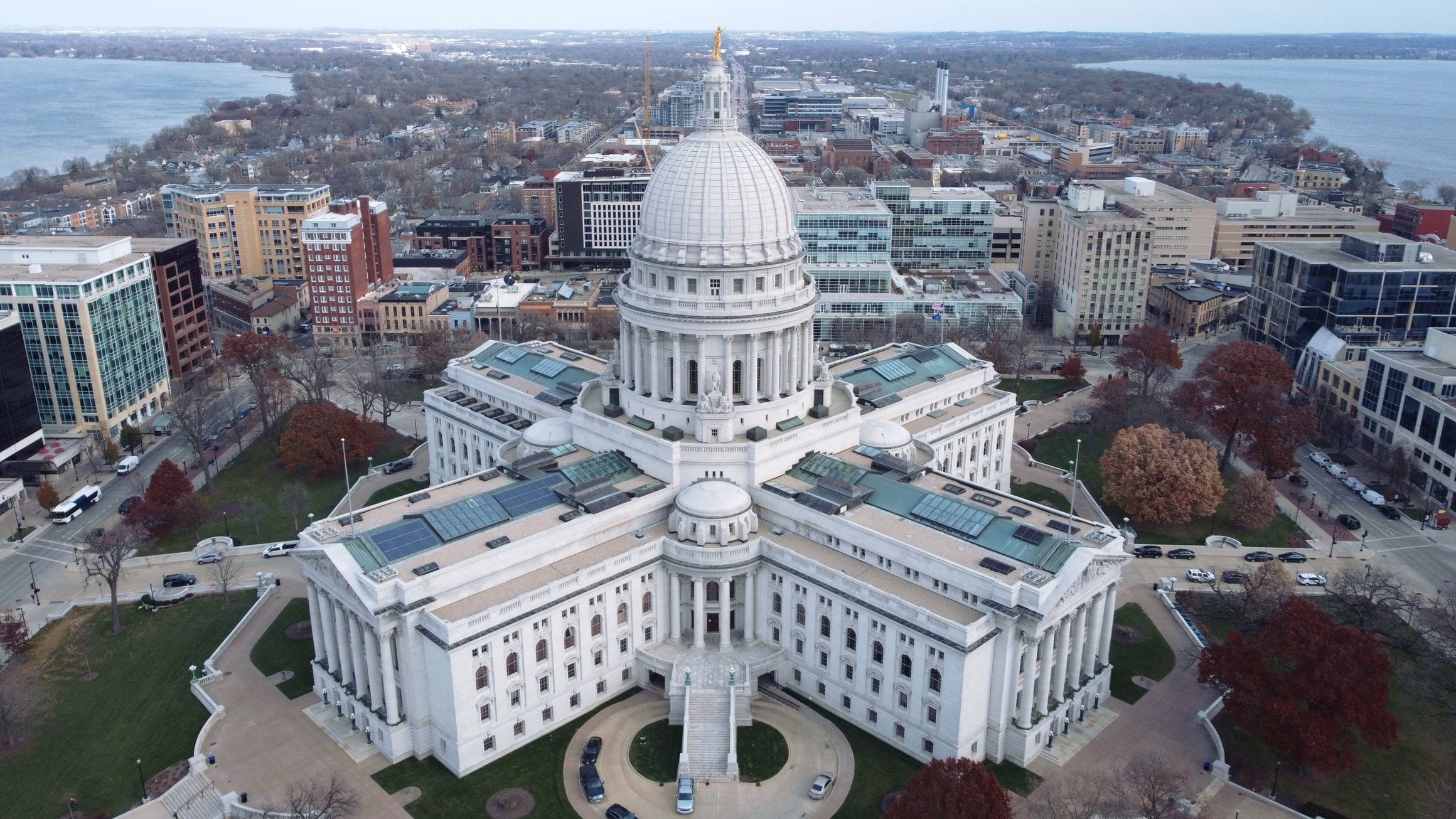
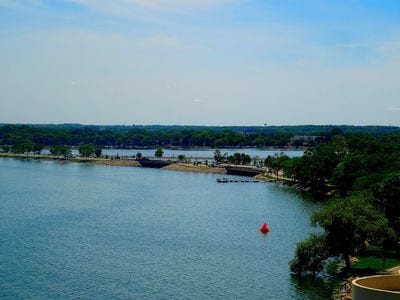
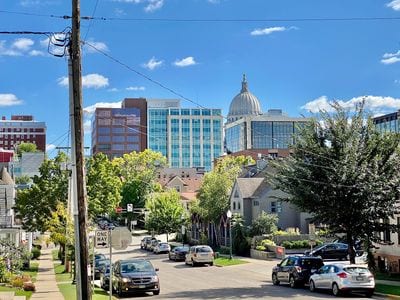
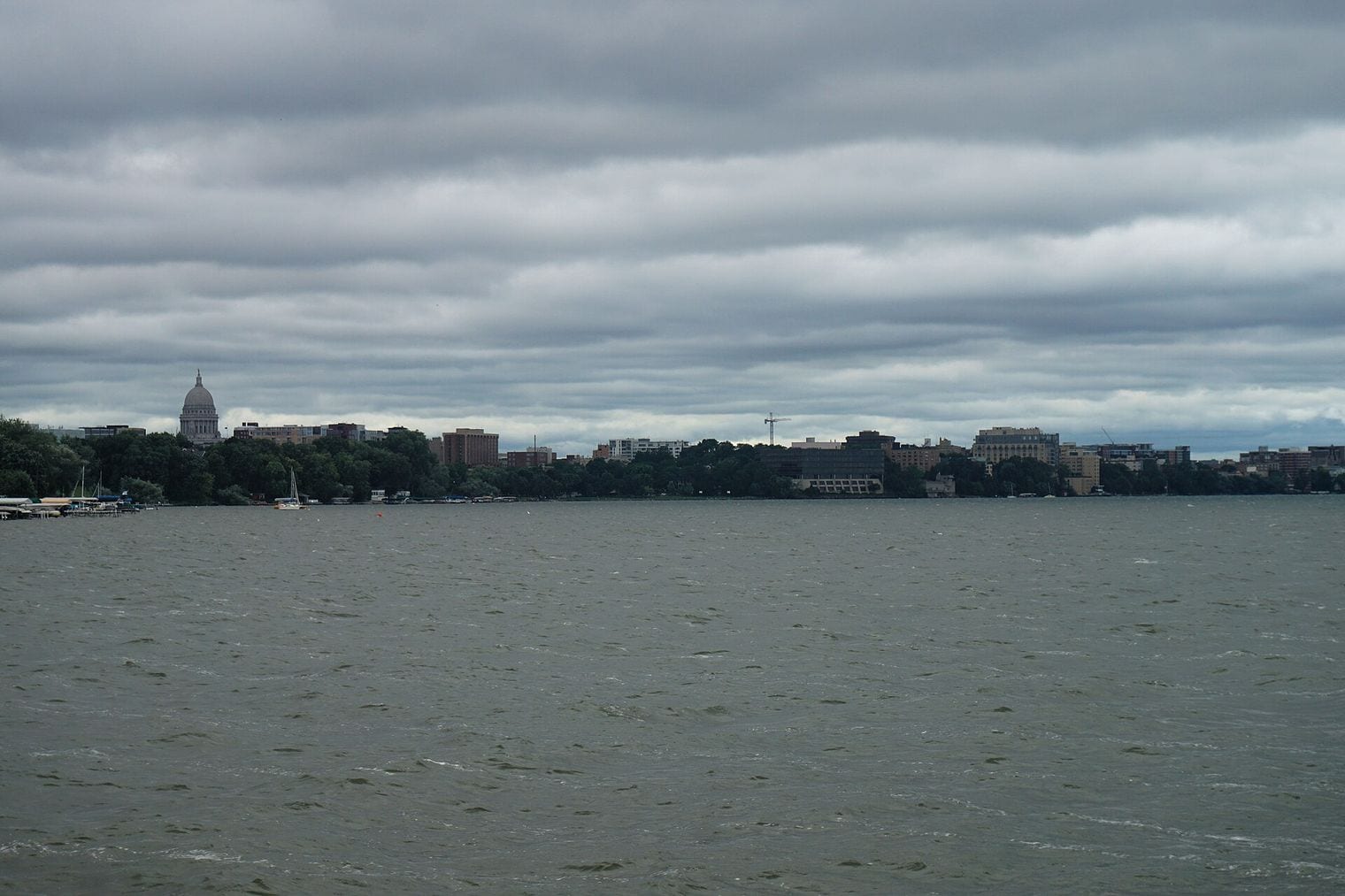
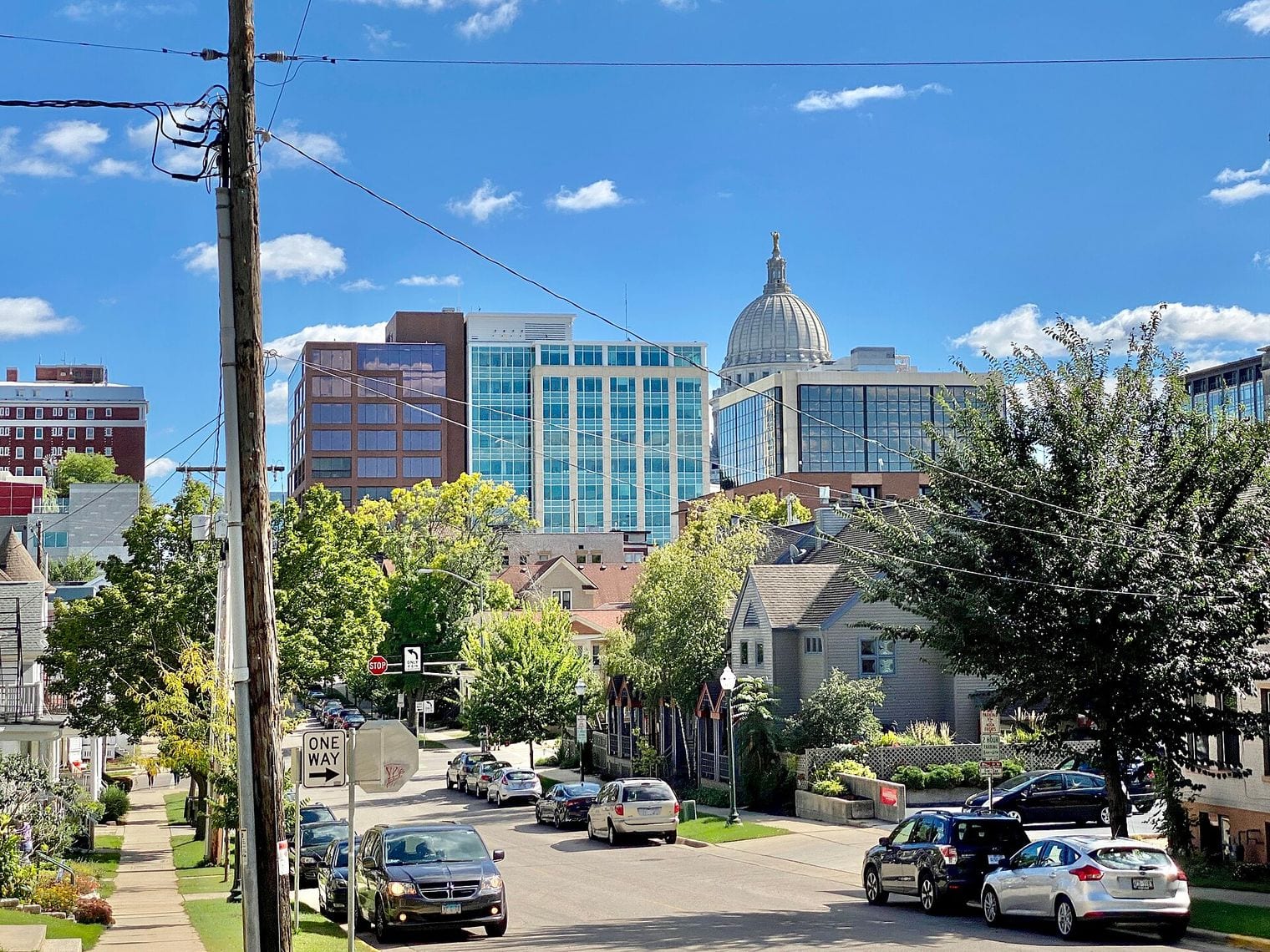
Madison squeezes a state capital, a Big Ten campus and two big lakes onto one narrow isthmus. The Capitol dome closes the view down almost every downtown street, and the water is never more than a few blocks away, so a lakeside path or a beach is part of nearly every day in Wisconsin's capital.
This guide ranks the 30 best things to do in Madison, from the Capitol Square and the campus to gardens, free museums, ballgames and paddling routes. Two to three days covers the highlights, and the city makes a good base for the state's small towns.
The Ho-Chunk name for the area is Teejop, "land of the four lakes" — Mendota, Monona, Waubesa and Kegonsa, the chain the city still sits on.
Madison became the capital in 1836 partly thanks to lobbying with buffalo robes: founder James Duane Doty offered them to freezing legislators, along with discounted lots in a city that still existed mostly on paper.
A state law keeps the Capitol the tallest building in town: nothing within a mile of it may rise above the 187-foot columns around its dome.
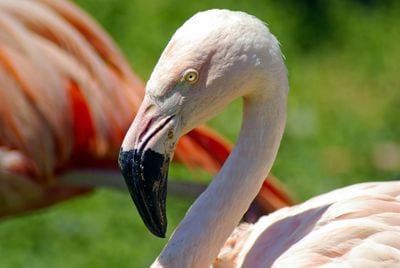
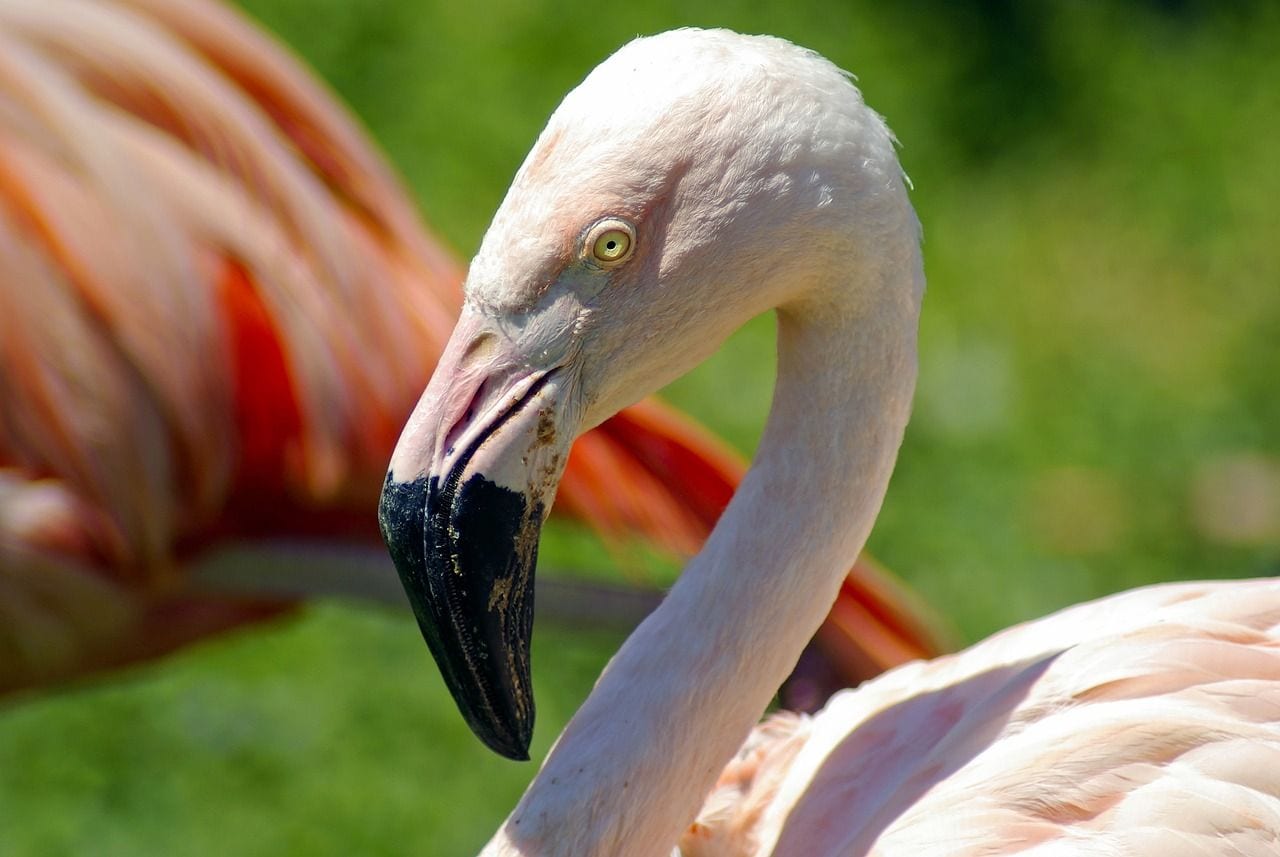
Madison's official city bird is the plastic pink flamingo, adopted in 2009 in honor of a 1979 student prank that planted 1,008 of them on Bascom Hill.
Lake Mendota has been called "the most studied lake in the world", thanks to the university's limnology center on its south shore.
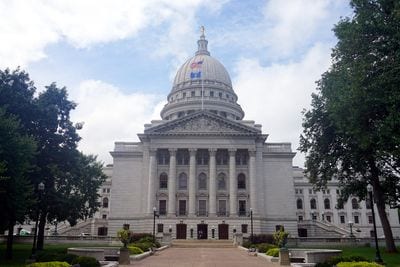
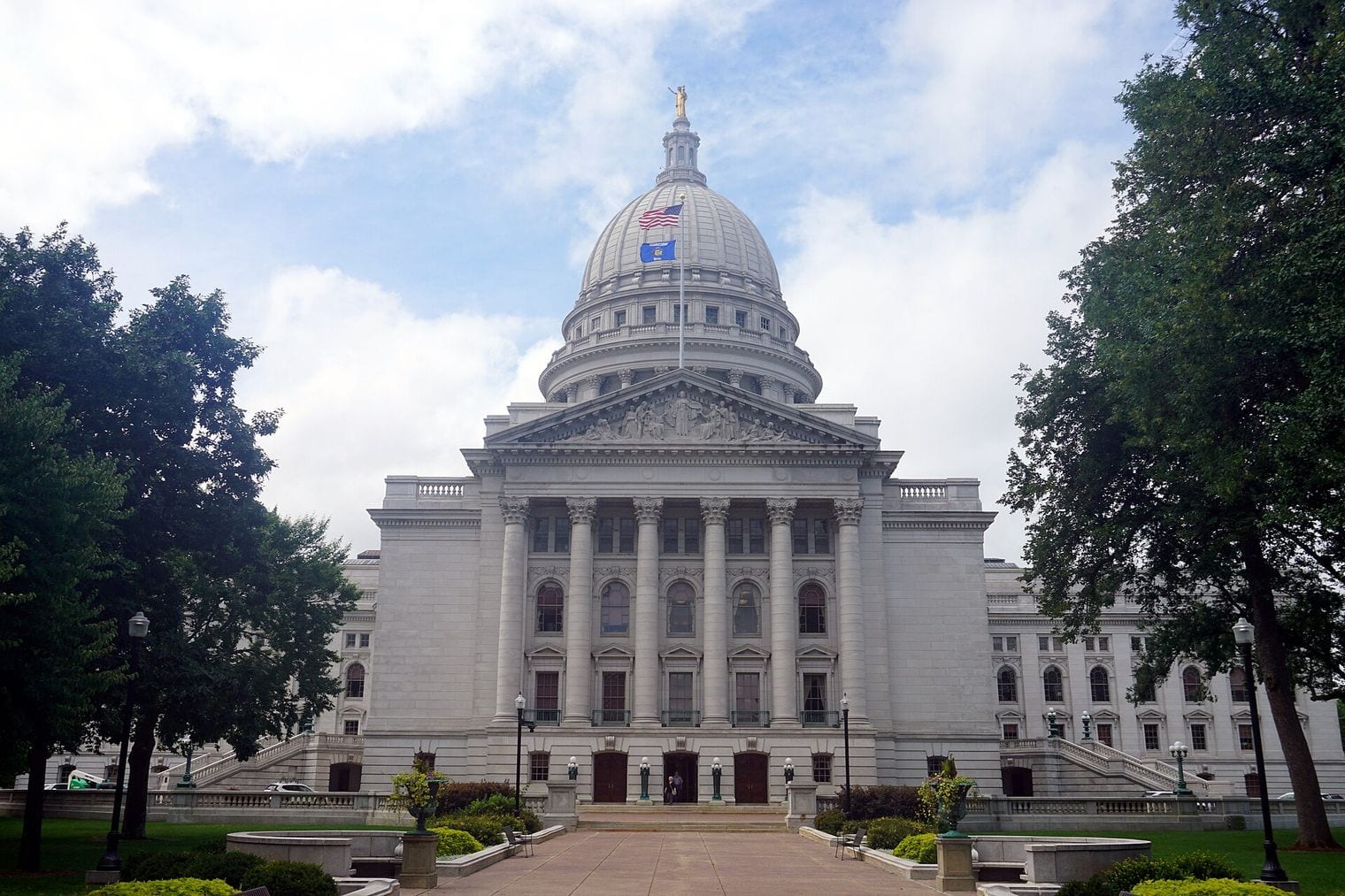
The Wisconsin State Capitol fills the top of the isthmus, its white dome visible from almost anywhere in Madison. Completed in 1917, it still houses both chambers of the legislature, the state supreme court and the governor's office, and a state law keeps any building within a mile from rising above the columns around the dome.
Free guided tours lead through the rotunda and the chambers, and in the warmer months a seasonal observation deck opens around the base of the dome. Look up from the deck at the gilded Wisconsin statue on the summit, sculpted by Daniel Chester French, with a badger on her helmet.
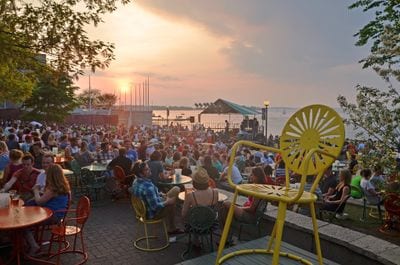
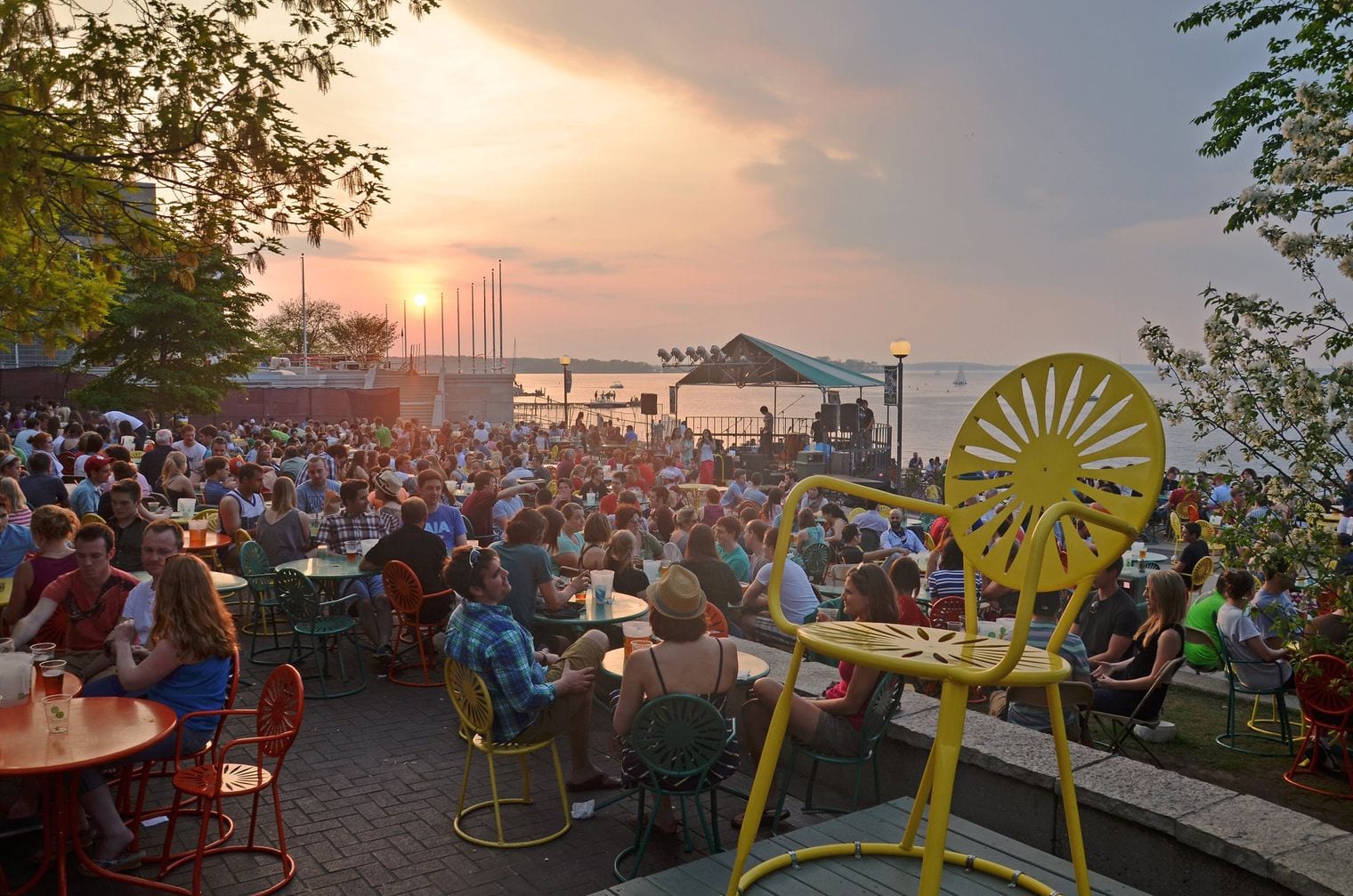
The Memorial Union, built in 1926–28 on the south shore of Lake Mendota, is the university's living room, and its lakeside Terrace is where all of Madison seems to end up on a summer evening. The sunburst chairs in orange, green and yellow are the city's unofficial emblem.
Grab a seat by the water for the sunset, a lakeside concert or simply to watch the sailboats. Inside, the Rathskeller keeps its painted murals of student life, and the building is open to visitors as well as students, which makes it an easy stop between the campus and State Street.
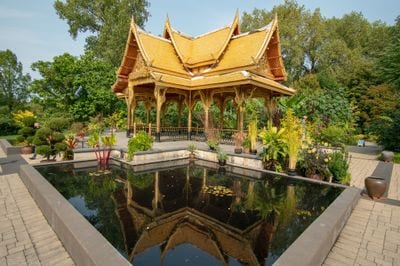
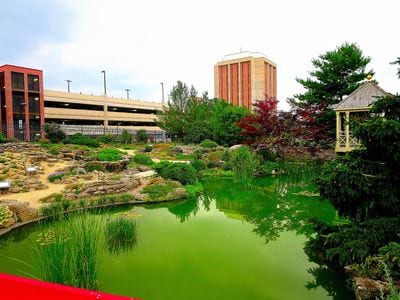
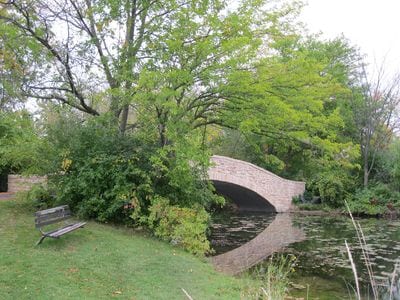
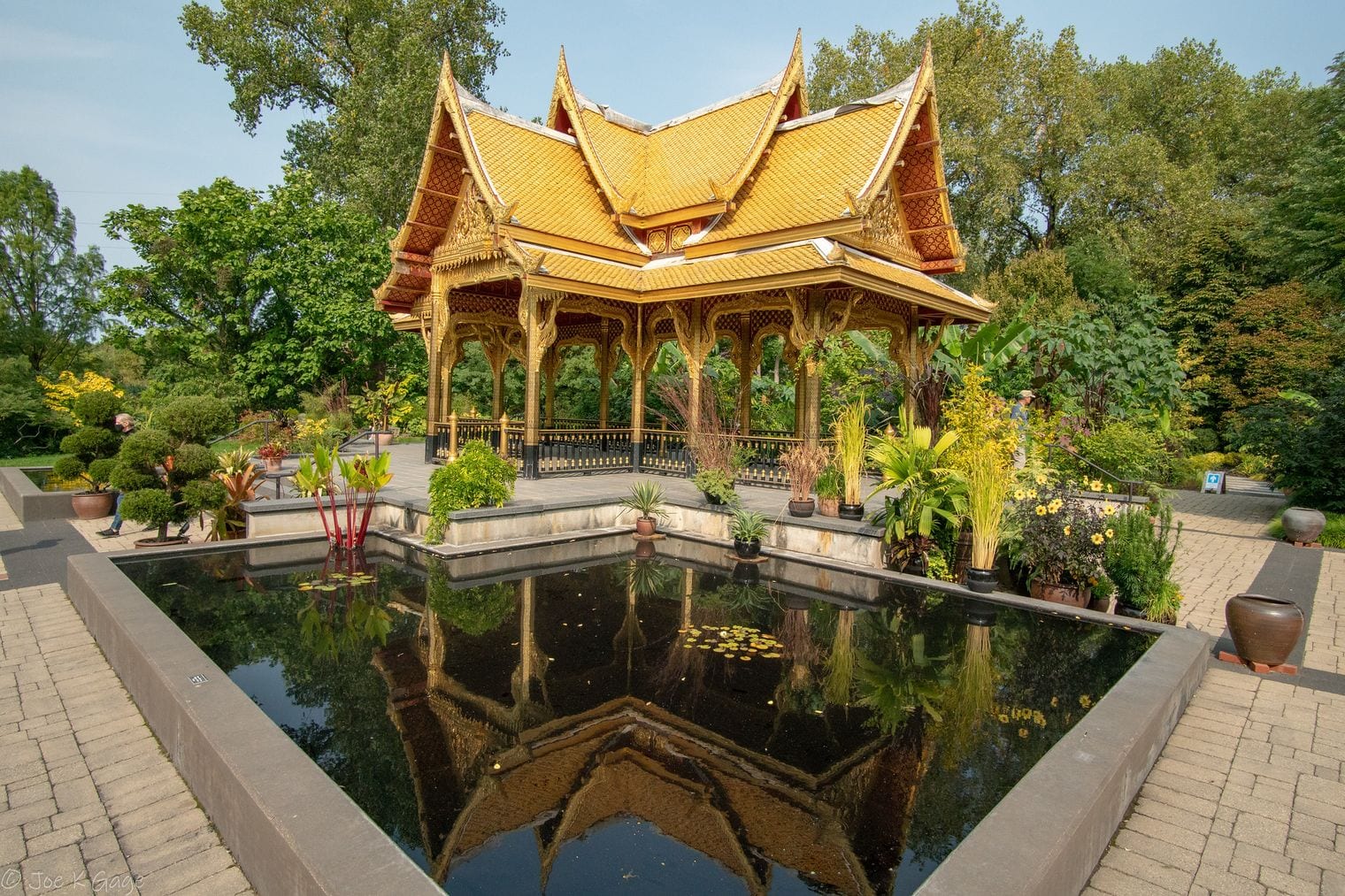
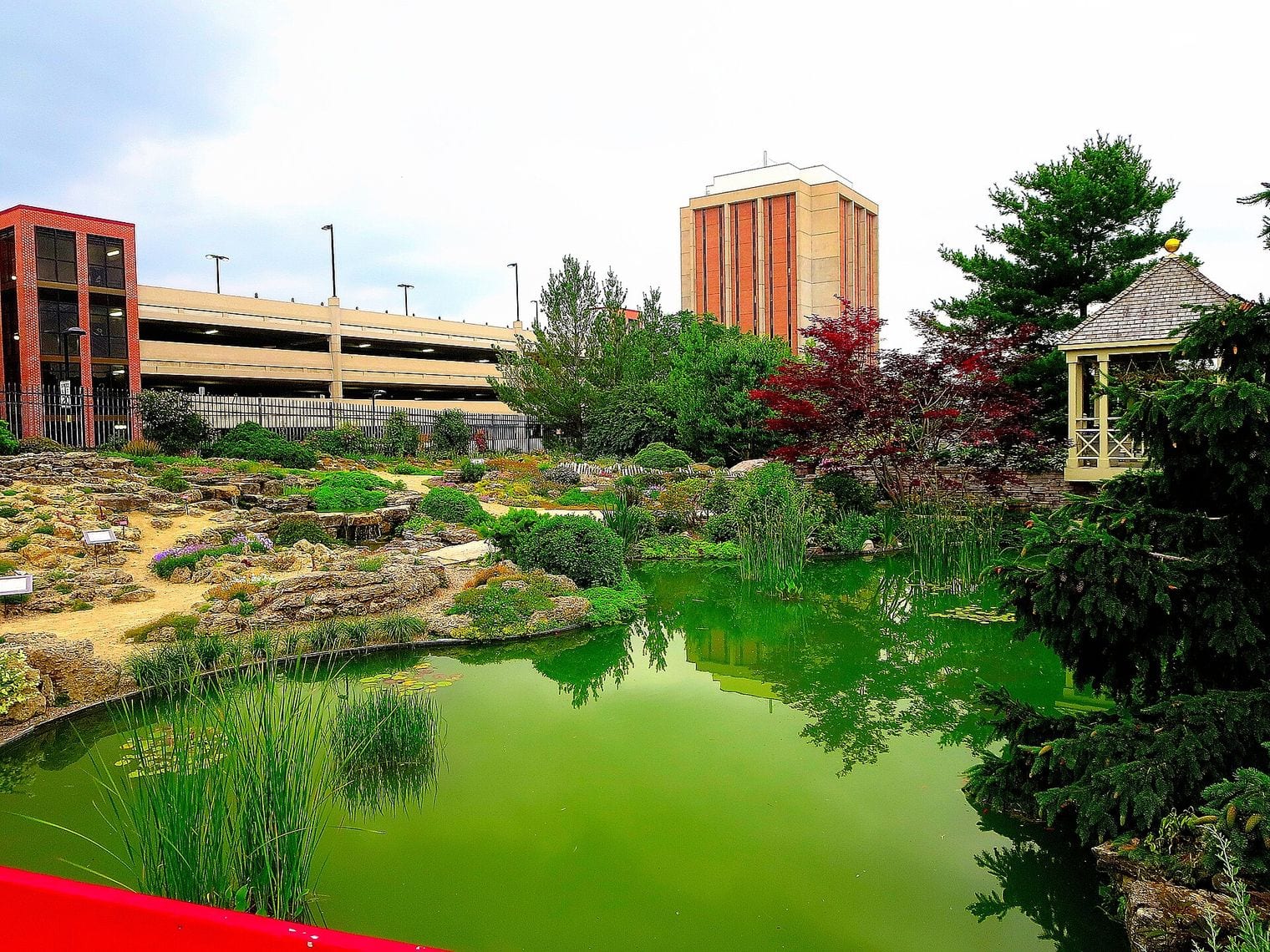
Olbrich Botanical Gardens spreads 16 acres of themed gardens along the east shore of Lake Monona, and the outdoor gardens are free to enter. The showpiece is the gilded Thai Pavilion, a gift from Thailand that sits across a long arched footbridge over Starkweather Creek and is one of very few of its kind outside that country.
The rose, herb and sunken gardens peak from late spring through early fall. The glass pyramid of the Bolz Conservatory shelters tropical plants, orchids and a waterfall, but it is partway through a multi-year repair project, so check ahead if the conservatory is the reason for your visit.
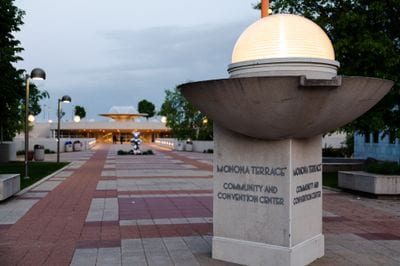
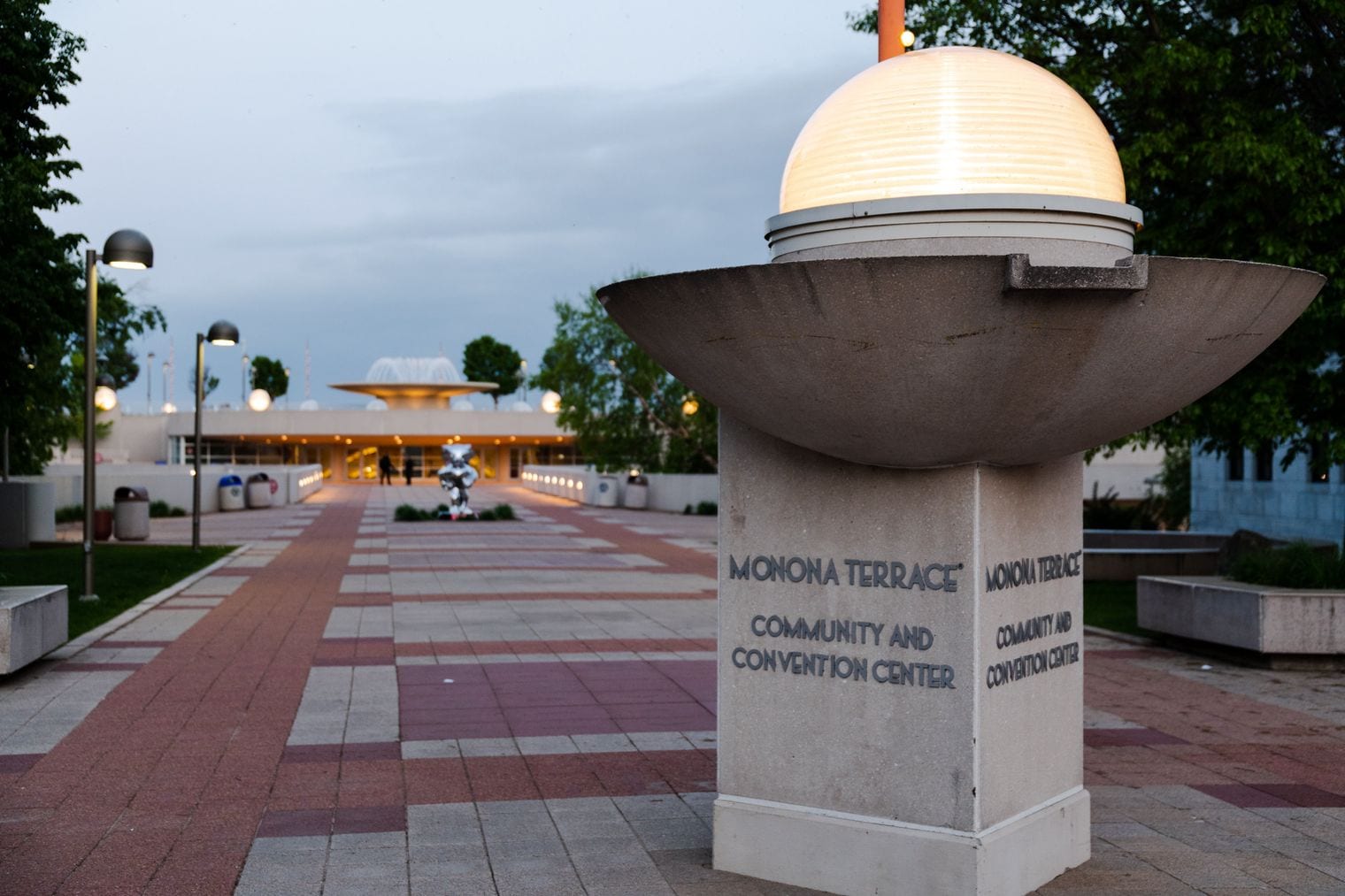
Monona Terrace is the lakefront building Frank Lloyd Wright first proposed for Madison in 1938, finally built to his exterior design and opened in 1997. It is a convention center, but its curved white arches and open rooftop garden make it worth a visit even when nothing is on.
The rooftop gives one of the best views of Lake Monona in one direction and the Capitol in the other. A plaque and bench on the roof remember Otis Redding, whose plane crashed into Lake Monona in December 1967, a short way off the shore below.
Henry Vilas Zoo has been Madison's free zoo since 1911, and it is still free to walk in. Owned by Dane County and accredited by the Association of Zoos and Aquariums, it fits polar bears, lions and orangutans into a compact 28 acres that suits small legs.
The zoo sits inside Henry Vilas Park on the shore of Lake Wingra, so a visit easily stretches into a picnic, a playground stop or an hour at Vilas Beach. A new giraffe pavilion is the zoo's next big project, so expect some building work on that side.
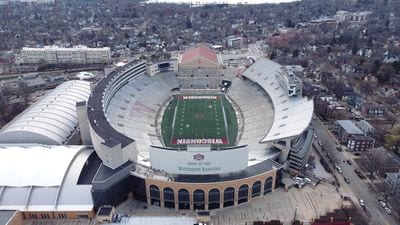
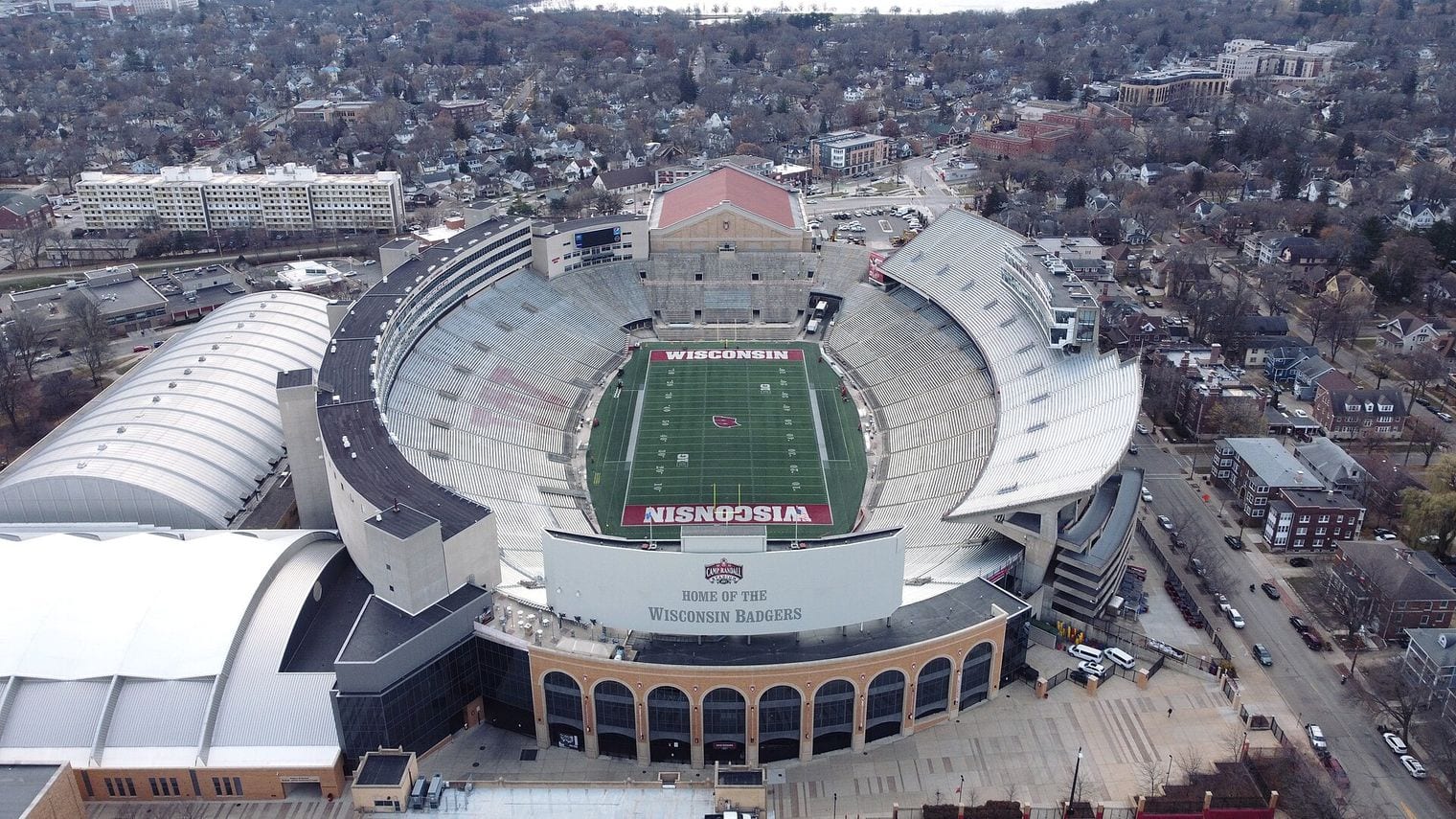
Camp Randall Stadium stands on the grounds of a Union Army training camp from the Civil War, and the Badgers have played football here since 1895. It is the oldest stadium in the Big Ten, and on a fall Saturday the whole city seems to wear red.
The moment to be in the stands comes between the third and fourth quarters, when the student section starts "Jump Around" and the stands start to bounce. Even without a ticket, game-day tailgates along the surrounding streets are part of the experience.
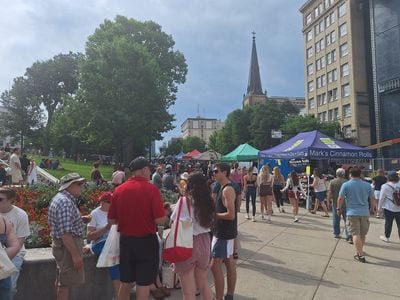
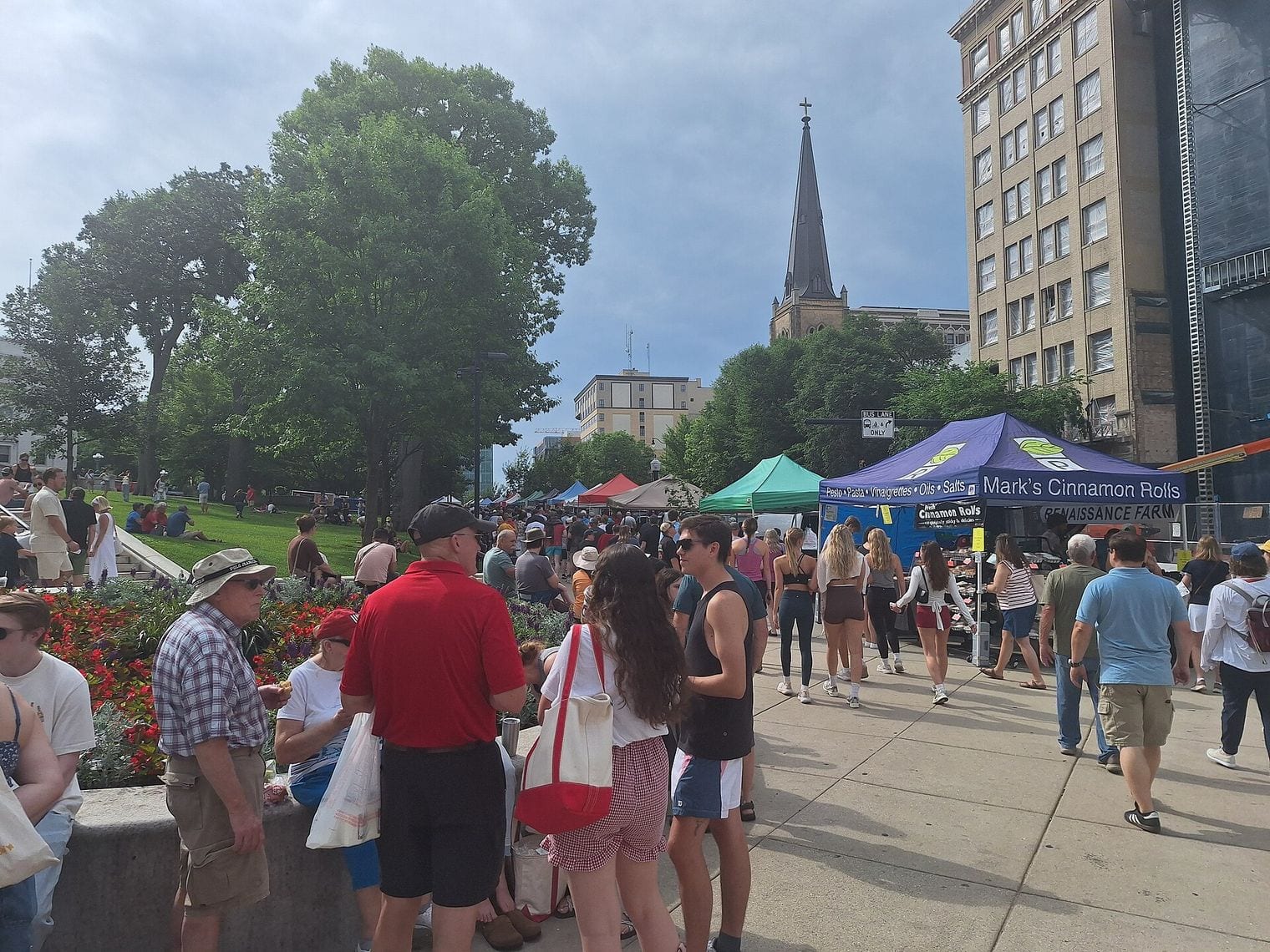
On Saturday mornings from spring to fall, the Dane County Farmers' Market rings the Capitol Square with stalls of cheese, vegetables, flowers, meat and baked goods. It bills itself as the largest producers-only farmers' market in the country, which means every seller grew or made what they sell.
Arrive early, join the slow loop around the Square and taste your way through the cheese curds and breads. A smaller midweek market runs on Martin Luther King Jr. Boulevard, and in the colder months the market moves indoors, with a late-winter run at the Garver Feed Mill.
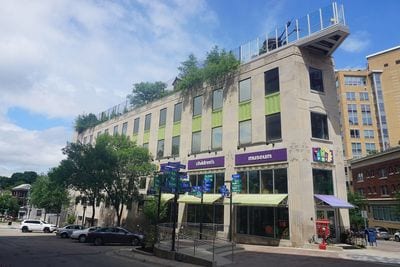
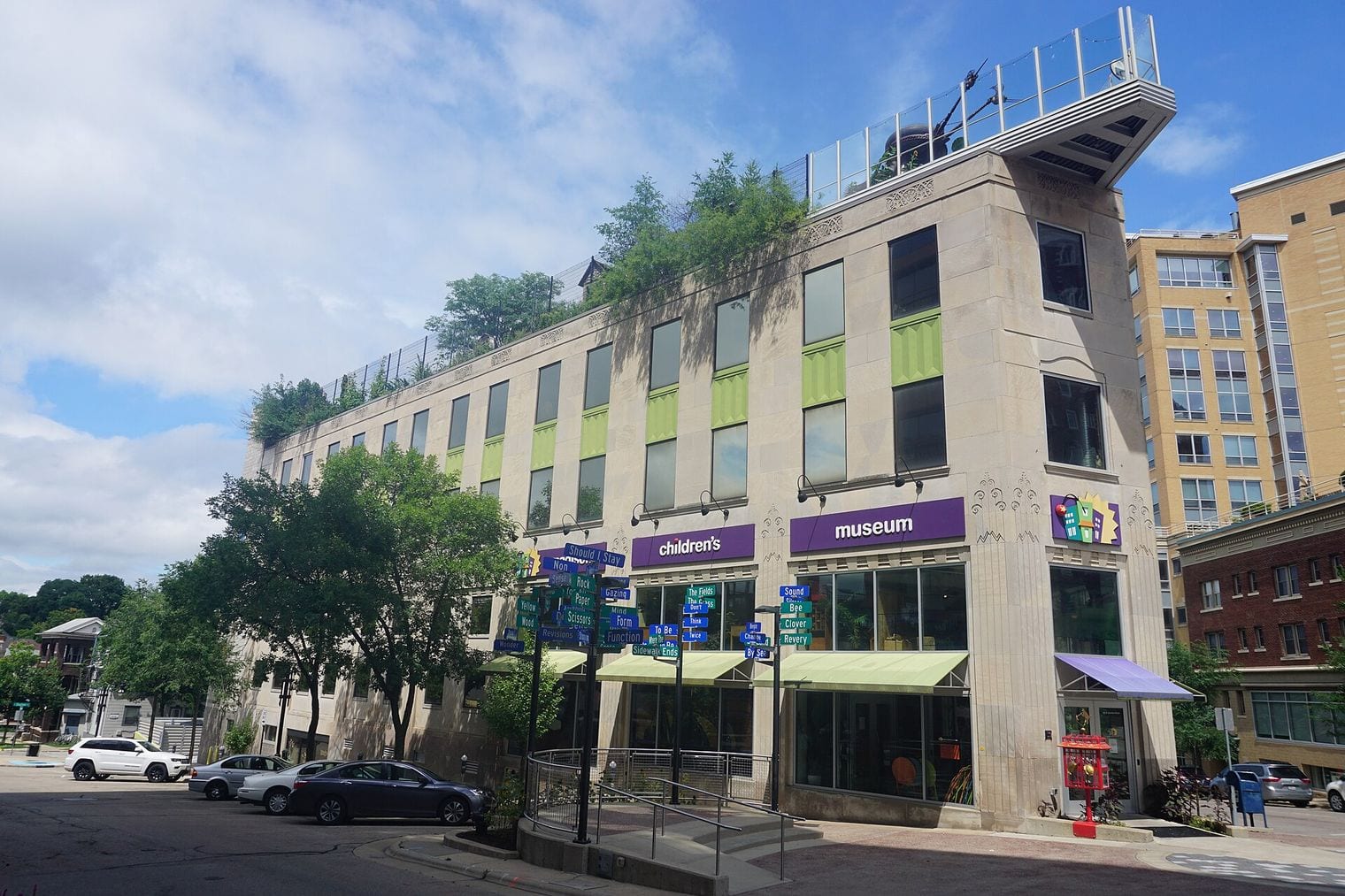
The Madison Children's Museum sits a few steps off the Capitol Square with hands-on exhibits on art, science, history, health and civic life. Floors are pitched to different ages, so toddlers and older kids each get rooms of their own.
The rooftop is the surprise: a garden with resident chickens and other animals, plus views toward the Capitol. It pairs neatly with a morning at the farmers' market or a walk around the Square.
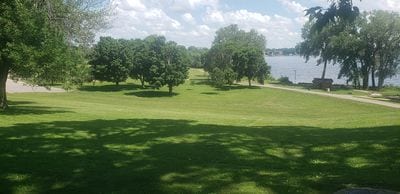
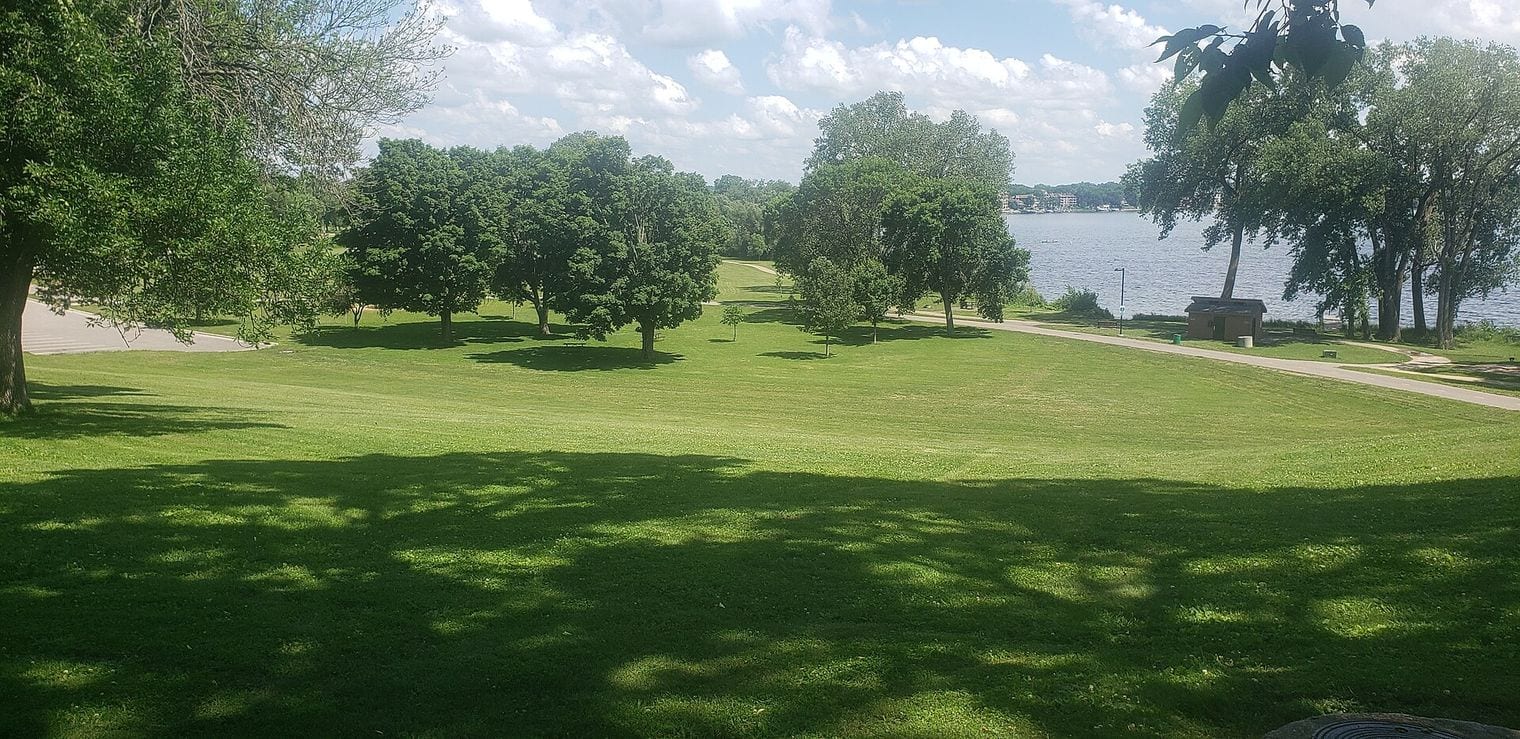
Olbrich Park runs along Lake Monona's shore across Atwood Avenue from the botanical gardens, and its lawns face one of the best postcard views in town: the Capitol dome rising over the water from the far side of the lake.
The park has a swimming area, a boat launch at the mouth of Starkweather Creek, sports courts and fields, and seasonal paddle rentals and a beer garden in summer. It is also the usual start and finish for a bike ride around Lake Monona.
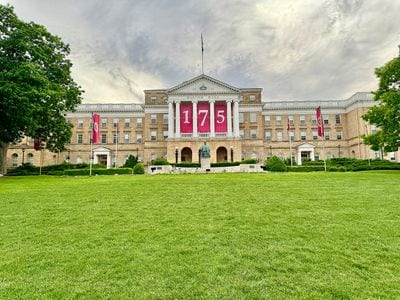
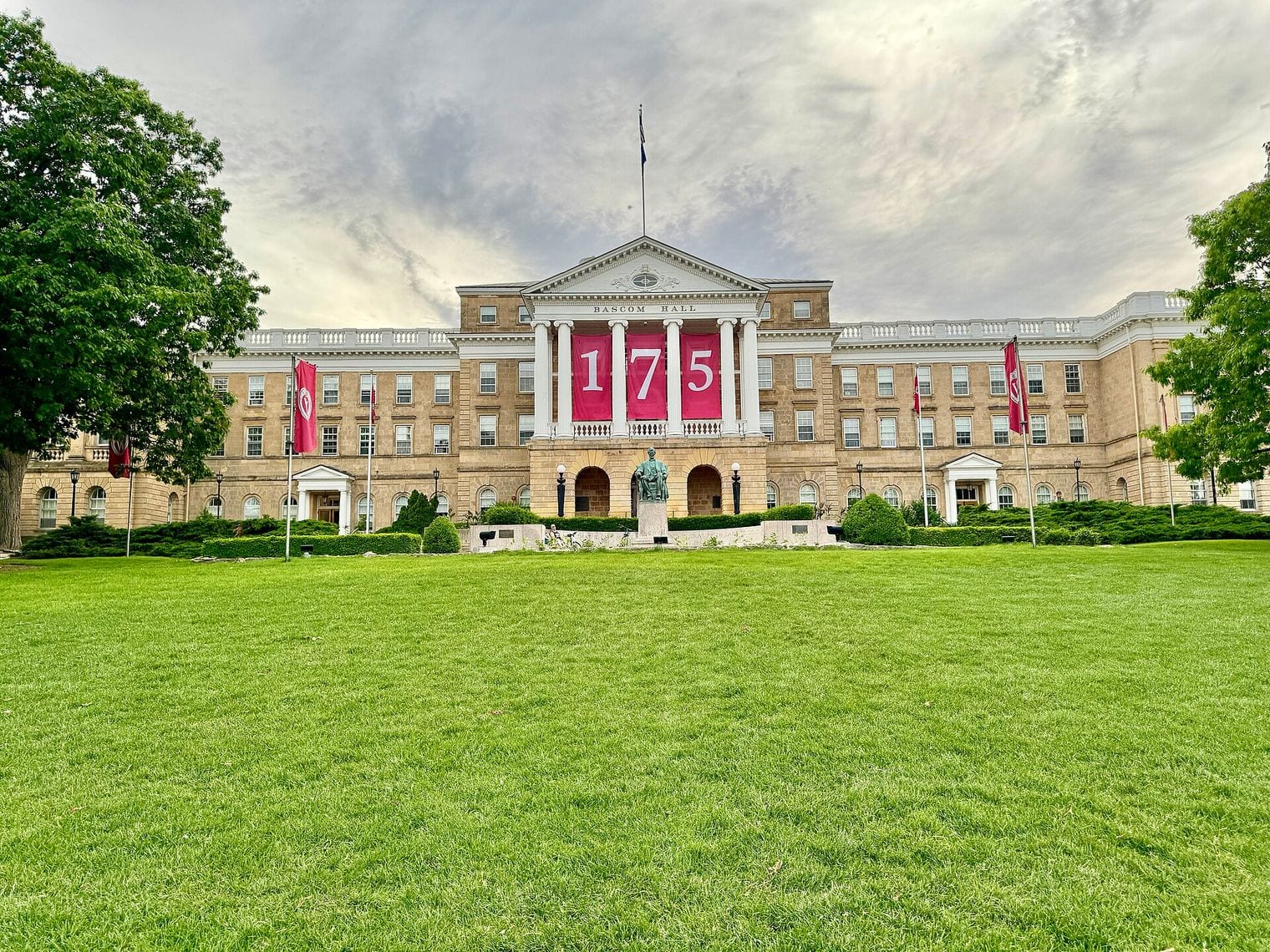
Founded in 1848, the year Wisconsin became a state, the University of Wisconsin–Madison spreads over more than 900 acres along the south shore of Lake Mendota. The heart of the campus is Bascom Hill, a long green slope topped by Bascom Hall and a seated statue of Abraham Lincoln.
Walk up the hill for the view straight down State Street to the Capitol, then wander Library Mall, the lakeshore path and the university's free museums. On a sunny afternoon the hill fills with students, and it is a good place to feel the city's college-town pulse.
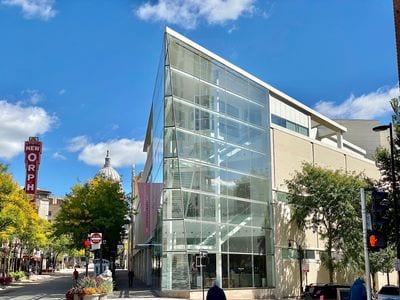
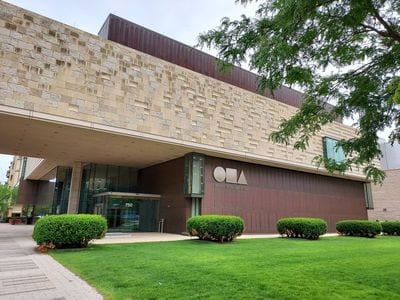
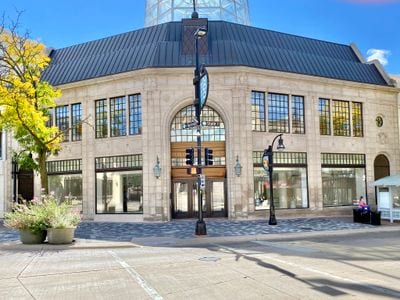
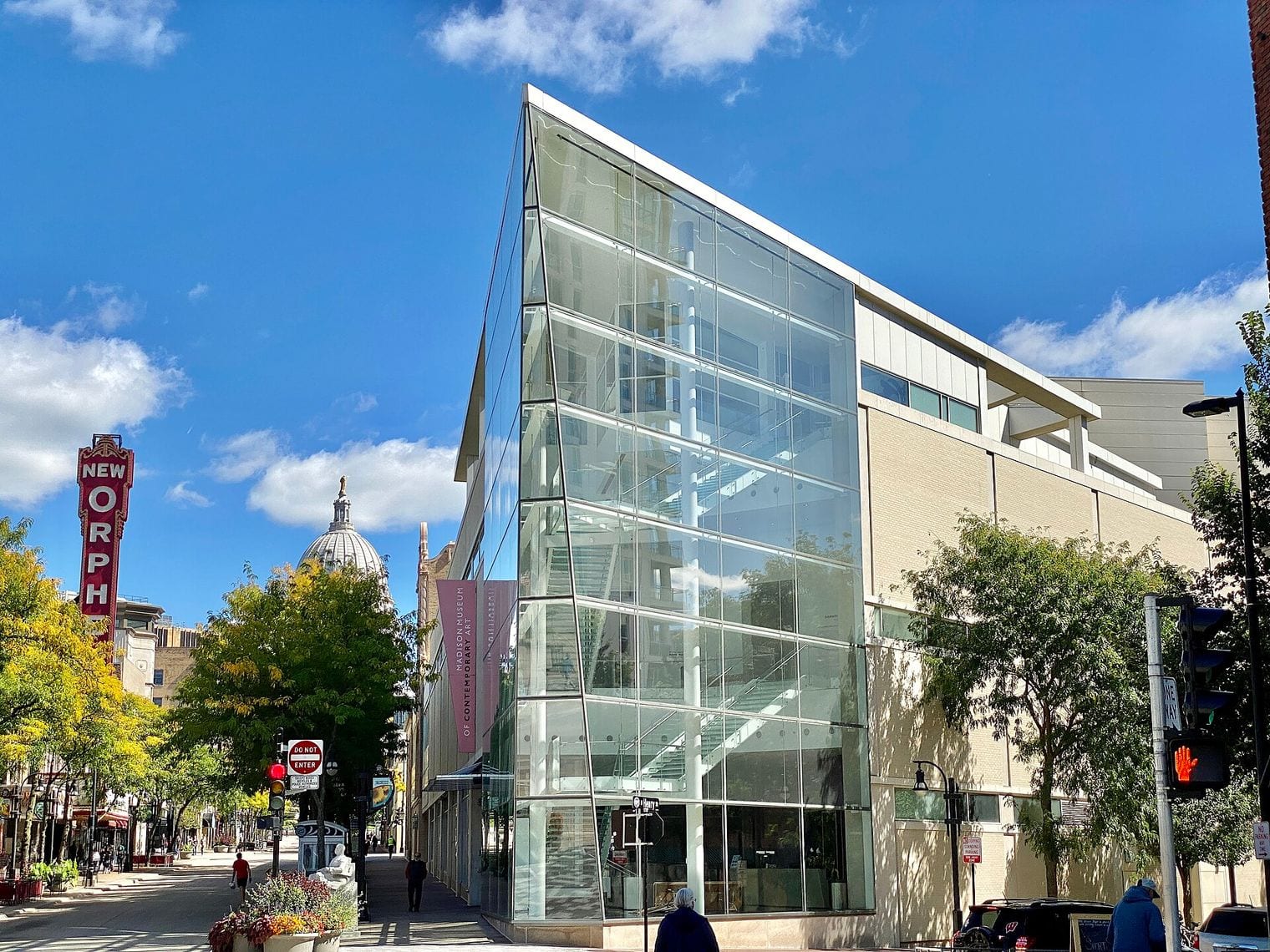
The Madison Museum of Contemporary Art (MMoCA) occupies a glass-fronted building on State Street designed by César Pelli, sharing its block with the Overture Center. Admission to the exhibitions is free, which makes it an easy hour on any downtown walk.
Rotating shows draw on its permanent collection of modern and contemporary art and on visiting exhibitions. In the warmer months, the rooftop sculpture garden adds open-air works and a view down State Street to the Capitol.
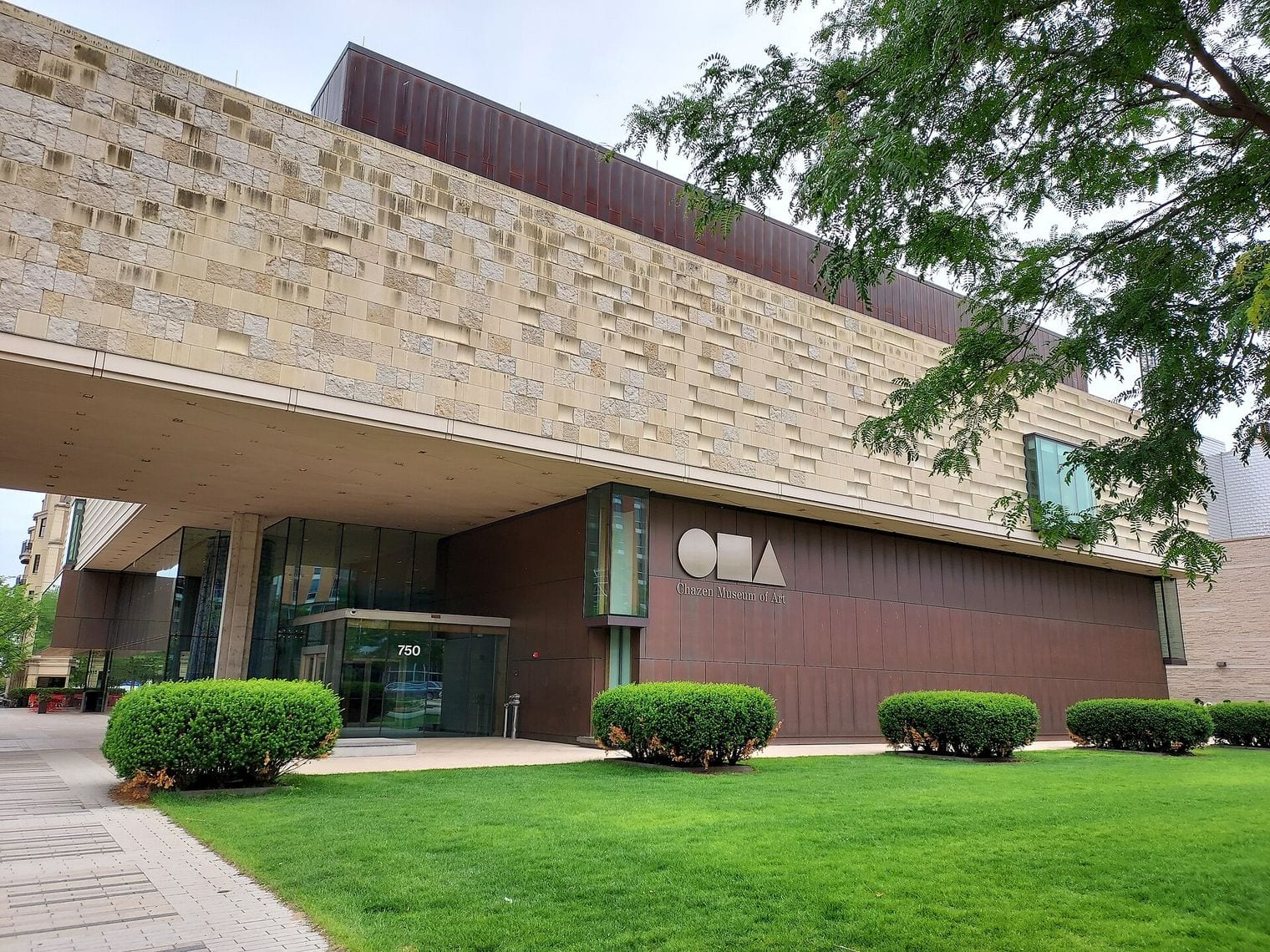
The Chazen Museum of Art is the university's art museum, with a collection of more than 25,000 objects, and admission is always free. It spans two linked buildings on campus: the 1970 brutalist Elvehjem building and the newer Chazen building, opened in 2011.
The collection spans many centuries and cultures. The permanent collection has been rehung around single focus objects, with the last galleries reopening through fall 2026, so a few rooms may still be closed when you visit.
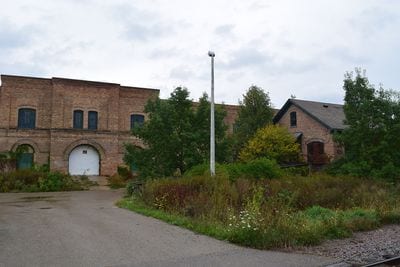
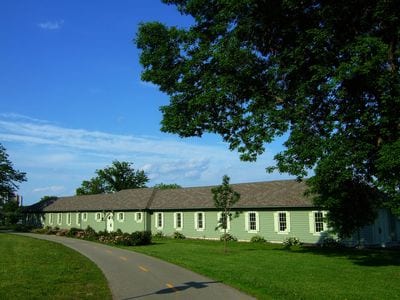
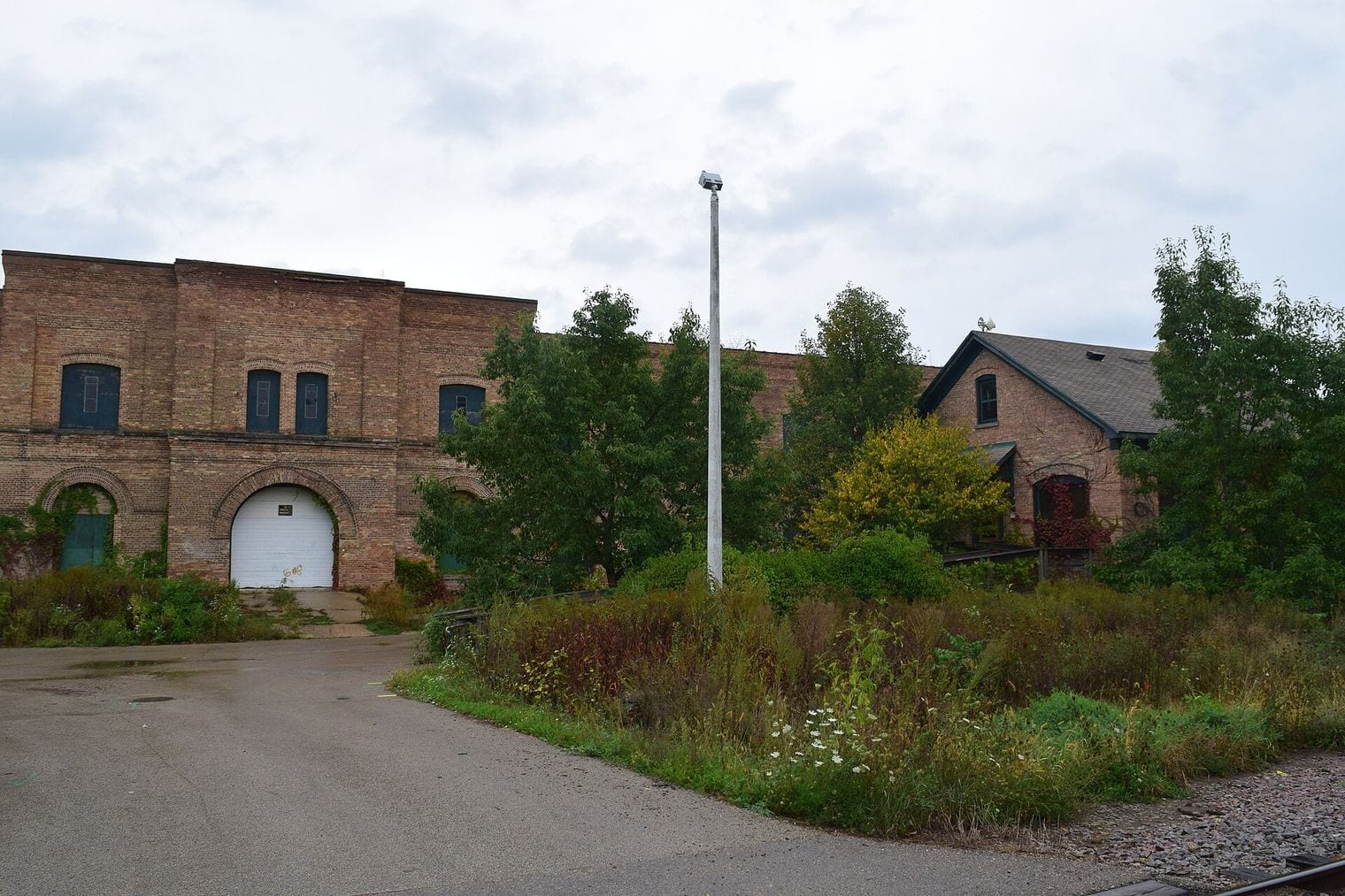
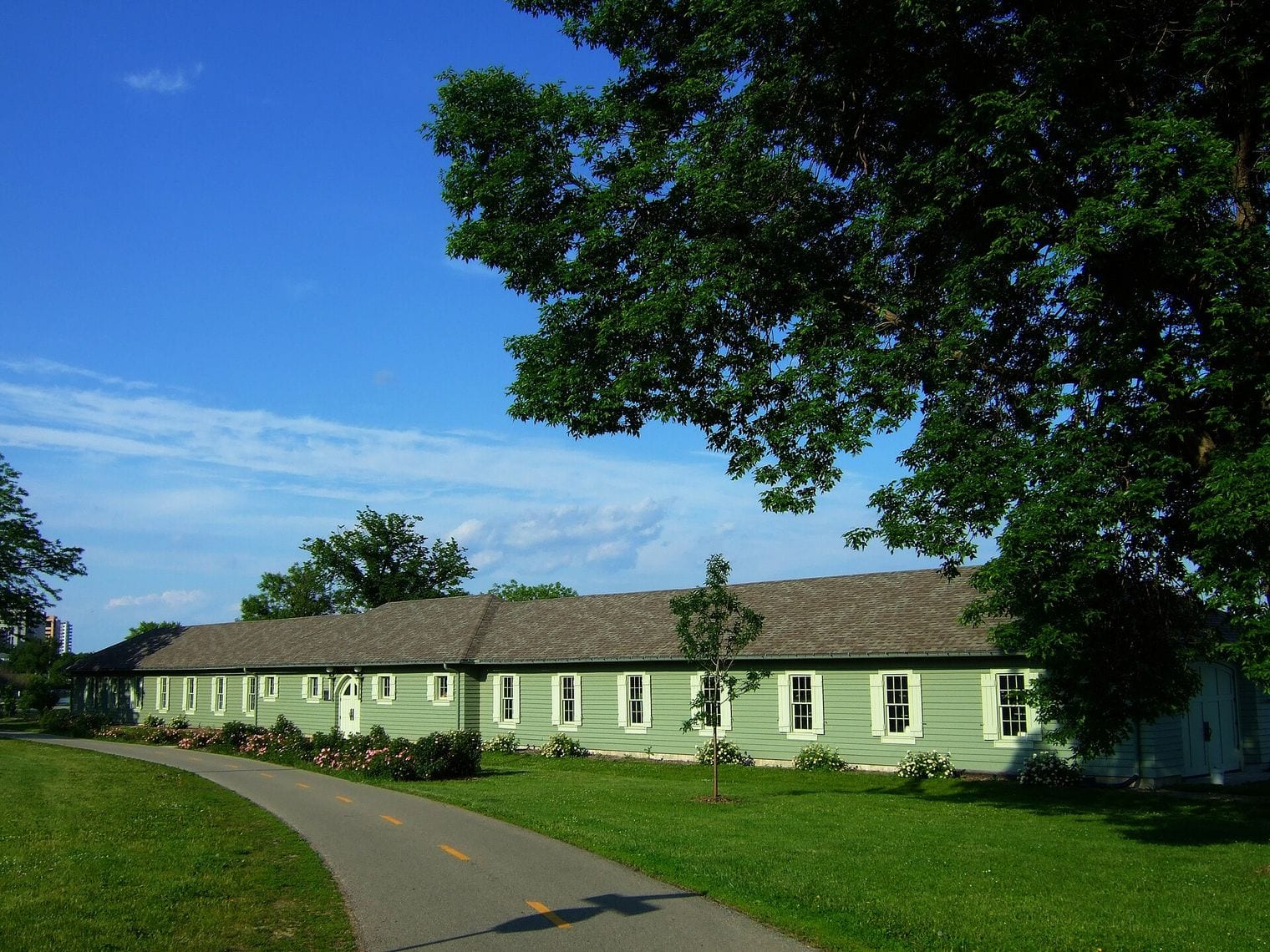
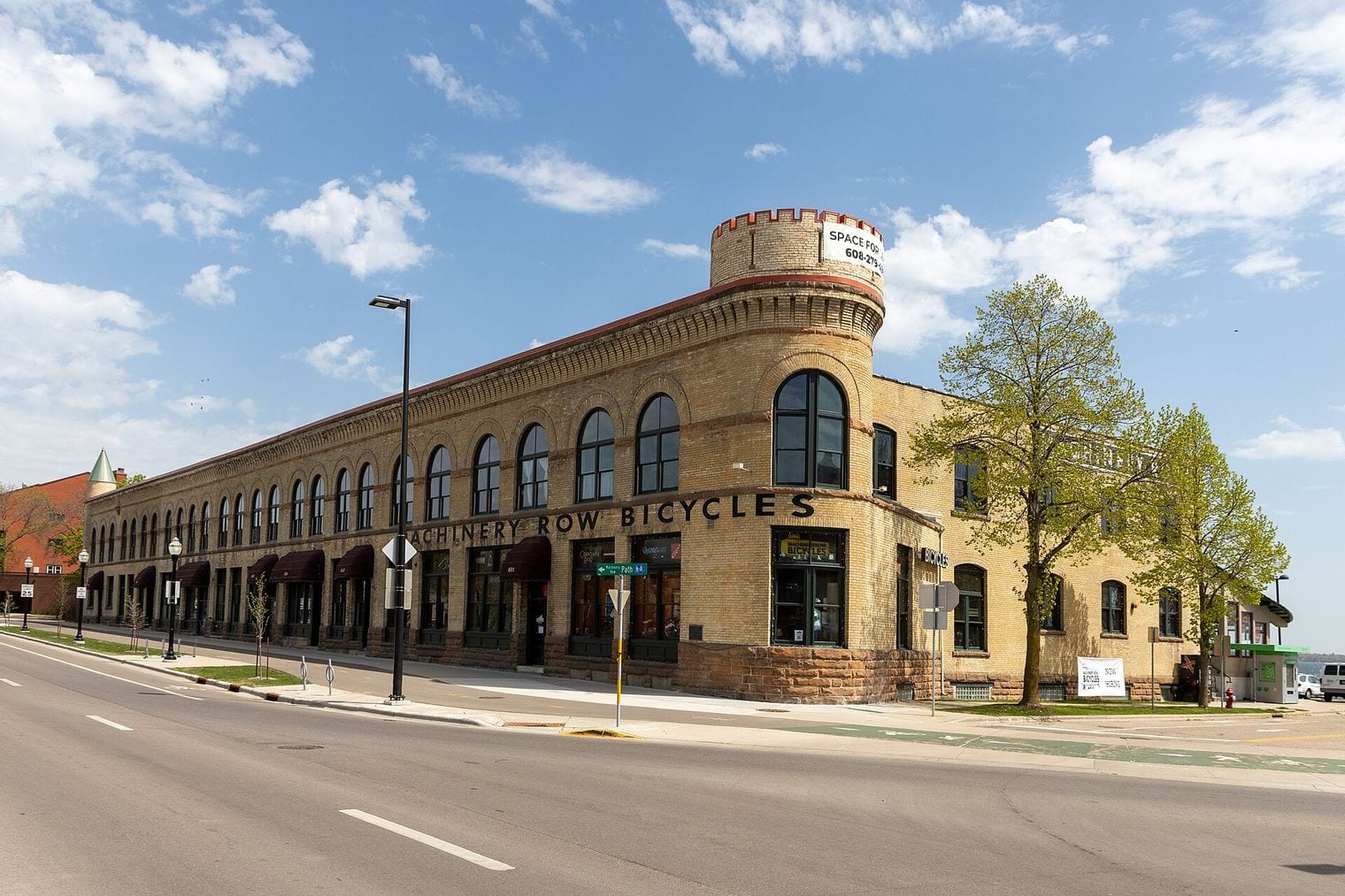
The Garver Feed Mill started life in 1905 as a sugar beet processing plant and from 1930 became the base of Garver's Supply Company. After a long restoration, the brick complex behind Olbrich Botanical Gardens is listed on the National Register of Historic Places.
Today it is a home for local food makers, coffee, ice cream, small shops, wellness studios and a rotating art space, with event halls in the old industrial rooms. It is an easy stop on a day at Olbrich, and in late winter it hosts the indoor farmers' market.
Free printable checklist of all 30 places
Tick them off as you go. Confirm your email to download it, plus one email every Thursday with new guides for the places you tick.
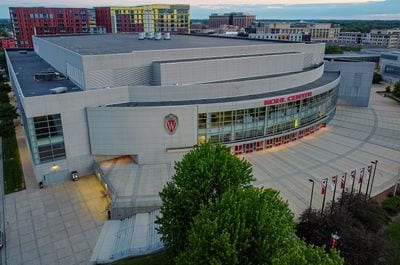
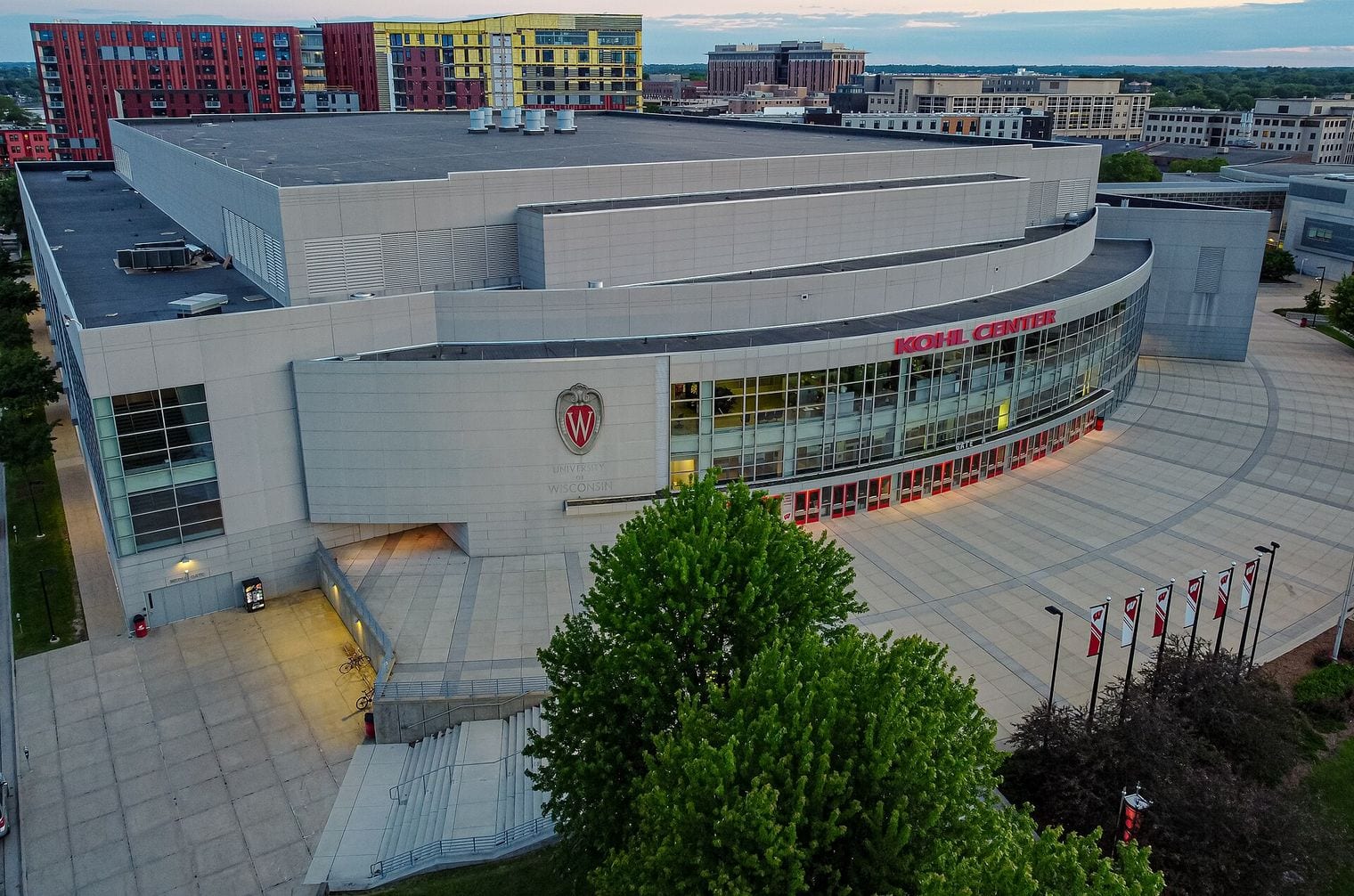
The Kohl Center is the university's big indoor arena, opened in 1998 and named for alumnus and former senator Herb Kohl, who donated toward its construction. It is home to Badgers men's and women's basketball and men's hockey, and it ranks among the largest arenas in the Big Ten.
A winter game here is Madison at full volume, with the student section, the band and a sea of red. The arena also hosts concerts and touring shows, so check the schedule even outside the college season.
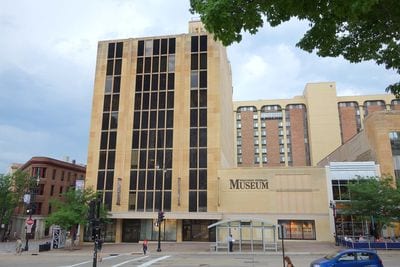
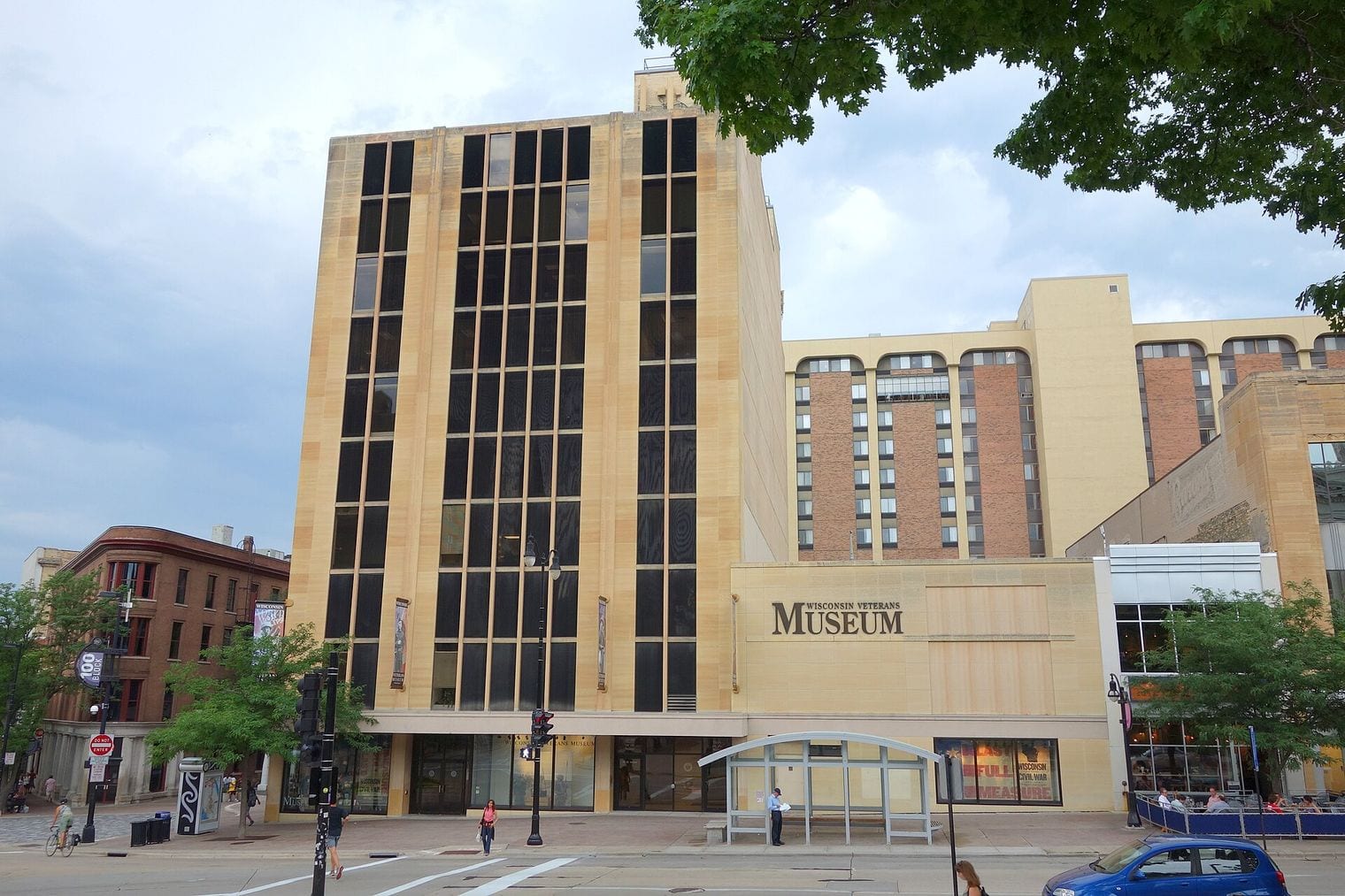
The Wisconsin Veterans Museum sits on the Capitol Square and tells the stories of Wisconsin citizens who served, from the Civil War to the present. Its roots go back to 1901, when it began as a Grand Army of the Republic memorial hall inside the Capitol itself.
Admission is free, and the galleries mix uniforms, weapons, letters and Civil War battle flags with personal accounts. It is a short, absorbing visit that fits easily between a Capitol tour and lunch on the Square.
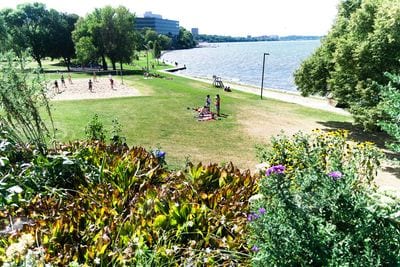
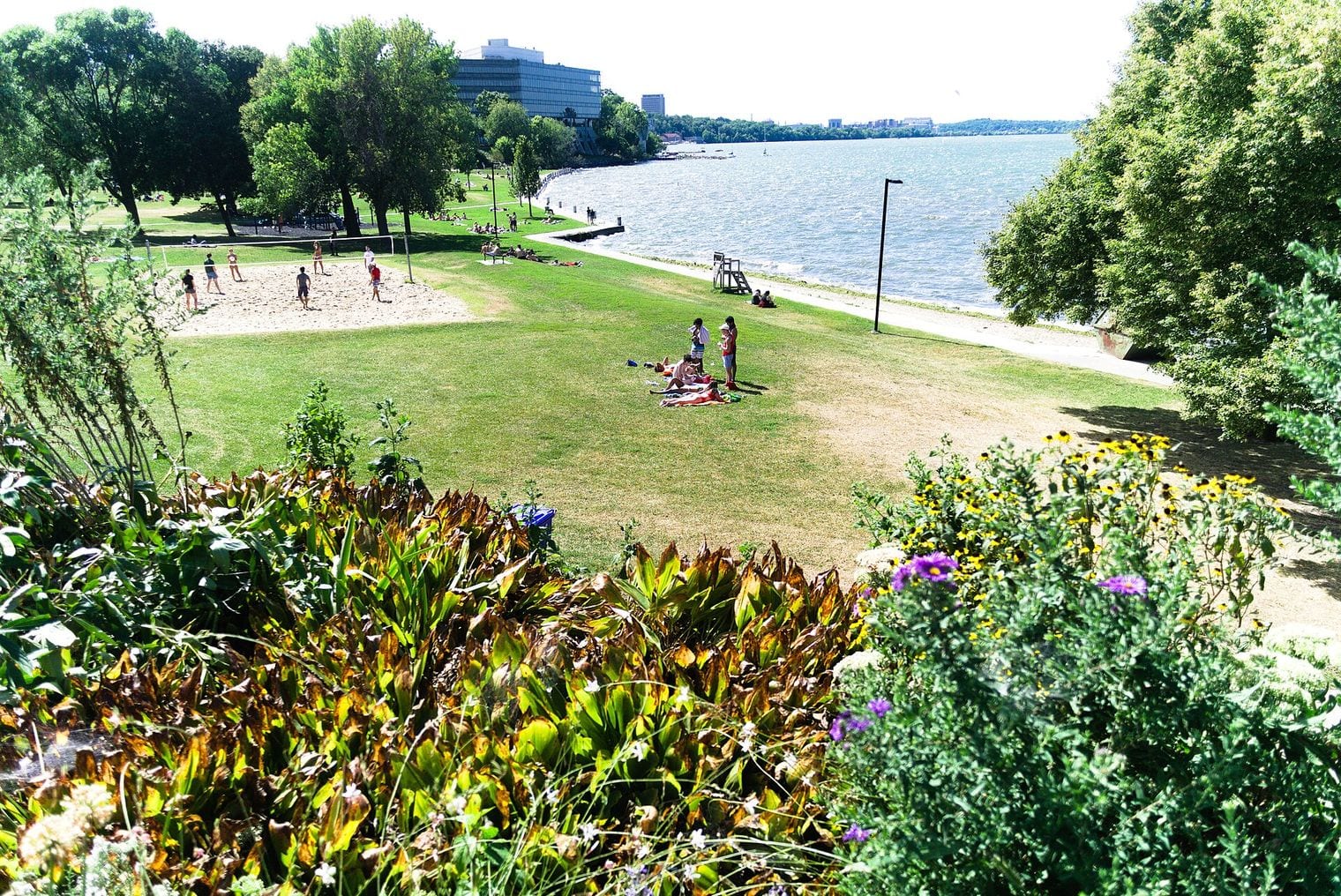
James Madison Park is a 12-acre waterfront park on Lake Mendota, a few blocks from the Capitol, where downtown residents come to lounge on the lawns and watch the evening light over the lake.
The park also holds the Gates of Heaven Synagogue, built in 1863 and moved here in 1971. It is one of the oldest synagogue buildings in the United States and makes a striking contrast with the open lawns around it.
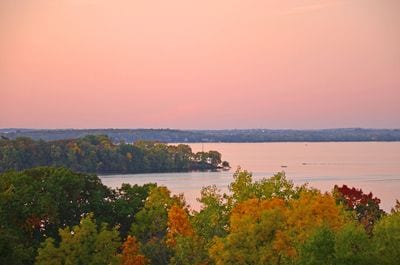
Picnic Point is a nearly mile-long wooded peninsula reaching into Lake Mendota, the best-loved corner of the university's 300-acre Lakeshore Nature Preserve. A flat trail runs out to the tip, with water on both sides and the city skyline across the lake.
Fire circles along the point can be reserved for an evening cookout, and the rest of the preserve's trails, woods and coves follow the shore for miles. Walk or bike in along the Lakeshore Path from the Memorial Union for the full lakeside approach.
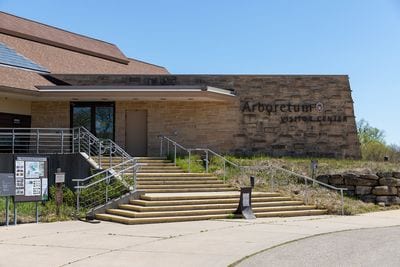
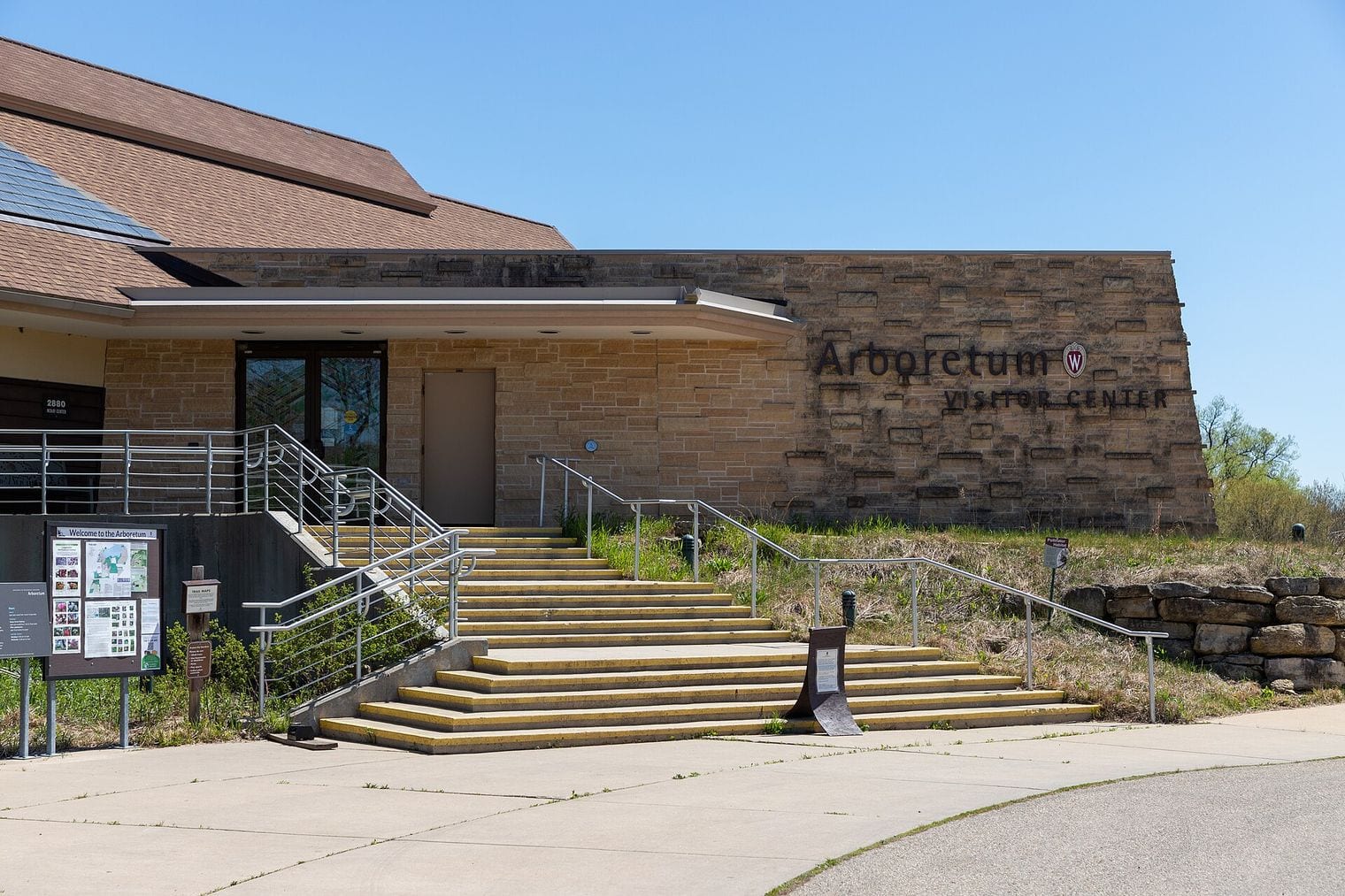
The UW–Madison Arboretum covers about 1,200 acres along Lake Wingra and is a pioneer of ecological restoration, which earned it National Historic Landmark status in 2021. Aldo Leopold was its first research director, and it tends what it describes as the oldest restored tallgrass prairie in the country.
Miles of trails cross prairie, oak savanna, woodland and wetland, and the Longenecker Horticultural Gardens add flowering trees and shrubs in spring. Start at the visitor center for maps, then pick a loop through Curtis Prairie or along the lake.
Brittingham Park wraps around Monona Bay just south of downtown, a green stretch of shoreline with a swimming beach, a dog park, playgrounds and open fields. It is one of the easiest places in Madison to get onto the water.
In summer the beach house rents kayaks, paddleboards and boats, and Monona Bay's sheltered water suits beginners. The park sits close to the bike routes around Lake Monona, so it also works as a rest stop on a lakeside ride.
Allen Centennial Garden is the university horticulture department's public garden, a free and surprisingly varied collection of themed beds on the western side of campus. It doubles as an outdoor classroom for students, so the plantings keep changing.
The garden surrounds the Agricultural Dean's House, a brick Queen Anne home built in 1896 and listed on the National Register of Historic Places. Summer concerts and a fall folk festival bring locals in, but on an ordinary weekday it is a quiet escape from campus.
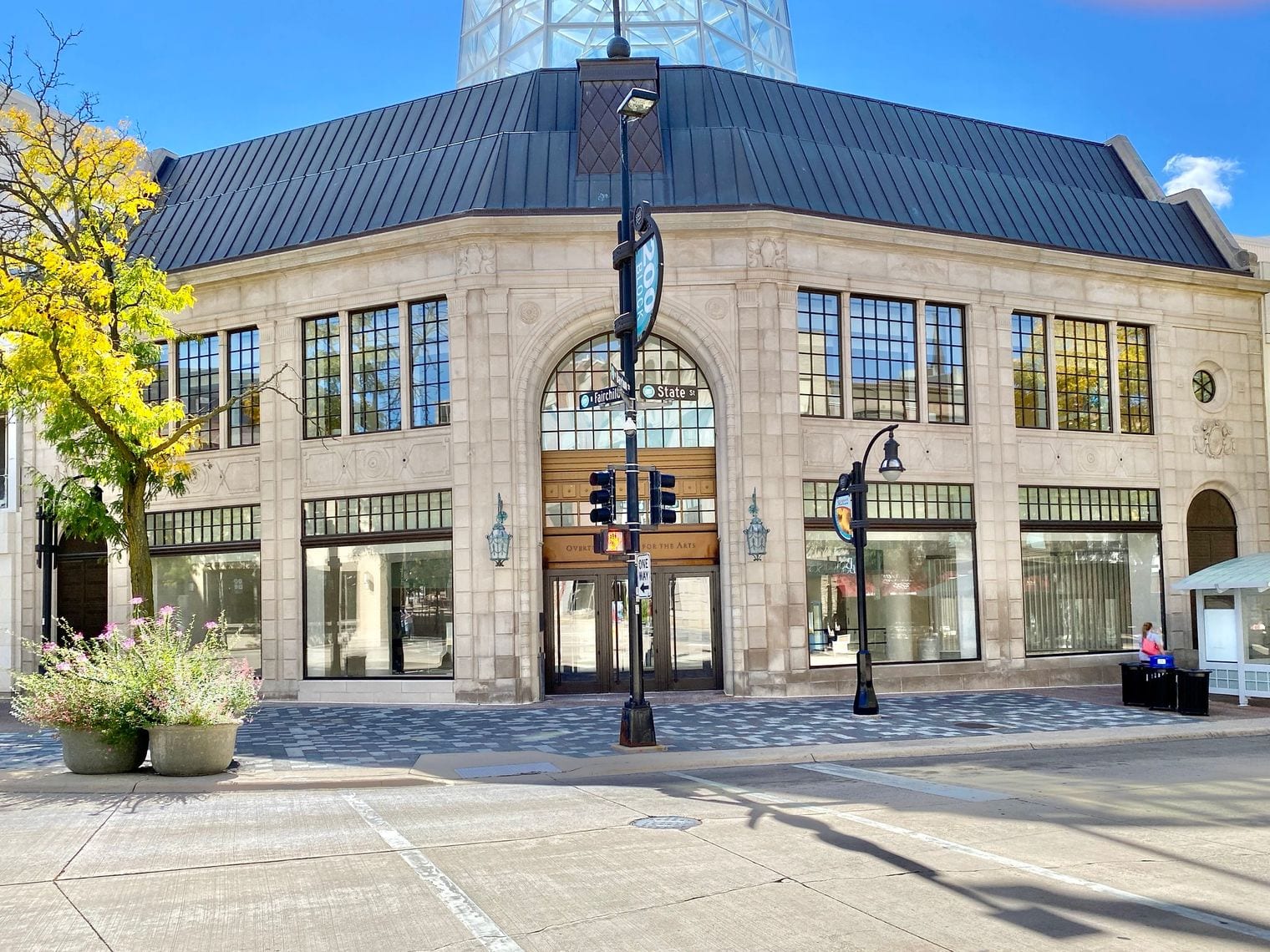
The Overture Center for the Arts is downtown Madison's main performing arts complex, opened in 2004 on State Street. Its largest stage, the 2,251-seat Overture Hall, is home to the Madison Symphony Orchestra, Madison Opera and Madison Ballet, and touring Broadway shows play here too.
The complex also folds in the restored Capitol Theater, a 1928 movie palace, and smaller stages and galleries. Even without a ticket, its gallery spaces are worth a look on a walk down State Street.
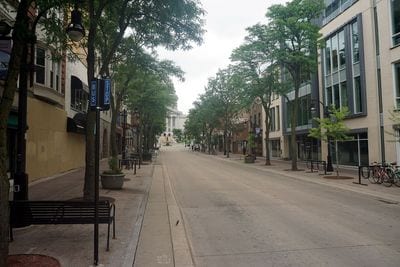
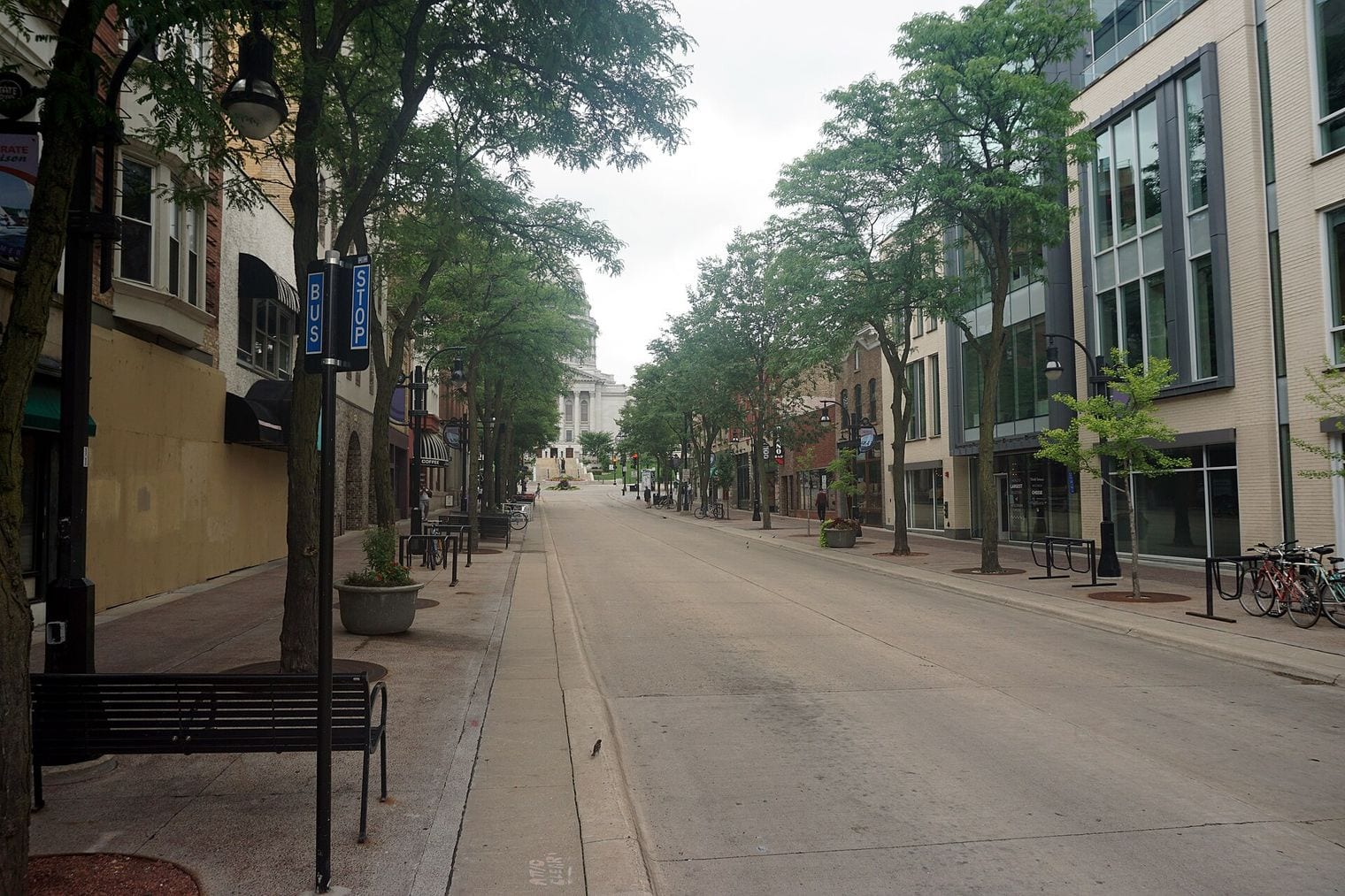
State Street is the pedestrian spine of downtown Madison, linking the Capitol Square to the university at Library Mall. Buses and bikes share it, but most of its length belongs to people on foot, browsing shops, galleries and cafés.
Walk it end to end with the Capitol dome behind you and Bascom Hill ahead. Street performers, sidewalk tables and students give it a busy, easygoing feel, and the side streets hold more small shops and places to eat.
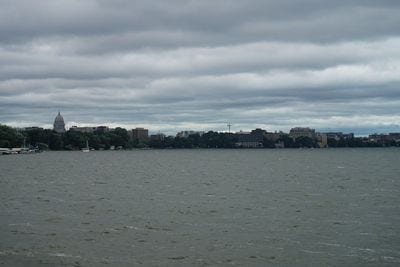
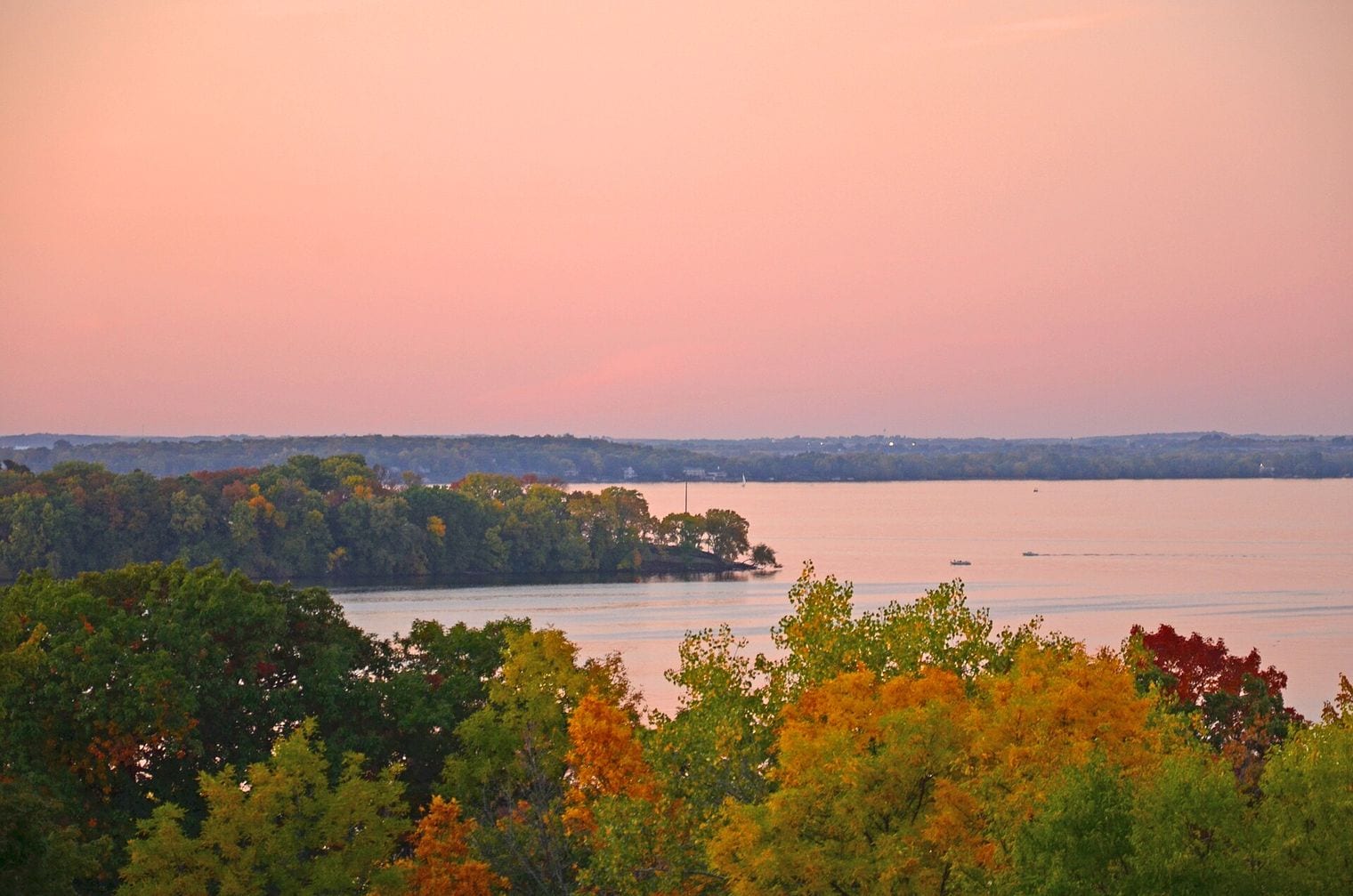
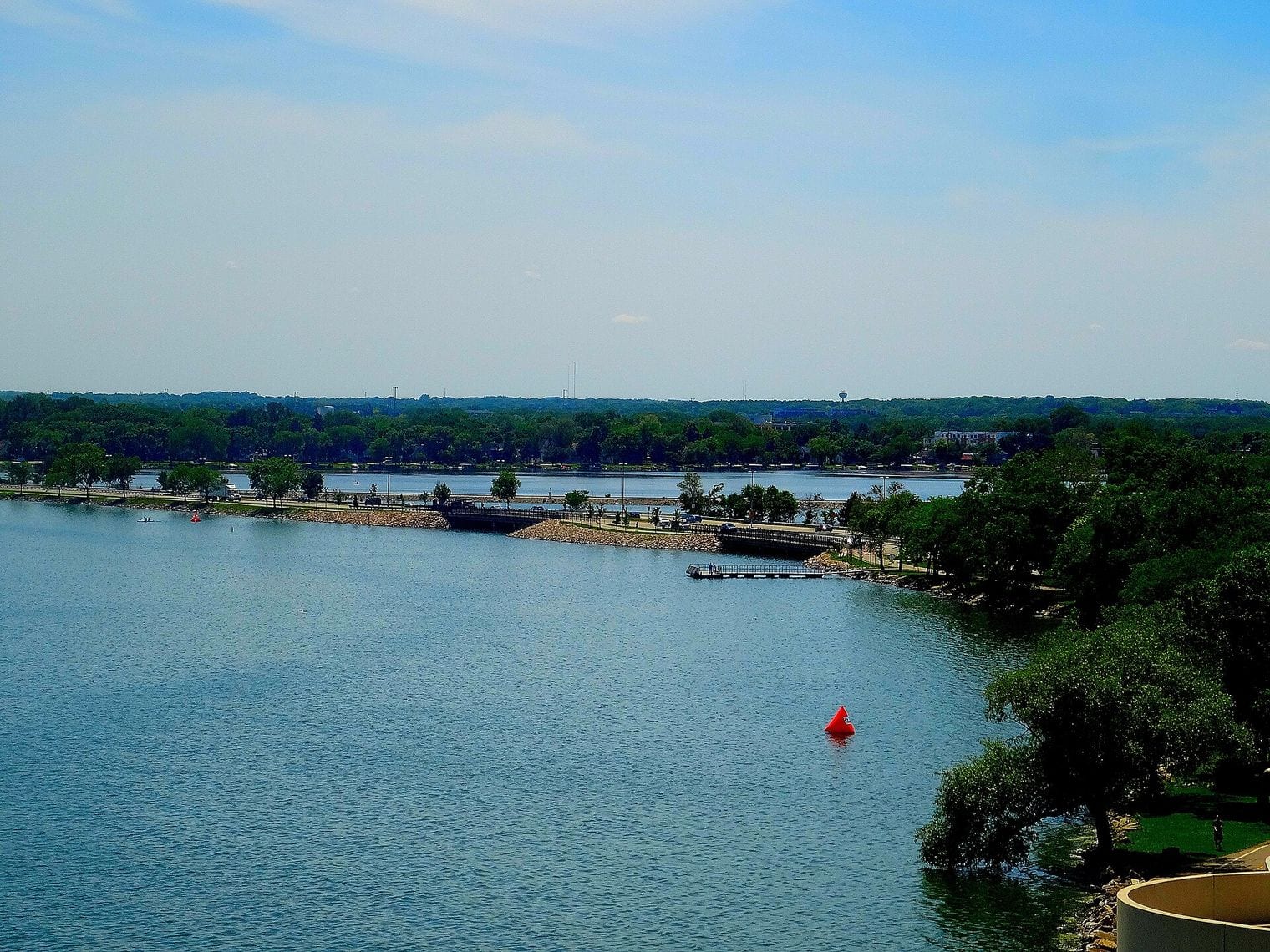
Lake Mendota is the largest of Madison's lakes, and it has been called the most studied lake in the world, thanks to the university's limnology center on its shore. For visitors it is simply the city's playground: sailing, paddling, swimming and long sunsets from the campus shore.
In summer, rent a kayak or paddleboard and follow the shore past the Memorial Union and Picnic Point. In winter the lake freezes and fills with ice fishers and skaters, and student pranksters once planted a replica of the Statue of Liberty on the ice.
The Lake Monona Loop is a ride of about 12 miles around the whole lake on bike paths and quiet streets, passing Monona Terrace, Olbrich Park and the waterfront of the neighboring city of Monona. Most riders take one to two hours, with plenty of beaches and parks to stop at.
The loop follows part of the Capital City Trail. Its lakeside stretch along John Nolen Drive is detoured around Monona Bay while the causeway is rebuilt, a project due to wrap up around mid-2027, so follow the posted signs.
The Mansion Hill Historic District sits just northwest of the Capitol Square, between the Square and Lake Mendota. In the 19th century it was where Madison's well-off families built the largest and most ornate houses in the city.
Many of the grand homes later became student housing and apartments, but the streetscape survives, and the district is on the National Register of Historic Places. A slow walk along its tree-lined blocks is one of the best free architecture tours in town.
Williamson Street, known to everyone as Willy Street, runs through the Marquette neighborhood on the near east side, one of the historic neighborhoods of the isthmus. Its blocks of 19th-century houses and storefronts hold locally owned shops, a food co-op, bars, music venues and restaurants.
The street has a bohemian, neighborly feel, best on foot or by bike. Each September the Willy Street Fair closes the street for stages, food and a parade, a tradition that dates to 1979.
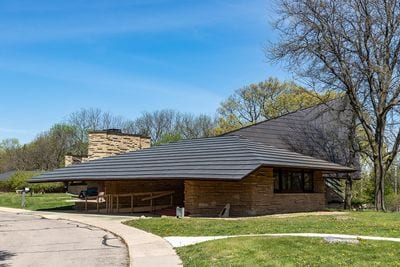
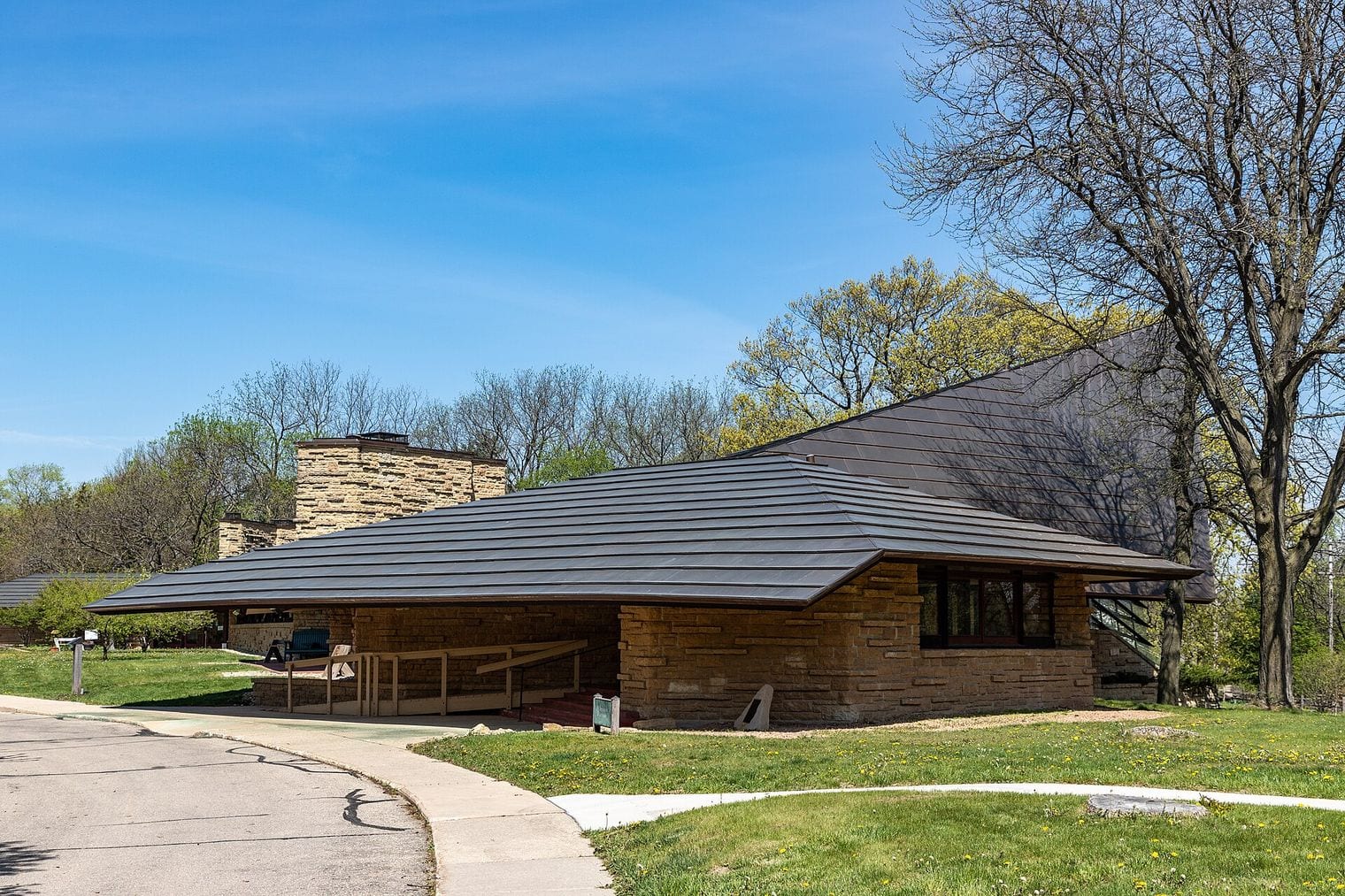
The First Unitarian Society Meeting House is a Frank Lloyd Wright design, built in 1949–1951 and designated a National Historic Landmark. It stands in the village of Shorewood Hills, an enclave on the west edge of the UW campus, and is still home to an active congregation.
The sweeping triangular roof is the signature, and the interior is just as striking. Guided tours explain Wright's design; book ahead, as tours run on a schedule.
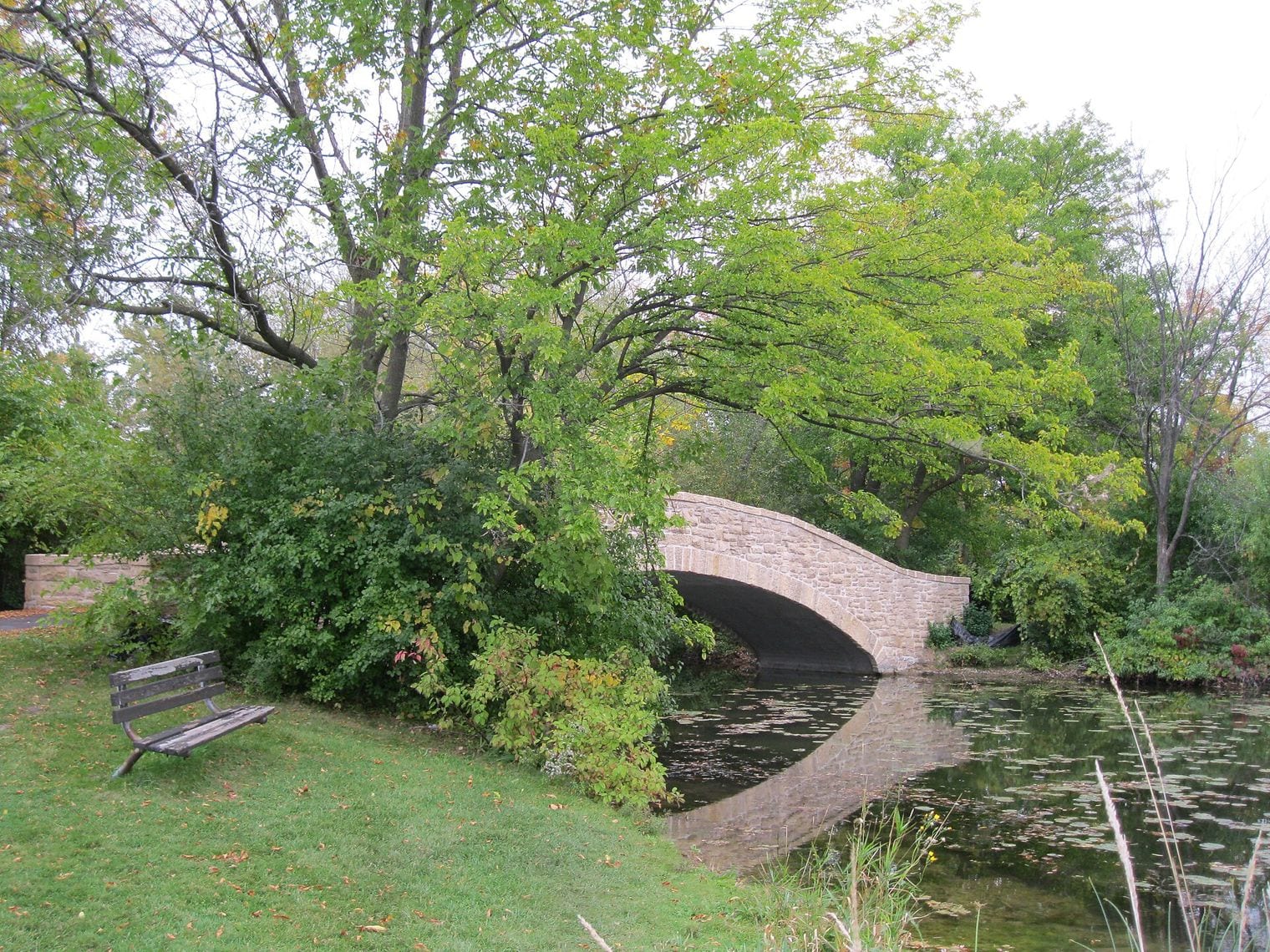
Tenney Park sits where the Yahara River meets Lake Mendota on the near east side, a historic park laid out between 1900 and 1911 by landscape architect Ossian Cole Simonds. Lagoons and a parkway along the river make it one of Madison's prettiest strolls.
In summer, watch boats pass through the Tenney Locks between the lakes. In winter the frozen lagoon becomes one of the city's favorite outdoor skating spots, with a warming shelter on the shore.
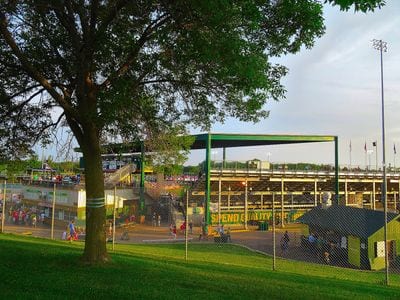
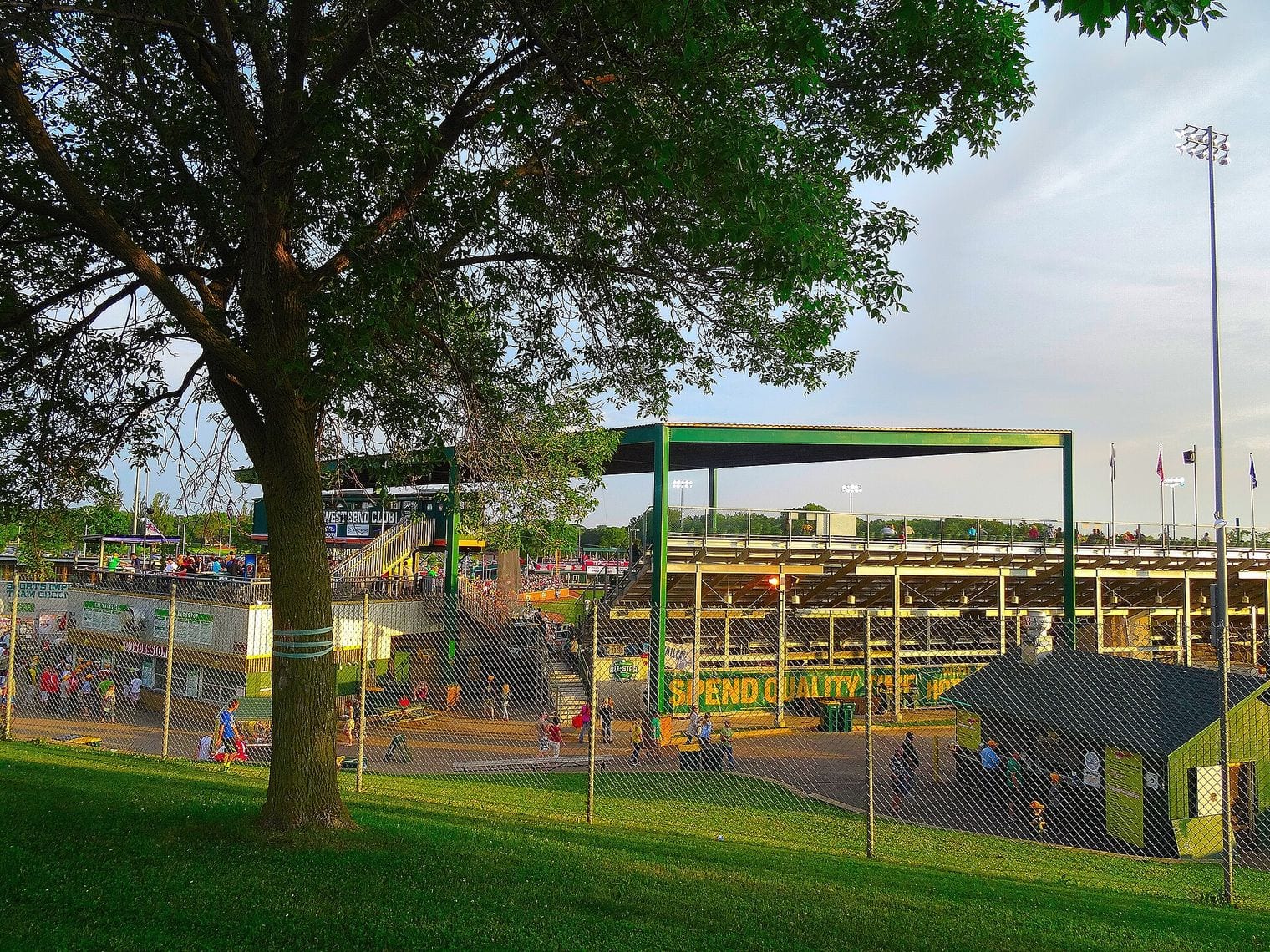
The Madison Mallards are a summer collegiate baseball team in the Northwoods League, playing at Warner Park on the city's north side. The ballpark, nicknamed the Duck Pond, is all about easygoing fun: promotions, mascots and a crowd that comes as much for the party as the box score.
The season runs only in summer, from late spring to August, so plan around it. A Mallards game is one of the most relaxed nights out in Madison and a good pick for families.
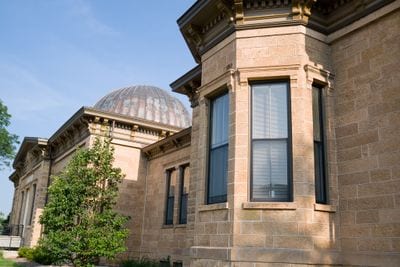
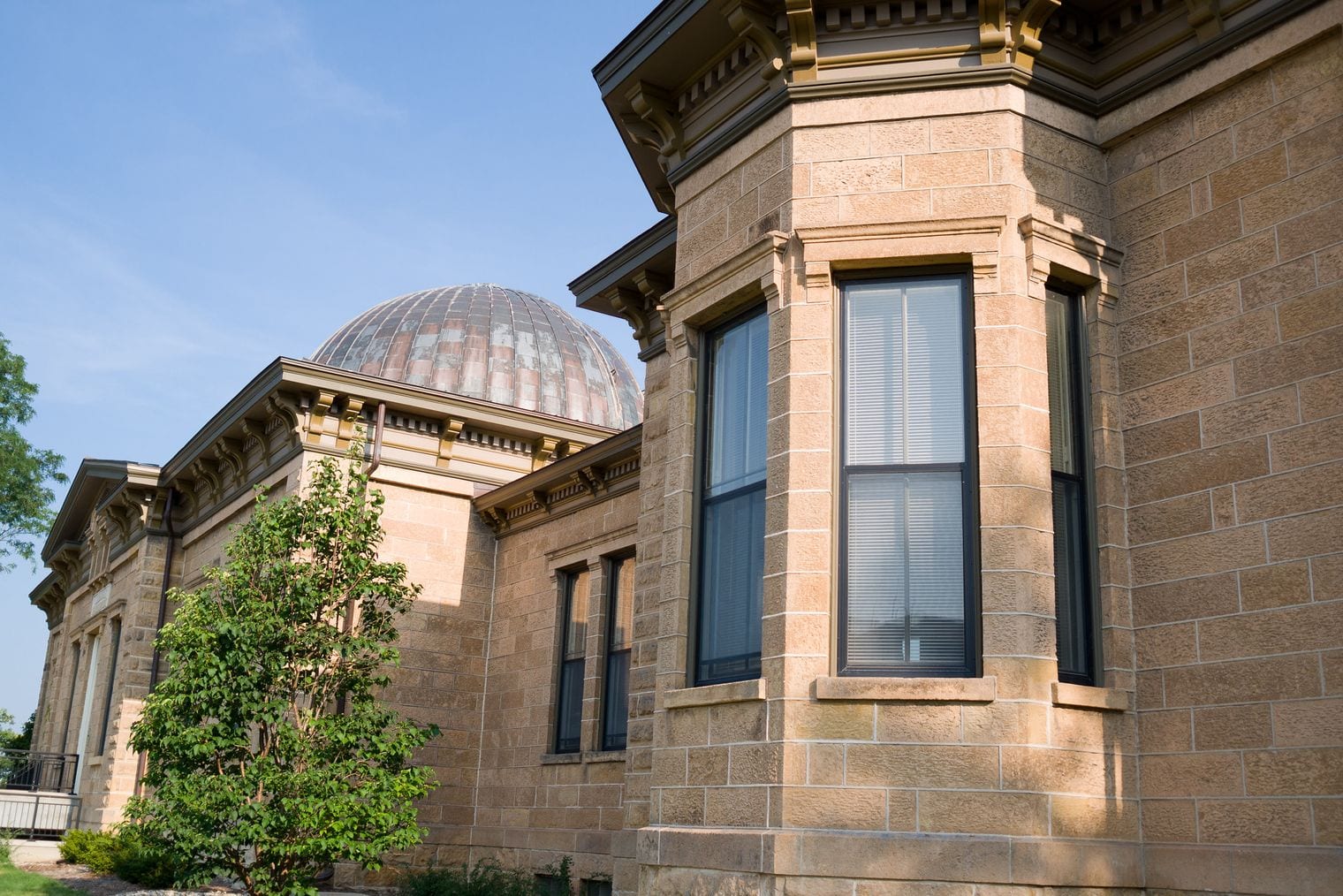
The Washburn Observatory sits on Observatory Drive above Lake Mendota, a 19th-century observatory that Cadwallader Washburn began building in 1878 and gave to the university. It was the university's first scientific research facility, and its historic telescope is still in use.
The astronomy department runs free public viewing nights on set Wednesdays through the year, with extra nights in summer, weather permitting. Climb to the dome for a look at the moon or planets, then enjoy the view over the lake on the walk down.
Plan your trip
Best Time to Visit Madison
Summer is Madison's high season: the lakes fill with paddlers and swimmers, the Terrace chairs come out, the farmers' market rings the Capitol every Saturday, and evenings bring outdoor concerts and Mallards baseball. Late spring and early fall are just as pleasant, with milder weather, flowering gardens and the Arboretum's prairies at their best.
Fall weekends revolve around Badgers football, so book early on home-game dates. Winters are long and cold, but the frozen lakes draw ice fishers and skaters, Tenney Park's lagoon turns into a rink, and the museums, the Overture Center and indoor markets keep the city lively.
Getting to Madison
Madison sits where Interstates 90, 94 and 39 meet on the city's east side, about an hour and a quarter west of Milwaukee and roughly two and a half hours northwest of Chicago by road. Dane County Regional Airport, on the north side of town, is a short drive from downtown; travelers flying into a bigger hub often land in Milwaukee or at Chicago's O'Hare and drive or take a coach from there.
Madison has no passenger rail station of its own, but intercity coaches link it with Milwaukee, Chicago and other Midwest cities.
Getting Around Madison
The isthmus is compact and flat enough to walk: the Capitol Square, State Street, the campus and the Monona Terrace waterfront all sit within a mile or two of each other. Metro Transit buses, including a rapid bus line across the isthmus, reach most neighborhoods, and rideshares are easy to find.
Madison is one of the country's bike-friendly cities, with lakeside paths, protected lanes and a bike-share system, which makes cycling the best way to reach the parks and the lakes. A car helps for the Arboretum's far trails and for day trips; downtown parking is mostly in city-run garages around the Square.
Where to Stay in Madison
Downtown around the Capitol Square is the most convenient base, within walking distance of State Street, Monona Terrace and the farmers' market. The State Street and campus area suits visitors who want lake views, student energy and the university museums on the doorstep, especially on football weekends, when it books up early.
For a neighborhood feel, the near east side around Williamson Street and Atwood Avenue puts you close to Olbrich, the Garver Feed Mill and the lakeshore bike paths. Travelers with a car will find more space and easier parking on the west side toward Middleton and along the interstate on the east side.
Where to Eat in Madison
The Capitol Square and State Street hold the densest mix of cafés, brewpubs and restaurants, and Williamson Street and Atwood Avenue add a more casual, international, locally owned scene on the east side. Monroe Street near Camp Randall is another good strip for dinner before or after a game.
Eat like a local: squeaky fresh cheese curds, a Friday night fish fry, bratwurst at a tailgate, and an old-fashioned at a Wisconsin supper club on the edge of town. The farmers' market is the place to try the state's cheeses, and the Garver Feed Mill gathers small local food makers under one roof.
Day Trips from Madison
Head west and the driftless hills begin within half an hour: Cave of the Mounds near Blue Mounds, then about an hour out near Spring Green, Frank Lloyd Wright's home and studio at Taliesin and the eccentric House on the Rock. Just west of the city, Middleton is home to the National Mustard Museum. Southwest, the Swiss-settled village of New Glarus and the old lead-mining town of Mineral Point are two of Wisconsin's best small towns.
About an hour north, Devil's Lake State Park offers quartzite bluffs above a clear lake, and the Wisconsin Dells pairs its sandstone river gorges with water parks whose rides include some of the tallest waterslides in the world. With a longer day, Milwaukee is about an hour and a quarter east, and Lake Michigan's shore at Sheboygan is roughly two hours northeast.
Madison is best known as Wisconsin's capital on an isthmus between two lakes, and as home of the University of Wisconsin–Madison. Its signature sights are the Wisconsin State Capitol, the Memorial Union Terrace on Lake Mendota, Olbrich Botanical Gardens, Monona Terrace and the free Henry Vilas Zoo, along with the huge Saturday farmers' market on the Capitol Square.
How many days do you need in Madison?
Two to three days is the sweet spot. One day covers the Capitol Square, State Street and the campus; a second fits the lakes, Olbrich Botanical Gardens, the zoo and an evening on the Memorial Union Terrace; a third leaves time for the Arboretum, a Badgers or Mallards game, or a day trip into the hills west of the city.
What can you do in Madison for free?
Plenty. Tour the Wisconsin State Capitol, visit the Henry Vilas Zoo, walk the outdoor gardens at Olbrich, and browse the Chazen Museum of Art, the Madison Museum of Contemporary Art and the Wisconsin Veterans Museum without paying admission. The Memorial Union Terrace, Picnic Point, the Arboretum's trails and the city's lakeside parks and beaches are free as well.
When is the best time to visit Madison?
Late spring through early fall is best, when the lakes, the Memorial Union Terrace and the Saturday farmers' market are in full swing and the gardens are in bloom. Fall adds football Saturdays and color in the Arboretum; winter is cold but brings skating and ice fishing on the frozen lakes.
Is Madison, Wisconsin walkable?
Yes. The downtown isthmus is compact, with the Capitol Square, State Street, Monona Terrace and the university all within easy walking distance, and lakeside paths link them to parks along both lakes. Madison is also known as a bike-friendly city, so cycling is a good way to reach Olbrich, Picnic Point and the Arboretum.
Sources & updates
How this guide was checked
Checked before launch
Sources cited
30
Publishers
20
Every place on this list was confirmed open and pinned on the map before publication, and what we say about each one was checked against its own website or an official source.
A PDF with a box to tick for every place. Confirm your email to download it, and get one email every Thursday with our newest guides for the places you tick.
Free Madison printable checklist
All 30 places in one PDF
Tick them off as you go. Confirm your email to download it, plus one email every Thursday with new guides for the places you tick.
We use cookies to analyse site traffic and improve your experience.
You can accept or reject analytics cookies. See our
May we use analytics cookies? See ourCookie Policy.