We build and rank every list first. Booking links come after, and only where
a partner sells a ticket, tour or stay for that exact place, so a place with
nothing to book is listed exactly as prominently as one you can book.
So how do we earn? Some links on this page go to booking
partners, and if you book tickets, tours or a stay through
one, we may earn a commission. It costs you nothing extra.
That commission never decides which places make the list, the order they
appear in, or what we write about them. No entry is sponsored or a paid
placement.
30 Best Things to Do in Milwaukee, Wisconsin (2026)
By the CityViking Research TeamPublished 30 places · 22 min read
Sources Checked before launchOct 17, 202629 sources26 publishers1 government & parks1 tourism board6 encyclopedias & research21 venues & other sitesPublished · Oct 17, 2026Researched and checked before it went liveClick for every source and the full change log.
Short answer
Milwaukee is known for the brewing heritage behind its Brew City nickname, Summerfest, certified by Guinness as the world's largest music festival, and its rank as Wisconsin's largest city. Start with the Milwaukee Art Museum and its winged Calatrava pavilion on the lakefront, then the Harley-Davidson Museum and a walk along the Milwaukee RiverWalk into the Historic Third Ward. Two to three days is ideal, and one well-planned day covers the downtown highlights.
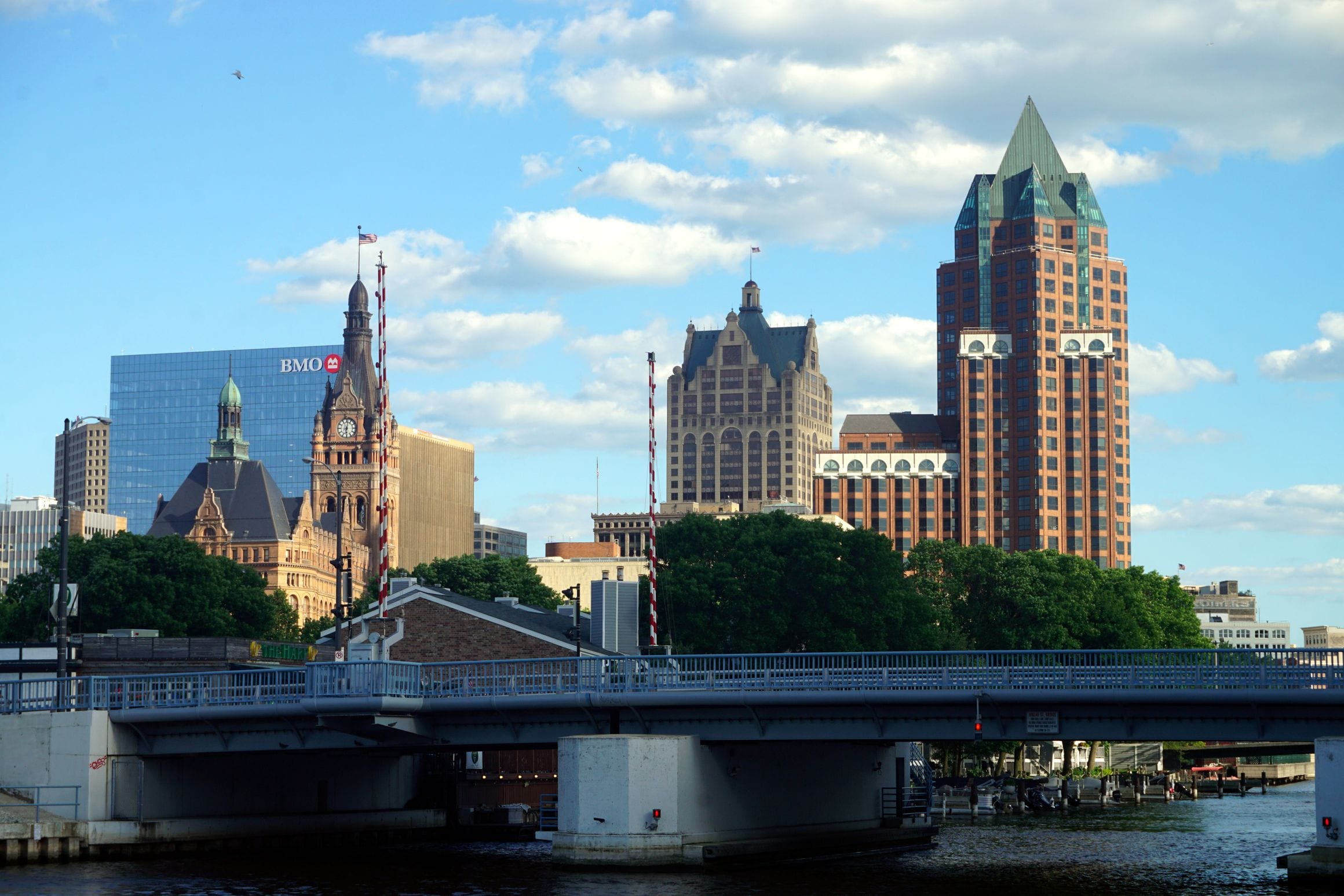
Milwaukee wears its Lake Michigan setting well: a Calatrava museum on the shore, a riverwalk threaded through old warehouse districts, and a brewing and motorcycle heritage that still shapes the biggest city in Wisconsin. Summer fills the lakefront with festivals; winter sends everyone into museums, conservatories and arenas.
This guide covers the 30 best things to do in Milwaukee, from the Art Museum and the Harley-Davidson Museum to Frank Lloyd Wright homes, lighthouses and beaches, with a map, a one-day plan and trip-planning tips. Give the city two or three days to do it justice.
Milwaukee is the largest city in Wisconsin, well ahead of the state capital, Madison, about an hour and a half to the west.
Summerfest, held every summer on the lakefront, was certified by Guinness World Records in 1999 as the world's largest music festival.
Harley-Davidson was founded in Milwaukee in 1903, and the company still tells its story at its own museum in the Menomonee Valley.
The Brew City nickname runs deep: by 1856 Milwaukee had more than two dozen breweries, most run by German immigrants, and Miller, Pabst and Schlitz later made it a national leader in beer.
The Basilica of St. Josaphat was built from a Chicago landmark: its builders used materials salvaged from Chicago's former Custom House, Court House and Post Office.
The city says its name comes from a Potawatomi word for "council grounds", though historians have proposed other origins, including words for "good land" and "gathering place".
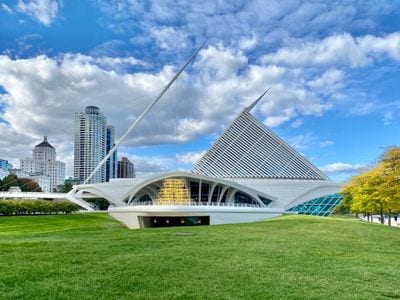
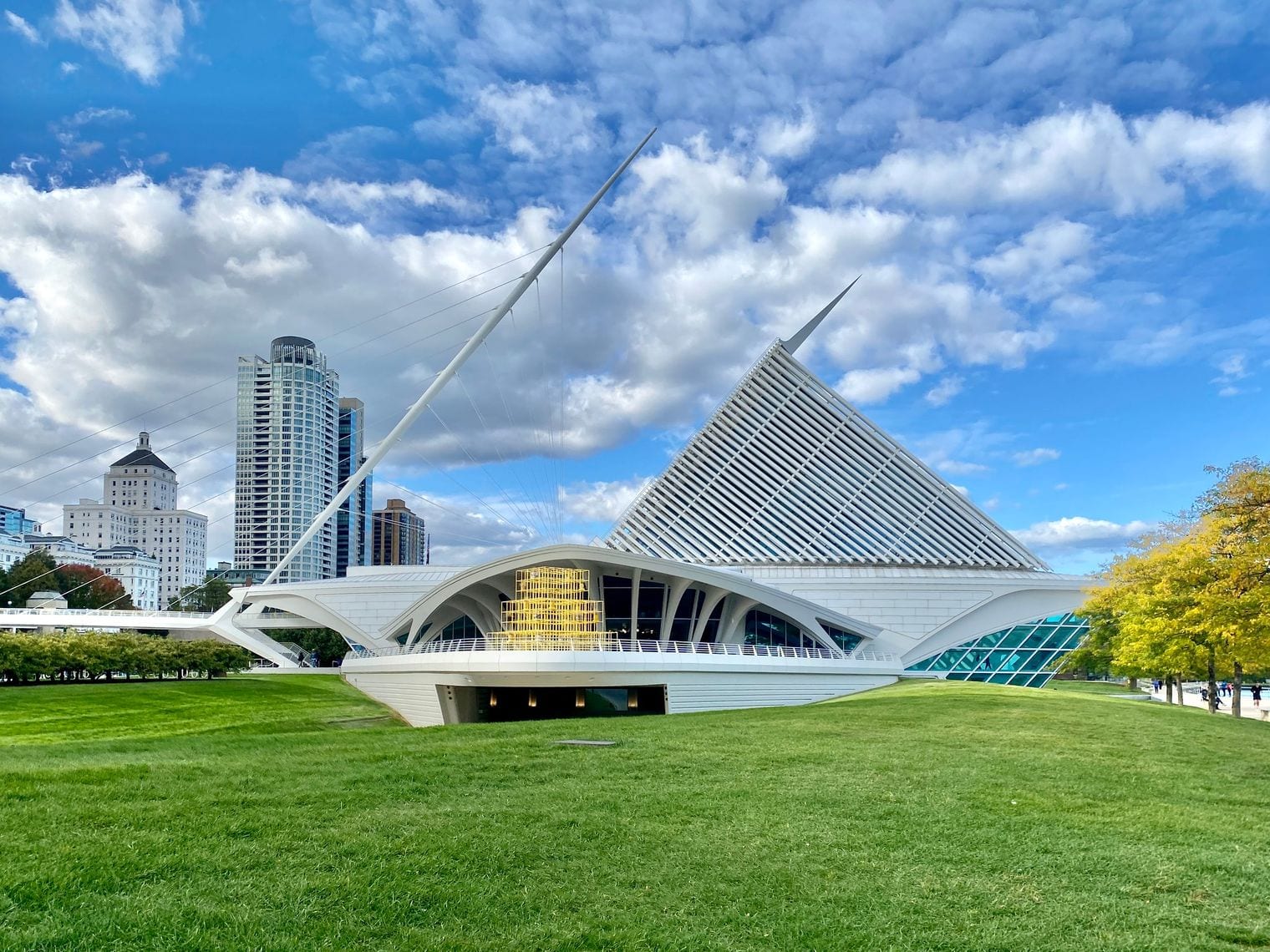
The Milwaukee Art Museum is the building that put the city on postcards. Santiago Calatrava's Quadracci Pavilion, inaugurated in 2001, sits on the lakeshore like a white ship, and its Burke Brise Soleil, a movable sunscreen of steel fins, opens and folds above the glass reception hall like a pair of wings. The pavilion joins Eero Saarinen's Milwaukee County War Memorial Center, where the museum's founding collections came together in 1957.
Inside, a collection of nearly 35,000 works makes it the largest art museum in Wisconsin, with one of the country's biggest holdings of paintings by Wisconsin-born Georgia O'Keeffe and strong German Expressionist galleries. Time your visit to see the wings move, then walk the long formal garden beside the pavilion or the grass of Museum Center Park for a classic view of the building against the lake.
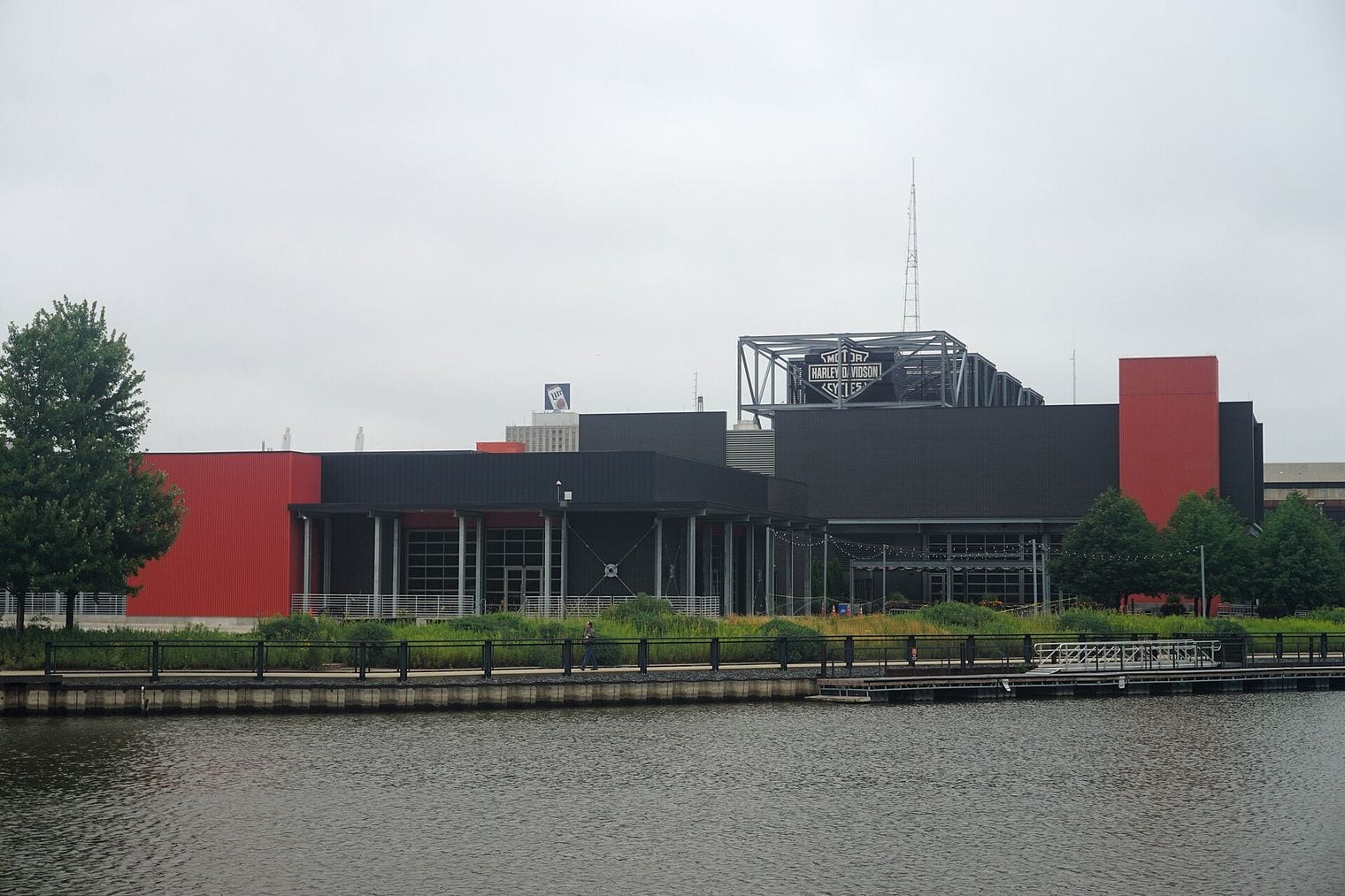
Harley-Davidson was founded in Milwaukee in 1903, and the Harley-Davidson Museum tells the story on the company's home turf. The three-building complex opened in 2008 on a 20-acre site along the Menomonee River and holds more than 450 motorcycles, from the earliest machines to custom choppers, racing bikes and the models that defined American road culture.
You don't need to ride to enjoy it: the galleries cover design, advertising, clubs and the riders themselves, and there are bikes you can sit on for a photo. The industrial riverside campus is easy to reach from downtown and pairs well with a walk along the Menomonee Valley trails or a beer afterward in Walker's Point.
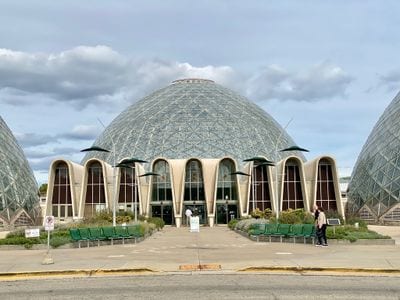
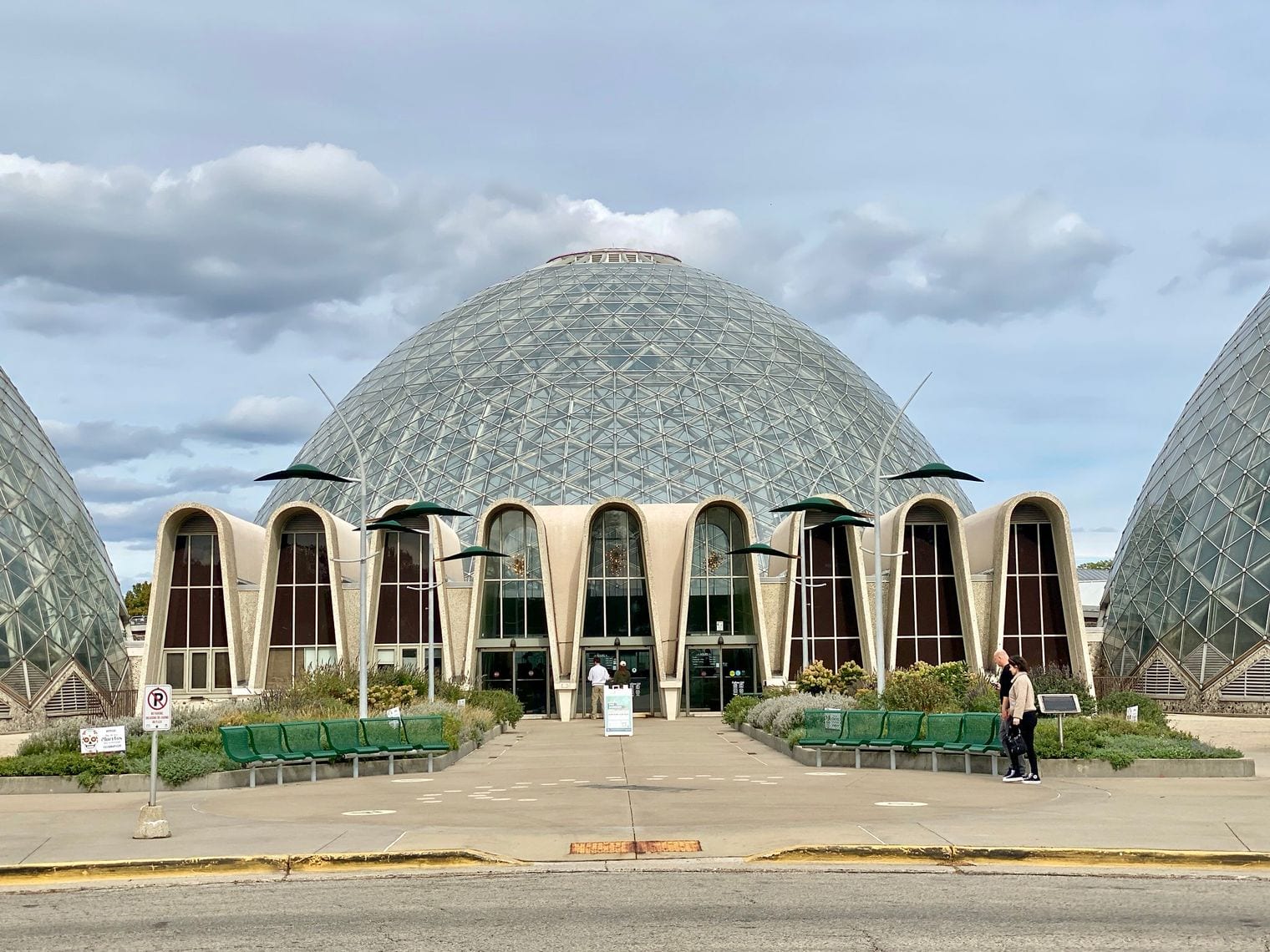
Three beehive-shaped glass domes rise above the South Side at the Mitchell Park Domes, the county's horticultural conservatory, completed between 1964 and 1967. The Tropical Dome is a steamy jungle of nearly 1,000 plant species, including banana, cacao and papaya; the Desert Dome gathers cacti and succulents from arid regions around the world; and the Floral Show Dome changes its themed displays through the year.
The Domes are open, and they make the city's best escape on a grey winter day. Milwaukee County has approved a plan to restore and rebuild them one dome at a time, with construction expected to begin no earlier than 2027, so check which domes are open before you go once the work starts.
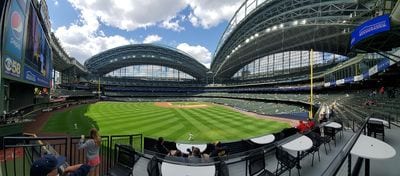
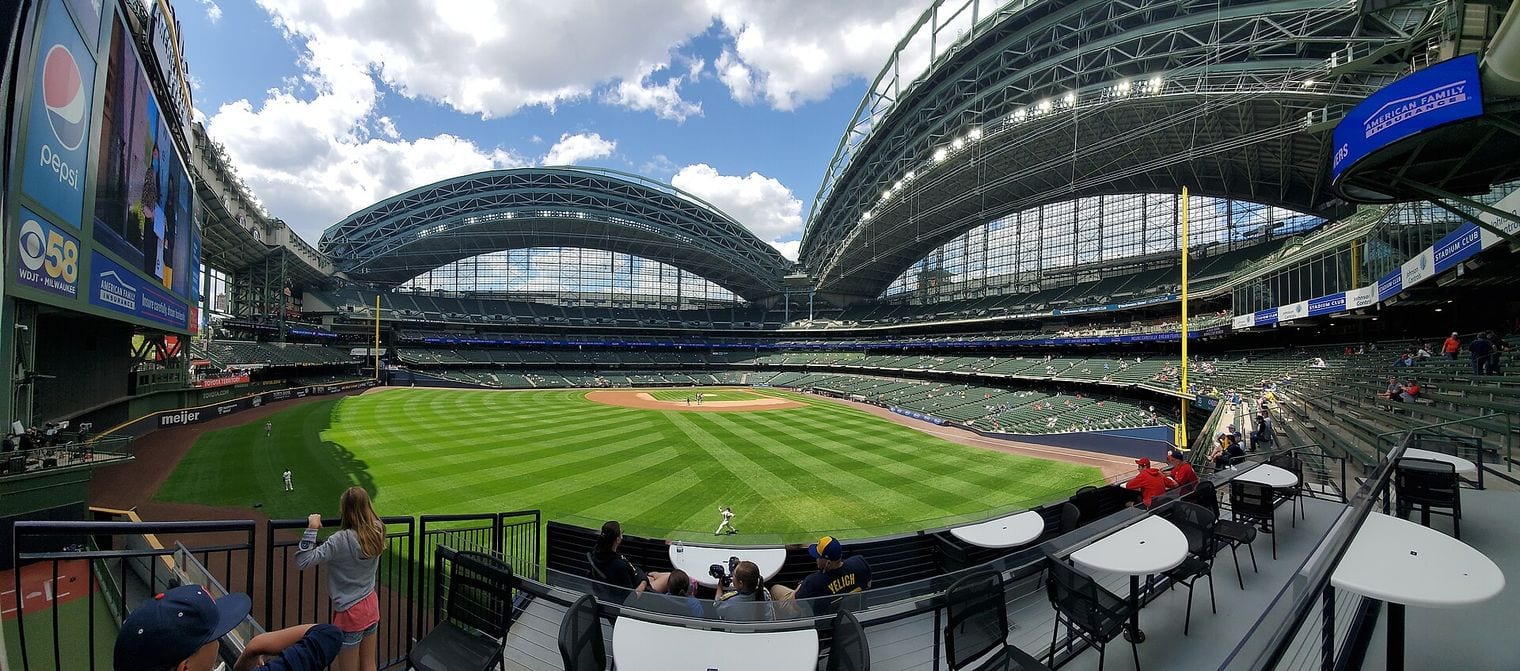
American Family Field, the home of the Milwaukee Brewers, opened in 2001 as Miller Park and is known for North America's only fan-shaped convertible roof, which swings open or closed in less than ten minutes. That roof means baseball goes ahead in the chilly spring and on rainy summer nights, while big glass panels let real grass grow on the field.
A game here is a Milwaukee ritual that starts in the parking lots, where tailgating with grills and bratwurst is part of the day. Inside, look for the between-innings sausage race, a fan favorite, and the views of the open roof on a warm evening. The stadium sits just off I-94, west of downtown.
Chartered in 1882 and open to the public since 1884, the Milwaukee Public Museum is the state's natural and human history museum and its most visited. Generations of visitors know its Streets of Old Milwaukee, a walk-through recreation of the city's 19th-century streets that opened in 1965, along with its dioramas, cultural galleries and the Daniel M. Soref Dome Theater and Planetarium, the first dome theater in Wisconsin.
Plan ahead: the museum's Wells Street building is scheduled to close for good on 3 January 2027. The museum is moving into a new five-story building at 6th Street and McKinley Avenue, near Fiserv Forum, and will reopen there during 2027 under a new name, the Nature & Culture Museum of Wisconsin.
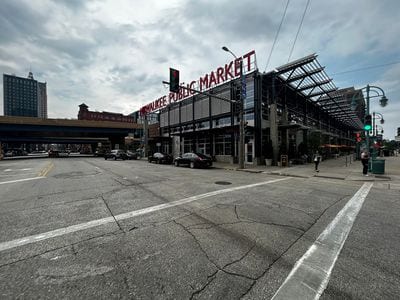
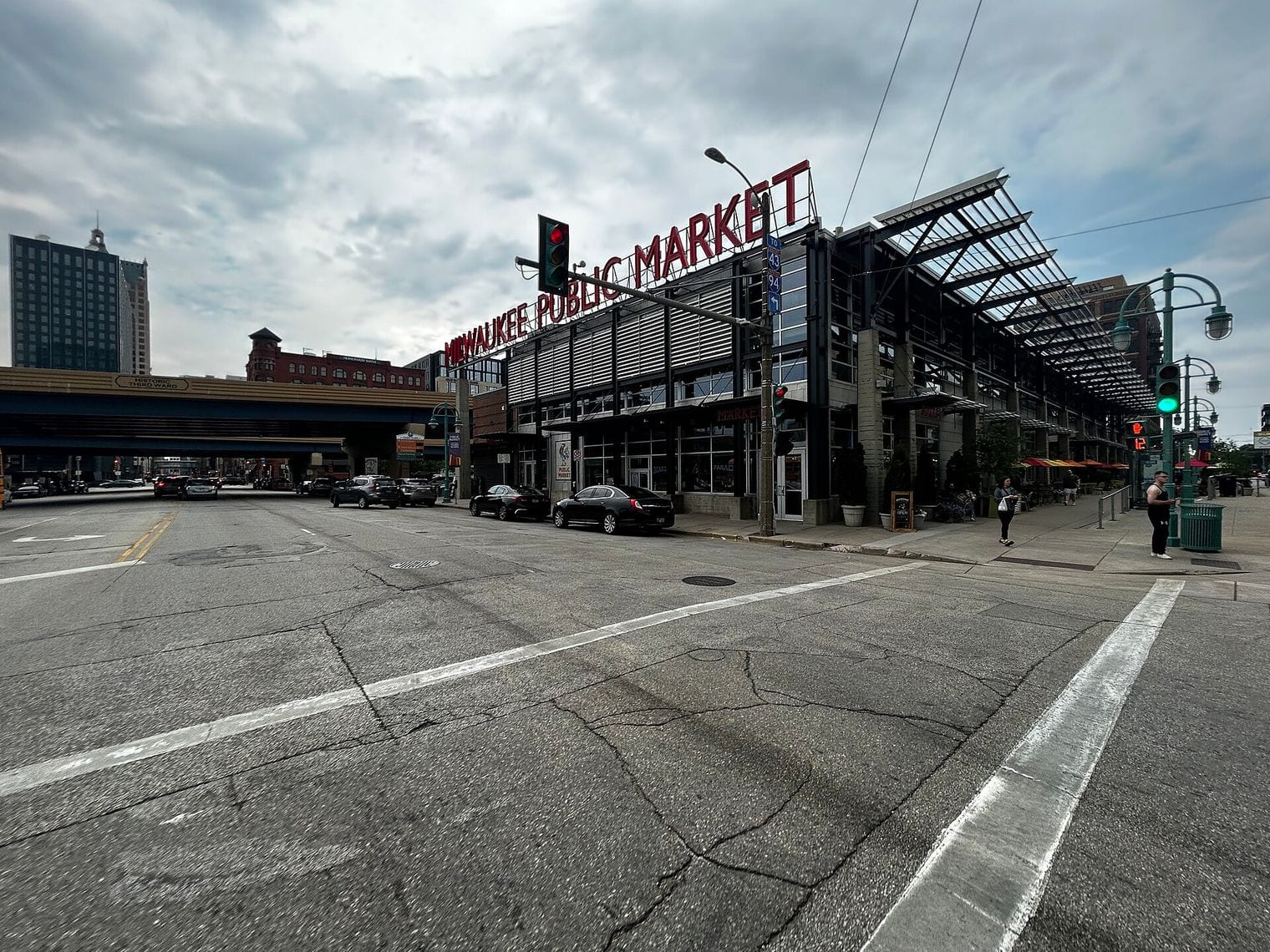
The Milwaukee Public Market, opened in 2005 in the Historic Third Ward, took its inspiration from Seattle's Pike Place Market and gives local food businesses a shared home under one roof. Stalls sell produce, cheese, spices, baked goods, seafood, flowers and plenty of freshly prepared food to eat on the spot.
It is the natural lunch stop on a downtown day, with seating inside and the Milwaukee RiverWalk a few steps away. Come hungry and graze rather than committing to one counter, and pick up Wisconsin cheese or local treats to take home.
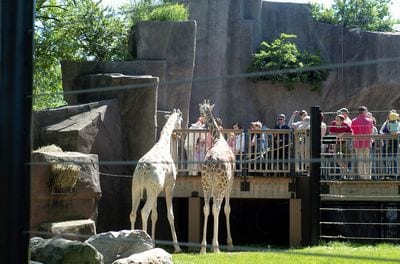
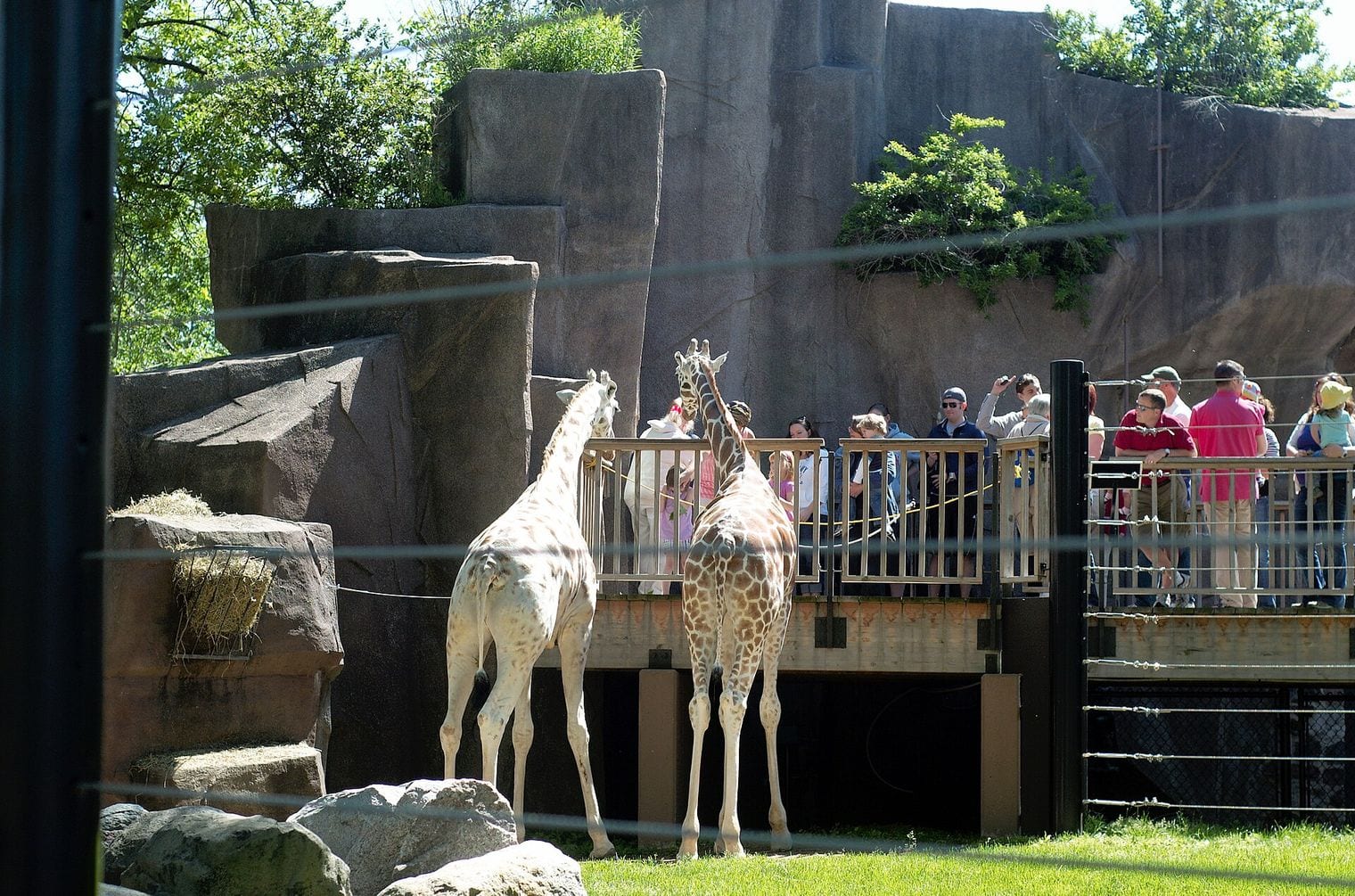
The Milwaukee County Zoo covers about 190 acres on the city's west side and houses thousands of animals from hundreds of species. It is accredited by the Association of Zoos and Aquariums, and it is known for one of the largest groups of bonobos anywhere outside their native Democratic Republic of the Congo.
The grounds are big enough to fill most of a day, so take the Safari Train, which runs on real steam locomotives, to get your bearings. The zoo's most famous resident, the gorilla Samson, lived here from 1950 to 1981 and is still remembered across the city.
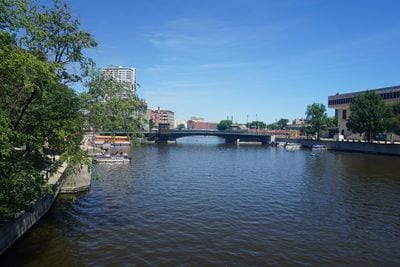
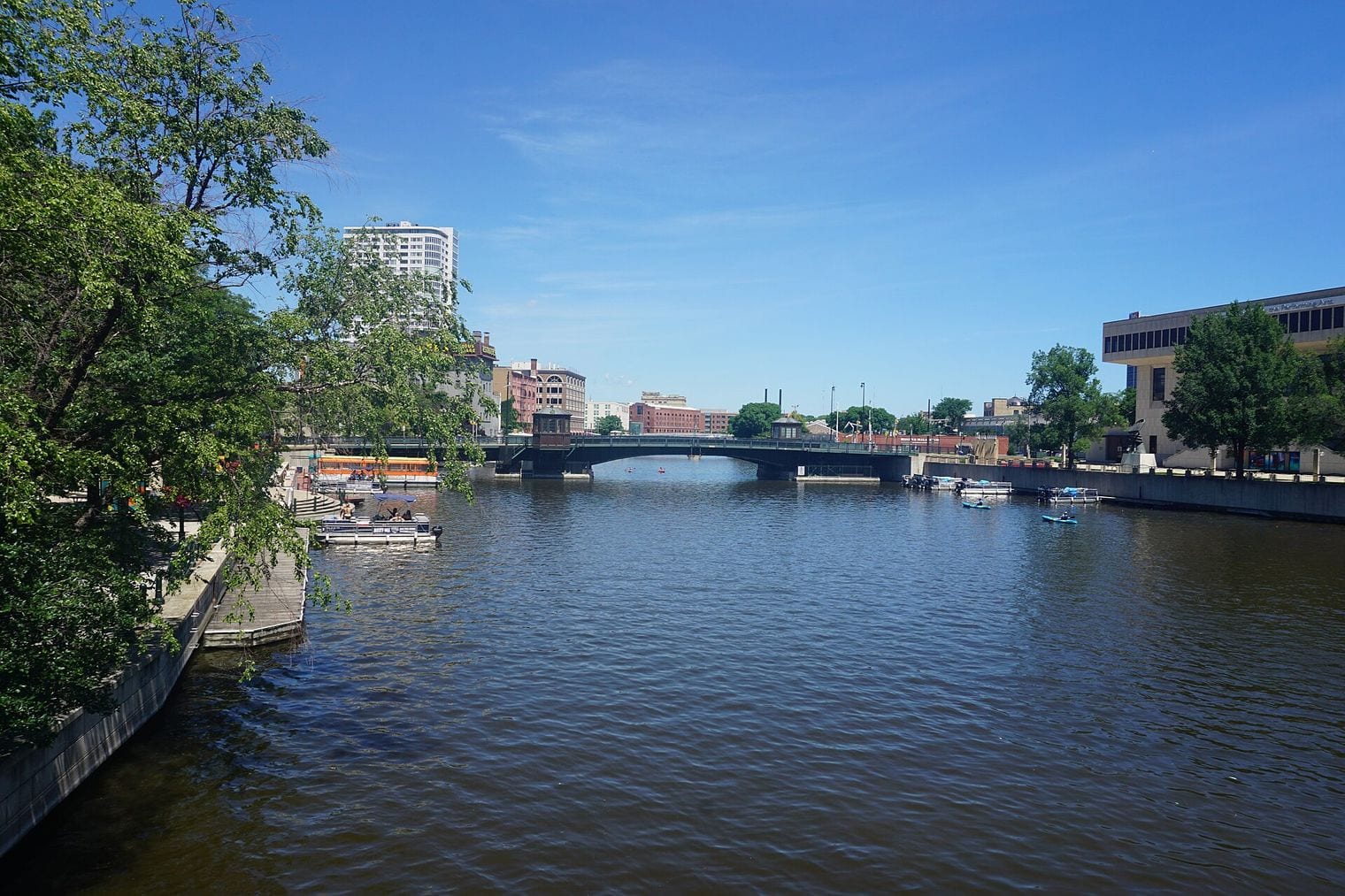
The Milwaukee RiverWalk is a continuous pedestrian path along the Milwaukee River that runs from the Historic Third Ward through downtown toward Brady Street. Restaurants and bars open onto the water, public art lines the route, and bronze medallions designed by schoolchildren are set into the walkway.
The RiverWalk's most photographed resident is the Bronze Fonz, a statue of Arthur Fonzarelli from the TV series Happy Days, which was set in Milwaukee; it has stood on the walk just south of Wells Street since 2008. Walk a stretch at sunset, or see the river from a boat or kayak in summer.
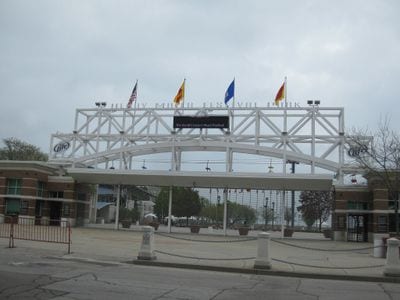
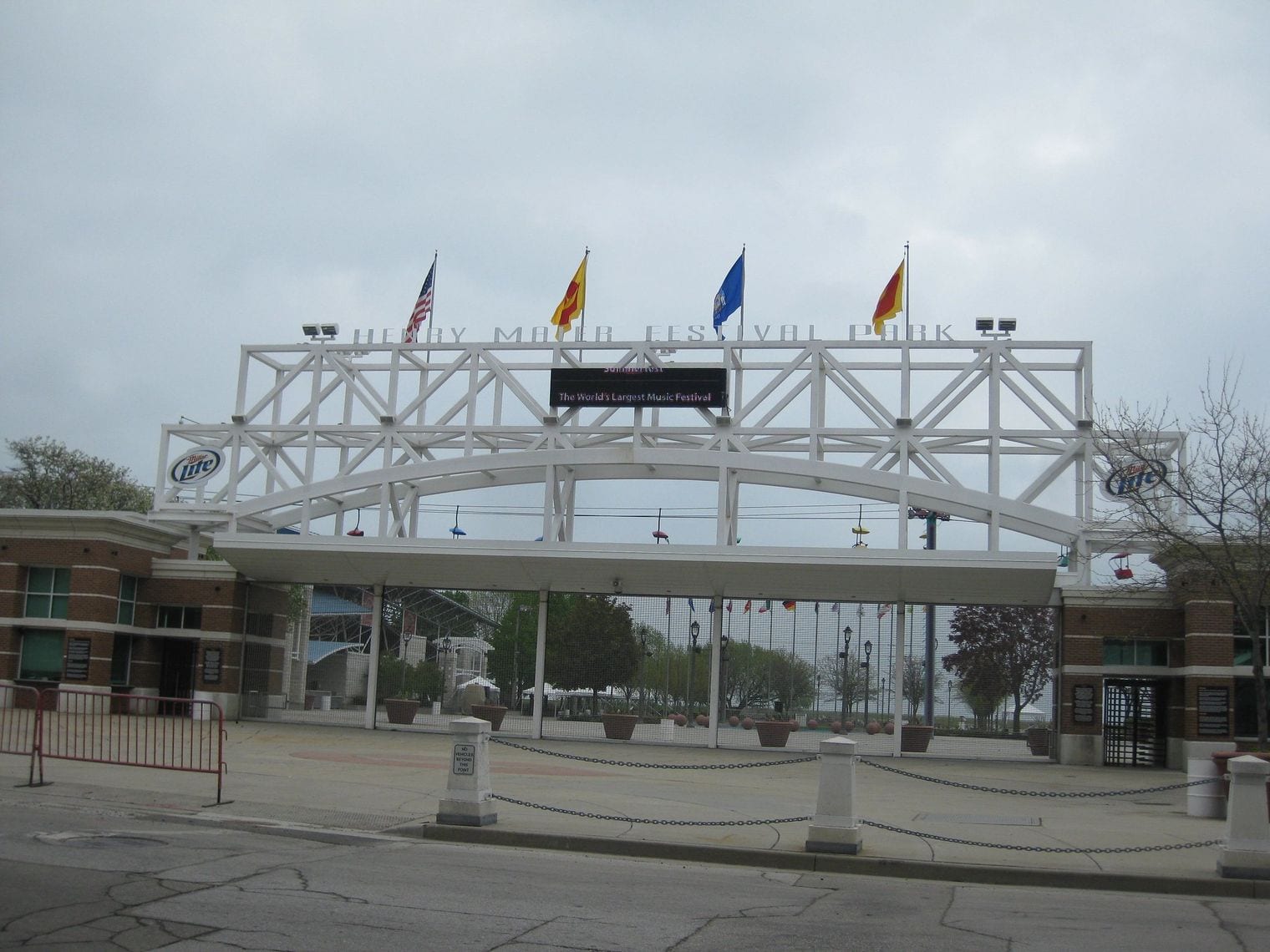
99. Henry Maier Festival Park (Summerfest Grounds)
Henry Maier Festival Park is a 75-acre festival ground on the Lake Michigan shore and the home of Summerfest, first held in 1968 and certified by Guinness World Records in 1999 as the world's largest music festival. Stages are scattered across the grounds, with the American Family Insurance Amphitheater for the biggest headliners.
The park hosts a run of summer ethnic and cultural festivals as well, among them Festa Italiana, German Fest, Irish Fest, Polish Fest, Mexican Fiesta and PrideFest. Outside festival dates the grounds are mostly gated, so plan around the summer calendar; the lakefront paths alongside are worth a walk at any time.
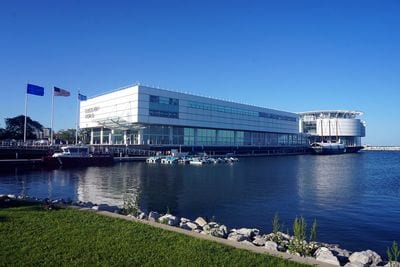
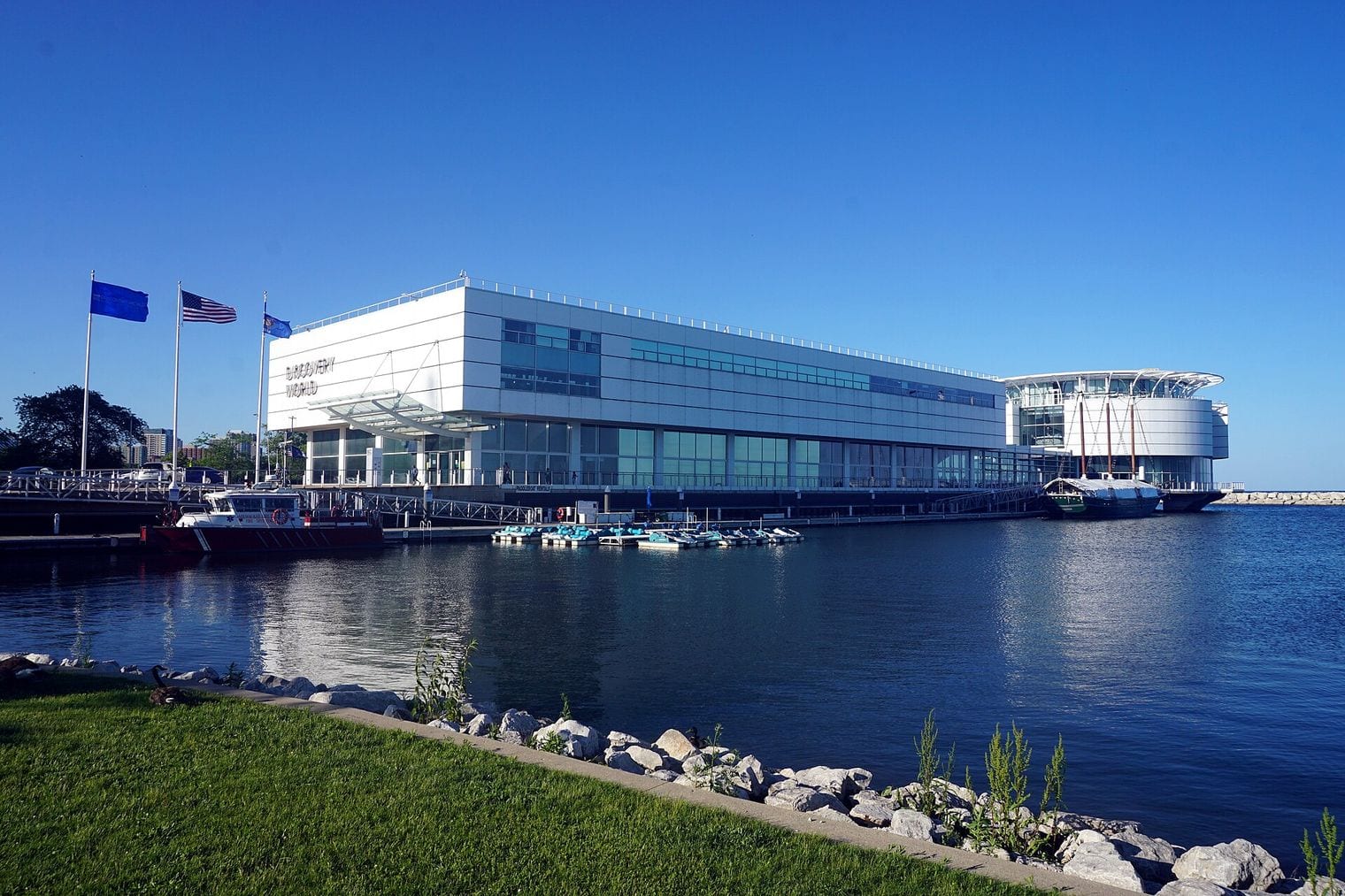
Discovery World is Milwaukee's science and technology museum, set on the Lake Michigan shoreline beside Lakeshore State Park in a home that opened in 2006. Its lower level holds the Reiman Aquarium, the largest aquarium in Wisconsin, where a central Lake Michigan tank shows off lake sturgeon and other Great Lakes species.
Upstairs, hands-on galleries cover physics, simple machines, energy and flight and driving simulators, and an 88-foot replica of a 19th-century Great Lakes schooner fills one hall. It suits families especially well, and the lakefront setting puts the Art Museum a short walk north.
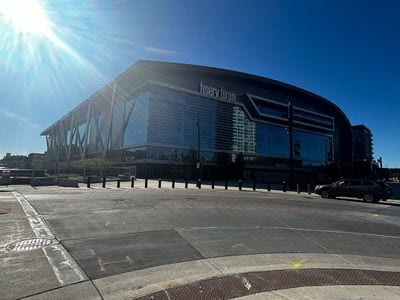
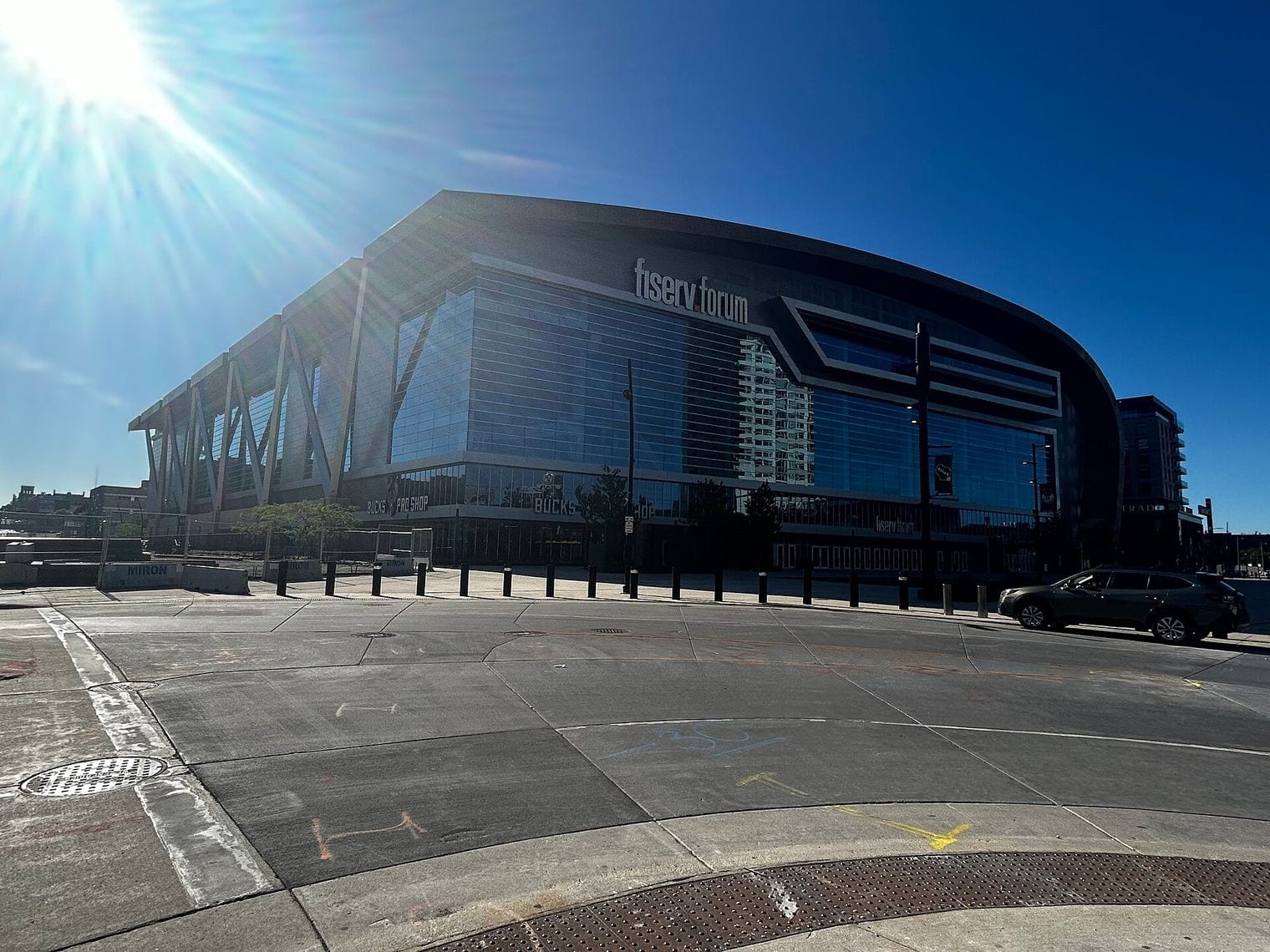
Fiserv Forum, opened in 2018, is the home of the NBA's Milwaukee Bucks and Marquette University men's basketball, and one of the newest arenas in the league. Concerts and touring shows fill the calendar between games, and the arena's curving exterior has become a downtown landmark.
Around it spreads the Deer District, a 30-acre development whose plaza, bars and beer garden draw crowds to watch games on a giant outdoor screen. The plaza was famously packed during the Bucks' 2021 championship run, and on any game night it is the liveliest square in the city, with or without a ticket.
The Historic Third Ward is Milwaukee's old warehouse district, a grid of brick buildings between the Milwaukee River and Lake Michigan that is listed on the National Register of Historic Places. Largely rebuilt after a devastating fire in 1892, its former warehouses now hold boutiques, galleries, restaurants, design studios and lofts.
The Ward is also an arts hub, home to the Milwaukee Institute of Art and Design and the Broadway Theatre Center, and it sits right beside the Summerfest grounds. Wander it with no plan, stop at the Public Market, and link up with the RiverWalk on its western edge.
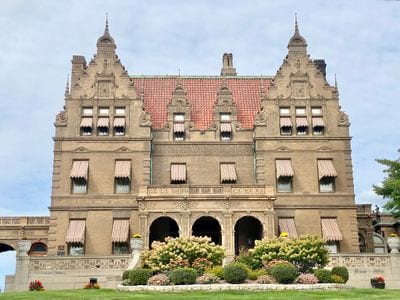
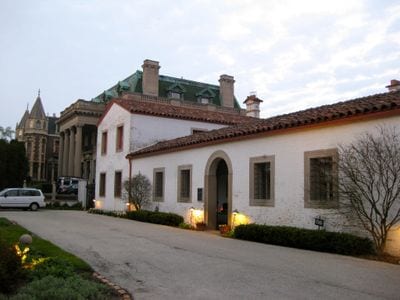
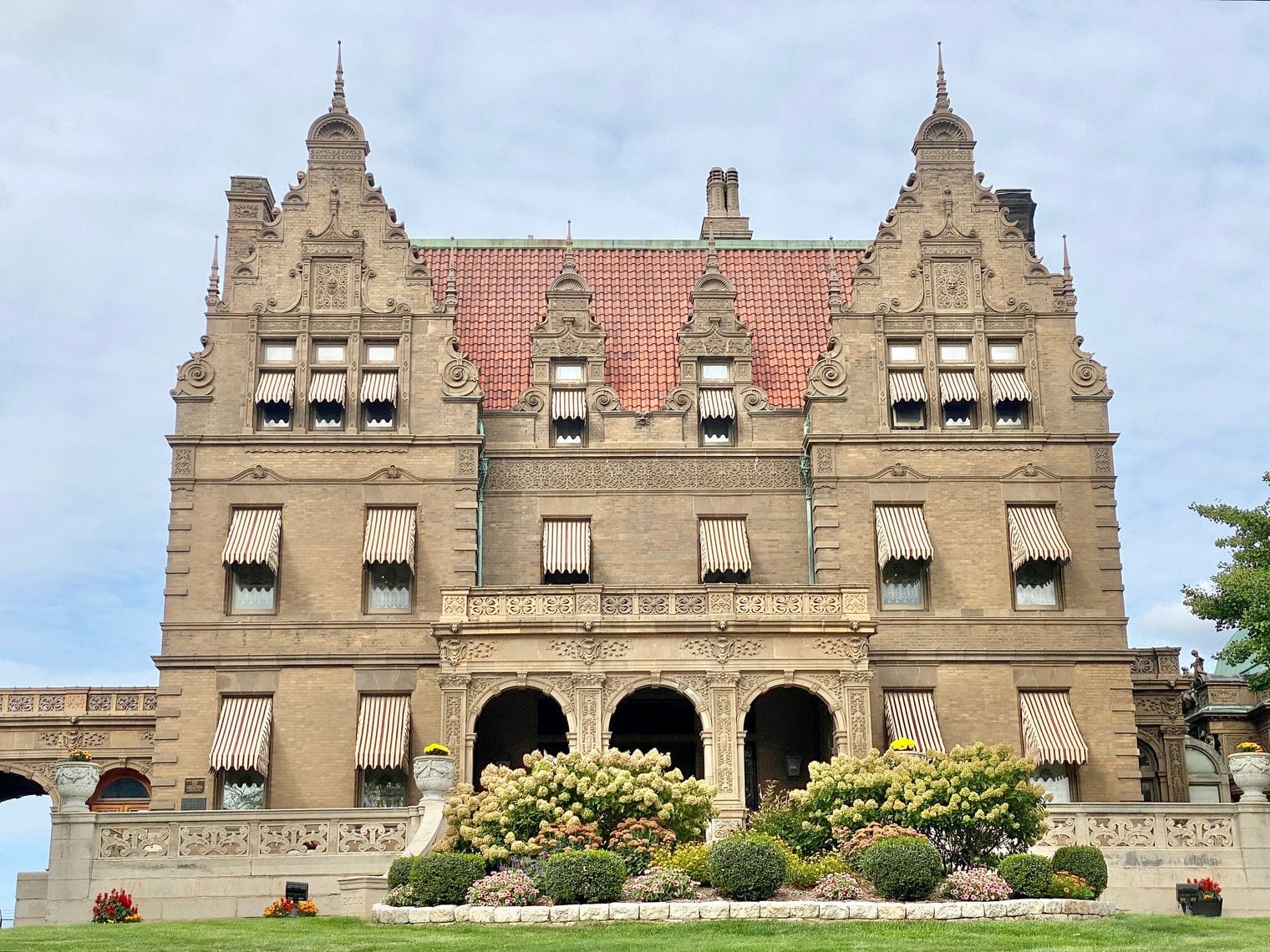
The Pabst Mansion was built in 1892 for Captain Frederick Pabst, the beer baron behind the Pabst Brewing Company, and it is a showpiece of the Flemish Renaissance Revival style. The Pabst family lived here until 1908, when the Archdiocese of Milwaukee bought it as a home for its archbishops.
In 1975 the archdiocese put the house up for sale, and a preservation group stepped in to save and restore it; it is now a historic house museum. Guided tours lead through rooms of carved woodwork and period furnishings that show how Milwaukee's brewing fortune lived.
Free printable checklist of all 30 places
Tick them off as you go. Confirm your email to download it, plus one email every Thursday with new guides for the places you tick.
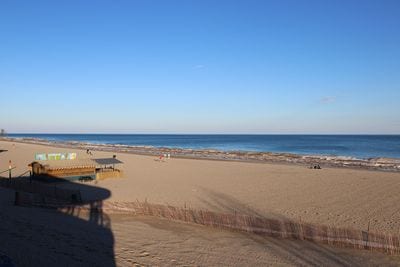
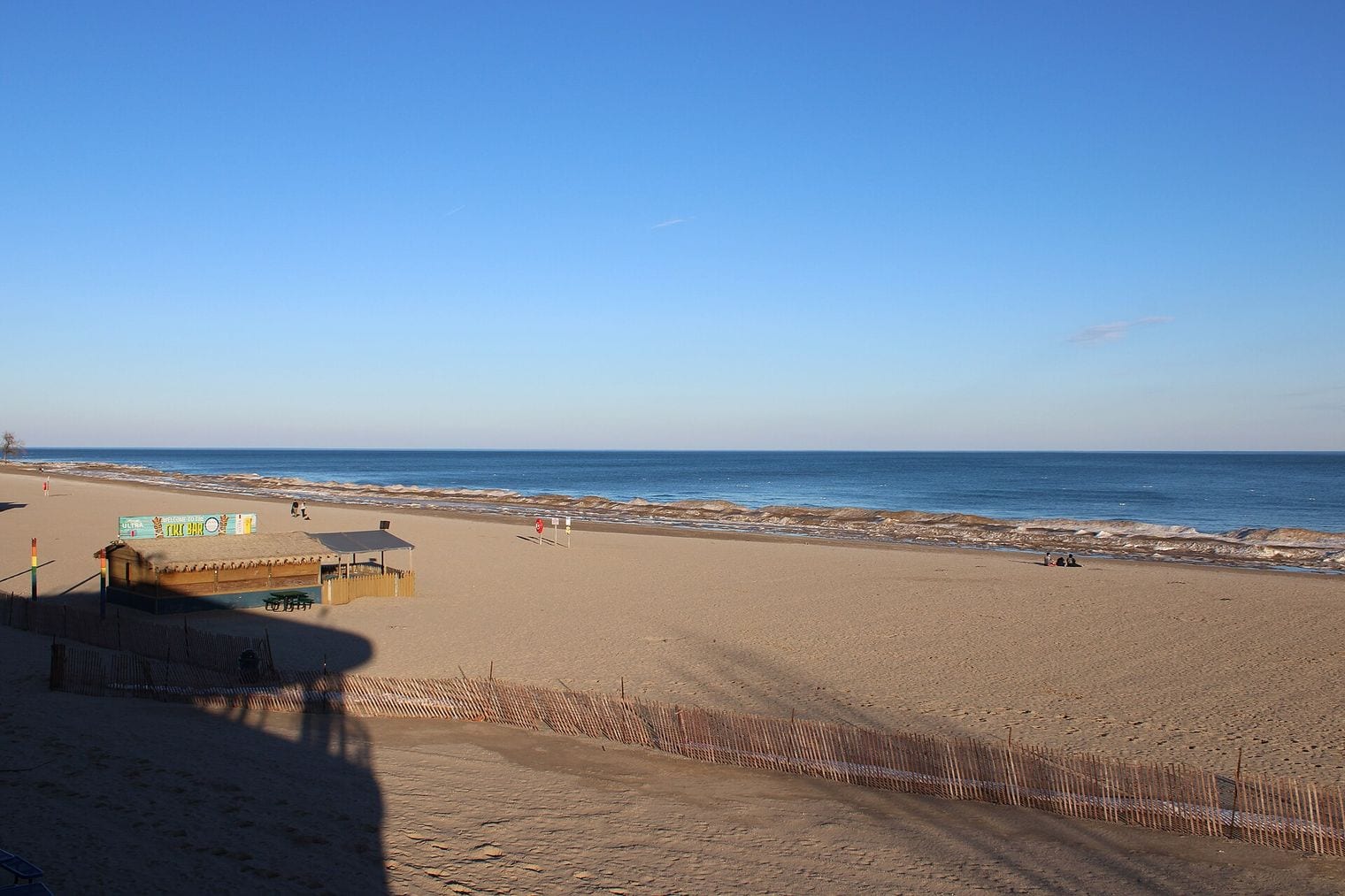
Bradford Beach is Milwaukee's most popular stretch of sand, a public beach built in the 1920s at the foot of the Lake Park bluff on the East Side. On summer days it fills with sunbathers, beach volleyball games and swimmers braving the cool water of Lake Michigan, with the downtown skyline in view to the south.
Off-season it is just as good for a walk, and the Oak Leaf Trail runs along the lakefront behind it for cycling and running. Pair it with Lake Park and the North Point Lighthouse on the bluff above.
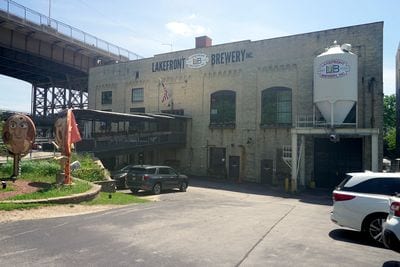
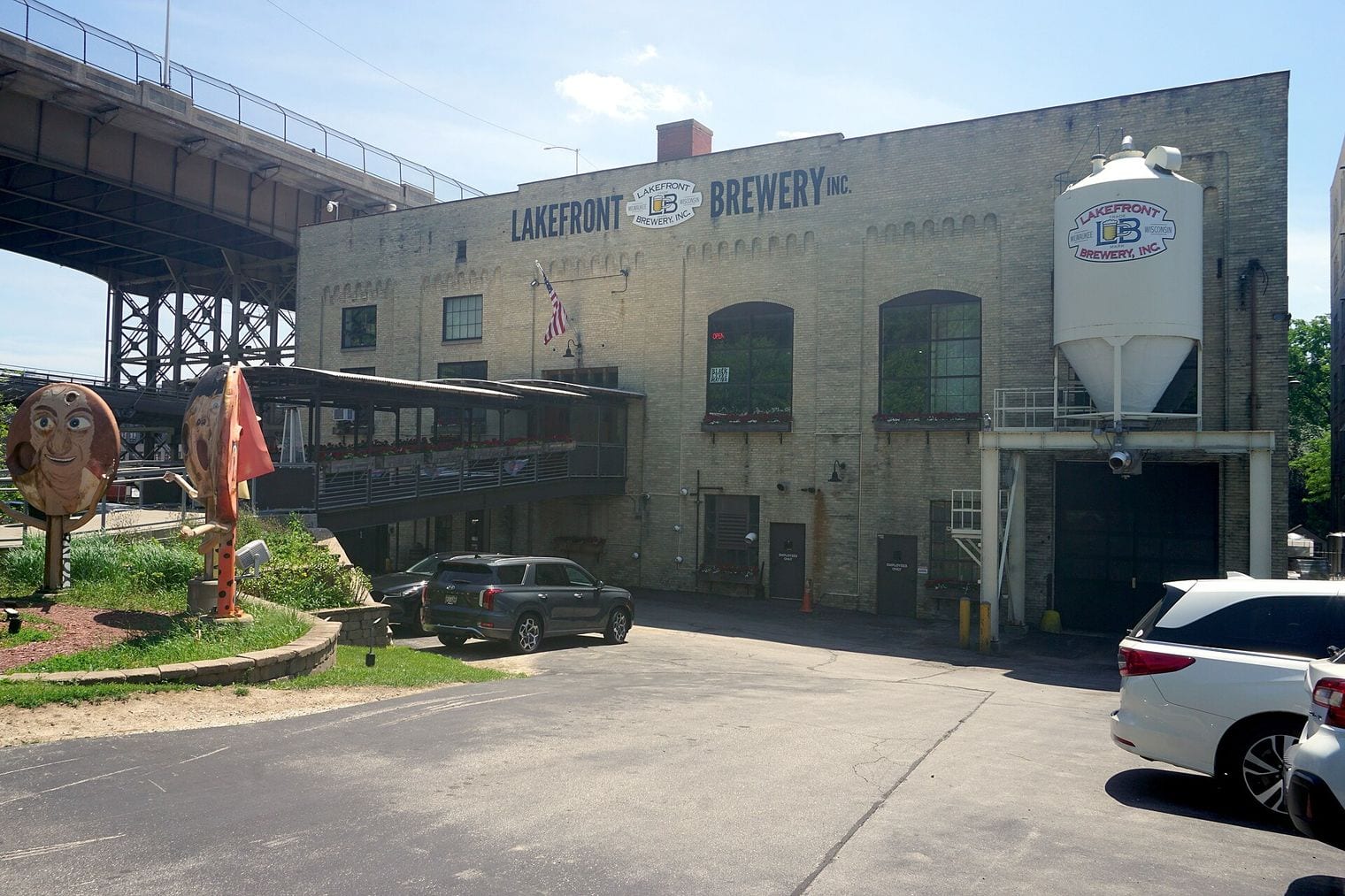
Milwaukee is Brew City, and Lakefront Brewery is the most popular place to see why. Brothers Russ and Jim Klisch founded it in 1987, and it grew into a riverside brewery in the Beerline B neighborhood with beers named for Milwaukee neighborhoods, such as Riverwest Stein. In 1996 it became the first certified organic brewery in the country.
The Lakefront Brewery tour is famous for its humor and its generous samples, and it ends in a beer hall that makes a lively stop in its own right. For the big-brewer contrast, the Miller brewery tour in Miller Valley shows the other side of the city's beer story.
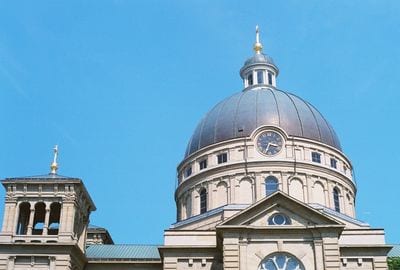
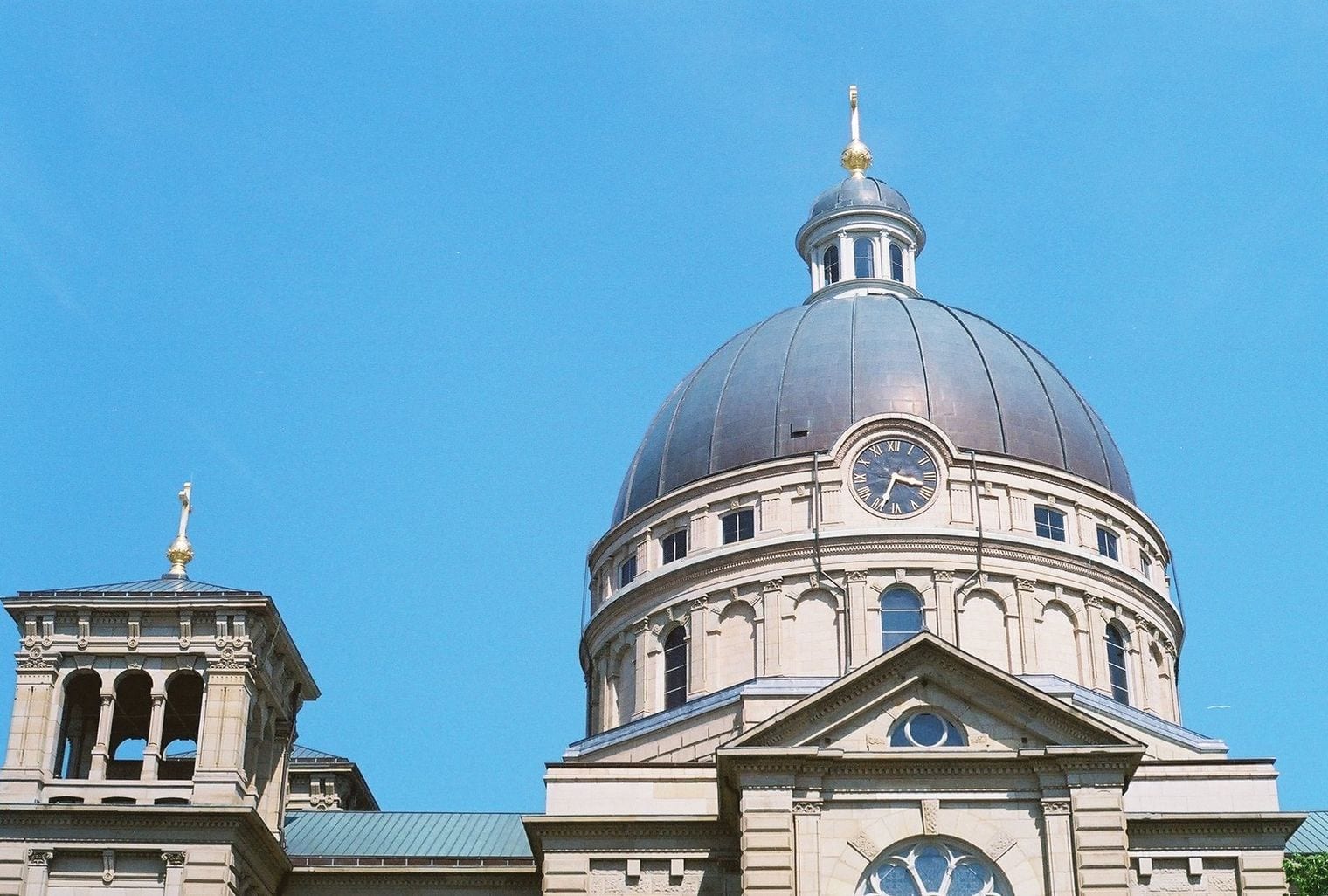
The Basilica of St. Josaphat, completed in 1901 by Milwaukee's Polish immigrant community, was built in the Polish cathedral style using materials salvaged from Chicago's former Custom House, Court House and Post Office. In 1929 it was designated the third minor basilica in the United States, and its great dome still towers over the surrounding neighborhood.
Inside, oil paintings of biblical scenes cover the walls and dome, with gold-leaf plasterwork and stained glass all around. Visitors are welcome outside Mass times, and a self-guided audio tour explains the art and the story of the parish that built it.
Veterans Park is the open green heart of Milwaukee's downtown lakefront, stretching along Lake Michigan north of the Art Museum and the War Memorial Center. Its wide lawns are the city's favorite place to fly a kite, helped by the steady breeze off the lake, and a kite shop in the park supplies anyone who arrives empty-handed.
A lagoon offers paddle boats in summer, a court of honor commemorates each branch of the armed services, and the Oak Leaf Trail carries walkers, runners and cyclists along the shore. It is free, central and an easy break between downtown sights.
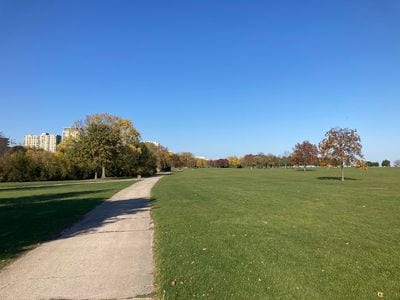
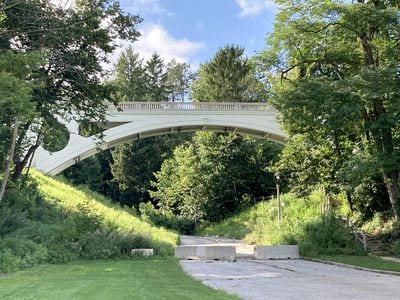
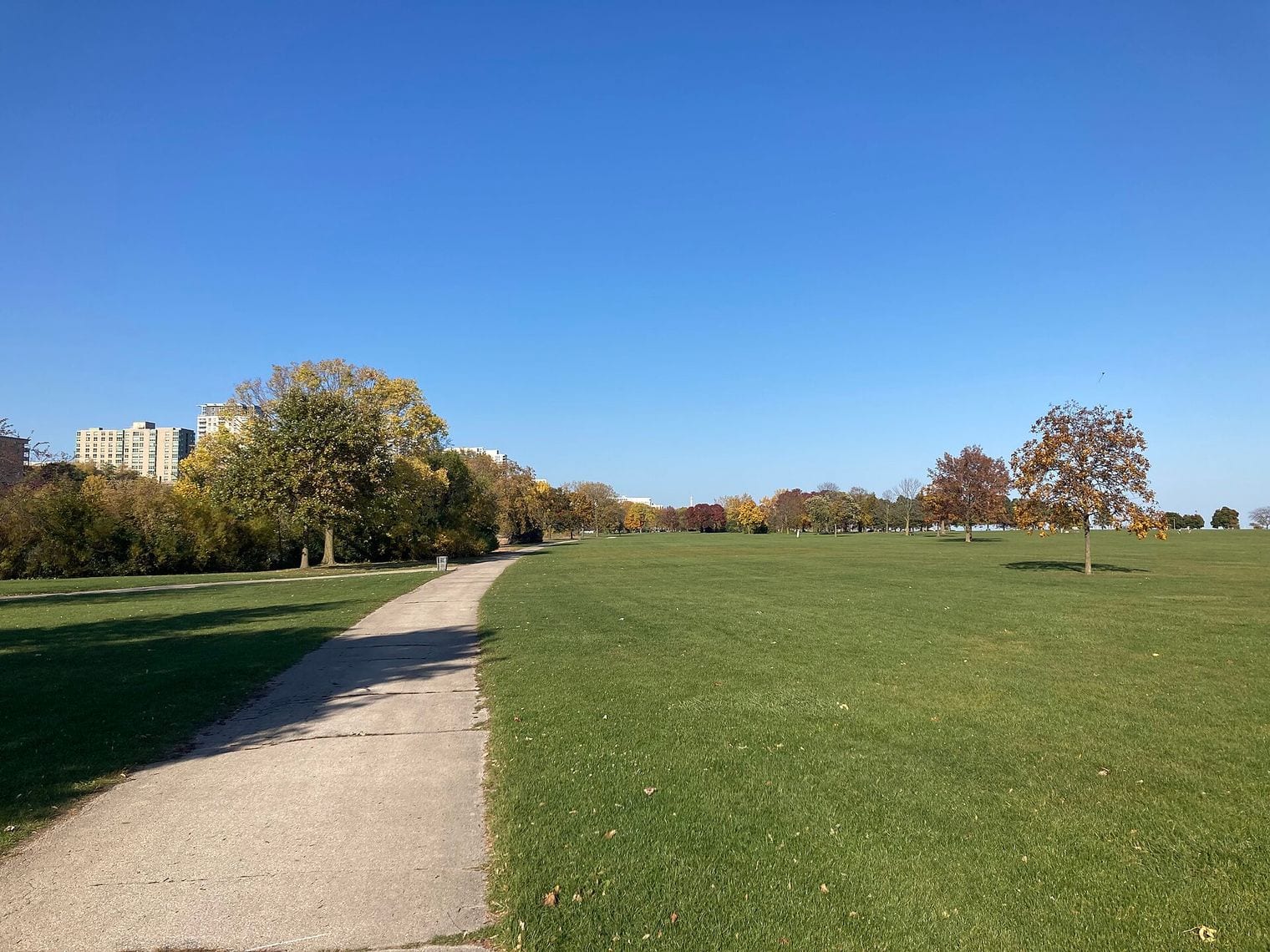
Lake Park stretches for a mile along a bluff above Lake Michigan on the East Side, and it was laid out in the late 19th century by Frederick Law Olmsted, the designer of New York's Central Park. True to his style, its 138 acres are a romantic landscape of winding paths, wooded ravines, footbridges and sudden lake views.
The North Point Lighthouse stands inside the park, and paths drop down the bluff to Bradford Beach and the lakefront trail. Come for a walk, a picnic or a fall afternoon when the ravines turn gold.
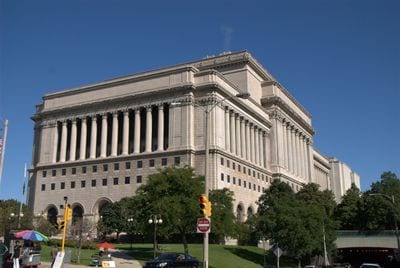
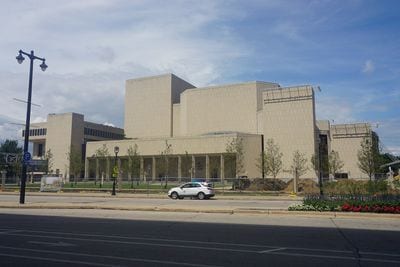
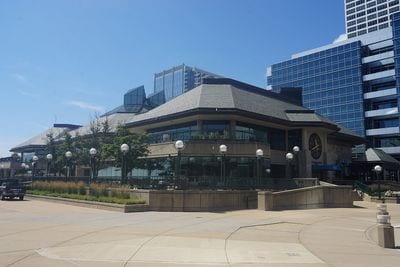
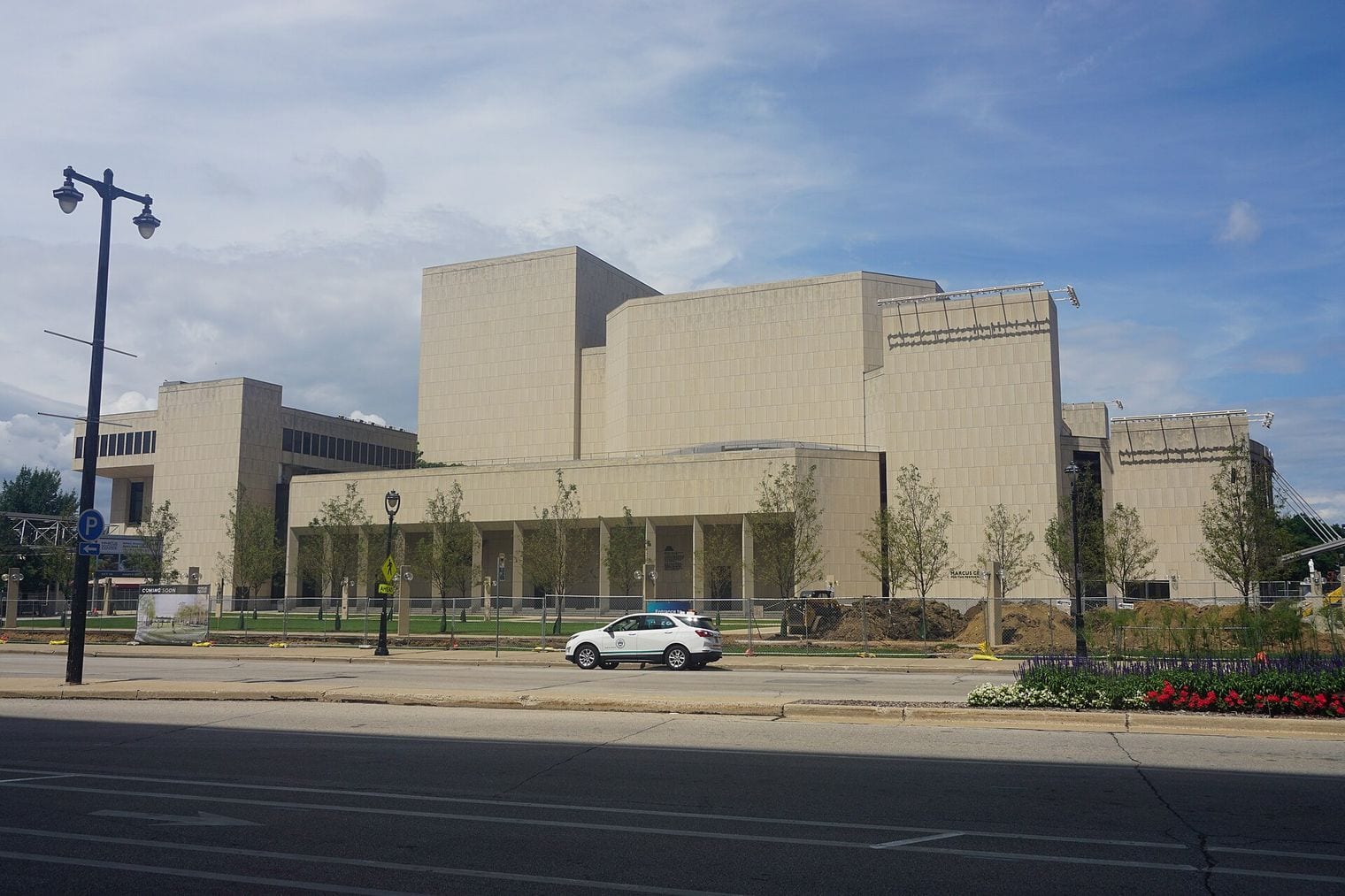
The Marcus Performing Arts Center is Milwaukee's main stage for the performing arts, set on the Milwaukee River at Water and State streets in downtown and dedicated as a war memorial. It is home to resident companies including the Florentine Opera, the Milwaukee Ballet and First Stage children's theater, and it presents touring Broadway shows.
An evening here is an easy add-on to a downtown day, with the RiverWalk outside the door. Check the season calendar before you travel; summer brings outdoor performances to the riverside grounds.
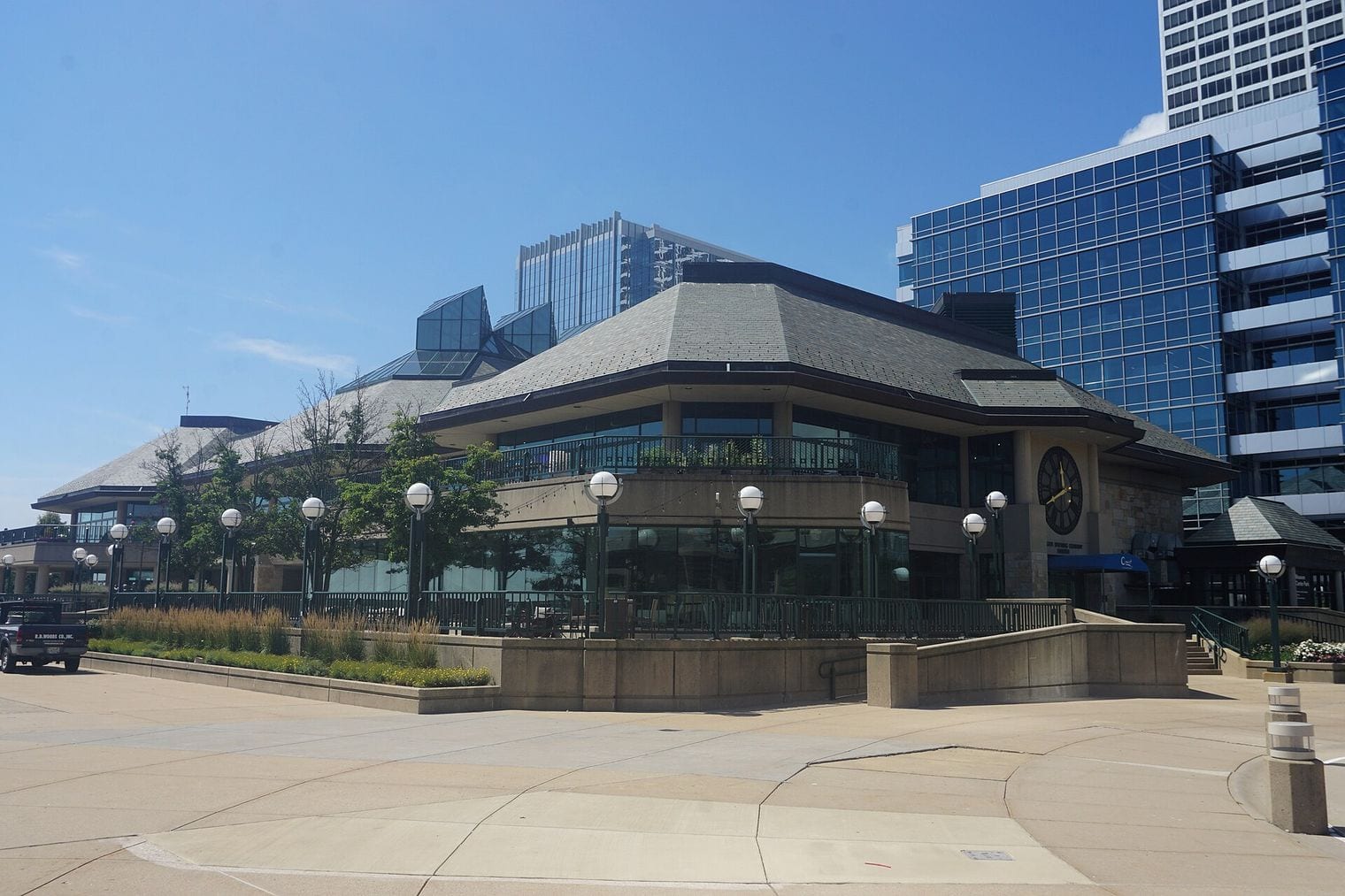
The Betty Brinn Children's Museum, opened in 1995, is a hands-on museum for babies, toddlers and young children in the Miller Pavilion at Museum Center Park, by the lakefront museum cluster. Exhibits let kids run a small-town grocery store, climb, build, and tinker in a maker space.
It is compact, which suits little legs, and it pairs easily with Discovery World or the Art Museum. The museum has announced plans to move to a larger home in the coming years, so check its location before you set out.
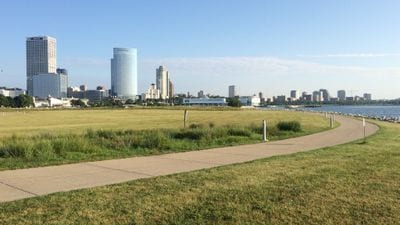
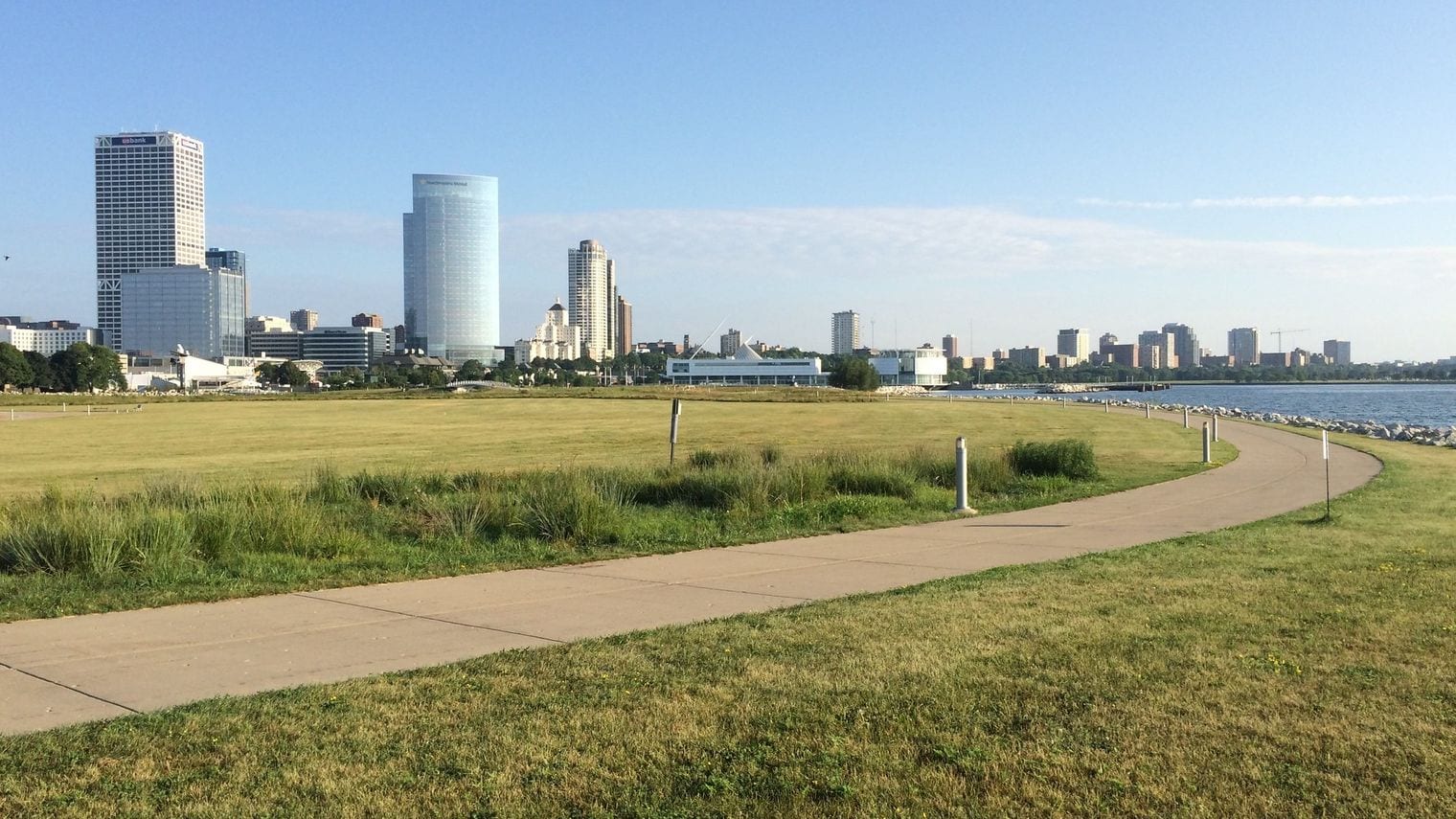
Lakeshore State Park is a 22-acre state park built on a man-made island in Lake Michigan, right in downtown Milwaukee between Discovery World and the Summerfest grounds. Originally created to shelter the festival grounds and the boats in the lagoon, it became a state park in 1998 and now mixes restored prairie with a waterside path.
Its paved trail links to both the Hank Aaron State Trail and the Oak Leaf Trail, and the views back to the skyline and the Art Museum are some of the best in the city. Walk it at sunrise or sunset, or bring a picnic; it is free to visit.
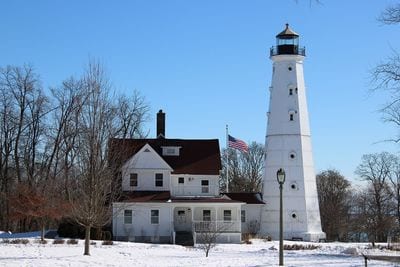
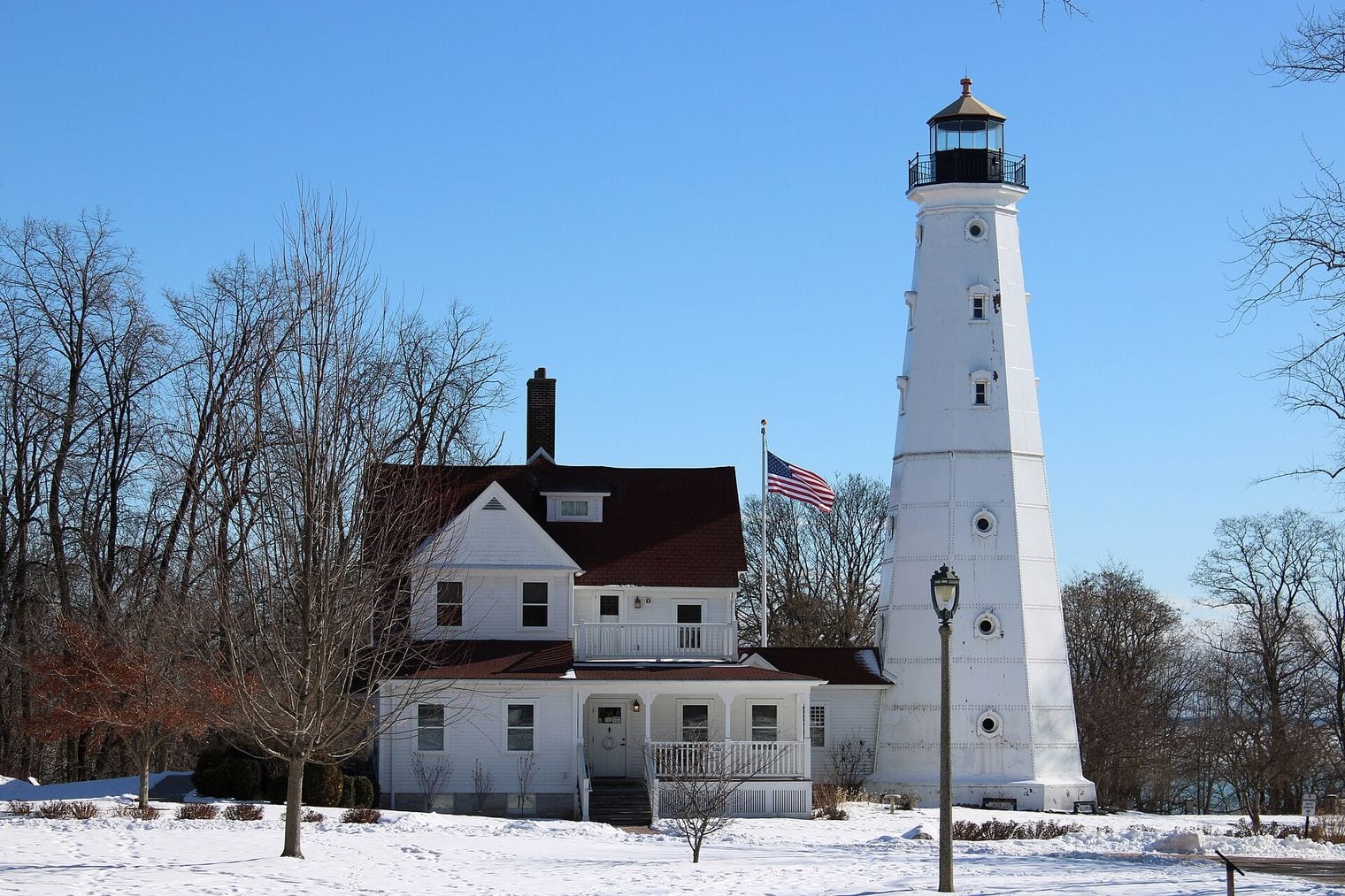
The North Point Lighthouse Museum occupies one of Milwaukee's most unusual landmarks, a lighthouse that stands in Lake Park rather than at the water's edge. Its cast-iron tower dates from 1888, and when trees grew tall enough to hide the light, it was lifted onto a steel base in 1912, raising the tower to 74 feet.
The Queen Anne-style keeper's quarters now hold maritime exhibits, and you can climb the tower for a view over the treetops to the lake. It makes a natural stop on a Lake Park walk.
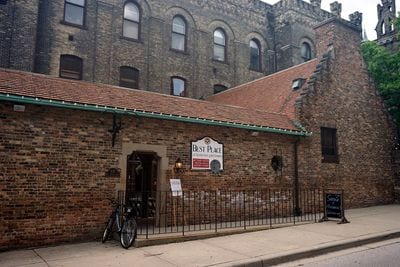
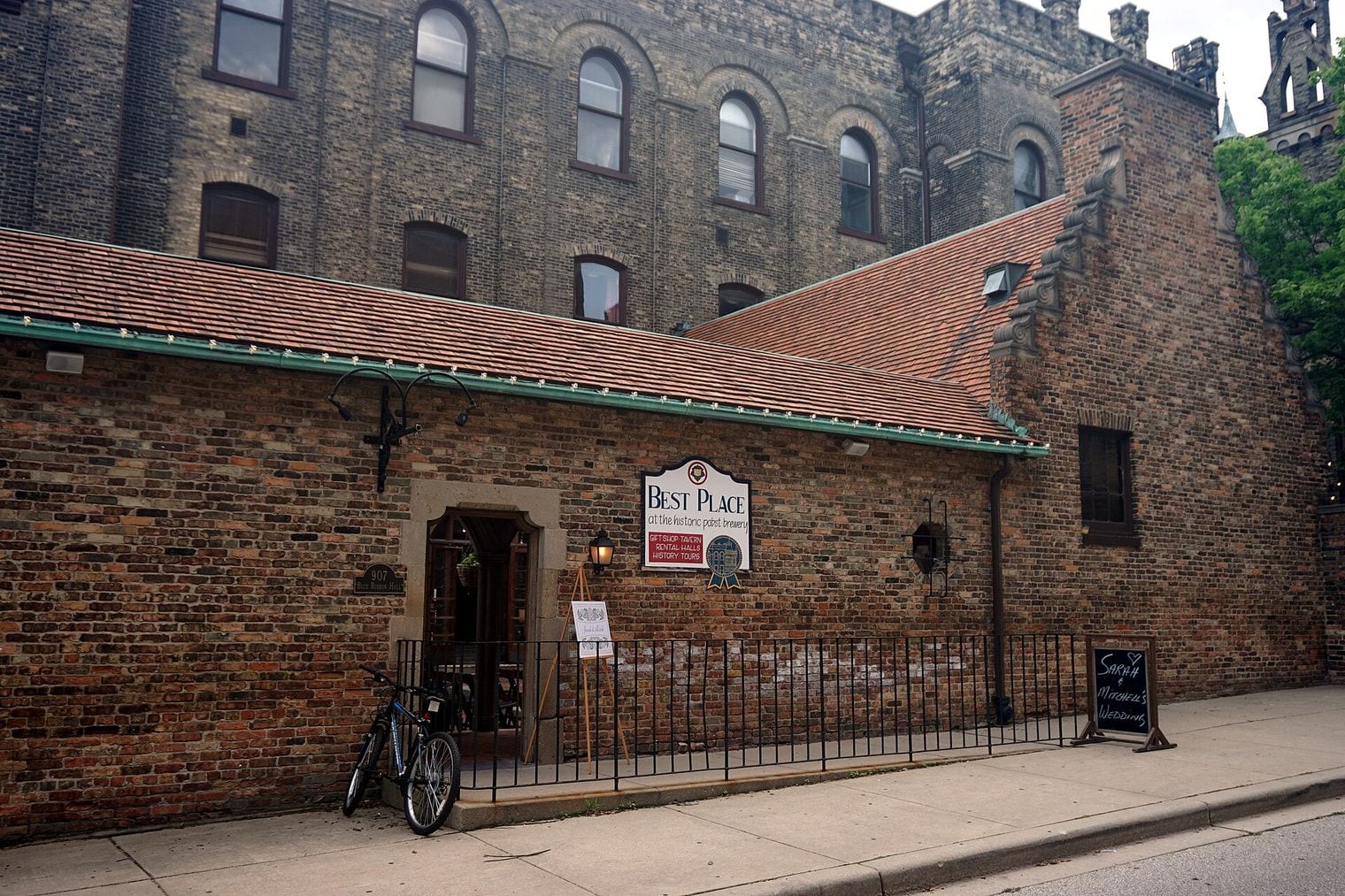
Best Place at the Historic Pabst Brewery occupies the former corporate offices of the Pabst Brewing Company, which began in 1844 as Jacob Best's brewery and later took the name of Captain Frederick Pabst, son-in-law of Phillip Best. The brewery closed its Milwaukee plant in 1996, and this corner of the old complex now keeps its story alive.
Beer-history tours lead through the old offices and halls, and its tavern spaces, among them Blue Ribbon Hall, pour local and German beers. It makes a natural pairing with the Pabst Mansion, the captain's house a short ride away.
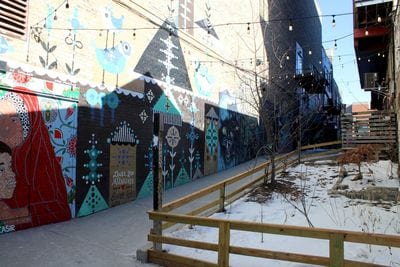
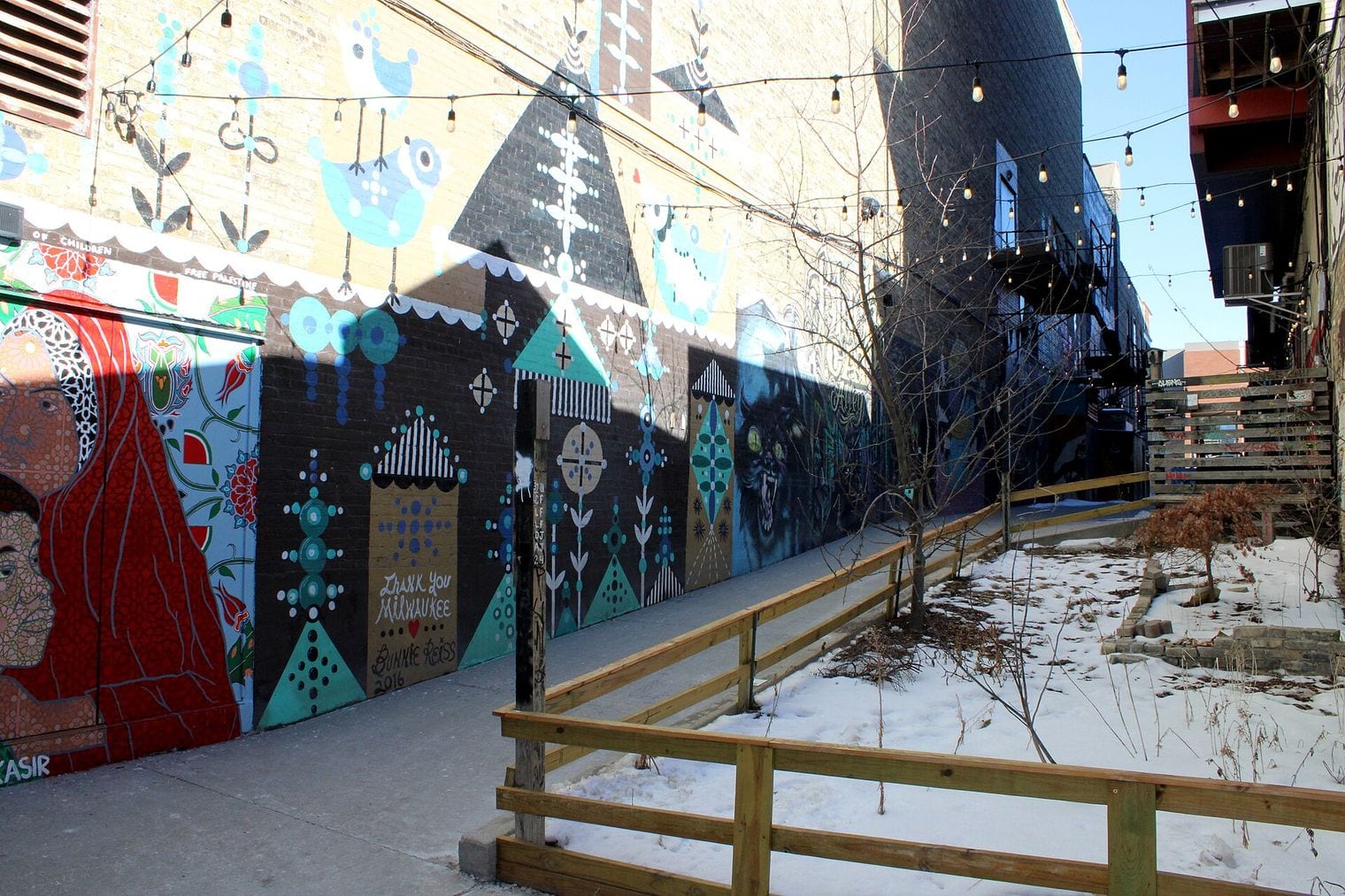
Black Cat Alley is a one-block alley on Milwaukee's East Side, behind the historic Oriental Theatre, that was turned into an outdoor gallery of street art in 2016. Local and visiting artists cover the walls with large murals, some semi-permanent and others swapped out over time, so the alley looks different from one visit to the next.
It is free and open to wander, and it fits neatly into an afternoon on the East Side with a walk down to Lake Park or the lakefront. Events and mural tours bring the alley to life through the warmer months.
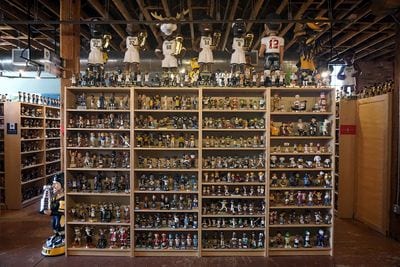
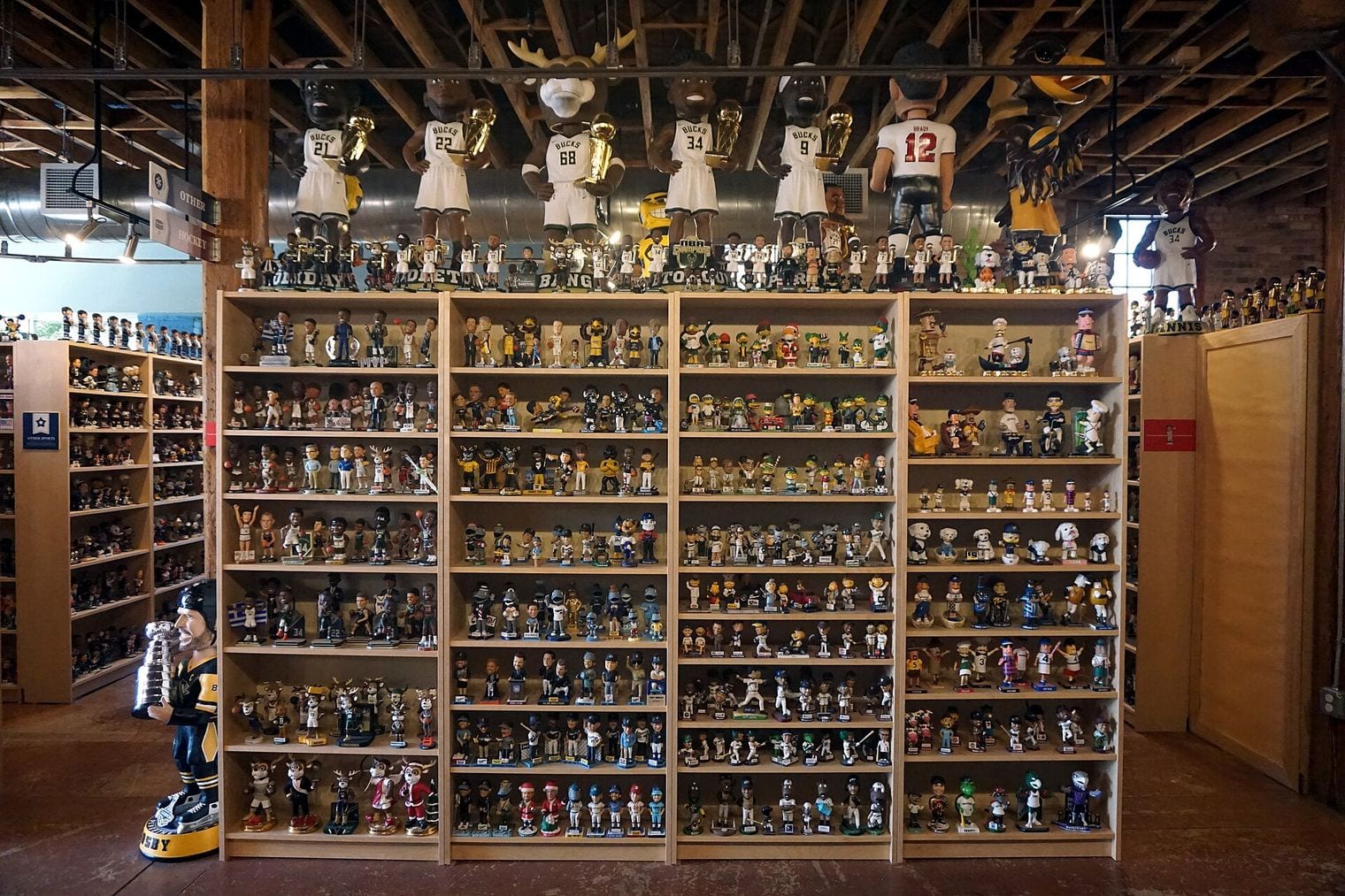
The National Bobblehead Hall of Fame and Museum is exactly what it sounds like, and it is billed as the only museum in the world devoted to bobbleheads. The museum says its collection runs to around 10,000 different figures, from sports stars and mascots to pop-culture characters, plus a life-size bobblehead.
It is a quirky, quick and genuinely fun stop, especially for sports fans in a city that loves its Brewers and Bucks. Allow about an hour, and expect to spot a nodding version of someone you know.
2626. Milwaukee Pierhead Lighthouse
Historical Landmark~1.1 miles (1.7 km) from center
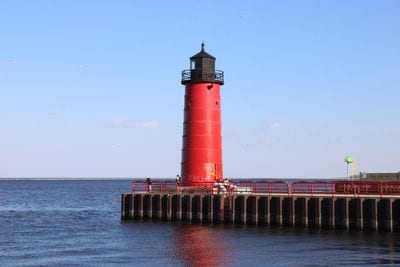
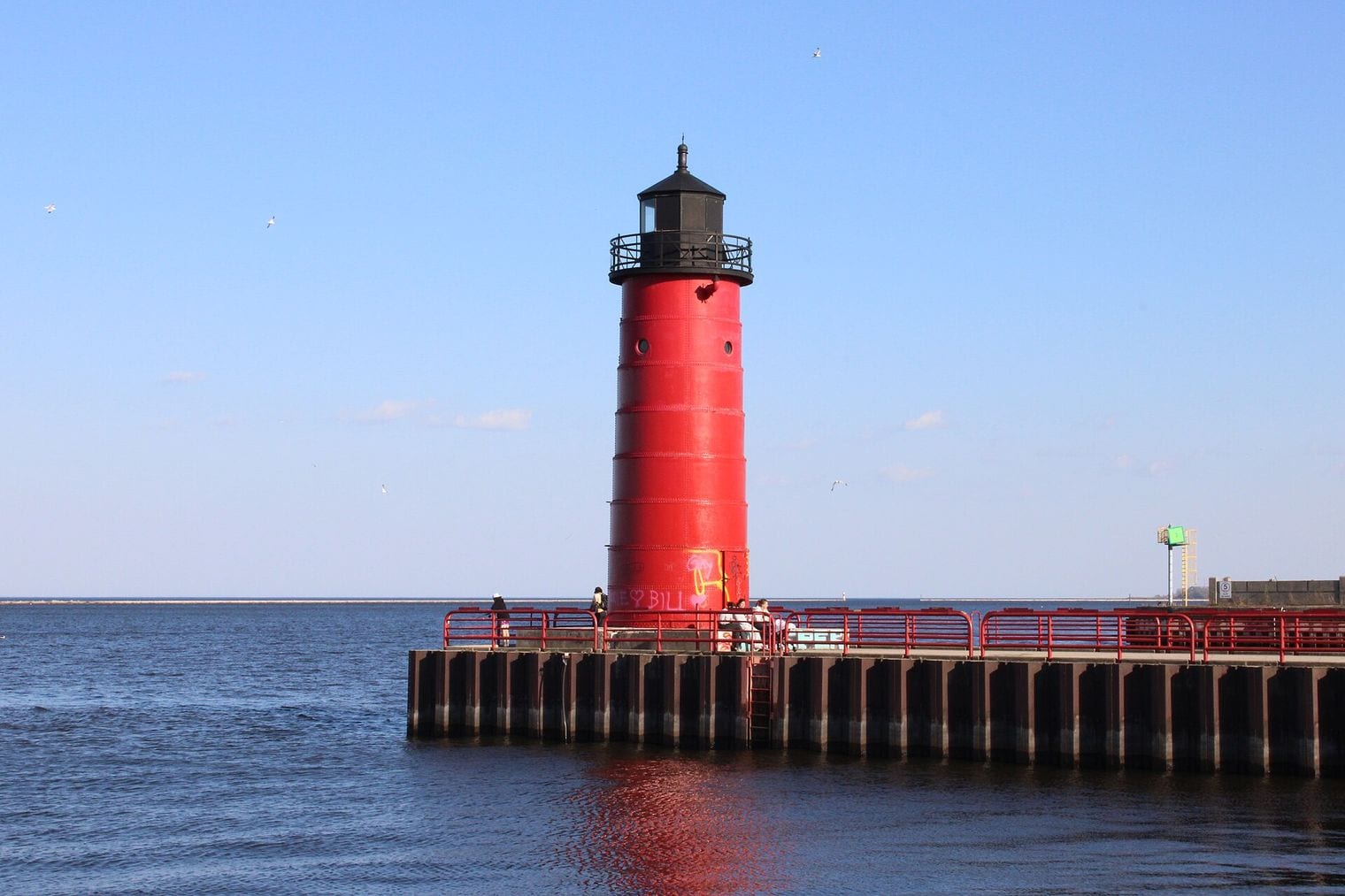
The Milwaukee Pierhead Lighthouse is an active light at the mouth of the Milwaukee River, guiding boats from the harbor out into Lake Michigan just south of downtown. Its round steel tower with a ten-sided lantern is a favorite photo subject on the lakefront, and it is a sister light to the Kenosha North Pier Light down the shore.
The light had its own keepers from 1872 until 1926. Today it is best admired from the water on a harbor cruise or from the lakefront paths around Lakeshore State Park and the festival grounds, ideally at sunrise or sunset.
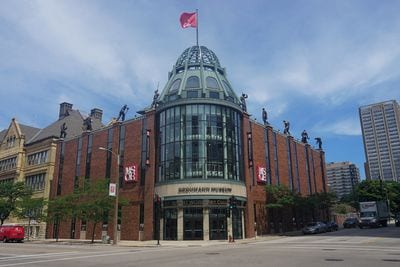
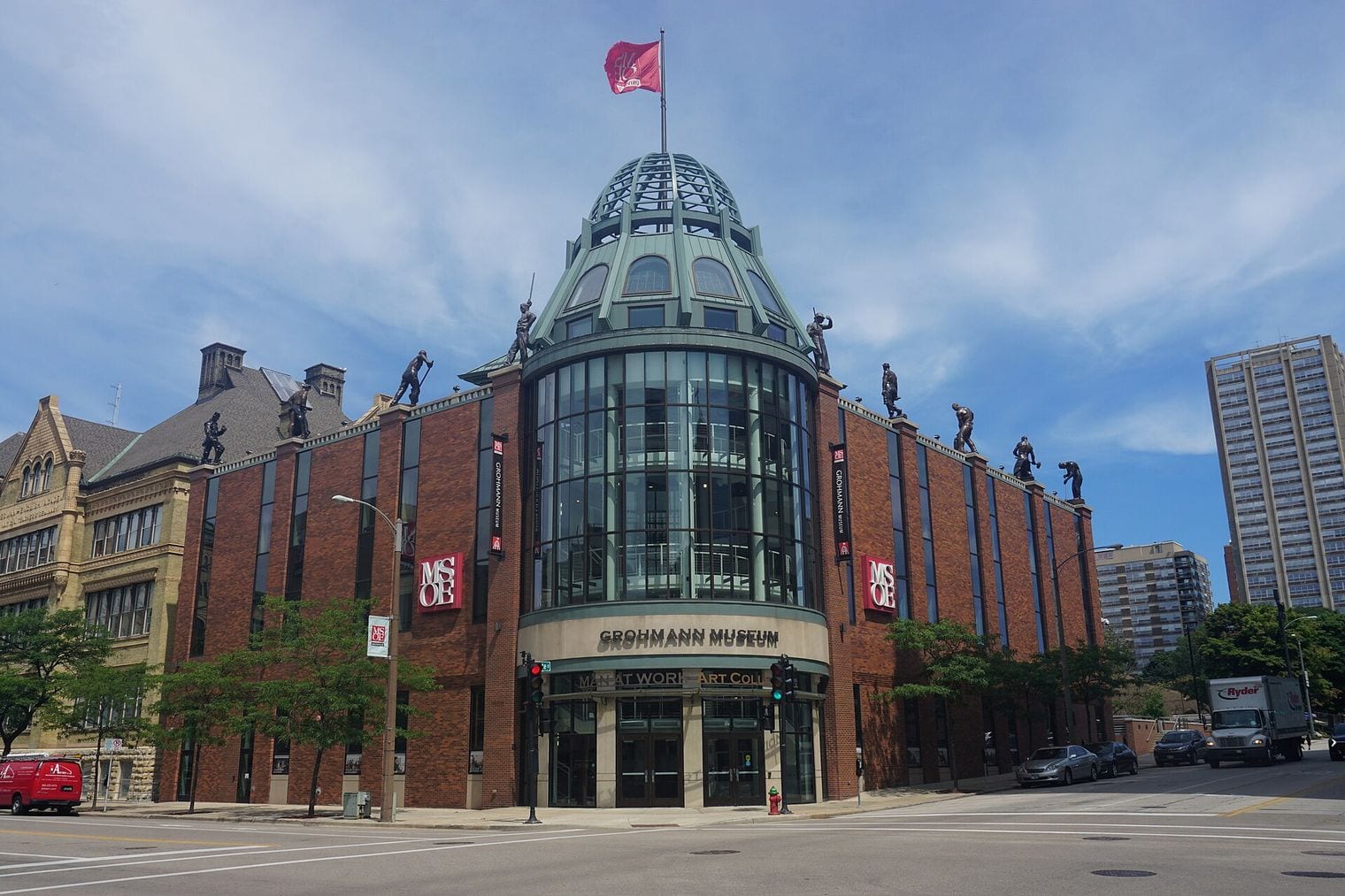
The Grohmann Museum, part of the Milwaukee School of Engineering, holds a truly unusual art collection: more than 2,000 paintings, sculptures and works on paper that all depict human work. Businessman Eckhart Grohmann gave the collection to the school, and the museum opened in 2007 in a renovated 1924 auto dealership downtown.
The galleries move from fields and workshops to mines and factories, with works by Carl Spitzweg, Pieter Brueghel the Younger, Norman Rockwell and many others. It is a quiet, rewarding stop that rarely feels crowded.
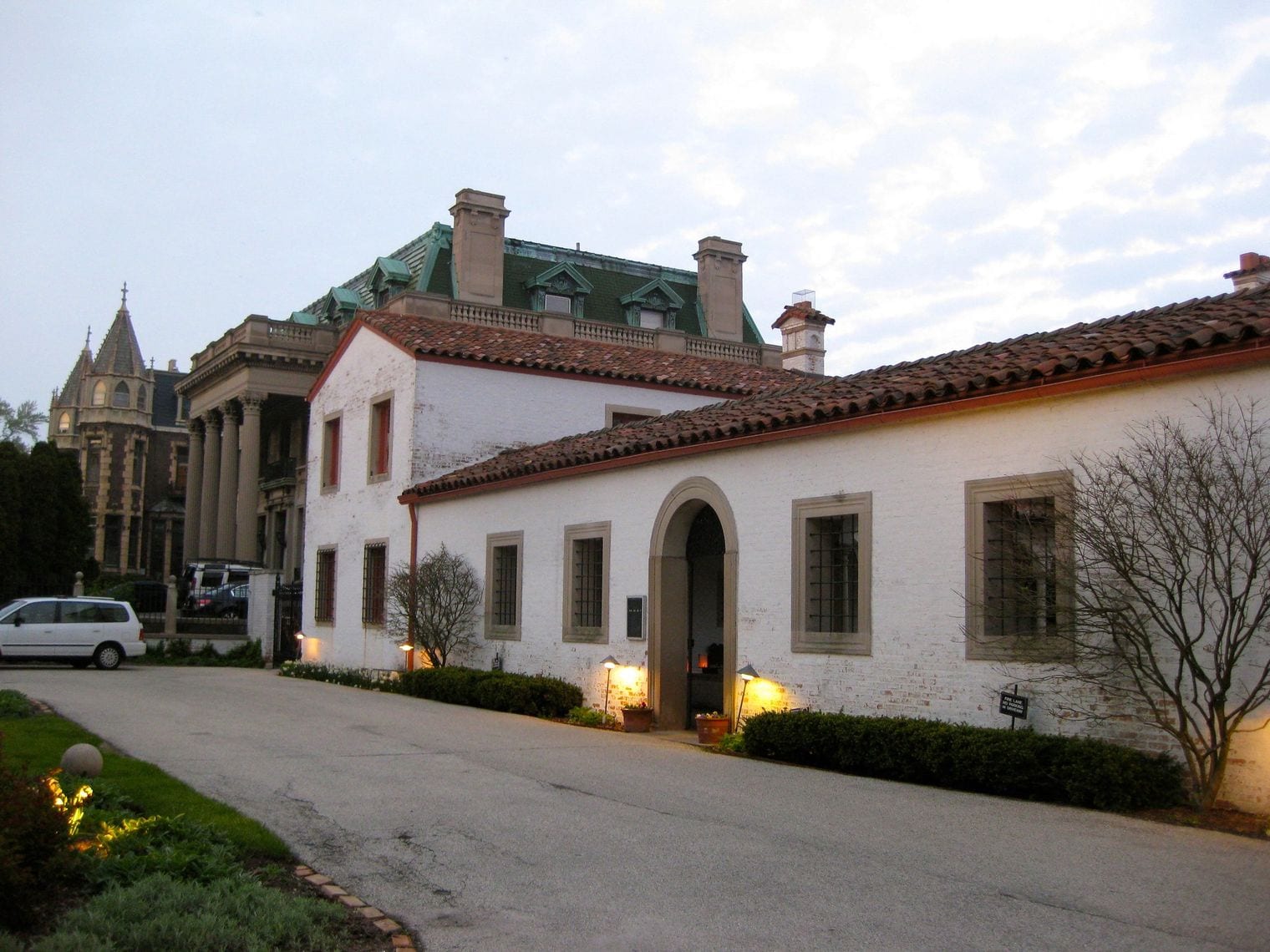
The Villa Terrace Decorative Arts Museum is set in an Italian Renaissance-style villa that architect David Adler designed in 1924 for the Lloyd R. Smith family, on a bluff above Lake Michigan. Since 1966 the house has been a museum of decorative arts, with period rooms, furniture, ironwork and changing exhibitions.
The real showpiece is outside: terraced formal gardens step down the bluff toward the lake with a water stairway, fishponds and two secret gardens. It is one of the most romantic corners of the East Side, so allow time to linger.
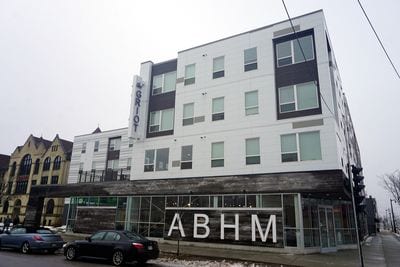
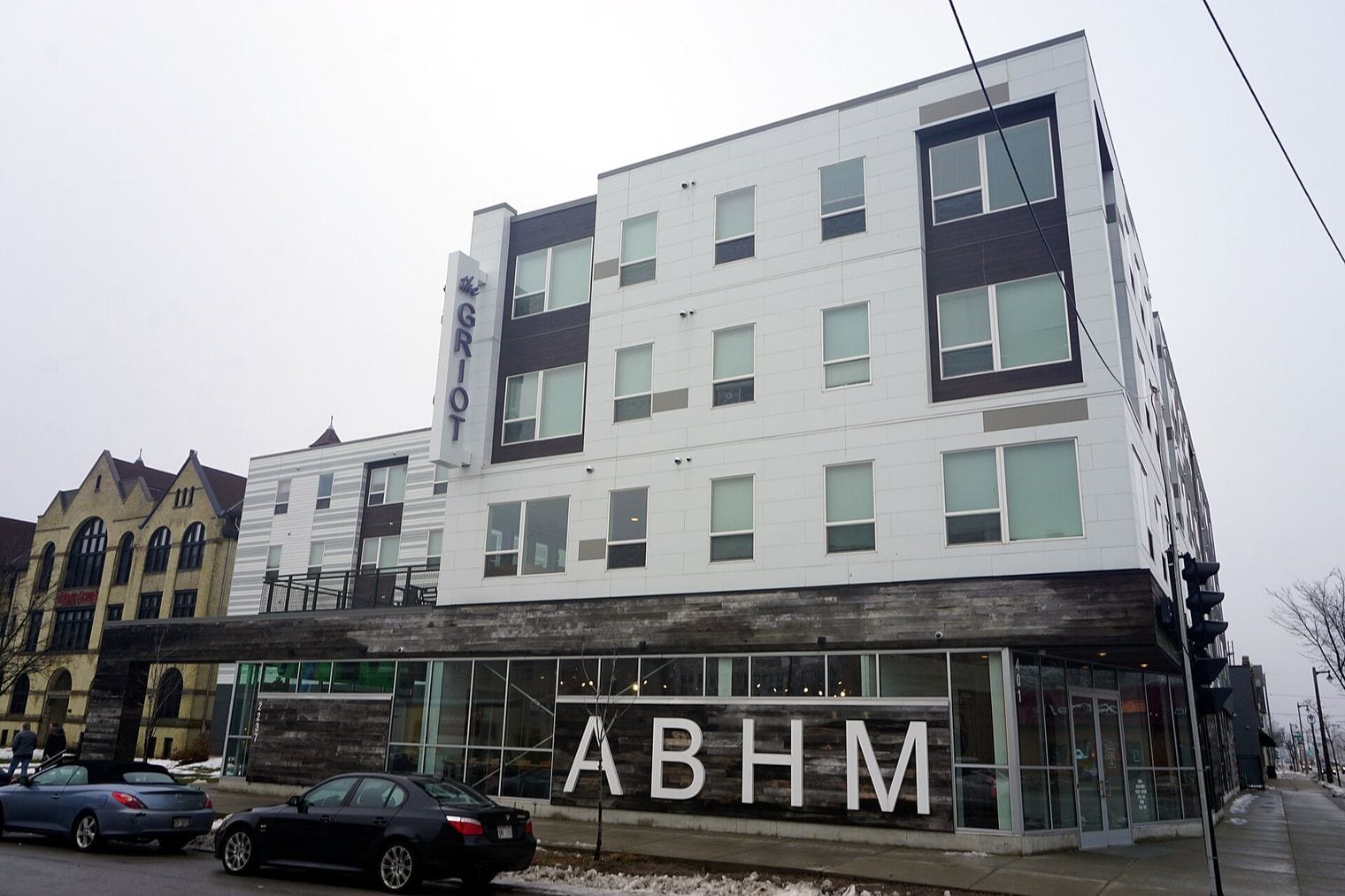
America's Black Holocaust Museum was founded in 1988 by James Cameron, who survived a lynching attempt in 1930 and spent his life documenting racial violence in the United States. After years as a virtual museum, it reopened its physical home in Milwaukee's historic Bronzeville neighborhood in 2022, on the footprint of the original museum.
Its galleries trace the history of Black Americans from Africa through enslavement, segregation and the civil rights era to the present, combining personal stories with hard history. It is a powerful visit that deserves time; allow at least two hours.
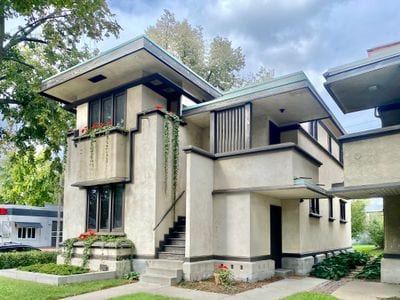
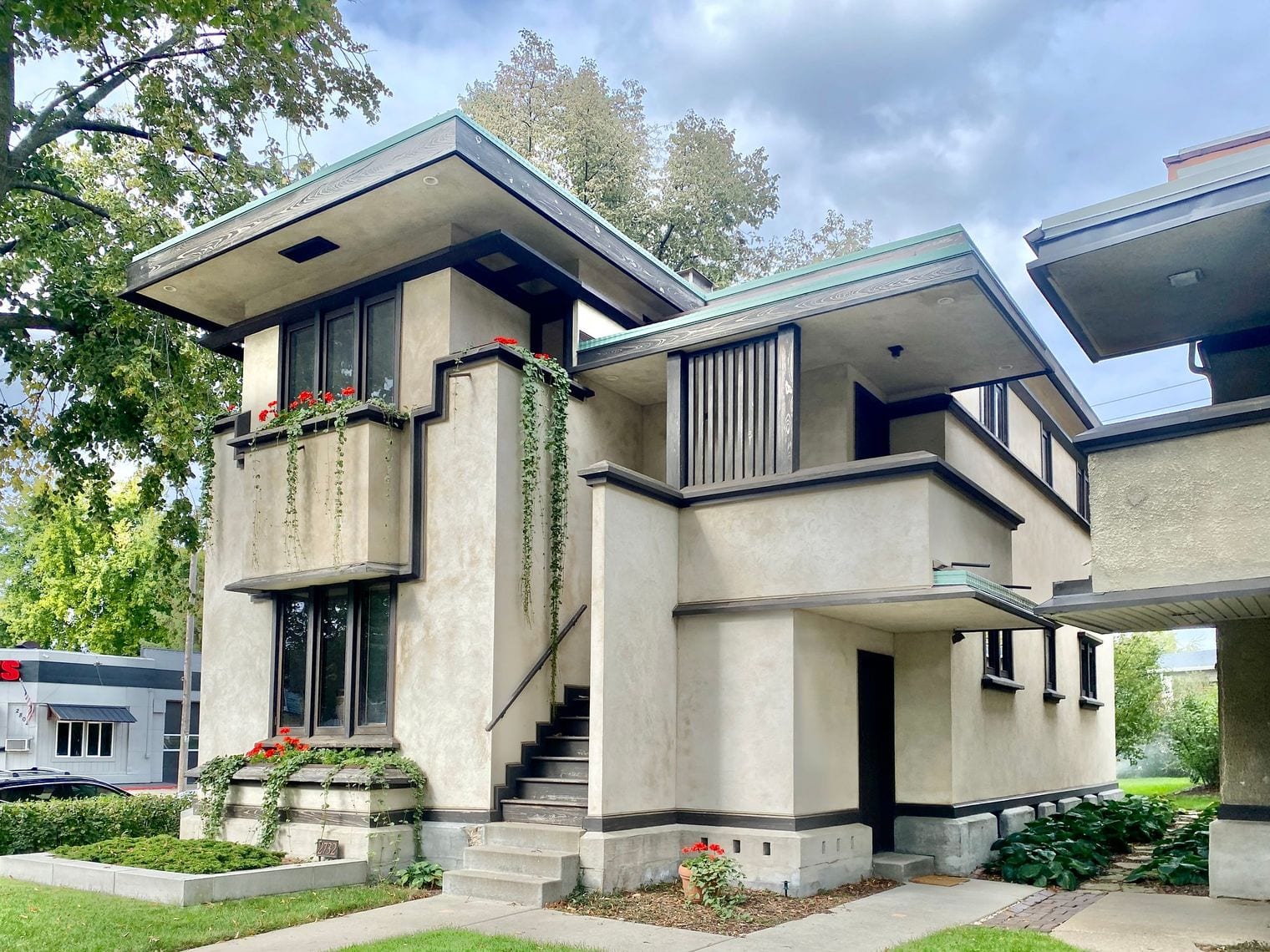
Frank Lloyd Wright's Burnham Block is a rare row of American System-Built Homes, Wright's 1910s experiment in affordable, factory-cut housing. In the mid-1910s developer Arthur Richards built six of the homes on a block of West Burnham Street as a demonstration neighborhood, and they now form a federal historic district.
Docent-led tours, held on most Saturdays and by reservation only, take you through the restored Model B1 and a two-family flat. Book ahead, as tours often sell out, and look for how Wright scaled his Prairie ideas down to a modest working-family home.
Plan your trip
Best Time to Visit Milwaukee
Summer is Milwaukee's peak season. From June through August the lakefront comes alive with Summerfest and a run of weekend ethnic festivals at Henry Maier Festival Park, the beaches open, RiverWalk patios fill up and the Brewers play under an open roof. Expect warm days, cool lake breezes and the highest hotel demand during festival weeks.
September and October bring mild weather, thinner crowds and fall color in the ravines of Lake Park. Winters are long, cold and snowy, with a raw wind off Lake Michigan, but it is a fine season for museums, the Mitchell Park Domes and Bucks games. Spring warms slowly near the lake, so pack layers well into May.
Getting to Milwaukee
Milwaukee Mitchell International Airport sits on the city's south side, roughly 15 minutes by car from downtown, and O'Hare International Airport, about an hour and a half to the south, offers far more flights. Interstate 94 links Milwaukee with Chicago to the south and Madison to the west, while Interstate 43 runs north along the lake toward Sheboygan and Green Bay.
Amtrak trains connect downtown Milwaukee with Chicago, with a stop at the airport along the way, and intercity buses serve the city from across the Midwest. Driving is the easiest way to combine the city with other Wisconsin destinations.
Getting Around Milwaukee
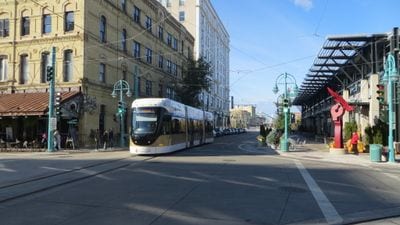
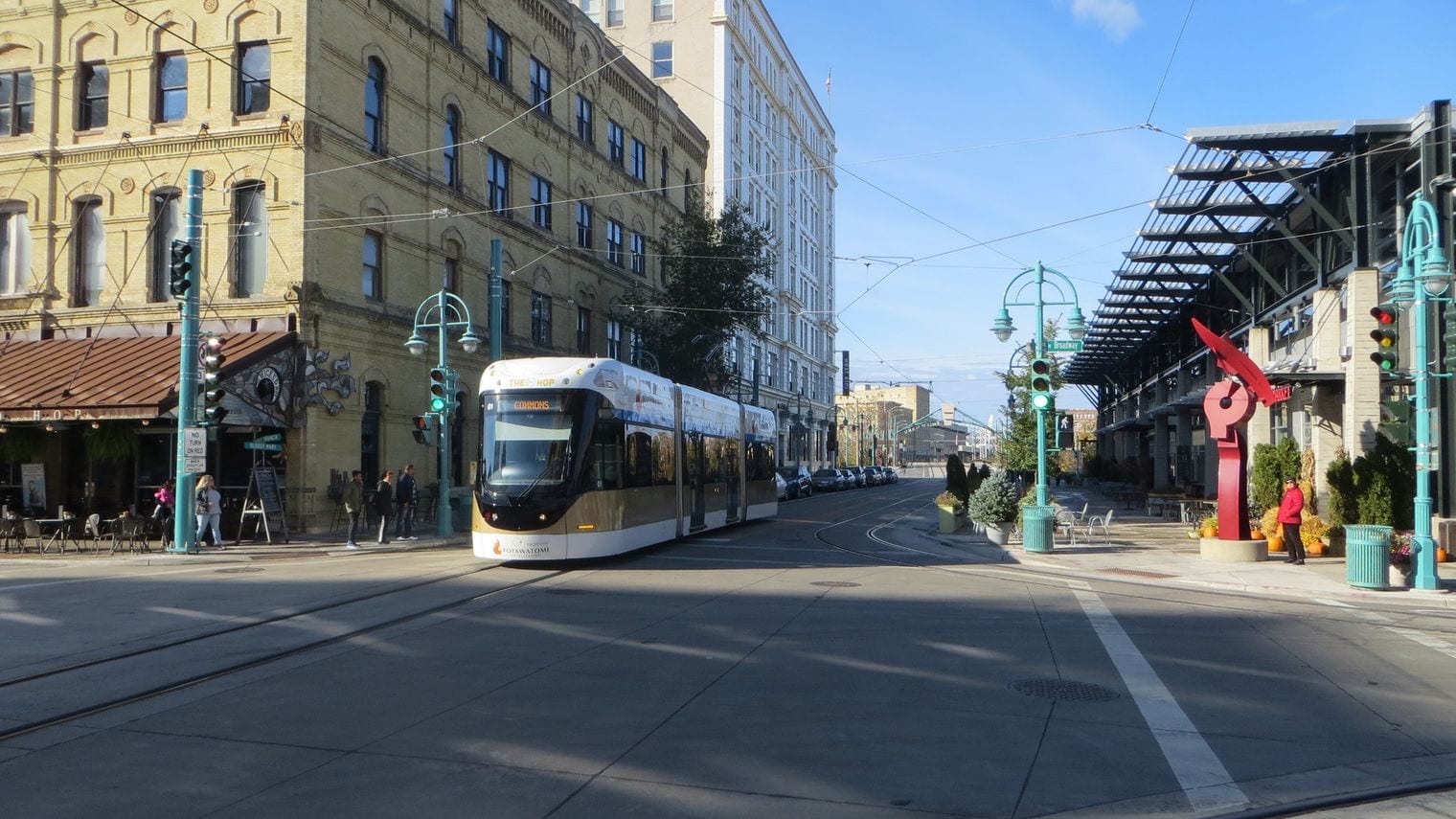
Downtown, the Historic Third Ward and the lakefront are compact and walkable, linked by the RiverWalk and the lakeside Oak Leaf Trail, and a downtown streetcar line connects the Third Ward, downtown and the Lower East Side. The city's bus network, bike share and rideshare cover the rest of the core.
Walkability: downtown Milwaukee scores 66.2 out of 100, the 20th most walkable of the 100 biggest US cities in our walkability study. Within a mile of its center we counted 12 rail stops, 157 notable landmarks and 70 cafés, restaurants and shops per square kilometer.
A car is the simplest way to reach the outlying sights, including the Milwaukee County Zoo, American Family Field, the Mitchell Park Domes and the Burnham Block. Parking is generally easy outside downtown; during festivals and big games, expect busy lots around the lakefront and the arena.
Where to Stay in Milwaukee
Downtown and East Town put you closest to the lakefront museums, the RiverWalk, Fiserv Forum and the performing arts venues, and they are the most practical base for a first visit. The Historic Third Ward is the stylish choice, with converted warehouses, galleries and restaurants, and it is a short walk from the Summerfest grounds.
Walker's Point, just south across the river, suits travelers who want a lively food and nightlife scene, while the Lower East Side offers a more residential feel near Lake Park, Bradford Beach and Brady Street.
Where to Eat in Milwaukee
The Historic Third Ward and the Milwaukee Public Market are the easiest places to graze, Walker's Point has the city's most varied dining scene, and Brady Street and Bay View mix neighborhood taverns with casual spots. Old World Third Street downtown keeps the city's German heritage on the menu.
Don't leave without trying a Friday fish fry, a scoop of rich frozen custard, fresh Wisconsin cheese curds and a grilled bratwurst, ideally washed down with a local beer. German and Polish dishes still turn up across the city, reflecting the immigrant communities that built it.
Day Trips from Milwaukee
Madison, the state capital, is about an hour and a half west on Interstate 94, with its Capitol, lakes and lively university district. Heading south, Chicago is roughly 90 minutes away by car or train, close enough for a long day of architecture and museums. North along Lake Michigan, Sheboygan is about an hour away for beaches and dunes, and Green Bay, about two hours north, is a must for football fans.
For a slower pace, Wisconsin's small towns, from riverside villages to lakeshore harbors, make easy half-day escapes, and the wooded glacial hills of the Kettle Moraine State Forest lie less than an hour west of the city.
One Day in Milwaukee
Morning
Start on the lakefront at the Milwaukee Art Museum, ideally in time to see the wings of the Calatrava pavilion open, then walk south across Lakeshore State Park for skyline views, with Discovery World next door if you are traveling with kids.
Milwaukee is best known for beer, Harley-Davidson motorcycles and its Lake Michigan lakefront. Its signature sights are the Milwaukee Art Museum with its winged Calatrava pavilion, the Harley-Davidson Museum, the Mitchell Park Domes, American Family Field and the Milwaukee Public Museum, plus Summerfest, certified by Guinness as the world's largest music festival.
Is Milwaukee worth visiting?
Yes. Milwaukee packs world-class architecture, big museums, a walkable riverfront, beaches and a deep brewing heritage into a compact, affordable city. It is less crowded than Chicago, an easy drive or train ride away, and in summer its lakefront festivals give it one of the liveliest atmospheres in the Midwest.
How many days do you need in Milwaukee?
Two to three days is ideal for Milwaukee. That gives you time for the lakefront museums, the RiverWalk and Third Ward, the Harley-Davidson Museum, a brewery tour and a ballgame or show. With only one day, focus on the downtown highlights in our one-day plan above.
What can you do in Milwaukee for free?
Free highlights include walking the Milwaukee RiverWalk and finding the Bronze Fonz, exploring the Historic Third Ward, hiking Olmsted's Lake Park, relaxing at Bradford Beach, flying a kite in Veterans Park, enjoying the skyline from Lakeshore State Park and browsing the street art of Black Cat Alley on the East Side.
When is the best time to visit Milwaukee?
June through September is the best time to visit Milwaukee. Summer brings Summerfest, weekend ethnic festivals on the lakefront, open beaches and Brewers games, while September offers warm days with smaller crowds. Winters are cold and snowy, though museums, the Domes and Bucks games keep the city busy.
Is the Milwaukee Public Museum closing?
The Milwaukee Public Museum's Wells Street building is scheduled to close for good on 3 January 2027. The museum is moving into a new building near Fiserv Forum and will reopen there during 2027 as the Nature & Culture Museum of Wisconsin, so check which site is open before you visit.
Sources & updates
How this guide was verified
Checked before launch
Sources cited
29
Publishers
26
Every place on this list was confirmed open and pinned on the map before publication, and what we say about each one was checked against its own website or an official source.
A PDF with a box to tick for every place. Confirm your email to download it, and get one email every Thursday with our newest guides for the places you tick.
Free Milwaukee printable checklist
All 30 places in one PDF
Tick them off as you go. Confirm your email to download it, plus one email every Thursday with new guides for the places you tick.
We use cookies to analyze site traffic and improve your experience.
You can accept or reject analytics cookies. See our
May we use analytics cookies? See ourCookie Policy.