The record
The biggest shopping mall in the world is the South China Mall, in China — 659,612 m² (7.1 million sq ft), gross leasable area.
Source: Wikipedia (South China Mall; total floor area stated separately as 892,000 m²) + Colliers Knowledge Leader GLA ranking, both at 7.1 MSF. Verified .
Almost every ranking of the world's biggest malls is measuring the wrong thing. Iran Mall in Tehran is routinely crowned the largest on Earth at 1,950,000 m², but that figure describes an entire development, and only 267,000 m² of it is actually let to shops.
This countdown ranks gross leasable area: the retail floor space tenants occupy, with parking decks, hotels, offices and atriums stripped out. Measured that way the order changes completely, running from South China Mall's 659,612 m² down to 240,000 m² in tenth place. Every entry is trading today, so a record-holder that has gone dark does not qualify.
That rule costs some famous names. Manila's SM giants, Bangkok's ICONSIAM and CentralWorld, Kuala Lumpur's Mid Valley and Istanbul Cevahir all publish gross floor area only, and where an operator does report leasable space it is often less than half the headline figure. Where a mall does not separate the two, it is not ranked here.
Fun Facts About the World's Biggest Shopping Malls
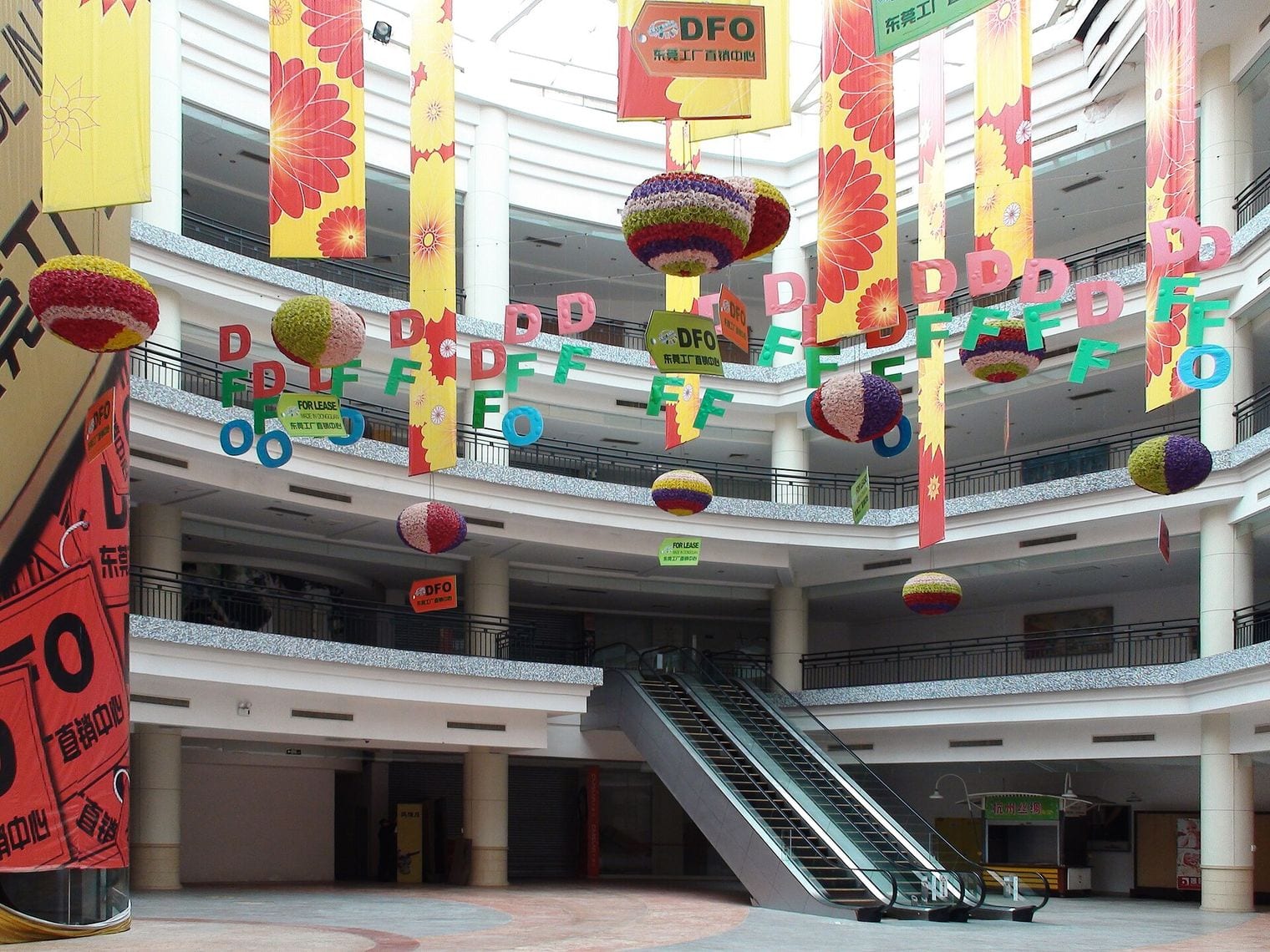
The world's largest mall stood more than 99% empty three years after it opened — South China Mall was still almost entirely vacant in 2008, and occupancy only reached 91% in 2020.
Iran Mall's famous size is roughly seven times its actual shop space — the 1,950,000 m² figure quoted everywhere covers a whole development, while just 267,000 m² of Iran Mall is let to tenants.
105 million people visited a single mall in one year — The Dubai Mall recorded that in 2023, the highest figure of any mall on this list and up from 88 million the year before.
Two entries are dead level to the square metre — The Dubai Mall and West Edmonton Mall both offer exactly 350,000 m², separated here only by total building size.
Europe's biggest shopping centre only just makes the top ten — Westfield London leads its continent at 240,000 m², which is last place worldwide.
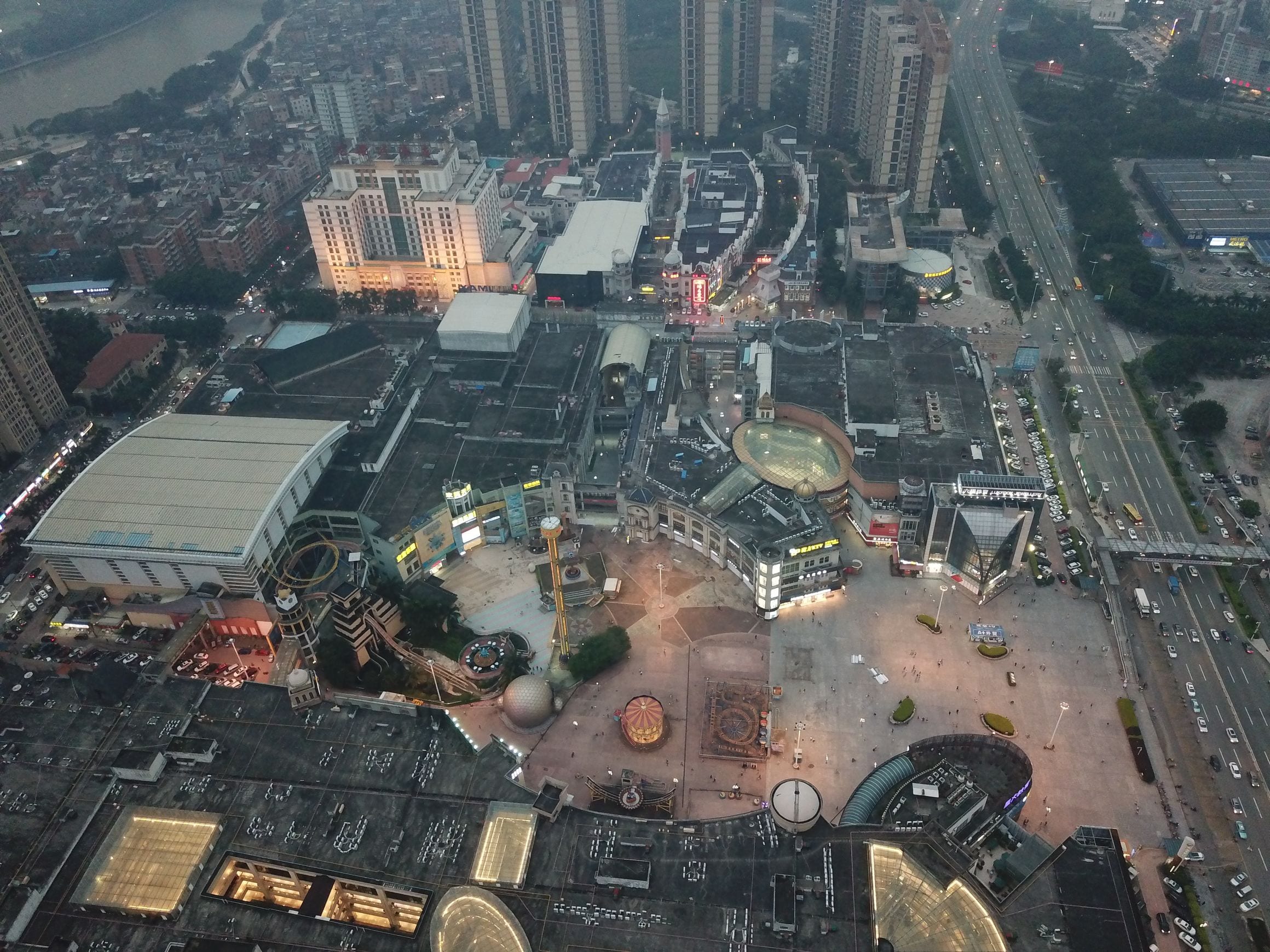
At 659,612 m² of leasable space, South China Mall in Dongguan is the largest shopping centre on Earth — and for most of its life it was also the emptiest. It opened in 2005 in the manufacturing belt of Guangdong with room for as many as 2,350 stores, but by 2008 more than 99 per cent of them stood vacant, and the building became the world's best-known cautionary tale about putting up retail ahead of demand.
A renovation begun in May 2019 repositioned it towards middle-class shoppers, adding greenery, new lighting in the central square and night markets with food stalls, and occupancy reached 91 per cent in 2020. The design has always been the spectacle: seven zones modelled on Amsterdam, Paris, Rome, Venice, Egypt, the Caribbean and California, a 25-metre replica of the Arc de Triomphe, a copy of St Mark's bell tower, and a 2.1-kilometre canal with gondolas running through the middle of it.
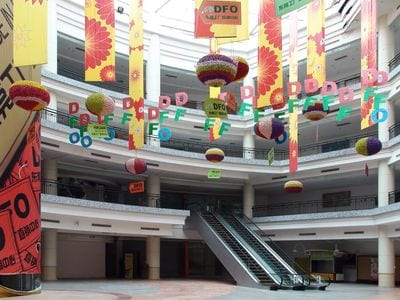
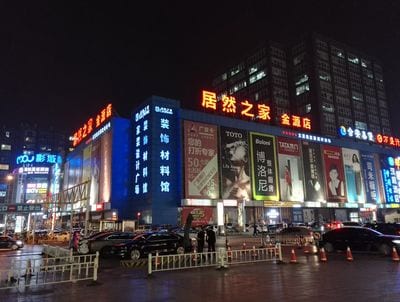
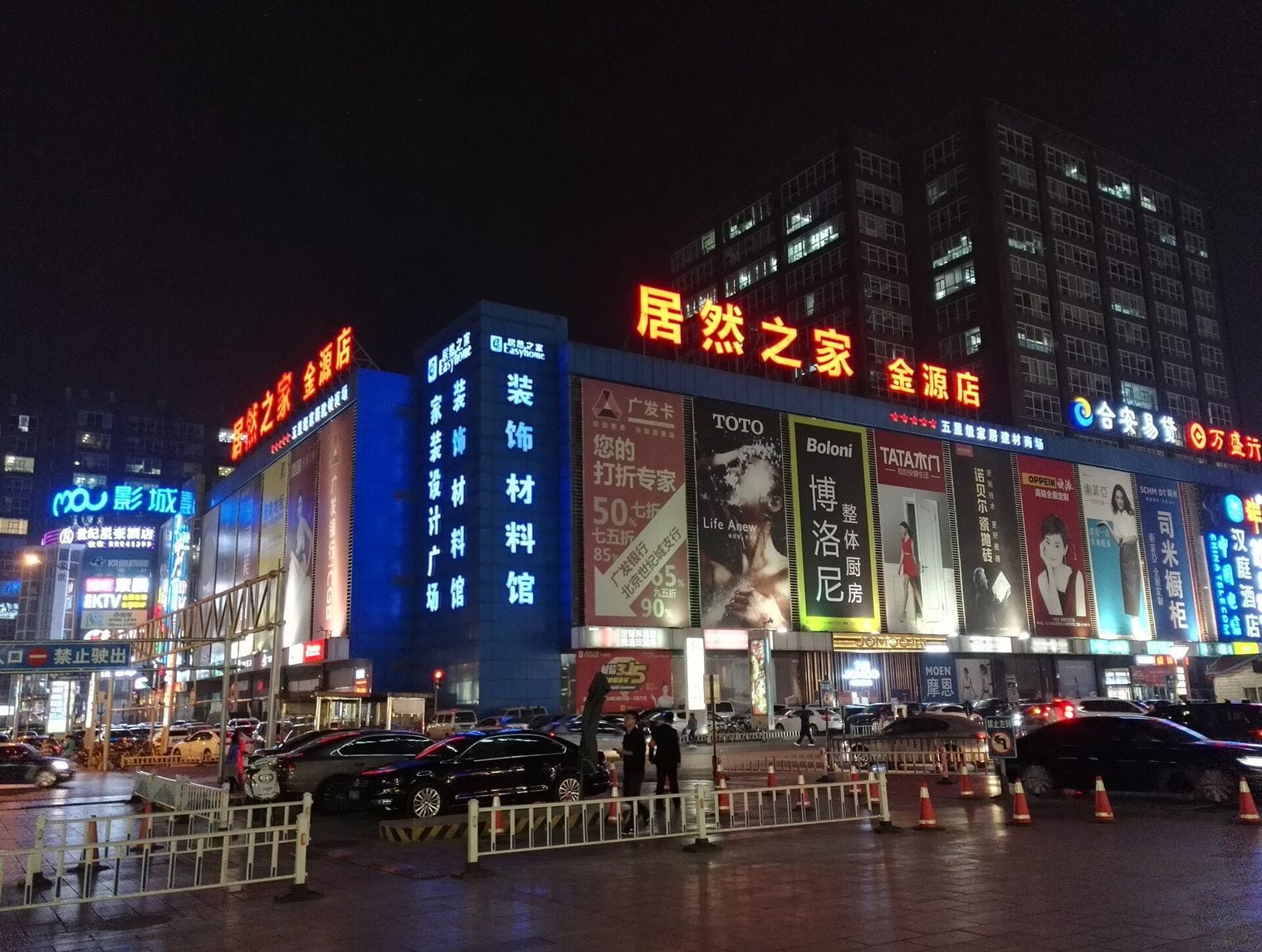
Golden Resources Mall spreads 557,419 m² of leasable space across six floors in Beijing's Haidian district, and when it opened on 24 October 2004 that made it the largest mall in the world — a title it held for a single year before South China Mall overtook it. English-language reports of the period nicknamed it the Great Mall of China, and at roughly one and a half times the size of Mall of America the label fit.
Its first years were bleak. Footfall had been projected at 50,000 a day; at opening it ran as low as twenty people in an hour, undone by high prices and a site stranded between the city's third and fourth ring roads. Two decades of Beijing's outward growth achieved what marketing could not, and the mall now sits surrounded by apartment complexes, crowded at weekends by 2022. It holds over 1,000 stores and a cinema on the fifth floor.
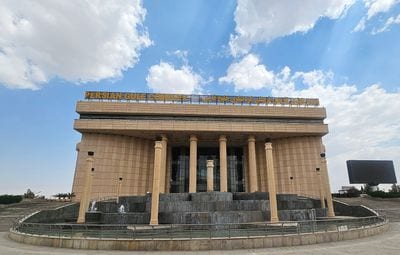
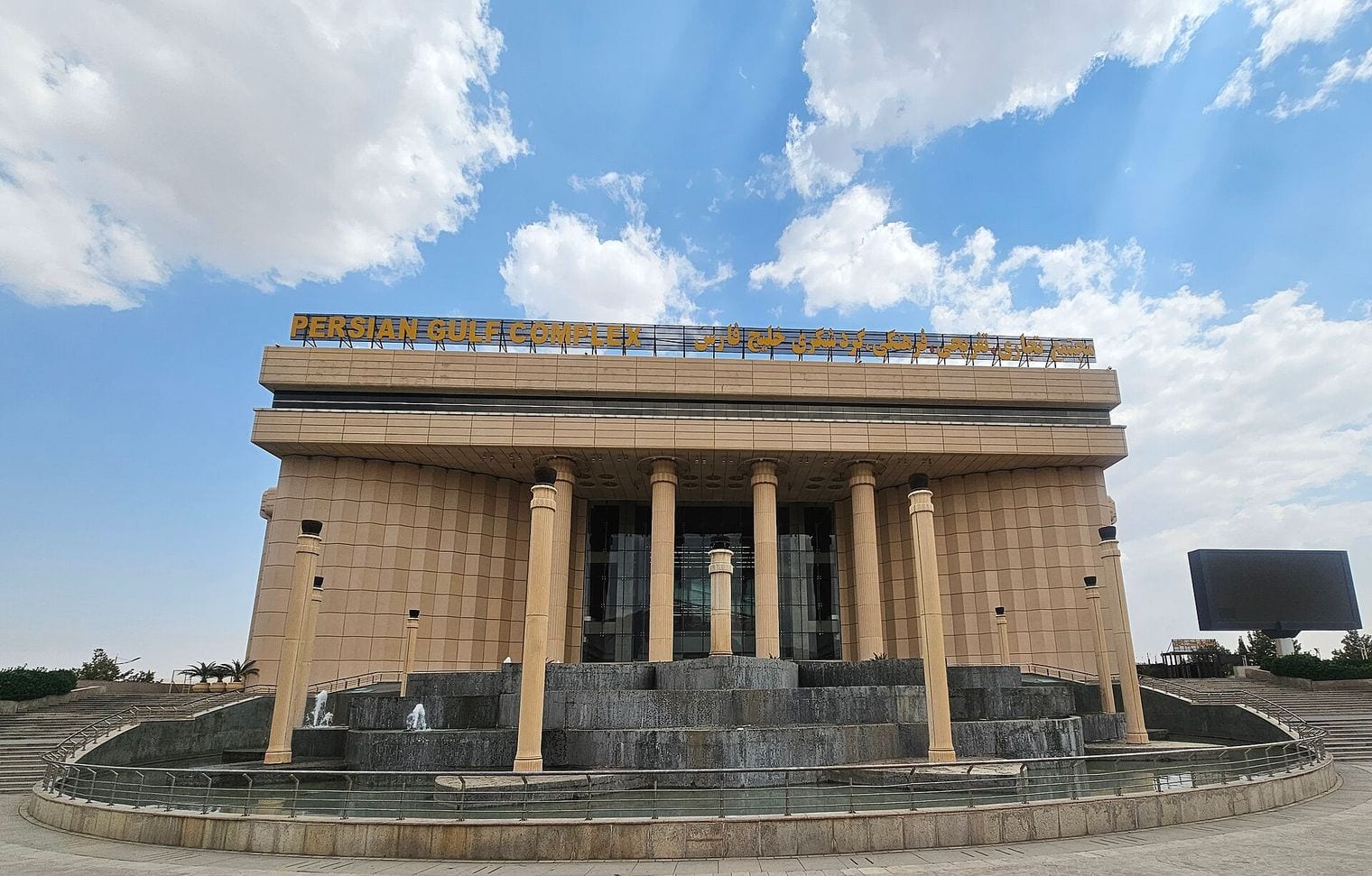
The Persian Gulf Complex in Shiraz offers 450,000 m² of leasable area, but its more striking number is 2,500 — the count of individual shops under one roof, among the highest of any mall anywhere. It opened in September 2011 in the Sadra district and packs that retail into four sweeping floors, a density none of the larger entries here comes close to matching.
The complex is built to keep visitors on site rather than send them home. A 262-room hotel, cinemas, amusement areas and a hypermarket sit alongside the shops, with parking for 5,500 cars spread over four levels.
Its total floor area is 500,000 m², which by the standards of this list is an unusually honest ratio: barely a tenth of the building is given over to anything other than retail, where most of its rivals hide half their bulk in car parks and atriums.
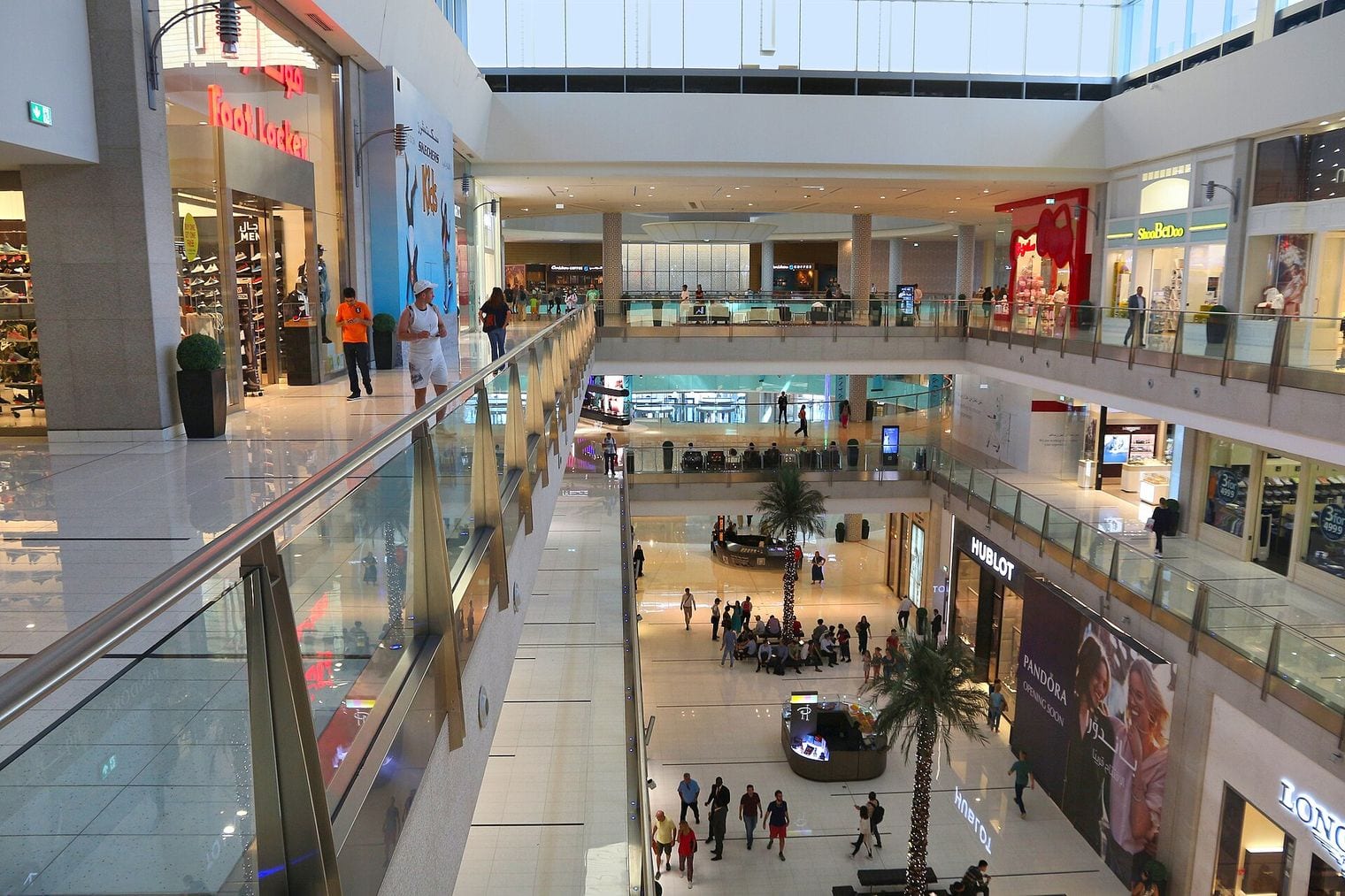
The Dubai Mall carries 350,000 m² of leasable space across more than 1,200 stores, and it is comfortably the busiest entry on this list: 105 million people passed through in 2023, up from 88 million the year before. It opened on 4 November 2008 at the foot of the Burj Khalifa, and those shops sit inside a 502,000 m² building — the gap being exactly the atriums, attractions and circulation space that looser rankings quietly count as retail.
The attractions explain the footfall. The Dubai Aquarium and Underwater Zoo holds more than 300 marine species behind what was built as the world's largest acrylic panel, 32.88 m wide, 8.3 m high and weighing 245 tonnes.
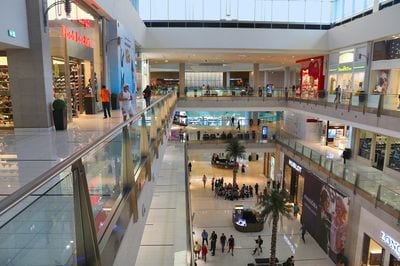
Outside, the Dubai Fountain runs one of the largest choreographed water systems anywhere; inside there is an Olympic-size ice rink, a 22-screen cinema and a 7,000 m² KidZania. It ties West Edmonton Mall exactly on leasable area, and takes fourth on the larger of the two buildings.
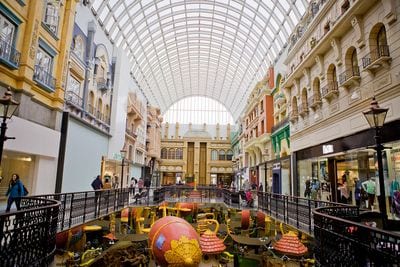
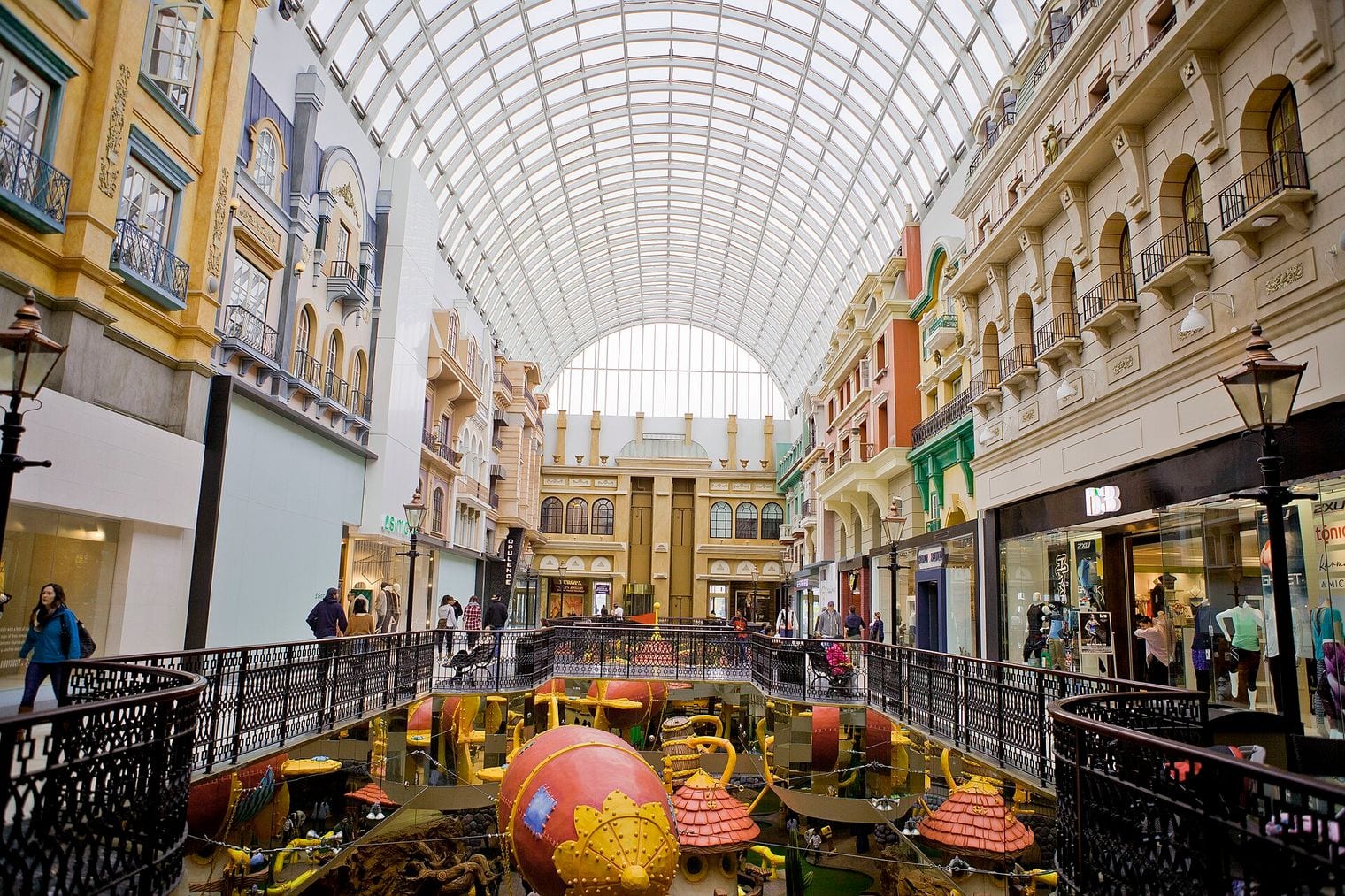
West Edmonton Mall matches The Dubai Mall's 350,000 m² of leasable space to the square metre, and ranks fifth here only on the agreed tiebreaker: its overall building is slightly smaller, 490,000 m² against Dubai's 502,000. Opened on 15 September 1981, it held the title of the world's largest mall for well over a decade and remains the biggest in North America, with more than 800 stores and 14 anchor tenants.
Alberta built it as a destination rather than a shopping trip, and the attractions are why its leasable figure sits so far below its floor area. World Waterpark, opened in 1985 across 20,903 m², is the fourth-largest indoor waterpark on the planet and holds the world's largest indoor wave pool.
Galaxyland is the second-largest indoor amusement park anywhere, behind only Ferrari World. There is also the world's largest indoor lake, an NHL-regulation ice rink, over 100 places to eat and a hotel inside the building itself.
Iran Mall is the most misreported building in retail. It is routinely crowned the largest mall on Earth at 1,950,000 m², but that number describes an entire planned development; the leasable retail area in its opened phase is 267,000 m², which places it sixth.
Even its built-up area of 1,350,000 m² is five times the space actually let to tenants, and the gap between those figures is the single clearest illustration of why this list is measured the way it is.
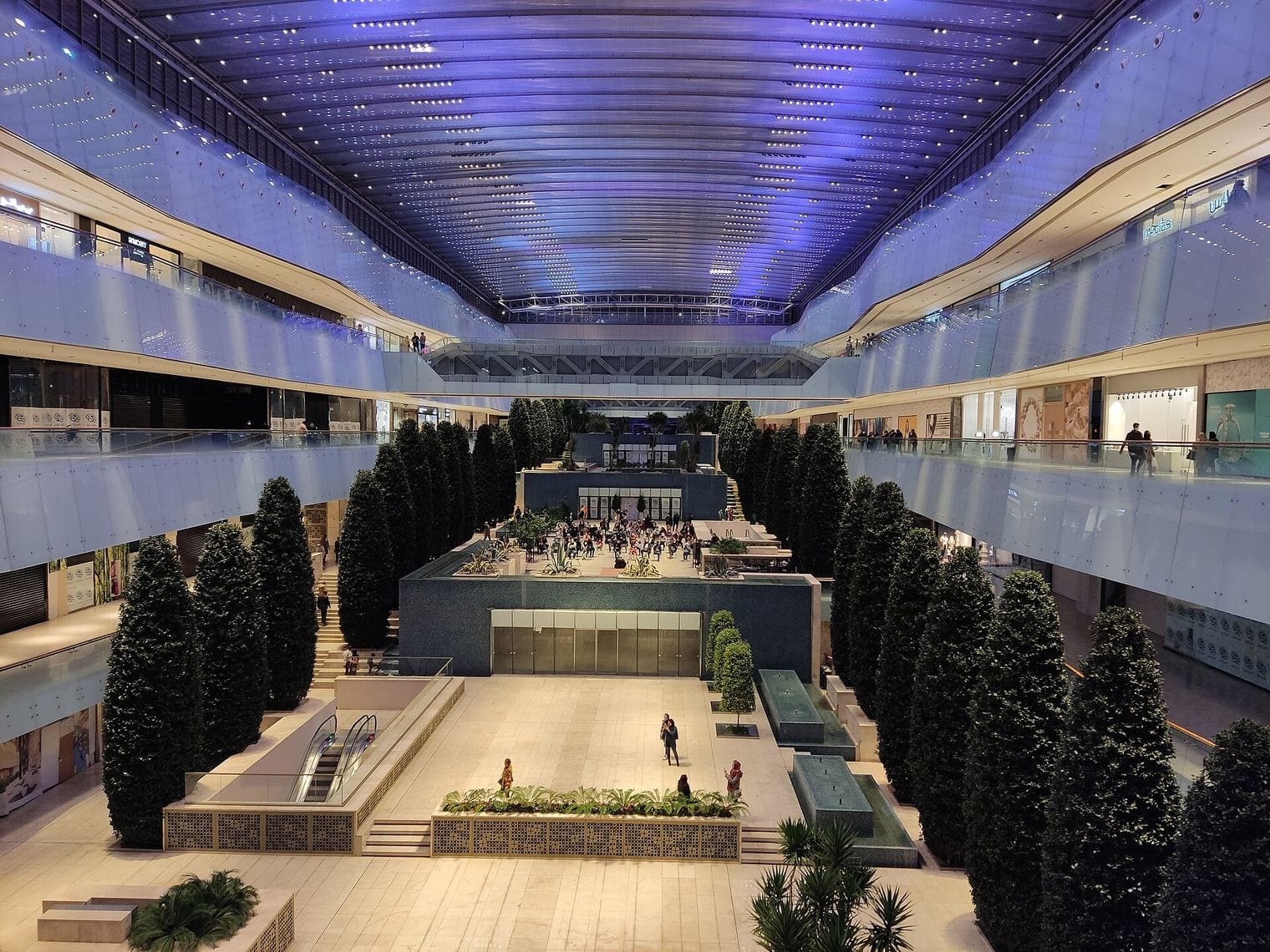
What is there is genuinely vast and deliberately un-mall-like. Opened on 1 May 2018 beside Chitgar Lake in northwest Tehran, it wraps its 700-plus stores around a traditional Persian bazaar, libraries, museums, hotels, a mosque and a 3,300-seat cinema, styled throughout in Iranian architectural motifs rather than international mall vernacular. Ownership passed to the Central Bank of Iran after Ayandeh Bank was dissolved in October 2025, and the mall continues to trade.
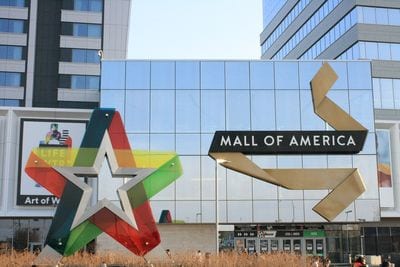
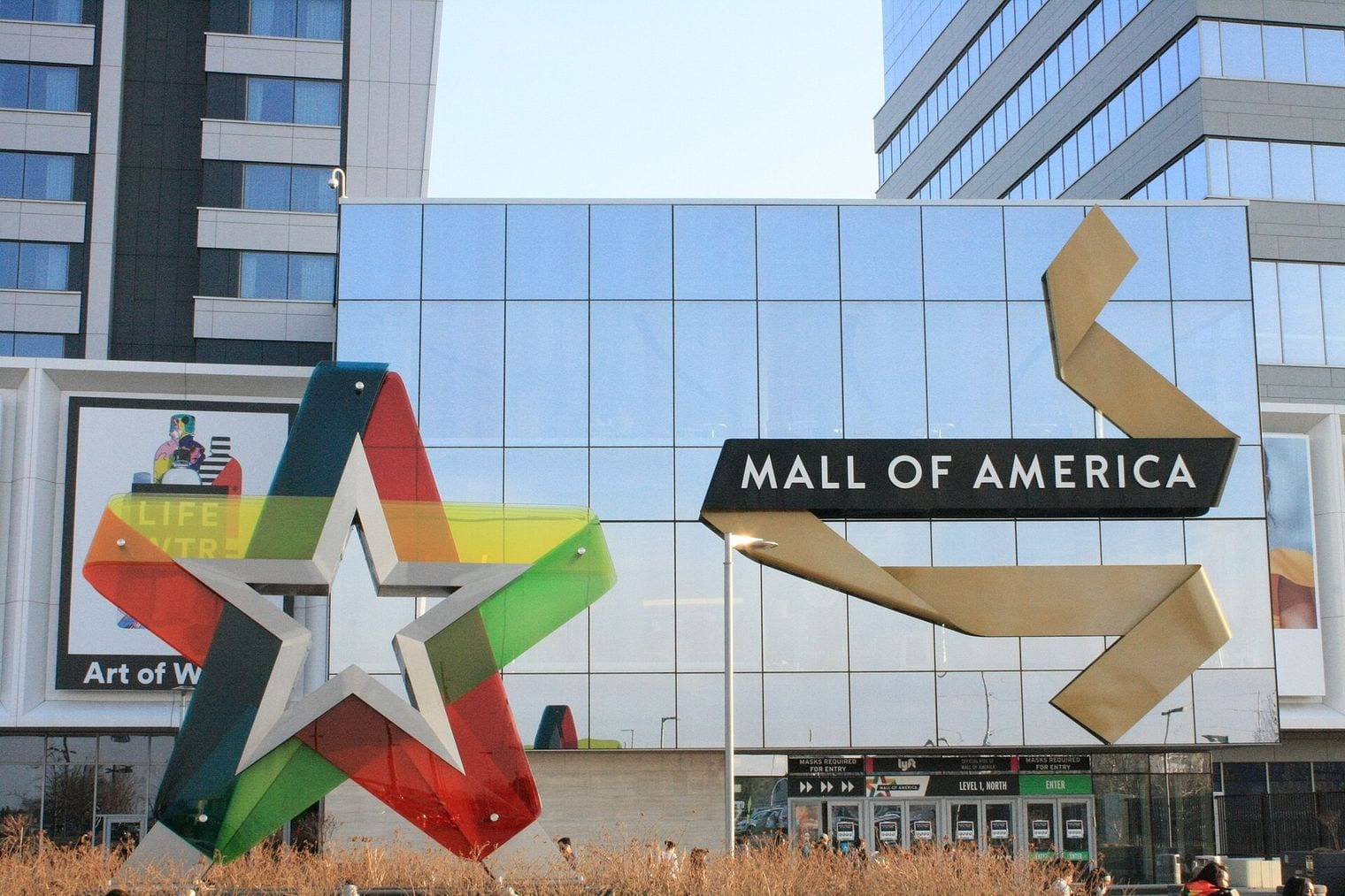
Mall of America devotes 266,500 m² to leasable retail, and it is the neatest illustration on this list of why the distinction matters. Its headline figure is 5.6 million sq ft, about 520,000 m², but that counts an indoor theme park and the parking ramps; the shops themselves occupy 2,869,000 sq ft, a little over half the building. Rank it on the headline and it climbs several places; rank it on the shops and it lands seventh.
It opened on 11 August 1992 in Bloomington, Minnesota, a short drive south of downtown Minneapolis, and draws roughly 32 million visits a year across more than 520 stores, making it the largest mall in the Western Hemisphere. Nickelodeon Universe, the largest indoor theme park in the United States, occupies the central atrium with roller coasters including the SpongeBob SquarePants Rock Bottom Plunge, and Sea Life runs a 91-metre curved tunnel through the water past over 4,500 animals.
88. King of Prussia Mall
King of Prussia, Upper Merion Township, Pennsylvania, United States
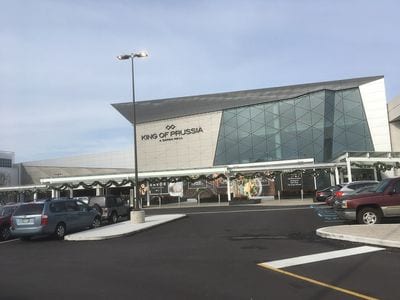
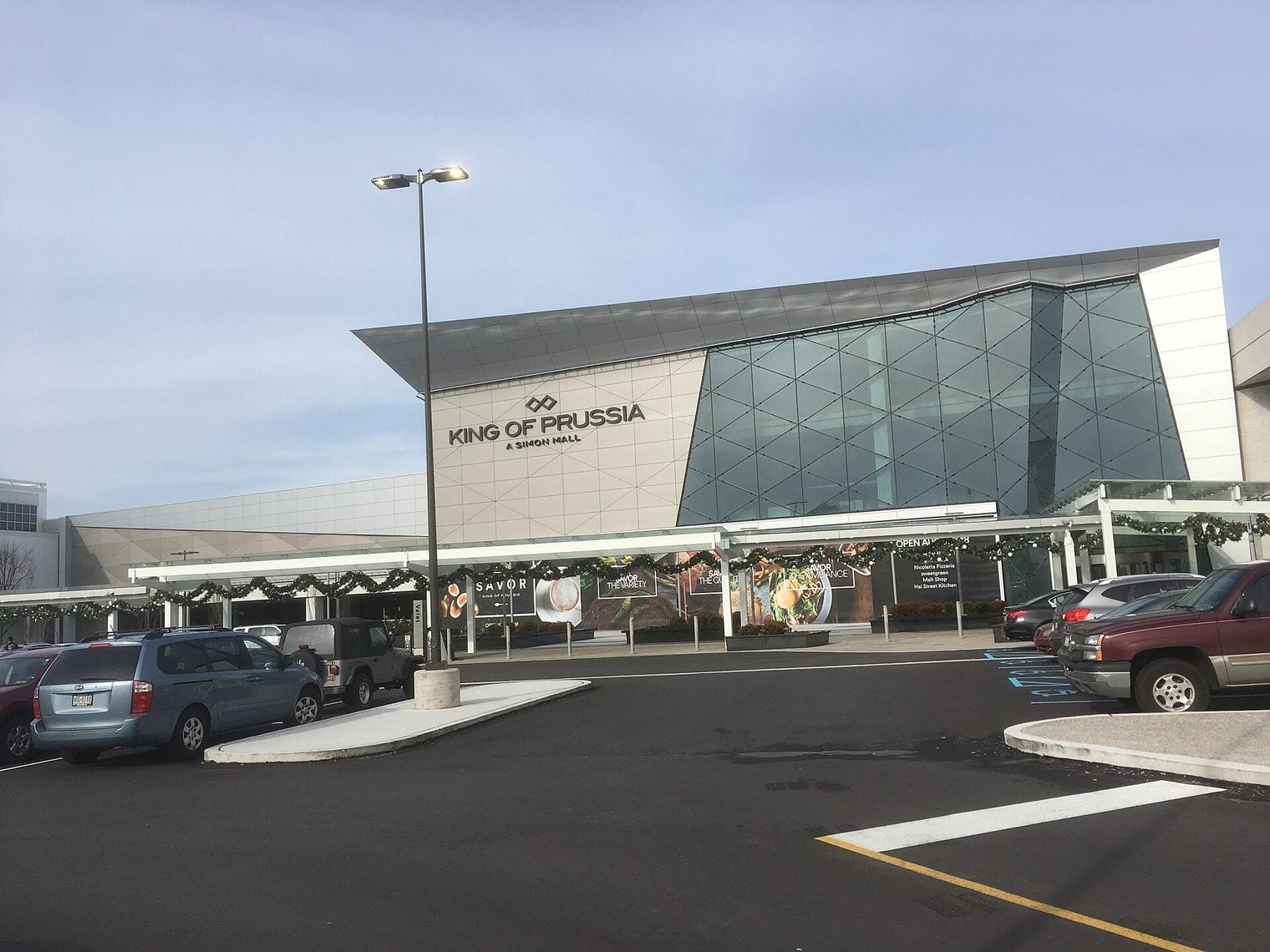
King of Prussia Mall holds 259,497 m² of gross leasable area, the fourth-largest of any mall in the United States and the biggest in Pennsylvania. Unusually for this countdown, that number needs no adjustment at all: American malls report leasable area to a common industry standard, so the figure is directly comparable rather than a building measurement wearing a retail label.
It began in 1963 as an open-air centre in Upper Merion Township outside Philadelphia and grew by accretion into roughly 450 retailers under Simon Property Group. The anchor line-up is an unusually deep bench of American department stores — Bloomingdale's, Macy's, Neiman Marcus and Nordstrom all trade here — and its reputation rests on that upscale mix rather than on any attraction beyond the shopping itself, which makes it the purest retail entry on the list.
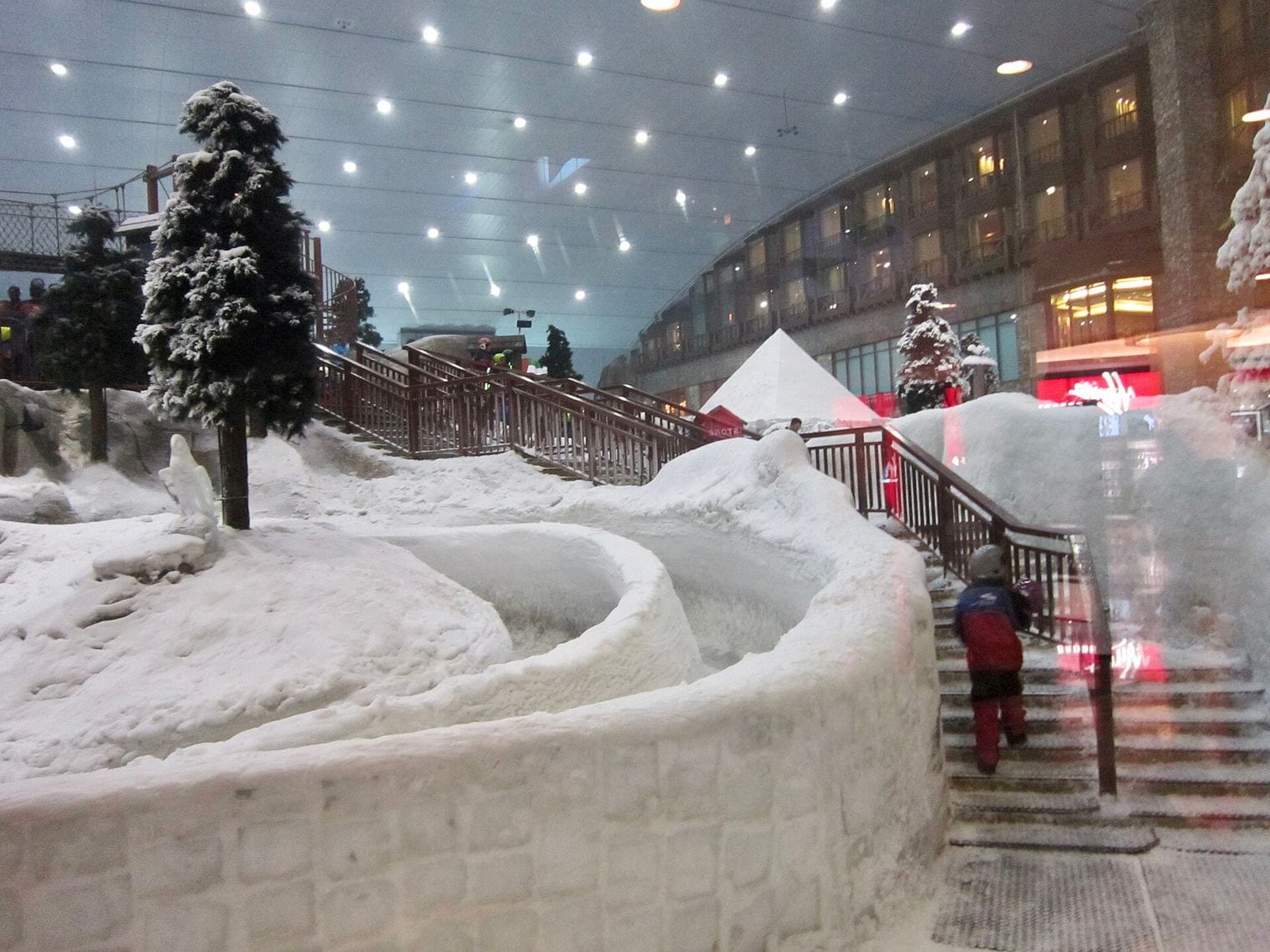
Mall of the Emirates reports 255,489 m² of gross leasable area across more than 630 outlets, and it earns its place partly by being one of the few malls anywhere to publish that number plainly instead of a building total. It opened on 28 September 2005 in Al Barsha, a few kilometres inland from the coast, and was expanded substantially in 2015.
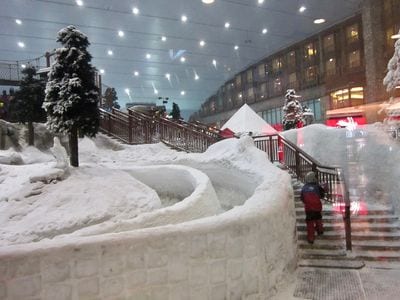
Its signature is Ski Dubai, the Middle East's first indoor ski resort and the world's largest indoor snow park, which puts a genuine ski slope under a roof in a desert city. Alongside it sit VOX Cinemas with 24 screens including an IMAX with Laser, and Magic Planet, one of the largest indoor family entertainment centres in Dubai, complete with a twelve-lane bowling alley. Together with The Dubai Mall it gives the city two entries in the world's top ten.
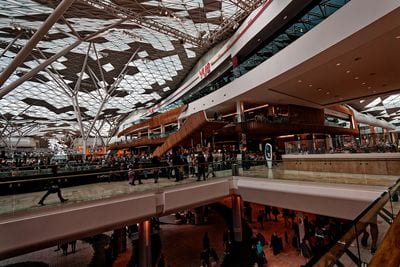
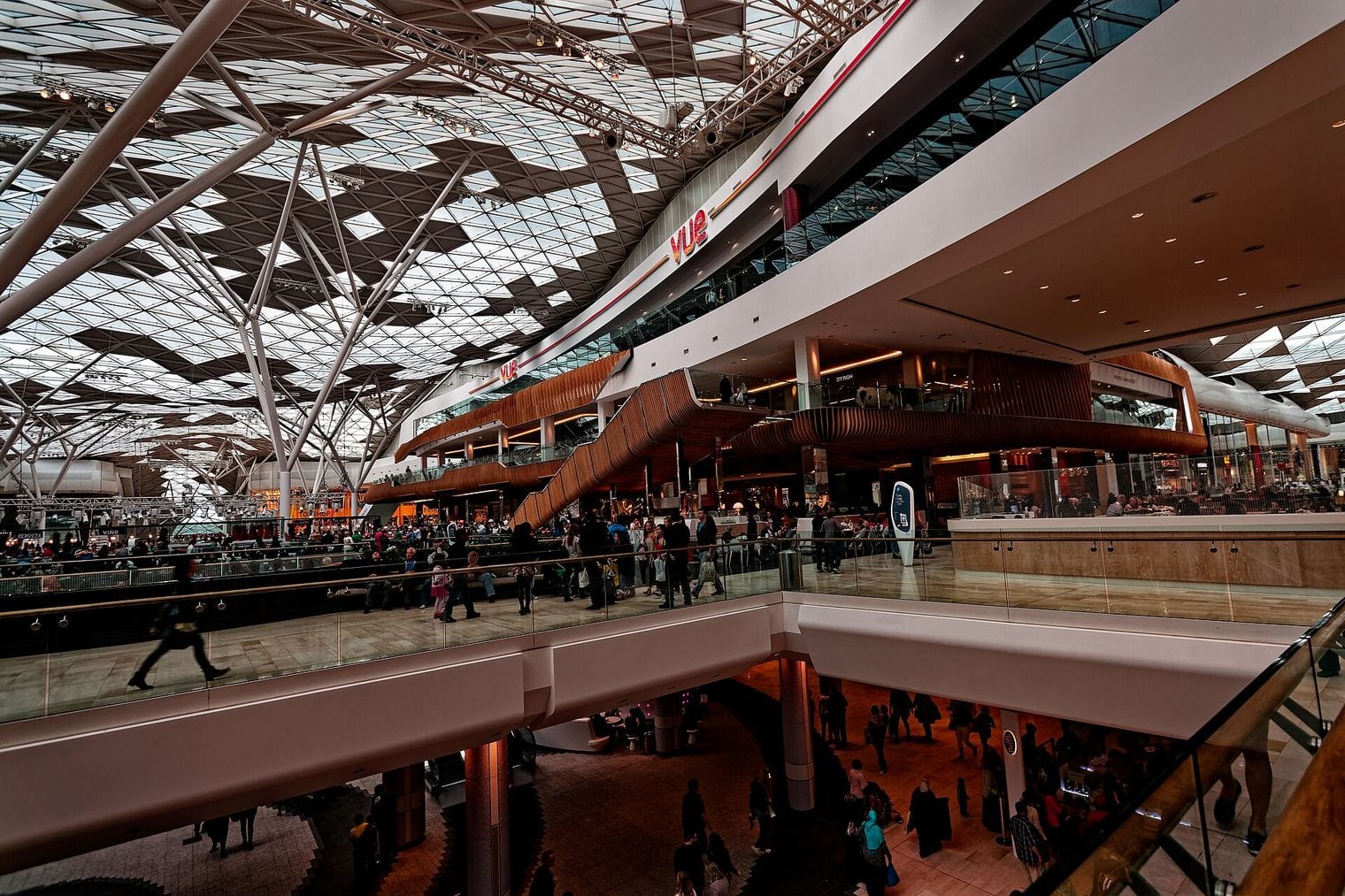
Westfield London completes the countdown with 240,000 m² of retail floor space, enough to make it the largest shopping centre in Europe — a title it took in 2018 rather than at its opening. It arrived in White City in west London on 30 October 2008 with 150,000 m² of shops, and an extension approved in 2012 and delivered across two phases in 2018 pushed it past every rival on the continent.
Around 320 stores spread over five floors, anchored by John Lewis, Marks & Spencer, Next and Primark, with 5,500 parking spaces beneath. Britain's showing on this measure is striking: four of Europe's ten largest centres by leasable area are British. Moscow's Aviapark, at roughly 230,000 m², is the only centre on the continent to come within 10,000 m² of it, which is how narrowly Westfield London holds both the European crown and the last place on this list.
FAQ: The World's Biggest Shopping Malls
What is the biggest shopping mall in the world?
South China Mall in Dongguan, China, with 659,612 m² of gross leasable area — the retail space actually let to tenants. Iran Mall in Tehran is often given the title on a far larger headline figure, but that number covers an entire development rather than the part occupied by shops.
Why do rankings of the world's biggest malls disagree so much?
Because they measure different things. Most lists quote gross floor area, which counts car parks, hotels, offices and atriums alongside the shops. This countdown uses gross leasable area, the space let to tenants. The two figures can differ by a factor of seven on the same building, so the resulting orders barely resemble each other.
What is gross leasable area?
Gross leasable area, usually shortened to GLA, is the floor space a shopping centre rents out to tenants. It excludes parking decks, service corridors, hotels, offices and common atriums. It is the retail industry's standard comparison measure because it reflects how much shopping a mall actually holds rather than how large the building is.
Which is the biggest mall in Europe and in the United States?
Westfield London leads Europe with 240,000 m² of retail floor space, taking that title in 2018 after a major extension. Mall of America is the largest in the United States and the wider Western Hemisphere at 266,500 m², with King of Prussia Mall fourth nationally at 259,497 m².
Can you still visit all of these malls?
Yes. Every entry here is trading today, which is a condition of making the list — a mall that has gone dark is excluded no matter how large it once was. South China Mall spent years almost entirely empty, but has been substantially re-let since its 2019 renovation.