The record
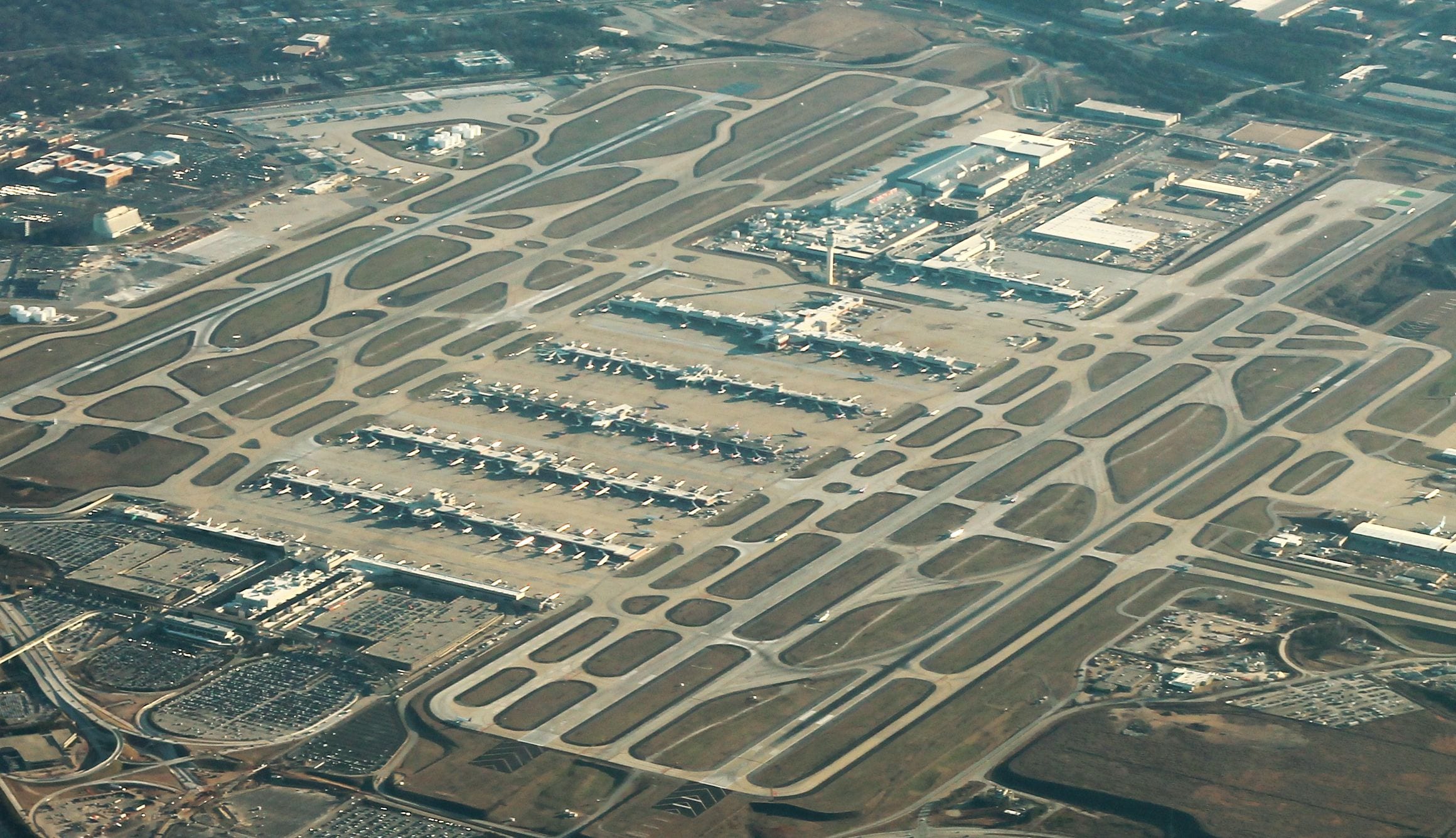
The busiest airport in the world is Hartsfield-Jackson Atlanta International Airport, in the United States — 106.3 million total annual passengers.
Source: ACI World final 2025 rankings. Verified .
Heathrow is the busiest airport in Europe, and it still only ranks seventh on this list. New York's JFK does not appear at all — its 62.6 million passengers fall just short of the cut.
That is because this countdown ranks single airports, never the multi-airport city systems they sit inside; group a city's terminals into one entry, as some lists quietly do, and the order changes completely. The measure is total passengers enplaned and deplaned with transit counted once, taken from Airports Council International's final figures for 2025.
Where an operator's own tally differs by a few hundred thousand, as Tokyo Haneda's does, the ACI figure governs, so every rank rests on a single basis. All twenty are operating today. They run from 63.4 million passengers at the foot of the list to 106.3 million at the top, spread across thirteen countries, with five American hubs and four Chinese ones among them.
The top twenty carry about one in six of the world's air passengers — together they handled roughly 1.59 billion people in 2025, around 16 percent of all global air travellers.
Global air traffic is closing in on ten billion passengers a year — airports worldwide handled close to that number in 2025, a scale the industry had never reached before.
Atlanta and Dubai hold two different crowns — Hartsfield-Jackson leads on total passengers, while Dubai International handles more international passengers than any airport on earth.
Five of the top twenty are American, and most barely leave the country — four of the five US entries draw between 80 and 95 percent of their traffic from domestic flights.
Denver has more land than any airport in North America — Denver International covers more ground than the city of Boston, room that lets it keep landing aircraft in weather that would close a tighter field.
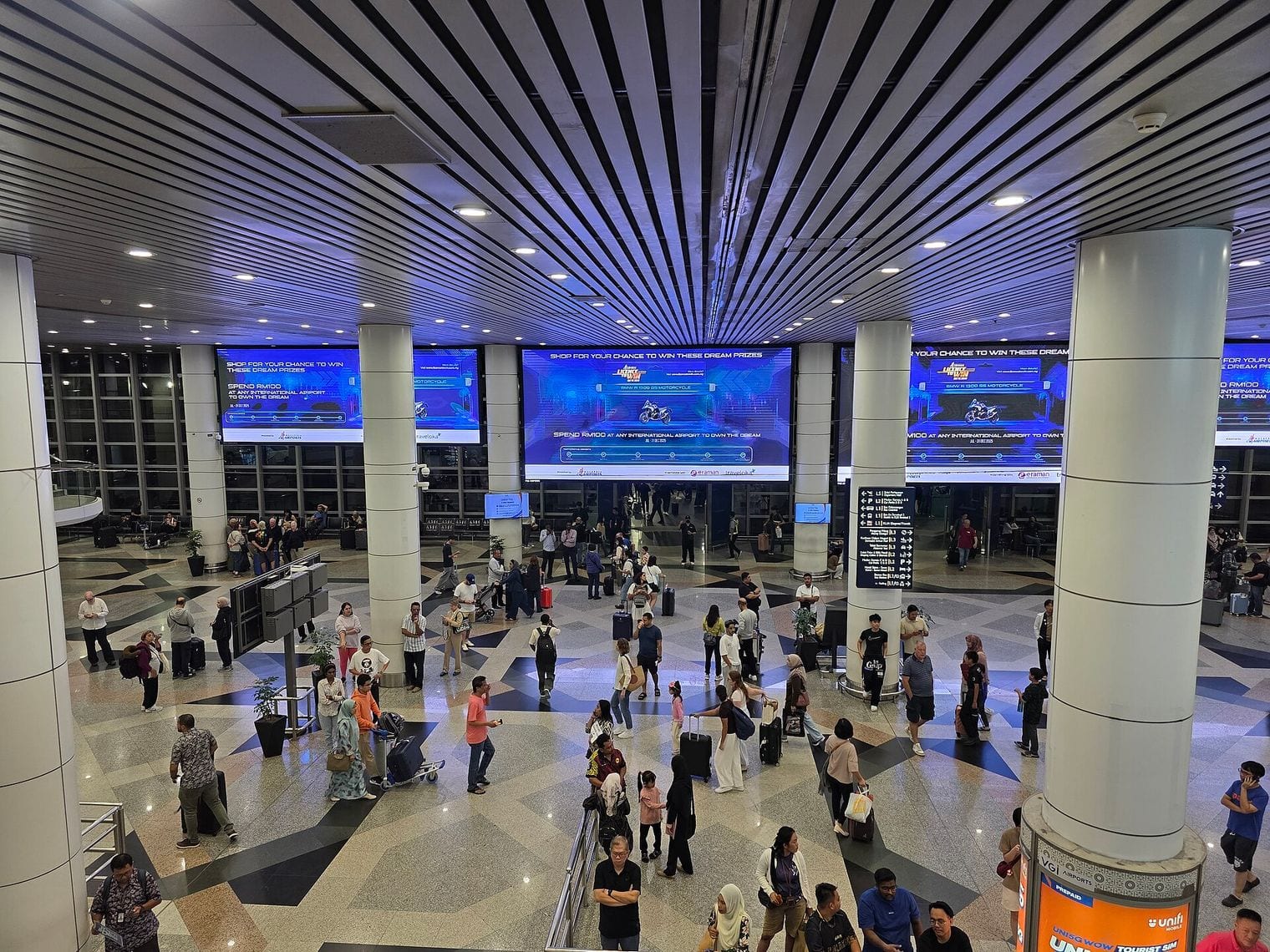
Kuala Lumpur climbed fastest — Kuala Lumpur International rose six places in a single year, the biggest move anywhere in the top twenty.
11. Hartsfield-Jackson Atlanta International Airport
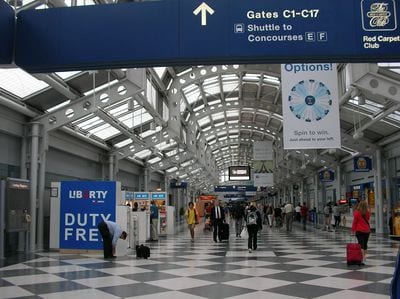
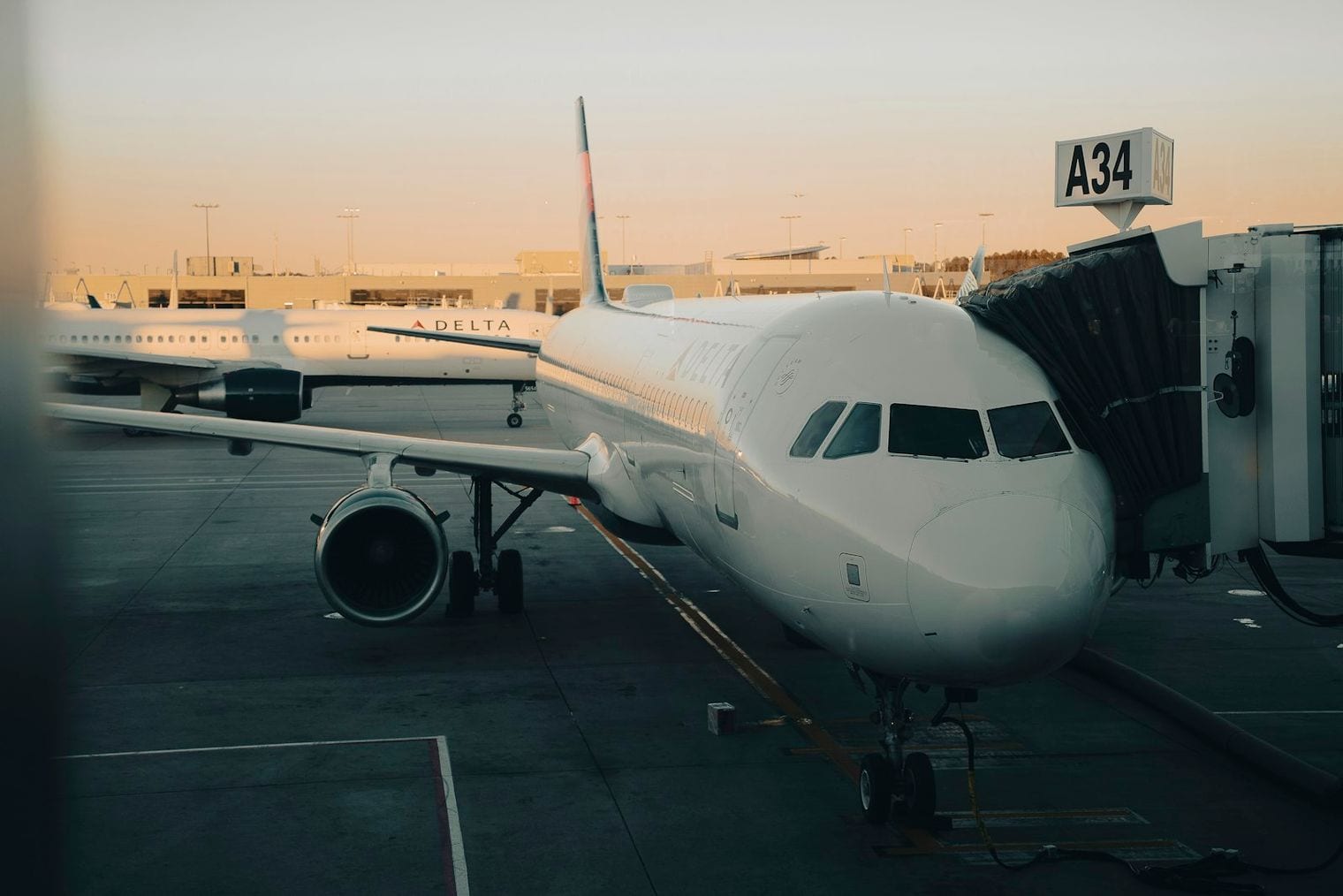
At 106.3 million passengers, Hartsfield-Jackson Atlanta International Airport has held the top of this ranking for more than two decades, and it does so almost entirely on domestic traffic. Delta Air Lines runs its largest hub here, feeding connecting passengers through a compact spine of parallel concourses linked by an underground people mover — a layout built for transferring rather than sprawling.
The geography is the real explanation. Atlanta sits within a short flight of a large share of the United States population, which makes it the natural place to change planes between the Northeast, Texas and Florida. Traffic slipped 1.6 percent in 2025 and the airport still finished more than ten million ahead of second place, a margin that has narrowed most years but has not yet closed.
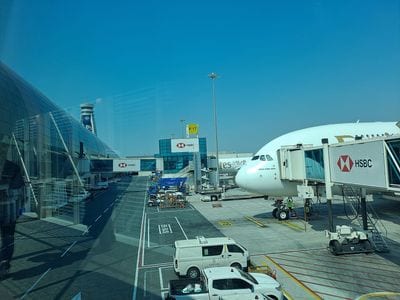
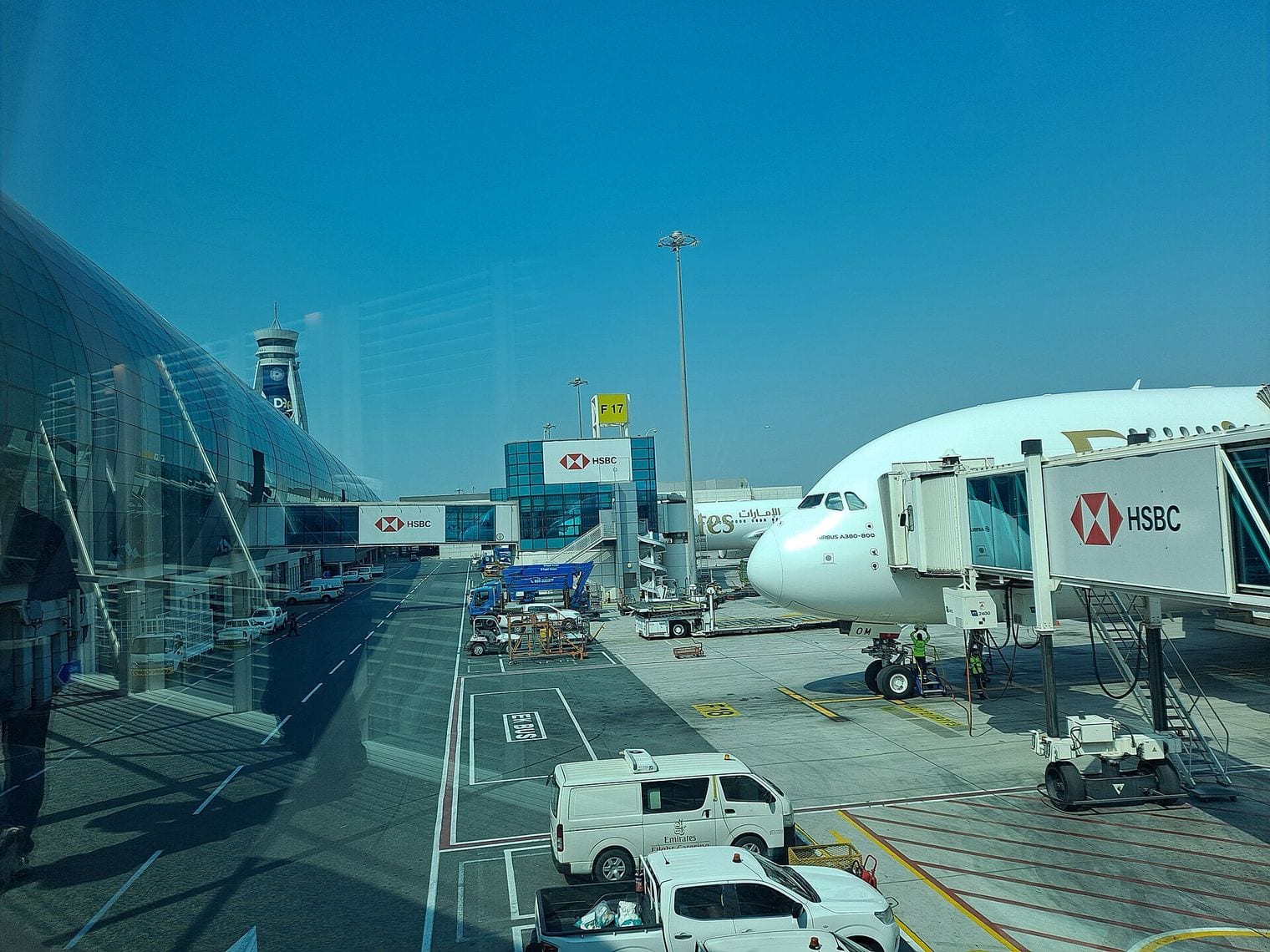
Dubai International Airport handled 95.2 million passengers in 2025, and almost every one of them was crossing a border. That makes it the busiest international airport anywhere — a different distinction from the one Atlanta holds, and arguably the harder of the two to win.
The airport is effectively one airline's machine. Emirates built a long-haul network on the premise that most of the world's population lives within a single flight of the Gulf, and Terminal 3 was constructed around that idea, sized for a fleet of wide-bodies arriving in coordinated waves. Traffic rose 3.1 percent over the previous year, with the final quarter the busiest the airport has recorded.
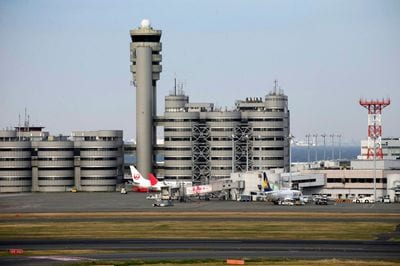
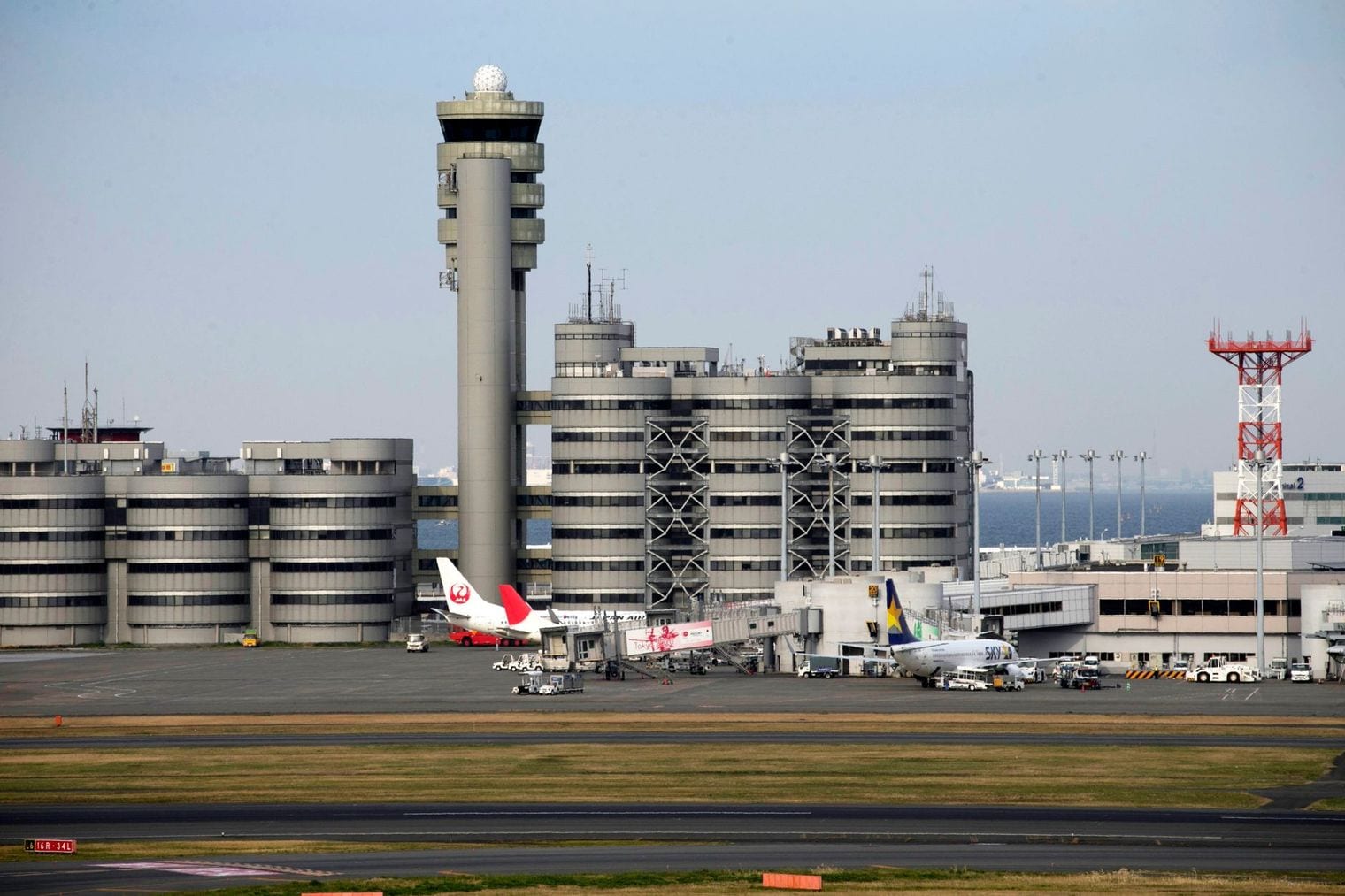
Tokyo Haneda Airport crossed 90 million for the first time in 2025, finishing at 91.7 million passengers on ACI's accounting — the airport's own count comes in slightly lower, one of the places where operator and industry figures diverge.
Haneda's advantage is proximity. It sits on Tokyo Bay far closer to the centre of the city than Narita, which is why domestic aviation concentrated here and why international slots have been steadily added back since 2010. Roughly 67 million domestic passengers moved through in 2025 against a record 24 million international ones, the latter rising more than ten percent as inbound tourism surged.
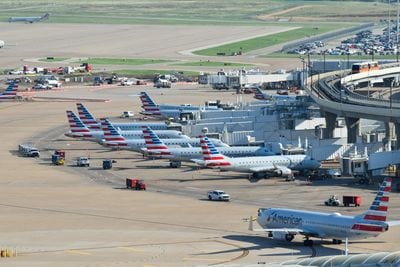
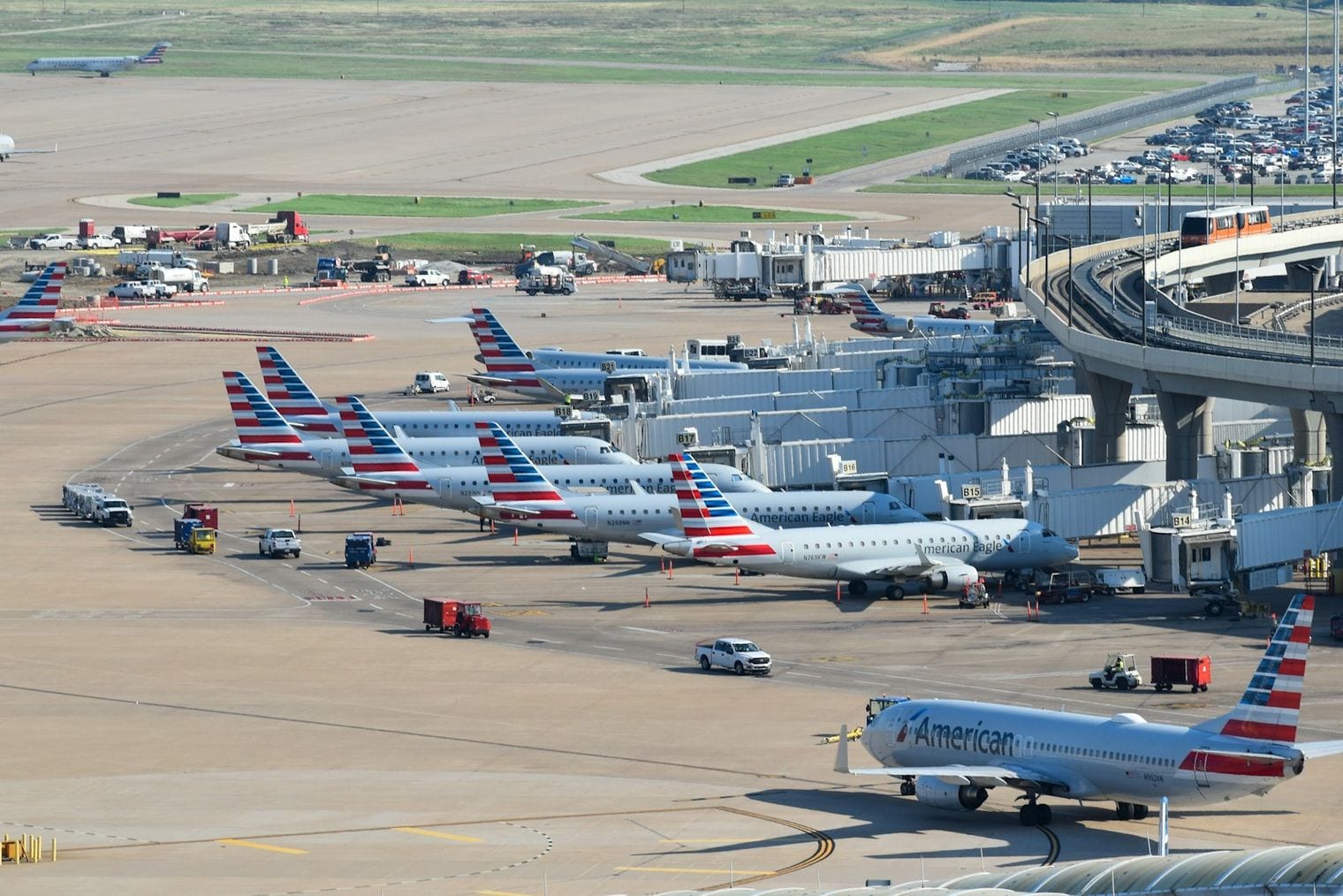
Dallas Fort Worth International Airport moved 85.7 million passengers in 2025 across five terminals arranged as a chain of semicircles, a design meant to keep the walk from kerb to gate short even as the airport grew.
It grew a great deal. DFW covers more ground than the island of Manhattan and has its own postal code and police force, the by-product of building an airport on open land between two cities that each wanted one. American Airlines anchors it, and as in Atlanta the traffic is overwhelmingly domestic — the connecting bank, not the international gateway, is what puts it fourth.
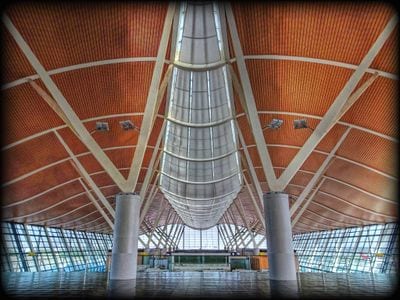
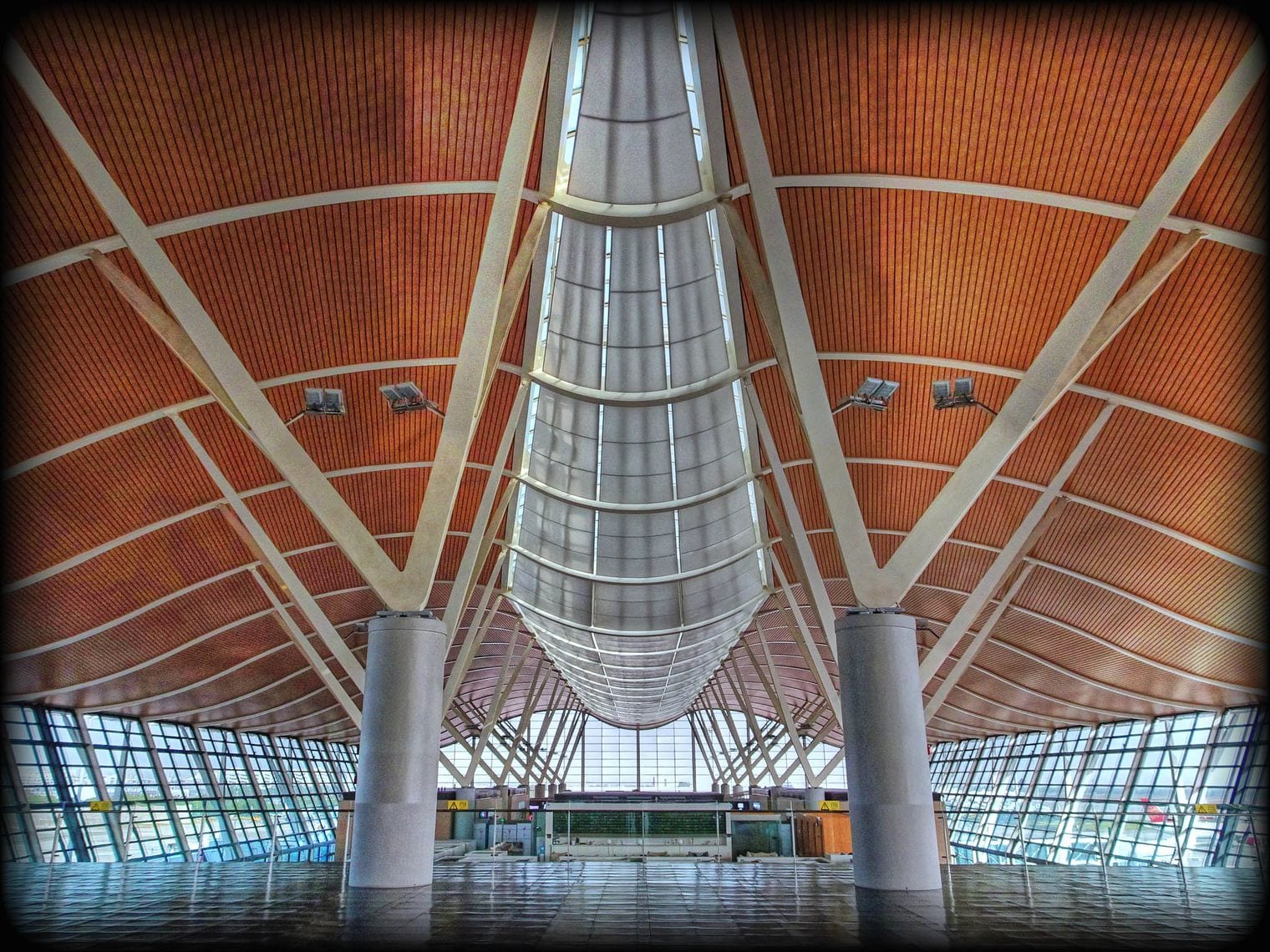
Shanghai Pudong International Airport climbed five places to fifth in 2025 with 85.0 million passengers, the second-largest jump anywhere in the top twenty.
The rise came from international travel returning rather than domestic growth: eased visa rules and restored long-haul routes brought back traffic that had drained away, lifting the airport 10.7 percent in a year. Pudong handles Shanghai's international flying while Hongqiao, closer to the city, takes most domestic services. A magnetic-levitation line still runs between Pudong and the city's eastern edge, covering the distance in about seven minutes and remaining one of very few such services in commercial operation.
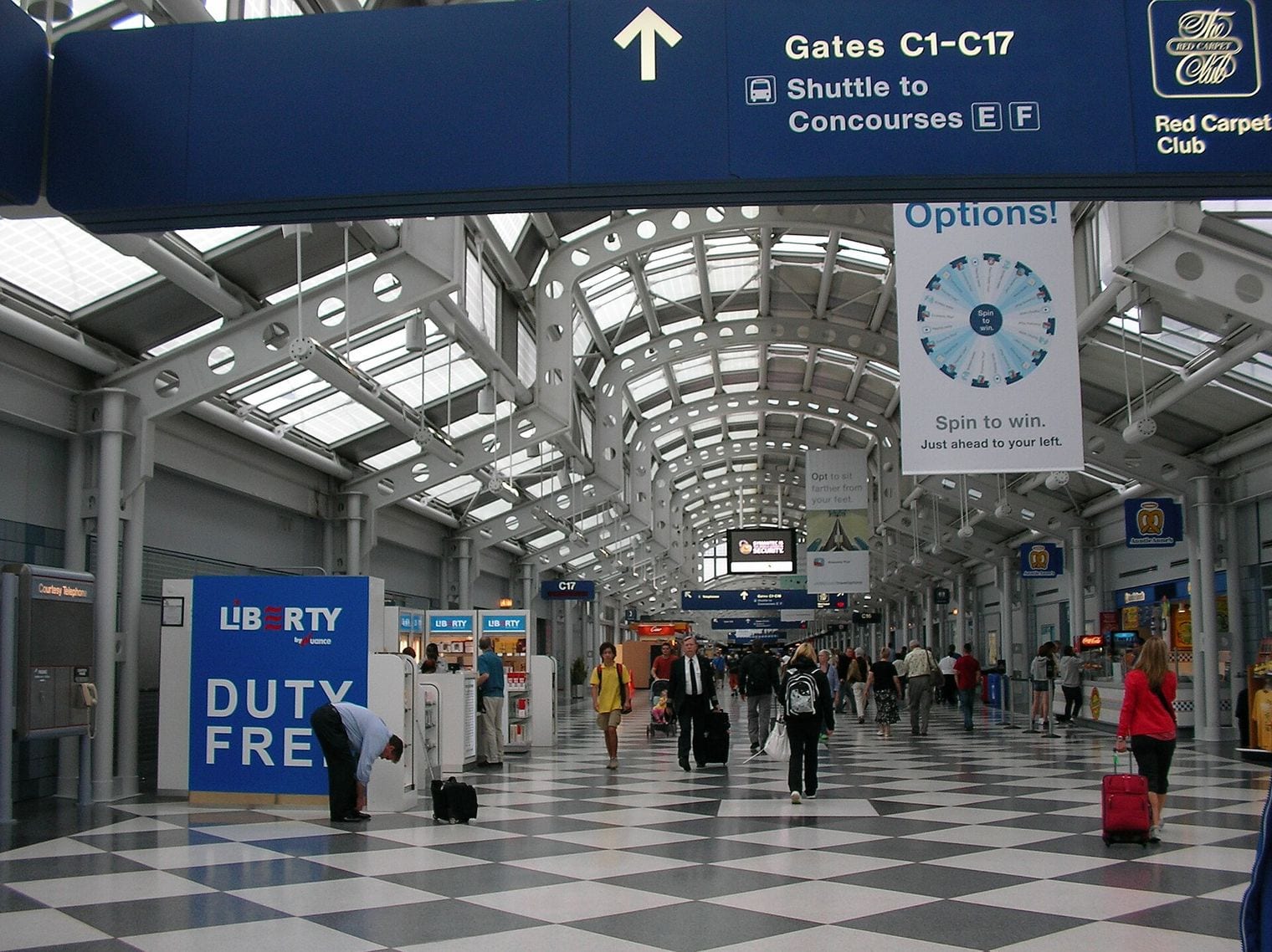
O'Hare International Airport handled 84.9 million passengers in 2025, holding sixth place inside a four-way cluster where fewer than 600,000 passengers separate fifth from eighth.
Chicago's position in the middle of the country made O'Hare the natural crossroads of American aviation, and it remains one of the few airports serving as a major hub for two competing airlines at once, with both United and American running connecting banks through it. The same centrality explains a quirk every US traveller knows: a snowstorm here reliably delays flights two thousand miles away.
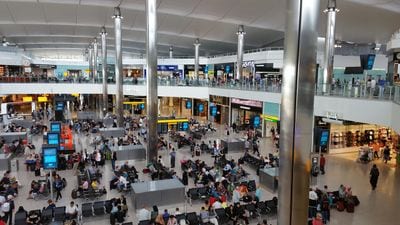
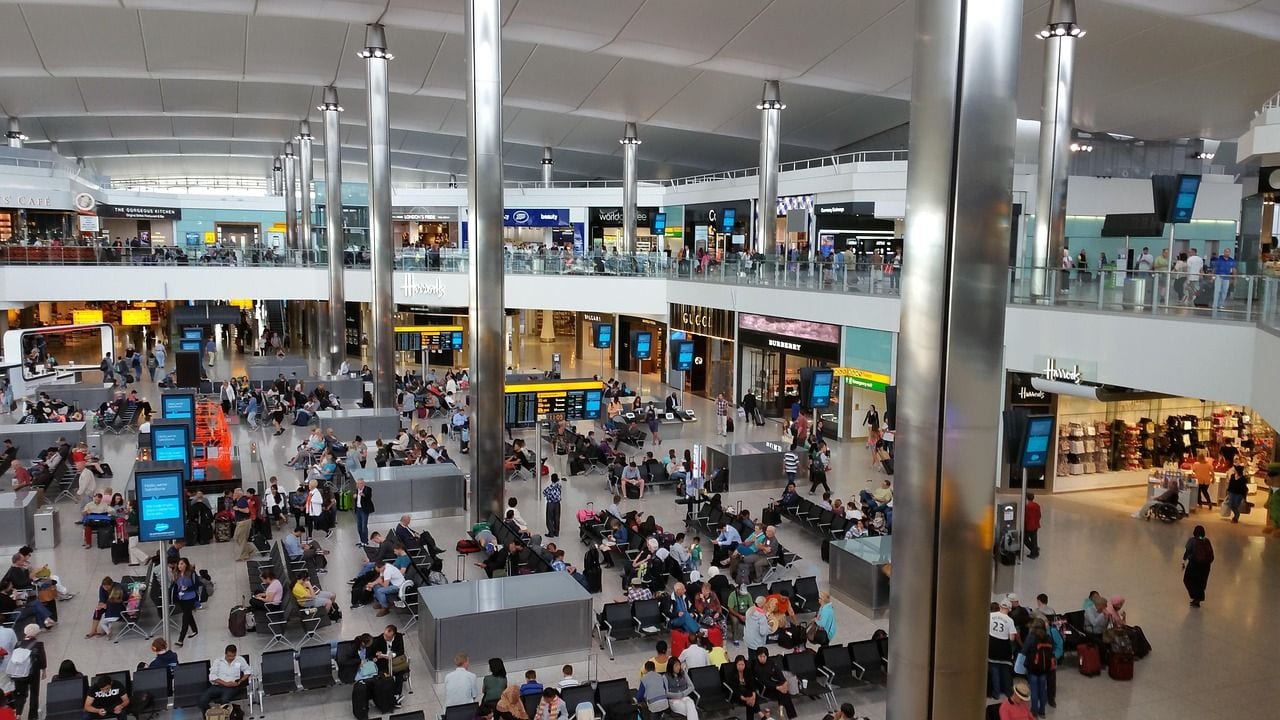
Heathrow Airport set a record in 2025 with 84.5 million passengers, its busiest year yet, and finished as the busiest airport in Europe. It edged Istanbul by roughly 44,000 passengers — about five hundredths of one percent — which is close enough that the two are best read as a near-tie, separated only by the final audited count.
What makes the number remarkable is that Heathrow produced it on two runways. Nearly every other airport at this level of traffic has three or more, and that constraint is why Heathrow runs close to full capacity for most of the year and why its expansion has been argued over for decades. Its busiest single day came on 1 August, when about 270,000 people passed through.
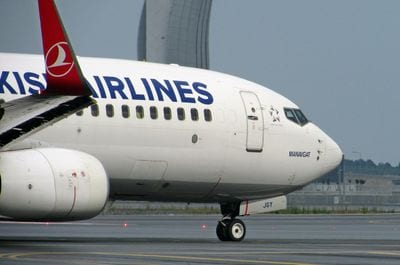
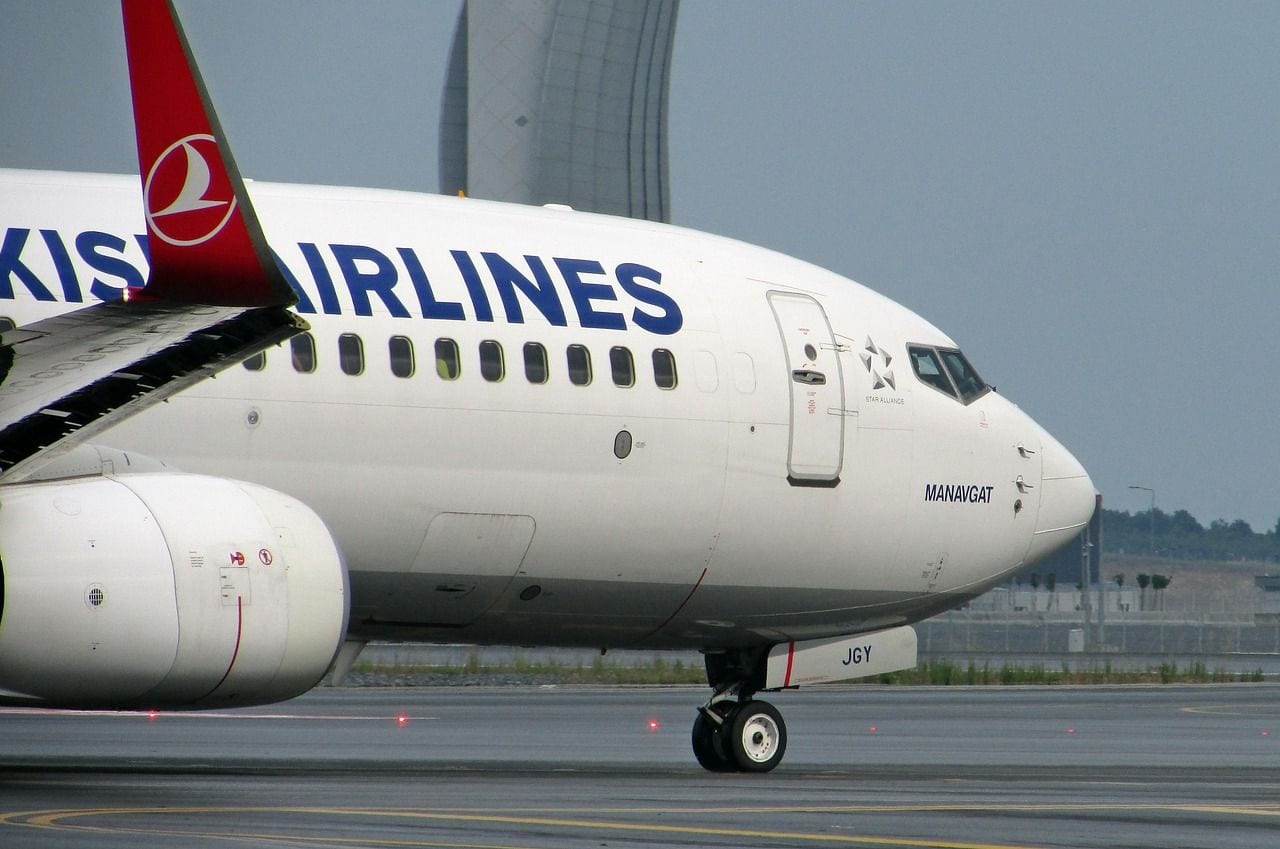
Istanbul Airport carried 84.4 million passengers in 2025, finishing eighth worldwide and second in Europe behind Heathrow — the two separated by about 44,000 passengers, a margin thin enough that a small revision to either count could reverse them.
The airport is barely older than the ranking it now sits near the top of. Turkish Airlines moved its entire operation here in 2019, onto a site laid out from the start for the traffic it is only now reaching. In April 2025 it began triple independent runway operations, working three arrival streams at once, and became the first airport in Europe to do so.
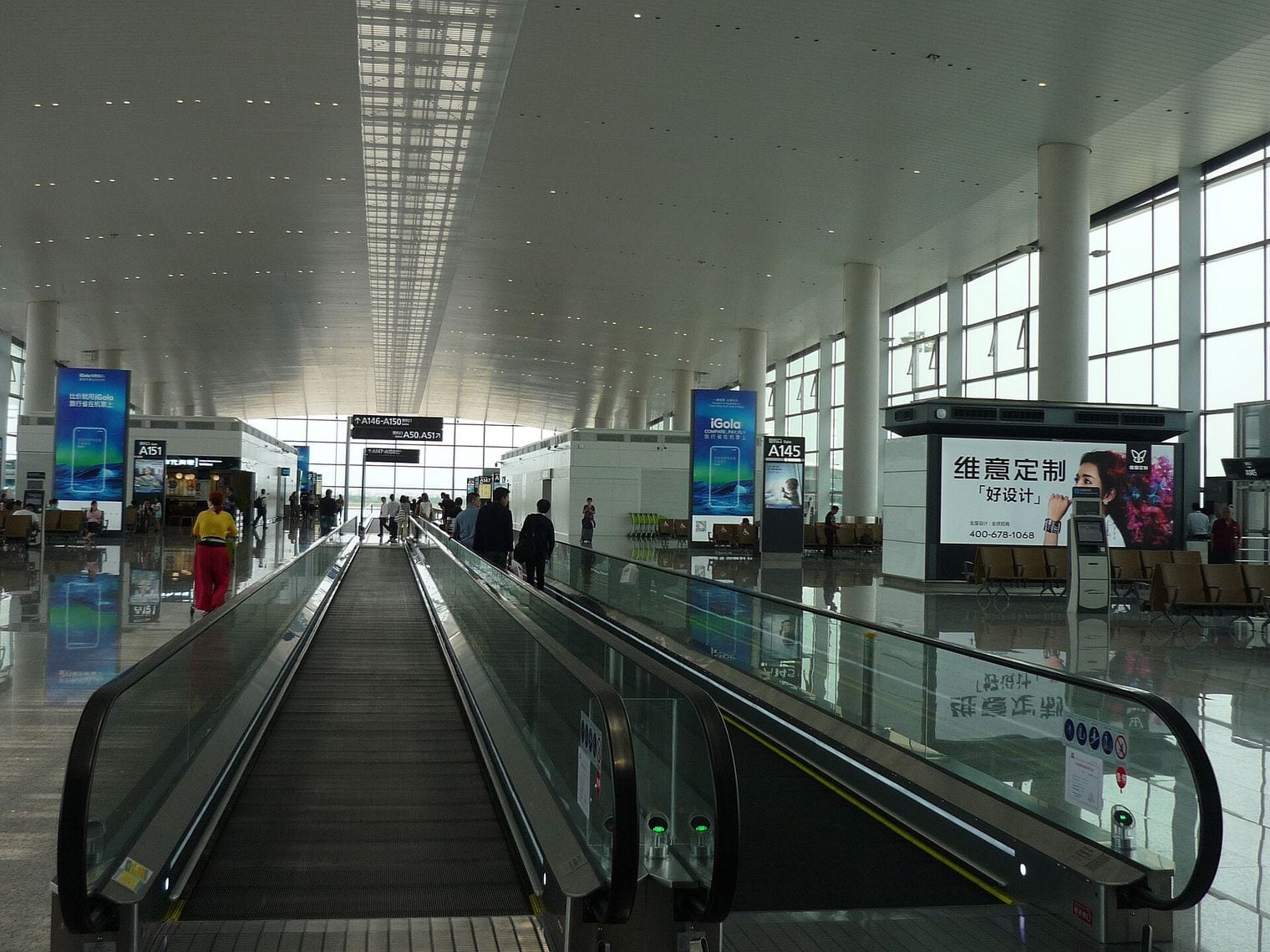
Guangzhou Baiyun International Airport handled 83.6 million passengers in 2025, ninth in the world and the busiest of mainland China's southern gateways.
Baiyun is the home base of China Southern Airlines and the aviation centre of the Pearl River Delta, the manufacturing region that also contains Shenzhen and Hong Kong — three major airports within about a hundred kilometres of one another, an unusual concentration by any standard. Most of Baiyun's traffic is domestic, feeding a network that reaches essentially every provincial capital in the country.
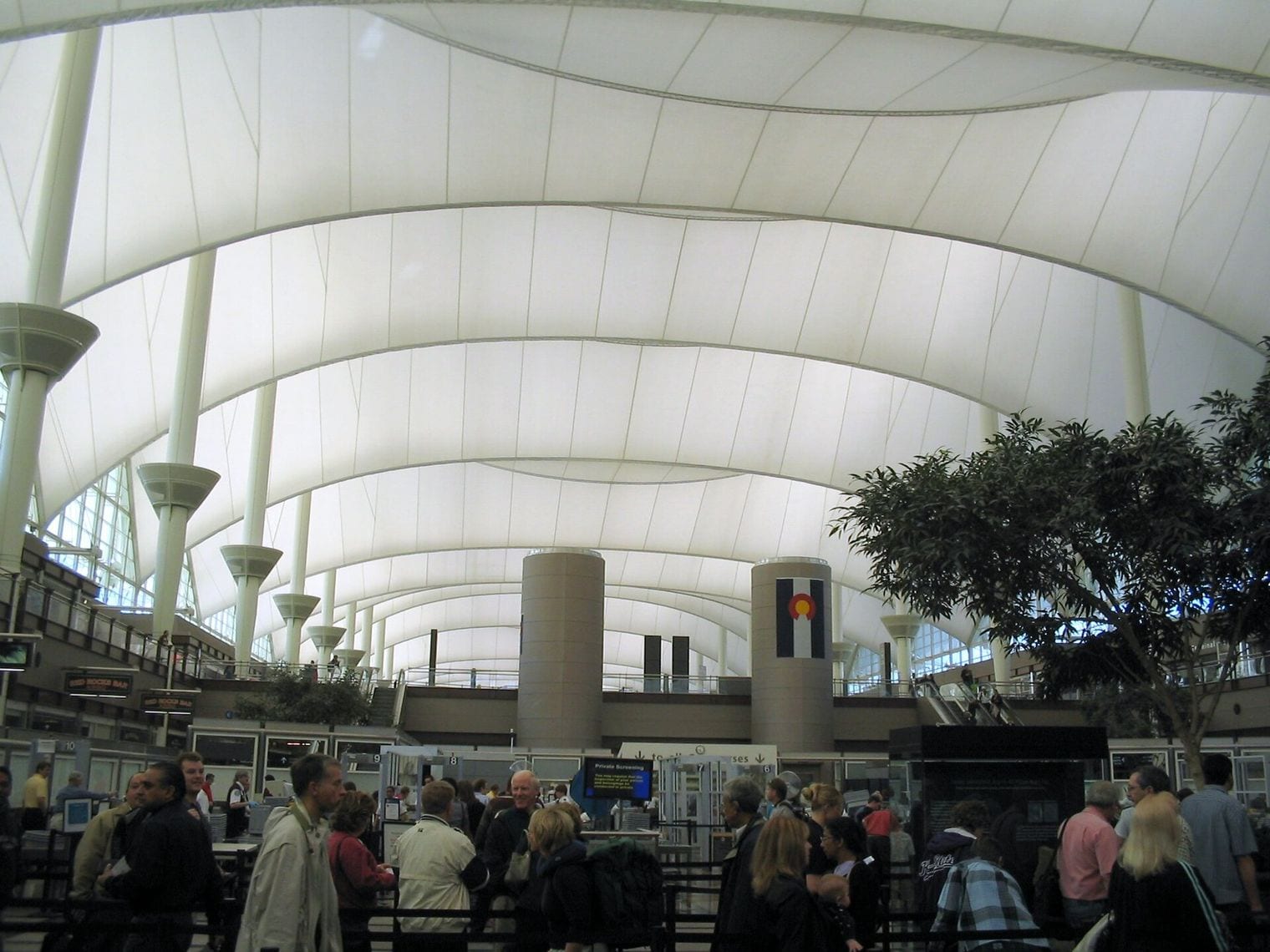
Denver International Airport recorded 82.4 million passengers in 2025, a fractional increase over the previous year that was still enough for a record and for tenth place worldwide.
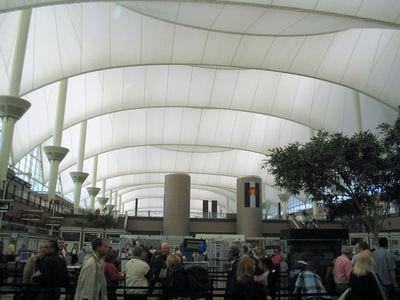
Denver has more room than any other airport in North America — its land holding is larger than the city of Boston — which is why it could be built with widely separated runways that let it keep landing aircraft in weather that would close a tighter field. The terminal's white peaked roof, a tensioned fabric structure echoing the Rocky Mountains behind it, has become the airport's signature and the reason it photographs unlike anything else on this list.
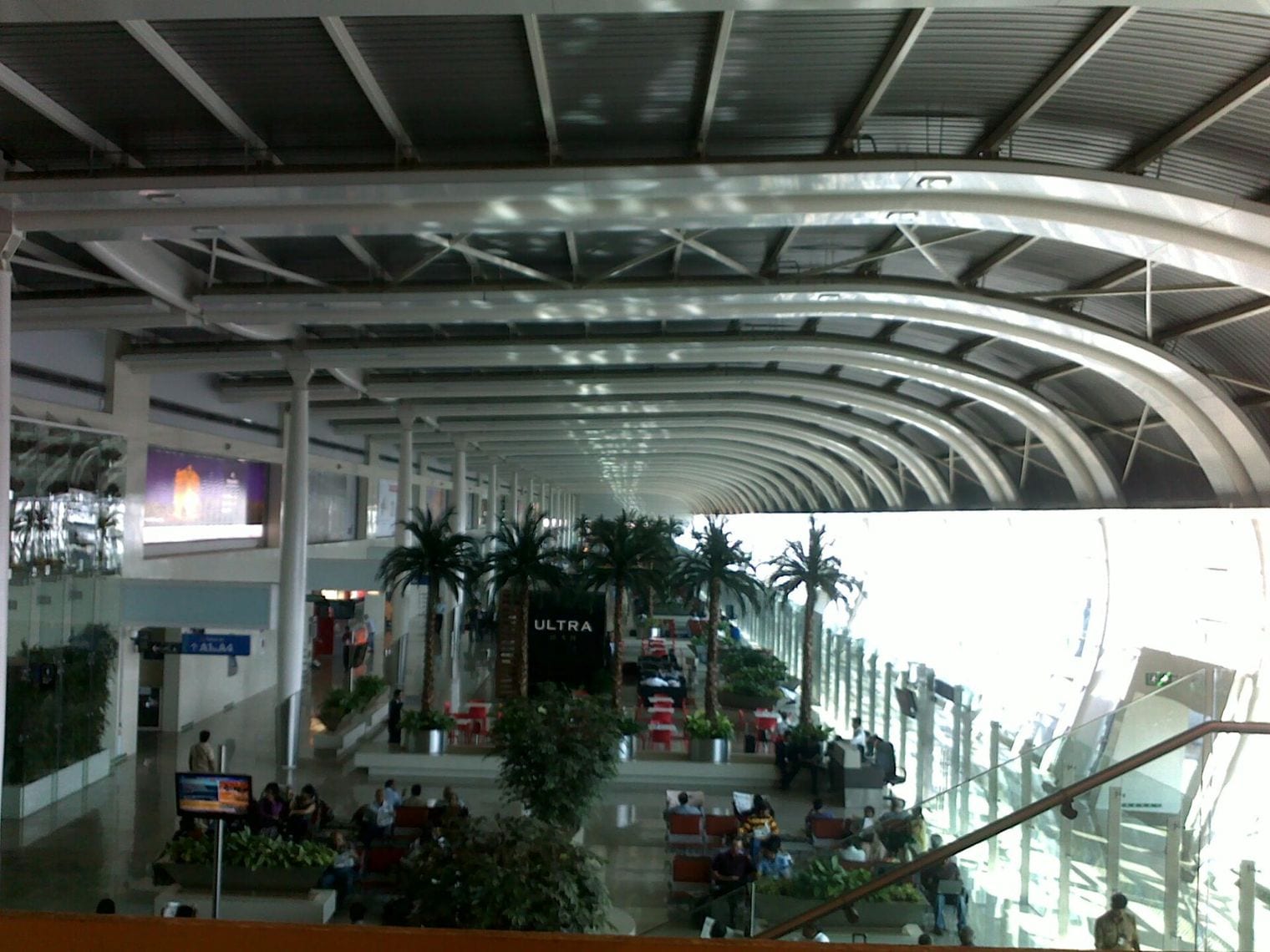
Indira Gandhi International Airport moved 78.1 million passengers in 2025, ranking eleventh and making Delhi comfortably the busiest airport in South Asia.
India's domestic market has been among the fastest-growing anywhere for a decade, and Delhi is where most of that growth lands — IndiGo alone operates a vast domestic network through it, and the airport has added terminal capacity and a fourth runway to keep pace. It also works as the country's principal long-haul gateway, connecting onward to Europe, the Gulf and North America.
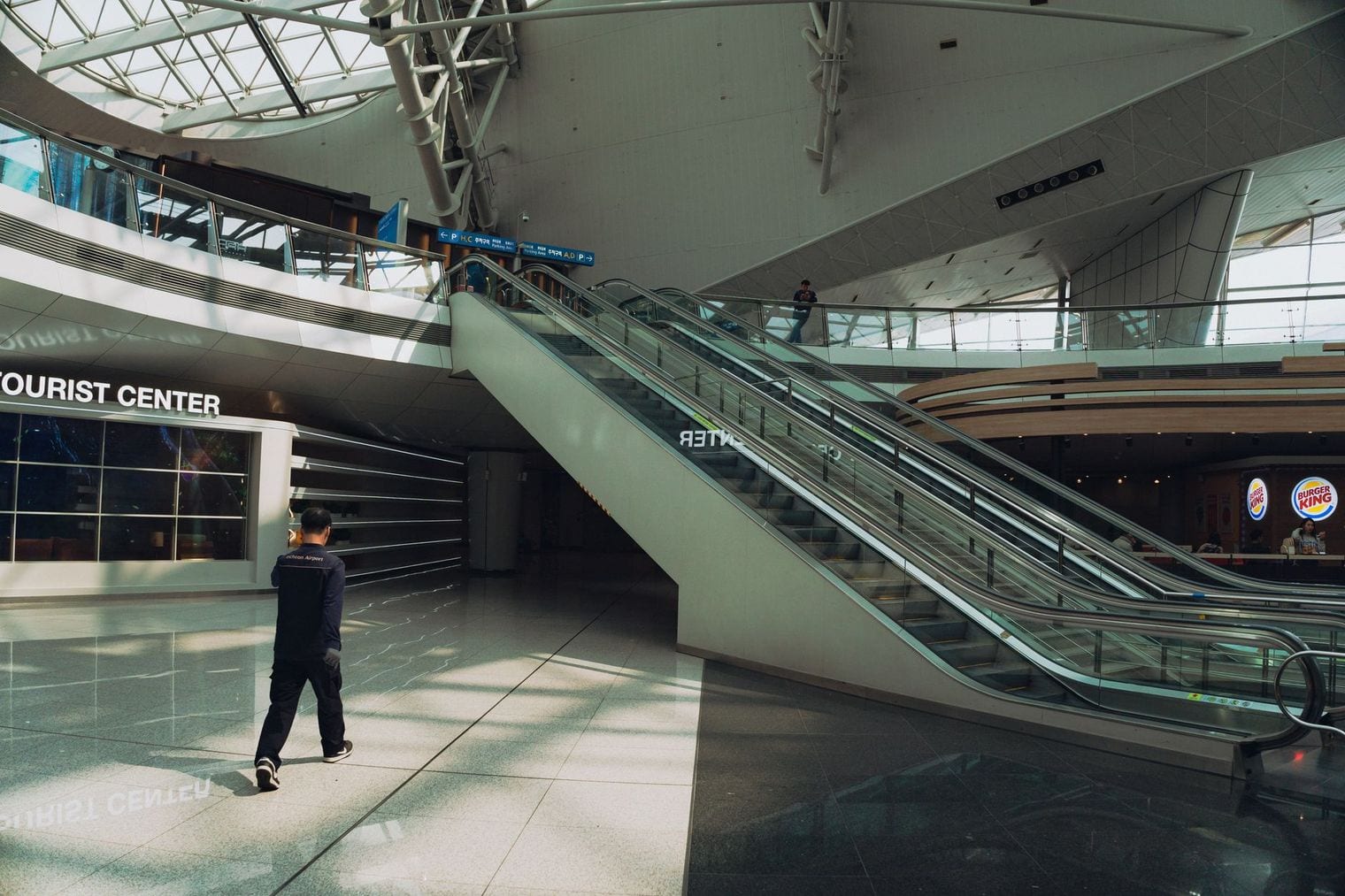
Incheon International Airport handled 74.1 million passengers in 2025 from reclaimed land between two islands in the Yellow Sea, roughly an hour west of central Seoul.
Incheon was designed from the outset as a transfer hub for the region and is routinely ranked among the best airports in the world for service, with its terminals treated as destinations rather than corridors — indoor gardens, a museum of Korean culture and a golf course among the diversions. Korean Air and Asiana anchor the traffic, and the airport's position makes it a practical connecting point between North America and much of East Asia.
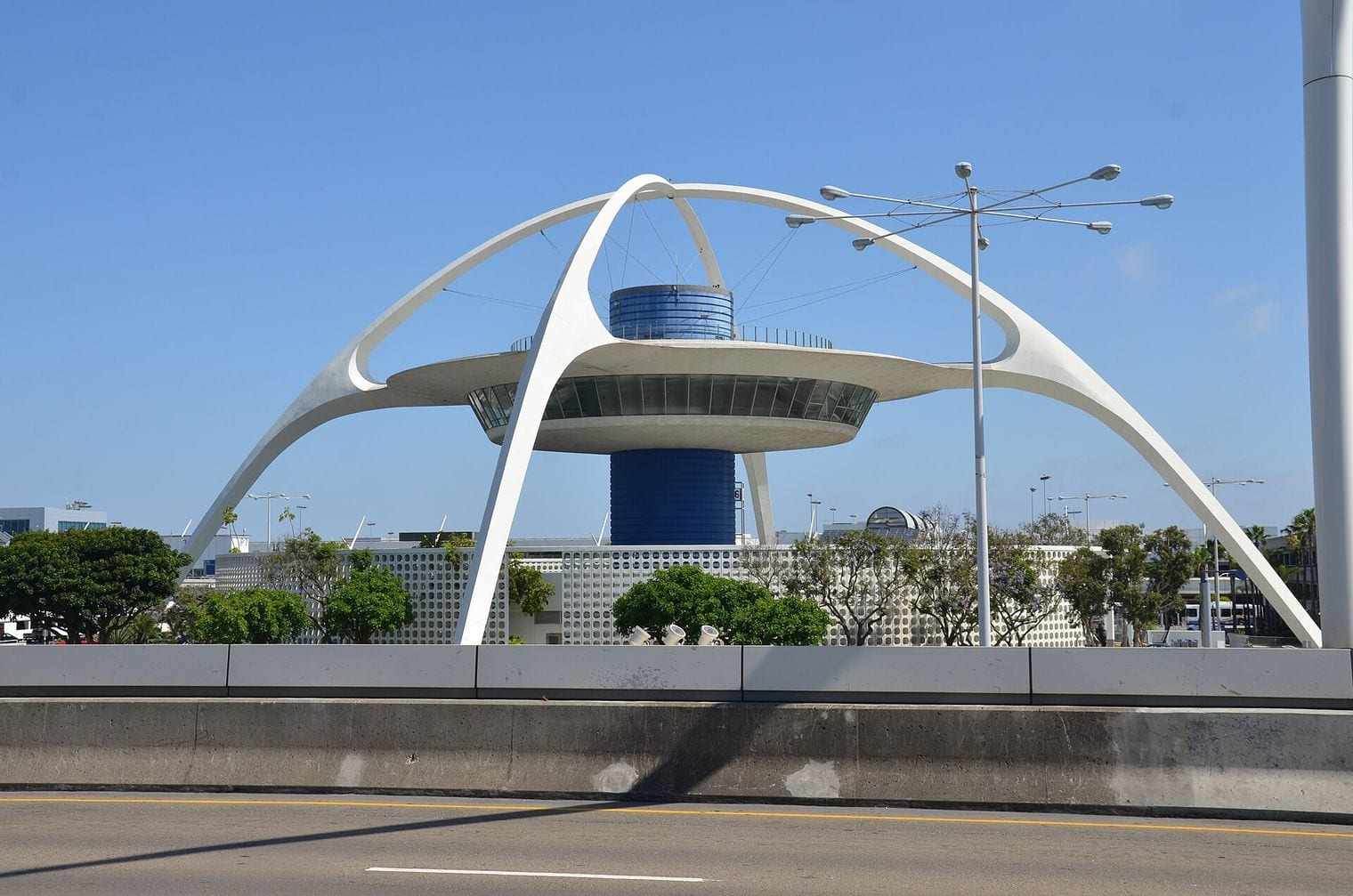
Los Angeles International Airport handled 73.7 million passengers in 2025, thirteenth worldwide and the busiest origin-and-destination airport in the United States — most people passing through LAX are starting or ending a trip rather than connecting.
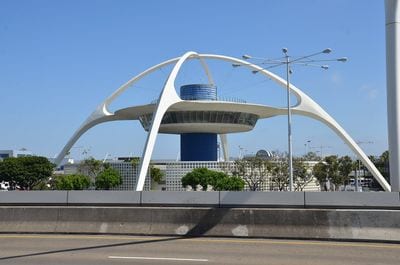
That sets it apart from Atlanta and Dallas, whose totals lean on transfers. LAX serves the enormous Los Angeles basin itself, along with the Pacific routes to Asia and Oceania that make it the main western gateway of the United States. Its terminals ring a central roadway, and the arched Theme Building at the middle of them has stood as the airport's emblem since the early 1960s.
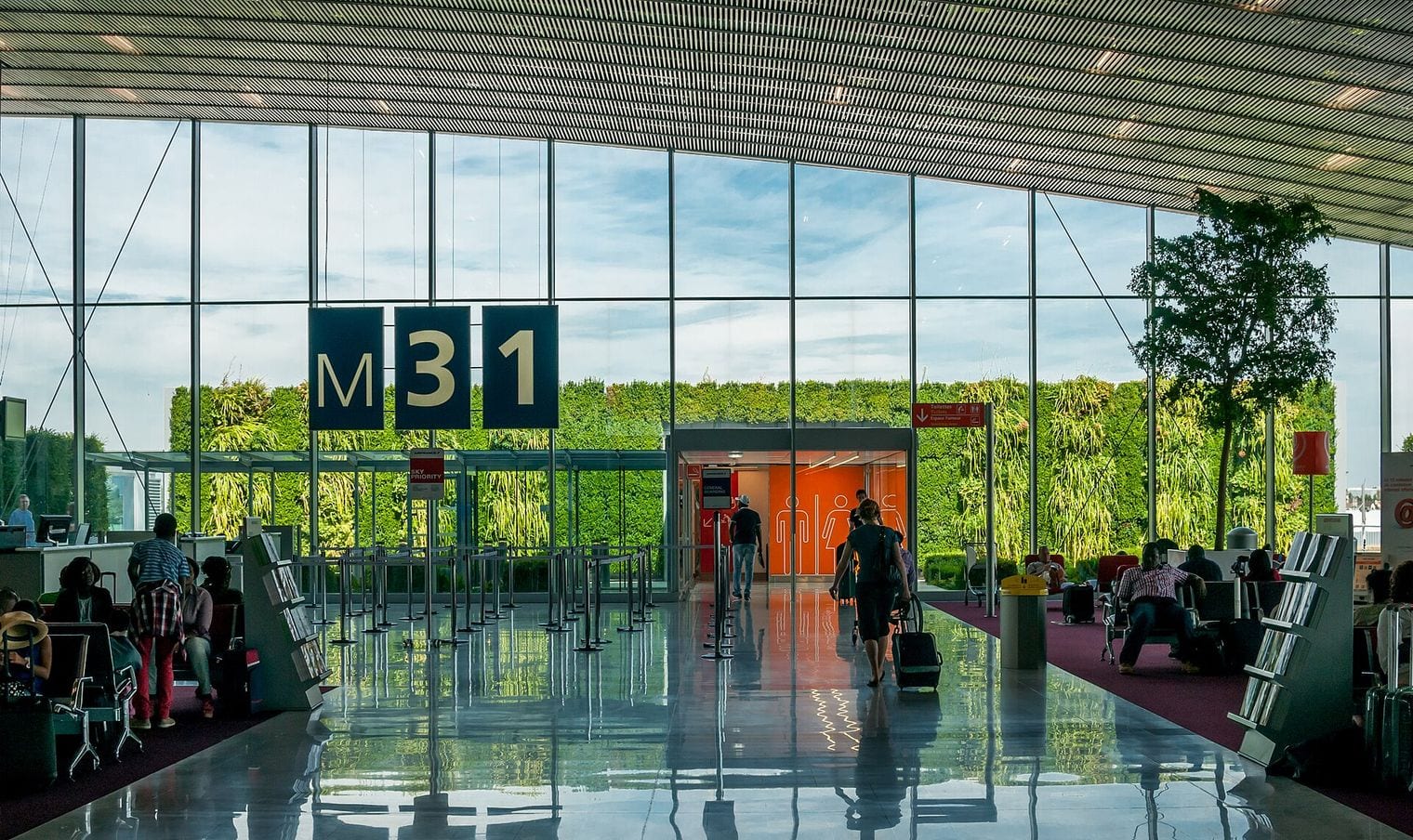
Charles de Gaulle Airport carried 72.0 million passengers in 2025, ranking fourteenth and serving as the busiest airport in France and the home base of Air France.
Its oldest building is also the most distinctive on this list. Terminal 1 is a circular concrete drum with escalators crossing its hollow centre inside transparent tubes, a piece of 1970s futurism that still handles traffic rather than sitting as a monument. The newer terminals east of it are conventional by comparison. The airport lies about twenty-five kilometres northeast of Paris and connects to the city by suburban rail.
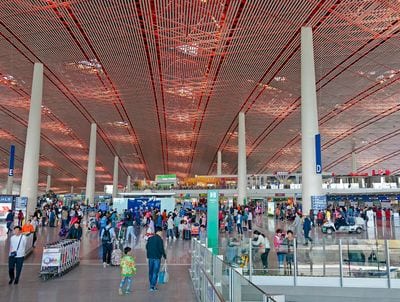
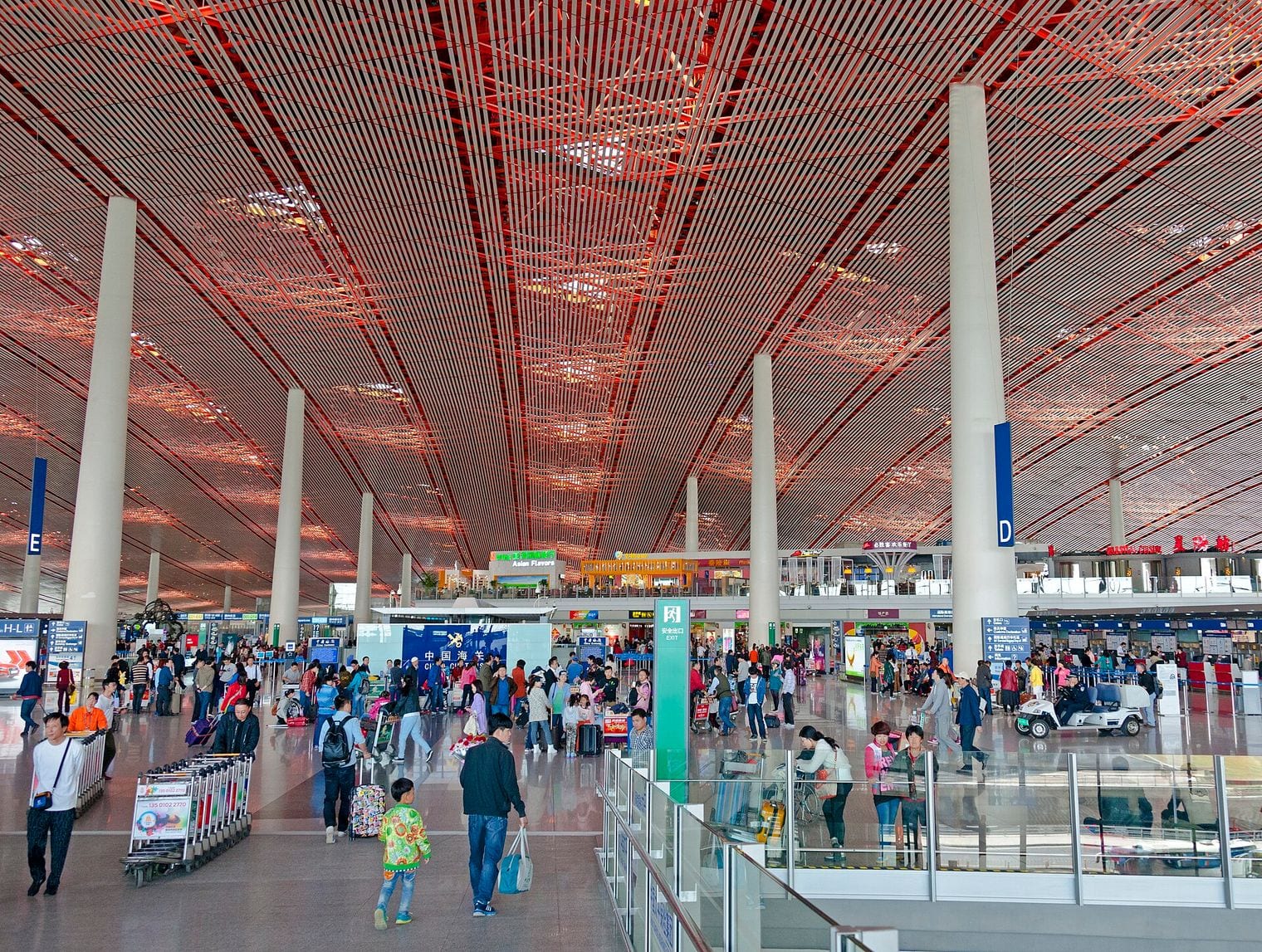
Beijing Capital International Airport handled 70.7 million passengers in 2025, fifteenth in the world — a substantial figure that nonetheless sits well below the airport's own peak, because Beijing now spreads its flying across two very large airports.
Daxing opened in 2019 to the south of the city and took a significant share of that traffic, leaving Capital as the older northern gateway and the main base for Air China. Its Terminal 3 was among the largest buildings on earth when it opened ahead of the 2008 Olympics, a single soaring red-roofed hall running nearly three kilometres end to end, and it remains one of the most impressive interiors in commercial aviation.
Singapore Changi Airport reached a record 70.0 million passengers in 2025, a rise of 3.4 percent that finally carried it past the mark it had set before the pandemic.
Changi has been voted the world's best airport more often than any other, and it treats the terminal itself as an attraction. Jewel, the glass dome sitting between terminals, encloses a seven-storey indoor waterfall ringed by a forest walk, and it is open to the public rather than reserved for departing passengers. The airport is the base of Singapore Airlines and the pivot for traffic moving between Europe, Australia and Southeast Asia.
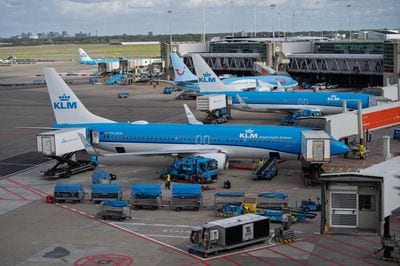
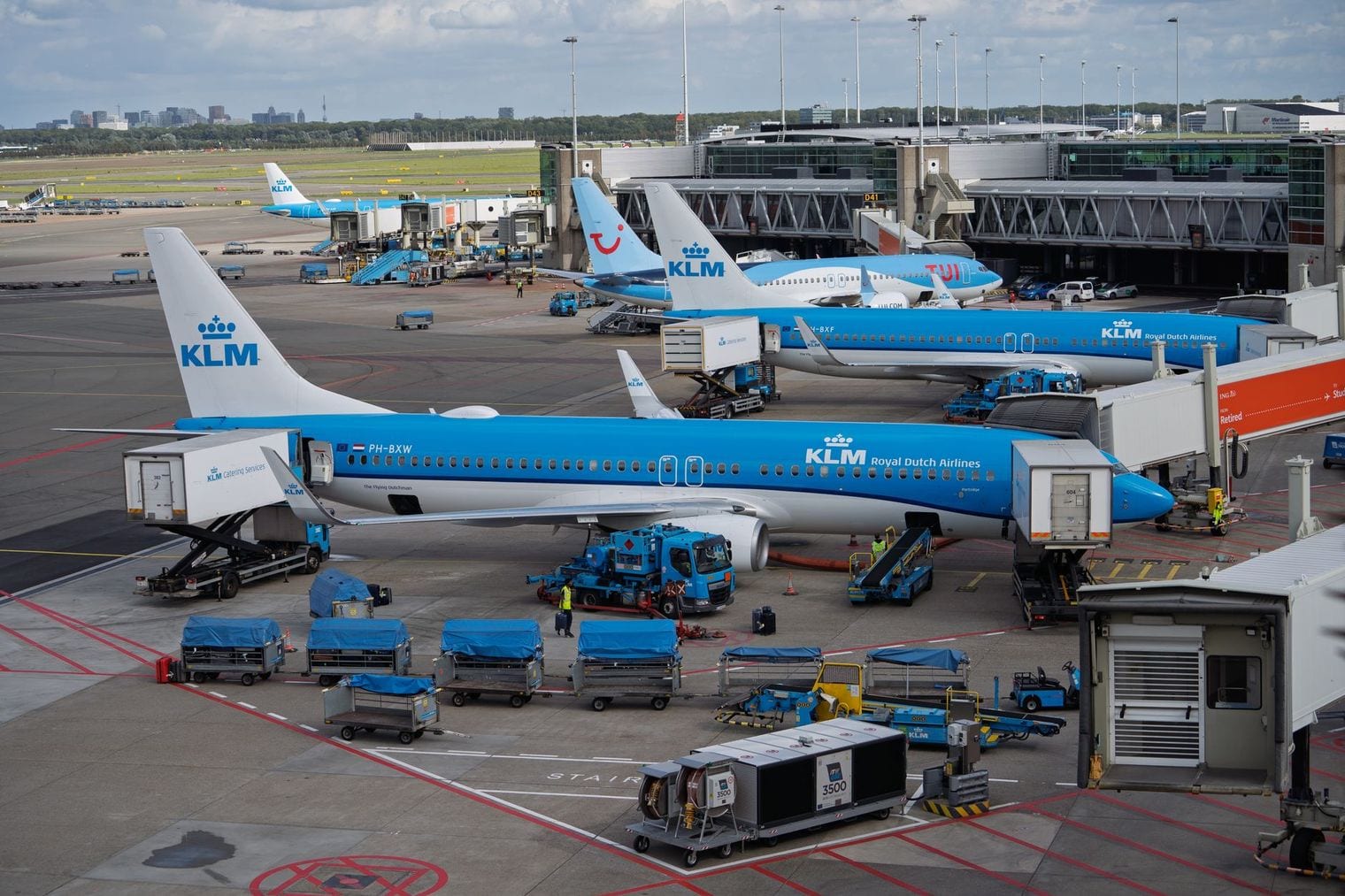
Amsterdam Airport Schiphol handled 68.8 million passengers in 2025 from a single enormous terminal — an unusual choice at this scale, and one that turns connecting between any two flights into a walk rather than a shuttle ride.
Schiphol sits several metres below sea level on drained land that was a lake until the nineteenth century, which gives it one of the flattest approaches of any major airport. KLM has flown from here since the 1920s and built the network that lets a country of seventeen million people support a top-twenty airport — Schiphol moves far more transfer passengers than the Netherlands itself generates.
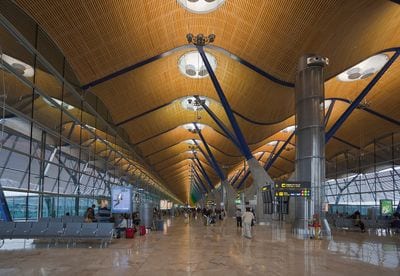
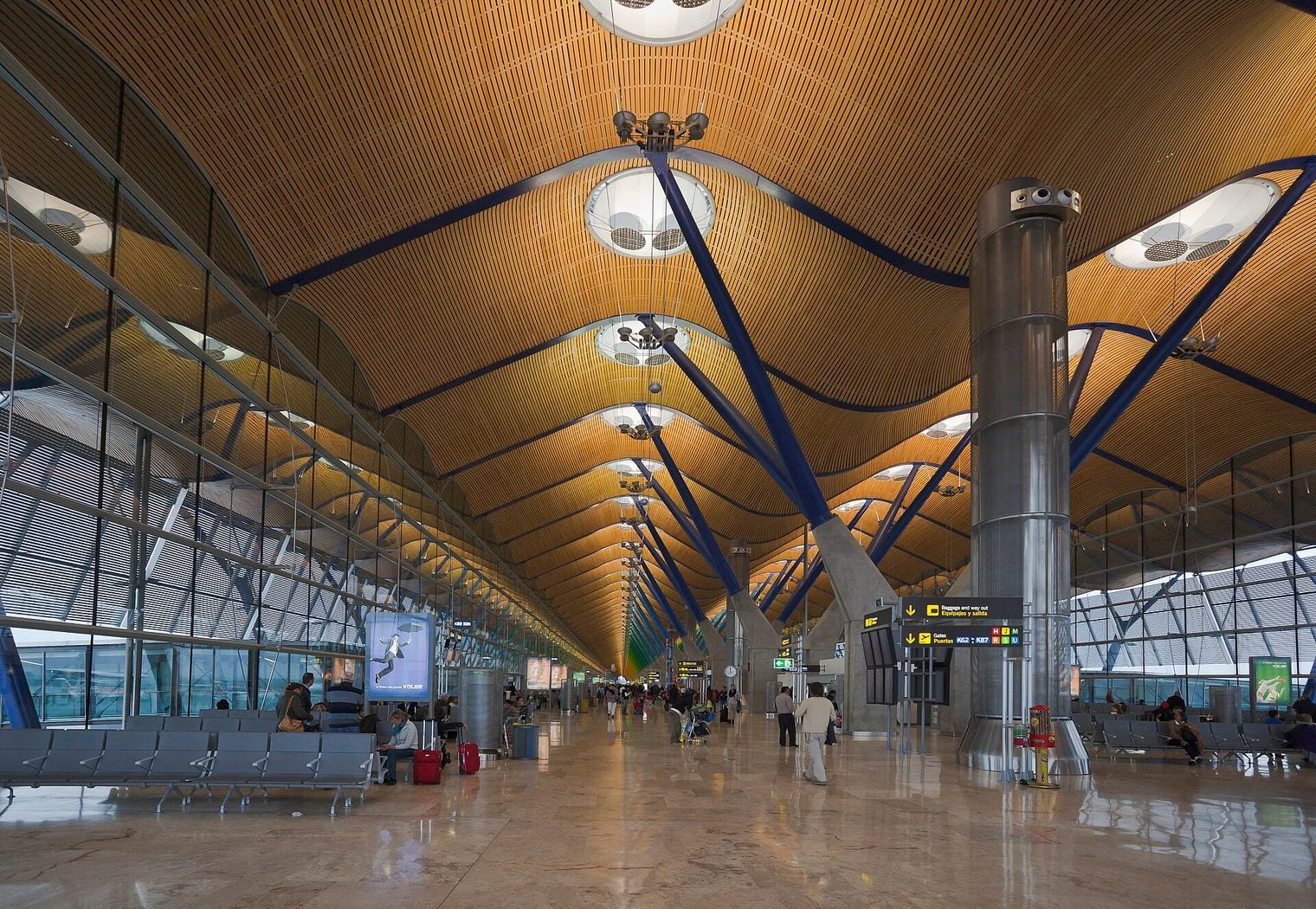
Adolfo Suarez Madrid-Barajas Airport moved 68.1 million passengers in 2025, eighteenth worldwide and the busiest airport in Spain by a wide margin.
Its Terminal 4 is what most travellers remember: a vast hall roofed in undulating bamboo and carried on columns painted through a full spectrum of colour, which turns the walk to a distant gate into something closer to an architectural promenade. Madrid's particular role is as the bridge between Europe and Latin America, and Iberia concentrates its transatlantic flying here rather than spreading it across the country.
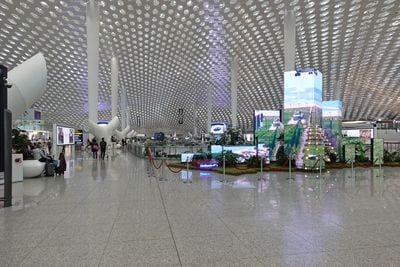
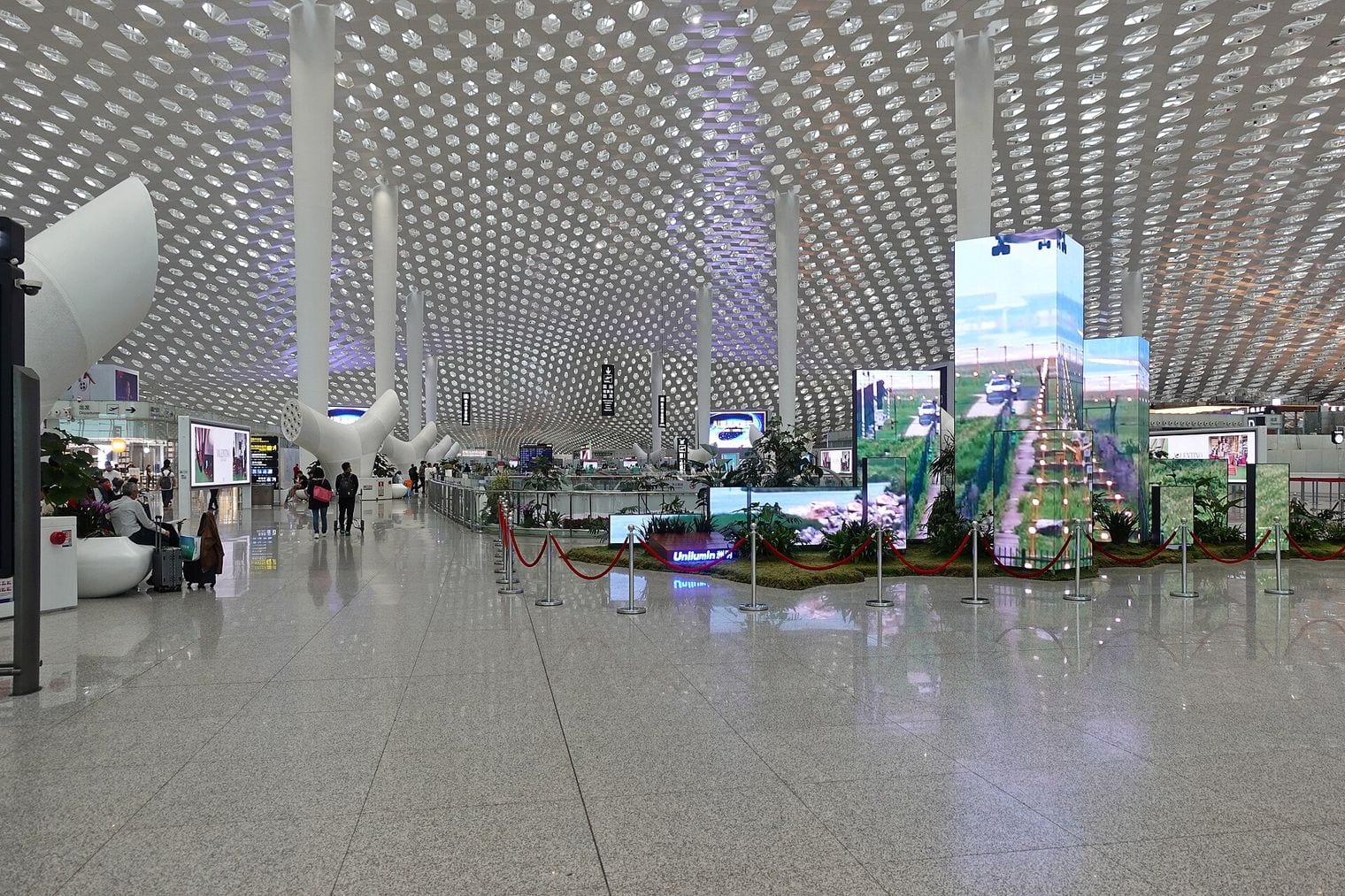
Shenzhen Bao'an International Airport handled 66.5 million passengers in 2025, nineteenth in the world, serving a city that did not exist in anything like its present form fifty years ago.
Shenzhen grew from a modest settlement into a metropolis of well over ten million people as China's first special economic zone, and its airport grew with it. Terminal 3 wraps the concourse in a white perforated skin patterned like a honeycomb, filtering daylight into a space that reads more like a cathedral than a departure hall. Most of the traffic is domestic, linking the manufacturing south to the rest of the country.
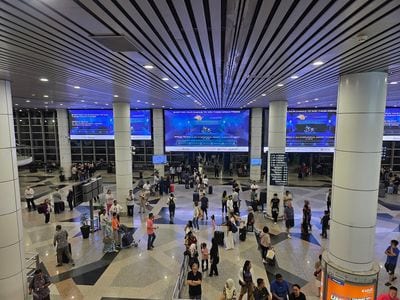
Kuala Lumpur International Airport was the biggest mover of the year, climbing six places to twentieth with 63.4 million passengers, an increase of about eleven percent in a single year.
The growth followed a deliberate push to reopen the country to visitors, with expanded visa-free access for several large markets feeding both the full-service and low-cost terminals. The airport was designed around the idea of an airport in a forest, and a patch of rainforest was left standing in the middle of the satellite terminal — passengers walk around it on the way to their gates.
FAQ: The World's Busiest Airports
What is the busiest airport in the world?
Hartsfield-Jackson Atlanta International Airport, which handled 106.3 million passengers in 2025. It has led this ranking for more than two decades on the strength of connecting domestic traffic through Delta's largest hub, and finished more than ten million passengers ahead of second-placed Dubai.
Why are Heathrow and JFK not higher on the list?
Because this ranks single airports, not city systems. London and New York each spread their traffic across several airports, so no one of them accumulates a top-three total. Heathrow places seventh on its own, and JFK, at 62.6 million passengers, falls just outside the top twenty.
What is the difference between the busiest airport and the busiest international airport?
Two different measures. Atlanta leads on total passengers, but most of its traffic is domestic. Dubai handles more international passengers than any airport on earth, because nearly every flight there crosses a border. An airport can dominate one measure and not appear near the top of the other.
How often does the ranking change?
Airports Council International publishes preliminary figures in spring and confirms final ones the following summer, so the order can shift twice for a single year. Positions in the middle of the table move most, since fewer than 600,000 passengers can separate several airports at once.
Which of the busiest airports is growing fastest?
Kuala Lumpur International, which rose eleven percent in 2025 and climbed six places to twentieth, the largest jump in the top twenty. Shanghai Pudong was close behind, gaining 10.7 percent and five places as international travel to China recovered.
Which of these airports are worth a stopover?
Changi is the obvious one, since Jewel is open to the public and rewards a long layover on its own. Beyond the terminal, Paris and Madrid each put a major city within about half an hour of the runway, and Denver sits an easy drive from the Rockies, so a long connection there is time you can genuinely use.