The record
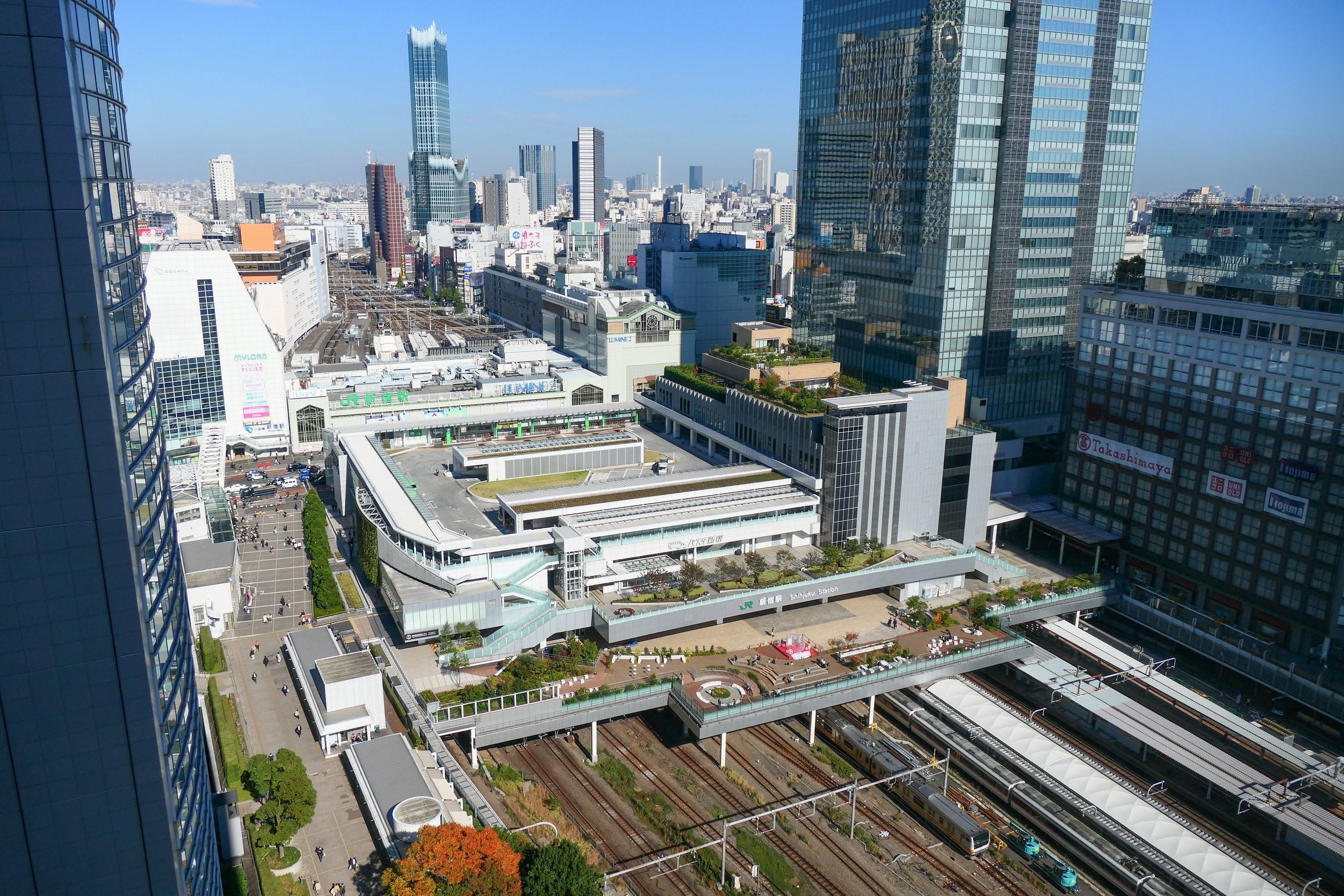
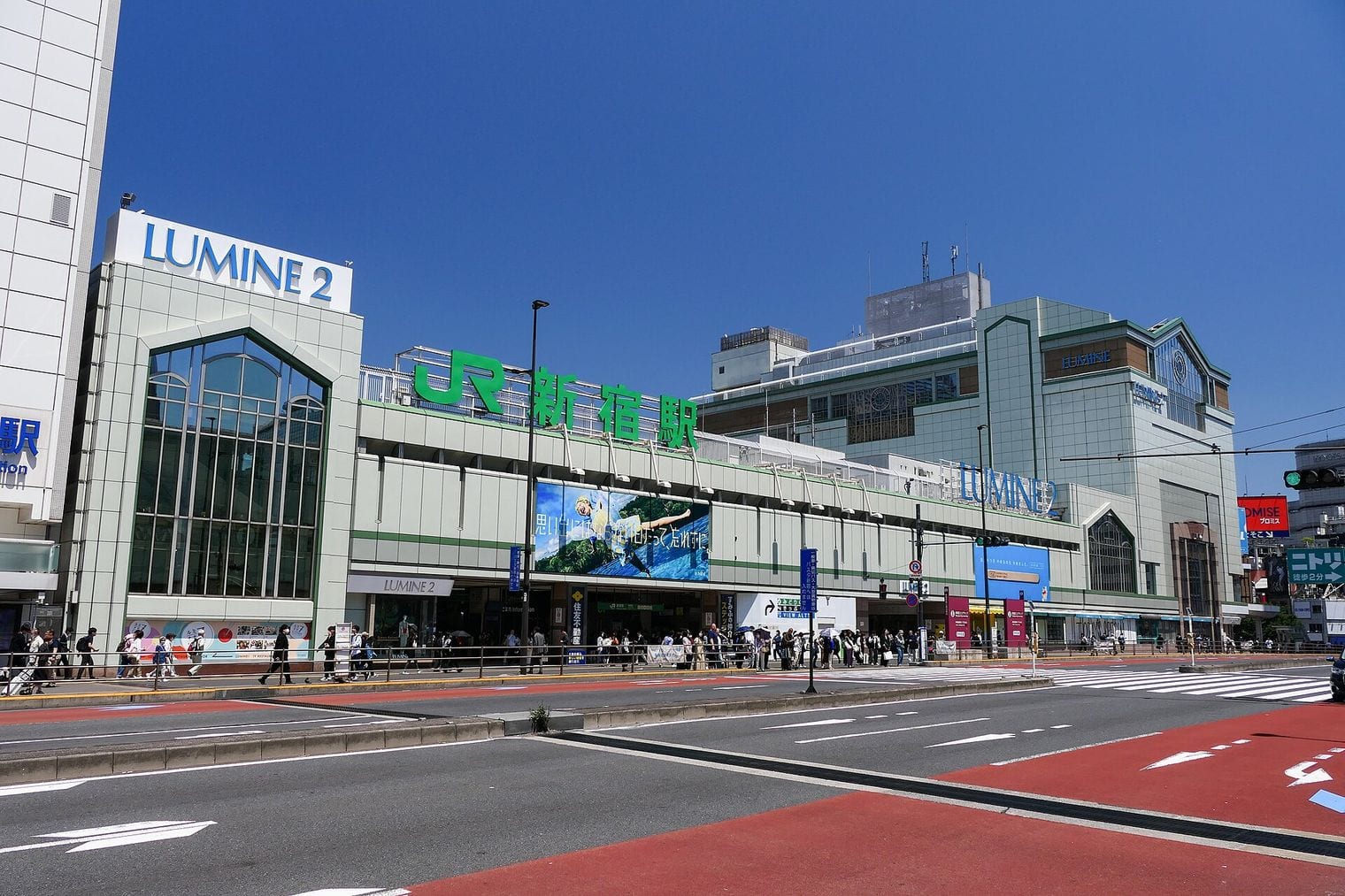
The busiest train station in the world is Shinjuku Station, in Japan — 3.18 million average daily passengers.
Source: JR East 1,301,204 + Keio 654,492 + Toei Subway 447,586 + Odakyu 439,840 + Tokyo Metro 193,170 + Seibu 143,181 = 3,179,473. Verified .
Grand Central Terminal does not appear on this list. Neither does Gare du Nord, London Waterloo or New York Penn — and once you rank stations by the number of people who actually pass through their gates, the reason becomes uncomfortable rather than surprising.
All fifteen busiest railway stations on Earth are in Japan, running from Shinjuku's 3.18 million daily passengers down to Oshiage's 614,411. Every figure here is the same measurement: average daily boardings plus alightings, added up across every rail operator serving one interchange, for the 2023 fiscal year — the last year all of them published together.
Every station is open and running today. That single standard is also why Kolkata's Howrah and Sealdah are missing. Indian Railways reports station footfall, which counts people who never board a train, and Paris reports annual travellers. Neither number can honestly be ranked against a turnstile count, so neither is ranked here.
Fun Facts About the World's Busiest Train Stations
Every one of the fifteen is in Japan — no station in Europe, the Americas, Africa or Oceania comes close on a like-for-like count, and the busiest outside Japan is Howrah in Kolkata, which is excluded here only because Indian Railways publishes footfall rather than boardings.
The top three all sit on the same loop — Shinjuku, Shibuya and Ikebukuro are all stops on Tokyo's Yamanote Line, within about fifteen minutes of one another.
Shinjuku alone moves more people than the bottom four combined — its 3,179,473 daily passengers outweigh the 2,543,181 shared between Akihabara, Tennoji, Meguro and Oshiage.
Two of these stations are named after the wrong place — Meguro Station stands in Shinagawa ward, while Shinagawa Station stands in Minato ward. Neither is in the ward it is named for.
Japan's railways began at Shimbashi — the country's first line opened from there to Yokohama in 1872, and both of its endpoints are still on this list a century and a half later.
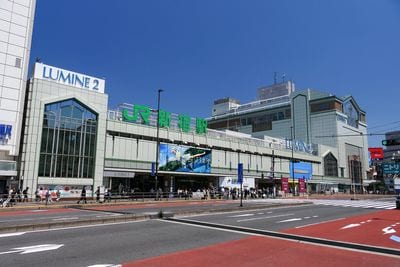
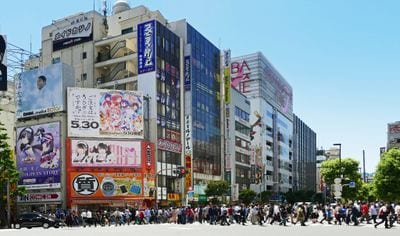
At 3.18 million daily passengers, Shinjuku Station is the busiest railway station on Earth, and by a margin no other station comes close to matching. Six operators share the complex — JR East, Keio, Odakyu, Seibu, Tokyo Metro and the Toei Subway — each with its own gates, concourses and numbering, which is how a single station ends up with more than 200 exits. Guinness World Records recognises it as the busiest station in the world.
Arriving here for the first time is genuinely disorienting, and locals treat getting lost in it as a rite of passage rather than a failure.
The trick is to pick a compass exit and commit: east for Kabukicho's neon and the tiny bars of Golden Gai, west for the skyscraper district and the free observation decks of the Tokyo Metropolitan Government Building, south for the department stores and the green expanse of Shinjuku Gyoen. Come outside the morning and evening crushes if you want to look around rather than be carried.
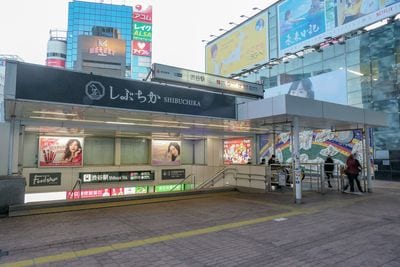
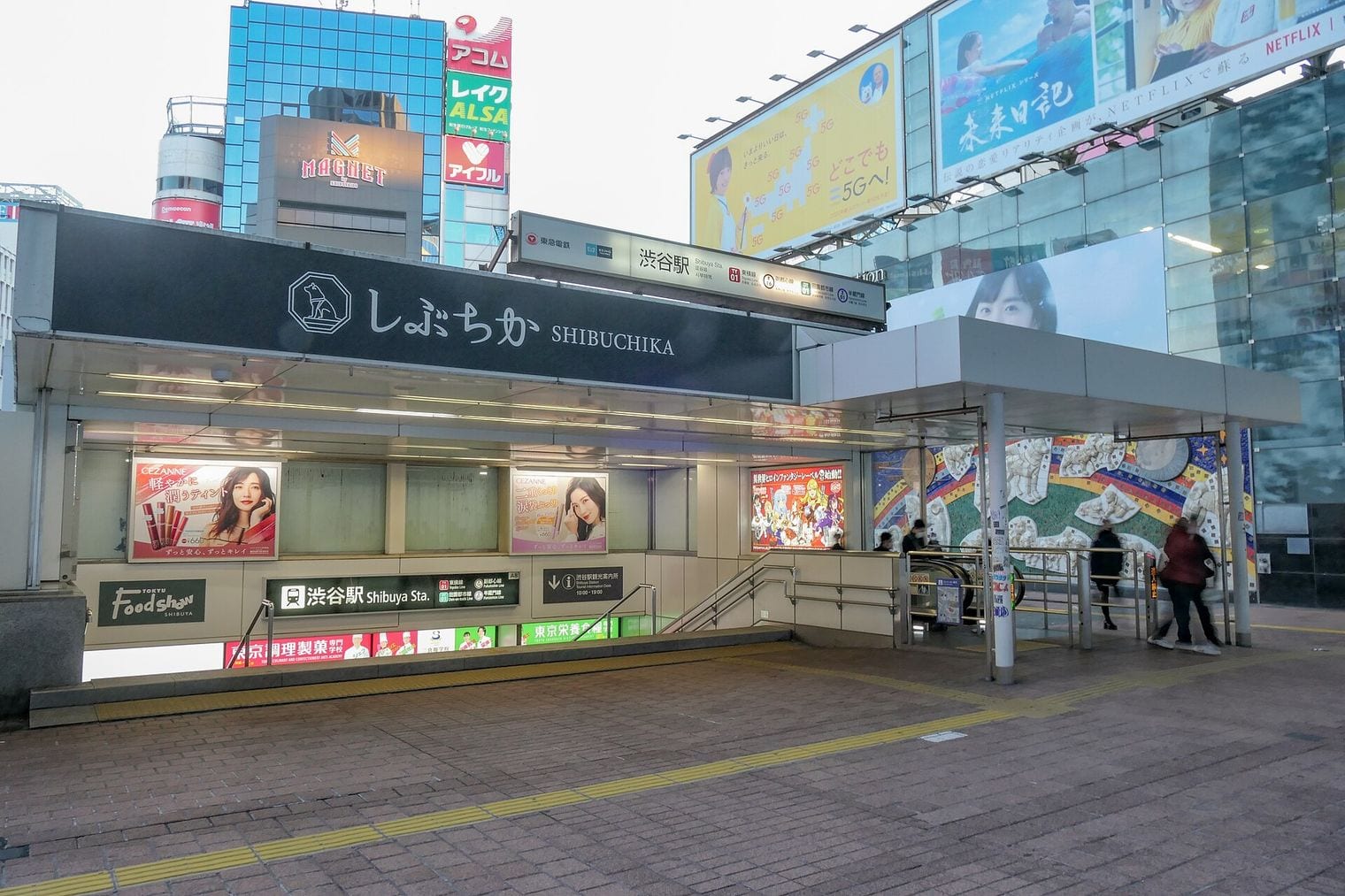
Shibuya Station handles 2.80 million daily passengers, and a good share of them spill straight out of the Hachiko exit onto one of the most photographed pedestrian crossings in the world. Four operators serve it — Tokyu, Tokyo Metro, JR East and Keio — stacked across levels that have been rebuilt, relocated and re-stitched almost continuously for two decades, so the layout a returning visitor remembers is rarely the one they find.
The station itself has become the attraction. Shibuya Scramble Crossing sends waves of people across in every direction each time the lights change, and it is far better watched from above than joined at ground level.
Hachiko, the Akita who kept returning here for his owner long after the man had died, has his statue on the plaza outside and gives the exit its name. Above the tracks, the Shibuya Sky deck opens onto an unobstructed view over the whole city.
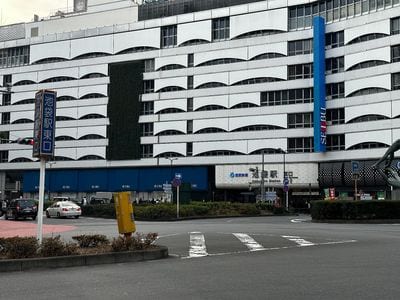
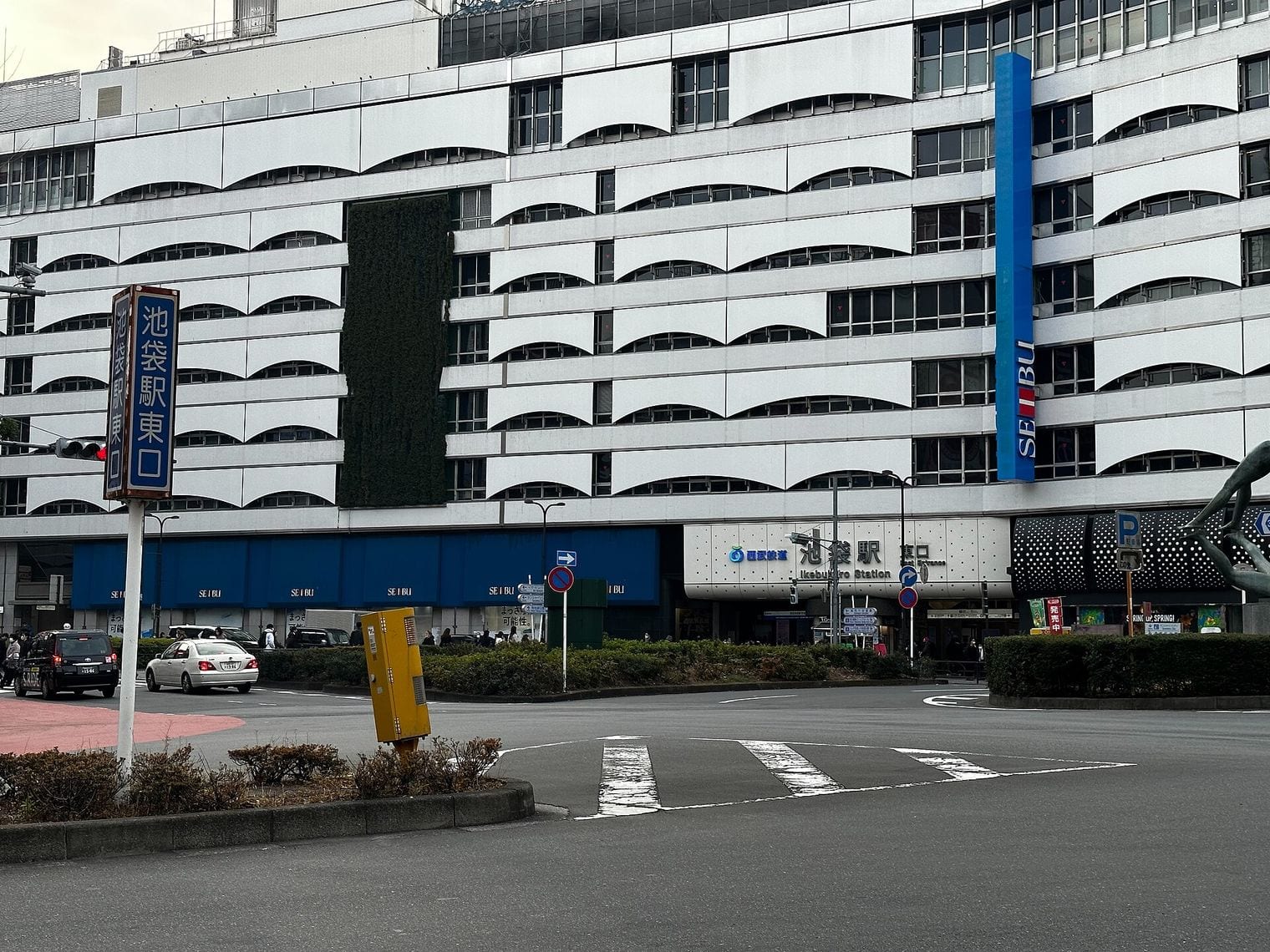
With 2.31 million daily passengers, Ikebukuro is the third-busiest station in the world and the one that most rewards a little preparation. JR East, Tokyo Metro, Seibu and Tobu all converge here in Toshima ward, and the two department stores bookending the concourse are the source of an enduring local joke: Seibu sits at the east exit and Tobu at the west, even though those names mean west and east respectively.
Above ground, Ikebukuro is Tokyo's less-polished answer to Shinjuku — cheaper, louder and more lived-in. Sunshine City, a self-contained complex holding shops, an aquarium and an observation deck, sits a few minutes east. Otome Road draws anime and manga fans much as Akihabara draws electronics buyers, and the streets around the west exit are dense with ramen counters that stay open long after the last train has gone.
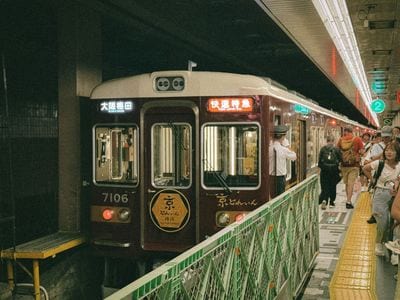
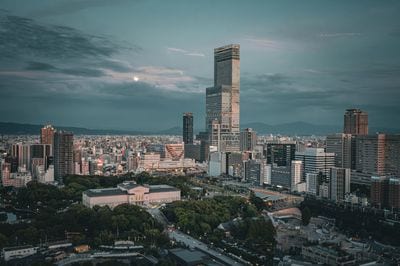
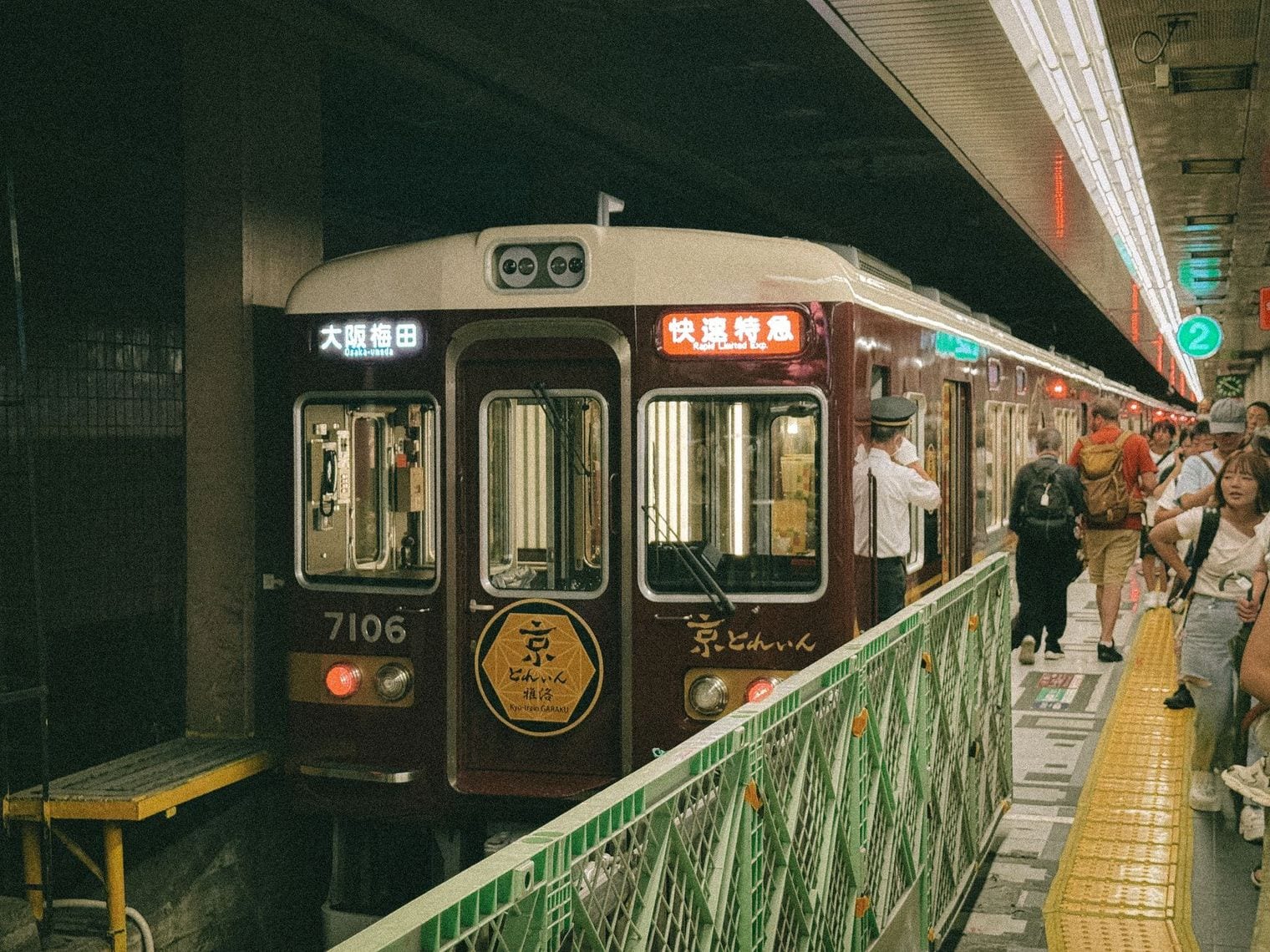
Osaka-Umeda handles 2.06 million daily passengers, which makes it the busiest station outside Tokyo and, by common consent, the hardest to navigate in Japan. It is not one station but six interlocking ones under different names — Osaka, Umeda, Osaka-Umeda, Nishi-Umeda, Higashi-Umeda and Kita-Shinchi — served by JR West, Osaka Metro, Hankyu and Hanshin, and joined by a warren of underground passages locals long ago nicknamed the Umeda Dungeon.
It is also the front door to northern Osaka. The Umeda Sky Building's Floating Garden Observatory, reached by an escalator suspended between two towers, gives the best view in the city.
Grand Front Osaka and a dense run of department stores sit directly above the platforms, and the red Ferris wheel on the roof of HEP Five is visible from most of the district. Allow extra time for any transfer here, because the walk between two operators can take a quarter of an hour.
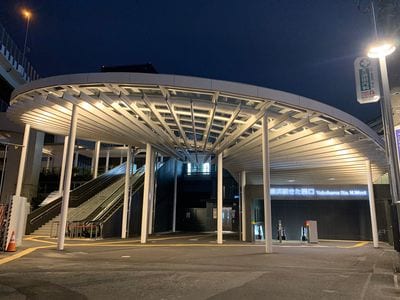
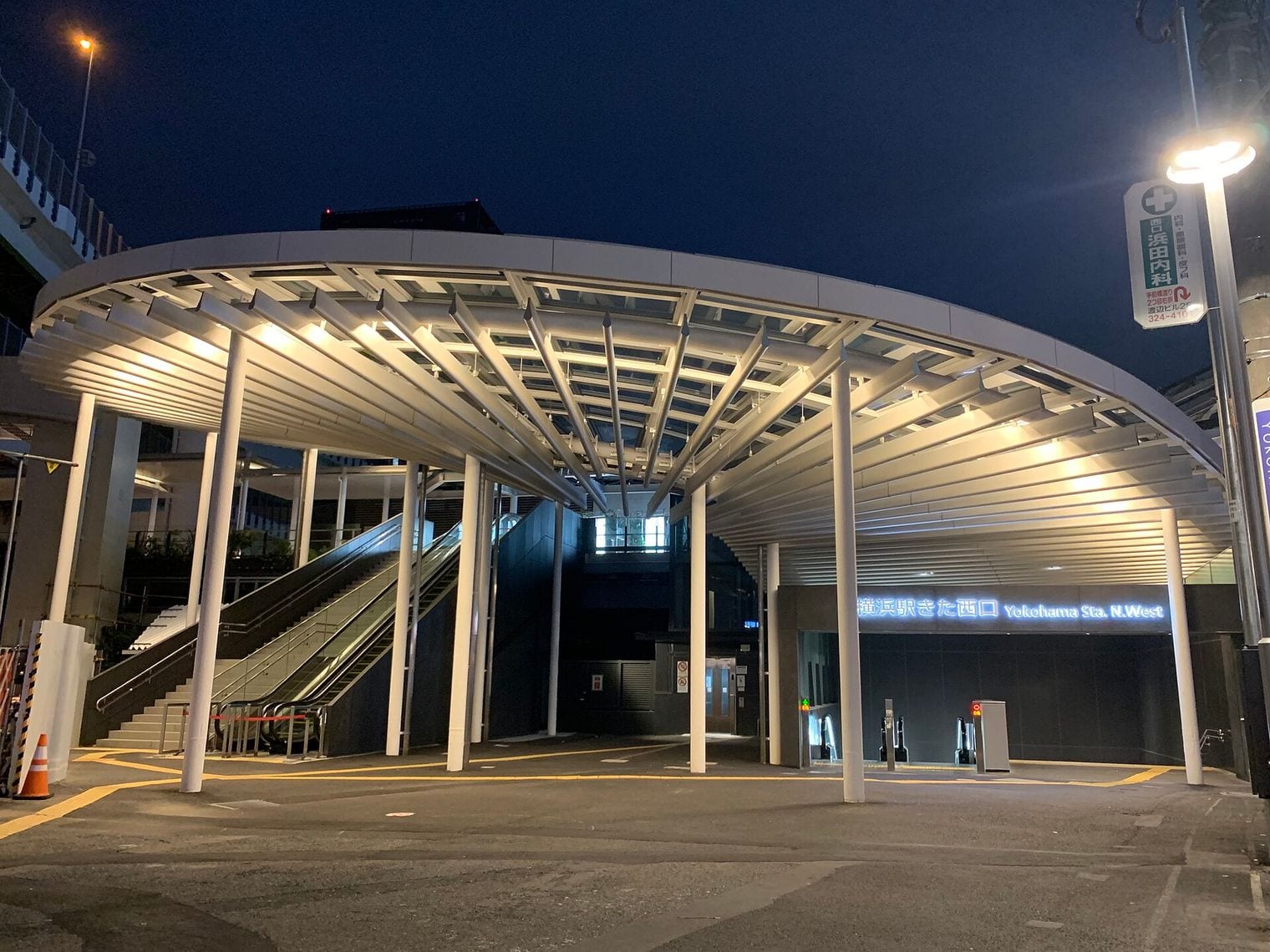
Yokohama Station moves 1.95 million daily passengers across six operators — JR East, Tokyu, Keikyu, Sotetsu, the Yokohama Municipal Subway and the Minatomirai Line — a roll call of separate railway companies matched on this list only by Shinjuku. It has also been under construction, in one form or another, for so long that the idea of a station that never finishes became a local saying and eventually the premise of a science-fiction novel.
For visitors it is mostly a gateway. Minato Mirai's waterfront, with its Ferris wheel, red-brick warehouses and harbour promenades, is one stop away or a twenty-minute walk. Yokohama Chinatown, the largest in Japan, sits a little further south. The station's own retail floors are worth an hour in bad weather, but the reason to get off here is what surrounds it rather than what is inside it.
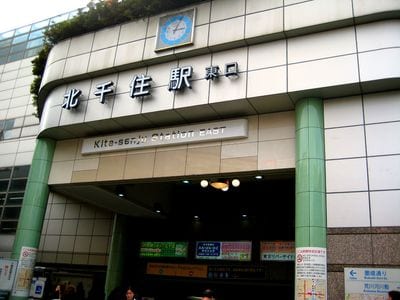
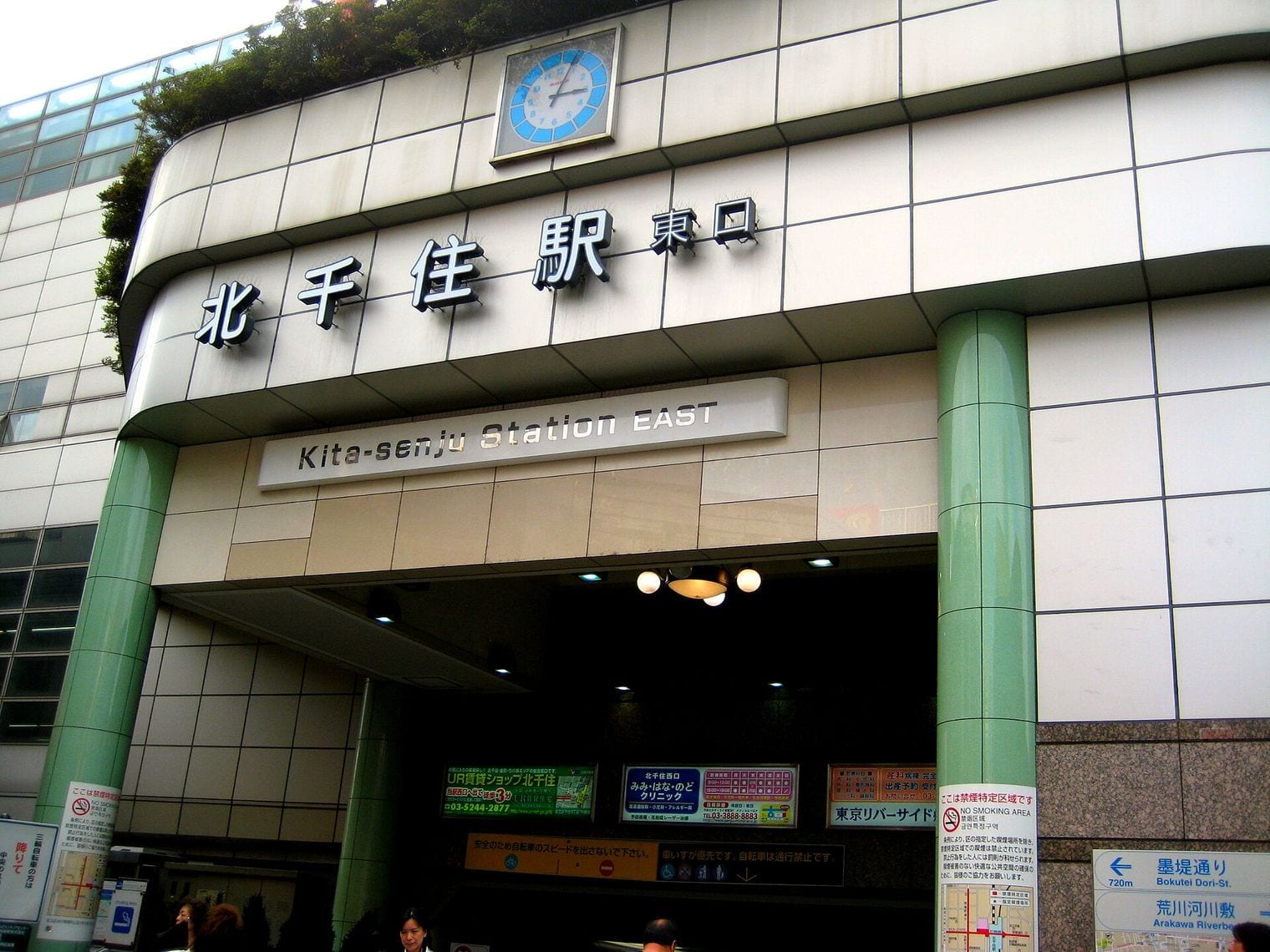
Kita-Senju sees 1.39 million daily passengers, almost none of them tourists. Five lines meet here in Adachi ward — JR East, two separate Tokyo Metro lines, the Tobu Skytree Line and the Tsukuba Express — making this the funnel through which north-eastern Tokyo and much of Saitama and Chiba reach the centre. It is the highest-ranked station on this list that most visitors to Japan will never knowingly use.
Its history runs far deeper than the railway. This was Senju-shuku, the first post town on the Nikko Kaido highway out of Edo, and the point from which the poet Matsuo Basho set out on the journey that became The Narrow Road to the Deep North.
Traces survive north of the station, where a covered shopping arcade of small shops, cheap izakaya and old storefronts runs for the better part of a kilometre — one of the more genuinely un-touristed corners of Tokyo.
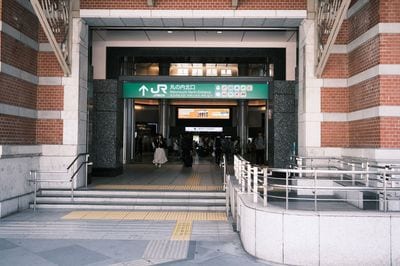
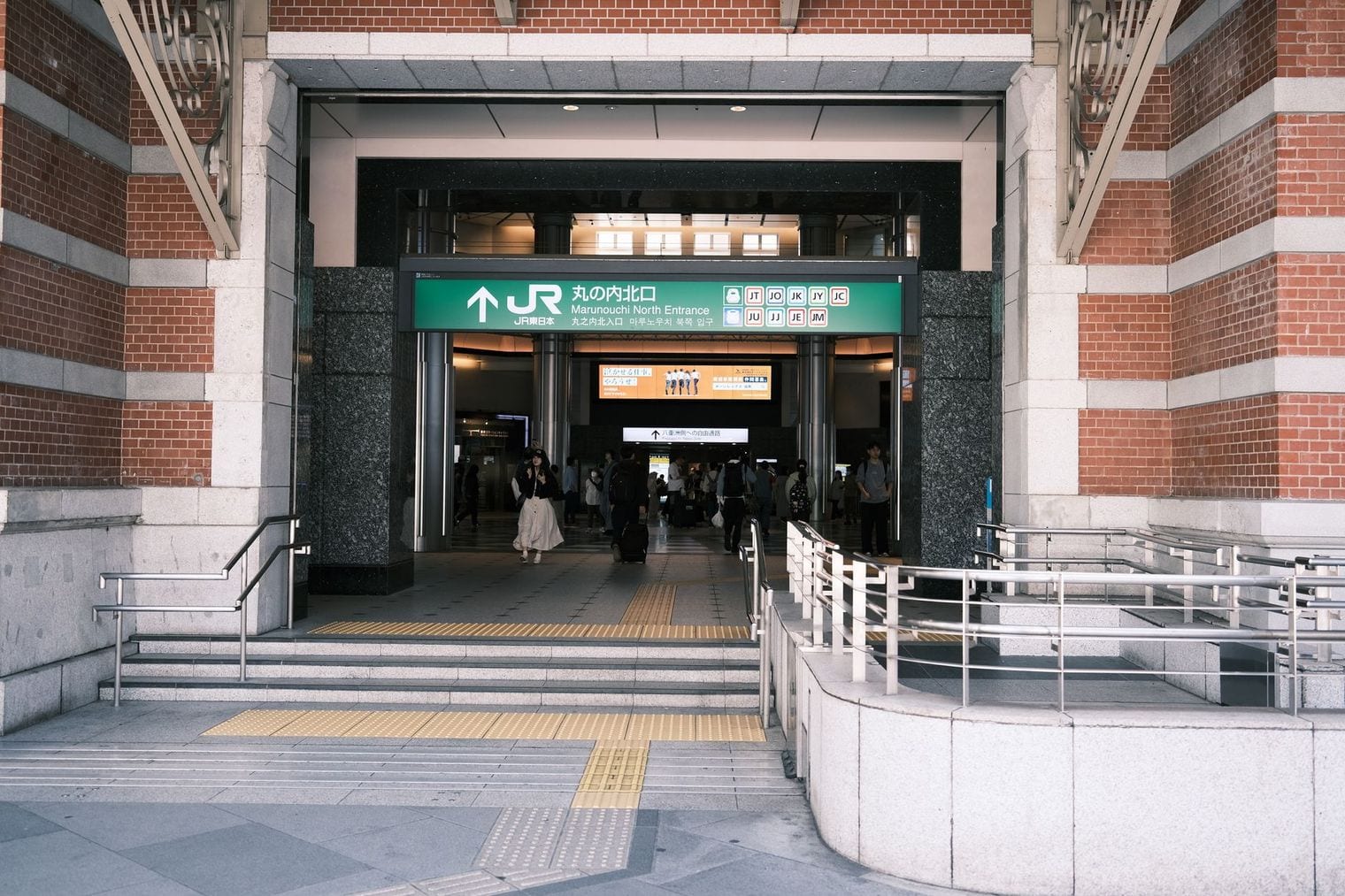
Tokyo Station carries 1.18 million daily passengers and more platforms than any other station in Japan, which is the paradox of this ranking: the country's most famous station is only its seventh-busiest. What sets it apart is what runs through it. This is the origin point of the Tokaido and Tohoku Shinkansen networks, so a large share of its traffic is travelling hundreds of kilometres rather than a few stops.
The Marunouchi facade is reason enough to arrive here in daylight. The red-brick building opened in 1914, lost its domes to wartime bombing, and was restored to its original three-storey design in 2012; it now faces a broad plaza with the Imperial Palace gardens a ten-minute walk beyond. Underground, the station has become a destination in its own right, with corridors given over entirely to ramen shops, character goods and regional confectionery.
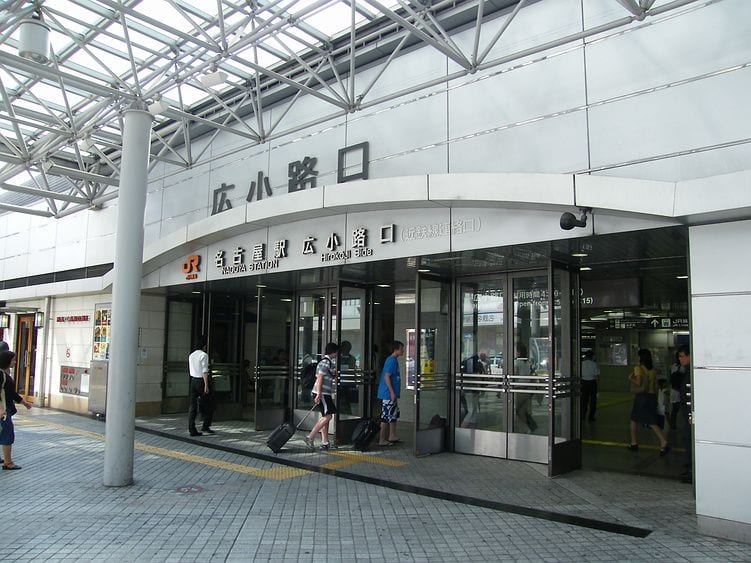
Nagoya Station handles 1.16 million daily passengers and sits beneath what Guinness World Records certified as the world's largest station building by floor area. The JR Central Towers rise directly above the platforms — an office tower and a hotel tower on a shared fifteen-storey podium — and five operators use the complex below, including the Tokaido Shinkansen and the private Meitetsu and Kintetsu networks.
It is the transfer point for most of central Japan, which is why so many travellers pass through without ever leaving it. Those who do find Nagoya Castle a short subway ride north, the Toyota Commemorative Museum of Industry and Technology to the west, and the Osu district — arcades of second-hand clothing, electronics and food stalls wrapped around a Buddhist temple — a few stops south. The station's own basement food halls are among the best in the country.
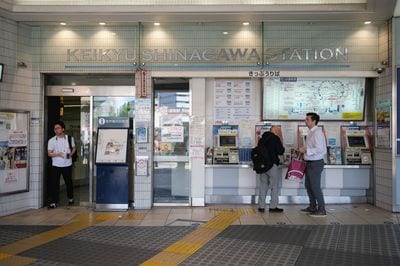
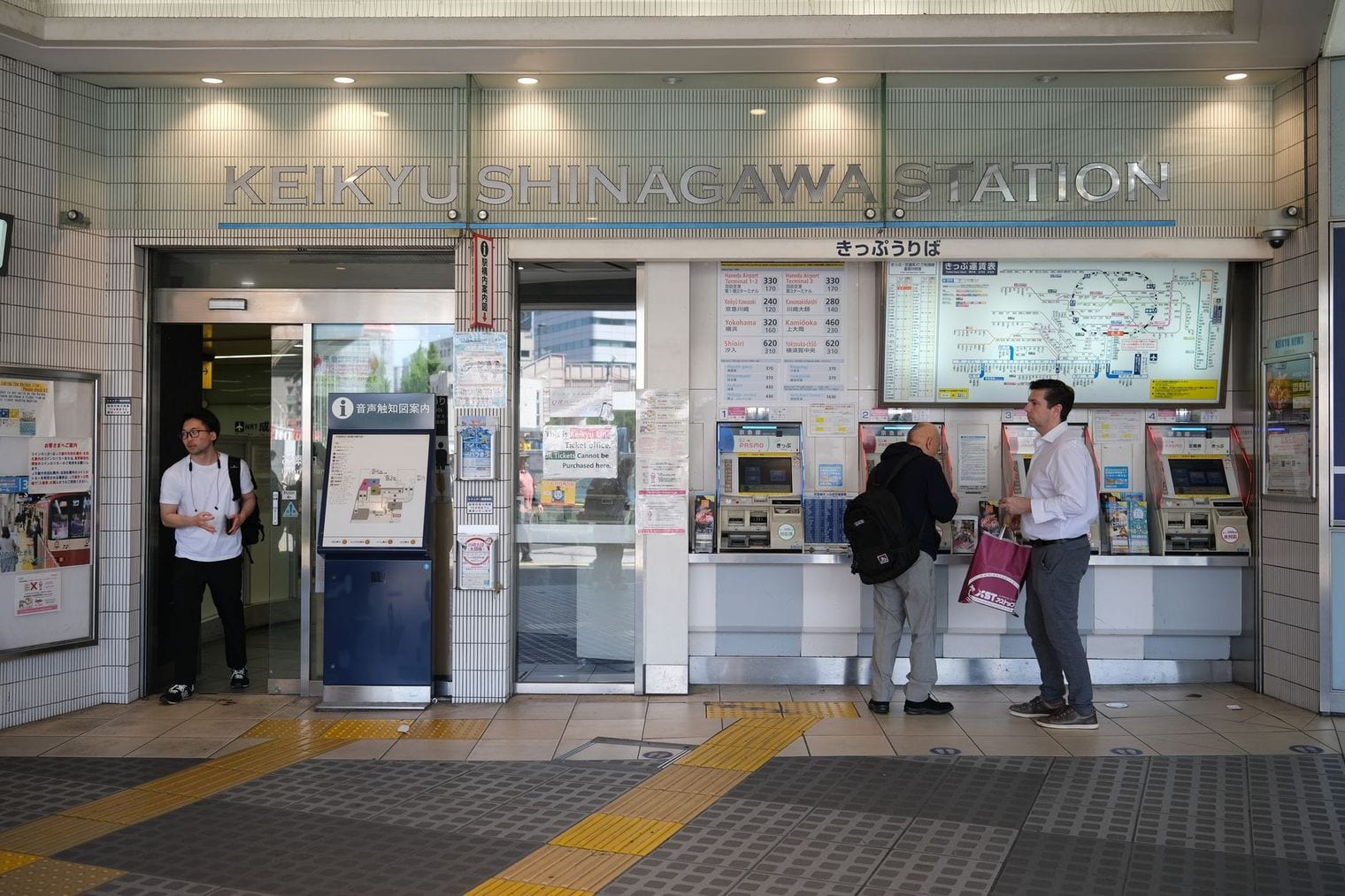
Shinagawa moves 846,358 daily passengers and is the first station many visitors ever use, because it offers the most direct rail connection between Haneda Airport and the Shinkansen network. JR East, JR Central and the Keikyu line meet here, with Keikyu running direct to the airport and JR Central's platforms sending Tokaido Shinkansen services west towards Nagoya, Kyoto and Osaka.
Despite the name, the station is not in Shinagawa ward at all but in Minato — a quirk Tokyo residents enjoy explaining to newcomers. The area immediately around it has become a district of glass office towers and business hotels rather than a sightseeing stop, though Sengakuji, the temple where the forty-seven ronin are buried, lies a short walk away. Shinagawa is also the planned Tokyo terminus of the Chuo Shinkansen maglev line.
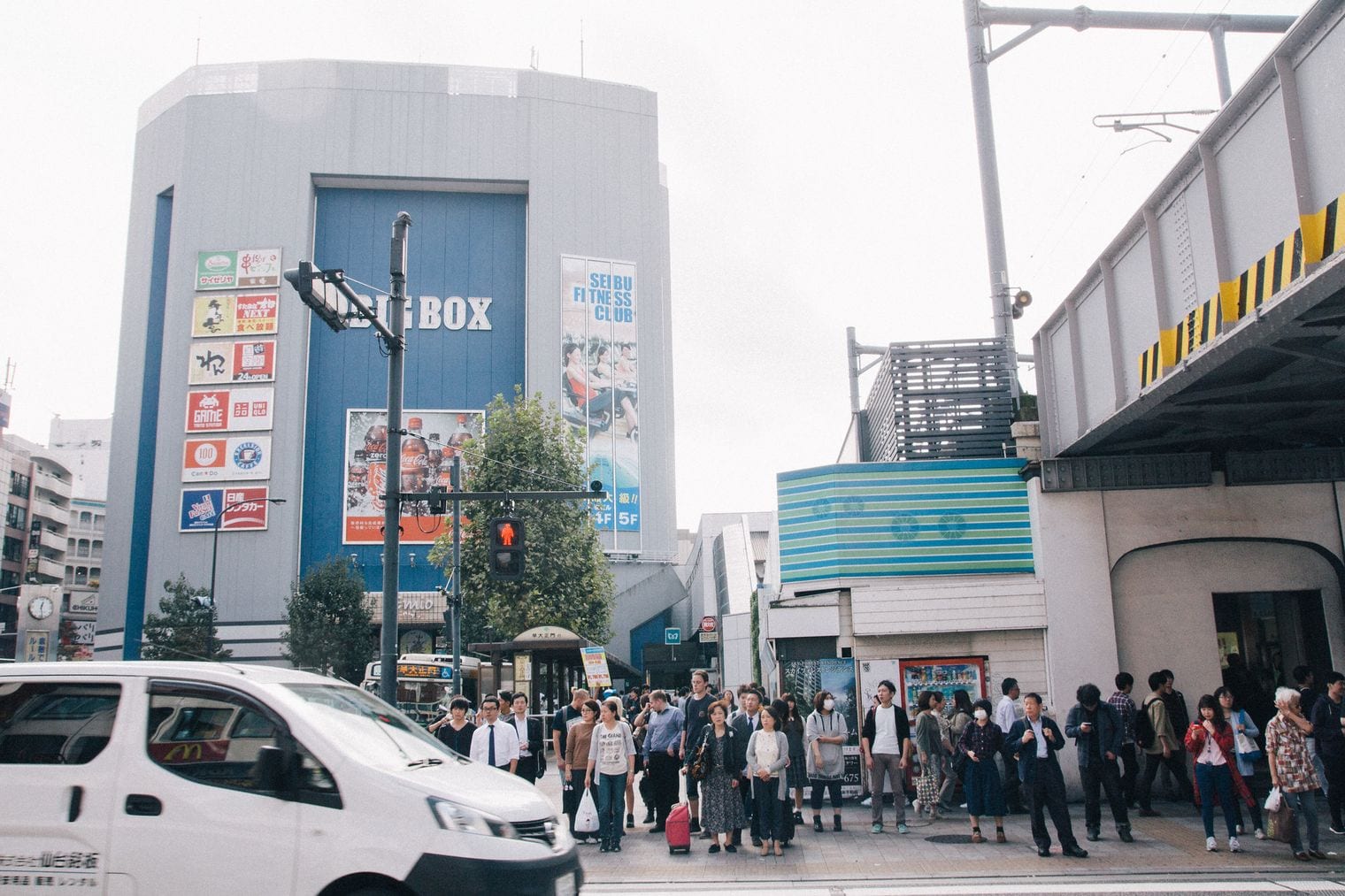
Takadanobaba records 783,543 daily passengers, a remarkable figure for a station with no department store, no Shinkansen and no attraction of its own. The explanation is Waseda University. Three lines — the JR Yamanote, the Seibu Shinjuku Line and the Tokyo Metro Tozai Line — converge on what is effectively Tokyo's densest student district, and the flow reverses neatly between term time and the holidays.
The area reflects its clientele. Cheap ramen, second-hand bookshops, karaoke boxes and standing bars fill the streets around the station, and prices drop noticeably compared with Shinjuku two stops south. The station's departure melody is the theme from Astro Boy, chosen because the manga gives Takadanobaba as the robot's birthplace, and a mural of Osamu Tezuka's characters runs along the railway underpass outside.
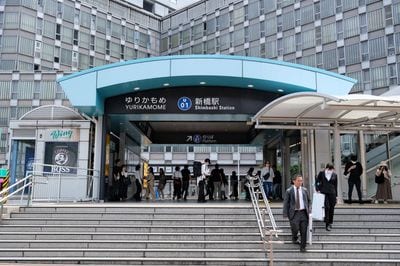
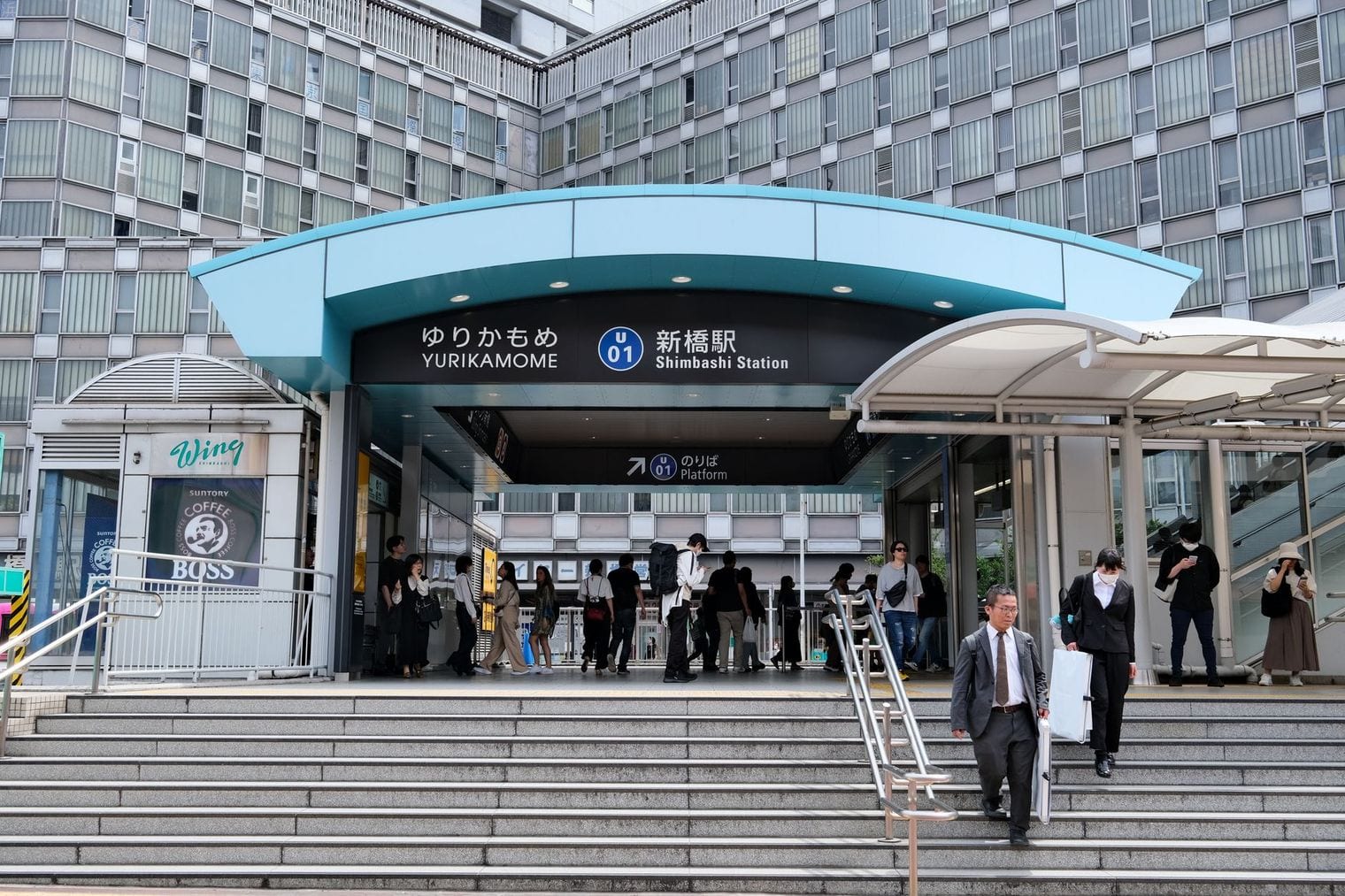
Shimbashi handles 772,143 daily passengers and holds a distinction none of the others can claim: Japan's first railway line ran from here to Yokohama in 1872. Four operators use it now — JR East, Tokyo Metro, the Toei Subway and the elevated Yurikamome line out to the artificial islands of Odaiba — and it sits at the point where the office district meets the bay.
The original terminus has been reconstructed a short walk away in Shiodome, where a small museum stands on the excavated foundations of the 1872 platform. Outside the west exit, a preserved steam locomotive occupies a plaza that is one of Tokyo's most reliable spots for television crews collecting opinions from office workers on their way home. The narrow lanes behind it hold one of the densest concentrations of after-work izakaya in the city.
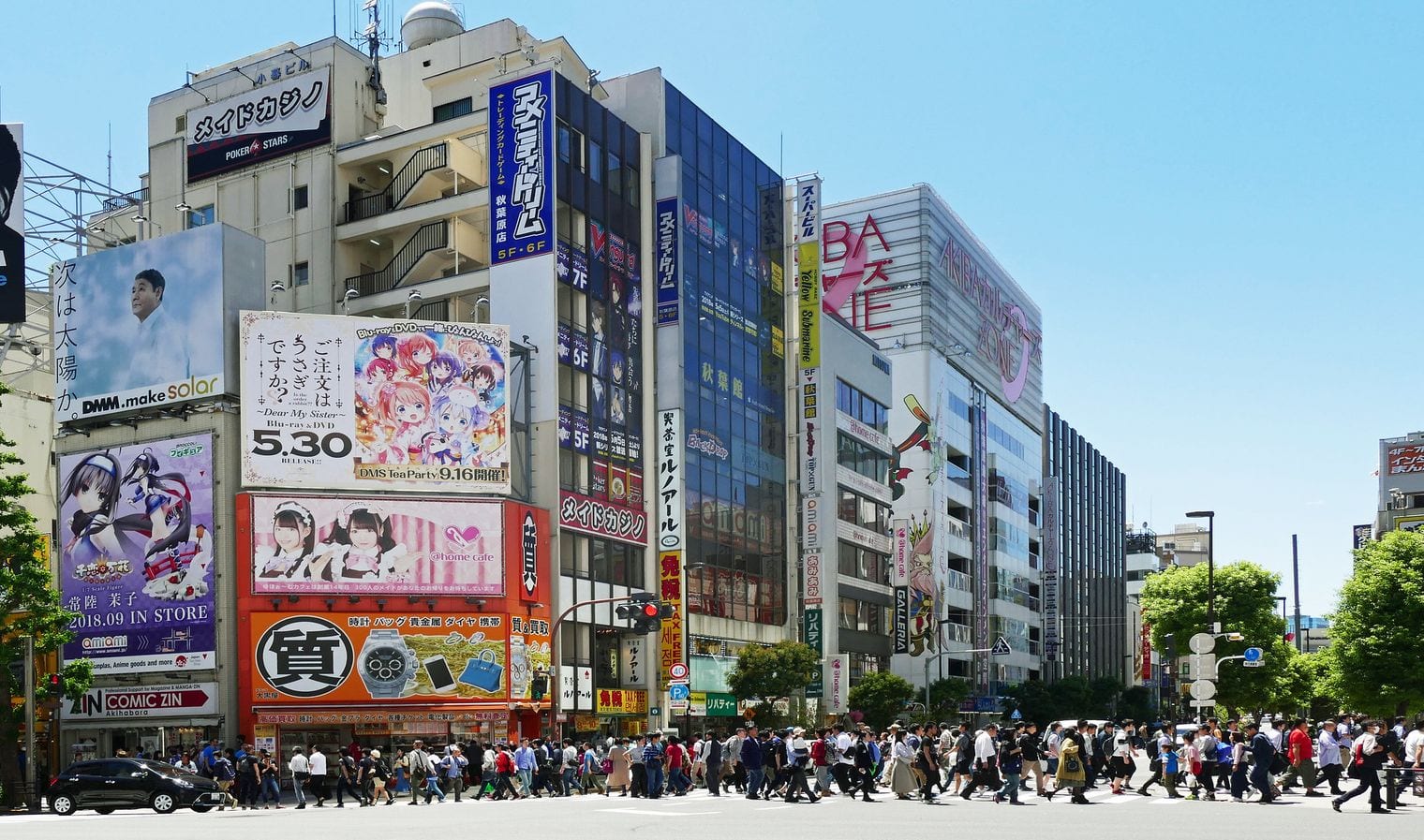
Akihabara sees 647,919 daily passengers, and the ranking around it is tighter than anywhere else on this list: barely eleven thousand people a day separate ranks twelve, thirteen and fourteen, a gap well inside the year-to-year noise, so treat their order as provisional rather than settled. JR East, the Tokyo Metro Hibiya Line and the Tsukuba Express all stop here at the eastern edge of Chiyoda ward.
Above the tracks, Akihabara is the most concentrated retail district of its kind anywhere. What began after the war as a market for radio parts — still traceable in the tiny component stalls packed under the elevated railway — became the centre of Japan's electronics trade and then of its anime, manga and gaming culture. Multi-storey shops sell figures, retro cartridges and arcade cabinets floor by floor, and the district stays busy long into the evening.
Tennoji handles 644,219 daily passengers, placing it within a few thousand of Akihabara above it and Meguro below — three stations effectively level, and separated here only by the figures their operators happened to publish for the same year. It is southern Osaka's main interchange, bringing together JR West, two Osaka Metro lines, the Kintetsu terminus at Osaka Abenobashi and the Hankai Tramway, the last surviving streetcar line in the city.
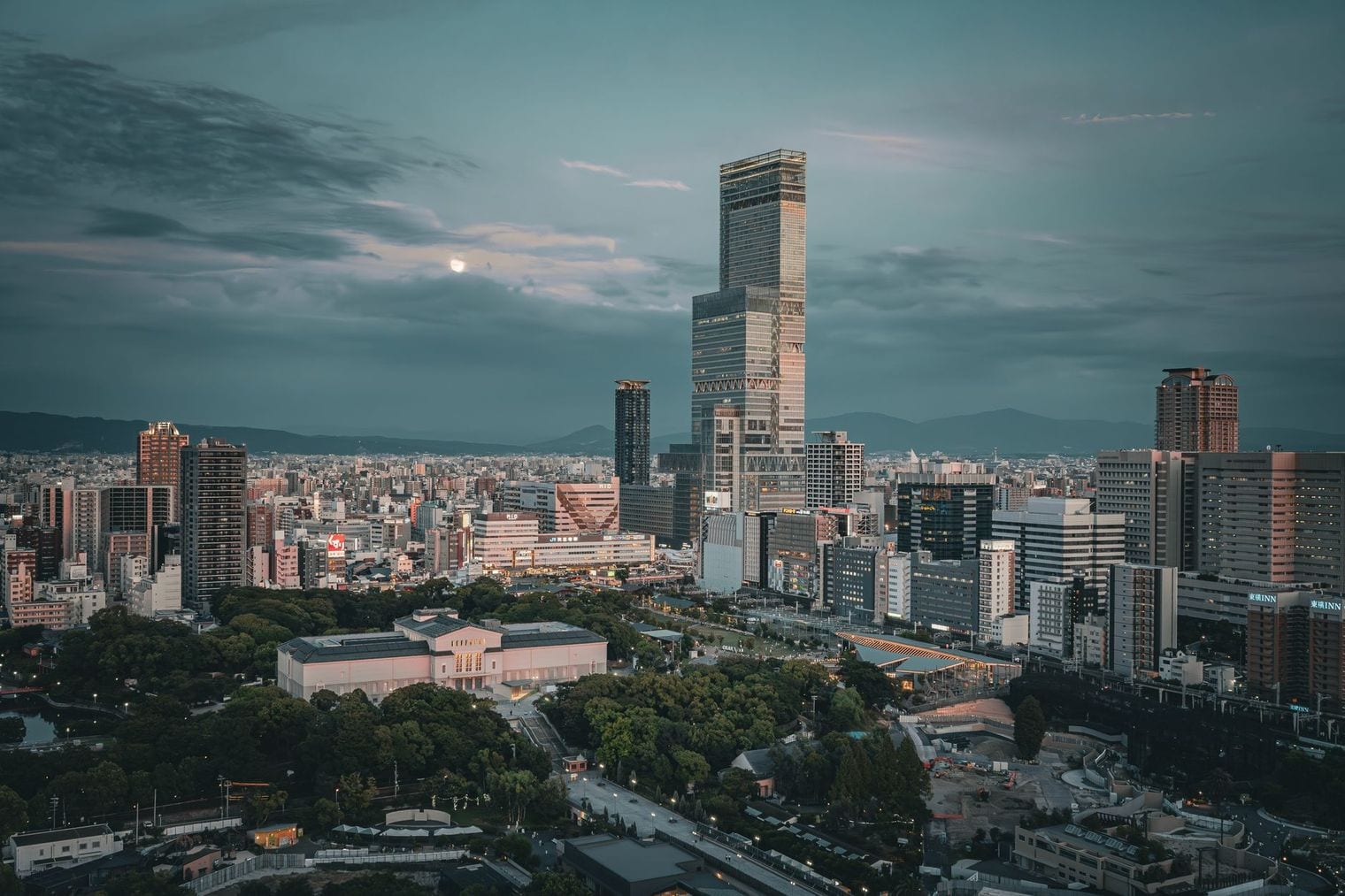
Abeno Harukas rises directly above the southern side of the station, a 300-metre tower with an observation floor near the top and a department store filling much of what sits below. On the other side, the district is far older. Shitennoji, founded in the sixth century and among the oldest Buddhist temples in Japan, is a ten-minute walk north, with Tennoji Zoo and its park alongside, and the Tsutenkaku tower and the kushikatsu counters of Shinsekai just beyond.
Meguro closes out that tight cluster at 636,632 daily passengers, split between four operators — JR East on the Yamanote Line, the Tokyo Metro Namboku Line, the Toei Mita Line and the Tokyu Meguro Line, the last two running through onto each other's tracks. It absorbs that volume with only four platforms, which is why it feels considerably busier underfoot than its ranking suggests.
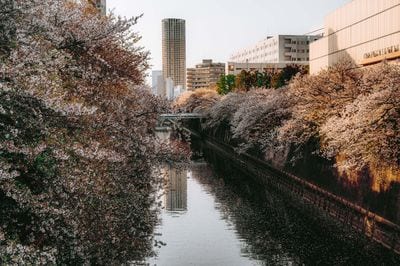
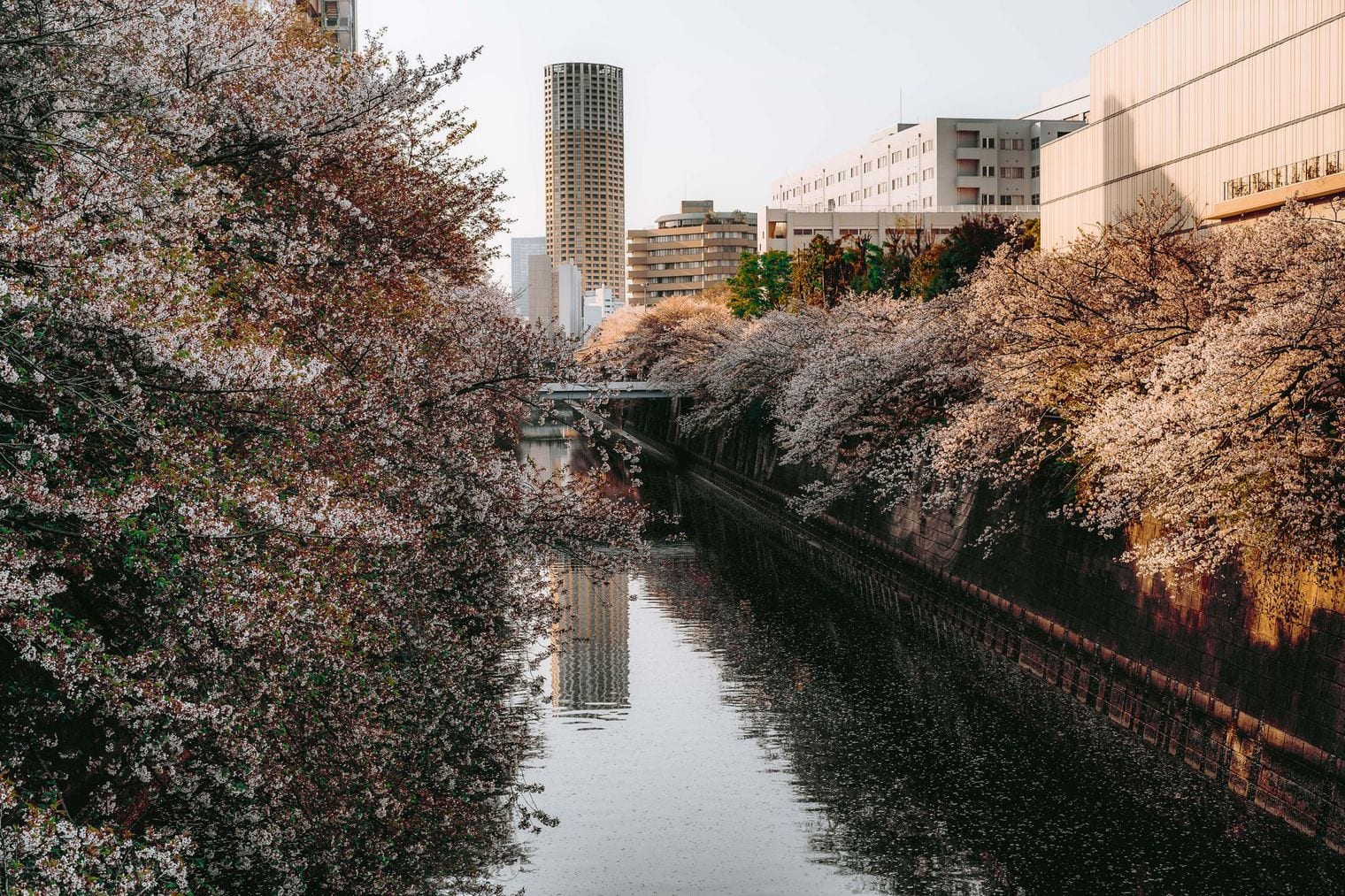
Like Shinagawa, its name misleads. Meguro Station stands in Shinagawa ward, while Shinagawa Station stands in Minato — the two most-cited examples of Tokyo's habit of naming a station after somewhere it is not. The neighbourhood itself is residential and comfortably affluent, and its main draw is seasonal: the Meguro River, a few minutes downhill, is lined for several kilometres with cherry trees that turn the whole channel pink for about a week each spring.
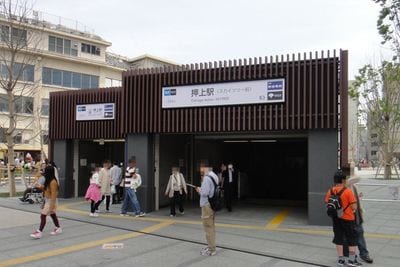
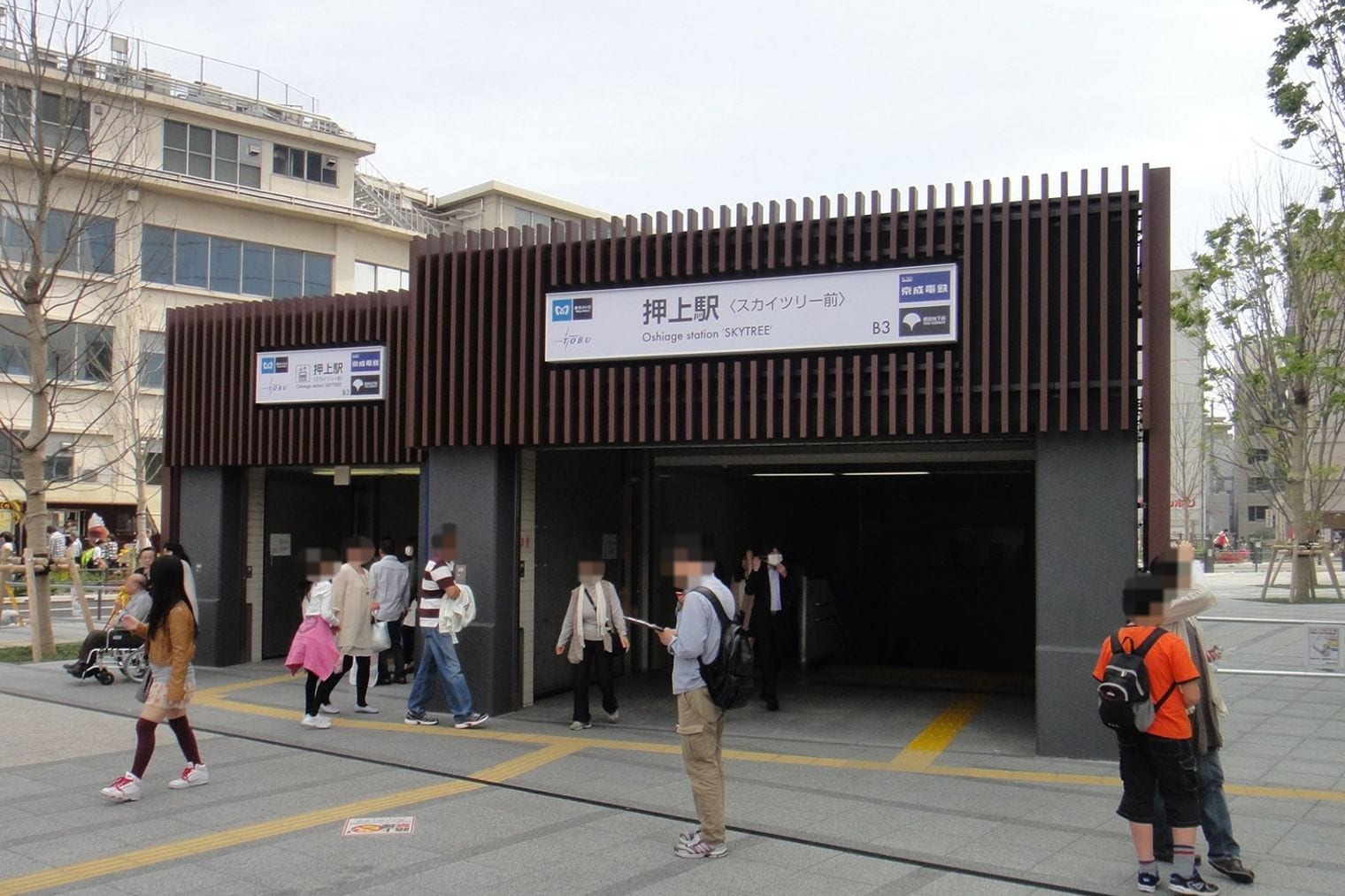
Oshiage rounds out the list with 614,411 daily passengers, a total it owes almost entirely to what was built on top of it. Four operators serve the Sumida ward station — the Tokyo Metro Hanzomon Line, the Toei Asakusa Line, the Keisei Oshiage Line and the Tobu Skytree Line — and its official name now carries the Skytree in brackets, which tells you where the traffic comes from.
Tokyo Skytree stands directly above the exits, a broadcasting tower whose observation decks look out across the whole Kanto plain and, on clear days, as far as Mount Fuji. Tokyo Solamachi, the shopping and restaurant complex wrapped around its base, absorbs much of the station's traffic before it ever reaches the street.
Asakusa and Senso-ji are one stop west, which makes Oshiage an easy pairing: the oldest temple in Tokyo and the tallest structure in Japan within a few minutes of each other.
FAQ: The World's Busiest Train Stations
What is the busiest train station in the world?
Shinjuku Station in Tokyo, with about 3.18 million passengers entering and leaving every day across six railway operators. Guinness World Records recognises it as the busiest station on the planet, and no other station is within half a million passengers a day of it.
Why are all the busiest train stations in Japan?
Because Japanese cities were built around private railways rather than roads. Operators developed the housing, offices and department stores around their own lines, so a handful of interchanges absorb the commuting of entire metropolitan regions. Greater Tokyo alone holds around 37 million people, most of whom travel by train daily.
Why isn't Grand Central Terminal or Gare du Nord on this list?
They are simply far smaller. Oshiage, the fifteenth station here, handles over 600,000 passengers a day. Gare du Nord, the busiest station in Europe, runs at roughly two-thirds of that on a comparable count, and Grand Central lower still. The gap is one of scale, not of measurement.
Why are Howrah and Sealdah in India not included?
Because their published figures measure something different. Indian Railways reports station footfall, which counts everyone passing through the building, including families seeing off passengers and platform-ticket holders who never board. This list counts boardings and alightings only, so mixing the two would produce a ranking that cannot be sorted honestly.
How are these passenger numbers counted?
Each figure is the average daily total of passengers boarding plus passengers alighting, summed across every rail operator serving that station complex, for the 2023 fiscal year. Where an operator publishes boardings only, as JR East does, the figure is doubled so it matches the entries-and-exits standard the others use.
Are these also the world's biggest or deepest stations?
No — busiest, biggest and deepest are three separate rankings, and they rarely pick the same stations. Nagoya sits beneath the largest station building ever certified by Guinness World Records, yet it places only eighth here. None of these fifteen appears among the world's deepest metro stations either, which are buried far below cities like Chongqing and Kyiv. You can compare the different measures across our world record breakers.
Which is the busiest train station outside Japan?
Howrah in Kolkata, India, on any reasonable reading of the available figures, followed by Sealdah in the same city. In Europe it is Gare du Nord in Paris, and in the Americas New York Penn Station. None publishes its numbers on the same basis used here, which is why none appears in the ranking above.