By the City Viking editorial teamPublished Ranked by mean annual temperature · 12 min read
Last verified Checked before launchOct 30, 202618 sources4 publishers1 government & parks15 encyclopedias & research2 venues & other sitesPublished · Oct 31, 2026Researched and checked before it went liveClick for every source and the full change log.
The record
The coldest city in the world is Norilsk, in Russia — −8.3 °C (1991–2020 normal, Norilsk station, WMO 23078), mean annual temperature.
Source: pogodaiklimat.ru. Verified .
Oymyakon and Verkhoyansk, the Siberian settlements famous as the Pole of Cold, are not on this list, and neither is Fairbanks: all three are colder than most of the fifteen below, but none has 50,000 people. This ranking measures cities rather than record lows, by the mean annual temperature at each city's own weather station over the 1991–2020 climate normals, and it starts at 50,000 inhabitants.
The fifteen run from Norilsk at −8.3 °C to Ukhta at −0.1 °C, ten in Russia and five in China, because that is where the world's cold cities of this size are; Ulaanbaatar, the coldest capital, misses by three tenths of a degree.
The WMO's 1991–2020 register is a list of weather stations, not cities, and Norilsk is absent from it, so its normal comes from Roshydromet's station table. Six Western Siberian oil towns, Novy Urengoy, Noyabrsk, Kogalym, Nizhnevartovsk, Surgut and Nefteyugansk, are left out because none has a 1991–2020 normal that can be verified.
Only two large cities stand on continuous permafrost: Yakutsk and Norilsk. In Yakutsk many houses are built on concrete piles rather than on the frozen ground itself.
China's lowest temperature on record belongs to Mohe: −53.0 °C, logged on 22 January 2023, in the country's northernmost city.
Europe's coldest city reading is in the Arctic coal town of Vorkuta, which has recorded −52 °C, the lowest temperature of any European city.
The coldest January does not make the coldest city.Kyzyl averages −28.7 °C in January, colder than Mohe, yet ranks only eleventh because its summers have reached 40.7 °C.
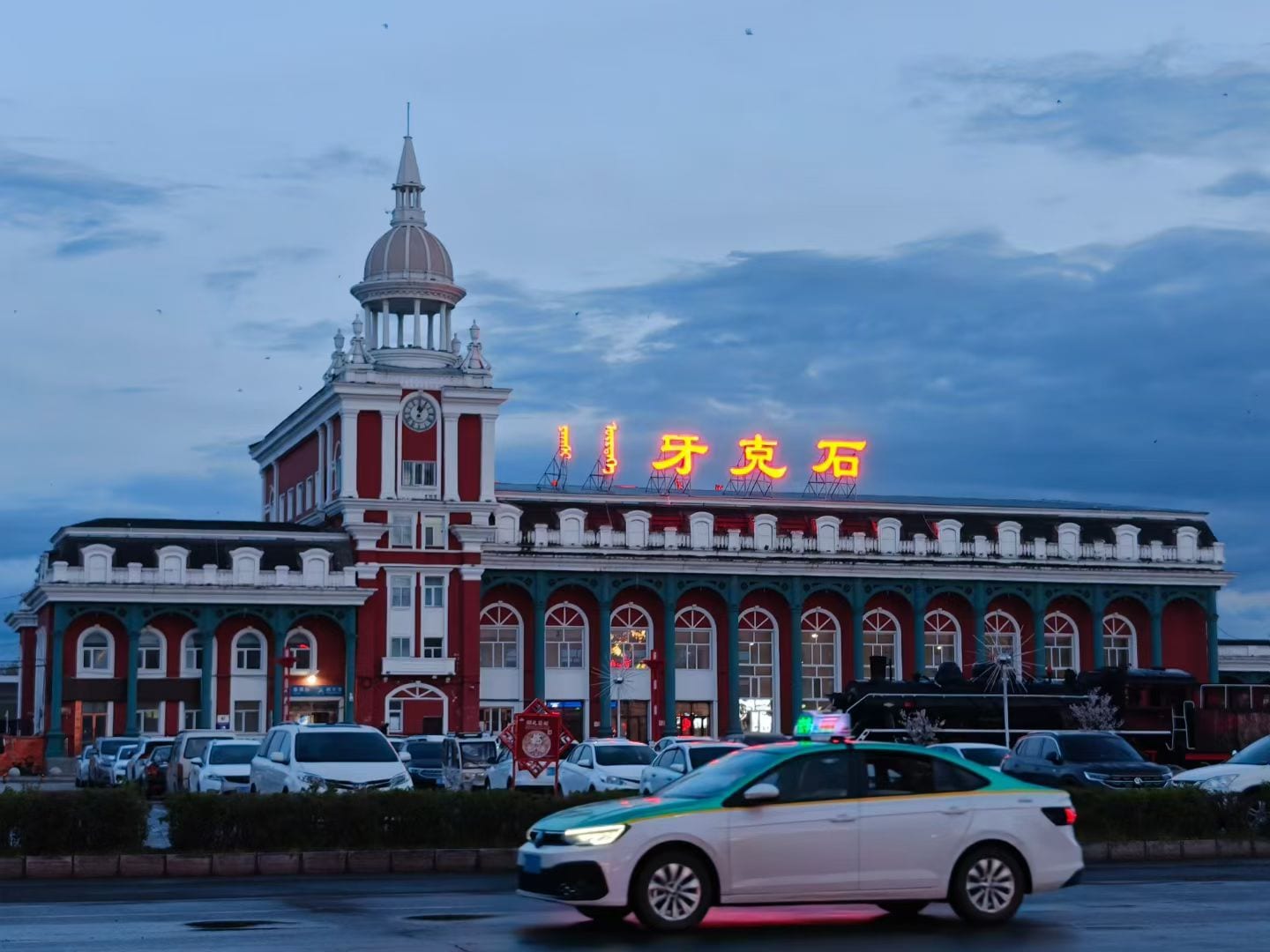
Car makers travel to Yakeshi for its winters: since 2008, prototype cars have been put through stability-control trials on its frozen lakes and snow tracks.
Ulaanbaatar is the world's coldest capital, at 0.2 °C a year on average, three tenths of a degree too warm to join this list.
11. Norilsk
Norilsk, Krasnoyarsk Krai, Russia
−8.3 °C (1991–2020 normal, Norilsk station, WMO 23078)
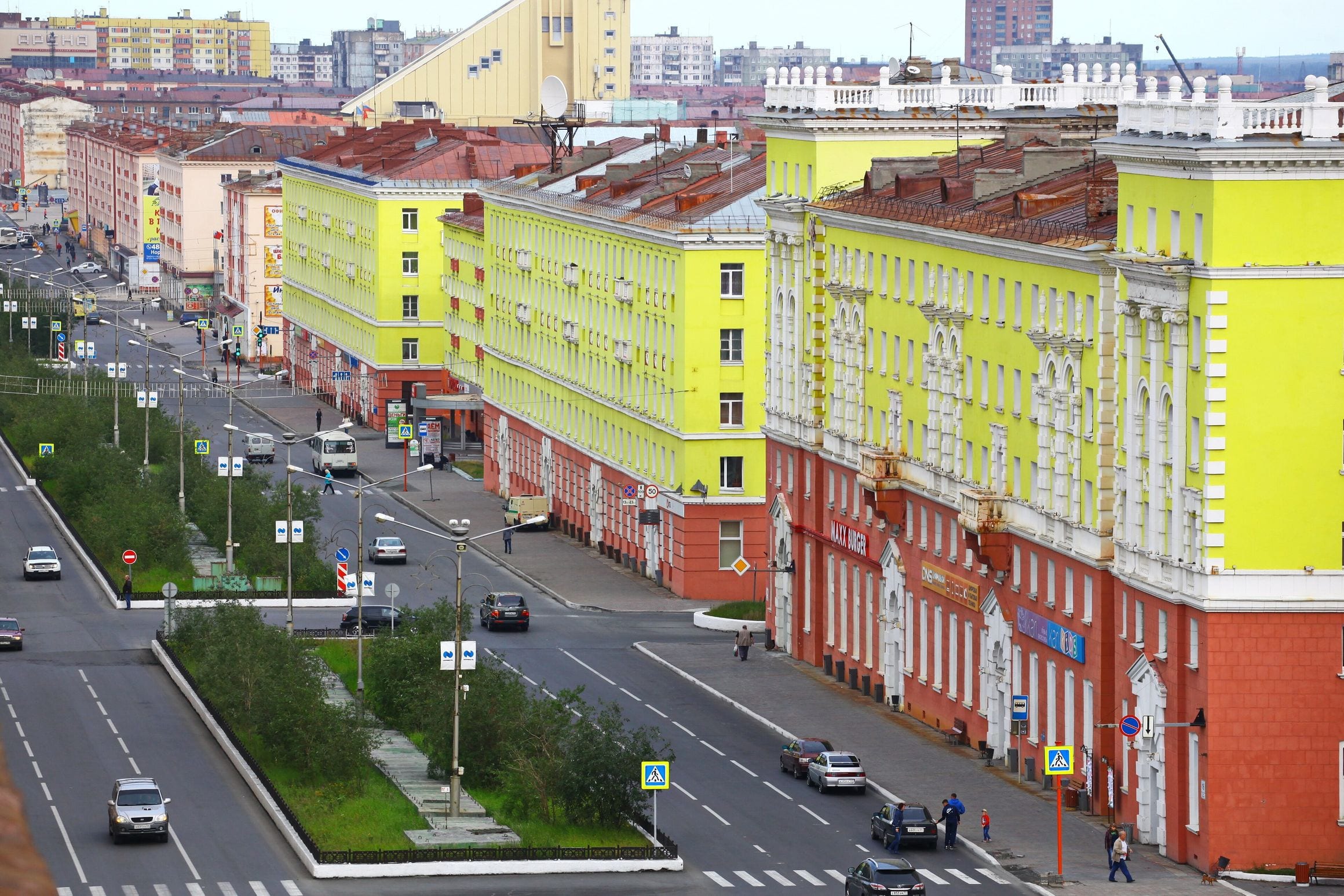
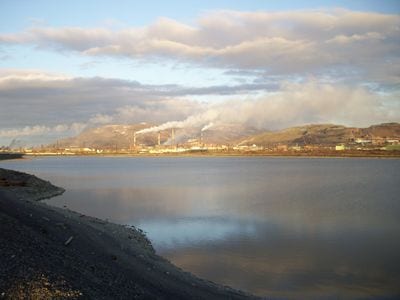
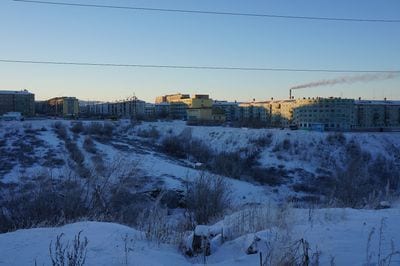
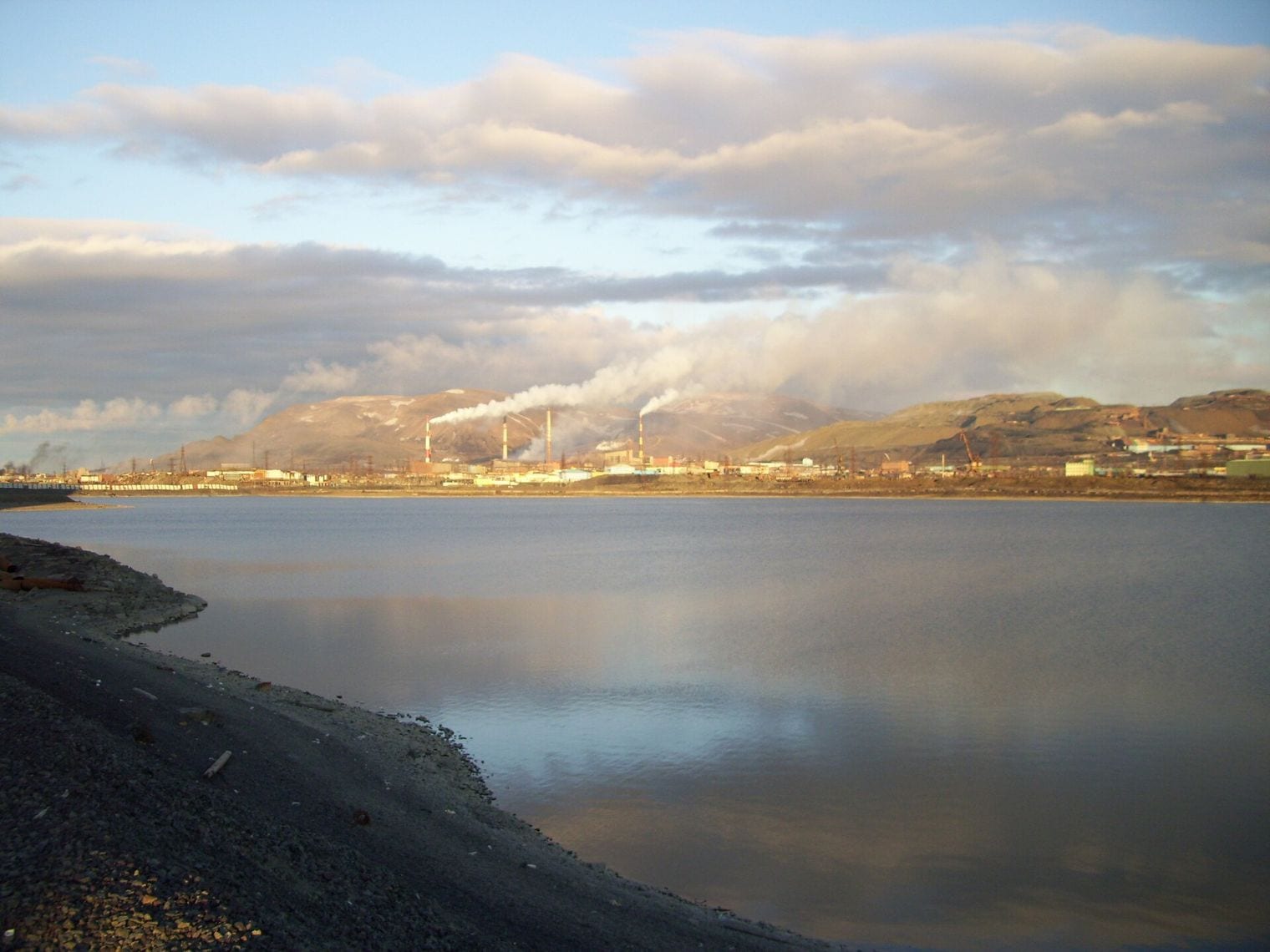
At −8.3 °C, Norilsk has the lowest mean annual temperature of any city of 50,000 people or more, a figure from its own station's 1991–2020 normal in the Roshydromet table. The city lies 300 km north of the Arctic Circle in Krasnoyarsk Krai, and with about 177,000 permanent residents it is the northernmost city in the world with more than 175,000 inhabitants. January averages −26.5 °C.
Norilsk exists because of what lies beneath it: some of the largest nickel deposits on Earth. Its official founding date is 1935, when prisoners of the Norillag labour camp began building the mining and metallurgical plant, and in the summer of 1953 inmates went on strike in what became the Norilsk Uprising. Mining and smelting still drive the city, which remains closed to foreign citizens unless they obtain special permission to visit.
22. Yakutsk
Yakutsk, Sakha Republic, Russia
−8.0 °C (WMO 1991–2020 normal, Jakutsk, WMO 24959)
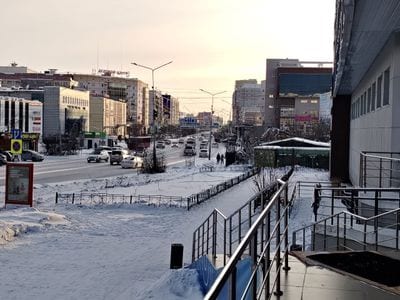
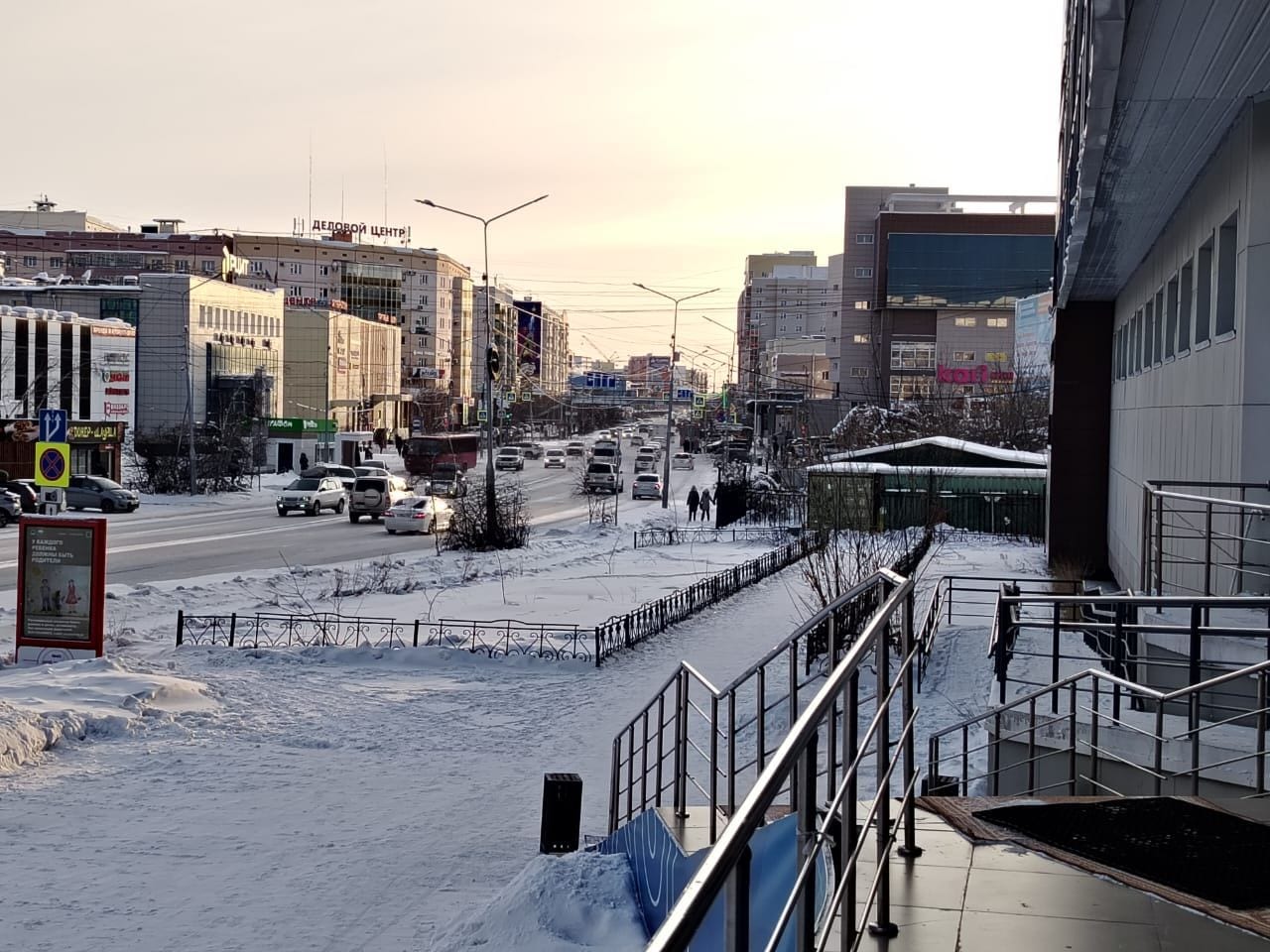
At −8.0 °C, Yakutsk is the coldest city of 50,000 people or more in the WMO's 1991–2020 register itself, and the coldest city in the world with over 200,000 residents. The capital of the Sakha Republic counted 355,443 people at the 2021 census, and its January mean of −36.9 °C is the lowest of any city on this list, ten degrees below Norilsk's.
Yakutsk is the largest city built on continuous permafrost, and many of its houses stand on concrete piles rather than on the frozen ground itself. Cossacks founded it as a fort on the Lena River in 1632. In summer, boats run upriver to the Lena Pillars, a UNESCO World Heritage Site, and the city keeps the only museums in the world devoted to permafrost and to the khomus, the Yakut jaw harp.
33. Neryungri
Neryungri, Sakha Republic, Russia
−6.6 °C (1991–2020 normal, Neryungri station, WMO 30393)
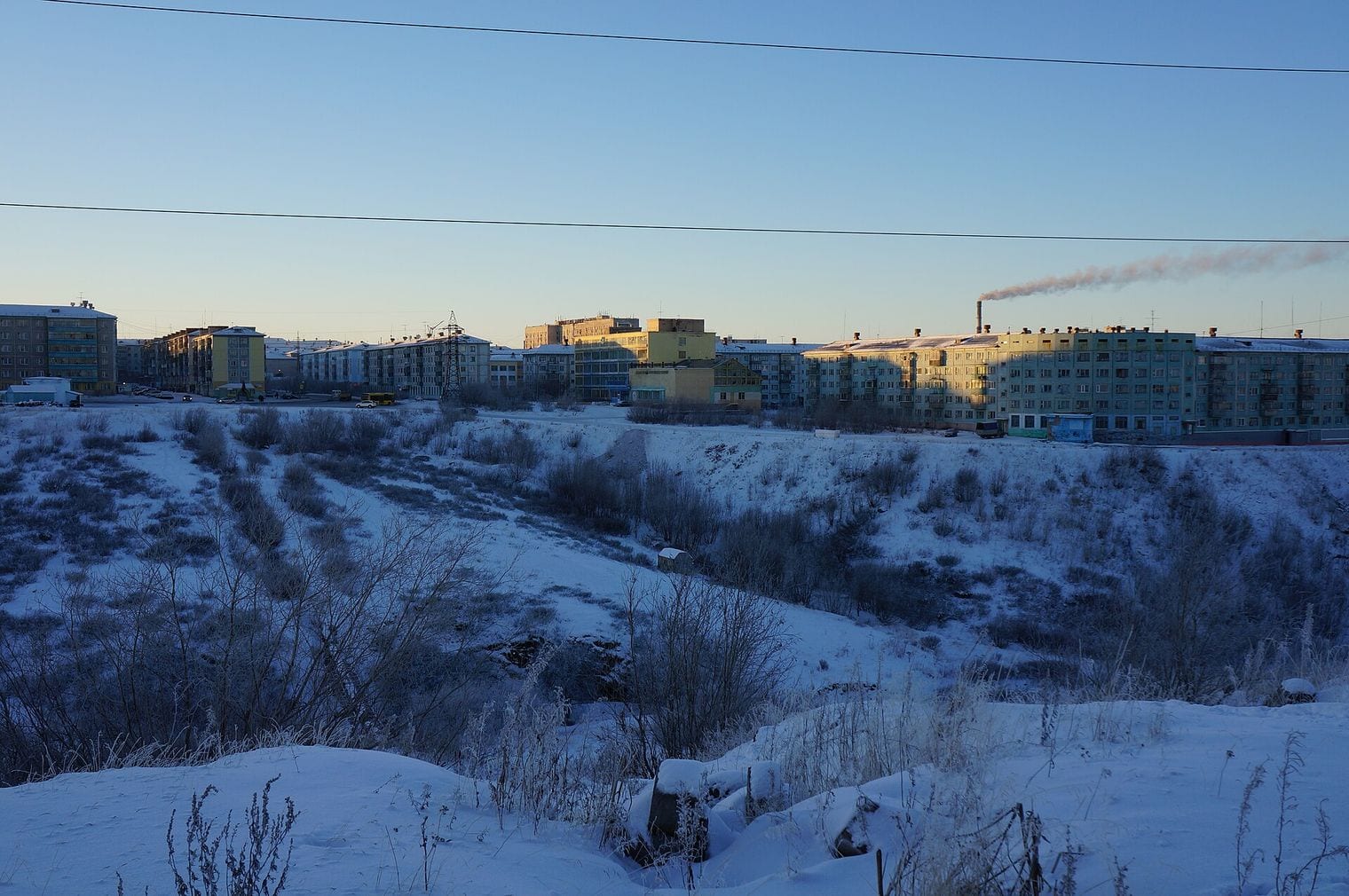
At −6.6 °C, Neryungri is the third-coldest city in the world, and its January mean of −29.8 °C is colder than Norilsk's. It is the second-largest town in the Sakha Republic, set in the far south of the region, more than 600 km from Yakutsk, and it is the administrative centre of Neryungrinsky District.
Neryungri is a coal town through and through. Geologists found a large coal field here around 1970, the settlement gained town status in 1975, and a large open-pit mine lies just across the Chulman River to the northwest. The town sits on the Amur–Yakutsk Mainline railway and the Lena Highway, 202 km by rail north of Tynda, with a thermal coal power plant at nearby Serebryany Bor.
44. Vorkuta
Vorkuta, Komi Republic, Russia
−4.7 °C (1991–2020 normal, Vorkuta station, WMO 23226)
At −4.7 °C, Vorkuta is the coldest European city on this list, a coal-mining town just north of the Arctic Circle in the Komi Republic and the easternmost town in Europe. It also holds the coldest temperature ever recorded in any European city, −52 °C, and it still clears the 50,000 line with 56,985 people at the 2021 census.
The town grew out of Vorkutlag, one of the most notorious camps of the Gulag, established in 1932 when mining began; in 1953 its inmates rose in the Vorkuta uprising. Its population has fallen by more than half since 1989, when the Soviet census counted 115,646, as mines were privatised and people moved south. There is no permanent highway to the rest of Russia, so the town is reached by rail or through Vorkuta Airport.
55. Mohe
Mohe, Daxing’anling Prefecture, Heilongjiang, China
At −3.6 °C, Mohe is the coldest city in China on this measure and also its northernmost, a county-level city of 54,036 people at the 2020 census in Heilongjiang's Daxing'anling Prefecture. Its national weather station only began recording in 1997, so the China Meteorological Administration's 1991–2020 normal for Mohe rests on 24 years rather than 30. January averages −27.9 °C.
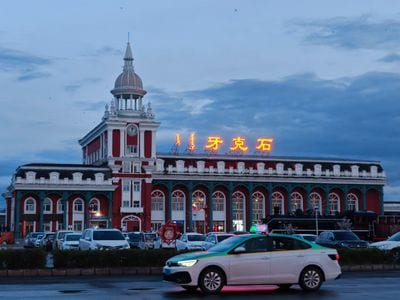
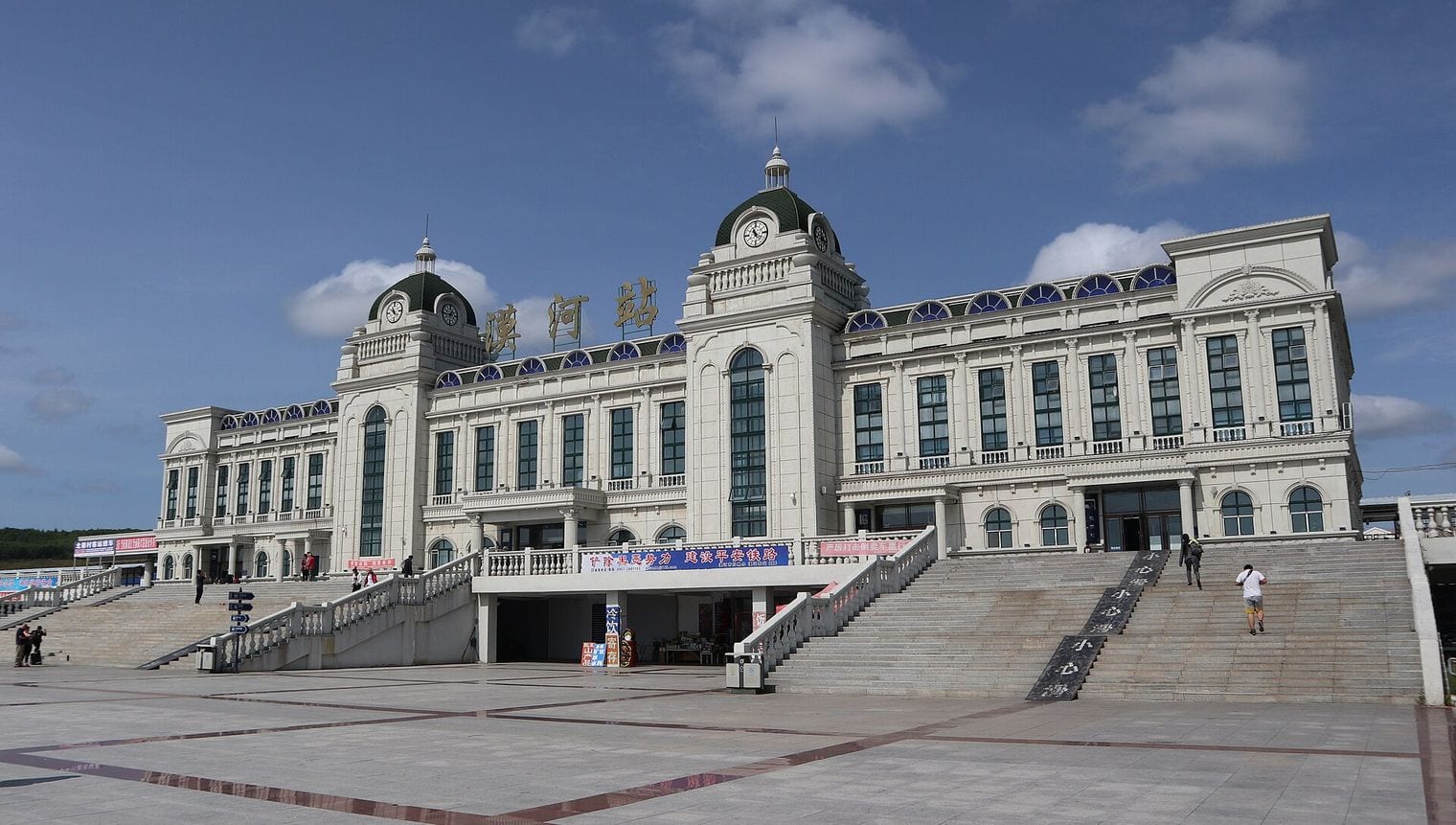
Mohe holds China's national record low: −53.0 °C, logged on 22 January 2023. Beiji Village, the North Pole Village and China's northernmost settlement, lies within the city on the Amur River at 53°29′ N, and on very rare nights the aurora borealis is visible. Mohe railway station, opened in 1972, is the northernmost in China, and Mohe Gulian Airport, opened in 2008, was the first Chinese airport built on permafrost.
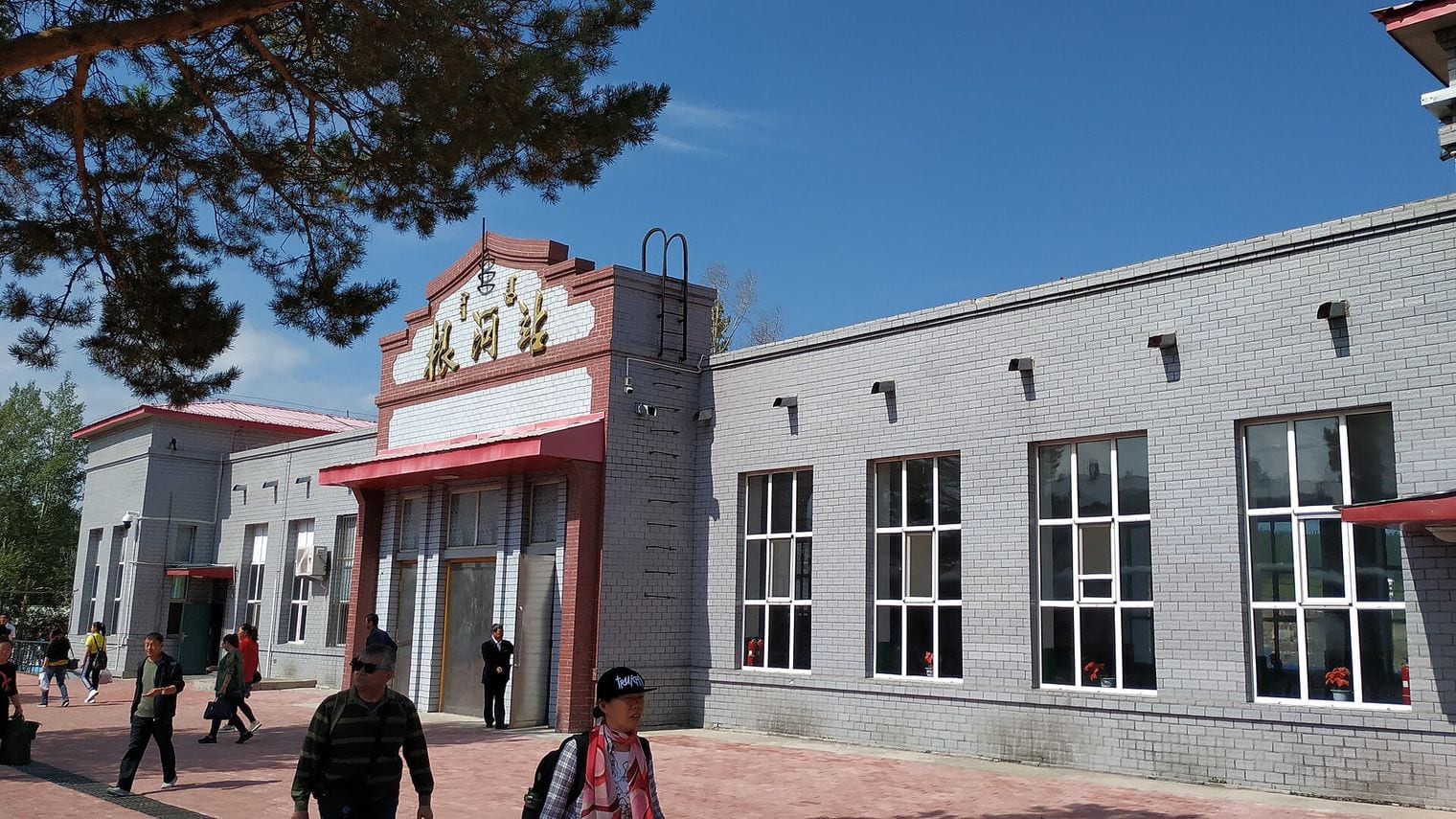
At −3.0 °C, Genhe is the coldest city in Inner Mongolia on this list, a county-level city in the region's far northeast under the administration of Hulunbuir. Its national station has a short record, running only from 2005, so the China Meteorological Administration's 1991–2020 normal for Genhe rests on 16 years of data. January averages −27.7 °C.
Genhe covers 19,659 square kilometres of the far north, with a monsoon-influenced subarctic climate of long, dry, bitter winters and short summers that makes it one of the coldest places in the country. A small number of Evenk reindeer herders still live in the city's Aoluguya Evenk Ethnic Township.
77. Magadan
Magadan, Magadan Oblast, Russia
−2.4 °C (WMO 1991–2020 normal, Magadan, WMO 25913)
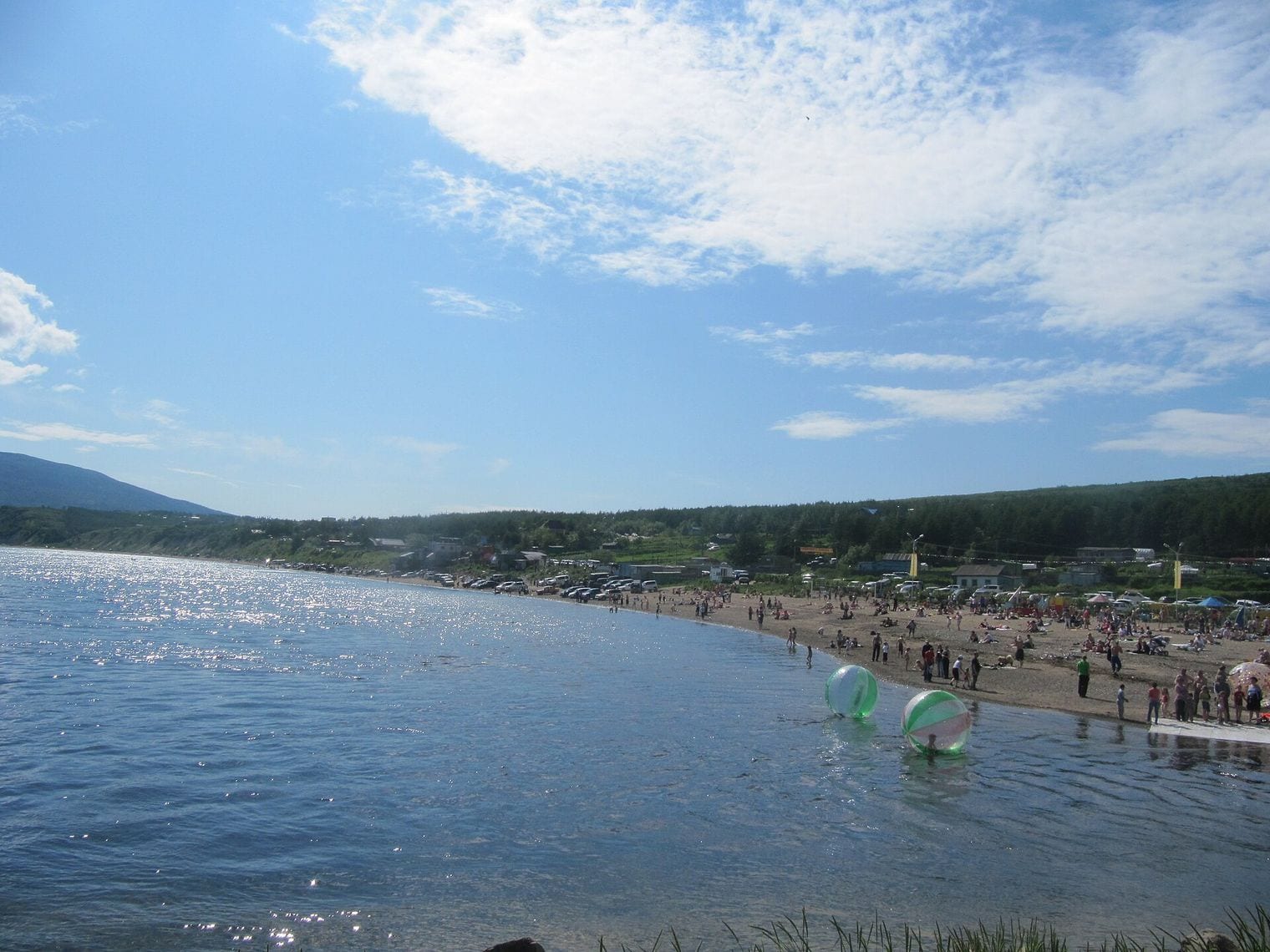
At −2.4 °C, Magadan is the only city in the top ten that sits on the sea, and the Sea of Okhotsk at its door shows in the figures: January averages −15.6 °C, against −36.9 °C inland at Yakutsk. The port and administrative centre of Magadan Oblast stands on the isthmus of the Staritsky Peninsula beside Nagaev Bay.
Magadan was founded in 1929 and grew into a major transit centre for political prisoners in the Stalin era and the headquarters of Dalstroy, the forced-labour gold-mining operation. It is the end of the R504 Kolyma Highway, which links the region to Yakutia, and the city's Mask of Sorrow, a large sculpture designed by Ernst Neizvestny, commemorates Stalin's victims.
Get new guides like this by email
One email every Thursday with our newest guides for the places you tick.
At −1.6 °C, Ergun is a county-level city in Hulunbuir, Inner Mongolia, containing the autonomous region's northernmost point. It qualifies on its census urban population of 54,164 in 2020, and although its annual mean is two degrees milder than Mohe's, its January mean of −28.0 °C is a tenth of a degree colder.
Ergun's territory spans 28,958 square kilometres along the Argun River, the border with Russia, and the city still has Russian ethnic townships, among them Enhe Russian Ethnic Township. About 3 km west of Labdalin, the urban area and seat of government, lie the Ergun Wetlands, a delta of four rivers and one of the largest wetlands in Asia.
At −1.4 °C, Yakeshi is a county-level city of Hulunbuir in Inner Mongolia, beside the Hailar River 70 km east of Hailar and on the north side of the Greater Khingan Range. Its January mean is −26.5 °C, the same as Norilsk's, even though its year as a whole is almost seven degrees milder.
The city lives on forestry, wood products, mining and farming, but its cold has become an industry of its own. Since 2008 car makers and suppliers have run winter test facilities here, where prototype cars are put through electronic stability control trials on frozen lakes and snow tracks; the German supplier Robert Bosch set up the first of them.
1010. Chita
Chita, Zabaykalsky Krai, Russia
−0.9 °C (1991–2020 normal, Chita station, WMO 30758)
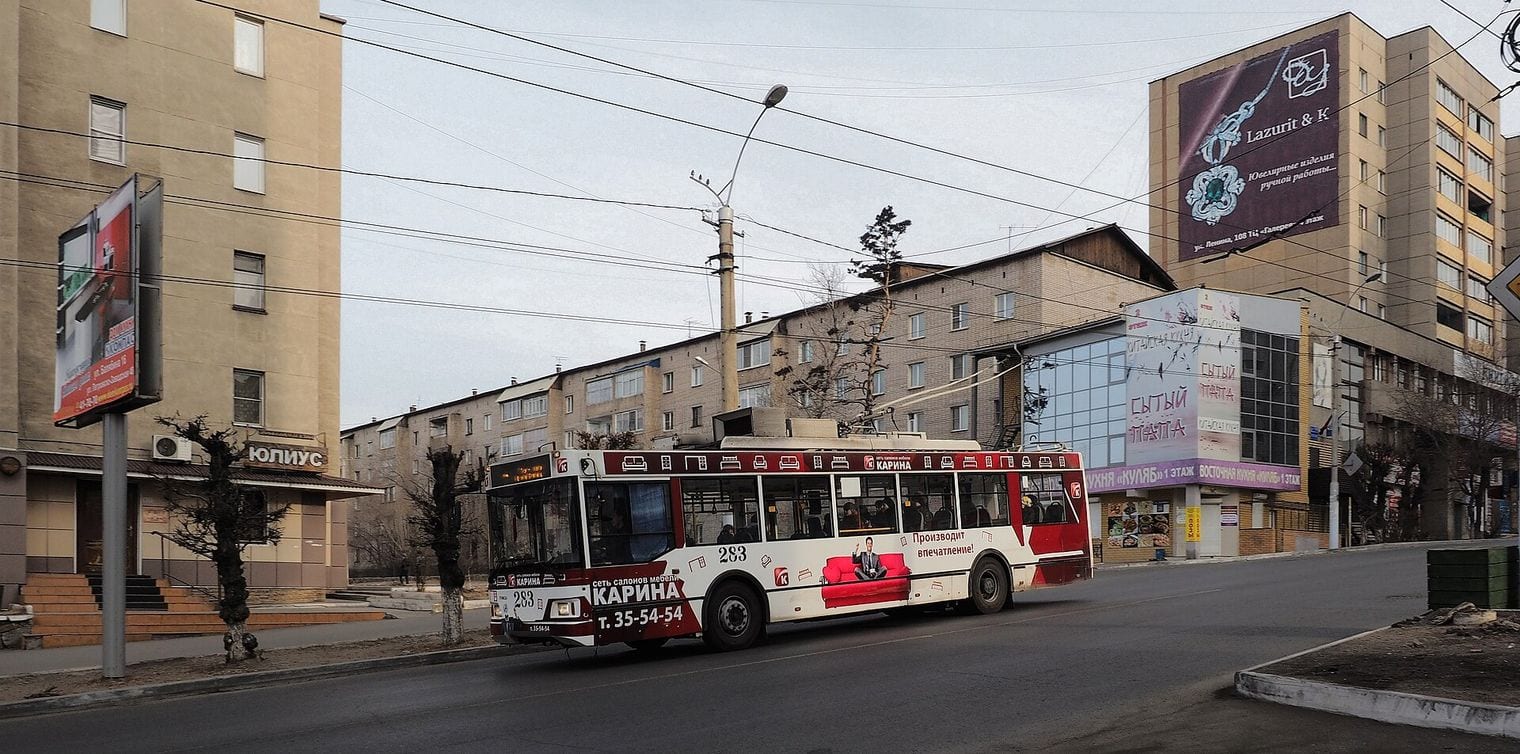
At −0.9 °C, Chita is the administrative centre of Zabaykalsky Krai, with 334,427 people at the 2021 census. It lies on the Trans-Siberian Railway roughly 1,100 km east of Irkutsk, and its January mean of −24.6 °C is offset by summers warm enough to lift the annual average close to freezing.
Pyotr Beketov's Cossacks founded Chita in 1653. After the Decembrist revolt of 1825, several of the Decembrists were exiled here from 1827, and the Trans-Siberian reached the town in 1897, turning it into the transport hub and industrial centre of the Transbaikal. Between 1918 and 1920 it was occupied by the Imperial Japanese Army during the Siberian intervention.
1111. Kyzyl
Kyzyl, Tuva Republic, Russia
−0.7 °C (1991–2020 normal, Kyzyl station, WMO 36096)
At −0.7 °C, Kyzyl, the capital of the Republic of Tuva, is a study in extremes: its January mean of −28.7 °C is colder than Mohe's, yet the station has also recorded 40.7 °C in summer. Only October averages close to the annual mean, and the city of about 120,000 people sits deep in the heart of the continent, far from any sea.
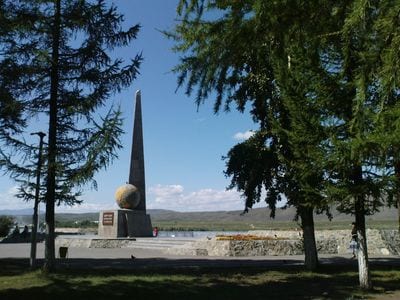
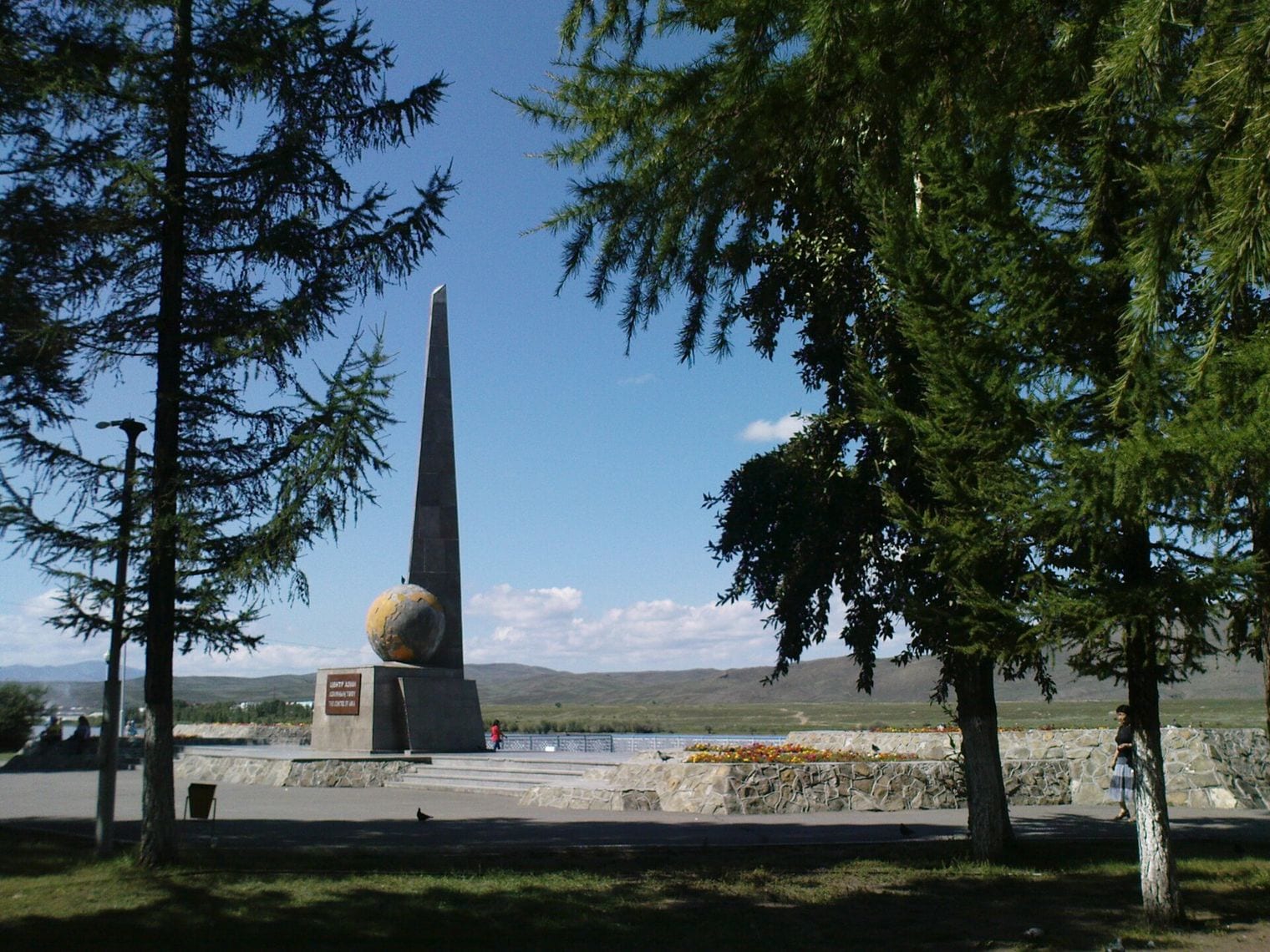
Kyzyl claims to stand at the geographical centre of Asia, and locals have built a monument labelled "Center of Asia" in Tuvan, Russian and English near the confluence of the Great and Little Yenisey. The city took the name Kyzyl, Tuvan for red, in 1926. The M54 Yenisei highway links it with Abakan and Mongolia, and a railway to Kyzyl remains a project rather than a line.
1212. Khanty-Mansiysk
Khanty-Mansiysk, Khanty-Mansi Autonomous Okrug, Russia
−0.4 °C (WMO 1991–2020 normal, HantyMansijsk, WMO 23933)
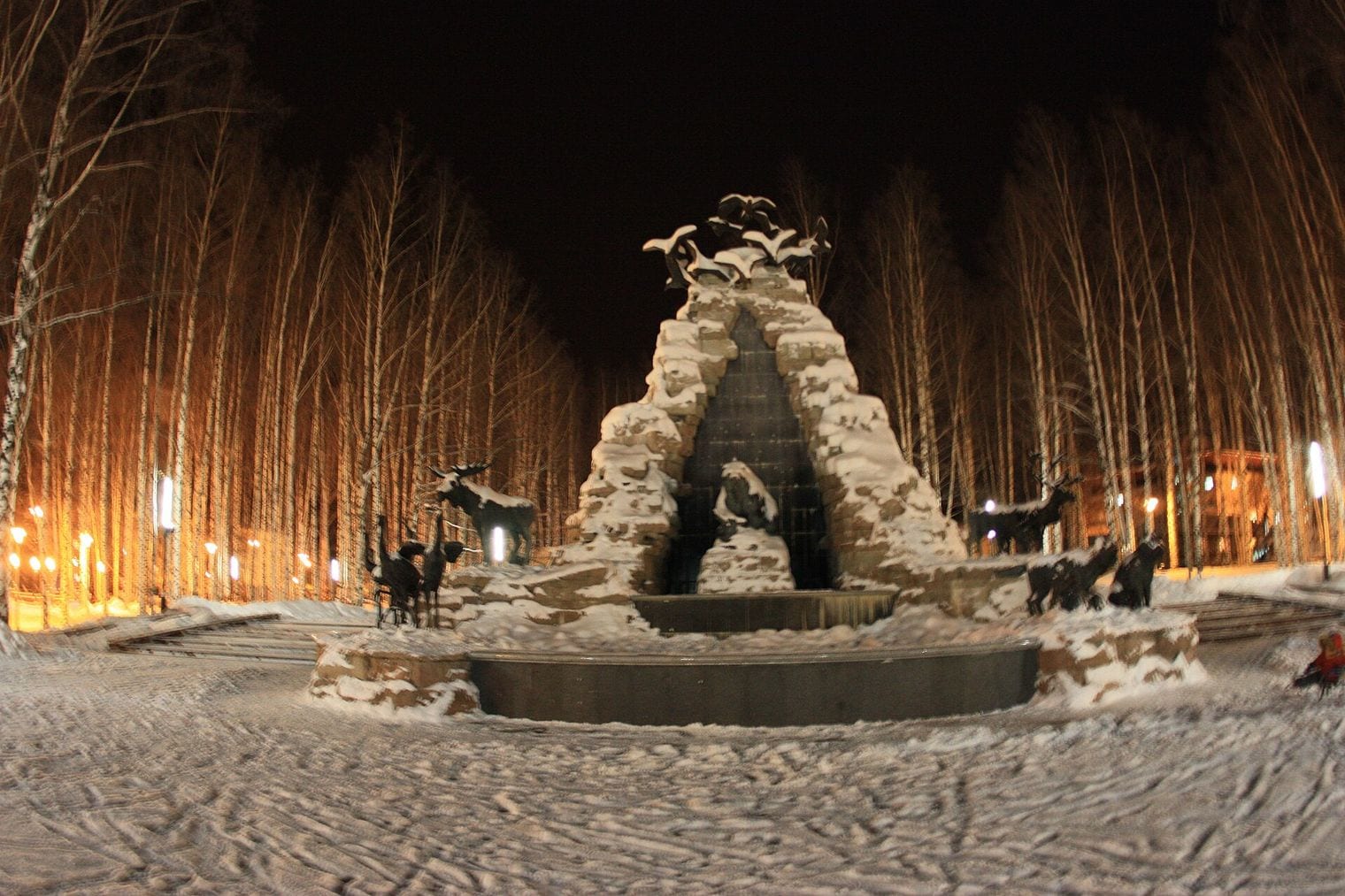
At −0.4 °C, Khanty-Mansiysk is the only city on this list from the oil country of Western Siberia, set on the eastern bank of the Irtysh River 15 km from its confluence with the Ob. It is the administrative centre of Khanty-Mansi Autonomous Okrug–Yugra, with about 101,000 inhabitants and a January mean of −19.1 °C.
Unusually for a regional capital, Khanty-Mansiysk is outnumbered by three cities in its own region, Surgut, Nizhnevartovsk and Nefteyugansk, oil towns that may well be colder but have no 1991–2020 normal that could be verified. Founded in 1930 as the work settlement of Ostyako-Vogulsk, the city has become a winter-sports venue, hosting the Biathlon World Championships in 2003 and 2011.
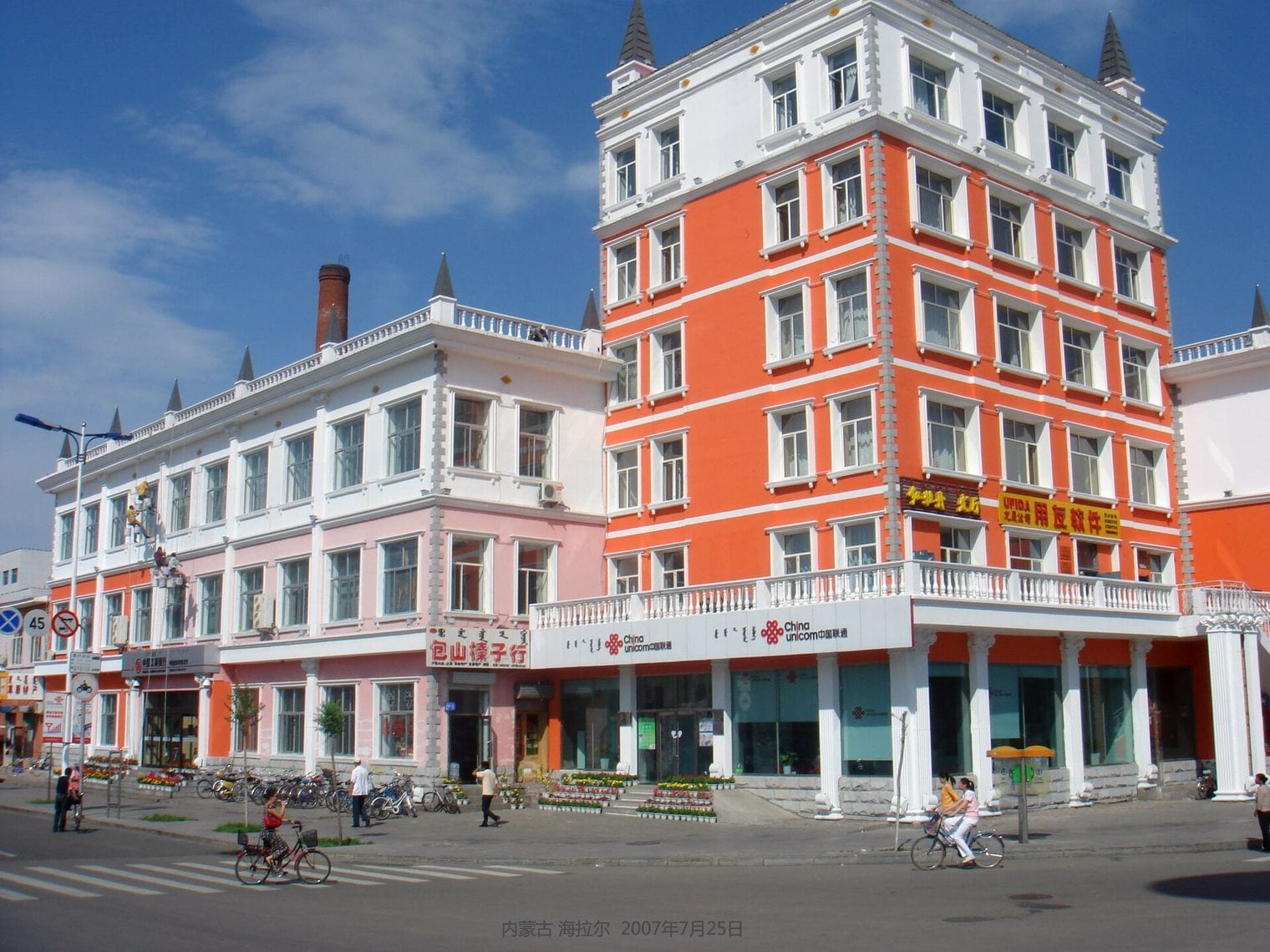
At −0.2 °C, Hailar is the seat of Hulunbuir in northeastern Inner Mongolia, an urban district long known as the Pearl of the Grasslands. Its national weather station has a full 1991–2020 record, and its January mean is −25.0 °C.
Hailar was founded as a Chinese fort in 1734 and grew into a regional centre for commerce, trade and transport on the Chinese Eastern Railway, a gateway between China and Russia. Beneath the city lies Hailar Fortress, a huge underground complex completed by forced Chinese labourers for the Japanese Kwantung Army in 1937, and some of the fiercest fighting of the Soviet–Japanese War took place around Hailar in August 1945.
1414. Bratsk
Bratsk, Irkutsk Oblast, Russia
−0.1 °C (1991–2020 normal, Bratsk station, WMO 30309)
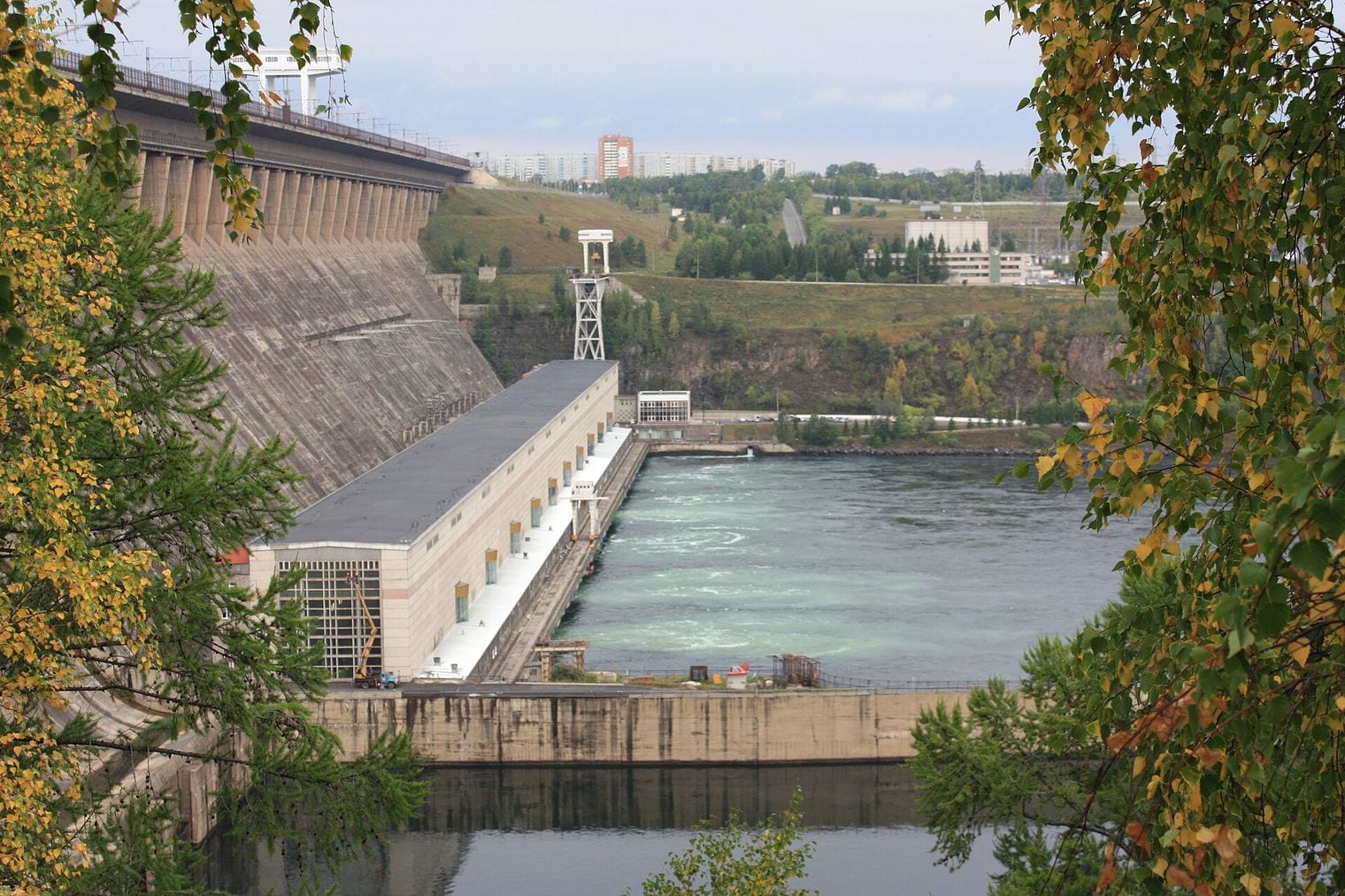
At −0.1 °C, Bratsk shares its annual mean with Ukhta and takes fourteenth place on the colder January: −19.4 °C against Ukhta's −15.9 °C. The city of 224,071 people at the 2021 census lies in Irkutsk Oblast on the Angara River, beside the vast Bratsk Reservoir.
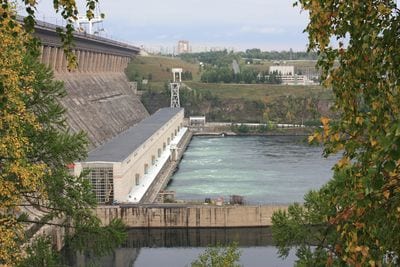
Permanent settlement began with a fort built in 1631 at the junction of the Oka and Angara rivers, but the modern city dates from the 1950s. The 4,500-megawatt Bratsk Hydroelectric Power Station was built between 1954 and 1966 and brought a wave of construction workers to the town, and an aluminium smelter and a pulp mill still anchor its economy.
1515. Ukhta
Ukhta, Komi Republic, Russia
−0.1 °C (1991–2020 normal, Ukhta station, WMO 23606)
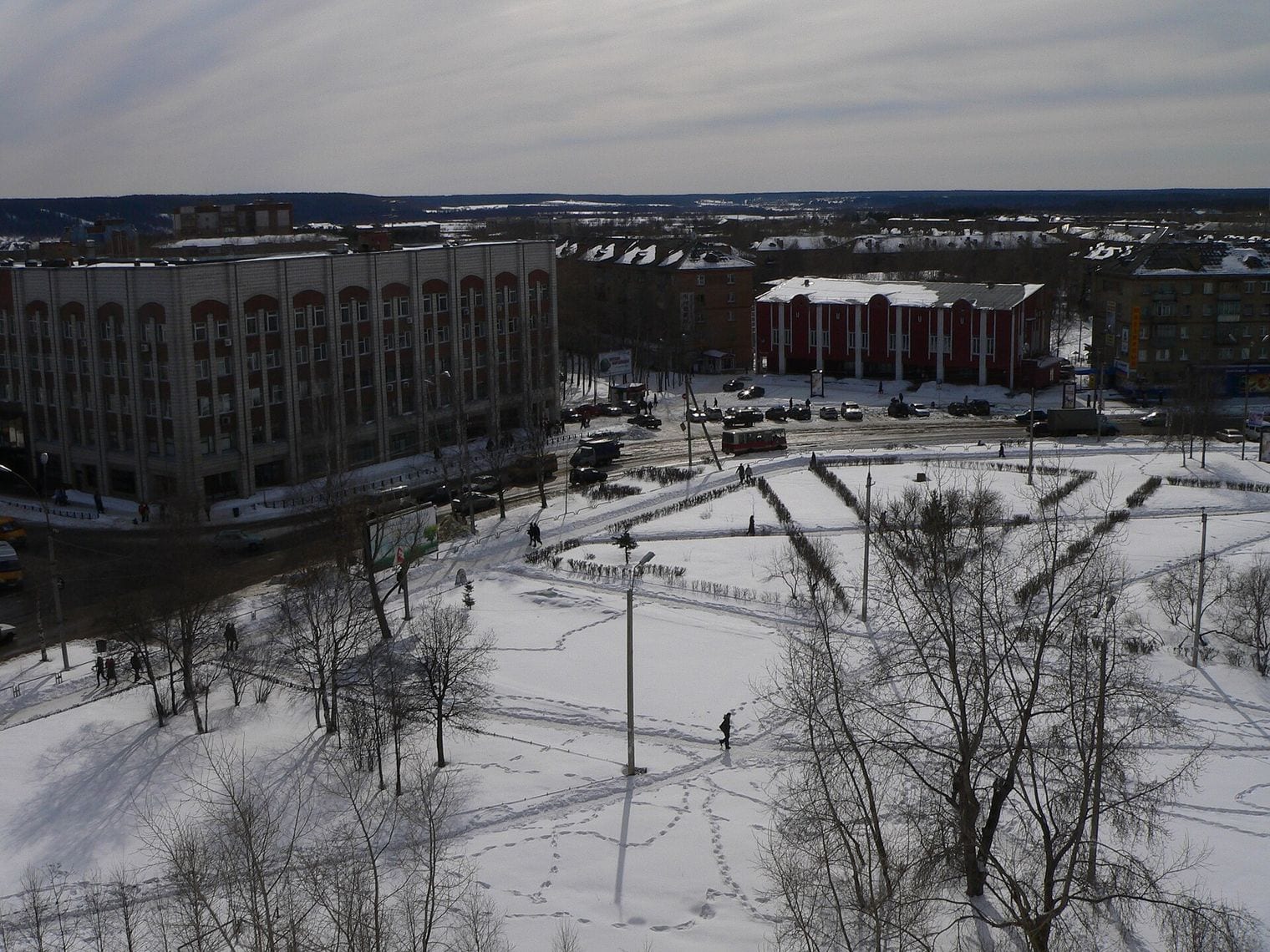
At −0.1 °C, Ukhta closes the list, level with Bratsk on its annual mean but ranked behind it on a milder January mean of −15.9 °C. It is the second-largest city in the Komi Republic, with 97,899 people at the 2021 census, and the second Komi city on this list after Vorkuta.
Ukhta is an oil town with a long pedigree: oil springs along the Ukhta River were known by the 17th century, and a well drilled here was one of the first in Russia. The present settlement was founded in 1929 as the village of Chibyu, renamed Ukhta in 1939, and expanded through the 1940s and 1950s on the forced labour of Gulag prisoners.
FAQ: The World's Coldest Cities
What is the coldest city in the world?
Norilsk, in Russia's Krasnoyarsk Krai, at −8.3 °C a year on average over the 1991–2020 climate normals. Yakutsk is a close second at −8.0 °C and, with 355,443 people, is the coldest city in the world with more than 200,000 residents. Yakutsk also has the harshest winter of the fifteen, with a January mean of −36.9 °C.
Why are Oymyakon and Verkhoyansk not on the list?
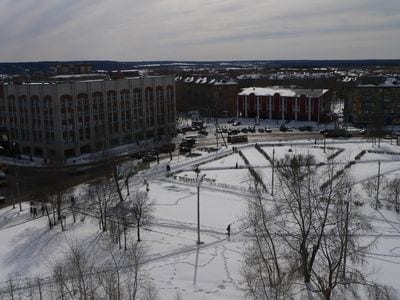
Because they are not cities. On the same 1991–2020 normals both are far colder than Norilsk, at −14.9 °C for Oymyakon and −13.9 °C for Verkhoyansk, but Oymyakon is a village of a few hundred people and Verkhoyansk a town of fewer than 1,500. This list starts at 50,000 inhabitants and ranks average temperature, not record lows.
How were the cities ranked?
By the mean annual air temperature at each city's own weather station over the 1991–2020 climate normals, coldest first, with a tie settled by the colder January. A city needs 50,000 people: on the 2021 Russian census, or for China's county-level cities the urban population in the 2020 census, which is how Ergun qualifies with 54,164.
Six Western Siberian oil towns, Novy Urengoy, Noyabrsk, Kogalym, Nizhnevartovsk, Surgut and Nefteyugansk, are big enough to qualify and some may well be colder than Ukhta, but none has a 1991–2020 climate normal that could be verified. Rather than rank them on an older or modelled figure, the list leaves them out.
Is there a cold city of 50,000 people outside Russia and China?
None reaches the top fifteen. The nearest is Ulaanbaatar, the coldest national capital, at 0.2 °C. Fairbanks, Alaska, averages −2.1 °C, colder than eight cities on this list, but has only 32,515 people within its city limits, and Yellowknife and Iqaluit in Canada are colder still and smaller.
Sources & updates
How this ranking was checked
Checked before launch
Sources cited
18
Publishers
4
Every figure in this ranking was checked against the record-keeper or official source behind it before publication, and the top of the ranking re-checked live so a newer record would not be missed.
One email every Thursday with our newest guides for the places you tick.
Newsletter
Stay updated with new World Record Breakers
One email every Thursday with our newest guides for the places you tick.
We use cookies to analyse site traffic and improve your experience.
You can accept or reject analytics cookies. See our
May we use analytics cookies? See ourCookie Policy.