The record
The coldest place in the world is Vostok Station, in Antarctica — −89.2 °C (−128.6 °F), lowest recorded temperature.
Source: WMO Archive of Weather and Climate Extremes. Verified .
Antarctica has been measured at −98 °C from orbit, and that number appears nowhere on this list. Satellites read the temperature of the snow surface; a weather record is the air roughly a metre and a half above it, measured by thermometer. By that standard the coldest place on Earth is Vostok Station, at −89.2 °C on 21 July 1983.
The twelve places below span thirty-six degrees, from Vostok down to Mohe in northern China, across six countries and territories. Two rules decide who appears. The reading has to be an official air temperature at a named station, which is why the satellite figures sit out. And someone has to be there — every entry is either a permanently inhabited settlement or a base staffed straight through the winter.
That costs the list three famous numbers: Klinck, the automatic station that logged the Northern Hemisphere record of −69.6 °C in 1991 and was crated up and shipped to Antarctica three years later; Plateau Station, which reached −86.2 °C before the ice claimed it; and Snag, Yukon, which holds the North American record and has stood empty for decades.
The coldest temperature ever measured on Earth is not on this list — satellites have read about −98 °C on the East Antarctic Plateau, but that is the temperature of the snow surface, not the air a thermometer samples a metre and a half above it.
Verkhoyansk holds records at both extremes. The Siberian town fell to −67.8 °C in 1892 and reached 38 °C in June 2020 — the latter recognised by the WMO as the highest temperature ever recorded north of the Arctic Circle.
The Northern Hemisphere's coldest official reading belongs to a machine. Klinck, an automatic station on the Greenland ice sheet, logged −69.6 °C in December 1991; it was collected three years later and sent to Antarctica.
Winter crew at the South Pole join the 300 Club by sitting in a 93 °C sauna and then running to the Pole marker and back when the outside air drops past −73 °C — a swing of 300 degrees Fahrenheit.
Fort Yukon holds both of Alaska's temperature records — −78 °F in January 1934 and 100 °F in June 1915, the widest span of any place in the state.
11. Vostok Station
Vostok Station, East Antarctic Plateau, Antarctica
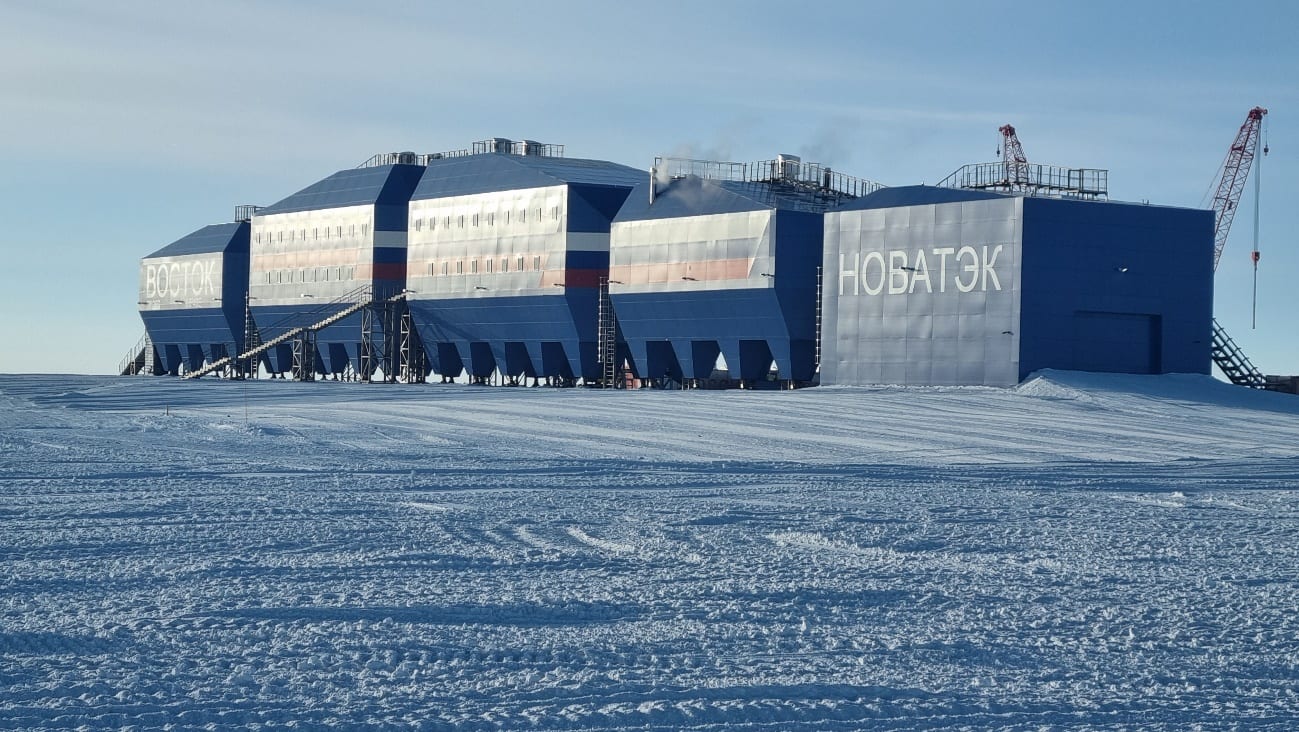
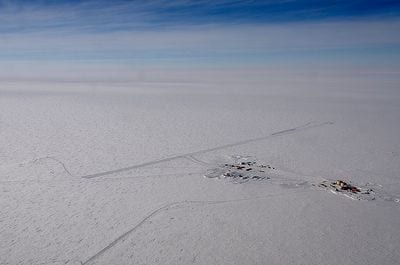
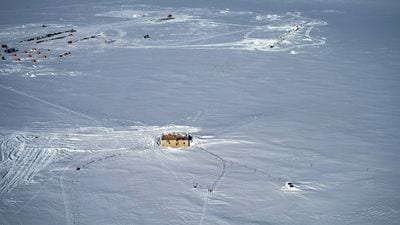
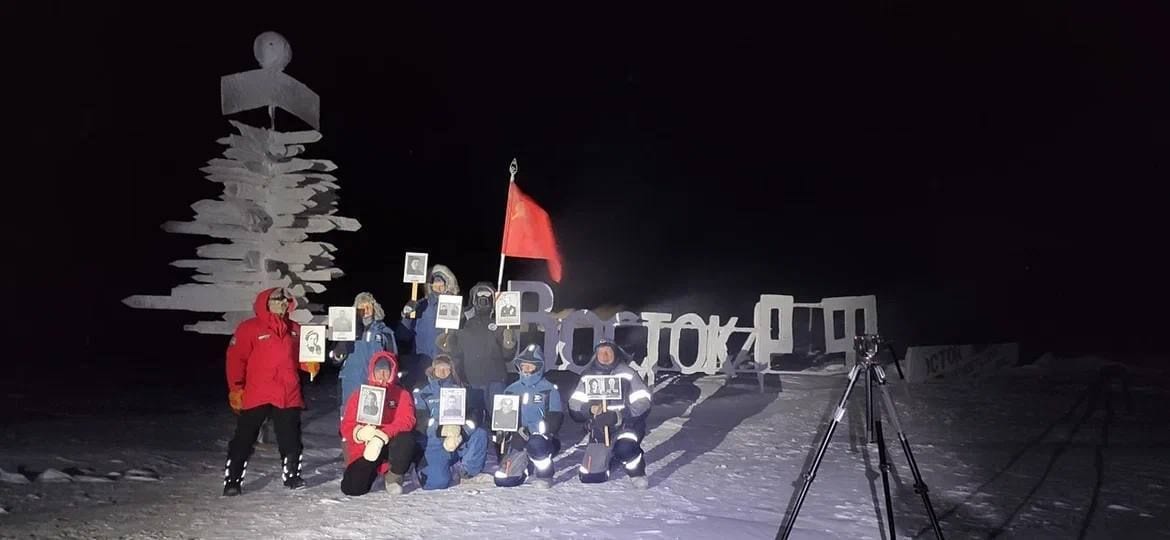
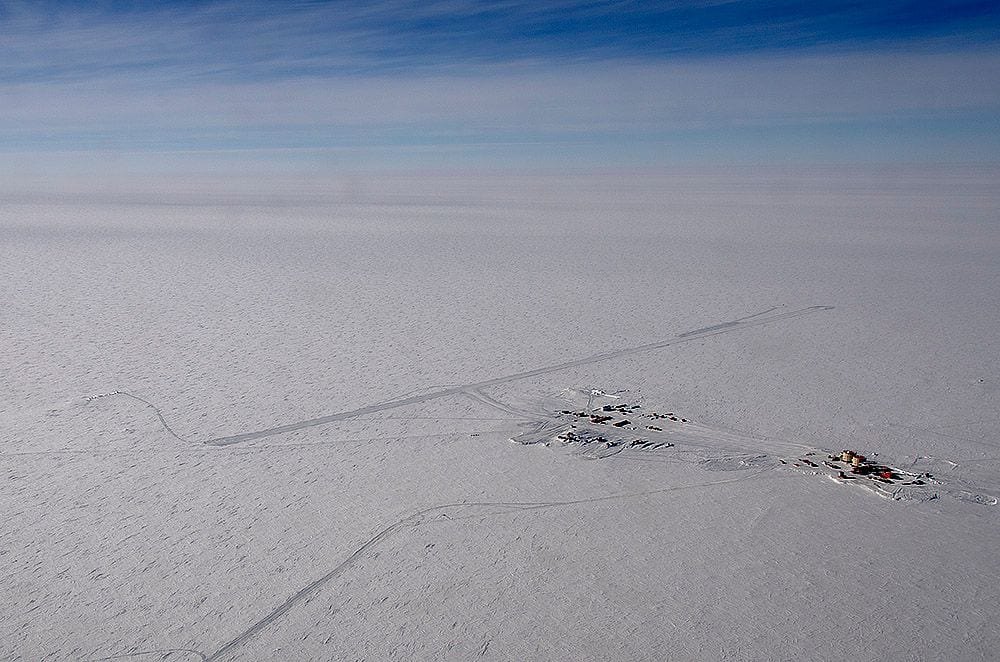
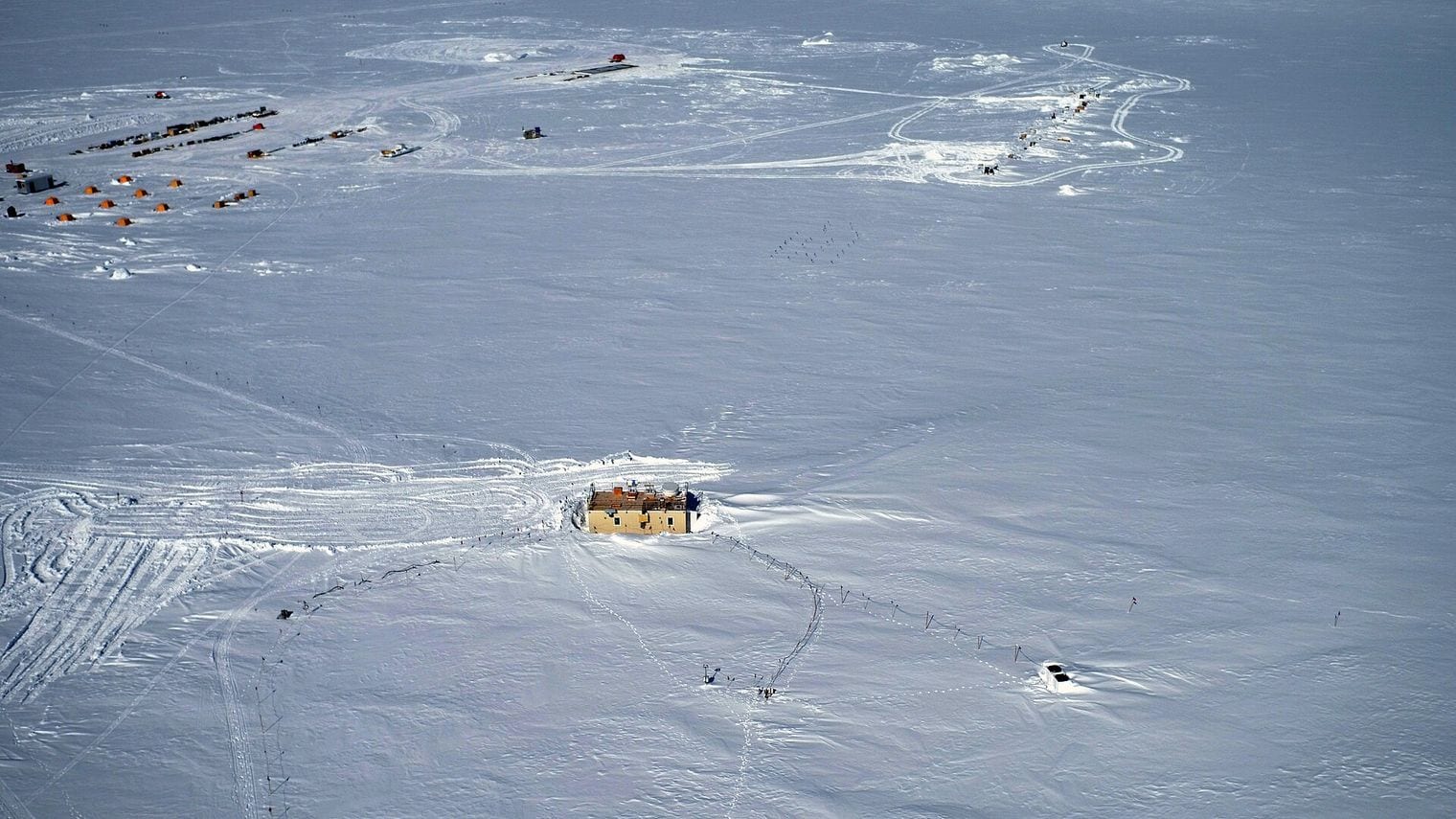
At −89.2 °C, Vostok Station holds the lowest air temperature ever recorded on Earth. The reading was taken at 02:45 UTC on 21 July 1983 and has not been beaten in the four decades since. The Russian base sits high on the East Antarctic Plateau, more than a thousand kilometres from the coast, on top of the ice sheet that seals Lake Vostok beneath it.
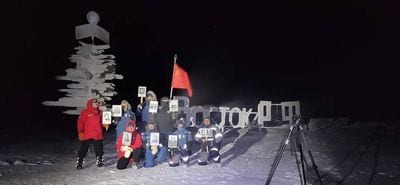
The record was not a freak spike so much as a conspiracy of stillness. A near-record-cold vortex sat almost directly overhead for a week, the wind dropped away, and no cloud or diamond dust formed above the station — so the surface radiated its heat straight out to space with nothing to trap it. Winter crews here stay through months of unbroken darkness with no possibility of a flight in or out.
22. Concordia Station
Concordia Station, Dome C, East Antarctic Plateau, Antarctica
At −84.7 °C, logged on 13 August 2010, Concordia Station is the second-coldest place ever measured by thermometer. The French-Italian base stands at Dome C on the East Antarctic Plateau, and in July 2026 it came within a degree of its own record with a reading of −84.1 °C — the coldest temperature recorded anywhere on Earth in fourteen years.
Concordia is where the European Space Agency studies how people endure isolation, and the reason is the winter. The crew spends four months without sunlight, and once the season turns the base lies beyond the range of any aircraft, so nobody arrives and nobody leaves. The nearest other human beings are the winterers at Vostok, several hundred kilometres across the plateau.
33. Amundsen–Scott South Pole Station
Amundsen–Scott South Pole Station, South Pole, Antarctica
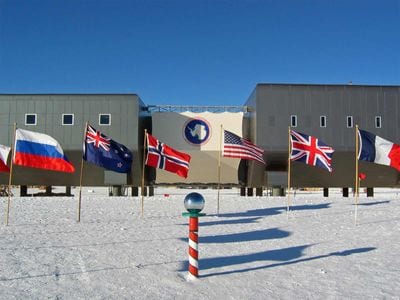
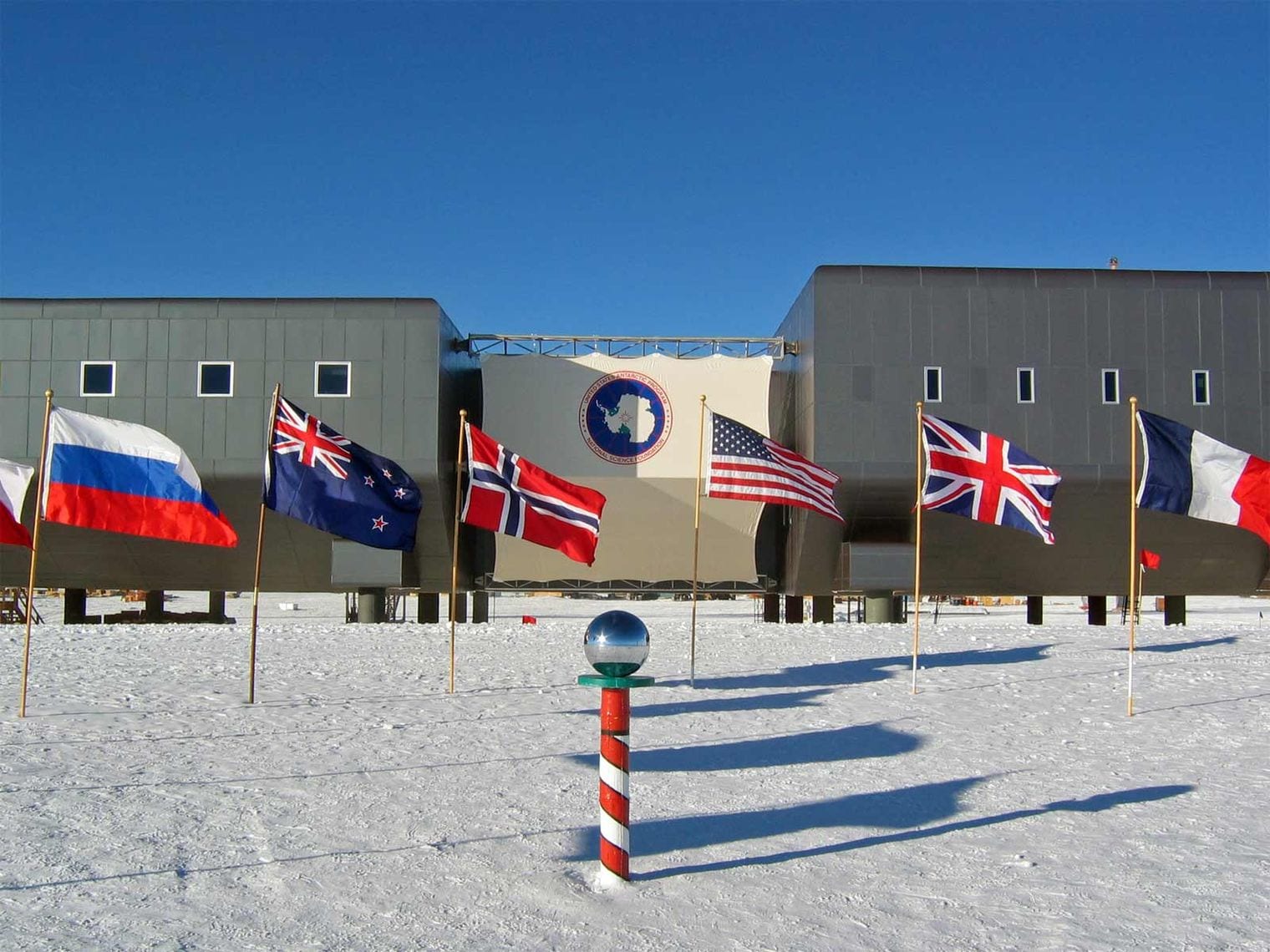
At −82.8 °C, set on 23 June 1982, Amundsen–Scott South Pole Station is the coldest place here that a scheduled aircraft will actually take you to — though only during the summer window. The American base stands at the geographic South Pole itself, where the sun rises once a year and sets once a year, and the station drifts slowly with the ice it is built on.
The cold has produced its own ritual. When the temperature falls past −73 °C, members of the winter crew sit in a sauna heated to about 93 °C and then run outside to the Pole marker and back — a swing of three hundred degrees Fahrenheit, which is where the tradition takes its name. Roughly fifty people stay for the winter, sealed in for around eight months.
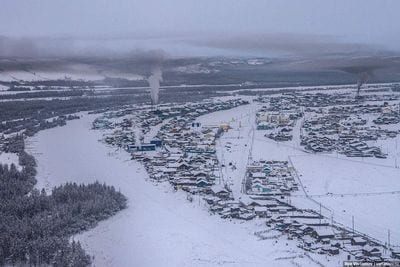
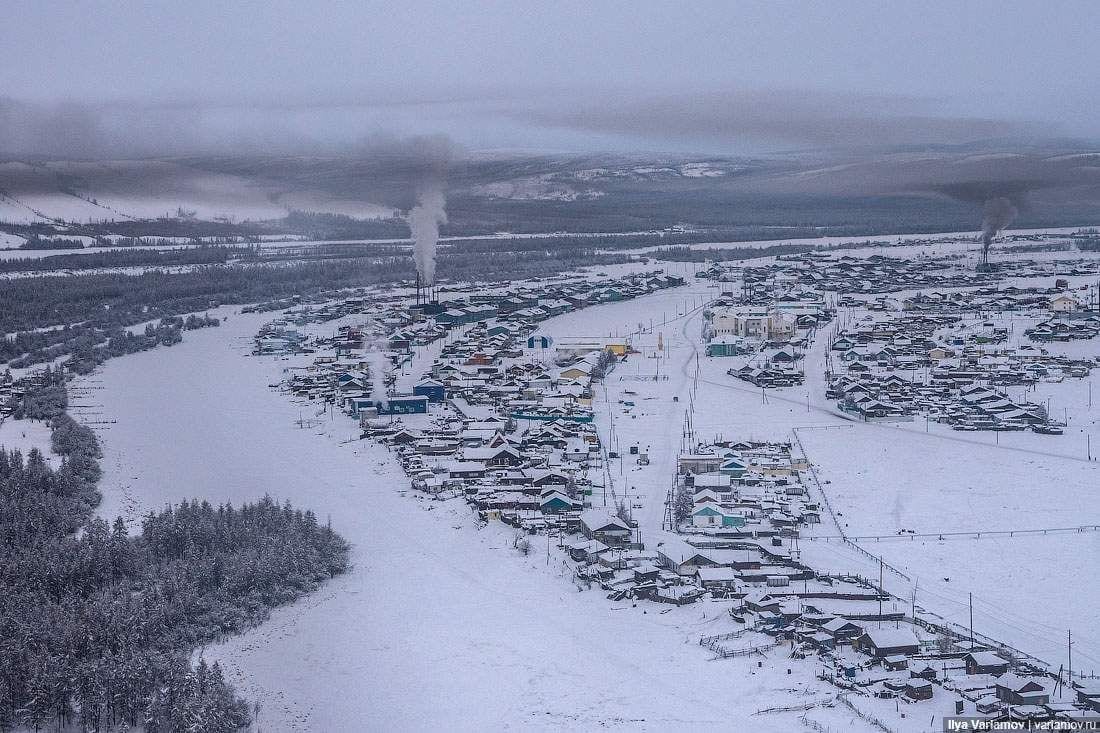
At −67.8 °C, measured on 5 and again on 7 February 1892, Verkhoyansk is the coldest permanently inhabited place on Earth — but only by a tenth of a degree. Oymyakon, its rival to the south-east, sits at −67.7 °C, and the two Siberian towns have argued over the title of Pole of Cold for more than a century. Verkhoyansk takes the higher rank here on the colder of the two readings.
About a thousand people live in the town, which stands above the Arctic Circle in the Sakha Republic. What makes it genuinely extraordinary is not the winter alone but the span: Verkhoyansk reached 38 °C in June 2020, the highest temperature ever reliably recorded inside the Arctic Circle, giving it one of the widest temperature ranges of any inhabited place anywhere.
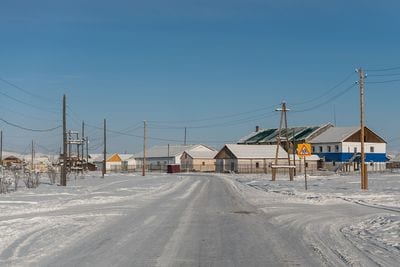
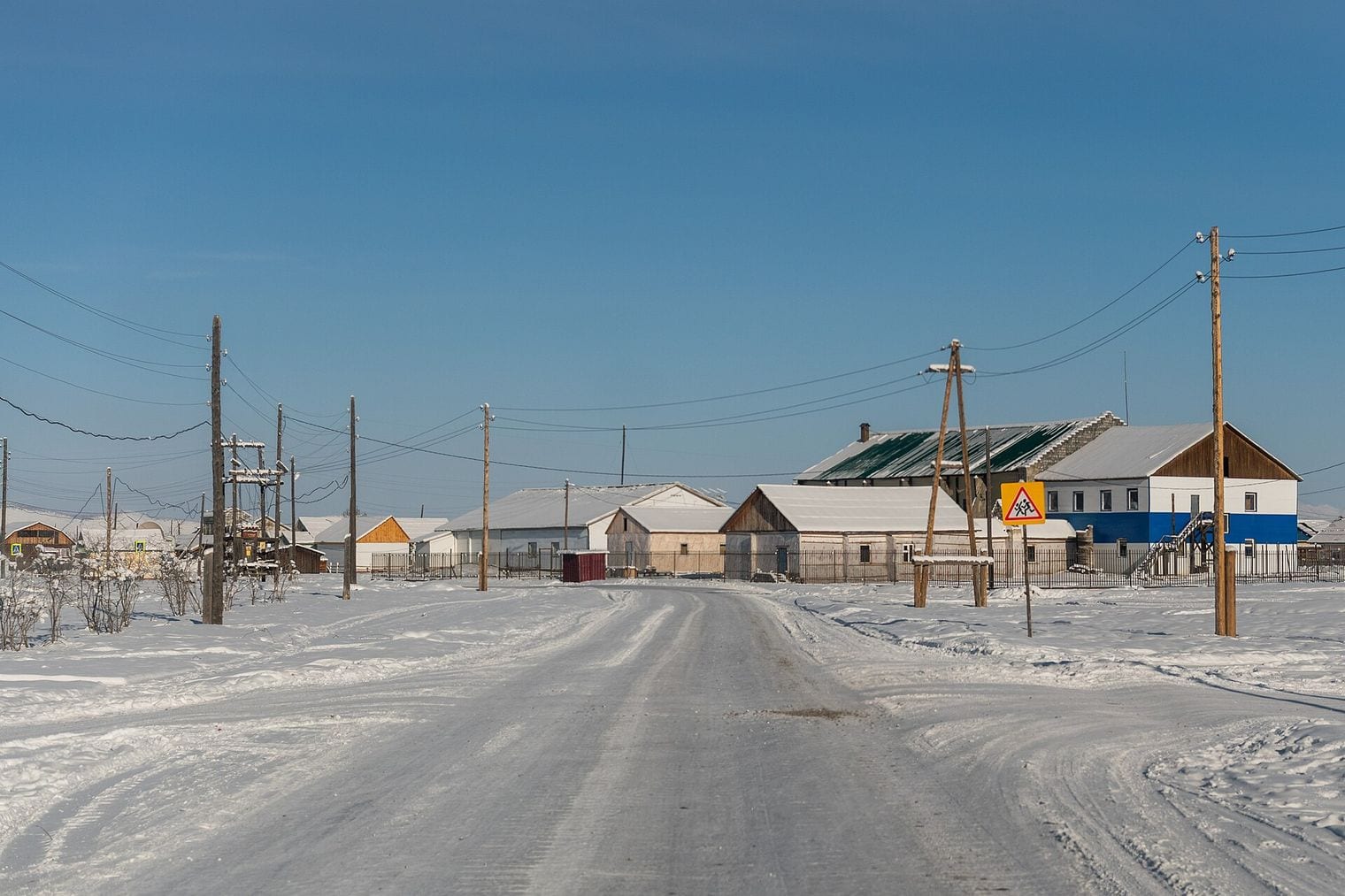
At −67.7 °C on 6 February 1933, Oymyakon finishes a tenth of a degree behind Verkhoyansk and is the better known of the two claimants to the Pole of Cold. A colder figure of −71.2 °C is often quoted for the village and appears on a monument there, but it was reconstructed rather than measured at the time and no meteorological authority recognises it, so the 1933 reading is the one ranked here.
Roughly five hundred people live in the valley, which traps cold air and holds it. Vehicles are often left running rather than switched off, the school stays open through most of the winter, and the ground is frozen so deep that it has to be thawed before a grave can be dug. The village has become a genuine, if demanding, destination for travellers who want to feel what deep cold does to a face.
At −65.3 °C on 25 February 2026, Summit Station recorded the coldest temperature in its own history, and the coldest reading anywhere in the Northern Hemisphere that winter. The American research station sits near the apex of the Greenland ice sheet, more than three kilometres above sea level and hundreds of kilometres from open water in every direction.
It is worth being precise about what Summit does and does not hold. The Northern Hemisphere record is −69.6 °C, set in December 1991, and it belongs to Klinck — a separate automatic station near the same summit, not to Summit itself. Summit has been staffed year-round since 2003, usually by a winter crew of about five people, who keep an atmospheric and ice-core monitoring programme running in the dark.
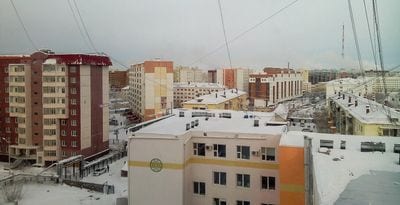
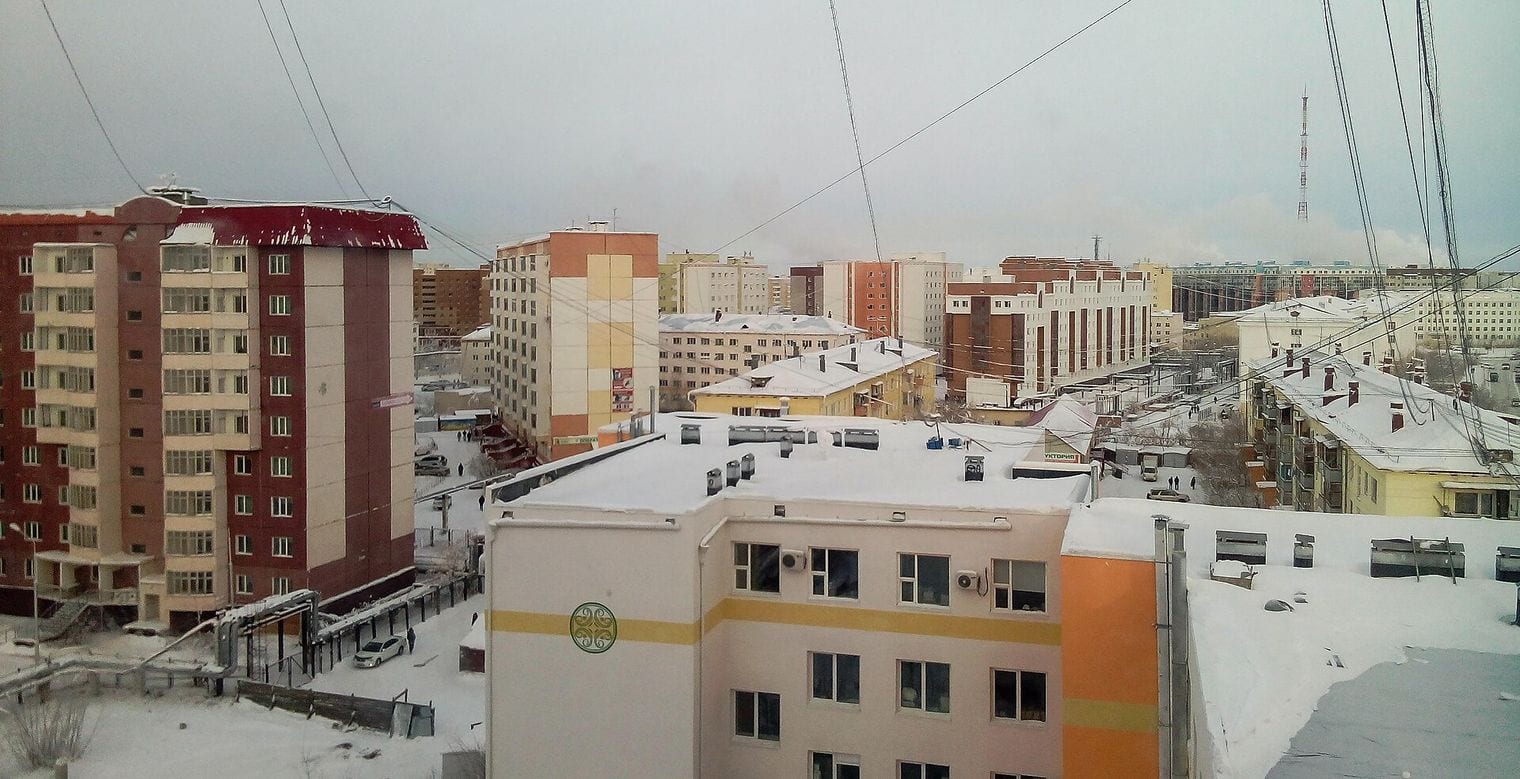
At −64.4 °C, recorded on 5 February 1891, Yakutsk is the coldest city on Earth and, with around 355,000 residents, overwhelmingly the largest place on this list. Everywhere else here is a village, a hamlet or a research base; Yakutsk is a regional capital with universities, theatres and apartment blocks, all of it operating at temperatures that would shut most cities down.
The city is built on continuous permafrost, so buildings stand on concrete piles driven deep into the frozen ground, holding them clear of the surface that would otherwise thaw beneath them and pull them apart. In winter the Lena River freezes hard enough to be used as a road, and when it thaws in spring the ice crossing disappears and the overland link goes with it.
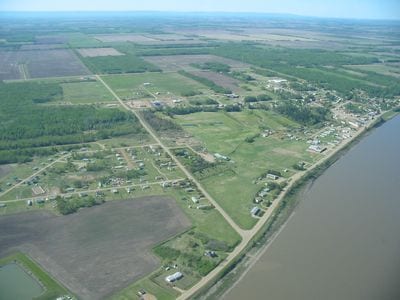
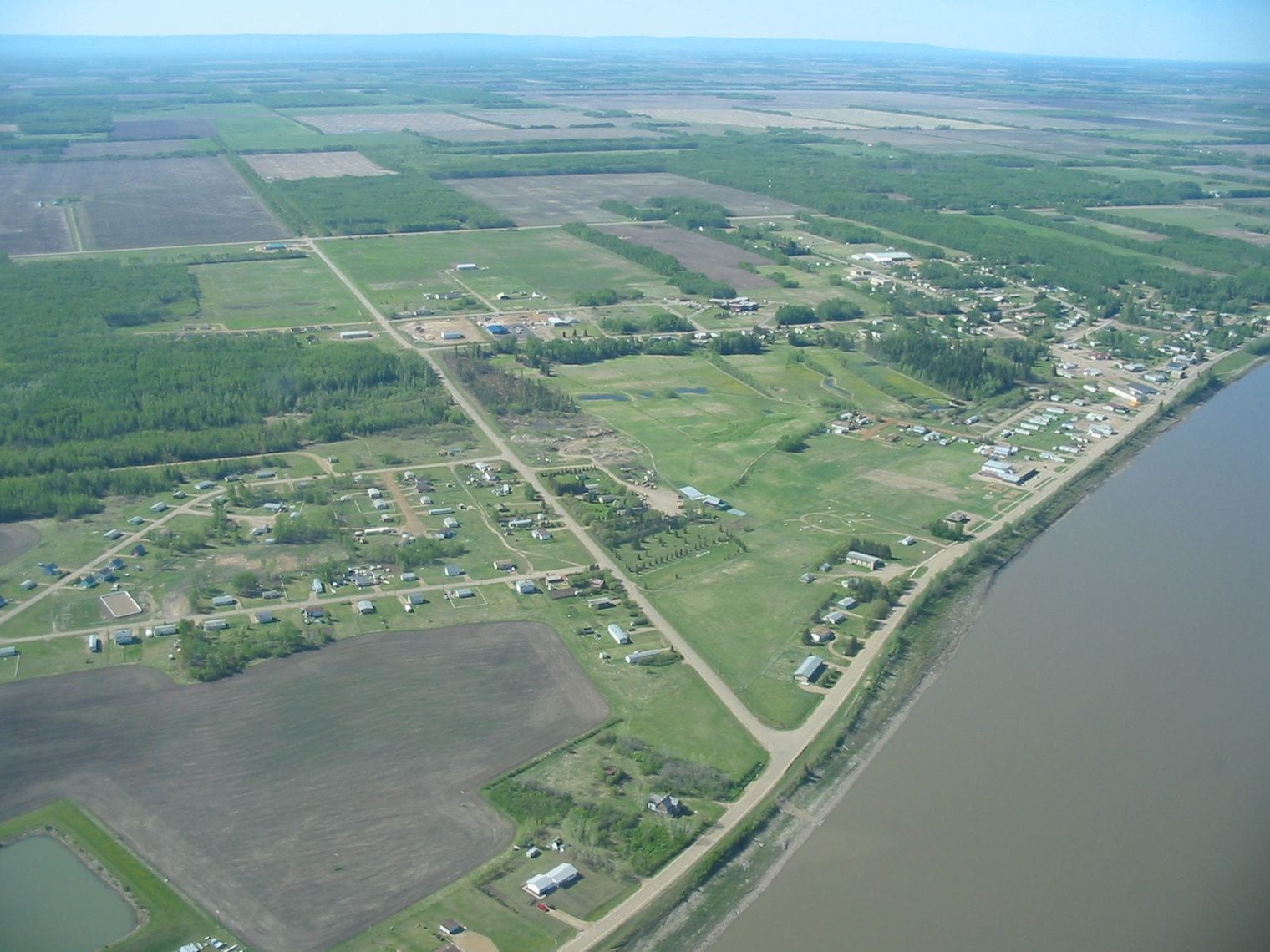
At −61.1 °C on 11 January 1911, Fort Vermilion set the Canadian national record, and it shares this figure exactly with Fort Yukon in Alaska — both readings are precisely −78 °F, taken a continent apart and twenty-three years apart. The tie is broken here by date, so the earlier of the two takes the higher rank.
The hamlet sits on the Peace River in northern Alberta and is among the oldest continuously settled places in the province, established as a fur-trade post in the late eighteenth century. Around 750 people live there today. Unlike most entries on this list it is genuinely easy to reach — a road runs to it — which makes it one of the few places here where you could stand on the spot a record was set without mounting an expedition.
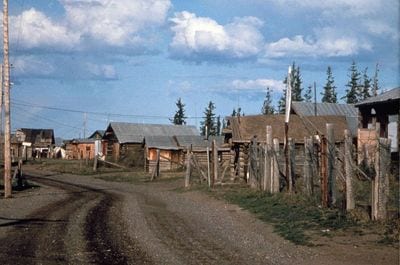
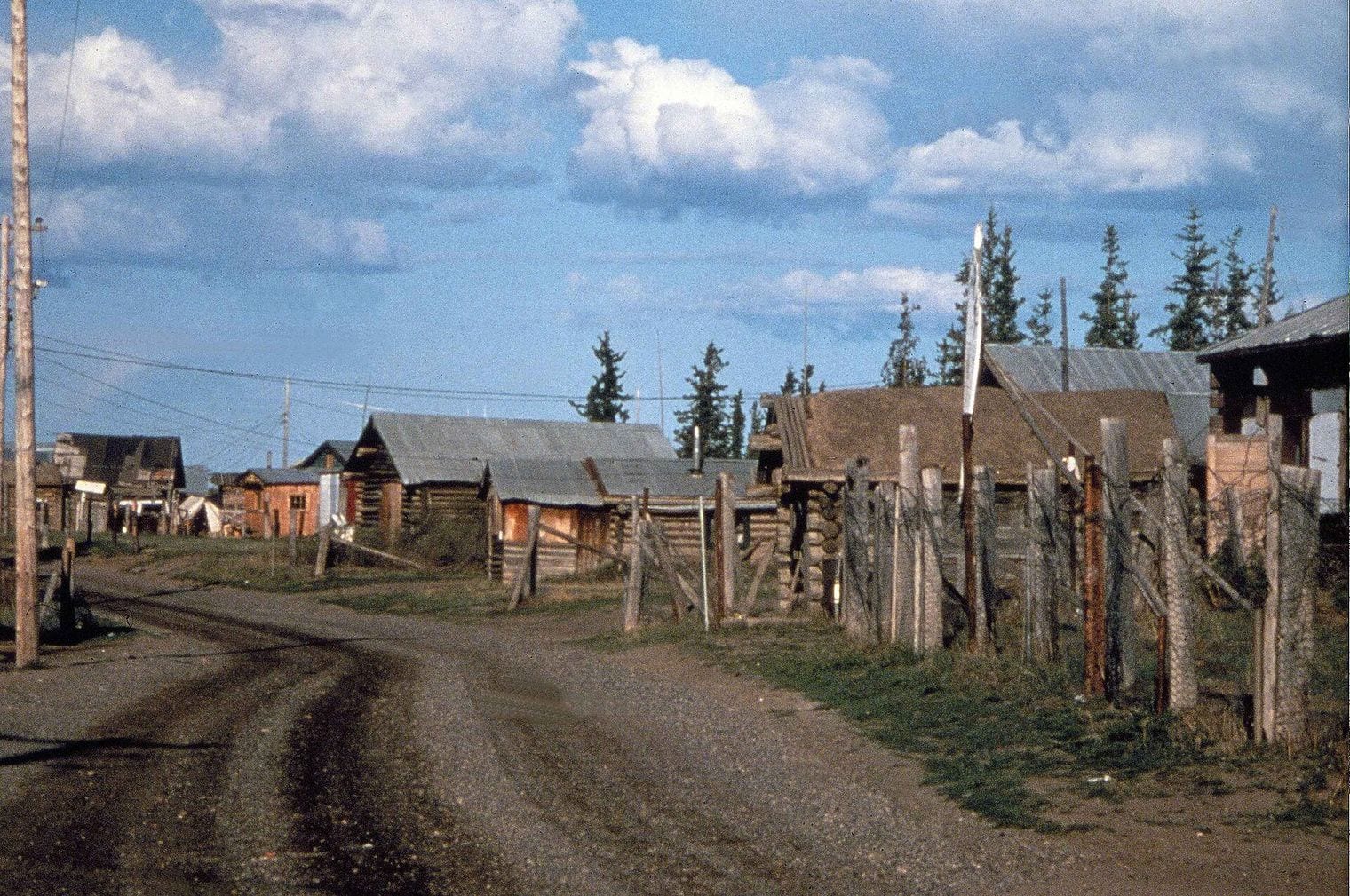
At −61.1 °C, Fort Yukon matches Fort Vermilion to the decimal, both figures being exactly −78 °F. The Alaskan reading dates from January 1934 and stood as the United States record until Prospect Creek went lower in 1971 — but Prospect Creek is an empty pipeline camp, so Fort Yukon is the coldest inhabited place in the country.
The village lies on the Yukon River just above the Arctic Circle and is the largest Gwich'in community in Alaska, with a little over four hundred residents. It also holds the opposite Alaskan record: 100 °F, set in June 1915, the highest temperature ever recorded in the state. No other place in Alaska comes close to that range, and there is no road in — access is by air or by river.
At −58.1 °C on 31 December 1978, Ust-Shchugor holds the lowest temperature ever recorded in Europe. The distinction depends on where you draw the continental boundary: the settlement lies in the Komi Republic on the western side of the Ural Mountains, which places it in Europe by the conventional line, even though its climate is thoroughly Siberian.
It is also the smallest community on this list by a wide margin. The 2021 census counted thirteen residents. The settlement sits on the Pechora River in dense taiga with no road connection, and the weather station that took the reading has outlasted most of the village around it — a reminder that a record needs an observer, and that some of the coldest inhabited corners of the world are inhabited by very few people indeed.
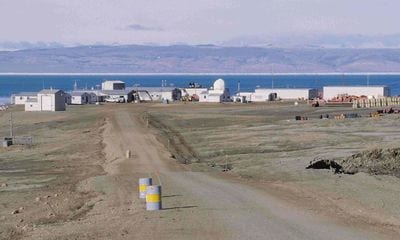
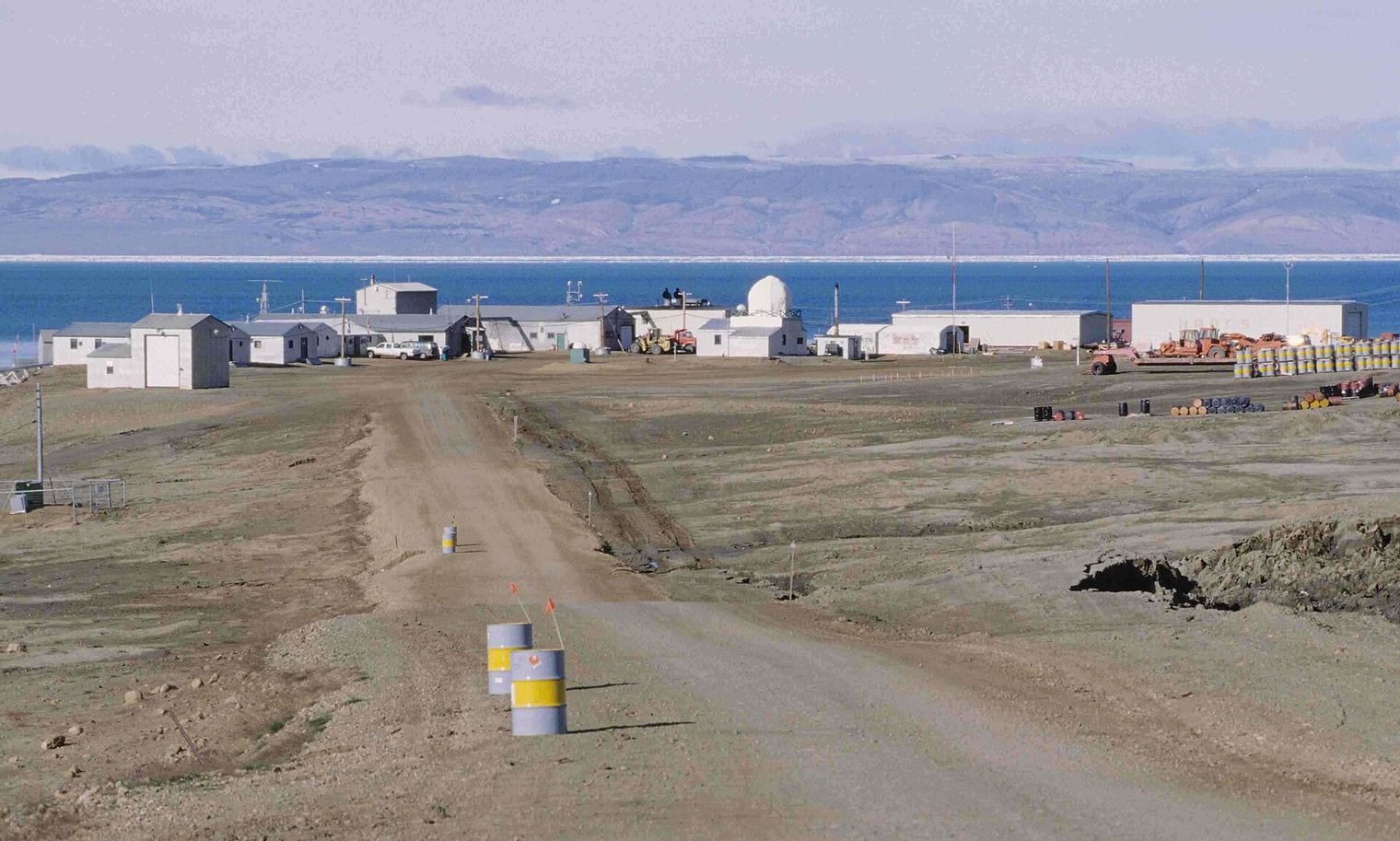
At −55.3 °C on 15 February 1979, Eureka recorded its lowest temperature, but the number undersells it. Eureka has the lowest average annual temperature of any weather station in Canada — colder, year in and year out, than places that have posted deeper single readings. Consistency, not the extreme, is what makes it remarkable.
The station stands on Ellesmere Island above the 80th parallel and has been staffed since 1947, making it one of the northernmost inhabited places on the planet. It is nicknamed the Garden Spot of the Arctic, which sounds like a joke and is only half of one: sheltered from the worst of the wind, the surrounding fjordland supports more plant and animal life than the latitude suggests. The sun does not rise for months at a time.
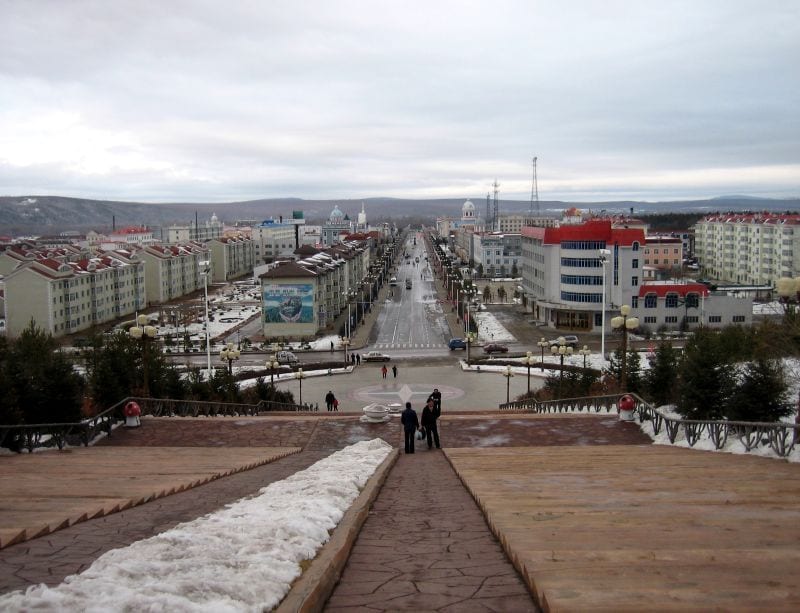
At −53.0 °C on 22 January 2023, Mohe recorded the lowest temperature in Chinese history, breaking a national record of −52.3 °C that had stood since 1969 — and breaking its own, since the earlier mark was set in the same place. It is the warmest entry on this countdown and the only one in China.
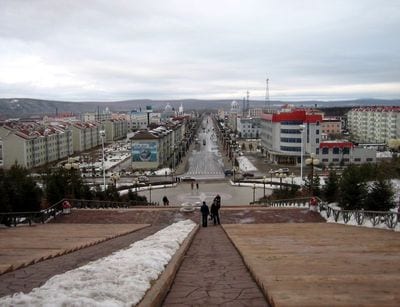
Mohe is the northernmost city in the country, sitting on the Amur River across from Russia in Heilongjiang province, and it markets itself frankly as the Chinese North Pole. Winter tourism is a real industry here: visitors come for the ice, the long nights and an outside chance of the aurora, which is visible from Chinese territory about as reliably here as anywhere. The 2020 census counted just over 54,000 residents across the wider city area.
FAQ: The World's Coldest Places
What is the coldest place on Earth?
Vostok Station in Antarctica, where the air fell to −89.2 °C (−128.6 °F) on 21 July 1983. It remains the lowest air temperature ever officially recorded anywhere on the planet, and no station has come within four degrees of it in the four decades since.
What is the coldest inhabited place in the world?
Verkhoyansk in the Sakha Republic, at −67.8 °C, edging out nearby Oymyakon by a tenth of a degree. The two Siberian towns have disputed the title of Pole of Cold for over a century. Both remain permanently inhabited, with populations of roughly a thousand and five hundred respectively.
Why is the −98 °C Antarctic reading not the record?
Because it measures a different thing. That figure comes from satellites reading the temperature of the snow surface itself. An official weather record is the air temperature roughly a metre and a half above the ground, taken by thermometer at a named station, so the two numbers are not comparable.
Can you actually visit any of the coldest places in the world?
Several, yes. Oymyakon and Yakutsk both receive winter visitors, Mohe in China markets itself as a cold-weather destination, and Fort Vermilion in Alberta has a road to it. The Antarctic and Greenland research stations are working scientific bases and are not open to travellers.
What is the coldest temperature ever recorded in the United States?
−62.1 °C (−79.8 °F) at Prospect Creek, Alaska, on 23 January 1971. Prospect Creek is an empty pipeline construction camp, though, so the coldest inhabited place in the country is Fort Yukon, which reached −61.1 °C (−78 °F) in January 1934.