We build and rank every list first. Booking links come after, and only where
a partner sells a ticket, tour or stay for that exact place, so a place with
nothing to book is listed exactly as prominently as one you can book.
So how do we earn? Some links on this page go to booking
partners, and if you book tickets, tours or a stay through
one, we may earn a commission. It costs you nothing extra.
That commission never decides which places make the list, the order they
appear in, or what we write about them. No entry is sponsored or a paid
placement.
By the City Viking editorial teamPublished Ranked by depth · 19 min read
Last verified Checked before launchOct 30, 202624 sources6 publishers3 government & parks18 encyclopedias & research3 venues & other sitesPublished · Nov 3, 2026Researched and checked before it went liveClick for every source and the full change log.
The record
deepest depth reaches 6,009 m19,715 ft
Yarlung Tsangpo Grand Canyon
China
The record
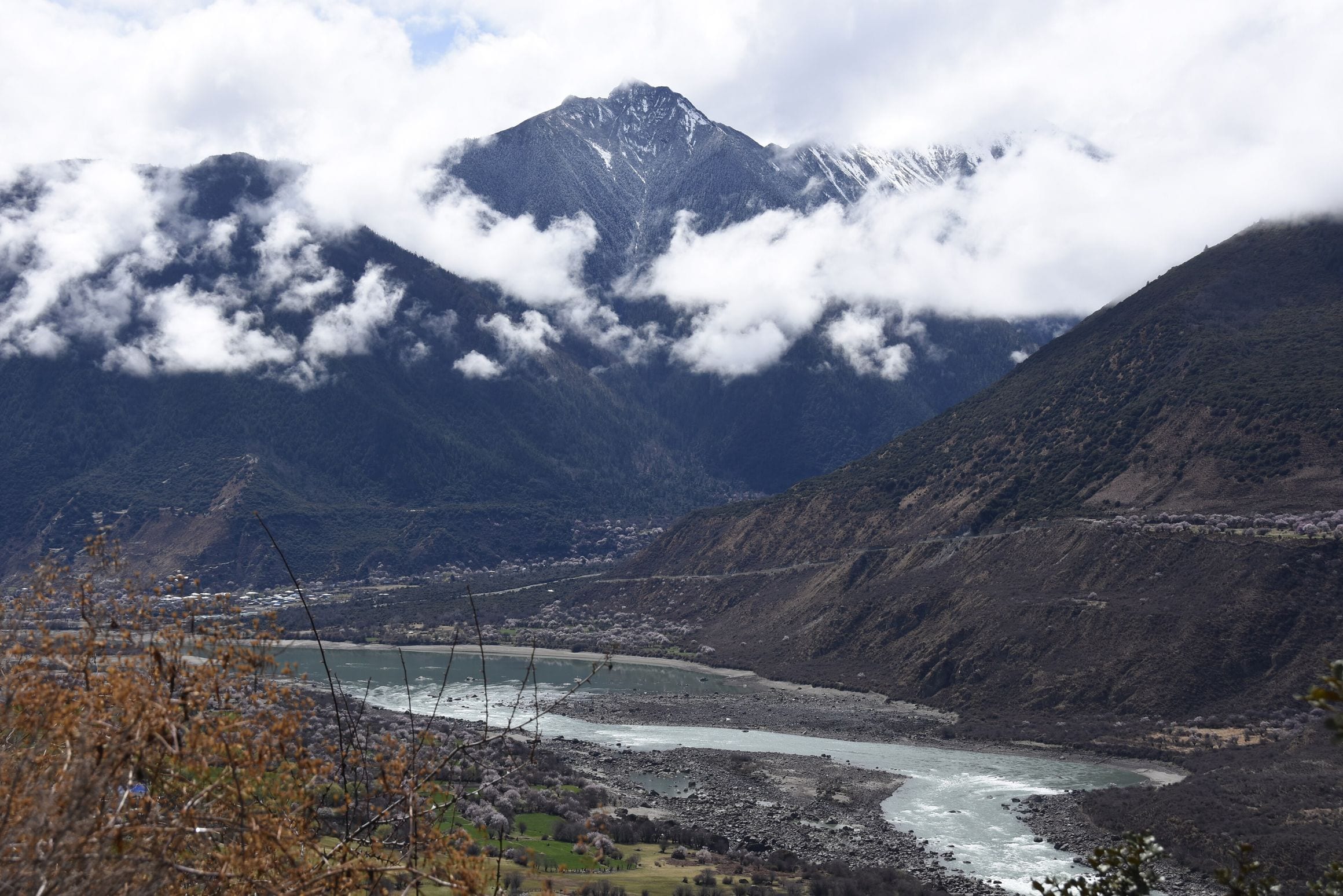
The deepest canyon in the world is the Yarlung Tsangpo Grand Canyon, in China — deepest depth reaches 6,009 m (19,715 ft), depth.
Source: edb.gov.hk. Verified .
Short answer
The Yarlung Tsangpo Grand Canyon in Tibet is the deepest canyon in the world, 6,009 metres at its deepest on China's national mapping figure (Guinness gives 5,382 metres), ahead of Nepal's Kali Gandaki Gorge at 5,571 metres. For a deep canyon you can see without an expedition, visit Peru's Colca Canyon or hike Tiger Leaping Gorge in Yunnan.
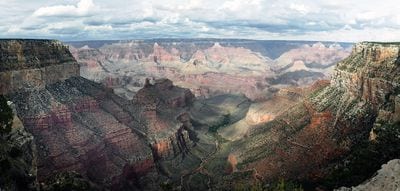
Ask for the deepest canyon in the world and most people picture Arizona, yet the Grand Canyon, at 1,829 metres from rim to river, comes 16th here, level with a gorge in Mexico. This countdown ranks 24 river canyons by the greatest depth a national survey, a scientific paper or a record body has published, from the Yarlung Tsangpo Grand Canyon in Tibet at 6,009 metres down to Mexico's Sumidero Canyon at 1,000 metres.
Depth runs from the highest rim point, or from the summit that walls the gorge, down to the river, so Tiger Leaping Gorge counts its 3,790 metres up to the top of Jade Dragon Snow Mountain; each entry names its method and any disagreement.
Mexico's Copper Canyon is a system, so its deepest barrancas rank one by one. Only river-cut canyons count, which leaves out submarine canyons, ocean trenches and Antarctica's ice-buried Denman trench, along with the Indus Gorge below Nanga Parbat, whose famous 6,930 metres is the mountain's relief, not the gorge's depth.
Guinness gives the deepest canyon a smaller number. Guinness World Records names the Yarlung Tsangpo Grand Canyon the deepest valley at 5,382 metres, the depth explorers found in 1994, while China's National Bureau of Surveying and Mapping puts its deepest point at 6,009 metres.
The Barranca del Cobre is not the deepest part of Copper Canyon. Chihuahua's state government puts the barranca that gave the system its name at 1,300 metres; the name spread because the view from the railway's Divisadero station, which looks into the deeper Urique Canyon, was mistaken for it.
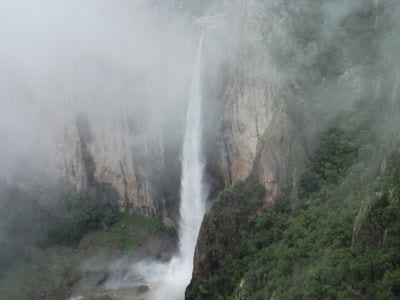
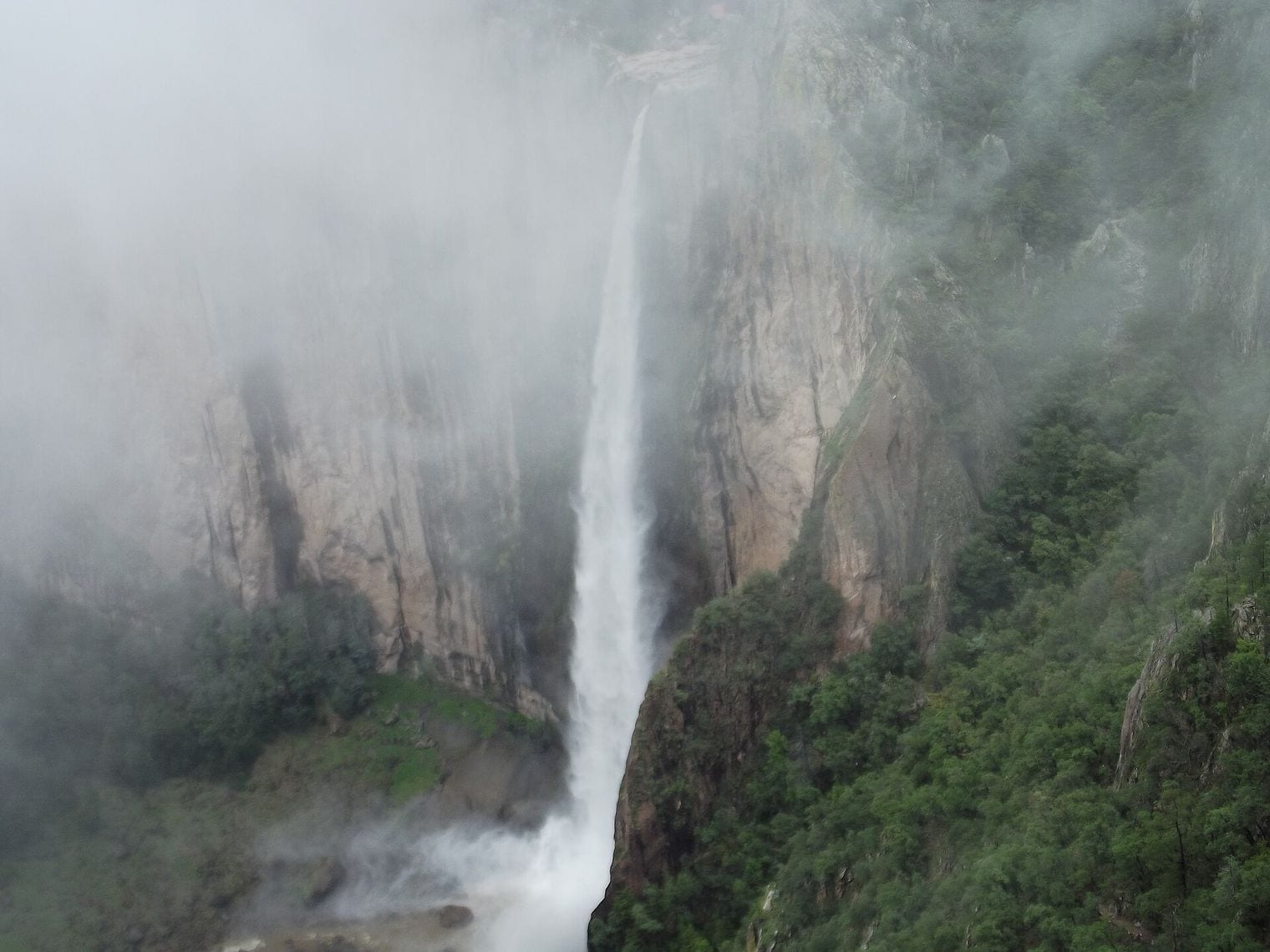
One canyon holds Mexico's two highest waterfalls. Piedra Volada, at 453 metres, and Basaseachic, at 246 metres, both pour into Candameña Canyon in western Chihuahua.
The last Inca rope bridge is rewoven every year. Villagers near Huinchiri renew Queshuachaca, a bridge of grass ropes over the river that cut the Apurímac Canyon, keeping an Inca technique alive.
No bridge crosses Hells Canyon. North America's deepest river gorge, Hells Canyon on the Snake River, is mostly out of reach by road, so jet boats and rafts are the usual way in.
Four students spent 14 days lost in a Turkish canyon. In 1994 four Istanbul Technical University students emerged from Valla Canyon at Cide two weeks after going missing, and called it a "wild paradise".
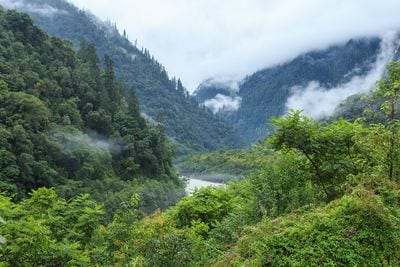
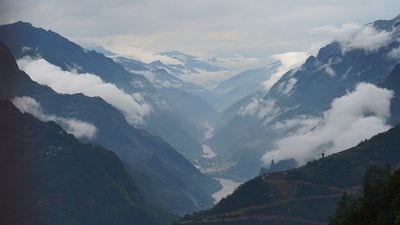
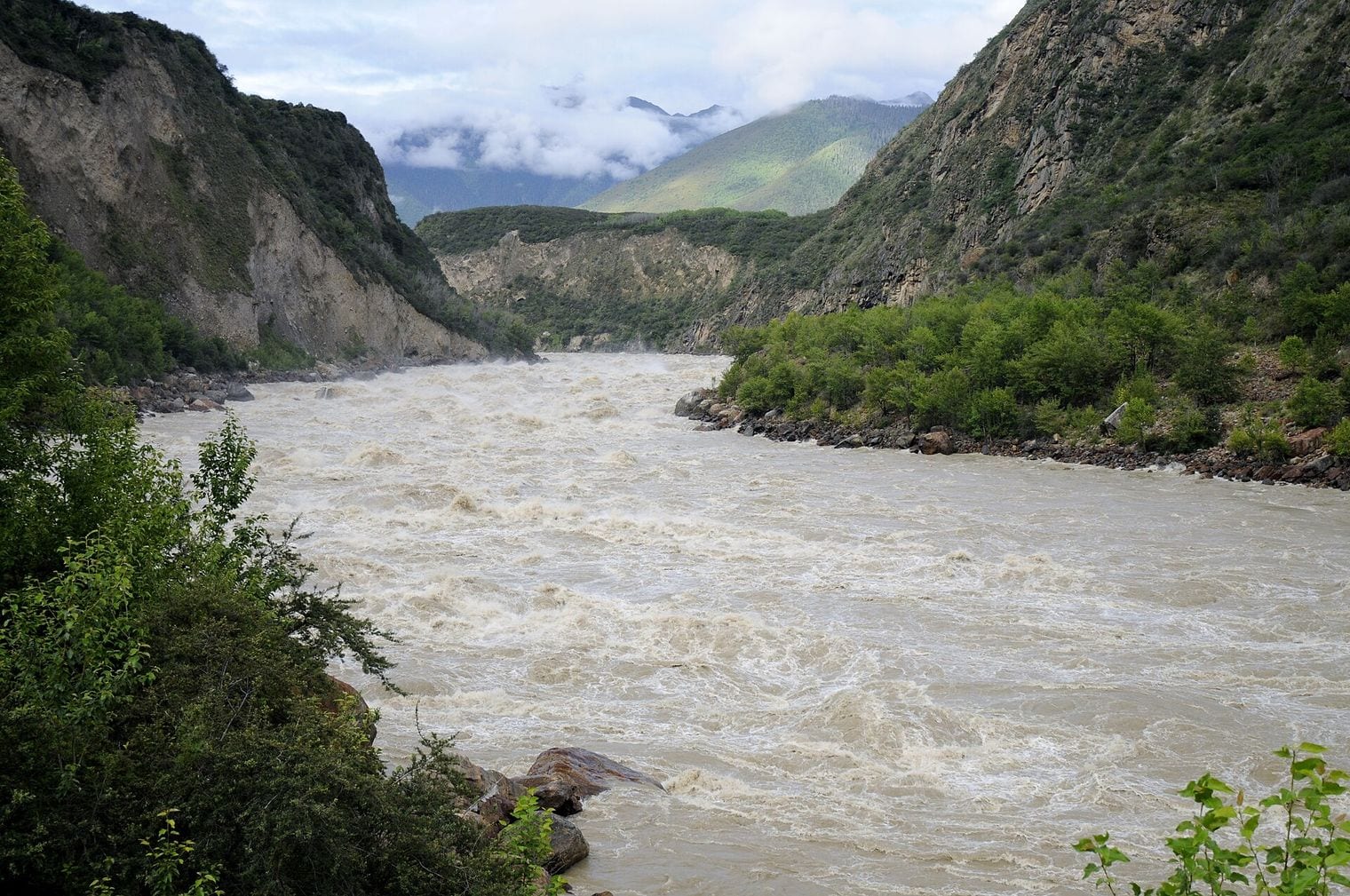
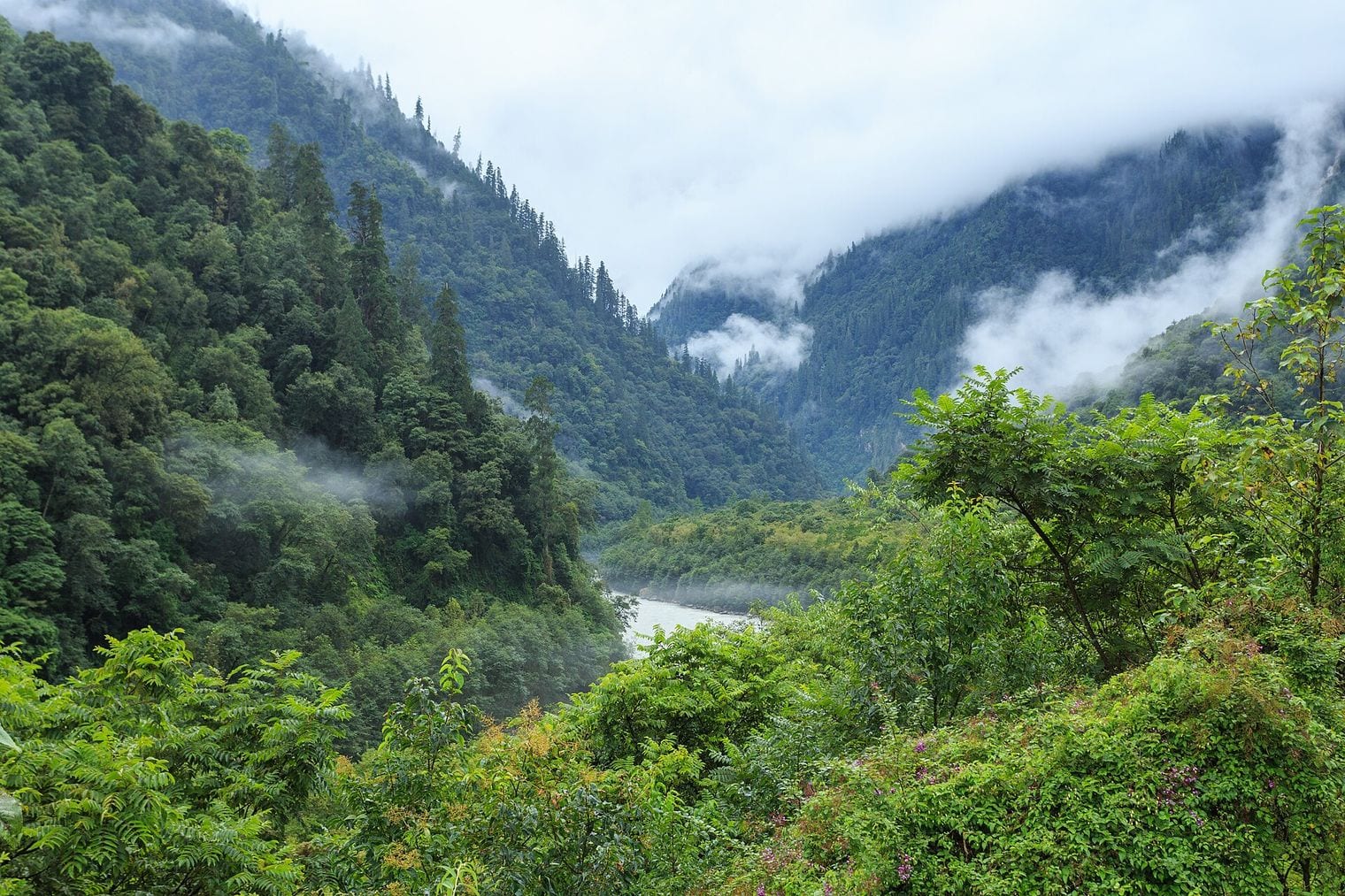
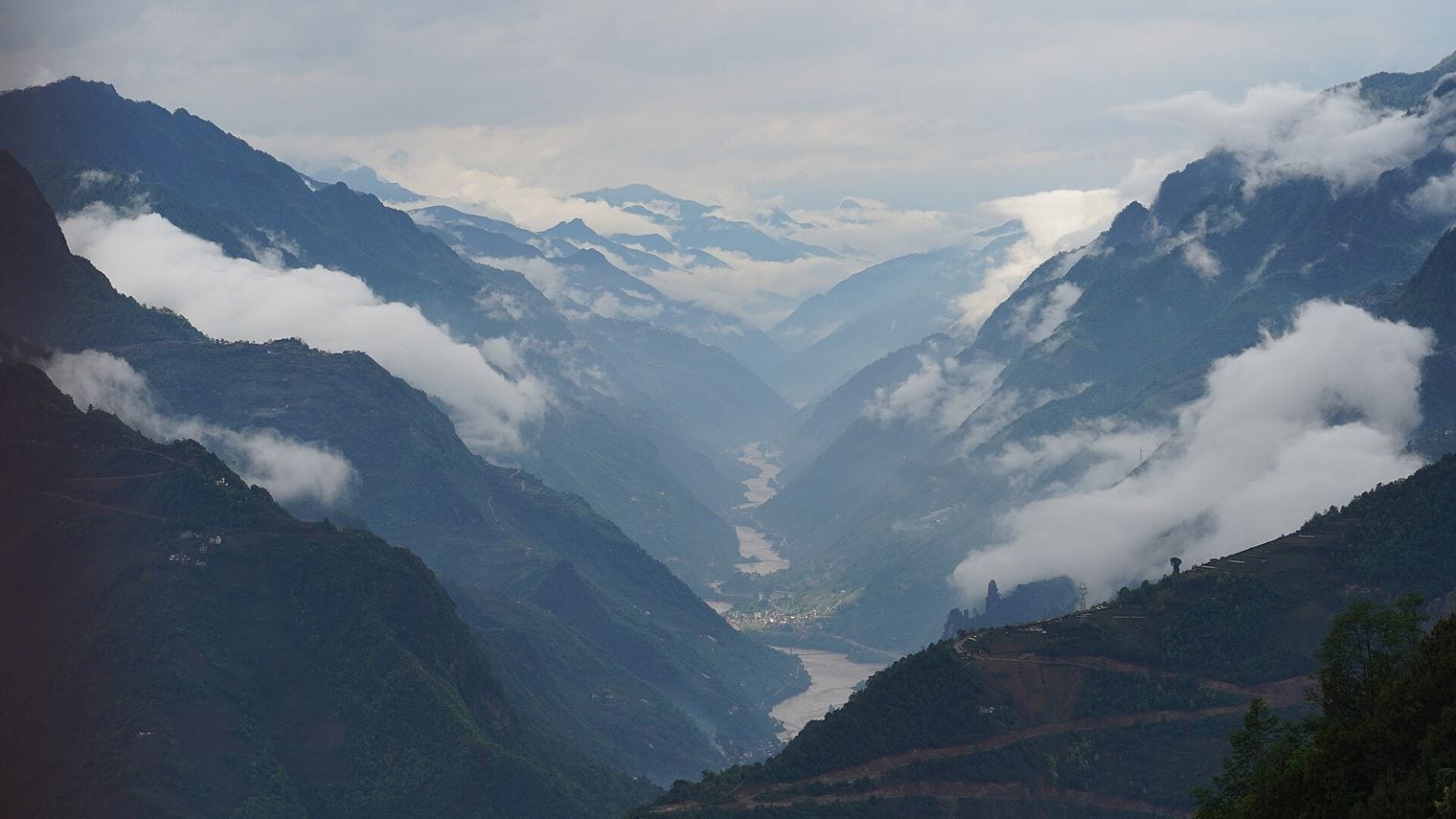
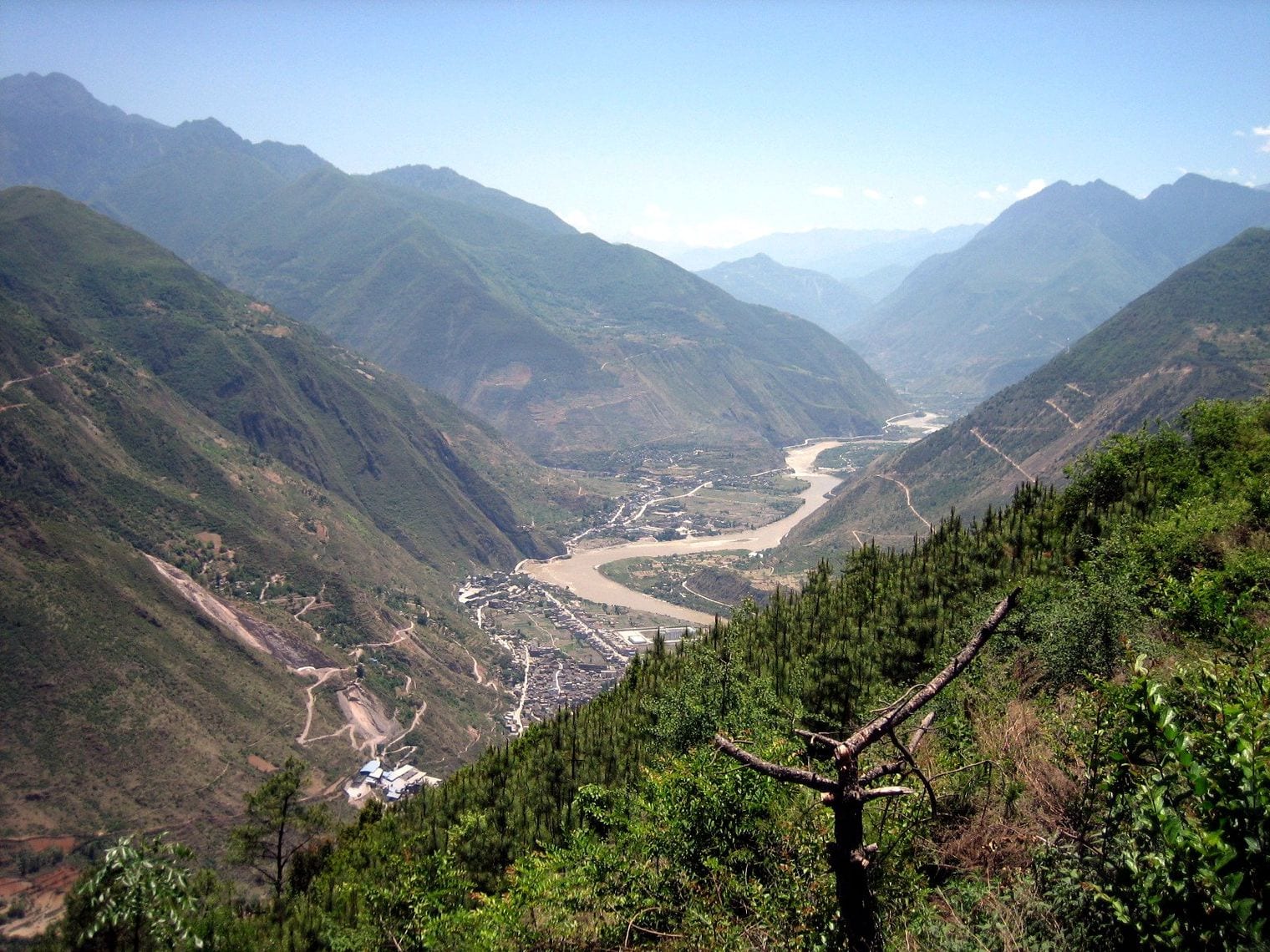
At 6,009 metres19,714 feet at its deepest, the Yarlung Tsangpo Grand Canyon in south-eastern Tibet is the deepest canyon on Earth on the figure published by China's National Bureau of Surveying and Mapping. Guinness World Records, which also names it the deepest valley, gives a lower 5,382 metres17,657 feet, the depth explorers found in 1994.
Neither source spells out its reference points, but the depth is measured from the mountains that wall the gorge rather than from a flat rim: the river bends around Namcha Barwa, a 7,782-metre peak, on its way out of the Himalayas.
On the Guinness figure, some measures of Nepal's Kali Gandaki Gorge, next on this list, come out deeper. The canyon runs for 504.6 kilometres, slightly longer than the Grand Canyon, and averages about 2,268 metres deep along its whole length as the Yarlung Tsangpo, the upper course of the Brahmaputra, drops toward India.
Kayakers have run parts of it, and in 1998 an expedition sponsored by the National Geographic Society tried to kayak the entire gorge. China has declared a nature reserve over the canyon, and in July 2025 it began building the huge Medog hydropower project on the river's lower course.
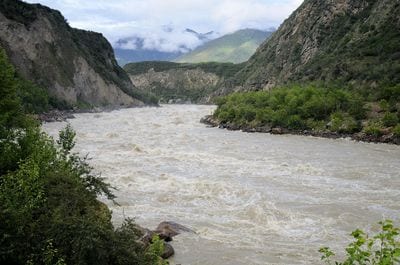
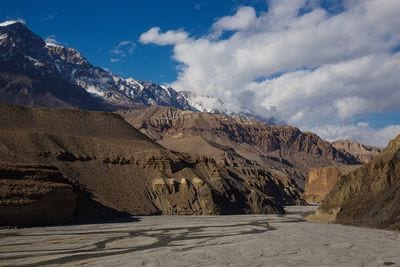
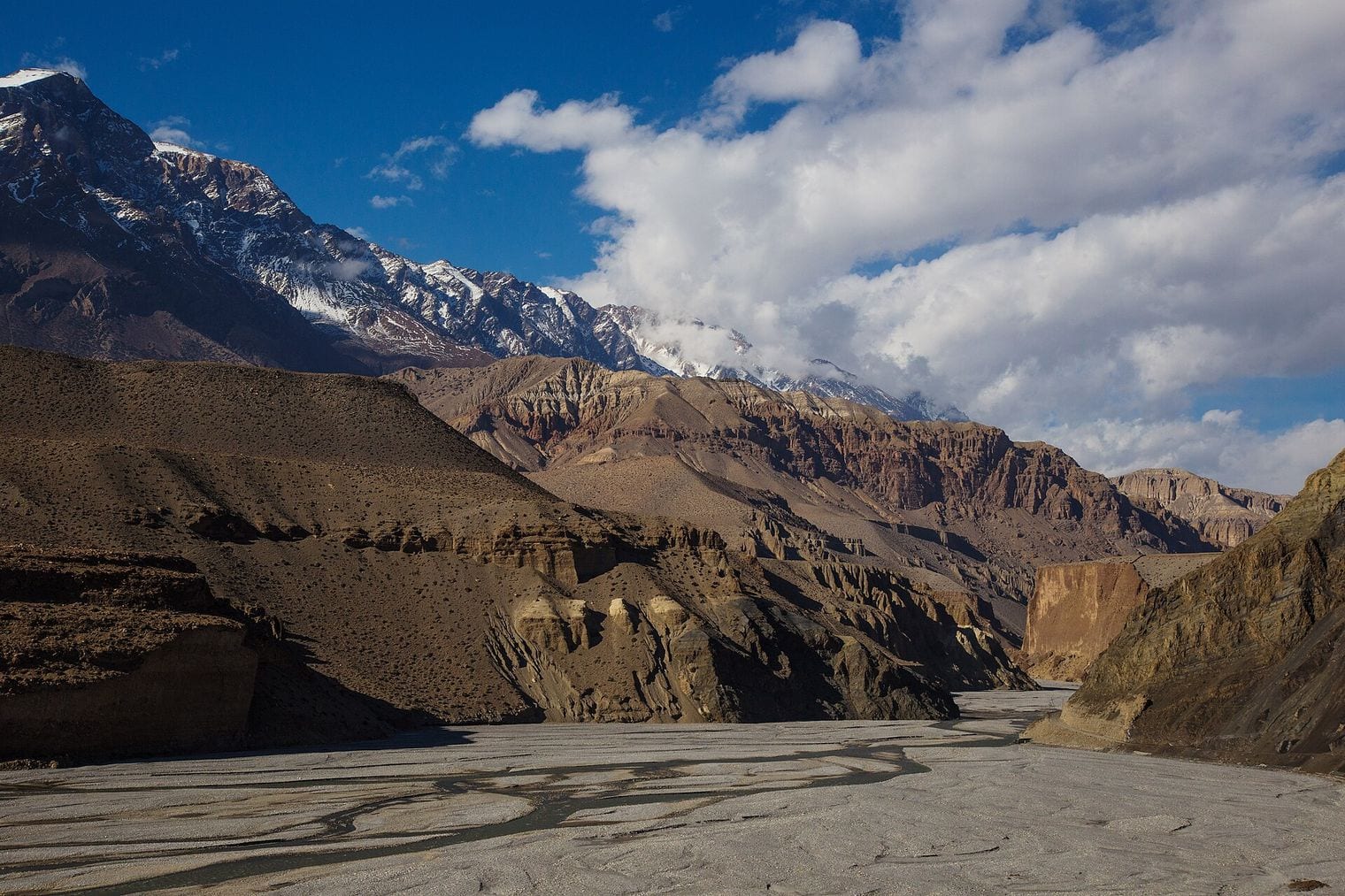
At 5,571 metres18,278 feet below the summit of Annapurna I, the Kali Gandaki Gorge in Nepal is measured from a named peak: the river runs at 2,520 metres between Annapurna I to the east and Dhaulagiri, at 8,167 metres, to the west.
By other measures it is deeper still and could outrank the Yarlung Tsangpo: a 2014 geology paper in the Journal of the Virtual Explorer describes a gorge more than 6,000 metres deep, and other estimates reach 6,400 metres.
The river flows south out of the old kingdom of Mustang through a sheer-sided canyon below its capital, Lo Manthang, then on past Jomsom, Marpha and Tukuche to the deepest stretch near Lete, about 7 kilometres south of Tukuche. The upper gorge is also called Thak Khola, after the Thakali people who grew prosperous on trans-Himalayan trade, and geologically the whole gorge sits within a structural graben.
33. Apurímac Canyon
Apurímac / Cusco regions, Peru
El Cañón del Apurímac, tiene tres máximas depresiones: 4691m, 4191m y 3907m15,390 ft
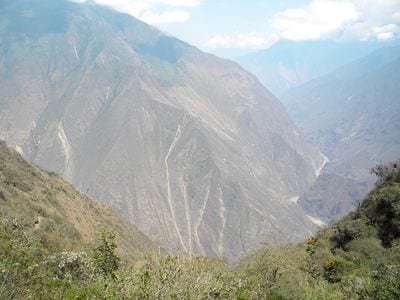
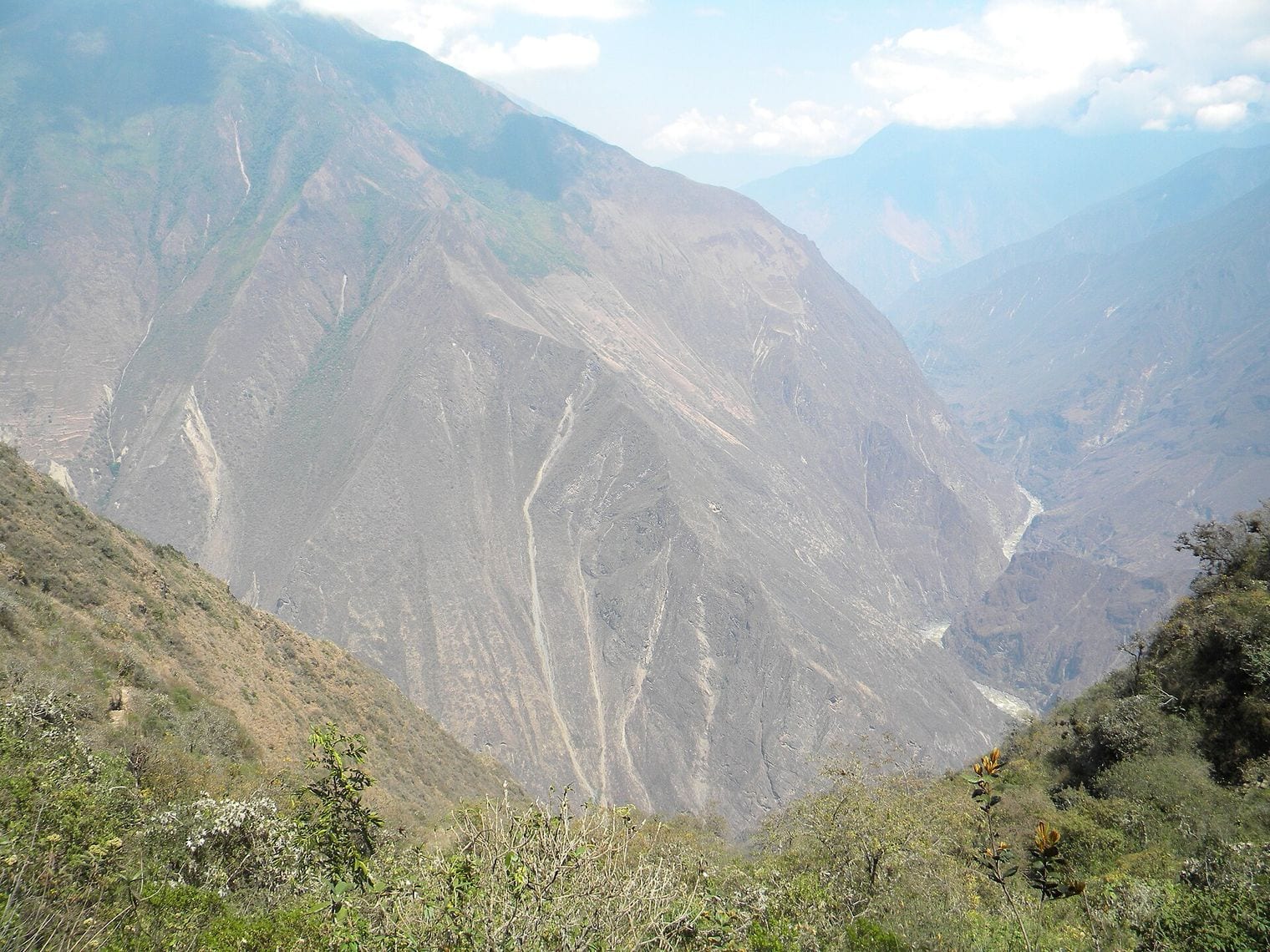
At 4,691 metres15,390 feet, the deepest of three depressions Peru's tourism ministry lists for it, the Apurímac Canyon is the deepest canyon in the Americas on that figure.
Sources disagree widely: the ministry's other two maxima are 4,191 and 3,907 metres, the regional government uses 3,907 metres, and Wikipedia speaks of gorges up to 3,000 metres deep, so on the lower figures Colca, next on this list, would come out deeper. None of them names the peak the depth is measured from.
The Apurímac River rises from glacial meltwater on the ridge of Mismi, a 5,597-metre mountain in Arequipa, and has been considered the most distant source of the Amazon; its name comes from the Quechua for 'the chief oracle'. On the upper river near Huinchiri, villagers renew Queshuachaca, the last remaining Inca rope bridge, from grass ropes every year.
44. Colca Canyon
Caylloma Province, Arequipa, Peru
With 4160 meters depth, the Colca Canyon is the second deepest in the world (13,648 ft)
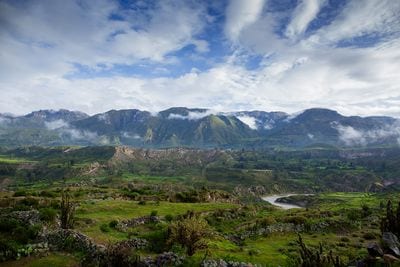
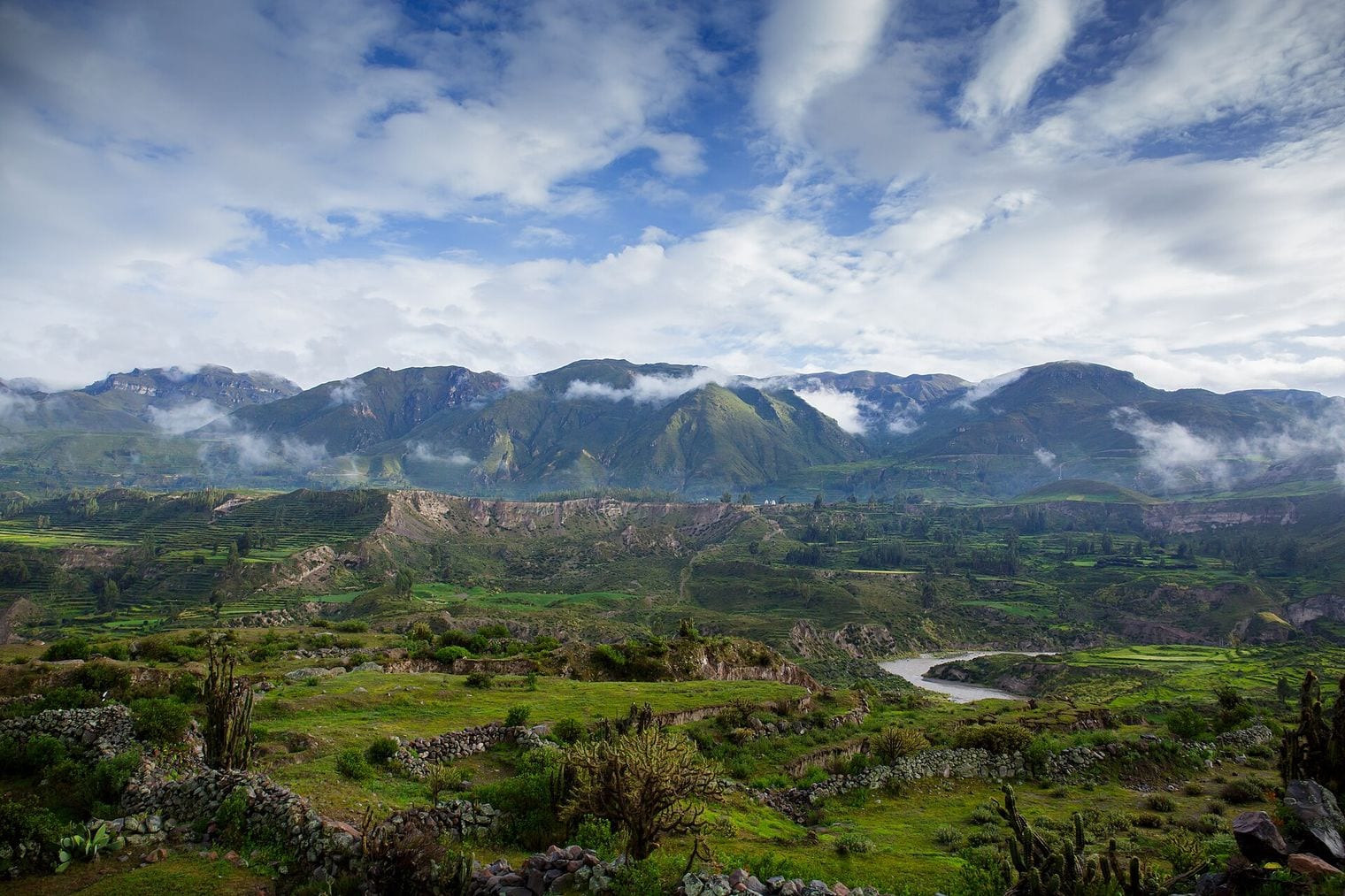
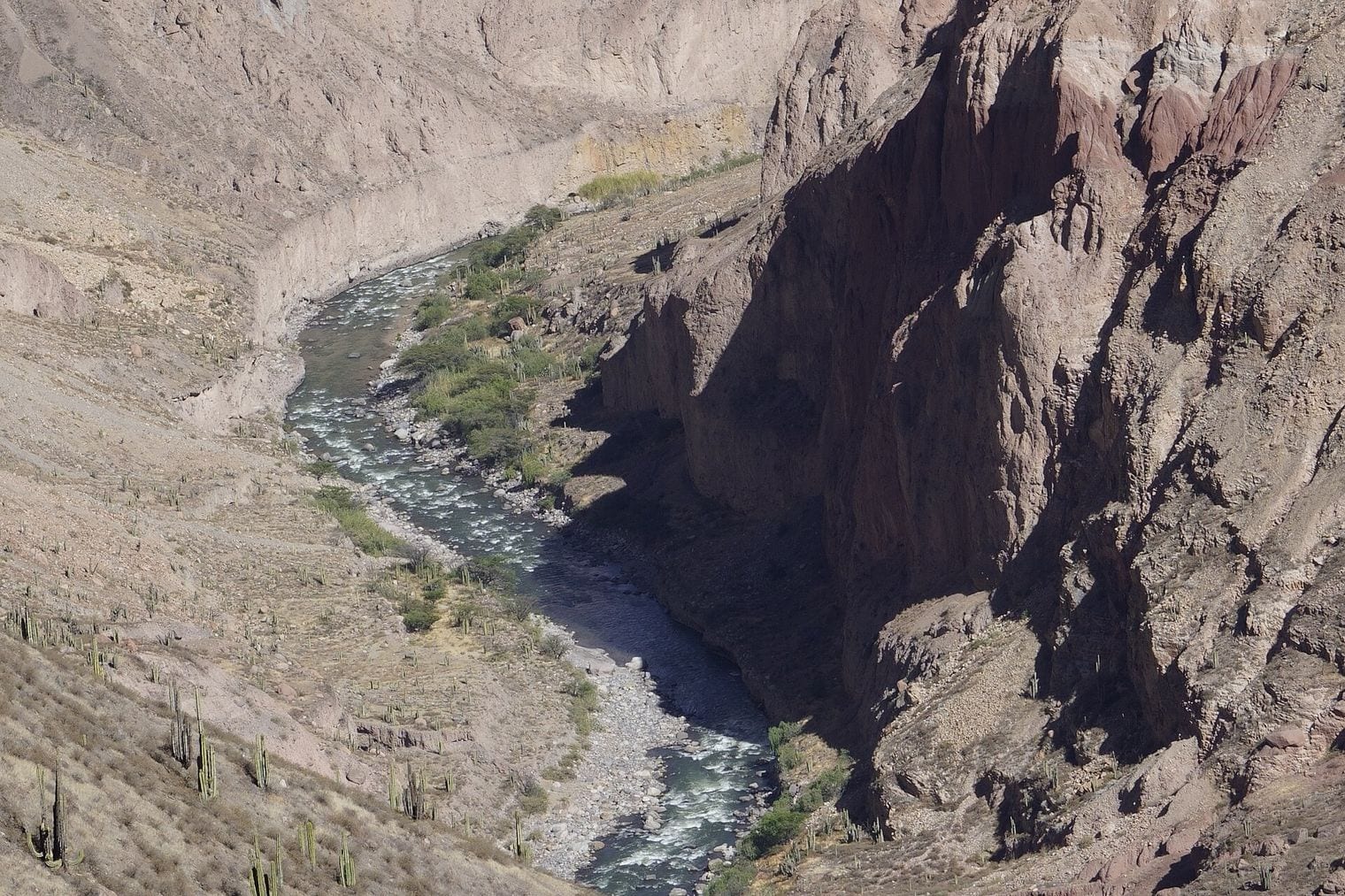
At 4,160 metres13,648 feet, the figure Peru's tourism board PromPerú publishes, measured at the Canco sector in Huambo district, the Colca Canyon in southern Peru is among the deepest on Earth. Its published depths spread wider than any other entry's: about 3,270 metres from rim to river on Wikipedia, 3,232 metres in the Guinness Book and up to 4,280 metres in one ministry file, a range that overlaps both the Apurímac above it and the Parlung Tsangpo below.
The canyon lies about 160 kilometres north-west of Arequipa and runs for about 70 kilometres. Its villages, founded in Spanish colonial times, are home to people of the Collagua and Cabana cultures, who still farm pre-Inca stepped terraces, and the Cruz del Cóndor lookout is where visitors watch Andean condors glide past the walls at close range. A Polish rafting expedition made the first descent of the river below Cabanaconde in 1981.
At 4,001 metres13,127 feet, the deepest section China's Institute of Geographic Sciences and Natural Resources Research records, between the outlet of Yigong Lake and Zhaqu, the Parlung Tsangpo Gorge is Tibet's second-largest gorge after the Yarlung Tsangpo.
The depth is the mean height of the two highest peaks facing each other across the river, Gyala Peri at 7,234 metres and a 5,307-metre ridge at Zhaqu, minus the river level. Two other sections measure 3,397 and 3,271 metres, shallower than Tiger Leaping Gorge, and the 50-kilometre stretch averages 3,555 metres.
The Parlung Tsangpo is the largest left-bank tributary of the Yarlung Tsangpo, and its gorge cuts through the Nyainqêntanglha ranges of Bomê and Nyingchi, among ridges of 6,000 to 6,500 metres. Moist air from the Indian Ocean brings close to 1,000 millimetres of rain a year, enough for subtropical broadleaf forest, but glacial debris flows, rockfalls and landslides off the steep walls regularly disrupt the Sichuan–Tibet Highway, which runs through the gorge.
66. Tiger Leaping Gorge
Lijiang / Shangri-La, Yunnan, China
谷深3 790米 / maximum depth of approximately 3,790 meters (12,434 ft)
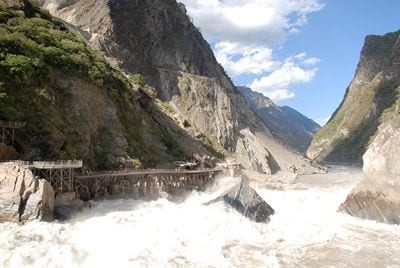
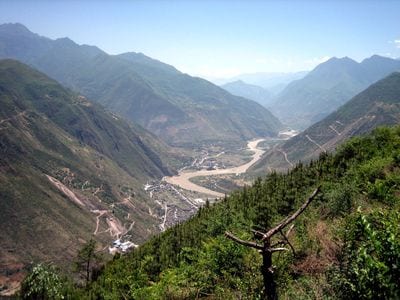
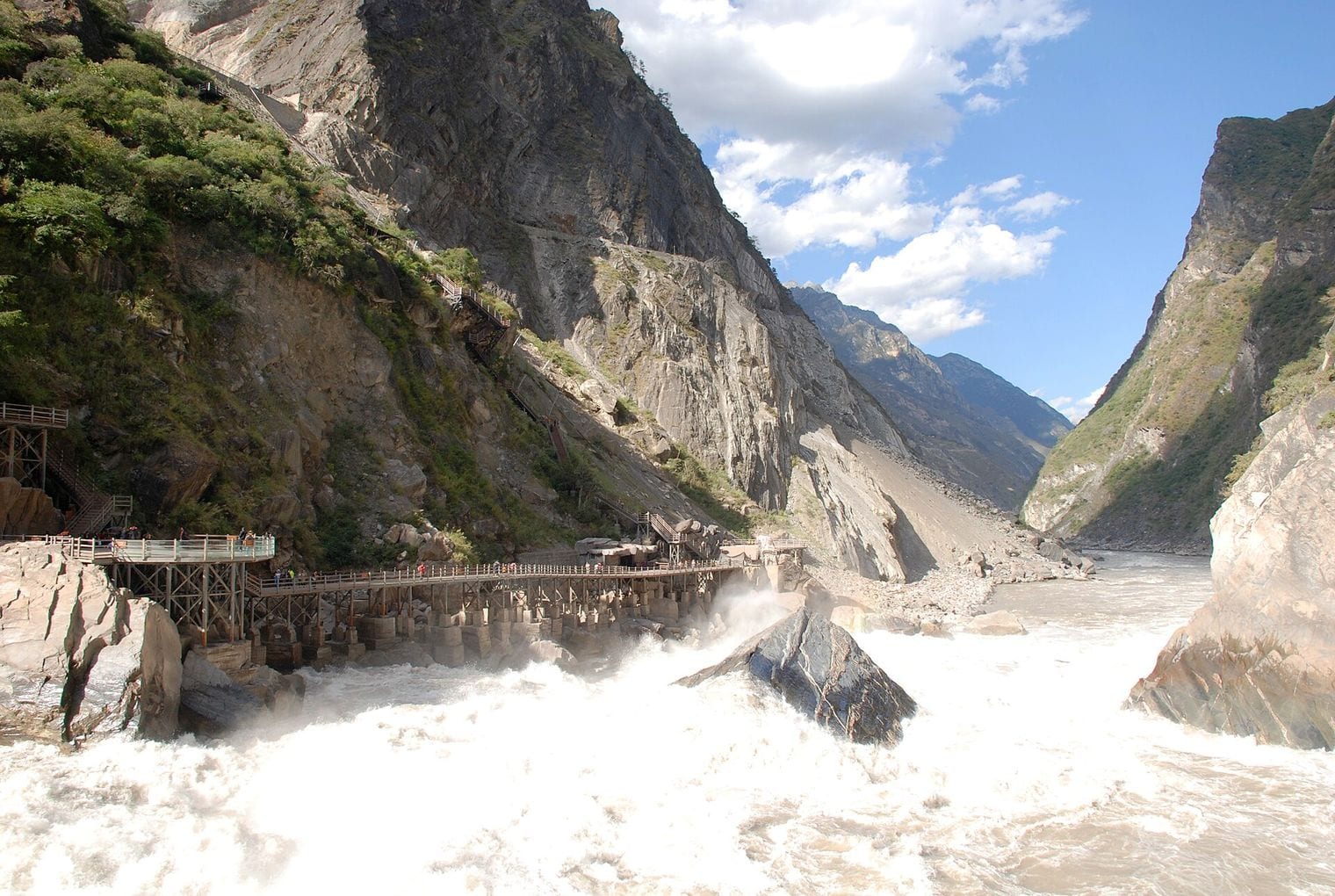
At about 3,790 metres12,430 feet from the river up to the 5,596-metre summit of Jade Dragon Snow Mountain, Tiger Leaping Gorge on the Jinsha River in Yunnan is one of the deepest river canyons in the world, a figure the Chinese Academy of Sciences and Wikipedia share. Some scenic-area and travel sources give about 3,900 metres instead.
The gorge runs for roughly 15 kilometres where the Jinsha, the upper Yangtze, squeezes between Jade Dragon and the 5,396-metre Haba Snow Mountain, about 60 kilometres north of Lijiang, in rapids under cliffs some 2,000 metres high.
Legend says a hunted tiger escaped by leaping the river at its narrowest point, still 25 metres wide, using a rock in the middle. Hiking the length of the gorge is possible, past the small Nakhi hamlets on its slopes, and it lies within the Three Parallel Rivers of Yunnan World Heritage Site.
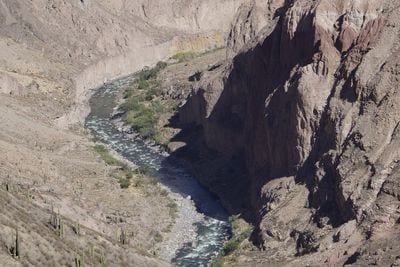
At 3,535 metres11,598 feet, measured from Cerro Acallase (5,035 metres) on its wall down to the river at 1,500 metres, the Cotahuasi Canyon in Peru's Arequipa region carries the figure on its UNESCO tentative-list file. NASA's Earth Observatory and Wikipedia give 3,354 metres below the top of the plateau, which would put it just behind the Nujiang Grand Canyon, next here; NASA calls it more than twice as deep as Arizona's Grand Canyon.
The Cotahuasi River cut the canyon between two mountain massifs, Coropuna and Solimana, on its way to join the Ocoña River near the village of Chaucalla. Inca and pre-Inca agricultural terraces are still farmed on its slopes, and the villages keep up their weaving, colonial churches, old Inca tracks and a busy calendar of festivals.
At 3,478 metres11,411 feet at its deepest cut, near Bingzhongluo in Gongshan County, the Nujiang Grand Canyon in Yunnan is the deepest stretch of the Salween, on a figure from the Chinese Academy of Sciences measured from the canyon's rim to the river. Chinese portals round it to 3,500 metres, and one English-language Kunming news site says more than 4,000 metres, a figure that would lift it above Cotahuasi.
Here the river, called the Nu Jiang in China, runs between the Gaoligong Mountains and the Nu Mountains, both above 4,000 metres, in a narrow V-shaped gorge that continues on and off for about 780 kilometres; its deepest stretch is known as the 'Oriental Grand Canyon'. The valley was one of the routes of the Ancient Tea Horse Road, and broken stretches of the old trail survive on the cliffs above the river.
At 2,600 metres8,530 feet deep yet less than 200 metres wide, the Dadu River Grand Canyon in Sichuan, also called the Jinkou Grand Canyon, is a slot of a gorge on the figures of the Chinese Academy of Sciences and the Leshan city government, measured from rim to river. Other local reports give 2,646 or 2,690 metres for its deepest point.
The canyon runs for 26 kilometres on the lower Dadu, from Wusihe in the west to Jinkouhe in the east, across Leshan's Jinkouhe District, Hanyuan County and Ganluo County. Pinnacles and cliffs shaped like people and animals line both banks, waterfalls drop through the forest, and the Dadu itself, at 1,076 kilometres, is longer than the Min River it joins.
1010. Kings Canyon
Fresno / Tulare counties, California, United States
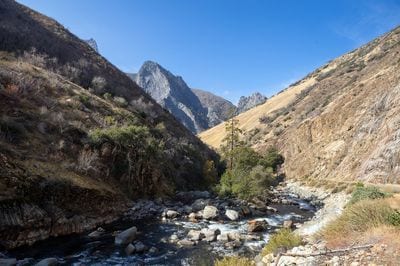
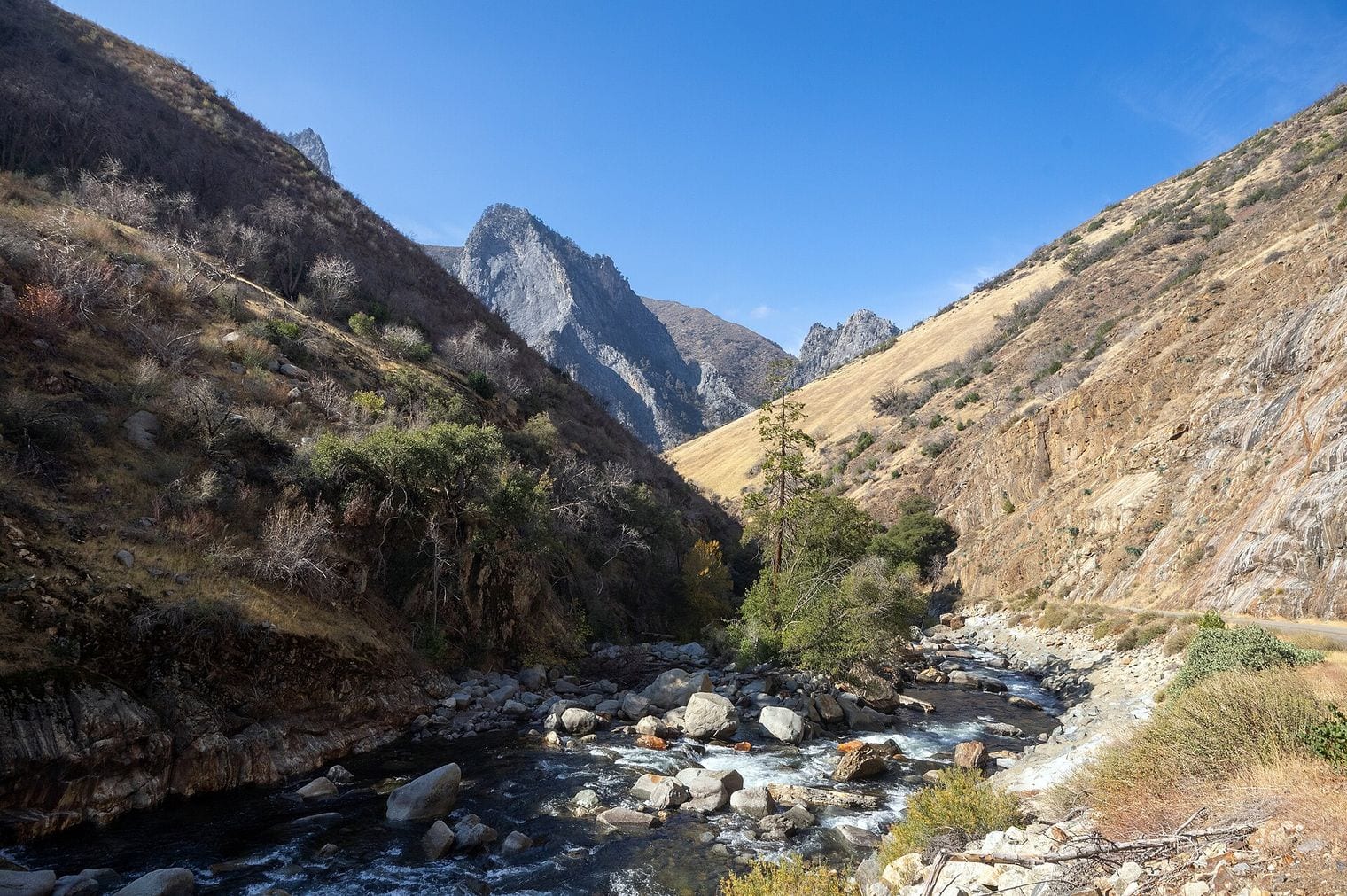
At up to 2,500 metres8,200 feet from river to rim, Kings Canyon in California's southern Sierra Nevada has the greatest local relief of any Sierra canyon, a figure from a 2016 Caltech study and on Wikipedia.
The National Park Service's own numbers, the meeting of the South and Middle Forks of the Kings River at 2,260 feet and Spanish Peak at 10,051 feet, give a smaller difference of about 2,375 metres, which would put it behind Hells Canyon; the park calls it arguably the deepest canyon in North America for a short distance.
The canyon is a rugged, glacier-carved valley at the heart of Kings Canyon National Park, which grew out of General Grant National Park, set aside in 1890, and took its present name in 1940. The park, a drive east of Fresno and run jointly with neighbouring Sequoia, also protects 14,000-foot peaks, high meadows and some of the world's largest stands of giant sequoias.
1111. Hells Canyon
Idaho / Oregon, United States
North America's deepest river gorge at 7,993 feet2,436 m
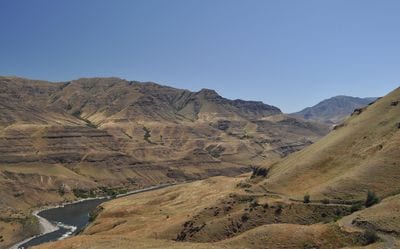
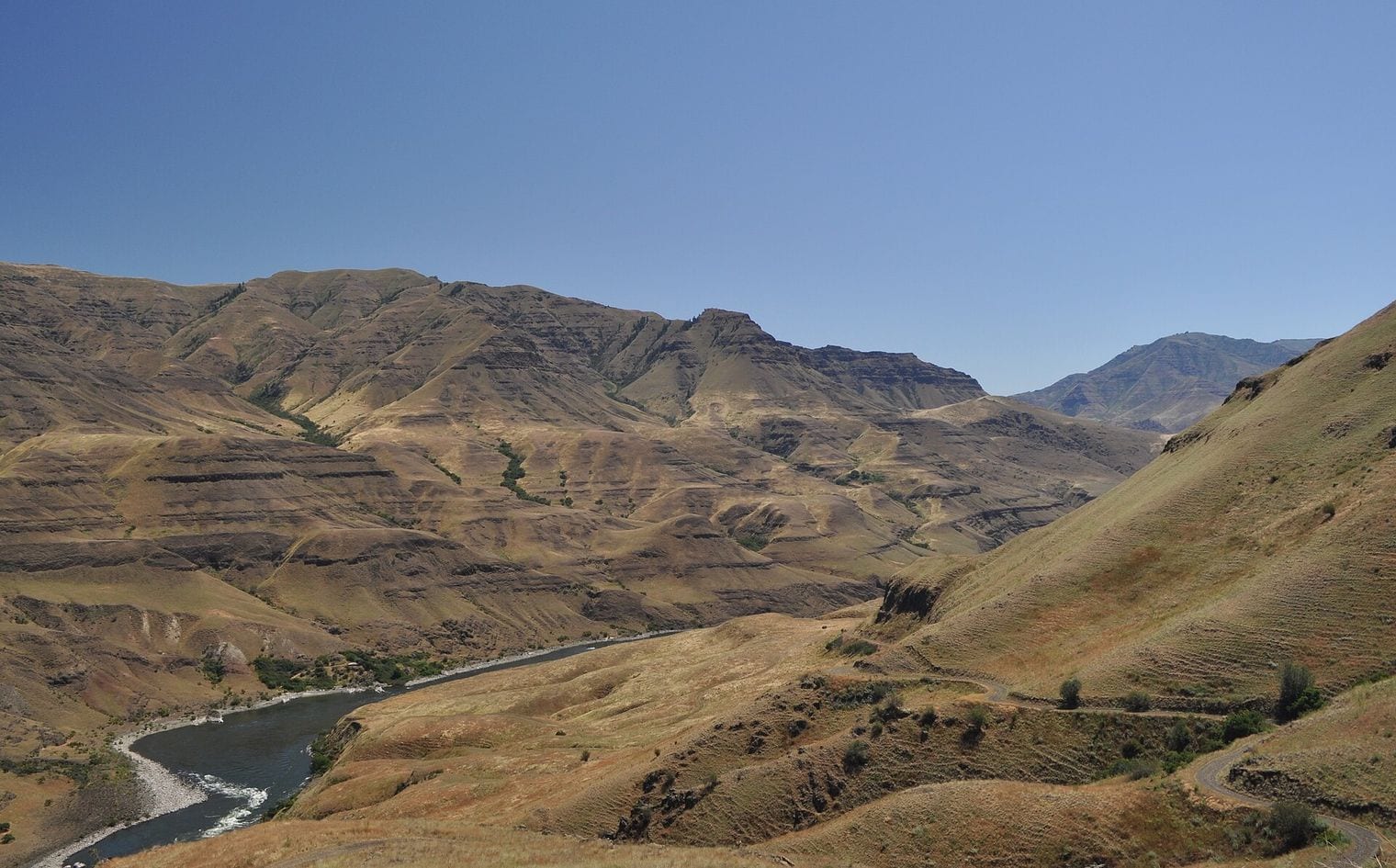
At 2,436 metres7,993 feet, measured from the summit of He Devil Mountain down to the Snake River, Hells Canyon on the Oregon–Idaho border is North America's deepest river gorge. The US Geological Survey puts it at about 2,400 metres, and with Kings Canyon's figures as close as they are, the two could swap places depending on the source.
The canyon is about 10 miles wide, and the Snake runs more than a mile below its west rim in Oregon and 7,400 feet below the peaks of Idaho's Seven Devils Mountains. No bridge crosses it and most of the area cannot be reached by road, so visitors come by jet boat or raft, or hike its 214,000 acres of wilderness. USGS-backed research has used cave deposits to argue that the canyon formed geologically recently.
Get new guides like this by email
One email every Thursday with our newest guides for the places you tick.
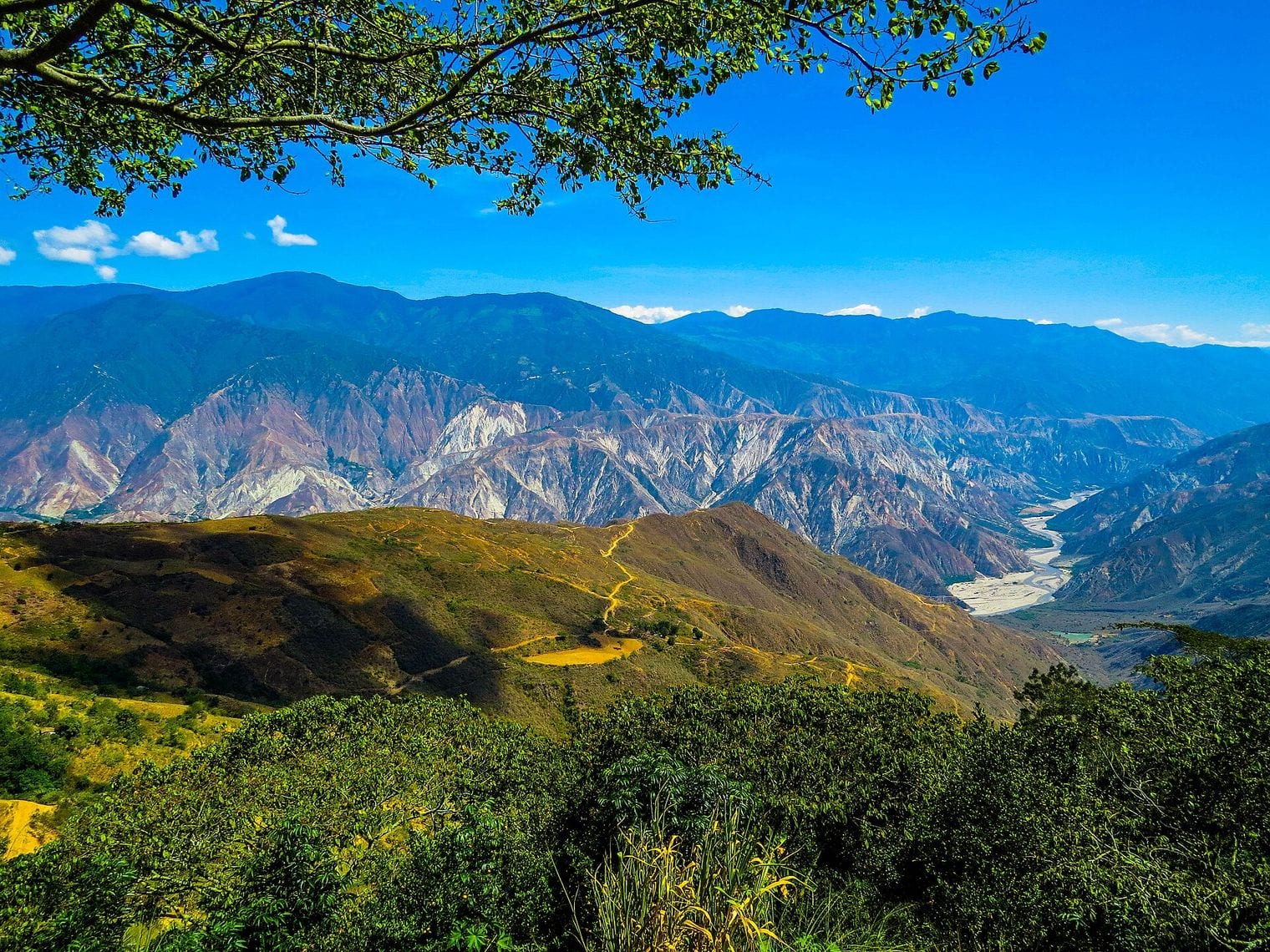
At 2,000 metres (about 6,560 feet) deep from rim to river, the Chicamocha Canyon in Colombia's Santander and Boyacá departments carries the figure Colombia's national tourism agency publishes, and the agency ranks it the second-largest canyon on the planet. The Chicamocha River carved it over 227 kilometres, from Soatá in the south-east to Girón and Betulia in the north-west.
It lies about 55 kilometres from Bucaramanga and close to the backpacker town of San Gil, and National Route 45A between Bogotá and Bucaramanga crosses it, with views down both sides. Chicamocha National Park, known as Panachi, looks after the canyon, whose southern edge bounds the Mesa de Los Santos plateau.
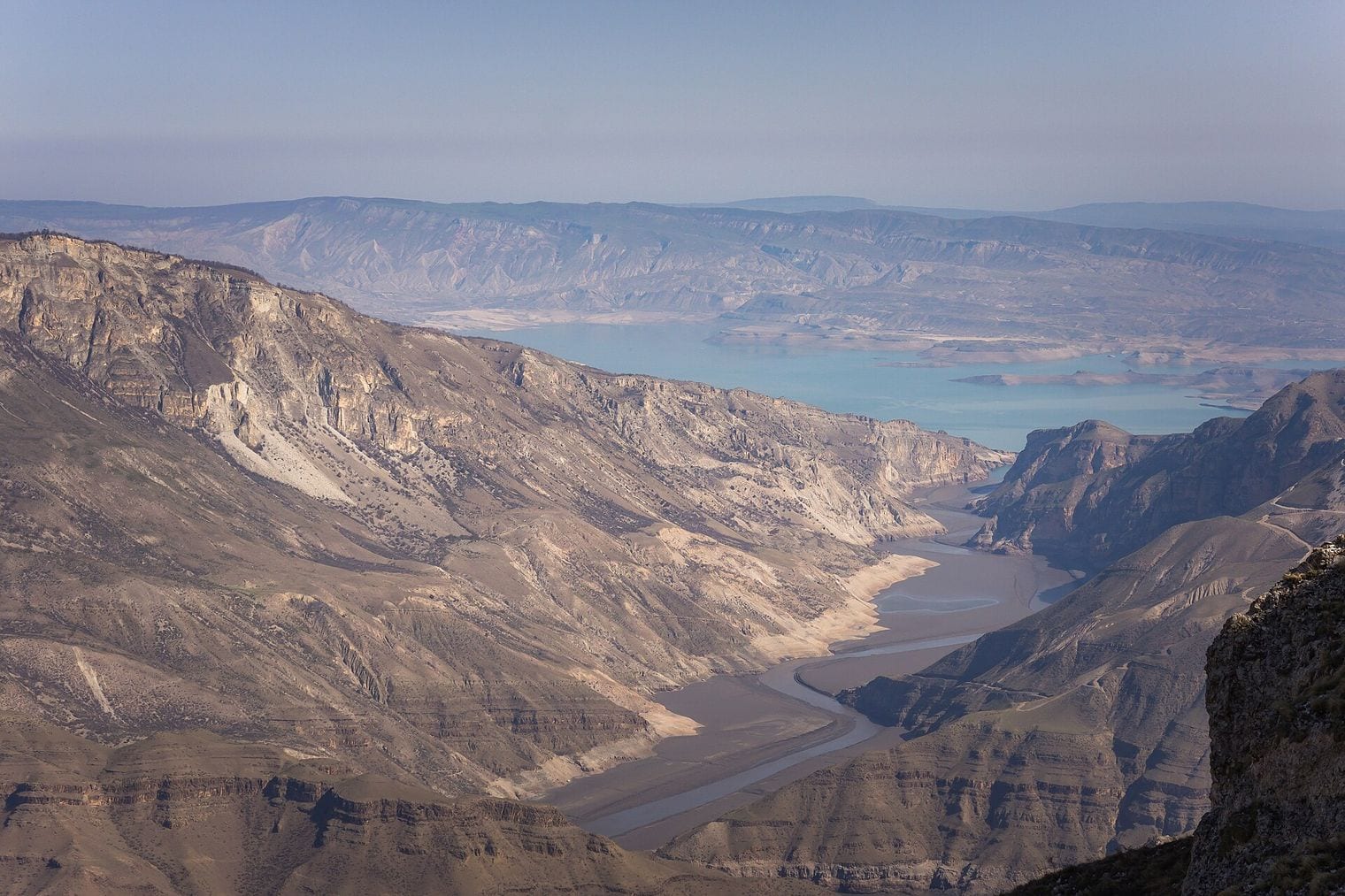
At up to 1,920 metres6,300 feet, the figure the Russian Geographical Society gives, the Sulak Canyon in Dagestan is the deepest mountain gorge in Europe and deeper than the Grand Canyon. One Russian travel site prints 1,560 metres instead, which would drop it below Mexico's Urique Canyon; no survey source says how the depth is measured, so it is treated here as a rim-to-river figure.
The Sulak River cut the canyon over 53 kilometres in the mountains of Dagestan, below the meeting of the Andi and Avar Koysu rivers. The river is dammed for hydropower at Chirkey and Miatli, and boat trips on the reservoirs show the walls from the water, while lookouts on the rim look down on the river far below.
1414. Urique Canyon
Urique, Chihuahua, Mexico (Copper Canyon system)
Barranca de Urique Profundidad 1,879 metros (6,165 ft)
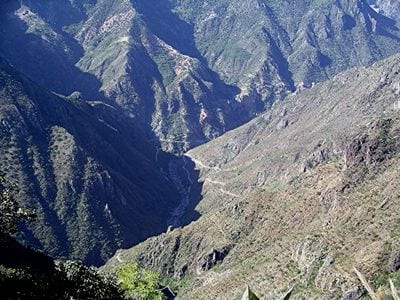
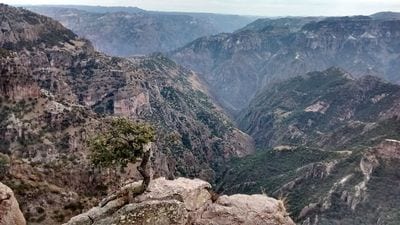
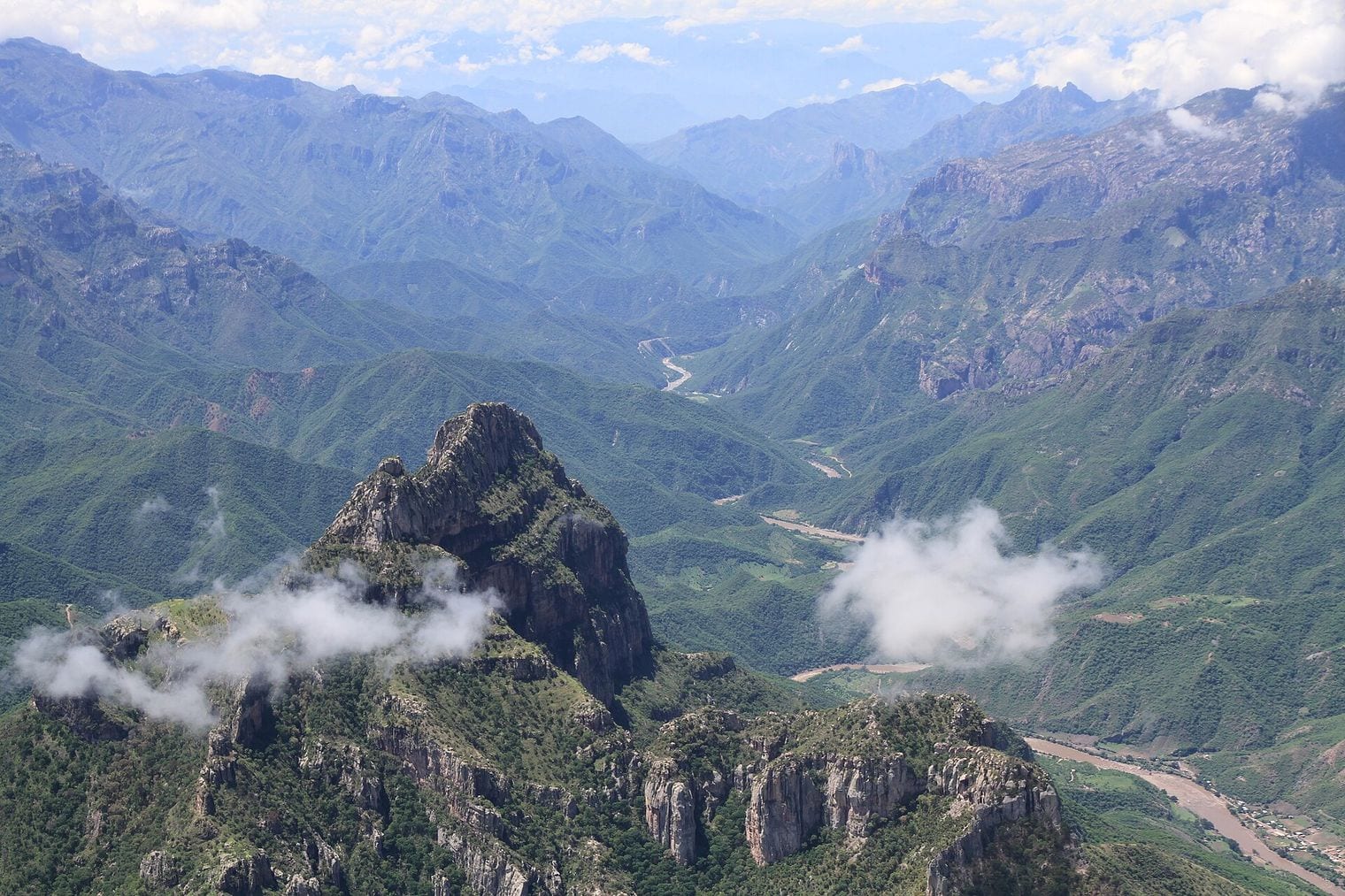
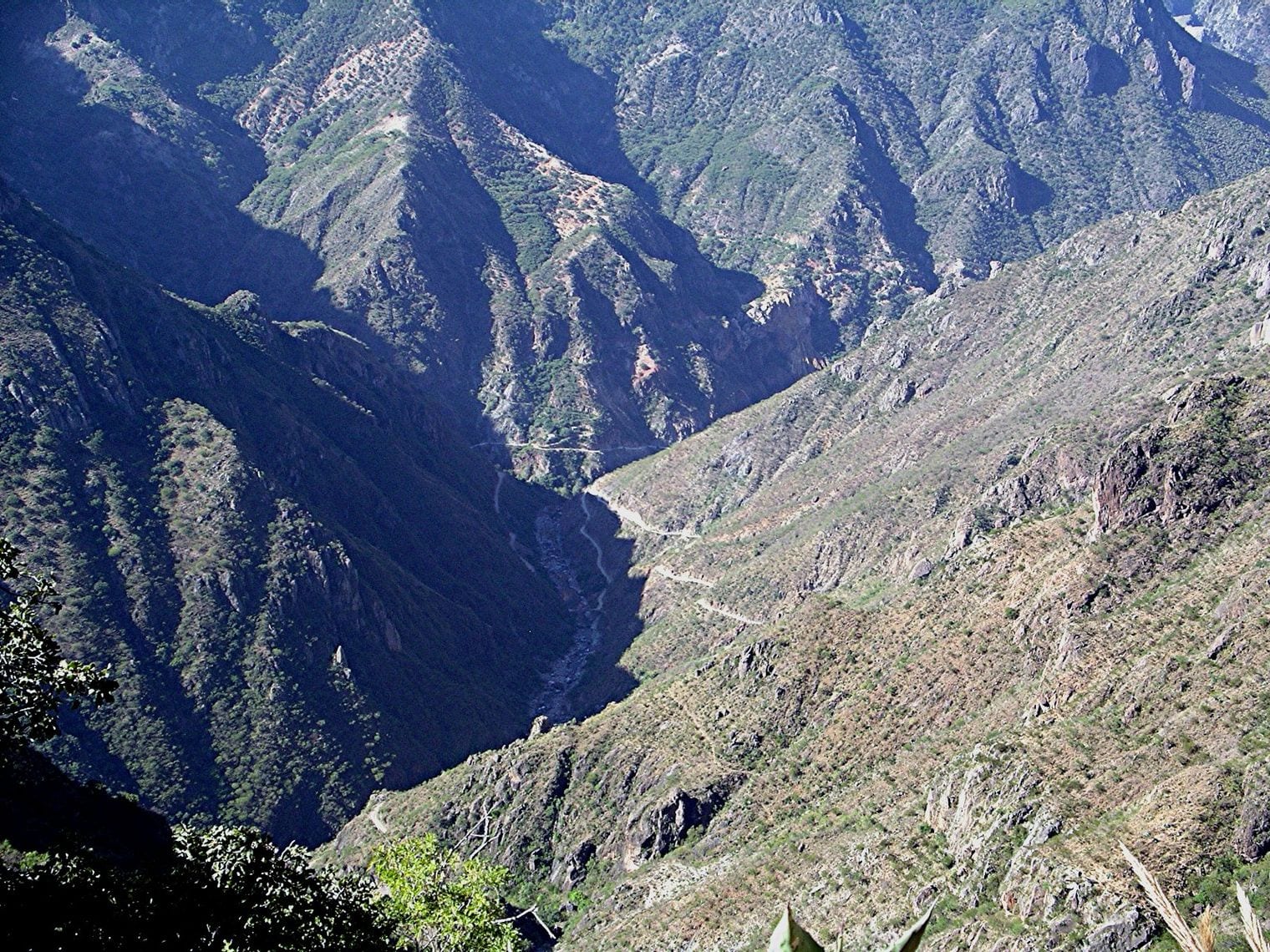
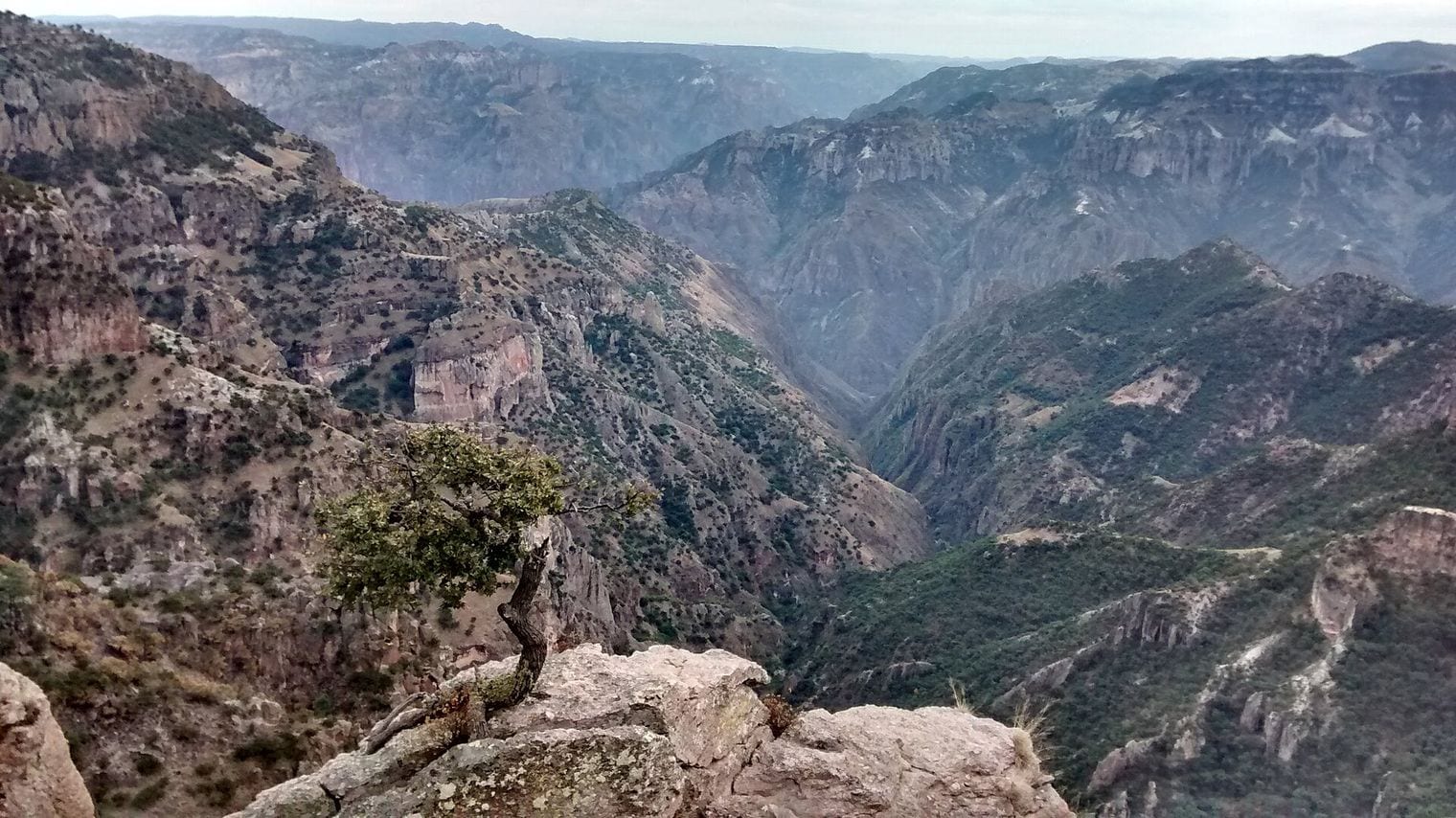
At 1,879 metres6,165 feet from rim to river, the Urique Canyon is the deepest barranca in Chihuahua and in all of Mexico, according to the Chihuahua state government. It is the deepest gorge of Mexico's Copper Canyon system and begins where the Barranca del Cobre and the Tararecua barranca meet.
It is also the best known, because visitors see it from Divisadero station on the Chihuahua al Pacífico railway, the Chepe, and many take it for the Barranca del Cobre itself. The main lookouts stand among pines at about 2,400 metres, including Cerro del Gallego, Mesa de Arturo and El Divisadero, and far below the Urique River runs past the near-tropical town of Urique on its way to the Pacific through Sinaloa.
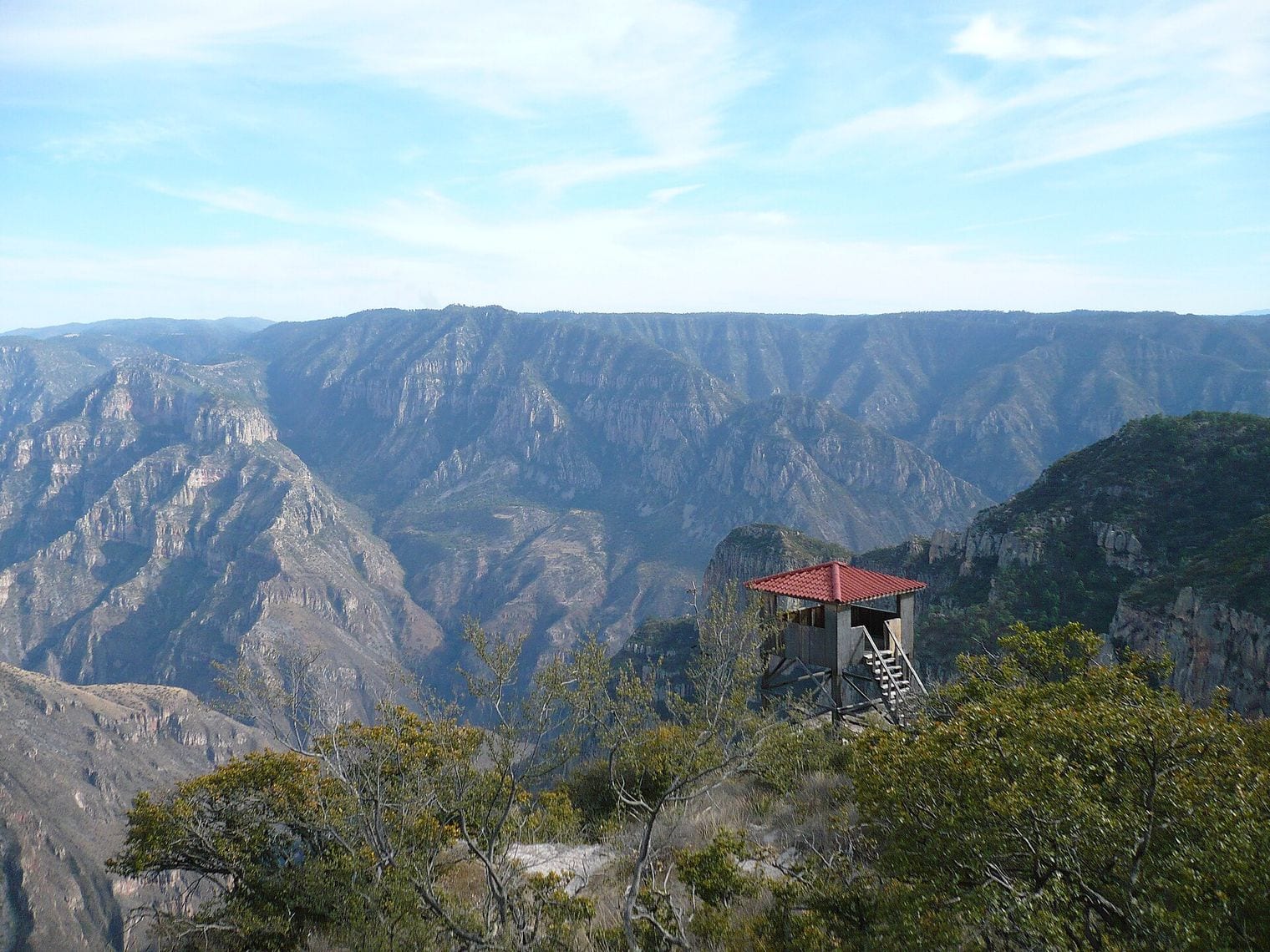
At 1,830 metres6,004 feet deep from rim to river, the Sinforosa Canyon in Chihuahua's Copper Canyon system is, for practical purposes, the same depth as the Grand Canyon: the state government's figure is one metre more than the National Park Service's for Arizona, while Wikipedia's 1,857 metres for the Grand Canyon would put it ahead, so the two are co-ranked. The state calls Sinforosa perhaps the most spectacular barranca of the sierra, known as the 'Queen of the Barrancas'.
It is reached from the town of Guachochi and the Cumbres de Sinforosa lookout, 18 kilometres to the south. On the canyon floor runs the Río Verde, which joins the Urique to form the Fuerte, and waterfalls such as Rosalinda and San Ignacio, each about 100 metres high, pour down its slopes.
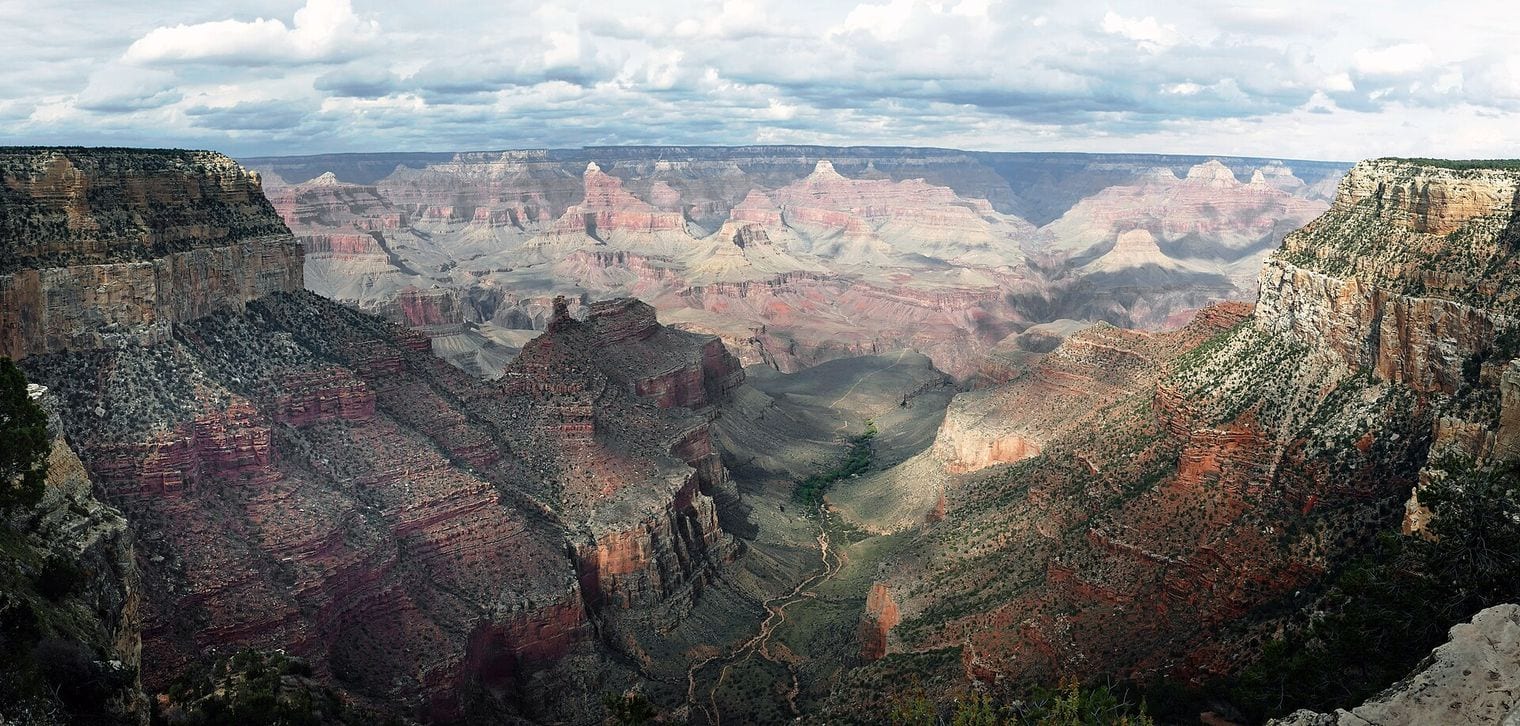
1616. Grand Canyon
Arizona, United States
At its deepest, it is 6000 vertical feet / 1829 m from rim to river. (6,001 ft)
At 6,000 feet1,829 m at its deepest from rim to river, the National Park Service's figure, the Grand Canyon in Arizona is level with Mexico's Sinforosa Canyon and sits behind gorges on four continents. Wikipedia gives a deeper 6,093 feet1,857 m, enough to edge it ahead of Sinforosa, so the two are co-ranked.
The Colorado River carved it over 446 kilometres277 miles through layer after layer of rock, exposing nearly two billion years of Earth's history, and it is up to 29 kilometres wide. What it lacks in depth it makes up in scale and access: it became a national monument in 1908 and a national park in 1919, and its rims are among the easiest places in the world to look into a deep canyon.
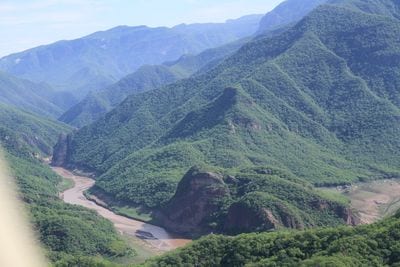
At 1,800 metres5,906 feet from rim to river, the Batopilas Canyon is the third-deepest barranca of Chihuahua's Copper Canyon system on the state government's figures, and the one whose story is told through mining.
At the bottom lies the town of Batopilas, a silver-mining centre from the early 18th to the early 20th century; it grew to 6,500 people when Alexander Shepherd invested heavily in the mines, and it was the second town in Mexico to have electricity.
The La Bufa lookout gives the classic view into the gorge, some of the most traditional Rarámuri communities live along it, and a road leaves the Creel–Guachochi highway at Samachique to reach the town, a Pueblo Mágico since 2012.
1818. Candameña Canyon
Chihuahua, Mexico (Copper Canyon system)
Barranca de Candameña Profundidad 1,750 metros (5,741 ft)
At 1,750 metres5,741 feet deep from rim to river, the Candameña Canyon in western Chihuahua is one of the barrancas of the Copper Canyon system, carved by the Basaseachic River inside Basaseachic Falls National Park, some 276 kilometres west of the state capital.
Its claim to fame is water: the state government says it holds Mexico's two highest waterfalls, Piedra Volada at 453 metres and Basaseachic at 246 metres, both on its walls. The park around it protects pine–oak forest, rock formations and high cliffs with long views into the canyon.
At 1,600 metres5,249 feet from rim to river, the Chínipas Canyon is the north-westernmost of the great barrancas of the Copper Canyon system, and the Chihuahua government calls it perhaps the least known, because it is so remote.
The Chínipas River, a tributary of the Fuerte, runs along its floor, and down in the canyon sits the mission town of Chínipas, which the state calls the oldest in the whole sierra and one of the best preserved. Upstream, the Oteros River joins from its own deep canyon, and the combined Chínipas–Oteros canyon continues with many side ravines.
At 1,520 metres4,987 feet deep from rim to river, the Oteros Canyon in Chihuahua lies between the old mining towns of Maguarichi and Uruachi, reached from both on dirt roads or by way of El Divisadero and San Rafael. Its depth sits inside the 1,400 to 1,600 metres that sources give for Ethiopia's Blue Nile Gorge, so the two could swap places.
The Oteros River, part of the Fuerte system, rises in the Sierra Madre Occidental and joins the Chínipas in a dramatic canyon of its own. Among the canyon's sights is the Rocoroybo waterfall, which drops in three falls.
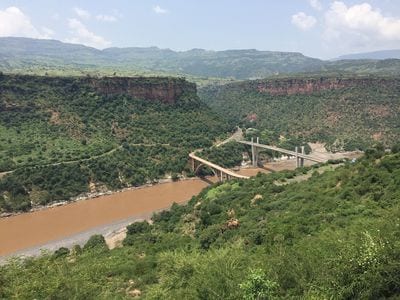
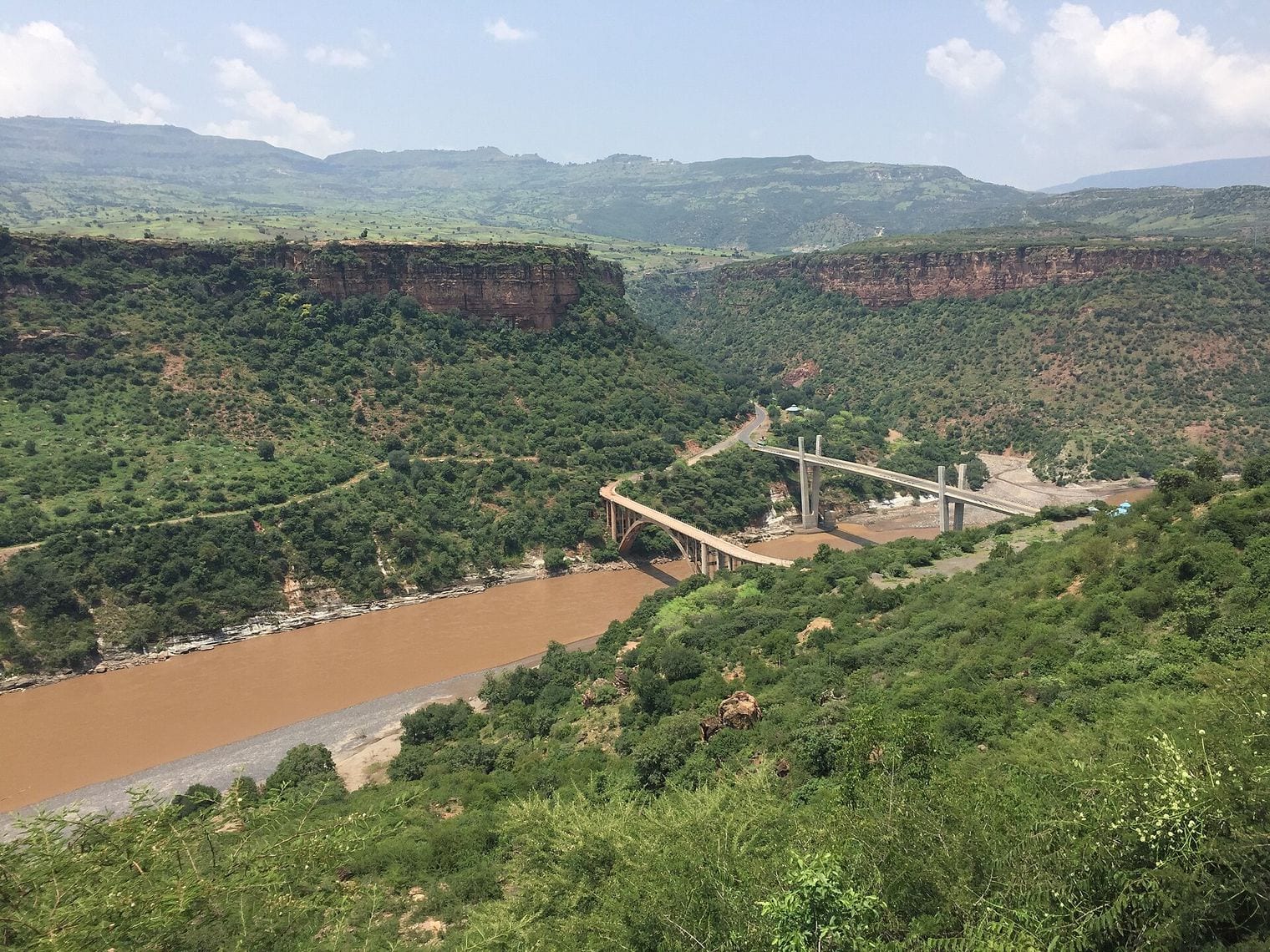
At about 1,500 metres4,900 feet at its deepest, where the river has cut into the ancient Precambrian basement, the Blue Nile Gorge in Ethiopia's highlands deepens downstream from about 600 metres in younger volcanic rock, according to a Geological Society of America study measured from the rim. Other scientific work gives anything from 1,400 metres to a gorge 1.6 kilometres deep.
The Blue Nile flows out of Lake Tana and runs about 1,450 kilometres through Ethiopia and Sudan, and in the rainy season it supplies about 85.6 percent of the Nile's water. A British team made the first descent from Lake Tana to the end of the canyon in 1968 and called it the 'Grand Canyon'; later rafting parties named it the Grand Canyon of the Nile.
2222. Tara River Canyon
Durmitor, Montenegro (last 36 km on the Bosnia border)
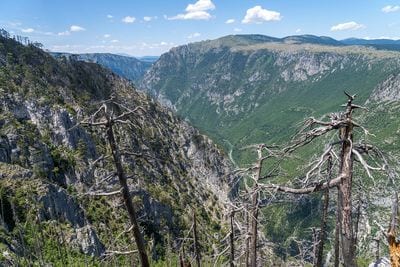
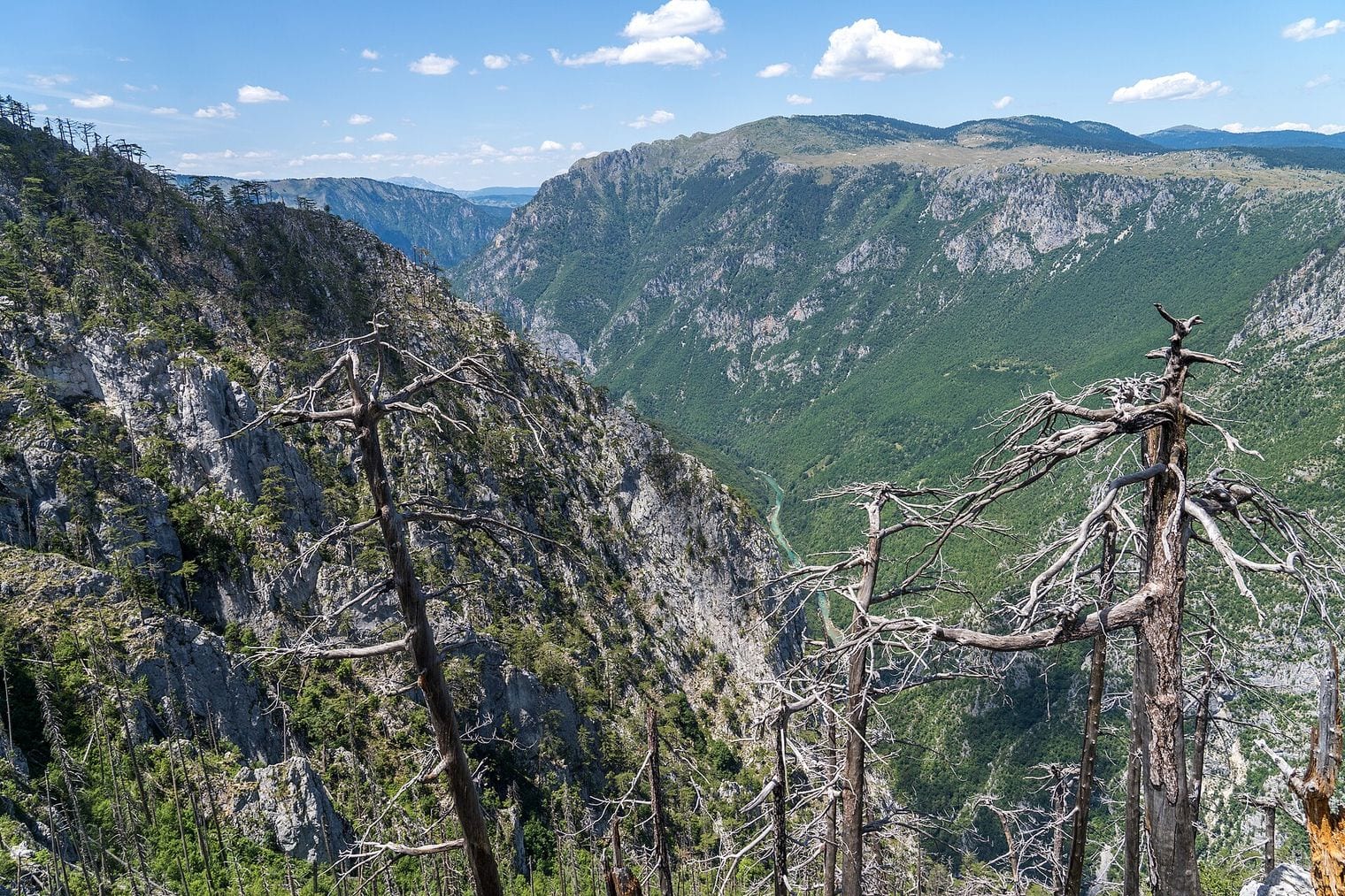
At 1,333 metres4,373 feet at its deepest, and about 1,073 metres on average, from rim to river, the Tara River Canyon in Montenegro is the deepest canyon in continental Europe by Wikipedia's reckoning, and the Durmitor World Heritage listing calls it Europe's deepest gorge, although Dagestan's Sulak Canyon, higher on this list, is deeper.
Known as the 'Tear of Europe', the canyon runs for about 82 kilometres, mostly through Durmitor National Park, a World Heritage Site since 1980, with its last stretch along the border with Bosnia and Herzegovina, where it is protected as Tara Nature Park. Rafting is the classic way to see it: the longer route covers 60 kilometres, starting by the Ljutica waterfalls and passing under the canyon's monumental arch bridge.
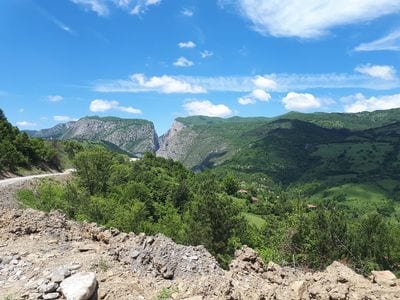
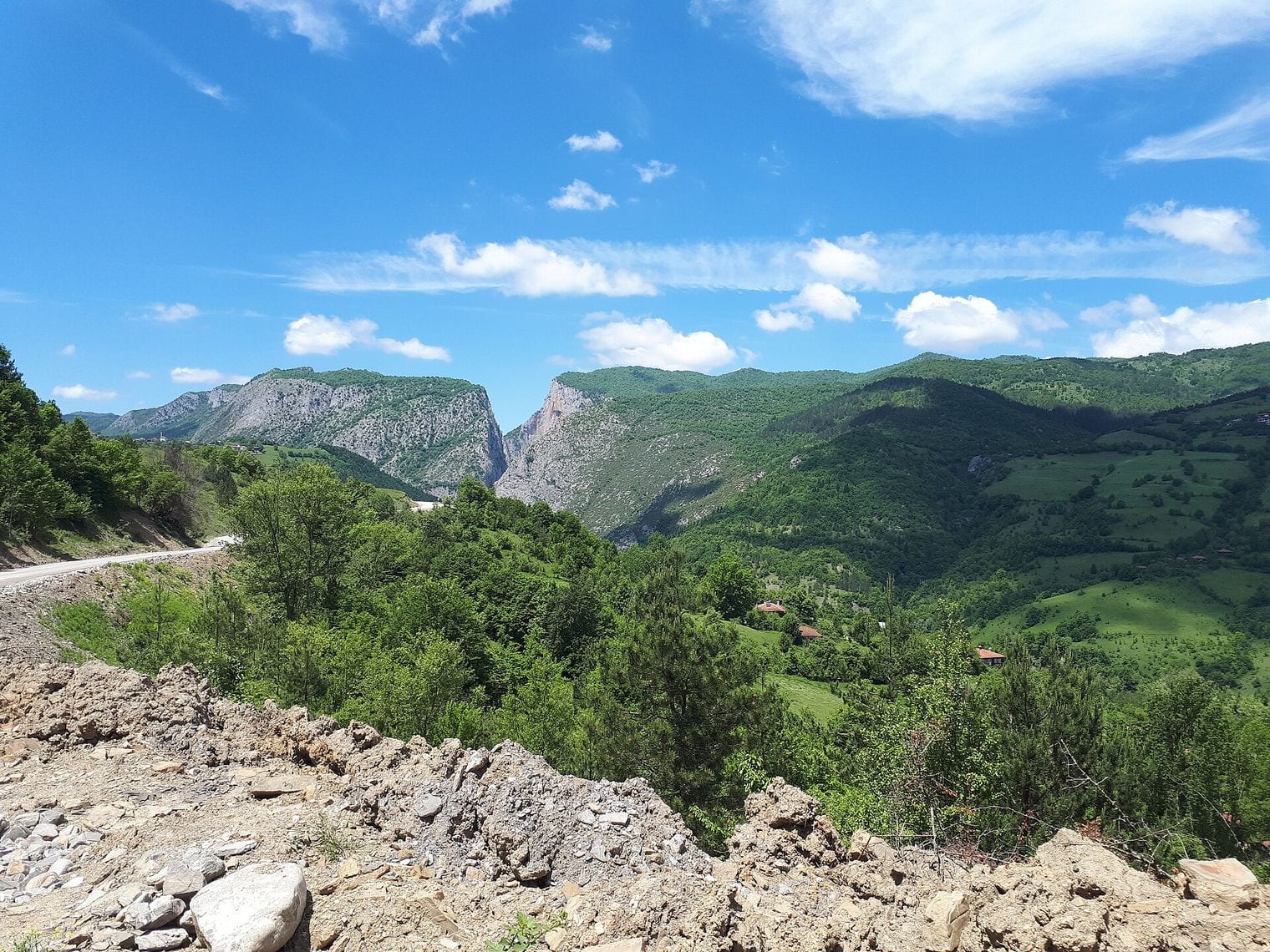
At up to 1,200 metres3,937 feet, the depth Turkey's Anadolu Agency reports, the Valla Canyon in Kastamonu province carries a wall height measured from the canyon floor, not a surveyed rim-to-river depth. The Pınarbaşı district governorship says the side walls reach 800 to 1,300 metres in places, so on its lower figure the canyon would fall behind Mexico's Sumidero.
The 12-kilometre canyon begins where the Devrekani and Kanlıçay streams meet at Muratbaşı village and runs toward Cide, and it is extremely hard to enter; Anadolu Agency counts it among the most difficult canyons to cross. It came to public attention in 1994, when four Istanbul Technical University students lost inside it emerged at Cide 14 days later and described it as a 'wild paradise'.
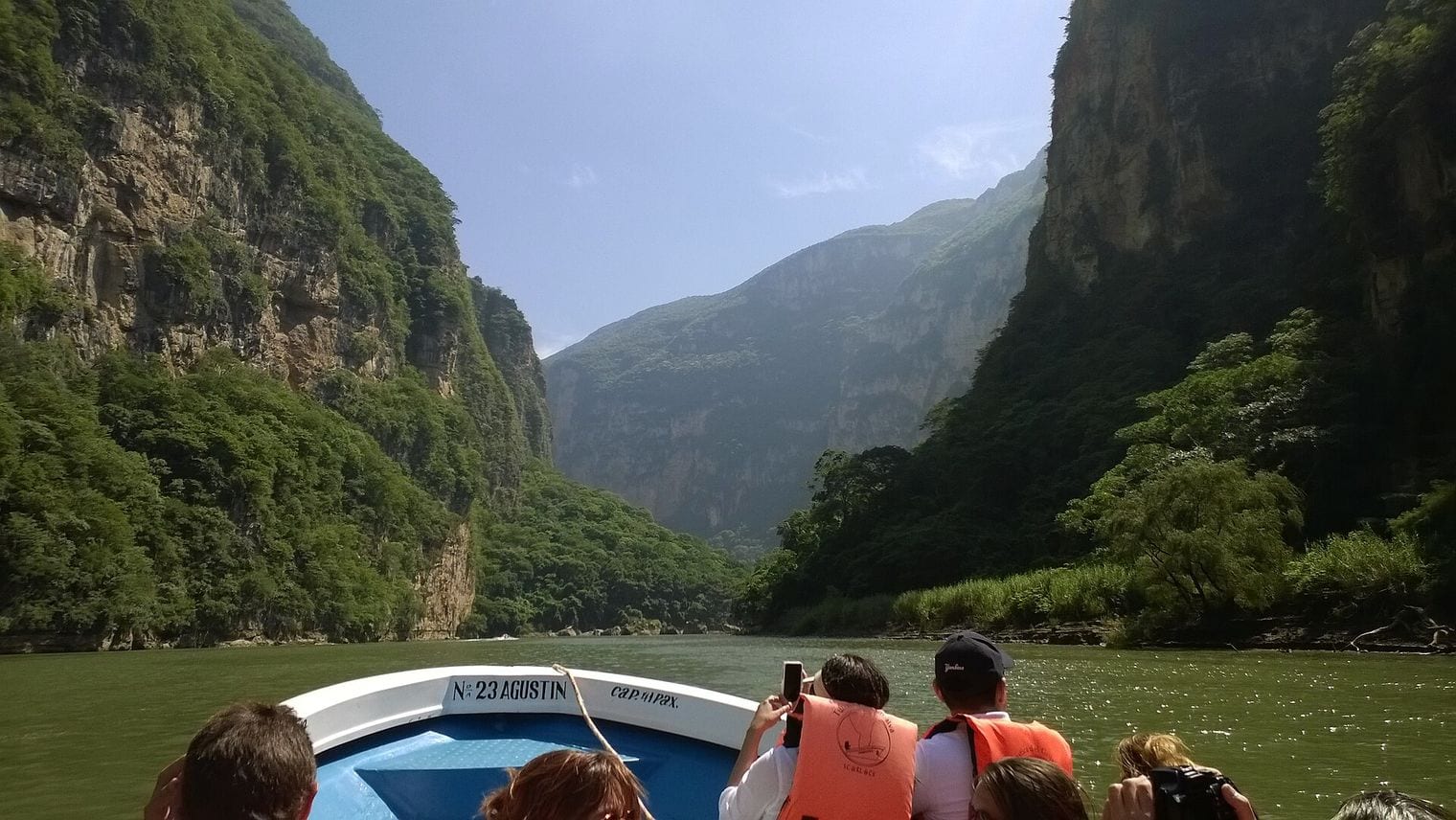
2424. Sumidero Canyon
Chiapas, Mexico
paredes que alcanzan los 1000 metros de altura (3,281 ft)
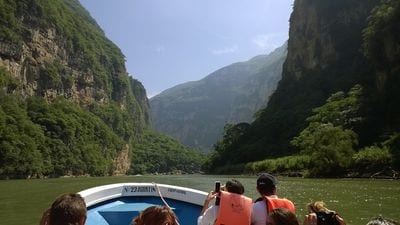
At 1,000 metres3,281 feet at their highest, the walls of the Sumidero Canyon in Chiapas give the figure Mexico's protected-areas commission CONANP uses, a wall height that in the commission's words makes it one of the most imposing canyons in the world; most of the walls stand 200 to 700 metres high. Turkey's Valla Canyon is close enough that sources could swap the two.
The Grijalva River cut the canyon, beginning around the same time the Grand Canyon formed, and turns up to 90 degrees within its 13-kilometre narrow passage just north of Chiapa de Corzo. Most visitors see it from the boats that leave Chiapa de Corzo for the Chicoasén Dam at its northern end, inside the 21,789-hectare Sumidero Canyon National Park.
FAQ: The World's Deepest Canyons
What is the deepest canyon in the world?
The Yarlung Tsangpo Grand Canyon in Tibet, 6,009 metres at its deepest on the figure of China's National Bureau of Surveying and Mapping. Guinness World Records also names it the deepest valley, at 5,382 metres. Nepal's Kali Gandaki Gorge runs it close: 5,571 metres below Annapurna I, and more than 6,000 metres by some geologists' measures.
Is the Grand Canyon the deepest canyon in the world?
No. The National Park Service puts the Grand Canyon at 6,000 feet1,829 metres from rim to river at its deepest, which ranks it 16th here, level with Mexico's Sinforosa Canyon. Fourteen canyons are deeper, among them Kings Canyon and Hells Canyon in the United States, along with gorges in China, Nepal, Peru, Colombia, Russia and Mexico.
How is canyon depth measured?
There is no single standard. Some figures run from the highest point of the rim down to the river, as with the Grand Canyon; others from the summit that walls the gorge, as with Tiger Leaping Gorge and Jade Dragon Snow Mountain. That is why published depths differ so much, and why Colca Canyon is given anywhere from 3,232 to 4,280 metres. Each entry here names its method.
Why aren't the Indus Gorge or Vikos Gorge on the list?
The often-quoted 6,930 metres for the Indus Gorge is the height of Nanga Parbat above the Indus about 20 kilometres away, which a 1982 Nature paper framed as continental relief, not a gorge's depth, and the gorge's own 4,500 to 5,200 metres has no survey behind it. Greece's Vikos Gorge, known in Guinness for its depth relative to its width, has published depths from 900 to 1,350 metres that no two sources agree on.
Can you visit the world's deepest canyons?
Many need no expedition: the condor lookout over Peru's Colca Canyon, the hiking route through Tiger Leaping Gorge in Yunnan, the view into Urique Canyon from the Chepe railway in Mexico, jet boats in Hells Canyon and the boat trips through Sumidero Canyon in Chiapas. More rankings like this sit among our world record breakers.
Sources & updates
How this ranking was checked
Checked before launch
Sources cited
24
Publishers
6
Every figure in this ranking was checked against the record-keeper or official source behind it before publication, and the top of the ranking re-checked live so a newer record would not be missed.
One email every Thursday with our newest guides for the places you tick.
Newsletter
Stay updated with new World Record Breakers
One email every Thursday with our newest guides for the places you tick.
We use cookies to analyse site traffic and improve your experience.
You can accept or reject analytics cookies. See our
May we use analytics cookies? See ourCookie Policy.