We may earn a commission if you book tickets, tours or a stay through a link on
this page, at no extra cost to you. It never affects which places we list or how
we rank them (how we make money).
The record
1,642 m5,387 ft
Lake Baikal
Russia
The record
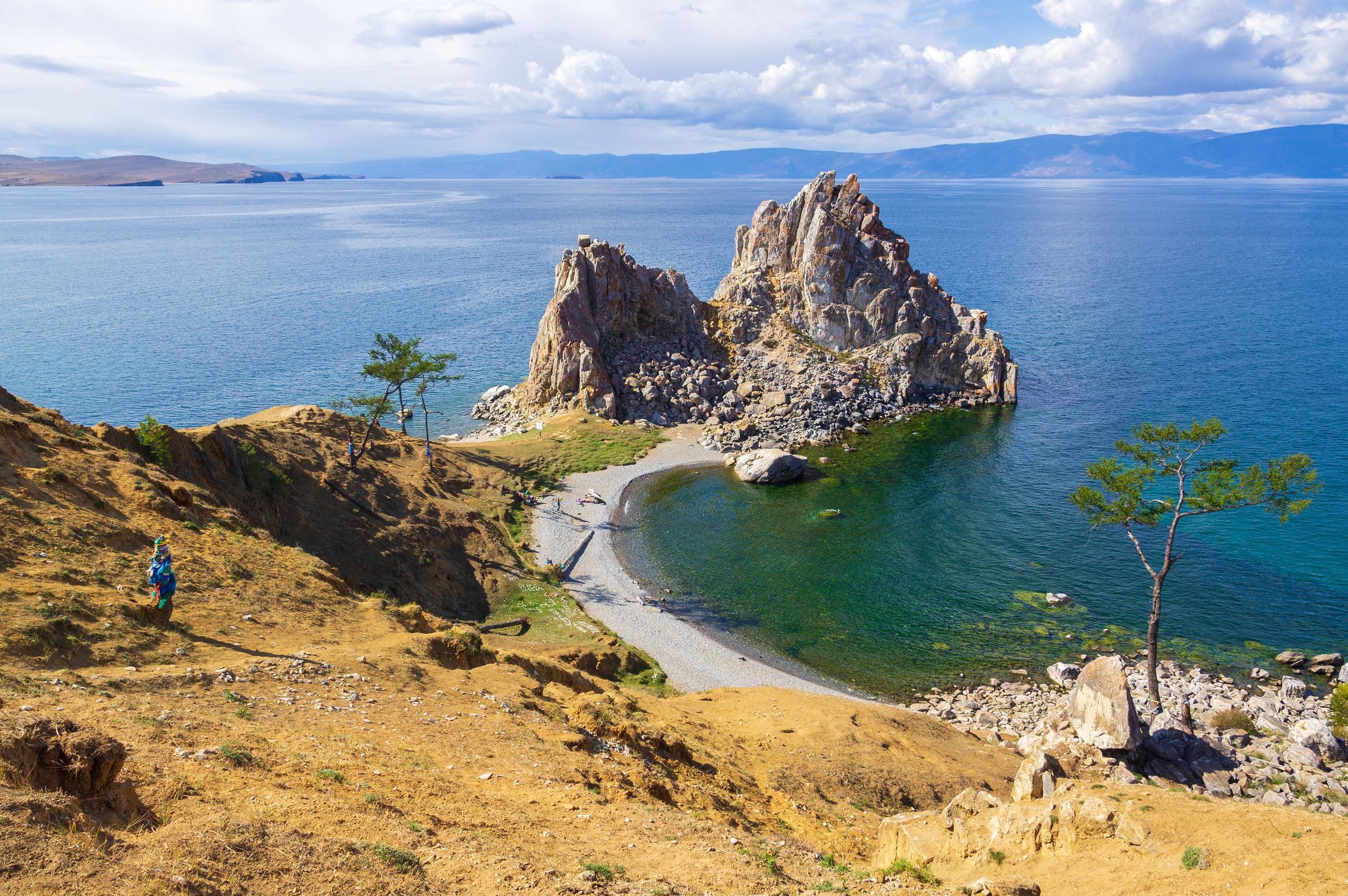
The deepest lake in the world is Lake Baikal, in Russia — 1,642 m (5,387 ft), maximum depth.
Source: Guinness World Records (soundings, Central Basin) + Wikipedia Lake Baikal. Verified .
Only one lake on Earth is more than a mile deep. Lake Baikal reaches 1,642 m and holds more fresh water than all five of North America's Great Lakes combined, while fifteenth place on this list still sits at 505 m. In between lie rift valleys, volcanic calderas and glacier-gouged troughs across five continents. Two rules decide who makes it.
We rank on maximum depth, the deepest surveyed sounding rather than the average, which is why Crater Lake enters on 594 m. And we count natural lakes with a surface you can stand beside, which costs this list its most extraordinary candidate: Lake Vostok, sealed beneath roughly 4 km of Antarctic ice, would place fourth on its estimated 900 m but has never been directly sounded. Sarez Lake, tied on 505 m, loses the final place on size.
Only one lake on Earth is more than a mile deep. A mile is 1,609 m, and Lake Baikal clears it at 1,642 m. Lake Tanganyika, in second place, falls 139 m short.
The deepest lake holds more fresh water than all five Great Lakes combined.Baikal is narrow but bottomless by lake standards, and carries roughly a fifth of all the unfrozen fresh water on the planet's surface, which also makes it the biggest of the world's freshwater lakes by volume.
The fourth-deepest lake in the world is missing from this list. Lake Vostok sits under about 4 km of Antarctic ice at an estimated 900 m. It has no surface, has never been directly sounded, and no one has ever seen it.
One entry has no river flowing in or out of it.Crater Lake is filled by rain and snowmelt alone and loses water only to evaporation and seepage, which is why it is among the clearest large lakes anywhere.
One lake's floor lies below sea level while its surface sits high above it.Lake Matano's surface is 382 m above the sea, but it drops 590 m — putting its bed more than 200 m below sea level.
The tightest finish in the top fifteen is three metres.Hornindalsvatnet, Europe's deepest lake at 514 m, edges out Quesnel Lake at 511 m — close enough that a re-survey could swap them.
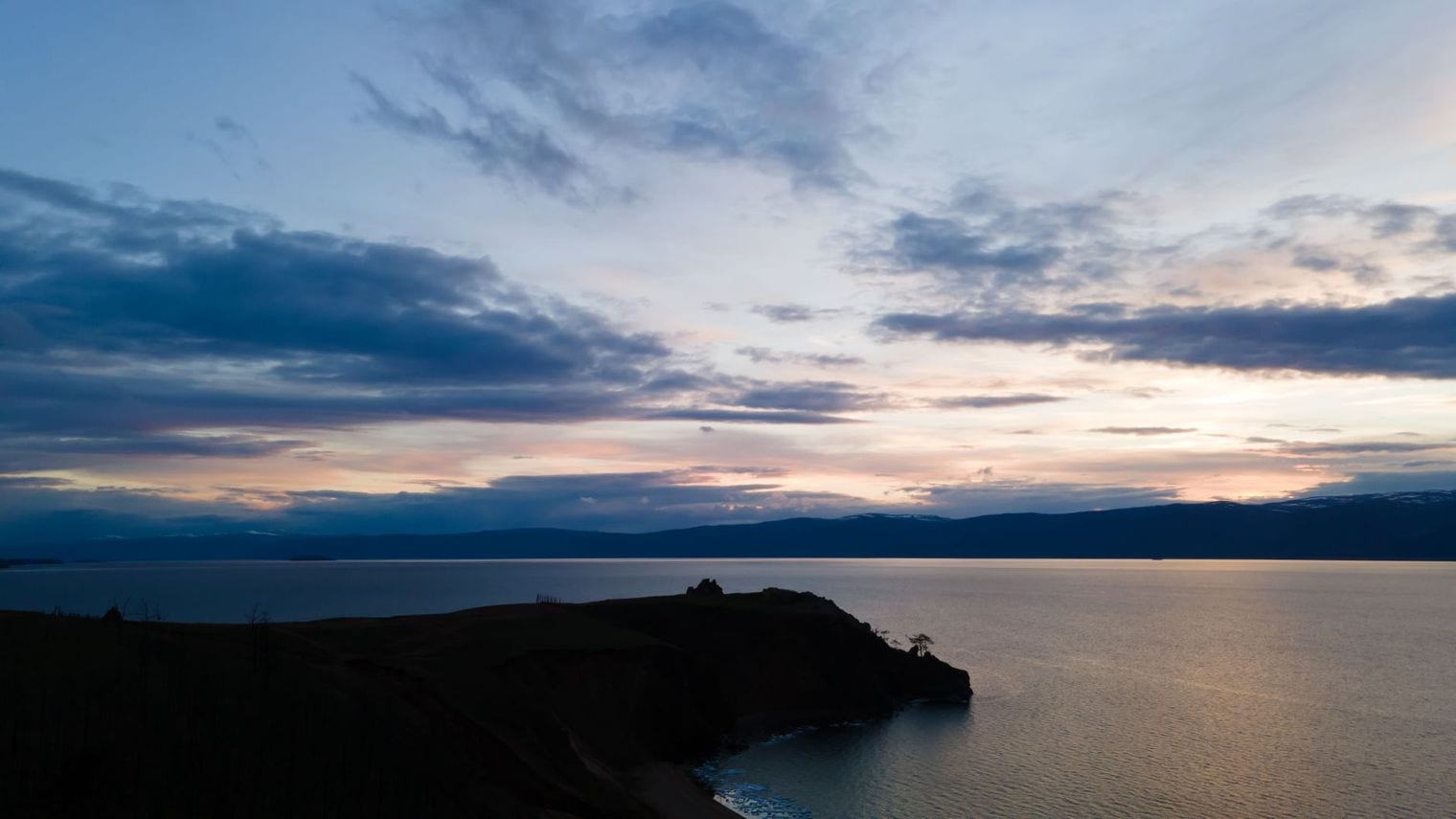
At 1,642 m, Lake Baikal is the deepest lake in the world by a margin nothing else approaches. It sits in a continental rift in southern Siberia that has been pulling apart for 25 to 30 million years, which makes it the oldest lake on the planet as well as the deepest. Depth and age together let it hold roughly a fifth of all the unfrozen fresh water on Earth's surface — more than North America's five Great Lakes combined.
The lake freezes hard enough each winter to carry vehicles, and the ice turns a translucent blue-black that draws photographers from across Russia. Beneath it lives the nerpa, the only exclusively freshwater seal species, alongside hundreds of animals found nowhere else. The southern shore is reachable from Irkutsk, and the Circum-Baikal Railway traces it past tunnels cut through the cliffs.
22. Lake Tanganyika
East African Rift, between Tanzania and the DR Congo
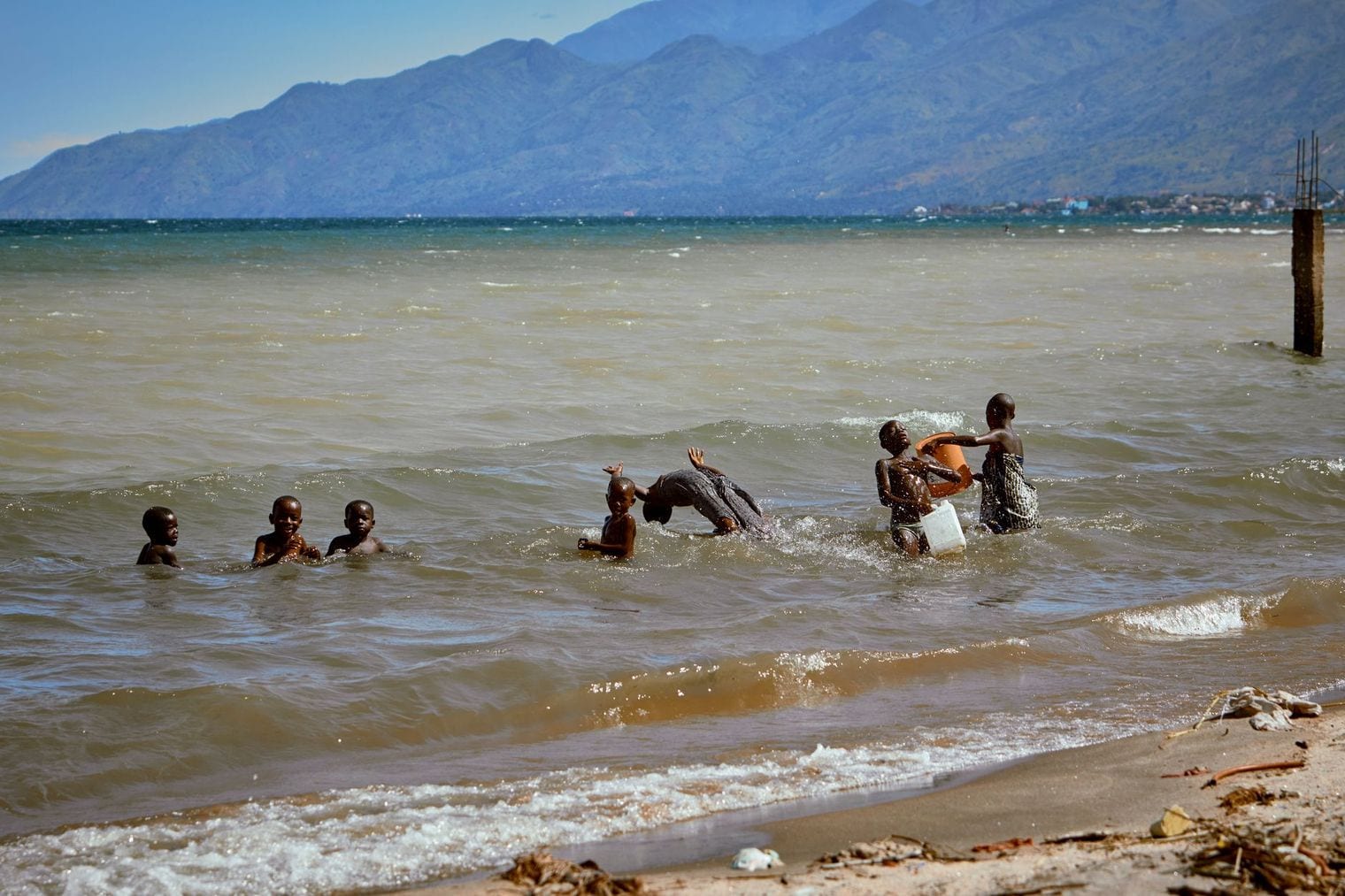
At 1,470 m, Lake Tanganyika is the second-deepest lake on Earth and the deepest in Africa, filling a trough in the western branch of the East African Rift. Four countries share its shoreline — Tanzania, the Democratic Republic of the Congo, Burundi and Zambia — and it runs far enough north to south that its two ends sit in noticeably different weather.
Only the upper couple of hundred metres carries oxygen. Below that the water is still and lifeless, which concentrates the lake's biology into a thin sunlit band around the edges. That band holds hundreds of cichlid species found nowhere else, and the clear water over rocky drop-offs has made the lake a draw for divers and aquarists alike.
33. Caspian Sea
Caspian Depression, between Europe and Central Asia, Kazakhstan / Russia / Turkmenistan / Azerbaijan / Iran
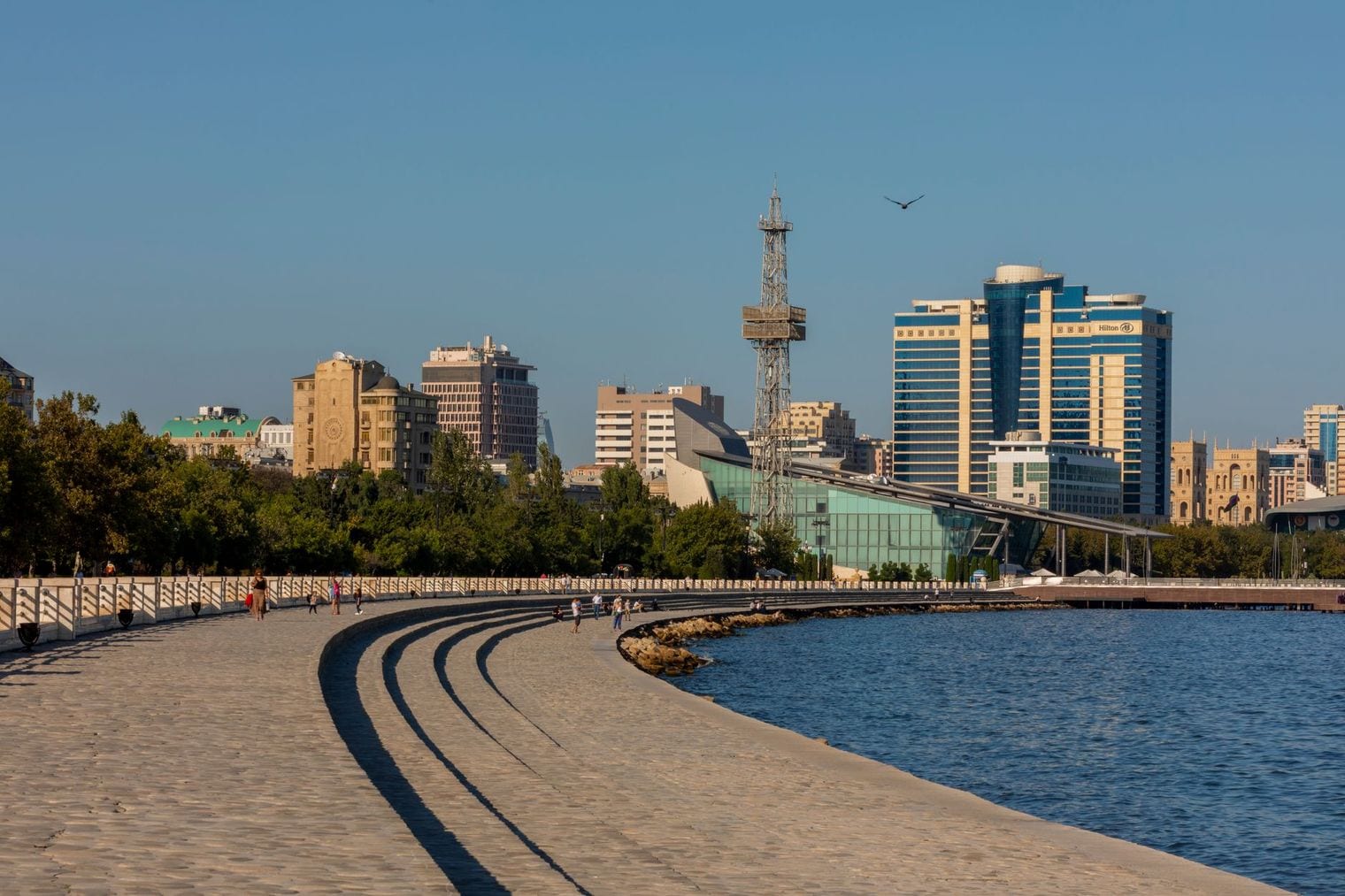
At 1,025 m, the Caspian Sea is the third-deepest lake in the world and by a wide margin the largest, its 389,000 km² surface covering more ground than Germany. Whether it counts as a lake at all has been argued over in treaty negotiations between the five countries on its shores, but geographers settle it on hydrology: nothing drains out of it, so it is endorheic, and on that test it is a lake.
The depth is concentrated in the southern basin off the Iranian coast, while the northern end against Kazakhstan and Russia is shallow enough to freeze in winter. The water is brackish rather than fresh, roughly a third as salty as the ocean, and it supports both the sturgeon fisheries that made Caspian caviar famous and the endemic Caspian seal.
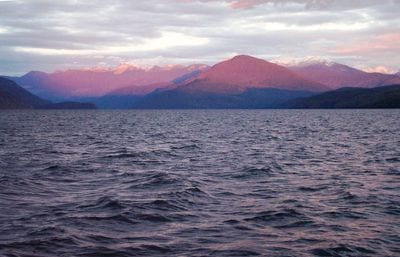
44. O'Higgins/San Martín Lake
Southern Patagonian Ice Field, Aysén Region and Santa Cruz Province, Chile / Argentina
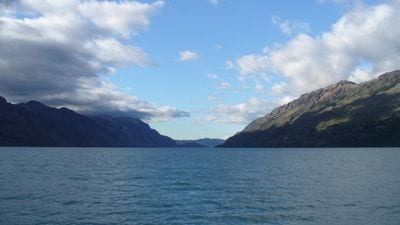
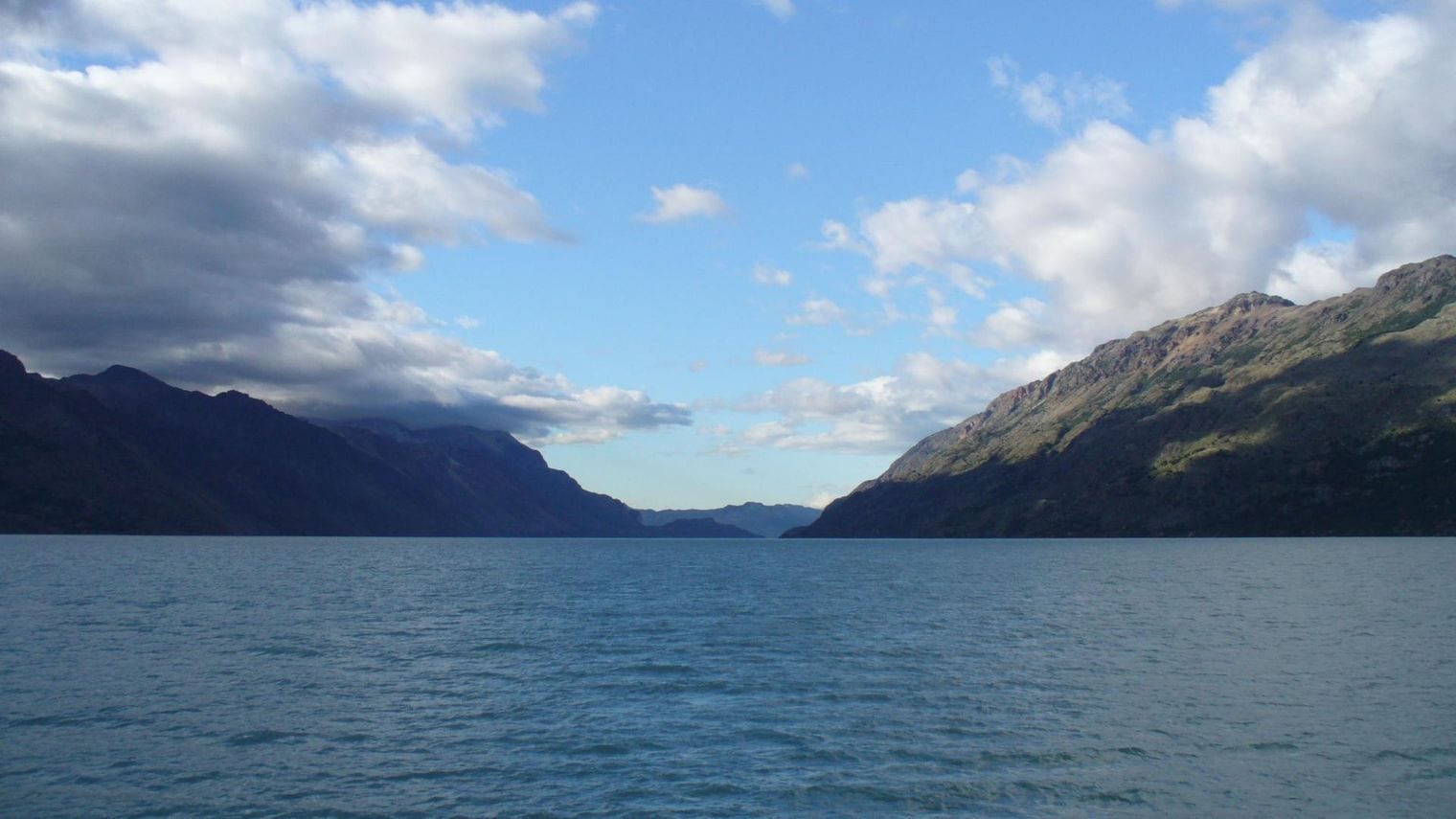
At 799 m, O'Higgins/San Martín Lake is the deepest lake in the Americas. It carries two names because the Chile–Argentina border runs through it: O'Higgins on the Chilean side, San Martín on the Argentine. Its depth was revised down from an older 836 m reading by a bathymetric survey published in December 2023, so a good many lists still print the higher figure.
The lake is fed directly by the Southern Patagonian Ice Field, and the O'Higgins Glacier calves into its western arm. Glacial flour suspended in the meltwater turns the surface an opaque milky blue that shifts with the light. Its fingers reach into remote valleys near the end of Chile's Carretera Austral, which keeps visitor numbers low and the approach genuinely adventurous.
55. Viedma Lake
Los Glaciares National Park, Santa Cruz Province, Argentina
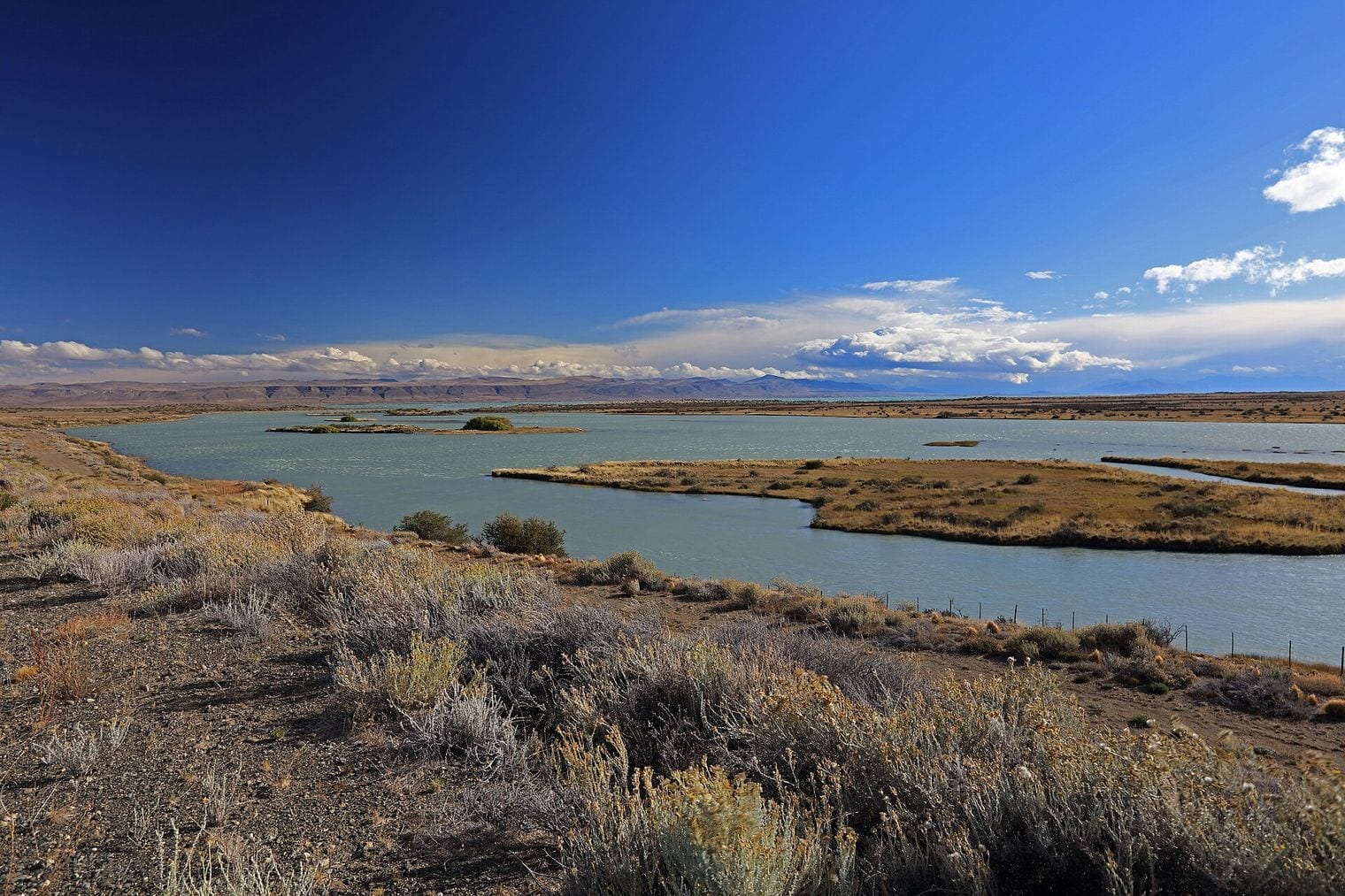
At about 750 m, Viedma Lake takes fifth place, though its figure is the softest on this list. The depth is published as an approximate value rather than a confirmed sounding, so its exact position in the order deserves more caution than the lakes immediately above and below it.
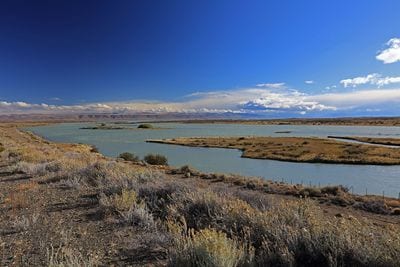
The setting is not in doubt. Viedma sits inside Los Glaciares National Park in Argentine Patagonia, fed by the Viedma Glacier, which spills off the Southern Patagonian Ice Field and calves icebergs that drift across a grey-blue surface of nearly 1,200 km². Boat trips run out to the glacier face, and the jagged skyline of Monte Fitz Roy rises to the north.
66. Lake Argentino
Los Glaciares National Park, Santa Cruz Province, Argentina
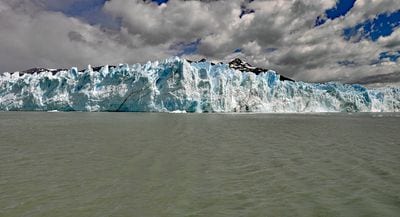
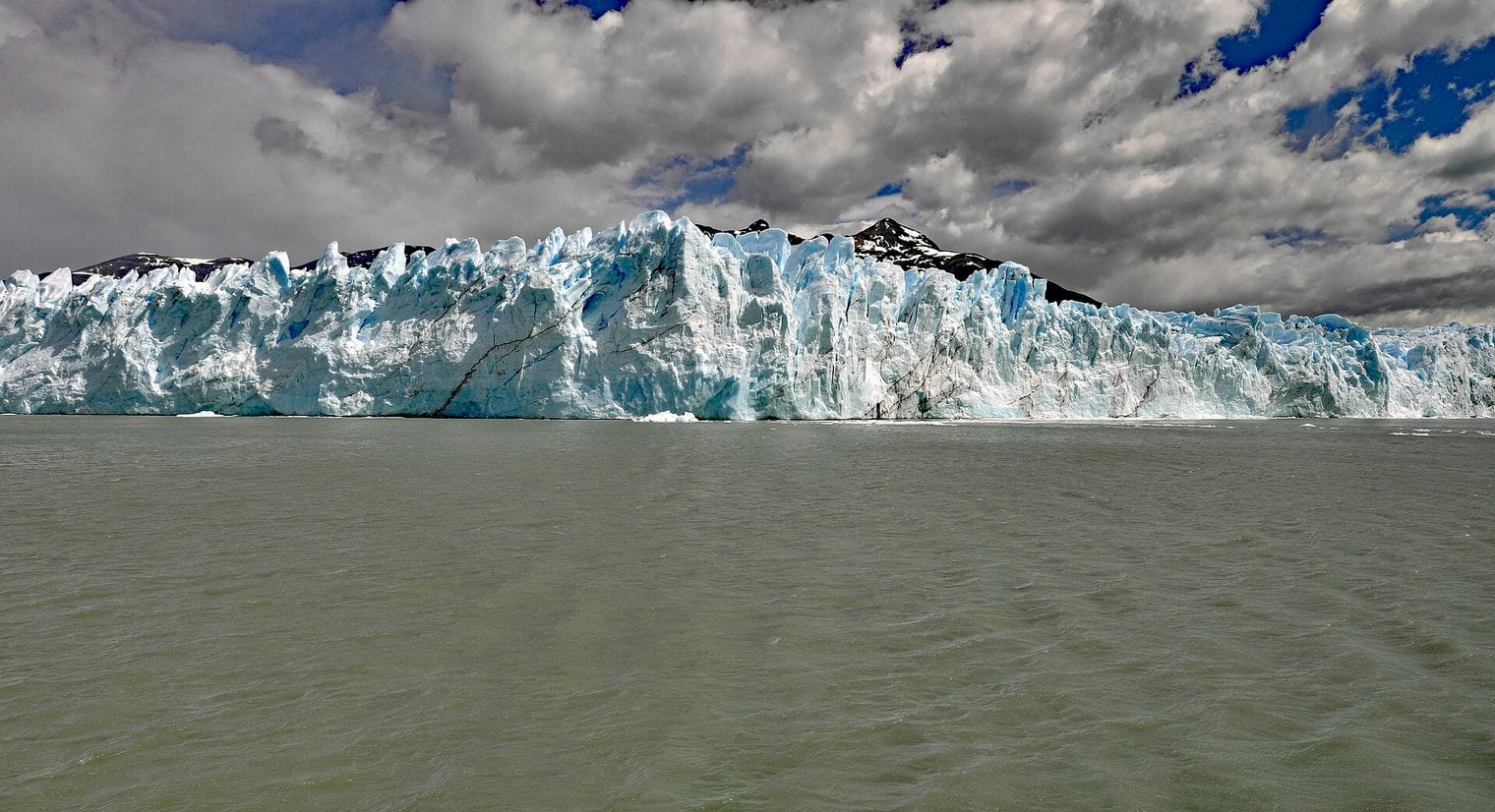
At 719 m, Lake Argentino is the deepest lake in Argentina and its largest freshwater lake, covering 1,415 km² at the southern end of Los Glaciares National Park. Two of the ice field's great glaciers reach it: Upsala in the northern arm and Perito Moreno in the south-west.
Perito Moreno is why most visitors come. It is one of the few large glaciers that has stayed roughly in balance rather than retreating, and it advances into the lake until it dams an arm outright, then ruptures in a collapse that people travel a long way to witness. Boardwalks on the slopes opposite put you close enough to hear the ice cracking, and boats run along the face from the lake's northern arm.
77. Lake Malawi
East African Rift, between Malawi, Mozambique and Tanzania
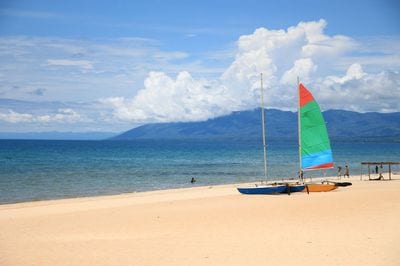
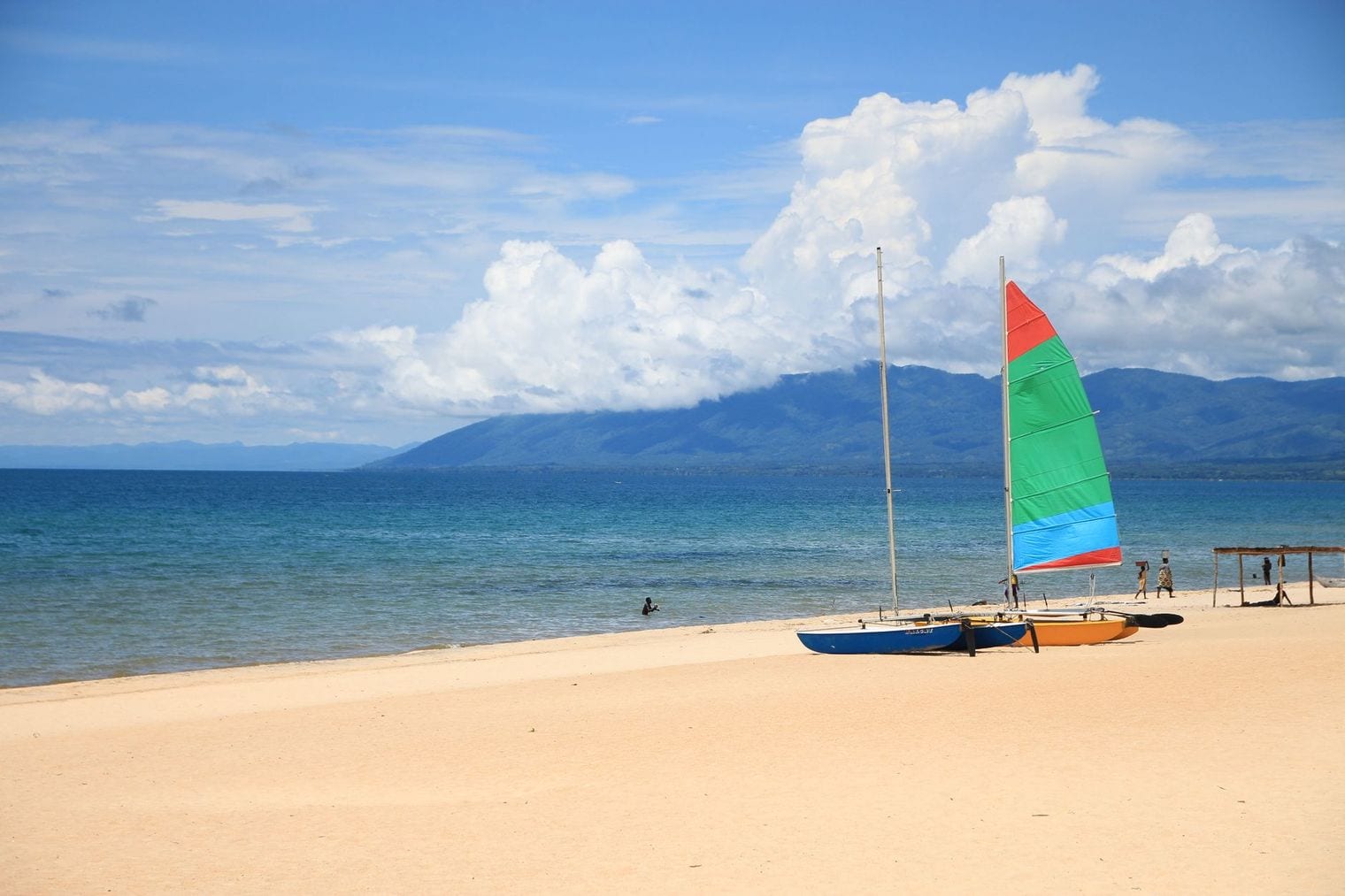
At 706 m, Lake Malawi is the second-deepest lake in Africa, behind only Tanganyika, and holds more fish species than any other lake in the world — at least 700 cichlids, most of them found nowhere else. It runs for hundreds of kilometres along the southern end of the East African Rift, with Malawi on the western shore and Mozambique and Tanzania on the east, where it goes by Lake Nyasa.
The clear, warm water over rocky drop-offs made the lake famous among aquarium keepers long before it became a travel destination, and its cichlids are among the most-cited examples of evolutionary radiation anywhere. Lake Malawi National Park, at the southern end, protects a stretch of shoreline and islands and is a UNESCO World Heritage site.
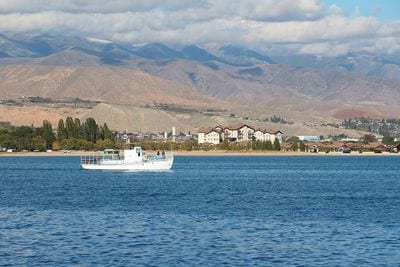
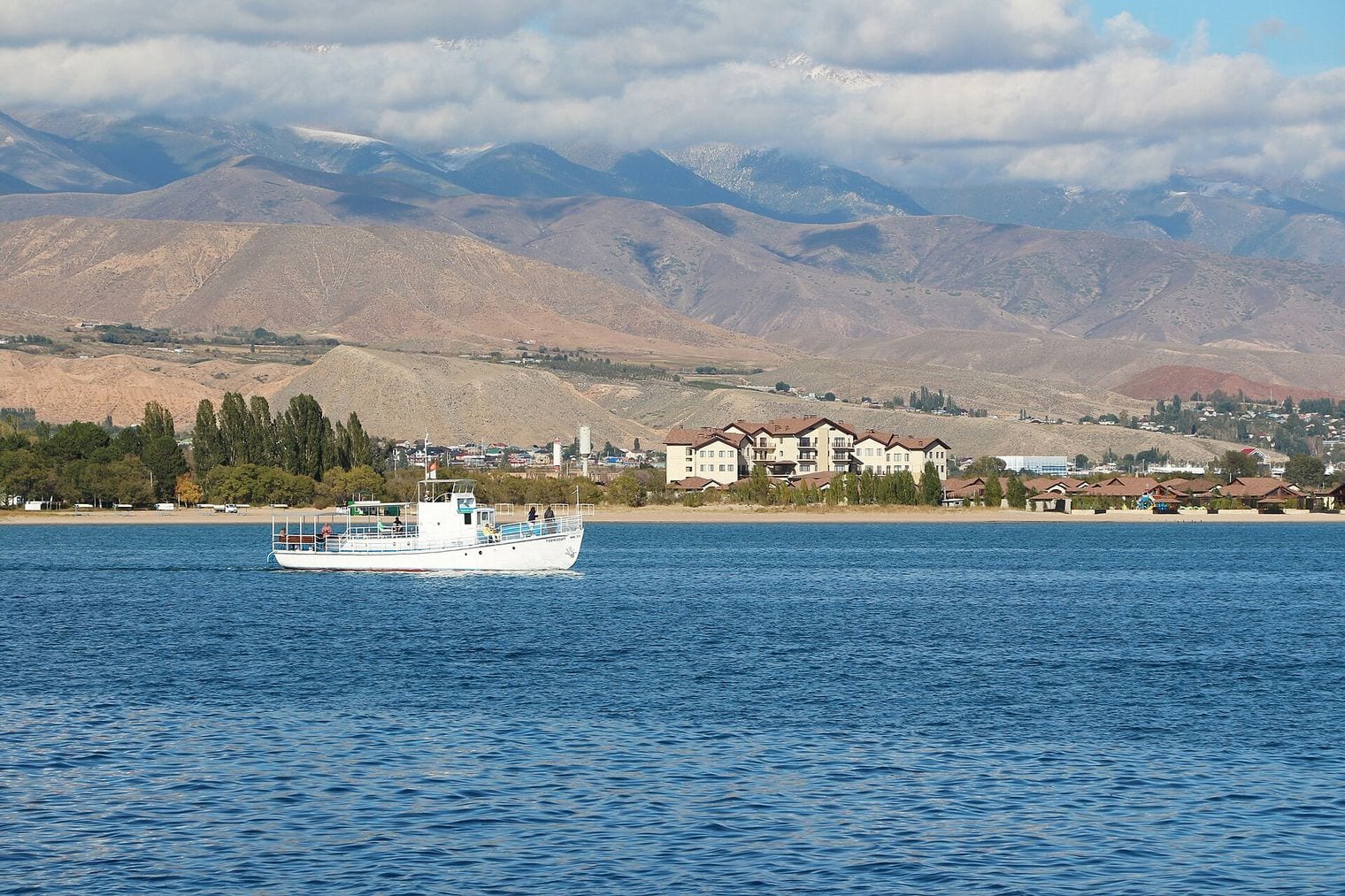
At 668 m, Issyk-Kul is the deepest lake in Kyrgyzstan and one of the deepest mountain lakes anywhere, sitting around 1,600 m up in the Tian Shan range. Its name translates as "warm lake", and it earns it: despite the altitude and hard winters, the water is saline enough that it almost never freezes.
Snow peaks rise behind both the northern and southern shores, and the contrast between them and the blue water is the lake's signature view. Soviet-era sanatoriums still line stretches of the north shore. Nothing flows out of Issyk-Kul — everything the surrounding mountains deliver stays put — which is why a lake fed entirely by snowmelt ended up mildly salty.
At 614 m, Great Slave Lake is the deepest lake in North America, its greatest soundings concentrated in Christie Bay on the eastern arm. It covers 27,200 km² of Canada's Northwest Territories, and Yellowknife sits on its northern shore.
The lake freezes hard enough each winter for ice roads to run across it to communities and mines with no year-round road link, and the aurora is visible over the water for much of that season. In summer the eastern arm's cliffs and islands draw paddlers, while the shallower western end takes the flow of the Slave River and drains north into the Mackenzie.
1010. Crater Lake
Crater Lake National Park, Klamath County, Oregon, United States
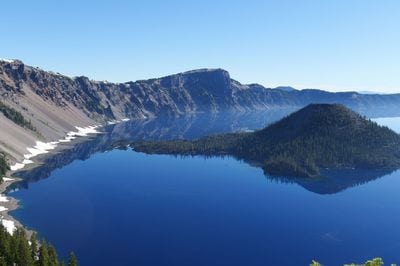
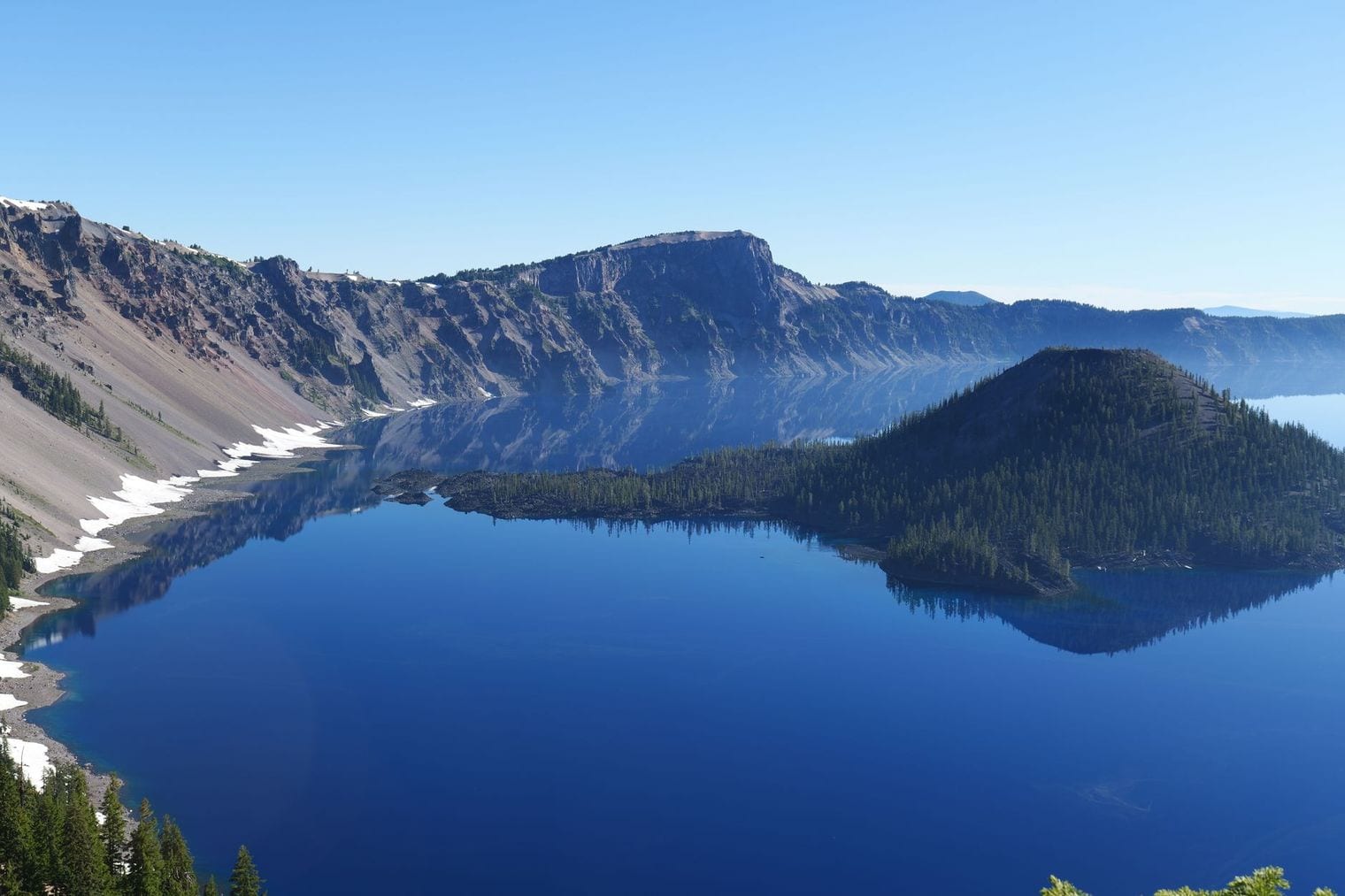
At 594 m, Crater Lake is the deepest lake in the United States — but only just ahead of the two entries below it, with Lake Matano four metres back and General Carrera eight, close enough that a future survey could reorder all three. It fills the caldera left when Mount Mazama collapsed roughly 7,700 years ago, and its depth comes from a 2000 survey that gathered more than 16 million soundings.
No river flows in or out. The lake is fed only by rain and snowmelt and loses water only to evaporation and seepage, which is why it is among the clearest large bodies of water anywhere and an almost unreal shade of blue. Wizard Island, a cinder cone rising from the western side, can be reached by boat, and the rim drive through Oregon's Crater Lake National Park circles the whole caldera.
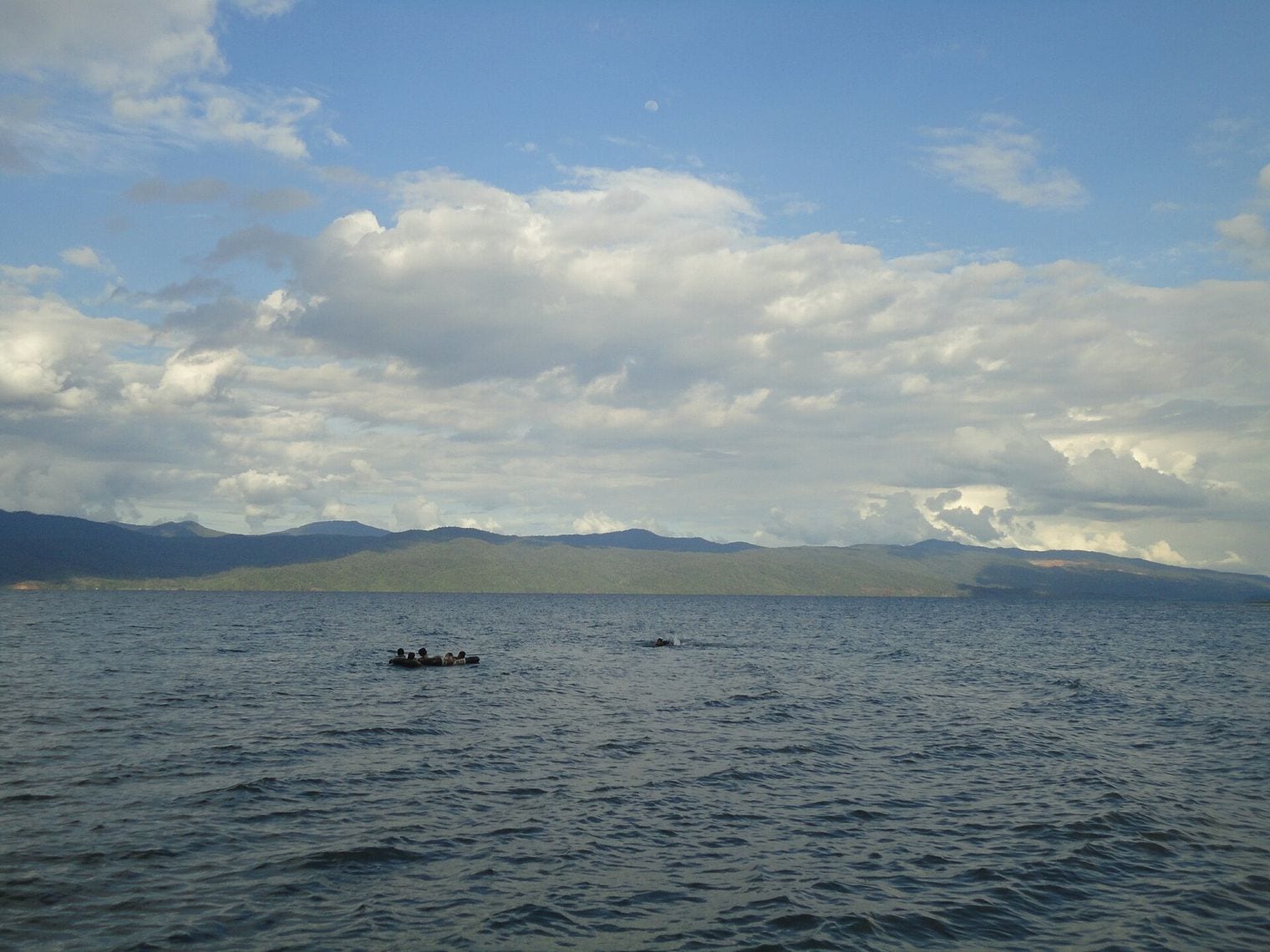
At 590 m, Lake Matano is the deepest lake in Indonesia and in all of Southeast Asia, sitting four metres behind Crater Lake and four ahead of General Carrera. It lies on the island of Sulawesi, and its floor is a cryptodepression: the deepest point sits well below sea level even though the surface is high above it.
Matano is a research site as much as a destination. Below roughly 100 m the water carries no oxygen and is rich in dissolved iron, a chemistry close enough to the oceans of the early Earth that scientists study it as a living model of conditions before the atmosphere filled with oxygen. About a fifth of its diatom species are endemic, and its sailfin silversides all descend from a single ancestor.
1212. General Carrera Lake
Aysén Region and Santa Cruz Province, Patagonia, Chile / Argentina
At 586 m, General Carrera Lake straddles the Chile–Argentina border in Patagonia, where the Argentine side calls it Lago Buenos Aires. It is the largest lake in Chile at 1,850 km², and its depth puts it twelfth here by a margin of only four metres over Lake Matano above it.
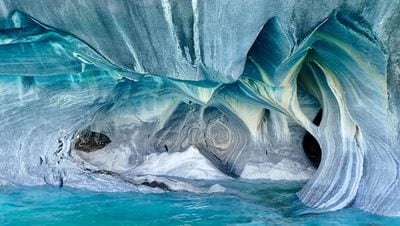
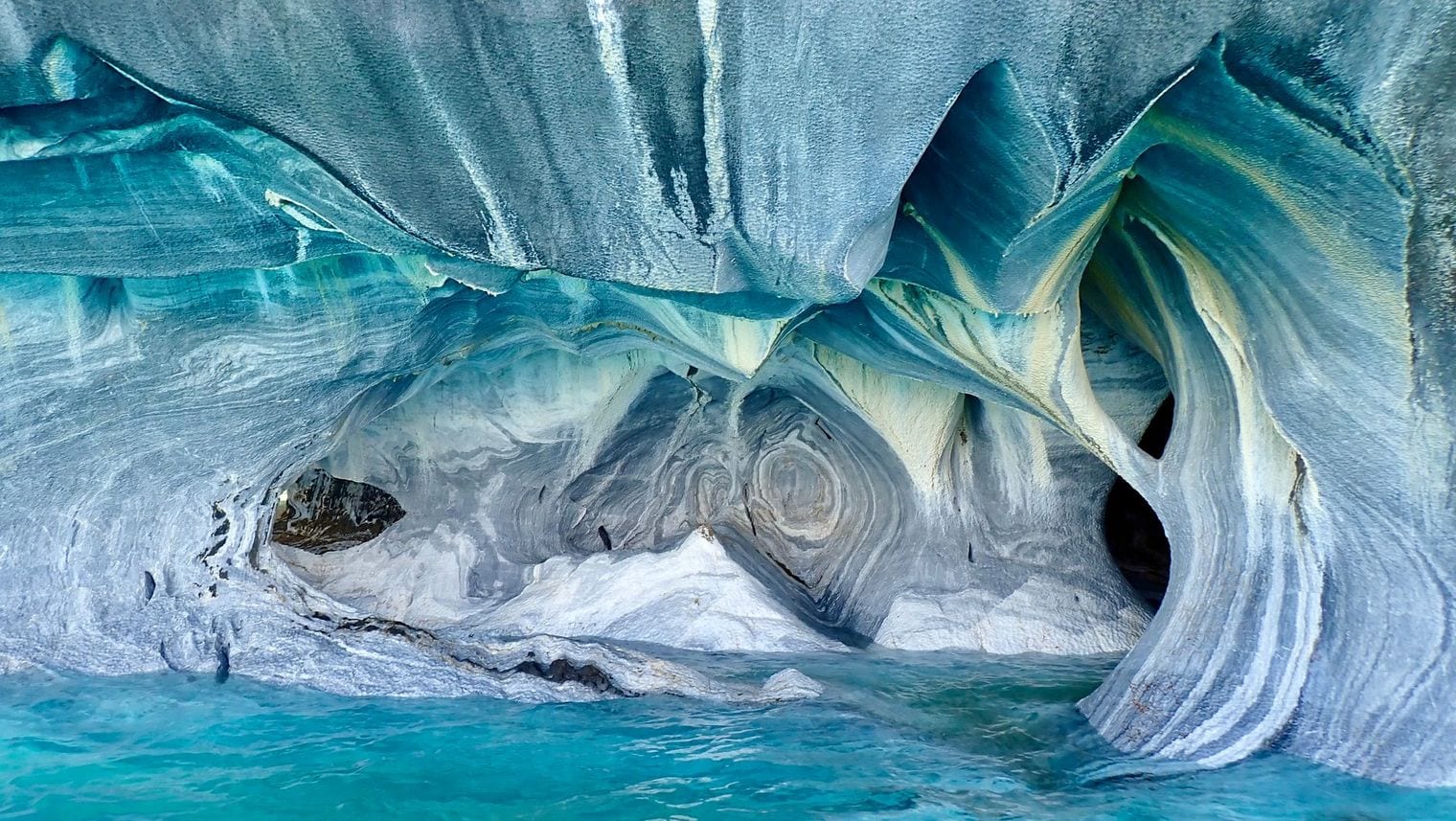
The lake's best-known feature is the Marble Caves — caverns, columns and tunnels that waves have worn into marble headlands over thousands of years. Small boats run out to them from the shoreline village of Puerto Río Tranquilo, and the blue of the water reflecting off polished stone is the image that pulls most travellers down the Carretera Austral.
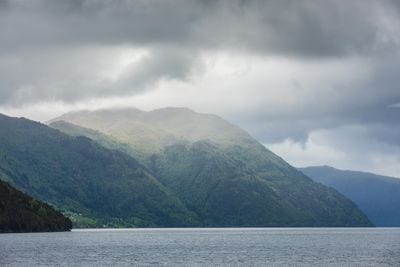
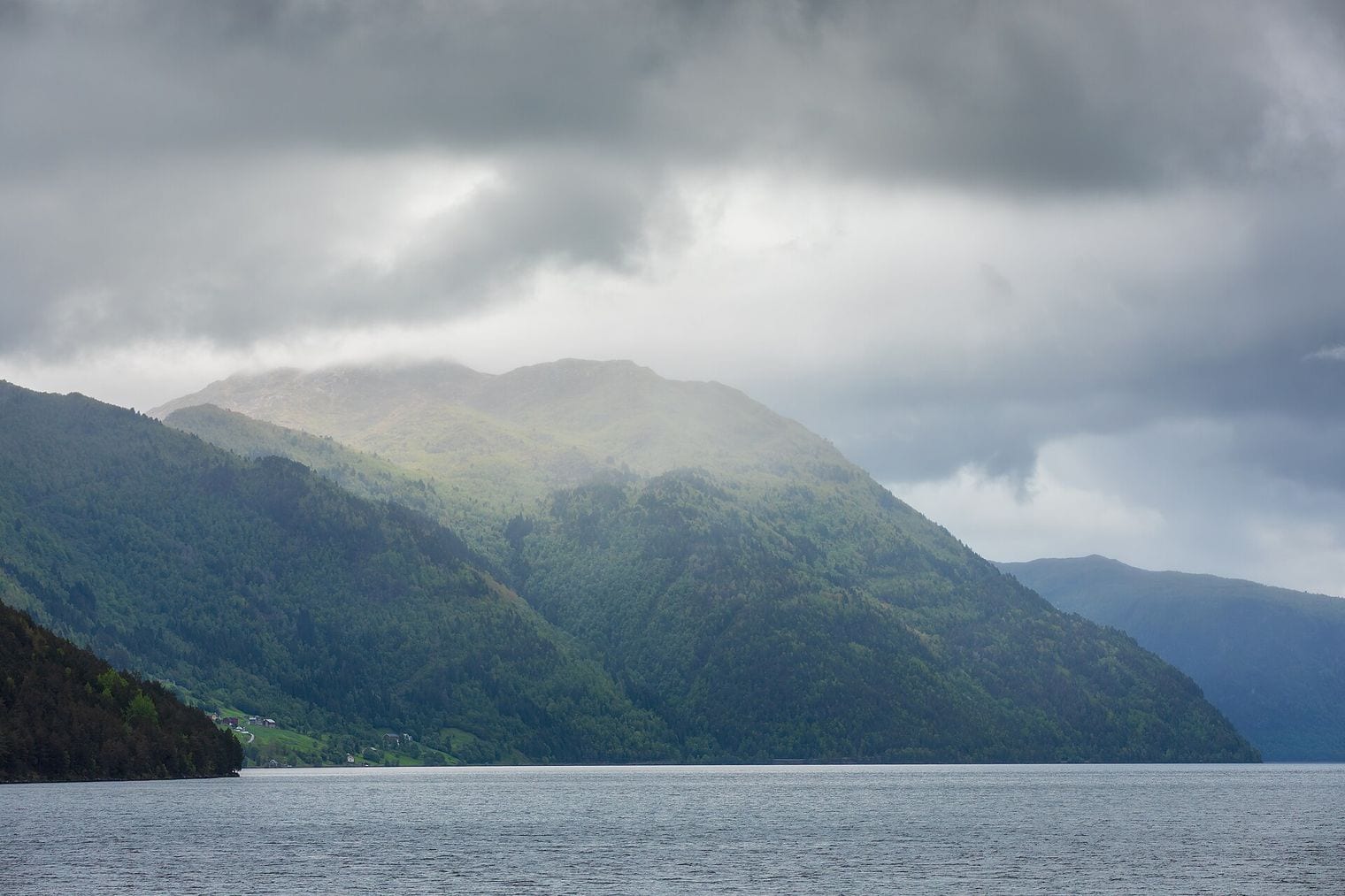
At 514 m, Hornindalsvatnet is the deepest lake in Europe, and it holds that title by three metres over Quesnel Lake below it on this list. It lies in Vestland county in western Norway, a long narrow trough gouged out by moving ice.
Its floor sits far below sea level, a legacy of glaciers that cut down through bedrock during the last ice age much as they carved the fjords a short distance west. The lake covers barely 51 km², which makes the depth all the more striking — a narrow slot of exceptionally clear water in steep-sided country, with quiet roads running along both shores.
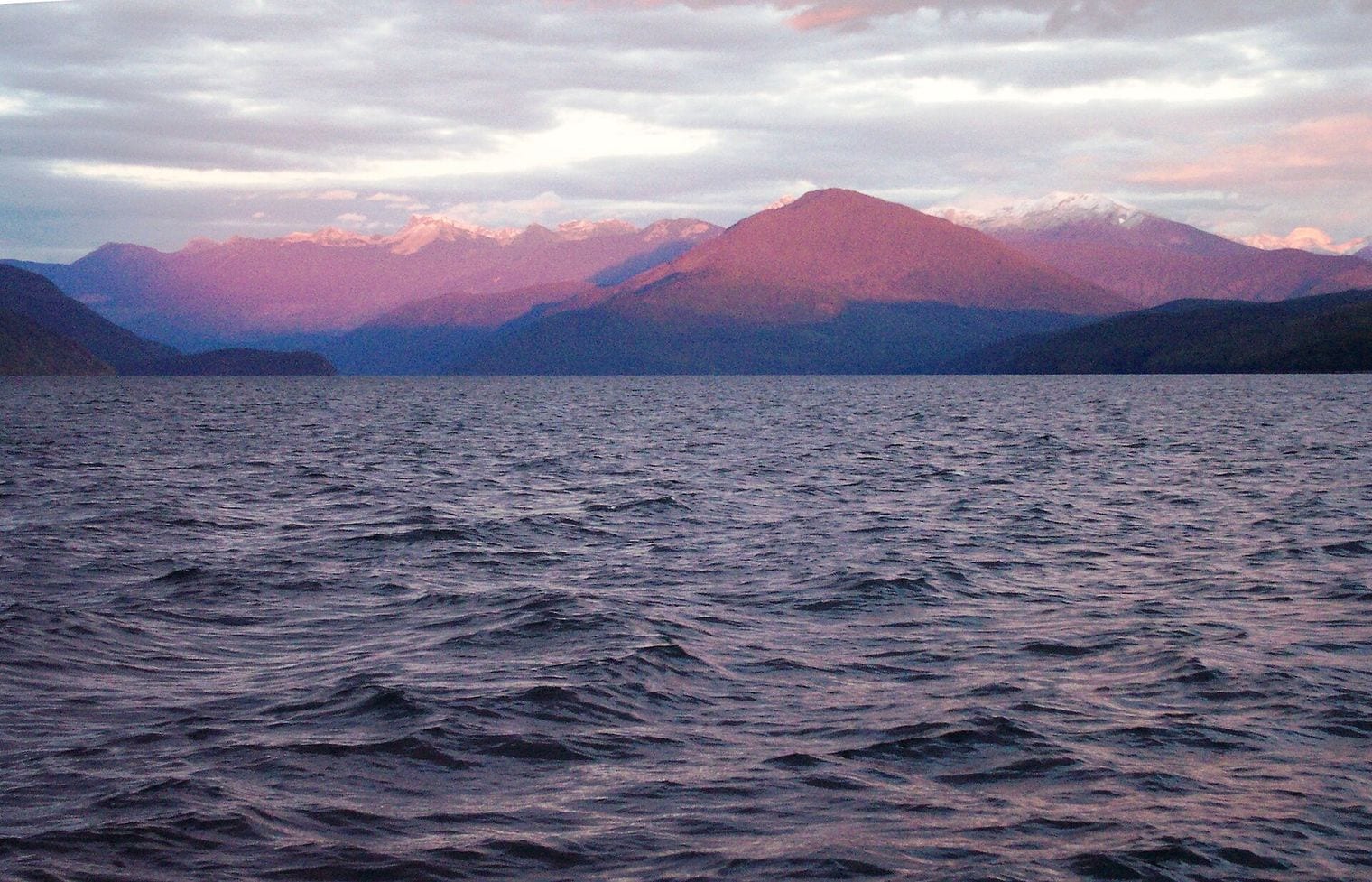
At 511 m, Quesnel Lake is the deepest lake in British Columbia and the third-deepest in North America, and it is widely described as the deepest fjord lake in the world. Just three metres separate it from Hornindalsvatnet above.
It has the classic fjord-lake shape: long narrow arms reaching back into the Cariboo Mountains, steep forested sides, and water that stays cold all year. The lake feeds the Quesnel River and anchors a major sockeye salmon system, with fish returning in large numbers on a roughly four-year dominant cycle to spawn in the shallows and tributary streams.
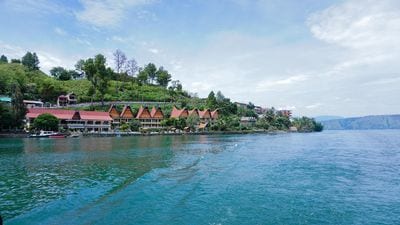
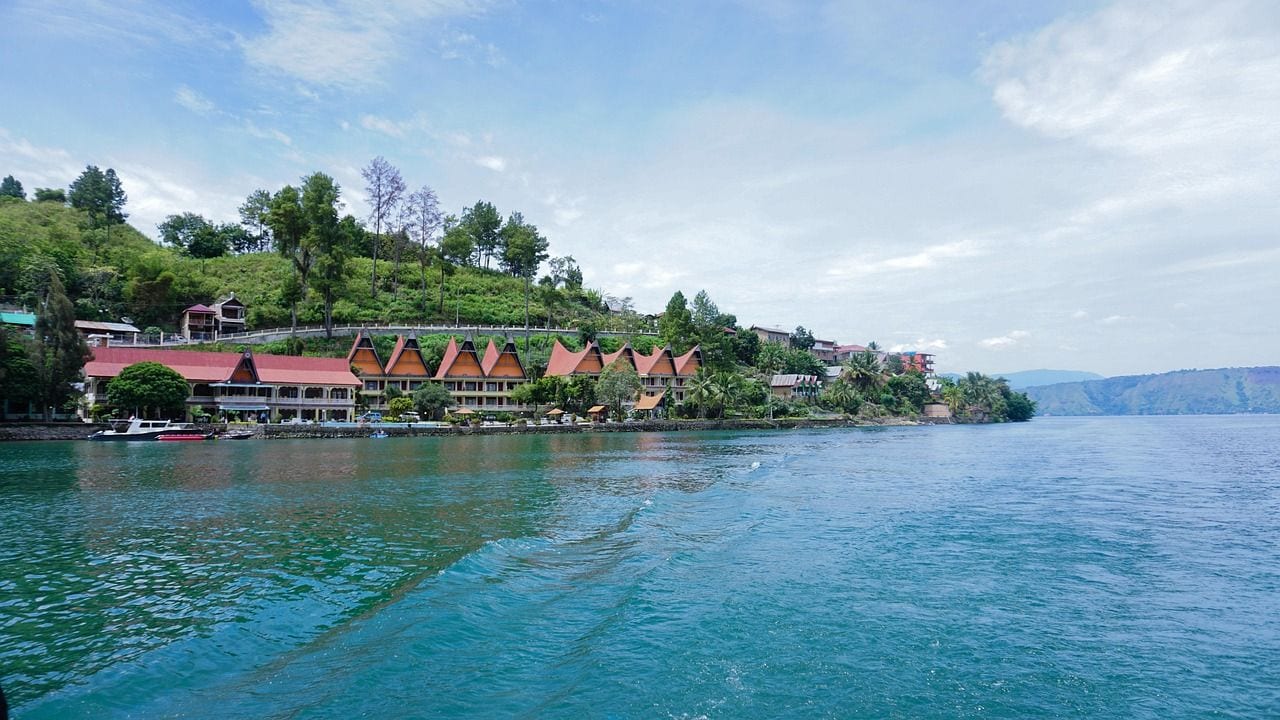
At 505 m, Lake Toba rounds out the countdown — sharing its figure exactly with Sarez Lake in Tajikistan, which loses the final place on every secondary measure. Toba covers 1,130 km² and holds 244 km³ of water, against Sarez's 80 km² and 16 km³.
The lake fills the caldera of a supervolcano that erupted about 74,000 years ago in the largest explosive eruption on Earth in the last 25 million years, throwing out an estimated 2,800 km³ of material and laying ash metres deep as far away as India.
Samosir Island in the middle is a resurgent dome pushed up since that eruption, and it is now the heart of Batak culture and of the lake's tourism, reached by ferry from Parapat in North Sumatra.
FAQ: The World's Deepest Lakes
What is the deepest lake in the world?
Lake Baikal in southern Siberia, at 1,642 m. It is the only lake on Earth more than a mile deep, and the gap to second place is enormous: Lake Tanganyika reaches 1,470 m. Baikal sits in a continental rift that has been widening for 25 to 30 million years, which is also what makes it the world's oldest lake.
Why is Lake Vostok not on this list?
Because you cannot reach it, and nobody has ever sounded it directly. Lake Vostok lies beneath roughly 4 km of Antarctic ice, and its estimated 900 m depth would place it fourth. This countdown ranks natural lakes with an open surface, so subglacial lakes are excluded — the single biggest omission the rules cost us.
Are the deepest lakes also the biggest?
Mostly not. Only five lakes appear both here and among the largest lakes by surface area — Baikal, Tanganyika, the Caspian, Malawi and Great Slave. The other ten are deep without being broad. Depth comes from rifts, calderas and glacial troughs, whereas surface area comes from wide shallow basins, so the two rankings measure different things.
What are the deepest lakes in North America and Europe?
Great Slave Lake in Canada's Northwest Territories is the deepest in North America at 614 m, with Crater Lake in Oregon the deepest in the United States at 594 m and Quesnel Lake in British Columbia third at 511 m. Europe's deepest is Hornindalsvatnet in western Norway, at 514 m.
Is the Caspian Sea a lake or a sea?
Geographers count it as a lake, and it is the largest one on Earth. It is saline and it sits partly on oceanic crust, which is why the name stuck and why its legal status was argued over for decades by the five countries on its shores. But no river carries its water out to an ocean, and that endorheic drainage is the test that settles it.
Is this ranked by average depth or maximum depth?
Maximum depth — the deepest surveyed sounding in each lake, not the average across the basin. The distinction matters: many lists quietly mix the two, which reshuffles the order badly. Figures are also revised as new surveys run, which is why O'Higgins/San Martín appears here at 799 m rather than the older 836 m reading still printed elsewhere. Every CityViking record countdown states the measure it ranks on for exactly this reason.