The record
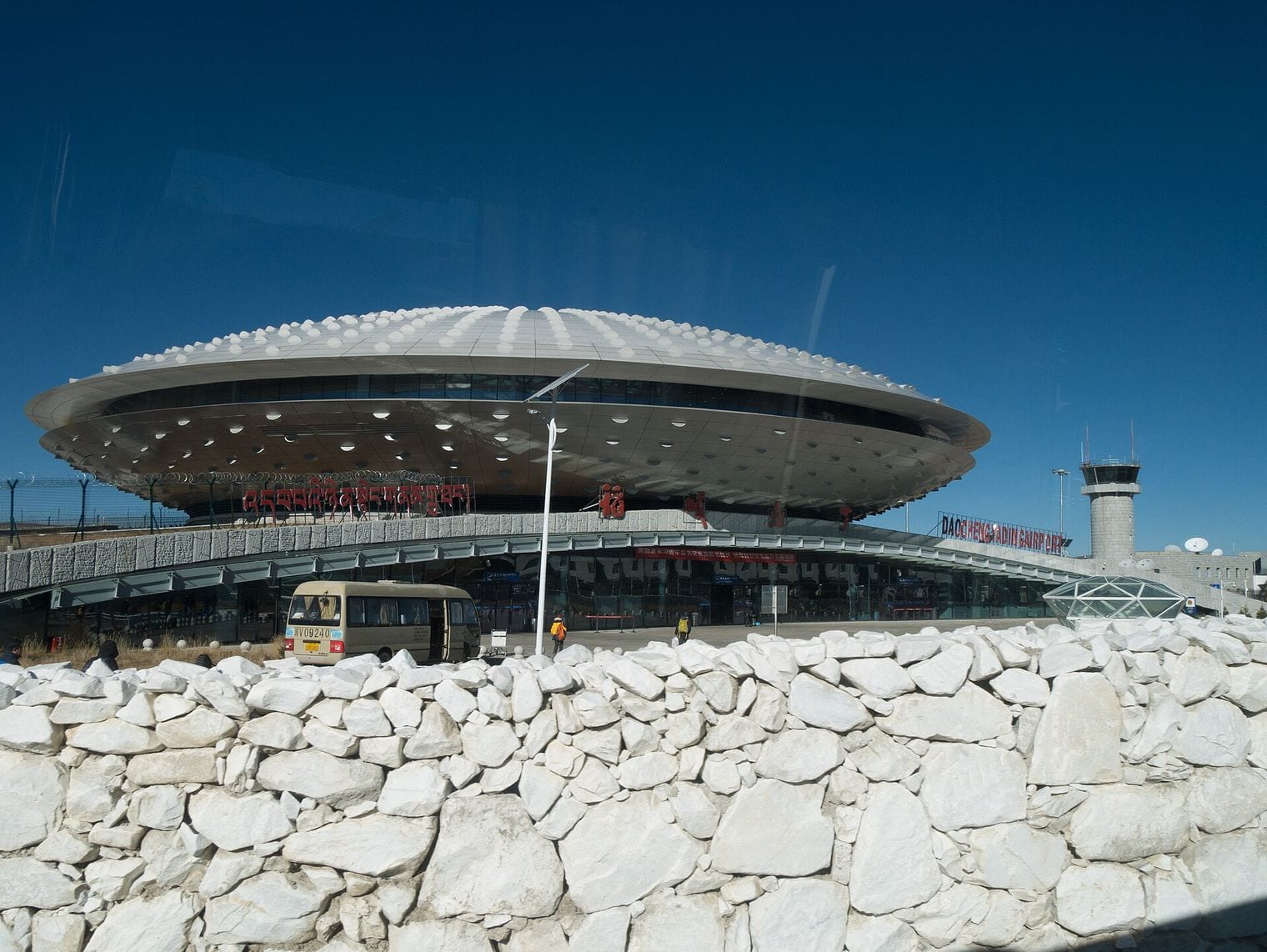
The highest airport in the world is Daocheng Yading Airport, in China — 4,411 m (14,472 ft), elevation.
Source: Wikipedia List of highest airports and the airport's own article both give 4,411 m; Guinness World Records independently certifies 4,411 m as the highest civilian airport, dated to its opening on 16 September 2013. Verified .
The highest place an aircraft routinely lands on Earth is not on this list. Daulat Beg Oldi sits at roughly 5,065 m in Ladakh, some 650 m above the highest airport you can buy a ticket to, but it is an Indian Air Force landing ground, and so is Nyoma, commissioned in 2025 as the world's highest fighter base.
This countdown ranks civilian airports in scheduled passenger service, measured by the airport reference point elevation above mean sea level that each operator and national aeronautical publication quotes. That rule costs it Peru's Vicco, a gravel mining strip with no timetable, and Nepal's Syangboche, which the country's aviation authority lists as not in operation.
What survives runs from 3,702 m to 4,411 m across just three countries, and the bar is high enough that Lhasa's famous Gonggar airport, at 3,570 m, misses the cut.
The highest airfield on Earth is not on this list at all — Daulat Beg Oldi in Ladakh sits at roughly 5,065 m, some 650 m above the highest airport you can buy a ticket to, but it is an Indian Air Force landing ground with no civilian service.
Every airport above 4,100 m in scheduled civilian service is in China — the top six entries here are all Tibetan or Sichuanese, and the only non-Chinese field in that band, Peru's Vicco, has no timetable.
Qamdo Bamda once held two world records at the same time — highest airport, and the longest runway anywhere on the planet at 5,500 m, since replaced by a merely enormous 4,500 m strip.
Eight months after it opened, Yushu Batang became the only way into a disaster zone — the 2010 Yushu earthquake cut every road, and the airport handled 490 relief flights in twenty-four days.
At El Alto, the air is too thin for a fully loaded Boeing 747. It is the highest international airport in the world, and wide-bodies simply cannot operate there at full weight.
Lhasa's airport does not make the top fifteen. Gonggar is the most famous high-altitude airport in the world and, at 3,570 m, it still falls short of the cut-off by well over a hundred metres — one of many world record-breakers where reputation and measurement disagree.
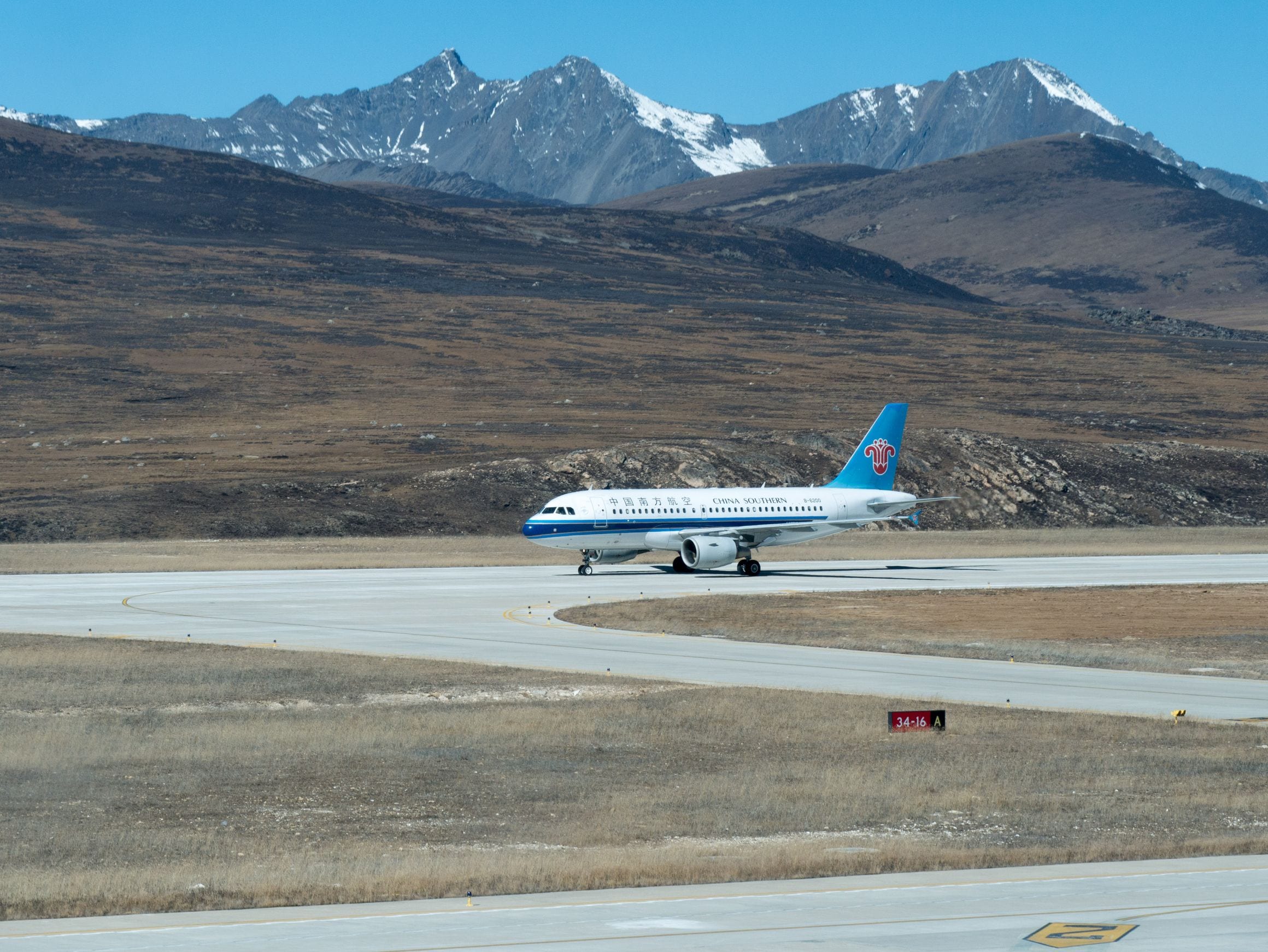
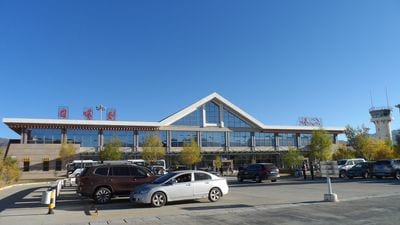
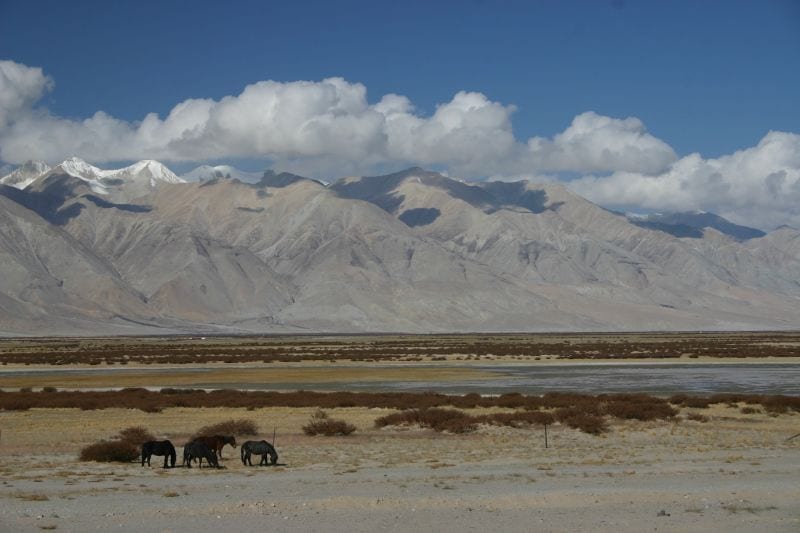
At 4,411 m14,472 ft, Daocheng Yading Airport is the highest civilian airport in the world, a record Guinness World Records dates to the morning it opened in September 2013. It stands on a bare plateau in the Garzê Tibetan Autonomous Prefecture of western Sichuan, where the air carries only about 60 percent of the oxygen available at sea level.
That thinness is why the single runway stretches to 4,200 m: engines produce less thrust and wings less lift up here, so an aircraft needs a far longer roll to reach the speed that will fly it.
The airport exists to serve the Yading Nature Reserve, a valley of three sacred peaks that Chinese travellers have long called the last Shangri-La. Reaching it once meant a punishing two-day bus journey from Chengdu; the flight now takes about an hour, though the reserve itself is still a drive of two hours or so beyond the terminal.
Air China and Sichuan Airlines work the route to Chengdu and Chongqing. Passengers stepping off a jet from near sea level are climbing higher than most of the Alps in a single afternoon, and the advice on arrival is always the same: move slowly.
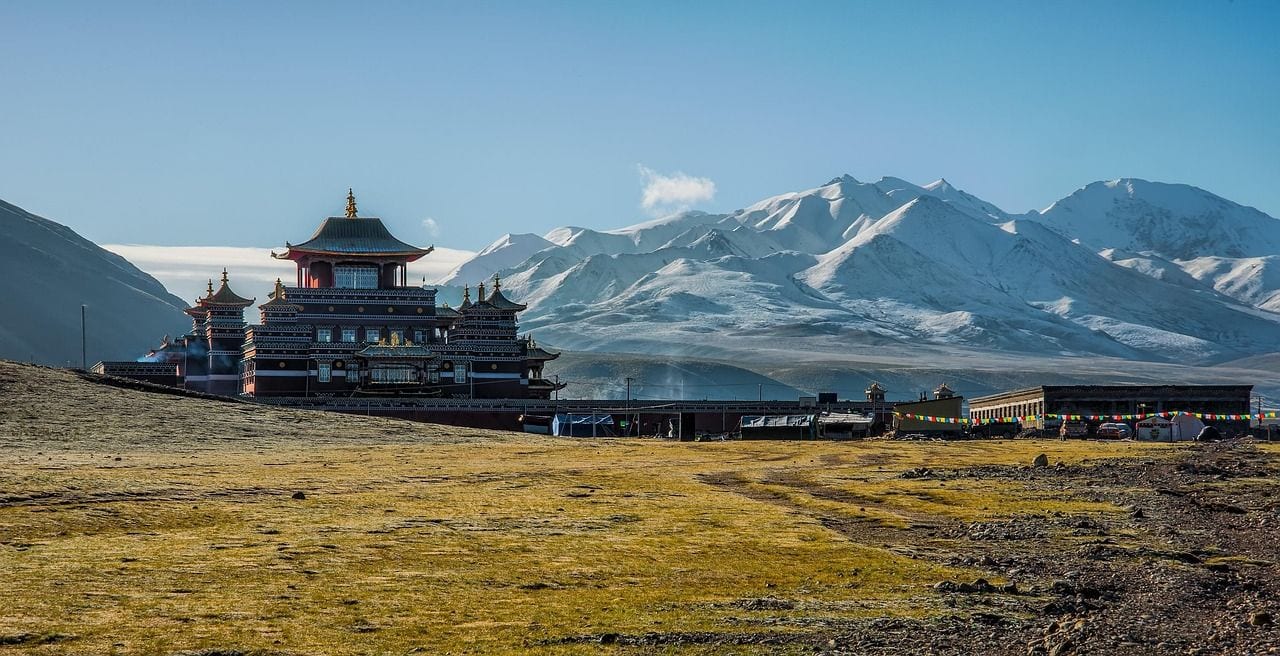
Qamdo Bamda Airport sits at 4,334 m14,219 ft in eastern Tibet, and for nineteen years it was the highest airport on Earth, holding the title from its opening in October 1994 until Daocheng Yading took it in 2013. It once held a second record too. Its original runway ran to 5,500 m, the longest anywhere in the world, since retired in favour of a 4,500 m asphalt strip that remains extravagant by any lowland measure.
That length was never vanity. High-altitude take-off rolls stretch and landing distances grow, so the runway has to be sized for physics rather than passenger numbers. The airport lies well outside Qamdo town itself, out across open grassland at the top of a long climb, and the transfer is a substantial journey in its own right.
Air China, Tibet Airlines and West Air connect it to Beijing, Chengdu, Lhasa and Xi'an, which is a generous spread of destinations for a field this remote.
33. Shigatse Tingri Airport
Tingri County, Shigatse, Tibet Autonomous Region, China
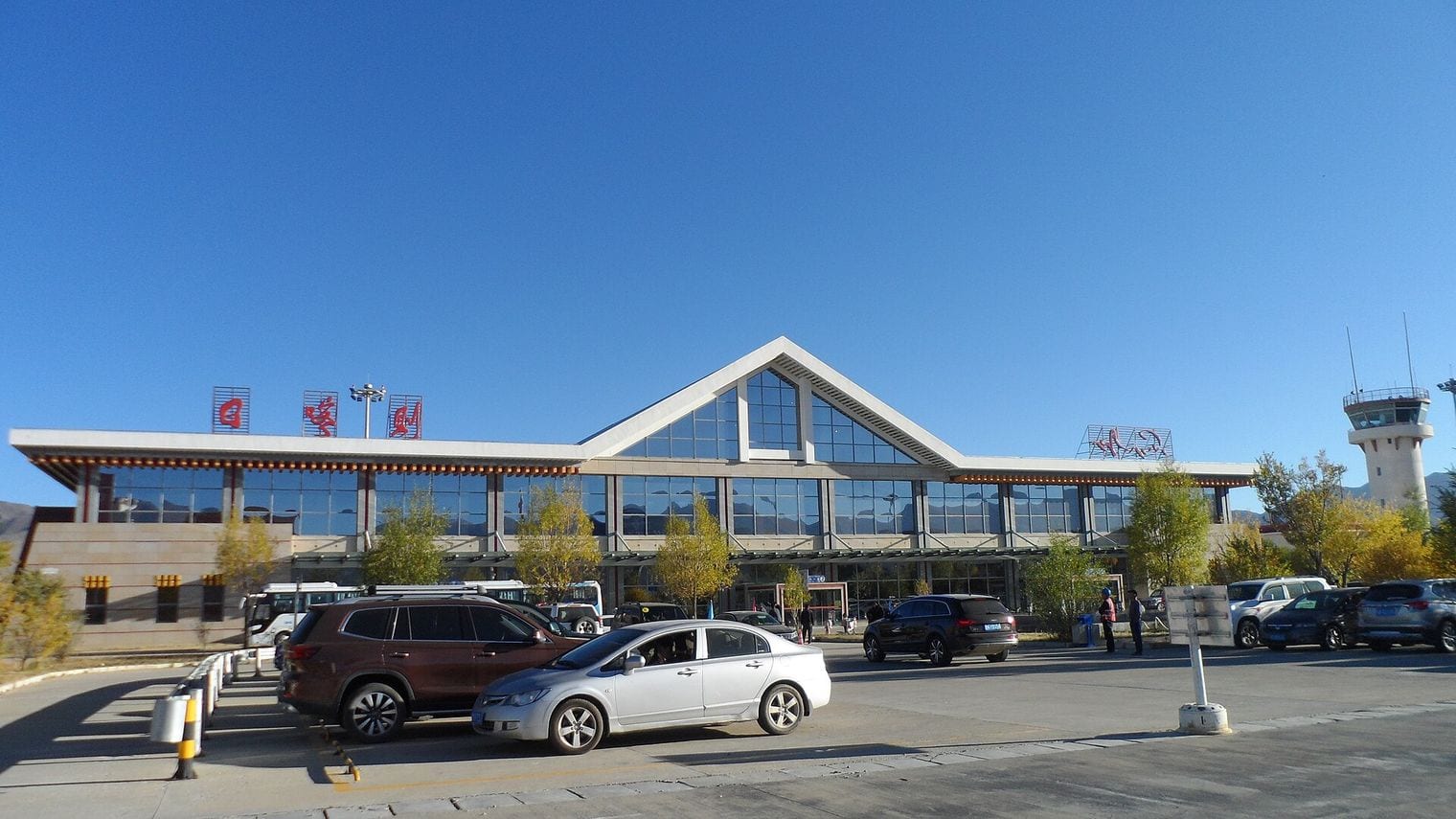
Shigatse Tingri Airport opened on Christmas Eve 2022 at 4,316 m14,160 ft and went straight into the list at number three. It is worth noting that the published figure varies a little by source: the airport's own record gives 4,316 m, the standard register 4,317 m, and Wikidata a slightly lower number again. The spread is a few metres either way and changes nothing about where it ranks.
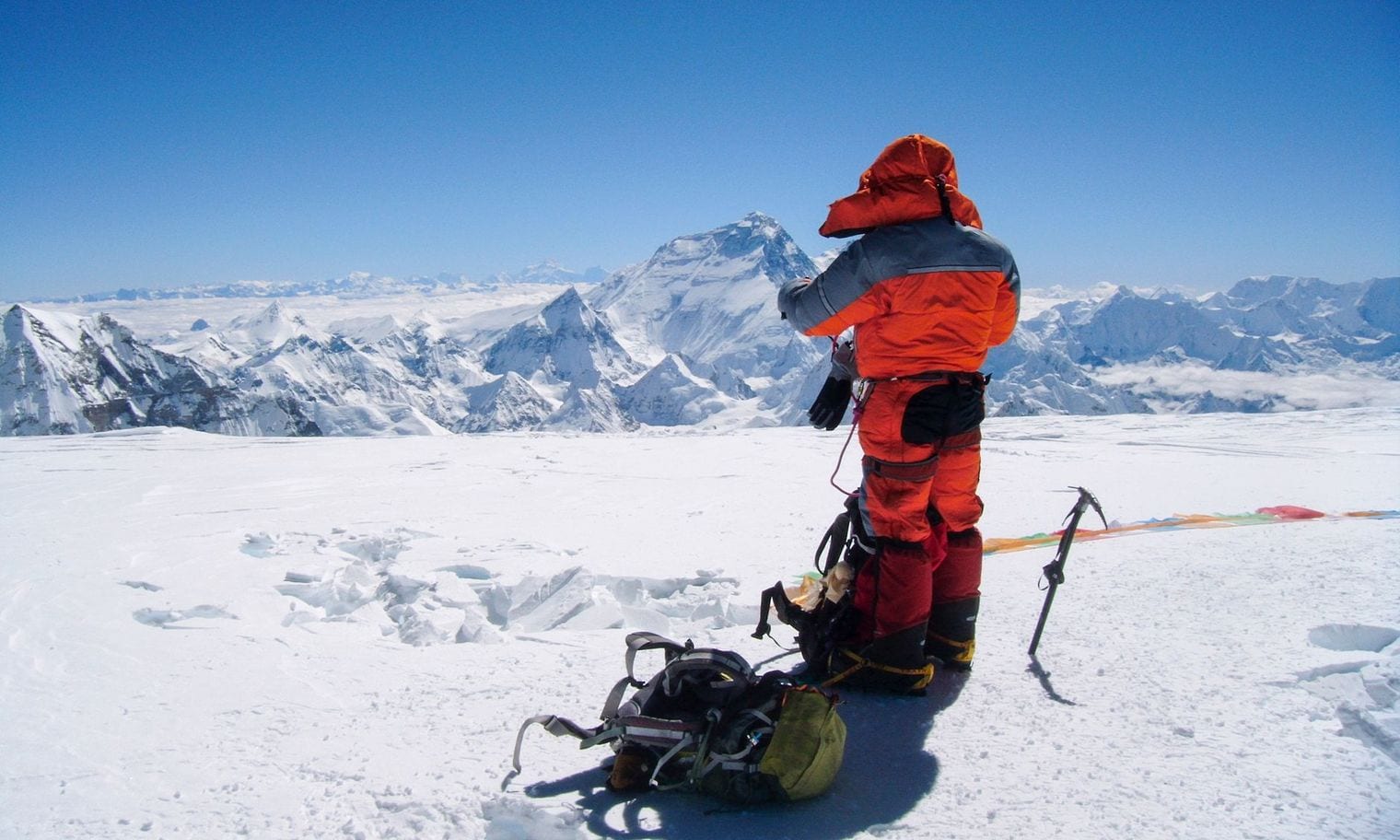
Tingri County is the northern approach to Everest, the side from which the mountain is reached through Tibet rather than Nepal, and the airport was built to shorten a journey that had previously been a long overland haul from Lhasa or Shigatse.
Air China and Shenzhen Airlines fly in from Chengdu and Lhasa. The terminal sits some distance from Tingri town, which is normal for airports at this altitude: the builders need a flat, wide shelf of ground more than they need proximity, and on the plateau those shelves are where you find them.
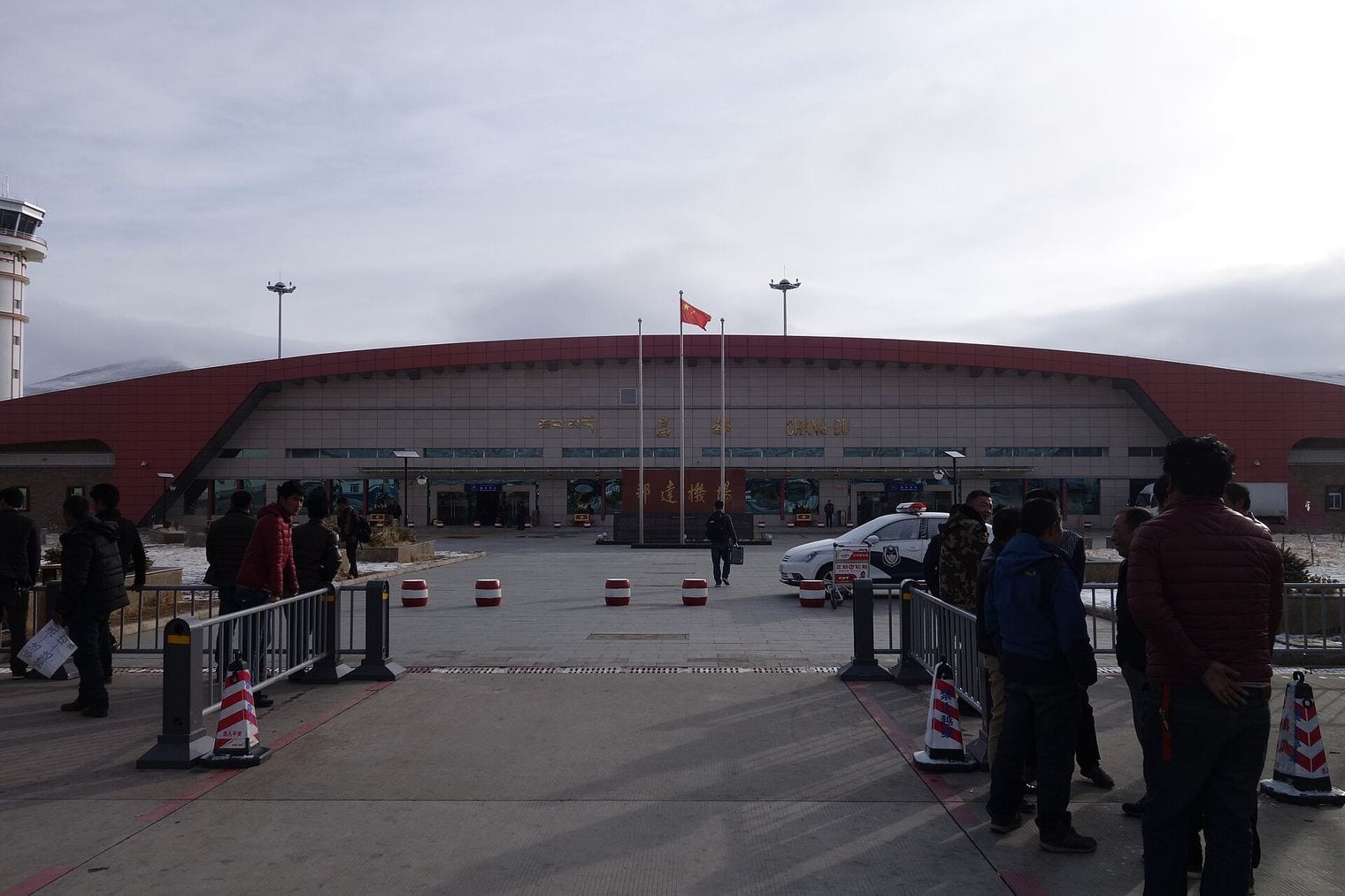
Garze Kangding Airport occupies a high tableland at 4,280 m14,042 ft, reached by a climb from the town of Kangding far below. It opened in April 2009 with a 4,000 m concrete runway, and the contrast between airfield and settlement is stark: passengers land on open alpine grassland and then descend a long way into a valley town hemmed in by mountains.
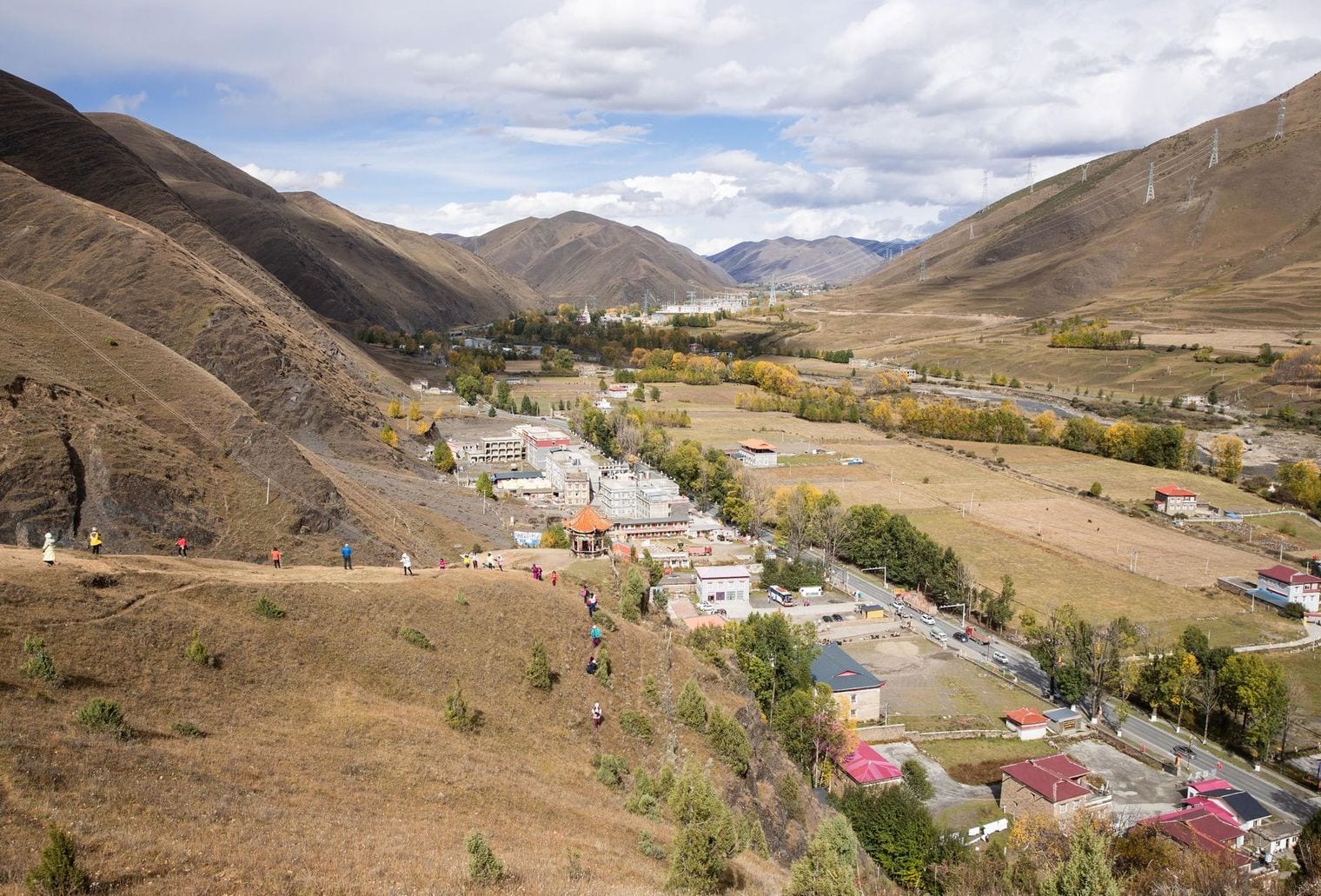
Kangding has been a meeting point between the Tibetan and Han worlds for centuries, a trading post on the old routes that carried tea west and horses east. The airport has compressed that journey from days to an hour or so. Sichuan Airlines runs the service to Chengdu-Shuangliu, and the descent from the plateau to the town is a genuine part of the trip rather than a formality, dropping well over a kilometre in altitude along the way.
55. Ngari Gunsa Airport
Gar County, Ngari Prefecture, Tibet Autonomous Region, China
At 4,274 m14,022 ft, Ngari Gunsa Airport serves the far west of Tibet, one of the emptiest inhabited regions anywhere on the planet. It opened in July 2010 as a dual-use military and civil field, an arrangement it shares with several airports on this list, and it carried around 190,000 passengers in 2021, which makes it comparatively busy for somewhere so remote.
The airport's value is measured in the distances it removes. Ngari Prefecture is closer to Kashgar than to Lhasa, and before the runway existed, getting there meant days of driving across some of the highest road in the world.
China Eastern, Lucky Air and Tibet Airlines now link it to Kashgar, Ürümqi, Xi'an, Lhasa and Xining. It is also one of the practical gateways to the Mount Kailash region, and it is the more established of the two Ngari airports on this countdown.
66. Ngari Burang Airport
Burang County, Ngari Prefecture, Tibet Autonomous Region, China
Ngari Burang Airport reaches 4,250 m13,944 ft and is the newest entry on this list by a wide margin, having begun operations on 27 December 2023. Like its neighbour at Gunsa it is a dual-use field, and it was built to a design capacity of around 150,000 passengers a year, modest by Chinese standards but substantial for a county on the edge of the plateau.
Burang County sits hard against the borders with Nepal and India, and the airport was explicitly intended to carry pilgrims. Mount Kailash and Lake Manasarovar, two of the most revered sites in Tibetan Buddhism, Hinduism, Jainism and Bön, lie within reach of it, and Burang cuts a long stretch of road off the traditional approach.
Tibet Airlines flies the link to Lhasa. It is a rare thing to be able to point at an airport and say precisely what it was for.
Garze Gesar Airport stands at 4,068 m13,346 ft and takes its name from King Gesar, the warrior hero of the great Tibetan epic cycle that has been sung across this region for centuries. It opened in September 2019, the third and quietest of the Sichuan airports on this list, handling around 80,000 passengers in 2021.
The drop from Ngari Burang above it to Gesar here is the largest single step on the whole countdown, more than 180 m, and it marks a real boundary: above roughly 4,100 m there are only a handful of airports on Earth, and almost all of them are Chinese.
Sichuan Airlines flies to Chengdu-Tianfu. Garzê County lies deep in the grasslands of western Sichuan, and the airport is the reason a journey that was once measured in days can now be done between breakfast and lunch.
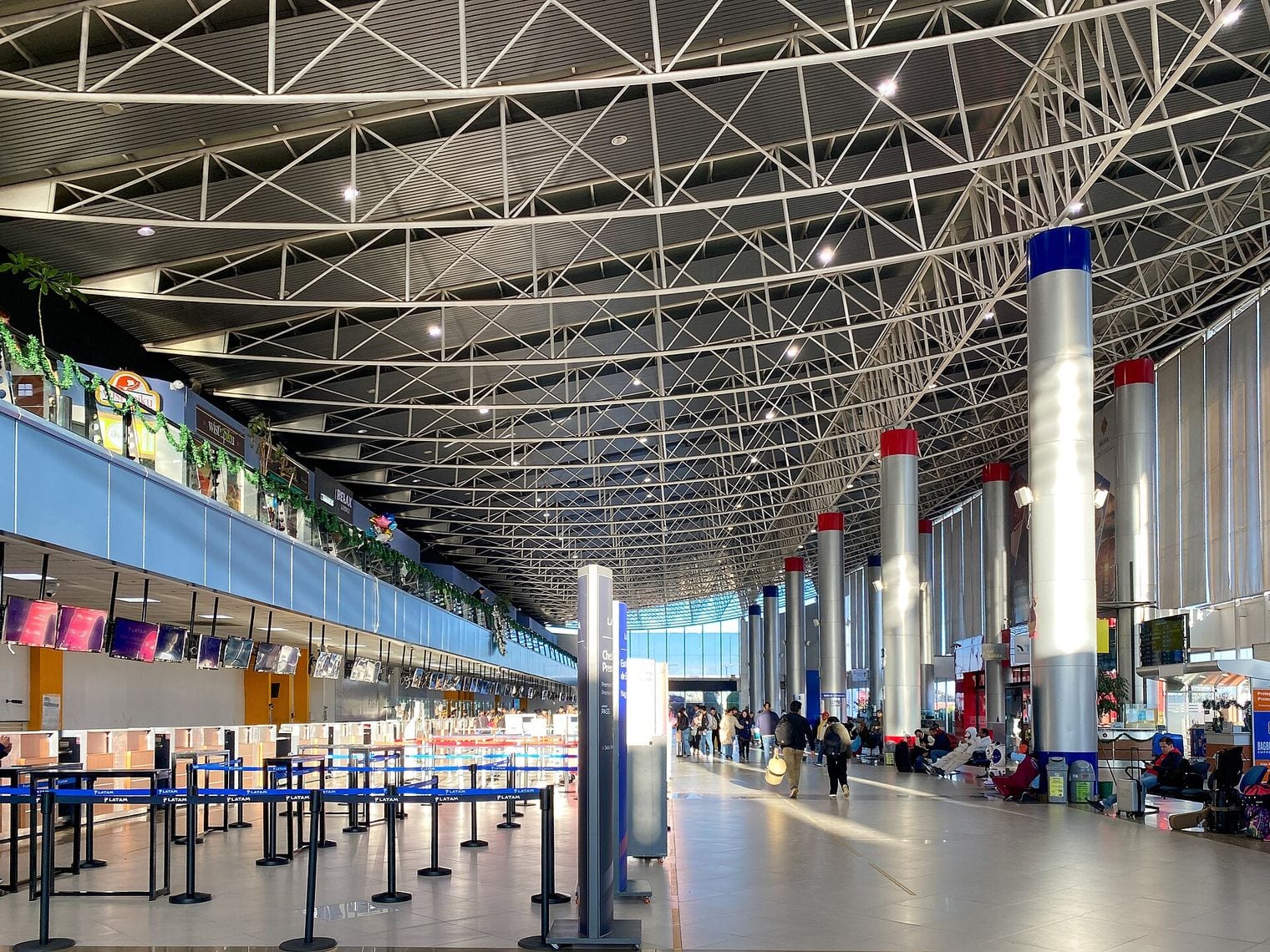
El Alto International Airport, at 4,061 m13,325 ft, is the highest international airport in the world and the highest commercial airport anywhere outside China. It handled more than 2.6 million passengers in 2023, which makes it comfortably the busiest field on this list and the only one most travellers are ever likely to use.
The altitude imposes hard limits that no amount of engineering removes. Wide-body aircraft such as the Boeing 747 and Airbus A330 cannot operate here at full load, because the thin air simply will not support them, and the main runway runs to 4,000 m to give everything else the room it needs.
The airport sits on the flat altiplano in the city of El Alto, with La Paz spread out in the canyon below it, so arriving passengers land on the plain and then descend into the capital. Boliviana de Aviación, Avianca, LATAM and others connect it to Lima, Santiago, Bogotá and across Bolivia.
99. Shannan Longzi Airport
Longzi County, Shannan, Tibet Autonomous Region, China
Shannan Longzi Airport lies at 3,980 m13,060 ft and handled its first flight on 12 January 2023. Its elevation is the one genuine disagreement in the sources behind this list: the airport's own record, the aviation industry databases and the flight trackers all give 3,980 m, while the standard register still carries 3,950 m. The higher figure is the better supported of the two, and either way the airport ranks ninth.
Longzi County occupies the southern edge of Tibet, close to the Himalayan crest, and the runway was built long at 4,500 m for the usual high-altitude reasons. What sets this airport apart is how little traffic it carries. Scheduled service here is the sparsest of anything on this countdown, a link to Chengdu rather than the daily rhythm the bigger Tibetan fields sustain, which makes it the entry most likely to change status when this list is next checked.
Captain Nicolás Rojas Airport serves Potosí at 3,939 m12,922 ft, the highest of Bolivia's three entries after El Alto. Its 2,833 m asphalt runway is notably short for an airport at this altitude, where thin air lengthens every take-off roll, and Boliviana de Aviación flies from it to Cochabamba, La Paz and Santa Cruz de la Sierra.
Potosí itself is one of the more extraordinary places to have an airport at all. The city grew up beneath Cerro Rico, the mountain whose silver bankrolled the Spanish empire for two centuries and drew a colonial boom town to an altitude where almost nothing else was built.
The historic centre is a UNESCO World Heritage Site, and the airport is the reason a city set this high and this far from anywhere is a short hop rather than a long drive from the rest of Bolivia.
Yushu Batang Airport sits at 3,890 m12,762 ft in the far south of Qinghai province and opened on 1 August 2009 with a China Eastern service from Xi'an by way of Xining. Eight months later it justified itself in a way nobody would have wished for.
On 14 April 2010 a magnitude 7.1 earthquake struck Yushu, severing the roads into the region and leaving the new airport as the only viable way in. It reopened at midday and the first rescue flight landed that evening. Over the following twenty-four days it handled 490 relief flights, brought in more than 17,000 rescue personnel and over 2,000 tonnes of supplies, and evacuated more than 2,000 injured people.
Today it is a normal regional airport again, with Beijing Capital Airlines, China Eastern and Tibet Airlines flying to Beijing-Daxing, Chengdu, Lhasa, Xi'an and Xining, but that fortnight remains the clearest argument anyone has made for building airports in places this hard to reach.
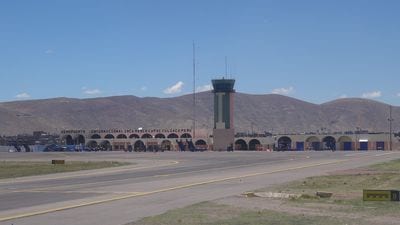
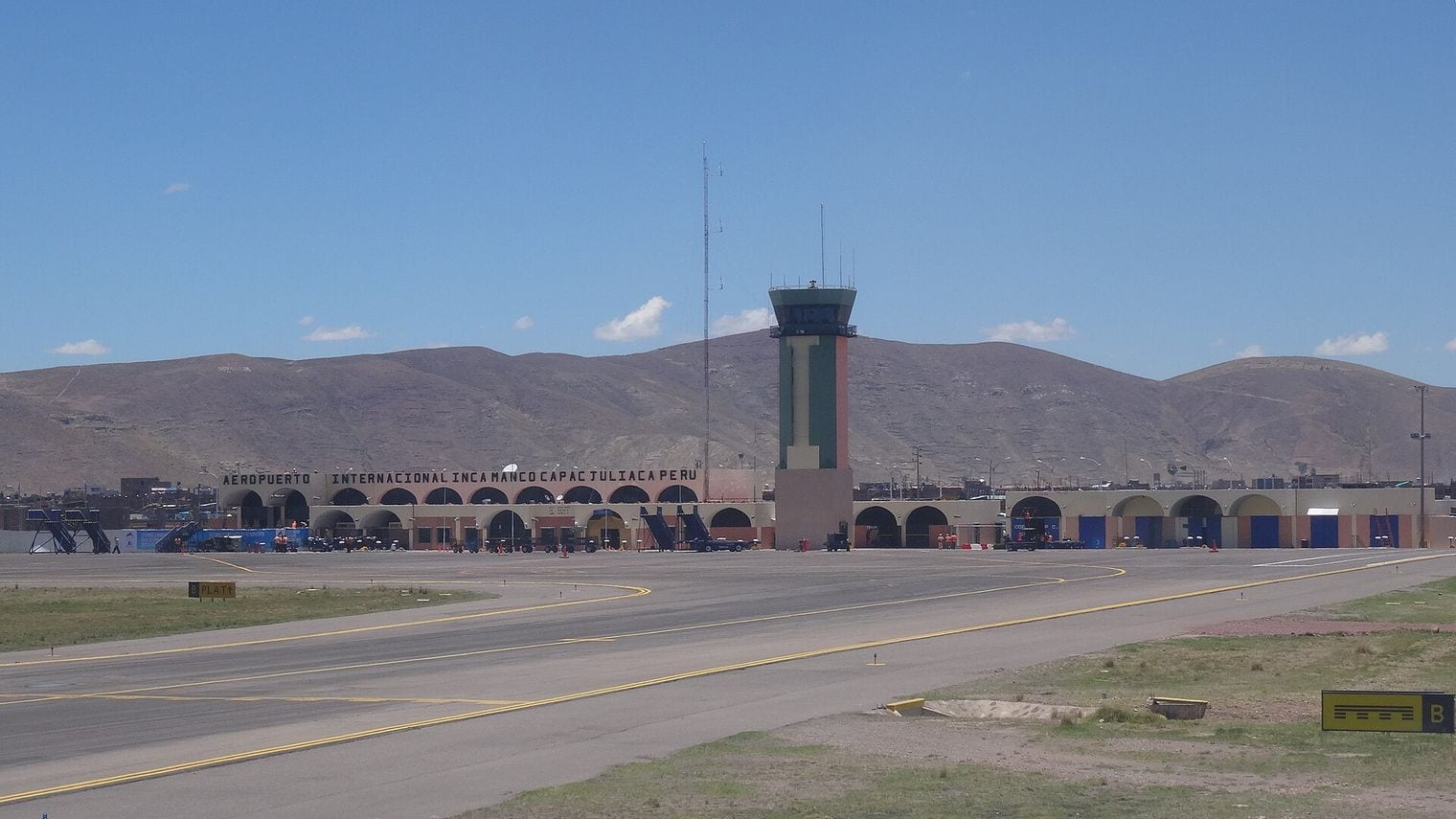
Inca Manco Cápac International Airport lies at 3,826 m12,552 ft outside Juliaca in the Puno region of southern Peru, about 32 km from the shore of Lake Titicaca. Its single runway stretches 4,200 m, the longest in Peru and among the longest in Latin America, which is once again the altitude asserting itself rather than the traffic demanding it.
The airport is the main gateway to Titicaca and the altiplano towns around it, and it is busier than its remoteness suggests, with LATAM Perú and Sky Airline Peru both running services to Lima.
The word International in its name is a little optimistic: it holds the classification but carries no scheduled international flights, so every departure board reads the same way. It is the only Peruvian airport to survive this list's membership rule, its higher compatriot at Vicco having failed it.
Golog Maqin Airport reaches 3,788 m12,428 ft and opened on 1 July 2016, serving the Golog Tibetan Autonomous Prefecture in southern Qinghai. Its 4,000 m runway and its position are the whole story: this is grassland and mountain country at the headwaters of the Yellow River, a long way from anywhere with a railway station.
The prefecture is dominated by the Amne Machin range, a massif sacred in Tibetan tradition and high enough that early explorers wondered aloud whether it might rival Everest. It does not, but the country around it is genuinely wild, and the airport has cut travel times that used to be measured in days of driving.
China Eastern flies to Xining and Tibet Airlines serves both Xining and Chengdu. Its six-metre margin over Shigatse Peace below it ties with the Gunsa-Kangding pair near the top for the narrowest gap anywhere on this countdown.
Shigatse Peace Airport stands at 3,782 m12,408 ft and has the longest history of any entry here. The field was laid out in 1973 as a military installation and only opened to civil traffic on 30 October 2010, and it remains a dual-use airport today. Its 5,000 m runway is among the longest public runways anywhere in the world, exceeding the strips at most major international hubs.
Shigatse is Tibet's second city and the historic seat of the Panchen Lama, whose Tashilhunpo Monastery has dominated the town since the fifteenth century, so the airport carries a steady flow of pilgrims and visitors alongside its other role.
China Eastern flies to Xi'an and Xizang Airlines serves Chengdu, Shijiazhuang and Xining. It is one of two Shigatse airports on this list, the other being the far newer field at Tingri, and the two sit some five hundred metres apart in altitude.
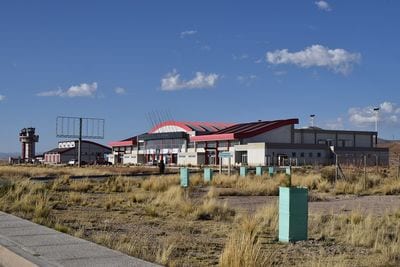
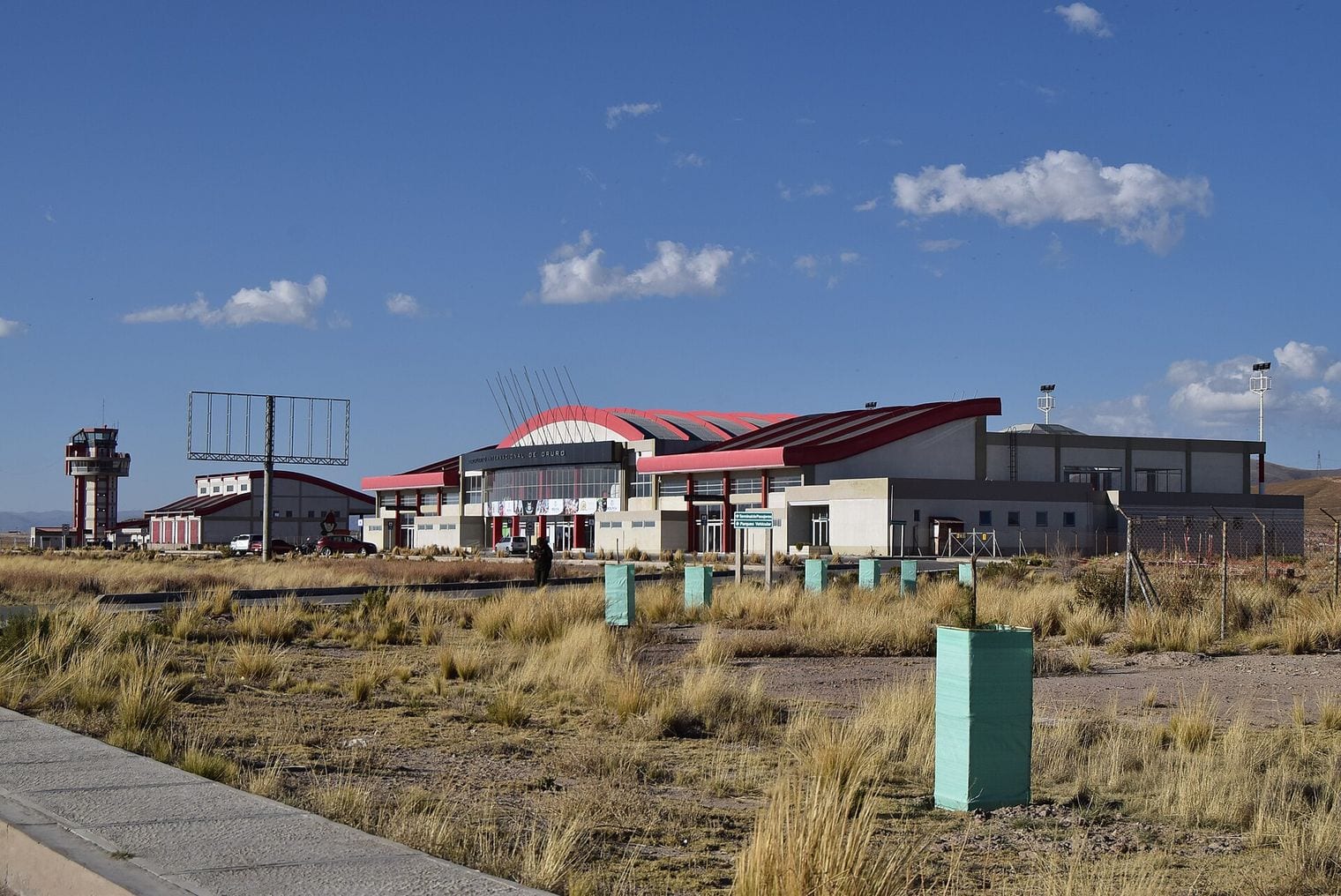
Juan Mendoza Airport closes this countdown at 3,702 m12,146 ft, serving the Bolivian mining city of Oruro from a 4,000 m runway on the open altiplano.
Its place here rests on a thin margin in two senses: it clears the next airport down, Uyuni, by just 37 m, and it holds its spot only because Boliviana de Aviación still runs a scheduled link to Cochabamba and Santa Cruz. Without that timetable it would fall out of the list on the membership rule, as two higher fields already have.
Oruro is best known for its Carnival, which UNESCO proclaimed a Masterpiece of the Oral and Intangible Heritage of Humanity in 2001 and later inscribed on its representative list. Tens of thousands of dancers and thousands of musicians parade through the city over several days, led by the horned masks and elaborate costumes of the Diablada. For a few days a year, one of the highest airports in the world serves one of the largest folk festivals in South America.
FAQ: The World's Highest Airports
What is the highest airport in the world?
Daocheng Yading Airport in Sichuan, China, at 4,411 m14,472 ft above sea level. It opened in September 2013, taking the record from Qamdo Bamda in Tibet, and Guinness World Records recognises it as the highest civilian airport anywhere. Every one of the six highest airports in scheduled service is Chinese.
Is any airfield higher than Daocheng Yading?
Yes, but not one you can fly into commercially. Daulat Beg Oldi in Ladakh sits at roughly 5,065 m, and India commissioned nearby Nyoma in 2025 as the world's highest operational fighter base. Both are military airfields with no scheduled passenger service, so neither qualifies for this ranking.
What is the highest international airport in the world?
El Alto International Airport, serving La Paz in Bolivia at 4,061 m13,325 ft. It is also the highest commercial airport outside China and comfortably the busiest field on this list, handling more than 2.6 million passengers a year. The thin air prevents wide-body jets from operating there at full load.
Why do the highest airports need such long runways?
Thin air gives jet engines less thrust and wings less lift, so an aircraft needs far more distance to reach flying speed and to stop again afterwards. That is why Shigatse Peace has a 5,000 m runway, longer than most major international hubs, and why Qamdo Bamda once had the longest in the world at 5,500 m.
Do you get altitude sickness flying into these airports?
It is a genuine risk. Most of these airports sit above 3,700 m, higher than many people ever climb on foot, and a flight delivers you there in hours rather than days, leaving no time to acclimatise. Headaches and breathlessness are common. The standard advice on arrival is to rest, drink water and move slowly.