The record
The hottest place in the world is Furnace Creek, in the United States — 56.7 °C (134.1 °F), highest recorded temperature.
Source: WMO Archive of Weather and Climate Extremes. Verified .
The two places most often called the hottest on Earth are missing from this list, and the reason is a thermometer. Iran's Lut Desert has been clocked at 80.8 °C and Ethiopia's Dallol holds the highest annual average temperature anywhere, but the first is a satellite reading of bare ground and the second is a yearly mean — neither is what a weather station measures in the shade.
This countdown ranks the highest air temperature ever officially recorded at a named station, the standard the World Meteorological Organization keeps, running from 52.0 °C in Jeddah up to 56.7 °C in Death Valley across eleven countries.
Every place here still exists and is still observed today, so a record set in 1913 sits alongside one set in August 2025. That rule costs the list its most famous entry: Libya's El Azizia held the world record at 57.8 °C for ninety years, until the WMO decertified the reading in 2012 and struck it from the archive.
The world record was held by Libya for ninety years, and then withdrawn — El Azizia's 57.8 °C stood from 1922 until 2012, when a WMO panel concluded an inexperienced observer had probably misread a newly installed instrument and struck the reading from the archive.
The hottest number ever measured on Earth is not on this list — Iran's Lut Desert has been clocked at 80.8 °C, but that is a satellite reading of bare ground. Land bakes far hotter than the air above it, and every figure here is a shaded air temperature from a weather station.
The reigning champion is the most disputed number in meteorology — Furnace Creek's 1913 record is still certified by the WMO, yet several climatologists, including some of its own investigators, have argued it reads two to three degrees too high.
Three of the twelve sit below sea level — Tirat Zvi at roughly 220 metres down, Turpan at over 150, and Furnace Creek at 54. Air warms as it sinks and compresses, so depressions concentrate heat the way a valley concentrates cold.
A rounding error gave Iran a record it never set — Ahvaz is endlessly reported at 54.0 °C, but that figure came from a weather service that rounds to whole degrees. The measured value was 53.7 °C.
The only Bronze Age city on the list is being destroyed by its own climate — at Mohenjo-daro, moisture wicks up through 4,500-year-old brickwork and evaporates, leaving salt behind. UNESCO names salt action among the site's principal conservation problems.
11. Furnace Creek
Furnace Creek, Death Valley National Park, California, United States
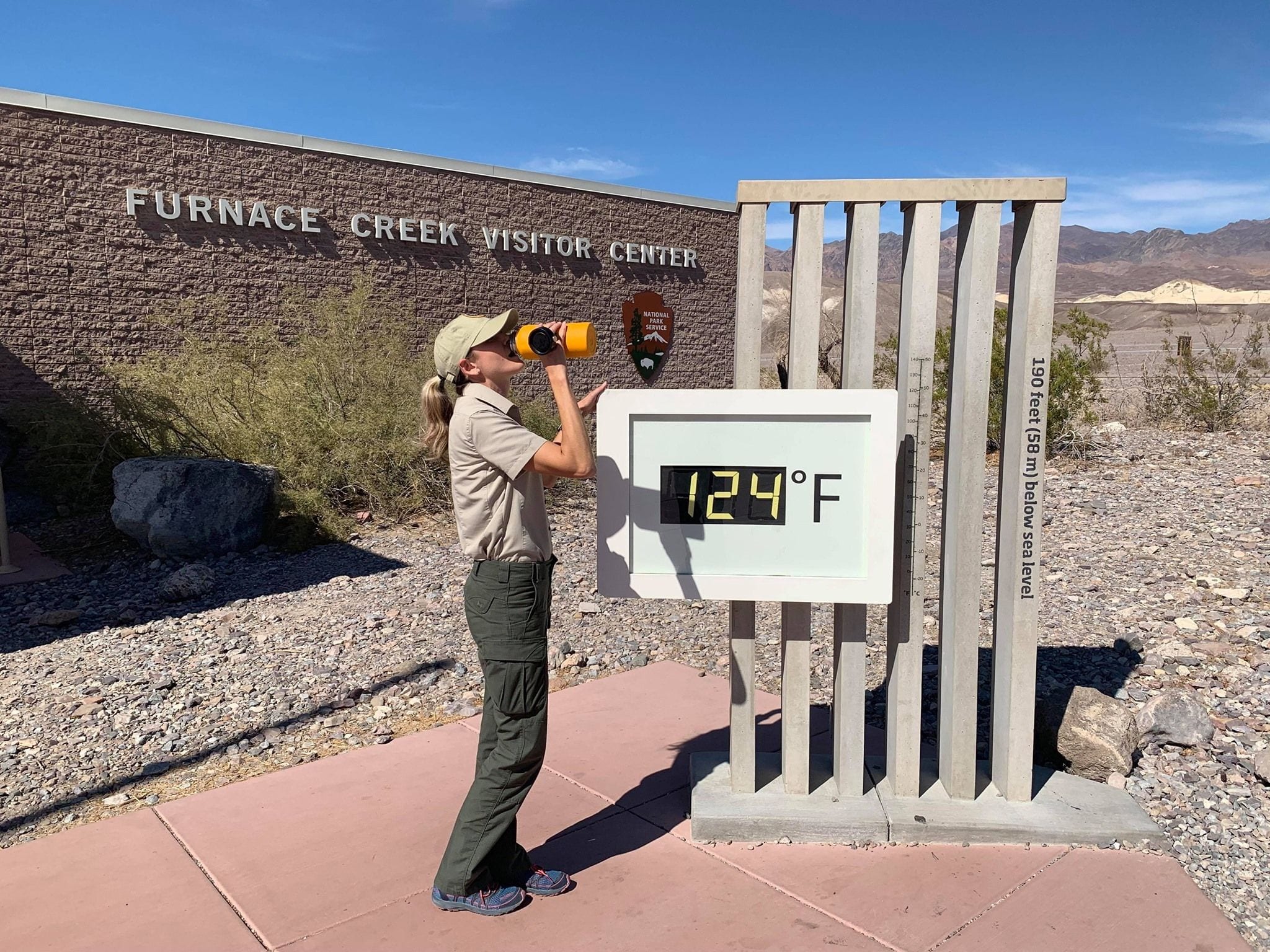
At 56.7 °C (134.1 °F), Furnace Creek holds the highest air temperature ever officially recorded anywhere on Earth, measured on 10 July 1913 at the station then known as Greenland Ranch. The World Meteorological Organization still certifies the figure, though it is the most argued-over number in meteorology: several climatologists, including some of the WMO's own investigators, have suggested the reading may run two to three degrees high.
Death Valley has not needed the 1913 mark to keep its title — the same basin reached 54.4 °C in August 2020 and again in July 2021, the hottest reliably measured air temperature of the modern era.
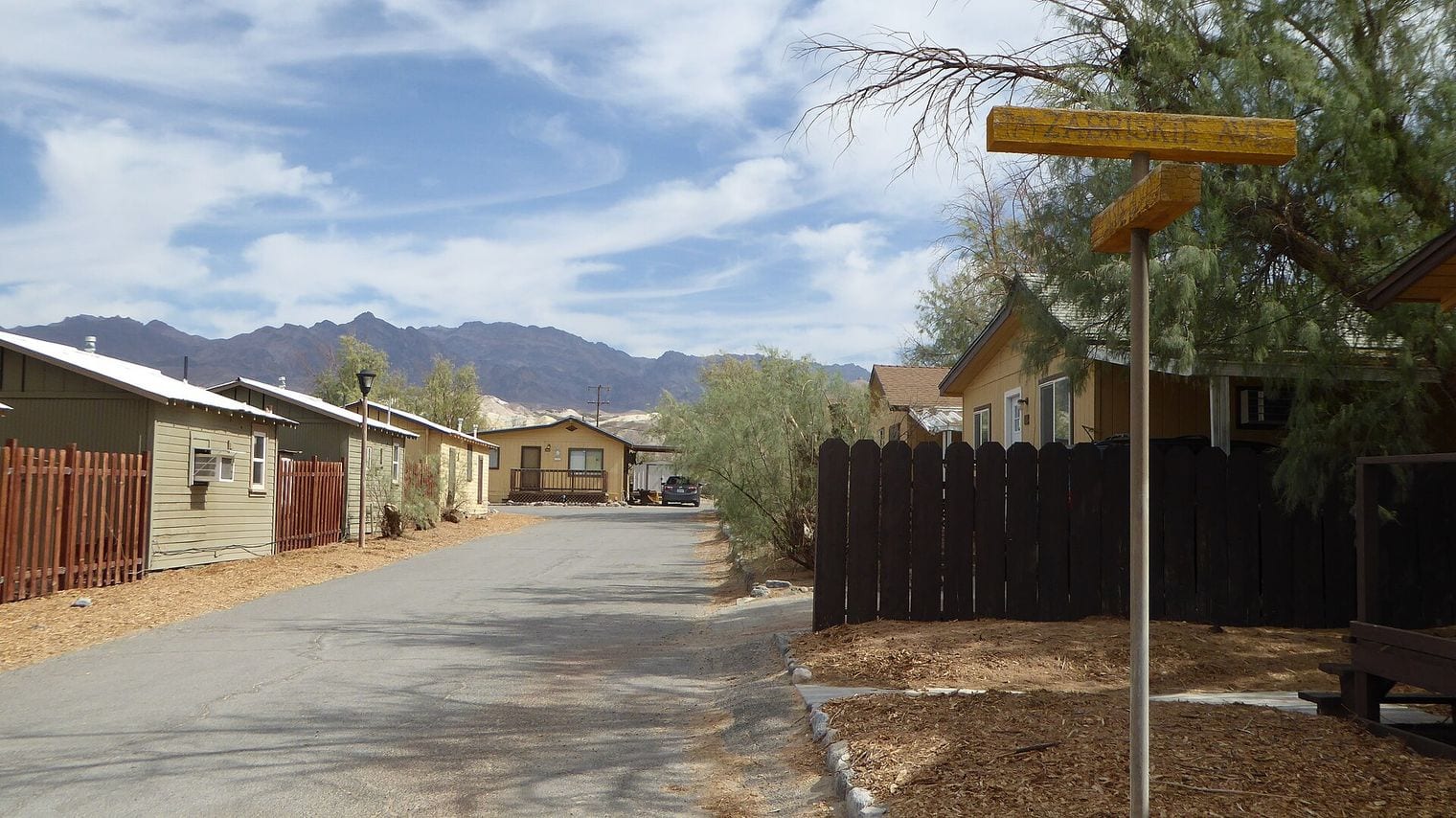
Furnace Creek sits about 54 metres below sea level in California's Death Valley National Park, and it is the rare superlative on this list you can simply drive to.
The visitor centre keeps a large thermometer display that becomes an unofficial photo stop every July, and the surrounding basin — Badwater, Zabriskie Point, the Mesquite Flat dunes — is spectacular in the cooler months. Rangers are blunt about summer: walk before dawn, carry far more water than feels sensible, and stay near the car.
At 55.0 °C (131.0 °F), Kebili holds Africa's highest officially recognised temperature, set on 7 July 1931 and reinstated as the continental record in 2012 after the WMO struck out Libya's rival claim. Like Death Valley's, the figure comes from an era of instrumentation that modern climatologists treat with caution — Africa's hottest reliably measured reading is a considerably lower 51.3 °C, recorded at Ouargla in Algeria in 2018 — but the WMO archive has not revised it.
Kebili is a Saharan oasis town in southern Tunisia, one of the oldest inhabited places in the country, built around springs that make date palms possible in a landscape that could not otherwise support them.
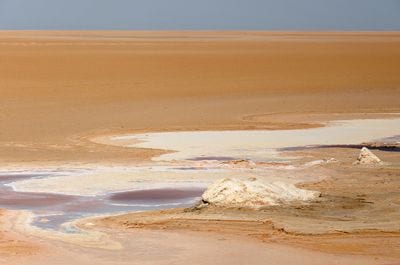
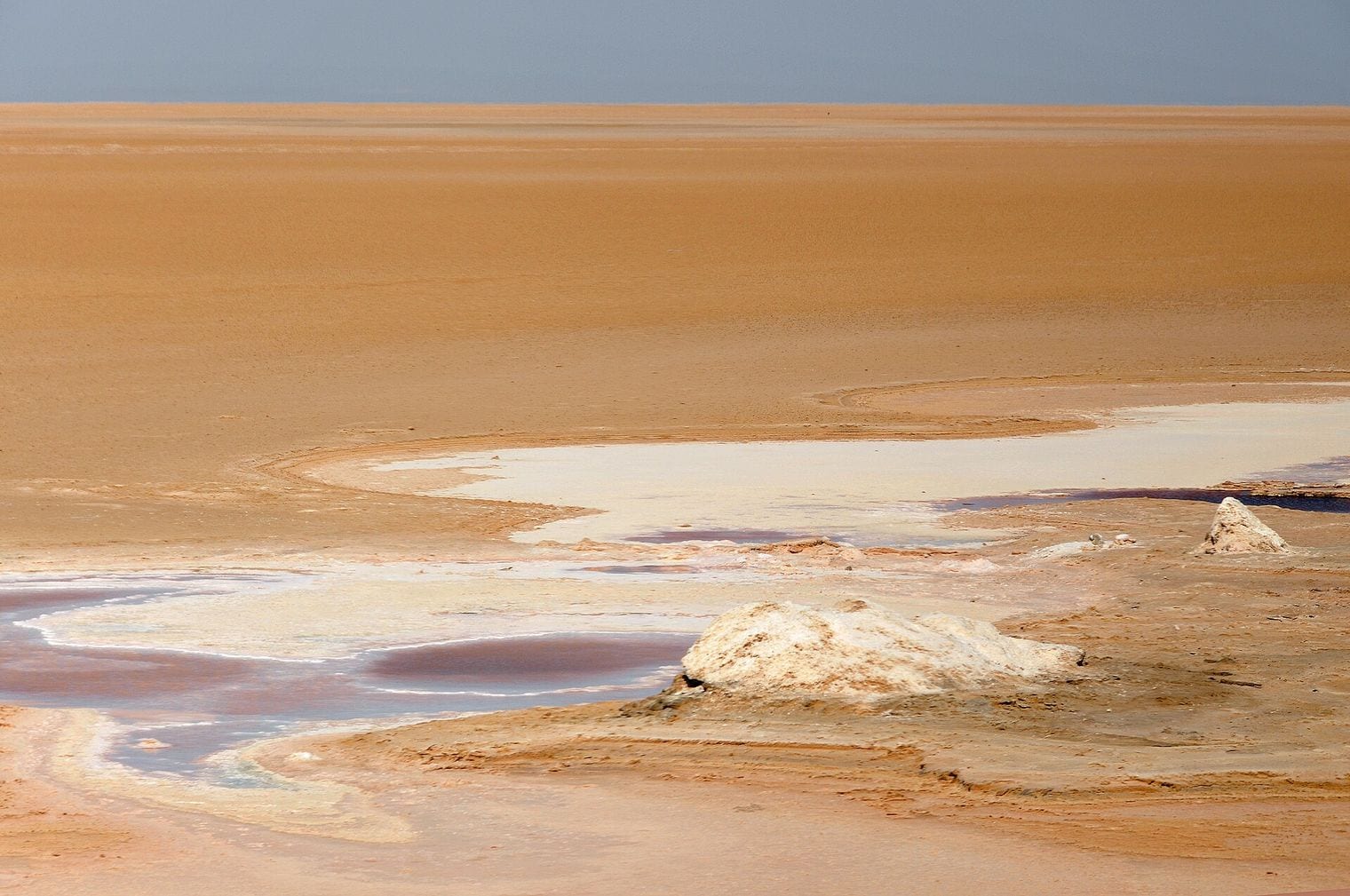
It sits at the edge of the Chott el Djerid, an enormous salt pan that shimmers with mirages through the hot months and floods shallowly in winter. Most travellers pass through on the way to the dunes at Douz, but the palmeries and the covered market are worth the stop in their own right.
At 54.0 °C (129.2 °F), Tirat Zvi recorded the highest temperature the WMO recognises for its Europe region, which for archival purposes extends across the Middle East. The reading was taken on 21 June 1942 during a heatwave that pushed Kalya, on the Dead Sea, to 51.2 °C the following day.
It is another pre-war figure carrying the usual caveats, and the WMO lists it without having put it through the formal re-evaluation that confirmed the modern Kuwaiti and Pakistani records.
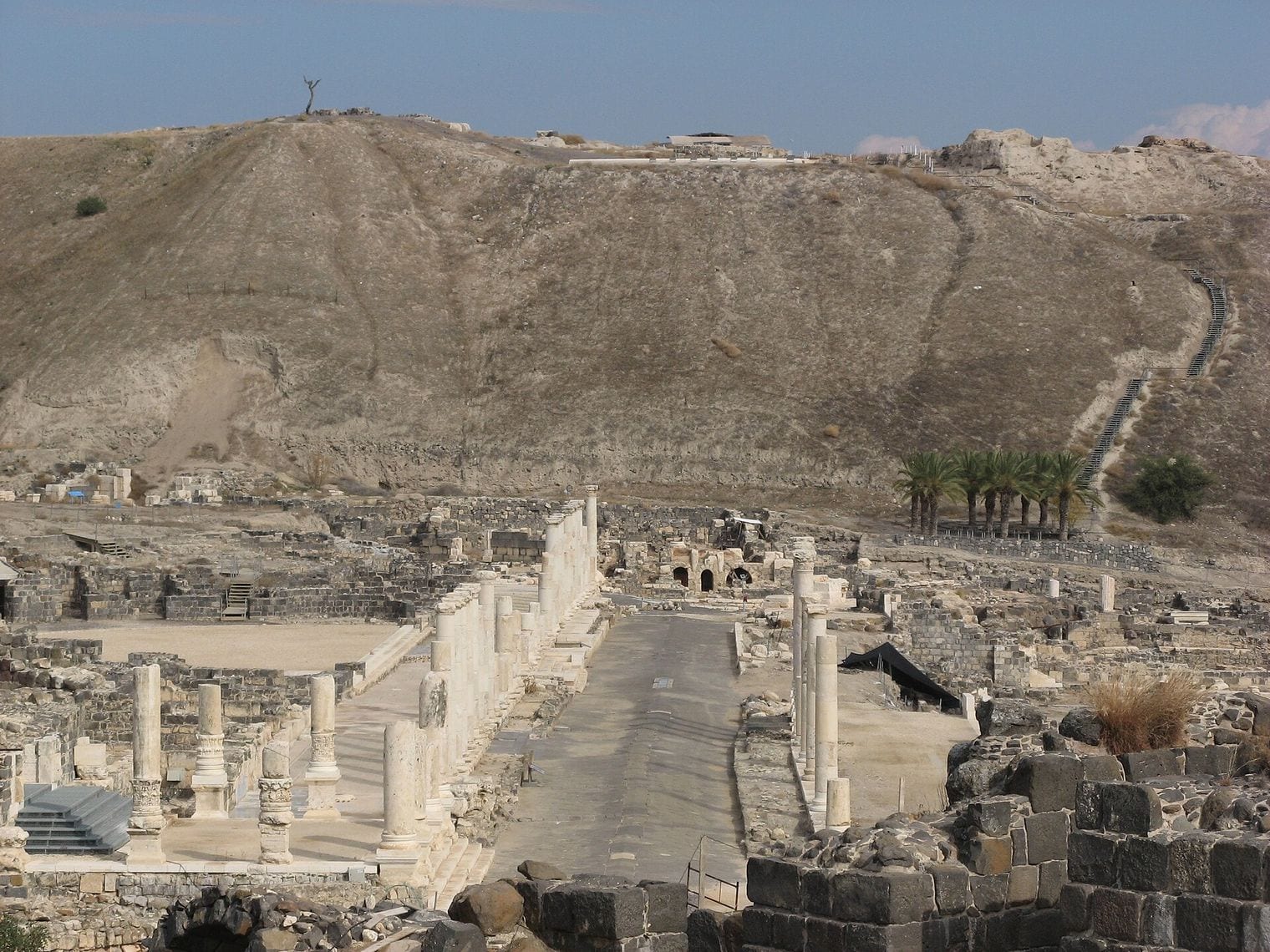
Tirat Zvi is a kibbutz in the Beit She'an Valley, roughly 220 metres below sea level in the Jordan Rift — and that depth is much of the explanation, since air warms as it sinks and compresses.
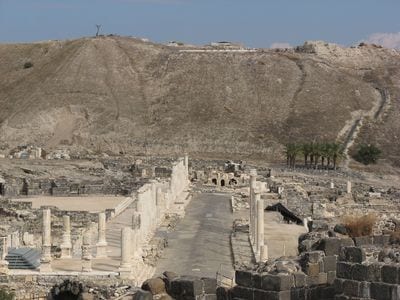
The community is known for its date groves, which thrive in conditions that would kill most crops, and for summer afternoons that routinely clear 45 °C. The surrounding valley holds Roman-era ruins and natural springs that draw visitors in the cooler half of the year.
At 53.9 °C (129.0 °F), Mitribah is the hottest place on Earth whose record has been formally evaluated and confirmed by the WMO, which in 2019 certified the 21 July 2016 reading as the third-highest air temperature ever measured, with an uncertainty of just ±0.1 °C. That certification is why it ranks above Basra, which reached the same figure a day later: where two entries tie on this list, the WMO-verified measurement takes the higher place.
Mitribah is not a town but a weather station in the desert of north-western Kuwait, close to the Iraqi border, on a flat gravel plain with almost nothing to interrupt the sun.
It is the least visitable entry here — there is no settlement to speak of, and the nearest place of any size is Al Jahra, an hour or so south — but that emptiness is exactly the point. With no city, no water and no relief in any direction, it is the closest thing meteorology has to a controlled experiment in extreme heat.
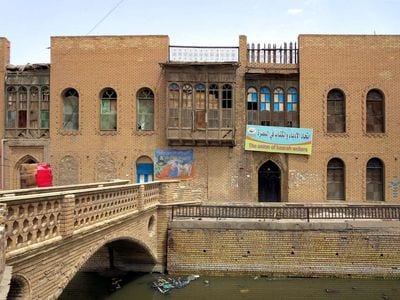
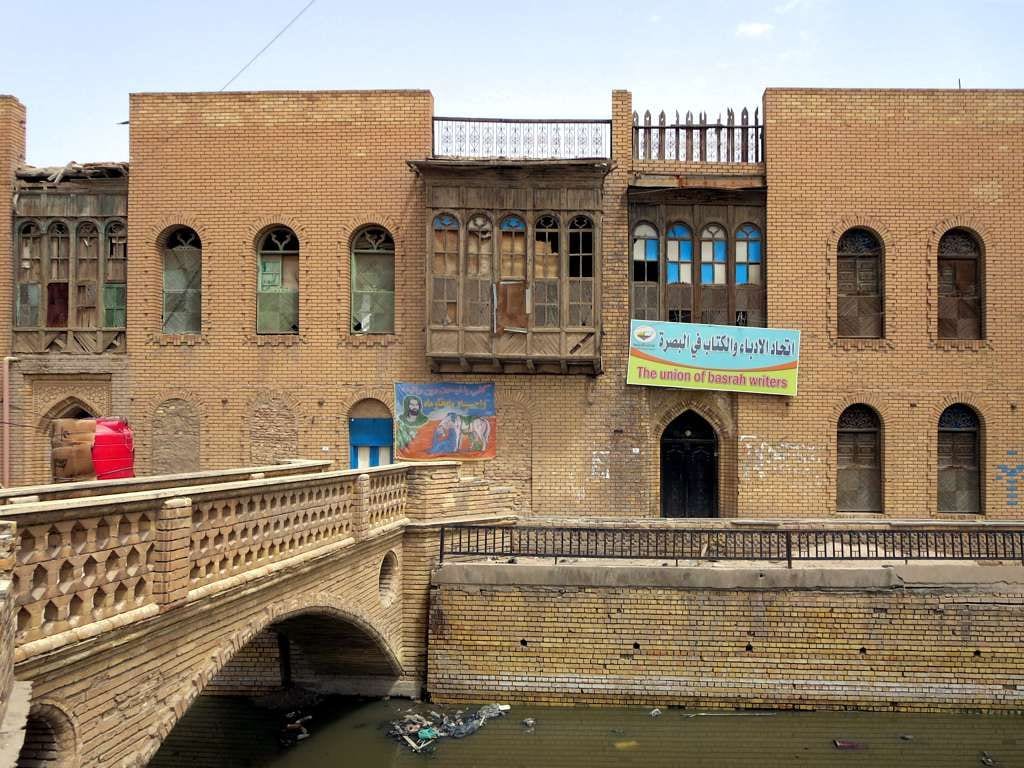
At 53.9 °C (129.0 °F), Basra matched Mitribah's figure on 22 July 2016, one day into the same heatwave, and takes fifth place only because Kuwait's reading carries a WMO certification that Iraq's does not. It stands as Iraq's national record and as one of the highest temperatures ever measured in a large, densely populated city rather than at an isolated desert station — which makes it arguably the more consequential of the two readings.
Basra is Iraq's principal port, set on the Shatt al-Arab where the Tigris and Euphrates join before running down to the Gulf, and its heat carries a humidity that inland stations never see.
The city was once threaded with canals that earned it comparisons to Venice, and parts of the old quarter still hold shanasheel houses, their carved wooden balconies built to catch whatever breeze comes off the water. Date palms line the waterway in numbers that long made the city a byword for the quality of its dates.
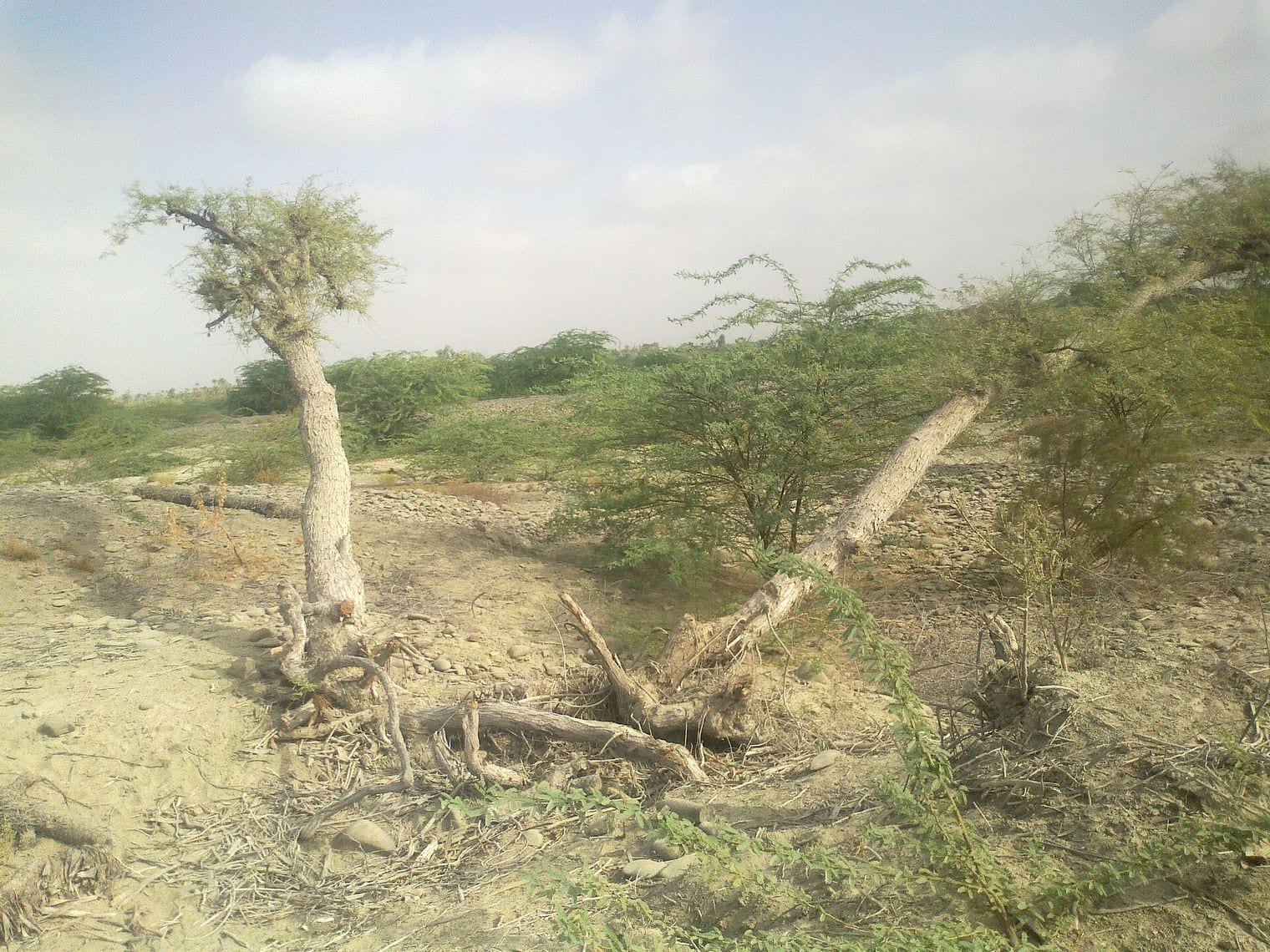
At 53.7 °C (128.7 °F), Turbat holds the fourth-highest temperature the WMO has ever verified, confirmed alongside Mitribah's in the same 2019 evaluation but with a wider uncertainty of ±0.4 °C. It reached the mark on 28 May 2017, and it ranks above Ahvaz, which matched the figure a month later, on the same certification tiebreak applied higher up this list.
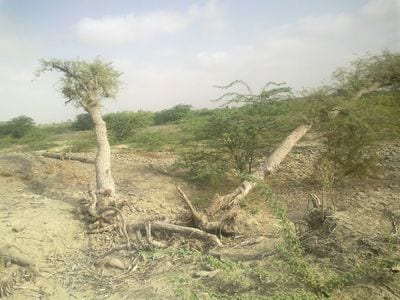
Turbat sits in the Kech valley of Balochistan, in Pakistan's arid south-west, a date-farming town on the old overland route between Iran and the Indus.
It is a long way from anywhere — Karachi is the better part of a day's drive east — and the surrounding Makran country of eroded ridges, dry riverbeds and mud volcanoes is among the emptiest in South Asia. The dates grown here are prized across the region, and the harvest is the one time of year the town is genuinely busy.
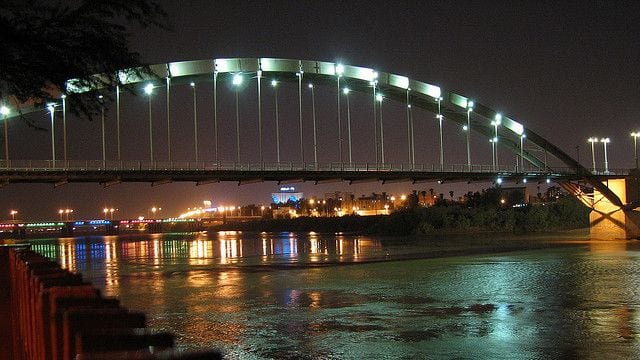
At 53.7 °C (128.7 °F), Ahvaz matched Turbat's mark on 29 June 2017. The reading is widely misreported as 54.0 °C, but that figure is a rounding artefact introduced by one heavily syndicated weather service rather than a separate measurement — Iran's meteorological organisation logged 53.7 °C, which remains the national record and the highest June temperature ever recorded anywhere in Asia.
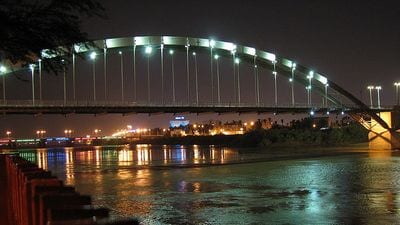
Ahvaz is a city of more than a million people on the Karun, Iran's only navigable river, in the oil-producing province of Khuzestan. Heat is not its only distinction: it has repeatedly ranked among the most air-polluted cities on Earth, a product of dust storms blowing off the Mesopotamian plain combined with heavy industry. The bridges over the Karun are the city's landmark and its evening gathering place, once the temperature finally begins to give.
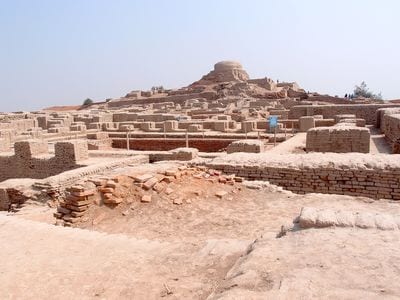
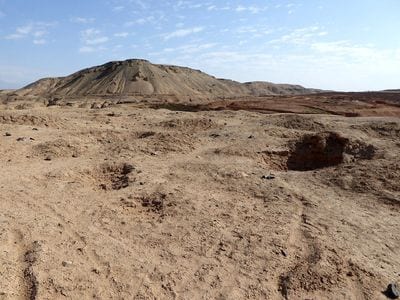
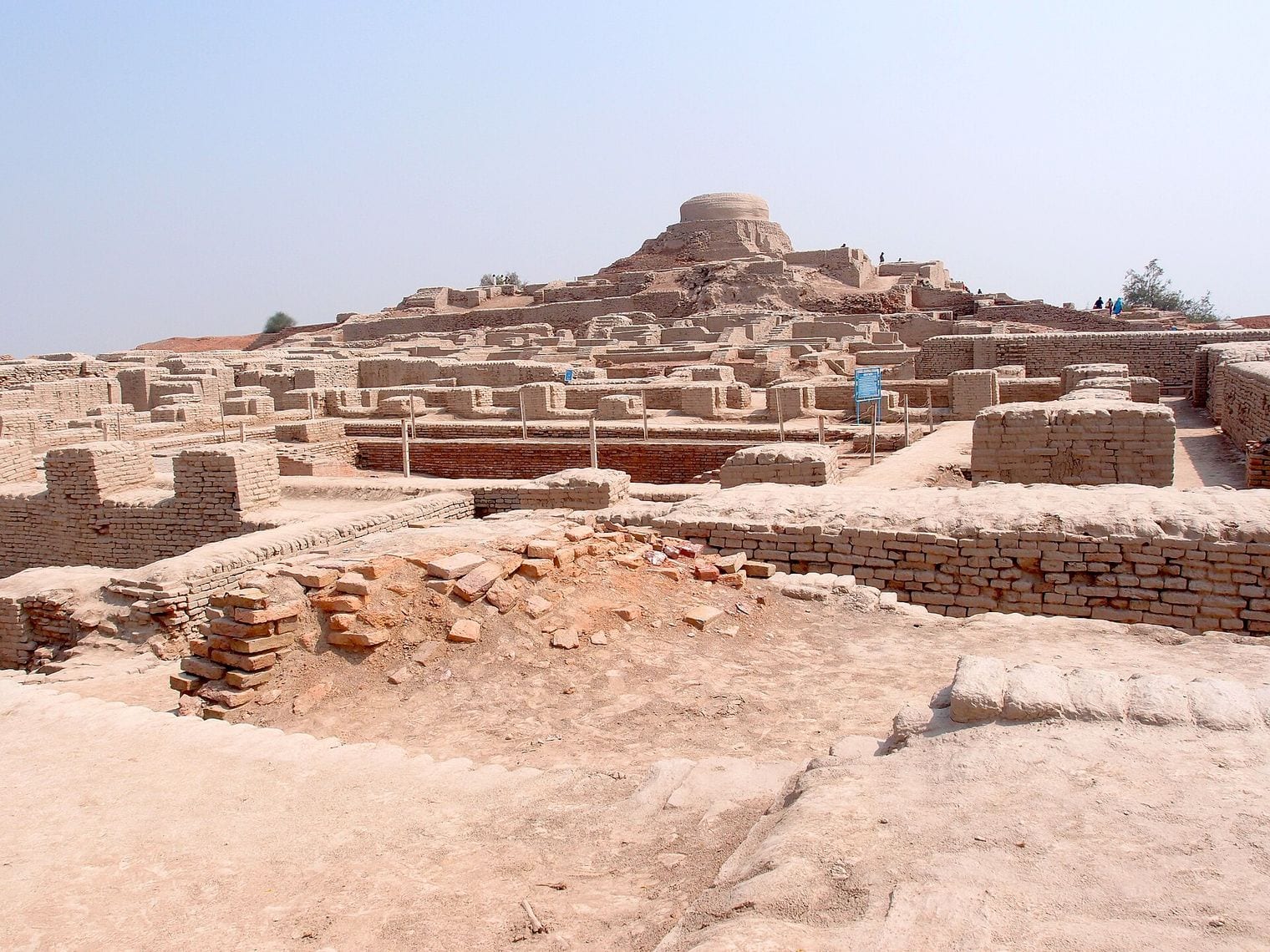
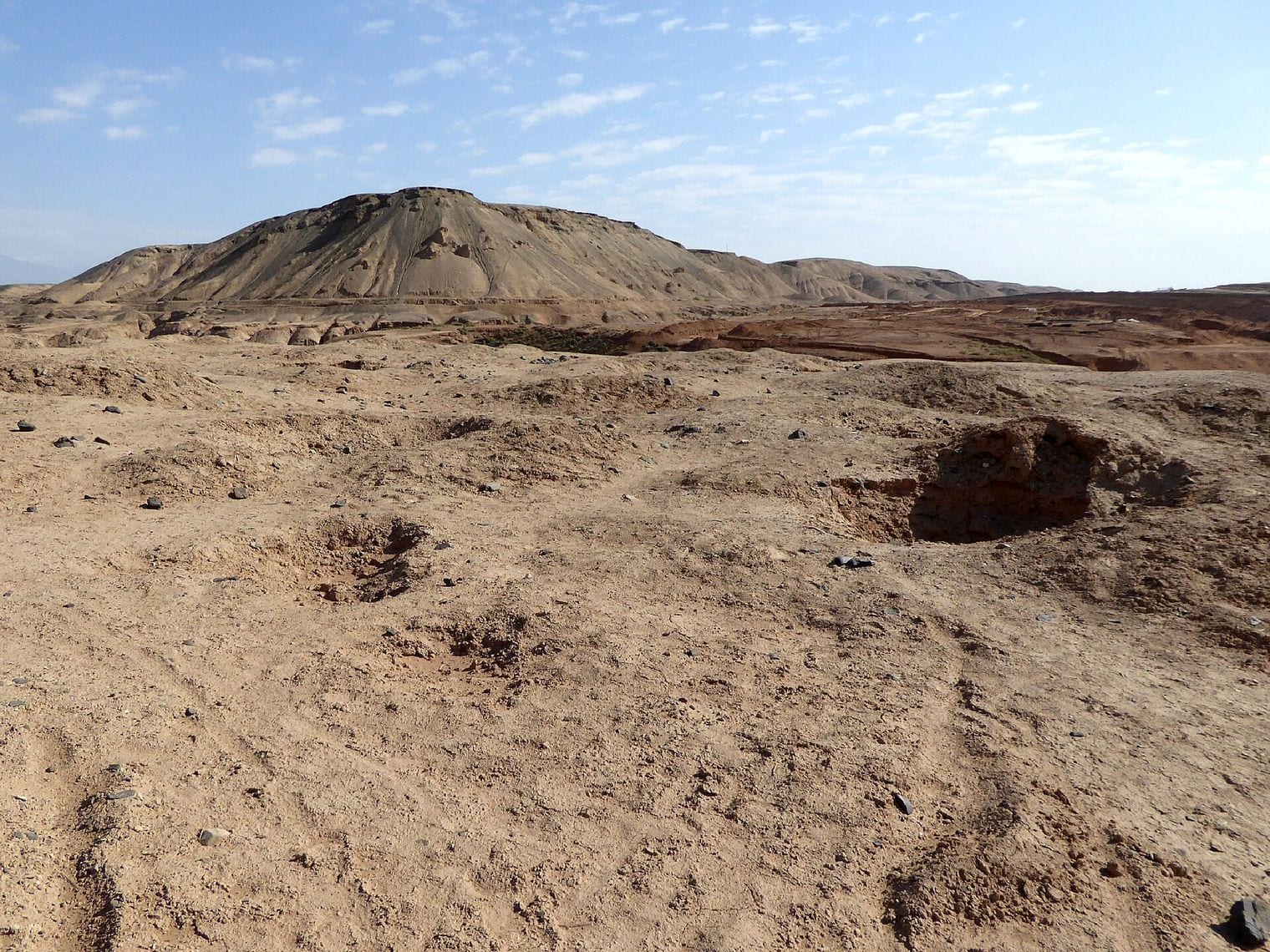
At 53.5 °C (128.3 °F), Mohenjo-daro recorded what was, for seven years, the hottest reliably measured temperature in Asia, until Turbat overtook it in 2017. The Pakistan Meteorological Department logged the reading on 26 May 2010, breaking a national record that had stood since 1998. It is the only entry on this list where the thermometer sits on top of a Bronze Age city.
Mohenjo-daro is one of the great urban sites of the Indus Valley civilisation, a UNESCO World Heritage Site whose grid of brick streets, covered drains and the structure known as the Great Bath were laid out around 2500 BC.
The site is unusually exposed, with very little shade anywhere among the ruins, and the heat is not merely uncomfortable but actively destructive: salt drawn up through the ancient brickwork as moisture evaporates is one of the principal threats to the ruins' survival.
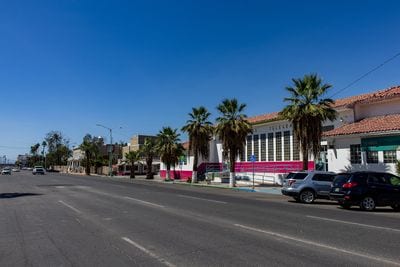
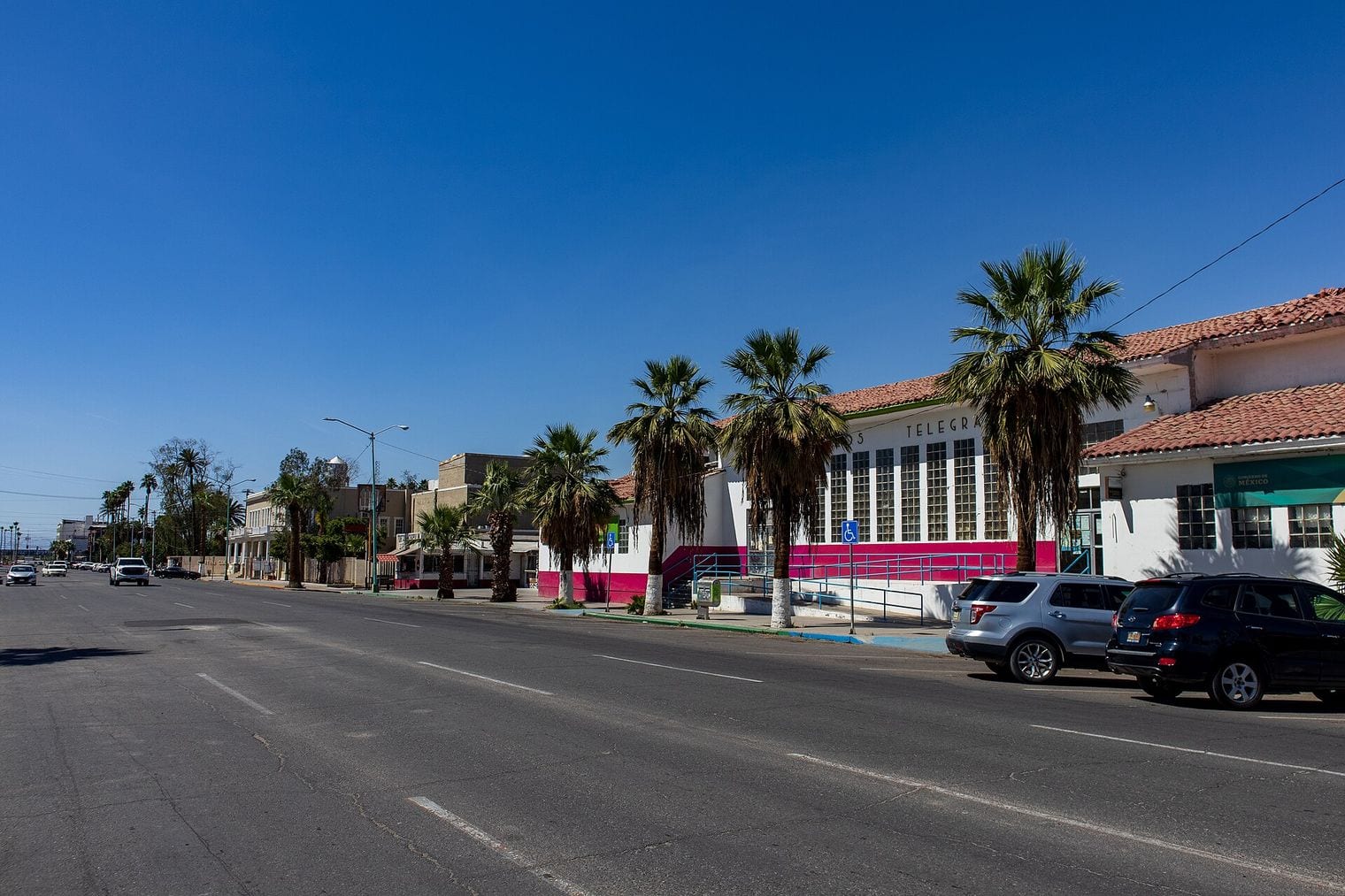
At 52.7 °C (126.9 °F), Mexicali set the most recent record on this list, on 7 August 2025, when Mexico's national water commission logged the highest temperature the city has seen since its records began in 1948. The reading beat the 52.0 °C that had stood as the Mexican national mark since 1995 — a figure Mexicali itself set, and that Tepache in Sonora matched in June 2024.
Mexicali is the capital of Baja California, sitting directly on the United States border opposite Calexico, in a desert valley that irrigation from the Colorado has turned improbably green. The heat is a genuine part of the local identity: the city's own slogan calls it the place that captured the sun.
Daily life shifts to the evening for much of the year, and the food scene — shaped by a long-established Chinese community in the district known as La Chinesca — is among the most distinctive in northern Mexico.
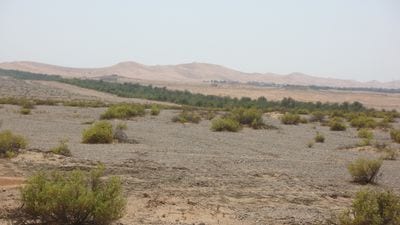
At 52.2 °C (126.0 °F), the station at Sanbao gave China its highest recorded temperature on 16 July 2023, comfortably beating the region's previous mark of 50.3 °C from 2015. The China Meteorological Administration logged the reading in a basin that is the country's hottest place by a wide margin, in a summer that broke heat records across the northern hemisphere.
Turpan lies in Xinjiang, in a depression that drops to more than 150 metres below sea level, making it one of the lowest points on the planet — which is a large part of why it bakes.
It was a major oasis on the Silk Road, and the engineering that made it liveable is still in use: the karez, a network of gently sloping underground channels that carries mountain meltwater down to the oasis without losing it to evaporation. Grapes have been dried into raisins here for centuries, in open-walled brick drying houses that dot the hillsides.
1111. Sweihan
Sweihan, Al Ain Region, Abu Dhabi, United Arab Emirates
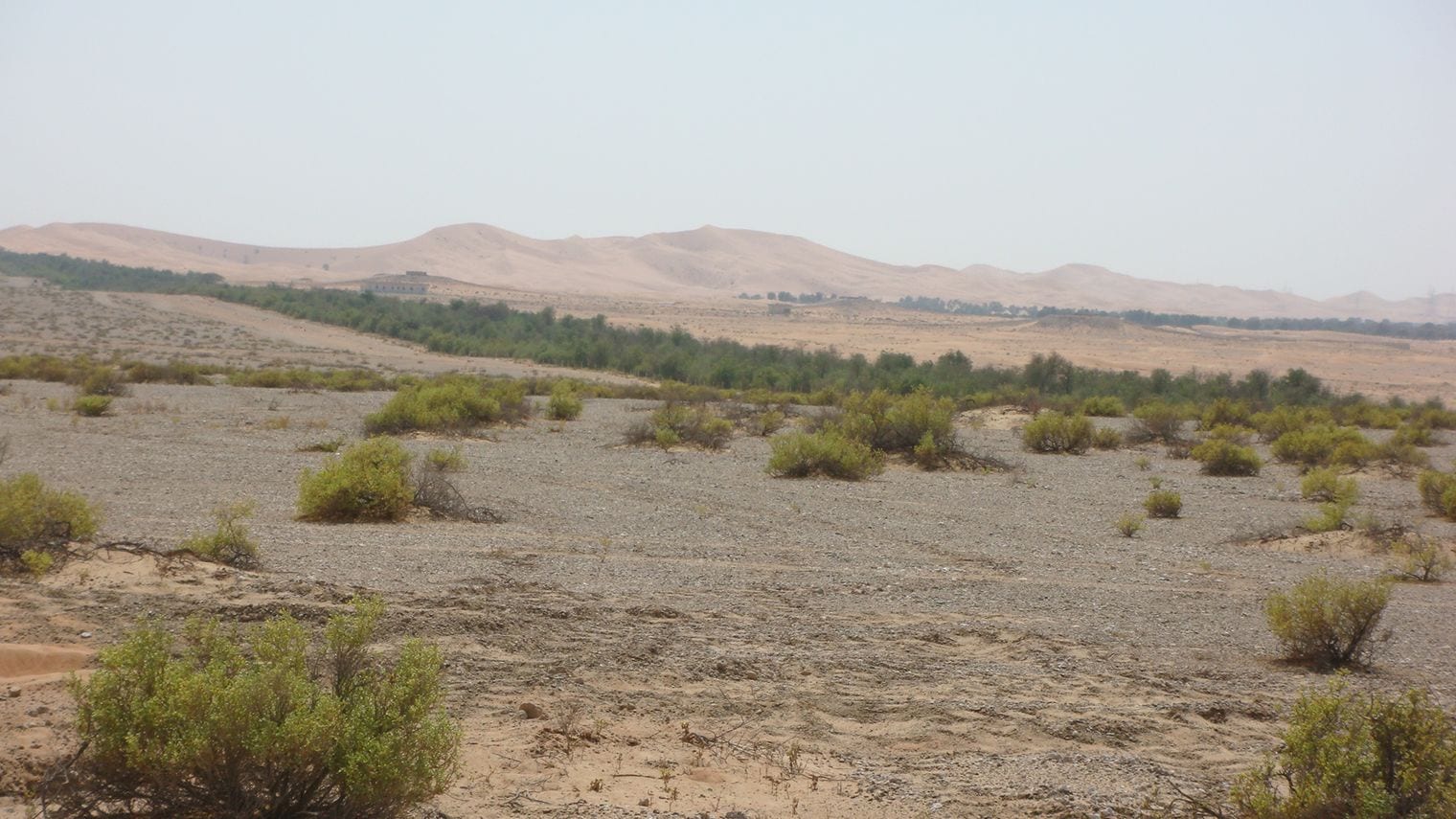
At 52.1 °C (125.8 °F), Sweihan holds the United Arab Emirates' national temperature record, set in July 2002. It is the oldest of the modern readings on this list, and one the country's heat has approached without beating in the two decades since, despite a run of summers pushing past 51 °C.
Sweihan is an inland desert town in the Al Ain region of Abu Dhabi, surrounded by the red dunes that make this part of the emirate a centre for dune driving and camel racing.
Being far from the coast is precisely why it reads hotter than Dubai or Abu Dhabi city: the Gulf moderates temperatures along the shoreline while loading the air with humidity, so the coast feels considerably worse than it measures. Inland, the air is dry, the nights cool sharply, and the thermometer climbs higher than anywhere else in the country.
At 52.0 °C (125.6 °F), Jeddah recorded Saudi Arabia's highest official temperature on 22 June 2010 — a remarkable figure for a coastal city, since almost every other entry near the top of this list is inland desert with no sea anywhere nearby to take the edge off. It closes the countdown as the hottest place on Earth that is also a major international port.
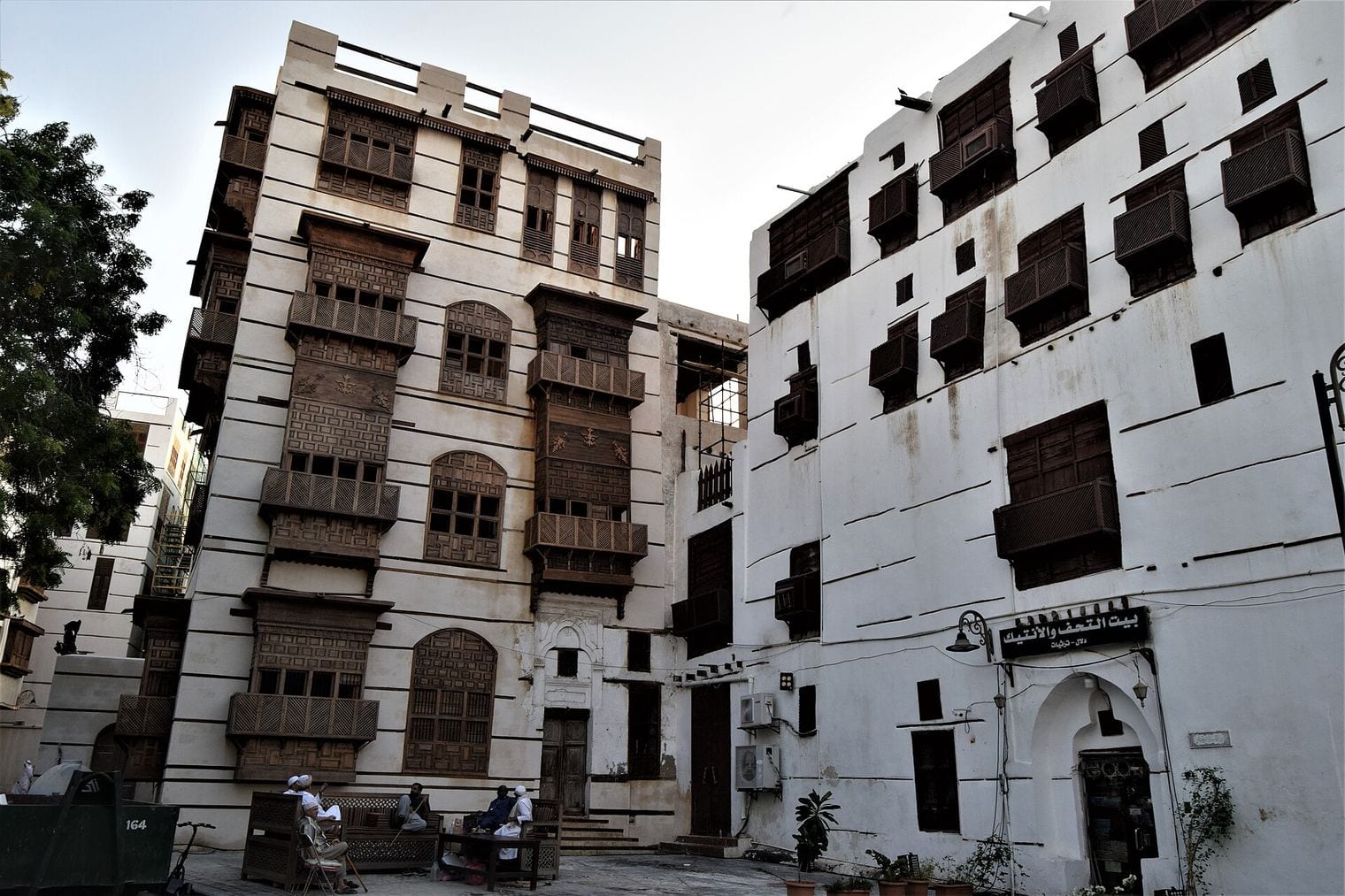
Jeddah is the kingdom's second city and the gateway to Mecca, a Red Sea port whose history is bound up with the arrival of pilgrims.
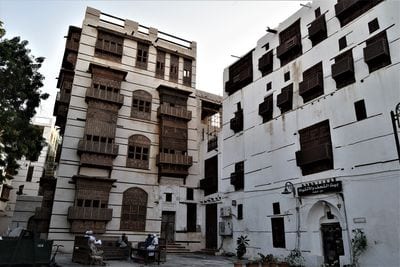
Its old quarter, Al-Balad, is a UNESCO World Heritage Site of coral-stone houses fronted by latticed wooden screens called rawasheen, built to shade the rooms behind them and keep air moving — an architecture that is essentially a long-running answer to the climate this list is about. The corniche along the water is where the city goes once the sun drops.
FAQ: The World's Hottest Places
What is the hottest place on Earth?
Furnace Creek, in California's Death Valley, which reached 56.7 °C (134.1 °F) on 10 July 1913. That remains the official world record recognised by the World Meteorological Organization, although it is disputed. The same basin also holds the modern-era mark of 54.4 °C, set in August 2020 and matched in July 2021.
Why aren't the Lut Desert or Dallol on this list?
Because they are measured differently. The Lut Desert's famous 80.8 °C is a satellite reading of ground surface temperature rather than air, and bare desert soil runs far hotter than the air above it. Dallol, in Ethiopia, holds the highest annual average temperature, which is a yearly mean rather than a single peak reading.
Is the 1913 Death Valley record trustworthy?
It is officially certified but genuinely contested. Several climatologists, including some involved in WMO evaluations, argue the reading runs two to three degrees too high given the conditions logged that week. No formal decertification has followed, however, so the WMO archive continues to list it as the world record.
What is the hottest place where people actually live?
Basra in Iraq has the strongest claim among major cities, hitting 53.9 °C in July 2016 with a population well over a million. Ahvaz in Iran and Jeddah in Saudi Arabia follow close behind. Kuwait's Mitribah is hotter still, but it is a weather station rather than a settlement.
Can you visit any of these places?
Most of them, yes. Furnace Creek sits inside a US national park with a visitor centre, and Kebili, Turpan, Mohenjo-daro and Jeddah are all established destinations. Aim for the period between autumn and spring: summer conditions at these latitudes are genuinely dangerous, and midday exertion outdoors is best avoided entirely. Several also sit near other extremes we have mapped, including the world record breakers of the salt-flat and sand-dune countdowns.