By the City Viking editorial teamPublished Ranked by land area · 15 min read
Last verified Checked before launchOct 30, 202620 sources17 publishers5 encyclopedias & research15 venues & other sitesPublished · Nov 2, 2026Researched and checked before it went liveClick for every source and the full change log.
The record
780 km²301 sq mi
King Fahd International Airport
Saudi Arabia
The record
The largest airport in the world is King Fahd International Airport, in Saudi Arabia — 780 km² (301 sq mi), land area.
Source: guinnessworldrecords.com. Verified .
Short answer
King Fahd International Airport near Dammam, Saudi Arabia, is the largest airport in the world by land area, at 780 km², ahead of Riyadh's King Khalid International at 225 km². The largest outside Saudi Arabia, and the one of the top three most travellers pass through, is Denver International at 135.7 km².
Atlanta's airport has long been the busiest in the world, and Dubai's Al Maktoum is planned as one of the biggest, yet neither makes this list: one is busy rather than big, and the other's full site is still a plan. This list ranks the 20 largest airports in the world by land area, from King Fahd International Airport in Saudi Arabia at 780 km² to Jacksonville International Airport in Florida at 7,911 acres (32.0 km²), across nine countries.
Size here is all the land inside the airport boundary, as the operator, a government register or Guinness World Records publishes it, undeveloped reserve included, which is why King Fahd's desert holdings put it first although only about 37 km² of it is built on. Only airports open to scheduled passenger flights in October 2026 qualify, so military bases, cargo-only fields and airports still under construction are left out, and so are terminal floor area and passenger numbers.
The largest airport is bigger than a country. Guinness World Records notes that the site of King Fahd International Airport is larger than neighbouring Bahrain, a country with airports of its own.
A record mosaic in an airport mosque. The hand-cut glass-and-marble mosaic in the Royal Mosque at King Khalid International Airport, made with the artist Brian Clarke, was the largest in the world when it was installed.
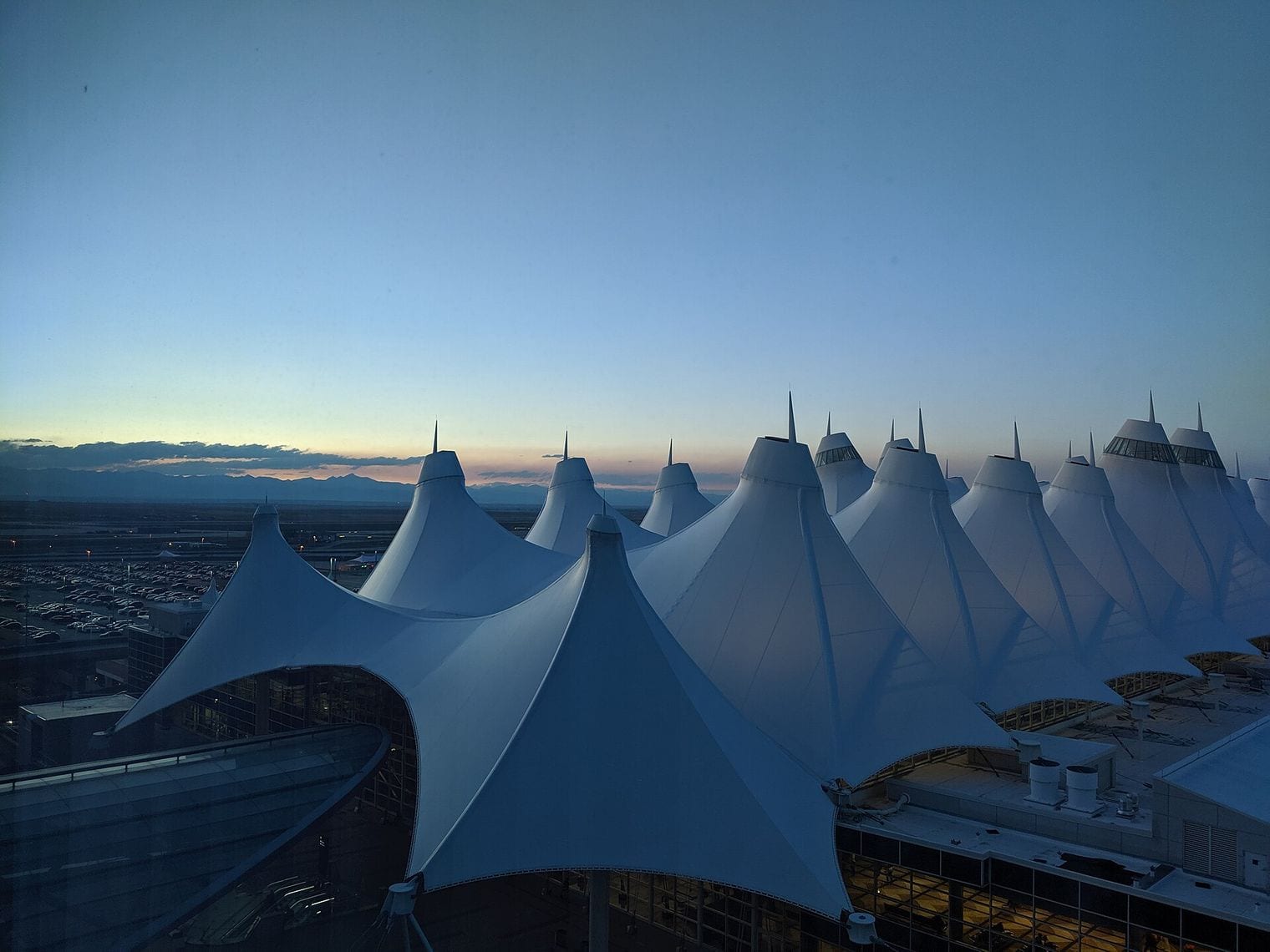
Snow once tore Denver's roof. During a March 2003 blizzard, heavy snow ripped a hole in the white fabric roof of the terminal at Denver International Airport, and the storm shut the airport for almost two days.
Orlando once had flights to Disney's parking lot. In the 1970s, commuter planes flew from Orlando International Airport to a small short-take-off airstrip beside the Magic Kingdom's car park.
Two airports for one plane crash.OKC Will Rogers International Airport and the city's Wiley Post Airport are named after the two men killed together in a 1935 crash in Alaska, the comedian Will Rogers and the aviator Wiley Post.
Tucson was first. In 1919 the city that is home to Tucson International Airport opened the first municipally owned airport in the United States.
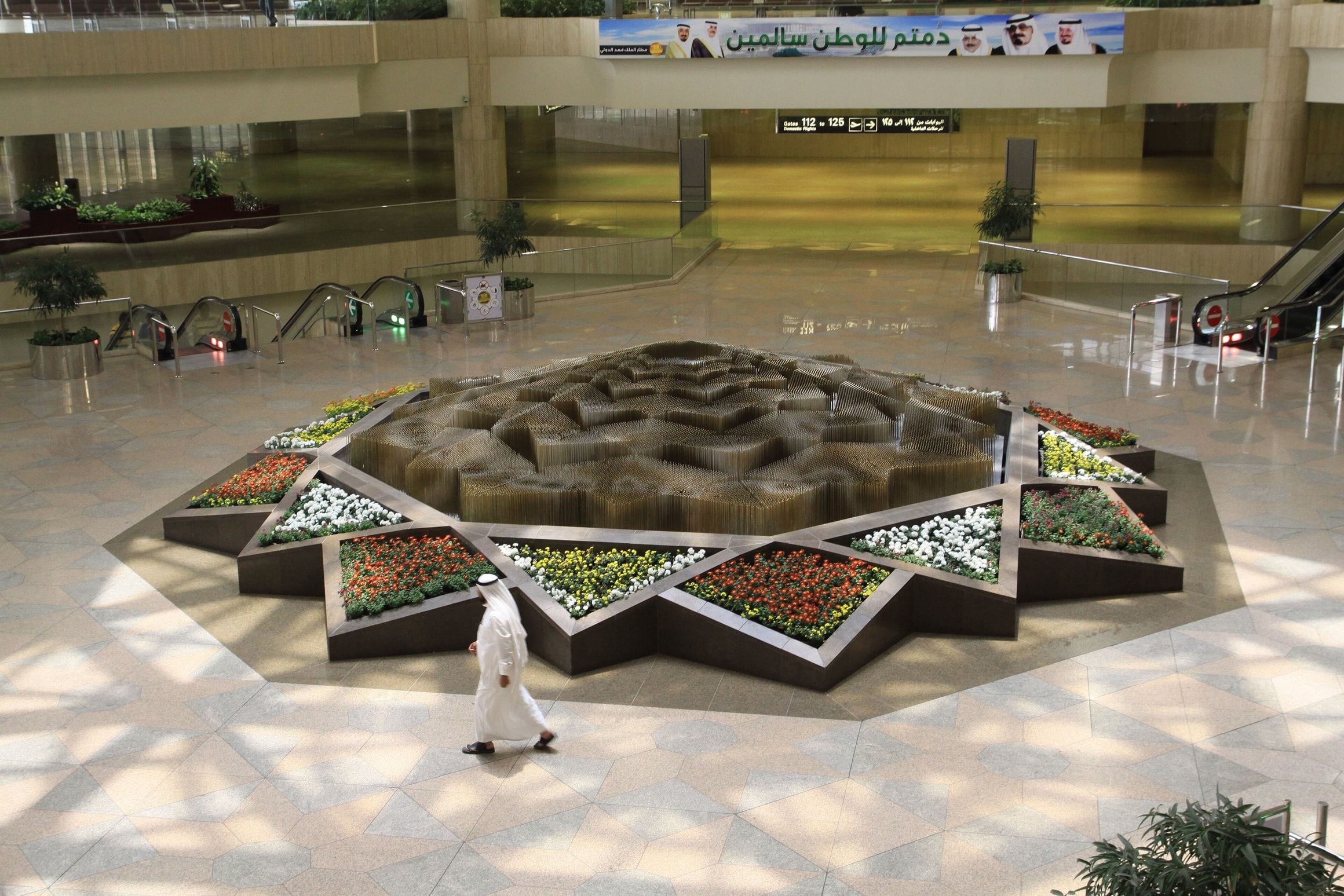
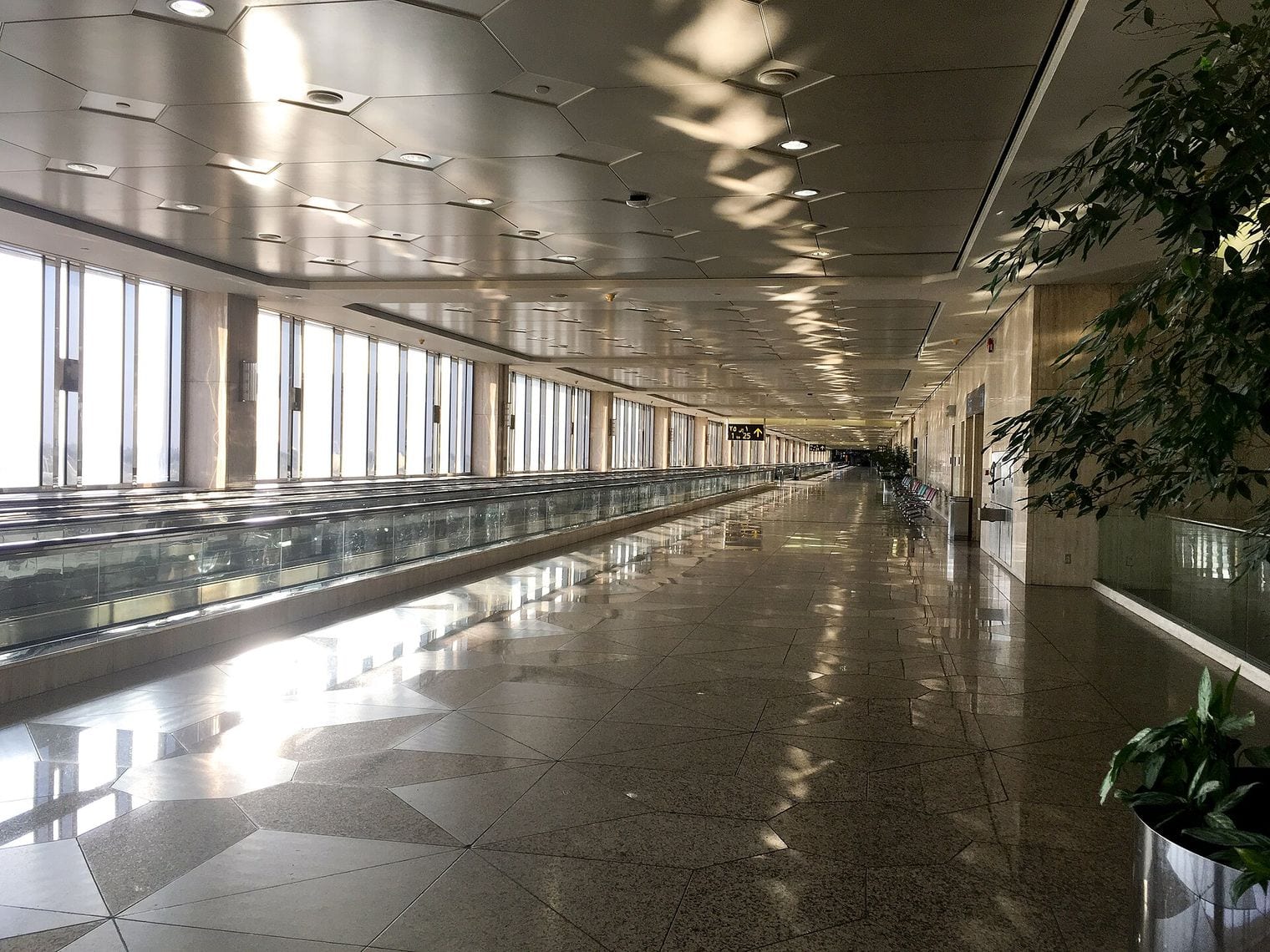
At 780 km², King Fahd International Airport near Dammam, in Saudi Arabia's Eastern Province, is the largest airport in the world by land area, the figure Guinness World Records has carried since December 2011; Saudipedia gives a near-identical 776 km².
Guinness notes that the site is bigger than the neighbouring country of Bahrain. Most of it is undeveloped desert, though: an unofficial airport source puts the area actually in use at about 3,675 ha (36.75 km²), less than a twentieth of the whole.
The basic airfield was finished by the end of 1990, in time for US-led coalition forces to base aircraft there during the 1991 Gulf War, and the airport opened to commercial traffic on 28 November 1999, when every airline moved over from Dhahran.
Its two runways are each 4 km long, and besides the main passenger terminal there is a terminal used only by Saudi Aramco's staff flights and a Royal Terminal. The hop to Bahrain International, 87 km away as the crow flies, is one of the shortest international flights in the world.
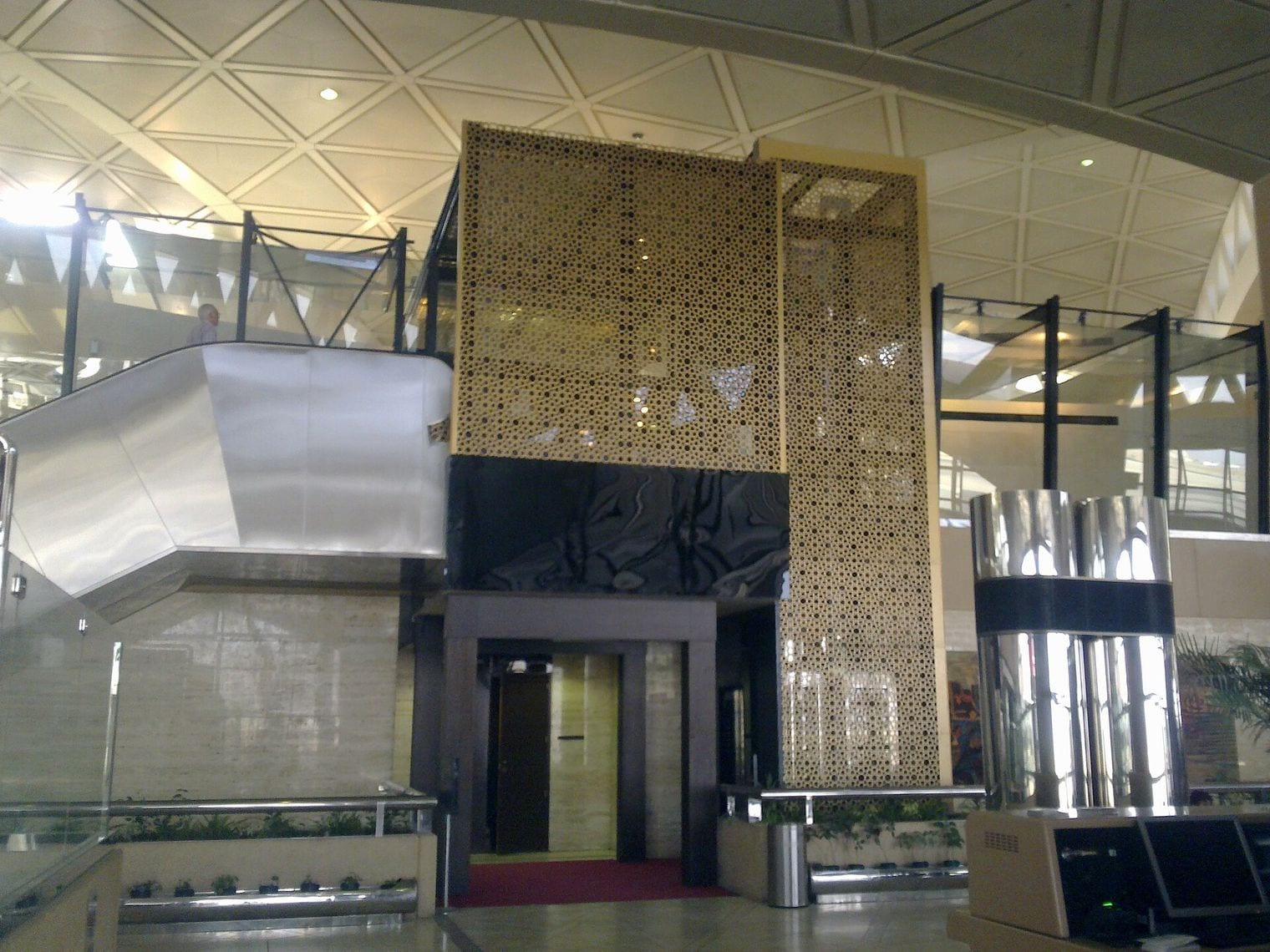
At 225 km², King Khalid International Airport, about 35 km north of central Riyadh, is the second-largest airport in the world by land area, on the figure its operator publishes. It was the largest of all when it opened, and held that title until 1999, when King Fahd International near Dammam overtook it.
Designed by Hellmuth, Obata & Kassabaum, the airport was opened by King Fahd on 16 November 1983 and took its first scheduled flights on 5 December that year. Four of its five passenger terminals date from the opening, and Terminal 5 followed in 2016. Its showpiece is the Royal Mosque, whose bronze dome sits on a ring of stained glass by the British artist Brian Clarke, considered the largest and most technically advanced stained-glass project of the modern period.
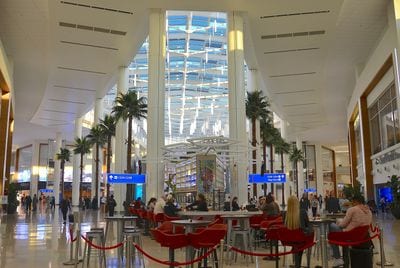
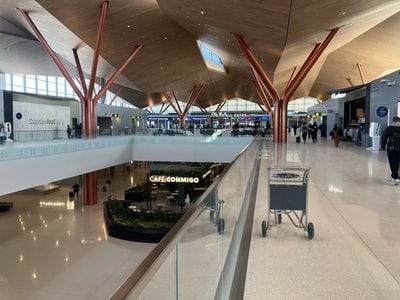
At 33,531 acres (135.7 km²), Denver International Airport is the third-largest airport in the world and the largest in the Western Hemisphere, with by far the most land of any commercial airport in North America. It lies 25 miles by road northeast of downtown Denver, nearer to Aurora than to the city centre, on the western edge of the Great Plains within sight of the Front Range of the Rockies.
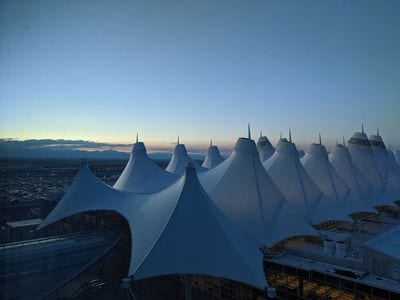
It opened on 28 February 1995, replacing Stapleton International, whose runways sat too close together and caused long delays in bad weather. The peaked white fabric roof of the Jeppesen Terminal is the airport's signature, and runway 16R/34L, at 16,000 ft4,877 m, is the longest public-use runway in North America.
At 9,352.71 ha (93.53 km²), the land that Malaysia Airports keeps for airport operations makes Kuala Lumpur International Airport, in Sepang, Selangor, the fourth-largest airport in the world. The figure comes from the operator's 2022 stock-exchange filing, made after land was carved out of the operating agreement for the KLIA Aeropolis development; the 100 km² often quoted for the site, and a later 89.7 km², would leave it fourth either way.
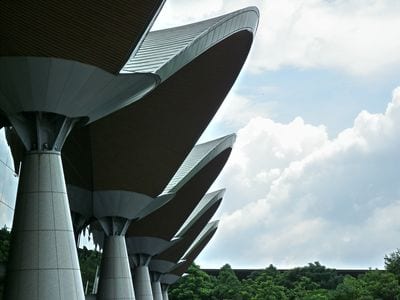
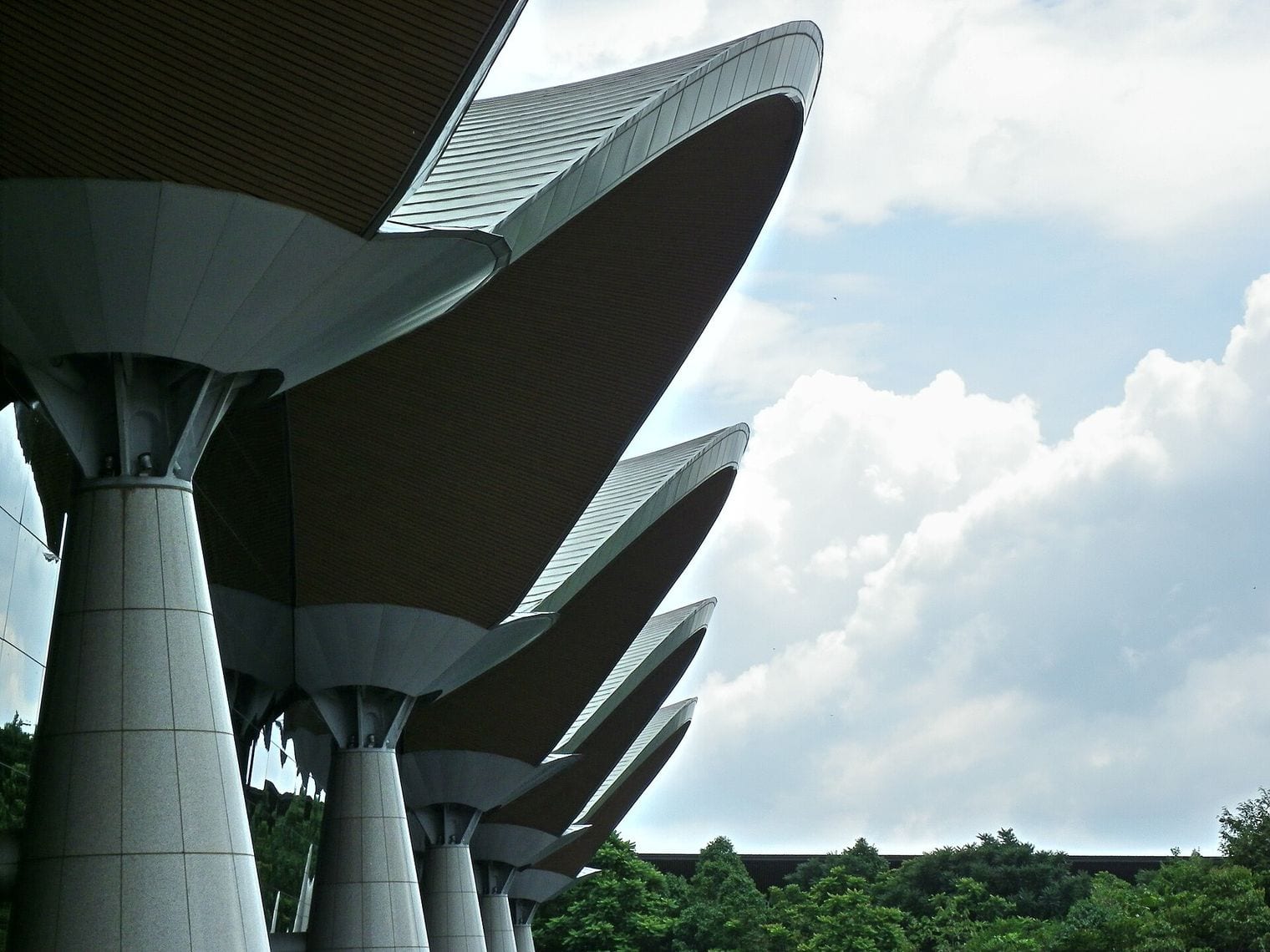
The airport was inaugurated on 27 June 1998, shortly before Kuala Lumpur hosted the Commonwealth Games. Its original terminal, now Terminal 1, was designed by the Japanese architect Kisho Kurokawa, who blended Islamic geometry with the tropical rainforest in mind, and a patch of natural rainforest grows inside the terminal complex. The newer Terminal 2 went by the name klia2 until a 2023 rebrand.
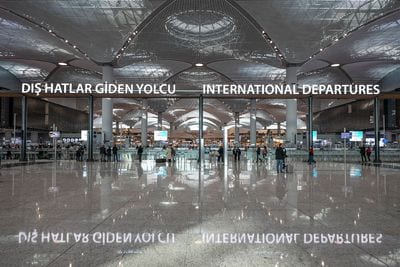
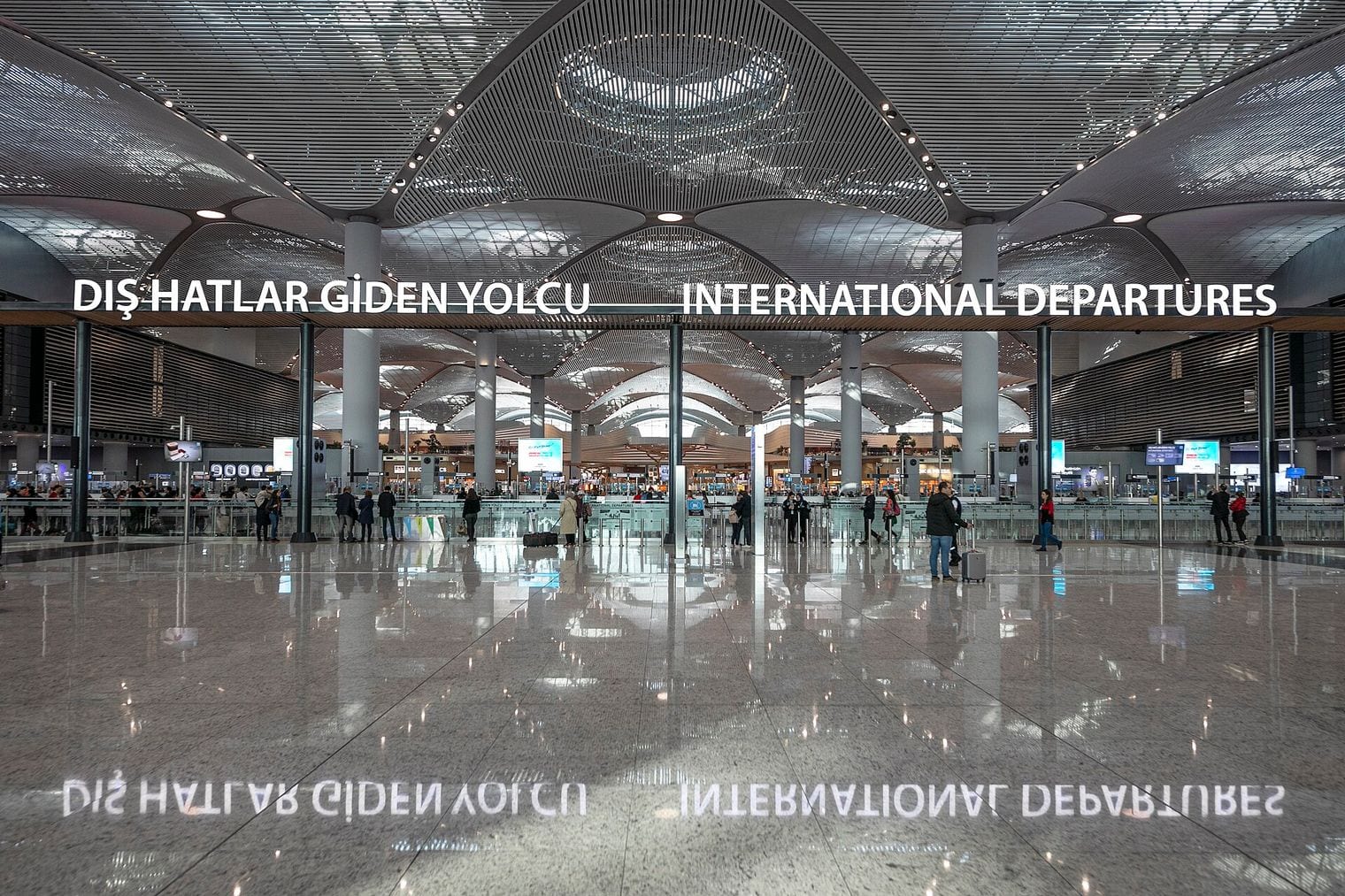
At 7,650 ha (76.5 km²), Istanbul Airport in Arnavutköy, on the Black Sea coast north of the city centre, is the fifth-largest airport in the world and the largest in Europe by this measure. That is the figure its operator, iGA, gives; Wikipedia's 7,600 ha and the 7,594 ha quoted while it was being built are within 1% of it.
It was inaugurated on 29 October 2018, Turkey's Republic Day, and took over all scheduled passenger flights from Atatürk Airport on 6 April 2019, because Atatürk, hemmed in by the city and the Sea of Marmara, had no room to grow. The control tower is shaped like a tulip, Turkey's national flower, and when every phase is built the airport is planned to handle 200 million passengers a year.
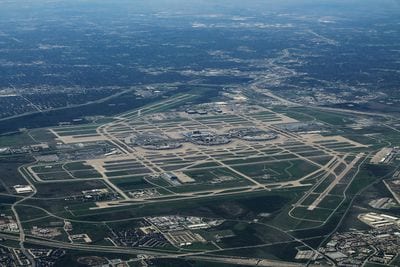
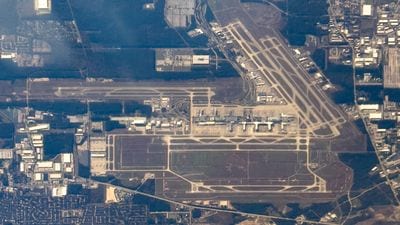
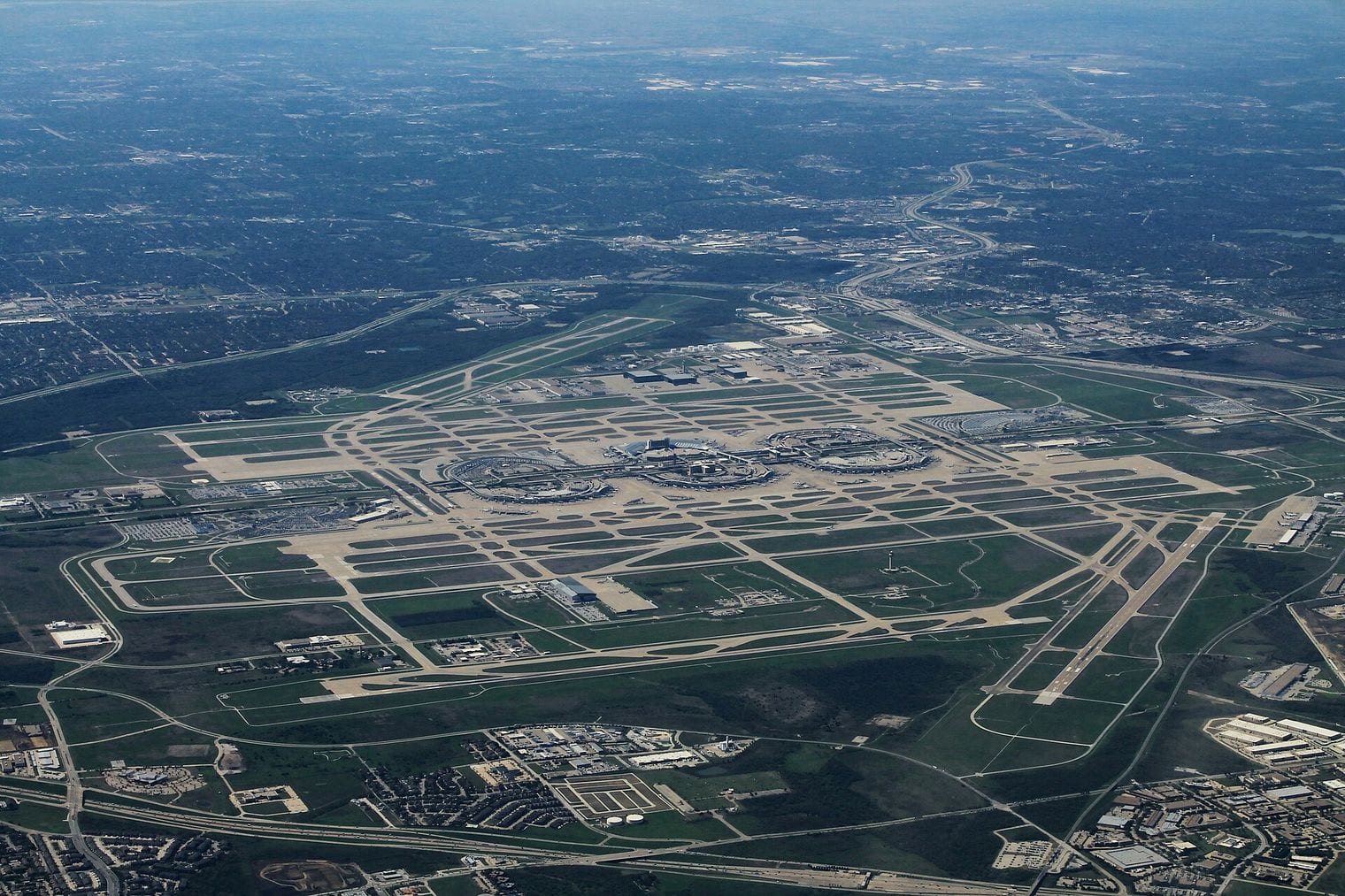
At 17,183 acres (69.54 km²), Dallas Fort Worth International Airport is the sixth-largest airport in the world and the second-largest in the United States, after Denver. That is the operator's own real-property figure; the FAA register gives 17,207 acres (69.63 km²), a gap too small to change its place.
It opened on 13 January 1974 on a site almost equidistant from the two cities, chosen after the federal government threatened to pick one itself if they could not agree. American Airlines, headquartered near the airport, runs its largest hub here, and the Skylink people mover links all five terminals inside security in about seven minutes. Like a small city, the airport has its own police, fire and emergency medical services.
At 13,555 acres (54.86 km²), Southwest Florida International Airport, 10 miles southeast of Fort Myers, is the seventh-largest airport in the world by land area, on the FAA's figure. About 6,000 acres of that land has been conserved as swamp, set aside inside the boundary for environmental mitigation.
Lee County chose the site, at the end of Daniels Parkway, then a dirt road, when Page Field in Fort Myers grew too small for the region's flights, partly because the new Interstate 75 would pass close by. Construction began in 1980 and the airport opened on schedule on 14 May 1983. It serves the whole of Southwest Florida, from Cape Coral and Fort Myers to Naples and Punta Gorda.
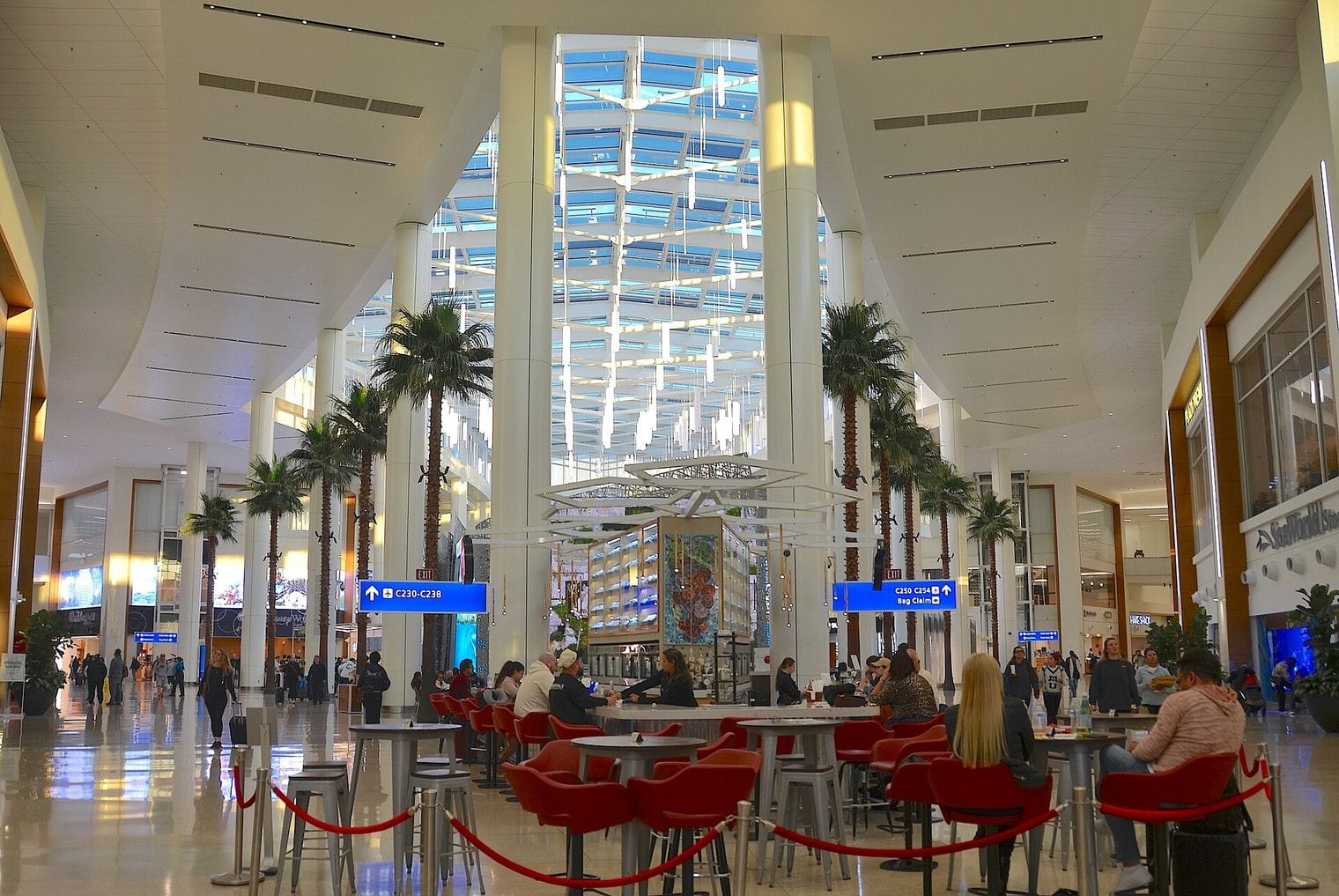
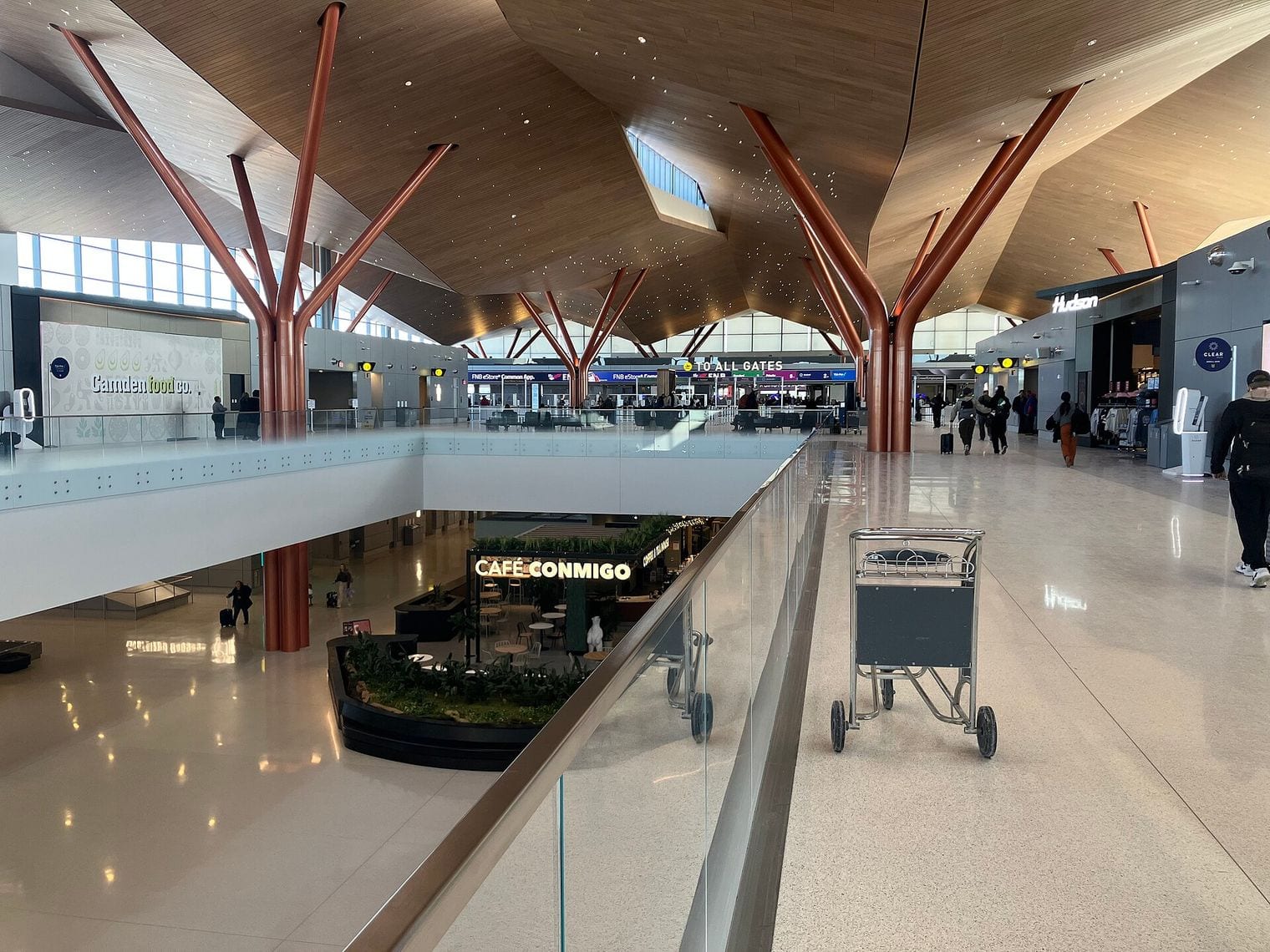
At 11,605 acres (46.96 km²), Orlando International Airport is the eighth-largest airport in the world by land area on the FAA's figure, and the busiest airport in Florida. Other published figures run up to about 13,300 acres (53.8 km²), and Dulles, next on the list, would move ahead of it on its own older figure.
Its code, MCO, comes from McCoy Air Force Base, the Strategic Air Command base that once occupied the site, named after Colonel Michael McCoy, who died when his B-47 crashed in 1958. The landside terminal and its first airsides opened in 1981. The 1971 arrival of Walt Disney World turned Orlando into a major tourist destination, and for millions of visitors the airport is the front door to the theme parks.
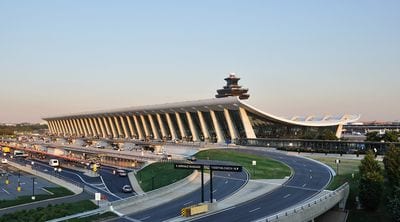
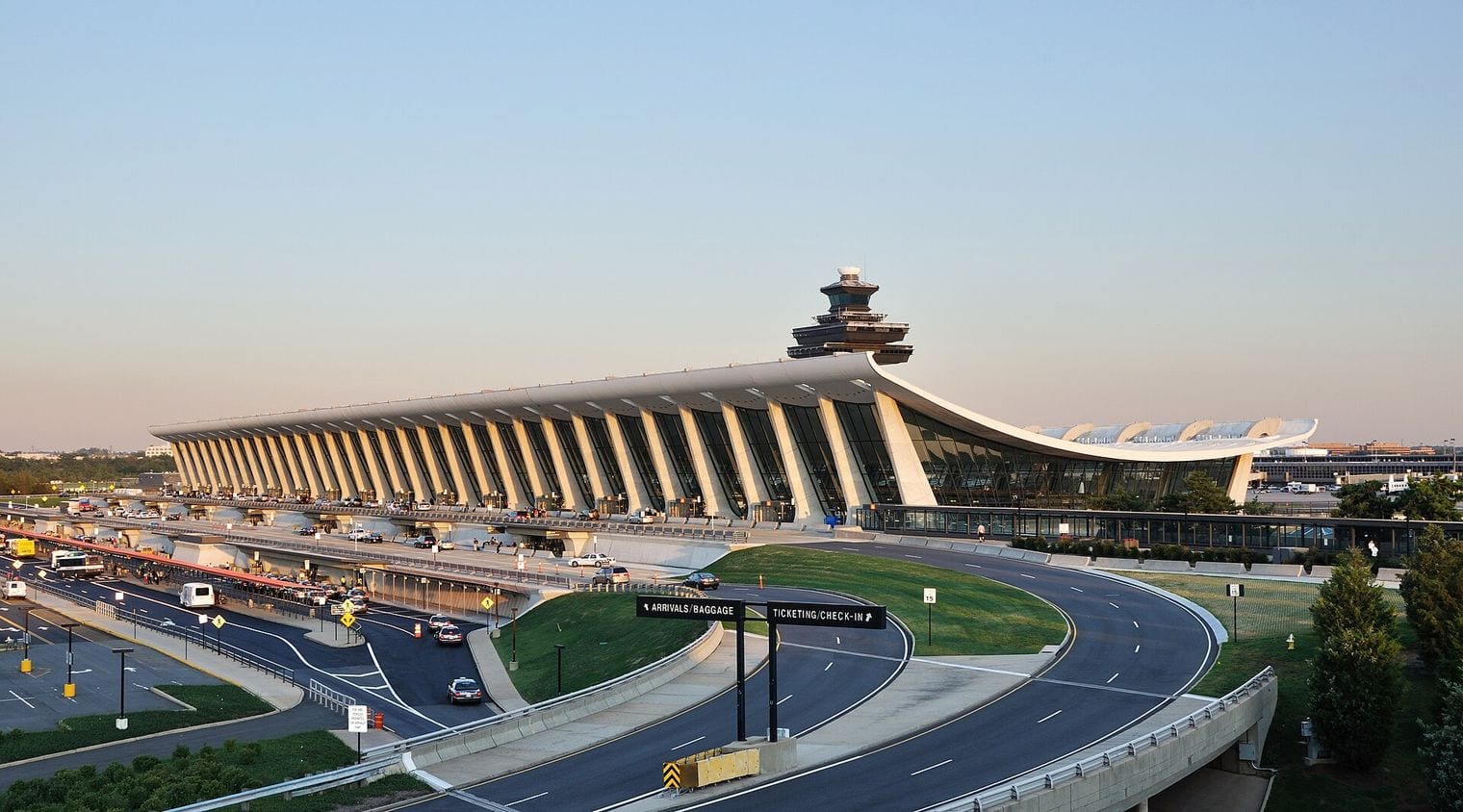
At 11,184 acres (45.26 km²), Dulles International Airport, 26 miles west of downtown Washington in Northern Virginia, is the ninth-largest airport in the world, on the current land area published by its operator, the Metropolitan Washington Airports Authority. About 3,831 acres of it is used for aircraft operations. The FAA record and Wikipedia still carry an older 13,000 acres (52.6 km²), which would put Dulles ahead of Orlando.
Opened on 17 November 1962 and named after John Foster Dulles, Secretary of State during the Cold War, it is best known for Eero Saarinen's Main Terminal, designed in 1958 and acclaimed for a graceful form that suggests flight. Some of the mobile lounges that carried passengers out to their aircraft are still in use, and the Smithsonian's Udvar-Hazy Air and Space Museum stands right next to the airport.
Get new guides like this by email
One email every Thursday with our newest guides for the places you tick.
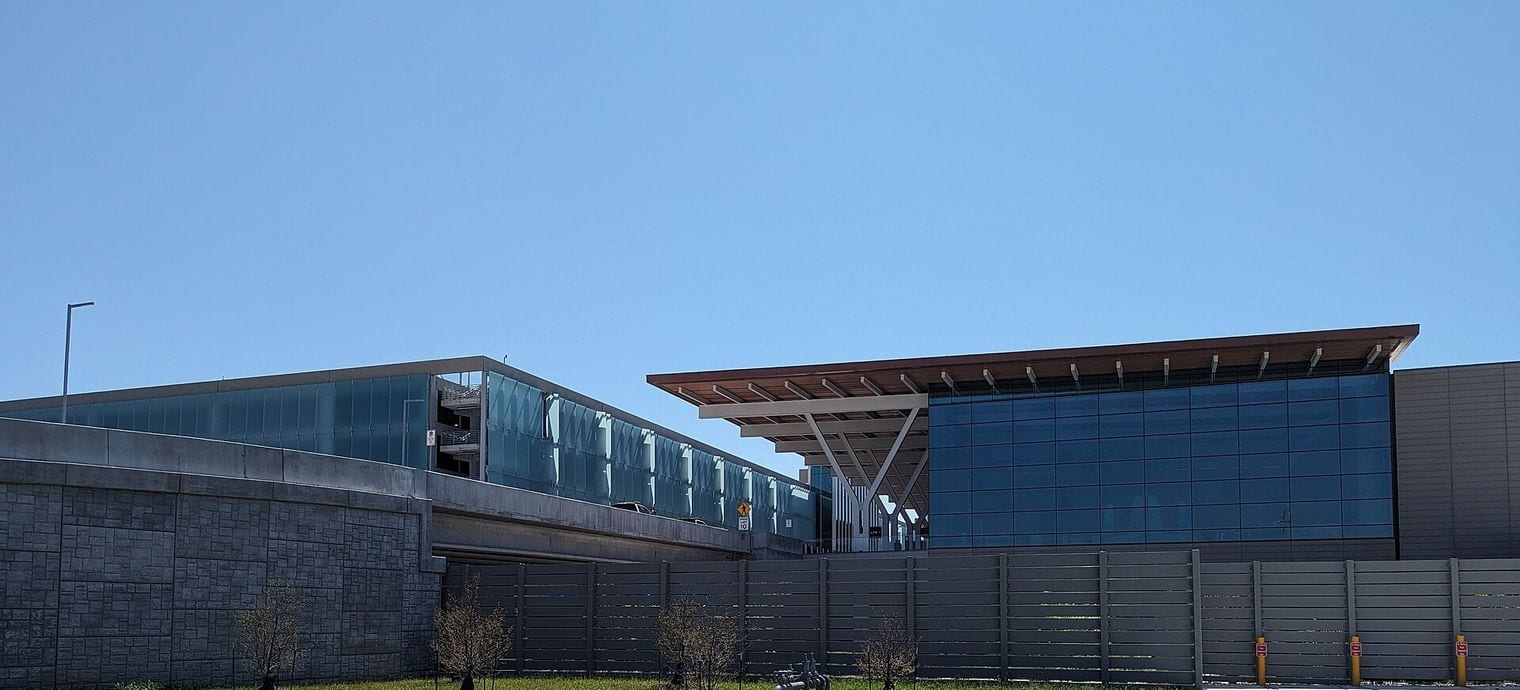
At 10,680 acres (43.22 km²), Kansas City International Airport, 15 miles northwest of downtown Kansas City, ranks tenth in the world by land area. George Bush Intercontinental, next on the list, is a near-tie: its operator says it spans over 11,000 acres, which would put Houston ahead.
The airport replaced Kansas City Municipal Airport for every scheduled flight in 1972, opening for business on 11 November that year with terminals and a control tower designed by Kivett and Myers; its first runway had opened in 1956. A new single terminal, completed in 2023, took the place of the original complex, and the airport has three runways.
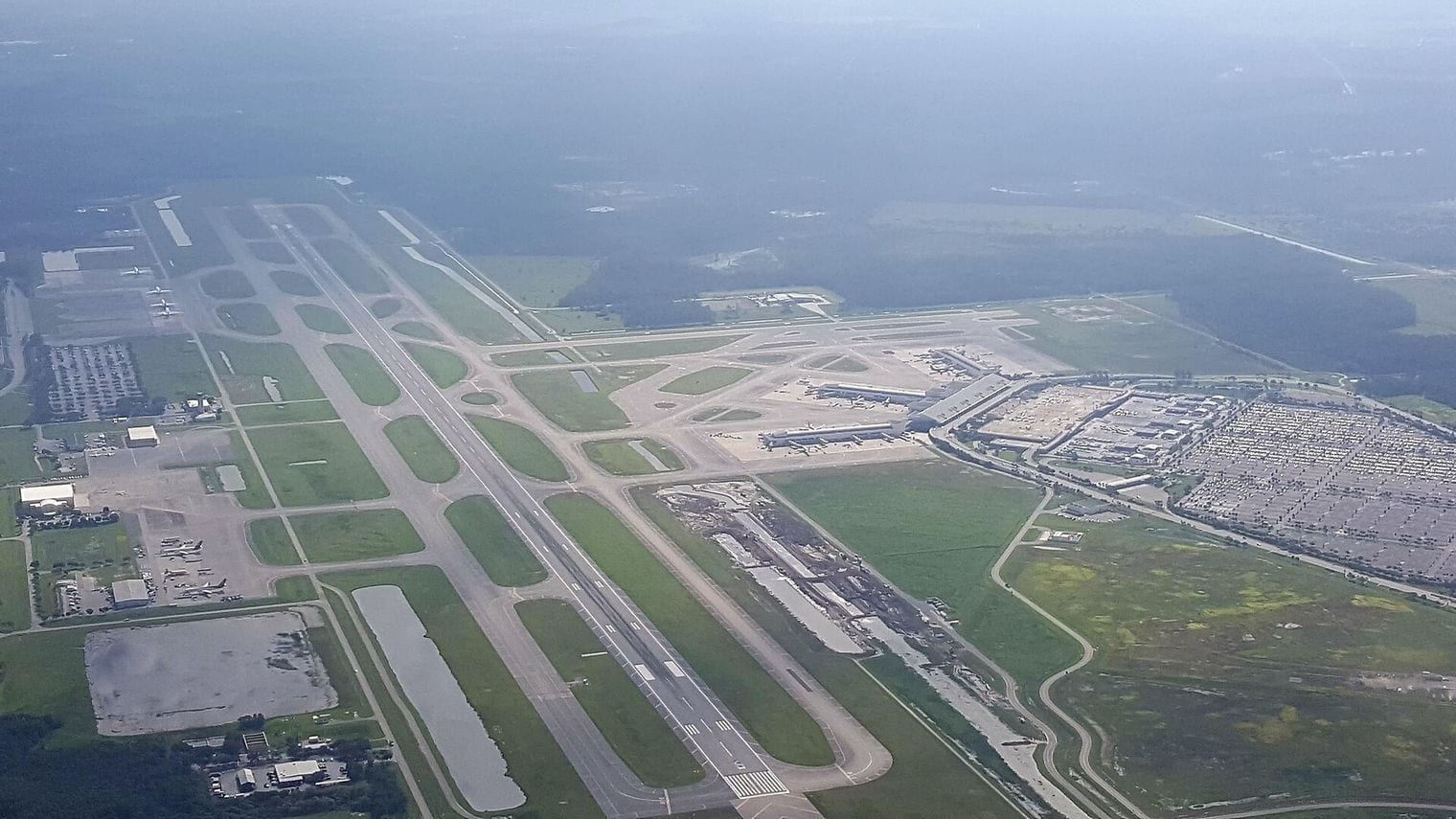
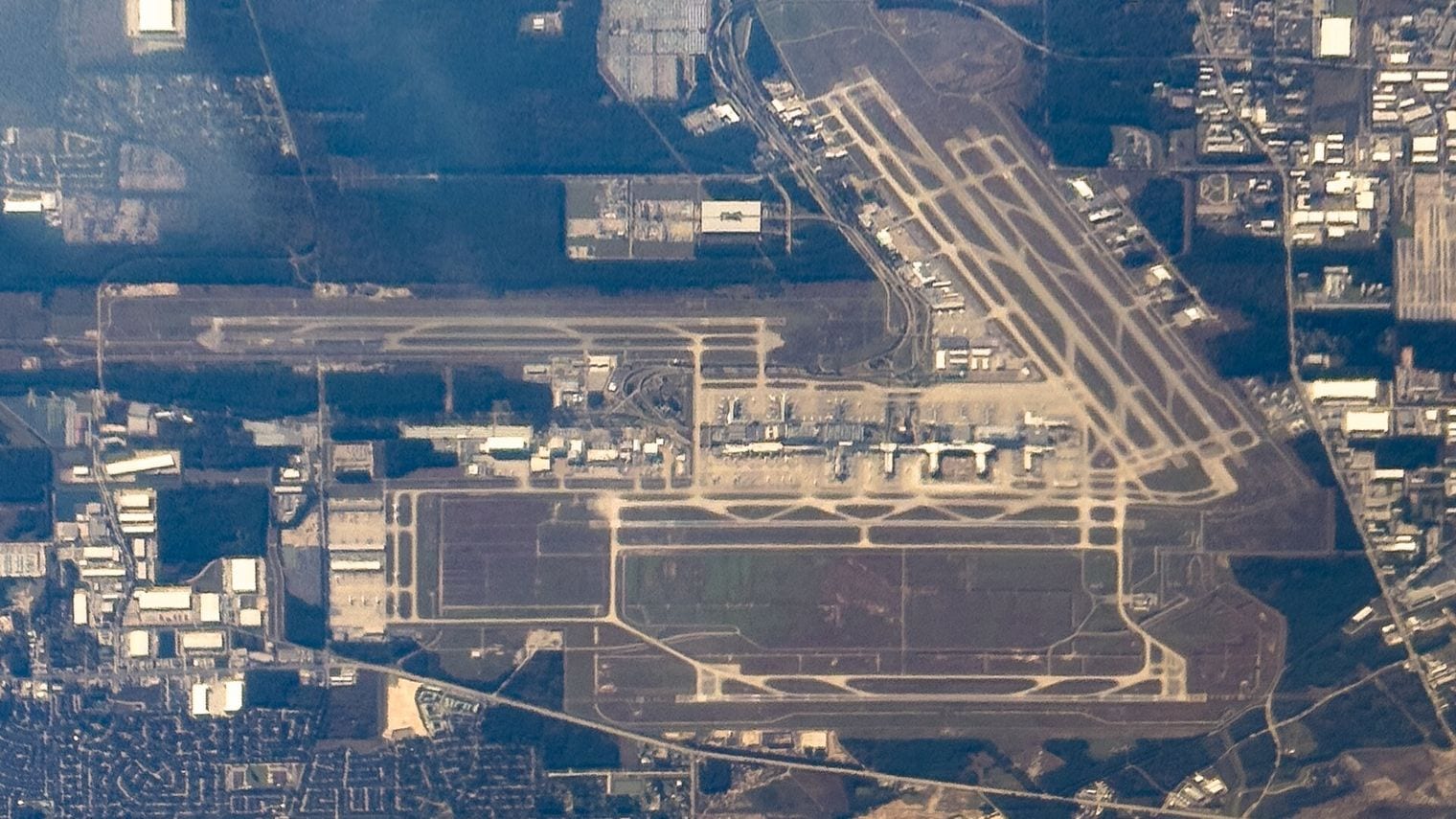
At 10,000 acres (40.47 km²), George Bush Intercontinental Airport, 15 miles north of downtown Houston, shares 11th place with Pittsburgh International, which the FAA register lists at exactly the same acreage. Houston Airports itself says the airport spans over 11,000 acres (44.5 km²), which would lift it above Kansas City; the FAA's round figure is used here.
It opened in 1969 as Houston Intercontinental Airport and was renamed in 1997 for George H. W. Bush, the 41st president of the United States and a Houston resident. It is one of the largest passenger hubs of United Airlines and has five runways.
At 10,000 acres (40.47 km²), Pittsburgh International Airport in Findlay Township, 12 miles northwest of Pittsburgh, shares 11th place with George Bush Intercontinental on the FAA's figure, which Wikipedia matches. It is owned and run by the Allegheny County Airport Authority.
First opened in 1952, it was rebuilt around a new X-shaped terminal completed in 1992, which The New York Times dubbed the "airport of the future" for shortening the walk between gates and linking them by an underground tram. An all-new landside terminal opened in 2025, alongside a renovation of the airside building.
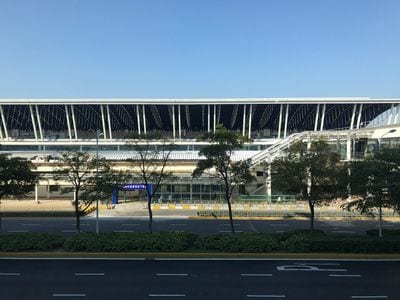
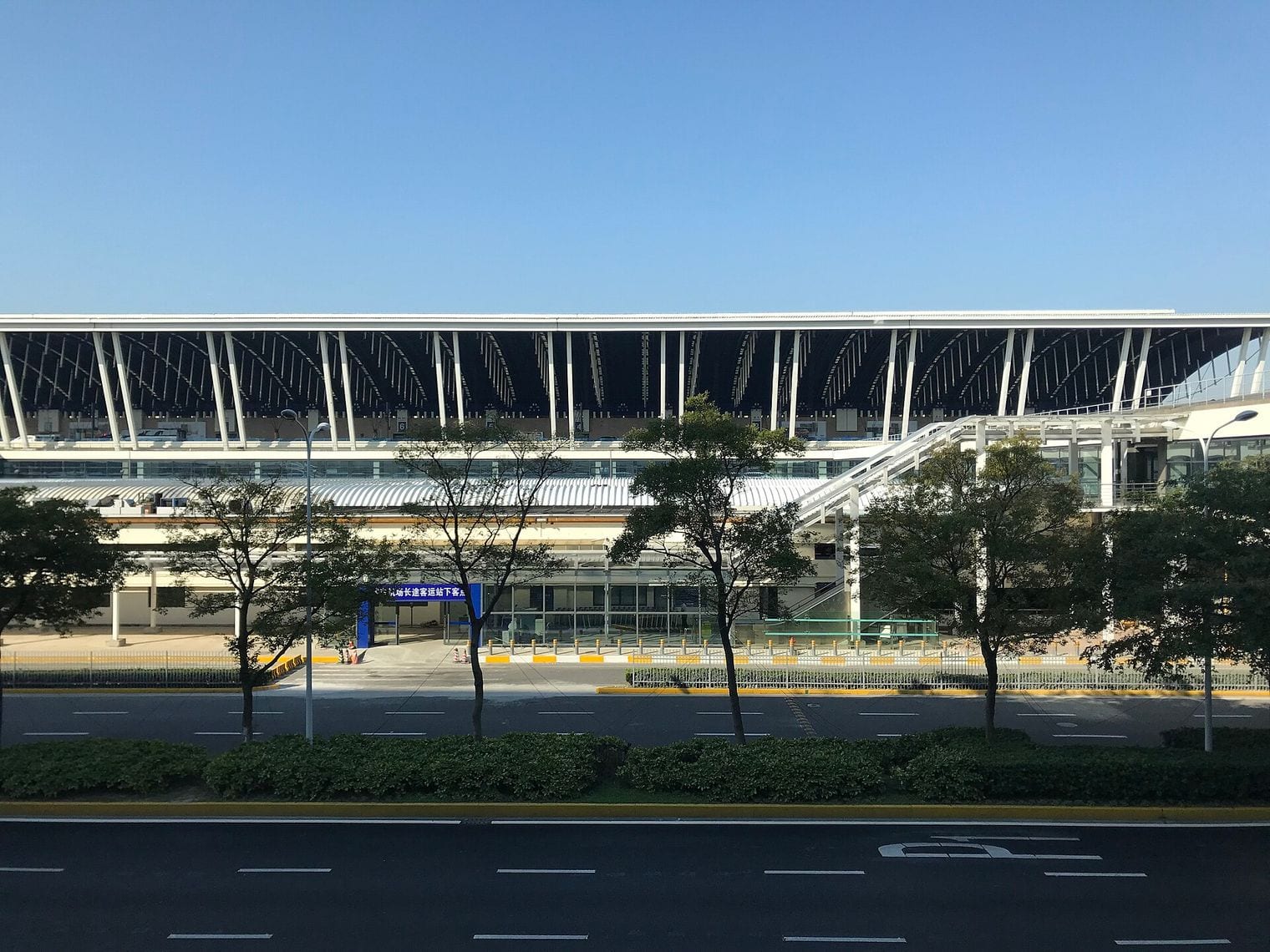
At 40 km², Shanghai Pudong International Airport, on the coast about 30 km east of central Shanghai, is the 13th-largest airport in the world by land area, the round figure the Shanghai government publishes; Wikipedia's 10,000 acres (40.47 km²) matches it. A third passenger terminal, begun in 2021 with a satellite terminal and two more runways, is set to raise its capacity to 80 million passengers a year.
Built in two years for 12 billion yuan, it opened on 16 September 1999 and took over from Hongqiao as Shanghai's main airport; a second terminal and third runway followed in 2008, in time for the Beijing Olympics. The Shanghai maglev train runs from its terminals towards the city, and the DHL hub opened here in 2012 is reported to be the largest express hub in Asia.
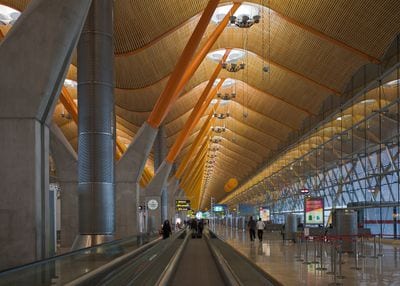
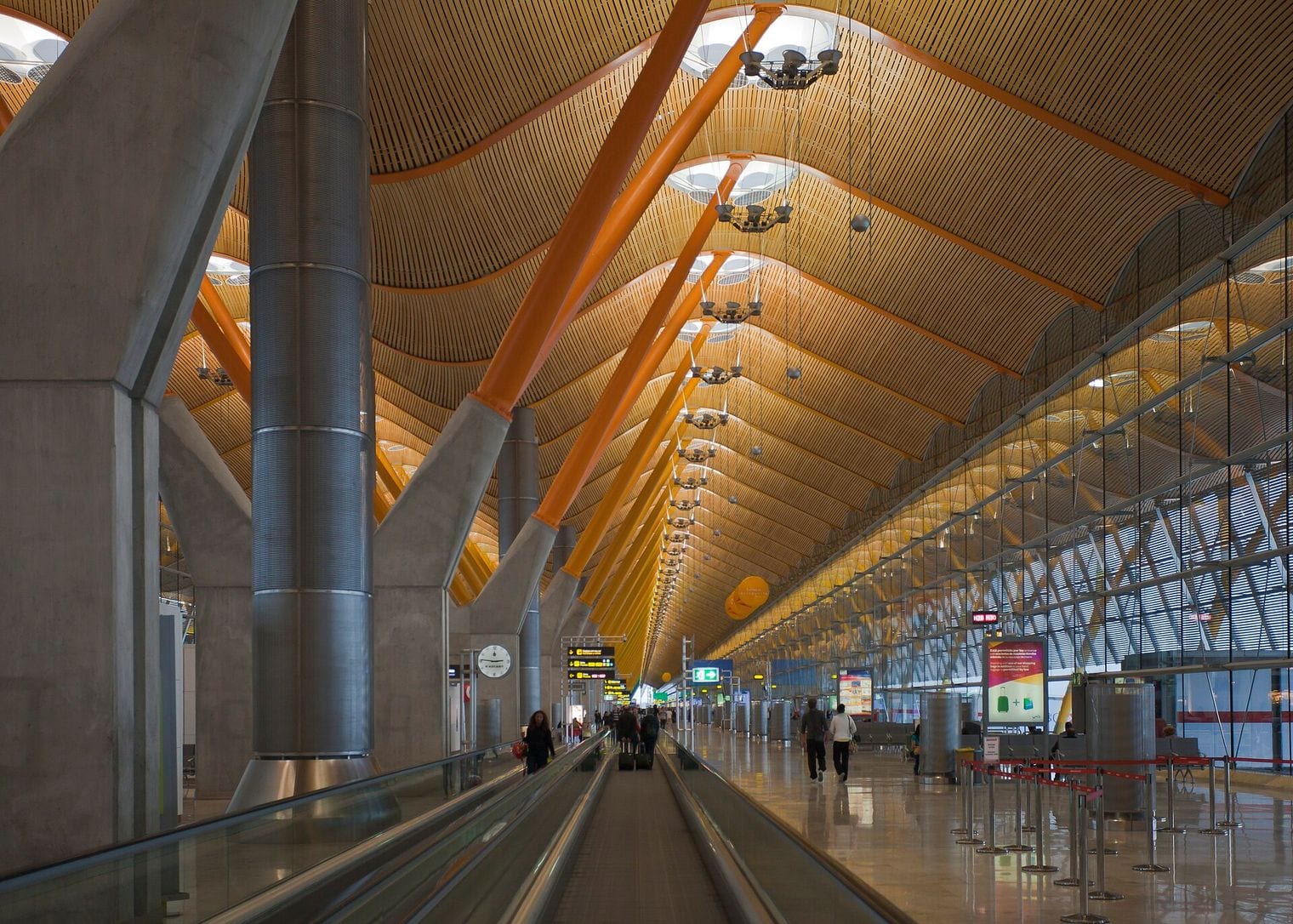
At 3,531 ha (35.31 km²), the service zone that Spain's official state gazette defines for Madrid–Barajas Airport makes it the 14th-largest airport in the world and the main gateway to Madrid. Of that, 1,923 ha belongs to the aircraft movement area. The 3,050 ha (30.5 km²) quoted on Wikipedia, which probably reflects an older plan, would put it just below this list's cut-off.
The airport opened to air traffic on 22 April 1931 and was renamed Adolfo Suárez Madrid–Barajas in 2014, after the first prime minister of Spain's democratic era. Its showpiece is Terminal 4 and its satellite, designed by Antonio Lamela, Richard Rogers and Luis Vidal and opened on 5 February 2006; the design team won that year's Stirling Prize.
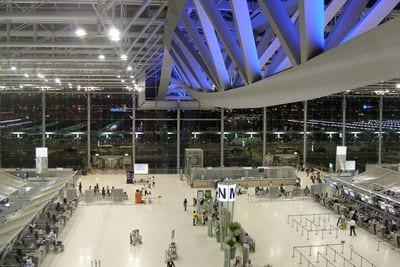
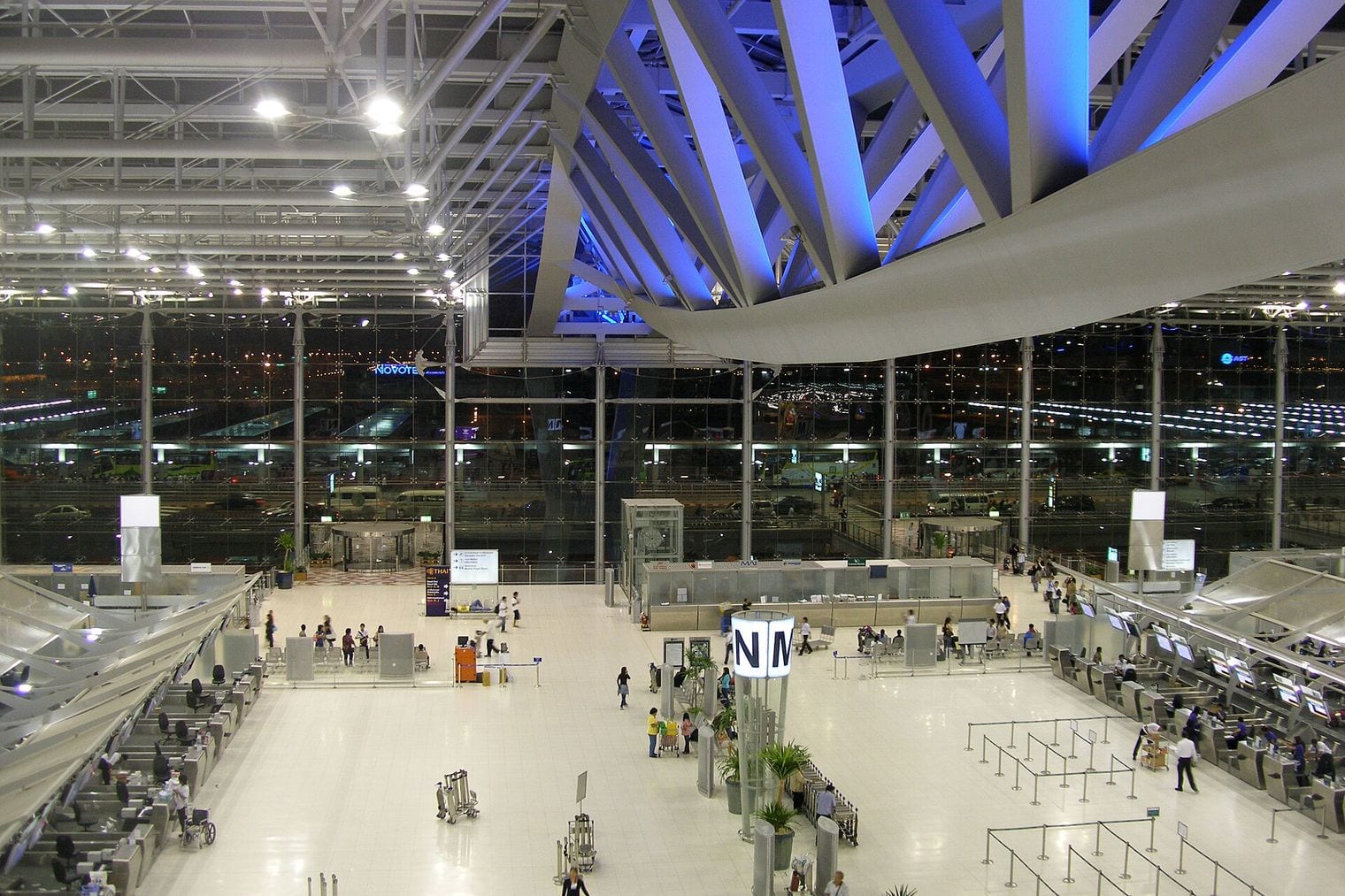
At 22,000 rai (35.2 km²), Suvarnabhumi Airport in Bang Phli, Samut Prakan, east of Bangkok, ranks 15th in the world by land area, on the figure its operator, Airports of Thailand, gives. Older sources quote 20,000 rai (32 km²).
Its name, chosen by King Bhumibol Adulyadej, means "golden land", after a kingdom of Buddhist legend; the site was once known as Nong Nguhao. The terminal was designed by Helmut Jahn of Murphy/Jahn Architects, and the airport opened to all international flights on 28 September 2006. Its control tower was the tallest in the world from 2006 to 2014.
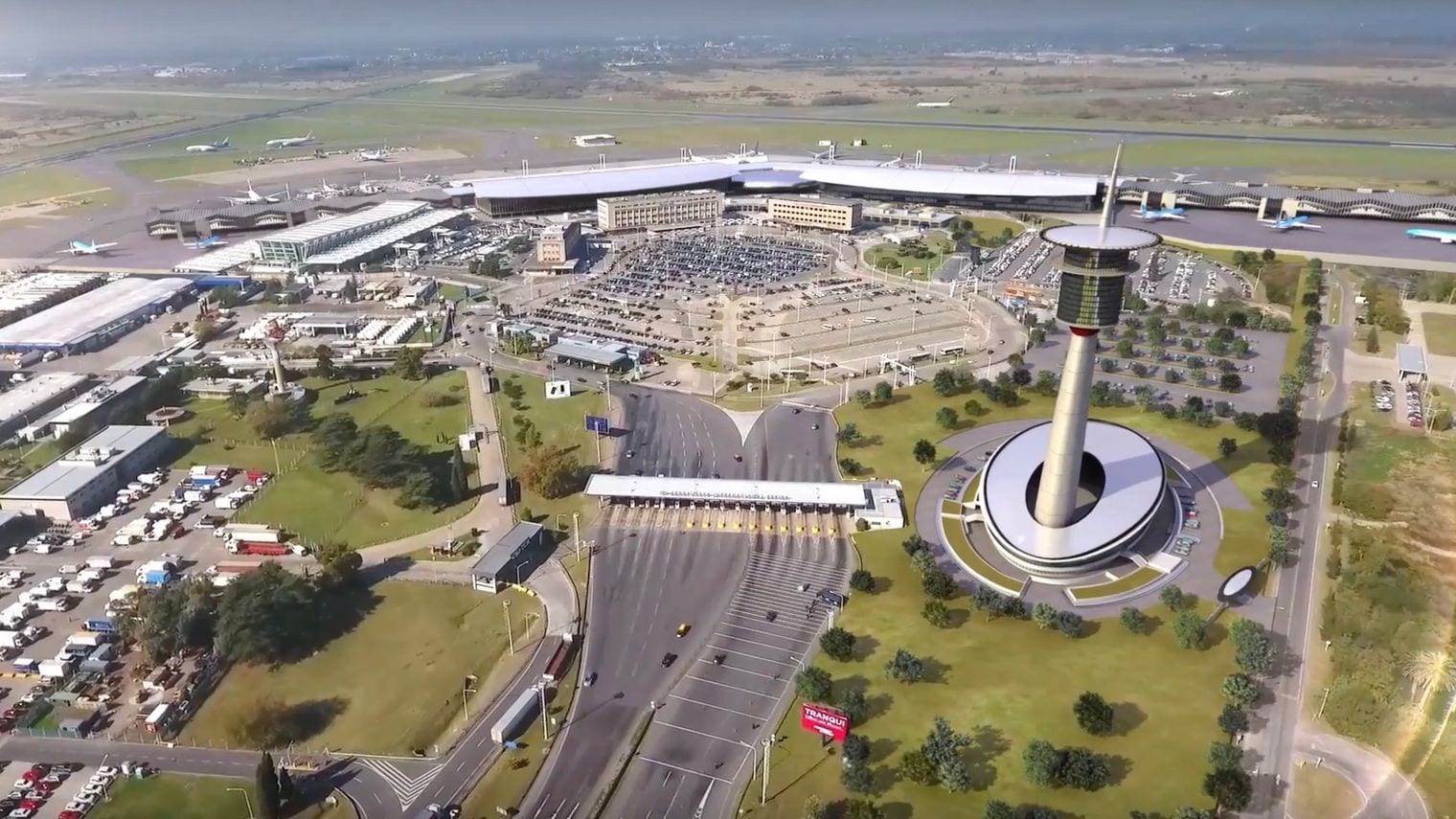
At 3,475 ha (34.75 km²), Ezeiza International Airport, officially Ministro Pistarini, 22 km south-southwest of Buenos Aires, is the 16th-largest airport in the world and the largest international airport in Argentina. The figure is the one published by ORSNA, the national airport regulator, and Wikipedia gives the same.
It was one of the major works of Juan Perón's first five-year plan: Juan Pistarini, the Minister of Public Works it is named after, laid the cornerstone on 22 December 1945, and the airport was inaugurated on 30 April 1949. When it opened it was the third-largest airport in the world. Aeropuertos Argentina 2000 has run it since 1998.
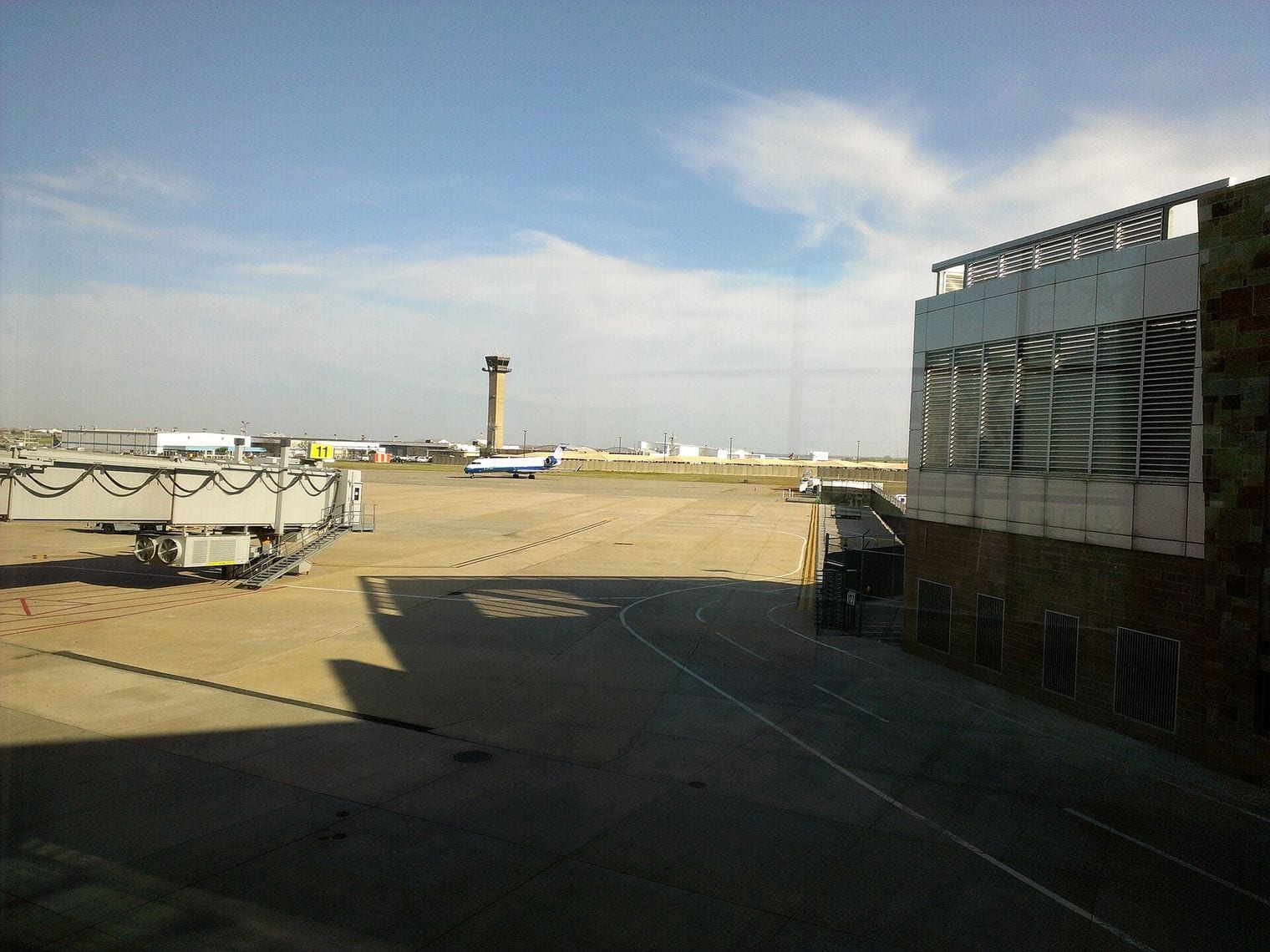
At 8,081 acres (32.7 km²), OKC Will Rogers International Airport, 6 miles southwest of downtown Oklahoma City, ranks 17th in the world by land area on the FAA's figure, which Wikipedia matches. Its field is shared by civil and military users.
It is named after the comedian and cowboy Will Rogers, an Oklahoma native who died in a plane crash in Alaska in 1935 alongside the aviator Wiley Post, after whom the city's other major airport is named. The airport went by the name Will Rogers World Airport until 2024.
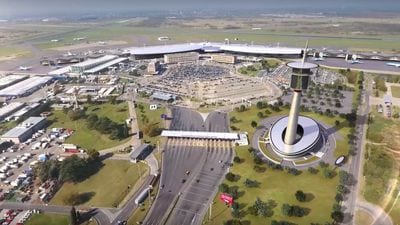
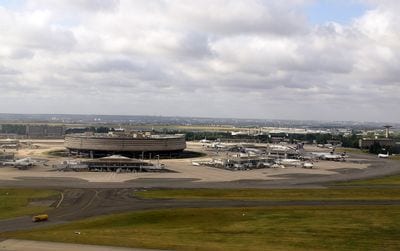
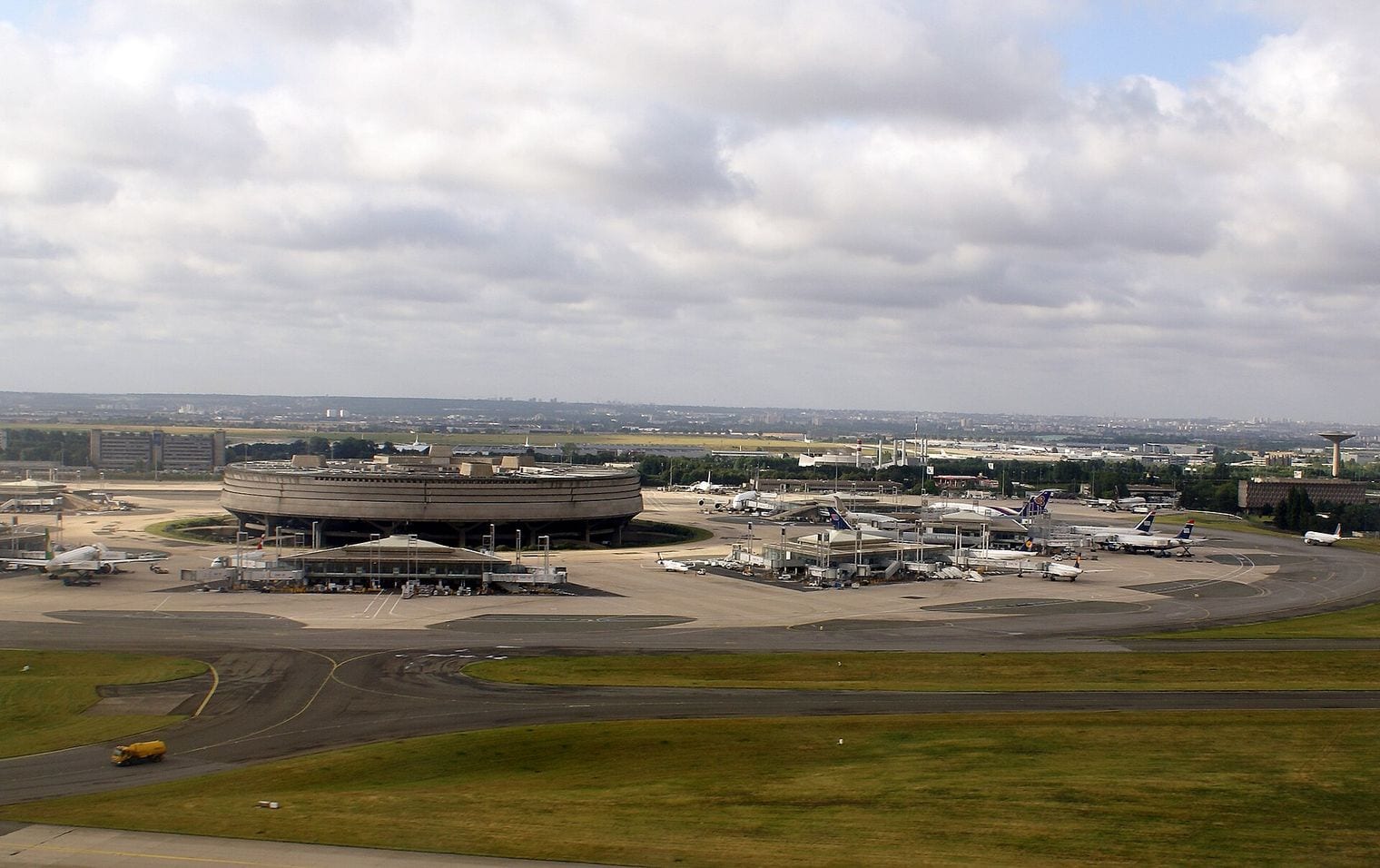
At 3,257 ha (32.57 km²), Paris Charles de Gaulle Airport in Roissy-en-France, 23 km northeast of central Paris, is the 18th-largest airport in the world, on the figure published by its operator, Groupe ADP; Wikipedia's 32.38 km² changes nothing. That is about a third of the area of the city of Paris itself.
It opened in 1974 and is the main hub of Air France and the busiest airport in the European Union. Its oldest building, Terminal 1, is Paul Andreu's circular design, while Terminal 2 has grown into a chain of halls lettered 2A to 2G.
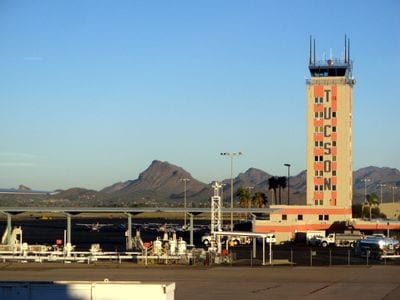
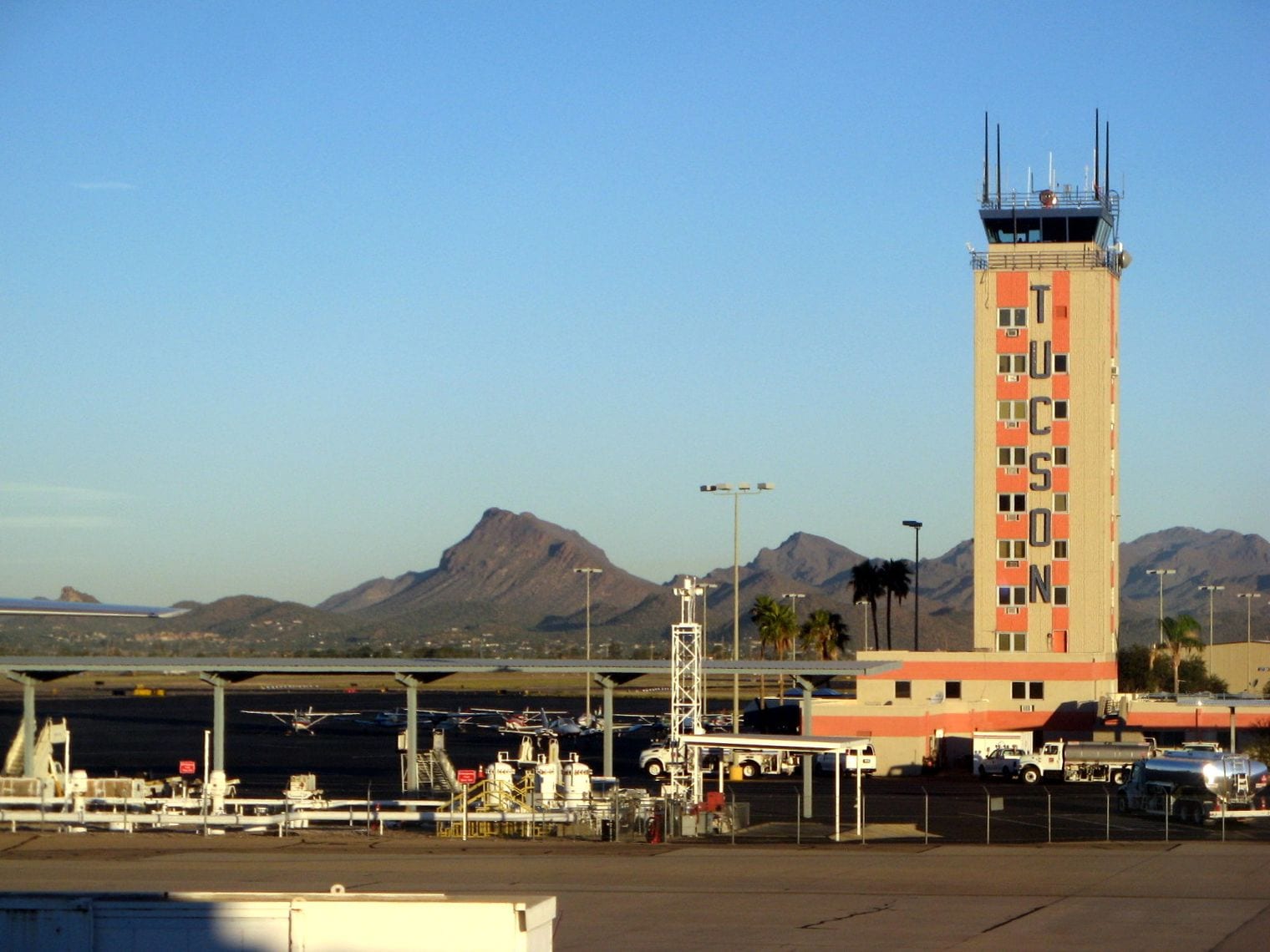
At 7,938 acres (32.12 km²), Tucson International Airport, south of downtown Tucson in Pima County, Arizona, ranks 19th by land area on the FAA's figure, which Wikipedia matches. Pages of the Tucson Airport Authority give several slightly larger acreages, up to 8,343 acres (33.76 km²), which would lift it two places.
The city had an early start in aviation: in 1919 Tucson opened the first municipally owned airport in the United States. The field is shared with Morris Air National Guard Base on its northwest corner, home of the 162nd Wing, the largest Air National Guard fighter unit in the country, which flies F-16s.
At 7,911 acres (32.01 km²), Jacksonville International Airport, 9 miles north of downtown Jacksonville, closes the list at 20th on the FAA's figure, which Wikipedia matches. Cairo International in Egypt, put at 3,200 ha (32 km²) by its operator, is level with it and just misses the cut; other sources give nearer 37 km², which would place it higher.
Dedicated on 1 September 1968, it replaced Imeson Field, whose terrain left no room to lengthen the runways for jet airliners, and it kept the code JAX. Its two concrete runways are laid out in a V with the tip pointing west, and the longer is 10,000 ft.
FAQ: The World's Largest Airports
What is the largest airport in the world?
King Fahd International Airport near Dammam, in Saudi Arabia, at 780 km² on the figure Guinness World Records lists. That is more than five times the size of the largest airport outside Saudi Arabia, Denver International at 135.7 km². Most of King Fahd's land is undeveloped desert, and the area actually in use is put at about 37 km².
What is the largest airport in the United States and in Europe?
In the United States it is Denver International Airport, at 33,531 acres (135.7 km²), the most land of any commercial airport in North America, with Dallas Fort Worth next at 17,183 acres. In Europe it is Istanbul Airport, at 7,650 ha (76.5 km²), followed by Madrid–Barajas and Paris Charles de Gaulle.
Why aren't the busiest airports, like Atlanta or Dubai, on the list?
Passenger traffic and land area are different measures. Atlanta's Hartsfield–Jackson, long the busiest airport in the world, sits on a far smaller site than anything here, and Dubai International and Hamad in Doha publish no land figure that could be checked. Dubai's Al Maktoum is planned to cover about 70 km² when fully built, but its current boundary is unpublished, so it is not ranked.
Is Beijing Daxing the largest airport in the world?
Not by land. Its terminal is one of the biggest airport buildings anywhere, but the airport's current site is about 27 km², below this list's cut-off; the 45 to 47 km² often quoted for Daxing is its ultimate plan. Terminal floor area is a different measure from land area and is not ranked here.
Why are Jeddah, Tehran and Seoul's airports missing?
None has a checkable figure for its current boundary. King Abdulaziz International in Jeddah is quoted at 105 to 112 km², but no operator or aviation-authority figure could be found. The 13,400 ha given for Imam Khomeini International in Tehran covers its Airport City zone, and Incheon's 5,116 ha is a 2004 Free Economic Zone figure.
Why do some airports have a range of figures?
Because operators, the FAA register and other sources disagree. The operator of Dulles gives 11,184 acres while the FAA still lists 13,000, which would put it above Orlando; Houston's operator says over 11,000 acres against the FAA's 10,000, which would lift it above Kansas City. Each entry uses the operator's or the register's figure, and its blurb gives the range.
Will any new airports join the list?
Two are worth watching. Long Thanh International Airport, east of Ho Chi Minh City in Vietnam, is due to open to commercial flights on 24 December 2026, and its land area will be checked when it does. King Salman International Airport, being built around King Khalid International in Riyadh, is targeted to begin operating in 2029.
Sources & updates
How this ranking was checked
Checked before launch
Sources cited
20
Publishers
17
Every figure in this ranking was checked against the record-keeper or official source behind it before publication, and the top of the ranking re-checked live so a newer record would not be missed.
One email every Thursday with our newest guides for the places you tick.
Newsletter
Stay updated with new World Record Breakers
One email every Thursday with our newest guides for the places you tick.
We use cookies to analyse site traffic and improve your experience.
You can accept or reject analytics cookies. See our
May we use analytics cookies? See ourCookie Policy.