We may earn a commission if you book tickets, tours or a stay through a link on
this page, at no extra cost to you. It never affects which places we list or how
we rank them (how we make money).
The record
25,000 m²269,098 sq ft
Cathedral Basilica of Our Lady Aparecida
Brazil
The record
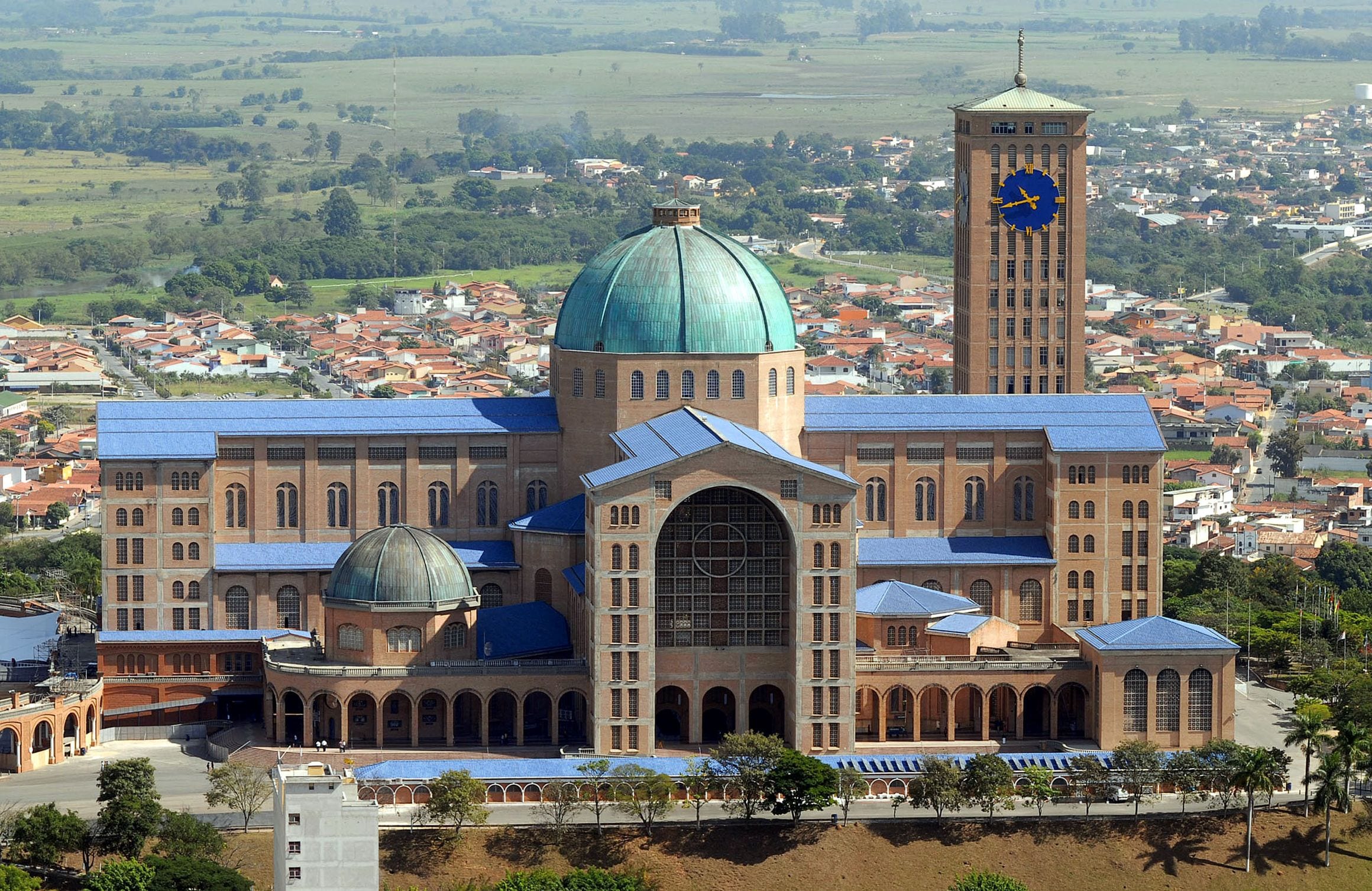
The largest cathedral in the world is the Cathedral Basilica of Our Lady Aparecida, in Brazil — 25,000 m² (269,098 sq ft), interior floor area.
Source: Wikipedia + Santuario Nacional A12 (pavimento terreo). Verified .
The biggest church in the world is not the biggest cathedral in the world, and both claims are true at once. St Peter's Basilica holds the volume record at roughly 1.6 million cubic metres, but flattened onto its floor plan it covers 15,160 square metres, while Brazil's national shrine at Aparecida covers 25,000.
That gap is the whole argument, so this countdown settles it one way: interior floor area, measured inside the external walls at the main worship level, ranked biggest first. Two rules follow. Multi-storey totals and open courtyards do not count, which is why Yamoussoukro's famous 30,000 square metres — a figure that takes in a rectory and a villa — leaves it outside the top twelve rather than at the summit.
And every building here is a consecrated cathedral or basilica still in use for worship, which is why Hagia Sophia, a mosque again since 2020, is absent. Florence makes the cut by eighteen square metres.
The largest church in the world is not a cathedral. A cathedral is a bishop’s seat, and St Peter’s Basilica is not one — the pope’s cathedral is the Archbasilica of St John Lateran, on the other side of Rome.
The biggest of them all started with a broken statue.Aparecida grew from a damaged clay figure of the Virgin that fishermen pulled out of the Paraíba do Sul river in 1717.
One entry on this list was a mosque first. When Castile took Córdoba in 1236 the great mosque was consecrated rather than demolished, and three centuries later a Renaissance nave was built up through its roof.
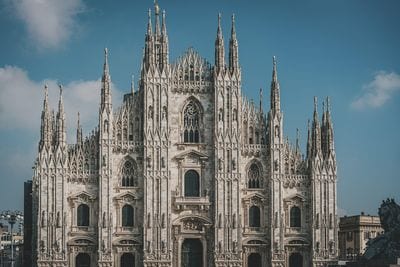
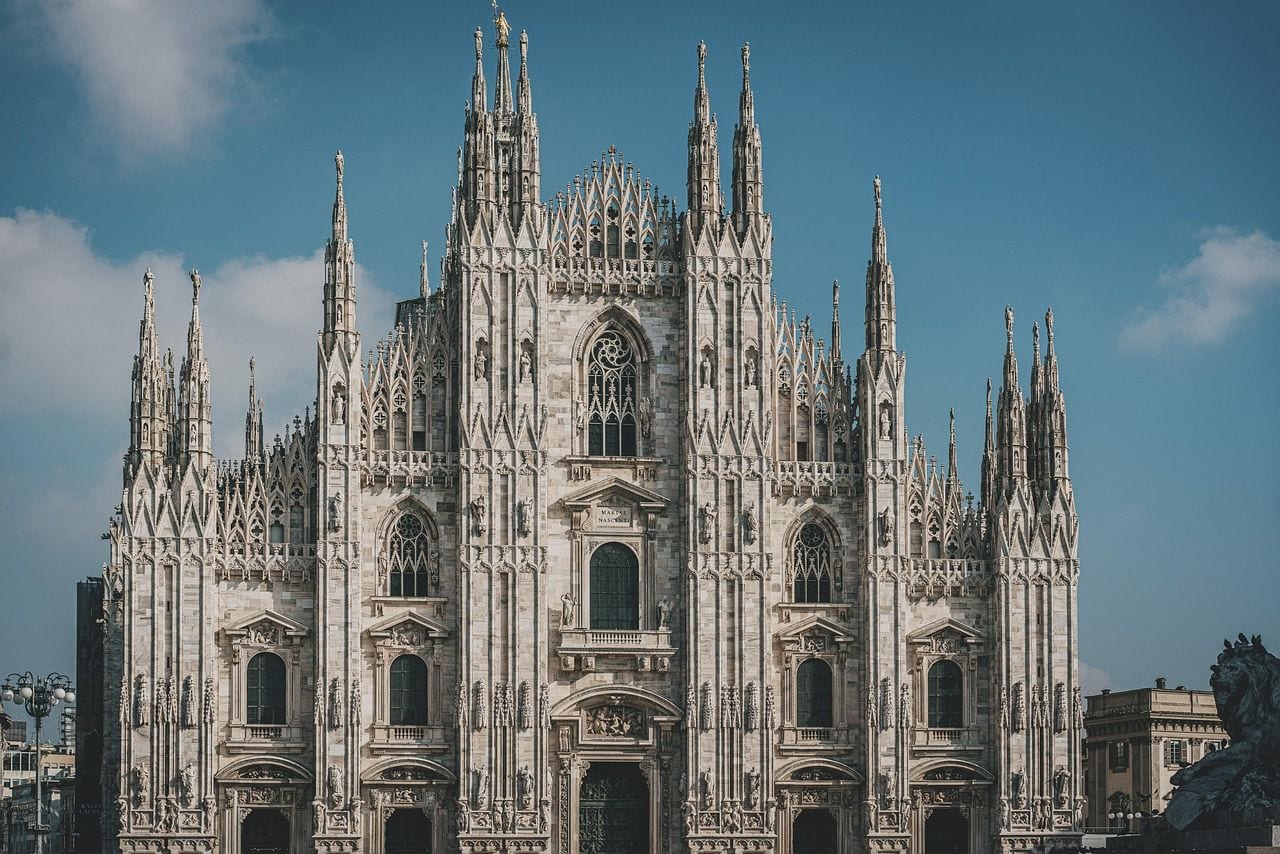
Milan Cathedral took nearly six centuries. The first stone of the Duomo was laid in 1386 and the final bronze gate was hung in 1965 — long enough for 135 spires and more than 3,400 statues to accumulate.
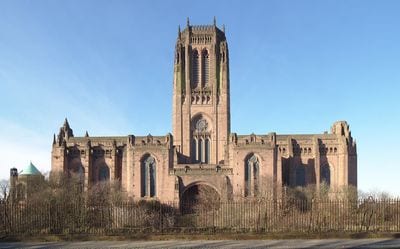
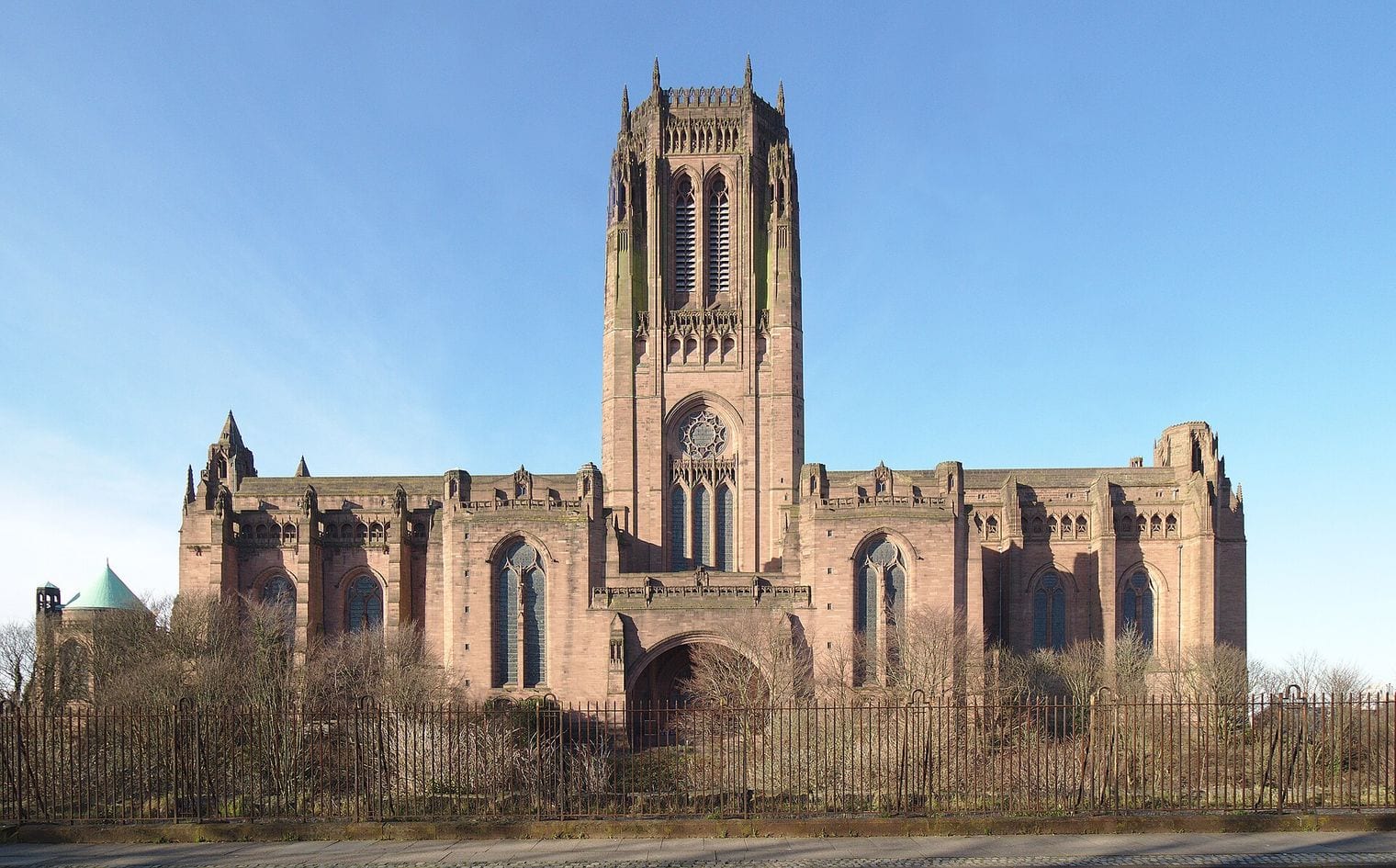
Britain’s largest cathedral was designed by a 22-year-old. Giles Gilbert Scott won the 1903 competition for Liverpool Cathedral while still an articled pupil in another architect’s practice.
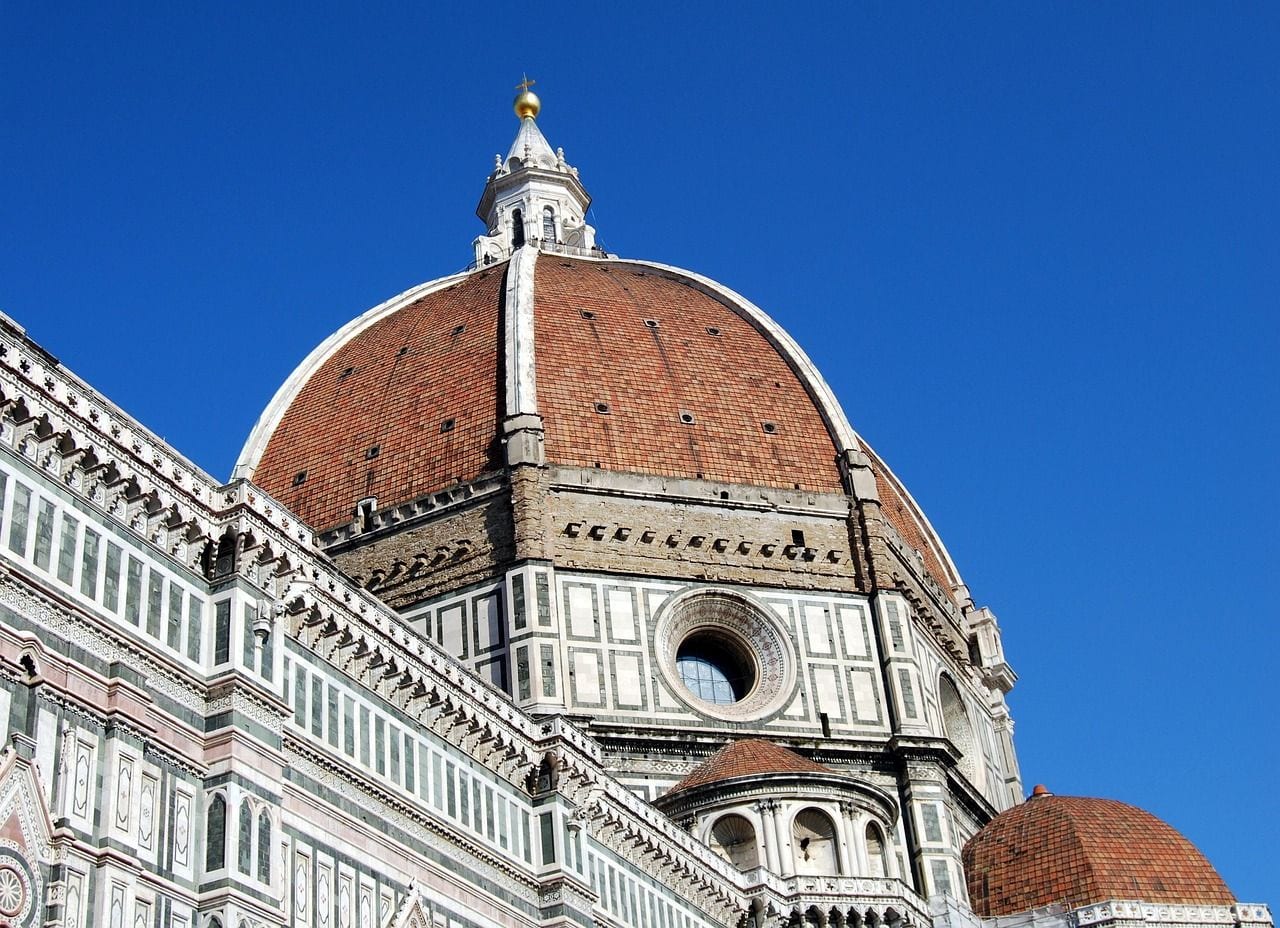
The last cathedral on the list holds a record none of the others can match. Brunelleschi’s dome over Florence Cathedral, finished in 1436, is still the largest brick dome ever built.
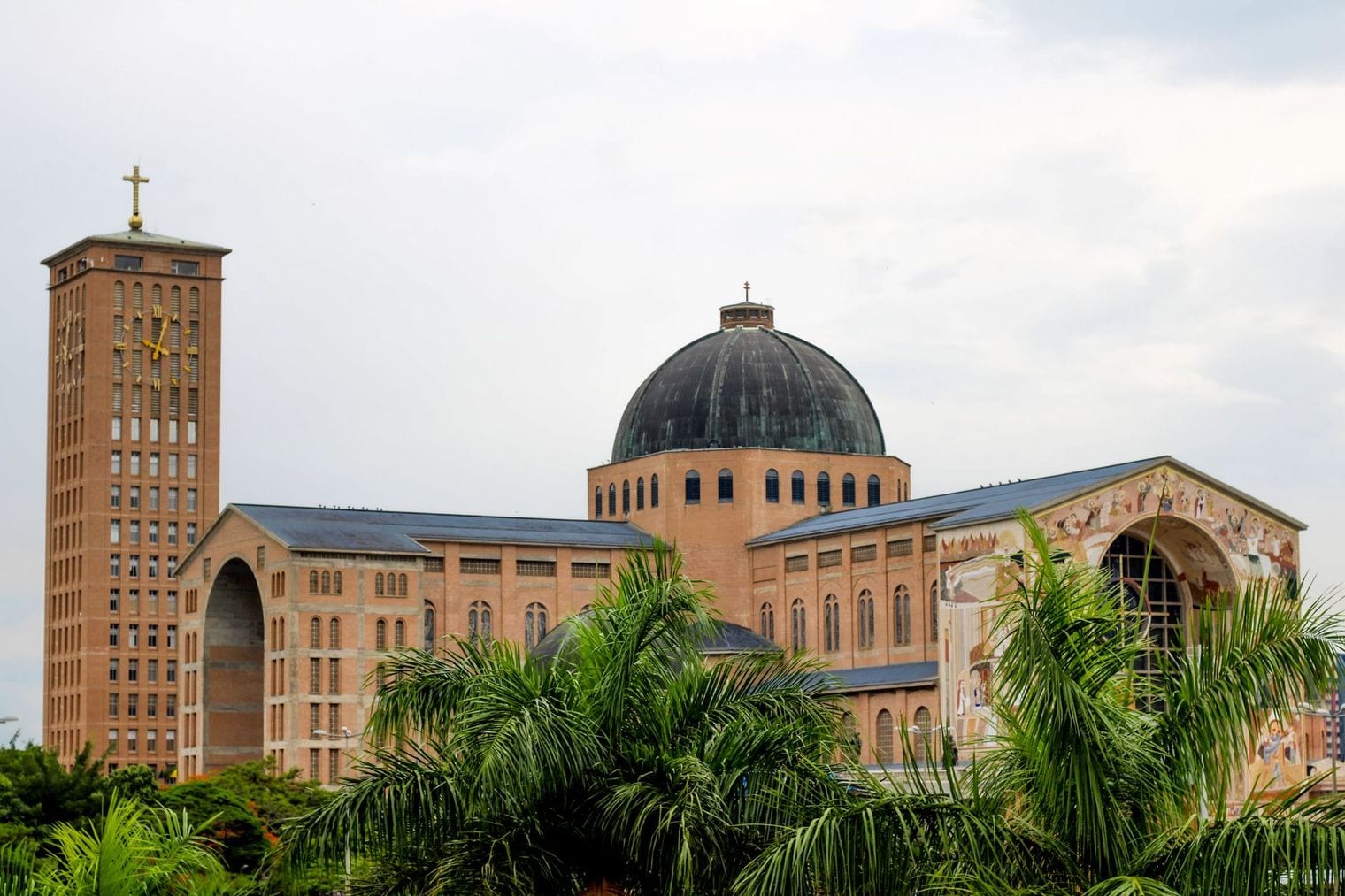
At 25,000 square metres, the Cathedral Basilica of Our Lady Aparecida covers more floor than any other church on earth — a Greek cross 188 metres long and 183 metres wide, under a dome that stands 70 metres above the congregation. The figure comes from the sanctuary itself and describes the pavimento térreo, the main worship level where Mass is celebrated. It is what makes this, by floor area, the largest cathedral in the world.
The building exists because of something very small. In 1717 fishermen working the Paraíba do Sul river pulled up a broken clay statue of the Virgin, and the devotion that gathered around it became Brazil's national one. Construction began in 1955 and Pope John Paul II consecrated the basilica in 1980. It holds 45,000 people standing, and on the October feast day the crowds spill far past the walls into the esplanade beyond.
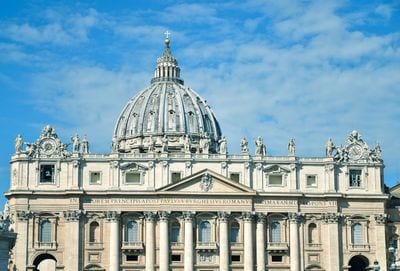
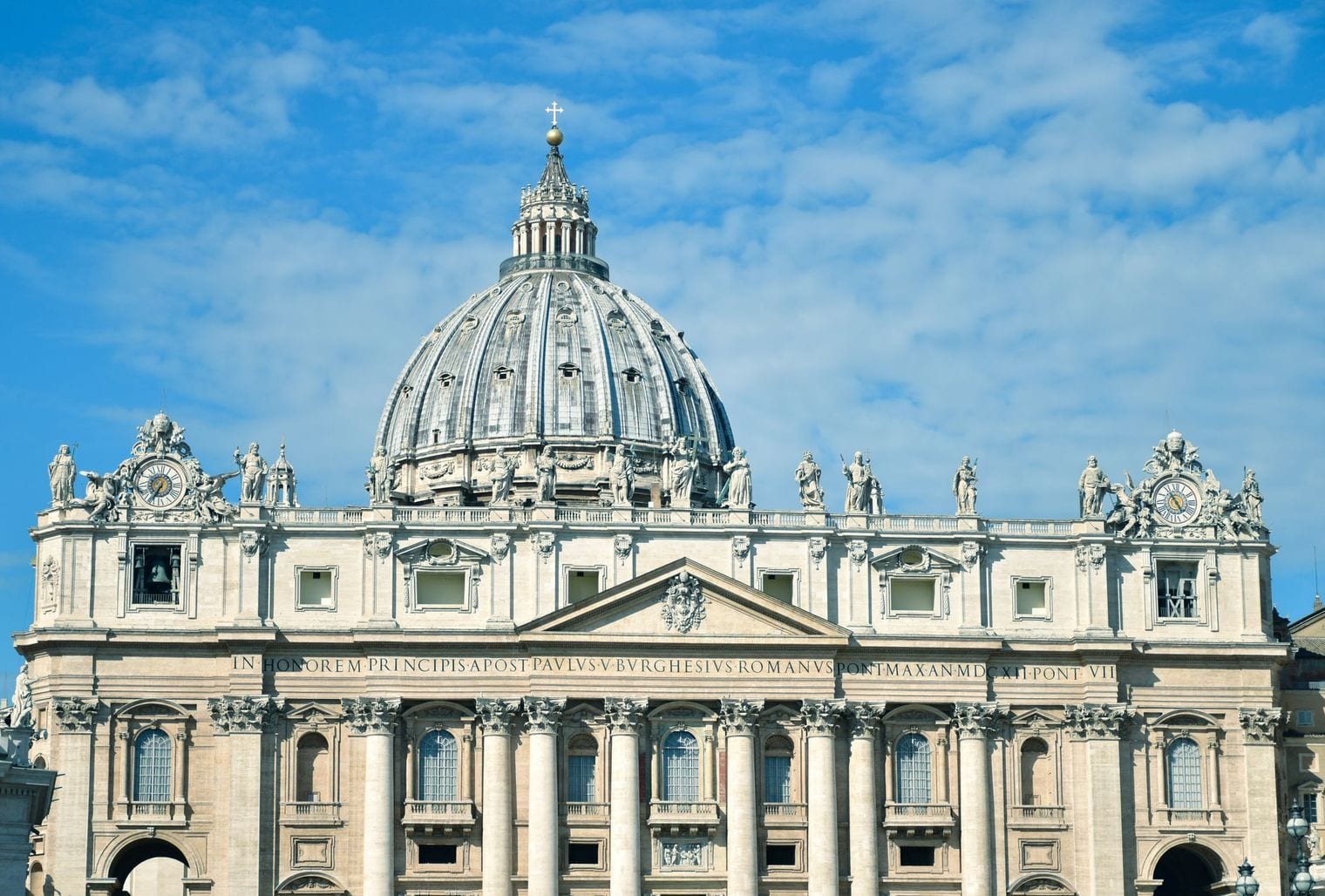
At 15,160 square metres of interior, St Peter's Basilica places second here and remains, by most measures anyone actually quotes, the greatest church ever raised. Its volume of roughly 1.6 million cubic metres beats everything else on this list outright. It is only when you flatten the building onto its floor plan that Aparecida edges ahead, which is why both buildings can honestly be called the largest — they are being measured on different axes.
There is a second technicality worth knowing: St Peter's is not a cathedral. A cathedral is a bishop's seat, and the pope's seat is the Archbasilica of St John Lateran across the city. St Peter's is a papal basilica, built between 1506 and 1626 over the tomb venerated as the apostle's, passing through the hands of Bramante, Michelangelo, Maderno and Bernini in turn. Michelangelo's dome still tops out at 136.6 metres.
At 13,000 square metres of roofed interior, the Mosque–Cathedral of Córdoba is the largest cathedral in Spain and the strangest building on this list. That figure counts only what sits under the roof; the 23,400 square metres often quoted for the site takes in the Patio de los Naranjos, the orange-tree courtyard outside the prayer hall.
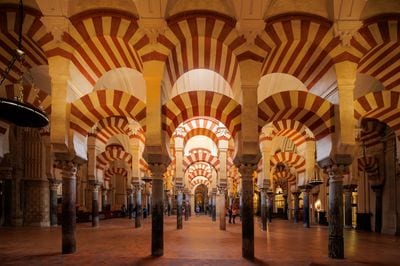
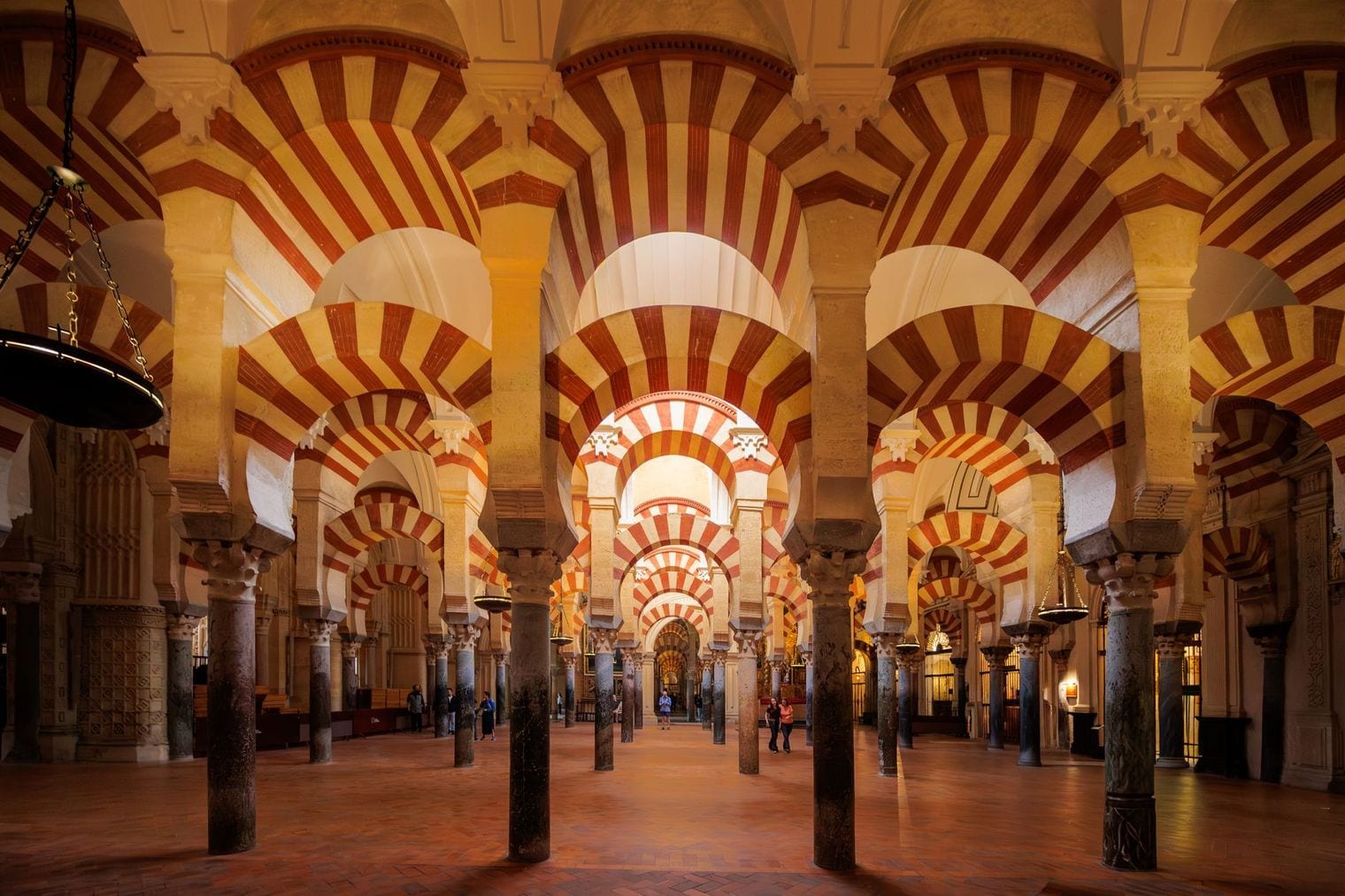
Work began in 785 on a great mosque, and four successive expansions carried it past 850 columns of granite, jasper and marble, carrying the red-and-white double arches that make the interior read as endless.
Castile took the city in 1236 and consecrated the building rather than levelling it; three centuries later a Renaissance nave was driven up through the middle of the roof. It has served as the cathedral of the Diocese of Córdoba ever since, and the collision of the two architectures is the reason people come.
At 11,700 square metres, Milan Cathedral is the largest church in Italy, and it takes fourth place from Seville by just 180 square metres — roughly a tennis court, on two buildings that each cover more than a hectare. The margin is small enough that the order depends on whose survey you read.
It took a while to get there. The first stone was laid in 1386 and the last bronze gate was hung in 1965, giving the Duomo close to six centuries of accumulated Gothic: about 135 spires, more than 3,400 statues, and a gilded Madonnina keeping watch from the summit. The roof terraces are open to visitors, and climbing among the pinnacles is the only way to grasp quite how much carved stone is up there.
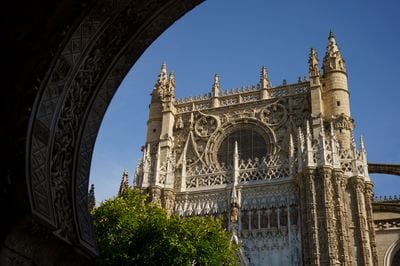
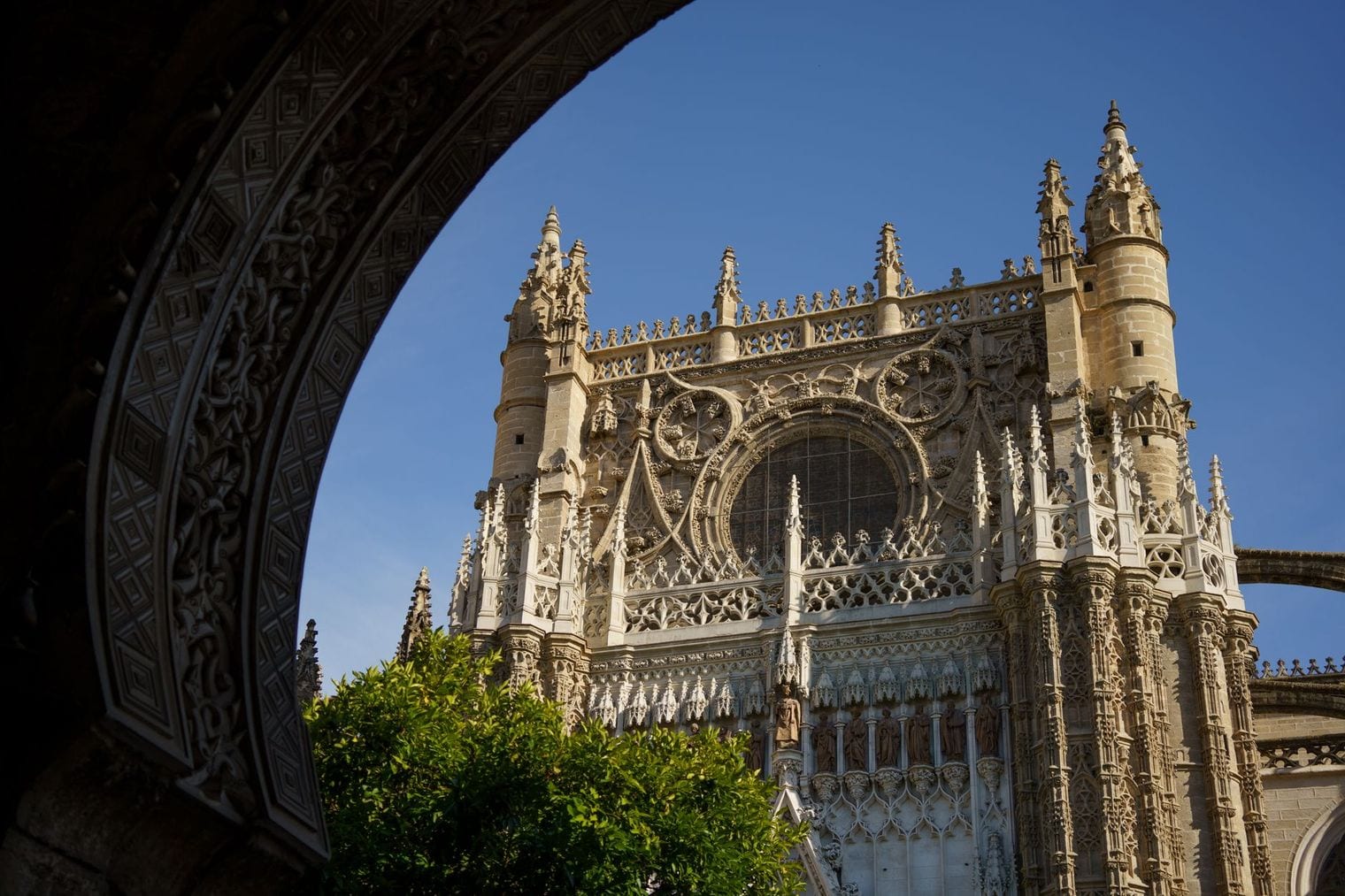
At 11,520 square metres, Seville Cathedral is the largest Gothic cathedral in the world, and it sits 279 square metres behind Milan here. Both things are true at once: Seville takes the Gothic record on total footprint, where its 23,500 square metres nearly doubles Milan's, while this countdown ranks the interior alone.
It went up between 1401 and 1528 on the footprint of the city's Almohad mosque, and tradition has the cathedral chapter resolving to build on a scale that would make posterity think them mad. The minaret survived the rebuild as La Giralda, the bell tower you ascend by ramp rather than stair, wide enough that it could be ridden up on horseback. Inside, four heralds carry the tomb of Christopher Columbus above the heads of the crowd.
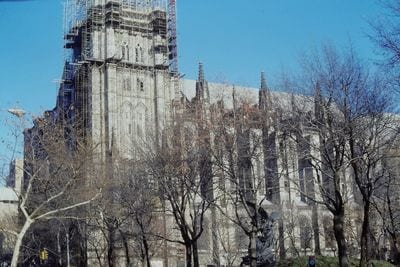
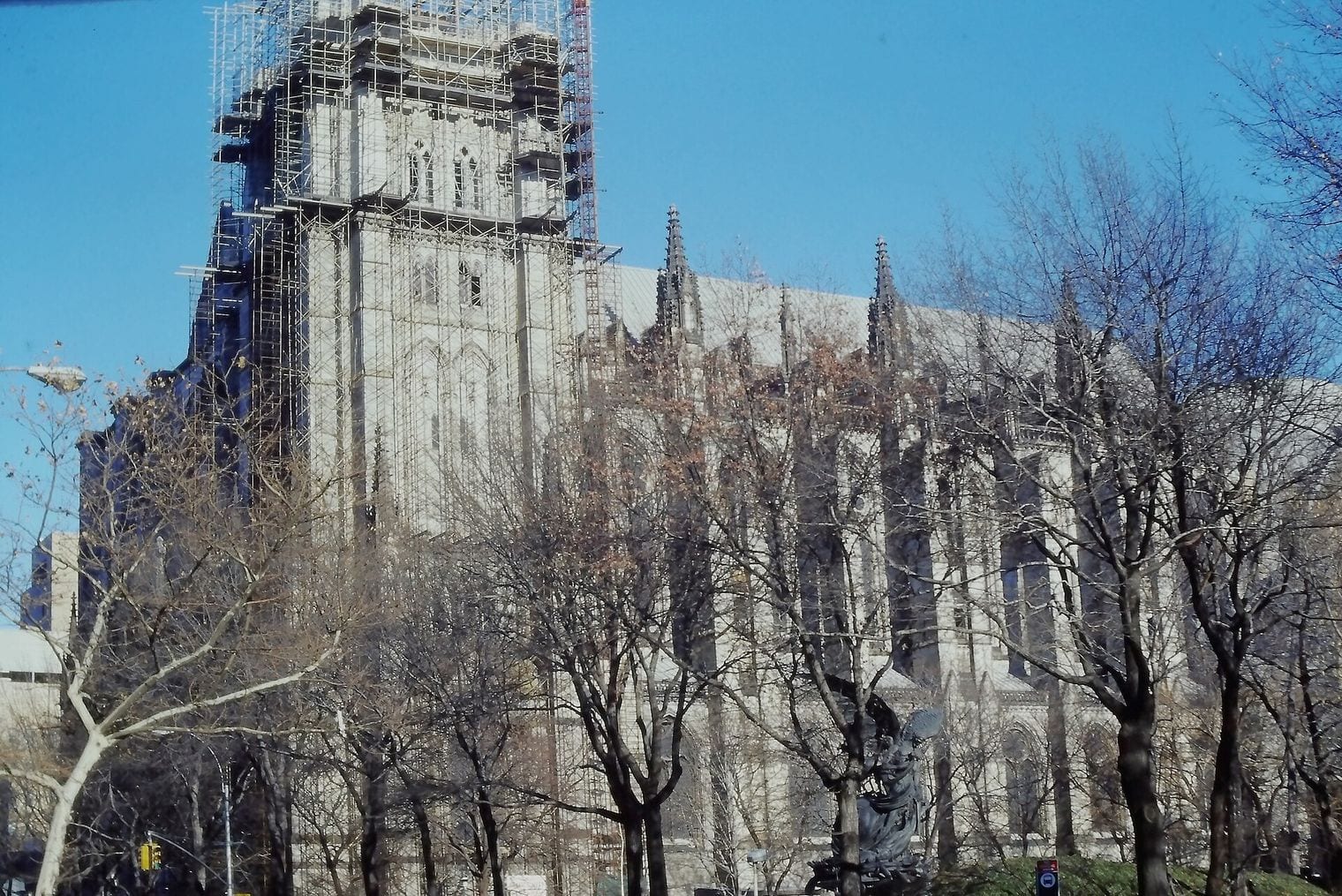
At 11,241 square metres, the Cathedral of St John the Divine in Morningside Heights is the largest cathedral in the United States, and it is still not finished. Ground was broken in 1892, the design switched from Romanesque to Gothic partway through, and one tower has never received its spire. New Yorkers have called it St John the Unfinished for generations.
The incompleteness turns out to be part of the appeal. The nave runs long and dim toward a crossing where the change of style is plainly visible, and the cathedral has always leaned as civic as it is liturgical. It hosts concerts, memorials and an annual blessing of the animals, when everything from house pets to considerably larger livestock is walked up the central aisle.
At 9,687 square metres, Liverpool Cathedral is the largest cathedral in Britain, and the design was won by a 22-year-old. Giles Gilbert Scott took the 1903 competition as an unknown; the commissioners, on discovering his age and inexperience, paired him with an established architect, and he went on refining the building for the rest of his life.
Construction ran from 1904 to 1978, in red sandstone quarried from the ridge the cathedral stands on, and the scale is deliberately overwhelming — one vast central space under arches that soar rather than subdivide. Its tower carries the highest and heaviest ringing peal of bells anywhere in the world, and the climb to the top opens out over the Mersey and the rooftops of the city.
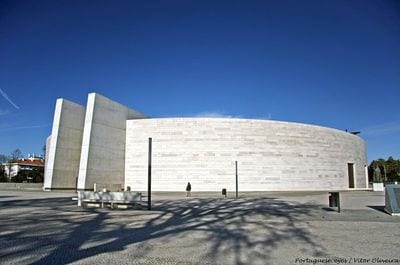
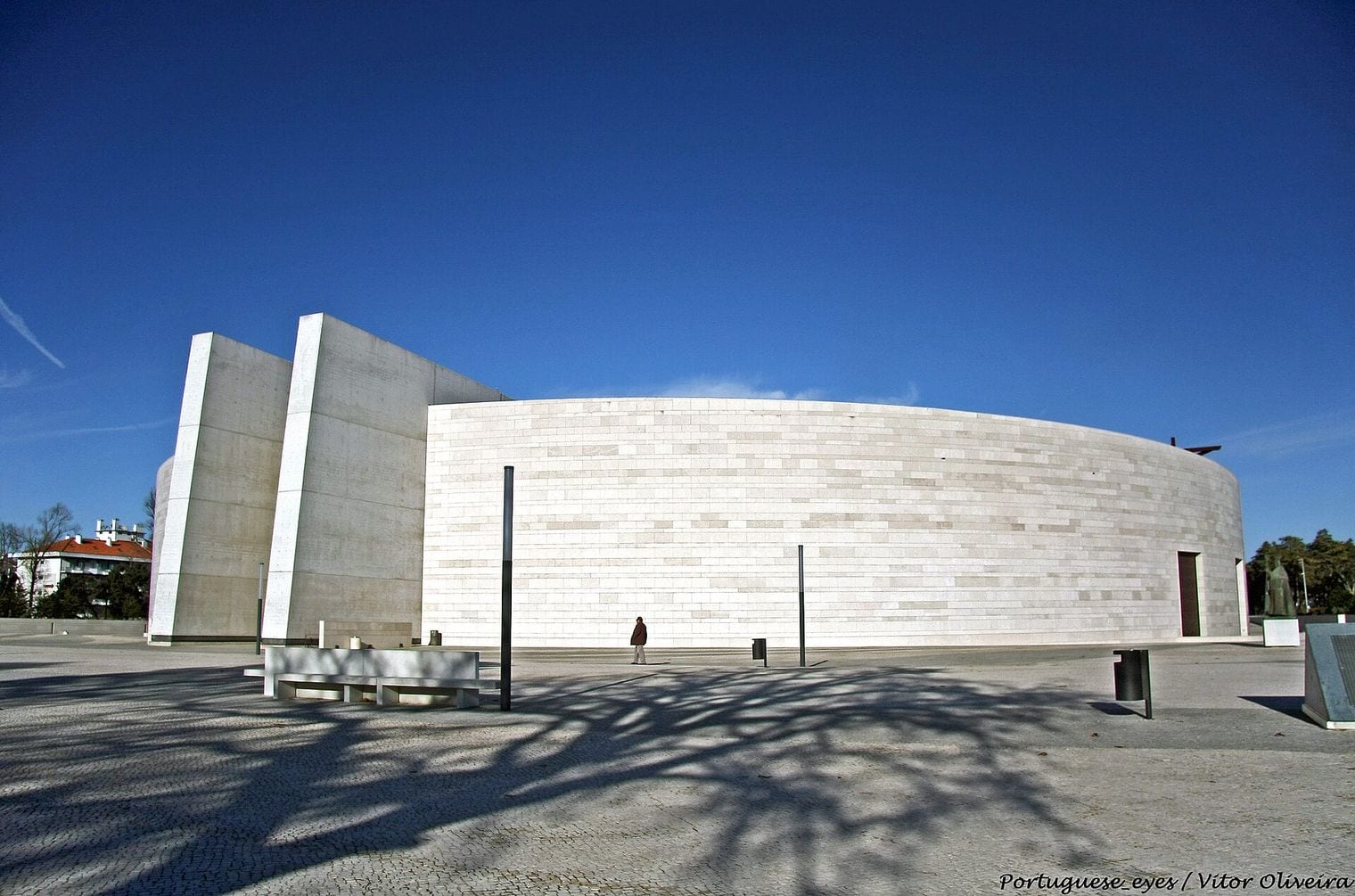
At 8,700 square metres, the Basilica of the Holy Trinity at Fátima is the newest of the European giants and much the plainest — a low circular drum of white Portuguese stone finished in 2007, seating around 8,600 people with almost nothing standing between them and the altar.
It faces the older Basilica of Our Lady of the Rosary across an enormous open esplanade, and it was built because the twentieth-century pilgrim crowds had outgrown everything the sanctuary already had. The severity is the entire point: no aisles, no columns interrupting the span, and daylight handled so that attention is pulled forward to the altar rather than upward into a vault.
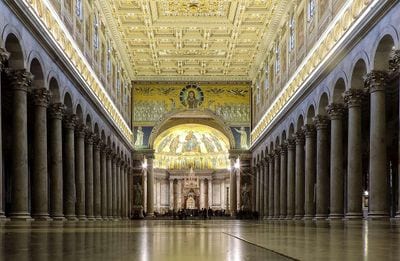
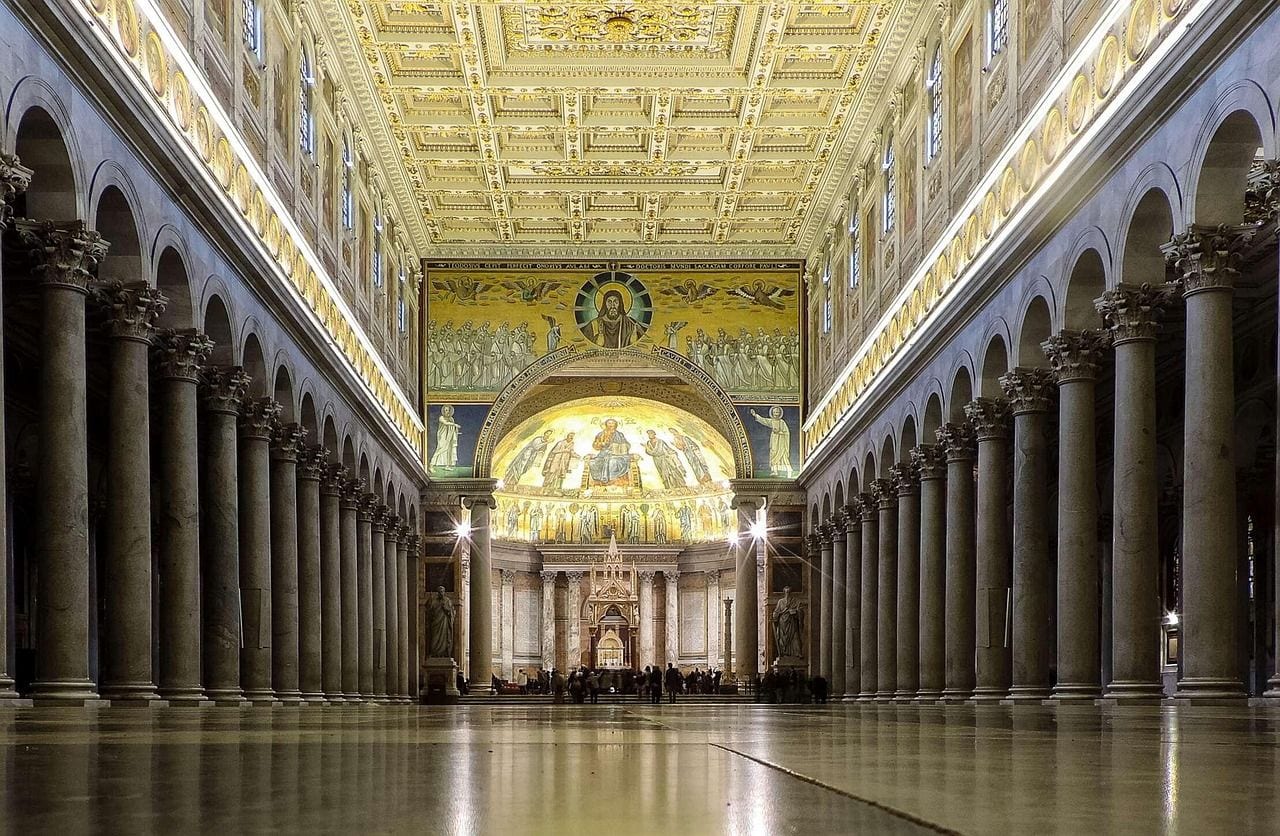
At 8,515 square metres, the Basilica of Saint Paul Outside the Walls is the second largest church in Rome, ahead of Bucharest by 185 square metres. It stands beyond the Aurelian Walls that give it its name, on ground venerated since antiquity as the burial place of the apostle Paul.
The first great basilica here rose in the fourth century and stood for almost 1,500 years, until a fire in 1823 destroyed most of it. What you walk into now is a scrupulous nineteenth-century rebuilding — cold, bright marble and colossal columns marching toward the apse.
A band of mosaic medallions runs right round the nave carrying a portrait of every pope, and the blank roundels still waiting to be filled are, for many visitors, the most affecting thing in the building.
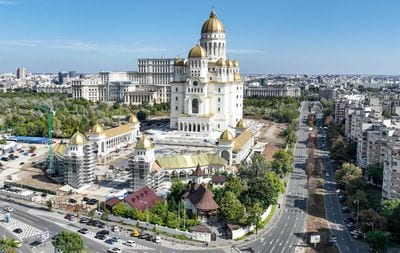
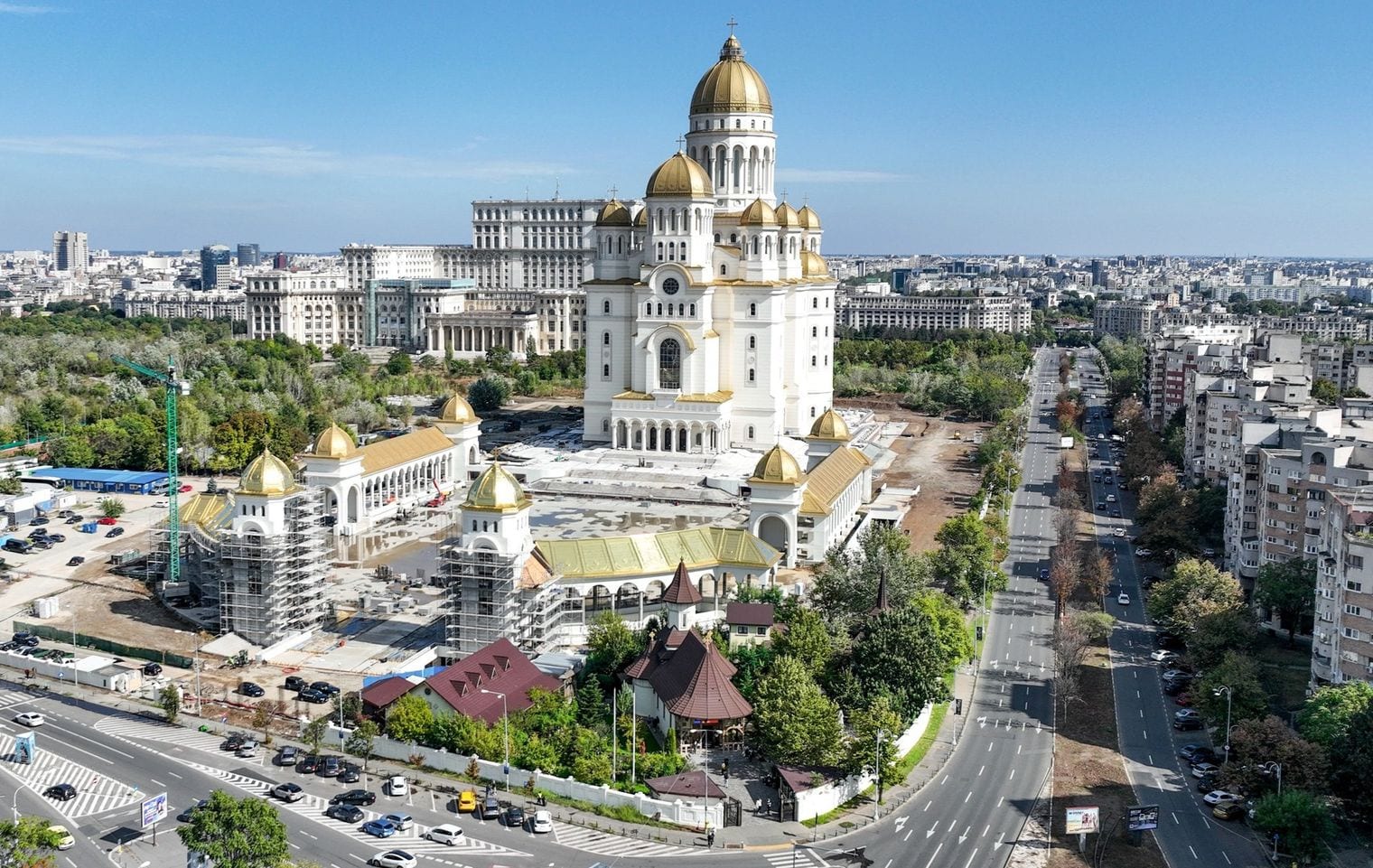
At 8,400 square metres, the People's Salvation Cathedral in Bucharest is the largest Orthodox church in the world, and by a wide margin the newest building on this list — it opened on 26 October 2025 after fifteen years of construction. It clears Zaragoza by 82 square metres.
Romania's national cathedral rises beside the Palace of the Parliament, and the figures attached to it are as outsized as the floor plan: more than 17,800 square metres of frescoes and mosaics, over 300 saints across gilded walls, and upward of a hundred stained-glass windows. It is the tallest Orthodox church anywhere as well as the largest, and argument over what it cost the country to build has trailed the project since the first stone was laid.
1111. Cathedral-Basilica of Our Lady of the Pillar
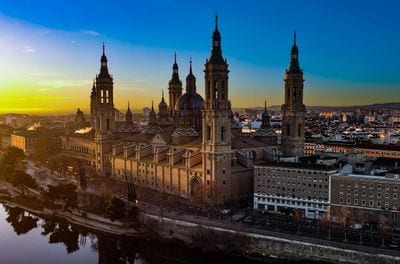
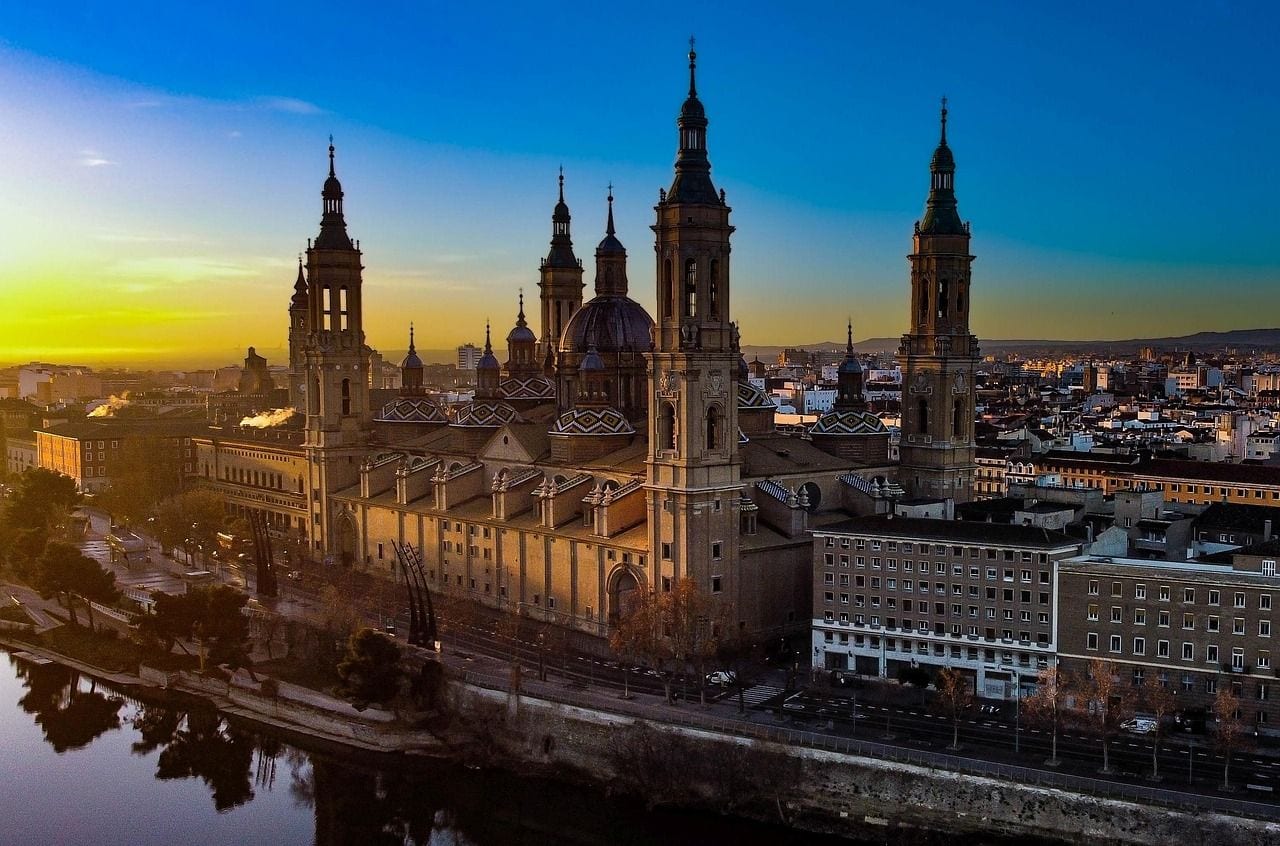
At 8,318 square metres, the Cathedral-Basilica of Our Lady of the Pillar takes eleventh place from Florence by 18 square metres — the narrowest margin on this list, a gap smaller than a parking space between two buildings the size of city blocks.
Eleven domes and four corner towers give it a silhouette along the Ebro that reads more Ottoman than Spanish, especially when the tilework catches the light. Tradition holds that the Virgin appeared here to the apostle James, standing on a pillar that the basilica still enshrines and that pilgrims queue to touch. Goya, who grew up a short ride away in Fuendetodos, frescoed one of the vaults early in his career, before the work that made his name.
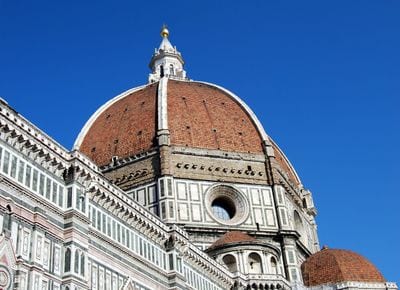
At 8,300 square metres, Florence Cathedral takes the final place here by those same 18 square metres — and it holds a record none of the eleven above it can touch. Brunelleschi's dome, completed in 1436, is still the largest brick dome ever constructed.
Santa Maria del Fiore was begun in 1296 with a hole deliberately left at its eastern end, because nobody yet knew how to roof a span that wide without a timber framework to build it on. Brunelleschi's answer — two shells, a herringbone brick bond and no full centring — was as much a triumph of logistics as of engineering. Giotto's campanile stands alongside it, and the green, white and pink marble skin was only completed in the nineteenth century.
FAQ: The World’s Largest Cathedrals
What is the largest cathedral in the world?
Measured by interior floor area, the Cathedral Basilica of Our Lady Aparecida in Brazil, which covers 25,000 square metres on its main worship level. It is the cathedral of the Archdiocese of Aparecida and the country’s national shrine, and it holds roughly 45,000 people standing — more floor than any other church building on earth.
Is St Peter’s Basilica the largest church in the world?
By volume, yes: at roughly 1.6 million cubic metres it is far ahead of anything else. By interior floor area it covers 15,160 square metres, which places it second to Aparecida. Both records are genuine, they simply measure different things. St Peter’s is also not technically a cathedral, because it is not a bishop’s seat.
Why is the Basilica of Our Lady of Peace in Yamoussoukro not on this list?
Because the 30,000 square metres usually quoted for it is an exterior figure that takes in a rectory and a villa, not the church interior. Measured inside the walls it covers 7,989 square metres, below the cutoff for twelfth place. It does hold the record for the largest Catholic church by exterior area, which is exactly the kind of basis switch that decides a lot of the world record breakers we track.
What is the difference between a cathedral and a basilica?
A cathedral is the church that houses a bishop’s seat, so the word describes its role within a diocese. A basilica is an honorific the pope grants for historical or spiritual significance. A building can be either, both or neither: Seville is a cathedral, St Peter’s is a basilica, and Zaragoza is both.
Which is the largest Gothic cathedral in the world?
Seville Cathedral is generally given that title, and it takes the record on total footprint at 23,500 square metres including its courtyards. On interior floor area alone, the measure this countdown uses, Milan Cathedral is slightly ahead at 11,700 square metres against Seville’s 11,520 — a margin of about a tennis court.