By the City Viking editorial teamPublished Ranked by population · 21 min read
Last verified Checked before launchOct 29, 202633 sources18 publishers12 government & parks16 encyclopedias & research5 venues & other sitesPublished · Oct 29, 2026Researched and checked before it went liveClick for every source and the full change log.
The record
41.9 million people
Jakarta
Indonesia
The record
The largest city in the world is Jakarta, in Indonesia — 41.9 million people, population.
Source: UN DESA, World Urbanization Prospects 2025 (File 18). Verified .
Tokyo is no longer the largest city in the world, at least not by the measure the United Nations adopted in 2025. Its World Urbanization Prospects now draws every city the same way, as a continuous cluster of square-kilometre grid cells holding at least 1,500 people each, followed across municipal and provincial lines wherever it runs.
On that map Jakarta leads with 41.9 million, and Tokyo, the 37 million giant of older lists, slips to third. This countdown ranks the 33 cities above the UN's 10 million megacity line, from Jakarta down to London, across 23 countries.
The rule cuts both ways: New York is its continuous built-up cluster, not its far wider commuter belt, and every figure is a mid-2025 headcount of a living city, not a 2050 forecast. It also costs famous names. Chongqing's “30 million” is a municipality the size of Austria, and its city counts 7.07 million; Rio de Janeiro and Paris fall just short of 10 million.
The world had 8 megacities in 1975 and has 33 today — the UN's name for a city of 10 million or more. It expects 37 by 2050, with Addis Ababa, Dar es Salaam, Hajipur and Kuala Lumpur projected to cross the line.
19 of the 33 are in Asia — Latin America has five, Africa four, Europe three and North America two, and Cairo is the only city in the top ten outside Asia.
Dhaka is projected to be the largest city in the world by 2050, while Tokyo, the long-time number one on older lists, is projected to lose population over the next 25 years.
Los Angeles is the most spread-out city here — 3,444 people per km², against 27,301 in Mumbai, nearly eight times as dense. Yet only Tokyo has a bigger built-up footprint than LA.
Three places on this list are decided by fewer than 50,000 people — Ho Chi Minh City beats Buenos Aires by about 35,000, New York City beats Shenzhen by about 42,000, and Bogotá beats Lima by about 44,000.
The UN's 2025 method counts far smaller cities too — a city now needs only 50,000 inhabitants, down from 300,000, and on that definition 45% of the world's population lives in cities.
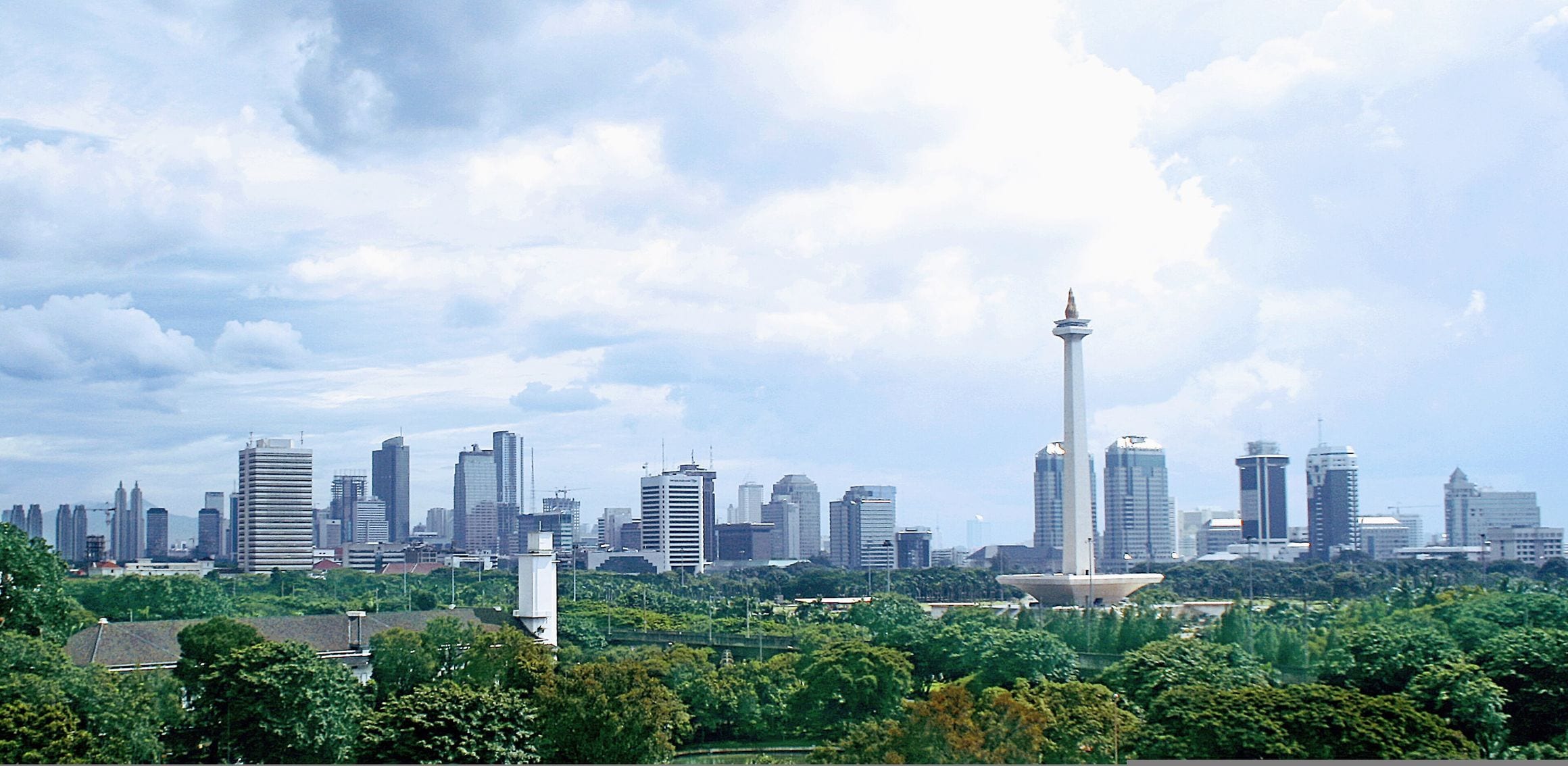
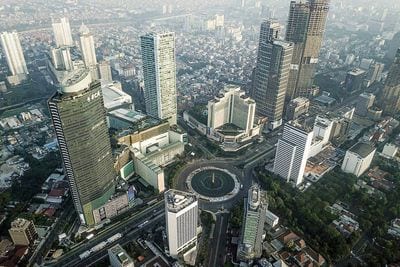
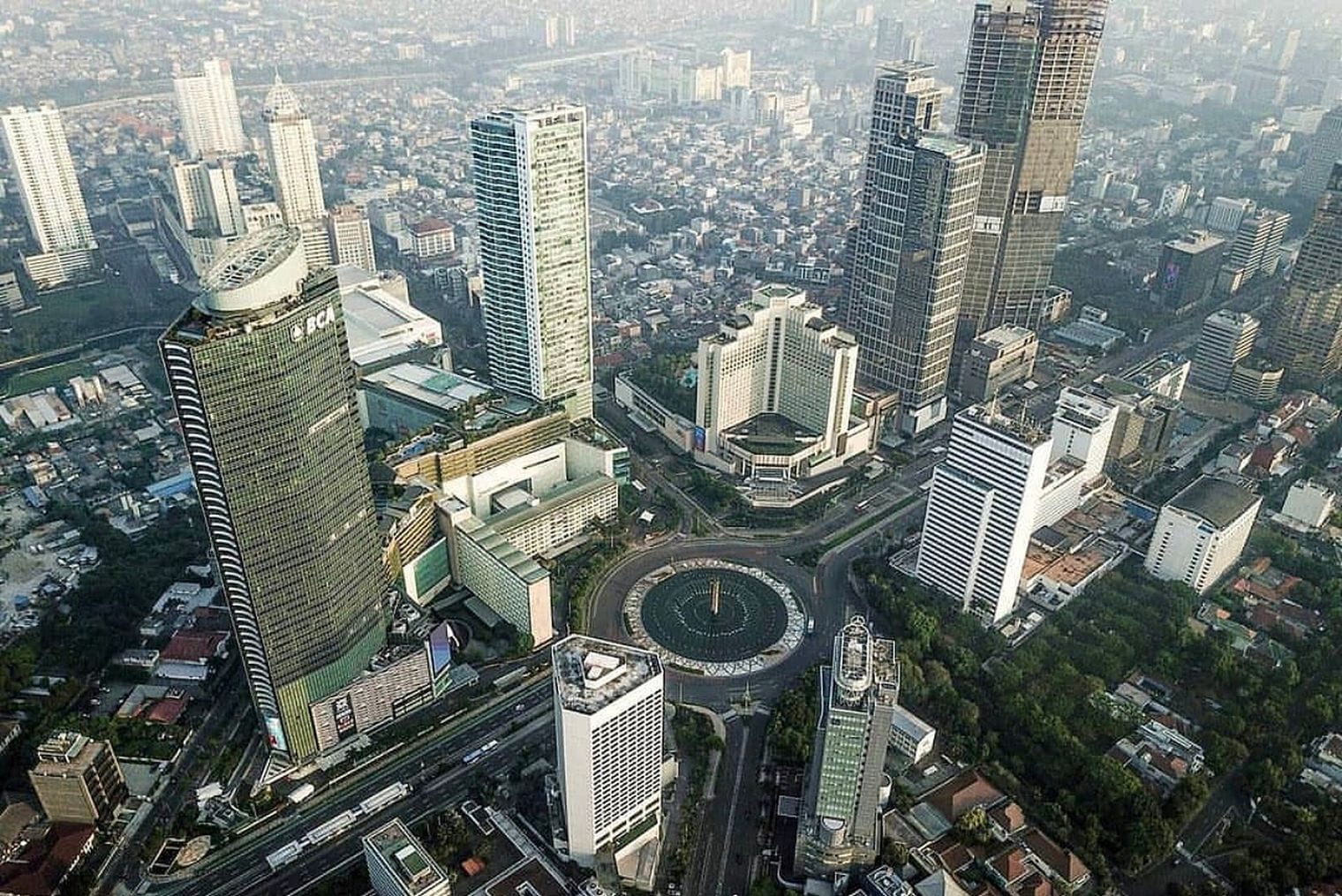
At 41.9 million people, Jakarta is the largest city in the world under the UN's 2025 method, more than five million ahead of Dhaka. The Indonesian capital lies on the northwestern coast of Java, facing the Java Sea, and its cluster spreads over 4,883 km² of land, more than seven times the 664 km² of the special capital region that carries the city's name.
The city began as the port of Jayakarta, which the Dutch East India Company seized in 1619 and rebuilt as Batavia, its main administrative centre in Asia; the name Jakarta arrived during the Japanese occupation in the Second World War.
Its largest communities are Javanese, Betawi, Sundanese and Chinese Indonesian, and its defining modern problem is the ground itself: land subsidence, driven partly by groundwater pumping and the weight of buildings, is a major cause of the coastal flooding that hits the north of the city.
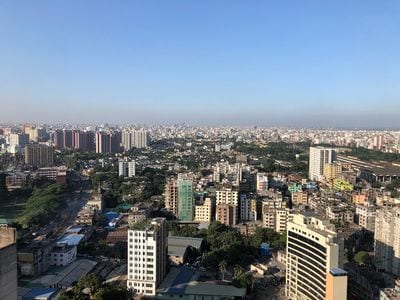
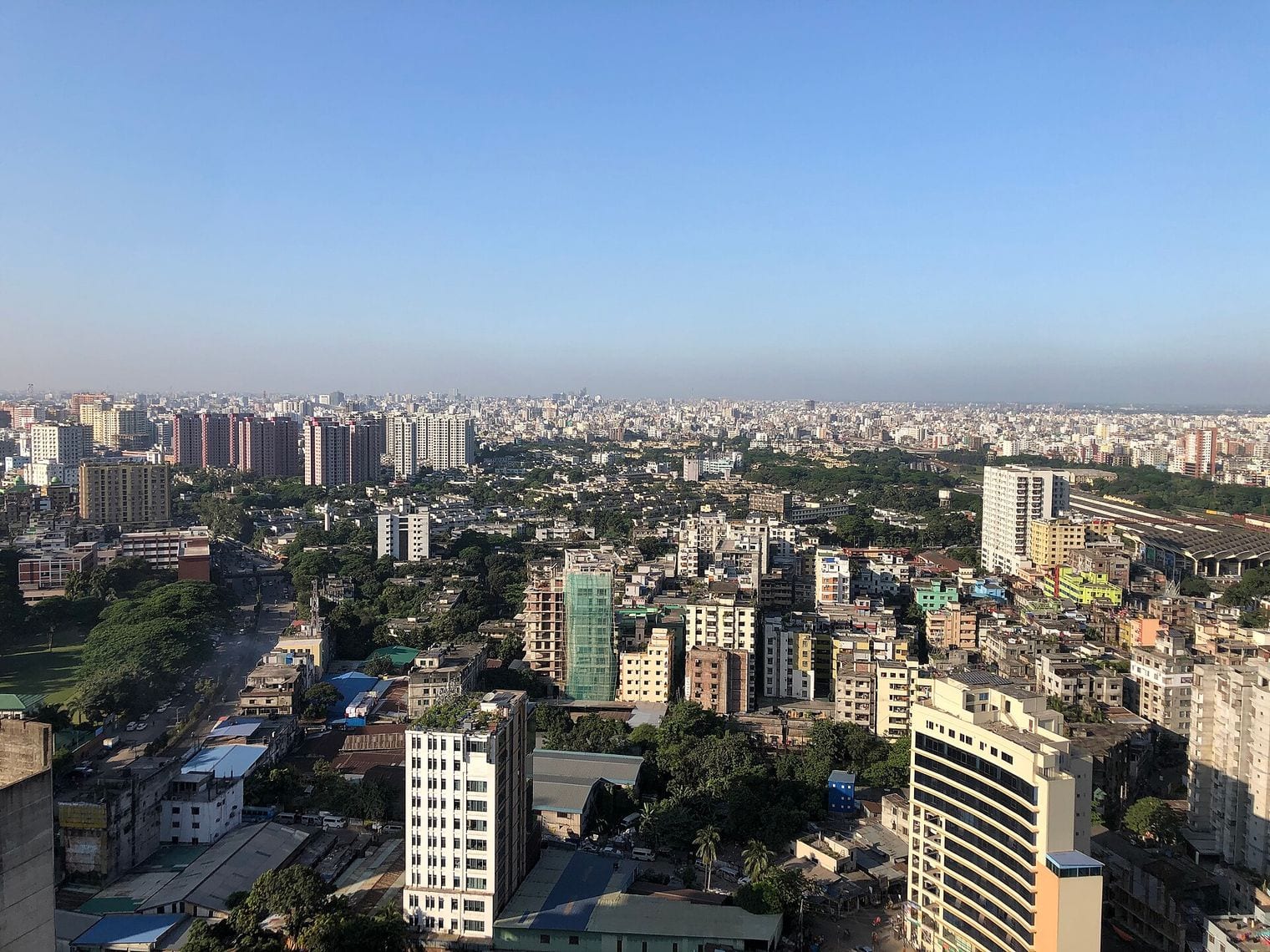
At 36.6 million people, Dhaka is the second-largest city in the world, and the UN expects it to take first place by 2050. The capital of Bangladesh sits on the Ganges Delta, bounded by the Buriganga, Turag, Dhaleshwari and Shitalakshya rivers, and its cluster covers 6,812 km² of land, the largest footprint of any city here, although only 455.8 km² of it is built up.
Dhaka grew from the 17th century as a provincial capital and trading centre of the Mughal Empire, and it served as the capital of Mughal Bengal for 75 years across two spells.
Of the 33 cities here, only Mumbai and Karachi pack more people into each square kilometre of built-up land. Dhaka's street life is famous for its rickshaws, and its rickshaw art, its Jamdani sari and its Bengali New Year parade are all recognised by UNESCO as intangible cultural heritage.
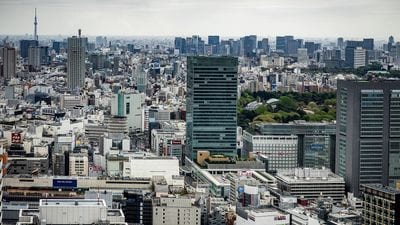
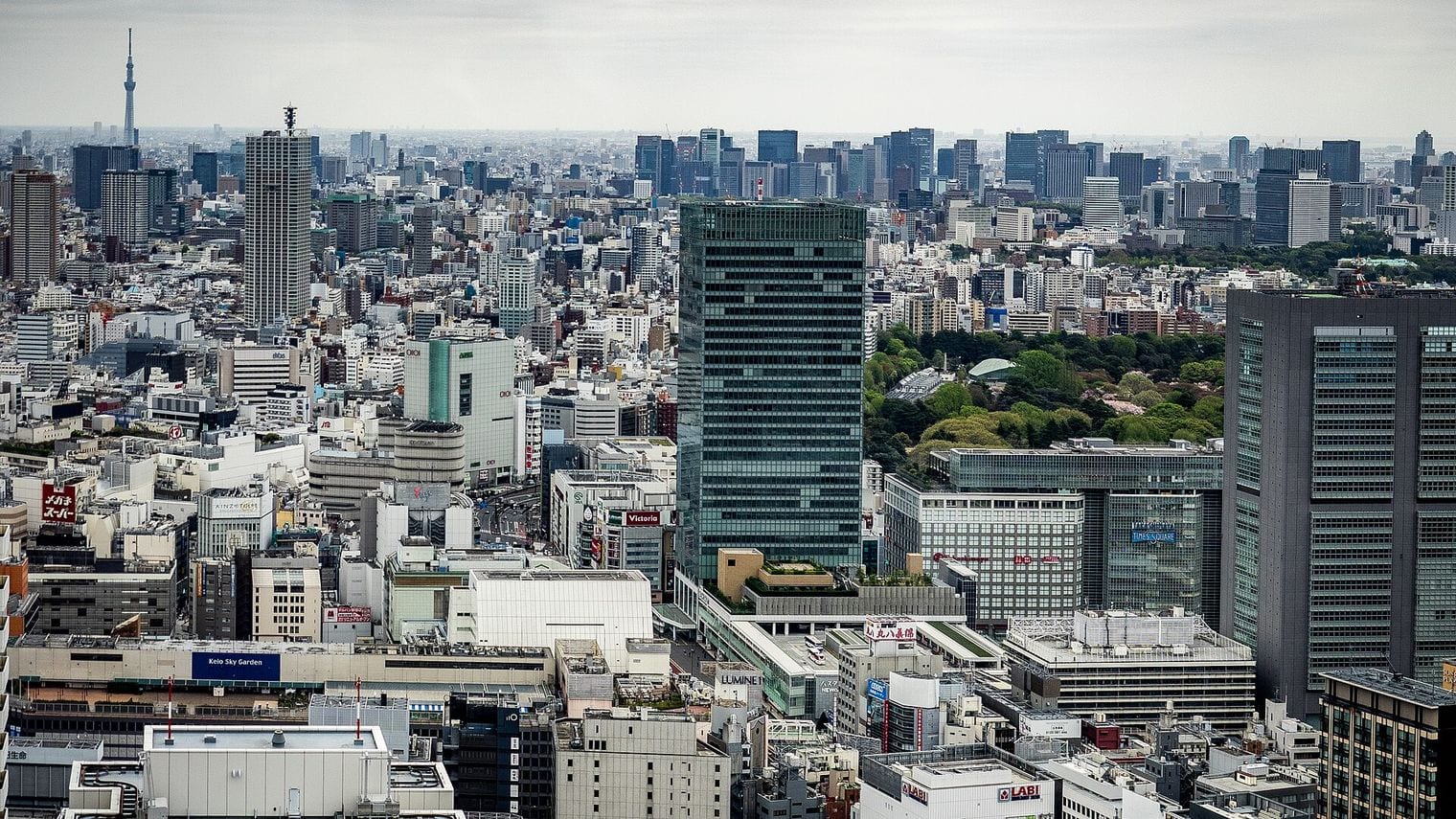
At 33.4 million people, Tokyo ranks third, and the drop is the story. Lists built on the UN's 2018 edition, which measured an urban agglomeration of about 37 million, still put it first; under the 2025 method its cluster covers 5,148 km² of land and 1,521.2 km² of built-up area, the largest built footprint on this list, and the UN projects its population to decline over the next 25 years.
Tokyo began as Edo, which rose to power in 1603 as the seat of the Tokugawa shogunate and had passed a million people by the mid-18th century, already one of the largest cities in the world.
After the Meiji Restoration of 1868 the imperial capital moved here from Kyoto and the city was renamed Tokyo, the Eastern Capital. Its special wards hold the Imperial Palace and the National Diet in Chiyoda, the administrative towers of Shinjuku and the shopping crowds of Shibuya.
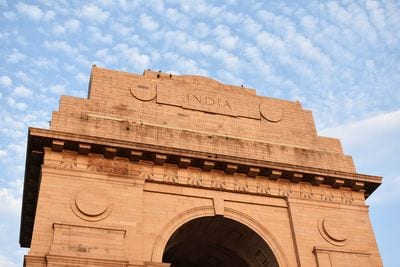
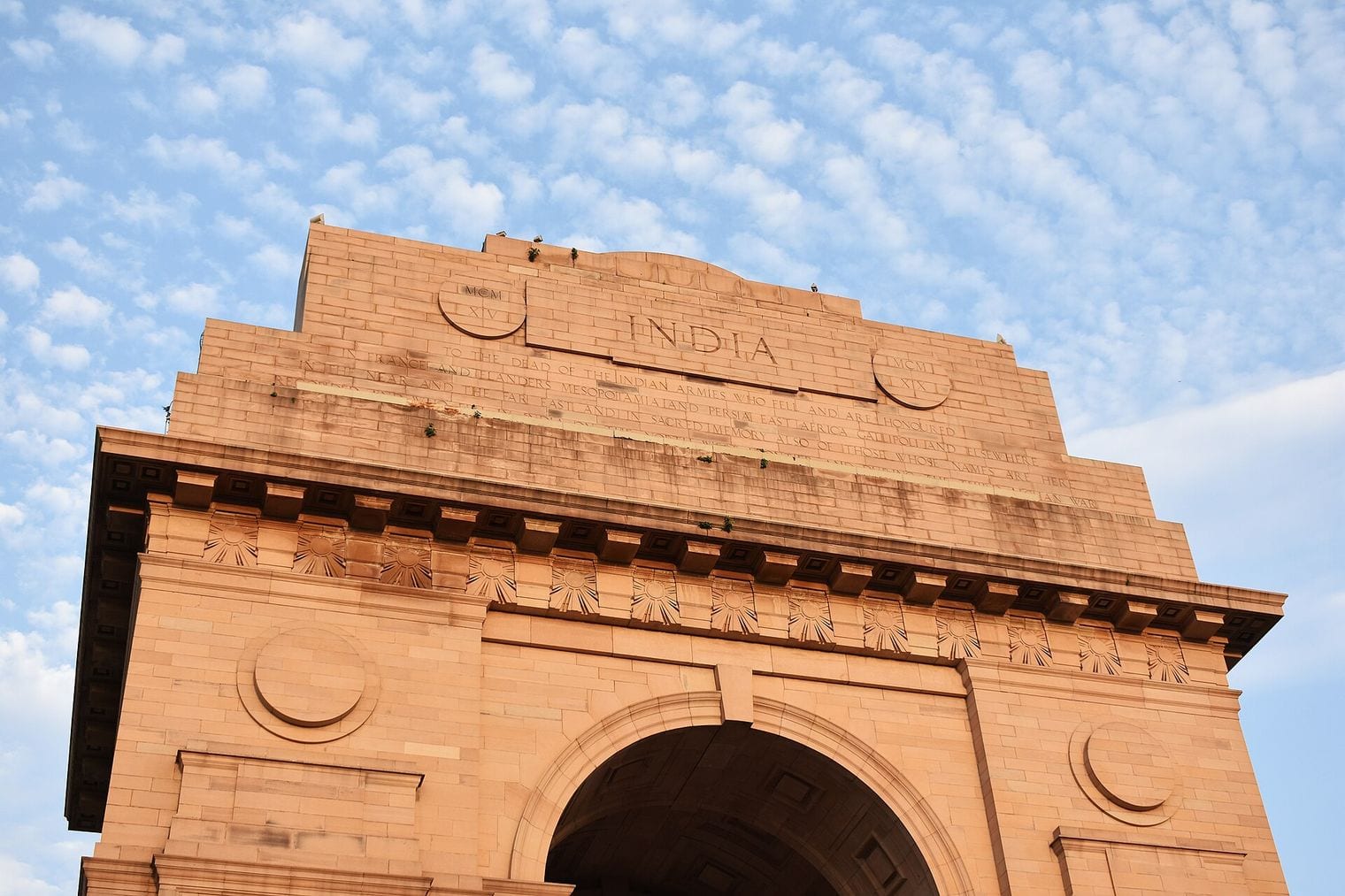
At 30.2 million people, Delhi is the largest city in India and the fourth largest in the world. The UN files the cluster under the name New Delhi and draws it around the whole continuous urban area of the capital, 2,101 km² of land holding 14,385 people per km², a density seven cities on this list exceed.
Delhi straddles the Yamuna, spreading mostly west of the river, and it layers one capital on top of another. The medieval fort of Purana Qila on the riverbank matches the Mahabharata's description of the citadel of Indraprastha, though excavations there have found no sign of an ancient city. All three of Delhi's UNESCO World Heritage Sites, the Qutub Minar, Humayun's Tomb and the Red Fort, belong to its sultanate and Mughal centuries.
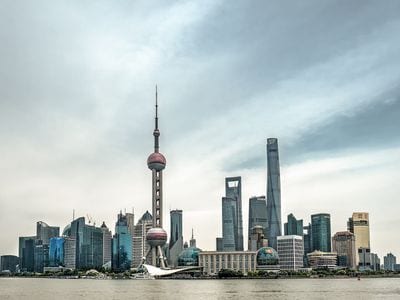
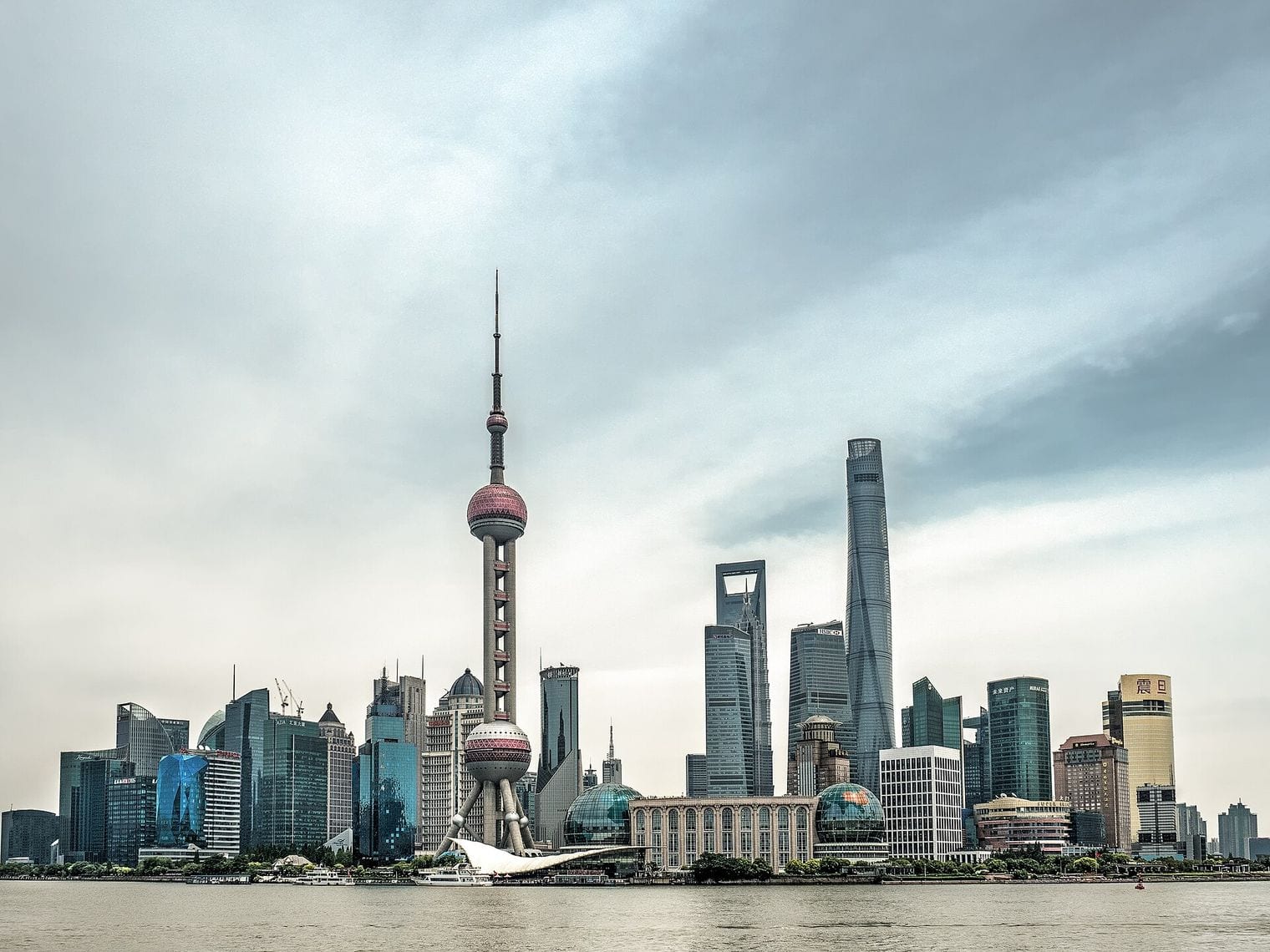
At 29.6 million people, Shanghai is the largest city in China on the UN's measure, two million ahead of Guangzhou. It sits on the southern estuary of the Yangtze, cut in two by the Huangpu River, and the Port of Shanghai is the busiest container port in the world. The cluster covers 3,130 km² of land.
The two banks of the Huangpu tell the city's story. On one side the Bund lines the river with historic waterfront buildings; on the other, Pudong, redeveloped from the 1990s under Deng Xiaoping's reform and opening up, carries the towers of the Lujiazui skyline. In between lie Art Deco blocks, shikumen lane houses, Yu Garden and the City God Temple.
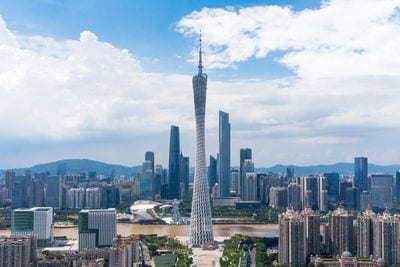
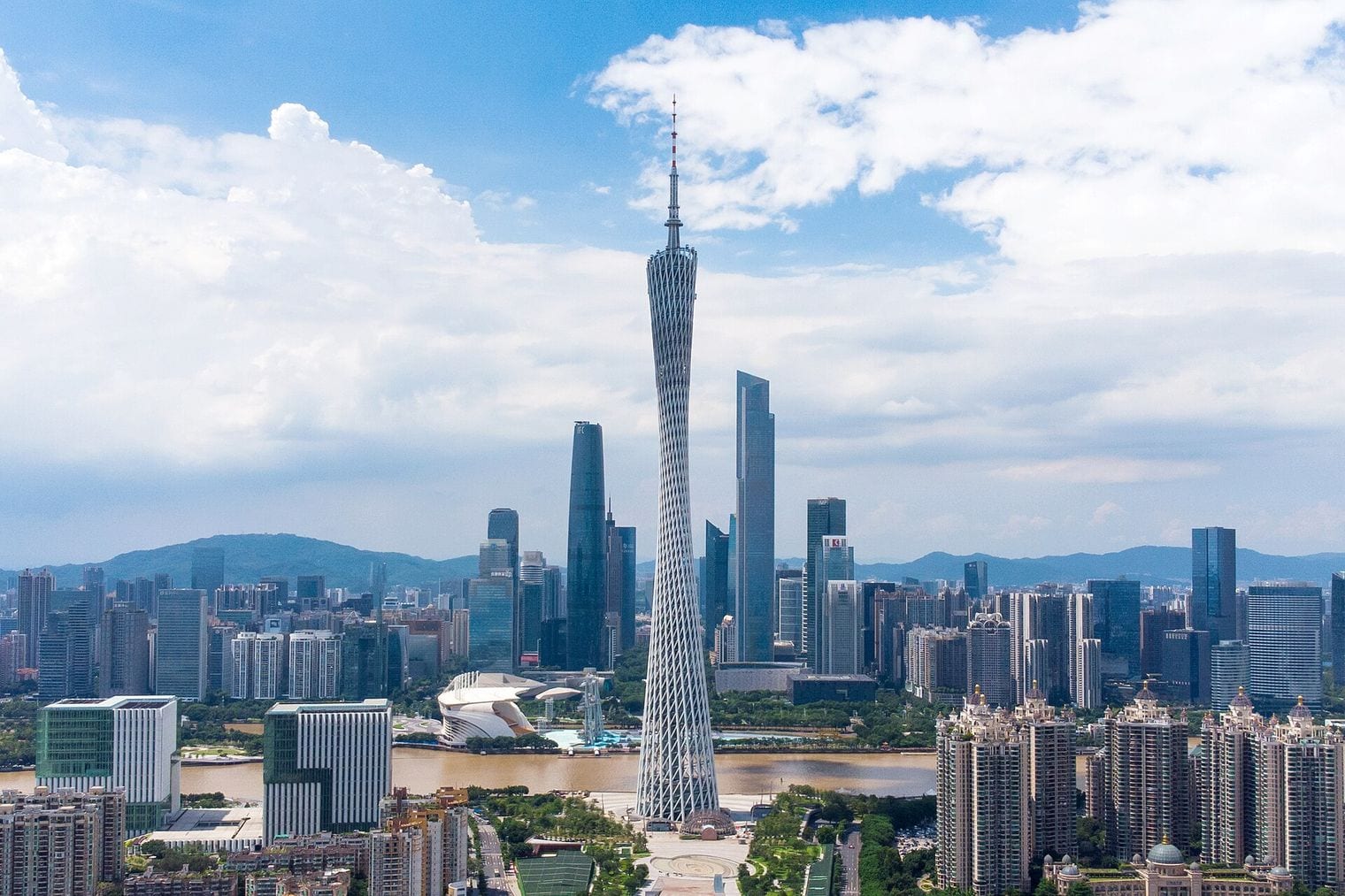
At 27.6 million people, Guangzhou is the sixth-largest city in the world, its cluster spreading across 4,542 km² of the Pearl River Delta, about 120 km northwest of Hong Kong. Also known as Canton, it is the capital and largest city of Guangdong province in southern China.
Guangzhou has more than 2,200 years of history and was a major terminus of the Silk Road, and trade still defines it: its annual Canton Fair is the oldest and largest trade fair in China. It is also the home of Cantonese cuisine, one of China's eight great culinary traditions, which is why a Chinese saying advises simply to eat in Guangzhou.
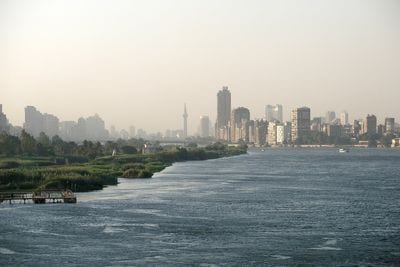
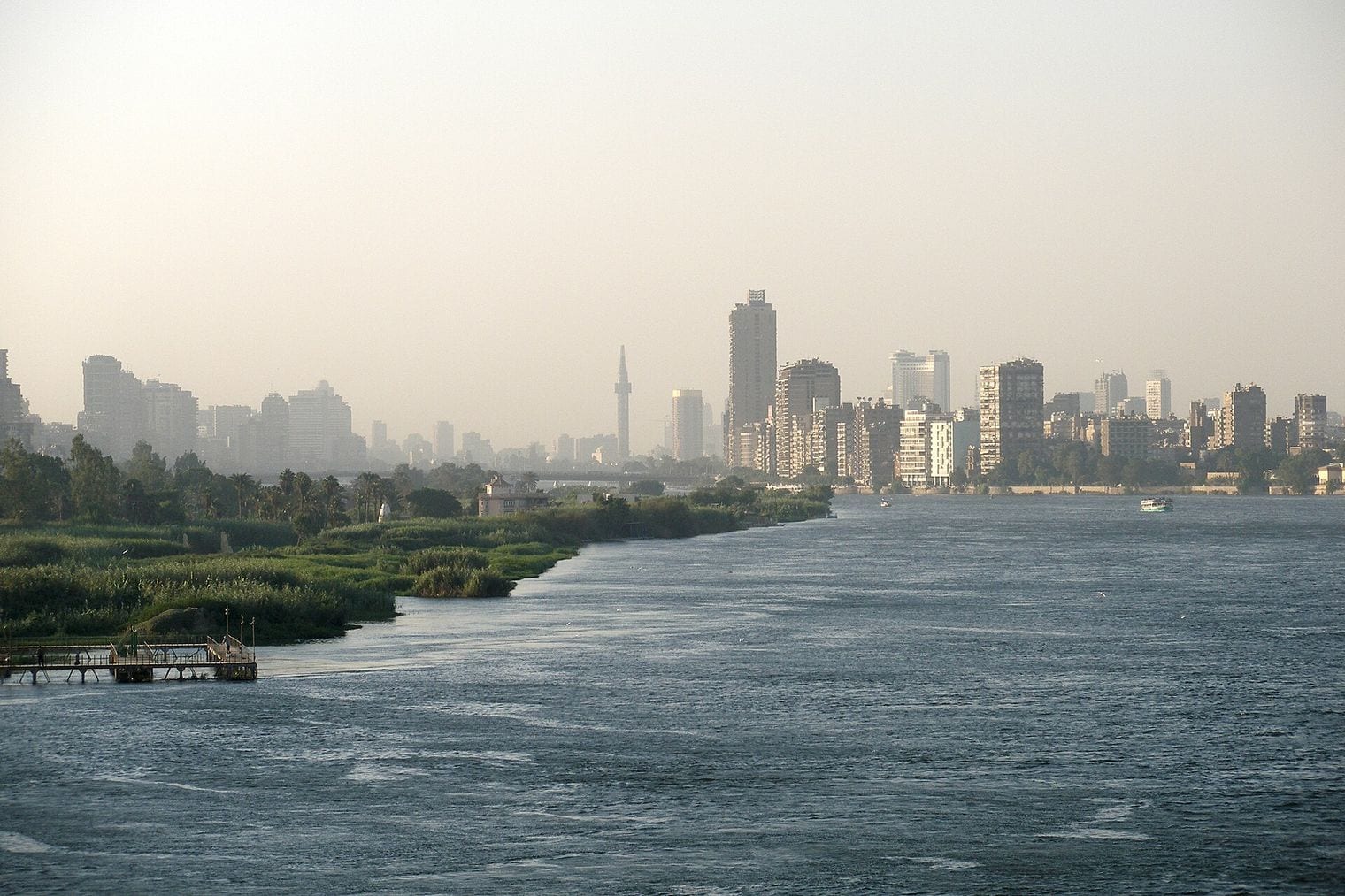
At 25.6 million people, Cairo is the largest city in Africa on this measure and the only city in the top ten outside Asia. Its cluster packs 1,645 km² of land at 15,542 people per km², and its reach is ancient as well as wide: the Giza pyramid complex and the sites of Memphis and Heliopolis all lie within the greater city.
Cairo grew from its predecessor, Fustat, at the point where the Nile Valley opens into the Delta, a junction that made the area a focus of Ancient Egypt and a crossing of the routes between North Africa and the Levant. Its density of Islamic architecture earned it the name the city of a thousand minarets, and it has long been a centre of political and cultural life.
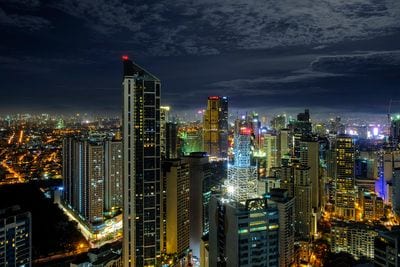
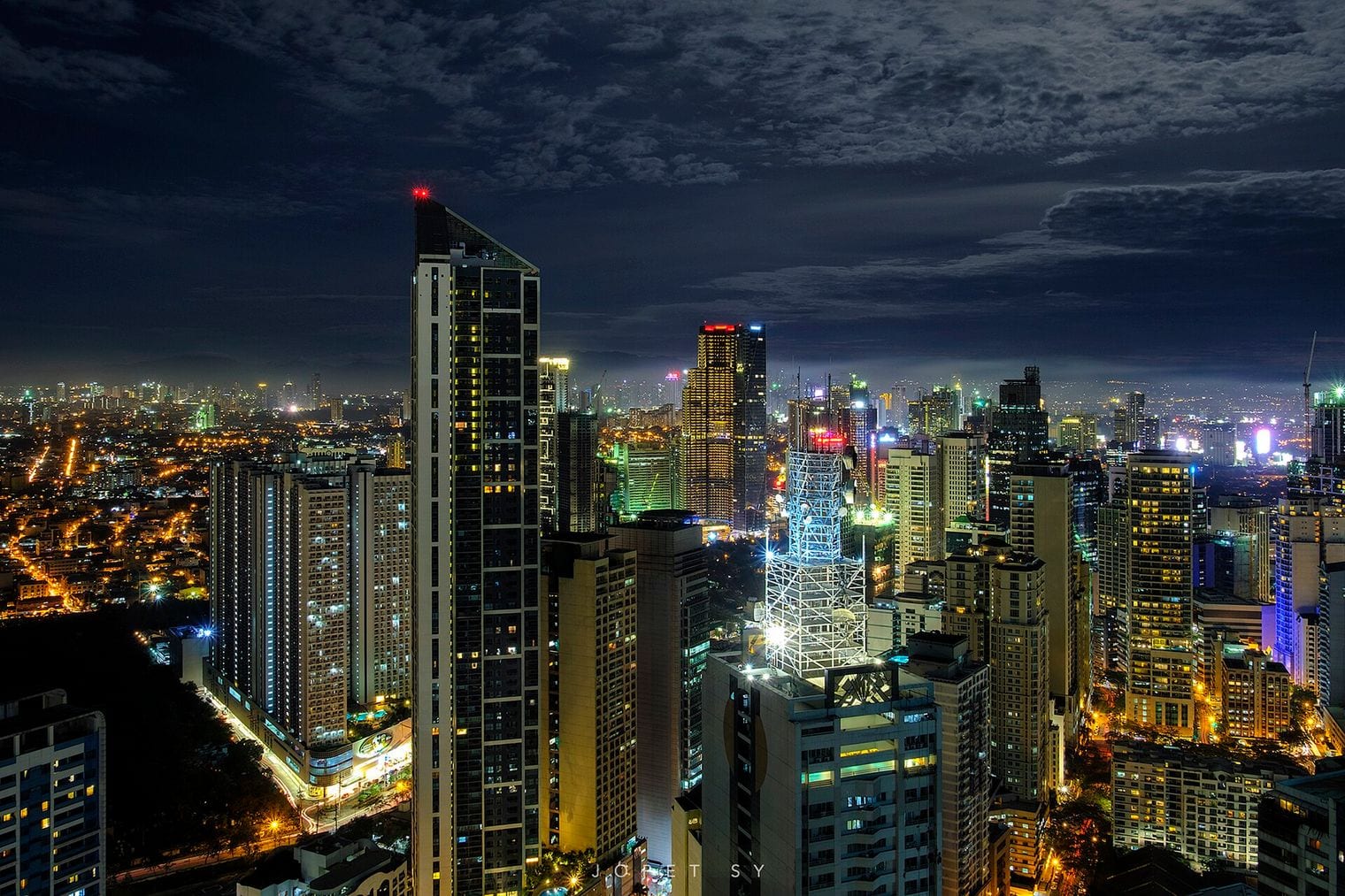
At 24.7 million people, Manila is the eighth-largest city in the world, and the number covers far more than the City of Manila itself. That city proper is one of the most densely populated on Earth, at 44,935 per km², but the UN cluster runs well beyond it, across 2,438 km² of land around the eastern shore of Manila Bay on Luzon.
The oldest quarter is Intramuros, the walled city Spanish conquistador Miguel López de Legazpi began building in 1571 on the ruins of an older settlement, after the defeat of Rajah Sulayman at the Battle of Bangkusay. The Pasig River flows through the middle of Manila, dividing it into northern and southern halves.
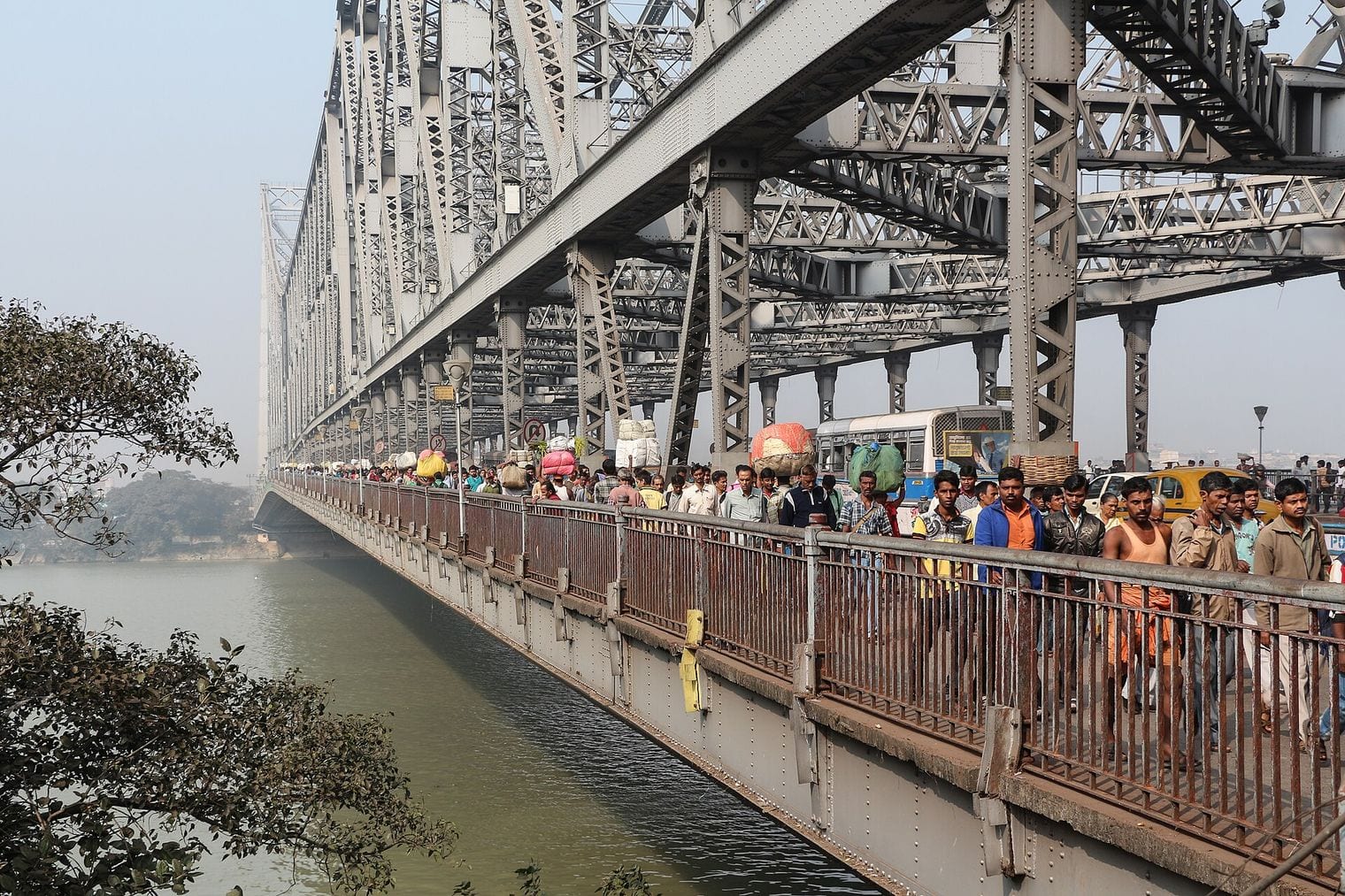
At 22.55 million people, Kolkata edges Seoul for ninth place by fewer than 60,000, the narrowest gap in the top ten. The city lies on the east bank of the Hooghly River, about 80 km west of the border with Bangladesh, and its cluster covers 2,329 km² of land.
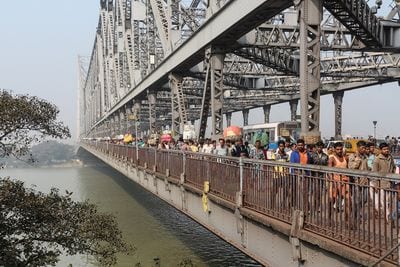
Under the East India Company and then the British Crown, Calcutta was the de facto capital of India until 1911, and the city still wears that era in landmarks such as the Victoria Memorial and the Howrah Bridge. Many regard Kolkata as the cultural capital of India and the historic centre of Bengal.
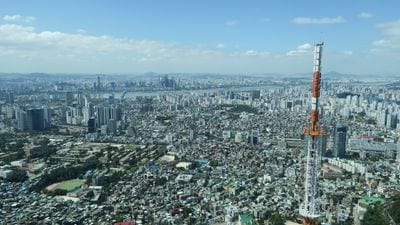
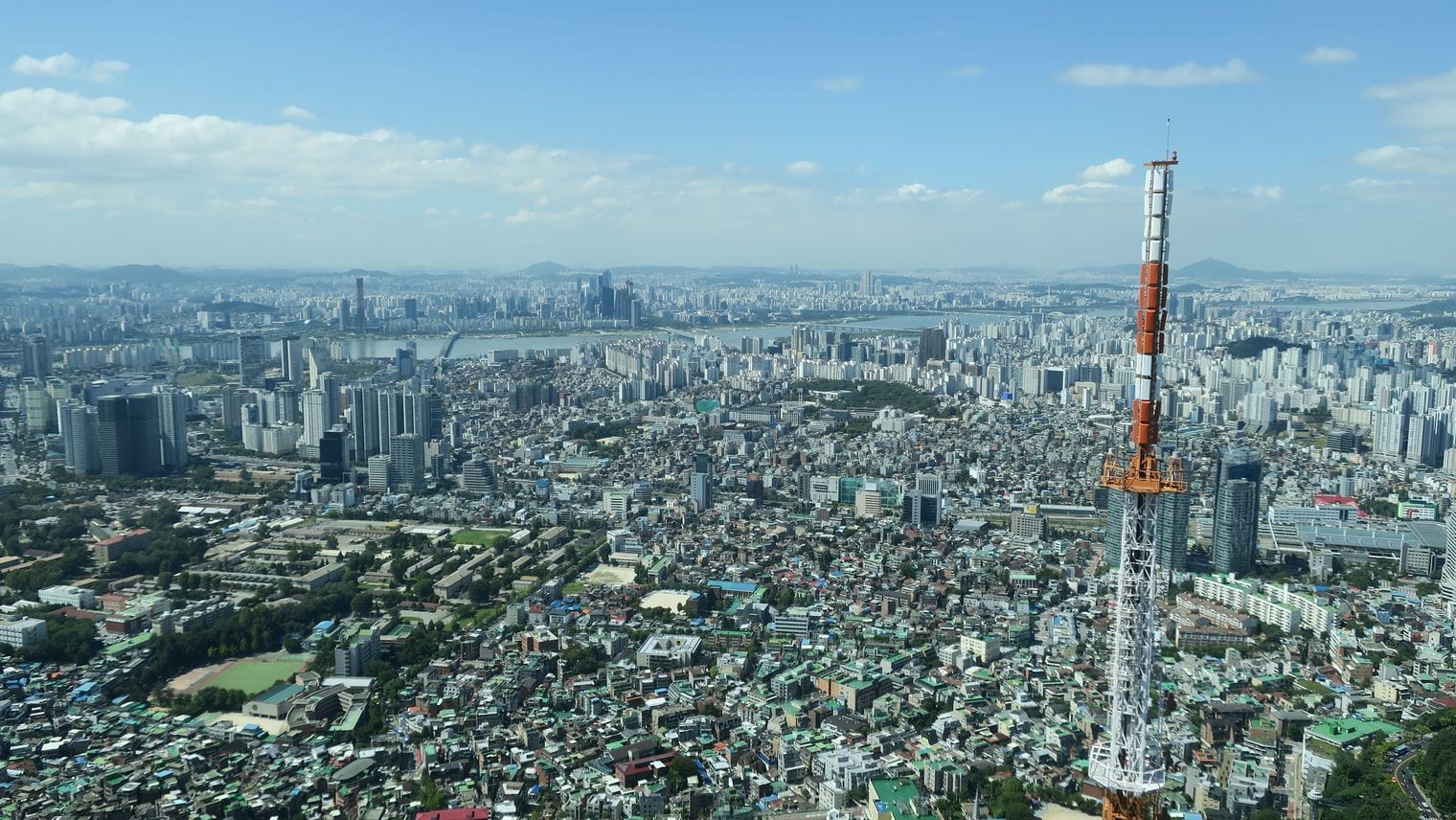
At 22.49 million people, Seoul is the tenth-largest city in the world and by far the largest in South Korea, its cluster spreading over 2,255 km² of land. The wider Seoul Capital Area, which adds Gyeonggi Province and Incheon, holds more than half of the whole country's population.
Seoul became the capital under the Joseon dynasty and was ringed by the Fortress Wall of Seoul, and the dynasty's legacy is still its biggest draw: the palace of Changdeokgung and the royal shrine of Jongmyo are among the five UNESCO World Heritage Sites in the capital region.
At 21.4 million people, Karachi is the largest city in Pakistan and, after Mumbai, the most densely packed on this list, with 24,624 people per km² across 870 km² of land. It sits at the southern tip of the country on the Arabian Sea coast, and it was Pakistan's first capital, from 1947 to 1959.
The town that lay between the Kohistan and Larr regions of Sindh grew in importance after the East India Company arrived in the mid-19th century, and the colonial administration set out to make it a major seaport tied into South Asia's railway network.
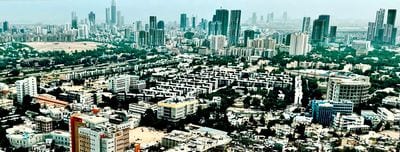
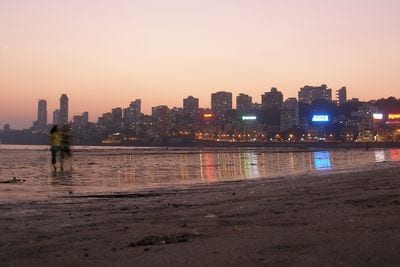
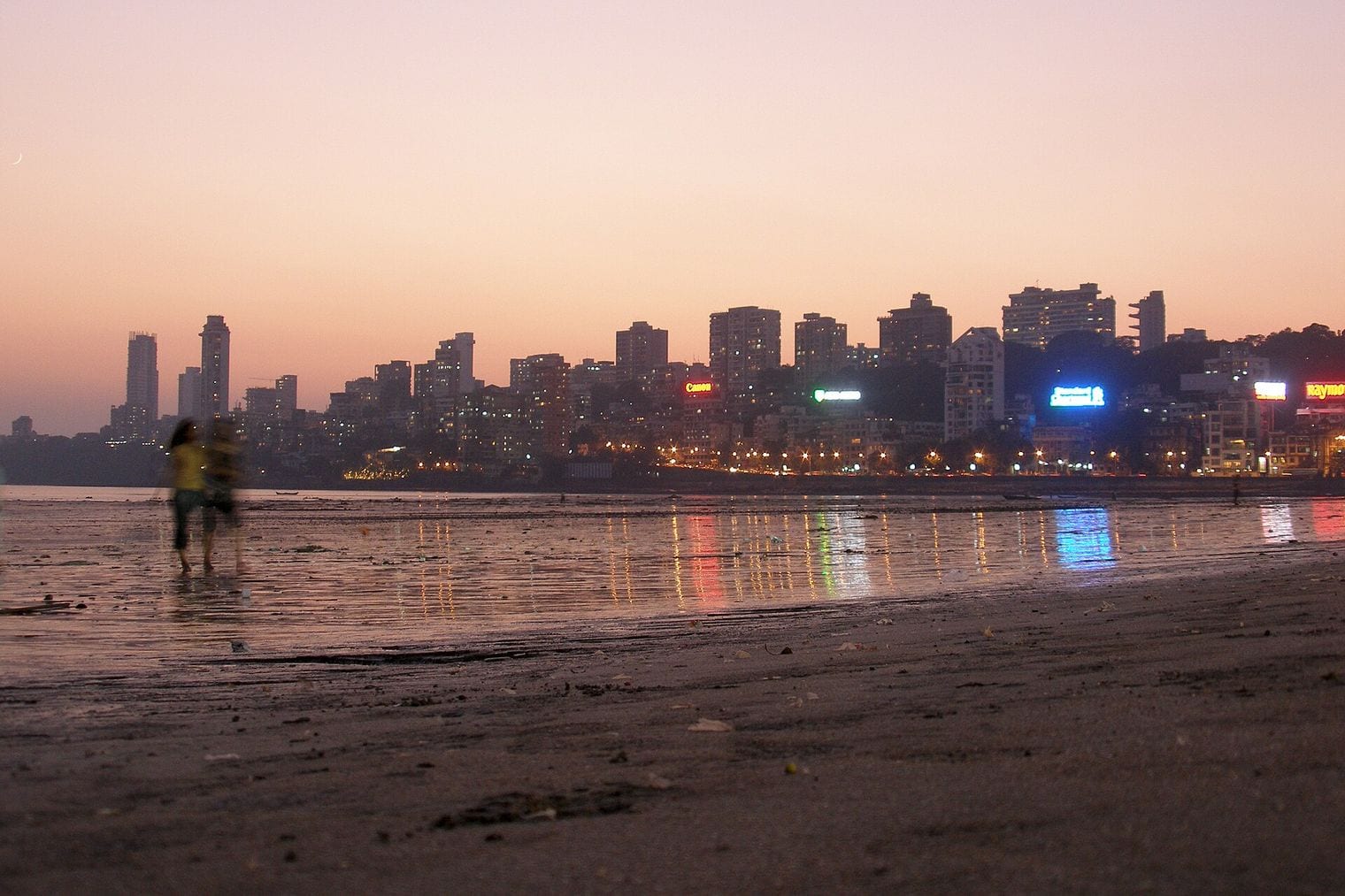
At 20.2 million people living on just 740 km² of land, Mumbai is the densest city on this list, at 27,301 people per km². The capital of Maharashtra is also India's financial, commercial and entertainment capital, and it was officially called Bombay until 1995.
Mumbai was originally an archipelago of seven islands. From 1782 the Hornby Vellard project began reclaiming land between them from the Arabian Sea, and the joined-up islands became the narrow peninsula the city fills today.
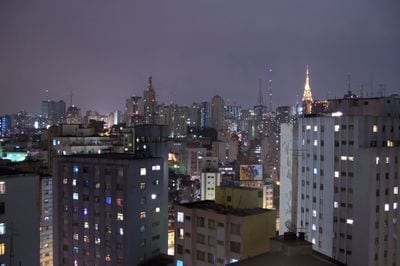
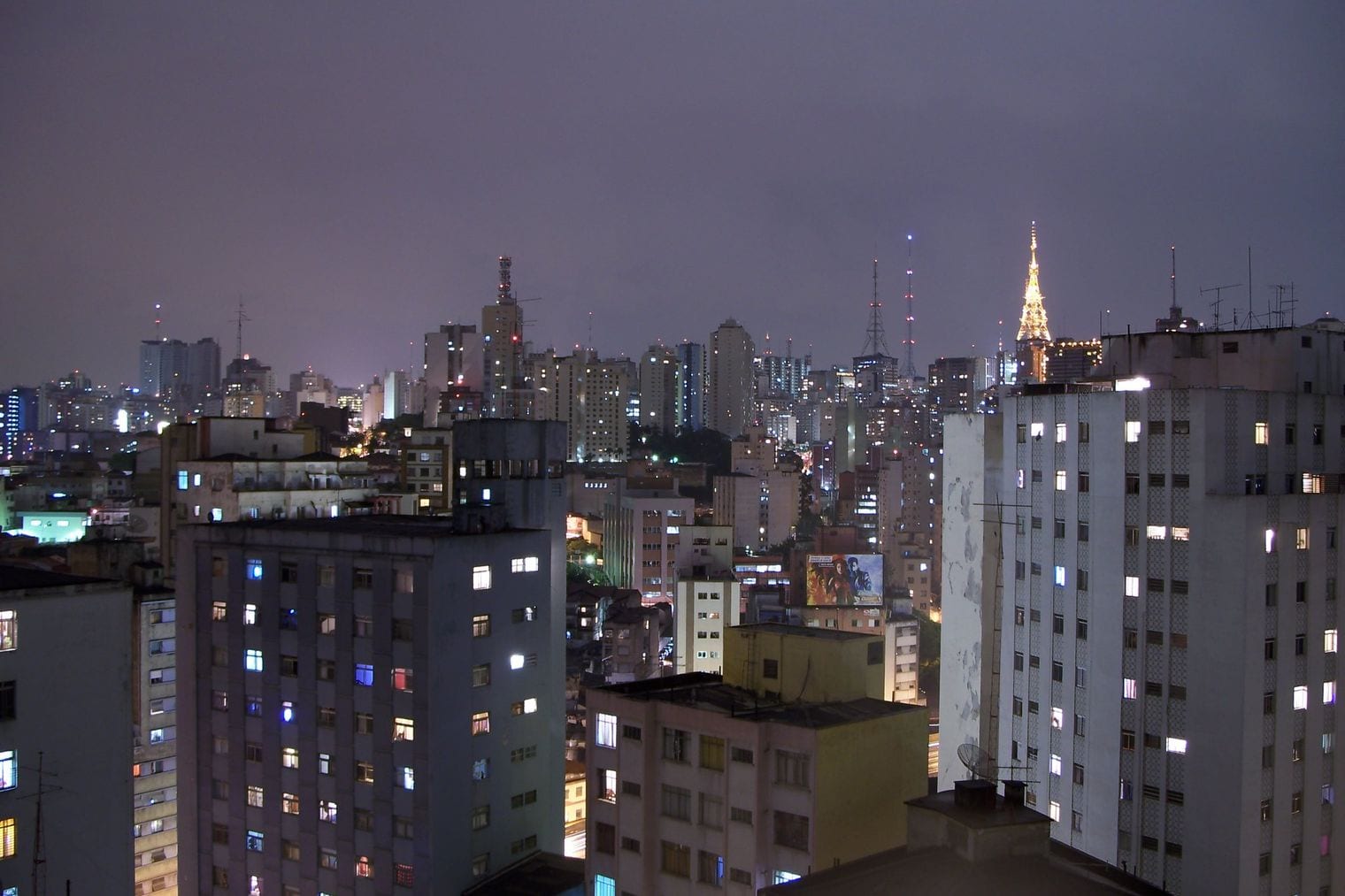
At 18.9 million people, São Paulo is the largest city in the Americas on the UN's measure, ahead of Mexico City, and the largest in Brazil. Its cluster covers 2,044 km² of land, 678 km² of it built up.
Named after Paul the Apostle, São Paulo was the starting point for the colonial expeditions of the bandeirantes, who pushed Brazil's territory deep into the interior. Its people are paulistanos, and its growth has fused with the metropolitan areas around it into the São Paulo Macrometropolis, the first megalopolis in the Southern Hemisphere, with more than 30 million.
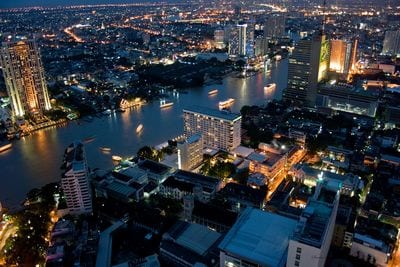
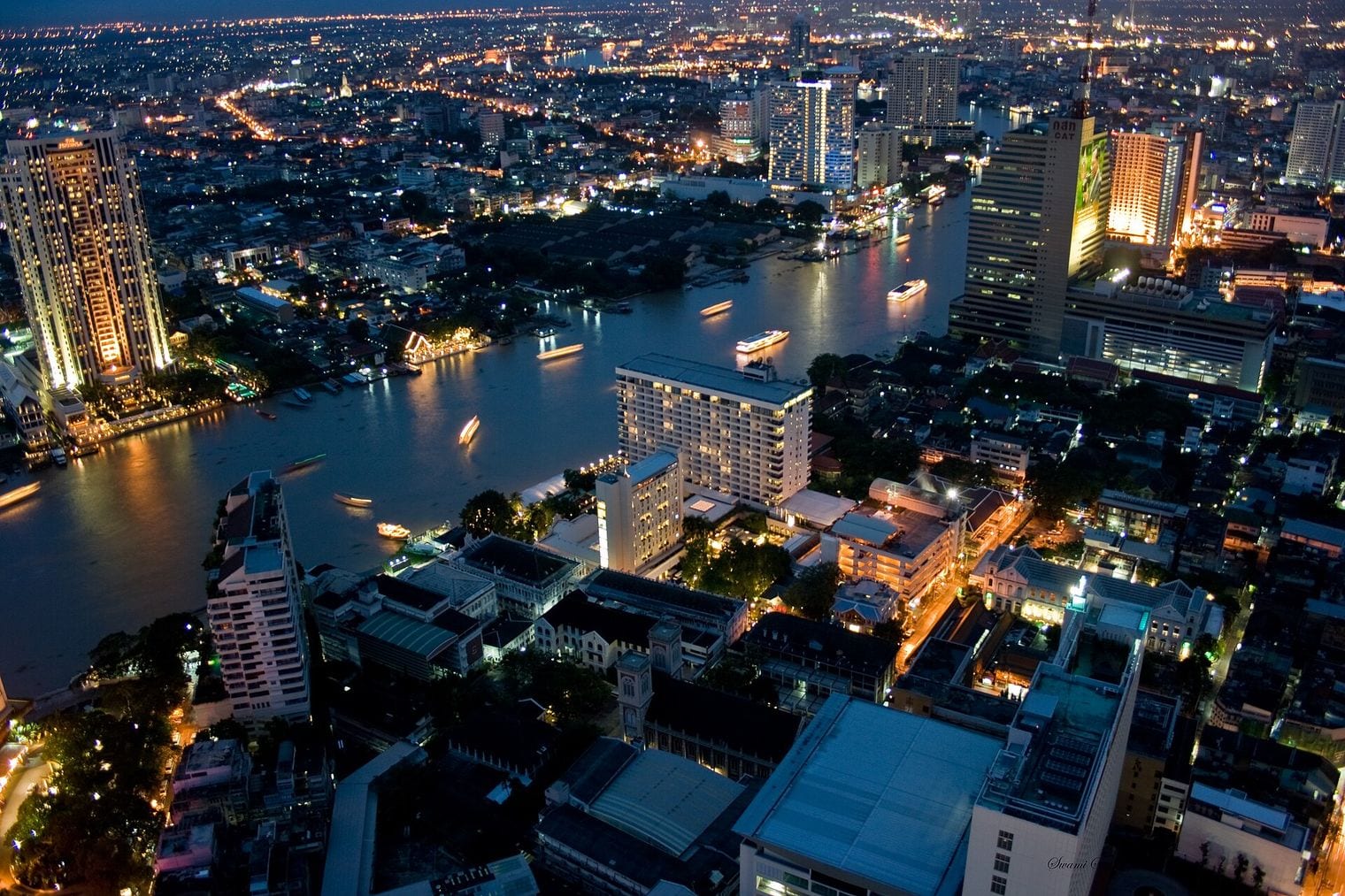
At 18.2 million people, Bangkok is twice the size its own city limits suggest: the administrative city counts about 9.1 million on 1,568.7 km², while the UN cluster spreads over 2,661 km² of the Chao Phraya River delta. Thais call the capital Krung Thep.
Bangkok traces its roots to a small trading post of the Ayutthaya era, which grew into the site of two capitals, Thonburi in 1767 and Rattanakosin in 1782. The Grand Palace and the temples of Wat Arun and Wat Pho anchor the old royal city, a contrast to the nightlife of Khaosan Road and Patpong.
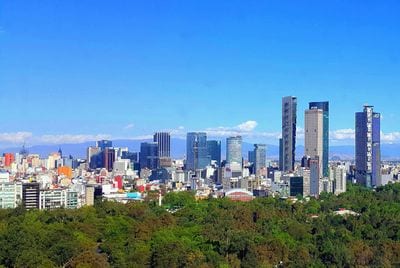
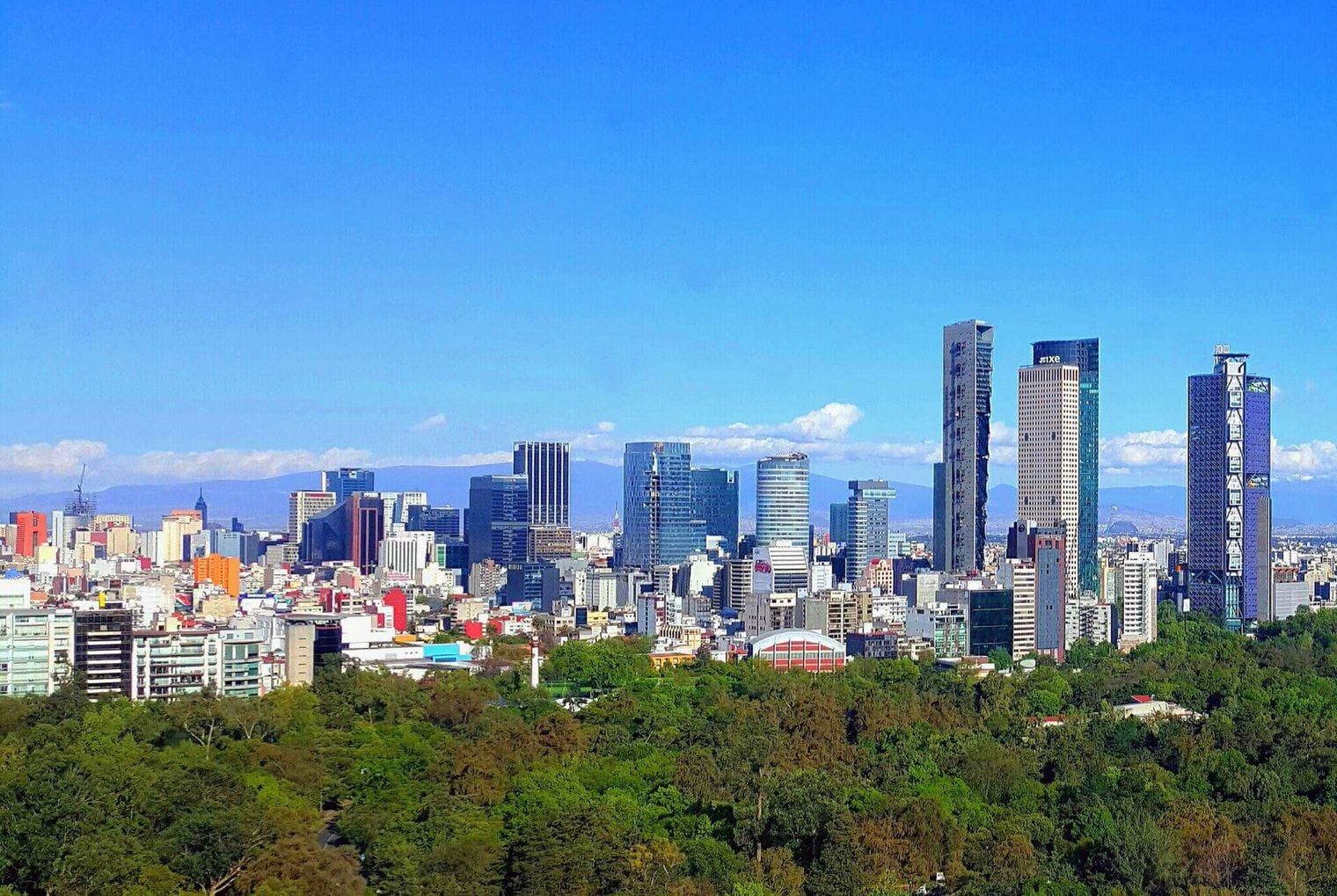
At 17.7 million people, Mexico City is the second-largest city in the Americas on this measure, spread over 2,097 km² of land in the Valley of Mexico. It sits at an altitude of 2,240 m on the high Mexican Central Plateau, and it is the oldest capital city in the Americas.
Mexico City began as Tenochtitlan, the Mexica city built around 1325 on islands in Lake Texcoco. After the siege of 1521 it was almost entirely destroyed and rebuilt to Spanish urban standards; the colonial centre of Mexico City stands where the Mexica capital rose from the lake.
Get new guides like this by email
One email every Thursday with our newest guides for the places you tick.
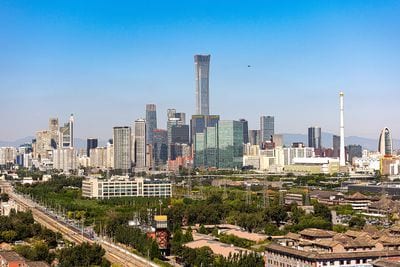
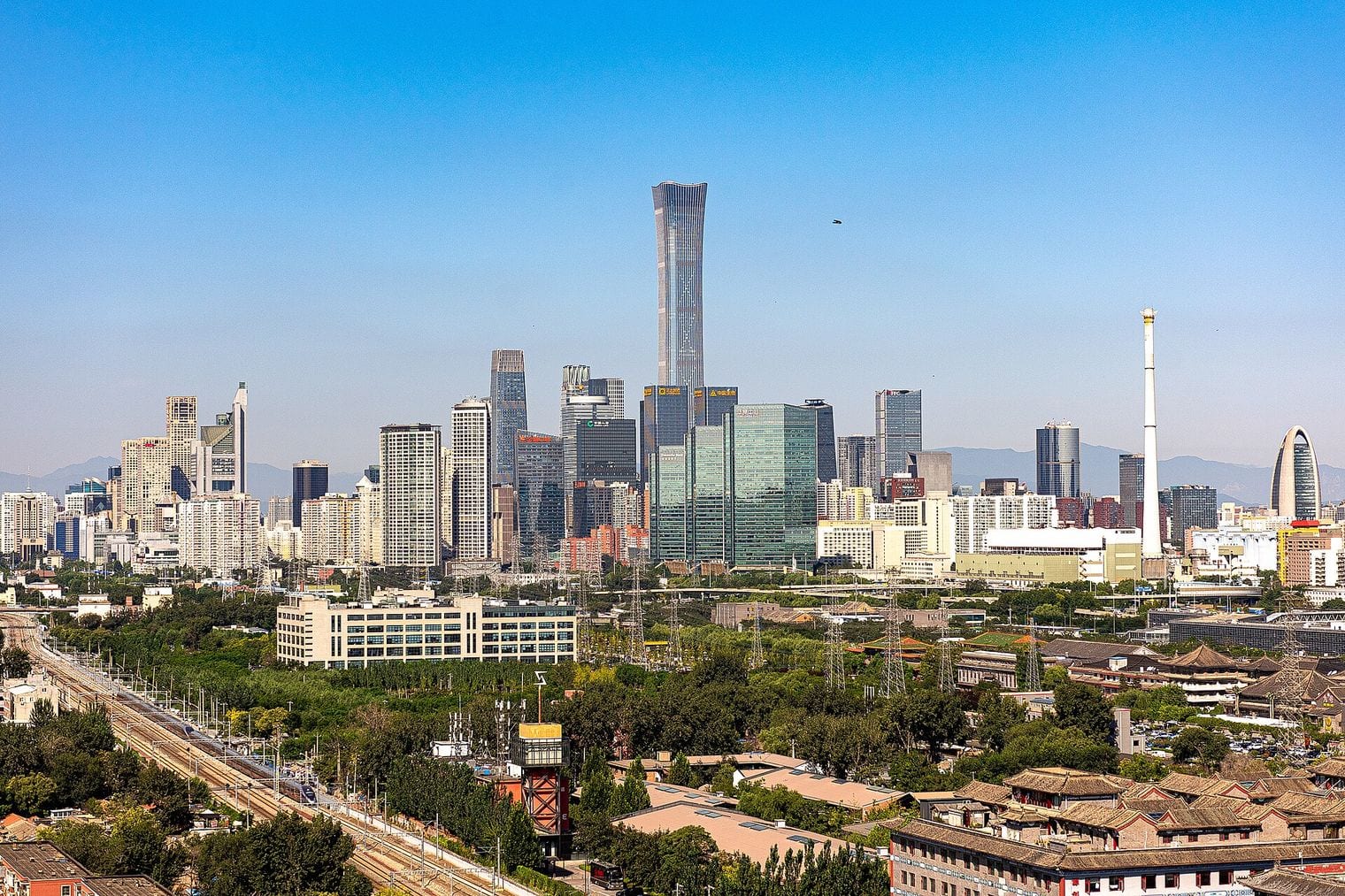
At 17.0 million people, Beijing ranks 16th, a long way behind Shanghai and Guangzhou among Chinese cities, with a cluster of 1,713 km² of land. What it lacks in headcount it makes up in heritage: Beijing holds eight UNESCO World Heritage Sites, among them the Forbidden City, the Temple of Heaven, the Summer Palace, the Ming Tombs and parts of the Great Wall.
The Forbidden City took from 1406 to 1420 to build, and in 1420 the city was officially made the capital of the Ming dynasty. Six centuries on, Beijing added a modern first: in 2022 it became the first city to host both the Summer and the Winter Olympics.
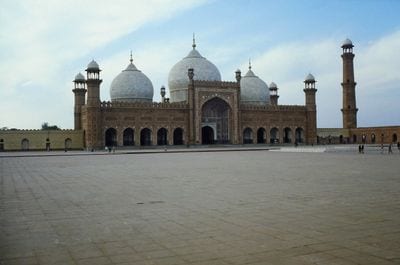
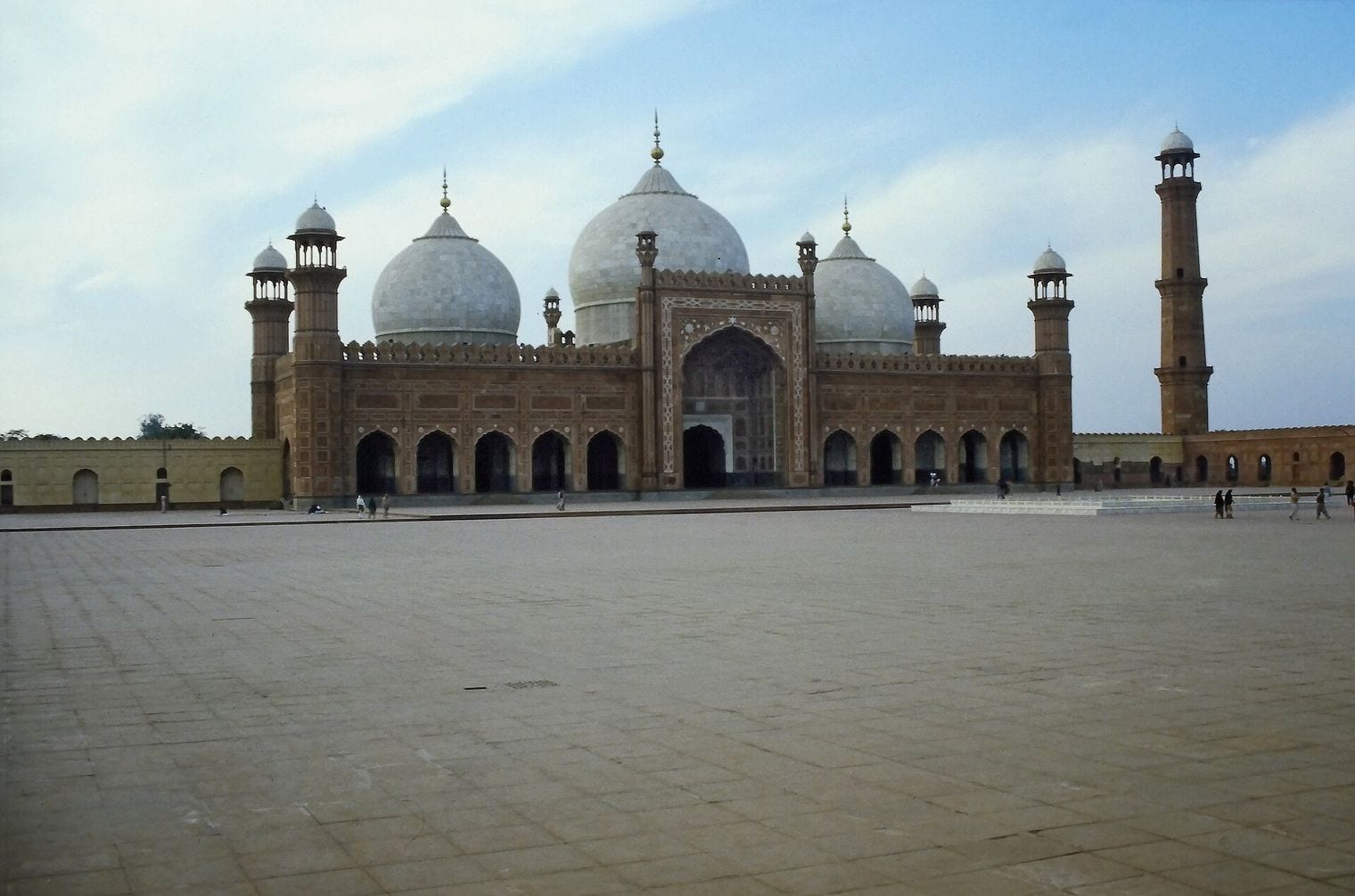
At 15.2 million people, Lahore is the second of Pakistan's two megacities and the capital of Punjab province, its cluster packed into 967 km² of land at 15,674 people per km². It is regarded as the historic capital and cultural centre of the wider Punjab region.
Lahore was one of the principal cities of the Mughal Empire and became its capital under Akbar, who began re-fortifying the citadel in 1584. The Lahore Fort and the Shalimar Gardens are both UNESCO World Heritage Sites, and the Walled City, the Badshahi and Wazir Khan mosques and the city's Sikh and Sufi shrines give it a large share of Pakistan's tourism.
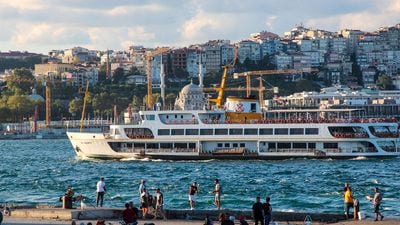
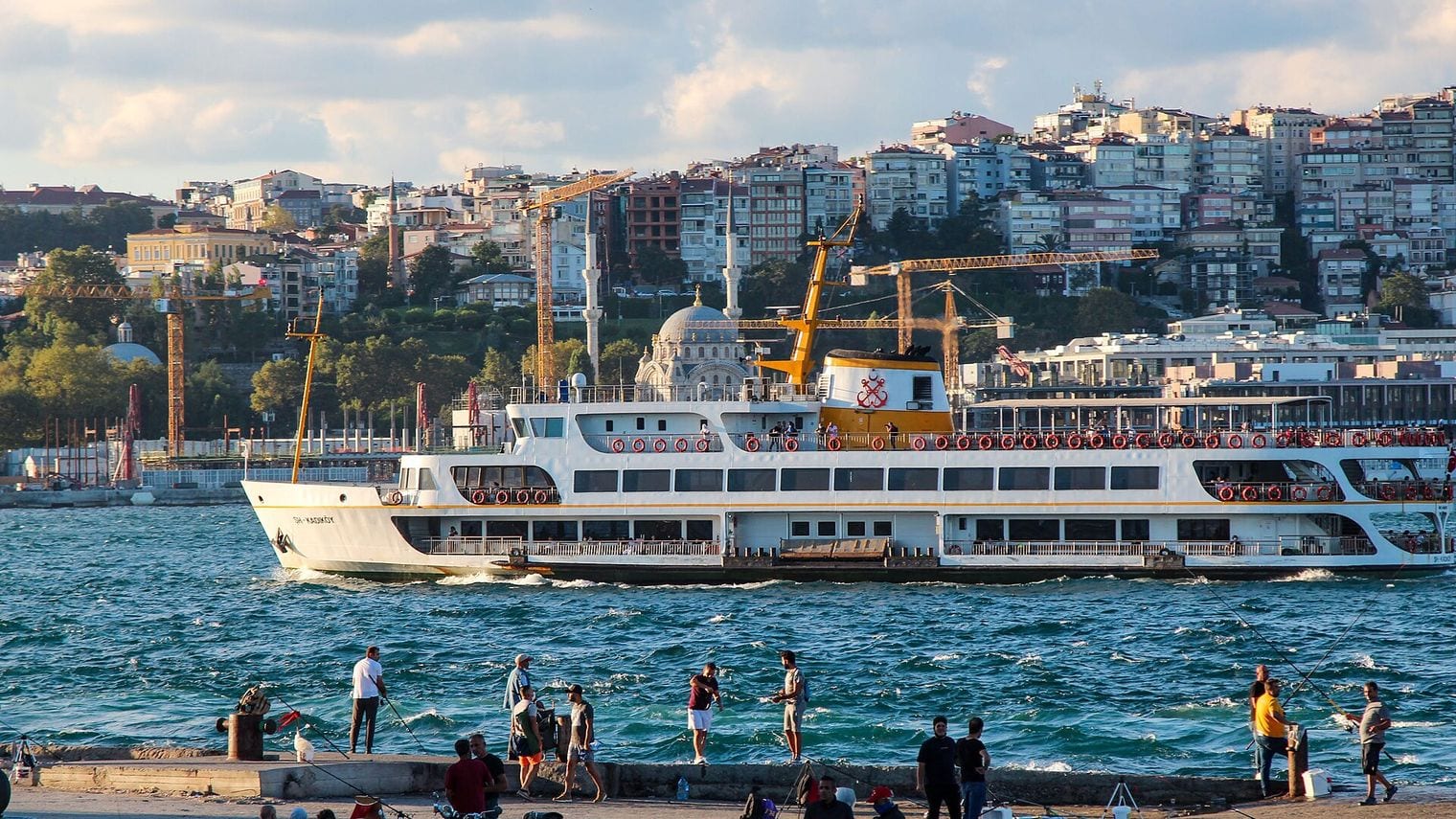
At 15.0 million people, Istanbul is the largest of the three European cities on this list, although it straddles two continents. The city spreads along the Bosphorus, one of the world's busiest waterways, between the Sea of Marmara and the Black Sea, and its cluster covers 1,268 km² of land.
Refounded by Constantine the Great as Constantinople, Istanbul served across nearly 16 centuries as the capital of four empires: the Roman, the Byzantine, the Latin and the Ottoman, which ruled from here until 1922. Constantinople remained the usual name for the city in the West until the 1930s.
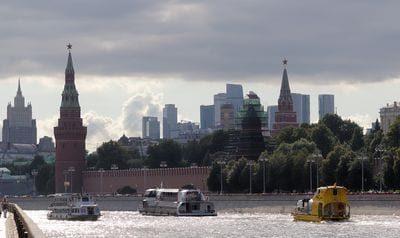
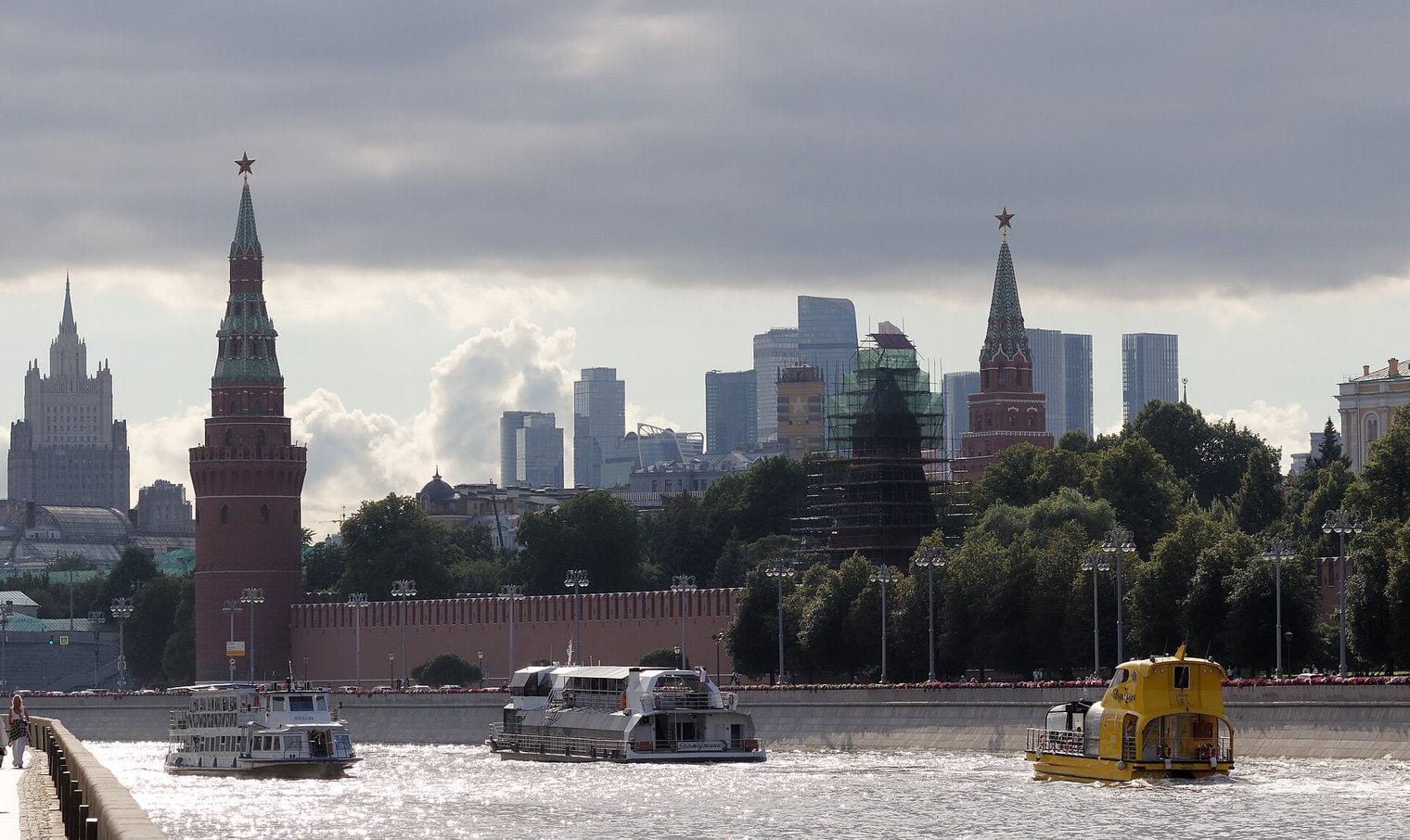
At 14.5 million people, Moscow is the most populous city lying entirely in Europe, half a million behind Istanbul, which spans the Bosphorus. The Russian capital's cluster covers 1,561 km² of land.
Moscow contains several UNESCO World Heritage Sites and is known for its Russian architecture, above all around Red Square, where Saint Basil's Cathedral faces the walls of the Moscow Kremlin, the seat of the Russian government.
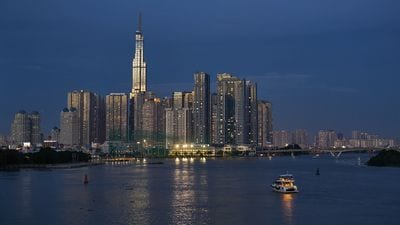
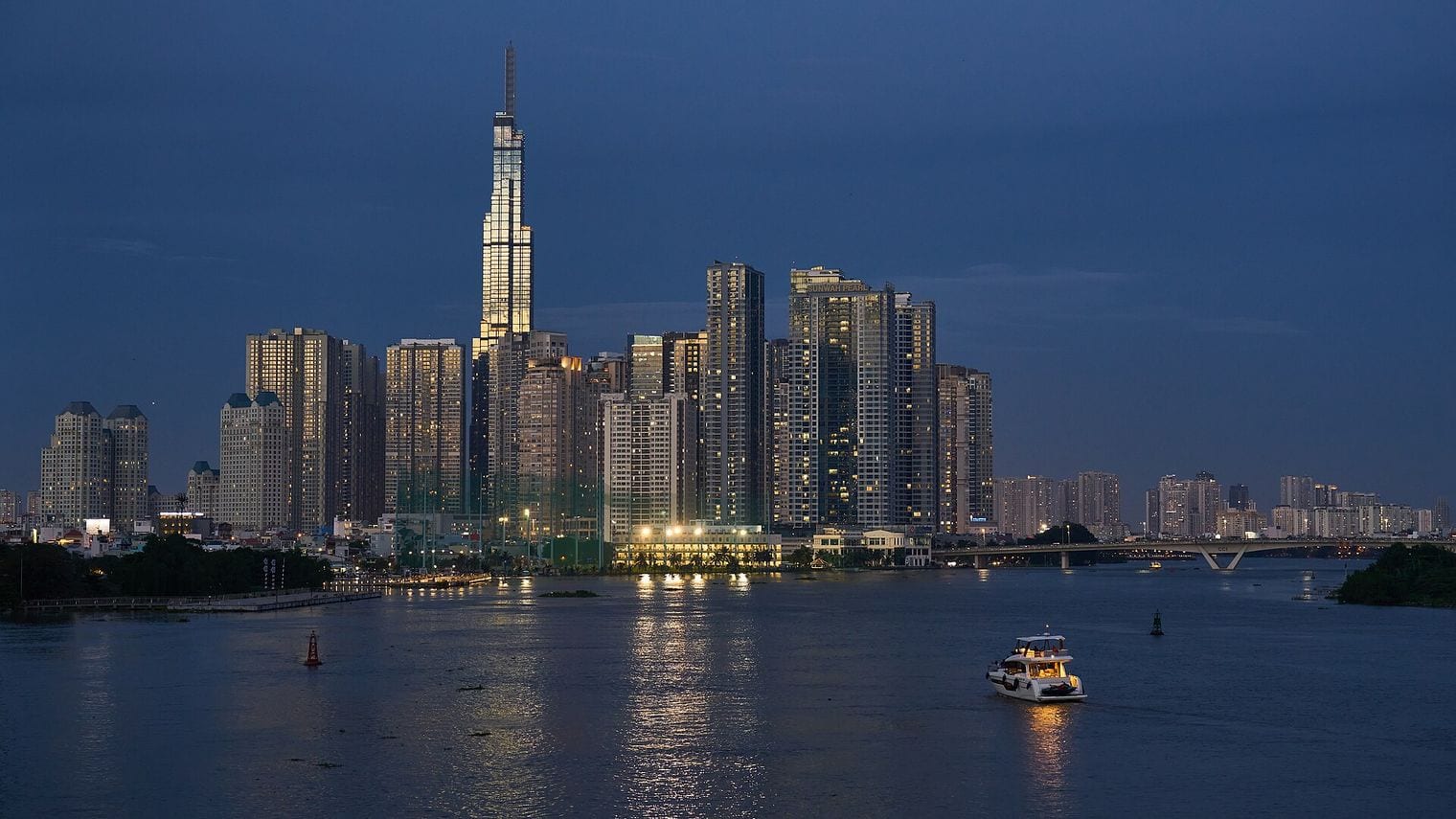
At 14.1 million people, Ho Chi Minh City is the largest city in Vietnam, and it beats Buenos Aires by about 35,000, the closest margin anywhere on this list. Its cluster covers 1,546 km² of land, and its geography is defined by rivers and canals, the largest of them the Saigon River.
Many people still call the city Saigon. After the fall of the Citadel of Saigon in 1859, it became the capital of French Cochinchina from 1862 to 1949, and it remains Vietnam's busiest international transport hub, with the Port of Saigon among the busiest container ports in Southeast Asia.
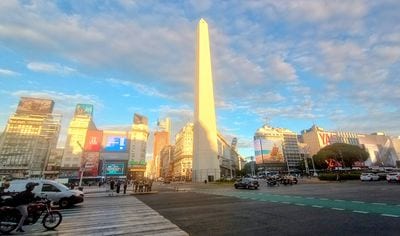
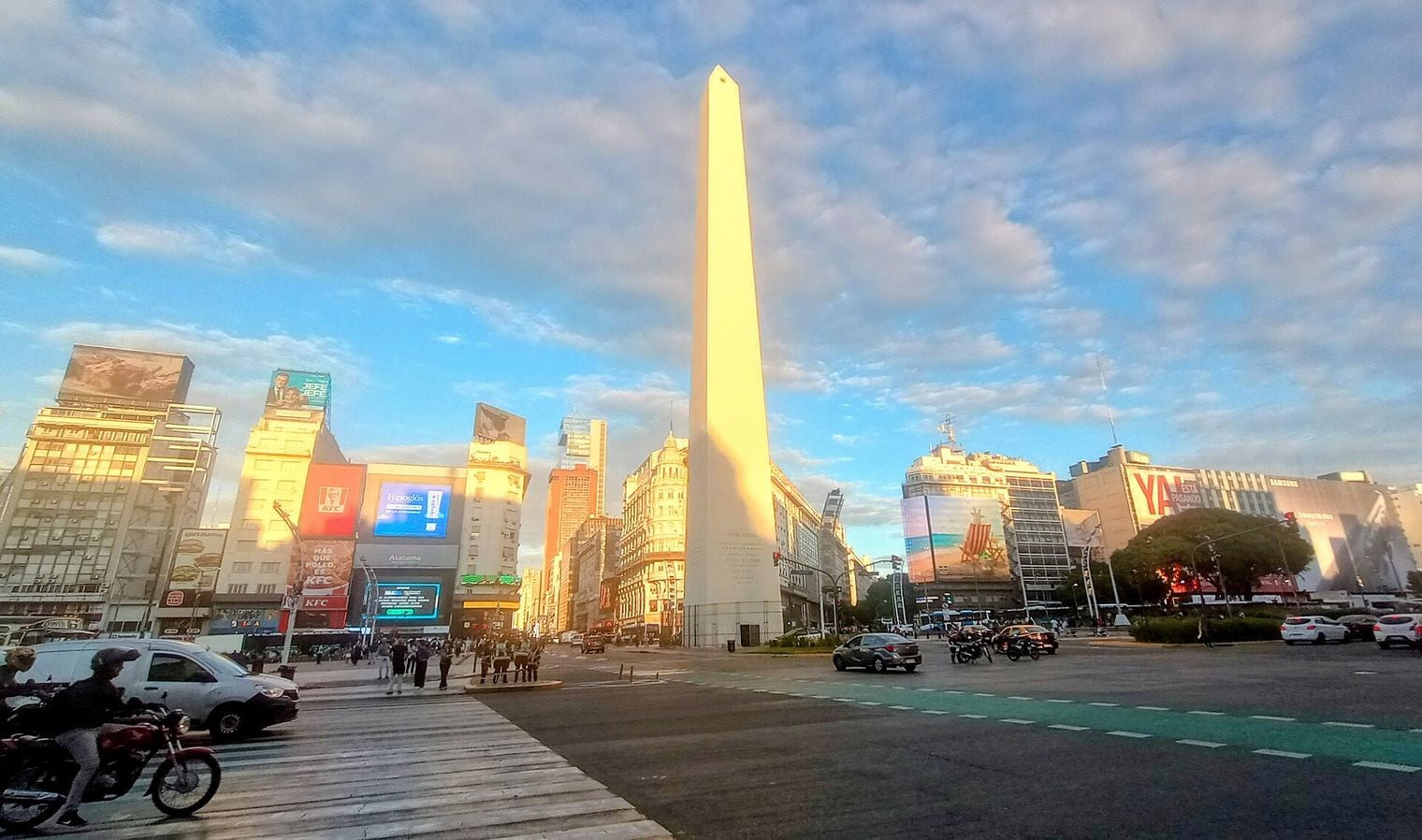
At 14.0 million people, Buenos Aires is the third-largest city in the Americas, fewer than 100,000 ahead of New York City. The Argentine capital lies on the southwest shore of the Río de la Plata, and its cluster covers 2,164 km² of land.
The name honours Santa Maria de los Buenos Aires, Holy Mary of the Good Winds, whom the first Spanish sailors thanked for bringing them to the coast. The permanent city dates from 1580, when Juan de Garay sailed down the Paraná from Asunción. Strongly shaped by European culture, it is sometimes called the Paris of South America, and a tango show is one of its classic nights out.
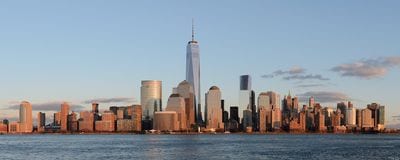
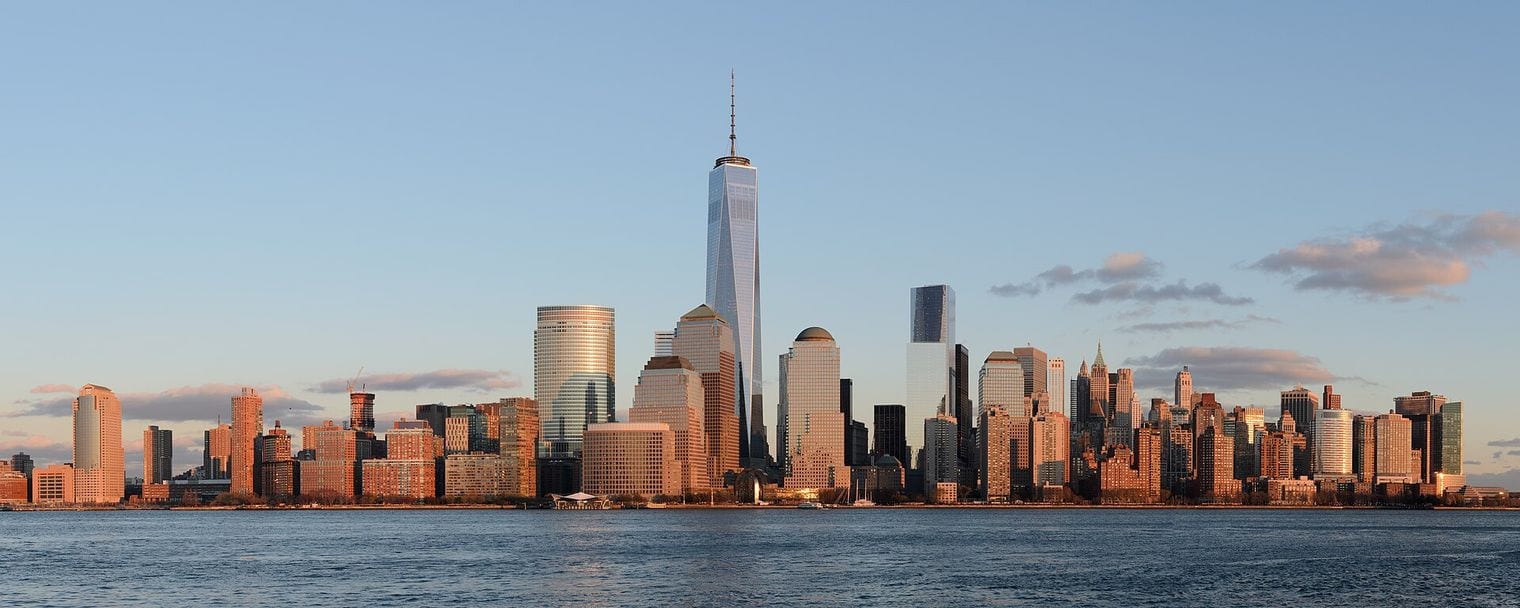
At 13.92 million people, New York City is the largest city in the United States, and the UN counts the continuous high-density cluster around its five boroughs, not the far wider commuter region. Within official city limits New York has more than double the population of Los Angeles; measured as UN clusters, the two are only about 1.2 million apart.
The five boroughs, Manhattan, Brooklyn, Queens, the Bronx and Staten Island, are each coextensive with a county. New York is a global centre of finance, culture, media and the arts, and as home to the headquarters of the United Nations, the city where international diplomacy meets.
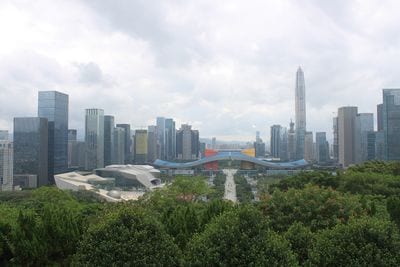
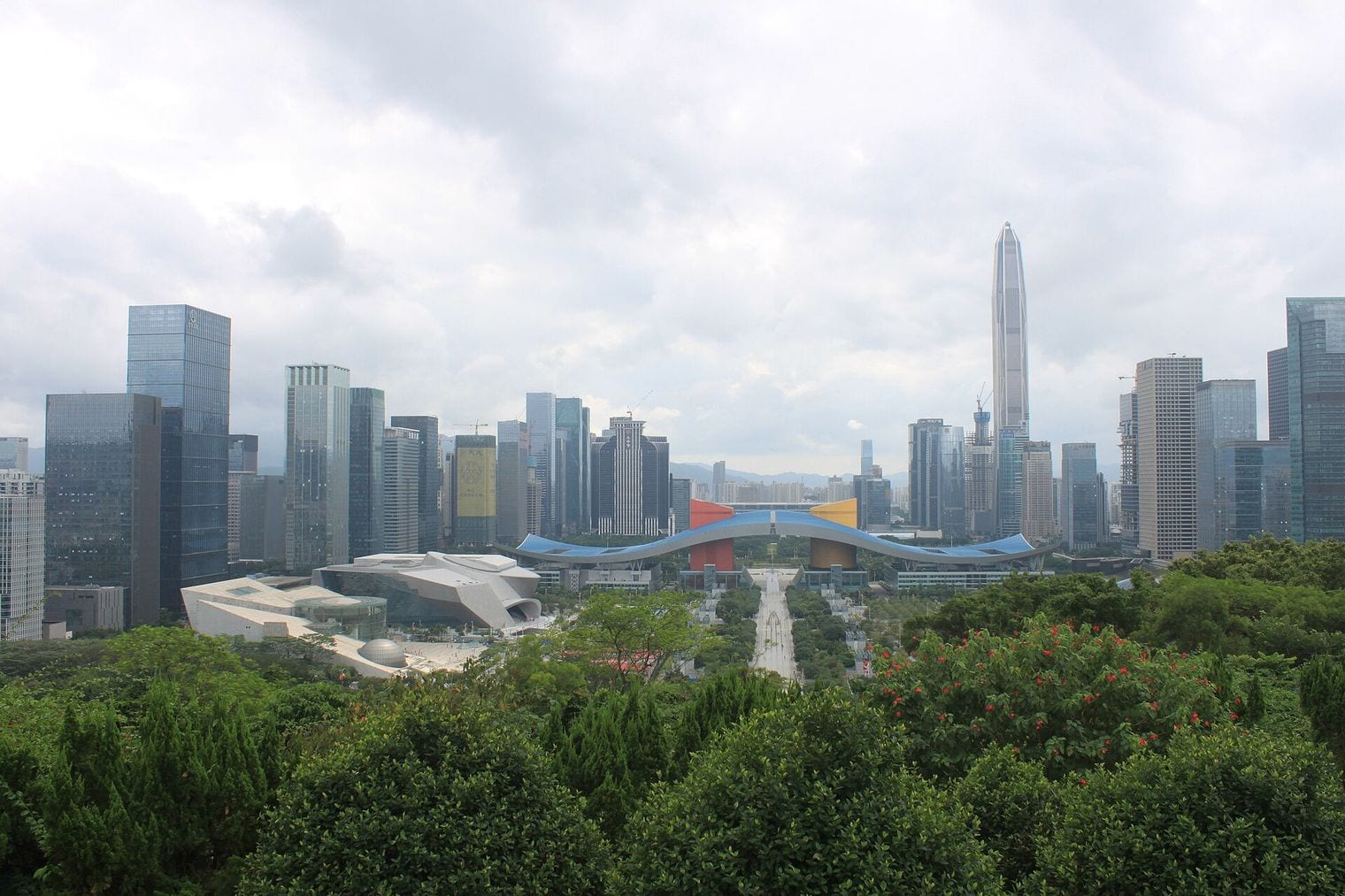
At 13.88 million people, Shenzhen trails New York City by only about 42,000, and it got there in a little over four decades. It was developed from a largely rural village area into a city in 1979, and in the early 1980s it became China's first special economic zone because it sits right next to Hong Kong.
The city lies on the east bank of the Pearl River estuary on the coast of Guangdong, bordering Hong Kong to the south, and its cluster covers 1,459 km² of land. Most of Shenzhen, from its towers to its factories, has been built since then.
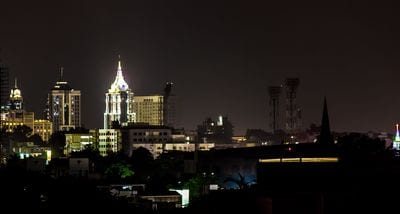
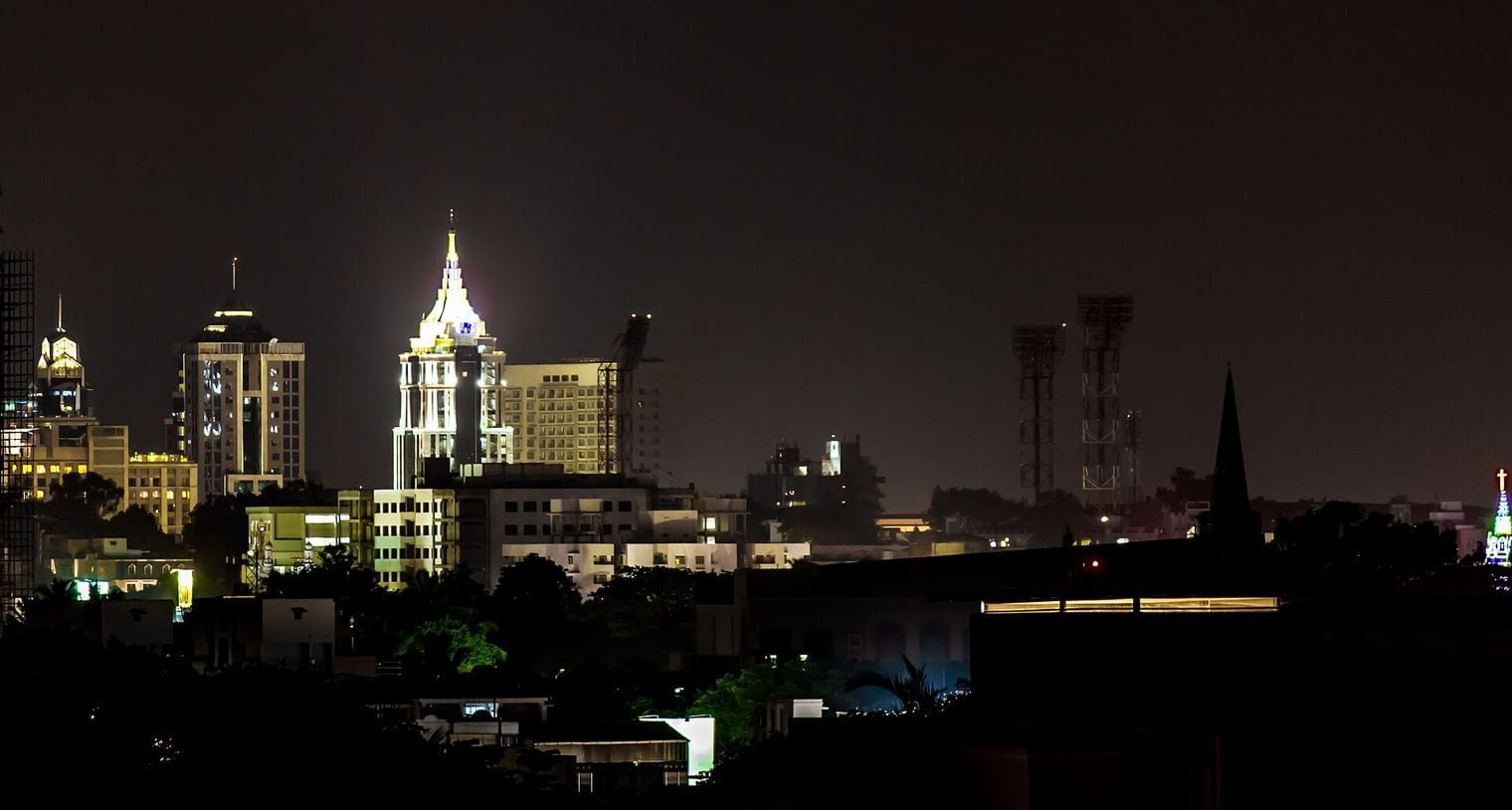
At 13.2 million people, Bengaluru packs its cluster into just 642 km² of land, at 20,541 people per km². As the largest hub and exporter of IT services in the country, it is known as the Silicon Valley of India, and it is consistently ranked among the world's fastest-growing technology hubs.
Bengaluru's older nickname is India's Garden City, for its parks and greenery, a reputation that began with the 1927 silver jubilee celebrations of the reign of Krishnaraja Wodeyar IV. It is the capital of Karnataka and the fourth Indian city on this list.
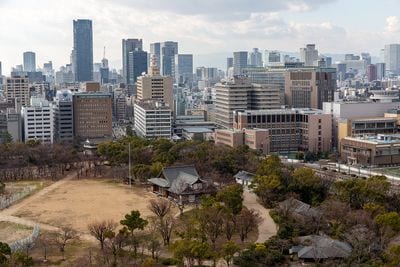
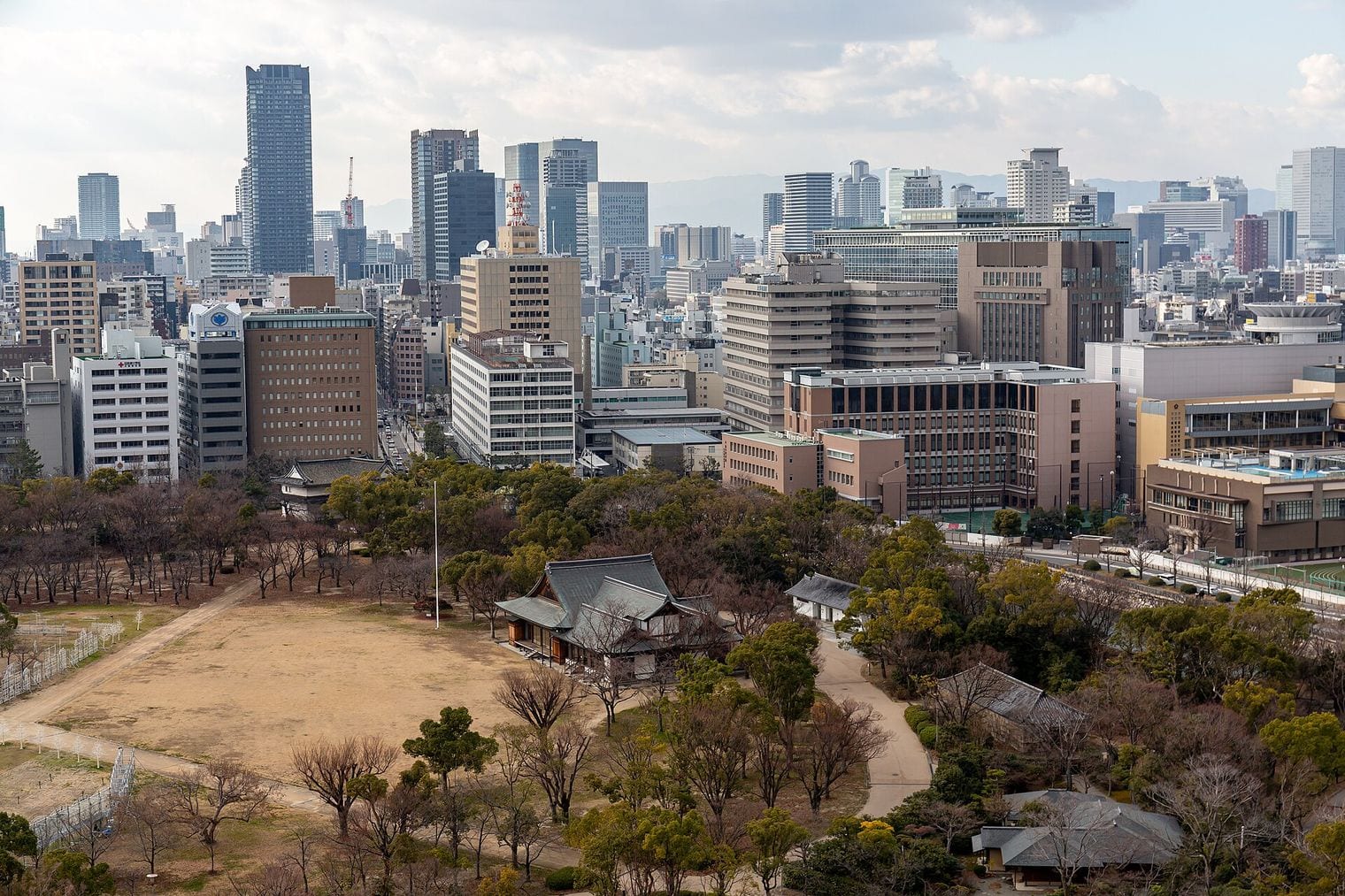
At 13.0 million people, Osaka is Japan's second megacity after Tokyo, its cluster covering 2,229 km² of land, 655.8 km² of it built up. Osaka was long considered Japan's primary economic centre, with a large share of its people belonging to the merchant class.
Toyotomi Hideyoshi built Osaka Castle in 1583, and the castle was at the heart of the Siege of Osaka in 1614 and 1615. The city's landmarks run from Shitennō-ji, one of the oldest Buddhist temples in Japan, and the Sumiyoshi Taisha Grand Shrine to the neon canal of Dōtonbori and the Tsūtenkaku tower in Shinsekai.
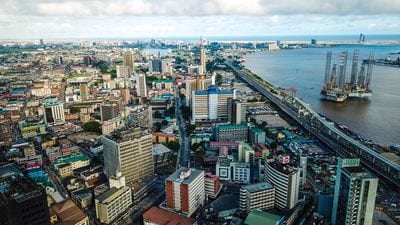
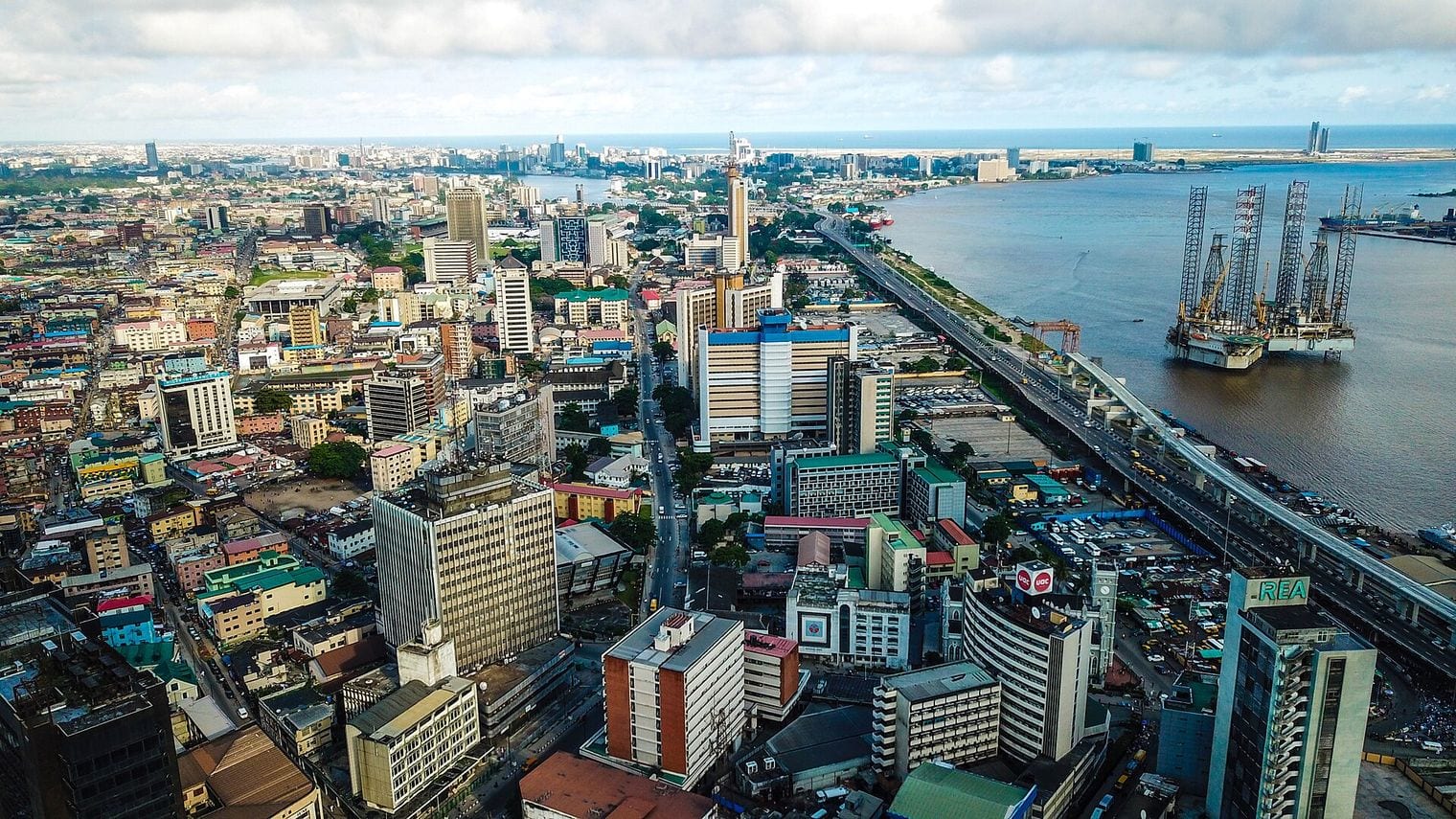
At 12.8 million people, Lagos ranks 26th on the UN's grid-cell count, well below the 17 to 21 million estimates often quoted for it, which depend on where the city's edge is drawn. Either way, it is the largest city in Nigeria and one of the fastest-growing megacities in the world, packed into 1,231 km² of land.
Lagos is a lagoon city: its lands are separated by creeks around the southwest mouth of Lagos Lagoon and protected from the Atlantic by barrier islands and long sand spits such as Bar Beach. It is the centre of Nigeria's media and of its film industry, Nollywood, and a hot spot for West African music, where many of the biggest Afrobeats stars began their careers.
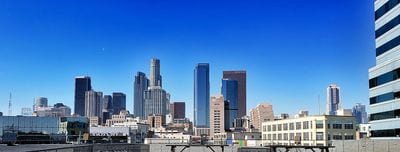
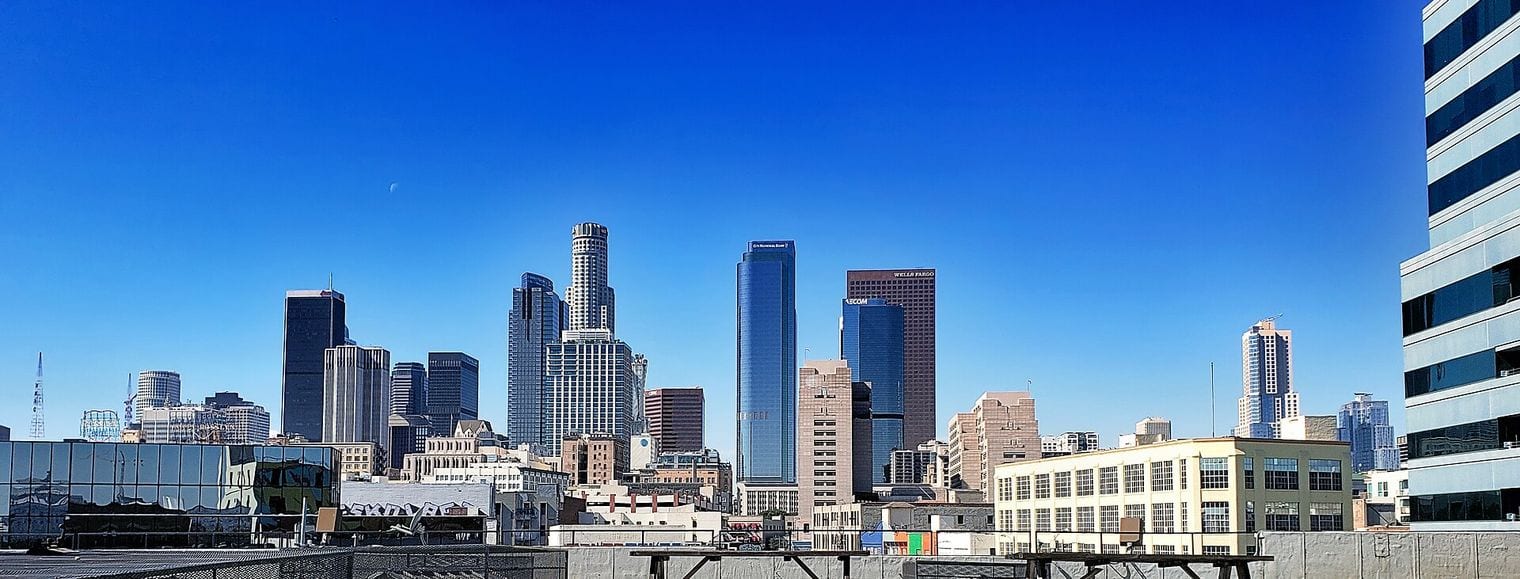
At 12.7 million people, Los Angeles has the lowest density on this list, 3,444 people per km² across 3,699 km² of land, and the second-largest built-up footprint after Tokyo, at 1,238.6 km². The city proper is the second most populous in the United States, behind New York City.
Most of the city lies in the Los Angeles Basin beside the Pacific, extending into the Santa Monica Mountains and north into the San Fernando Valley. Juan Rodríguez Cabrillo claimed the area for Spain in 1542; railroads arrived in 1876 and 1885; and in 1910 Hollywood merged into Los Angeles, with ten movie companies already at work there.
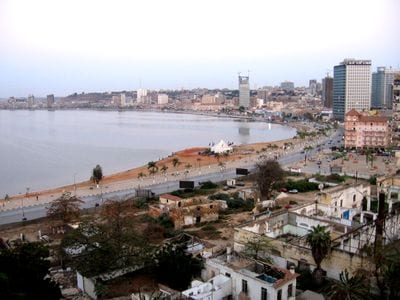
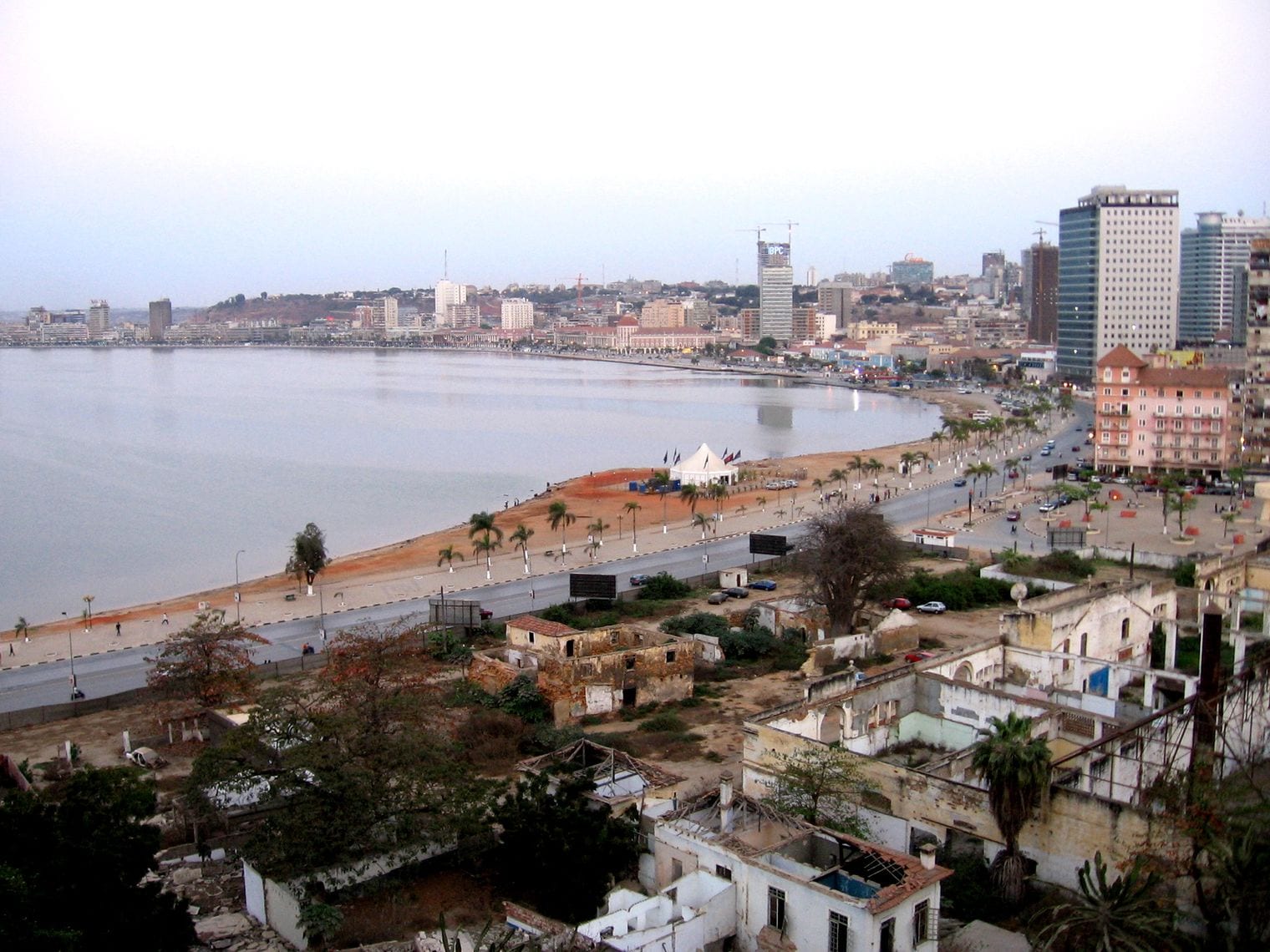
At 11.4 million people, Luanda is Angola's capital and chief seaport, on the country's northern Atlantic coast, and the most populous Portuguese-speaking national capital in the world. Its cluster covers 1,039 km² of land.
Luanda is among the oldest colonial cities in Africa: the Portuguese explorer Paulo Dias de Novais founded it in January 1576 as São Paulo da Assunção de Loanda. It is the largest Lusophone city outside Brazil, and one of four African cities on this list.
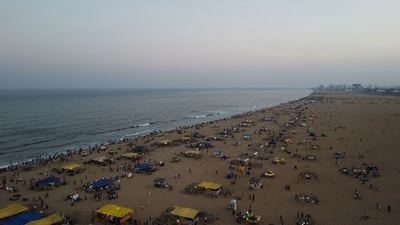
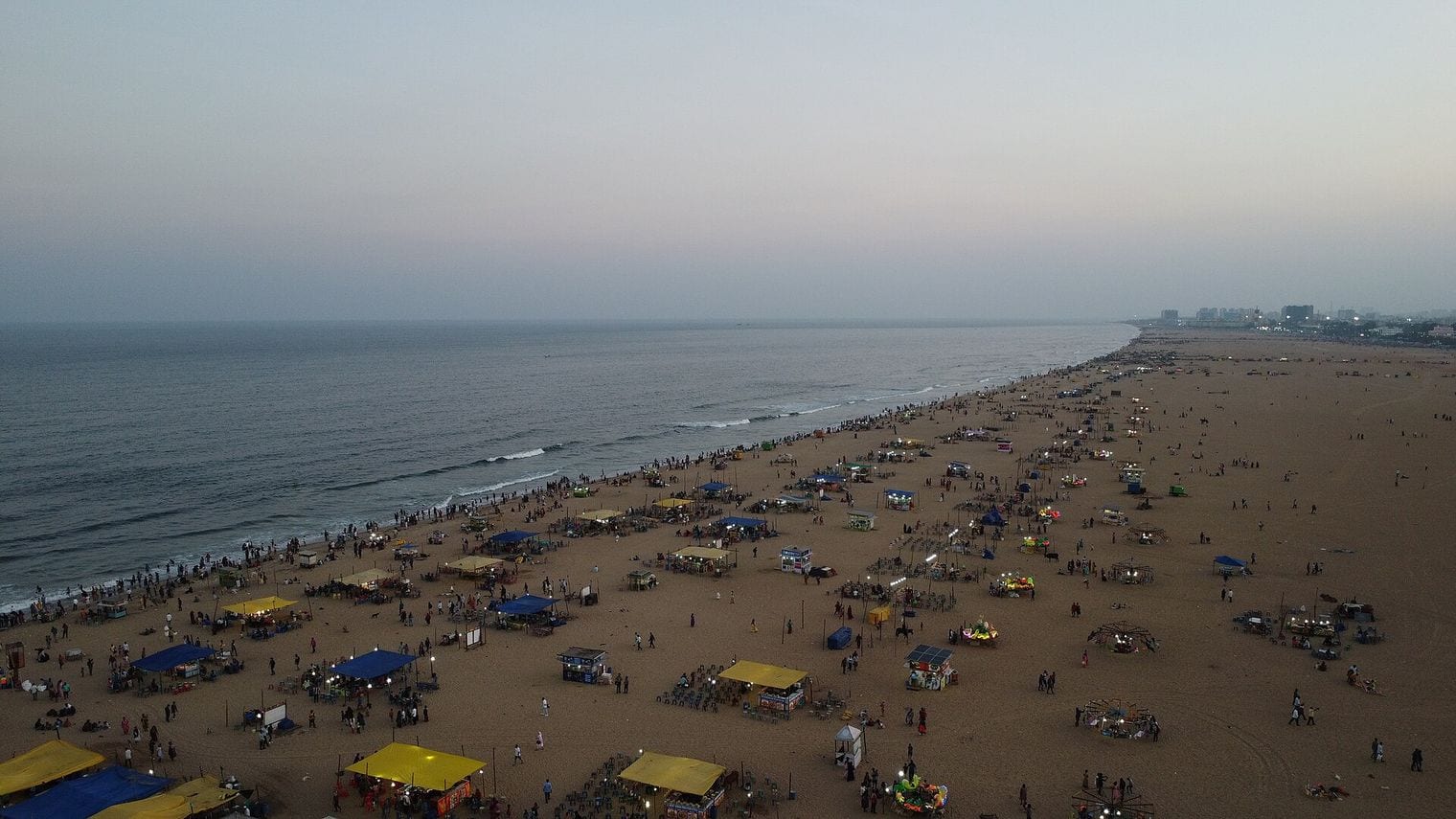
At 11.2 million people, Chennai is the capital and largest city of Tamil Nadu, India's southernmost state, and the fifth Indian city on this list. Its cluster covers 1,059 km² of land on the Coromandel Coast of the Bay of Bengal.
The city, also known as Madras, grew from a strip of coastal land granted to the British East India Company in 1639, which held the fishing village of Madrasapattinam. The British developed the port and built Fort St. George, and the city that grew around them now houses Tamil Nadu's Legislative Assembly and the Madras High Court.
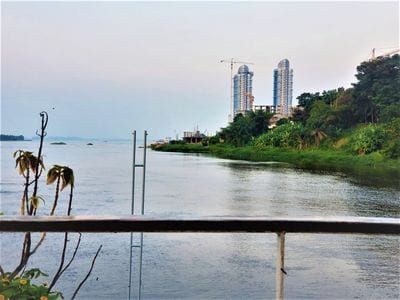
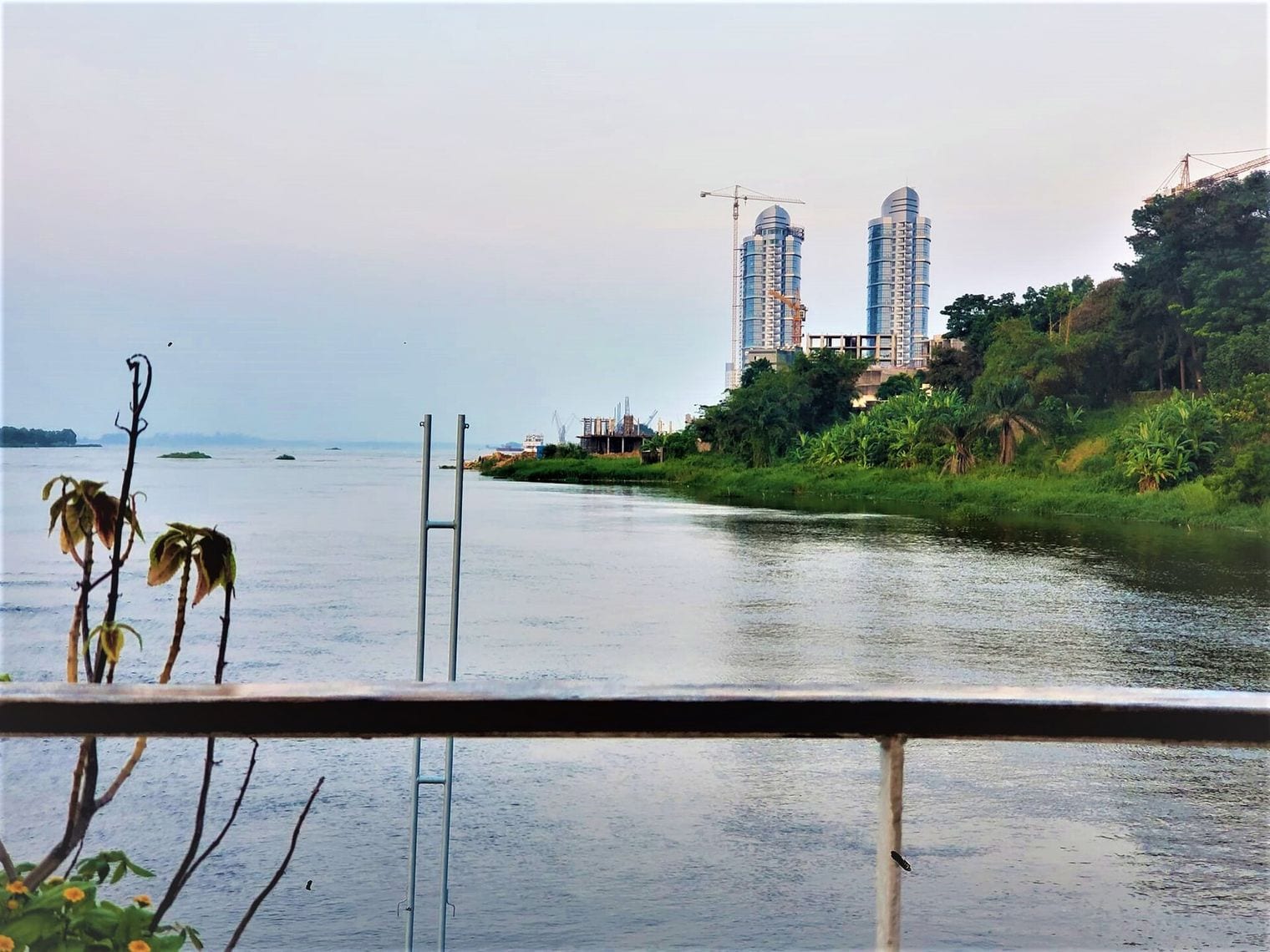
At 10.9 million people, Kinshasa packs its cluster into just 511 km², the smallest land area of any city on this list, at 21,416 people per km². It is the capital and largest city of the Democratic Republic of the Congo, and the largest nominally Francophone urban area in the world, where French is the language of government and Lingala the language of the street.
Henry Morton Stanley named the settlement Léopoldville, after Leopold II of Belgium, a name it carried until 1966. Across the Congo River sits Brazzaville, capital of the Republic of the Congo: the two form the world's closest pair of capital cities, separated by a four-kilometre-wide, unbridged span of the river.
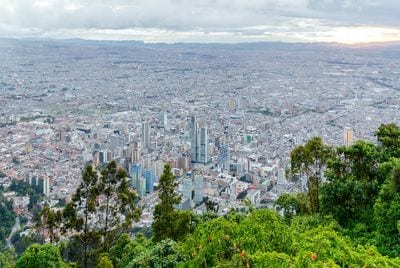
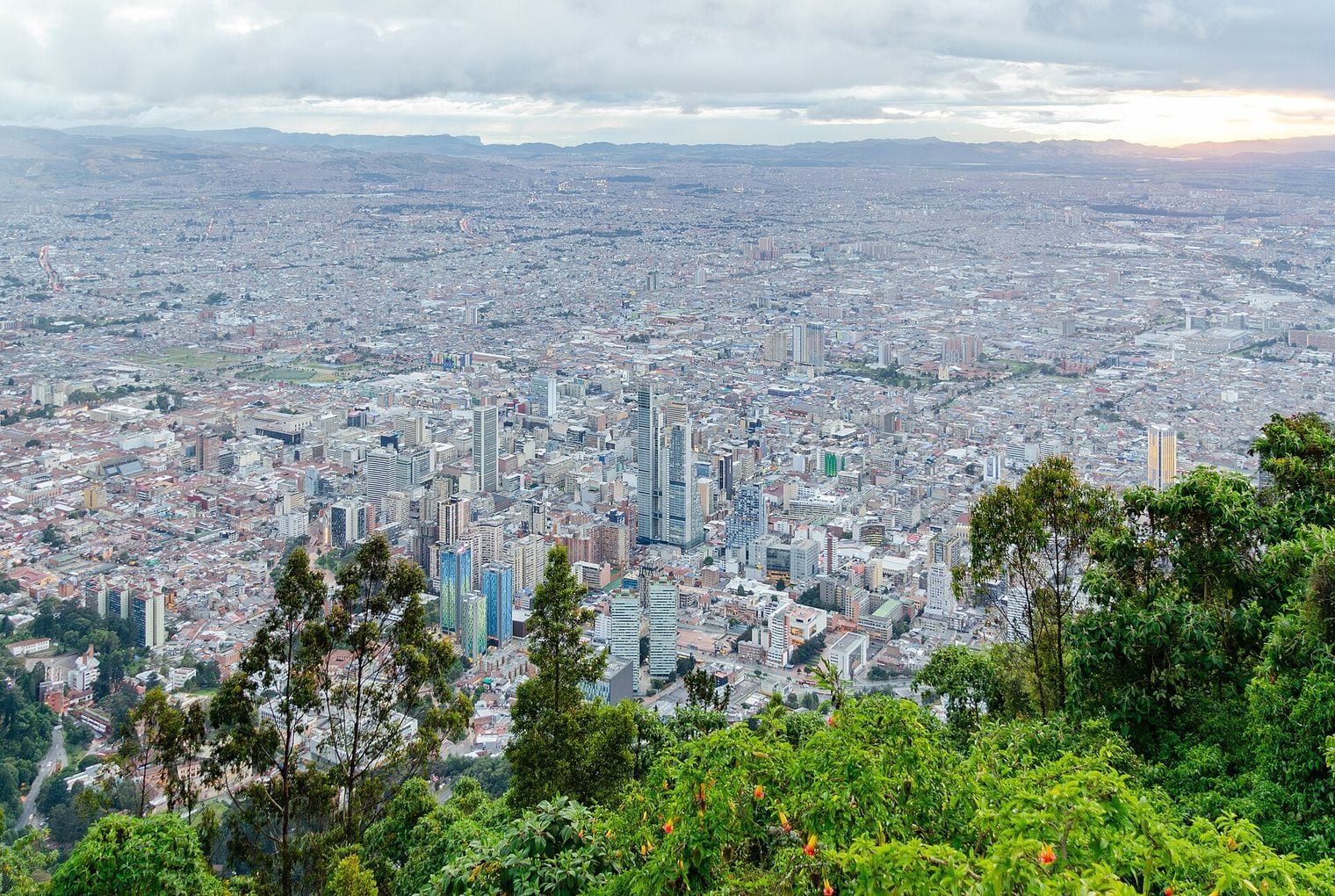
At 10.62 million people, Bogotá edges Lima by about 44,000, and it is the highest city on this list. Its altitude averages 2,640 m, which makes it the third highest capital city in the world, on a high plateau called the Bogotá savanna in the Eastern Cordillera of the Andes.
The Spanish conquistador Gonzalo Jiménez de Quesada founded Bogotá on 6 August 1538 as the capital of the New Kingdom of Granada, after a hard expedition into the Andes against the Muisca. Its cluster covers just 542 km² of land, at 19,602 people per km².
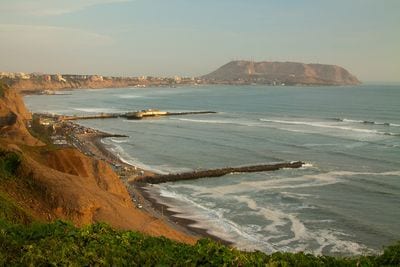
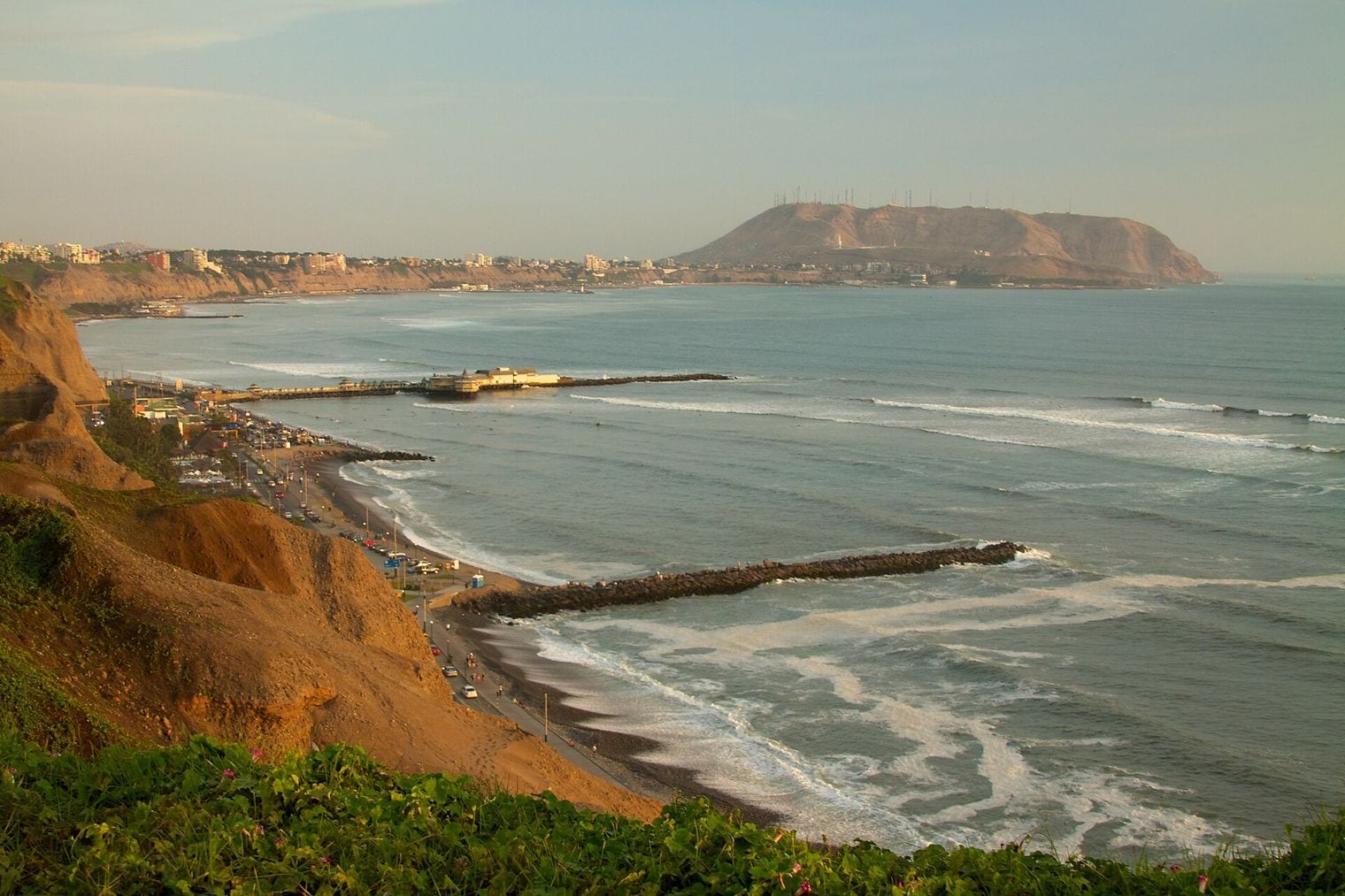
At 10.58 million people, Lima is the capital of Peru and one of five Latin American cities on this list. It sits in the valleys of the Chillón, Rímac and Lurín rivers, in the desert of Peru's central coast, overlooking the Pacific, and its cluster covers 1,026 km² of land.
The Spanish founded Lima in 1535 as the City of Kings, a name chosen because its foundation was decided on the feast of the Epiphany, but the valleys it occupies had been settled long before, by the pre-Inca peoples of the Lordship of Ichma.
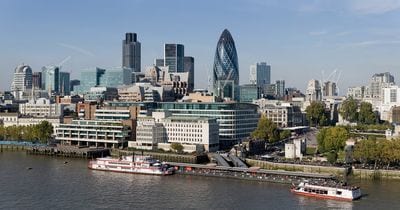
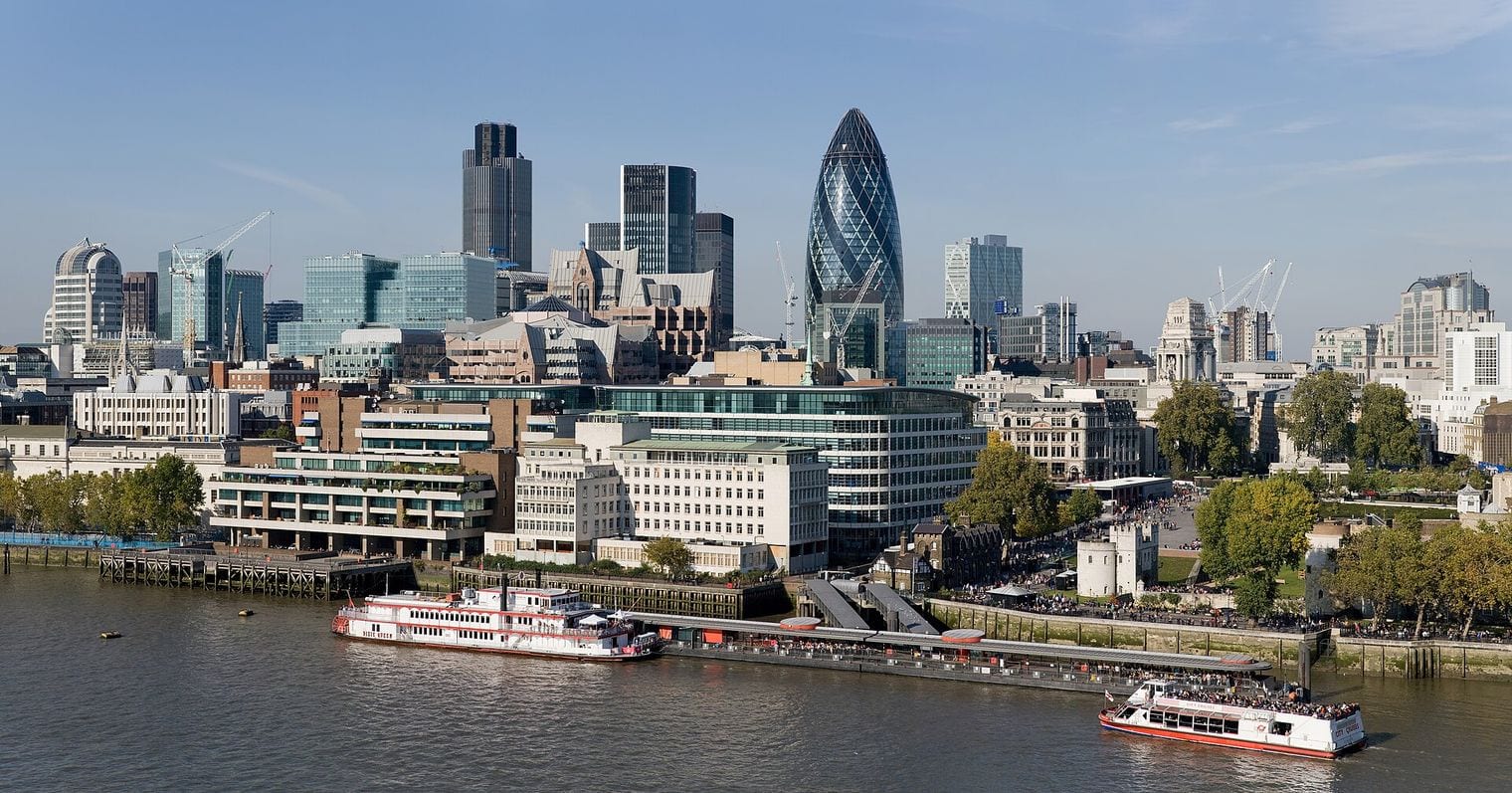
At 10.4 million people, London closes the list as the only city in Europe outside Russia and Turkey to clear the 10 million line, about a million ahead of Paris. Its cluster covers 1,646 km² of land, 426.2 km² of it built up.
London stands on the River Thames at the head of an 80 km tidal estuary and has been a major settlement for nearly 2,000 years. Its ancient core, the City of London, was founded by the Romans as Londinium and has kept its medieval boundaries. In the 19th century London grew so fast that it became the largest city in the world, a title that has since passed to Asia.
FAQ: The World's Largest Cities
What is the largest city in the world?
Jakarta, with 41.9 million people in mid-2025, according to the UN's World Urbanization Prospects 2025. Dhaka is second at 36.6 million and Tokyo third at 33.4 million. The UN measures every city the same way, as one continuous cluster of densely settled grid cells, regardless of where municipal or provincial boundaries fall.
Why do many lists still say Tokyo is the largest city?
Because they use the UN's 2018 edition, which measured Tokyo as an urban agglomeration of about 37 million. The 2025 revision applies one grid-based rule everywhere, which puts Tokyo third. The UN also projects Tokyo's population to fall over the next 25 years, while Dhaka is expected to become the largest city by 2050.
Why is Chongqing not on the list?
The 30 million often quoted for Chongqing is the whole municipality, an area about the size of Austria, much of it rural. The city itself, measured the UN's way, holds 7.07 million, 51st in the world. Tianjin, which still appears on lists built from the 2018 edition, counts 7.29 million, and Rio de Janeiro, at 9.50 million, misses the 10 million line.
How many megacities are there in the world?
Thirty-three, by the UN's 2025 count of cities with at least 10 million people, up from eight in 1975. Nineteen are in Asia, five in Latin America, four in Africa, three in Europe and two in North America. The UN expects 37 by 2050, as cities such as Addis Ababa, Dar es Salaam and Kuala Lumpur pass 10 million.
What is the largest city in Europe, Africa and the Americas?
On the UN's 2025 measure, Istanbul is the largest city in Europe at 15.0 million, though it straddles the Bosphorus; Moscow, at 14.5 million, is the largest lying entirely in Europe. Cairo leads Africa at 25.6 million and São Paulo leads the Americas at 18.9 million. More global rankings sit with every world record countdown on this site.
Sources & updates
How this ranking was checked
Checked before launch
Sources cited
33
Publishers
18
Every figure in this ranking was checked against the record-keeper or official source behind it before publication, and the top of the ranking re-checked live so a newer record would not be missed.
One email every Thursday with our newest guides for the places you tick.
Newsletter
Stay updated with new World Record Breakers
One email every Thursday with our newest guides for the places you tick.
We use cookies to analyse site traffic and improve your experience.
You can accept or reject analytics cookies. See our
May we use analytics cookies? See ourCookie Policy.