We build and rank every list first. Booking links come after, and only where
a partner sells a ticket, tour or stay for that exact place, so a place with
nothing to book is listed exactly as prominently as one you can book.
So how do we earn? Some links on this page go to booking
partners, and if you book tickets, tours or a stay through
one, we may earn a commission. It costs you nothing extra.
That commission never decides which places make the list, the order they
appear in, or what we write about them. No entry is sponsored or a paid
placement.
By the City Viking editorial teamPublished Ranked by seating capacity · 15 min read
Last verified Checked before launchOct 29, 202620 sources2 publishersPublished · Oct 30, 2026Researched and checked before it went liveClick for every source and the full change log.
The record
114,000 seats
Rungrado 1st of May Stadium
North Korea
The record
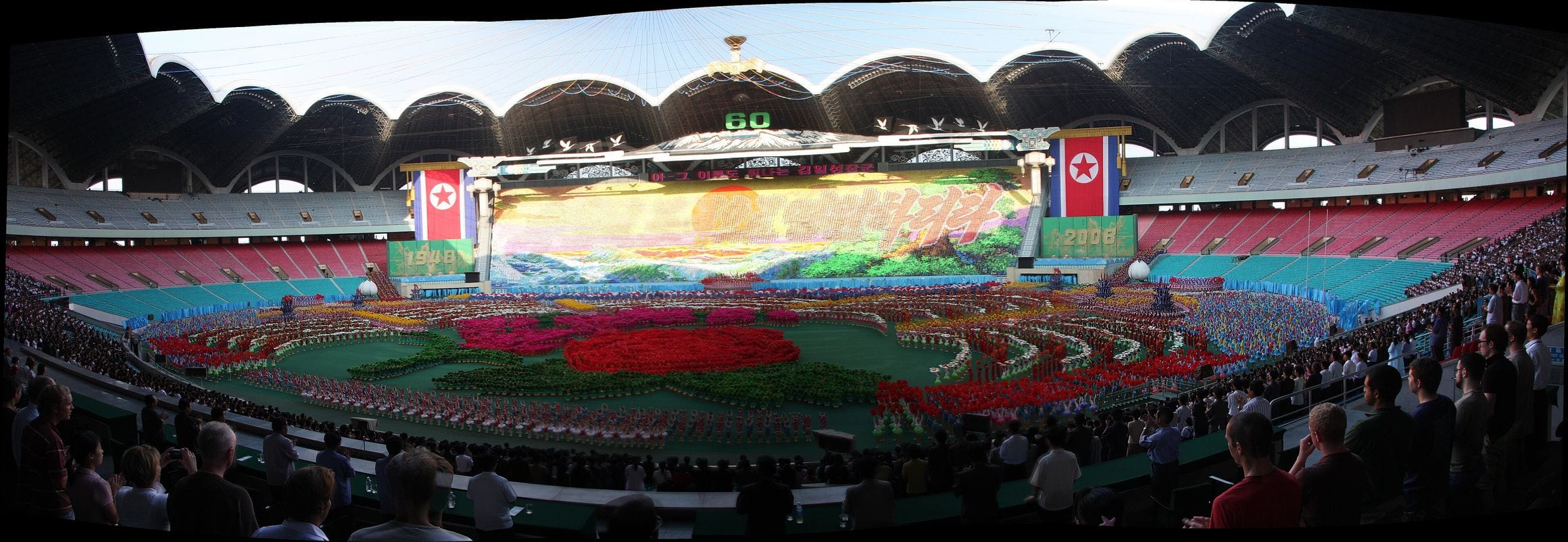
The largest football stadium in the world is the Rungrado 1st of May Stadium, in North Korea — 114,000 seats, seating capacity.
Source: stadiumdb.com. Verified .
Several of the world's biggest stadiums are not football grounds at all: Michigan Stadium is an American college football venue and the Narendra Modi Stadium in Ahmedabad is built for cricket, so neither makes this countdown of the 20 largest football stadiums in the world. The list runs from the 114,000 seats of the Rungrado 1st of May Stadium in Pyongyang down to the 75,600 of Tangier Grand Stadium in Morocco, across 18 countries on five continents.
Every figure is the official seated capacity for domestic football as the club, operator, league or federation publishes it, so the San Siro counts its 75,817 match seats rather than its 80,018 maximum. Only open stadiums whose main tenant plays association football qualify, which leaves out Camp Nou while its rebuild is unfinished, and standing terraces do not count either, which costs Dortmund's Signal Iduna Park its place.
Only one stadium has hosted three World Cups.Estadio Azteca added the opening match of the 2026 tournament to the finals it staged in 1970 and 1986.
The biggest of them all has hosted a wrestling show. In April 1995 the Rungrado 1st of May Stadium in Pyongyang staged Collision in Korea, a two-night professional wrestling event.
Gelora Bung Karno has lost nearly a third of its seats.Jakarta’s national stadium opened with 110,000 seats for the 1962 Asian Games; two renovations have since brought it down to 77,193.
One stadium has staged the finals of two continents. The Bernabéu in Madrid has hosted European Cup and Champions League finals and, in 2018, the second leg of the Copa Libertadores final, the only stadium to stage both.
Standing room does not count. Signal Iduna Park in Dortmund holds 81,365 for league matches with its standing terrace, but only 66,099 when all-seated, so it misses this list.
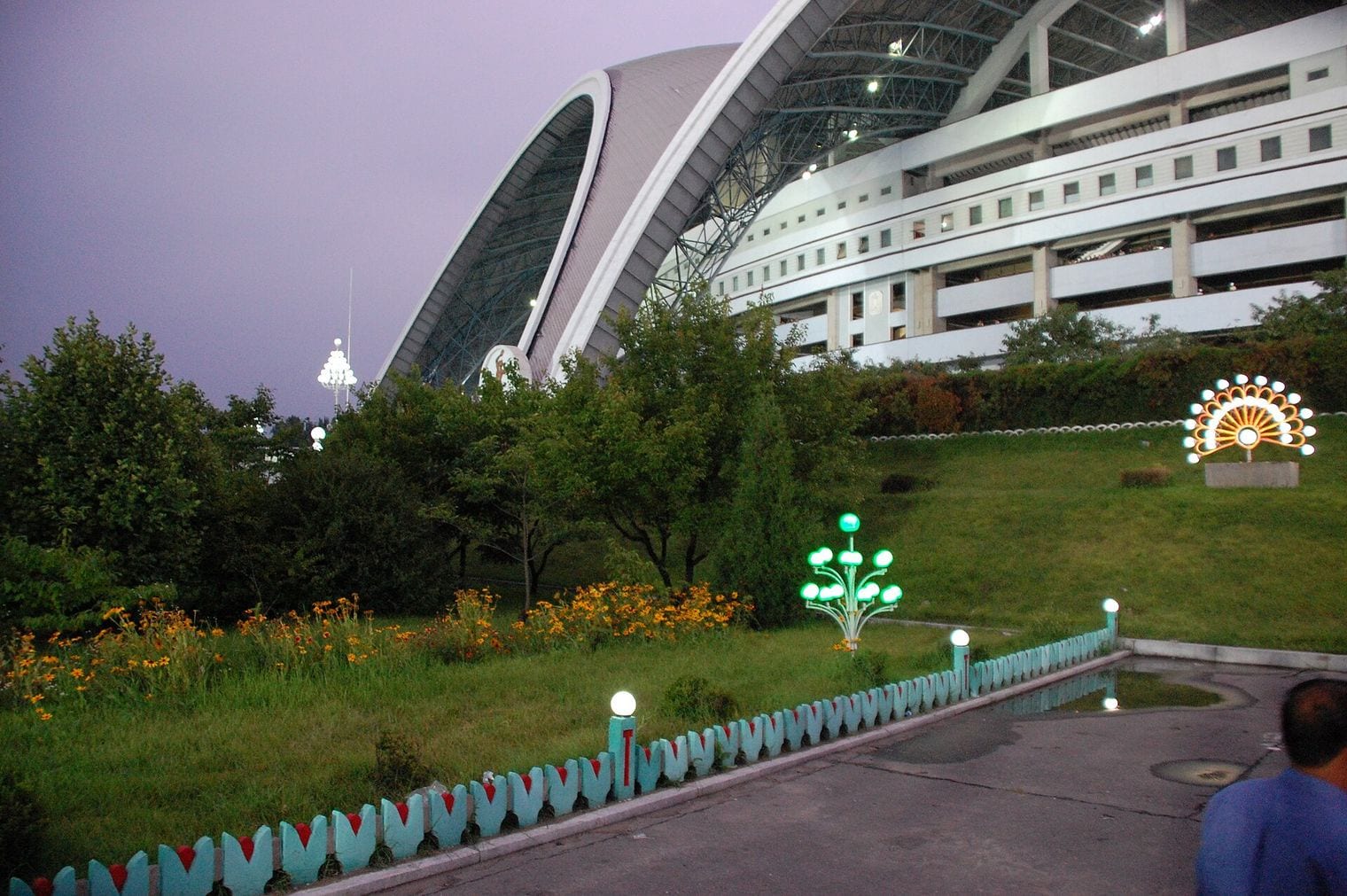
At 114,000 seats, the Rungrado 1st of May Stadium in Pyongyang is the largest football stadium in the world, although that total is an observers' estimate made after a 2014 remodel replaced some bench seating with individual seats, and Wikipedia gives 113,281.
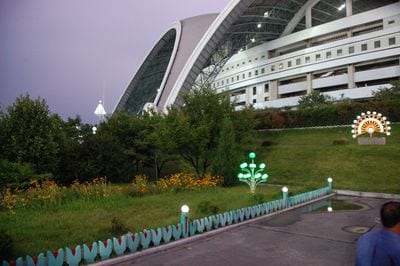
It stands on Rŭngrado, an island in the Taedong River, and opened on 1 May 1989 for the 13th World Festival of Youth and Students. A running track circles the pitch, making it a multi-purpose national stadium, and its football tenants are the North Korean national teams and the club April 25.
For all its size, the Rungrado 1st of May Stadium is used more often for vast choreographed performances celebrating Kim Il Sung and the nation, including the Arirang mass games, than for sport. Football and some athletics fill the rest of its calendar, and in April 1995 it even staged Collision in Korea, a two-night professional wrestling event.
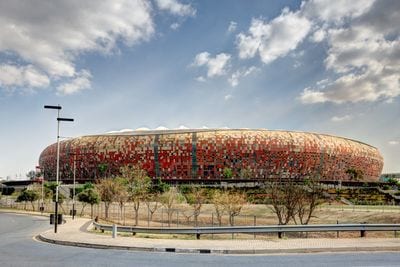
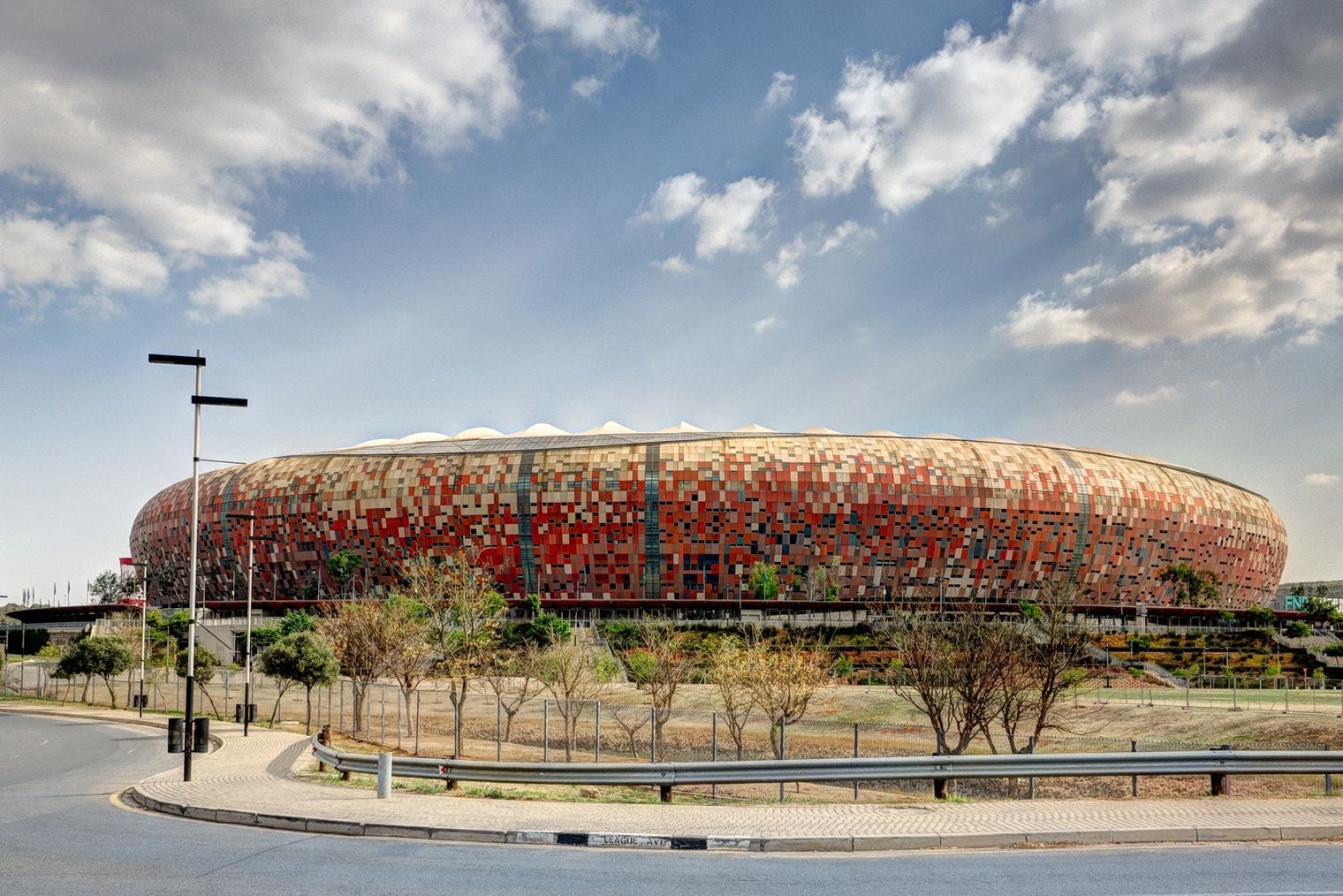
At 94,736 seats, FNB Stadium in Johannesburg is the largest stadium in Africa. Designed as the main football stadium of the 2010 World Cup, it is also known as Soccer City and nicknamed the Calabash for its resemblance to an African pot, and it stands in Nasrec on the edge of Soweto, next to the headquarters of the South African Football Association.
Kaizer Chiefs play their home games here, and South Africa's national team uses it for its biggest fixtures. It staged the 2010 World Cup final between Spain and the Netherlands, and it holds a deep place in the country's history: Nelson Mandela gave his first speech in Johannesburg here after his release from prison in 1990, and in December 2013 it held a memorial service for him.
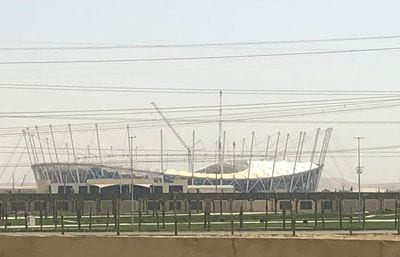
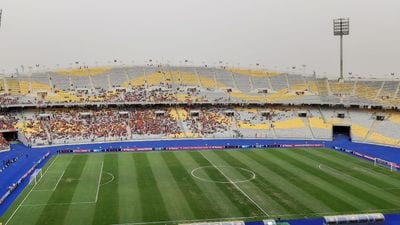
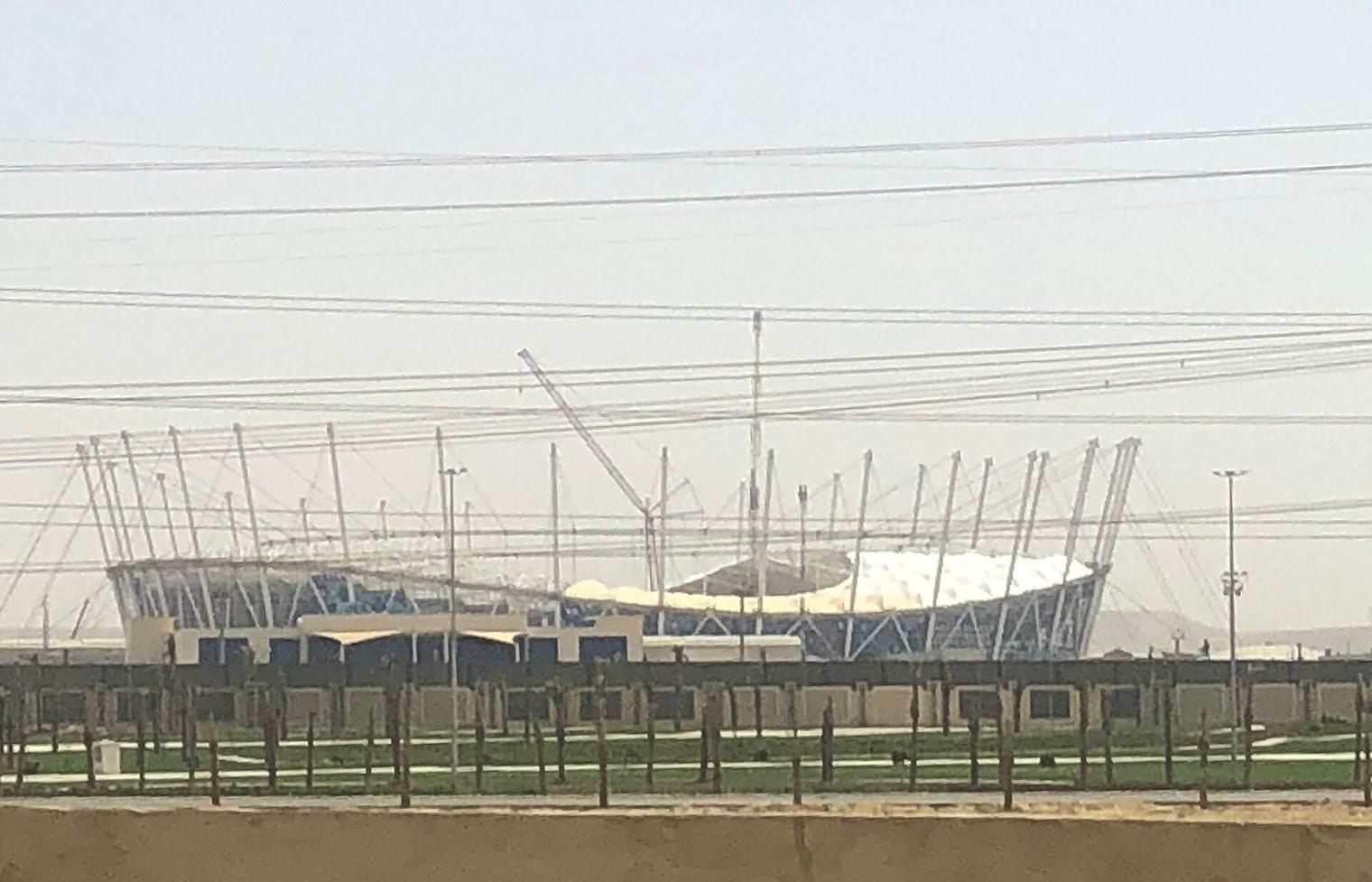
At 93,940 seats, the New Administrative Capital Stadium, also called Misr Stadium or the New Capital Stadium, is the largest stadium in Egypt and the second largest in Africa. Built on an elliptical plan, it stands in the Olympic City of Egypt's new administrative capital east of Cairo and serves as a home ground of the Egypt national team.
Completed in late 2023, the stadium was inaugurated on 22 March 2024, when Egypt beat New Zealand 1–0 in a friendly. It is the centrepiece of a sports complex that also takes in training pitches, indoor arenas and an Olympic-size swimming pool, planned with an eye on a future bid for the Olympic Games or the World Cup.
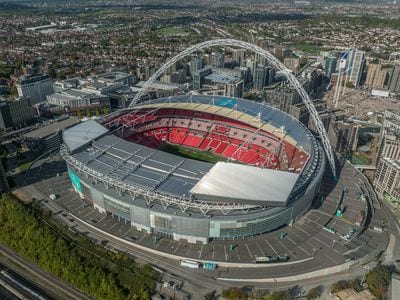
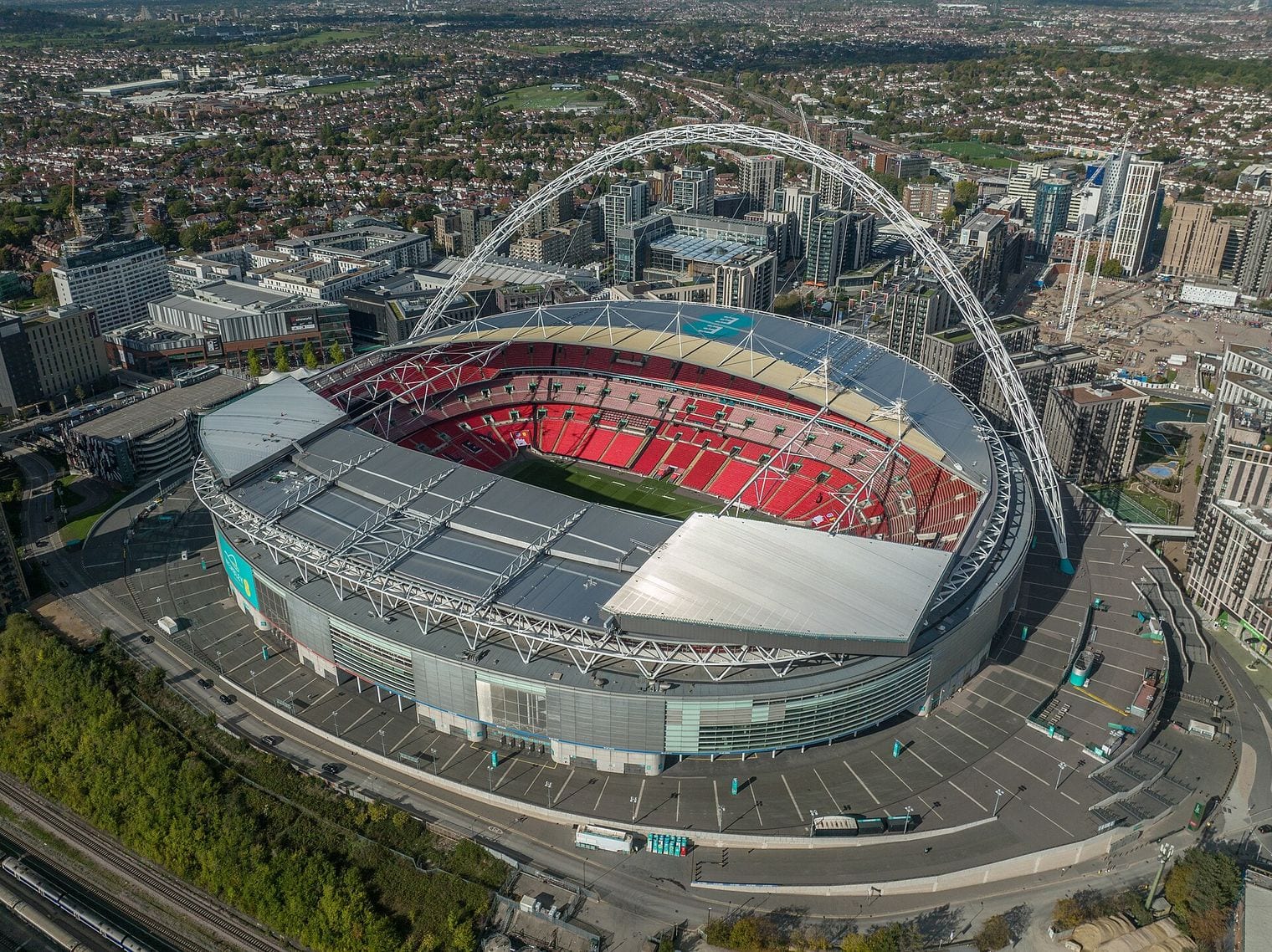
At 90,000 seats, Wembley Stadium in north-west London is the largest sports venue in the UK and the second-largest stadium in Europe, according to the stadium itself. Opened in 2007 on the site of the original Wembley, which stood from 1923 to 2000, it is England's national stadium and is owned by the Football Association, which has its headquarters there.
Most England home matches are played here, along with the FA Cup final, the EFL Cup final and the season-opening Community Shield. Its arch, designed by Foster and Partners with Populous, is a landmark across the city and carries more than 75% of the roof load, while two partly retractable roof sections over the ends can open to let sunlight reach the pitch.
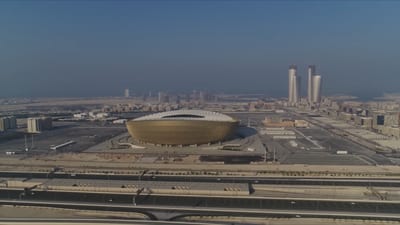
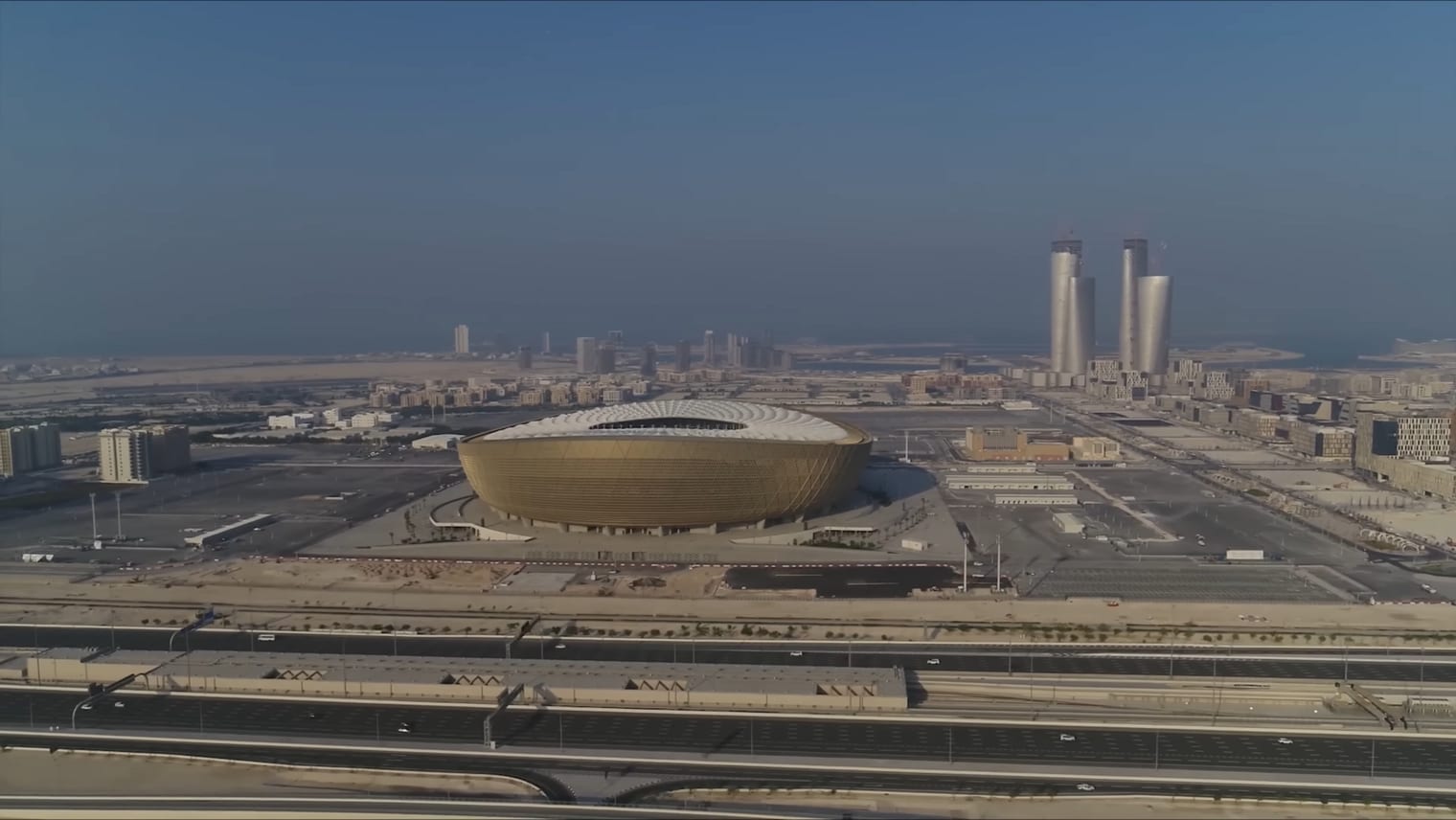
At 88,966 seats, Lusail Stadium is the largest stadium in Qatar and the Middle East. Owned by the Qatar Football Association, it stands in the city of Lusail, about 20 km north of Doha, and was the biggest of the eight stadiums built for the 2022 World Cup.
Lusail Stadium hosted ten matches at that tournament, including the final on 18 December 2022, when Argentina beat France on penalties after a 3–3 draw. It had opened only three months earlier, on 9 September 2022, with a Super Cup between the Saudi champions Al Hilal and the Egyptian champions Zamalek that served as a rehearsal for the World Cup.
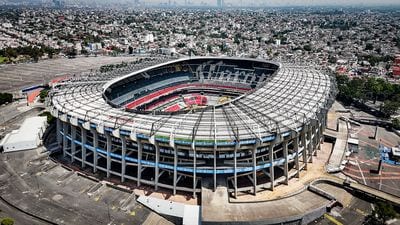
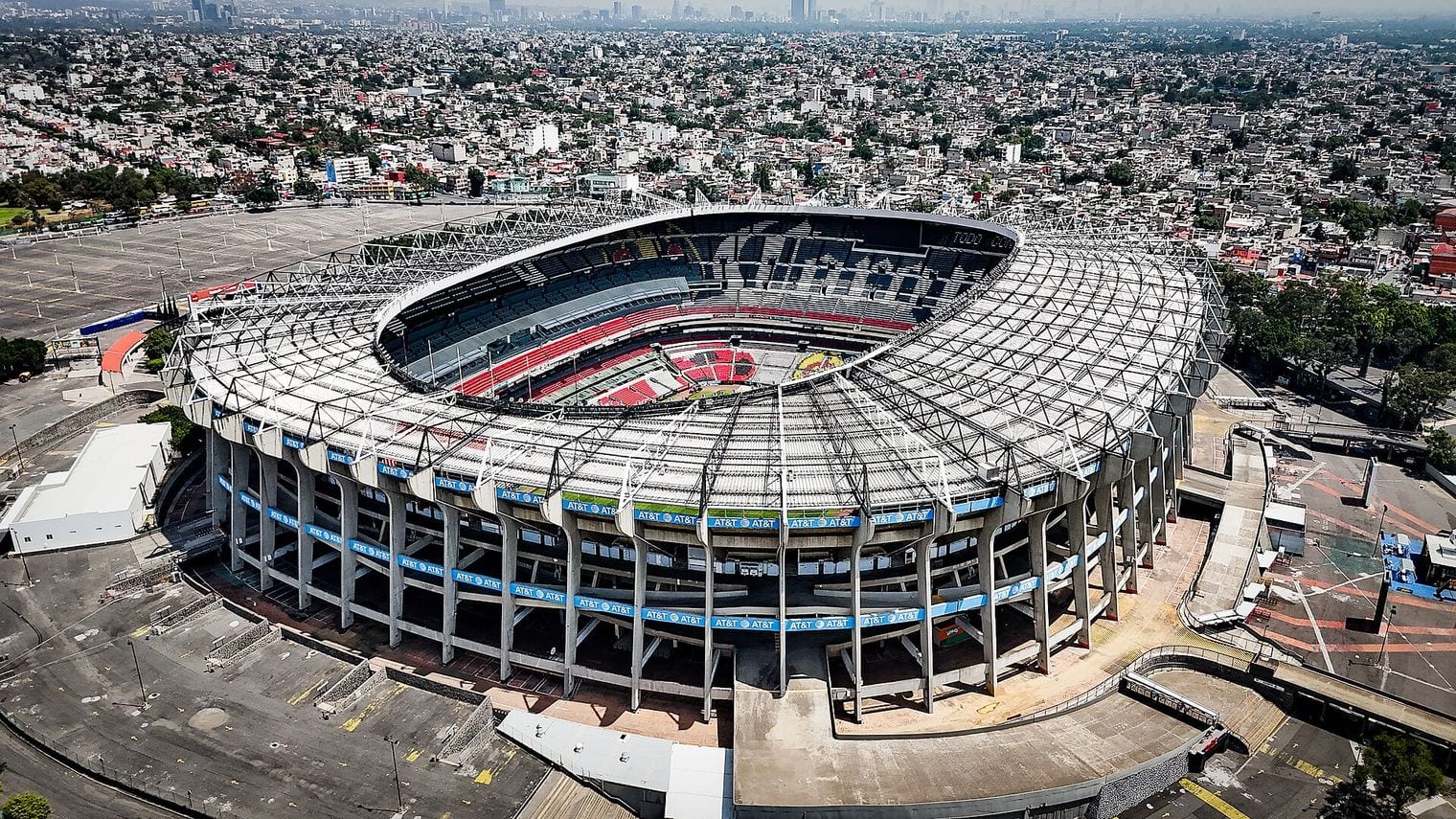
At 87,523 seats, Estadio Azteca in Mexico City is the largest stadium in Latin America, though only narrowly ahead of the next two on this list: StadiumDB counts 87,000, close enough to Bukit Jalil and Borg El Arab that other sources order the three differently. Officially Estadio Banorte for sponsorship reasons, it is the home of Club América and the Mexico national team, at an elevation of 2,241 m.
Often called the Temple of Football, it was the first stadium to host two World Cup finals, Brazil's 4–1 win over Italy in 1970 and Argentina's 3–2 win over West Germany in 1986, and in 1986 Diego Maradona scored both the Hand of God goal and the Goal of the Century here against England. In 2026 it became the only stadium to host matches at three World Cups, opening that tournament with Mexico against South Africa.
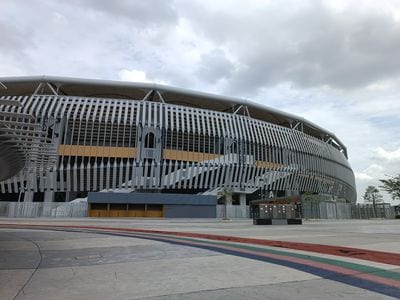
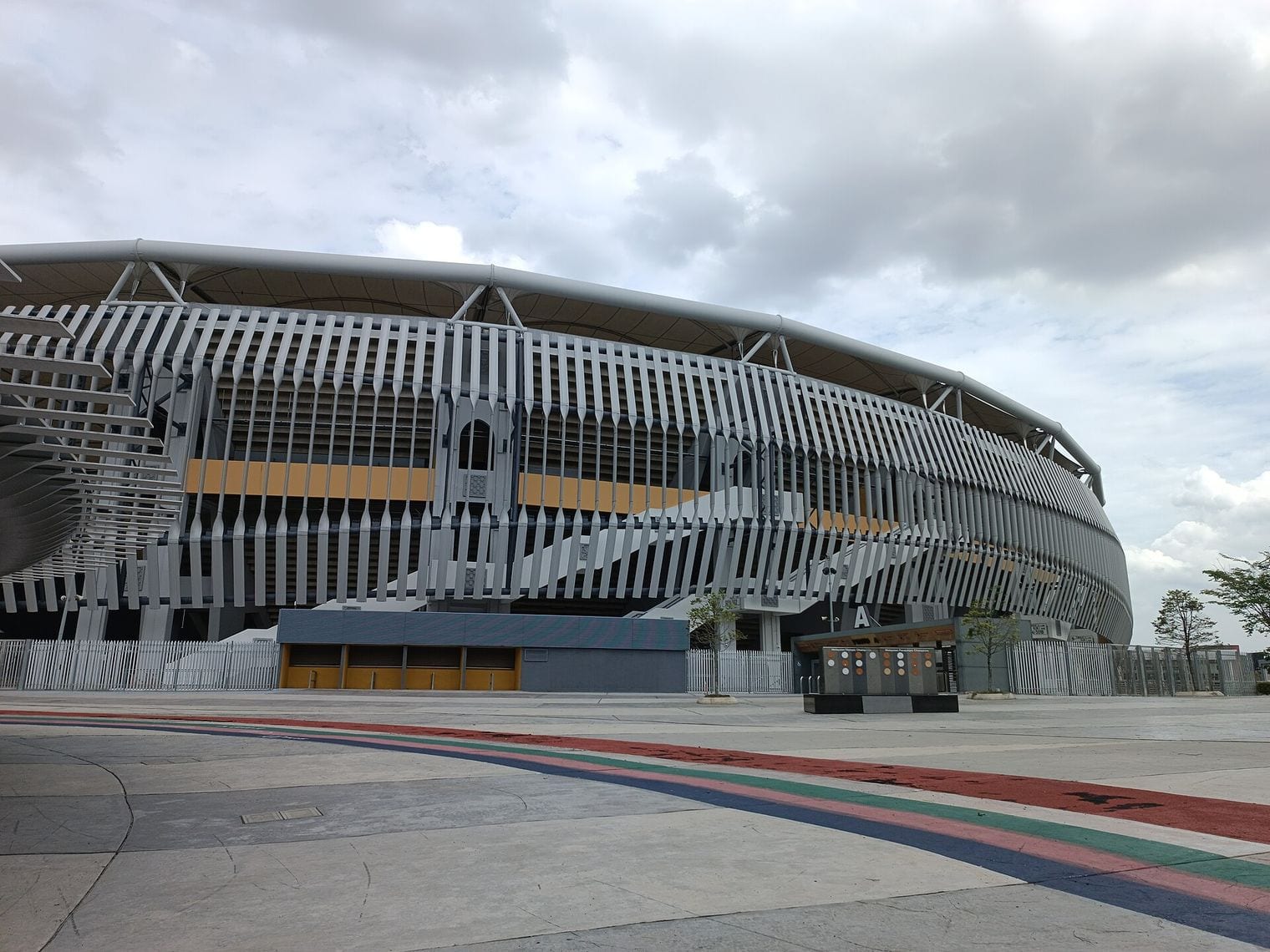
At 87,411 seats, Bukit Jalil National Stadium in Kuala Lumpur is the largest stadium in Southeast Asia. Its stands hold 90,000, of which 87,411 are in use, and StadiumDB's lower count of about 85,500 would drop it below Borg El Arab, so its place among the sixth to eighth entries depends on the source.
Built for the 1998 Commonwealth Games, Bukit Jalil National Stadium was inaugurated on 11 July 1998 by Prime Minister Mahathir Mohamad and staged the Games' opening ceremony. Afterwards it became the home of the Malaysia national team, and it now hosts the finals of the Malaysia Cup and the Malaysia FA Cup as well as athletics meetings and concerts, under a membrane roof over the stands.
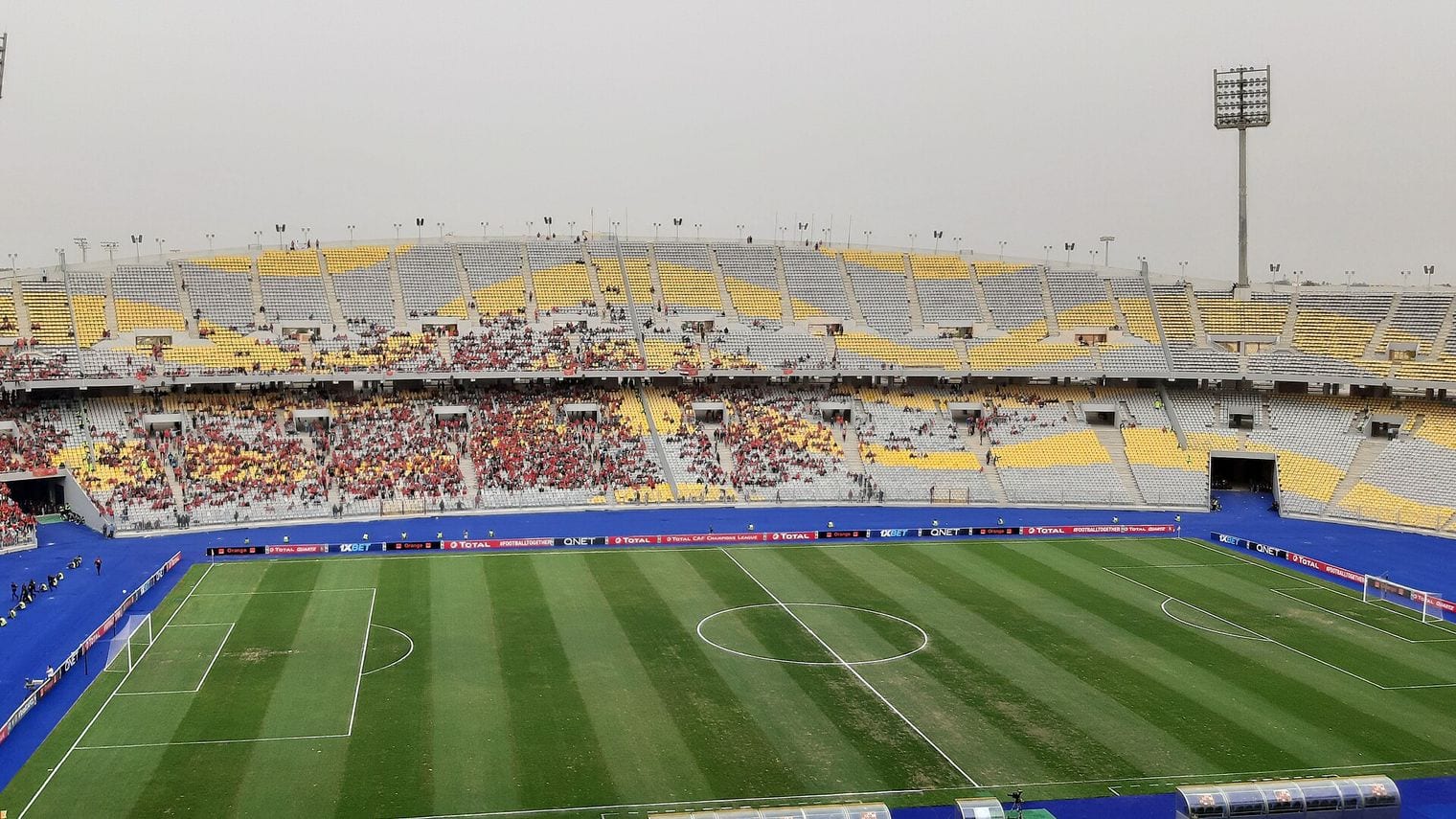
At 86,000 seats, Borg El Arab Stadium is the second-largest stadium in Egypt and the third largest in Africa, an all-seater on the Cairo–Alexandria desert road about 25 km west of Alexandria. Its total sits close to those of Estadio Azteca and Bukit Jalil, which is why sources disagree on the order of the sixth to eighth entries.
After Egypt's bid to host the World Cup failed, Borg El Arab Stadium became a home of the Egyptian national team alongside Cairo International Stadium, and it was one of the venues of the 2009 FIFA U-20 World Cup. The Alexandria club Smouha has played its home matches here since 2016; a running track circles the pitch, and only one stand is covered by a roof.
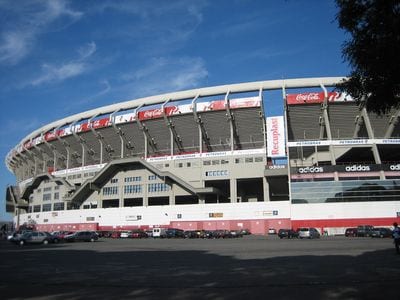
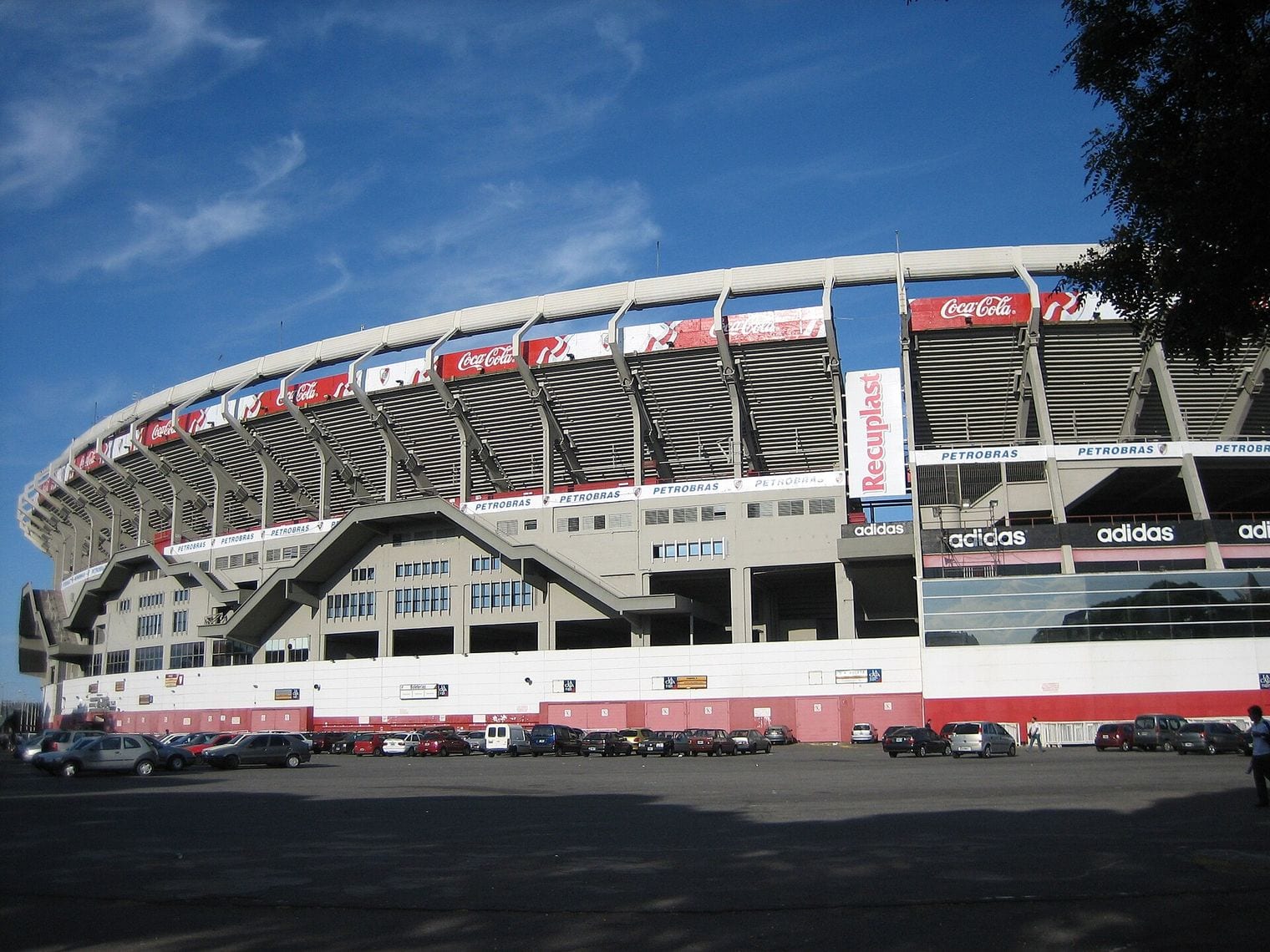
At 85,018 seats, River Plate's Estadio Monumental Antonio Vespucio Liberti in Buenos Aires is the largest stadium in South America and the home of the Argentina national team as well as the club. From 2022 it carried the name Estadio Mâs Monumental under a naming-rights deal with the ChangoMâs supermarket chain that ended in September 2026, and a new naming deal is due to start in 2027. An extensive renovation that began in 2020 was ready by March 2023.
Opened on 26 May 1938 in the north of the city, the Monumental staged the 1978 World Cup final, in which Argentina beat the Netherlands, as well as four Copa América finals and many Copa Libertadores finals. It was the main venue of the 1951 Pan American Games, and Argentina's rugby team, Los Pumas, also play here from time to time.
Get new guides like this by email
One email every Thursday with our newest guides for the places you tick.
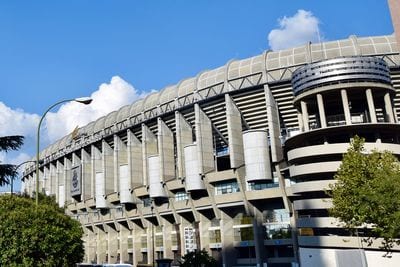
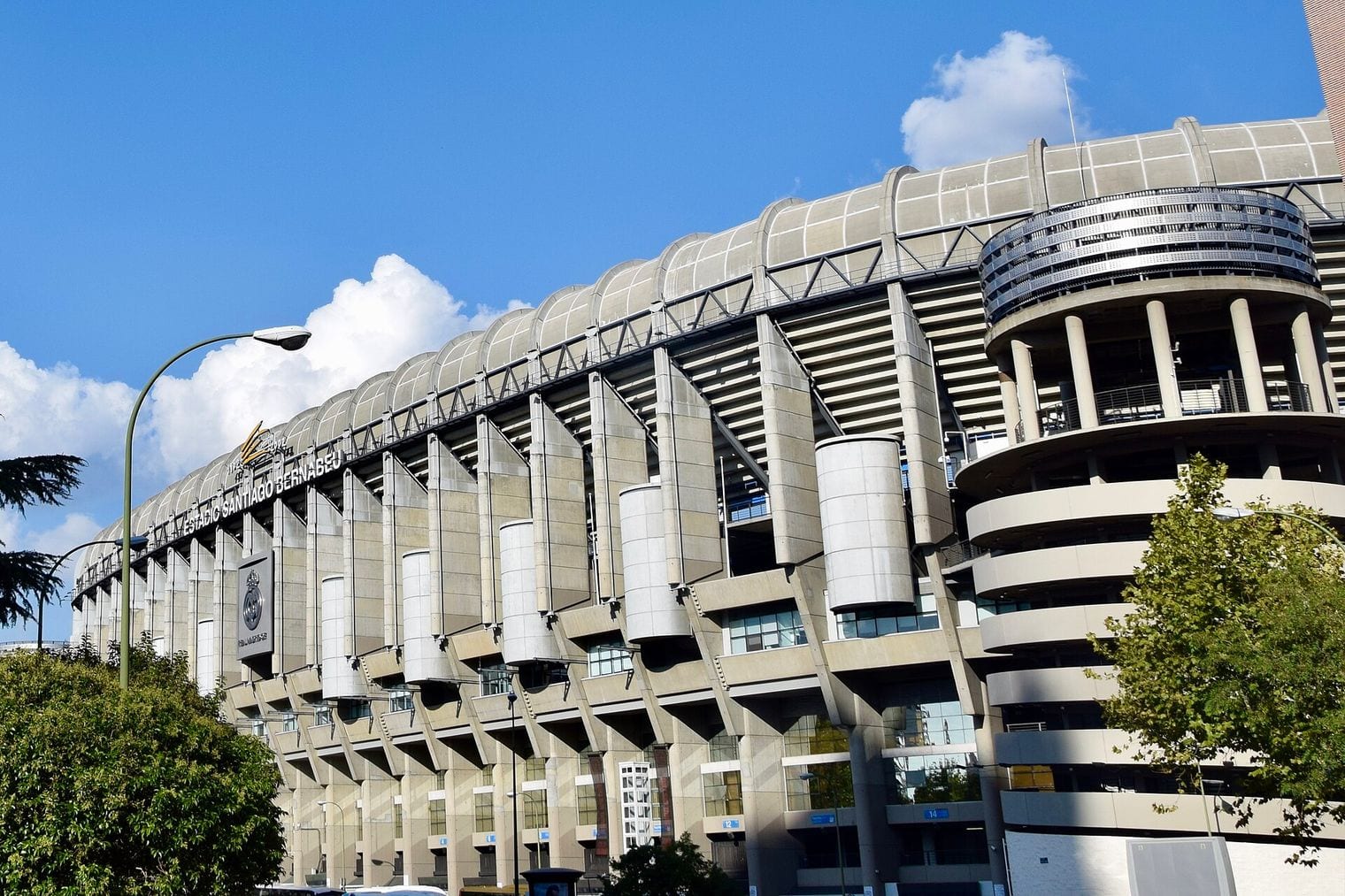
At 83,186 seats, the Santiago Bernabéu Stadium in Madrid, now known simply as the Bernabéu, has the second-largest seating capacity of any football stadium in Spain. Real Madrid publishes no figure of its own: 83,186 is the technical capacity La Liga lists after the renovation completed in late 2024, while FIFA's 2030 bid book gives 78,297 for the World Cup configuration, which on some counts would place it below Jakarta International Stadium.
The home of Real Madrid since 1947 is named after Santiago Bernabéu, the club's player and later its president, and the renovation gave it a retractable roof. It hosted the 1982 World Cup final, Italy's 3–1 win over West Germany, the 1964 European Nations' Cup final and four European Cup or Champions League finals, and in 2018 the second leg of the Copa Libertadores final, making it the only stadium to stage the finals of both club competitions.
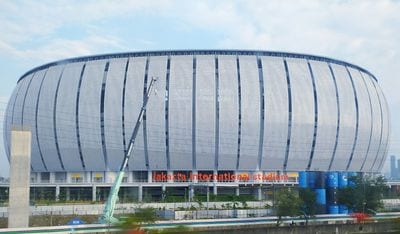
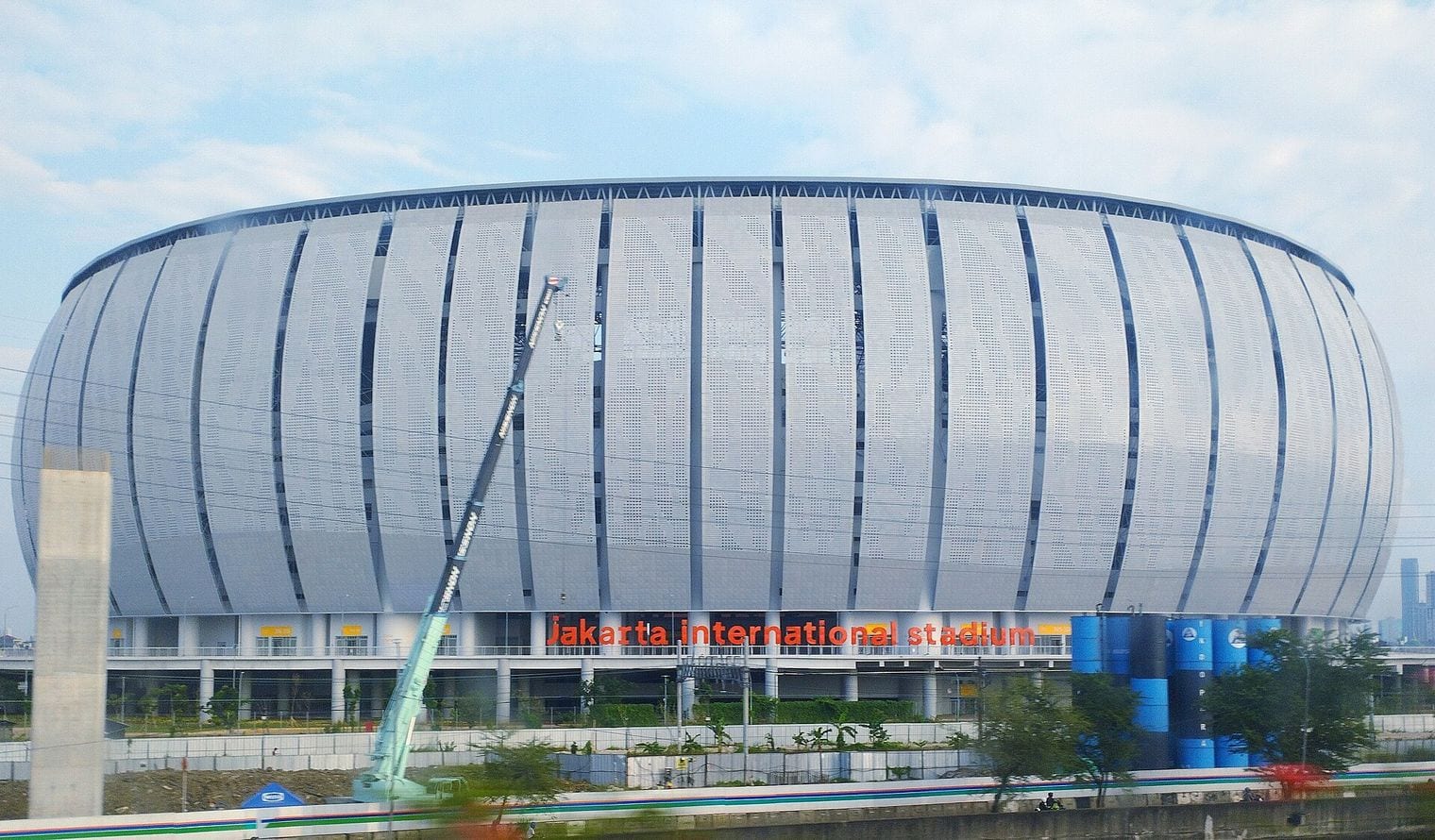
At 82,000 seats, Jakarta International Stadium is the largest stadium in Indonesia, the largest football-specific stadium in Asia and the largest retractable-roof stadium in the world by capacity. Its total falls within the range of published figures for the Bernabéu, so the two could swap places depending on the source.
Built in Tanjung Priok in North Jakarta between 2019 and 2022, Jakarta International Stadium opened on 24 July 2022. It became the home of Persija Jakarta, which moved here from Gelora Bung Karno, and an occasional home of the Indonesia national team, with three tiers of stands under its opening roof.
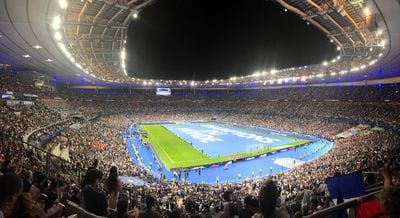
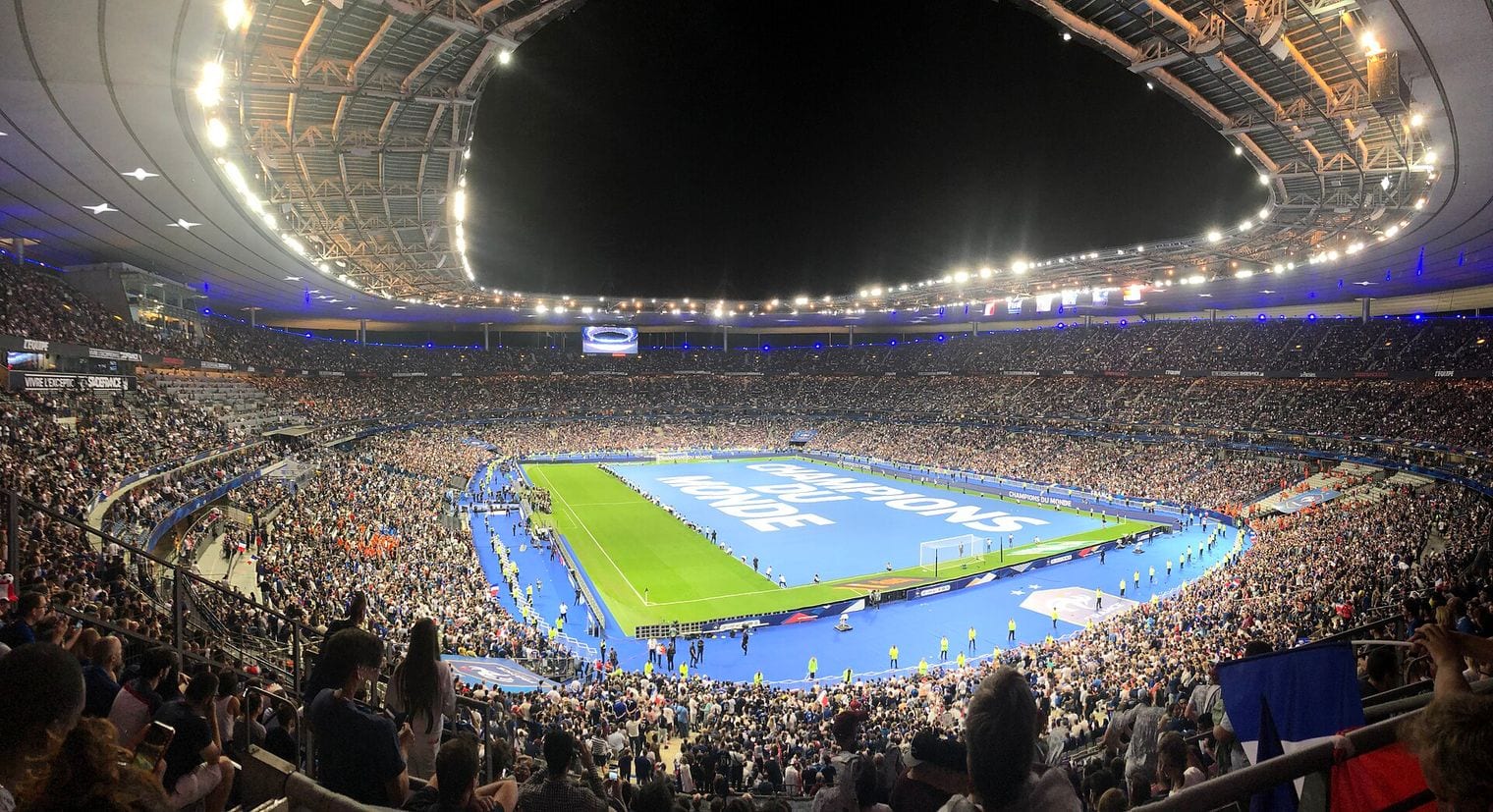
At 81,338 seats, the Stade de France in Saint-Denis, just north of Paris, is the largest stadium in France and the national stadium of the French football and rugby union teams. For athletics, when its running track is uncovered, it seats 77,083, still the most of any athletics venue in Europe.
Built for the 1998 World Cup, the stadium staged the final on 12 July 1998, when France beat Brazil 3–0, and its name was suggested by Michel Platini, who headed the organising committee. In 2024 it hosted the athletics and the closing ceremonies of the Paris Olympics and Paralympics.
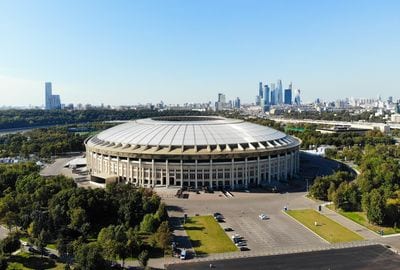
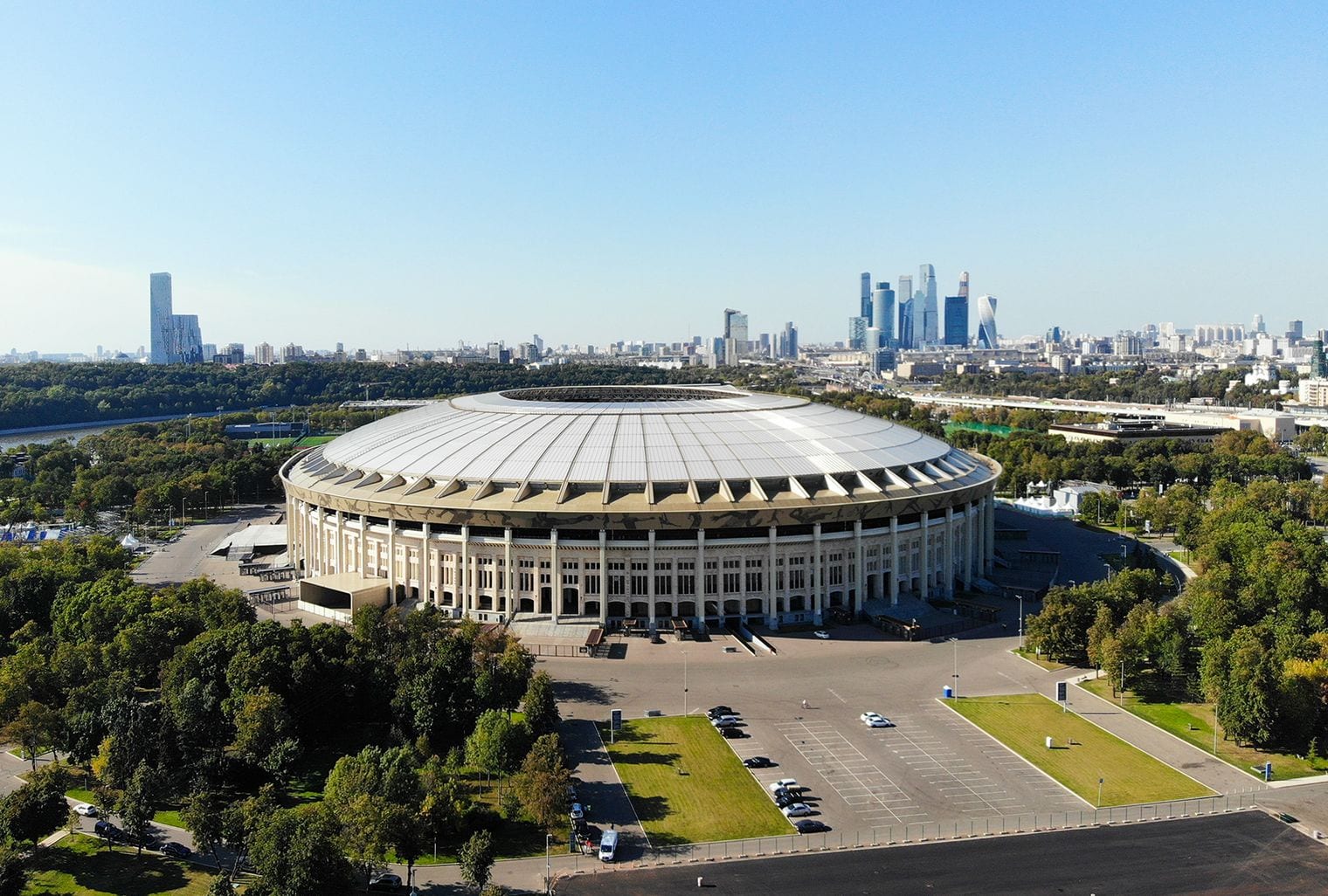
At 81,000 seats, Luzhniki Stadium in Moscow is the largest football stadium in Russia and the country's national stadium. Known in Soviet times as the Central Lenin Stadium, it stands in a bend of the Moskva River, on the flood meadows that give Luzhniki its name.
Luzhniki Stadium was the main stadium of the 1980 Olympic Games, staged the 1999 UEFA Cup final and the 2008 Champions League final, and after a reconstruction it was the main venue of the 2018 World Cup, hosting seven matches including the opening game and the final.
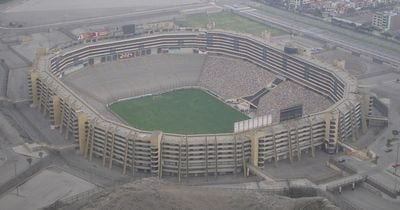
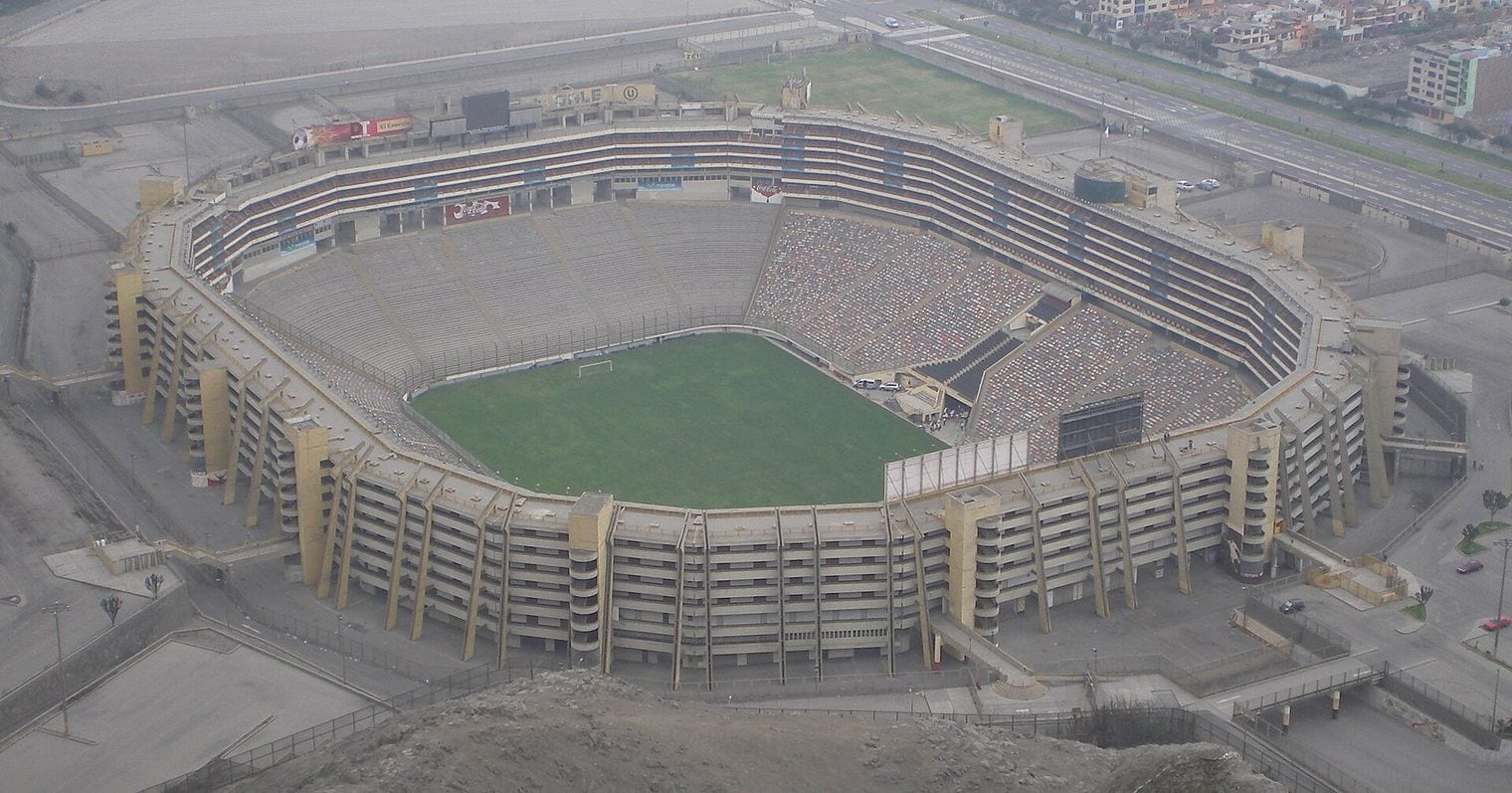
At 80,093 seats, Estadio Monumental "U" in Lima is the largest stadium in Peru and the home of Club Universitario de Deportes, which owns it outright. More than a quarter of those seats, nearly 21,000 of them, are in private boxes.
Opened in 2000 in the district of Ate to replace the club's Estadio Teodoro Lolo Fernández, the Monumental was built to FIFA's technical specifications for World Cup finals and was then the second-largest stadium in South America. Peru's national team has played World Cup qualifiers here, and the Peruvian Clásico against Alianza Lima returned to the ground in 2008 after years away over security concerns.
1515. Stade des Martyrs
Lingwala, Kinshasa, Democratic Republic of the Congo
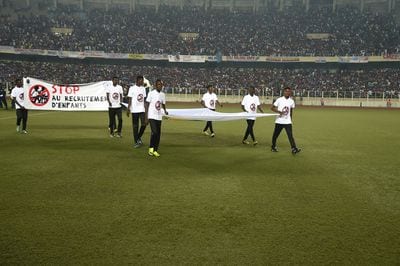
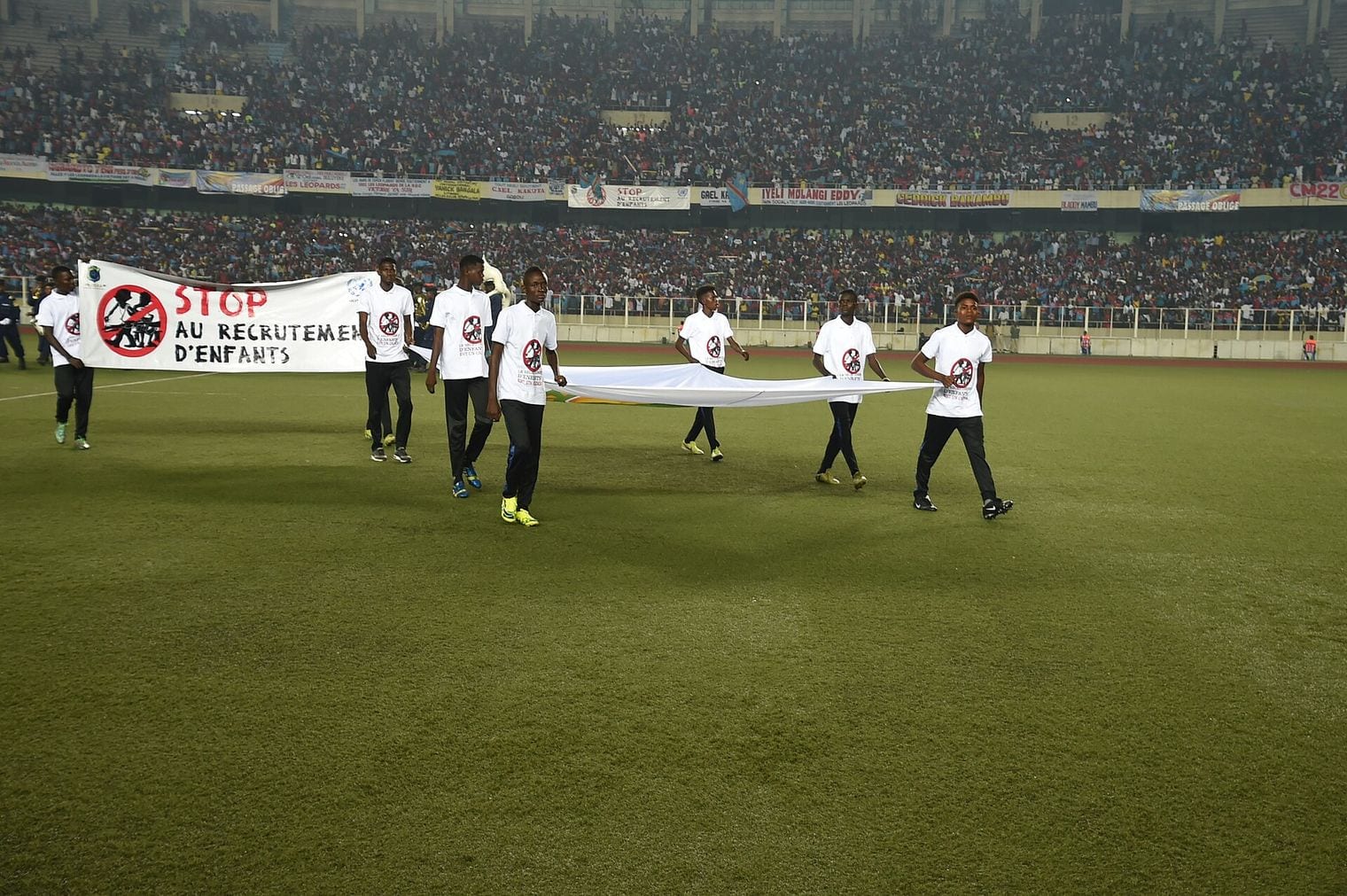
At 80,000 seats, the Stade des Martyrs in Kinshasa is the largest stadium in the Democratic Republic of the Congo and the country's national stadium, home to the national team, the Leopards, and to the clubs AS Vita Club and DC Motema Pembe. A refurbishment began in early 2026, and while the work goes on, international matches have been played before crowds capped far below that capacity.
Construction of the Stade des Martyrs began on 14 October 1988, Mobutu's birthday, and ended five years later to the day. The stadium opened in 1994 as Stade Kamanyola and was renamed in 1997 for the ministers publicly hanged in Kinshasa, then Léopoldville, on Pentecost, 2 June 1966, hence its full name, the Pentecost Martyrs Stadium. It hosted the Jeux de la Francophonie in 2023.
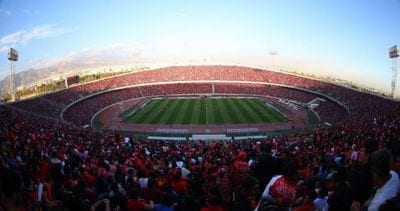
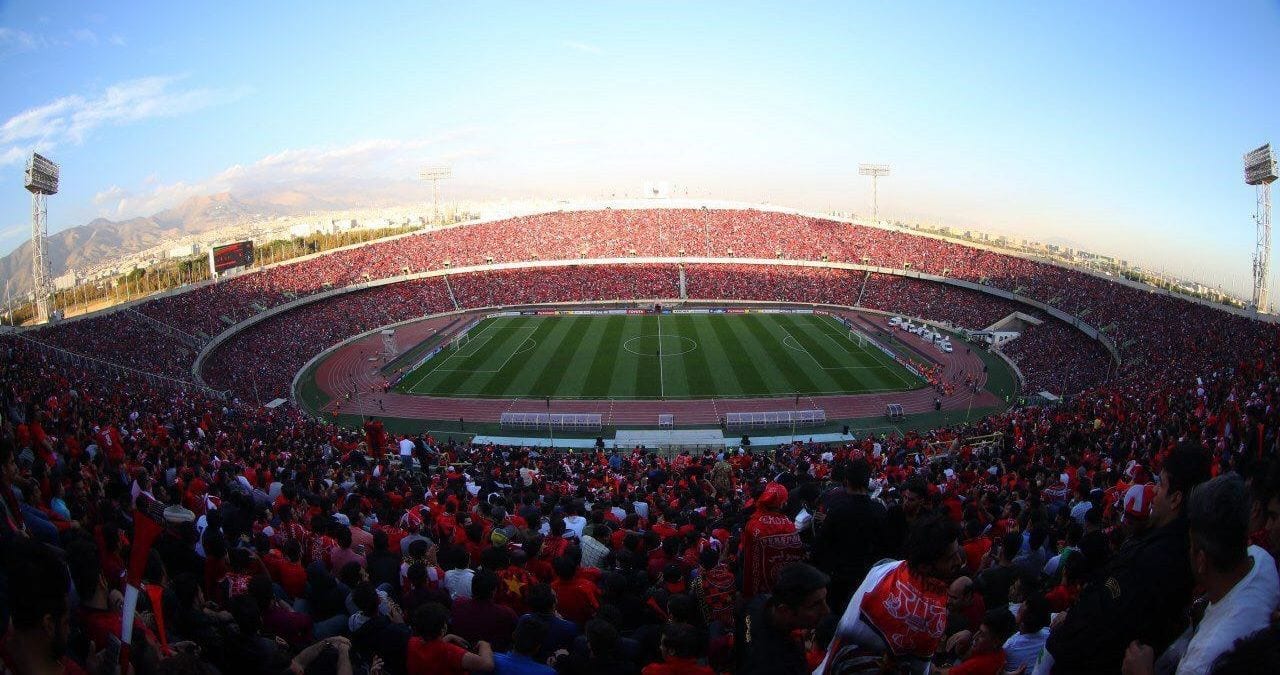
At 78,116 seats, the Azadi Stadium in Tehran is the largest football stadium in Western Asia and the home of the Iran national team and the city's great rivals, Esteghlal and Persepolis. That total, the one in Iran's bid book for the 2027 AFC Asian Cup, followed its conversion to an all-seater; StadiumDB counts 74,379, which would place it below the Atatürk Olympic Stadium and Gelora Bung Karno.
Opened in October 1971 as the Aryamehr Stadium, after a title of the Shah, the Azadi Stadium was built for the 1974 Asian Games, hosted the 1976 AFC Asian Cup and took its present name, meaning freedom, after the 1979 revolution. Its capacity has been cut in stages from the 100,000 it held when it opened.
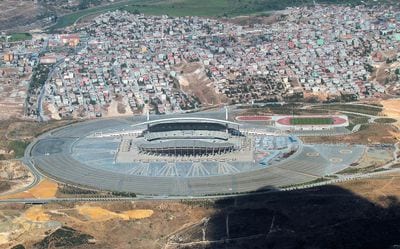
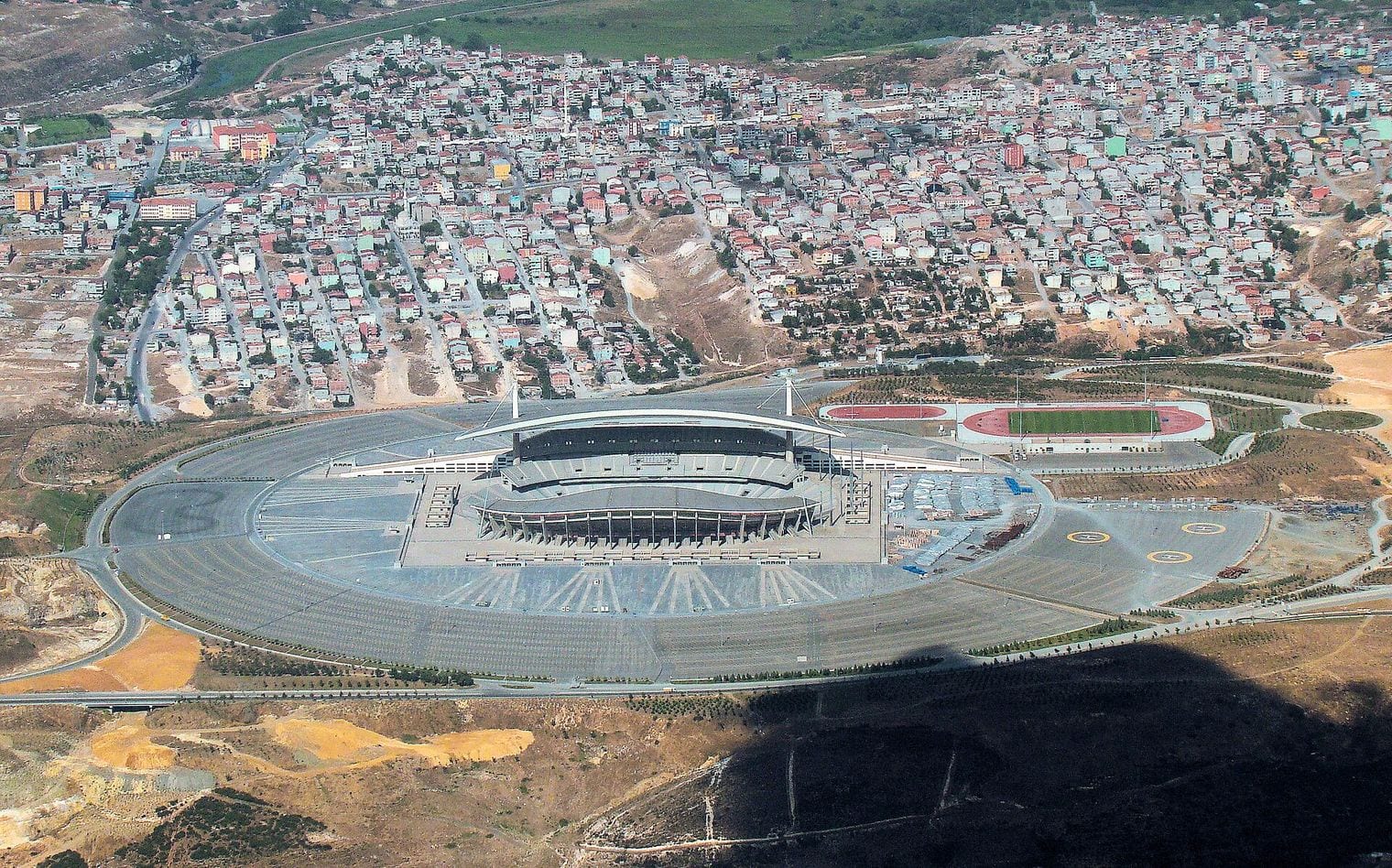
At 77,563 seats, the Atatürk Olympic Stadium in Istanbul's Başakşehir district is the largest stadium in Turkey. Its listed capacity has shifted from season to season, and StadiumDB still gives 75,145, so it could trade places with Azadi and Gelora Bung Karno depending on the source.
Built between 1999 and 2002 for Turkey's bid for the 2008 Olympic Games, which went to Beijing, the Atatürk Olympic Stadium is named after Mustafa Kemal Atatürk, the founder of the Turkish republic. It has staged two Champions League finals: Liverpool's comeback against Milan in 2005 and Manchester City's win over Inter in 2023.
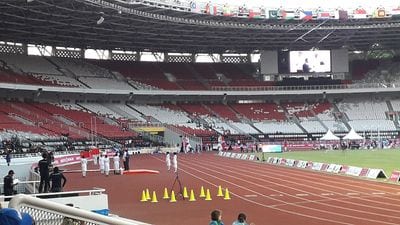
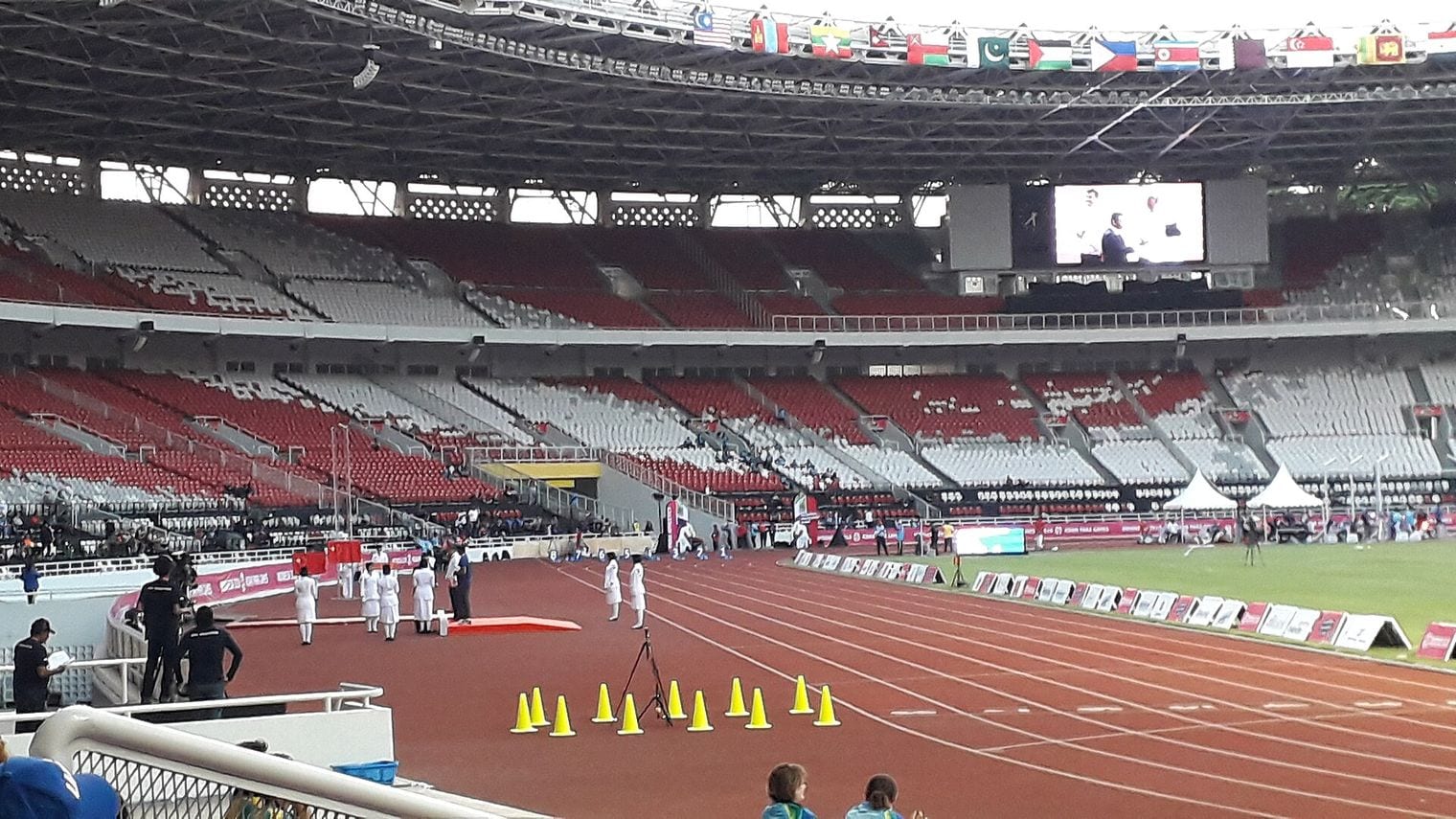
At 77,193 seats, Gelora Bung Karno Stadium at the centre of the Senayan sports complex in Central Jakarta is Indonesia's national stadium, and every one of those places is an individual seat. StadiumDB's 76,127 is lower, close enough to Azadi and the Atatürk Olympic Stadium that the three could be ordered differently.
Gelora Bung Karno Stadium opened with 110,000 seats ahead of the 1962 Asian Games and is named after Sukarno, the country's first president, who championed the sports complex. Renovations for the 2007 AFC Asian Cup and the 2018 Asian Games brought it down to its present size, and it remains the main home of the Indonesia national team.
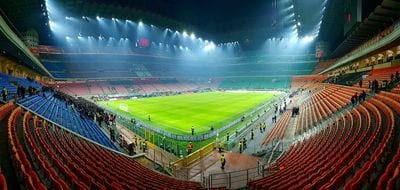
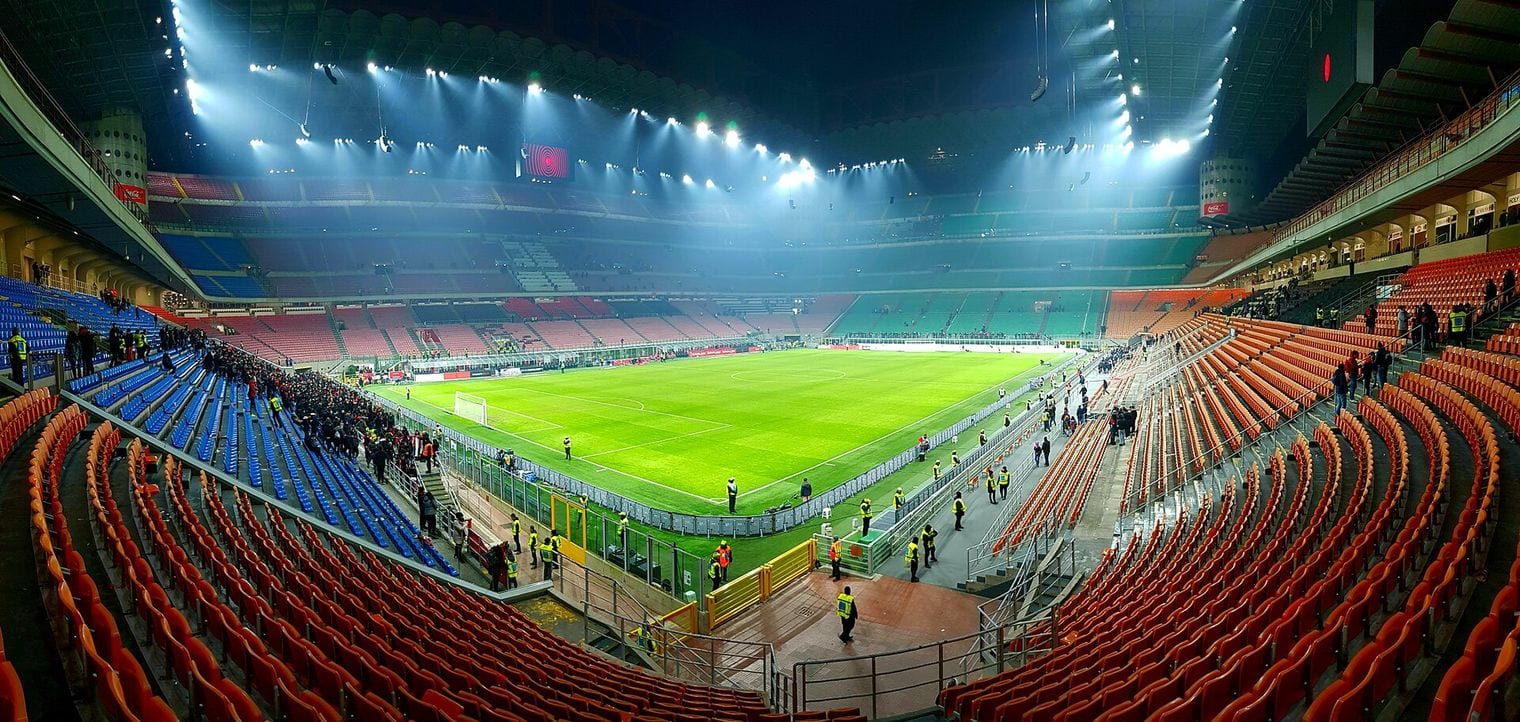
At 75,817 seats, the San Siro in Milan, officially the Stadio Giuseppe Meazza, is the largest stadium in Italy and the shared home of AC Milan and Inter. Its structure can hold 80,018, but 75,817 is the capacity in use for matches, and that is the figure this list counts.
Nicknamed the Scala of football, the San Siro opened on 19 September 1926 with Inter beating Milan 6–3, and since 1980 it has carried the name of Giuseppe Meazza, the two-time World Cup winner who starred for Inter. It staged the opening ceremony of the 2026 Winter Olympics, and in 2019 the two clubs announced plans for a new stadium to replace it.
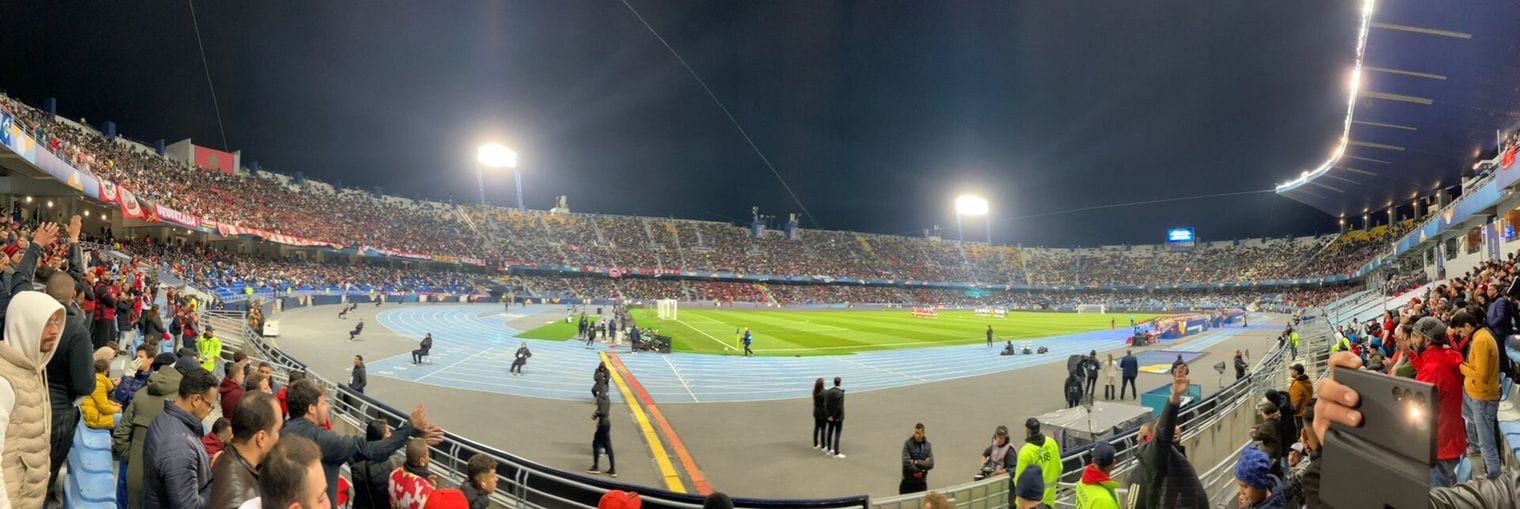
At 75,600 seats, Tangier Grand Stadium is the largest stadium in Morocco, though its published capacity runs from 75,000 to 75,600; at the low end it would be level with Cairo International Stadium, the first stadium outside this top 20.
Long known as the Ibn Battouta Stadium, after the Tangier-born traveller, Tangier Grand Stadium is the home of IR Tangier. A redevelopment to the standards of a football-specific stadium brought it to its present size; it reopened in November 2025 with Morocco playing Mozambique, hosted matches at the 2025 Africa Cup of Nations and is one of Morocco's six venues for the 2030 World Cup.
FAQ: The World's Largest Football Stadiums
What is the largest football stadium in the world?
The Rungrado 1st of May Stadium in Pyongyang, North Korea, at about 114,000 seats, although Wikipedia gives 113,281. It is a multi-purpose national stadium with a running track, home to North Korea's national teams. Second and third are FNB Stadium in Johannesburg, at 94,736 seats, and Egypt's New Administrative Capital Stadium, at 93,940.
How is stadium capacity measured on this list?
Each figure is the official seated capacity in the stadium's usual configuration for domestic football, as published by the club, operator, league or federation. Standing places, record crowds and the reduced layouts used at FIFA or UEFA tournaments are left out, which is why the San Siro counts its 75,817 match seats rather than its 80,018 maximum.
Why aren't Michigan Stadium and other American college stadiums on the list?
They are built for American football. Michigan Stadium in Ann Arbor, the Rose Bowl in Pasadena and the Cotton Bowl in Dallas all seat more than most grounds here, but this list counts only stadiums whose main tenant plays association football, which also rules out cricket's Narendra Modi Stadium, the Melbourne Cricket Ground and Dublin's Croke Park.
Why are Camp Nou and Signal Iduna Park missing?
Camp Nou in Barcelona is in the middle of a rebuild: it has been licensed for 62,652 since March 2026, and the finished stadium, expected in 2027 at around 104,000 seats, would rank second. Signal Iduna Park in Dortmund reaches 81,365 only with its standing terrace; all-seated, it holds 66,099.
Could the order of the list change?
Yes, in a few places, because sources disagree by a few thousand seats. Estadio Azteca, Bukit Jalil and Borg El Arab could swap, as could the Bernabéu and Jakarta International Stadium, and Azadi, the Atatürk Olympic Stadium and Gelora Bung Karno. Grand Stade Hassan II, a stadium of about 115,000 seats being built near Casablanca, would go straight to first place once it opens.
Sources & updates
How this ranking was checked
Checked before launch
Sources cited
20
Publishers
2
Every figure in this ranking was checked against the record-keeper or official source behind it before publication, and the top of the ranking re-checked live so a newer record would not be missed.
One email every Thursday with our newest guides for the places you tick.
Newsletter
Stay updated with new World Record Breakers
One email every Thursday with our newest guides for the places you tick.
We use cookies to analyse site traffic and improve your experience.
You can accept or reject analytics cookies. See our
May we use analytics cookies? See ourCookie Policy.