We may earn a commission if you book tickets, tours or a stay through a link on
this page, at no extra cost to you. It never affects which places we list or how
we rank them (how we make money).
The record
12.55 km²4.8 sq mi
Sri Venkateswara Zoological Park
India
The record
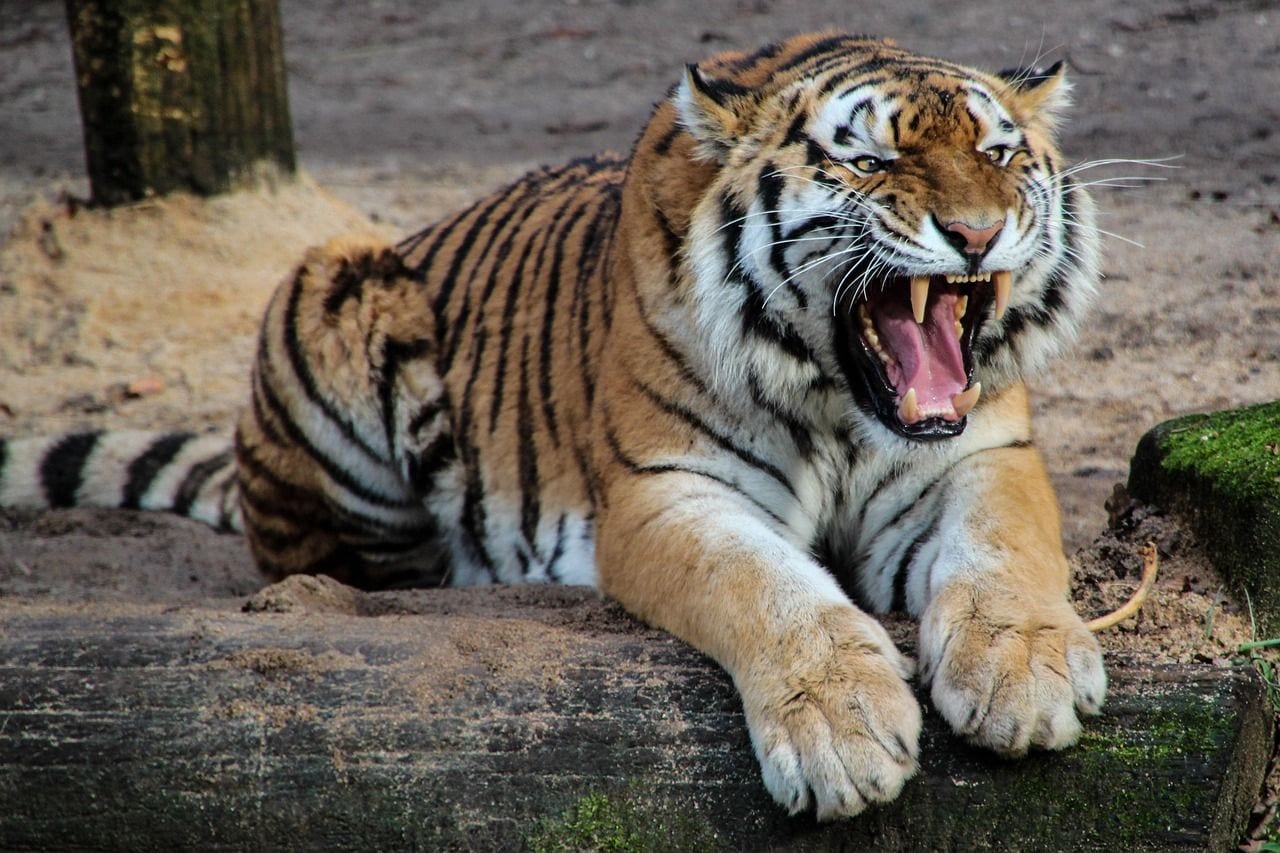
The largest zoo in the world is Sri Venkateswara Zoological Park, in India — 12.55 km² (4.8 sq mi), total zoo site area.
Source: Sri Venkateswara Zoological Park (official) / Central Zoo Authority of India. Verified .
Search for the world's largest zoo and you will be handed The Wilds in Ohio, or San Diego Zoo Safari Park. Neither is below. This countdown ranks one measurement — the total site area of a single gated zoological park — from 2.42 km² up to 12.55, across eight countries.
Two rules decide who qualifies. The basis is one site, so San Diego's zoo and its safari park are never summed and Columbus is measured on its 164-hectare zoo rather than the golf course beside it; and the list counts zoos, not game reserves, so a park whose land is free-roaming herds viewed from a bus, like The Wilds and its 37 km², is out however large.
Membership means open to the public today, which costs the list its biggest name of all: Gujarat's 14 km² Vantara, which has never admitted general visitors.
The biggest zoo on Earth is roughly six times the size of Monaco — Sri Venkateswara Zoological Park covers 12.55 km², the principality just 2.08 km².
Most of this list is not actually zoo.North Carolina Zoo develops about 500 of its 2,600 acres and The Living Desert around 80 of its 1,200 — the rest is kept as habitat.
Al Ain Zoo is older than the country it stands in — Sheikh Zayed founded it in 1968, three years before the United Arab Emirates was formed.
Whipsnade’s chalk lion was cut partly as an aviation warning. The hill figure below Whipsnade Zoo, finished in 1933 and nearly 150 metres long, told pilots not to fly low enough to spook the animals — and was covered over during the Second World War so enemy aircraft could not navigate by it.
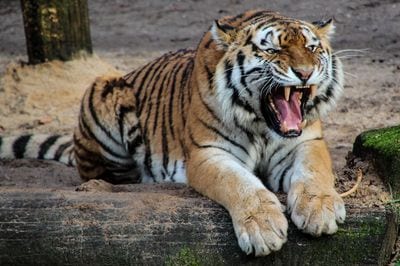
Nandankanan’s white tigers arrived out of nowhere. Three white cubs were born there in 1980 to Deepak and Ganga, two normally-coloured tigers unrelated to any other white lineage in captivity.
Khao Kheow was stocked by emptying a city-centre zoo. It opened in 1978 on 200 acres with animals moved out of Bangkok’s cramped Dusit Zoo, then grew tenfold over the next fourteen years.
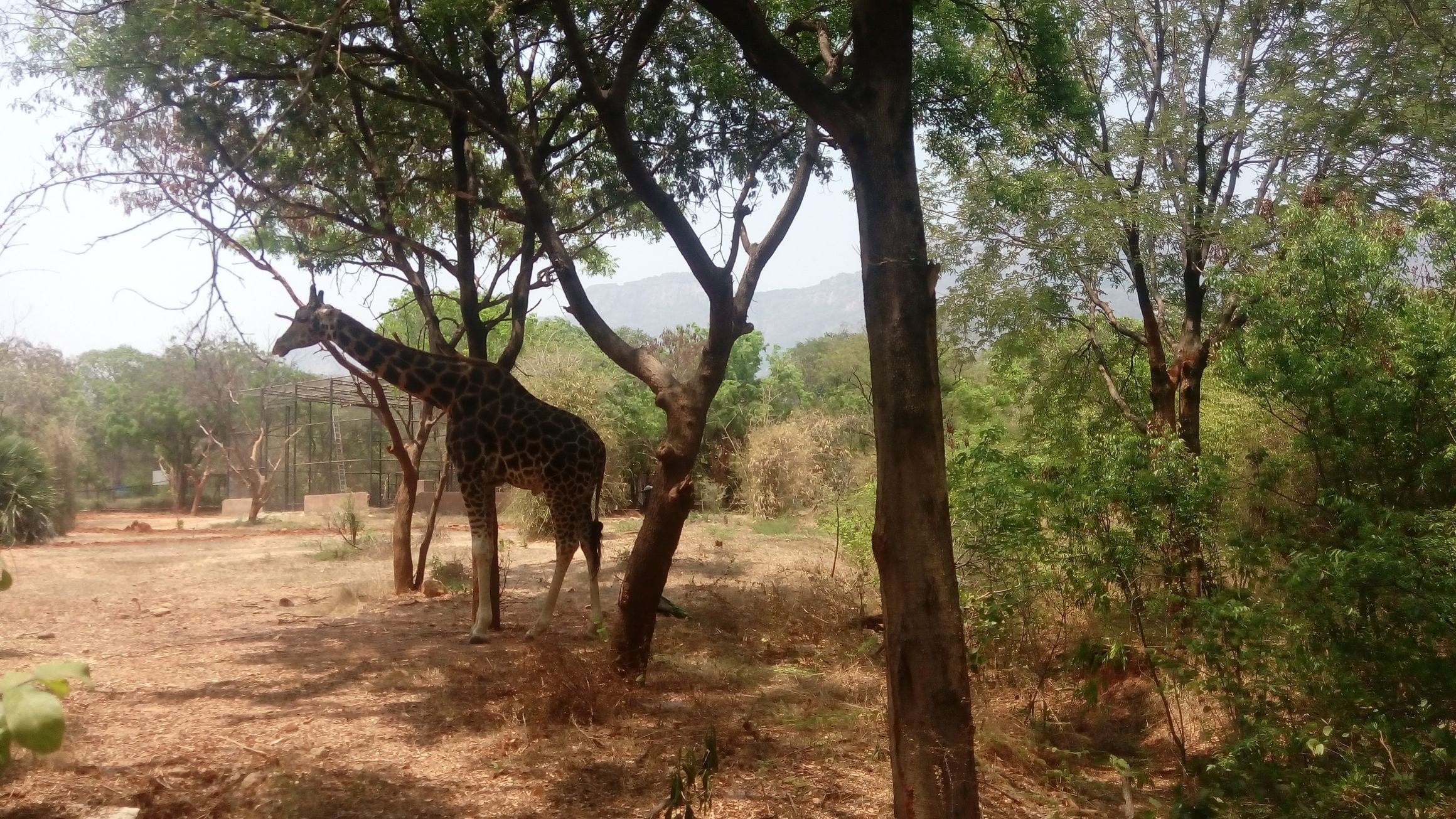
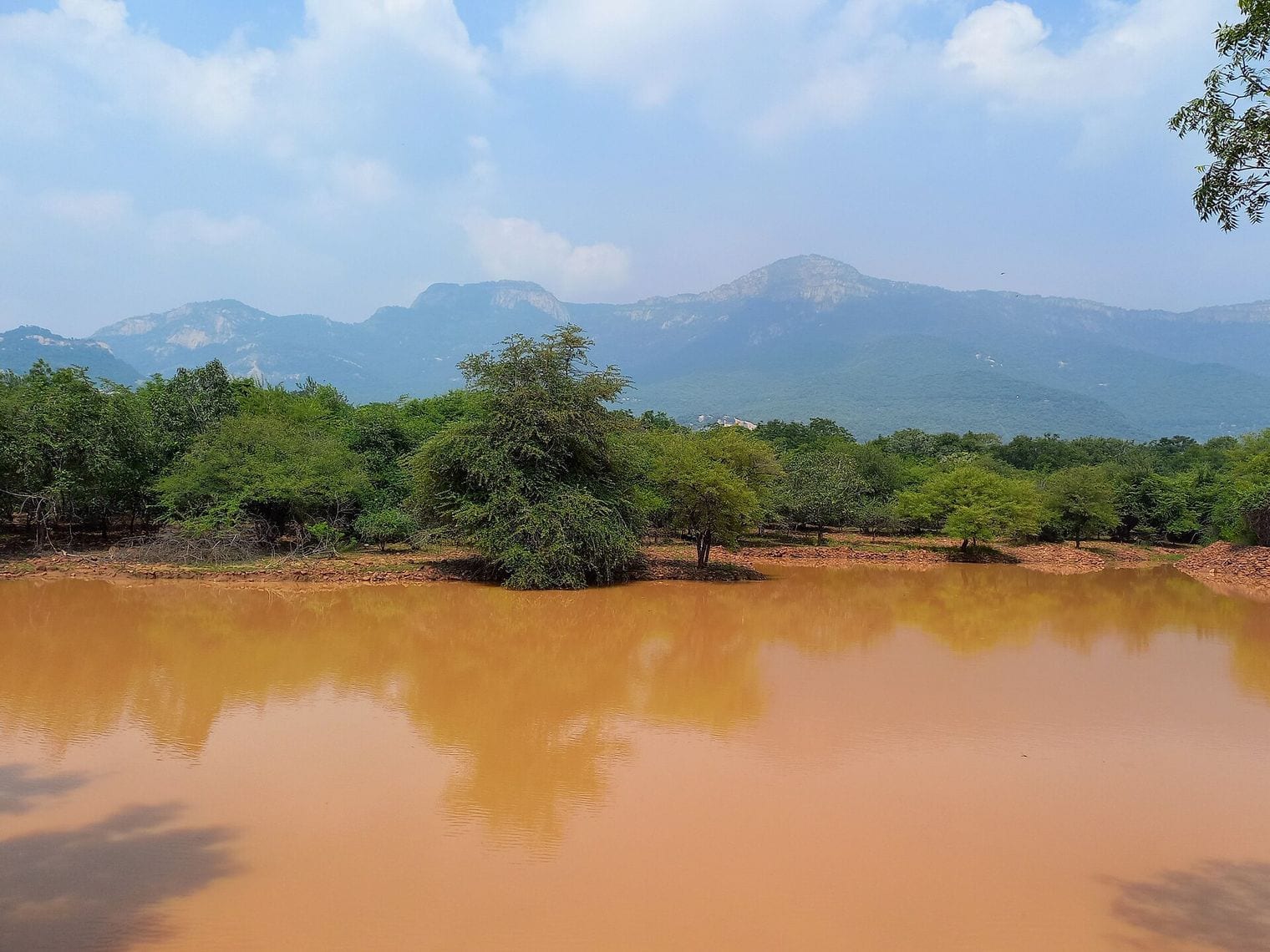
At 12.55 km², Sri Venkateswara Zoological Park is the largest gated zoo on Earth, and it is not close. The park spreads across 1,254.71 hectares in the foothills of the Seshachalam Hills outside Tirupati, of which the zoo reports 289 hectares developed so far — meaning its visitor-facing core alone would rank well up this list on its own.
It takes its name from the deity of the Seven Hills, whose temple a few kilometres away is among the most visited pilgrimage sites anywhere, and plenty of those visitors fold the zoo into the same trip.
Scale changes how the place reads. Enclosures are sized to imitate the dry deciduous forest the animals actually come from, so sightings are earned rather than guaranteed, and the park hires out bicycles because walking the whole thing is not realistic.
Bengal tigers, Indian leopards and sloth bears headline a collection running to dozens of mammal, bird and reptile species. Published figures for the site vary — India's Central Zoo Authority lists 1,400 hectares, Wikipedia 5,532 acres — so this ranking uses the zoo's own current number.
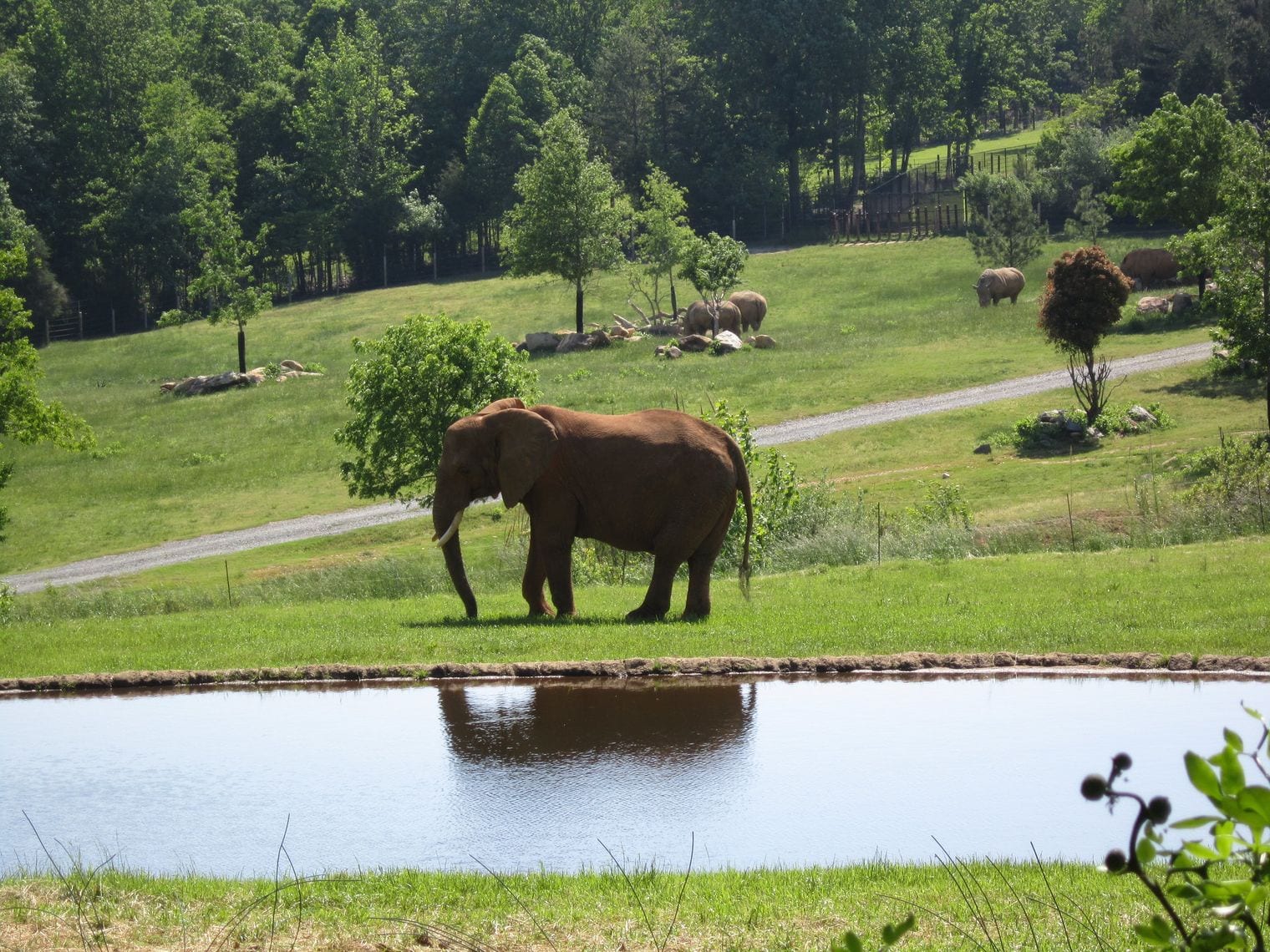
At 10.52 km², the North Carolina Zoo covers more ground than any other zoo in the Western Hemisphere, and it has built its identity on the fact: with roughly 500 of its 2,600 acres developed, it bills itself as the world's largest natural habitat zoo.
The distinction is real. Rather than a compact loop of enclosures, Asheboro's zoo strings its habitats along about five miles of walking paths through Piedmont woodland, and the walk between them is part of the design rather than an inconvenience.
The layout splits into North America and Africa, the latter holding some of the more generous elephant and rhino range in the United States. Because the distances are genuine, the zoo runs trams and air-conditioned buses for anyone not minded to do five miles on foot. It is state-owned, which is unusual among big American zoos, and it opens 363 days a year — no small thing for a park this exposed to weather.
Khao Kheow Open Zoo covers 8.09 km² of rehabilitated forest at the foot of its namesake mountain, an hour inland from Pattaya. It did not begin that way. The zoo opened in 1978 on 200 acres stocked with animals moved out of Bangkok's old Dusit Zoo, then grew twice — a thousand acres added in 1984, another eight hundred in 1992 — until it reached the 2,000 acres it holds today, run by Thailand's Zoological Park Organization.
"Open" is the operative word. Rather than fencing visitors out of the landscape, Khao Kheow lets you cross it however suits: on foot, in a rented golf cart, or in your own car.
More than 8,000 animals from over 300 species live here, and the hill terrain does much of the work of making the enclosures feel unenclosed. The zoo's own literature calls it the largest zoo area in the world — a claim the two entries above it on this list disprove.
At 6.02 km², Arignar Anna Zoological Park is the largest zoo in South Asia, and one of the oldest institutions here in spirit if not in situ: it descends from a menagerie founded in Madras in 1855, reckoned the first zoo in India. The animals eventually moved out to Vandalur, some 32 km southwest of central Chennai, and the modern park opened there in 1985 across 1,490 acres of dry evergreen scrub.
The extra ground buys something most Indian zoos cannot afford — room for large moated enclosures instead of cages, and a walk-through aviary of about 1.5 acres that ranks among the biggest in any zoo in the country. It functions as a working conservation park as much as a public one, running breeding programmes for lion-tailed macaques and other threatened natives. The park welcomes visitors every day except Tuesday, which it keeps for maintenance.
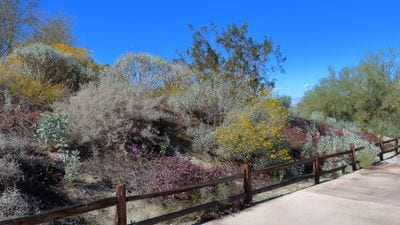
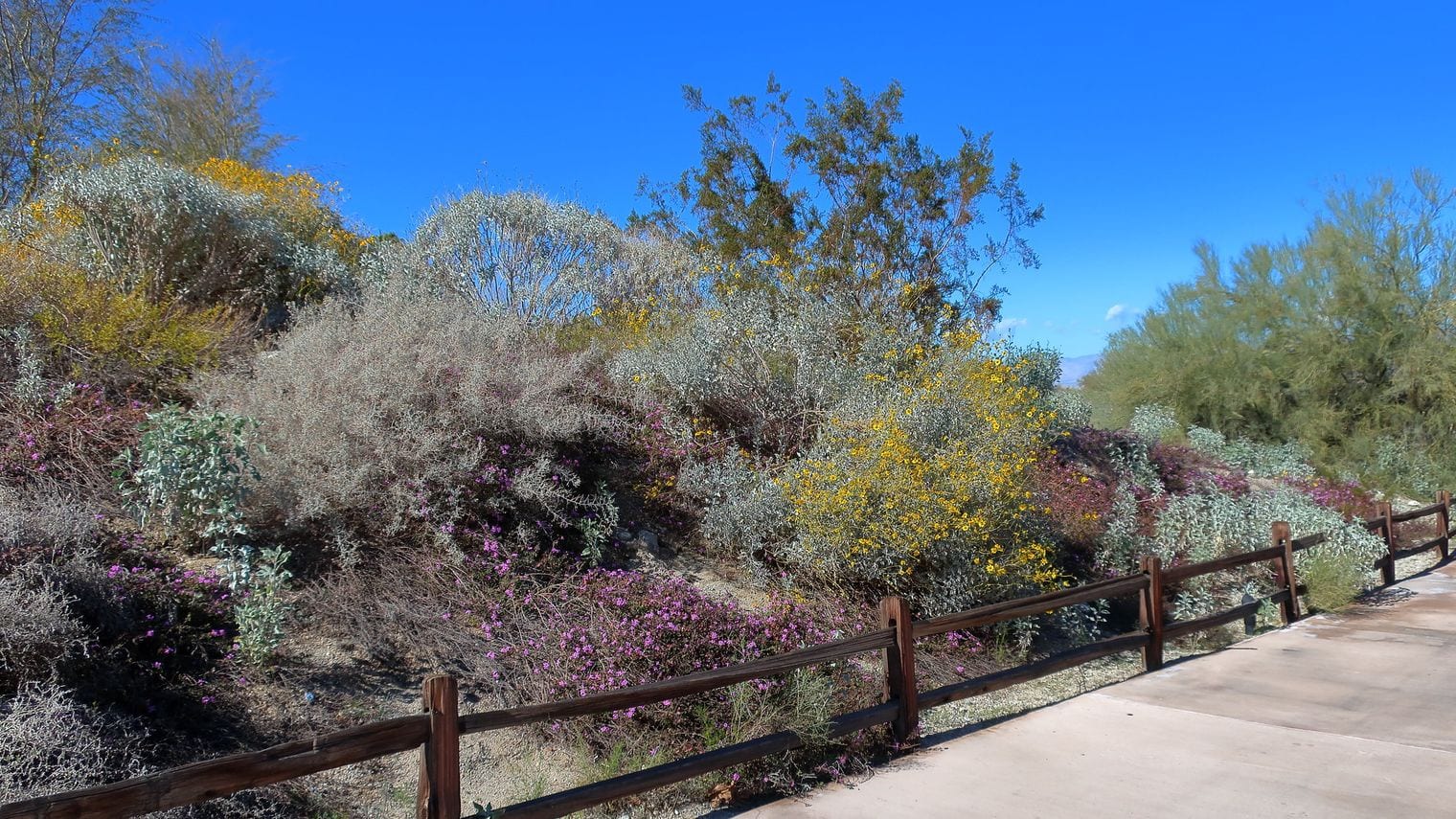
The Living Desert holds 4.86 km² of the Coachella Valley, and it is the most lopsided entry on this list: only about 80 of its 1,200 acres are developed as zoo and gardens, the remainder kept as protected desert threaded with hiking trails. That is rather the point. A zoo built to interpret desert life has, unusually, managed to keep the actual desert around it instead of landscaping it away.
Inside the developed core the collection is organised by desert rather than by continent — North America, Africa and Australia each get their own arid world, with more than 150 species between them.
It edges out Khon Kaen Zoo for fifth by 0.08 km², a margin narrow enough that a revised figure from either would swap them. An accredited member of the Association of Zoos and Aquariums since 1983, it doubles as a botanical garden, and in spring the wildflower planting draws as many people as the animals.
Khon Kaen Zoo occupies 2,986 rai — 4.78 km² — on the Khao Suan Kwang massif in Thailand's northeast, and it is much the youngest entry on this list. It was constituted in April 2009 as the Upper Isan Wildlife Park under a four-way agreement between the Royal Forest Department, the national parks department, Khon Kaen province and the Zoological Park Organization, on degraded national reserved forest the partners set about rehabilitating.
Its footprint straddles a provincial line, reaching from Khon Kaen into Udon Thani, and sits roughly 50 km from Khon Kaen city and 78 km from Udon Thani — placed deliberately to serve both.
The hillside setting gives it long views that flat-land zoos cannot match, and the zoo has leaned into being a full day out rather than only a collection: a 15-rai water park opened inside the grounds in 2014. Its 4.78 km² trails The Living Desert by just 0.08 km².
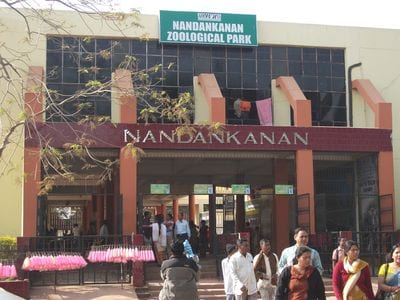
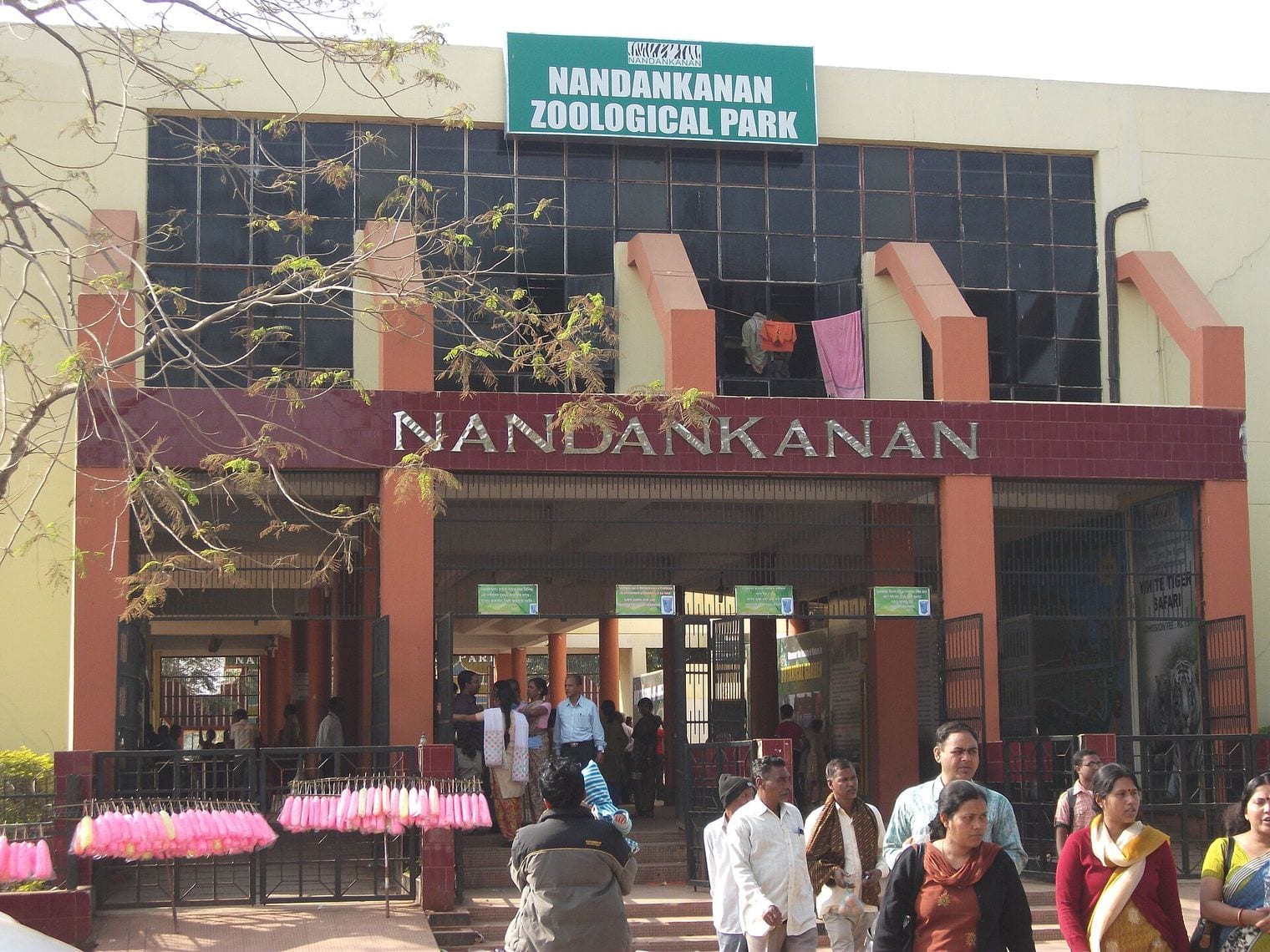
Nandankanan's 4.37 km² wrap around Kanjia Lake, a 134-acre waterbody the zoo counts inside its own boundary — one reason its 1,080 acres feel less like a park than a piece of Odisha's forest with a fence around it. The name means "garden of heaven", and the site works as zoo and botanical garden at once, set between Bhubaneswar and Cuttack on the edge of the Chandaka forest.
It is best known for white tigers. Nandankanan bred them in 1980 from a normally-coloured pair, and has supplied that recessive lineage to zoos well beyond India ever since; a white tiger safari remains its signature draw. The lake is not decorative either — boating runs on it, and the botanical garden sits across the water. Among Indian zoos only Tirupati and Vandalur enclose more ground.
Al Ain Zoo takes up 4.00 km² at the foot of Jebel Hafeet, the mountain on the UAE's border with Oman, and roughly 50 of those 400 hectares are given over to animal houses and exhibits — the balance is desert and shade planting. It was founded in 1968 by Sheikh Zayed bin Sultan Al Nahyan, which makes the zoo older than the country it stands in.
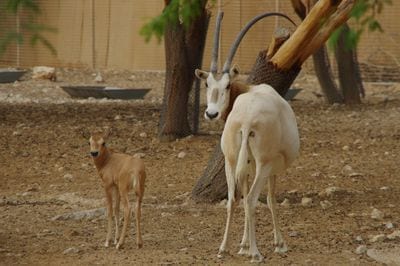
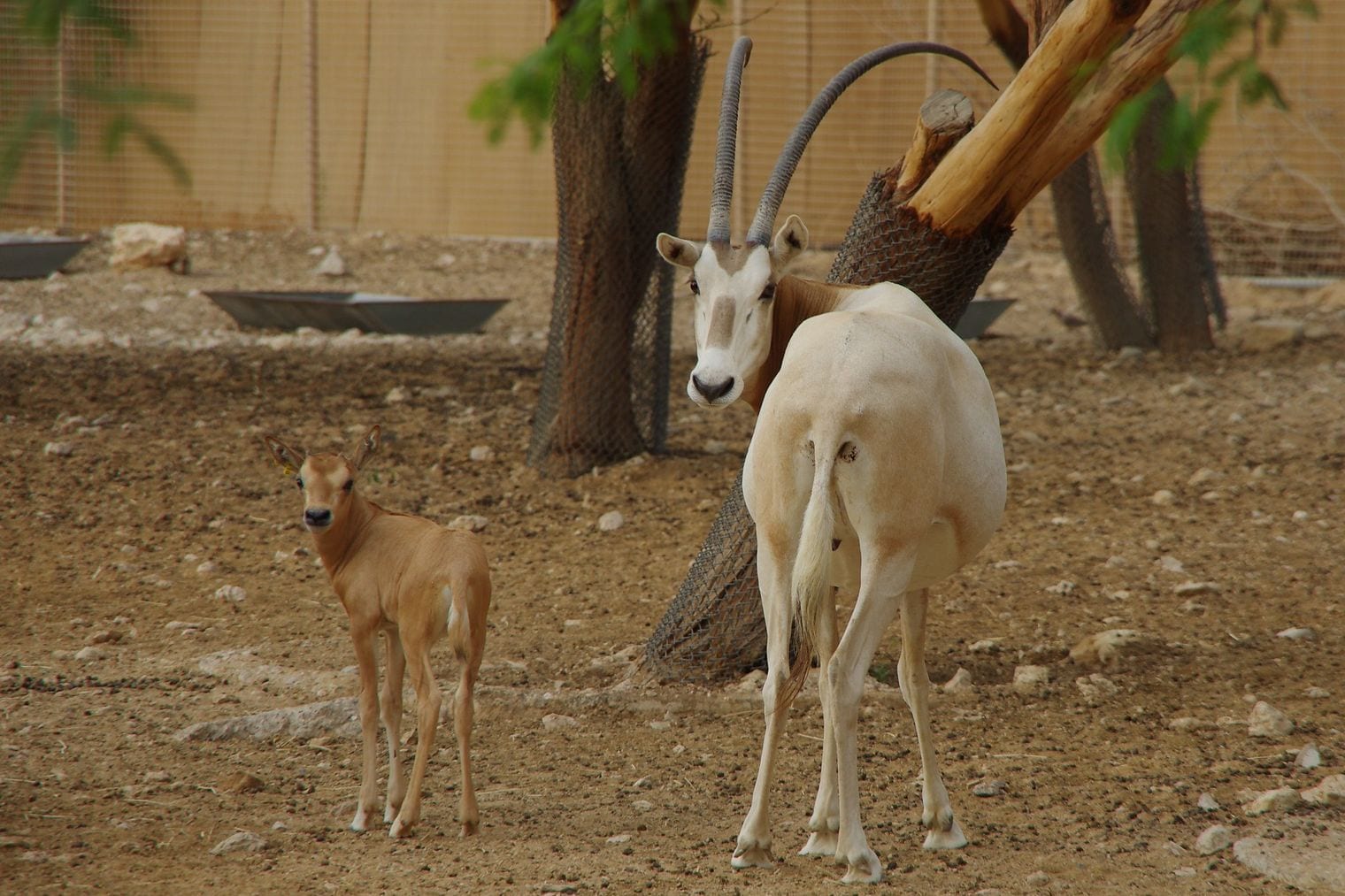
Its conservation record is why it matters beyond size. The zoo has been central to the recovery of the Arabian oryx, an antelope that disappeared from the wild and was rebuilt from captive stock, and it breeds Arabian sand cats and other desert specialists that struggle almost everywhere else.
Big cats, primates, an aviary and a reptile house round out the wider collection, while the on-site Sheikh Zayed Desert Learning Centre handles interpretation. It is the only Middle Eastern entry on this list.
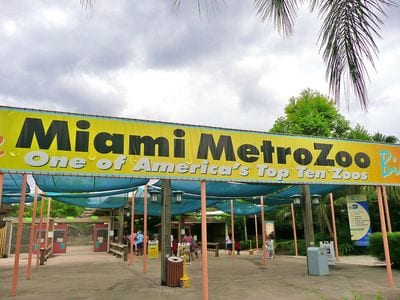
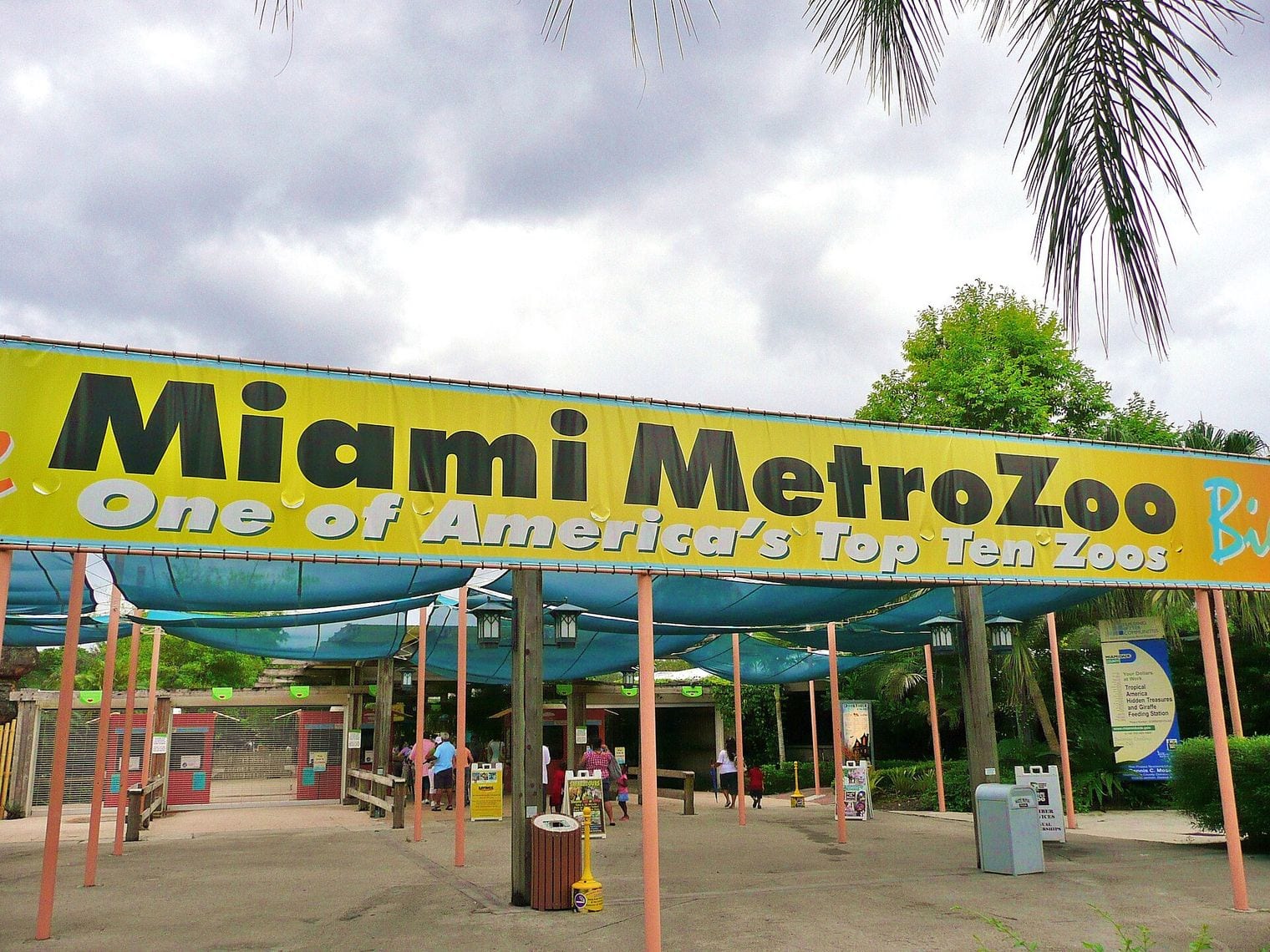
Zoo Miami spans 3.04 km² on land that was once the Richmond Naval Air Station, with 324 of its 750 acres developed — comfortably the largest zoo in Florida. Its real distinction is climatic: sitting in a subtropical zone, it is the only zoo in the continental United States able to keep Asian and African species outdoors the year round without heated houses.
That let the zoo commit early to a cageless design, separating animals from visitors with moats and dry ditches rather than bars. The walk-through Wings of Asia aviary holds around 85 bird species inside one free-flight enclosure, and the flat terrain makes this among the more bicycle-friendly parks here. Hurricane Andrew flattened much of the zoo in 1992, and the rebuilding that followed is essentially the zoo you walk through now.
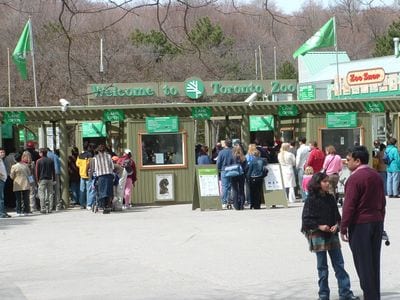
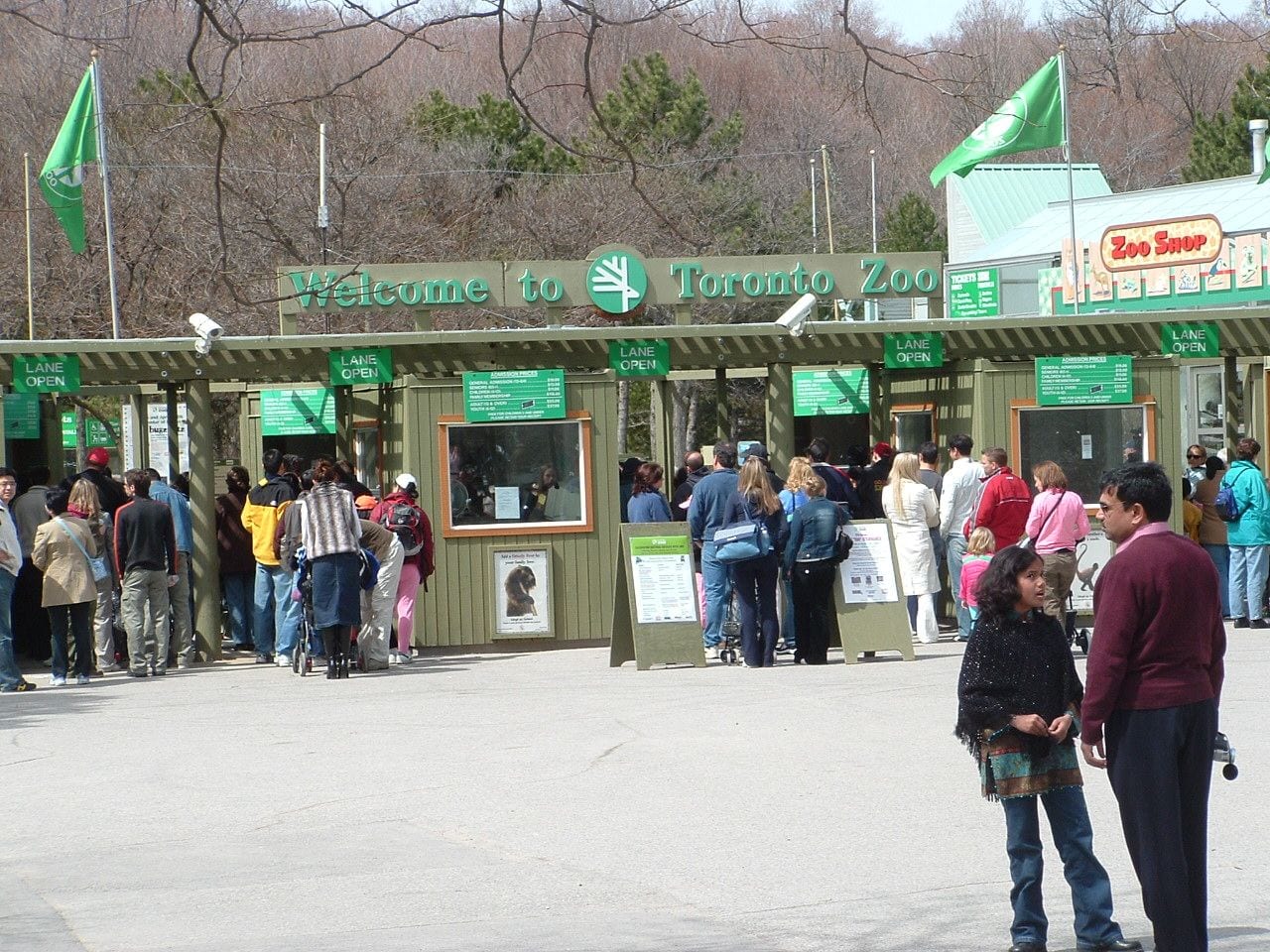
Toronto Zoo covers 2.87 km² in the Rouge River valley on the city's eastern edge, making it comfortably the largest zoo in Canada. It opened in 1974 on an idea that was novel then and standard now: organise the whole park by biogeographic region rather than by taxonomy, so animals appear alongside the plants and landscapes they share a continent with.
Seven regions result — Africa, the Americas, Indo-Malaya, Australasia, Eurasia, Canada and the Tundra Trek — spread across enough ground that the zoo runs a shuttle and tells visitors to budget most of a day. The valley setting supplies genuine hills, which the polar bear and Canadian wilderness habitats put to good use. It is 0.04 km² larger than Australia Zoo below it, the tightest margin in the top ten, turning entirely on how each park rounds its own acreage.
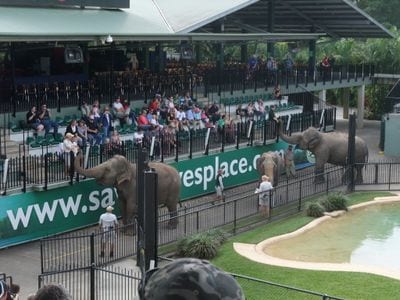
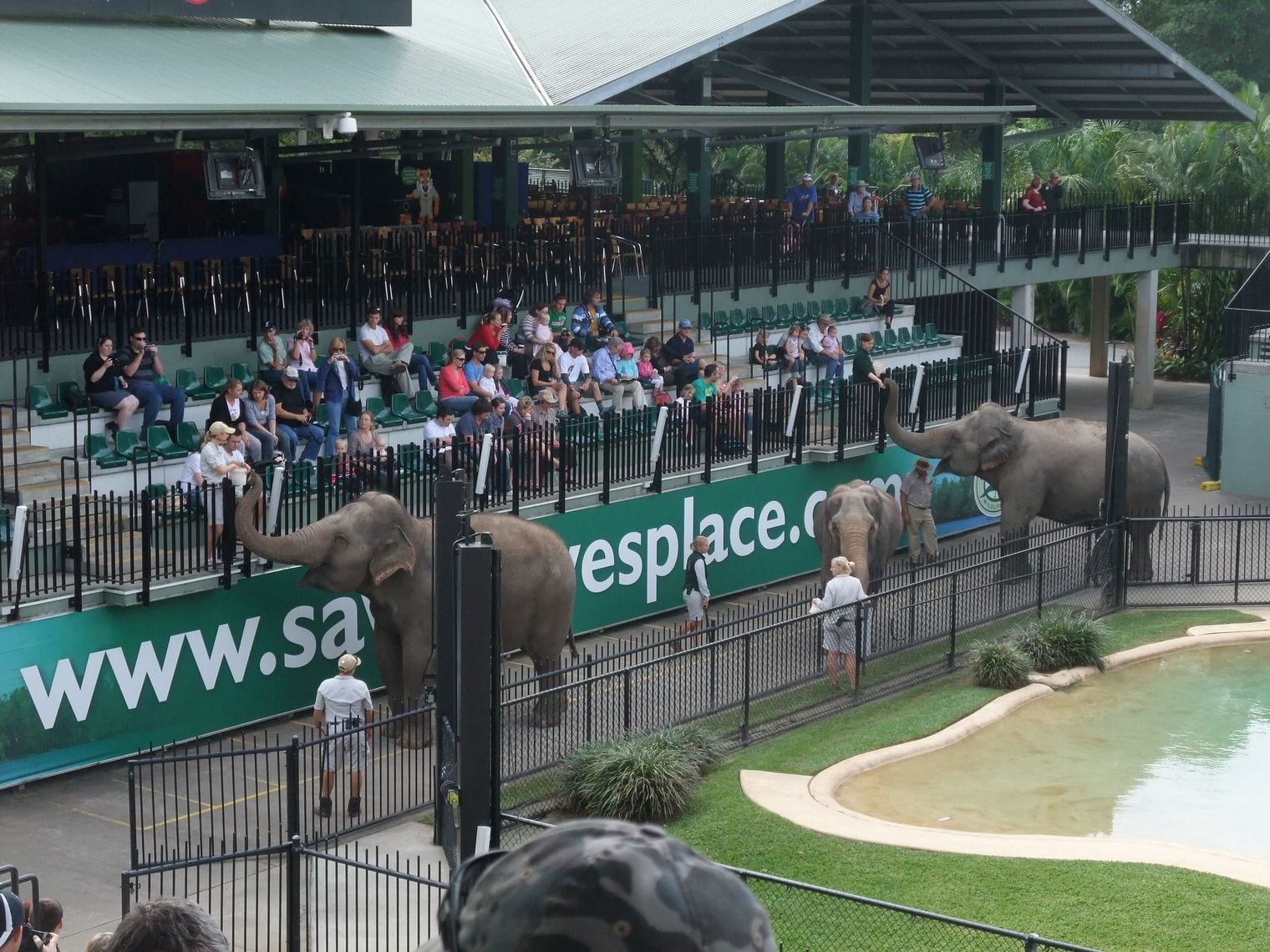
Australia Zoo holds 2.83 km² of Sunshine Coast bushland, though only about 110 acres of that is on public display — the balance is habitat the zoo owns and manages rather than exhibits. It began in 1970 as the Beerwah Reptile Park, a small roadside collection run by Bob and Lyn Irwin, and is now the most internationally recognised name on this list thanks to their son.
Steve Irwin's presence still shapes it. Crocodile demonstrations in the purpose-built Crocoseum are the centrepiece, and the zoo funds the Wildlife Warriors conservation arm that carries his name. Beyond crocodiles the collection leans hard into Australian species — koalas, wombats, cassowaries, a kangaroo walkabout you cross on foot — with tigers and elephants filling out the international side. It sits 0.04 km² behind Toronto, close enough that the order is effectively a coin toss.
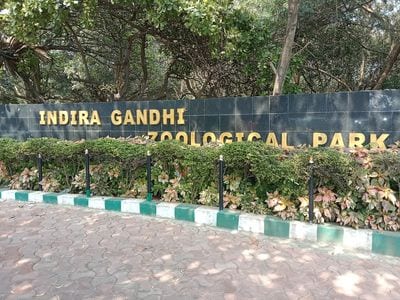
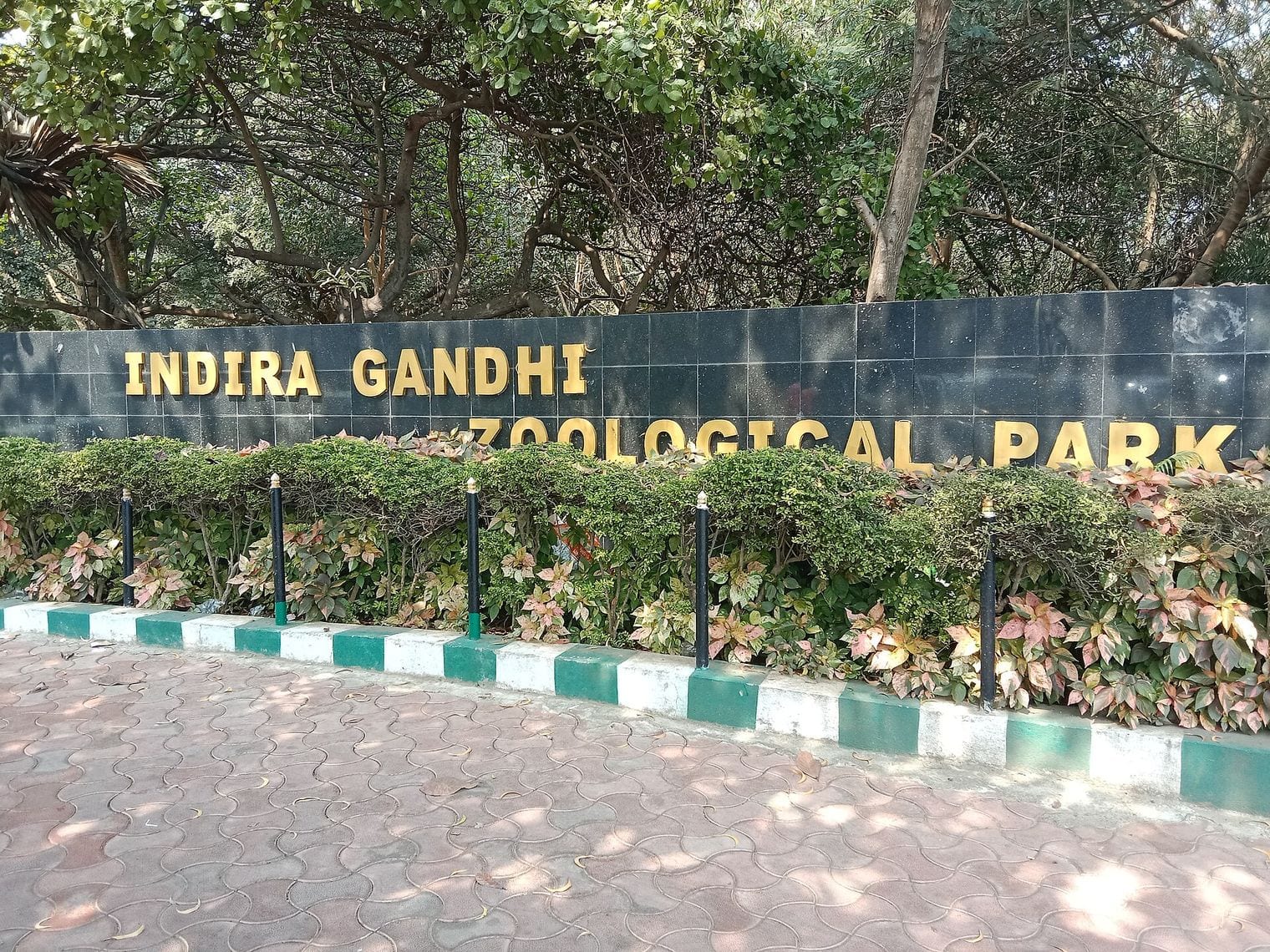
Indira Gandhi Zoological Park takes 2.53 km² of the Kambalakonda reserve forest outside Visakhapatnam, wedged between the Eastern Ghats and the Bay of Bengal — a setting that hands it a natural amphitheatre of wooded hills most urban zoos would have to construct. It opened in 1977 and is routinely ranked among India's three largest zoos, which on this list's basis it is.
The terrain is as much the exhibit as the animals. Enclosures are cut into the hillside along a circuit that climbs and drops enough to feel like a walk in the ghats, with a lake, a butterfly enclosure and a nocturnal house among the set pieces.
The collection leans towards Indian species grouped in a way few other zoos attempt — sloth bears, Indian bison, hill mynas — and its 2.53 km² is the last entry here to clear two and a half square kilometres.
1313. Whipsnade Zoo
Whipsnade, Dunstable, Bedfordshire, United Kingdom
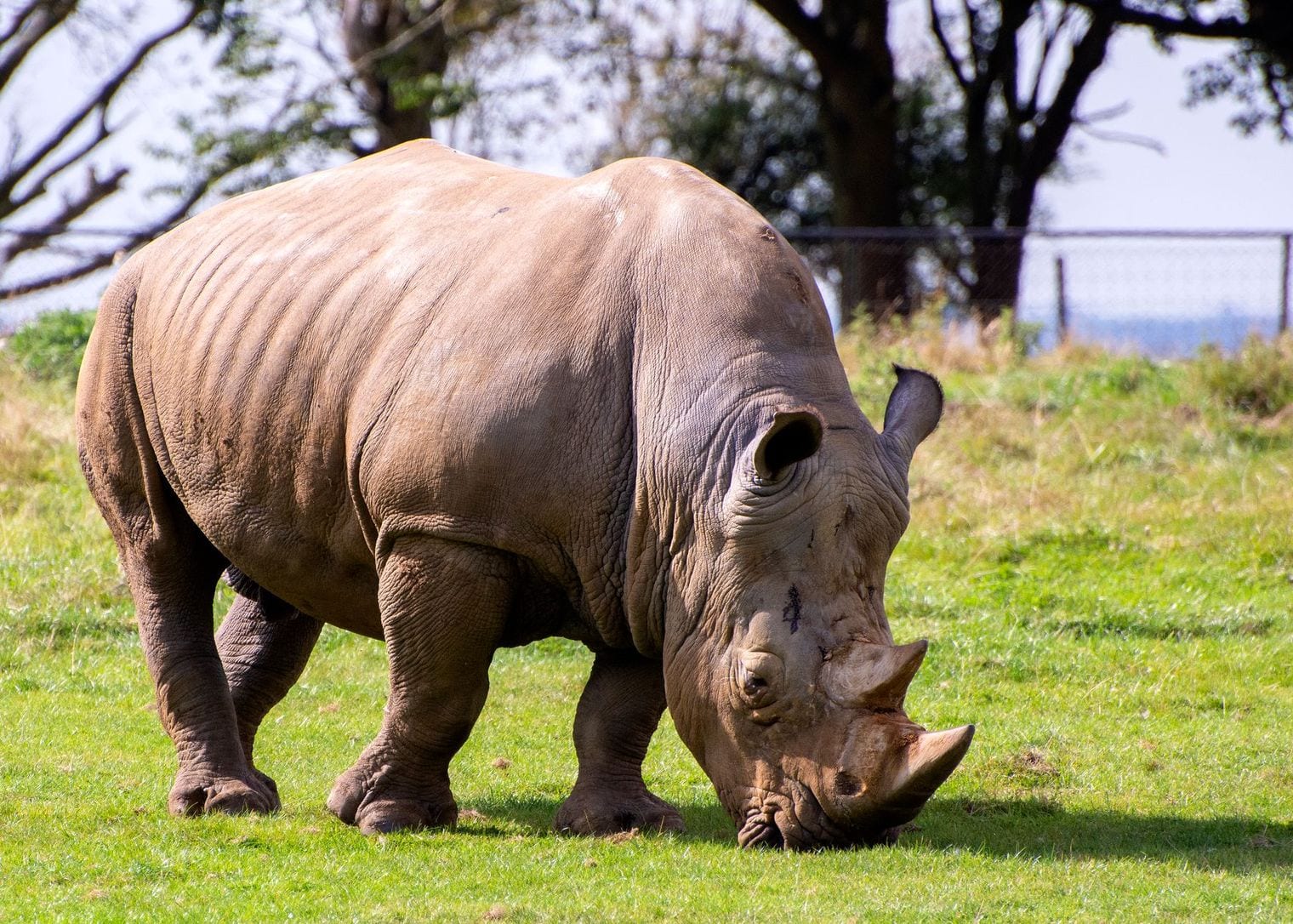
At 2.43 km², Whipsnade is the largest zoo in the United Kingdom, and it clears the 160 hectares of Tierpark Berlin, routinely billed as the biggest zoo in Europe, by half as much again. It sits on the Chiltern escarpment in Bedfordshire and opened in 1931, conceived by the Zoological Society of London as the open-air counterweight to its cramped Regent's Park site, and was among the earliest zoos anywhere designed around paddocks rather than pens.
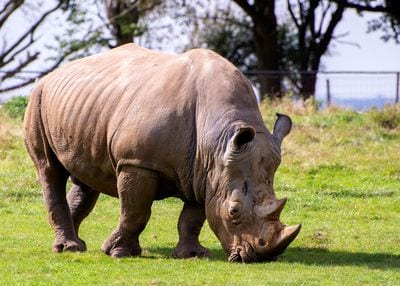
The space tells in the herd animals: white rhino, Przewalski's horse and European bison range over enclosures measured in acres, and visitors may drive their own car between sections or walk the lot.
Cut into the chalk hillside below is the Whipsnade White Lion, a hill figure carved in 1933 and visible for miles across the Vale of Aylesbury. Whipsnade takes thirteenth from Seoul Zoo by 0.01 km² — the narrowest gap on this list, and well inside the rounding error of either figure.
Seoul Zoo closes the list at 2.42 km², a figure covering the zoo and its botanical garden together — 598 acres inside Seoul Grand Park, at the foot of Cheonggyesan mountain in Gwacheon just south of the capital. It opened here in 1984, when the collection was moved out of the Changgyeonggung palace grounds in central Seoul, where a zoo had stood since the Japanese colonial period.
That relocation is really the story of the place: a zoo the colonial authorities had installed inside a Korean royal palace was given a mountain valley of its own, and the palace was restored.
More than 3,000 animals from around 330 species live here now, drawing one of the largest visitor counts on this list, and a chairlift runs up the ridge for the view back over the reservoir. It trails Whipsnade by 0.01 km², which is to say the two are effectively tied.
FAQ: The World's Largest Zoos
What is the largest zoo in the world?
Sri Venkateswara Zoological Park in Tirupati, Andhra Pradesh, at 12.55 km². It is the largest single gated zoo anywhere, and around a fifth larger than the runner-up, North Carolina Zoo. India's Central Zoo Authority also names it the country's largest, though it quotes a slightly different area of 1,400 hectares.
Why are San Diego Zoo Safari Park and The Wilds not on this list?
Both are drive-through operations rather than walk-through zoos, and this ranking counts enclosed zoological parks on one gated site. The Wilds is a 37 km² conservation centre toured by bus. San Diego Zoo Safari Park is a separate site from San Diego Zoo, and the two are never added together — the same one-site rule applied across our world record breakers.
What is the largest zoo in the United States?
North Carolina Zoo in Asheboro, at 10.52 km² across 2,600 acres — second worldwide on this list, and billed by its own staff as the world's largest natural habitat zoo. The Living Desert in Palm Desert, California comes next at 4.86 km², followed by Zoo Miami at 3.04 km².
What is the largest zoo in Europe?
Whipsnade Zoo in Bedfordshire, at 2.43 km². Run by the Zoological Society of London and open since 1931, it is comfortably the United Kingdom's largest and exceeds Tierpark Berlin, generally named the biggest zoo on the European mainland at 160 hectares. Europe's zoos are modest by global standards.
Do the biggest zoos hold the most animals?
Not reliably. Area and collection size are separate measures. Berlin's zoo keeps one of the largest species counts anywhere on a fraction of the land, while several parks ranked here give most of their acreage over to undeveloped habitat — The Living Desert exhibits on roughly 80 of its 1,200 acres. The same split between footprint and contents shows up among the biggest aquariums in the world, which are ranked on water volume rather than land.