The record
The most visited city in the world is Bangkok, in Thailand — 30.3 million visitors, international arrivals.
Source: Euromonitor International, Top 100 City Destinations Index 2025. Verified .
New York, Tokyo, Rome and Singapore are all absent from this countdown, and that is the most interesting thing about it. These are the ten cities that drew the most international arrivals in 2025, running from Kuala Lumpur on 17.3 million up to Bangkok on 30.3 million, spread across nine countries and territories and weighted heavily towards Asia and the Gulf.
Two rules decide who appears. The first is the measure: every figure is Euromonitor International's count of international arrivals staying at least 24 hours, so domestic travellers, day-trippers, transit passengers and cruise calls are all excluded, which is why Macau, whose own government logged 40.07 million arrivals in 2025, is credited with 20.4 million here.
The second is the source: one index, one calendar year, never blended, because rival rankings count overnight stays instead and reshuffle the top three. Domestic travel earns nothing at all, which is how the world's largest tourism markets can miss the list entirely.
Not one city in the Americas makes the top ten. The list is drawn from Asia, the Middle East and Europe only, a reversal of how these rankings looked a decade ago, when New York sat comfortably inside the top eight.
Turkey is the only country with two cities on the list — Istanbul in fifth and the resort coast of Antalya in eighth, together accounting for well over 38 million arrivals.
Bangkok is the only city here that went backwards, shedding 7% of its arrivals. Every other city on the list grew, by anywhere between 4% and 14%.
Macau's own government counted almost twice its ranking figure. Macao logged 40.07 million arrivals in 2025 — 23.5 million of them same-day and 16.5 million overnight — while this ranking, which counts only international stays of 24 hours or more, credits it with 20.4 million.
Paris places ninth here but first on the study's other table. The same Euromonitor research ranks Paris the world's most attractive city destination for the fifth year running, which is a measure of appeal rather than raw arrivals.
The world's top 100 city destinations took 702 million international trips in 2025, roughly 46% of all international tourism on earth, and one of many superlatives we track across our world record countdowns.
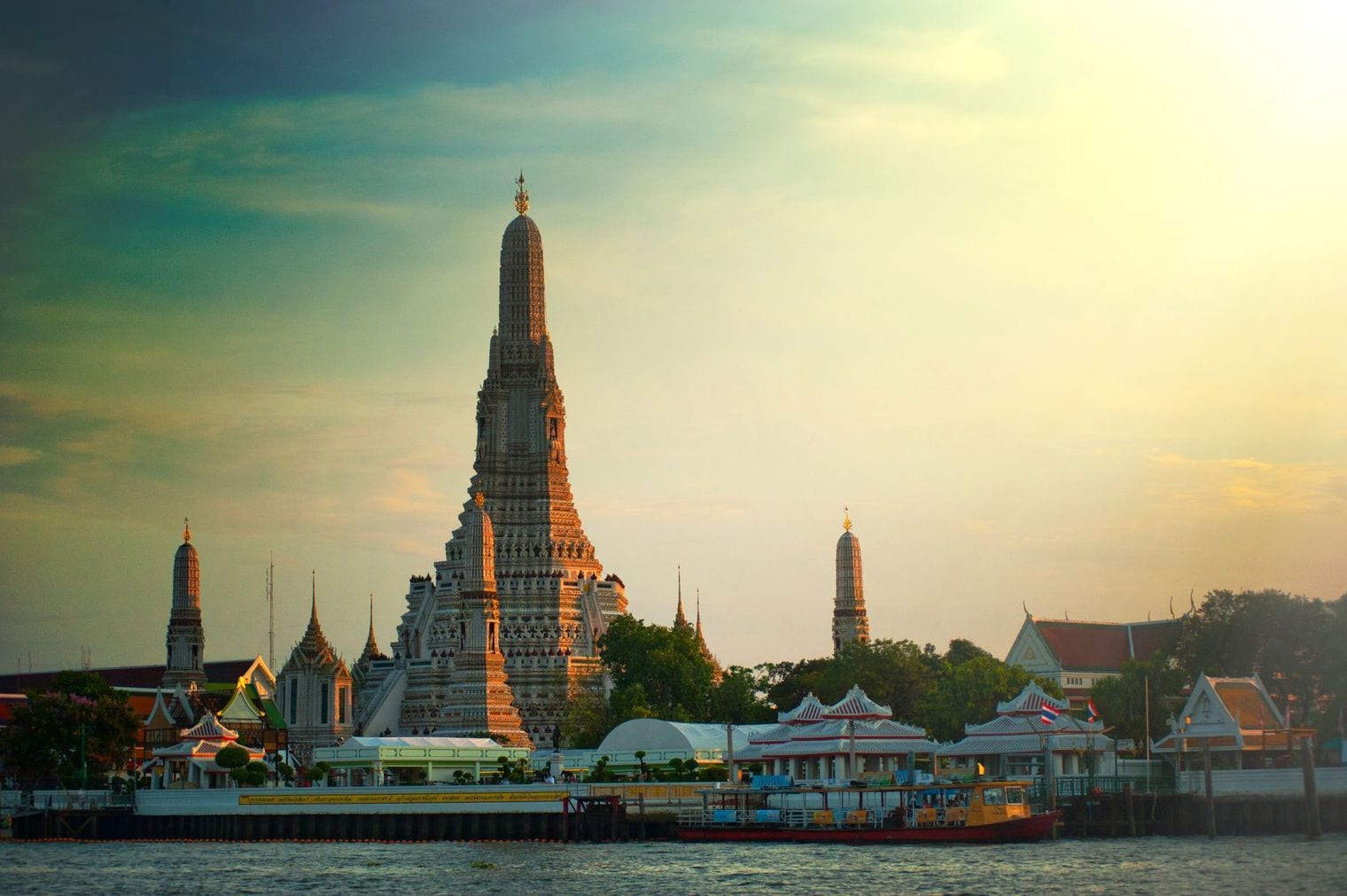
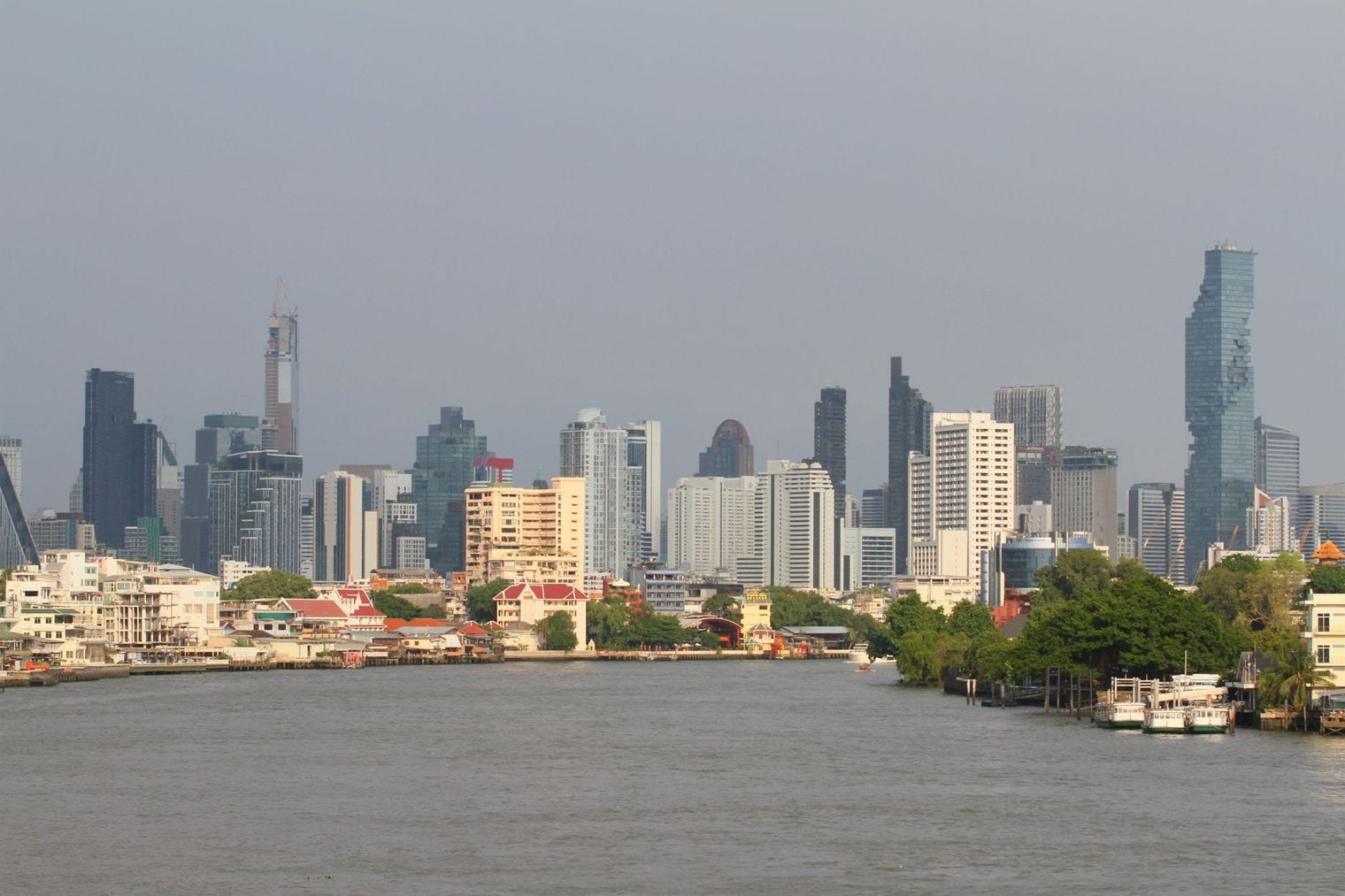
At 30.3 million visitors, Bangkok is the most visited city on earth for 2025, finishing more than seven million clear of second place. It is also the only city in this top ten whose number went backwards, down 7% on the year. Thailand's national arrivals slipped to roughly 33 million over the same period, the country's first annual fall in a decade outside the pandemic years, with Chinese travel dropping away most sharply.
Even a down year leaves Bangkok in a league of its own, because almost everyone heading for Thailand's islands, temples and northern hills routes through it at least once. The Grand Palace and the reclining Buddha at Wat Pho anchor the historic riverside, express boats run the Chao Phraya as ordinary public transport, and Chatuchak fills a weekend on its own. The street food is the real argument, though, and it is available at practically every hour.
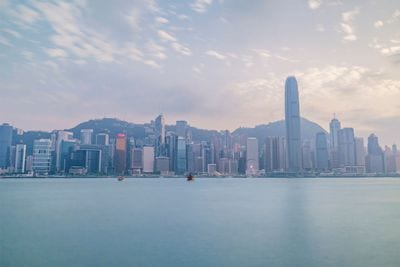
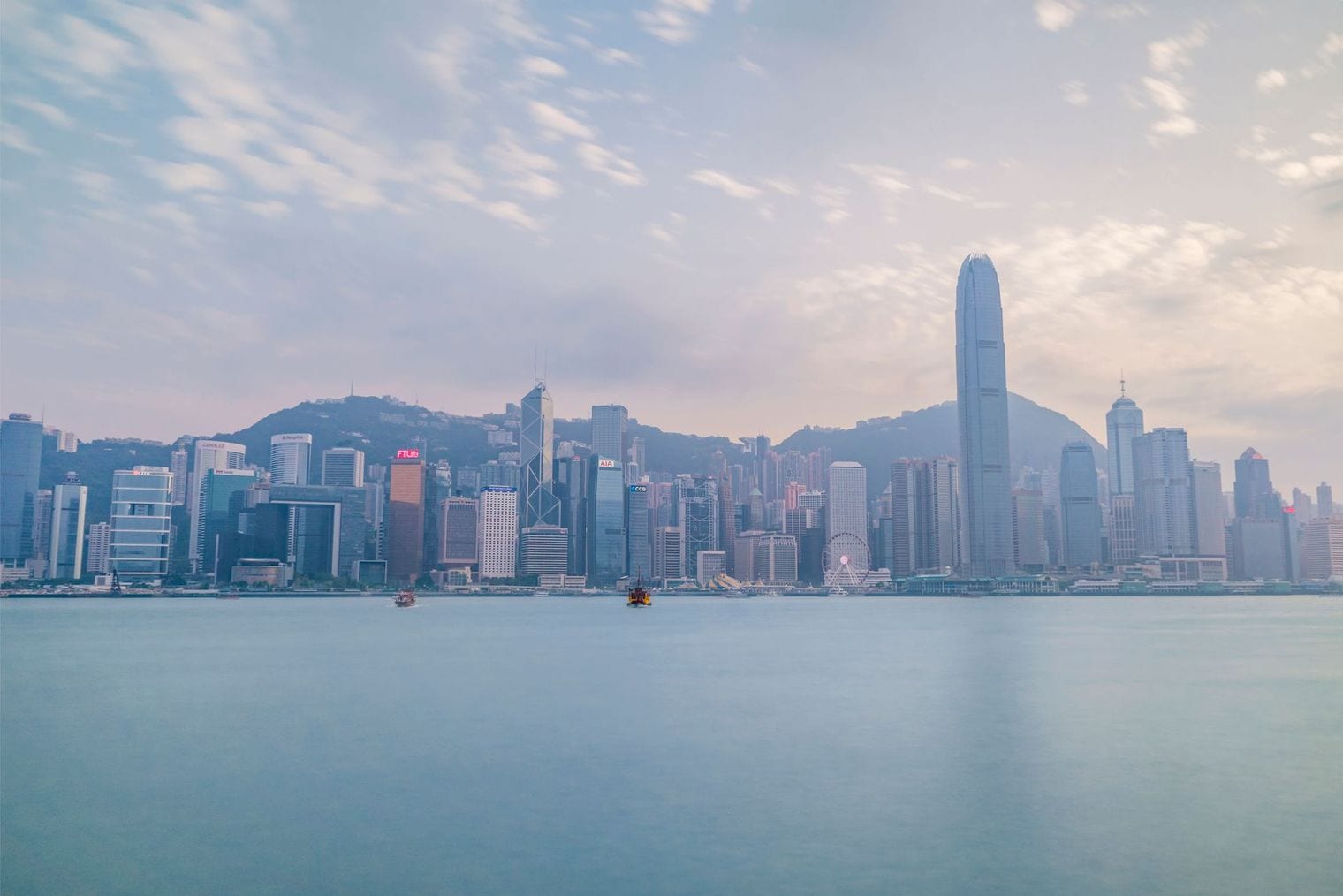
At 23.2 million visitors, Hong Kong takes second place and has recovered strongly, up 6% year on year. Its position owes a great deal to geography: it sits within a few hours of an enormous share of the world's population by air, and it functions as both a destination in its own right and the entry point to the Pearl River Delta.
The skyline is the draw everyone arrives for, best seen from the Peak Tram's terminus or from the deck of a Star Ferry crossing Victoria Harbour for the price of a snack. Beyond it, the territory is far greener than its reputation suggests, with country parks and coastal trails covering much of the land area, and the Tian Tan Buddha presiding over Lantau. Dim sum remains the city's most reliable pleasure.
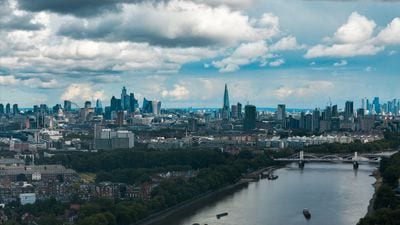
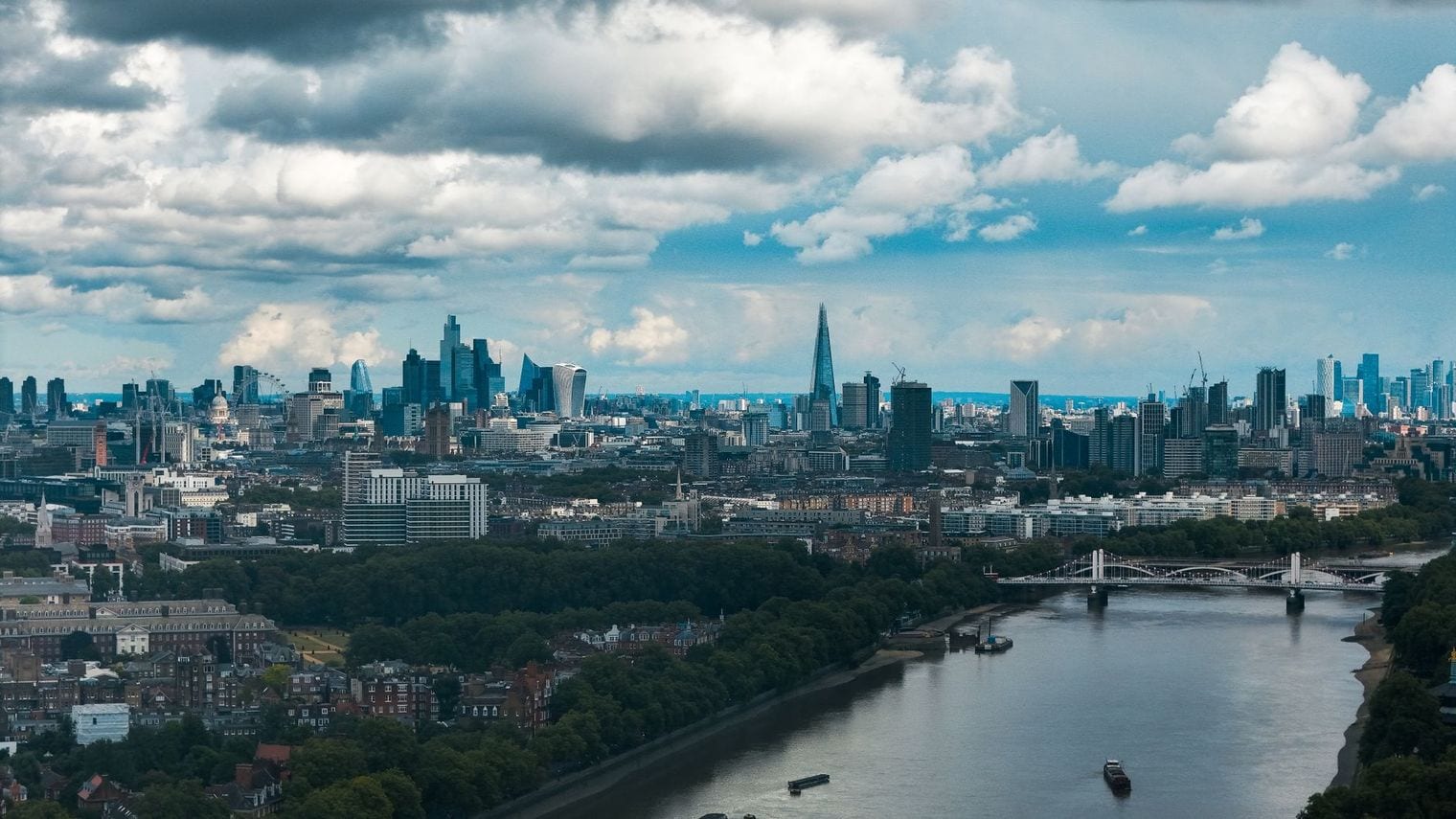
At 22.7 million visitors, London is third worldwide and comfortably the most visited city in Europe, growing 4% on the year. Istanbul is its closest European challenger and still sits three million behind, and London has held a top-three global placing across every recent edition of this ranking, through some fairly turbulent years for European travel.
Much of what draws people is free: the British Museum, the National Gallery, the Tate galleries and the Natural History Museum all charge nothing for admission, which is unusual among major capitals. Add the Tower of London, Westminster, the royal parks and a West End theatre district that runs at full tilt year-round, and the city offers more than most visitors can work through in a fortnight, let alone a long weekend.
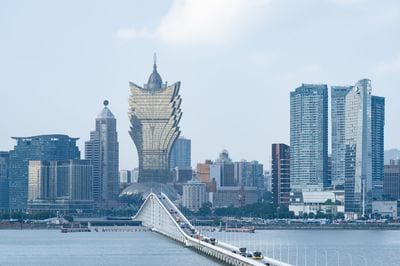
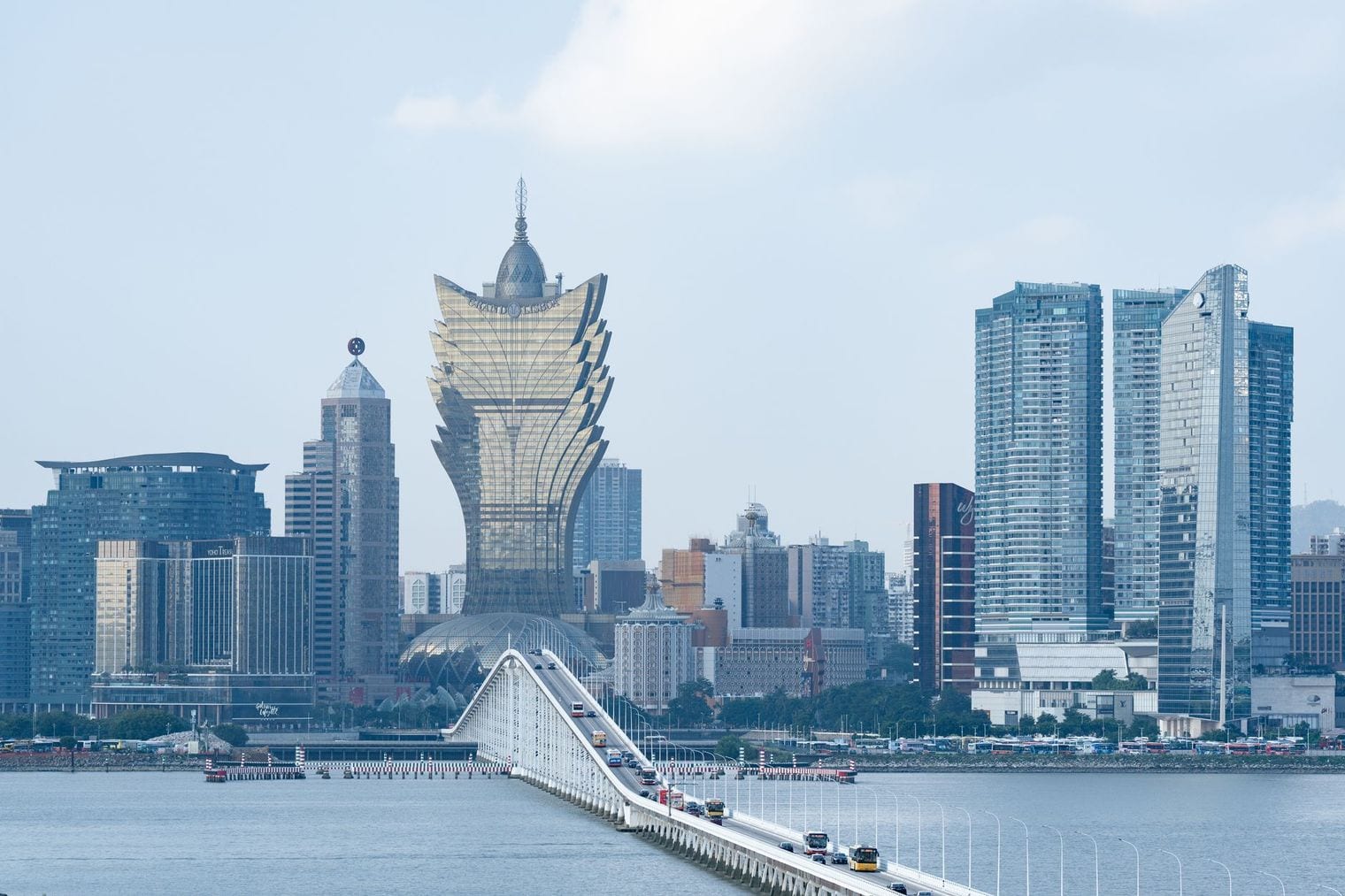
At 20.4 million visitors, Macau posted the fastest growth anywhere in this top ten, climbing 14% in a single year. It also illustrates the ranking's central rule better than any other entry: the Macao government's own tally for 2025 was 40.07 million arrivals, of which 23.5 million were same-day and 16.5 million stayed overnight.
Euromonitor's narrower international measure lands at 20.4 million, matching neither of those figures, which is exactly why a countdown like this has to lock one index and stay on it.
What that measure counts is a genuinely unusual small city. Four centuries of Portuguese administration left a historic centre on the UNESCO World Heritage list, with Senado Square, the stone facade of the Ruins of St Paul's and the A-Ma Temple within easy walking distance of one another. The Cotai Strip's resorts supply the other half of the story, and the egg tarts split the difference.
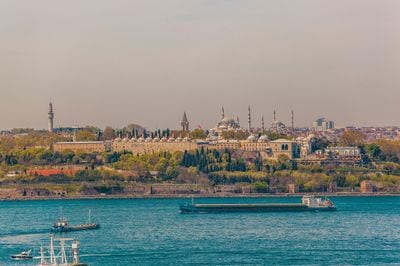
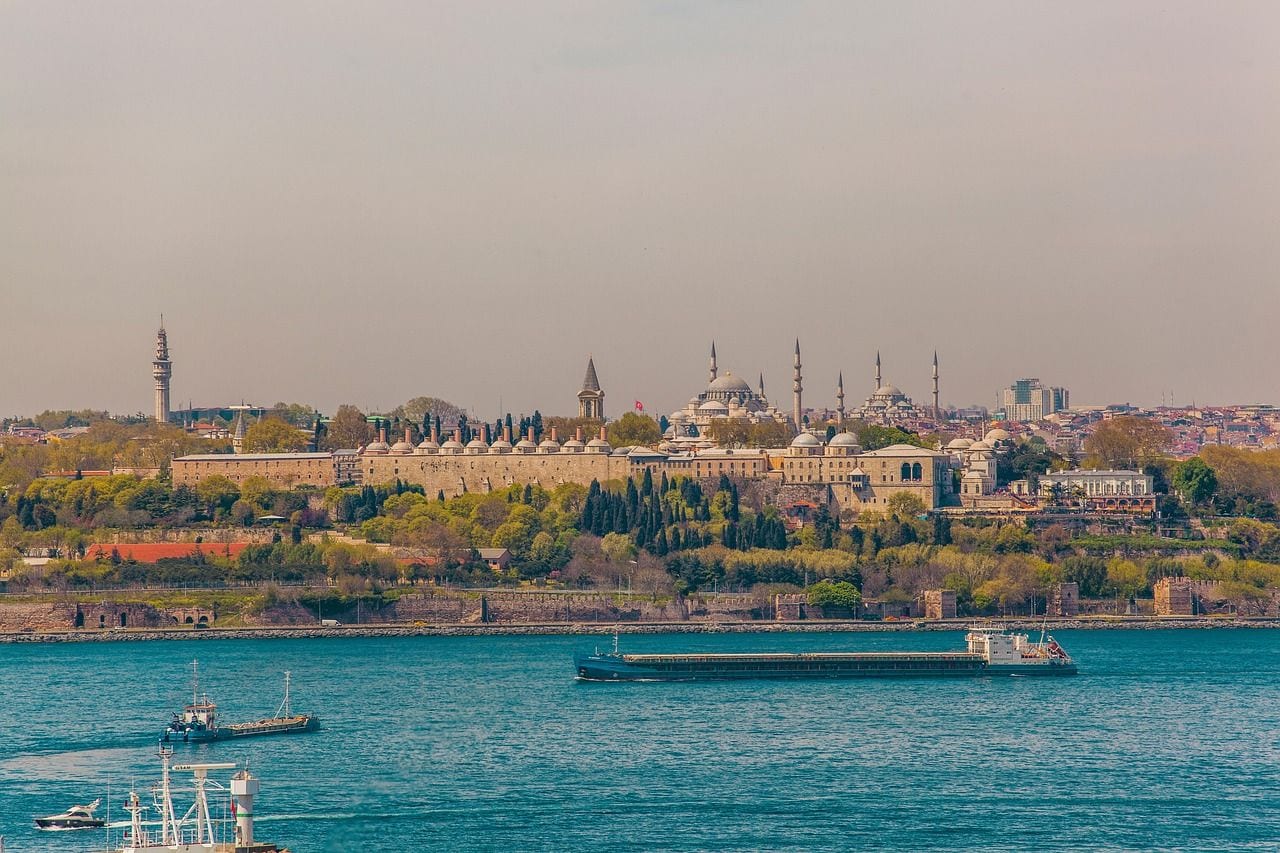
At 19.7 million visitors, Istanbul holds fifth and continues to climb, up 6%. It topped this ranking outright as recently as 2023, and its trajectory since has been steady rather than spectacular, which in a market this volatile counts as a considerable achievement.
The appeal is not complicated: this is by far the largest city in the world to straddle two continents, and it served as the imperial capital of both the Byzantine and Ottoman worlds.
That inheritance is stacked within a walkable stretch of the old city, where Hagia Sophia, the Blue Mosque and Topkapi Palace sit almost within sight of each other, and the Grand Bazaar has been trading on the same site for centuries. The Bosphorus ferries remain the cheapest good idea in the city.
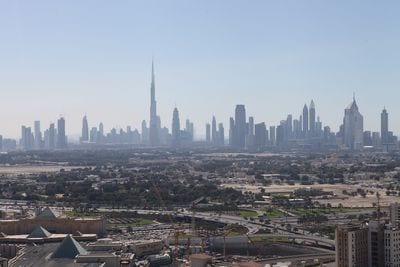
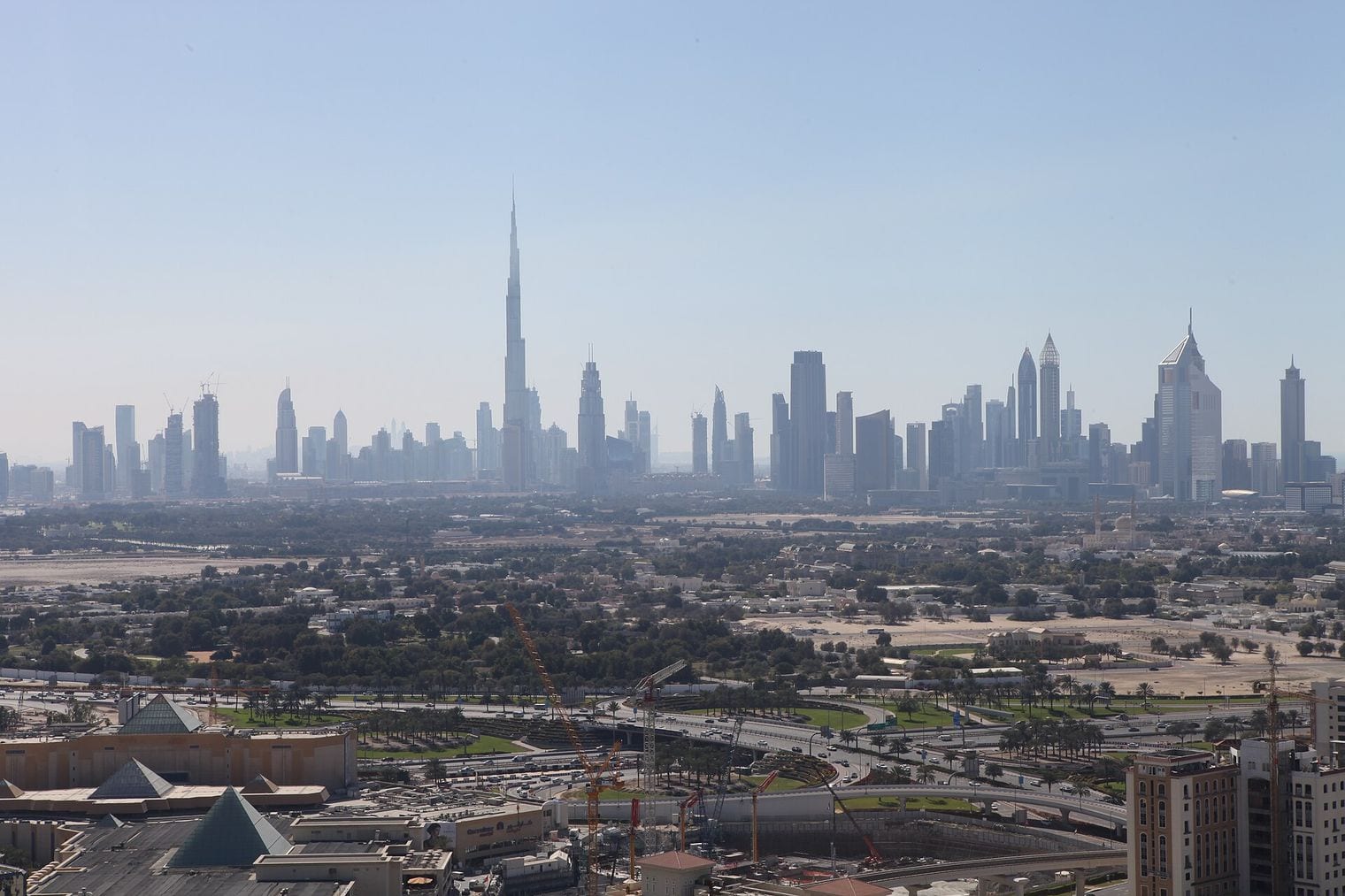
At 19.5 million visitors, Dubai sits sixth after a 7% rise, and it is the youngest destination on this list by a very wide margin. Almost everything visitors come to see has been built within living memory, which makes its presence among cities carrying millennia of history all the more striking.
The Burj Khalifa is still the tallest building in the world and sets the tone for the rest: the Dubai Mall beneath it, the Palm Jumeirah offshore, the Dubai Frame looking back at the older districts. Those older districts are the underrated part, though. The creekside souks in Deira and Bur Dubai trade in gold and spices much as they always have, and the desert begins less than an hour from the skyline.
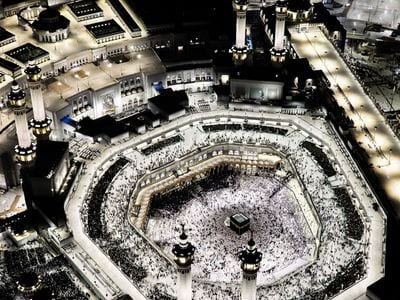
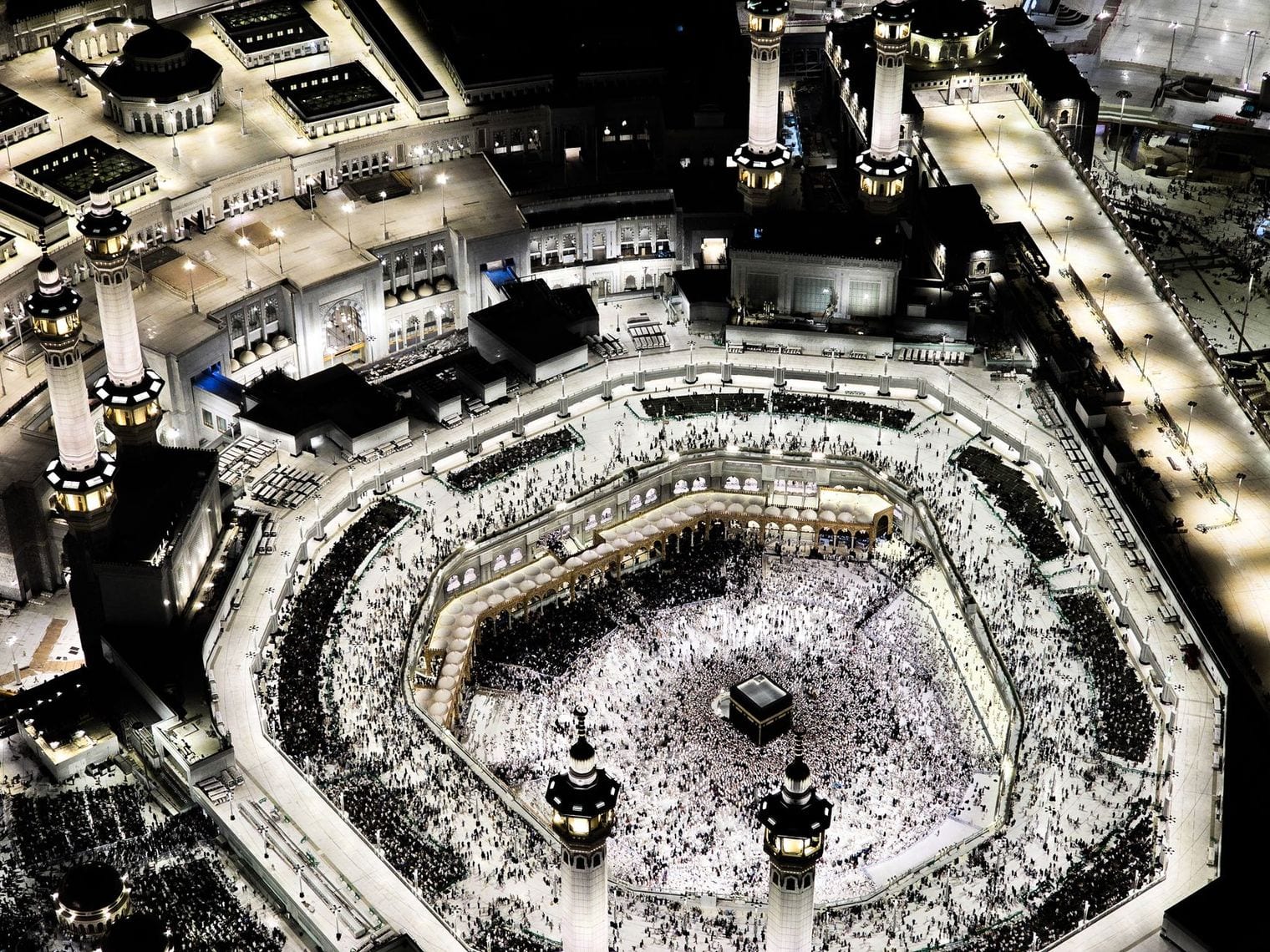
At 18.7 million visitors, Mecca ranks seventh and is the one city here whose numbers are driven almost entirely by religious observance rather than leisure travel. Entry is restricted to Muslims under Saudi law, which makes it the only entry on this list that most of the world's travellers cannot visit at all, and it still out-draws Paris.
The volume comes from two distinct flows. Hajj, the pilgrimage every able Muslim is expected to undertake once, concentrates enormous crowds into a few days of the Islamic calendar, while Umrah can be performed at any time of year and accounts for the larger share of arrivals. Both converge on the Masjid al-Haram, the vast mosque built around the Kaaba, which has been repeatedly enlarged to handle the numbers.
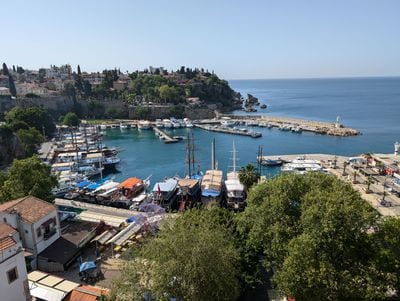
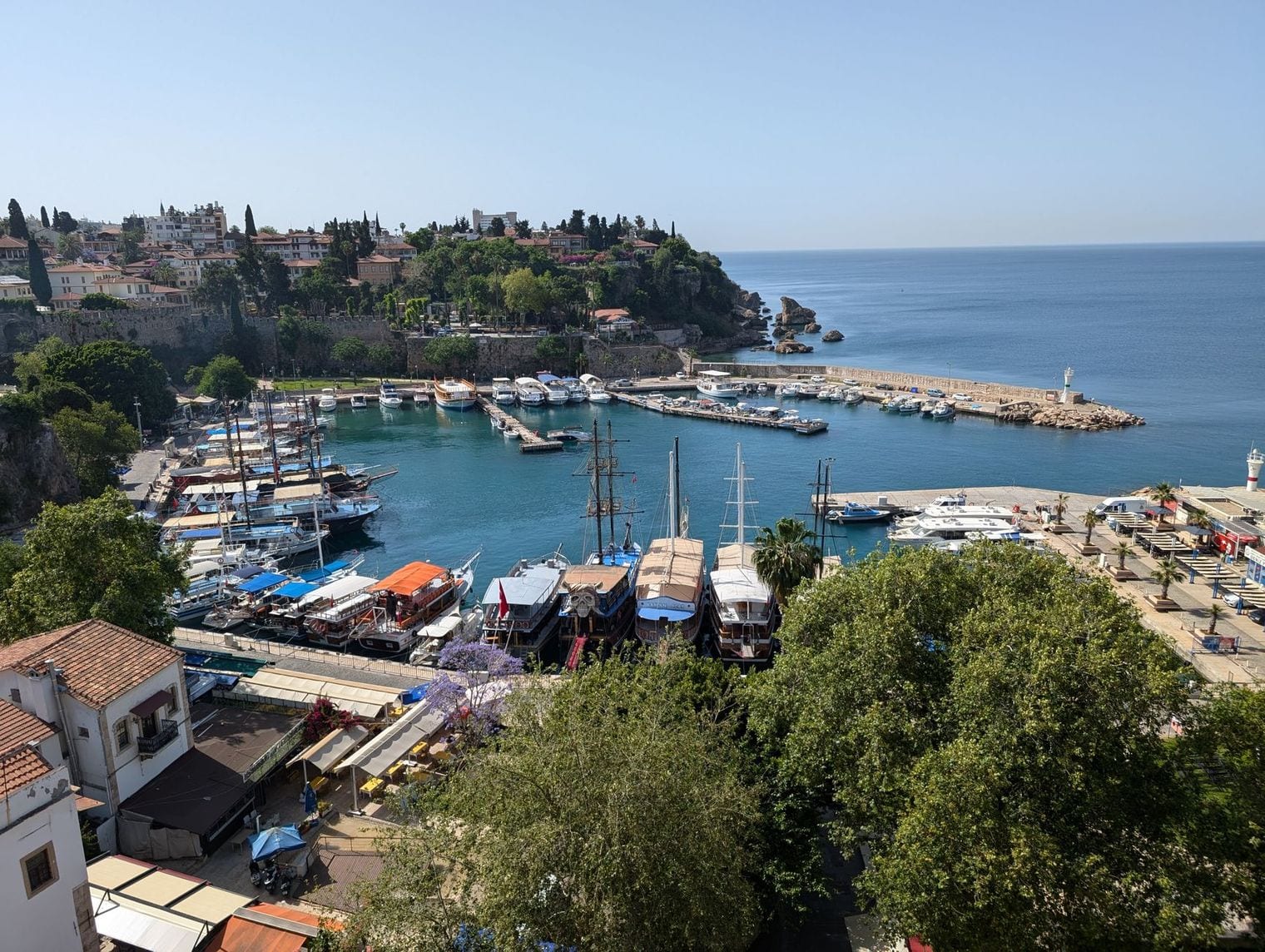
At 18.6 million visitors, Antalya takes eighth after growing 8%, and it is the only entry on this list that is a resort coast rather than a metropolis. It is also the reason Turkey is the sole country with two cities in the top ten, a distinction that says a great deal about how completely the country has built out its tourism industry.
The draw is the Turkish Riviera: several hundred kilometres of Mediterranean coastline, dependable summer heat, and resort towns strung along it from Kemer to Alanya. Antalya itself is more than a gateway, with the lanes of the Kaleici old town running down to a Roman-era harbour and Hadrian's Gate still standing at its edge. The ruins at Perge and the theatre at Aspendos are both short drives inland.
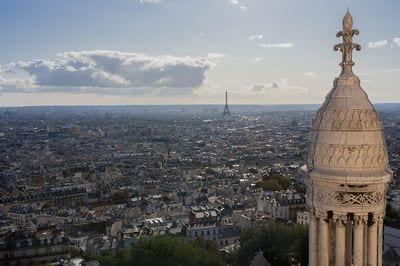
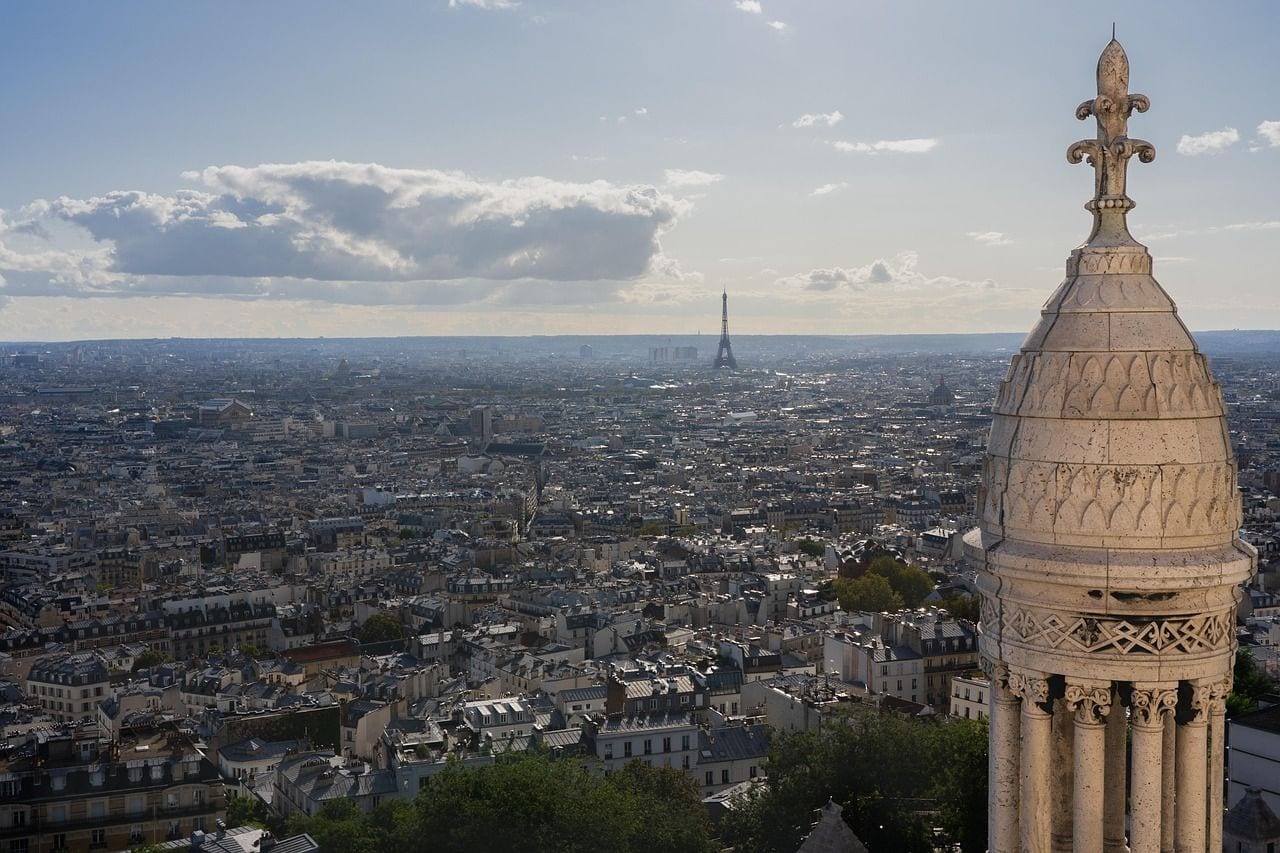
At 18.3 million visitors, Paris comes ninth on arrivals, and that placing is routinely misreported, because the very same Euromonitor study ranks Paris the world's most attractive city destination for the fifth year running. Those are two different tables measuring two different things, and conflating them is the most common error made with this data.
On the ground, none of that matters much. The Louvre, the Musee d'Orsay, Notre-Dame and the Eiffel Tower would carry a city on their own, and the walk between them along the Seine is half the point. What keeps repeat visitors coming is the smaller stuff: the covered passages, the Montmartre backstreets, the markets. Our full guide to Paris goes into rather more depth on where to start.
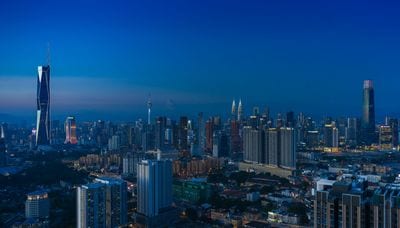
At 17.3 million visitors, Kuala Lumpur rounds out the top ten with 5% growth, and it is arguably the best value of any city on this list. It benefits from being the hub of a low-cost airline network that reaches most of Southeast Asia, so a great many of its arrivals are travellers breaking a longer journey.
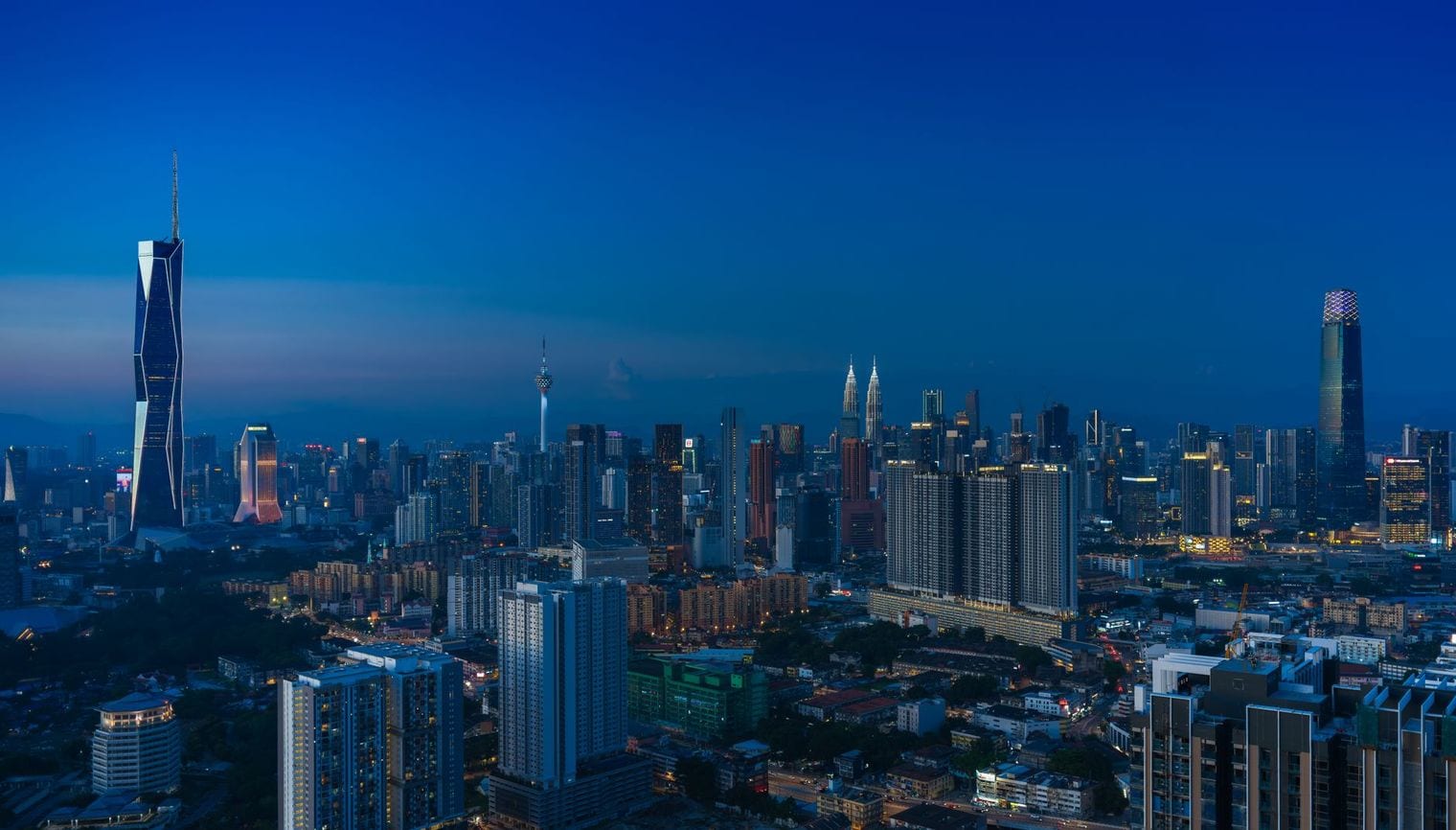
The Petronas Towers remain the tallest twin towers in the world and still dominate the skyline, though Merdeka 118 now stands taller nearby. Beyond the towers, the city is a genuine crossroads: Batu Caves and its limestone stairway sit just north of the centre, Merdeka Square holds the colonial-era civic buildings, and the food ranges across Malay, Chinese and Indian traditions, often on the same street.
FAQ: The World's Most Visited Cities
What is the most visited city in the world?
Bangkok, with 30.3 million international arrivals in 2025 on Euromonitor International's count. It finished more than seven million ahead of Hong Kong in second place, and it held the top spot even though its own arrivals fell 7% across the year.
Why is there no American city on the list?
These rankings count international arrivals only, and domestic travel earns nothing at all. US cities draw enormous domestic tourism but comparatively fewer foreign visitors, so none reached the 17.3 million cut-off. New York was the last American city inside the top ten, in 2023.
How is "most visited" actually measured?
By international arrivals staying at least 24 hours, counted across one calendar year. Same-day visitors and domestic travellers are both excluded. Every figure here comes from a single index, Euromonitor's Top 100 City Destinations, because rival rankings measure overnight stays instead and produce a different order.
Which is the most visited city in Europe?
London, with 22.7 million international arrivals, ranking third worldwide. Istanbul is its closest European challenger at 19.7 million, followed by Antalya and then Paris. London's free national museums and its year-round West End theatre district help it hold the position through quieter travel seasons.
Do these rankings change much from year to year?
Considerably. Istanbul led as recently as 2023, Bangkok has since taken over, and Macau climbed 14% in a single year. Positions shift as travel patterns recover and redirect, so the countdown above is the place to check the current order, as with all our world record countdowns.