We may earn a commission if you book tickets, tours or a stay through a link on
this page, at no extra cost to you. It never affects which places we list or how
we rank them (how we make money).
The record
17.6 million annual visitors
The Forbidden City
China
The record
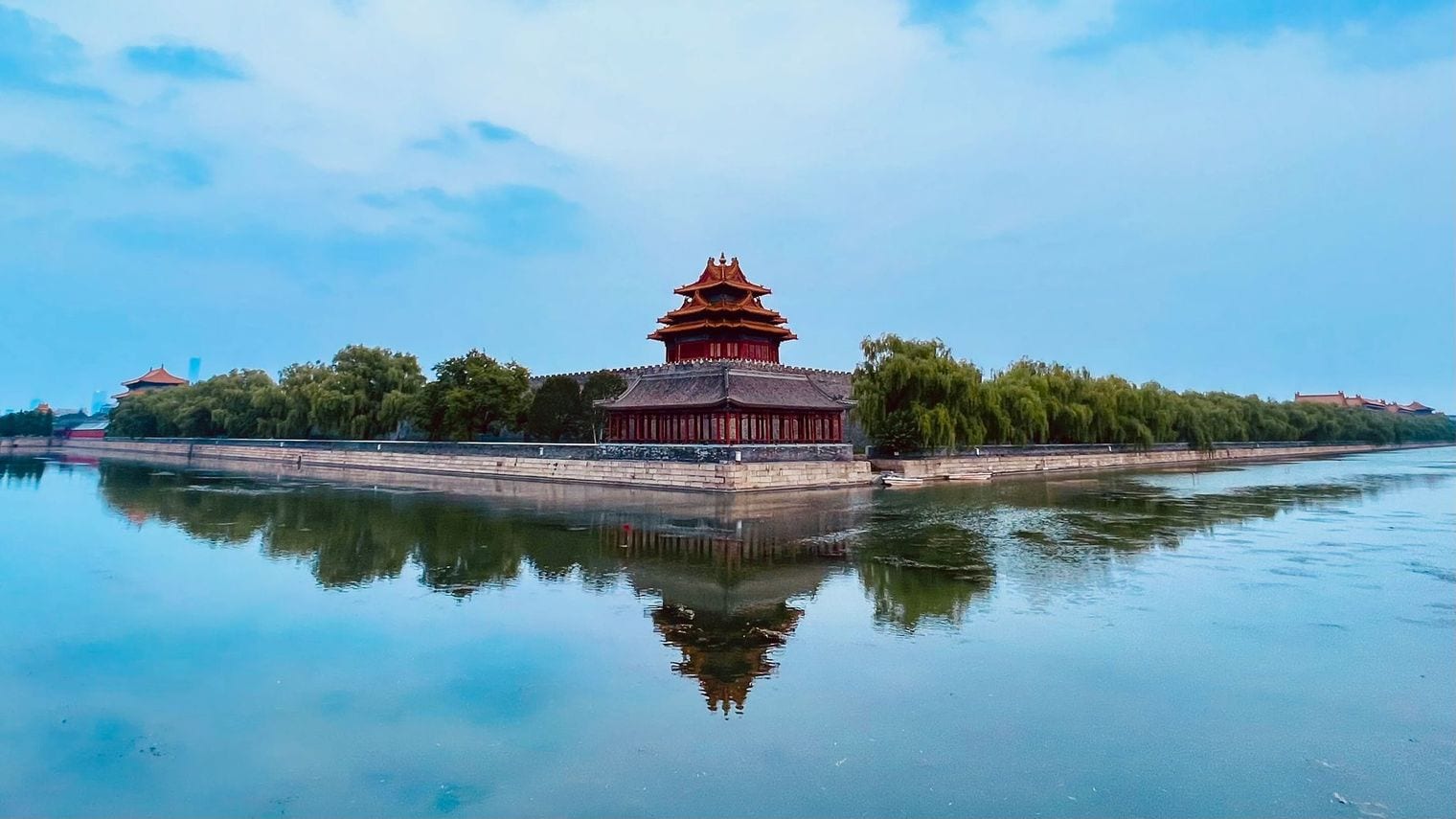
The most visited landmark in the world is The Forbidden City, in China — 17.6 million annual visitors.
Source: Palace Museum, via the State Council of China (gov.cn). Verified .
The Louvre is not on this list, and neither is Times Square. Rank the world's landmarks by the one number that can genuinely be counted - admissions through a gate, published by whoever runs the place - and the familiar league table falls apart. What remains runs from 17.6 million visits a year at Beijing's Forbidden City down to 2.73 million at Granada's Alhambra, spread across ten countries.
Two rules do the work. Every figure is a counted admission for one named year, which is why the Great Wall at Badaling, Bangkok's Grand Palace and the Pyramids of Giza sit this out: all three draw enormous crowds, and none publishes a verifiable annual total. And every entry is somewhere the building or the ground itself is the visit, which excludes the great collection museums, where people come for what hangs inside.
Fun Facts About the World’s Most Visited Landmarks
The busiest building in Paris is not ranked here at all — Notre-Dame drew more than 11 million people in 2025, but it is free to enter and sells no tickets, so there is no admissions count to set beside the Eiffel Tower.
Seoul’s royal sites passed 17 million admissions for the first time in 2025.Gyeongbokgung and Deoksugung both make this list, and two more palaces sit just outside it.
The Alhambra is effectively sold out. Its 2,726,871 visitors in 2025 came within roughly one percent of the site’s regulated annual ceiling of 2,763,500.
Charging for entry barely dented the Pantheon — its first full year of paid admission still ranked it fourth among every state-run cultural site in Italy.
Italy holds three of the fifteen places, more than any other country. France, Spain and South Korea take two apiece, and ten countries are represented in all.
At 17.6 million visitors a year, the Forbidden City is not merely first on this list but first by a margin nothing else approaches. Beijing's walled palace complex served as the seat of Chinese emperors for close to five centuries, and has been open to the public as the Palace Museum since 1925 - an anniversary it marked in 2025.
Scale is the whole experience. The complex is laid out as a chain of courtyards and ceremonial halls strung along a north-south axis, so the visit is less a matter of rooms than of gates, each one opening onto another vast paved emptiness. Entry is timed and capped, which means the crowds are shaped rather than avoided, and the earliest slots are the ones worth booking.
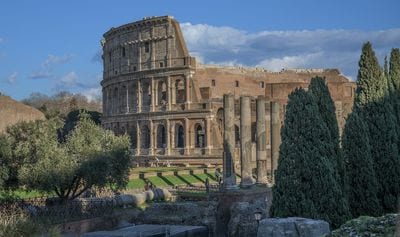
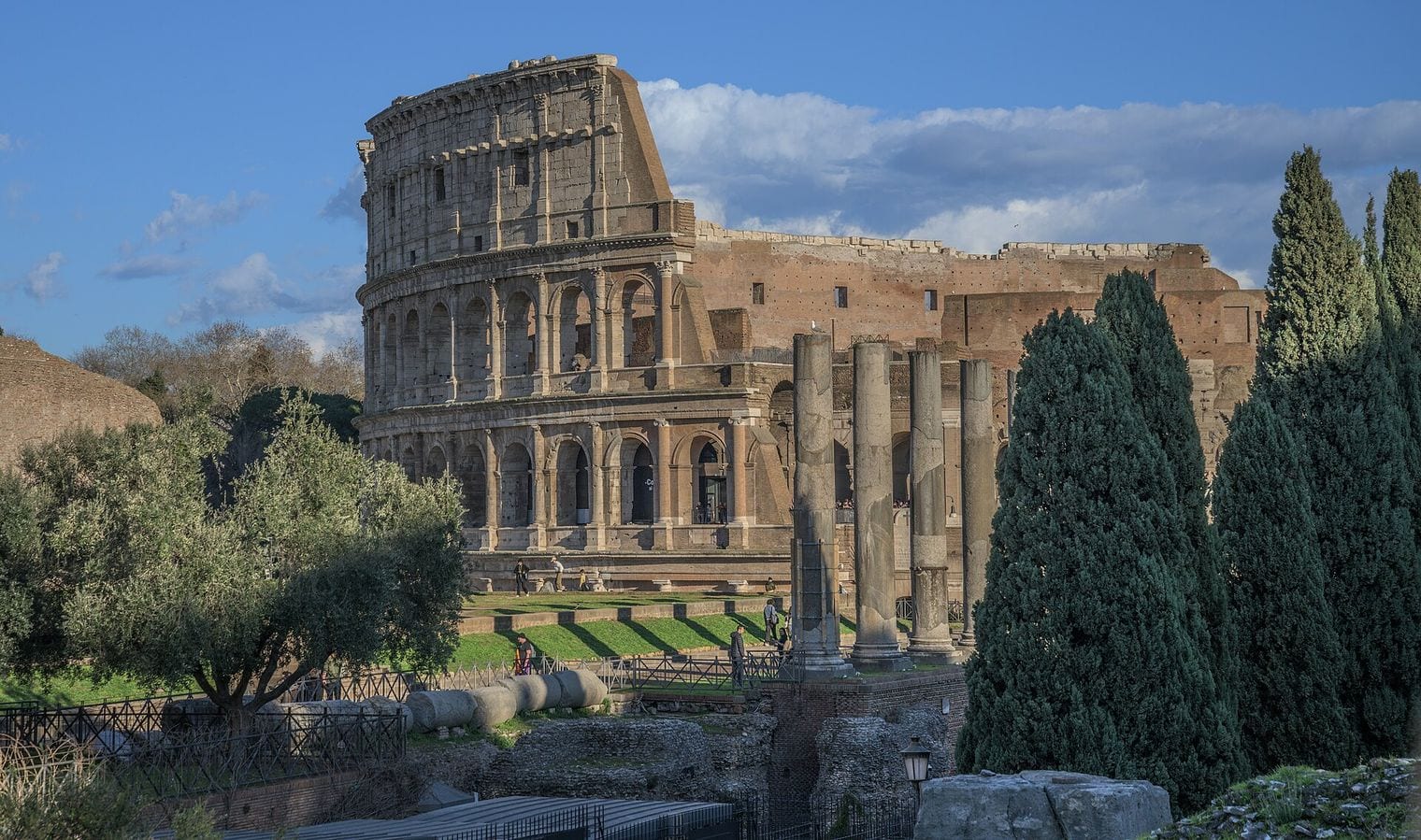
The Colosseum Archaeological Park recorded 14.73 million visitors, and the figure deserves a note: it covers the entire ticketed circuit - the amphitheatre, the Roman Forum, the Palatine Hill and the Domus Aurea - on a single ticket, so a visitor who walks into two of them is counted at each. The arena alone does not publish a separate annual total.
That caveat aside, this is the busiest archaeological site in Europe and the most visited of all Italy's state-run cultural sites. The amphitheatre is the draw, but the ticket's real value is the Forum and the Palatine behind it, where the republican and imperial city sprawls across a hillside. Going in late afternoon trades the worst of the heat for softer light on the travertine.
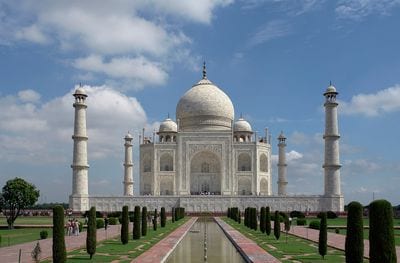
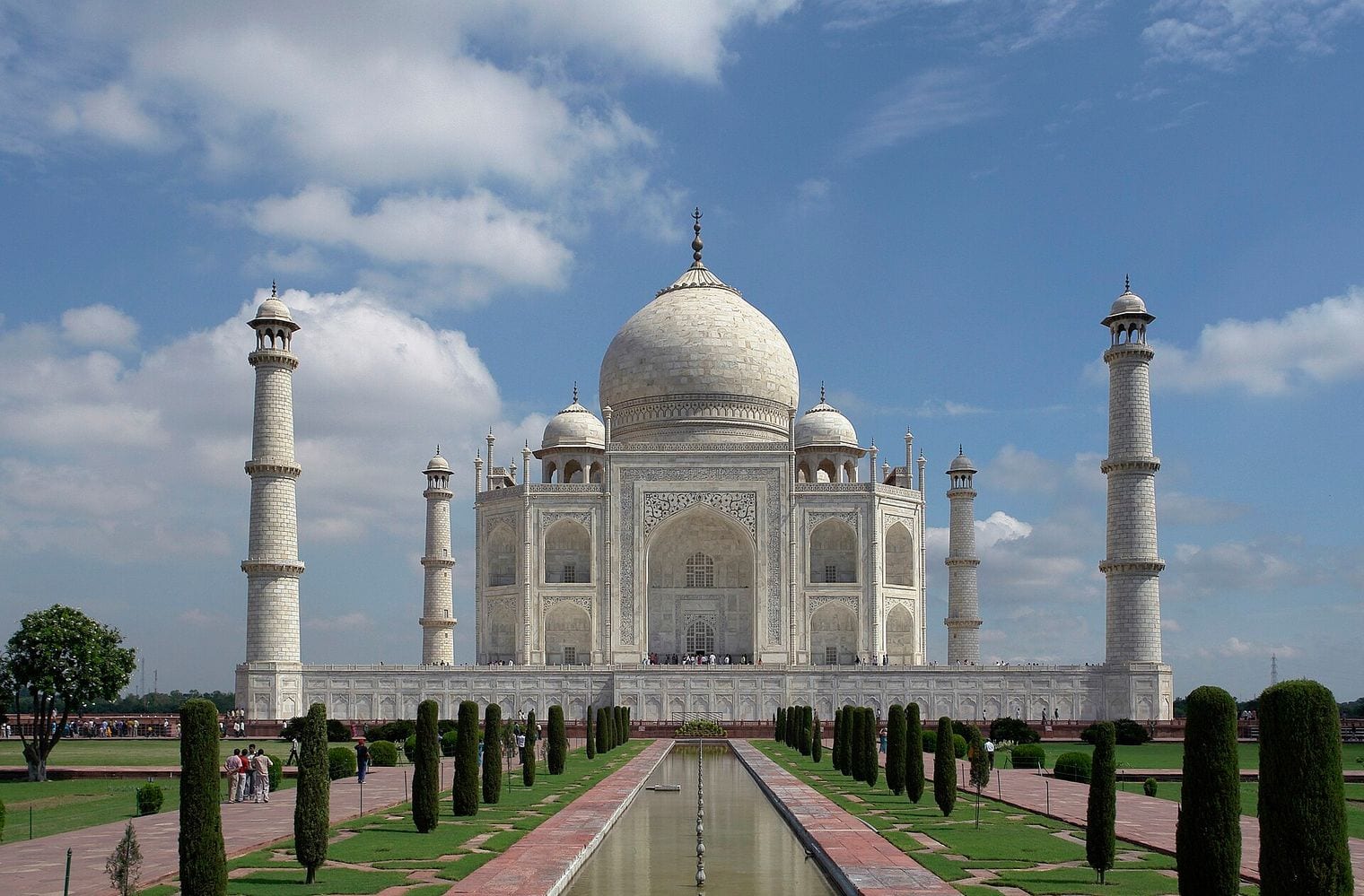
The Taj Mahal drew 6.91 million visitors in the 2024-25 financial year, comfortably India's most visited ticketed monument and the highest-ranked landmark on this list outside China and Europe. Roughly 645,000 of those admissions were foreign tourists; the overwhelming majority were domestic.
Shah Jahan raised the mausoleum in white marble for his wife Mumtaz Mahal, and its reputation rests on a symmetry that photographs flatten - the reflecting pool, the four minarets leaning fractionally outward, the inlaid stone that changes tone through the day. Sunrise is the standard advice for a reason: the marble reads warm and pink, and the river-facing side is quiet before the coaches arrive.
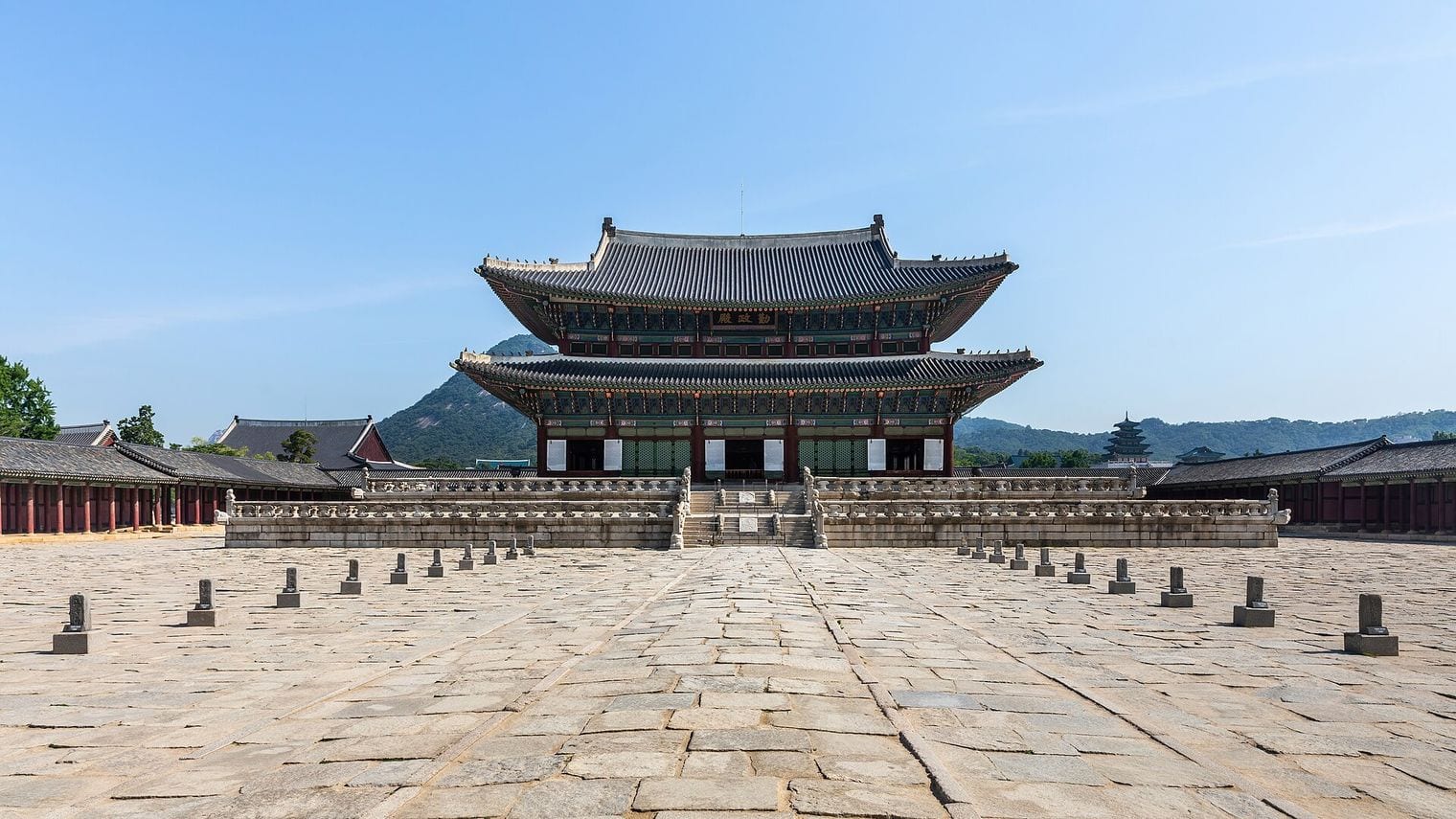
Gyeongbokgung took 6.89 million visitors in 2025, the busiest of Seoul's royal palaces and a figure that would surprise most rankings of the world's landmarks, which tend to omit Korea entirely. It sits at the head of a group: the city's four grand palaces, its royal tombs and Jongmyo Shrine together passed 17 million admissions for the first time that year.
The palace was the principal seat of the Joseon dynasty, and much of what stands today is careful reconstruction of buildings lost over the centuries. The throne hall and the pavilion set on its own island pond are the set pieces, and the changing of the guard at the main gate is the reliable draw. Visitors wearing hanbok enter without charge, which is why so much of the courtyard is dressed in colour.
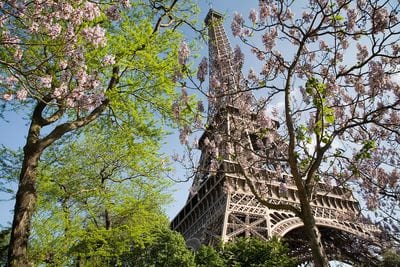
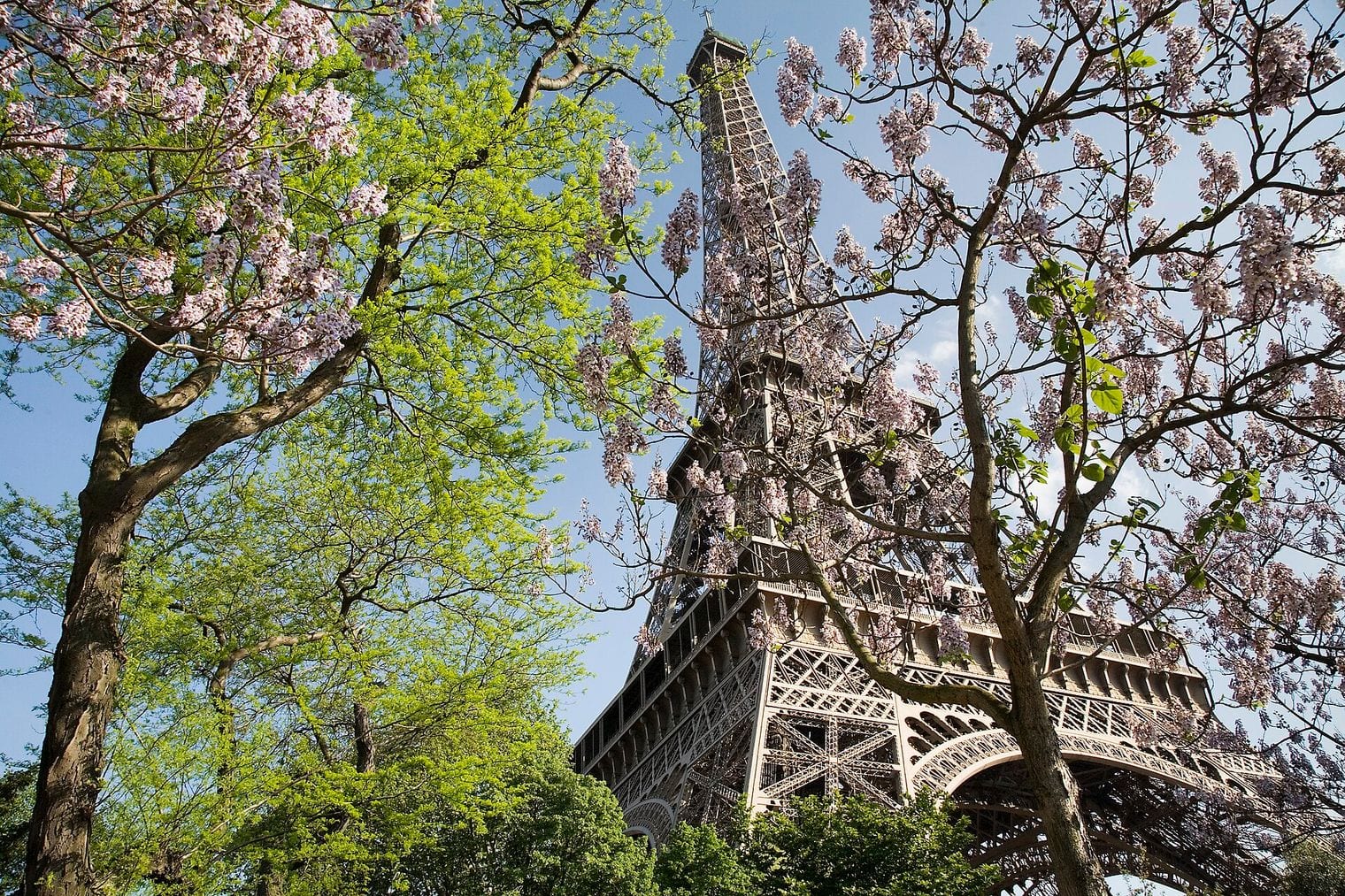
6.75 million visitors went up the Eiffel Tower in 2025, an increase of nearly 450,000 on the year before. That number counts paid entry to the tower's levels, and it is worth separating from the roughly ten million more who wander the forecourt underneath without ever passing a barrier - one of the clearest illustrations on this list of how much a counting rule matters.
Gustave Eiffel's iron tower was built for the 1889 World's Fair and was meant to be temporary. Three levels are open, and the top is the one people queue for, though the second floor arguably gives the better view because the city is still legible from it. Lifts sell out well ahead; the stairs to the second level are cheaper and rarely busy.
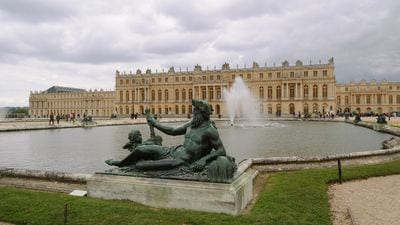
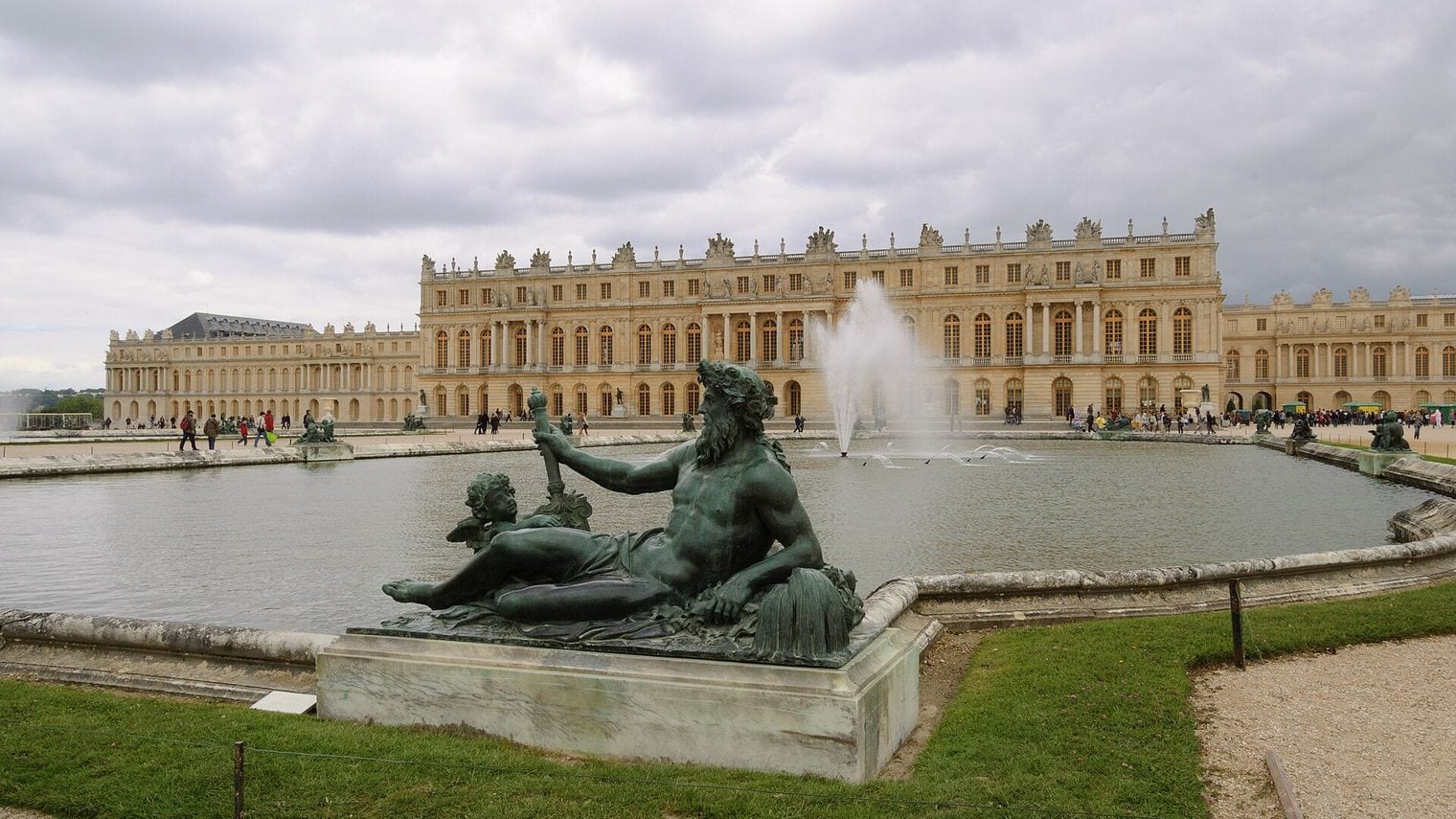
6.3 million visitors paid to enter the Palace of Versailles in 2025, an 11 percent rise on the previous year. The wider estate counted 8.4 million, but that larger figure sweeps in the free park, so the ticketed number is the one that belongs in a ranking like this.
Louis XIV moved the French court here in 1682 and the building is the argument for absolute monarchy rendered in stone, mirrors and clipped hedge. The Hall of Mirrors is the room everyone comes for, but the Trianon estate and Marie Antoinette's hamlet at the far end of the gardens are where the crowds thin out. The gardens are vast enough to need most of a day on their own.
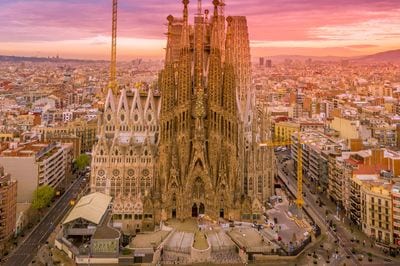
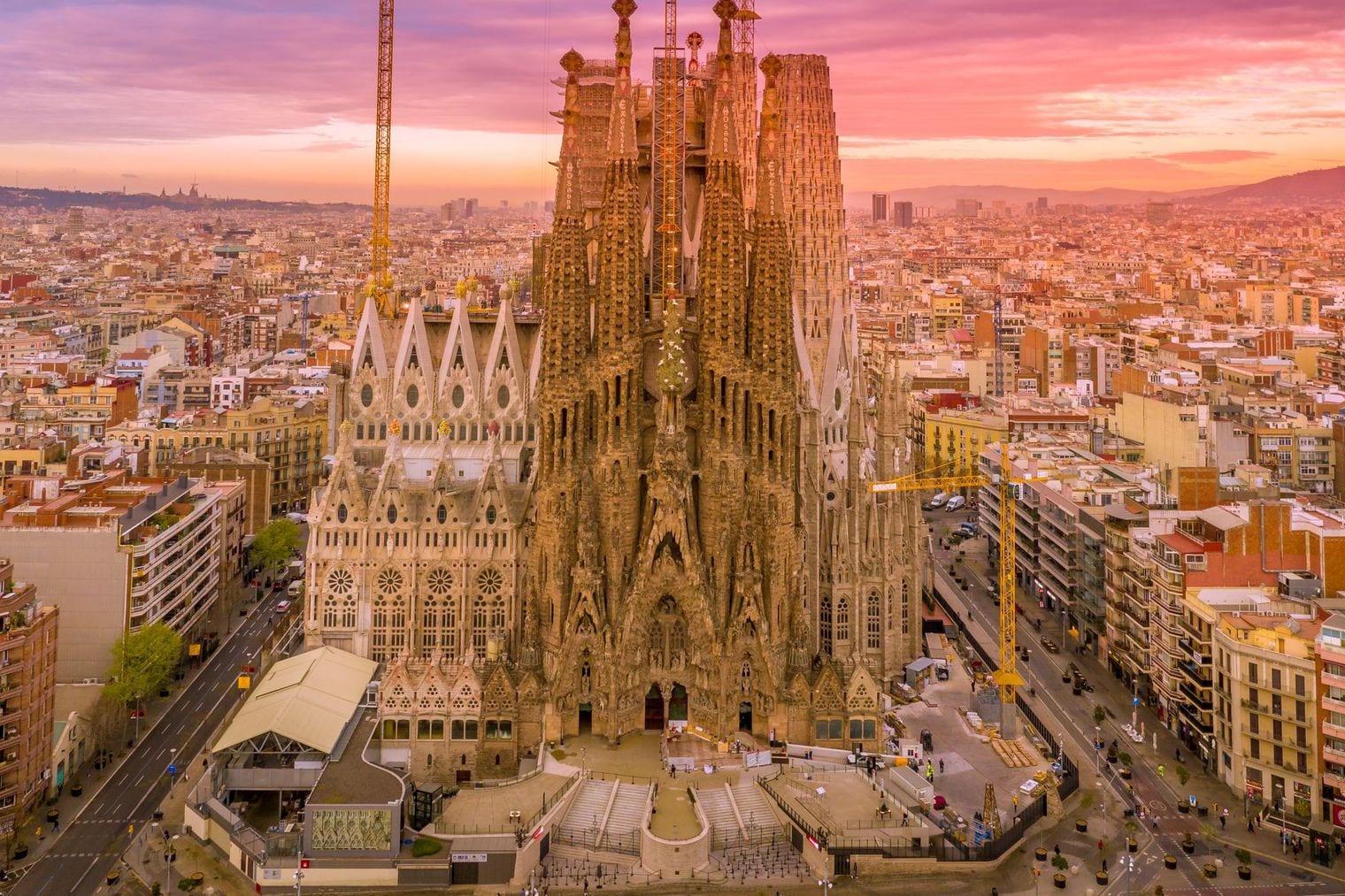
The Sagrada Família admitted 4.88 million visitors in 2025 - precisely 4,877,567, an all-time record for the basilica, though a rise of less than one percent on 2024. Its construction board has said plainly that the building is at practical capacity, and has floated longer opening hours as the only real remedy.
Antoni Gaudí took over the project in 1883 and worked on it until his death in 1926, and it has been under construction ever since, funded almost entirely by the people who come to see it. The interior is the surprise: a forest of branching columns under stained glass that throws green light across one side of the nave in the morning and red across the other by late afternoon.
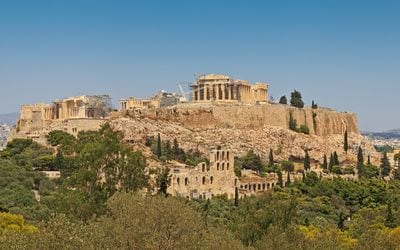
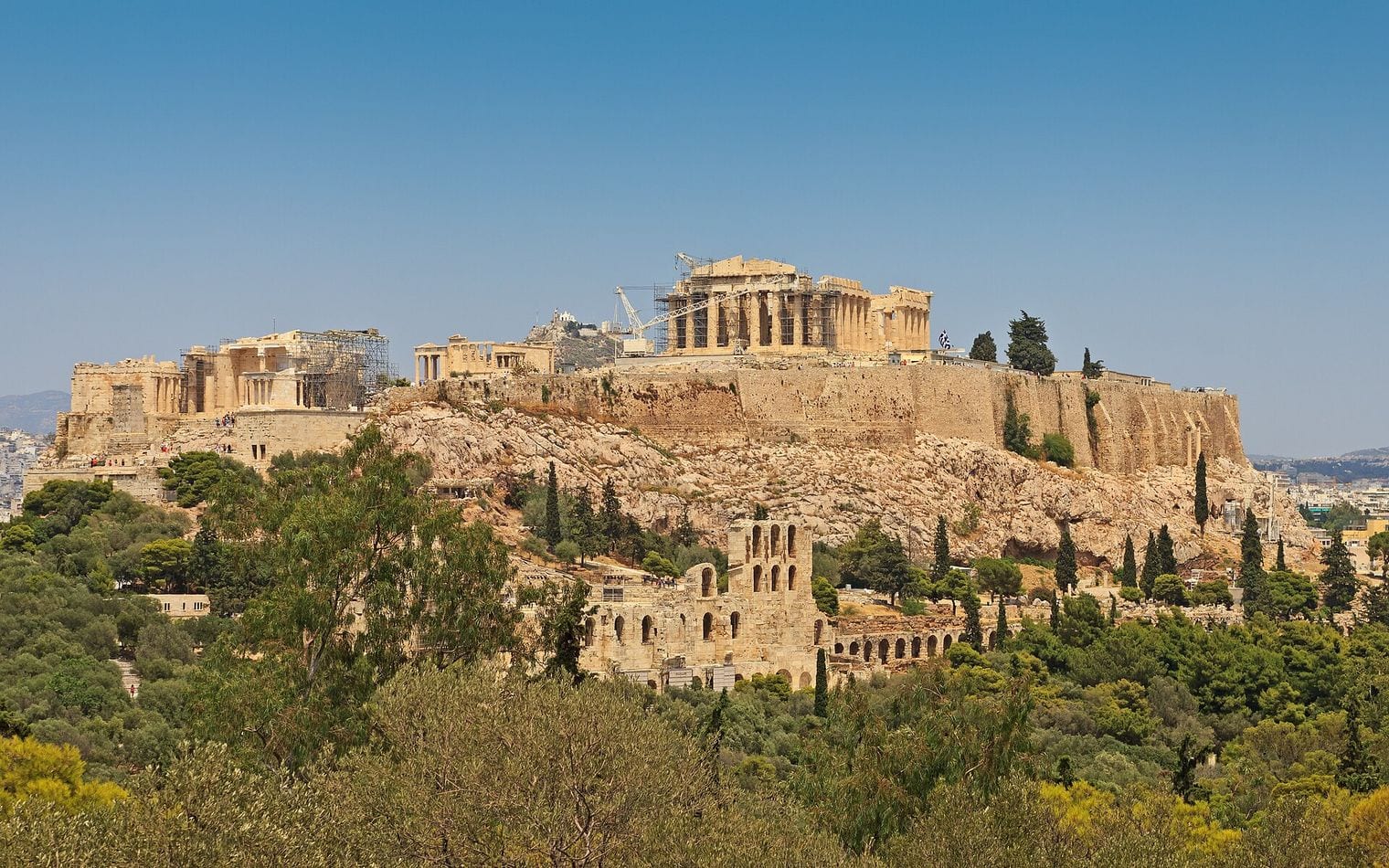
4.61 million visitors climbed the Acropolis in 2025, up 1.1 percent on the year before and about a third above its pre-pandemic level. It dominates Greek tourism to a degree that is hard to overstate - the country's second most visited archaeological site, Knossos on Crete, drew under a million.
The limestone outcrop carries the Parthenon, the Erechtheion and the Propylaea, built in the decades after 447 BC when Athens was at its most powerful. Daily numbers are now capped and entry is staggered by time slot, a response to exactly the pressure these figures describe. The marble underfoot is polished slick by millions of feet, so the walk up wants proper shoes rather than sandals.
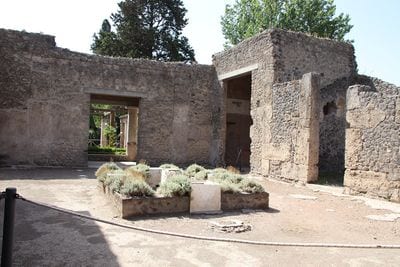
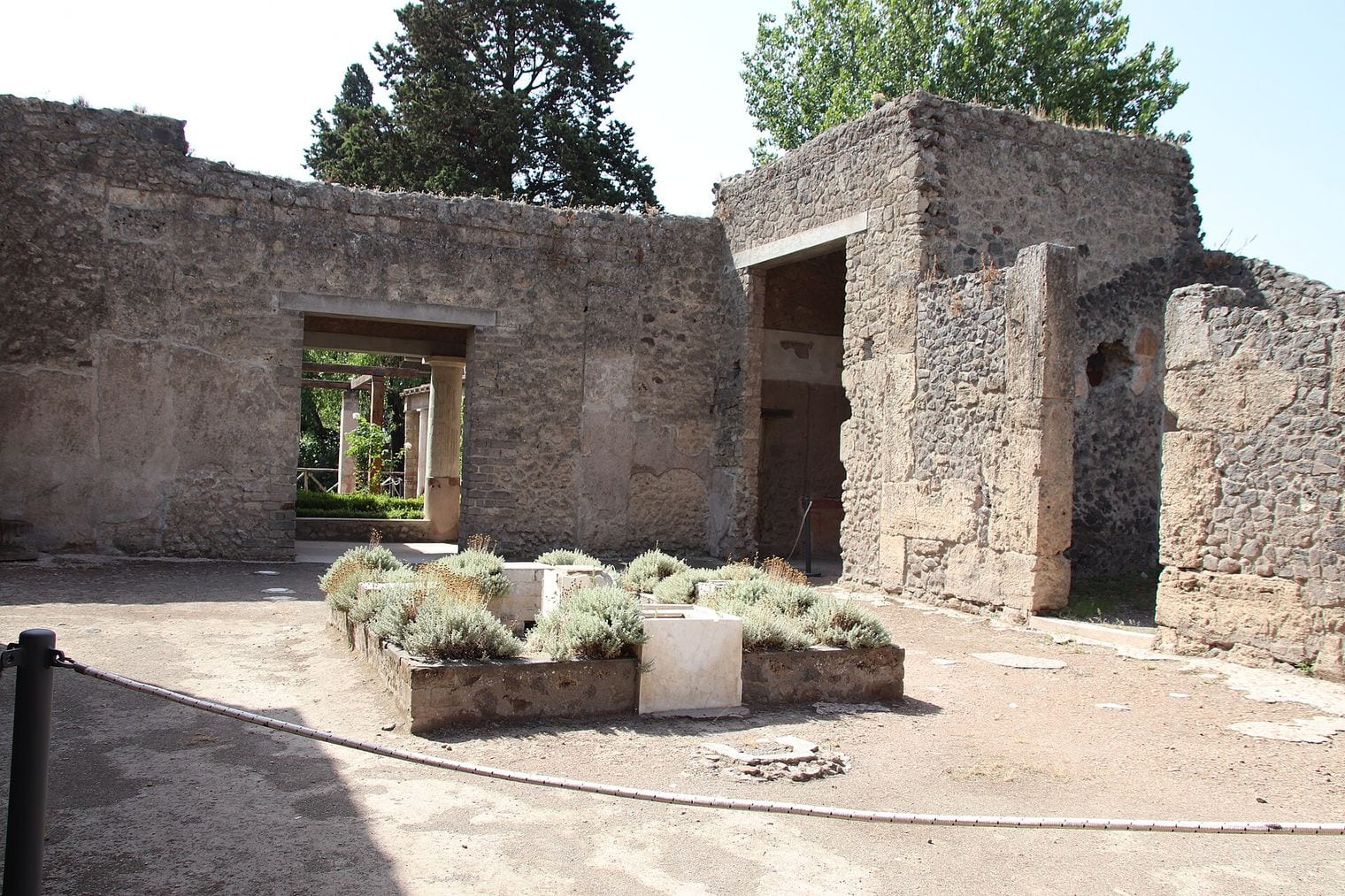
Pompeii counted 4.27 million visitors, making it the third most visited state cultural site in Italy after the Colosseum circuit and the Uffizi. Admissions and revenue both rose about five percent on the previous year.
Vesuvius buried the Roman town in AD 79 and in doing so preserved it - streets, shopfronts, bakeries, graffiti and wall paintings that survive nowhere else at this scale. The site is genuinely large and thinly shaded, so the common mistake is underestimating it and arriving at midday in August. Picking two or three quarters and walking them properly beats trying to see the whole grid.
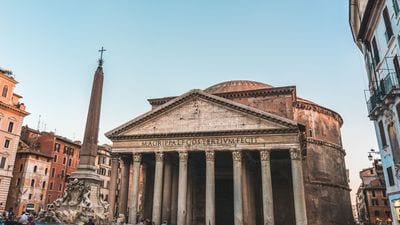
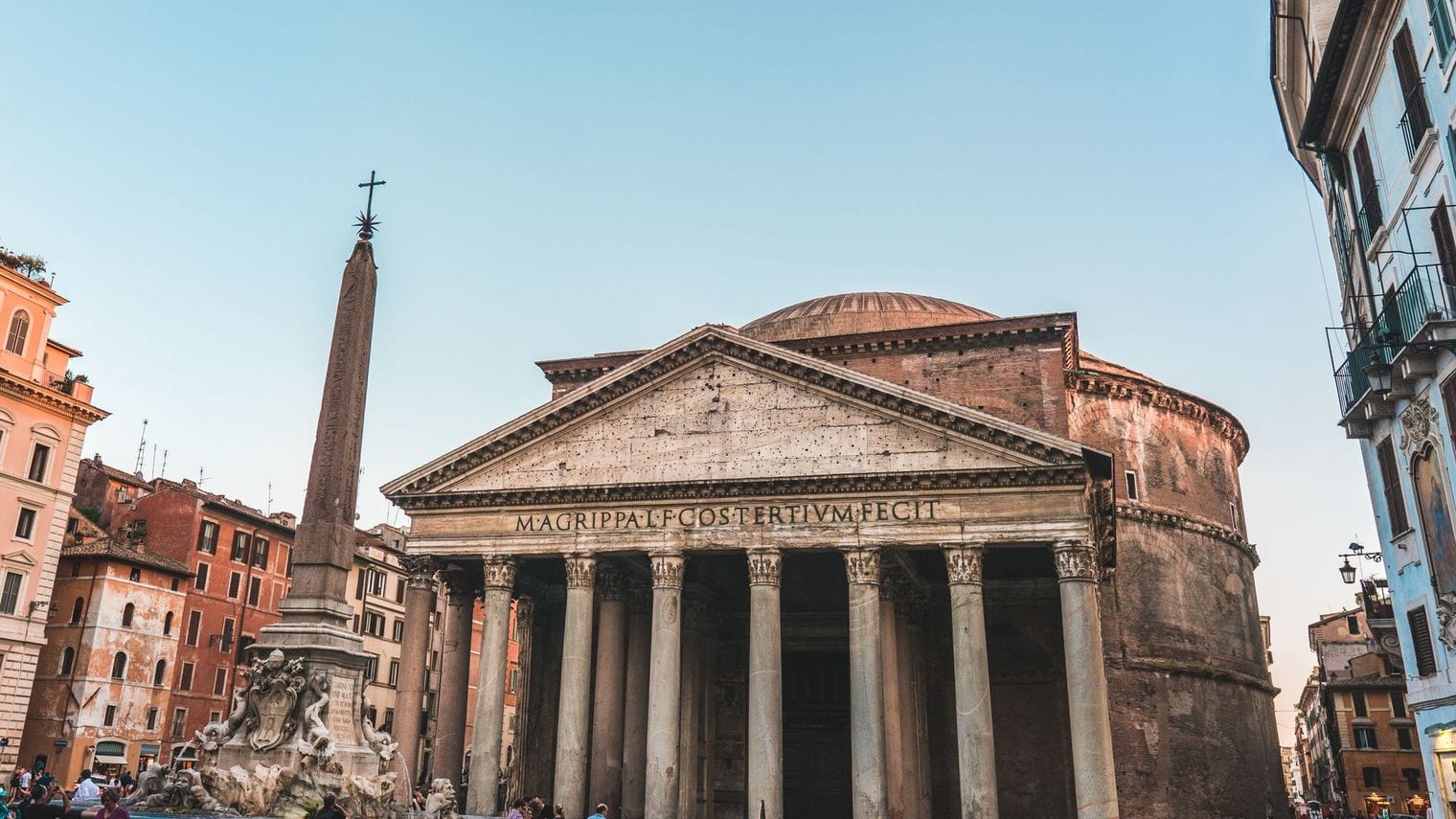
The Pantheon recorded 4.09 million visitors in 2024, in its first full year of charging admission - a debut that placed a single building fourth among all of Italy's state cultural sites, behind only the Colosseum circuit, the Uffizi and Pompeii. Entry had been free for most of its modern history.
Hadrian's rebuilding dates from around AD 126, and its unreinforced concrete dome is still the largest of its kind anywhere. The oculus at its centre is open to the sky, so rain falls through it onto a floor built with drainage in mind, and a single shaft of daylight tracks across the interior through the day. It is a short visit by the standards of this list, and worth timing for the light.
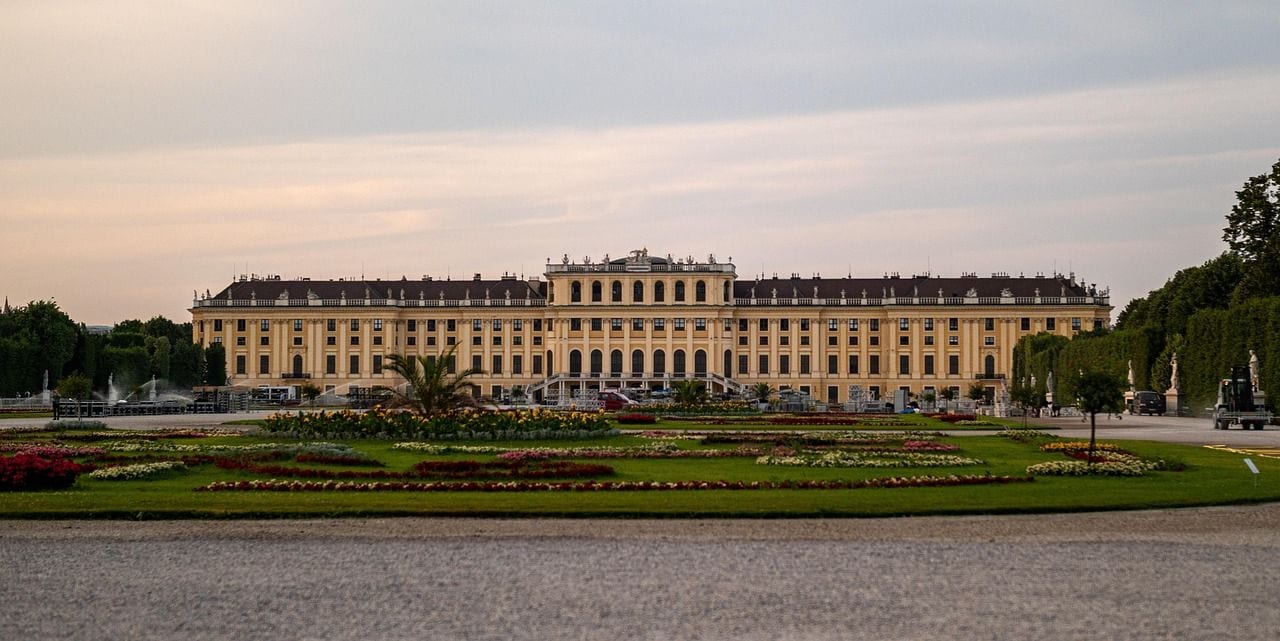
Schönbrunn Palace drew 3.96 million visitors in 2025, a rise of just over 10 percent and the strongest performance among the Vienna sites its operator runs. It remains Austria's single most visited attraction.
The Habsburgs used it as their summer residence, and its 1,441 rooms are shown in two standard routes of differing length, taking in the state apartments and the rooms associated with Empress Elisabeth. The grounds are the underrated half: free to walk, they climb to the Gloriette colonnade on the ridge, which gives the view back over the palace and the city that most visitors photograph.
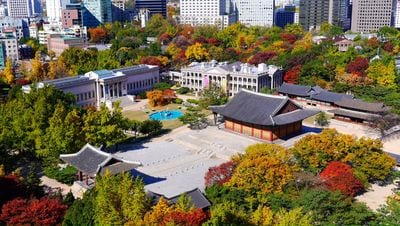
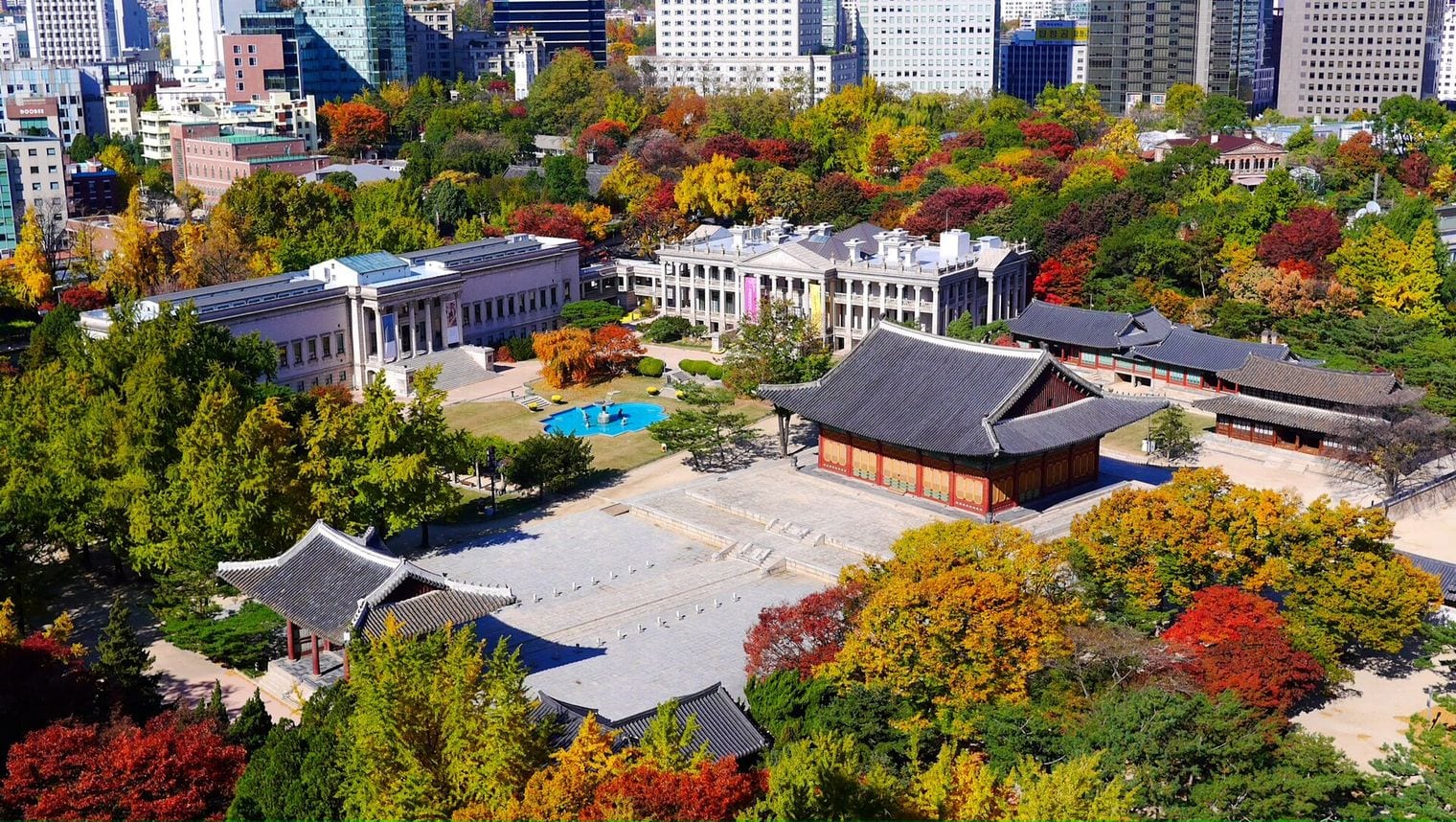
Deoksugung took 3.56 million visitors in 2025, second among Seoul's four grand palaces and ahead of both Changdeokgung and Changgyeonggung. Its central location does much of the work - it sits directly beside City Hall in a way none of the others do.
What makes it distinctive is architectural mixture. Alongside the traditional wooden halls stand Western-style stone buildings put up in the early twentieth century, a juxtaposition found in no other Korean palace. The stone-wall path running alongside it is a well-known city walk in its own right, and the changing of the royal guard at the main gate happens several times a day.
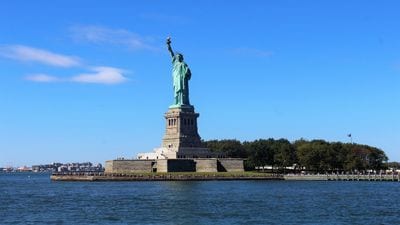
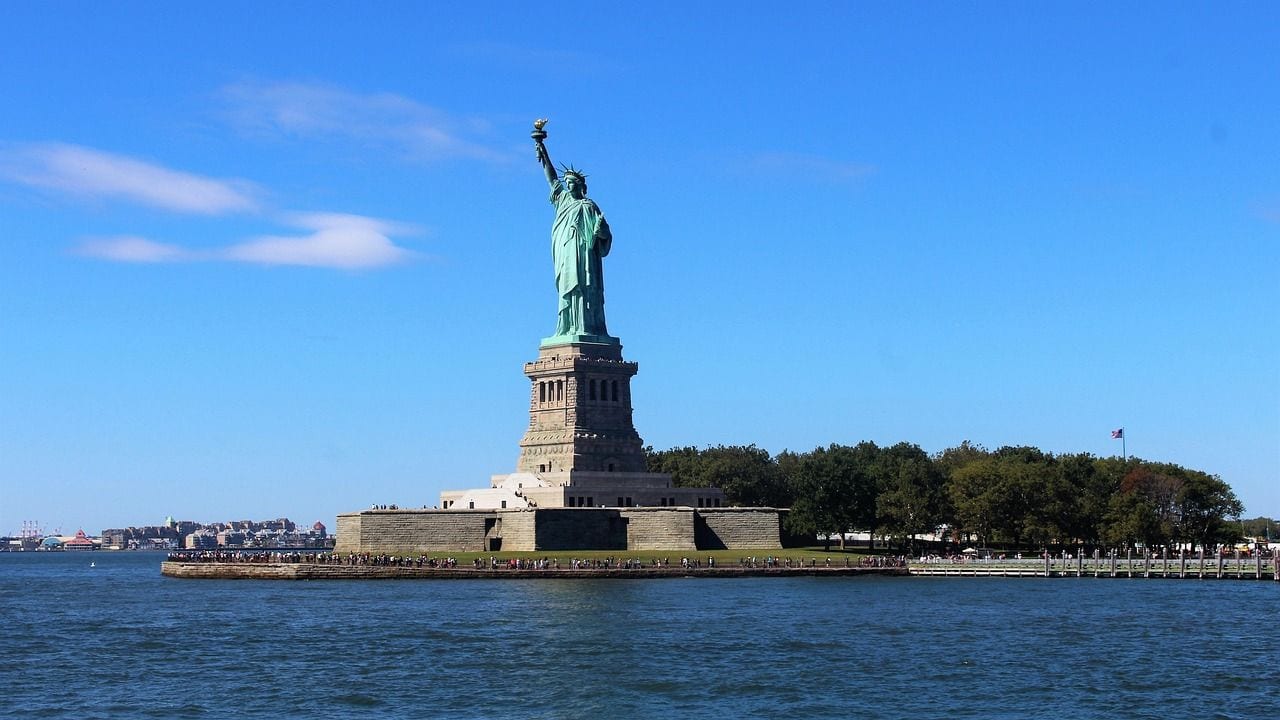
The Statue of Liberty National Monument received 3.54 million visitors in 2025, a slight dip from 3.72 million the year before. The count covers Liberty Island and Ellis Island together, and because both are reachable only by the official ferry, the figure is effectively a headcount of everyone who set foot on either.
France gave the statue to the United States in 1886, and Bartholdi's figure has served as the first American landmark seen by arriving ships ever since. Access comes in tiers: the island and grounds, the pedestal, or the crown, with the last requiring a booking made well in advance and a climb up a narrow spiral staircase.
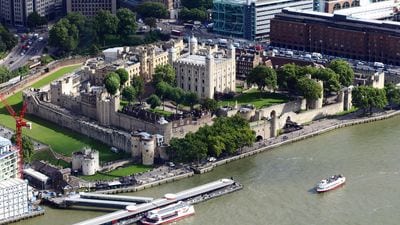
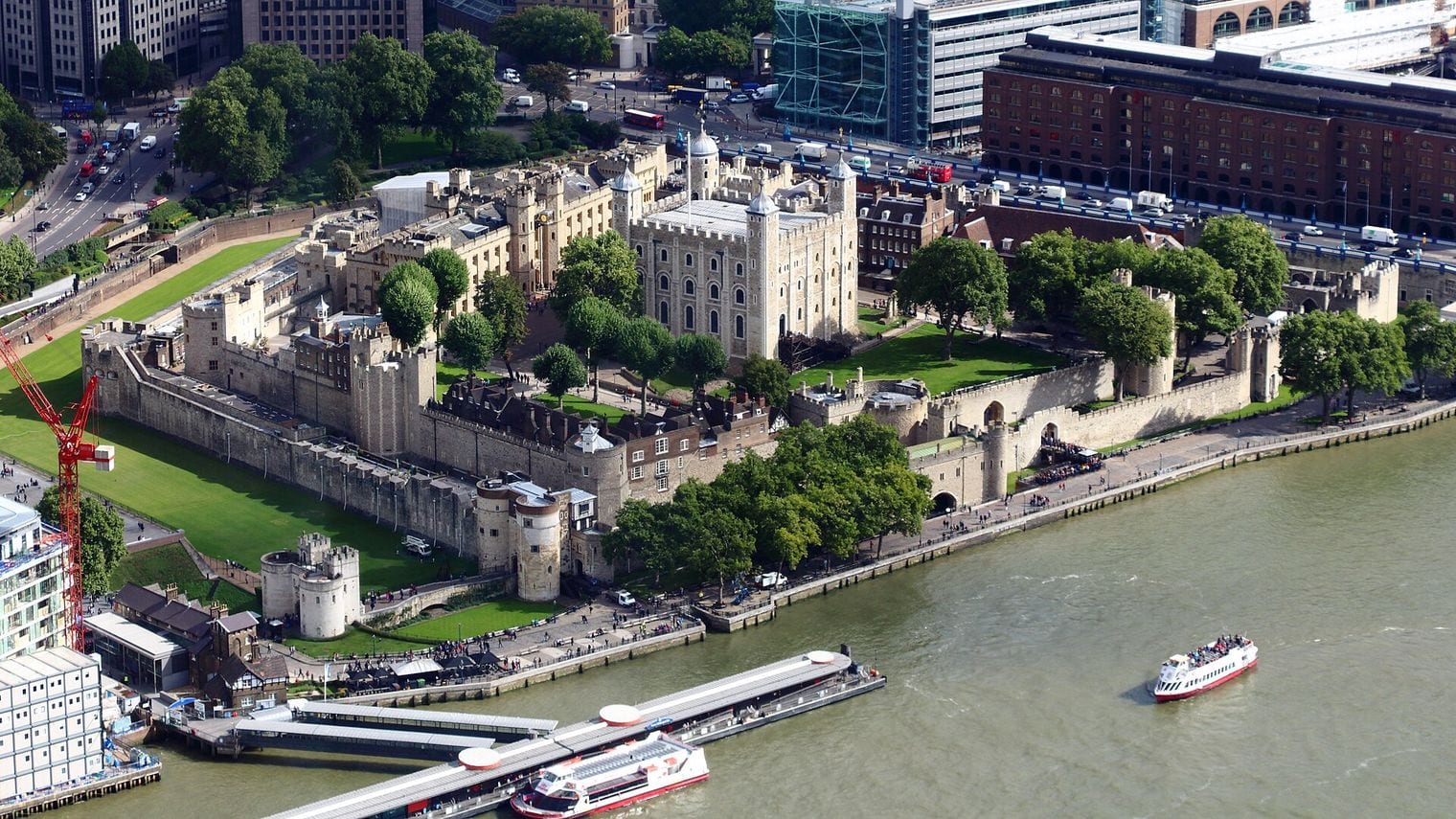
The Tower of London drew 2.82 million visitors in 2025 - 2,817,852 exactly - which made it the most visited paid attraction in the United Kingdom, ninth overall on a national list otherwise topped by free-entry museums.
William the Conqueror began the White Tower in the 1070s, and the fortress has since served as royal residence, armoury, mint and prison. The Crown Jewels draw the longest queues and are best done first thing, while the Yeoman Warder tours are the reason many visitors stay longer than they planned. The ravens, and the superstition attached to them, remain the site's most reliably repeated story.
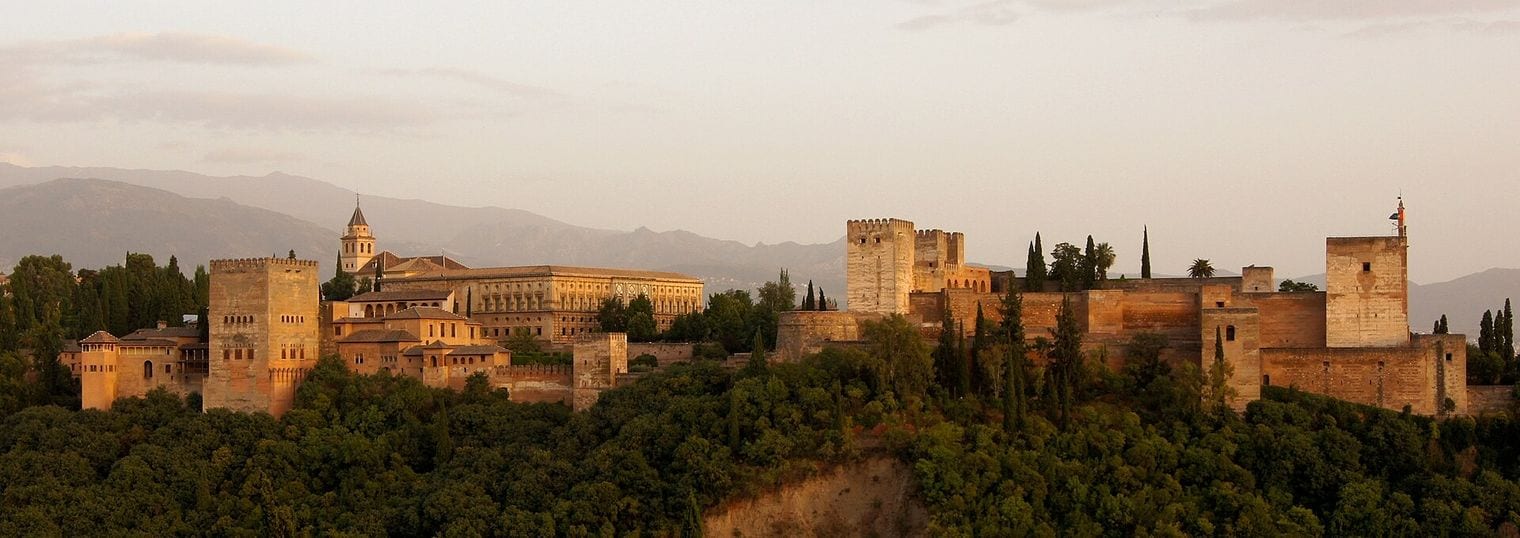
The Alhambra closes the list with 2.73 million visitors in 2025 - 2,726,871, up half a percent on the year and comfortably the most visited monument in Andalusia. It is also the clearest case on this list of a site running into a hard ceiling: its regulated annual capacity is 2,763,500, which it came within about one percent of reaching.
The hilltop complex above Granada was built by the Nasrid dynasty from the thirteenth century, and its reputation rests on the carved stucco, tilework and water channels of the palaces at its heart. Tickets for the Nasrid Palaces carry a fixed half-hour entry slot and sell out weeks ahead in season, which is the single thing most first-time visitors get caught by.
FAQ: The World's Most Visited Landmarks
What is the most visited landmark in the world?
The Forbidden City in Beijing, which recorded 17.6 million visitors in 2024. That is close to three million more than the Colosseum's ticketed circuit in Rome and more than double the Taj Mahal's annual total. No other single landmark publishes a counted admissions figure anywhere near it.
Why is the Great Wall of China not on this list?
Because no verifiable annual figure exists for it. The Badaling section near Beijing is usually credited with somewhere between 10 and 16 million visitors a year, but those are undated estimates rather than a counted total published for a named year, so the wall cannot fairly be ranked against sites that publish one.
How are these landmark visitor numbers counted?
Every figure here is an admissions count published by the site's own operator or its national culture ministry, among them Italy's Ministry of Culture, Greece's statistical authority, the Korea Heritage Service and the US National Park Service. Free-access footfall estimates are excluded, which stops crowd guesses sitting beside genuine turnstile counts.
Which is the most visited landmark in Europe?
Rome's Colosseum Archaeological Park, at 14.73 million admissions in 2024, although that figure covers the whole ticketed circuit including the Roman Forum and Palatine Hill. Among single buildings, the Eiffel Tower leads with 6.75 million paid entries in 2025, a little ahead of the Palace of Versailles on 6.3 million.
Why are the Louvre and other big museums not included?
This list ranks places where the structure or the ground itself is the visit: palaces, monuments, temples and archaeological sites. Great collection museums such as the Louvre, the Vatican Museums and the British Museum draw their millions for what is displayed inside them, which makes them a separate ranking rather than a landmark one.