By the City Viking editorial teamPublished Ranked by year of independence · 12 min read
Last verified Checked before launchOct 29, 202615 sources13 publishers3 government & parks12 venues & other sitesPublished · Oct 30, 2026Researched and checked before it went liveClick for every source and the full change log.
The record
9 July 2011
South Sudan
The record
The newest country in the world is South Sudan — 9 July 2011, year of independence.
Source: constituteproject.org. Verified .
Kosovo declared independence in 2008 and Serbia has stood alone since 2006, yet neither is on this list. It ranks the 15 newest countries in the world, from Armenia, proclaimed independent on 23 September 1991, to South Sudan, which became the newest country on Earth on 9 July 2011.
Each state is dated by the act that made it independent, not by a referendum or a later recognition, so Montenegro counts from its parliament's declaration of 3 June 2006 rather than the vote of 21 May. Only current UN member states that came into being as new states qualify.
That leaves out Kosovo, which is not a UN member, and Serbia, which kept the UN seat of Serbia and Montenegro, as well as old states that joined the UN late, such as Switzerland in 2002. Ten of the fifteen emerged from the breakup of the Soviet Union, Yugoslavia and Czechoslovakia between 1991 and 1993.
South Sudan is still the UN's newest member.South Sudan joined on 14 July 2011 as the 193rd member state, five days after independence, and no state has been admitted since.
Timor-Leste was the first new country of the 21st century, on 20 May 2002, more than 26 years after Timor-Leste's independence movement first declared independence in November 1975.
Montenegro's independence vote cleared its bar by about 2,300 votes. In Montenegro, 55.5% voted yes in 2006, against a 55% threshold set under European Union rules.
Kazakhstan was the last Soviet republic to declare independence — Kazakhstan did so on 16 December 1991, ten days before the Soviet Union was dissolved.
Palau was the last piece of the Trust Territory of the Pacific Islands to become independent. When Palau left trusteeship on 1 October 1994, the UN Trusteeship Council had no territories left to oversee.
Bratislava is the only capital that borders two other countries. The capital of Slovakia touches both Austria and Hungary, and lies about 50 kilometres from Vienna.
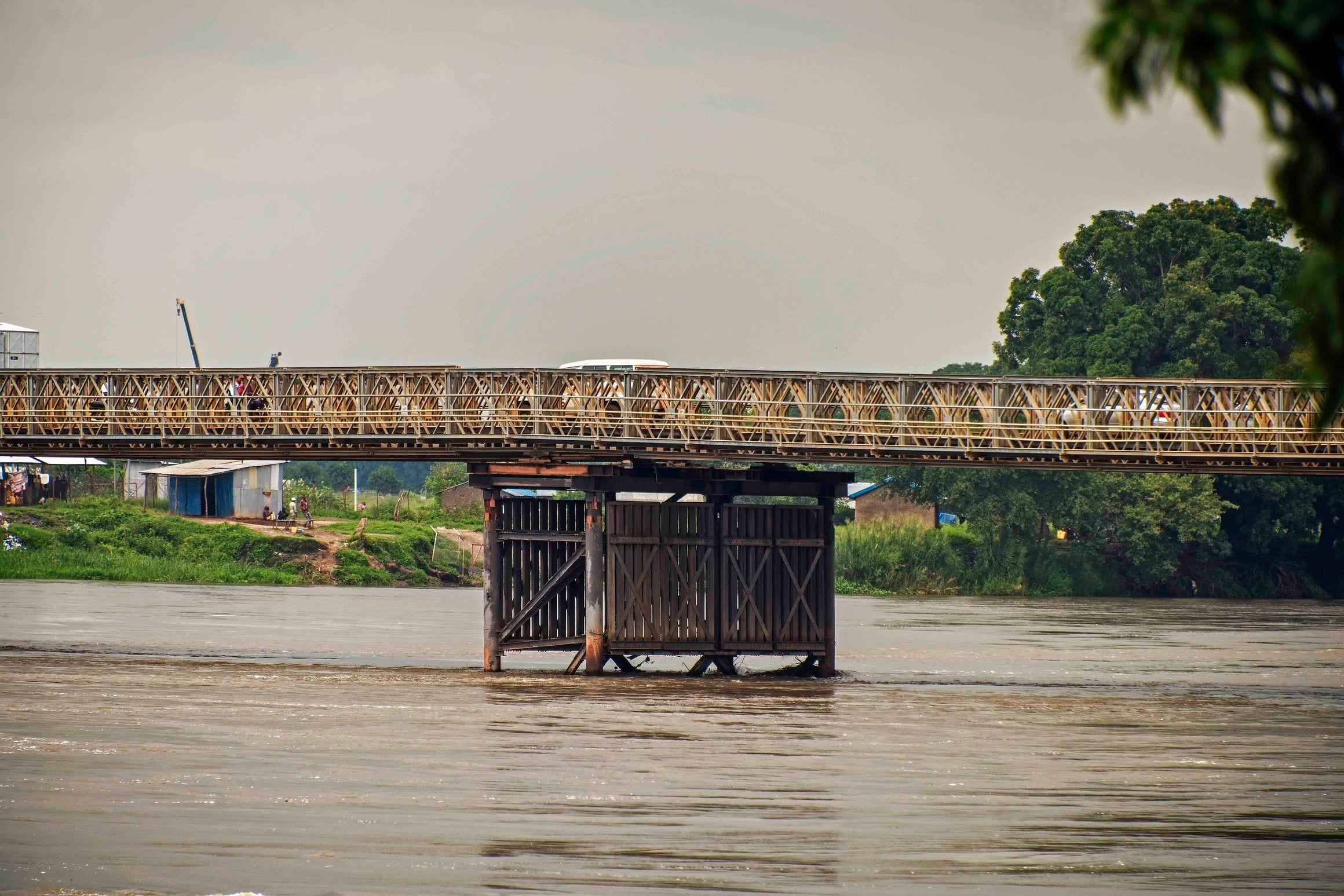
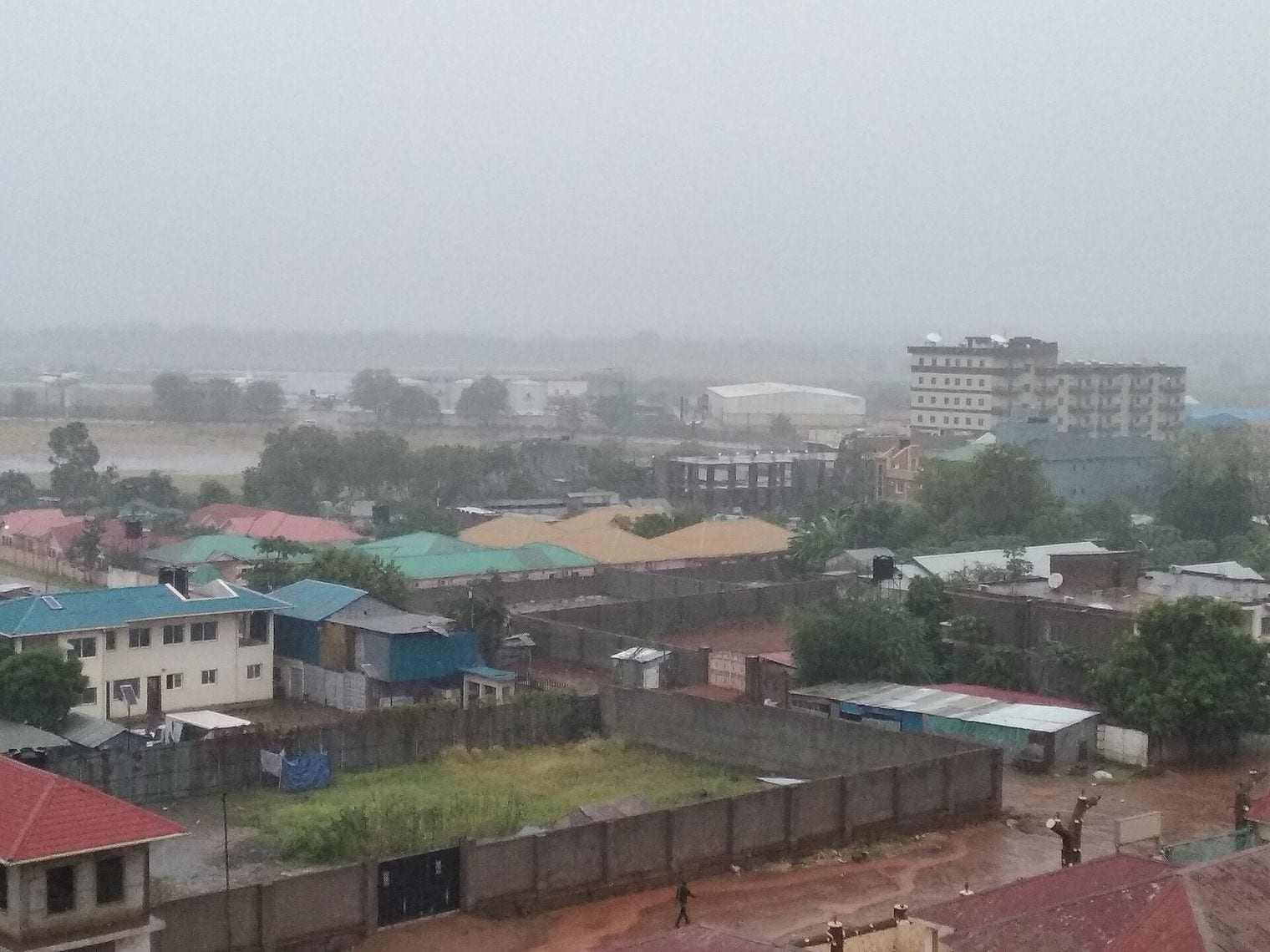
On 9 July 2011, South Sudan became the newest country in the world, splitting from Sudan after 98.8% of voters backed independence in a referendum that January. It was the 54th independent country in Africa, and on 14 July 2011 it joined the United Nations as its 193rd member, the last state the UN has admitted.
Its capital, Juba, sits on the White Nile and is the most recently declared national capital in the world. Downstream the river spreads into the vast swamp of the Sudd, and surveys have found large herds of kob, topi and buffalo, as well as elephants and giraffes, in Boma National Park and the wetlands.
A civil war that began in 2013 and the unrest since make South Sudan a difficult country to visit, and any trip needs careful planning and up-to-date official travel advice.
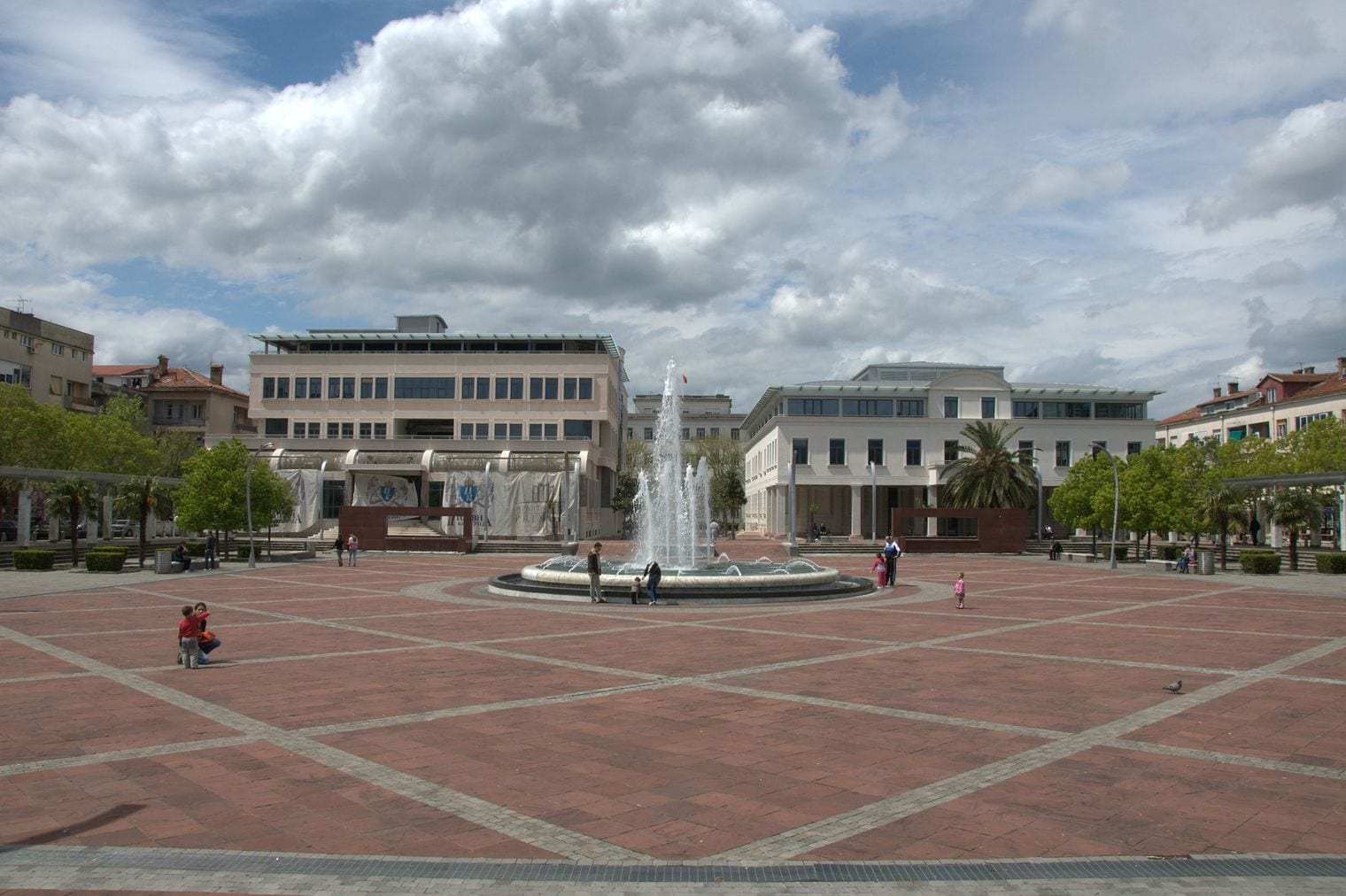
On 3 June 2006, the parliament of Montenegro declared independence, ending the state union with Serbia and making it the newest UN member in Europe. The referendum of 21 May, which Montenegrins mark as their independence day, had passed with 55.5% of the vote, just over the 55% threshold set under European Union rules, and on 28 June 2006 the country joined the United Nations as its 192nd member.
The Bay of Kotor, a fjord-like inlet ringed by mountains and Venetian-era towns, is a UNESCO World Heritage Site, as is Durmitor National Park, whose limestone massif is bounded by the Tara River Canyon. The capital, Podgorica, is a modest modern city, while the old royal capital, Cetinje, keeps the monasteries and palaces of the country's earlier independence.
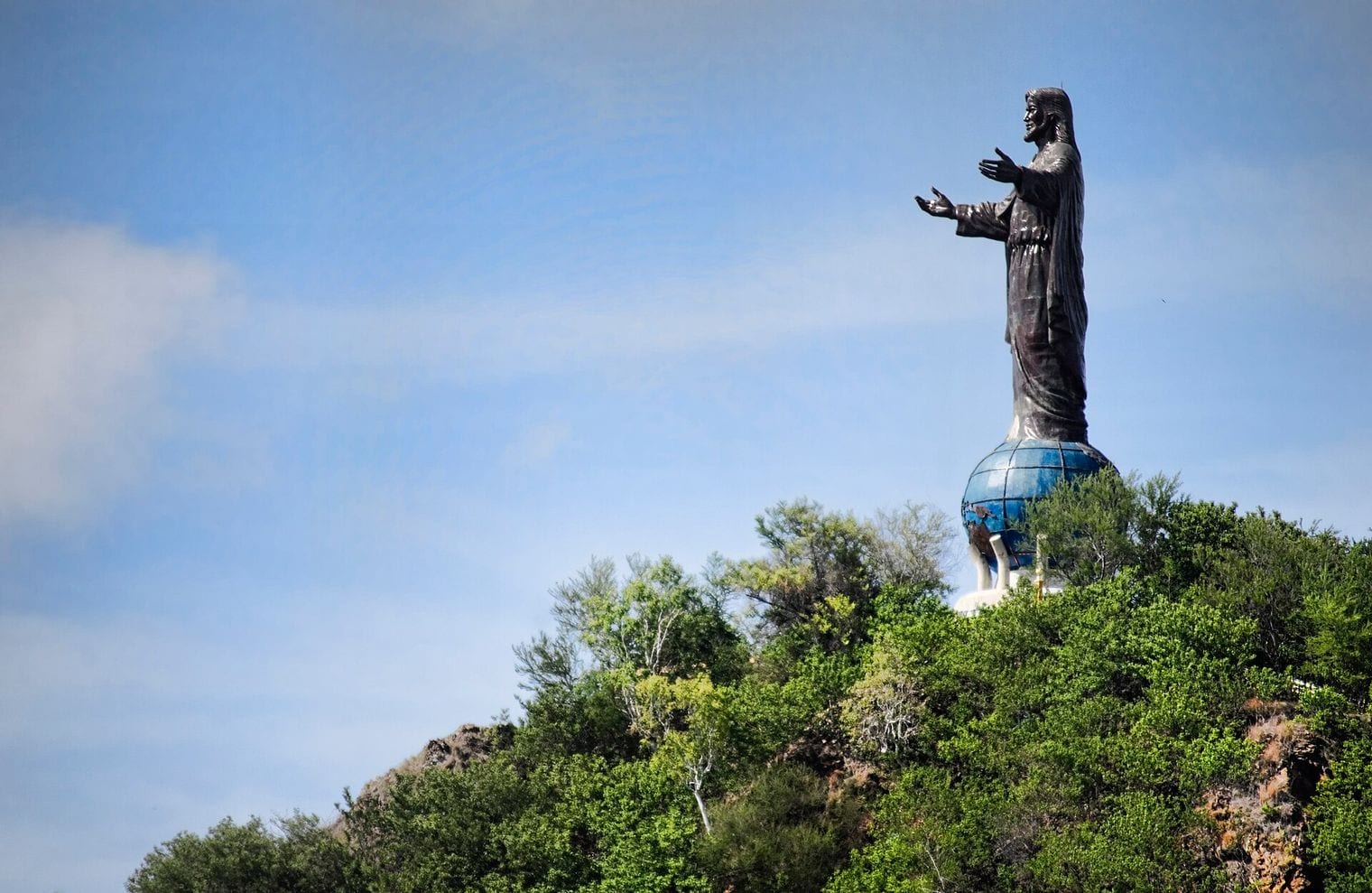
On 20 May 2002, Timor-Leste became the first new sovereign state of the 21st century, when the United Nations handed over the territory it had administered since Indonesia gave up control in 1999. The independence movement Fretilin had first declared independence on 28 November 1975, days before Indonesia invaded, so the country marks 20 May 2002 as the day its independence was restored and recognised.
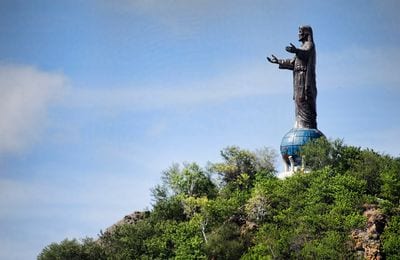
Dili, the capital, curves along the northern shore beneath steep hills, with the Cristo Rei statue looking out from a headland at the eastern end of its bay. Offshore, Atauro Island draws divers and snorkellers to its coral reefs, and the country has since become a full member of ASEAN, the Southeast Asian bloc it set out to join before independence.
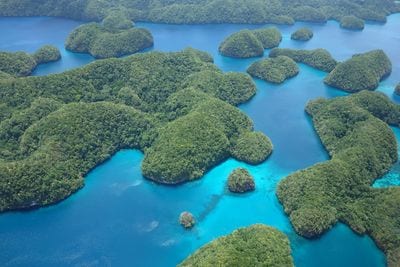
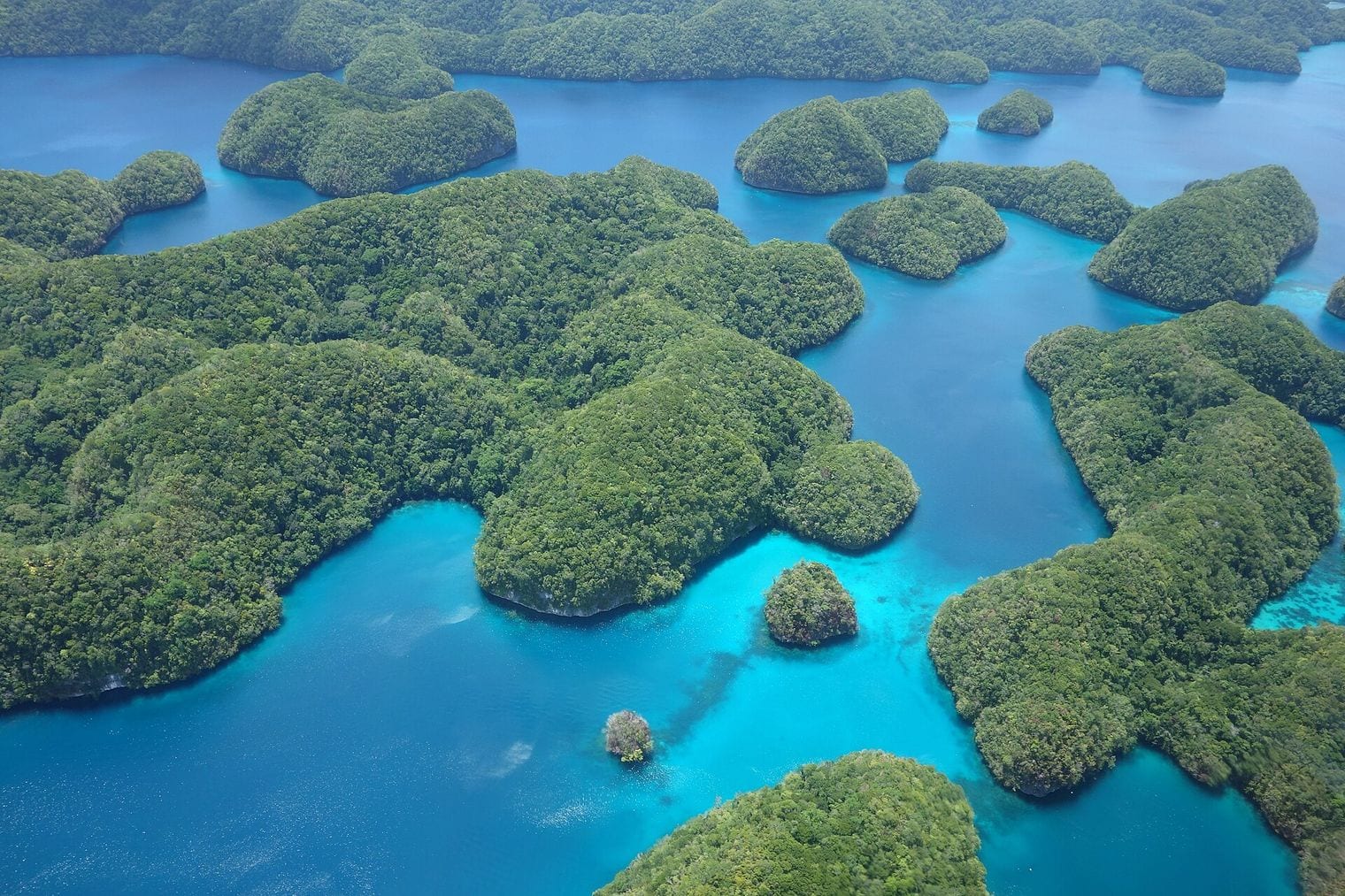
On 1 October 1994, Palau became independent as its Compact of Free Association with the United States entered into force, ending nearly half a century under UN trusteeship. It was the last part of the Trust Territory of the Pacific Islands to gain independence, and it joined the United Nations that December.
The capital, Ngerulmud, is a purpose-built government complex on Babeldaob, the largest island, which took over from Koror as the seat of government in 2006. Most visitors head instead for the Rock Islands, a UNESCO World Heritage Site of hundreds of forested limestone islets and marine lakes, and for waters that in 2009 became the world's first shark sanctuary.
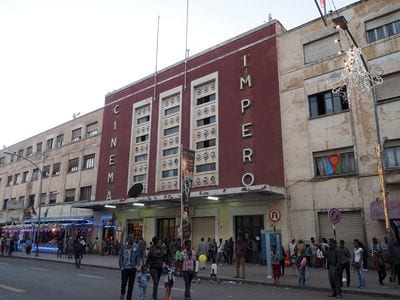
On 24 May 1993, Eritrea became an independent state, a month after a UN-observed referendum returned an overwhelming vote to leave Ethiopia. Eritreans date their liberation from 24 May 1991, when the fighters of a 30-year war entered Asmara, but independence in law came two years later to the day.
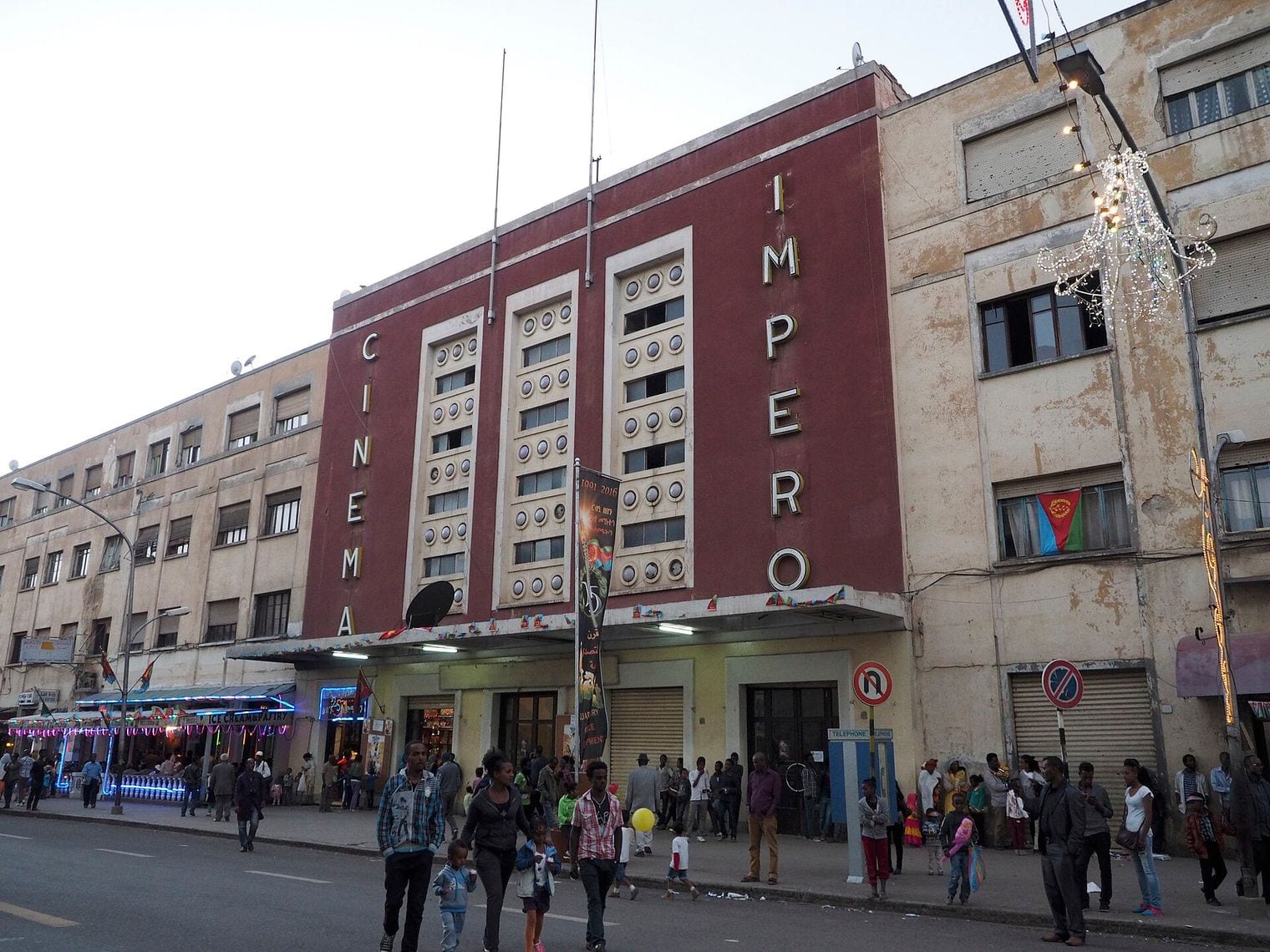
Asmara, the capital, was inscribed as a UNESCO World Heritage Site in 2017, the first modernist city to be listed in its entirety, its streets lined with Italian-era Art Deco and modernist buildings such as the Cinema Impero. Down on the Red Sea, the port of Massawa and the Dahlak Archipelago offshore complete a country that few travellers ever reach.
On 1 January 1993, the Czech Republic became an independent state as Czechoslovakia split peacefully in two, a separation often called the Velvet Divorce. Its constitution came into force that same day, which it shares with Slovakia, and the two joined the United Nations together on 19 January 1993.
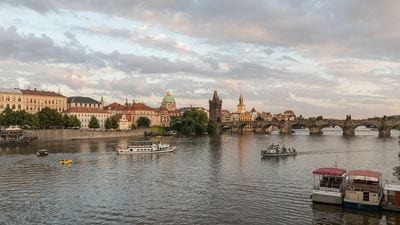
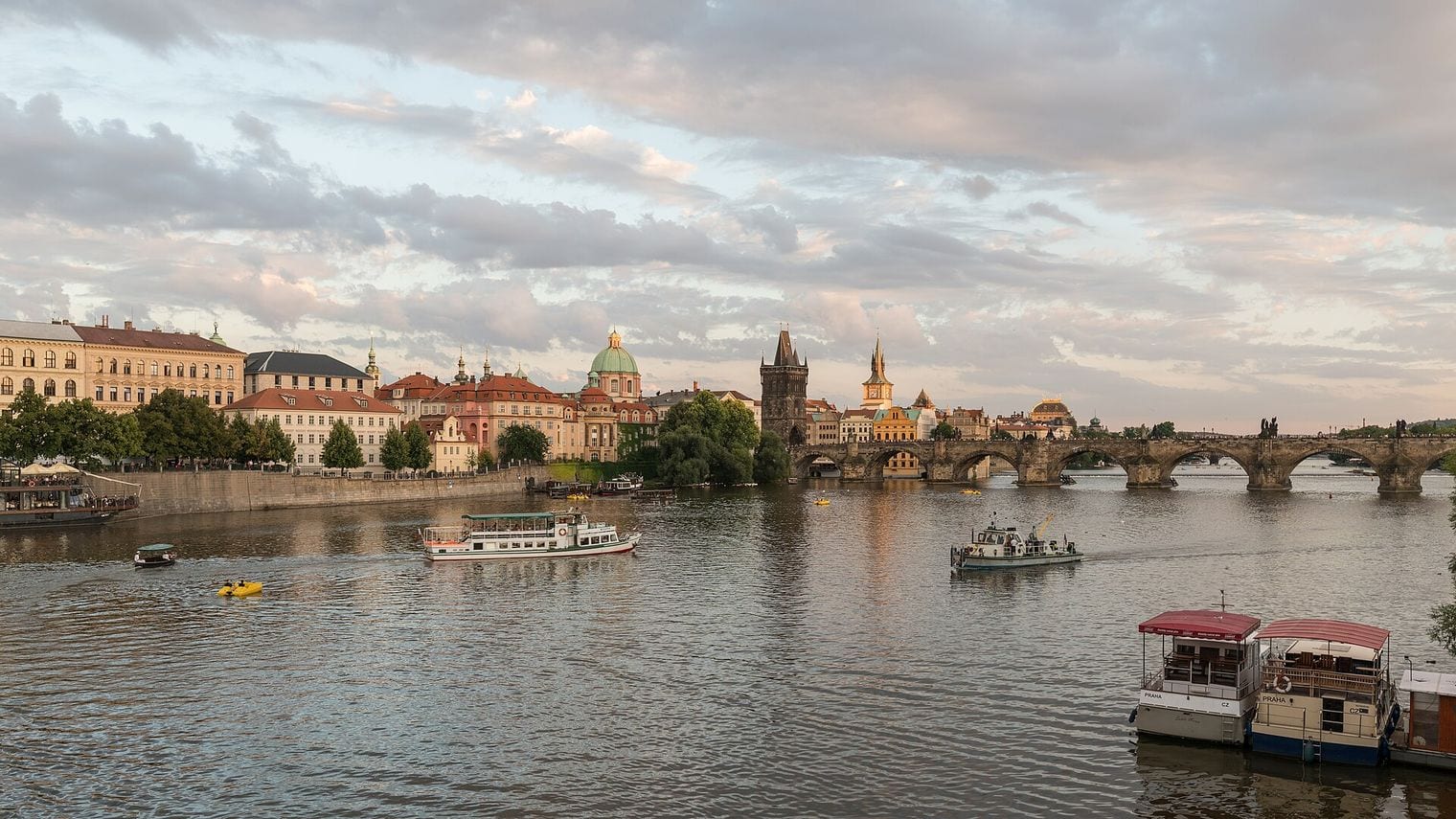
Since 2016 the government has used Czechia as the country's short English name. Prague, the capital, has had its historic centre on the UNESCO World Heritage List since 1992, a skyline of spires over the Vltava River crowned by Prague Castle, and the spa towns and castles of Bohemia lie within easy reach.
On 1 January 1993, Slovakia became an independent state as Czechoslovakia dissolved by agreement, without a referendum and without violence. It shares the date with the Czech Republic, and the two were admitted to the United Nations on the same day later that January.
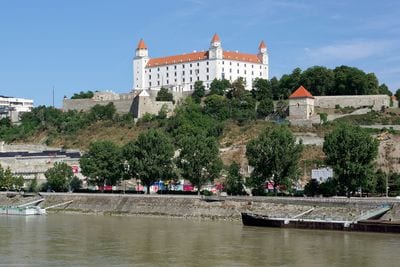
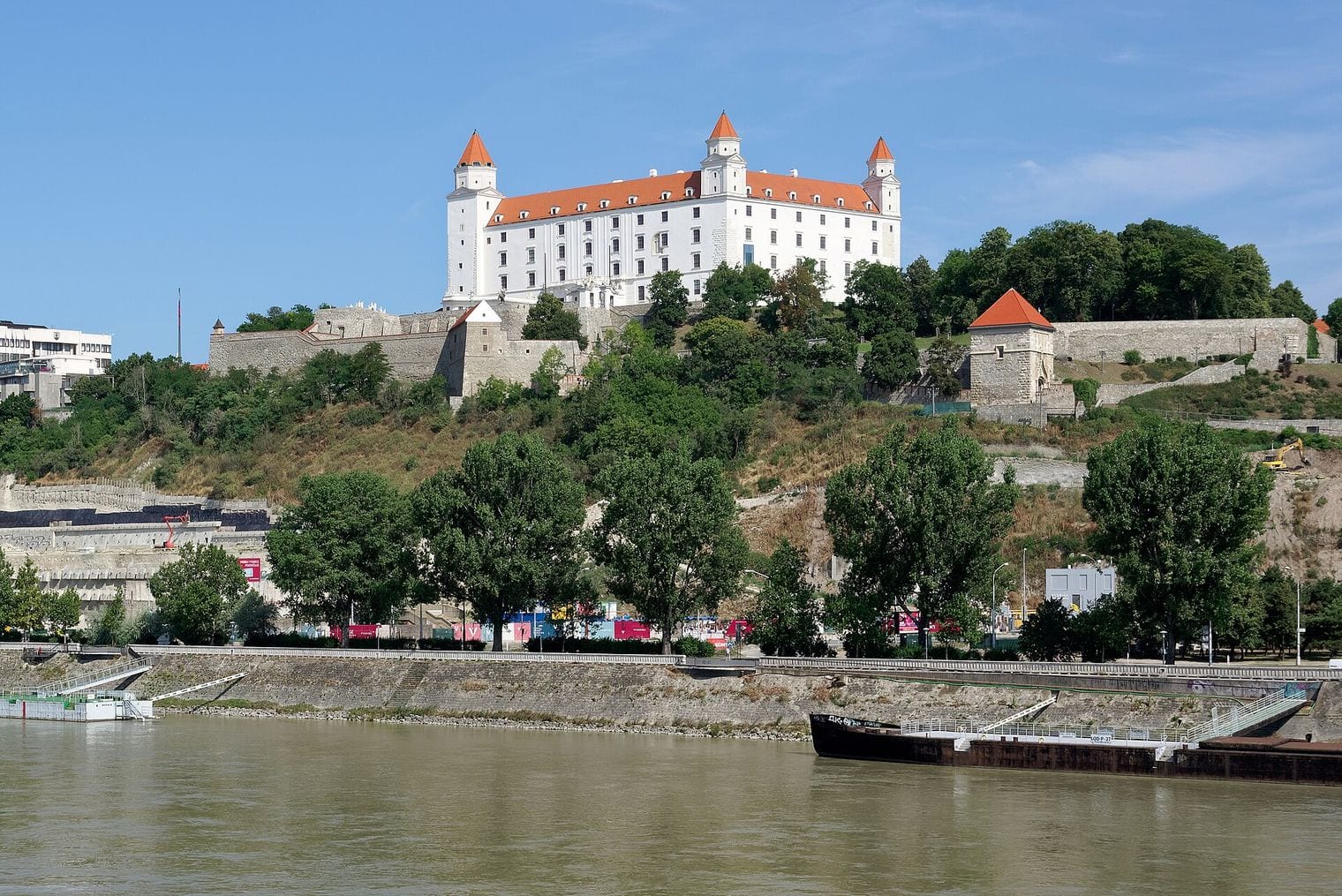
Bratislava, the capital, sits on the Danube where Slovakia meets Austria and Hungary, the only national capital with land borders to two other countries, and lies about 50 kilometres from Vienna. Its castle stands above an old town where eleven Hungarian kings were crowned in St Martin's Cathedral, and the High Tatras in the north hold the highest peaks of the Carpathians.
Get new guides like this by email
One email every Thursday with our newest guides for the places you tick.
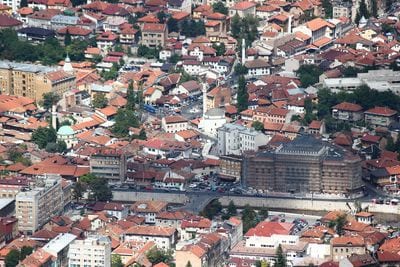
88. Bosnia and Herzegovina
Sarajevo, Bosnia and Herzegovina
With effect from 6 March 1992, the date of the succession of State
On 6 March 1992, Bosnia and Herzegovina became independent, the date international arbitrators later fixed for its succession from Yugoslavia, three days after it declared independence on 3 March following a referendum. Most Bosnian Serbs boycotted that vote, and the new state's first years were consumed by the Bosnian War, which ended with the Dayton Agreement in 1995.
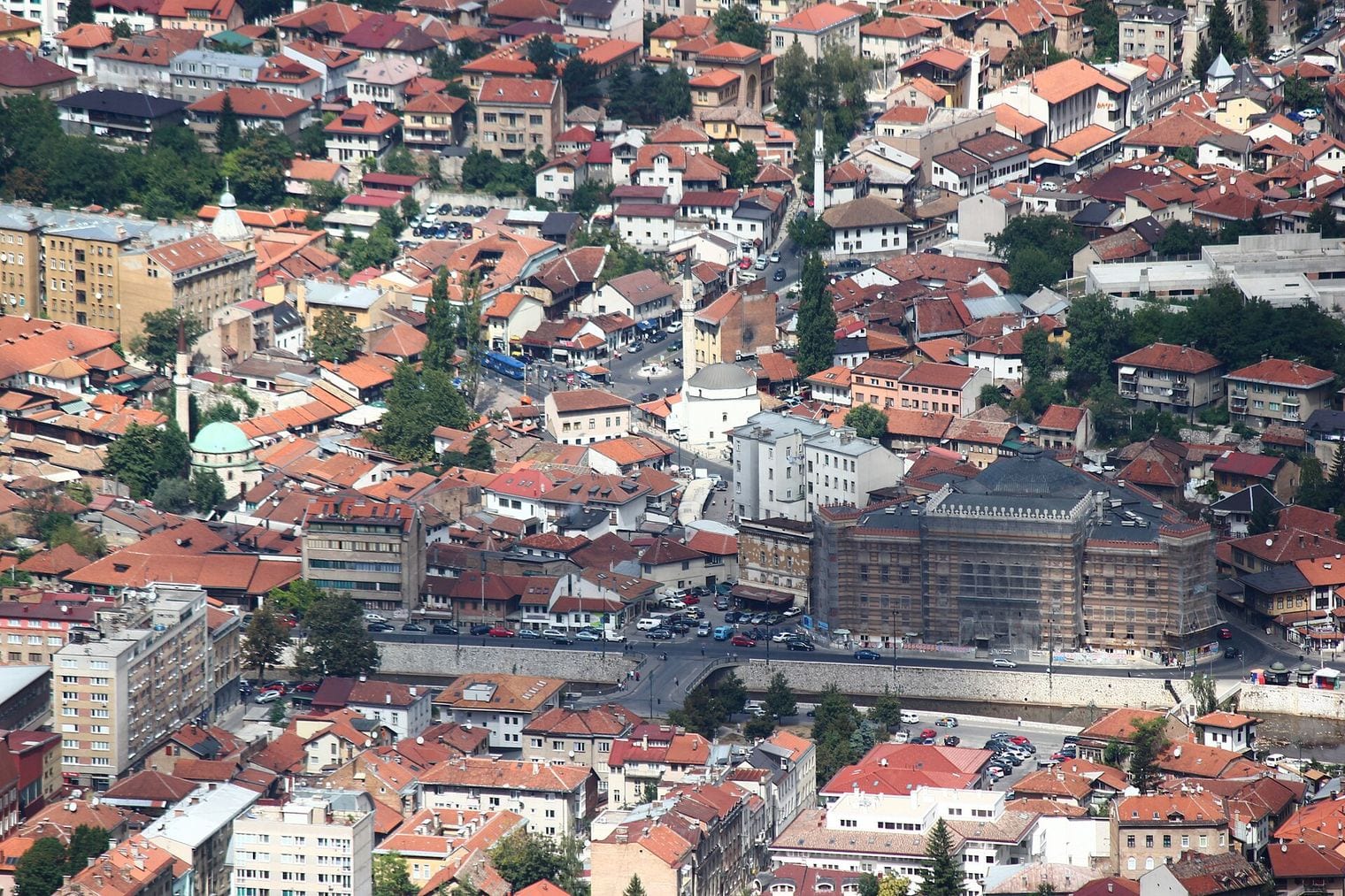
Sarajevo, the capital, hosted the 1984 Winter Olympics, and its Ottoman bazaar quarter, Baščaršija, lies a short walk from Austro-Hungarian avenues. In Mostar, the 16th-century Stari Most arches over the Neretva River; destroyed in the war, it was rebuilt and reopened in 2004, and the old town around it is a UNESCO World Heritage Site.
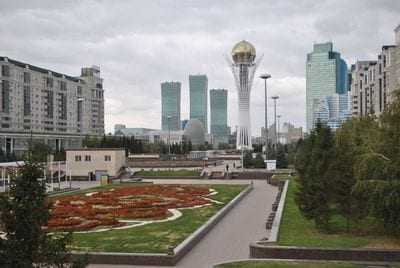
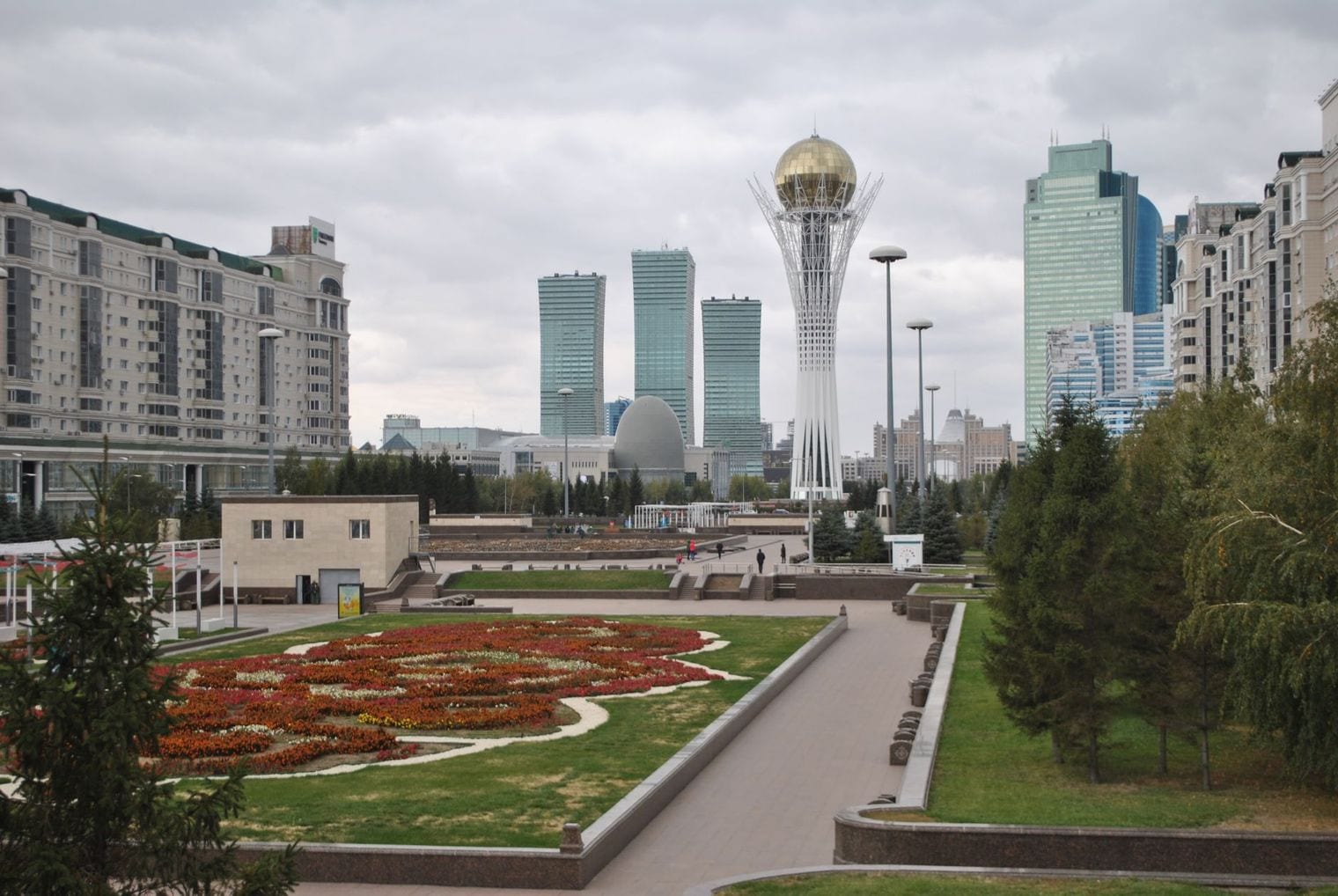
99. Kazakhstan
Astana, Kazakhstan
Kazakhstan gained independence on December 16, 1991.
On 16 December 1991, the Supreme Council of Kazakhstan adopted the law on state independence, making it the last Soviet republic to declare independence, ten days before the Soviet Union itself was dissolved. It is the ninth-largest country in the world by land area and the largest landlocked one.
Astana has been the capital since December 1997, when it replaced Almaty, and its skyline of futuristic towers is anchored by the Bayterek monument. Almaty remains the largest city, at the foot of the Tian Shan, while out on the steppe lies the Baikonur Cosmodrome, where Yuri Gagarin lifted off as the first human in space in 1961.
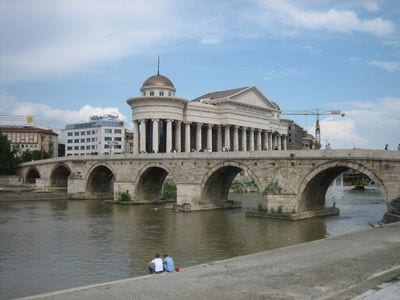
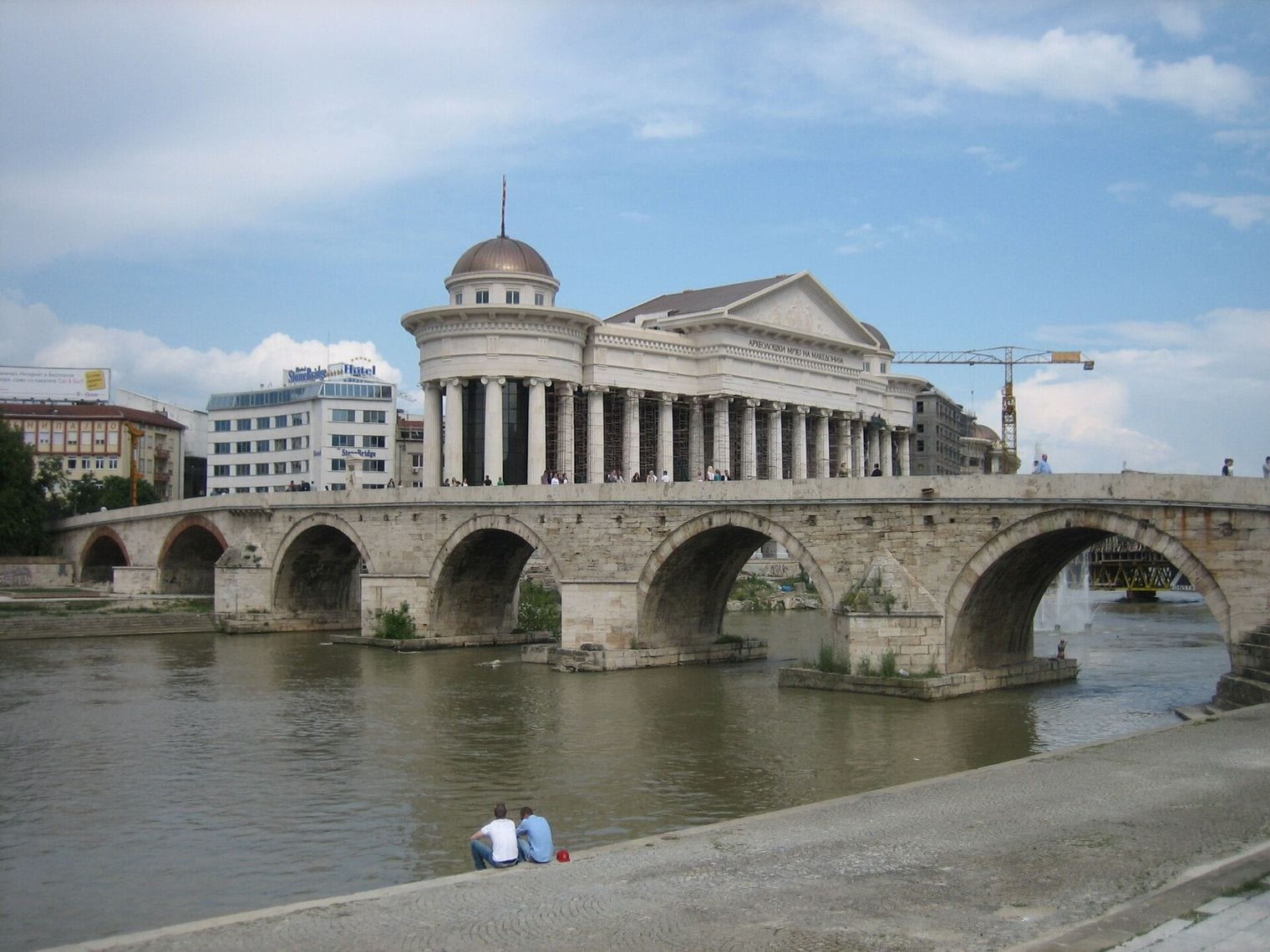
1010. North Macedonia
Skopje, North Macedonia
adopted by the Assembly of the Republic of Macedonia, at its Session held on 17 November 1991
On 17 November 1991, the assembly of North Macedonia adopted the constitution of an independent republic, the date international arbitrators later fixed for its succession from Yugoslavia. Its citizens had voted for independence on 8 September 1991, which is still celebrated as Independence Day, and the country joined the United Nations in April 1993.
A long dispute with Greece over its name ended with the Prespa Agreement, and in 2019 the country became the Republic of North Macedonia. Its great draw is Lake Ohrid, one of the few places on UNESCO's list as both a cultural and a natural site, where the town of Ohrid climbs a hillside of Byzantine churches above the water; Skopje, the capital, has an Ottoman old bazaar across the Stone Bridge from its statue-filled centre.
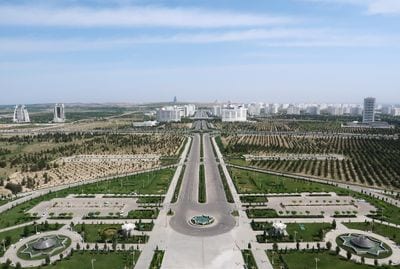
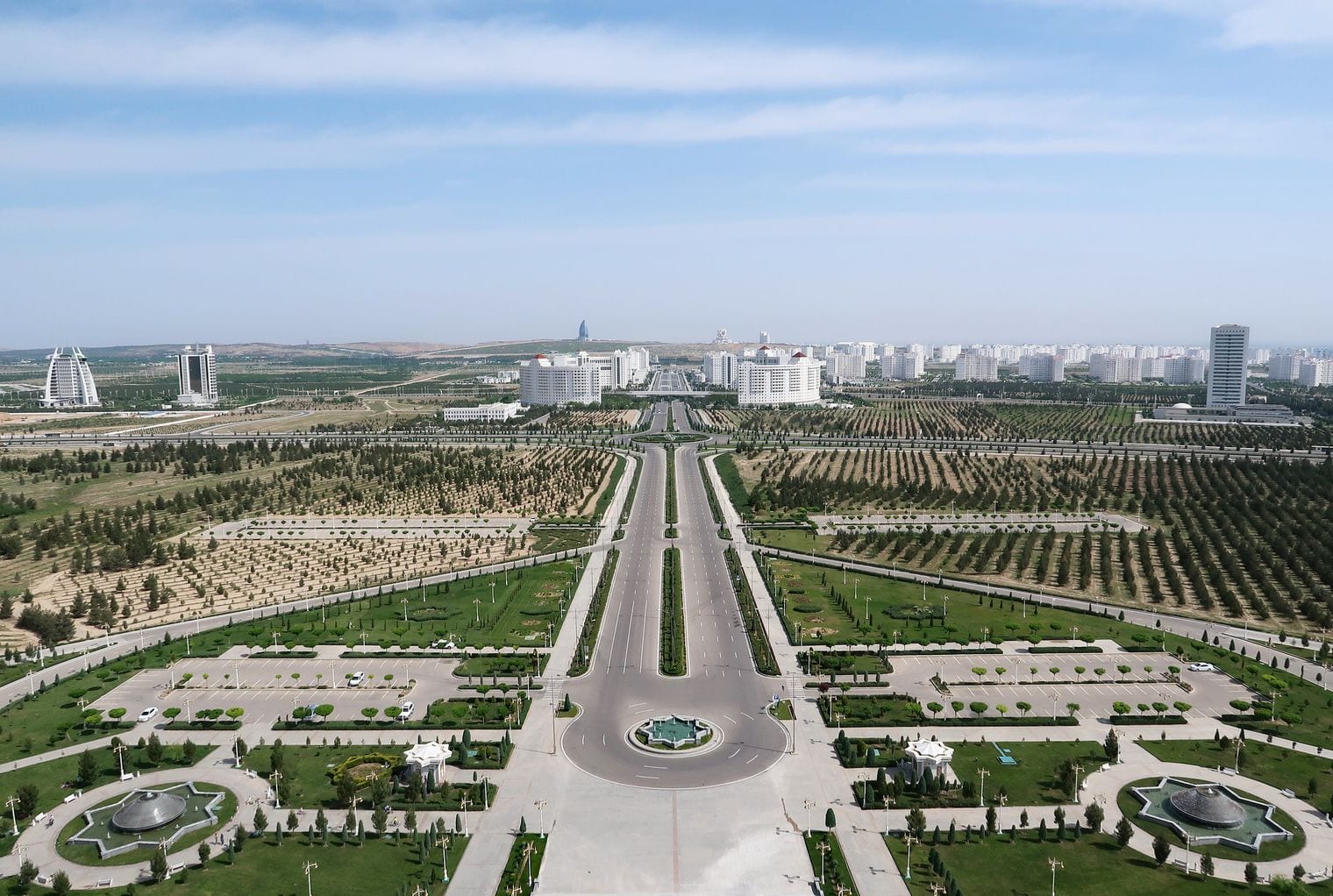
1111. Turkmenistan
Ashgabat, Turkmenistan
On October 27, 1991, Turkmenistan became an independent State
On 27 October 1991, Turkmenistan became an independent state when its Supreme Council adopted the constitutional law on independence after a referendum. In 1995 the United Nations formally recognised its declaration of permanent neutrality, which still keeps the country out of military alliances.
Most of the country is covered by the Karakum Desert, where the Darvaza gas crater, known as the Door to Hell, has burned since 1971. Ashgabat, the capital, rebuilt after an earthquake destroyed it in 1948, is a city of white marble and gilded monuments, and the ruins of Merv, once among the biggest cities in the world, lie in an oasis to the east.
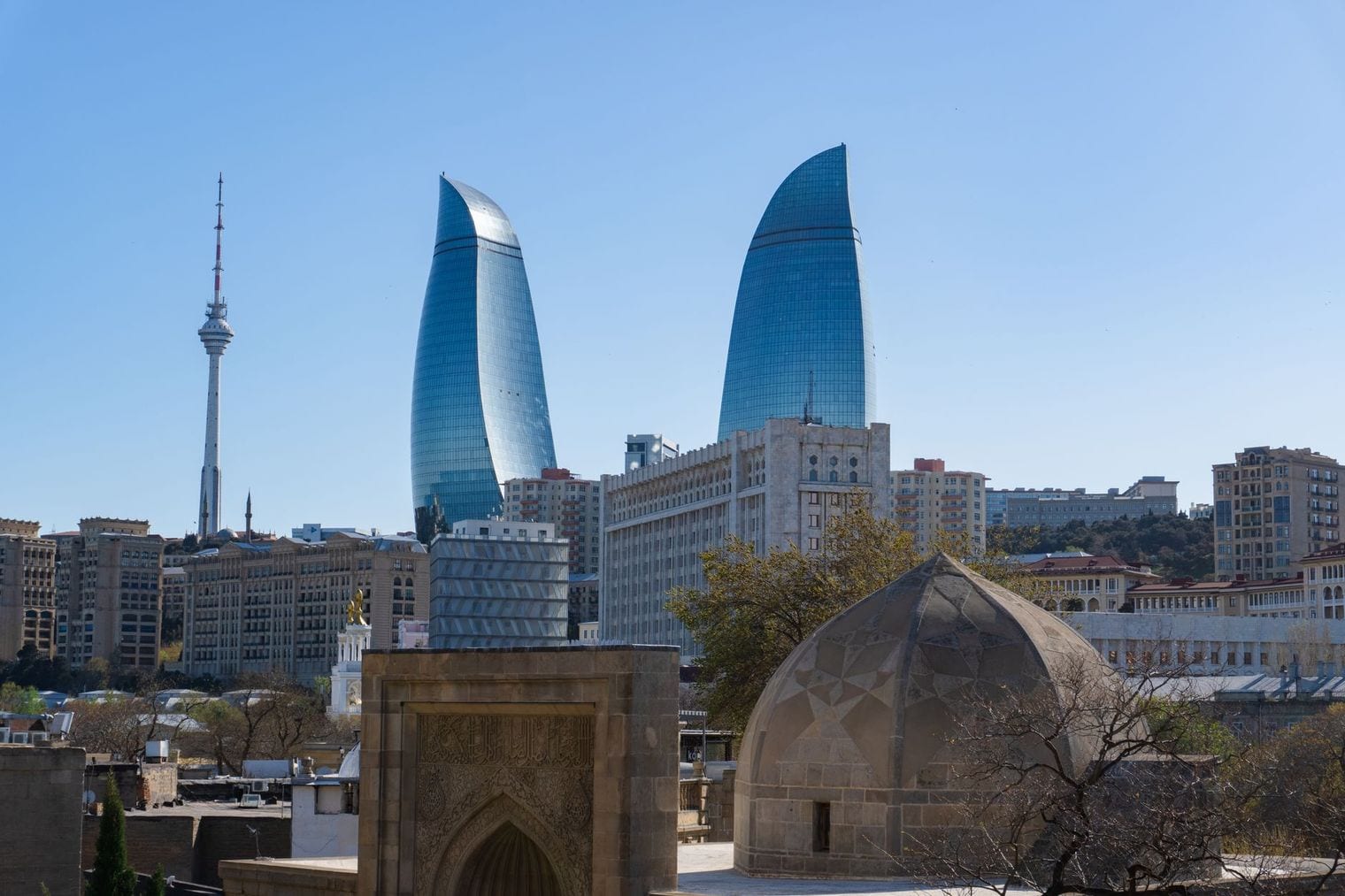
1212. Azerbaijan
Baku, Azerbaijan
the Constitutional Act "On State Independence" of October 18, 1991
On 18 October 1991, the Supreme Council of Azerbaijan adopted the Constitutional Act on State Independence, which a referendum confirmed that December. The act presented the republic as the successor of the Azerbaijan Democratic Republic of 1918, often described as the first secular democracy in the Muslim world, which is why 18 October is marked as the day independence was restored.
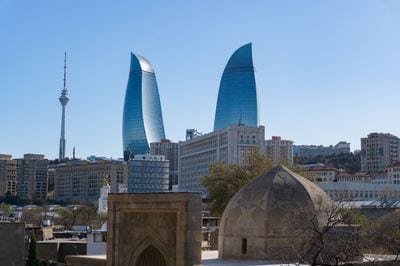
Baku, the capital on the Caspian Sea, wraps its walled Old City, home to the Maiden Tower and the Palace of the Shirvanshahs and Azerbaijan's first UNESCO World Heritage Site, in a modern skyline topped by the three Flame Towers. South-west of the city, the Gobustan reserve preserves thousands of prehistoric rock carvings near a field of bubbling mud volcanoes.
1313. Croatia
Zagreb, Croatia
8 October 1991, when it made a decision to sever all state and legal ties with the Socialist Federal Republic of Yugoslavia
On 8 October 1991, the parliament of Croatia severed all state and legal ties with Yugoslavia, the day after a three-month moratorium on its declaration of 25 June expired. That is the date international arbitrators later used for its independence, and the parliament still marks 8 October as its own day.
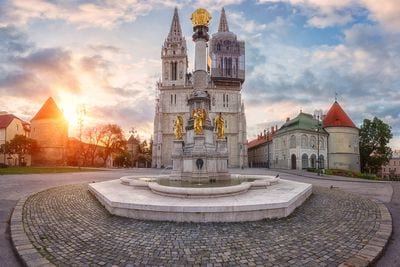
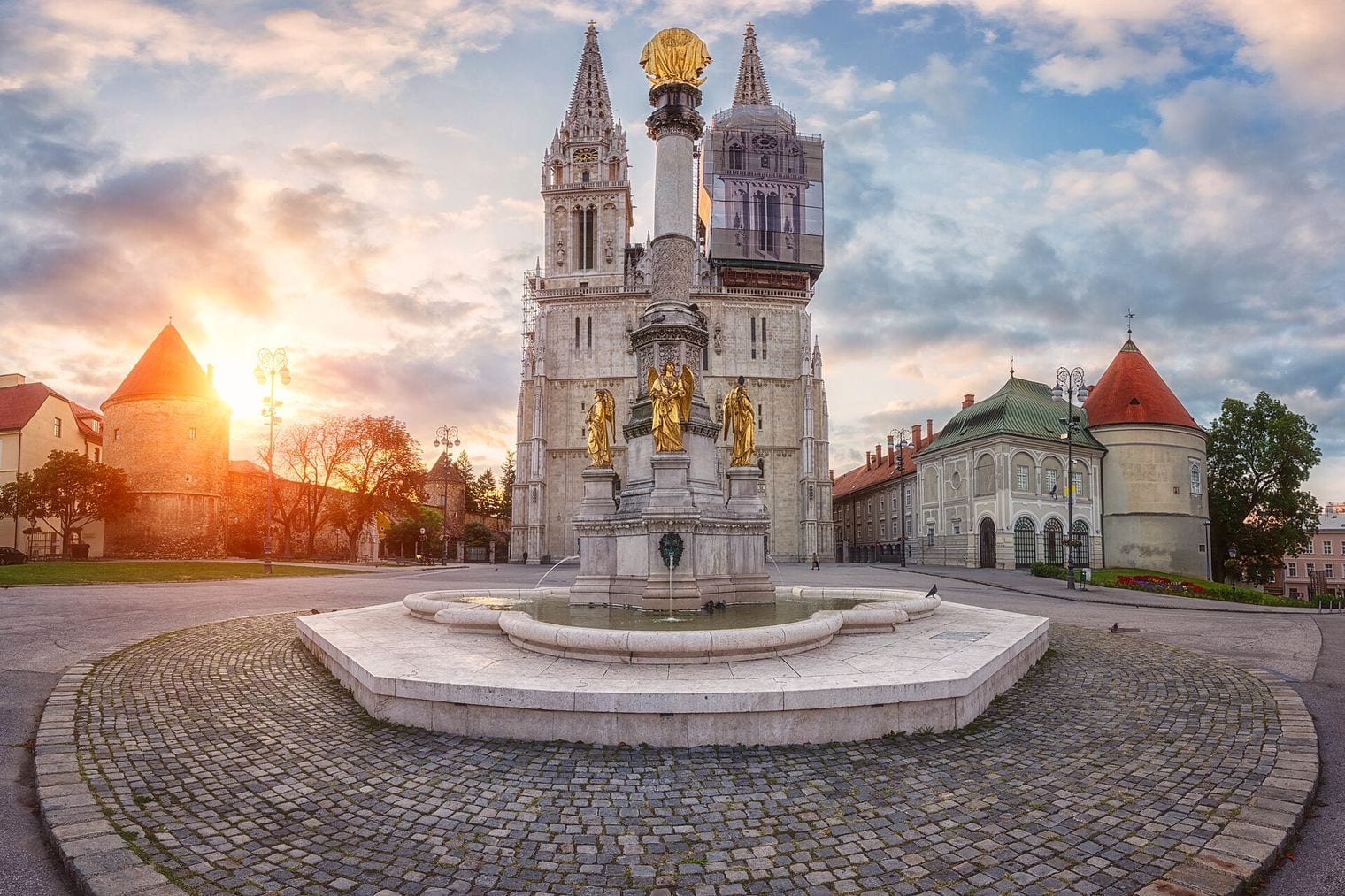
The capital, Zagreb, pairs a hilltop medieval Upper Town with Austro-Hungarian squares below, but most visitors make for the coast, where more than a thousand islands and islets line the Adriatic. The walled Old City of Dubrovnik and the cascading lakes of Plitvice both joined the UNESCO World Heritage List in 1979, and Croatia joined the European Union in 2013 and the euro and the Schengen Area in 2023.
1414. Slovenia
Ljubljana, Slovenia
8 October 1991: the first day of Slovenian independence
On 8 October 1991, the independence of Slovenia took full effect, as the three-month moratorium agreed at Brioni after the Ten-Day War ran out and the country brought in its own currency, the tolar. Slovenes celebrate 25 June 1991, the day parliament declared independence, as Statehood Day, but international arbitrators dated its succession from Yugoslavia to the end of the moratorium.
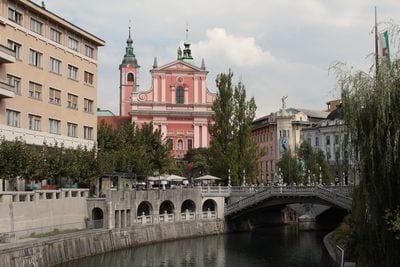
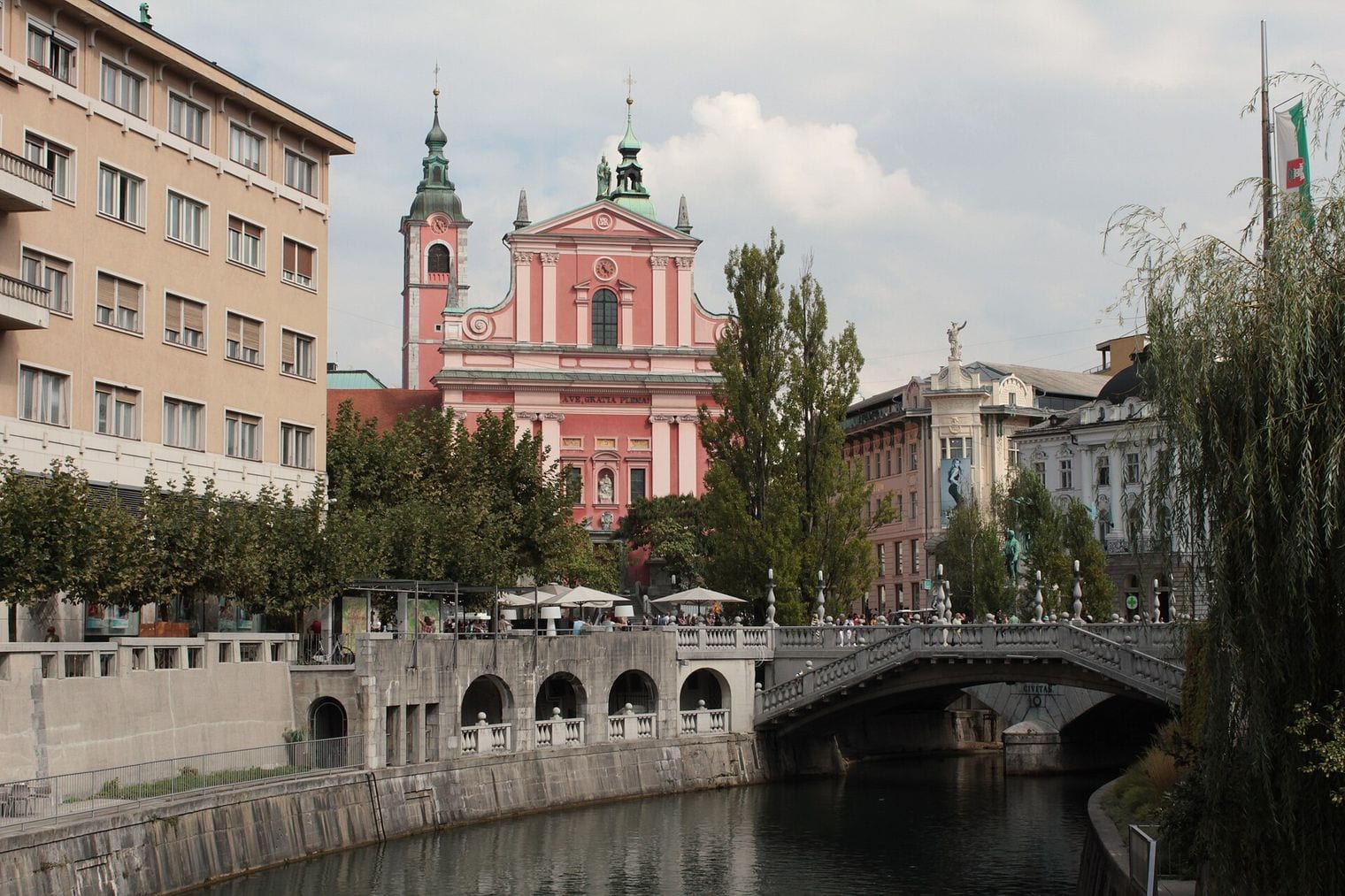
Ljubljana, the capital, is a compact old town on the Ljubljanica River with a pedestrian centre, shaped by the architect Jože Plečnik's bridges and riverside terraces. The Julian Alps rise to the north-west, where Lake Bled wraps around an island church beneath a medieval castle, and Slovenia went on to join the European Union and NATO in 2004.
1515. Armenia
Yerevan, Armenia
on September 23, 1991, the Supreme Council of the Republic proclaimed Armenia an independent state
On 23 September 1991, the Supreme Council of Armenia proclaimed the republic an independent state, two days after a referendum in which voters backed leaving the Soviet Union. Armenians celebrate 21 September, the day of that vote, as Independence Day, but the proclamation is the act this list counts.
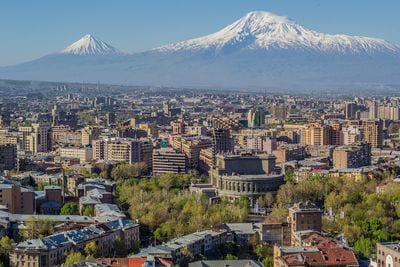
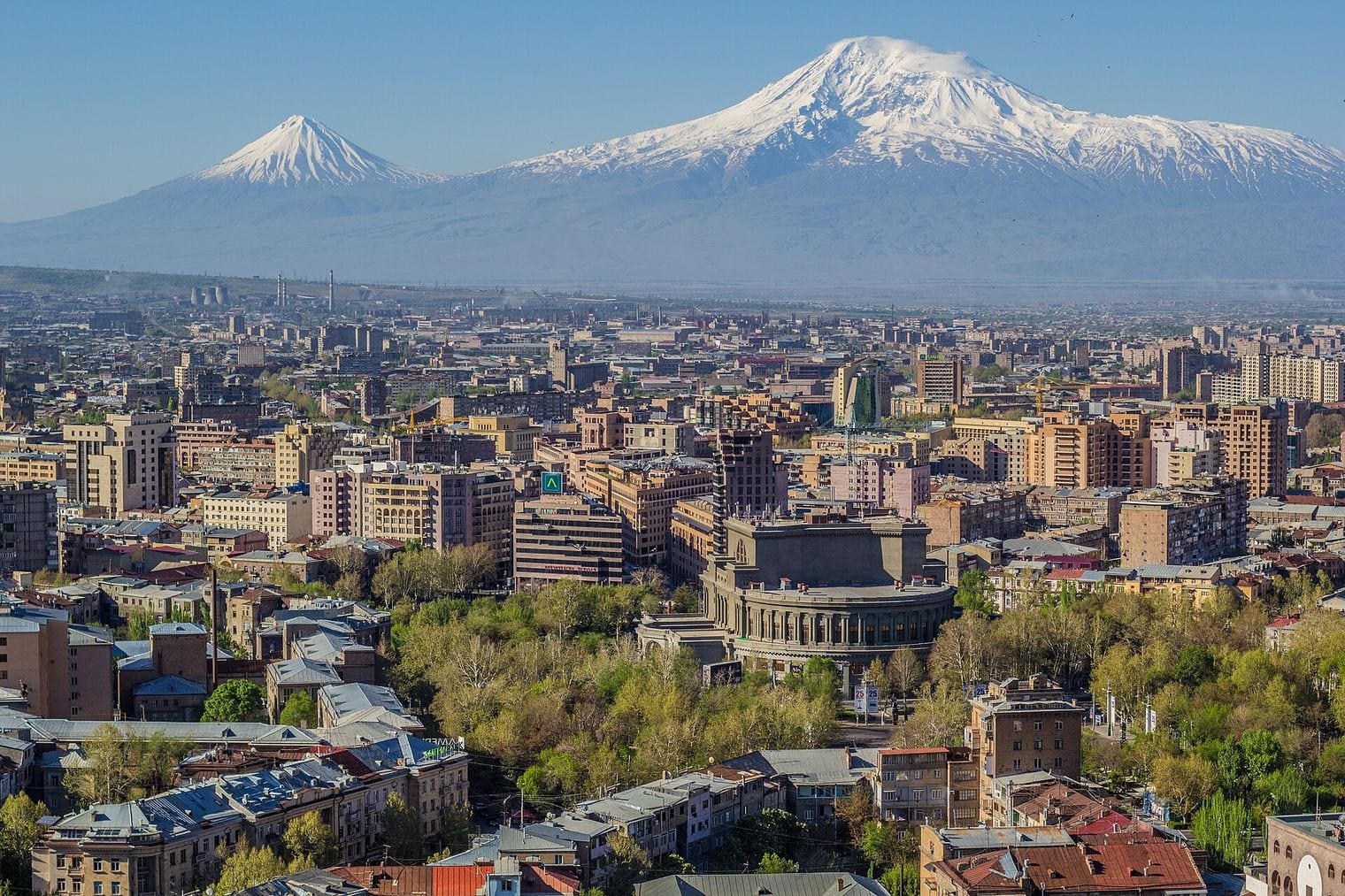
Armenia was the first state in the world to adopt Christianity as its official religion, traditionally dated to 301, and monasteries such as Geghard and Tatev fill its mountain valleys. Yerevan, the capital, traces its founding to the fortress of Erebuni in 782 BC, and on clear days Mount Ararat, a national symbol that now stands across the border in Turkey, fills the view to the south.
FAQ: The World's Newest Countries
What is the newest country in the world?
South Sudan, which became independent from Sudan on 9 July 2011 and joined the United Nations as its 193rd member five days later. Before it, the newest were Montenegro, which declared independence on 3 June 2006, and Timor-Leste, the first new state of the 21st century, on 20 May 2002.
Why isn't Kosovo on the list?
Kosovo declared independence from Serbia on 17 February 2008 and is recognised by many countries, but it is not a member of the United Nations, and this list counts only UN member states. If it were admitted, its 2008 declaration would place it second, between South Sudan and Montenegro.
Why are Serbia and Switzerland not counted as new countries?
Serbia kept the UN seat of Serbia and Montenegro when Montenegro left in 2006, so it continued an existing state rather than becoming a new one. Switzerland joined the UN in 2002, but it had been a sovereign state for centuries, and joining the UN is not the same as becoming independent.
Why do some of these countries celebrate a different independence day?
Many celebrate a referendum or an earlier declaration. Montenegro marks its 21 May 2006 vote, Armenia its referendum of 21 September 1991, Slovenia its declaration of 25 June 1991 and Eritrea its liberation in May 1991. This list dates each state by the act that made it independent in law, which can come days, months or, in Eritrea's case, two years later.
Will there be a new country soon?
The likeliest candidate is Bougainville, an autonomous region of Papua New Guinea that voted for independence in 2019. Its leaders have proposed 1 September 2027 for independence, but the result still needs the approval of Papua New Guinea's parliament. It would join this list only once independent and admitted to the UN; our world record-breakers track other rankings like this one.
Sources & updates
How this ranking was checked
Checked before launch
Sources cited
15
Publishers
13
Every figure in this ranking was checked against the record-keeper or official source behind it before publication, and the top of the ranking re-checked live so a newer record would not be missed.
One email every Thursday with our newest guides for the places you tick.
Newsletter
Stay updated with new World Record Breakers
One email every Thursday with our newest guides for the places you tick.
We use cookies to analyse site traffic and improve your experience.
You can accept or reject analytics cookies. See our
May we use analytics cookies? See ourCookie Policy.