By the City Viking editorial teamPublished Ranked by latitude · 12 min read
Last verified Checked before launchOct 30, 202616 sources2 publishersPublished · Nov 3, 2026Researched and checked before it went liveClick for every source and the full change log.
The record
78.2167°N
Longyearbyen
Norway
The record
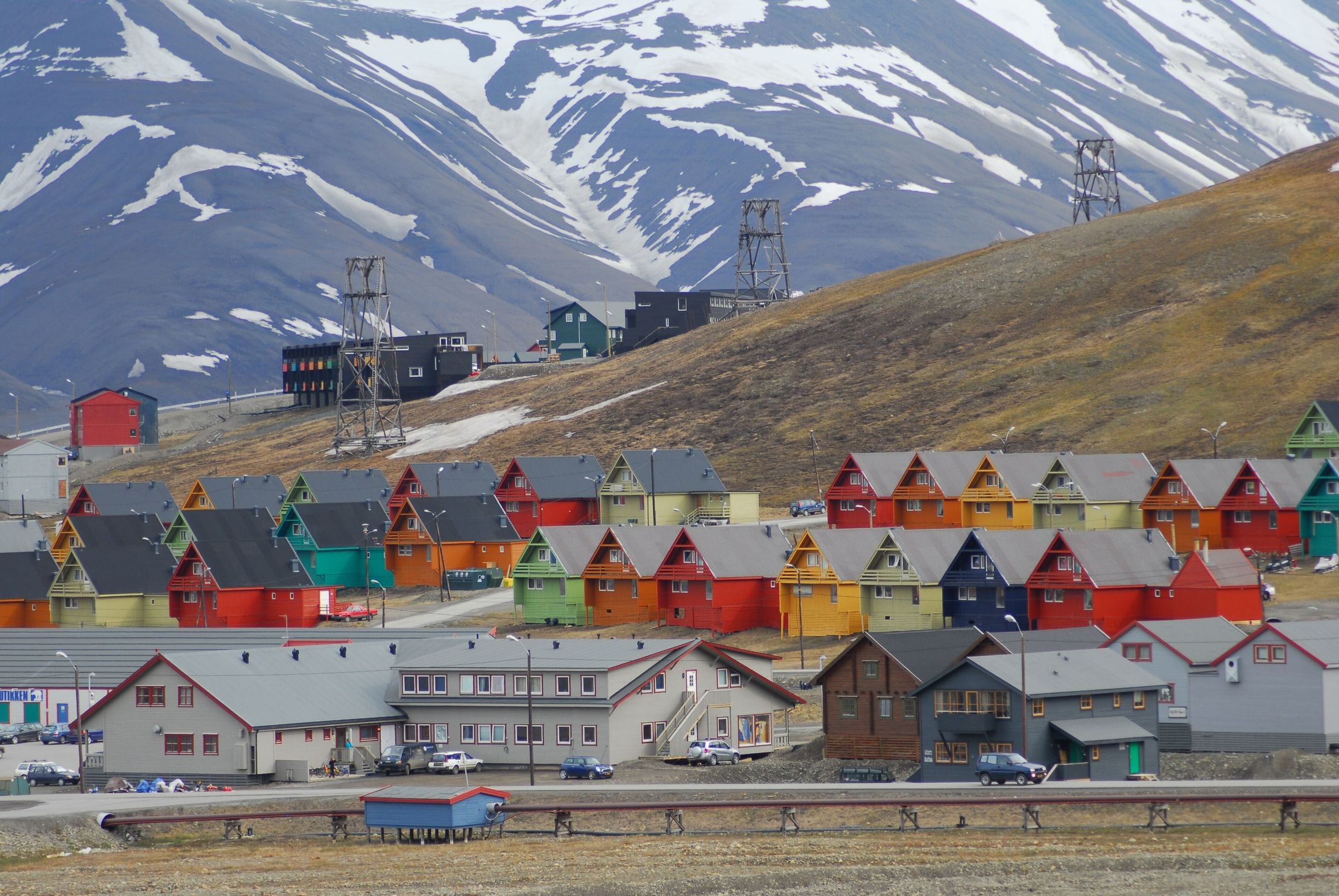
The northernmost city in the world is Longyearbyen, in Norway — 78.2167°N, latitude.
Source: Wikidata P625 / GeoNames. Verified .
Short answer
Longyearbyen on Svalbard, at 78.22°N, is the northernmost settlement in the world with more than 1,000 residents, well ahead of Arctic Bay in Nunavut at 73.04°N. Eight of the 16 are in Russia; for the easiest visit, Honningsvåg, at 70.98°N near the North Cape, is a regular stop for Norway's Hurtigruten coastal ships.
Ny-Ålesund on Svalbard and Canada's Alert sit closer to the North Pole than anywhere on this list, but one is a research village of a few dozen people and the other a military station, so neither counts.
This countdown ranks the 16 northernmost permanent settlements in the world with at least 1,000 residents at their latest census or official estimate, from Longyearbyen on Svalbard at 78.22°N to Norway's Hammerfest at 70.66°N. Latitude is measured at each settlement's own centre point, from its Wikidata coordinates checked against the GeoNames gazetteer and Wikipedia.
The 1,000-resident floor decides the list: Arctic Bay in Nunavut makes it on Nunavut's 2024 estimate of 1,161, while Greenland's Qaanaaq and Russia's Dikson fall short. Research and military stations, seasonal camps and shift-worker camps are left out, and most of the places that qualify are towns, villages and hamlets rather than cities. Raise the floor to 100,000 and Norilsk in Siberia, at 69.33°N, would come first.
Longyearbyen's sun comes back late. The mountains around Longyearbyen shade the town so well that the sun is not seen there until around 8 March, after the polar night has ended.
Nobody has been buried in Longyearbyen since 1950. The town's small burial ground took its last burial that year, and the dead of Longyearbyen have been sent to the Norwegian mainland ever since.
Honningsvåg became a city with a year to spare.Honningsvåg was declared a city in 1996; a law passed in 1997 requires 5,000 inhabitants, so its 2,245 residents keep a title Hammerfest also claims.
Hammerfest lit up first. In 1891 Hammerfest became the first town in Norway and Northern Europe with electric streetlights.
A Siberian village has a namesake island in Dubai. One of the artificial islands of The World archipelago off Dubai is named after Kyusyur, a village on the Lena.
Half the list is Russian. Eight of the 16, from Yuryung-Khaya to Kyusyur, are in Russia, which holds most of the Arctic coast this far north; most villages at the same latitude in Norway, Greenland, Canada and Alaska have fewer than 1,000 people.
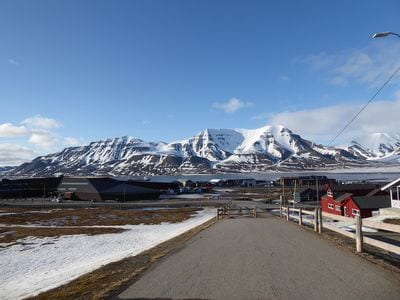
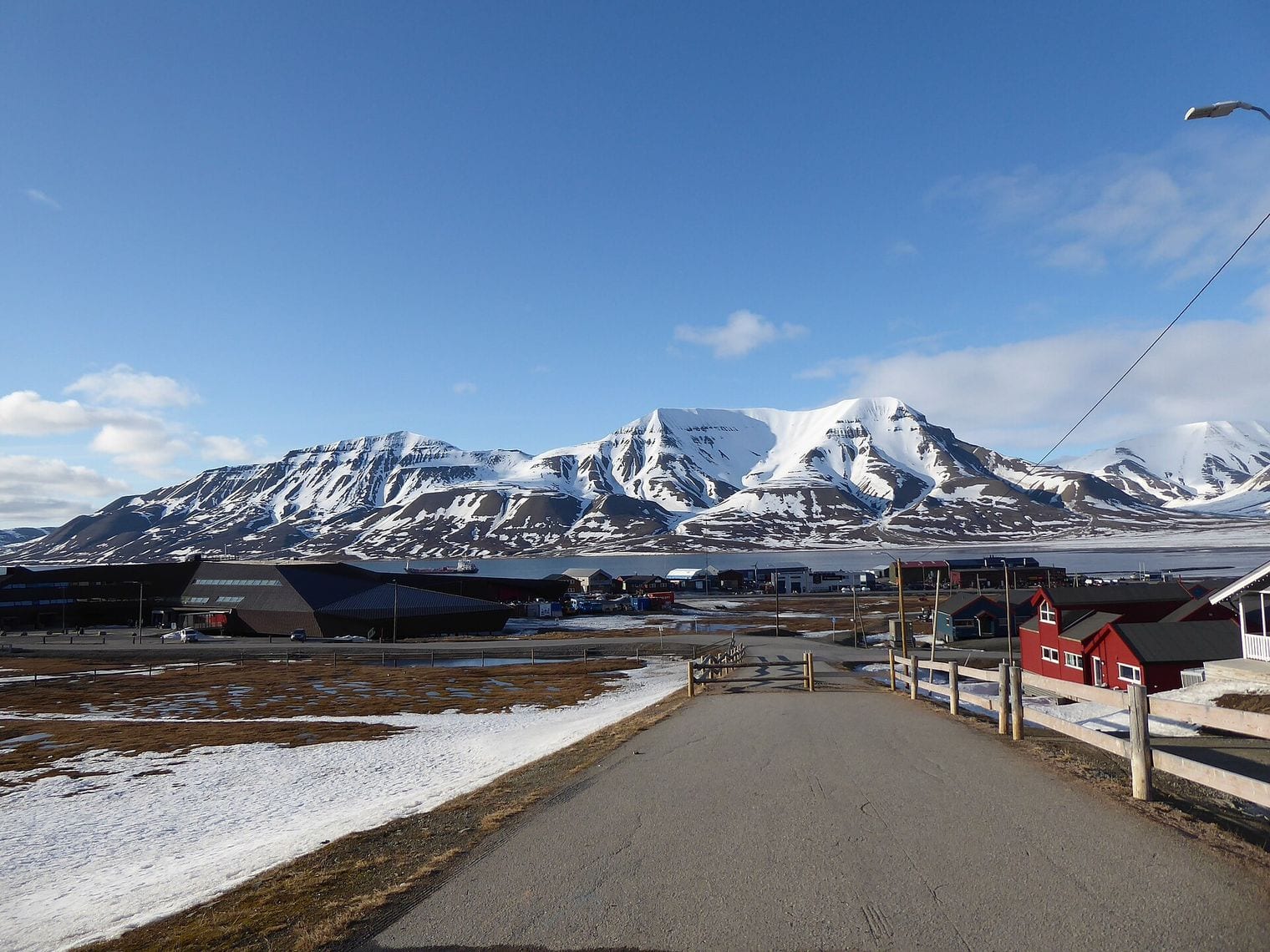
At 78.22°N, Longyearbyen is the northernmost settlement on Earth with more than 1,000 permanent residents, home to some 2,400 people on the shore of Adventfjorden on Spitsbergen. It is the capital and largest settlement of Svalbard and the seat of its governor, and it began as a coal town: the American John Munro Longyear's Arctic Coal Company started mining here in 1906, and the place was called Longyear City until 1926.
Research and tourism now carry the town as much as coal, with the University Centre in Svalbard, the Svalbard Global Seed Vault and a satellite station all close by. Daily life follows Arctic rules: anyone heading out beyond the settlement is advised to carry a rifle against polar bears, and the small burial ground has taken no new burials since 1950, so the dead are sent to the mainland.
At 73.04°N, Arctic Bay is the northernmost place on this list outside Svalbard, an Inuit hamlet on the Borden Peninsula of northern Baffin Island in Nunavut. Its place in the ranking rests on the latest count: the 2021 Canadian census recorded 994 residents, just under the 1,000 floor, but the Nunavut Bureau of Statistics estimated 1,161 in July 2024.
Its Inuktitut name, Ikpiarjuk, means "the pocket", and Inuktitut is the first language spoken in its school. Supplies arrive on the annual sealift and by air through Arctic Bay Airport, and a road runs inland to Nanisivik, whose lead-zinc mine stopped working in 2006.
33. Yuryung-Khaya
Yuryung-Khaya, Anabarsky District, Sakha Republic, Russia
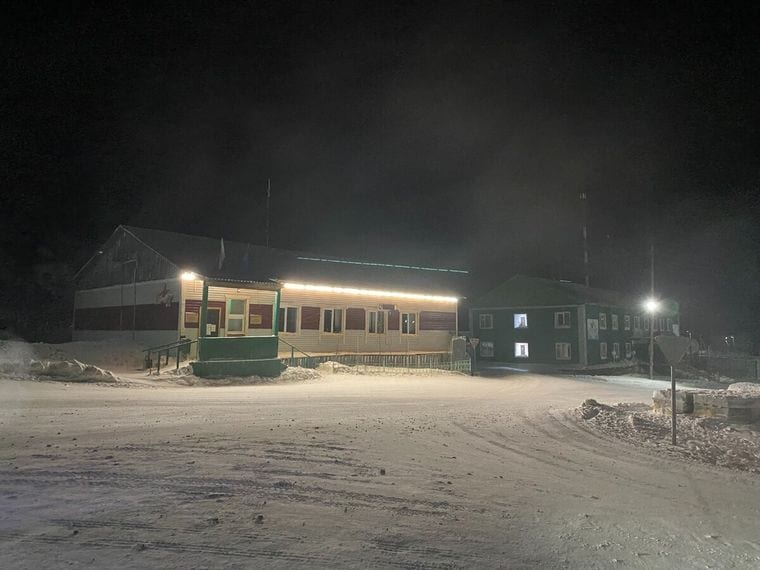
At 72.81°N, Yuryung-Khaya is a village of about 1,150 people on the right bank of the Anabar River in Russia's Sakha Republic, shortly before the river reaches the Laptev Sea. Its name means "White Mountain" in the Yakut and Dolgan languages, and it is the only settlement in Sakha whose population is mainly Dolgan.
The village was founded in 1930, part of the Soviet drive to settle the region's nomadic peoples, and it is the only inhabited place in its rural district, 160 kilometres from the district centre at Saskylakh. It is also the only substantial Dolgan community outside Krasnoyarsk Krai.
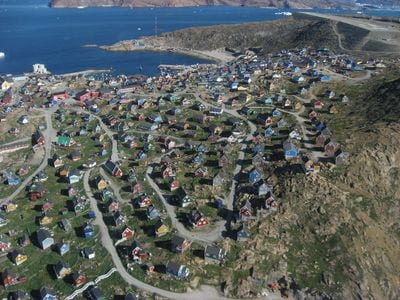
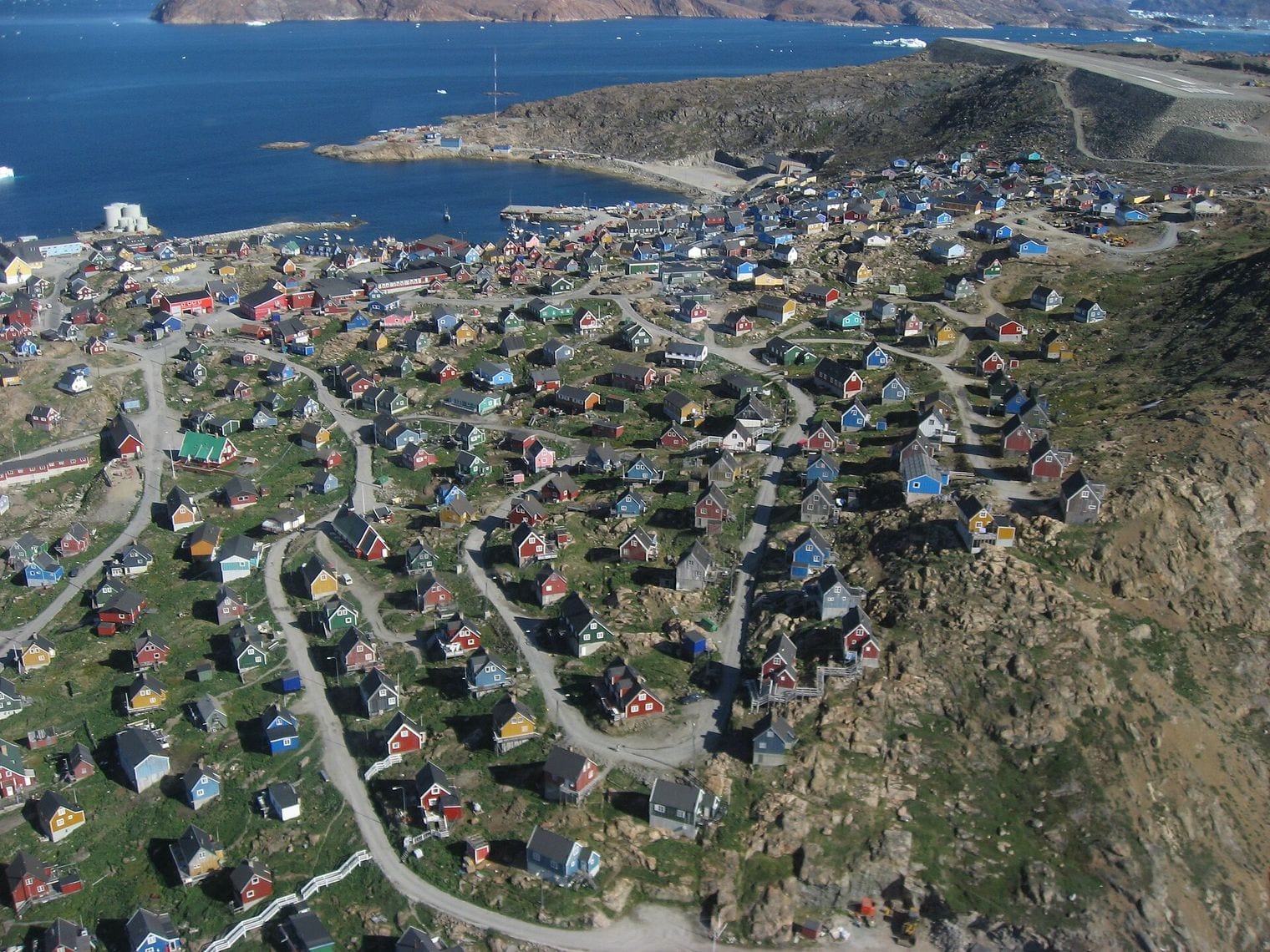
At 72.78°N, Upernavik is a small town of 1,087 people on an island of the same name in northwest Greenland, in Avannaata municipality, and the twelfth-largest town in the country. It was founded as Upernavik in 1772 and is home to the Upernavik Museum.
Norse artefacts found in the archipelago around it mark the northern known limit of Viking exploration. Smaller settlements across the islands are linked to the town by helicopter on weekdays, and people moving in from them have helped keep Upernavik's population steady for two decades.
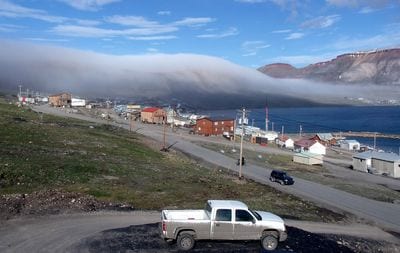
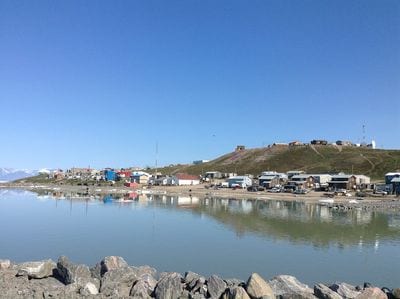
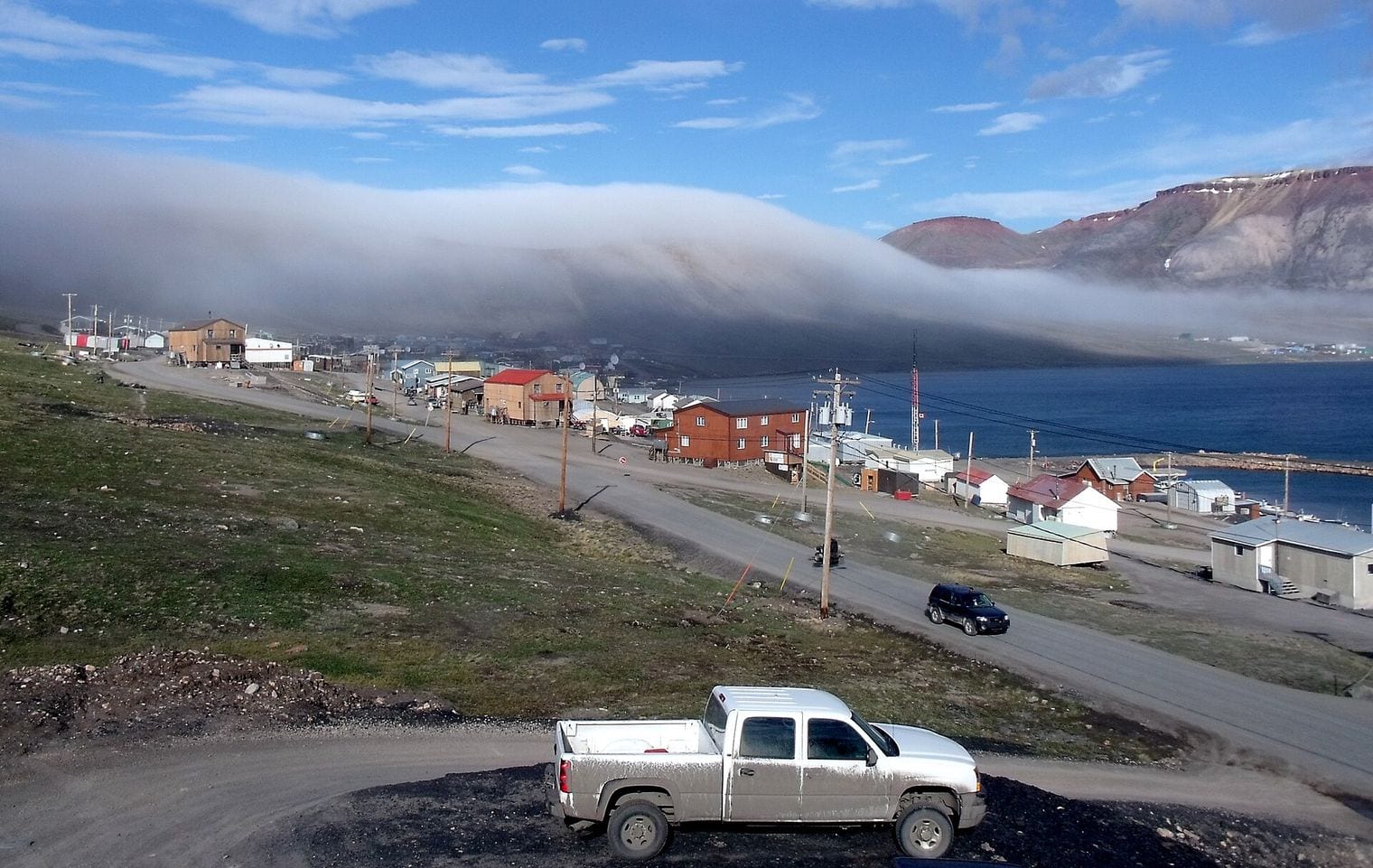
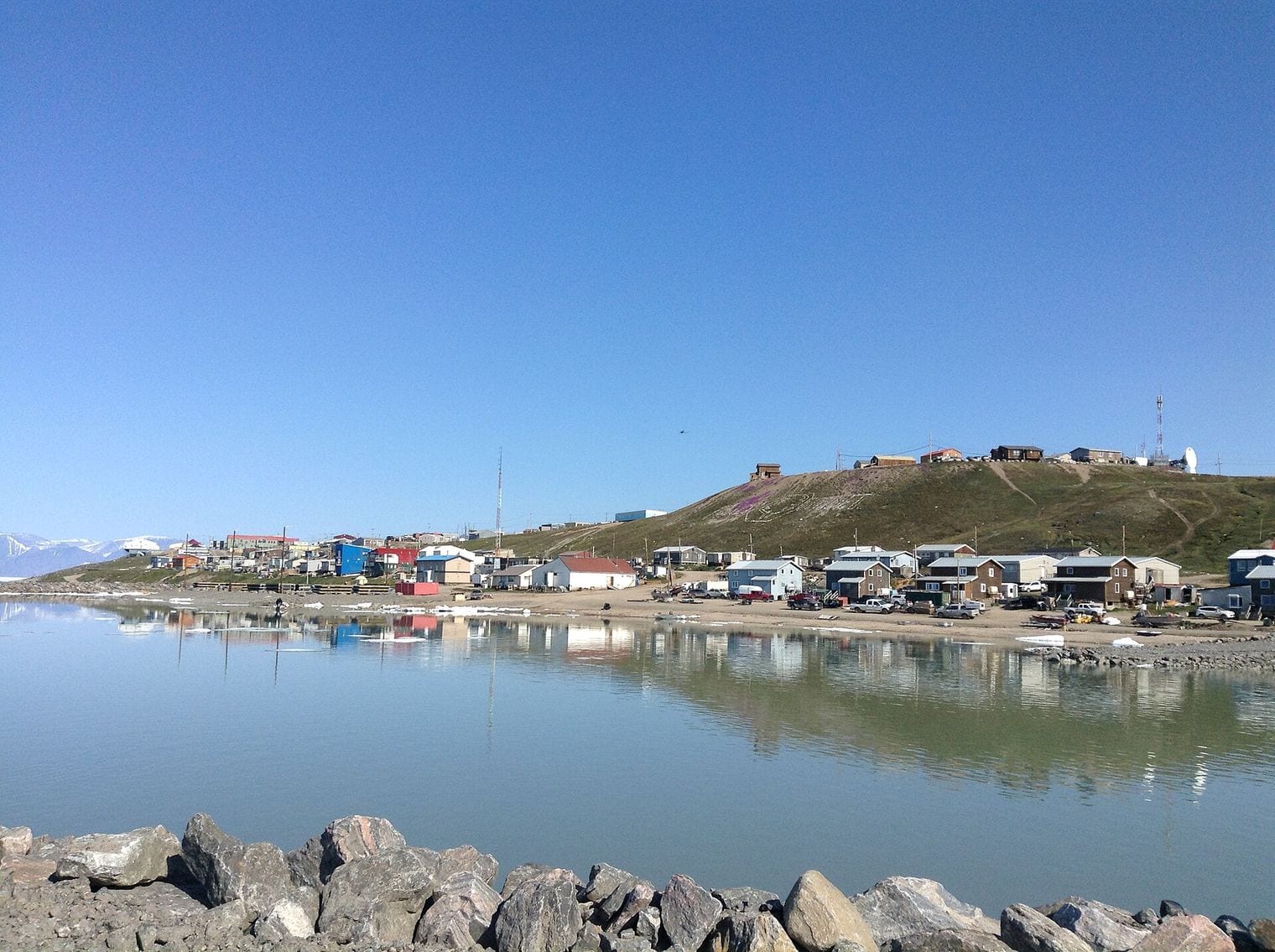
At 72.70°N, Pond Inlet is the largest community in northern Baffin Island, a predominantly Inuit hamlet of 1,555 people at the 2021 census, with mountains visible on every side. Its people call it Mittimatalik, "the place where Mittima is buried"; the English name comes from Pond's Bay, named by the Scottish explorer Sir John Ross, and the Hudson's Bay Company opened a trading post here in 1921.
The hamlet looks across Eclipse Sound to Bylot Island, and Sirmilik National Park on Bylot, Tamaarvik Territorial Park and the Qilaukat Thule site all lie nearby. Polar bears, narwhals, ringed seals and Arctic foxes gather at the floe edge, the Nattinnak Visitors Centre shows the work of local artists, and the community is known as the "Jewels of the North".
66. Khatanga
Khatanga, Taymyrsky District, Krasnoyarsk Krai, Russia
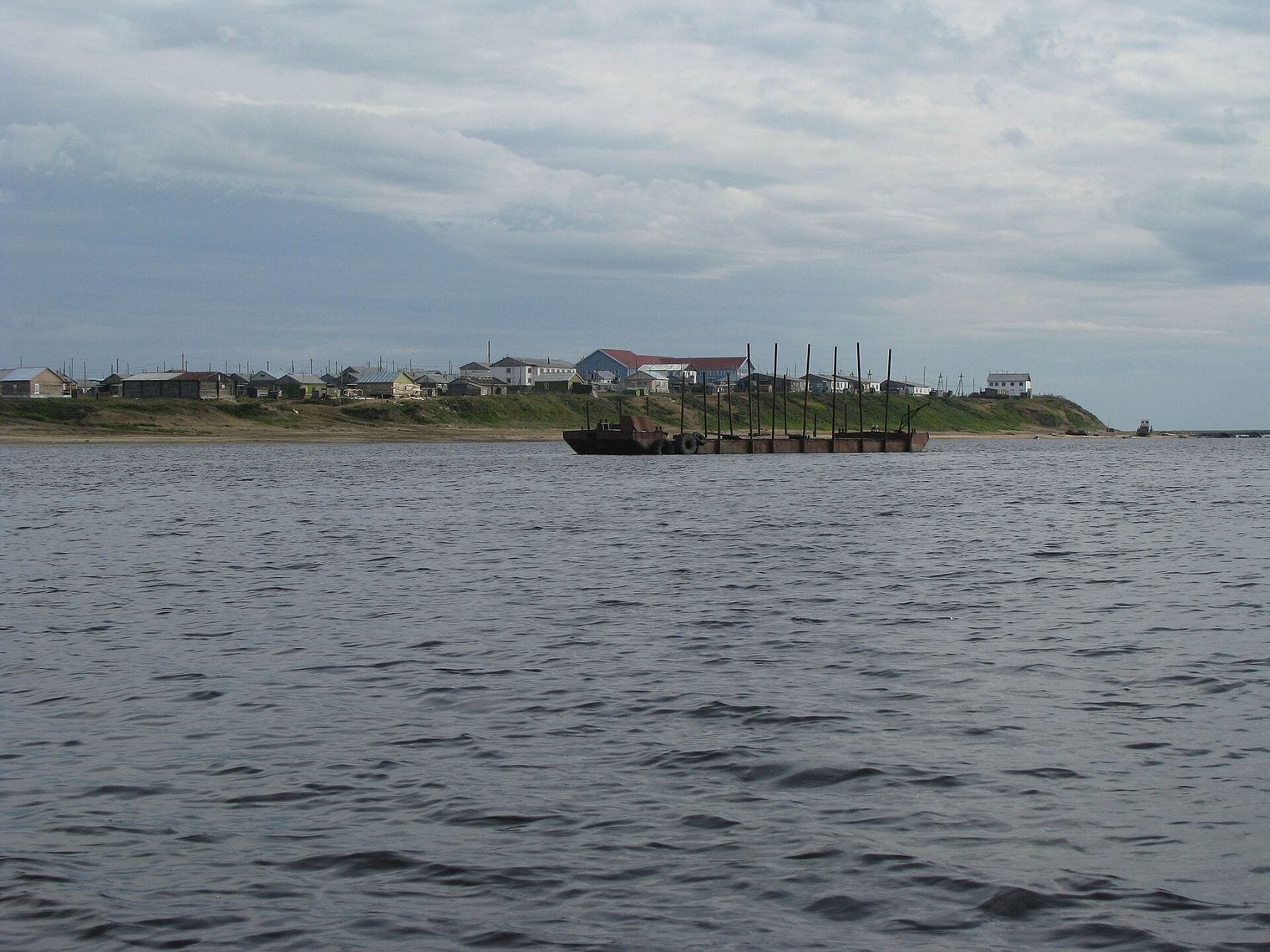
At 71.98°N, Khatanga is a village of 2,665 people on the Khatanga River on Siberia's Taymyr Peninsula, in Krasnoyarsk Krai, and one of the northernmost inhabited places in Russia. Its name means "large water" in the Evenki language, and the settlement is known to have existed since the 17th century.
Khatanga Airport is one of the largest and most operable airports in the Russian Arctic, and the village has a natural history museum and weather stations. Not far away lies the Popigai impact structure, an asteroid crater that has drawn attention as a potential source of industrial diamonds.
77. Saskylakh
Saskylakh, Anabarsky District, Sakha Republic, Russia
At 71.97°N, Saskylakh is the administrative centre of Anabarsky District in Russia's Sakha Republic, a village of about 2,345 people on the right bank of the Anabar River, downstream from where the Udya joins it. It was founded in 1930, and its Yakut name is Saaskılaax.
The village is one of the main ports on the Anabar, and a road runs on downstream to Yuryung-Khaya, the Dolgan village at number 3. Unlike many Arctic settlements, Saskylakh has grown, from 1,856 people at the 1989 census to 2,317 in 2010.
Get new guides like this by email
One email every Thursday with our newest guides for the places you tick.
At 71.64°N, Tiksi is an urban-type settlement of about 4,442 people on the Buor-Khaya Gulf of the Laptev Sea, southeast of the Lena Delta, and the administrative centre of Bulunsky District in Sakha. Its name comes from the Yakut for "a moorage place".
Modern Tiksi was founded in 1933 and became an urban-type settlement in 1939, growing into one of the principal ports for the Laptev Sea. Explorers knew these waters well before that: in 1901 the Russian ship Zarya crossed the Laptev Sea in search of the legendary Sannikov Land until drift ice stopped it near the New Siberian Islands.
99. Belushya Guba
Belushya Guba, Novaya Zemlya, Arkhangelsk Oblast, Russia
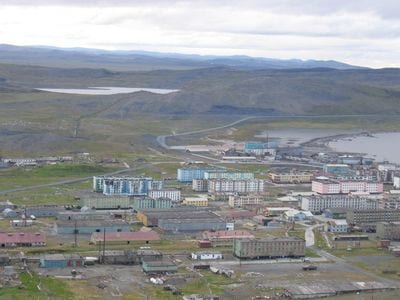
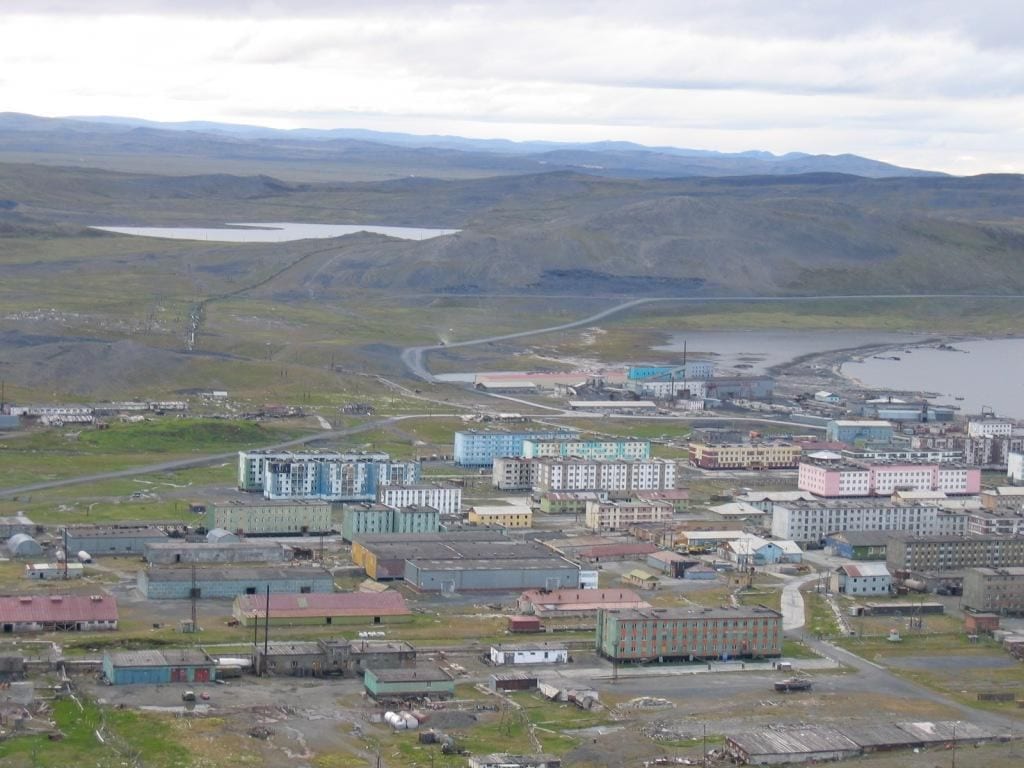
At 71.54°N, Belushya Guba is a closed military town of 2,138 people on the Novaya Zemlya archipelago in Russia's Arkhangelsk Oblast, the administrative centre of Novaya Zemlya District and the largest settlement on the islands. Its name means "beluga whale bay", and much of its population is military personnel tied to the nuclear test sites on Novaya Zemlya.
The settlement began to flourish in 1954, when Novaya Zemlya became a nuclear test site, and it has schools, apartment blocks, a naval hospital, a television station and an Orthodox church. The whole archipelago is a restricted border zone and a special permit is needed to visit, so few outsiders ever see Belushya Guba.
1010. Utqiaġvik
Utqiaġvik, North Slope Borough, Alaska, United States
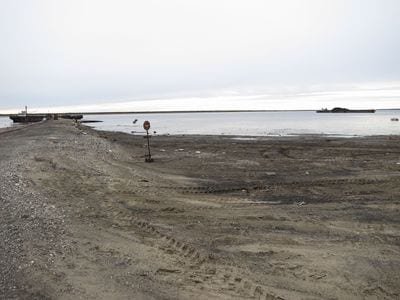
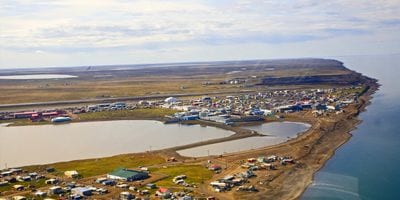
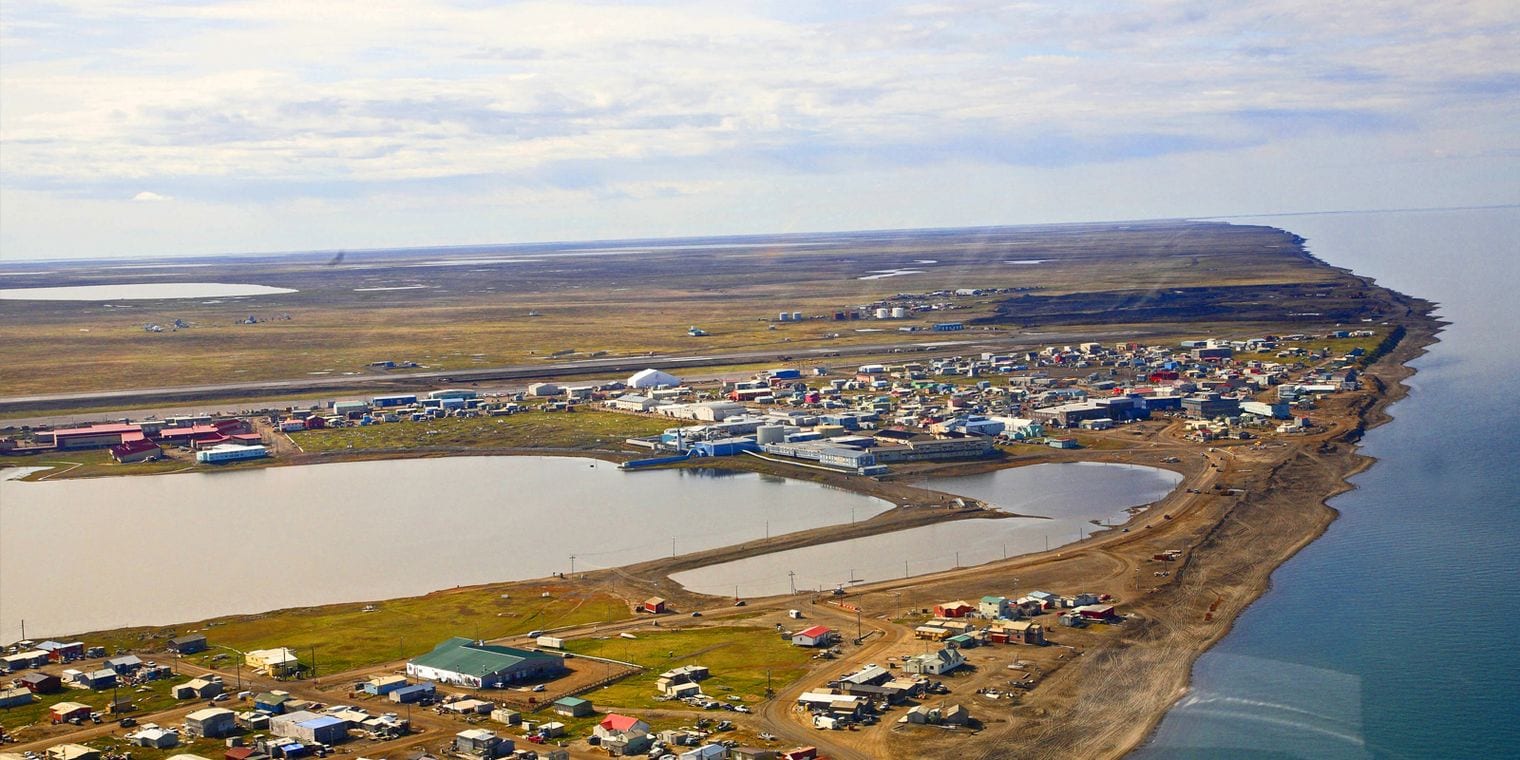
At 71.29°N, Utqiaġvik on Alaska's North Slope is the northernmost city in the United States and the seat of the North Slope Borough, with 4,927 people at the 2020 census. Its residents voted in 2016 to replace the name Barrow with Utqiaġvik, from the Iñupiat word utqiq, and the change took effect that December.
The Iñupiat have lived here for more than 1,500 years, and the Iñupiat Heritage Center, home to the Tuzzy Consortium Library, and Iḷisaġvik College keep that culture at the heart of town life. Point Barrow, the northernmost point of the United States, lies nearby, and the airport is named in honour of the aviator Wiley Post and the humorist Will Rogers.
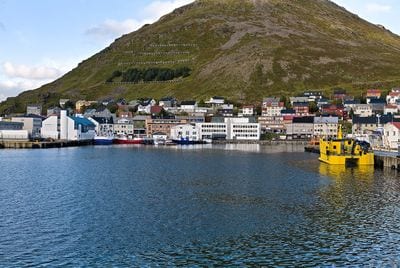
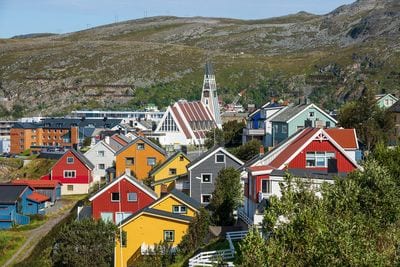
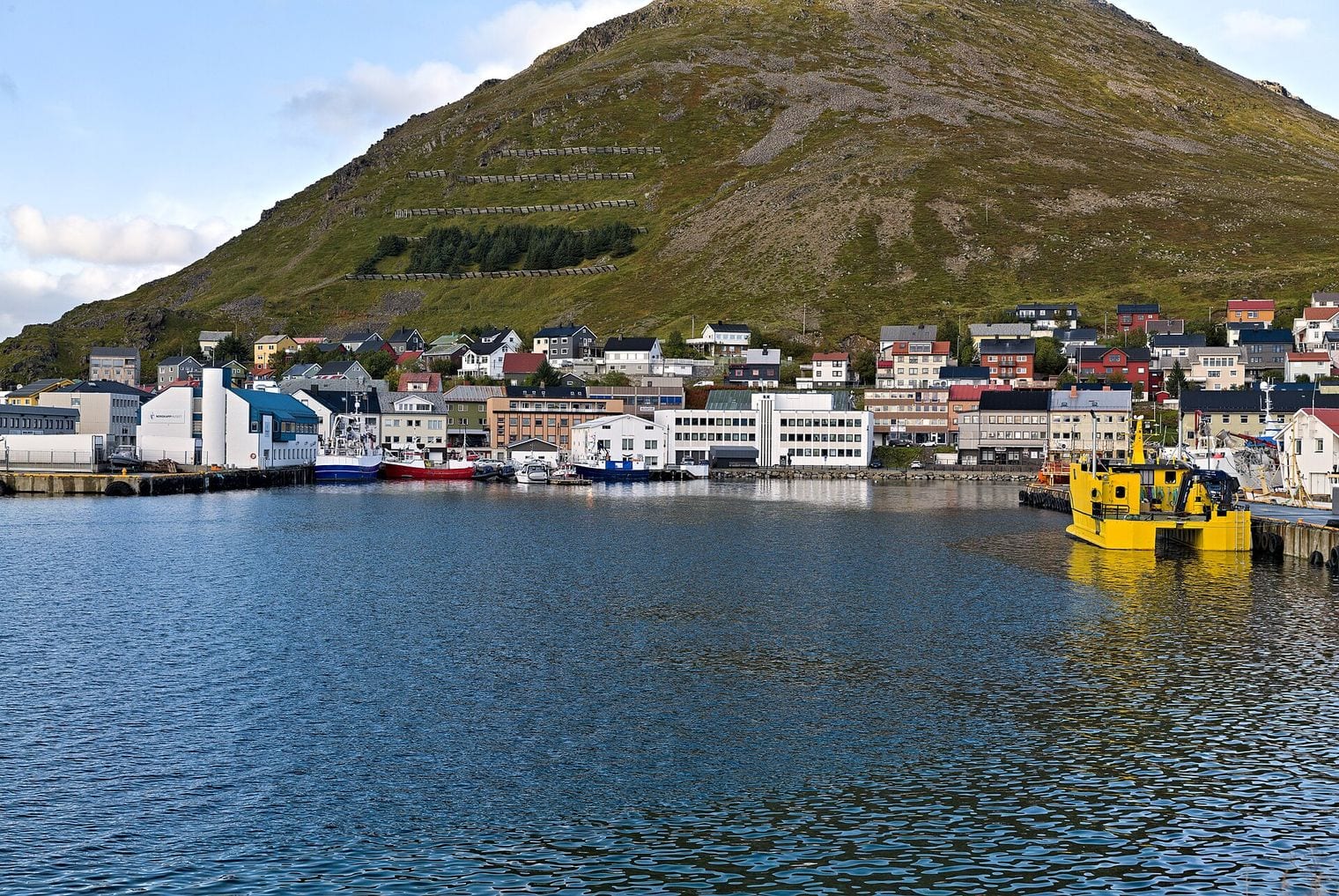
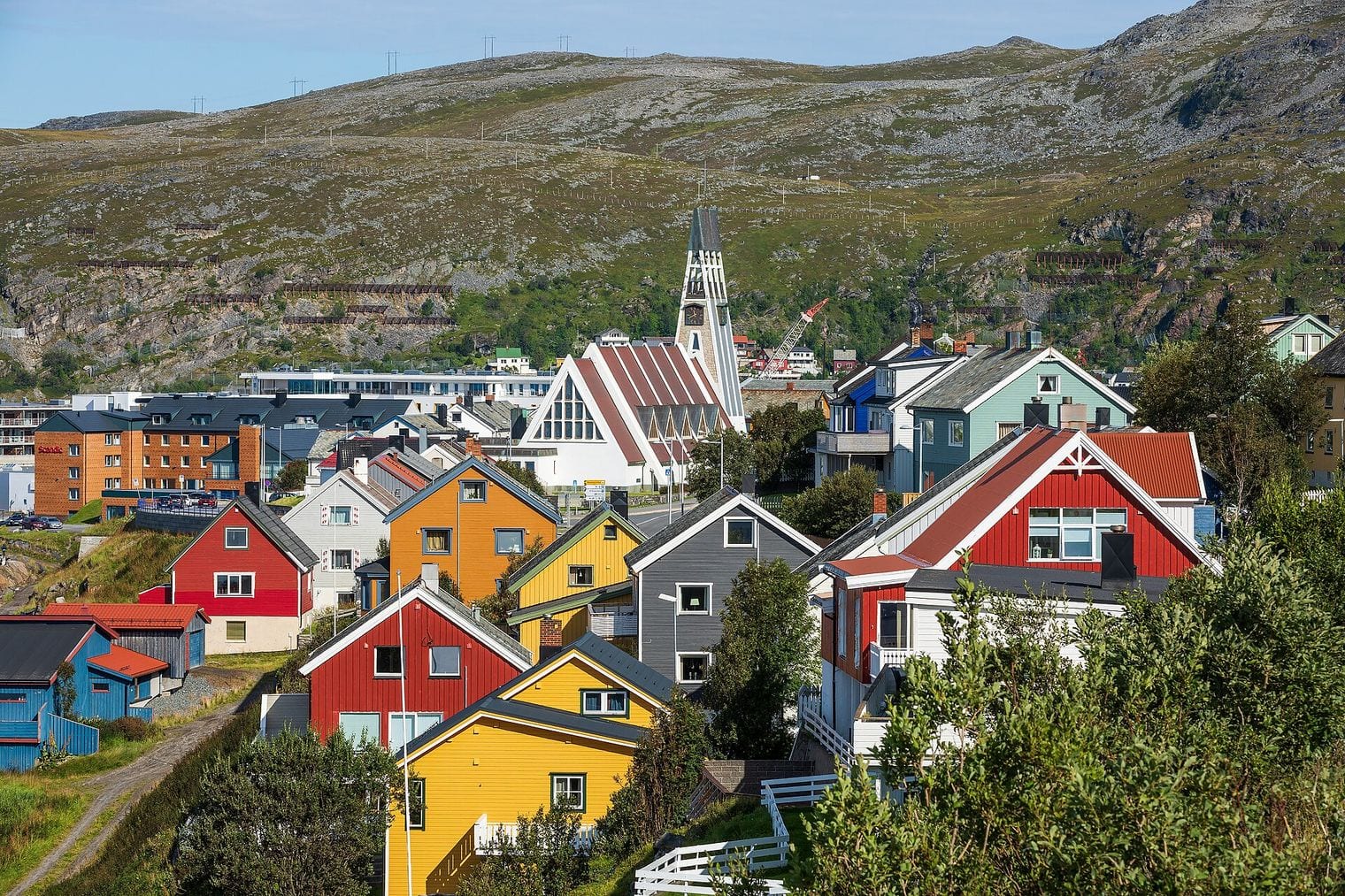
At 70.98°N, Honningsvåg is the northernmost town in mainland Norway, with 2,245 people on a bay on the southeastern side of Magerøya island in Finnmark. Nordkapp's municipal council declared it a city in 1996, a year before a national law set a minimum of 5,000 inhabitants for city status, so it keeps the title despite its size.
The North Cape and its visitor centre stand on the north side of the same island, and Honningsvåg is one of the main stops for the Hurtigruten coastal ships between Bergen and Kirkenes, as well as a summer port of call for cruise ships. Fishing in the ice-free Barents Sea and tourism keep the town going, and many gardens here grow trees despite the latitude.
1212. Gyda
Gyda, Tazovsky District, Yamalo-Nenets Autonomous Okrug, Russia
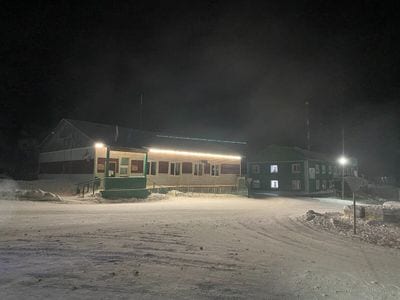
At 70.89°N, Gyda is a village of 3,610 people (2021) at the mouth of the Gyda River in the north of the Gydan Peninsula, in Tazovsky District of Russia's Yamalo-Nenets Autonomous Okrug, some 380 kilometres north of the district centre. Up to 90% of its residents are Nenets.
Reindeer herding and fishing are the base of its economy, and a fish plant opened here in 1939. Building began in 1935, the village was founded in 1936 as the centre of a village council, and it went by the name Gydoyama until 1976. Gyda has a boarding school, a hospital, a library and a ski base, and winter roads link it to Yuribey and other settlements on the peninsula.
At 70.75°N, Kazachye is a village of 1,188 people (2021) on the bank of the Yana River in Russia's Sakha Republic, north of the Arctic Circle. It is the only inhabited place in Kazachinsky National Rural Okrug and serves as its administrative centre.
Kazachye was founded in 1636, nearly three centuries before Tiksi, the Laptev Sea port at number 8. Its population has fallen, from 1,531 at the 2002 census to 1,188 in 2021, which leaves it just above the 1,000-resident floor.
1414. Kyusyur
Kyusyur, Bulunsky District, Sakha Republic, Russia
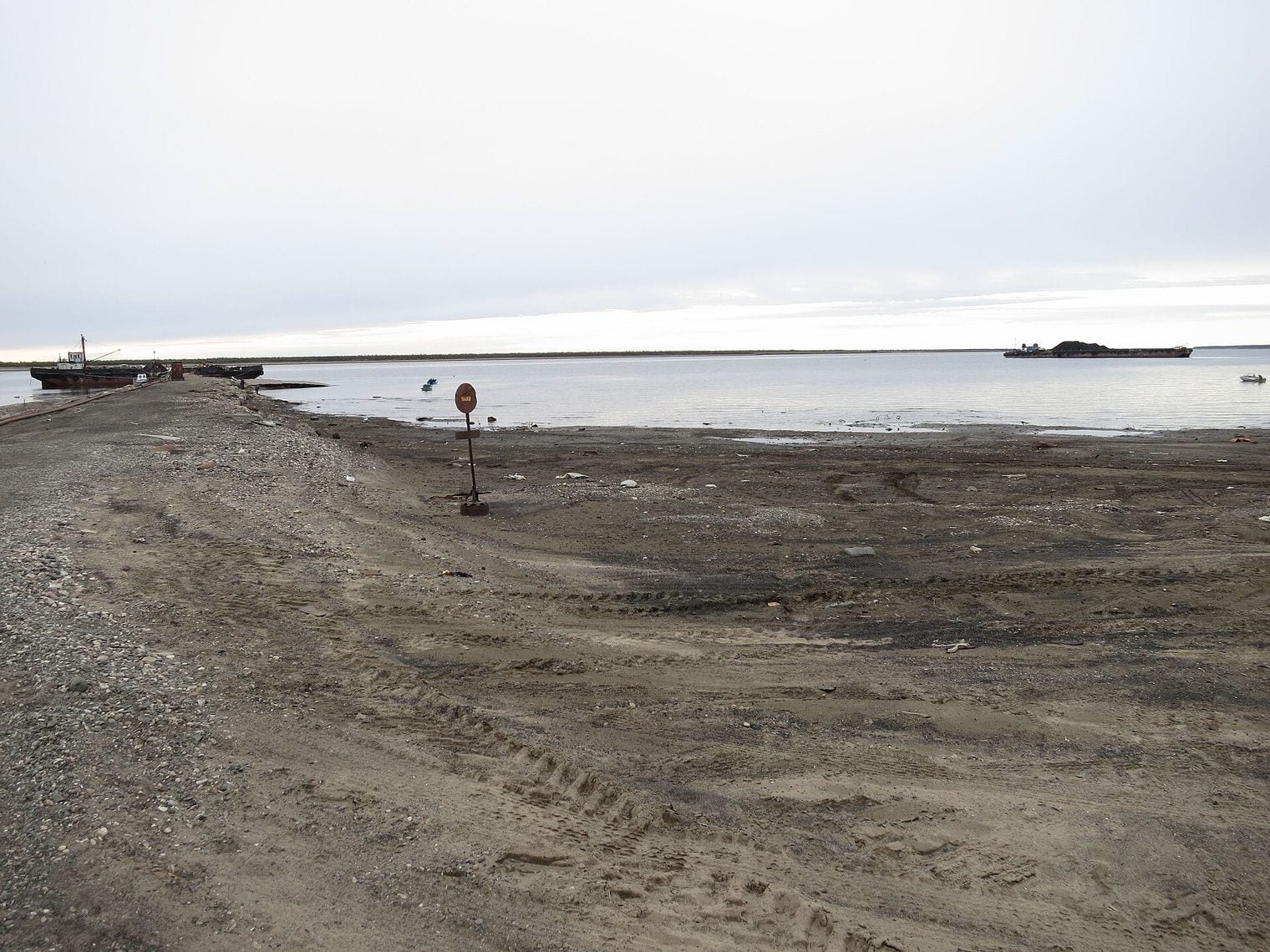
At 70.68°N, Kyusyur is a village of 1,072 people (2021) on the right bank of the Lena, a few kilometres south of the mouth of the Eyekit, in Bulunsky District of Russia's Sakha Republic, 120 kilometres from Tiksi. It is the only inhabited place in Bulunsky Rural Okrug and its administrative centre.
Founded in 1924, Kyusyur has lost people in recent years, down from 1,345 at the 2010 census, which leaves it close to the floor. It has an unlikely namesake far to the south: one of the artificial islands of The World archipelago off Dubai is named after Kyusyur.
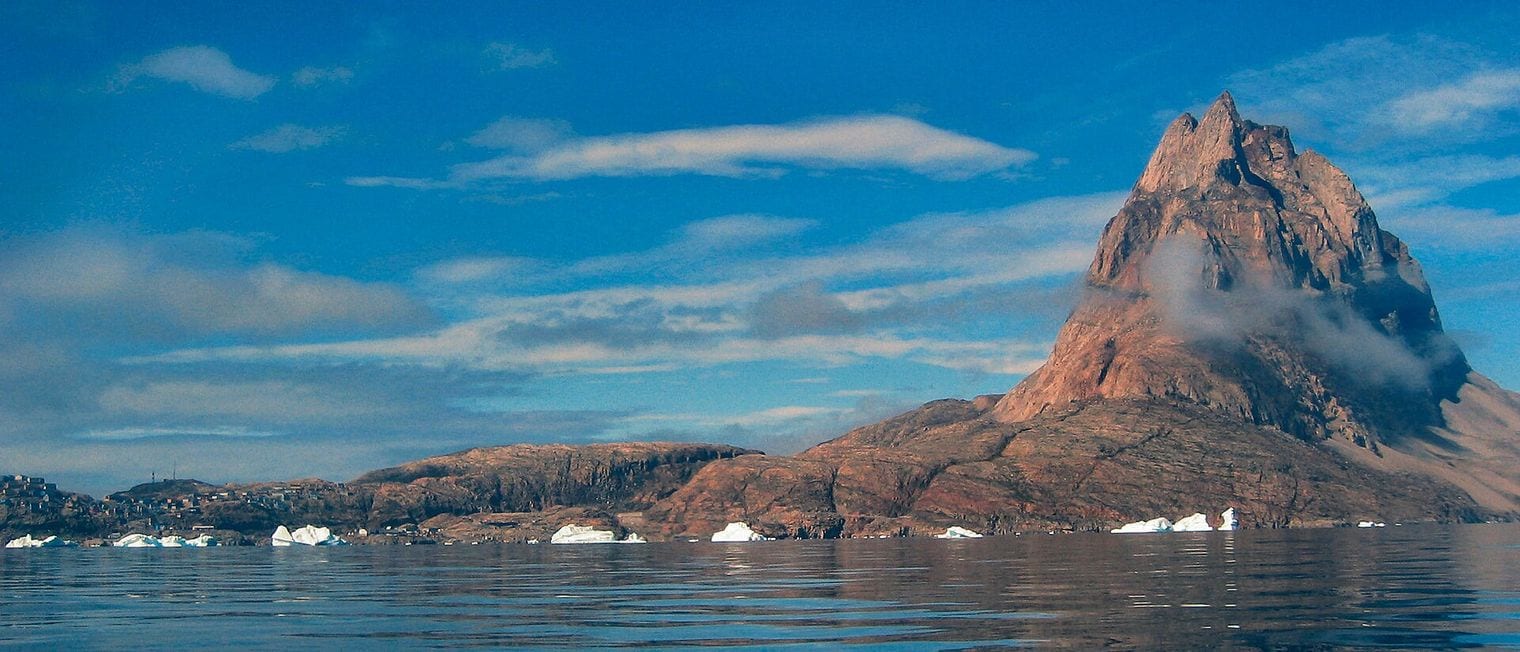
At 70.67°N, Uummannaq is a town of 1,407 people (2020) on Uummannaq Island in Avannaata municipality, central-west Greenland, the country's eighth-largest town and home to its most northerly ferry terminal. It was founded in 1763 as Omenak and lives by hunting and fishing, with a canning factory and a marble quarry.
Above the houses rises Uummannaq Mountain, a sharp peak 1,170 m high, and the glaciated mountains of the Nuussuaq Peninsula shelter the town from the coastal winds. Danish and Greenlandic children are told that Santa Claus lives in Spraglebugten Bay on the west of the island, where a turf hut built for a Danish television programme remains Santa's Castle in the popular imagination.
At 70.66°N, Hammerfest is the largest place on this list, a town of nearly 8,000 people on the northwestern coast of Kvaløya in Finnmark and the administrative centre of Hammerfest Municipality. It claims to be the northernmost city in the world, a title nearby Honningsvåg disputes, and since Norwegian law requires 5,000 residents of any new town, Hammerfest is the northernmost Norwegian town above that size.
In 1891 it became the first town in Norway and Northern Europe with electric streetlights. In November 1944 German forces began systematically burning the settlements of Finnmark, Hammerfest among them, and the town was rebuilt after the war. Its ice-free harbour now serves the island of Melkøya, where gas from the Snøhvit field in the Barents Sea is processed.
FAQ: The World's Northernmost Cities
What is the northernmost city in the world?
Longyearbyen on Svalbard, at 78.22°N, is the northernmost settlement with more than 1,000 permanent residents, home to some 2,400 people. Utqiaġvik in Alaska, at 71.29°N, is the northernmost city in the United States. Counting only cities of 100,000 or more, Norilsk in Siberia leads at 69.33°N, while Murmansk, at 68.97°N, is the largest city in the Arctic.
Why aren't Ny-Ålesund, Alert or Nord on the list?
Ny-Ålesund on Svalbard is the northernmost civilian settlement in the world, but it is a research village of about 35 people. Alert and Eureka in Nunavut and Nord in Greenland are military, weather or research stations staffed by rotating personnel, and Pituffik Space Base in Greenland is a military base, so none is a permanent town with 1,000 residents.
Is Hammerfest the northernmost city in the world?
Hammerfest has long claimed the title, and at 70.66°N it is the northernmost Norwegian town with more than 5,000 residents. But Honningsvåg, at 70.98°N, was declared a city in 1996, just before Norway set a 5,000-resident minimum, and it disputes the claim. On this list Hammerfest ranks 16th, with 15 smaller settlements farther north, most of them in Russia, Greenland and Nunavut.
Why aren't Qaanaaq, Grise Fiord, Resolute, Barentsburg or Dikson on the list?
All five are permanent settlements far to the north, but each falls below the 1,000-resident floor: Qaanaaq in Greenland has about 646 people, Barentsburg on Svalbard about 343, Dikson in Russia about 322, Resolute in Nunavut about 207 and Grise Fiord about 164. Dikson had some 5,000 residents in 1989, before most of its people moved away.
How was each place measured?
Each settlement is ranked by the latitude of its own centre point, taken from its Wikidata coordinates and checked against the GeoNames gazetteer and its Wikipedia article.
To qualify, a place had to be a permanent town, village or hamlet with at least 1,000 residents at its latest census or official estimate, which is how Arctic Bay, counted at 994 in 2021 and estimated at 1,161 in 2024, makes the list. More record-breaking countdowns are on our world record breakers page.
Sources & updates
How this ranking was checked
Checked before launch
Sources cited
16
Publishers
2
Every figure in this ranking was checked against the record-keeper or official source behind it before publication, and the top of the ranking re-checked live so a newer record would not be missed.
One email every Thursday with our newest guides for the places you tick.
Newsletter
Stay updated with new World Record Breakers
One email every Thursday with our newest guides for the places you tick.
We use cookies to analyse site traffic and improve your experience.
You can accept or reject analytics cookies. See our
May we use analytics cookies? See ourCookie Policy.