We build and rank every list first. Booking links come after, and only where
a partner sells a ticket, tour or stay for that exact place, so a place with
nothing to book is listed exactly as prominently as one you can book.
So how do we earn? Some links on this page go to booking
partners, and if you book tickets, tours or a stay through
one, we may earn a commission. It costs you nothing extra.
That commission never decides which places make the list, the order they
appear in, or what we write about them. No entry is sponsored or a paid
placement.
By the City Viking editorial teamPublished Ranked by opening year · 12 min read
Last verified Checked before launchOct 30, 202613 sources12 publishersPublished · Nov 4, 2026Researched and checked before it went liveClick for every source and the full change log.
The record
1583
Dyrehavsbakken
Denmark
The record
The oldest amusement park in the world is Dyrehavsbakken, in Denmark — 1583, opening year.
Source: coasterpedia.net. Verified .
Short answer
Dyrehavsbakken, or Bakken, near Copenhagen is the oldest amusement park in the world, drawing crowds since 1583, ahead of Vienna's Wurstelprater, open to the public since 1766. In the United States, the oldest is Lake Compounce in Bristol, Connecticut, open since 1846.
Blackpool Pleasure Beach and Disneyland are the names most people reach for, yet both are young next to the oldest amusement parks still running. This countdown ranks the 13 oldest, from Dyrehavsbakken north of Copenhagen, where crowds have gathered since 1583, to Arnolds Park on an Iowa lake, open since 1889; six are in the United States, two in Denmark and one each in Austria, the United Kingdom, Japan, France and Sweden.
Each ranks by the year it first opened to the public as an amusement park or pleasure ground on its present site, as the Roller Coaster DataBase (RCDB) dates it, so a park that began as a bathing beach keeps that first year, as Cedar Point does from 1870.
Every park must still operate, with no break longer than two seasons in a row outside wartime and the 2020 pandemic, which leaves out Six Flags New England, shut from 1933 to 1939, and Lagoon in Utah, on its present site only since 1896.
Fun Facts About the World's Oldest Amusement Parks
The oldest began with a spring. Crowds first walked out to Dyrehavsbakken in 1583 to drink from a spring Kirsten Piil had found in the forest, water many believed could cure illness.
Tivoli was sold to a king as a distraction. Georg Carstensen won the charter for Tivoli Gardens by telling Christian VIII that "when the people are amusing themselves, they do not think about politics".
America's oldest park owes its start to a failed experiment. In 1846 Gad Norton hired a scientist to set off explosives in the lake at Lake Compounce; the stunt failed, but the crowd it drew convinced him to open a park.
Two parks on the list began as zoos or gardens.Hanayashiki in Tokyo started as a flower garden and became one of Japan's leading zoos, and the Jardin d'Acclimatation opened as a zoological garden whose animals were cooked and served during the Siege of Paris.
One park keeps retreating from the sea. Landslides are so frequent at Blackgang Chine, on the Isle of Wight cliffs, that its attractions have been moved inland to safer ground several times.
Railways fed three of the American parks.Idlewild began as a campground on the Ligonier Valley Railroad, Seabreeze opened at the end of a new line from Rochester, and a trolley stop on the line to Kutztown fed Dorney Park.
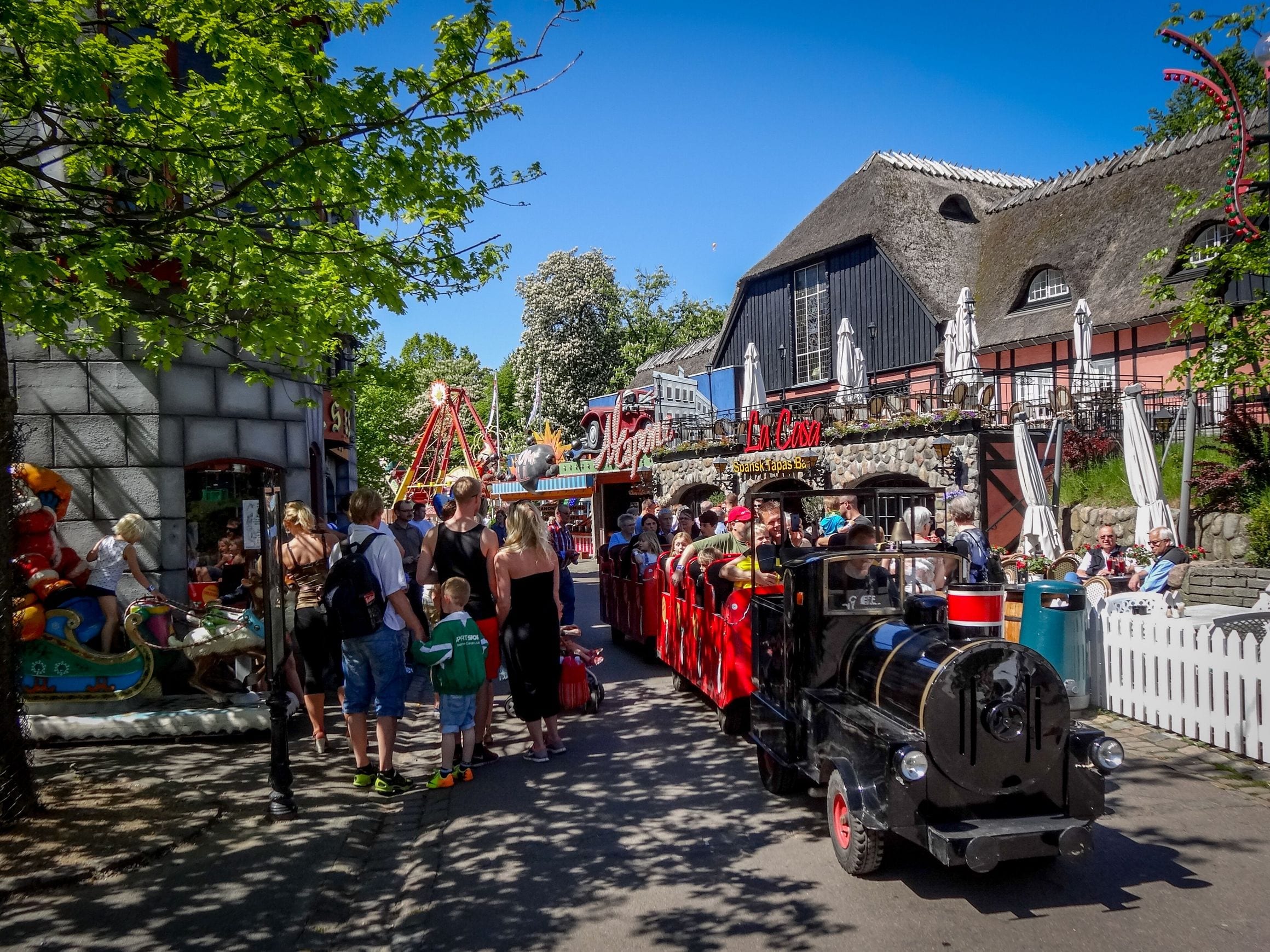
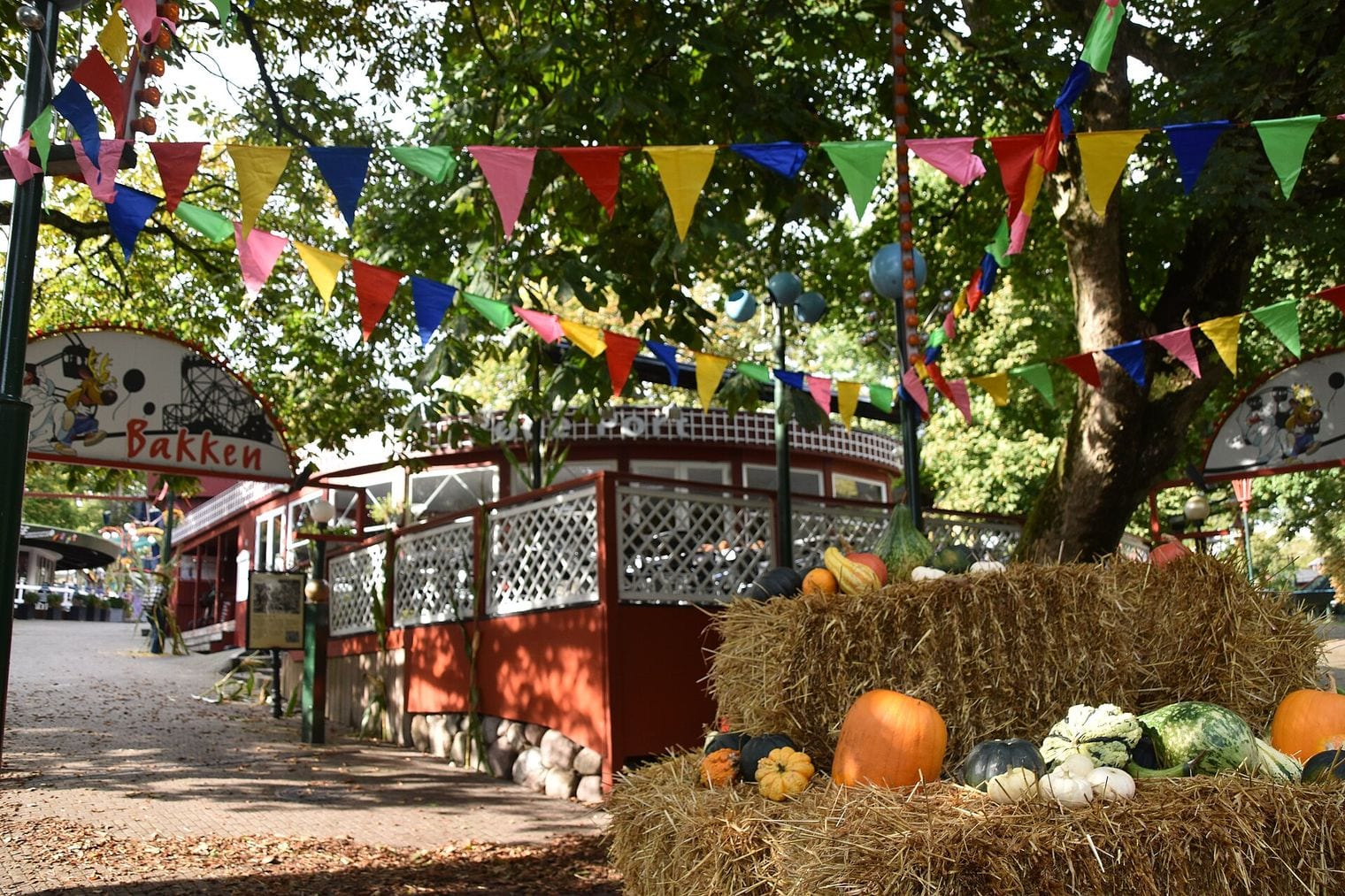
Crowds first came to Dyrehavsbakken in 1583, when Kirsten Piil found a natural spring in the forest north of Copenhagen, and the park that grew up around it is the oldest amusement park still operating anywhere. Copenhageners, short of clean water in the city, walked out to drink from the spring, which many believed had curative powers, and entertainers, hawkers and innkeepers followed the crowds.
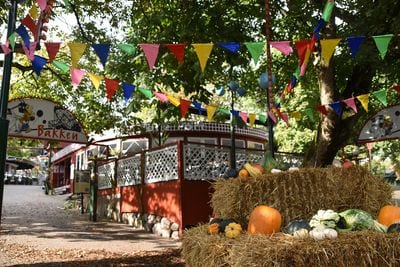
Bakken, as Danes call it, sits at the southern edge of Dyrehaven, a royal deer park about 10 km north of central Copenhagen and a short walk from Klampenborg station. Entry to the grounds is free, with rides paid for one by one, and the clown Pjerrot, a long-time fixture of the park, still performs for young children every day. Its best-loved ride is Rutschebanen, a wooden roller coaster that has run since 1932.
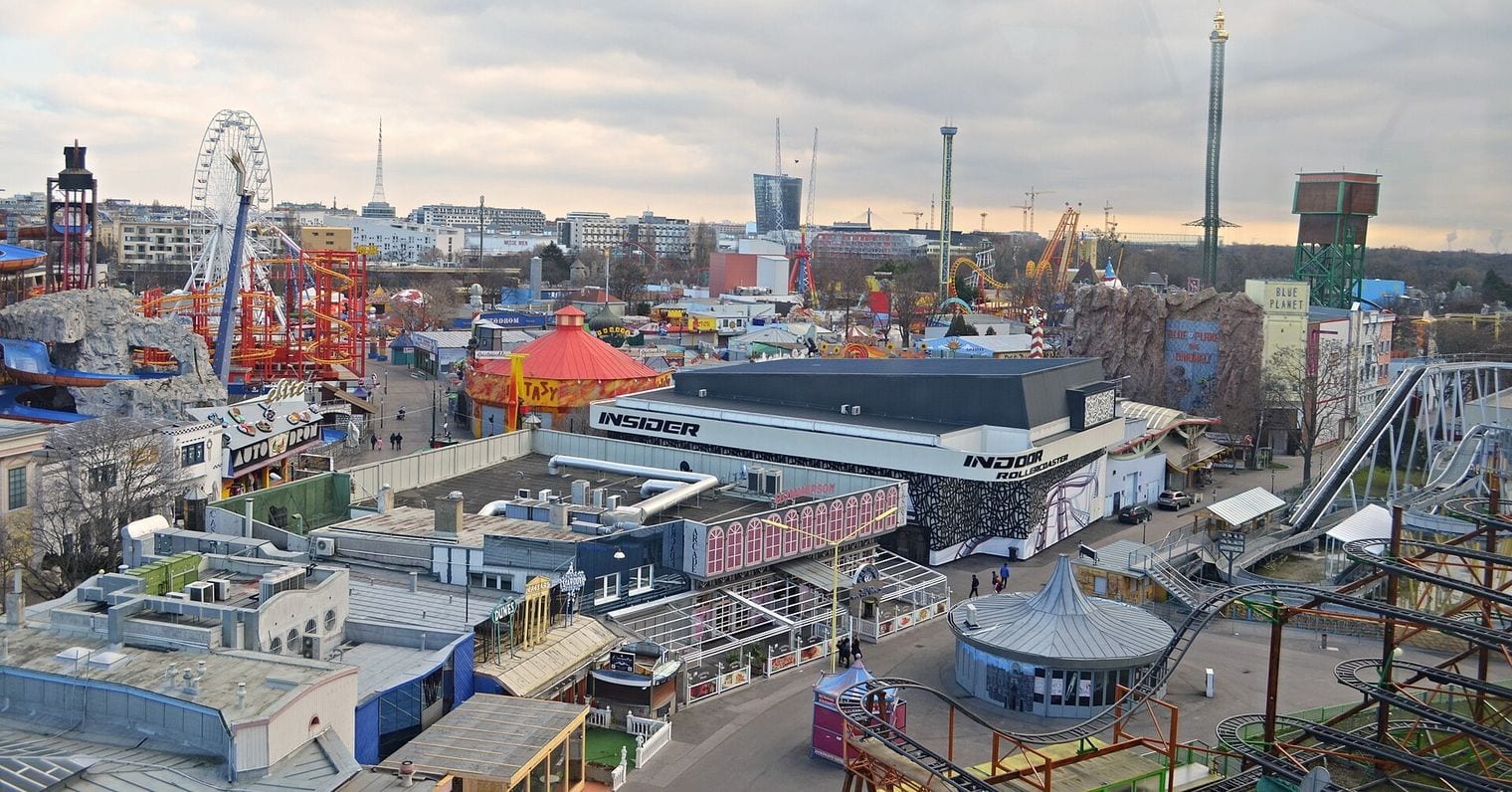
The Prater has belonged to everyone since 1766, when Emperor Joseph II opened it to the general public, and the innkeepers, showmen and carousel owners who set up there created the Wurstelprater, the amusement park at the heart of Vienna's great green Prater. By 1782 the site already held 47 Prater huts, among them 43 inns and two carousels.
Its name comes from Hanswurst, a comic character of Austrian folk theatre created by the actor Josef Anton Stranitzky. Some histories date the amusement park itself from 1895, the year the Venedig in Wien (Venice in Vienna) complex opened, and two years later the Wiener Riesenrad, the giant Ferris wheel that became one of Vienna's best-known landmarks, rose at its centre, along with a roller coaster and circus attractions. It lies in the Leopoldstadt district, south-east of the old city.
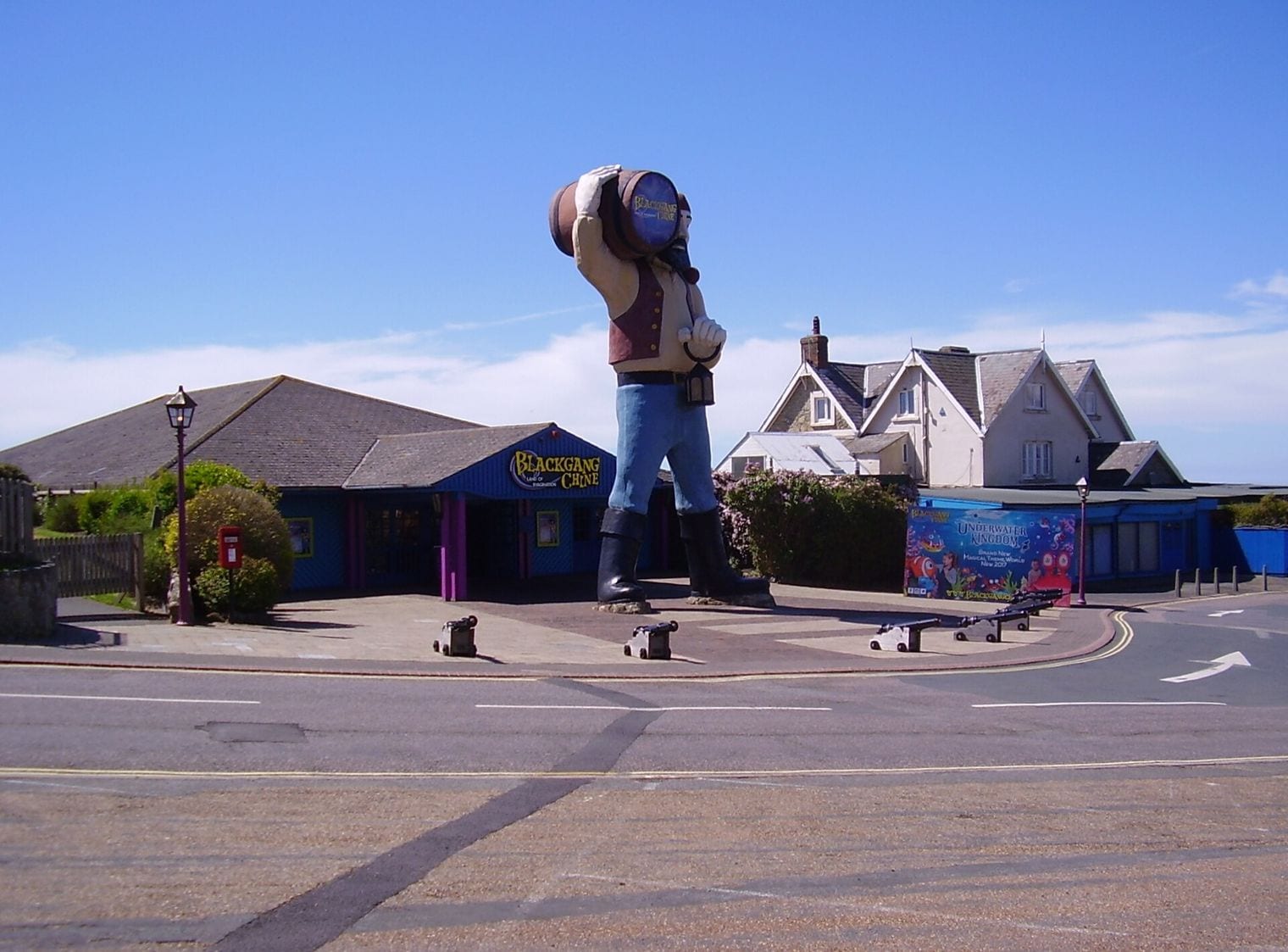
Opened in 1843, Blackgang Chine on the Isle of Wight is the oldest amusement park in the United Kingdom, tied for third place with Tivoli Gardens, which opened the same year. Alexander Dabell leased the site in 1842 and laid paths down into the ravine and gardens on the cliffs above it, on a stretch of coast that until then had seen few visitors other than fishermen and smugglers.
The cliffs it was built on are still on the move. Landslides are frequent at Blackgang, and attractions have been shifted further inland to safer ground several times. The park has long been run as a family business by Dabell's descendants, and it is laid out in themed lands such as Pirate Cove, Fairy Land and Cowboy Town, aimed at families more than thrill seekers.
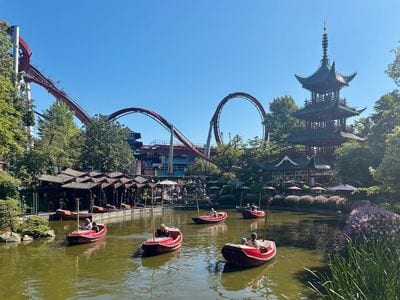
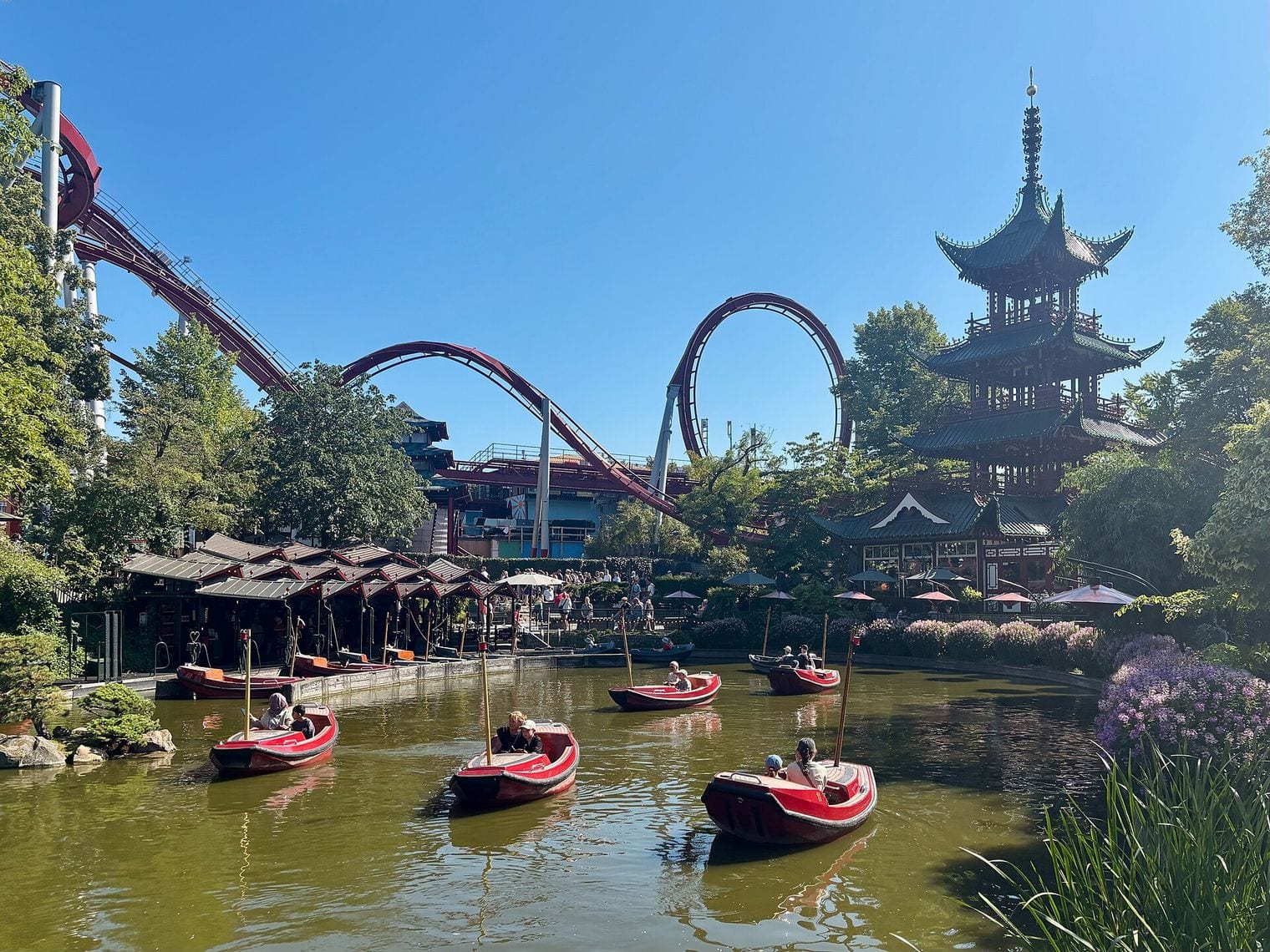
Tivoli Gardens opened in the heart of Copenhagen on 15 August 1843, tied for third place with Blackgang Chine, and it is the most visited amusement park in Scandinavia. Its founder, Georg Carstensen, won a five-year charter from King Christian VIII by telling him that "when the people are amusing themselves, they do not think about politics", and he first called the park Tivoli & Vauxhall, after pleasure gardens in Paris and London.
The garden still stands beside Copenhagen Central Station, on land that was once the fortified glacis outside the city's West Gate. Its Chinese-style Pantomime Theatre dates from 1874, the composer Lumbye, known as the Strauss of the North, wrote many pieces inspired by the gardens, and Rutschebanen, its wooden roller coaster from 1914, was bombed by Nazi saboteurs in June 1944 and running again 25 days later.
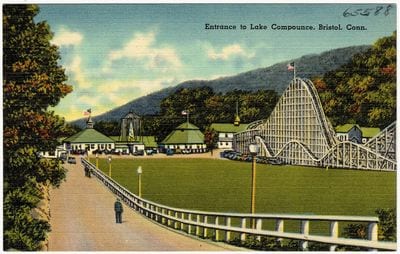
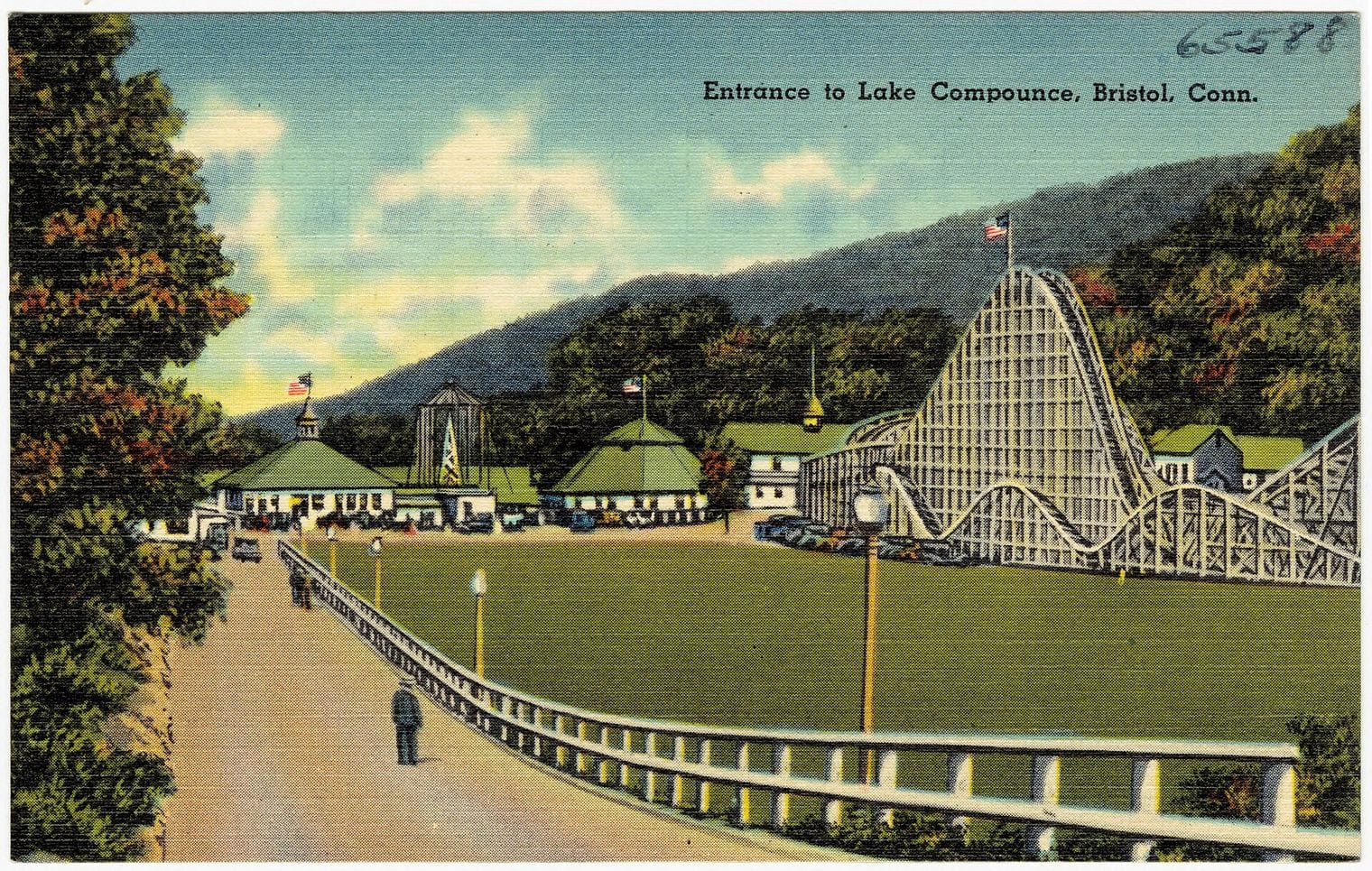
Lake Compounce in Bristol, Connecticut, first opened to the public on October 6, 1846, and it is the oldest continuously operating amusement park in the United States. That autumn Gad Norton hired a scientist to set off explosives in the lake as an experiment; the stunt failed, but the crowd it drew persuaded Norton to open a park.
The Norton family ran it until 1985. After the 1991 season its owner went bankrupt and the gates stayed shut for two summers, but the park reopened in 1994, inside the two-season limit this list allows.
Its classic ride is Wildcat, a wooden coaster built by the Philadelphia Toboggan Company in 1927, while its newer wooden coaster, Boulder Dash, won the Golden Ticket Award for best wooden coaster five years running, and a beach and the Crocodile Cove water park share the grounds.
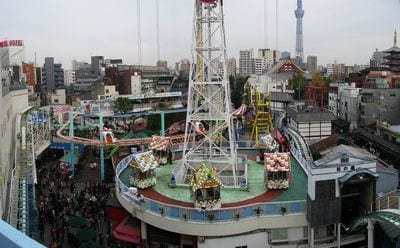
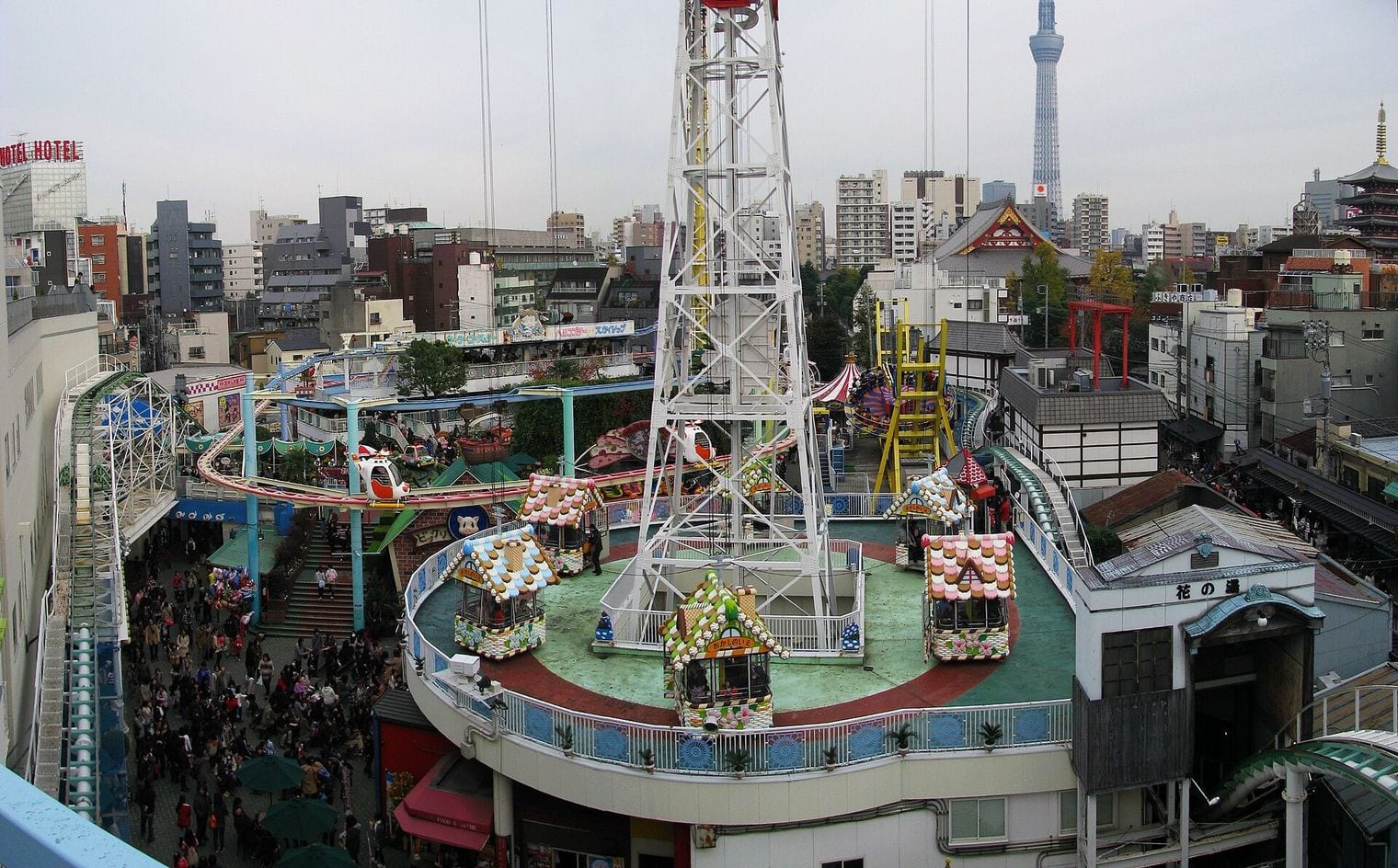
Hanayashiki has stood in Asakusa, Tokyo, since 1853, at the end of the Edo period, and it is considered the oldest amusement park in Japan, though it began as something gentler. For its first two decades it was a botanical garden of peonies and chrysanthemums laid out by the garden designer Morita Rokusaburo, and its name means Flowery Mansion.
In the early 20th century it became one of Japan's leading zoos, making headlines with tiger quintuplets and the country's first baby lion, and in 1949 it took its present name, Asakusa Hanayashiki. Its Roller Coaster, which began running in 1953, is the oldest existing coaster in Japan, and the Panda Car ride is one of the park's unofficial mascots.
Get new guides like this by email
One email every Thursday with our newest guides for the places you tick.
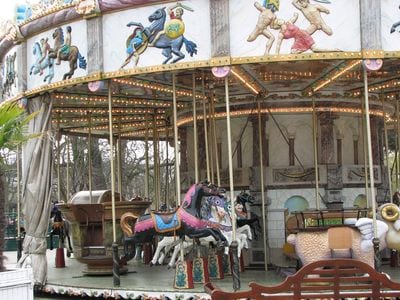
Napoléon III and Empress Eugénie opened the Jardin d'Acclimatation on 6 October 1860 in the Bois de Boulogne on the western edge of Paris, as a zoological garden where plants and animals from the colonies could adapt to the French climate. It has since become a 19-hectare children's amusement park, still on the same ground in the north of the wood.
Its history is not all charming. During the Siege of Paris in 1870 and 1871 many of its animals were cooked and served by the chef Alexandre Étienne Choron, and the garden later staged so-called human zoos in which Nubians, Zulus and other African peoples were put on show. Today it is a park of rides, gardens and attractions for young families.
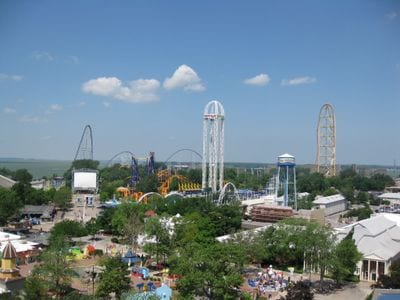
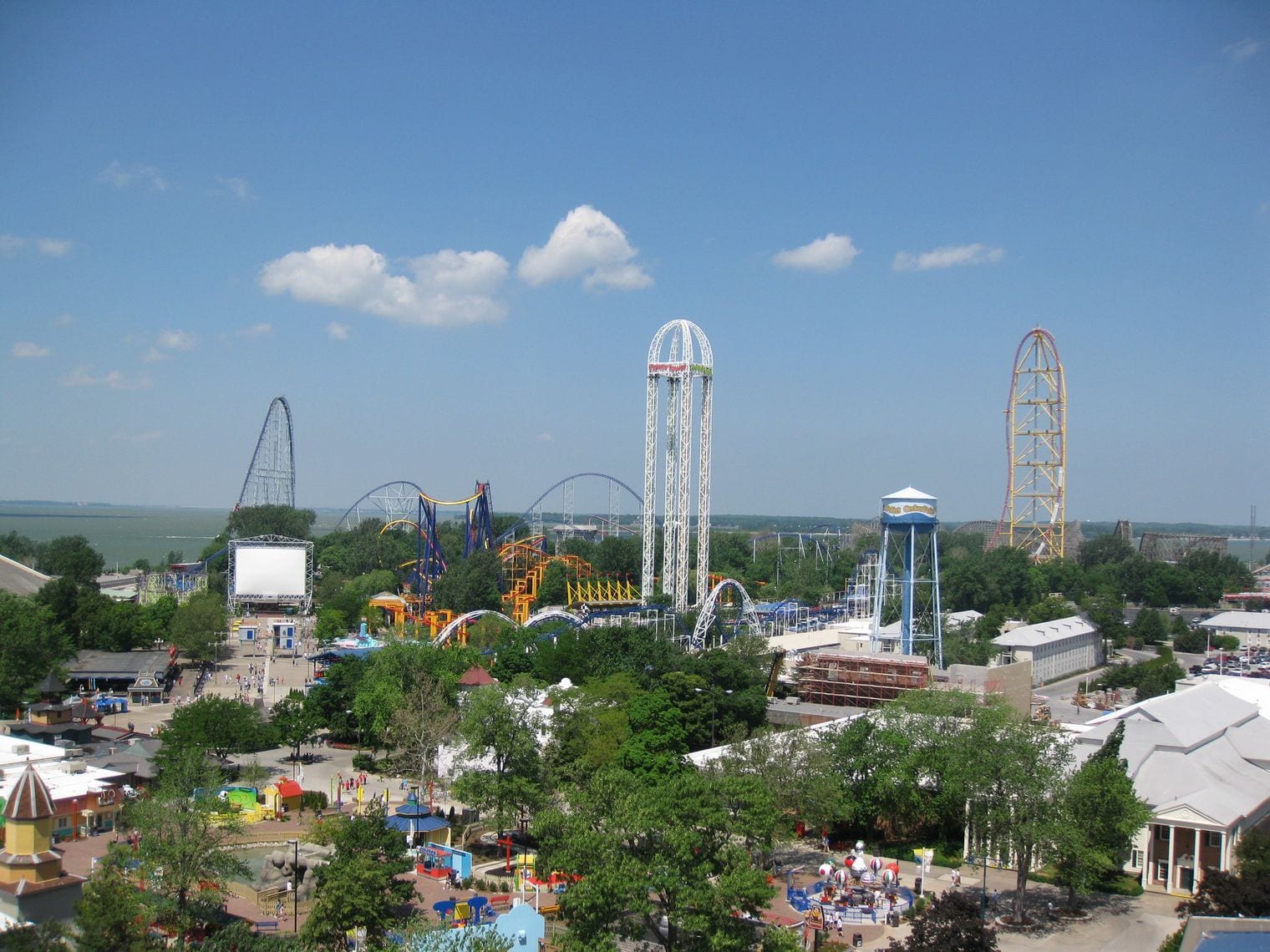
Cedar Point dates from 1870, when Louis Zistel began ferrying people from Sandusky, Ohio, to a Lake Erie peninsula that opened as a public bathing beach; it ran on and off at first and has operated every season since 1882. Zistel opened a bathhouse and a beer garden with a small dance floor, and from 1882 new leaseholders added eight bathhouses, a dance hall and wooden walkways on the beach.
Railroad men bought the peninsula in 1897 and formed the Cedar Point Pleasure Resort Company, with George Boeckling as manager, and the Hotel Breakers opened in 1905 as one of the largest hotels in the Midwest. Known today as America's Roller Coast, the park made its name with giant coasters such as Magnum XL-200 and Millennium Force, both more than 200 feet tall, and it still has a mile-long beach on the lake.
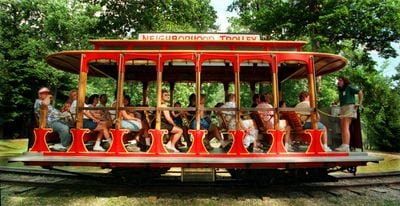
Idlewild opened in 1878 as a campground along the Ligonier Valley Railroad, about 50 miles east of Pittsburgh in Pennsylvania's Laurel Highlands, and it is the oldest amusement park in Pennsylvania. Thomas Mellon, a retired judge who had bought the railroad at auction, founded it, and the Mellon family owned it for more than a century.
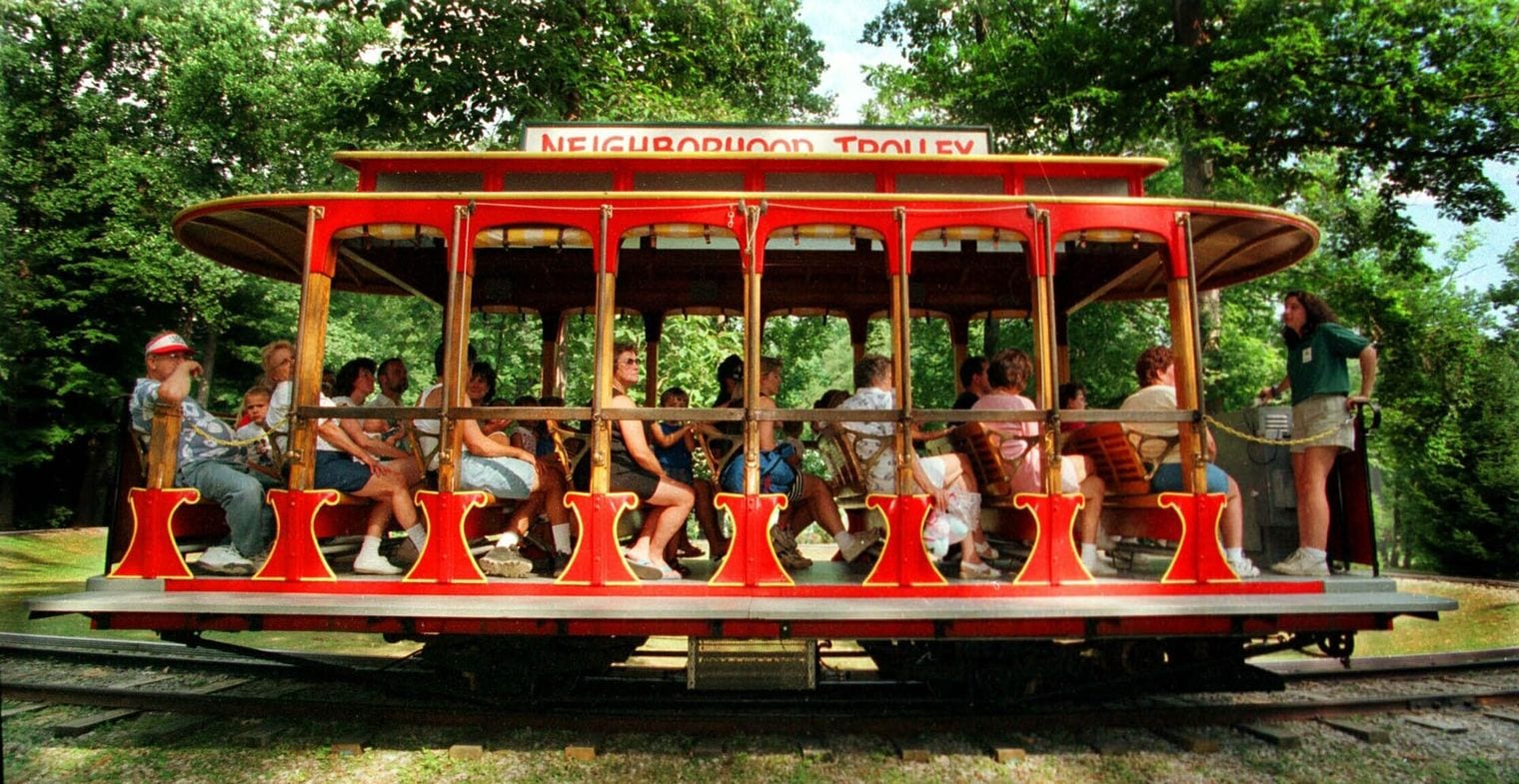
Rides arrived through the early 20th century, among them Rollo Coaster in 1938, and after Kennywood's owners bought the park in 1983 they added an attraction designed and voiced by Fred Rogers, based on his television show Mister Rogers' Neighborhood. Built for younger children rather than thrill seekers, Idlewild has been named the best children's park in the world by the industry paper Amusement Today, and since 2025 it has belonged to Herschend, which also owns Lake Compounce.
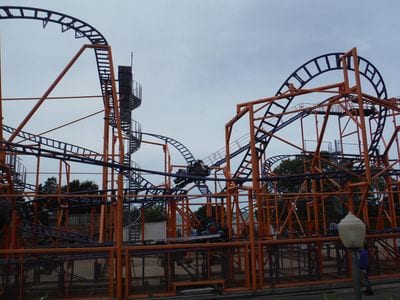
Seabreeze began in 1879, when the Rochester and Lake Ontario Railroad built a line from Rochester to the Sea Breeze neighborhood at the inlet of Irondequoit Bay, and the park opened at the end of the line on August 5 that year. It is a trolley park, one of the pleasure grounds built at the end of a rail line to give city riders somewhere to go.
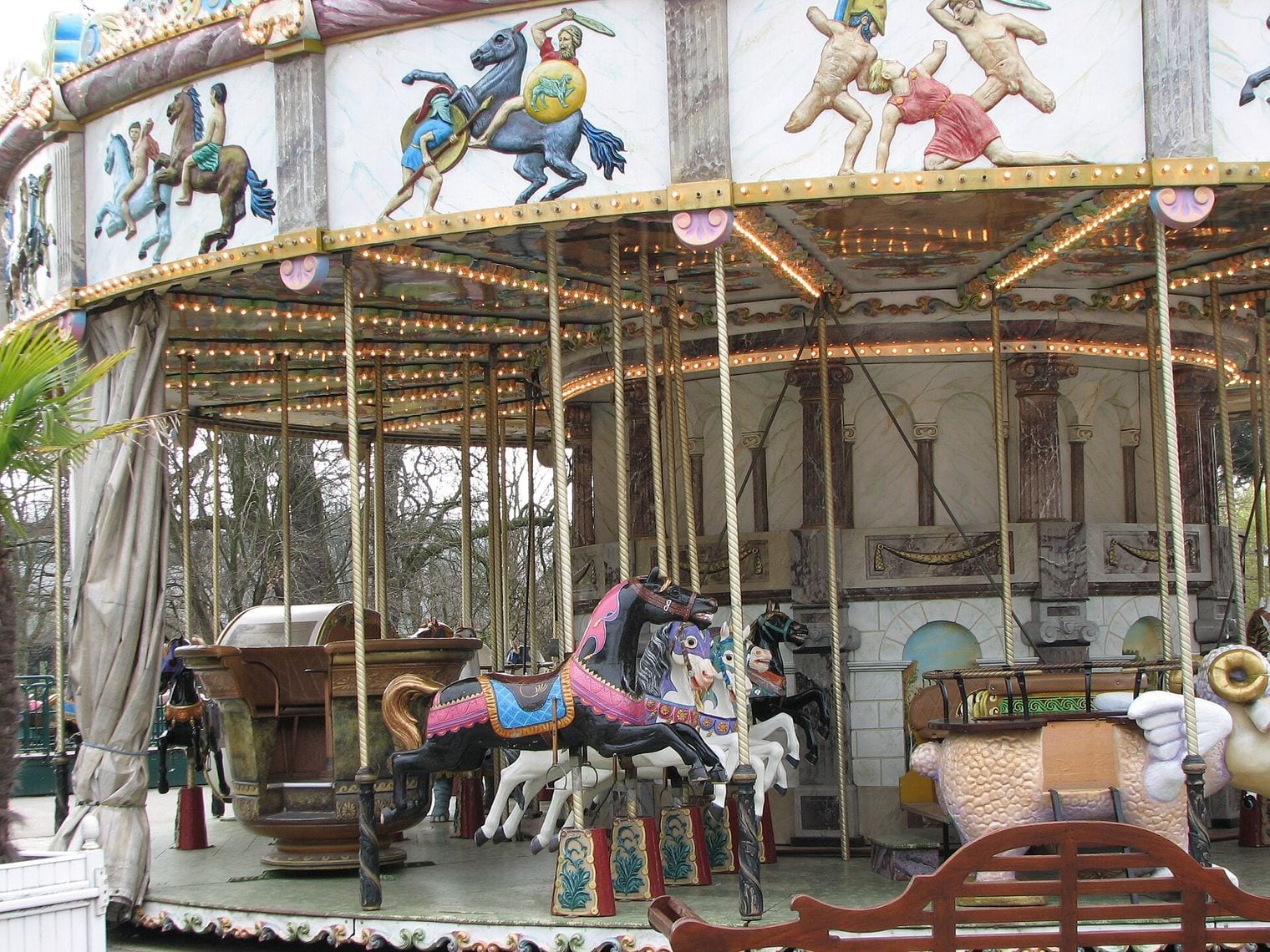
By the 1920s it had roller coasters, dance halls, a carousel and a huge saltwater pool called the Natatorium. Its best-known ride is the Jack Rabbit, a wooden coaster that has run since 1920 and is one of the oldest roller coasters still running anywhere. The park's carousel was lost to fire in 1994 and replaced two years later, and today Seabreeze, in Irondequoit, combines coasters, a midway and a water park.
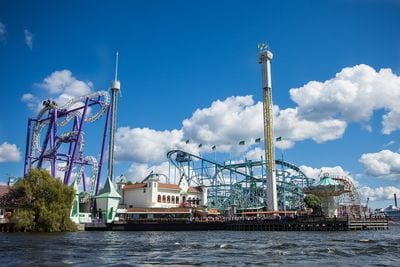
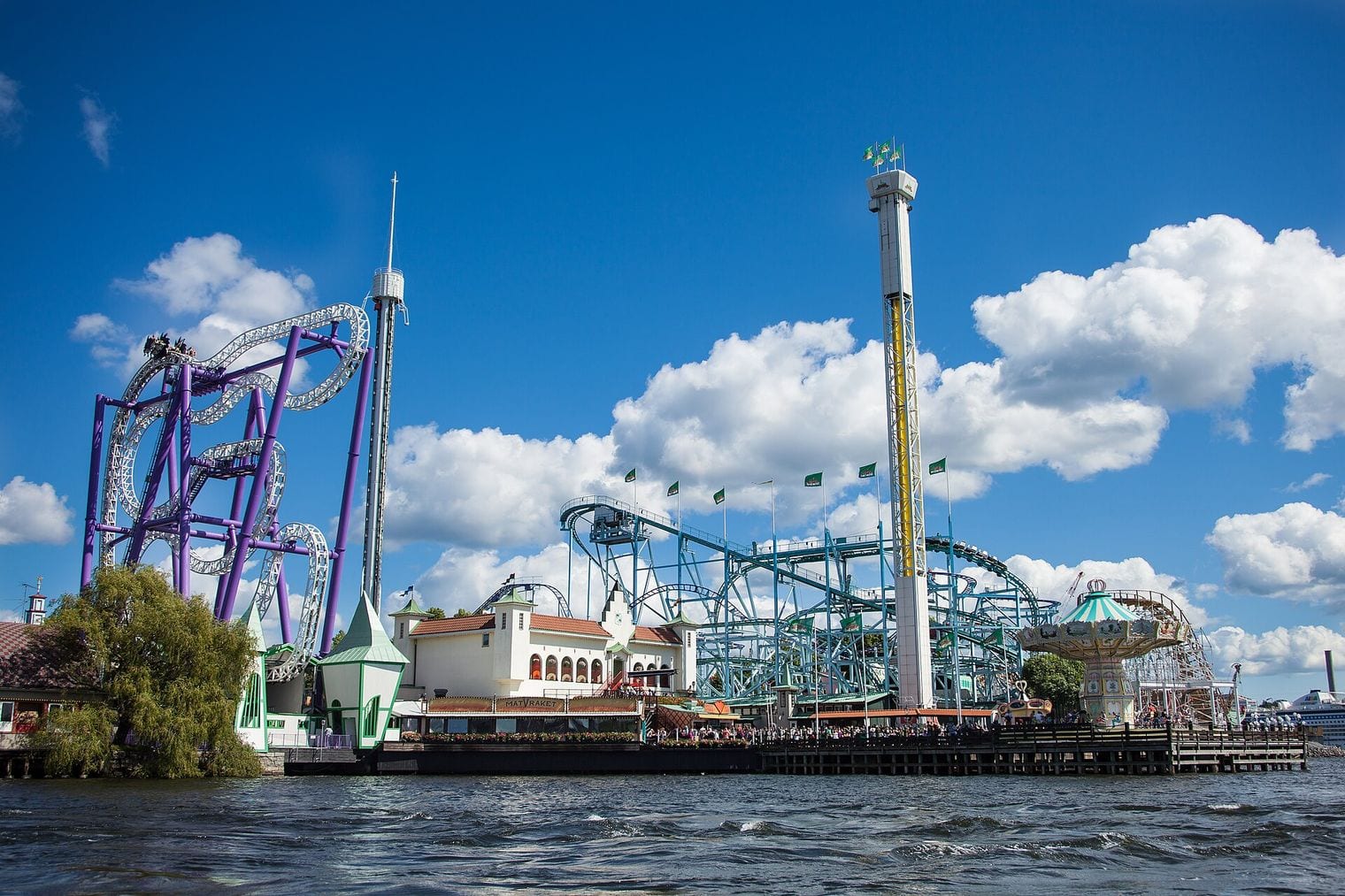
Gröna Lund has entertained Stockholm since 1883, when a German, Jacob Schultheis, rented a plot on the seaward side of Djurgården to put up "carousels and other amusements", and it is the first and oldest amusement park in Sweden. It opened on 3 August 1883, and Schultheis's descendants owned it until 2001.
At 3.8 hectares it is small for a major park, because its central location leaves no room to grow, so rides and roller coasters are packed tightly together beside the water. Summer brings concerts on its three stages, and a tunnel of love and a funhouse keep a link with its fairground past.
Founded in 1884, Dorney Park & Wildwater Kingdom is the fifth-oldest amusement park in continuous operation in the United States, though its story begins in 1860, when Solomon Dorney built a trout hatchery and summer resort on his estate outside Allentown, Pennsylvania. It is also one of the few trolley parks still running: in 1899 the Allentown-Kutztown Traction Company added a stop at the park on its new line.
Its first roller coaster opened in 1923 and was known simply as The Coaster until 1989, when it was renamed Thunderhawk. The park later grew into a big thrill park with Steel Force, one of the longest steel coasters in the world, and the Wildwater Kingdom water park, built after 1985 on the site of a neighbouring racetrack, gives it the second half of its name.
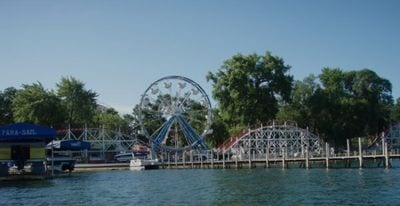
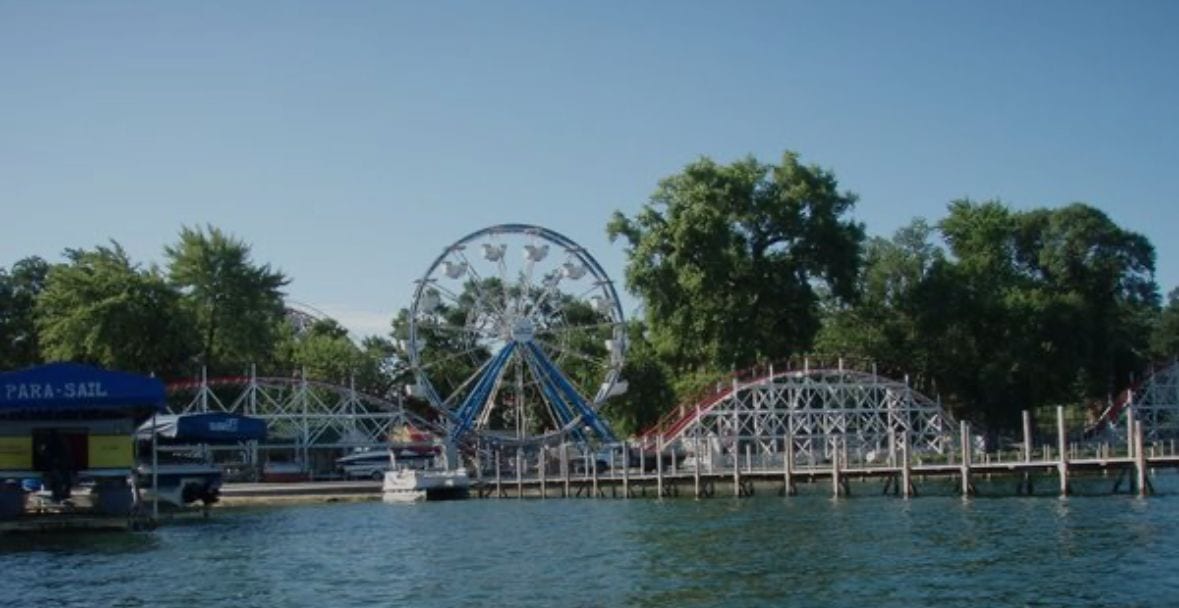
Arnolds Park opened in 1889, when Wesley Arnold built a 60-foot wooden toboggan-style waterslide on the south shore of West Lake Okoboji in northwest Iowa, the first attraction of what became the amusement park. It is the youngest park in this countdown, and it still sits on the same lakeshore.
The park nearly vanished in the late 1980s: it stayed shut through 1988 amid doubts about its future, until a group of investors bought it in 1989. In 1999 community leaders raised $7.25 million in six weeks to rescue it again, and a nonprofit group took over its management. Its centrepiece is The Legend, a wooden roller coaster built by a crew of 200 workers and recognised as an ACE Coaster Landmark.
FAQ: The World's Oldest Amusement Parks
What is the oldest amusement park in the world?
Dyrehavsbakken, known as Bakken, in Klampenborg, Denmark, about 10 km north of Copenhagen, is the oldest still operating. Crowds first came in 1583 to drink from Kirsten Piil's spring in the royal deer park, and entertainers and innkeepers followed them. Second is Vienna's Wurstelprater, in the Prater that Emperor Joseph II opened to the public in 1766.
What is the oldest amusement park in the United States?
Lake Compounce in Bristol, Connecticut, which first opened to the public on October 6, 1846, is the oldest continuously operating amusement park in the country. Next come Cedar Point in Sandusky, Ohio, a bathing beach from 1870 that has opened every season since 1882, and Idlewild near Ligonier, Pennsylvania, a railroad campground from 1878.
How are the parks dated?
Each park ranks by the year it first opened to the public as an amusement park or pleasure ground on its present site, as the Roller Coaster DataBase (RCDB) dates it, so a picnic grove, flower garden or bathing beach keeps its first year. Parks of the same year rank by opening day only where every date is known, so Blackgang Chine and Tivoli Gardens share third place for 1843.
Why are Six Flags New England, Dreamland Margate and Lagoon not on the list?
A park may lose no more than two seasons in a row, outside wartime and the 2020 pandemic: Lake Compounce, shut for 1992 and 1993, and Arnolds Park, shut for 1988, pass. Six Flags New England, Gallup's Grove from 1870, stayed shut from 1933 to 1939, Dreamland Margate reopened only in 2015, and Lagoon has stood at Farmington, Utah, only since 1896.
Which old amusement parks just missed the list?
Next in line are Conneaut Lake Park in Pennsylvania and Bay Beach in Green Bay, Wisconsin, both from 1892, then Lakemont Park in Altoona, Pennsylvania, from 1893. Waldameer in Erie and Blackpool Pleasure Beach followed in 1896, and Kennywood, near Pittsburgh, at the end of the 1890s. More rankings like this sit among our world record breakers.
Sources & updates
How this ranking was checked
Checked before launch
Sources cited
13
Publishers
12
Every figure in this ranking was checked against the record-keeper or official source behind it before publication, and the top of the ranking re-checked live so a newer record would not be missed.
One email every Thursday with our newest guides for the places you tick.
Newsletter
Stay updated with new World Record Breakers
One email every Thursday with our newest guides for the places you tick.
We use cookies to analyse site traffic and improve your experience.
You can accept or reject analytics cookies. See our
May we use analytics cookies? See ourCookie Policy.