We build and rank every list first. Booking links come after, and only where
a partner sells a ticket, tour or stay for that exact place, so a place with
nothing to book is listed exactly as prominently as one you can book.
So how do we earn? Some links on this page go to booking
partners, and if you book tickets, tours or a stay through
one, we may earn a commission. It costs you nothing extra.
That commission never decides which places make the list, the order they
appear in, or what we write about them. No entry is sponsored or a paid
placement.
By the CityViking Research TeamPublished Ranked by earliest documented year of trading as a bar on the present site · 12 min read
Last verified Checked before launchOct 30, 202615 sources2 encyclopedias & research13 venues & other sitesPublished · Nov 2, 2026Researched and checked before it went liveClick for every source and the full change log.
The record
wine has been served in the town hall's council cellar since 1405
Ratskeller Bremen
Germany
The record
The oldest bar in the world is Ratskeller Bremen, in Germany — wine has been served in the town hall's council cellar since 1405, earliest documented year of trading as a bar on the present site.
Source: rathaus.bremen.de. Verified .
Short answer
The Ratskeller beneath Bremen's town hall is the oldest bar in the world by dated record, serving wine since 1405, just ahead of Gasthaus zum Riesen in Miltenberg, named in a court book of 1411. To drink in the oldest documented bar still pouring, head down into the cellar under Bremen's town hall on the market square.
Ask for the oldest bar in the world and the famous answers rest on legend: Sean's Bar in Athlone claims 900, Ye Olde Fighting Cocks in St Albans 793 and Ye Olde Trip to Jerusalem in Nottingham 1189, yet the earliest records of those three as pubs date from 1738, 1756 and 1751.
This countdown ranks 15 bars by a dated document instead, a licence, court book, deed or tax entry showing drink sold to the public on the present site with the trade unbroken since, from the cellar of Bremen's town hall in 1405 to The Brazen Head in Dublin, which ranks on its ale licence of 1661 rather than its claimed 1198.
Every bar must still serve walk-in drinkers, as the family tavern of Gaststätte Röhrl in Bavaria does. That rule leaves out restaurants such as Salzburg's St. Peter Stiftskulinarium, said to date from 803, and bars whose run broke, such as Piwnica Świdnicka in Wrocław, shut from 2017 to 2022.
Guinness's oldest inn ranks only 14th here. Guinness World Records named Gaststätte Röhrl the world's oldest continuously operated inn in 2010, on its unbroken run in one family since 1658, yet 13 bars on this list have older dated records.
One of the oldest osterie serves no food at all.Osteria del Sole in Bologna pours only wine and beer, and drinkers bring their own food to its long wooden tables.
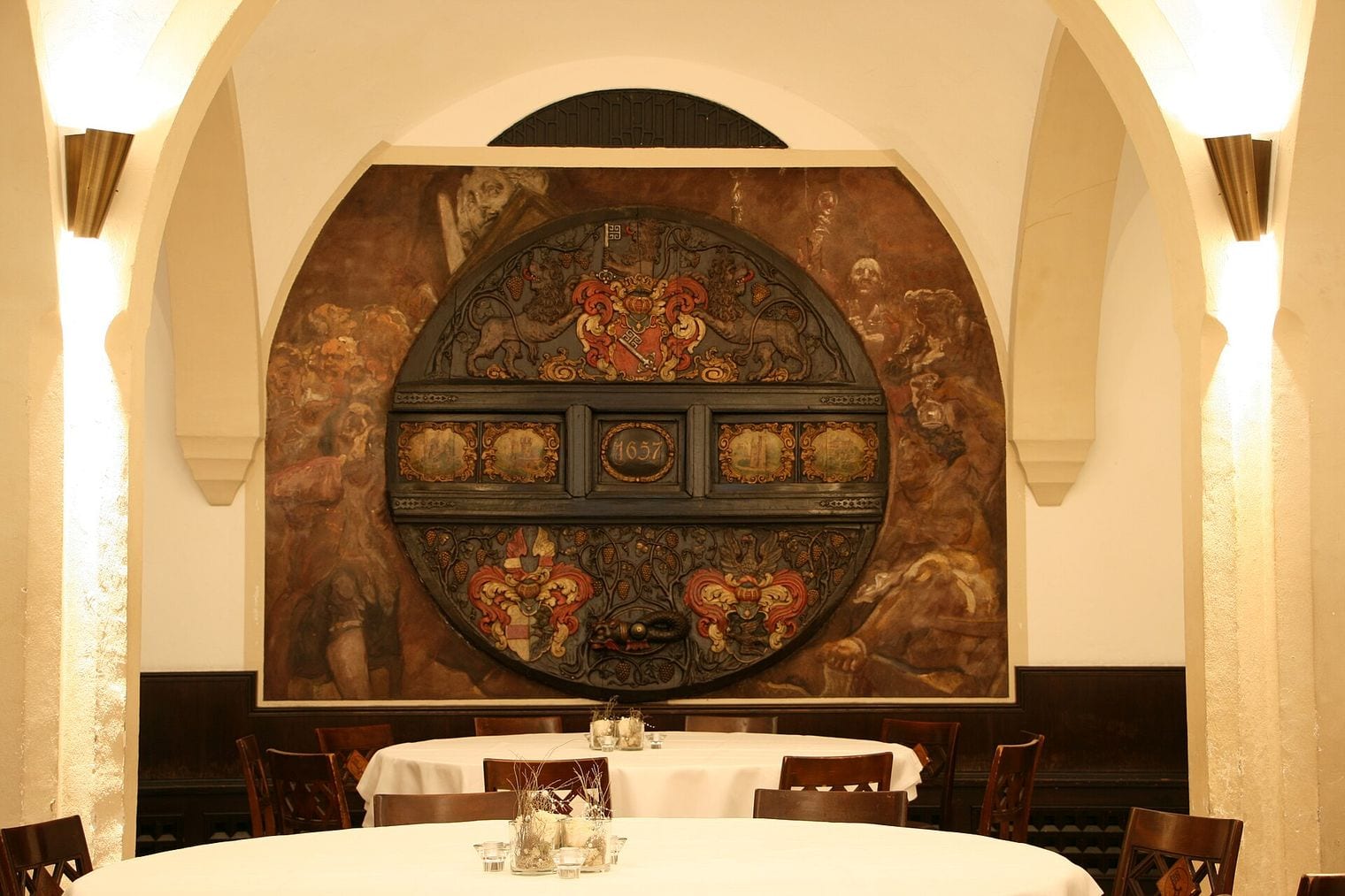
Germany's oldest wine barrel lies in a bar. The Ratskeller under Bremen's town hall keeps a cask holding a Rüdesheim wine dated 1653.
A York pub has advertised across the street since 1733. That year the landlord of Ye Olde Starre Inne won permission to fix its sign to two shops across Stonegate, and a sign has hung over the street ever since.
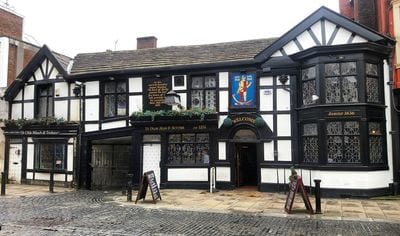
A Bolton pub keeps the chair from an earl's last hour. James, 7th Earl of Derby, is said to have sat in it at Ye Olde Man & Scythe on 15 October 1651, just before he was beheaded outside.
Germany holds six of the 15. They run from Bremen in the north to Andechs in Bavaria; England has three, Ireland two, and Italy, Scotland, Wales and Belgium one each, the last a café in Bruges.
11. Ratskeller Bremen
Am Markt, Bremen, Germany
wine has been served in the town hall's council cellar since 1405
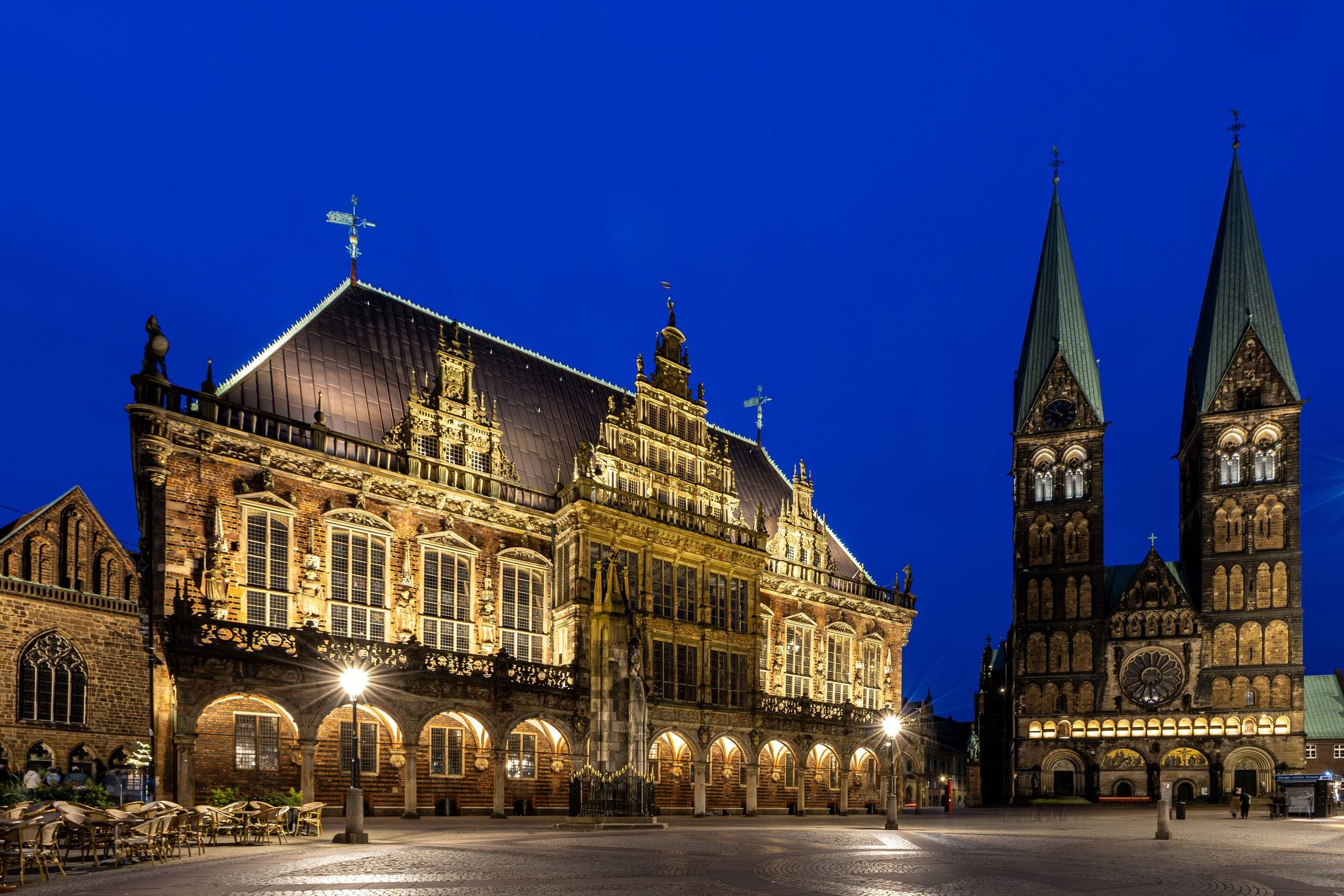
Wine has been served in the cellar of Bremen's town hall since 1405, the year the hall was built, which makes the Ratskeller Bremen the oldest bar on this list by documented date. The city's own town-hall pages give that year, and the trade began with the council itself: German wines were stored and sold here from the start, and all wine in the city once had to be kept in the council's cellar.
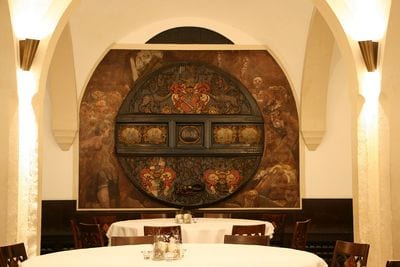
Under the vaults lie a great main hall, the Bacchus Cellar, the Rose Cellar and a room named after the writer Wilhelm Hauff, who set a story in these rooms. The cellar also keeps the oldest wine barrel in Germany, holding a Rüdesheim wine dated 1653.
Much of the space is now a restaurant, but a traditional tavern has long run down here, and the town hall above, with the Roland statue on the market square, has been a UNESCO World Heritage Site since 2004.
22. Gasthaus zum Riesen
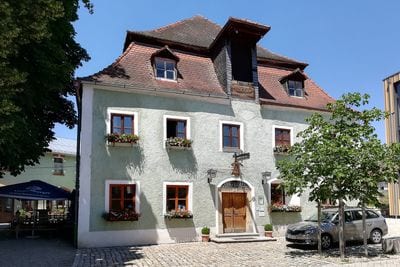
Hauptstraße 97–99, Miltenberg, Bavaria, Germany
first documented in a court book of 1411, which names the 'Riesen-Wirt' Conrad Trestram on 6 July (first officially mentioned 1411)
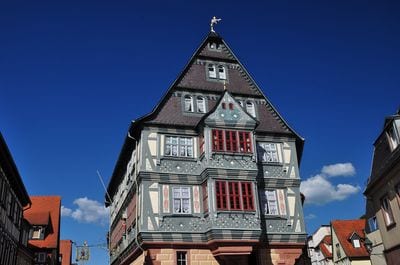
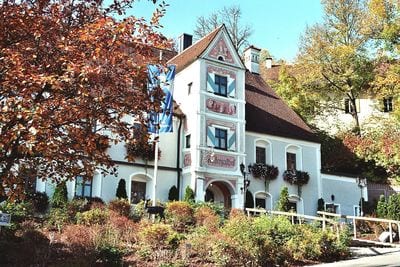
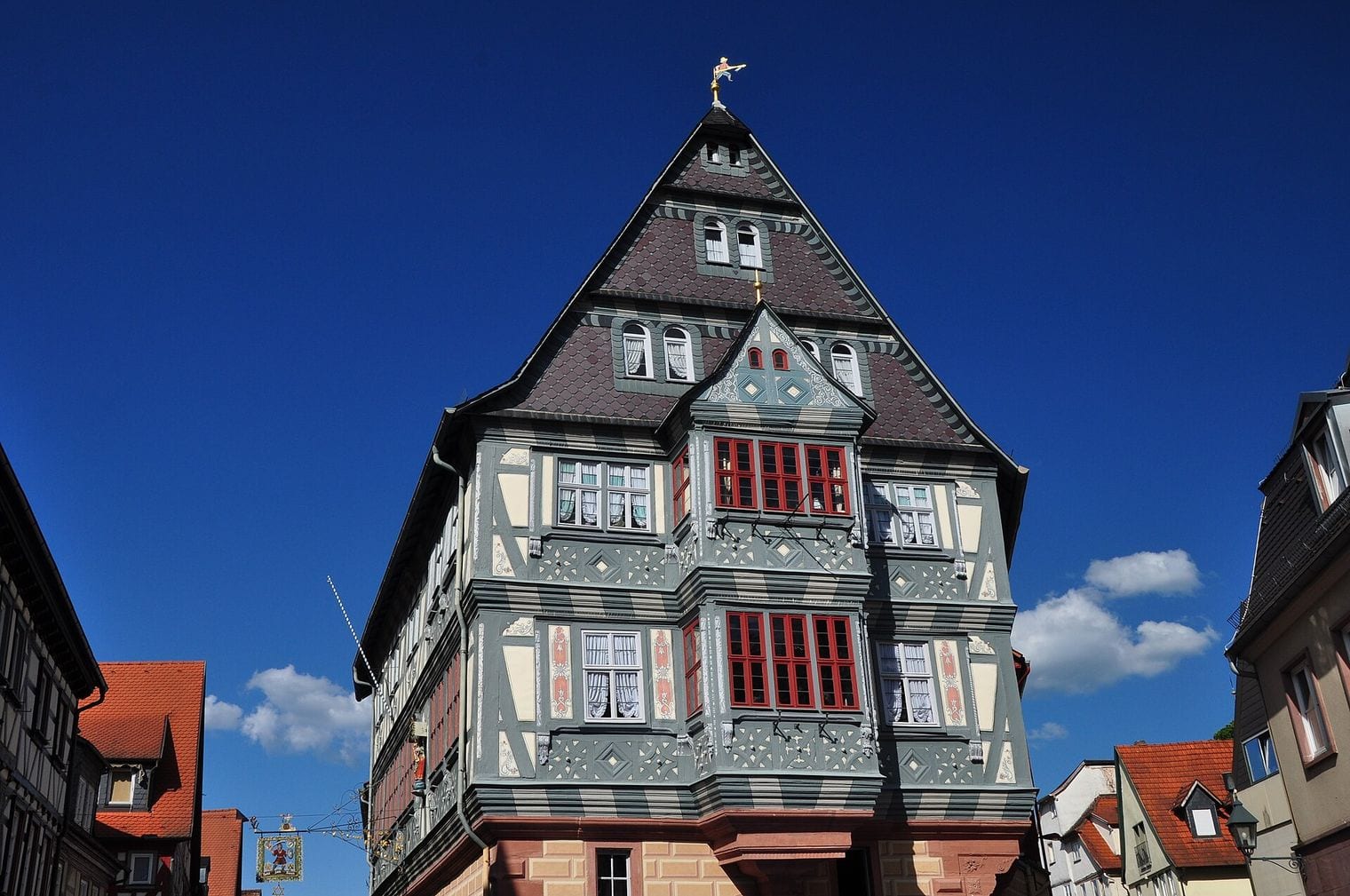
A court book of 1411 names the landlord of the Riesen, Conrad Trestram, which puts Gasthaus zum Riesen in Miltenberg on record as a tavern just six years after Bremen's cellar. A building stood on the plot before then, but the inn's own history treats the court-book entry, not the older stories, as its secure beginning, and Miltenberg's tourist office gives the same year.
The house you see today went up in 1590, when the architect Jacob Stoer rebuilt it in half-timbered Renaissance style with 100 logs donated by the town council. It stands on the main street of Miltenberg's old town on the River Main, and its roll of famous guests is said to run from Gustavus Adolphus, who led the Swedes in the Thirty Years' War, to Elvis Presley.
33. Zum Alten Wirt von Obermenzing
Dorfstraße 39, 81247 München (Obermenzing), Bavaria, Germany
belegt im Jahr 1417 als Tafernwirtschaft mit Schankrecht (recorded in 1417 as a Tafernwirtschaft with the right to serve drink)
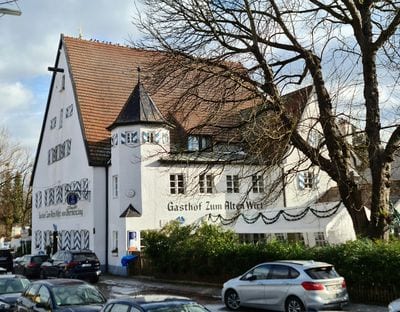
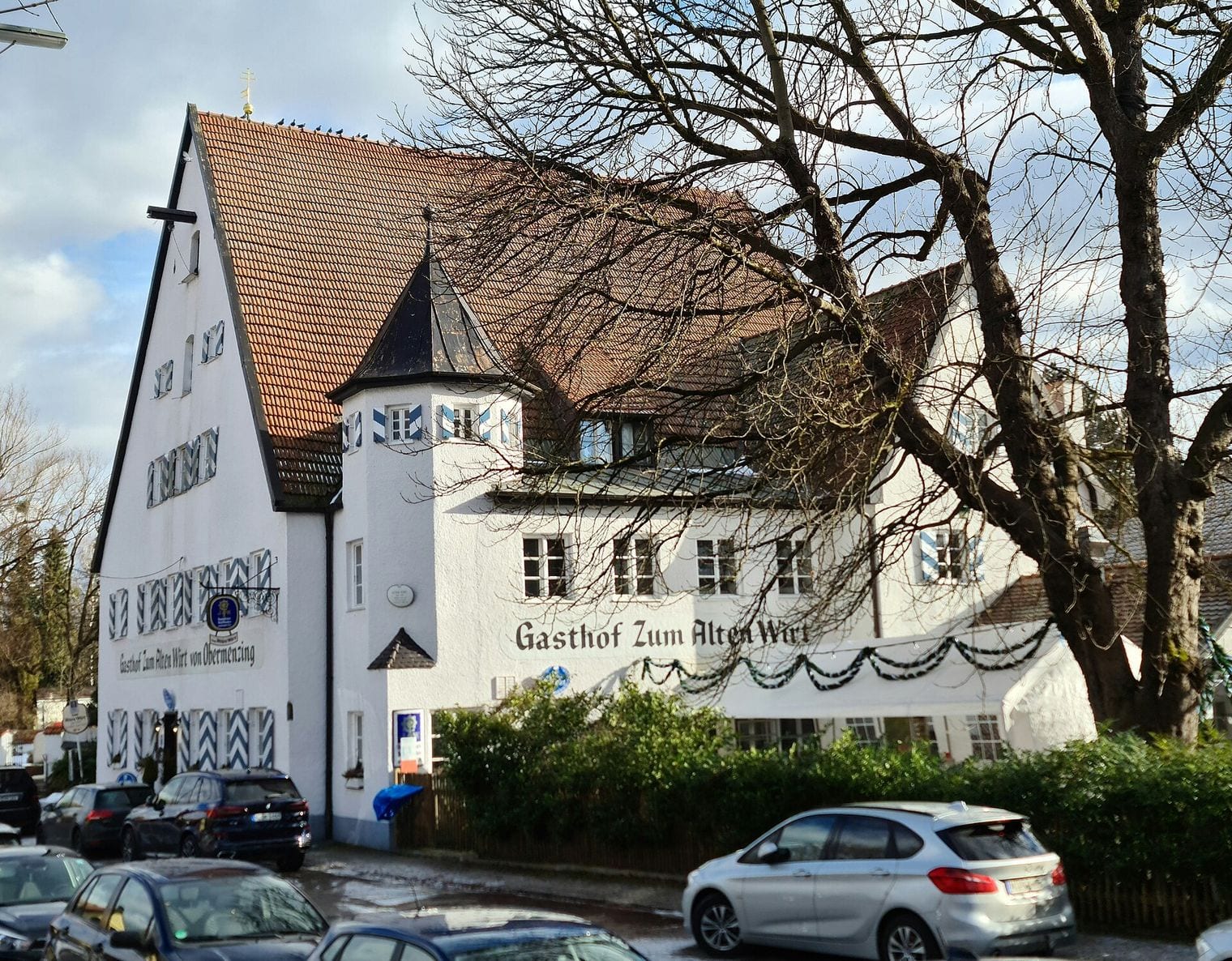
Zum Alten Wirt von Obermenzing has been on record since 1417 as a Tafernwirtschaft, a licensed village tavern with the right to serve drink, feed guests and put them up for the night. The date comes from a list of deeds drawn up in 1676, which notes that the inn had already passed to a new owner in 1417, so the tavern was trading by then.
The first inn grew up at a ford of the River Würm on the old road from Munich to Augsburg, and in the 17th century travellers bound for the city spent the night here. The building took its present form in 1589 and 1590, and its turrets and a cross gable were enlarged in 1911. It stands beside the village church of St. Georg in Obermenzing, now a western district of Munich, close to Blutenburg Palace.
44. Klostergasthof Andechs
Bergstraße 9, Andechs, Bavaria, Germany
first mentioned in a document in 1438 as a Tafernwirtschaft
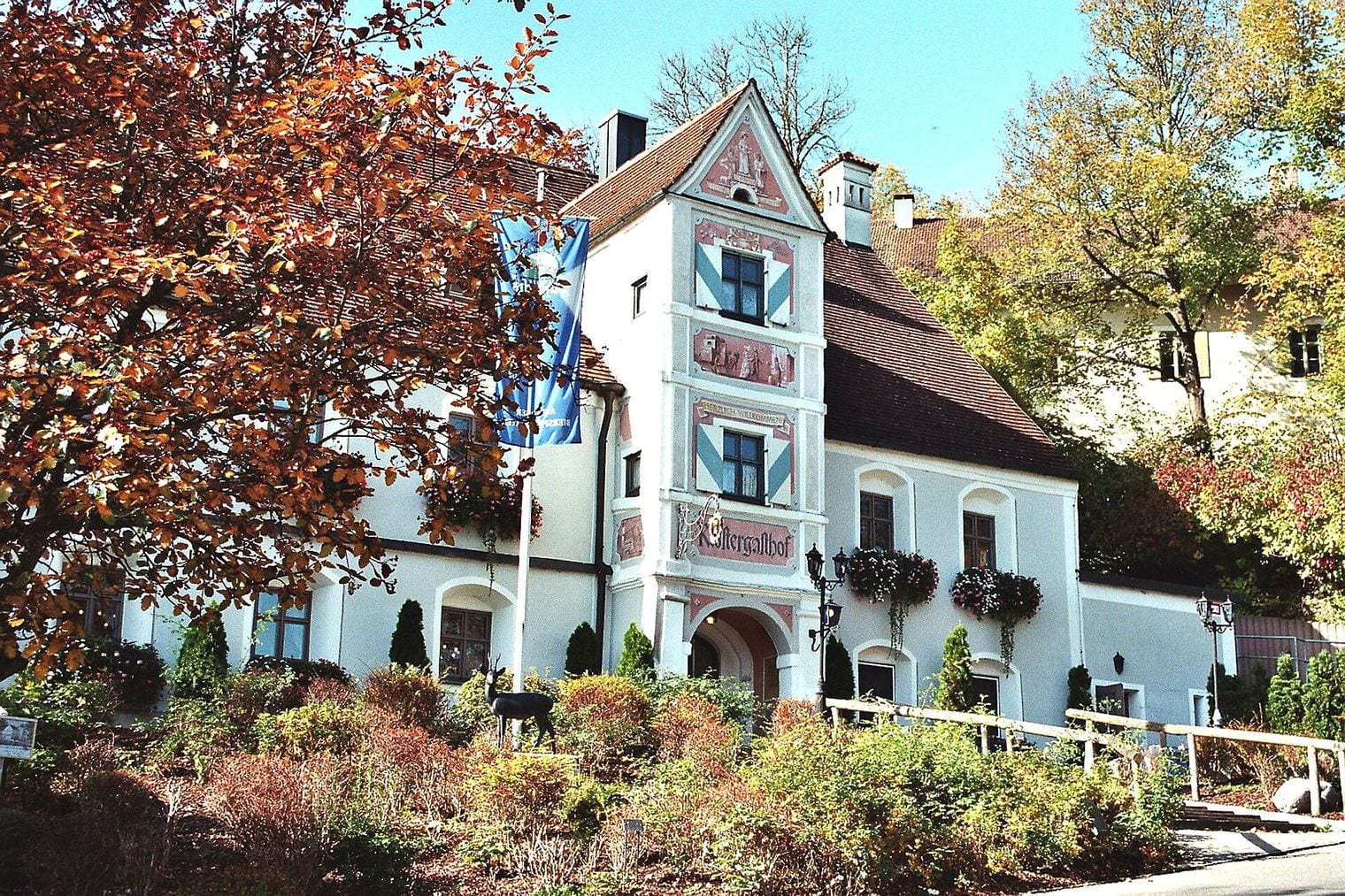
First mentioned in a document of 1438 as a Tafernwirtschaft, a licensed tavern, the Klostergasthof Andechs stands on the Holy Mountain east of the Ammersee, beside the Benedictine abbey that has drawn pilgrims to the hill for centuries. In the middle of the 15th century Duke Albrecht III gave this "most worthy of inns" to the newly founded abbey.
The beer is the abbey's own, brewed by the monks of Klosterbrauerei Andechs, and the proceeds from beer sales help fund the order's work, including a shelter for homeless people in Munich. The inn is a separate house from the abbey's bigger Bräustüberl,, and its tavern rooms are a quieter place to drink for the pilgrims and walkers who climb the hill.
55. Osteria del Sole
Vicolo dei Ranocchi 1/D, 40124 Bologna, Italy
i primi documenti che parlano dell'Osteria del Sole risalgono proprio al 1465 (documents recovered from the Archivio di Stato di Bologna attest it already in 1465)
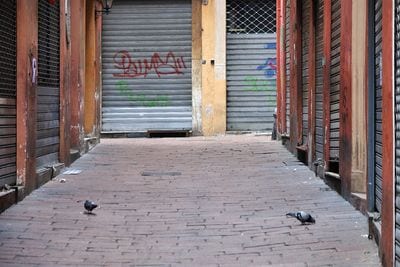
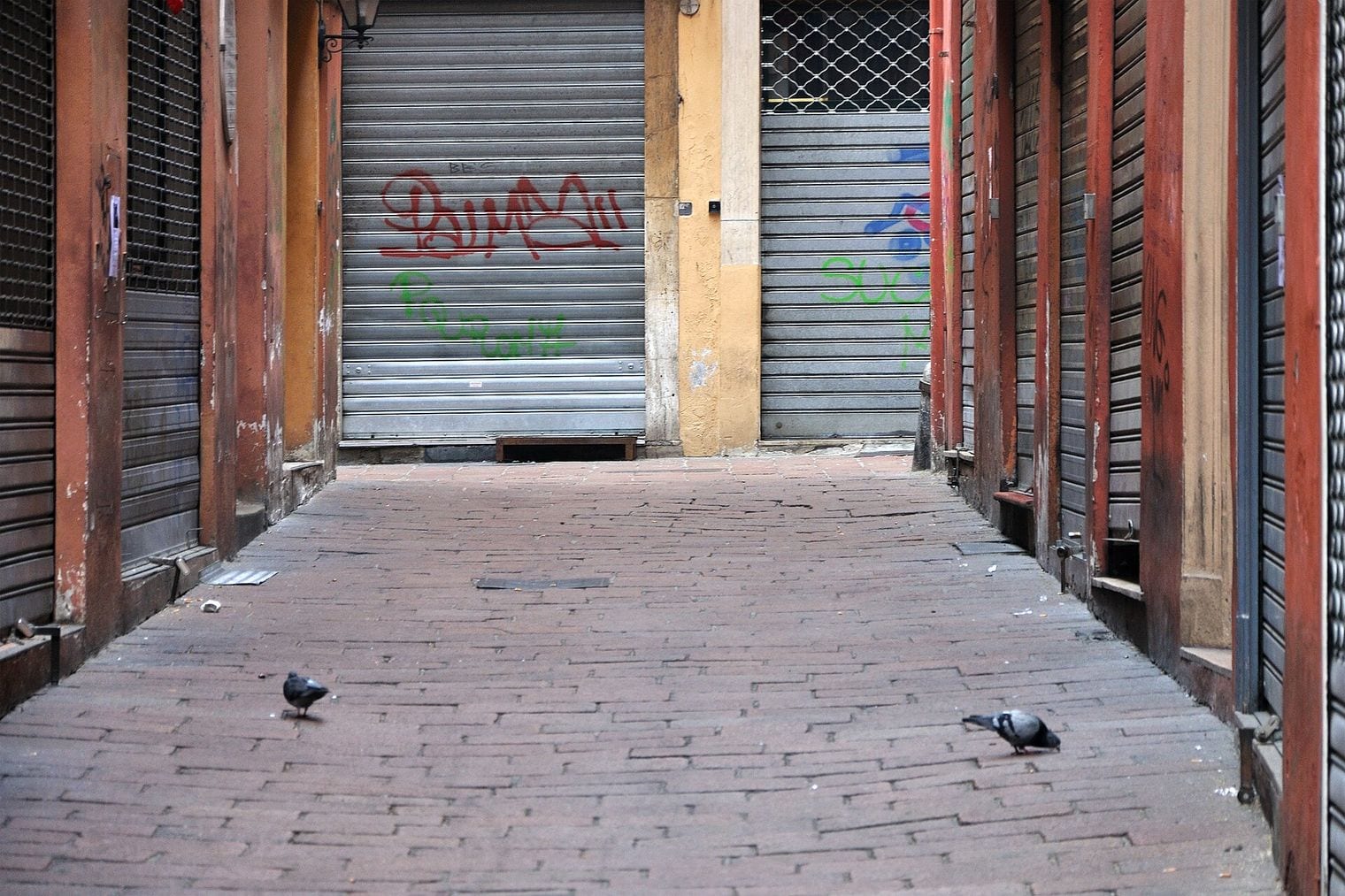
Documents recovered from the State Archives of Bologna show the Osteria del Sole already trading in 1465, which makes it one of the oldest osterie anywhere. Generations of pilgrims drank here, along with the families of patients in the nearby Vita and Morte hospitals, and the old wine house still keeps its plain, unhurried character.
The house rule surprises first-timers: the osteria supplies the wine and you bring the food. It serves only wine and beer, with no soft drinks, and regulars carry in whatever they like from the food shops nearby to eat at the long, worn wooden tables. You will find it in Vicolo dei Ranocchi, a narrow lane in the historic centre of Bologna.
66. Roter Hirsch
Holzmarkt 10, Jena, Thuringia, Germany
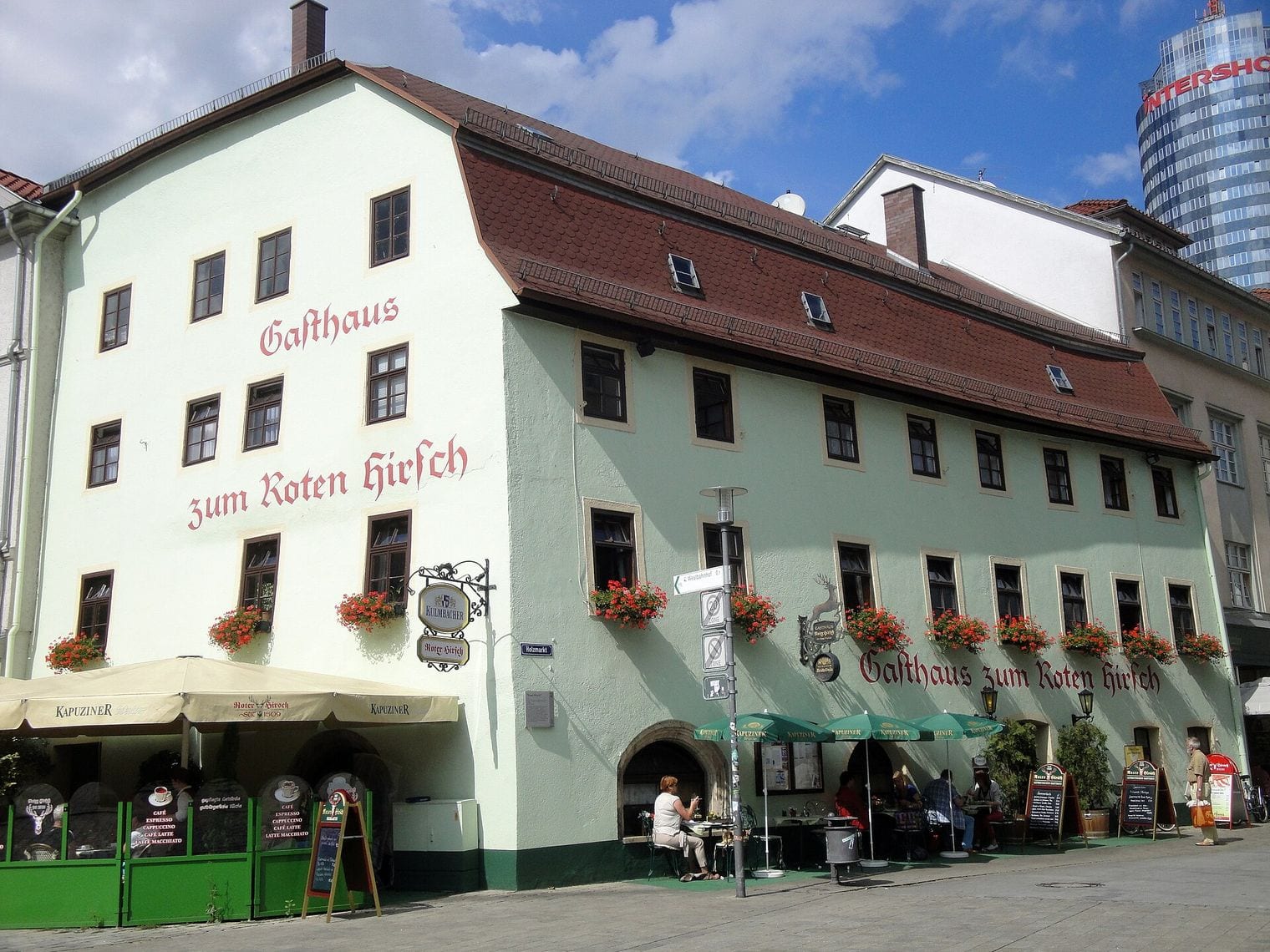
30 July 1509: the inn 'vor dem Lobderthore', predecessor of the 'Roter Hirsch', is mentioned (first mentioned by Jena's town chroniclers in 1509)
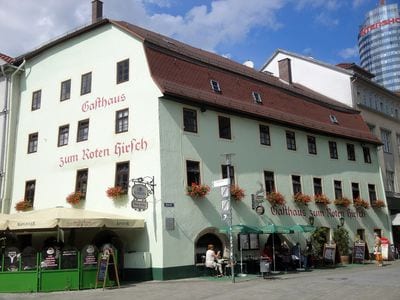
On 30 July 1509 Jena's town chroniclers mentioned the inn "vor dem Lobderthore", outside the Lobder Gate, the predecessor of the Roter Hirsch, and the house on the Holzmarkt is still serving drinkers today. The inn's own history puts the first mention of the building by the chroniclers in the same year.
The name means the Red Stag, and the inn calls itself one of the best-known old German taverns in Jena, the university city on the Saale in Thuringia. Inside, old timber beams, narrow corridors and crooked walls set the tone, and the low rooms feel every bit their age.
77. Café Vlissinghe
Blekersstraat 2, Bruges, Belgium
the first written testimony about it dates back to 1515
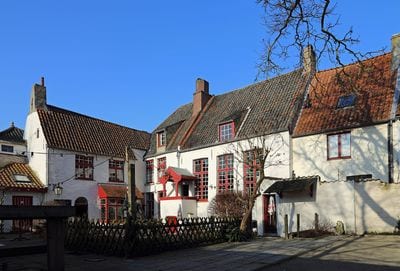
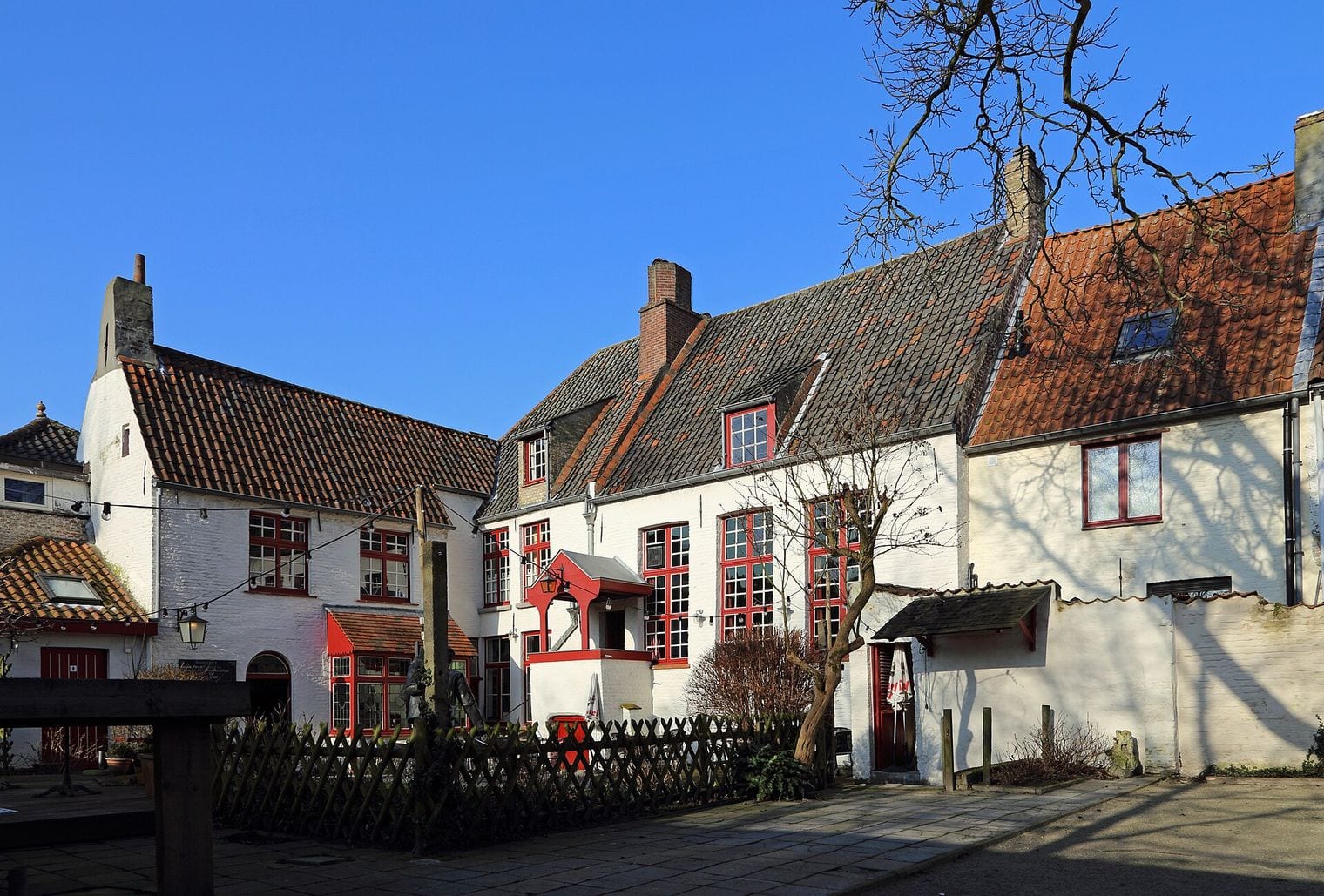
The first written record of Café Vlissinghe dates from 1515, when its owner is listed as a tavern keeper, and it is the oldest continuously running café in Bruges. It hides in the quiet Sint-Anna quarter, away from the busiest streets, in two joined houses from the late 15th century whose present shape is largely 17th-century.
In 1855 the brewer Jacques De Meulemeester bought it, and his son Leon later gave the taproom a black marble fireplace and an "old Flemish" interior of neo-baroque furniture and paintings that still draws art lovers. An art society founded in 1894 by teachers and students of the city's Academy of Fine Arts met here, and its decorated meeting room survives as a small museum.
Get new guides like this by email
One email every Thursday with our newest guides for the places you tick.
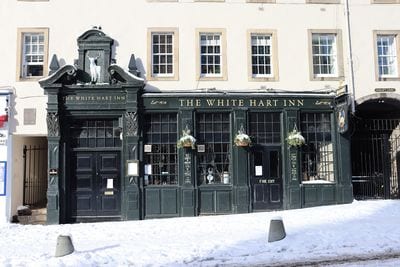
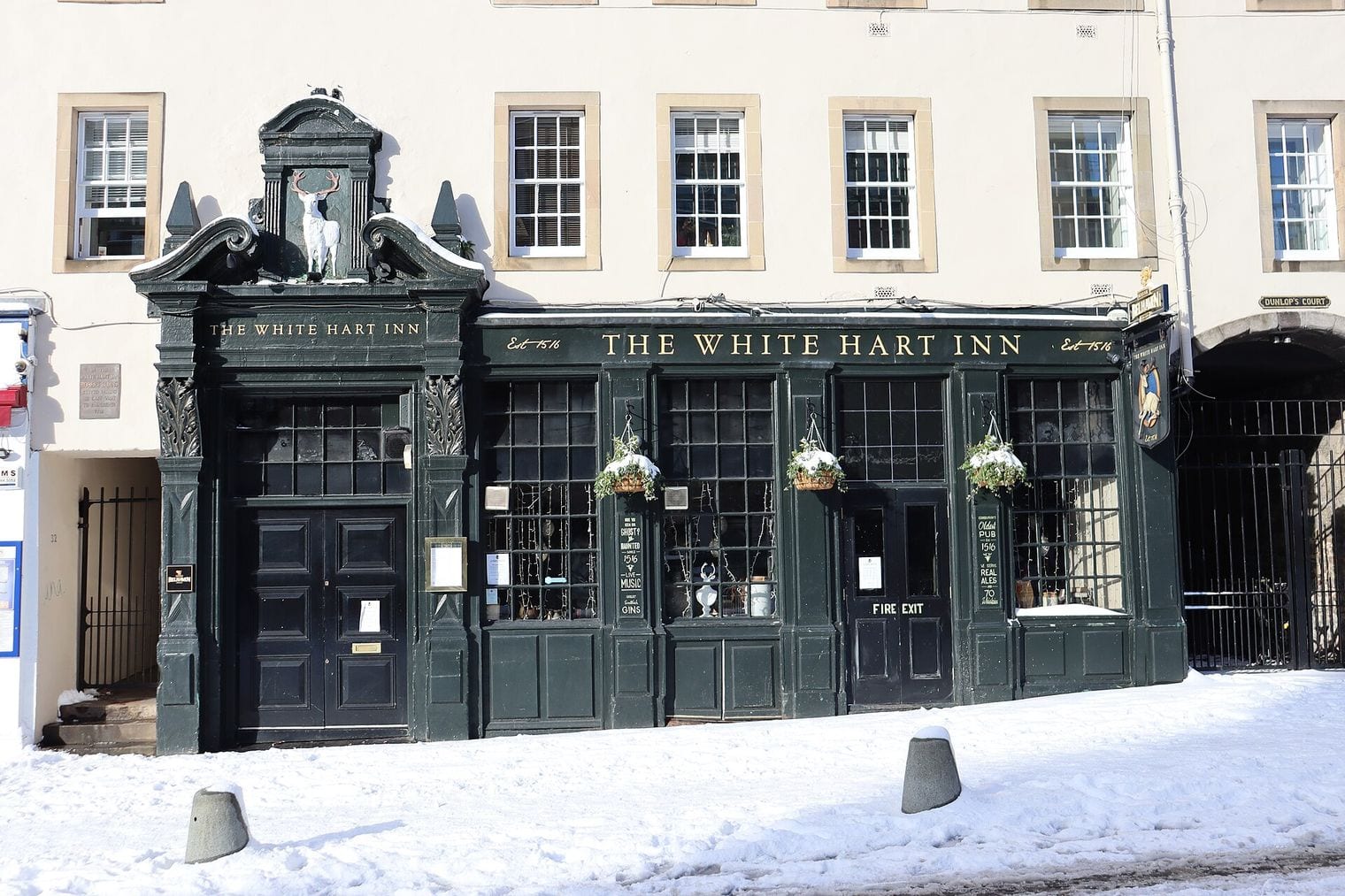
Records of the White Hart Inn go back to 1516, according to Historic Environment Scotland, and the pub on the Grassmarket is counted among the oldest surviving inns in Edinburgh. Only the cellars are thought to survive from that time; the tenement above was put up around 1740 by the builder James Lithgow and restored in the 1990s.
Its guest list is the stuff of pub lore: Oliver Cromwell is named among its visitors, Robert Burns was a guest in 1791, and the Wordsworths stayed in 1803. The inn faces the Grassmarket, the old market place below the Castle Rock in the Old Town, now lined with pubs.
99. The George Inn
75-77 Borough High Street, Southwark, London, United Kingdom
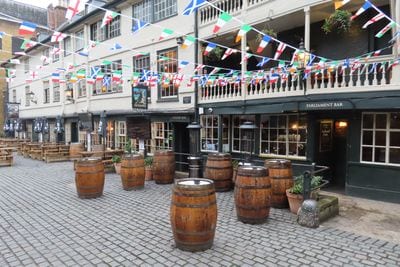
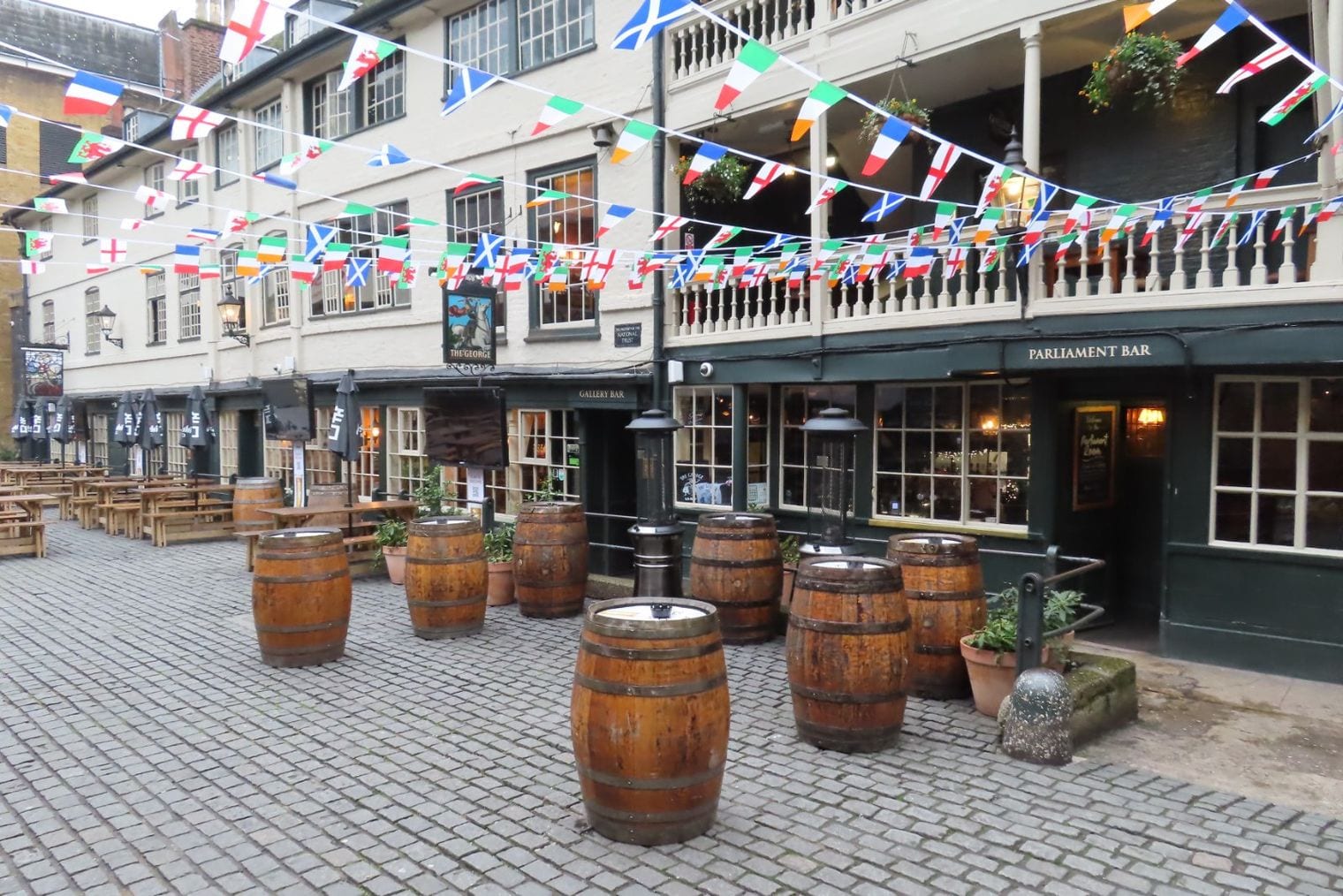
The George Inn is marked on a plan of Southwark from 1542, and the National Trust's record says the inn existed then and probably earlier in the medieval period. It is the only surviving galleried coaching inn in London, about 250 metres south of the Thames near London Bridge.
A serious fire destroyed most of Southwark in 1676, and the inn was rebuilt the following year with the open wooden galleries that once fronted many London inns. Galleried inn yards like this one may have staged plays in Elizabethan times. Charles Dickens knew the George when part of it was a coffee house and mentioned it in Little Dorrit, and today the National Trust owns the building and leases it as a working pub.
1010. Groes Inn
Ty'n-y-Groes, near Conwy, Conwy County Borough, United Kingdom
Established already as an inn in 1578 when the 'tavarne y Groes' is mentioned in a court order
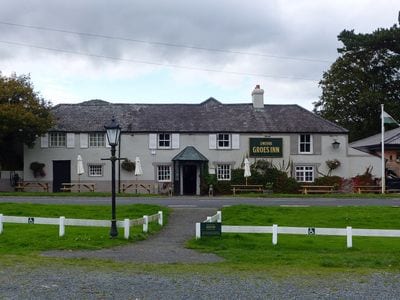
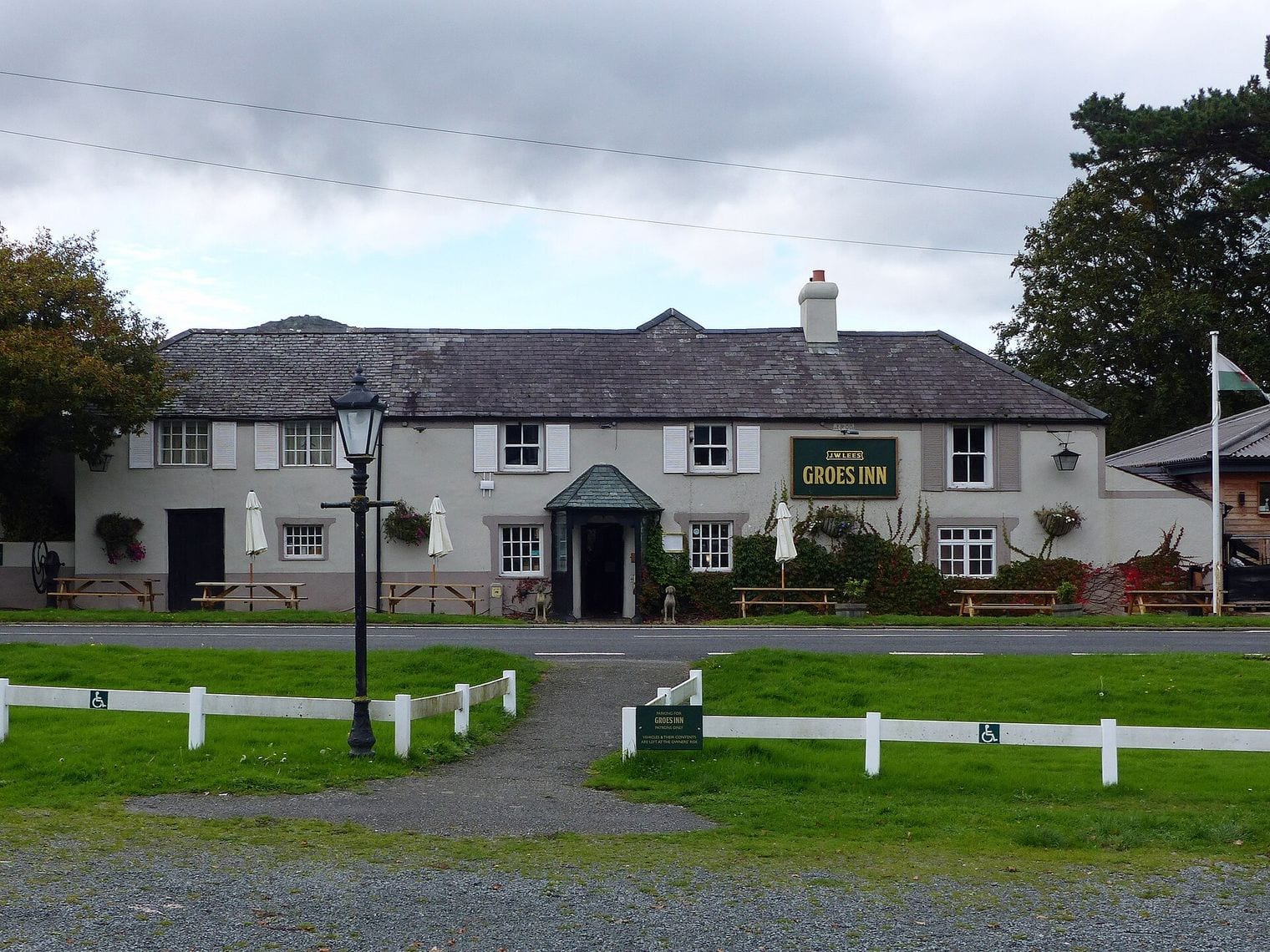
A court order of 1578 mentions the "tavarne y Groes", and Cadw, the Welsh heritage body, says the Groes Inn was already established as an inn by then. It turns up again under the same name in June 1580, which makes it an early recorded inn by any standard.
The present building is largely late 17th-century, perhaps around an older core, and its main room keeps a beamed ceiling and a large inglenook fireplace with niches in its walls. The inn stands prominently beside the road from Conwy to Llanrwst at Ty'n-y-Groes, a short drive south of Conwy and its castle.
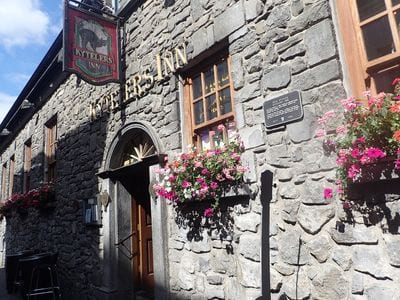
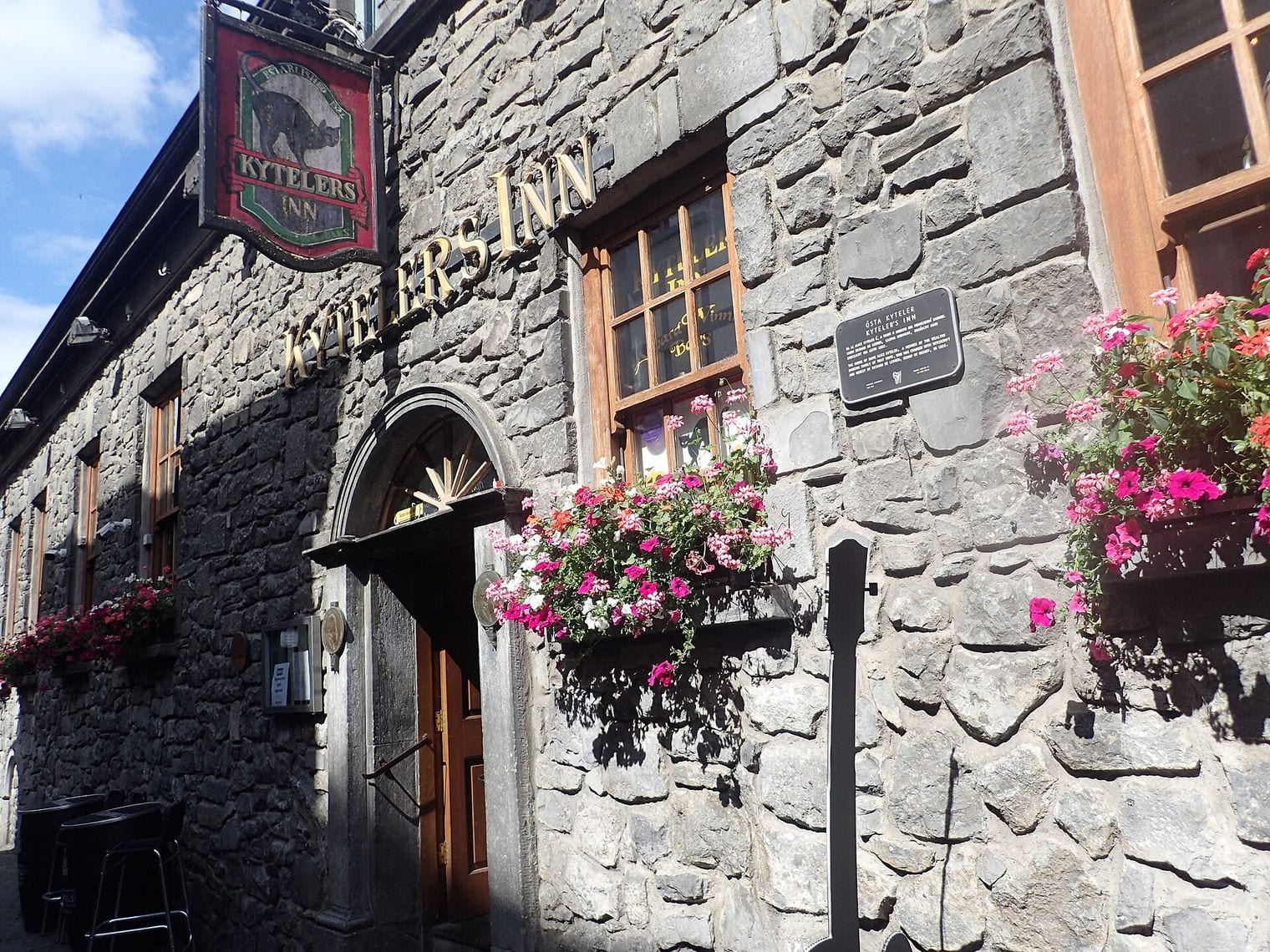
The building has housed an inn since 1639, and Kilkenny's records hint at a longer run: the town corporation owned it in the late 15th century, when it served as an inn, and rents for the property are noted between 1473 and 1639. Kyteler's Inn sits in the centre of medieval Kilkenny, and parts of the stone building date to the 13th or 14th century, including a groin-vaulted undercroft.
The pub takes its name from Dame Alice Kyteler, one of the first people condemned for witchcraft in Ireland, in 1324; her associate Petronilla de Meath was burned at the stake. Whether the Kyteler family lived on this exact spot is debated, but hers is the name over the door.
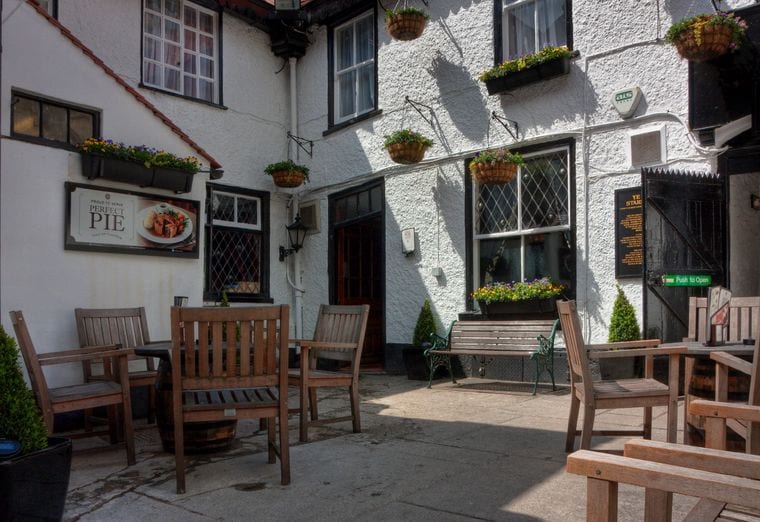
By 1644 the Starre was an inn on Stonegate in York, which gives Ye Olde Starre Inne the earliest proven licence date of any pub in the city. After the Battle of Marston Moor it served as a hospital for wounded soldiers.
The pub sits at the back of an old coaching yard, so the clue from the street is its sign: in 1733 the landlord, Thomas Bulman, agreed with the owners of two shops that he could fix it to their buildings across Stonegate, and a sign has hung across the street ever since. The main block is a 16th-century timber frame, with a wing added around 1600, and the rooms behind it are full of open fireplaces and stained glass.
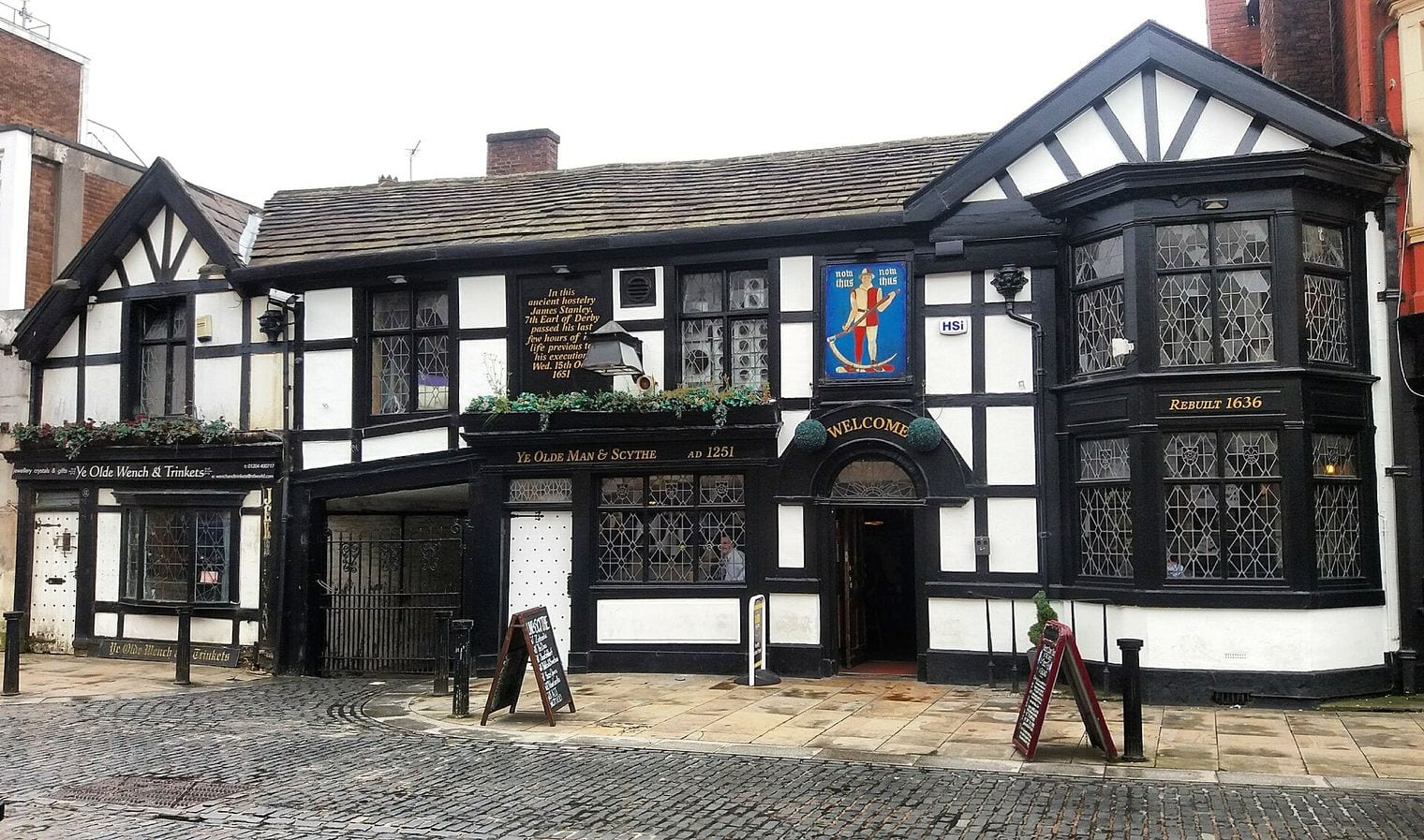
1313. Ye Olde Man & Scythe
Churchgate, Bolton, United Kingdom
In this chair James 7th Earl of Derby sat at the Man and Scythe Inn, Churchgate, Bolton, 15th October 1651
On 15 October 1651 James, 7th Earl of Derby, sat in a chair at the Man and Scythe Inn on Churchgate in Bolton before he was taken outside and beheaded, and the inscription on that chair is the dated record this ranking uses for Ye Olde Man & Scythe. The earl was executed for his part in the Bolton Massacre, and his family owned the inn at the time.
The chair said to be the one he used is still inside the pub. Its name appears in a charter of 1251 and comes from the crest of the Pilkington family, a reaper with a scythe, but that charter is not a record of an inn. A datestone gives 1636 for a rebuilding, and only the vaulted cellar remains from the original structure.
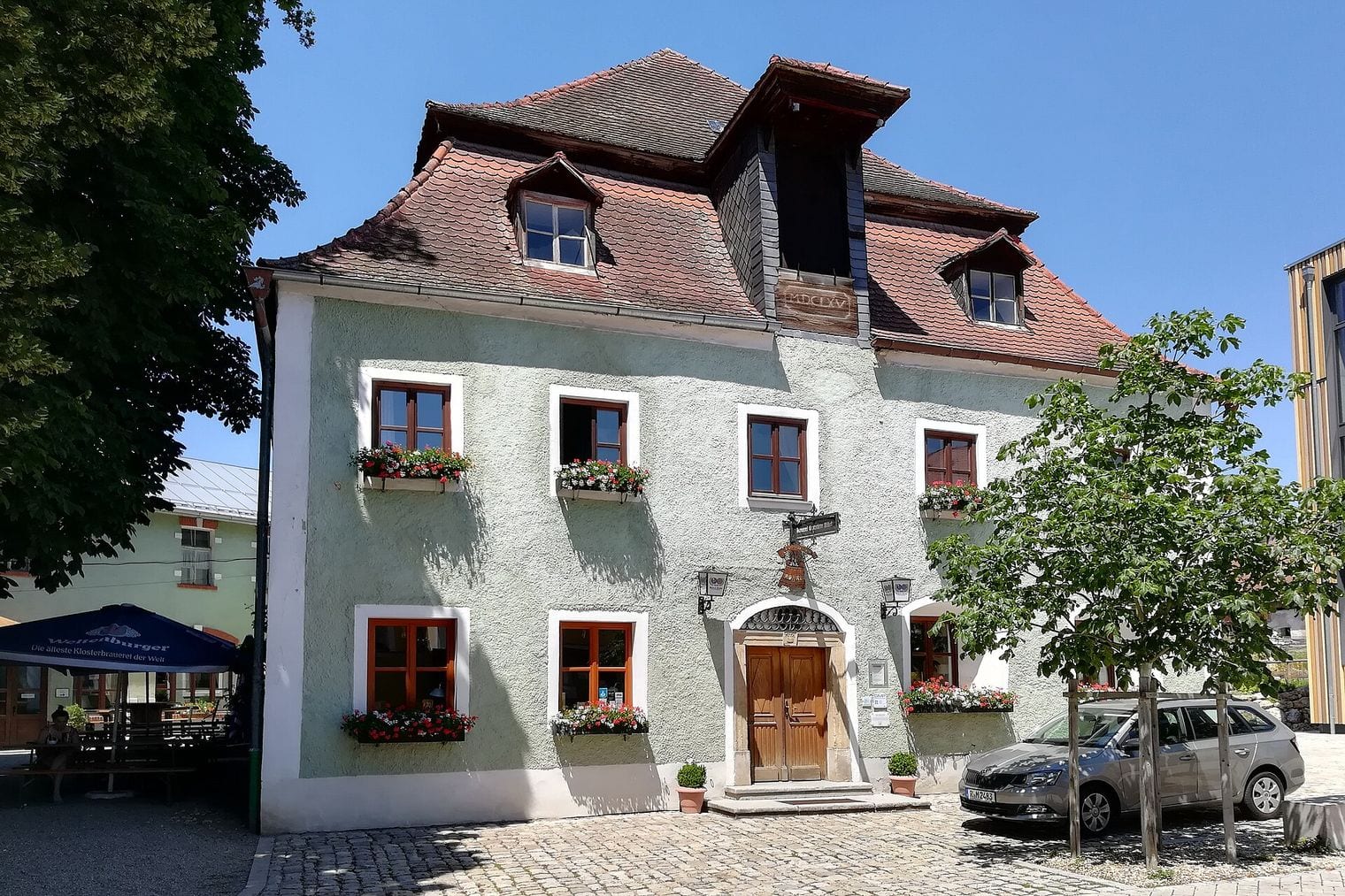
1414. Gaststätte Röhrl
Regensburger Straße 3, 93161 Sinzing (Eilsbrunn), Bavaria, Germany
in the Röhrl family's hands and open continuously since 1658 (Andreas Röhrl, 'Brewer and Bartender' in the parish register, married the innkeeper's daughter in 1658)
In 1658 Andreas Röhrl married Susanna Hofmeister, the innkeeper's daughter in the village of Eilsbrunn, and the parish register lists him as "Brewer and Bartender"; Gaststätte Röhrl has stayed in the family and open ever since. In 2010 Guinness World Records named it the world's oldest continuously operated inn, a record built on that unbroken family run rather than on the earliest date.
The family is now in its 11th generation. A Roman-numeral date of 1665 over the entrance marks a rebuilding after the Thirty Years' War. Brewing on site stopped in 1971, and the beer now comes mainly from the Röhrl brewery in Straubing, founded in 1881 by a brother of the family. Eilsbrunn lies in the Schwarze Laber valley, long a Sunday walking ground for day-trippers from Regensburg, and the inn has a beer garden.
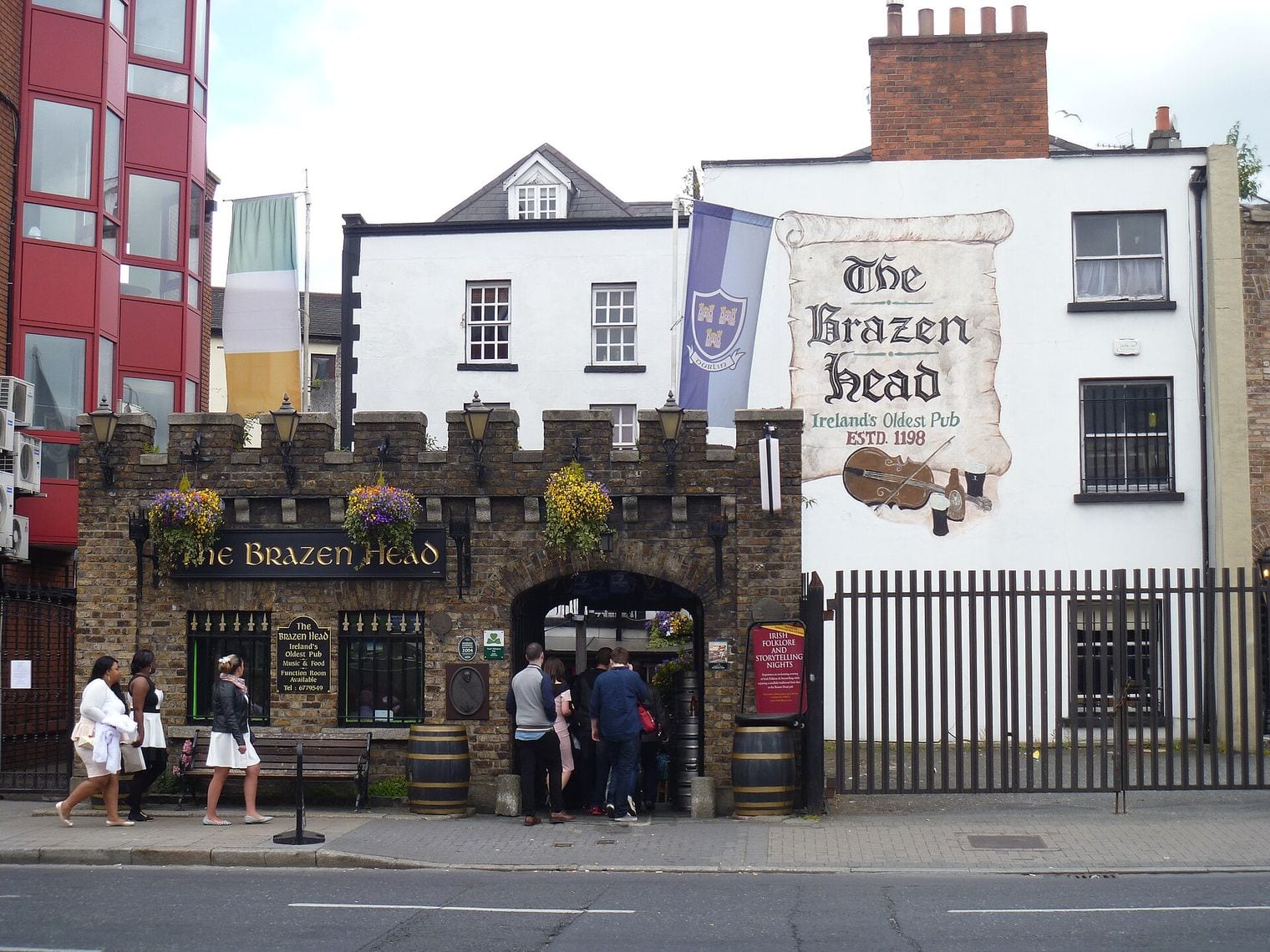
1515. The Brazen Head
20 Lower Bridge Street, Dublin, Ireland
received a licence to sell ale in 1661, and the first mention of it as an inn was in 1668
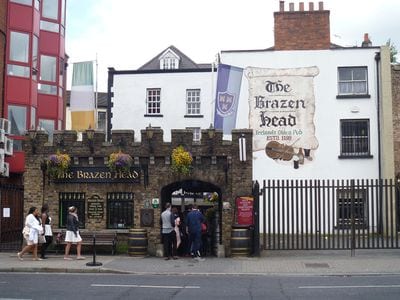
The Brazen Head received a licence to sell ale in 1661 and was first mentioned as an inn in 1668, and those are the dates this ranking uses rather than the pub's famous claim of 1198. The licence is cited by Wikipedia from printed histories and repeated by travel guides rather than read from a register online, so the pub ranks on weaker sources than its neighbours.
The present building went up as a coaching inn in 1754, on the site of a merchant's house recorded since at least 1613, on Lower Bridge Street near the Liffey quays in Dublin. Irish patriots including Robert Emmet and Daniel O'Connell are said to have drunk here, and until the late 1960s a room named after Emmet kept the table where he sat watching the door.
FAQ: The World's Oldest Bars
What is the oldest bar in the world?
Counting only dated records of drink sold on the present site, it is the Ratskeller beneath the town hall of Bremen in Germany, where wine has been served since 1405. Gasthaus zum Riesen in Miltenberg, named in a court book of 1411, comes second, and Zum Alten Wirt in Munich's Obermenzing district, on record in 1417, third.
Why aren't Sean's Bar or Ye Olde Trip to Jerusalem on the list?
Both are famous for dates no document backs. Sean's Bar in Athlone claims 900, but its earliest dated record is a rental survey of 1738, and Nottingham's Ye Olde Trip to Jerusalem paints 1189 on its wall yet is first recorded as an inn in 1751. Ye Olde Fighting Cocks in St Albans, The Bingley Arms and the Old Ferry Boat Inn fall short the same way.
Is The Brazen Head really from 1198?
No document supports 1198. The Dublin pub received a licence to sell ale in 1661 and is first mentioned as an inn in 1668. That licence comes from printed histories by Berry and Kelleher, cited by Wikipedia and repeated by travel guides, not from a register online, so the pub ranks 15th on an exception for weaker sources.
Which old pubs only just missed the list?
The Golden Fleece in York has a pub date of 1656 from weaker sources, against a 1503 record that concerns an owner rather than the trade, and The Old Crown in Birmingham rests on a 1626 inholder's bond reported only by Wikipedia. The George Inn at Norton St Philip has tree-ring dates for its timbers but no documentary year yet.
Why are famous old restaurants such as St. Peter in Salzburg missing?
The list counts pubs, taverns, wine cellars and inns that serve walk-in drinkers, not restaurants whose bar is incidental. Salzburg's St. Peter Stiftskulinarium, said to date from 803, Vienna's Griechenbeisl and Auerbachs Keller in Leipzig are dining rooms first, so they sit outside it, as does Wrocław's Piwnica Świdnicka, whose run broke from 2017 to 2022. More rankings like this sit among our world record breakers.
Sources & updates
How this ranking was verified
Checked before launch
Sources cited
15
Every figure in this ranking was checked against the record-keeper or official source behind it before publication, and the top of the ranking re-checked live so a newer record would not be missed.
One email every Thursday with our newest guides for the places you tick.
Newsletter
Stay updated with new World Record Breakers
One email every Thursday with our newest guides for the places you tick.
We use cookies to analyze site traffic and improve your experience.
You can accept or reject analytics cookies. See our
May we use analytics cookies? See ourCookie Policy.