The record
The oldest continuously inhabited city in the world is Jericho, in Palestine — 11,026 years, age.
Source: UNESCO WHS 1687 Ancient Jericho/Tell es-Sultan (2023): deposits from c. 10,500 BC, sizeable permanent settlement by the 9th-8th millennium BC, 29 phases of occupation. Verified .
Damascus and Jericho both claim to be the oldest city on earth, and each claim rests on ground the other disputes. This countdown settles it the only way it can be settled: by the earliest occupation layer an excavator has actually dated, at a place where people have never stopped living.
That one rule does a great deal of work. It drops Damascus to fourteenth rather than first, because UNESCO's own dossier traces the city itself to the third millennium BC and hands the celebrated 10,000 BC figure to Tell Ramad, a separate mound out on the edge of the oasis.
It also costs us Göbekli Tepe and Çatalhöyük, which are ruins rather than cities, and Chania on Crete, whose habitation is documented as interrupted between roughly 1150 and 735 BC. What survives is fifteen living cities spanning 11,026 years down to 4,776, across ten countries and three continents — and every one of them is a place you can still walk through today.
Map of Oldest Continuously Inhabited Cities in the World
Fun Facts About the World's Oldest Continuously Inhabited Cities
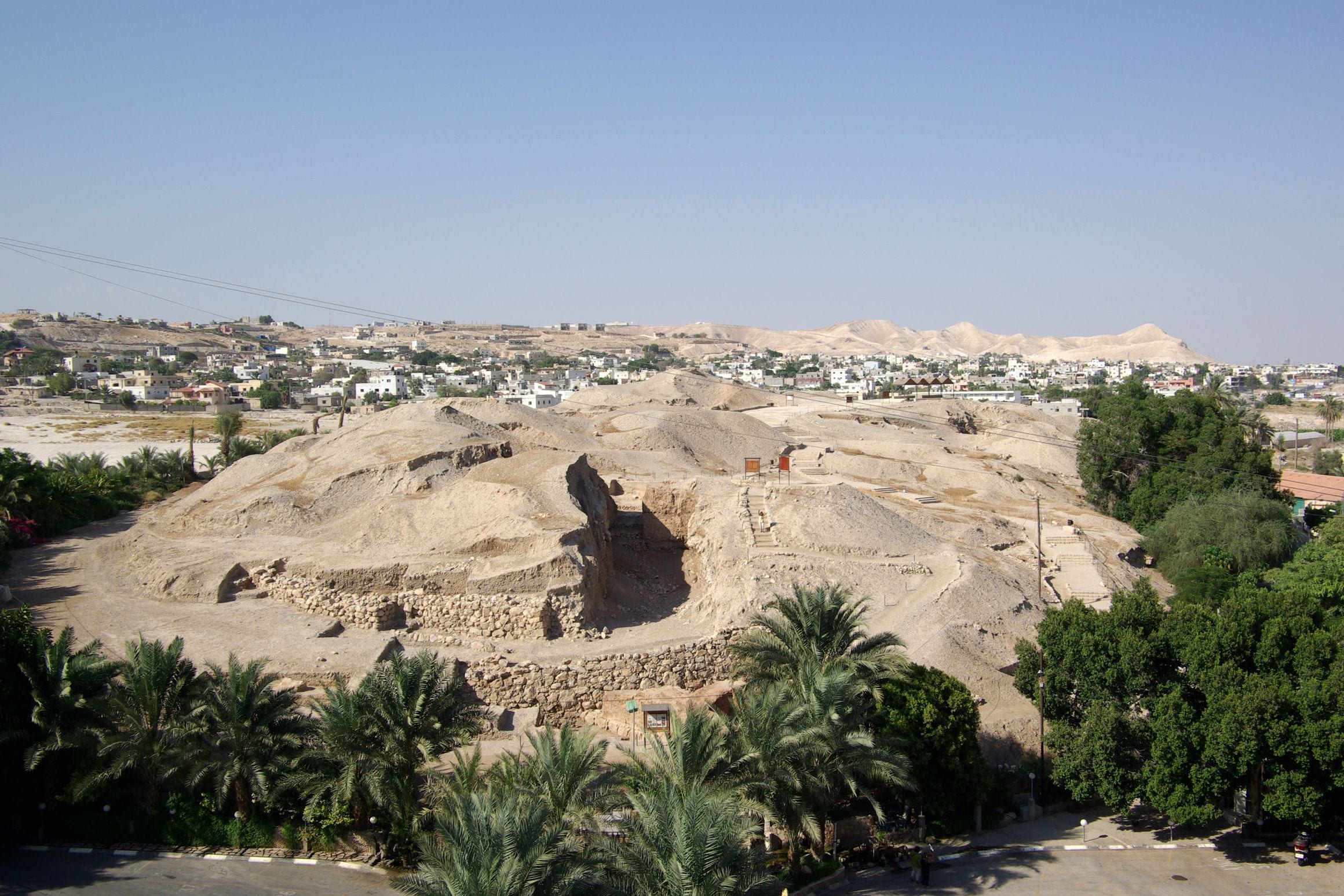
The Neolithic tower at Jerichoheld the record for the tallest structure on earth for around 5,500 years — a longer reign than any building has managed since — and the twenty-two steps inside it are the oldest staircase known to exist.
The word "bible" comes from Byblos. The Greeks named the city for the papyrus they bought there, and the same city gave the alphabet its earliest surviving inscription, carved on the sarcophagus of King Ahiram.
When the citadel at Erbil was cleared for restoration in 2007, one family was allowed to stay behind on purpose — so that the mound's record of unbroken habitation would not be broken by the repair work.
Damascus is not as old as it is usually said to be. The 10,000 BC figure quoted for it belongs to Tell Ramad, a mound out on the city's edge; UNESCO dates the city itself to the third millennium BC.
Matera keeps being cast as ancient Jerusalem. Its cave districts have stood in for the Holy City in films including The Passion of the Christ and Ben-Hur, and the same ravine appeared in the Bond film No Time to Die.
Alexander the Great destroyed Thebes in 335 BC and left one house standing — the poet Pindar's. The city was rebuilt on the same mound twenty years later and has been lived in ever since.
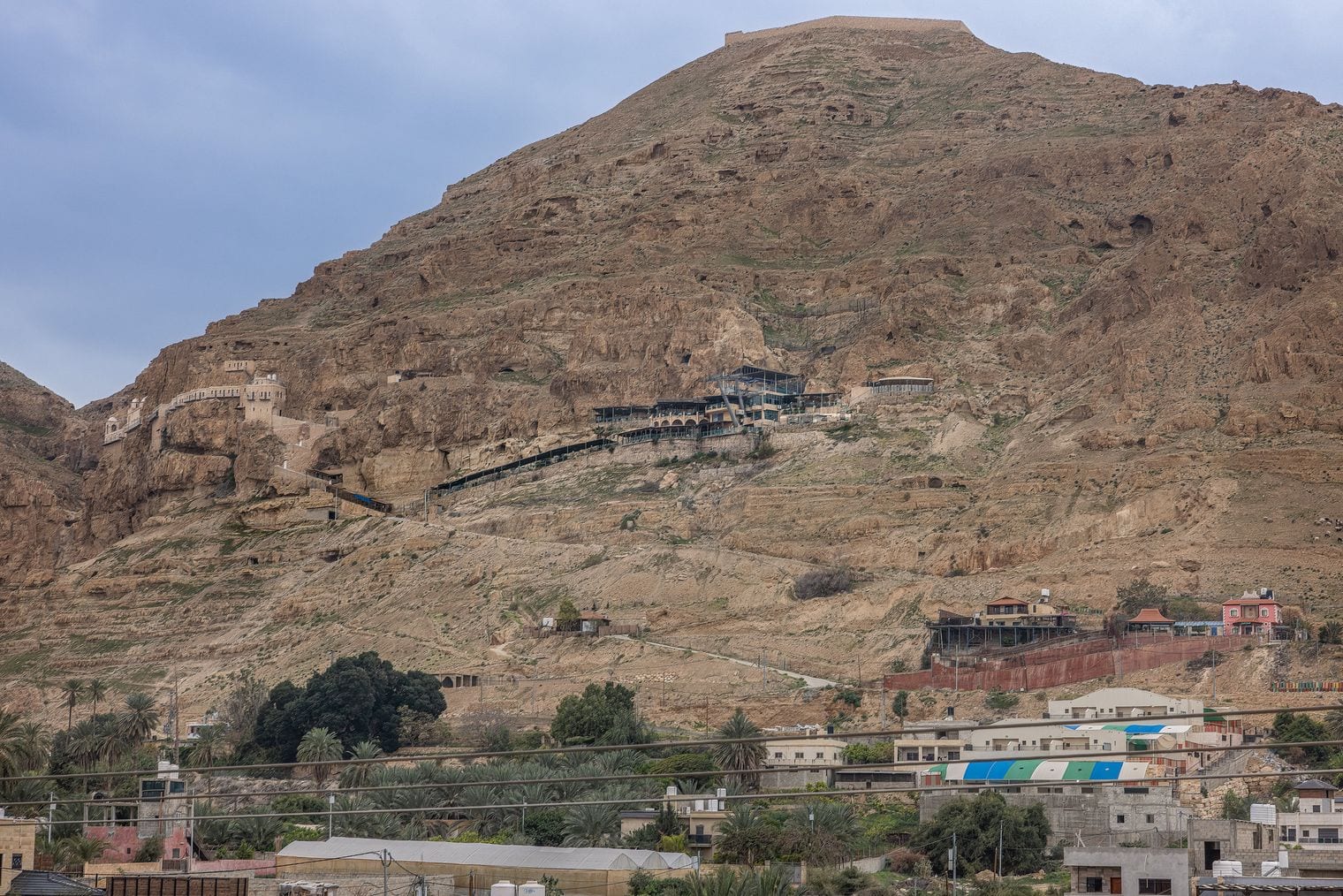
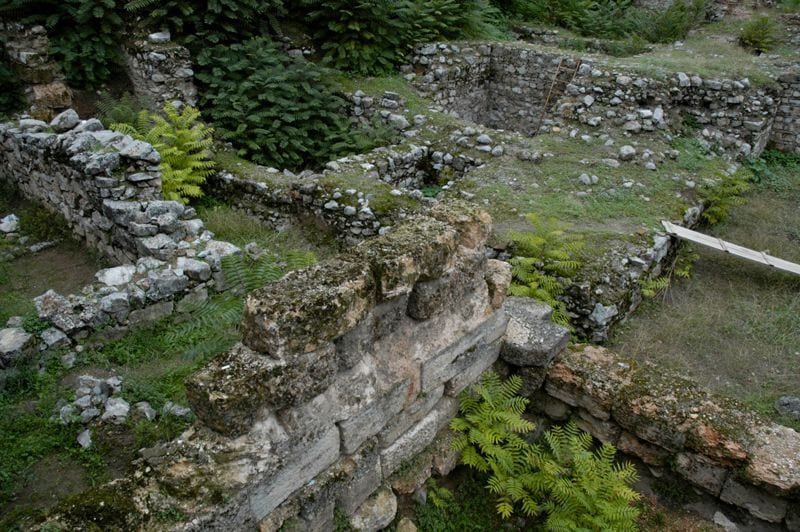
At 11,026 years, Jericho is the oldest place on earth where human habitation has never lapsed. UNESCO's 2023 inscription of Tell es-Sultan records archaeological deposits reaching back to about 10,500 BC, and a sizeable permanent settlement — walled, and guarded by a stone tower — standing by the ninth millennium BC. Twenty-nine phases of occupation are stacked inside the mound, which sits beside the spring of Ain es-Sultan that made every one of them possible.
The honest caveat, and the reason careful sources hedge, is that the tell itself thinned almost to nothing in the Late Bronze Age and again under Persian rule, while the modern town of Ariha grew up beside the mound rather than on top of it.
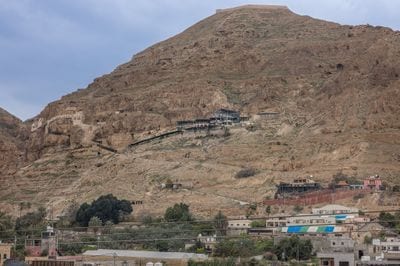
What has never broken is habitation at the oasis. Visitors ride a cable car over the excavations to the Mount of Temptation monastery on the cliff above, and the Neolithic tower, with its twenty-two internal steps, is open to walk up to.
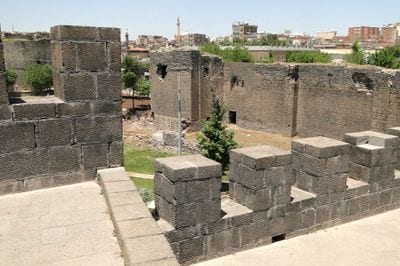
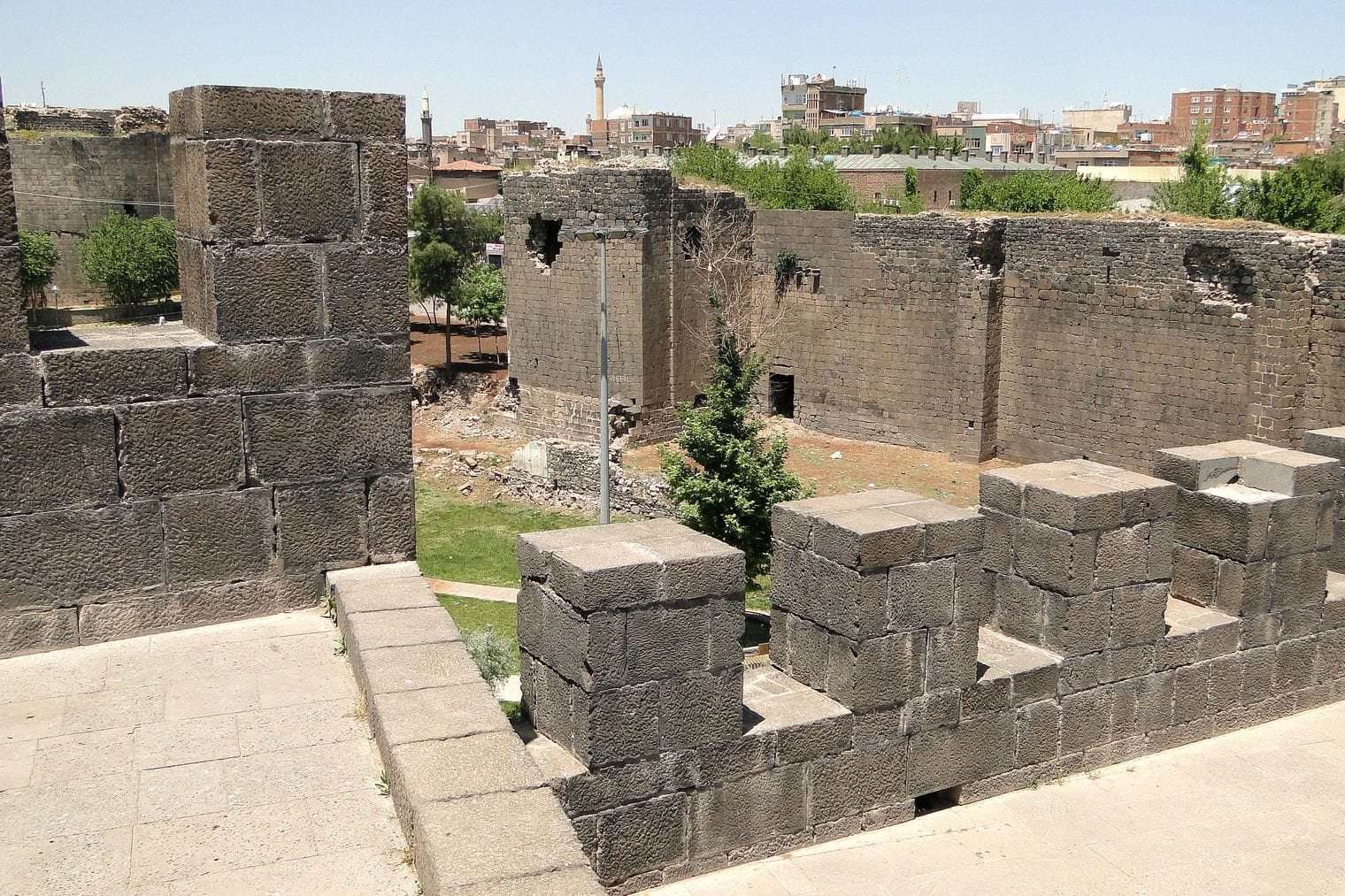
At 10,026 years, Diyarbakır sits on a mound that excavators from Dicle University have traced back to roughly 8000 BC. Their work at Amida Höyük, inside the citadel at the heart of the old city, has published an unbroken settlement sequence running from the Neolithic to the present — which places it directly behind Jericho and ahead of every European contender on this list.
Above the mound stands the reason UNESCO listed the site in 2015: a ring of black basalt walls, punctuated by towers and inscriptions, enclosing the old city almost in its entirety. Hurrians, Assyrians, Romans, Sasanians, Seljuks and Ottomans each rebuilt on the same footprint without ever emptying it. Below the walls, the Hevsel Gardens have been farmed alongside the city for as long as anyone has measured, feeding it from the banks of the Tigris.
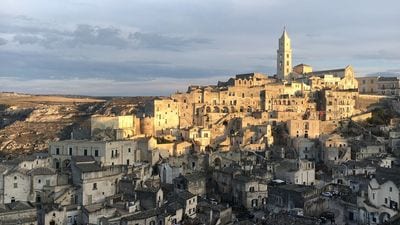
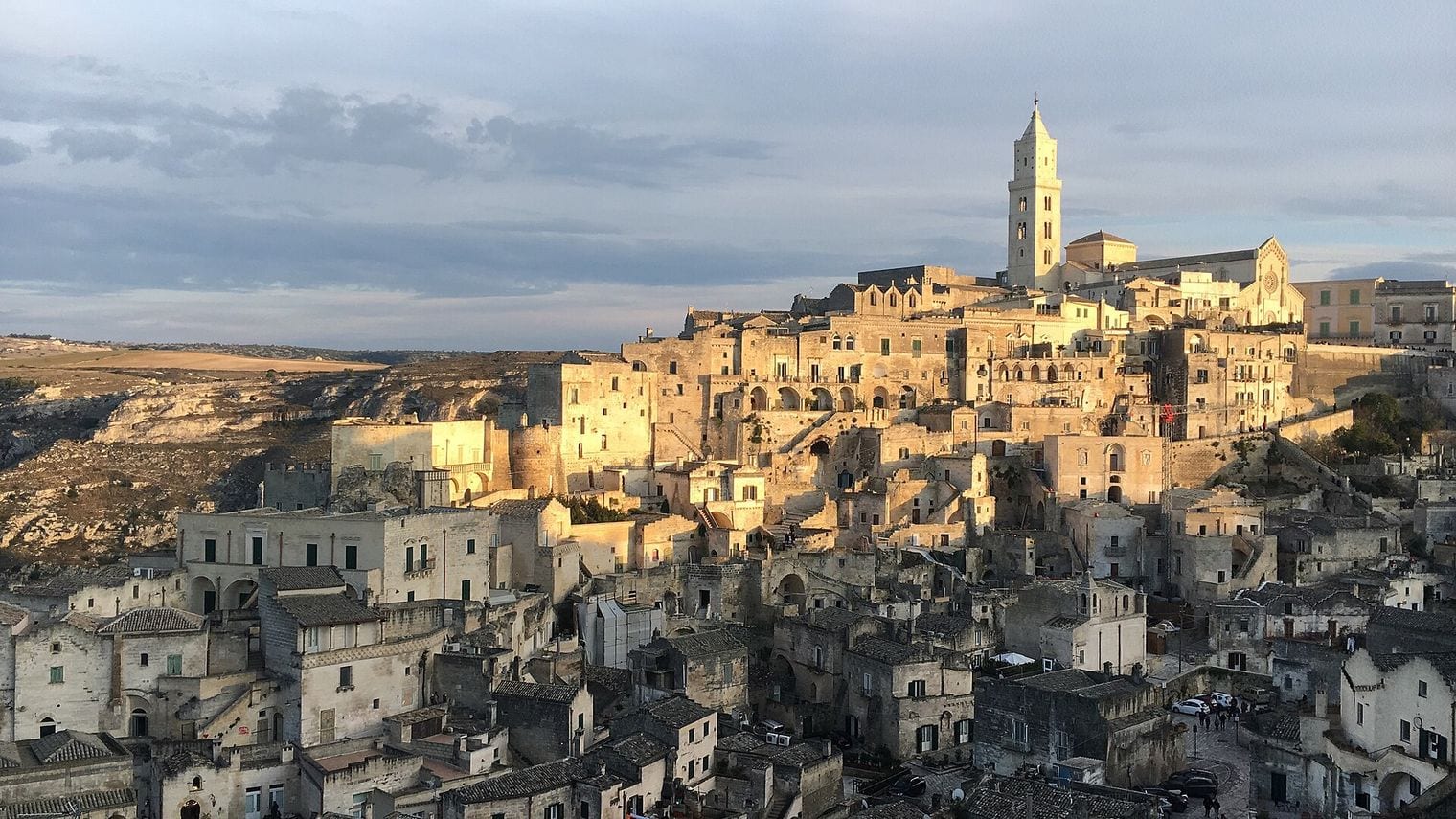
At 9,026 years, Matera is the oldest continuously inhabited city in Europe, and the only entry on this list where the earliest houses are still standing because they were never built in the first place. UNESCO records the site as first occupied in the Palaeolithic, with evidence of continuous human occupation through several millennia to the present day — a continuity statement few cities anywhere can match, and the reason Matera outranks Plovdiv here.
The Sassi are caves cut into a limestone ravine, extended outward over thousands of years into a warren of houses, cisterns and rock-hewn churches. Italy declared the district a national shame in the 1950s and emptied it; it filled again from the 1980s and was named a European Capital of Culture in 2019.
That brief clearance is worth naming, because it is the closest thing to a gap in Matera's record — the city around the ravine never emptied at all.
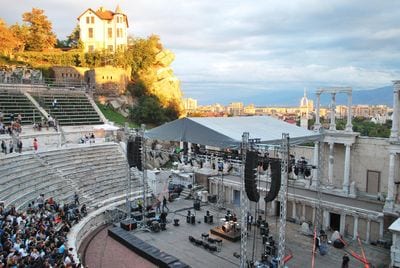
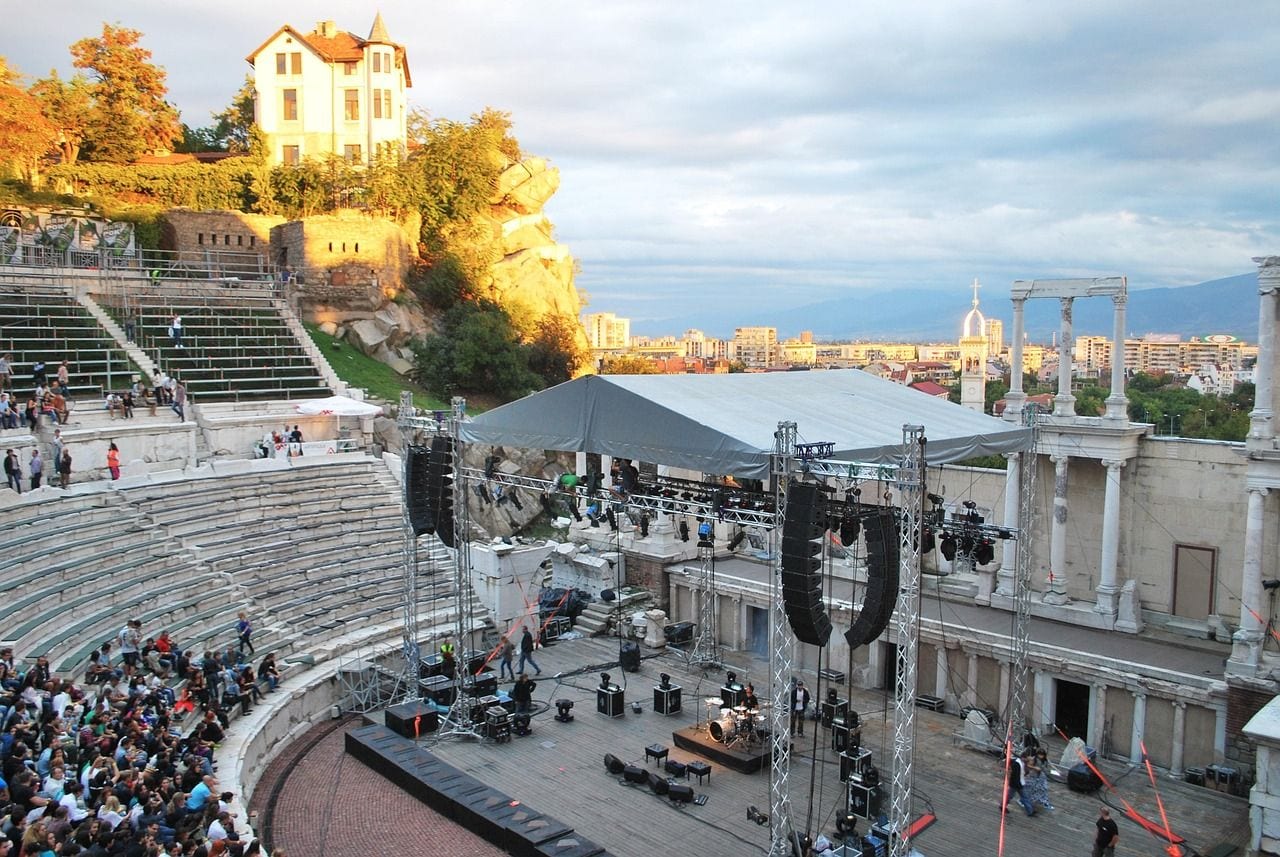
At 8,026 years, Plovdiv is the oldest city in Bulgaria and Europe's best-known claimant to the continental crown. Stratigraphic excavation on Nebet Tepe, the northernmost of the city's syenite hills, found settlement layers beginning in the Neolithic around 6000 BC and running up through Thracian, Macedonian, Roman, Byzantine and Ottoman phases without a break in the sequence.
Philip II of Macedon took the hill in the fourth century BC and gave the city the name Philippopolis; the Romans left it a theatre that still seats an audience for opera and rock concerts most summers. The result is a city where you climb through six thousand years in about ten minutes — Neolithic foundations on the summit, a Roman stadium buried under the main shopping street, and nineteenth-century merchant houses in painted timber on the slope between them.
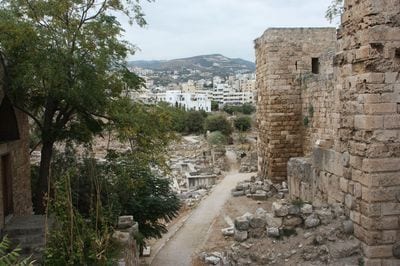
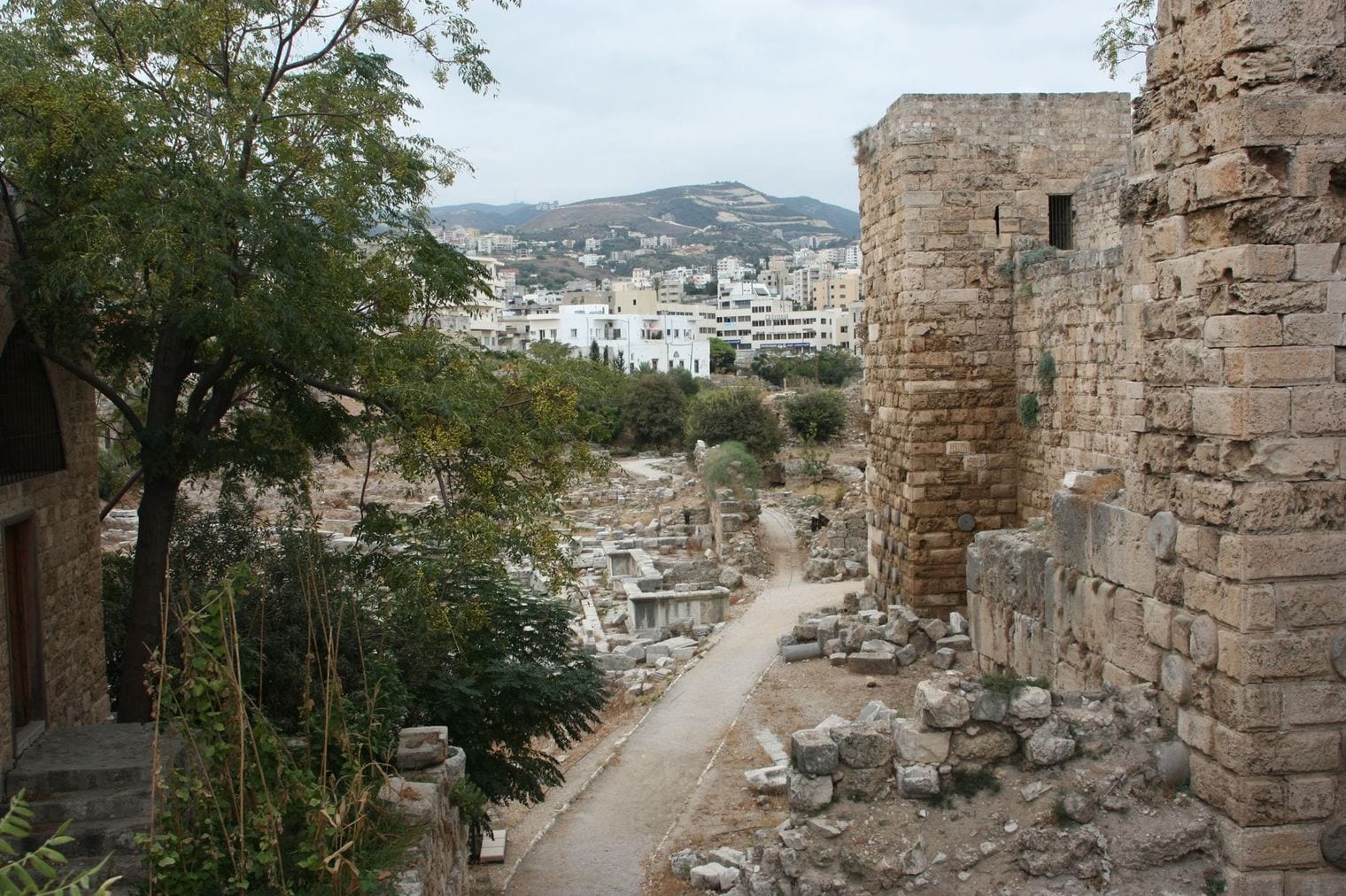
At 7,926 years, Byblos carries the single clearest continuity statement of any city here. UNESCO describes it as a testimony to a history of uninterrupted construction, from the first settlement by a community of fishermen dating back 8,000 years, through Bronze Age temples, Persian fortifications, a Roman road, Byzantine churches and a Crusader castle. Where other entries argue from stratigraphy, Byblos has the world heritage dossier saying the word uninterrupted outright.
Its other claim is larger still. The Phoenician alphabet that stands behind Greek, Latin and this sentence was found here, carved on the sarcophagus of King Ahiram, and the Greek name for the city gave us the word bible. Modern Jbeil wraps a working fishing harbour and a Crusader keep around the excavation, so the ruins sit in the middle of an ordinary Lebanese town rather than behind a fence outside one.
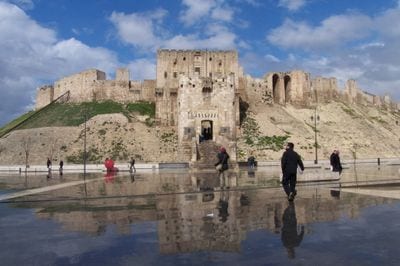
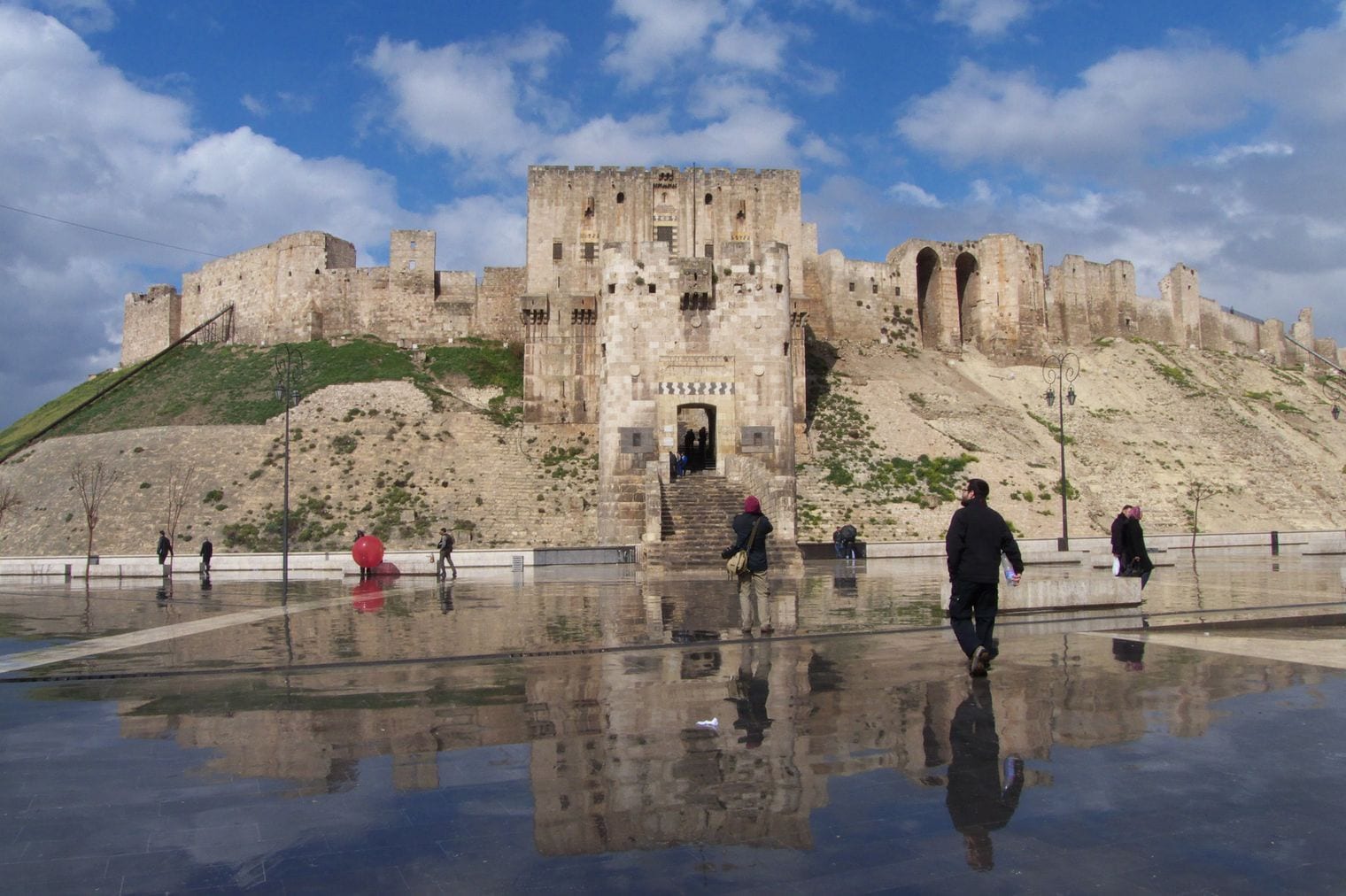
At 7,026 years, Aleppo enters on excavations at Tallet Alsauda that place human activity in the city from about 5000 BC. It shares this figure exactly with Argos below, and takes the higher place on a documented tiebreaker: Aleppo's date comes from an excavated settlement mound within the city, where the Argos figure rests on Neolithic material spread across two hills rather than one dated horizon.
The citadel that dominates the old city is one of the largest and oldest castles anywhere, raised on a mound that conceals temple levels reaching into the third millennium BC. Aleppo endured extraordinary damage during the Syrian civil war, and the souks, the Great Mosque and stretches of the citadel are under restoration; UNESCO has kept the site on its List of World Heritage in Danger throughout. People did not leave, which is why it still qualifies.
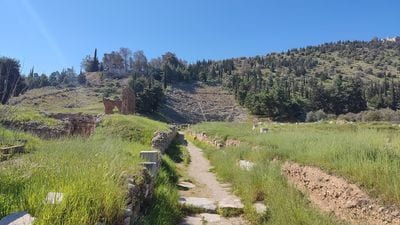
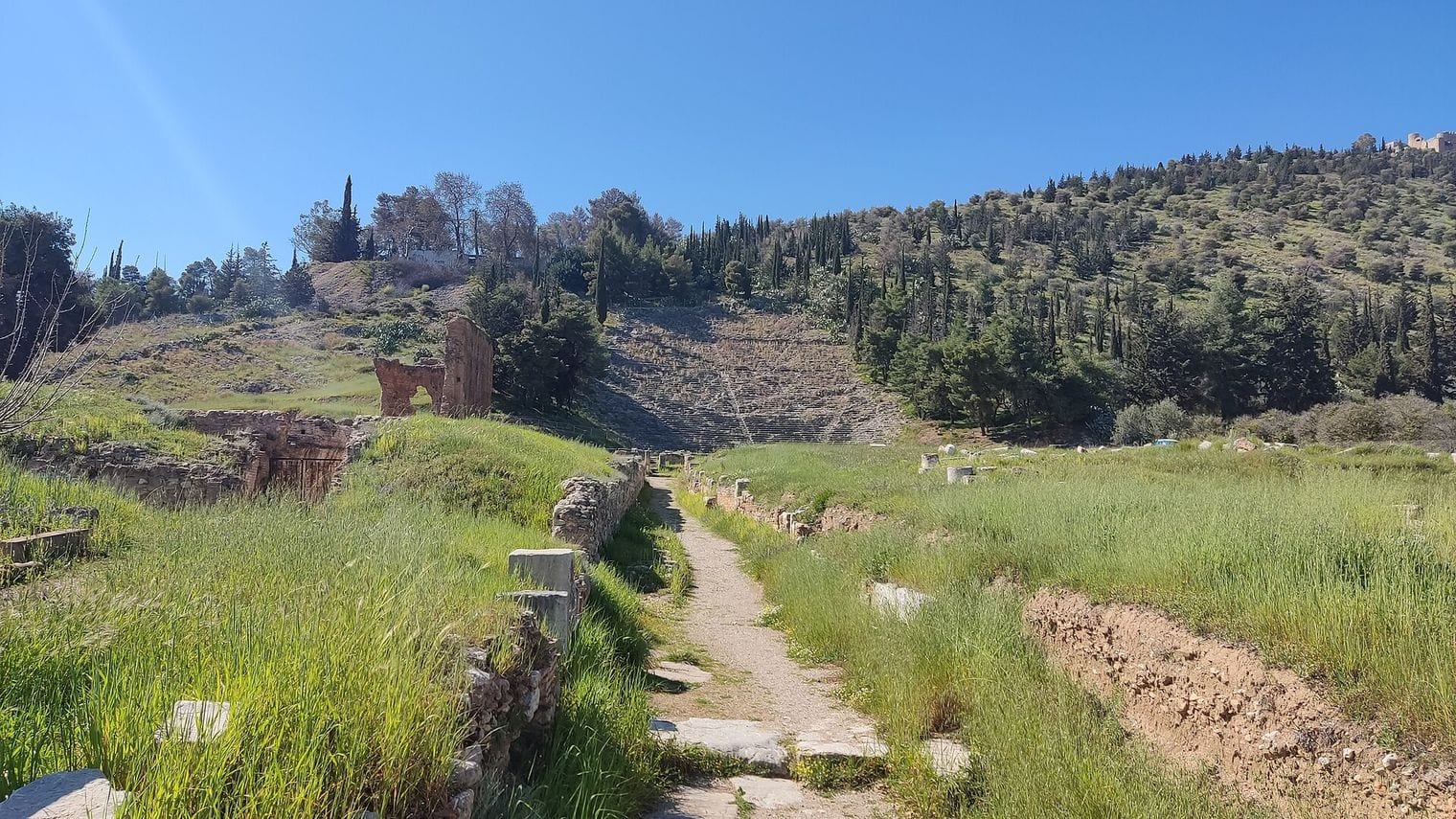
At 7,026 years, Argos is the oldest city in Greece and one of the oldest in Europe, level on the numbers with Aleppo and placed just behind it on the strength of the evidence rather than the date. Neolithic occupation is attested on the Aspis and Deiras hills from around 5000 BC, and the city has been inhabited, mostly as an urban settlement, for the seven millennia since.
Homer used the name for the whole of Greece, and the city was already old when it was doing so. Two acropoleis rise above the modern town — Larissa, crowned by a Byzantine and Frankish castle, and the smaller Aspis — while at their foot lies a Greek theatre carved into the rock that seated around twenty thousand, larger than the one at Epidaurus nearby. The modern town beneath is unremarkable, working, and entirely the point.
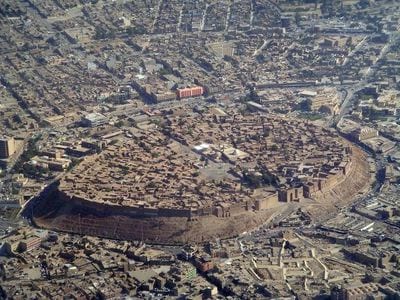
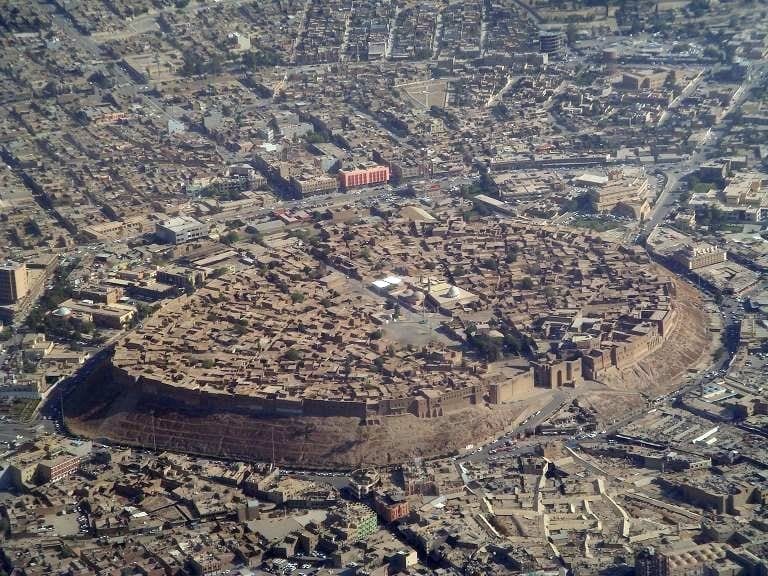
At 6,526 years, Erbil is built on the most dramatic tell in this countdown: a flat-topped oval mound rising some thirty metres above the plain, its edge a continuous wall of nineteenth-century house facades that reads as a fortress. UNESCO records over thirty metres of archaeological deposits beneath, going back to the very early beginnings of urbanization in Mesopotamia, with Ubaid and Chalcolithic pottery dating settlement to the fifth millennium BC.
Erbil's continuity claim comes with the best story on this list. When the citadel was cleared in 2007 for restoration, a single family was allowed to stay on, specifically so that the record of unbroken habitation would not be broken by the repairs. The city below the mound has meanwhile become the capital of Iraqi Kurdistan, and the name has survived, barely altered, from pre-Sumerian sources through Arbela to Erbil.
At 6,026 years, Sidon is the second of the three great Phoenician cities on this list, its tell showing an occupation sequence that begins in the fourth millennium BC and runs to the present. British Museum excavations at the College Site, in the middle of the modern town, have worked down through that sequence layer by layer.
Sidon and Athens are level on 6,026 years; Sidon holds the higher place because its figure comes from an unbroken tell sequence, where Athens rests on Neolithic material described only as fourth millennium or earlier.
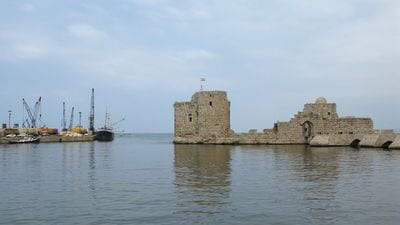
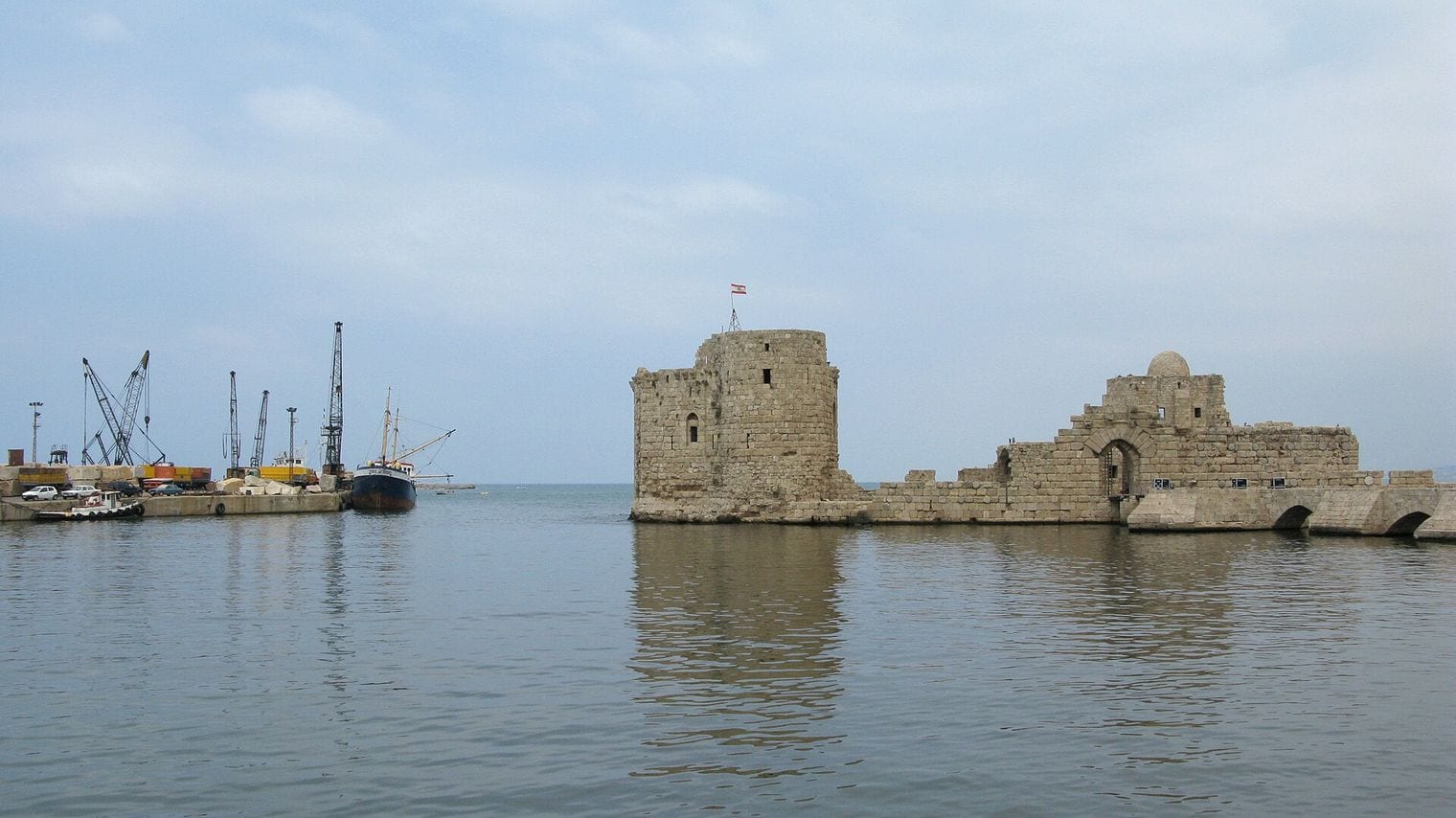
What Sidon is known for is the colour purple. The dye extracted from murex shells here was the most valuable substance in the ancient Mediterranean, and the discarded shells built up into mounds beside the harbour. A Crusader sea castle sits on an islet just off the corniche, joined to the shore by a stone causeway, and the covered souks behind it are still the working centre of the town.
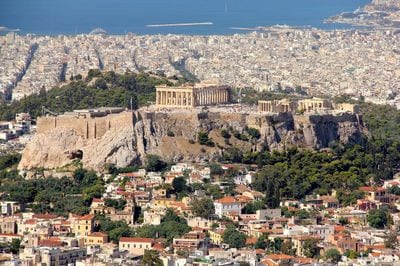
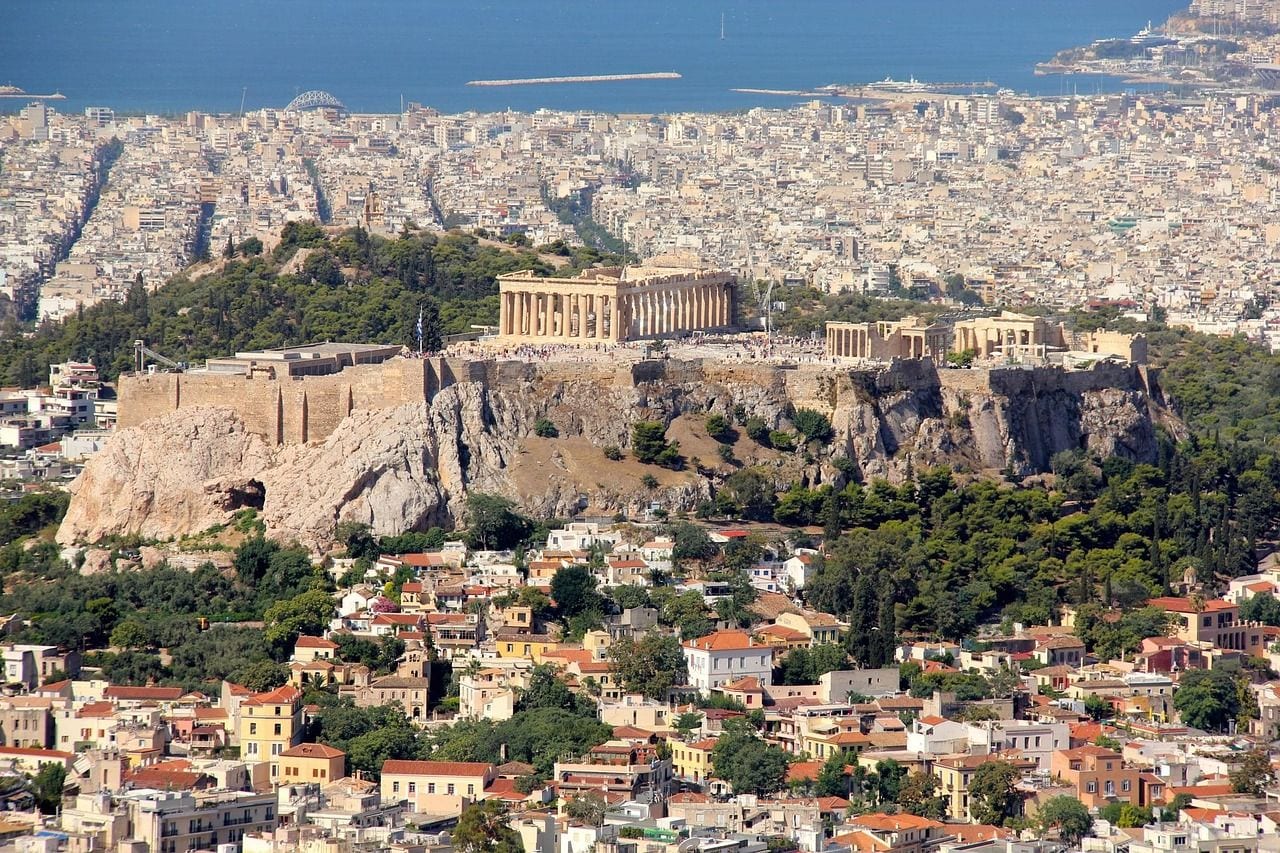
At 6,026 years, Athens is the oldest capital city in Europe, and its date rests on some of the most thoroughly excavated ground on earth. The American School's publication of the Athenian Agora records the sheer quantity of material as striking proof of habitation of the Agora and the surrounding slopes of the Acropolis, Areopagus and neighbouring hills from at least the fourth millennium BC.
The rock itself is the reason. The Acropolis is a defensible outcrop with springs at its foot, which made it worth living on long before anyone thought to put a temple up there, and it has not been vacated since. Everything the city is famous for — the Parthenon, democracy, the theatre of Dionysus — belongs to the last quarter of that span. The first three thousand years happened quietly, in houses and wells now catalogued under the Agora's paving.
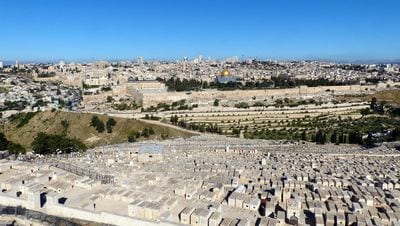
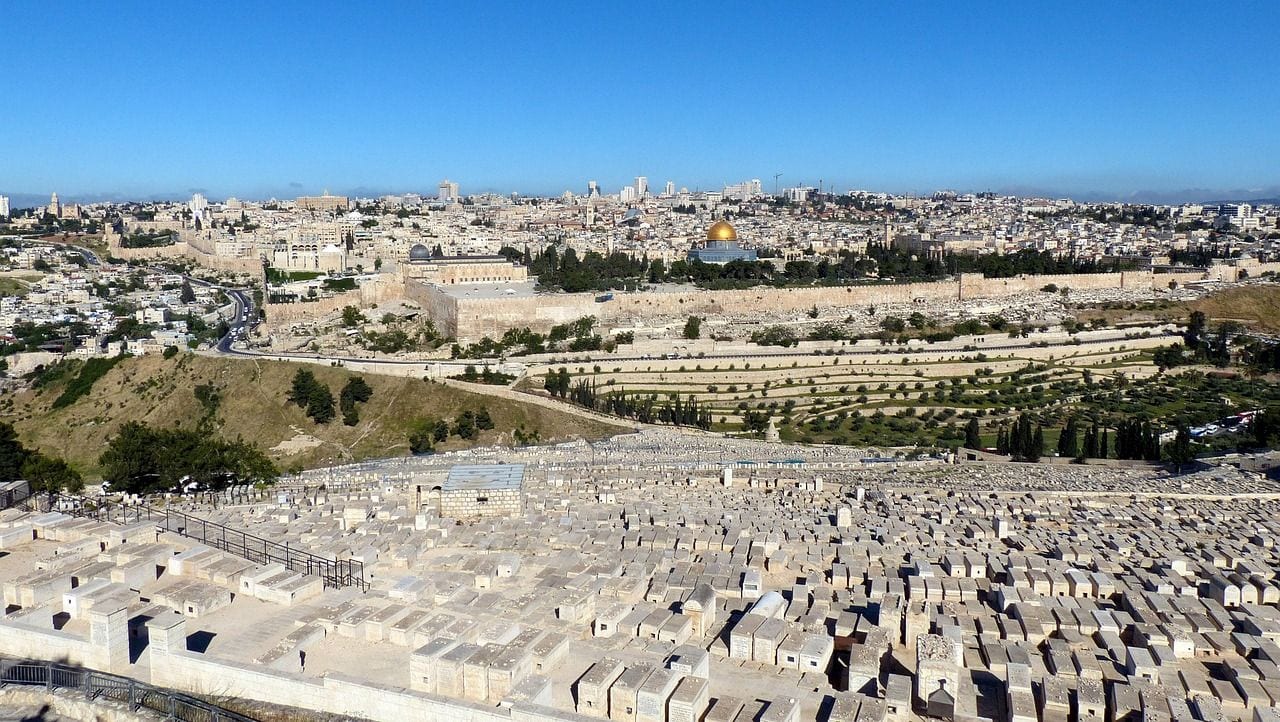
At 5,526 years, Jerusalem begins, as most of these cities do, at a spring. Excavations in the City of David by Ronny Reich and Eli Shukron traced permanent settlement above the Gihon Spring to Early Bronze Age I, around 3500 BC, along with the massive stone towers built later to protect the water source — the single feature that made a settlement on this ridge viable at all.
Few cities have been besieged, levelled and rebuilt as often, and none has been continuously occupied through all of it. The walled Old City covers less than a square kilometre and holds the Western Wall, the Church of the Holy Sepulchre and the Dome of the Rock within a few minutes' walk of one another. UNESCO has listed it since 1981 and kept it on the List of World Heritage in Danger for almost as long.
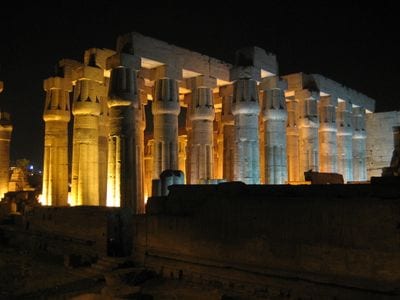
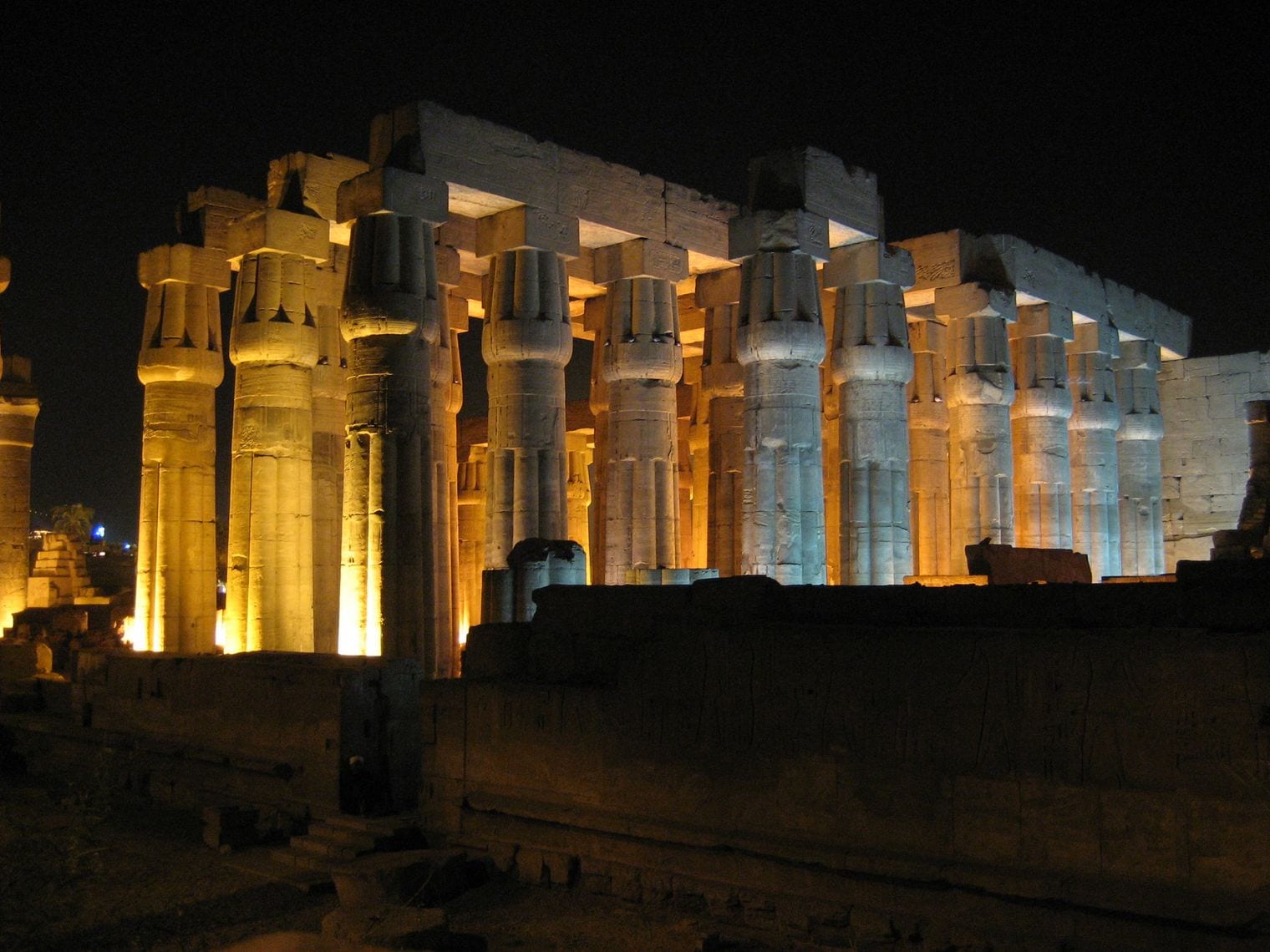
At 5,226 years, Luxor is the oldest continuously inhabited city in Africa on this reckoning, with settlement on the east bank of the Nile from the late Predynastic period around 3200 BC. As Thebes it became the capital of Egypt at the height of the New Kingdom, and UNESCO's inscription covers the temple complexes of Karnak and Luxor along with the necropolis across the river.
The distinction worth drawing here is between the living city and the dead one. The Valley of the Kings, Deir el-Bahari and the Ramesseum are on the west bank and have no residents; the east bank has never stopped having them. Karnak alone was built and rebuilt over roughly two thousand years, which makes it less a temple than an archive of everything successive dynasties thought a temple should be.
At 5,026 years, Damascus lands fourteenth on this list, and that will surprise anyone who has heard it called the oldest continuously inhabited city in the world.
The figure usually quoted for it — inhabited as early as 8,000 to 10,000 BC — comes from Tell Ramad, and UNESCO's own dossier is careful to place that excavation on the outskirts rather than in the city. For Damascus itself, the same dossier finds under criterion (iii) that historical and archaeological sources testify to origins in the third millennium BC.
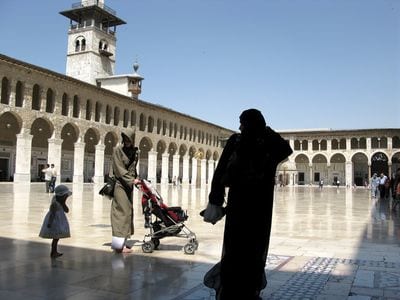
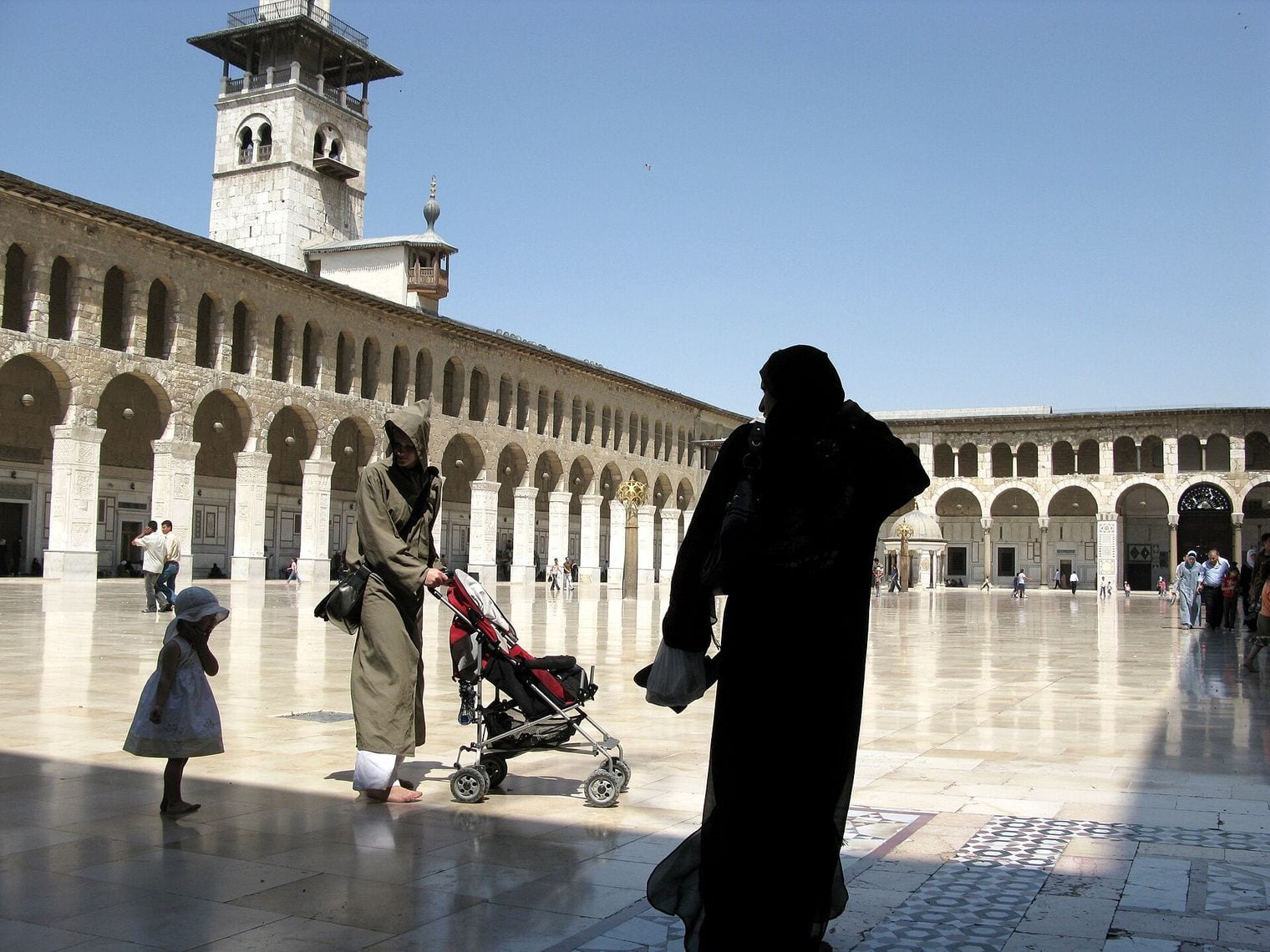
Ranked on its own stratigraphy rather than a neighbour's, Damascus is still extraordinary. It is level with Thebes at 5,026 years and takes the higher place on the strength of that UNESCO finding. The walled old city keeps the grid and orientation of the Greek plan, the Umayyad Mosque has held continuous prayer since the seventh century, and the Street Called Straight still runs east to west across the whole of it.
At 5,026 years, Thebes in Boeotia is the third Greek city on this list and the least visited of them by a wide margin. Early Bronze Age settlement on the Cadmea, the low citadel mound at the centre of town, dates to around 3000 BC, and habitation there has run for five millennia since. It is level with Damascus and placed just behind it on the comparative weight of the published evidence.
Thebes was the great rival of Athens and Sparta, and for a decade in the fourth century BC it beat both. Its reward for backing the wrong side was to be razed by Alexander the Great in 335 BC — with the poet Pindar's house spared, by order — and rebuilt twenty years later on the same mound.
The modern town sits directly on top of the Mycenaean palace, so most of what has been found came out of rescue digs under building plots.
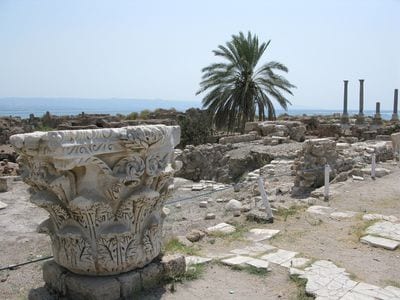
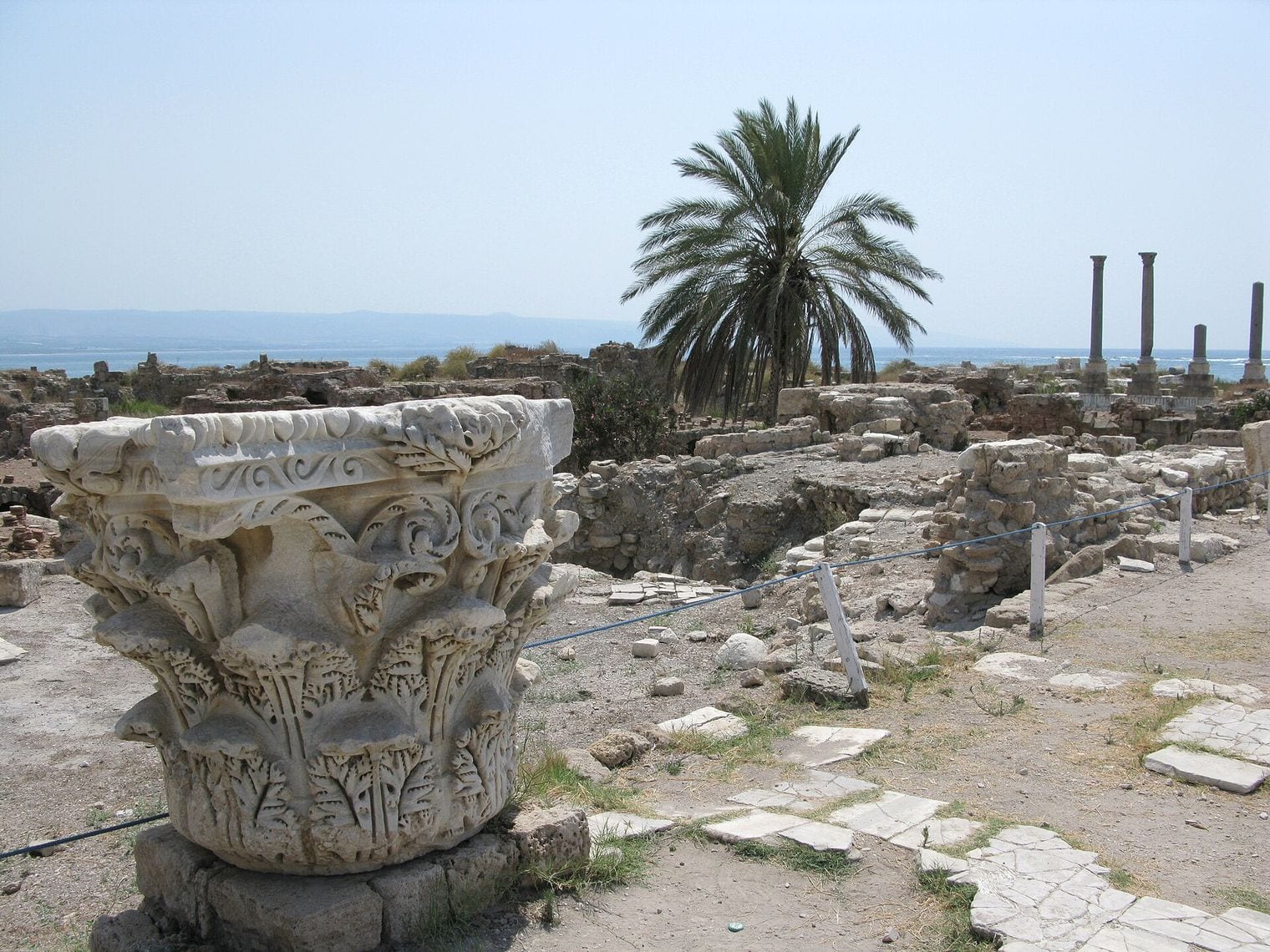
At 4,776 years, Tyre closes the countdown, and it is the entry that best shows where the cut-off falls. Herodotus was told by the priests there that the sanctuary of Melqart had stood since 2750 BC, a date the Early Bronze Age levels on the island settlement broadly support, and no city with a firmer claim sits between Tyre and the fourteen above it.
Tyre was the Phoenician city that mattered most: it founded Carthage, supplied the cedar and the craftsmen for Solomon's temple, and held out against Alexander for seven months until he built a causeway out to the island to take it.
That causeway silted up and is now the neck of land the modern town stands on, so the island is no longer an island. The Roman hippodrome and the colonnaded road to the necropolis are among the largest to survive anywhere.
FAQ: The World's Oldest Continuously Inhabited Cities
What is the oldest continuously inhabited city in the world?
Jericho, in the Jordan Valley, at roughly 11,000 years. UNESCO's dossier for Tell es-Sultan records deposits reaching back to about 10,500 BC and a walled permanent settlement standing by the ninth millennium BC. No other city on earth combines a date that early with habitation that has never lapsed at the same oasis.
Is Damascus older than Jericho?
No, on the evidence for the city itself. The 8,000 to 10,000 BC figure so often quoted for Damascus comes from Tell Ramad, a separate mound on the outskirts of the oasis. UNESCO's own inscription finds that Damascus proper has origins in the third millennium BC, which places it fourteenth here rather than first.
What is the oldest continuously inhabited city in Europe?
Ranked this way, Matera in southern Italy, whose UNESCO listing records occupation from the Palaeolithic continuing through several millennia to the present. Plovdiv in Bulgaria is the better-known claimant and the two are genuinely close, but Matera's world heritage dossier states the continuity outright, which is the test this list applies.
Why aren't Göbekli Tepe and Çatalhöyük on this list?
Because both are ruins, not cities. Göbekli Tepe is older than anything ranked here and Çatalhöyük was a substantial Neolithic town, but people stopped living at each of them thousands of years ago. This countdown ranks places you could move to tomorrow, which is a much harder test to pass than simply being ancient.
What does "continuously inhabited" actually mean?
Here it means a settlement never fully abandoned between its earliest dated occupation layer and today. That rule excludes re-founded cities and sites left as ruins. It also excludes Chania on Crete, whose habitation is documented as interrupted between roughly 1150 and 735 BC — a gap of four centuries is a break, however impressive the earlier date.