We build and rank every list first. Booking links come after, and only where
a partner sells a ticket, tour or stay for that exact place, so a place with
nothing to book is listed exactly as prominently as one you can book.
So how do we earn? Some links on this page go to booking
partners, and if you book tickets, tours or a stay through
one, we may earn a commission. It costs you nothing extra.
That commission never decides which places make the list, the order they
appear in, or what we write about them. No entry is sponsored or a paid
placement.
By the CityViking Research TeamPublished Ranked by mean annual precipitation · 13 min read
Last verified Checked before launchOct 30, 202618 sources4 publishers3 government & parks15 encyclopedias & researchPublished · Nov 5, 2026Researched and checked before it went liveClick for every source and the full change log.
The record
8,156.9 mm, 1991–2020 normal at Aeropuerto El Caraño station321.1 in
Quibdó
Colombia
The record
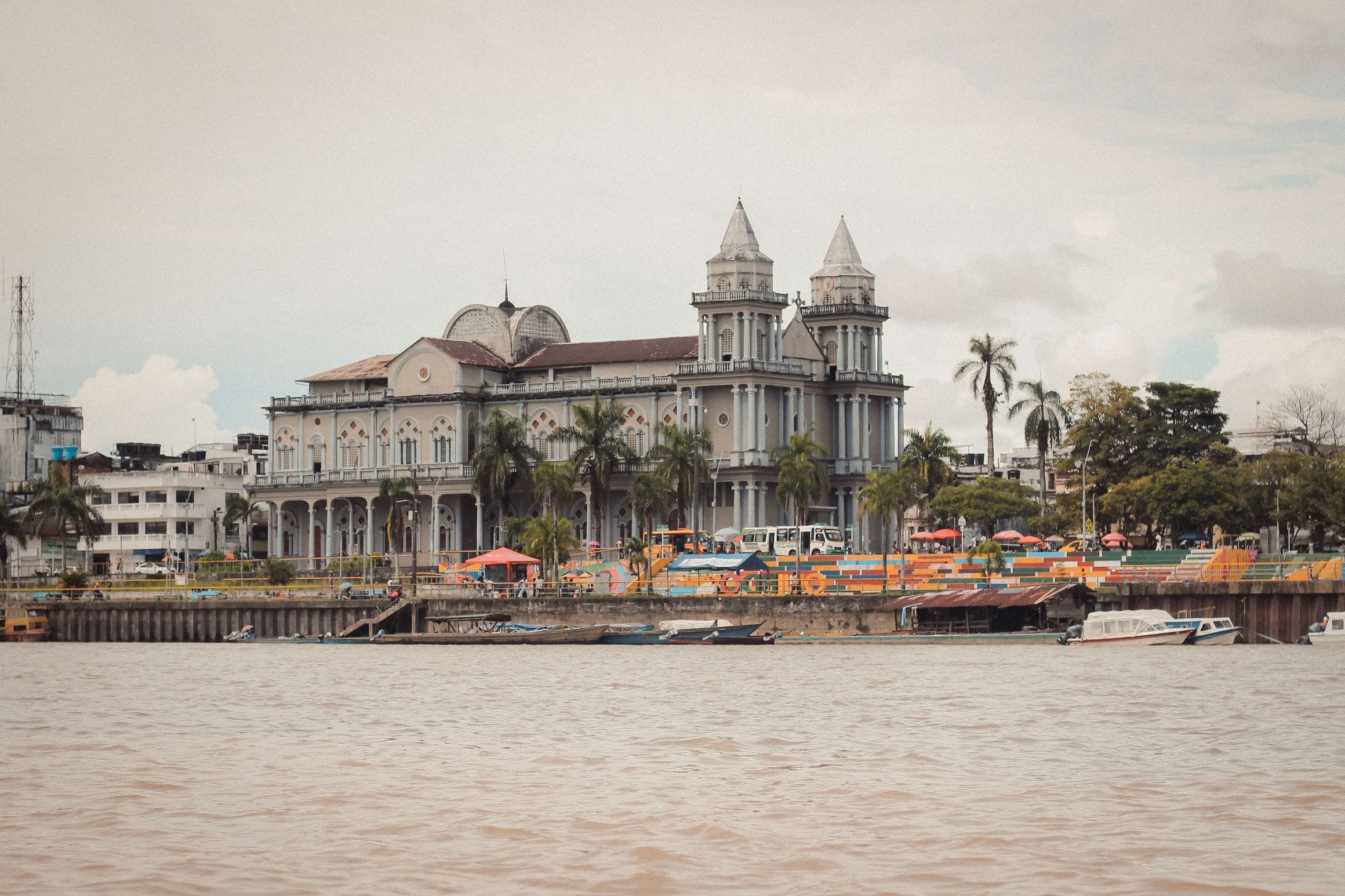
The rainiest city in the world is Quibdó, in Colombia — 8,156.9 mm, 1991–2020 normal at Aeropuerto El Caraño station (321.1 in), mean annual precipitation.
Source: datos.gov.co. Verified .
Mawsynram and Cherrapunji in India's Meghalaya hills are often called the wettest places on Earth, but both are small hill settlements, nowhere near the 100,000 people a city needs here.
This countdown ranks the 15 rainiest cities in the world by mean annual precipitation, from Quibdó in Colombia's Chocó at 8,156.9 mm to Limón on Costa Rica's Caribbean coast at 3,787.3 mm: three cities each in Colombia, Myanmar and Indonesia, two in Malaysian Borneo and one each in Bangladesh, Nepal, the Philippines and Costa Rica.
Each figure is the 1991–2020 climate normal at the station that names the city or serves as its airport, from the WMO register or, for Buenaventura, Colombia's weather service, IDEAM. Hilo, Hawaii, is too small to count, and so is Myanmar's Dawei, a town of about 80,000 at the 2014 census; Tutunendo, a rural station inside Quibdó's municipality at 10,486 mm, is not the city's station, and Monrovia, a regular on other rankings, has no 1991–2020 normal.
The wettest gauge in the wettest city is not the city's own. Tutunendo, a village station inside Quibdó's municipality, averages 10,486 mm a year, more than 2,300 mm above the airport station that ranks the city first.
Quibdó has no dry month. Its driest, February, still averages 487.4 mm, while in Mawlamyine, third on the list, February brings 4.5 mm and July 1,240.2 mm.
Sittwe's July is the wettest month on the list, at 1,334.4 mm, more than half of what Bergen, often called Europe's rainiest city, gets in a whole year (2,495.6 mm).
Bogor is nicknamed Kota Hujan, the Rainy City, for showers that keep falling even in the dry season.
Kipling's "old Moulmein pagoda" is in Mawlamyine: the pagoda in the opening lines of his poem Mandalay is thought to be Kyaikthanlan, the city's tallest at 46 metres.
The wettest places on Earth are too small to rank. Mawsynram, in the Meghalaya hills across the border from Sylhet, reportedly averages 11,872 mm a year, but it is a village.
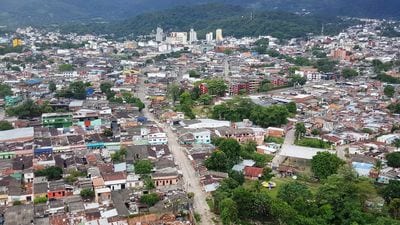
11. Quibdó
Quibdó, Chocó, Colombia
8,156.9 mm, 1991–2020 normal at Aeropuerto El Caraño station (321.1 in)
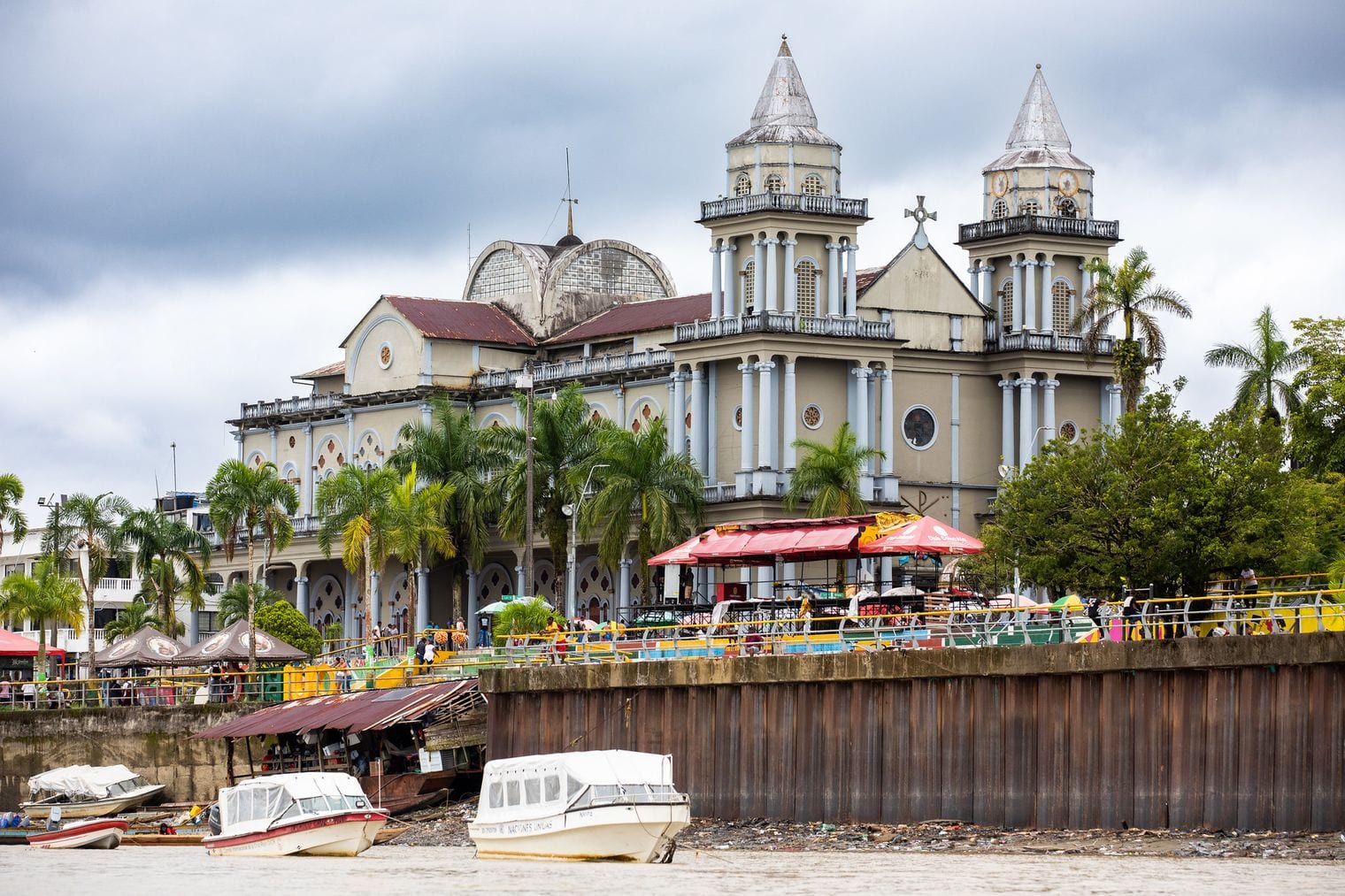
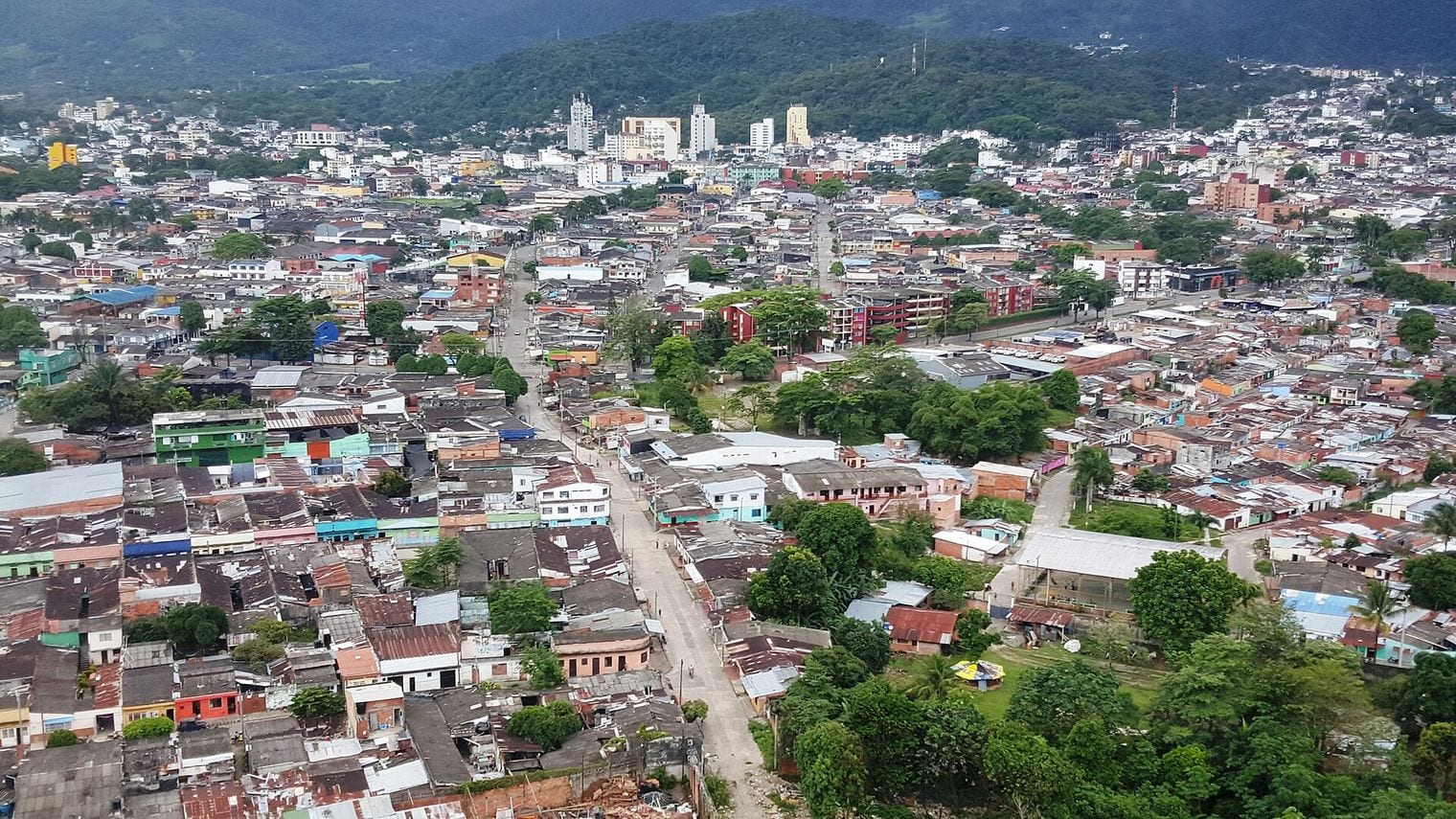
At 8,156.9 mm (321.1 inches) a year, Quibdó is the rainiest city in the world, on the 1991–2020 normal for its airport station, El Caraño.
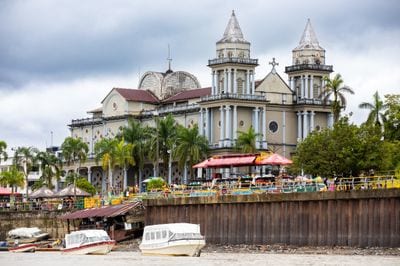
The capital of Colombia's Chocó Department lies on the Atrato River in the rainforest lowlands between the Pacific and the Andes, and no month here is dry: August, the wettest, averages 867.4 mm, and even February, the driest, gets 487.4 mm. A rural station at Tutunendo, inside the municipality, reads higher still, but it measures a village, not the city.
The municipality's 129,237 people are mostly Afro-Colombian, and the town grew as the chief settlement of the region after gold and platinum were found in the Atrato valley. Its great celebration is the Festival of Saint Francis of Assisi, organised by the city's neighbourhoods, with a Franciscan mass each morning and dancing and street theatre in the afternoons; UNESCO added it to its Intangible Cultural Heritage lists in 2012.
22. Buenaventura
Buenaventura, Valle del Cauca, Colombia
6,999.7 mm, 1991-2020 IDEAM normal at the Aeropuerto Buenaventura station (Gerardo Tobar López Airport, code 53115010)
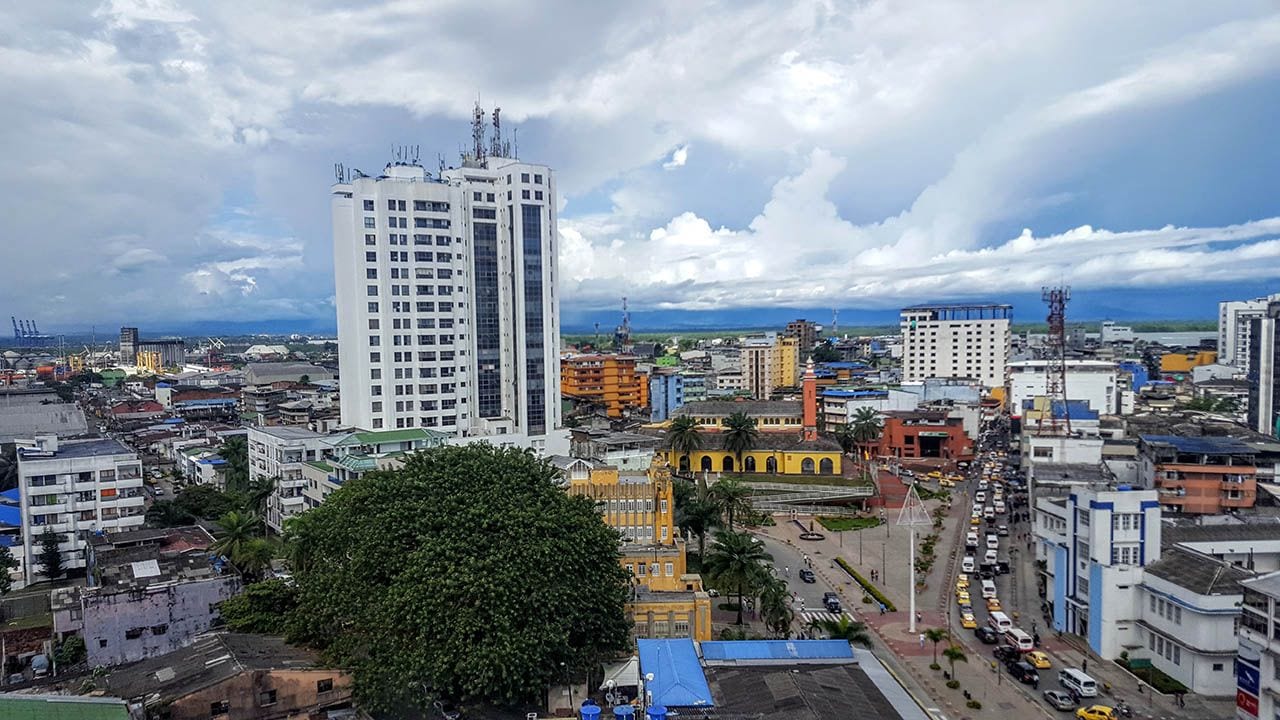
At 6,999.7 mm (275.6 inches) a year, Buenaventura, Colombia's main port on the Pacific, is the second-rainiest city on the list. The WMO register has no station here, so the figure is the 1991–2020 normal that IDEAM, Colombia's weather service, publishes for the airport station; October is the wettest month at 825.2 mm, and two rural IDEAM stations elsewhere in the municipality, Malaguita and Silva, read higher still.
Founded on 14 July 1540 by Juan Ladrillero, Buenaventura had 235,064 people at the 2018 census. Most of its urban area sits on Cascajal Island, while the rest of the municipality is rural, with small villages scattered through the forest. The city's Pacific cooking won it a place in UNESCO's Creative Cities Network as a City of Gastronomy in 2017.
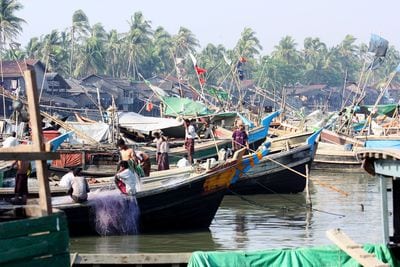
33. Mawlamyine
Mawlamyine, Mon State, Myanmar
4,979.2 mm, 1991–2020 normal at Mawlamyine station (196.0 in)
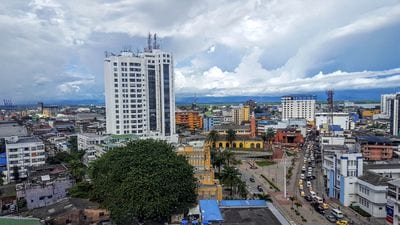
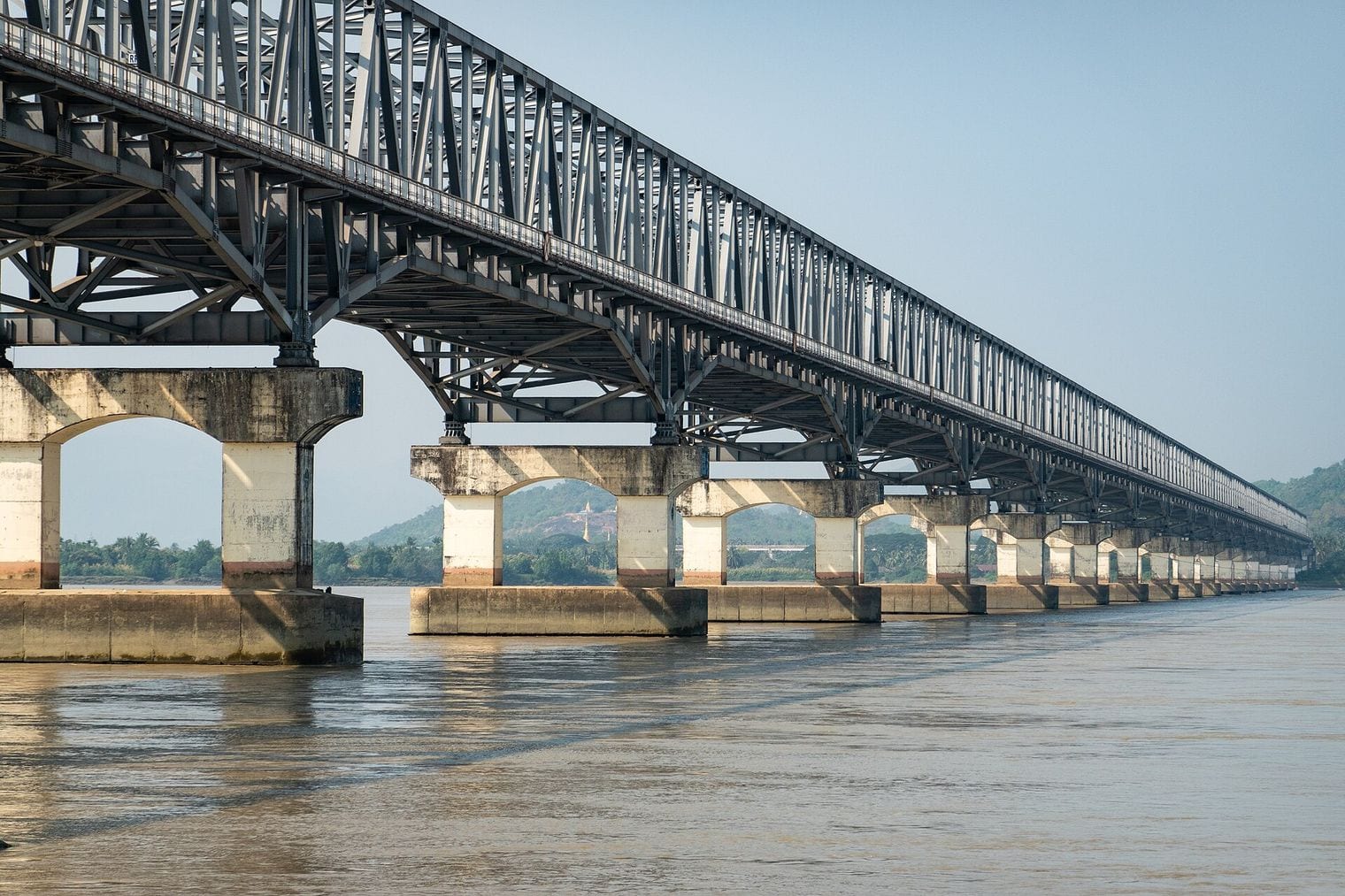
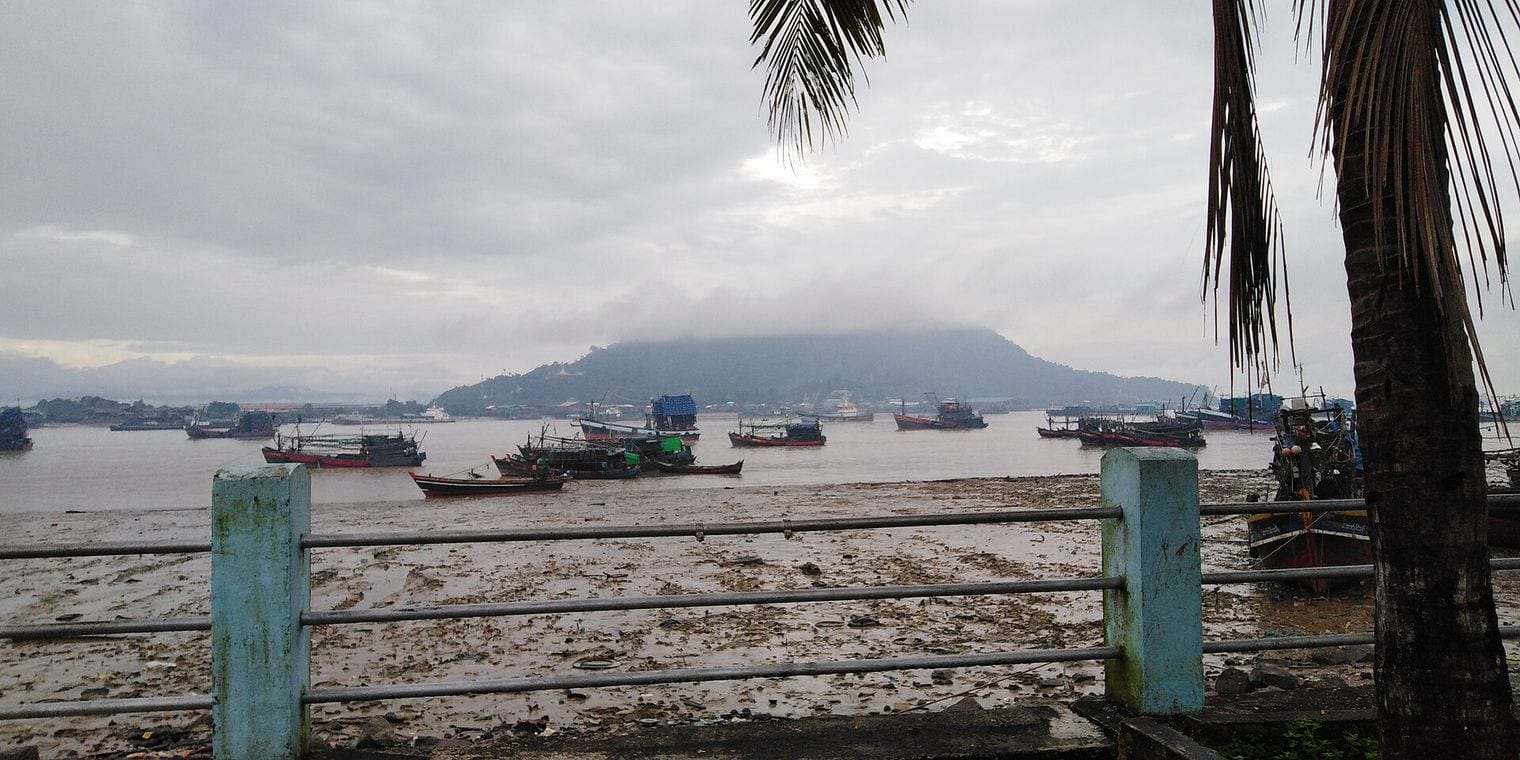
At 4,979.2 mm (196.0 inches) a year, Mawlamyine, at the mouth of the Thanlwin (Salween) River in southern Myanmar, is the wettest city on the list outside Colombia. Nearly all of it comes with the southwest monsoon: July averages 1,240.2 mm and August 1,224.6 mm, while February, at the height of the dry season, gets just 4.5 mm.
The capital of Mon State and the fourth-largest city in Myanmar, Mawlamyine was the first capital of British Burma, from 1826 to 1852, and the British knew it as Moulmein. George Orwell, posted to the city as a police officer in 1926, set his essay Shooting an Elephant here, and the "old Moulmein pagoda" in the opening lines of Rudyard Kipling's poem Mandalay is thought to be Kyaikthanlan Pagoda, at 46 metres the tallest in the city.
44. Sittwe
Sittwe, Rakhine State, Myanmar
4,750.4 mm, 1991–2020 normal at Sittwe station (187.0 in)
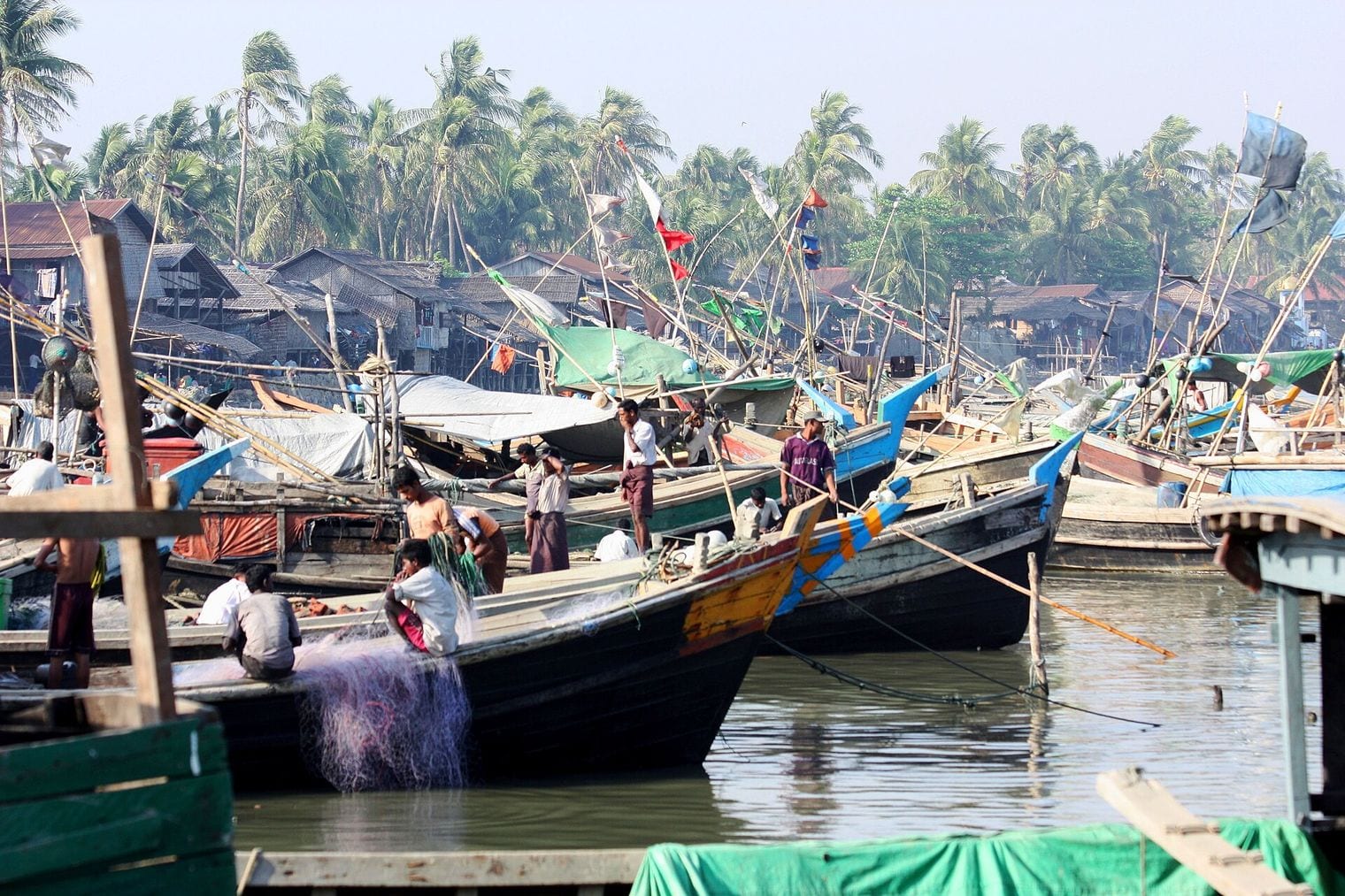
At 4,750.4 mm (187.0 inches) a year, Sittwe, the capital of Rakhine State on Myanmar's Bay of Bengal coast, has the wettest single month of any city on this list: July averages 1,334.4 mm. Like Mawlamyine, it is close to dry from December to March, when no month reaches 13 mm, and drenched from June to September by the southwest monsoon.
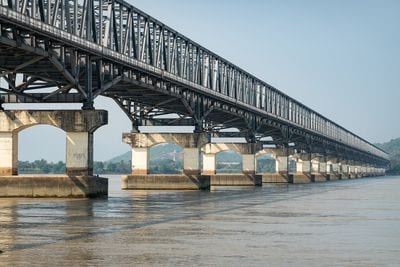
The city, called Akyab by the British, stands on an estuarine island where the Kaladan, Mayu and Lay Mro rivers meet the sea, and it had an estimated population of over 120,000 in 2019. Its Burmese name recalls a battle fought at the mouth of the Kaladan in 1784, when King Bodawpaya's army invaded the kingdom of Mrauk U, and the British made the port the seat of government for Arakan in 1826.
55. Villavicencio
Villavicencio, Meta, Colombia
4,517.37 mm, 1991–2020 normal at Aeropuerto Vanguardia station (177.8 in)
At 4,517.37 mm (177.8 inches) a year at its Vanguardia airport station, Villavicencio is the third Colombian city in the top five. It lies where the Andes drop onto the Llanos, the great plains of eastern Colombia, and its rain builds from March to a peak in May, at 657.7 mm; January, at 61.7 mm, is the only month that comes close to dry.
Founded on 6 April 1840 on the Guatiquía River, 75 km southeast of Bogotá, the capital of Meta Department had 531,275 people in 2018. Locals call it "Villavo la bella", and its other name, La Puerta al Llano, the Gateway to the Plains, describes its role: it is the main commercial centre of the Llanos Orientales, on the old route from the Colombian interior to the savannas between the Andes and the Amazon.
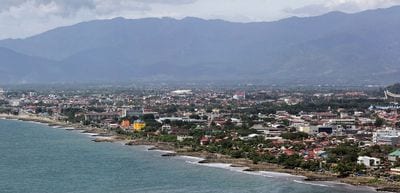
66. Padang
Padang, West Sumatra, Indonesia
4,239.1 mm, 1991–2020 normal at Stasiun Meteorologi Minangkabau (166.9 in)
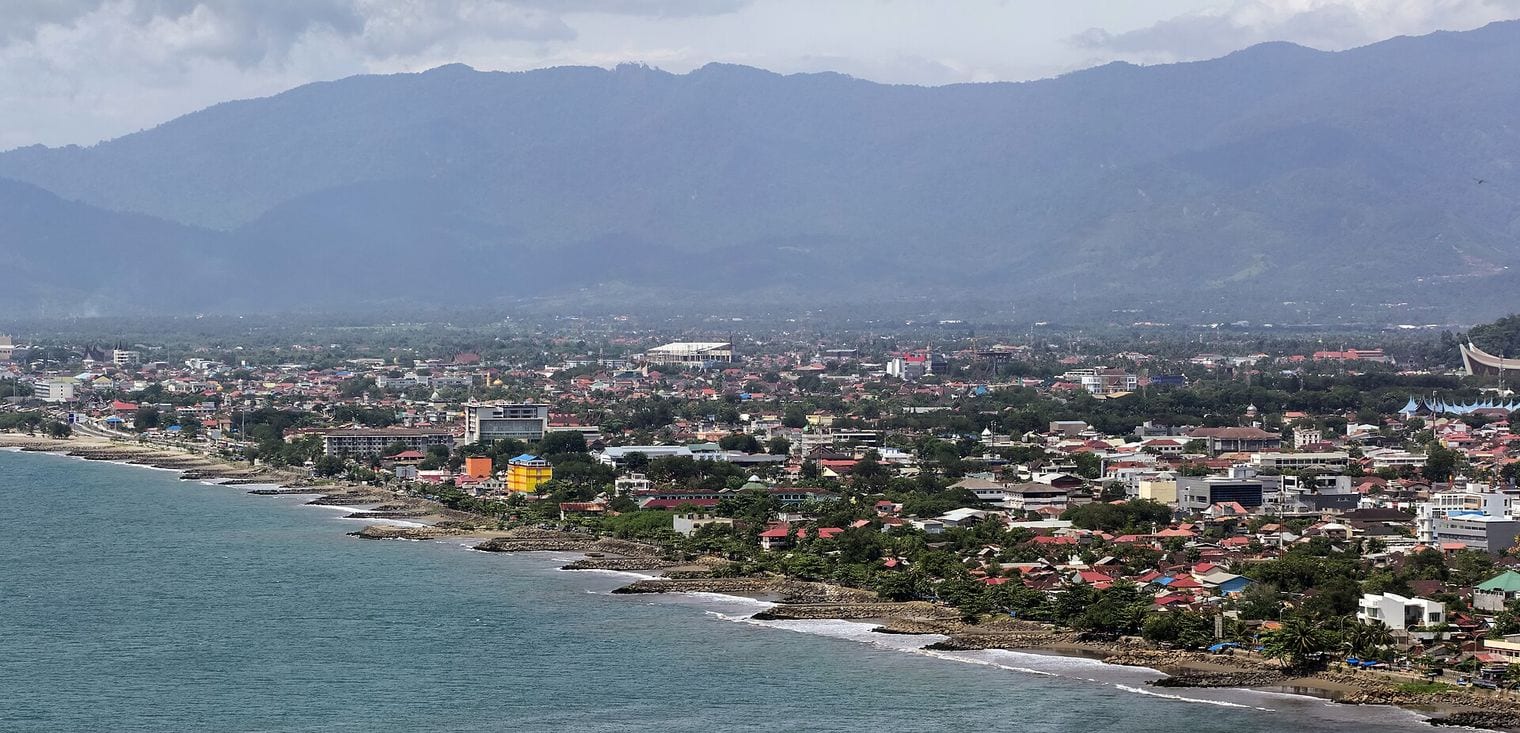
At 4,239.1 mm (166.9 inches) a year, Padang, the capital of West Sumatra, is one of Indonesia's wettest cities, and the rain never really stops: no month averages less than 280 mm, and November peaks at 515.7 mm. The figure comes from the weather station at Minangkabau International Airport, which stands in neighbouring Padang Pariaman Regency, about 23 km northwest of the city centre.
With 909,040 people at the 2020 census, Padang is the largest city on the west coast of Sumatra and the heartland of Minangkabau culture. It is known across Indonesia for its cooking, above all rendang, a spicy meat stew, and for its sunset beaches. The city also lives with earthquakes: a magnitude 7.9 quake struck about 50 km offshore on 30 September 2009.
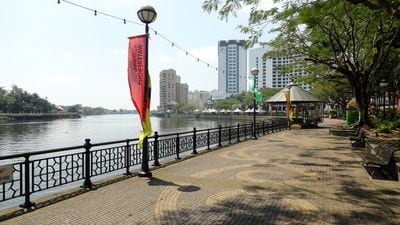
77. Kuching
Kuching, Sarawak, Malaysia
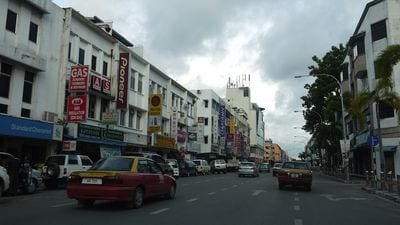
4,232.7 mm, 1991–2020 normal at Kuching station (166.6 in)
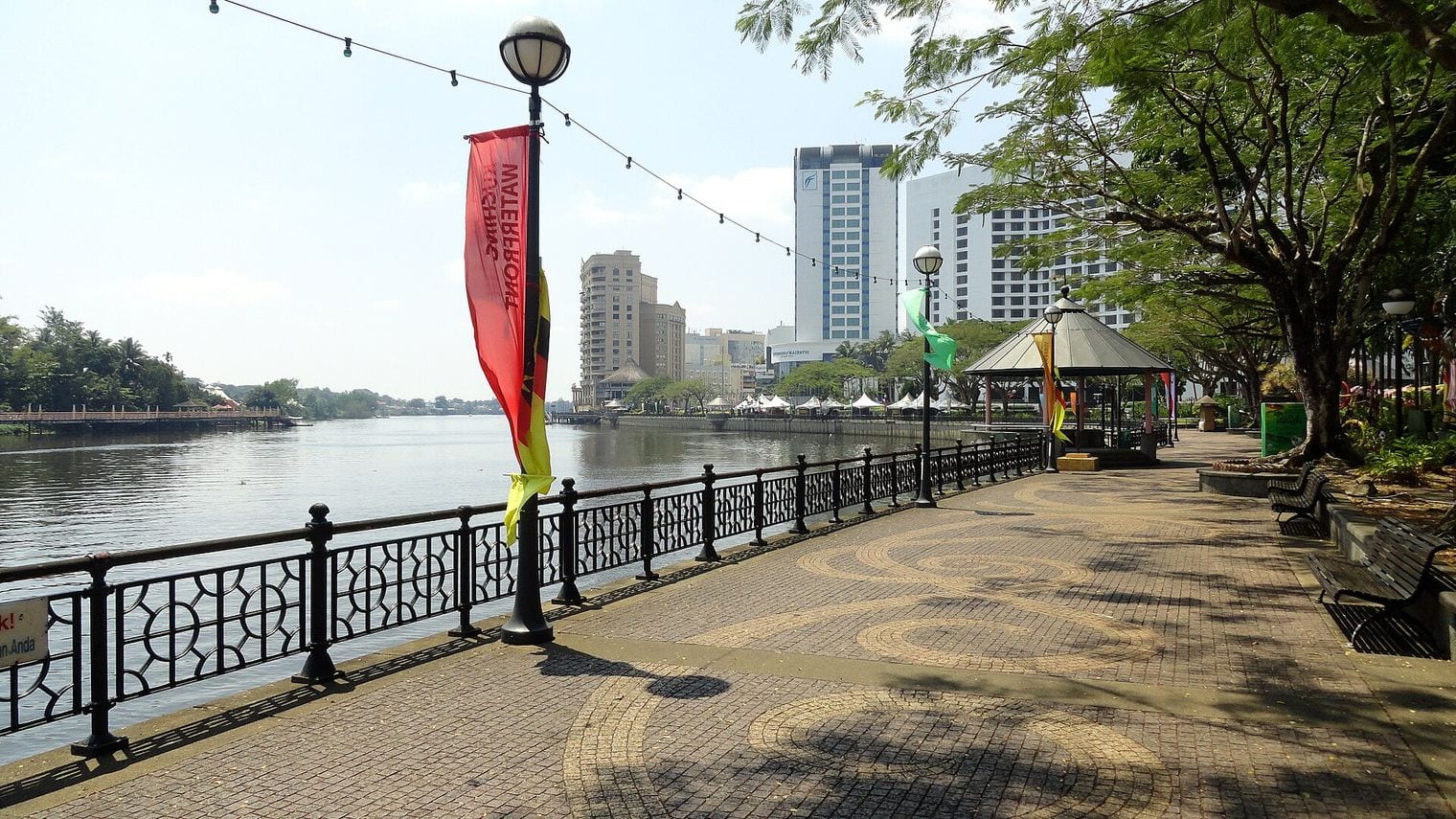
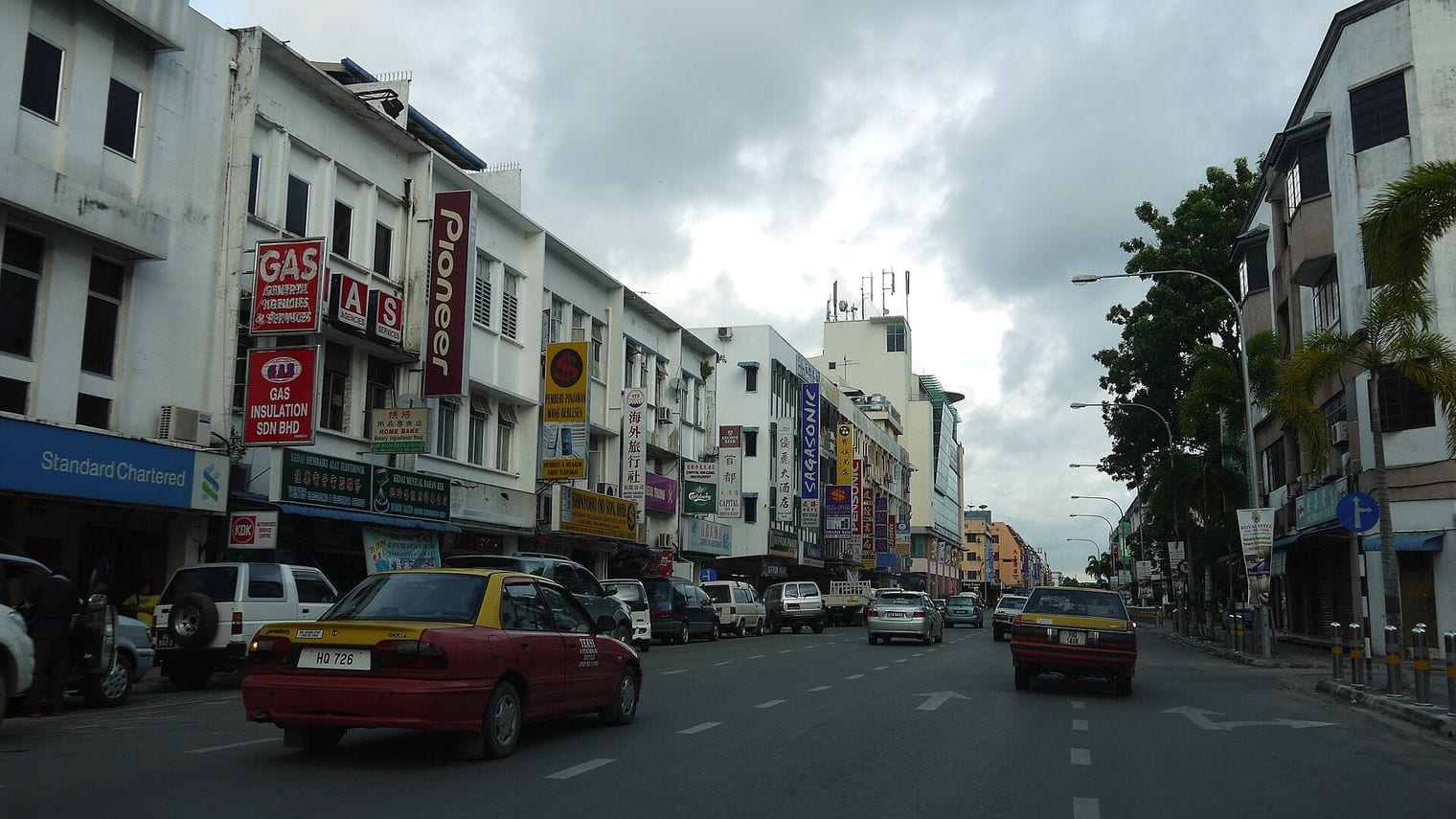
At 4,232.7 mm (166.6 inches) a year, Kuching, the capital of Sarawak on the island of Borneo, keeps a different calendar from the monsoon cities of Myanmar: its wettest months are December to February, with January averaging 672.3 mm, and even July, the driest, gets 200.9 mm.
The city on the Sarawak River was founded in 1827 and became the capital of James Brooke's Kingdom of Sarawak in 1841, the start of a century of rule by the Brooke family that ended when Sarawak was ceded to Britain in 1946. Fort Margherita and the Astana, both from the Brooke era, face the waterfront from the north bank of the river, and Bako National Park and the Semenggoh Wildlife Centre are within reach of the city.
Get new guides like this by email
One email every Thursday with our newest guides for the places you tick.
88. Myeik
Myeik (Mergui), Tanintharyi Region, Myanmar
4,188.1 mm, 1991–2020 normal at Myeik station (164.9 in)
At 4,188.1 mm (164.9 inches) a year, Myeik, on the Andaman Sea in the far south of Myanmar, completes the list's three Burmese monsoon cities. Its wet season runs from May to September, peaking in August at 876.4 mm, and January, at 37.5 mm, is among the few dry months.
The largest city in Tanintharyi Region, with an estimated population of over 209,000 in 2010, was known to Europeans as Mergui, and from the 16th century it was an important seaport, where traders landed to travel upriver to Tenasserim and over the mountains to Ayutthaya. Its port is the gateway to the roughly 800 islands of the Myeik (Mergui) Archipelago, and the city lives on fishing, rubber, coconuts, edible bird's nests and pearl farming.
99. Sylhet
Sylhet, Sylhet Division, Bangladesh
4,003 mm, 1991–2020 normal at Sylhet station (WMO 41891, Bangladesh Meteorological Department)
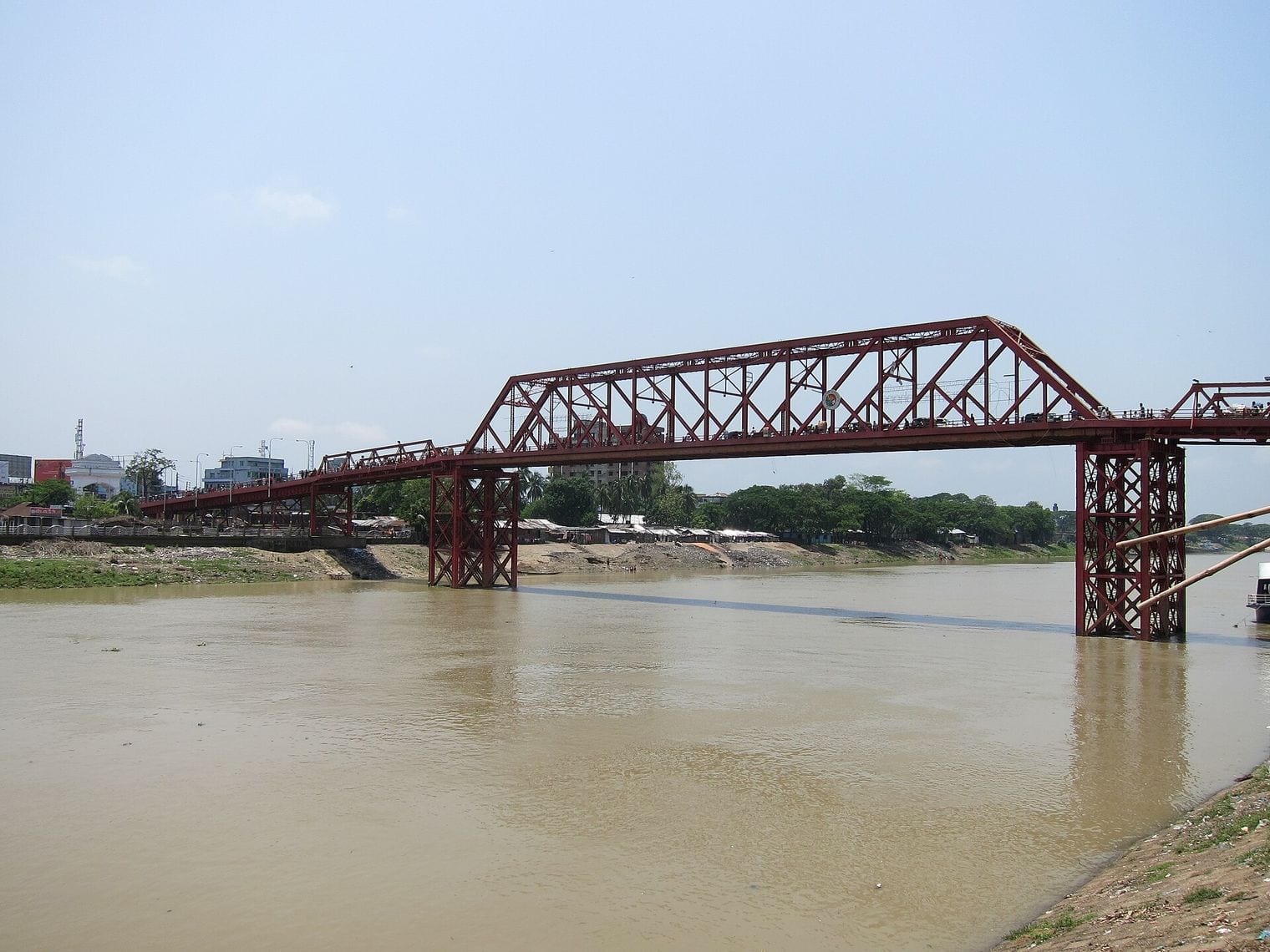
At 4,003 mm (157.6 inches) a year, on the Bangladesh Meteorological Department's 1991–2020 normal, Sylhet is the one city on the list from Bangladesh. It stands on the Surma River just south of India's Meghalaya hills, home of Cherrapunji and Mawsynram, and its rain peaks in June at 795 mm, with the monsoon months from May to September bringing most of the year's total.
The administrative centre of Sylhet Division, with a metro area of about a million people, Sylhet is known for its tea plantations, an industry that has driven the city's growth since the early 20th century. Pilgrims come to the Shah Jalal Dargah, one of the country's most important Islamic sites, and the region also holds Ratargul, one of the few freshwater swamp forests in Bangladesh.
1010. Bogor
Bogor, West Java, Indonesia
3,980.0 mm, 1991–2020 normal at Stasiun Klimatologi Bogor (157 in)
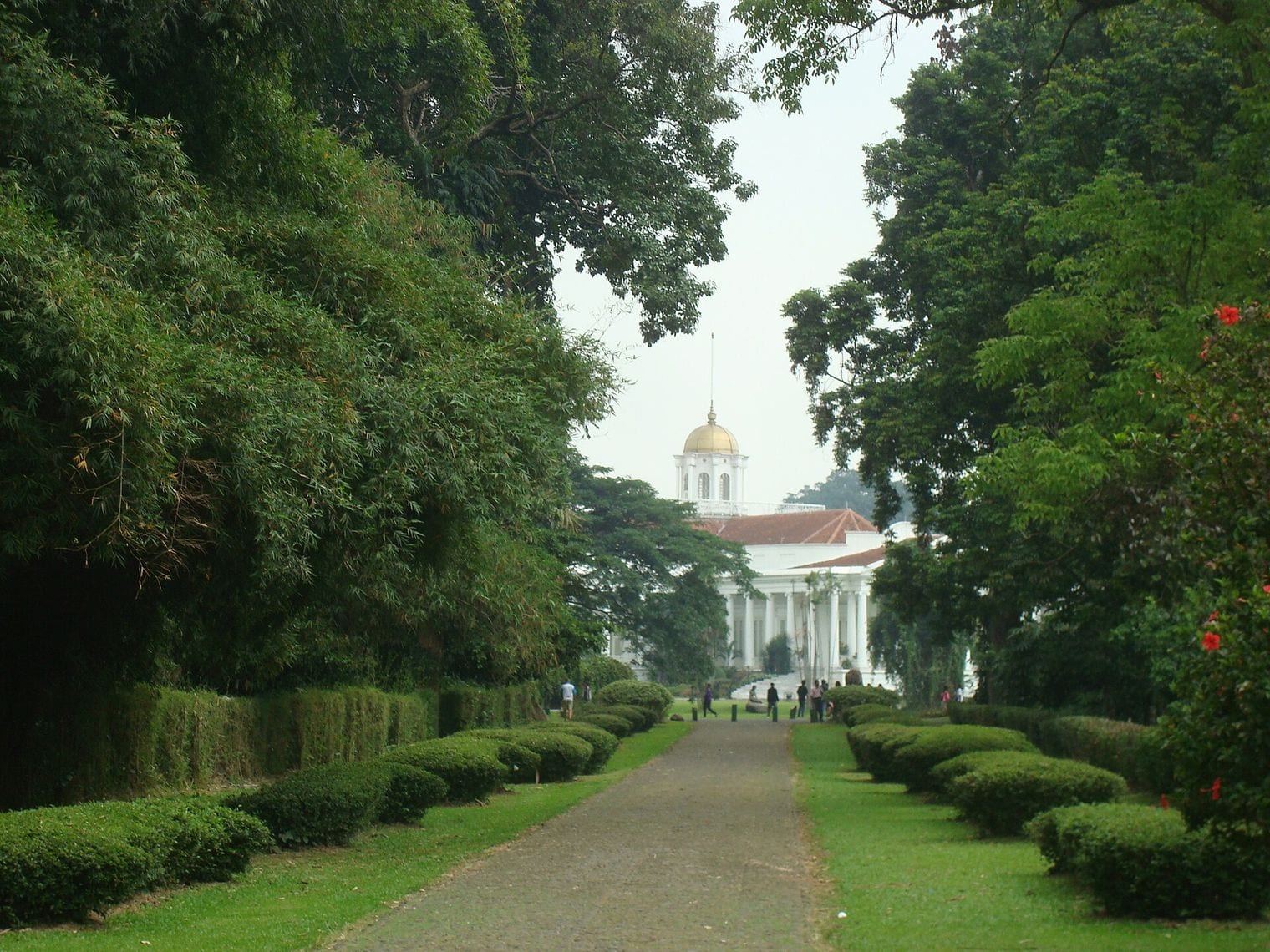
At 3,980 mm (156.7 inches) a year, Bogor lives up to its nickname, Kota Hujan, the Rainy City, earned by showers that keep falling even in the dry season: August, the driest month, still averages 167.4 mm, and February peaks at 447.2 mm. The figure comes from the Bogor climatology station at Dramaga, in Bogor Regency about 10 km west of the city.
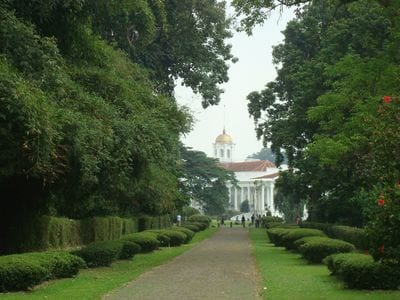
About 53 km south of Jakarta, Bogor was the capital of the Sunda Kingdom in the Middle Ages, as Pakuan Pajajaran, and later the Dutch retreat of Buitenzorg, a name meaning "without worries". The Bogor Botanical Gardens, founded on 18 May 1817 beside what is now the presidential palace, are among the oldest and largest in the world, in a city of 1,043,070 people at the 2020 census.
1111. Tarakan
Tarakan, North Kalimantan, Indonesia
3,978.7 mm, 1991–2020 normal at Stasiun Meteorologi Juwata (156.6 in)
At 3,978.7 mm (156.6 inches) a year at its Juwata airport station, Tarakan, an island city on the coast of North Kalimantan in Indonesian Borneo, has no real dry season: its driest month, February, averages 235.3 mm, and its wettest, November, 391.7 mm.
The city's limits match the island's, and with 242,786 people at the 2020 census it is the only city in North Kalimantan, a province created in 2012. Oil made Tarakan: Dutch explorers noted seepages in 1863, production began in 1906, and by the 1920s the island yielded a third of the oil of the Dutch East Indies, which made it one of Japan's first targets in the Pacific War.
1212. Bintulu
Bintulu, Sarawak, Malaysia
3,888 mm, 1991–2020 normal at Bintulu station (153 in)
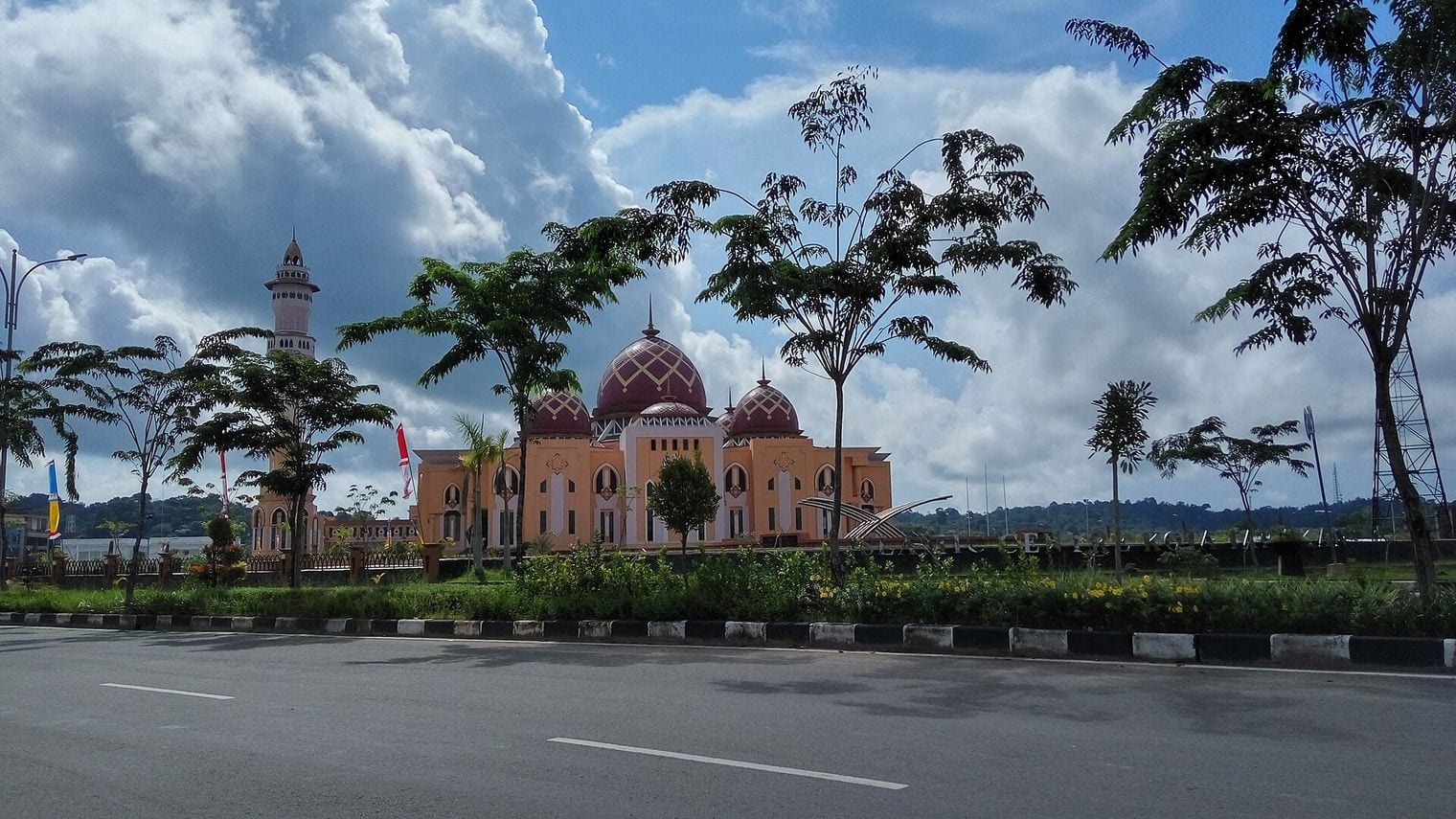
At 3,888 mm (153.1 inches) a year, Bintulu, on the central coast of Sarawak in Malaysian Borneo, follows the same pattern as Kuching, 610 km to the southwest: January is its wettest month at 460 mm, and no month averages less than 230 mm.
A fishing village under the Bruneian Empire until Rajah James Brooke took it over in 1861, Bintulu hosted the first meeting of the General Council, the forerunner of the Sarawak State Legislative Assembly, in 1867. Natural gas found off the coast in 1969 turned it into an energy town, home to the Malaysia LNG plant, and Similajau National Park and the beach at Tanjung Batu are among its sights; it had 114,058 people in 2010.
1313. Pokhara
Pokhara, Gandaki Province, Nepal
3,866.5 mm, 1991–2020 normal at Pokhara station (152.2 in)
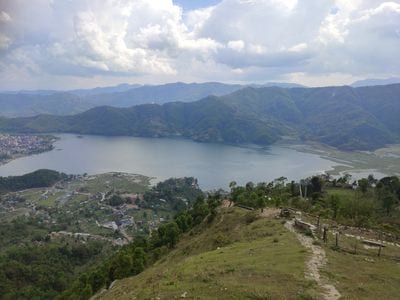
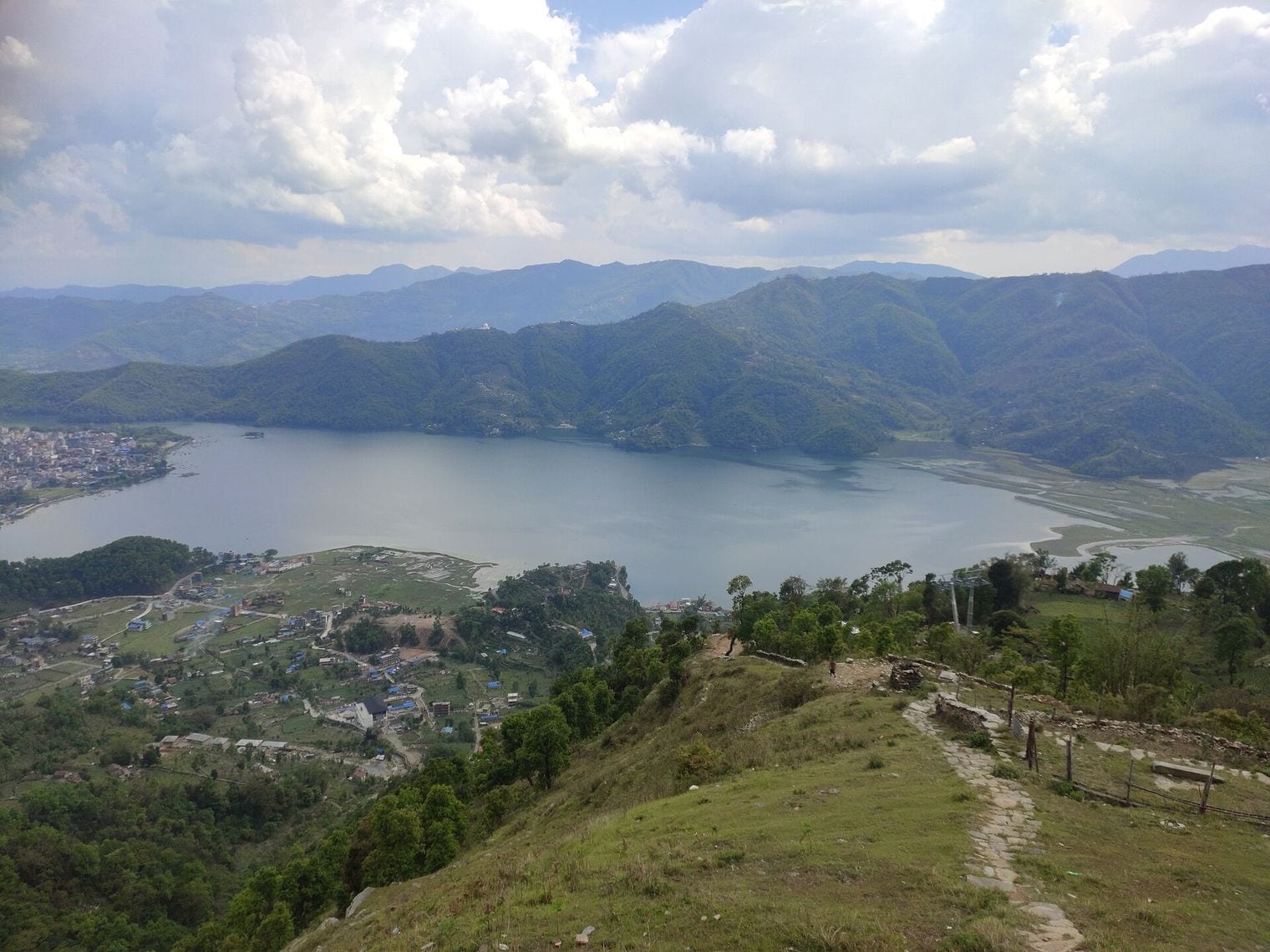
At 3,866.5 mm (152.2 inches) a year, Pokhara, Nepal's second-largest city, is the northernmost city on the list and the only one in the Himalaya. July, the height of the monsoon, averages 940.8 mm, while December gets 11.6 mm, and rain increases toward the north of the city, where it meets the foot of the mountains.
The capital of Gandaki Province, with 600,051 people at the 2021 census, sits on the shore of Phewa Lake at about 822 m, with the Annapurna Range rising 24 to 56 km away; Machhapuchchhre, the Fishtail, at 6,993 m, is the closest peak. Lakeside, along Phewa, is one of Nepal's main tourism hubs and the base for treks on the Annapurna Circuit.
1414. Baguio
Baguio, Benguet, Philippines
3,836.2 mm, 1991–2020 normal at Baguio City station (WMO register; PAGASA prints 3,824.4)
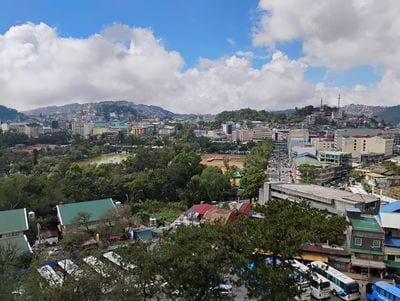
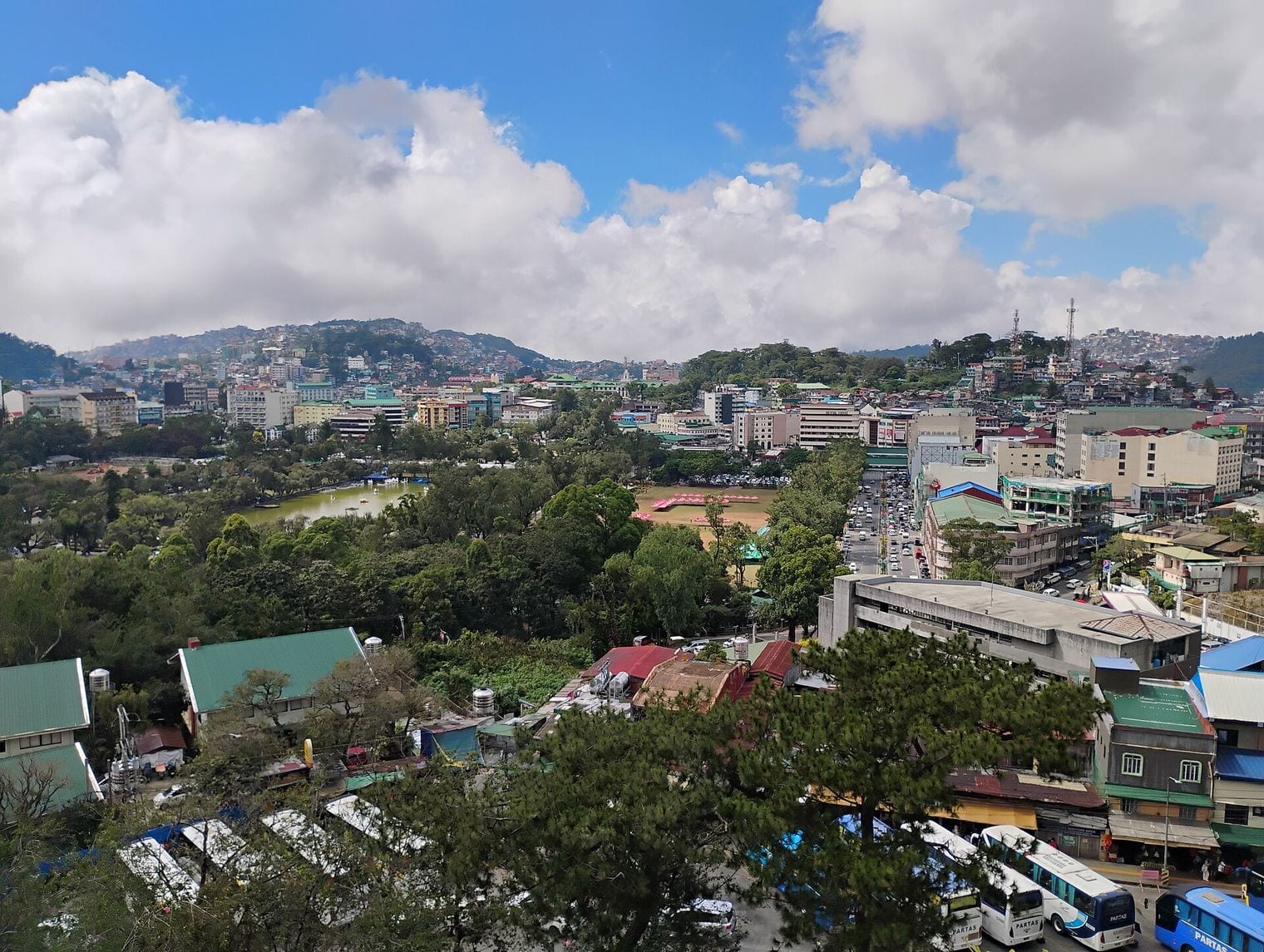
At 3,836.2 mm (151.0 inches) a year, Baguio, about 1,500 m up in the Cordillera of northern Luzon, is among the wettest cities in the Philippines. August averages 963.2 mm and January just 16.4 mm. The figure is the WMO register's 1991–2020 normal; the Philippine weather service, PAGASA, prints 3,824.4 mm in its own table.
The United States established Baguio as a hill station in 1900, on the site of an Ibaloi village called Kafagway, and the city was laid out to plans by the architect Daniel Burnham. Its cool climate made it the "Summer Capital of the Philippines", and its pine forests the "City of Pines"; Burnham Park and Session Road are the heart of a city of 368,426 people at the 2024 census.
1515. Limón
Limón, Limón Province, Costa Rica
3,787.3 mm, 1991–2020 normal at Puerto Limón station (149.1 in)
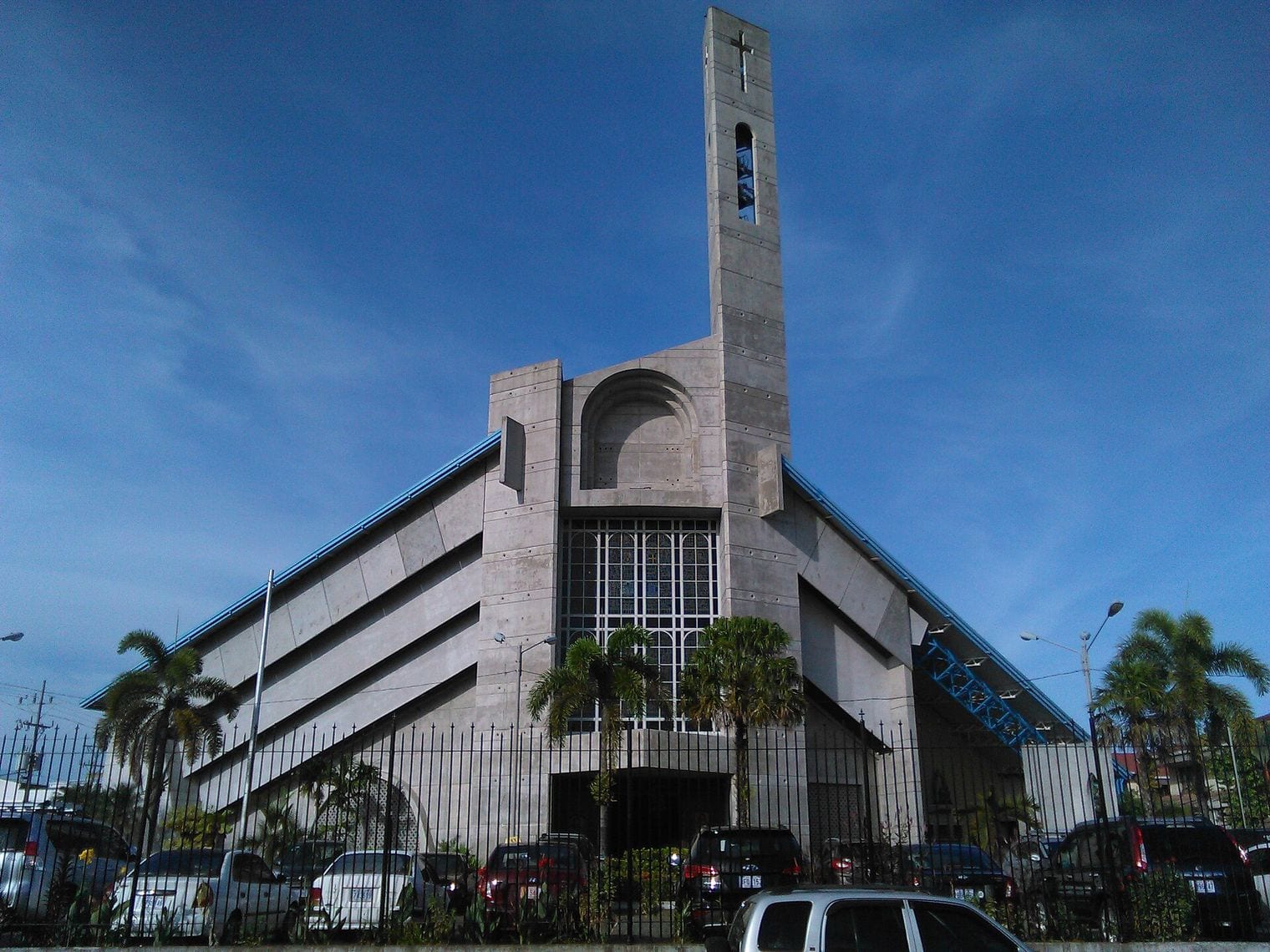
At 3,787.3 mm (149.1 inches) a year, Limón, Costa Rica's main port on the Caribbean, rounds out the top 15. Rain falls in every month, with peaks in July, at 504.5 mm, and December, and a drier spell in September and October. The city qualifies as the canton of Limón, with 116,457 people; the city district alone has 71,514.
Christopher Columbus dropped anchor at Isla Uvita, just offshore, in 1502 on his fourth and last voyage, and the city was founded in 1854 to become the country's main port, a role it still has. Jamaican workers who came to build the Atlantic railroad made Limón the heart of Afro-Costa Rican culture, where Limonese Creole is spoken alongside Spanish.
FAQ: The World's Rainiest Cities
What is the rainiest city in the world?
Quibdó, the capital of Colombia's Chocó Department, with a mean of 8,156.9 mm (321.1 inches) a year at its airport station on the 1991–2020 normals. Buenaventura, Colombia's Pacific port, is second at 6,999.7 mm, and Mawlamyine in Myanmar third at 4,979.2 mm. Three of the top five cities are Colombian.
Why aren't Mawsynram and Cherrapunji on the list?
They are often called the wettest places on Earth, but neither is a city. Mawsynram, a village in India's Meghalaya hills, reportedly averages 11,872 mm a year, and Cherrapunji (Sohra) is a small town nearby. Colombia's Lloró and López de Micay are also far too small, and so is Hilo, Hawaii, with about 44,000 people. This list ranks only places of 100,000 or more.
Isn't Bergen or Singapore the rainiest city?
Both are famous for how often it rains, not for how much. Bergen, often called Europe's rainiest city, averages 2,495.6 mm a year, less than a third of Quibdó's total, and Singapore's Changi station 2,113.3 mm. Rankings of rainy days favour cities like these; this list measures how much rain falls over a year, in millimetres.
How was the rainfall measured?
Each figure is the mean annual precipitation, rain plus any melted snow, for 1991–2020 at the station that names the city or serves as its airport, from the WMO Climatological Standard Normals. Buenaventura has no station in the WMO file, so it uses the IDEAM normal. Where a city has two stations, as Villavicencio does, the airport counts. Baguio ranks on the WMO's 3,836.2 mm; PAGASA's own table prints 3,824.4 mm.
Are all the weather stations inside the cities?
Most are, but not all. Padang's station is at Minangkabau International Airport, in Padang Pariaman Regency about 23 km northwest of the city, and Bogor's is the Dramaga climatology station, about 10 km west in Bogor Regency. Quibdó's rural Tutunendo station, inside the municipality, reads 10,486 mm, but the list uses the airport. Limón qualifies as its canton, with 116,457 people; the city district has 71,514.
Why aren't Dawei or Monrovia on the list?
Dawei, in southern Myanmar, averages 5,485.7 mm and would rank third, but the town had 80,117 people at the 2014 census; the 125,605 often quoted is the wider township. Thaton, at 5,276 mm, and Hpa-an, at 4,391.3 mm, are also under 100,000. Monrovia, Freetown and Lae have no 1991–2020 normal, and the 4,500 mm or more often quoted for Monrovia is an older average.
Sources & updates
How this ranking was verified
Checked before launch
Sources cited
18
Publishers
4
Every figure in this ranking was checked against the record-keeper or official source behind it before publication, and the top of the ranking re-checked live so a newer record would not be missed.
One email every Thursday with our newest guides for the places you tick.
Newsletter
Stay updated with new World Record Breakers
One email every Thursday with our newest guides for the places you tick.
We use cookies to analyze site traffic and improve your experience.
You can accept or reject analytics cookies. See our
May we use analytics cookies? See ourCookie Policy.